Industry Briefing
A single destination for timely, editor-curated robotics news from around the world.

Data-Driven Quality Control Enhances Manufacturing by Preventing Costly Defects
Data-driven quality control is transforming modern manufacturing by identifying variations in processes before defects occur. This proactive approach allows teams to monitor conditions that lead to nonconforming parts, reducing scrap, rework, and delivery pressures while maintaining quality costs. The significance of this method lies in its ability to shift from reactive to proactive quality control. By focusing on process changes rather than merely sorting defective products, manufacturers can prevent issues before they escalate, ultimately protecting production capacity and minimizing hidden costs associated with defects. Looking ahead, the integration of statistical process control (SPC) will be crucial for operators and engineers. By training teams to read control charts and understand process capability, manufacturers can ensure stable processes that meet specifications, thus avoiding the costly errors of mismanaging process variations.
Computing Digital Automation Manufacturing Software continuous improvement data-driven quality control
Data-Driven Review of Hexapod Locomotion on Various Terrains: Modeling and Control Insights
A recent review published in the Journal of Field Robotics examines hexapod locomotion across both structured and unstructured terrains. The study highlights advancements in modeling, control strategies, and validation techniques for hexapod robots, providing a comprehensive overview of current methodologies. This review is significant as it consolidates various approaches to hexapod locomotion, emphasizing the importance of adapting to different terrain types. Understanding these locomotion strategies is crucial for enhancing the performance and versatility of hexapod robots in real-world applications. Looking ahead, researchers and developers in the field should monitor ongoing advancements in hexapod locomotion technologies and their potential applications in diverse environments. No further timeline was disclosed at the time of publication.
SURVEY ARTICLE
Ego Data Transitions to Quality Era as Skyworth XR Innovates Data Collection
Ego Data has entered a new phase focused on quality, as highlighted by Skyworth XR's advancements in embodied data collection. This shift is significant as it reflects the growing importance of data accuracy and integrity in the industry, particularly in the context of intelligent systems. Observers should note the increasing interest in embodied intelligence and its implications for future technological developments.
Robotics Automation AI
Hebbian Robotics Releases HFlow 0.2.4 for Robotic Data Quality Control
Hebbian Robotics has launched HFlow 0.2.4, a preliminary version of its open-source tool aimed at robotic data quality control. The software organizes videos, joint states, actions, and timestamps used for training models, while tracking transformations applied to each episode. Robotic teams often accumulate recordings from cameras, sensors, and commands that do not share the same clock, which can degrade learning without visible errors. HFlow aims to replace scattered scripts with a reproducible, observable, and queryable pipeline. It uses MCAP as the primary input and output format, which is natively utilized by ROS 2, and can integrate images, states, actions, and other time series. The latest version also adds support for importing datasets in LeRobot v3 format. Each processing step can execute transformations, checks, annotations, or enrichments written in Python, allowing teams to trace the code that produced an episode and compare versions of checks. The project’s success will depend on its adoption by teams already using ROS 2, MCAP, or LeRobot. HFlow addresses a significant issue: a robotic model cannot sustainably compensate for desynchronized, incomplete, or irreproducible data. By making these defects measurable and auditable, HFlow seeks to shift quality control earlier in the learning pipeline.
Robots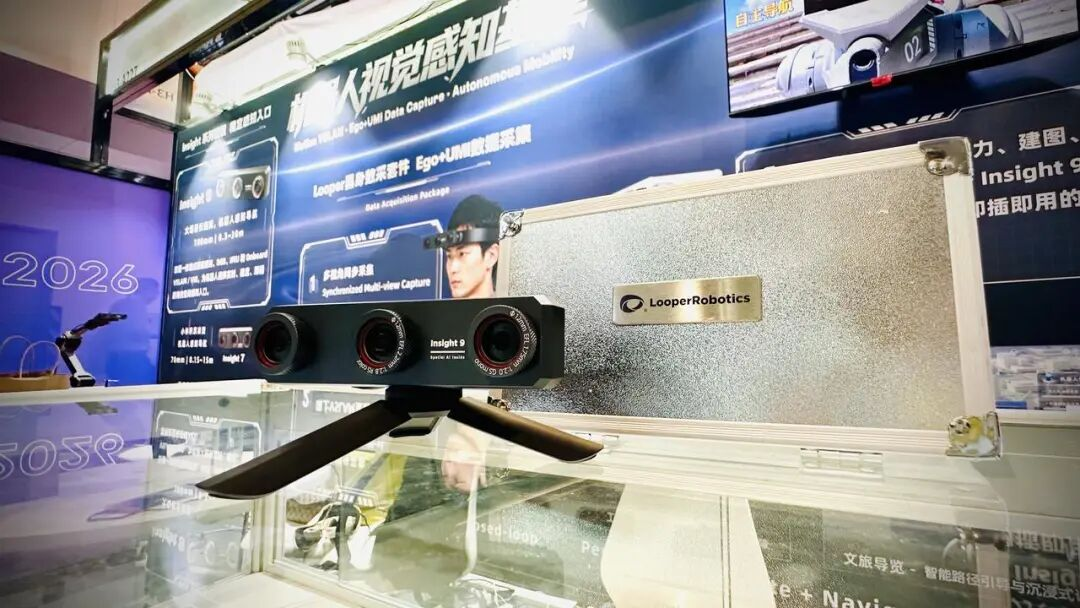
WAIC Highlights Embodied Intelligence with Data-Driven Innovations and New Players
Embodied intelligence emerged as a leading focus at this year's WAIC, attracting significant attention at the Expo Center. Numerous familiar companies showcased their production lines and scenarios, while new entrants like Guanglun Intelligent and Wuwen Zhike displayed data streams and algorithm demonstrations, drawing industry professionals eager to address data challenges. The shift in competition from 'building bodies' to 'establishing foundations' emphasizes the critical role of data in embodied intelligence. However, the industry faces a substantial bottleneck due to a lack of high-quality data. Chen Yilun, founder of Shizhi Hang, highlighted that at least 10 million hours of qualified data is needed for embodied operations, ten times that required for autonomous driving, with only about 500,000 hours available globally by early 2026. Looking ahead, the demand for data is projected to increase dramatically, with companies like Guanglun Intelligent leading the charge. The company, founded in 2023, aims to scale data collection and has already achieved a valuation exceeding 15 billion yuan. As the industry evolves, the need for effective data solutions will continue to create opportunities for innovation and growth.
Data Collection Embodied Intelligence AI Technology Robotics Data Analytics
Variable Impedance and QP-CBF Control for Damage-Free Grasping Using Multimodal Oxidation Prior
The article discusses a novel approach to damage-free grasping through the implementation of variable impedance and Quadratic Programming-Collision Barrier Function (QP-CBF) control. This method leverages multimodal oxidation prior to enhance the grasping capabilities of robotic systems. This advancement is significant as it addresses the challenges of ensuring safe and effective interactions between robots and delicate objects. By utilizing variable impedance control, robots can adapt their grip strength based on the object's properties, minimizing the risk of damage during handling. Looking ahead, the research highlights the potential for further developments in robotic grasping techniques that incorporate advanced control strategies. No further timeline was disclosed at the time of publication.
RESEARCH ARTICLE
Nanyang Technological University Develops MMG-Driven Variable Stiffness Glove for Tremor Control
Nanyang Technological University (NTU) has unveiled a variable stiffness glove driven by mechanomyography (MMG) to suppress tremors associated with conditions like Parkinson's disease. This innovative wearable device utilizes a 3D-printed exoskeleton structure that adjusts its stiffness in response to detected muscle vibrations, providing support only when tremors occur. The significance of this development lies in its ability to enhance daily activities for individuals suffering from tremors without compromising joint flexibility. The glove's design incorporates a lightweight, high-strength nylon structure that can quickly transition from soft to rigid, ensuring optimal performance during tremor episodes. The research findings have been accepted for publication in IEEE Robotics and Automation Letters. Looking ahead, the team aims to further validate the glove's effectiveness in real-world applications. The rapid response time of the device, achieving 90% of maximum stiffness in approximately 0.63 seconds, positions it as a promising solution for tremor suppression. No further timeline was disclosed at the time of publication.
Wearable Technology Tremor Suppression Assistive Devices Healthcare Innovation
Meta and BlackRock Form Joint Venture for $14B AI Data Center in Texas
Meta Platforms and BlackRock have established a joint venture to develop a significant AI-focused data center campus in El Paso, Texas, with an estimated cost of $14 billion. This facility will provide 1 gigawatt of computing capacity to enhance Meta's artificial intelligence infrastructure, with the first capacity expected to be operational by 2028. The partnership is crucial for Meta as it aims to advance its superintelligence initiatives, with CEO Mark Zuckerberg emphasizing the importance of building infrastructure that benefits everyone. BlackRock's involvement, alongside Global Infrastructure Partners and HPS Investment Partners, will facilitate the necessary capital for this major project, which is anticipated to create thousands of jobs and stimulate local economic growth. Looking ahead, the project will not only support over 4,000 jobs during construction but also provide about 300 full-time positions once completed. Meta is also committed to workforce development, contributing to local education and skilled trades programs, while BlackRock's Future Builders initiative aims to train over 12,000 electricians in Texas over the next three years. No further timeline was disclosed at the time of publication.
AI and Robotics
Siemens collaborates with Databricks and FFT to enhance production data with AI insights.
Siemens has unveiled a new edge-to-cloud integration in collaboration with Databricks, a leading Data and AI company, and its long-time automation partner, FFT Produktionssysteme. This innovative partnership aims to streamline the connection of production data directly to enterprise AI, eliminating the need for complex IoT middleware. By facilitating this direct integration, Siemens and its partners intend to empower industrial customers to transform their production data into actionable insights, thereby enhancing the scalability of industrial AI solutions on a global scale. This initiative underscores the growing importance of data-driven decision-making in the manufacturing sector, enabling companies to leverage advanced analytics for improved operational efficiency and competitiveness.
Artificial Intelligence Automation Industry News artificial intelligence cloud computing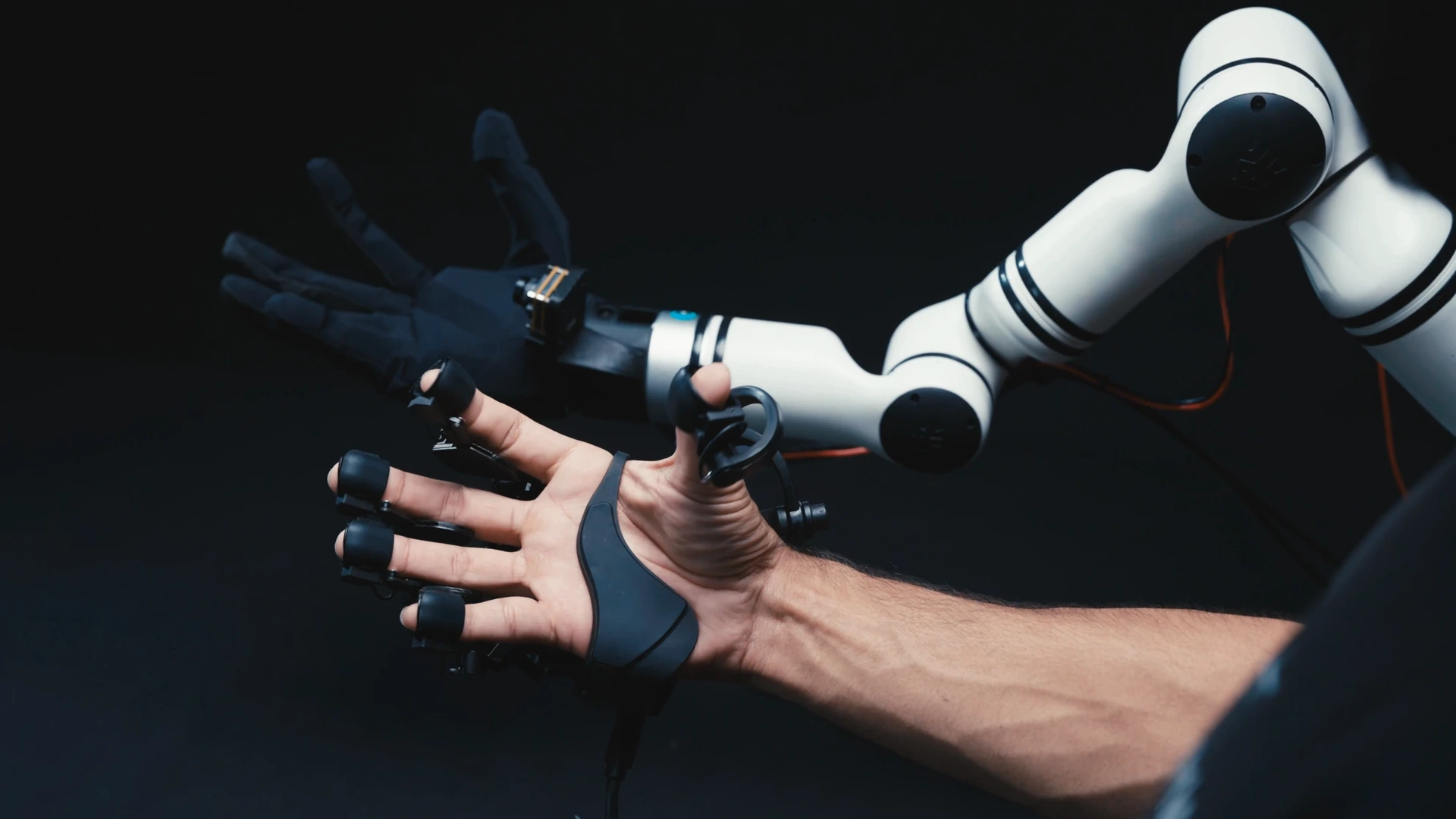
Chestnut Robotics Unveils Aero Hand and Aero UMI for Enhanced Robotic Control
Chestnut Robotics has introduced the Aero Hand and Aero UMI at IROS 2026, integrating a dexterous robotic hand with a wearable system for remote control and demonstration recording. Co-founder and CEO Evan Tao highlighted the products as a cohesive system where the operator's movements directly influence the robotic hand's actions. This launch positions Chestnut among a growing number of companies focused on developing tools that facilitate robot training alongside the hardware that executes tasks. The Aero Hand features a design that mimics human hand movements, boasting a lifetime of over three million cycles, while Aero UMI employs magnetic encoders to accurately capture motion. Looking ahead, the key focus will be on how effectively demonstrations collected with Aero UMI translate into reliable autonomous actions by the Aero Hand. The performance of this system in real-world applications will be critical in determining its commercial viability and the extent of corrections needed for autonomous operation.
US Chestnut Robotics
Humanoid Robots Enhance Mobility with AI-Driven Sprinting and Spin Kicks
Recent advancements in humanoid robots have led to the development of systems capable of sprinting and executing spin kicks, utilizing AI trained on human motion data. This progress signifies a leap in the capabilities of humanoid robots, which have traditionally been limited in their movement repertoire. The ability of humanoid robots to perform complex movements like sprinting and spin kicks is crucial for their potential application in assisting humans with manual tasks across various environments. Enhanced mobility could enable these robots to engage more effectively in real-world scenarios, thereby increasing their utility and acceptance in society. Looking ahead, the focus will likely be on further refining the movement capabilities of humanoid robots and exploring their practical applications in industries such as healthcare, logistics, and personal assistance. No further timeline was disclosed at the time of publication.
Robotics
2026 WRC Highlights Robotics Industry's Shift Towards Data-Driven Intelligence
The 2026 World Robot Conference (WRC) opened in Beijing on August 19, showcasing over 2,000 exhibits from more than 300 companies, including 150 new products. Notable demonstrations included TianGong Omni's pole walking and Yaskawa's cable assembly robots. However, the event highlighted a critical shortage of high-quality training data for robots, with only 22 types of embodiments and over one million real trajectories available publicly. The significance of this shortage lies in the growing demand for robots to prove their capabilities through real-world experience rather than mere demonstrations. The conference emphasized the importance of data-driven embodied intelligence, marking 2026 as a pivotal year for this sector. Companies are increasingly focusing on gathering extensive human behavior data, with Lightwheel Intelligent and JD.com leading efforts to collect millions of hours of data to enhance robotic training. Looking ahead, the robotics industry is witnessing a shift towards creating a robust data ecosystem to support robotic learning. The emergence of companies like Mifeng Technology, which showcased its MEgo Gripper and MEgo View, reflects a trend towards data collection without traditional robotic embodiments. No further timeline was disclosed at the time of publication.
Robotics Data-Driven Intelligence AI Training Industrial Automation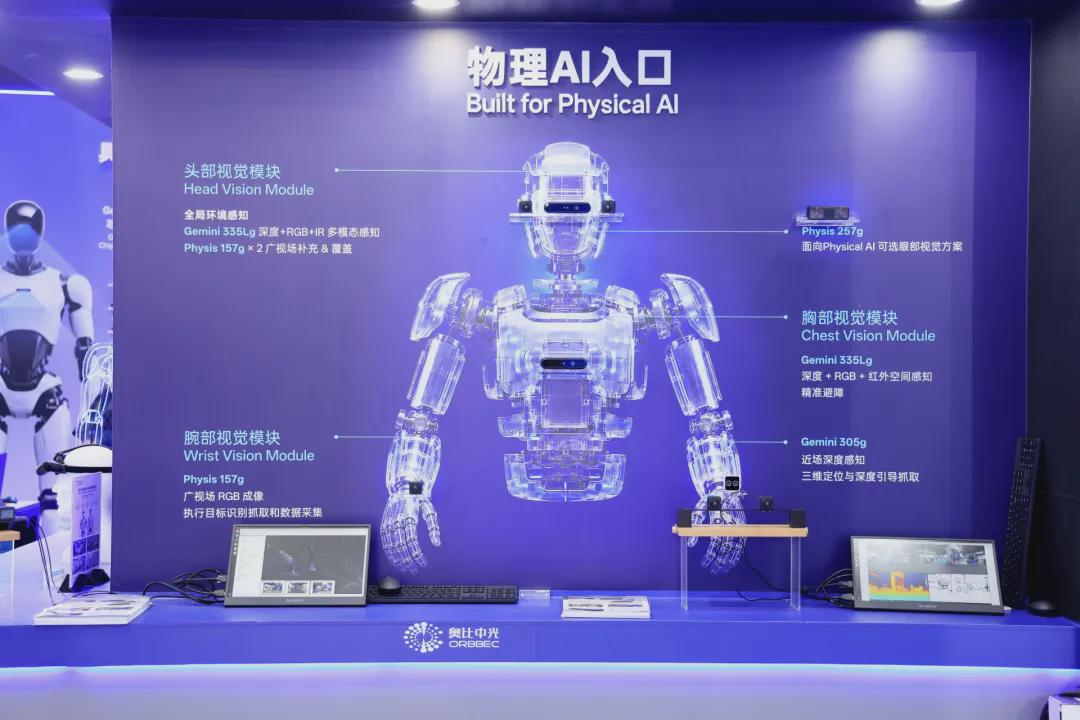
Emerging Challenges in Embodied Intelligence: Data Quality vs. Quantity for Robots
At the WRC, insights revealed that the next phase of embodied intelligence is facing a paradox: the scarcity lies not in data volume but in the physical world representation within that data. Over the past year, numerous training centers have emerged across China, with over 90 expected to be operational by mid-2026, generating millions of data points. However, only a fraction of this data is applicable to real-world tasks, indicating a potential issue as the industry approaches commercialization. This situation is critical because, unlike language models, robots cannot rely on the internet for training; they must navigate real-world complexities such as friction and collisions. The founder of Orbbec, Dr. Huang Yuanhao, emphasized that while digital intelligence thrives on vast amounts of text data, embodied intelligence requires experiential learning from human operators, which is currently lacking. Recent research indicates a shift in focus from merely increasing demonstration data to enhancing 3D spatial understanding for foundational robot training. Innovations like FreeTacMan's wearable devices are also emerging, allowing humans to gather rich interaction data directly. As the industry explores these new avenues, the question remains whether the bottleneck in robot training is due to insufficient data or the high costs and limitations of current data production methods.
Embodied Intelligence Data Collection Robotics Training AI Integration
Humanoid Robots Achieve Agile Movements with New ZEST Control Framework
Researchers have introduced a novel control framework named zero-shot embodied skill transfer (ZEST) that enables humanoid robots to execute agile movements such as crawling, cartwheels, and backflips. This innovative system utilizes reinforcement learning to teach robots whole-body movements derived from human motion capture, video, and animation data, allowing for a diverse range of movements to be learned in a single training phase. The significance of ZEST lies in its ability to reduce the engineering and tuning efforts typically required for robotic skill acquisition. By employing a reinforcement-learning policy trained in simulation, ZEST can transfer learned skills to physical robots like Boston Dynamics' Atlas and Spot without the need for extensive fine-tuning. This framework also incorporates adaptive sampling and automatic curriculum adjustments to enhance learning efficiency and performance. Looking ahead, the researchers aim to expand ZEST's capabilities to include zero- and few-shot adaptation and continual learning. While the current implementation is limited to flat, nonslippery environments, the potential for future advancements in robotic control and movement generalization is promising. No further timeline was disclosed at the time of publication.
AI and Robotics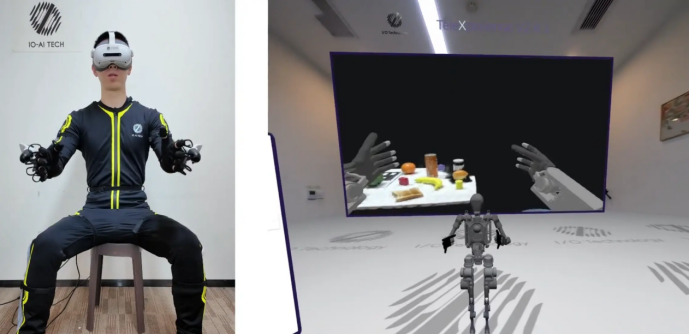
Data-Driven Unicorns: $2 Billion Valuation in Robotics Without Profit
In response to the growing demand for effective robot training, companies in the robotics sector are increasingly prioritizing the generation of high-quality multimodal training data over the mere construction of robots. This shift highlights a significant trend towards recognizing data as a vital resource for enhancing embodied intelligence in robotics. Several firms have successfully secured substantial funding to develop innovative solutions that cater to this emerging need. As the industry evolves, the focus on data-driven approaches is expected to play a crucial role in advancing the capabilities of robotic systems, marking a transformative phase in the field.
Robotics Data Training VR Technology AI
3 Questions: Beyond data-driven aesthetics
Alexandros Haridis, a recent graduate with a master's degree in 2017 and a PhD in 2022, is showcasing his work in a new exhibition at the Keller Gallery. The exhibition delves into the evolution of aesthetic judgment over the centuries and examines the role of design in rendering complex computational systems more accessible and understandable. By highlighting the intersection of art and technology, Haridis aims to foster a deeper appreciation for how design influences our perception of intricate data. The exhibition is set to attract visitors interested in both the historical context of aesthetic principles and contemporary design practices.
School of Architecture and Planning Architecture Computer science and technology Artificial intelligence Machine learning Algorithms
Outracing a National Level Model Racing Car Champion: A Hybrid Model‐Based Data‐Driven Approach
A recent study published in the Journal of Field Robotics highlights advancements in autonomous robotic systems designed for agricultural applications. Conducted by a team of researchers from various universities, the study was released in early October 2023. The research focuses on the development of robots capable of performing tasks such as planting, harvesting, and monitoring crops with minimal human intervention. The motivation behind this innovation stems from the increasing demand for efficient agricultural practices to address food security challenges and labor shortages in the farming sector. By utilizing advanced sensors and artificial intelligence, these robots can navigate complex terrains and adapt to varying environmental conditions, enhancing productivity and sustainability in agriculture. The researchers conducted extensive field trials to validate the robots' effectiveness, demonstrating their ability to operate autonomously while maintaining high levels of accuracy and efficiency. The findings suggest that integrating these robotic systems into farming operations could significantly reduce labor costs and improve crop yields, paving the way for a more sustainable future in agriculture.
RESEARCH ARTICLE
Jiangsu Launches High-Quality Data Consortium for Embodied Intelligence in Robotics
The Jiangsu Industrial Consortium for High-Quality Data in Embodied Intelligence was officially launched in Suzhou, with the goal of tackling data scarcity in the robotics sector. Spearheaded by Suzhou Heshuju Information Technology Co., the consortium brings together universities and technology firms to create standardized, multimodal datasets essential for artificial intelligence training in industrial applications. Additionally, the initiative includes a talent training program designed to align educational outcomes with industry requirements, thereby enhancing the workforce's capabilities in this rapidly evolving field.
Embodied Intelligence Industrial Robotics AI Training Data Standardization Talent Development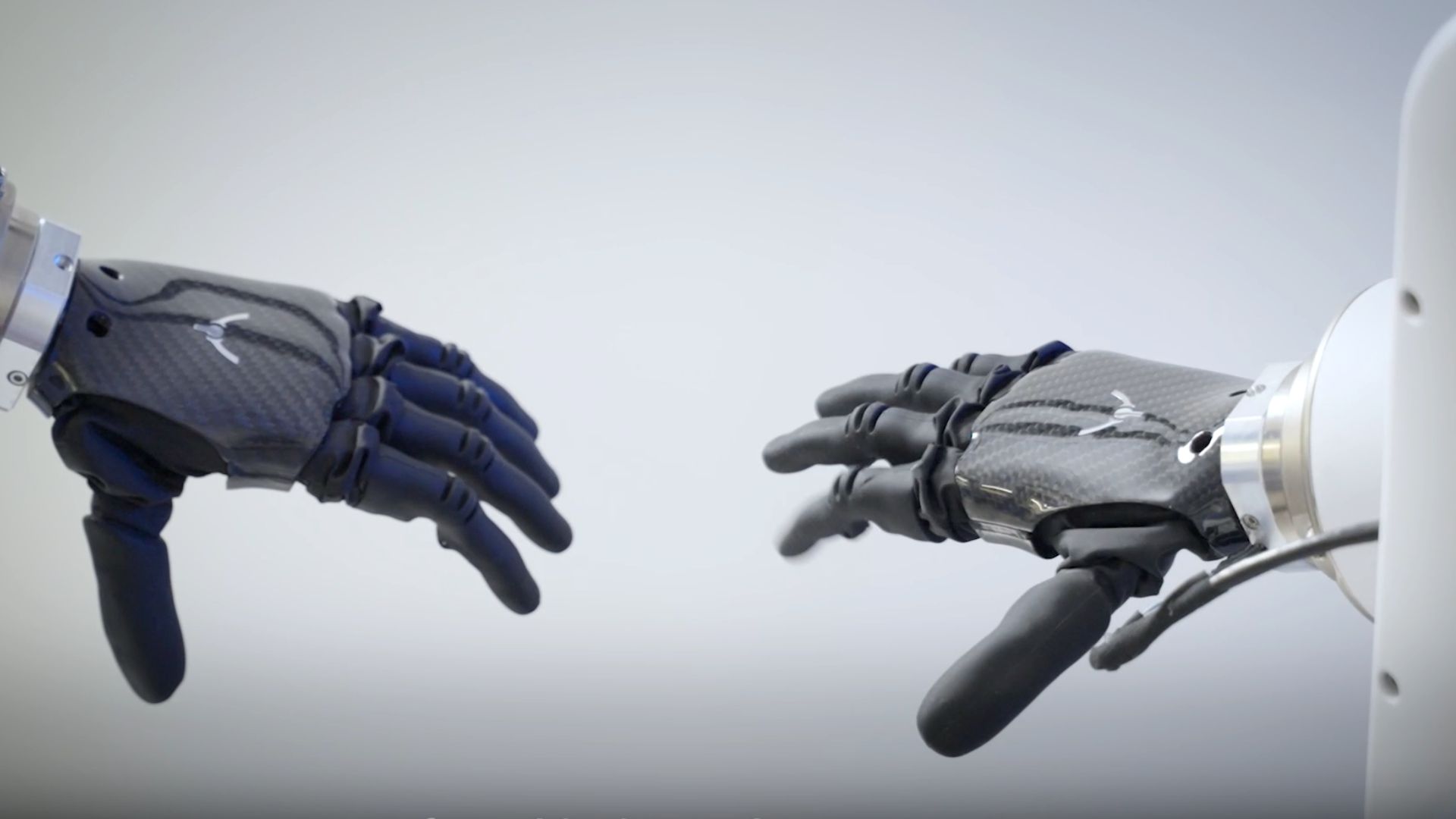
Prosthetic hands’ data helps robots get finer control for precise manipulation
ABB Robotics has announced a collaboration with California-based bionic company PSYONIC to enhance the development of more dexterous robotic systems. This partnership aims to leverage PSYONIC's expertise in bionic technology to create advanced robotic solutions that can perform intricate tasks with greater precision and adaptability. The initiative is part of ABB's ongoing commitment to innovation in robotics, seeking to address the growing demand for versatile robotic applications across various industries. The collaboration was officially unveiled in October 2023, marking a significant step forward in the integration of bionic technology into robotic systems. By combining their strengths, both companies hope to push the boundaries of what is possible in robotic dexterity, ultimately improving efficiency and productivity in sectors such as manufacturing, healthcare, and beyond.
AI and Robotics
X Square Robot Open-Sources XRZero-G0 to Scale Robot Learning with Interfaces, Data Quality and Ratios
A new framework named XRZero-G0 has been introduced to enhance the quality of data collection and training for embodied artificial intelligence, eliminating the need for robotic assistance. This innovative approach aims to streamline the process of gathering high-quality data, which is crucial for developing advanced AI systems. The framework was unveiled in October 2023, reflecting ongoing advancements in AI technology and data collection methodologies. By focusing on robot-free data collection, XRZero-G0 seeks to address challenges related to the dependency on physical robots, thereby making the training of AI more efficient and accessible. The initiative is expected to significantly impact the field of AI research and development, potentially leading to more robust and versatile AI applications across various industries.

First in Industry: JianZhi Robotics and Ant Lingbo Collaborate on Human Data-Driven Intelligent Evolution
On May 26, JianZhi Robotics and Ant Lingbo unveiled a strategic partnership aimed at advancing embodied intelligence by utilizing human data. This collaboration seeks to address existing limitations within the industry by innovating model training and cognitive evolution, setting a new standard for general embodied intelligence. By harnessing high-quality human behavioral data, the partnership intends to enhance model capabilities and promote the practical application of embodied intelligence in various sectors.
Embodied Intelligence Human Data Robotics Collaboration AI Innovation
Quiz: All About AI-Driven Motion Control
Industry experts are increasingly exploring the integration of artificial intelligence (AI) to enhance motion control systems. This trend has gained momentum as companies seek to improve efficiency and precision in various applications, ranging from robotics to manufacturing. Recent discussions among specialists highlight the transformative potential of AI in optimizing motion control processes, particularly in automating complex tasks and improving responsiveness to dynamic environments. As businesses face growing demands for innovation and adaptability, the adoption of AI-driven motion control solutions is seen as a critical step forward. Experts emphasize that leveraging AI can lead to significant advancements in performance, allowing systems to learn from data and make real-time adjustments. This capability not only streamlines operations but also reduces the likelihood of errors, thereby increasing overall productivity. The conversations surrounding this topic have intensified in recent months, with industry conferences and workshops providing platforms for sharing insights and best practices. As companies continue to invest in AI technologies, the motion control sector is poised for a significant evolution, driven by the need for smarter, more efficient systems that can keep pace with the rapid advancements in technology.
Factory / Motion
Iran could target hidden submarine cables crossing Hormuz to control data routes: Report
Iran is contemplating the implementation of charges on submarine fibre-optic cables that traverse the strategically significant Strait of Hormuz. This potential move comes amid ongoing tensions in the region and is seen as a way for Iran to exert control over critical maritime infrastructure. The Strait of Hormuz is a vital waterway for global oil transport and telecommunications, making any changes to access fees a matter of international concern. Discussions regarding this initiative are reportedly taking place as Iran seeks to bolster its economic leverage and assert its influence over the region's communication networks. The outcome of these considerations could have significant implications for international shipping and telecommunications, particularly for countries reliant on the cables that connect Europe, Asia, and beyond.

Comprehensive Task Coverage and Real Data-Driven! SenseTime Launches Smart Convenience Store Robot
SenseTime has introduced the SenseMartGo robot convenience store, marking a significant step in the integration of artificial intelligence into retail. The company plans to expand this innovative shopping model across various cities by 2026. Utilizing advanced AI and data analytics, the SenseMartGo store promises to enhance the shopping experience while achieving notable operational efficiency. This launch not only showcases SenseTime's commitment to technological advancement in retail but also aims to capture a growing market interested in automated shopping solutions. As the demand for convenient and efficient shopping options rises, SenseTime's initiative positions it as a leader in the evolving landscape of retail technology.
Retail Robotics AI Technology Smart Stores Data Analytics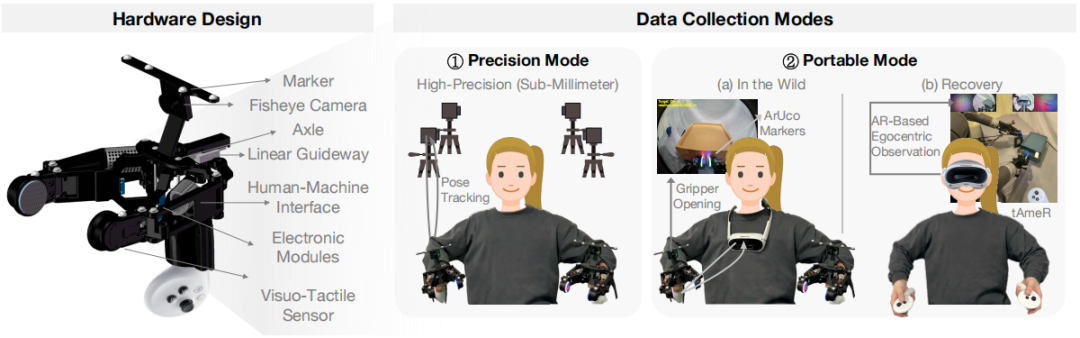
Sub-Millimeter Tactile Control and 100% Reproduction! HKU and Fudan University Launch TAMEn to Solve Data Collection Challenges for Dual-Handed Robots
Researchers from the University of Hong Kong (HKU), in collaboration with Fudan University and other institutions, have unveiled the TAMEn tactile perception manipulation engine. This innovative technology is designed to tackle significant challenges associated with dual-handed robotic tasks. By seamlessly integrating visual and tactile data collection, the TAMEn engine enhances the precision and adaptability of robots, enabling them to perform complex manipulation tasks more effectively. The development of this engine marks a significant advancement in robotics, potentially transforming how robots interact with their environment and improving their functionality in various applications.
Tactile Robotics Dual-Handed Manipulation Data Collection Technology Robotics Research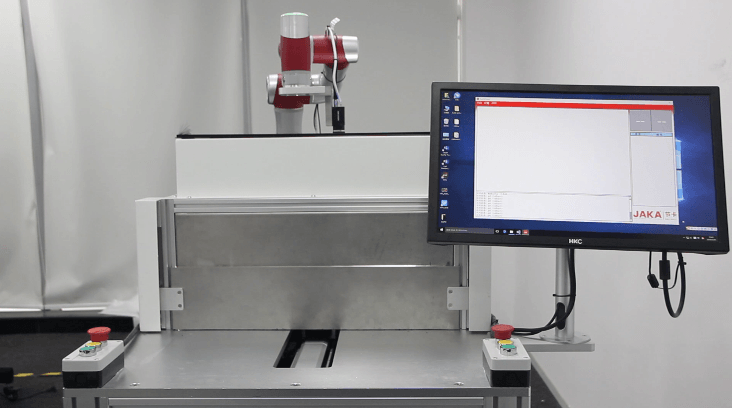
How Collaborative Robots Are Improving Quality Control in Electronics Manufacturing
The electronics industry is undergoing a significant transformation as manufacturers increasingly adopt collaborative robots to enhance quality control and inspection processes. With rapid product lifecycles and the demand for zero-defect production, traditional automation methods often fall short in the high-mix, low-volume production environment typical of modern tech manufacturing. Collaborative robots, or cobots, are now being integrated into precision testing and visual inspection lines, offering the speed and accuracy needed while maintaining the flexibility required for delicate electronic assembly. These robots can perform Automated Optical Inspection (AOI) with sub-millimeter precision, significantly reducing the risk of human error associated with fatigue and perceptual blindness during long shifts. Companies like JAKA are leading this innovation by developing robots equipped with advanced 2D and 3D vision systems. Their JAKA AL series features an integrated vision system that allows the cobot to autonomously identify components and check for assembly errors without the need for external cameras. This capability enables real-time adjustments to the production line, helping to identify quality drifts before they result in defective batches. JAKA’s engineering emphasizes safety and high performance, with models like the JAKA Zu series designed for high-speed testing while ensuring safe human interaction through torque-feedback collision detection. By investing in JAKA collaborative robots, manufacturers can ensure that every device produced meets stringent global standards, thereby maintaining a competitive edge in the electronics market.

Reflex Robotics Selects Manufacturo to Scale Robot Production With Built-In Traceability and Quality Control
A new partnership has been formed to implement a unified system of record aimed at enhancing operational efficiency in manufacturing environments. This initiative is designed to standardize execution processes, document as-built history, and improve traceability, all while minimizing disruptions on the shop floor. By integrating these capabilities, the collaboration seeks to streamline workflows and ensure that all relevant data is easily accessible and accurately recorded. The move comes in response to the growing need for manufacturers to adopt more cohesive and efficient systems that can adapt to the complexities of modern production demands. The implementation is expected to significantly benefit organizations by fostering better communication and coordination among teams, ultimately leading to improved productivity and quality control.

Visual 3D Spatiotemporal Fields‐Driven Obstacle Avoidance Using Model Predictive Control for Nursing Robots in Unstructured Environments
A recent study published in the Journal of Field Robotics highlights advancements in robotic technology aimed at enhancing agricultural efficiency. Researchers from various institutions collaborated to develop a new autonomous robot capable of performing tasks such as planting, weeding, and harvesting crops. This innovative technology was tested in fields across California during the summer of 2023, showcasing its potential to significantly reduce labor costs and increase productivity for farmers. The motivation behind this development stems from the growing demand for sustainable farming practices and the need to address labor shortages in the agricultural sector. By integrating advanced sensors and machine learning algorithms, the robot can navigate complex field environments and make real-time decisions, improving its operational effectiveness. The study emphasizes the importance of robotics in modern agriculture, particularly as the industry faces challenges related to climate change and food security. The researchers believe that widespread adoption of such technology could lead to more efficient resource use and a reduction in the environmental impact of farming practices. As the agricultural landscape continues to evolve, this breakthrough represents a significant step toward the future of farming, where robotics play a crucial role in meeting global food demands.
RESEARCH ARTICLE
Formation Control and Experiment for Propeller‐Driven Car‐Like Robots With Amplitude and Rate Saturation Under Steering Fault‐Tolerant Control
In May 2026, researchers published a significant study in the Journal of Field Robotics, focusing on advancements in robotic technology. The study explores innovative algorithms designed to enhance the navigation capabilities of autonomous robots in complex environments. Conducted by a team of engineers and computer scientists, the research aims to address the challenges faced by robots in real-world applications, such as search and rescue operations and agricultural tasks. The findings highlight the effectiveness of these new algorithms in improving the robots' ability to adapt to dynamic surroundings, which is crucial for their successful deployment in various fields. By utilizing advanced machine learning techniques, the team demonstrated how robots can better interpret sensory data and make real-time decisions, ultimately increasing their operational efficiency. This research is particularly relevant as industries increasingly rely on automation and robotics to improve productivity and safety. The study not only contributes to the academic understanding of robotic systems but also has practical implications for the future of robotic applications in everyday life.
RESEARCH ARTICLE
Formation Control and Experiment for Propeller‐Driven Car‐Like Robots With Amplitude and Rate Saturation Under Jointly Connected Topology
In a groundbreaking study published in the May 2026 issue of the Journal of Field Robotics, researchers have unveiled innovative advancements in robotic technology aimed at enhancing agricultural efficiency. Conducted by a team of engineers and agricultural scientists, the research focuses on the development of autonomous robots capable of performing complex tasks such as planting, monitoring crop health, and harvesting. The study was initiated in response to the growing need for sustainable farming practices and the increasing labor shortages in the agricultural sector. By integrating advanced sensors and machine learning algorithms, the robots can adapt to varying environmental conditions and optimize their operations, ultimately reducing waste and increasing yield. Field tests were conducted across multiple farms in the Midwest, demonstrating the robots' ability to navigate diverse terrains and perform tasks with precision. The results indicate a significant reduction in resource consumption, including water and fertilizers, while also enhancing productivity. This research not only highlights the potential of robotics in transforming agriculture but also addresses critical issues related to food security and environmental sustainability. The findings are expected to influence future agricultural policies and inspire further innovations in the field, paving the way for a more efficient and sustainable agricultural industry.
RESEARCH ARTICLE
Generalist AI Releases "Science of Pretraining" Deep Dive: Why Data Quality Trumps Volume in Robotics
Generalist AI has unveiled new insights into its pretraining methodology in a technical addendum related to its recent GEN-0 launch. The company introduced innovative metrics, including "Reverse KL," designed to evaluate the creativity of its models. Additionally, Generalist AI announced that its infrastructure can process an impressive volume of data, equating to 6.85 years of robotic experience each day. This advancement highlights the company's commitment to enhancing artificial intelligence capabilities and underscores its efforts to push the boundaries of machine learning technology.
Data Collection Generalist AI embodied-ai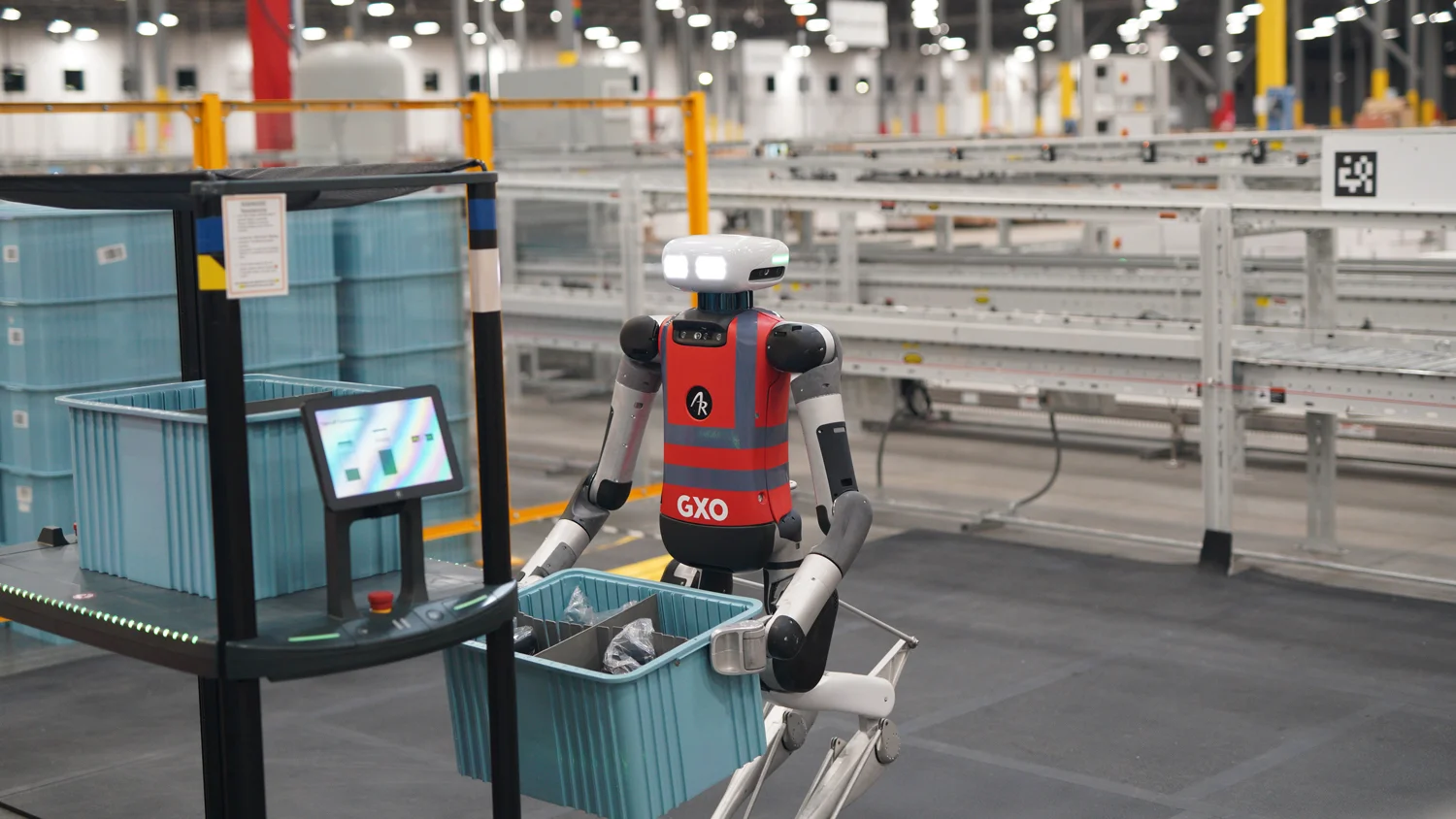
Agility Robotics Hits 100,000 Totes Milestone, Firing a Data-Driven Shot in the Humanoid Wars
Agility Robotics has reported that its Digit robot has successfully moved over 100,000 totes at GXO Logistics, showcasing its operational capabilities amidst increasing competition in the robotics industry. This achievement, which highlights the efficiency and effectiveness of the Digit robot, comes as Agility seeks to establish its position in a market that is becoming increasingly crowded with new entrants. The milestone was reached recently, demonstrating the robot's practical application in logistics and supply chain management. By providing concrete operational data, Agility aims to counter the claims made by competitors about their own robotic solutions, reinforcing the reliability and performance of its technology in real-world scenarios.
Digit Agility RoboticsRobotics needs a service framework.
RSF defines a common language for robot service capability, lifecycle operations, certification pathways, and service-provider networks.
Join the RobotToday community on LinkedIn
Daily robotics news, in-depth analysis, conference highlights, and discussions with professionals worldwide.