Industry Briefing
A single destination for timely, editor-curated robotics news from around the world.

Custom Application Development Services Enhance Customer Portal Solutions
The evolution of software development for customer portals has transitioned from basic ticket dashboards to sophisticated omnichannel hubs. These modern portals utilize API-first backends to deliver seamless content across various platforms, including web and mobile applications, addressing the specific needs of regulated industries. As off-the-shelf portal solutions often fall short for sectors like healthcare and finance, the demand for custom application development services is rising. Companies are increasingly seeking tailored solutions to overcome limitations such as rigid data models and licensing constraints, which hinder their ability to support complex workflows and customer journeys. Looking ahead, organizations must focus on defining their portal vision and selecting the right development partner to ensure a successful implementation. The article emphasizes the importance of planning for cross-platform development and long-term support to align with business goals, particularly in industries that require secure and user-friendly experiences.
Computing Software API integration business software cloud computing cloud engineering
RSS2026: Development of Consensus and China's Role in Embodied Intelligence
The Robotics: Science and Systems (RSS) conference is set to commence in St. Louis this June, marking a significant event in the robotics academic community. Since its inception in 2006, RSS has been known for its selective approach, accepting only about 60 papers annually, and is regarded as a leading indicator in the field of robotics. The 2026 conference will introduce a new focus on embodied intelligence alongside traditional motion planning and operational algorithms. Embodied intelligence has rapidly transitioned from a laboratory concept to an industrial hotspot over the past two years. The integration of large language models with visual models has led to the development of the Vision-Language-Action (VLA) framework, enabling robots to comprehend natural language commands and execute multi-step tasks. This technological pathway has sparked extensive academic debate regarding the reliability of end-to-end Transformer-based strategies in real-world applications versus potential overfitting in datasets. The positioning of embodied intelligence at RSS2026 will be symbolically significant for China. In recent years, international conferences have often viewed Chinese teams as representatives of engineering implementation rather than contributors of original theory. An increase in Chinese academic contributions at RSS this year could indicate a subtle shift in the international academic community's perception of the landscape of embodied intelligence research, highlighting the importance of high-quality theoretical innovation.
Embodied Intelligence Robotics Research Vision-Language-Action AI Robotics Algorithms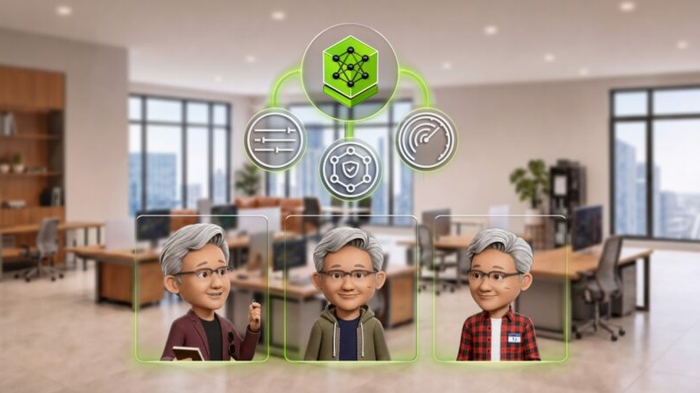
Nemotron Labs Explores Open Models for Customizable and Trustworthy AI Solutions
Nemotron Labs highlights the advantages of open models in developing specialized AI systems tailored to enterprise needs. By utilizing NVIDIA platforms, businesses can create AI that improves workflows and meets high standards for accuracy and trust. The flexibility of open models allows organizations to customize and control their AI applications, ensuring they align with specific business requirements. The significance of open models lies in their ability to provide enterprises with full ownership and control over their AI systems. Unlike closed models, which limit inspection and tuning, open models enable organizations to evaluate performance against their own data and workflows. This is particularly crucial in sectors like healthcare and legal, where accuracy and transparency are paramount. Looking ahead, companies are increasingly adopting Nemotron to enhance their domain-specific AI capabilities. As enterprises continue to specialize their models, the focus will be on improving efficiency and accuracy through customization. No further timeline was disclosed at the time of publication.
Xspark AI Raises Nearly $15 Million to Advance Physical AI Technology Development
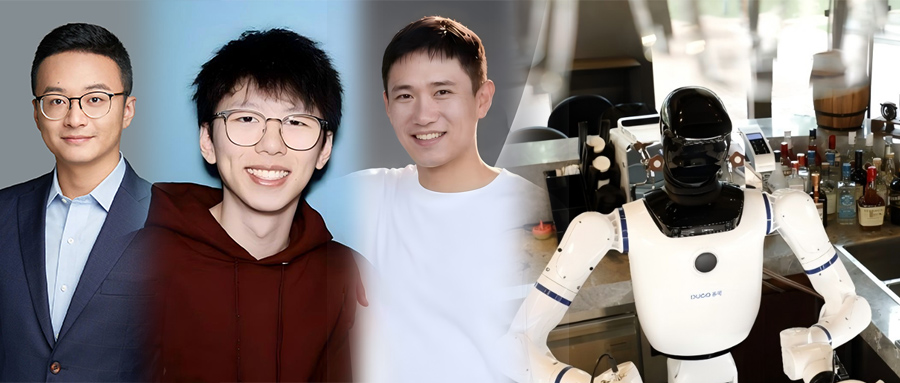
Xspark AI has successfully completed its first round of angel financing, securing nearly 100 million yuan (approximately $15 million). This funding round was led by Dinghui VGC, Chuxin Capital, and the SEE Fund, with participation from several financial investment institutions. The capital will primarily be allocated towards core technology research and development, product iteration, and the large-scale implementation of Physical AI. The significance of this funding lies in addressing the challenges faced by Physical AI in real-world applications. Despite advancements in AI capabilities, many models that perform well in laboratory settings struggle to adapt to dynamic real-world environments. Factors such as lighting changes in factories and the arrangement of objects in homes complicate the deployment of these technologies, highlighting the need for reliable safety mechanisms to prevent equipment failures and accidents. Looking ahead, Xspark AI's CEO, Xiong Qi, emphasizes the importance of accumulating real-world data to enhance the stability and safety of Physical AI systems. As the company aims to overcome existing barriers, the development trajectory of Physical AI is expected to mirror that of the autonomous driving industry, where practical application and data-driven iterations are crucial for achieving commercial success.
Physical AI Robotics Funding Technology Development
Shanghai Advances BCI Development: The Race for Commercialization Has Started
Shanghai is emerging as a key player in the global brain-computer interface (BCI) competition. The Shanghai Municipal Commission of Economy and Information Technology recently released the 'Three-Year Action Plan for the Industrialization of Brain-Computer Interfaces (2026-2028)', which aims to establish a leading national industrial chain ecosystem in the non-invasive BCI sector by 2028. The plan includes nurturing at least 50 related enterprises and achieving large-scale applications of core products in medical rehabilitation and cognitive training. This initiative is not just a theoretical blueprint. A team led by Academician Zhou Liangfu from Huashan Hospital's Neurosurgery Department, in collaboration with the Institute of Microsystem Research at the Chinese Academy of Sciences, has developed an implanted BCI product that has completed its first clinical trial with volunteers for motor function rehabilitation in paraplegic patients. Shanghai is adopting a parallel strategy with multiple technological routes, supporting invasive, semi-invasive, and non-invasive teams with dedicated funding, with non-invasive approaches progressing more rapidly. The Pudong New Area has designated a 'Brain Science Industrial Base' where the first batch of companies can benefit from various supports, including R&D expense deductions and expedited clinical trial processes. Shanghai's goal is clear: to become the city with the lowest operational costs and minimal policy friction for BCI enterprises. As the global BCI landscape evolves, Shanghai's focus on industrialization aims to establish a commercial loop in hospitals while ensuring safety and regulatory compliance, leveraging China's vast market potential in stroke rehabilitation, youth attention training, and early Alzheimer's screening.
Brain-Computer Interfaces Healthcare Technology Neurorehabilitation Cognitive Training
Samsung Confirms Humanoid Robot Development, Touting "Provider and Customer" Strategy
A senior executive at Samsung Electronics has announced the company's commitment to developing humanoid robots. This initiative aims to integrate essential components internally while utilizing Samsung's extensive manufacturing capabilities. By positioning itself as both a developer and a significant customer in the robotics sector, Samsung seeks to enhance its technological offerings and capitalize on the growing demand for advanced robotics solutions. The announcement underscores the company's strategic focus on innovation and its intent to lead in the emerging field of humanoid robotics.
Samsung
Why Choose Solana for Blockchain App Development?
Solana, a next-generation decentralized blockchain, is gaining traction in the realm of blockchain app development due to its scalability and advanced technological features. Launched in 2017, Solana offers a secure and decentralized infrastructure capable of supporting numerous nodes while maintaining high performance levels. Its growing popularity is attributed to its ability to handle complex applications efficiently, making it an attractive choice for developers seeking a robust platform for innovative projects. As the demand for scalable blockchain solutions increases, Solana's unique capabilities position it as a leading contender in the competitive landscape of blockchain technology.
Business Computing Software automation news blockchain development blockchain technology
Microsoft announces customizable isolation environment "Microsoft Execution Containers" for AI agents, compatible with OpenClaw.
Microsoft has unveiled a new customizable isolated environment for AI agents, known as Microsoft Execution Containers (MXC). This announcement was made recently as part of the tech giant's ongoing efforts to enhance AI development and deployment capabilities. The MXC aims to provide developers with a secure and flexible platform to create and manage AI applications, ensuring that they can operate independently while maintaining high levels of performance and security. By offering this innovative solution, Microsoft seeks to address the growing demand for robust AI systems that can be tailored to specific needs, thereby facilitating more efficient and effective AI integration across various industries.

Crop cameras broaden the view on real-time nitrogen application
Recent advancements in crop camera technology are transforming the way farmers apply fertilizers, shifting from a static approach to a dynamic, real-time decision-making process. These innovative camera systems continuously monitor crop growth and biomass across entire fields, enabling immediate adjustments to nitrogen application rates as conditions change. This development not only promotes more precise fertilizer use but also reduces waste and enhances the efficiency of autonomous farming systems. Future Farming is exploring these technological advancements, examining emerging suppliers, and assessing the future trajectory of this impactful agricultural innovation.
Smart farming multispectral sensors nitrogen management precision agriculture variable rate application
ROBOTS Secures Seed Funding for Integrated Control Platform Development with NTT Docomo and Incubate Fund
ROBOTS has announced the completion of a seed funding round through third-party allocation from Incubate Fund and NTT Docomo. The startup focuses on developing an integrated control platform for robots that become smarter through on-site operations. The funding will accelerate research and development of this platform and physical AI, particularly for implementation in the security sector. The significance of this development lies in addressing the severe labor shortages in the security industry, where high turnover rates and an aging workforce pose challenges. By integrating various robots and sensors into a cohesive system, ROBOTS aims to enhance operational efficiency and reduce the burden on security personnel. This approach allows for a flexible response to diverse on-site tasks, which is crucial given the unique demands of different environments. Looking ahead, ROBOTS plans to leverage insights gained from security applications to expand into other sectors such as equipment inspection and construction. CEO Koki Kawauchi emphasized the importance of robotics in addressing real-world challenges, aiming for a future where diverse robots work alongside humans seamlessly.
RoboParty Launches Open Source Framework for Next-Gen Humanoid Robot Development
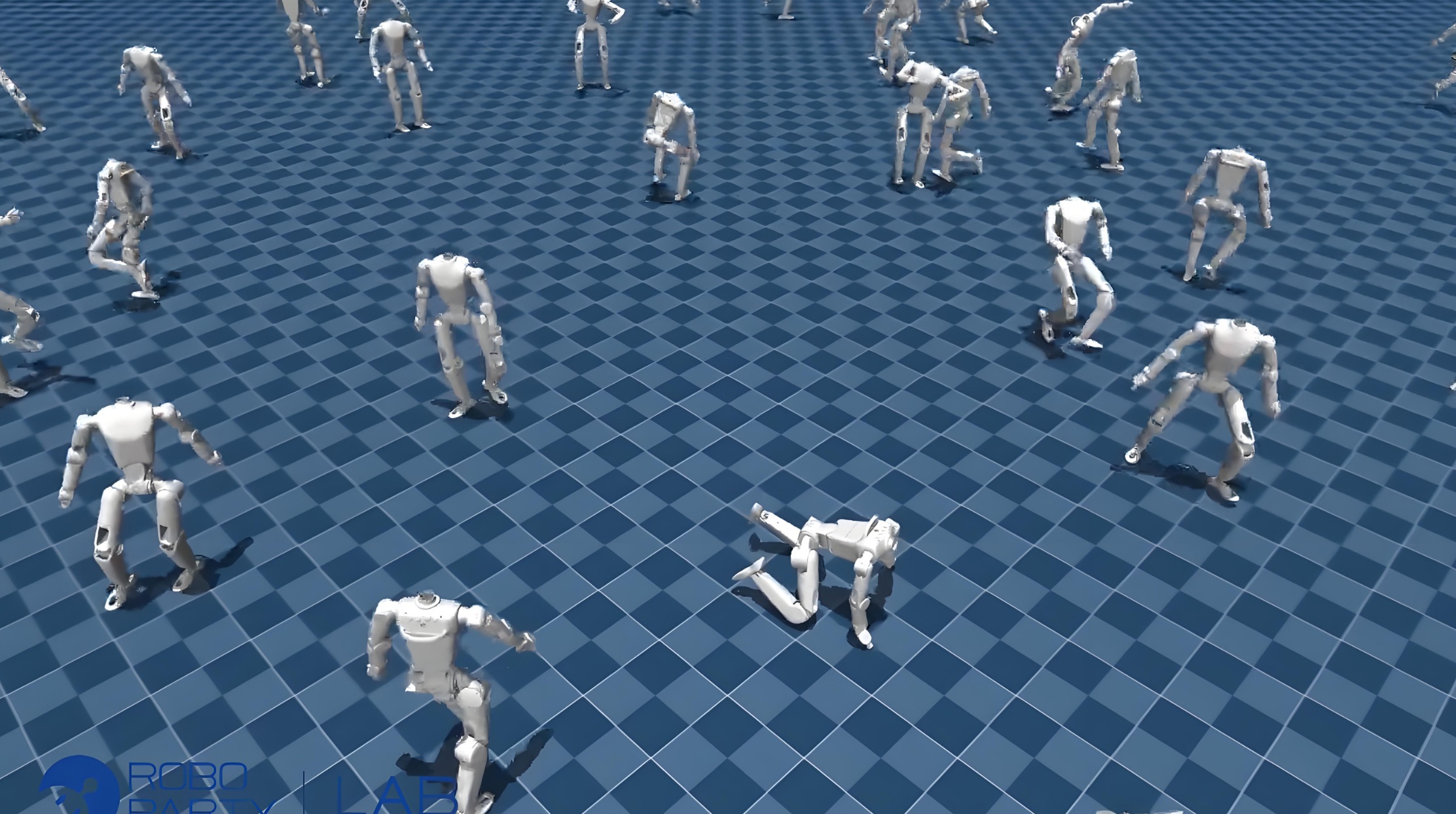
In the past two years, the humanoid robot industry has seen numerous impressive demonstrations, but a shift is emerging in the second half of 2026. Companies are now focusing on developing training frameworks, development platforms, data tools, open-source models, and various R&D infrastructures. The competition is evolving from showcasing superior robots to enabling more developers to create robots faster. Recently, RoboParty established RoboParty Lab (RPLab) and introduced Party OS, an open-source embodied intelligence R&D foundation for next-generation humanoid robots. Alongside this, they released three R&D infrastructures: MimicLite, UFO, and hhtools. This move signifies a transition from merely demonstrating capabilities to building a robust R&D ecosystem that fosters collaboration and scalability within the developer community. As humanoid robots move from laboratories to practical applications in factories, warehouses, and homes, the industry is shifting its focus toward creating a reproducible, collaborative, and scalable R&D system. The emphasis is now on sustaining and accelerating development capabilities, marking a significant change in industry dynamics over the past year.
Humanoid Robots R&D Infrastructure Open Source Embodied AI Robot Development Tools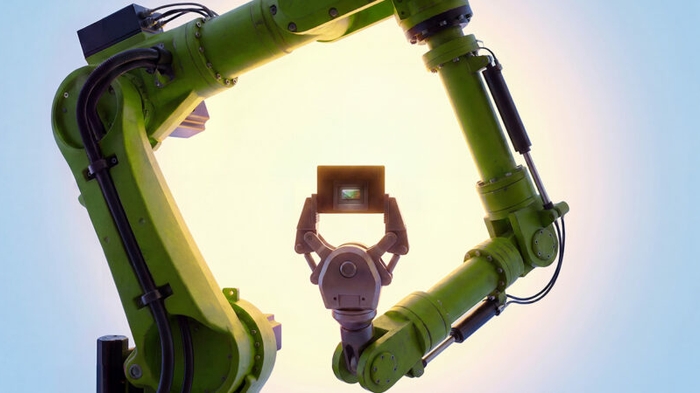
NVIDIA Launches Jetson Thor Modules to Enhance Robotics and Edge AI Applications
NVIDIA has unveiled the T3000 and T2000 modules based on the Thor architecture, designed to meet the growing demand for compact AI supercomputers in robotics and edge AI. These modules enable mass-market deployment of advanced humanoid and robotic systems, with notable adoption from leading companies such as Amazon Robotics and Boston Dynamics. The introduction of the Jetson T3000 and T2000 modules is significant as they provide high-performance AI compute capabilities in a smaller form factor, achieving up to 865 FP4 teraflops for the T3000. This advancement allows developers to optimize their systems while reducing costs, particularly in light of rising memory prices. The T2000 serves as an entry point for a wider range of edge AI applications, further expanding NVIDIA's scalable edge AI platform. Looking ahead, the new Jetson modules are expected to facilitate faster deployment and lower system costs across various industries. Companies like UBTech and Agile Robots have already reported substantial memory savings, indicating a trend towards more efficient development processes in robotics. No further timeline was disclosed at the time of publication.
Amorepacific's AI Beauty Lab Offers Customized Products at Amore Yongsan Store
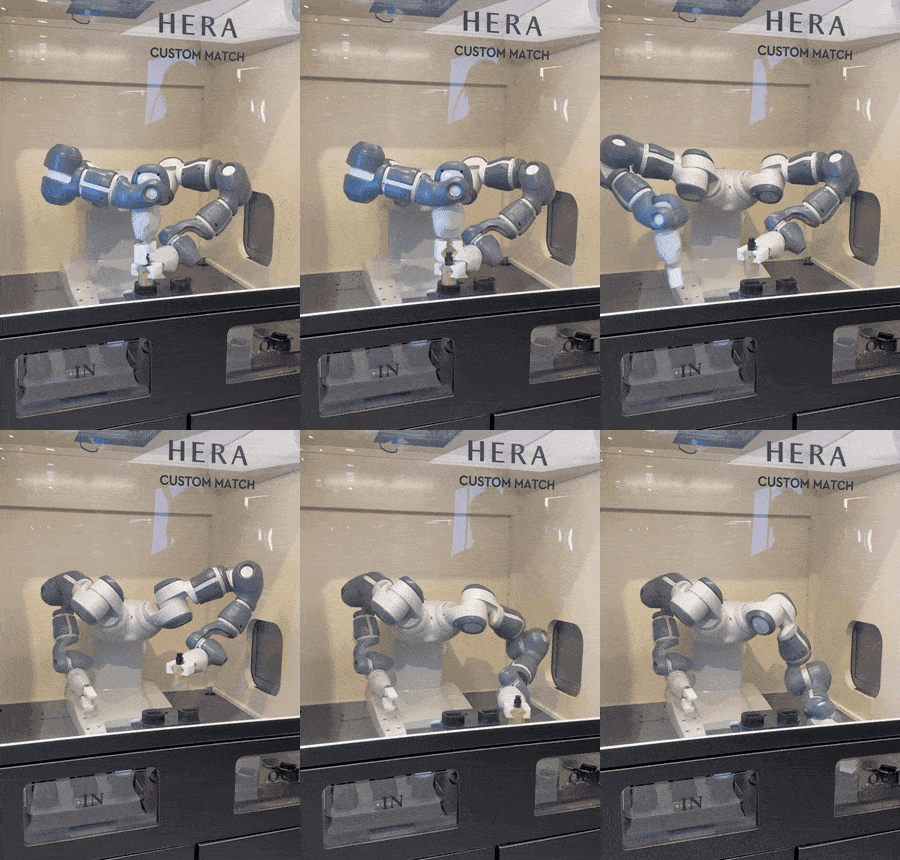
Amorepacific has launched its flagship store, Amore Yongsan, where AI and robotics create personalized beauty products, including foundations and lip cosmetics. Customers engage in a 15-minute AI consultation to select from 335 shades, with the Hera Custom Match service being particularly popular. The store also features a scalp diagnostic program and a fragrance lab, enhancing the customer experience. This innovative approach to beauty customization is significant as it positions Amore Yongsan as a potential new beauty district in Seoul, attracting both local and foreign customers. The store manager noted a nearly equal ratio of Korean and foreign clients, with a higher percentage of foreigners opting for product creation services. The bespoke essence service, inspired by Japanese preferences, further emphasizes the demand for tailored beauty solutions. Looking ahead, Amorepacific's integration of AI technology in beauty consultations and product creation may set a new standard in the industry. The store's research-focused environment, including AI skin scans and fragrance development, showcases the brand's commitment to innovation. No further timeline was disclosed at the time of publication.
All News
Lumisition Robotics Secures $7 Million in Angel Funding for All-Terrain Quadruped Robot Development
Lumisition Robotics, founded in February 2026 by a team of experts including a former DJI engineer, has raised approximately 50 million yuan (around $7 million) in angel funding led by Zhengxuan Capital. The funds will primarily support product development, algorithm iterations, and preparations for mass production of their consumer-grade quadruped robots aimed at outdoor applications. The company targets homeowners in Europe and North America, outdoor enthusiasts, and the elderly, focusing on practical applications such as transporting goods over challenging terrains. Unlike many consumer robots that emphasize companionship, Lumisition aims to enhance physical labor capabilities, addressing needs like last-mile transportation in large residential areas. Their product line will include various models suited for urban, light urban, and outdoor environments. Lumisition Robotics plans to conduct outdoor testing in October 2027 and officially launch their product at CES 2027, with mass production expected to begin between April and May 2027. The company is also focused on reducing hardware costs through innovative design and optimization strategies, ensuring competitive pricing while maintaining performance.
Arizona State University Develops Innovative HARP Artificial Muscle for Versatile Applications
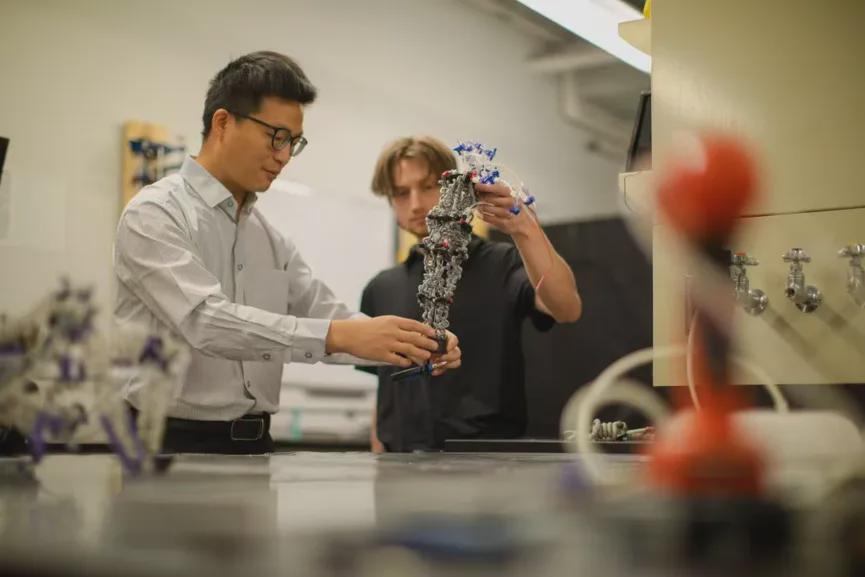
A research team led by Professor Sun Jiefeng at Arizona State University has developed a new artificial muscle structure known as HARP (Helical Anisotropic Reinforced Actuator). Unlike traditional artificial muscles that compromise on performance, HARP offers modularity and flexibility, allowing for adjustments in materials and design parameters to meet various application needs. This innovation is significant as it addresses the limitations of existing artificial muscles, which often excel in specific scenarios but struggle to meet multiple requirements simultaneously. HARP achieves an impressive power density of 1.93 kW/kg, a contraction rate of up to 75%, and the ability to lift weights up to 100 times its own weight, making it suitable for diverse and complex applications. Looking ahead, the HARP's modular design allows for customization and optimization of its components, enhancing its adaptability in extreme environments. The research team demonstrated HARP's durability in wear resistance tests, showcasing its potential for reliable operation in harsh industrial settings. No further timeline was disclosed at the time of publication.
Artificial Muscles Robotics Modular Design Self-Healing Materials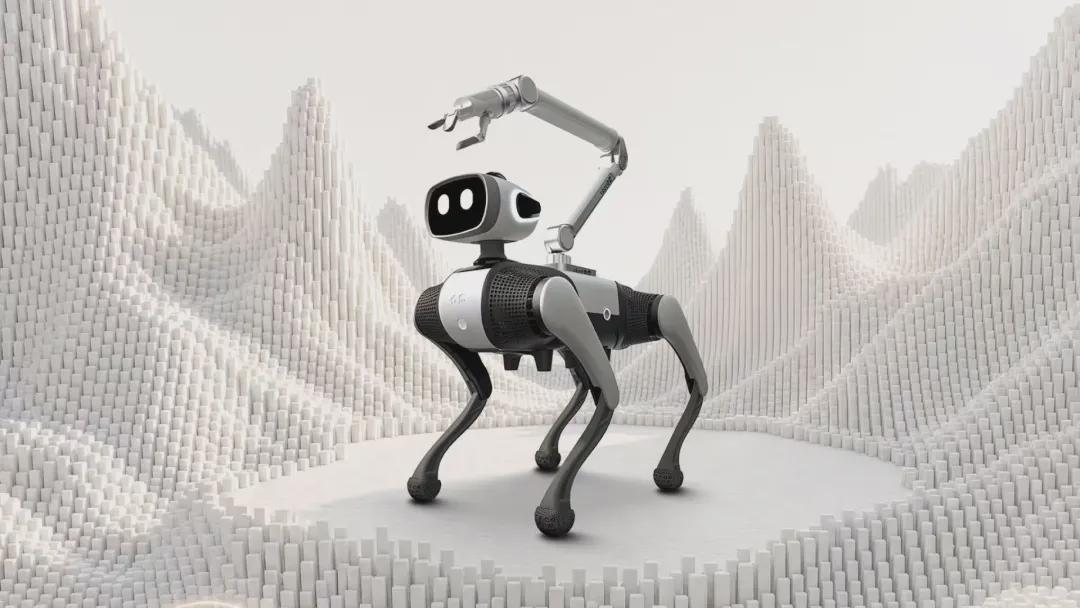
Vbot Launches Daitou EDU: A Versatile Quadruped Robot Development Platform
Vbot has introduced the Daitou EDU, a quadruped robot development platform designed for real-world applications. Unlike traditional robots that focus on speed and agility, the Daitou EDU emphasizes the importance of practical use cases in various sectors, such as property management and healthcare. The significance of the Daitou EDU lies in its advanced capabilities, including 128 TOPS edge computing power, integrated perception hardware, and autonomous mobility features. This platform allows developers to create applications without starting from scratch, addressing the gap between robotic capabilities and practical applications in diverse environments. Looking ahead, the Daitou EDU represents a shift in the robotics industry towards creating adaptable robots that can be redefined for multiple scenarios. As developers begin to leverage its features, the potential for innovative applications in various fields will expand, raising questions about the future roles of robots in everyday life.
Quadruped Robots Robotics Development Embodied Intelligence AI Applications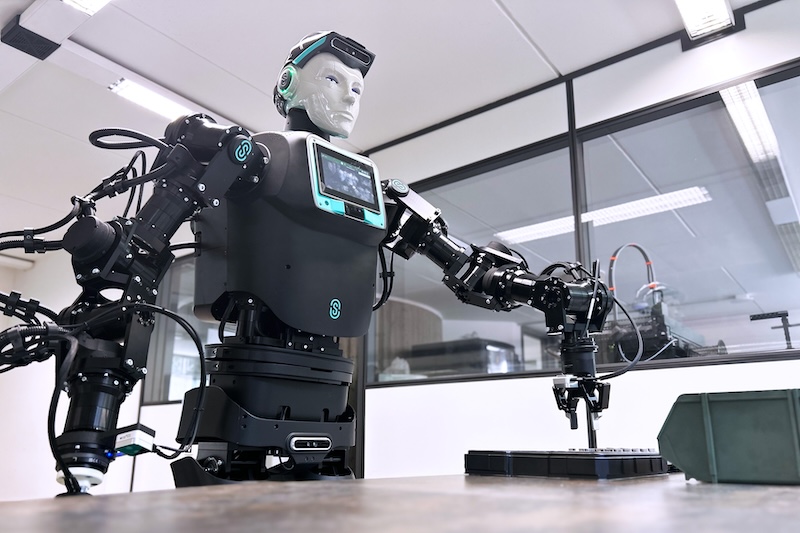
STMicroelectronics Invests in Oversonic Robotics to Enhance Humanoid Robot Development
Oversonic Robotics, an Italian cognitive robotics firm known for RoBee, has announced a strategic investment from STMicroelectronics, Fondazione ENEA Tech Biomedical, and SpotInvest. This investment aims to accelerate Oversonic's industrial, technological, and international growth, particularly in the cognitive humanoid robotics sector. The involvement of STMicroelectronics, a leader in semiconductors, is expected to bolster Oversonic's technological advancements and support its expansion into the U.S. market. The partnership will enhance the development of RoBee, the first certified cognitive humanoid robot designed for complex environments, and facilitate applications in manufacturing and healthcare. Looking ahead, Oversonic plans to focus on expanding its technological platform and applications while strengthening its team and industrial capacity. The company views the U.S. as a key market for its cognitive humanoid robotics, aiming for significant growth in both commercial and industrial sectors. No further timeline was disclosed at the time of publication.
Humanoids News artificial intelligence automation cognitive robotics deep tech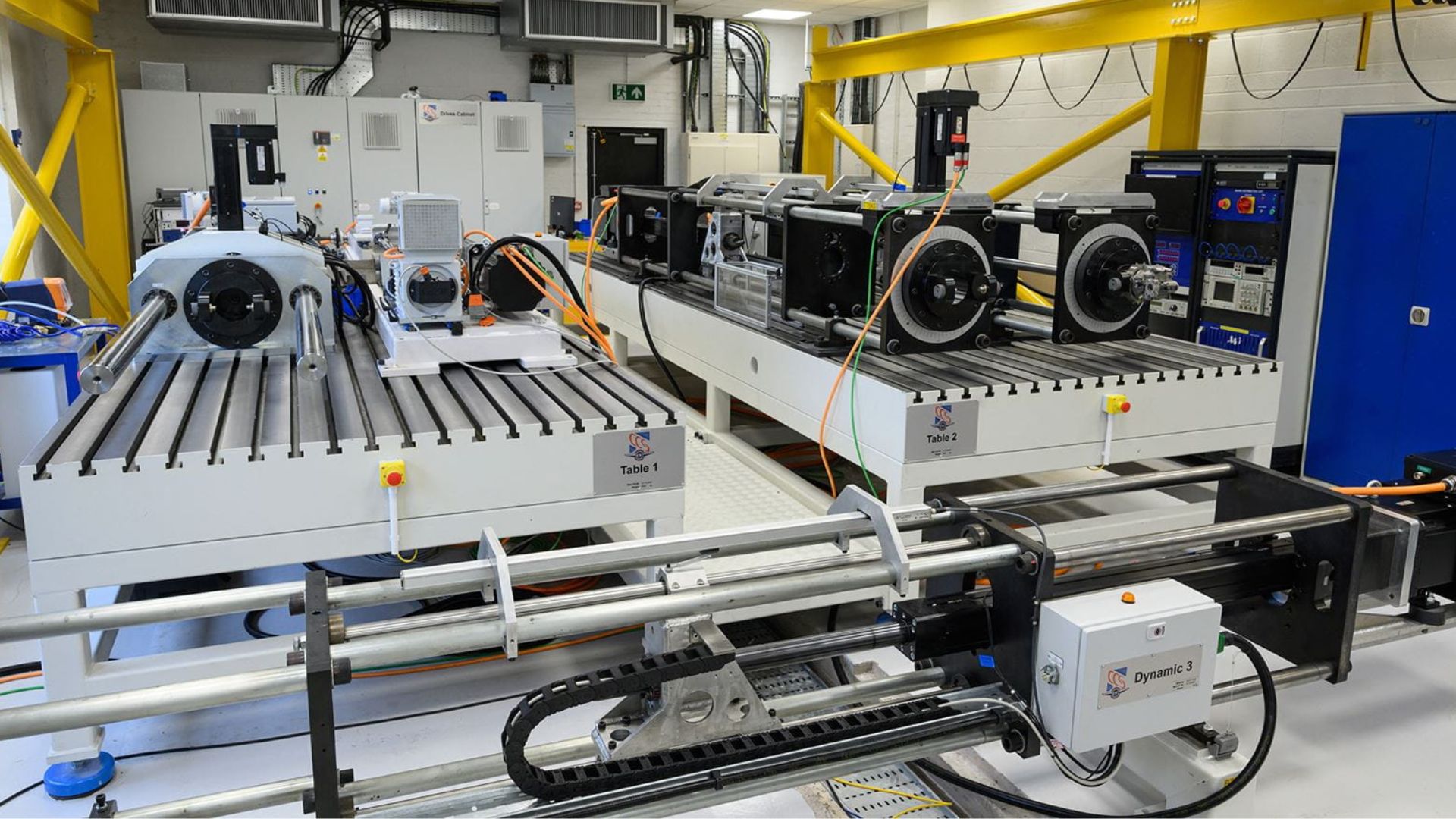
Collins Aerospace Launches U.K. Hub for Electric Thrust Reverser Development
Collins Aerospace has inaugurated a new engineering hub in Wolverhampton, U.K., aimed at accelerating the development of electric thrust reverser systems for next-gen aircraft. The Engineering Center of Excellence is now operational and features a modular test environment designed to simulate real-world conditions for evaluating aircraft components and systems, enhancing the design scalability for future applications. This initiative is significant as the aerospace industry shifts towards electric alternatives to hydraulic systems, which can reduce weight by 15% to 20% in nacelle actuation. The elecTRAS technology, which eliminates hydraulic interfaces, is expected to improve fuel efficiency and operational performance while simplifying maintenance. This aligns with the long-term electrification strategies of original equipment manufacturers (OEMs). Looking ahead, Collins Aerospace aims to streamline development by consolidating its elecTRAS systems engineering and nacelle actuation design teams at the new facility. The company’s technology is already in service on the Airbus A350 family, having logged over 15 million flight hours by 2025. No further timeline was disclosed at the time of publication.
Transportation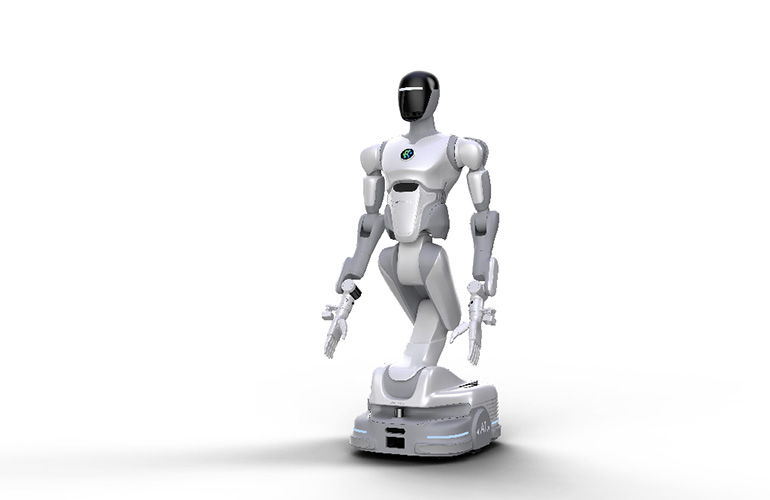
AI² Robotics Secures $735 Million Funding for Wheeled Humanoid Robots Development
AI² Robotics has successfully raised approximately $735 million in a recent funding round, elevating its valuation to around $2.8 billion. The Shenzhen-based company specializes in wheeled humanoid robots, which feature a humanoid torso and five-fingered hands, offering a unique alternative to traditional bipedal systems. This funding round attracted a diverse group of investors, including government-backed entities and major corporations, highlighting the growing importance of physical AI technology in China. The strategic choice to develop wheeled robots instead of bipedal models allows AI² Robotics to focus on mechanical simplicity and durability, making their robots more cost-effective and easier to deploy in public spaces. With over 34 degrees of freedom and a custom lifting mechanism, the robots are designed for various industrial applications, including logistics, manufacturing, and retail. The company’s proprietary Alpha Brain software enhances the robots' capabilities in real-time spatial reasoning and task planning, positioning them as practical solutions in structured environments. Looking ahead, AI² Robotics aims to further penetrate industrial markets while steering clear of the consumer robotics hype. The company is actively deploying its AlphaBot 2 in practical settings, emphasizing its utility in sectors such as biotech and public service. No further timeline was disclosed at the time of publication regarding future funding or product releases.
Artificial Intelligence / Cognition China Financial Humanoids Investments News
NVIDIA and DeepMind Lead Robotics Simulation Debate with New Industrial Applications
The field of embodied intelligence is witnessing a fierce debate over the best approach to training robots for industrial applications. One faction advocates for simulation-based training, leveraging structured environments to generate synthetic data, while the opposing view emphasizes the necessity of real-world data to handle complex physical interactions and unpredictable scenarios. Key players include NVIDIA, DeepMind, and Intrinsic, each with unique strategies and technologies. NVIDIA's Omniverse platform and Isaac Sim engine exemplify the simulation approach, enabling comprehensive digital twins of factories for training and optimization. Their collaboration with BMW on a digital twin project in Hungary showcases the potential of synthetic data in logistics and robotic movements. However, challenges remain in achieving the necessary fidelity for force control and physical interactions, prompting NVIDIA to seek partnerships with companies like Hexagon Robotics. Conversely, DeepMind's use of the MuJoCo physics engine has demonstrated that pure simulation can achieve industrial-grade precision in specific tasks, such as sorting with known rigid models. Yet, this method's effectiveness is limited to scenarios with minimal contact and force control. Intrinsic aims to transform simulation into a comprehensive development tool for industrial robots, focusing on lowering barriers for small manufacturers. The ongoing challenge of the SIM2REAL gap remains a critical factor in the success of these approaches.
Robotics Industrial Automation Simulation Technology AI
Xspark AI Raises Nearly 100 Million Yuan to Enhance Physical AI Capabilities
Xspark AI, a company focused on reliable physical intelligence, has successfully completed its first angel funding round, securing nearly 100 million yuan. The funding was led by Dinghui VGC, Chuxin Capital, and SEE Fund, with participation from various financial and industrial investors. The capital will primarily support core technology development and the scaling of Physical AI applications. This investment highlights the growing interest in Physical AI, which aims to bridge the gap between advanced AI models and real-world applications. As robots increasingly demonstrate enhanced understanding and planning capabilities, the challenge remains to ensure they can operate reliably and safely in dynamic environments. Xspark AI's approach combines multispectral tactile perception and self-developed data generation models to create a comprehensive framework for deploying Physical AI in practical scenarios. Looking ahead, Xspark AI's founders emphasize the importance of accumulating real-world operational data to drive the commercial viability of Physical AI. No further timeline was disclosed at the time of publication, but the company aims to achieve significant milestones in the integration of embodied intelligence into everyday tasks, positioning itself for future advancements in the field.
Physical AI Robotics Technology Development Investment AI Applications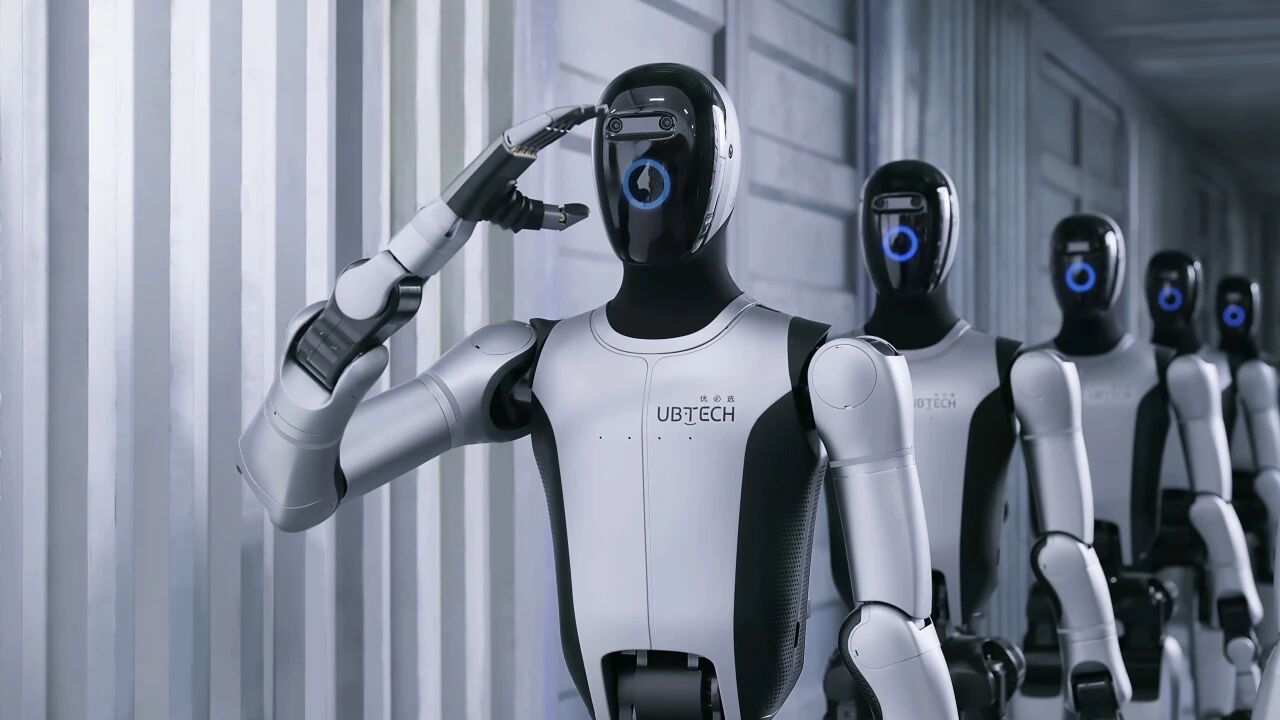
UBTECH Advances China's First Industry Standard for Collaborative Intelligent Systems by 2026
Recently, China's Ministry of Industry and Information Technology approved the development of the first industry standard for collaborative intelligent systems, led by UBTECH Robotics. The standard, titled 'Control Interface Specifications for Embodied Collective Intelligent Systems in Industrial Applications,' aims to address interoperability issues among multi-robot systems in industrial settings, marking a significant step in standardization. This initiative is crucial as industrial production shifts from single-robot operations to collaborative multi-robot systems. The lack of unified protocols and control interfaces has hindered the scalability of collective intelligence technologies. The new standard will provide clear guidelines for task allocation, fault reporting, and security interactions, facilitating better integration of diverse robotic systems in smart factories and logistics. Looking ahead, UBTECH is also collaborating with the China Electronics Standardization Institute to develop a reference architecture for collective intelligent systems. This comprehensive framework will define key terminologies and functional modules, further solidifying the foundation for collective intelligence standards in China. No further timeline was disclosed at the time of publication.
Humanoid Robots Industrial Automation AI Standards Collective Intelligence Robotics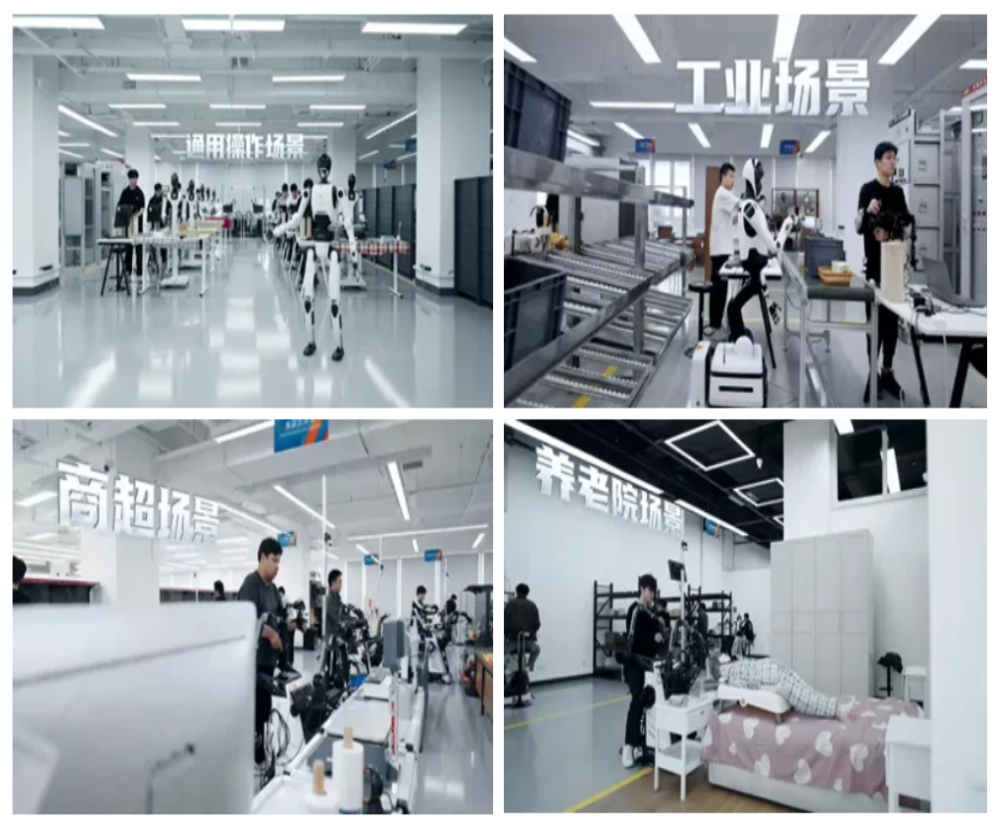
The Paradox of Embodied Intelligence: Massive Investment Amidst Slow Product Development
In the first half of 2026, the embodied intelligence sector saw a remarkable influx of investment, amassing 93.5 billion yuan through 322 financing events. However, despite this substantial financial backing, product development within the industry is still in its early stages, with many leading companies facing difficulties in generating significant sales. Industry experts highlight the critical need for securing ongoing funding and developing practical applications to navigate the challenging path toward commercialization.
Embodied Intelligence Robotics Investment Commercialization Technology Development
Three Key Challenges Hindering the Development of Advanced Humanoid Robots
The development of humanoid robots, akin to C-3PO, faces significant challenges in reliability, dexterity, and data management. While advancements in AI have improved reasoning capabilities, the physical aspects of robotics remain problematic. Current robots excel in specific tasks but struggle with complex manipulations that require high precision and reliability. These challenges are critical as they impact the deployment of robots in various sectors, including healthcare and manufacturing. For instance, surgical robots like the da Vinci system demonstrate the gap between theoretical intelligence and practical application, where reliability is paramount. The need for robots to perform consistently across millions of cycles is essential for their acceptance in sensitive environments. Looking ahead, the industry must focus on overcoming these bottlenecks to enable broader adoption of humanoid robots. The reliance on a combination of real and synthetic data for training highlights the ongoing need for innovative solutions. No further timeline was disclosed at the time of publication.
Factory / Robotics
SpaceX's Starmind Targets AI Labs with $6.3 Billion Compute Contracts
SpaceX's Starmind is designed to provide wholesale AI compute services to businesses, particularly AI labs and cloud customers, rather than individual consumers. The service operates similarly to AWS, where users benefit from applications running on Starmind without direct subscriptions. The compute capacity of a single AI1 satellite is comparable to one NVIDIA GB300 rack, emphasizing its enterprise-grade capabilities. The significance of Starmind lies in its positioning as a potential fourth hyperscaler, joining the ranks of AWS, Microsoft Azure, and Google Cloud. The Reflection AI contract, valued at $150 million per month, exemplifies the enterprise-focused model, with total payments potentially reaching $6.3 billion through 2029. This contract highlights the growing demand for AI compute resources, particularly from AI-native startups and labs. Looking ahead, the focus will remain on securing additional enterprise contracts as Starmind expands its offerings. No consumer-facing products or subscriptions have been announced, and the current strategy is to cater to businesses with substantial AI workloads. No further timeline was disclosed at the time of publication.
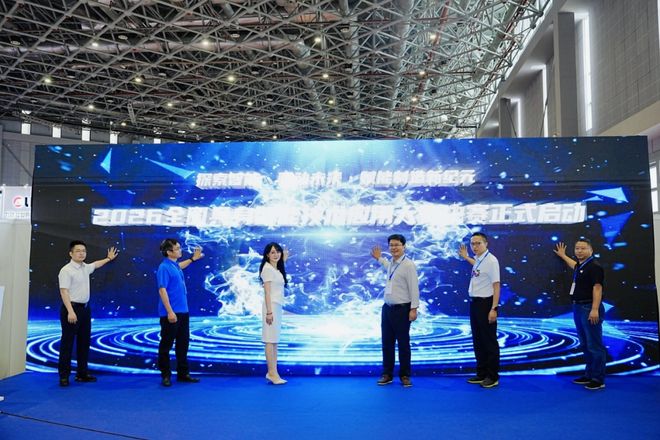
2026 National Embodied Intelligence Technology Application Competition Finals Opens in Shanghai
The finals of the 2026 National Embodied Intelligence Technology Application Competition kicked off at the National Exhibition and Convention Center in Shanghai. This inaugural event, part of the Shanghai International Embodied Intelligence Industry Expo, seeks to promote innovation in artificial intelligence and manufacturing. Over 117 teams from more than 60 universities have gathered to demonstrate their skills across various competition categories, highlighting the growing importance of embodied intelligence in technological advancement. The competition aims to inspire collaboration and creativity among participants, ultimately contributing to the development of cutting-edge solutions in the field.
Embodied Intelligence AI in Manufacturing Robotics Innovation Competition
VeriSilicon Introduces CPP2000 Camera Post-Processing IP for Embodied Robotics and Mobile Vision Applications
Researchers have made significant advancements in improving image quality and visual perception for moving-camera systems. This development, which emerged from ongoing studies in the field of computer vision, aims to enhance the performance of various applications, including autonomous vehicles and drone technology. The breakthrough was announced in October 2023, following extensive testing and refinement of algorithms designed to process and interpret visual data more effectively. The motivation behind this innovation stems from the increasing reliance on moving-camera systems in everyday technology and the need for clearer, more accurate imagery in dynamic environments. By employing advanced machine learning techniques, the researchers have created a system that can better handle motion blur and varying lighting conditions, ultimately leading to more reliable visual outputs. The process involved rigorous experimentation with different data sets, allowing the team to fine-tune their algorithms for optimal performance. As a result, this enhancement is expected to significantly improve the safety and efficiency of systems that rely on real-time visual data, paving the way for broader applications in industries such as transportation, surveillance, and entertainment. This breakthrough not only represents a step forward in technology but also highlights the ongoing commitment to innovation in the realm of visual perception and image processing.

"Why Start Preparing for the 2027 'Little Giant' Application This Year?"
As the 2027 'Little Giant' application period approaches, experts are urging potential candidates to begin their preparations this year. The initiative, aimed at fostering innovation and supporting small businesses, will open its application process in the coming years. By starting early, applicants can enhance their chances of success by thoroughly understanding the requirements and refining their proposals. The call to action comes from industry leaders and economic development organizations who emphasize the importance of strategic planning in a competitive landscape. They highlight that early preparation allows businesses to gather necessary documentation, seek mentorship, and align their projects with the program's objectives. The 'Little Giant' program, designed to empower small enterprises, is expected to attract a significant number of applicants, making it crucial for interested parties to differentiate themselves. By laying the groundwork now, candidates can ensure they are well-equipped to submit compelling applications when the time arrives. In summary, with the 2027 application window on the horizon, stakeholders are encouraged to take proactive steps this year to maximize their opportunities for success in the program.
Robotics Automation AI
Top 10 robotics advancements from June 2026
In June 2026, the field of robotics captured significant attention as several companies achieved notable milestones, including going public, deploying new humanoid robots, and reaching key production targets. This surge in activity highlights the growing interest and investment in humanoid robotics, reflecting advancements in technology and increasing demand across various sectors. The developments indicate a pivotal moment for the industry, showcasing the potential for humanoid robots to play a more prominent role in everyday applications. As these innovations unfold, they promise to reshape the landscape of robotics and its integration into society.
Artificial Intelligence Artificial Intelligence / Cognition Autonomous Mobile Robots (AMRs) Collaborative Robots Design / Development Financial
Sabanto Inc. and Verdant Robotics Announce Technical Integration of Autonomous Tractor Operation with SharpShooter Plant-Level Precision Application
A new integrated solution has been developed that combines two systems, allowing for fully autonomous field work in agriculture. This innovation enables tasks ranging from navigation to plant-level application to be performed without the need for an operator in the cab. The advancement represents a significant leap in agricultural technology, streamlining operations and enhancing efficiency in the field. The system is designed to operate seamlessly, reflecting the latest advancements in automation and data integration. This development is expected to transform farming practices, reducing labor costs and increasing productivity.

WIRobotics Begins Building a Physical AI Development Ecosystem: The First Technology Release Features the ALLEX Simulation Model
ALLEX Technologies has announced plans to sequentially release additional core technologies aimed at enhancing the development of Physical AI. This initiative is set to expand the Physical AI development ecosystem, facilitating high-fidelity Sim-to-Real validation processes. The company aims to create an open environment that supports researchers and robotics developers in their quest to innovate within the field. By fostering collaboration and providing advanced tools, ALLEX Technologies seeks to drive advancements in Physical AI, making it more accessible and effective for various applications.
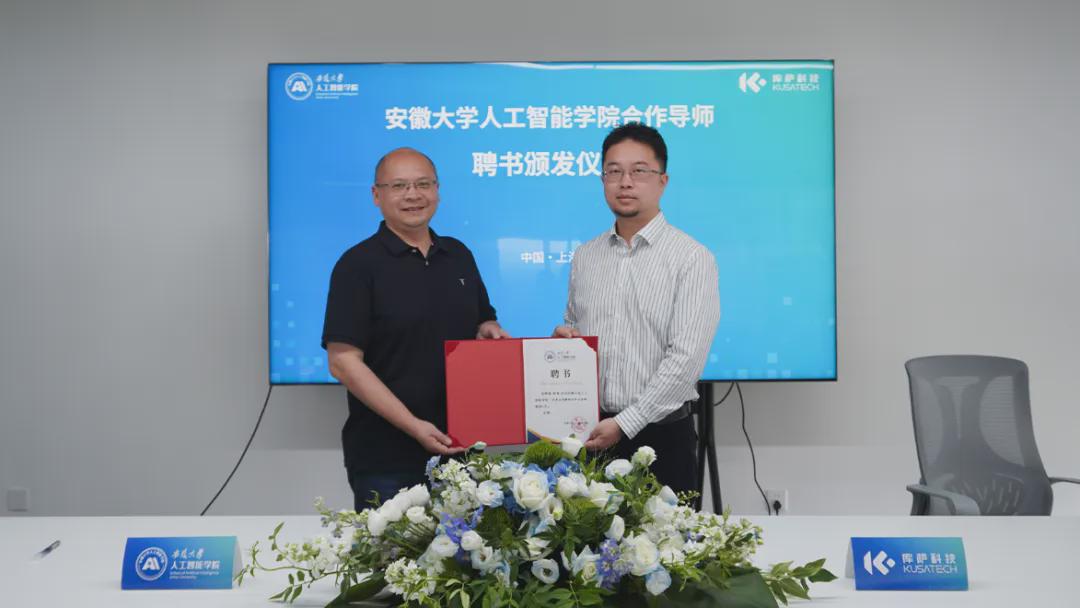
Kusa Technology Partners with Anhui University AI College for Robotics Development and Talent Training
Kusa Technology has announced a strategic partnership with Anhui University AI College to advance the development of embodied intelligent robots and nurture talent in this emerging field. This collaboration, which was unveiled recently, seeks to bridge the divide between academic research and practical applications, harnessing the unique strengths of both organizations. By combining Kusa Technology's expertise in robotics with the academic resources of Anhui University, the partnership aims to drive innovation and enhance the reliability of urban service robotics. This initiative reflects a growing trend in the tech industry to integrate educational institutions into the development process, ensuring that advancements in technology are aligned with real-world needs and applications.
Embodied Intelligence Robotics Development AI Talent Training Urban Service Robots
Jalapeño, OpenAI’s first custom chip, targets gigawatt-scale data center deployment
OpenAI has introduced its inaugural custom AI accelerator, named Jalapeño, signaling a significant advancement in the company's technological capabilities. This announcement was made recently as OpenAI aims to enhance its AI models' performance and efficiency. The development of Jalapeño is part of OpenAI's broader strategy to optimize its infrastructure and support the growing demand for more powerful artificial intelligence solutions. By designing a specialized accelerator, OpenAI seeks to improve processing speeds and reduce energy consumption, ultimately allowing for more complex computations and faster training times for AI models. This initiative underscores OpenAI's commitment to innovation and its efforts to maintain a competitive edge in the rapidly evolving field of artificial intelligence.
AI and Robotics
Time-of-Flight as a key technology for cost-sensitive 3D applications
Patrick Schick, the Product Manager for 3D Vision at IDS, recently provided insights into the development and technical considerations surrounding Nion, a cutting-edge technology in the field of 3D imaging. In his discussion, Schick contextualized the innovative iToF (indirect Time of Flight) technology, emphasizing its significance in enhancing depth perception and spatial awareness in various applications. He outlined typical use cases for Nion, showcasing its potential across industries such as robotics, automation, and augmented reality. Schick's commentary sheds light on the strategic decisions that guided the creation of Nion, illustrating how advancements in 3D vision technology can drive efficiency and innovation in multiple sectors.

Elmo releases new motion controller and servo drives for industrial applications
Elmo has unveiled its latest motion controller and servo drives, enhancing its existing Platinum product line and launching a new Titanium line. This development aims to set new standards for power density in industrial applications. The announcement highlights Elmo's commitment to innovation and leadership in the automation sector, as the company seeks to meet the growing demands for efficient and high-performance solutions in the market. The new products are expected to provide advanced capabilities for various industrial applications, reinforcing Elmo's position as a key player in the industry.
Actuators / Motors / Servos Events Motion Control News Robot Components servo
Introducing the New Slim Hollow Shaft Encoder for Compact Robotics and Motion Control Applications
The IH520 Series has been introduced as a slim incremental hollow shaft encoder, specifically engineered to deliver accurate motion feedback for compact robotics and motion control applications. This innovative device is particularly suited for environments with restricted space and the need for continuous operation. Key features include a low axial profile, flange mounting, and a hollow shaft design, all of which facilitate straightforward installation. The development of the IH520 Series addresses the growing demand for efficient and reliable motion control solutions in modern robotics.

Open-source swarm robotics: Custom ESP32 MiniBots turn chess pieces into autonomous robots
A hardware developer known as 3DprintedLife has introduced an innovative open-source swarm robotics project aimed at advancing collaborative robotics technology. The announcement was made recently, showcasing the potential for multiple robotic units to work together efficiently in various applications. This initiative is designed to encourage community involvement and innovation in robotics, allowing developers and enthusiasts to contribute to and enhance the project. By providing accessible resources and documentation, 3DprintedLife hopes to foster a collaborative environment that could lead to significant advancements in the field. The project is expected to attract interest from both amateur and professional roboticists, as it emphasizes the importance of shared knowledge and collective problem-solving in technology development.
AI and Robotics
A Design Specifications Template for Wearable Haptic Interfaces: A Case Study for Robotic Gripper Applications
A recent study published in the Journal of Field Robotics highlights advancements in autonomous robotic systems designed for agricultural applications. Researchers from various institutions collaborated to explore the integration of artificial intelligence and machine learning in enhancing the efficiency of farming practices. The study, released in early October 2023, emphasizes the growing need for innovative solutions in agriculture due to increasing global food demands and labor shortages. The research team conducted extensive field tests in multiple agricultural settings to evaluate the performance of these autonomous systems. By employing advanced algorithms, the robots demonstrated improved capabilities in tasks such as planting, harvesting, and monitoring crop health. The findings suggest that these technologies could significantly reduce labor costs and increase productivity, addressing critical challenges faced by the agricultural sector. This initiative aims to provide farmers with reliable tools that can adapt to various environmental conditions and crop types, ultimately contributing to sustainable farming practices. The study's outcomes are expected to influence future developments in agricultural robotics, paving the way for more efficient and environmentally friendly farming solutions.
RESEARCH ARTICLE
Top Ten Scenarios and Three Major Competitions at the 'Robot+' Innovation Development Conference in July
The 'Robot+' Innovation Development Conference is set to occur from July 11 to 13 in Zoucheng, Shandong. This event aims to enhance the integration of robotics into various industries by showcasing application scenarios through exhibitions, competitions, and supply-demand matching activities. Renowned experts in the field will present their insights, and a white paper detailing application scenarios will be unveiled, highlighting the significant potential of China's burgeoning robotics industry. The conference seeks to foster collaboration and innovation, positioning itself as a pivotal platform for advancing robotic technologies.
Robotics Industry Innovation Application Scenarios Competitions Supply-Demand Matching
Design, Development, and Field Testing of a Tomato Bunch Harvesting Robot
The Journal of Field Robotics has recently published an early view article highlighting advancements in robotic technology. This publication, which emerged in October 2023, focuses on the innovative applications of robotics in various fields, including agriculture, search and rescue, and environmental monitoring. Researchers and engineers from leading institutions contributed to the study, aiming to address pressing challenges faced in these sectors. The article emphasizes the importance of integrating advanced algorithms and machine learning techniques to enhance the efficiency and effectiveness of robotic systems. By showcasing real-world applications, the authors illustrate how these technologies can improve productivity and safety, particularly in hazardous environments. The motivation behind this research stems from the increasing demand for automation and precision in industries that require high levels of accuracy and reliability. As global challenges such as climate change and food security become more pronounced, the role of robotics is becoming increasingly vital. Through a combination of theoretical analysis and practical experimentation, the study presents a comprehensive overview of the current state of robotic technology and its potential future developments. This early view article serves as a significant contribution to the ongoing discourse in the field of robotics, paving the way for further innovations that could transform multiple industries.
RESEARCH ARTICLE
Beihang University Unveils New Bioinspired Soft Robot for Medical Applications
A collaborative research team from Beihang University in China and Koç University in Turkey has created a groundbreaking millimeter-scale soft robot that mimics the movement of snails. This innovative robot employs a unique fluid transport mechanism, enabling it to traverse slippery and intricate surfaces with ease. The development holds significant promise for advancing the design of future medical micro-robots, potentially enhancing their functionality in various applications. The team's findings were recently published in the esteemed journal 'Science Advances', highlighting the potential impact of this technology in the field of robotics and medicine.
Soft Robotics Medical Robotics Bioinspired Technology Fluid Transport Systems
Open AI Development System for Robotics
AAEON has announced the launch of the CEXD-INTRBL, an open robotics development system from its Embedded Computing division. This innovative platform is designed to facilitate advancements in robotics technology, providing developers with the tools needed to create and enhance robotic applications. The introduction of the CEXD-INTRBL marks a significant step in AAEON's commitment to supporting the growing field of artificial intelligence and robotics. The system aims to streamline the development process, making it easier for engineers and researchers to implement AI solutions in various robotic systems.
Allgemein Humanoide Robotik Künstliche Intelligenz & maschinelles Lernen Robotik
Innovative Soft Material‐Assisted Robot Grasping Devices: From Design Concept to Fabrication and Application Scenarios
In June 2026, the Journal of Field Robotics published a comprehensive study examining the advancements in robotic technologies and their applications in various fields. The research highlights significant developments in autonomous navigation, sensor integration, and machine learning, showcasing how these innovations are transforming industries such as agriculture, healthcare, and logistics. The study, conducted by a team of leading researchers in robotics, aims to address the growing need for efficient and reliable robotic systems in response to increasing demands for automation and precision in operations. By analyzing recent case studies and experimental results, the authors provide insights into the effectiveness of these technologies in real-world scenarios. The findings suggest that as robotic systems become more sophisticated, they can enhance productivity and safety while reducing operational costs. The research emphasizes the importance of continued investment in robotics research and development to keep pace with technological advancements and meet future challenges. This publication serves as a critical resource for industry professionals, policymakers, and academics interested in the future of robotics and its potential to reshape various sectors.
SURVEY ARTICLE
Deep Reinforcement Learning Based Autonomous Decision‐Making for Cooperative Uncrewed Aerial Vehicles: A Search and Rescue Real World Application
A recent study published in the Journal of Field Robotics highlights advancements in autonomous robotic systems designed for agricultural applications. Researchers from various institutions collaborated to develop innovative algorithms that enhance the efficiency and precision of robotic farming equipment. The findings, released in early October 2023, emphasize the growing importance of automation in agriculture, particularly in response to labor shortages and the need for sustainable farming practices. The research was conducted in multiple agricultural settings, showcasing how these robotic systems can adapt to different crop types and environmental conditions. By integrating machine learning and sensor technology, the robots are capable of performing tasks such as planting, weeding, and harvesting with minimal human intervention. This development aims to address the challenges faced by farmers, including the rising costs of labor and the increasing demand for food production. The study underscores the potential for these autonomous systems to revolutionize the agricultural sector, making it more efficient and environmentally friendly. As the agricultural industry continues to evolve, the implementation of such technologies could lead to significant improvements in productivity and sustainability.
RESEARCH ARTICLE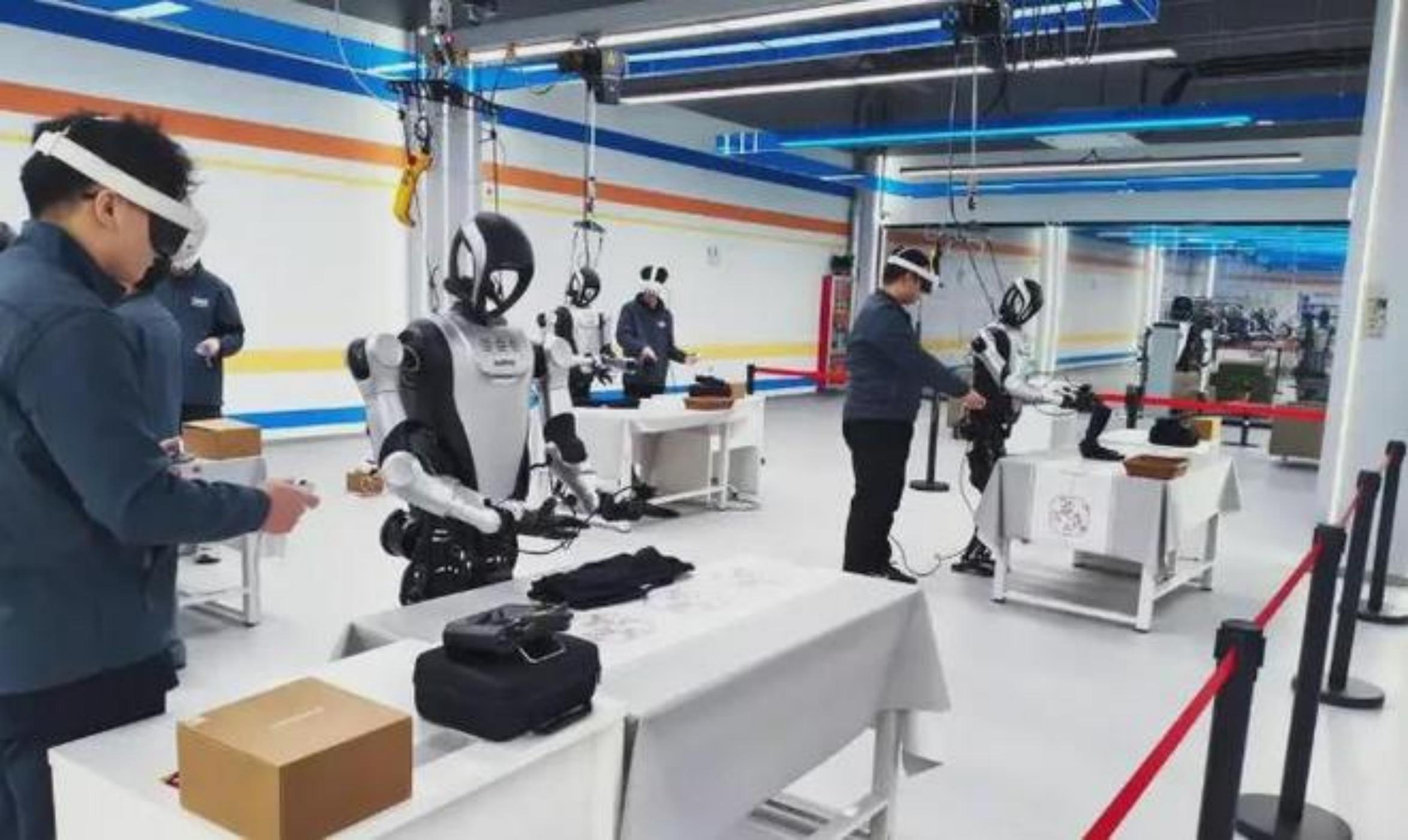
Building a Highway for Embodied Intelligence: From Data Collection to Ecosystem Development, Leju's Training Ground 2.0
Leju has introduced an innovative training ground model designed to enhance embodied intelligence in robotics through improved data collection efficiency and consistency. This initiative, which emphasizes the importance of real-world data application, aims to create a robust ecosystem that significantly advances robotic capabilities. By focusing on gathering and utilizing data effectively, Leju seeks to drive forward the development of intelligent systems that can better interact with their environments. The model represents a strategic effort to harness data as a critical resource in the ongoing evolution of robotics, positioning Leju at the forefront of this technological advancement.
Embodied Intelligence Data Collection Robotics AI Ecosystem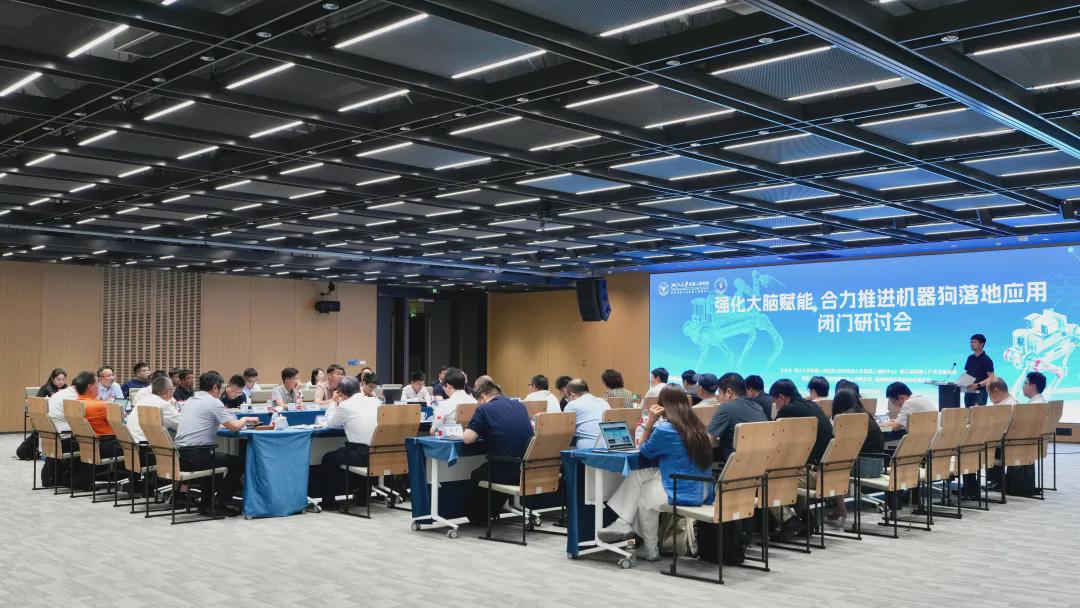
First Public Reveal of 'Infinite Brain': VL²A Architecture Tackles 'Brain Dilemma' at Robotics Application Seminar in Hangzhou
A seminar held in Hangzhou recently brought together experts to discuss advancements in robotic applications, with a particular focus on quadruped robots. The event highlighted the increasing necessity for these robots to possess advanced cognitive capabilities to navigate complex environments effectively. A key development presented during the seminar was the introduction of the VL²A architecture, which incorporates a new logic layer aimed at enhancing decision-making processes. This innovation signifies a pivotal shift towards the practical deployment of robots in various settings, underscoring the ongoing evolution of robotics technology.
Robotics Artificial Intelligence Cognitive Robotics Quadruped Robots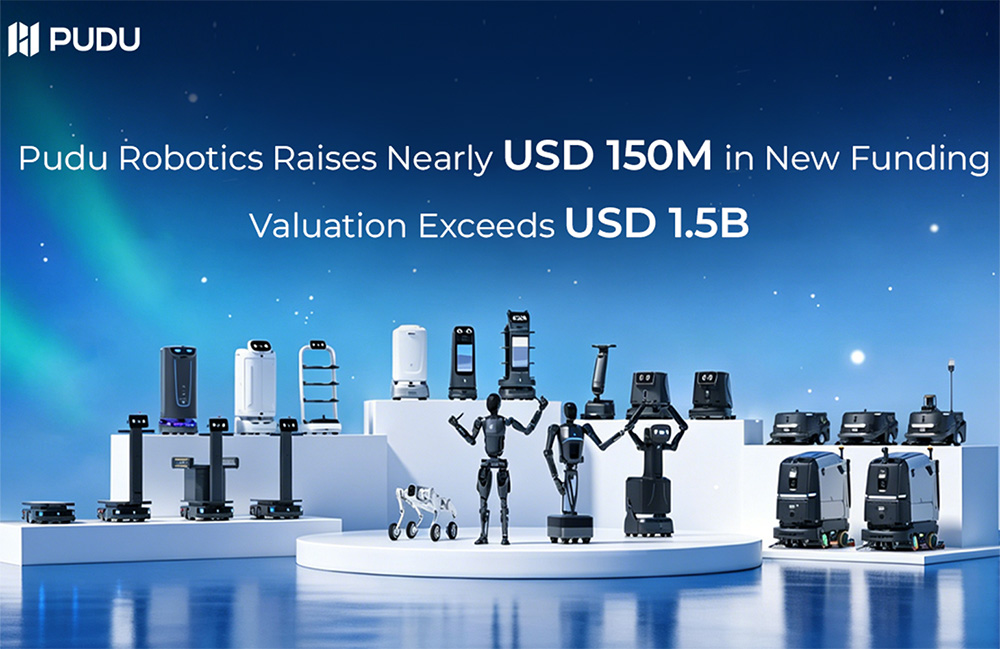
Pudu Robotics raises nearly $150M as it targets industrial applications
Pudu Robotics has successfully raised nearly $150 million in funding, which it plans to utilize for the development of its embodied artificial intelligence technology. The company aims to enhance its product portfolio and broaden its reach into global markets, moving beyond its current focus on service robots. This strategic investment is expected to facilitate Pudu's expansion into industrial applications, positioning the company to capitalize on emerging opportunities in the robotics sector.
Artificial Intelligence Artificial Intelligence / Cognition Autonomous Mobile Robots (AMRs) China Design / Development Financial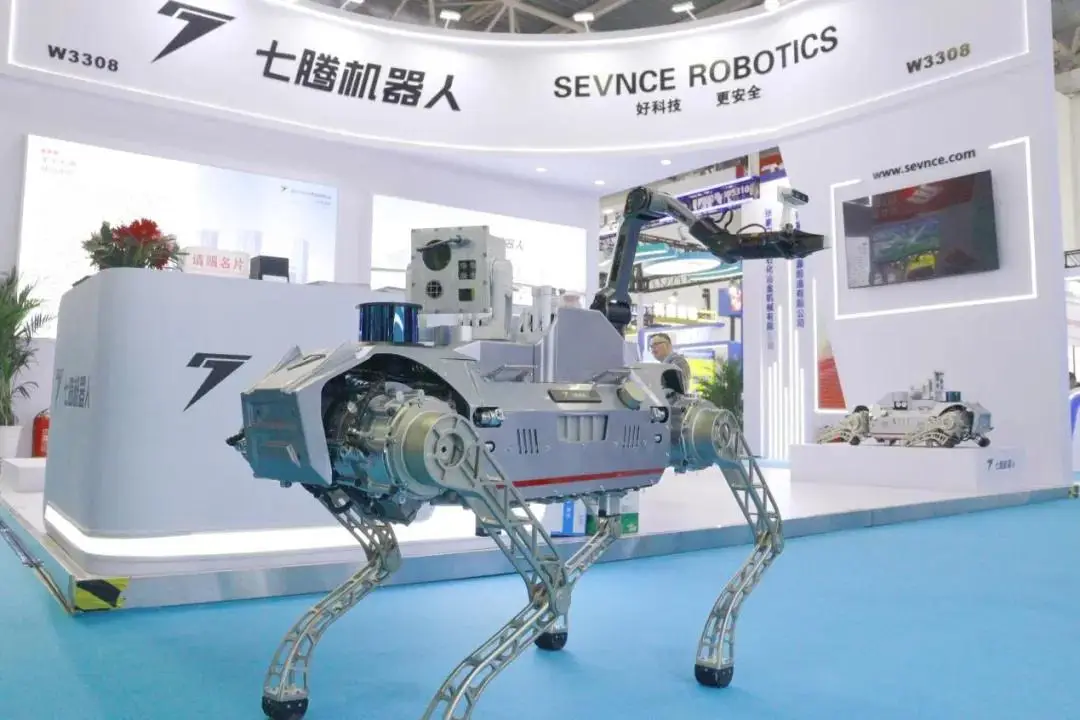
The Rise of Robotics: Who is Quietly Securing Essential Applications?
In response to the growing demands of the robotics industry, Qiteng Robotics is evolving from a supplier of inspection equipment to a comprehensive solution provider. This strategic shift aims to address customer needs by offering innovative service models that enhance safety and efficiency in high-risk environments. As industrial automation continues to advance, Qiteng Robotics is positioning itself as a key player, focusing on the development of specialized robots tailored to meet the challenges of modern industries. The company's transformation reflects a broader trend within the sector, highlighting the importance of adapting to market demands and leveraging technological advancements to improve operational outcomes.
Industrial Automation Specialized Robots AI Solutions Safety Technology
Movable Anchor Cable‐Driven Parallel Robot and Its Application in Ground Microgravity Experiment for Long‐Span Flexible Manipulators
In May 2026, researchers published a significant study in the Journal of Field Robotics, focusing on advancements in robotic technology. The study, appearing in Volume 43, Issue 3, spans pages 2069 to 2089 and highlights innovative developments in the field of robotics that could enhance various applications, including industrial automation and autonomous vehicles. The research was conducted by a team of experts aiming to address the growing demand for more efficient and intelligent robotic systems. By integrating advanced algorithms and machine learning techniques, the team demonstrated how these improvements could lead to increased operational efficiency and safety in robotic applications. This publication is part of a broader effort to push the boundaries of robotics, responding to the challenges posed by complex environments and tasks that require high levels of precision and adaptability. The findings are expected to influence future research directions and practical implementations in robotics, contributing to the evolution of the industry.
RESEARCH ARTICLE
Development and Adaptation of Robotic Vision in the Real World: The Challenge of Door Detection
In May 2026, researchers published a significant study in the Journal of Field Robotics, focusing on advancements in robotic technology. The study highlights innovative methodologies for enhancing the autonomy and efficiency of field robots, which are increasingly utilized in agricultural and industrial applications. Conducted by a team of experts in robotics and artificial intelligence, the research aims to address the growing demand for automation in various sectors, driven by the need for increased productivity and reduced labor costs. The team employed a series of experiments to test new algorithms that improve navigation and obstacle avoidance in complex environments. Their findings demonstrate a marked improvement in the robots' ability to operate independently, even in unpredictable conditions. This breakthrough is expected to have a profound impact on industries reliant on robotic systems, potentially transforming operational practices and leading to significant economic benefits. The study underscores the importance of ongoing research in robotics, particularly as industries seek to adapt to technological advancements and changing market demands. By providing insights into effective robotic systems, the researchers aim to contribute to the development of smarter, more capable machines that can meet the challenges of the future.
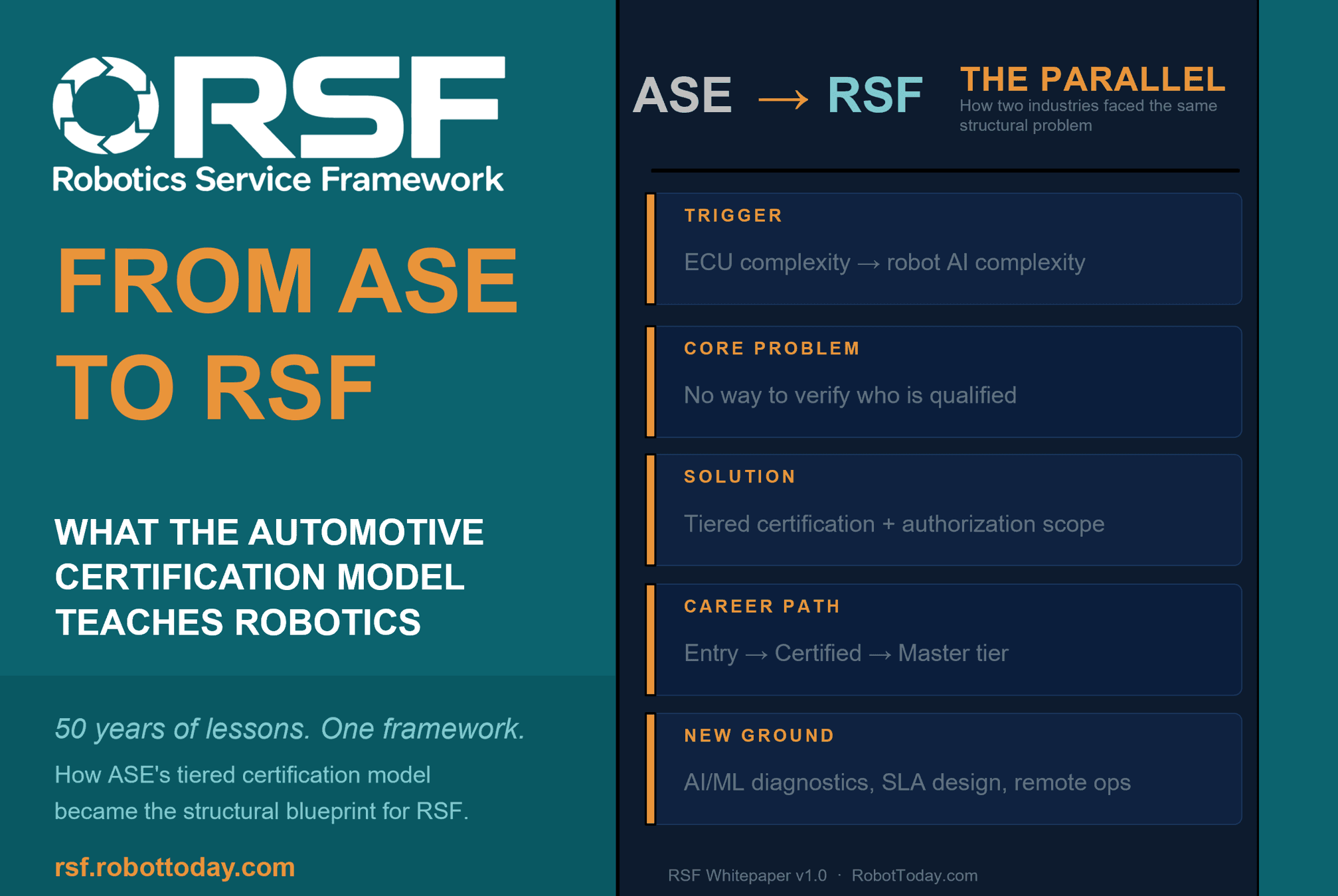
RESEARCH ARTICLERobotics needs a service framework.
RSF defines a common language for robot service capability, lifecycle operations, certification pathways, and service-provider networks.