Industry Briefing
A single destination for timely, editor-curated robotics news from around the world.

New membranes strip 99.8% of heavy hydrocarbons from crude oil to save refining energy
Researchers have developed a groundbreaking class of ultrathin polymer membranes known as Polymers of Locked Intrinsic Microporosity (PLIMs). This innovative material, which emerged from a collaborative effort among scientists, aims to enhance gas separation processes. The announcement was made during a recent conference held in October 2023, where experts gathered to discuss advancements in materials science. The motivation behind creating PLIMs stems from the increasing demand for efficient and sustainable methods in gas separation, which is crucial for various industries, including energy and environmental sectors. The unique structure of these membranes allows for superior performance compared to traditional materials, potentially leading to significant reductions in energy consumption and operational costs. The development process involved extensive research and experimentation to optimize the polymer's properties, resulting in membranes that are not only ultrathin but also exhibit remarkable selectivity for specific gases. This advancement could revolutionize applications such as carbon capture and hydrogen purification, addressing pressing global challenges related to climate change and resource management. As the scientific community continues to explore the potential of PLIMs, the implications for industrial applications and environmental sustainability are becoming increasingly clear, paving the way for a new era in membrane technology.
Innovation
Heavy‐UUV Docking System for a Fixed Seabed Station Based on Differential Optical‐Guidance Beacons
The Journal of Field Robotics has recently published an early view article highlighting advancements in robotic technology. Researchers from various institutions have collaborated to develop a new autonomous navigation system that enhances the efficiency and safety of field operations. This innovative system was tested in agricultural settings in California during the summer of 2023, where it demonstrated significant improvements in crop monitoring and resource management. The motivation behind this research stems from the growing need for precision agriculture, which aims to optimize farming practices and reduce environmental impact. By integrating advanced sensors and machine learning algorithms, the team was able to create a robotic platform capable of navigating complex terrains while collecting valuable data on soil health and crop conditions. The successful implementation of this technology could revolutionize the agricultural sector, providing farmers with tools to make informed decisions and increase productivity. The findings are expected to contribute to ongoing discussions about sustainable farming practices and the role of robotics in addressing global food security challenges.
RESEARCH ARTICLE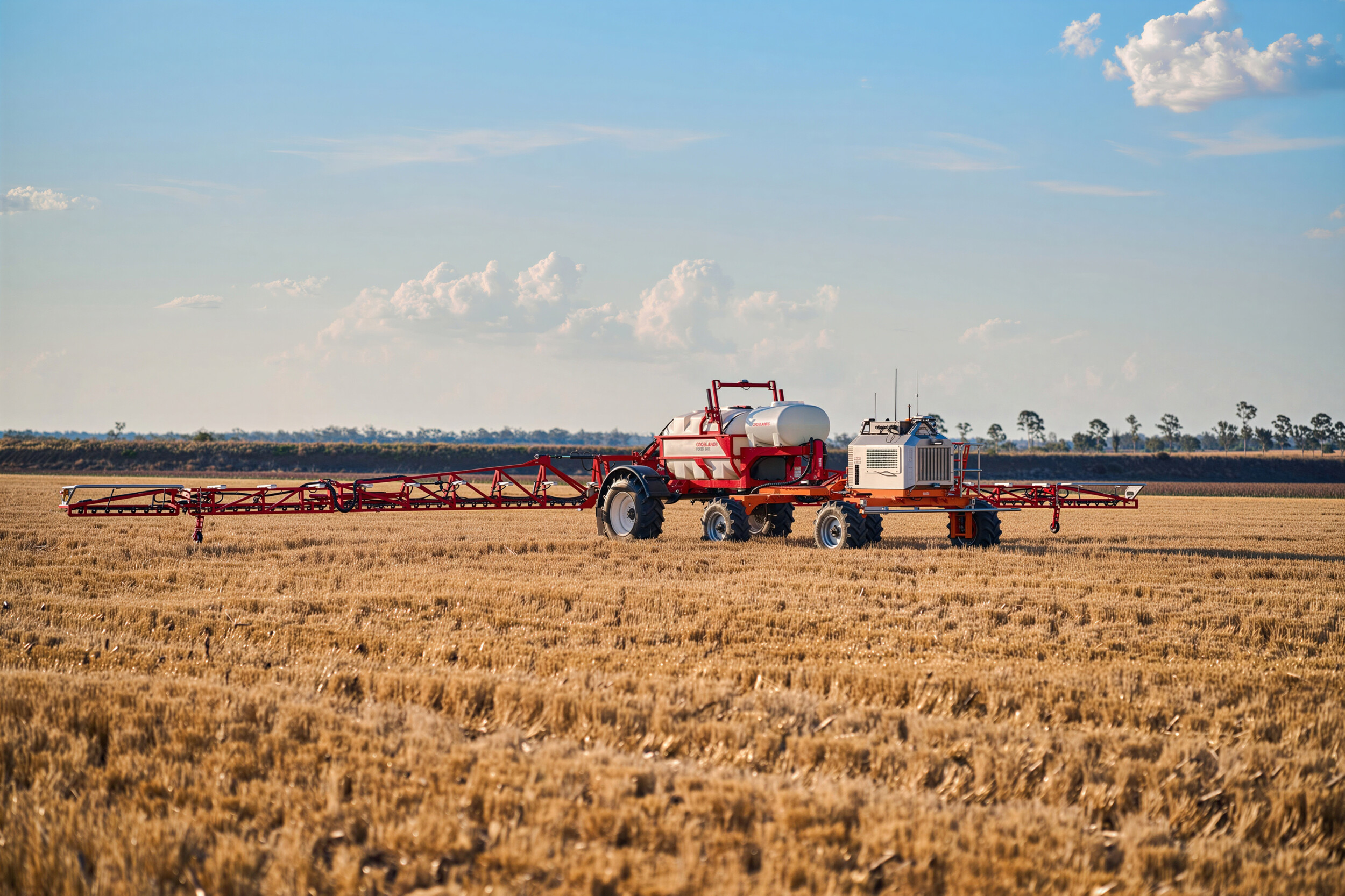
Croplands expands WEED-IT range with new releases, including orchard solution
Australian company Croplands Equipment has introduced a series of innovative technologies in its WEED-IT precision spraying range. The launch features the Series 2 Robot Ready Pinto, along with a large-scale broadacre platform and enhanced retrofit capabilities. Additionally, the company has developed its first optical spot spraying solution specifically designed for orchards. This advancement aims to improve efficiency and precision in agricultural spraying, addressing the growing demand for sustainable farming practices. The new technologies are set to revolutionize the way farmers manage weeds and optimize crop health, reflecting Croplands' commitment to innovation in the agricultural sector.
Smart farming autonomous farm equipment crop management systems precision spraying retrofit kits weed control systems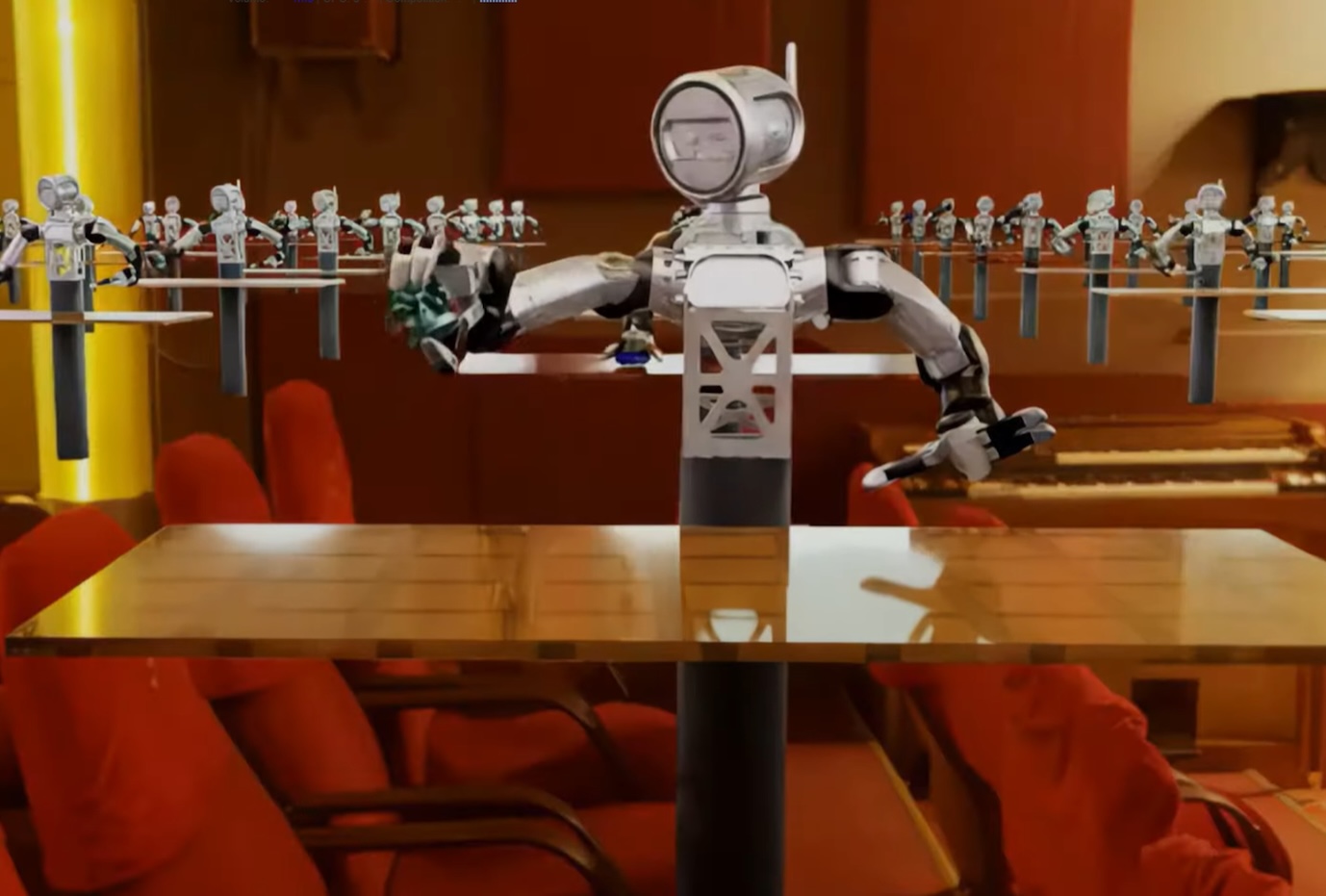
Design and Verification of a Multi‐Feature Wind Field Generation Device Based on Array‐Type Rotors
A recent study published in the Journal of Field Robotics explores advancements in robotic technology aimed at enhancing agricultural efficiency. Conducted by a team of researchers from various universities, the study highlights the development of autonomous robots capable of performing tasks such as planting, weeding, and harvesting crops. This research, which was initiated in early 2023, took place at agricultural fields across multiple locations in the Midwest United States. The motivation behind this initiative stems from the growing need for sustainable farming practices and the increasing labor shortages faced by the agricultural sector. By integrating advanced robotics into farming operations, the researchers aim to reduce reliance on manual labor while simultaneously increasing productivity and minimizing environmental impact. The study details the design and implementation of these robots, which utilize machine learning algorithms to navigate fields and make real-time decisions based on environmental conditions. Initial trials have shown promising results, indicating that these robots can significantly improve crop yields while reducing resource consumption. As the agricultural industry faces mounting challenges, this research represents a critical step toward the future of farming, showcasing how technology can play a pivotal role in addressing food security and sustainability. The findings are expected to influence future developments in agricultural robotics and encourage further investment in this innovative sector.
RESEARCH ARTICLE
Micropolis Robotics Signs Five-Year Autonomous Sweeper Deployment Agreement with Abu Dhabi Government
Micropolis AI Robotics has entered into a five-year partnership with the Department of Municipalities and Transport in Abu Dhabi to implement and manage autonomous street-cleaning robots throughout the emirate. The initiative will kick off with the introduction of AI-driven autonomous sweepers specifically designed for urban cleaning and maintenance operations. This collaboration highlights Micropolis AI Robotics' capability to provide fully integrated solutions for municipal services, aiming to enhance cleanliness and efficiency in Abu Dhabi's urban environment.
AI AI Funding & Investment AI Use Cases Robotics agreement Micropolis
Japan Agriculture Drone Market Projected to Reach $357.8M by 2034
A recent report from the Tokyo-based Market Research Center, in collaboration with the Japan UAS Industrial Development Association (JUIDA), projects that Japan's agriculture drone market will reach $357.8 million by 2034. The report estimates the market's value at $104.8 million in 2025 and anticipates a compound annual growth rate (CAGR) of 14.62% over the next decade. This growth is driven by increasing demand for advanced agricultural technologies aimed at enhancing efficiency and productivity in farming practices. The findings highlight the significant potential for drones to transform the agricultural landscape in Japan, reflecting a broader trend towards innovation in the sector.
Agriculture Drone News Drone News Feeds Farming Drones Featured - Agriculture Japan Drone Industry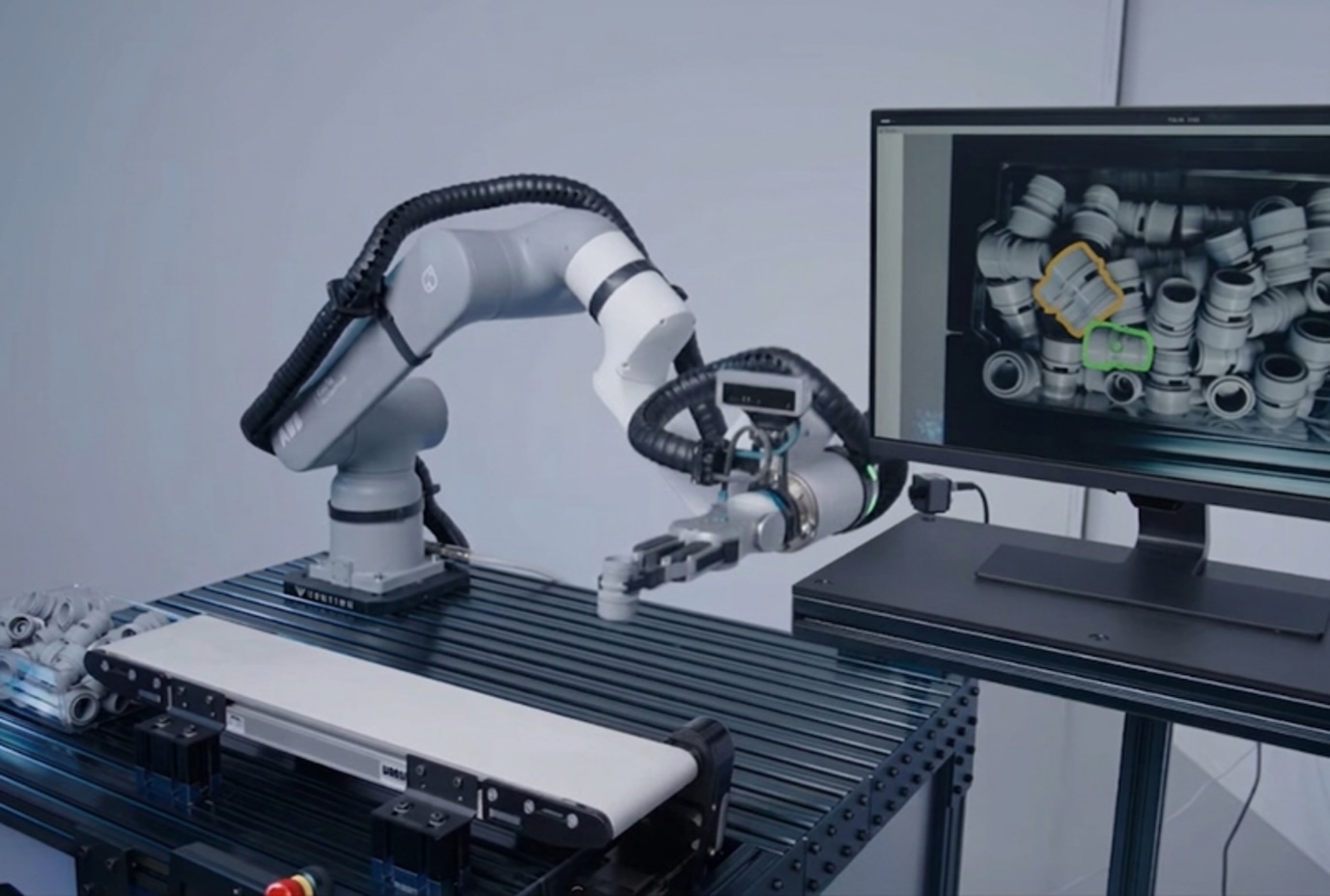
Research on Orchard Navigation Path Planning Based on 3D LiDAR SLAM Considering Terrain Roughness
A recent study published in the Journal of Field Robotics highlights advancements in autonomous robotic systems designed for agricultural applications. Researchers from a consortium of universities and tech companies conducted the study to address the growing need for efficient farming solutions amid rising labor costs and food demand. The research, which began in early 2023, took place across various agricultural sites in California, focusing on the integration of robotics in crop monitoring and harvesting. The team developed a prototype robot equipped with advanced sensors and machine learning algorithms, enabling it to navigate fields and collect data on crop health. This innovation aims to enhance productivity and reduce the reliance on manual labor, which has become increasingly scarce. The researchers conducted extensive field tests to evaluate the robot's performance and adaptability to different farming conditions. The findings suggest that these autonomous systems could significantly improve yield and reduce waste, addressing both economic and environmental challenges in agriculture. The study underscores the potential of robotics to transform traditional farming practices, paving the way for more sustainable and efficient food production methods in the future.
RESEARCH ARTICLE
Windows for robots: Edge AI expands usability
A significant shift in accessibility for robotics is underway, reminiscent of the transformation brought by Windows for personal computers. Edge AI technology is enabling a broader range of users, beyond just engineers and computer scientists, to engage with and utilize robotic systems. This development is poised to democratize robotics, making it more user-friendly and accessible to individuals with varying levels of technical expertise. As Edge AI continues to evolve, it is expected to enhance the usability of robots across various sectors, fostering innovation and expanding the potential applications of robotic technology. This trend marks a pivotal moment in the integration of advanced technology into everyday use, potentially revolutionizing industries and everyday tasks.
Artificial Intelligence Controllers Maritime Microprocessors / SoC News Opinion
DynaSki: A Robust Locomotion Framework for Dynamic Skiing Robot on Challenging Terrains
A recent study published in the Journal of Field Robotics highlights advancements in autonomous robotic systems designed for agricultural applications. Researchers from a leading university conducted the study to address the growing need for efficient farming solutions amid increasing global food demand. The findings, released in early October 2023, provide insights into how these robotic systems can enhance crop monitoring and management. The research was conducted in various agricultural settings, demonstrating the robots' capabilities in navigating complex terrains and performing tasks such as planting, weeding, and harvesting. By employing advanced sensors and machine learning algorithms, the robots can analyze environmental conditions and optimize farming practices, ultimately aiming to increase yield while reducing labor costs. The motivation behind this innovation stems from the challenges faced by farmers due to labor shortages and the need for sustainable farming methods. The study emphasizes the potential of robotics to transform traditional agriculture, making it more resilient and productive in the face of climate change and resource constraints. As the agricultural sector continues to evolve, these findings could pave the way for broader adoption of robotic technologies, enhancing food security and sustainability worldwide.
RESEARCH ARTICLE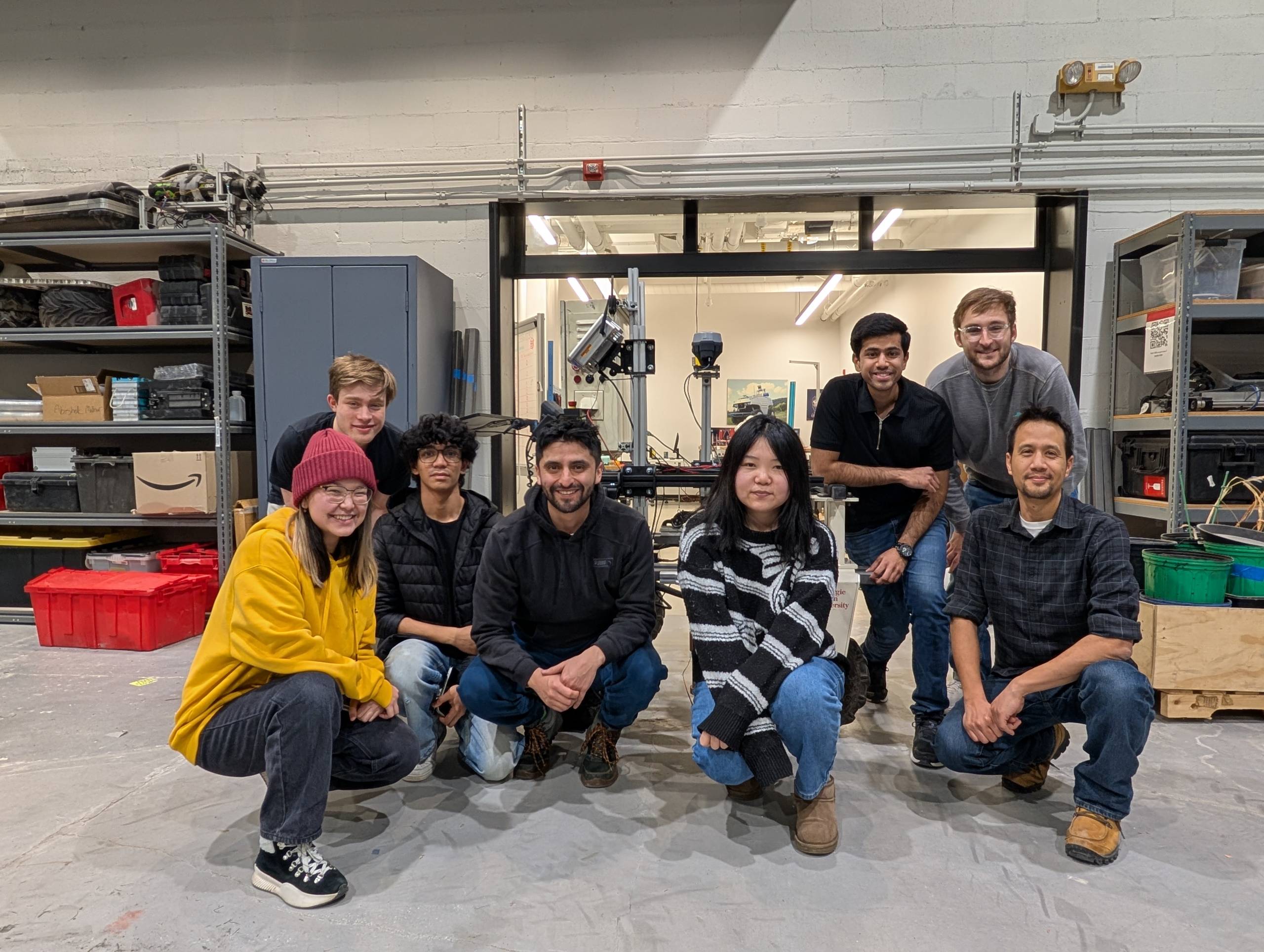
Carnegie Mellon Team Helps Farmers Fight Crop Disease With Robots
A team of students from Carnegie Mellon University's Robotics Institute has developed an innovative robotic solution to combat fire blight, a destructive disease that threatens orchards by killing branches and entire trees, leading to significant economic losses for farmers. This project, known as the Fire Blighters, aims to assist growers in detecting the disease earlier and minimizing its spread. The team's efforts have recently garnered national recognition, highlighting the potential of robotics in agricultural disease management.
Announcements Awards
LIO‐RRTNav for Cattle Yard Inspection Robots: Prior Map Aided Relocalization and Goal‐Oriented, Smooth RRT Path Planning
A recent study published in the Journal of Field Robotics highlights advancements in autonomous robotic systems designed for agricultural applications. Researchers from a leading university conducted the study to address the growing need for efficient farming solutions amid increasing global food demands. The research, which took place over the past year, focused on developing robots capable of performing tasks such as planting, weeding, and harvesting with minimal human intervention. The team utilized cutting-edge technologies, including machine learning and computer vision, to enhance the robots' ability to navigate complex agricultural environments. By integrating these technologies, the robots can adapt to varying crop conditions and optimize their performance. The findings indicate that these autonomous systems could significantly reduce labor costs and improve productivity in the agricultural sector. The study's implications are particularly relevant as farmers face challenges related to labor shortages and the need for sustainable practices. By demonstrating the effectiveness of robotic solutions, the researchers aim to encourage wider adoption of automation in farming, ultimately contributing to food security and sustainability efforts worldwide. The research underscores the potential for robotics to transform traditional agricultural practices, paving the way for a more efficient and resilient food production system.
RESEARCH ARTICLE
Cross‐Modal Synergistic Optimization Multi‐Task Segmentation Network for Autonomous Ground Intelligent Agents in Field Environments
A recent study published in the Journal of Field Robotics highlights the advancements in autonomous robotic systems designed for agricultural applications. Researchers from various institutions collaborated to explore innovative technologies that enhance efficiency and sustainability in farming practices. The findings, released in early October 2023, emphasize the growing importance of robotics in addressing labor shortages and increasing productivity in the agricultural sector. The study showcases several case studies where autonomous robots successfully performed tasks such as planting, harvesting, and monitoring crops, demonstrating their potential to revolutionize traditional farming methods. By integrating artificial intelligence and machine learning, these robots can adapt to varying environmental conditions and optimize resource use, ultimately contributing to more sustainable agricultural practices. The motivation behind this research stems from the pressing challenges faced by the agricultural industry, including the need for increased food production to meet global demand and the impact of climate change on farming. The researchers advocate for the adoption of robotic technologies as a viable solution to enhance food security and reduce the environmental footprint of agriculture. Through rigorous testing and evaluation, the study provides insights into the operational capabilities of these autonomous systems, paving the way for further innovations in the field. As the agricultural sector continues to evolve, the integration of robotics is expected to play a crucial role in shaping the future of food production.
RESEARCH ARTICLE
Two Fossa Flat Minima Optimization Algorithm‐Based Enhancement of Ecological Balance Using Carbon‐Neutral Eco‐Robots With Situational Intelligence for Air Quality Monitoring
A recent study published in the Journal of Field Robotics explores advancements in autonomous robotic systems designed for agricultural applications. Conducted by a team of researchers from various universities, the study highlights the growing importance of robotics in enhancing efficiency and sustainability in farming practices. The research, which was completed in October 2023, focuses on the development of robots capable of performing tasks such as planting, weeding, and harvesting crops with minimal human intervention. The motivation behind this research stems from the increasing demand for food production amid a global population surge and the need for sustainable farming methods that reduce environmental impact. By integrating advanced sensors and artificial intelligence, the robots are designed to optimize resource use, reduce labor costs, and improve crop yields. Field tests conducted in various agricultural settings demonstrated the robots' effectiveness in performing tasks traditionally done by human laborers. The study's findings suggest that these autonomous systems could significantly transform the agricultural landscape, making it more efficient and less reliant on chemical inputs. As the agricultural sector faces challenges related to labor shortages and climate change, the research underscores the potential of robotics to address these issues and pave the way for a more sustainable future in food production. The study calls for further investment and development in this technology to fully realize its benefits for farmers and the environment.
RESEARCH ARTICLE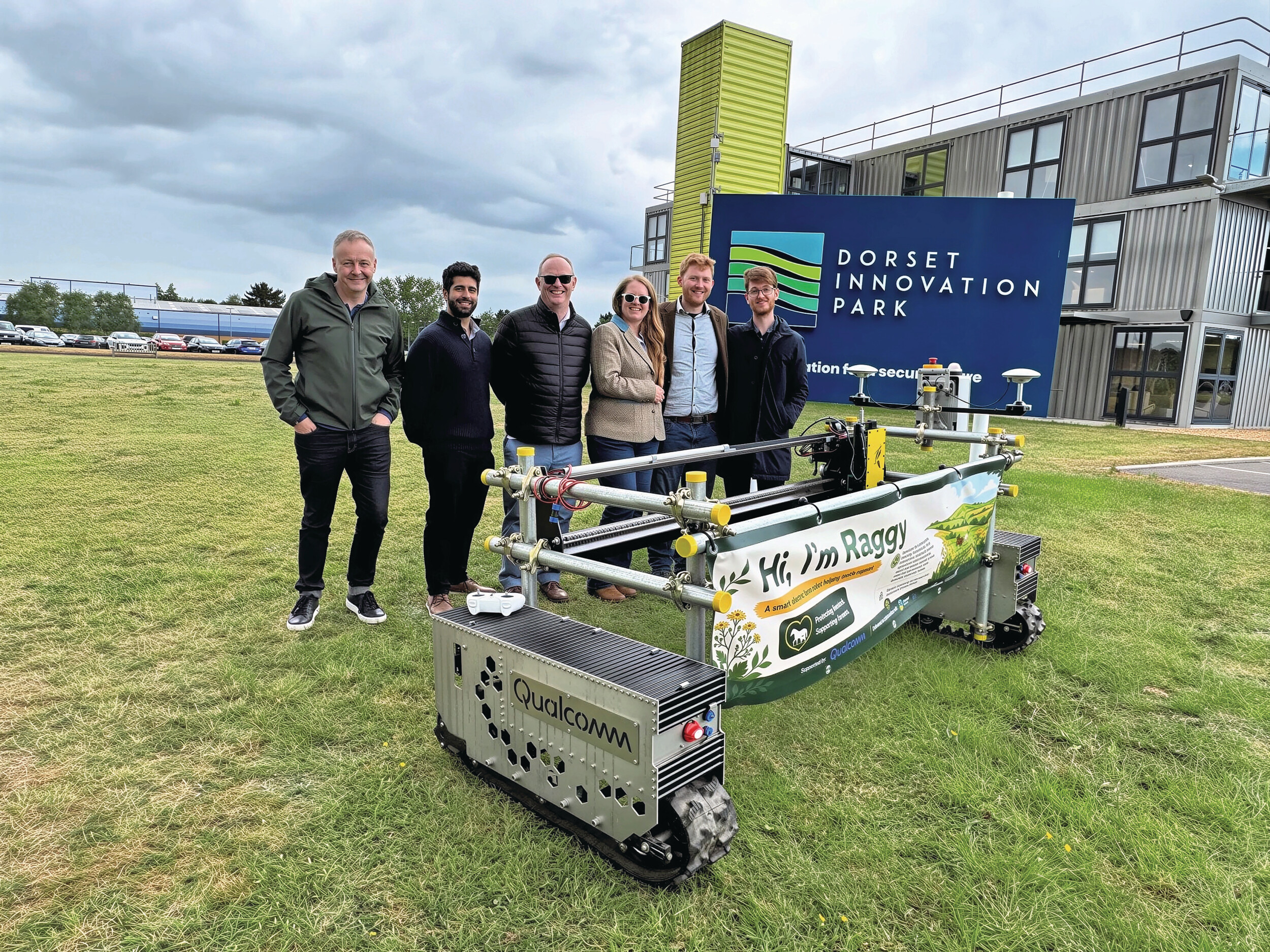
Robot Raggy taking on one of farming’s most persistent weed problems
This summer, farmers in Dorset are closely monitoring the progress of Raggy, a small autonomous robot designed to combat ragwort infestations. Developed by the UK robotics firm Robotriks, Raggy has arrived at Dorset Innovation Park near Wareham for its final testing phase before launching field trials across various farms and land in the region. The introduction of this electrically powered robot is highly anticipated by local farmers and landowners, who are eager for an effective solution to manage the invasive weed that poses a threat to livestock and crops. The ongoing trials aim to demonstrate Raggy's capabilities in tackling this persistent agricultural challenge.
Field robots autonomous farm equipment electric tractors Machine vision robotics weed control systems
Automated Lawn Maintenance: An Agronomic and Operational Review of Turf Health, Biodiversity, and Field Performance
A recent study published in the Journal of Field Robotics highlights advancements in autonomous robotic systems designed for agricultural applications. Researchers from a leading university conducted the study to explore how these robots can enhance efficiency in farming practices. The research was carried out over the summer of 2023 at various agricultural sites across the Midwest. The motivation behind this initiative stems from the increasing demand for sustainable farming solutions that can address labor shortages and improve crop yields. By integrating advanced sensors and machine learning algorithms, the robots are capable of performing tasks such as planting, monitoring crop health, and harvesting with minimal human intervention. The study involved extensive field tests, where the robots demonstrated their ability to navigate complex terrains and adapt to changing environmental conditions. Results showed a significant increase in productivity compared to traditional farming methods, suggesting that the implementation of these technologies could revolutionize the agricultural sector. As the agricultural industry faces challenges related to climate change and population growth, this research underscores the potential of robotics to provide innovative solutions that promote sustainability and efficiency in food production. The findings are expected to pave the way for further developments in agricultural robotics, ultimately benefiting farmers and consumers alike.
SURVEY ARTICLE
RGPB‐Planner: A Real‐Time Gaussian Potential B‐Spline Trajectory Planner for Unmanned Aerial Vehicles in Complex Environments
A recent study published in the Journal of Field Robotics explores advancements in autonomous robotic systems designed for agricultural applications. Researchers from various institutions conducted the study to address the growing need for efficient farming solutions amid increasing global food demands. The findings, released in early October 2023, highlight innovative technologies that enhance the capabilities of robots in tasks such as planting, harvesting, and monitoring crops. The research was conducted in diverse agricultural settings, showcasing how these robotic systems can adapt to different environments and crop types. By integrating artificial intelligence and machine learning, the robots are able to optimize their performance, reducing labor costs and increasing productivity for farmers. This initiative stems from the urgent necessity to improve agricultural efficiency and sustainability in response to climate change and population growth. The study emphasizes that the implementation of these robotic systems could significantly transform traditional farming practices, making them more resilient and resource-efficient. The research team utilized a combination of field tests and simulations to demonstrate the effectiveness of the robotic technologies, providing a comprehensive analysis of their potential impact on the agricultural sector. As the industry continues to evolve, the insights from this study may pave the way for broader adoption of robotics in farming, ultimately contributing to food security and environmental sustainability.
RESEARCH ARTICLE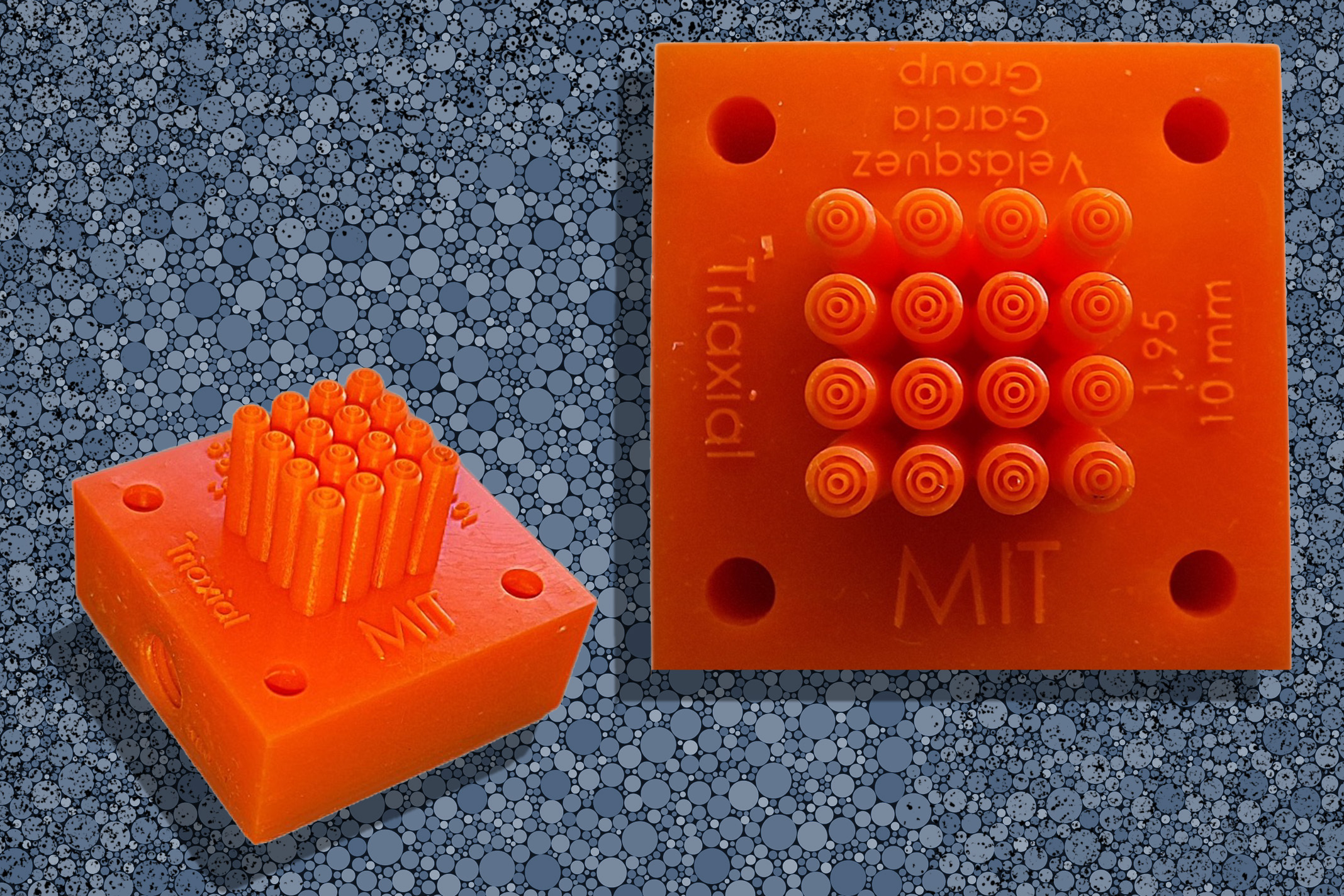
3D-printed devices could streamline the production of drug-delivery microparticles
A new development in particle production technology has emerged, utilizing cost-effective devices that can be constructed in just a few hours. These innovative devices employ electrospray emitter technology to efficiently generate three-layered particles on a large scale. This advancement is poised to enhance manufacturing processes across various industries by providing a faster and more economical method of particle creation. The introduction of these devices marks a significant step forward in the field, potentially leading to improved applications in pharmaceuticals, materials science, and other sectors that rely on precise particle engineering.
Research 3-D printing Additive manufacturing Electronics Medical devices Drug delivery
Airbus unveils U145 autonomous helicopter drone for cargo supply ops
A European defense official has outlined the expanding roles of military drones, emphasizing their capabilities in armed scouting, surveillance, and crewed-uncrewed teaming. These advanced unmanned aerial vehicles are also expected to function as "motherships" for launching additional air effects. This development highlights the increasing reliance on drone technology in modern military operations, reflecting a strategic shift towards more versatile and integrated aerial combat systems. The official's comments come amid ongoing discussions about enhancing military capabilities in response to evolving global security challenges.
Air Warfare Global Air Force Airbus Drones Europe
The art(s) of laser weeding demystified: laser expert Matthias Lautenschläger explains
Farmers, growers, and contractors worldwide are increasingly turning their attention to laser weeding, a cutting-edge agricultural technique gaining traction in the industry. This innovative method utilizes high-intensity lasers to target and eliminate weeds without harming crops, offering a sustainable alternative to traditional herbicides. As the agricultural sector grapples with rising temperatures and the challenges posed by climate change, the urgency for effective and environmentally friendly solutions has never been greater. Laser weeding not only reduces the reliance on chemical treatments but also minimizes soil disturbance, promoting healthier ecosystems. The growing interest in this technology is evident as more agricultural professionals seek training and information on its implementation. Demonstrations and workshops are being organized globally, showcasing the efficiency and precision of laser weeding systems. As farmers look for ways to enhance productivity while adhering to sustainable practices, laser weeding stands out as a promising solution that addresses both economic and environmental concerns. With the agricultural landscape evolving rapidly, this method could redefine weed management strategies in the years to come.
Smart farming laser weeding machinery precision agriculture weed control
Mobile Manipulator Robot for Autonomous In‐Situ Soil Measurements in Chile Pepper Cultivation
A recent study published in the Journal of Field Robotics highlights the advancements in autonomous robotic systems designed for agricultural applications. Researchers from various institutions conducted the study to explore how these technologies can enhance efficiency and productivity in farming practices. The findings, released in early October 2023, indicate that the integration of robotics in agriculture can significantly reduce labor costs and improve crop yields. The research was conducted in multiple agricultural settings, demonstrating the versatility of robotic systems in different environments. By employing advanced sensors and machine learning algorithms, these robots can perform tasks such as planting, harvesting, and monitoring crop health with minimal human intervention. The motivation behind this innovation stems from the growing need for sustainable farming solutions amid increasing global food demand and labor shortages in the agricultural sector. Through extensive field trials, the researchers documented the robots' performance, revealing their ability to operate efficiently under various weather conditions and terrains. This study not only underscores the potential of robotics to transform agriculture but also emphasizes the importance of continued investment in technology to address future challenges in food production.
RESEARCH ARTICLE
A Design Specifications Template for Wearable Haptic Interfaces: A Case Study for Robotic Gripper Applications
A recent study published in the Journal of Field Robotics highlights advancements in autonomous robotic systems designed for agricultural applications. Researchers from various institutions collaborated to explore the integration of artificial intelligence and machine learning in enhancing the efficiency of farming practices. The study, released in early October 2023, emphasizes the growing need for innovative solutions in agriculture due to increasing global food demands and labor shortages. The research team conducted extensive field tests in multiple agricultural settings to evaluate the performance of these autonomous systems. By employing advanced algorithms, the robots demonstrated improved capabilities in tasks such as planting, harvesting, and monitoring crop health. The findings suggest that these technologies could significantly reduce labor costs and increase productivity, addressing critical challenges faced by the agricultural sector. This initiative aims to provide farmers with reliable tools that can adapt to various environmental conditions and crop types, ultimately contributing to sustainable farming practices. The study's outcomes are expected to influence future developments in agricultural robotics, paving the way for more efficient and environmentally friendly farming solutions.
RESEARCH ARTICLE
Designed to Fly Like a Falcon, RoBird Takes Aim at Crop-Damaging Birds
A new application for the RoBird drone, designed to mimic the flight of a falcon, is emerging as a solution for agricultural crop protection in Queensland, Australia. Originally developed to prevent bird strikes at airports, this innovative flapping-wing technology is now being tested by local growers to safeguard their crops from damage caused by birds. The shift in usage highlights the versatility of the RoBird, as it adapts to address challenges in agriculture, demonstrating its potential to enhance farming practices while reducing reliance on traditional pest control methods.
Agriculture Applications Conservation Drone News Drone News Feeds Drones in the News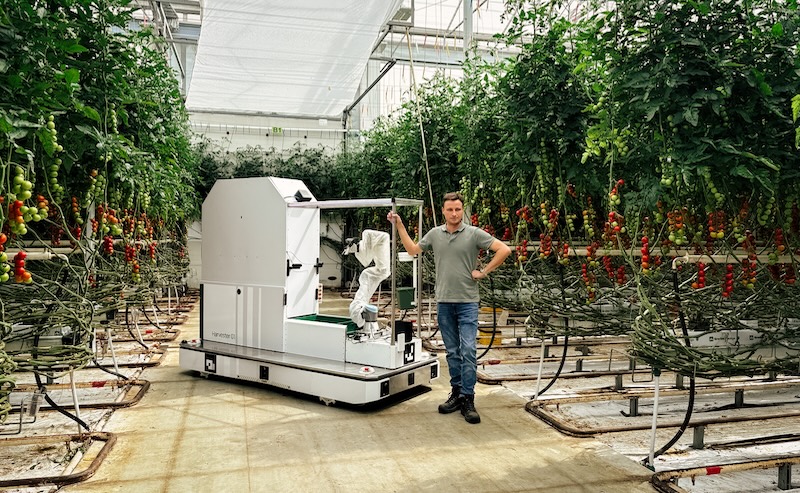
Eternal.ag scales fully-autonomous harvesting robots with first customer Van Noord Growers
Eternal.ag, a German agritech startup, has launched its fully-autonomous greenhouse harvesting robot, known as Harvester, at Van Noord Growers in Zeeland, Netherlands. This deployment is part of a long-term agreement aimed at enhancing the efficiency of Van Noord Growers, which cultivates tomatoes and cucumbers across an 8.5-hectare facility. The Harvester robot is specifically designed for truss harvesting, offering a solution to labor shortages and increasing productivity in greenhouse operations. The collaboration reflects a growing trend in the agricultural sector to integrate advanced technology to streamline processes and improve crop yields.
Agriculture News agribusiness technology agricultural AI agricultural automation agricultural innovation
A Low‐Drift Legged Robot State‐Estimation System Through Combined Physics‐Informed Contact Estimation Network and Full Joint State
A recent study published in the Journal of Field Robotics highlights advancements in autonomous robotic systems designed for agricultural applications. Researchers from various institutions collaborated to develop innovative algorithms that enhance the efficiency and precision of farming robots. The findings, released in early October 2023, demonstrate how these technologies can significantly improve crop monitoring and management. The study was conducted across multiple farms in the Midwest, where the team tested the robots' capabilities in real-world conditions. By utilizing advanced sensors and machine learning techniques, the robots were able to identify crop health issues and optimize resource usage, such as water and fertilizers. This approach not only aims to increase agricultural productivity but also addresses sustainability concerns in farming practices. The motivation behind this research stems from the growing need for efficient food production methods to meet the demands of a rising global population. As traditional farming faces challenges such as labor shortages and environmental impacts, the integration of autonomous systems presents a viable solution. The researchers emphasized that the successful implementation of these technologies could lead to a transformative shift in how agriculture is practiced, ultimately benefiting both farmers and consumers alike.
RESEARCH ARTICLE
Multi‐Robot Collaborative Navigation Framework Based on 3D Voronoi Partitioning in Uneven and Unstructured Environments
A recent study published in the Journal of Field Robotics highlights advancements in autonomous robotic systems designed for agricultural applications. Researchers from various institutions collaborated to develop innovative algorithms that enhance the efficiency and accuracy of these robots in crop monitoring and management. The study, released in early October 2023, emphasizes the growing need for automation in agriculture due to labor shortages and the increasing demand for food production. The research was conducted across multiple farms in the Midwest, where the team tested the robots' capabilities in real-world conditions. By integrating machine learning techniques, the robots can now analyze crop health, detect pests, and optimize resource usage, significantly reducing the environmental impact of farming practices. This initiative aims to address the challenges faced by farmers, particularly in light of climate change and the need for sustainable agriculture. The findings suggest that implementing these robotic systems can lead to improved yields and reduced operational costs, ultimately benefiting both farmers and consumers. As the agricultural sector continues to evolve, the integration of such technologies is seen as a crucial step toward a more sustainable future.
RESEARCH ARTICLE
From Flybys to Sample Return: A Review of Space Probes and Robotic Sampling Technologies for Small Bodies
A recent study published in the Journal of Field Robotics highlights advancements in robotic technology aimed at enhancing agricultural efficiency. Researchers from various institutions conducted experiments to assess the effectiveness of autonomous robots in crop monitoring and management. The study, released in early October 2023, took place in diverse agricultural settings across the United States. The motivation behind this research stems from the increasing demand for sustainable farming practices and the need to address labor shortages in the agricultural sector. By integrating advanced robotics, the team aims to provide farmers with innovative tools that can optimize crop yields while minimizing environmental impact. The researchers implemented a series of field tests to evaluate the robots' capabilities in tasks such as soil analysis, pest detection, and irrigation management. The findings indicate that these autonomous systems can significantly reduce the time and labor required for traditional farming methods, ultimately leading to more efficient agricultural practices. This groundbreaking work not only showcases the potential of robotics in transforming agriculture but also emphasizes the importance of technological solutions in meeting the challenges posed by a growing global population and climate change. As the agricultural industry continues to evolve, the integration of robotic technology may play a crucial role in shaping the future of food production.
SURVEY ARTICLE
Robotics firm Eternal and seed breeder Rijk Zwaan partner to optimize tomato varieties for greenhouse automation
Eternal.ag and Rijk Zwaan have announced a collaboration focused on identifying tomato varieties that can enhance robotic crop work in greenhouses. This initiative seeks to leverage the expertise of both companies to gain insights into plant characteristics that would facilitate the automation of greenhouse operations. The partnership aims to pave the way for a future where crop management is fully automated, thereby improving efficiency and productivity in agricultural practices. By combining Rijk Zwaan's extensive global experience in fruit cultivation with eternal.ag's innovative technologies, the two organizations are working together to explore the potential of various tomato strains in supporting advanced robotic systems.
Agriculture News agri robotics agricultural automation agricultural innovation agricultural robotics
Yamaha expands autonomous farming platform with new weed-control system for orchards and vineyards
Yamaha Agriculture is enhancing its Prospr autonomous farming platform by introducing a new herbicide attachment aimed at automating weed control in orchards and vineyards. This innovative system, developed in collaboration with Croplands Equipment, expands the platform's capabilities to include precision herbicide application. The addition is designed to assist specialty crop growers in minimizing labor demands while improving the consistency of spraying operations. This advancement reflects a growing trend in agricultural technology, focusing on efficiency and sustainability in crop management.
Agriculture News agricultural automation agricultural robots agricultural technology ai agriculture
ePropelled launches new integrated propulsion unit for agricultural drones
The agricultural drone market is experiencing rapid growth, prompting manufacturers to enhance their technology to secure a larger share of this expanding sector. Recently, a new drone unit featuring advanced propulsion and power technology has been introduced, aimed at significantly improving performance in agricultural applications. This innovation is expected to meet the increasing demand for efficient and effective farming solutions, as farmers seek to leverage UAVs for precision agriculture and crop management. The launch of this cutting-edge technology underscores the industry's commitment to advancing aerial capabilities in agriculture, ultimately enhancing productivity and sustainability in farming practices.
Drones autonomous technology drone technology precision agriculture
Yamaha Agriculture adds herbicide spraying to Prospr robot
Yamaha Agriculture has unveiled a new herbicide spraying attachment designed for its Prospr autonomous hybrid vehicle platform, enhancing the machine's functionality to facilitate automated weed control in orchards and vineyards. This innovation aims to improve agricultural efficiency and reduce labor costs, addressing the growing need for effective weed management in the farming sector. By integrating this attachment, farmers can leverage advanced technology to streamline their operations and promote sustainable practices in crop production. The introduction of this feature marks a significant step forward in the application of automation within agriculture, reflecting Yamaha's commitment to supporting modern farming techniques.
Autonomous/semi-autosteering systems autonomous technology herbicides hybrid drivetrains robotic harvesting weed control
Performance Evaluation of Different Laser SLAM Algorithms for Unmanned Mining Vehicles
A recent study published in the Journal of Field Robotics highlights advancements in robotic technology aimed at improving agricultural efficiency. Researchers from a leading university conducted experiments to develop autonomous robots capable of performing tasks such as planting, weeding, and harvesting crops. The study, which took place over the summer of 2023, was conducted on various farms in California, showcasing the robots' adaptability to different agricultural environments. The motivation behind this research stems from the increasing demand for sustainable farming practices and the need to address labor shortages in the agricultural sector. By integrating advanced sensors and artificial intelligence, the robots are designed to optimize crop yields while minimizing resource use. The research team employed a series of field trials to test the robots' performance, collecting data on their effectiveness and efficiency compared to traditional farming methods. Preliminary results indicate that these autonomous systems can significantly reduce labor costs and increase productivity, offering a promising solution for modern agriculture. As the agricultural industry faces challenges such as climate change and population growth, this innovative approach could play a crucial role in ensuring food security and sustainability in the coming years. The findings from this study are expected to pave the way for further developments in agricultural robotics, potentially transforming the way food is produced globally.
SURVEY ARTICLE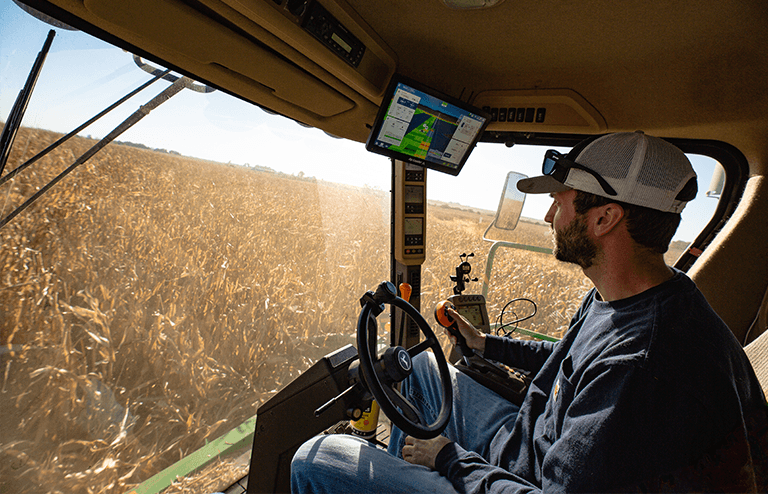
Ag Leader integrates corn row guidance into single harvest display
Ag Leader has launched Z-Row, an innovative row guidance system designed for combines that ensures precise alignment with corn rows. This new technology not only automates the steering of the combine but also consolidates steering and harvest data into a single, user-friendly display. The introduction of Z-Row aims to enhance efficiency and accuracy in corn harvesting, addressing the challenges faced by farmers in maintaining optimal row alignment. The system is expected to streamline operations and improve overall productivity in the field.
Field robots ag leader combines crop management systems Steering systems yield monitoring
Efficient and Adaptive Autonomous Guidance and Control of Planetary Rover With Improved Traction Controller and Dynamic Cost Map
In June 2026, the Journal of Field Robotics published a significant study highlighting advancements in robotic technology aimed at enhancing agricultural efficiency. Researchers from various institutions collaborated to develop innovative robotic systems capable of performing tasks such as planting, monitoring crop health, and harvesting. This initiative responds to the growing demand for sustainable farming practices and the need to address labor shortages in the agricultural sector. The study, which spans pages 2848 to 2866 in the journal’s fourth issue, showcases how these robots utilize artificial intelligence and machine learning to adapt to diverse farming environments. By integrating advanced sensors and data analytics, the robotic systems can make real-time decisions, optimizing resource use and minimizing environmental impact. The research team conducted extensive field trials across multiple agricultural settings, demonstrating the robots' effectiveness in improving yield and reducing operational costs. The findings are expected to influence future agricultural policies and practices, promoting the adoption of technology in farming to ensure food security in an increasingly challenging climate. This groundbreaking work not only illustrates the potential of robotics in agriculture but also underscores the importance of interdisciplinary collaboration in addressing global challenges.
FIELD REPORT
D2GNet: Efficient 6‐DoF Grasp Detection in Cluttered Scenes via Density‐Aware Dual‐Dimensional Graph Networks
A recent study published in the Journal of Field Robotics highlights advancements in robotic technology aimed at enhancing agricultural efficiency. Conducted by a team of researchers from various universities, the study was released in June 2026 and focuses on innovative robotic systems designed to optimize crop management and reduce labor costs. The research team utilized a combination of machine learning algorithms and autonomous navigation systems to develop robots capable of performing tasks such as planting, monitoring, and harvesting crops. This initiative was motivated by the increasing demand for sustainable farming practices and the need to address labor shortages in the agricultural sector. Field tests were conducted in diverse agricultural environments, demonstrating the robots' ability to adapt to varying conditions and improve overall productivity. The findings suggest that integrating robotics into farming not only enhances efficiency but also contributes to more sustainable practices by minimizing resource waste. As the agricultural industry faces challenges related to climate change and population growth, the implementation of these robotic systems could play a crucial role in ensuring food security and promoting environmentally friendly farming methods. The research underscores the potential of robotics to transform traditional agricultural practices, paving the way for a more automated and sustainable future in farming.
RESEARCH ARTICLE
Precision Error Compensation Algorithm for Automated Drill Pipe Gripping in Underground Coal Mine Drilling Robots
A recent study published in the Journal of Field Robotics highlights advancements in robotic technology, focusing on the development of autonomous systems for agricultural applications. Conducted by a team of researchers from leading universities, the study was released in June 2026 and emphasizes the growing need for efficient farming solutions amid increasing global food demand. The research showcases innovative robotic designs capable of performing tasks such as planting, harvesting, and monitoring crop health with minimal human intervention. By integrating artificial intelligence and machine learning algorithms, these robots can adapt to varying environmental conditions and optimize their performance over time. The motivation behind this initiative stems from the challenges faced by the agricultural sector, including labor shortages and the need for sustainable practices. The researchers aim to address these issues by providing farmers with tools that enhance productivity while reducing the environmental impact of farming activities. Through extensive field trials, the team demonstrated the effectiveness of these autonomous systems in real-world agricultural settings, illustrating their potential to revolutionize farming practices. The findings suggest that widespread adoption of such technologies could significantly improve crop yields and resource management, ultimately contributing to food security in the face of a growing global population.
RESEARCH ARTICLE
A Novel Crawling Robot Based on the Hexagonal Mesh Structure and Enhanced PID Control Strategy
A recent study published in the Journal of Field Robotics highlights advancements in robotic technology, specifically focusing on the development of autonomous systems designed for agricultural applications. Conducted by a team of researchers from various universities, the study was released in June 2026 and aims to address the increasing demand for efficient farming practices in response to global food shortages. The research team explored innovative robotic solutions that can enhance crop monitoring and management, ultimately improving yield and reducing labor costs. By integrating advanced sensors and machine learning algorithms, these autonomous robots can navigate complex agricultural environments, collect data, and perform tasks such as planting and harvesting with minimal human intervention. This initiative is driven by the need for sustainable agricultural practices, as traditional farming methods struggle to keep pace with population growth and climate change. The findings suggest that implementing such robotic systems could significantly transform the agricultural landscape, making it more efficient and resilient. The study's implications extend beyond immediate agricultural benefits, as it also addresses broader environmental concerns by promoting precision farming techniques that minimize resource waste. As the agricultural sector continues to evolve, the integration of robotics may play a crucial role in ensuring food security for future generations.
RESEARCH ARTICLE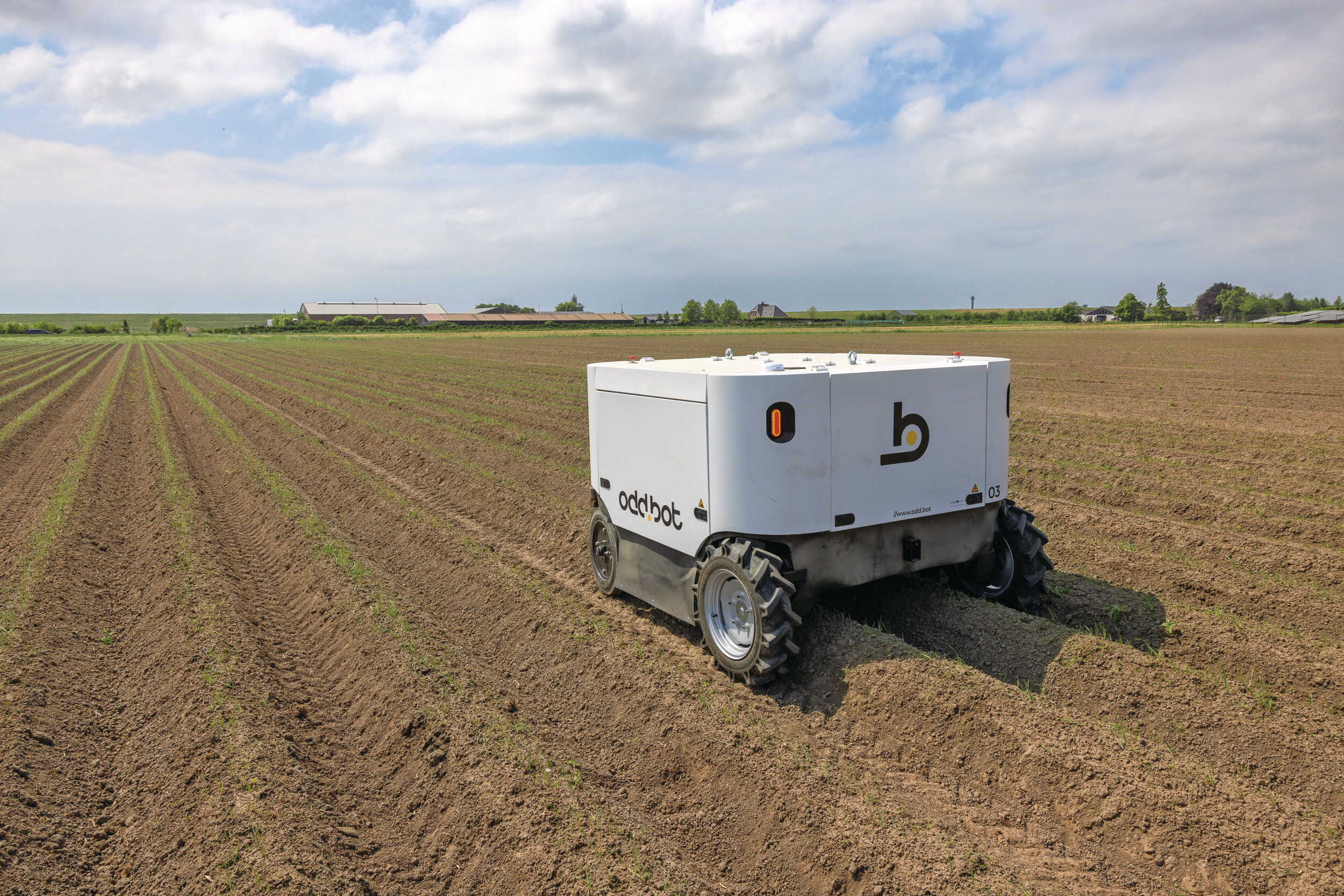
No chemicals, no workers: The future of weed control is coming to Australia
Australian vegetable growers are grappling with significant challenges as they confront a combination of soaring costs and a critical shortage of labor. In the 2024–25 financial year, crop input costs have surged by nearly 30%, exacerbating the financial strain on producers. Concurrently, a staggering 60% of growers report difficulties in securing an adequate workforce, which has prompted many to seek solutions through technological advancements. In fact, nearly half of the growers, 47%, believe that investing in innovative agricultural technology and mechanisation could provide much-needed relief and enhance their business operations. As the industry navigates these pressing issues, the push for modernization appears to be a crucial step towards sustainability and efficiency in Australian agriculture.
Field robots autonomous technology mechanical weeder precision agriculture robotic harvesting weed control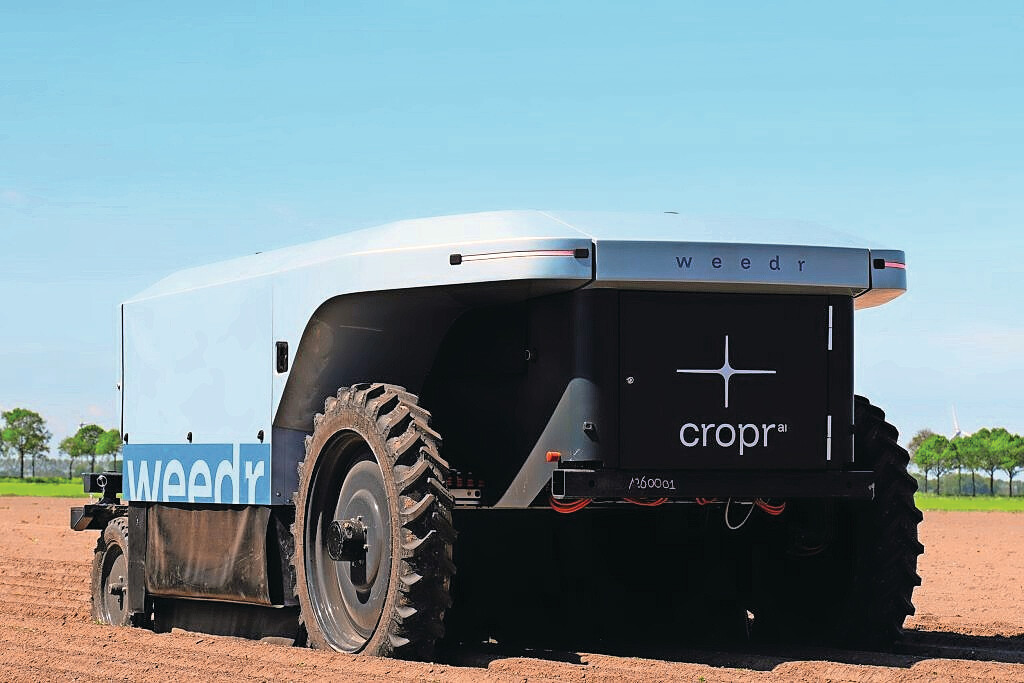
Cropr introduces autonomous laser weeder
Cropr, a robot manufacturer founded in 2025 by the owners of H2L Robotics, has unveiled its latest innovation, the Cropr Weedr, an autonomous laser weeder designed to enhance agricultural efficiency. This cutting-edge technology is set to begin operations at various chicory farms in Flevoland, Netherlands, starting at the end of May. The introduction of the Cropr Weedr aims to address the growing demand for sustainable farming practices by providing an environmentally friendly solution for weed management. By utilizing advanced laser technology, the weeder minimizes the need for chemical herbicides, aligning with the industry’s shift towards more eco-conscious methods.
Smart farming ai autonomous system laser weeding weed control
A Depth Control Method for Full Ocean Depth AUV
A recent study published in the Journal of Field Robotics highlights advancements in autonomous robotic systems designed for agricultural applications. Researchers from various institutions conducted the study to address the growing need for efficient farming solutions amid increasing global food demands. The findings, released in early October 2023, showcase innovative technologies that enhance crop monitoring and management through the use of drones and ground-based robots. The research, conducted in diverse agricultural settings, demonstrates how these autonomous systems can optimize resource usage, reduce labor costs, and improve yield quality. By integrating artificial intelligence and machine learning, the robots are capable of analyzing vast amounts of data in real-time, allowing farmers to make informed decisions quickly. This initiative is particularly significant as it responds to the challenges posed by climate change and labor shortages in the agricultural sector. The study emphasizes the potential of robotics to transform traditional farming practices, making them more sustainable and efficient. As the global population continues to rise, the implementation of such technologies could play a crucial role in ensuring food security for the future.
RESEARCH ARTICLE
Deep Reinforcement Learning Based Autonomous Decision‐Making for Cooperative Uncrewed Aerial Vehicles: A Search and Rescue Real World Application
A recent study published in the Journal of Field Robotics highlights advancements in autonomous robotic systems designed for agricultural applications. Researchers from various institutions collaborated to develop innovative algorithms that enhance the efficiency and precision of robotic farming equipment. The findings, released in early October 2023, emphasize the growing importance of automation in agriculture, particularly in response to labor shortages and the need for sustainable farming practices. The research was conducted in multiple agricultural settings, showcasing how these robotic systems can adapt to different crop types and environmental conditions. By integrating machine learning and sensor technology, the robots are capable of performing tasks such as planting, weeding, and harvesting with minimal human intervention. This development aims to address the challenges faced by farmers, including the rising costs of labor and the increasing demand for food production. The study underscores the potential for these autonomous systems to revolutionize the agricultural sector, making it more efficient and environmentally friendly. As the agricultural industry continues to evolve, the implementation of such technologies could lead to significant improvements in productivity and sustainability.
RESEARCH ARTICLE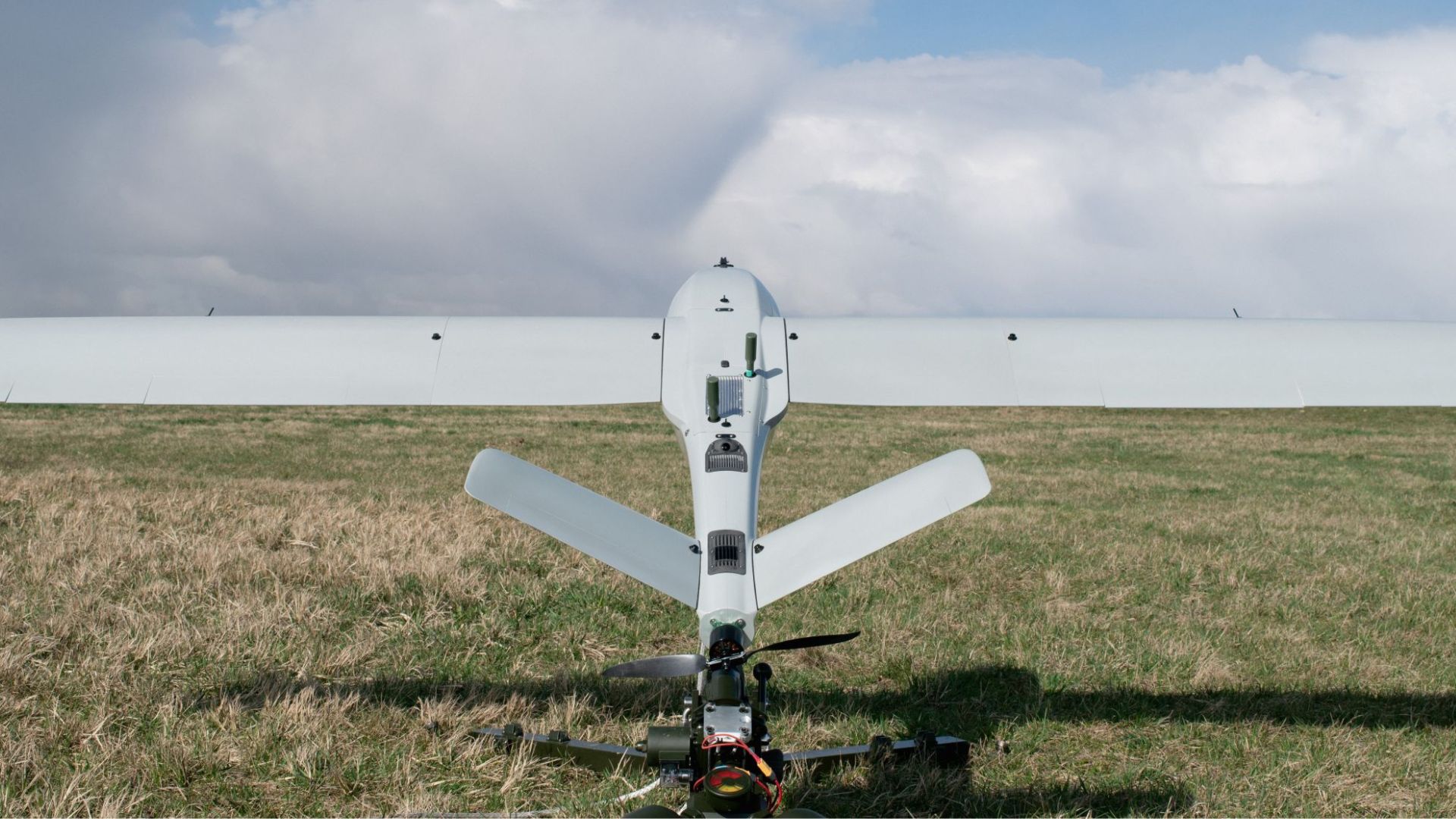
Advanced recon drones to support US Army scouting and base security in Europe
The US Army units stationed in Europe are set to enhance their operational capabilities with the acquisition of unmanned aerial vehicles (UAVs) from a Czech drone manufacturer. This development comes as part of a broader strategy to modernize military assets and improve reconnaissance and surveillance operations. The delivery of these UAVs is expected to take place in the coming months, although specific dates have not been disclosed. The initiative aims to bolster the Army's readiness and effectiveness in a rapidly evolving security landscape, particularly in response to increasing geopolitical tensions in the region. The integration of these advanced drones into military operations will allow for improved situational awareness and tactical advantages on the ground.

Chinese Surgical Robots Surpass Da Vinci in Domestic Market Share, Expanding into Global Remote Surgery
China's surgical robot industry has achieved a significant milestone, with the MicroPort MedBot Toumai surpassing the Da Vinci system in domestic market share from January to May 2026. This development marks a pivotal moment for the country's medical technology sector, showcasing its rapid advancements and growing competitiveness in the global market. Additionally, the MicroPort MedBot Toumai is leading the way in remote surgery, expanding its reach across multiple countries. This progress reflects China's commitment to innovation in healthcare technology and its ambition to establish a strong presence in the international surgical robotics arena.
News
Crop cameras broaden the view on real-time nitrogen application
Recent advancements in crop camera technology are transforming the way farmers apply fertilizers, shifting from a static approach to a dynamic, real-time decision-making process. These innovative camera systems continuously monitor crop growth and biomass across entire fields, enabling immediate adjustments to nitrogen application rates as conditions change. This development not only promotes more precise fertilizer use but also reduces waste and enhances the efficiency of autonomous farming systems. Future Farming is exploring these technological advancements, examining emerging suppliers, and assessing the future trajectory of this impactful agricultural innovation.
Smart farming multispectral sensors nitrogen management precision agriculture variable rate application
Improved ESO‐LOS Guidance Strategy for AUV: Theory and Experiment Validation
A recent study published in the Journal of Field Robotics highlights advancements in autonomous robotic systems designed for agricultural applications. Researchers from various institutions collaborated to develop innovative algorithms that enhance the efficiency of robots in crop monitoring and management. The findings, released in early October 2023, indicate that these robotic systems can significantly improve yield predictions and reduce labor costs for farmers. Conducted in diverse agricultural settings, the research aimed to address the growing need for sustainable farming practices amid increasing global food demands. By employing cutting-edge technology, the team demonstrated how autonomous robots can collect and analyze data more accurately than traditional methods, enabling farmers to make informed decisions about resource allocation and crop health. The study underscores the potential of robotics to transform the agricultural landscape, offering solutions that not only optimize productivity but also promote environmental sustainability. As the agricultural sector faces challenges such as labor shortages and climate change, these advancements in robotic technology could play a crucial role in ensuring food security for future generations.
RESEARCH ARTICLE
Get a systems perspective to scaling humanoids at the Robotics Summit
Giovanni Campanella, the general manager of robotics at Texas Instruments, is set to present a technical roadmap aimed at advancing the development of smarter humanoid robots. This presentation will take place at the upcoming Robotics Summit, where industry experts and enthusiasts gather to explore innovations in robotics technology. Campanella's insights are expected to shed light on the systems perspective necessary for scaling humanoid robots, addressing both the challenges and opportunities in the field. The event underscores the growing interest in enhancing robotic capabilities to better integrate into various applications and environments.
Artificial Intelligence Artificial Intelligence / Cognition Design / Development Events Humanoids Microprocessors / SoCs
Design and Kinematic Analysis of a Six‐Wheeled Robot With a Passive Suspension for Integrated Terrain Adaptability and Vibration Mitigation
A recent study published in the Journal of Field Robotics highlights advancements in autonomous robotic systems designed for agricultural applications. Researchers from a leading university conducted experiments to assess the effectiveness of these robots in improving crop management and yield. The study, released in early October 2023, took place in various agricultural settings across the Midwest, where the robots were deployed to monitor crop health and optimize resource usage. The motivation behind this research stems from the increasing demand for sustainable farming practices and the need to enhance productivity in the face of climate change challenges. By integrating advanced sensors and machine learning algorithms, the robots are capable of analyzing soil conditions and plant health in real-time, allowing farmers to make informed decisions. The study's findings indicate that the implementation of these autonomous systems can significantly reduce labor costs and increase efficiency in farming operations. As the agricultural sector continues to evolve, this research underscores the potential of robotics to transform traditional farming methods, paving the way for a more sustainable and productive future in agriculture.
RESEARCH ARTICLE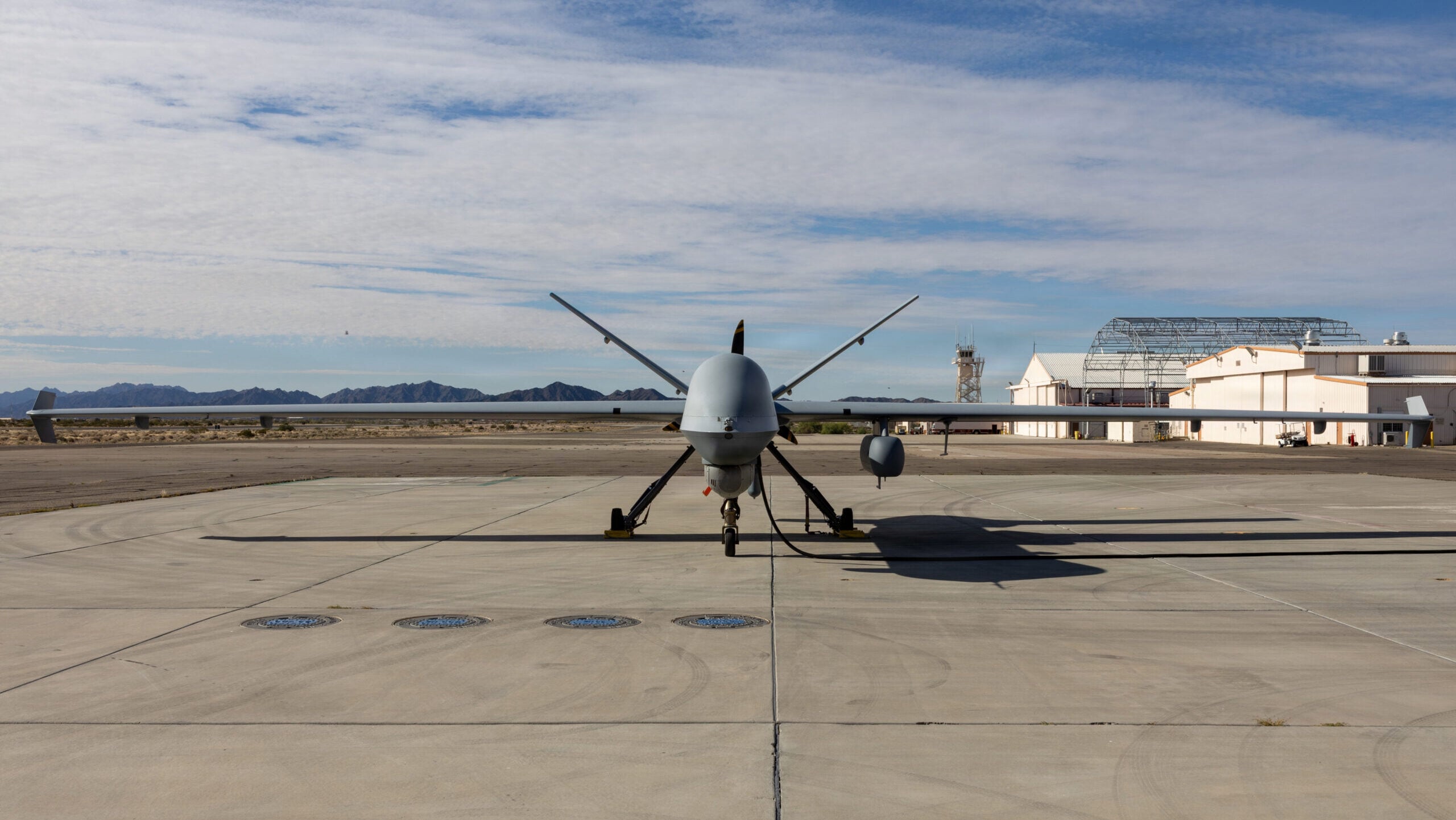
Air Force greenlights requirements for MQ-9A Reaper drone replacement
Air Force Lt. Gen. Luke Cropsey highlighted a growing interest within the defense industrial sector regarding future advancements and innovations. This statement reflects a broader trend among defense contractors and military leaders who are keen to explore new technologies and strategies in response to evolving global security challenges. The remarks were made in October 2023, signaling a pivotal moment for the industry as it seeks to adapt and prepare for the next phase of defense capabilities. The emphasis on future developments underscores the necessity for collaboration and investment in cutting-edge solutions to ensure national security and maintain a competitive edge.
Air Warfare Air Force Drones General Atomics ISR Middle East
Menacing "monster wolf" robots in high demand to scare off bears
A new animatronic scarecrow named "Monster Wolf" has been introduced to help farmers protect their crops from wild animals. This innovative device features flashing red eyes and emits howls and growls designed to intimidate potential intruders. The scarecrow aims to provide an effective and humane solution to the ongoing challenge of wildlife interference in agricultural areas. By utilizing advanced technology, the Monster Wolf offers farmers a modern approach to safeguarding their fields while minimizing harm to animals. The device is set to be deployed in various farming regions starting this fall, as farmers seek reliable methods to deter wildlife without resorting to lethal measures.
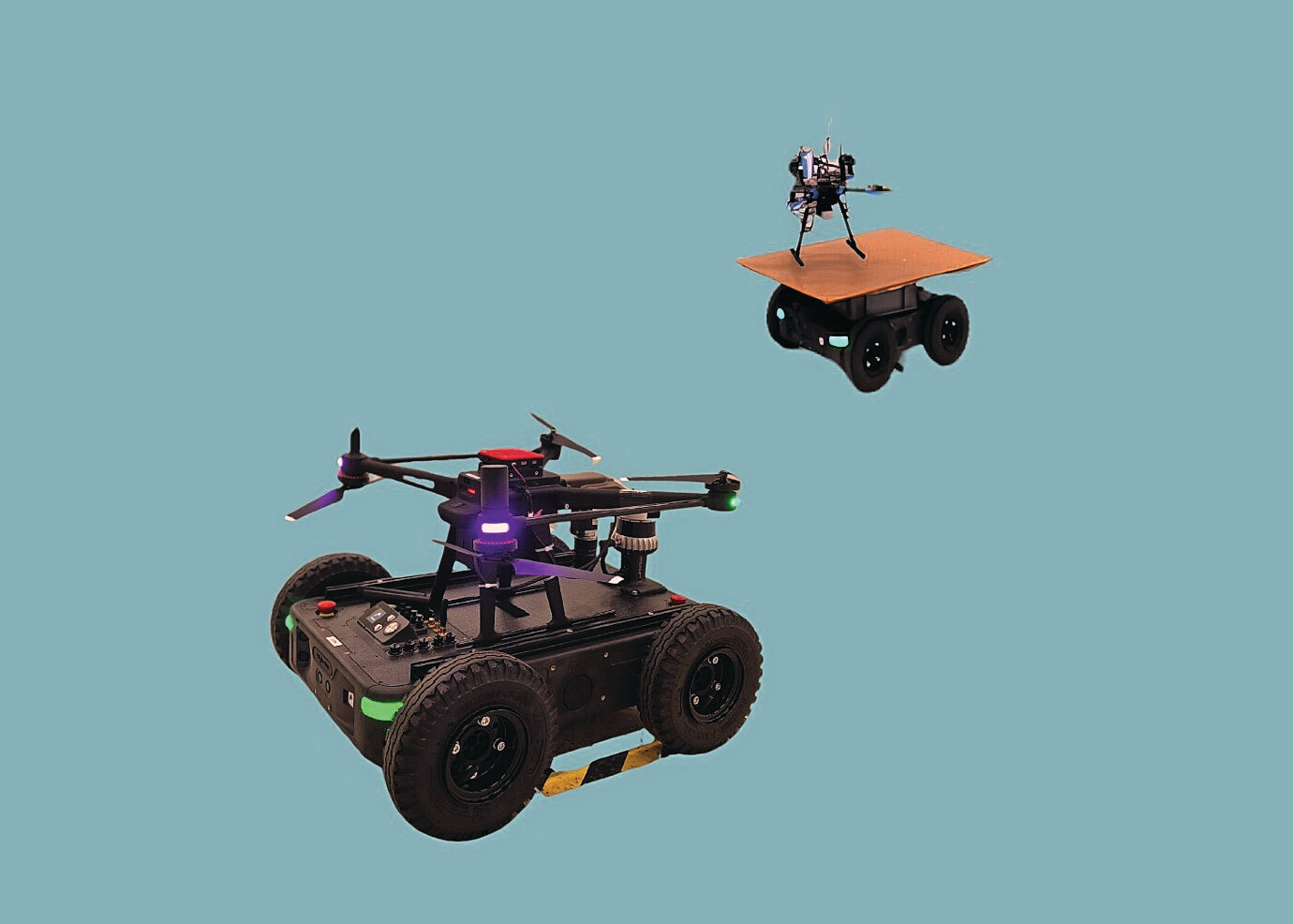
Mathematical models help farm robots work together in real time
Researchers at the University of Groningen in the Netherlands are pioneering the development of innovative mathematical control systems aimed at enabling drones and ground robots to work together autonomously in agricultural settings. This initiative, which is currently underway, seeks to enhance efficiency in farming operations without the need for extensive datasets or artificial intelligence training. The project highlights a significant advancement in agricultural technology, focusing on streamlined cooperation between aerial and terrestrial robotic systems to optimize farming practices. By leveraging mathematical algorithms, the researchers aim to create a more sustainable and effective approach to agriculture, potentially transforming how crops are monitored and managed in the future.
Smart farming agricultural robots crop monitoring drones robotics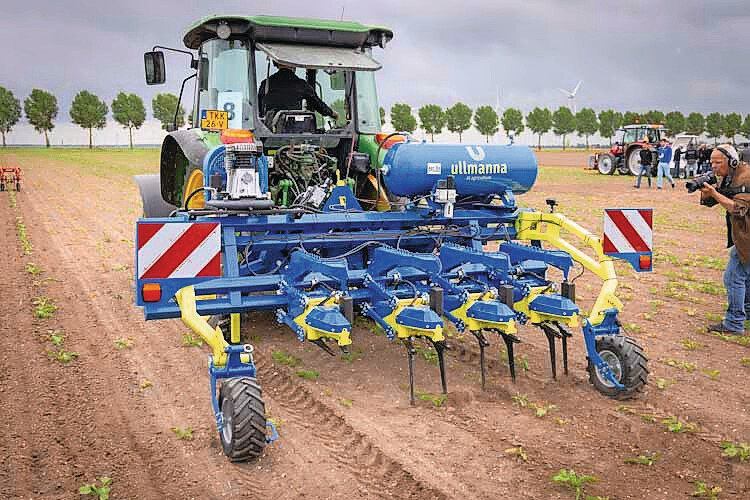
Weeding robot part of integrated weed management
A recent field trial at Wageningen University & Research (WUR) in Valthermond, Netherlands, has highlighted the necessity for growers to adopt additional methods beyond weeding robots to effectively manage weed control. The trial, which draws on practical experiences expected to be implemented by 2025, underscores the challenges faced by agricultural producers in maintaining crop health and productivity. As the agricultural sector increasingly seeks innovative solutions to combat weeds, the findings from WUR suggest that a multifaceted approach will be essential for sustainable farming practices.
Smart farming mechanical weeder precision spraying weeding robotsRobotics needs a service framework.
RSF defines a common language for robot service capability, lifecycle operations, certification pathways, and service-provider networks.