

Industry Briefing
A single destination for timely, editor-curated robotics news from around the world.

SoftBank Allocates $225M to Autonomous Solutions for Construction Robotics Venture
SoftBank Group has invested $225 million in Autonomous Solutions Inc. (ASI) to establish a joint venture aimed at developing autonomous construction equipment for large infrastructure projects. This collaboration will leverage ASI's Mobius fleet-management platform to enhance civil construction and material handling capabilities, supporting a variety of autonomous vehicles from different manufacturers. The significance of this investment lies in ASI's extensive experience in technology development over 25 years, which will facilitate the expansion of autonomous construction systems. ASI CEO Mel Torrie emphasized that the joint venture positions the company at the forefront of innovation in autonomous construction, enabling the deployment of mixed fleets of heavy equipment for complex tasks. Looking ahead, the joint venture is expected to focus on large-scale infrastructure projects, including roads, airports, and waste management. No further timeline was disclosed at the time of publication.
AI AI Funding & Investment Robotics autonomous construction Autonomous Solutions Inc. industrial automation
Pace Robotics Experiences Increased Adoption of Centa Painter in Indian Construction Sector
Pace Robotics, a construction robotics company based in India, is witnessing a rise in commercial adoption of its flagship product, Centa Painter. This shift indicates that the construction robotics industry in India is transitioning from mere technology showcases and pilot programs to actual deployment on active construction sites. The growing momentum for Centa Painter is significant as it reflects a broader trend within the Indian construction sector, moving towards the integration of advanced robotics technologies. This transition is crucial for enhancing efficiency and productivity in construction processes, which have traditionally relied on manual labor. Looking ahead, it will be important to monitor how this trend develops and whether other companies in the sector will follow suit in adopting robotics solutions. No further timeline was disclosed at the time of publication.
Zinova Innovates Construction Robotics with Tool-Handling Solutions
Zinova, a spinoff from RIC Robotics, has introduced a new approach to construction robotics by focusing on tool-handling capabilities. Co-founder Xu Ziyou emphasized that their goal is to equip robots with the ability to use tools effectively, rather than replicating human dexterity. This approach involves a non-dextrous gripper and a force feedback sensor called TEISI, which captures the interactions between tools, robots, and materials. The construction industry faces significant challenges, including an aging workforce and high project overruns. Zinova aims to adapt robots to existing tools rather than redesigning construction sites. Their demonstration utilized the TRON 2 dual-arm robot to perform a series of tasks, showcasing the potential for robots to handle various tools and processes in a coherent workflow. As Zinova prepares for real-world applications, the focus will be on how their technology performs on actual construction sites. The implications of their approach could lead to greater adaptability in construction robotics, addressing labor shortages and safety concerns in the industry. No further timeline was disclosed at the time of publication.
Construction Robotics Tool Handling Automation Technology AI in Construction
Gravis Robotics Secures $200 Million from SoftBank for Autonomous Construction Technology
Gravis Robotics has received a significant $200 million investment from SoftBank, aimed at enhancing its construction technology. The startup focuses on retrofitting existing excavators and heavy machinery to incorporate autonomous and semi-autonomous capabilities, which are essential for modern infrastructure projects. This investment underscores SoftBank's confidence in the potential of physical AI, particularly in the automation of earth-moving equipment. Such advancements are crucial for improving efficiency in infrastructure development, including roads, quarries, and mines, where heavy machinery plays a vital role. Looking ahead, the industry will be watching how Gravis Robotics leverages this funding to further innovate in the construction sector. No further timeline was disclosed at the time of publication.

Gravis Robotics Secures $200 Million to Expand Autonomous Heavy Machinery in Construction
Gravis Robotics has successfully raised $200 million in a Series A funding round led by SoftBank to enhance its autonomous heavy machinery technology for construction sites worldwide. This investment comes at a crucial time as the construction industry faces increasing demands for energy networks, housing, and climate-resilient infrastructure, compounded by labor shortages and low automation levels in heavy construction. Looking ahead, Gravis Robotics aims to leverage its AI-driven technology to address the unique challenges of heavy machinery operation in dynamic environments. No further timeline was disclosed at the time of publication.
Construction News artificial intelligence autonomous construction autonomous excavators construction automation
Gravis Robotics Secures $200 Million from SoftBank for Autonomous Construction Innovation
Gravis Robotics has announced a significant investment of $200 million from SoftBank in its Series A funding round, marking a historic milestone in construction robotics. This funding aims to enhance the company's autonomous construction capabilities, addressing the industry's slow automation pace amid rising demands for infrastructure repairs and AI data center developments. The investment is crucial as Gravis Robotics seeks to revolutionize the construction sector, which has traditionally relied on mechanical hardware. With its Gravis Rack autonomous control kit, the Zurich-based company retrofits existing construction equipment, enabling it to operate in unpredictable jobsite conditions, thereby overcoming the challenges of traditional automation. Looking ahead, Gravis Robotics plans to leverage this funding to expand its workforce and deploy its technology across major job sites. The company emphasizes the importance of bridging the sim-to-real gap in construction, aiming to bring factory-floor precision to civil engineering tasks. No further timeline was disclosed at the time of publication.
Artificial Intelligence / Cognition Autonomous Mobile Robots (AMRs) Construction Controllers Investments News
Gravis Robotics Secures $200M to Advance Construction Autonomy Amid Infrastructure Expansion
Gravis Robotics has successfully raised $200 million to enhance construction autonomy, responding to the urgent demand for infrastructure expansion. This funding comes at a time when global infrastructure is experiencing significant growth, driven by the need for energy networks and climate-resilient facilities. The urgency for housing, transit, and resilient infrastructure is being amplified by the AI economy, which is creating unprecedented demand for data centers and energy systems. Gravis Robotics aims to leverage this funding to innovate and streamline construction processes, addressing the challenges posed by this rapid expansion. As the construction sector evolves, stakeholders should monitor Gravis Robotics' developments closely. The company's advancements in construction autonomy could play a crucial role in meeting the increasing infrastructure demands. No further timeline was disclosed at the time of publication.

ROKAE Robotics and SHANTUI Forge Strategic Alliance for Intelligent Construction Machinery Development
On June 17, ROKAE Robotics and SHANTUI Construction Machinery Co., Ltd. signed a strategic cooperation agreement aimed at advancing intelligent construction machinery. This partnership will focus on the joint development of intelligent products and upgrades to production lines, integrating high-end equipment manufacturing with advanced technologies. This collaboration is significant as it seeks to establish a benchmark in the construction machinery sector, enhancing the global competitiveness of China's high-end equipment manufacturing industry. ROKAE Robotics will leverage its expertise in robotics and AI, while SHANTUI will contribute its extensive experience in construction machinery, ensuring a comprehensive approach to innovation. Looking ahead, ROKAE Robotics plans to strengthen its core technologies and explore new applications of robotics and AI. The partnership aims to drive intelligent transformation in the construction machinery industry, with no further timeline disclosed at the time of publication.

Florida University Launches Robotics Program to Tackle Construction Labor Shortage
The University of Florida has initiated a program to teach students how to use robotics in construction, addressing the state's significant housing shortage of over 121,000 units. On August 5, the university opened a new Autodesk Design and Manufacturing Lab, funded by a $1 million donation from Autodesk, aimed at revolutionizing the construction industry through industrialized building methods. This initiative is crucial as the construction sector faces a looming labor crisis due to a wave of retirements among skilled workers. The lab features advanced technologies, including a COBOD BOD3 large 3D concrete printer and collaborative robots (cobots), which enhance safety and efficiency while compensating for the labor shortage. The program also includes the first bachelor's degree in Industrialized Building Engineering in the U.S., set to welcome its inaugural class this fall. As more students engage with these technologies, the concept of robots constructing buildings is transitioning from theory to practice. The lab's focus on enabling robots to interpret architectural designs and automate assembly processes is a significant step toward addressing the challenges posed by a declining workforce in the construction industry. No further timeline was disclosed at the time of publication.
Robotics Construction Technology 3D Printing Industrial Automation
University of Florida Launches Robotics Lab for Industrialized Construction Initiatives
The University of Florida (UF) has inaugurated a new robotics lab focused on industrialized construction, supported by a $1 million donation from Autodesk. This initiative aims to tackle Florida's housing shortage and the anticipated retirement wave in the construction workforce. The lab will enhance the university's Industrialized Construction Engineering (ICon) degree program, which is set to welcome its first cohort this fall. This lab is significant as it addresses critical issues in the construction industry, including worker safety and operational efficiency. By utilizing advanced manufacturing principles, the program emphasizes a shift from traditional construction methods to more precise, technology-driven processes. The integration of digital workflows, including BIM and AI, alongside hands-on experience with a COBOD BOD3 3D concrete printer, positions UF at the forefront of modern construction education. Looking ahead, the lab will provide essential resources for students and researchers to explore automated construction methods. The collaboration with Autodesk will facilitate the use of cutting-edge computational tools, enhancing the educational experience. No further timeline was disclosed at the time of publication.
Academia / Research Construction News autodesk STEM
Autodesk and University of Florida Launch Advanced Robotics Lab for Industrialized Construction
Autodesk has made a $1 million donation to establish the Autodesk Design and Make Laboratory at the University of Florida. This initiative aims to equip students with the necessary skills for careers in industrialized construction, addressing a significant workforce gap as 41% of the current workforce is expected to retire by 2031. The establishment of this lab is crucial as Florida faces a shortage of over 121,000 homes and rental units. By preparing students for the industrialized construction sector, the lab will contribute to alleviating both housing and labor shortages in the region, fostering a new generation of skilled professionals. Looking ahead, the focus will be on how effectively the lab can bridge the skills gap in the construction industry and support local workforce development. No further timeline was disclosed at the time of publication.

Raise Robotics Collaborates with Genie to Elevate AMF Robot to 65 Feet
Raise Robotics has announced a six-month partnership with Genie, the aerial-lift brand of Terex, to enhance its Autonomous Mobile Fabricator (AMF) robot. This collaboration successfully mounted the AMF onto a Genie boom lift, allowing the robot to operate at a height of 65 feet. The integrated system was demonstrated live to customers and partners in July, showcasing its capabilities in a real-world setting. This development is significant as it marks a step forward in the application of robotics in construction, enabling the AMF robot to perform tasks at elevated heights. The collaboration with Genie not only expands the operational range of the AMF but also highlights the growing trend of integrating robotics with traditional construction equipment. This innovation could lead to increased efficiency and safety on job sites. Looking ahead, industry stakeholders will be keen to observe how this collaboration influences the adoption of robotics in construction. The successful demonstration of the AMF on the Genie boom lift may pave the way for further advancements in autonomous construction technologies. No further timeline was disclosed at the time of publication.
Construction News agv amf robot autonomous mobile fabricator Autonomous robots
Monumental's Salar al Khafaji Discusses Robotics in Construction and 'Walls as a Service
Salar al Khafaji, founder and CEO of Monumental, recently appeared on Episode 261 of The Robot Report Podcast to discuss the concept of 'Walls as a Service' and the potential for robotics in the construction sector. He emphasized the need for scalable automation in construction, a field known for its limited digitization and reliance on traditional methods. The discussion highlights the significance of integrating robotics and AI into construction processes, aiming to transform it into a more efficient and technology-driven industry. Al Khafaji's vision focuses on making construction software-defined and hardware-enabled, which could lead to substantial improvements in productivity and cost-effectiveness. Listeners should keep an eye on Monumental's developments as they continue to innovate in the construction space. No further timeline was disclosed at the time of publication.
Artificial Intelligence Autonomous Mobile Robots (AMRs) Construction News Opinion Podcast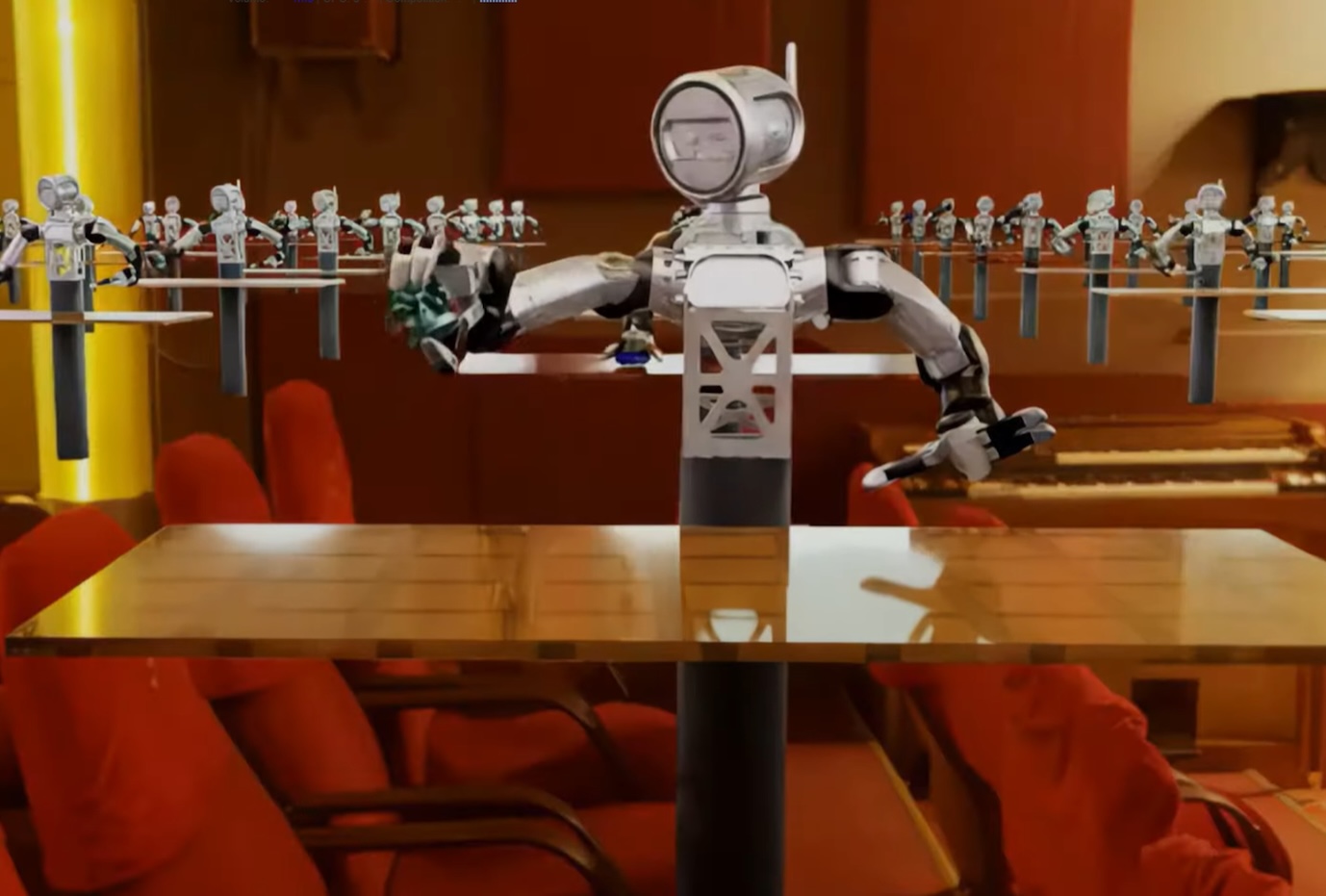
BigWave Robotics Partners with Space Factory to Deploy Humanoid Robots in Construction by 2026
BigWave Robotics, a South Korean AI company, has announced a partnership with modular housing manufacturer Space Factory to deploy humanoid robots in housing production starting in 2026. This initiative marks a significant shift in the construction industry, which has traditionally relied on human expertise, as robots begin to automate complex tasks such as insulation installation. The entry of humanoid robots into the construction sector is crucial as it addresses labor shortages and enhances production efficiency amid rising housing demands. Modular housing, which involves factory prefabrication and on-site assembly, is increasingly seen as a solution to expedite housing construction, and the integration of robotics is expected to further advance this trend towards smart manufacturing. Looking ahead, the success of humanoid robots in various industries will depend on their cost, reliability, and efficiency. While BigWave Robotics is focusing on the construction sector, the broader implications of this technology could lead to its application in logistics, energy maintenance, and public facility management, marking a new era in industrial automation.
Humanoid Robots Construction Automation Smart Manufacturing Modular Housing AI Technology
Burns & McDonnell and Gritt Collaborate to Implement AI Robotics in Solar Construction
Burns & McDonnell has partnered with Gritt to assess and deploy AI-driven robotics technology for utility-scale solar projects. This collaboration aims to enhance safety, improve project predictability, and support construction teams amid rising demand for new energy infrastructure. The integration of Gritt's AI and robotics technology into construction processes is significant as it addresses labor challenges and boosts efficiency in solar construction. Gritt's systems can autonomously perform tasks such as assembling solar arrays and pouring concrete, which are typically labor-intensive and repetitive. Looking ahead, the partnership is set to continue evaluating robotic technologies in real-world environments. No further timeline was disclosed at the time of publication.
Construction Energy Infrastructure News ai robotics autonomous construction equipment
Bedrock Robotics Introduces Autonomous Driving Technology for Construction Equipment
Bedrock Robotics is implementing autonomous driving technology in construction by retrofitting excavators and heavy machinery with advanced sensors and software. The company’s CEO, Boris Sofman, highlighted the significance of these innovations during a discussion on Bloomberg Tech, emphasizing the potential to mitigate the skilled labor shortage in the industry. This development is crucial as the construction sector faces increasing demand for data centers and infrastructure projects, which creates a pressing need for efficient and effective solutions. By integrating AI-driven autonomous equipment, Bedrock Robotics aims to enhance productivity and speed up construction processes across the United States. Looking ahead, the company has initiated its first paid commercial deployments, marking a significant milestone in its journey. No further timeline was disclosed at the time of publication.
SoftBank Group Corp. Invests $200 Million in Swiss Startup Gravis Robotics
SoftBank Group Corp. has made a significant investment of $200 million in Gravis Robotics, a Swiss startup specializing in autonomous software for construction machinery. This investment highlights the growing interest in automation technologies within the construction sector, as companies seek to enhance efficiency and reduce labor costs through innovative solutions. Looking ahead, industry stakeholders will be keen to observe how Gravis Robotics leverages this funding to advance its technology and expand its market presence. No further timeline was disclosed at the time of publication.

Maximo's Founder Discusses Robotics Advancements in Solar Panel Installation
In Episode 253 of The Robot Report Podcast, Deise Yumi Asami, founder of Maximo, discusses how her AI-enabled robotics startup is enhancing solar panel installation. By integrating robotics, AI vision, and smart field deployment, Maximo aims to make the process faster, safer, and more efficient, significantly impacting renewable energy infrastructure. This innovation is crucial as it addresses the growing demand for renewable energy solutions. Yumi Asami's insights highlight the role of advanced technologies in transforming utility-scale solar construction, showcasing how automation can streamline operations and improve safety in the energy sector. Listeners should watch for further developments from Maximo and AES Corp as they continue to pioneer energy solutions. No further timeline was disclosed at the time of publication.
6-Axis Artificial Intelligence Autonomous Mobile Robots (AMRs) Energy / Solar / Renewables News Opinion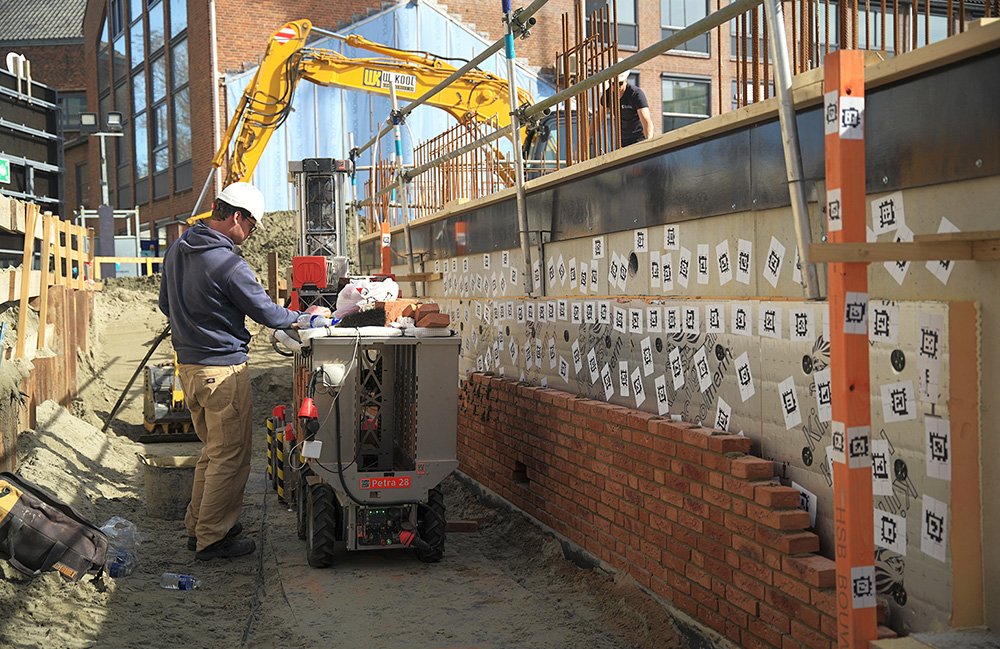
Monumental Secures $32 Million to Expand Construction Robotics into the U.S.
Monumental, a construction robotics provider based in Amsterdam, has successfully raised $32 million in Series B funding. This financing will facilitate the company's expansion into the U.S. market this year and enhance the capabilities of its robots beyond bricklaying. The significance of this funding lies in Monumental's innovative approach to construction, where it acts as a subcontractor, allowing contractors to pay for completed walls instead of owning the robots. This model mitigates financial and technical risks, addressing labor shortages by enabling skilled workers to focus on higher-value tasks while robots handle repetitive bricklaying. Looking ahead, Monumental aims to adapt its technology to the fragmented U.S. construction market, which faces a shortage of 200,000 to 400,000 workers monthly. The company plans to leverage its experience in Europe to tailor its deployments to local building codes and practices, ensuring a smooth integration into existing workflows. No further timeline was disclosed at the time of publication.
Artificial Intelligence Artificial Intelligence / Cognition Construction Design / Development Financial Investments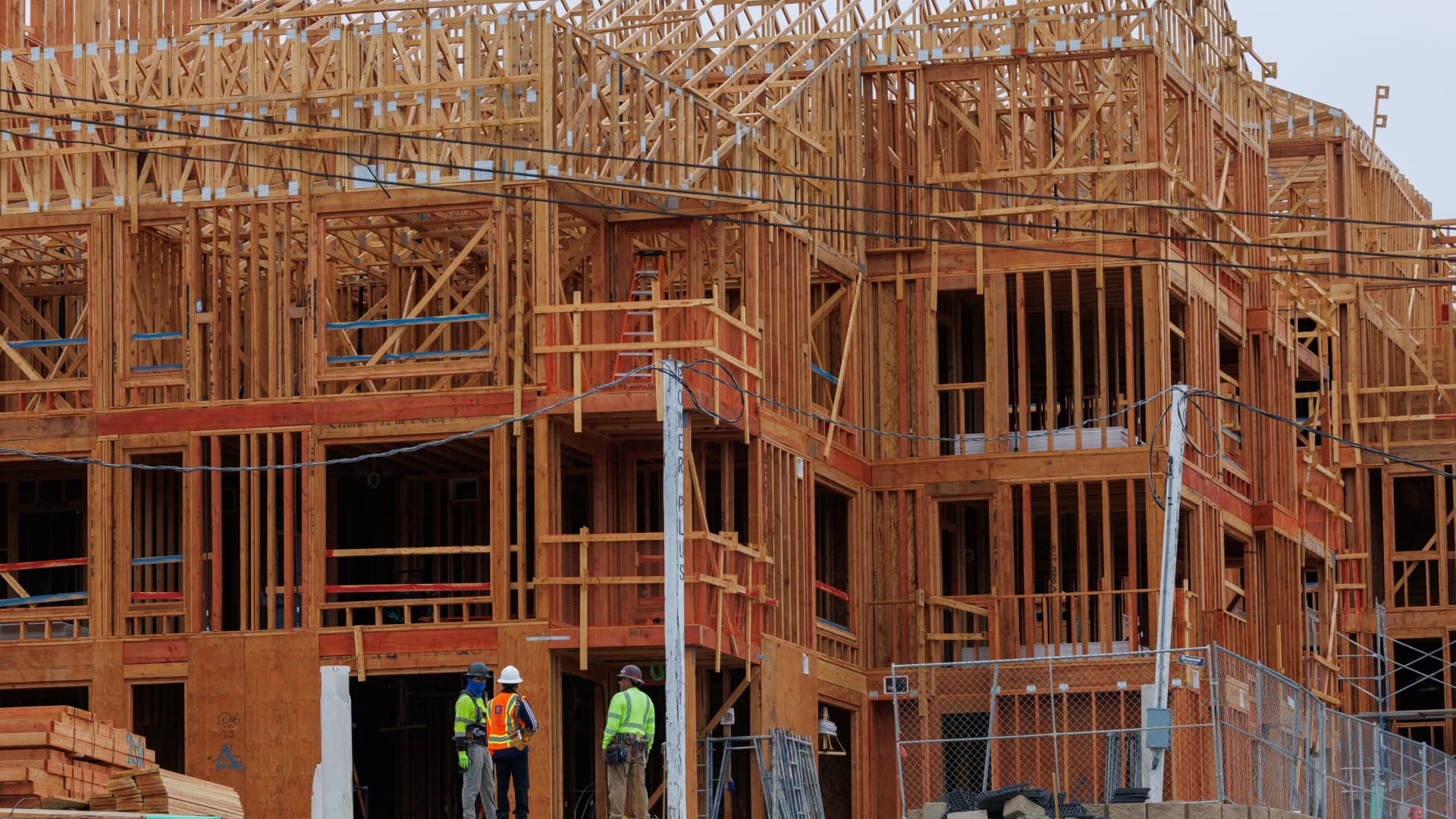
Robotics and Automation Address America's Housing Shortage Amid Labor Challenges
The U.S. housing market faces a deficit of approximately 1.2 million homes and nearly 300,000 open construction jobs. Labor shortages are costing homebuilders around $11 billion annually, extending construction timelines by about two months. Robotics and automation are emerging as potential solutions, yet their impact on productivity remains limited and focused on specific tasks rather than full labor replacement. Industry experts highlight that while robotics can enhance precision and reduce errors in construction, the variability of job sites poses significant challenges for widespread automation. Current advancements are primarily seen in repetitive tasks such as layout and material handling, rather than in humanoid robots performing complex construction activities. The National Association of Home Builders emphasizes that the industry must attract around 740,000 workers annually to address labor gaps and improve productivity. Looking ahead, the integration of robotics in construction is expected to evolve, but experts caution that significant advancements are still years away. The focus will likely remain on improving specific processes rather than achieving full automation of construction sites. No further timeline was disclosed at the time of publication.

Monumental's CEO Discusses Robotics Potential in Construction Industry
In a recent episode of Lexicon, Salar al Khafaji, founder and CEO of Monumental, highlighted the overlooked potential of robotics in the construction industry. He emphasized the challenges of deploying autonomous robots on unpredictable building sites and the need for specialized machines to address rising construction costs and housing shortages. Al Khafaji pointed out that construction has not received the technological attention it deserves, despite its significant economic and social impact. He believes that the industry is vast and underappreciated by tech founders, which is why he pivoted from data visualization to focus on tangible impacts in construction. Monumental has developed autonomous robots capable of transporting materials and constructing brick walls on commercial sites. However, al Khafaji noted that real-world deployment presents unique challenges, such as varying environmental conditions that affect sensors and computer vision systems. No further timeline was disclosed at the time of publication.
AI and Robotics Innovation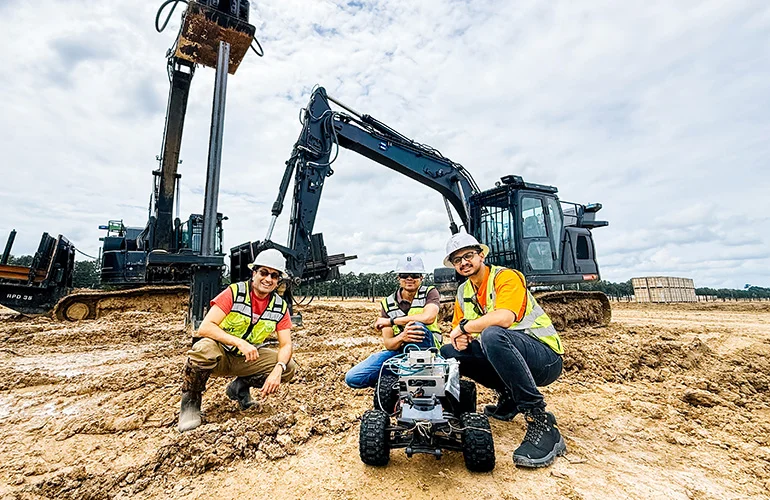
Built Robotics and Penn Engineering’s xLAB Partner for Physical AI in Construction
Built Robotics is partnering with the University of Pennsylvania’s Safe Autonomous Systems Lab, known as xLAB, to advance research in physical AI aimed at creating autonomous construction systems capable of safe operation in real-world environments. This collaboration combines Built Robotics' expertise in deploying autonomous technologies on construction sites with xLAB's cutting-edge research in safety and automation. The initiative seeks to enhance the efficiency and safety of construction processes by leveraging innovative AI solutions.
AI AI Funding & Investment AI Research & Advances Robotics Built Robotics Partnership
Built Robotics and Penn Engineering's xLAB Partner to Advance Physical AI in Construction
A new collaboration has emerged between xLAB and Built Robotics, focusing on enhancing safety in autonomous systems. This partnership aims to combine xLAB's extensive experience in developing high-performance, safety-critical technologies with Built Robotics' advanced edge AI model, which specializes in personnel detection and ensuring human safety. The initiative is designed to address growing concerns about safety in automated environments, particularly as the use of autonomous systems becomes more prevalent across various industries. By integrating their expertise, the two companies hope to create solutions that not only improve operational efficiency but also prioritize the well-being of individuals working alongside these technologies.
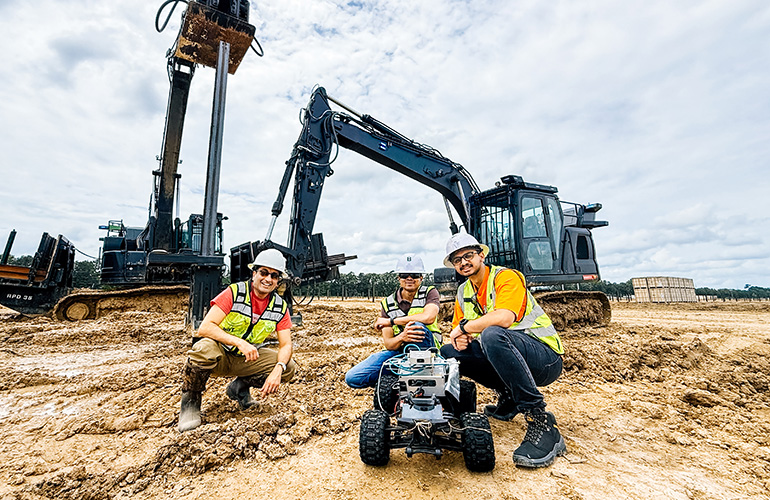
Built Robotics, Penn xLAB to develop physical AI for construction
xLAB and Built Robotics have announced a partnership aimed at enhancing construction site safety through advanced artificial intelligence. This collaboration focuses on capturing additional data to refine AI models that can better predict and mitigate risks in construction environments. The initiative comes at a time when the construction industry is increasingly prioritizing safety measures, driven by the need to reduce accidents and improve operational efficiency. By leveraging innovative technology, the two organizations aim to create a more secure working environment for construction workers. The development of this physical AI is expected to take place over the coming months, with both companies committed to integrating their expertise to achieve significant advancements in the field.
Academia / Research Artificial Intelligence Autonomous Mobile Robots (AMRs) Construction Mining News
GS E&C, Daedong Robotics team up on AI construction robots
GS Engineering & Construction (GS E&C) announced on Monday that it has entered into a partnership with Daedong Robotics to develop artificial intelligence-powered autonomous robots specifically designed for construction sites. This collaboration, formalized on June 5 at GS E&C's R&D Center in Seoul, aims to enhance safety and productivity in the construction industry, which is increasingly turning to automation. The partnership will involve field trials of Daedong Robotics' existing autonomous robots and the joint development of new models tailored to meet the unique challenges of construction environments. Established in 2024, Daedong Robotics is expanding its focus beyond agricultural applications to address the growing demands of the construction sector.
All News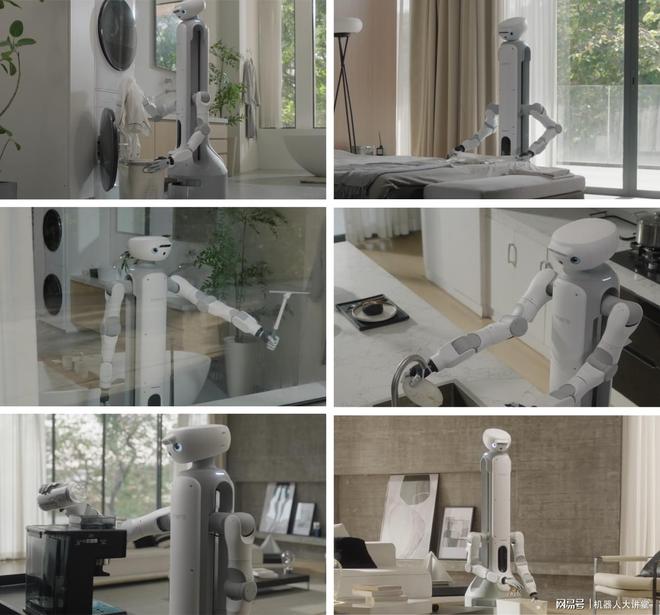
Woan Robotics Wins 45 Million Yuan Smart Data Infrastructure Project to Accelerate Real-World Data Loop Construction
Woan Robotics has announced a significant contract valued at around 45 million yuan for an AI ecological innovation community project in Shenzhen. This initiative aims to establish a robust data infrastructure that supports embodied intelligence, which will improve data collection and management across various real-life applications. The project is expected to enhance the integration of AI technologies into everyday scenarios, fostering innovation and efficiency in the region.
Embodied Intelligence Data Infrastructure Robotics AI Smart Home Solutions
All3 raises $25m in Seed funding to triple productivity in the construction industry through robotics and AI
All3, a London-based startup focused on revolutionizing the construction industry, has successfully raised $25 million in seed funding to enhance productivity through robotics and artificial intelligence. The funding round, led by RTP Global and supported by SuperSeed, Begin Capital, s16vc, and VNV Global, aims to develop an integrated system that includes an AI architecture platform, robotic factories, and Mantis, an autonomous robot designed for on-site assembly. With Mantis already operational and initial commercial deployments set for Germany later this year, All3's innovative approach promises significant cost savings and efficiency improvements, potentially reducing construction timelines by up to 50% and embodied carbon by 25%. The founding team, which previously established the successful grocery delivery service Samokat, is applying their expertise to address the stagnation in construction productivity, which has seen little advancement in the past 50 years. The funding will primarily support research and development efforts in London and Belgrade, as well as the deployment of robots across active construction sites in Germany, where there is a pressing need for approximately 700,000 new homes. CEO Rodion Shishkov emphasized the company's mission to tackle the housing crisis and improve access to quality housing through advanced technology. Early market demand has already validated All3's model, with over 100,000 square meters of residential projects processed using their AI-powered design software, laying the groundwork for a robust construction pipeline in the coming years.
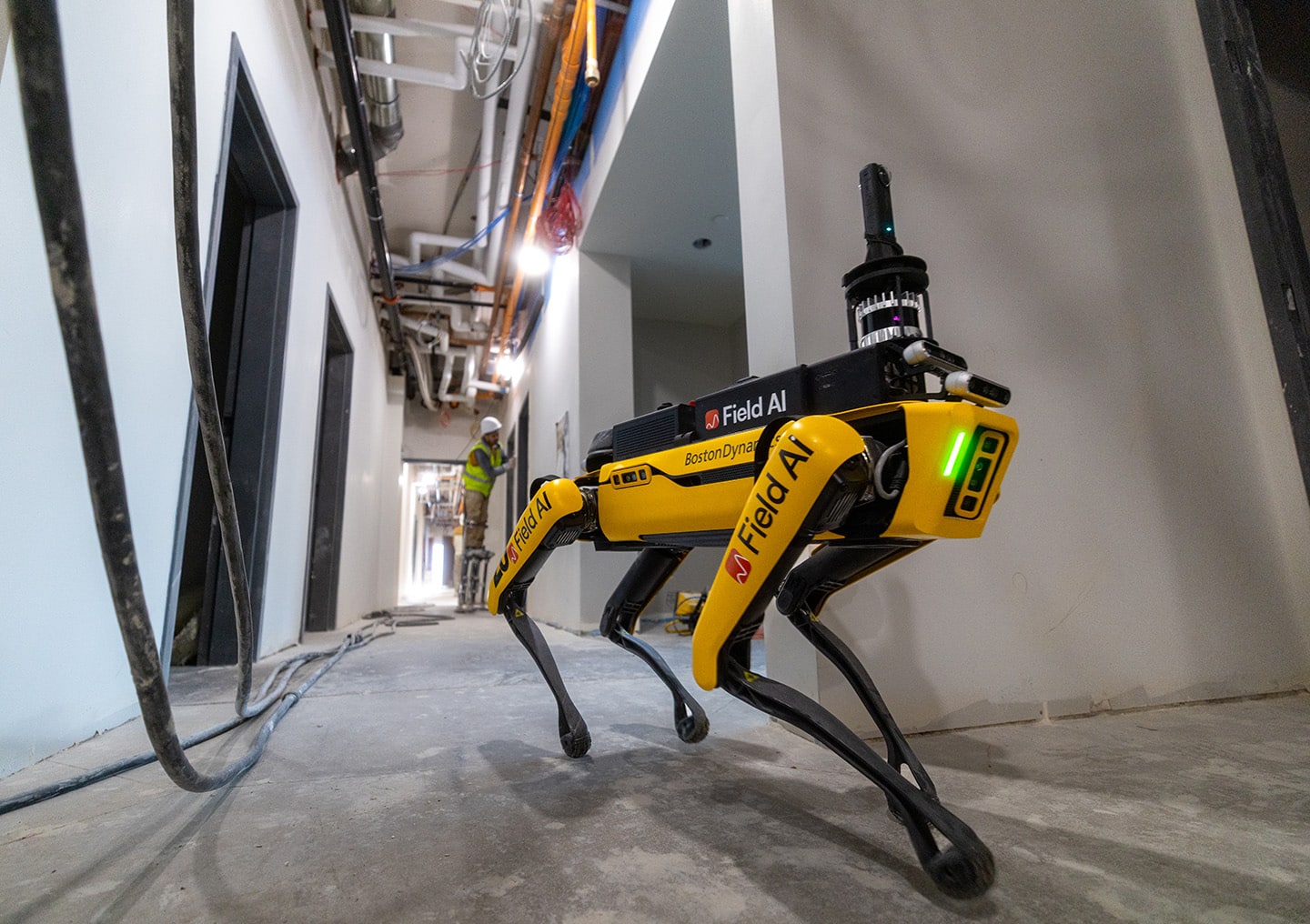
Boston Dynamics and FieldAI Collaborate to Enhance Robotics in Dynamic Construction Environments
Boston Dynamics and FieldAI have announced a partnership aimed at advancing robotics in construction and other complex environments. This collaboration merges Boston Dynamics' robotic platforms with FieldAI's Field Foundation Models™ (FFMs), enabling autonomous operations in unpredictable spaces, such as construction sites where conditions frequently change. The significance of this partnership lies in its potential to revolutionize construction operations, which are often labor-intensive and fraught with safety risks. By integrating FFMs with Boston Dynamics' Spot® robot, the collaboration aims to enhance the ability of robots to navigate dynamic terrains and workflows, ultimately improving efficiency and safety in construction projects. Looking ahead, the integration of FFMs with Spot is expected to enable robots to autonomously operate in uncharted environments, such as underground mines and rapidly evolving construction zones. No further timeline was disclosed at the time of publication.
Robotics needs a service framework.
RSF defines a common language for robot service capability, lifecycle operations, certification pathways, and service-provider networks.
Join the RobotToday community on LinkedIn
Daily robotics news, in-depth analysis, conference highlights, and discussions with professionals worldwide.







