Industry Briefing
A single destination for timely, editor-curated robotics news from around the world.
Why Factory Automation Now Depends on Software-Savvy Workers
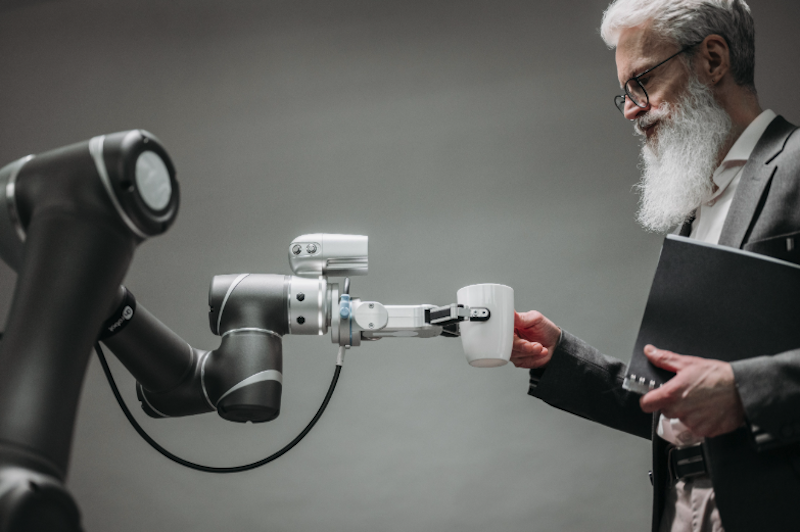
As automation increasingly integrates into production environments, the demand for workers skilled in managing technology is rising. Traditionally, factory automation was characterized by robotic arms performing repetitive tasks behind safety barriers. However, the evolving landscape now requires employees to navigate complex dashboards, respond to alerts, and make data-driven decisions. This shift reflects a broader trend in which the role of human workers is transforming from manual labor to technological oversight, necessitating a new set of skills to effectively collaborate with advanced machinery. The growing reliance on automation is reshaping the workforce, prompting a need for training and adaptation to ensure that employees can thrive in a more automated future.
Automation Factories Robotics automation news automation workforce cobots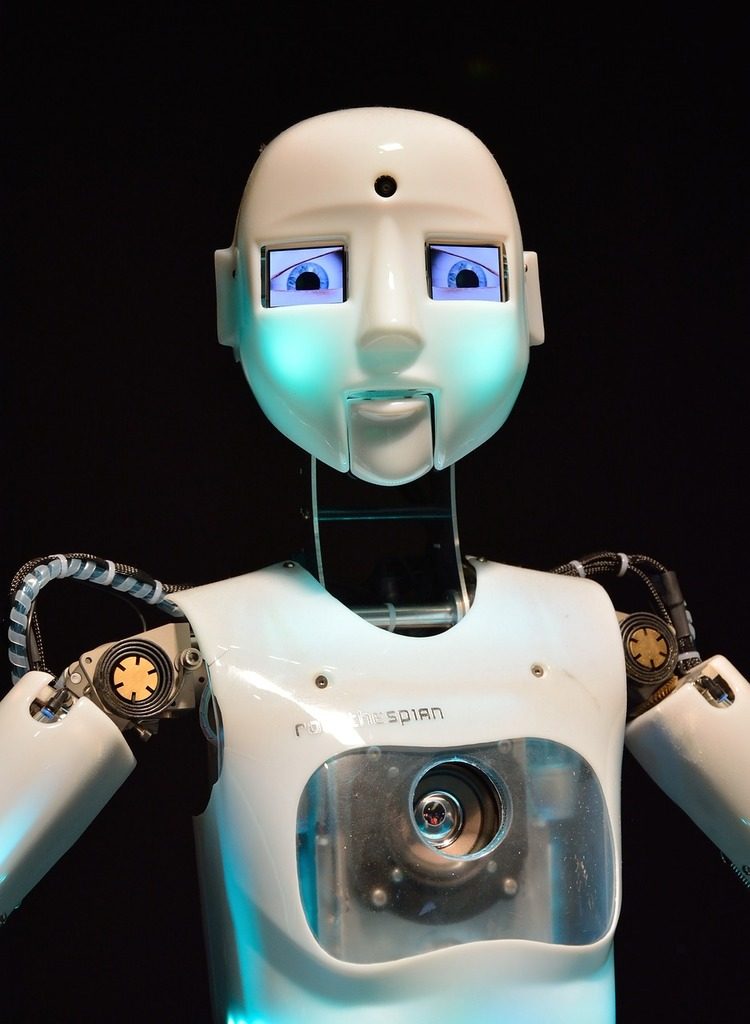
Congress Introduces GUARD Act, Extending FCC Covered List Framework to Robotics
A bipartisan coalition of U.S. lawmakers has introduced the Guarding the U.S. against Adversarial Robotics Dominance (GUARD) Act, aimed at implementing national security reviews for certain foreign-made humanoid and quadruped robots. This legislation reflects a growing concern over the implications of connected autonomous systems on national security. By extending the existing Federal Communications Commission (FCC) covered list framework to include robotics, the bill seeks to ensure that these technologies do not pose risks to U.S. safety and security. The introduction of the GUARD Act marks a significant step in the U.S. government's approach to regulating advanced robotic systems, highlighting the increasing recognition of their potential impact on national defense.
Applications Drone News Drone News Feeds drone security Dual Use News
Interview with GFT Technologies’ Brandon Speweik: Moving AI from detection to action on the factory floor
Manufacturers are increasingly shifting their focus from the theoretical applications of artificial intelligence to practical solutions that address real-world challenges. While discussions around AI have primarily centered on software tools such as dashboards, analytics, and predictive models, industry leaders are now seeking ways for AI to not only identify problems but also actively contribute to solving them. This evolution in perspective reflects a growing recognition of AI's potential to enhance operational efficiency and drive innovation within the manufacturing sector. As companies explore these advancements, the emphasis is on integrating AI technologies that can deliver tangible results and improve decision-making processes on the shop floor.
Components Features Manufacturing ai robotics artificial intelligence automation news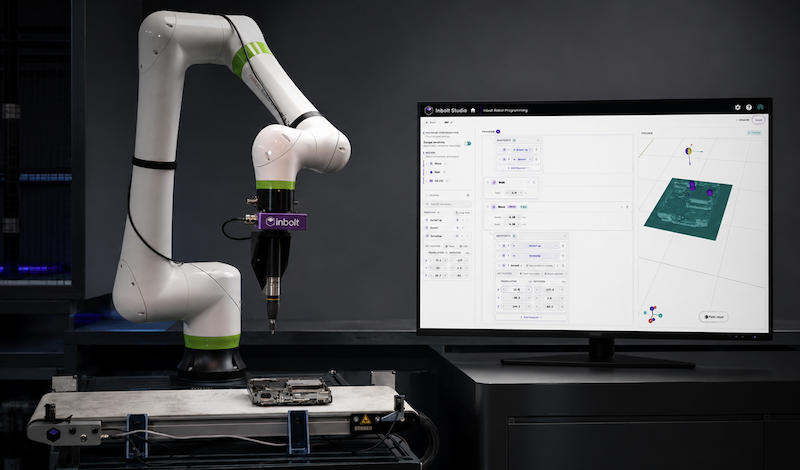
Inbolt to launch vision-enabled robot programming at Automate event
Inbolt, a company specializing in robot intelligence and digital twin technology, is set to unveil two new capabilities aimed at enhancing its AI vision model for robot guidance. The new features, Inbolt Robot Programming and an expanded Inbolt Robot Control, will be showcased at Automate 2026, taking place in Chicago from June 22 to June 25. CEO and co-founder Rudy Cohen emphasized that these advancements are integral to the company's mission of advancing live robot control through innovative AI solutions.
Events Industrial robots Software adaptive manufacturing ai robotics Automate 2026
ABB and Salzburg researchers patent AI system to cut energy use in industrial robots
Salzburg University of Applied Sciences has partnered with ABB’s Machine Automation Division, B&R, to enhance energy efficiency in industrial automation through the application of artificial intelligence. This collaboration is centered at the Josef Ressel Center for Intelligent and Secure Industrial Automation (JRZ ISIA), where the two entities aim to translate cutting-edge research into viable solutions for industrial drive systems. By leveraging AI technologies, the initiative seeks to optimize energy consumption and improve operational efficiency in manufacturing processes, addressing the growing demand for sustainable industrial practices.
Industrial robots News abb ai in manufacturing AI optimization automation news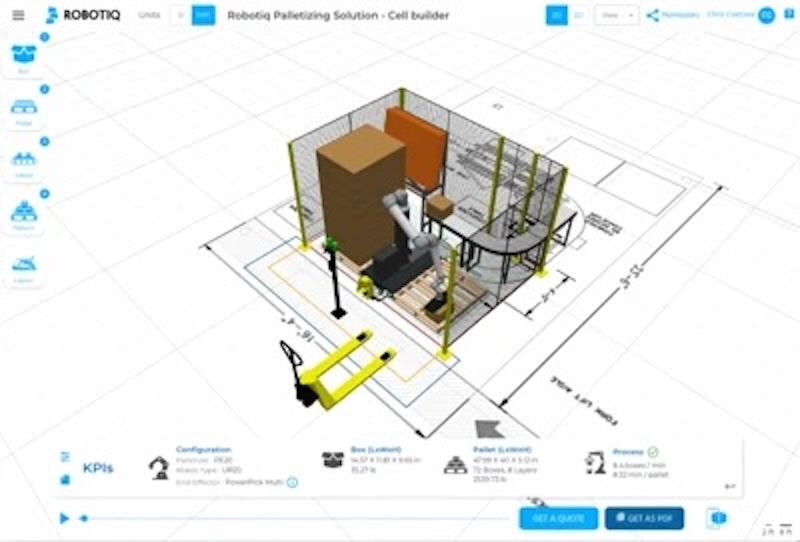
Robotiq launches AI platform to automate robotic workcell integration
Robotiq has launched IQ, an innovative AI-enabled platform aimed at streamlining the integration of robotic Workcells. This new technology is designed to accelerate the transition from traditional, manual integration processes that rely heavily on expert input to a more automated and efficient system. By capturing unstructured data from automation projects and coordinating engineering workflows, IQ facilitates the creation of validated Workcell designs that reflect actual customer needs and historical data. This advancement addresses the growing demand for scalable solutions in the robotics industry, making it easier for partners to implement effective automation strategies.
Industrial robots News Robotics AI in robotics AI-powered engineering automation integration
Why Reliable Backup Power is Becoming Essential for Modern Robotics Systems
Modern robotics systems are revolutionizing various industries by enhancing efficiency, accuracy, and productivity. Organizations across manufacturing and logistics sectors are increasingly relying on automated systems to ensure continuous operations. In this context, businesses seeking reliable backup power solutions for their robotics infrastructure can access essential resources from Nite & Day Power, a company that specializes in uninterruptible power systems. This development underscores the growing importance of robust power solutions in supporting the seamless functioning of automated technologies.
Energy Robotics automation infrastructure automation news autonomous systems backup power
Why Precision Swiss Machining is Critical to the Future of Robotics and Automation
The industrial production landscape is undergoing a significant transformation due to the rapid advancements in robotics, factory automation, and intelligent manufacturing systems. This shift is characterized by an increasing reliance on highly precise mechanical systems that can operate continuously with minimal deviation. As automation technologies evolve and become more interconnected, modern manufacturing environments are integrating collaborative robots, automated assembly systems, and sensor-driven equipment. These innovations are not only enhancing efficiency but also improving the accuracy and reliability of production processes. The ongoing evolution in this sector reflects a broader trend towards smarter, more automated manufacturing practices that aim to meet the growing demands of global markets.
Automation Engineering Factories automated manufacturing automation hardware automation news
Sensory Robotics says ‘the end of robotic cages starts now’
Sensory Robotics, a corporate partner of the University of Cincinnati's 1819 Innovation Hub, has announced a significant advancement in industrial safety technology. The company has unveiled its flagship product, the SR-1 system, which is engineered to be seamlessly integrated with existing industrial robots. This innovative solution aims to enhance safety standards by enabling robots to transition into collaborative robots, or cobots, thereby setting a new benchmark in the industry. The announcement highlights Sensory Robotics' commitment to improving workplace safety and efficiency through cutting-edge technology.
Design Features Infrastructure Robotics 3D vision systems automation news
China: Pudu unveils semi-humanoid learning robot built to transform factory automation
Chinese robotics company Pudu has introduced a next-generation industrial semi-humanoid robot aimed at enhancing manufacturing processes. The unveiling took place at a technology expo in Shanghai on October 15, 2023. This innovative robot is designed to improve efficiency and productivity in factories, addressing the growing demand for automation in the manufacturing sector. Pudu's latest development incorporates advanced AI and machine learning capabilities, allowing the robot to adapt to various tasks and environments seamlessly. By leveraging cutting-edge technology, the company aims to support manufacturers in overcoming labor shortages and increasing operational efficiency. The introduction of this semi-humanoid robot marks a significant step forward in the integration of robotics within industrial settings, reflecting Pudu's commitment to leading the way in automation solutions.

Key Considerations for Robotics Manufacturers Ensure Secure Connected Systems
In a recent discussion among technology experts, the importance of integrating security into the design of modern robotic platforms was emphasized. The experts highlighted that security should be a foundational principle, advocating for the implementation of architectural controls that promote least-privilege execution. This approach ensures that each component of the system operates with the minimum level of access necessary, thereby reducing potential vulnerabilities. Additionally, strong isolation between system components was recommended to prevent breaches from spreading across the platform. The experts also stressed the need for robust fault containment measures to protect against failures that could compromise the system's integrity. This dialogue took place in October 2023, reflecting a growing awareness of the critical role that security plays in the development of advanced robotics. The motivation behind these recommendations is to enhance the resilience of robotic systems against cyber threats and operational failures, ensuring safer and more reliable technology in various applications.

NVIDIA unveils full-stack platform for humanoid robots, robotaxis and smart factories
NVIDIA has introduced a comprehensive range of technologies designed to enhance the development of physical artificial intelligence. The announcement was made during a recent event, showcasing the company's commitment to advancing AI capabilities. This initiative aims to address the growing demand for more efficient and powerful AI systems across various industries. By leveraging its cutting-edge hardware and software solutions, NVIDIA seeks to empower developers and researchers to create innovative applications that can operate in real-world environments. The unveiling of these technologies marks a significant step forward in the integration of AI into everyday life, highlighting NVIDIA's role as a leader in the tech industry.

Enhancing Industrial Automation: Why Compact Mini PCs Are Quietly Becoming the Default Choice for Robotic Controllers
In recent years, the evolution of control cabinets in modern factories has significantly transformed, with a notable increase in the complexity of components housed within them. Engineers are now tasked with integrating advanced technologies such as vision systems, sensors, controllers, and networking equipment into increasingly confined spaces. This shift has prompted the adoption of compact industrial computers, which are designed to efficiently manage the growing demands of industrial automation. As manufacturers seek to optimize their operations and streamline processes, these compact solutions are becoming essential for maintaining productivity and enhancing system capabilities. The trend reflects a broader movement towards more sophisticated and space-efficient technologies in the manufacturing sector, driven by the need for innovation and efficiency in an ever-competitive landscape.
Automation Computing Factories Industry automation hardware automation news
Human-Robot Collaboration: How Modern Workplaces Can Be Designed for Safety, Productivity, and Employee Wellbeing
The industrial robotics market, valued at $85 billion, is transforming production floors by eliminating physical barriers between humans and machines. This shift allows for a collaborative environment where workers and robotics operate side by side. As millions of industrial robots are deployed globally, effective management of this transition is crucial. It necessitates a comprehensive understanding of spatial geometry, workforce psychology, and adherence to functional safety standards to ensure a seamless integration of technology into the workplace. This evolution in manufacturing aims to enhance efficiency and productivity while prioritizing safety and worker well-being.
Engineering Robotics automation news automation strategy cobots collaborative automation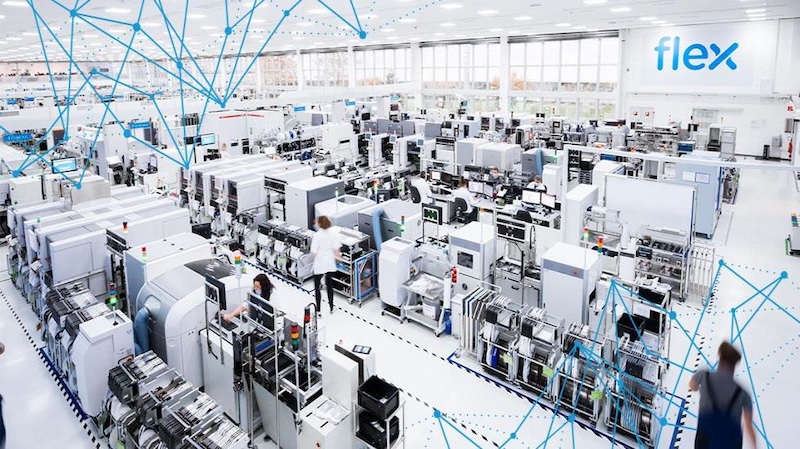
Scaling automation in contract manufacturing: Interview with Rodrigo DallOglio of Flex
Manufacturers are increasingly turning to automation to enhance productivity, quality, and resilience amid rising product complexity. This shift is evident as technologies like collaborative robots, autonomous mobile robots (AMRs), and advanced physical AI are transitioning from experimental stages to widespread implementation in large-scale production settings. The move towards automation is driven by the need to streamline operations and meet the demands of modern manufacturing. As companies adapt to these technological advancements, they are finding new ways to optimize their processes and improve overall efficiency in the factory environment.
Features Manufacturing amrs automation news autonomous mobile robots cobots
GE Vernova Acquires Robotech Automation to Accelerate Robotics and Automation Capabilities
GE Vernova Inc. has announced its acquisition of Canada-based Robotech Automation, a specialized robotics and automation systems integrator, in a move aimed at enhancing its robotics and automation capabilities. The deal, which was revealed on May 21, is expected to close in the third quarter of 2026, although financial details were not disclosed. This acquisition comes as GE Vernova seeks to bolster its operational efficiency and competitive edge in the energy sector, where it provides a range of products and services related to electricity generation and management across multiple regions, including the U.S., Europe, and Asia. Robotech Automation, which currently employs around 35 people, has been collaborating with GE Vernova on various projects, particularly within the company's supply chain at its factories in New York and Pennsylvania. Scott Strazik, CEO of GE Vernova, emphasized that the acquisition will bring in specialized talent and proprietary systems that are crucial for advancing the company's robotics initiatives. This strategic step aligns with GE Vernova's commitment to enhancing its operational capabilities and establishing a leading robotics deployment capability at its Advanced Research Center. The announcement follows a strong performance by GE Vernova, which recently reported record profits and revenue, contributing to an increased backlog of $13 billion. The company has also raised its revenue and free cash flow guidance for the full year 2026, reflecting its robust growth trajectory.

NVIDIA Vera BlueField-4 STX Brings Agentic AI Storage Processing With In-Silicon Security
NVIDIA has unveiled new security innovations under its DOCA™ framework for the NVIDIA Vera BlueField-4 STX, marking a significant advancement in secure storage solutions tailored for agentic AI factories. This announcement, made today, highlights the company's commitment to enhancing data security in increasingly automated environments. The innovations aim to provide a robust infrastructure that ensures data integrity and protection against potential cyber threats, addressing the growing need for secure-by-design systems in the rapidly evolving AI landscape. By integrating these advanced security measures, NVIDIA seeks to empower businesses to leverage AI technologies while safeguarding their critical data assets.

NVIDIA Vera Rubin Ramps Into Full Production to Power Agentic AI Factories Worldwide
At the NVIDIA GTC event in Taipei, the company unveiled that its NVIDIA Vera Rubin platform is set to enter full production. This new platform aims to enhance the capabilities of agentic AI factories globally. The announcement marks a significant step in NVIDIA's efforts to advance artificial intelligence technologies and support the growing demand for automated manufacturing solutions. By leveraging the Vera Rubin platform, NVIDIA intends to empower industries to optimize their operations and improve efficiency through AI-driven processes.

NVIDIA DSX Gives Infrastructure Builders the Playbook for AI Factories
NVIDIA has unveiled its new DSX™ platform, designed to provide infrastructure builders with a comprehensive guide for establishing AI factories. This announcement was made today, marking a significant step in the company's efforts to streamline the development and deployment of artificial intelligence technologies. The DSX™ platform aims to facilitate the integration of AI into various industries by offering tools and resources that simplify the construction of AI-driven infrastructures. By equipping builders with a structured approach, NVIDIA seeks to accelerate the adoption of AI solutions across multiple sectors, ultimately enhancing operational efficiency and innovation.

NVIDIA Factory Operations Blueprint Gives Factories a New AI Brain
At the GTC Taipei event, industry leaders emphasized the growing need for advanced AI systems in manufacturing as factories transition from isolated automation to integrated plant-wide intelligence. This shift requires the ability to connect real-time machine signals, quality control systems, work instructions, and operational alerts into a cohesive decision-making framework. The discussion highlighted the urgency for manufacturers to adopt these technologies to enhance operational efficiency and responsiveness in an increasingly competitive market.

How Cosmos 3 Helps Physical AI Think Before It Acts
NVIDIA has introduced a new Factory Operations Blueprint aimed at transforming traditional manufacturing processes by integrating artificial intelligence across entire plants. This initiative comes as manufacturers seek to evolve from isolated automation systems to a more cohesive plant-wide intelligence framework. The blueprint enables factories to connect real-time machine signals, quality control systems, work instructions, and operational alerts, facilitating unified decision-making. By leveraging AI, manufacturers can enhance efficiency, improve product quality, and respond more effectively to operational challenges. This development marks a significant shift in how factories operate, emphasizing the importance of interconnected systems in modern manufacturing.
Slamcore secures $14 million funding from investors including Rockwell Automation
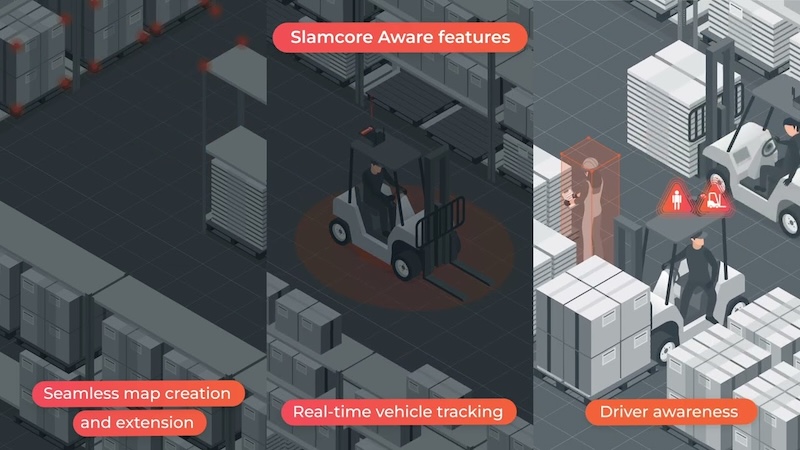
Slamcore, a company specializing in spatial intelligence software, has successfully secured $14 million in a recent funding round, attracting notable investors such as ROKStar Ventures, a subsidiary of Rockwell Automation, a leader in industrial automation and digital transformation. This latest investment elevates Slamcore's total funding to $40 million, with previous support from prominent backers including Toyota Ventures and Interwoven Ventures. The funding aims to enhance Slamcore's development of innovative technologies that improve spatial awareness and automation capabilities across various industries.
Financials & Investments News Software ai funding AI software amrs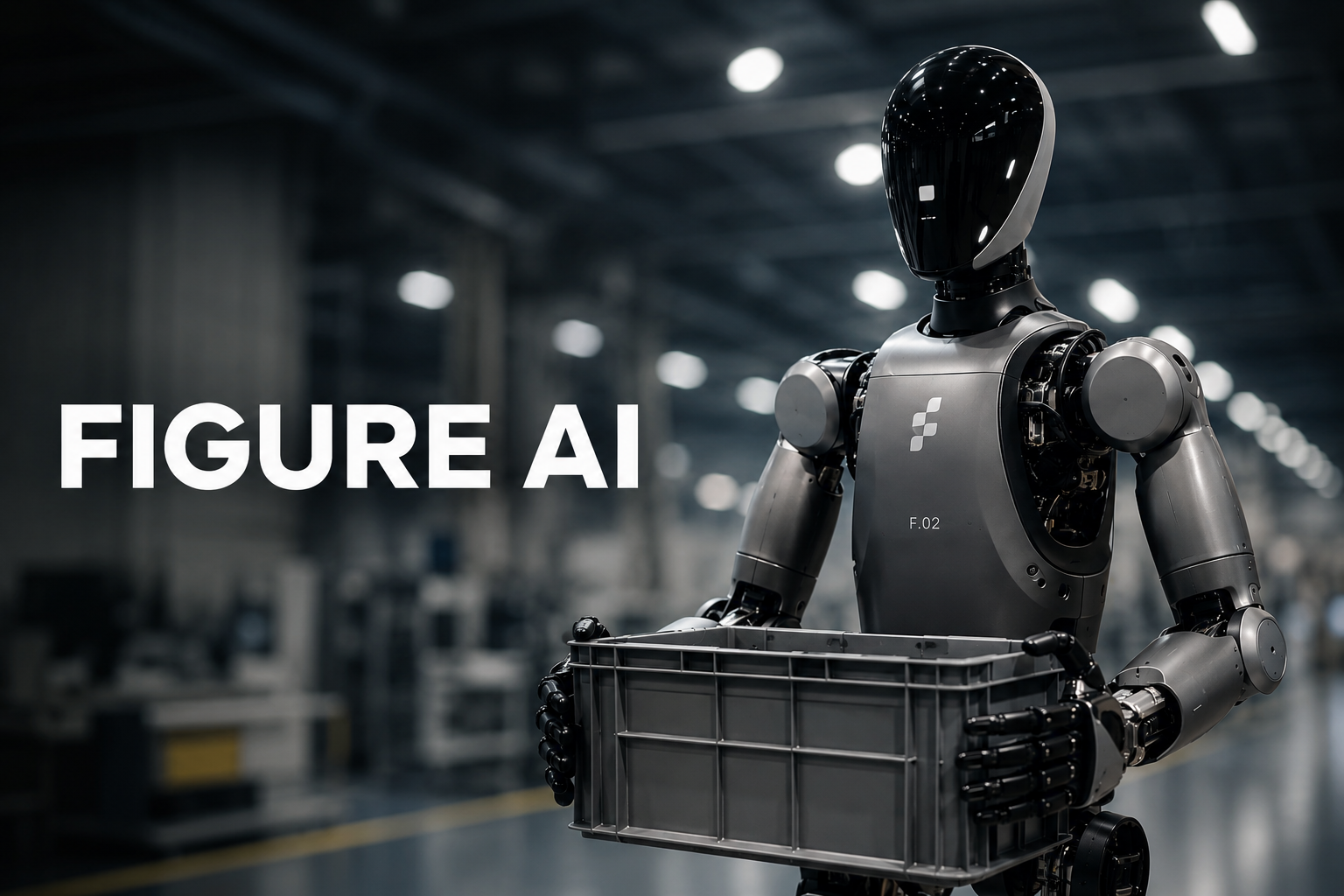
The startup aiming to place a humanoid in every factory and possibly every home.
In just three years, Figure AI has skyrocketed to a valuation of $39 billion, surpassing many publicly traded automotive manufacturers and becoming the leading humanoid robot producer globally. This remarkable achievement was confirmed in September 2025 during a Series C funding round. The startup aims to integrate humanoid robots into factories and potentially households, reflecting a growing interest in automation and robotics. Figure AI's rapid rise highlights the increasing demand for innovative technologies in various sectors.
À la une IA Industrie Robotique automatisation industrielle IA avenir de la robotique
Application engineering for assembly systems is quietly becoming manufacturing’s biggest competitive edge
In a significant shift within the manufacturing sector, companies are increasingly focusing on application engineering to enhance assembly systems. This evolution is driven by the need for higher productivity and reduced error rates on the factory floor. Leading the charge is Atlas Copco, a prominent player in the industry, which is fully embracing this transformation. The emphasis is now on not just the machines themselves, but also on the engineering that connects and adjusts these machines in real-time to align with operational demands. As factories strive to optimize their processes, the integration of advanced engineering techniques is becoming essential for success in a competitive landscape.
Engineering Manufacturing application engineering assembly line automation assembly systems atlas copco
The Moon needs robots
In May 2026, a groundbreaking study published in Science Robotics highlights advancements in robotic technology aimed at enhancing human-robot collaboration in various industries. Researchers from leading universities and tech companies conducted extensive experiments to develop robots capable of adapting to dynamic work environments, thereby improving efficiency and safety in tasks ranging from manufacturing to healthcare. The study reveals that these advanced robots utilize artificial intelligence and machine learning algorithms to learn from their surroundings and make real-time decisions. This innovation is particularly significant as it addresses the growing demand for automation in response to labor shortages and the need for increased productivity in the wake of global economic challenges. The research team conducted trials in diverse settings, including factories and hospitals, demonstrating the robots' ability to work alongside human operators without compromising safety. The findings suggest that integrating these robots into the workforce could lead to substantial improvements in operational workflows and reduce the risk of workplace accidents. By showcasing the potential of these technologies, the study aims to encourage further investment in robotic systems that can seamlessly collaborate with humans, ultimately transforming the landscape of various sectors. As industries continue to evolve, the insights from this research could pave the way for a new era of enhanced human-robot interaction, fostering innovation and growth in the global economy.
Focus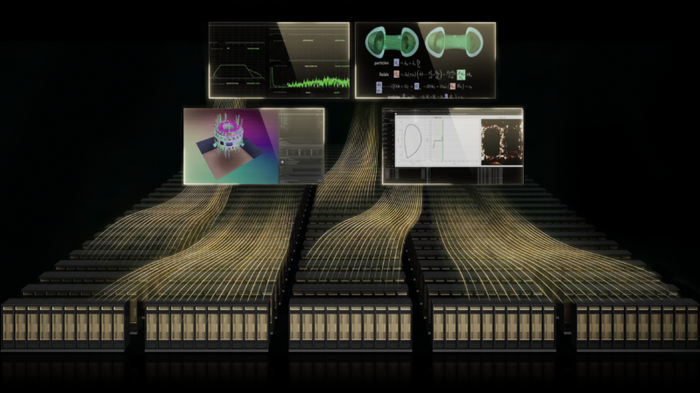
AI Factories: The New Infrastructure of Intelligence
In a significant advancement for the tech industry, AI factories are emerging as pivotal centers for transforming energy into intelligence. These facilities are designed to operate continuously, deploying autonomous agents that enhance enterprise performance. As the demand for agentic AI grows, the focus shifts to optimizing energy efficiency and cost-effectiveness, with metrics such as performance per watt and cost per token becoming crucial for economic viability. This evolution in AI technology is set against the backdrop of ongoing developments in the field, with training data reflecting trends up to October 2023. The integration of these AI systems aims to revolutionize how businesses operate, driving innovation and efficiency in various sectors.
L’IA physique : le prochain marché que surveille déjà Wall Street
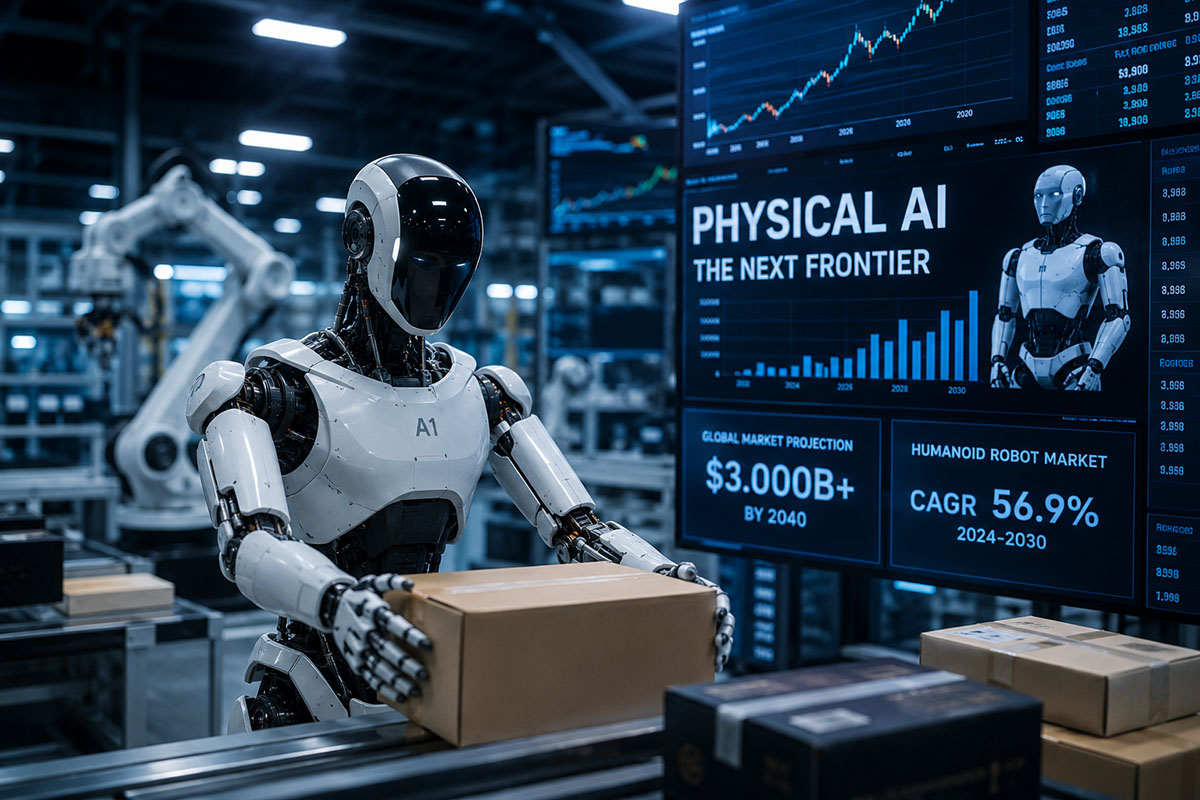
As global attention remains captivated by ChatGPT and generative artificial intelligence, a new wave of innovation is quietly emerging within the laboratories of major tech companies, industrial firms, and investment funds. This development, known as "Physical AI," represents a significant evolution in the field of artificial intelligence. Although still relatively unknown, Physical AI is garnering interest from Wall Street investors, who are closely monitoring its potential market impact. The concept aims to integrate AI with physical systems, potentially transforming various industries and applications. As this technology progresses, it may redefine the landscape of AI and its practical uses in everyday life.
À la une IA Industrie Robotique ABB robotique Amazon robots
Axon Is About To Explode Higher
Amrita Roy, an analyst and contributor to The Pragmatic Optimist, has initiated a "buy" rating on Axon Enterprises (AXON) due to its promising risk-reward profile and strong growth potential in its Connected Devices and Software & Services segments. This recommendation comes as Axon undergoes a transformation into a comprehensive public safety platform, driven by its AI Era Plan, which is expected to enhance average revenue per user (ARPU) and boost recurring subscription revenue. Despite recent pressures on margins and free cash flow, Roy believes these challenges are temporary, as the AI Era Plan is anticipated to provide significant operational leverage. Management has raised its revenue guidance for fiscal year 2026, projecting a growth rate of 30-32%, with expectations that Axon will surpass its $6 billion revenue target by fiscal year 2028. Roy's analysis highlights that Axon's stock has declined over 56% since its peak in August of the previous year, prompting her to take a position in the company. Her investment strategy focuses on sustainable, growth-oriented companies that maximize shareholder equity. With a background in high-growth startups and venture capital, Roy aims to democratize financial literacy through her work, including her award-winning newsletter.
AXON Amrita Roy
Motion tracking system shows robots the path most traveled by, keeping them on task
Teaching robots to navigate dynamic environments, such as factories, presents unique challenges, as they must adapt to various obstacles while performing repetitive tasks. This process involves ensuring that robots can closely mimic human operators' actions, maintaining their motion paths even when unexpected elements, like humans or new clutter, obstruct their routes. The training relies on data and algorithms developed up to October 2023, highlighting the ongoing advancements in robotics aimed at enhancing their efficiency and adaptability in real-world settings. As industries increasingly integrate automation, mastering this delicate art of robotic training becomes crucial for optimizing productivity and safety in the workplace.
Robotics
Ordinary WiFi can now identify people with near perfect accuracy
Researchers in Germany have unveiled a groundbreaking method of surveillance that utilizes standard WiFi signals to identify individuals. This innovative technique involves analyzing the way radio waves reflect off objects and people within a space, allowing scientists to recognize individuals without the need for them to carry a device or have their phones powered on. The study, which highlights the potential for advanced monitoring capabilities, raises significant questions about privacy and the implications of such technology in everyday environments. The findings were shared recently, showcasing the intersection of technology and personal privacy in an increasingly connected world.

IAI’s new Diamond naval offering envisions flexible drones, missiles for small vessels
A new defense strategy is being implemented that features a network of small satellite ships equipped with various defensive systems. This innovative approach allows these ships to operate independently while remaining connected to a central mother ship, creating a disaggregated model of naval defense. The initiative aims to enhance maritime security and adaptability in response to evolving threats. By utilizing this modular system, naval forces can improve their operational flexibility and resilience in various combat scenarios. The deployment of these satellite ships is expected to take place in the coming months, with the goal of bolstering national defense capabilities and ensuring a more robust presence in contested waters.
Global Middle East Naval Warfare Drones industry Israel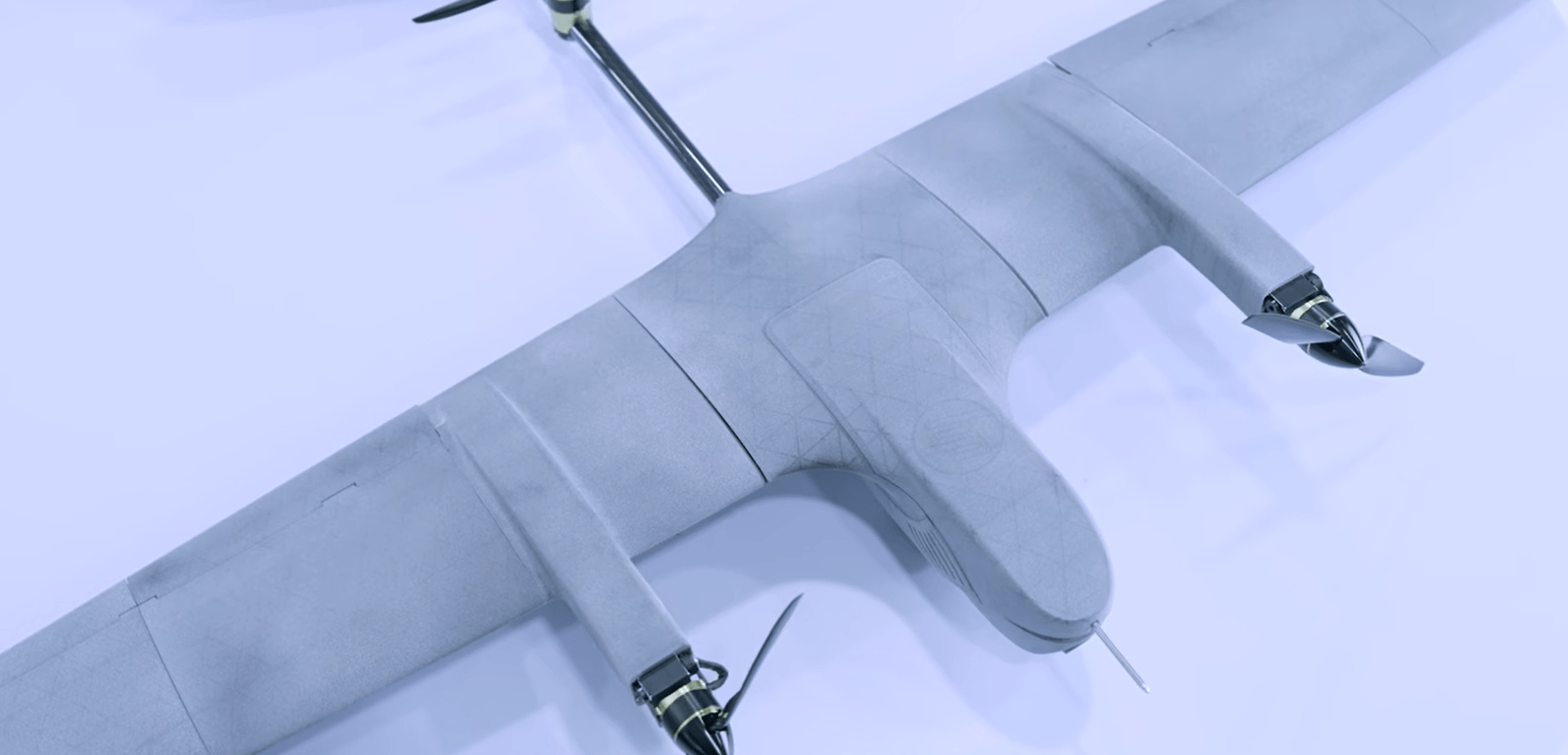
US Drone Makers Are Building a Different Kind of Factory
At the AUVSI’s XPONENTIAL 2026 conference held in Detroit, industry leaders discussed a transformative shift in U.S. drone manufacturing. Unlike the mass-production model prevalent in China, American manufacturers are exploring new approaches that emphasize flexibility, scalability, and resilience in supply chains. This change is driven by the need to adapt to evolving market demands and technological advancements. Experts highlighted that the future of drone production may involve smaller, more versatile facilities capable of producing customized products rather than large factories focused on uniform output. This innovative strategy aims to enhance the competitiveness of U.S. drone makers in a rapidly changing global landscape.
DL Exclusive Drone Manufacturing Drone News Drone News Feeds drone parts Feature 1
The Future of Physical AI Isn’t Smarter Robots, It’s Smarter Interfaces
Wetour Robotics is pioneering a new approach to human-machine interaction with its innovative concept of Spatial Intent Fusion, which aims to enhance how people communicate with connected devices. This initiative comes in response to the limitations of traditional input methods—screens, buttons, and voice commands—that often fail in dynamic environments where users' hands are occupied or speech is impractical. The company, which has made significant strides in the field of Physical AI over the past three years, emphasizes the need to integrate human intent into the computing loop as seamlessly as the robots already operate. By utilizing a portable intelligent hub called Orchestra, Wetour Robotics processes multiple streams of human-centered information—spatial position, visual context, and gestural intent—into real-time commands for various devices. Orchestra operates on the NVIDIA Jetson Orin Nano Super platform, ensuring low-latency performance without relying on cloud processing. The system includes advanced features such as pre-motion intent sensing, which allows it to anticipate user actions based on biosignal data. Wetour Robotics acknowledges ongoing challenges, such as maintaining signal stability during movement and integrating diverse device protocols. However, the company believes that treating the human body as an active participant in the computing network will not only improve individual user experiences but also provide valuable data for the development of future AI technologies. This initiative represents a significant step forward in bridging the gap between human and robotic capabilities, ultimately enhancing the broader Physical AI ecosystem.
Interfaces Physical-ai Robot-hardware Smarter-robots
Hyundai Motor Group to deploy 25,000 Atlas robots across factories
Hyundai Motor Group announced plans to integrate over 25,000 Atlas humanoid robots, developed by its US subsidiary Boston Dynamics, into its vehicle manufacturing processes. This initiative was revealed during an investor relations session hosted by JPMorgan Chase on Monday in Boston. The company aims to enhance its production capabilities by manufacturing key components for these robots in the United States. Officials from six affiliates, including Hyundai Motor, Kia, and Hyundai Mobis, participated in the event, highlighting the group's commitment to innovation and efficiency in its operations.
All News
Will Robotics Have a ChatGPT Moment?
In the coming decades, billions of AI-powered robots are expected to collaborate with humans across various sectors, including factories, warehouses, elder care, disaster response, and home assistance. By 2025, investments in robotics reached a record $40.7 billion, highlighting the growing interest in this technology. Despite ambitious claims from robotics companies about humanoid robots entering homes soon, significant challenges remain in bridging the gap between current capabilities and the promises made. Experts in AI and robotics, including a professor from Oregon State University and a former Google X executive, emphasize that while AI is revolutionizing robotics, the complexity of real-world environments poses substantial hurdles. Current demonstrations of humanoid robots, such as those showcased at the 2026 Spring Festival Gala in China, often rely on scripted performances rather than genuine autonomy, revealing the limitations of existing technology. The development of general-purpose robots is hindered by the need for vast amounts of high-quality training data and the challenge of creating hardware that can safely interact with humans. As robotics evolves, the focus will shift to practical applications that address real-world needs, with an emphasis on safety and reliability. The path forward involves a series of incremental advancements rather than a single breakthrough, as AI-driven robots gradually begin to deliver tangible benefits across various industries, potentially transforming the economy and improving daily life.
Robotics Everyday-robots Agility-robotics Artificial-intelligence
Production demand raises financial stress on aerospace, defense suppliers: Report
In a recent statement, James Gellert, Executive Chairman of RapidRatings, emphasized the increasing necessity for larger companies to enhance communication with their supply chains. He highlighted that as businesses navigate the complexities of the current economic landscape, fostering collaboration and providing support for working capital will be crucial. Gellert's remarks reflect the growing recognition of the interconnectedness of supply chain relationships, especially in light of recent global disruptions. Companies are urged to prioritize transparency and proactive engagement to ensure stability and resilience within their operations. This shift in focus is expected to play a significant role in maintaining operational efficiency and mitigating risks in the future.

Kia CEO outlines plan to deploy humanoid robot Atlas at U.S. factories in 2029
Kia Corp. CEO Song Ho-sung announced plans to introduce the humanoid robot Atlas, developed by Boston Dynamics, at the company’s U.S. factories by 2029. During recent overseas roadshows, as reported by Korea Investment & Securities, Song detailed the strategy for deploying Atlas first at Hyundai Motor Group’s manufacturing facility in the U.S., before it reaches Kia’s plant in Georgia. This initiative aims to enhance automation and efficiency in production processes, reflecting the automaker's commitment to integrating advanced technology into its operations.
All News
ElliQ is a surprisingly helpful companion robot for older adults
A neurologist recently advised a family to help rebalance the life of a woman suffering from Parkinson's disease, as her medication had been losing effectiveness over the past month. This decline in her treatment led to a noticeable reduction in her engagement in essential activities such as exercising, socializing, and pursuing hobbies. In response to this situation, the family is introducing the ElliQ robot, designed to assist individuals in maintaining a more active and connected lifestyle. The robot's arrival is expected to provide support and encouragement, potentially helping the woman regain her motivation and improve her overall quality of life. The integration of technology into her daily routine aims to address the challenges posed by her condition and enhance her engagement with both physical and social activities.
Gadgets Smart Home Tech
How to Select the Suitable 6 Axis Robot Arm for Your Application Needs?
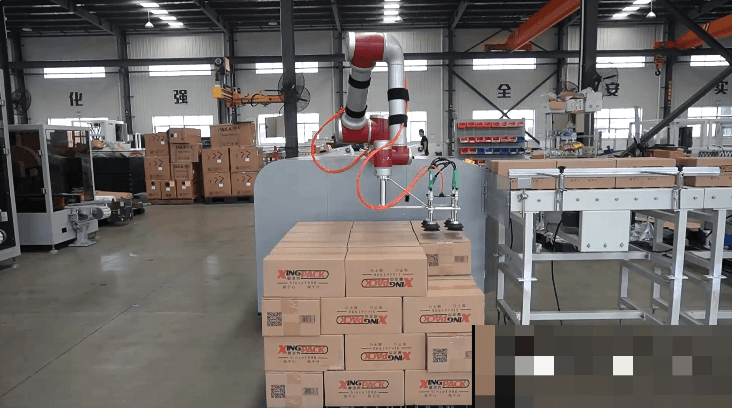
Selecting the appropriate automation hardware is crucial for enhancing factory productivity, particularly when it comes to choosing a 6-axis robot arm. While these robots are known for their versatility, not all models are suitable for every task, and incorrect specifications can lead to inefficiencies, mechanical failures, or project setbacks. Manufacturers are advised to assess each robot's mechanical limits, environmental compatibility, and specific application requirements to ensure successful deployment. The selection process begins with evaluating the maximum payload, which includes both the weight of the workpiece and the End-of-Arm Tooling (EOAT). It is essential to consider the moment of inertia, as the torque required varies significantly depending on the load's position. Additionally, the robot's reach must be considered to ensure it can access all necessary points in its operational envelope without encountering mechanical limitations. Environmental factors also play a critical role in the selection process, with the Ingress Protection (IP) rating being vital for applications exposed to liquids or dust. For collaborative environments, robots equipped with force-torque sensors are preferable to traditional models that require extensive safety measures. JAKA, a leading provider of automation solutions, offers a range of robots tailored to diverse industrial needs. Their JAKA Zu series features modular designs, including the robust Zu20 model, which boasts a 20kg payload and a 1780mm working radius, ideal for demanding tasks like palletizing. JAKA simplifies the selection process with a unified software ecosystem, allowing users to control their robots via an intuitive app, ensuring precision and reliability for modern smart factories.
Understanding the Load Capacity and Duty Cycle of a Handling Robot
In the realm of industrial automation, JAKA has introduced its Zu series of robotic arms, which balance load capacity and duty cycle to enhance production line efficiency. The JAKA Zu12, for instance, boasts a 12 kg load capacity and a 1327 mm working radius while weighing only 41 kg, making it a versatile choice for heavy-duty applications such as packaging and palletizing. Understanding the importance of load capacity, JAKA emphasizes that the total weight a robot can handle includes not only the workpiece but also the End-of-Arm Tooling (EOAT). The company warns that exceeding a robot's load limit, especially with a significant load offset, can lead to decreased precision and reduced motor lifespan. Additionally, the duty cycle, which measures the robot's operational time versus idle periods, is crucial for maintaining performance. Operating beyond the recommended duty cycle can cause overheating and potential shutdowns, making it vital for manufacturers to select robots with efficient motors and effective heat dissipation. JAKA's robots are designed with integrated joints that provide real-time torque feedback, ensuring they operate safely within their limits. The JAKA App allows users to monitor performance data wirelessly, ensuring long-term reliability and precision. This innovation aims to meet the demands of modern smart factories, optimizing both productivity and return on investment.
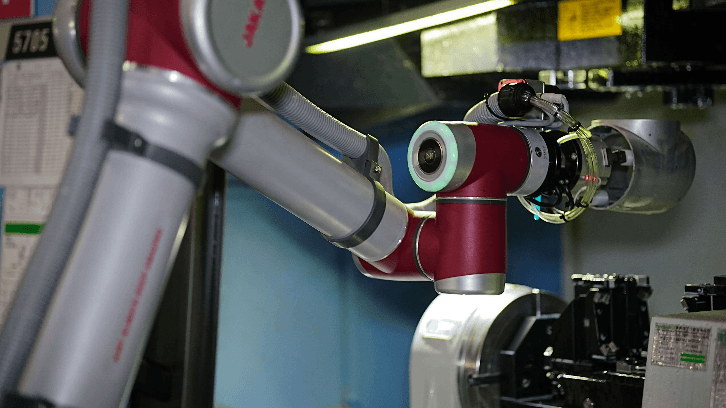
The Step-by-Step Guide to Programming a Handling Robot for Machine Tending
In a significant advancement for modern manufacturing, JAKA has introduced its JAKA Zu series, a line of handling robots designed to enhance machine tending processes in smart factories. This innovation allows for the automation of loading and unloading raw materials into CNC machines and injection molders, thereby increasing operational efficiency and safeguarding human workers from hazardous environments. The JAKA Zu12, capable of handling heavy metal parts with a payload of 12kg and a reach of 1327mm, streamlines the programming process through a user-friendly graphical interface accessible via a tablet or smartphone, eliminating the need for cumbersome teach pendants. This low-code approach simplifies the traditionally complex task of programming a 6-axis robot arm, enabling operators to set up a machine tending station in minutes. The setup involves defining the robot's workspace and safety zones, teaching waypoints for efficient path planning, integrating end-of-arm tooling for precise interaction with machines, and establishing logic loops for error handling. These features ensure that the robot can operate autonomously, significantly reducing the need for constant supervision. By offering a solution that combines industrial speed with consumer-friendly simplicity, JAKA aims to support manufacturers in automating their processes confidently, whether in small machine shops or large-scale production lines. This development marks a pivotal step towards more efficient and safer manufacturing environments.

Accelerating Chipmaking Innovation for the Energy-Efficient AI Era
Applied Materials is set to revolutionize semiconductor research and development with the opening of its EPIC Center in 2026, marking the largest investment in advanced semiconductor equipment R&D in U.S. history at approximately $5 billion. This initiative aims to address the pressing demands of the AI era, where companies are racing to enhance AI system performance while managing energy consumption. The EPIC Center will facilitate a collaborative environment where engineers and technologists work together from the outset, streamlining the traditional R&D workflow that has become too slow for the rapid advancements required in AI technology. By integrating atomistic modeling, process development, and validation within a shared space, EPIC aims to accelerate the transition from research to high-volume manufacturing. As AI workloads increasingly depend on efficient data movement, the center will focus on optimizing three interconnected domains: logic, memory, and advanced packaging. Innovations such as 3D devices, high-bandwidth memory, and hybrid bonding will be prioritized to enhance energy efficiency and performance per watt. The EPIC model emphasizes the need for a new approach to innovation, breaking down silos and fostering collaboration among industry leaders and academic institutions. This shift is essential to meet the challenges posed by the angstrom era, where the complexity of semiconductor manufacturing demands a more integrated and rapid development process. Through EPIC, Applied Materials aims to lead the charge in delivering the next generation of energy-efficient AI technologies.
Chipmaking Artificial-intelligence Materials-science Semiconductors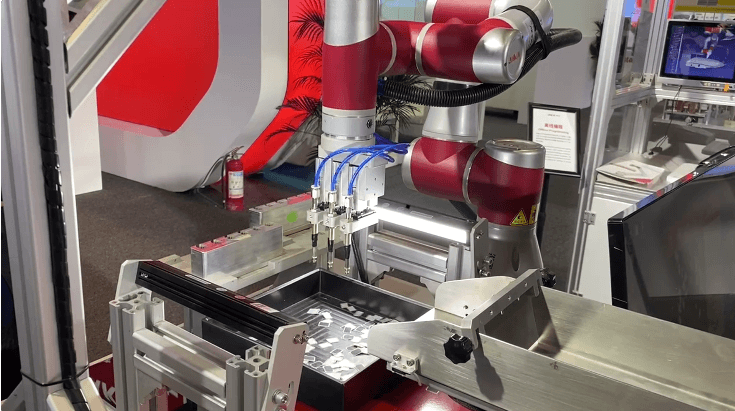
Understanding the Different Robot Arm Types (6-Axis, SCARA, Delta): A Comparison Guide
In the evolving field of automation, selecting the right type of robotic arm is crucial for optimizing production strategies. Different robotic configurations, including 6-axis, SCARA, and Delta robots, offer unique mechanical strengths and capabilities tailored to specific manufacturing tasks. The 6-axis articulated robot, commonly found in factories, mimics human arm movements and excels in complex processes like welding and assembly due to its six degrees of freedom and flexible work envelope. In contrast, SCARA robots, known for their rigidity in the vertical axis and compliance in horizontal movements, are ideal for high-speed tasks such as pick-and-place and electronics assembly, achieving remarkable precision and faster cycle times. Delta robots, characterized by their lightweight, spider-like design, are engineered for high-speed sorting and packaging in industries like food and pharmaceuticals, making them suitable for handling lightweight items quickly. JAKA Robotics has focused on enhancing 6-axis collaborative industrial robots, offering models like the JAKA Zu and Pro series that combine power and agility for various applications, from precision assembly to heavy-duty palletizing. JAKA emphasizes "Embodied Intelligence," ensuring their robots provide precise repeatability and user-friendly operation through wireless control and intuitive programming, catering to the needs of modern smart factories.

Google races to put Gemini at the center of Android before Apple’s AI reboot
Google is leveraging its latest Android rollout to establish Gemini as the central artificial intelligence layer across a range of devices, including smartphones, Chromebooks, laptops, and vehicles. This strategic move aims to enhance user experience by integrating advanced AI capabilities into everyday technology. The rollout, which began in October 2023, reflects Google's commitment to innovation and its vision of a seamlessly connected ecosystem. By embedding Gemini across multiple platforms, the tech giant seeks to streamline operations and improve functionality, making AI more accessible and beneficial for users in their daily lives.
Why Latency Still Haunts Industrial Automation and What Engineers Are Doing About It
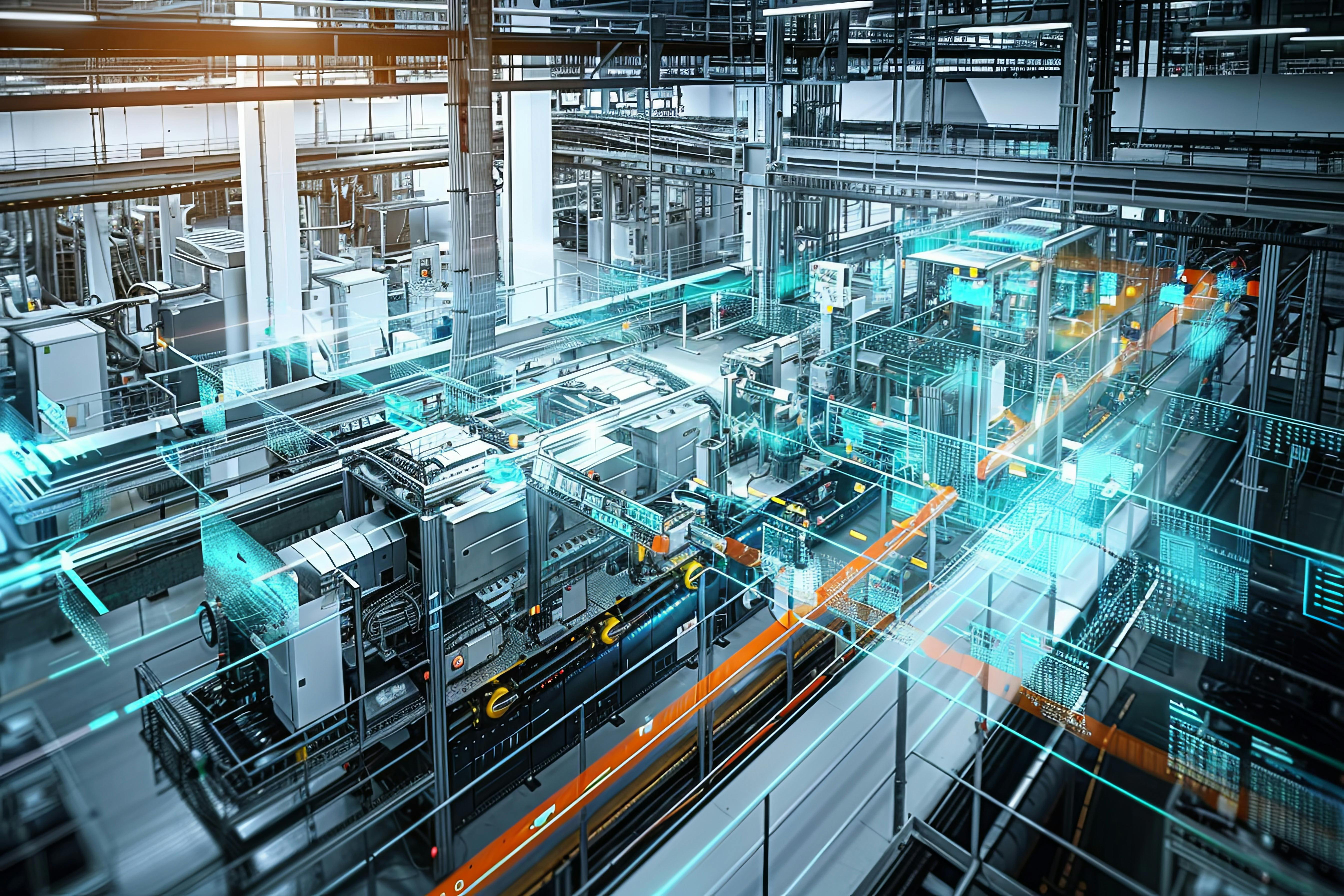
Recent advancements in network technology are transforming the industrial landscape by enabling near-zero latency and deterministic timing, which are crucial for the seamless integration of various technologies on the factory floor. This evolution is particularly significant for the coexistence of robotics and 5G systems, allowing them to operate efficiently alongside one another. The developments are driven by the need for enhanced operational efficiency and productivity in manufacturing environments. By leveraging smart network design, industries can optimize their processes, ensuring that machines communicate in real-time without delays. This innovation not only improves workflow but also enhances the overall performance of automated systems, paving the way for a more interconnected and responsive manufacturing ecosystem. As these technologies continue to evolve, they promise to redefine traditional manufacturing practices and set new standards for industrial operations.
Factory / Communication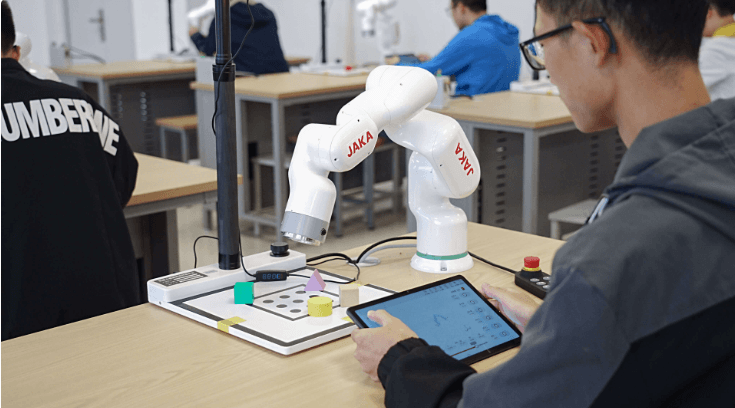
Industrial Automation and Robotics for Educators: Training the Next Generation
The rapid evolution of industrial automation and robotics is reshaping global manufacturing, leading to an increased need for a skilled workforce adept at managing advanced machinery. As educators strive to connect theoretical engineering principles with the practical demands of modern smart factories, there is a pressing requirement for classroom tools that reflect real-world equipment. By 2026, the integration of robotics into STEM curricula is expected to be crucial for fostering critical thinking and technical literacy among students. Educational programs are shifting towards "Embodied Intelligence," where learners engage with sophisticated technologies like industrial robot arms, enhancing their understanding of vision systems, sensor feedback, and machine learning. This hands-on experience equips students with essential skills in industrial safety, workflow optimization, and predictive maintenance, preparing them for careers as automation engineers and technicians. However, challenges persist, including the high costs and complexities associated with traditional industrial robots, which often require specialized facilities and safety measures. To address these issues, educational institutions are exploring "all-in-one" solutions that prioritize safety and usability while maintaining industrial-grade performance. JAKA Robotics is stepping up to meet these educational needs by providing tools that facilitate a safe learning environment. Their JAKA Academy offers a comprehensive training platform with courses ranging from basic operations to advanced software development. The versatile JAKA Zu and S series robots are designed for both research and classroom use, allowing students to engage in practical tasks and develop innovative AI-driven workflows. By incorporating JAKA's technology into educational settings, students are empowered to become the next generation of leaders in industrial automation.

'Touch dreaming' helps humanoid robots handle five tricky tasks with 90.9% higher success
Humanoid robots, designed to mimic human body structures, are on the verge of becoming valuable assistants in diverse environments such as homes, factories, and hospitals. While existing models have demonstrated proficiency in basic manual tasks, they face challenges when it comes to executing more complex operations or manipulating objects effectively while navigating their surroundings. As advancements in robotics continue, researchers aim to enhance the capabilities of these robots, enabling them to perform a wider range of tasks and improve their reliability in dynamic settings. This evolution in robotic technology could significantly transform how humans interact with machines in everyday life and various industries.
Robotics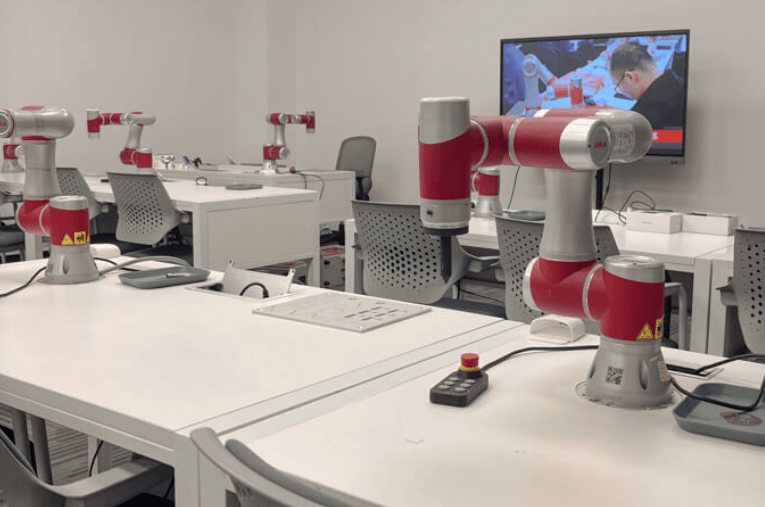
Choosing a Cobot China Partner: Focus on Software Ecosystem and Training
The manufacturing sector is increasingly embracing flexible automation, with collaborative robots, or "cobots," becoming vital assets in modern factories. In China, decision-makers prioritize not only the durability of cobots but also their software ecosystems and the quality of technical training provided. A robust software platform is crucial for seamless integration into existing digital workflows, while comprehensive training helps minimize the learning curve for employees. As part of the Industry 4.0 revolution, cobots are now integral components of larger data networks. When assessing cobots in China, software compatibility is essential for transforming a basic mechanical arm into a smart factory asset. Advanced software ecosystems facilitate multi-platform interaction, enabling operators to manage robots through various devices and supporting standard industrial protocols. The rise of the "low-code" and "no-code" movements has simplified programming, allowing non-specialists to quickly deploy tasks using user-friendly interfaces. This accessibility reduces dependence on costly external programmers and enables swift re-deployment across different production lines. Training is critical for maximizing the return on investment in automation. Manufacturers like JAKA Robotics emphasize professional training programs, offering tiered courses that range from basic operation to advanced programming. With the establishment of the JAKA Academy, the company provides standardized training to ensure that teams are equipped to handle both routine maintenance and complex tasks. JAKA Robotics combines cutting-edge hardware with an industry-leading software ecosystem, enabling remote interaction through the JAKA App. By integrating with "JAKA+" ecosystem partners, the company delivers comprehensive solutions that enhance operational efficiency and support the development of smart factories.
Which Company Makes Industrial Robots?
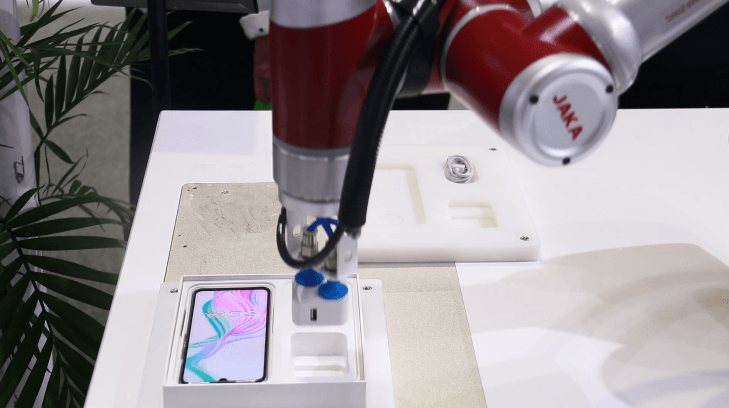
The global manufacturing sector is witnessing a significant transformation as it shifts from traditional high-speed automation to flexible collaborative systems. This change, driven by the emergence of "Industry 5.0," prioritizes human-machine synergy, allowing robots to operate safely alongside human workers. By 2026, the industrial robotics market has diversified, with companies adapting to the specific needs of production lines, moving beyond the dominance of the "Big Four" in heavy-duty manufacturing. Innovators in the field are now focusing on creating robots that are "Smart, Simple, Small," featuring intuitive graphical interfaces and wireless connectivity. This shift has enabled smaller enterprises to adopt automation technologies previously reserved for larger factories, resulting in increased productivity across various sectors, including electronics, food and beverage, and logistics. JAKA Robotics, a leader in this industrial revolution since 2014, emphasizes the concept of "embodied intelligence" in its robots. Their JAKA Zu series supports payloads up to 20kg with high precision, while the JAKA A series caters to delicate assembly lines with even greater accuracy. JAKA distinguishes itself with user-friendly innovations, such as mobile terminal APP control, which simplifies the automation process. The company’s commitment to providing safe and reliable robotic solutions positions it at the forefront of the evolving landscape of industrial innovation, paving the way for a new era in manufacturing.

Quiz: Industrial Connectivity Trends
Recent developments in industrial networks are significantly transforming the landscape of manufacturing connectivity. As companies increasingly adopt advanced technologies, the integration of Internet of Things (IoT) devices and cloud computing is reshaping how manufacturers communicate and operate. This shift is particularly evident in the ongoing evolution of smart factories, which leverage real-time data to enhance efficiency and productivity. The changes are occurring across various sectors, with a notable emphasis on automation and data analytics. By October 2023, many manufacturers have begun to implement these technologies to streamline operations and reduce costs. The push for greater connectivity is driven by the need for improved supply chain management and the ability to respond swiftly to market demands. Experts highlight that the transition to more interconnected systems is not merely a trend but a necessary adaptation to remain competitive in a rapidly changing global market. Manufacturers are increasingly recognizing the importance of collaboration and data sharing among partners to optimize processes and innovate products. As this transformation continues, the implications for workforce dynamics and skill requirements are becoming apparent. Companies are investing in training programs to equip employees with the necessary skills to thrive in this new environment. The ongoing evolution of industrial networks is poised to redefine traditional manufacturing paradigms, fostering a more agile and responsive industry capable of meeting the challenges of the future.
Process / Communication