Industry Briefing
A single destination for timely, editor-curated robotics news from around the world.
MFE Offshore Partners with Hydromea to Distribute EXRAY Underwater Inspection ROV
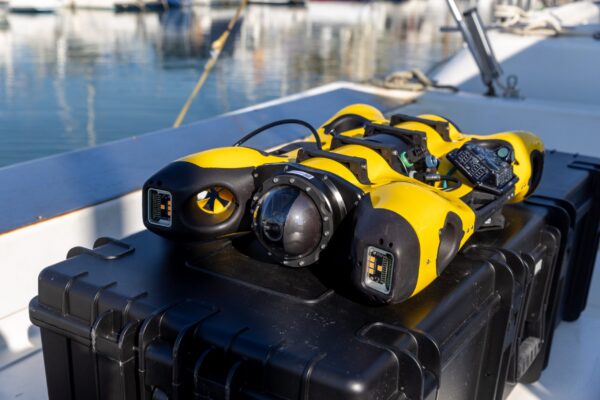
MFE Offshore, based in Houston, has announced its partnership with Swiss robotics developer Hydromea to distribute the Hydromea EXRAY underwater inspection ROV. This agreement, made public on July 9, 2026, enhances MFE Offshore's subsea portfolio, which was launched earlier this year. The EXRAY offers a tetherless alternative for underwater inspections, reducing costs and risks associated with traditional methods. The significance of this partnership lies in the EXRAY's ability to provide efficient and safe data collection in challenging underwater environments. As stated by Wendy Post, general manager of MFE Offshore, the demand for advanced inspection technologies is increasing as operators face more complex underwater challenges. The EXRAY's capabilities, including real-time control and live HD video transmission, position it as a valuable tool for energy operators. Looking ahead, MFE Offshore will showcase the EXRAY during a Demo Day on July 16 at its Houston facility, allowing potential customers to see the ROV in action. This event highlights MFE Offshore's commitment to bringing innovative inspection solutions to the energy sector, with no further timeline disclosed at the time of publication.
Drone News Drone News Feeds Inspection News seadrones underwater drones
Asylon secures Phase Three contract for MARIA aircraft inspection system development
Asylon has been awarded a Phase Three contract by the Warner Robins Air Logistics Complex (WR-ALC) to advance its Multi-modal Autonomous Robotics for Inspection of Aircraft (MARIA) system. This contract focuses on further development, integration, and demonstration of the MARIA technology at the WR-ALC facility, enhancing aircraft inspection processes. The significance of this contract lies in the increasing demand for automation in aircraft maintenance and inspection. Asylon's MARIA system aims to improve efficiency and accuracy in inspections, which is crucial for maintaining operational readiness in military and commercial aviation sectors. The integration of autonomous robotics is expected to streamline workflows and reduce human error. Looking ahead, stakeholders will be monitoring the progress of the MARIA system's development and its subsequent demonstration at WR-ALC. No further timeline was disclosed at the time of publication, but successful implementation could set a precedent for similar technologies in the aerospace industry.
News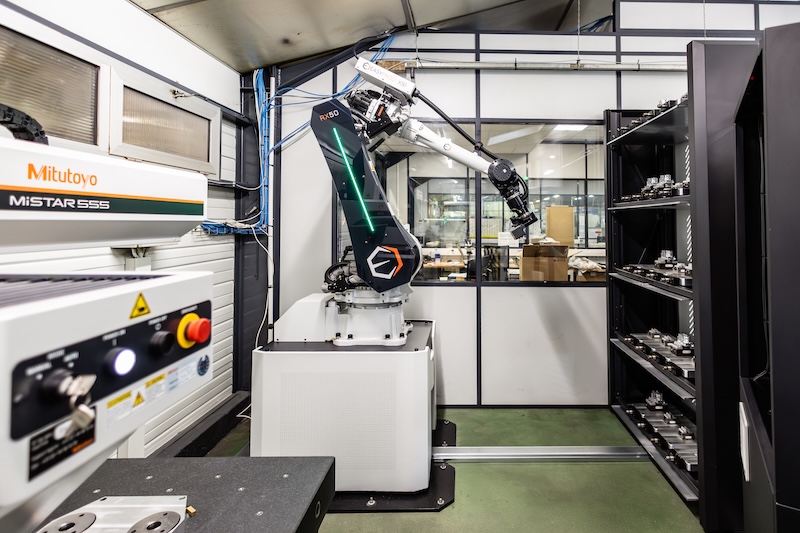
Méca-Précis utilizes robotic measurement cell to eliminate inspection bottlenecks
French precision engineering firm Méca-Précis has implemented an automated part inspection system to enhance efficiency in its operations. The new robotic measurement cell integrates a coordinate measuring machine (CMM) from Mitutoyo with automation technology developed by Engineering Data. This advancement comes in response to growing production volumes, which had turned traditional inspection processes into a bottleneck, particularly for clients in the aerospace and space sectors that demand high precision and reliability. The automation aims to streamline the inspection workflow, ensuring that quality control keeps pace with increased manufacturing demands.
Engineering Robotics advanced manufacturing aerospace components aerospace manufacturing automated inspection
Common Pitfalls When Using 6-Axis Robot Arms in Small Workspaces
JAKA, a leader in robotic solutions, has highlighted the challenges of utilizing 6-axis robot arms in compact environments, emphasizing the need for meticulous workspace planning and configuration. These robots, particularly the JAKA Zu Loading and Unloading series, can significantly enhance productivity in tight spaces, but improper planning can lead to inefficient movement paths and potential collisions. To address these issues, JAKA recommends designing workspaces with a focus on the robot's reach and rotation, ensuring that obstacles are strategically positioned. This approach not only improves safety but also boosts production efficiency and maintains product quality. Additionally, JAKA aims to dispel the myth that operating jointed arm robots requires specialized programming skills. Their intuitive graphical programming interfaces allow even inexperienced personnel to control the robots effectively, maximizing labor efficiency. Safety and maintenance are critical considerations in small workspaces, as the powerful movements of 6-axis robots can pose risks to nearby workers. JAKA incorporates advanced safety features, including collision protection and adaptive force control, while advocating for regular inspections and proper calibration to prevent mechanical issues. By addressing workspace layout, simplifying programming, and prioritizing safety, JAKA is committed to helping clients optimize the performance of jointed arm robots, ultimately enhancing productivity and product quality in confined environments.

NASA briefly sheltered space station astronauts in SpaceX’s Dragon due to leaks
The Russian space agency Roscosmos has reported the discovery of new leaks in the Russian service module of the International Space Station (ISS). This announcement comes as part of ongoing monitoring and maintenance efforts to ensure the integrity and functionality of the module, which plays a crucial role in supporting the ISS's operations. The leaks were identified during routine inspections, prompting immediate attention from engineers and scientists. The agency has not specified the exact timing of the discovery but emphasized the importance of addressing these issues to maintain the safety and stability of the space station. This development underscores the challenges faced in maintaining aging space infrastructure and highlights the need for continued vigilance in space exploration efforts.
Space crew dragon Dragon international space station NASA SpaceX
Commercial UAV Expo Launches DRONERESPONDERS Course with FIFA Airspace Security Insights
The Commercial UAV Expo has introduced a two-day DRONERESPONDERS Program Management Course, coinciding with the 2026 DRONERESPONDERS Public Safety Summit. Scheduled for September 1-3, 2026, at Caesars Forum in Las Vegas, the course aims to provide insights from the FIFA World Cup airspace security operations, where over 600 drones were seized across 11 U.S. host cities since the tournament began on June 11. This initiative is significant as it highlights the challenges and lessons learned from managing airspace security during high-profile events like the World Cup. Federal agencies reported detecting more than 1,000 drones near venues, emphasizing the need for effective public safety airspace management. The insights gained will also inform preparations for the upcoming 2028 Summer Olympics in Los Angeles, supported by a $250 million FEMA grant for counter-UAS measures. Looking ahead, the program will feature panels on various topics relevant to public safety agencies, including UAS operations and interagency collaboration. No further timeline was disclosed at the time of publication regarding additional sessions or future developments in the program's curriculum.
Drone News Drone News Feeds Expos and Drone Shows News 2028 LA Olympics AAM
From Space to Ground: The Next Frontier for Flexible Robotic Arms
In March 2026, Tsinghua University's Shenzhen International Graduate School successfully launched the 'Yuxing-3' satellite, which features a groundbreaking flexible robotic arm capable of in-orbit fuel refueling. This innovative technology is designed to operate in extreme environments on Earth, addressing industrial challenges that traditional rigid robotic arms struggle to manage. The unique design of the arm enables precise maneuvers in confined spaces, making it particularly suitable for applications in critical sectors such as nuclear power, aerospace, and the chemical industry. The successful demonstration of this technology marks a significant advancement in robotics and could enhance operational efficiency in various high-stakes environments.
Flexible Robotics Space Technology Industrial Automation Robotic Arms Extreme Environment Operations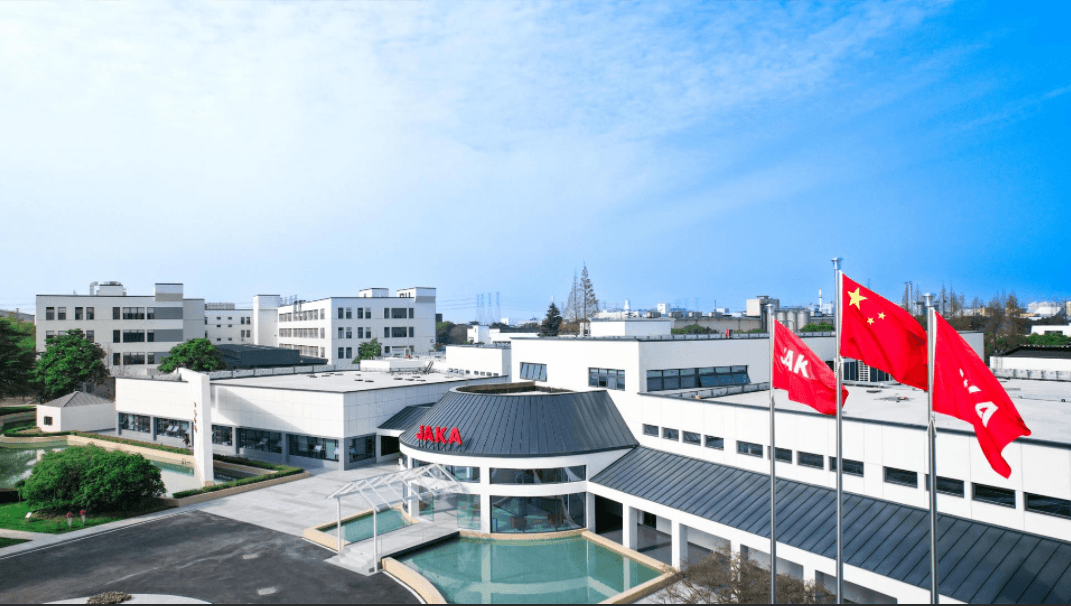
N Factors to Consider When Selecting Articulated Robot Arms for Tight Spaces
As modern production environments evolve towards greater automation, companies are increasingly faced with the challenge of integrating robotic solutions into compact spaces. JAKA, a leader in intelligent automation, emphasizes the importance of selecting the right articulated robot arm to ensure reliability and efficiency in these confined settings. The demand for such technology is driven by the need for operational flexibility and safety, particularly when collaborative robots work in close proximity to human operators. Key considerations include the robot's physical footprint and range of motion, which must be optimized to minimize interference with surrounding equipment. JAKA's experience highlights that a well-designed joint layout and axis coordination can enhance maneuverability in narrow workspaces, allowing for smoother operation even during production line adjustments. Safety features are paramount, as collaborative robots must respond predictably to human interaction while maintaining precision. JAKA's S5 model incorporates advanced sensing capabilities and protection mechanisms, enabling rapid adaptive control to accommodate frequent task changes without extensive reconfiguration. Furthermore, the efficiency of deployment and long-term operational value are critical factors. With limited installation flexibility in tight spaces, JAKA's articulated robot arms are designed for quick setup and integration into existing workflows, reducing reliance on complex external components. In summary, JAKA advocates for a holistic approach to selecting articulated robot arms, balancing mechanical design, safety, and operational efficiency to meet the evolving demands of modern manufacturing within compact environments.

Control framework lets flexible robots move in tight spaces with less math
Recent discussions in robotics have highlighted the limitations of traditional machines, often characterized by rigid arms and mechanical movements, as exemplified by iconic characters like Optimus Prime and Bumblebee from the "Transformers" franchise. These designs, while visually striking, are impractical for navigating confined and cramped environments. Experts in the field are advocating for the development of more flexible and adaptable robotic systems that can operate effectively in such challenging spaces. This shift in focus aims to enhance the functionality of robots in real-world applications, where versatility and maneuverability are crucial. As the industry evolves, researchers are exploring innovative designs and technologies that could redefine the capabilities of robots, making them more suitable for a variety of tasks in diverse settings.
Robotics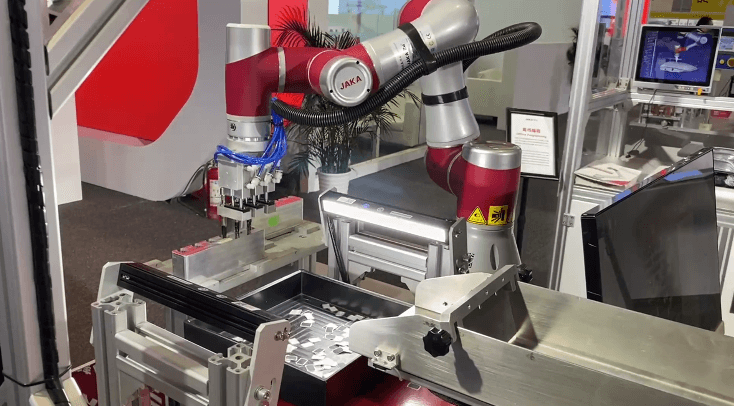
Implementing a Sorting Robot for Quality Inspection in Recycling Processes
Recycling facilities face ongoing challenges in maintaining material purity due to the variability of recyclables, which complicates manual sorting processes. To address this issue, JAKA is proposing the implementation of automated sorting robots designed to integrate seamlessly into existing workflows. These collaborative robots, or cobots, are equipped with advanced vision-guided systems that can identify and separate diverse materials based on visual or spectroscopic signals. The robots are engineered to operate effectively in the dynamic environments of recycling plants, where safety is paramount. JAKA's cobots feature multiple safety mechanisms, including force sensing and collision detection, allowing them to work alongside human operators without the need for extensive safety barriers. Their compact design enables installation in tight spaces, making them suitable for retrofitting in current facilities. Successful deployment of these sorting robots relies on a well-coordinated system that includes high-resolution cameras or near-infrared sensors for accurate material identification, as well as adaptive grippers or vacuum cups for handling various materials. JAKA emphasizes intuitive programming, allowing technicians to quickly adjust the robots for different material streams, thus minimizing downtime. By incorporating JAKA's sorting robots into recycling quality inspection processes, facilities can significantly enhance material purity and throughput. This strategic move not only improves operational consistency but also supports the essential work of modern recycling, ensuring a more efficient and effective waste management system.

Next-gen aerospace engine components could become more robust with advanced machining capability
A Dallas-based company is enhancing its advanced manufacturing and inspection capabilities in response to increasing market demand. This expansion, announced recently, aims to bolster the company's production efficiency and quality assurance processes. The initiative is part of a broader strategy to meet the needs of clients across various industries, reflecting a significant trend in the manufacturing sector towards automation and precision. By investing in state-of-the-art technology and equipment, the company seeks to position itself as a leader in the competitive landscape of advanced manufacturing. The expansion is expected to create new job opportunities in the Dallas area, contributing to local economic growth while addressing the rising need for high-quality manufacturing solutions.
Innovation
Inchworm-inspired robot that crawls without rigid parts could enable remote exploration
Researchers at the University of Gothenburg have developed a groundbreaking robot inspired by the movement of an inchworm, which operates without any rigid components. This innovative design allows the robot to mimic the flexing motion of muscles, making it suitable for various applications, including inspecting sewer pipes and exploring Mars. The findings of this research have been shared on the arXiv preprint server, highlighting the potential of soft robotics in diverse environments. The project aims to enhance exploration and inspection capabilities in challenging and confined spaces, showcasing the versatility and adaptability of this new robotic technology.
Robotics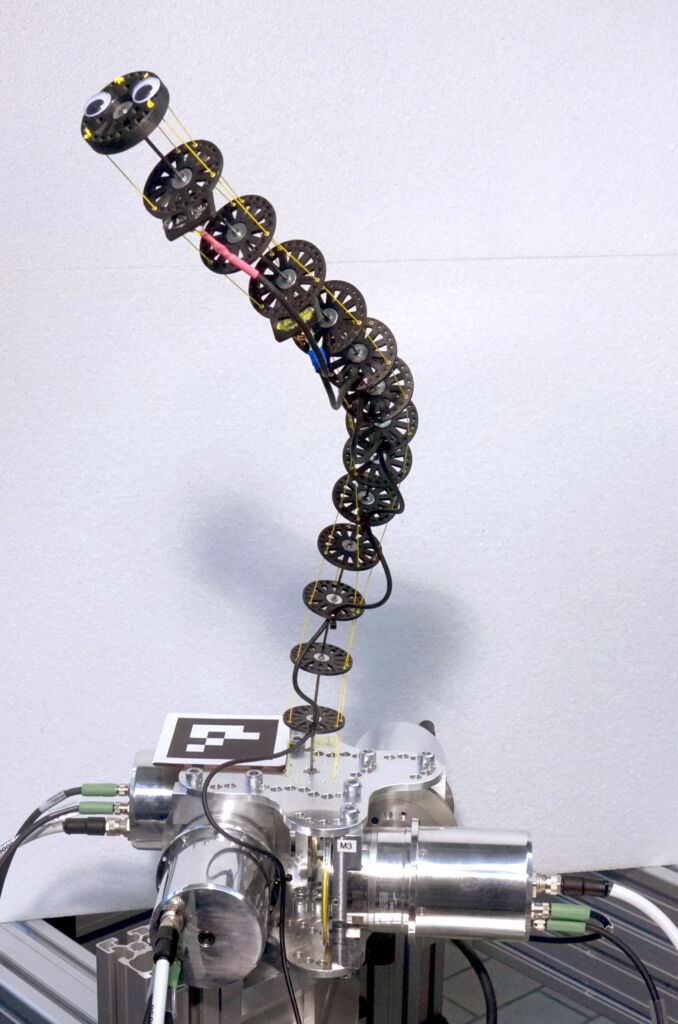
Continuum Robotics for Research
Continuum robots, known for their continuously deformable structures, are paving the way for innovative applications across various fields, particularly in medical technology, inspection tasks in confined spaces, and critical human-robot interactions. These advancements highlight the potential of continuum robotics to enhance operational efficiency and safety in environments where traditional robotic systems may fall short. The ongoing research and development in this area aim to further explore and expand the capabilities of these versatile robots, promising significant benefits for industries that rely on precision and adaptability.
Allgemein Lösungen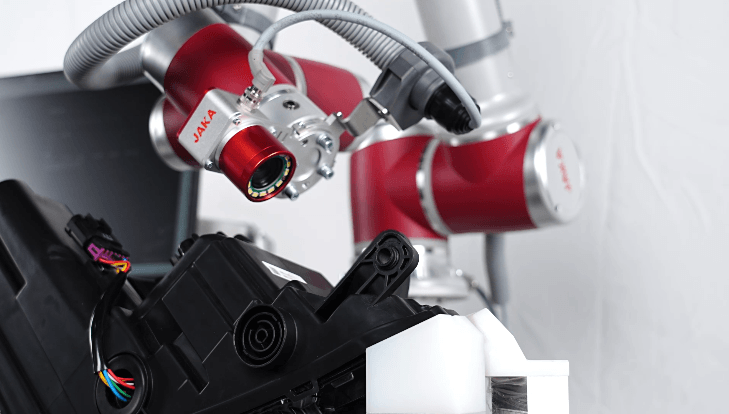
What Do Cobots Do? Essential Functions and Purpose
In the evolving landscape of manufacturing and automation, JAKA is pioneering the development of collaborative robots, or cobots, designed to enhance daily operations without disrupting existing workflows. These robots assist human operators with repetitive, precision-driven, and ergonomically challenging tasks while ensuring a safe and adaptable working environment. Cobots are utilized in various applications, including assembly, material handling, testing, packaging, and quality inspection, requiring stable motion control and consistent repeatability. Unlike traditional industrial robots confined to safety cages, JAKA's cobots feature integrated sensing and safety logic, allowing them to operate safely alongside human workers in shared spaces, particularly in high-mix, low-volume production settings. The design of these collaborative robots aims to lower the barriers to automation, enabling more teams to integrate robotic assistance without needing extensive programming skills. JAKA emphasizes intuitive interaction, allowing operators to easily adjust paths, speeds, and task logic directly on the production floor, thereby enhancing deployment efficiency while maintaining operational consistency. JAKA's innovative approach includes embedding vision capabilities into cobots, facilitating more natural interactions with humans and their environments. This advancement enables the robots to adapt to positional variations and process changes with minimal setup, broadening their application in inspection, assembly, and adaptive handling tasks. Ultimately, JAKA views cobots as essential tools for improving efficiency, safety, and consistency in industrial settings. By combining user-friendly controls, integrated vision, and a focus on human safety, these robots serve as reliable partners on the factory floor, allowing teams to concentrate on higher-value work while ensuring stable and scalable operations.
The Science Behind Cobot Force Sensing and Collision Detection
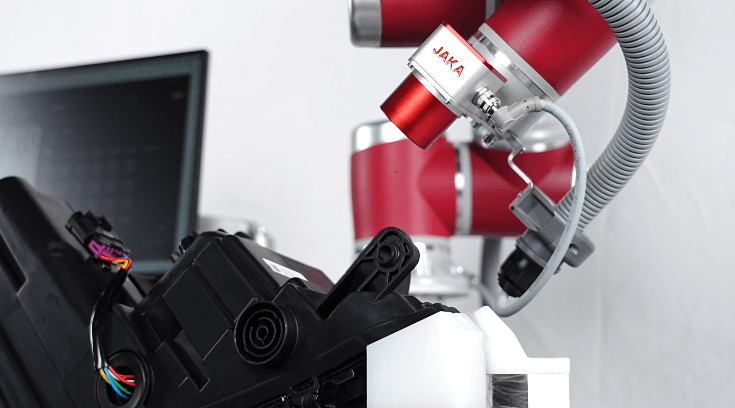
JAKA, a leader in collaborative robotics, is advancing the integration of force sensing and collision detection technologies to enhance safety and efficiency on production floors. As the demand for collaborative robots grows, understanding these systems becomes crucial for their effective deployment. Force sensing enables robots to perceive real-time physical interactions by continuously monitoring joint-level data such as torque and motion. This capability allows robots to differentiate between normal operational loads and unexpected contact, facilitating smoother transitions and reducing stress on both machinery and operators during tasks like assembly and inspection. Complementing this, collision detection translates abnormal force patterns into immediate responses, allowing robots to adjust their speed or halt operations when necessary. This continuous feedback loop fosters safe interactions between robots and human workers without the need for physical barriers, accommodating dynamic work environments. JAKA's compact cobot design, exemplified by the JAKA Zu3, integrates these technologies into a lightweight system suitable for precision tasks in confined spaces. With a payload capacity of 3 kg and a reach of 626 mm, the Zu3 is engineered for seamless human-robot collaboration, ensuring that existing workflows remain undisturbed. By embedding advanced sensing and control mechanisms into their robotics framework, JAKA aims to promote reliable collaboration in real-world production settings, where safety, precision, and adaptability are paramount.

2025 Top Article - ANYbotics ANYmal robot is addressing key challenges in Industrial Robotics
The ANYmal robot is revolutionizing industrial operations by providing autonomous inspection capabilities in challenging and hazardous environments. Designed with a four-legged structure, ANYmal can adeptly navigate uneven terrains, stairs, and confined spaces, making it an essential tool for industries that require thorough inspections in difficult-to-reach areas. This innovative technology addresses significant challenges faced by operators, enhancing safety and efficiency in various industrial settings. With its advanced mobility and autonomous features, ANYmal is set to transform how inspections are conducted, ensuring that critical assessments can be performed with minimal human intervention.

Vantis BVLOS System Adds New Partner, FAA Waiver Across 5,000 Square Miles
Frontier Precision has received a new FAA waiver allowing it to operate any NDAA-compliant drone weighing under 55 pounds across more than 5,000 square miles of airspace managed by Vantis, North Dakota’s advanced beyond-visual-line-of-sight (BVLOS) system. This development marks Frontier Precision as the second champion operator to join the Vantis network, which aims to enhance drone operations in the region. The waiver facilitates expanded BVLOS operations within the four designated Vantis service volumes, significantly broadening the scope of drone activities in North Dakota. This partnership is expected to advance the integration of drone technology into various sectors, promoting innovation and efficiency in aerial operations.
BVLOS Drone News Drone News Feeds Long Range News Agriculture Drones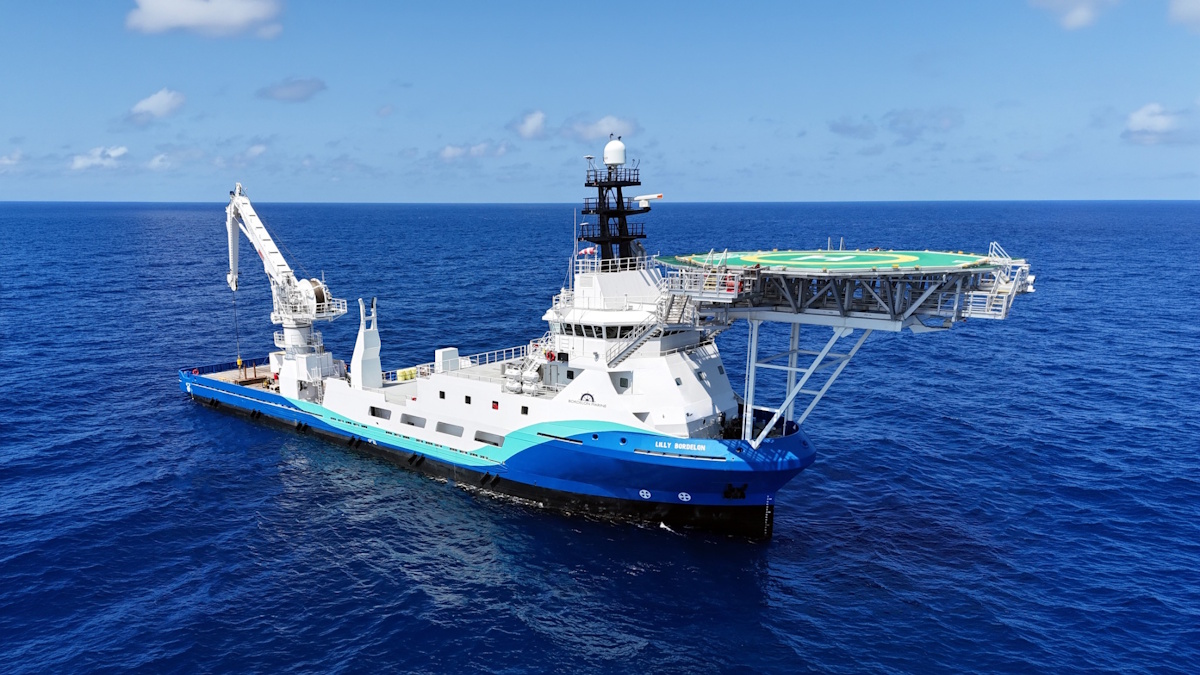
Bordelon Marine Completes Conversion and Delivery of MV Lilly Bordelon Vessel
Bordelon Marine has successfully completed the conversion and redelivery of the MV Lilly Bordelon, a Stingray Series 260 Class DP-2 Ultra-Light Intervention Vessel. This modern subsea intervention vessel has been repurposed from an existing platform to provide cost-efficient and flexible solutions for offshore operations. The MV Lilly Bordelon boasts over 5,500 square feet of clear deck space and features a mezzanine deck that supports two work-class ROVs, along with an integrated ROV control room. It is equipped with a 60-ton active heave-compensated crane and a 17-meter USCG/ABS-certified helideck, making it suitable for a variety of subsea inspection, maintenance, repair, and light construction tasks. Wes Bordelon, President and CEO, expressed pride in adding the MV Lilly Bordelon to their fleet, emphasizing its role in enhancing the company's ability to deliver high-capability, cost-effective subsea solutions to clients. No further timeline was disclosed at the time of publication.
bordelon marine mv lilly bordelon
Robotics Then And Now: 2000 To 2026 By The Numbers
The landscape of robotics has dramatically evolved over the past two decades, transforming from simple, stationary arms used in manufacturing to advanced machines capable of navigating environments, assisting in surgeries, and even driving passengers. In 2000, robots were limited to repetitive tasks within confined spaces, but by 2024, the industry is projected to see approximately 4.66 million industrial robots in operation, with an additional 575,000 expected to be installed in 2025. This growth includes the rise of collaborative robots, surgical systems, robotaxis, and humanoid robots, reflecting a significant shift in commercial applications. The ROBO index, which tracks the performance of the robotics sector, comprises 76 constituents, with major players like FANUC and Yaskawa among its largest holdings. This evolution in robotics is driven by advancements in technology, enabling machines to perform complex tasks alongside humans, thereby reshaping industries and enhancing productivity.
TER ISRG FANUY YASKY CGNX AMZN
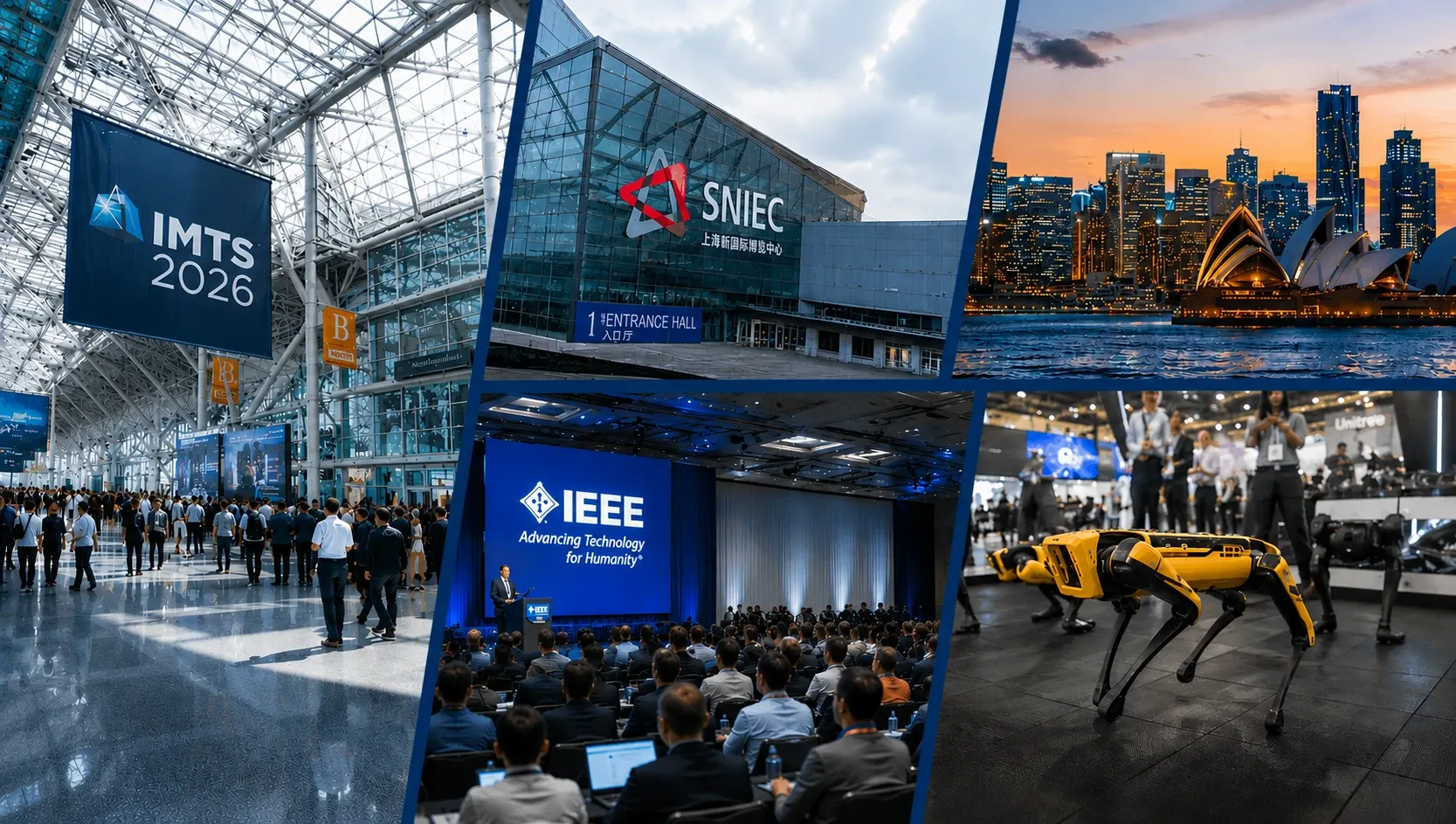
Productive Robotics Equips Manufacturers With Zero Programming End-To-End Automation At IMTS
Productive Robotics, based in Santa Barbara, California, is set to showcase its innovative end-to-end automation solutions at the International Manufacturing Technology Show (IMTS) 2026, taking place on July 1. The company will exhibit at two booths, highlighting its 7-axis OB7 collaborative robots, which require no programming and offer a plug-and-play setup. This technology aims to address acute labor shortages, rising costs, and global competition faced by manufacturers. In Booth #339186, the focus will be on automating metal removal processes, while Booth #237138 will emphasize abrasive machining, sawing, and gear production. Zac Bogart, president of Productive Robotics, emphasized the importance of CNC machining for U.S. manufacturers, particularly in defense, aerospace, and automotive sectors, as well as for reshoring efforts to stabilize supply chains. The demonstrations will include automated vision inspection systems, MIG welding, and laser welding applications, showcasing the versatility of the company's robots. With their unique 7-axis design, these collaborative robots offer enhanced dexterity, allowing them to perform a wide range of tasks without the need for workspace redesign. The user-friendly interface enables operators with no robotics experience to quickly teach the robots tasks, significantly boosting productivity and safety in various manufacturing environments. For more information, visit Productive Robotics' website.

Underwater robots that are always on call pave the way for pipeline and cable security
As economic activity in ocean spaces continues to rise, there is an increasing demand for regular monitoring and inspection of underwater infrastructure, including pipelines, cables, and installations. This need is driven by the growing complexity of global security concerns, which necessitate enhanced surveillance capabilities. Autonomous underwater vehicles (AUVs) are emerging as vital tools in this effort, offering advanced monitoring solutions that can operate in challenging environments. Furthermore, there is a pressing requirement for greater understanding of the seabed and oceanic regions to support sustainable development and security measures. As stakeholders seek to address these challenges, the integration of AUV technology is expected to play a pivotal role in ensuring the safety and integrity of underwater assets.
Robotics
Ultraefficient chip could help tiny robots traverse complex environments
Researchers at MIT have developed an innovative chip designed to enhance the navigation capabilities of small, low-power unmanned aerial vehicles (UAVs) as they maneuver through confined spaces, such as industrial HVAC systems, to detect gas leaks. This breakthrough, announced recently, enables these autonomous robots and other battery-operated devices to create detailed three-dimensional maps of their surroundings in real time while consuming minimal energy—approximately the same amount as a single LED light. By utilizing these maps, the robots can effectively plan collision-free routes to their objectives, significantly improving their operational efficiency and safety in complex environments.
Hardware
Drones learn to squeeze through narrow gaps using onboard AI control
Drones, or unmanned aerial vehicles (UAVs), have become integral tools across diverse sectors, including filmmaking, aerial photography, industrial inspections, precision agriculture, and emergency response. Despite their growing popularity and capabilities, many drones face challenges when navigating cluttered environments. They often struggle to maneuver through tight spaces or access hard-to-reach areas, limiting their effectiveness in certain situations. As the demand for more versatile and agile drones increases, advancements in technology are necessary to enhance their navigation and operational capabilities in complex surroundings.
Robotics
Enhancing Industrial Automation: Why Compact Mini PCs Are Quietly Becoming the Default Choice for Robotic Controllers
In recent years, the evolution of control cabinets in modern factories has significantly transformed, with a notable increase in the complexity of components housed within them. Engineers are now tasked with integrating advanced technologies such as vision systems, sensors, controllers, and networking equipment into increasingly confined spaces. This shift has prompted the adoption of compact industrial computers, which are designed to efficiently manage the growing demands of industrial automation. As manufacturers seek to optimize their operations and streamline processes, these compact solutions are becoming essential for maintaining productivity and enhancing system capabilities. The trend reflects a broader movement towards more sophisticated and space-efficient technologies in the manufacturing sector, driven by the need for innovation and efficiency in an ever-competitive landscape.
Automation Computing Factories Industry automation hardware automation news
Dual-mode magnetic elastomer moves on command, vanishes on demand
The growing field of soft robotics and smart electronic devices is creating a heightened demand for innovative materials capable of movement and adaptability while ensuring minimal environmental impact. As these advanced technologies are being developed for various applications, including healthcare, environmental monitoring, infrastructure inspection, and security, they are designed to function in areas that are often inaccessible to humans. This includes narrow pipes, sealed spaces, underground facilities, and hazardous environments. The push for these capabilities is driven by the need for efficient and sustainable solutions in challenging conditions, highlighting the importance of material science in the evolution of robotics and smart devices.
Robotics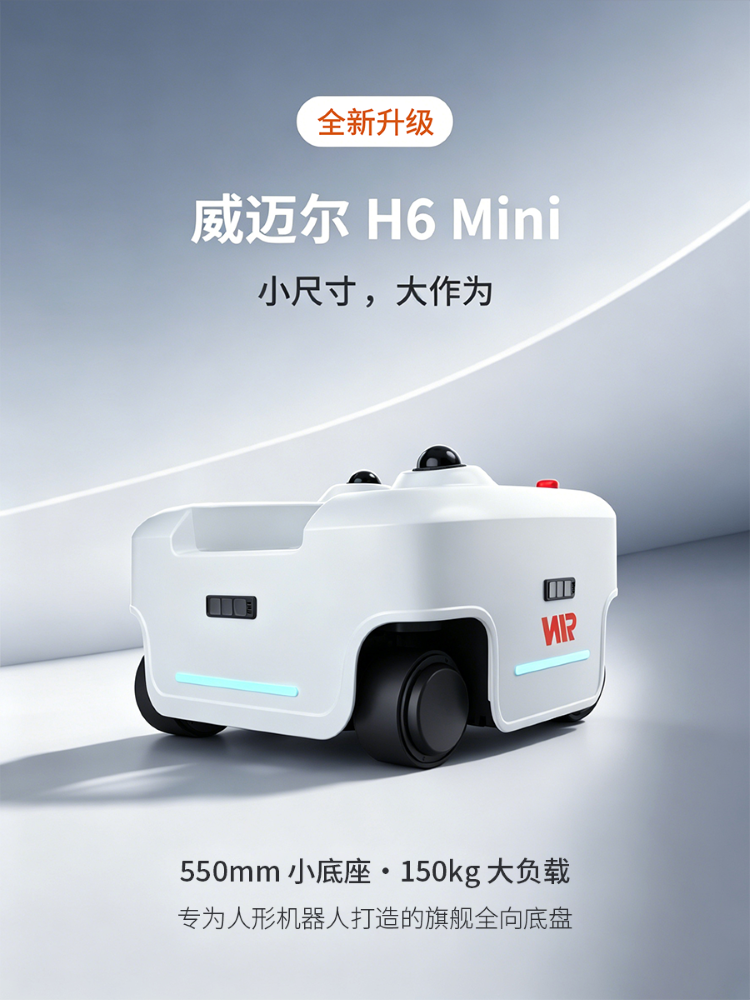
Introducing the H6 Mini: A Compact and Stable Base for Humanoid Robots
Weimar has introduced the H6 Mini, a new omnidirectional chassis designed for humanoid robots, measuring just 550mm in size while delivering flagship performance. This compact design significantly enhances the stability and maneuverability of robots, enabling them to operate effectively in confined spaces and intricate environments. The H6 Mini represents a shift in the functionality of humanoid robots, moving them beyond mere exhibition models to becoming valuable assets for industrial and commercial applications.
Humanoid Robots Omnidirectional Chassis Robotics Technology Industrial Automation
N Degrees of Freedom: Understanding the Versatility of the Articulated Robot Arm
JAKA Robotics is revolutionizing industrial automation with its advanced articulated robots, particularly the JAKA S5 model, which offers exceptional versatility and dexterity. These collaborative robots feature multiple degrees of freedom, allowing them to perform intricate tasks with high precision, making them essential in industries such as assembly, welding, and packaging. The JAKA S5 is equipped with a built-in force sensor that enables multi-dimensional force perception, crucial for delicate operations like flexible grasping and gluing. Its articulated design allows access to confined spaces, enhancing its utility for tasks that traditional robots struggle with, such as welding in tight corners. These robots are designed for seamless integration into existing workflows, requiring no installation or configuration, which minimizes downtime and accelerates startup times. Additionally, features like singularity protection enhance reliability and safety, reducing the risk of operational errors. As industries evolve, the demand for adaptable automation solutions grows. JAKA's articulated robots empower companies to streamline processes, improve safety, and maintain high production quality while reducing labor costs. By embracing this innovative technology, businesses can enhance their operational efficiency and redefine their manufacturing capabilities, positioning themselves at the forefront of industrial automation.
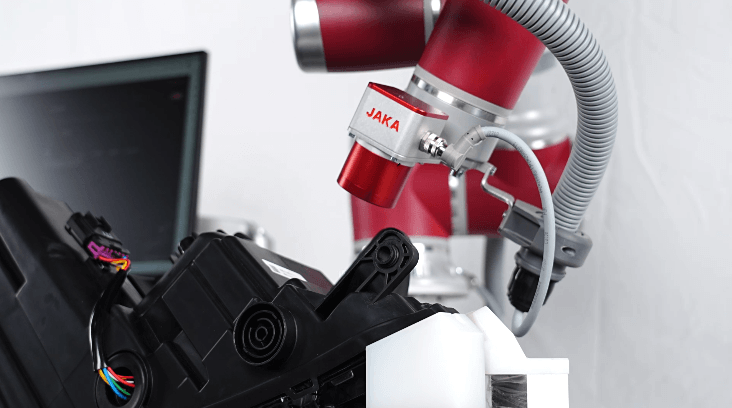
Enhancing Safety and Precision with Real-Time Force Feedback in Controllable Robots
The manufacturing sector is undergoing a significant transformation with the rise of collaborative robots, or cobots, particularly through innovations from JAKA Robotics. The company’s controllable robots utilize real-time force feedback technology, enhancing safety and precision in various industrial applications. This technology continuously monitors the forces exerted during operations, allowing cobots to adapt to unexpected changes in their environment, such as obstacles or excessive force during assembly. By equipping their cobots with real-time force feedback, JAKA Robotics significantly improves workplace safety, enabling safe collaboration between human workers and machines. For instance, when a cobot detects a sudden force change or an object in its path, it can automatically slow down or stop, reducing the risk of accidents. This capability not only enhances safety but also allows human operators to focus on more strategic tasks by relieving them from repetitive, hazardous activities. The JAKA Zu3 cobot exemplifies this innovation, designed for high-precision tasks in confined spaces, with a payload capacity of 3 kg and a reach of 626 mm. Its integration with vision systems allows for non-destructive testing and precise measurements, crucial in industries like electronics manufacturing. As the demand for advanced cobots grows, JAKA Robotics is committed to enhancing operational efficiency while prioritizing worker safety. The integration of real-time force feedback is set to redefine automation standards, positioning companies to thrive in a competitive landscape by improving productivity and quality control.
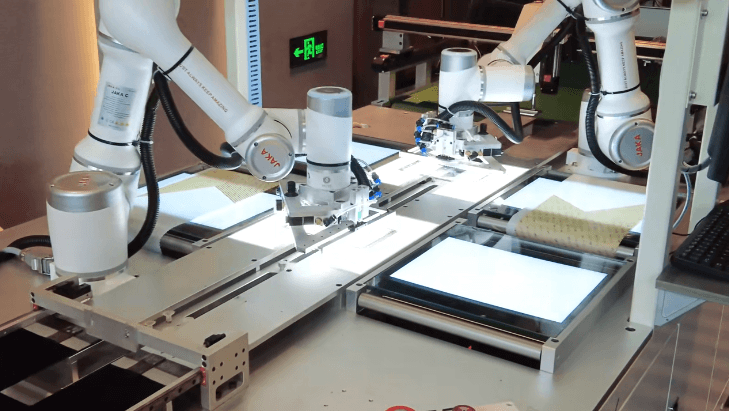
Are 6 Axis Cobot Arms Better Than Dedicated Pick & Place Machines?
In a strategic shift towards enhanced manufacturing efficiency, companies are increasingly weighing the benefits of specialized hardware against flexible automation. Traditionally, high-speed assembly lines have relied on dedicated pick and place machines, which excel in repetitive tasks but lack adaptability. However, as product lifecycles shorten and customization becomes essential, the 6-axis robotic arm has emerged as a viable alternative, offering the flexibility needed for modern high-mix production environments. Dedicated machines, such as SCARA or Delta robots, are optimized for high-speed linear movements in fixed production runs. Their rigidity poses a challenge when product designs change, often necessitating costly retooling. In contrast, 6-axis robotic arms provide a spherical work envelope and six degrees of freedom, enabling them to perform complex tasks like inspection and screwdriving without relocating parts. This adaptability ensures that as businesses evolve, their hardware remains relevant with simple software updates. Additionally, the physical footprint of automation plays a crucial role in decision-making. Traditional machines require extensive safety guarding and rigid frames, consuming valuable space. In contrast, collaborative 6-axis systems can be integrated into existing workstations without barriers, fostering a hybrid workflow where robots handle repetitive tasks and humans focus on quality control. JAKA, a leader in this field, offers the JAKA Zu series, which combines the precision of dedicated machines with the flexibility of collaborative platforms. The JAKA Zu30, capable of managing heavy-duty material transfers, exemplifies this innovation. With a user-friendly wireless ecosystem and built-in safety features, JAKA aims to provide manufacturers with the agility and scalability needed to meet evolving market demands.
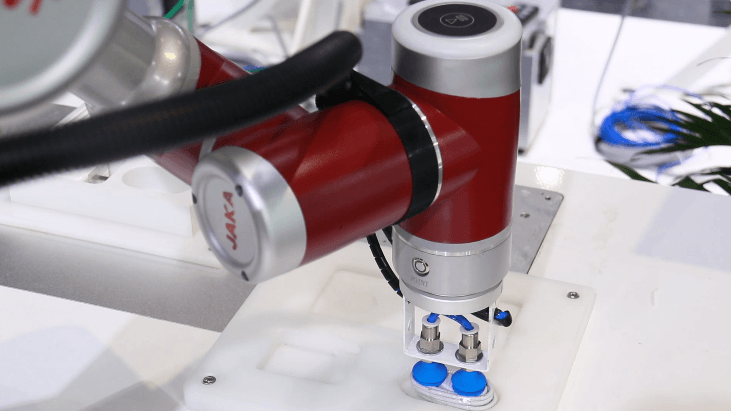
Essential Safety Tips: How to Operate 6 Axis Robot Arms Safely
The introduction of 6-axis robot arms into modern workplaces is transforming productivity and reshaping human-machine interactions. Unlike traditional industrial robots confined to isolated spaces, these advanced jointed arms are designed for close collaboration with human workers. This shift necessitates a focus on safety, which is essential not only for regulatory compliance but also for fostering a sustainable and confident workforce. To ensure safe operation, comprehensive risk assessments are crucial. Operators must establish "safety planes" and restricted zones within the robot's software to manage potential hazards, especially from end-effectors like sharp tools or high-temperature grippers. These virtual barriers enable the robot to function at full speed when unoccupied but switch to reduced speed or stop when a human enters the workspace. Key safety features include force-sensing technology, where internal torque sensors in the robot's joints detect resistance and halt movement within milliseconds upon contact with an object or person. Regular testing of these systems is vital for maintaining safety standards. Moreover, human awareness and training are critical. Workers are advised to avoid loose clothing and ensure that emergency stop buttons are easily accessible. Proper techniques during programming and operation further enhance safety. JAKA, a leader in robotic safety innovation, emphasizes employee protection with its JAKA Zu series, which combines high payload capacity with collaborative capabilities. Their intuitive safety configuration system, accessible via the JAKA App, allows users to easily set safety boundaries and collision sensitivity. By prioritizing safety in their designs, JAKA aims to provide powerful automation solutions while safeguarding workers' well-being.
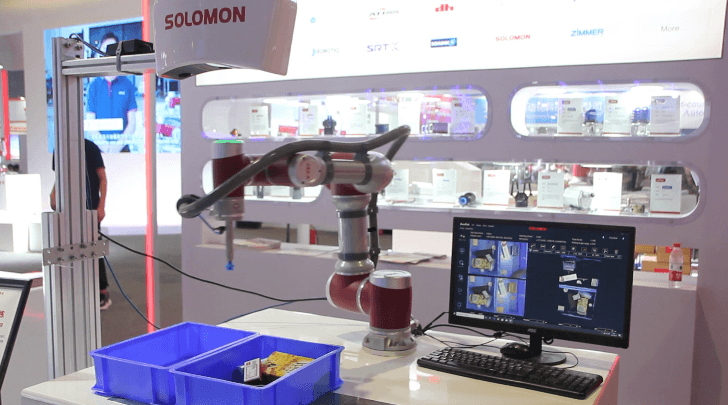
How to Maintain and Manage 6 Axis Robot Arms for Longevity and Precision
In the realm of smart manufacturing, the 6-axis robot arm has emerged as a crucial tool for achieving high-speed production and exceptional accuracy. However, maintaining its peak performance requires a systematic management approach. Neglecting routine maintenance can lead to unexpected downtime and safety hazards in collaborative workspaces. To address this, manufacturers are encouraged to adopt a tiered maintenance strategy that ensures the robot's repeatability and structural integrity. A successful maintenance program begins with daily visual inspections, where operators check for wear on the robot’s harness and ensure cleanliness to prevent contamination of internal components. In addition to daily checks, a quarterly or semi-annual schedule should focus on mechanical stability and accuracy, utilizing tools like laser trackers to detect any drift caused by thermal expansion or wear. The longevity of these robotic arms also hinges on the health of internal components and software. Regular checks for lubrication and maintaining a clean, temperature-controlled environment for the control cabinet are essential. Furthermore, keeping the robot's firmware updated and backing up program data ensures rapid recovery in case of hardware failures. JAKA Robotics has developed the JAKA Zu series, designed to minimize maintenance needs while maximizing operational life. The JAKA Zu20 model, capable of handling a 20 kg payload, is particularly suited for heavy-duty applications. The company also offers a digital ecosystem through the JAKA App, enabling users to monitor robot performance wirelessly. With built-in diagnostics and professional training resources, JAKA aims to provide a reliable investment in robotic technology that delivers precision and value over time.
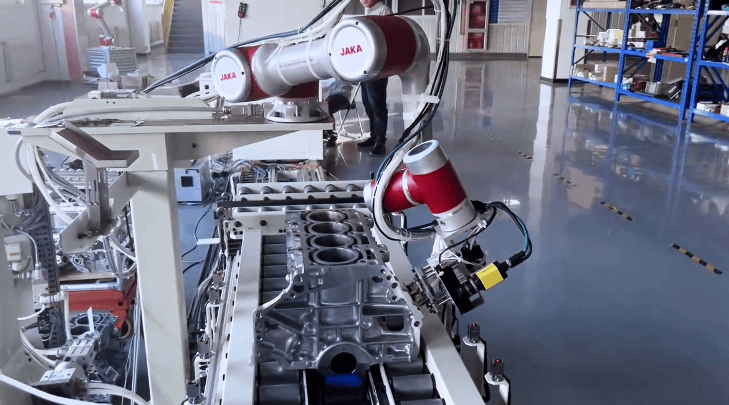
The History and Development of Collaborative Robot Technology
The landscape of robot technology is undergoing a significant transformation, shifting from isolationist industrial automation to a more integrated approach that emphasizes collaboration. Traditionally, industrial robots were powerful machines confined behind barriers, posing safety risks to human workers due to their lack of environmental awareness. However, the introduction of collaborative robots has marked a pivotal change, focusing on safety, flexibility, and shared workspaces. This evolution began in the late 1990s, with early research aimed at creating machines that assist rather than replace humans. Innovations such as power and force limiting (PFL) technology have enabled robots to detect external resistance and respond accordingly. As sensor technology advanced, robots became capable of perceiving their surroundings through sophisticated sensors and vision systems. Modern robotic systems now prioritize user-friendly programming, allowing small manufacturers to implement advanced automation without the need for specialized engineers. This shift has made collaborative robots essential for high-mix, low-volume production environments, where rapid re-tasking is crucial for competitiveness. JAKA Company, established in 2014, is at the forefront of this technological shift. The company’s name reflects its commitment to pushing the boundaries of collaborative robotics. JAKA has developed the A series of robots, designed for high-speed and precision tasks in various industries, including automotive and pharmaceuticals. With a repeatability of ±0.02 mm, these robots ensure high-quality performance in delicate operations. By adopting JAKA's technology, manufacturers can streamline their processes and reduce setup costs, reinforcing the company's mission to empower the future of global manufacturing.
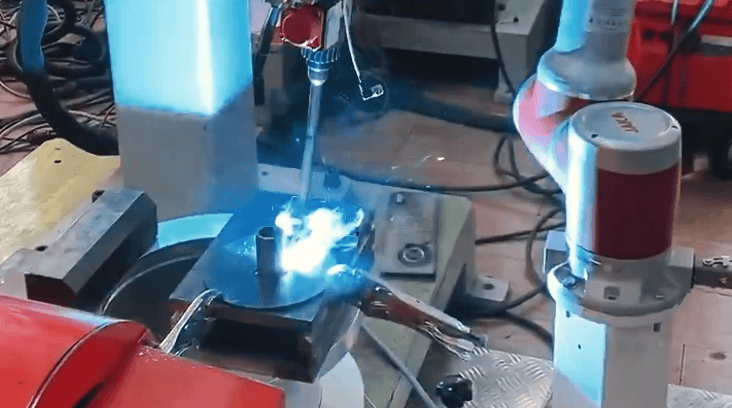
Essential Safety Tips for Operating Collaborative Welding Robots (Arc Flash & Collision)
In modern manufacturing, ensuring the safety of collaborative welding robots is paramount. A company specializing in this field emphasizes the importance of understanding potential hazards, such as arc flash and collision risks, to protect both operators and management. By implementing structured safety protocols, they aim to maintain high productivity while safeguarding their workforce. To mitigate arc flash incidents, which can lead to severe injuries, the company stresses the use of proper personal protective equipment (PPE) like flame-resistant clothing and face shields. Safety zones around the JAKA Zu30 robot are clearly marked to prevent accidental exposure to high-voltage arcs, and regular inspections of electrical systems and welding cables are conducted to ensure reliable operation. Collisions in dynamic production environments present another significant risk. The company designs workspace layouts to minimize interference between robots and human operators. The JAKA Zu30 system facilitates quick loading and unloading, reducing congestion on the production line. Additionally, the robot’s programming capabilities allow for precise movement paths, enhancing safety while optimizing workflow. Collision detection features and predefined safe zones further ensure efficient operation without unintended contact. Best practices for operational safety include training all operators on proper startup and shutdown procedures, emphasizing emergency stops and maintenance schedules. Monitoring environmental factors like ventilation and lighting also helps reduce welding arc hazards. The flexible design of the JAKA Zu30 enables quick adaptations to production lines, ensuring high-quality machine tending while upholding safety standards. By integrating safety measures, thoughtful workspace design, and comprehensive training, the company demonstrates that safety and productivity can coexist in modern industrial environments, enhancing both efficiency and workforce well-being.
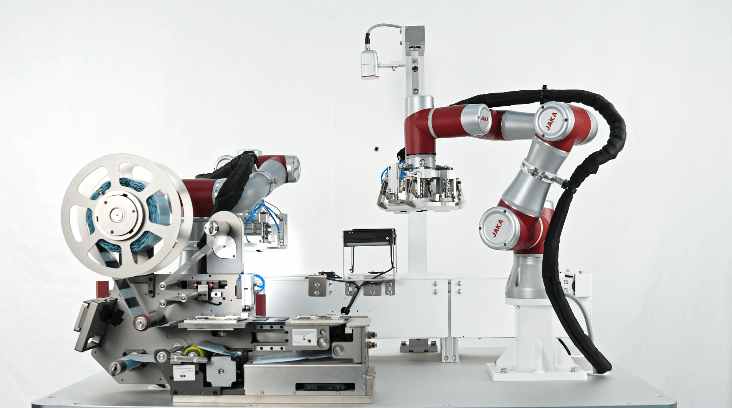
Selecting the Right Payload for Your Painting Robot Project
In the realm of industrial automation, selecting the appropriate payload for painting robots is a critical early decision that significantly impacts motion stability, coating consistency, and overall system reliability. This consideration is particularly vital when the robots are required to transition between various tasks, such as painting and inspection. Experts emphasize the importance of evaluating real operating conditions rather than relying solely on nominal values, as miscalculations can lead to issues like vibration and uneven paint application. Payload calculations should begin with a comprehensive assessment of the end-of-arm tooling setup, which includes the spray gun, fluid lines, and cable routing. Unlike static tasks, painting requires careful consideration of inertia and changes in the center of gravity due to constant acceleration and deceleration. Companies like JAKA focus on aligning payloads with actual process needs to ensure smooth operation and consistent quality, while also optimizing floor space in compact workcells. Moreover, decisions regarding payload can influence the long-term flexibility of the system, allowing for future integrations of additional processes such as screwdriving or assembly. JAKA's experience with adaptable configurations demonstrates that torque adjustments can be tailored to specific product requirements, facilitating efficient task transitions without necessitating a complete redesign of the robot setup. In conclusion, strategic payload selection is essential for maximizing performance, quality, and scalability in painting robot projects. By thoroughly analyzing tooling weight, motion dynamics, and potential future needs, manufacturers can create reliable and efficient systems that adapt to evolving production demands.

What Company Makes Robotic Arms?
As industrial automation increasingly shapes modern manufacturing, companies are seeking robotic arms that can effectively adapt to real production environments. JAKA, a prominent player in the robotics sector, emphasizes the importance of understanding how robotic arms function on the factory floor rather than merely in controlled testing scenarios. The demand for flexible and compact robotic systems is rising, driven by the need for quick deployment and adaptability to changing production requirements across various industries, including electronics and automotive assembly. JAKA distinguishes itself by focusing on collaborative robotic arms that facilitate close interaction with human workers and existing production systems. By developing systems that balance precision, payload, and safety without necessitating extensive infrastructure changes, JAKA enables the integration of robotic arms into compact workspaces and mixed-production lines. Their design philosophy prioritizes standardized interfaces and modularity, allowing seamless compatibility with vision systems and other automation components. The design and support of robotic arms throughout their lifecycle are crucial factors in determining a manufacturer’s reliability. JAKA’s lightweight structures, consistent motion control, and user-friendly programming interfaces reduce deployment time and operational barriers, making their systems suitable for a variety of tasks such as assembly, inspection, packaging, and testing. By emphasizing system compatibility and long-term usability, JAKA positions itself as a trusted supplier, committed to supporting customers through integration and future automation expansions. Ultimately, the effectiveness of robotic arms in real-world applications hinges on their ability to adapt and support sustainable automation strategies.
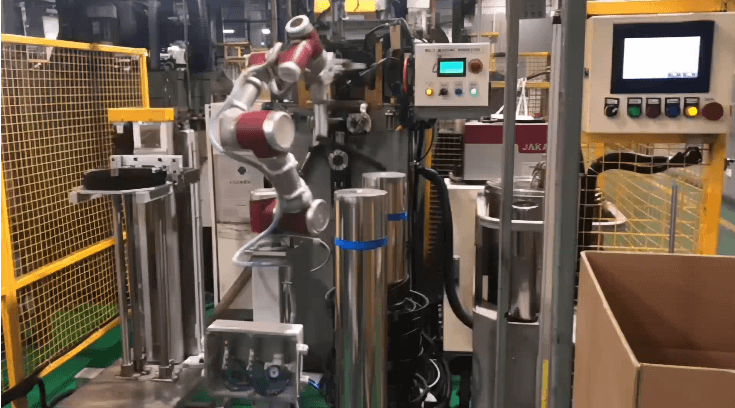
How to Select the Suitable Cobot for Your Manufacturing Needs?
As manufacturing processes evolve towards greater flexibility and precision, the selection of collaborative robots (cobots) has become crucial for production teams. JAKA emphasizes the importance of understanding specific application requirements, such as screwdriving, assembly, or inspection, to ensure that the chosen cobot aligns with performance characteristics necessary for consistent quality. The JAKA AL cobot, designed for intelligent screwdriving tasks, offers adjustable torque settings and independent axis control, allowing it to adapt to various product requirements without extensive mechanical changes. This adaptability supports smooth transitions in production as manufacturers face varying product designs and volumes. Precision and ease of deployment are also critical factors in the integration of cobots. JAKA highlights the need for intuitive operation and responsive control to minimize setup time and training for on-site teams. The quick and responsive nature of their robots enables operators to efficiently fine-tune screwdriving paths, thereby reducing process variability while ensuring safety in shared workspaces. Ultimately, JAKA advocates for a structured decision-making process in cobot selection, focusing on long-term manufacturing goals. By aligning cobot capabilities with current production needs and future adaptability, manufacturers can enhance efficiency, stability, and quality without disrupting established workflows. This approach positions cobots as integral components in sustainable and reliable production growth.
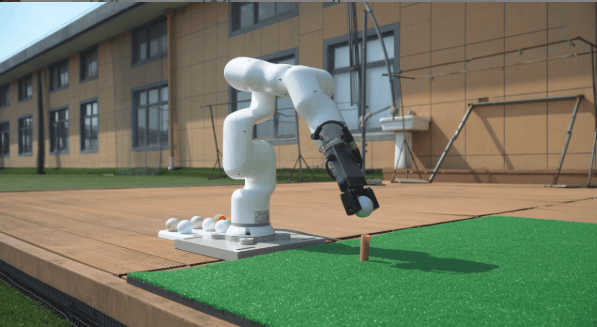
Top 8 Applications of Commercial Robotic Arms in Food and Retail Service
As the food and retail sectors evolve, JAKA is observing a rising interest in the use of commercial robotic arms to enhance operational efficiency without disrupting existing workflows. These robotic solutions, particularly compact mini arms, are designed for environments where space, safety, and cost are critical factors. In beverage shops and cafés, robotic arms are streamlining repetitive tasks like cup handling and liquid dispensing, ensuring consistent portioning during busy hours. Similarly, in fast-casual dining, these arms assist with ingredient placement and tray handling, promoting quality consistency while allowing for safe collaboration with human staff. Retail environments benefit from robotic arms as well, which can sort and restock products during off-peak hours, making them ideal for smaller stores with limited space. In takeaway and retail fulfillment, these arms facilitate packing and sealing operations, fitting seamlessly into compact back-of-house areas. Additionally, vision-assisted inspection applications are on the rise, with robotic arms enhancing the consistency of food quality checks. In retail showrooms, they engage customers through interactive demonstrations, while in back-of-house logistics, they streamline material handling tasks. For chain stores, the ability to standardize operations across multiple locations is a significant advantage, with mini robotic arms simplifying installation and training. JAKA's innovations, such as the MiniCobo, balance lightweight design with commercial usability, allowing businesses to gradually adopt automation while maintaining stable operations.
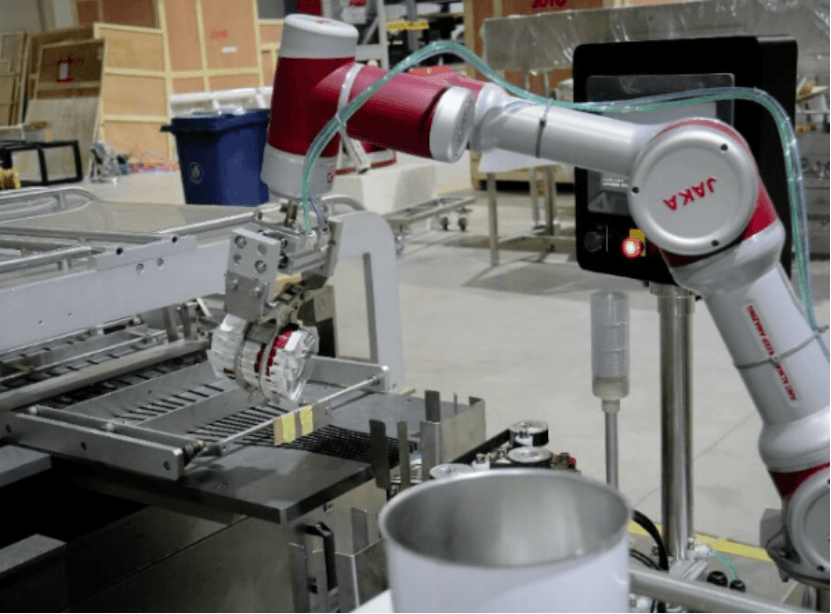
6-Axis Cobot Arms vs. Used/Traditional 6-Axis Robot Arms: Which is Better?
JAKA, a leader in modern manufacturing automation, is advancing efficiency and product quality through the integration of 6-axis robot arm systems and collaborative robot arm solutions. The company emphasizes that the choice between these technologies hinges on specific production requirements, workspace limitations, and safety considerations. The JAKA Zu18 system exemplifies the benefits of contemporary 6-axis robot technology, offering high precision and operational consistency. This system minimizes defects and reduces costs by performing complex tasks, such as intricate spraying and handling delicate components, which traditionally required manual labor. By automating these processes, JAKA not only enhances production rates but also fosters safer and more ergonomic working conditions for operators. Collaborative robot arm systems, like the JAKA Zu18, provide significant advantages in flexible deployment and intelligent control. Their compact design allows operation in confined spaces, and user-friendly interfaces enable operators with minimal robotics experience to engage with the technology. Advanced algorithms enhance task precision and safety, facilitating seamless integration into existing production lines without extensive downtime. Safety remains a crucial factor in the comparison of robotic systems. Unlike traditional robots that necessitate extensive safety barriers, JAKA's collaborative arms can operate alongside humans, thanks to sophisticated sensors and protective features. This capability, combined with integration into existing manufacturing execution systems and automated guided vehicles, allows for adaptable production environments. In summary, JAKA advocates for a thoughtful evaluation of production needs when selecting between 6-axis and collaborative robot solutions. By prioritizing precision, safety, and flexibility, the JAKA Zu18 is positioned as an ideal choice for various manufacturing tasks, ultimately driving down operational costs and enhancing product quality.
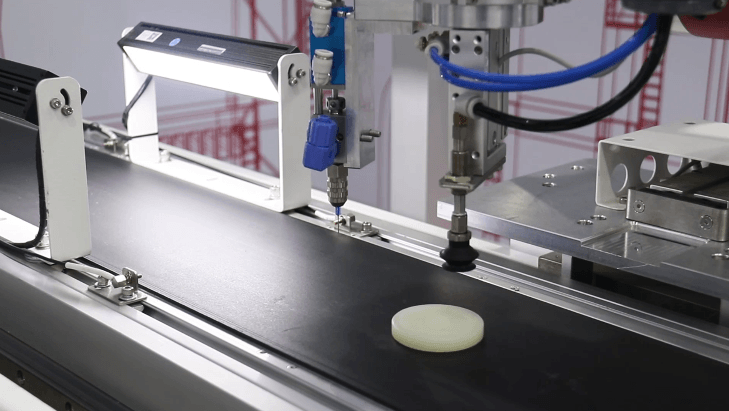
The Rise of Cobots in Manufacturing: Trends Shaping the Global Automation Market
The manufacturing industry is experiencing a transformative shift as automation technologies advance, with JAKA leading the way in the integration of collaborative robots, or cobots. These machines are designed to work alongside human operators, enhancing productivity while prioritizing safety. The adoption of cobots is expanding beyond niche applications to various sectors, including assembly, electronics, automotive, and precision engineering. JAKA's Zu series exemplifies how intelligent automation can optimize complex tasks like screwdriving, ensuring speed, accuracy, and reliability in production processes. A notable trend in modern manufacturing is the increasing use of 6-axis robot arm systems, which provide enhanced flexibility and adaptability. JAKA's robotic solutions can perform multiple functions such as assembly, material handling, and inspection, with the ability to adjust torque independently for different product requirements. This innovation has enabled clients to reduce manual labor and maintain consistent quality across production lines, particularly in high-mix, low-volume environments. The focus on efficiency and safety is driving the adoption of cobots, with JAKA integrating advanced control algorithms and sensors to create collaborative workspaces. The JAKA Zu series facilitates safe and reliable automated screwdriving, reducing repetitive strain injuries and improving production predictability. As the demand for intelligent automation grows, JAKA remains committed to providing flexible and precise solutions that meet the evolving needs of modern factories, positioning cobots as a vital component in the future of manufacturing.
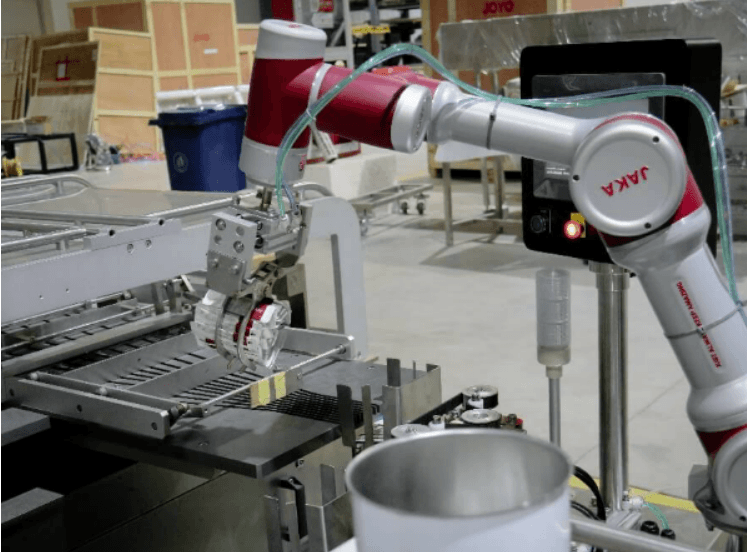
JAKA Robotics: Driving Innovation as a Leading Robotics Company in APAC
JAKA Robotics is making significant strides in the field of industrial automation, focusing on smart manufacturing solutions across the Asia-Pacific (APAC) region. The company specializes in collaborative robots that work safely alongside human operators, ensuring consistent performance in various applications such as electronics assembly, automotive component handling, and semiconductor processes. With a commitment to precision and stability, JAKA employs advanced control systems and intelligent software, achieving high repeatability levels essential for sensitive tasks like shaft assembly. Their robots are designed with low-noise circuitry and automated quality controls, enabling manufacturers to maintain efficiency and reduce errors during production. The Zu series of JAKA robots highlights the company's emphasis on flexible deployment, featuring compact designs that fit into confined workspaces. User-friendly programming tools allow even those without technical backgrounds to manage complex tasks, while safety features like collision protection and zero-drift calibration enhance human-robot collaboration. JAKA also prioritizes seamless system integration, offering communication interfaces compatible with manufacturing execution systems (MES), automated guided vehicles (AGVs), and vision modules. This adaptability supports more complex automation scenarios and allows non-specialized staff to operate sophisticated processes efficiently. As JAKA Robotics continues to innovate, it remains dedicated to enhancing productivity and operational resilience in the electronics, automotive, and semiconductor sectors, exemplifying how advanced automation solutions can transform modern manufacturing in the APAC region.
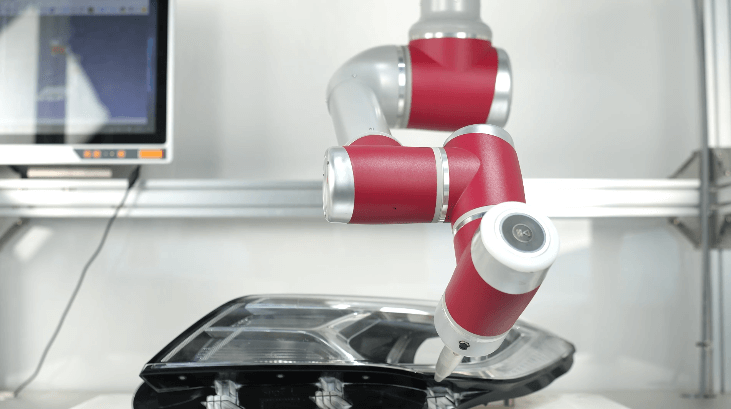
What is the Most Flexible Robot Arm?
JAKA, a leader in robotics, has unveiled its JAKA S5 series, a highly flexible robotic arm designed to meet the demands of modern manufacturing. This innovative arm, which features a six- or seven-axis design, offers mechanical dexterity that allows it to navigate complex environments and perform tasks with precision. The JAKA S5 integrates advanced control systems, including built-in force sensors, enabling it to execute sensitive operations such as precision insertions with consistent accuracy. The lightweight and compact design of the JAKA S5 allows for easy installation in confined spaces and quick deployment across various tasks, significantly reducing downtime. Its zero-installation, zero-configuration setup facilitates rapid relocation, making it ideal for dynamic production lines. Moreover, the JAKA S5 is engineered for user accessibility, featuring intuitive hand-guided teaching and graphical interfaces that allow operators without specialized training to quickly program new tasks. This combination of advanced mechanics, rapid deployment, and user-friendly software positions the JAKA S5 as a versatile assistant capable of adapting to evolving production needs. By integrating these elements, JAKA emphasizes that true flexibility in robotics goes beyond mere mechanical specifications, aiming to enhance operational agility and reduce integration costs in the manufacturing sector.
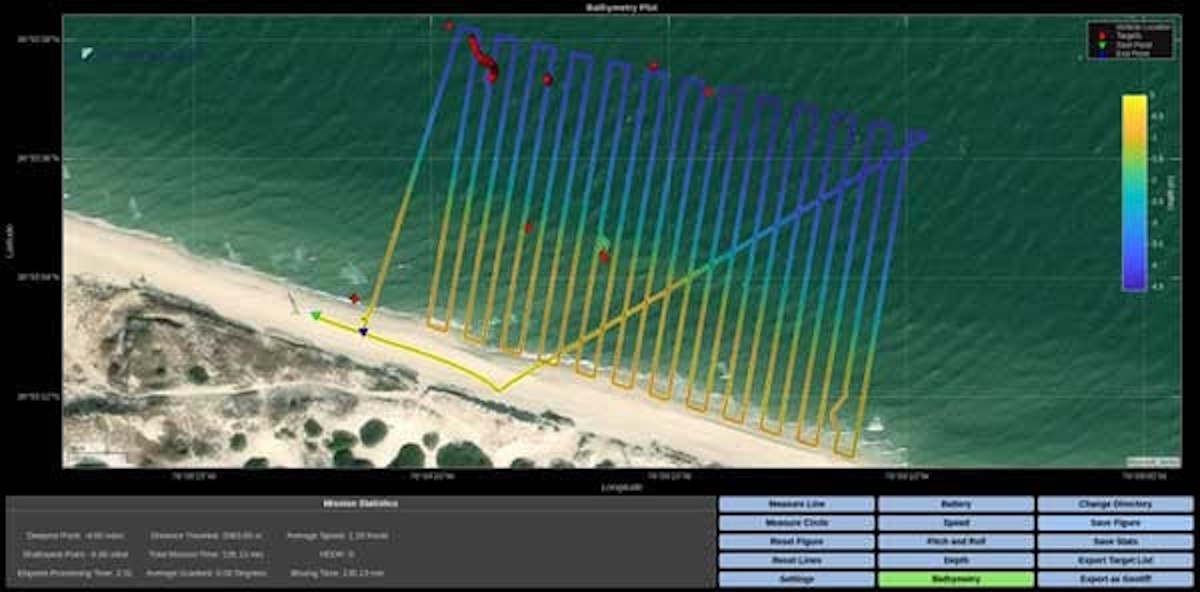
Greensea IQ Introduces Post-Mission Analysis Toolset
Greensea IQ has unveiled Bayonet Insight, a new post-processing software toolset designed for its maritime robotics software products utilized by defense forces. Announced today, this innovative tool enhances the functionality of various systems, including Bayonet Autonomous Underwater Ground Vehicles (AUGVs), EOD Edge, and EOD Workspace on Mission Specialist Defender ROVs from VideoRay, as well as RNAV diver navigation systems from STIDD Systems and Bayonet Underwater Control (BUC) systems. Additionally, it supports Greensea's EverClean robots used for ship maintenance and inspection. The development of Bayonet Insight was driven by the urgent demand from operators for quicker access to mission insights, ensuring that critical information is available while it remains relevant.
greensea iq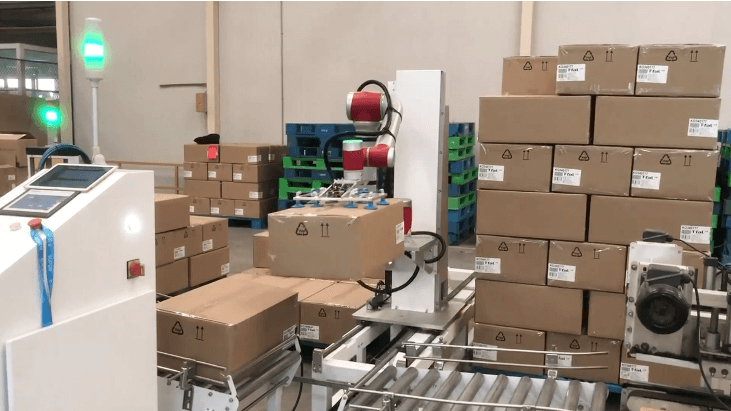
What is Palletizing in Robotics?
In modern logistics and production facilities, the automation of palletizing—stacking products onto pallets—is gaining traction, particularly through the use of robotic arms. JAKA, a leader in robotics, emphasizes the importance of palletizing robots, which are designed to efficiently handle, organize, and stack items, thereby replacing the physically demanding and repetitive tasks traditionally performed by human workers. These robotic arms automate the placement of various items onto pallets for storage or shipment, enhancing operational efficiency while minimizing the risk of injury associated with manual labor. The precision control technology employed by JAKA ensures that each item is placed accurately, contributing to the stability and integrity of the pallets. The compact design of these robots allows them to operate effectively within the confined spaces of packaging lines. Implementing a palletizing robot involves critical considerations such as payload capacity, reach, and speed, which collectively influence the throughput of production lines. Unlike industrial welding robots that follow complex paths, palletizing robots utilize efficient path planning for pick-and-place operations. JAKA’s systems are adaptable, allowing for quick reprogramming to accommodate various product types and box patterns. Moreover, palletizing robots are integrated into broader automation systems that include conveyors and vision sensors, enhancing their functionality within smart workflows. JAKA's robots are designed for seamless communication with these peripheral devices, ensuring reliable operation even in noisy factory environments. By streamlining the final stages of production and handling, JAKA's palletizing robots represent a significant advancement in logistics automation, improving efficiency and alleviating the physical burden on workers.
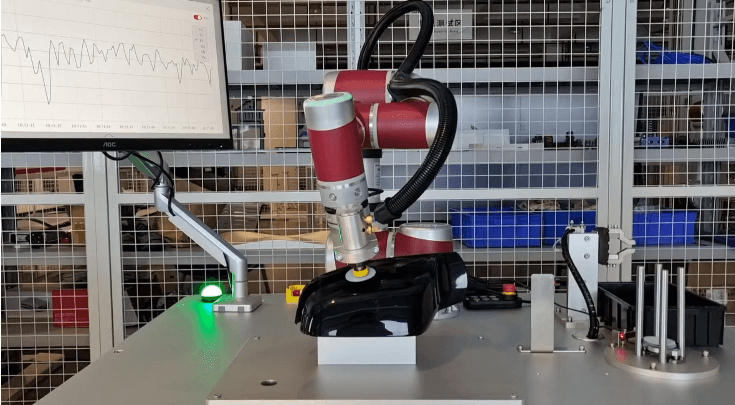
What Do Polishing Robots Do? Functions in Metal and Surface Finishing
JAKA, a robotics company, is revolutionizing the polishing industry by introducing collaborative robots designed to enhance the quality and efficiency of surface finishing operations. These robots are engineered to perform repetitive and physically demanding polishing tasks with precision and consistency, addressing the variability often seen in manual labor due to human fatigue. The innovative JAKA polishing robots utilize high-precision control technology, ensuring that each part receives identical treatment, which significantly improves surface quality from the first item to the last. Their compact design, particularly the lightweight Zu series, allows them to navigate complex geometries and confined spaces, making them ideal for polishing curved metal pieces and intricate molds. Equipped with advanced force control technology, these robots can adjust their pressure in real-time, ensuring safe and effective material removal without damaging the workpiece. This capability, combined with safety features like collision detection, allows the robots to operate closely alongside human workers, facilitating easier oversight and quicker tool changes. By integrating these advanced capabilities, JAKA aims to make automated polishing more accessible for various workshops, ultimately enhancing the efficiency and quality of metal and surface finishing operations.
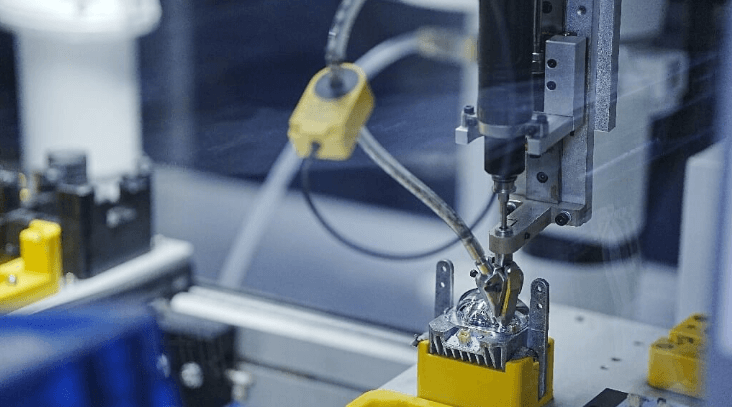
Key Features and Benefits of 6-Axis Cobot Arms (Reach, Payload, Safety)
In response to the evolving demands of modern manufacturing, JAKA has developed a versatile 6 axis collaborative robot arm designed to enhance production processes. These robotic units, known as cobots, feature an articulated design that mimics human arm movement, allowing them to navigate tight spaces and perform tasks such as assembly and inspection with precision. JAKA's Zu series exemplifies this design philosophy, offering a substantial working radius while maintaining a compact footprint, making them suitable for dense production environments. The robots are engineered to manage significant payloads while ensuring movement accuracy, thanks to advanced precision control technology. This capability enables them to handle tasks requiring fine movements, such as detailed inspections, without compromising quality. A key advantage of JAKA's cobots is their integrated safety features, which allow them to operate alongside human workers without the need for extensive external safeguards. These safety mechanisms include force and speed monitoring, collision detection, and a design that minimizes risks, facilitating direct human-robot collaboration. By optimizing reach, payload management, and safety, JAKA's 6 axis robot arms are positioned as reliable and adaptable solutions for repetitive or ergonomically challenging tasks within dynamic manufacturing environments. The company emphasizes that their collaborative robots are designed to seamlessly integrate into operational teams from the moment of installation, enhancing productivity and efficiency in modern manufacturing settings.
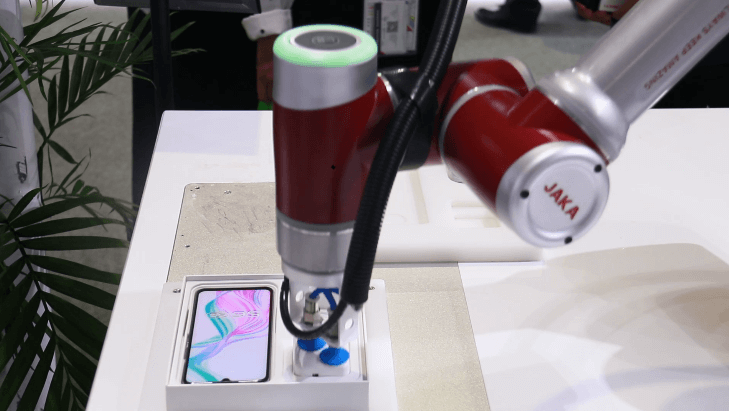
Robot Arm Best Practices for High-Precision Electronics Assembly
JAKA, a leader in electronics manufacturing solutions, has unveiled its latest industrial robot arm designed to meet the stringent demands of modern assembly applications. With a focus on achieving micron-level accuracy, the robot arm utilizes high-resolution encoders and adaptive servo algorithms to maintain precision within 0.2mm, crucial for tasks such as delicate component placement and precise assembly. The company emphasizes that precision must be coupled with consistency to avoid costly defects. To address this, JAKA implements low-noise circuit designs and stringent production controls, ensuring that their robots perform reliably throughout production shifts, even in challenging environments like semiconductor manufacturing. Additionally, JAKA's design philosophy prioritizes adaptability to high-density production lines and rapid model changeovers. The compact Zu series robot arm is engineered for confined spaces and features intuitive graphical programming, allowing operators to quickly redeploy systems for new product lines without requiring specialized programming skills. By integrating these principles into their assembly robots, JAKA aims to enhance the accessibility, reliability, and consistency of electronics assembly for manufacturers, ultimately transforming precision from a challenge into a standard practice.
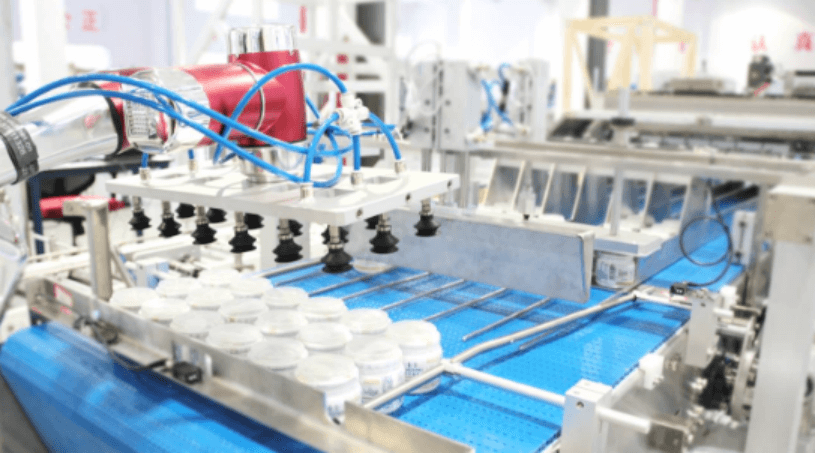
What Are the 5 Types of Industrial Robots?
JAKA, an industrial robot company, is at the forefront of automation technology, focusing on five primary types of robots that cater to various production needs. These include articulated robots, known for their flexibility and complex movements, which are essential for tasks like welding and assembly. The compact design of JAKA's Zu series exemplifies this versatility, allowing operation in confined spaces. Additionally, the SCARA robot specializes in high-speed, precise motions within a horizontal plane, making it ideal for electronics manufacturing. JAKA emphasizes engineering principles that ensure repeatability and stability in all its robotic models. The delta robot, characterized by its parallel-linked arms, excels in ultra-high-speed picking and packaging, particularly in the food and pharmaceutical industries. JAKA is committed to delivering reliable automation solutions that meet rigorous production standards. The Cartesian robot, or gantry robot, operates on three linear axes, making it suitable for applications such as 3D printing and precise dispensing. Its intuitive programming aligns with JAKA's mission to make automation accessible. Lastly, collaborative robots, or cobots, represent a significant shift towards human-centric automation, designed to work safely alongside human workers. JAKA focuses on developing accessible cobots equipped with user-friendly programming and safety features. Overall, JAKA aims to provide a diverse range of robotic solutions that enhance flexibility, efficiency, and collaboration in modern manufacturing environments.

What Is the Most Common Robot Arm?
JAKA Robotics, a leading supplier of robotic arms, highlights the growing dominance of articulated robot arms across various industries due to their versatility and reliability. These arms, designed with multiple rotary joints that mimic human movement, are essential tools in modern automation, capable of performing tasks such as welding, material handling, and assembly. The popularity of articulated arms is attributed to their reach and dexterity, allowing them to service multiple machines and navigate complex angles within confined spaces. JAKA has developed its own collaborative models, like the Zu series, which feature a compact design and intuitive operation, making them suitable for environments where traditional robots may be too cumbersome. As the technology matures, JAKA focuses on enhancing the reliability of these arms by integrating precision control and robust anti-interference features, ensuring consistent performance in high-volume manufacturing settings. The company is also pioneering the evolution of collaborative articulated arms, such as the S series, which incorporate advanced safety mechanisms and force control technology, enabling safe interaction with human workers in shared workspaces. This shift towards collaborative robotics signifies a major advancement in automation, as JAKA Robotics continues to provide solutions that combine the trusted capabilities of articulated arms with the adaptability required for the future of work. Businesses seeking effective automation solutions are encouraged to understand this evolution to implement sustainable practices in their operations.
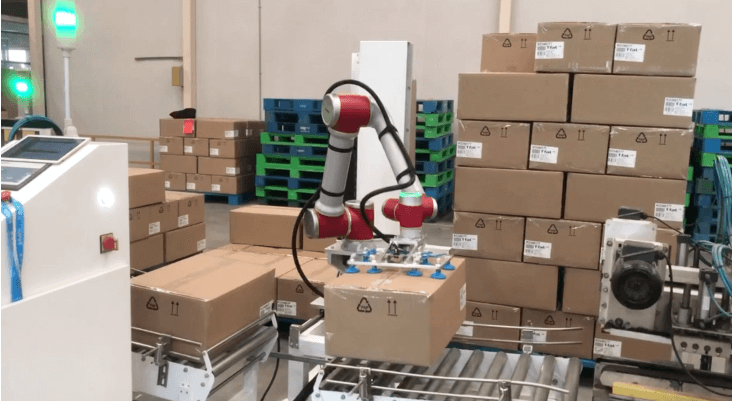
How Articulated Robots Enhance Efficiency in Complex Machine Tending Tasks
JAKA, a robotics company, is revolutionizing the machine tending process in factories by introducing advanced articulated robots designed to handle the repetitive and physically demanding tasks of loading and unloading parts from CNC mills and other machinery. This innovation is particularly timely as manufacturers seek to enhance operational efficiency and adapt to changing production needs. The articulated robots mimic human arm movements, allowing them to service multiple machines and navigate confined spaces with precision. JAKA's technology ensures that these robots maintain a high level of accuracy, achieving a precision of 0.2mm, which is crucial for delicate part handling. By eliminating fatigue, these robots provide consistent performance, maximizing machine utilization and minimizing idle time between cycles. Equipped with collaborative features, JAKA's robots can operate safely alongside human workers and valuable machinery, reducing the need for extensive safety barriers and enabling more efficient workcell layouts. The compact design of the Zu series robots allows for easy integration into existing factory setups, facilitating a smooth transition to automated processes. Moreover, JAKA's robots are designed for adaptability, enabling quick reprogramming for new production batches without significant downtime. This flexibility supports manufacturers in shifting towards high-mix, low-volume production, ultimately enhancing resilience and productivity in the manufacturing sector. By automating repetitive tasks, JAKA aims to free human workers to focus on more complex problem-solving, thereby improving overall operational efficiency.
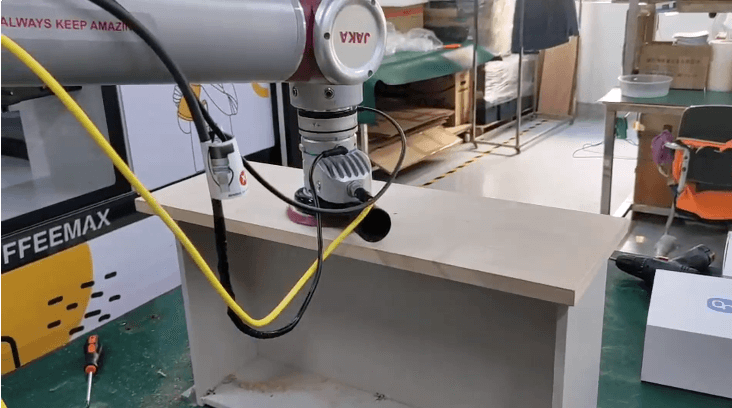
How Do Collaborative Robots Work?
JAKA, a leader in robotics, has developed collaborative robots (cobots) designed to operate safely alongside human workers in shared workspaces. These advanced machines utilize a combination of sensing technology, intuitive programming, and adaptable design to enhance productivity in manufacturing environments. The cobots continuously monitor their surroundings, employing sophisticated algorithms for collision detection that allow them to halt or retract when encountering obstacles, such as people. This real-time responsiveness, complemented by features like jitter suppression, ensures safe interaction without the need for protective barriers. JAKA's cobots are user-friendly, supporting graphical programming and drag-and-drop teaching methods. Operators can easily guide the robotic arms through desired motions, simplifying task setup and enabling quick adaptations directly on the factory floor. This accessibility empowers workers to leverage the technology effectively. Moreover, the compact design of JAKA's Zu series allows for seamless integration into existing production lines, both physically and digitally. The cobots can connect with various machinery and software systems, making them versatile tools capable of performing tasks ranging from assembly to quality inspection without disrupting established workflows. Overall, JAKA's collaborative robots exemplify a modern approach to manufacturing, acting as intelligent partners that enhance human capabilities and adapt to the evolving demands of the industry.
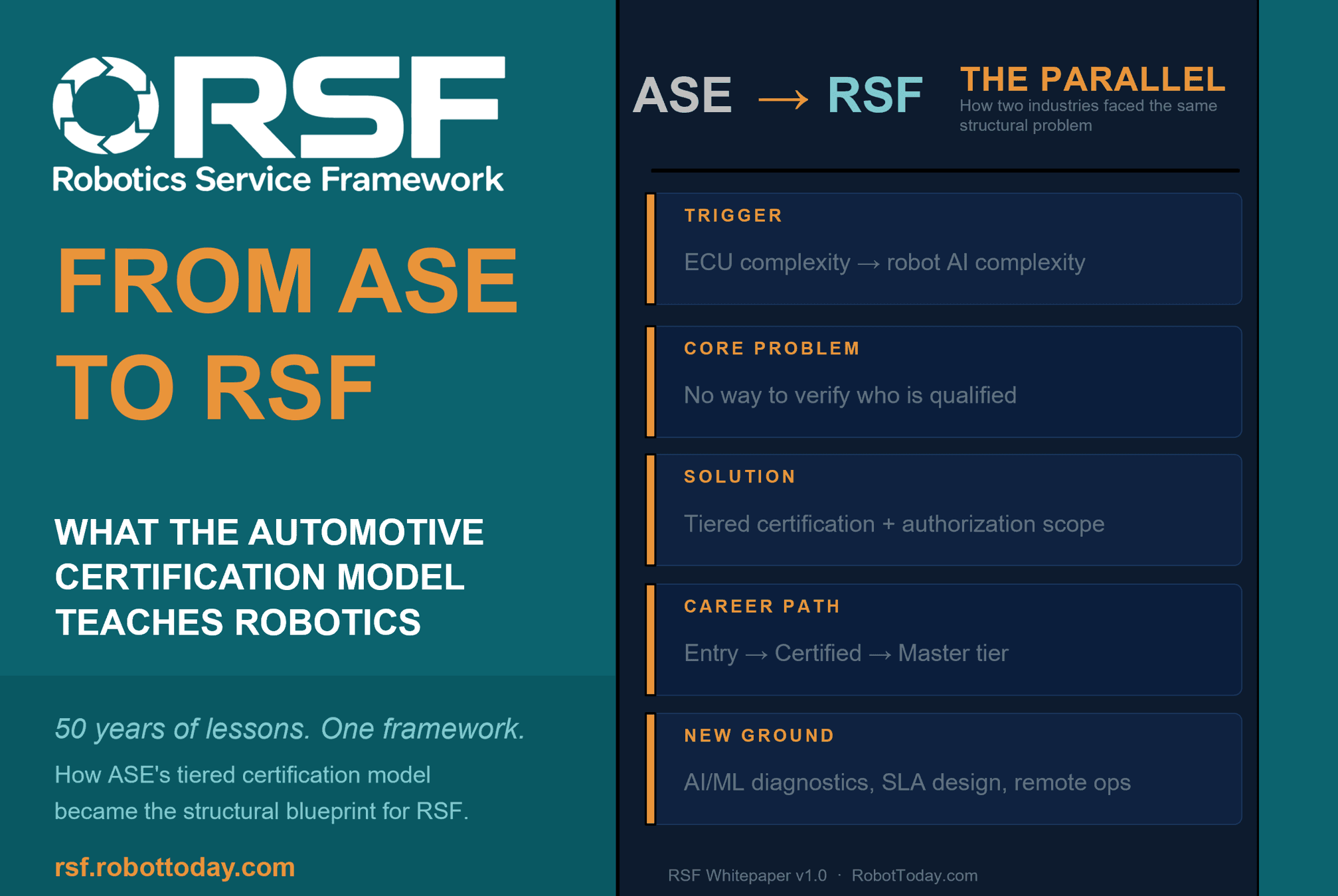
Robotics needs a service framework.
RSF defines a common language for robot service capability, lifecycle operations, certification pathways, and service-provider networks.