Top News

AGIBOT Releases Open

Industry Briefing

A single destination for timely, editor-curated robotics news from around the world.
Why robotics can’t advance without physical AI

Why robotics can’t advance without physical AI

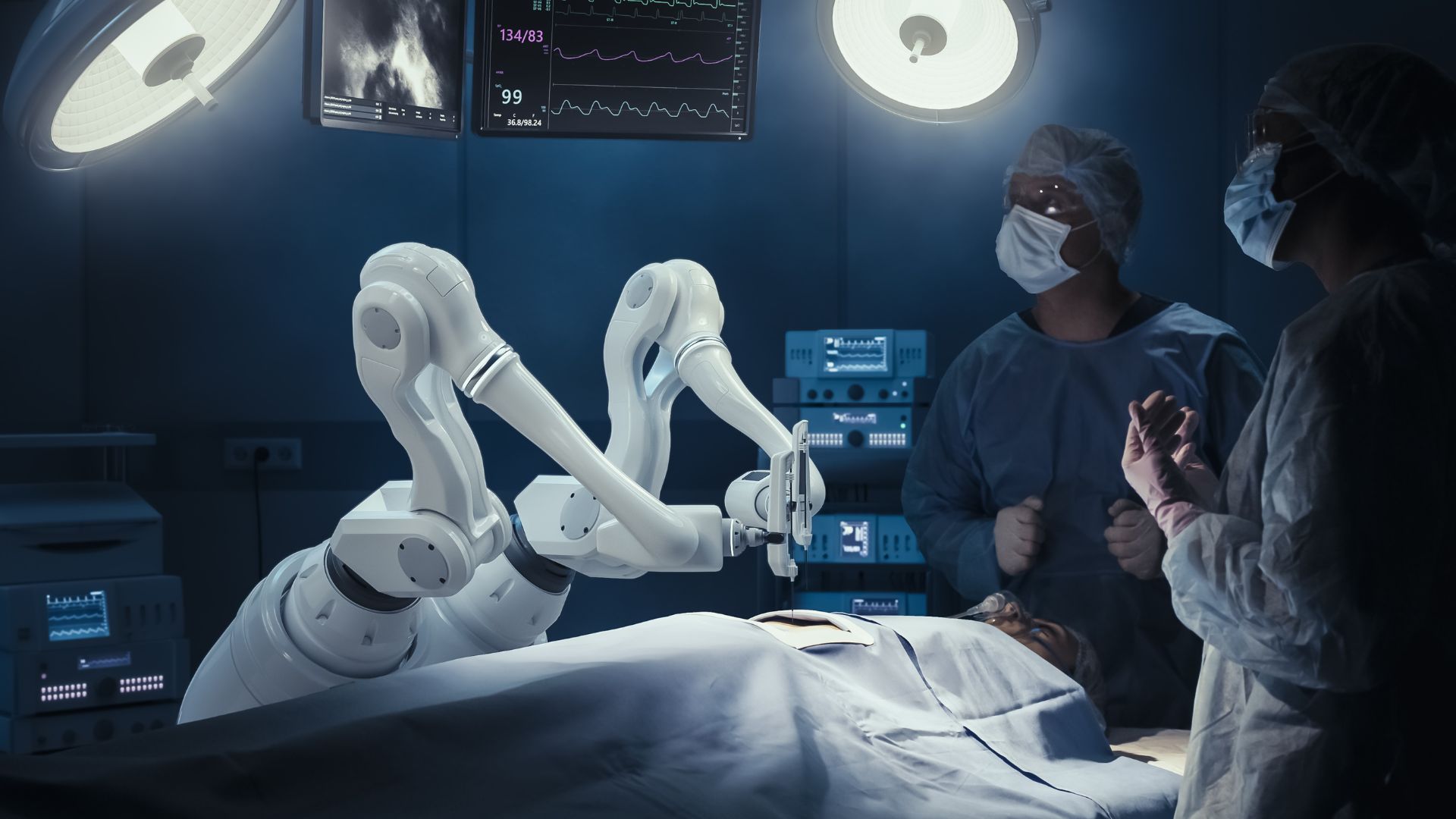
Recent advancements in robotics are shifting focus from enhancing processors and mechanical designs to improving data quality, particularly through realistic training environments. This emerging field, known as Physical AI, emphasizes the creation of 3D assets and simulation environments that incorporate genuine physical properties. By accurately mimicking real-world behaviors, these simulations aim to enhance the training of robotic systems, enabling them to perform more effectively in various applications. As researchers and developers prioritize realistic data over traditional methods, the potential for breakthroughs in robotic capabilities is becoming increasingly evident. This evolution in robotics is expected to redefine how machines interact with their environments, paving the way for more sophisticated and adaptable technologies.

Artificial Intelligence Robotics ai robotics automation news Autonomous robots digital twins
NC AI develops welding AI for Hanwha Ocean

NC AI develops welding AI for Hanwha Ocean

NC AI, the artificial intelligence division of gaming company NCSoft, announced on Thursday that it has secured a project with Hanwha Ocean to create AI-driven autonomous welding technology for shipbuilding. This initiative will utilize a vision-based welding model alongside a collaborative robot system, enabling the identification of welding targets and execution of tasks with reduced human involvement. The innovative technology is set to be implemented at Hanwha Ocean's production facilities for both commercial and specialized vessels, aiming to enhance efficiency and precision in the welding process.

All News
Interview with GFT Technologies’ Brandon Speweik: Moving AI from detection to action on the factory floor

Interview with GFT Technologies’ Brandon Speweik: Moving AI from detection to action on the factory floor

Manufacturers are increasingly shifting their focus from the theoretical applications of artificial intelligence to practical solutions that address real-world challenges. While discussions around AI have primarily centered on software tools such as dashboards, analytics, and predictive models, industry leaders are now seeking ways for AI to not only identify problems but also actively contribute to solving them. This evolution in perspective reflects a growing recognition of AI's potential to enhance operational efficiency and drive innovation within the manufacturing sector. As companies explore these advancements, the emphasis is on integrating AI technologies that can deliver tangible results and improve decision-making processes on the shop floor.

Components Features Manufacturing ai robotics artificial intelligence automation news
‘Brilliant’: US public cheers dancing Unitree robots while Congress looks to ban them

‘Brilliant’: US public cheers dancing Unitree robots while Congress looks to ban them

A growing divide is noted between American public perception and lawmakers' views on Chinese robotics, particularly following the recent appearance of Unitree's humanoid robots on the popular television show "America's Got Talent." The performance, which showcased the G1 robots, garnered a standing ovation from the studio audience, highlighting a potential shift in mainstream acceptance of advanced robotics. This high-profile showcase occurred during the season premiere of the show, although official ratings figures have yet to be released. Analysts suggest that such visibility could influence public opinion positively, contrasting with the more cautious stance often taken by legislators regarding technology from China.

New humanoid robot brings advanced perception and manipulation to industrial droids

New humanoid robot brings advanced perception and manipulation to industrial droids

A Vietnamese technology company has introduced its newest humanoid robot, the VR-H3, during the IEEE International Conference on Robotics and Automation held in Paris. The unveiling took place on May 23, 2023, showcasing the company's commitment to advancing robotics and artificial intelligence. The VR-H3 is designed to assist in various tasks, including healthcare support and customer service, reflecting the growing demand for automation in diverse sectors. This innovation aims to enhance efficiency and improve service delivery, addressing labor shortages and increasing productivity. The development of the VR-H3 involved extensive research and collaboration with experts in robotics, highlighting the company's dedication to integrating cutting-edge technology into practical applications.

5 Dynamics Shaping Today's Investment Landscape

5 Dynamics Shaping Today's Investment Landscape

Markets are currently navigating a significant shift as macroeconomic factors, policy changes, and technological advancements increasingly intersect, according to Seema Shah, Chief Global Strategist at Principal Financial Group. This analysis highlights the immediate impact of geopolitical shocks on market stability, which often dissipates quickly despite initial volatility. In the United States, the ongoing affordability crisis reflects a disconnect between everyday experiences and economic data, complicating the landscape for central banks already grappling with persistent inflation. While the U.S. dollar continues to attract safe-haven demand during periods of stress, fluctuations in confidence regarding U.S. assets may arise due to unpredictable policy directions. Principal Financial Group, a leading global investment management firm with $519.3 billion in assets under management, serves nearly 20 million clients worldwide and emphasizes the importance of adapting to these rapidly evolving market conditions.

USO UNG UCO BNO SCO BOIL
ABN AMRO Bank N.V. (AAVMY) Presents at Goldman Sachs 30th Annual European Financials Conference 2026 Transcript

ABN AMRO Bank N.V. (AAVMY) Presents at Goldman Sachs 30th Annual European Financials Conference 2026 Transcript

At the 30th Annual European Financials Conference held in Paris on June 4, 2026, Marguerite Bérard-Andrieu, CEO and Chair of ABN AMRO Bank, engaged in a discussion about the bank's strategic direction amid current economic challenges. This event, hosted by Goldman Sachs, featured Bérard-Andrieu reflecting on her first year in leadership and the updated medium-term financial targets announced in September 2025. During the conference, she addressed the resilience of the Dutch economy, noting the impacts of lower growth, rising inflation, and geopolitical uncertainties on energy prices. Bérard-Andrieu emphasized the importance of adapting the bank's strategy to navigate this increasingly volatile environment. The session, which lasted 35 minutes and was available via webcast, aimed to provide insights into how ABN AMRO plans to sustain its performance and respond to macroeconomic shifts.

AAVMY ABMRF SA Transcripts
Mobix Labs to Acquire U.S.-Built Drone Manufacturer Vision Aerial, Expanding Into Global Drone and Aerial Intelligence Markets

Mobix Labs to Acquire U.S.-Built Drone Manufacturer Vision Aerial, Expanding Into Global Drone and Aerial Intelligence Markets

Mobix Labs has announced its acquisition of a new company, a strategic move aimed at expanding its presence in a rapidly growing global market. This acquisition aligns with Mobix Labs' ongoing strategy to enhance its operations through targeted acquisitions that are deemed mission-critical. The decision reflects the company's commitment to growth and innovation in an increasingly competitive landscape.

ABB and Salzburg researchers patent AI system to cut energy use in industrial robots

ABB and Salzburg researchers patent AI system to cut energy use in industrial robots

Salzburg University of Applied Sciences has partnered with ABB’s Machine Automation Division, B&R, to enhance energy efficiency in industrial automation through the application of artificial intelligence. This collaboration is centered at the Josef Ressel Center for Intelligent and Secure Industrial Automation (JRZ ISIA), where the two entities aim to translate cutting-edge research into viable solutions for industrial drive systems. By leveraging AI technologies, the initiative seeks to optimize energy consumption and improve operational efficiency in manufacturing processes, addressing the growing demand for sustainable industrial practices.

Industrial robots News abb ai in manufacturing AI optimization automation news
Why Reliable Backup Power is Becoming Essential for Modern Robotics Systems

Why Reliable Backup Power is Becoming Essential for Modern Robotics Systems

Modern robotics systems are revolutionizing various industries by enhancing efficiency, accuracy, and productivity. Organizations across manufacturing and logistics sectors are increasingly relying on automated systems to ensure continuous operations. In this context, businesses seeking reliable backup power solutions for their robotics infrastructure can access essential resources from Nite & Day Power, a company that specializes in uninterruptible power systems. This development underscores the growing importance of robust power solutions in supporting the seamless functioning of automated technologies.

Energy Robotics automation infrastructure automation news autonomous systems backup power
The Classical Advances Needed to Make Quantum Computers Tick

The Classical Advances Needed to Make Quantum Computers Tick

Quantum computers are poised to tackle problems beyond the capabilities of today's most advanced supercomputers, but their operation relies heavily on classical computing infrastructure. As the industry prepares for the anticipated scale of quantum computing, major players like Nvidia, Q-CTRL, IBM Quantum, and Google Quantum AI are developing innovative classical hardware and software solutions to support these machines. In April, Nvidia unveiled AI-based software designed to enhance the classical tasks essential for quantum computing. Sydney-based Q-CTRL has created an automatic calibration algorithm that utilizes Nvidia’s system to streamline the calibration process, which is crucial for maintaining the reliability of qubits—quantum bits that are inherently unstable and require regular adjustments. Calibration involves a meticulous two-stage process that traditionally demands significant time and expertise, prompting a push for automation. Q-CTRL's intelligent software analyzes calibration data in real-time, allowing for dynamic adjustments to improve efficiency. Additionally, quantum error correction is a critical focus, as it enables the detection and compensation of errors in qubits, a process that must occur rapidly to maintain quantum states. While AI is gaining traction in simplifying hardware control, challenges such as latency and computational expense remain. Experts suggest that a hybrid approach combining traditional and AI methods may be necessary to optimize performance. As quantum technology evolves, the demand for robust classical support will grow, necessitating new strategies to manage the increasing complexity of quantum systems.

Quantum-computers Quantum-error-correction Internal-calibration Nvidia Quantum-computing
Global robotics technology roadmap

Global robotics technology roadmap

Henrik I. Christensen, a professor of Computer Science and Engineering at the University of California, San Diego, has unveiled a comprehensive global robotics technology roadmap. Released recently, this position paper examines the advancements in robotics across Asia, Europe, and America. It provides an overview of the current state of the technology while identifying key opportunities for growth and development in the field. The roadmap aims to guide stakeholders in navigating the rapidly evolving landscape of robotics, emphasizing the importance of international collaboration and innovation to harness the full potential of this transformative technology.

XELA Robotics to Unveil First Ever Robotic Fingertips with Sensitive Nails at Automate

XELA Robotics to Unveil First Ever Robotic Fingertips with Sensitive Nails at Automate

A leading technology company is set to showcase its latest advancements in tactile sensor technology at an upcoming industry exhibition. The event, scheduled for next month in San Francisco, aims to highlight the innovative applications of these sensors in various fields, including robotics and consumer electronics. This demonstration is part of the company's ongoing effort to enhance user interaction and experience through improved sensory feedback mechanisms. By presenting a diverse array of tactile sensor capabilities, the company seeks to attract potential partners and clients interested in integrating these technologies into their products. The exhibition will provide an opportunity for attendees to engage with the technology firsthand and explore its potential impact on future developments in the industry.

Why Precision Swiss Machining is Critical to the Future of Robotics and Automation

Why Precision Swiss Machining is Critical to the Future of Robotics and Automation

The industrial production landscape is undergoing a significant transformation due to the rapid advancements in robotics, factory automation, and intelligent manufacturing systems. This shift is characterized by an increasing reliance on highly precise mechanical systems that can operate continuously with minimal deviation. As automation technologies evolve and become more interconnected, modern manufacturing environments are integrating collaborative robots, automated assembly systems, and sensor-driven equipment. These innovations are not only enhancing efficiency but also improving the accuracy and reliability of production processes. The ongoing evolution in this sector reflects a broader trend towards smarter, more automated manufacturing practices that aim to meet the growing demands of global markets.

Automation Engineering Factories automated manufacturing automation hardware automation news
NVIDIA Research Unlocks Advanced Grasping, Smarter Autonomous Driving and Agent Training at Scale

NVIDIA Research Unlocks Advanced Grasping, Smarter Autonomous Driving and Agent Training at Scale

Researchers are exploring advancements in robotics, focusing on the versatility of robot grippers and the safety of autonomous vehicle systems. The study highlights that the true utility of a robot gripper lies not only in its ability to grasp a single object but also in its capacity to adapt and handle various unfamiliar items consecutively. Similarly, the effectiveness of autonomous vehicles is assessed not just on their reasoning capabilities but on their overall safety in diverse driving conditions. This research, conducted by a team of engineers and computer scientists, aims to enhance the functionality of robotic systems and improve public trust in autonomous technology. The findings, which are expected to influence future designs and applications, were presented at a technology conference in early October 2023. By integrating advanced algorithms and machine learning techniques, the team is developing systems that can learn from experience, thereby increasing their efficiency and reliability in real-world scenarios.

AGIBOT Releases Open

AGIBOT Releases Open

AGIBOT has introduced the AGIBOT WORLD 2026 Theme 2: Rich Interaction, an innovative open-source dataset designed to improve the understanding of physical interactions between robots and objects. Launched recently, this initiative aims to capture a diverse array of interactions, including both successful and imperfect outcomes, thereby addressing significant data deficiencies within the embodied AI community. By providing this comprehensive dataset, AGIBOT seeks to facilitate advancements in world modeling and enhance robust representation learning, ultimately contributing to the development of more sophisticated AI systems.

Embodied AI Robotics Open-source Dataset Physical Interaction Machine Learning
NVIDIA Enables the Next Era Of Physical AI Research With Agent Skills For Autonomous Vehicles, Robotics And Vision AI

NVIDIA Enables the Next Era Of Physical AI Research With Agent Skills For Autonomous Vehicles, Robotics And Vision AI

At the Computer Vision and Pattern Recognition (CVPR) conference, NVIDIA is showcasing innovative physical AI agent skills aimed at accelerating the development of autonomous vehicles, robotics, and vision AI systems. This unveiling comes as researchers and developers face significant challenges in advancing physical AI, particularly in creating more capable and efficient systems. By introducing these new skills, NVIDIA seeks to enhance the capabilities of AI agents, ultimately facilitating faster progress in the field. The event highlights NVIDIA's commitment to driving advancements in AI technology, which is crucial for the future of autonomous systems.

Custom-trained AI locks laser onto mosquitoes, eliminates pests in real time

Custom-trained AI locks laser onto mosquitoes, eliminates pests in real time

A computer vision and robotics enthusiast has unveiled an innovative AI-powered laser system designed to detect and identify objects with remarkable precision. This groundbreaking technology, which was introduced during a tech conference in San Francisco on October 15, 2023, aims to enhance automation and safety in various industries, including manufacturing and security. The motivation behind this development stems from the increasing demand for advanced automation solutions that can improve operational efficiency and reduce human error. By integrating artificial intelligence with laser detection, the system can analyze its surroundings in real-time, allowing for swift and accurate responses to potential hazards or operational needs. The creator demonstrated the system's capabilities through a series of live tests, showcasing its ability to recognize different objects and respond accordingly. This innovative approach not only promises to streamline processes but also addresses safety concerns by minimizing the risk of accidents in environments where precision is critical. As industries continue to evolve with technology, this AI-powered laser system represents a significant step forward in the quest for smarter, safer operational tools. The developer hopes that this invention will inspire further advancements in robotics and computer vision, ultimately leading to a more automated and secure future.

Tesla Robotaxi Concerns Under Texas SB 2807

Tesla Robotaxi Concerns Under Texas SB 2807

Texas has enacted Senate Bill 2807, which establishes stringent requirements for commercial autonomous vehicles, mandating Level 4 or 5 SAE automation. This legislation poses a significant challenge to Tesla's ambitions in the robotaxi sector, as the company currently lags behind competitors in the state. As of now, Tesla has only 42 authorized autonomous vehicles, while Waymo leads with 577 and AV Ride follows with 317. The new law requires clearly defined Operational Design Domains, which undermines Tesla's strategy for unrestricted robotaxi deployment. Official registration data highlights Tesla's struggles in the Texas autonomous vehicle market, raising concerns about its competitive position. The bill was passed by the 89th Texas Legislature and took effect on May 28, reflecting the state's commitment to regulating the rapidly evolving landscape of autonomous transportation.

TSLA:CA TSLA ZTSL:CA Michael McGrath
Sensory Robotics says ‘the end of robotic cages starts now’

Sensory Robotics says ‘the end of robotic cages starts now’

Sensory Robotics, a corporate partner of the University of Cincinnati's 1819 Innovation Hub, has announced a significant advancement in industrial safety technology. The company has unveiled its flagship product, the SR-1 system, which is engineered to be seamlessly integrated with existing industrial robots. This innovative solution aims to enhance safety standards by enabling robots to transition into collaborative robots, or cobots, thereby setting a new benchmark in the industry. The announcement highlights Sensory Robotics' commitment to improving workplace safety and efficiency through cutting-edge technology.

Design Features Infrastructure Robotics 3D vision systems automation news
Denso Wave to Showcase Factory Robots and 3D Vision AI at ROBOT TECHNOLOGY JAPAN 2026

Denso Wave to Showcase Factory Robots and 3D Vision AI at ROBOT TECHNOLOGY JAPAN 2026

Denso Wave will participate in the upcoming "ROBOT TECHNOLOGY JAPAN 2026," scheduled to take place from June 11 to June 13, 2026, at the Aichi Sky Expo in Aichi Prefecture. This event aims to showcase advancements in robotics technology, reflecting the growing interest and innovation in the field. Denso Wave's involvement highlights its commitment to contributing to the development and promotion of robotics solutions.

Former Meituan delivery tech chief starts a venture for an "restaurant world model" in the era of embodied intelligence.

Former Meituan delivery tech chief starts a venture for an "restaurant world model" in the era of embodied intelligence.

AtomBite.AI, a company specializing in embodied intelligence, has secured a multi-million dollar seed funding round led by InnoTech Venture Capital, with participation from the Tsinghua Alumni Seed Fund and notable individual investors. This funding will primarily support the development of embodied world models for the restaurant industry and the implementation of core products. The company's founding team, which includes Dr. Wang Dong, a former technical lead at Meituan's food delivery division, aims to address inefficiencies in restaurant kitchens, particularly in the packaging and delivery processes that still heavily rely on manual labor. As global food delivery orders continue to rise, AtomBite.AI identifies the kitchen as a promising application area for embodied intelligence, given its universal demand and clear return on investment for businesses. The team plans to create a "World Action Model" tailored for the restaurant sector, emphasizing the integration of visual and tactile feedback to enhance robotic operations. Their approach focuses on developing a system that learns from real-world interactions rather than relying solely on generalized models. Currently, AtomBite.AI is targeting the packaging and transfer stages of food delivery, which are prone to errors and have quantifiable value. The company anticipates deploying its packaging model in commercial kitchens by 2026, with plans to expand into more complex kitchen operations and broader service industry applications in the future.

Software is ‘the biggest bottleneck to robotics innovation’, says BlackBerry QNX report

Software is ‘the biggest bottleneck to robotics innovation’, says BlackBerry QNX report

QNX, a division of BlackBerry, has unveiled its latest research study, the Inside the Robot: Architecture Benchmark Report, which explores the evolving landscape of robotics development. The report highlights the shift towards software-driven and AI-enabled systems that are increasingly integrated into workplaces and everyday life. Conducted through a survey of 1,000 developers globally, the research aims to shed light on the current trends and challenges faced in the robotics sector. This initiative reflects QNX's commitment to understanding and advancing the role of robotics in modern society, emphasizing the importance of collaboration between humans and machines. The findings are expected to inform future developments in the field and guide industry stakeholders in adapting to these transformative changes.

Features Robotics Software ai robotics automation news Autonomous robots
Product, Partnership, Process in Intralogistics

Product, Partnership, Process in Intralogistics

TGW Logistics is poised to make significant strides in the intralogistics sector, leveraging its innovative products and strategic partnerships. In a recent interview, Jan-Willem Klinkenberg, the Head of Business Development for Northern Europe at TGW, discussed the company’s vision and approach to enhancing logistics solutions. The conversation, which took place via Zoom, highlighted Klinkenberg's dynamic insights into the industry and the company's commitment to delivering effective logistics solutions. As the sector evolves, TGW aims to address the growing demands for efficiency and reliability in logistics operations. The company’s proactive strategies and collaborative efforts are designed to meet these challenges head-on, positioning TGW as a key player in the market.

Automation Systems and Shuttles Components and Parts Conveying and Sortation Magazine Features Materials Handling Robotic Picking
JAKA Robotics Unveils Compact 1.22m Humanoid Robot JAKA Pi for Education and Service

JAKA Robotics Unveils Compact 1.22m Humanoid Robot JAKA Pi for Education and Service

JAKA Robotics, a Shanghai-based company located in the Dalian Bay innovation hub of Minhang District, has unveiled the JAKA Pi, a compact humanoid robot designed for various applications. The launch took place recently as part of the company’s commitment to advancing robotics technology and providing innovative solutions for industries such as education, healthcare, and entertainment. The JAKA Pi aims to enhance human-robot interaction and is equipped with advanced AI capabilities, allowing it to perform tasks ranging from assistance in learning environments to providing companionship. This initiative reflects JAKA Robotics' vision to integrate robotics into everyday life, making technology more accessible and beneficial for a wider audience.

HumanoidRobotics
Alibaba's Qwen Team Enters Embodied AI With Qwen-VLA Model

Alibaba's Qwen Team Enters Embodied AI With Qwen-VLA Model

Alibaba's Tongyi Qianwen team has unveiled Qwen-VLA, marking the company's inaugural foray into the realm of vision-language-action models for embodied artificial intelligence. This launch, which took place recently, positions Alibaba to compete in the rapidly evolving sector of physical world AI. The development of Qwen-VLA is driven by the increasing demand for advanced AI systems capable of understanding and interacting with the physical environment, highlighting the company's commitment to innovation in artificial intelligence technologies. Through this new model, Alibaba aims to enhance the capabilities of AI in real-world applications, paving the way for more sophisticated interactions between machines and their surroundings.

AI
Industrial Software Leaders Build Secure, Autonomous AI Engineers With NVIDIA NemoClaw

Industrial Software Leaders Build Secure, Autonomous AI Engineers With NVIDIA NemoClaw

Accelerated computing has transformed the field of industrial engineering by significantly reducing simulation times from weeks to mere hours. Despite these advancements, experts indicate that challenges persist in the end-to-end workflow associated with simulations, which includes critical processes such as computer-aided design, meshing, and the simulations themselves. As industries continue to adopt these technologies, addressing these workflow issues is essential for maximizing efficiency and effectiveness in engineering practices. The ongoing developments in accelerated computing are expected to further streamline these processes, enhancing productivity and innovation in the sector.

Honeywell announces new brand identities for its automation and aerospace divisions.

Honeywell announces new brand identities for its automation and aerospace divisions.

On June 1, Honeywell announced the launch of new brand identities for its automation and aerospace divisions, which will be known as Honeywell Technologies and Honeywell Aerospace, respectively. This rebranding comes as the aerospace division prepares for its separation, with both Honeywell Technologies and Honeywell Aerospace set to become independent publicly traded companies by June 29, 2026. The move aims to enhance focus on their respective markets and drive growth in their specialized sectors.

Russian Trucks Get ‘Dazzle’ Paint To Throw Off AI-Enabled Drones

Russian Trucks Get ‘Dazzle’ Paint To Throw Off AI-Enabled Drones

Russian military trucks have been equipped with a new type of disruptive paint aimed at confusing machine-vision targeting systems. This development comes in response to the increasing threat posed by autonomous drones on the battlefield. The innovative paint, often referred to as "dazzle" paint, is designed to obscure the vehicles' outlines and hinder the ability of AI-enabled drones to accurately identify and target them. As the use of drone technology continues to evolve in modern warfare, this strategic move reflects Russia's efforts to enhance the survivability of its military assets against sophisticated aerial threats.

News & Features Around The Globe Drones Europe Russia Ukraine
China establishes a venture capital fund in Hangzhou with 1 billion yuan; Tianjin opens AI sensor industrial park; Zhejiang plans

China establishes a venture capital fund in Hangzhou with 1 billion yuan; Tianjin opens AI sensor industrial park; Zhejiang plans

ZTO Express has established a new logistics company, Guangzhou Zhongjing Logistics Co., Ltd., in Guangzhou with a registered capital of 500 million RMB. The company, wholly owned by ZTO Express, will engage in domestic freight transportation, equipment leasing, and computer system services. OpenAI has announced its entry into the robotics sector, focusing on developing assistive robots. CEO Sam Altman stated the company is looking for engineers to create robots that can aid in building future infrastructure. The initiative, which has evolved from a world simulation research project, aims to integrate hardware and machine learning for practical applications. Nan Er, Vice President of Zhejiang Chint Electric, has been recognized as a "2026 Zhejiang Youth Technology Entrepreneur" as part of a program to support technology entrepreneurs in the region. Foxconn and French company Bull will collaborate to manufacture AI and cloud infrastructure, with an initial investment of over 120 million euros. The project will utilize facilities in both France and the Czech Republic. On June 1, new regulations for online food delivery were implemented, with Taobao Flash collaborating with various local regulatory bodies to label the first batch of "no dine-in" merchants, enhancing compliance among 60,000 restaurants this year. Muyu Group has partnered with Alibaba Cloud to develop an AI model for the livestock industry, significantly improving the efficiency of health checks for pigs. In investment news, a new venture capital fund, Guoxin Qianjiang, has been established in Hangzhou with a capital of 1 billion RMB, while Zhi Mi has opened a financing window with a pre-IPO valuation of approximately 70 billion RMB. In product developments, a new automotive brand resulting from a collaboration between Sairus and ByteDance is set to launch a hybrid vehicle this year, while Sharpa has introduced a humanoid robot equipped with advanced tactile capabilities in partnership with NVIDIA. Lastly, the Tianjin AI Sensor Industrial Park has officially opened, with ten companies signing contracts, and Shanghai is focusing on advancing core software technologies as part of its development plan. Zhejiang Province is also seeking to implement the "Spark Plan" to accelerate the application of quantum technology products.

Enhancing Industrial Automation: Why Compact Mini PCs Are Quietly Becoming the Default Choice for Robotic Controllers

Enhancing Industrial Automation: Why Compact Mini PCs Are Quietly Becoming the Default Choice for Robotic Controllers

In recent years, the evolution of control cabinets in modern factories has significantly transformed, with a notable increase in the complexity of components housed within them. Engineers are now tasked with integrating advanced technologies such as vision systems, sensors, controllers, and networking equipment into increasingly confined spaces. This shift has prompted the adoption of compact industrial computers, which are designed to efficiently manage the growing demands of industrial automation. As manufacturers seek to optimize their operations and streamline processes, these compact solutions are becoming essential for maintaining productivity and enhancing system capabilities. The trend reflects a broader movement towards more sophisticated and space-efficient technologies in the manufacturing sector, driven by the need for innovation and efficiency in an ever-competitive landscape.

Automation Computing Factories Industry automation hardware automation news
OpenAI announces entry into robotics, focusing on developing assistive robots in the short term.

OpenAI announces entry into robotics, focusing on developing assistive robots in the short term.

OpenAI CEO Sam Altman announced via social media that the company is seeking talented full-stack hardware, operations, systems, and machine learning engineers to collaborate on developing socially beneficial robots. He emphasized that artificial intelligence should assist humans in the real world. In the short term, OpenAI aims to create robots that can help technical workers build future infrastructure, while in the long term, the company envisions a future where everyone has a personal robot capable of fulfilling various needs. Altman revealed that OpenAI's world simulation research project has rapidly evolved over the past year into OpenAI Robotics, led by Aditya Ramesh. The project is making significant strides, grounded in the deep integration and collaborative design of robotics hardware and machine learning research.

How Blockchain and Emerging Technologies Are Revolutionizing the Jewelry Industry

How Blockchain and Emerging Technologies Are Revolutionizing the Jewelry Industry

The jewelry industry, recognized as one of the oldest luxury markets globally, has long struggled with transparency regarding production methods and the origins of materials. Traditionally, consumers relied heavily on the trustworthiness of artisans and brands, often lacking access to crucial information about their purchases. However, recent advancements are beginning to change this landscape. As of October 2023, new technologies and initiatives are emerging that aim to enhance transparency within the sector. These developments are designed to provide buyers with clearer insights into the sourcing and manufacturing processes of jewelry, thereby fostering greater trust and accountability. This shift not only benefits consumers but also encourages ethical practices among producers, ultimately transforming the way jewelry is marketed and sold.

Artificial Intelligence Software 3d printing additive manufacturing AI gem grading artificial intelligence
Hyperscaler's CDS Fears Are Rising

Hyperscaler's CDS Fears Are Rising

The recent rally in the S&P 500 is largely fueled by companies linked to artificial intelligence, as investor enthusiasm grows amid fears of missing out. Projections for AI capital expenditures have surged to an anticipated $1.2 trillion by 2027, although funding sources have shifted from operational cash flow to unprecedented levels of debt issuance. Concurrently, activity in credit default swaps for hyperscaler companies has increased, indicating that banks and investors are hedging against potential credit risks, driven by regulatory pressures and concerns over a possible AI bubble. As key economic indicators such as 10-year Treasury yields, oil prices, and the dollar fluctuate at precarious levels, analysts warn that any significant breakout could tighten liquidity conditions, posing risks for the AI sector. Amrita Roy, an investment strategist based in Vancouver, maintains a cautious approach, holding over 30% of her portfolio in cash while closely monitoring oil and dollar trends. She anticipates at least a 10% market correction in the near term, reflecting a broader sentiment of caution among investors as they navigate the complexities of the current economic landscape.

MSFT AMZN GOOG META ORCL CO1:COM
SAP SE (SAP), Cyberwave Deploy Autonomous AI Robots in Logistics Warehouse

SAP SE (SAP), Cyberwave Deploy Autonomous AI Robots in Logistics Warehouse

SAP SE and Cyberwave have successfully deployed fully autonomous, AI-powered robots in SAP's logistics warehouse located in St. Leon-Rot, Germany, as of May 11, 2026. This initiative represents a significant advancement for SAP, transitioning its Physical AI technology from research to practical application. The robots, powered by SAP’s cloud-native Logistics Management solution and the SAP Business Technology Platform, are now capable of performing various tasks including box folding, packaging, and shipping fulfillment. The deployment addresses common challenges in logistics robotics, such as unpredictable environments and diverse object shapes that often hinder traditional systems. Cyberwave's innovative platform utilizes Vision-Language-Action and Reinforcement Learning models, enabling non-expert operators to teach robots new tasks through simple demonstrations. This approach significantly reduces training time from weeks to hours and allows robots to adapt to dynamic conditions in real-time. As a result of this integration, SAP has reported increased warehouse throughput and a decrease in physically demanding tasks for human workers. The project serves as a successful reference implementation, showcasing how a robust digital infrastructure combined with adaptive AI can enhance logistics operations. Both SAP and Cyberwave are now focused on further developing these Embodied AI capabilities to support future large-scale deployments.

Windows 11 response improvements are gradually taking effect with the latest update and a shift in Microsoft's AI strategy.

Windows 11 response improvements are gradually taking effect with the latest update and a shift in Microsoft's AI strategy.

Microsoft has launched a new update for Windows 11, aimed at enhancing performance, particularly in the responsiveness of the Start menu and application launches. This update comes at a pivotal moment for the company, as it faces significant changes within its AI division. Yusuf Mehdi, who has been instrumental in leading Microsoft's AI and operating systems efforts, has announced his departure. Additionally, the company is revising its internal rules regarding the use of AI development tools. These developments indicate a potential shift in Microsoft's AI strategy as it navigates these transitions.

Generational change at Valk Welding

Generational change at Valk Welding

Valk Welding is initiating a deliberate leadership transition from its second to third generation. This strategic move aims to ensure the company's continued growth and innovation in the welding industry. The transition reflects the company's commitment to adapting to changing market demands and fostering new ideas while maintaining its established values. The leadership change is expected to take place in the coming months, with the new generation poised to bring fresh perspectives and approaches to the business. This generational shift is part of Valk Welding's long-term vision to enhance its competitive edge and sustain its legacy in the industry.

Allgemein
New President and CEO for Omron Europe

New President and CEO for Omron Europe

Omron has appointed Virendra Shelar as the new President and CEO of its Industrial Automation division in Europe. This leadership change aims to strengthen the company's presence and drive growth in the European market. Shelar's extensive experience in the automation sector is expected to enhance Omron's strategic initiatives and innovation efforts in the region. The announcement was made recently, signaling a commitment to advancing industrial automation solutions across Europe.

Allgemein Menschen & Meinungen
Study: Regulation and safety hinder robotics projects in Germany

Study: Regulation and safety hinder robotics projects in Germany

QNX, a division of BlackBerry, has released findings from its latest study titled "Inside the Robot: Architecture Benchmark Report." The report highlights that regulatory challenges and safety concerns are hindering robotics projects in Germany. This study sheds light on the current state of the robotics industry, emphasizing the need for clearer regulations and enhanced safety measures to facilitate innovation and development in this sector. The findings are particularly relevant as Germany seeks to advance its technological capabilities in robotics amidst growing global competition.

Allgemein Newsarchiv

VinDynamics recently unveiled Dyno, an advanced humanoid robot aimed at enhancing everyday life as a versatile assistant. This innovative showcase took place in October 2023, highlighting the company's commitment to integrating cutting-edge technology into modern living spaces. Dyno is designed to assist with various tasks, reflecting the growing trend of utilizing robotics to improve efficiency and convenience in daily activities. The introduction of this intelligent robot underscores VinDynamics' vision of a future where technology seamlessly integrates into our homes and workplaces, making life easier and more efficient for users.

Changingtek Robotics Launches High-Precision Tactile Sensing Data Collection Hand, Uhand

Changingtek Robotics Launches High-Precision Tactile Sensing Data Collection Hand, Uhand

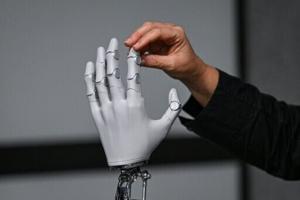
A new compact unit has been developed, featuring a highly sensitive tactile array that boasts a spatial resolution of 2.34 taxels per square centimeter. This advanced technology is capable of detecting forces ranging from 0 to 160 Newtons, with an impressive sensing precision of 0.1 Newtons. The innovation aims to enhance applications in robotics and automation, providing more accurate and responsive interaction with various surfaces and objects. With training data available up to October 2023, this breakthrough represents a significant step forward in tactile sensing technology, potentially transforming how machines perceive and interact with their environments.

Nvidia jumps into PCs with new Arm-based chip debuting in laptops from Microsoft, Dell, HP

Nvidia jumps into PCs with new Arm-based chip debuting in laptops from Microsoft, Dell, HP

Nvidia CEO Jensen Huang announced the launch of a new Arm-based PC chip, marking the company's entry into the personal computer market. This significant development was revealed during a recent event and will be featured in upcoming laptops from major manufacturers including Dell, Microsoft, HP, and ASUS. The introduction of this chip aims to enhance performance and efficiency in PCs, tapping into the growing demand for advanced computing solutions. By leveraging Arm architecture, Nvidia seeks to provide a competitive alternative in the rapidly evolving technology landscape, appealing to both consumers and businesses looking for innovative computing options.

How Physical AI Is Closing the Gap Between Simulation and the Shop Floor

How Physical AI Is Closing the Gap Between Simulation and the Shop Floor

A new generation of systems is emerging that not only simulates the physical world but also engages in real-time reasoning and actions. This advancement is driven by a sophisticated spatial computing stack that integrates foundation models, AI-generated software, and high-fidelity 3D sensing technologies. These systems aim to enhance interactions with the environment, providing more intuitive and responsive experiences. The development is part of a broader trend in technology aimed at creating smarter, more adaptive solutions across various industries, including gaming, robotics, and virtual reality. As these innovations continue to evolve, they promise to transform how users interact with digital and physical spaces, paving the way for more immersive and effective applications.

ORBBEC Expands Beyond Robot Vision Into Physical AI and 3D Printing

ORBBEC Expands Beyond Robot Vision Into Physical AI and 3D Printing

ORBBEC, a leading company in 3D vision perception, is broadening its horizons beyond its traditional focus on robot vision. The firm is strategically venturing into several high-growth sectors, including healthcare, smart retail, and autonomous driving. This expansion comes as part of ORBBEC's initiative to leverage its advanced technology and expertise to meet the increasing demand for innovative solutions in these emerging markets. The company aims to enhance its product offerings and capture new opportunities, positioning itself as a key player in the rapidly evolving landscape of 3D vision applications. As ORBBEC continues to innovate and diversify, it seeks to establish a strong foothold in these sectors, which are expected to see significant growth in the coming years.

Robotics
NVIDIA Releases Major Collection of Open Source Agent Tools and Skills for Physical AI

NVIDIA Releases Major Collection of Open Source Agent Tools and Skills for Physical AI

NVIDIA has unveiled a significant suite of open-source physical AI skills and tools aimed at empowering developers to transform intricate robotics, autonomous vehicle (AV), vision AI, and industrial digital twin workflows into tasks that can be executed by agents. This announcement was made today and is part of NVIDIA's ongoing commitment to enhance the capabilities of AI in various sectors. By streamlining these complex processes, the company seeks to facilitate innovation and efficiency in the development of advanced technologies. The initiative is expected to drive progress in fields that rely heavily on automation and intelligent systems, thereby contributing to the broader adoption of AI solutions across industries.

NVIDIA Launches Alpamayo 2 Super Open Reasoning Model for Robotaxis

NVIDIA Launches Alpamayo 2 Super Open Reasoning Model for Robotaxis

NVIDIA has unveiled its latest advancement in artificial intelligence, the Alpamayo 2 Super, a sophisticated vision language action model featuring 32 billion parameters. This new model is part of the expanding Alpamayo family, which includes a range of open AI models, simulation frameworks, and physical AI datasets designed to enhance safety in level 4 autonomous systems. The announcement was made today, showcasing NVIDIA's commitment to pushing the boundaries of AI technology. The Alpamayo 2 Super aims to improve the capabilities of AI in understanding and interacting with complex visual and linguistic inputs, thereby facilitating more advanced applications in various industries. This development reflects NVIDIA's ongoing efforts to lead in the AI space by providing robust tools for researchers and developers.

NVIDIA Launches Cosmos 3, the Open Frontier Foundation Model for Physical AI

NVIDIA Launches Cosmos 3, the Open Frontier Foundation Model for Physical AI

NVIDIA has unveiled its latest innovation, the NVIDIA Cosmos™ 3, a groundbreaking open world foundation model designed for physical AI. This advanced system integrates a mixture-of-transformers architecture that seamlessly combines vision reasoning, world generation, and action prediction into one cohesive platform. The launch, which took place today, marks a significant step forward in the development of artificial intelligence, aiming to enhance the capabilities of AI in understanding and interacting with the physical world. By leveraging this sophisticated technology, NVIDIA seeks to push the boundaries of AI applications across various industries, paving the way for more intelligent and responsive systems.

NVIDIA DGX Station for Windows Puts a Trillion-Parameter AI Supercomputer on Every Enterprise Desk

NVIDIA DGX Station for Windows Puts a Trillion-Parameter AI Supercomputer on Every Enterprise Desk

NVIDIA has unveiled the NVIDIA DGX Station™ for Windows, touted as the most powerful deskside AI supercomputer available. This innovative system is designed to facilitate the development, operation, and integration of always-on AI agents into Windows applications and workflows. The DGX Station™ is capable of running cutting-edge AI models, enhancing productivity and efficiency for users. This announcement was made today, reflecting NVIDIA's commitment to advancing AI technology and its applications in various industries. By providing a robust platform for AI development, NVIDIA aims to empower businesses and developers to harness the full potential of artificial intelligence in their operations.