Industry Briefing
A single destination for timely, editor-curated robotics news from around the world.

Custom Application Development Services Enhance Customer Portal Solutions
The evolution of software development for customer portals has transitioned from basic ticket dashboards to sophisticated omnichannel hubs. These modern portals utilize API-first backends to deliver seamless content across various platforms, including web and mobile applications, addressing the specific needs of regulated industries. As off-the-shelf portal solutions often fall short for sectors like healthcare and finance, the demand for custom application development services is rising. Companies are increasingly seeking tailored solutions to overcome limitations such as rigid data models and licensing constraints, which hinder their ability to support complex workflows and customer journeys. Looking ahead, organizations must focus on defining their portal vision and selecting the right development partner to ensure a successful implementation. The article emphasizes the importance of planning for cross-platform development and long-term support to align with business goals, particularly in industries that require secure and user-friendly experiences.
Computing Software API integration business software cloud computing cloud engineering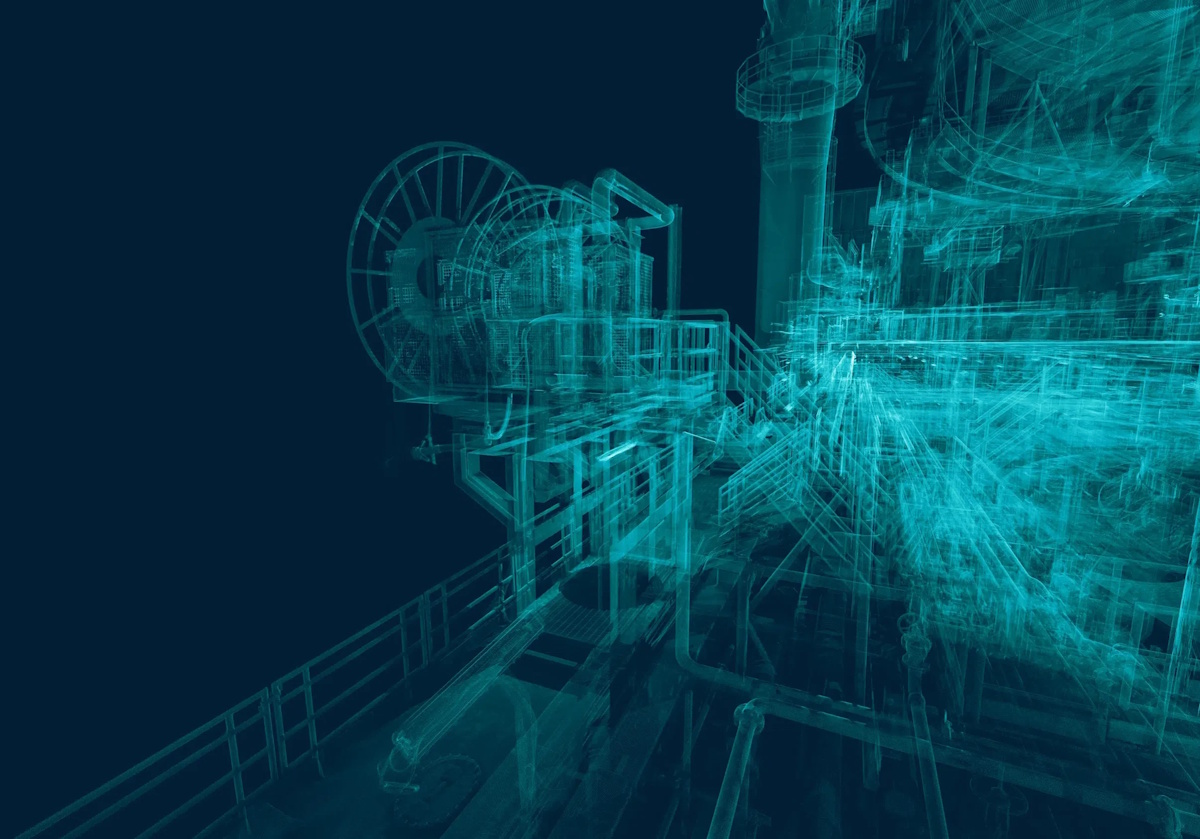
Oceaneering Expands Vision™ Platform with Subsea Module for Engineering‑Grade Integrity Visualization
Oceaneering International, Inc. has unveiled Vision™ Subsea, a new module integrated into its cloud-based Vision™ 3D data visualization software platform, developed by its subsidiary GDi. Announced today, this innovative module provides engineers with access to engineering-grade point cloud data collected during remotely operated vehicle (ROV) operations. By offering a measurable and contextual view of subsea asset integrity, Vision™ Subsea enhances the ability to identify anomalies, conduct dimensional checks, and plan interventions effectively. This advancement aims to improve the safety and efficiency of subsea operations, addressing the growing need for precise monitoring and maintenance of underwater infrastructure.
oceaneering gdi vision™ platform subsea module integrity visualization
Smooth Motor Advances Across Robotics and Intelligent Automation Industries Through 30 Years of Rapid Engineering Response
As product development cycles shorten and system complexity increases, the industry faces growing demands for efficient validation, long-term reliability, and cost control. This trend has emerged as companies strive to meet the evolving expectations of consumers and stakeholders. The pressure to innovate rapidly while ensuring quality and affordability has prompted organizations to adopt new strategies and technologies. By leveraging advanced data analytics and streamlined processes, businesses aim to enhance their product offerings and maintain competitiveness in a fast-paced market. The ongoing shift underscores the necessity for adaptability and efficiency in an environment where both time and resources are limited.

Into the Omniverse: How Industrial AI and Digital Twins Accelerate Design, Engineering and Manufacturing Across Industries
Companies across various industries are increasingly leveraging industrial AI, digital twins, AI physics, and accelerated AI infrastructure to enhance their design, simulation, and optimization processes. This technological shift allows organizations to refine products, processes, and facilities in a virtual environment before actual construction begins. By adopting these advanced tools, businesses aim to improve efficiency, reduce costs, and accelerate time-to-market for new innovations. The integration of these technologies is seen as a crucial step in staying competitive in a rapidly evolving market, enabling firms to make data-driven decisions and optimize their operations effectively.
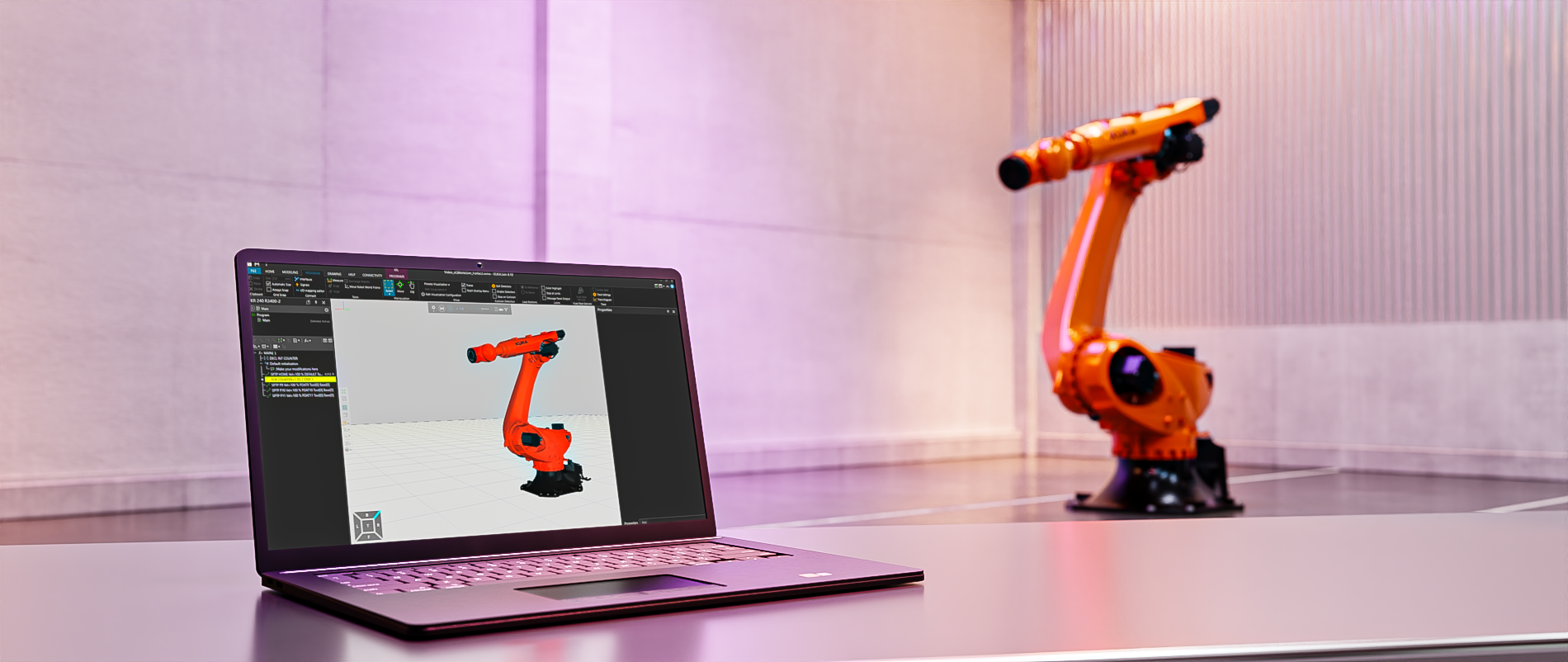
All-in-one Engineering Suite for next-level digital manufacturing
The iiQWorks software platform has emerged as a pivotal tool in the automation sector, facilitating comprehensive support for the entire automation process and ensuring efficient data exchange throughout all phases of planning and production. By leveraging digital twin technology, the platform enhances the ease and speed of robot operations. This innovative approach includes features such as offline programming and virtual commissioning, which are designed to align with the principles of Industry 4.0. As industries increasingly adopt these advanced automation solutions, iiQWorks is positioned to play a crucial role in transforming manufacturing processes and improving operational efficiency.

Tech Professionals Leverage Connectivity Tools for Global Collaboration
Tech professionals are increasingly distributed across various countries and time zones, with companies employing cybersecurity experts in one location and software developers in another. This trend is facilitated by the internet, which 74% of the global population utilizes, enabling borderless work and collaboration. The rise of remote work and digital collaboration tools has transformed the tech industry, allowing professionals to work from anywhere. Reliable mobile connectivity is essential for these workers, with solutions like the Holafly eSIM providing seamless coverage before arrival in a new country. The eSIM's Always On feature ensures uninterrupted connectivity, crucial for remote presentations and system check-ins. As the demand for specialized talent grows, companies are increasingly hiring based on skills rather than location. This shift has led to a rise in global mobile engineering roles, presenting new opportunities and unique cybersecurity challenges for tech workers operating across borders. No further timeline was disclosed at the time of publication.
Internet Technology cloud computing cloud infrastructure cybersecurity digital nomads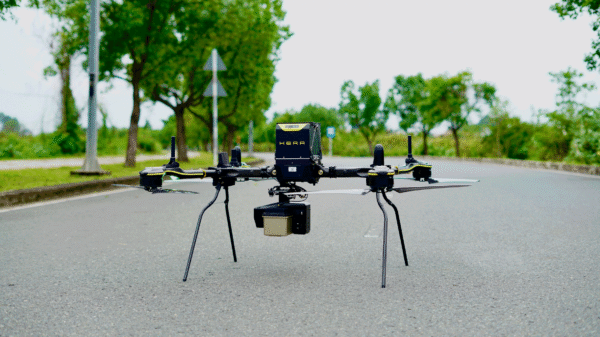
GeoCue’s TrueView 641 Certified for Real-Time Robotics HERA Drone
The companies say the integration gives customers a secure aerial mapping option that combines heavy-lift American-made drones with engineering-grade LiDAR. Huntsville, Ala.-based GeoCue has announced that its TrueView LiDAR payloads are now compatible with drones from Real-Time Robotics Inc., a pairing the companies say expands NDAA-compliant drone LiDAR options for customers in surveying, defense, public […] The post GeoCue’s TrueView 641 Certified for Real-Time Robotics HERA Drone appeared first on DRONELIFE.
Drone News Drone News Feeds Inspection LiDAR News Sensors
Managing traffic in space
Associate Professor Richard Linares is addressing the growing challenge of satellite navigation in congested orbits. As the number of satellites in space continues to rise, the risk of collisions increases, making safe navigation crucial for space operations. Linares, an expert in aerospace engineering, is developing innovative strategies and technologies to enhance the safety and efficiency of satellite movements. His work is particularly timely, given the rapid expansion of satellite constellations and the increasing interest in space exploration and commercial ventures. By leveraging advanced algorithms and data analysis, Linares aims to create systems that can predict potential collisions and facilitate safer maneuvering of satellites in crowded orbital paths. This initiative not only aims to protect existing satellites but also to ensure the sustainability of space activities for future generations.
Profile Faculty Satellites Pollution Aeronautical and astronautical engineering automation
OnLogic to Showcase Practical Physical AI and Full-Facility Workload Consolidation at Automate 2026
OnLogic, a leader in industrial computing, is set to showcase its innovative edge solutions at the Automate 2026 show, taking place from June 22-25 at McCormick Place in Chicago, Illinois. Positioned at Booth 867, the company aims to highlight practical applications of Physical AI and advanced workload consolidation, moving beyond the prevalent cloud AI hype. As industries increasingly seek to implement artificial intelligence, many face challenges such as cloud latency and high bandwidth costs. OnLogic's VP of Product Engineering, Sheldon Sun, emphasizes the need for reliable edge computing to enable real-time operations in demanding environments. The company will demonstrate how its robust hardware can effectively bridge the gap between sophisticated software and the realities of modern industrial settings. Attendees can expect live demonstrations, including a forklift near-miss detection system powered by edge computing and an automated quality control inspection using advanced machine vision. OnLogic will also present a range of industrial and edge computing solutions, including the Helix 520 Series and the ultra-compact CL260 fanless computer, designed for various applications within the industrial sector. For more information on OnLogic's offerings and to engage with their team during the event, visitors are encouraged to stop by Booth 867 or visit their website.
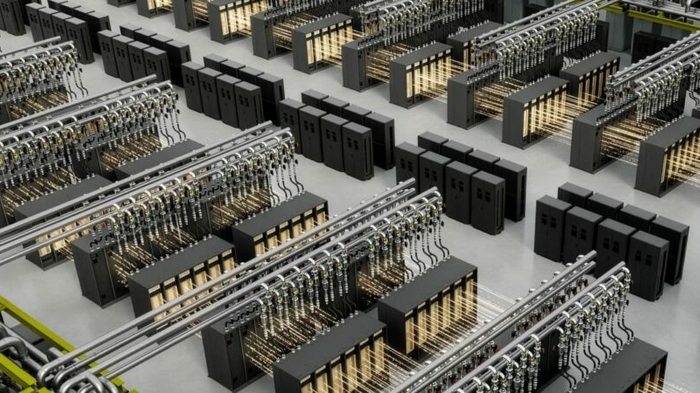
Performance per Watt: Key Metric for AI Infrastructure Efficiency and Profitability
Power constraints are critical for AI infrastructure, influencing revenue and profitability based on token generation within a fixed power budget. Performance per watt emerges as a vital metric, reflecting real-world results and shaping the scalability of AI factories in a power-limited environment. The NVIDIA Blackwell NVL72 platform exemplifies this metric, delivering the highest performance per watt and enabling organizations to maximize revenues while minimizing token costs. As AI models evolve, the need for architectural optimizations becomes essential, with the latest NVIDIA GB300 NVL72 achieving up to 25 times the performance per watt compared to previous generations. Looking ahead, NVIDIA's Vera Rubin platform aims to enhance energy efficiency further, while tools like DynoSim help teams optimize their performance. The ongoing improvements in software and the design of rack-scale systems highlight the importance of engineering rigor in managing the complexities of AI factory operations. No further timeline was disclosed at the time of publication.
SpaceX Launches Starmind Project for 1 Million AI Satellites by 2028
SpaceX has officially named its orbital AI infrastructure project 'Starmind,' which aims to deploy a constellation of up to 1 million satellites. This initiative, confirmed by Elon Musk on June 22, 2026, will enable AI inference directly in space, utilizing solar energy rather than terrestrial power sources. The first satellite, designated AI1, was unveiled on June 8, 2026, and is designed to operate in sun-synchronous orbits. The significance of Starmind lies in its potential to overcome the limitations faced by ground-based data centers, such as land, power, and water constraints. By running AI computations in orbit, Starmind can provide a more efficient solution to the growing demand for AI computing power. The project leverages the existing Starlink infrastructure for data transmission, distinguishing its function from Starlink's internet relay capabilities. Looking ahead, SpaceX plans to begin hardware deployment with the AI1 satellite, while full-scale production and deployment of the satellite constellation are targeted for 2028. As of now, no Starmind satellites have been launched, and further engineering challenges remain to be addressed, particularly regarding the scalability of the satellite design.
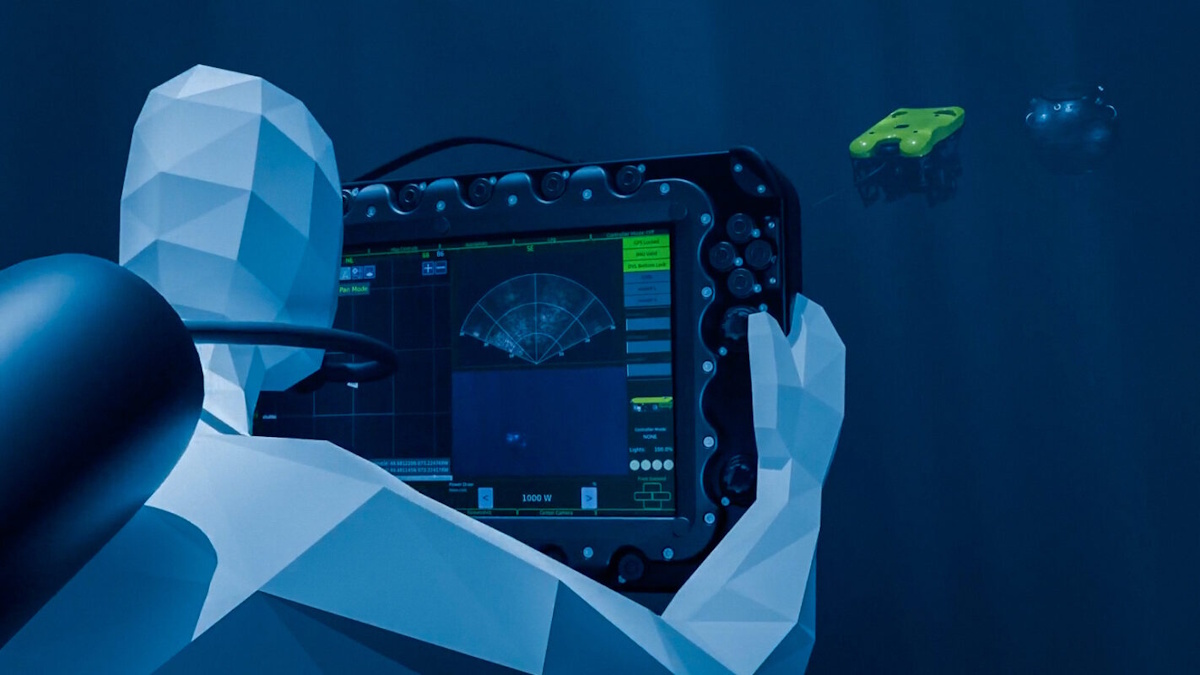
Greensea IQ is Awarded $18 Million Contract by the US Navy for the Bayonet Underwater Controller (BUC) Development and Sustainment
Greensea Systems, Inc., operating as Greensea IQ, has secured an $18.15 million Indefinite-Delivery/Indefinite-Quantity (IDIQ) contract to deliver hardware, software, and engineering technical services. This contract, awarded for an undisclosed duration, focuses on the development of underwater controllers essential for the operation of autonomous and remotely operated systems in maritime settings. The contract aims to enhance capabilities in underwater technology, reflecting the growing demand for advanced solutions in marine environments.
greensea iq u.s. navy new contract bayonet underwater controller (buc) development and sustainment
Qingyan Precision Secures Funding to Drive Physical AI Infrastructure Development
Qingyan Precision, a spin-off from Tsinghua University, has successfully secured hundreds of millions in its latest funding round to bolster its advancements in physical artificial intelligence. The company is dedicated to revolutionizing automotive testing by developing a comprehensive engineering system that gathers and analyzes real-world data. With more than 2,000 data collection nodes already in operation, Qingyan Precision is positioning itself as a significant contributor to the industrial AI sector. This funding will enable the firm to enhance data-driven decision-making processes within the manufacturing industry, further establishing its role in the evolving landscape of technology and engineering.
Physical AI Industrial Automation Data Infrastructure Engineering Systems
NatPower and Tesla Strike 25 GWh European Battery Storage Deal
NatPower has entered into a multi-year agreement with Tesla to supply and deploy over 25 gigawatt-hours of battery energy storage systems in European markets, with initial projects set for Italy and the United Kingdom. Announced on June 23, 2026, the partnership will see Tesla provide its Megapack technology, along with engineering, procurement, construction services, and energy trading optimization via its Autobidder platform. The projects, which will be owned and operated by NatPower, aim to streamline project development, financing, construction, and energy trading, facilitating large-scale battery deployment. The first phase includes five projects and is part of a larger initiative targeting over 100 GWh of storage capacity. NatPower anticipates that the full program could yield between $4 billion and $5 billion in construction value and generate over $15 billion in revenue over two decades. This agreement underscores the increasing significance of large-scale energy storage in Europe, driven by rising electricity demand, renewable energy integration, and the growth of data centers. As Europe seeks to enhance grid reliability and meet decarbonization goals, substantial storage additions will be necessary in the coming years. Tesla has established itself as a leading supplier of utility-scale battery systems, while NatPower continues to expand its role in energy infrastructure development. The storage assets from this agreement will provide essential grid balancing services and support electricity-intensive customers, including industrial facilities and data centers. NatPower CEO Fabrizio Zago emphasized the shift towards large-scale execution, while Tesla Energy Vice President Mike Snyder highlighted the integration of Tesla's capabilities to expedite battery deployments across Europe.

New imaging system sees through murky waters
A groundbreaking technology known as “Sonar-MASt3R” has been developed to enhance underwater mapping capabilities by integrating sonar and visual data. This innovative system is capable of producing real-time 3D maps, significantly improving navigation and exploration in challenging environments, including cloudy water conditions. The technology was unveiled in October 2023, showcasing its potential to revolutionize marine research and underwater operations. By combining different data sources, Sonar-MASt3R addresses the limitations of traditional mapping methods, offering clearer and more accurate representations of underwater landscapes. This advancement is expected to benefit various sectors, including environmental monitoring, maritime safety, and underwater archaeology, by providing researchers and professionals with reliable tools for better decision-making in aquatic environments.
Research Robotics Computer vision Imaging Sensors Oceanography and ocean engineering
New Chinese axial flux motor reaches 18,000 rpm milestone, can be used in EVs and robots
Pangoo Power, a Chinese company, has partnered with the Ningbo Institute of Materials Technology and Engineering to develop innovative energy storage solutions. This collaboration aims to enhance the efficiency and sustainability of energy systems, addressing the growing demand for renewable energy sources. The initiative was announced on October 15, 2023, during a conference in Ningbo, China, where experts discussed advancements in material technology and energy storage. By leveraging cutting-edge research and development, the partnership seeks to create more effective energy storage systems that can support the transition to greener energy solutions. The project is expected to contribute significantly to China's efforts in achieving its carbon neutrality goals by improving energy management and storage capabilities.

36Kr Exclusive: Four Key Propositions for ByteDance's AI by 2026
ByteDance is setting ambitious goals for its AI initiatives in 2026, focusing on four key areas. The company aims to enhance world model training, targeting performance levels comparable to Google's leading model, Genie 3, by the end of the year. Additionally, ByteDance plans to maintain its leadership in video models while exploring new avenues like dynamic generation. The company is also committed to strengthening its coding capabilities, emphasizing the importance of data feedback and evaluation to improve agent performance, particularly in office applications. Despite recent advancements, including the launch of Seed 2.0 and Seedance 2.0, ByteDance faces challenges in the world model arena, having entered the field later than competitors. The company established a research group in 2025 to explore visual-language-action models and has since set a clear goal for world model development. However, internal assessments indicate that performance still lags behind global standards by approximately 10%. In parallel, ByteDance is accelerating the commercialization of its Doubao platform, which has seen a surge in daily active users, reaching 200 million. The company plans to introduce paid features and enhance its offerings for professional users, particularly in sectors like finance and law. Doubao's strategy includes differentiating itself in the crowded AI tools market and expanding its presence internationally, with a focus on small language markets. As ByteDance navigates these challenges, it aims to leverage its engineering expertise and data resources to emerge as a leader in the evolving AI landscape.

China’s new LLM-powered ‘AI brain’ automates satellite surveillance
Chinese aerospace researchers have unveiled an innovative system that utilizes Large Language Models (LLMs) to enhance various aspects of aerospace engineering. This development was announced during a recent conference focused on advancements in aerospace technology, held in Beijing. The researchers aim to improve design processes, streamline communication, and facilitate problem-solving in the aerospace sector through the application of artificial intelligence. The motivation behind this initiative stems from the increasing complexity of aerospace projects, which demand efficient and effective solutions. By integrating LLMs, the researchers hope to harness the power of AI to analyze vast amounts of data and generate insights that can lead to more innovative designs and improved operational efficiency. The system operates by processing extensive datasets related to aerospace engineering, enabling it to assist engineers in generating design concepts, optimizing workflows, and predicting potential challenges. This approach not only aims to reduce the time and resources required for development but also seeks to foster collaboration among engineers by providing a common platform for communication. As the aerospace industry continues to evolve, the introduction of such advanced technologies is expected to play a crucial role in shaping the future of aerospace engineering, making it more adaptive and responsive to the challenges ahead.

Hellbender Secures $12.5M Seed Round to Accelerate Domestic Manufacturing of Physical AI and Launch Its On-Edge Camera Line
A robotics engineering and hardware firm has positioned itself as a key player in the realm of Physical AI by developing a foundational platform that enhances on-edge computer vision capabilities for autonomous systems. This innovative approach utilizes a robust portfolio of intellectual property to advance the field of robotics. The firm aims to revolutionize how autonomous systems perceive and interact with their environments, thereby improving their functionality and efficiency. By harnessing cutting-edge technology and data-driven insights, the company is set to make significant strides in the integration of AI within robotics, paving the way for more sophisticated and capable autonomous solutions.

How Melbourne’s AI and Data Center Flywheel Is Accelerating Research Innovation
Melbourne is solidifying its status as a global hub for artificial intelligence (AI) research and advanced engineering, driven by significant investments in infrastructure and a growing concentration of talent. The city, renowned for hosting major events like the Australian Open and Formula 1 Grand Prix, is now leveraging its organizational capabilities to support large-scale compute and data-intensive research. In February 2026, Monash University unveiled MAVERIC, Australia's largest university-based AI supercomputer, developed in collaboration with NVIDIA and Dell Technologies. This state-of-the-art facility is designed to enhance medical research, enabling Australian scientists to work with sensitive datasets securely. The supercomputer exemplifies Melbourne's commitment to fostering cross-disciplinary collaborations and advancing research in fields such as cancer detection and drug discovery. Melbourne's infrastructure is further bolstered by the expansion of data centers, including CDC Data Centres' new campus, which will provide over 800 megawatts of digital capacity essential for AI workloads. The city's strategic investments, including a AUD $2 billion AI infrastructure hub in Fishermans Bend, are positioning it as a national leader in high-performance AI. Moreover, Melbourne's selection to host international technology conferences, such as Data Center World Australia and The AI Summit Australia in September 2026, underscores its growing influence in the global AI landscape. These events facilitate knowledge transfer and collaboration among researchers, reinforcing Melbourne's role as a key player in the future of AI and data-driven research.
Australia Artificial-intelligence Research-centers Applied-ai Conferences
NVIDIA, Ineffable Intelligence Team Up to Build the Future of Reinforcement Learning Infrastructure
NVIDIA has announced a new engineering collaboration with Ineffable Intelligence, a London-based AI lab, aimed at enhancing the capabilities of reinforcement-learning agents. These AI systems, which learn through trial and error, are designed to transform computational processes into valuable knowledge. The partnership seeks to leverage the strengths of both organizations to advance the development of these intelligent systems, potentially leading to significant breakthroughs in AI applications. The collaboration underscores a growing interest in harnessing advanced AI techniques to drive innovation and efficiency across various sectors.

Startup Wants to Run AI Inference From Space
The rapid growth of large language models is driving a global surge in energy demand for data centers, prompting operators to seek alternative power sources. Among them is Orbital Inc., a Los Angeles-based startup that recently emerged from stealth mode to announce plans for space-based data centers. Backed by venture capital firm Andreessen Horowitz, Orbital aims to utilize solar energy from a constellation of small satellites in low Earth orbit to power AI inference workloads, such as chatbots. Orbital's founder and CEO, Euwyn Poon, emphasizes the limitations of terrestrial energy sources, stating, “There simply isn’t enough capacity here [on Earth], and the only way is up.” The company envisions a network of up to 10,000 satellites, each equipped with GPU server racks powered by solar panels. The first test of this concept is scheduled for 2027, with a prototype satellite launch aboard a SpaceX Falcon 9 rocket. While Orbital's approach aims to reduce launch costs and improve efficiency, it faces significant engineering challenges, including radiation effects on GPUs, thermal management in space, and maintenance difficulties. Experts like Dr. Amit Verma from Texas A&M University caution that the operational feasibility of such systems will depend on the specific applications they support. Despite these hurdles, Orbital plans to finalize its satellite designs by 2026 and establish a manufacturing facility by 2028, with the goal of tapping into major AI firms as customers. Poon remains optimistic about overcoming technical challenges, asserting that their engineering efforts will pave the way for the future of space-based data processing.
Data-center Space Ai Inferencing
Scientists built a memory chip that breaks the rules of miniaturization
Researchers have developed an innovative memory device that addresses the longstanding issues of overheating and battery drain in electronic devices. By significantly miniaturizing components and reengineering their structure, the team has successfully reduced energy loss, a breakthrough that was previously considered unattainable. This newly designed memory unit not only maintains functionality but actually improves as it decreases in size. The implications of this advancement are substantial, potentially leading to the creation of ultra-efficient smartphones, wearables, and artificial intelligence systems. This development marks a significant step forward in electronics, promising enhanced performance and sustainability in future technology.

Better Hardware Could Turn Zeros into AI Heroes
Researchers at Stanford University have developed a groundbreaking hardware accelerator named Onyx, designed to enhance the efficiency of artificial intelligence (AI) computations by leveraging the concept of sparsity. This innovation comes in response to the growing energy demands and carbon footprint associated with increasingly large language models (LLMs), such as Meta's recent Llama release, which boasts 2 trillion parameters. Onyx aims to address the limitations of current hardware, which often fails to fully utilize the sparse nature of AI models, where many parameters are effectively zero. By re-engineering the architecture to support both sparse and dense computations, Onyx achieves significant energy savings—consuming up to one-seventieth the energy of traditional CPUs and performing computations eight times faster on average. The development of Onyx reflects a broader trend in AI research, where experts are exploring new algorithms and hardware solutions to mitigate the environmental impact of AI technologies. The team at Stanford plans to expand Onyx's capabilities to support a wider range of AI operations, potentially revolutionizing the field and paving the way for more sustainable AI practices. As the demand for efficient AI solutions grows, Onyx represents a promising step toward balancing performance and energy consumption in machine learning.
Ai-models Gpus Energy-efficiency Data-compression
Sarang Gupta Builds AI Systems With Real-World Impact
Sarang Gupta, a data scientist at OpenAI in San Francisco, has leveraged his childhood curiosity and engineering skills to make significant contributions to the field of artificial intelligence. From a young age, Gupta demonstrated a knack for problem-solving, fixing household items and later developing software solutions, including an online ordering system for a local restaurant. After earning dual degrees in industrial engineering and business management from the Hong Kong University of Science and Technology, he began his career at Goldman Sachs, where he automated trade reconciliation processes, enhancing operational efficiency. In 2020, Gupta earned a master's degree in data science with a focus on AI from Columbia University, where he collaborated on projects that aimed to improve journalism through technology. He then joined Asana as a product data scientist, leading the launch of AI-powered features to enhance user experience. His work gained momentum alongside the rise of generative AI, prompting him to transition to OpenAI in September 2025. At OpenAI, Gupta collaborates with the marketing team to develop data-driven models that optimize customer outreach and measure the effectiveness of various marketing channels. He emphasizes the transformative potential of AI across industries and plans to continue his work in this rapidly evolving field. Gupta, an IEEE member since 2024, values the organization for its resources and networking opportunities, which he believes inspire and enhance his professional journey.
Ieee-member-news Openai Generative-ai Chatgpt Careers Type-ti
Tencent hires multiple core engineers from ByteDance’s Seed AI team
Tencent has intensified its recruitment efforts by hiring senior personnel from ByteDance's Seed AI team, focusing on expertise in visual AI platforms, infrastructure engineering, training infrastructure, and reinforcement learning algorithms. This strategic move aligns with Tencent's initiative to expedite the development of its large language models, as the company prepares for the anticipated launch of its next-generation Hunyuan 3.0 system in the second half of the year. The hiring spree reflects Tencent's commitment to enhancing its AI capabilities amid increasing competition in the tech industry.
News Feed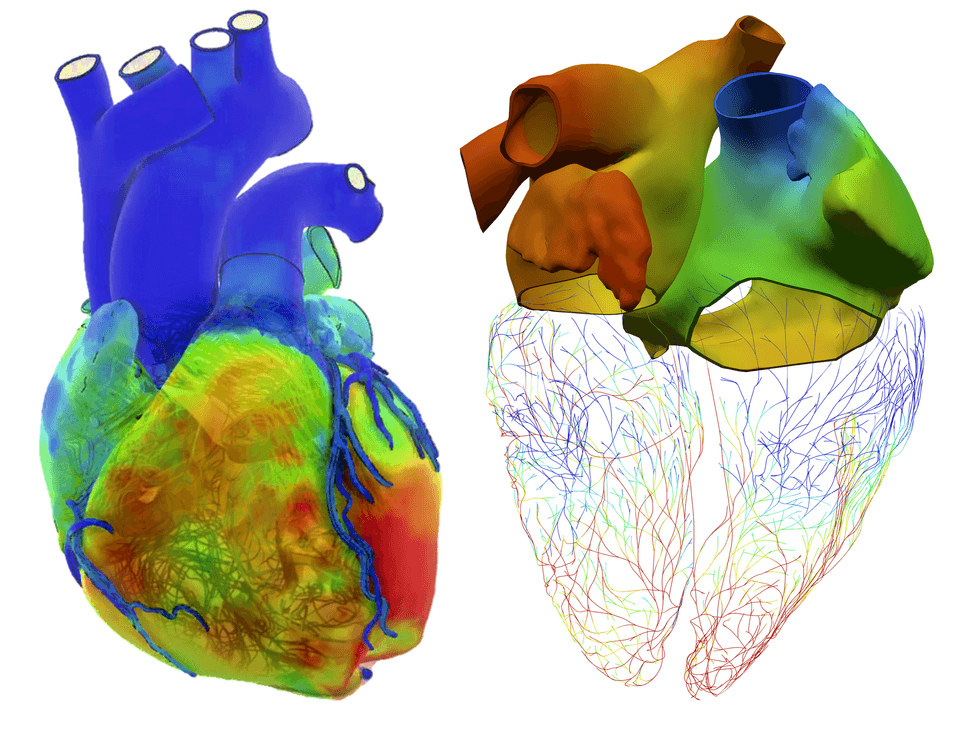
How Your Virtual Twin Could One Day Save Your Life
In May 2019, a cardiac surgeon at Boston Children’s Hospital successfully performed a complex heart surgery on a child with a severe congenital defect, utilizing advanced virtual twin technology. This innovative approach involved creating a detailed 3D model of the child's heart and vascular system from MRI and CT scans, allowing the surgical team to simulate various strategies and predict outcomes before the operation. The procedure was critical due to the unique nature of the child's heart condition, which had no established surgical manual. The Living Heart Project, initiated in 2014, has since guided nearly 2,000 surgeries by employing virtual twin modeling, which combines engineering principles with medical expertise to enhance surgical precision and patient outcomes. This project, now involving over 150 organizations globally, aims to revolutionize medical treatment by providing a dynamic, predictive tool that can simulate the human body's responses. The technology not only aids in surgical planning but also has the potential to streamline clinical trials. By creating virtual patient cohorts, researchers can test treatments more efficiently, reducing the time and costs associated with traditional trials. The FDA has recognized the significance of this approach, collaborating with the project to establish guidelines for in silico clinical trials, marking a significant shift in how medical innovations are developed and validated. As virtual twins expand beyond cardiac applications to other organs, they promise to transform healthcare by enabling personalized medicine and fostering a deeper understanding of patient physiology, ultimately improving treatment outcomes and patient engagement in their health management.
Cardiology Digital-twins Personalized-medicine Virtual-heart Generative-ai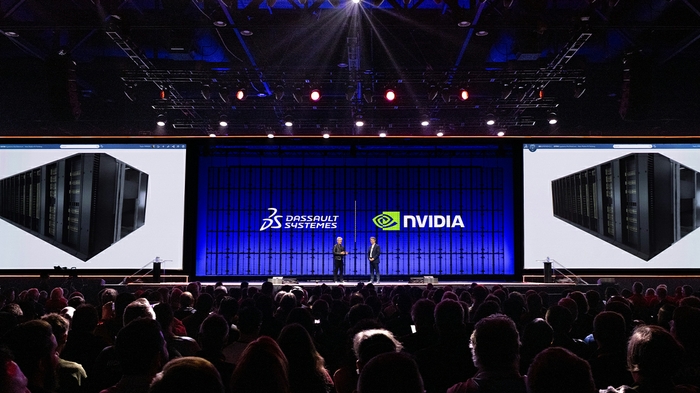
Everything Will Be Represented in a Virtual Twin, NVIDIA CEO Jensen Huang Says at 3DEXPERIENCE World
NVIDIA's founder and CEO, Jensen Huang, has joined forces with Dassault Systèmes CEO, Pascal Daloz, to establish a partnership aimed at developing a shared industrial AI architecture. This collaboration, announced recently, seeks to integrate virtual twins with physics-based AI, a move that promises to transform the fields of design and engineering. The initiative is positioned to redefine how industries approach innovation and efficiency, leveraging advanced technologies to enhance product development and operational processes. By combining their expertise, both companies aim to push the boundaries of what is possible in industrial applications, ultimately driving progress in various sectors.

From vision to reality: how to deploy foundation models across industries
The recent deployment of foundation models across various industries marks a significant transformation in the application of artificial intelligence. This shift is not merely about introducing a singular, powerful solution to replace existing workflows; rather, it emphasizes a complex and iterative process of aligning advanced technology with engineering practices and market demands. On Thursday, the founders of two prominent Chinese AI unicorns discussed these developments, highlighting the importance of adapting AI agents to meet specific industry needs. Their insights reflect a broader trend in the tech landscape, where the focus is on integrating AI solutions that enhance rather than disrupt current operational frameworks. This evolution is expected to drive innovation and efficiency, as businesses seek to leverage AI in a way that complements their existing systems.
Events AI Ant Group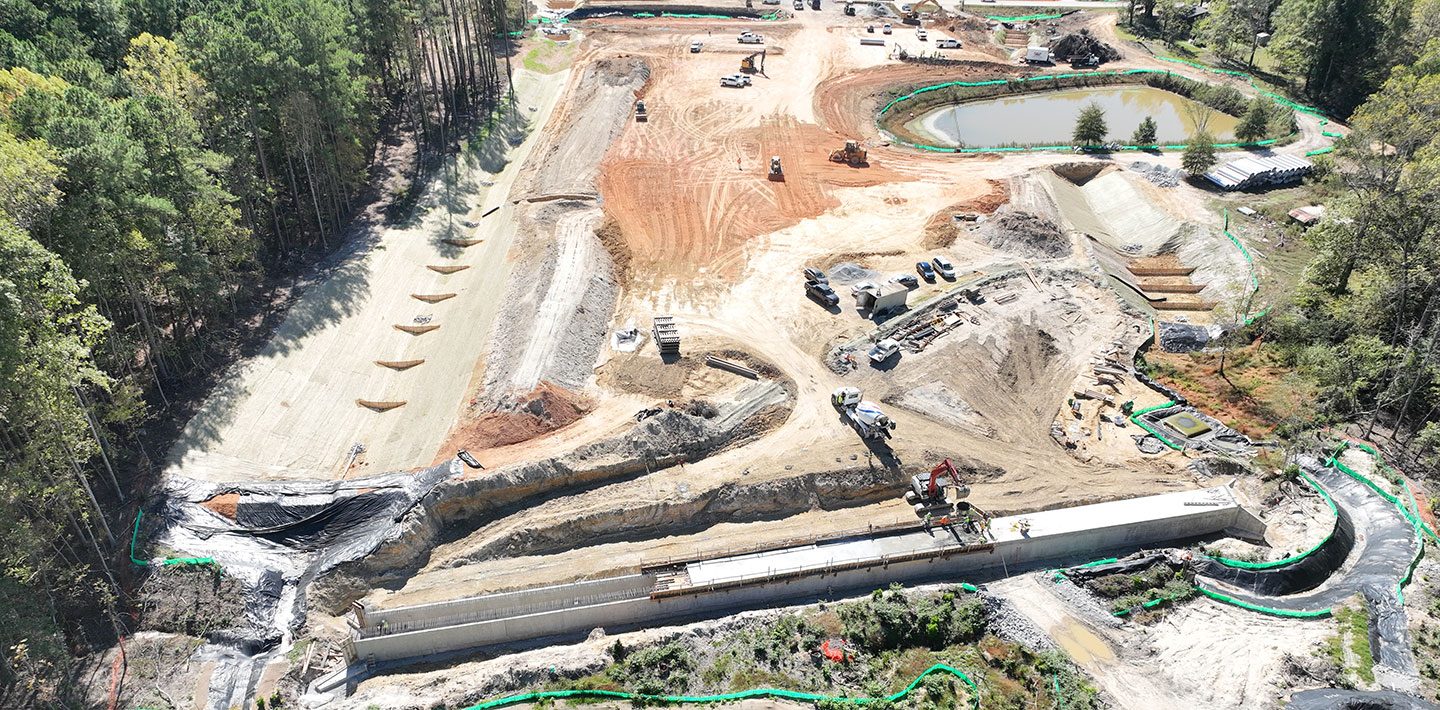
North Carolina Turnpike Authority Uses Drone LiDAR to Improve Oversight on Complete 540 Project
The North Carolina Turnpike Authority (NCTA) is implementing a pilot program that utilizes drone-based LiDAR technology to enhance oversight of the final phase of the Complete 540 project. This initiative aims to provide more accurate tracking of construction progress and improve safety measures on major transportation infrastructure. As construction advances, the use of aerial LiDAR will allow for a detailed assessment of the project, ultimately facilitating better scheduling and oversight. The integration of this technology marks a significant step in modernizing construction management practices in North Carolina.
Applications Construction Drone News Drone News Feeds LiDAR Mapping
How Kodiak uses AI and probabilistic risk assessment to measure autonomous trucking safety
Recent advancements in artificial intelligence are significantly accelerating the development of autonomous driving technology, allowing engineers to innovate at an unprecedented pace. However, the critical challenge remains ensuring that these advancements are paired with robust safety measures. Industry experts emphasize that achieving depth and rigor in safety protocols does not necessarily depend on having the largest budgets or the most extensive vehicle fleets. Instead, the focus is shifting towards extracting precise insights from data to enhance safety standards. As the industry moves forward, the integration of rigorous safety assessments with cutting-edge technology will be essential for the successful deployment of autonomous vehicles on public roads.
Autonomous Vehicles Computing Features Software ai safety automation newsRobotics needs a service framework.
RSF defines a common language for robot service capability, lifecycle operations, certification pathways, and service-provider networks.