

Industry Briefing
A single destination for timely, editor-curated robotics news from around the world.

Domestic Brands Capture 55% of China's Industrial Robot Shipments Led by Estun
Domestic brands in China have now secured approximately 55% of the industrial robot shipments, indicating a significant shift towards local capabilities. Estun has emerged as the leader in volume, while Inovance has made notable advancements in SCARA robots and servo systems. However, the high-end automotive and semiconductor process software sectors continue to pose challenges for these domestic brands. This shift is crucial as it reflects China's growing emphasis on self-reliance in technology and manufacturing. The dominance of local brands like Estun and Inovance highlights the potential for innovation and competitiveness within the domestic market. Despite these advancements, the difficulty in replacing high-end software solutions indicates that there is still a reliance on foreign technology in certain critical areas. Looking ahead, it will be important to monitor how domestic brands continue to evolve and address the challenges posed by high-end software in the automotive and semiconductor industries. No further timeline was disclosed at the time of publication.

Unitree's Stock Decline Raises Concerns for Upcoming Robot IPOs in China
Unitree's stock has seen a significant decline, dropping approximately 44% from its debut close of 845 yuan to 469.80 yuan by September 15. This downturn follows an initial surge of over 600% on its first day of trading, raising concerns among other robotics companies preparing for IPOs regarding the level of commercial proof required by investors and regulators. The implications of Unitree's stock performance are critical for the future of humanoid robot IPOs in China. As reported, the company's growth is slowing, with first-half revenue of 1.152 billion yuan reflecting a 48.54% increase, while net profit excluding non-recurring items fell by 19.34% to 244 million yuan. This situation has led analysts to question whether Unitree's high valuation, approximately 190 billion yuan, is justified given its reliance on research and education applications. Looking ahead, the scrutiny of Unitree's fundamentals may set a precedent for other robotics firms seeking to enter public markets. Investors and regulators are likely to demand more substantial commercial proof before approving future IPOs. No further timeline was disclosed at the time of publication.
Unitree Robotics Dobot Robotics Leju Robot Business Deep Robotics China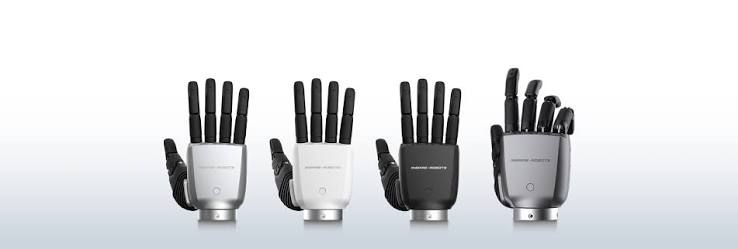
China Launches First Insurance for Intelligent Robotic Components at 2026 Service Trade Fair
On September 11, China Pacific Insurance and Beijing Daqi Yuequan Biomimetic Technology signed a collaboration for insurance covering intelligent robotic components, marking the first such insurance in the country. The policy protects against accidents, natural disasters, design defects, and operational errors, while also covering third-party injuries and property damage caused by equipment use. This insurance product addresses significant concerns for manufacturers and end-users of dexterous hands, which are costly and require high precision. With this coverage, procurement decisions may become easier as risks associated with equipment loss and third-party liabilities are mitigated. The collaboration aims to bolster confidence in the intelligent robotics sector by establishing a risk barrier for core components. The launch of this insurance indicates a shift in the industry, suggesting that key components have moved beyond experimental phases to a stage where tangible investments are necessary. Future developments to watch include the alignment of insurance rates with actual fault data and the potential introduction of similar insurance products for other critical components like joint modules and sensors.
Robotic Components Insurance Embodied Intelligence Risk Management
China Mobile Launches Open-RAIL Engineering Base for VLA and WAM Robot Models
China Mobile has announced the open-source release of Open-RAIL, an engineering base designed to integrate vision-language-action and world-action-model systems with robotic platforms. This innovative framework allows for seamless model inference, real-robot execution, data feedback, and model iteration within a unified workflow. The significance of Open-RAIL lies in its ability to support four heterogeneous robots and ten VLA or WAM models, making it a versatile tool for developers. The project claims that new models can be integrated with only 50 to 100 lines of code, while its hardware-abstraction layer ensures standardized control, state reading, and action execution across various robot platforms. Looking ahead, the adoption of Open-RAIL could streamline the development process for robotics applications, enhancing interoperability among different systems. No further timeline was disclosed at the time of publication.
News Feed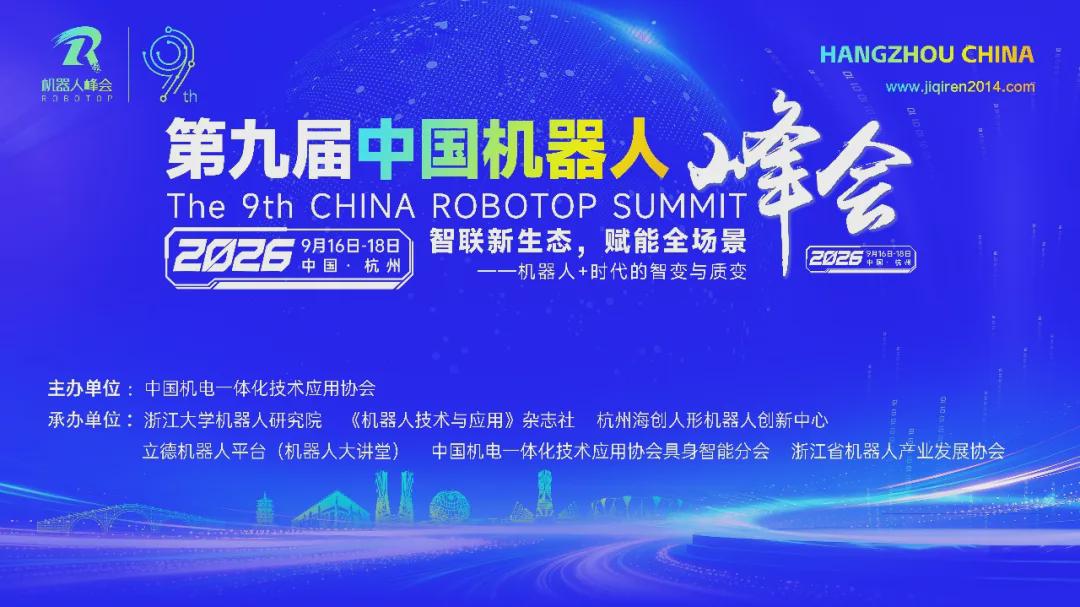
9th China Robot Summit Scheduled for September 2026 in Hangzhou
The 9th China Robot Summit will take place from September 16 to 18, 2026, in Hangzhou, focusing on the theme 'Intelligent Connectivity in a New Ecosystem: Empowering All Scenarios - The Intelligent Transformation and Quality Change of the Robot Era.' The summit will highlight cutting-edge topics such as embodied intelligence, large models, and the robotics industry ecosystem. This event will gather top industry experts and representatives from leading companies at the Future Technology City Academic Exchange Center in Hangzhou. Key activities will include a main forum, authoritative releases, and thematic discussions, providing a platform for rich exchanges of ideas and insights in the robotics field. Attendees are encouraged to register early due to limited availability. Transportation options from Hangzhou Xiaoshan International Airport and other local stations to the venue have been detailed for convenience. No further timeline was disclosed at the time of publication.
Robotics Artificial Intelligence Industry Ecosystem Technology Summit
Emergence of Robot Trainer Role in China Amidst Automation Growth
The rise of robots in factories, warehouses, and homes has led to the creation of a new job title: embodied intelligent robot application technician. Recently, China's Ministry of Human Resources and Social Security announced this role among 11 new professions and 23 new job types. This position involves training robots to adapt to diverse environments and handle unexpected situations, requiring extensive data collection for model optimization. The significance of this role lies in its necessity for the evolving landscape of robotics, where robots must perform various tasks beyond simple repetitive actions. According to Chen Jinxing from Fujian Jufu Technology Co., the training process involves collecting over 500 data sets for each action, with about 90% deemed effective for model enhancement. The role aims to ensure robots can generalize their learning across different scenarios, which is crucial for their real-world application. Looking ahead, the development of this profession indicates a growing demand for skilled workers in the robotics sector. The process of formalizing this role into the national occupational classification system suggests that it has reached a significant scale. Future considerations include whether the data collection standards will evolve as robots become more capable, potentially altering the responsibilities of robot trainers in the industry.
Robot Training Embodied Intelligence Automation Careers AI Technology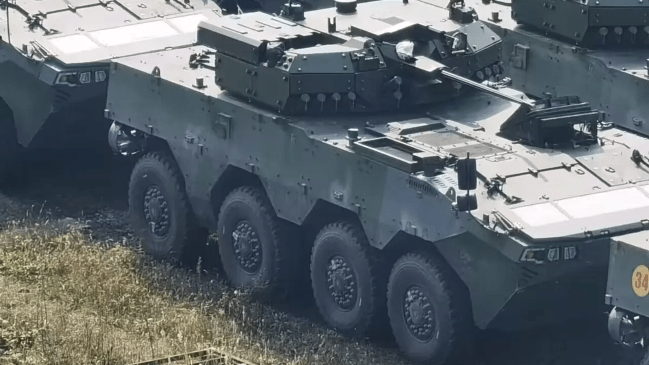
China Develops Type 19 Vehicle as Mobile Laser Defense Against Drone Threats
China is reportedly developing a new variant of its Type 19 amphibious 8×8 combat vehicle, equipped with a turret-mounted laser weapon and additional sensors. This modification aims to enhance protection for frontline troops against the increasing use of drones, particularly in potential conflicts involving Taiwan. The significance of this development lies in its potential application during military operations, especially as Taiwan expands its drone capabilities. The modified Type 19 could provide crucial counter-drone protection for PLA forces during amphibious landings, although the impact of the new equipment on the vehicle's performance remains uncertain. Looking ahead, the effectiveness of the Type 19 variant will depend on overcoming engineering challenges related to weight and operational capabilities. As Taiwan enhances its drone warfare strategies, the need for effective counter-drone systems becomes increasingly critical for the PLA, particularly in scenarios involving drone swarms targeting their forces.
Military
New Images of China's WZ-X Stealth Drone Reveal Key Features and Flight Capabilities
Recent images have surfaced showing China's WZ-X stealth drone, resembling the American B-2 Spirit. These photos, taken at an undisclosed location, highlight the drone's unique serrated trailing edge, suggesting advanced stealth capabilities. This design feature is intended to deflect radar signals, enhancing its operational effectiveness in contested airspace. The significance of the WZ-X lies in its potential role for reconnaissance missions, akin to the US RQ-170/RQ-180 drones. Analysts speculate that it could gather crucial intelligence while maintaining a low radar profile, thanks to its flying-wing design. The drone's daylight test flights indicate a shift towards a more advanced flight-test phase, suggesting increased confidence in its capabilities. Future developments to watch include the potential integration of advanced sensor systems such as synthetic-aperture radar and electronic-intelligence equipment. However, the exact specifications and operational capabilities of the WZ-X remain largely unverified, as the designation is unofficial and the images have not been independently authenticated.
Innovation Military
Tesla's China Electric Vehicle Sales Growth Slows to 3.6% in August
Tesla, Inc. (NASDAQ:TSLA) reported a 3.6% year-over-year increase in China-made electric vehicle sales for August, marking its tenth consecutive month of growth. However, this growth is a significant slowdown from July's 38% increase, with the Shanghai factory shipping 86,166 units, down 7.9% from the previous month. This deceleration is noteworthy as it highlights the increasing competition from domestic Chinese manufacturers offering more affordable and feature-rich electric vehicles. Additionally, Tesla's share of global delivery volume from China has fallen below 30% for the first time since late 2020, indicating a shift in market dynamics. Looking ahead, Tesla's ability to maintain its growth trajectory in China while managing profitability will be crucial. The company faces challenges from declining domestic deliveries and increasing competition, which could impact its overall performance. Investors should monitor Tesla's strategies to regain momentum in the Chinese market and its efforts to protect margins globally.

Meituan Launches China's First Dedicated Drone-Delivery Route with McDonald's in Shanghai
Meituan has established a low-altitude delivery network in Shanghai's West Bund, marking the launch of China's first dedicated drone-delivery route for a restaurant brand in collaboration with McDonald's. This innovative network connects multiple venues in the West Bund area and currently features nearly 20 restaurant chains, with plans to expand to over 40 by the end of the year. The significance of this development lies in its potential to revolutionize food delivery in urban areas, enhancing efficiency and speed. Meituan claims that the fastest deliveries can be completed in just 10 minutes, utilizing its advanced fourth-generation M-Drone 4L Winch, M-Port 3 drone ports, and M-DaaS 3 scheduling system, which collectively streamline the delivery process. Looking ahead, the expansion of this drone-delivery network could reshape the logistics landscape for the food service industry in China. As Meituan continues to grow its partnerships and enhance its technology, industry stakeholders should monitor the impact of this initiative on delivery times and customer satisfaction. No further timeline was disclosed at the time of publication.
News Feed
China Advances Toward Integrated Air, Land, and Sea Drone Swarm Systems
China is progressing from large formations of identical drones to a more complex network that coordinates uncrewed systems across air, land, and sea. The China Electronics Technology Group Corporation (CETC) highlights the evolution of drone swarms from mere numbers to distributed systems capable of communication and local decision-making. This shift is significant as it enhances operational capabilities in diverse environments, particularly in military applications. CETC identifies five key capabilities for effective swarm functionality: survivability, situational awareness, planning and decision-making, mission execution, and autonomous learning. While China has made strides in these areas, challenges remain, especially in integrating different types of uncrewed systems. Looking ahead, CETC envisions a heterogeneous swarm that allows various platforms to work together seamlessly. This integration could enable aerial drones, ground vehicles, and maritime systems to share information and resources, enhancing overall mission effectiveness. However, achieving this level of coordination presents substantial technical challenges.
Military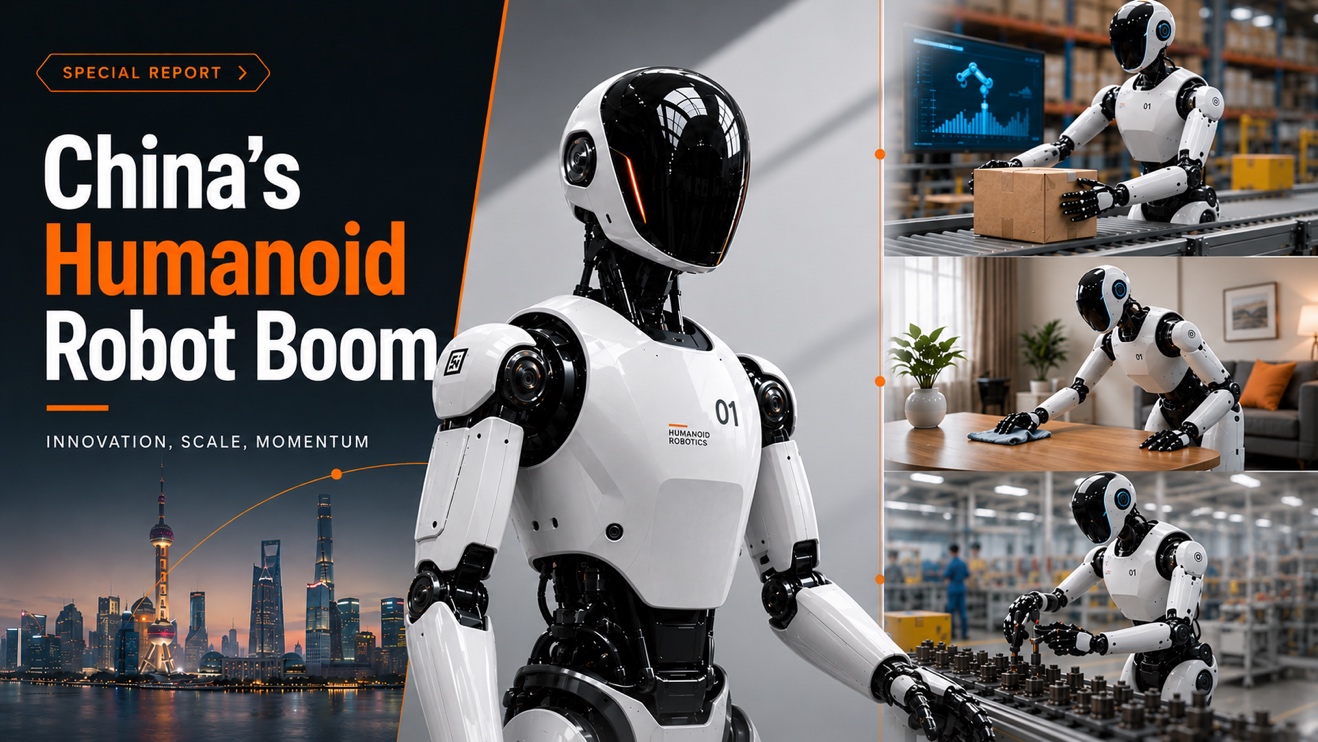
China's Humanoid Robot Industry Faces Challenges on Path to Commercial Success
China's humanoid robot industry is transitioning from impressive demonstrations to practical applications in everyday environments. Companies are exploring roles for these robots in workplaces and services, with a significant lead over U.S. counterparts in terms of speed and scale. In the first half of 2026, five Chinese companies accounted for 86% of global humanoid shipments, highlighting their rapid growth. The industry's success hinges on three key factors: cost, capital, and a vast testing ground for commercialization. With a robust manufacturing base and significant funding, Chinese companies are well-positioned to innovate and lower prices. However, challenges remain, including the need for reliable AI systems and integrated software, as well as the ability to convert physical capabilities into sustainable demand. Looking ahead, the commercialization of humanoid robots is still in its early stages, with limited large-scale orders. Experts emphasize the importance of repeat orders and customer payback periods as indicators of success. As the industry evolves, addressing safety, security, and supply-chain vulnerabilities will be crucial for gaining acceptance in global markets.
Heavy Hitters Highlight News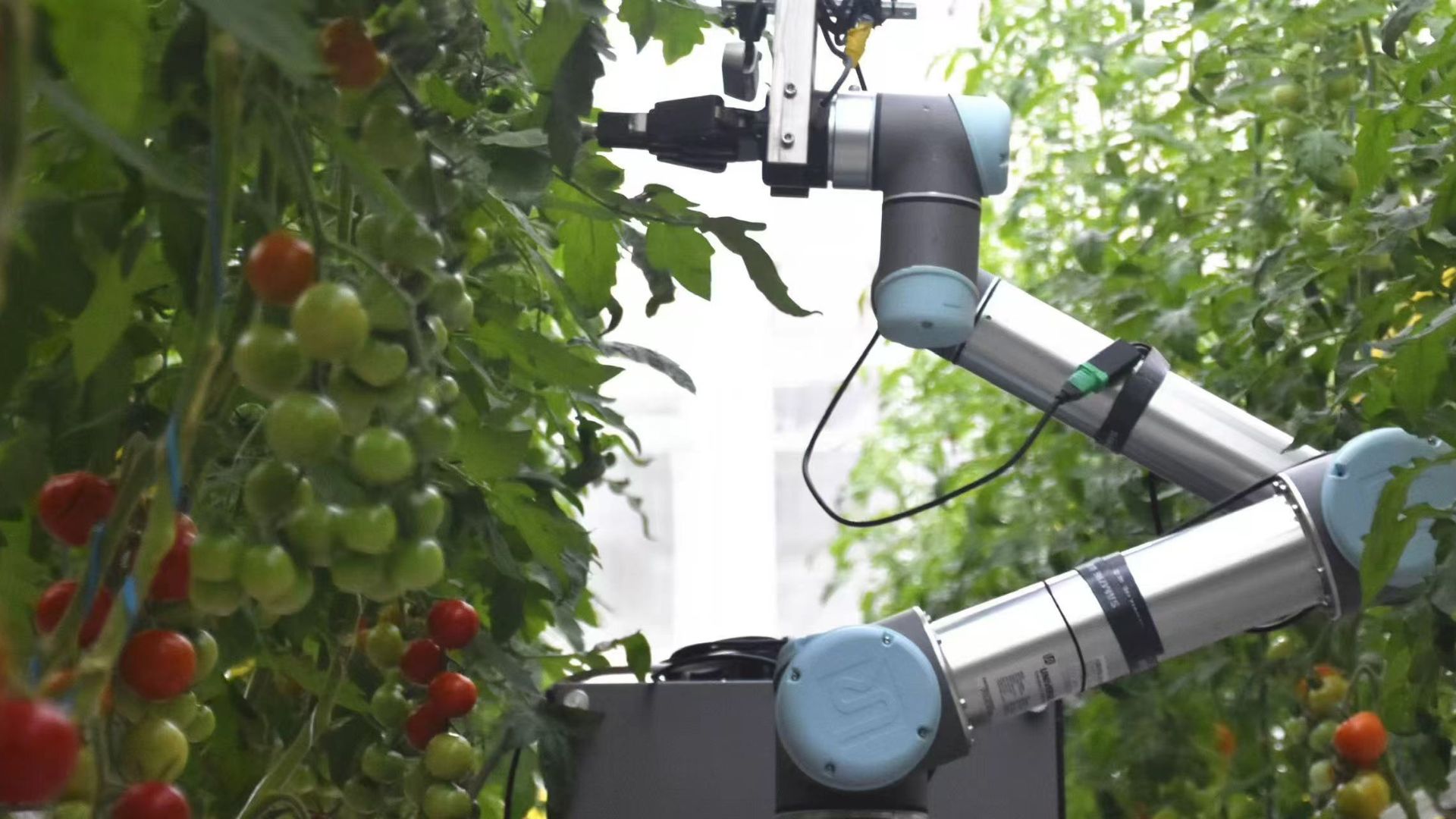
China Unveils GEAIR 2.0 Humanoid Robot for Efficient Crop Pollination
A new humanoid robot named GEAIR 2.0 has been introduced in Beijing, designed to assist in crop breeding through autonomous hybrid pollination. Developed by the Institute of Genetics and Developmental Biology under the Chinese Academy of Sciences, this robot operates independently in complex agricultural environments, enhancing its flower-recognition capabilities and improving stigma-recognition accuracy from 85% to 92.8%. The significance of GEAIR 2.0 lies in its potential to revolutionize crop breeding by automating a labor-intensive process. By combining robotics, artificial intelligence, and biotechnology, the robot can perform pollination tasks efficiently, reducing the reliance on manual labor and lowering breeding costs. Its ability to work continuously without human supervision makes it a valuable asset for large-scale agricultural operations. Looking ahead, the developers emphasize the robot's role in improving the efficiency of hybrid breeding. The system's design allows it to navigate through dense crops and perform tasks under varying environmental conditions. No further timeline was disclosed at the time of publication.
AI and Robotics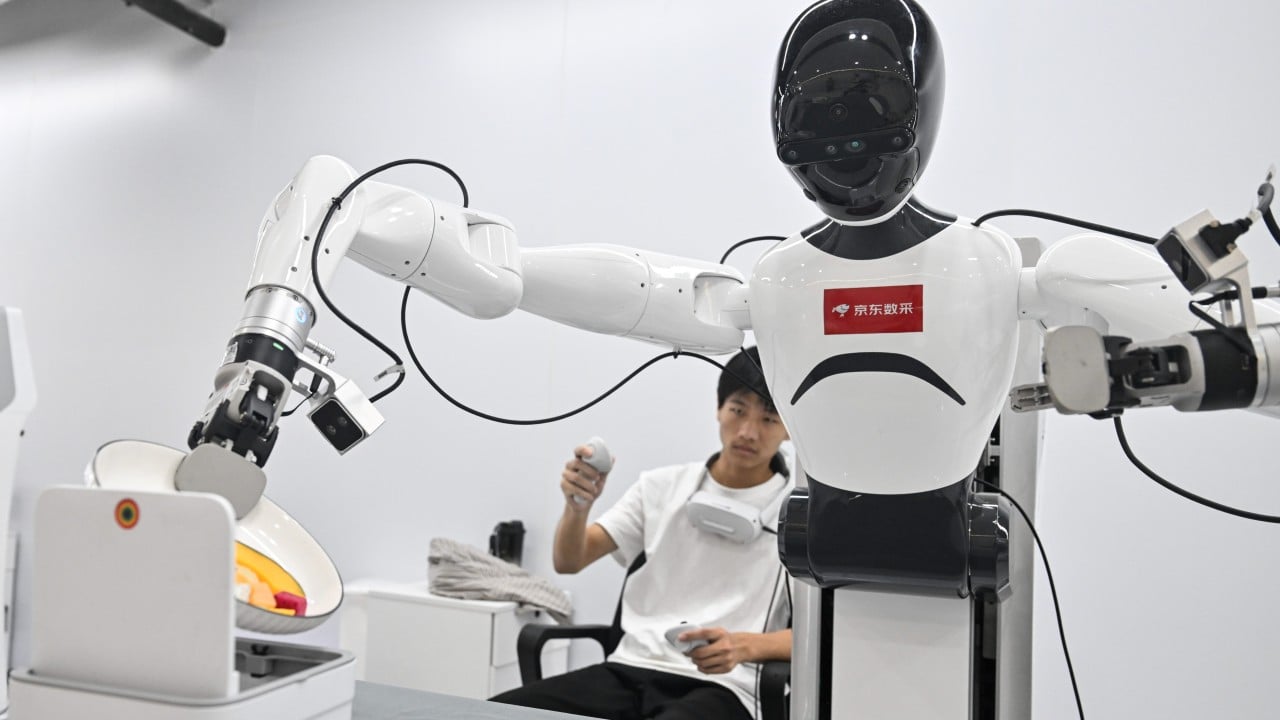
JD.com Plans to Deploy 3 Million Robots to Automate Logistics Network in China
JD.com is intensifying its automation efforts by planning to deploy 3 million robots across its logistics network over the next five years. This initiative includes the introduction of the Wolf Robot series, which is designed to handle repetitive tasks and operate in challenging environments, as confirmed by Liu Lige, head of embodied intelligence robots at JD Logistics. The move is significant as it aims to create a fully automated supply chain while addressing potential job displacement among its workforce of 700,000 delivery and logistics personnel. JD.com is committed to retraining its couriers for technical roles, such as robot maintenance, under its Nirvana Plan, which was outlined by founder Liu Qiangdong earlier this year. Looking ahead, JD.com’s ambitious plan to integrate 1 million unstaffed vehicles and 100,000 delivery drones alongside the robots will be crucial in shaping the future of logistics in China. No further timeline was disclosed at the time of publication.

CCID Media and RX China Collaborate for Enhanced ROBOTECH 2026 with Real-World Robotics Applications
CCID Media and RX China have announced a strategic alliance to enhance the ROBOTECH 2026 expo, focusing on real-world robotics applications. This collaboration aims to combine authoritative industry insights with global exhibition expertise, facilitating the commercialization of embodied intelligence across various sectors. The partnership is significant as it aligns with the rapid growth of China's embodied intelligence and intelligent robotics industry. By merging CCID Media's insights into industrial policy with RX China's exhibition capabilities, the expo is set to become a benchmark event for the robotics and intelligent manufacturing sectors. Looking ahead, ROBOTECH 2026 is expected to showcase advanced robotics technologies and applications, reflecting the evolving landscape of the industry. No further timeline was disclosed at the time of publication.
Over 30 Companies Participate in the 9th China Robotics Summit in Hangzhou
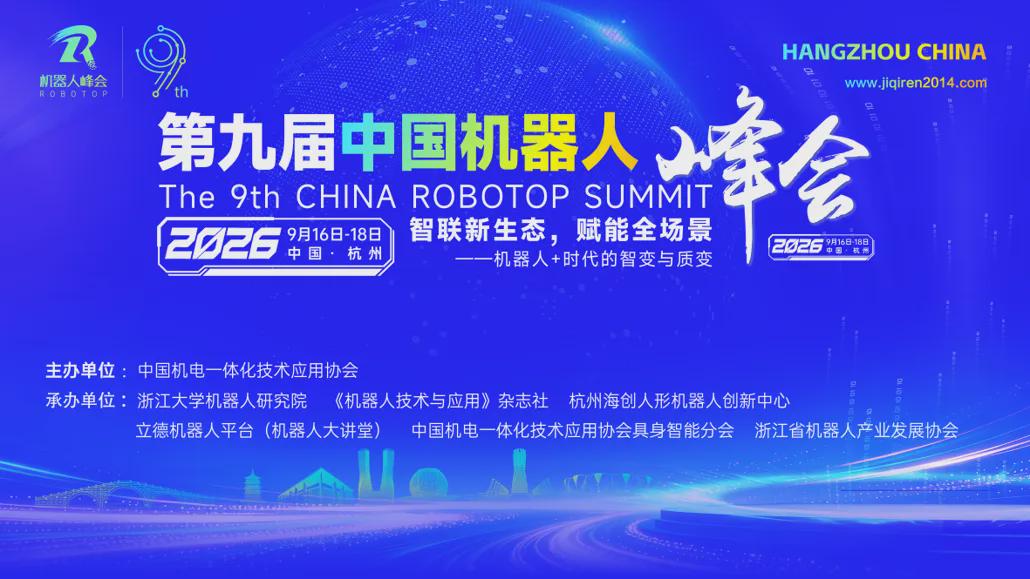
The 9th China Robotics Summit took place on September 17-18 in Hangzhou, featuring over 30 companies and institutions. The event highlighted advancements in robotics, including humanoid, quadruped, industrial, service, and special robots, showcasing the industry's shift from basic functionalities to real-world applications. This summit is significant as it reflects the evolving landscape of robotics, where competition now hinges on comprehensive industrial collaboration rather than isolated components or algorithms. The focus has shifted towards the integration of AI, cloud computing, and advanced sensors, which enhance robots' capabilities in understanding environments and executing tasks. Looking ahead, the industry is expected to continue evolving, with an emphasis on how robots perceive their surroundings, understand tasks, and make decisions. The integration of key components such as dexterous hands, sensors, and precision manufacturing systems will play a crucial role in enhancing product performance and production efficiency.
Robotics AI System Integration Industrial Automation Supply Chain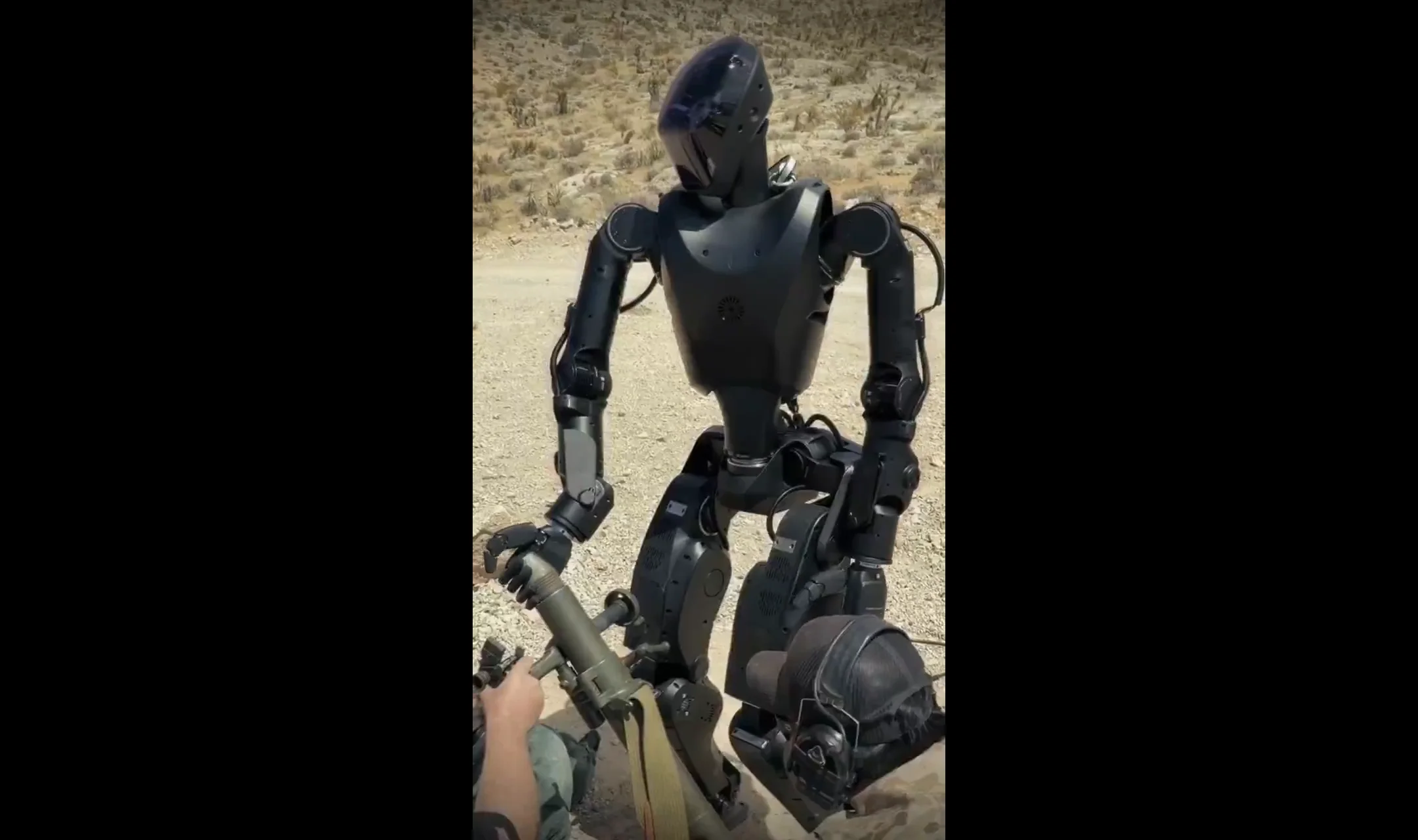
China's Military Advances in Humanoid Robotics for Combat Readiness
Last month in Beijing, bipedal humanoid robots impressed audiences at the 2nd World Humanoid Robot Games, where they excelled in speed and manipulation. However, the event caught the attention of China's defense sector, which is pushing to integrate these robots into military operations. The PLA Daily has called for accelerated development to transition laboratory robotics into combat-ready units, reflecting a significant shift in military strategy influenced by lessons from the Ukraine conflict. The analysis of over 100 military procurement documents reveals that China is planning for the deployment of humanoid robots on the battlefield. Research from the National University of Defense Technology indicates that these robots could operate alongside human soldiers in urban environments within five to ten years. Recent military exercises have already incorporated humanoid platforms into tactical simulations, demonstrating their potential for reconnaissance and security tasks. As China develops its humanoid capabilities, the American defense industry remains cautious, with major firms like Boston Dynamics refusing to weaponize their robots. The contrasting approaches highlight the competitive landscape in military robotics, with China's domestic supply chain providing a significant advantage in production and integration of humanoid technology. No further timeline was disclosed at the time of publication.
US China Foundation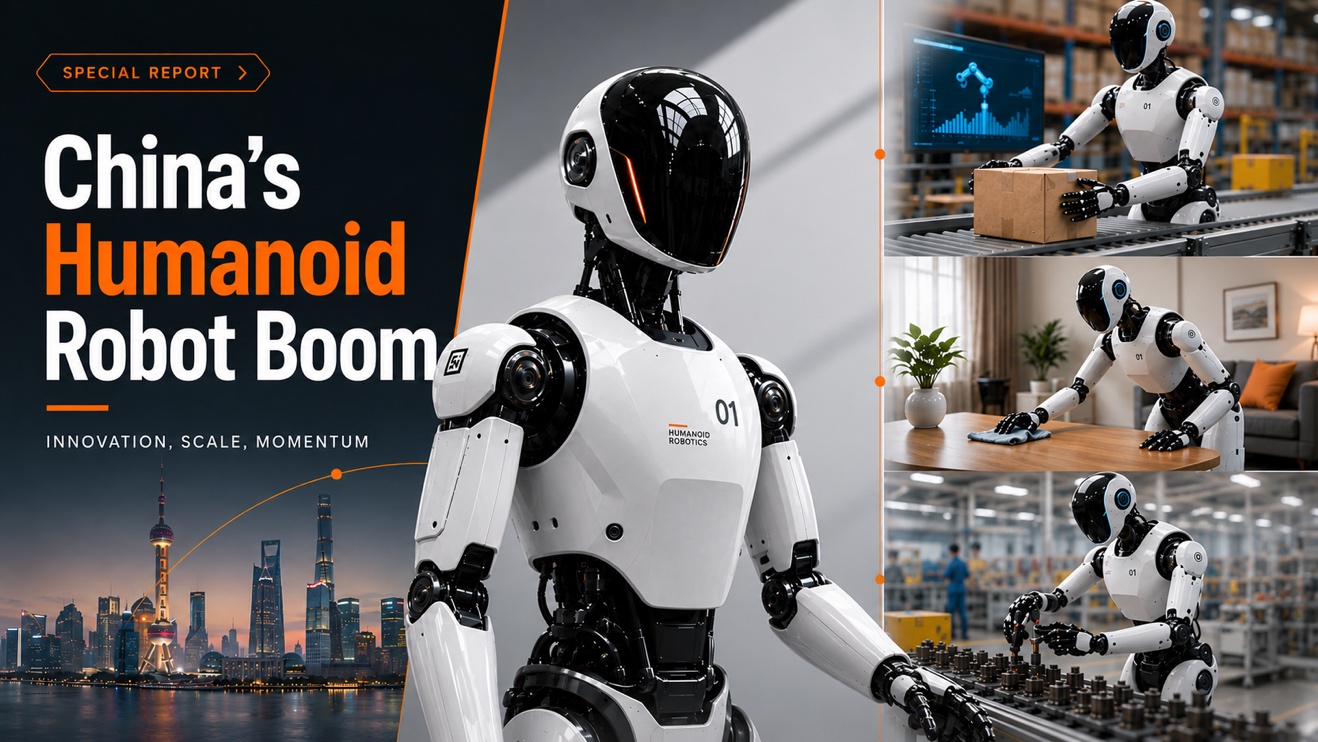
China's Humanoid Robot Boom: Startups Transition from Demonstrations to Practical Applications
China's humanoid robot sector is experiencing significant growth, marked by increased capital investment and diverse applications. Unitree has emerged as a key player, listing on Shanghai’s STAR Market in August 2026, with shares initially soaring to RMB 1,100, reflecting a 629% increase from its offering price. Despite a subsequent stock correction, Unitree reported a 48.5% year-over-year revenue increase, generating RMB 1.15 billion in the first half of 2026 and producing approximately 18,000 bipedal humanoid robots. The expansion of China's robotics industry is also evident in startups like Zerith and RobotEra, which are addressing specific challenges in automation. Zerith's H1 robot, priced at RMB 199,000, began global shipments in Q2 2026 and has been deployed in commercial settings, including airports and supermarkets. Meanwhile, RobotEra is focusing on dexterous manipulation, with its robots already operational in logistics centers for major companies like China Post and SF Express, securing orders exceeding RMB 500 million. As the humanoid robot boom evolves, the focus is shifting from industrial applications to service-oriented environments. The success of these startups will depend on their ability to deliver reliable performance in everyday tasks, ensuring continued customer investment in robotic solutions. No further timeline was disclosed at the time of publication.
Heavy Hitters Highlight News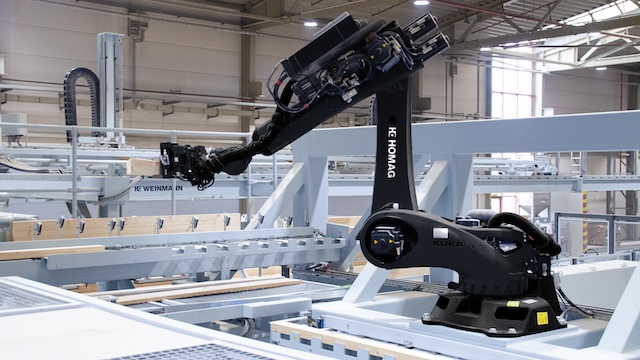
Ji'er 2.0: The First Humanoid Robot Transforming Smart Breeding in China
On September 4, 2026, at the 33rd China Beijing Seed Industry Conference, the team led by Xu Cao from the Institute of Genetics and Developmental Biology of the Chinese Academy of Sciences unveiled Ji'er 2.0, the world's first humanoid intelligent breeding robot. This fully domestically produced robot can autonomously navigate through tomato flowers and perform pollination in under 10 seconds. The significance of Ji'er lies in its innovative strategy called 'crop-robot collaborative design.' Traditional hybrid pollination relies heavily on manual labor, with hybrid varieties accounting for over 90% of commercial seeds. The Xu Cao team has re-engineered flower structures through gene editing, allowing the robot to effectively perform pollination tasks, improving the accuracy of stigma recognition from 85% to 92.8%. The upgraded Ji'er 2.0 features a dual-arm system, enhancing its adaptability. It can autonomously operate in various conditions, significantly reducing labor intensity in hybrid pollination. The technology has also been validated in soybean breeding, and future applications may extend to extraterrestrial environments, potentially aiding in greenhouse construction on the Moon or Mars. No further timeline was disclosed at the time of publication.
Smart Breeding Agricultural Robotics AI Technology Genetic Engineering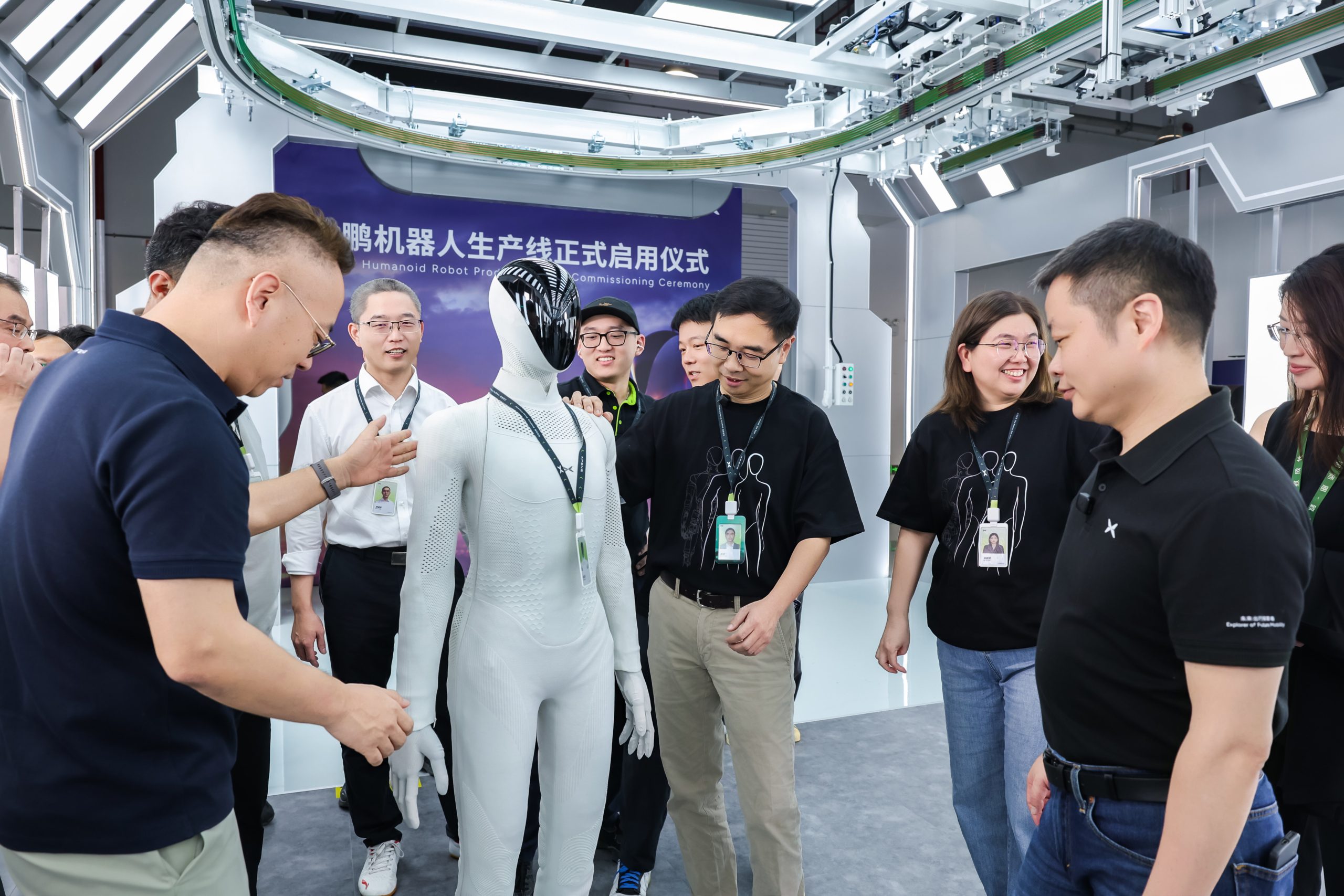
Xpeng Launches Automated Humanoid Robot Production Lines in China
Xpeng has announced the commissioning of humanoid robot production lines in China, with over 80% of core processes being automated. This significant step highlights Xpeng's commitment to advancing robotics technology in manufacturing. The automation of these production lines is crucial as it enhances efficiency and reduces labor costs, positioning Xpeng as a competitive player in the robotics sector. The move reflects a broader trend in the industry towards increased automation and intelligent manufacturing practices. Looking ahead, it will be important to monitor how Xpeng's investment in automated humanoid robot production impacts its market position and the overall robotics landscape. No further timeline was disclosed at the time of publication.
News Robotics China Funding humanoid robots Xpeng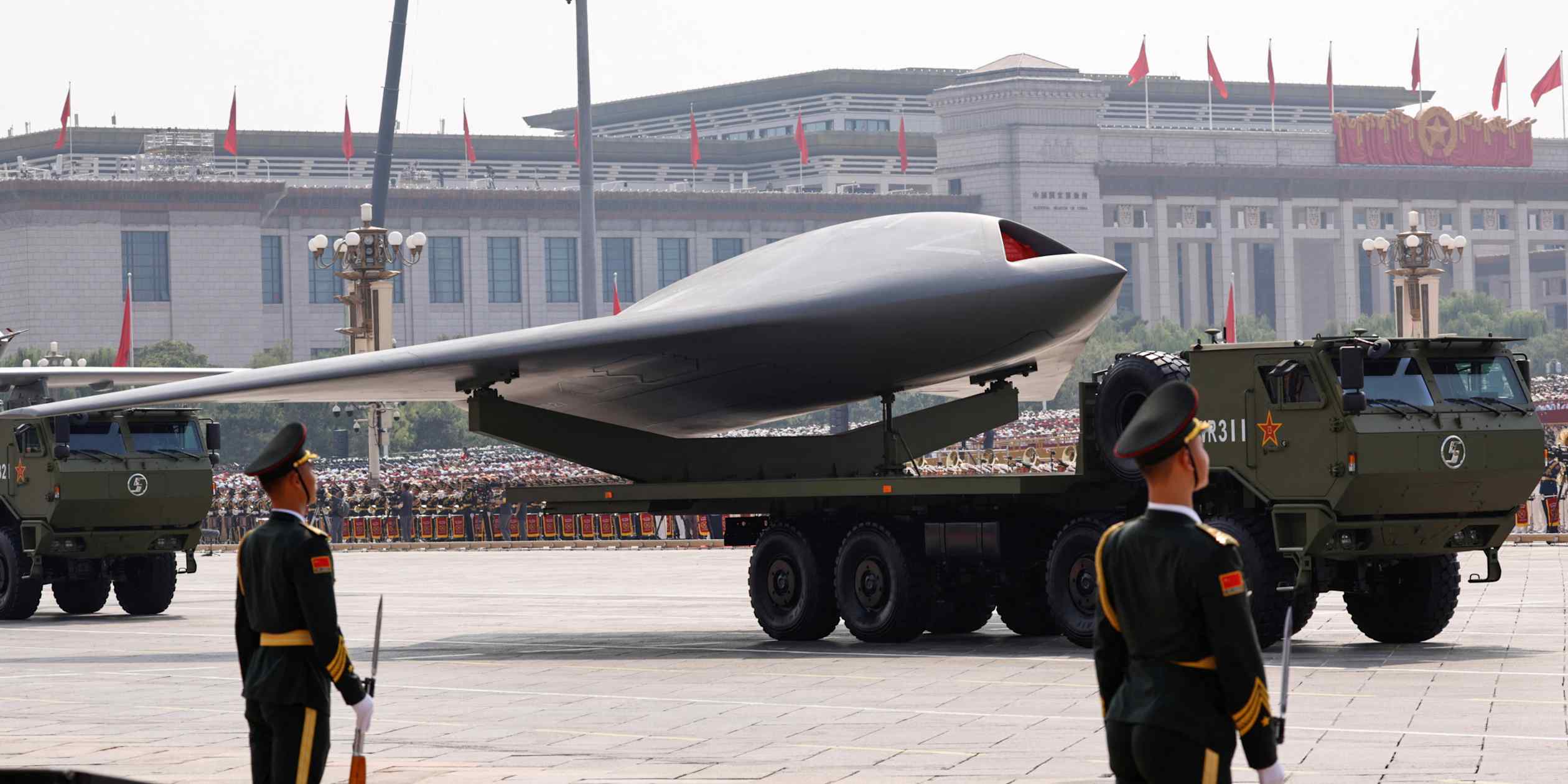
Taiwan's Aerospace Contractor Develops Countermeasures Against China's Drone Advancements
Taiwan's leading aerospace contractor is shifting focus from traditional aircraft manufacturing to developing counter-drone systems. This strategic move comes in response to the increasing capabilities of China's unmanned aircraft systems (UAS), as emphasized by an executive from the company, who highlighted the urgent need for a counter-UAS system. The significance of this development lies in Taiwan's heightened concerns regarding China's aggressive drone development. The shift towards counter-drone technology reflects Taiwan's proactive approach to enhancing its defense capabilities amid rising tensions in the region. The need for a dedicated, low-cost shield against potential threats underscores the urgency of this initiative. Looking ahead, it will be crucial to monitor Taiwan's advancements in counter-drone systems and how these developments may influence regional security dynamics. No further timeline was disclosed at the time of publication.
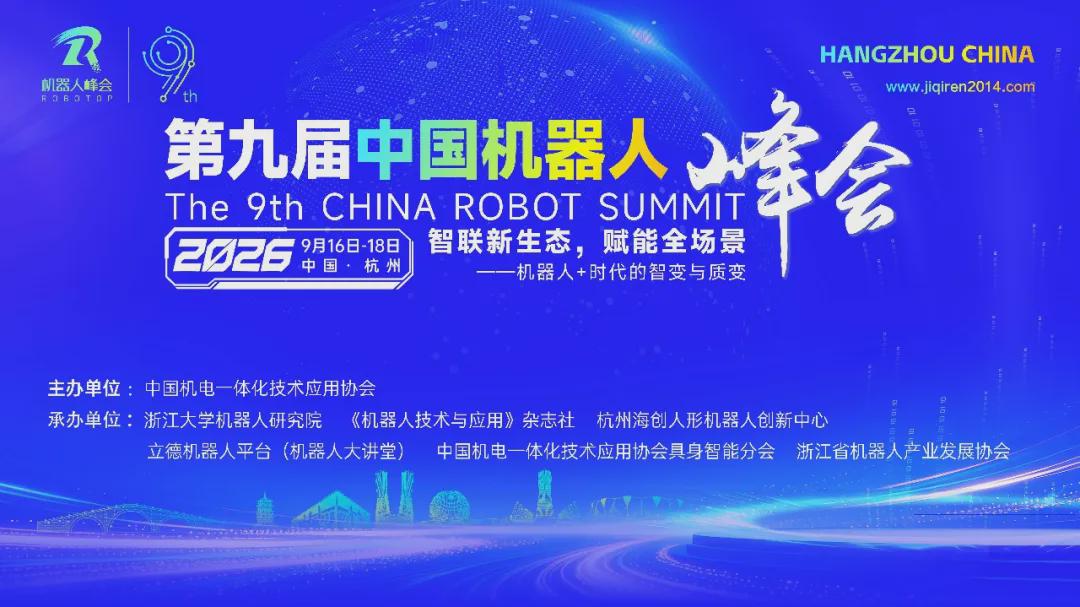
Ninth China Robot Summit Set for September to Explore Industry Trends
The Ninth China Robot Summit will take place from September 16 to 18, 2026, at the Academic Exchange Center in Hangzhou Future Science and Technology City. The summit, themed "Intelligent Connection New Ecology, Empowering All Scenarios - The Intelligent Change and Quality Change of the Robot + Era," is organized by the China Electromechanical Integration Technology Application Association and aims to gather global expertise to explore new paths for high-quality development in the robotics industry. This annual event is significant for the robotics sector, attracting leading figures and innovative researchers from various fields. Notable attendees include prominent academics and industry leaders, such as professors from the Chinese Academy of Sciences and Nankai University, who have made substantial contributions to robotics technology and research, including advancements in intelligent perception, control technologies, and autonomous robots. As the summit approaches, attention will be on the discussions and insights shared by these experts, which could shape future trends in robotics and automation. No further timeline was disclosed at the time of publication.
Robotics Industry Artificial Intelligence Automation Smart Manufacturing
China Achieves World-First with AI-Driven Ultrasound Robot for Heart Surgery
A groundbreaking achievement in cardiology occurred when a Chinese medical team successfully utilized an AI-driven, ultrasound-guided robot to perform a transcatheter closure for congenital heart disease in a 48-year-old patient. This milestone was reached at the Sixth Medical Center of the Chinese PLA General Hospital, also known as 301 Hospital, marking a significant advancement in surgical techniques. The importance of this development lies in its potential to enhance surgical precision and transform cardiovascular care. Unlike existing surgical robots that require direct human control, this innovative system employs deep learning algorithms to autonomously navigate and perform the procedure, significantly reducing radiation exposure for both patients and medical staff. Looking ahead, the implications of this technology are profound, as it could facilitate the expansion of specialized healthcare access globally. The intelligent automation of complex ultrasound-guided procedures may streamline workflows, reduce human error, and ultimately improve patient outcomes in cardiovascular interventions. No further timeline was disclosed at the time of publication.
Science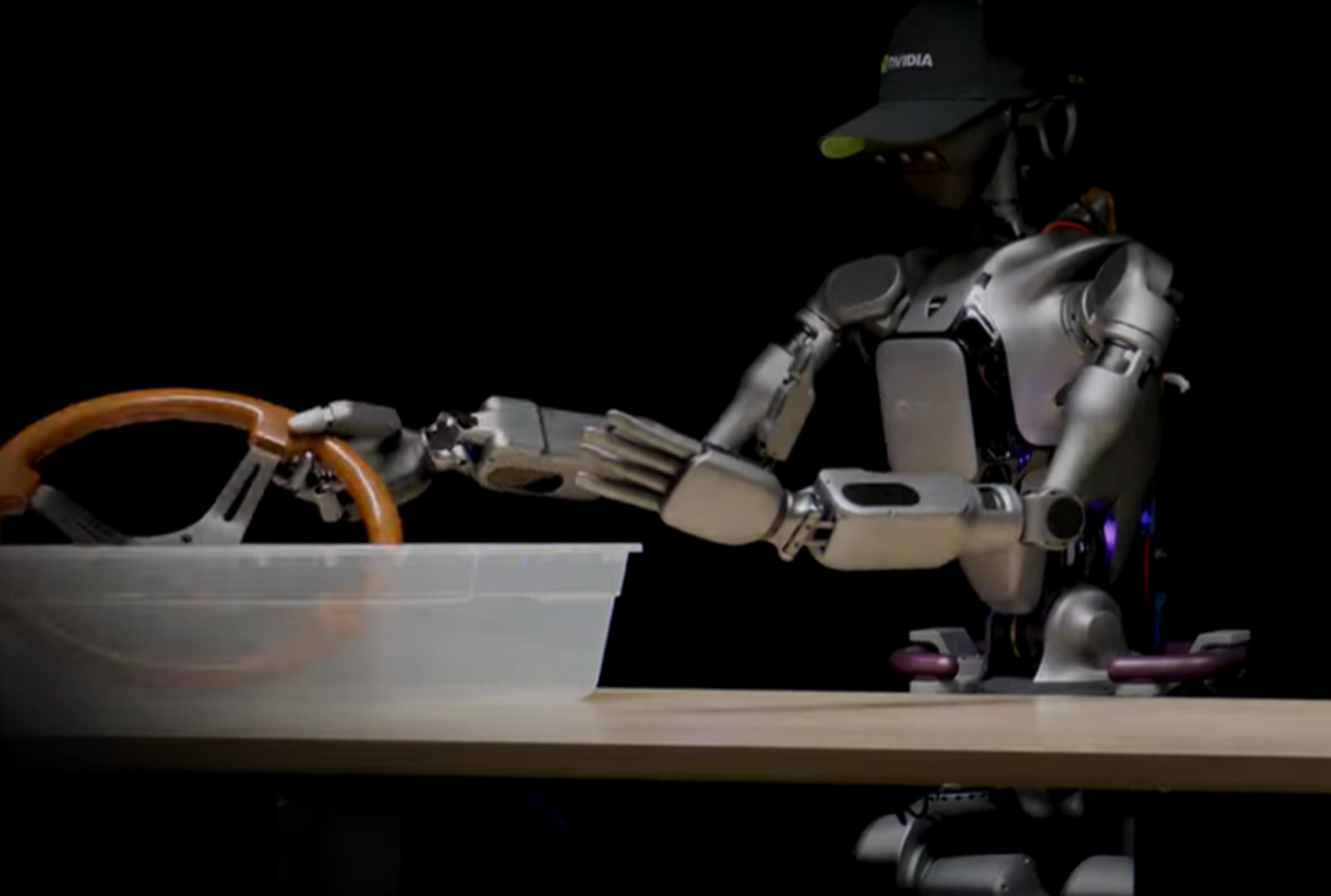
Quadruped Robots Highlighted at IFA: China's Solution to Global Labor Shortages
At the 2026 IFA in Berlin, quadruped robots emerged as a significant focus, with Shenzhen's Xuanji Power winning the Best in IFA Next & Emerging Technologies award for its Hypertron-T01 heavy-duty quadruped robot. Unlike previous exhibitions showcasing dancing robots, Xuanji Power presented a product already operational in the field, capable of handling dynamic loads up to 80 kg across challenging terrains. The importance of this development lies in addressing labor shortages in specialized industries, as highlighted by Xuanji Power's emphasis on the robot's ability to perform reliably in real-world scenarios. The Hypertron series has been successfully deployed in substations, demonstrating its capability for long-term, unmanned operations. The company aims to transition quadruped robots from demonstration to practical applications, focusing on stable performance in real environments. Looking ahead, Xuanji Power announced the opening of its core SDK interfaces to facilitate rapid development of localized solutions by European integrators and developers. This move underscores the shift of quadruped robots from mere exhibition pieces to essential tools capable of operating in hazardous environments, marking a significant step towards industrialization in response to global labor challenges.
Quadruped Robots Industrial Automation Robotics Technology AI Solutions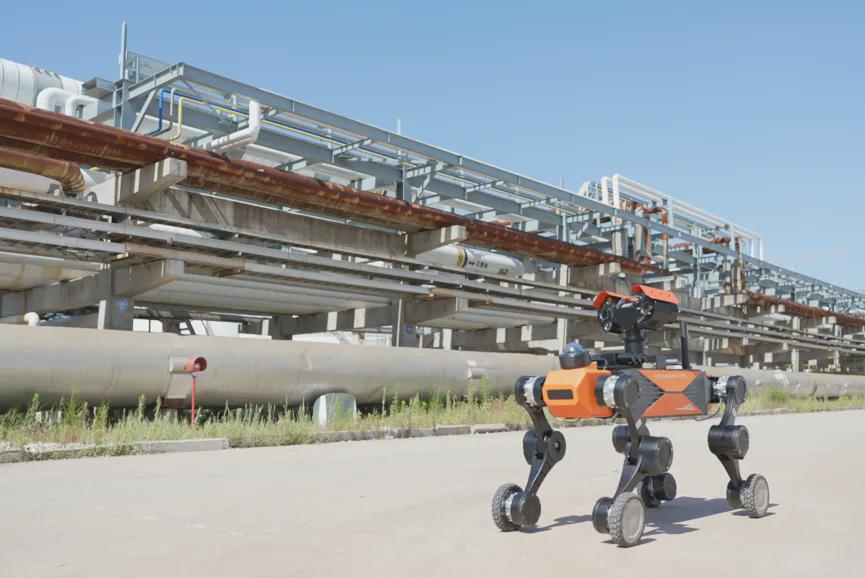
Ruiguan Robotics Achieves China's First Dual Explosion-Proof Certification for Inspection Robot
Ruiguan Robotics has successfully obtained China's first dual explosion-proof certification for its Delta four-wheeled inspection robot, which is designed for hazardous environments. This milestone highlights the increasing reliance on robotics in industries such as oil, chemicals, and coal, where human entry poses significant risks due to flammable and explosive conditions. The significance of this achievement lies in addressing safety concerns in high-risk areas, where traditional inspection methods are inadequate. The dual certification, Ex IIC T6 Gb for gas and Ex IIIC T80℃ Db for dust, ensures that the robot can operate safely without becoming a source of ignition in explosive atmospheres. This development marks a critical step in the evolution of industrial safety practices. Looking ahead, the market for explosion-proof inspection robots is projected to grow rapidly, with a compound annual growth rate of 45.0% from 2026 to 2032. As safety regulations tighten and labor costs rise, the demand for robotic solutions in hazardous environments is expected to increase significantly, making robotic replacements a necessity rather than an option.
Explosion-Proof Robots Industrial Safety Robotics Technology Hazardous Environments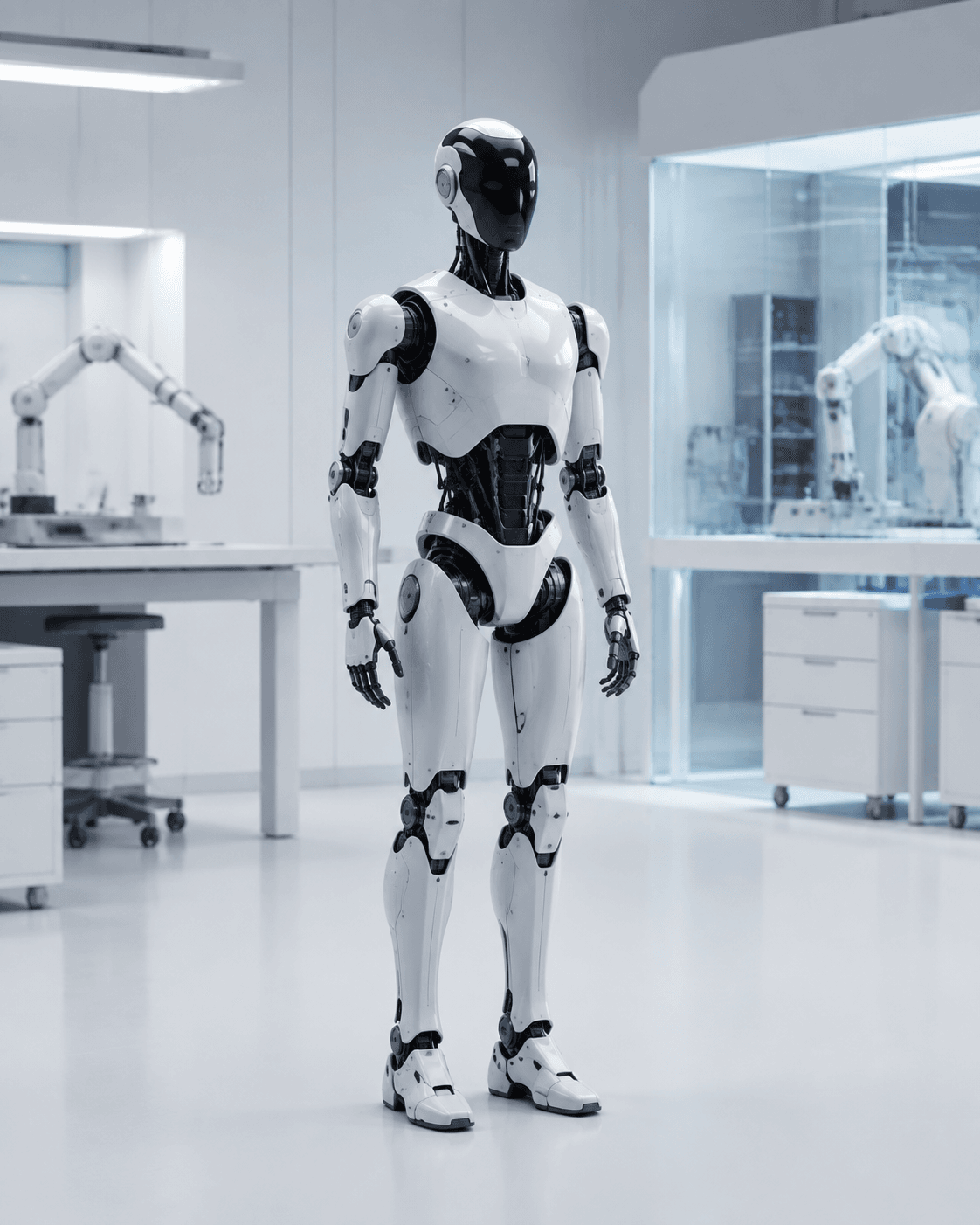
China's Humanoid Robots Approach Task Generality Milestone for Voice Commands
China is currently the leading exporter of humanoid robots globally, but experts indicate that achieving true task generality remains a challenge. Analysts emphasize that the significant milestone for these robots will be their ability to perform approximately 80% of novel jobs using voice commands alone. This capability is essential for a breakthrough akin to a 'ChatGPT moment' in the robotics sector. The importance of this development lies in the potential for humanoid robots to integrate seamlessly into various work environments, enhancing productivity and efficiency. As the demand for versatile automation solutions grows, the ability of these robots to understand and execute tasks based on voice instructions will be a game changer. This advancement could redefine the roles of humanoids in industries ranging from customer service to manufacturing. Looking ahead, stakeholders should monitor the progress of humanoid robots in achieving task generality. The timeline for reaching the 80% threshold in novel job execution through voice commands remains unclear, with no further details disclosed at the time of publication. Continued advancements in AI and robotics will be crucial in determining the future landscape of humanoid applications.
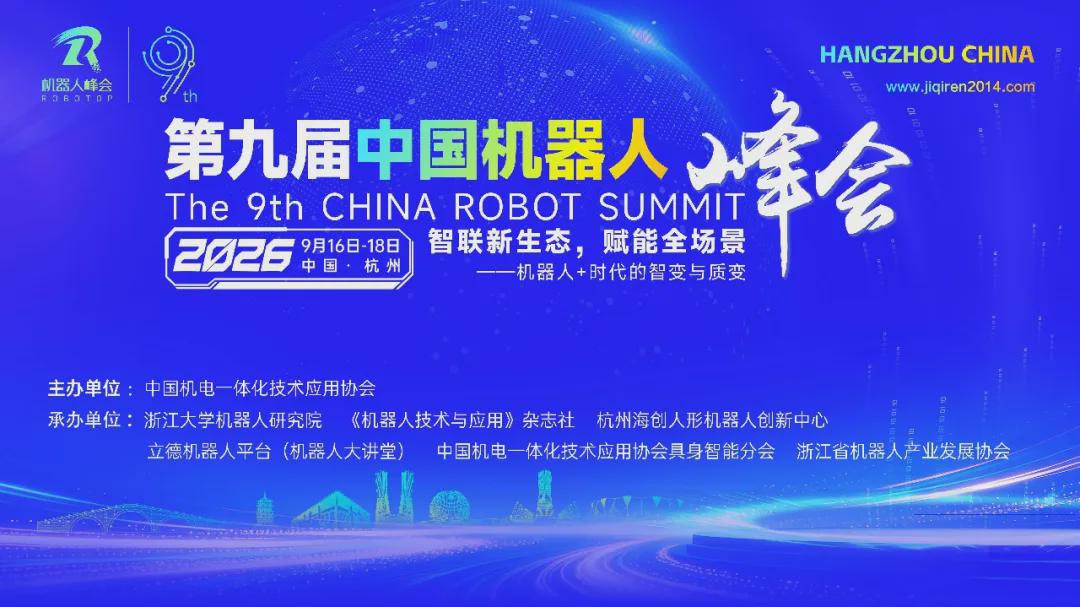
9th China Robot Summit Scheduled for September 2026 in Hangzhou with Key Themes and Guests
The 9th China Robot Summit is set to take place from September 16 to 18, 2026, in Hangzhou's Future Science City Academic Exchange Center. The summit will focus on the theme 'Intelligent Connectivity New Ecology, Empowering All Scenarios - The Intelligent Change and Quality Change of the Robot + Era', organized by the China Electromechanical Integration Technology Application Association. This event marks a significant moment for the Chinese robotics industry as it transitions from experimental phases to mass production, particularly for humanoid robots. The summit will gather industry leaders, founders of unicorn companies, and key players in the supply chain to discuss critical paths from capital frenzy to commercial realization, making it a vital platform for insights and resource connections. Attendees can expect a comprehensive agenda featuring keynote speeches, roundtable discussions, thematic forums, and exhibitions. The registration deadline is September 11, 2026, and the summit promises to offer unprecedented inspiration and opportunities for researchers, corporate decision-makers, and investors alike. No further timeline was disclosed at the time of publication.
Robotics Industry Technology Innovation Industry Summit Exhibitions Networking
New Insights on China's WZ-X Stealth Drone's Unique Wing Design Revealed
Recent imagery from China has provided a clearer view of the WZ-X, a large, low-observable flying-wing drone. Initially identified in satellite images from May 2025 at the People’s Liberation Army Air Force’s test facility in Xinjiang, the new photographs reveal the aircraft's unusual wing configuration, characterized by a broader-chord inner section that transitions into a narrower outer section. This unique wing design, which features two outer wing sections and a diamond-like central fuselage, sets the WZ-X apart from other stealth drones like the B-2. The aircraft's structure may enhance its high-altitude performance and endurance, although it raises questions about its radar signature due to the complex geometry. As analysts continue to study the WZ-X, its potential as a twin-engine design similar to the U.S. RQ-180 is being considered. No further timeline was disclosed at the time of publication.
Air Air Forces Drones News & Features People's Liberation Army Air Force (China)
China Unveils Xiaoyuan, the First Wheeled and Legged Robot Guide Dog for the Visually Impaired
The Zhiyuan Research Institute in China has introduced Xiaoyuan, the world's first wheeled and legged robot guide dog designed for visually impaired individuals. Launched at the China Care and Rehabilitation Expo in Beijing, this innovative robot features a combination of wheels for smooth movement on flat surfaces and four legs for navigating stairs, enhancing independence for its users. This development is significant as it highlights the growing integration of AI and robotics into civilian applications, particularly in aiding those with disabilities. The robot's quiet operation is crucial for users who depend on auditory cues, and its ability to detect overhead obstacles offers advantages over traditional mobility aids like canes. Xiaoyuan boasts impressive technical specifications, including centimetre-level outdoor positioning accuracy and high obstacle-avoidance success rates. The robot is also connected to various support services, enabling users to access remote assistance when necessary. No further timeline was disclosed at the time of publication.

Lan Xiaohuan Discusses China's Data Economy, Robotics, and AI Landscape
Lan Xiaohuan, an economics professor at China Europe International Business School, has authored the bestselling book, How China Works: An Introduction to China’s State-led Economic Development. In his discussions, he highlights the economic factors contributing to China's significant trade surplus and advocates for an enhanced social safety net. Xiaohuan emphasizes the importance of public data infrastructure in shaping the competitive landscape of artificial intelligence, particularly in relation to the United States. His insights reflect the critical role that data plays in driving innovation and economic growth within China. As the conversation around AI and robotics continues to evolve, observers should pay attention to how China's strategies in public data utilization may influence global technological advancements. No further timeline was disclosed at the time of publication.

China's Robotics Evolution: Unitree's Progress and Future Challenges
Unitree, a prominent player in China's robotics sector, is advancing humanoid robots with significant capabilities in locomotion and motion control. Founder Wang Xingxing has acknowledged the ongoing software challenges that need to be addressed for robots to effectively navigate unfamiliar environments and tasks. The importance of this development lies in its potential to reshape the global robotics landscape. While electric vehicles typically export as finished products, the evolution of Chinese robotics may follow a different trajectory, emphasizing the need for robust software solutions alongside hardware advancements. Looking ahead, Wang has projected that a breakthrough in software could occur within two to three years under optimistic conditions, but it may also take up to a decade. This timeline highlights the critical nature of software development in the robotics industry, making it a key area to monitor in the coming years.

China Establishes Reimbursement Group for Robot-Assisted Surgery in DRG/DIP 3.0 Plan
China's National Healthcare Security Administration has officially created a distinct reimbursement group for robot-assisted surgery within the DRG/DIP 3.0 plan. This significant move addresses a pricing gap that could have adversely affected hospitals that choose to adopt surgical robots. The establishment of this reimbursement group is crucial as it encourages the integration of advanced robotic technologies in surgical procedures. By providing a clear reimbursement framework, hospitals may be more inclined to invest in surgical robots, ultimately enhancing patient care and operational efficiency. Looking ahead, stakeholders in the healthcare sector should monitor the impact of this new reimbursement structure on the adoption rates of robotic surgical systems. No further timeline was disclosed at the time of publication.

Registration Now Open for the 9th China Robot Summit Featuring Distinguished Keynote Speakers
The 9th China Robot Summit will take place from September 16 to 18, 2026, at the Academic Exchange Center in Hangzhou Future Technology City. The summit, themed 'Intelligent Connectivity in a New Ecosystem: Empowering All Scenarios - The Intelligent Transformation and Quality Change of the Robot Era,' is organized by the China Electromechanical Integration Technology Application Association and aims to explore new paths for high-quality development in the robotics industry. This annual event is significant for the robotics sector, attracting leading figures and pioneering researchers who have made substantial contributions to advanced manufacturing and robotics. Notable attendees include experts from various prestigious institutions, including the National Natural Science Foundation and Harbin Institute of Technology, who will share their insights and experiences in the field. As the summit approaches, it is expected to foster discussions that will shape the future of the robotics industry. No further timeline was disclosed at the time of publication.
Robotics Artificial Intelligence Industry Innovation Smart Manufacturing
China's Updated Defense Law Enhances Military Use of AI and Drones
China's revised defense law is set to facilitate the integration of artificial intelligence and drones into military operations. This legislative change aims to enhance the capabilities of the Chinese military, allowing for more advanced technological applications in defense strategies. The significance of this development lies in its potential to reshape military engagements and defense strategies globally. By embracing AI and drone technology, China is positioning itself to improve its military efficiency and effectiveness, which could have far-reaching implications for international security dynamics. Looking ahead, it will be crucial to monitor how this law influences China's military modernization efforts and its impact on regional and global military balances. No further timeline was disclosed at the time of publication.
Military
China's Humanoid Robot Conference Showcases Innovations and Industry Potential
The 2026 World Robot Conference (WRC), held in Beijing from August 19 to 23, highlighted advancements in humanoid robotics. With 373 companies showcasing over 3,000 products, including 311 debuts, the event focused on how robots can integrate into daily life and work environments. The conference theme, 'Human-Robot Symbiosis, Production-Demand Convergence,' emphasized the practical applications of robotics. Notable demonstrations included Galaxea AI's G1 robot preparing breakfast and CASBOT's robot rock band performing popular songs, illustrating the diverse capabilities of humanoid robots. As the industry evolves, the increasing human-like design of robots from companies like UBTECH and AheadForm raises questions about their future roles. Observers should watch for further developments in biomimetic robots and their integration into various sectors. No further timeline was disclosed at the time of publication.
Heavy Hitters
Enfu (China) Showcases Innovative Sealing Technology for Robot Longevity at WRC 2026
The 2026 World Robot Conference (WRC) commenced on August 19, 2026, in Beijing, showcasing over 300 exhibitors and more than 2,000 products. Enfu (China) presented its innovative sealing solutions for humanoid and industrial robots, emphasizing the importance of key component technology for precise movement and reliable operation. This event marks a significant shift in the robotics industry, moving from experimental demonstrations to large-scale applications. Enfu's advancements in sealing technology are crucial for enhancing the longevity and performance of robots, particularly in complex humanoid designs that require specialized sealing solutions. Looking ahead, Enfu's commitment to local R&D and its recent establishment of a technology center will enable faster responses to market demands and foster innovation. No further timeline was disclosed at the time of publication.
Sealing Technology Humanoid Robots Industrial Robots Local R&D Robotics Innovation
Kuaishou's Kling AI Secures RMB1.4 Billion from China AI Fund and CP Robot
Kuaishou's Kling AI unit, Beijing Kling Technology, has successfully signed agreements with the China Artificial Intelligence Industry Investment Fund and Charoen Pokphand Robot. The China AI fund is set to invest RMB1.4 billion for approximately 1.14% equity in the company, while CP Robot will contribute around $19.29 million, or RMB131.45 million, for about 0.11% ownership. This investment is significant as it updates Kling's ownership structure following its spinout from Kuaishou, providing the generative-video business with essential capital and new strategic shareholders. The agreements also include redemption rights for both investors, indicating a structured approach to their investment. Looking ahead, the infusion of capital from these investors will likely enhance Kling AI's capabilities and market position in the competitive landscape of AI-driven video technology. No further timeline was disclosed at the time of publication.
News Feed
Dalan Technology Secures Multi-Million Dollar Investment Led by Sequoia China
Dalan Technology, a startup specializing in long-range imaging solutions, has successfully raised tens of millions of U.S. dollars in funding during its angel and Pre-A rounds. This funding round was notably led by Sequoia China, highlighting investor confidence in Dalan's innovative technology. The significance of this funding lies in Dalan Technology's potential to advance long-range imaging capabilities, which are crucial for various applications, including surveillance and autonomous systems. The financial backing from Sequoia China is expected to accelerate Dalan's development and market entry, positioning it as a key player in the imaging technology sector. Looking ahead, industry observers will be keen to see how Dalan Technology utilizes this funding to enhance its product offerings and expand its market reach. No further timeline was disclosed at the time of publication.
News
TARS Secures $455 Million in Record Pre-A Funding for Embodied AI in China
TARS has successfully raised $455 million in a Pre-A funding round, marking a significant milestone as it sets a record for the largest single-round financing in China's embodied AI sector. This funding, which is approximately RMB 3.3 billion, highlights the growing interest and investment in advanced AI technologies within the region. The significance of this funding round lies in its potential to accelerate TARS's development and deployment of embodied AI solutions, which are increasingly becoming vital in various applications. As the demand for intelligent automation and robotics continues to rise, TARS's record-setting financing positions the company to lead in this competitive landscape. Looking ahead, industry observers will be keen to see how TARS utilizes this substantial investment to innovate and expand its offerings in the embodied AI market. No further timeline was disclosed at the time of publication.
Industry
U.S. Tightens Restrictions on Drones and Robots Amid China's Manufacturing Dominance
In July and August, the U.S. government implemented stricter regulations on foreign-made advanced robotic systems and imposed significant tariffs on imported drones and their components, citing national security concerns. These tariffs, effective from September, are part of a broader initiative to limit foreign technology in critical industries, following the FCC’s Covered List expansion to include drones and advanced robotic devices. The implications of these restrictions are significant for the global robotics industry, particularly as Chinese manufacturers have established strong positions in both drones and humanoid robots, often offering competitive pricing that U.S. and European companies find challenging to match. While the U.S. aims to protect its market, the measures may inadvertently lead to a more fragmented global market, with Chinese firms expanding their reach while U.S. manufacturers focus on markets with stringent security requirements. As the competition evolves, it is essential to monitor how these restrictions affect the dynamics between U.S. and Chinese robotics industries. China currently dominates humanoid robot manufacturing, with 22,000 units shipped in the first half of this year, primarily from Chinese companies. The disparity in scale and cost advantages suggests that while the U.S. excels in AI and semiconductor innovation, China leads in manufacturing capabilities and supply chain efficiency.
AI Robotics China drones Federal Communications Commission geopolitics
9th China Robot Summit in Hangzhou to Highlight Innovations and Industry Connections
The 9th China Robot Summit is set to take place from September 17 to 18 at the Future Technology City Academic Exchange Center in Hangzhou. This event will gather key players from the robotics industry, including manufacturers, core component suppliers, and research institutions, providing a platform for product showcases, technical exchanges, and industry connections. The summit emphasizes the importance of establishing a 'position in the industry' for robotics companies, which is determined by customer choices and recognition from upstream and downstream partners. Unlike previous exhibitions that focused on product launches and brand exposure, this summit aims to facilitate direct understanding of products through live demonstrations, allowing customers and partners to assess technological capabilities and real-world applications. As companies seek to expand their market reach and validate their solutions, the summit serves as a vital venue for connecting products, demands, and collaboration opportunities. Attendees will include industry professionals, academic researchers, application units, investors, and other stakeholders interested in the development of the robotics sector. No further timeline was disclosed at the time of publication.
Robotics Industry Innovation Exhibition Technology Showcase
China's 40,000-ton Type 076 Amphibious Assault Ship Completes Final Trials with GJ-21 Drone
China's new Type 076 amphibious assault ship, named Sichuan, has entered its final sea trials alongside sightings of the GJ-21 stealth drone. The ship, displacing approximately 40,000 tonnes, is designed to transport troops, landing craft, armored vehicles, and helicopters for amphibious operations. Notably, Sichuan features an electromagnetic aircraft-launch system, allowing it to potentially launch fixed-wing aircraft, distinguishing it as a 'drone carrier'. The significance of the Sichuan lies in its advanced capabilities, which may enhance China's amphibious assault strategies. Unlike traditional amphibious ships that typically operate helicopters, Sichuan's catapult system could enable the deployment of larger unmanned combat aircraft like the GJ-21. This shift in design reflects a strategic focus on integrating advanced drone technology into naval operations. Looking ahead, the integration of the Sichuan with China's existing naval assets, including the Liaoning aircraft carrier, suggests a potential evolution in naval task group operations. While the exact implications remain speculative, the combination of conventional fighters and drone capabilities could redefine China's maritime military strategy. No further timeline was disclosed at the time of publication.
Innovation Military
Goldman Sachs Predicts China to Reduce Advanced Chip Supply Gap to 34% by 2035
According to a Goldman Sachs analysis, China is expected to significantly reduce its advanced-chip supply deficit over the next decade as domestic production increases. The supply shortfall for wafers produced using advanced processes of 7 nanometers and below is projected to decrease from 92% in 2025 to 34% by 2035, with supply reaching 410,000 wafers per month against a demand of 619,000 wafers. This reduction in the supply gap is crucial for China's semiconductor self-sufficiency, especially as domestic advanced-wafer supply is anticipated to grow at a compound annual rate of 46% from 2025 to 2035. Much of this growth is expected to stem from Semiconductor Manufacturing International Corp (SMIC), which is set to enhance its production capacity and improve yields, although lithography remains a significant challenge. Looking ahead, the semiconductor capital expenditure in China is projected to continue its upward trajectory, reaching $82 billion by 2030. This figure reflects a 79% increase from previous estimates, driven by rising demand for artificial intelligence and advancements in China's semiconductor ecosystem. No further timeline was disclosed at the time of publication.
AI and Robotics
The Rise of 'Power' in China's Robotics Sector: Distinct Paths Emerging
In recent years, the term 'power' has emerged as a new identity label for robotics companies in China, reflecting a significant trend in the industry. Companies such as Super Dimension Power, Qingzhuo Power, and Future Power are rapidly carving out their niches within the embodied intelligence sector, which emphasizes the necessity of physical action in intelligent systems. This naming trend highlights the essence of embodied intelligence, which requires a physical body to operate in the real world, distinguishing it from traditional AI. The concept of 'power' encompasses narrative, growth, and technological innovation, which are crucial for companies to attract capital and customers while enhancing their technical capabilities. As several robotics startups adopt the 'XX Power' naming convention, it may signal a tribute to established leaders like Boston Dynamics, known for their pioneering work in robotics. The six mentioned 'power' companies, founded between 2022 and 2024, exhibit diverse funding scales and product paths, contributing to a competitive landscape expected to evolve significantly by 2026.
Robotics Embodied Intelligence Technology Innovation Automation
Invitation to Exhibit at the 9th China Robot Summit: Discover Industry Opportunities in September
The 9th China Robot Summit is set to gather 373 companies and showcase over 3,000 products, with 48 state-owned enterprises participating for the first time. The event highlights the importance of integrating robots into a complete industrial collaboration network, which includes stable core component supply and partnerships across the value chain. Participation in specialized robot exhibitions allows companies to enhance their visibility within the industry, connect with potential partners, and reach target customers. As the event approaches, interested exhibitors are encouraged to seize the final registration opportunities. The summit will also leverage over 100 media resources for pre-event promotion, on-site reporting, and post-event coverage to ensure significant exposure for new technologies and brands. The summit will feature discussions on the development of the robot industry in Hangzhou, including the release of an action plan for the city's robot industry. It aims to connect high-growth robotics companies with investors and address the growing importance of standards and regulations in emerging fields such as humanoid robots and embodied intelligence. No further timeline was disclosed at the time of publication.
Robotics Industry Exhibition Collaboration Technology Innovation
China's Daily AI Token Call Volume Surpasses 500 Trillion Amid Growing Compute Demand
As of June 2026, China's daily AI token call volume has exceeded 500 trillion, driven by the expansion of large-model applications across various industries. This figure reflects the total model processing activity rather than the number of users or models, indicating a significant increase in demand for inference computing. The rapid growth in token usage is attributed to shortened model update cycles, which have decreased from approximately three months to four to six weeks. Additionally, agent workflows are increasingly retrieving information, reading context, calling tools, and processing feedback, further contributing to the heightened demand for computing resources. Notably, Tencent's Hunyuan 3 achieved 68 times more token calls than its predecessor, Hunyuan 2, within its first week. This trend highlights the increasing reliance on AI technologies and the need for robust computing infrastructure to support their development and deployment. No further timeline was disclosed at the time of publication.
News Feed
Noah Medical Plans Hong Kong IPO to Support Expansion in Mainland China
Noah Medical, a surgical robotics firm backed by SoftBank, is preparing to file for a Hong Kong listing as early as next year. The company aims to raise over $100 million to bolster its expansion efforts in mainland China. Founder Zhang Jian emphasized that Hong Kong's status as an international financial center makes it an ideal location for their listing. The move is significant as Noah Medical seeks to tap into the growing demand for surgical robotics in China. With regulatory approval from China's drug regulator obtained in November, the company is targeting hospitals such as Sir Run Run Shaw Hospital for its products. Currently, 90% of Noah Medical's revenue comes from the U.S., where its surgical robots have successfully treated around 15,000 patients. Looking ahead, the company’s listing could provide the necessary capital to enhance its market presence in China. No further timeline was disclosed at the time of publication.

China Faces Data Shortage Hindering Development of Humanoid Robots with Embodied Intelligence
China is establishing training grounds for embodied intelligence across the country. However, a significant shortfall of over 99% in physical-interaction data threatens to keep humanoid robots from advancing beyond demonstration phases. This data deficiency is critical as it limits the ability of humanoid robots to learn and adapt through real-world interactions. Without sufficient data, the development of these robots may stagnate, impacting China's ambitions in robotics and AI. Looking ahead, the focus will be on addressing this data gap to enable more effective training for humanoid robots. No further timeline was disclosed at the time of publication.
Robotics
Japan's GMO Internet Group Competes with China's Yushin G1 Robot at World Robot Games
The second World Robot Games in Beijing saw Japan's GMO Internet Group participate with its robot 'Hitomin', which utilizes the Yushin G1 hardware. The robot's control and gait algorithms were developed by GMO. In the semifinals, it fell during the 400-meter race and completed the 1500 meters in 7 minutes and 43.89 seconds, finishing third in its group and seventh overall. Engineers noted that long-distance thermal management remains unresolved. This participation is significant as it highlights Japan's reliance on Chinese hardware for its only competing robot, raising mixed reactions domestically. While Japan was once a leader in humanoid robotics with ASIMO, the current scenario reflects a shift in competition dynamics, focusing on the capabilities of the hardware and the effectiveness of control algorithms. Looking ahead, the competition emphasizes the importance of producing adaptable and modifiable robot platforms. The success of the Yushin G1 as a base for various software applications from different countries indicates a new phase in humanoid robotics, where the focus is on mass-producible hardware and the ongoing battle for software and ecosystem development. No further timeline was disclosed at the time of publication.
Humanoid Robots Robotics Competition Robot Hardware AI Software Development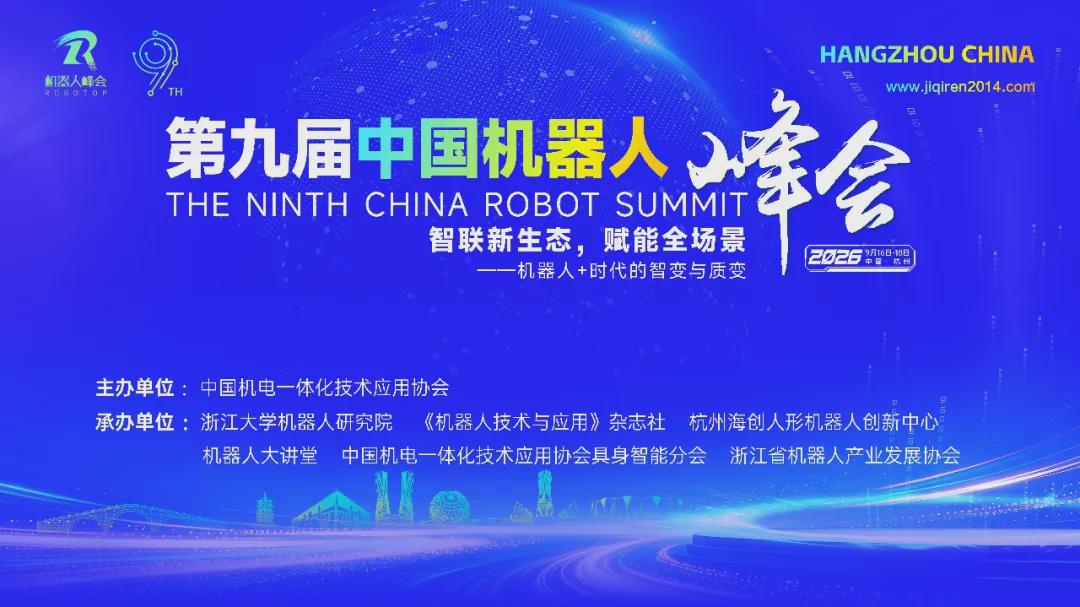
The 9th China Robot Summit Set to Begin in Hangzhou This September, Welcoming Exhibitors
The 9th China Robot Summit is scheduled to take place in Hangzhou this September, inviting exhibitors to showcase their innovations. This event aims to highlight advancements in robotics and intelligent manufacturing, providing a platform for industry leaders to connect and share insights. The significance of the summit lies in its potential to drive collaboration and investment in the robotics sector. As the industry continues to evolve, the summit serves as a critical venue for discussing trends and challenges, particularly in the context of recent funding developments and market dynamics. Looking ahead, attendees can expect to see a diverse range of exhibitors and presentations that will explore the future of robotics and intelligent systems. No further timeline was disclosed at the time of publication.
Robotics Automation AIRobotics needs a service framework.
RSF defines a common language for robot service capability, lifecycle operations, certification pathways, and service-provider networks.
Join the RobotToday community on LinkedIn
Daily robotics news, in-depth analysis, conference highlights, and discussions with professionals worldwide.






