

Industry Briefing
A single destination for timely, editor-curated robotics news from around the world.

Wayve and Uber Launch First Supervised Autonomous Ride-Hailing Service in London
Wayve and Uber have initiated supervised autonomous rides in London, marking the first autonomous ride-hailing service in the U.K. Riders using UberX, Uber Electric, or Uber Comfort may be matched with a Wayve-equipped Ford Mustang Mach-E, featuring a licensed driver during the initial phase. This service will be available across London, excluding airports. The introduction of this service is significant as it represents a major step in integrating autonomous driving technology into urban transportation. Wayve's AI Driver, which has been trained on London roads since 2018, aims to enhance the city's existing transport network. Over 140,000 London users have opted in to increase their chances of being matched with a Wayve vehicle, showcasing public interest in this innovative service. Looking ahead, Wayve and Uber plan to expand their partnership to include Wayve-powered vehicles in 12 markets, with additional deployments, such as Nissan Leaf vehicles in Tokyo, expected later this year. No further timeline was disclosed at the time of publication.
AI AI Funding & Investment AI Use Cases Robotics autonomous rides London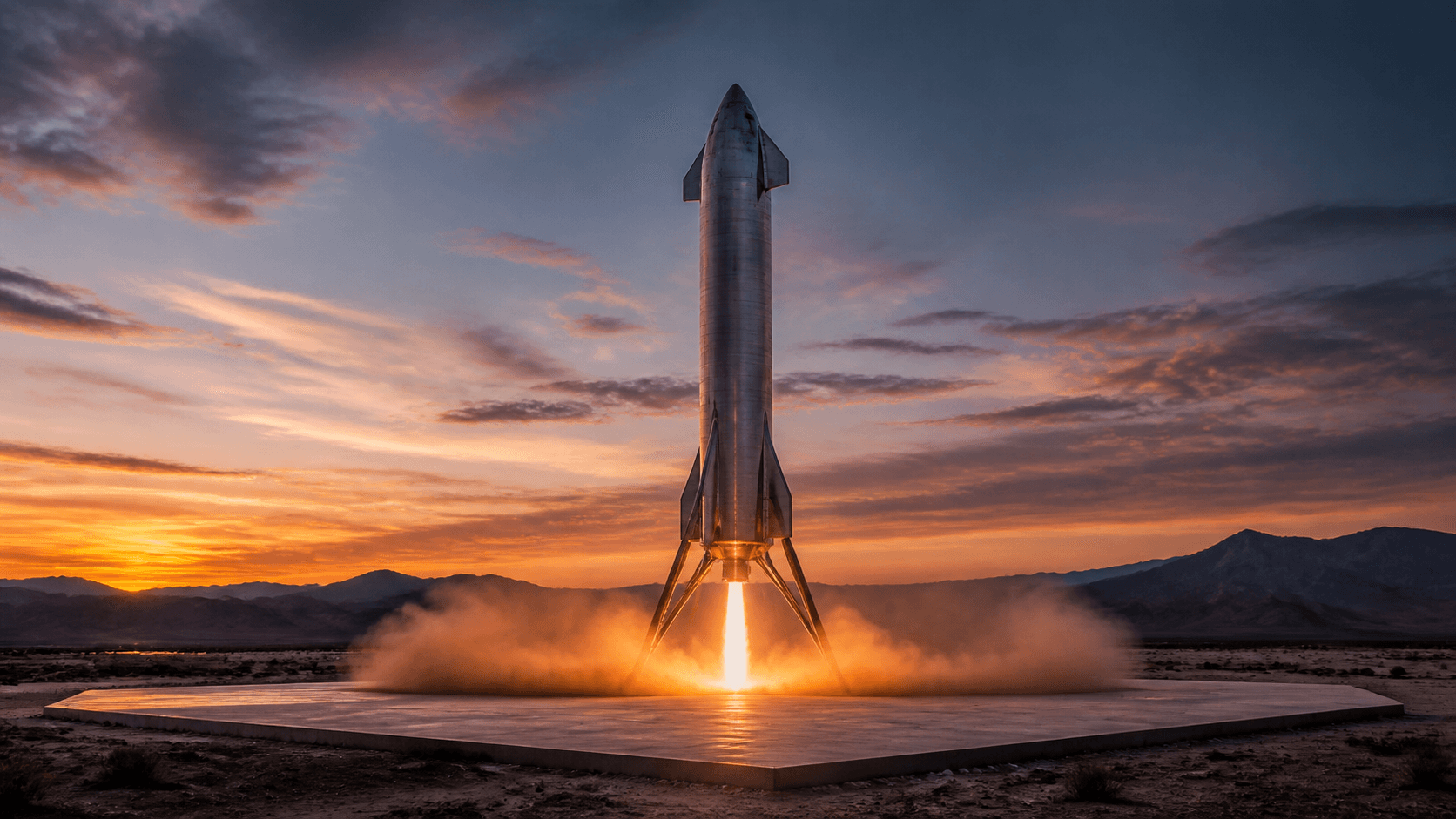
Successful Launch of Zhuque-3 Y-2 Marks China's First Controlled Rocket Stage Recovery
On August 19, the Zhuque-3 Y-2 rocket was launched from the Dongfeng Commercial Aerospace Innovation Pilot Zone, achieving a significant milestone in China's space endeavors. The rocket's first stage successfully landed on the recovery pad located in Minqin County, Gansu, marking China's first controlled recovery of an orbital-class rocket stage. This achievement is pivotal for LandSpace as it transitions from validating recovery technologies to implementing reusable rocket systems. The successful landing demonstrates advancements in engineering and recovery techniques, which are essential for the future of space exploration and satellite deployment. Looking ahead, the focus will be on how this success influences further developments in reusable rocket technology and its potential applications in commercial space missions. No further timeline was disclosed at the time of publication.

PlusAI Updates Commercial Readiness Metrics for Autonomous Trucks Ahead of 2026 Launch
PlusAI Inc. has announced an update on its commercial readiness metrics, indicating significant progress towards deploying factory-built autonomous trucks by 2027. The company reported improvements in safety validation, operational maturity, and efficiency of its SuperDrive software in collaboration with global OEM partners. The advancements are reflected in key metrics: safety case readiness (SCR) increased from 90.1% to 93.4%, autonomous miles percentage (AMP) rose from 99.2% to 99.8%, and remote assistance-free trips (RAFT) improved from 79% to 85.2%. These metrics, introduced in 2025, demonstrate PlusAI's commitment to ensuring safe and reliable commercial deployment of its autonomous trucks. Looking ahead, PlusAI aims to achieve 100% SCR and over 90% RAFT before the commercial launch in 2027. The company emphasizes that successful commercialization requires not only advanced AI technology but also a proven track record of safety and operational efficiency, as stated by co-founder Shawn Kerrigan.
Artificial Intelligence Artificial Intelligence / Cognition Automotive Design / Development Logistics Markets / Industries
Dubai Future Foundation and Oxa Launch SHIFFT for Autonomous Logistics at Ports and Airports
Dubai Future Foundation (DFF) and Oxa have unveiled SHIFFT, a joint venture aimed at establishing Dubai as a leader in autonomous logistics. This initiative will integrate self-driving technology into a comprehensive logistics solution, enhancing productivity and safety in operations at ports and airports. The significance of SHIFFT lies in its potential to transform Dubai's logistics sector, contributing to the city's goal of doubling foreign trade volume by 2033. By deploying Oxa's advanced self-driving software and fleet management systems, SHIFFT aims to improve operational resilience and efficiency, aligning with Dubai's Research, Development, and Innovation (RDI) Programme. Looking ahead, SHIFFT plans to initiate its first scalable commercial deployment in Dubai by the end of 2027. This venture not only promotes autonomous mobility but also seeks to create high-tech jobs and bolster Dubai's position as a regional hub for research and development in logistics.
Autonomous Vehicles News airports autonomous logistics autonomous mobility autonomous vehicles
Royal Navy Tests Robotic Boat for Autonomous Drone Launching in Maritime Surveillance
The Royal Navy is conducting trials of a robotic boat designed to autonomously launch and recover drones at sea, enhancing uncrewed maritime surveillance capabilities. This initiative, in collaboration with ACUA Ocean and Teledyne FLIR Defense, aims to improve persistent aerial reconnaissance while minimizing risks to personnel. The system integrates an uncrewed surface vessel (USV) with a tethered uncrewed aerial system (T-UAS), allowing for extended surveillance operations. This development is significant as it represents a new approach to maritime surveillance, combining aerial and surface capabilities into a single autonomous system. The SkyCarrier and SkyRanger R70 drones, utilized during the trials, are equipped with advanced AI and imaging technologies, enabling them to perform demanding surveillance missions. The ability to maintain a stable tether connection allows for longer operational durations and continuous power supply, which is crucial for effective surveillance in challenging sea conditions. Looking ahead, the Royal Navy's exploration of this technology could lead to enhanced capabilities in anti-submarine warfare, mine countermeasures, and the protection of critical maritime infrastructure. No further timeline was disclosed at the time of publication.
AI and Robotics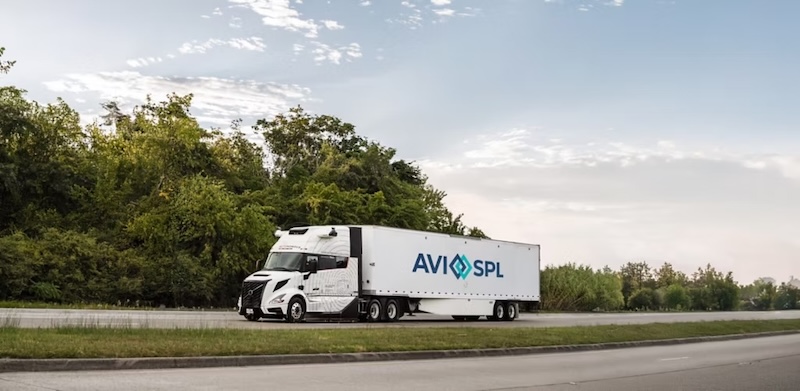
AVI-SPL and Volvo Autonomous Solutions Launch Freight Operations Between Dallas and Houston
AVI-SPL, in partnership with Volvo Autonomous Solutions, has initiated commercial autonomous freight operations between Dallas and Houston using the Volvo VNL Autonomous vehicle powered by the Aurora Driver. This operation will facilitate the transport of audio-visual electronics, including new products and end-of-life equipment for recycling, enhancing AVI-SPL's Electronic Recycling Program. This collaboration is significant as it addresses the increasing freight demand in the U.S. amid a shortage of qualified drivers and delivery capacity constraints. By leveraging autonomous transport technologies, AVI-SPL aims to improve logistics operations, enhance service delivery, and meet the needs of time-sensitive freight, thereby reinforcing its position as a leader in the industry. Looking ahead, this partnership represents a pivotal advancement in the application of autonomous trucking in logistics. As freight capacity demand escalates, the focus will be on how these technologies can enhance supply chain efficiency, improve asset utilization, and ensure cargo security. No further timeline was disclosed at the time of publication.
Autonomous Vehicles News Technology aurora driver autonomous freight autonomous trucking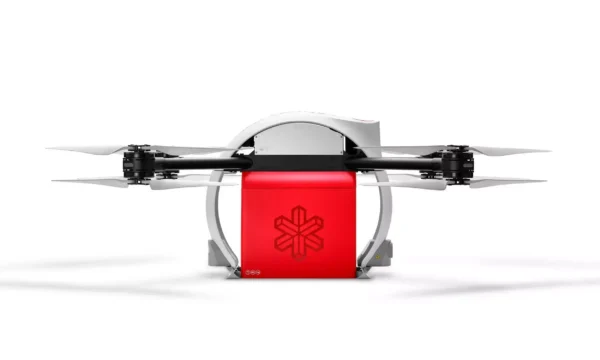
Matternet Launches M3 Autonomous Drone Delivery Platform for Urban Micro-Hubs
On September 28, 2026, Matternet introduced its M3 autonomous drone delivery platform, designed to facilitate package delivery from rooftops without on-site staff. The system includes an aircraft capable of carrying up to 11 pounds within a 10-mile radius, a dock for charging, and a drop-box portal for package deposit. This innovation is significant as it aims to create a reliable and low-cost delivery utility, enabling restaurants, retailers, and hospitals to connect seamlessly to an autonomous delivery network. Matternet's founder, Andreas Raptopoulos, emphasized the goal of establishing a dependable infrastructure for drone delivery, building on the success of the previous M2 system. Looking ahead, Matternet plans to commence commercial services for the M3 platform in the second half of 2027, with initial partnerships including Dave’s Hot Chicken in the U.S. and Apian in the U.K. The company is also set to expand its manufacturing capacity in the U.S. and leverage its partnership with SoftBank Robotics America to enhance deployment efforts.
Delivery Drone News Drone News Feeds News aerospace news 2026 Andreas Raptopoulos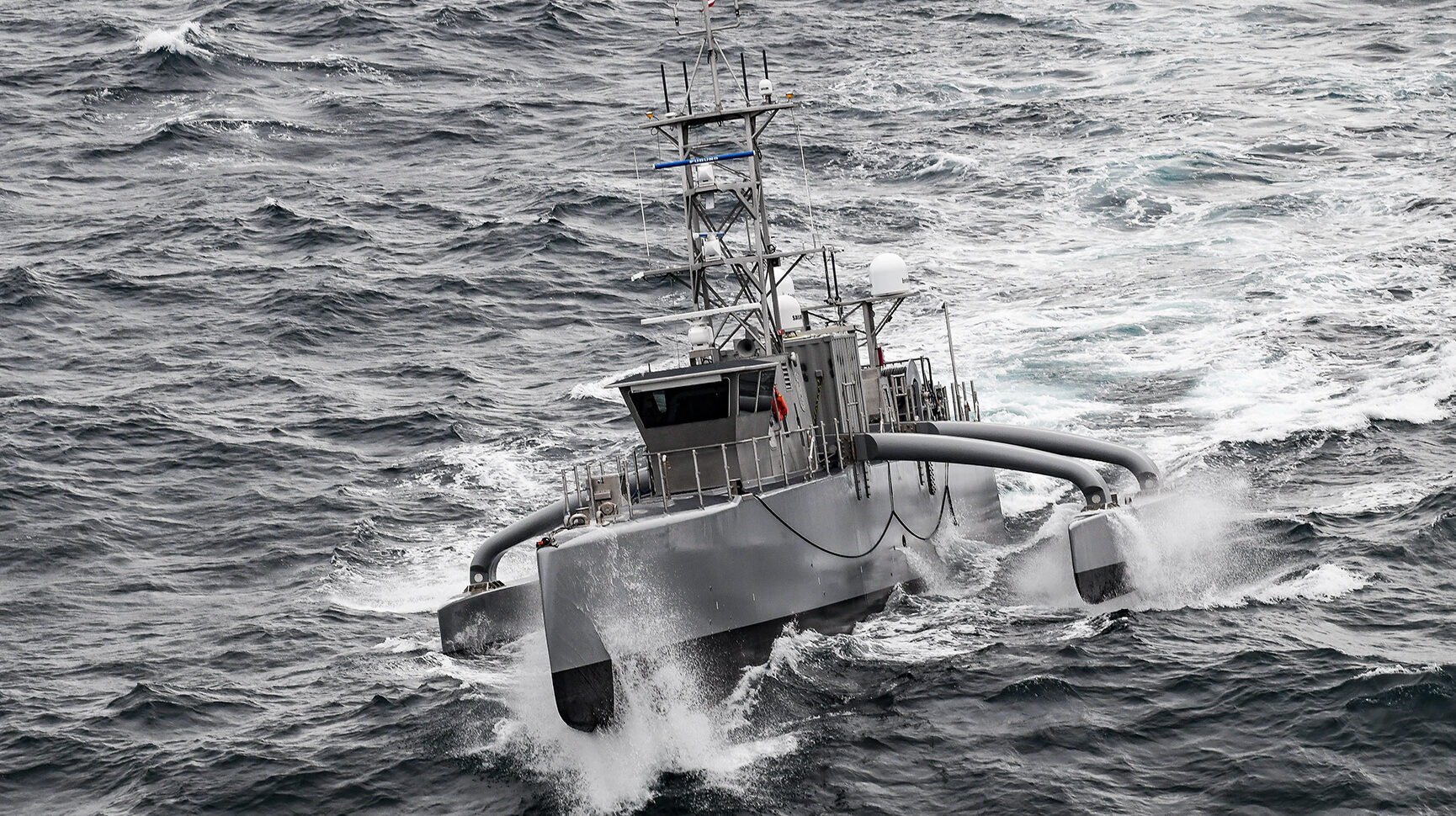
Navy Establishes Robotics and Autonomous Systems Warfighting Development Center in Virginia
The Navy has launched the Robotics and Autonomous Systems Warfighting Development Center (RASWDC) to develop tactics and procedures for unmanned systems. Headquartered at Joint Expeditionary Base Little Creek-Fort Story in Virginia, RASWDC aims to unify efforts across the Navy to enhance operational coherence in unmanned capabilities. This initiative is significant as it aligns with the Navy's broader strategy to integrate robotic and autonomous systems into its operations, as emphasized by Chief of Naval Operations Adm. Daryl Caudle. The RASWDC will work closely with the Direct Reporting Portfolio Manager for Robotic and Autonomous Systems to facilitate the acquisition and deployment of these technologies. Looking ahead, the RASWDC is expected to play a crucial role in ensuring that sailors are equipped with the necessary training and doctrine to effectively utilize unmanned systems. No further timeline was disclosed at the time of publication.
Naval Warfare Adm. Daryl Caudle Drones Navy robotics Unmanned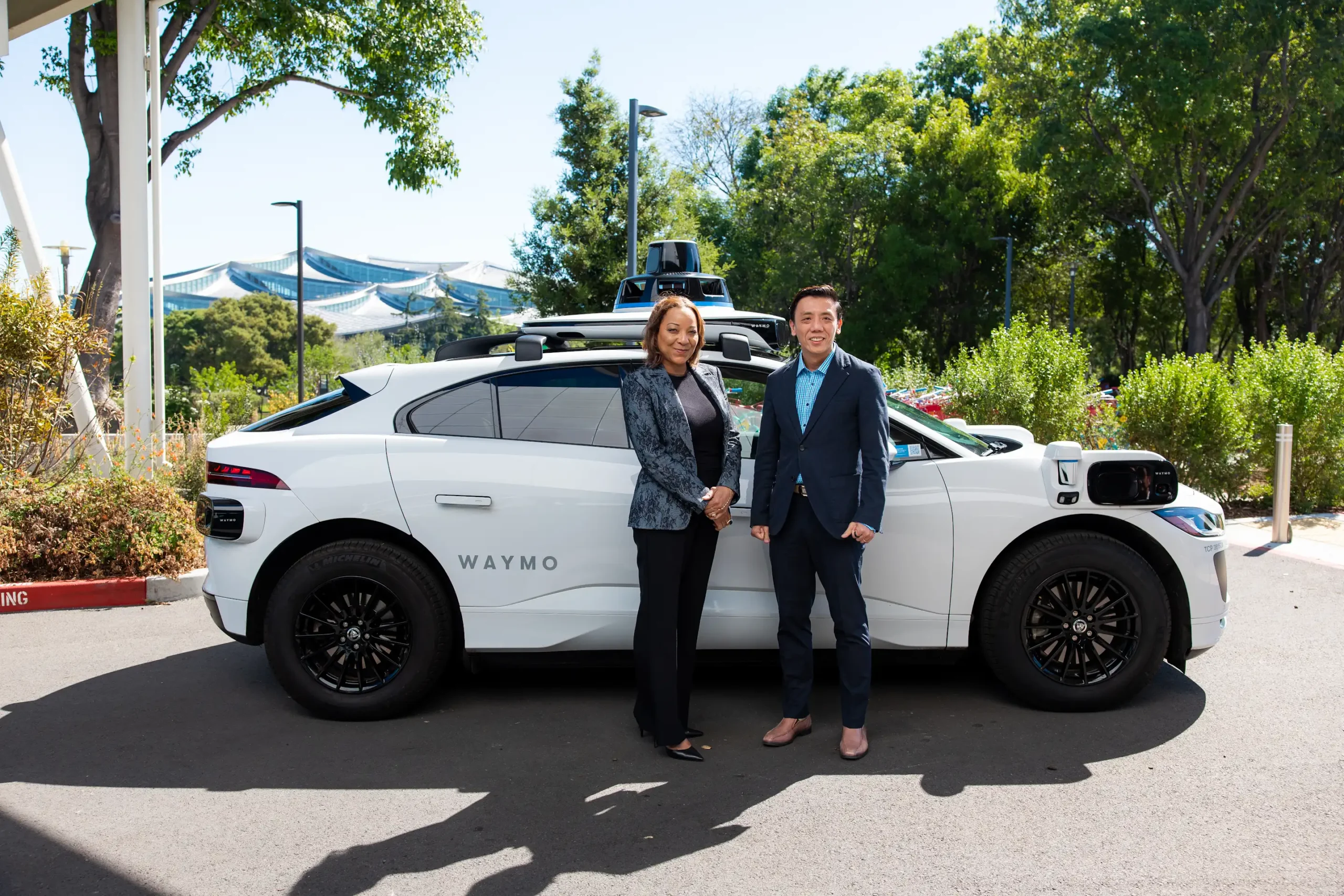
Waymo to Launch Fully Autonomous Ride-Hailing Service in Singapore by 2028
Waymo has announced its intention to introduce a fully autonomous, all-electric ride-hailing service in Singapore by 2028. This initiative marks the company's expansion into international markets, alongside planned launches in Tokyo, London, and Munich. Collaborating with Singapore’s Ministry of Transport and Land Transport Authority, Waymo aims to ensure compliance with safety and regulatory standards while enhancing the country’s autonomous mobility options. The introduction of Waymo's service is significant as it aligns with Singapore's vision of a safe and efficient transportation ecosystem. The government plans to support drivers affected by this transition through retraining programs, emphasizing the importance of community engagement and job creation. Waymo's co-CEO highlighted the company's commitment to complementing Singapore’s public transit network while maintaining a focus on sustainability and reliability. Looking ahead, Waymo will begin deploying an initial fleet of electric Jaguar I-PACE vehicles in the coming months, with trained specialists manually driving them to adapt to local conditions. The company aims to provide fully autonomous rides to the public in 2028, pending regulatory approvals. No further timeline was disclosed at the time of publication.
AI Capital Markets Robotics autonomous driving autonomous vehicles Robotaxi
DARPA Initiates $3.5 Million Competition for Autonomous Trauma Surgery Robots
The Defense Advanced Research Projects Agency (DARPA) is launching a $3.5 million competition aimed at developing robotic systems capable of assisting surgeons and eventually performing trauma surgeries autonomously during combat and mass-casualty scenarios. The competition will commence on September 22, 2026, with an Industry Day and will conclude with a finals event in March 2027. This initiative is crucial due to the shortage of available surgeons during large-scale traumatic injury events, where survivable injuries can become fatal if medical personnel are overwhelmed. DARPA's program manager, Dr. Jeremy C. Pamplin, emphasized that the goal is not to replace surgeons but to create highly skilled robotic partners that enhance surgical capabilities through advanced artificial intelligence and human-machine collaboration. Competitors will undergo rigorous testing in medical knowledge, physical capability, and rapid learning, with top teams advancing to two operational tracks, each offering a $1.5 million prize pool. The competition also aims to explore potential civilian applications in disaster response and rural healthcare, highlighting the broader impact of the technologies developed through this initiative.
AI AI Funding & Investment Robotics autonomous trauma surgery robots competition DARPA Funding
TLD Robotics Established Following Alvest's Acquisition of EasyMile to Enhance Autonomous Operations
TLD Robotics has officially launched as a subsidiary of Alvest, integrating EasyMile, TractEasy, and TLD’s driverless operations. This move follows Alvest's acquisition of EasyMile, a leader in autonomous technology, and signifies a strategic consolidation in the autonomous vehicle sector. The formation of TLD Robotics is significant as it combines autonomous software capabilities with industrial vehicle expertise, aiming to streamline deployment and enhance customer support. This integrated approach is expected to strengthen Alvest's position in the growing market for autonomous ground operations. Looking ahead, TLD Robotics is poised to leverage its combined resources to advance its offerings in autonomous vehicle technology. No further timeline was disclosed at the time of publication.
Infrastructure News Transportation airport automation alvest autonomous ground vehicles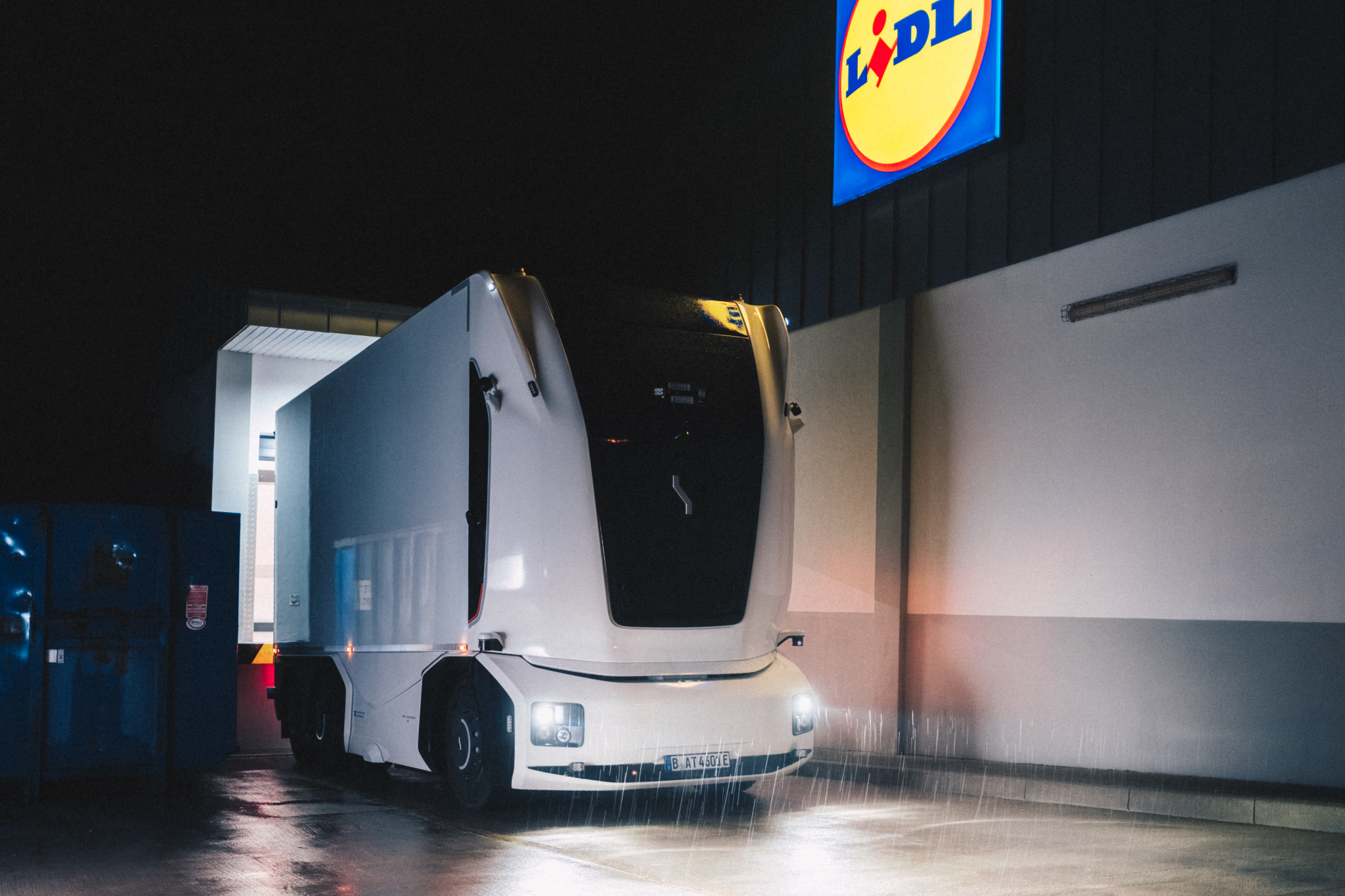
Einride and Lidl Launch Germany's First Autonomous Truck Operations on Public Roads
Einride and Lidl have initiated daily operations of a cab-less SAE Level 4 autonomous truck on public roads in Germany, transporting goods between a Lidl distribution center and store. This deployment marks the first of its kind in Germany, authorized by the Federal Motor Transport Authority, transitioning from a limited demonstration to regular logistics use. The significance of this operation lies in Lidl's exploration of autonomous freight solutions to enhance its logistics network while addressing ongoing driver shortages. The project aims to integrate autonomous trucks into Lidl's supply chain, with plans for a multi-stop milkrun model and potential expansions across other companies within the Schwarz Group. Looking ahead, Einride and Lidl will evaluate the technology's effectiveness in real-world conditions to determine its role in site logistics. No further timeline was disclosed at the time of publication.
AI AI Funding & Investment AI Use Cases Robotics autonomous trucks deployment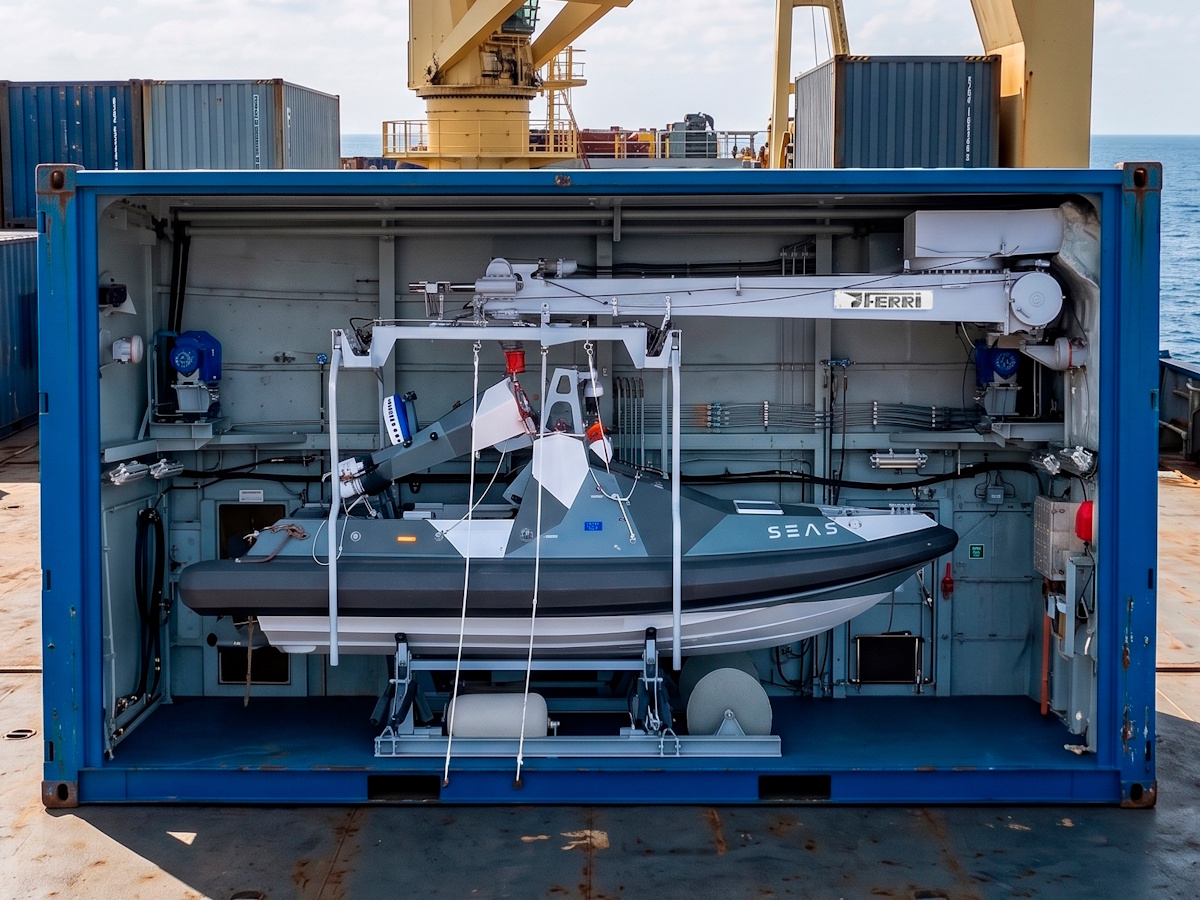
Cellula Robotics and FERRI Establish Nautical Reach Systems for Autonomous Marine Handling
Cellula Robotics Ltd. and Industrias FERRI S.A. have launched Nautical Reach Systems Ltd., a joint venture based in East Coast Canada. This new entity will focus on designing and manufacturing marine motion, lift, and handling systems tailored for autonomous maritime operations, including smart launch and recovery solutions for uncrewed vehicles. The collaboration aims to enhance the safety and reliability of autonomous platforms operating in challenging maritime environments, such as remote and Arctic conditions. Neil Manning, CEO of Cellula Robotics, emphasized the importance of integrating vehicle design with handling equipment to optimize performance at sea, highlighting the joint venture's potential to revolutionize marine operations. Looking ahead, Nautical Reach Systems plans to leverage the combined expertise of both companies to create innovative solutions for naval and coast guard operators. FERRI's significant investment in the venture will foster job creation and intellectual property development in Canada, while Cellula contributes its autonomous handling technology. No further timeline was disclosed at the time of publication.
cellula robotics ferri nautical reach systems autonomous marine handling
FarmDroid Launches FD60: A Large-Scale Autonomous Seeding and Weeding Robot
FarmDroid has unveiled the FD60, a large-scale field robot designed for autonomous seeding and mechanical weeding of row crops. Launched on September 1, 2026, the FD60 boasts a working width of up to 6.75 meters and a seasonal capacity of 60 hectares, significantly increasing productivity compared to its predecessor, the FD20. This innovation is crucial as it addresses the high cost per hectare that has previously limited the adoption of field robots. With operational costs as low as €304 per hectare, the FD60 offers a sustainable alternative to manual labor and chemical inputs, making it suitable for both organic and conventional farming practices. Looking ahead, the FD60's ability to operate autonomously throughout the season while minimizing labor demands will be a key factor for growers. The robot's compatibility with over 100 row crops and its efficient energy use through solar power and a generator make it a versatile tool in modern agriculture. No further timeline was disclosed at the time of publication.
Field robots autonomous farm equipment FarmDroid mechanical weeder precision agriculture solar energy
Infinit Drones Launches Dock M400 for DJI Matrice 400 Autonomous Operations
Infinit Drones has unveiled the Dock M400, an autonomous docking platform designed for the DJI Matrice 400 drone. This innovation allows for remote launching, recovery, and battery management without the need for on-site personnel, addressing a significant gap in the enterprise drone market. The Dock M400 is particularly important as it enhances the capabilities of the DJI Matrice 400, which is known for its heavy-lift capacity and advanced sensor support. With features like automatic battery replacement and dock-to-dock relay missions, the Dock M400 enables organizations to maintain drones in a mission-ready state, thereby improving operational efficiency in sectors such as utilities and emergency services. Looking ahead, the demand for autonomous drone solutions is expected to rise, especially with the growing interest in Drone as First Responder (DFR) programs and favorable regulatory changes in Canada. Infinit Drones aims to capitalize on these trends by offering a solution that combines the Matrice 400's capabilities with autonomous deployment, potentially transforming aerial operations across various industries.
News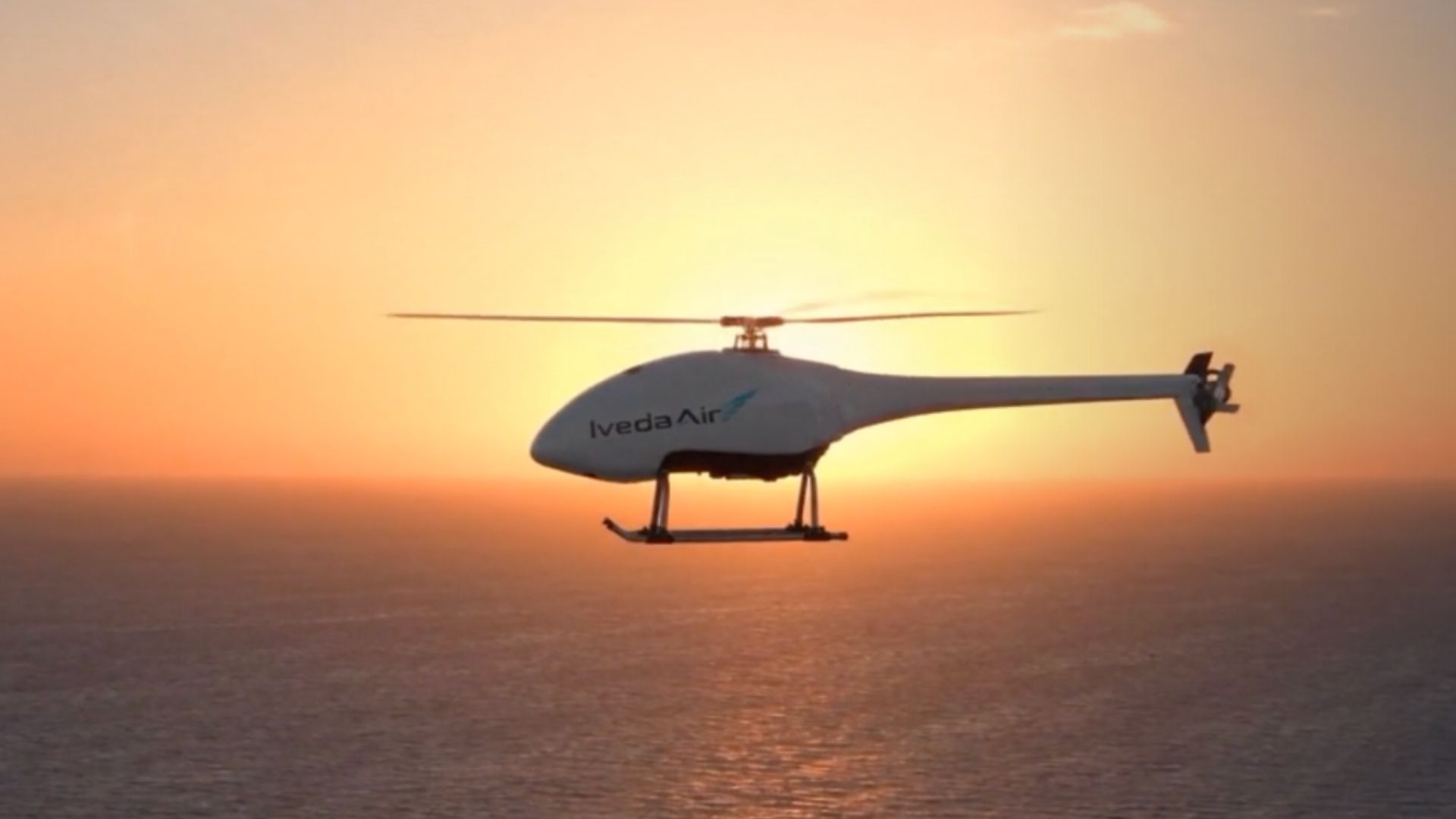
Iveda Launches Gas-Powered GX10-F100 Autonomous Helicopter Drone with 150-Minute Flight Time
Arizona-based Iveda has unveiled the IvedaAir line, featuring the GX10-F100, a gas-powered autonomous helicopter drone. This unmanned aircraft boasts an impressive flight endurance of over 150 minutes, significantly surpassing traditional battery-powered quadcopters. With a cargo capacity of 19 pounds and a maximum speed of 68 mph, the GX10-F100 is designed for military and emergency operations. The introduction of the GX10-F100 is significant as it addresses the limitations faced by conventional drones in challenging environments such as coastlines and isolated terrains. Its extended endurance and cargo capabilities make it suitable for logistics, reconnaissance, and aerial communications in difficult or dangerous areas. Iveda aims to enhance operational efficiency for military users and expand the drone's applications to maritime security, public safety, and emergency response. Looking ahead, Iveda's focus on developing the GX10-F100 for demanding operational environments indicates a shift in drone capabilities. The integration of IvedaAI autonomy software enhances navigation and intelligence missions, allowing for waypoint navigation and real-time video transmission. No further timeline was disclosed at the time of publication.
Military
Impossible Metals' Eureka II Achieves Autonomous Recovery from Ocean Surface
Impossible Metals has released new footage demonstrating its underwater vehicle, Eureka II, autonomously locating and recovering its surface vessel from beneath the ocean waves. This significant achievement showcases the vehicle's ability to align, attach, and return to the deck without any human intervention, marking a crucial step towards scalable ocean robotics. The successful autonomous recovery of Eureka II is important as it addresses one of the major challenges in ocean technology, paving the way for more advanced and efficient underwater operations. This capability could enhance various applications, including marine research, resource recovery, and environmental monitoring, by reducing the need for human oversight. Looking ahead, industry observers will be keen to see how Impossible Metals continues to develop its ocean robotics technology and what further advancements will be made in autonomous underwater operations. No further timeline was disclosed at the time of publication.
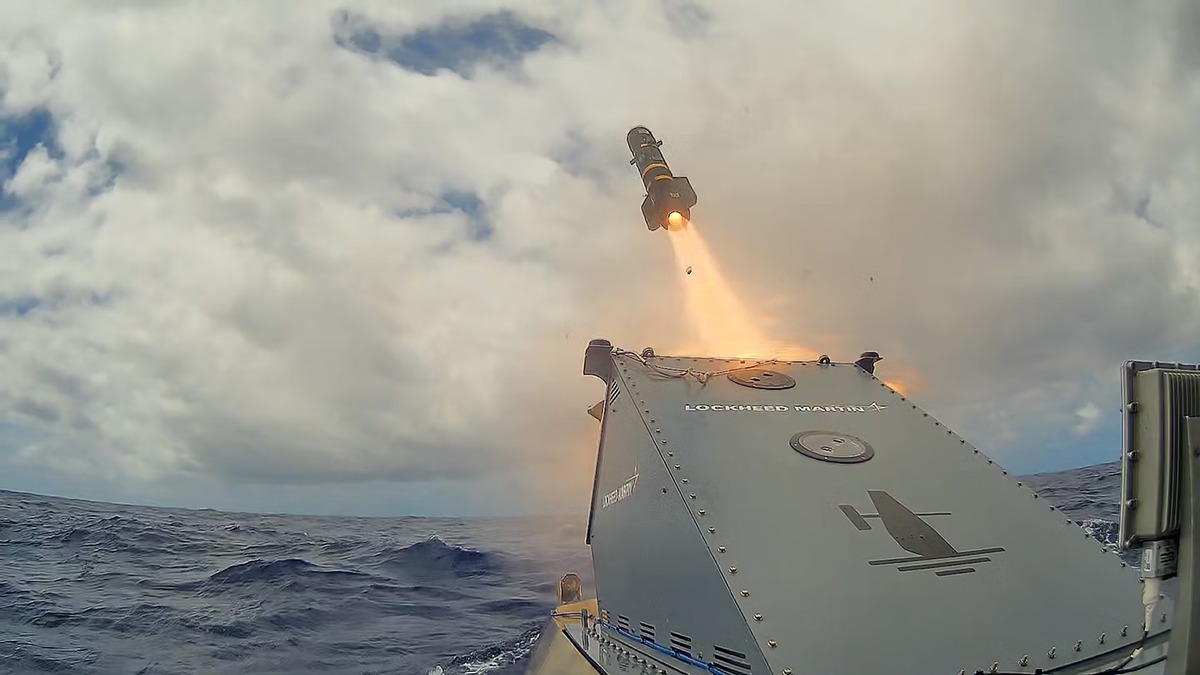
Saildrone and Lockheed Martin Enhance Autonomous Naval Warfare with RIMPAC Missile Launch
Saildrone successfully executed two Joint Air-to-Ground Missile launches from its Surveyor unmanned surface vehicle (USV) during the US Navy's Rim of the Pacific (RIMPAC) exercise. This marks a significant milestone as it is the first-ever missile launch from a Saildrone USV, showcasing the integration of Saildrone's technology with Lockheed Martin's missile capabilities. The demonstration is crucial as it highlights the potential of autonomous systems in modern naval warfare, allowing for extended operational capabilities in contested environments. The collaboration between Saildrone and Lockheed Martin, initiated in October 2025, aims to enhance the operational readiness of unmanned platforms, providing commanders with the necessary tools to project power effectively. Looking ahead, Saildrone plans to further develop its platform capabilities to meet evolving military requirements. The successful integration of electronic warfare sensors during the RIMPAC exercise also indicates the potential for future enhancements in autonomous naval operations. No further timeline was disclosed at the time of publication.
saildrone lockheed martin autonomous naval warfare rimpac demonstration usv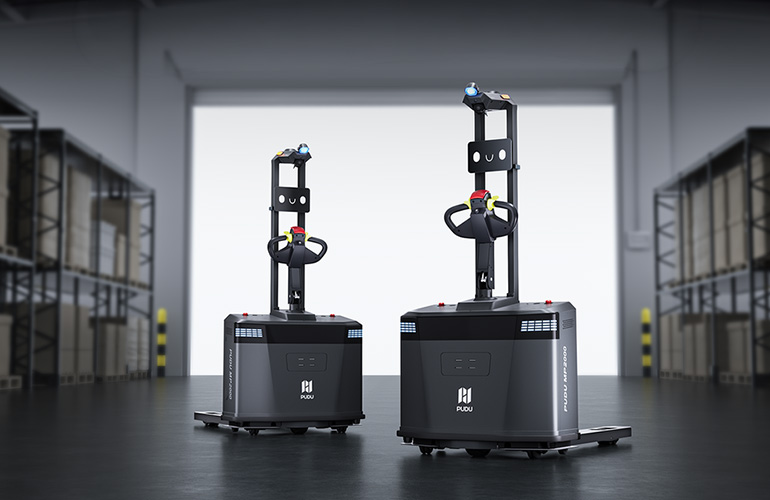
Pudu Robotics Introduces MP2000 Autonomous Forklift for Efficient Material Transport
Pudu Robotics has launched the MP2000, an AI-powered autonomous forklift designed for efficient floor-to-floor material transport in warehouses and factories. This new model features pallet pickup cycles as quick as 20 seconds, enhancing the company's portfolio of autonomous mobile robots (AMRs) for high-frequency, heavy-payload transport in busy logistics environments. The MP2000 is equipped with advanced 3D lidar and depth cameras, allowing it to identify pallet locations and adjust its approach in real time. This capability ensures safe navigation through facilities, avoiding obstacles while validating pallet sizes and configurations. The MP2000 supports various pallet formats and adapts to non-standard load carriers, making it versatile for different operational needs. As part of a distributed fleet, the MP2000 can coordinate with other Pudu Robotics AMRs, enhancing overall efficiency. It also features a manual operator override for use as a powered manual forklift. The vehicle's ability to communicate with peripheral equipment like doors and elevators further streamlines access to controlled areas within facilities. No further timeline was disclosed at the time of publication.
Automated Warehouse Autonomous Mobile Robots (AMRs) Logistics Manufacturing News Pudu Robotics
FlybyOps Launches Platform to Streamline Management of Autonomous Drone Fleets
FlybyOps, a Finland-based company, has introduced an enterprise drone operations platform aimed at addressing the complexities of scaling autonomous drone fleets. As commercial drone operations expand, managing pilots, equipment, approvals, and compliance becomes increasingly challenging, especially with the rise of Beyond Visual Line of Sight (BVLOS) operations. The platform serves as a central hub for organizations developing large-scale BVLOS and autonomous drone programs, connecting flights with necessary personnel, aircraft, and compliance requirements. With regulators worldwide facilitating more routine BVLOS flights, industries such as logistics and infrastructure inspection are preparing for fleets capable of performing hundreds or thousands of autonomous missions, necessitating robust management tools. FlybyOps emphasizes compliance and operational oversight, allowing organizations to manage flight approvals, personnel qualifications, and operational risks from a single system. The software has already been adopted globally, providing operators with enhanced visibility into complex flight programs. No further timeline was disclosed at the time of publication.
News
Greensea IQ Launches Bayonet Sweep, an Autonomous Robot for Hull Inspections
Greensea IQ has unveiled Bayonet Sweep, an autonomous underwater robot designed for inspecting ship hulls and underwater structures. This innovative solution aims to enhance maritime force protection by allowing navies, security teams, and port authorities to conduct inspections without the need for divers, thereby improving safety and efficiency. The significance of Bayonet Sweep lies in its ability to transform traditional hull inspection methods, which often focus on maintenance, into a proactive security measure. Built on Greensea IQ Core software, the robot not only autonomously inspects hulls but also provides comprehensive data for threat assessment and mitigation, ensuring that operators receive detailed intelligence on potential anomalies. Looking ahead, the Bayonet Sweep is part of Greensea IQ's broader Bayonet mission suite, which includes various autonomous systems for marine operations. As the technology continues to evolve, it will be crucial to monitor its deployment and effectiveness in enhancing port and harbor security. No further timeline was disclosed at the time of publication.
greensea iq bayonet sweep augv autonomous hull inspection robot maritime force protection
FlybyOps Introduces New Platform for Scaling BVLOS and Autonomous Drone Operations
FlybyOps has unveiled an enterprise drone operations platform tailored for large-scale Beyond Visual Line of Sight (BVLOS) and autonomous drone initiatives. This Finland-based company aims to tackle the complexities faced by commercial drone operators as they expand their fleets, requiring effective management of flights, locations, aircraft, and personnel while ensuring regulatory compliance. The significance of this platform lies in its ability to centralize management of flight operations, personnel qualifications, and compliance requirements, thereby enhancing operational control. With features such as role-based access, configurable workflows, and structured compliance processes, FlybyOps is designed to support organizations transitioning to more frequent and autonomous BVLOS flights, creating an auditable record of operations. As the drone industry gears up for larger fleets and increased autonomy, FlybyOps is positioned to facilitate this evolution. The platform is already being utilized globally for BVLOS operations, with potential applications in logistics and infrastructure. No further timeline was disclosed at the time of publication.
Applications Drone News Drone News Feeds News autonomous drones BVLOS
Raytheon and CET Showcase HADALUS Underwater Launch Capability After 18 Months of Development
Raytheon and Composite Energy Technologies (CET) have successfully demonstrated the underwater launch capability of the HADALUS unmanned undersea vehicle (UUV) during a recent U.S. Navy exercise. This marks a significant milestone as it is the first time the Navy has observed this integrated capability in action beneath the ocean surface. The successful demonstration is crucial as it could enhance the U.S. Navy's operational flexibility with long-endurance autonomous underwater vehicles. The HADALUS can now conduct missions that integrate sensing, target reacquisition, and engagement, all while submerged, which presents unique engineering challenges compared to surface-launched systems. Looking ahead, the HADALUS's design allows for extended underwater operations without the need for a surface ship, aligning with the U.S. defense strategy towards distributed unmanned systems. No further timeline was disclosed at the time of publication.
Military
PlusAI Achieves 93.4 Percent Safety Readiness Ahead of 2027 Truck Launch
PlusAI has announced that it has achieved 93.4 percent 'Safety Case Readiness' as it prepares for the commercial launch of its factory-built driverless trucks in 2027. The company reported significant improvements in safety validation and autonomous driving metrics during the first half of 2026, including an increase in the Autonomous Miles Percentage from 99.2 percent to 99.8 percent. This progress is crucial as PlusAI aims to reach 100 percent Safety Case Readiness by 2027, which is essential for the deployment of its SuperDrive autonomous driving system. CEO David Liu emphasized the importance of transparency in their commercial readiness metrics, highlighting operational improvements and recent milestones that indicate PlusAI's advancement toward large-scale deployment of autonomous trucks. Looking ahead, PlusAI is targeting over 90 percent of trips to be completed without remote assistance before the commercial launch. The company has also expanded its operations with a commercial fleet trial in Texas and plans to introduce autonomous trucks in Southern Europe through partnerships with local logistics firms. No further timeline was disclosed at the time of publication.
Artificial Intelligence Autonomous Vehicles News artificial intelligence autonomous driving autonomous trucking
Avnet and Weston Robot Collaborate to Launch AI-Powered Autonomous Inspection Platform
Avnet and Weston Robot have partnered to develop an AI-powered autonomous inspection platform designed for complex industrial environments. This platform utilizes quadruped robots equipped with advanced computing architecture to perform real-time inspections, enhancing operational efficiency and safety. The significance of this collaboration lies in its potential to revolutionize inspection processes in industrial settings. By integrating edge AI with robotics, the platform allows for low-latency AI inference and real-time data processing, which can lead to earlier detection of operational issues and reduced inspection costs. Looking ahead, the partnership aims to expand the capabilities of the inspection platform by integrating it with Weston’s fleet management software. This will enable the robot to autonomously patrol and inspect designated areas, further enhancing operational resilience and safety in industrial operations. No further timeline was disclosed at the time of publication.
Artificial Intelligence Artificial Intelligence / Cognition Autonomous Mobile Robots (AMRs) Design / Development News Robots / Platforms
WeRide Partners with GreenMobility to Launch Autonomous Shared-Mobility in Denmark
WeRide, a Chinese autonomous-driving company, has formed a partnership with GreenMobility, a Danish shared-mobility platform, to initiate Denmark's first commercial autonomous shared-mobility project. This collaboration signifies WeRide's inaugural entry into the Nordic market. The significance of this partnership lies in its potential to revolutionize urban mobility in Denmark, leveraging WeRide's advanced L4 Robotaxi GXR vehicles that comply with EU regulations. The service is expected to be launched to the public in the first half of 2027, pending regulatory approval. As the project progresses, stakeholders will be keen to observe the regulatory landscape and the technological advancements that will facilitate the deployment of autonomous shared-mobility services in Denmark. No further timeline was disclosed at the time of publication.
News Feed
NVIDIA Launches Alpamayo 2 Super for Commercial Use in Robotaxis and Autonomous Vehicles
NVIDIA has announced the commercial availability of Alpamayo 2 Super, a cutting-edge model designed for robotaxis and autonomous vehicles (AVs). This model addresses complex, rare scenarios that traditional systems struggle to handle, enabling AVs to reason about situations and make safe decisions in real time. The significance of Alpamayo 2 Super lies in its open commercial licensing and advanced multitask capabilities, which enhance the AV ecosystem. By being part of the Alpamayo family, it supports a variety of AV-relevant functions within a single foundation model, allowing developers to adapt it to their specific needs and driving policies. Looking ahead, the application of the OpenMDW license across the Alpamayo model family facilitates a seamless transition from adaptation to deployment for AV developers. This model not only provides high-level reasoning capabilities but also promotes a sustainable approach to scaling safe autonomy in commercial fleets, ensuring that developers can efficiently integrate advanced reasoning into their workflows.

NVIDIA Launches Autonomous AI Engineer to Transform Chip Design Efficiency
On July 29, NVIDIA unveiled its Autonomous AI Engineer at the 2026 Design Automation Conference (DAC), a groundbreaking solution that covers the entire chip design and verification process. This system integrates the enhanced NVIDIA Agent Toolkit with the AI physics library PhysicsNeMo and the updated CUDA-X library, enabling AI to not only create designs but also understand physics, run simulations, and perform validations like a real chip engineer. The core of this system is a comprehensive 'AI Engineer Skill Set.' PhysicsNeMo provides AI with 'physical intuition' to train and deploy physical models, predicting real-world physical behavior in complex designs. The updated CUDA-X library injects high-speed computing capabilities, featuring sparse solvers cuISS and cuDSS for accelerating electromagnetic and fluid dynamics simulations, while the cuEST quantum chemistry library focuses on time-consuming atomic-level material simulations crucial for semiconductor development. NVIDIA has open-sourced the 550 billion parameter Nemotron 3 Ultra MoE model for register-transfer level coding, achieving a 97.1% pass rate in nine RTL coding tasks with its hardware design agent ACE-RTL. Major companies like Samsung, TSMC, and Synopsys are fully engaged, indicating that the 'AI designing AI' revolution has begun, potentially extending Moore's Law through AI advancements.
Chip Design AI Engineering Semiconductor Technology Automation NVIDIA
Archer Aviation Launches Halo Autonomous VTOL for Long-Range Cargo Transport
Archer Aviation has introduced Halo, an autonomous hybrid-electric VTOL aircraft designed for long-range cargo missions. This innovative aircraft can take off like a helicopter and fly long distances like an airplane, making it suitable for operations in areas where traditional aircraft cannot operate. The significance of Halo lies in its dual-use platform, developed in collaboration with Anduril, which allows for both commercial logistics and defense applications. The aircraft features a series hybrid-electric powertrain and dual tiltrotors, optimizing efficiency and reducing noise, making it ideal for suburban environments. Looking ahead, Halo's modular cargo bay and flexible deployment options promise to enhance operational efficiency. The aircraft can be transported in standard shipping containers, facilitating easy assembly at various locations. No further timeline was disclosed at the time of publication.
News
China's CZ-10B Rocket Recovery Achieves 60-70% Cost Reduction, Ushering in Reusable Era
China's CZ-10B rocket has successfully demonstrated net-based recovery, marking a significant shift towards reusable rocket technology. This achievement is expected to reduce launch costs by 60-70%, transforming the landscape of the space economy. The move from disposable to reusable rockets is crucial as it aligns with the growing demand for cost-effective space access in both commercial and government sectors. This paradigm shift indicates a maturation of the space economy, which is approaching a trillion-yuan valuation. Looking ahead, the implications of this technology could reshape future space missions and investments. No further timeline was disclosed at the time of publication.
Industry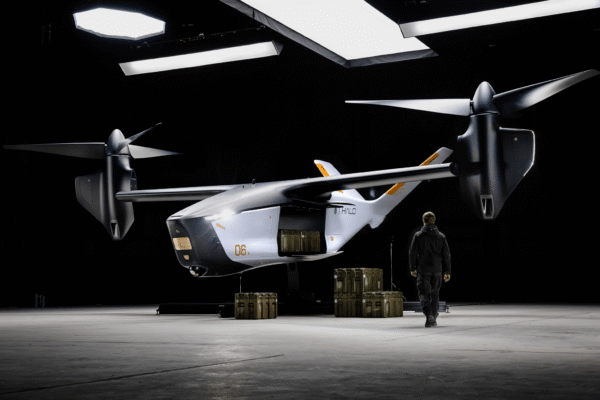
Archer Launches Halo, a Commercial Autonomous VTOL Developed with Anduril
Archer Aviation has introduced Halo, a commercial variant of its dual-use autonomous VTOL platform, developed in collaboration with Anduril Industries. The announcement was made on July 22, 2026, during the Farnborough International Airshow, following Anduril's unveiling of the defense variant, Thunder. Halo is designed for both defense and commercial markets, featuring a hybrid powertrain and configurable payloads. The significance of Halo lies in its innovative design and capabilities, which combine long range, high speed, and heavy modular payloads. Archer's eight years of eVTOL development have culminated in this platform, which utilizes a series hybrid-electric powertrain and dual tiltrotors for efficiency and noise reduction. The aircraft is engineered for low-cost, high-volume production, leveraging commercial supply chains and existing manufacturing partnerships. Looking ahead, Archer has named Marubeni Aerospace Corporation as its first strategic partner for Halo, focusing on market research and use case identification. The platform targets various commercial logistics segments, including offshore energy resupply and humanitarian missions. No further timeline was disclosed at the time of publication.
Advanced Air Mobility Drone News Drone News Feeds Dual Use Hybrid Powertrains News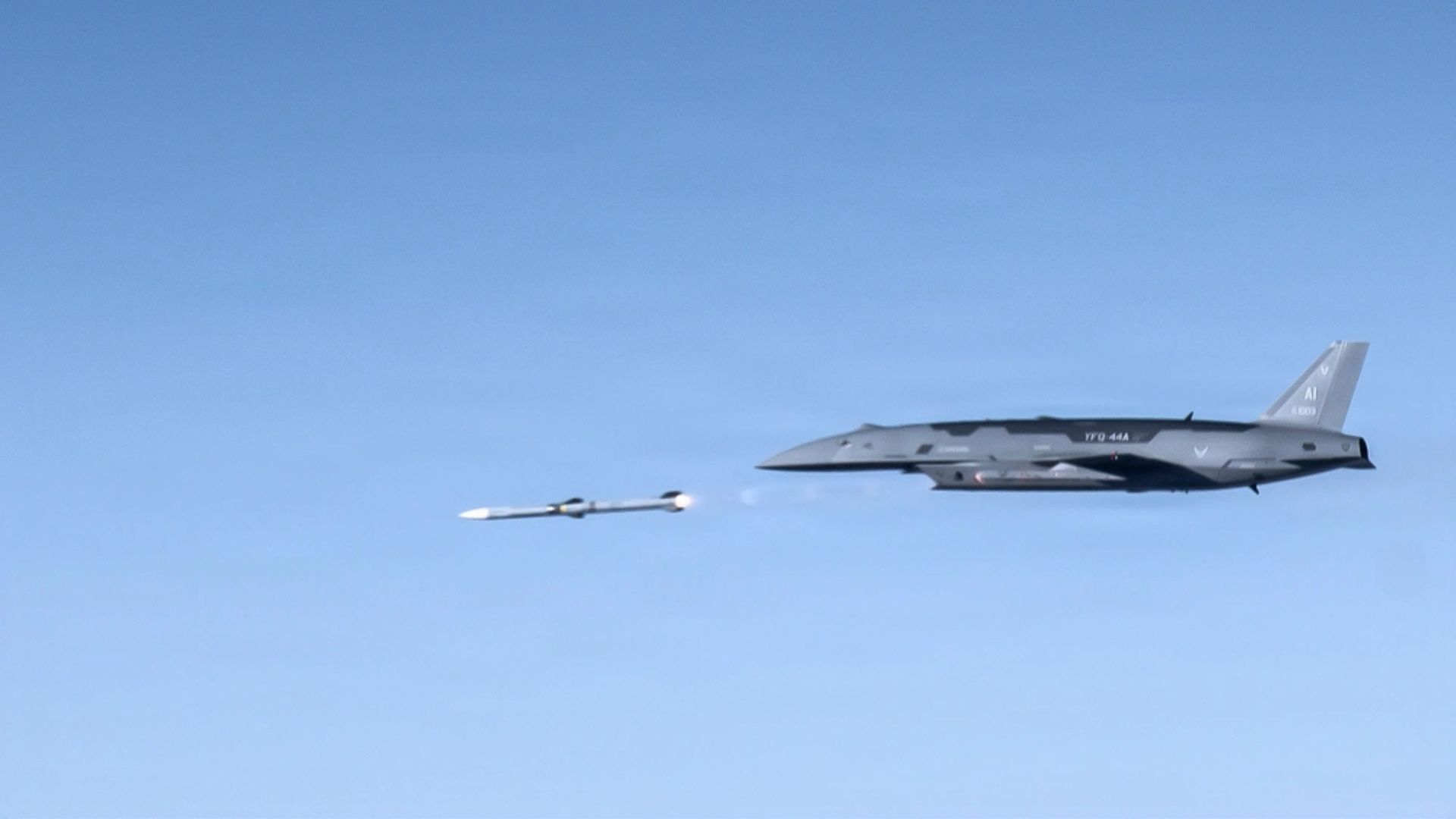
U.S. Air Force Conducts First Missile Launch from Anduril's YFQ-44A Drone
The U.S. Air Force successfully executed its inaugural missile launch from a Collaborative Combat Aircraft (CCA) on June 15, 2026. The Anduril-developed YFQ-44A drone fired an AIM-120 medium-range air-to-air missile at a digital target in California’s Mojave Desert, marking a significant advancement in the development of semi-autonomous drones capable of operating alongside piloted fighter jets. This milestone is crucial as it demonstrates the Air Force's commitment to enhancing its combat capabilities through the use of Collaborative Combat Aircraft. The YFQ-44A autonomously managed most mission steps, with a human operator providing the final launch approval, adhering to U.S. policy on lethal weapon control. This test signifies a shift from previous trials, where operators controlled the drone's flight, showcasing the aircraft's ability to execute complex tasks independently. Looking ahead, the Air Force aims to further develop and test these semi-autonomous aircraft, ultimately enhancing U.S. airpower. The CCA program seeks to deliver combat-ready drones that can operate effectively in challenging environments, with the potential for real mission deployment on the horizon. No further timeline was disclosed at the time of publication.
Military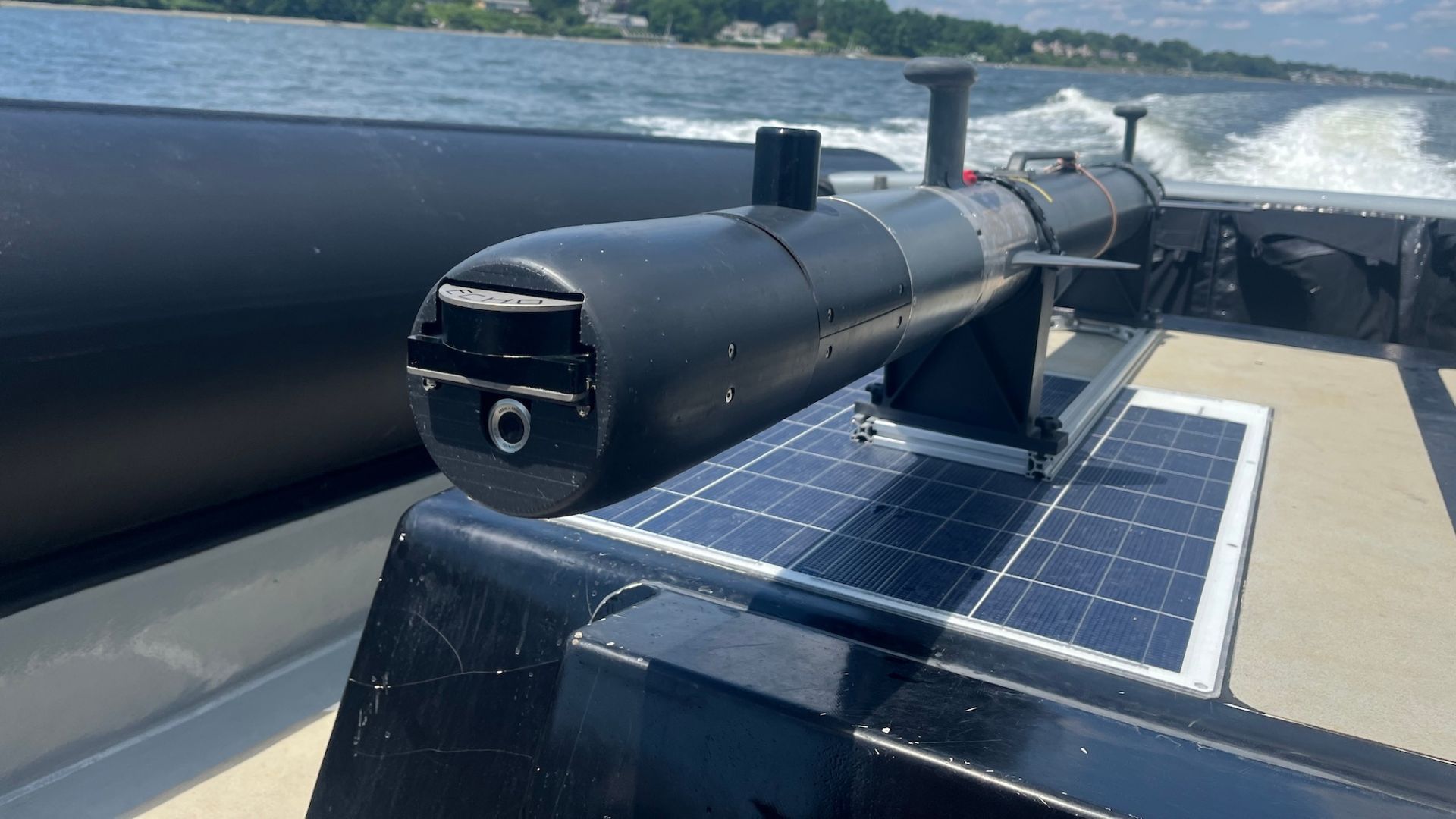
Vatn Systems Launches SIGURD Autonomous System for Naval Mine Detection and Neutralization
U.S. defense startup Vatn Systems has unveiled SIGURD, a compact autonomous system designed to detect and neutralize naval mines. This innovative platform allows military operators to locate underwater mines without the need for large mine warfare vessels, addressing a critical challenge in naval operations. SIGURD is currently being tested by government customers, with deployment expected later this year. The introduction of SIGURD is significant as naval mines remain a cost-effective threat in maritime conflict, capable of disrupting shipping and delaying naval operations. Traditional mine countermeasure missions are resource-intensive, often requiring specialized ships and trained personnel. Vatn's autonomous underwater vehicle aims to streamline this process, enabling quicker responses to mine threats in contested waters. Looking ahead, Vatn Systems is preparing to support U.S. military and allied nations in expanding their autonomous mine warfare capabilities. The demand for such systems is rising, particularly in light of increasing tensions in strategic maritime regions. The successful testing of SIGURD against inert naval mines suggests a promising future for autonomous solutions in mine countermeasures.
Military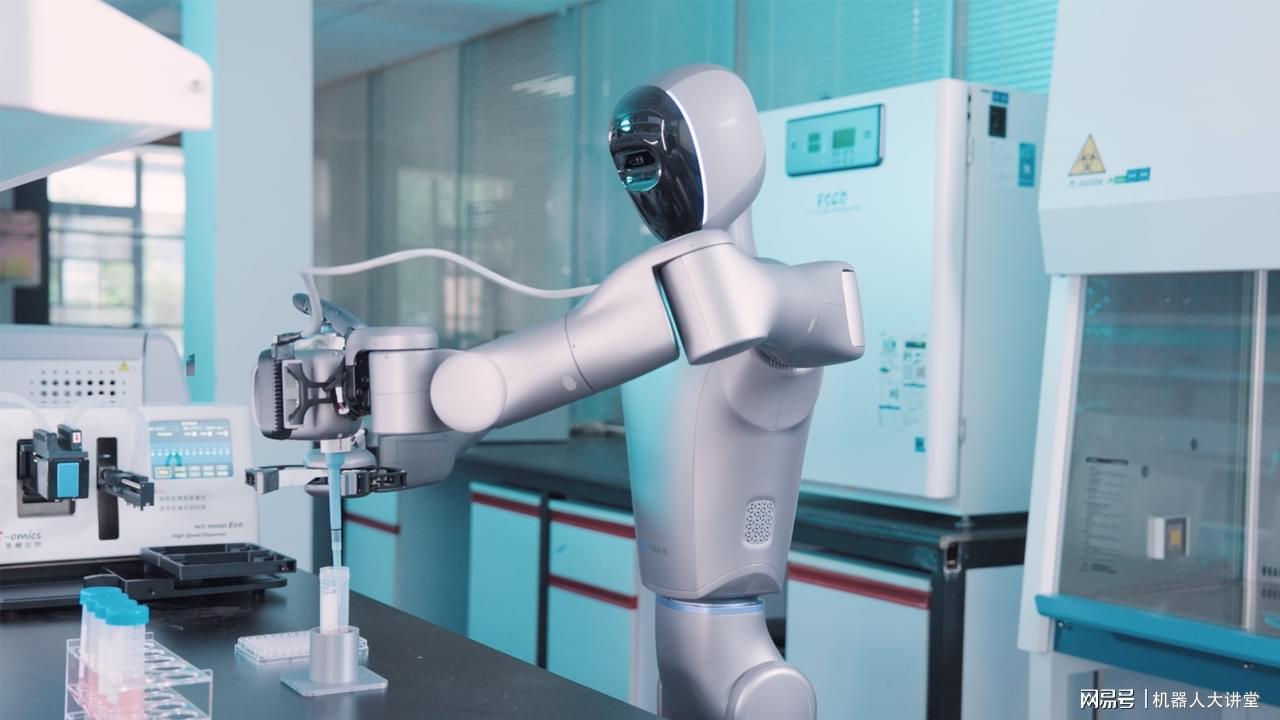
Yuanluo Technology Unveils First Autonomous Laboratory Utilizing Object-Centric Physics Model
Yuanluo Technology has successfully launched the world's first autonomous laboratory on a national research platform, marking a significant advancement in embodied intelligence. The laboratory's robotic system can autonomously perform over 40 operations, including nucleic acid extraction and cytotoxicity testing, with a precision of less than one millimeter. This achievement demonstrates the robot's capability to execute complex, multi-step tasks continuously for over three hours, addressing challenges in throughput and consistency in biochemical research. This development is crucial as it signifies a shift from demonstration to practical application of embodied intelligence in the biochemical and material science sectors. The Object-centric Physics Native Model (OPN), developed by Yuanluo, enables the robot to understand and adapt to the dynamic conditions of a real laboratory environment. By integrating visual, tactile, and force feedback, the robot can make real-time adjustments, ensuring stable execution of intricate experimental workflows across multiple devices. Looking ahead, the successful implementation of this autonomous laboratory sets the stage for further advancements in research and development processes across various industries, including public health and advanced manufacturing. The next milestones will involve expanding the capabilities of the OPN model and integrating it into more complex industrial systems. No further timeline was disclosed at the time of publication.
Autonomous Laboratories Embodied Intelligence Biochemical Research Robotics AI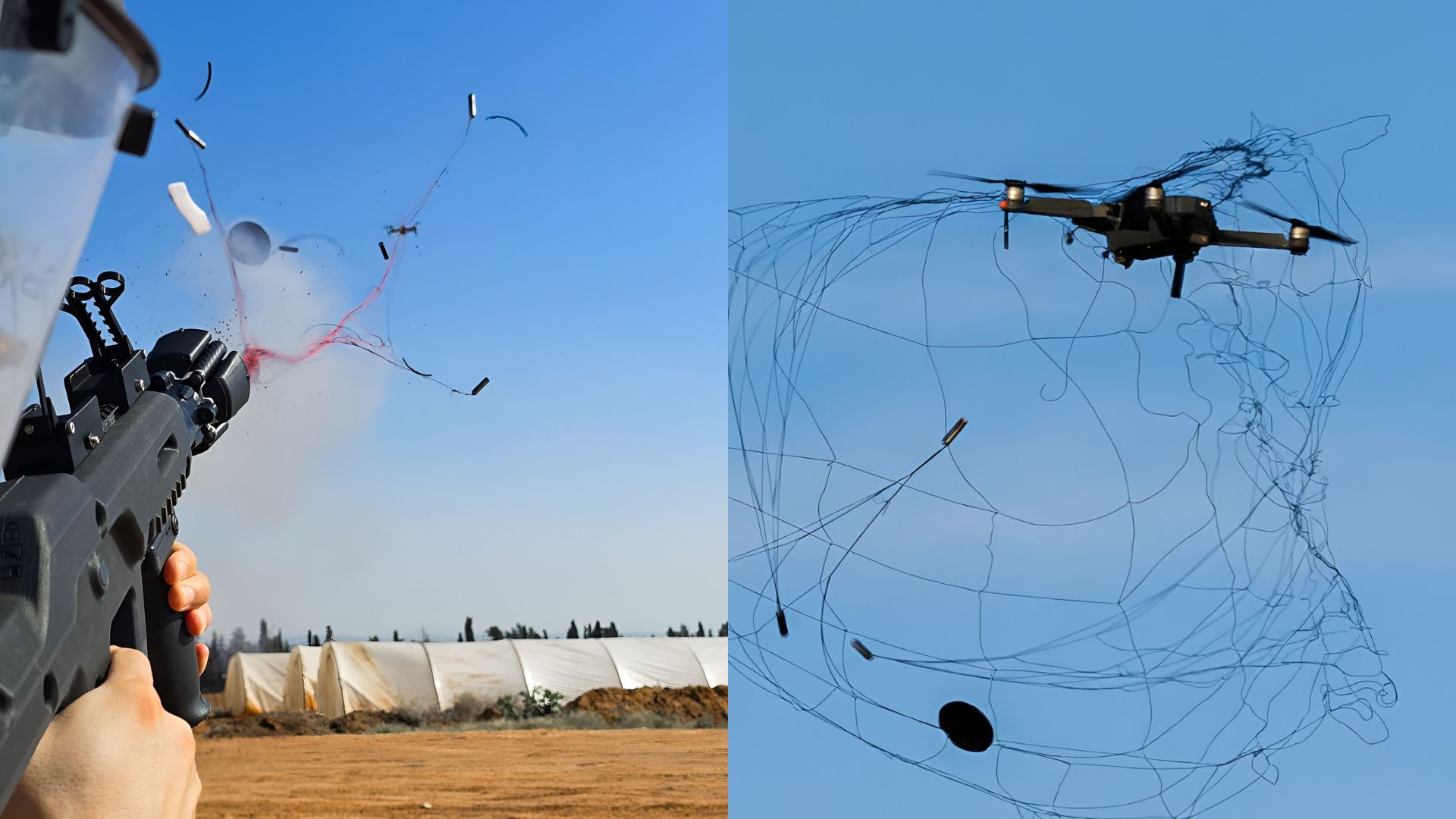
ParaZero Technologies Launches DefendAir for Autonomous Drone Interception in Military Applications
ParaZero Technologies has introduced its DefendAir platform, designed to intercept first-person view (FPV) drones autonomously before they can strike military vehicles. This system utilizes a non-explosive net-based interception method, creating a 360-degree defensive envelope around assets. The platform aims to enhance protection for both moving and stationary high-value military targets without the weight penalties of traditional armor. The rise of low-cost FPV drones has prompted militaries to seek effective countermeasures, as these drones have proven capable of damaging expensive military equipment. ParaZero's DefendAir addresses the limitations of conventional protective measures, such as steel cages, by offering a more agile and responsive solution. The system's ability to detect and neutralize threats rapidly is crucial for modern battlefield scenarios, where speed and precision are paramount. ParaZero is currently collaborating with Tier-1 defense companies to refine the DefendAir technology for operational requirements. While the company has not disclosed specific partners or a timeline for deployment, the focus on active counter-drone systems reflects a broader trend in military strategy, emphasizing the need for innovative solutions to counter evolving aerial threats. No further timeline was disclosed at the time of publication.
Military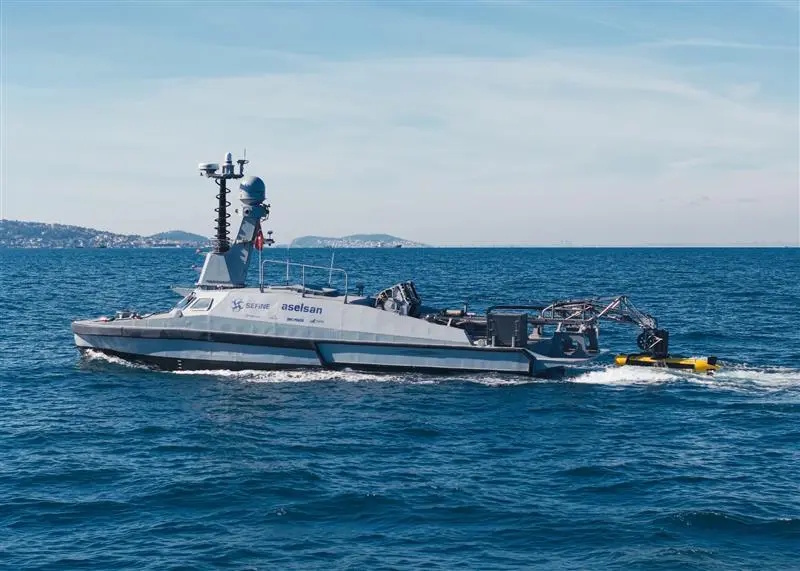
Kraken Robotics Demonstrates KATFISH Autonomous Launch and Recovery from SEFINE USV
Kraken Robotics has successfully integrated and demonstrated its KATFISH towed synthetic aperture sonar system along with an autonomous launch and recovery system (LARS) aboard SEFINE’s RD-22 unmanned surface vessel (USV). This significant event occurred in the first quarter of 2026 off the coast of İstanbul, Türkiye. The collaboration with SEFINE SISAM, the Strategic Unmanned Systems Research Center, highlights the advancements in maritime technology and aims to enhance operational capabilities in underwater exploration and surveillance. The integration of these systems marks a notable achievement in the field of unmanned maritime operations, showcasing Kraken Robotics' commitment to innovation and collaboration in the industry.
kraken robotics katfish autonomous launch and recovery sefine usv
HII Successfully Demonstrates Sea Launcher, Ship-Based Automated Launch and Recovery of REMUS Autonomous Underwater Vehicle
HII, a leading manufacturer of autonomous underwater unmanned vehicles, announced the successful shipboard deployment and recovery of a REMUS autonomous underwater vehicle. This achievement was made possible through the use of the company’s automated launch and recovery system, known as Sea Launcher. The event highlights HII's advancements in underwater technology and its commitment to enhancing operational capabilities in marine environments.
hii sea launcher ship-based automated launch and recovery remus autonomous underwater vehicle
MARTAC and Sealartec Introduce Fully Autonomous Launch and Recovery System for USV
Maritime Tactical Systems (MARTAC) and Sealartec have announced the launch of a groundbreaking Autonomous Launch & Recovery System designed for unmanned surface vessels (USVs). This innovative system enables the autonomous deployment and retrieval of MARTAC’s MANTAS T8 and T12 models from the Devil Ray T38 platform. The unveiling took place recently, highlighting the importance of such technology in enhancing swarming missions and maximizing the capabilities of unmanned marine systems. The development aims to operate effectively in various sea conditions with minimal human intervention, ensuring both speed and reliability in operations. This advancement is expected to significantly impact maritime operations, paving the way for more efficient and effective use of USVs in the field.
martac sealartec fully autonomous launch and recovery system usv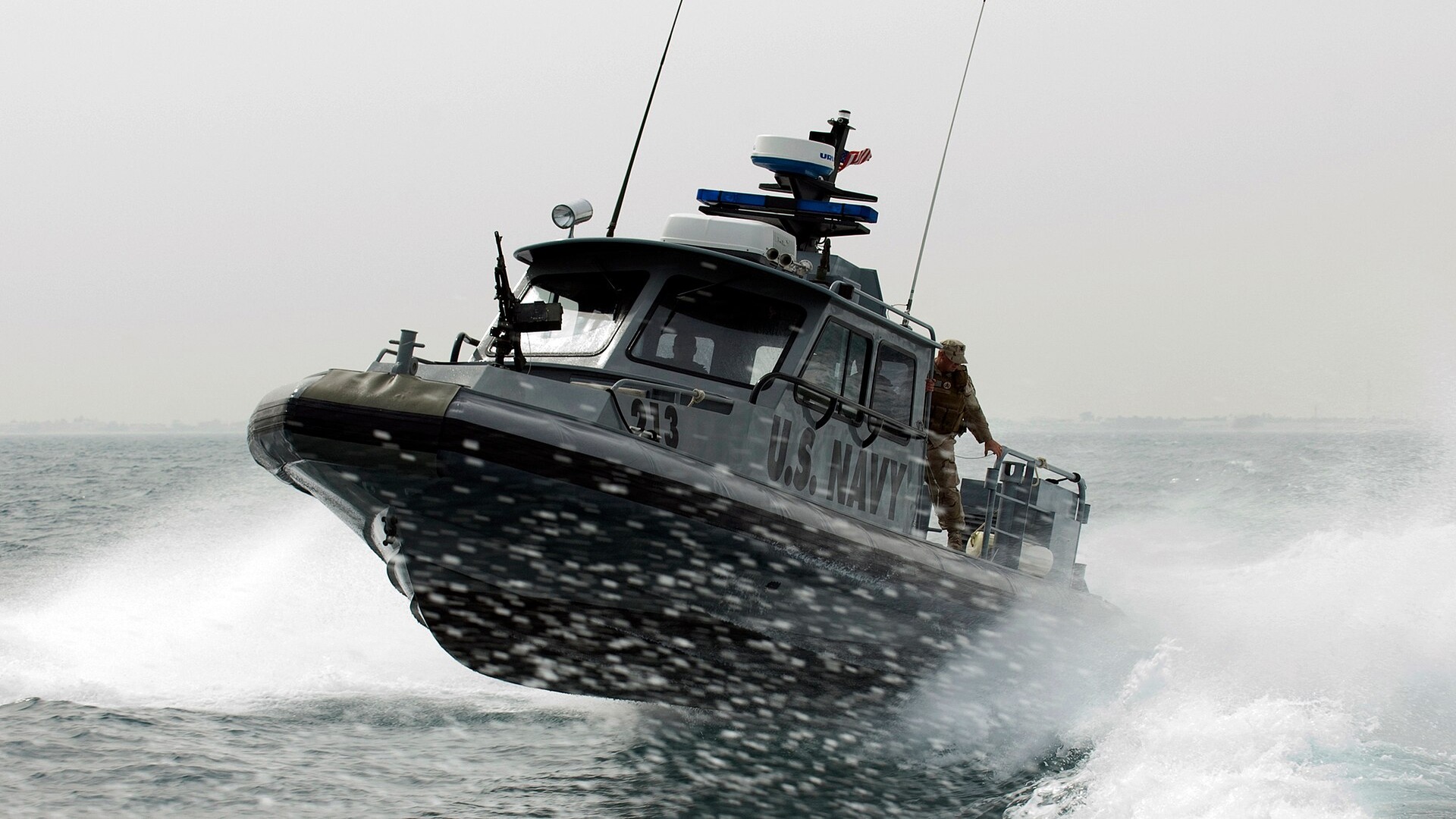
U.S. Navy Establishes RASWDC to Enhance Robotic Warfare Capabilities
The U.S. Navy has launched the Robotic and Autonomous Systems Warfighting Development Center (RASWDC) on September 24, aimed at integrating robotic and autonomous systems into naval operations. Led by Rear Admiral Melvin Smith, the center is headquartered at Joint Expeditionary Base Little Creek-Fort Story in Virginia and will serve as the Navy's primary hub for operational integration of these technologies. This initiative is crucial for maintaining the Navy's maritime advantage, as emphasized by Chief of Naval Operations Adm. Daryl Caudle. The RASWDC will provide sailors with advanced training and specialized doctrine necessary for high-end combat scenarios, reflecting the Navy's commitment to modernizing its operational capabilities through technology. Looking ahead, the RASWDC will focus on developing warfighting concepts, training personnel, and testing new technologies under realistic conditions. The Navy's approach includes evaluating unmanned aerial systems, uncrewed surface vessels, and unmanned underwater vehicles, with a clear intent to advance systems that prove effective while reassessing those that do not meet operational standards. No further timeline was disclosed at the time of publication.
Military
Waymo Plans to Launch Robotaxi Service in Singapore by 2028 Amid Growing Competition
Waymo, the U.S.-based robotaxi operator, has announced its intention to enter the Singapore market in 2028, marking its first venture into Southeast Asia. This move comes as the company aims to compete in a mobility landscape that is currently led by local firms such as Grab and ComfortDelGro. The introduction of Waymo's robotaxis is significant as it highlights the increasing competition in the autonomous vehicle sector within Singapore. Local players are already expanding their driverless trials, indicating a robust market for autonomous transportation solutions. Waymo's entry could potentially reshape the dynamics of the mobility market in the region. Looking ahead, stakeholders will be keen to observe how Waymo's deployment plans unfold in Singapore and how they will integrate with existing services. No further timeline was disclosed at the time of publication.
Cog-WM 1.0 Launches as the First Brain-Inspired Cognitive World Model for Robots
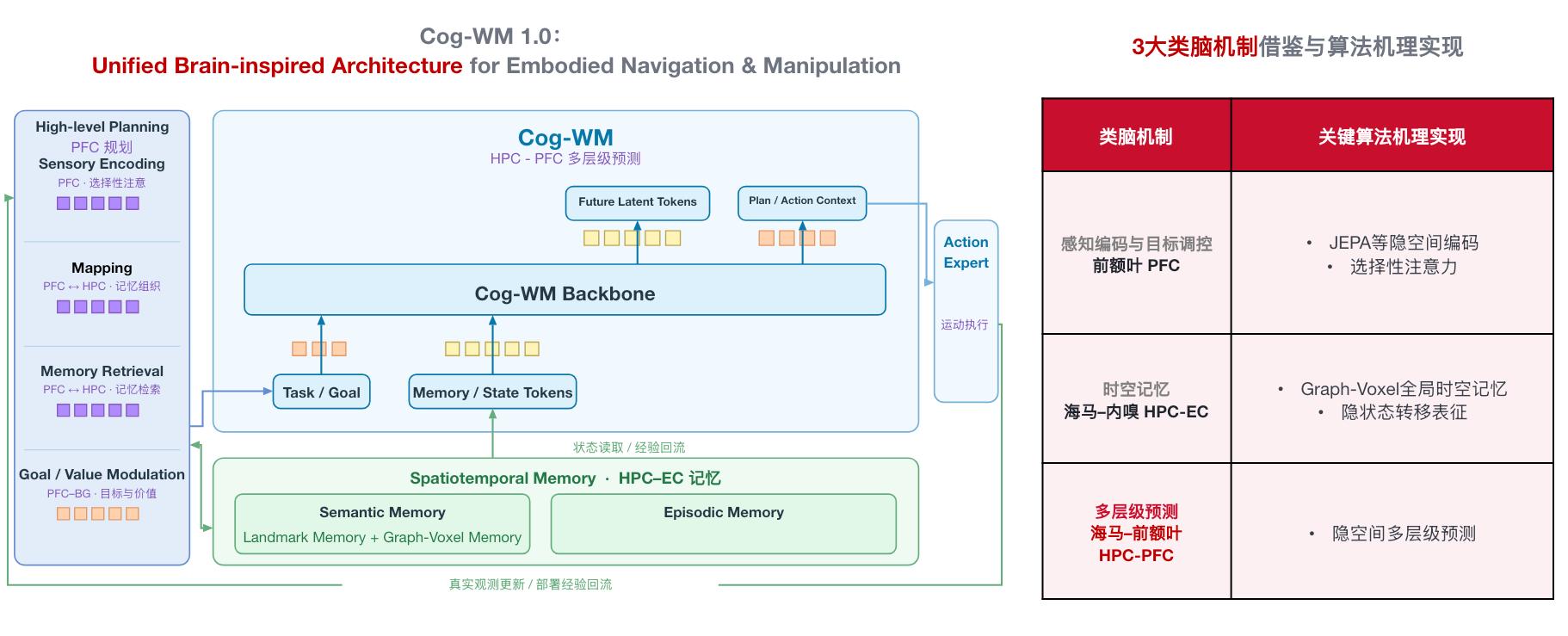
On September 14, Shanghai Juna Technology Co., Ltd. officially launched Cog-WM 1.0, the world's first brain-inspired cognitive world model, at the 2026 Pujiang Innovation Forum. This model, based on systematic brain-like neural mechanisms, has demonstrated capabilities in autonomous navigation and manipulation without relying on pre-built maps. Cog-WM 1.0's significance lies in its ability to enhance robotic autonomy in unfamiliar environments, achieving over a 10% improvement in navigation success rates compared to existing state-of-the-art models. It allows robots to perform tasks such as spatial memory retrieval and object searching, marking a significant advancement in embodied intelligence. Looking ahead, the focus will be on how Cog-WM 1.0 addresses key challenges in robotic cognition, such as reducing reliance on extensive data and improving long-term task completion. No further timeline was disclosed at the time of publication.
Cognitive Robotics Autonomous Navigation AI Technology Robotics Innovation
Tesla's Cybercab Launch Signals Potential Growth in Autonomous Driving Market
Tesla, Inc. (NASDAQ:TSLA) has entered the autonomous-driving sector by offering robotaxi rides with its newly launched Cybercab. The launch event took place in Austin on September 3, and Goldman Sachs has maintained a Neutral rating on Tesla, projecting a 12-month price target of $360. The firm suggests that the Cybercab could provide Tesla with a competitive cost advantage in the autonomous vehicle market, although scaling the robotaxi business will largely depend on software performance rather than manufacturing costs. The significance of this development lies in Tesla's completion of 1 million miles of unsupervised robotaxi operations, indicating progress in its autonomous driving capabilities. Goldman Sachs estimates that if Tesla can achieve a Cybercab production cost of $20,000 to $30,000, it could realize a per-mile cost advantage over competitors. Additionally, recent safety data supports Tesla's autonomous-driving strategy, showing a reduction in emergency braking events and collisions for vehicles using its Full Self-Driving system. Looking ahead, the critical factor for Tesla will be the scalability of its AI-driven software across various geographic areas, which could enhance revenue potential. Goldman Sachs has identified risks such as slower EV demand and increased competition, while also noting that faster EV adoption and strong contributions from AI-related products could yield positive outcomes. No further timeline was disclosed at the time of publication.
XPeng Launches Automated Production Line for Humanoid Robots with First IRON Model
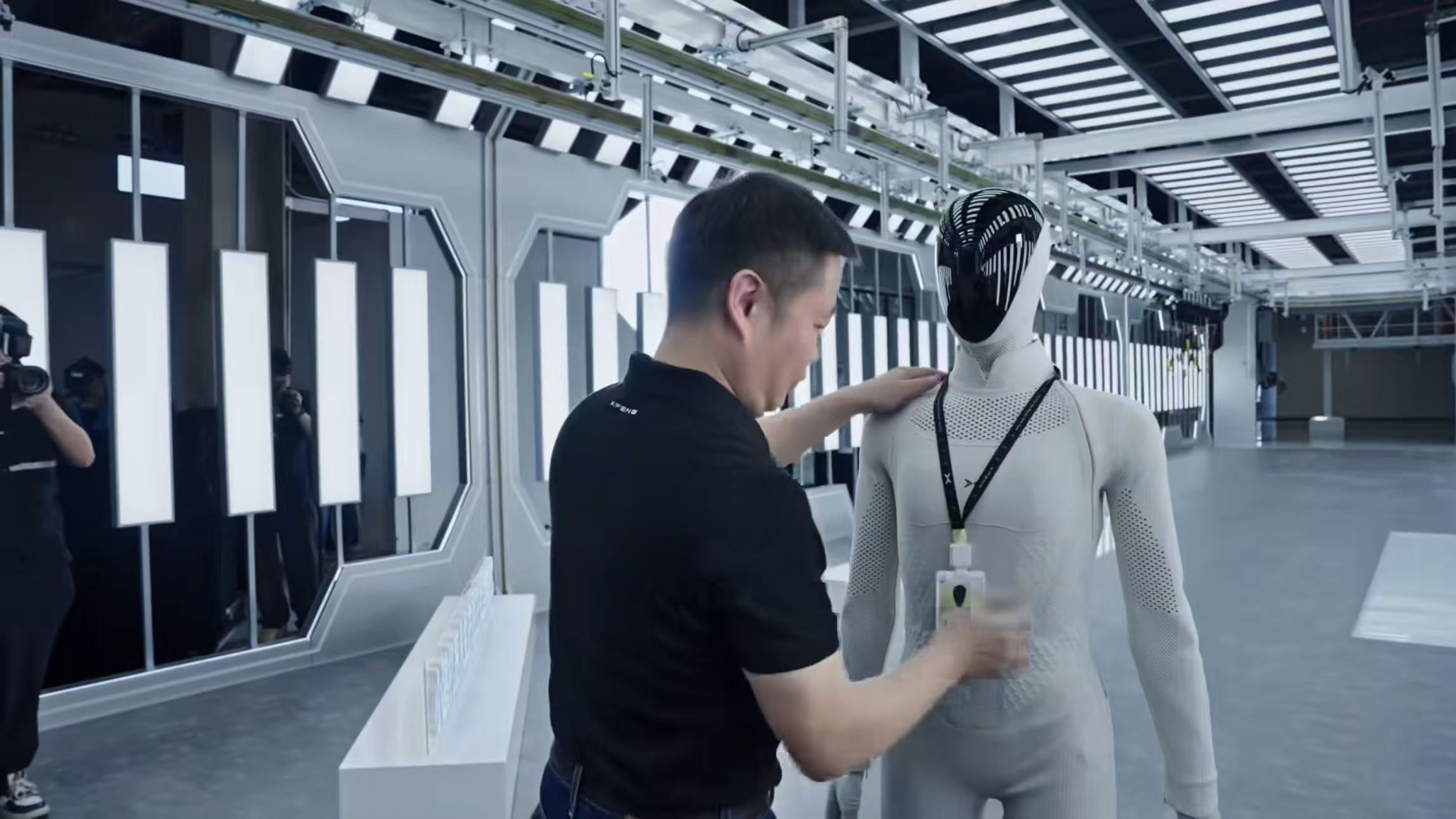
XPeng has officially commenced operations of its automated production line for humanoid robots, with the first IRON robot successfully completing its final assembly and autonomously walking off the line. This milestone signifies XPeng's transition from research and development to mass production of humanoid robots, which are still in the early stages of commercialization. The significance of this development lies in XPeng's claim that IRON is the world's first high-level general-purpose humanoid robot produced on an automated line. The production line, designed by XPeng's team, integrates automotive manufacturing and quality-control systems tailored for humanoid robot assembly, with over 80% of its core processes automated. Looking ahead, XPeng plans to scale production of IRON by the end of 2026, with commercial deliveries expected in 2027. The company aims to position IRON for tasks that are dangerous or repetitive, while also expanding its applications. XPeng's recent funding round raised over $900 million to support its robotics business, indicating strong investor interest in the future of humanoid robots.
Heavy Hitters AI Highlight News Robotics
BitLyft Cybersecurity Unveils Agentic Managed Detection and Response Platform with AIR Engine
BitLyft Cybersecurity has officially launched the BitLyft Agentic Managed Detection and Response (AMDR) platform, which is powered by the company's autonomous security operations platform, BitLyft AIR®. This new offering enhances traditional security measures by not only providing quicker alert summaries but also by actively investigating, resolving, and documenting routine cases. The introduction of AMDR is significant as it allows experienced analysts to maintain control over critical decisions that require human judgment and contextual understanding. This approach aims to streamline security operations while ensuring that complex issues are handled by skilled professionals, thereby improving overall cybersecurity effectiveness. Looking ahead, the focus will be on how AMDR integrates with existing security frameworks and the impact it has on operational efficiency. No further timeline was disclosed at the time of publication.

PHYMI Secures Nearly $100 Million Seed Funding to Develop Physical Agents for Robotics
Recently, PHYMI, an embodied intelligence startup, announced the completion of nearly $100 million in seed funding, led by IDG Capital. Founded in March 2026 by CEO Liu Nianqiu, who has extensive experience in autonomous driving and robotics, the company aims to create Physical Agents capable of understanding human goals and autonomously navigating various environments. This funding is significant as it highlights the growing interest and investment in robotics, particularly in creating robots that can perform complex tasks in dynamic real-world settings. Liu Nianqiu's vision for PHYMI includes leveraging advancements in robotics technology, which have matured since he first identified the potential in the field. Looking ahead, PHYMI plans to utilize the funding for core technology development, building a dynamic data system, and expanding its team. The company’s focus on creating a complete technological ecosystem for Physical Agents positions it well for future growth in the robotics sector. No further timeline was disclosed at the time of publication.
Embodied Intelligence Robotics Autonomous Navigation AI Technology
Iwa Robotics Launches Autonomous Drone Fleet for Wildfire Management Solutions
Iwa Robotics has unveiled three autonomous drone platforms aimed at assisting fire departments in detecting, assessing, and suppressing wildfires in both urban and wildland-interface areas. The drones, named Hawk, Canary, and Pelican, are part of Iwa's Discovery and Resolution Fleet, designed to operate collaboratively for enhanced firefighting capabilities. The introduction of these drones is significant as it enhances crew safety and operational efficiency in wildfire management. The Hawk drone specializes in long-endurance reconnaissance, while the Canary drone focuses on sensing and fire diagnostics. The Pelican drone is equipped for aerial suppression, addressing hot spots and establishing fire lines, thereby providing critical support to firefighting teams. Iwa Robotics plans to offer these drones through a fleet-as-a-service model, which includes aircraft, autonomy training, data services, maintenance, and insurance. This approach allows fire agencies to integrate advanced aerial detection and suppression capabilities without the need for upfront equipment purchases. No further timeline was disclosed at the time of publication.
AI AI Funding & Investment AI Use Cases Robotics autonomous drones Iwa Robotics
Tesla Launches Autonomous Cybercab for Robotaxi Service in Austin
On September 3, Tesla held the 'Cybercab Launch Event' in Austin, Texas, introducing the autonomous vehicle 'Cybercab' into its Robotaxi service. The two-seater Cybercab, which lacks a steering wheel and pedals, is now available for rides in select areas of Austin. This development is significant as it marks a shift from Tesla's previous Robotaxi offerings, which utilized modified Model Y vehicles equipped with traditional controls. The Cybercab, powered by Tesla's Full Self-Driving software, features a touchscreen interface for all operations, emphasizing a fully autonomous experience. Looking ahead, the Robotaxi service is set to officially launch in Austin by June 2025, with existing operations already in Dallas, Houston, and several cities in Florida. No further timeline was disclosed at the time of publication.

Tesla Launches Steering-Wheel-Free Cybercabs in Austin for Autonomous Ride-Hailing
Tesla has rolled out dozens of its Cybercabs on public roads in Austin, Texas, advancing its autonomous ride-hailing initiative. These gold-colored vehicles are designed without steering wheels or brake pedals, eliminating manual control for passengers. This deployment aims to test both the technology and rider trust in fully autonomous vehicles. The significance of this rollout lies in Tesla's commitment to fully autonomous transportation, as it has operated a self-driving robotaxi service in Austin since June 2025. The new Cybercabs represent a significant evolution, being purpose-built for autonomy without conventional controls. This move also highlights Tesla's innovation, as the Cybercab motor is designed without rare earth metals while maintaining the same range. Looking ahead, Tesla plans to expand its robotaxi service to additional cities, with over 200 unsupervised robotaxis already in operation across Texas and Florida. However, Tesla faces competition from Waymo, which has a larger fleet of driverless vehicles. The key challenge for Tesla will be demonstrating the safety and reliability of its autonomous driving technology without human intervention.
Transportation
Tesla Launches Cybercab as Uber and Waymo Expand Autonomous Vehicle Efforts
Tesla has officially launched its fully autonomous Cybercab in Austin, Texas, with a fleet of approximately 50 operational vehicles. This marks a significant step towards the company's goal of revolutionizing urban transportation with robotaxis. Morgan Stanley analyst Andrew Percoco noted that Wall Street will require more than a few Cybercabs on the road to gain confidence in the market. The competition is intensifying as Waymo raises over $3 billion in debt to expand its services into new cities, including San Diego, Denver, and Tampa Bay. With 14 cities currently serviced, Waymo is also rolling out its new 'Ojai' minivan model. Meanwhile, Uber is restructuring by cutting 10% of its workforce to focus on innovation and has committed over $10 billion to robotaxi partnerships, including a deal for 35,000 autonomous vehicles from Lucid. Looking ahead, the race for robotaxi dominance is heating up, with estimates suggesting the number of robotaxis could grow from 7,000 last year to 1 million by 2030. The economic impact could reach $440 billion, driven by changes in car ownership and rideshare dynamics. No further timeline was disclosed at the time of publication.

DJI Osmo Action 6 Cameras Successfully Document Rocket Launch and Recovery
DJI showcased the resilience of its Osmo Action 6 cameras by sending 12 units aboard LandSpace's Zhuque-3 rocket during China's first successful land-based orbital booster recovery on August 19. Remarkably, one camera captured the entire mission in a single, uninterrupted video, providing a unique first-person perspective from liftoff to landing. This demonstration highlights the durability of the Osmo Action 6, which withstood extreme temperatures of 400°C to 500°C and intense vibrations during the flight. The footage serves as a valuable engineering tool for LandSpace, allowing engineers to analyze the rocket's recovery sequence and performance throughout the mission. The cameras recorded continuously, even during a communications blackout, ensuring that all critical moments were preserved. DJI's advanced stabilization technology contributed to the high-quality video, making it a significant achievement in showcasing the capabilities of consumer-grade action cameras in extreme conditions.
NewsRobotics needs a service framework.
RSF defines a common language for robot service capability, lifecycle operations, certification pathways, and service-provider networks.
Join the RobotToday community on LinkedIn
Daily robotics news, in-depth analysis, conference highlights, and discussions with professionals worldwide.







