Industry Briefing
A single destination for timely, editor-curated robotics news from around the world.
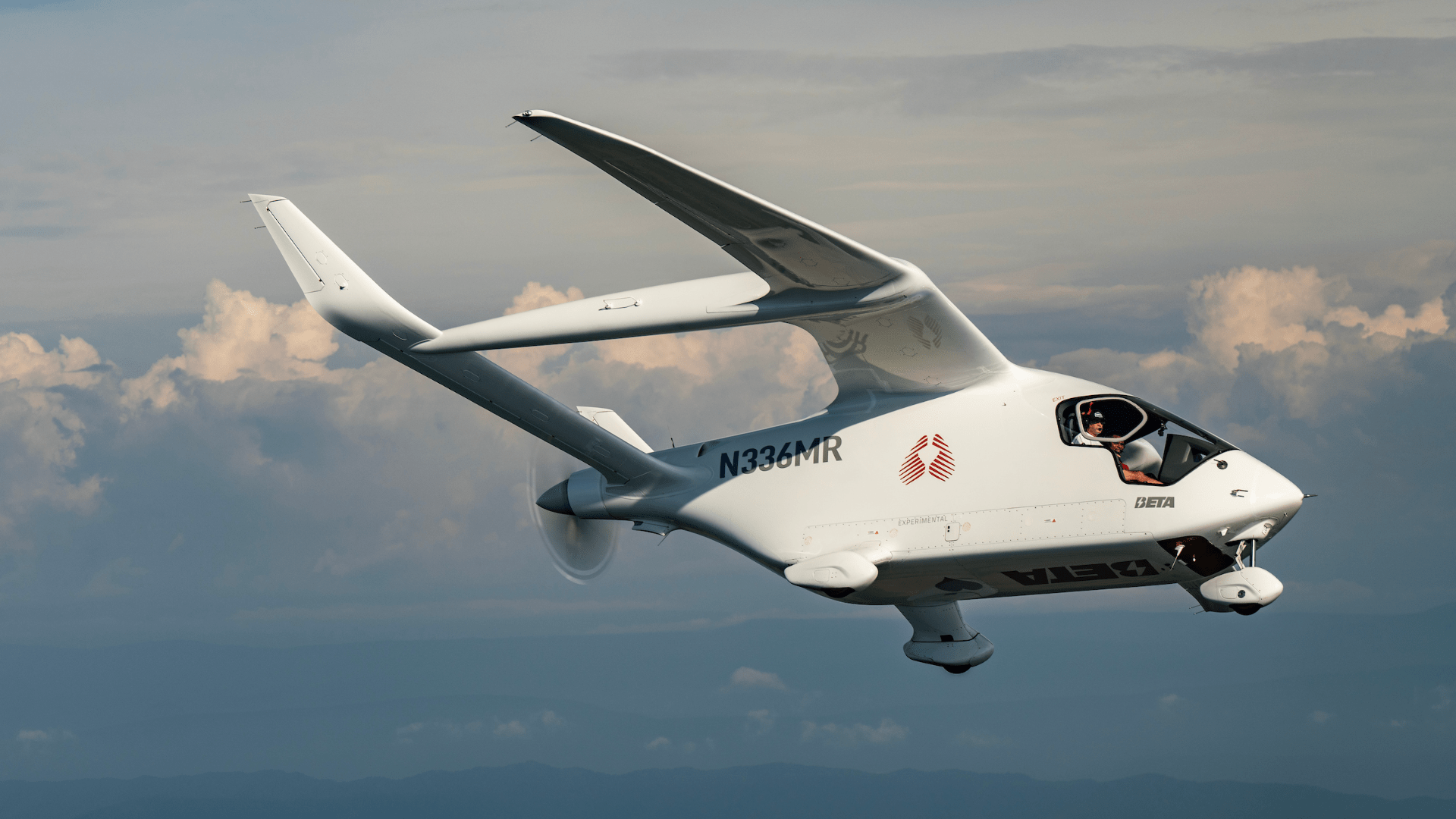
BETA Technologies Completes Multistate Electric Aircraft Flights for Medical Logistics
BETA Technologies has successfully conducted a series of electric aircraft flights spanning Virginia and Maryland, as part of the FAA’s eVTOL Integration Pilot Program. The flights covered approximately 275 nautical miles, connecting airports in Blacksburg and Charlottesville, Virginia, to Frederick and Baltimore County, Maryland. This achievement marks a significant milestone in evaluating advanced air mobility within existing airspace systems. The significance of these flights lies in their potential to enhance medical logistics, particularly in organ delivery operations. BETA Technologies is collaborating with United Therapeutics to develop electric aircraft systems that aim to make organ transportation more affordable and sustainable. The partnership has already led to advancements in aircraft design, autonomous flight technologies, and charging infrastructure, with over 160,000 nautical miles of flight testing completed to date. Looking ahead, the eVTOL Integration Pilot Program will continue to provide valuable data to inform future certification rules and operational standards for advanced air mobility. The Pennsylvania Department of Transportation, leading the Multistate Collaborative eIPP National Integration Complex, is working with multiple states and industry stakeholders to further develop and test these innovative aviation technologies. No further timeline was disclosed at the time of publication.
Transportation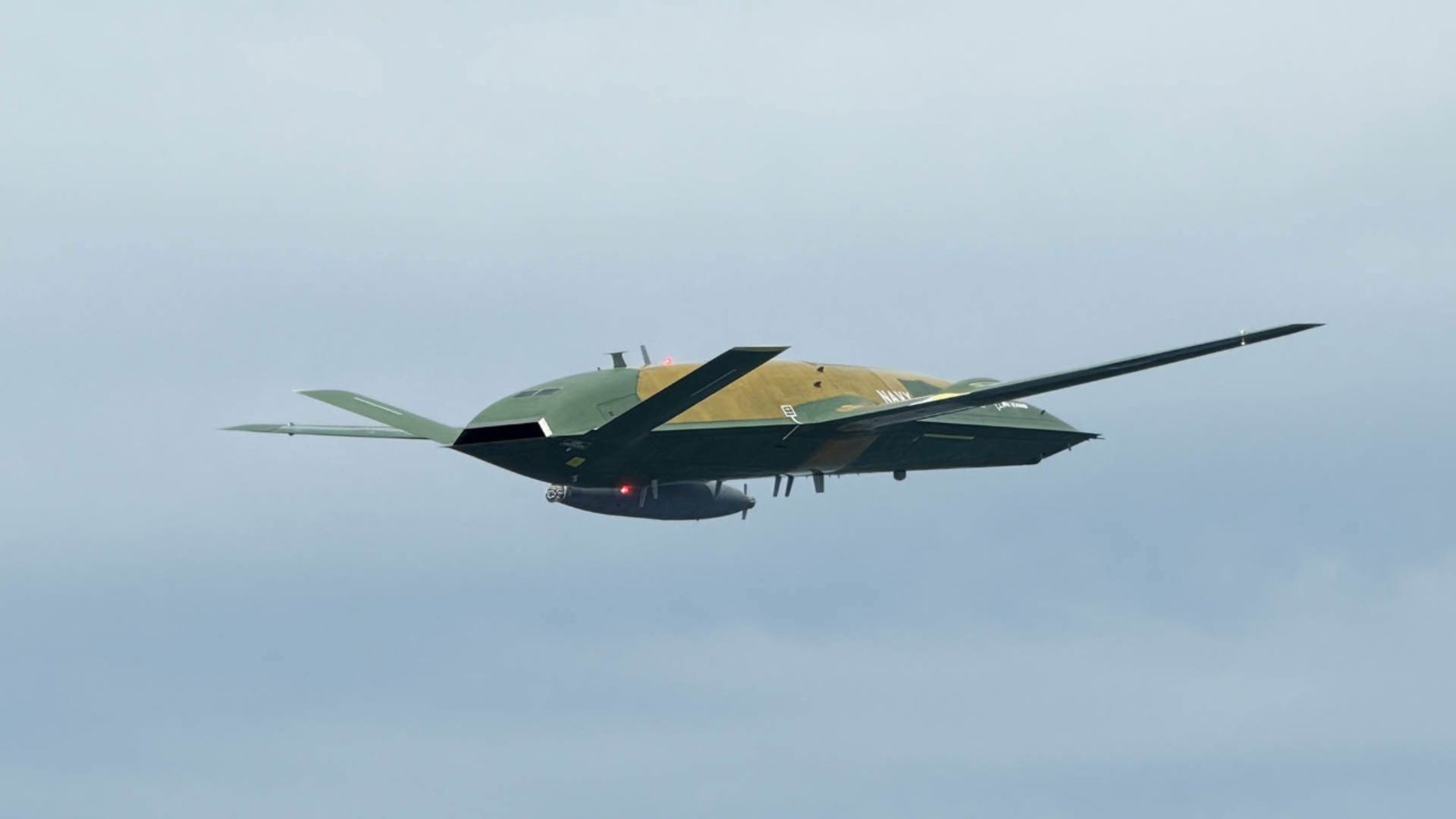
Boeing's MQ-25A Drone Achieves Milestone with Second Test Flight for U.S. Navy
Boeing announced that the U.S. Navy's MQ-25A Stingray has successfully completed its second test flight, marking significant progress in the development of the Navy's unmanned refueling aircraft. This flight confirmed the drone's flight controls and performance, moving closer to its intended carrier operations. The successful test is crucial as it demonstrates the MQ-25A's autonomous capabilities, including managing propulsion and onboard systems independently. This advancement is expected to enhance the operational range of carrier-based fighter jets and reduce the workload on current refueling teams. Looking ahead, Boeing plans to continue testing at MidAmerica St. Louis Airport, focusing on expanding the aircraft's flight envelope and capabilities. The enhancements made during this flight, including new software updates, are vital for the MQ-25A's future development stages as it aims to become the Navy's first operational carrier-based aerial refueler.
Military
Autonomous Drone Security Takes Flight at 150 MW Ta’anakh Solar Project
High Lander, a global leader in drone fleet management and Unmanned Traffic Management (UTM) software, has partnered with Israel’s Ministry of Energy to implement autonomous aerial patrols at the 150 MW Ta’anakh solar project. This initiative, which involves collaboration with G1 Group and operator Cando Drones, aims to enhance security measures at the solar site. The agreement marks a significant step in integrating advanced drone technology for monitoring and safeguarding critical energy infrastructure. The deployment is expected to improve operational efficiency and safety at the facility, reflecting a growing trend in utilizing drones for security purposes in renewable energy sectors.
Drone News Drone News Feeds drone security News Security Alon Abelson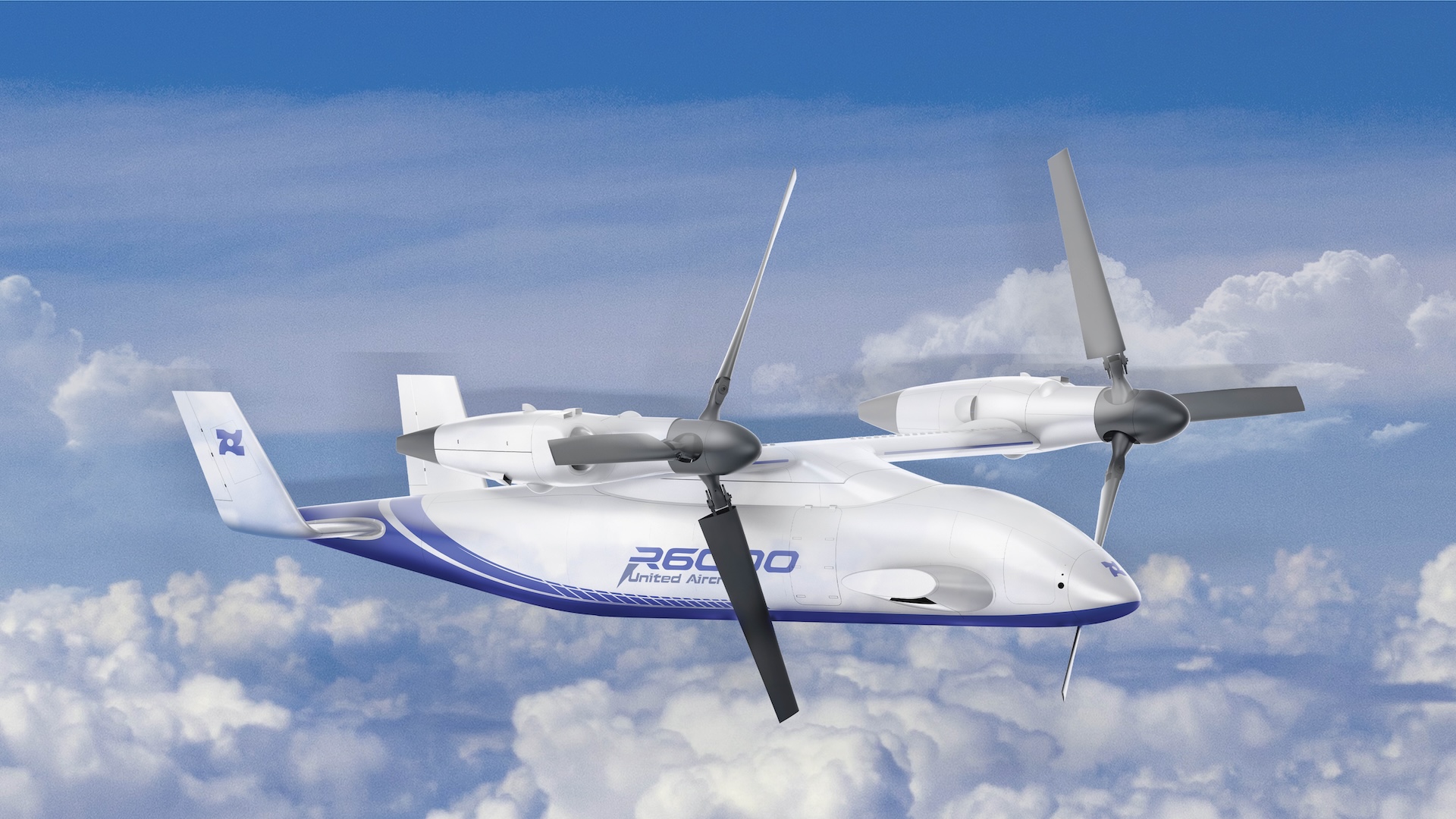
China’s giant 6-ton autonomous tiltrotor drone enters full free-flight testing
China’s R6000, recognized as one of the largest uncrewed tiltrotor aircraft globally, has commenced full free-flight testing. This significant development took place recently, marking a crucial step in advancing the country's aerospace capabilities. The testing is being conducted in various locations, showcasing the aircraft's versatility and potential applications in both military and civilian sectors. The motivation behind this initiative is to enhance China's technological prowess in aviation and to explore new operational possibilities for unmanned aerial vehicles. The R6000's design allows it to take off and land vertically while also achieving high-speed horizontal flight, which could revolutionize transport and logistics in challenging environments. As the testing progresses, engineers and researchers are closely monitoring the aircraft's performance to ensure safety and efficiency, paving the way for future innovations in unmanned flight technology.
Military
Public Safety Drone Review June 2, 2026: Michelle Duquette of 3 MAD Air on the Future of Integrated Airspace
On June 2, 2026, at 3 PM EST, DRONELIFE and DRONERESPONDERS will host the latest edition of the Public Safety Drone Review, a free webcast aimed at discussing advancements in drone technology for public safety. The event will feature insights from DRONELIFE Editor in Chief Miriam McNabb, DRONERESPONDERS Director Charles Werner, and aviation expert Mike O’Shea. A key highlight will be a presentation by Michelle Duquette of 3 MAD Air, who will explore the future of integrated airspace and its implications for public safety operations. This monthly series aims to educate and inform stakeholders about the evolving role of drones in enhancing safety and efficiency in various sectors. Interested participants can register for the webcast through the provided link.
Drone News Feeds News Podcast Public Safety Selected – Safety and Security 3 MAD Air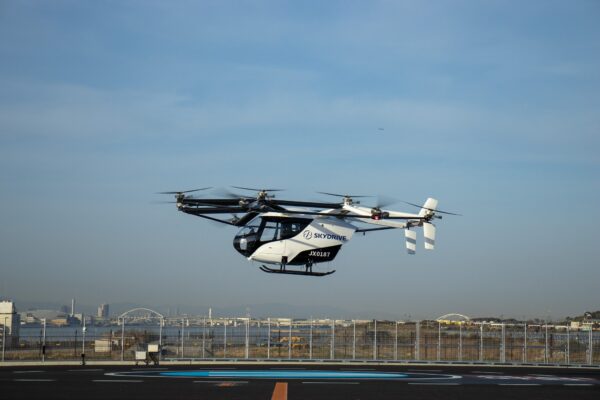
SkyDrive Conducts Successful SD-05 Flights in Yamaguchi for 2028 Tourism Initiative
SkyDrive Inc. successfully conducted two demonstration flights of its SD-05 eVTOL aircraft in Yamaguchi Prefecture on July 13, 2026. These flights were part of a test aimed at showcasing the aircraft's potential for tourism, with a commercial launch planned for 2028. The flights simulated a scenic tour over the Seto Inland Sea, highlighting the seamless transition from ground transport to air travel. The significance of these flights lies in their demonstration of SkyDrive's commitment to urban air mobility and tourism integration. Witnessed by notable figures including Yamaguchi Prefecture's governor and the president of Suzuki Motor Corporation, the flights operated autonomously, emphasizing safety and efficiency. The successful execution of these flights marks a critical step toward the company's goal of launching commercial eVTOL services by 2028. Looking ahead, SkyDrive aims to enhance its eVTOL infrastructure further, with plans to collaborate with rail partners for integrated travel solutions. While tourism is a primary focus, the company envisions broader applications of eVTOL technology, including disaster relief and emergency medical services. No further timeline was disclosed at the time of publication.
Advanced Air Mobility Drone News Drone News Feeds Japan Drone Industry Japan Drone News News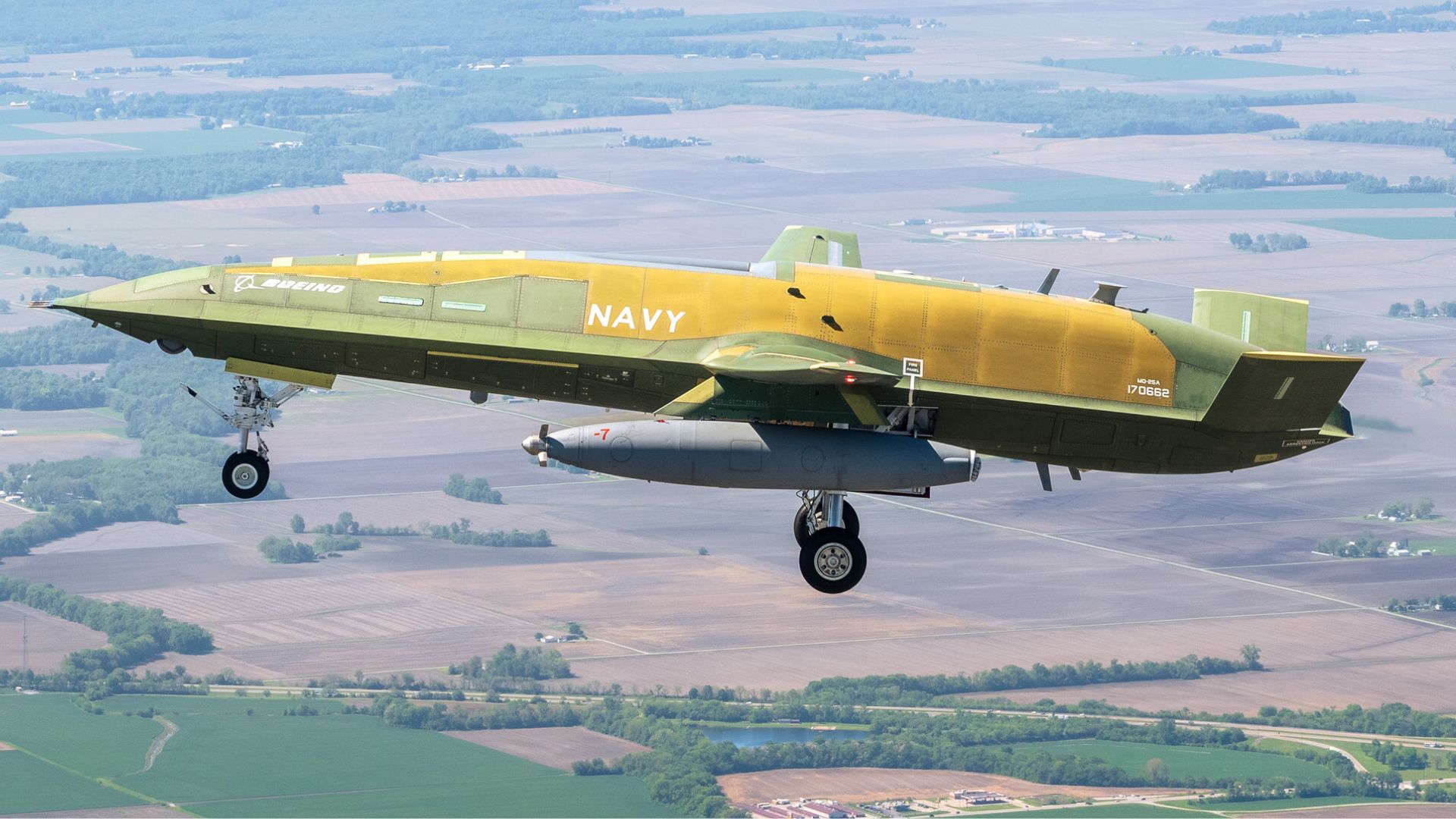
Video: US Navy tests MQ-25A refueling drone in first autonomous operational flight
Boeing and the U.S. Navy have advanced their efforts to integrate unmanned aircraft into military operations, marking a significant development in modern warfare technology. This collaboration was highlighted during a recent demonstration held at a naval base, where various unmanned systems showcased their capabilities in real-time scenarios. The event, which took place in October 2023, aimed to assess the effectiveness of these aircraft in enhancing operational efficiency and safety for naval forces. The integration of unmanned systems is driven by the Navy's need to improve reconnaissance, surveillance, and combat capabilities while reducing risks to personnel. By leveraging Boeing's expertise in aerospace technology, the Navy seeks to enhance its operational readiness and adaptability in increasingly complex combat environments. The demonstration illustrated how these unmanned aircraft can operate alongside manned missions, providing critical support and intelligence. As the military continues to explore innovative solutions, this partnership between Boeing and the U.S. Navy represents a pivotal step towards a future where unmanned systems play a central role in naval strategy and operations. The successful outcomes of this initiative could pave the way for broader adoption of unmanned technologies across various branches of the armed forces.

GoZTASP: A Zero-Trust Platform for Governing Autonomous Systems at Mission Scale
ZTASP, a cutting-edge assurance and governance platform for autonomous systems, has made significant advancements in ensuring the safety and integrity of operations in real-world environments. This platform integrates various technologies, including drones, robots, sensors, and human operators, into a cohesive zero-trust architecture. Utilizing Secure Runtime Assurance (SRTA) and Secure Spatio-Temporal Reasoning (SSTR), ZTASP continuously monitors system integrity and enforces safety protocols, allowing for resilient operations even in challenging conditions. Recently, ZTASP has achieved operational validation at Technology Readiness Level (TRL) 7, demonstrating its effectiveness in mission-critical scenarios. Key components, such as the Saluki secure flight controllers, have reached TRL 8 and are now actively deployed in customer systems. Originally designed for high-stakes missions, the platform's assurance capabilities are increasingly applicable across various sectors, including healthcare, transportation, and critical infrastructure. This evolution reflects a growing recognition of the need for robust safety measures in diverse operational domains.
Autonomous-systems Drones Sensors Transportation Type-whitepaper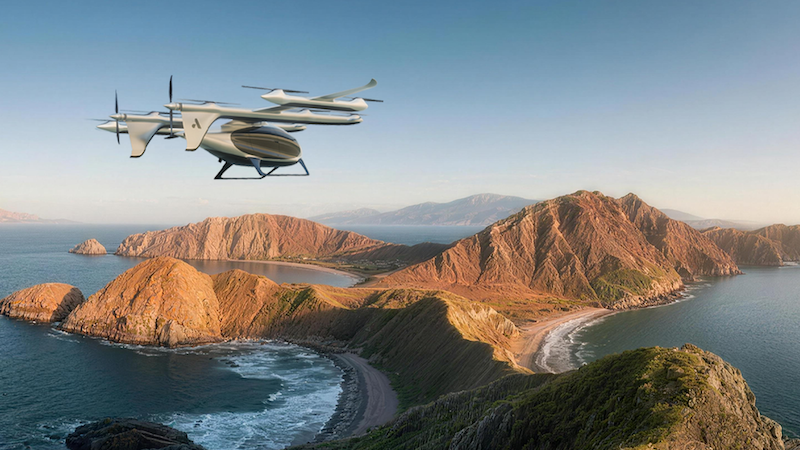
Indonesia grants world-first overseas certification validation to AutoFlight eVTOL
AutoFlight's V2000CG CarryAll has achieved a significant milestone by receiving a Validated Type Certificate (VTC) in Indonesia, marking it as the first electric vertical takeoff and landing (eVTOL) aircraft to obtain such certification outside of its home country. This certification, formally issued by Indonesia's Directorate General of Civil Aviation (DGCA), verifies that the V2000CG meets the airworthiness standards set by both the Civil Aviation Administration of China (CAAC) and the Indonesian aviation authority. This development underscores the growing international recognition and compliance of innovative aviation technologies, paving the way for broader acceptance and integration of eVTOL aircraft in global airspace.
Aircraft News advanced air mobility air cargo autoflight automation news
Laminar-Flow Drone From Otto Aerospace Clears Flight-Test Campaign for DARPA
Otto Aerospace, a Fort Worth-based aeronautics company, has successfully completed a flight-test campaign for its unmanned laminar-flow drone, validating its low-drag airframe. This significant milestone was announced on May 6, 2026, from the White Sands Missile Range, following tests conducted at Spaceport America in New Mexico. The campaign is part of the Defense Advanced Research Projects Agency's (DARPA) Energy Web Aircraft program, aimed at enhancing the efficiency and performance of aerial vehicles. The successful validation of the drone's design marks a crucial step in advancing innovative aeronautics technology.
Defense defense Drone News Drone News Feeds News safety and security
Amusement Parks Push FAA for Drone Flight Restrictions Before Summer
As summer approaches, amusement park operators are advocating for the Federal Aviation Administration (FAA) to implement restrictions on drone flights to safeguard crowds from unauthorized unmanned aerial vehicle (UAV) overflights. With the influx of visitors expected during the vacation season, these attractions are concerned about the potential risks posed by drones in the airspace above. The push for regulatory measures aims to ensure a safe and enjoyable experience for guests at amusement parks and similar venues.
Drone News Drone News Feeds FAA News amusement park drone safety amusement park guest safety
Flytrex scales shared drone traffic system with thousands of coordinated flights
Flytrex says it has reached a new milestone in commercial drone delivery after scaling shared airspace operations to thousands of coordinated flights per month without any reported airspace conflicts. The company said the achievement comes less than a year after it became one of the first commercial drone operators in the United States to use […]
Drones News air traffic management ASTM F3548-21 autonomous aviation autonomous drones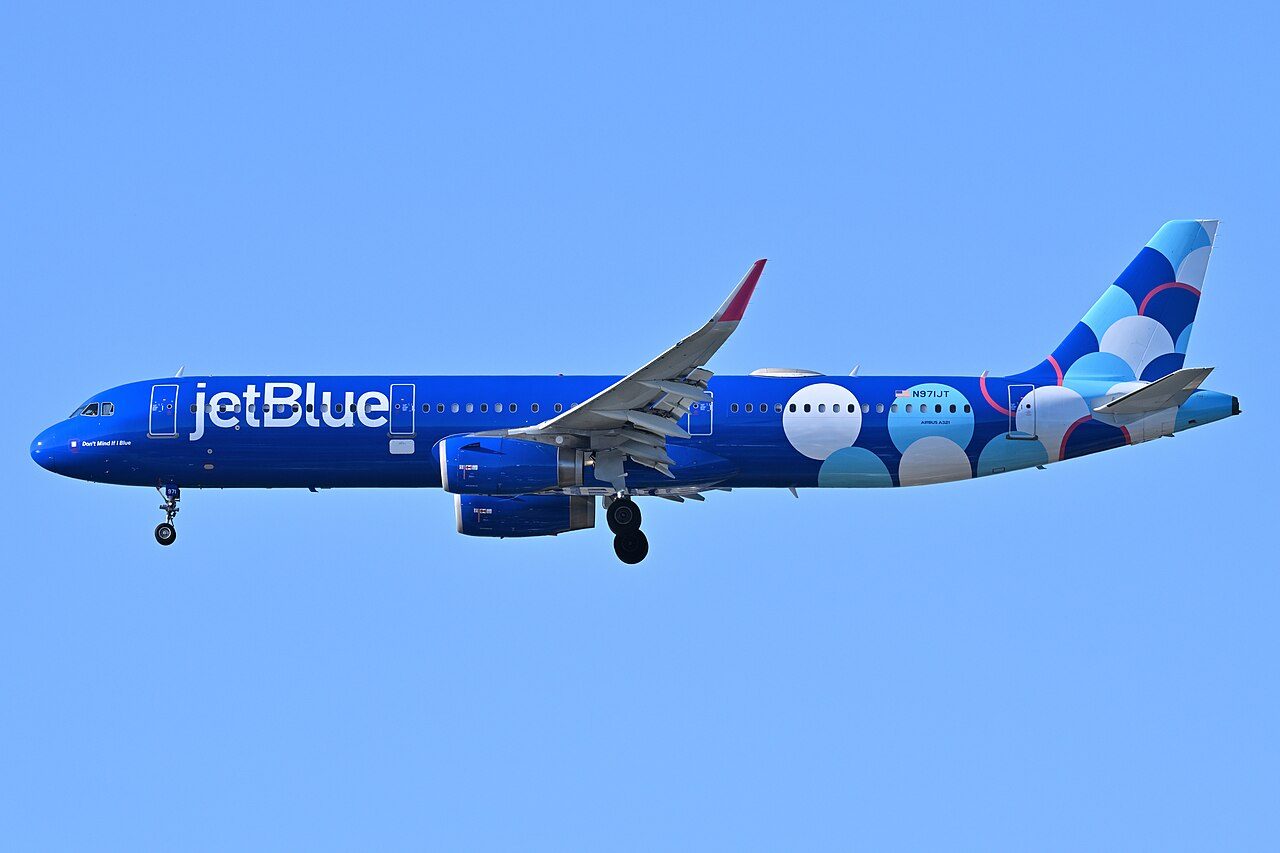
FAA Investigating Reported Drone Encounter on JetBlue Flight Approaching JFK
The Federal Aviation Administration (FAA) is conducting an investigation following a report from the crew of a JetBlue flight that they may have collided with a drone while approaching John F. Kennedy International Airport in New York. The incident occurred on June 29, when the pilot of JetBlue Flight 948, an Airbus A321 arriving from Las Vegas, alerted authorities about the potential drone encounter. The FAA is looking into the circumstances surrounding the incident to ensure safety and address any regulatory concerns.
Drone News Drone News Feeds News airport drone incident airport operations airspace awareness
FAA Clarifies World Cup Drone Restrictions, Creates Path for Authorized Flights
The Federal Aviation Administration (FAA) has announced updates regarding drone operations during the FIFA World Cup 2026, clarifying that both Part 107 and Part 135 operators can now seek approval for flights within restricted airspace. This decision comes as part of the FAA's efforts to streamline Temporary Flight Restriction NOTAMs for the event. The authorization process will involve coordination with the Department of Homeland Security, allowing for certain drone activities to take place despite the typical restrictions associated with major events. This initiative aims to enhance safety and operational flexibility for drone operators while ensuring compliance with security protocols during the high-profile tournament.
Drone News Drone News Feeds Drones in the News News Regulation Selected - FAA and Regulations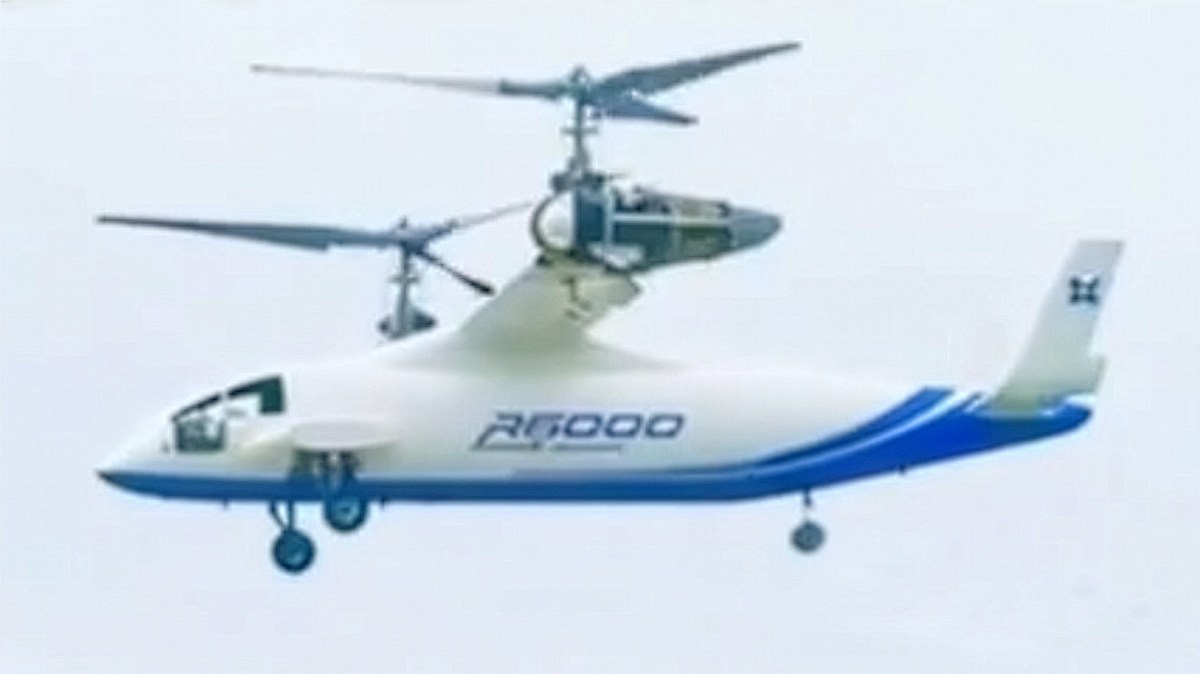
China’s Big R6000 Tiltrotor Drone Has Entered Full Flight Testing
Recent footage has revealed that China's R6000 uncrewed tiltrotor drone has progressed beyond its initial tethered hover trials and has now entered the phase of full flight testing. This advancement marks a significant step in the development of the R6000, showcasing its capabilities in more dynamic flight conditions. The shift to full flight testing indicates that the drone is being evaluated for its operational performance and reliability, which are crucial for potential future applications in various sectors, including military and civilian operations. The testing is taking place in China, although specific locations have not been disclosed. This development reflects China's ongoing efforts to enhance its drone technology and expand its presence in the unmanned aerial vehicle market.
Air Air Forces Around The Globe China Indo-Pacific News & Features
China’s new 800-cycle lithium-sulfur battery could nearly double drone flight time
Chinese researchers have unveiled a groundbreaking lithium-sulfur battery design that has the potential to dramatically enhance drone flight durations. This innovative development, announced in October 2023, aims to address the limitations of current battery technologies, which often restrict the operational time of drones. By utilizing lithium-sulfur chemistry, the researchers believe they can achieve higher energy densities compared to traditional lithium-ion batteries, making it possible for drones to fly longer distances without the need for frequent recharging. The research was conducted at a leading university in China, where scientists focused on optimizing the battery's performance and stability. This advancement not only promises to improve commercial drone applications but could also have significant implications for various industries, including logistics, agriculture, and surveillance, where extended flight times are crucial. The researchers are now looking to further refine the technology and explore its practical applications in real-world scenarios.
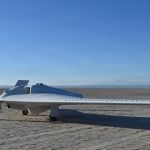
Hybrid-electric US military drone tested for 18,000-foot flight with ultra-low engine noise
In April 2026, a new military drone featuring hybrid-electric propulsion successfully completed its inaugural flight in the United States. This advanced drone represents a significant technological advancement in military aviation, aiming to enhance operational efficiency and reduce environmental impact. The development of this drone is part of the U.S. military's ongoing efforts to modernize its fleet and incorporate sustainable technologies into its operations. The successful flight marks a critical milestone in the testing phase, paving the way for further evaluations and potential deployment in various military applications.

Navy’s MQ-25 Stingray carrier drone completes first test flight
A new aircraft successfully completed its maiden flight from Boeing's facility at MidAmerica Airport in Mascoutah, Illinois. The flight, lasting approximately two hours, marks a significant milestone in the aircraft's development. This event showcases Boeing's ongoing commitment to innovation and advancement in aviation technology. The successful takeoff and landing demonstrate the aircraft's readiness for further testing and eventual commercial use, reflecting the company's efforts to enhance its product offerings in a competitive market.
Air Warfare Naval Warfare Air Force aviation Boeing Drones
Chinese flying car startup completes first low-altitude flight in Japan
Chinese electric aircraft startup AutoFlight announced on November 29 that it has successfully completed the first flight of its two-tonne flying drone car in Japan. This unmanned test flight, which lasted five minutes, is a significant step towards the company's ambition to showcase its technology at the 2025 World Expo in Osaka. The Shanghai-based company aims to demonstrate the potential of its five-seater drone car, highlighting advancements in electric aviation and urban mobility solutions.
News Feed
Bee-inspired AI reduces computing power needed for autonomous drones
An international team of researchers has unveiled a groundbreaking navigation strategy for drones, dubbed “Bee-Nav,” which draws inspiration from the foraging behavior of honeybees. This innovative approach was presented at a recent conference held in Zurich, Switzerland, where experts gathered to discuss advancements in drone technology. The motivation behind the development of Bee-Nav stems from the need for more efficient and reliable navigation systems in various applications, including agriculture, search and rescue operations, and environmental monitoring. By mimicking the way bees communicate and navigate through complex environments, the researchers have created a system that enhances drones' ability to traverse challenging terrains and locate targets with greater precision. The implementation of this strategy involves advanced algorithms that process environmental data, allowing drones to adapt their flight paths in real-time. This advancement could significantly improve the effectiveness of drone operations, paving the way for broader applications in both commercial and humanitarian efforts.

Leonardo and Baykar complete test flights for manned-unmanned teaming
A collaborative initiative has been launched by several aerospace companies to enhance interoperability between crewed and uncrewed aircraft. This program aims to design and develop systems that will allow for seamless communication and operation between manned and unmanned aerial vehicles. The effort reflects a growing recognition of the need for integrated airspace management as the use of drones and other uncrewed aircraft becomes increasingly prevalent. By fostering cooperation between these two types of aircraft, the initiative seeks to improve safety, efficiency, and operational capabilities in aviation. The timeline for the program's development has not been specified, but it underscores the industry's commitment to advancing technology in response to evolving air traffic demands.
Global Drones Europe Kizilelma M346 Manned Unmanned Teaming
General Atomics CCA drone returns to flight
Air Force Colonel Timothy Helfrich emphasized the significance of the response to a drone crash that occurred on April 6, stating that it confirms the military's strategy of prioritizing acquisition and testing risks over operational risks. This approach is intended to expedite the development and deployment of the program. Helfrich's remarks highlight the Air Force's commitment to advancing drone technology and ensuring readiness while managing potential setbacks in testing phases. The incident serves as a pivotal moment in the program's timeline, reinforcing the decision to embrace calculated risks in pursuit of operational efficiency.
Air Warfare Air Force Anduril collaborative combat aircraft Drones General Atomics
Video: US firm showcases laminar-flow in drone flight, advances 90-year-old science
NASA has identified the mastery of laminar flow technology as a pivotal advancement in aviation, often referred to as the "holy grail" of the industry. This breakthrough aims to significantly enhance aircraft efficiency by reducing drag, thereby improving fuel economy and overall performance. Ongoing research and development efforts are focused on harnessing this technology to create smoother airflow over aircraft surfaces, which could revolutionize the design and operation of future planes. The implications of successful implementation could lead to substantial reductions in operational costs and environmental impact, making air travel more sustainable. As the aerospace community continues to explore this innovative approach, the potential benefits could reshape the future of aviation, with significant advancements expected in the coming years.
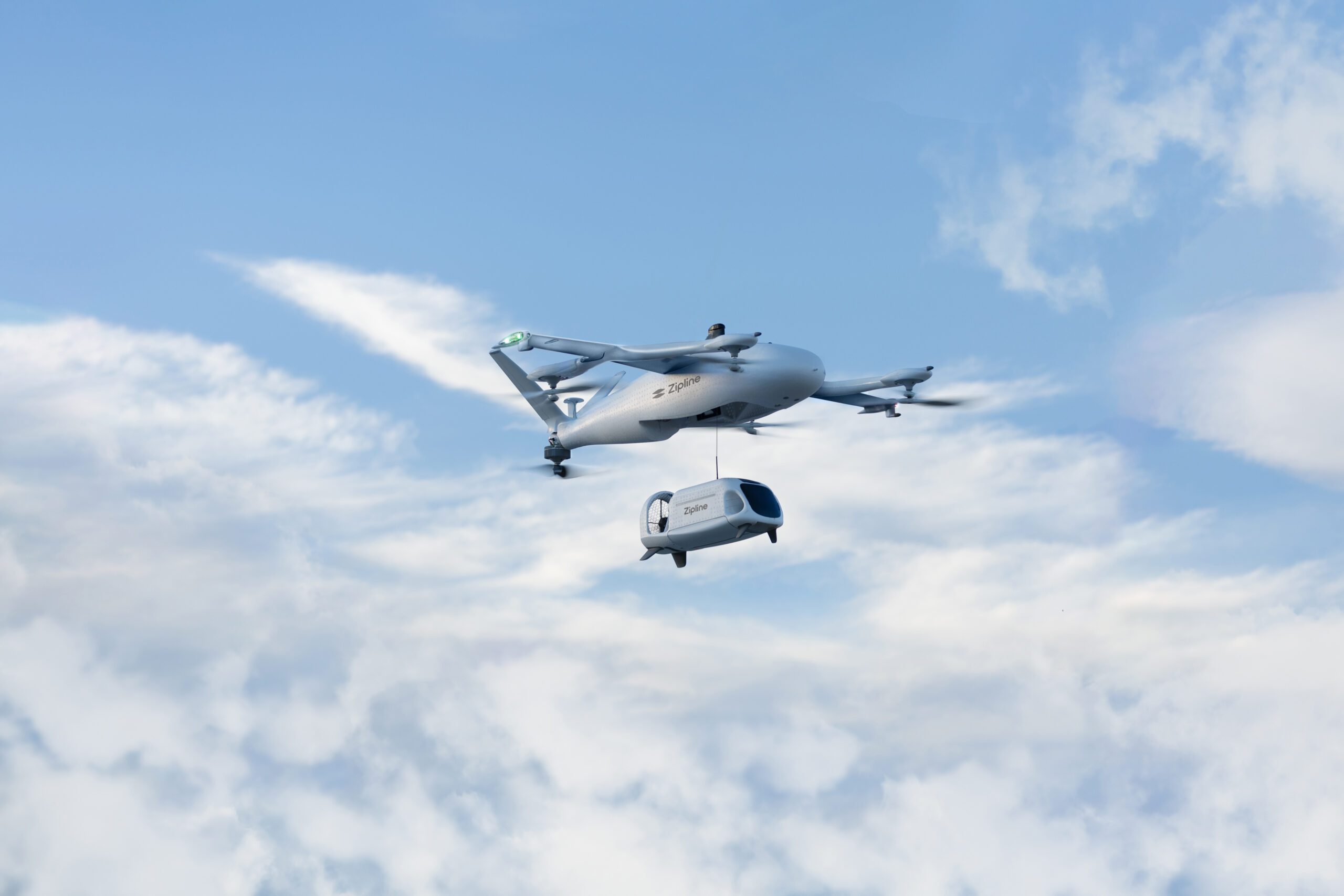
BayCare Partners with Zipline for Drone Delivery Network in Tampa Bay by 2027
BayCare, the largest not-for-profit academic health-care system in West-Central Florida, has announced a partnership with Zipline to establish a drone delivery network. This system is expected to be operational by late 2027, initially focusing on high-volume hospital and laboratory locations in the St. Petersburg/Clearwater area. The network will facilitate the delivery of medical supplies and equipment between BayCare facilities, with plans to expand to patient homes in the future. The collaboration aims to enhance the speed and efficiency of transporting critical health-care items, addressing the needs of BayCare's extensive network of 16 hospitals and numerous other facilities. Zipline's drones are designed to operate autonomously, making precise deliveries even in adverse weather conditions. This initiative is expected to reduce delivery-related emissions and traffic congestion while providing a reliable service for time-sensitive items. Looking ahead, the project will begin with select BayCare facilities in Pinellas County, where the concentration of patient activity is highest. Future expansions across the entire Tampa Bay area are planned, although no further timeline was disclosed at the time of publication. The partnership leverages Zipline's FAA Part 135 air carrier certification, enabling BVLOS flights for commercial deliveries.
Applications Delivery Drone News Drone News Feeds News autonomous delivery
Turkey’s ‘Fighter Drone’ Teamed With M-346 Fighter-Trainer In Autonomy Trials
Turkey has joined a select group of nations engaged in advanced flight testing of crewed and uncrewed aircraft collaboration, marking a significant step in the development of autonomous combat systems. The recent demonstrations featured Turkey's innovative 'fighter drone' working in tandem with the M-346 fighter-trainer aircraft. These trials are part of a broader initiative as air forces worldwide strive to enhance their capabilities through collaborative combat aircraft. The successful integration of these technologies could reshape future military operations and tactics, underscoring Turkey's commitment to advancing its defense capabilities in an increasingly competitive global landscape.
Air Air Forces Drones News & Features Turkish Air Force
Open-source framework lets drones dodge obstacles in milliseconds while minimizing travel time
In the wake of a catastrophic earthquake, researchers are exploring the use of unpiloted aerial vehicles (UAVs) to assist in rescue operations by navigating through collapsed structures. These UAVs are designed to create detailed maps of disaster zones, providing critical information that can help rescuers locate and reach survivors more efficiently. However, the implementation of this technology presents significant challenges, as the autonomous drones must be capable of rapidly adjusting their flight paths to avoid unexpected obstacles while maintaining their intended course. The development of such advanced UAV systems aims to enhance emergency response efforts and improve outcomes in disaster scenarios.
Robotics
Flytrex and Wing Report Zero Airspace Conflicts for Multi-Operator Drone Delivery
Flytrex has reported a significant milestone in drone delivery operations, revealing that its automated Unmanned Traffic Management (UTM) coordination with Wing has successfully eliminated airspace conflicts in the Dallas–Fort Worth area. This achievement comes less than a year after the two companies initiated the first commercial drone delivery service in the U.S. The partnership has enabled thousands of flights per month, all of which have been automatically deconflicted, ensuring a safe and efficient operation in shared airspace. The collaboration aims to enhance the scalability of drone delivery services while maintaining safety standards, demonstrating the effectiveness of advanced UTM systems in managing multiple operators in busy urban environments.
Advanced Air Mobility Delivery Drone News Drone News Feeds fleet management News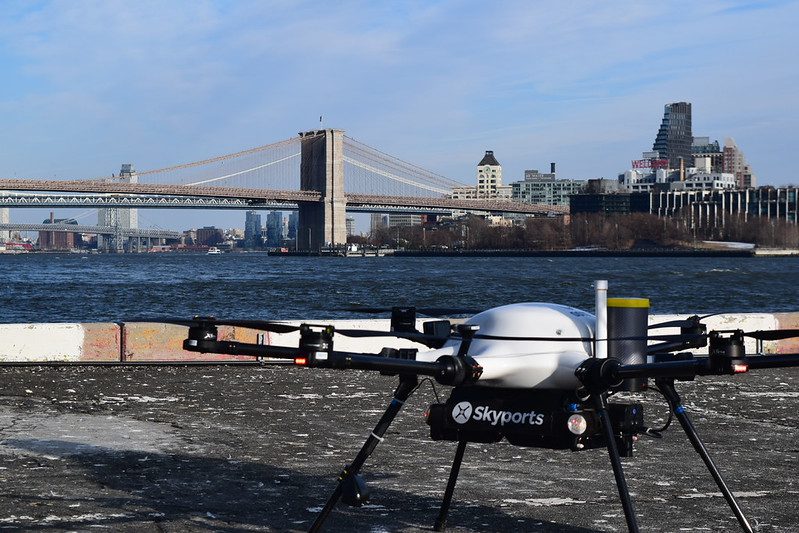
NYC Tests Cargo Drones to Cut Traffic and Speed Medical Deliveries
The Port Authority of New York and New Jersey is set to initiate a yearlong cargo drone trial starting April 27. This innovative project, in partnership with Skyports, aims to test scheduled drone flights for middle-mile delivery services between lower Manhattan and Brooklyn. The initiative seeks to alleviate traffic congestion in New York City while enhancing the efficiency of medical logistics. By exploring the capabilities of cargo drones, the Port Authority hopes to improve delivery times and support critical supply chains in the urban environment.
Applications Delivery Drone News Drone News Feeds Healthcare Medical
Video Friday: Robotic Motion Discovery Reveals Unusual Behaviors
IEEE Spectrum robotics has released its latest edition of Video Friday, showcasing an array of innovative robotics videos and announcing upcoming events in the field. Notable events include RSS 2026 in Sydney from July 13-17, the Summer School on Multi-Robot Systems in Prague from July 29 to August 4, and Actuate 2026 in San Francisco on August 18-19. Among the featured videos is MotionDisco, a framework that autonomously discovers complex humanoid loco-manipulation motions, highlighting the challenges of coordinating fluid movements across multiple joints. Additionally, the Human Support Robot (HSR) from Toyota is demonstrated in real home environments, assisting residents with daily tasks, showcasing the potential for robots to become long-term companions. Other highlights include the MIDAS Hand, an open-source robotic hand designed for manipulation and research, and a novel flight maneuver by a bipedal robot that showcases advanced aerial control. The European Space Agency shares a timelapse of Dextre, a robotic handyman, efficiently unloading equipment in space, while ROBOTIS introduces AI Sapiens, which learns humanoid motions using just a smartphone camera. In a collaborative effort, LUMOS Robotics has launched Project EDGE, inviting global innovators to explore humanoid robotics, while Sphero emphasizes its educational products designed to nurture computational thinking from early childhood through high school. These developments illustrate the rapid advancements and collaborative spirit within the robotics community.
Humanoid-robots Video-friday Quadruped-robots Robot-videos Home-robots Dexterity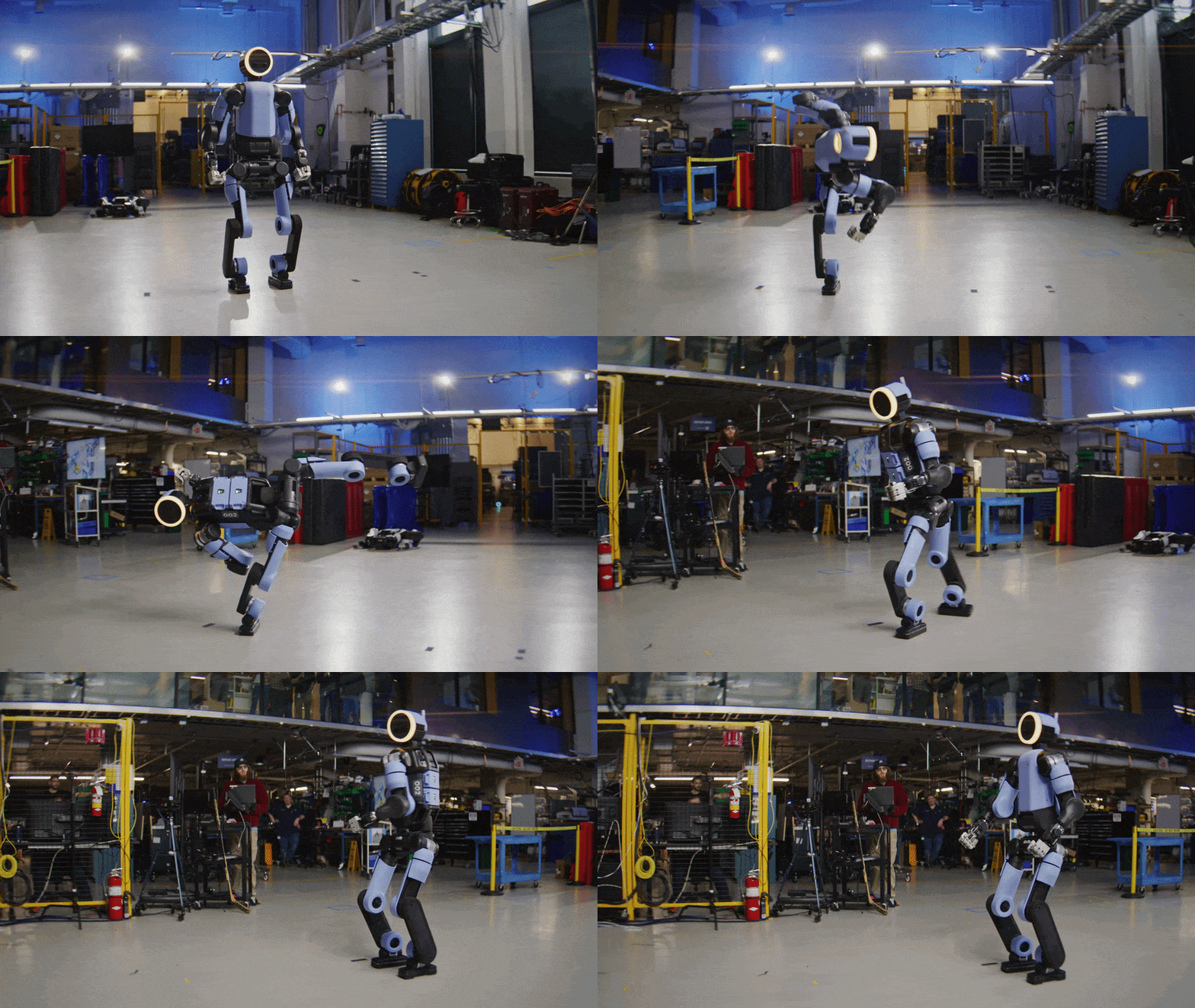
Video Friday: Atlas Versus a Fridge
IEEE Spectrum robotics has released its latest edition of "Video Friday," showcasing a variety of innovative robotics videos and announcing upcoming robotics events scheduled for 2026. Notable events include ICRA 2026 in Vienna from June 1-5, and the Summer School on Multi-Robot Systems in Prague from July 29 to August 4. Among the highlights, Boston Dynamics' Atlas robot demonstrates significant advancements in strength and adaptability, showcasing its ability to lift heavy objects and navigate complex environments using advanced reinforcement learning and control systems. This marks a pivotal moment for humanoid robots as they transition from laboratory settings to dynamic industrial applications. Additionally, the SpikerBot, a robot designed to be programmed by wiring neurons instead of traditional coding, has successfully reached its funding goal on Kickstarter. Other innovations include wheeled-legged robots that enhance mobility and a biomimetic robotic hummingbird developed at the Advanced Vertical Flight Laboratory, which mimics natural flight dynamics. The release also features advancements in construction technology, with Dusty Robotics introducing the FieldPrinter 2, a more efficient and intelligent version of its predecessor, and Noble Machines showcasing their autonomous robots designed for hazardous industrial tasks at NVIDIA GTC 2026. These developments reflect a broader trend in robotics, where technology is increasingly integrated into real-world applications, enhancing efficiency and safety across various industries.
Humanoid-robots Video-friday Robot-videos Educational-robots Biomimetics Quadruped-robots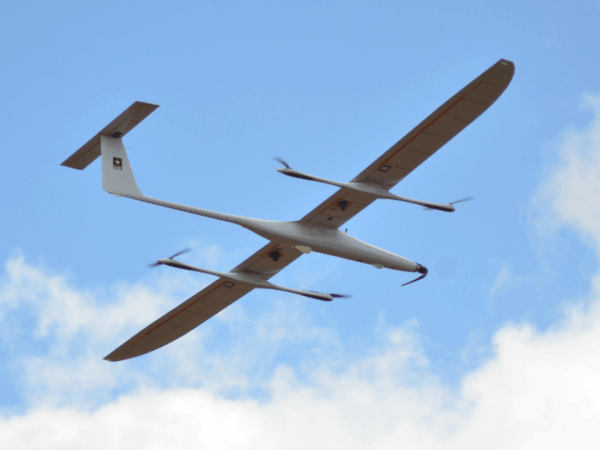
Kraus Hamdani Aerospace Demonstrates Wireless Power Beaming to K1000ULE at Shaw AFB
Kraus Hamdani Aerospace (KHA) and PowerLight Technologies successfully demonstrated their innovative wireless power beaming technology for the K1000ULE drone at Shaw Air Force Base. This event, hosted by the AFCENT Battle Lab, showcased the capability to sustain continuous intelligence, surveillance, and reconnaissance (ISR) operations without the need for ground recovery. The demonstration highlights the potential of laser-based power transmission to enhance operational efficiency for military applications, aligning with CENTCOM's focus on advancing operational energy innovation.
Defense Drone News Drone News Feeds Long Range News aerial surveillance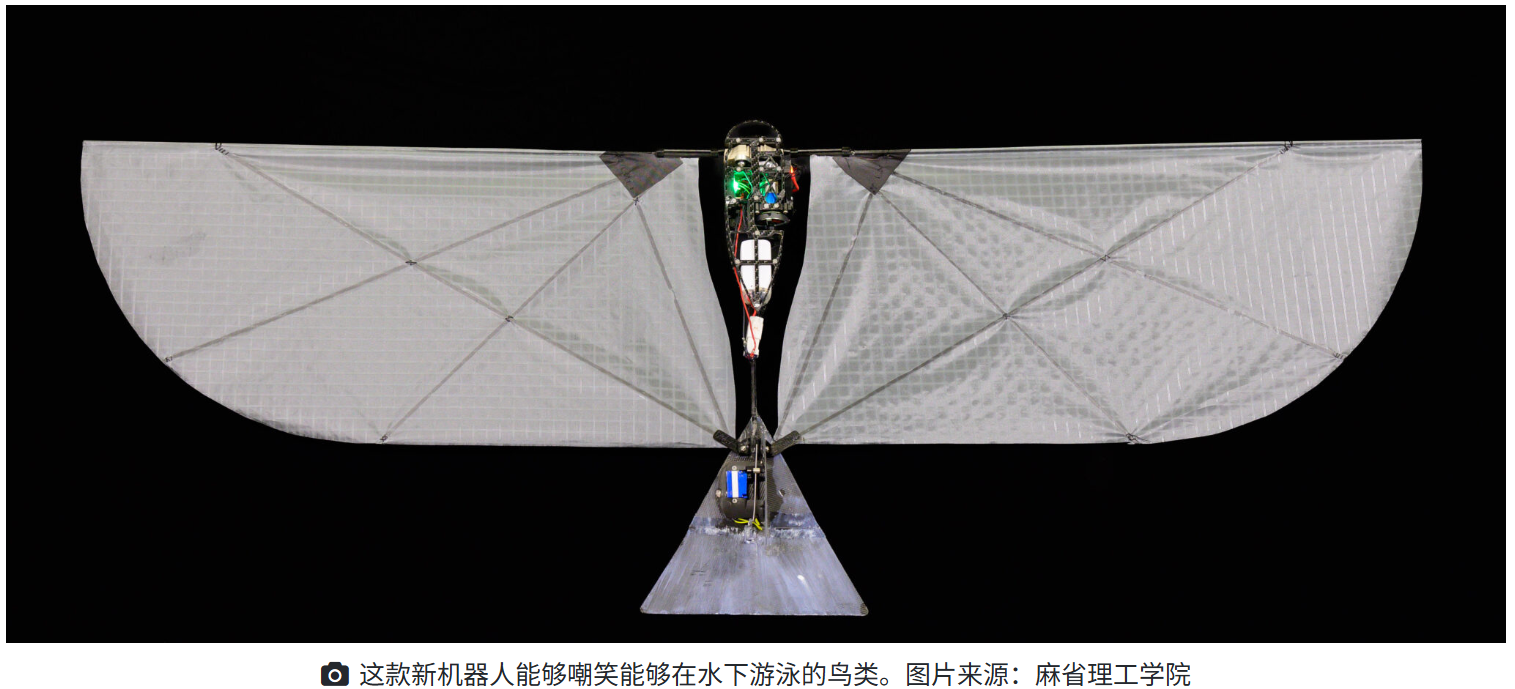
MIT and EPFL Unveil 250g Flapping Robot for Dual Aerial and Aquatic Navigation
MIT and EPFL have developed the Flapping-wing Aerial-Aquatic Vehicle (FAAV), weighing just 250 grams. This innovative robot can navigate both air and water, achieving a cruising speed of 6.3 meters per second in the air and 1 meter per second underwater. Remarkably, it can take off from water using only its wings, without any additional propulsion systems. The significance of the FAAV lies in its ability to overcome the challenges of transitioning between air and water, which have historically hindered the development of amphibious robots. The wings of the FAAV passively deform underwater, allowing for efficient movement and reduced motor load. This design enables the robot to exploit the surface tension of water for takeoff, a feat that has been difficult for previous models reliant on complex propulsion mechanisms. Looking ahead, the research team aims to complete the full flight-dive-flight cycle, which is yet to be validated. The FAAV has already demonstrated its capability to breach the water's surface, marking a significant milestone in the evolution of cross-medium robotic systems. No further timeline was disclosed at the time of publication.
Flapping Robots Aerial-Aquatic Vehicles Robotics Marine Technology
1,100 drones challenge FIFA World Cup security, 500 already seized
Authorities have reported the detection of 1,139 drones operating near World Cup stadiums and related sites throughout the United States. Of these, over 300 drones have been successfully mitigated without the use of force. Concurrently, the FBI has seized more than 500 drones as part of its ongoing investigations into unauthorized flights in proximity to tournament venues. This heightened surveillance and intervention are part of efforts to ensure safety and security during the high-profile event.
News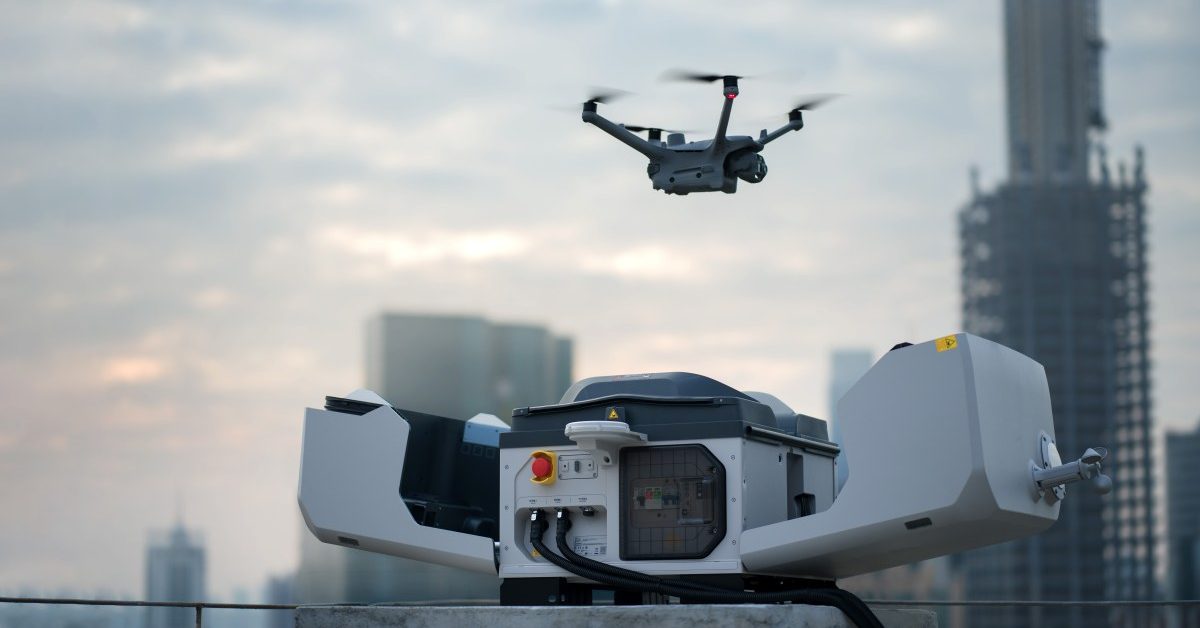
DJI’s latest guide could help agencies deploy drones faster
In response to the limitations of traditional drone deployment during emergencies, DJI Enterprise is introducing solutions aimed at enhancing the efficiency of public safety operations. Historically, the process of launching a drone required a pilot to arrive on-site, unpack equipment, and manually initiate flight, which often delayed critical response times. To address this issue, many agencies are now adopting “drone-in-a-box” systems that allow for automatic launches, significantly improving speed and accessibility during emergencies. DJI Enterprise is stepping in to assist these agencies in scaling their operations effectively, ensuring that they can maximize the benefits of this innovative technology. This shift towards automated drone systems is expected to revolutionize emergency response protocols, providing quicker aerial support when it is needed most.
News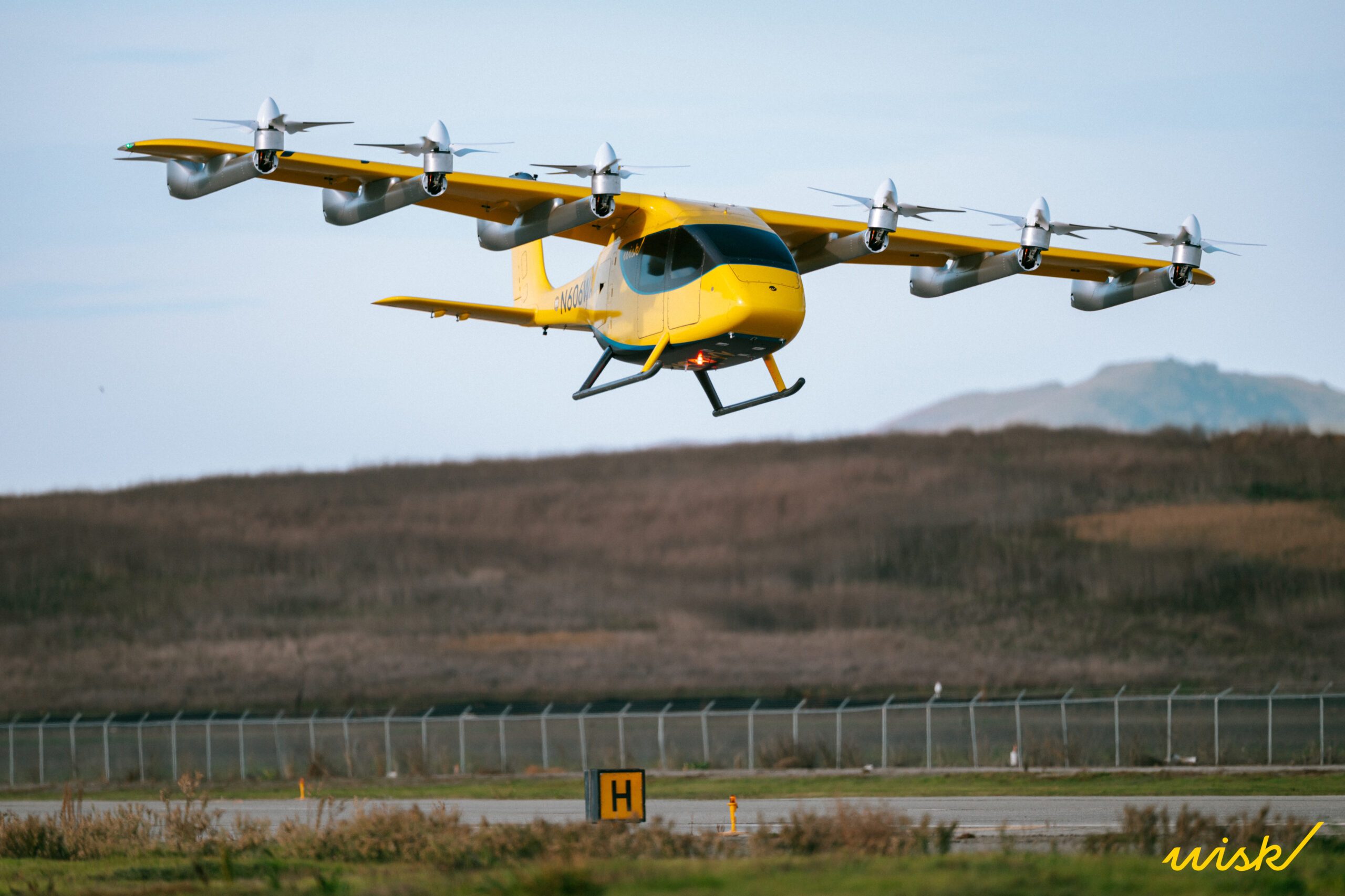
FAA Moves from Planning to Building for Advanced Air Mobility
The Federal Aviation Administration (FAA) has commenced construction on a new research facility aimed at advancing the integration of advanced air mobility (AAM) into the National Airspace System (NAS). This initiative, which began this week, marks a significant transition from policy development to operational readiness for next-generation vertical flight aircraft. The facility will focus on studying the safe operation of these aircraft alongside existing air traffic, reflecting the FAA's commitment to enhancing air transportation capabilities. This move is part of a broader strategy to ensure that emerging aviation technologies can be effectively and safely incorporated into the national airspace.
Air Taxi Applications Drone News Drone News Feeds eVTOL FAA
DARPA X-Plane Designed To Maneuver With Just Bursts Of Air Finally Gets Its Wings
Aurora Flight Sciences, in collaboration with the Defense Advanced Research Projects Agency (DARPA), is aiming to launch the X-65 drone in the upcoming year following previous delays and budget increases. This innovative drone is designed to maneuver using only bursts of air, showcasing advanced aerodynamics and control technology. The project reflects DARPA's commitment to pushing the boundaries of aviation technology and enhancing military capabilities. The successful flight of the X-65 could mark a significant milestone in drone development, potentially leading to new applications in both defense and civilian sectors.
Air Drones News & Features Unmanned
Mach Industries wins DIU contract for maritime, long-range strike drone
The U.S. Navy is pursuing the development of an unmanned aerial system capable of launching from smaller vessels that lack extensive flight decks. This initiative aims to enhance the Navy's long-range strike capabilities, allowing for more versatile and efficient operations at sea. The move comes as part of the Navy's broader strategy to modernize its fleet and adapt to evolving maritime threats. By leveraging unmanned technology, the Navy seeks to extend its operational reach while minimizing risk to personnel and resources. The project is currently in the planning stages, with further details expected to emerge as the Navy refines its requirements and explores potential partnerships with defense contractors.
Air Warfare Naval Warfare Air Force destroyer Drones Navy
Black Recon ‘microdrone’ system unveiled by Teledyne FLIR
A new drone weighing under 450 grams has been launched, boasting an impressive flight time of up to one hour and a maximum speed of approximately 55 miles per hour. This innovative technology aims to enhance aerial capabilities for both recreational and professional users. The drone's lightweight design and extended flight duration make it suitable for a variety of applications, including photography, surveillance, and delivery services. The company behind the drone emphasizes its potential to revolutionize the way users engage with aerial tasks, providing a versatile tool that combines speed and efficiency. As the demand for advanced drone technology continues to grow, this latest offering is positioned to meet the needs of a diverse market.
Global Land Warfare Army Drones Europe EUROSATORY 2026
Naval carrier set to deploy with a drone, while Marines say goodbye to the Harrier
This week, the U.S. Navy is enhancing its fleet capabilities as a Seahawk drone is scheduled to join the aircraft carrier USS Theodore Roosevelt. This integration reflects ongoing efforts to modernize naval operations and improve surveillance and reconnaissance missions. Additionally, the aviation community bids farewell to a legendary aircraft, which is making its final flight, marking the end of an era in military aviation history. The events highlight the Navy's commitment to advancing technology while honoring its storied past.
Air Warfare Naval Warfare Air Force Break Out Video harrier HarrierJumpJet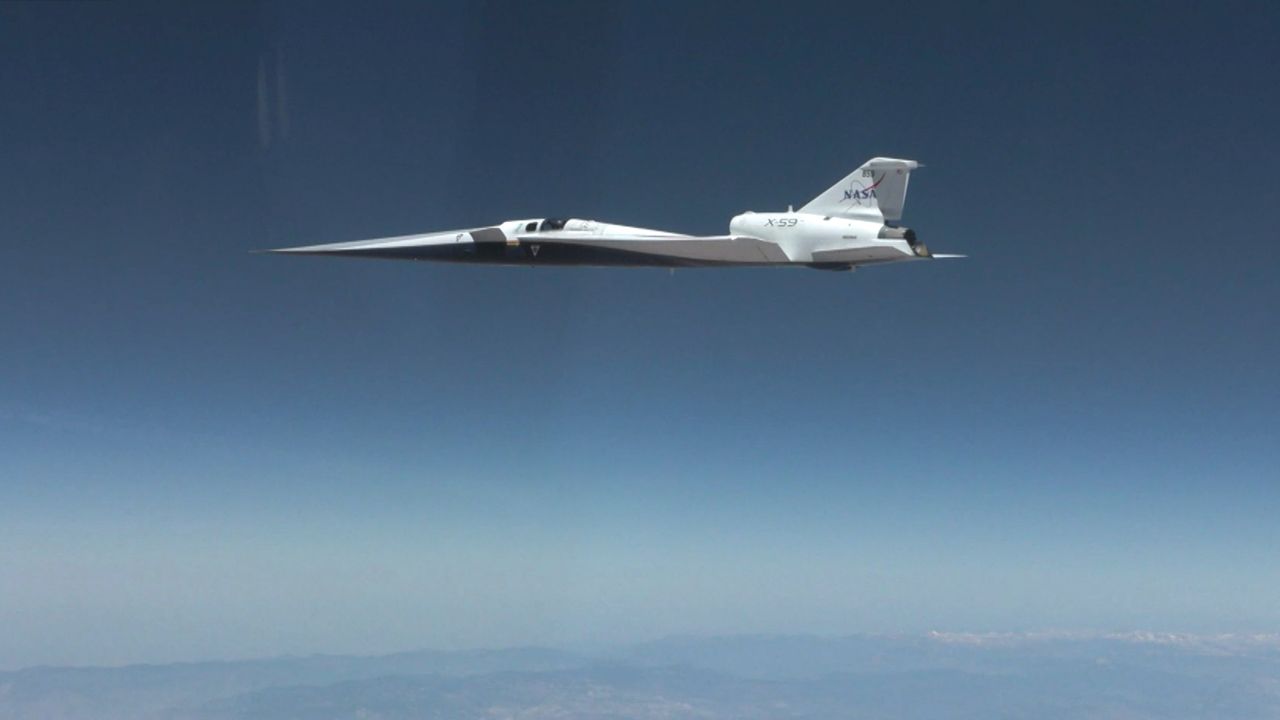
Going supersonic! NASA's X-59 jet breaks sound barrier for the 1st time
NASA's X-59 jet successfully broke the sound barrier for the first time on June 5, achieving a top speed of approximately Mach 1.1. This milestone marks a significant advancement in aerospace technology, as the X-59 is designed to explore the potential for quiet supersonic travel. The flight took place during a test mission aimed at gathering data on the aircraft's performance and the impact of supersonic flight on communities below. By developing the X-59, NASA aims to pave the way for future commercial supersonic flights that minimize noise pollution, addressing a major concern that has historically limited supersonic travel. The successful test flight demonstrates the effectiveness of the innovative design and engineering efforts behind the X-59 project.
Aerospace Technology
Taiwan unveils AI drone navigation system that flies through GPS jamming
Taiwan’s Aerospace Industrial Development Corporation (AIDC), a state-backed entity, has introduced an innovative AI-powered navigation system aimed at enhancing the capabilities of its aerospace technology. This announcement was made during a press conference held on October 15, 2023, in Taichung, Taiwan. The new system is designed to improve the safety and efficiency of aircraft operations, reflecting AIDC's commitment to advancing the nation’s aerospace industry amid growing global competition. By integrating artificial intelligence into navigation processes, AIDC aims to streamline flight operations and reduce the risk of human error. The development of this technology comes as part of Taiwan's broader strategy to bolster its defense capabilities and maintain technological sovereignty in the face of regional tensions.

FBI, Atlanta PD Stress Need for ‘No-Drone Zone’ Compliance
Federal, state, and local officials, including the FBI and the Atlanta Police Department, are emphasizing the importance of adhering to 'No-Drone Zone' regulations to safeguard high-profile sporting events and critical infrastructure from potential threats posed by drones. This initiative comes as part of ongoing efforts to establish new counter-unmanned aerial systems (UAS) protocols across the United States. The push for compliance is particularly relevant as the nation prepares for major events where the risk of drone interference could compromise safety and security. Authorities are actively working to educate the public on these regulations and the potential dangers of unauthorized drone flights, highlighting the need for vigilance and cooperation to ensure the protection of both attendees and facilities.
Drone News Drone News Feeds News Policy Public Safety safety and security
NASA's X-59 jet is ready to break the sound barrier for the 1st time this month
NASA's X-59 jet is set to achieve a significant milestone with its first supersonic flight scheduled for this month. The agency has been preparing for this moment, aiming to break the sound barrier and gather crucial data on supersonic travel. This flight marks a pivotal step in NASA's efforts to develop quieter supersonic aircraft, which could revolutionize air travel by reducing the disruptive sonic boom associated with breaking the sound barrier. The successful flight of the X-59 will not only demonstrate advanced aeronautical technology but also pave the way for future commercial supersonic flights, potentially transforming the aviation industry.
Aerospace Technology
FAA warns World Cup drone flyers: Fines could hit $100,000
As the FIFA World Cup 2026 approaches, the Federal Aviation Administration (FAA) has issued a warning regarding the operation of drones in and around event venues. Unauthorized drone flights in designated areas could result in severe penalties, including fines of up to $100,000 and potential criminal charges. The FAA's announcement serves to ensure the safety and security of the high-profile event, emphasizing the importance of adhering to regulations. Drone operators are urged to familiarize themselves with the restricted zones to avoid costly mistakes during the tournament.
News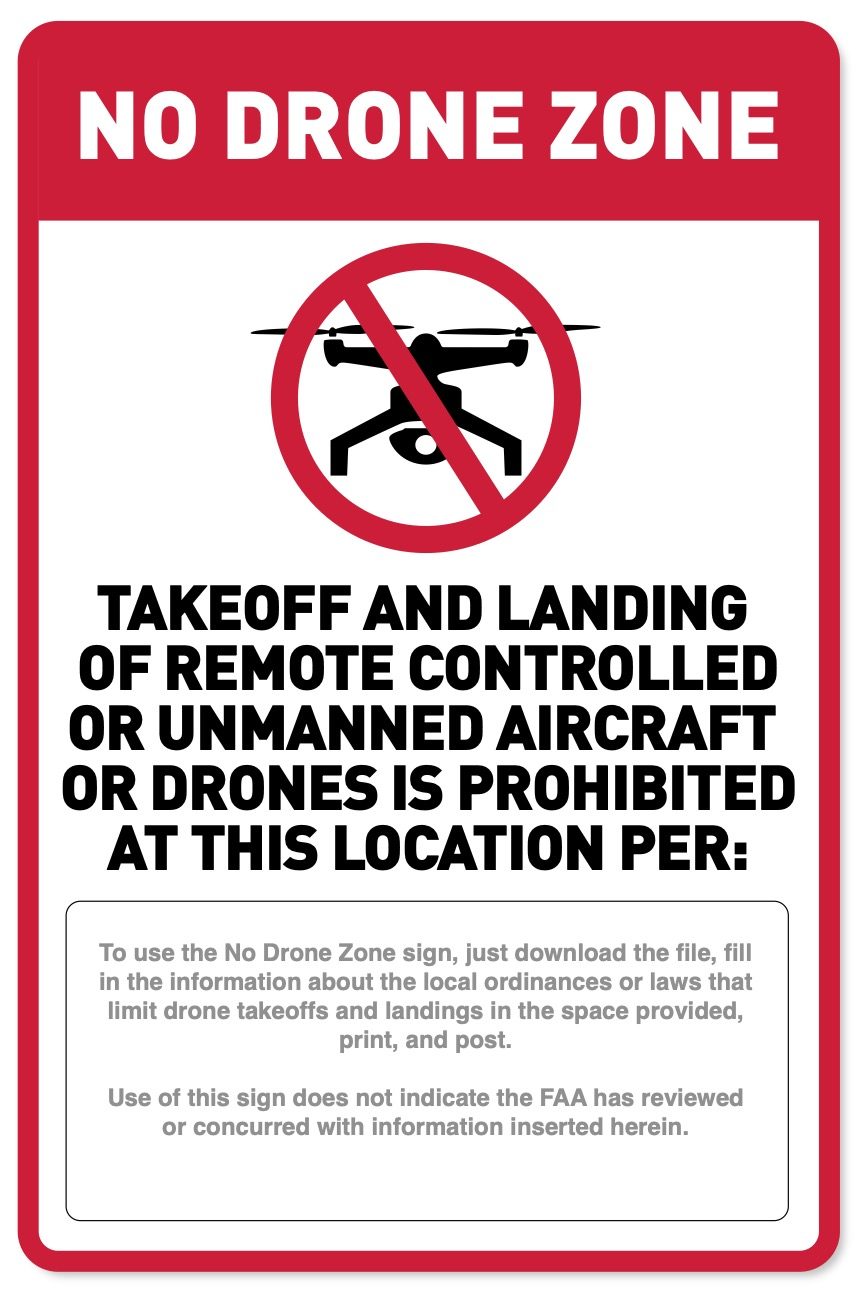
FAA Creates World Cup No-Drone Zones Across U.S. Host Cities
The Federal Aviation Administration (FAA) has implemented extensive temporary flight restrictions for the upcoming FIFA World Cup 2026, designating specific areas as “No Drone Zones” across various host cities in the United States. These restrictions will apply to stadiums, fan events, team hotels, training sites, and base camps to ensure safety and security during the tournament. The FAA's decision aims to mitigate potential risks associated with drone usage in crowded venues and public gatherings. The restrictions will be in effect throughout the duration of the World Cup, which is set to take place in June and July 2026, as part of the agency's commitment to maintaining a secure environment for players and fans alike.
Anti-drone technology Drone News Drone News Feeds Drones in the News Featured - FAA and Regulations Legal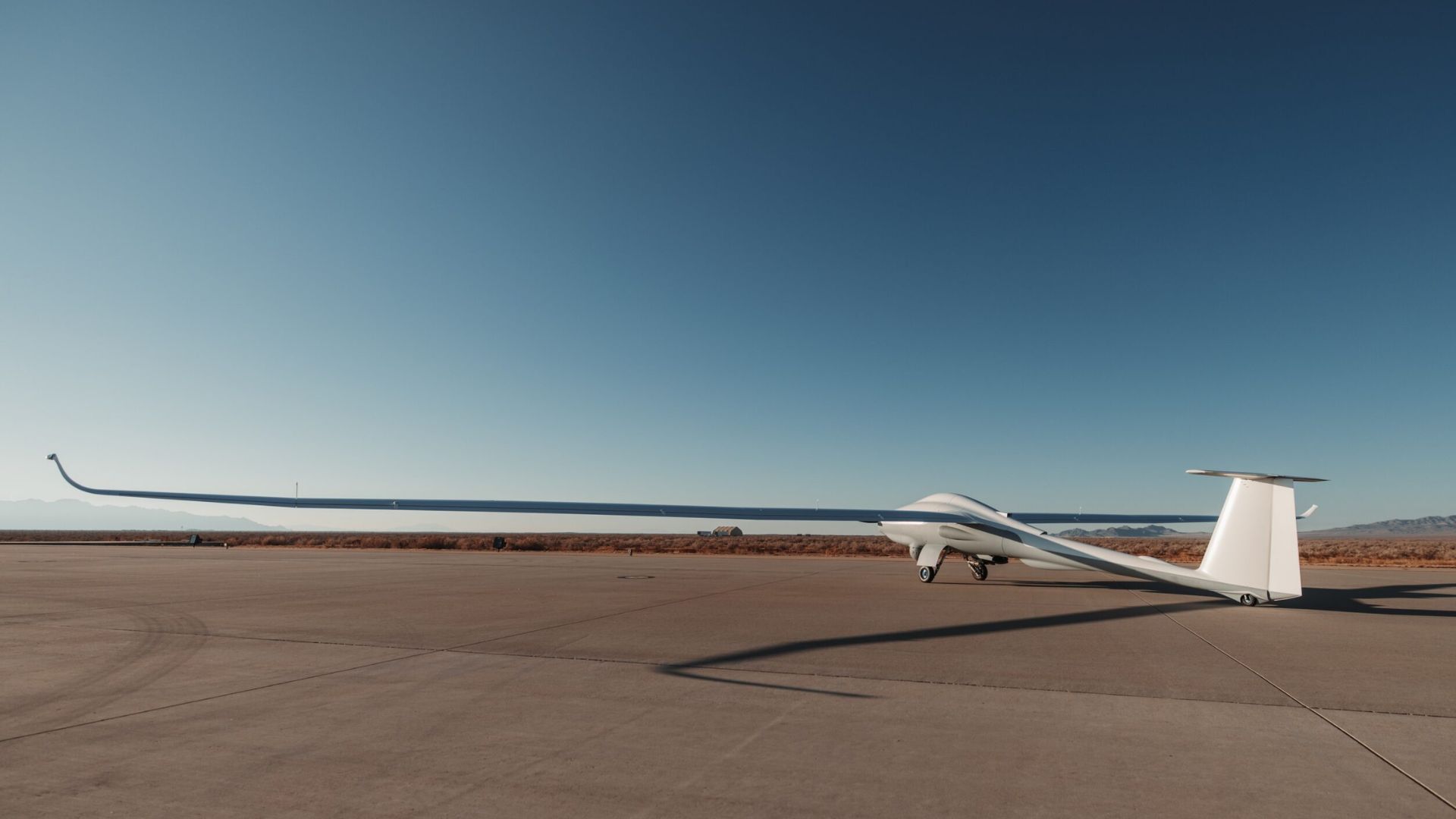
US Air Force sends ULTRA Turbo drone with multi-day endurance to Middle East
The U.S. Air Force is set to deploy an enhanced version of its ULTRA surveillance glider, designed to improve reconnaissance capabilities. This advanced system, which features upgraded technology for better data collection and analysis, is expected to be operational in the coming months. The deployment aims to bolster national security and enhance situational awareness in various operational theaters. By utilizing the glider's unique design, which allows for extended flight durations and reduced radar visibility, the Air Force seeks to gather critical intelligence while minimizing risks to personnel and assets. The initiative reflects a broader strategy to modernize military surveillance methods in response to evolving global threats.
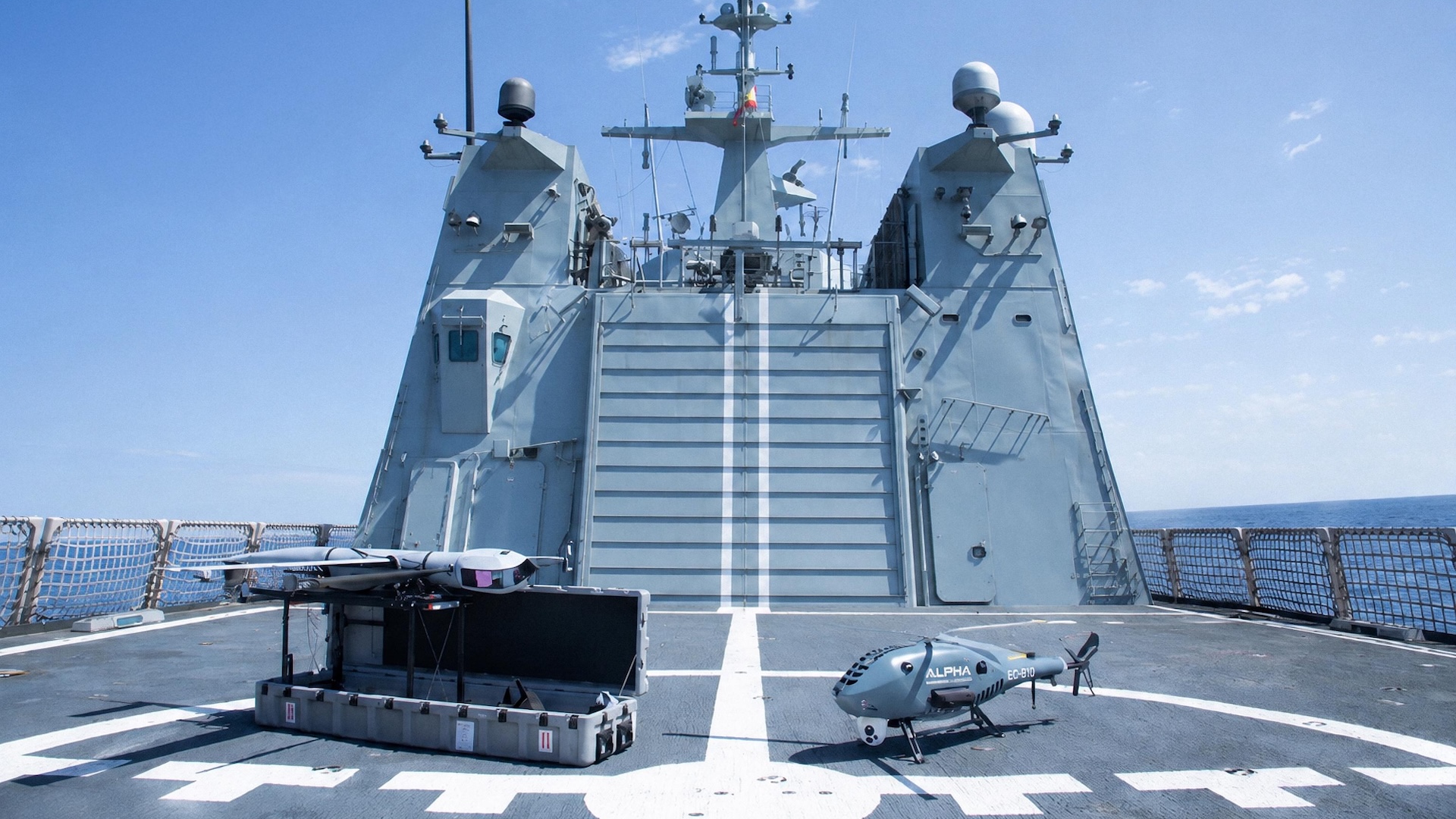
Spanish Navy tests drones controlled from helicopter in boat chase drill
Airbus Helicopters and the Spanish Navy have successfully conducted a flight trial in Rota, Spain, showcasing the capabilities of their latest helicopter technology. The trial, which took place recently, aimed to evaluate the performance and operational efficiency of the helicopters in various scenarios. This collaboration underscores the commitment of both Airbus and the Spanish Navy to enhance aerial capabilities and improve maritime operations. The successful outcome of the trial is expected to pave the way for future advancements in military aviation and strengthen defense partnerships.

NASA’s new AI space chip could let spacecraft think for themselves
NASA is currently conducting tests on an advanced space computer chip designed to enhance the autonomy of spacecraft in deep space. This radiation-hardened processor has demonstrated performance capabilities that exceed current spaceflight computers by hundreds of times. The rigorous testing simulates the extreme conditions of space, ensuring the chip's resilience. This innovative technology aims to facilitate the development of AI-powered spacecraft, accelerate scientific discoveries, and optimize missions to the Moon and Mars. By improving the operational independence of spacecraft, NASA seeks to enhance exploration efforts and expand our understanding of the cosmos.
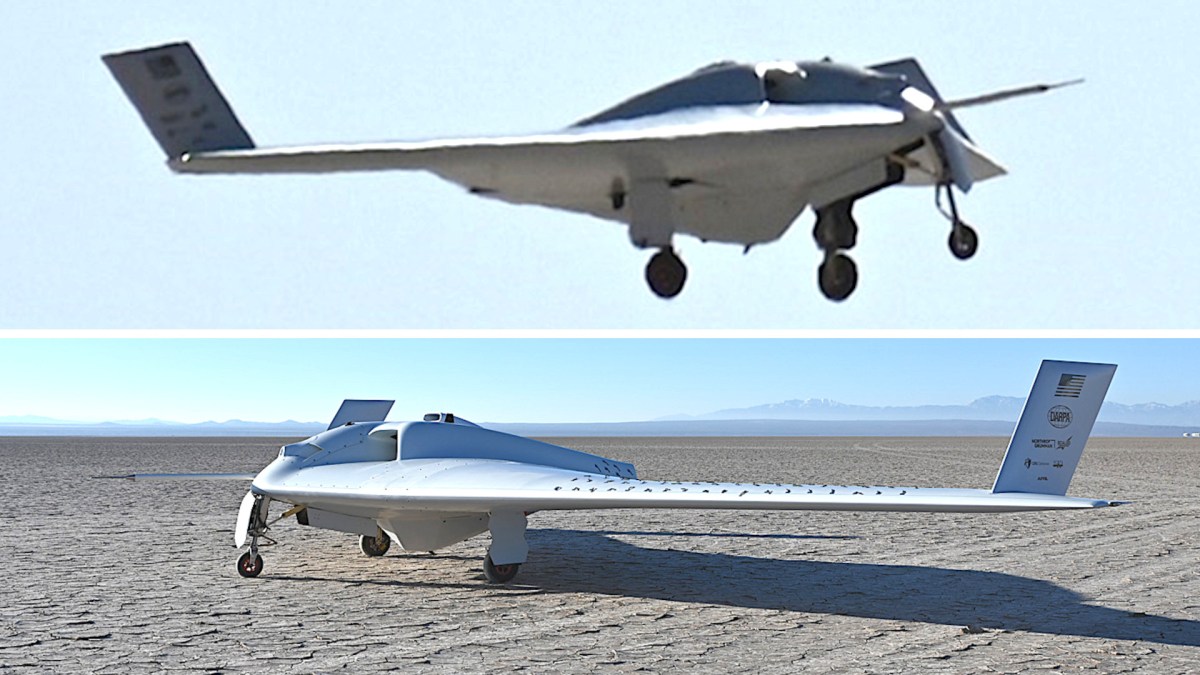
DARPA’s XRQ-73 Hybrid-Electric Flying Wing Drone Has Flown
The XRQ-73 hybrid-electric flying wing drone, developed by DARPA, has successfully completed its first flight, showcasing advancements in quiet and efficient flight technology. This latest iteration of the drone has undergone significant evolution since its last appearance in 2024, reflecting ongoing efforts to enhance its capabilities. The successful flight marks a key milestone in DARPA's mission to innovate in unmanned aerial systems, aiming to improve operational efficiency and stealth in various military applications. The testing took place in a controlled environment, allowing engineers to assess the drone's performance and gather valuable data for future developments.
Air Air Forces Drones News & Features U.S. Air Force Unmanned
FAA Advances Long-Delayed Rule to Restrict Drones Over Sensitive Sites
The Federal Aviation Administration (FAA) has unveiled a long-awaited Notice of Proposed Rulemaking (NPRM) aimed at regulating unauthorized drone operations over specific fixed-site facilities. This initiative represents a crucial advancement in the implementation of Section 2209 of the FAA Extension, Safety, and Security Act of 2016. The proposal seeks to enhance security measures while balancing access to low-altitude airspace, addressing growing concerns over safety and privacy. By establishing these restrictions, the FAA aims to mitigate potential risks associated with drone flights in sensitive areas. The announcement marks a significant step forward in the ongoing effort to create a safer airspace for both manned and unmanned aircraft.
C-UAS Drone News Drone News Feeds FAA Feature 1 NewsRobotics needs a service framework.
RSF defines a common language for robot service capability, lifecycle operations, certification pathways, and service-provider networks.