Industry Briefing
A single destination for timely, editor-curated robotics news from around the world.

Military Engages Drones with AV Directed-Energy System at the Border
A military task force utilized an AV directed-energy system to engage and defeat drones suspected of reconnaissance activities. While the specific location of the drone engagement remains undisclosed, it is suggested that these drones may have been operated by a drug cartel. This operation highlights the increasing use of advanced technologies in military applications to counter aerial threats. The deployment of directed-energy systems represents a significant advancement in military capabilities, particularly in border security operations. By effectively neutralizing potential reconnaissance drones, the military aims to enhance its operational readiness against threats posed by illicit activities, such as drug trafficking. This incident underscores the importance of integrating innovative technologies to address evolving security challenges. Looking ahead, it will be crucial to monitor the military's ongoing efforts to implement directed-energy systems in various operational contexts. The effectiveness of these technologies in real-world scenarios will likely influence future military strategies and funding allocations. No further timeline was disclosed at the time of publication.
Land Warfare Aerovironment Army Counter UAS cUAS directed energy Drones
Energy Traders Leverage Drones for Enhanced Weather Forecasting Insights
Energy traders are increasingly utilizing drones to gather data that enhances weather predictions, potentially improving their financial outcomes. This innovative approach allows for more accurate forecasting, which is crucial for making informed trading decisions in the energy sector. The significance of this development lies in its potential to optimize trading strategies and reduce risks associated with unpredictable weather patterns. By harnessing drone technology, traders can access real-time data that informs their operations, ultimately leading to better financial performance. Looking ahead, the continued integration of drone-collected data into energy trading strategies is expected to evolve. As technology advances, the accuracy and reliability of weather forecasts may further improve, providing traders with a competitive edge in the market. No further timeline was disclosed at the time of publication.
US Army's High-Energy Laser Dismantles Cartel Drones, Achieves 75% Activity Reduction
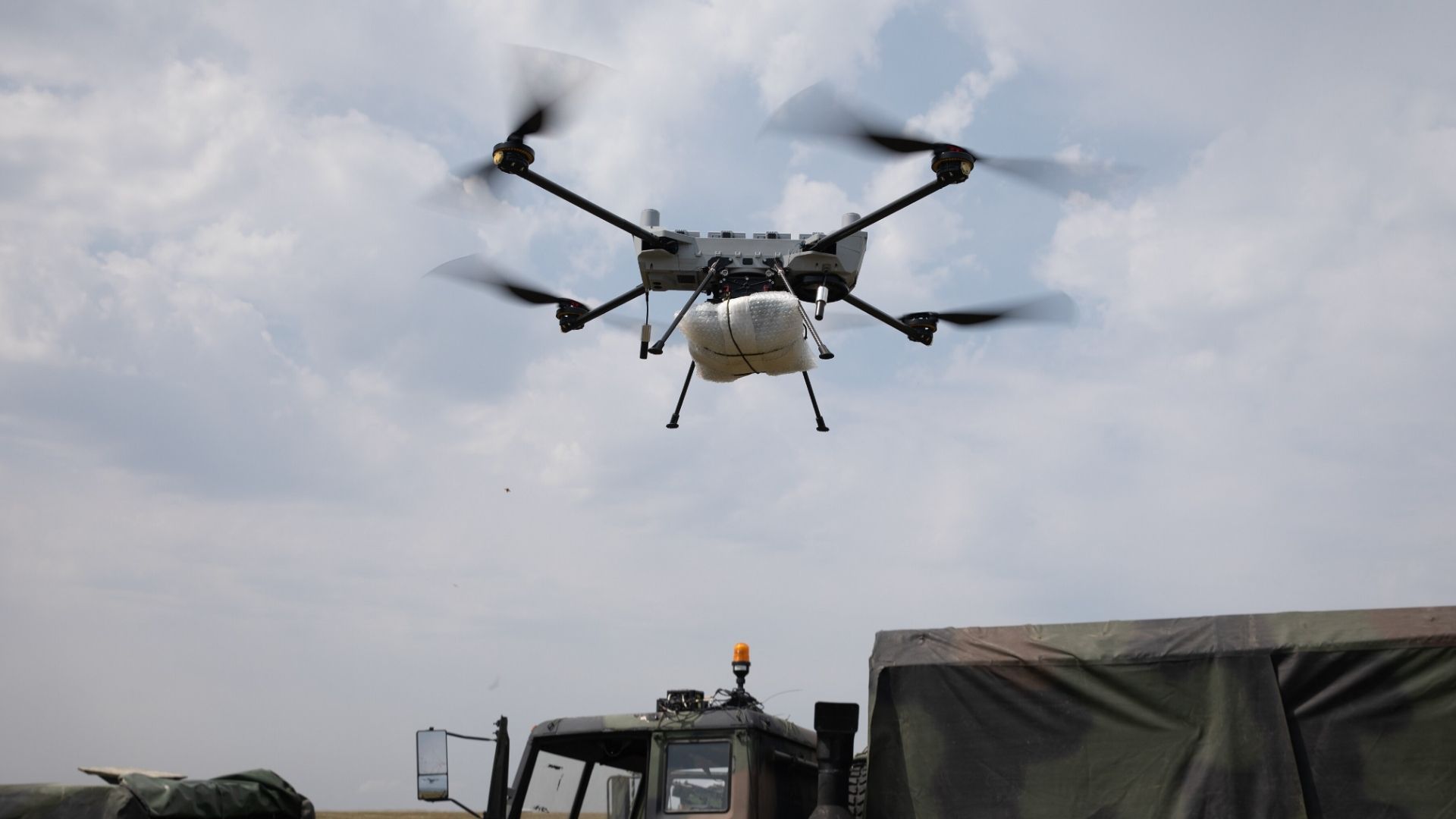
The US Army has successfully destroyed 11 drones linked to cartels within 10 days using its high-energy laser system, leading to a reported 75% decrease in drone activity in the Rio Grande Valley. This deployment, which began on August 25, enables soldiers to permanently disable drones that may pose a threat to military and law enforcement operations. The significance of this technology lies in its ability to ensure that disabled drones cannot return for further surveillance, unlike traditional jamming methods. Army officials noted that since the start of 2026, US forces have intercepted around 300 cartel-related drones, primarily through electronic jamming, but have shifted to using directed energy for immediate threats. This change has reportedly altered drone activity patterns in the region. Looking ahead, the military's continued use of the high-energy laser system may further impact cartel operations. However, the lack of publicly available detection figures leaves the reported 75% reduction without a clear baseline. No further timeline was disclosed at the time of publication.
Military
Li-S Energy's Lithium-Sulfur Batteries Enter US Army Testing for Drone Applications
Li-S Energy, an Australian battery developer, has delivered lithium-sulfur battery cells to the US Army for independent testing. This marks the first instance of the company's technology being evaluated by a US government agency, specifically by the US Army Combat Capabilities Development Command C5ISR Center at Aberdeen Proving Ground. The significance of this testing lies in the potential for lithium-sulfur batteries to enhance military operations that increasingly depend on drones and autonomous systems. With nearly double the energy density of conventional lithium-ion batteries, these cells could enable unmanned platforms to achieve longer flight times, greater ranges, and increased payload capacities, which are critical for modern military applications. Looking ahead, the evaluation by the DEVCOM C5ISR Center could pave the way for the integration of Li-S Energy's technology into various military programs, including unmanned aircraft and ground robots. No further timeline was disclosed at the time of publication.
Energy Military
Drones Illuminate Atmospheric Boundary Layer for Military and Energy Traders
Drones are being utilized to gather data that sheds light on the poorly observed boundary layer of the atmosphere. This information is crucial for military strategists and energy traders who rely on accurate atmospheric data for decision-making. The ability to observe this boundary layer is significant as it can influence weather patterns and forecasts, which are essential for military operations and energy market strategies. By enhancing the understanding of this atmospheric layer, drones are providing valuable insights that can lead to more informed strategic planning. Looking ahead, the continued use of drones for atmospheric data collection may expand, potentially leading to improved weather forecasting and strategic military applications. No further timeline was disclosed at the time of publication.
Swarm Aero Introduces Gamera: A Cost-Effective Alternative to MQ-9 Reaper Drones
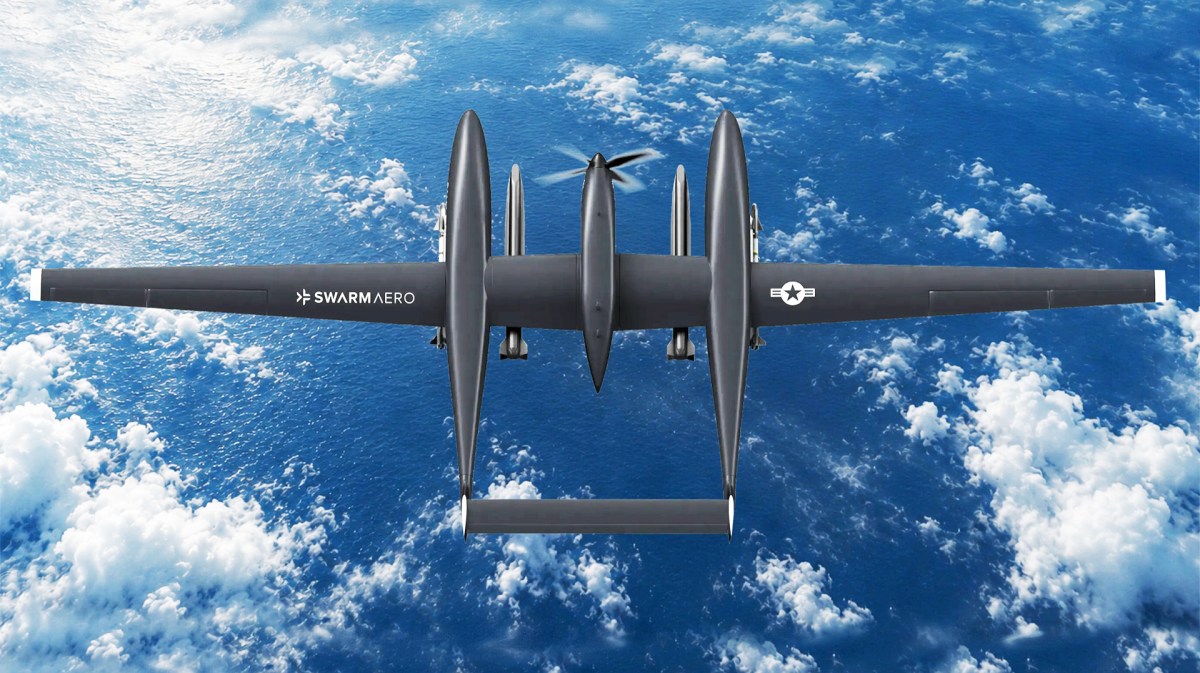
Swarm Aero has unveiled its new drone, Gamera, designed as a medium altitude, long-endurance (MALE) aircraft capable of swarm missions. This development follows the U.S. military's loss of MQ-9 Reaper drones in Iran and the Air Force's search for a more affordable replacement, targeting a cost of $10 million per unit. Gamera features a wingspan of approximately 72 feet, a payload capacity of 2,800 pounds, and an impressive unrefueled range of 9,000 miles. With a combat radius of 2,300 miles and the ability to remain on station for extended periods, Gamera aims to deliver comparable strike effects to existing systems at a fraction of the cost, potentially revolutionizing military drone operations. As the Air Force seeks a “Massed Modular Aircraft” to succeed the MQ-9, Gamera's specifications align with their requirements. The drone's modular design allows for various payload configurations, including JASSM-ER cruise missiles, enhancing its versatility for strike and sensing missions. No further timeline was disclosed at the time of publication.
Air Drones News & Features Q-9 Unmanned
U.S. Army Receives Advanced 20kW Laser Weapon Systems for Counter-Drone Operations
The U.S. Army has received two advanced high energy laser systems developed by AeroVironment, known as Laser Weapon Systems (LWS). These systems feature the 20kW-class LOCUST LWS integrated onto the General Motors Defense Infantry Squad Vehicle (ISV) platform, enhancing mobile counter-unmanned aircraft capabilities. This delivery is part of the Army Multi-Purpose High Energy Laser (AMP-HEL) prototyping effort, marking a significant advancement in directed energy capabilities. Mary Clum from AeroVironment emphasized the importance of these systems in providing reliable and operationally ready solutions for counter-unmanned aircraft operations, supporting the Army's modernization goals. Looking ahead, AeroVironment plans to deliver a second increment of the AMP-HEL program next month, which will include additional vehicles equipped with the LOCUST LWS. This ongoing development reflects the Army's commitment to rapidly fielding directed energy solutions to address evolving threats in dynamic environments.
Military
Sion Power Launches Two High Energy Density Batteries for Military Drones
Sion Power has unveiled two advanced lithium-metal battery cells, the Licerion Strike and Licerion Echo, designed specifically for military drones. These new cells boast an impressive energy density of over 500 Wh/kg, significantly enhancing the operational capabilities of unmanned defense systems. With this technology, combat drones can achieve flight durations two to three times longer than those powered by traditional lithium-ion batteries. The launch of these high energy density batteries marks a significant advancement in drone technology, aimed at improving the effectiveness and endurance of military operations.
battery technology Defense defense Drone News Drone News Feeds MilitaryRobotics needs a service framework.
RSF defines a common language for robot service capability, lifecycle operations, certification pathways, and service-provider networks.
Join the RobotToday community on LinkedIn
Daily robotics news, in-depth analysis, conference highlights, and discussions with professionals worldwide.