

Industry Briefing
A single destination for timely, editor-curated robotics news from around the world.

New Underwater Drone Technology Promises Enhanced Stealth and Tracking Challenges
Recent advancements in military technology have led to the development of a missile-armed underwater drone that is expected to be quieter and harder to track than traditional submarines. This innovation aims to enhance naval capabilities and improve operational effectiveness in various combat scenarios. The significance of this underwater drone lies in its potential to revolutionize naval warfare by providing a stealthier alternative to submarines. With the ability to operate undetected, this drone could change the dynamics of maritime defense and offense, making it a critical asset for military forces. Looking ahead, the integration of such advanced technologies into military operations will be crucial. Continuous improvements in stealth technology and autonomous systems will likely shape future naval engagements. No further timeline was disclosed at the time of publication.
Military
US Coast Guard Pursues Advanced Technologies to Detect and Counter Underwater Drones
The United States Coast Guard is enhancing maritime security by exploring advanced technologies aimed at detecting and neutralizing underwater drones. As these unmanned underwater vehicles (UUVs) become more sophisticated, they pose significant threats to critical maritime assets, including ports and naval bases. The Coast Guard's initiative seeks innovative solutions that can continuously monitor underwater environments and respond to potential threats. The growing concern over UUVs stems from their dual-use capabilities, serving both legitimate purposes and potential malicious activities such as espionage and sabotage. The Coast Guard's efforts reflect a broader trend in global maritime security, where nations are investing in autonomous underwater technologies to protect coastlines and critical infrastructure. Experts emphasize the need for integrated surveillance systems to ensure early detection and rapid response to underwater threats. As the US Coast Guard seeks next-generation counter-drone capabilities, the focus will be on developing effective detection and response systems. This initiative is crucial for strengthening maritime security and preparing for future challenges posed by the increasing prevalence of underwater drones in both public and military operations. No further timeline was disclosed at the time of publication.
Military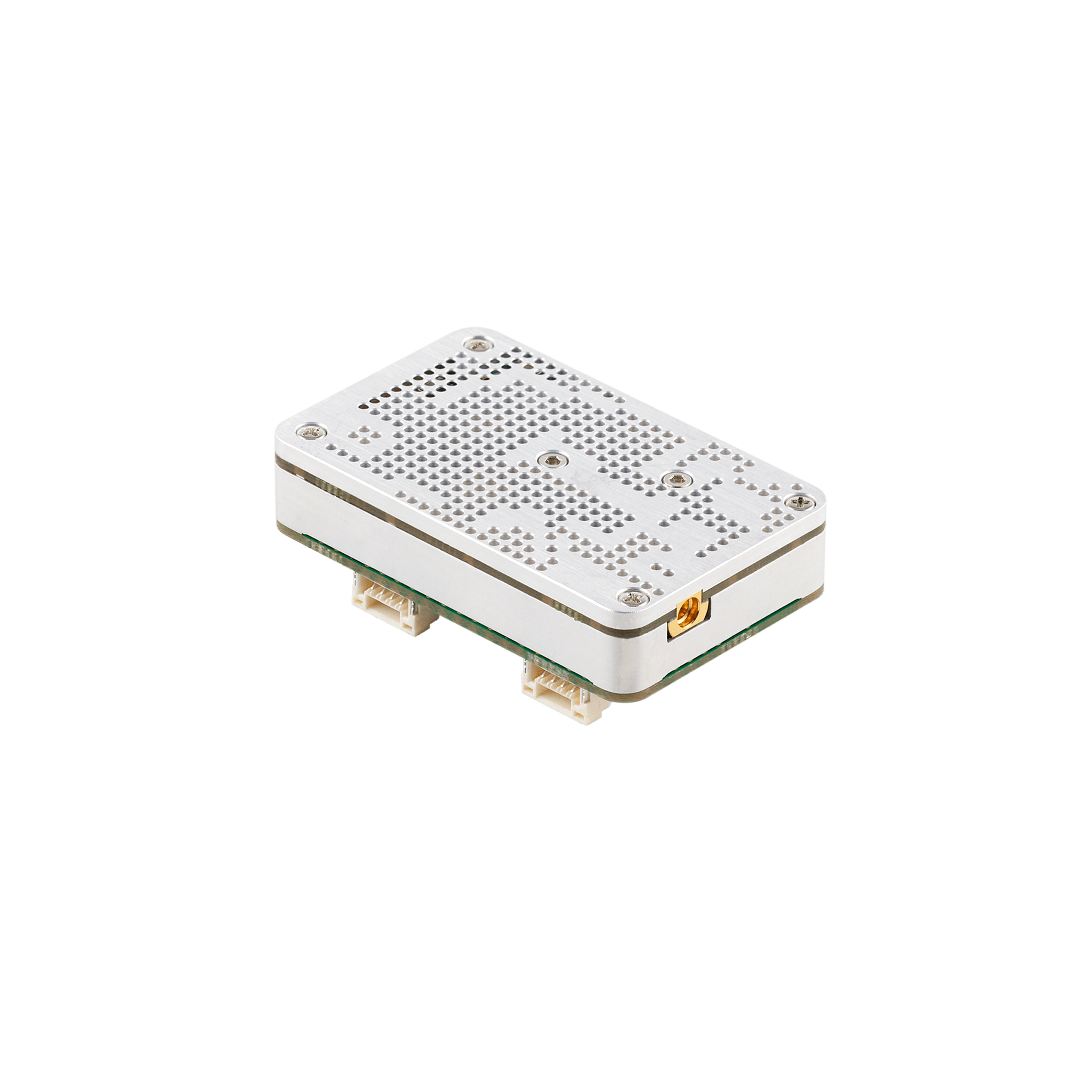
Doodle Labs Introduces Nano² Radio for Long-Range Communication in Small FPV Drones
Doodle Labs, based in Marina del Rey, California, has launched its Nano² radio, designed to meet the demands of small unmanned aerial systems. Weighing just 48.3 grams, the Nano² features advanced 2×2 MIMO capabilities while maintaining a compact size, crucial for first-person-view drones used by military and civilian sectors. The introduction of the Nano² radio addresses the ongoing challenge of balancing performance and weight in drone communications. Doodle Labs aims to provide high-throughput, long-range connectivity solutions that are adaptable for both military and commercial applications. The company is also involved in the Pentagon's Drone Dominance campaign, showcasing its commitment to enhancing drone communication systems. Looking ahead, Doodle Labs continues to focus on dual-use applications, catering to both military and commercial markets. The shift from traditional analog systems to advanced digital communications represents a significant evolution in drone technology, particularly in contested environments where secure and reliable communication is paramount. No further timeline was disclosed at the time of publication.
Applications communications Defense defense DL Exclusive Drone News
Flytrex Launches Rooftop Drone Docks and AI Fleet Positioning in Dallas-Fort Worth
Flytrex has unveiled a rooftop docking system and AI-driven fleet positioning for drone delivery in the Dallas-Fort Worth area. This innovative system is designed to reduce delivery costs by 60% and cut customer delivery times by half by positioning drones at restaurants before orders are placed. The significance of this development lies in its potential to streamline drone delivery operations. By eliminating the need for drones to fly from a central location to restaurants, Flytrex's system addresses a major inefficiency in current delivery networks. The technology allows for quicker service and fresher food, enhancing the overall customer experience. Looking ahead, Flytrex plans to install the rooftop docking system at over 100 additional sites, expanding its operational footprint. However, the success of this model will depend on finding suitable locations and obtaining regulatory approvals for its operations. No further timeline was disclosed at the time of publication.
Applications Delivery Drone News Drone News Feeds News AI fleet positioning
Wingcopter Unveils All-Electric Wingcopter 262 for Tactical Reconnaissance in Defense Sector
Wingcopter has launched the all-electric Wingcopter 262, featuring a wingspan of 262 centimeters (103 inches) and a tactical range of 150 kilometers (93 miles). This new vertical take-off and landing aircraft is designed for defense and security applications, offering up to six hours of flight endurance and a maximum takeoff weight of 10 kilograms (22 pounds). The introduction of the Wingcopter 262 is significant as it enhances reconnaissance capabilities with AI-enabled cameras and resilient navigation for GNSS-denied environments. The aircraft's modular battery system allows for quick mission readiness, making it suitable for persistent aerial surveillance in tactical operations. Wingcopter's experience in unmanned aircraft development underpins this innovative platform. Looking ahead, Wingcopter's new business unit, Wingcopter Security and Defence, aims to expand its portfolio in the defense sector, including logistics and reconnaissance. The company is also collaborating with TAF Industries to support drone production in Ukraine. No further timeline was disclosed at the time of publication.
Defense Drone News Drone News Feeds Military News
Texas Senators Propose Drone-Enhanced Smart Wall for Border Security
Texas Democratic lawmakers are advocating for a drone-powered 'smart wall' to enhance border security instead of traditional physical barriers. Senator Judith Zaffirini emphasized that this strategy would integrate technology such as surveillance cameras, sensors, and drones to improve law enforcement's ability to monitor illegal activities along the Texas-Mexico border. The proposal comes in response to federal plans for a physical border wall, which have faced criticism for their environmental impact and limited effectiveness. With over 1,200 miles of border to secure, the senators argue that a smart wall would provide a more adaptable and efficient solution, allowing for better resource allocation and quicker response times to security threats. Looking ahead, the Texas lawmakers believe that a comprehensive approach combining technology with law enforcement personnel is essential. They stress the importance of tailoring security measures to the diverse geographic and demographic conditions along the border. No further timeline was disclosed at the time of publication.
Drone News Drone News Feeds Drones in the News News safety and security Big Bend National Park border wall
Venezuela's Earthquakes Highlight Drone Utility and Airspace Challenges in Emergencies
On June 24, 2026, two significant earthquakes hit northern Venezuela, prompting immediate drone deployment for damage assessment and search and rescue operations. Drones provided critical situational awareness, revealing destruction and aiding in the rescue of 6,462 individuals from collapsed buildings, while the confirmed death toll reached 6,509. The rapid response showcased the effectiveness of drones in emergencies but also highlighted the challenges of crowded airspace as multiple organizations deployed their drones simultaneously. Juan Plaza, CEO of Plaza Aerospace, emphasized the need for coordination among drone operators to avoid chaos in the air while ensuring clarity on the ground. Looking ahead, the role of drones is expected to evolve beyond immediate response. Teams are utilizing photogrammetry and LiDAR to document structural damage, which can inform engineering assessments and improve future disaster preparedness. No further timeline was disclosed at the time of publication.
Applications Disaster Response Drone News Drone News Feeds Drones in the News News
Germany Officially Accuses Russia of Involvement in Leipzig Airport Drone Attack
Germany has formally accused Russia of being involved in a drone attack at Leipzig Airport. This accusation marks a significant escalation in the already tense relations between the two nations. The Russian embassy responded to Germany's claims, stating that these measures represent an 'unprecedented escalation in Russian-German relations.' This situation highlights the growing geopolitical tensions and the implications for international security. Observers should monitor the developments in diplomatic communications between Germany and Russia, as well as any potential repercussions for bilateral relations. No further timeline was disclosed at the time of publication.

NATO's Phoenix Drone Enhances Allied Warships' Threat Detection Capabilities
NATO has introduced the Phoenix drone, its only self-owned drone, to assist allied warships in detecting threats beyond their radar capabilities. This advancement is significant as it enhances situational awareness for naval forces, allowing them to respond more effectively to potential threats in their operational environment. The introduction of the Phoenix drone is crucial for NATO's defense strategy, as it represents a step forward in integrating advanced technology into military operations. By providing enhanced surveillance capabilities, the drone helps allied forces maintain a strategic advantage in maritime security and defense. Looking ahead, the continued development and deployment of the Phoenix drone will be important for NATO's operational readiness. As military technology evolves, the effectiveness of such systems in real-world scenarios will be closely monitored to assess their impact on naval operations and overall defense strategies.
Military
DJI Announces Winners of Global AI Drone Challenge Focused on Real-Time Decision Making
DJI has revealed the winners of its DJI Enterprise Drone Onboard AI Challenge 2026, aimed at enhancing the capabilities of enterprise drones. The competition encourages the development of AI models that enable drones to make real-time decisions, addressing various applications such as crop counting, bridge inspections, and pollution detection. This initiative is significant as it seeks to reduce the time required for data processing after drone flights, allowing for immediate insights that can be crucial in sectors like agriculture and emergency response. By enabling AI models to operate onboard, DJI aims to streamline workflows and enhance the practical value of drone technology across multiple industries. Looking ahead, the focus will be on how these innovative AI solutions can be integrated into existing workflows. The success of projects like AgroCount AI, which automates crop counting, highlights the potential for edge AI to transform agricultural practices and other fields. No further timeline was disclosed at the time of publication.
News
DJI Reveals Winners of the 2026 Enterprise Drone Onboard AI Challenge
DJI has announced the winners of the DJI Enterprise Drone Onboard AI Challenge 2026, which aimed to enhance aerial intelligence. The challenge, launched in early 2026, focused on transforming data collection into actionable insights across various sectors, including agriculture and public safety. This initiative is significant as it seeks to bridge the gap between data acquisition and practical application, fostering innovation in aerial intelligence. The competition featured submissions evaluated by ten experts from the AI and drone industries, culminating in the recognition of five Best Onboard AI Model Award winners and ten Industry Application Excellence Award winners. Looking ahead, the impact of these winning solutions on industries such as transportation and environmental protection will be crucial. No further timeline was disclosed at the time of publication.

Federal Lawsuit Filed by Michigan Journalist Challenges Drone Flight Restrictions Near Police Operations
A federal lawsuit has been filed by Michigan photojournalist Ray Rocha against Bay County Sheriff Troy Cunningham and Deputy Chris Berg, challenging restrictions on drone flights near police operations. The suit, initiated on August 9, 2024, stems from an incident in November 2024 where Rocha was operating his drone during a police search. Despite following federal regulations, Rocha was charged with a misdemeanor for allegedly interfering with police duties. The lawsuit argues that the state’s drone law, as enforced by local authorities, violates Rocha’s First Amendment rights to gather information on newsworthy events. It also claims the law is unconstitutionally vague under the 14th Amendment, lacking clear guidelines and allowing arbitrary enforcement by officers. Rocha seeks to prevent future charges unless his drone operations materially disrupt law enforcement activities. The outcome of this case could have significant implications for drone operation regulations in Michigan. Attorney Philip Ellison noted that if the court finds the law unconstitutional, it may prompt legislative changes. As Rocha is known for using drone footage to report on local law enforcement, the case highlights the ongoing tension between public information gathering and law enforcement operations.
Applications DL Exclusive Drone News Drone News Feeds Journalism Legal
DARPA Lift Challenge Showcases Innovative Heavy-Lift Drone Designs This Weekend
The DARPA Lift Challenge is currently underway, featuring a variety of unique heavy-lift drone designs. This event showcases the latest advancements in drone technology, with several overview videos highlighting the innovative approaches taken by participants. The significance of the DARPA Lift Challenge lies in its potential to push the boundaries of drone capabilities, particularly in heavy-lift operations. As these designs evolve, they could play a crucial role in various applications, including logistics and emergency response. Looking ahead, the livestreams of the event provide an opportunity for enthusiasts and professionals to witness the cutting-edge developments in drone technology. No further timeline was disclosed at the time of publication.
Video-friday Darpa Robotics-videos Cargo-drones Robotic-grippers Humanoid-robots
China Warns of Increased Vulnerability of Global Internet Data from Underwater Drones
Chinese military researchers have issued a warning regarding the heightened vulnerability of the global network of undersea internet cables to attacks from inexpensive underwater drones. In an article published in Science and Technology Daily, they emphasized that advancements in uncrewed underwater vehicles (UUVs) are facilitating undersea warfare and transforming the seabed into a strategic military zone. This warning is significant as nations are increasing their investments in underwater surveillance and infrastructure protection amid escalating geopolitical tensions. The researchers, Shi Guanglei and Shi Haiming from China’s National Defense University, noted that the affordability and effectiveness of autonomous underwater systems are enabling more countries to engage in undersea military operations, which were previously dominated by costly crewed submarines. Looking ahead, the researchers highlighted that undersea cables, which carry approximately 99 percent of global data and support around $10 trillion in daily cross-border financial transactions, are at risk. They pointed to recent incidents, including the Nord Stream pipeline sabotage, as evidence of vulnerabilities, although the International Cable Protection Committee maintains that accidental damage is the primary cause of cable failures. No further timeline was disclosed at the time of publication.
Military
RTsys Underwater Technologies and Singapore Navy Deploy COMET-MCM Drones for Maritime Security
RTsys Underwater Technologies, the Republic of Singapore Navy, and the Defence Science and Technology Agency (DSTA) have announced the operational deployment of COMET-MCM autonomous underwater vehicles. These drones are designed to detect and identify naval mines, marking a significant advancement in the Singapore Navy's mine countermeasures capabilities. The Singapore Strait is a crucial maritime route, with nearly 150,000 ships passing through annually. The deployment of COMET-MCM systems aims to enhance maritime safety by addressing underwater threats, particularly naval mines, which could disrupt international trade and maritime safety in the Asia-Pacific region. The COMET-MCM drones operate autonomously for over twelve hours, equipped with high-resolution side scan sonar for precise mapping of underwater areas. This integration into the Singapore Navy's strategy allows for efficient reconnaissance and complements data from minehunters, improving mission effectiveness. No further timeline was disclosed at the time of publication.
rtsys underwater technologies republic of singapore navy dsta operational deployment comet-mcm auv
Flytrex and Nash Collaborate to Enhance Drone and Courier Delivery in Dallas-Fort Worth
Flytrex and Nash announced a partnership on July 29, 2026, to integrate drone and courier deliveries across the Dallas-Fort Worth metro area. This autonomous-first, multi-modal system is now operational at all Flytrex locations, allowing drone-eligible orders to be dispatched via Flytrex's fleet, while Nash's courier network manages other deliveries based on real-time conditions. This collaboration is significant as it streamlines the delivery process, providing customers with a unified experience. Flytrex has successfully completed over 200,000 drone deliveries in the U.S., and the partnership with Nash aims to enhance efficiency and scalability, moving away from traditional in-house courier models that struggle with increased volume. Looking ahead, Flytrex and Nash plan to extend this integration to future Flytrex sites as the drone operator expands nationally. Both companies view this model as a blueprint for merchants using Nash to incorporate autonomous delivery, with Nash currently serving over 1,000 merchants across more than 20 countries.
Delivery Drone News Drone News Feeds Logistics News 200000 drone deliveries
Aerostar Develops High-Altitude Balloons as Drone Motherships for Military Use
Aerostar has conducted tests on its Lightning balloon, which serves as a launch platform for surveillance drones, paving the way for a larger mothership concept. This innovation allows high-altitude balloons to carry multiple uncrewed aircraft, enabling persistent monitoring of vast areas for days or weeks. The significance of this development lies in its alignment with the U.S. military's ongoing pursuit of advanced surveillance and electronic warfare capabilities. Other nations, including China and Ukraine, are also exploring similar technologies, highlighting a competitive landscape in military drone applications. Looking ahead, Aerostar's scalable architecture could support various missions from a single stratospheric platform, including air-launched effects. No further timeline was disclosed at the time of publication.
News & Features Air Drones Unmanned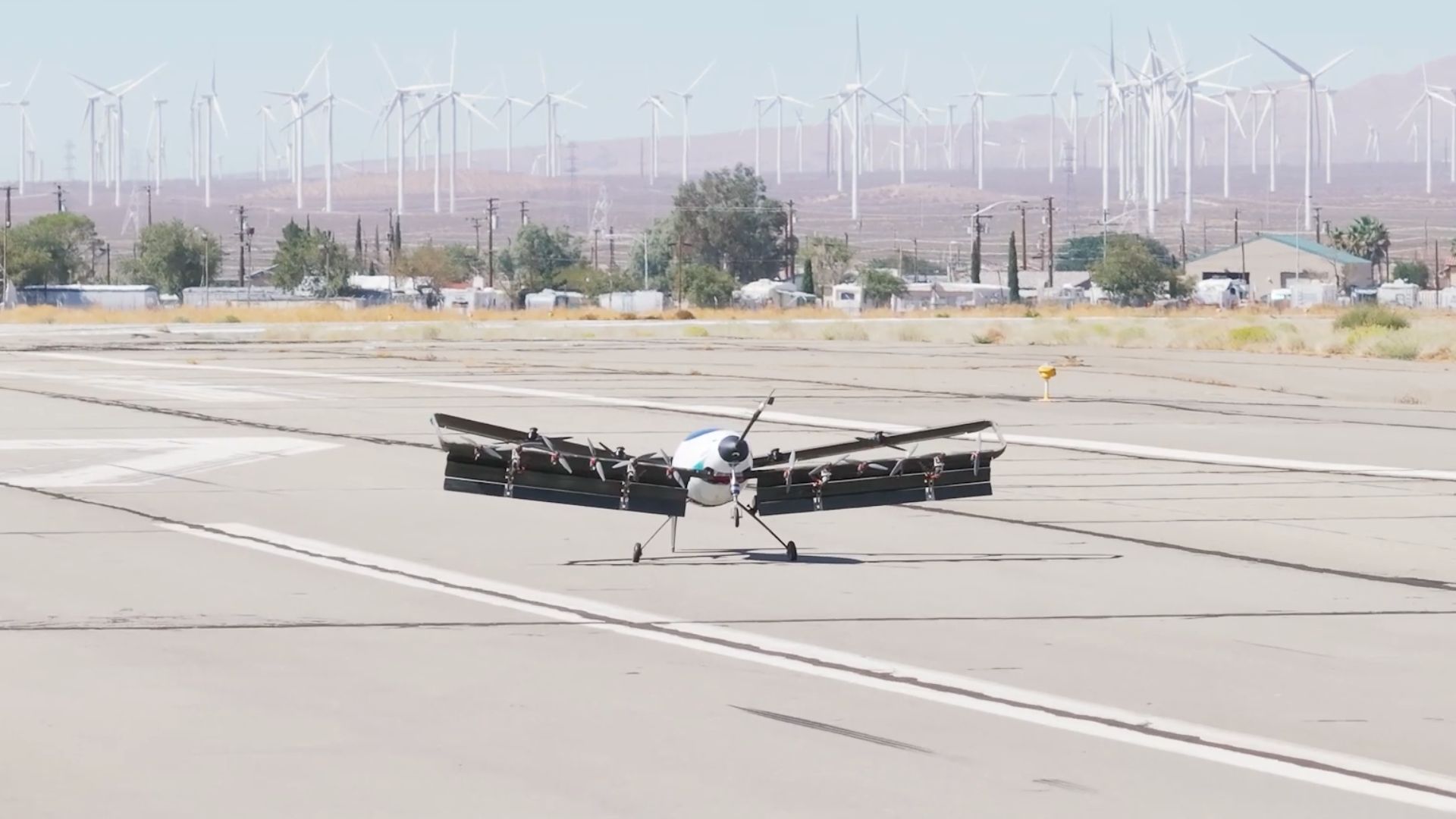
Odys Aviation and ST Engineering Collaborate on Hybrid-Electric Propulsion for DrN-600 Cargo Drone
Odys Aviation, based in the US, has partnered with Singapore's ST Engineering to develop a hybrid-electric propulsion system for the DrN-600 medium-lift cargo unmanned aircraft system (UAS). This collaboration aims to enhance the aircraft's range and efficiency, with a focus on validating the system's technical and commercial feasibility before advancing to a definitive development agreement. The partnership is significant as it seeks to extend the operational range of the DrN-600 beyond 186 miles (300 kilometers), improving endurance and mission performance. Teong Soo Soon, SVP & Head of ST Engineering’s Commercial Aerospace business, emphasized that hybrid-electric propulsion is a key pathway to enhance the aircraft's operational relevance. Looking ahead, the collaboration will evaluate the propulsion system architecture and develop a roadmap for large-scale production. No further timeline was disclosed at the time of publication.
Transportation
Skyfall Introduces Advanced Drone Interceptor with Enhanced Speed Against Russian Shaheds
Skyfall has unveiled a new variant of its drone interceptor designed to target Russian Shahed drones more effectively. This latest model boasts a maximum speed of 370 km/h, surpassing the previous interceptor's top speed of 310 km/h. The enhanced speed is a critical feature that aims to improve response times and interception capabilities in the ongoing conflict. The introduction of this advanced interceptor is significant as it addresses the urgent need for faster and more efficient defense mechanisms against drone threats. With the ongoing use of Shahed drones by Russian forces, the ability to intercept these threats quickly is crucial for maintaining airspace security. The increased speed of the Skyfall interceptor could provide a tactical advantage in counter-drone operations. Looking ahead, the effectiveness of this new interceptor will be closely monitored, particularly in real-world applications against Shahed drones. As the conflict evolves, the performance of this technology may influence future developments in drone defense systems. No further timeline was disclosed at the time of publication.
Air Warfare Air Force Drones Europe Farnborough 2026 interceptors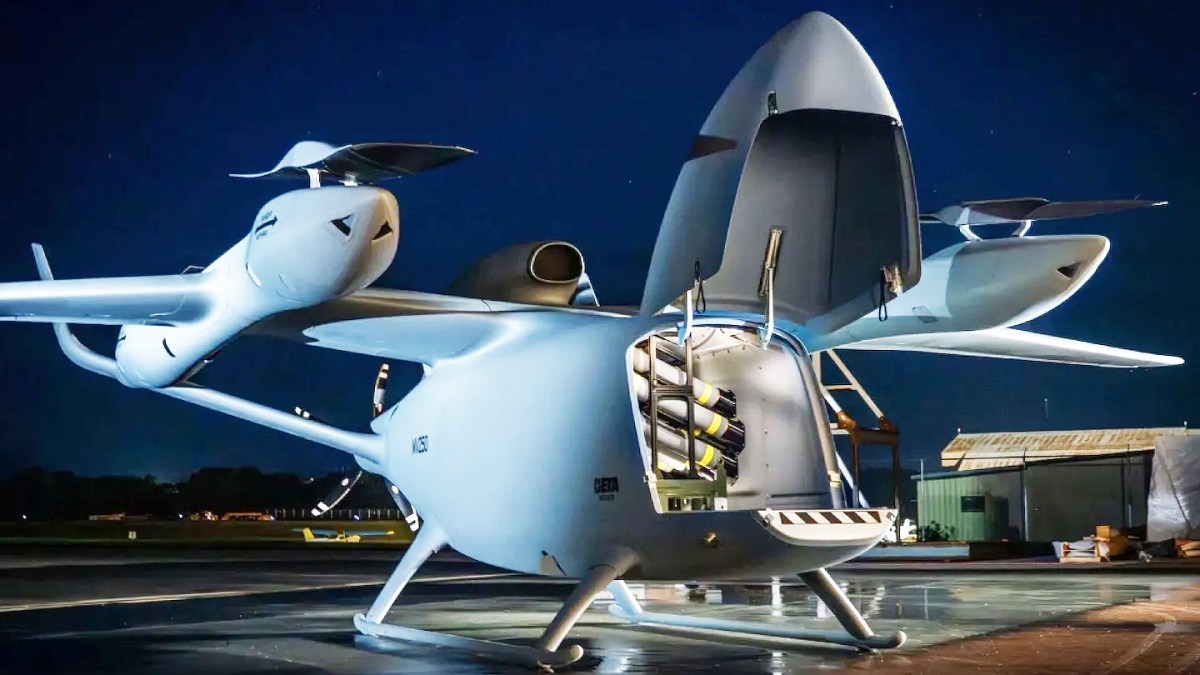
BETA Technologies Unveils MV250 Hybrid-Electric VTOL Cargo Drone at Farnborough 2026
BETA Technologies has introduced the MV250, a hybrid-electric heavy-lift cargo drone, at the Farnborough International Airshow 2026 in England. Although the drone has not yet flown, it is designed using all-flyable components and is based on the Alia 250 eVTOL aircraft, capable of carrying five passengers or an equivalent cargo load. The MV250 aims to enhance military logistics by moving critical cargo more efficiently and cost-effectively. BETA Technologies claims that the drone offers longer range, higher speed, and lower operational costs compared to traditional tiltrotor platforms, although some performance claims have been challenged. The drone is intended for various roles, including cargo transport, casualty evacuation, and intelligence operations. Looking ahead, the MV250 features a cargo capacity of 2,000 pounds and an operational radius exceeding 250 nautical miles. It can also serve as a tactical power source for ground troops. No further timeline was disclosed at the time of publication.
Air Drones Helicopters News & Features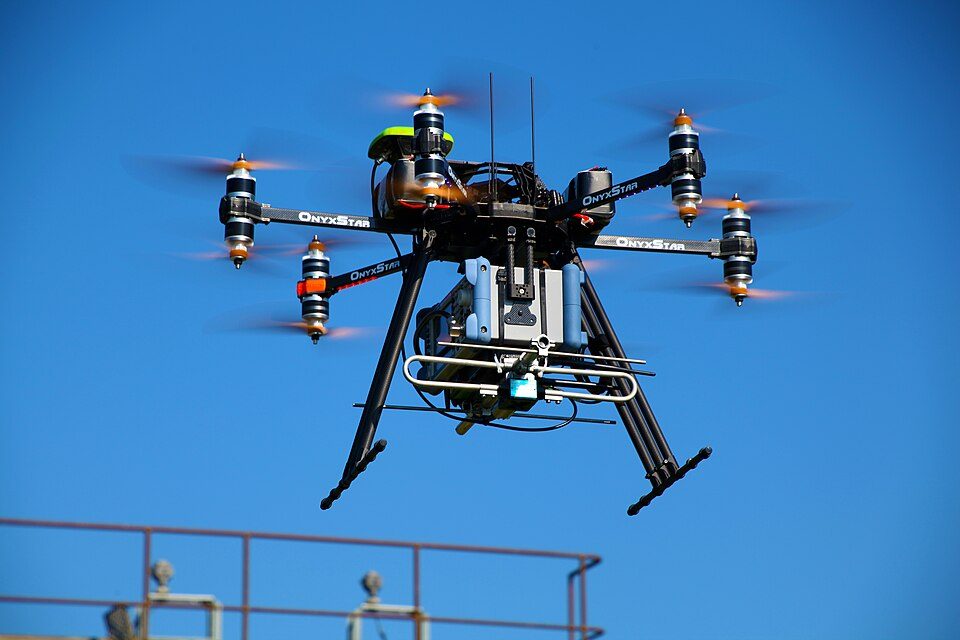
DARPA Initiates $6.5 Million Challenge to Innovate Heavy-Lift Drone Technology
The Defense Advanced Research Projects Agency (DARPA) has launched a challenge aimed at developing heavy-lift drones capable of carrying payloads exceeding four times their weight. This initiative addresses the current limitations of multirotor UAVs, which typically have low payload-to-weight ratios, often below one-to-one. The DARPA Lift Challenge Competition will take place from August 6 to 9 at the National Museum of the U.S. Air Force in Dayton, Ohio, with over 100 teams competing for a total of $6.5 million in prize money. This challenge is significant as it seeks to revolutionize the heavy-lift drone sector, potentially lowering costs and expanding applications across various industries. DARPA program manager Phillip Smith highlighted that enhancing the lifting capabilities of drones could lead to a transformation similar to the impact of mass production introduced by Henry Ford. By overcoming the payload weight barrier, the challenge aims to make unmanned vertical-lift transport more accessible and economically viable. Looking ahead, the outcome of the DARPA Lift Challenge could pave the way for a new generation of UAVs that outperform traditional manned aircraft in transporting large payloads. No further timeline was disclosed at the time of publication.
Applications Defense defense DL Exclusive Drone News Drone News Feeds
DJI Drones Enhance Safety by Mapping Everest's Khumbu Icefall in 2026
DJI's recent case study highlights the use of its Matrice 4E drone and DJI Terra software by Airlift Technology to map the Khumbu Icefall during the 2026 Everest climbing season. This innovative approach provided Sherpas with a detailed 3D map of the hazardous terrain, significantly improving safety for climbers. The Khumbu Icefall is a critical and perilous section of the Everest climbing route, known for its deep crevasses and unstable ice formations. Traditionally, Sherpas would navigate this dangerous area on foot to establish safe paths. However, the drone's ability to survey the icefall in just three and a half hours allowed for a more efficient and safer mapping process. Looking ahead, the repeated drone surveys not only enhance climber safety but also offer valuable data for scientists studying glacier dynamics. This deployment marks a significant advancement in high-altitude expedition planning, with potential implications for future climbing seasons and environmental research.
News
Saipem's All-electric Underwater Drone at the OMC Exhibition in Ravenna
Saipem showcased its all-electric underwater drone, Hydrone-W, at the OMC - MED Energy Conference & Exhibition in Ravenna, a premier energy event in the Mediterranean region. The event took place from April 8 to 10, 2025, attracting numerous visitors. Hydrone-W, measuring approximately 3 meters in length, nearly 2 meters in width, and 1.9 meters in height, weighs 4.2 tons and was prominently displayed on a raised platform at the main entrance of the outdoor exhibition area. This strategic positioning allowed attendees to view the innovative technology throughout the duration of the conference, highlighting Saipem's commitment to advancing sustainable energy solutions.
saipem all-electric underwater drone omc exhibition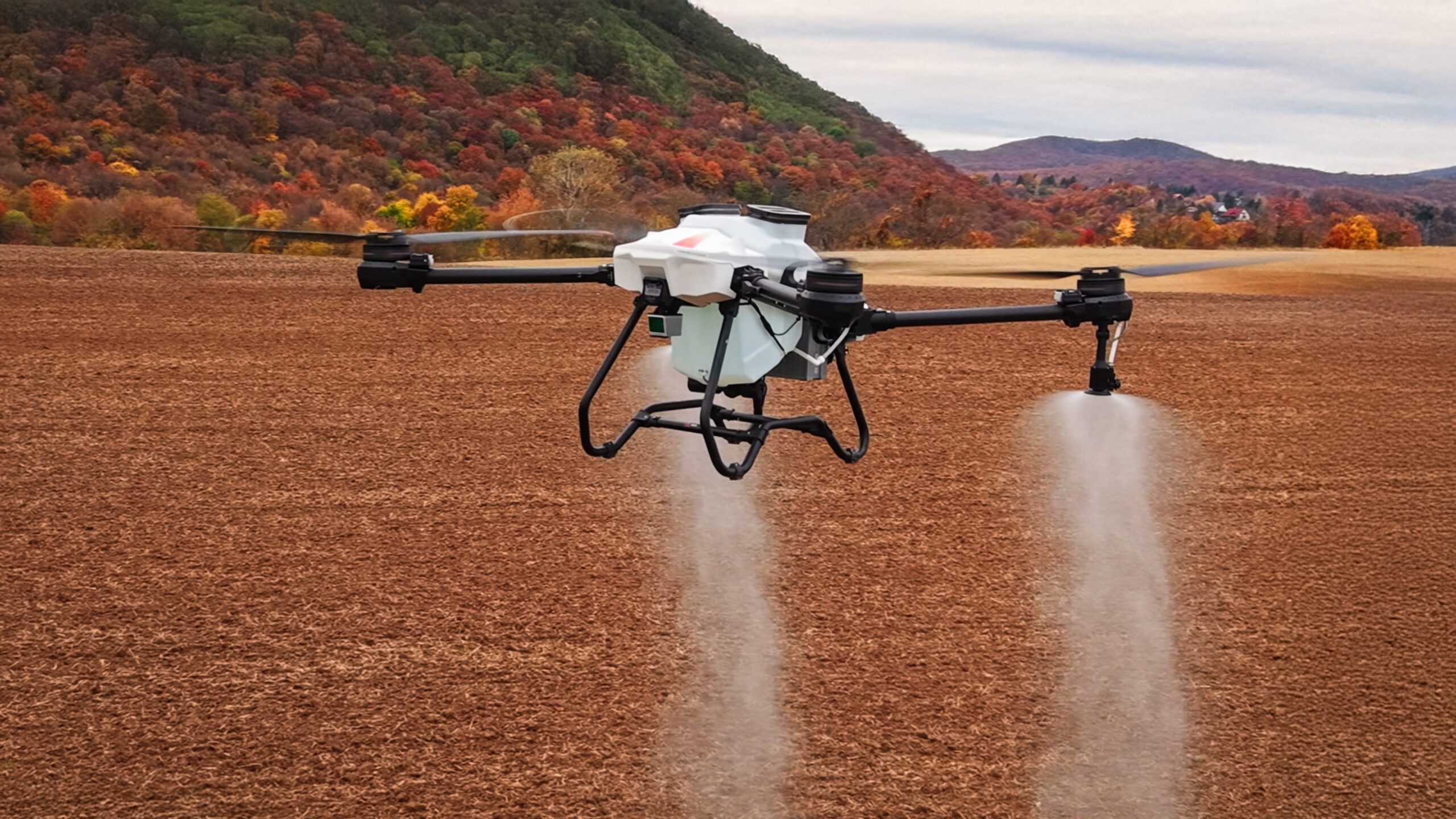
ABZ Innovation Opens Major Drone Factory in Hungary Amid U.S. Market Challenges
ABZ Innovation has launched a new drone factory in Szentendre, Hungary, to meet rising demand, particularly in the U.S. market. The company faced challenges due to the FCC's Covered List, which restricts foreign-produced drones, prompting ABZ to shift its production strategy to comply with U.S. regulations. This factory opening is significant as it positions ABZ to secure a competitive edge in the U.S. agricultural drone market. The company has already received conditional approval for its L50 agricultural spraying drone from the FCC, allowing it to navigate the regulatory landscape effectively. CEO Károly Ludvigh emphasized that ABZ's proactive planning enabled them to align with FCC requirements seamlessly. Looking ahead, the FCC's proposed restrictions on foreign-produced drones could impact many manufacturers. ABZ's integration of technologies like LiDAR in its drones places it at the forefront of compliance with these evolving regulations. The company's ability to adapt to these changes will be crucial as the drone market continues to evolve and face regulatory scrutiny.
Agriculture Applications DL Exclusive Drone Manufacturing Drone News Drone News Feeds
Civil Liberties Groups Challenge FAA's Withdrawn Drone Flight Restriction in Appeals Court
Several civil liberties and photography organizations have submitted a brief to the U.S. Court of Appeals for the D.C. Circuit, contesting a drone flight restriction previously issued by the FAA and later rescinded. The brief supports Minnesota photojournalist Robert Levine, who filed a petition against the FAA regarding the implications of the withdrawn restriction on drone use for journalism. This case is significant as it addresses the intersection of drone technology and First Amendment rights, specifically concerning newsgathering activities. The FAA's original restriction, which prohibited unauthorized drone flights near federal facilities, raised concerns about the potential chilling effect on lawful journalism, as Levine argued that drone pilots could not reliably identify unmarked federal vehicles in their operating areas. Looking ahead, the court's decision could set a precedent for how drone regulations are enforced and interpreted in relation to First Amendment protections. Although the FAA replaced the original restriction with a less stringent advisory, Levine's legal team is urging the court to consider the implications of the original prohibition, as it could inform future regulatory actions by the FAA.
Drone News Drone News Feeds Drones in the News News US Government ACLU
MARTAC Increases Devil Ray Drone Boat Production by 100 Units Annually
MARTAC has partnered with SŌLACE Boats to boost production of its Devil Ray autonomous vessels by 100 units per year, responding to rising demand from U.S. and allied governments. This partnership, announced on September 15, will leverage SŌLACE's 200,000-square-foot production facility in Edgewater, Florida, enhancing MARTAC's manufacturing capabilities. The collaboration is significant as it allows MARTAC to scale production without the need for additional manufacturing facilities, utilizing SŌLACE's expertise in high-performance boat construction. The Devil Ray T24, launched in 2023, is designed for multi-role missions and can deploy smaller MANTAS T12 USVs, showcasing its versatility in various maritime environments. Looking ahead, MARTAC's agreement with SŌLACE is part of a broader strategy to expand its production through partnerships with established marine manufacturers. The company had previously announced a co-production agreement with Mystic Powerboats, indicating a commitment to increasing domestic production capacity for its autonomous vessels. No further timeline was disclosed at the time of publication.
Military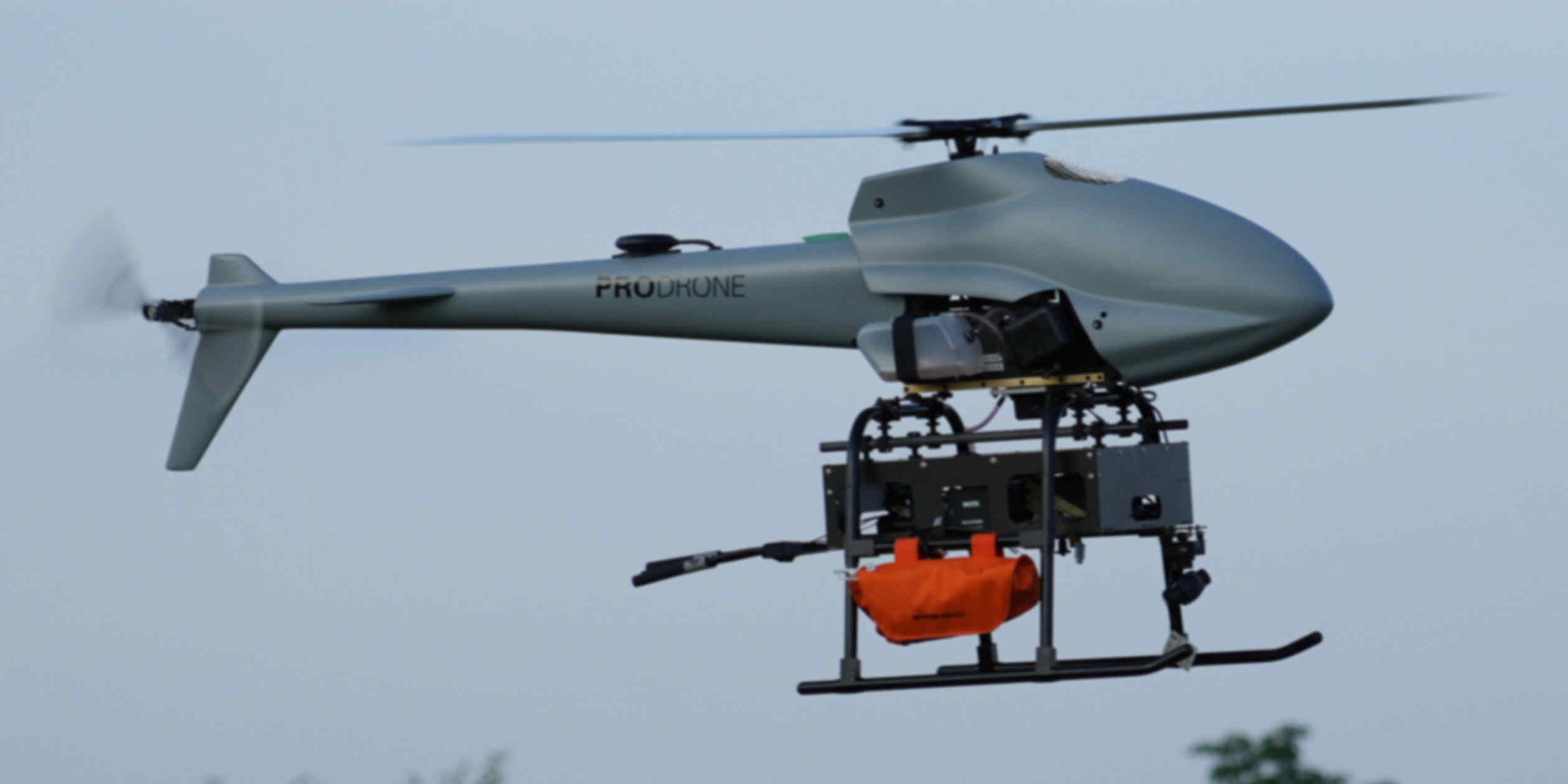
Prodrone Plans $20 Million Facility to Mass Produce 58,000 Drones Annually
Prodrone, a Japanese drone developer, is set to invest approximately $19 million to establish a mass production facility in Aichi prefecture. This new plant aims to produce 58,000 unmanned aerial vehicles each year, addressing the demand for domestically manufactured drones in a market currently dominated by imports. The establishment of this facility is significant as it represents a strategic move by Prodrone to enhance local production capabilities and reduce reliance on foreign drone imports. By increasing the availability of Japanese-made drones, Prodrone aims to strengthen its position in the competitive drone market and cater to the growing needs of various sectors, including defense and commercial applications. Looking ahead, industry observers will be keen to see how Prodrone's investment impacts the domestic drone landscape and whether it will lead to increased competition among local manufacturers. No further timeline was disclosed at the time of publication.
DJI Challenges FCC's Proposed Drone Ban Over Military-Grade Classification Concerns
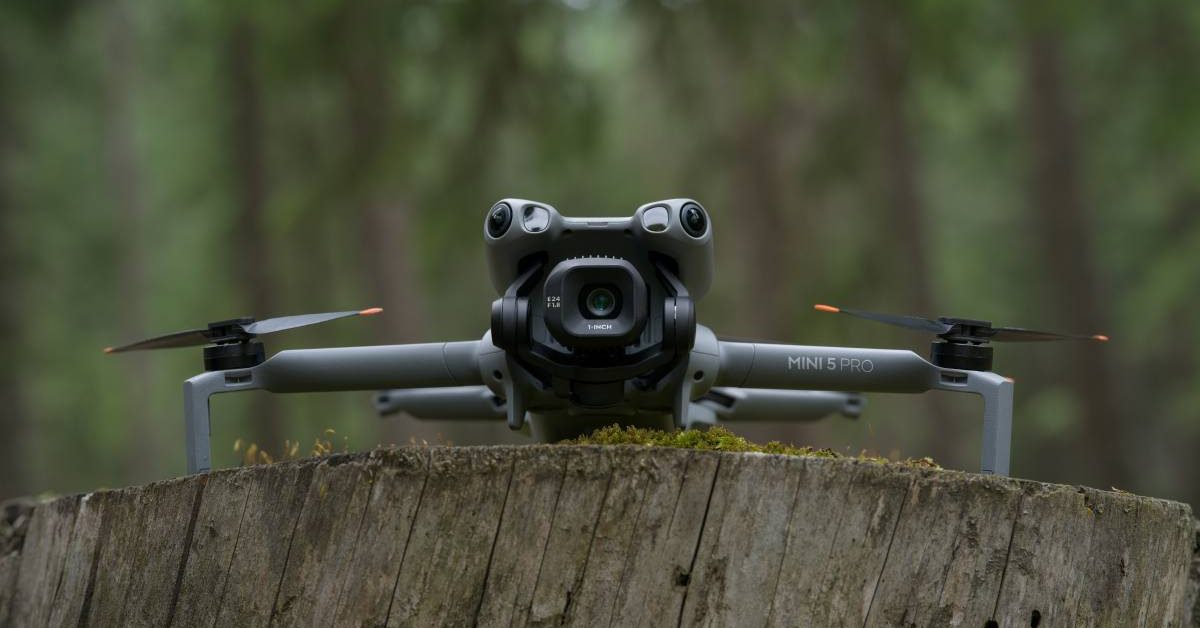
DJI has voiced strong opposition to the FCC's proposed ban on certain drone imports, which could impact popular models like the Mini 5 Pro and Air 3S. The proposal aims to restrict foreign-made drones classified as 'military-grade,' raising concerns about the classification of technologies commonly used in civilian applications. The significance of this proposal lies in its broad definition of military-grade capabilities, which includes technologies such as thermal cameras and LiDAR sensors. DJI argues that these technologies are integral to many commercial drones and should not be categorized as military hardware. The company asserts that the FCC's classification lacks a legal foundation, as it was not established in the original National Security Determination. Moving forward, the outcome of this proposal could reshape the drone market in the U.S. DJI's filing raises critical questions about the FCC's authority to impose such restrictions. As the situation develops, stakeholders in the drone industry will be closely monitoring the implications for both manufacturers and consumers alike. No further timeline was disclosed at the time of publication.
News
Retrofitting Non-Powered Dams Could Generate 15.2 TWh of Electricity Annually
Recent research indicates that retrofitting selected non-powered dams in the United States could yield up to 15.2 terawatt-hours of electricity each year, enough to power over 1.4 million homes. This finding stems from a study by Oak Ridge National Laboratory and Idaho National Laboratory, utilizing the HydroGenerate software to model power production based on turbine performance and hydraulic head. The significance of this research lies in its potential to enhance the U.S. energy portfolio, as only 3 percent of domestic dams currently generate power. The study identified a total potential capacity of 4 gigawatts across more than 2,600 non-powered dams, with federal facilities accounting for 86 percent of this capacity. This innovative approach addresses previous limitations in hydropower assessments by incorporating actual site conditions and operational constraints. Looking ahead, the research team is preparing for the next phase of the project, which aims to further explore the feasibility of retrofitting these dams. The HydroGenerate software and related resources are available for project developers to conduct independent analyses, potentially leading to significant advancements in renewable energy generation from existing infrastructure.
Energy
Countering Evolving Drone Threats with Layered Tactical Radar Systems
The threat posed by Shahed-136 one-way attack drones highlights the urgent need for advanced counter-drone strategies. As the unmanned aircraft system (UAS) environment evolves, operational users are adapting to new challenges by employing scalable, layered sensing teams capable of detecting and tracking small, fast, and swarming aerial threats. This approach is crucial for effective air defense in complex scenarios, whether on land or at sea. Ray Bischoff, senior director of business development at Leonardo DRS, emphasizes the importance of integrating various sensor systems, particularly tactical radars, into a networked architecture. This layered defense strategy allows for enhanced coverage and response times, which are critical in high-stakes situations like those in the Strait of Hormuz. By utilizing a combination of technologies, including electro-optic and infrared sensors, the defense systems can maintain functionality even if some sensors are compromised. Looking ahead, the focus will remain on refining these layered systems to address emerging drone threats. The integration of diverse sensor technologies will be key to improving decision-making and operational effectiveness. No further timeline was disclosed at the time of publication.
Sponsored Content Counter-Unmanned Aerial Vehicles (C-UAS) Land
FAA Discusses Challenges of Scaling BVLOS Drone Operations Beyond Part 108
The FAA is advancing towards a regulatory framework for routine beyond visual line of sight (BVLOS) drone operations, emphasizing the need for comprehensive systems to manage advanced aviation. At the Commercial UAV Expo in Las Vegas, FAA officials, including Jessica Jones and Ben Supko, highlighted the importance of modernizing airspace systems to support scalable operations and enhance security measures. This shift in the FAA's approach signifies a move away from individual approvals towards a more structured regulatory environment, with the proposed Part 108 rule playing a crucial role. Jones noted that this change would allow companies to develop their businesses more effectively, while also addressing the integration of counter-UAS capabilities to distinguish legitimate operators from unauthorized ones. Looking ahead, the FAA aims to modernize the National Airspace System (NAS) to facilitate BVLOS operations at scale. The discussion underscored that increased routine operations could enhance security by providing more data on normal drone activity, enabling authorities to better identify anomalies. No further timeline was disclosed at the time of publication.
Advanced Air Mobility Drone News Drone News Feeds Drones in the News News Policy
Germany Accuses Russia of Attempted Drone Attack on Ukrainian An-124 at Leipzig Airport
Germany has formally accused Russia of orchestrating an attempted drone strike against a Ukrainian cargo aircraft at Leipzig/Halle Airport. This incident, which involved a drone carrying approximately 1.3 pounds of explosives, highlights the increasing concerns over hybrid threats to Germany's critical infrastructure, particularly in light of ongoing Russian hybrid warfare. The attempted attack, which was thwarted by a failed detonator, underscores the vulnerabilities facing critical infrastructure in Germany. Authorities have indicated that the Russian state provided the necessary equipment and expertise for the operation, utilizing local agents to execute the plan. The choice of target, a Ukrainian-operated Antonov An-124, is significant due to its role in transporting weapons to Ukraine, making it a strategic point of interest. Moving forward, the implications of this incident are profound, as it raises questions about the security of aviation infrastructure and the potential for future hybrid attacks. Investigators have found traces of military-grade explosives near the airport, further solidifying the connection to Russia. No further timeline was disclosed at the time of publication.
News & Features Air An-124 Around The Globe Europe Germany
The Evolving Threat Landscape: Drones Challenge Traditional Facility Security Measures
Securing facilities in the US is increasingly complex due to evolving threats like drones, rendering traditional security measures inadequate. The need for enhanced data to identify potential threats is critical, but it also poses challenges in managing information overload. Jason Rahimitabar from Constellis emphasizes the multi-domain nature of these threats, highlighting the economic imbalance in countering cheap drones with expensive defense systems. The rise of inexpensive drones has made it easier for adversaries to launch overwhelming attacks, as seen in recent incidents involving military installations like Barksdale Air Force Base. This situation underscores the necessity for advanced systems to track and intercept airborne threats, rather than relying solely on physical barriers. The challenge lies in distinguishing between harmless hobbyist drones and potential threats, which complicates security responses and can lead to costly missteps. As the threat landscape continues to evolve, facilities must adapt their security strategies to include counter-UAS measures and improved detection capabilities. The focus should shift from merely building higher fences to implementing comprehensive systems that can effectively identify and respond to aerial threats, ensuring the protection of critical infrastructure and personnel.
Networks & Digital Warfare Sponsored Post AI AI security Air Force Constellis
Infinit Drones Launches Dock M400 for DJI Matrice 400 Autonomous Operations
Infinit Drones has unveiled the Dock M400, an autonomous docking platform designed for the DJI Matrice 400 drone. This innovation allows for remote launching, recovery, and battery management without the need for on-site personnel, addressing a significant gap in the enterprise drone market. The Dock M400 is particularly important as it enhances the capabilities of the DJI Matrice 400, which is known for its heavy-lift capacity and advanced sensor support. With features like automatic battery replacement and dock-to-dock relay missions, the Dock M400 enables organizations to maintain drones in a mission-ready state, thereby improving operational efficiency in sectors such as utilities and emergency services. Looking ahead, the demand for autonomous drone solutions is expected to rise, especially with the growing interest in Drone as First Responder (DFR) programs and favorable regulatory changes in Canada. Infinit Drones aims to capitalize on these trends by offering a solution that combines the Matrice 400's capabilities with autonomous deployment, potentially transforming aerial operations across various industries.
News
Taiwan's Drone Industry Development Faces Legislative Budget Challenges
Taiwan's political parties are intensifying their conflict over funding and developing the drone industry, crucial for national defense amid rising tensions with China. The Lai administration and the KMT-led opposition are proposing rival plans to address the evolving landscape of modern warfare and military preparedness. This legislative battle is significant as Taiwan seeks to bolster its defense capabilities in response to China's military expansion. The outcome of these budget discussions will directly impact Taiwan's ability to innovate and maintain a competitive edge in drone technology, which is increasingly vital in contemporary military strategies. Looking ahead, stakeholders should monitor the developments in Taiwan's drone funding and policy decisions. No further timeline was disclosed at the time of publication, but the ongoing debates will likely shape the future of Taiwan's defense posture and its technological advancements in the drone sector.

Amazon's Drone Deliveries Encounter Challenges with Water Landings in Texas
Amazon's Prime Air drone service recently delivered a package into a customer's pool in Texas, highlighting potential issues with delivery locations. As the service expands to 500 cities across the U.S., incidents of drones dropping packages into water bodies raise concerns about delivery accuracy and safety. Previous occurrences include packages landing near pools in Arizona and ponds, prompting questions about the drones' delivery protocols. The significance of these incidents lies in the implications for Amazon's drone delivery service as it scales. With the expansion to more cities, the likelihood of similar mishaps increases, potentially affecting customer satisfaction and operational efficiency. Amazon's commitment to ensuring safe deliveries is called into question, especially when packages end up in unintended locations like water. Looking ahead, it will be important to monitor how Amazon addresses these delivery challenges. The company has previously faced setbacks, including drone crashes and collisions, which could impact its reputation and operational plans. No further timeline was disclosed at the time of publication.
Amazon Drones News Tech Transportation
SES.AI Highlights Challenges in Building America's Drone Supply Chain Ecosystem
SES.AI, based in Massachusetts, is addressing the complexities of establishing a secure U.S. drone supply chain. The company focuses on developing advanced battery technologies crucial for drone performance, while also leveraging its 'Molecular Universe' database to explore new materials for battery innovation. The significance of this initiative lies in the U.S. drone policy's push for secure supply chains and reduced reliance on foreign components, particularly from China. As U.S. manufacturers shift towards domestic production, they face the challenge of not just assembling drones but also rebuilding the entire ecosystem of batteries, motors, and electronics that support them. Looking ahead, the urgency for alternatives in the U.S. drone industry is growing. SES.AI's operations in Chungju, South Korea, highlight the importance of a skilled workforce and supplier network, which are essential for scaling production. No further timeline was disclosed at the time of publication.
battery technology Blue UAS defense DL Exclusive Drone Manufacturing Drone News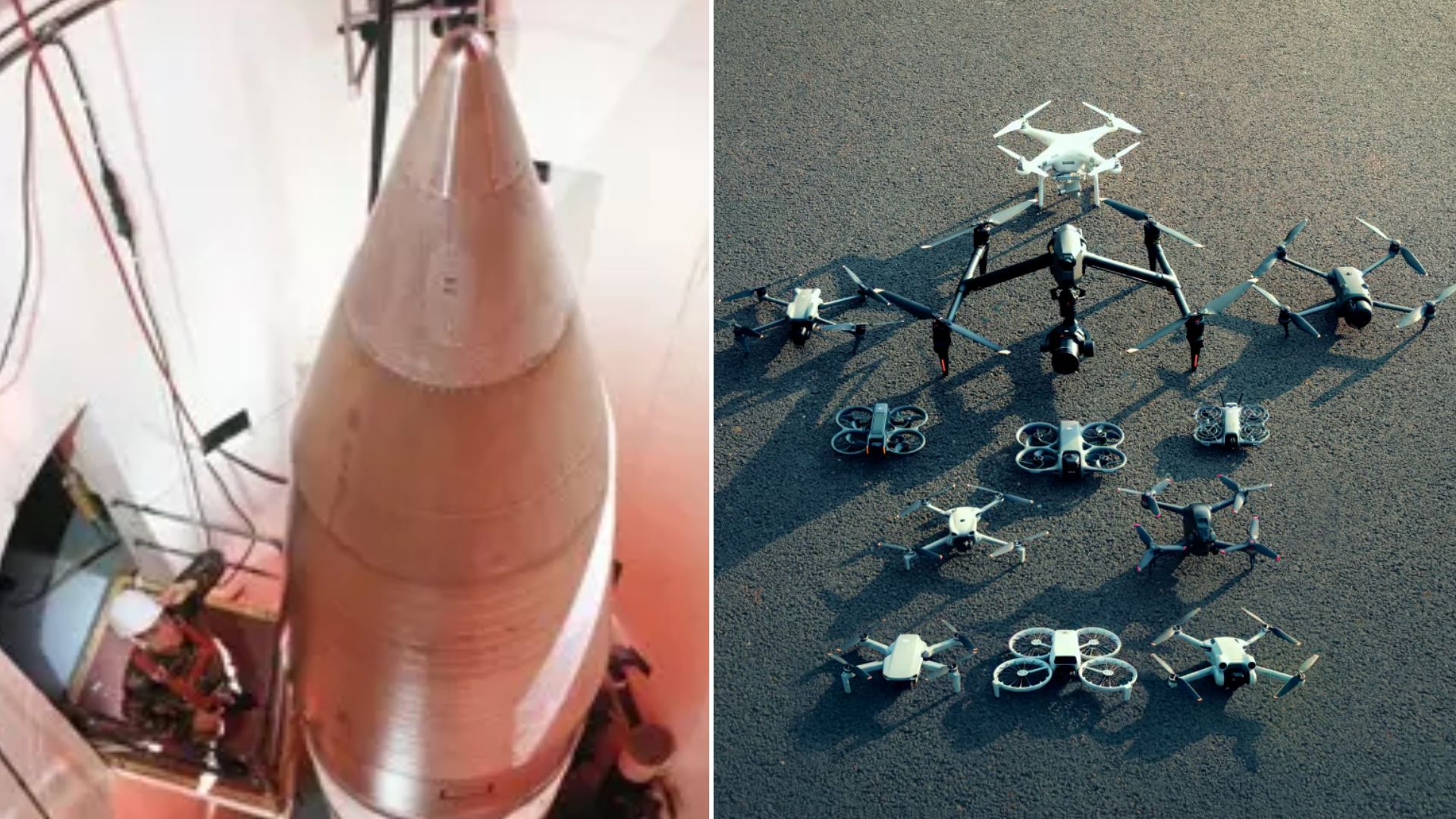
U.S. Air Force Plans to Acquire DJI Drones for Counter-Drone Training at Missile Base
The U.S. Air Force intends to purchase DJI drones for counter-drone training at F.E. Warren Air Force Base, which is part of the Minuteman III missile system. This initiative, led by the 90th Missile Security Operations Squadron, aims to enhance personnel's ability to detect and neutralize drone threats in the vicinity of the base. This procurement is significant as DJI drones dominate the commercial market, accounting for 80% to 85% of global sales, making them ideal for realistic training scenarios. The Air Force's decision to use these drones, despite existing restrictions on Chinese technology, highlights the need for effective training against prevalent drone threats, especially given the 350 reported incursions over U.S. military installations in 2024. Looking ahead, the Air Force plans to modify the acquired drones with RIZER software to ensure data security while allowing personnel to train against the unique characteristics of DJI systems. No further timeline was disclosed at the time of publication.
Military
Taiwan's Counter-Drone Network Faces Challenges Amid Testing Failures and Evolving Threats
Taiwan's counter-drone network is under scrutiny following an audit revealing technical deficiencies in a $111 million defense program. The system, designed to safeguard military facilities, struggles to detect and jam frequencies utilized by advanced Chinese drones, highlighting vulnerabilities in Taiwan's defense strategy. The findings coincide with the termination of a procurement for 26 fixed-site systems due to repeated testing failures, raising concerns about Taiwan's ability to adapt to rapidly evolving drone technology. The significance of these issues extends beyond Taiwan, as they reflect a global challenge for military forces adapting to the fast-paced advancements in drone capabilities. Analysts emphasize the need for a layered defense approach that integrates electronic warfare, radar, and lower-cost interceptors, rather than relying solely on expensive missile systems. Taiwan's defense ministry acknowledges the need for upgrades to address the identified gaps, but questions remain regarding the speed of these developments. Looking ahead, Taiwan's defense officials are working on enhancements to counter emerging threats, including fiber-optic and AI-guided drones. However, the effectiveness of these upgrades and the overall adaptability of Taiwan's defense systems will be critical in addressing the evolving landscape of drone warfare. No further timeline was disclosed at the time of publication.
Military
Ultra Maritime Showcases New Underwater Surveillance System at U.S. Navy's 2026 Exercise
Ultra Maritime demonstrated a new underwater surveillance system during the U.S. Navy’s 2026 Lanternfish exercise. The system integrates the Sea Spear passive sonar with the SSQ-125B active sonobuoy to enhance detection capabilities for unmanned underwater vehicles (UUVs). This combination allows for continuous monitoring and precise localization of underwater threats. The significance of this demonstration lies in its potential to improve naval operations against UUVs and submarines. By utilizing both passive and active sonar technologies, Ultra Maritime aims to provide naval forces with a comprehensive understanding of underwater activity across extensive maritime areas. The Sea Spear's passive capabilities enable persistent surveillance, while the SSQ-125B enhances target localization. Looking ahead, Ultra Maritime's system is part of the broader “Ocean of Things” initiative, which envisions a network of underwater sensors deployed from various platforms. This approach could revolutionize maritime security by enabling long-term monitoring of critical areas such as ports and busy sea routes. No further timeline was disclosed at the time of publication.
Military
Rheinmetall Successfully Demonstrates FV-014 Loitering Munition System with New Launcher
Rheinmetall has successfully demonstrated its FV-014 loitering munition system, which is integrated with a modular Containerised Missile Launcher. This development marks a significant advancement in drone strike technology, showcasing Rheinmetall's commitment to enhancing military capabilities. The integration of the FV-014 with the Containerised Missile Launcher is crucial as it allows for flexible deployment and operational efficiency. This innovation is expected to improve strike capabilities in various combat scenarios, making it a vital asset for modern military operations. Looking ahead, the military applications of the FV-014 system will be closely monitored, particularly how it enhances operational readiness and effectiveness in real-world situations. No further timeline was disclosed at the time of publication.
News
Optimizing Swarm Drone Formations for Enhanced Light Show Performances
Recent research published in the Journal of Field Robotics focuses on improving drone light shows through optimal allocation and trajectory planning for swarm formations. This study aims to enhance the visual impact and coordination of drone displays, making them more engaging for audiences. The significance of this research lies in its potential to revolutionize entertainment and advertising sectors by providing more sophisticated and synchronized drone performances. By optimizing the allocation of drones and their flight paths, the study addresses challenges related to coordination and visual aesthetics in large-scale drone shows. Looking ahead, the advancements in swarm drone technology could lead to more complex and captivating performances. No further timeline was disclosed at the time of publication.
RESEARCH ARTICLE
Trump Implements 100 Percent Tariffs on Specific Drones and Aircraft Parts
President Donald Trump has announced a 100 percent tariff on imports of drones equipped with thermal cameras and those weighing over 25kg, along with all parts for unmanned aircraft of the same weight. Additionally, a 25 percent tariff will apply to smaller drones under 250 grams. This move follows a previous ban on foreign drones and aims to increase costs for existing imports. The tariffs are part of a broader strategy to encourage domestic production of unmanned aerial systems (UAS) and their components. Companies can avoid these tariffs by committing to manufacture drones or parts in the United States. The tariffs also feature reduced rates for certain countries, including a 15 percent tariff for the EU and others, contingent on local production of technology. Looking ahead, the Secretary of Commerce has been authorized to create a program to incentivize investment in U.S. production facilities for UAS. However, the legality of these tariffs has been challenged in court, raising questions about their long-term viability and impact on consumers and companies alike. No further timeline was disclosed at the time of publication.
News Policy
Iranian Drones Allegedly Assisted in Targeting Downed F-15E Strike Eagle
A recent report indicates that Iranian drones played a crucial role in targeting the U.S. Air Force F-15E Strike Eagle, which was shot down in April. An unnamed senior U.S. military official revealed that these drones provided vital information, including the jet's GPS location, speed, and direction, to Iranian commanders. This incident highlights the evolving tactics in modern warfare, particularly the use of drone technology inspired by Ukraine's strategies against Russia. The loss of the F-15E not only underscores the vulnerabilities of advanced military aircraft but also the potential effectiveness of drone-based surveillance and targeting systems. Looking ahead, the implications of this event could influence military strategies and drone technology development. The ongoing analysis of the incident may reveal further insights into the capabilities of Iranian drone operations and their impact on air combat dynamics. No further timeline was disclosed at the time of publication.
Air Air Forces Around The Globe F-15 Fighters Iran
Raytheon and CET Showcase HADALUS Underwater Launch Capability After 18 Months of Development
Raytheon and Composite Energy Technologies (CET) have successfully demonstrated the underwater launch capability of the HADALUS unmanned undersea vehicle (UUV) during a recent U.S. Navy exercise. This marks a significant milestone as it is the first time the Navy has observed this integrated capability in action beneath the ocean surface. The successful demonstration is crucial as it could enhance the U.S. Navy's operational flexibility with long-endurance autonomous underwater vehicles. The HADALUS can now conduct missions that integrate sensing, target reacquisition, and engagement, all while submerged, which presents unique engineering challenges compared to surface-launched systems. Looking ahead, the HADALUS's design allows for extended underwater operations without the need for a surface ship, aligning with the U.S. defense strategy towards distributed unmanned systems. No further timeline was disclosed at the time of publication.
Military
Shield AI and GE Aerospace Adapt 1990s Thrust-Vectoring Tech for X-BAT Drone's Vertical Flight
Shield AI and GE Aerospace have successfully integrated a 1990s thrust-vectoring technology, the Axisymmetric Vectoring Exhaust Nozzle (AVEN), with the GE F110-GE-129E engine for the X-BAT unmanned combat aircraft. This innovative approach allows the X-BAT to take off and land vertically without the need for a runway. The adaptation of AVEN, originally developed for improving fighter maneuverability, represents a significant advancement in controlling aircraft during vertical flight. Unlike traditional aircraft that rely on aerodynamic surfaces, the X-BAT's propulsion system becomes crucial for maintaining control during vertical operations, utilizing thrust vectoring to redirect engine exhaust. As Shield AI continues to develop the AI-piloted X-BAT, the integration of AVEN could enable operations from diverse locations, enhancing the aircraft's versatility. The teams have conducted extensive testing, including integration and engine light-off testing at GE Aerospace’s facility in Ohio. No further timeline was disclosed at the time of publication.
Military
FAA Proposes $289,215 Penalty Against Gorge Drones for Unauthorized Agricultural Flights
The Federal Aviation Administration (FAA) has proposed a civil penalty of $289,215 against Gorge Drones, located in Stevenson, Washington, for allegedly conducting unauthorized agricultural drone operations in early 2025. The FAA claims that the company operated an unmanned aircraft to dispense fertilizer during 15 flights without the necessary agricultural aircraft operator certificate, and that the drone was neither registered with the FAA nor had an airworthiness certificate. This proposed enforcement action highlights the FAA's stringent regulations governing agricultural drone operations, which differ from those for drones used solely for imaging or inspection. The agency emphasizes that operators dispensing agricultural materials must adhere to additional federal requirements, including obtaining specific exemptions and operational authority for agricultural aircraft operations. As the agricultural drone sector continues to expand rapidly, compliance with FAA regulations is critical for operators. The FAA's announcement serves as a reminder of the importance of adhering to aviation regulations, as a proposed civil penalty indicates an allegation rather than a final determination. No further timeline was disclosed at the time of publication.
Agriculture Applications Drone News Drone News Feeds Drones in the News FAA
Firestorm Labs 3D-prints Over 1,000 Parts and Assembles 12 Drones on USS Essex
Firestorm Labs successfully manufactured over 1,000 components and assembled 12 Squall drones aboard the USS Essex during a two-week trial. This operation took place while the US Navy warship was en route from San Diego to Hawaii for RIMPAC 2026, showcasing the potential for on-site production of military hardware during maritime missions. The significance of this trial lies in its demonstration of the xCell manufacturing platform's capabilities, which allowed for the production of drone components and repair parts despite challenging sea conditions. By reducing reliance on shore-based resupply, the operation enhances combat readiness and supports repairs directly at sea, marking a pivotal shift in military logistics. Looking ahead, the successful deployment of the xCell platform under operational conditions opens avenues for future maritime manufacturing initiatives. Firestorm Labs' ability to produce critical components on demand could revolutionize military operations, particularly in remote or hostile environments. No further timeline was disclosed at the time of publication.
Innovation Military
European Commission Allocates €3.47bn to Enhance Ukraine's Defence with Drones and Gripen Jets
The European Commission has announced the release of an additional €3.47 billion to bolster Ukraine's defence capabilities. This funding is part of the larger €90 billion Ukraine Support Loan initiative aimed at strengthening Ukraine's military resources amidst ongoing conflict. This financial support is crucial for Ukraine as it seeks to enhance its defence infrastructure, particularly through the acquisition of drones and Gripen jets. The infusion of funds is expected to significantly improve Ukraine's operational capabilities and readiness in the face of external threats. Looking ahead, stakeholders will be monitoring how this funding will be utilized in terms of procurement and deployment of military assets. No further timeline was disclosed at the time of publication.
News
Lantronix and Swarmer Develop New Edge-Computing Platform for Military Drones
U.S. defense technology firms Lantronix and Swarmer are collaborating to create a compact computing platform that enhances small military drones' onboard processing power by four times. This new system integrates Lantronix’s Open-Q 6490CS System-on-Module with Swarmer’s autonomy software, aiming to improve autonomous operations for Group 1 unmanned aircraft systems. The significance of this development lies in its potential to enable small, cost-effective drones to perform complex tasks such as visual navigation, automated target recognition, and object tracking without relying on cloud computing. This capability is particularly crucial for military operations in environments with disrupted GPS signals and electronic warfare, as highlighted by the ongoing needs of Ukraine and allied forces. Looking ahead, the collaboration aims for a production commitment exceeding 10 years, ensuring the platform's adaptability for future defense programs. No further timeline was disclosed at the time of publication.
MilitaryRobotics needs a service framework.
RSF defines a common language for robot service capability, lifecycle operations, certification pathways, and service-provider networks.
Join the RobotToday community on LinkedIn
Daily robotics news, in-depth analysis, conference highlights, and discussions with professionals worldwide.







