Industry Briefing
A single destination for timely, editor-curated robotics news from around the world.
Google Expands AI Mode to Integrate with Popular Apps Like Instacart and Canva
Google has announced an update to its AI Mode, allowing users to link and interact with select apps such as Instacart, Canva, and YouTube. This enhancement enables users to complete tasks directly within the conversational search experience, moving beyond simple question answering. The integration of these apps is significant as it positions Google to compete more effectively with rivals like OpenAI’s ChatGPT and Anthropic’s Claude, both of which offer app integrations. By encouraging users to utilize AI Mode for planning and shopping, Google aims to increase engagement with its platform. Looking ahead, Google plans to expand the range of supported apps, building on previous capabilities introduced at Google I/O. No further timeline was disclosed at the time of publication.
AI Apps Google ai mode
Nvidia Launches Cosmos 3 Edge AI Model and Expands Physical AI Ecosystem in Japan
Nvidia has introduced its new AI model, Cosmos 3 Edge, aimed at enhancing physical AI applications in Japan. This model is designed to help systems perceive and navigate real-world environments, marking a significant step in Nvidia's strategy to penetrate the physical AI market. The expansion is part of CEO Jensen Huang's visit to Japan, where Nvidia is forming partnerships with local industrial leaders such as Fujitsu, Hitachi, and Kawasaki Heavy Industries. Huang emphasized the potential for Japan to reinvent its manufacturing sector for intelligent industries, highlighting the country's historical significance in modern manufacturing. Looking ahead, Nvidia is also targeting Japan's healthcare and biotechnology sectors, collaborating on initiatives like the Tokyo-1 AI drug discovery consortium. With Japan's AI market projected to reach $27.9 billion by 2029, Nvidia's efforts could significantly influence the landscape of AI adoption in the region. No further timeline was disclosed at the time of publication.

Thirteen New Embodied AI Models Released in June 2026 by BAAI and Alibaba
In June 2026, the landscape of embodied AI saw the introduction of 13 new models, including significant contributions from BAAI and Alibaba's Qwen-Robot. This rapid development indicates a shift from traditional hardware benchmarks to a focus on software intelligence, highlighting the competitive nature of the field. The emergence of these models underscores the growing importance of software capabilities in embodied AI, as companies strive to enhance their offerings and differentiate themselves in a crowded market. This trend reflects a broader industry movement towards prioritizing intelligent software solutions over hardware specifications. Looking ahead, industry observers should monitor the ongoing advancements in embodied AI models, as the pace of innovation suggests that new releases may continue to emerge frequently. No further timeline was disclosed at the time of publication.
Technology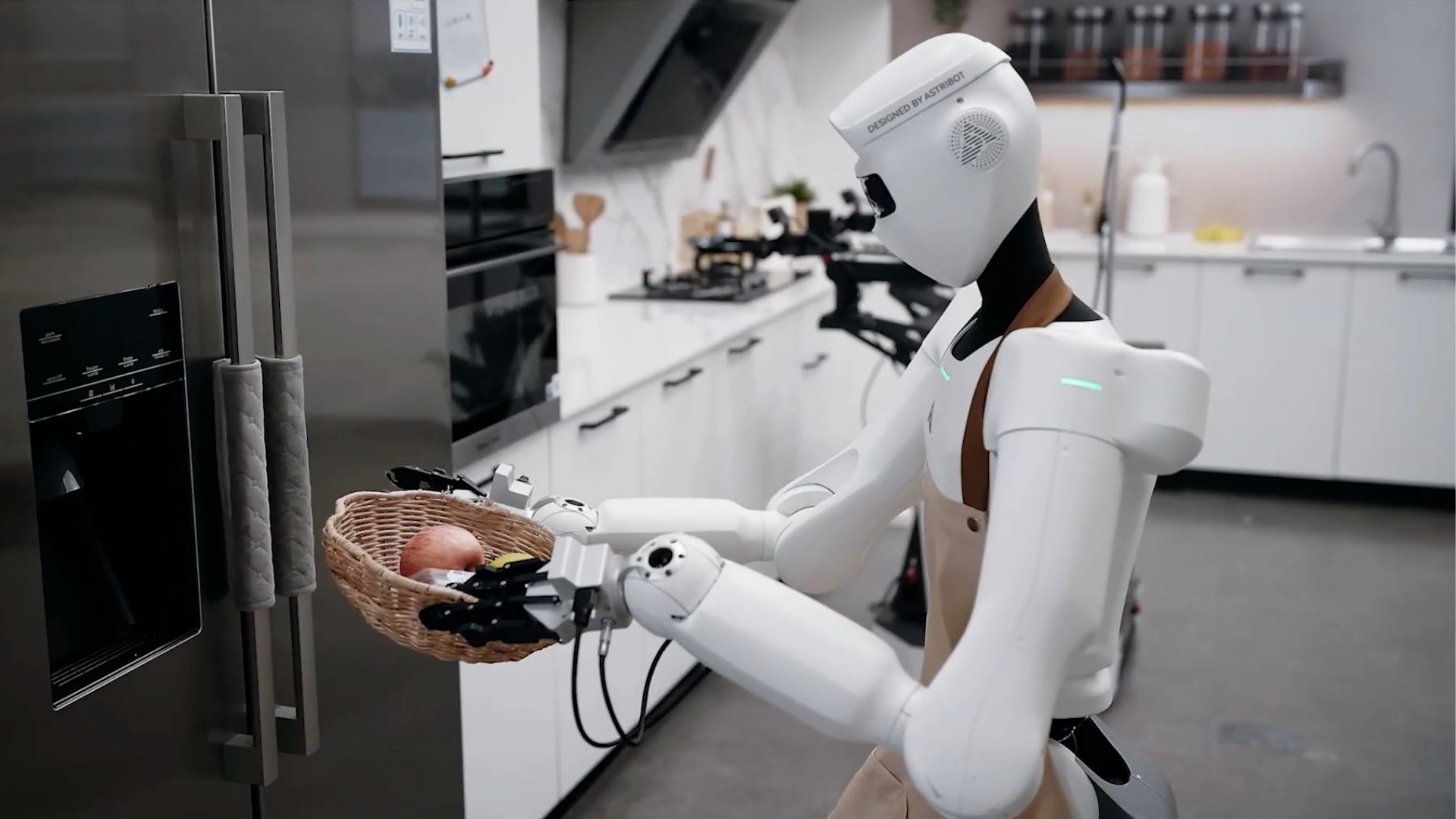
Robbyant Launches LingBot-VA 2.0, the First Embodied-Native AI Model for Robotics
Robbyant, a company under China's Ant Group, has introduced LingBot-VA 2.0, touted as the first embodied-native video-action world model specifically designed for robotics. Unlike traditional models adapted from digital content, LingBot-VA 2.0 is built from the ground up for physical-world tasks, enhancing physical accuracy and execution efficiency through its autoregressive architecture. This innovation is significant as it marks a departure from conventional robotics models that often compromise real-world performance by relying on video generation systems. Robbyant's approach allows for better prediction of how robot actions affect their environment, thus improving generalization and operational effectiveness in real-world applications. Looking ahead, Robbyant's LingBot-VA 2.0 is expected to advance the capabilities of robots in various tasks, demonstrated through its performance in complex scenarios such as preparing breakfast and unpacking deliveries. No further timeline was disclosed at the time of publication.
AI and Robotics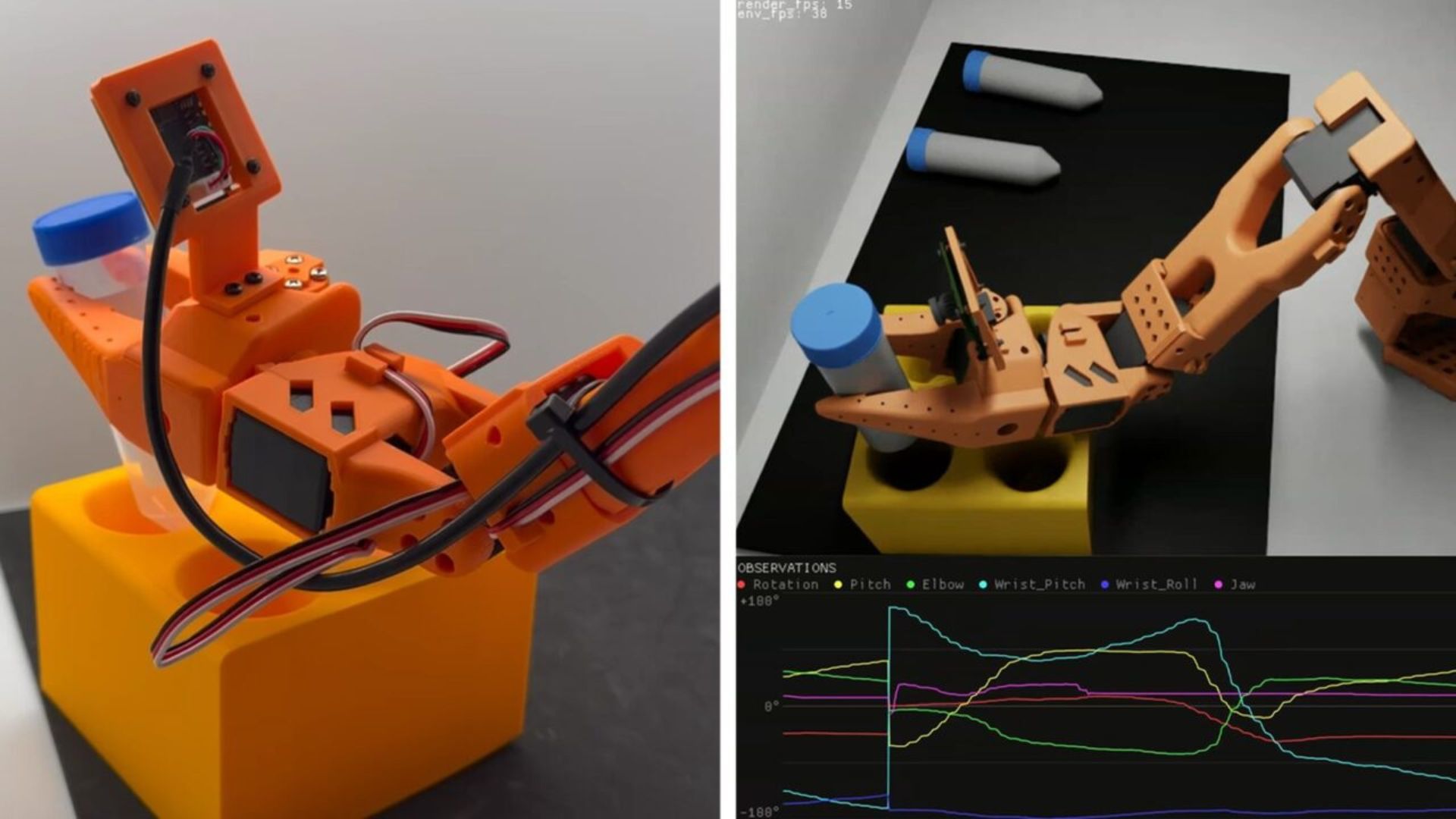
NVIDIA and Hugging Face Enhance LeRobot with New AI Models and Frameworks
NVIDIA has expanded its collaboration with Hugging Face to enhance the LeRobot open-source robotics platform with new AI models and frameworks. This integration includes the NVIDIA Isaac GR00T 1.7 vision-language-action model and the Isaac Teleop framework, aimed at streamlining robot development. The partnership seeks to make advanced robotics tools more accessible to developers and researchers, with plans to incorporate NVIDIA Cosmos 3 in the future. This collaboration is significant as it addresses the fragmented nature of robotics development by providing standardized workflows for data collection, model training, and robot deployment. The introduction of the Isaac Teleop framework allows for high-quality training data collection through human demonstrations, which can be shared within the LeRobot ecosystem. By lowering barriers to entry, NVIDIA and Hugging Face aim to foster broader collaboration in the robotics community. Looking ahead, NVIDIA plans to integrate the Cosmos 3 model into LeRobot, which will generate synthetic robotics data and assist in policy development. The collaboration builds on existing resources, including a dataset with over 350,000 robot trajectories and 57 million grasp examples. No further timeline was disclosed at the time of publication.
AI and Robotics
Microsoft announces seven self-developed AI models for image editing and voice recognition.
Microsoft has unveiled a suite of seven AI models, collectively known as "Microsoft AI Models." This announcement was made recently as the tech giant continues to expand its capabilities in artificial intelligence. The launch aims to enhance various applications across industries, reflecting Microsoft's commitment to innovation and leadership in AI technology. By leveraging these models, businesses and developers can integrate advanced AI functionalities into their products and services, thereby improving efficiency and user experience. The introduction of these models underscores Microsoft's strategy to provide robust AI solutions that cater to the evolving needs of the market.

Microsoft announces "Surface Laptop Ultra" featuring NVIDIA's new RTX Spark chip for local execution of large AI models.
Microsoft has unveiled its latest high-performance laptop, the Surface Laptop Ultra, which features NVIDIA's new Arm processor, the RTX Spark. This innovative device is designed to deliver powerful AI computing capabilities, enabling users to run large AI models in local environments. The announcement highlights Microsoft's commitment to advancing technology that enhances productivity and performance for users seeking cutting-edge solutions.
Small-AI Models Gain Traction Around the World
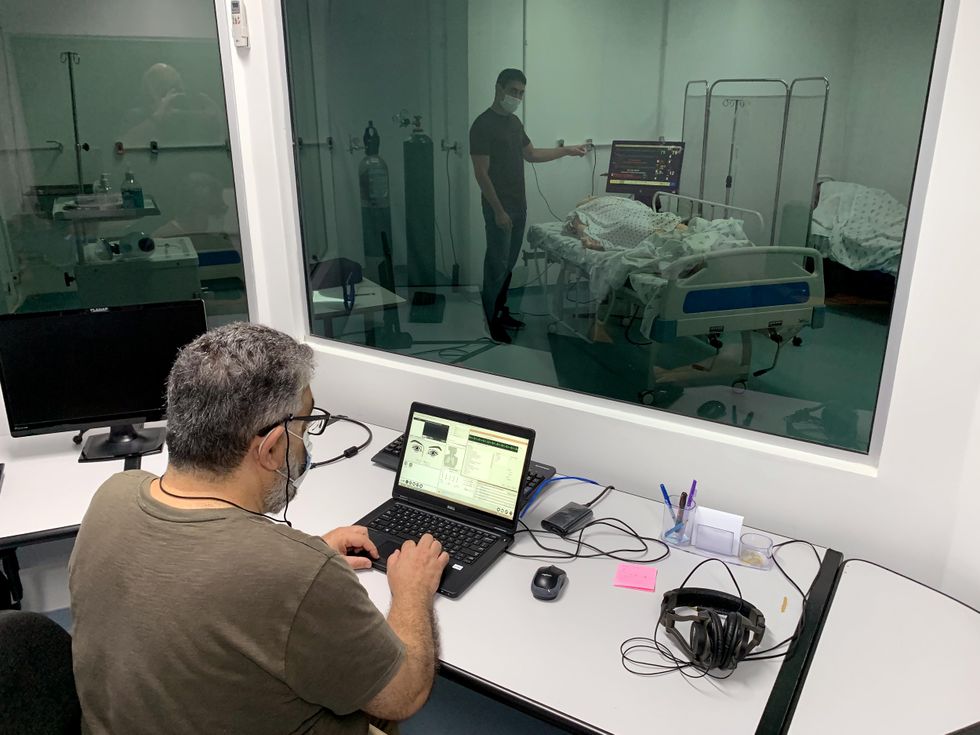
One morning in 2019, Adebayo Alonge was in a Cape Town hotel room, preparing to demonstrate his startup’s AI answer to a serious problem in African health care: counterfeit medication, which kills thousands of people across the continent every year.The RxScanner is a handheld spectrometer that scans a pill with infrared light, then sends the item’s molecular profile to an AI model equipped with a pharmaceutical database. In seconds, the AI identifies the medication from its molecular profile—or reports that it’s phony.Pharmacies were using the system in more than a dozen countries, including Ghana, Kenya, Myanmar, and Alonge’s native Nigeria. But that morning in South Africa, it didn’t work. “I was shocked,” Alonge says.The spectrometer connected to the AI model—but the data center was 14,000 kilometers away and bandwidth was limited. “Our server was in the United States, and just to get the result of a single scan was taking me over 5 minutes.”So Alonge immediately asked his engineers to shrink the AI model down to a smaller, low-power, unconnected version that could run entirely on his Android phone. They produced it 2 hours later, and that saved the demo.More importantly, the work birthed a new version of his device, which can authenticate a pill in places without broadband, computers, or even reliable electricity. It also turned Alonge into an advocate for this kind of “small AI.”Small AI for Global Health Care AccessSmall AI is a far cry from wealthy nations’ colossal large language models (LLMs), hyperscale data centers, multibillion-dollar investments, and debates about AI consciousness. But for millions of people around the world, the only AI that matters, and often the only kind available, is small. (According to a World Bank Report issued in November, only 0.7 percent of internet users in the world’s poorest countries have used ChatGPT, compared to a quarter of all internet users in the most developed nations.)“Most people are discussing AI from the LLM/generative side. But that needs a lot of computing power, electricity, massive data, and skilled people to manage it,” Ajay Banga, president of the World Bank, said last January at the World Economic Forum, in Davos. “Outside the developed world, other than maybe India and China, very few countries have that combination.”By contrast, small AI can deliver useful, even life-saving services to people in areas that have none of those things, Banga said. In India, where the government’s AI plans call for more development of small AI, many such systems are working for farmers.For example, a drone-based system developed by Bala Murugan and colleagues at the Vellore Institute of Technology, in India, takes photos of cashew plants and quickly identifies those with splotches that indicate disease. All the processing takes place on the drone itself, so there’s no need for a computer on-site, nor for a connection to a central server.Using small language models trained for a specific problem, and sometimes running on cheap, low-power devices, other small-AI implementations have been developed to identify ant infestations in a Uruguayan vineyard, detect the presence of malaria-carrying mosquitoes in a number of nations, and run electrocardiograms from an Arduino device in parts of Brazil that lack access to more complex equipment.“This is the most important area in AI nowadays,” says Marcelo José Rovai, a professor at the Institute of Engineering and Information Systems at the Federal University of Itajubá, in Brazil, who was involved in all three projects. “It’s growing very fast.”Low-Power, Small-AI Models on Devices Small AI models can run on a variety of low-power devices, including [from left to right] an Arduino Nano 33 BLE Sense, a Seeed Wio Terminal, and an Arduino Portenta.Moez AltayebFor Alonge, Rovai, and other advocates, small AI is not just “a promising trend,” as that November World Bank report calls it. It may be, in the long term, the form of AI that will touch the most lives and remain sustainable after some of the giant models become too costly for most users.“I think the future of AI is not like one giant model, at a center. I think it’s millions of small, precise models deployed at the edge, each one solving like a specific problem, a specific context,” Alonge says. This is partly because much of humanity—including people in parts of rich countries as well as the developing world—lives without access to cutting-edge frontier models. But, he says, it’s also because those models are not sustainable.“If someone is not subsidizing it, most people will not be able to afford those models. So those of us who are said to be small-AI developers are the ones who will have to build for the majority of the world,” Alonge says.There is no strict definition of “small AI,” but people often use the term for language models with at most a few billion parameters. (Compare that to cutting-edge models, which can include more than a trillion.) That’s small enough to run directly on a phone or a Raspberry Pi. That’s what allows these applications to run on devices without a connection to a data center and use only a few watts of power, often supplied by a battery or a solar panel.Despite their small footprint, these models aren’t fundamentally different technology from that of gigantic AI models, Rovai says. Many instances of small language models were created the same way the phone-based version of Alonge’s pharmaceuticals scanner was—by “pruning” large models, or removing the parameters that weren’t involved in the task. The result is a system that’s less capable generally but still very good at the specific job it was pruned for, Rovai says. A lighter version of RxAll’s RxScanner spectrometer sends its results to an AI model run locally on a phone to check that a drug’s molecular signature is genuine.RxAllOther small models are created by “distillation.” They are trained to mimic a large model, until their performance approaches that of their “teacher,” Rovai says. In other cases, a larger model’s precision is reduced, for example, so that a model run on 32-bit architecture can run on 8-bit designs. In situations where the machine learning application is being used to classify data or predict patterns (like an ant infestation), it’s trained from the beginning on a small device, not derived from a larger model at all. Running all these small, specialized systems is becoming easier, Rovai says, for two reasons.The first reason is that hardware is getting better and more capable while using less power, he says. This means more and more phones can run small AI—especially those equipped with neural processing units, which are specialized chips that handle AI tasks like facial recognition and changing the brightness, shadows, or contrast in a photo.In 2025, slightly more than a third of all smartphones shipped worldwide were capable of running generative AI, and that figure will reach 45 percent by the end of this year, according to the technology research firm Counterpoint. By the end of next year, slightly more than half of all smartphones will be able to run a small AI model.The second reason Rovai cites is the shrinking footprint of language models. Both Google DeepMind’s Gemma 4 (released in April) and Alibaba’s Qwen 3.5 are “fantastic” for small AI, Rovai says. Both models are “open weight,” meaning users can adjust the connections between parameters to suit their needs. This makes it easy, for example, “to take a lot of data from, say, the milk industry and retrain the model specifically on that,” Rovai says.Rovai illustrated these reasons on a Zoom call, using one of his most recent experiments. Holding up a device, he says, “This is the new Arduino UNO Q—a US $50 device with a Qualcomm chipset. I’m running a language model here, which collects data from sensors and analyzes that data to detect tiny pools of water where mosquitoes might be breeding. It takes 3 watts to run it.”Support for Small-AI DevelopmentConvinced that millions of people are already benefiting from these kinds of applications, the World Bank now actively promotes small AI with grants, mentorship programs, financing, technical advice, and models of government policies that are friendly for small-AI development. For example, in Rwanda, the World Bank is backing a government program to help low-income households get devices that can run AI.All that said, no one claims that large language models are going away entirely. To create a generative AI that can run on a phone or other small device requires the architectural insights, data processing, and results of a larger model, Rovai says. “We need the big models to create these smaller models.” And for all that small AI can benefit people without access to big AI, the technology can’t solve the larger problems of development and digital inequality, Alonge says. Implementing small AI won’t allow nations to escape the challenge of creating an ecosystem to support AI: reliable power, a supply chain that works, and an educational system that develops the talents needed to create AI tools.Though his drug-scanning system can run for days on a phone with no connection, “you still want to be able to enable periodic syncing for updates with new signatures for the medications and analytics,” Alonge says. “And even when you are using batteries, reliable power is important. That phone battery is not going to last forever.”In many parts of the world, the future of small AI isn’t assured, he says. “It works, and many places will eventually need to use it. The question is whether or not the political actors are wise enough to invest in infrastructure to support it long term.”
Small-language-models Artificial-intelligence Llms
RoboScience Unveils Visics, a General-Purpose Embodied AI Model
On June 24, RoboScience, a Beijing-based company specializing in embodied intelligence, launched its new general-purpose embodied AI model, Visics. This innovative model is designed to enhance robotic capabilities by integrating advanced perception and decision-making processes. The unveiling took place in Beijing, showcasing Visics' potential applications across various industries, including healthcare, manufacturing, and service sectors. The development of Visics aims to address the growing demand for intelligent automation solutions that can adapt to complex environments and tasks. By leveraging cutting-edge technology, RoboScience seeks to position itself at the forefront of the AI revolution, offering tools that can significantly improve operational efficiency and effectiveness in diverse applications.
EmbodiedAI
How Bin Picking AI Models are Trained
A new report sheds light on the training process of a bin picking AI model, aimed at enhancing the efficiency of automated sorting systems. This development is particularly relevant for businesses looking to implement advanced AI solutions in their operations. The training utilizes data collected up until October 2023, ensuring that the model is equipped with the latest information and techniques. The report details the behind-the-scenes work involved in refining the AI's capabilities, which is crucial for organizations seeking to make informed comparisons between different AI solutions. By understanding the training process, stakeholders can better assess how these technologies can be integrated into their projects, ultimately leading to improved productivity and accuracy in sorting tasks. As industries increasingly turn to automation, insights into AI training methodologies are vital for decision-makers aiming to stay competitive in a rapidly evolving market.

Deployment Year One: AGIBOT Unveils Massive Fleet and AI Model Stack at APC 2026
At the 2026 AGIBOT Partner Conference, a prominent robotics company based in Shanghai unveiled five innovative robotic platforms alongside eight foundational AI models. This announcement marks a significant transition for the company, moving from showcasing technical demonstrations to focusing on scalable solutions aimed at enhancing industrial productivity. The event, which gathered industry leaders and partners, highlighted the company's commitment to advancing automation technologies and addressing the growing demand for efficient industrial processes. By integrating these new platforms and AI models, AGIBOT aims to empower businesses to optimize their operations and drive growth in an increasingly competitive market.
China AGIBOT
Alibaba's Qwen AI Model to Enhance Apple Intelligence Across Multiple Platforms
Alibaba's Qwen AI model is set to be integrated into Apple Intelligence, enhancing user experiences in China across various Apple operating systems including iOS, iPadOS, macOS, and visionOS. This integration allows users to utilize Qwen's features such as text and image understanding and content generation without the need to switch between applications. The significance of this integration lies in its potential to streamline AI-powered interactions for Apple users in China, aligning with the growing trend of incorporating advanced AI capabilities into consumer technology. The announcement coincides with the Cyberspace Administration of China filing for seven on-device generative AI services for smartphones, highlighting the competitive landscape among major tech players like Huawei and OPPO. Looking ahead, the integration of Qwen into Apple Intelligence marks a notable development in the AI sector, particularly in the context of mobile technology. No further timeline was disclosed at the time of publication.
News Feed
AI Models Overthink Problems—and It’s a Security Risk
Large language models (LLMs) that can think through problems step-by-step have significantly increased the scope of tasks that AI can tackle. But new research suggests these reasoning capabilities also introduce a critical vulnerability that could allow attackers to slow these systems to a crawl.While earlier generations of LLMs would immediately produce a response to a user’s request, today’s most advanced models generate an internal monologue where they break down the problem into steps and reason about the best way to tackle it before providing an answer. This has allowed AI to tackle increasingly complex problems, particularly in areas like coding and math.However, previous research has shown that these models are susceptible to sometimes producing excessively long streams of reasoning that do little to boost performance, a phenomenon known as “overthinking.” In research presented this week at the International Conference on Machine Learning 2026 in Seoul, researchers from Zhejiang University and e-commerce giant Alibaba in China demonstrate that they can deliberately induce overthinking by subjecting models to logically inconsistent prompts. The result is a form of denial-of-service attack on commercial AI models.Evolutionary Prompt Attack on LLMsThe team has developed an evolutionary algorithm that corrupts the logical structure of prompts, causing models to spiral into overthinking as they attempt to reason through fundamentally unsolvable problems. Generating longer responses costs more and increases the load on a model provider’s servers, so if done at scale, the researchers say, this could significantly degrade the experience of legitimate users. The attack was effective against reasoning models from leading AI companies including DeepSeek-R1, Alibaba’s Qwen3-Thinking, OpenAI’s GPT-o3, and Google’s Gemini 2.5 Flash and resulted in outputs up to 26 times as long as standard responses on a standard math benchmark.“Across multiple datasets and reasoning models, our method substantially amplifies the output length,” Wei Cao, a masters student at Zhejiang University, wrote in an email to IEEE Spectrum. “Our results suggest that overthinking is not an isolated phenomenon specific to individual models, but rather a shared vulnerability among modern reasoning models.”The team’s approach builds on previous research from another group of researchers that showed reasoning models tend to overthink when faced with a question in which a key premise has been removed—such as asking how far someone who walks ten miles a day covers in total without specifying how many days they walked for. Rather than identifying that the problem is unsolvable, models often engage in extended but ultimately fruitless reasoning loops in an attempt to answer the question.Taking the idea a step further, the authors took 940 problems from three math benchmark datasets and used an LLM to break down their logical structure into a set of premises and a final question. The genetic algorithm then jumbled these up using a variety of “mutations,” including swapping premises between problems, adding extra premises to problems, deleting existing premises from problems, and swapping the final questions between two sets of premises.After each round of mutations, the problems are scored on how many words they cause a target model to output and also whether they increase the frequency of specific linguistic markers of overthinking—words like “but,” “wait,” “maybe,” or “alternatively.” The problems that scored highest on both measures are retained and the remaining ones are jumbled up again, and this process is repeated for five generations. Crucially, the approach doesn’t require access to the internals of a model and can generate malicious prompts by simply querying the target, which makes it possible to attack closed-source commercial services, says Cao.Overthinking Vulnerability in AI ModelsThe researchers found that the approach consistently led to outputs several times longer than those generated by the unmodified questions for the reasoning models they tested it on. The biggest jump came from DeepSeek-R1 on the MATH dataset, which is made up of problems from high school math competitions, where the maximum output was 26.1 times as long as the longest response the model provided to unaltered questions. While the main thrust of the research was focused on math problems, the authors also tested it on coding, scientific reasoning, and dialogue challenges, and observed significant jumps in output length in all three.One challenge for the approach is that developing the malicious prompts requires repeated queries to expensive reasoning models, which Cao admitted could limit its cost-effectiveness. However, the researchers also demonstrated that when they used a smaller, cheaper model to generate the malicious prompts they were still able to induce the target models to produce outputs several times longer than normal. This ability to transfer malicious prompts between models significantly increases the attack’s feasibility, Cao wrote.However, he pointed out that the goal of the research is not to develop a practical DoS attack on reasoning models. Factors like the providers’ pricing model, rate limiting policies, context window size, and existing defenses could all impact how effective the approach is. The intention is instead to highlight these models’ vulnerability to logically inconsistent prompts so that providers can attempt to mitigate the problem.“Our objective is not to demonstrate that large-scale attacks can be launched at negligible cost, but rather to establish that this attack surface exists,” he wrote. “Our results indicate that the vulnerability represents a realistic security concern.”
Llms Artificial-intelligence Denial-of-service Cybersecurity
BABA Stock: The Physical AI Race Heats Up as Alibaba Releases New AI Models for Robots
Alibaba Group Holding Limited has intensified its efforts in the rapidly evolving artificial intelligence (AI) sector by launching the Qwen Robot Suite, a new collection of AI models designed for robotic applications. Announced on June 21, 2026, the suite aims to enhance robots' capabilities in understanding their environments, navigating complex spaces, and executing tasks based on natural language commands. Developed by Alibaba’s Tongyi Lab, these models are currently being tested with select customers of Alibaba Cloud, marking the company's strategic move into the burgeoning Physical AI market. This initiative comes as Alibaba seeks to establish itself as a significant player in the multi-trillion-dollar robotics industry amid increasing competition. Despite facing challenges in its stock performance, with shares down 44.8% from a 52-week high, Alibaba reported a 3% year-over-year revenue growth for the fiscal fourth quarter, driven by a 38% surge in Cloud Intelligence revenue. However, the company also experienced a sharp decline in profitability, with non-GAAP net income plummeting to $12 million from nearly $30 billion in the previous year. As Alibaba continues to invest heavily in AI infrastructure and cloud capabilities, the launch of the Qwen Robot Suite reflects its commitment to innovation in the face of market pressures and evolving consumer demands.
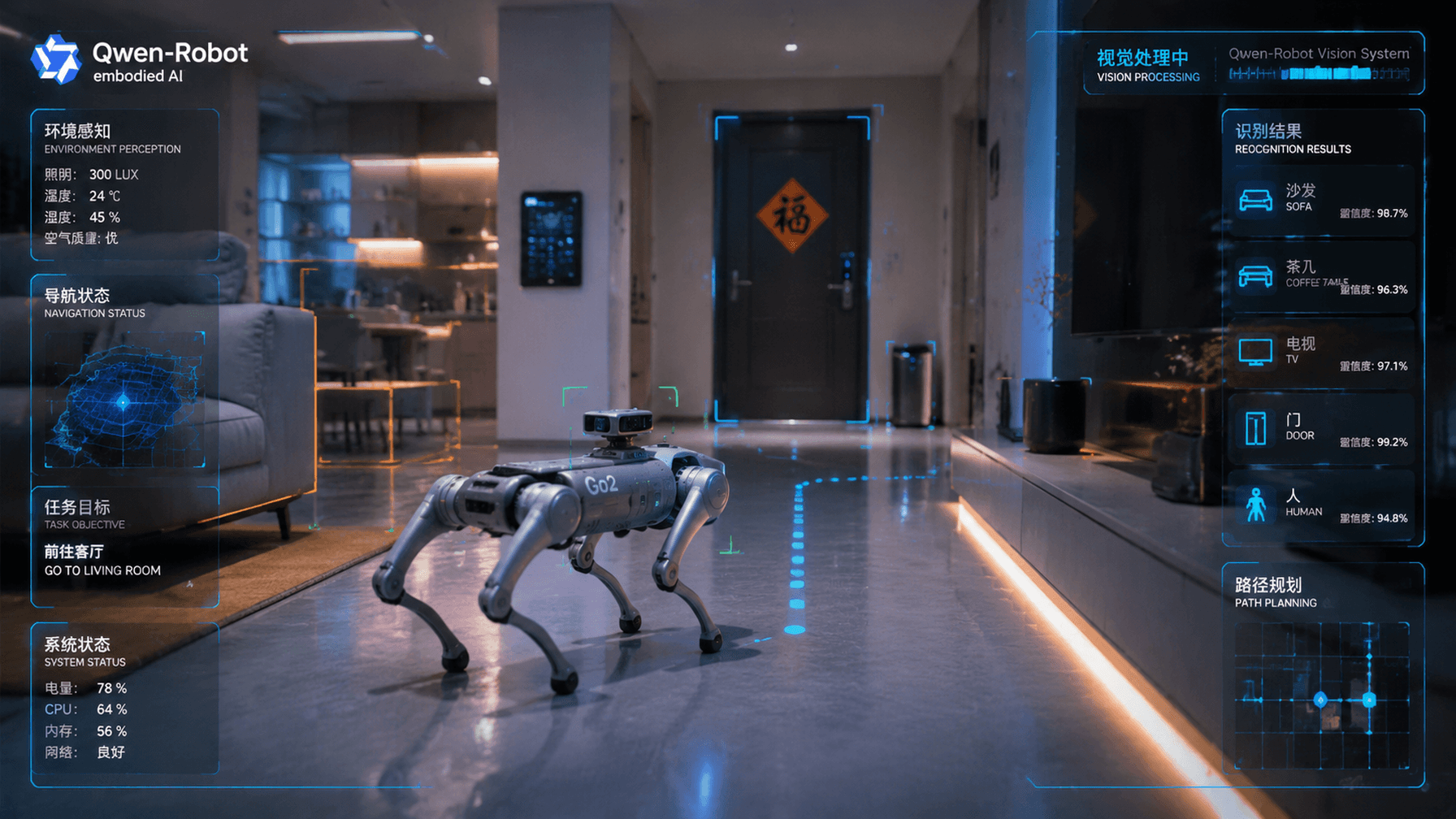
Alibaba Releases Qwen-Robot Series, Its First Embodied AI Model Family
Alibaba has unveiled Qwen-Robot, its inaugural series of embodied AI models designed for navigation, manipulation, and world modeling. This advanced technology can be deployed on the Unitree Go2 quadruped robot, utilizing only a single camera for operation. The launch marks a significant step in the integration of AI with robotics, showcasing Alibaba's commitment to innovation in artificial intelligence. The Qwen-Robot series aims to enhance robotic capabilities in various applications, potentially transforming industries that rely on automated systems. This development comes as part of Alibaba's broader strategy to lead in AI advancements, reflecting the company's ongoing investment in cutting-edge technology.
Robotics
The Week Ahead in AI: Anthropic’s Models Suspended, Meta’s AI Model Monetizing Question, Deepfake Challenges, Plus Upcoming Earnings & Events
Anthropic, a prominent AI company, announced that it has received a directive from the U.S. government requiring the suspension of access to its AI models, Fable 5 and Mythos 5. This development comes as part of ongoing regulatory scrutiny surrounding artificial intelligence technologies. The suspension is set to take effect during the week of June 14-20, 2023, raising concerns about the implications for AI research and development. The government's decision aims to address potential risks associated with these advanced AI systems, reflecting a growing emphasis on safety and ethical considerations in the rapidly evolving tech landscape. As the situation unfolds, industry experts and stakeholders are closely monitoring the impact of this directive on both Anthropic and the broader AI sector.
AI Exclusives Robotics Accenture AI Summit Anthropic
Microsoft unveils new AI models to lessen reliance on OpenAI and lower costs for developers
During its Build developer conference, Microsoft unveiled a new suite of generative AI models aimed at competing in the rapidly evolving artificial intelligence market, which is currently dominated by OpenAI, Anthropic, and Google. The announcement, made on a significant platform for developers, highlights Microsoft's commitment to advancing AI technology and expanding its capabilities in this competitive landscape. By introducing these models, Microsoft seeks to leverage its existing resources and expertise to carve out a stronger presence in the AI sector, responding to the growing demand for innovative AI solutions. The move is part of a broader strategy to enhance its offerings and attract developers to its ecosystem, positioning the company as a formidable player in the ongoing AI race.

Zhongke Diwuji Raises Hundreds of Millions in Series A to Scale Embodied AI Models
Embodied Brain, a startup specializing in few-shot physical AI models, has successfully completed its third funding round of 2026. The round was supported by Futi Capital and several state-backed investors, reflecting growing confidence in the company's innovative technology. With this new influx of capital, Embodied Brain aims to accelerate its global expansion efforts, positioning itself as a leader in the AI sector. The funding will enable the company to enhance its product offerings and reach a broader audience, capitalizing on the increasing demand for advanced AI solutions.
HumanoidRobotics
Compressed AI Models Enable On-Orbit Satellite Intelligence
A team of researchers has reached a significant milestone in the field of artificial intelligence applied to Earth observation. They successfully developed a compressed AI model that operates efficiently within the constraints of satellite hardware. This breakthrough was achieved through innovative techniques that optimize the model's performance while minimizing resource consumption. The advancement is particularly timely, as the demand for effective Earth monitoring solutions continues to grow, driven by climate change and environmental management needs. By enhancing the capabilities of satellite technology, this research aims to improve data collection and analysis for various applications, including disaster response and resource management. The findings were announced recently, highlighting the potential for AI to transform how we observe and understand our planet from space.
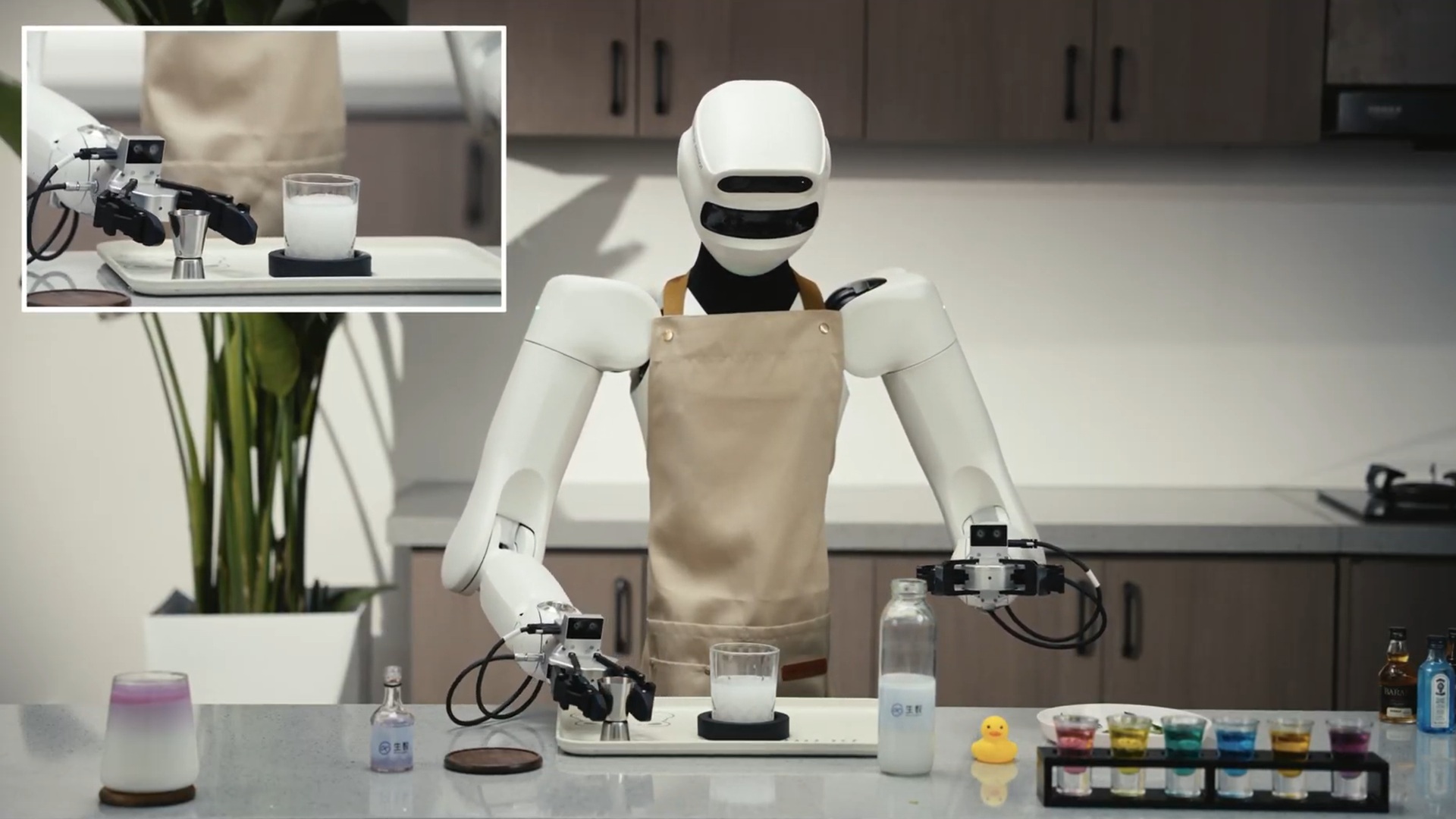
One brain for all: China builds unified AI model to handle complex multi-task robotics
ShengShu Technology has introduced Motubrain, a groundbreaking unified AI model aimed at serving as a general-purpose solution for various applications. The launch took place in October 2023, showcasing the company's commitment to advancing artificial intelligence technology. Motubrain is designed to streamline processes across different sectors by integrating multiple functionalities into a single framework, thereby enhancing efficiency and accessibility for users. This innovative model reflects ShengShu's vision to leverage AI in addressing diverse challenges and improving operational capabilities across industries.

NVIDIA Launches Ising, the World’s First Open AI Models to Accelerate the Path to Useful Quantum Computers
NVIDIA has unveiled the world's first family of open-source quantum AI models, known as NVIDIA Ising, aimed at empowering researchers and enterprises to develop quantum processors that can effectively execute practical applications. This announcement, made today, marks a significant advancement in the field of quantum computing, as it provides accessible tools for innovation and exploration in quantum technology. By fostering collaboration and knowledge sharing, NVIDIA hopes to accelerate the development of quantum applications, addressing the growing demand for powerful computing solutions. The initiative reflects the company's commitment to advancing AI and quantum research, positioning itself at the forefront of this emerging field.

NVIDIA Announces Alpamayo Family of Open-Source AI Models and Tools to Accelerate Safe, Reasoning-Based Autonomous Vehicle Development
NVIDIA has announced the launch of the Alpamayo family of open AI models, along with simulation tools and datasets aimed at enhancing the development of safe, reasoning-based autonomous vehicles. This unveiling took place today, marking a significant step forward in the company’s efforts to advance technology in the autonomous vehicle sector. The initiative is driven by the need for improved safety and reasoning capabilities in AVs, addressing growing concerns about the reliability of autonomous systems. By providing these resources, NVIDIA aims to foster innovation and collaboration within the industry, enabling developers to create more sophisticated and dependable autonomous driving solutions.
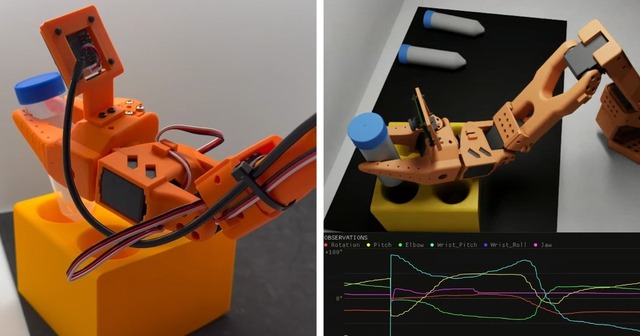
NVIDIA and Hugging Face integrate AI model "GR00T 1.7" into open-source robot development platform "LeRobot."
NVIDIA and Hugging Face have announced the integration of their cutting-edge technologies aimed at enhancing humanoid robots. The collaboration will see the incorporation of NVIDIA's visual language action (VLA) model, known as NVIDIA Isaac GR00T 1.7, along with the remote operation framework, NVIDIA Isaac Teleop, into Hugging Face's open-source robot development library, LeRobot. This initiative is set to advance the capabilities of humanoid robots, enabling more sophisticated interactions and functionalities. The announcement highlights a significant step in the ongoing evolution of robotics, reflecting both companies' commitment to fostering innovation in the field.

Microsoft announces "Surface Laptop Ultra," designed with NVIDIA, enabling local execution of AI models.
Microsoft has unveiled its latest notebook, the Surface Laptop Ultra, marking a significant advancement in its product line. This new device is the first Surface model to feature the RTX Spark system-on-chip (SoC), which was co-designed with NVIDIA. The Surface Laptop Ultra boasts an impressive AI computing performance of 1 petaflop, allowing it to handle complex tasks efficiently. It is equipped with up to 128GB of unified memory, enabling the execution of models with 120 billion parameters locally. The highly anticipated laptop is set to be released in the fall of 2026, reflecting Microsoft's commitment to integrating cutting-edge technology into its devices to meet the growing demands of AI applications.
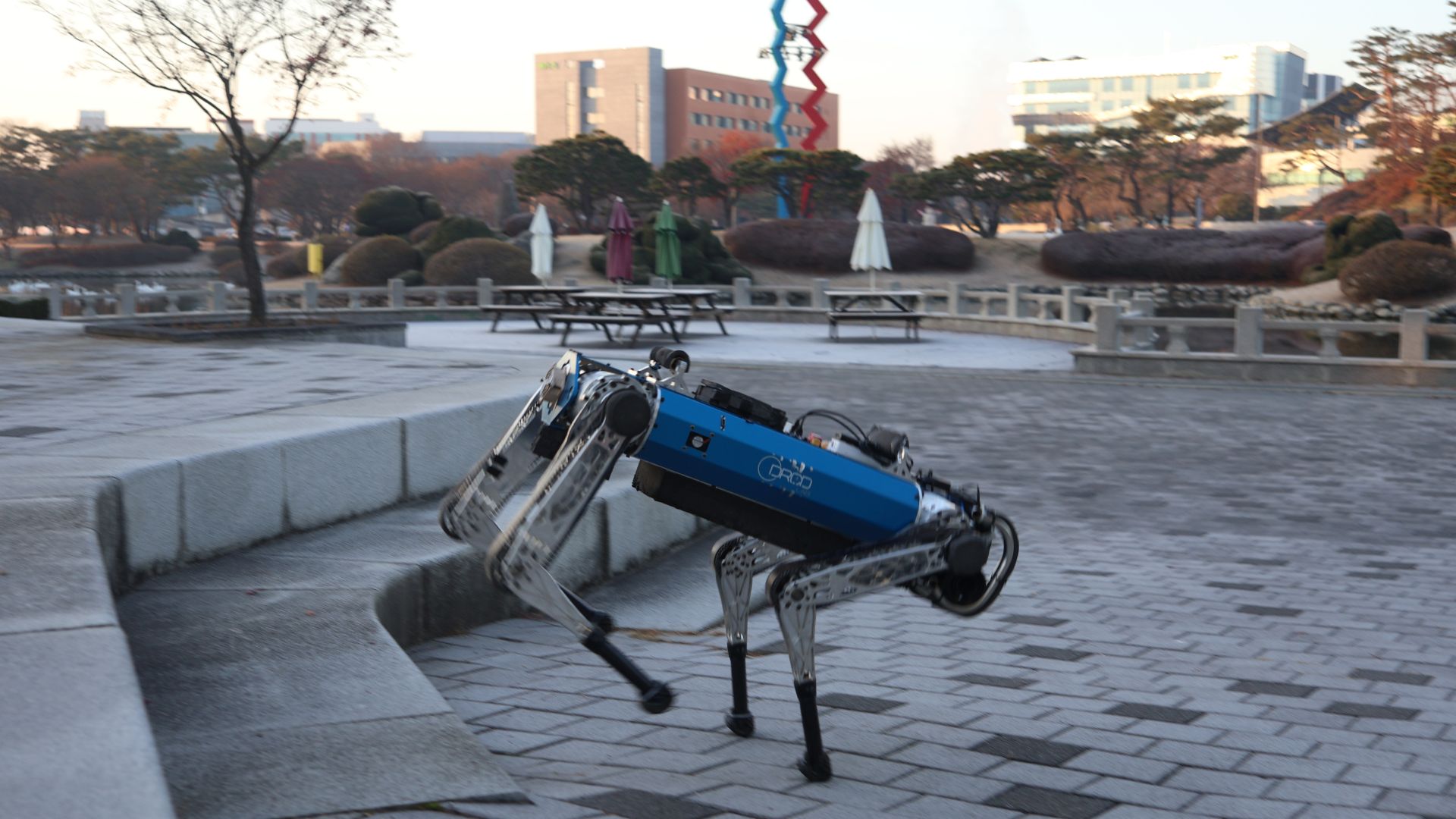
Korean Researchers Develop AI Framework for Robot Dog's Adaptive Movement in Complex Terrain
Researchers from Korea have created an AI framework that allows a quadruped robot to autonomously adapt its motor skills while navigating challenging environments. This system enables real-time gait adjustments for traversing forests, climbing stairs, and overcoming obstacles using only onboard sensors and computing capabilities. The significance of this development lies in its potential applications for autonomous search-and-rescue and exploration missions. The Action Pretrained Transformer-based Reinforcement Learning (APT-RL) framework enhances agility by combining pretrained locomotion skills with adaptive decision-making, demonstrating the robot's ability to handle diverse obstacles effectively. Future observations will focus on the framework's deployment in real-world scenarios, as it has already shown impressive performance on KAIST’s quadruped robot, HOUND. The robot's ability to switch between different gaits based on terrain and speed, achieving speeds of up to 6 meters per second, highlights the effectiveness of the APT-RL approach in complex environments. No further timeline was disclosed at the time of publication.
AI and Robotics
SpaceX Launches Starmind Project for 1 Million AI Satellites by 2028
SpaceX has officially named its orbital AI infrastructure project 'Starmind,' which aims to deploy a constellation of up to 1 million satellites. This initiative, confirmed by Elon Musk on June 22, 2026, will enable AI inference directly in space, utilizing solar energy rather than terrestrial power sources. The first satellite, designated AI1, was unveiled on June 8, 2026, and is designed to operate in sun-synchronous orbits. The significance of Starmind lies in its potential to overcome the limitations faced by ground-based data centers, such as land, power, and water constraints. By running AI computations in orbit, Starmind can provide a more efficient solution to the growing demand for AI computing power. The project leverages the existing Starlink infrastructure for data transmission, distinguishing its function from Starlink's internet relay capabilities. Looking ahead, SpaceX plans to begin hardware deployment with the AI1 satellite, while full-scale production and deployment of the satellite constellation are targeted for 2028. As of now, no Starmind satellites have been launched, and further engineering challenges remain to be addressed, particularly regarding the scalability of the satellite design.

AI Model Spots Hidden Heart Failure from ECGs
Researchers have developed a deep learning model capable of detecting heart failure through electrocardiograms (ECGs). This innovative approach utilizes NT-proBNP labels to enhance detection accuracy across diverse patient populations. The study, which aims to improve early diagnosis and treatment of heart failure, highlights the potential of artificial intelligence in medical diagnostics. By analyzing ECG data, the model can identify patterns indicative of heart failure, thereby facilitating timely intervention. The findings underscore the importance of integrating advanced technology into healthcare to address critical conditions like heart failure, which affects millions worldwide. This breakthrough could significantly impact patient outcomes by enabling healthcare providers to make more informed decisions based on precise data analysis.
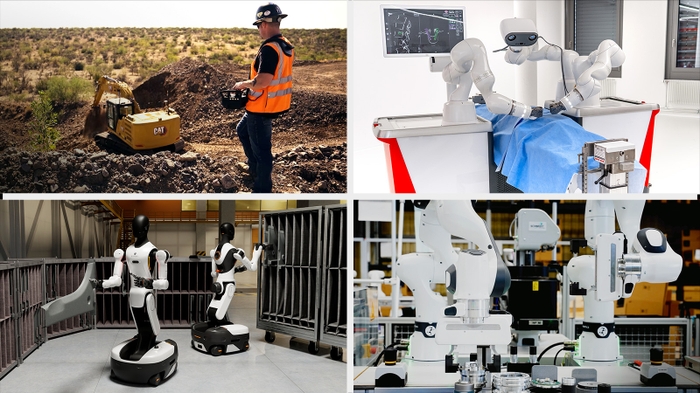
NVIDIA Releases New Physical AI Models as Global Partners Unveil Next-Generation Robots
NVIDIA has unveiled a suite of new open models, frameworks, and AI infrastructure aimed at advancing physical AI, along with a range of robots tailored for various industries, in a recent announcement. This initiative, made public today, showcases the company's commitment to enhancing AI capabilities across multiple sectors by collaborating with global partners. The introduction of these technologies is designed to facilitate the integration of AI into physical applications, addressing the growing demand for intelligent automation solutions. By leveraging cutting-edge AI frameworks and models, NVIDIA aims to empower businesses to innovate and improve operational efficiency. The launch reflects the company's strategic focus on expanding its influence in the AI landscape and supporting industries in their digital transformation efforts.
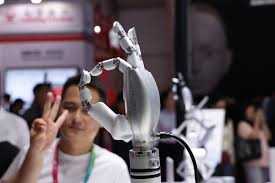
Alibaba launches and open-source Qwen3, China’s first hybrid reasoning AI model
On April 29, Alibaba introduced Qwen3, marking the launch of China's first hybrid reasoning model that combines both fast and slow thinking processes to enhance efficiency and lower computational expenses. The Qwen3 series features various models, including the fine-tuned Qwen3-30B-A3B and its pre-trained base, which are now accessible on major platforms. Additionally, Alibaba Cloud has made two models from this series available as open-source, further promoting innovation and collaboration in the field of artificial intelligence.
News Feed AI AI model Alibaba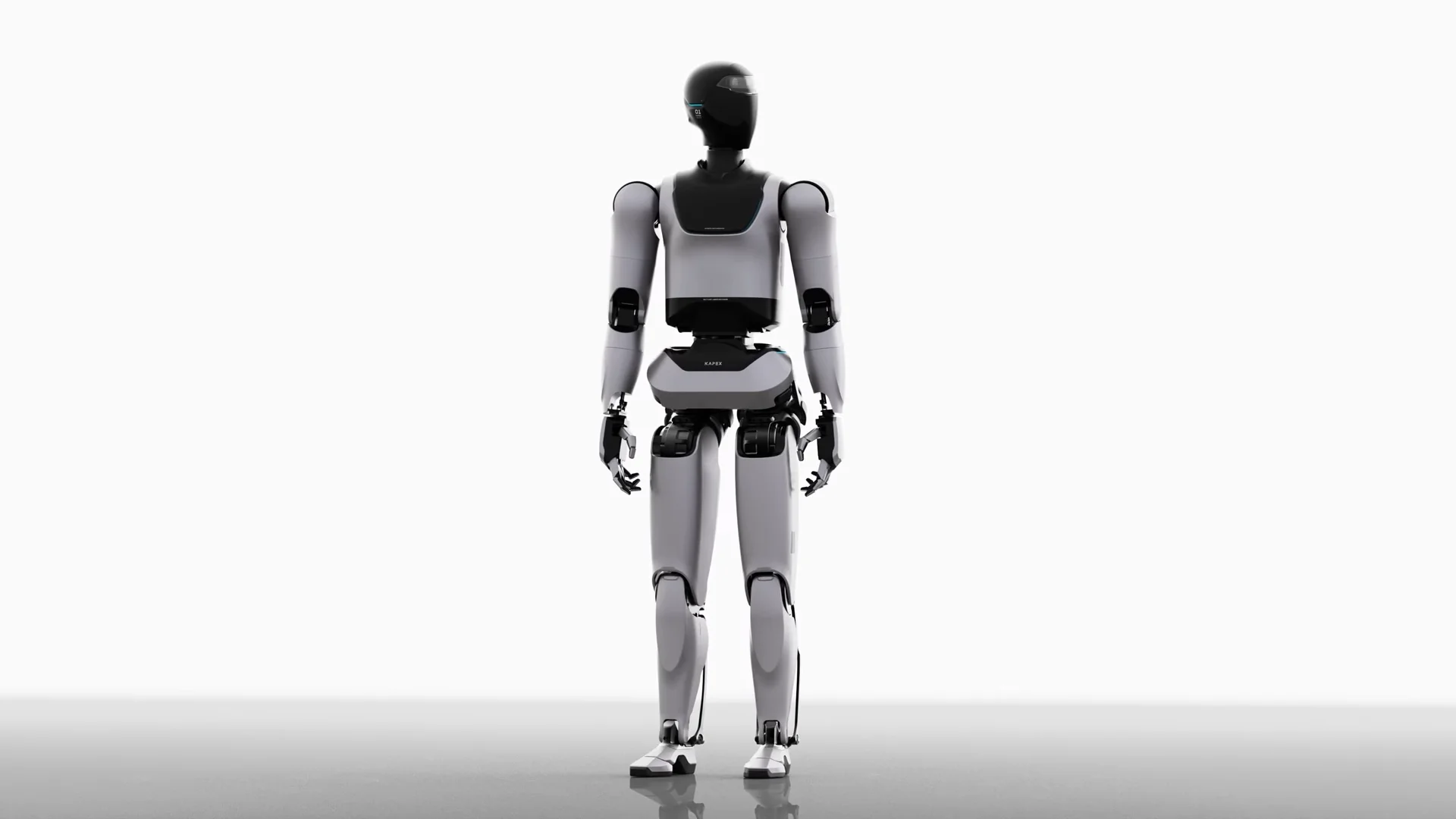
South Korea’s M.AX Alliance Taps Seoul National University to Build AI Models for Humanoids
A government-led manufacturing alliance, featuring major South Korean companies Samsung, Hyundai, and LG, has announced plans to achieve mass production of humanoid robots by 2029. This ambitious initiative is bolstered by a new research and development partnership with one of the country’s leading universities. The collaboration aims to leverage the expertise of both the private sector and academia to advance robotics technology, reflecting a growing commitment to innovation in the field. The alliance seeks to address increasing demand for humanoid robots in various sectors, including manufacturing, healthcare, and service industries, as they become integral to enhancing productivity and efficiency. The partnership is expected to foster significant advancements in robotics, paving the way for a new era of automation in South Korea.
hyundai Samsung rainbow-robotics k-humanoid-alliance lg-electronics
New AI model reveals how neutron star mergers forge heavy elements
Researchers have created an AI-based simulation that makes it much faster to model how neutron star mergers produce many of the universe's heaviest elements. The new tool could improve predictions of these powerful explosions while helping scientists better connect observations in space with experiments on Earth.

Microsoft Makes Big AI Inroads in China by Selling OpenAI Models
Microsoft Corp. has established a significant presence in the Chinese market by selling artificial intelligence models to local companies, even amid escalating tensions between the United States and China regarding AI technology. This strategic move highlights Microsoft's commitment to expanding its business operations in a region that is increasingly competitive in the tech sector. The company's decision to engage with Chinese enterprises comes at a time when both nations are vying for dominance in AI development, raising questions about the implications of such collaborations. By providing advanced AI solutions, Microsoft aims to capitalize on the growing demand for innovative technologies in China, while navigating the complex geopolitical landscape that influences international business relations.
NMS:MSFT
Alibaba eyes physical world with its first suite of AI models for robots
Alibaba Group Holding has unveiled its inaugural suite of artificial intelligence models designed for robots, positioning itself in the competitive landscape of advancing AI beyond traditional chatbot applications. On Tuesday, the Hangzhou-based technology leader introduced the Qwen Robot Suite, a significant step into the realm of "embodied AI," which enables machines to perceive, reason, and engage with their physical surroundings. This innovative suite has been developed by Alibaba's AI research division, Tongyi Lab, and is currently undergoing pilot testing with select partners within the company. This move reflects Alibaba's commitment to expanding the capabilities of AI in real-world applications, aiming to enhance the interaction between machines and their environments.

AGIBOT holds World Challenge 2026 to see how AI models perform on real tasks
AGIBOT has announced the launch of the World Challenge 2026, an initiative aimed at evaluating the performance of artificial intelligence models through closed-loop testing on actual robots engaged in real-world tasks. This event marks a significant shift in the robotics industry, moving away from traditional simulation scores to a more practical assessment of AI capabilities. The challenge is set to take place in 2026, providing a platform for developers and researchers to showcase their advancements in AI technology. By focusing on real tasks, AGIBOT aims to enhance the reliability and effectiveness of AI applications in robotics, ultimately driving innovation and improving performance in various sectors.
Artificial Intelligence Artificial Intelligence / Cognition Design / Development Development Tools / SDKs / Libraries Humanoids Mobility / Navigation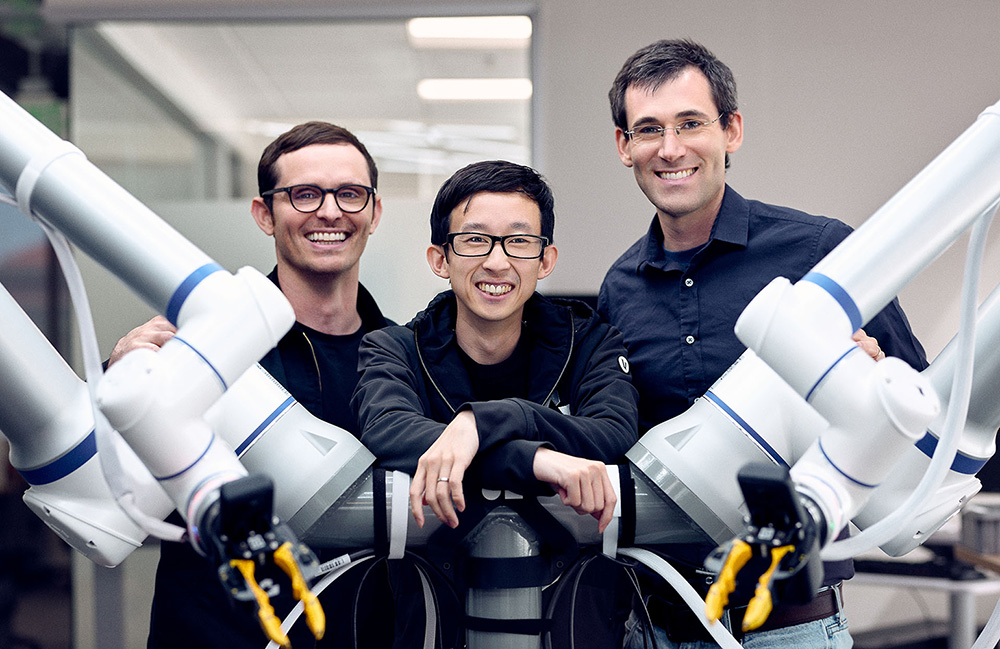
Generalist raises $400M to scale its general-purpose AI models
Generalist has announced a significant funding round, raising $400 million to enhance its general-purpose artificial intelligence models. The company claims that its innovative system has improved average success rates to 99% on tasks where previous models only achieved 64%. This substantial investment aims to scale their technology further, allowing for broader applications and advancements in AI capabilities. The funding is expected to accelerate development and deployment of their models, positioning Generalist as a key player in the rapidly evolving AI landscape.
Artificial Intelligence Artificial Intelligence / Cognition Assembly Design / Development Financial Investments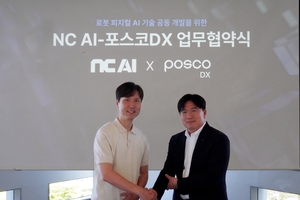
NC AI, Posco DX join hands in robot AI model development
NC AI announced on Sunday that it has entered into a strategic business agreement with Posco DX to collaborate on the development of a robot foundation model and to foster broader technical cooperation. The signing ceremony, which took place recently, featured key figures including Kim Min-jae, the chief technology officer at NC AI, and Yoon Suk-june, the head of the robot automation center at Posco DX, along with senior officials from both organizations. This partnership aims to explore long-term cooperation strategies that will enhance their competitiveness in the fields of robotic intelligence technologies and industrial artificial intelligence.
All News
Perceptron Mk1 shocks with highly performant video analysis AI model 80-90% cheaper than Anthropic, OpenAI & Google
Perceptron Inc., a Bellevue-based startup founded by former Meta researchers Armen Aghajanyan and Akshat Shrivastava, has launched its flagship video analysis model, Mk1, aimed at revolutionizing how enterprises utilize AI in real-time video processing. Announced today, this innovative model is priced significantly lower than competitors, at $0.15 per million input tokens and $1.50 per million output tokens, making it accessible for large-scale industrial applications. The Mk1 model, developed over 16 months, excels in understanding complex physical interactions and temporal reasoning, outperforming established models like OpenAI's GPT-5 and Google's Gemini 3.1 Pro in various benchmarks. Its unique architecture allows it to process video streams continuously, maintaining object identity and providing precise analysis of dynamic scenes, which is particularly beneficial for sectors such as security, robotics, and marketing. Perceptron aims to position Mk1 as a leader in the "Efficiency Frontier," balancing high performance with cost-effectiveness. The model's capabilities extend to auto-clipping highlights from live sports and enhancing quality control in manufacturing. A public demo site is available for potential users to explore its functionalities. This launch signifies a significant step towards integrating advanced AI into real-world applications, as the company seeks to make "physical AI" as prevalent as its digital counterpart.
Technology
Trump admin moves further into AI oversight, will test Google, Microsoft and xAI models
The White House is contemplating the establishment of a new working group focused on artificial intelligence, aimed at examining oversight and vetting models prior to the release of AI technologies. This initiative, confirmed by CNBC, reflects the administration's growing concern over the implications of AI advancements and the need for regulatory frameworks to ensure safety and ethical standards. The proposed working group is part of broader efforts to address the rapid evolution of AI and its potential impact on society.

X Square Robot Unveils New Embodied AI Model, Says Robots Will Arrive in Homes in 35 Days
X Square Robot has announced the launch of its next-generation embodied AI foundation model for home robots, with significant backing from major tech companies including Alibaba, ByteDance, Xiaomi, and Meituan. The company revealed that it plans to begin deploying these advanced home robots in everyday households within the next 35 days. This initiative aims to enhance domestic automation and improve the efficiency of household tasks, reflecting a growing trend in the integration of AI technology into daily life. The collaboration with prominent industry players underscores the potential impact and innovation of X Square Robot's offerings in the rapidly evolving robotics market.

AI Models Map the Colorado River’s Hard Choices
As the Colorado River faces a critical water crisis, projections indicate that 2026 could be its worst year on record, with flows down 20% from 2000 levels. This alarming situation has prompted negotiations among seven U.S. states over water-sharing agreements to collapse twice, leading the federal government to consider imposing its own plan. The U.S. Bureau of Reclamation, responsible for managing the river's operations, is utilizing advanced machine learning tools and millions of simulations to forecast streamflow and assess reservoir strategies. These technologies are enhancing decision-making processes by providing clearer insights into the consequences of various water management strategies. In addition to Reclamation's efforts, researchers from institutions like Metropolitan State University of Denver and Utah State University are developing forecasting systems that leverage satellite data and deep learning to issue drought warnings and analyze the river's interdependencies. However, despite these advancements, the models are limited by historical data that may not accurately reflect the current and future conditions of the river, particularly during droughts. While improved forecasting tools are fostering discussions among stakeholders, the fundamental challenge remains: determining how to allocate the diminishing water resources fairly. Experts warn that the impending cuts will significantly impact agriculture and communities reliant on the river, underscoring the need for human judgment in navigating the complex moral and economic implications of the crisis. Despite the challenges, there is cautious optimism that these tools are facilitating dialogue among the parties involved.
Colorado-river Drought Environmental-policy Climate-change Simulations Evolutionary-algorithm
Popular AI Models Aren’t Ready to Safely Power Robots
Researchers Rumaisa Azeem and Andrew Hundt have highlighted significant safety and discrimination issues in robots powered by widely used artificial intelligence models. Their recent study revealed that these robots failed multiple tests designed to assess safety and bias, uncovering deeper risks associated with their physical behavior. The findings underscore the urgent need for regular risk assessments before deploying AI systems in real-world robotic applications. The research, conducted at Carnegie Mellon University's Robotics Institute, emphasizes the importance of ensuring that AI technologies are adequately prepared to operate safely and equitably in various environments.
Research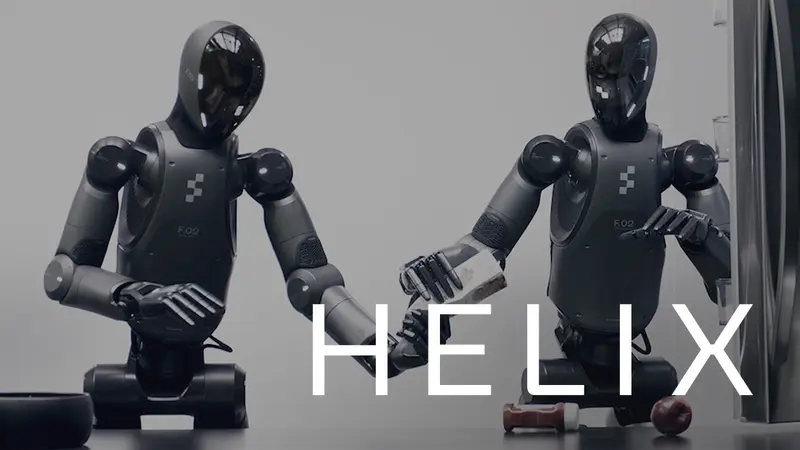
Figure AI Reorganizes to Boost Humanoid Learning with 'Helix' AI Model
Brett Adcock, CEO of Figure AI, has unveiled a significant reorganization within the company, merging three teams into a single entity named Helix. This strategic move, announced recently, is intended to enhance the development of AI technologies for Figure AI's humanoid robots. The newly formed Helix group will focus on advancing the Vision-Language-Action model, also referred to as Helix, which is designed to facilitate generalist control, enable multi-robot collaboration, and improve versatile object manipulation. This initiative reflects Figure AI's commitment to innovation and efficiency in the rapidly evolving field of robotics.
Figure helix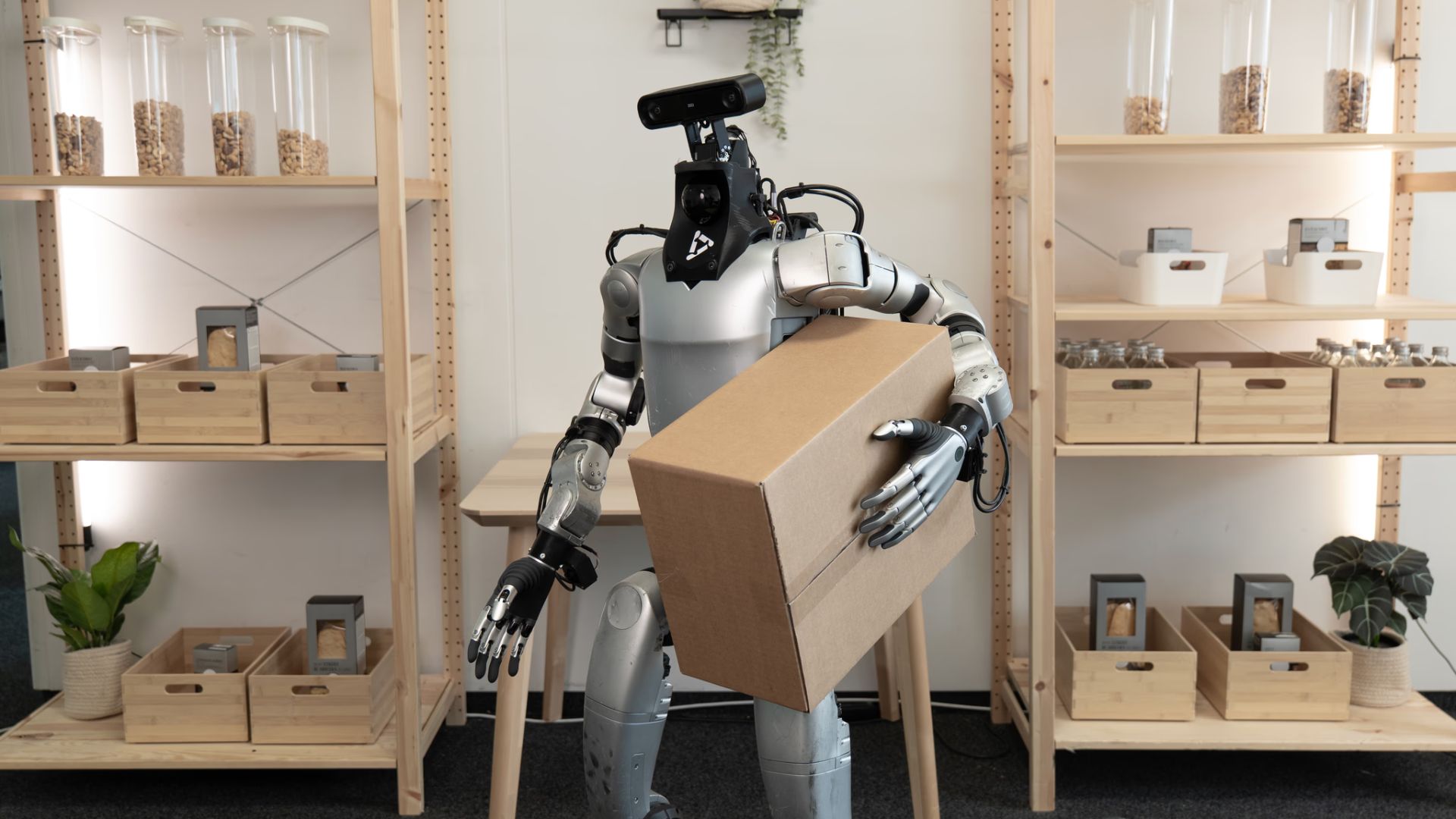
Video: New AI model gives humanoid robots 90 percent success in complex missions
Flexion Robotics has launched Reflect v1.0, an innovative robotics intelligence platform designed to enhance the capabilities of humanoid robots. This groundbreaking technology was unveiled recently, showcasing its potential to revolutionize the interaction between humans and robots. The platform integrates advanced machine learning algorithms, allowing robots to learn from their environments and adapt their behaviors accordingly. The introduction of Reflect v1.0 aims to address the growing demand for more intelligent and responsive robotic systems in various sectors, including healthcare, education, and customer service. By equipping humanoid robots with this sophisticated intelligence, Flexion Robotics seeks to improve efficiency and effectiveness in tasks that require human-like interaction. The development process involved extensive research and collaboration with experts in artificial intelligence and robotics, ensuring that the platform meets the needs of diverse applications. As the robotics industry continues to evolve, Reflect v1.0 positions Flexion Robotics at the forefront of innovation, paving the way for a future where humanoid robots can seamlessly integrate into everyday life.
AI and Robotics
Chef Robotics Physical AI Models Can Now Automate Baked Goods Packing
A new application has been developed to streamline the packaging process for various baked goods, including burger buns, chocolate chip cookies, biscotti, butter cookies, biscuits, fortune cookies, granola bars, rusks, and shortbreads. This innovative technology automates the placement of these products into trays and packaging containers, followed by sealing to ensure freshness and quality. The application aims to enhance efficiency in production lines, reducing manual labor and minimizing the risk of contamination. By implementing this system, bakeries and food manufacturers can improve their operational workflow and meet increasing consumer demand for packaged baked items. The rollout of this application is expected to take place in the coming months, with trials already underway in select facilities.

Chef Robotics Physical AI Models Can Now Automate Baked Goods Packing
A new application has been developed to streamline the packaging process for various baked goods, including burger buns, chocolate chip cookies, biscotti, butter cookies, biscuits, fortune cookies, granola bars, rusks, and shortbreads. This innovative technology automates the placement of these products into trays and packaging containers, followed by sealing to ensure freshness and quality. The application aims to enhance efficiency in production lines, reducing manual labor and minimizing the risk of contamination. By implementing this system, manufacturers can improve their output and maintain high standards in food safety. The rollout of this application is expected to significantly benefit the baking industry, particularly as demand for packaged baked goods continues to rise.

Chef Robotics Physical AI Models Can Help Automate Produce Packing
A new application has been developed to streamline the packaging process for fresh produce, including items like oranges, apples, and pears, which are placed into clamshell packages and snack boxes. Additionally, the application efficiently portions scoopable produce, such as corn and peas, into trays for packaging. This innovative solution is designed to enhance the convenience of retail grab-and-go products and is particularly beneficial for various sectors, including airline meal kits, hospital and care facility meals, and school lunch programs. By improving the efficiency of packaging, the application aims to meet the growing demand for ready-to-eat meals and snacks, catering to consumers' busy lifestyles.

Meta’s new ‘AI Mode’ on Facebook pulls from public info across its platforms
Meta has unveiled a series of new artificial intelligence features for Facebook, marking a significant step in the company's strategy to enhance user engagement and compete in the rapidly evolving AI landscape. This announcement, made on Monday, reflects Meta's commitment to integrating advanced technology into its platform to attract and retain users. The rollout aims to provide innovative tools and experiences that leverage AI capabilities, thereby positioning Facebook as a more dynamic and interactive social media platform.
AI Apps Social Facebook Generative AI Meta
Over 2 Billion Investment in Embodied AI Models! Yushu Technology's IPO Highlights Commitment to Capturing the 'Brain' Frontier
Yushu Technology has taken a significant step towards becoming a public entity by submitting its initial public offering (IPO) materials to the Sci-Tech Innovation Board. This move positions the company to potentially become the first publicly listed firm in the fields of embodied intelligence and humanoid robotics within the A-share market. The submission comes as Yushu Technology outlines an ambitious plan to invest over 20 billion yuan in research and development, aimed at bolstering its core technologies and production capabilities. This strategic investment underscores the company's commitment to advancing innovation in the rapidly evolving tech landscape.
Embodied Intelligence Humanoid Robots AI Models Robotics Technology
Stardust AI Launches Lumo-2: Innovative Robot Action Model for Home Automation
On July 15, Stardust AI introduced its second-generation embodied base model, Lumo-2, which is the industry's first household latent world-action model. This launch includes the physical AI symbiotic agent, Agent Philia, enhancing their full-stack architecture of AI models, embodied operating systems, and rope-driven entities. The company will showcase its 'trinity' multi-scenario implementation solutions at the World Artificial Intelligence Conference in Shanghai from July 17 to 20. Lumo-2 autonomously performs 22 complex household tasks, demonstrating industry-leading capabilities in task range and complexity. This model addresses the challenges faced by robots in open environments, such as the inability to explain actions and the high costs of training complex skills. By predicting future scenarios before generating actions, Lumo-2 aims to overcome these bottlenecks and improve the practical execution of robotic tasks. Looking ahead, Stardust AI plans to enhance the scalability of Lumo-2 by expanding training data diversity and exploring efficient data engineering paradigms. The team is also focused on advancing real-world interactive learning to enable robots to adapt and evolve autonomously in dynamic environments. No further timeline was disclosed at the time of publication.
Household Robotics Physical AI AI Models Robotic Automation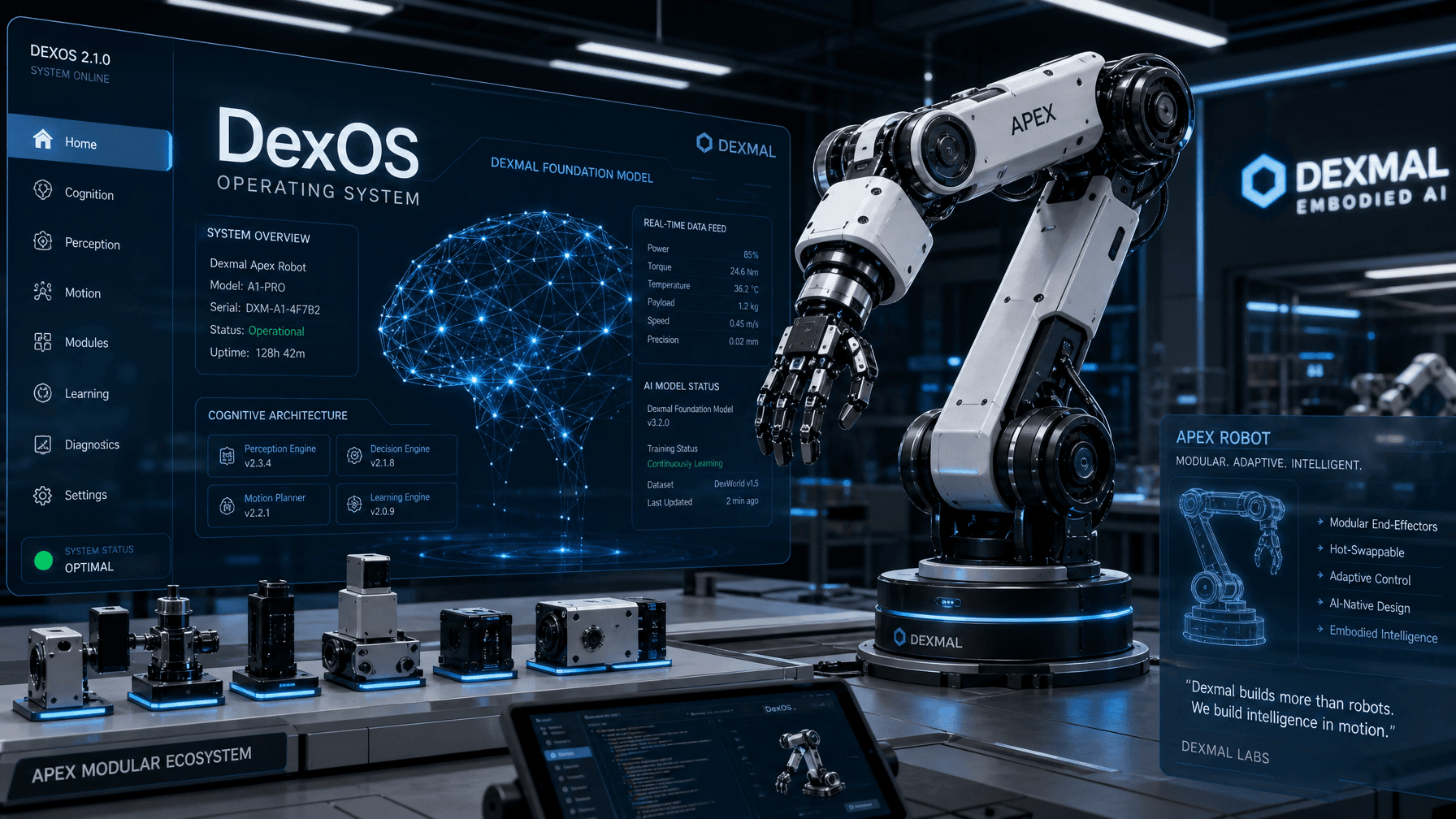
Dexmal Launches DM0.5 Model and DexOS to Enhance Embodied AI Productivity
Dexmal has introduced its DM0.5 foundation model, Apex universal robot, DexOS operating system, and MaaS platform, aiming to bridge the engineering gap between embodied AI models and practical productivity. This launch marks a significant step in the company's strategy to enhance the application of AI in real-world scenarios, with a focus on improving operational efficiency. The introduction of these products is crucial as they represent a comprehensive approach to integrating AI into various sectors. By addressing the final engineering challenges, Dexmal seeks to enable more seamless interactions between AI systems and physical environments, potentially transforming workflows across industries. The DM0.5 model is designed to optimize performance, while DexOS provides a robust operating framework for managing AI tasks. Looking ahead, Dexmal's three-stage strategy will be pivotal in determining the success of these innovations. The company has not disclosed specific timelines for the rollout of these products, but the focus on enhancing productivity through embodied AI suggests a proactive approach to market demands and technological advancements.
TechnologyRobotics needs a service framework.
RSF defines a common language for robot service capability, lifecycle operations, certification pathways, and service-provider networks.