Industry Briefing
A single destination for timely, editor-curated robotics news from around the world.
MassRobotics Launches Sponsorships for RoboBoston 2026 and AI Career Fair Announcement
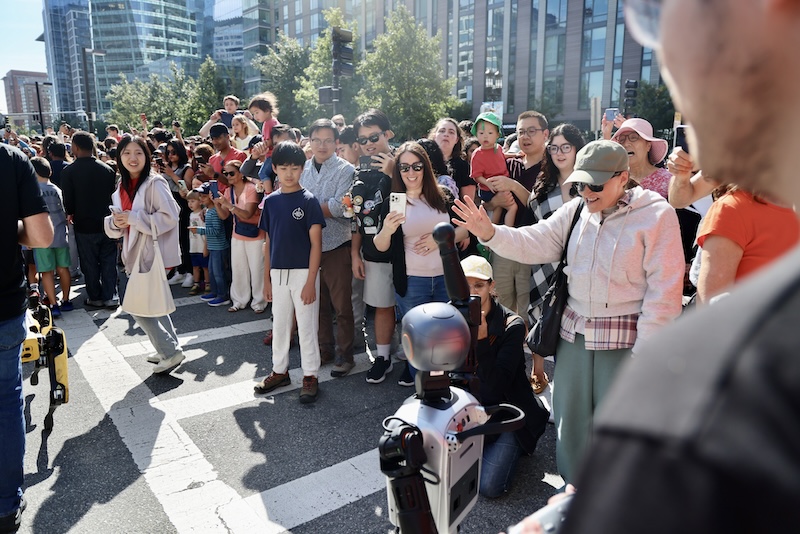
MassRobotics has revealed plans for RoboBoston 2026, its ninth annual Robot Block Party, scheduled for September 26, alongside a Robotics & AI Technical Career Fair on September 25. The event will take place at Boston’s Seaport and is expected to host over 50 robotics companies, universities, and student teams, showcasing interactive exhibits and demonstrations. The significance of RoboBoston lies in its role in highlighting the region’s robotics ecosystem, uniting industry, academia, and students. Attendees will experience a variety of activities, including a Sidewalk Robot Parade and a ribbon-cutting ceremony, while exhibitors will present new technologies and research projects. MassRobotics has opened sponsorship opportunities, inviting organizations to support the event and promote STEM education and robotics innovation. Looking ahead, the Robotics & AI Technical Career Fair on September 25 aims to connect employers with technical talent in the robotics and AI sectors. Previous events have drawn over 800 job seekers, making it a valuable opportunity for both companies and candidates. No further timeline was disclosed at the time of publication.
Business Features ai careers artificial intelligence automation boston
Tesla's Optimus Robots to Support Starmind Satellite Production, Not Maintenance
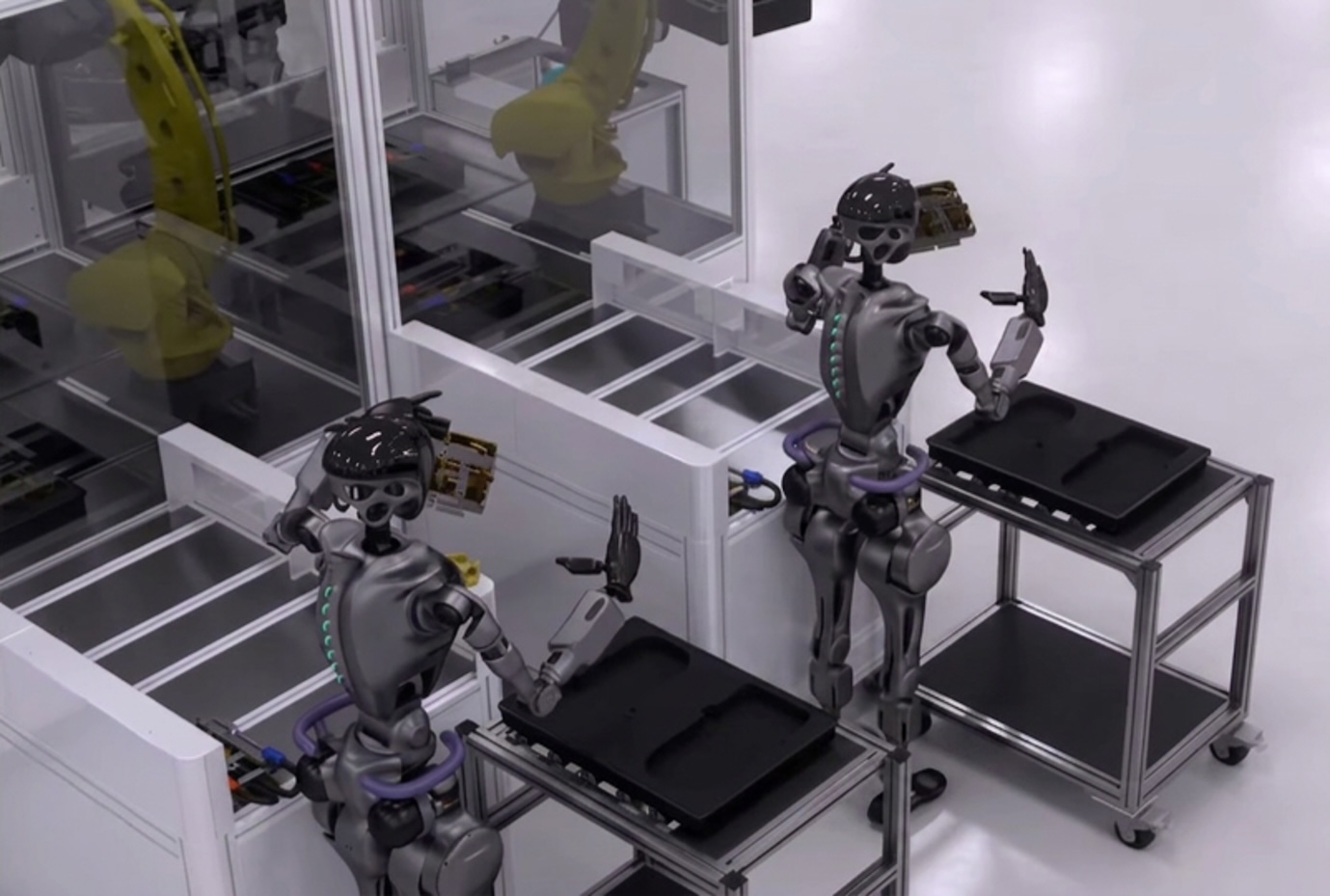
Tesla's Optimus robots will not be used to repair Starmind satellites in orbit, as confirmed by recent statements from Elon Musk. Instead, these robots are intended to assist in the construction and operation of the Terafab chip manufacturing facility in Texas. The AI1 satellites, designed to disintegrate upon reentry, highlight the company's swap-and-replace strategy rather than traditional maintenance practices. This approach is significant as it reflects a broader trend in satellite management, where mass-produced satellites are replaced rather than repaired. The economics of servicing missions are prohibitive, with the cost of launching a replacement satellite being significantly lower than conducting a repair mission. This model aligns with SpaceX's operational history, where rapid replacement of satellites is more efficient than attempting to maintain them in orbit. Looking ahead, the focus will remain on the production capabilities of the Gigasat factory, which is expected to support the continuous replacement of satellites. No further timeline was disclosed at the time of publication, but the demand for rapid satellite turnover suggests a robust future for Optimus robots in terrestrial manufacturing rather than in-space servicing.
SpaceX's Starmind Plans 1 Million AI Satellites Amid Collision Risks
SpaceX has announced its ambitious Starmind project, which aims to deploy 1 million AI satellites in orbits between 500 and 2,000 km. This initiative, confirmed by Elon Musk on June 23, 2026, follows a merger with xAI, valuing the combined entity at $1.25 trillion. The satellites will function as orbital data centers, processing AI workloads powered by solar arrays and linked by optical lasers. The significance of Starmind lies in its potential to add 100 gigawatts of AI compute capacity annually, contingent on the successful operation of the Starship launch system. However, the project raises concerns regarding space debris, as the current orbital environment is already congested, with a 20% increase in collision risk reported since 2024. The European Space Agency has highlighted that the density of debris in low Earth orbit is now comparable to that of active satellites, complicating the operational landscape for new entrants like Starmind. Looking ahead, the first operational orbital AI deployments are targeted for 2028, with test launches expected in early 2027. However, the project faces scrutiny regarding its impact on space debris, as even a 1% failure rate could significantly increase the number of uncontrollable objects in orbit, exacerbating existing risks. No further timeline was disclosed at the time of publication.

SpaceX's Starmind Targets AI Labs with $6.3 Billion Compute Contracts
SpaceX's Starmind is designed to provide wholesale AI compute services to businesses, particularly AI labs and cloud customers, rather than individual consumers. The service operates similarly to AWS, where users benefit from applications running on Starmind without direct subscriptions. The compute capacity of a single AI1 satellite is comparable to one NVIDIA GB300 rack, emphasizing its enterprise-grade capabilities. The significance of Starmind lies in its positioning as a potential fourth hyperscaler, joining the ranks of AWS, Microsoft Azure, and Google Cloud. The Reflection AI contract, valued at $150 million per month, exemplifies the enterprise-focused model, with total payments potentially reaching $6.3 billion through 2029. This contract highlights the growing demand for AI compute resources, particularly from AI-native startups and labs. Looking ahead, the focus will remain on securing additional enterprise contracts as Starmind expands its offerings. No consumer-facing products or subscriptions have been announced, and the current strategy is to cater to businesses with substantial AI workloads. No further timeline was disclosed at the time of publication.
SpaceX Proposes 1 Million AI Satellites to Address Ground Data Center Constraints
On January 30, 2026, SpaceX filed with the FCC to launch up to 1 million AI compute satellites, positioning orbital data centers as a solution to the increasing demand for AI computing power. Ground data centers are facing significant challenges, with energy consumption projected to reach approximately 1,050 TWh in 2026, making them the fifth-largest electricity consumer globally. The demand for new data center capacity is outpacing the growth of power generation infrastructure, leading to a critical bottleneck in the grid system. The significance of this initiative lies in the structural constraints faced by ground data centers, including power delivery limitations, high water consumption, and local opposition to new projects. The Uptime Institute's 2026 outlook identifies power as the primary constraint on data center growth, with capacity clearing prices in the PJM grid skyrocketing to $329.17/MW, driven by data center expansion. Additionally, cooling requirements are becoming increasingly unsustainable, with facilities consuming vast amounts of water, further complicating their operational viability. Looking ahead, SpaceX's orbital AI compute initiative aims to circumvent these challenges by leveraging the advantages of space, such as continuous solar power and minimal local opposition. The first AI prototypes are expected to launch in early 2027, with operational deployments planned for 2028. No further timeline was disclosed at the time of publication.

SpaceX Unveils AI1 Satellite Specs for Starmind Constellation with Key Thermal Challenges
SpaceX has introduced the AI1 satellite, the inaugural component of its Starmind constellation, which stands 20 meters tall and has a wingspan of 70 meters. This orbital compute node is designed to deliver computing power equivalent to one NVIDIA GB300 server rack, utilizing a unique cooling system with deployable liquid radiators. The satellite's specifications were revealed during a presentation on June 8, 2026, ahead of SpaceX's IPO. The significance of the AI1 satellite lies in its role as a compute platform rather than a traditional satellite, focusing on running AI inference workloads. The satellite's cooling system, which is critical for its operation in the vacuum of space, is designed to reject heat through infrared radiation. However, independent engineers have raised concerns about the feasibility of the thermal and mass claims made by SpaceX, suggesting that the cooling requirements may exceed practical limits. Looking ahead, SpaceX plans to launch two AI1 prototypes in early 2027, with full-scale production expected to commence later that year at its Gigasat facility in Bastrop, Texas. The ongoing debate regarding the satellite's thermal management capabilities will be crucial to monitor as the project progresses, with no further timeline disclosed at the time of publication.
SpaceX Launches Starmind Project for 1 Million AI Satellites by 2028
SpaceX has officially named its orbital AI infrastructure project 'Starmind,' which aims to deploy a constellation of up to 1 million satellites. This initiative, confirmed by Elon Musk on June 22, 2026, will enable AI inference directly in space, utilizing solar energy rather than terrestrial power sources. The first satellite, designated AI1, was unveiled on June 8, 2026, and is designed to operate in sun-synchronous orbits. The significance of Starmind lies in its potential to overcome the limitations faced by ground-based data centers, such as land, power, and water constraints. By running AI computations in orbit, Starmind can provide a more efficient solution to the growing demand for AI computing power. The project leverages the existing Starlink infrastructure for data transmission, distinguishing its function from Starlink's internet relay capabilities. Looking ahead, SpaceX plans to begin hardware deployment with the AI1 satellite, while full-scale production and deployment of the satellite constellation are targeted for 2028. As of now, no Starmind satellites have been launched, and further engineering challenges remain to be addressed, particularly regarding the scalability of the satellite design.
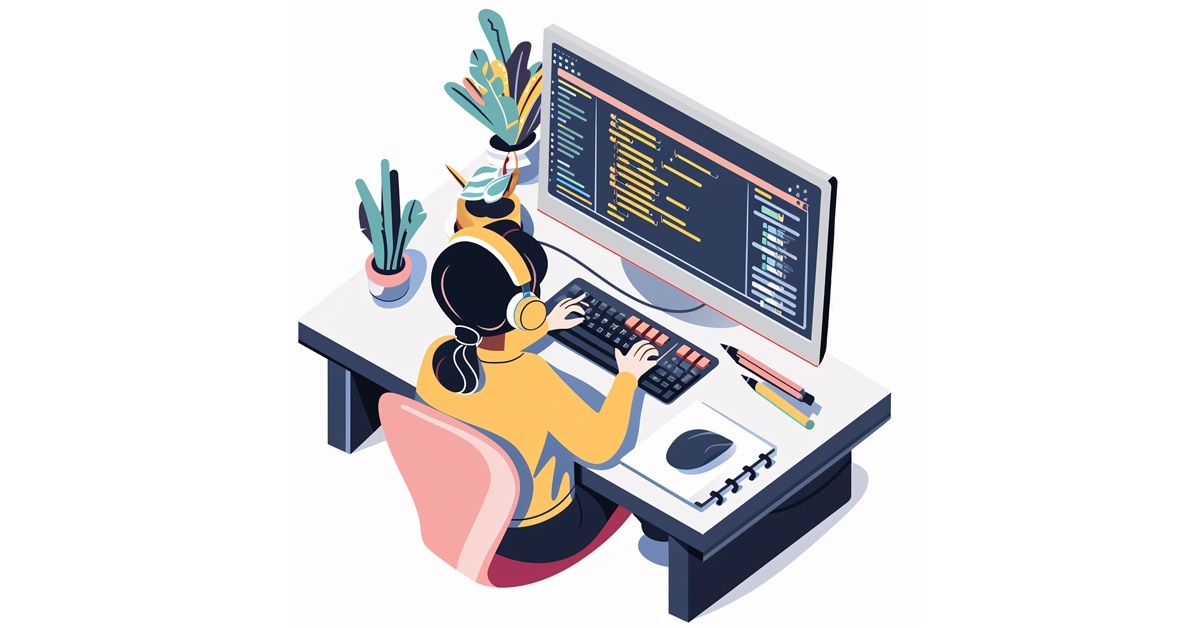
Microsoft study shows AI won't replace IT engineers, highlighting opportunities for delegation and career growth.
A recent study by Microsoft has revealed key survival strategies for IT engineers in the age of artificial intelligence. The research indicates that there is a significant variance in the reliability of AI tasks, with 59% of respondents prioritizing the design of systems that keep humans in the loop. This approach suggests a shift in focus for IT professionals, encouraging them to delegate monotonous tasks to AI while redirecting their efforts towards more complex activities such as reasoning and design. The findings highlight a transformative opportunity for engineers to evolve their careers in response to the growing integration of AI technologies.
SpaceX's Starship V3 Plans for 1 Million Starmind Satellites by 2030
SpaceX's Starship V3 is set to revolutionize satellite deployment, aiming to launch 1 million Starmind satellites by 2030. The spacecraft can carry over 100 tonnes to low Earth orbit (LEO), significantly more than the Falcon 9's capacity. As of May 2026, Starship has completed 12 flights, with the next mission scheduled for late July 2026, focusing on operational payloads including AI1 prototypes in early 2027. This ambitious plan is crucial for expanding orbital compute capacity, targeting an annual addition of 100 GW through a million tonnes of satellite hardware. SpaceX's strategy hinges on achieving a launch cadence of approximately 12,000 flights, equating to about three launches per day. The company has invested over $15 billion in the Starship program, with expectations to begin payload deliveries in the second half of 2026, starting with Starlink V3 satellites. Looking ahead, the successful deployment of the Starmind constellation will depend on Starship's ability to meet its cost targets of $10–20 million per flight. If achieved, this would make launching satellites more economical than building ground data centers. The next significant milestone will be the launch of AI1 prototypes in early 2027, with full-scale deployments commencing in 2028 from the new Gigasat factory in Texas.

SpaceX's Starmind Project: Supplier Strategy and Chip Manufacturing Plans for 2026
SpaceX's Starmind project, aimed at deploying up to 1 million AI satellites, was filed with the FCC on January 30, 2026. The initiative is designed to minimize reliance on external suppliers, with CEO Elon Musk stating that current chip production capabilities only meet 2% of the projected needs. The first satellite, AI1, is set for prototype launches in early 2027, featuring a 70-meter wingspan and a modular payload system that allows for interchangeable chips from various suppliers. The significance of Starmind lies in its ambitious supply chain strategy, which seeks to transition from external hardware suppliers to a fully integrated Musk-owned facility by 2028. The Gigasat manufacturing site in Bastrop, Texas, is expected to be operational by the end of 2027, with plans for high-volume production of the D3 chip, specifically designed for space applications. This approach aims to consolidate chip manufacturing processes under the Terafab joint venture, which has an estimated initial investment of $55 billion. Looking ahead, the next milestone for Starmind is the launch of AI1 prototypes in early 2027, while the full-scale chip production at Terafab is projected to ramp up significantly thereafter. However, analysts express skepticism regarding the feasibility of achieving Musk's ambitious compute goals, which may require substantial investment and time to establish the necessary manufacturing capabilities.

Starmind's Orbital Compute vs. Terrestrial Data Centers: Analyzing Resource Advantages
Starmind's orbital compute technology presents a significant advantage over traditional ground-based data centers by eliminating constraints related to land, water, and grid permitting. While terrestrial data centers are currently cheaper and faster to construct, with U.S. data center spending reaching $85.3 billion in 2026, Starmind's approach focuses on addressing the growing resource limitations faced by hyperscale facilities. The significance of Starmind's technology lies in its ability to sidestep the increasing challenges of land and water usage. For instance, a 100 MW data center can consume approximately 530,000 gallons of water daily for cooling, while Starmind's AI1 utilizes deployable liquid radiators that require no water. This structural advantage could resonate with investors as the demand for AI computing continues to escalate, potentially leading to annual water withdrawals of up to 1.7 trillion gallons by 2027. Looking ahead, Starmind's next milestones include the launch of AI1 prototypes scheduled for early 2027. However, the technology's claims regarding cooling efficiency and operational reliability remain unverified until real flight data is available. As the industry evolves, the competition between orbital and terrestrial solutions will become increasingly relevant, particularly in the context of resource management and sustainability.
SpaceX's Starmind Faces Feasibility Challenges for 1 Million Satellite Deployment
On January 30, 2026, SpaceX submitted a request to the FCC to launch up to 1 million satellites as part of its Starmind orbital compute constellation. This ambitious plan is unprecedented, as the total number of satellites ever launched globally is in the low tens of thousands. The proposal seeks a waiver from standard deployment milestones, citing reliance on the Starship's full reusability for success. The significance of this request lies in the technical and logistical challenges it presents. Experts warn that low Earth orbit may not support the proposed number of active satellites without risking a debris cascade. SpaceX's own IPO prospectus acknowledges unresolved dependencies related to Starship's launch cadence and reusability, which are critical for the orbital AI compute strategy. Looking ahead, the timeline for achieving the necessary launch cadence and manufacturing capacity remains uncertain. SpaceX's Gigasat facility in Texas aims for volume production by late 2027, but this would require unprecedented output levels. No further timeline was disclosed at the time of publication, leaving the feasibility of the Starmind project in question.

Starmind's Satellite Technology Achieves 880 Billion Liters in Annual Water Savings
Starmind has announced that its satellite technology can save approximately 880 billion liters of cooling water annually at full scale. This figure is equivalent to the annual household water use of around 6.5 million Americans. The technology operates by utilizing a closed-loop liquid cooling system that eliminates the need for water during its operational life, contrasting sharply with traditional ground data centers that consume vast amounts of water for cooling. The significance of this achievement lies in the growing water consumption crisis faced by data centers, particularly as AI expansion drives demand. In 2025, U.S. data centers consumed nearly one trillion liters of water, highlighting the urgent need for sustainable solutions. Starmind's approach not only addresses direct water usage but also avoids indirect water consumption associated with electricity generation, marking a substantial shift in how computing can be conducted in a resource-efficient manner. Looking ahead, Starmind's deployment strategy includes a projected buildout of 100 GW of orbital compute per year, which could displace an additional 735 billion liters of ground water demand annually. The first tranche of 10,000 satellites is already operational, offsetting approximately 8.8 billion liters of water per year. No further timeline was disclosed at the time of publication.

SpaceX IPO Provides Indirect Investment Opportunity in Starmind Project
Starmind does not have a standalone stock or ticker; investors can gain exposure through SpaceX (ticker: SPCX), which began trading on Nasdaq after its IPO on June 12, 2026. Starmind is integrated within SpaceX, contributing to the company's AI and space initiatives, and its performance directly influences SPCX shares. The significance of Starmind lies in its role as a division of SpaceX, which encompasses other projects like Starlink and Starship. As of early July 2026, SPCX shares are trading between $149 and $150, significantly lower than their 52-week high of $225.64. The project’s milestones, such as AI1 prototype updates, can impact SpaceX's stock performance, making it essential for investors to monitor these developments closely. Looking ahead, the early 2027 launch of AI1 prototype satellites is a critical milestone that could provide verifiable data affecting Starmind's valuation and, consequently, SPCX stock. No further timeline was disclosed at the time of publication, but the upcoming events will be pivotal for investors tracking the relationship between Starmind and SpaceX's stock performance.

SpaceX's $1.75 Trillion Valuation Driven by Starmind's Future Potential
Starmind is a pivotal element in SpaceX's estimated $1.75 trillion IPO valuation, despite currently generating no confirmed revenue. The stock price reflects optimistic projections regarding AI infrastructure growth, which Starmind has yet to substantiate. As of early July 2026, SpaceX's stock has decreased from its 52-week high of $225.64 to around $150, indicating market skepticism about future execution. The significance of Starmind lies in its potential to transform SpaceX's revenue model beyond traditional launch services. Goldman Sachs has shifted its focus from Starlink subscriber growth to the prospects of AI revenue, including orbital computing, as a cornerstone of SpaceX's long-term valuation. This marks a substantial change in how analysts view the company's growth trajectory, necessitating rates exceeding its historical 33% growth. Looking ahead, the credibility of Starmind as a growth narrative will be crucial for maintaining investor confidence. Analysts have noted a considerable divergence in price targets, reflecting uncertainty about the value of the Starmind and xAI initiatives. No further timeline was disclosed at the time of publication regarding specific milestones for these projects.
ForSight Robotics Completes First Fully Robotic Cataract Surgery with JASPER Platform
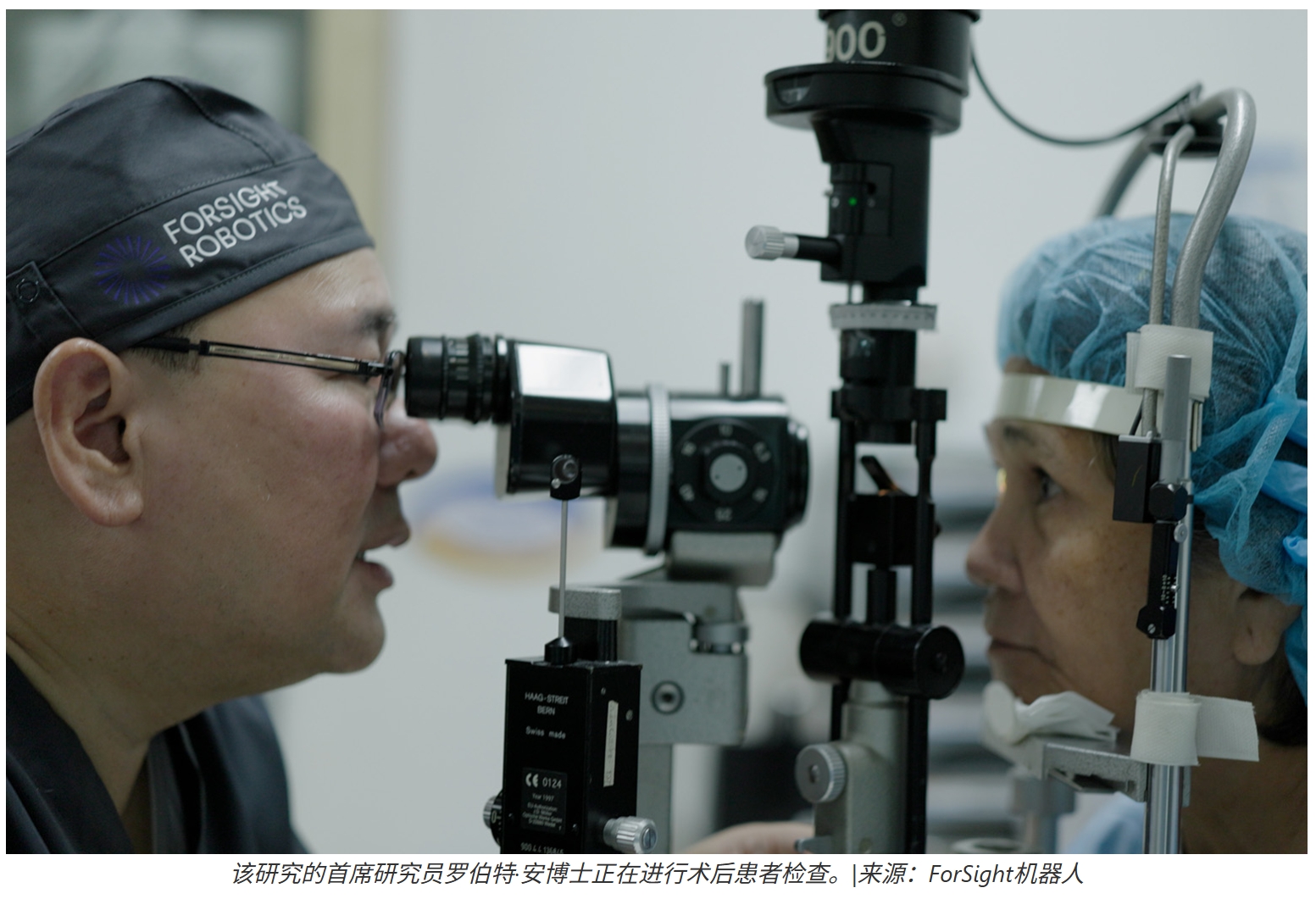
ForSight Robotics has successfully completed the world's first fully robotic cataract surgery using its JASPER platform, led by Dr. Alexey Rapoport in April 2026. This groundbreaking procedure was performed at the Asian Eye Institute in the Philippines, showcasing JASPER's ability to execute the entire surgery autonomously without general anesthesia, adhering to modern cataract surgery standards. The significance of this achievement lies in JASPER's unique design, which empowers surgeons rather than replacing them. By integrating AI algorithms, advanced computer vision, and miniature mechanical technology, JASPER provides enhanced imaging and precision control, allowing surgeons to perform with the accuracy of elite professionals. This innovation also addresses ergonomic concerns, as it enables surgeons to operate seated, potentially extending their careers and improving surgical outcomes. Looking ahead, ForSight Robotics aims to secure FDA approval for JASPER in the United States, with plans to bring this technology to market in the coming years. The company has raised $195 million since its founding in 2020, with significant investments from notable figures and organizations. No further timeline was disclosed at the time of publication.
Robotic Surgery Cataract Surgery AI in Healthcare Ophthalmology Medical Robotics
The AI jobs debate just got messier
A recent report has revealed that companies classified as "high-intensity AI adopters" experienced a significant increase in their workforce, with an overall headcount rise of 10.2%. Notably, these firms saw a 12% increase in entry-level positions, challenging the prevailing narrative that artificial intelligence threatens junior job opportunities. The findings suggest that rather than eliminating jobs, the integration of AI technology may be contributing to job growth, particularly for those at the beginning of their careers. This report, based on data available until October 2023, highlights the evolving relationship between AI adoption and employment trends in the workforce.
AI Ramp ai job loss revelio labs
ARM Institute expands RoboticsCareer.org into physical AI
The ARM Institute has announced an expansion of RoboticsCareer.org to include job opportunities in the burgeoning field of physical artificial intelligence (AI). This initiative aims to facilitate connections between employers and qualified candidates, addressing the increasing demand for talent in this innovative sector. The updated platform is expected to serve as a valuable resource for both job seekers and companies looking to hire skilled professionals in physical AI. This development reflects the ongoing growth and significance of robotics and AI in the workforce, highlighting the need for specialized talent in these areas.
Artificial Intelligence Artificial Intelligence / Cognition Business Resources Defense / Security Design / Development Educational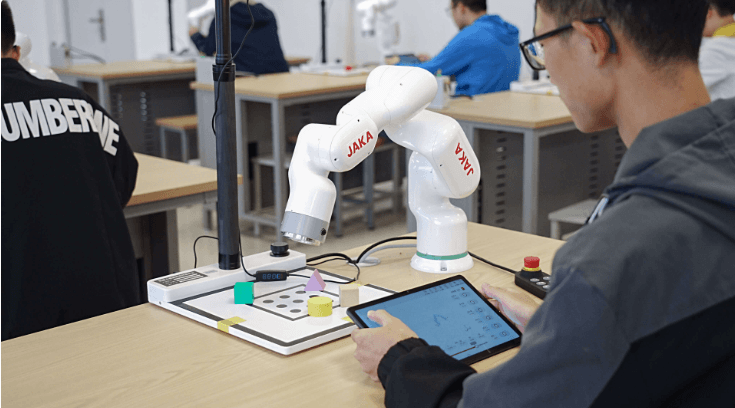
Industrial Automation and Robotics for Educators: Training the Next Generation
The rapid evolution of industrial automation and robotics is reshaping global manufacturing, leading to an increased need for a skilled workforce adept at managing advanced machinery. As educators strive to connect theoretical engineering principles with the practical demands of modern smart factories, there is a pressing requirement for classroom tools that reflect real-world equipment. By 2026, the integration of robotics into STEM curricula is expected to be crucial for fostering critical thinking and technical literacy among students. Educational programs are shifting towards "Embodied Intelligence," where learners engage with sophisticated technologies like industrial robot arms, enhancing their understanding of vision systems, sensor feedback, and machine learning. This hands-on experience equips students with essential skills in industrial safety, workflow optimization, and predictive maintenance, preparing them for careers as automation engineers and technicians. However, challenges persist, including the high costs and complexities associated with traditional industrial robots, which often require specialized facilities and safety measures. To address these issues, educational institutions are exploring "all-in-one" solutions that prioritize safety and usability while maintaining industrial-grade performance. JAKA Robotics is stepping up to meet these educational needs by providing tools that facilitate a safe learning environment. Their JAKA Academy offers a comprehensive training platform with courses ranging from basic operations to advanced software development. The versatile JAKA Zu and S series robots are designed for both research and classroom use, allowing students to engage in practical tasks and develop innovative AI-driven workflows. By incorporating JAKA's technology into educational settings, students are empowered to become the next generation of leaders in industrial automation.
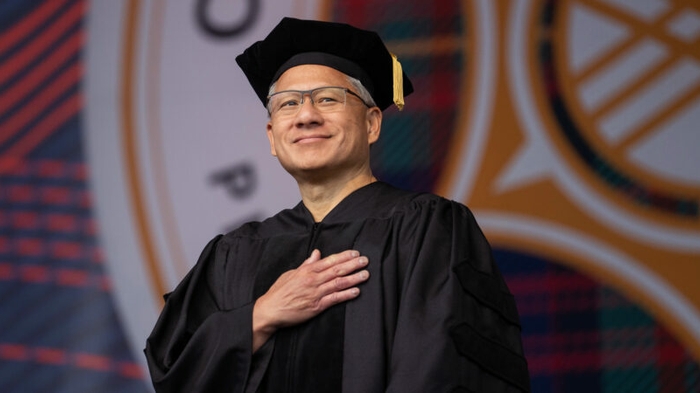
‘Your Career Starts at the Beginning of the AI Revolution,’ NVIDIA CEO Tells Graduates
NVIDIA founder and CEO Jensen Huang addressed the Class of 2026 during their commencement ceremony at Carnegie Mellon University, emphasizing the unique opportunities that await them as they embark on their professional journeys. Speaking to the graduates, Huang expressed his enthusiasm for the current era, describing it as an extraordinary time to start their careers. He encouraged the students to embrace the challenges and innovations that lie ahead, highlighting the transformative potential of technology in shaping the future. The event took place on a significant date in the academic calendar, marking a pivotal moment for the graduates as they transition from education to the workforce. Huang's message aimed to inspire and motivate the new graduates to leverage their skills and knowledge in a rapidly evolving landscape.
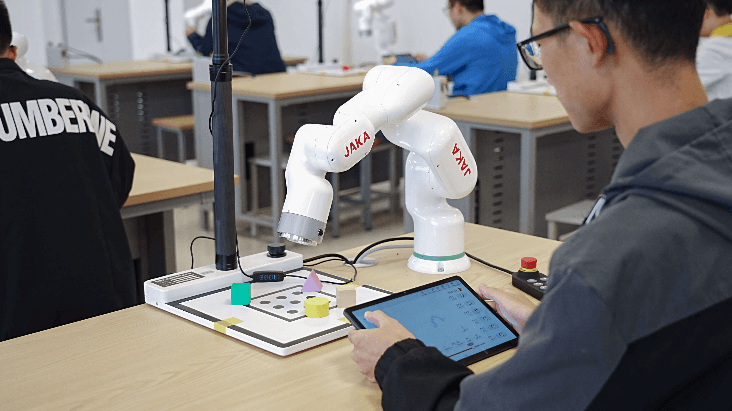
Automation and Industrial Robotics for Education: Training Programs and Platforms
JAKA, a leader in industrial automation and robotics, is revolutionizing technical education by integrating hands-on experience with industrial cobot systems into learning environments. This initiative aims to prepare students for future careers in manufacturing and engineering by providing practical knowledge that complements traditional theoretical studies. The company has developed training programs centered around the JAKA Pro16, an industrial cobot designed to operate in challenging environments, allowing students to engage in tasks such as palletizing, machine tending, and precision welding without damaging sensitive equipment. This hands-on approach helps learners understand the practical challenges of modern industrial settings. JAKA's modular platforms facilitate both individual and collaborative learning, enabling students to program trajectories, test automation sequences, and analyze data from integrated sensors. This immersive experience connects theoretical concepts with real-world applications, enhancing problem-solving skills and technical confidence. The goal of these educational programs is to equip students with the skills necessary for careers in manufacturing, engineering, and technology. By interacting with advanced robotics like the JAKA Pro16, students gain insights into mechanical operations, control systems, and safety protocols. JAKA also provides instructor guides and safety materials to ensure effective and secure learning. Through this commitment to integrating automation and robotics into education, JAKA is helping to bridge the gap between classroom learning and industry requirements, ultimately preparing the next generation for the evolving challenges of modern manufacturing.
![[Lim Woong] The real challenge for AI in schools](/uploads/2026/07/1519380039286339.jpg)
[Lim Woong] The real challenge for AI in schools
When large language models such as ChatGPT first entered public conversation a few years ago, most schools treated artificial intelligence as a special-topic event. It stirred fear, curiosity and excitement, but it still felt far away. Guest speakers, mostly tech executives, gave talks about future careers, robots replacing factory work, or the rosy promise that technology would change everything. The message was usually visionary. Teachers listened, took notes, and then went back to school rout
All News
Weeks after Huang visit, Nvidia expands Korea hiring into robotics, HPC
Nvidia is expanding its engineering presence in South Korea, nearly a month after CEO Jensen Huang announced the company's plans to establish a research and development center in the country. Recent job postings on Nvidia's official careers website indicate a focus on key areas such as robotics simulation, high-performance computing, and automotive software, which are closely linked to South Korea's manufacturing, semiconductor, and automotive industries. This strategic move aims to strengthen Nvidia's involvement in these critical sectors, reflecting the company's commitment to innovation and collaboration within the region. The latest job listings, discovered by the Korea Herald, highlight Nvidia's intent to tap into local expertise and resources as it seeks to enhance its technological capabilities in Korea.
All News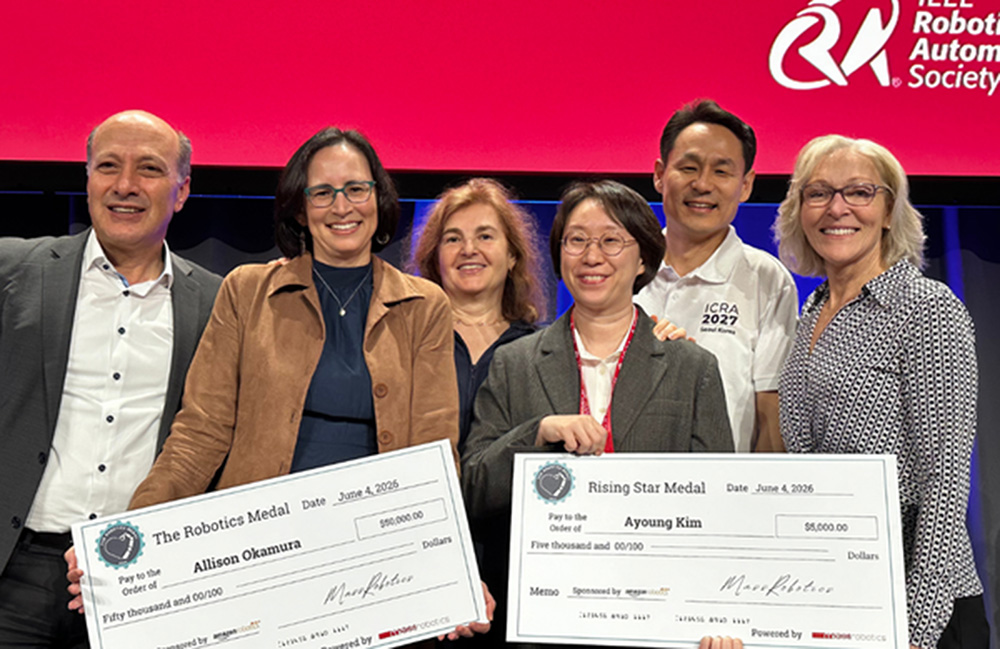
MassRobotics announces the winners of 2026 Robotics Medal and Rising Star awards
Allison Okamura and Ayoung Kim have been recognized with prestigious awards from MassRobotics, receiving the 2026 Robotics Medal and the Rising Star Medal, respectively. These accolades celebrate the achievements of women in the field of robotics, highlighting their significant contributions and inspiring future generations. The announcement was made recently, underscoring the growing recognition of female innovators in a traditionally male-dominated industry. The awards aim to promote diversity and encourage more women to pursue careers in robotics, reflecting a broader commitment to inclusivity within the technology sector.
Academia / Research Artificial Intelligence Artificial Intelligence / Cognition Design / Development Events Healthcare Robotics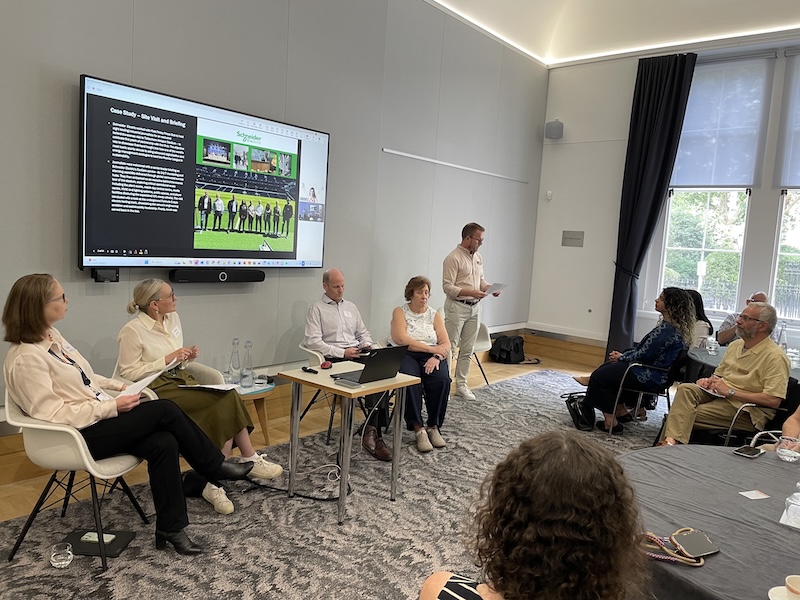
High-powered panel discussion: Why aren’t there more women in engineering?
Despite the common adage that "necessity is the mother of invention," women remain largely underrepresented in the field of engineering, a domain traditionally associated with innovation. This gender disparity persists globally, with historical and cultural factors contributing to the scarcity of female engineers. Efforts to address this imbalance are ongoing, as advocates highlight the importance of encouraging young women to pursue careers in engineering and related fields. By fostering an inclusive environment and promoting role models, the aim is to inspire the next generation of female innovators and change the narrative surrounding women in engineering.
Engineering Features automation news confidence gap diversity in engineering engineering careers
National Robotics Week 2026 Underscores Robotics as a Critical U.S. Industry and Workforce Engine
National Robotics Week 2026 is set to showcase the increasing significance of robotics in driving innovation and shaping the workforce in the United States. Scheduled for April 3-11, the event will take place across various locations nationwide, including educational institutions, research facilities, and community centers. This annual celebration aims to raise awareness about the advancements in robotics technology and its applications in diverse sectors such as manufacturing, healthcare, and education. The initiative seeks to engage the public, particularly students and young professionals, in understanding the potential of robotics to transform industries and create new job opportunities. Through workshops, demonstrations, and interactive exhibits, participants will have the chance to explore the latest robotic technologies and their implications for the future workforce. Organizers emphasize the importance of fostering interest in STEM (Science, Technology, Engineering, and Mathematics) fields, as well as encouraging collaboration between academia, industry, and government to drive further innovation. By highlighting the role of robotics in enhancing productivity and efficiency, National Robotics Week aims to inspire the next generation of engineers and innovators to pursue careers in this rapidly evolving field.

Women in robotics you need to know about 2025
On October 1, International Women in Robotics Day was celebrated, highlighting the significant contributions of women in the field of robotics. This year’s edition of “Women in Robotics You Need to Know About” showcases the diverse roles women play in advancing robotics technology beyond traditional settings. Their work spans various sectors, including space exploration, healthcare, agriculture, and global connectivity. The initiative aims to recognize and promote the achievements of female innovators, encouraging greater representation and participation of women in this rapidly evolving industry. By sharing their stories, the campaign seeks to inspire future generations to pursue careers in robotics and related fields.

Why Does a Bank Need a Chief Scientist?
Prem Natarajan, formerly the head of Alexa AI at Amazon, has transitioned to the role of Chief Scientist at Capital One, a leading financial institution serving over 100 million customers. This move comes as the landscape of artificial intelligence (AI) research shifts from large tech companies to industry-specific applications, particularly in finance, where the challenges are more complex and require a nuanced understanding of customer needs and regulatory constraints. Capital One has long been recognized for its data-driven approach, having invested heavily in cloud technology to create a robust data ecosystem. This infrastructure supports innovative AI research aimed at solving real-world problems, such as real-time fraud detection and personalized customer interactions. Unlike many banks that view AI merely as a tool, Capital One is establishing a scientific community focused on developing impactful AI solutions. Natarajan emphasizes the importance of “destination-back thinking,” where the team envisions ideal customer experiences and works backward to identify necessary scientific advancements. This methodology, combined with a commitment to continuous learning and a unique cloud-first architecture, allows Capital One to tackle challenges that are often overlooked by traditional financial institutions. The bank's efforts have garnered recognition, with Capital One being ranked as a leader in AI talent and innovation, accounting for a significant portion of AI patents in the financial sector. Through partnerships with academic institutions and a focus on agentic AI systems, Capital One aims to enhance financial services for millions, positioning itself at the forefront of AI advancements in the industry.
Ai-research Agentic-ai Financial-services Tech-careers Type-sponsored Financial-technology
SPH Engineering and Vets to Drones Partner to Expand Career Paths for Military Veterans
SPH Engineering has launched a new training initiative in collaboration with Vets to Drones, aimed at equipping military veterans with advanced flight planning skills essential for surveying, mapping, and inspection work in the commercial drone industry. This partnership responds to the growing demand for skilled drone operators capable of managing complex missions. By providing veterans with specialized training, the initiative seeks to expand their career opportunities in a rapidly evolving field. The program highlights the commitment of both organizations to support veterans in transitioning to civilian roles while addressing the industry's workforce needs.
Applications Drone News Drone News Feeds Drones in the News Mapping News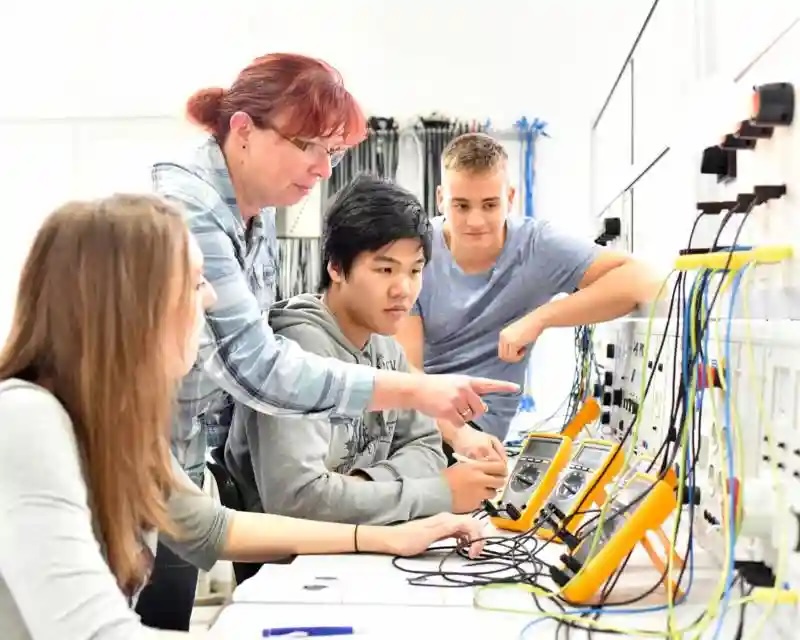
Automation is Hiring Faster Than Schools Can Graduate Engineers
Automation has become a critical component in various industries, including manufacturing, logistics, energy, and research, as companies increasingly implement robots and intelligent systems to enhance efficiency. This shift is occurring at an unprecedented pace, creating a pressing demand for skilled engineers capable of designing, maintaining, and improving these technologies. However, the rapid deployment of automation presents a significant challenge: the supply of qualified professionals is struggling to keep up with the growing need. As organizations strive to integrate advanced automation into their operations, the gap between the availability of skilled workers and the requirements of modern technology continues to widen, complicating efforts to fully realize the potential of automation in the workforce.
Engineering automation careers automation engineers automation news engineering jobs engineering skills shortage
New humanoid robot built for companionship with 90% accuracy in recognizing emotions
Chinese robotics company UBTech has unveiled its latest innovation, the UWORLD U1 Series, which it claims to be the world's first humanoid robot designed for educational purposes. The launch took place on October 15, 2023, during a technology expo in Beijing, where the company showcased the robot's capabilities in interactive learning and skill development for students. The UWORLD U1 Series aims to enhance educational experiences by providing personalized tutoring and engaging students in STEM subjects through interactive lessons. UBTech's motivation behind this development is to address the growing demand for innovative educational tools that can adapt to various learning styles and environments. The humanoid robot features advanced AI technology, enabling it to interact with students in real-time, respond to questions, and facilitate hands-on learning activities. By integrating robotics into the classroom, UBTech hopes to inspire a new generation of learners and foster interest in technology and engineering fields. With this launch, UBTech positions itself at the forefront of the educational technology sector, aiming to revolutionize how students engage with learning materials and prepare for future careers in an increasingly digital world.
AI and Robotics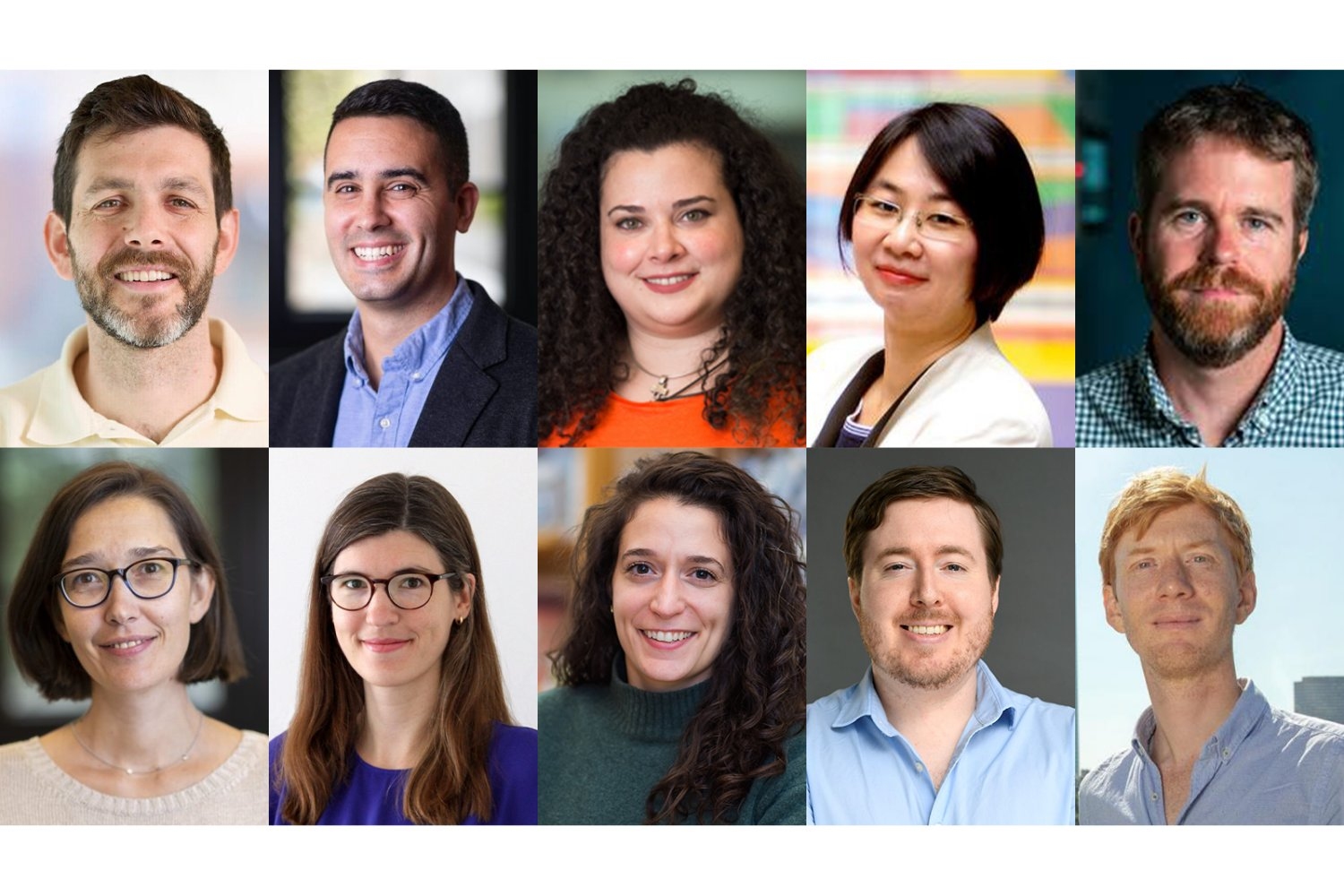
The tenured engineers of 2026
Ten faculty members at the Massachusetts Institute of Technology (MIT) have been awarded tenure, marking a significant milestone in their academic careers. This decision, announced recently, affects five different units within the School of Engineering, highlighting the institution's commitment to fostering academic excellence and innovation. The tenure grants are intended to recognize the contributions and potential of these faculty members, who have demonstrated exceptional research and teaching capabilities. By securing tenure, these educators will gain increased job security and the opportunity to pursue long-term projects that can further advance their fields. This announcement underscores MIT's ongoing efforts to support its faculty and enhance its educational environment.
Awards, honors and fellowships Faculty Aeronautical and astronautical engineering Civil and environmental engineering Electrical engineering and computer science (EECS) Mechanical engineering
Saab Hosts Young People in STEM Challenge
Saab UK recently held the South regional heat of the Global Underwater Hub’s STEM Challenge at its Fareham campus, inviting local school pupils to engage in a practical introduction to underwater engineering and marine technology. The event aimed to inspire students by providing them with hands-on experiences in a field that combines science, technology, engineering, and mathematics. Participants had the opportunity to explore various aspects of marine technology, fostering interest in potential careers in this innovative sector. The initiative underscores Saab UK's commitment to promoting STEM education and encouraging the next generation of engineers.
saab stem challenge guh
San José State University and Teradyne Partner to Advance Engineering Education and Workforce Readiness
San José State University (SJSU) has announced a partnership with Teradyne aimed at enhancing educational experiences by integrating industry expertise into its curriculum. This collaboration, set to last for two years, will focus on the development of a new memory test engineering program. The initiative is designed to equip students with practical skills and knowledge that align with current industry standards, thereby better preparing them for careers in technology and engineering. By leveraging Teradyne's extensive experience in the field, SJSU aims to bridge the gap between academic learning and real-world applications, fostering a more robust educational environment. The program is expected to launch in the coming months, marking a significant step in SJSU's commitment to innovation in education.
New marine science course to bolster the blue economy
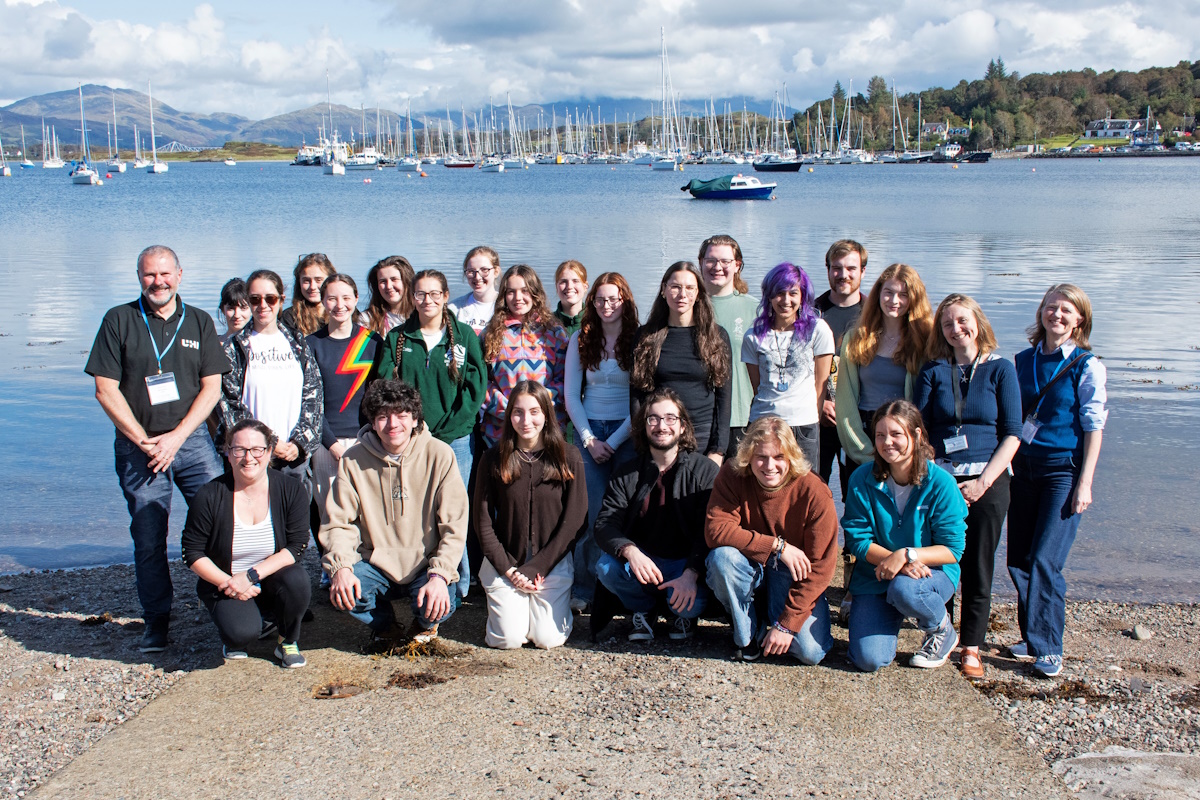
The Scottish Association for Marine Science (SAMS) in Oban, in collaboration with the University of the Highlands and Islands (UHI), has launched a new undergraduate Masters program aimed at equipping students for careers in the blue economy. The Applied Marine Science MSci program builds upon the existing BSc (Hons) Marine Science degree, incorporating additional training focused on employability skills. This five-year course includes a year of practical experience with industry partners in various sectors, including aquaculture, marine technology, scientific diving, conservation, and marine renewables. The initiative addresses the growing demand for a skilled workforce as the blue economy continues to expand in Scotland and across the UK.
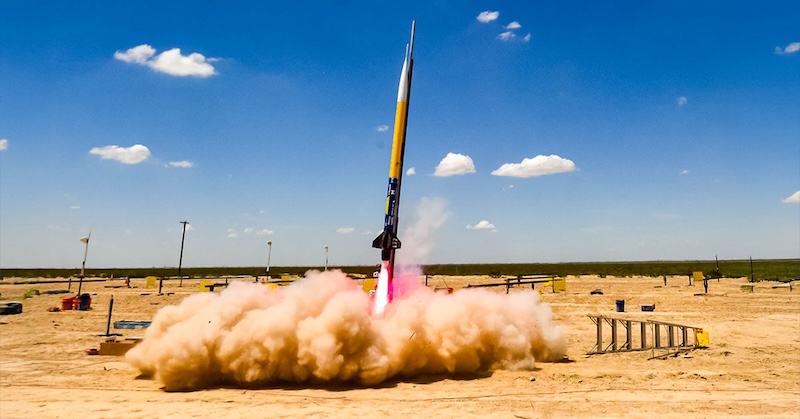
More than 2,000 students to compete in world’s largest rocket engineering competition
ProtoSpace Mfg, a leader in rapid manufacturing for sectors including aerospace and defense, has confirmed its role as the lead sponsor for the upcoming International Rocket Engineering Competition (IREC) 2026. This prestigious event is scheduled to take place from June 15 to June 20 at the Midland International Air & Space Port in Midland, Texas. Organized by the Experimental Sounding Rocket Association (ESRA), IREC is recognized globally as a premier platform for engineering innovation and competition among aspiring rocket engineers. ProtoSpace Mfg's sponsorship underscores its commitment to advancing aerospace technology and supporting educational initiatives in the field.
Engineering News Space aerospace careers aerospace engineering aerospace industry
How Automation Professionals Are Future-Proofing Their Wealth
A sense of unease is permeating the technology sector as employees grapple with the implications of automation on their job security. This anxiety, while not openly discussed in meetings or performance reviews, is increasingly evident among workers who have dedicated years to mastering automation tools. As companies navigate layoffs, model updates, and organizational changes, many are beginning to question whether their skills in automation might ultimately render them redundant. This growing concern reflects a broader apprehension about the future of work in an industry that is rapidly evolving due to technological advancements. The situation highlights the need for professionals to adapt and consider new roles as automation continues to reshape the landscape of employment in tech.
Automation Business Technology ai artificial intelligence automation newsRobotics needs a service framework.
RSF defines a common language for robot service capability, lifecycle operations, certification pathways, and service-provider networks.