

Industry Briefing
A single destination for timely, editor-curated robotics news from around the world.
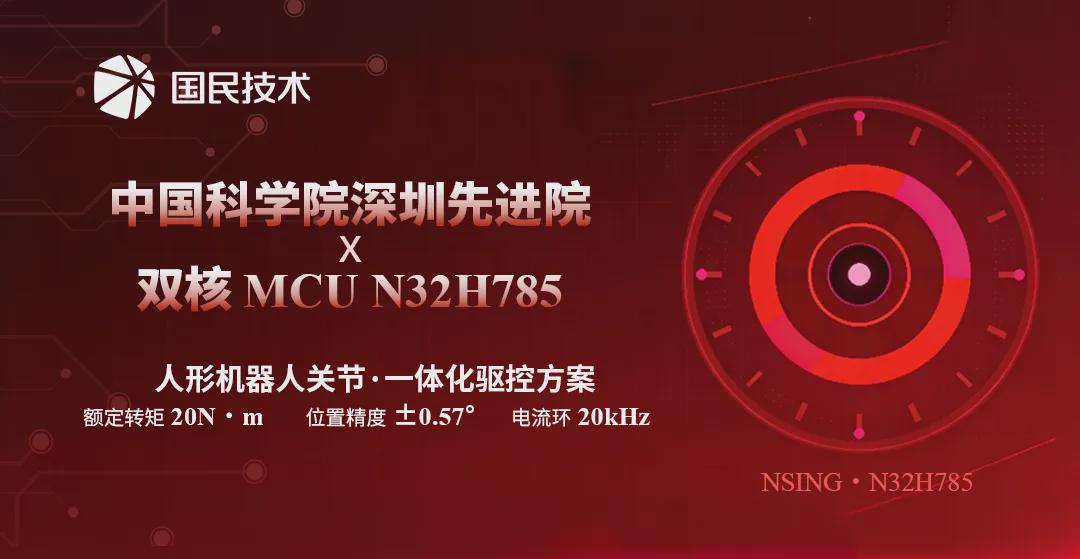
National Technology Launches Advanced Joint Motor Control Solution with Shenzhen Institute of Advanced Technology
National Technology has announced a new generation of integrated joint motor control solutions for humanoid robots in collaboration with the Shenzhen Institute of Advanced Technology. This solution utilizes the high-performance dual-core MCU N32H785, which integrates drive control, a frameless torque motor, dual absolute encoders, a communication module, and a reducer, addressing the challenges of compact and modular design in robotic systems. The humanoid robot market is experiencing significant growth, with global shipments expected to exceed 50,000 units this year, reflecting a year-on-year increase of over 700%. However, the complexity of joint control remains a critical challenge, as each robot contains numerous joints that must perform motor control, encoder processing, multi-protocol communication, and safety protection within tight spaces. The new solution aims to enhance the performance of joint control systems by separating motor control and communication tasks across two dedicated cores, ensuring real-time performance and stability. As the industry continues to evolve, the focus will be on the successful implementation of this technology in mass production scenarios.
Humanoid Robots Motor Control Robotics Technology Embedded Systems
SEKIKAIJI to Introduce SMD Trencher and Advanced Cable-Tracker Technology to Japanese Offshore Wind Market
SEKIKAIJI Industry, a submarine cable installation specialist based in Japan, has enhanced its operational capabilities by acquiring advanced trenching equipment from the subsea technology and services provider, SMD. This strategic investment aims to improve the efficiency and effectiveness of underwater cable installations, addressing the growing demand for reliable subsea infrastructure. The acquisition reflects SEKIKAIJI's commitment to maintaining its competitive edge in the industry and meeting the evolving needs of its clients. The new equipment is expected to streamline the installation process, allowing for quicker project turnaround times and increased operational capacity.
sekikaiji smd trencher advanced cable-tracker technology offshore wind market
Leopard Imaging to Present Cutting-Edge Embedded Vision Technologies with Future Electronics at World of Technology & Science 2026
Leopard Imaging will exhibit its advanced embedded vision technologies alongside Future Electronics at Booth 9A043 during the World of Technology & Science 2026. The showcased technologies will include stereo vision, thermal imaging, high-performance camera systems, and ultra-compact imaging solutions. This event is significant as it highlights Leopard Imaging's commitment to innovation in embedded vision, catering to various sectors such as robotics, autonomous systems, industrial automation, AIoT, and edge AI applications. The collaboration with Future Electronics underscores the importance of partnerships in advancing technology solutions. Attendees should look for demonstrations of Leopard Imaging's latest offerings, which are designed to enhance performance in critical applications. No further timeline was disclosed at the time of publication.

AIR Partners with Elmo Motion Control for Advanced Cargo Drone Technology
AIR VEV Inc. has formed a strategic partnership with Elmo Motion Control Ltd. to integrate high-performance motion control systems into its Heavy Lift UAS. Elmo's Gold HV drive will enhance the AIR 120D cargo drone's electric propulsion motors, ensuring precise control and efficiency. This collaboration aims to optimize the aircraft's performance while minimizing weight and complexity. The significance of this partnership lies in the combination of Elmo's advanced servo drives and AIR's innovative electric aviation design. AIR CEO Rani Plaut emphasized that the selection of Elmo was based on the need for high power density and efficiency in electric aircraft. The integration of Elmo's technology is expected to improve the cargo aircraft's payload capacity and operational efficiency. Looking ahead, the integration of Elmo's Gold HV motor drives is already in progress as part of the AIR 120D development program. AIR is focused on validating the technology against its performance and safety requirements before moving forward with operational deployment. No further timeline was disclosed at the time of publication.
Actuators / Motors / Servos Defense / Security Drones Markets / Industries Motion Control News
Hanwei Technology Showcases Advanced Perception Solutions During 2026 World Robot Conference
During the 2026 World Robot Conference, Hanwei Technology Group Co., Ltd. showcased five types of embodied perception products, including tactile and olfactory sensors. The company also launched the HAU925, a nine-axis inertial sensor chip aimed at embodied intelligence, and demonstrated various advanced sensing technologies. Chairman Ren Hongjun discussed production rhythms and industry strategies, highlighting the growing importance of perception in robotics. The significance of these developments lies in Hanwei's focus on perception as a foundation for intelligent robotics. The company’s electronic skin technology, which has already reached over 30 clients, is poised to enter mass production, marking a critical point in its commercialization. Meanwhile, other sensory products are expected to scale up within two to three years, although significant profits may take longer to materialize. Looking ahead, Hanwei anticipates a shift in the robotics industry towards greater emphasis on embodied perception. However, challenges remain in integrating perception technologies into practical applications. The company aims to address these gaps by providing essential data collection infrastructure, including motion capture suits and data gloves, to support the industry's evolving needs.
Embodied Intelligence Sensor Technology Robotics AI Wearable Technology
MBARI Researchers Employ Advanced Technology to Map California's Notable Octopus Garden
Researchers from the Monterey Bay Aquarium Research Institute (MBARI) have successfully utilized innovative technology to map the renowned Octopus Garden in California. This project aims to enhance understanding of the unique marine ecosystem and its inhabitants. The significance of this mapping effort lies in its potential to provide valuable insights into the biodiversity and ecological dynamics of the Octopus Garden, which is known for its vibrant marine life. By employing advanced mapping techniques, MBARI aims to contribute to marine conservation efforts and inform future research initiatives. Looking ahead, the ongoing analysis of the collected data will be crucial for understanding the ecological health of the Octopus Garden. No further timeline was disclosed at the time of publication.
mbari research mapping octopus garden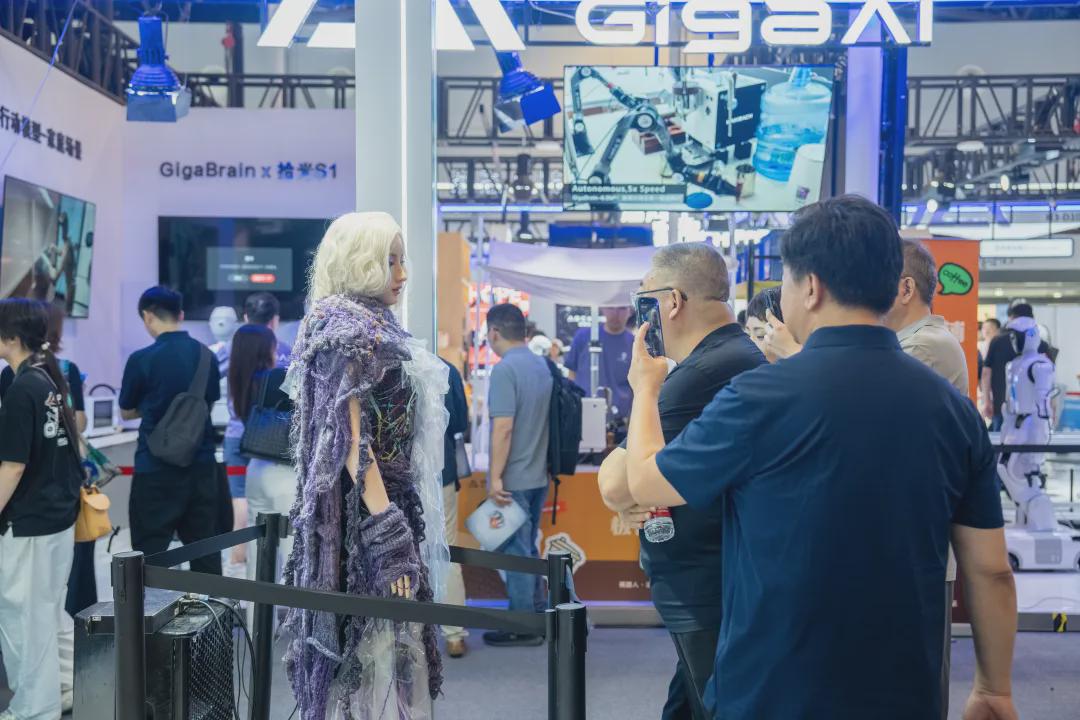
Lingdi Technology Demonstrates Advanced Clothing Simulation at WAIC 2026
At the WAIC 2026, Lingdi Technology showcased a compelling demonstration of robotic arms folding clothes, highlighting the complexities of handling flexible materials. The demonstration illustrated not just the end result of clothing manipulation but emphasized the intricate process of transforming garments into computable digital objects. This involves understanding various fabric properties and how they interact with robotic grippers, which is crucial for real-world applications in households and light industries. The significance of this demonstration lies in addressing the challenges robots face when dealing with flexible, deformable objects. Unlike rigid items, clothing can change shape and state when manipulated, requiring advanced algorithms to adapt to these variations. Lingdi Technology's SynReal World aims to bridge the gap between robotic systems and embodied models by providing a comprehensive data infrastructure for 3D asset generation, simulation training, and automated evaluation, ensuring that models undergo extensive physical interactions in a digital environment before real-world deployment. Looking ahead, the focus on flexible object simulation is critical as robots increasingly enter domestic and industrial settings. The ability to accurately simulate the handling of clothing and other soft materials will be essential for improving efficiency and reducing operational costs. No further timeline was disclosed at the time of publication.
Robotics Fabric Simulation AI Training Automation Soft Robotics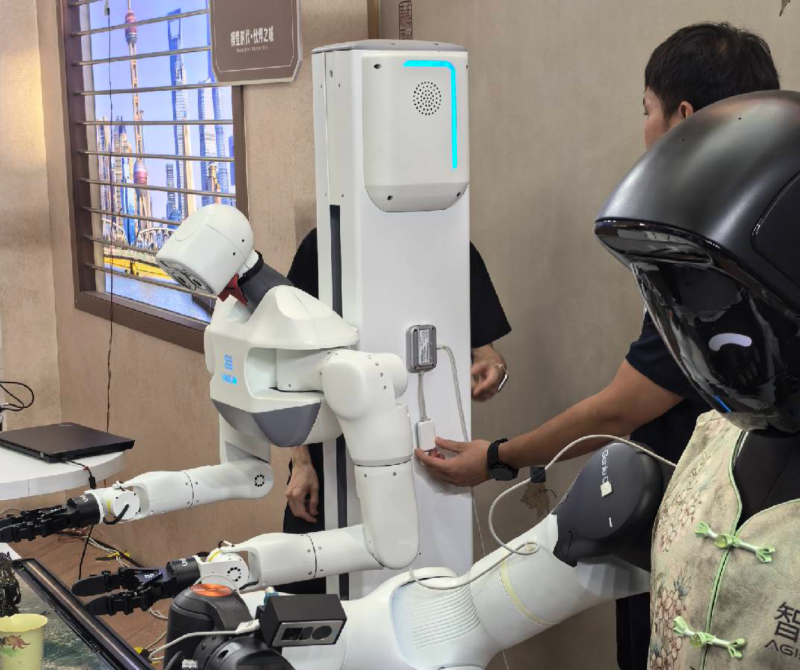
Ensuring Connectivity for Humanoid Robots with Advanced 6G Technology Solutions
At the WAIC 2026, 208 embodied intelligent terminals and over 300 real machines showcased their capabilities, raising concerns about connectivity during real-time collaborative operations. Asmote introduced a next-generation wireless base designed for humanoid robots, which integrates communication, perception, intelligent computing, and control based on 6G technology. This innovation is crucial as it addresses the need for reliable connectivity in complex industrial environments, ensuring that robots remain online with 99.99% reliability and millisecond-level latency. Asmote's AI-EDGE platform significantly reduces the power consumption, cost, and weight of robots by offloading communication and computing tasks to the 6G-native base, allowing robots to focus on performance optimization and task execution. Looking ahead, Asmote aims to provide a digital foundation for physical AI across various industries, emphasizing the importance of a robust infrastructure that goes beyond mere connectivity. No further timeline was disclosed at the time of publication.
Humanoid Robots 6G Technology Wireless Communication AI Industrial Automation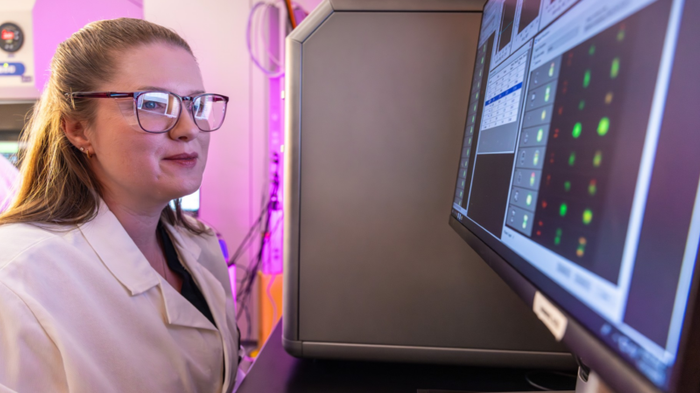
Bristol Myers Squibb Launches Advanced AI Factory with NVIDIA Vera Rubin Technology
Bristol Myers Squibb (BMS) has announced the deployment of its second NVIDIA DGX SuperPOD, featuring eight DGX Vera Rubin NVL72 systems. This new AI cluster is touted as the most powerful and energy-efficient in the life sciences sector, significantly enhancing researchers' access to AI capabilities. BMS aims to democratize AI access among its scientists, allowing for faster drug discovery processes without the constraints of resource limitations. The introduction of this advanced AI infrastructure is crucial for BMS as it seeks to translate AI capabilities into measurable impacts in drug discovery. The new system will facilitate a unified AI platform, including the NVIDIA BioNeMo Agent Toolkit, which will streamline predictions and model training across the drug discovery pipeline. BMS has already seen substantial benefits from its existing DGX SuperPOD, including significant time savings in target identification and the expansion of its library of CELMoD compounds. Looking ahead, BMS is focused on leveraging AI to optimize lead discovery and enhance the efficiency of laboratory experiments. The new system is expected to alleviate current computational bottlenecks and support large-scale predictions. As BMS continues to innovate in the AI space, it emphasizes the importance of making advanced technology accessible to scientists to drive impactful research outcomes. No further timeline was disclosed at the time of publication.
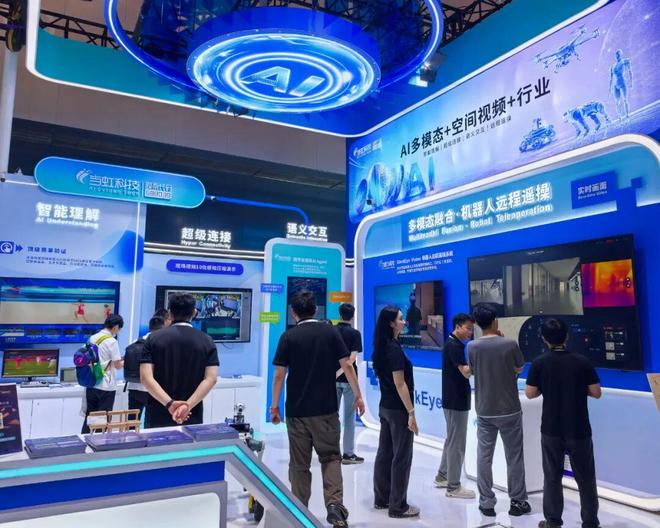
Dahuang Technology Showcases Advanced AI Multimodal Capabilities at WAIC 2026
On July 17, 2026, the World Artificial Intelligence Conference (WAIC) commenced in Shanghai, focusing on the theme 'Intelligent Partners, Co-Creating the Future.' Dahuang Technology presented its AI multimodal capabilities, showcasing a comprehensive system that includes understanding, connecting, interacting, and controlling complex data. The demonstration highlighted the company's transition from video-centric solutions to a broader AI multimodal framework. Dahuang Technology's Sports AI system, based on the BlackEye multimodal spatial model, was a key feature, providing real-time analysis of sports events. This system can automatically label players, track movements, and generate slow-motion replays, demonstrating the AI's ability to comprehend complex video scenarios. The technology has already been validated in high-profile events like the 2026 World Cup and the Paris Olympics. The company also introduced its AI multimodal perception compression technology, achieving over tenfold compression efficiency while maintaining video quality. This capability is crucial for applications in drone inspections, remote communications, and robotic operations, addressing the growing demands for bandwidth and data transmission efficiency in various sectors. No further timeline was disclosed at the time of publication.
AI Multimodal Technology Video AI Data Compression Sports AI Human-AI Interaction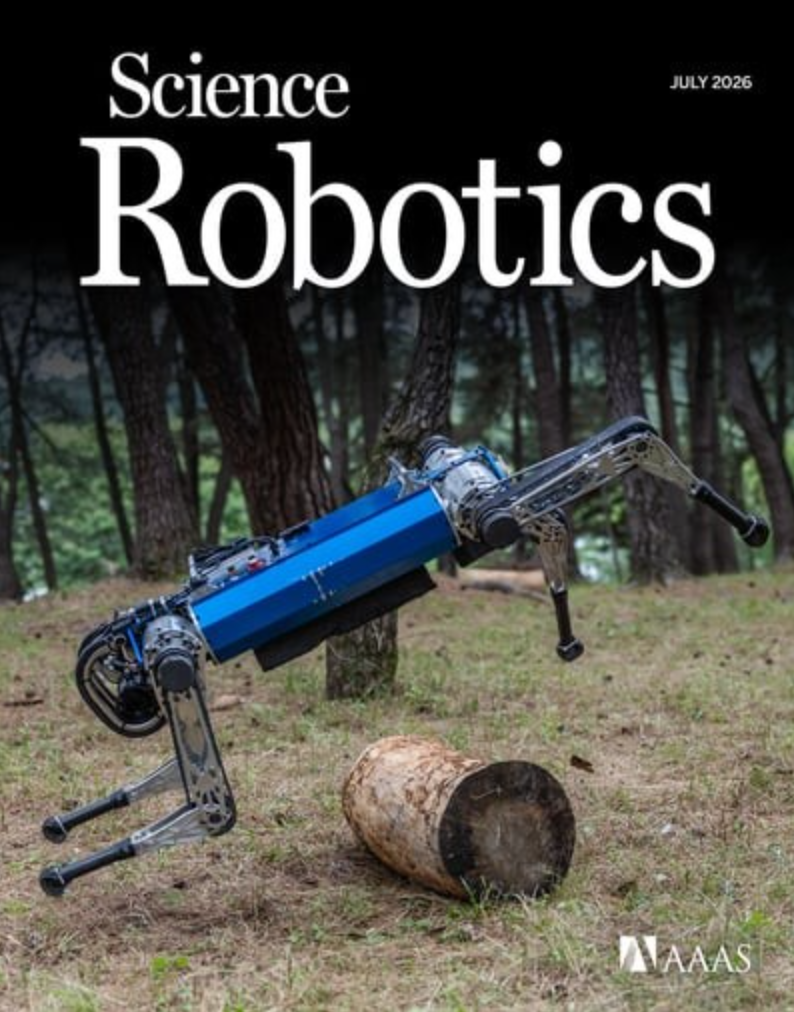
KAIST Unveils Advanced Four-Legged Robot with Autonomous Navigation Technology
KAIST's mechanical engineering team, led by Professor Park Hai-won, announced a breakthrough in robotic technology on July 16. They developed a four-legged robot capable of autonomously selecting and switching between various gaits in real-time, enabling it to navigate complex outdoor environments with speed and stability. This innovation is significant as it integrates a new control architecture called APT-RL (Action Pre-training Reinforcement Learning based on Transformers), which allows the robot to learn movement through computer simulations rather than traditional motion capture. The robot, named KAIST HOUND, demonstrated its capabilities by traversing diverse terrains, achieving peak speeds of 6 meters per second, faster than an average cyclist. Future developments to watch include the potential applications of this technology in disaster response, defense tasks, and industrial inspections. The research was published in the July issue of the journal Science Robotics, highlighting its importance in advancing the field of robotic control and physical AI.
Four-Legged Robots Robotics Technology AI Autonomous Navigation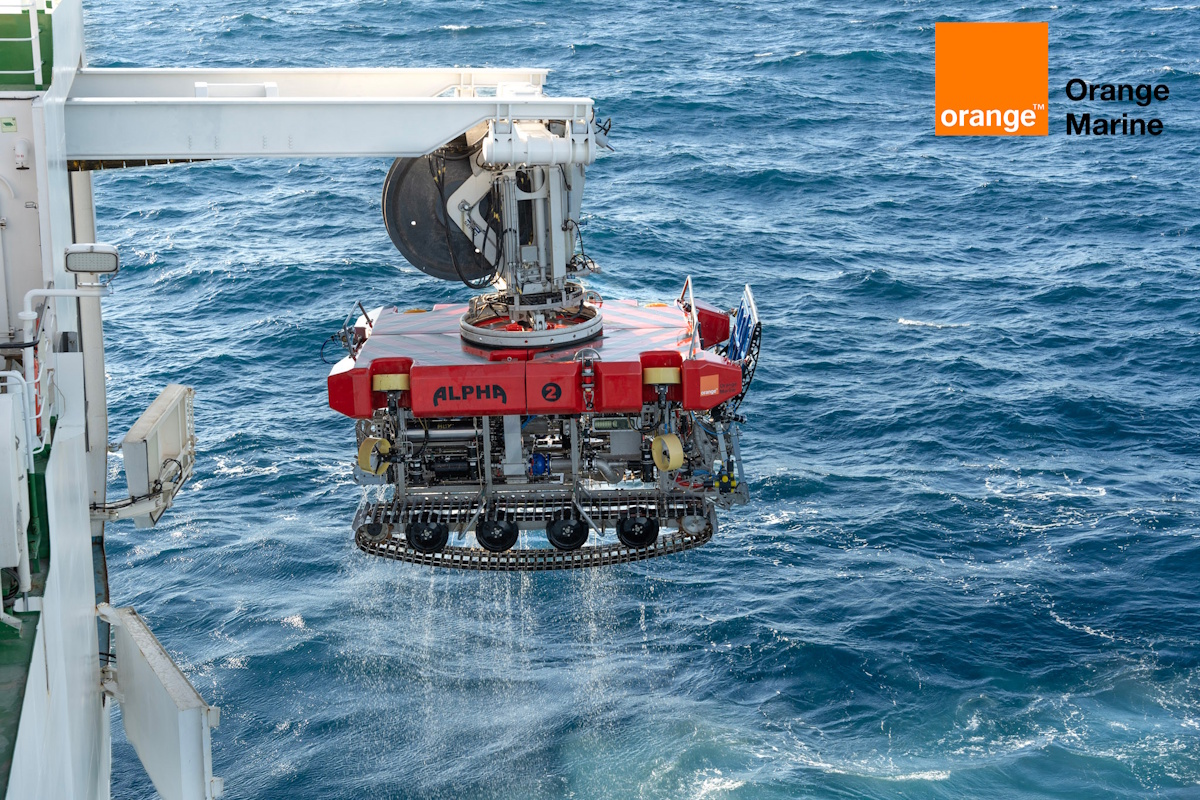
Global Marine Collaborates with Orange Marine for Advanced Alpha ROV on New Vessel
Global Marine has partnered with Orange Marine to supply a next-generation Alpha Remotely Operated Vehicle (ROV) for its new cable maintenance vessel, currently under construction. This collaboration merges Global Marine's extensive subsea cable maintenance experience with Orange Marine's specialized vehicle manufacturing expertise. The Alpha ROV is designed to meet the rigorous demands of telecommunications and power subsea cable operations, featuring 450 kW of power and the capability to operate at depths of 3,000 meters. This advanced vehicle will enhance Global Marine's operational flexibility and efficiency in subsea cable inspection, maintenance, and repair tasks. The new ROV will be deployed on a hybrid-powered cable maintenance vessel, set for delivery in Q4 2029, which signifies a substantial investment in fleet modernization. This initiative positions Global Marine to better support long-term maintenance agreements and capitalize on the growing subsea cable market, as noted by CEO Simon Hibberd.
global marine partnership orange marine alpha rov cable maintenance vessel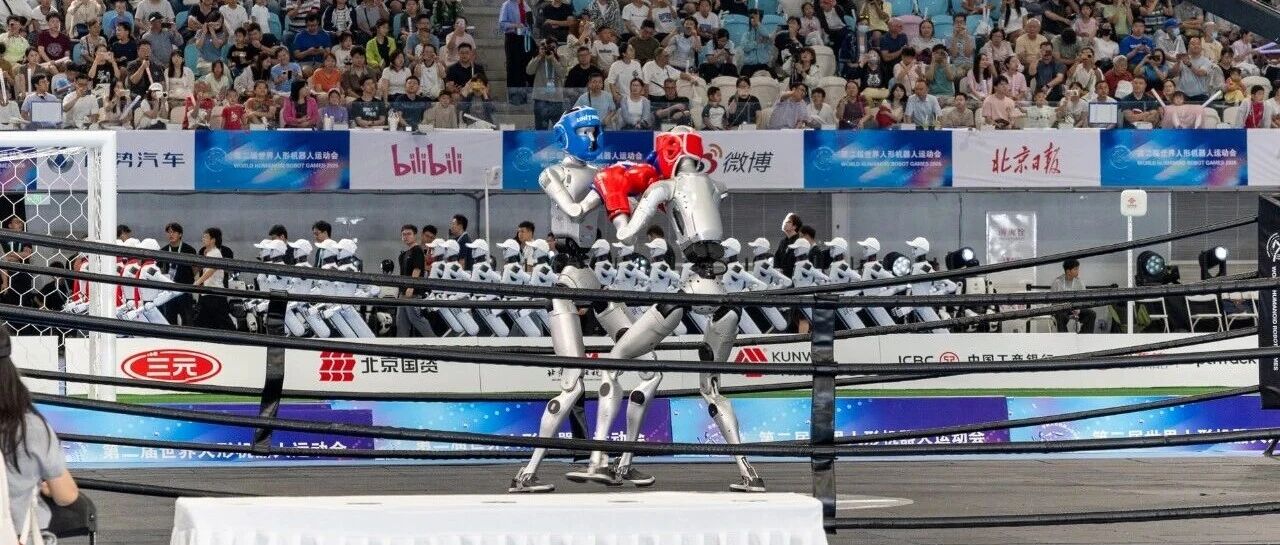
Second World Humanoid Robot Games Launches with Expanded Events and Advanced Force Control Technology
On August 22, 2026, the Second World Humanoid Robot Games officially opened at the National Speed Skating Hall in Beijing. Compared to the inaugural event, this year's competition saw significant growth in the number of participating teams and robots, expanding from 26 to 51 events. Notably, high-intensity events like long jump, weightlifting, tug-of-war, and table tennis were included, showcasing the robots' dynamic capabilities in real-world environments. The upgrade in competitive dimensions emphasizes the need for advanced perception technologies, as robots must now demonstrate explosive power, joint torque distribution, and collision force perception. Kunwei Technology, as the official force control technology provider, showcased its six-dimensional force sensors and joint torque sensors, which support the robots' performance in various events, highlighting the critical role of force control technology in determining success on the competition field. As the competition progresses, the focus will be on how robots adapt to dynamic interactions and complex operations, pushing the boundaries of AI capabilities. The integration of force sensing and control technologies will be crucial for robots to navigate real-world challenges, marking a significant step towards practical applications in industrial automation and service sectors.
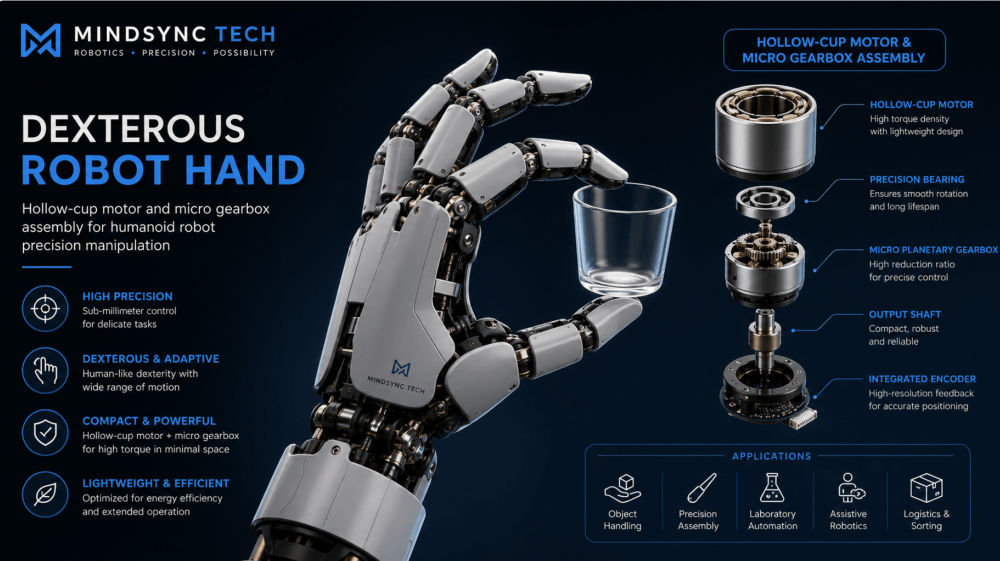
Jiangsu Leili Addresses Robot 'Fingertip Stiffness' with Innovative Micro Motor Solutions
Jiangsu Leili Electric Motor is tackling the critical issue of mechanical stiffness in humanoid robots, which affects their ability to balance flexibility and stability. Their subsidiary, MINDSYNC TECH, showcased a dexterous robotic hand capable of performing tasks such as calligraphy and operating precision instruments, demonstrating significant advancements in addressing stiffness. The dexterous hand requires multiple micro motors for human-like joint movements. Traditional iron-core motors are bulky and inefficient, while hollow cup motors offer higher power density and lighter weight, making them essential for high-end dexterous hands. Jiangsu Leili's subsidiary has developed a full range of hollow cup motors and achieved automated production, enhancing their capabilities in gearboxes and precision gear transmission. Currently, the price of a single dexterous hand ranges from 10,000 to 60,000 yuan. MINDSYNC TECH's General Manager, Wang Wenwei, noted that most humanoid robots in factories still use basic two-finger grippers, limiting their functionality. The industry anticipates that large-scale industrial applications of dexterous hands will take 1-2 years, aligning with the maturation of humanoid robot cost curves.
Robotics Micro Motors Dexterous Manipulation Industrial Automation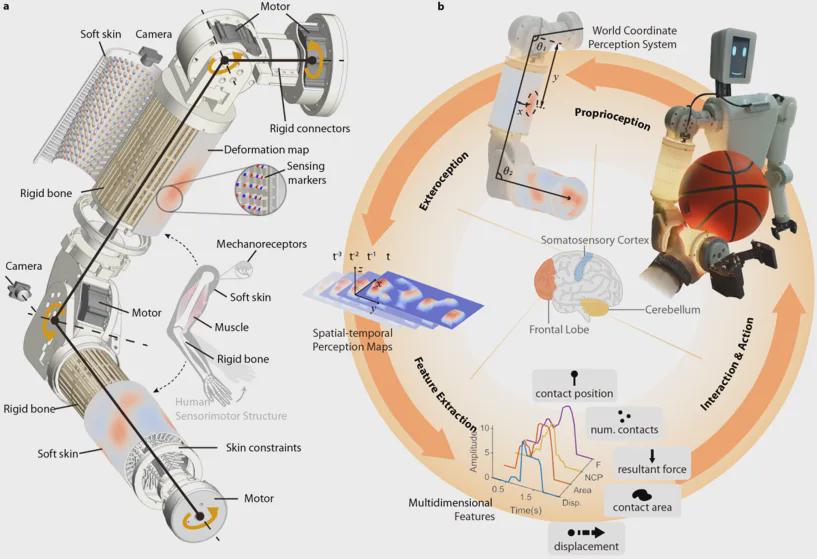
HKUST Introduces Advanced Tactile Perception Technology for Robots
The Hong Kong University of Science and Technology (HKUST) has developed a novel robotic arm architecture called EmArm, which integrates soft optical tactile skin into a rigid mechanical framework. This innovation allows robots to achieve human-like tactile perception, enabling them to respond intuitively to touch and navigate obstacles without visual input. This advancement is significant as it addresses the limitations of traditional robots that rely heavily on visual systems and sparse joint torque sensors, which often fail in blind spots. EmArm's tactile skin covers over 71,000 square millimeters and provides high spatial resolution, allowing for precise detection of touch and pressure, surpassing human tactile acuity in some aspects. Looking ahead, the research team aims to enhance EmArm's capabilities by implementing a closed-loop perception-action framework. This will enable the robot to make adaptive decisions based on real-time tactile feedback, marking a crucial step towards creating robots that can interact more naturally and effectively in dynamic environments. No further timeline was disclosed at the time of publication.
Robotic Arms Tactile Sensing Human-Robot Interaction Soft Robotics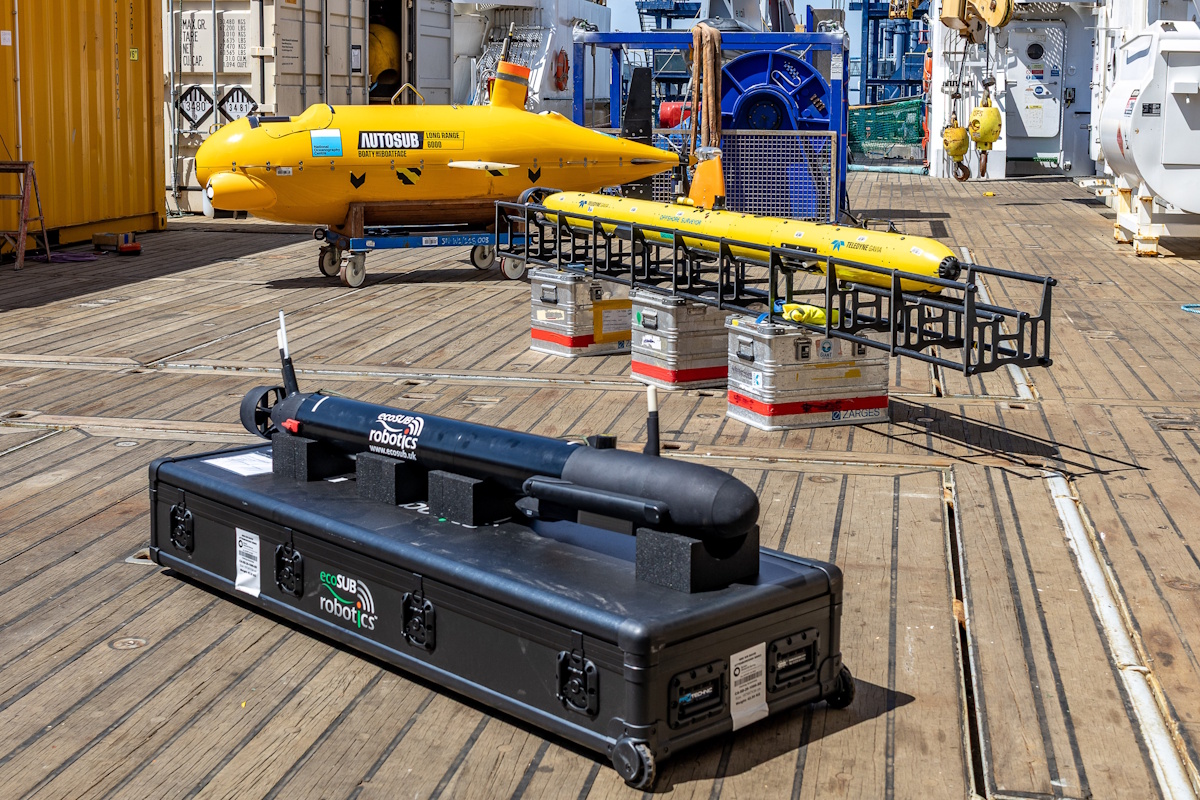
Sonardyne Supports BAS in GIANT Climate Mission with Advanced Positioning Technology
Sonardyne is providing underwater positioning technology for the GIANT climate science mission, which aims to gather data on Greenland's glaciers. The mission will utilize a fleet of autonomous vehicles, including the RRS Sir David Attenborough and various AUVs, to operate in extreme environments and collect comprehensive data. This initiative is significant as it involves 15 collaborating institutions and aims to improve climate models and early warning systems for ice loss in Greenland's fjords. The data collected will enhance understanding of tipping points that could impact global climate. The GIANT mission, running from July to August, will focus on mapping and monitoring ocean temperatures and glacier movements. It will employ a connected observing system of underwater vehicles, robotic sensors, and drones to gather unprecedented measurements in challenging conditions.

Advanced Battery Technology Enhances Performance for Autonomous Vehicles and Robotics
Recent advancements in battery technology are enabling intelligent machines to operate continuously, enhancing performance and efficiency. This technology is specifically designed for applications in autonomous vehicles, robotics, satellites, and drones, allowing for longer life and improved operational capabilities under high-demand conditions. The significance of these developments lies in their potential to transform various industries by supporting the growing demand for reliable and efficient power sources. As intelligent machines become more prevalent, the ability to sustain high-performance operations is crucial for sectors such as transportation, logistics, and aerospace. Looking ahead, stakeholders should monitor the integration of these advanced battery systems into existing platforms and the emergence of new applications. No further timeline was disclosed at the time of publication.

MFE Offshore Partners with Hydromea to Bring Advanced Underwater ROV Technology to Offshore Operators
MFE Offshore has entered into a partnership with Hydromea, establishing itself as the official distributor of the latter's underwater robotics solutions tailored for offshore and maritime applications. This collaboration will enable MFE Offshore to provide Hydromea's cutting-edge underwater inspection technologies to a diverse range of sectors, including offshore oil and gas, offshore wind, marine infrastructure, climate science, and various subsea industries. The partnership aims to enhance operational efficiency and safety in these critical areas, leveraging advanced robotics to meet the growing demands of underwater inspections.
mfe offshore hydromea rov offshore operators exray rov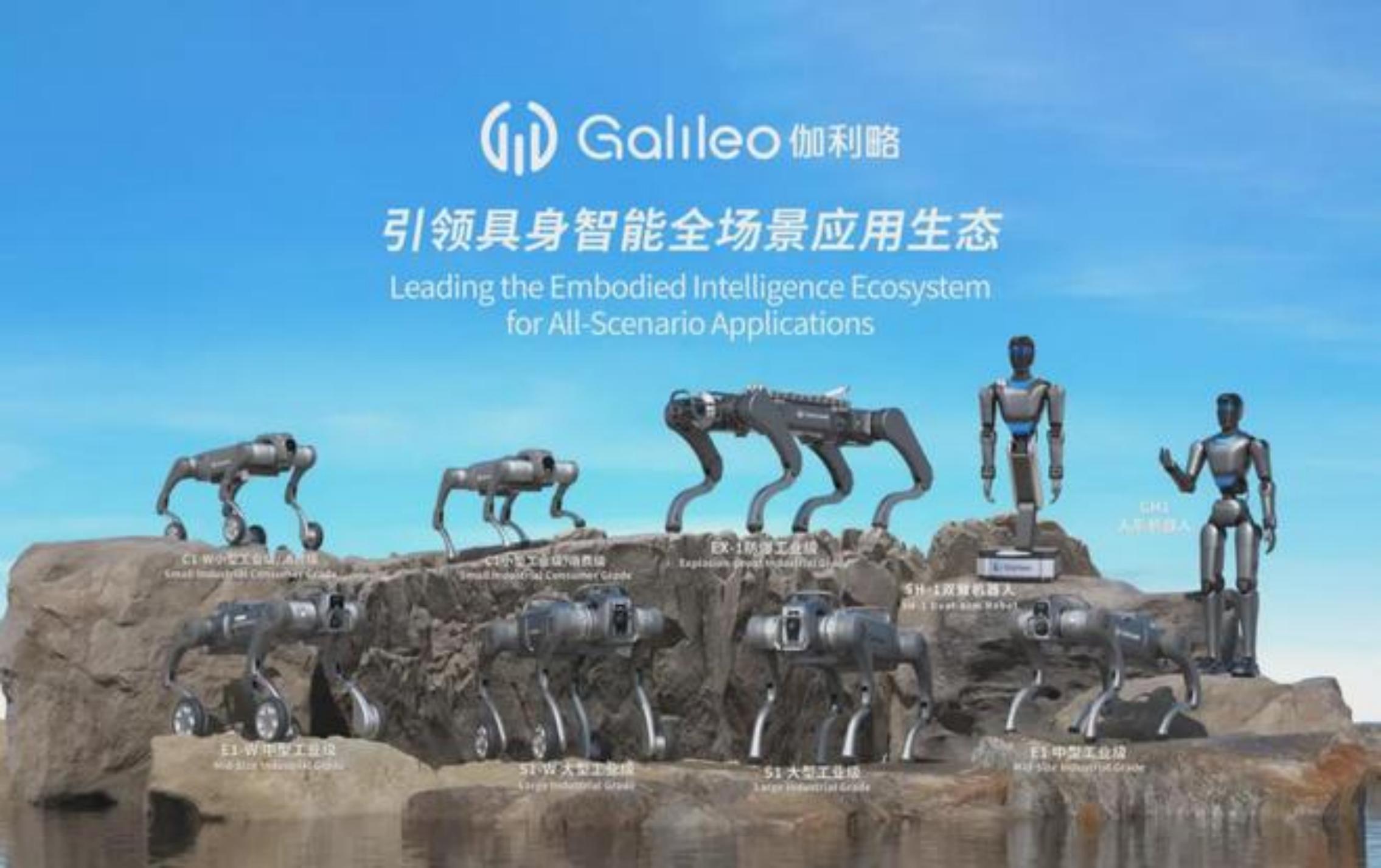
Galileo Robotics Targets Smart Grid Transformation with Advanced Technology
Galileo Robotics is poised to significantly contribute to the transformation of China's smart grid by supplying 8,500 intelligent devices by the year 2026. These advanced robots are specifically engineered for power inspection and emergency response, with the goal of improving operational efficiency and safety within the energy sector. This initiative reflects a broader commitment to modernizing infrastructure and enhancing the reliability of energy services in China.
Smart Grid Technology Robotics Energy Automation Inspection Robots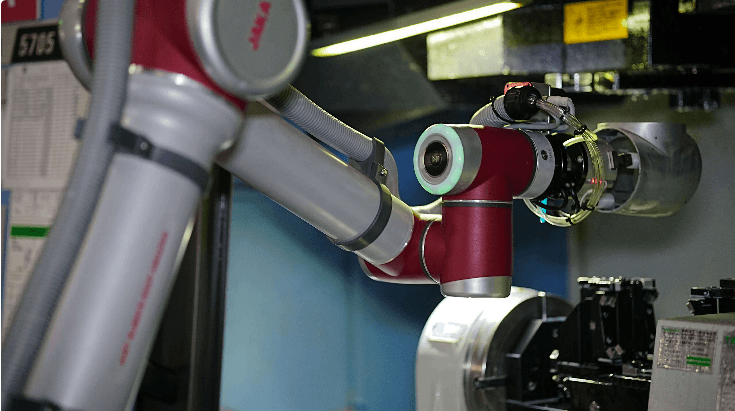
Advanced Robotics Technology in Collaborative Workspaces: Force Limiting and Sensing
In a significant advancement for manufacturing, JAKA is revolutionizing collaborative workspaces through the integration of advanced robotics technology. The company’s focus on industrial collaborative robots (cobots) allows for safe and efficient interaction between machines and human operators, essential in today’s fast-paced production environments. By employing force limiting and sensing capabilities, JAKA's robots can detect unexpected interactions and adjust their movements accordingly, enhancing workplace safety and productivity. The JAKA Pro5 model exemplifies this innovation, specifically designed for loading and unloading tasks. It minimizes reliance on manual labor while ensuring consistent quality through simple programming interfaces that enable rapid setup for various production line tasks. This flexibility allows teams to adapt the robots quickly, optimizing efficiency and precision in machine tending. JAKA recognizes that the successful adoption of robotics hinges on factors such as production complexity and workspace layout. Their cobots are engineered to address these challenges, providing scalable operations that accommodate delicate handling requirements and reduce product damage risks. By integrating these intelligent systems, JAKA not only improves operational standards but also frees up human resources for more strategic roles, fostering a collaborative environment that enhances overall productivity. As industries increasingly embrace advanced robotics, JAKA’s commitment to safety, adaptability, and efficiency positions it at the forefront of transforming manufacturing practices, ultimately driving sustainable productivity improvements.
Implementing Vision Systems in Advanced Robotics Technology for Adaptive Tasks
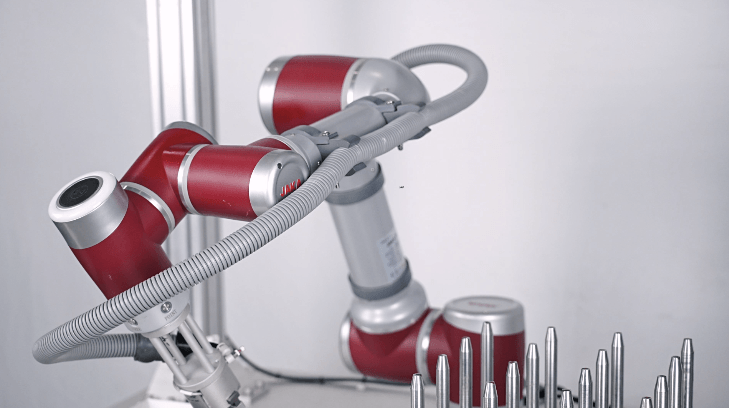
A company specializing in advanced robotics is enhancing production efficiency by integrating vision systems into its industrial cobot solutions. This innovative approach allows robots, such as the JAKA Pro16, to perceive and adapt to changing conditions on the production line, enabling them to identify parts, detect orientation, and adjust movements in real time. The implementation of these vision systems minimizes the risk of misplacement and reduces human error during loading and unloading tasks. The company’s cobot platforms are designed for flexibility, allowing them to efficiently respond to diverse production requirements. By detecting subtle variations and unexpected obstacles, these robots enhance the resilience of production lines. The JAKA Pro16 features simple programming capabilities that facilitate quick adjustments to production setups, thereby minimizing downtime and improving overall efficiency and product quality. Additionally, the company emphasizes user-friendly programming interfaces, enabling operators with minimal training to manage complex tasks effectively. The drag-and-drop teaching and graphical interfaces of the JAKA Pro16 maximize robot utilization while allowing human resources to focus on strategic activities. This combination of visual perception and intelligent control algorithms ensures high precision and adaptability in various manufacturing scenarios. In summary, the integration of vision systems into robotics technology is pivotal for creating flexible manufacturing solutions. The company remains committed to developing adaptive robotics that enhance task accuracy, optimize workforce allocation, and support high-quality production outcomes.
ROKAE Showcases Flexible Cobot Solutions at Geely Auto’s Advanced Manufacturing Technology Expo
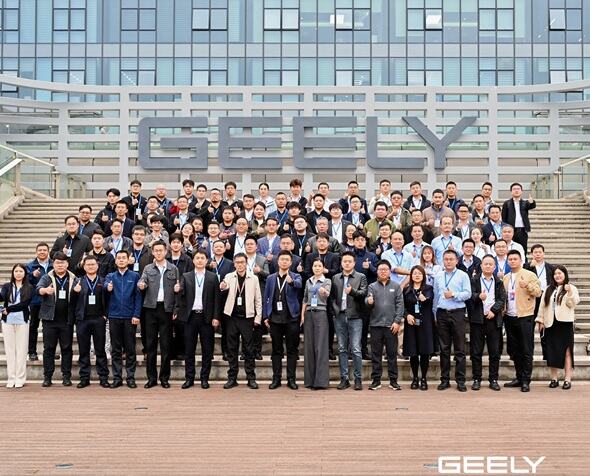
ROKAE Robotics showcased its innovative wheeled dual-arm embodied-intelligence robot and a range of flexible collaborative robot solutions at Geely Auto’s inaugural Forward-Looking and Lean Manufacturing Technology Exhibition. The event, aimed at enhancing automotive production, provided attendees with valuable insights into advanced technologies, applications, and industrial upgrades. This debut marks a significant step for ROKAE Robotics in the automotive sector, highlighting the growing importance of automation in manufacturing processes. The exhibition served as a platform for industry leaders to explore cutting-edge solutions that could transform production efficiency and effectiveness.
Estun Honored as "National Advanced Collective in the Industry and Information Technology System"!
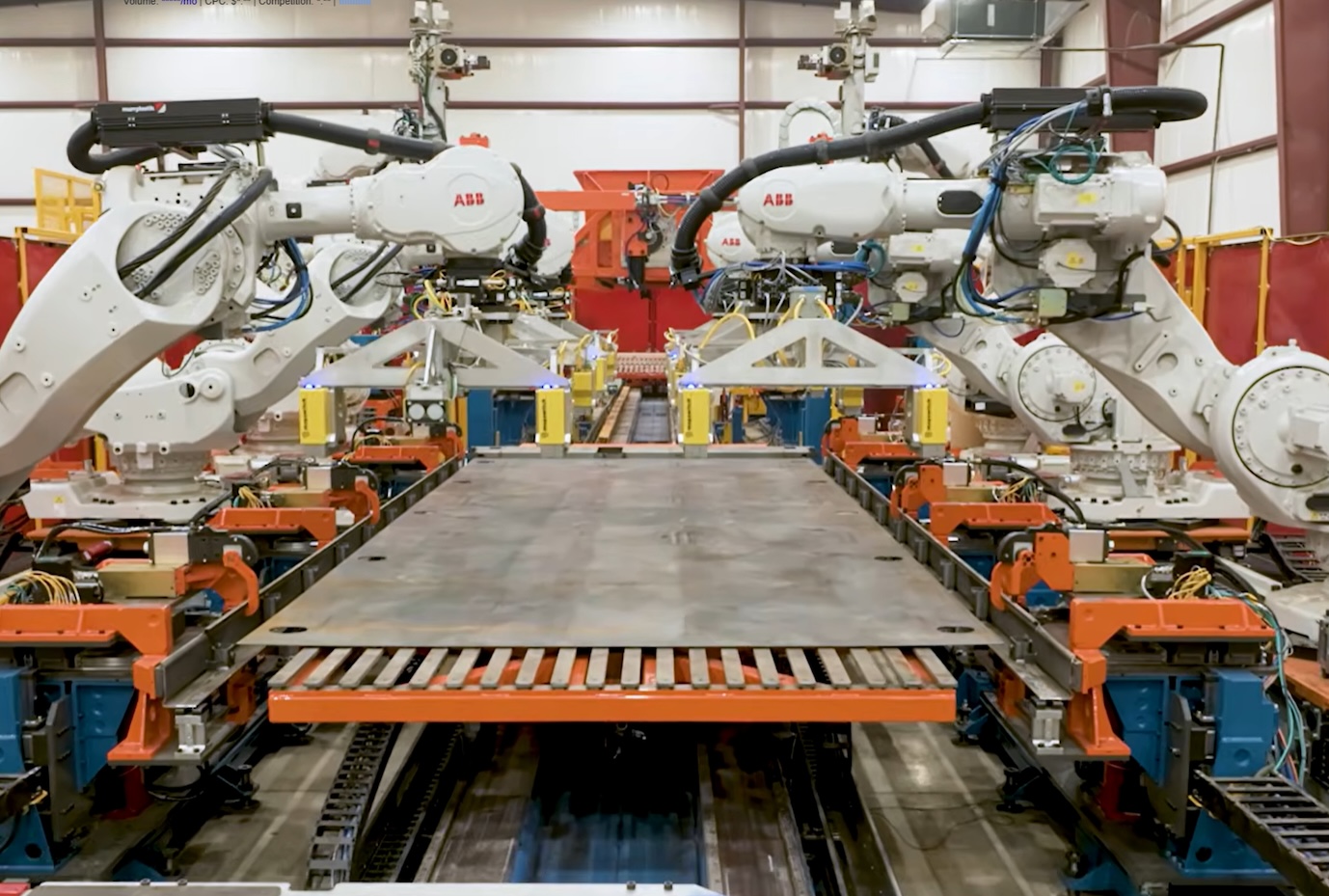
On April 27, a significant event took place in Beijing, where the National Commendation Conference for Advanced Collectives in the Industry and Information Technology System recognized outstanding contributions within the sector. Estun Automation Co., Ltd. received the prestigious title of "National Advanced Collective in the Industry and Information Technology System." This accolade highlights the company's commitment to innovation and excellence in the rapidly evolving field of industry and information technology, underscoring its role in advancing technological development in China. The conference aimed to celebrate and promote high-performing organizations that contribute to the nation's industrial and technological progress.
ESTUN AUTOMATION ROBOTICS SERVO SYSTEMSRobotics needs a service framework.
RSF defines a common language for robot service capability, lifecycle operations, certification pathways, and service-provider networks.
Join the RobotToday community on LinkedIn
Daily robotics news, in-depth analysis, conference highlights, and discussions with professionals worldwide.







