Industry Briefing
A single destination for timely, editor-curated robotics news from around the world.

Xiaopeng Launches First Fully Automated Production Line for Humanoid Robots
On September 8, Xiaopeng Robotics unveiled its first advanced humanoid robot, IRON, which successfully walked off the production line. The company announced that its production line has achieved over 80% automation in core processes, marking it as the world's first fully automated line for advanced humanoid robots. However, the remaining 20% of processes still rely on human labor, raising concerns about cost reduction and market pricing. The significance of Xiaopeng's achievement lies in its progress compared to competitors, such as Tesla, which has not disclosed automation rates for its Optimus production line. While Xiaopeng's automation rate is impressive, it only measures core processes, which lack a standardized industry definition. This ambiguity allows for varying interpretations of automation rates among companies, potentially leading to inflated claims. Looking ahead, the challenge for Xiaopeng will be to reduce costs associated with the remaining 20% of processes that are not yet automated. These tasks are often the most complex and expensive, involving delicate components that current machines struggle to handle. The industry is watching closely to see how Xiaopeng navigates this critical phase of production and cost management.
Humanoid Robots Automation Manufacturing Technology Robotics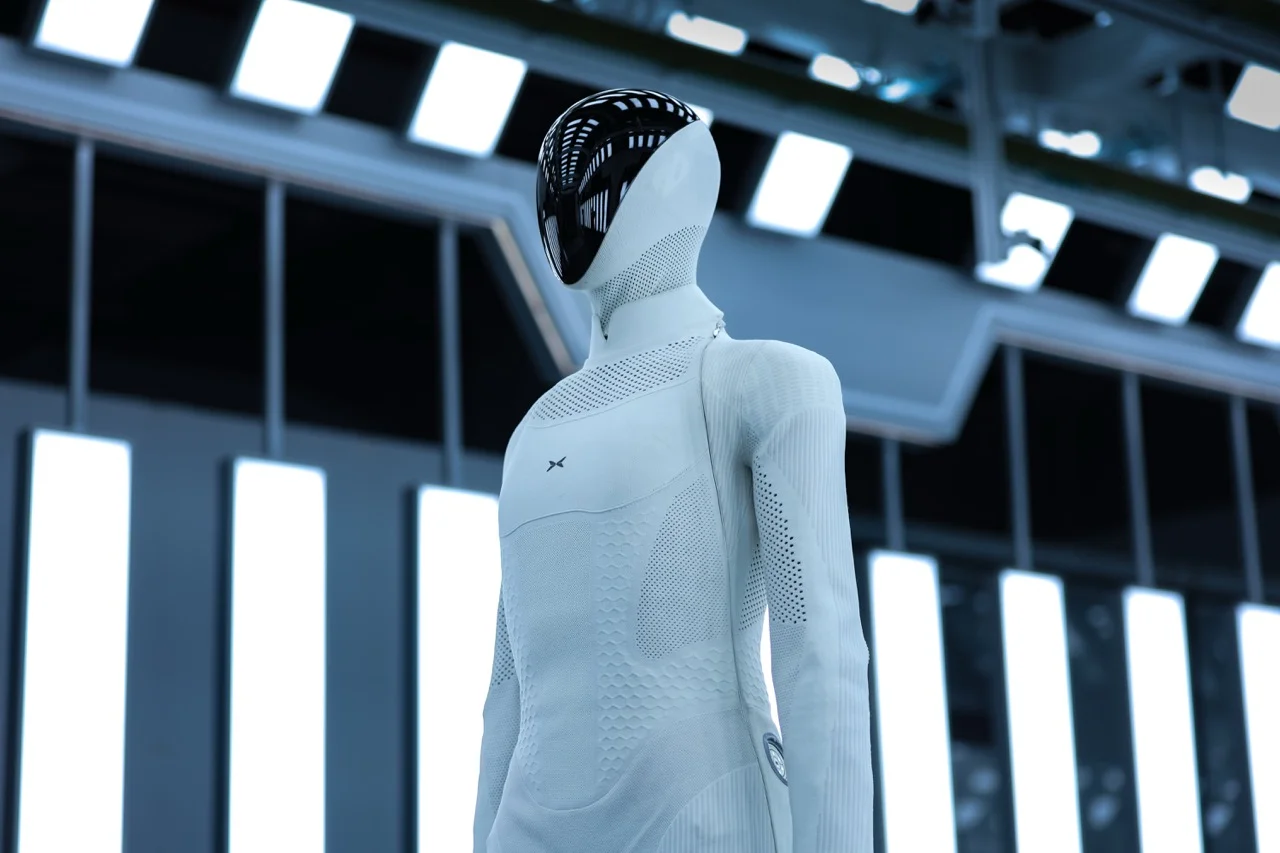
XPENG's He Xiaopeng Discusses Challenges and Vision for Humanoid Robot IRON
XPENG has unveiled its first production-intent humanoid robot, IRON, which recently completed its automated assembly line debut. CEO He Xiaopeng shared insights in a candid video, addressing the engineering challenges and public skepticism faced during the six-year development process. He emphasized the importance of focusing on functional durability over flashy demonstrations, positioning XPENG to create a general-purpose humanoid robot capable of autonomous work. The significance of this milestone lies in XPENG's $900 million funding round, which has bolstered its valuation to $6.3 billion. Xiaopeng's narrative highlights the friction between public perception and engineering realities, as he recalls early missteps that garnered public mockery. He argues that the path to developing effective humanoid robots is often overlooked due to the industry's focus on entertainment rather than practical applications. Looking ahead, XPENG aims to leverage its automotive expertise to enhance the bipedal autonomy of IRON. The company is focusing on integrating large-language and Vision-Language-Action models to enable the robot to learn from real-world data. No further timeline was disclosed at the time of publication.
Xiaopeng He China XPENG IRON
Lu Siyuan Leaves Xiaopeng Motors to Join OpenAI Robotics as AI Infrastructure Head
Lu Siyuan, head of AI Infrastructure at Xiaopeng Motors, is transitioning to OpenAI Robotics, as confirmed by sources close to the matter. His departure is significant, given Xiaopeng's focus on self-developed chips and AI technology, which are crucial for the company's transformation into 'physical AI'. Lu's expertise in high-performance computing and large-scale data processing has been pivotal in Xiaopeng's AI initiatives. This move highlights the competitive landscape in the AI and robotics sectors, where top talent is increasingly sought after by leading companies. Lu's role involved overseeing a team of around 200, responsible for critical components such as model training frameworks and GPU cluster scheduling. His departure raises concerns about Xiaopeng's ability to maintain its technological edge, especially in the development of its proprietary Turing chips. Looking ahead, the implications of Lu's transition to OpenAI Robotics could reshape both companies' trajectories. OpenAI is building a comprehensive framework for robotics that emphasizes distributed training and real-world data integration. As Xiaopeng restructures its team to mitigate the impact of Lu's exit, the industry will be watching closely to see how both organizations adapt to these changes.
AI Infrastructure Robotics Smart Vehicles Chip Development
Chen Yonghai Joins Zhongqing as COO After Leaving Xiaopeng Motors
Chen Yonghai, former Vice President of Product at Xiaopeng Motors, has officially joined Zhongqing Robotics as Chief Operating Officer, reporting to Chairman and CEO Zhao Tongyang. Chen's career trajectory reflects a strong background in product management, having previously worked at UC and Amap, and led product development at Xiaopeng Motors. His transition to Zhongqing comes after a brief period considering entrepreneurship in robotics. Founded in the second half of 2023 by Zhao Tongyang, Zhongqing has already secured $200 million in Series B funding, with a valuation exceeding 10 billion RMB. The company aims to produce humanoid robots at scale, with the first batch of T800 robots recently rolling off the production line in Zhengzhou. The humanoid robotics industry is evolving rapidly, with a shift from custom production to mass manufacturing. Chen's expertise in product lifecycle management is crucial as the industry seeks to meet increasing demand. The collaboration with former Xiaopeng autonomous driving head Li Liyun as CTO positions Zhongqing to leverage automotive methodologies in addressing the unique challenges of robotics commercialization.
Humanoid Robots Robot Production Automotive Industry Product Management
Xiaopeng begins internal testing of Robotaxi, marking a key step towards "robot cars," says He Xiaopeng.
On September 9, XPeng Motors held its first all-hands meeting for its Robotaxi division, announcing the launch of an internal testing phase for employees. CEO He Xiaopeng emphasized that over the next decade, all intelligent physical carriers will essentially become robots, positioning Robotaxi as a crucial step for XPeng in transitioning from electric vehicles to "robotic cars." This initiative is part of XPeng's broader strategy to establish a foothold in the physical AI landscape. The company plans to focus on integrating hardware and software for its vehicle platform, autonomous driving technology, and AI capabilities. By developing comprehensive solutions, XPeng aims to serve global partners and facilitate the worldwide deployment of Robotaxi services.
The Divergence of VLA in Autonomous Vehicles and Robotics: Insights from Xiaopeng and Jim Fan
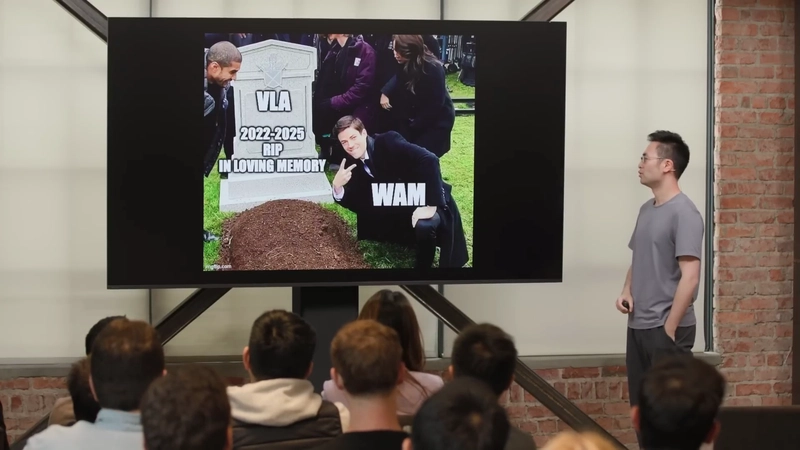
A recent article examines the divergent trajectories of VLA (Vision-Language Agents) in the realms of autonomous driving and robotics, underscoring the distinct operational requirements inherent to each field. The analysis delves into the complexities of incorporating world models into VLA systems, revealing significant challenges that could impact the future development of artificial intelligence in these areas. The discussion emphasizes the necessity for specialized strategies that cater to the unique demands of autonomous driving and robotics, suggesting that a one-size-fits-all approach may not be viable for advancing AI technologies effectively.
Autonomous Driving Robotics AI World Models Machine LearningRobotics needs a service framework.
RSF defines a common language for robot service capability, lifecycle operations, certification pathways, and service-provider networks.
Join the RobotToday community on LinkedIn
Daily robotics news, in-depth analysis, conference highlights, and discussions with professionals worldwide.