

Industry Briefing
A single destination for timely, editor-curated robotics news from around the world.

Anhui Reveals Key Technology Directions for Smart Connected Vehicles by 2026
On September 20, the Anhui Province announced key technology directions for smart connected new energy vehicles during the 2026 World Manufacturing Conference in Hefei. Liu Xinglong, Deputy Director of the Anhui Automotive Innovation Center, emphasized that AI-driven smart vehicles will dominate the industry, with global new energy vehicle sales expected to reach a penetration rate of nearly 50% by 2030, and 70% in China. Anhui aims to establish itself as an influential center for smart vehicle technology and innovation, focusing on a 1+3 technology system. This includes leveraging AI for deep empowerment and advancing three main areas: smart connectivity technology, new energy and energy-saving technology, and common supporting technologies. The province plans to tackle core AI technologies, including automotive-grade AI chips and integrated operating systems, while promoting AI applications throughout the automotive supply chain. The development of embodied intelligent vehicles, featuring autonomous systems and components, will be a key focus. Each component, such as driving decision-making and energy management, will operate independently yet cohesively. With a strong automotive foundation, Anhui leads the nation in several automotive production metrics, and aims to overcome critical technology challenges in AI chips and operating systems to support this complex integration.
Smart Vehicles AI Technology New Energy Vehicles Autonomous Driving
Raytheon and Composite Energy Technologies Showcase HADALUS Unmanned Undersea Vehicle Capabilities
Raytheon, a business unit of RTX, and Composite Energy Technologies (CET) have successfully demonstrated the HADALUS unmanned undersea vehicle (UUV) during a U.S. Navy exercise. This event showcased the UUV's undersea launch capabilities, marking a significant advancement in integrated unmanned undersea operations. The demonstration is crucial as it highlights the potential for a single UUV to perform multiple functions, including detection, reacquisition, and engagement, within a single mission. Jen Gauthier from Raytheon emphasized that this development is part of a broader strategy to deliver autonomous undersea capabilities that are less detectable than surface platforms. HADALUS, measuring 34 feet with over 2,000 nautical miles of endurance, is designed to be cost-effective, with production costs significantly lower than comparable vehicles. The rapid development from concept to prototype in under 18 months illustrates the agility of the undersea industrial base, according to CET's CEO Chase Hogoboom. No further timeline was disclosed at the time of publication.
rtx raytheon composite energy technology demo uuv
Coast Guard Seeks Effective Technology to Counter Unmanned Underwater Vehicles
The Coast Guard has announced its search for technology capable of defeating unmanned underwater vehicles (UUVs). According to a recent notice, there are currently limited solutions that have been tested and fielded to address this challenge. This initiative is significant as the rise of UUVs poses potential threats to maritime security and safety. The Coast Guard's efforts to find effective countermeasures highlight the urgency of addressing vulnerabilities in underwater operations and protecting critical assets. Looking ahead, the Coast Guard's ongoing search for viable technology solutions will be crucial in enhancing maritime defense capabilities. No further timeline was disclosed at the time of publication.
Naval Warfare coast guard Drones Navy Unmanned unmanned underwater vehicle
Nipper Enhances Driverless Pallet Transport Vehicles with B&R Automation Technology
Nipper has equipped its driverless pallet transport vehicles with automation technology from B&R to optimize space in modern production and warehouse environments. These vehicles are designed to operate in tight spaces where every square meter counts, sharing work areas with employees and pallets. The integration of B&R's technology enables safe, predictable, and efficient movements within centimeter precision. This development is significant as it addresses the challenges of maximizing space utilization in contemporary manufacturing and logistics settings. With limited room for error, the collaboration between Nipper and B&R aims to enhance operational efficiency and safety in environments where autonomous transport systems are increasingly common. The focus on centimeter-level movement precision is crucial for maintaining workflow in congested areas. Looking ahead, the industry will likely see more innovations in automation technology that cater to the needs of compact workspaces. As companies strive for greater efficiency and safety in their operations, the advancements made by Nipper and B&R could set a benchmark for future developments in driverless transport solutions. No further timeline was disclosed at the time of publication.
Allgemein Anwendungen & Lösungen Automation Fördertechnik & Handling Lagerlogistik & Materialfluss Mobile Robotik
XPeng Expands Turing AI Chip Technology from Electric Vehicles to Humanoid Robots
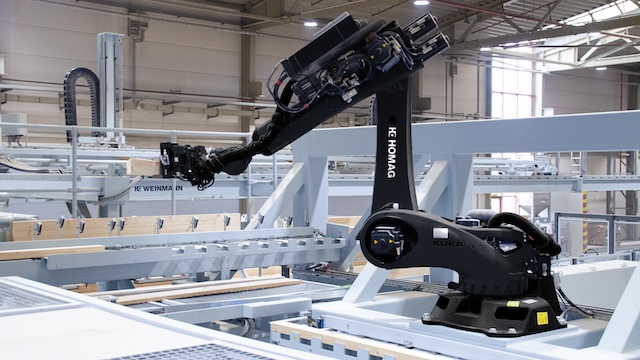
XPeng is advancing its self-developed Turing AI silicon by integrating it into humanoid robots, moving beyond its initial application in intelligent electric vehicles. This initiative is part of a broader Physical AI stack, showcasing XPeng's commitment to diversifying its technology applications. The significance of this development lies in the potential for enhanced AI capabilities in humanoid robots, leveraging the power of the Turing chips. With configurations cited at approximately three on-device Turing chips, the total processing power reaches around 2,250 TOPS, indicating a robust foundation for complex AI tasks. Looking ahead, industry observers should monitor XPeng's progress in the humanoid robotics sector and the performance of its Turing AI chips in real-world applications. No further timeline was disclosed at the time of publication.
Ouster Expands into Drone Mapping and Autonomous Vehicles with Physical AI Technology
Ouster is advancing its technology that enables machines to perceive and navigate their environments, contributing to the growth of physical AI. The company is entering the drone mapping sector through a collaboration with GeoCue, while John Deere is integrating Ouster sensors into its GUSS autonomous vehicles. This expansion is significant as it highlights the increasing demand for physical AI solutions across various industries. Ouster's CEO, Angus Pacala, emphasized the company's commitment to exploring new markets and addressing the evolving needs for advanced sensing technologies in automation. Looking ahead, industry stakeholders should monitor Ouster's developments in drone mapping and its partnership with John Deere. No further timeline was disclosed at the time of publication.

Advanced Battery Technology Enhances Performance for Autonomous Vehicles and Robotics
Recent advancements in battery technology are enabling intelligent machines to operate continuously, enhancing performance and efficiency. This technology is specifically designed for applications in autonomous vehicles, robotics, satellites, and drones, allowing for longer life and improved operational capabilities under high-demand conditions. The significance of these developments lies in their potential to transform various industries by supporting the growing demand for reliable and efficient power sources. As intelligent machines become more prevalent, the ability to sustain high-performance operations is crucial for sectors such as transportation, logistics, and aerospace. Looking ahead, stakeholders should monitor the integration of these advanced battery systems into existing platforms and the emergence of new applications. No further timeline was disclosed at the time of publication.
SpaceX's Starmind Faces Feasibility Challenges for 1 Million Satellite Deployment
On January 30, 2026, SpaceX submitted a request to the FCC to launch up to 1 million satellites as part of its Starmind orbital compute constellation. This ambitious plan is unprecedented, as the total number of satellites ever launched globally is in the low tens of thousands. The proposal seeks a waiver from standard deployment milestones, citing reliance on the Starship's full reusability for success. The significance of this request lies in the technical and logistical challenges it presents. Experts warn that low Earth orbit may not support the proposed number of active satellites without risking a debris cascade. SpaceX's own IPO prospectus acknowledges unresolved dependencies related to Starship's launch cadence and reusability, which are critical for the orbital AI compute strategy. Looking ahead, the timeline for achieving the necessary launch cadence and manufacturing capacity remains uncertain. SpaceX's Gigasat facility in Texas aims for volume production by late 2027, but this would require unprecedented output levels. No further timeline was disclosed at the time of publication, leaving the feasibility of the Starmind project in question.

SpaceX's Starmind Project: Supplier Strategy and Chip Manufacturing Plans for 2026
SpaceX's Starmind project, aimed at deploying up to 1 million AI satellites, was filed with the FCC on January 30, 2026. The initiative is designed to minimize reliance on external suppliers, with CEO Elon Musk stating that current chip production capabilities only meet 2% of the projected needs. The first satellite, AI1, is set for prototype launches in early 2027, featuring a 70-meter wingspan and a modular payload system that allows for interchangeable chips from various suppliers. The significance of Starmind lies in its ambitious supply chain strategy, which seeks to transition from external hardware suppliers to a fully integrated Musk-owned facility by 2028. The Gigasat manufacturing site in Bastrop, Texas, is expected to be operational by the end of 2027, with plans for high-volume production of the D3 chip, specifically designed for space applications. This approach aims to consolidate chip manufacturing processes under the Terafab joint venture, which has an estimated initial investment of $55 billion. Looking ahead, the next milestone for Starmind is the launch of AI1 prototypes in early 2027, while the full-scale chip production at Terafab is projected to ramp up significantly thereafter. However, analysts express skepticism regarding the feasibility of achieving Musk's ambitious compute goals, which may require substantial investment and time to establish the necessary manufacturing capabilities.

Tesla's Optimus Robots to Support Starmind Satellite Production, Not Maintenance
Tesla's Optimus robots will not be used to repair Starmind satellites in orbit, as confirmed by recent statements from Elon Musk. Instead, these robots are intended to assist in the construction and operation of the Terafab chip manufacturing facility in Texas. The AI1 satellites, designed to disintegrate upon reentry, highlight the company's swap-and-replace strategy rather than traditional maintenance practices. This approach is significant as it reflects a broader trend in satellite management, where mass-produced satellites are replaced rather than repaired. The economics of servicing missions are prohibitive, with the cost of launching a replacement satellite being significantly lower than conducting a repair mission. This model aligns with SpaceX's operational history, where rapid replacement of satellites is more efficient than attempting to maintain them in orbit. Looking ahead, the focus will remain on the production capabilities of the Gigasat factory, which is expected to support the continuous replacement of satellites. No further timeline was disclosed at the time of publication, but the demand for rapid satellite turnover suggests a robust future for Optimus robots in terrestrial manufacturing rather than in-space servicing.
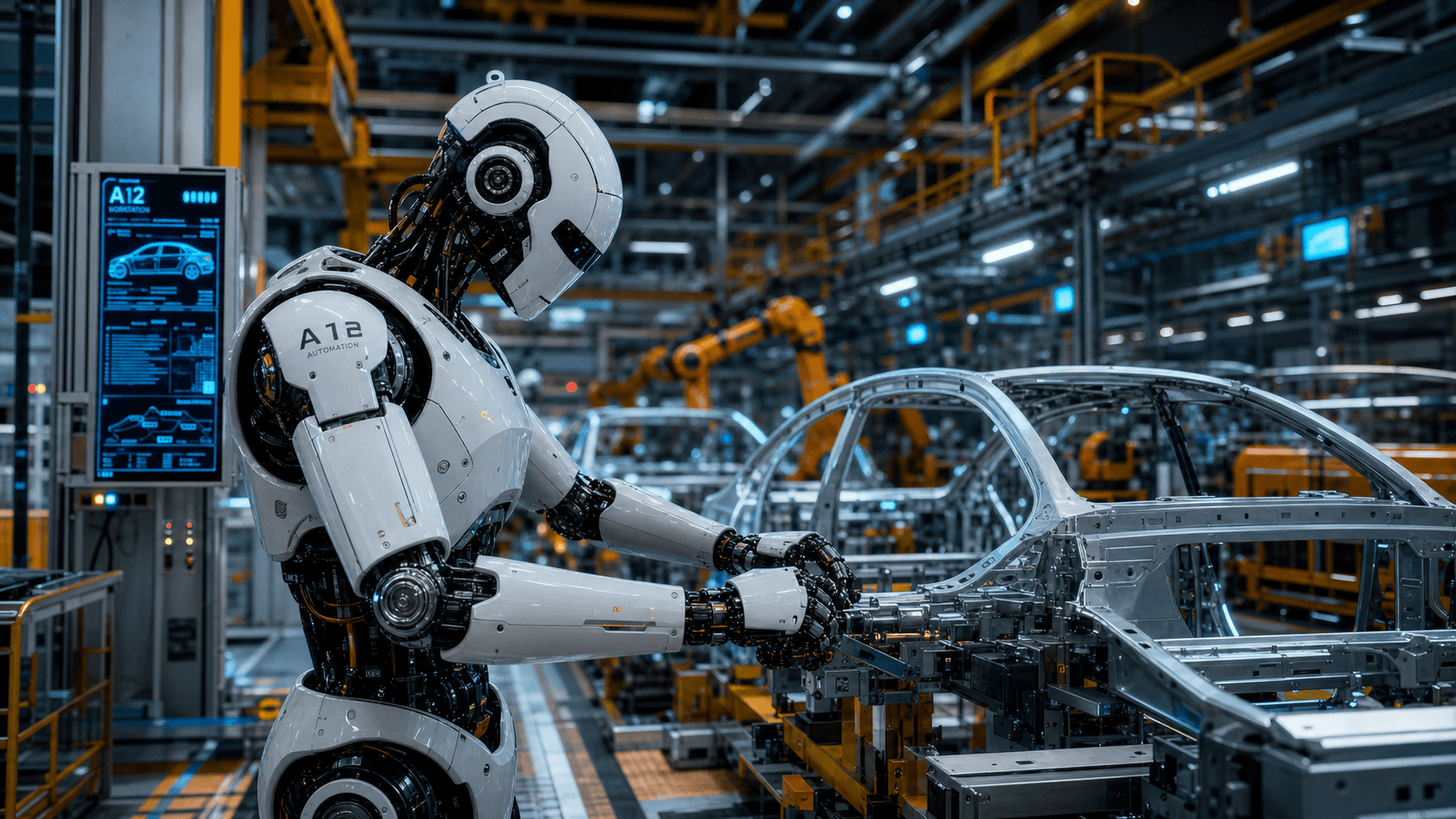
Tsinghua Vehicle School Alums Launch Guangxiang Technology, Raise Hundreds of Millions for Embodied AI in Automotive
Guangxiang Technology, a company incubated by Tsinghua University, has successfully raised hundreds of millions in angel funding to advance its innovative physics-native embodied AI model aimed at revolutionizing automotive manufacturing. This significant financial backing comes as the company seeks to enhance efficiency and precision in the automotive sector through advanced artificial intelligence solutions. The funding round, which reflects growing investor confidence in AI technologies, positions Guangxiang Technology to further develop its cutting-edge applications and expand its market presence. The investment underscores the increasing importance of AI in transforming traditional manufacturing processes, particularly in the automotive industry, where precision and efficiency are paramount.
Startups AI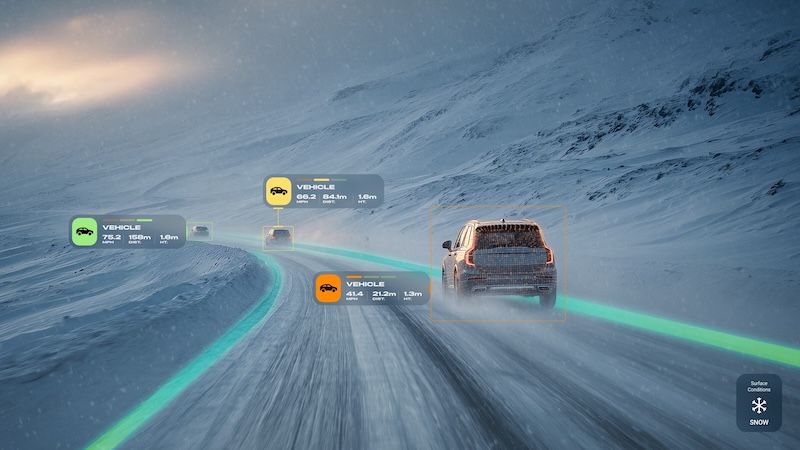
Teradar enters paid evaluation program with German automaker for terahertz vehicle sensing technology
Teradar, a company specializing in terahertz (THz) vision technology, has initiated a paid technical evaluation program with a leading German automotive manufacturer. This collaboration aims to assess Teradar's innovative sensing technology for potential integration into advanced driver assistance systems (ADAS) and autonomous driving platforms. The evaluation will specifically target challenging scenarios where traditional sensing technologies, including cameras, radar, and lidar, may face limitations. By exploring the capabilities of THz technology, both Teradar and the automotive manufacturer seek to enhance the safety and efficiency of future automotive systems.
Components Design Engineering adas advanced driver assistance systems automation newsRobotics needs a service framework.
RSF defines a common language for robot service capability, lifecycle operations, certification pathways, and service-provider networks.
Join the RobotToday community on LinkedIn
Daily robotics news, in-depth analysis, conference highlights, and discussions with professionals worldwide.







