

Industry Briefing
A single destination for timely, editor-curated robotics news from around the world.

U.S. Departments of Energy and Defense Showcase Automated Manufacturing at IMTS 2026
Leaders from the U.S. Departments of Energy and Defense will showcase live production and flight demonstrations of quadcopter drones and the 11-foot-tall Aires Tide test flight vehicle at The International Manufacturing Technology Show 2026. This event will highlight how advanced manufacturing technologies can enhance the speed and flexibility of U.S. defense production. The demonstration, taking place at the AMT Emerging Technology Center, will feature a full-scale manufacturing cell developed by the DOE’s Manufacturing Demonstration Facility at Oak Ridge National Laboratory. This cell integrates automation with both subtractive and additive manufacturing to produce quadcopter airframes, which will be flown in a secured area, showcasing the potential of these technologies in national security applications. Looking ahead, the project exemplifies the Genesis Mission, a DOE initiative aimed at leveraging AI and advanced computing for rapid scientific discovery and national security solutions. No further timeline was disclosed at the time of publication.
Factory / Design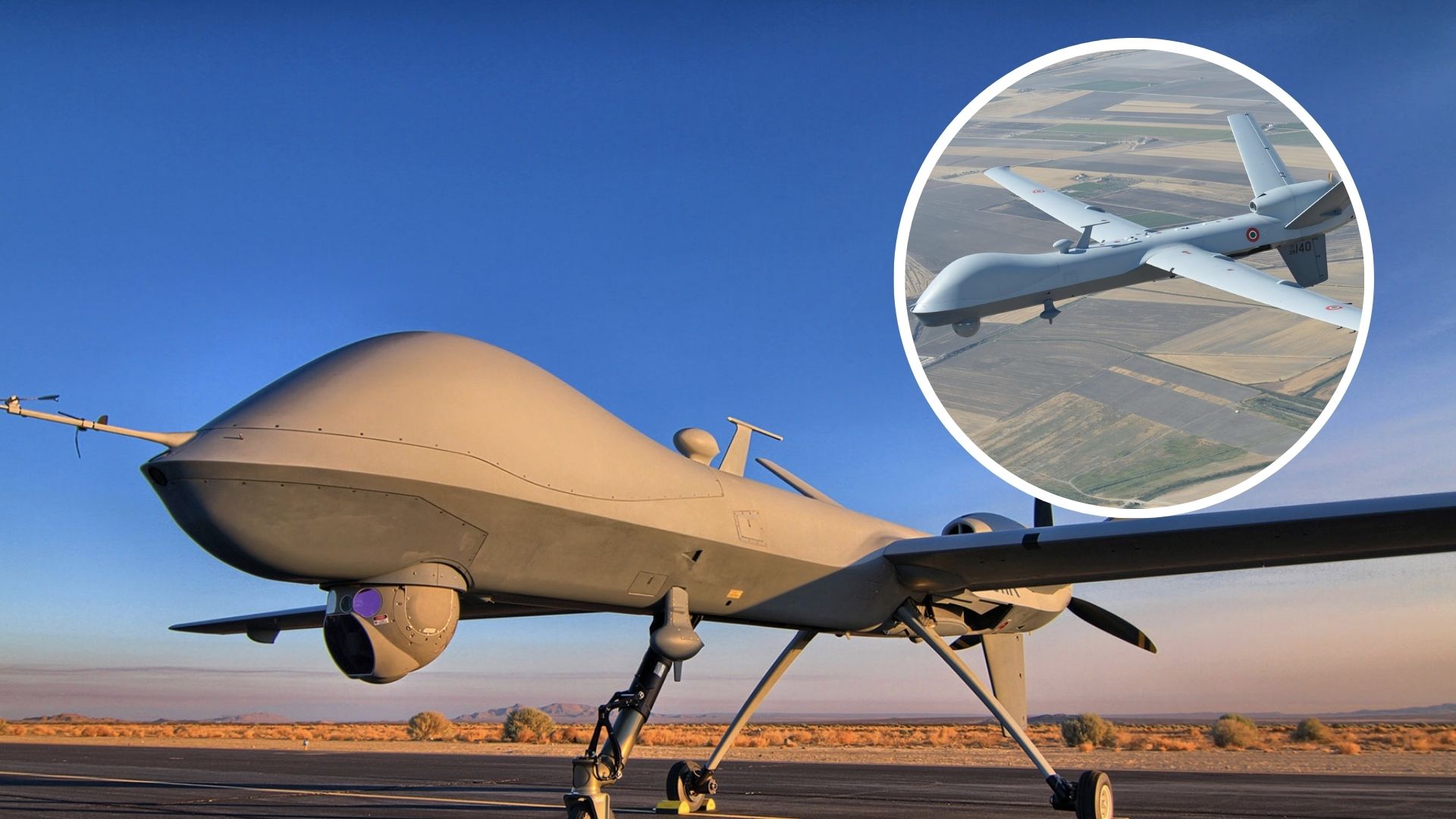
U.S. Department of Defense Launches Massed Modular Aircraft Initiative for Cost-Effective Drones
The U.S. Department of Defense is initiating the Massed Modular Aircraft (MMA) program to develop low-cost combat drones capable of performing missions similar to the MQ-9A Reaper. This initiative reflects a strategic shift towards utilizing affordable, expendable drones in modern warfare, particularly in light of recent conflicts that have exposed the vulnerabilities of high-value aircraft in contested airspace. The Pentagon aims to create a fleet of modular, long-range unmanned aircraft that can be rapidly reconfigured for various missions, significantly reducing operational costs while maintaining effectiveness against advanced enemy defenses. This shift is driven by the need for a more sustainable military approach, as the loss of MQ-9 Reapers during operations against Iran has highlighted the financial burden of relying on expensive platforms. With each MQ-9 costing approximately $30 million, military planners recognize that a strategy focused solely on high-value aircraft is increasingly untenable. The MMA initiative seeks to provide a flexible, risk-tolerant option that can deploy large numbers of drones to overwhelm enemy defenses, thereby ensuring operational capability despite potential losses. Looking ahead, the Pentagon's focus on massed modular aircraft indicates a significant evolution in military tactics. The ability to deploy swarms of low-cost drones could complicate enemy air defenses and enhance reconnaissance and strike capabilities. No further timeline was disclosed at the time of publication, but the emphasis on affordability and modularity suggests a proactive response to the changing dynamics of modern warfare and the need for cost-effective solutions in defense operations.
Military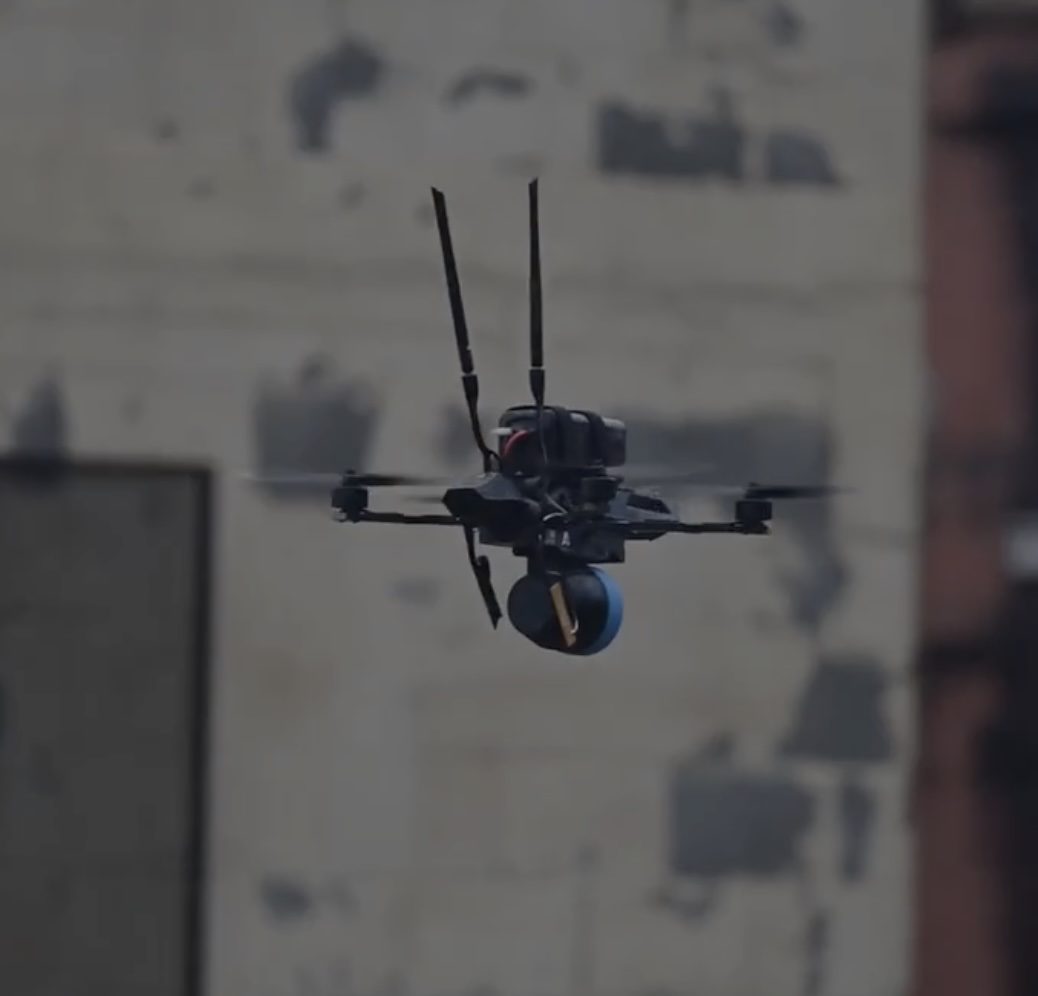
Drone Dominance: The Defense Department’s Push to Build a Scalable U.S. Drone Supply Chain
During the keynote roundtable at XPONENTIAL 2026 this morning, leaders from government and industry convened to discuss a pivotal shift in the U.S. drone sector. The focus of the panel, moderated by Michael Robbins of AUVSI, was on advancing from initial innovation and prototype development to establishing robust industrial production and scrutinizing the supply chain. This transition aims to facilitate rapid military acquisition of drone technology, reflecting the Department of Defense's commitment to enhancing the nation's drone capabilities. The discussions highlighted the urgency of creating a scalable supply chain to support the growing demands of both commercial and military applications in the drone industry.
Defense DL Exclusive Drone Manufacturing Drone News Drone News Feeds Dual Use
Defense Department increases microelectronics workforce program contract to $100M
A consortium led by Purdue University, known as SCALE, is working to cultivate a skilled technical workforce to support Department of Defense (DOD) technologies. This initiative involves collaboration with 35 educational institutions, including notable partners like Arizona State University. The program is designed to address the growing demand for specialized skills in the defense sector, ensuring that students are equipped with the necessary training and expertise. By fostering partnerships between academia and the DOD, SCALE aims to enhance the pipeline of talent ready to meet the technological challenges faced by the military. The initiative reflects a strategic effort to bridge the gap between education and industry needs, ultimately strengthening national security through a well-prepared workforce.

Defense Department awards over $200M to 26 R&D projects
The Microelectronics Commons program has launched a series of projects across eight regional hubs, aiming to advance key technical areas including quantum computing, secure edge computing, 5G/6G technologies, and artificial intelligence hardware. This initiative, which began in October 2023, seeks to foster innovation and collaboration within the microelectronics sector. By bringing together various stakeholders, the program intends to enhance the United States' capabilities in these critical fields, addressing the growing demand for advanced technologies and ensuring national competitiveness in the global market. The collaborative efforts are designed to leverage regional expertise and resources, ultimately driving progress in microelectronics and related industries.
Robotics needs a service framework.
RSF defines a common language for robot service capability, lifecycle operations, certification pathways, and service-provider networks.
Join the RobotToday community on LinkedIn
Daily robotics news, in-depth analysis, conference highlights, and discussions with professionals worldwide.






