Industry Briefing
A single destination for timely, editor-curated robotics news from around the world.
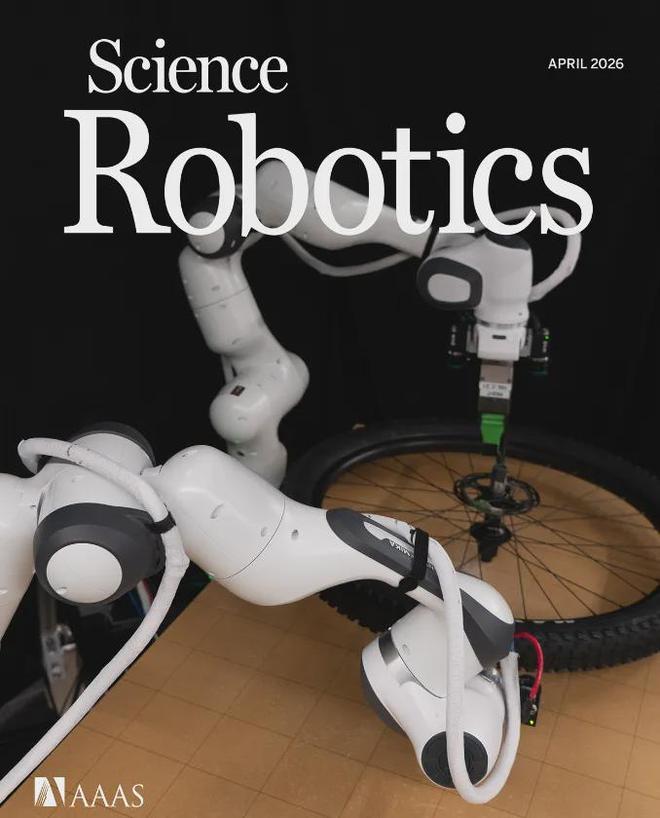
Latest Cover of Sci Robot: Toyota Research Institute and Others Release Groundbreaking Findings, Enhancing Robot Learning Efficiency by 5 Times with 1700 Hours of Data!
A research team at the Toyota Research Institute has made a significant breakthrough in robotics by showcasing the capabilities of Large Behavior Models (LBMs). Their findings indicate that LBMs can enhance learning efficiency for new tasks by five times. This research, which analyzed 1,700 hours of robot demonstration data, provides valuable insights that could advance the development of general-purpose robots. The study highlights the potential for LBMs to revolutionize how robots learn and adapt, paving the way for more versatile and efficient robotic systems in various applications.
Robotics Artificial Intelligence Machine Learning Automation
MIT and Toyota Research Institute Unveil SceneSmith for Robot Household Training
MIT's Computer Science and Artificial Intelligence Laboratory (CSAIL) and the Toyota Research Institute have developed SceneSmith, an AI-powered system that allows robots to practice household tasks in a virtual environment. This system utilizes three visual language models to collaboratively create realistic 3D scenes, enabling robots to learn complex skills through extensive simulation. SceneSmith not only generates lifelike environments but also incorporates physical properties like mass, friction, and inertia, allowing robots to interact meaningfully within these spaces. The research team tested over 100 unique action plans in the digital world, revealing flaws in the robots' planning that were validated by human consensus over 99% of the time, helping to refine their strategies before real-world application. The effectiveness of SceneSmith was highlighted at a recent international machine learning conference, where it received positive feedback from over 200 testers, with more than 90% rating its visual realism highly. As robots learn to perform tasks like moving objects in a kitchen, the prospect of robots handling household chores may soon become a reality.
AI Robotics Virtual Reality Machine Learning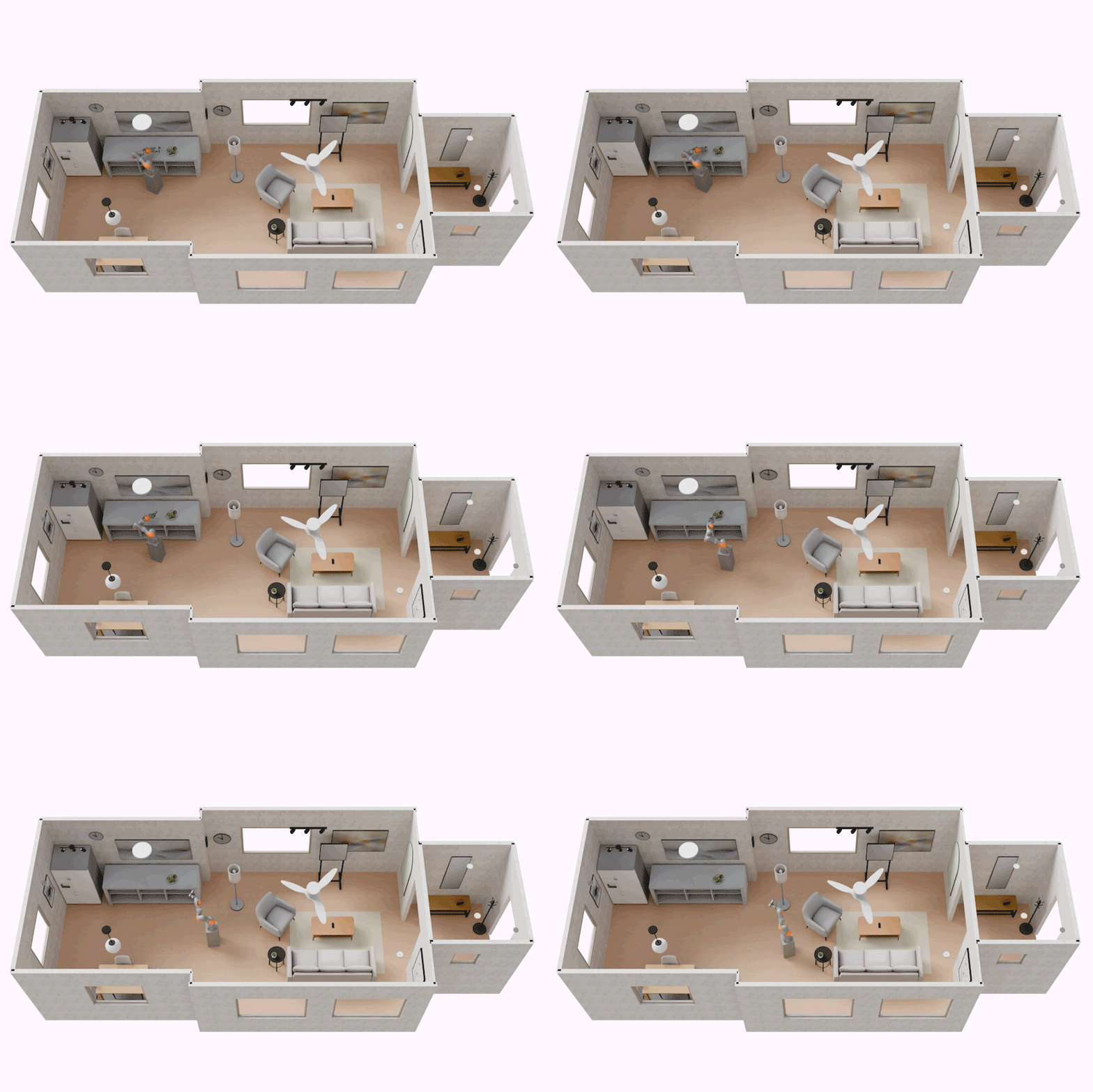
MIT and Toyota Develop SceneSmith to Enhance Robot Training with AI-Generated Environments
MIT and the Toyota Research Institute have introduced SceneSmith, a system that utilizes AI agents to create realistic 3D environments for robot training. This innovation addresses the significant challenge of generating diverse simulation content, which is crucial for teaching robots various tasks in a cost-effective manner. The SceneSmith system employs three AI agents, leveraging the advanced vision-language model GPT-5.2, to design intricate indoor scenes. These environments, featuring up to six times more objects than previous methods, allow robots to practice skills in a rich virtual playground, ultimately reducing the need for extensive real-world testing. As the research progresses, the effectiveness of these AI-generated environments will be closely monitored. The team has already demonstrated that robots can successfully navigate and perform tasks in these virtual settings, indicating a promising future for robotic training methodologies. No further timeline was disclosed at the time of publication.
Research Robotics Artificial intelligence Simulation Computer science and technology Machine learning
Toyota Open Sources Complete Pipeline for Training Robot Brains
The Toyota Research Institute has announced the open-source release of its VLA Foundry, a comprehensive framework designed for training visual-language-action models in robotics. This initiative, unveiled recently, aims to streamline the training process for researchers by providing a unified system that tackles the prevalent issue of fragmented training methodologies in the field. By enabling researchers to begin from the ground up and execute the entire training process, the VLA Foundry seeks to enhance collaboration and innovation within the robotics community. This move reflects Toyota's commitment to advancing robotics technology and fostering a more integrated approach to model training.
Robot Training Open Source AI Models Robotics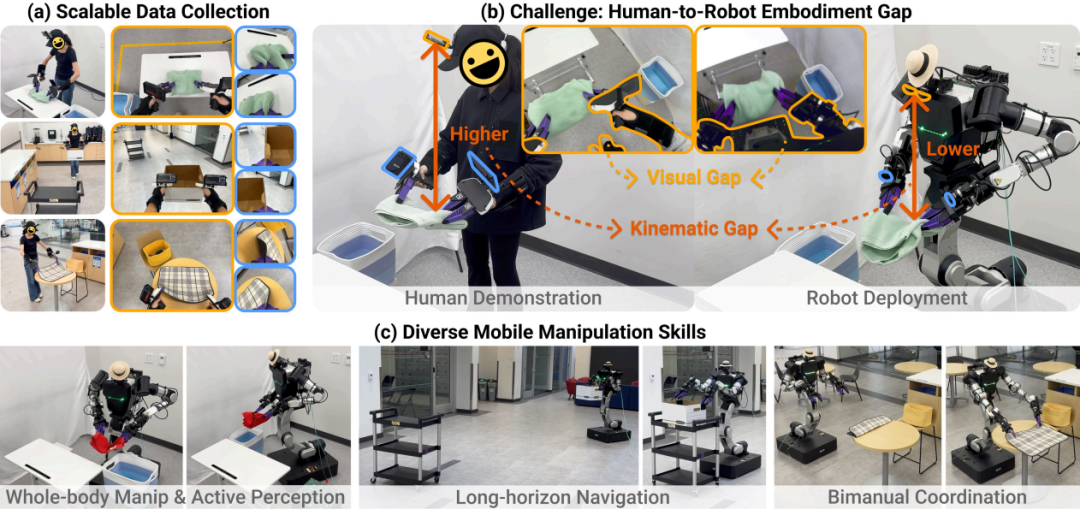
Stanford Teaches Robots to Wash Clothes, Deliver, and Set Tables Using Just Three iPhones
Stanford University, in collaboration with the Toyota Research Institute, has introduced the HoMMI framework, a groundbreaking system that allows robots to acquire complex movement skills through human demonstrations without direct robot participation. This innovative approach employs three iPhones to gather data, effectively tackling the physical disparities between humans and robots. The framework significantly improves robot coordination in various tasks, including navigation and manipulation, paving the way for more advanced robotic applications in real-world scenarios.
Robotics Machine Learning Human-Robot Interaction AI
Boston Dynamics' Atlas Behavior Model Open-Sourced by Independent Developer
In a noteworthy advancement for the field of robotics, Bryson K. Jones has unveiled an open-source version of the Large Behavior Model (LBM) developed by the Toyota Research Institute. This model, which serves as the driving force behind Boston Dynamics' Atlas robot, offers a streamlined solution that delivers high performance without requiring extensive computational power. By making this technology accessible to developers, Jones aims to democratize robotics innovation, allowing a broader range of creators to experiment and build upon this foundational model. The release marks a significant step forward in making advanced robotic capabilities more attainable for various applications.
Robotics Behavior Models Open Source AI Machine Learning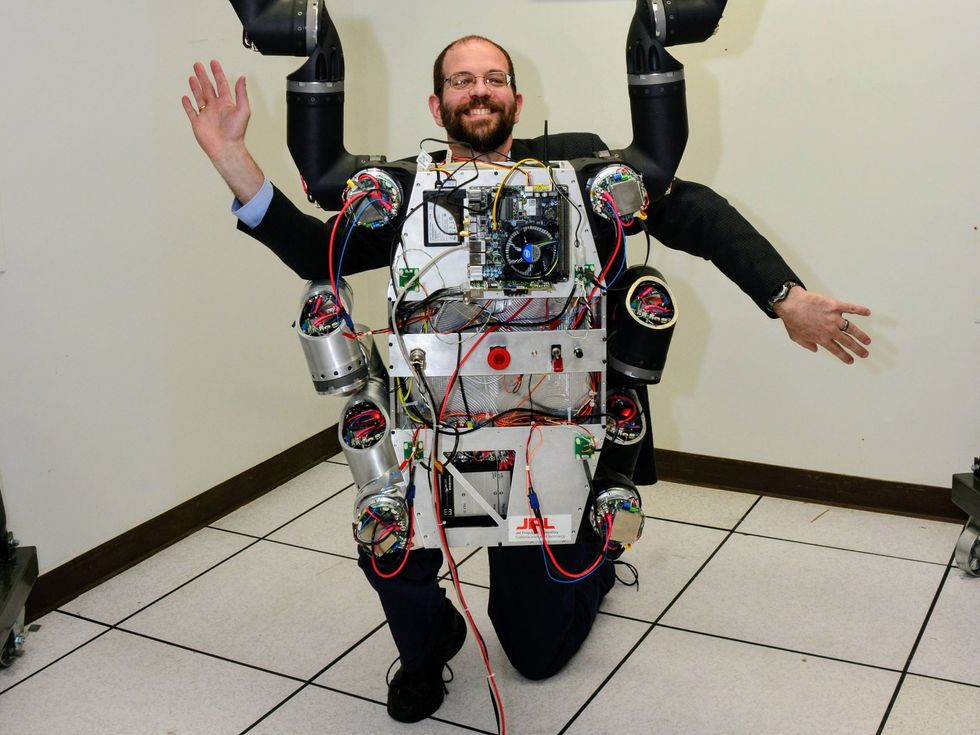
Gill Pratt Says Humanoid Robots’ Moment Is Finally Here
In 2012, the U.S. Defense Advanced Research Projects Agency (DARPA) launched the DARPA Robotics Challenge (DRC), a multimillion-dollar competition aimed at advancing disaster robotics. Gill Pratt, the architect of the DRC and now CEO of the Toyota Research Institute (TRI), envisioned the challenge as a catalyst for significant progress in robotics, similar to earlier DARPA initiatives that revolutionized driverless cars. A decade later, Pratt believes humanoid robots are on the brink of a transformative breakthrough, largely due to advancements in artificial intelligence (AI). Pratt notes that while the physical capabilities of humanoid robots have improved, the real change lies in their cognitive abilities. Recent AI developments allow robots to learn tasks through demonstration rather than programming, although data availability remains a challenge. He emphasizes the need for robots to develop deeper reasoning capabilities, beyond mere pattern recognition, to navigate complex real-world scenarios effectively. At TRI, Pratt's team is focusing on "care-receiving robots" to address societal issues like aging and loneliness. He highlights the importance of using robotics to enhance quality of life, particularly for the elderly. However, he cautions against the current hype surrounding humanoid robotics, warning that many advancements are still reliant on basic pattern-matching techniques. Pratt advocates for a balanced perspective to avoid potential disillusionment in the field, drawing parallels to the earlier challenges faced in automated driving.
Humanoid-robots Darpa Artificial-intelligence Drc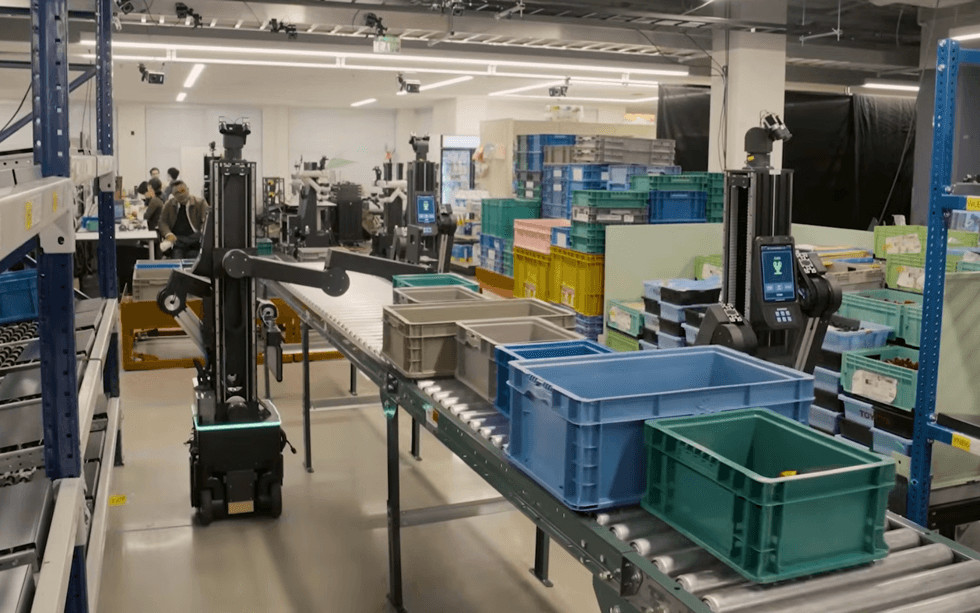
Video Friday: Autonomous Robots Learn By Doing in This Factory
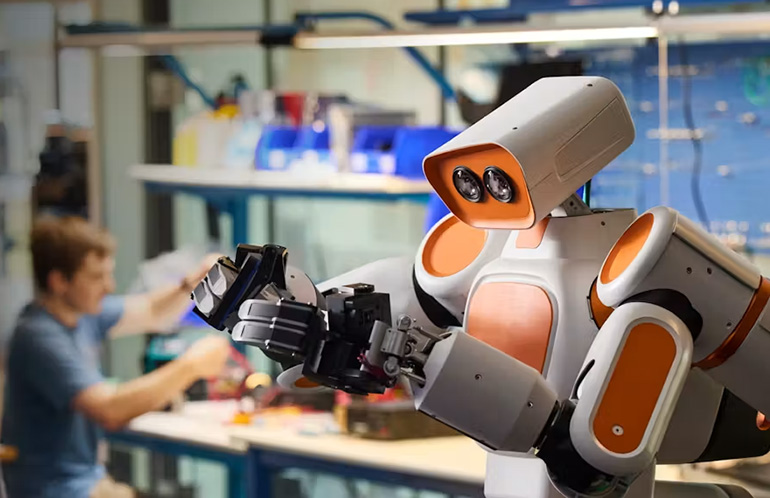
In a recent edition of Video Friday, IEEE Spectrum robotics showcased a variety of innovative robotics projects and developments. Notably, scientists at the Toyota Research Institute are collaborating with Toyota Manufacturing to implement autonomous robots on factory floors, enhancing production efficiency. Zipline shared insights into their drone delivery system, detailing the challenges faced and lessons learned in its development. Humanoid introduced KinetIQ, an AI framework designed for the orchestration of humanoid robot fleets, which integrates task allocation and execution through advanced cognitive layers. Meanwhile, researchers at VISTEC unveiled a decentralized adaptive resilient neural control system (DARCON) that enables legged robots to autonomously adapt to limb loss, ensuring mission success despite mechanical failures. NASA's Jet Propulsion Lab presented an animation of the Perseverance rover's drive along the Jezero Crater, captured on December 10, 2025, showcasing the rover's navigation capabilities. Additionally, Unitree's humanoid robot G1 made its mark on the snowfields of Altay, demonstrating its adaptability in extreme conditions. The Norwegian University of Science & Technology introduced a hierarchical 3D scene graph to enhance autonomous agents' understanding of their environments. Other highlights included the HoLoArm quadrotor, which features compliant arms for improved stability, and SkyDreamer, a pioneering vision-based autonomous-drone racing policy. The event also featured demonstrations of dexterous object manipulation by the AI Worker robot and advancements in swarm robotics for architectural applications.
Video-friday Autonomous-robots Humanoid-robots Industrial-robots Robot-ai Perseverance-rover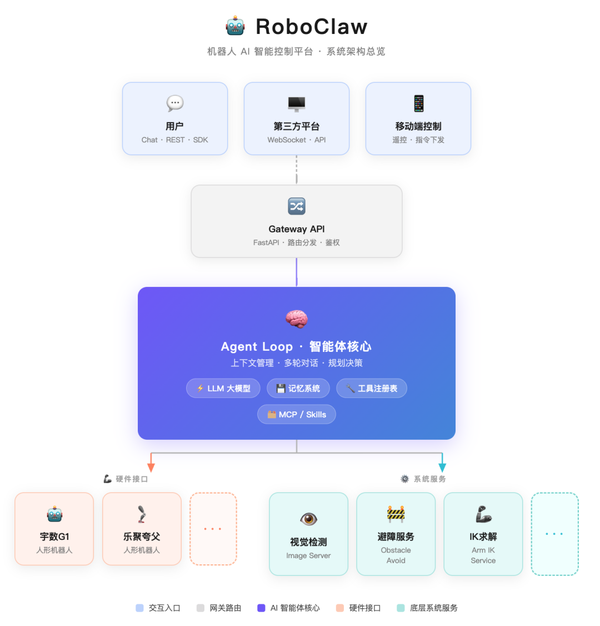
Major Release: ZhiYuan Research Institute Unveils RoboClaw Embodied Intelligence Operating System
The ZhiYuan Research Institute, in partnership with Xuanji Intelligent and Mianbi Intelligent, has unveiled the RoboClaw operating system, a groundbreaking development aimed at enhancing embodied intelligence in robotics. Launched recently, this innovative system allows robots to autonomously perform tasks by engaging in natural language interactions, effectively bridging the gap between artificial intelligence comprehension and practical execution in the physical world. The initiative reflects a significant advancement in robotics technology, aiming to improve the efficiency and versatility of robots in various applications.
Embodied Intelligence Robotics AI Automation Natural Language Processing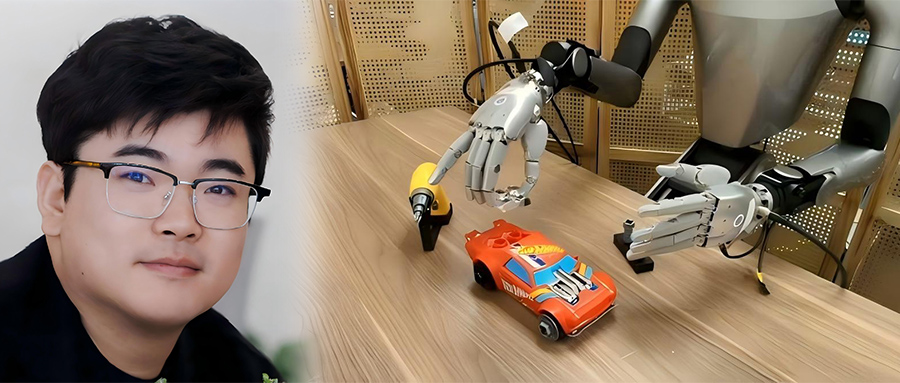
Harbin Institute of Technology Professor Establishes PHANES AI to Advance Tactile Robotics
Professor Yang Shuo from Harbin Institute of Technology (Shenzhen) has founded PHANES AI, focusing on human data, tactile perception, and world model research. The startup aims to enable humanoid robots to perform agile full-body movements. A key challenge identified is the gap in current training data, where visual cues do not capture the tactile feedback necessary for successful robotic operations. This initiative is significant as it addresses the limitations of existing robotic training methodologies, which rely heavily on visual data without incorporating tactile information. Recent studies, including NVIDIA's EgoScale, highlight the importance of first-person human operation data in training robots for complex tasks. By leveraging large amounts of human data combined with minimal real-world data, PHANES AI seeks to enhance the success rate of robots in intricate operations. Looking ahead, PHANES AI plans to develop innovative methods for collecting and scaling tactile data through its EgoTouch system, which integrates visual and tactile information. The startup's approach aims to bridge the gap between visual perception and physical interaction, ultimately improving the capabilities of humanoid robots in real-world applications. No further timeline was disclosed at the time of publication.
Humanoid Robots Tactile Perception Robotics AI Data-Centric AI
ZhiYuan Research Institute Launches RoboClaw Embodied Intelligence Operating System for Plug-and-Play Robots
The RoboClaw operating system, a collaborative effort by ZhiYuan Research Institute, Xuanji Intelligent, and Mianbi Intelligent, has been unveiled as a groundbreaking solution for robotic automation. This innovative system allows robots to perform tasks autonomously through natural language commands, removing the necessity for coding or specialized operational skills. By facilitating seamless communication between artificial intelligence and physical task execution, RoboClaw aims to enhance the efficiency and accessibility of robotic technology. This development represents a significant step forward in making advanced robotics more user-friendly and versatile, potentially transforming various industries that rely on automation.
Embodied Intelligence Robotics AI Automation SaaS
International Research Team Embarks on Greenland Expedition to Study Melting Glaciers
An international team of researchers is set to begin a six-week expedition in Greenland on July 16, 2026, to investigate the rapid melting of fjord glaciers and its implications for the Atlantic Ocean. The study aims to assess how this melting contributes to potential climate tipping points, particularly affecting ocean currents. The research is part of a five-year project called GIANT, led by the British Antarctic Survey (BAS) and funded by the Advanced Research + Invention Agency (ARIA). The team will utilize advanced technologies, including drones, marine robots, and sensors, to gather data that will enhance predictions regarding the future of Greenland's glaciers and their environmental impact. As the expedition unfolds, attention will be focused on the effects of Greenland's melting ice on the North Atlantic Subpolar Gyre and the Atlantic Meridional Overturning Circulation (AMOC). Dr. Kelly Hogan from BAS emphasizes the significance of modern tools in exploring glacier-ocean interactions, highlighting the urgency of understanding these changes as they may occur within decades.
rrs sir david attenborough glaciers melting fjord glaciers climate change giant (greenland ice sheet to atlantic tipping points british antarctic survey (bas)
Nvidia Collaborates with Toyota's Woven City to Advance Physical AI Technologies
Nvidia has announced a partnership with Toyota's Woven City, a smart city located in Shizuoka prefecture, Japan. This collaboration aims to enhance the implementation of artificial intelligence technologies in traffic management systems within the city. By providing foundational technologies, Nvidia seeks to accelerate the adoption of AI solutions in Japan. This partnership is significant as it aligns with Nvidia's strategy to expand its influence in the AI sector, particularly in Japan, where smart city initiatives are gaining momentum. Woven City serves as a testing ground for innovative technologies, making it an ideal location for Nvidia to showcase its capabilities in AI and traffic management. Looking ahead, the collaboration between Nvidia and Woven City may lead to further advancements in smart city technologies and AI applications. No further timeline was disclosed at the time of publication.
Walden Robotics Emerges with $1.1B Valuation and $300M Funding for General-Purpose Robots
Walden Robotics has officially launched with a valuation of $1.1 billion, backed by $300 million in funding. The company focuses on developing general-purpose robots that continuously learn and improve while performing real-world tasks. Co-founder Dr. Russ Tedrake emphasized the importance of understanding current manufacturing practices to deliver real value to customers. The significance of Walden Robotics lies in its innovative approach to physical AI, which has attracted attention from technology leaders. The company combines large behavior models with practical operations, allowing its robots to handle complex tasks while enhancing human capabilities. This approach aims to create a scalable business model that aligns with existing manufacturing processes. Looking ahead, Walden Robotics is set to expand its deployments, having already transitioned its robots from pilot programs to production tasks at a Toyota plant in North America within two months. No further timeline was disclosed at the time of publication.
Aerospace Artificial Intelligence Artificial Intelligence / Cognition Automotive Healthcare Robotics Humanoids
Mitsubishi Electric and Chiba Institute of Technology to Co-Research and Develop Homegrown Physical AI
A new Co-Creation Center has been established to facilitate the commercialization of artificial intelligence (AI) robotics solutions, targeting both public and private sectors. This initiative, launched in October 2023, aims to bridge the gap between innovative technology and practical application, enhancing operational efficiency and service delivery across various industries. The center will bring together experts from academia, industry leaders, and government representatives to collaborate on developing and implementing cutting-edge AI robotics solutions. By fostering partnerships and sharing resources, the Co-Creation Center seeks to accelerate the adoption of these technologies, ultimately driving economic growth and improving public services. The initiative underscores the growing importance of AI in modern society and its potential to transform how organizations operate.
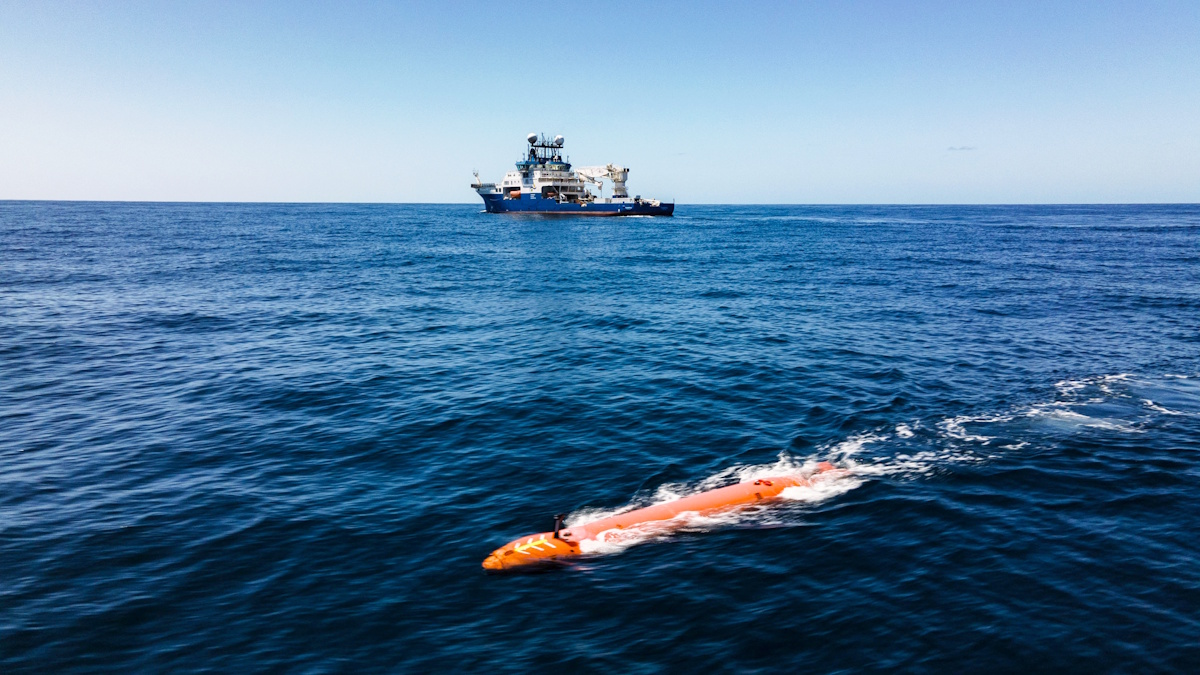
Schmidt Ocean Institute Advances R/V Falkor (too)’s Mapping Capabilities
The Schmidt Ocean Institute has successfully mapped an impressive 2 million square kilometers of seafloor, a vast area comparable to the size of Greenland. This achievement was announced recently as part of the institute's ongoing efforts to enhance underwater exploration. In a bid to improve the capabilities of its research vessel, R/V Falkor (too), the institute implemented two significant upgrades this year. These enhancements included a complete redesign of the ship's bow and the integration of advanced Autonomous Underwater Vehicles (AUVs), recognized as the gold standard in underwater mapping technology. These developments are expected to significantly bolster the institute's ability to conduct detailed and efficient seafloor mapping, furthering its mission to explore and understand the ocean's depths.
schmidt ocean institute (soi) r/v falkor (too) mapping capabilities kongsberg hugin superior auv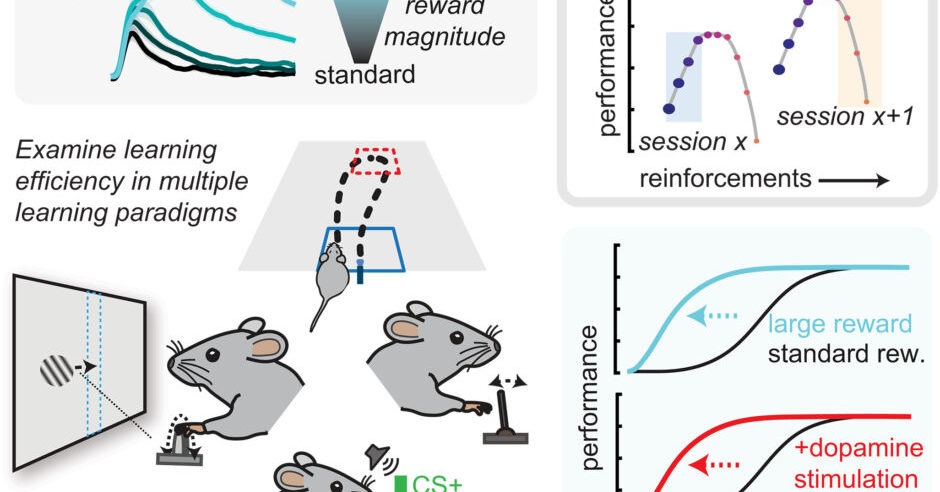
Research Reveals Reward Magnitude Enhances Learning Efficiency in Mice
A study published in Science by researchers from the Howard Hughes Medical Institute demonstrates that the magnitude of rewards significantly influences learning speed. Mice receiving larger rewards completed complex tasks, such as navigation and decision-making, in fewer trials compared to those receiving standard rewards. This finding is crucial as it suggests that learning efficiency is not solely dependent on practice quantity but rather on the size of the rewards. The study indicates that larger rewards lead to prolonged dopamine release in the brain, enhancing motivation and retention of learned tasks. Future research may focus on how these insights can be applied to improve learning strategies in various fields, including education and behavioral training. No further timeline was disclosed at the time of publication.

Myriam Heiman named director of The Picower Institute for Learning and Memory
Heiman, a prominent researcher specializing in neurodegenerative diseases including Huntington’s and Parkinson’s, has been appointed to lead the institute starting July 1. This leadership transition aims to enhance the institute's focus on groundbreaking research and innovative treatments for these debilitating conditions. Heiman's extensive expertise and commitment to advancing the understanding of neurodegenerative disorders are expected to drive the institute's initiatives forward, fostering collaboration and discovery in the field. The appointment reflects the institute's dedication to addressing the growing challenges posed by these diseases, which affect millions globally.
Leadership Faculty Brain and cognitive sciences Neuroscience Disease Parkinson's
Pathak Receives 2026 PAMI Young Researcher Award
Deepak Pathak, a Raj Reddy Associate Professor of Robotics at Carnegie Mellon University’s Robotics Institute, has been honored with the 2026 Pattern Analysis and Machine Intelligence (PAMI) Young Researcher Award. This prestigious accolade was presented during the IEEE Conference on Computer Vision and Pattern Recognition (CVPR), a leading event in the field. The award is one of the highest recognitions for early-career researchers in computer vision, acknowledging Pathak's significant contributions to the discipline. The recognition not only highlights his innovative work but also underscores the importance of fostering new talent in advancing technology and research in robotics and computer vision.
Announcements Awards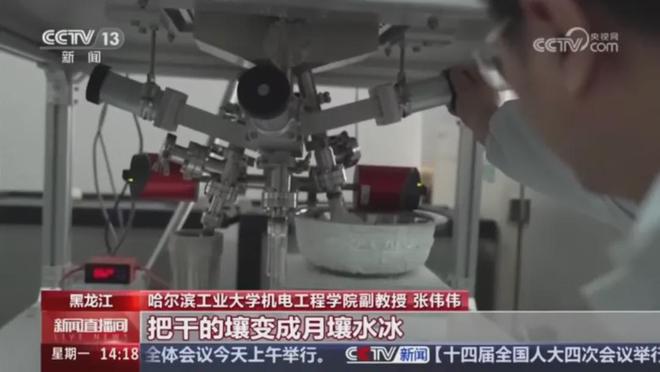
Harbin Institute of Technology Aids Lunar Water Search, China Aims for Global Leadership!
China's Chang'e 7 mission is set to explore the Moon's South Pole-Aitken Basin, with the goal of discovering water ice, a significant milestone that could position China as the first nation to identify water on the lunar surface. Scheduled for launch in the near future, this ambitious mission is supported by the Harbin Institute of Technology, which is contributing advanced technology and research to ensure its success. The exploration of this region is critical, as the presence of water ice could have profound implications for future lunar missions and the potential for human habitation on the Moon.
Lunar Exploration Space Technology Water Ice Detection Deep Space Missions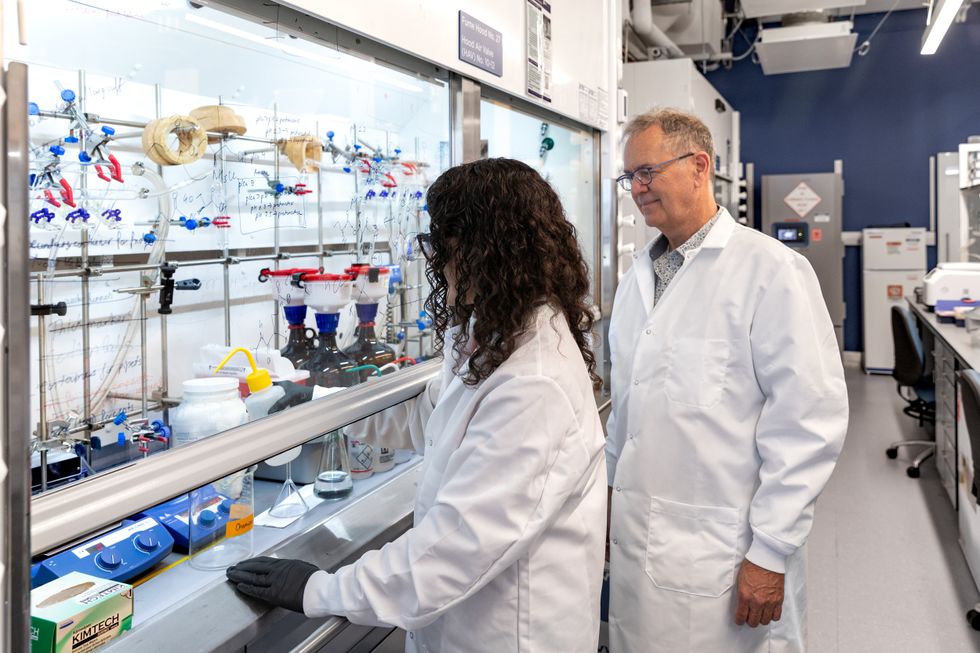
Engineering Collisions: How NYU Is Remaking Health Research
New York University (NYU) is revolutionizing academic research through its newly established Institute for Engineering Health, which focuses on addressing disease states rather than adhering to traditional academic disciplines. This innovative approach encourages collaboration among experts in various fields, including immunology, engineering, and artificial intelligence, to tackle specific health challenges, such as allergic asthma. Under the leadership of Jeffrey Hubbell, NYU's vice president for bioengineering strategy, the institute has already seen promising outcomes, such as the development of a startup that creates devices for detecting airborne pathogens and navigation technology for visually impaired subway riders. Hubbell advocates for a shift from a conventional drug-inhibition model to one that promotes beneficial biological pathways, necessitating a new breed of researchers who possess interdisciplinary skills. To foster this environment, NYU is constructing a science and technology hub in Manhattan, designed to facilitate collaboration among diverse disciplines. This initiative aligns with the university's strategy of organizing around "grand challenges" rather than traditional academic silos, as emphasized by Juan de Pablo, the executive dean of the Tandon School of Engineering. The institute also emphasizes a proactive approach to translating research into practical applications, conducting "translational exercises" to map potential pathways from discovery to deployment. This comprehensive strategy aims to accelerate innovation in science and technology, positioning NYU as a leader in addressing complex health issues through collaborative, cross-disciplinary research.
Type-sponsored Nyu-tandon Health Clinical-trials Data-science Nyu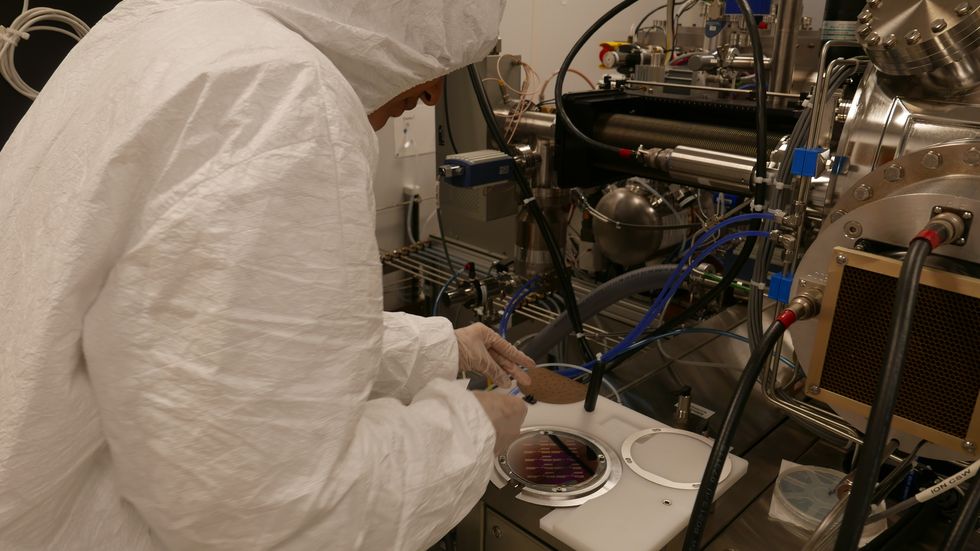
NYU’s Quantum Institute Bridges Science and Application
New York University (NYU) has launched the NYU Quantum Institute (NYUQI) in Manhattan's West Village, positioning itself as a pivotal player in the rapidly evolving field of quantum technology. This initiative aims to harness the dense urban ecosystem surrounding the university, which is home to over 500 tech firms, banks, and hospitals, to accelerate advancements in quantum computing, sensing, and communications. The institute, led by Director Javad Shabani, seeks to break down traditional academic silos by fostering collaboration among physicists, engineers, and computer scientists. This integrated approach is designed to enhance the development of practical quantum solutions, which have been hindered by fragmentation in the field. NYUQI will operate from a newly renovated million-square-foot facility, complemented by a state-of-the-art Nanofabrication Cleanroom in Brooklyn, allowing for real-time testing and refinement of quantum technologies. Recently, New York Senators Charles Schumer and Kirsten Gillibrand secured $1 million in funding to introduce Thermal Laser Epitaxy technology at NYU, marking a significant advancement in the U.S. quantum research landscape. The institute also aims to address the skills gap in the quantum workforce by launching a Master of Science in Quantum Science & Technology program, preparing students to tackle complex challenges in this interdisciplinary field. By leveraging its urban location and fostering collaboration, NYUQI aims to transform theoretical quantum research into practical applications, ultimately contributing to advancements in finance, medicine, and security.
Nyu-tandon Quantum-computing Quantum-internet Semiconductors Quantum-communications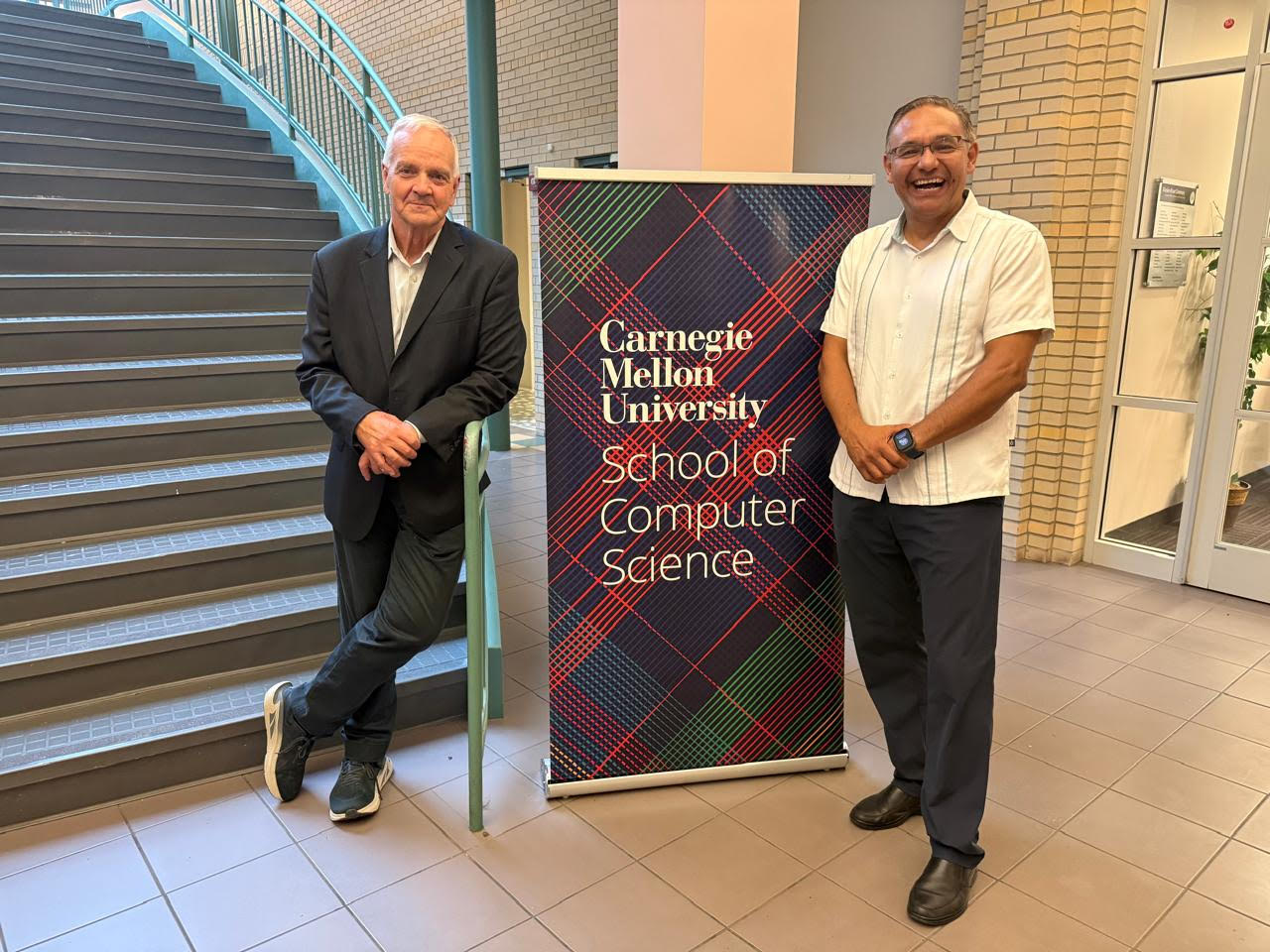
Robotics Institute Summer Scholars Strengthens Ties With University of Guadalajara
The Carnegie Mellon University Robotics Institute Summer Scholars (RISS) program has announced a new partnership with the University of Guadalajara (UdeG) aimed at fostering opportunities for undergraduate researchers from Mexico to participate in robotics and artificial intelligence research. This collaboration, established with UdeG’s University Center of Exact Sciences, seeks to enhance academic exchange and innovation in these fields. By creating pathways for Mexican students, the initiative aims to broaden their research experience and contribute to advancements in technology. The partnership underscores the commitment of both institutions to promote international collaboration and support the next generation of researchers.
RI Life
Robotics Alum Earns PAMI Young Researcher Honorable Mention
Ishan Misra, a 2018 Ph.D. graduate from Carnegie Mellon University's Robotics Institute, has been recognized with an honorable mention for the 2025 Pattern Analysis and Machine Intelligence (PAMI) Young Researcher Award. This accolade was presented at the IEEE Conference on Computer Vision and Pattern Recognition (CVPR), highlighting his significant contributions to the field of computer vision as an early career researcher. Currently serving as a director, Misra's achievements underscore the impact of his work in advancing robotics and machine learning technologies.
Awards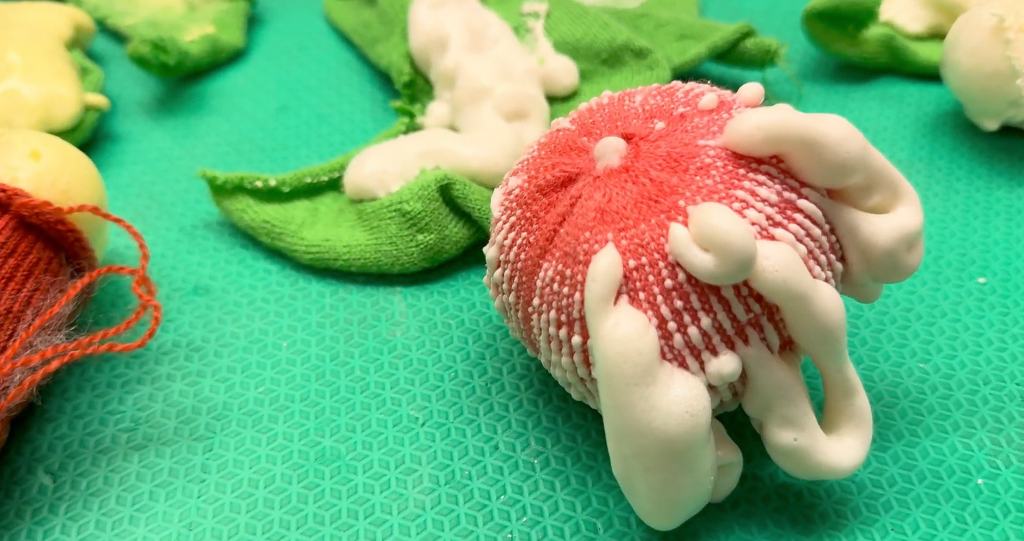
CMU Researchers Blend Materials at “Hard Textiles” Jam
On March 7, the Textiles Lab at Carnegie Mellon University's Robotics Institute held a “Hard Textiles” lab jam, led by Associate Professor Jim McCann. This event highlighted the innovative intersection of textiles and technology, offering insights into potential future research directions. It also provided an opportunity for the campus community to engage with the lab's work and explore the unique applications of materials in robotics and design. The lab jam aimed to foster collaboration and creativity among participants, showcasing how advancements in textile technology can influence various fields.
Research Uncategorized
Jun-Yan Zhu Named Samsung AI Researcher of the Year
Jun-Yan Zhu, an Assistant Professor at Carnegie Mellon University's Robotics Institute, has been honored as the 2024 Samsung AI Researcher of the Year. This prestigious recognition is part of Samsung's initiative to highlight five exceptional researchers under the age of 35 who have significantly advanced the field of artificial intelligence. As a recipient, Zhu will receive a $30,000 award in acknowledgment of his impactful contributions to AI research.
Awards Uncategorized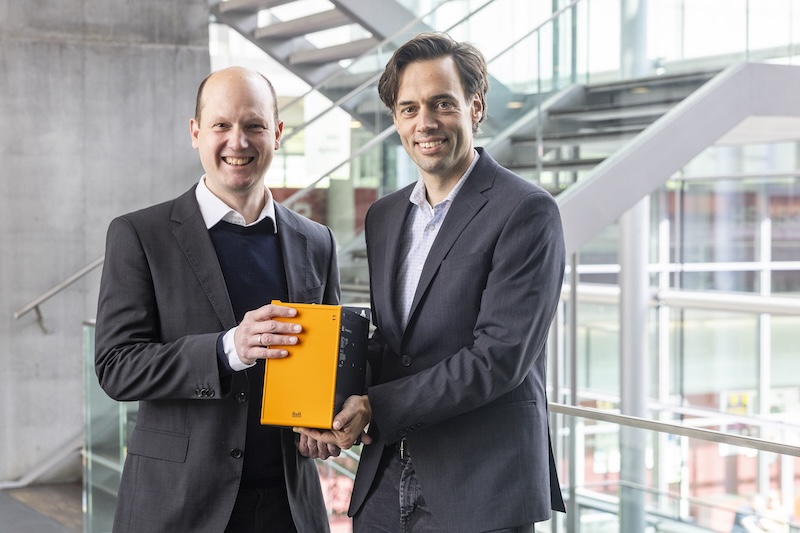
ABB and Salzburg researchers patent AI system to cut energy use in industrial robots
Salzburg University of Applied Sciences has partnered with ABB’s Machine Automation Division, B&R, to enhance energy efficiency in industrial automation through the application of artificial intelligence. This collaboration is centered at the Josef Ressel Center for Intelligent and Secure Industrial Automation (JRZ ISIA), where the two entities aim to translate cutting-edge research into viable solutions for industrial drive systems. By leveraging AI technologies, the initiative seeks to optimize energy consumption and improve operational efficiency in manufacturing processes, addressing the growing demand for sustainable industrial practices.
Industrial robots News abb ai in manufacturing AI optimization automation news
Landmark UK-Portugal Ocean Research Partnership Celebrated in Madeira
The UK’s National Oceanography Centre (NOC) and Madeira Island’s Regional Agency for the Development of Research, Technology and Innovation (ARDITI) have forged a significant partnership aimed at enhancing deep-ocean research. This collaboration was highlighted by the arrival of the research vessel RRS Discovery in Madeira, which coincided with ARDITI's acquisition of two advanced NOC Autosub Long Range (ALR) autonomous underwater vehicles. This marks a historic moment as it is the first instance of this cutting-edge technology being sold internationally. The partnership aims to leverage these innovative tools to further scientific exploration and understanding of the deep ocean, underscoring the growing importance of international cooperation in marine research.
national oceanography centre (noc) madeira island’s regional agency for the development of research technology and innovation (arditi) noc autosub long range (alr) autonomous underwater vehicles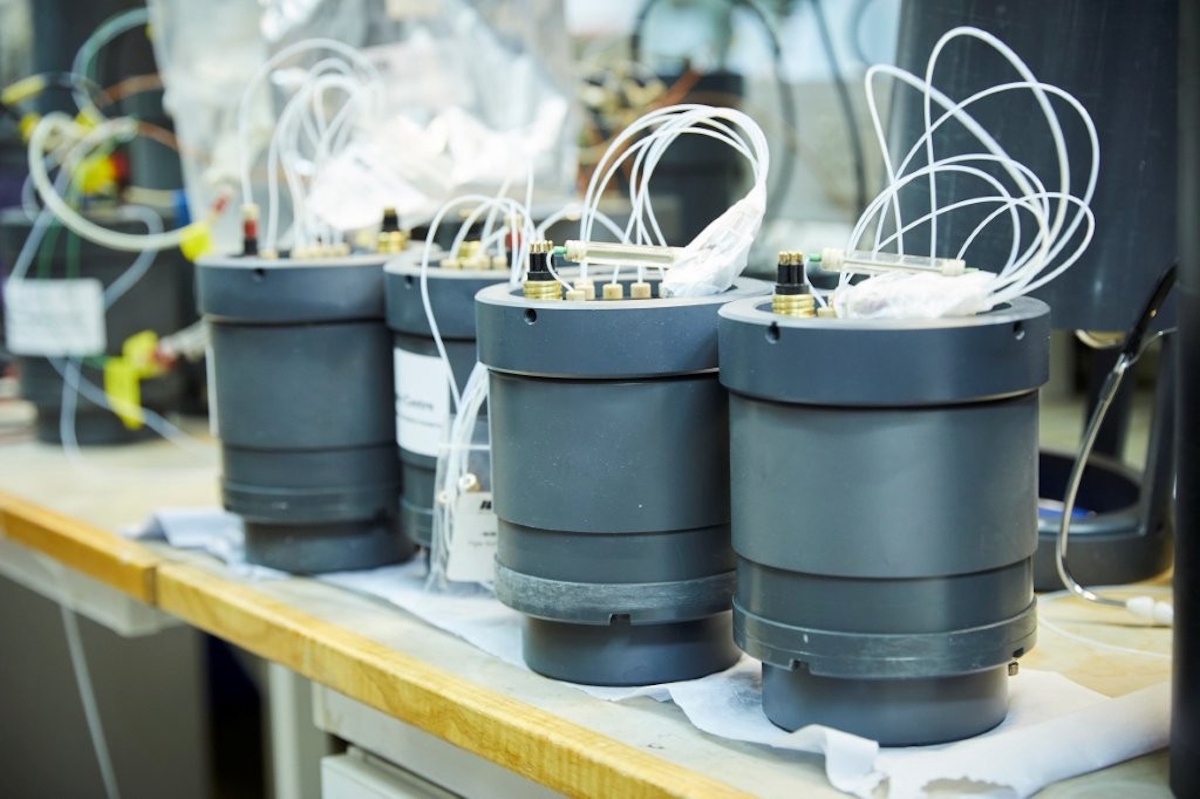
£4 m to Boost Marine Robotics Research Capabilities
The UK’s National Oceanography Centre (NOC) has secured a funding boost of £4 million aimed at enhancing its fleet of marine autonomous systems with next-generation sensing technologies. This investment, announced recently, is designed to support the advancement of sustainable ocean science, enabling researchers to gather more accurate and comprehensive data about marine environments. By integrating these advanced sensing capabilities, the NOC aims to improve its understanding of ocean dynamics and contribute to the global efforts in addressing climate change and preserving marine ecosystems. The initiative reflects a growing commitment to innovative research methods in the field of oceanography, positioning the NOC at the forefront of marine science advancements.
marine robotics research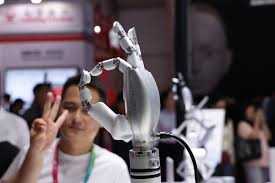
Research on Harvesting Robots for Fragile Fruit: A Review
A recent study published in the Journal of Field Robotics highlights advancements in autonomous robotics technology. Researchers from a leading robotics institute conducted experiments to improve the navigation and decision-making capabilities of robots in complex environments. The study, released in early October 2023, took place in various outdoor settings, including forests and urban areas, to test the robots' adaptability to different terrains. The motivation behind this research stems from the growing demand for autonomous systems in sectors such as agriculture, disaster response, and urban planning. By enhancing the robots' ability to process real-time data and make informed decisions, the team aims to increase their efficiency and reliability in real-world applications. Through a combination of machine learning algorithms and sensor integration, the researchers developed a new framework that allows robots to better interpret their surroundings and respond to dynamic changes. This innovative approach not only improves navigation but also enables robots to collaborate more effectively with human operators. The findings from this study are expected to pave the way for more sophisticated autonomous systems, ultimately contributing to the advancement of robotics technology and its integration into everyday life.
SURVEY ARTICLE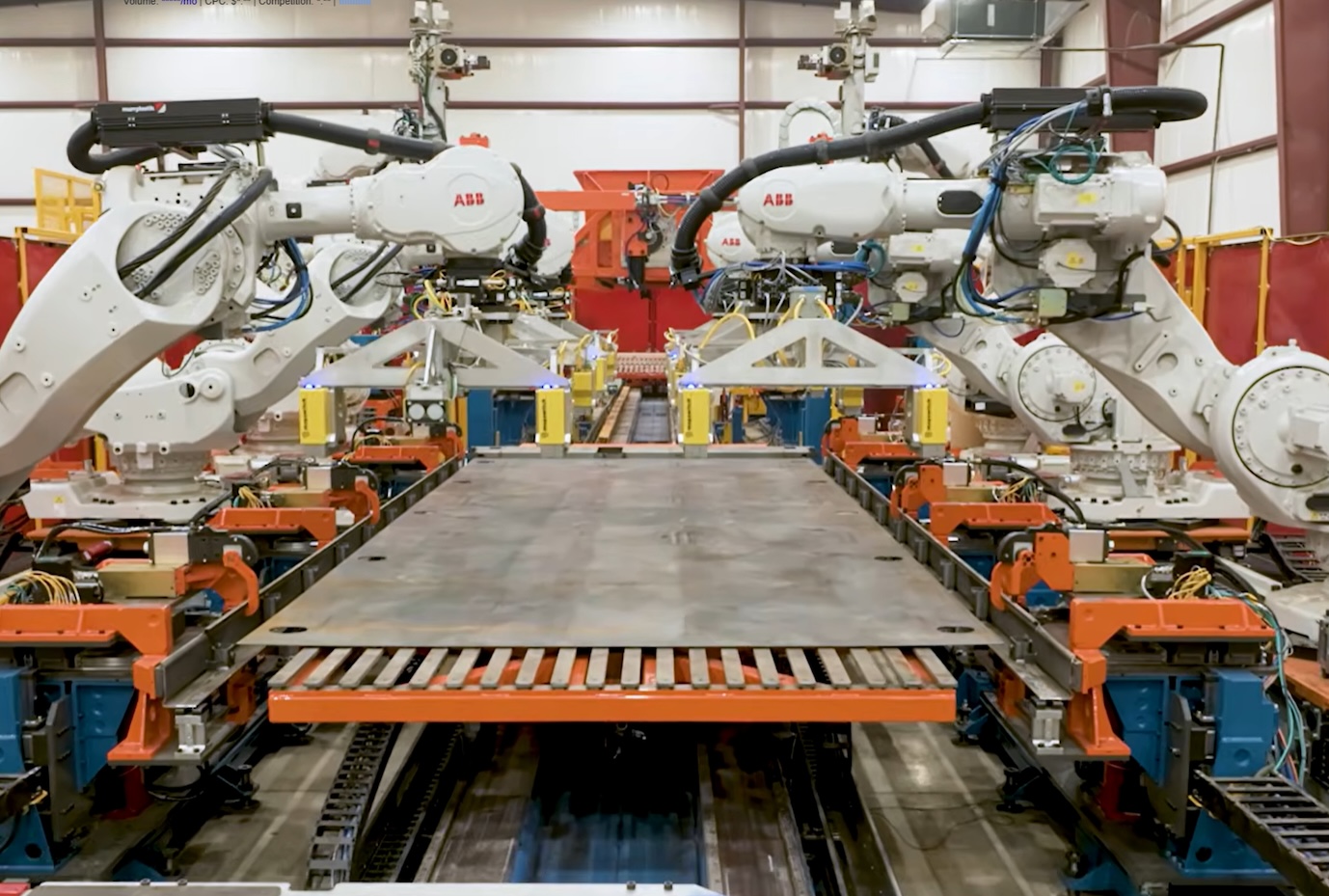
Research on the Design and Experiment for Obstacle‐Crossing Capability of a Wheeled‐Claw Deformable Mobile Platform With Large Expansion Ratio
A recent study published in the Journal of Field Robotics highlights advancements in autonomous robotic navigation systems. Researchers from a leading robotics institute conducted experiments to improve the efficiency and accuracy of robots in complex environments. The study, released in early October 2023, focuses on the integration of artificial intelligence and machine learning techniques to enhance decision-making processes in real-time. The research took place in various challenging terrains, including urban settings and natural landscapes, to test the robots' adaptability. The motivation behind this work stems from the increasing demand for autonomous systems in industries such as agriculture, logistics, and disaster response. By developing more reliable navigation capabilities, the researchers aim to facilitate safer and more effective deployment of robots in real-world applications. Through a series of trials, the team employed advanced algorithms that enable robots to analyze their surroundings and make informed navigation choices. The findings suggest significant improvements in both the speed and precision of robotic movements, which could lead to broader adoption of these technologies across multiple sectors. This study represents a crucial step towards achieving fully autonomous robotic systems capable of operating in dynamic and unpredictable environments.
RESEARCH ARTICLE
Interview with Yoshike: Honda's robotic research continues with a new multi-fingered hand surpassing human dexterity.
Honda Research Institute showcased its latest multi-fingered robotic hand at the Humanoids Summit Tokyo 2026, held in Takanawa, Tokyo. This event highlighted the ongoing evolution of Honda's humanoid robotics, continuing the legacy of its renowned ASIMO robot. The demonstration aimed to illustrate Honda's commitment to advancing robotics technology and exploring future possibilities in human-robot interaction. The innovative design of the robotic hand is expected to enhance the functionality and versatility of humanoid robots, marking a significant step in the company's research and development efforts.
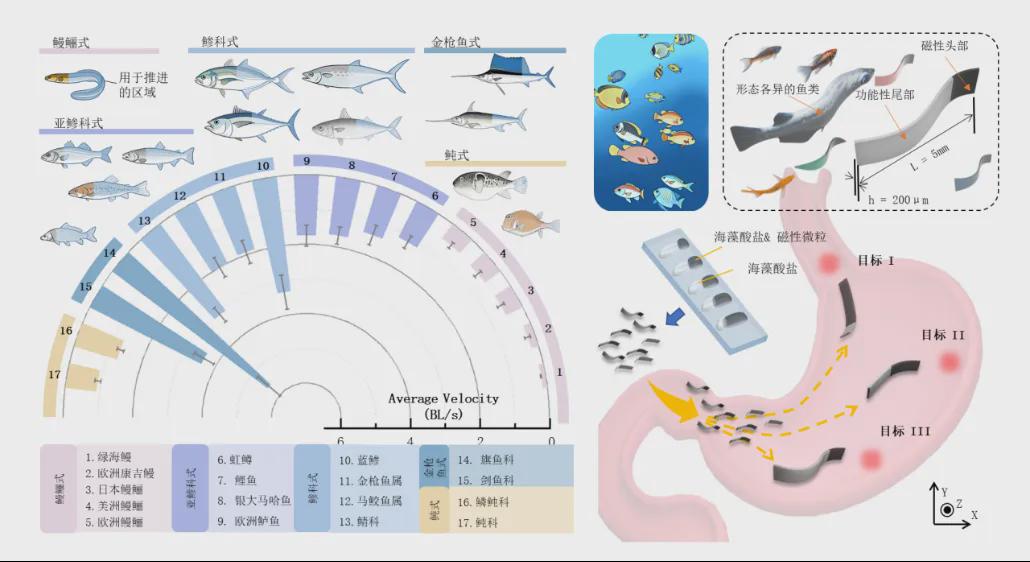
Inspired by Fish Diversity: Beijing Institute of Technology Team Develops Morphology-Encoded Soft Microrobots
A research team at the Beijing Institute of Technology has unveiled a groundbreaking system of soft microrobots that mimic the various swimming styles of fish. This innovative development allows for the selective control of the robots by adjusting their body proportions within a uniform magnetic field. The advancements in this technology hold significant promise for future applications in the biomedical field, potentially enhancing medical procedures and therapies.
Soft Robotics Biomedical Engineering Microrobots Control Systems
Innovative Minimally Invasive Inner Ear Surgery Robot Developed by Harbin Institute of Technology Team
Researchers at Harbin Institute of Technology have developed a groundbreaking minimally invasive surgical technique for the inner ear, utilizing an innovative robotic system that navigates through the ear canal. This advancement, announced recently, seeks to improve the precision of drug delivery and sampling for patients suffering from inner ear diseases. Traditional surgical methods often face limitations that this new approach aims to overcome, potentially leading to significant improvements in treatment outcomes. The team's work represents a notable step forward in the field of otology, promising to enhance patient care through more effective and less invasive procedures.
Minimally Invasive Surgery Robotic Surgery Medical Robotics Inner Ear Treatment
Robotics Institute Launches Next Phase of Vision-Language-Navigation Challenge
Carnegie Mellon University’s Robotics Institute is set to host the latest phase of the Vision-Language-Navigation (VLN) Challenge, aimed at advancing the ability of robots to comprehend and execute human instructions in real-world environments. This new iteration of the challenge, which takes place this year, marks a significant evolution from previous versions by eliminating certain constraints, thereby enhancing the complexity and applicability of the tasks involved. The initiative seeks to unite researchers in tackling one of the most challenging aspects of robotics, ultimately striving to improve the interaction between humans and machines.
Research
Changliu Liu Earns IFAC Robotics Outstanding Young Researcher Award
Changliu Liu, an associate professor at Carnegie Mellon University's Robotics Institute, has been honored with the International Federation of Automatic Control (IFAC) Robotics Outstanding Young Researcher Award. This recognition was awarded for Liu's significant and sustained contributions to the field of intelligent robot control, emphasizing provable safety and efficient collaboration between humans and robots in sectors such as manufacturing, logistics, and autonomous driving. The award ceremony took place recently, celebrating Liu's impactful research and advancements in robotics.
Awards
Researchers Create Transformable Flat-to-Shape Objects Using Sewing Technology
Researchers from Carnegie Mellon University's Human Computer Interaction Institute and Robotics Institute have developed an innovative technique for creating functional flat-to-shape objects utilizing a computer-controlled sewing machine. This groundbreaking method, which aims to enhance the versatility of fabric-based designs, was introduced by a team that includes undergraduate student Sapna Tayal, postdoctoral teaching fellow Lea Albaugh, and associate professor James McCann. The research highlights the potential for transforming traditional sewing into a dynamic tool for design and manufacturing, allowing for more complex shapes and functionalities to be achieved through automated processes. This advancement could significantly impact industries ranging from fashion to engineering, as it opens new avenues for the integration of technology in textile production.
Research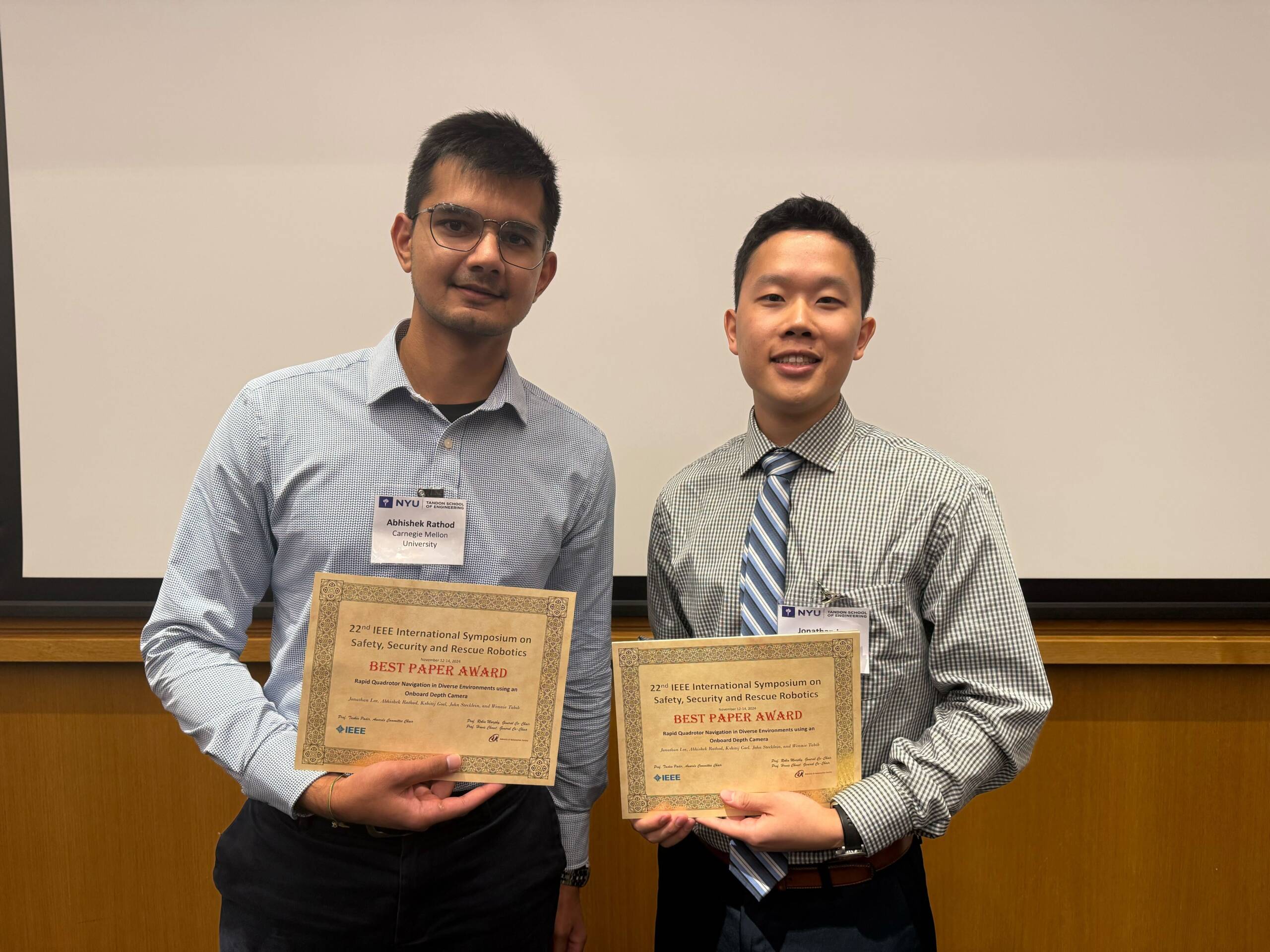
CMU, NREC Researchers Earn Best Paper Award at SSRR 2024
Researchers from Carnegie Mellon University's Robotics Institute and the National Robotics and Engineering Center have been honored with the Best Paper Award at the 2024 IEEE Symposium on Safety, Security, and Rescue Robotics. Their award-winning paper, titled "Rapid Quadrotor Navigation in Diverse Environments Using an Onboard Depth Camera," showcases innovative advancements in drone navigation technology. The symposium, which focuses on enhancing safety and efficiency in robotics, provided a platform for experts to share cutting-edge research and developments in the field. This recognition highlights the researchers' contributions to improving robotic systems' capabilities in complex environments, underlining the importance of integrating advanced sensors for enhanced navigation.
Awards Research
Research Group to Host CMU Vision-Language-Autonomy Challenge
Carnegie Mellon University's Robotics Institute is set to host the CMU Vision-Language-Autonomy Challenge, an event designed to unite researchers focused on the integration of computer vision, natural language understanding, and autonomous navigation. Scheduled for the near future, this challenge aims to advance the fields of computer vision and artificial intelligence by fostering collaboration and innovation in real-world applications. The initiative builds on the institute's success in developing an award-winning navigation autonomy system, highlighting its commitment to pushing the boundaries of AI research.
Uncategorized
Swift and Secure: CMU Researchers Develop Collision-Free, High-Speed Robots
Researchers at Carnegie Mellon University's Robotics Institute have unveiled a new learning-based control framework named Agile But Safe (ABS). This innovative framework, developed by a team including Tairan He, Chong Zhang, Wenli Xiao, Guanqi He, Changliu Liu, and Guanya Shi, allows quadrupedal robots to navigate both indoor and outdoor environments without the risk of collisions. The introduction of ABS aims to enhance the safety and efficiency of robotic movement in confined spaces, addressing a critical challenge in robotics. By implementing this framework, the researchers have demonstrated that robots can achieve high-speed mobility while maintaining secure and obstacle-free navigation.
Uncategorized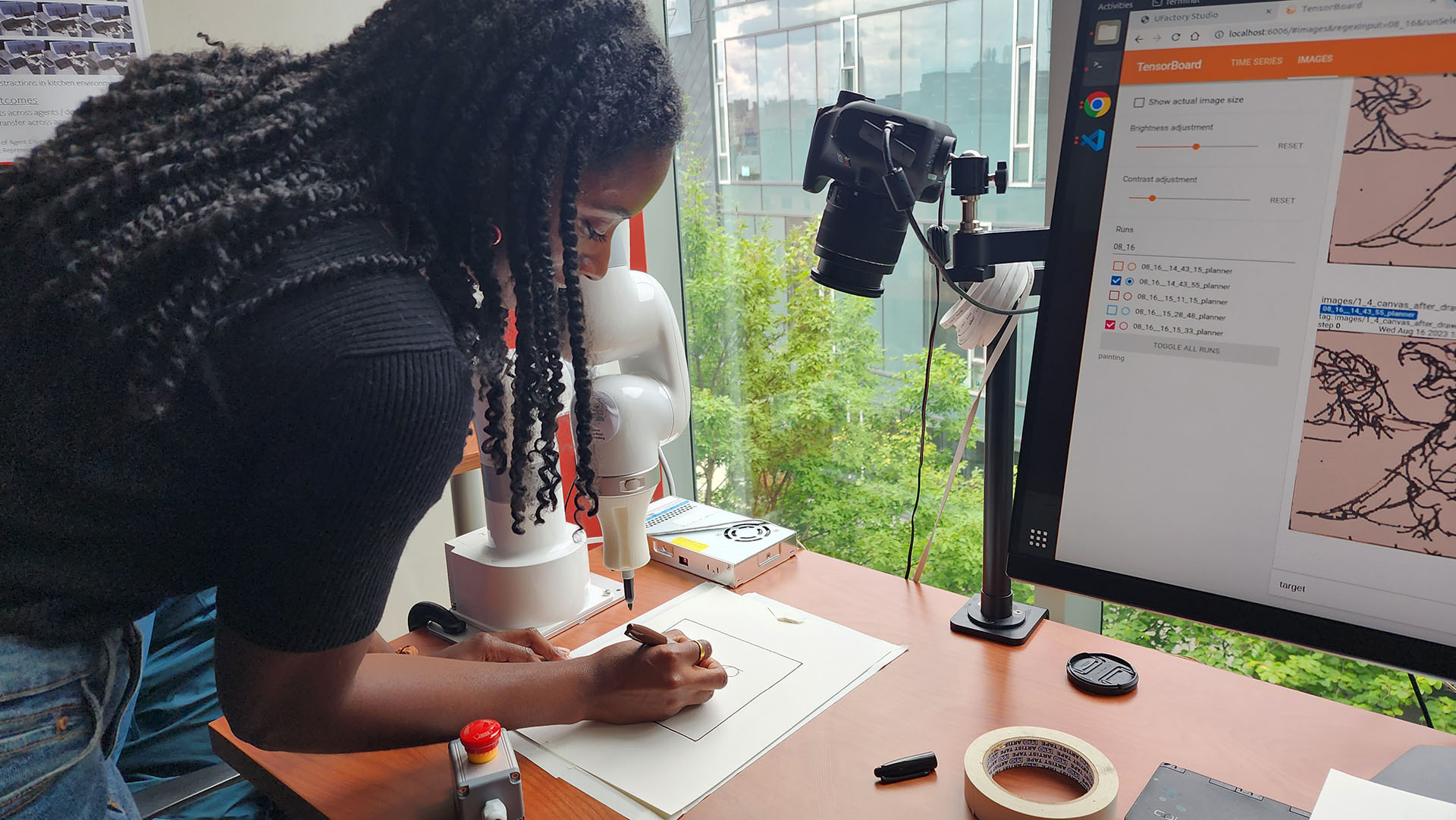
RI Research Brings Together Humans, Robots and Generative AI To Create Art
Researchers at Carnegie Mellon University's Robotics Institute have introduced a groundbreaking robotic system designed for interactive art creation. Named Collaborative FRIDA (CoFRIDA), this innovative technology allows individuals of all artistic skill levels to engage in collaborative painting. The system serves as a creative partner, akin to a writing prompt, encouraging users to explore their artistic potential alongside a robotic counterpart. This development highlights the intersection of human creativity and robotics, aiming to enhance the artistic experience in real-world settings.
Uncategorized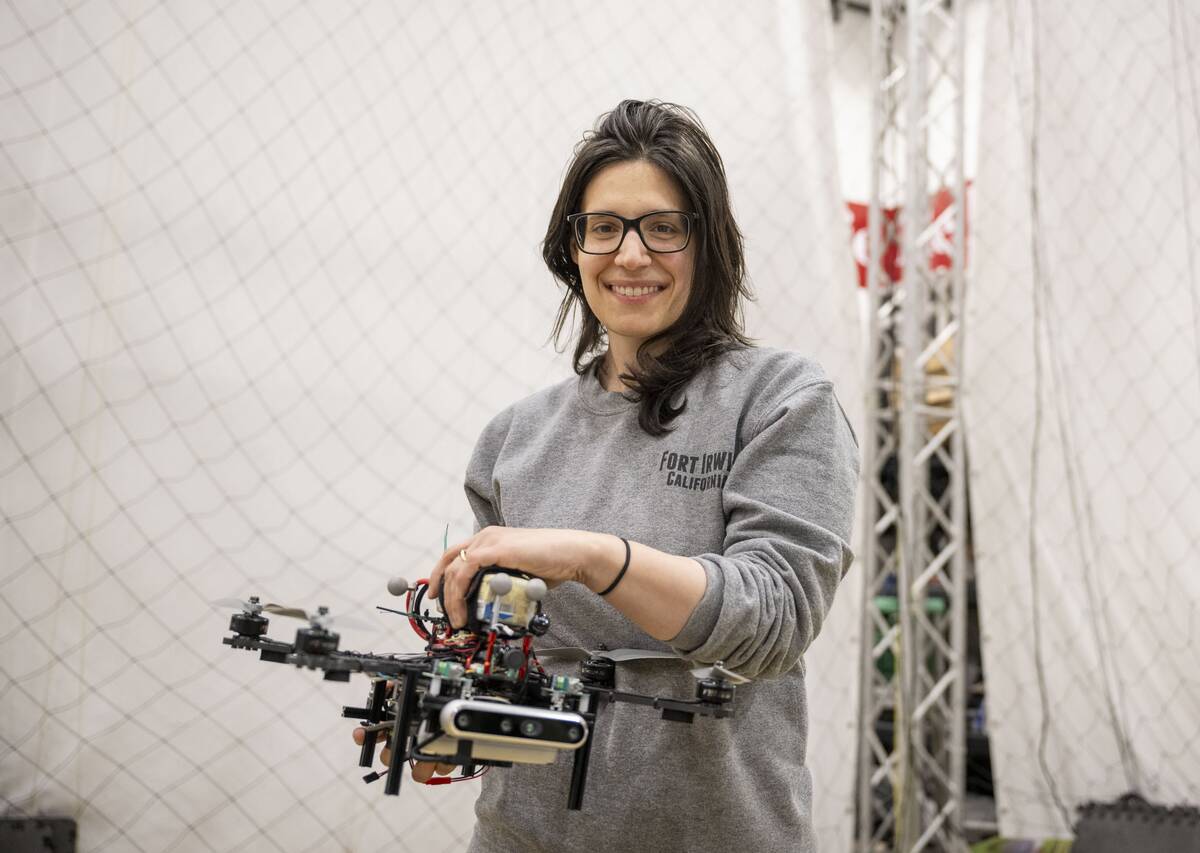
CMU Researchers, Robots Head To Nation’s Capital for Robotics Showcase
Researchers from Carnegie Mellon University's Robotics Institute and College of Engineering are preparing to showcase their innovative work in paleobionics, robotic hands, and autonomous aerial vehicles at an event titled “Robotics for a Better Tomorrow: Robotics Showcase and Demo Day.” This event is set to take place on April 30 in Washington, D.C., where they will present their advancements to members of Congress and their staff. The initiative aims to highlight the potential of robotics in addressing various challenges and improving quality of life. Over 30 researchers from federal agencies and industry partners will participate, demonstrating how these technologies can contribute to societal progress.
Uncategorized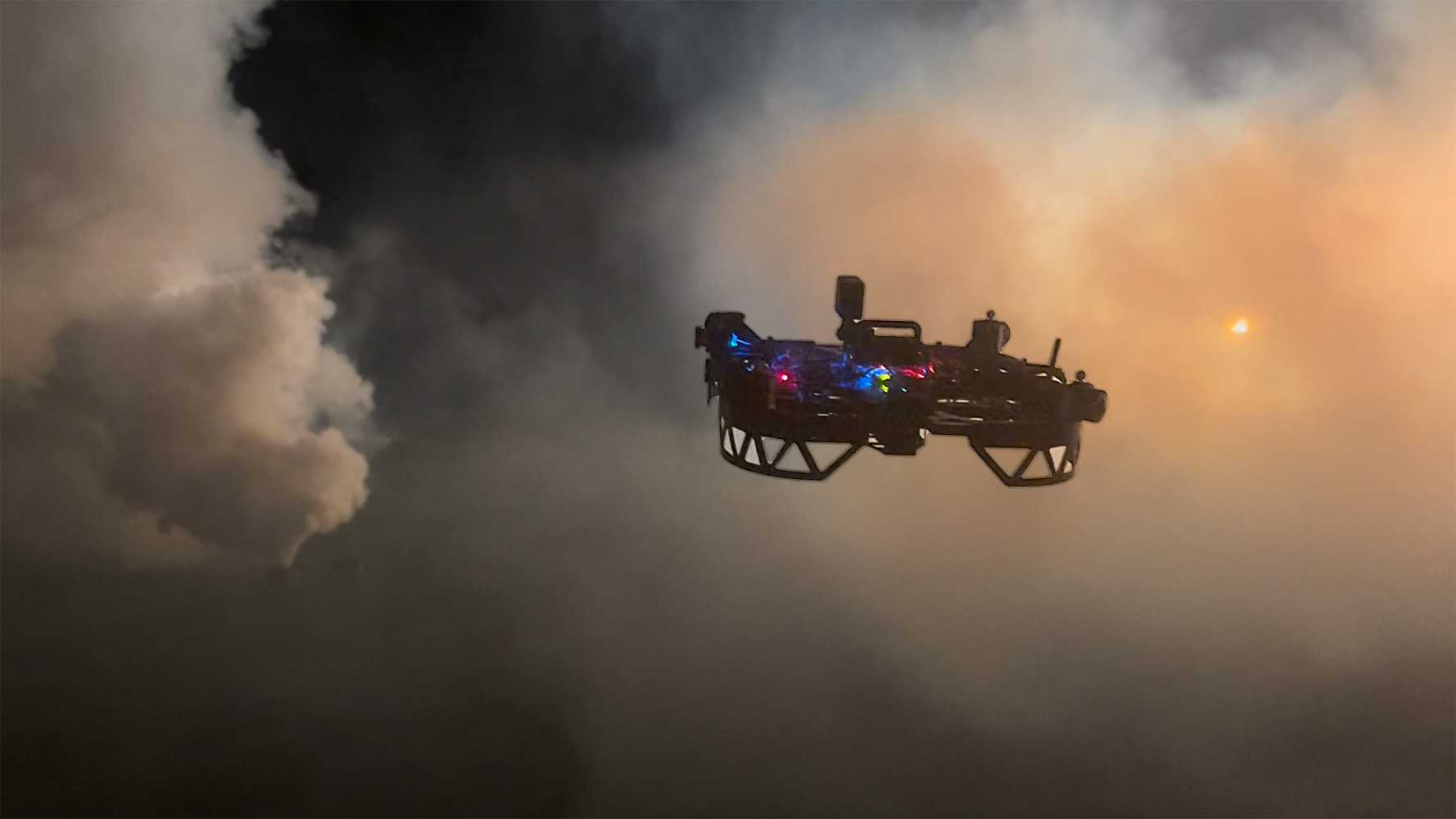
Robotics Institute Developing Drones To Fight Wildfires
Researchers at Carnegie Mellon University's Robotics Institute are developing drones aimed at combating wildfires, a project inspired by the brown haze that enveloped Pittsburgh and other U.S. cities last summer. This haze was a result of unprecedented wildfires in Canada, which served as a stark reminder of the growing threat posed by such natural disasters. The initiative seeks to enhance firefighting capabilities and mitigate the impacts of wildfire smoke on urban areas. By leveraging drone technology, the Robotics Institute aims to improve monitoring and response efforts during wildfire events, ultimately contributing to better environmental management and public safety.
Uncategorized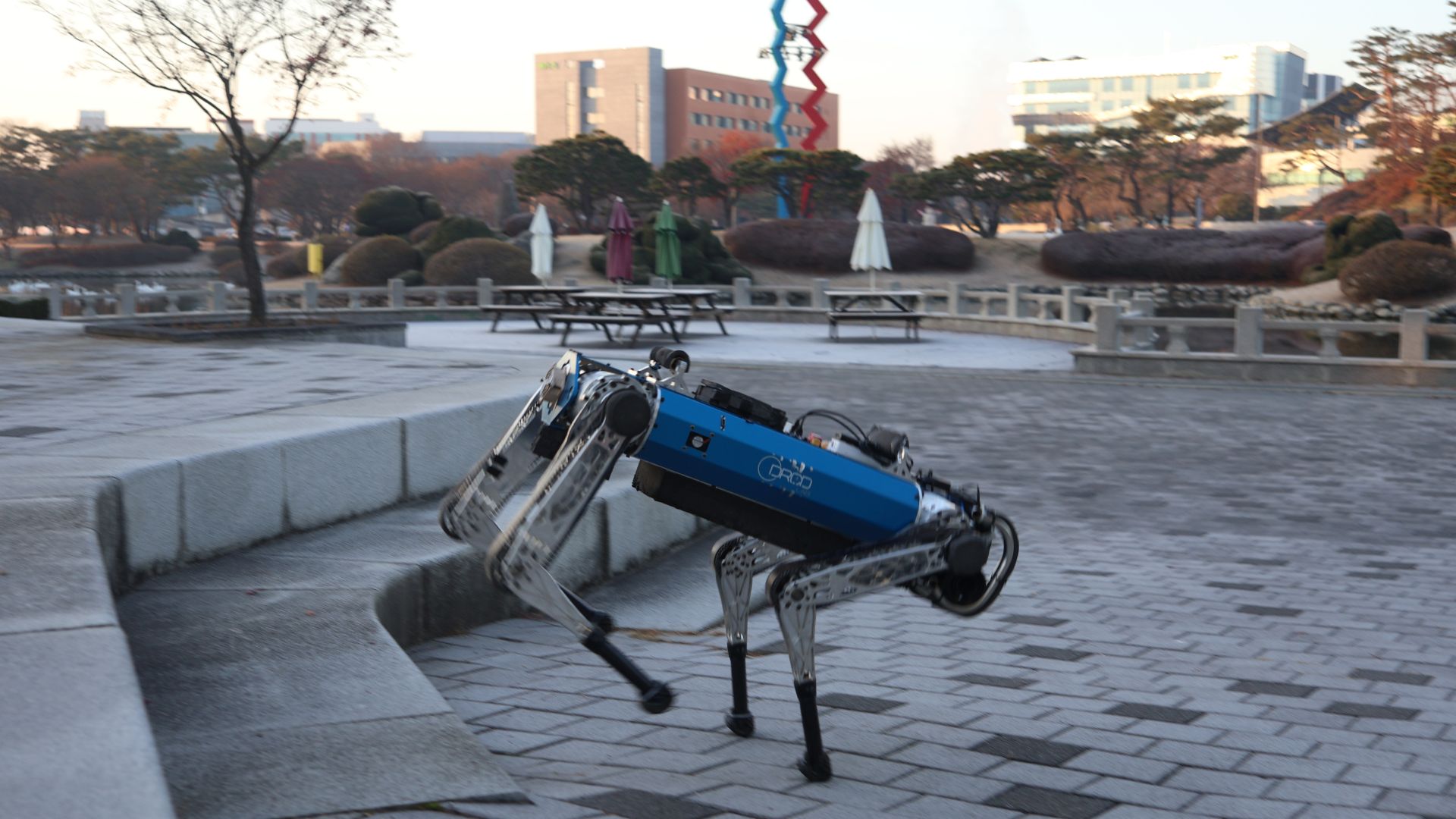
Korean Researchers Develop AI Framework for Robot Dog's Adaptive Movement in Complex Terrain
Researchers from Korea have created an AI framework that allows a quadruped robot to autonomously adapt its motor skills while navigating challenging environments. This system enables real-time gait adjustments for traversing forests, climbing stairs, and overcoming obstacles using only onboard sensors and computing capabilities. The significance of this development lies in its potential applications for autonomous search-and-rescue and exploration missions. The Action Pretrained Transformer-based Reinforcement Learning (APT-RL) framework enhances agility by combining pretrained locomotion skills with adaptive decision-making, demonstrating the robot's ability to handle diverse obstacles effectively. Future observations will focus on the framework's deployment in real-world scenarios, as it has already shown impressive performance on KAIST’s quadruped robot, HOUND. The robot's ability to switch between different gaits based on terrain and speed, achieving speeds of up to 6 meters per second, highlights the effectiveness of the APT-RL approach in complex environments. No further timeline was disclosed at the time of publication.
AI and Robotics
South Korean Researchers Develop AI for Innovative DNA Origami Designs
Researchers from Seoul National University and Hanyang University have created an AI model named Generative SNUPI, which simplifies the design of DNA origami structures. This model allows users to generate complex DNA shapes, such as the Mona Lisa, by considering the chemical properties of DNA, significantly reducing the time and expertise required for design. The development of Generative SNUPI is crucial as traditional DNA origami design is often tedious and expensive, requiring significant expertise. Kyounghwa Jeon, a Ph.D. candidate at SNU, emphasizes that this new tool could enable users to transition directly from concept to physical assembly of DNA structures, enhancing research capabilities in the field. Looking ahead, the researchers aim to improve the flexibility of DNA origami designs to facilitate real-world applications such as drug delivery and immunotherapy. Do-Nyun Kim, an assistant professor at SNU, notes that future work will focus on creating dynamically reconfigurable structures, which are essential for many molecular functions.
Biotechnology Dna-origami Dna Generative-ai
Researcher Uncovers Systemic Vulnerabilities in LLMs, Urges Caution in Deployment
Researcher Dave Kuszmar has identified multiple systemic vulnerabilities in large language models (LLMs) that allow for the bypassing of safety protocols, enabling access to dangerous instructions. This discovery highlights a significant security issue across nearly all major LLMs, prompting Kuszmar to advocate for a slowdown in deployment and increased transparency in LLM safety research. The implications of Kuszmar's findings are profound, as they reveal that the very restrictions intended to secure LLMs can be manipulated by attackers to access harmful information. Despite efforts by large AI companies to fortify their models, Kuszmar's experience indicates a troubling lack of responsiveness from these organizations when vulnerabilities are reported. This raises concerns about the safety of LLMs, which are becoming increasingly accessible to the general public. Looking ahead, Kuszmar's call for large-scale research into LLM safety is critical as these technologies continue to integrate into society. The ease with which LLMs can be convinced to provide harmful instructions poses a significant risk, and without proper oversight and security measures, the potential for misuse remains high. No further timeline was disclosed at the time of publication.
Security Llms Ai-safety Ai-companies
University of Illinois Researchers Challenge Traditional Views on Brain Decision Making
Researchers at the University of Illinois Urbana Champaign have revealed new insights into brain decision-making processes, suggesting that these processes begin earlier than previously thought. This research, led by Professor Yurii Vlasov, indicates that early sensory brain regions play a crucial role in decision-making, contradicting the long-held belief that decisions are made only after information passes through a strict hierarchy of brain regions. The implications of this study are significant for both neuroscience and artificial intelligence. By understanding that decision-making involves interconnected feedback loops rather than a linear progression, researchers can design AI systems that mimic this biological architecture. This could lead to the development of AI that is not only more capable but also more energy-efficient, addressing current limitations in AI technology. Moving forward, the research team aims to further explore how biological intelligence, refined through evolution, can inform AI development. No further timeline was disclosed at the time of publication.
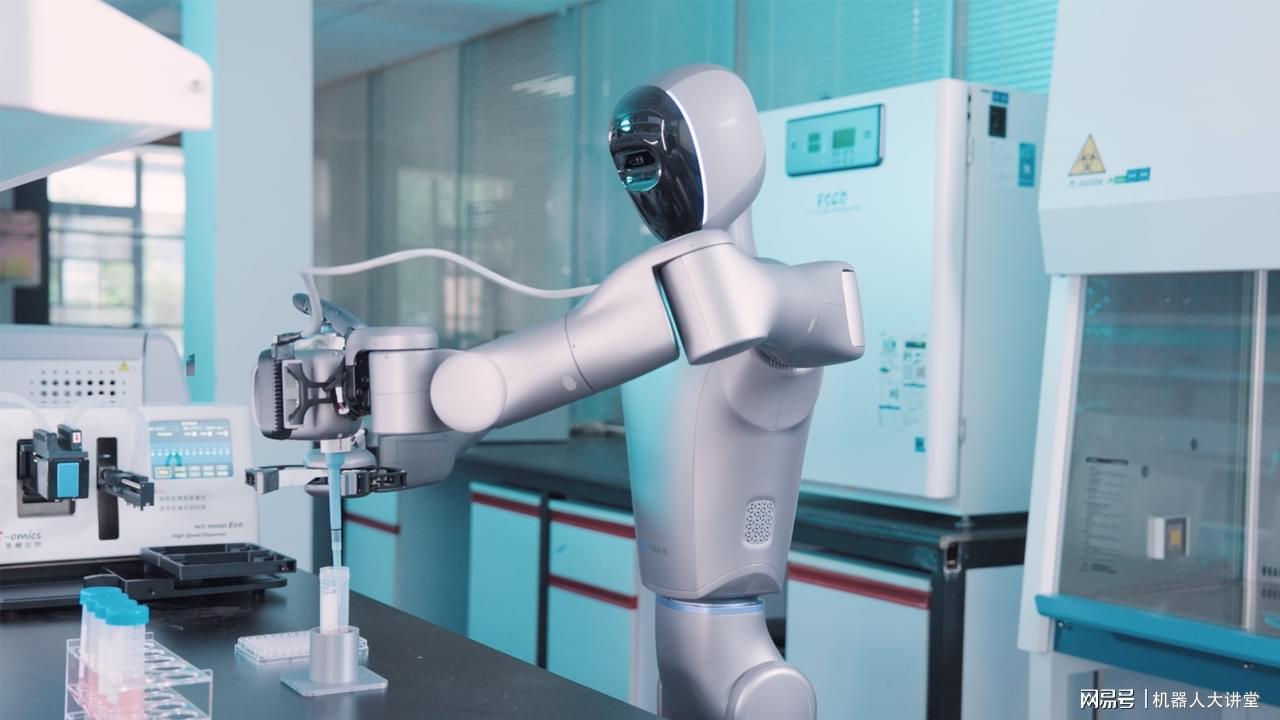
Yuanluo Technology Unveils First Autonomous Laboratory Utilizing Object-Centric Physics Model
Yuanluo Technology has successfully launched the world's first autonomous laboratory on a national research platform, marking a significant advancement in embodied intelligence. The laboratory's robotic system can autonomously perform over 40 operations, including nucleic acid extraction and cytotoxicity testing, with a precision of less than one millimeter. This achievement demonstrates the robot's capability to execute complex, multi-step tasks continuously for over three hours, addressing challenges in throughput and consistency in biochemical research. This development is crucial as it signifies a shift from demonstration to practical application of embodied intelligence in the biochemical and material science sectors. The Object-centric Physics Native Model (OPN), developed by Yuanluo, enables the robot to understand and adapt to the dynamic conditions of a real laboratory environment. By integrating visual, tactile, and force feedback, the robot can make real-time adjustments, ensuring stable execution of intricate experimental workflows across multiple devices. Looking ahead, the successful implementation of this autonomous laboratory sets the stage for further advancements in research and development processes across various industries, including public health and advanced manufacturing. The next milestones will involve expanding the capabilities of the OPN model and integrating it into more complex industrial systems. No further timeline was disclosed at the time of publication.
Autonomous Laboratories Embodied Intelligence Biochemical Research Robotics AI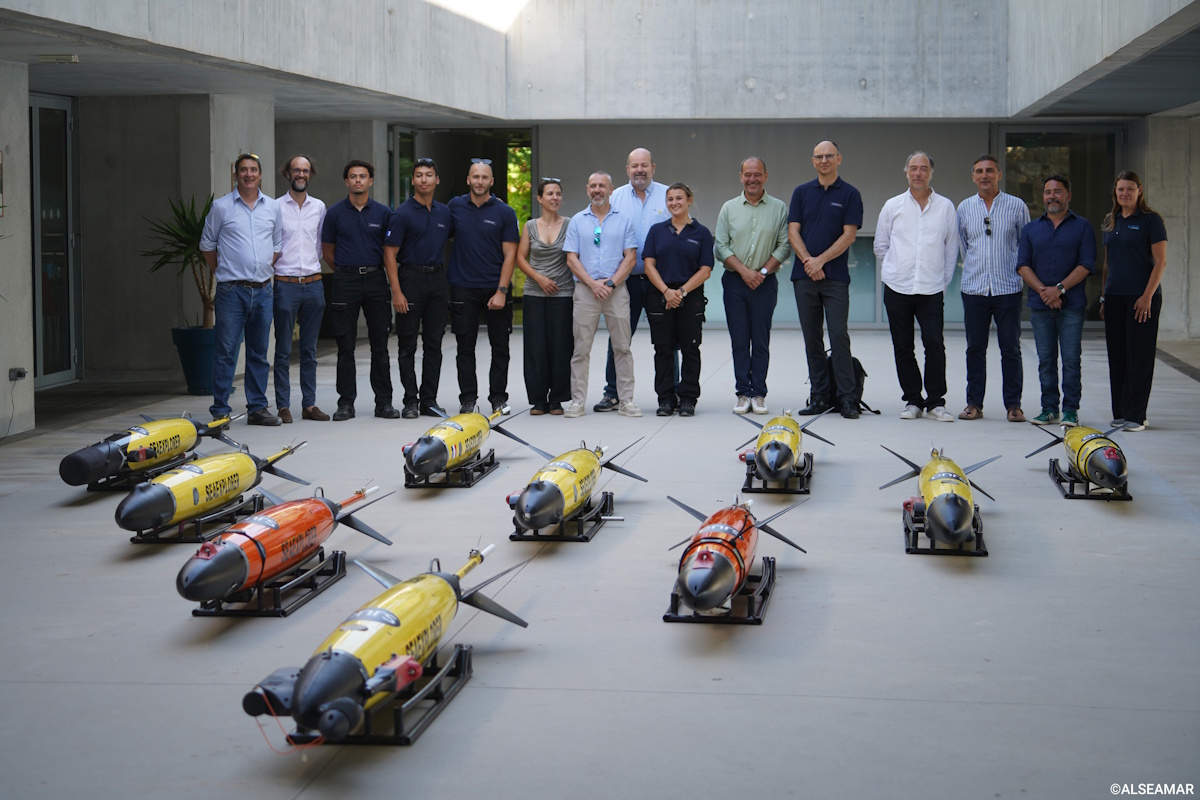
CNRS Deploys Ten SEAEXPLORER Autonomous Gliders for Mediterranean Ecosystem Research
In mid-June 2026, the CNRS deployed ten SEAEXPLORER autonomous underwater gliders in the Ligurian Sea as part of Mission 6 under France's 2030 funding plan. This initiative aims to create a comprehensive environmental data atlas for the northwestern Mediterranean, focusing on the impacts of human activities on marine ecosystems. The gliders will operate for one month, diving to depths of 1,000 meters and equipped with sensors to monitor underwater noise and ocean currents. The deployment is significant as it represents a strategic effort by the French government to enhance industrial competitiveness and develop next-generation technologies for deep-sea exploration. By utilizing coordinated fleets of autonomous gliders and advanced sensing technologies, researchers aim to better understand the dynamics of marine ecosystems and the effects of climate change, maritime traffic, and ocean acidification. This innovative approach will facilitate the study of plankton distribution and biodiversity through methods such as environmental DNA monitoring. Looking ahead, the next phases of Mission 6 will involve additional deployments in the Gulf of Lion in 2028 to test new sensors, followed by operations in French Polynesia between 2028 and 2029. These efforts will further expand the capabilities of autonomous underwater vehicles in marine research, with no further timeline disclosed at the time of publication.
autonomous gliders cnrs exploration mediterranean marine ecosystems
NAIRR Science Program Reshapes Scientific Research, Powered by NVIDIA AI Infrastructure
The U.S. National Science Foundation’s National Artificial Intelligence Research Resource (NAIRR) pilot program has been instrumental in advancing innovative research over the past two years, supporting more than 700 projects across the country. These initiatives cover a wide range of topics, including protein prediction and infectious disease modeling. By providing essential resources and funding, the NAIRR program aims to enhance the capabilities of researchers and institutions in the field of artificial intelligence. This initiative not only fosters collaboration among scientists but also addresses pressing challenges in health and technology, showcasing the potential of AI to drive significant advancements in various sectors.
Robotics needs a service framework.
RSF defines a common language for robot service capability, lifecycle operations, certification pathways, and service-provider networks.