Industry Briefing
A single destination for timely, editor-curated robotics news from around the world.
Satellite Applications Catapult Launches National Drone Testing Center in Buckinghamshire
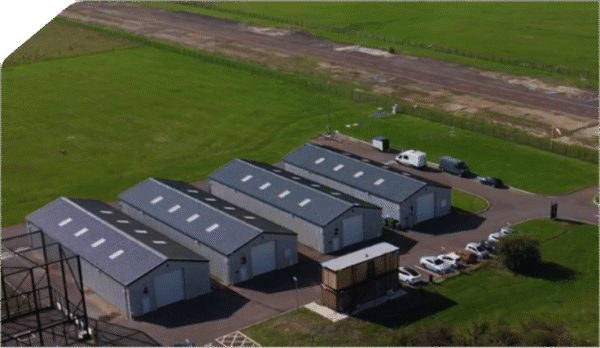
The Satellite Applications Catapult has announced the establishment of the National Autonomy and Drone Innovation Centre (NADIC) at Westcott Venture Park, supported by £2.25 million from Buckinghamshire Council. This facility aims to provide UK companies with a controlled environment to generate regulator-grade safety evidence for drone technology. NADIC addresses a significant challenge in the UK drone industry: the lack of accessible testing locations for companies to validate their technology's safety. The center will feature advanced testing facilities, including a Windshaper system for indoor wind conditions and a robotic arm for automated testing, enhancing the capabilities of small and medium-sized enterprises in the sector. With the UK government targeting routine BVLOS flights by 2027 and projecting a £45 billion drone economy by 2030, NADIC is poised to play a crucial role in supporting the industry's growth. The center is expected to be fully operational by the second half of 2027, providing essential infrastructure for companies to prove their systems are safe and ready for regulatory approval.
Drone News Drone News Feeds News Testing UK Drone Industry UK Drone Space
FAA Allocates $12 Million for 19 Drone Research and Testing Initiatives
The Federal Aviation Administration (FAA) has allocated $12 million to fund 19 drone research and testing initiatives aimed at enhancing the safe expansion of drone operations within the National Airspace System (NAS). These projects, supported through the FAA’s Unmanned Aircraft Systems (UAS) Broad Agency Announcement (BAA) Program, will facilitate collaboration between companies and FAA-designated UAS Test Sites. FAA Administrator Bryan Bedford emphasized that this program is crucial for gathering data and addressing operational challenges related to drone integration. The funded projects tackle various technical challenges, including detect-and-avoid systems and long-range communications. Notable participants include General Atomics, NAVMAR, and Censys Technologies, among others. No further timeline was disclosed at the time of publication.
Drone News Drone News Feeds FAA News Research Selected - FAA and Regulations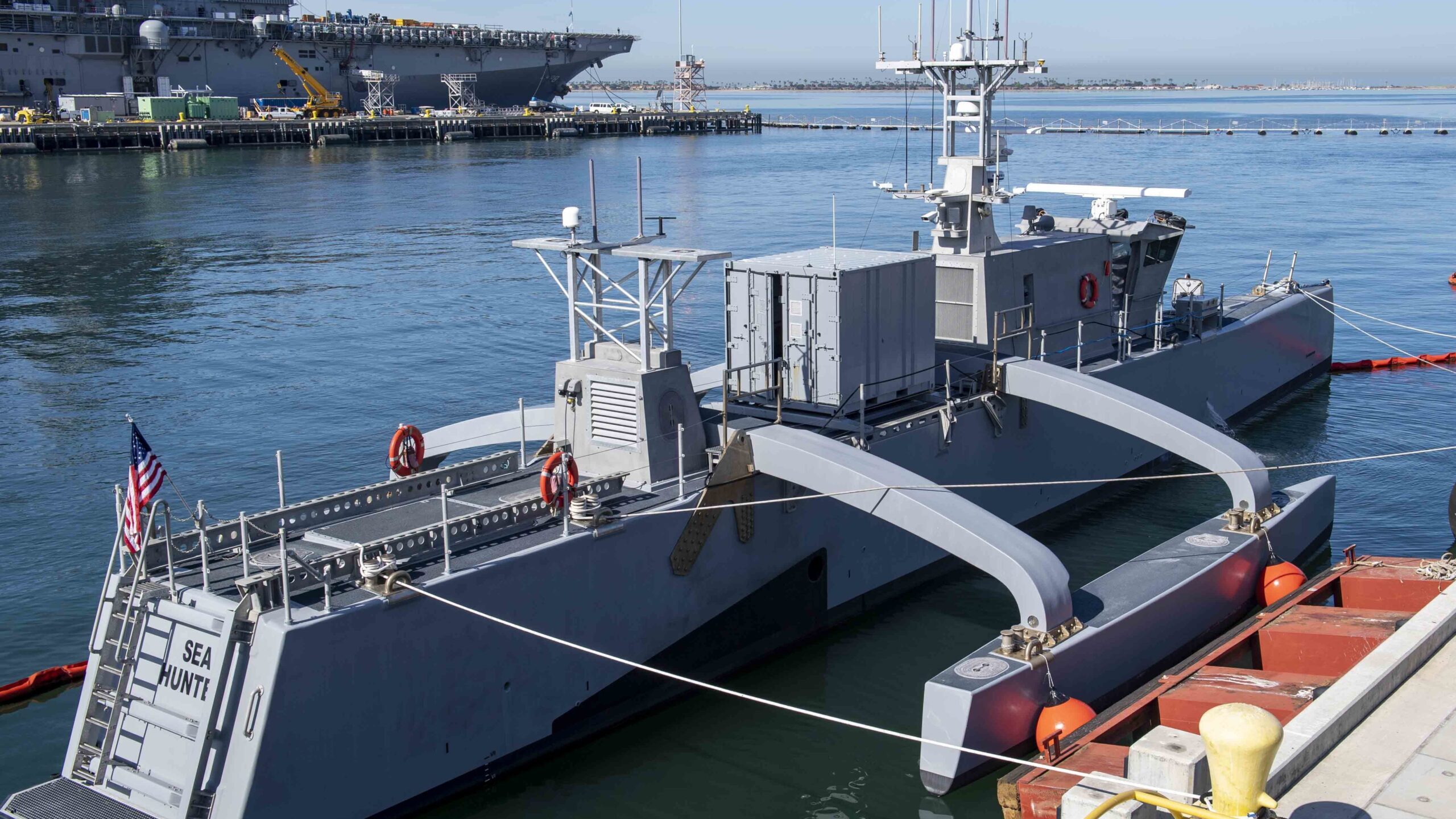
Navy to Acquire 30 Medium Unmanned Surface Vessels After Successful Testing
The Navy has announced plans to purchase 30 medium unmanned surface vessels (MUSVs) from Galliano Marine Services, Huntington Ingalls Industries, and Saronic Technologies. This decision follows successful at-sea testing and is part of the Navy's new MUSV marketplace initiative. Each MUSV is estimated to cost around $40 million, with deliveries expected by the end of fiscal 2027. This acquisition is significant as it reflects the Navy's commitment to streamlining procurement processes to enhance operational capabilities for its personnel. Acting Secretary of the Navy Hung Cao emphasized the urgency of delivering these systems to ensure that warfighters are equipped to meet emerging threats. The MUSV marketplace aims to facilitate the procurement of production-ready platforms, showcasing a shift in how the Navy approaches defense acquisitions. Looking ahead, the Navy is entering Phase II of the MUSV program, which will involve integrating and testing additional options for the vessels. The service has published a solicitation for this phase, indicating a desire for vessels that can operate unmanned for at least 10 days and carry a payload of two standard 20-foot shipping containers. No further timeline was disclosed at the time of publication.
Naval Warfare Drones HII Hung Cao Leidos Navy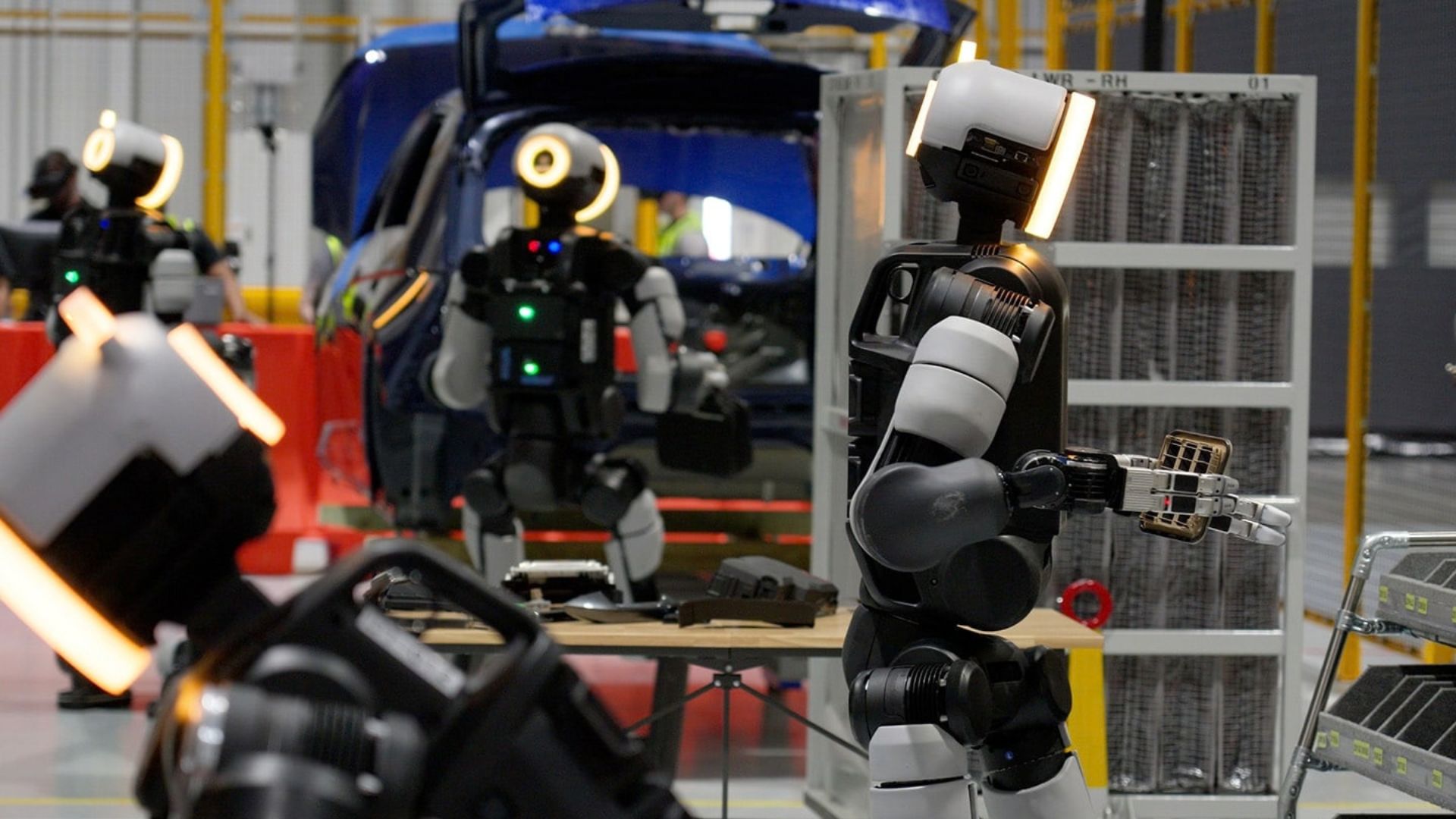
Boston Dynamics Launches Atlas Robot Testing at Hyundai's Metaplant for 25,000 Unit Rollout
Boston Dynamics has initiated testing of its Atlas humanoid robot at the Robotics Metaplant Application Center (RMAC) within Hyundai Motor Group’s Metaplant America in Georgia. This facility aims to serve as a dedicated hub for physical AI and robotics training, with plans for Hyundai to deploy 25,000 Atlas units globally by 2030. The collaboration between Boston Dynamics and Hyundai is significant as it marks a shift towards integrating humanoid robots into manufacturing processes. Atlas is expected to handle complex tasks such as component assembly and heavy lifting, which will enhance productivity and safety in the workplace. The robot's capabilities include lifting up to 50 kg and operating in extreme temperatures, making it suitable for various industrial applications. Looking ahead, the partnership plans to expand testing into non-automotive sectors by relocating operations to a larger facility in 2027. This initiative aims to reduce physical strain on human workers by automating high-risk tasks, while also addressing labor concerns regarding job security in an increasingly automated environment. No further timeline was disclosed at the time of publication.
AI and Robotics
Comau Provides Advanced Battery Cell Formation and Testing System to Slovenia’s National Institute of Chemistry
Comau has successfully delivered a laboratory-scale cell formation and testing solution to Slovenia’s National Institute of Chemistry (NIC). This customized system is designed to facilitate material validation, product development, and cycle life testing, integrating industrial processes into a research environment while maintaining necessary flexibility. The significance of this delivery lies in its ability to accommodate various battery cell formats, including pouch, cylindrical, and prismatic cells, on a single platform. This versatility allows researchers and industrial partners to explore a wide range of battery technologies, bridging the gap between academic research and commercial development. Looking ahead, the NIC facility is poised to support both academic and industrial users in battery research and testing across Europe. No further timeline was disclosed at the time of publication.
Industrial robots News Science battery automation battery cell formation battery cell testing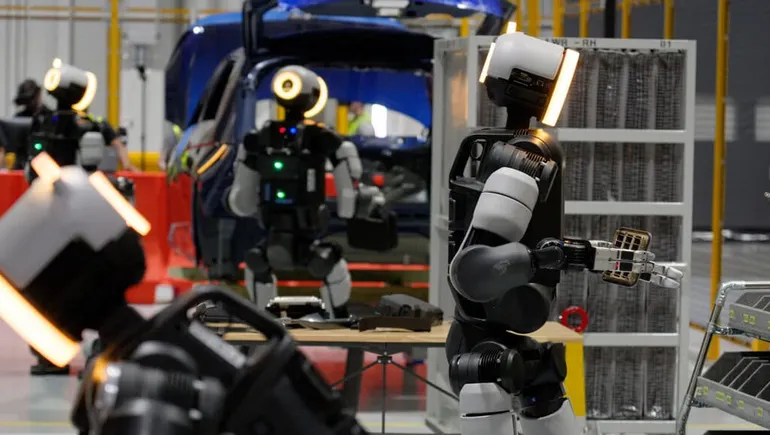
Boston Dynamics Initiates Robotics Testing at Hyundai, Plans Global Expansion
Boston Dynamics has commenced robotics testing at Hyundai's Robotics Metaplant Application Center, a crucial element of Hyundai's strategy to enhance manufacturing environments for safe human-robot collaboration. The automaker aims to deploy 25,000 Atlas units across its global plants, including Kia factories, in the coming years. This initiative is significant as it reflects Hyundai's commitment to integrating advanced robotics and artificial intelligence into its operations, optimizing supply chain and production capabilities. Boston Dynamics' Chief Product and Technology Officer, Zack Jackowski, emphasized the goal of creating a future where robots enhance human productivity and safety in the workplace. Looking ahead, Boston Dynamics plans to expand its Atlas applications beyond automotive into sectors like aerospace and logistics. The company is also in discussions with existing customers to enhance data collection and training for Atlas, with a target year of 2027 for further advancements. No further timeline was disclosed at the time of publication.
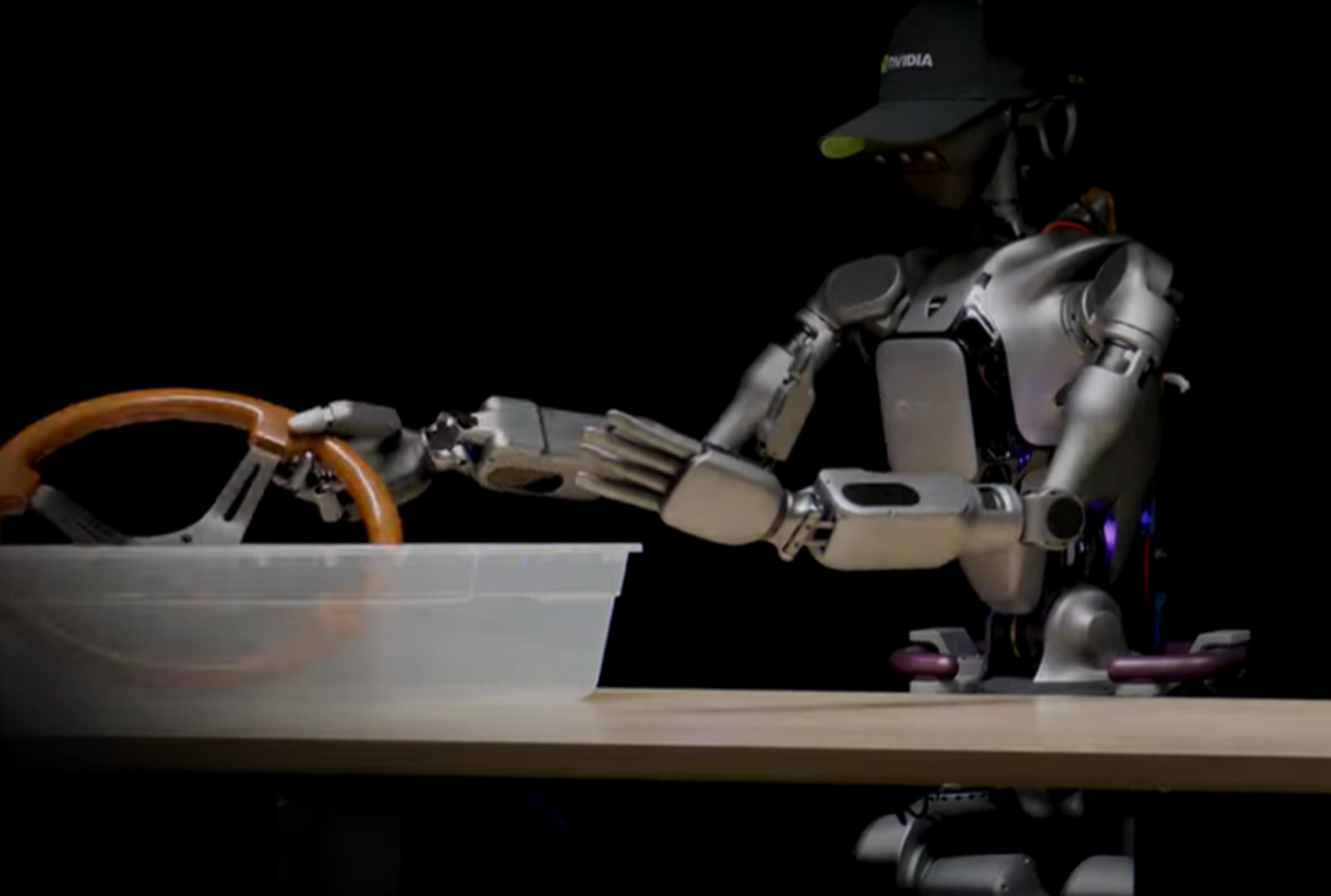
Understanding the Necessity of End-of-Line Testing Equipment for Manufacturers
End-of-line testing is crucial for manufacturers to verify product quality before it leaves the production line. This testing serves as a final quality checkpoint, ensuring that products meet performance standards. Common tests include assessing balance, vibration, torque, pressure, electrical performance, dimensions, and functional operation. The significance of end-of-line testing lies in its ability to catch defects and ensure that products are reliable and safe for consumers. By implementing thorough testing protocols, manufacturers can reduce the risk of returns and enhance customer satisfaction. This process not only safeguards the brand's reputation but also contributes to overall operational efficiency. Looking ahead, manufacturers should focus on integrating advanced testing technologies to streamline their end-of-line processes. Continuous improvements in testing equipment and methodologies will be essential to meet evolving industry standards and consumer expectations. No further timeline was disclosed at the time of publication.
Engineering Manufacturing balance testing end-of-line testing eol testing factory automation
Huawei Launches Beta Testing for XiaoYi Work AI Assistant on Multiple Devices
Huawei has initiated beta testing for its AI work assistant, XiaoYi Work, designed for office tasks, coding, and creative projects across HarmonyOS devices including phones, tablets, and PCs. The introduction of XiaoYi Work is significant as it aims to enhance productivity by breaking down goals into manageable steps, utilizing various tools, and allowing users to monitor progress and request reviews at critical stages. Looking ahead, users can expect to assign tasks seamlessly from their phones to cloud or local PCs, ensuring synchronized files and results. No further timeline was disclosed at the time of publication.
News Feed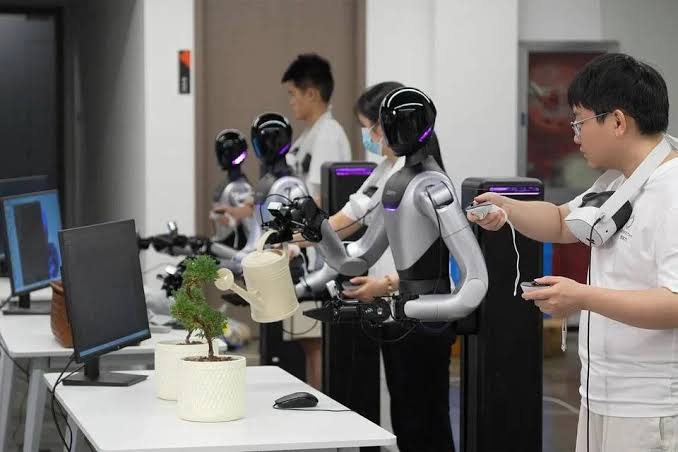
Antioch Raises $32 Million to Enhance Cloud-Based Robot Testing Capabilities
Antioch, a New York-based startup, has secured $32 million in Series A funding led by Greylock to advance its cloud-based robot testing platform. This funding will enable Antioch to bridge the gap between simulation and real-world testing, which has been a significant bottleneck for robotics developers. The company aims to shift robot development from physical trial-and-error to cloud validation, allowing for more efficient testing processes. The importance of this development lies in its potential to revolutionize how robotics teams validate new capabilities and hardware changes. By utilizing high-fidelity simulations, Antioch's platform enables engineering teams to create digital twins of hardware and conduct thousands of parallel simulations, identifying weaknesses before deployment. This approach significantly reduces the need for costly physical testing, which has traditionally slowed down development cycles. Looking ahead, Antioch's technology, which integrates NVIDIA's Omniverse and Isaac frameworks, is expected to play a crucial role in the future of physical AI and robotics. With early clients like Amazon's Ring, the company is poised to accelerate engineering cycles and enhance the reliability of robotic systems in real-world applications. No further timeline was disclosed at the time of publication.
Robot Development Cloud Simulation AI Testing Automation Technology
Li-S Energy's Lithium-Sulfur Batteries Enter US Army Testing for Drone Applications
Li-S Energy, an Australian battery developer, has delivered lithium-sulfur battery cells to the US Army for independent testing. This marks the first instance of the company's technology being evaluated by a US government agency, specifically by the US Army Combat Capabilities Development Command C5ISR Center at Aberdeen Proving Ground. The significance of this testing lies in the potential for lithium-sulfur batteries to enhance military operations that increasingly depend on drones and autonomous systems. With nearly double the energy density of conventional lithium-ion batteries, these cells could enable unmanned platforms to achieve longer flight times, greater ranges, and increased payload capacities, which are critical for modern military applications. Looking ahead, the evaluation by the DEVCOM C5ISR Center could pave the way for the integration of Li-S Energy's technology into various military programs, including unmanned aircraft and ground robots. No further timeline was disclosed at the time of publication.
Energy Military
Tianjin Metro Unveils Its First Smart Robot Testing Station for Enhanced Passenger Experience
On August 14, 2026, Tianjin Metro inaugurated its first smart robot testing station at the Cultural Center Station, featuring six multifunctional service robots. These robots assist with security guidance, crowd management, emergency announcements, equipment inspections, multilingual explanations, and accessible interactions, significantly improving passenger experience and operational efficiency. The station, which serves over 120,000 passengers daily, addresses real challenges such as high pressure during peak hours and frequent inquiries from tourists. On its first day, the robots conducted 17,000 effective interactions, with 32% initiated by elderly users, and improved security guidance efficiency by 41%, reducing false alarms to below 0.3%. In the next three months, the testing station will connect to the city's transportation big data platform for real-time integration with buses, shared bicycles, and parking facilities. Future enhancements will focus on personalized services, such as identifying pregnant passengers and providing information on nearby facilities, making the smart robot station a vital part of daily transit life in Tianjin.
Smart Transportation AI Robotics Public Service Innovation Passenger Assistance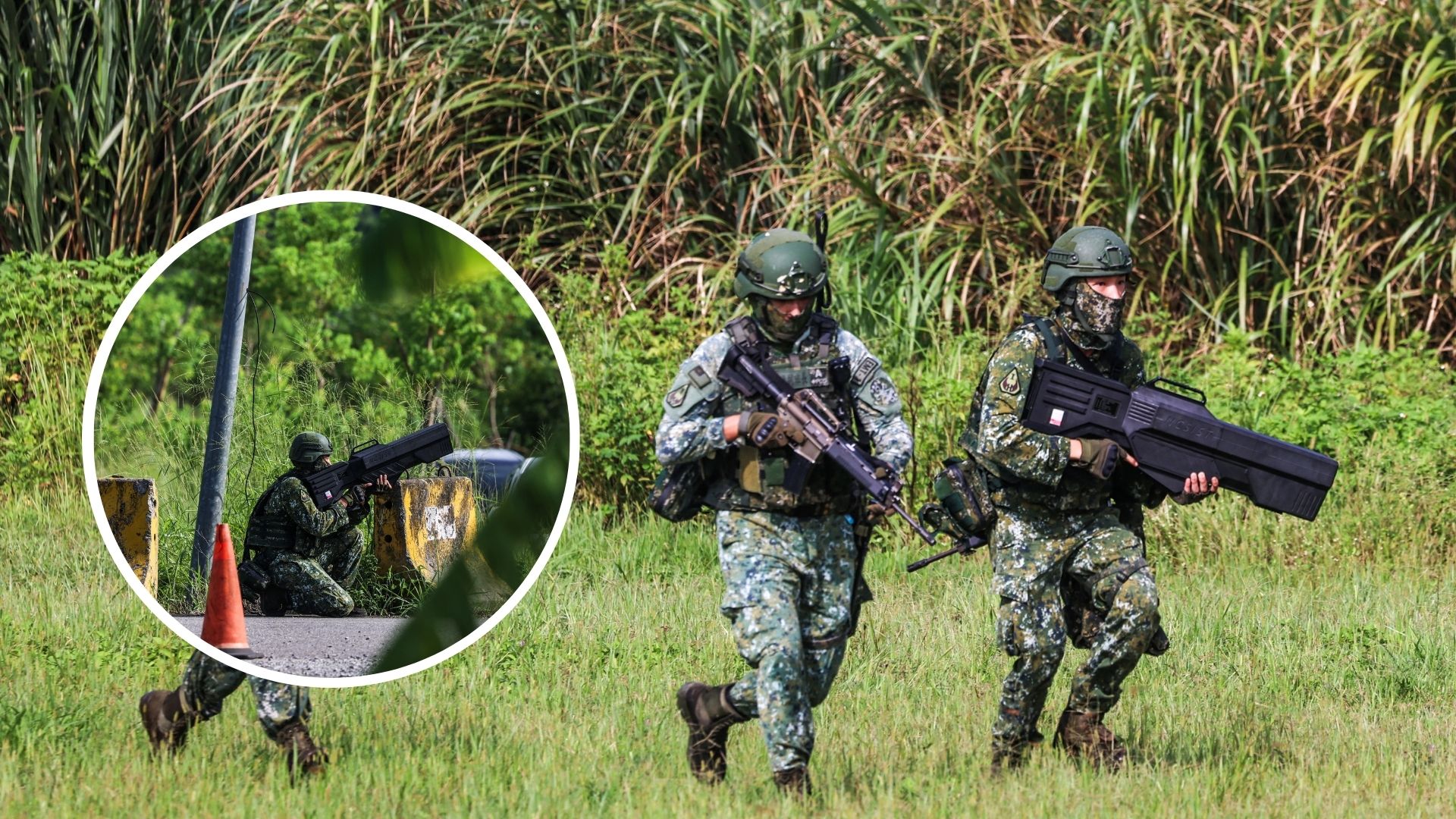
Taiwan's Counter-Drone Network Faces Challenges Amid Testing Failures and Evolving Threats
Taiwan's counter-drone network is under scrutiny following an audit revealing technical deficiencies in a $111 million defense program. The system, designed to safeguard military facilities, struggles to detect and jam frequencies utilized by advanced Chinese drones, highlighting vulnerabilities in Taiwan's defense strategy. The findings coincide with the termination of a procurement for 26 fixed-site systems due to repeated testing failures, raising concerns about Taiwan's ability to adapt to rapidly evolving drone technology. The significance of these issues extends beyond Taiwan, as they reflect a global challenge for military forces adapting to the fast-paced advancements in drone capabilities. Analysts emphasize the need for a layered defense approach that integrates electronic warfare, radar, and lower-cost interceptors, rather than relying solely on expensive missile systems. Taiwan's defense ministry acknowledges the need for upgrades to address the identified gaps, but questions remain regarding the speed of these developments. Looking ahead, Taiwan's defense officials are working on enhancements to counter emerging threats, including fiber-optic and AI-guided drones. However, the effectiveness of these upgrades and the overall adaptability of Taiwan's defense systems will be critical in addressing the evolving landscape of drone warfare. No further timeline was disclosed at the time of publication.
Military
Alibaba Cloud Introduces Qwen AI Arena for Testing AI Agents in Real-World Scenarios
Alibaba Cloud has unveiled the Qwen AI Arena, a platform designed for the challenge and evaluation of AI agents. This innovative platform generates tasks rooted in real business scenarios, equipping developers with essential models, runtime environments, and evaluation tools to test their agent solutions. The significance of the Qwen AI Arena lies in its focus on practical applications, with the inaugural challenge centered on cross-border e-commerce. Participants are tasked with creating product listings tailored for the US, South Korean, and Brazilian markets, which must include content in English, Korean, and Portuguese, along with relevant product images and videos. Automated testing for the submissions is set to commence in mid-August, with the top 30 entries advancing to an expert review phase. This initiative highlights Alibaba Cloud's commitment to fostering innovation in AI and its applications in global commerce.
News Feed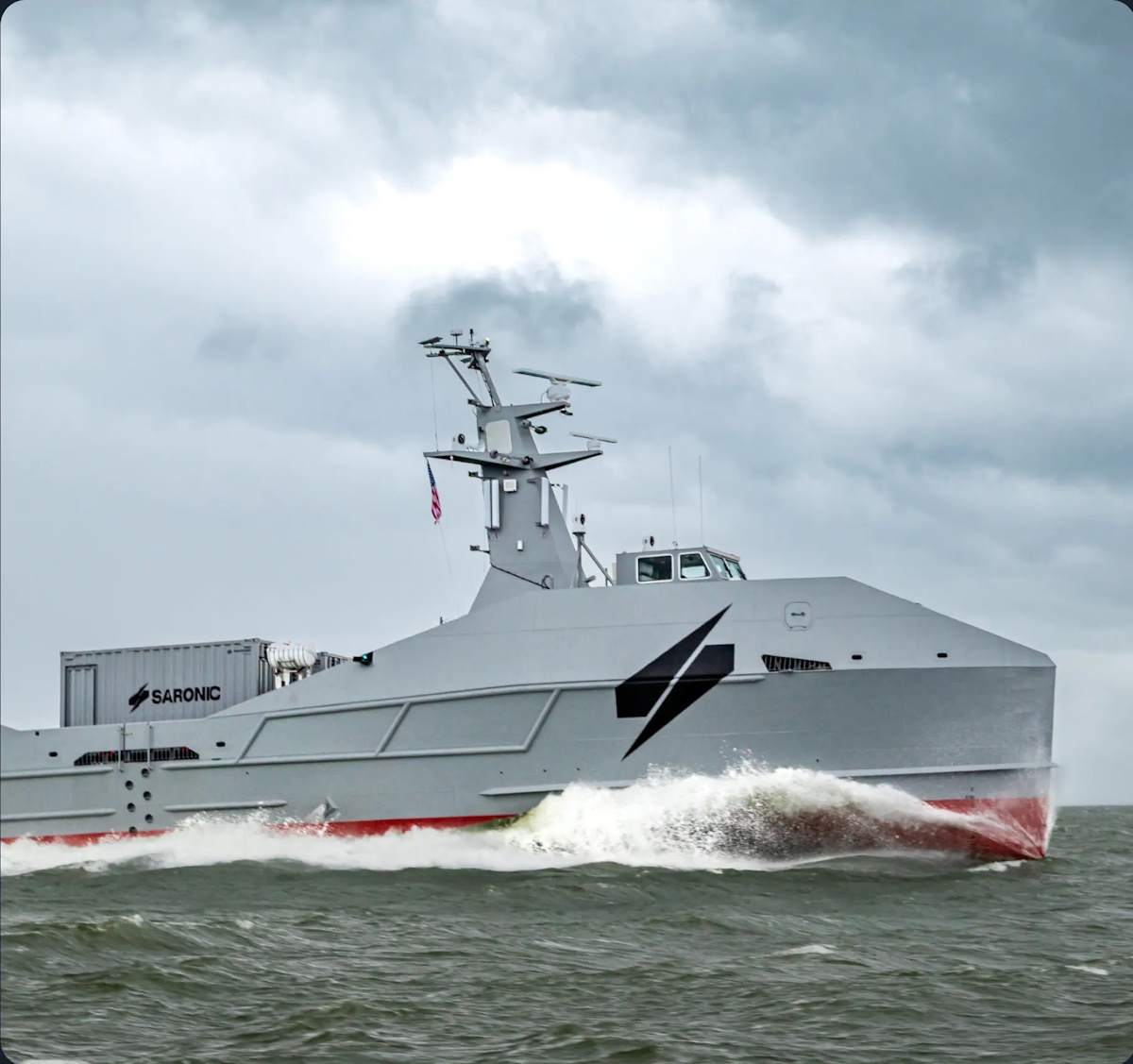
Saronic Establishes On-Water Testing Site for Marauder in Gulfport, Mississippi
Saronic has expanded its operations to Gulfport, Mississippi, where it has set up a site for on-water testing of its Medium Unmanned Surface Vessel (MUSV), Marauder, at the Port of Gulfport. This facility will support the testing and commissioning of the 180 ft. autonomous ships as they transition from production to delivery. The establishment of this site is significant as it reflects Saronic's commitment to scaling production and enhancing the capabilities of unmanned maritime systems. The Port of Gulfport provides a robust ecosystem of partners from industry, academia, and government, which is essential for advancing maritime technology. Looking ahead, Saronic's first Marauder has already begun extensive testing, logging hundreds of hours of trials. Additional units are under construction in Franklin, Louisiana, indicating a ramp-up in production. No further timeline was disclosed at the time of publication.
saronic expansion on-water testing marauder usv
Army Aims to Expedite Interceptor Testing with New Ranges in US and Morocco
Army Secretary Dan Driscoll announced plans to facilitate quicker access to testing ranges for companies that have self-funded their munitions. The initiative aims to have these companies on the ranges within 30 days of their request, enhancing the development and testing of interceptor technologies. This move is significant as it underscores the Army's commitment to accelerating the testing and development processes for new munitions. By streamlining access to testing facilities in both the United States and Morocco, the Army seeks to foster innovation and collaboration with private sector companies, which is crucial for maintaining military readiness. Looking ahead, it will be important to monitor how quickly companies can take advantage of this initiative and the impact it has on the overall timeline for interceptor development. No further timeline was disclosed at the time of publication.
Land Warfare Army Daniel Driscoll Drones interceptors IRAD
Xpeng Reports G9L SUV Testing Across 26 Countries and 6.74 Million Kilometers
Xpeng announced that its G9L SUV has completed extensive road testing across 26 countries and regions, accumulating over 6.74 million kilometers since the project's inception three years ago. The testing encompassed a variety of complex road conditions and extreme environments to ensure the vehicle's performance and reliability. This extensive testing is significant as it highlights Xpeng's commitment to delivering a robust and capable flagship SUV. The G9L, designed as a global five-seat vehicle, is poised to enter the market soon, although a specific launch date has yet to be disclosed. Its specifications include a length of 5.12 meters and a wheelbase of 3.1 meters, showcasing its spacious design. Looking ahead, industry observers will be keen to see the official launch date for the G9L SUV and how it performs in the competitive electric vehicle market. With its dual-motor system producing a combined peak output of 430 kilowatts, the G9L aims to attract consumers seeking high performance and advanced technology in their vehicles. No further timeline was disclosed at the time of publication.
News Feed
Sift Launches Sift Edge for Zero-Loss Telemetry in Aerospace Hardware Testing
Sift has unveiled Sift Edge, a software platform designed to capture engineering test data directly at test sites, ensuring data collection continues despite network or power disruptions. This innovation addresses a significant challenge in aerospace and defense hardware development, where tests often occur in remote or secure locations with unreliable connectivity. The ability to maintain telemetry during critical tests is crucial, as losing data can hinder development efforts. Sift Edge operates locally with test equipment, storing data on-site and syncing with the cloud when connectivity is restored. This streamlined approach eliminates the need for separate infrastructure, allowing engineers to focus on data collection without the complexities of managing multiple systems. Looking ahead, Sift anticipates that the demand for robust data preservation will grow as the industry increasingly adopts data-driven methodologies and AI for performance analysis. No further timeline was disclosed at the time of publication.
Innovation
Baidu Begins Testing Robotaxis in London with Lyft and Freenow Partnership
Baidu has commenced testing its autonomous vehicles in London, collaborating with Lyft and Freenow. This initiative follows a strategic partnership established nearly a year ago to deploy Baidu's Apollo Go RT6 robotaxi across Europe via Lyft's platform. The testing, which started with human safety operators, marks a significant step towards commercial robotaxi services in the UK. The move is crucial as London emerges as a competitive landscape for robotaxi services, with other companies like Waymo and Uber also testing autonomous vehicles in the city. Baidu and Freenow aim to have their robotaxis available for public use by 2027, contingent on regulatory approval. The UK government is actively developing regulations for autonomous vehicles, which will influence the timeline for these services. As testing progresses, Baidu and Freenow are engaging with local authorities, including Transport for London, to ensure compliance and safety. The planned service will feature a hybrid network, integrating human drivers with robotaxis, emphasizing the importance of supporting professional drivers in the evolving transportation landscape.
Transportation Baidu Lyft robotaxis
Shanghai Unveils Testing Platform for Humanoid Robot Mass Production
On July 18, during the 2026 World Artificial Intelligence Conference (WAIC), Shanghai launched a humanoid robot testing platform in the Zhangjiang Robot Valley of Pudong. This 6,800 square meter facility aims to bridge the gap between research and mass production, addressing the challenges faced by humanoid robots transitioning from lab to market. The platform features two modular flexible production lines capable of accommodating various robot configurations, with an annual production capacity of 2,000 units. Additionally, it includes a precision component assembly line and a dedicated testing area equipped with advanced testing equipment, enabling comprehensive performance validation of over 400 components and complete robots. Operated by a collaborative humanoid robot innovation center, the platform supports small and medium-sized enterprises with process transformation and production line optimization. It also offers financial incentives and collaborates with over 480 suppliers to develop industry standards, facilitating the rapid integration of humanoid robots into various sectors, including homes and supermarkets.
Humanoid Robots Mass Production Robotics Testing AI Development
CFM International Advances Open-Fan Engine Testing to Achieve 20% Fuel Reduction
CFM International has transitioned its innovative open-fan engine design into full-scale testing, aiming to integrate new technologies into future engines. The Revolutionary Innovation for Sustainable Engines (RISE) could be ready for narrow-body aircraft by the 2030s, with a target of over 20% lower fuel consumption compared to current engines. This development is significant as it represents a potential breakthrough in aviation efficiency, promising to reduce carbon emissions by approximately 20% when using conventional jet fuel. The open-fan design allows for larger fan blades that enhance thrust generation while minimizing weight, thus improving overall fuel efficiency. Looking ahead, CFM plans to conduct rigorous testing under challenging conditions, including simulated bird strikes and ice buildup, to ensure the engine meets aerospace standards. No further timeline was disclosed at the time of publication.
Innovation Transportation
BAE Systems Finalizes BATS Counter-Drone Technology Testing in Eight Months
BAE Systems has successfully completed the integration and deployment testing of its Anti Threat System (BATS), a counter-drone technology developed by its Digital Intelligence division. This achievement marks a significant milestone in the development of advanced counter-drone solutions. The completion of BATS testing is crucial as it enhances BAE Systems' capabilities in addressing the growing threat posed by drones in various environments. The technology aims to provide effective countermeasures against potential drone-related risks, thereby ensuring safety and security in critical areas. Looking ahead, industry stakeholders will be keen to observe the deployment of BATS in real-world scenarios and its effectiveness in countering drone threats. No further timeline was disclosed at the time of publication.
News
Pentagon to Enhance Falcon Peak Exercise with Urban Counter-Drone Technology Testing
The Pentagon is set to increase the complexity of the Falcon Peak exercise by simulating urban warfare scenarios. This follows previous tests of counter-unmanned aerial systems (cUAS) technology in desert conditions, where the focus was on performance against heat and sand. This development is significant as it reflects the military's recognition of the evolving challenges posed by drone technology in urban environments. By adapting the exercise to a city setting, the Pentagon aims to better prepare its forces for real-world applications of cUAS technology in complex operational theaters. Looking ahead, observers should monitor how the integration of urban scenarios will influence the effectiveness of cUAS systems. No further timeline was disclosed at the time of publication.
Land Warfare Pentagon Army AUSA 2026 Drones Falcon Peak
Transfar Launches Over 300 Industrial Scenarios for Embodied AI Testing and Deployment
Zhejiang-based manufacturer Transfar is initiating over 300 real industrial scenarios, including chemical plants, logistics parks, and farms, to serve as testing grounds for robots. This initiative aims to enhance the training and deployment of embodied AI technologies in various sectors. The significance of this development lies in Transfar's commitment to advancing robotics and AI applications across diverse industrial environments. By providing these scenarios, the company is facilitating the practical application of robotic solutions, which could lead to increased efficiency and innovation in operations. Looking ahead, industry stakeholders should monitor how these testing grounds evolve and the impact they have on the adoption of embodied AI technologies. No further timeline was disclosed at the time of publication.
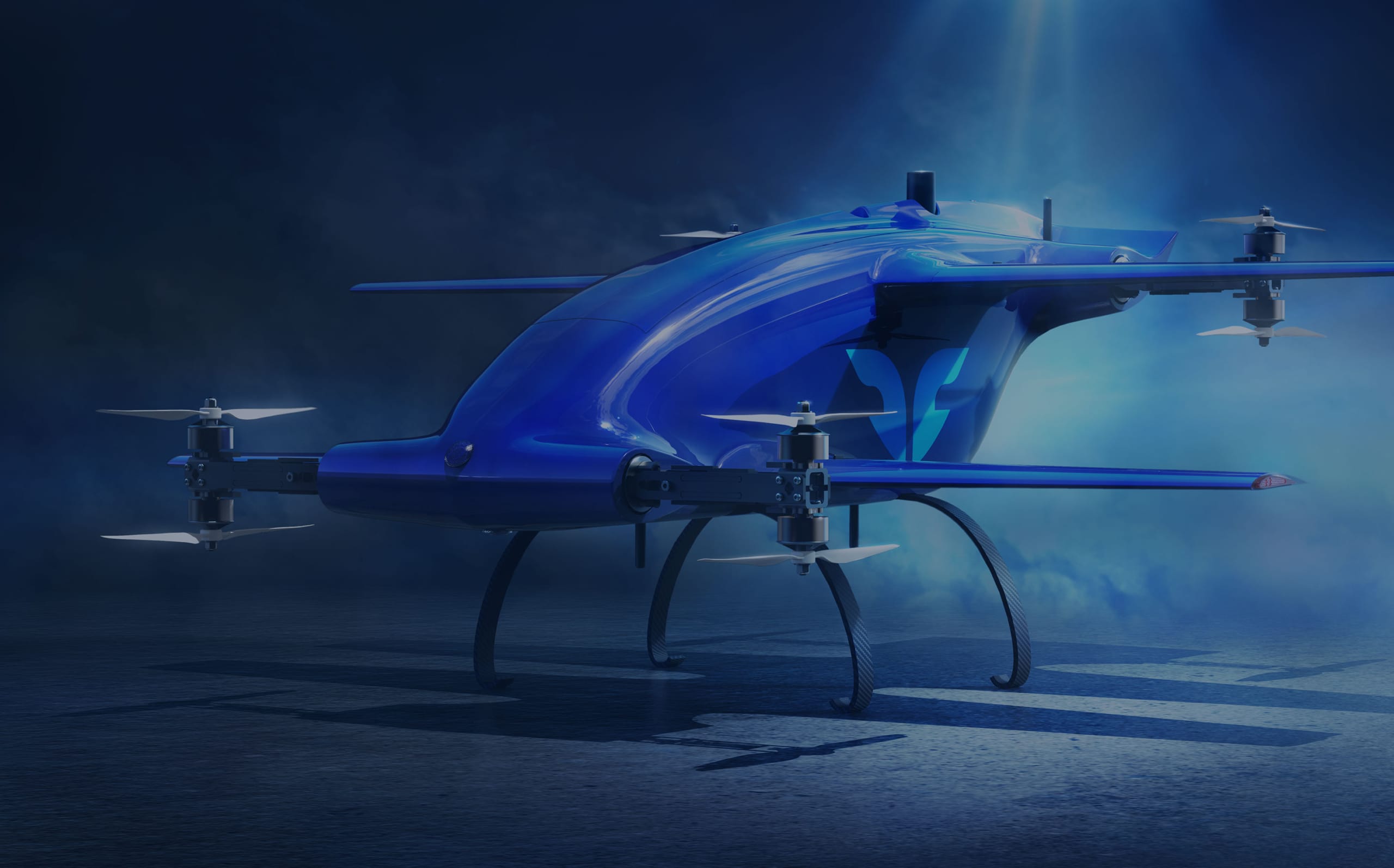
Michigan Medical Drone Delivery Project Expands Testing with Multiple Aircraft and Locations
A medical drone delivery initiative in northern Michigan is set to enter its second phase on October 6, expanding its pilot program first launched in 2025. This phase will involve test flights between Munson Medical Center and Crystal Lake Health Center, simulating the delivery of medical supplies and laboratory samples. The significance of this project lies in its potential to enhance healthcare logistics in rural areas, where transportation can be challenging. The introduction of multiple drones and sensor technology aims to streamline operations and improve clinical workflows, as noted by Warren Call, president and CEO of Traverse Connect. Looking ahead, the project will gather critical operational data to inform best practices for drone integration in healthcare. No further timeline was disclosed at the time of publication.
Applications Delivery Drone News Drone News Feeds News AAM
DHS Conducts Testing of Counter-Drone Technology with Local Law Enforcement Agencies
The Department of Homeland Security (DHS) is conducting tests on commercial counter-drone technology in collaboration with state and local law enforcement agencies. Announced on October 1, this initiative by DHS's Science and Technology Directorate involves a week-long assessment at a federal test facility, where first responders evaluated various counter-UAS systems under operational conditions. This testing is significant as it provides law enforcement agencies with hands-on experience with counter-drone technologies before making purchasing decisions. The initiative aligns with the recent expansion of counter-UAS authority to state, local, tribal, and territorial law enforcement agencies, as outlined in the SAFER SKIES Act included in the FY2026 National Defense Authorization Act. Looking ahead, the DHS field testing represents a crucial step for agencies to understand how to utilize their new C-UAS authorities effectively. No further timeline was disclosed at the time of publication.
Applications C-UAS Defense DHS Drone News Drone News Feeds
Insights on System Level Testing for AI and Data Center Devices
As the complexity of AI and data center devices increases, particularly with multi-chiplet designs and power envelopes reaching thousands of watts, the need for effective testing has become critical. Testing each device under real-world conditions is essential to ensure reliability and performance in demanding environments. This heightened focus on testing is significant because it directly impacts the operational efficiency and longevity of AI and data center technologies. As these systems become more intricate, traditional testing methods may not suffice, necessitating innovative approaches to validate performance and functionality. Looking ahead, the industry must prioritize the development of advanced testing methodologies that can accommodate the evolving landscape of AI and data center technologies. No further timeline was disclosed at the time of publication.

Teradyne Unveils Magnum E2 to Meet Demands of Next-Gen Memory Testing for AI and HPC
Teradyne, Inc. has announced the launch of Magnum E2, a high-speed memory test system designed for advanced DRAM and NAND flash interfaces, including LPDDR6, DDR6, GDDR7, and NAND flash. Built on the Near-DUT Test architecture, Magnum E2 supports both production and engineering configurations, facilitating qualification through high-volume manufacturing on a unified platform. The introduction of Magnum E2 is significant as it addresses the increasing demands for high-speed memory testing driven by AI and high-performance computing. With the transition to faster DRAM and flash devices, the system is engineered to maintain signal integrity while accommodating higher pin counts and parallelism, essential for meeting the rigorous performance standards required in AI data centers. Looking ahead, Teradyne's Magnum E2 positions memory manufacturers to adapt to the evolving landscape of memory technology. As AI continues to influence advancements in memory devices, the ability to test at higher speeds and across a broader protocol range will be crucial for manufacturers aiming to stay competitive in the market. No further timeline was disclosed at the time of publication.
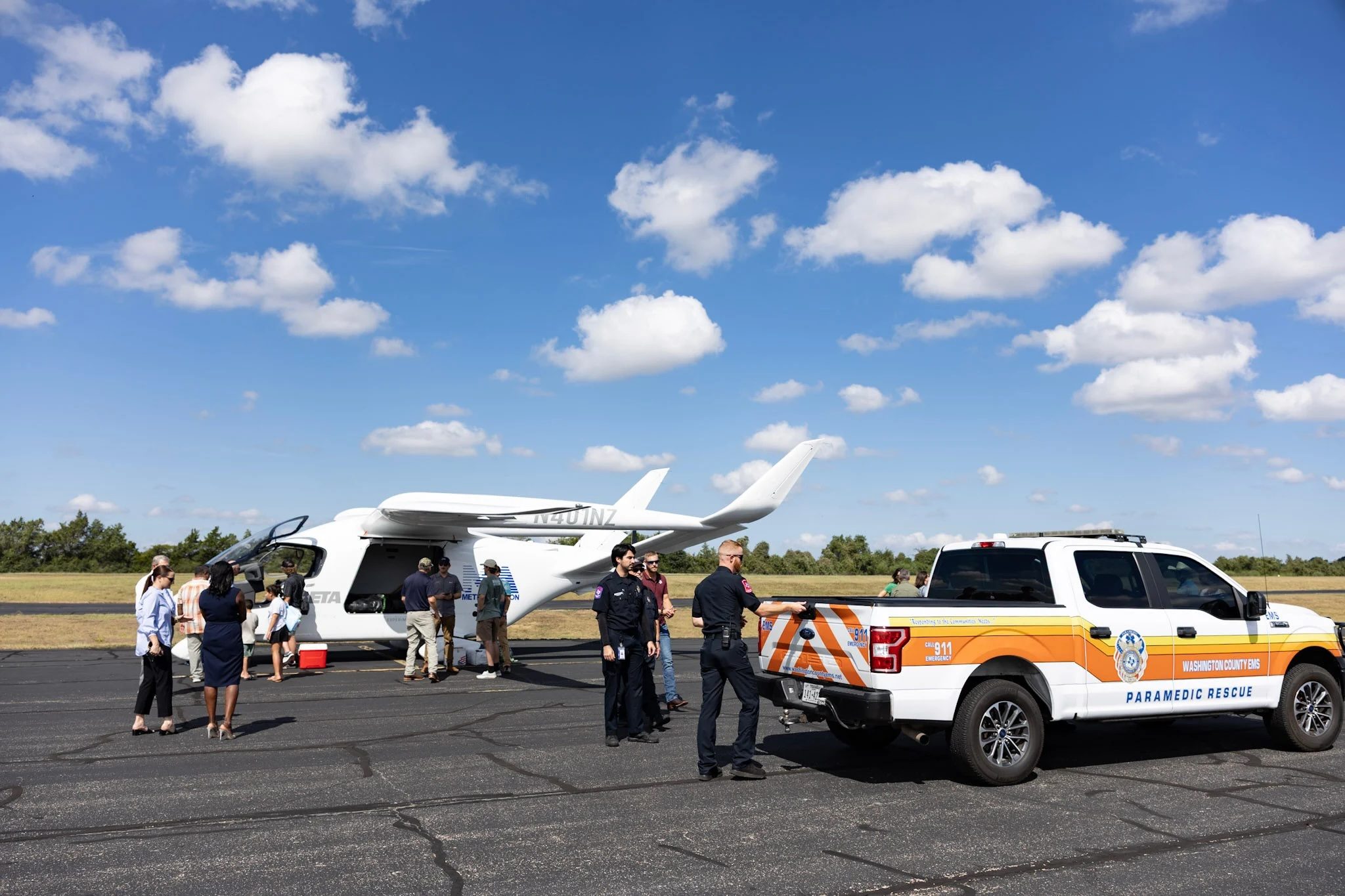
BETA Technologies and Metro Aviation Demonstrate Electric Aircraft for Rural EMS in Texas
BETA Technologies and Metro Aviation successfully conducted an electric aircraft demonstration with Washington County Emergency Medical Services in Brenham, Texas. This flight aimed to explore the potential of electric aviation in enhancing emergency response capabilities in rural areas, specifically by transporting disaster-response equipment alongside existing resources. The significance of this demonstration lies in its potential to integrate electric aircraft into emergency medical systems, which currently respond to over 7,000 calls annually across a 700-square-mile area. Washington County EMS Director Taylor Leonard expressed gratitude for the partnership, highlighting the importance of exploring innovative transportation options to improve emergency services. Looking ahead, Metro Aviation has shown interest in expanding its collaboration with BETA Technologies, having placed a deposit-backed order for up to 20 ALIA VTOL aircraft for future operations. The Texas demonstration is part of a broader initiative to assess the role of electric aircraft in medical aviation, with further evaluations planned along routes connecting key Texas locations.
Advanced Air Mobility Applications Drone News Drone News Feeds eVTOL Healthcare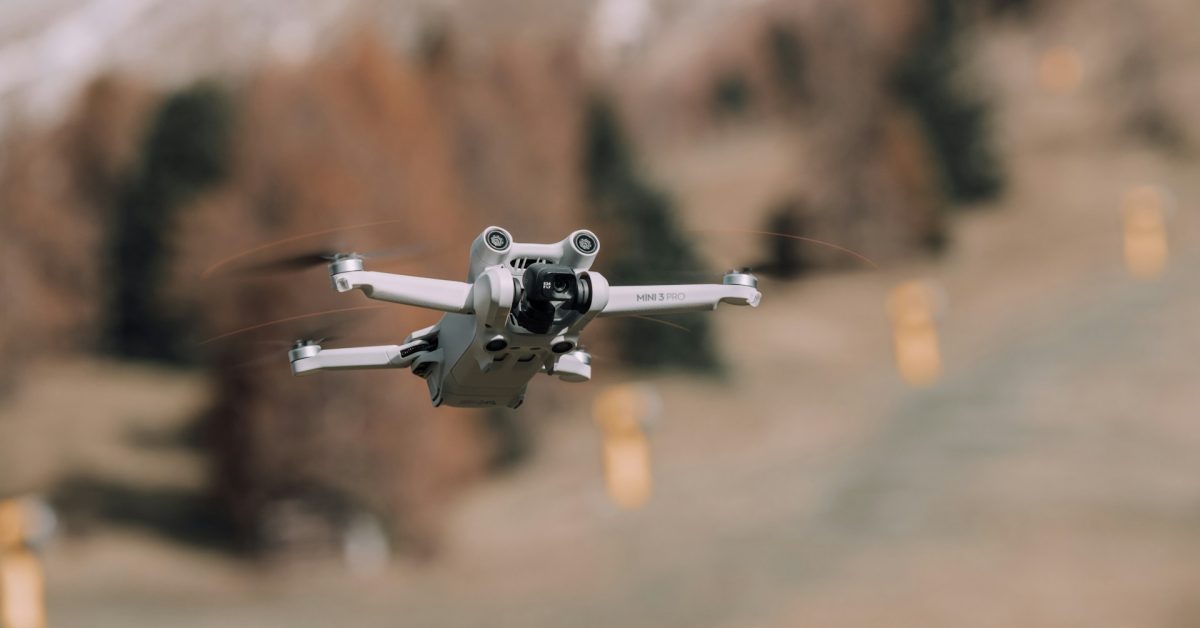
FCC Approves Nationwide Testing of Cellular Networks for Drone Connectivity
The Federal Communications Commission (FCC) has granted a temporary waiver to support the US Department of Transportation's Mobile Network Aviation Assessment Program (MNAAP). This initiative aims to test the viability of using commercial wireless networks to enhance aviation safety and security for drones operating in US airspace. This testing is significant as it addresses one of the major challenges in expanding commercial drone operations: reliable connectivity. Drones flying beyond visual line of sight (BVLOS) require dependable communication methods, which are crucial for future applications like drone delivery and automated inspections. The MNAAP will conduct tests across the contiguous United States, involving up to 2,000 authorized pilots and 200 non-federal drone operators. The FCC's waiver is set to last until October 1, 2029, allowing ample time to gather data that could inform the future integration of cellular networks into the drone ecosystem.
News
Zoox Halts Atlanta Autonomous Vehicle Testing After Worker Gas Exposure Reports
Zoox has suspended its autonomous vehicle test fleet in Atlanta following reports of potential gas exposure among safety drivers. Workers experienced symptoms consistent with exposure to carbon monoxide, carbon dioxide, or hydrogen sulfide, prompting one employee to file a complaint with the Occupational Safety and Health Administration (OSHA). The agency has since opened an inquiry into the matter. The situation is significant as it raises concerns about worker safety amid Zoox's rapid expansion into new cities, including Las Vegas and San Francisco. Reports indicate that as many as 40 workers may have been exposed to toxic gases, although Zoox claims the number is lower. The incidents have led to increased scrutiny of safety protocols, especially as the company aims to compete with market leader Waymo. Moving forward, it will be important to monitor Zoox's investigation results and the implementation of new safety measures, including the addition of CO2 monitors in vehicles. OSHA has closed its inquiry, but the implications of these incidents on Zoox's operations and reputation in the autonomous vehicle sector remain to be seen.
Transportation autonomous vehicles avs Exclusive robotaxis zoox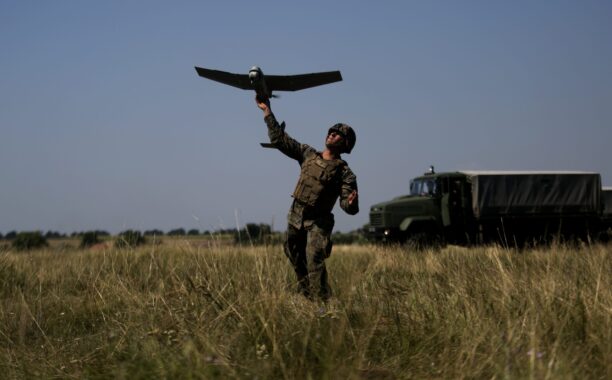
Ukraine and U.S. Move Towards Drone Defense Agreement to Enhance Production and Testing
Ukraine is poised to finalize a drone defense agreement with the United States, which aims to enhance the testing and production of Ukrainian defense technology in the U.S. Although the deal has not been officially signed, discussions have been ongoing since July, indicating a strong commitment to collaboration between the two nations. This proposed agreement is significant as it underscores Ukraine's expanding role in the international defense industry, evidenced by its existing partnerships with countries like Denmark, Norway, and Qatar. These collaborations highlight Ukraine's capabilities in drone production and defense technology, which are increasingly recognized on a global scale. Looking ahead, the key milestone will be the signing of the agreement and the subsequent public disclosure of the terms regarding testing, production, and support of the drone systems. The successful execution of this deal could further solidify Ukraine's influence in defense technology and enhance its strategic partnerships with the U.S. and other nations.
Applications Defense defense Drone News Drone News Feeds News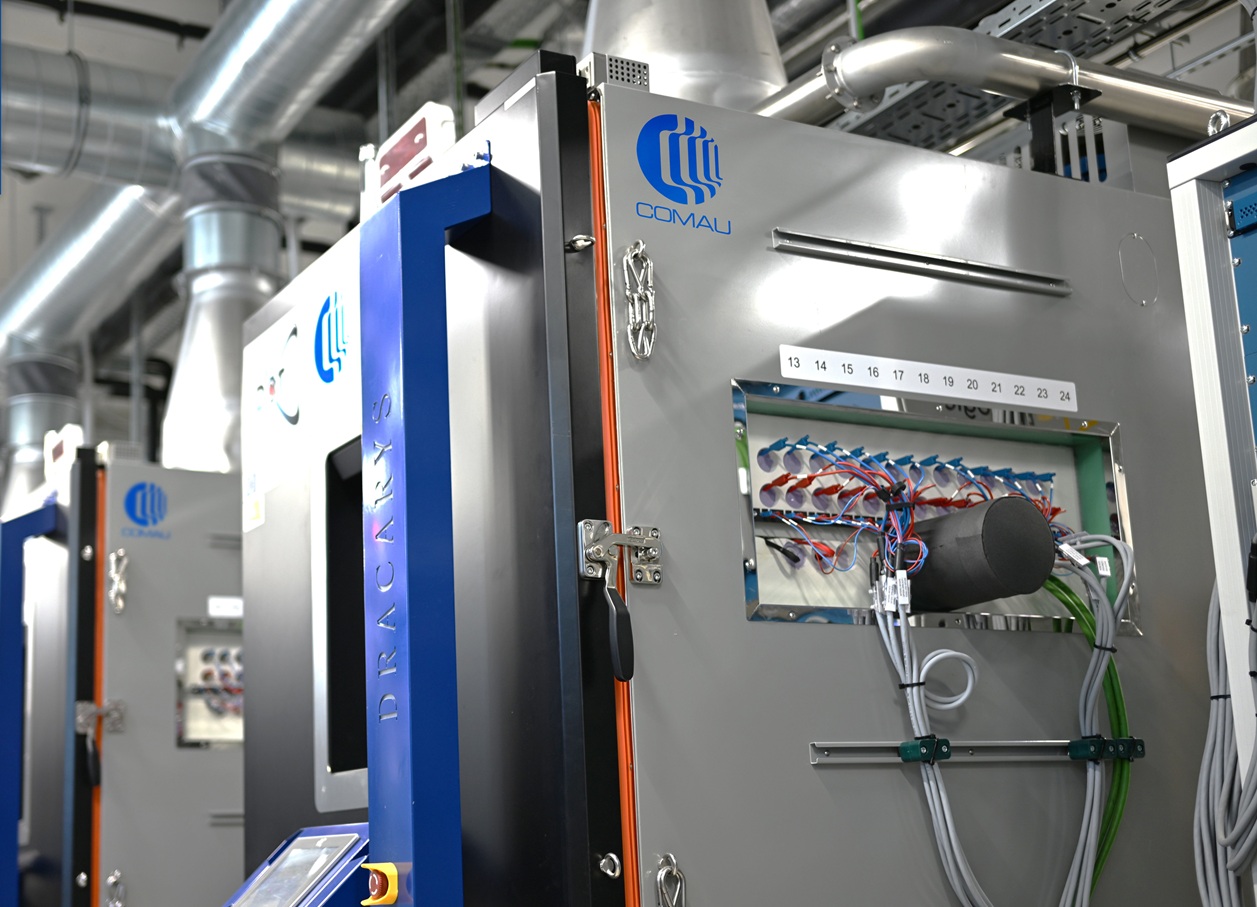
Comau Delivers Advanced Battery Testing Solution to National Institute of Chemistry
Comau has successfully developed and delivered a laboratory-scale cell formation and testing solution to the National Institute of Chemistry (NIC). This turnkey system is designed to support material validation, product development, and cycle life testing, integrating industrial processes into a research environment. The significance of this solution lies in its ability to manage various cell formats, including pouch, cylindrical, and prismatic cells, on a single platform. This flexibility allows NIC to bridge the gap between academic research and commercial battery development, enhancing the testing capabilities for both researchers and industrial users. Looking ahead, NIC is well-positioned to support battery research and testing needs across Europe. Comau's solution not only meets stringent safety requirements but also showcases the company's broader capabilities in battery manufacturing, with plans to present its offerings at The Battery Show North America in October 2026.

China's Atomix Leads the Charge in Warehouse Embodied Intelligence Testing
In a significant development, humanoid robots are increasingly being deployed in warehouses across China, marking a major test for embodied intelligence in logistics. The complexity of warehouse operations requires more than just faster and smarter robots; it demands a comprehensive system capability to ensure efficiency. Atomix, a logistics robotics company with a decade of experience, emphasizes the importance of a multi-agent system that integrates robots, equipment, and human operators to optimize order fulfillment. The success of Atomix is underscored by its innovative approach to warehouse automation, which focuses on overall scheduling rather than individual machine performance. The company has developed a 4+1 product framework that includes various automated guided vehicles and a unified software platform called Atomixer, which utilizes over 50 proprietary algorithms for efficient resource allocation. By 2025, Atomix aims to achieve nearly 1 billion yuan in revenue, with operations spanning over 20 countries and nearly 100 brands. Looking ahead, the merger of Atomix with the embodied intelligence firm Yuanli Lingji in June 2026 is expected to enhance their capabilities by combining operational data with advanced AI models. As the logistics industry faces increasing demands, Atomix's focus on system integration and adaptability will be crucial in navigating the challenges of warehouse automation and meeting customer expectations for efficiency.
Warehouse Automation Logistics Robotics Embodied Intelligence AI Systems
Embodied Intelligence Advances with GPT-6 Astra's Robotics Testing and RPent Launch
As GPT-6 Astra begins real-world robotic operations, the paradigm of intelligent agents is transitioning from the digital realm to physical applications. This shift raises a critical question: can general large models serve as the 'brain' for robots, enabling them to perform complex tasks in the real world? Physical agents must not only understand but also perceive, act, react quickly, and retain information. The RPent infrastructure, initiated by Tsinghua University, Wuyuan Xinqiong, and Zhengxing Innovation, has been officially open-sourced. RPent connects the task understanding and planning capabilities of general large models with the fine operational skills of expert models like VLA, creating a complete feedback loop from perception to decision-making, execution, and error correction. This allows agents to adapt continuously to environmental changes and to accumulate verified experiences into reusable capabilities, achieving a 92.6% task success rate in the LIBERO-PRO benchmark and optimizing end-to-end task completion speed by over seven times. The release includes a series of RPent real-machine demos showcasing various open-ended tasks. Notably, these tasks do not require separate strategies for each scenario. The significant change in robots is their shift from merely executing learned actions to understanding tasks, invoking capabilities, and adjusting actions based on environmental changes. The ability to reorganize existing skills to tackle new tasks is crucial as robots navigate an open world filled with new challenges.
Robotics Embodied Intelligence AI Machine Learning Automation
Northrop Grumman Advances 50mm Projectile Testing for Raid Hunter Air Defense System
Northrop Grumman has successfully conducted an aeroballistic test of a new 50mm round for its Raid Hunter air defense system. The test involved firing the projectile from an XM913 Chain Gun to validate its performance and gather flight data, which will aid in developing a guided, proximity-fuzed projectile. This development is significant as it enhances the Raid Hunter's capability to counter coordinated attacks from various aerial threats, including drone swarms and cruise missiles. The high-fidelity data collected during the test matched pre-test predictions, confirming the projectile's design and performance, which is crucial for the next development phase focused on guidance and proximity fuzing. Looking ahead, Northrop Grumman aims to integrate this advanced ammunition with its Bushmaster Chain Gun technology to create a high-rate defensive system. This combination is designed to effectively respond to mixed aerial threats, positioning Raid Hunter as a scalable and cost-effective solution for short-range air defense challenges.
Military
Hanwha and Magnet Defense to Begin Construction of New MUSV This Fall
Hanwha and Magnet Defense have announced plans to commence construction on a new Medium Unmanned Surface Vehicle (MUSV) this fall. The two companies formalized their collaboration through a memorandum of understanding signed in April, which outlines their commitment to developing this advanced maritime technology. The development of the MUSV is significant as it represents a strategic partnership aimed at enhancing capabilities in unmanned maritime operations. This initiative is expected to contribute to advancements in naval defense technology, reflecting the growing importance of unmanned systems in modern military applications. Looking ahead, testing of the MUSV is scheduled for next year, marking a critical phase in the project. Stakeholders will be keen to monitor the progress of this collaboration and its implications for the defense sector, particularly in the context of increasing investments in unmanned vehicle technologies.
Naval Warfare Drones Hanwha Hanwha Defense USA Magnet Defense MUSV
FCC Approves Nationwide Testing of Cellular Networks for Drone Safety Applications
The Federal Communications Commission (FCC) has eliminated a regulatory barrier to facilitate nationwide testing of commercial wireless networks on drones and general aviation aircraft. This order, effective September 11, supports the Department of Transportation's Mobile Network Aviation Assessment Program (MNAAP), which aims to evaluate wireless signal quality across various locations and altitudes in the contiguous United States. This initiative is significant as it seeks to determine the capability of commercial networks to support safety-related aviation services, including UAS command and control, autonomous detect and avoid systems, and counter-UAS detection. The waiver creates a controlled testing environment for participants approved by the Department of Transportation, allowing for the collection of crucial data on mobile broadband service performance. Looking ahead, the MNAAP may authorize up to 2,000 general aviation pilots to utilize a dedicated app on standard devices to report findings to a centralized database. Additionally, dedicated modules may be deployed on up to 200 UAS for targeted testing. This program could enhance understanding of airborne network performance, although the effectiveness of ground-based cellular infrastructure in aerial operations remains to be fully assessed.
Drone News Drone News Feeds News US Government BVLOS cellular connected drones
Pentagon Plans to Expand Tech Testing at US-Mexico Border with Unmanned Systems
The Pentagon is utilizing the US-Mexico border as a testing ground for advanced technologies, including high-energy lasers and unmanned systems. Mark Ditlevson, the assistant secretary of defense for Homeland Defense, expressed a desire to expand these projects, contingent on future funding from Congress. Current negotiations on the fiscal 2027 budget could impact the extent of these initiatives. The significance of this testing lies in its potential to enhance border security and combat narco-trafficking. The Pentagon has already deployed 10 Lightfish unmanned surface vessels (USVs) along the Rio Grande, receiving positive feedback on their sensor capabilities. Ditlevson indicated plans to extend the use of USVs into the Gulf of Mexico to further support anti-trafficking efforts. Looking ahead, the Pentagon is also exploring the automation of aerial drones to reduce reliance on manned aircraft and operators. Challenges remain, particularly regarding obstacle avoidance in US airspace. The timeline for deploying additional unmanned vessels and ground vehicles is uncertain, as the Pentagon continues to evaluate existing technologies and their effectiveness in enhancing operational capabilities.
Air Warfare Land Warfare Naval Warfare Pentagon Air Force Army
Hermeus Introduces Ramjet-X Test Vehicle for Enhanced High-Speed Flight Testing
Hermeus has unveiled the Ramjet-X, an expendable ramjet-powered aircraft designed to be air-launched from its reusable Quarterhorse drone. This innovative two-vehicle architecture aims to reduce the costs associated with high-speed flight testing, allowing for repeated tests without the need for expensive single-use boosters. The significance of the Ramjet-X lies in its potential to revitalize high-speed flight testing in the U.S., which has suffered from high costs and limited opportunities. By utilizing the Quarterhorse as a reusable launch platform, Hermeus aims to streamline the testing process, making it more accessible and efficient for both the company and its customers. Looking ahead, Hermeus plans to position the Ramjet-X not only for its own development but also as a test platform for external clients, offering a service model termed “Flight Test as a Service.” This initiative could attract a variety of payloads and foster increased commercial interest in high-speed flight testing, although further details on performance specifications remain undisclosed.
Air Drones News & Features
MIT Team Demonstrates Under-Ice Communication with ROV in Arctic Testing
In September 2026, a research team from MIT's Lincoln Laboratory conducted a field test in Utqiaġvik, Alaska, where an underwater remotely operated vehicle (ROV) successfully transmitted data through approximately 3.6 feet of Arctic ice. This marks a significant step toward establishing a large-scale underwater sensor network in the Arctic. The importance of this breakthrough lies in the limitations of traditional radio signals in seawater, which quickly attenuate and are ineffective for underwater communication. The team utilized a magnetic field communication system, employing a modem developed by Norwegian startup Havguard, achieving a data transmission rate of about 1.2KB/s. While this rate may seem modest compared to Wi-Fi or 5G, it suffices for the low bandwidth needs of Arctic sensor networks. Looking ahead, MIT aims to deploy some sensors via air drop by 2028, integrating them with the underwater modem to create a comprehensive system. The technology's potential applications span climate monitoring, coastal resilience, and military surveillance, highlighting the strategic value of autonomous underwater robots as Arctic ice melts and new shipping routes emerge. No further timeline was disclosed at the time of publication.
Underwater Robotics Arctic Research Sensor Networks AI in Robotics
Tesla's Full Self-Driving System Testing in France Could Boost Revenue
Tesla (TSLA) is currently undergoing testing of its Full Self-Driving (FSD) system on public roads in France, with a review expected to conclude by mid-to-late September. An EU-wide approval vote could occur as early as October 6, which is significant as it may lead to increased sales and revenue from existing vehicles in Europe. The potential approval of FSD could allow Tesla to activate the feature through software updates, generating high-margin revenue without the need for additional vehicle production. This is particularly important as automotive margins face pressure, making software revenue a more attractive option than reducing vehicle prices. France's shift from opposition to testing indicates a more favorable stance towards FSD, which is crucial for EU approval that requires support from at least 15 member states. Tesla's FSD Supervised has shown a significant reduction in collisions compared to manually driven vehicles, suggesting its potential as a driver-assistance system. No further timeline was disclosed at the time of publication.

Waymo Launches Paid Driverless Rides in New U.S. Cities as Zoox Begins Testing
Waymo has commenced paid driverless rides in Denver, San Diego, and Tampa, marking its first commercial operations in Colorado. This expansion adds to Waymo's existing fleet of over 4,000 vehicles across 14 U.S. cities, which includes the new Ojai model featuring advanced driverless technology. The growth of Waymo's services comes as Amazon's Zoox plans to initiate testing in Houston and San Diego with human supervisors. Zoox aims to establish a presence in 12 U.S. markets, although it currently lags behind Waymo in the robotaxi sector. The U.S. robotaxi market is projected to grow significantly, reaching $19 billion by 2030. Looking ahead, Waymo aims to increase its weekly robotaxi rides from over 500,000 to 1 million by the end of 2026. As the robotaxi race intensifies, the industry faces scrutiny regarding job impacts and safety concerns, particularly in challenging driving conditions.

Teradyne Unveils New UltraFLEXplus Instruments for AI and Data Center Testing
Teradyne, Inc. has launched three advanced instruments for its UltraFLEXplus platform, specifically designed to address the growing complexities of AI and data center semiconductor testing. The UltraPin5000-EM, UltraPort-PCIe6, and UltraVS64-HP instruments enhance scalability, flexibility, and performance, enabling semiconductor manufacturers to efficiently test cutting-edge devices. This launch is significant as it positions Teradyne to meet the increasing demands of the AI and data center markets, which are driving unprecedented growth in semiconductor complexity. CEO Greg Smith emphasized the company's commitment to providing innovative solutions that help customers stay competitive in this rapidly evolving landscape. Looking ahead, Teradyne will showcase these instruments at SEMICON Taiwan from September 2-4, 2026, in Taipei. The introduction of these products marks a strategic move to strengthen Teradyne's role in the AI device supply chain, ensuring that components meet the industry's stringent quality standards. No further timeline was disclosed at the time of publication.
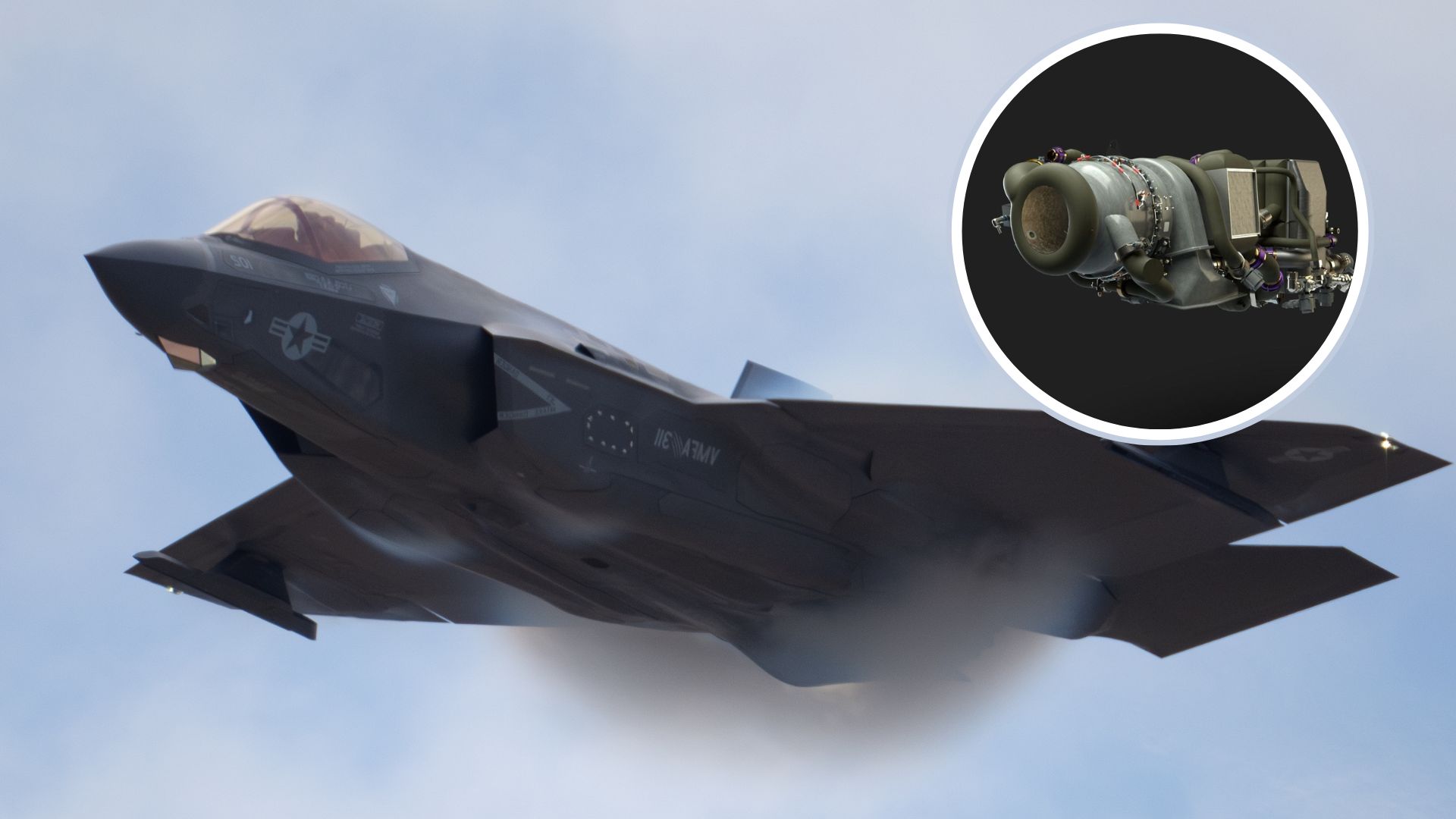
Collins Aerospace Completes Altitude Testing of Enhanced Power and Cooling System for F-35
Collins Aerospace has successfully completed altitude testing of its Enhanced Power and Cooling System (EPACS) for the F-35 jet. This new system is designed to enhance the thermal capacity of the aircraft, enabling it to support future technology upgrades. The testing involved simulating various mission demands and altitude conditions to evaluate the system's performance. The significance of EPACS lies in its ability to meet the increasing thermal and power demands of modern aircraft electronics. As new sensors and mission systems are integrated into the F-35, they generate more heat and require additional electrical power. EPACS aims to provide the necessary thermal margin to accommodate these upgrades without exceeding the aircraft's thermal limits. Looking ahead, the successful altitude testing marks a critical milestone in the development of EPACS, increasing confidence in its performance under real-world conditions. No further timeline was disclosed at the time of publication.
Military
Transforming Backend Testing for AI: Ensuring Reliability at Scale
As artificial intelligence transitions from niche applications to widespread infrastructure, backend testing is experiencing significant changes. Customers are increasingly focused on the reliability and scalability of AI systems, prompting a reevaluation of testing methodologies to meet these new demands. This shift is crucial as organizations seek to integrate AI into their operations, ensuring that systems perform reliably under various conditions. The evolving landscape of AI requires that testing not only validates functionality but also assesses performance and resilience at scale, addressing the complexities introduced by AI technologies. Looking ahead, it will be important to monitor how testing frameworks adapt to these challenges. The industry must prioritize the development of robust testing strategies that can keep pace with the rapid advancements in AI, ensuring that systems are both reliable and efficient. No further timeline was disclosed at the time of publication.
Army Network Command Chief Advocates for Digital Twin to Enhance Training and Cybersecurity
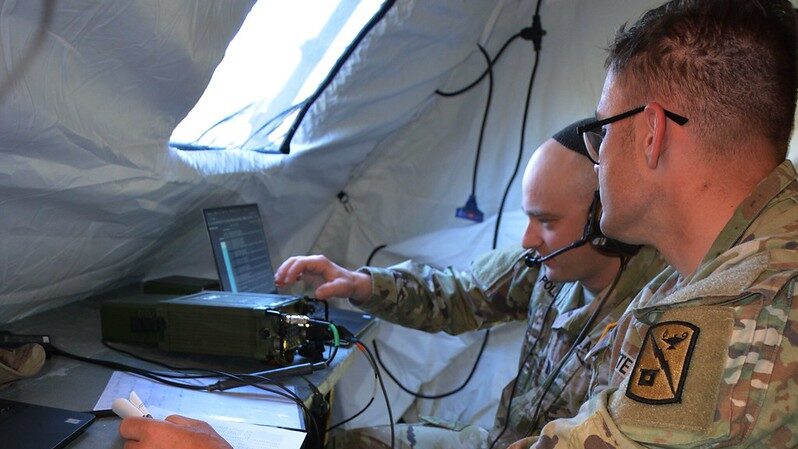
At the AFCEA TechNet Augusta conference, Maj. Gen. Jacqueline Denise McPhail, chief of the Army's Network Command (NETCOM), emphasized the necessity of a digital twin for the Army's networks. This comprehensive simulation would facilitate training and testing of both AI algorithms and personnel, providing a realistic environment to prepare for cyber threats. The digital twin, which would be continuously updated with real-time data, aims to enhance the Army's ability to respond to the increasing sophistication of cyber attacks, which now average 1.2 million daily. McPhail highlighted the importance of distinguishing between benign data and significant behavioral changes, a task where AI could play a crucial role in identifying vulnerabilities within the Department of Defense Information Network – Army (DoDIN-A). While acknowledging the challenges of creating such a digital model, McPhail encouraged contractors to pursue this initiative, suggesting a phased approach to development. The potential benefits of a digital twin extend beyond mere simulation, allowing for stress-testing and predictive analysis to improve network resilience and security.
Land Warfare Networks & Digital Warfare Army artificial intelligence AI cyber security Department of Defense Information Networks DoDIN
Ruoyu Technology's Strategic Positioning in High-Risk Energy Scenarios for Special Robots
The year 2026 is widely recognized as a pivotal moment for the commercialization of humanoid robots and embodied intelligence, with various factors maturing. However, the transition from technology validation to large-scale deployment is ongoing. High-risk energy scenarios are becoming critical testing grounds for the industry, reflecting its future direction. The special robot market is on an upward trajectory, with projections indicating a growth from 290 billion yuan in 2025 to 352 billion yuan in 2026 in China. Despite this expansion, not all players will benefit equally. Two distinct narratives have emerged: traditional hardware-focused manufacturers and algorithm-driven startups, each with different approaches to market engagement. As the industry approaches 2026, which is seen as a key year for commercialization, there is a clear market gap for qualified, intelligent, and operational solutions in high-risk scenarios. The need for robots that can autonomously adapt and operate safely in hazardous environments is critical, as highlighted by the participation of Ruoyu Technology in the recent energy innovation conference, emphasizing their commitment to enhancing safety in dangerous work conditions.
Special Robots Embodied Intelligence Energy Sector Safety Compliance Automation Technology
Development and Testing of a Cost-Effective Integrated Gripper-Shear End-Effector
A new integrated gripper-shear end-effector has been developed and validated, showcasing efficiency and cost-effectiveness. This innovation aims to enhance robotic capabilities in various applications by combining gripping and cutting functionalities into a single tool. The significance of this development lies in its potential to reduce operational costs while improving performance in tasks that require both gripping and shearing actions. By integrating these two functions, the end-effector can streamline processes in fields such as manufacturing and logistics, where efficiency is paramount. Looking ahead, the focus will be on further testing and optimization of the end-effector for specific applications. No further timeline was disclosed at the time of publication.
RESEARCH ARTICLE
PI Launches New Miniaturized Alignment Engine for Electro-Optical Wafer-Level Testing
PI (Physik Instrumente) has unveiled a new technology platform aimed at enhancing electro-optical wafer-level testing. This innovative platform is designed to validate both electrical and optical device functions concurrently, catering to the demands of high-volume production. The introduction of this miniaturized alignment engine is significant as it addresses the growing need for efficient testing solutions in the semiconductor industry. By enabling simultaneous validation of device functions, it promises to streamline production processes and improve overall efficiency in manufacturing. Looking ahead, industry stakeholders should monitor the adoption of this technology in production environments. The effectiveness of this platform in real-world applications will be crucial in determining its impact on the electro-optical testing landscape. No further timeline was disclosed at the time of publication.

Testing Five Robot Lawnmowers Reveals Significant Improvements in Navigation and Performance
A recent comparison of five robot lawnmowers showcased their advancements in handling challenging landscapes, particularly in coastal South Carolina. While these machines are not yet fully autonomous, they significantly reduce yard maintenance efforts, provided users monitor their operation to prevent mishaps. The improvements in navigation and maneuverability, particularly with the adoption of network RTK technology, have led to better performance and reliability. Users can now enjoy a well-maintained lawn with minimal effort, as these mowers operate quietly and efficiently, creating a professional appearance. Looking ahead, the integration of secondary navigation technologies like lidar and vSLAM will further enhance the reliability of robot lawnmowers. However, challenges remain, and users should remain vigilant to ensure optimal performance and prevent issues in their yards.
Buying Guides Gadgets Reviews Robot Smart Home Smart Home ReviewsRobotics needs a service framework.
RSF defines a common language for robot service capability, lifecycle operations, certification pathways, and service-provider networks.
Join the RobotToday community on LinkedIn
Daily robotics news, in-depth analysis, conference highlights, and discussions with professionals worldwide.