Industry Briefing
A single destination for timely, editor-curated robotics news from around the world.

Robots Rule LG's Clarksville Plant
LG has opened the doors to its state-of-the-art washer and dryer factory in Clarksville, Tennessee, showcasing the advanced automation technology that powers its production line. This facility, which began operations recently, is part of LG's strategy to enhance manufacturing efficiency and meet the growing demand for home appliances in the U.S. market. The factory employs cutting-edge robotics and AI-driven systems to streamline the assembly process, significantly reducing production time while maintaining high-quality standards. By investing in automation, LG aims to bolster its competitive edge and respond swiftly to consumer needs. The facility not only represents a significant investment in local manufacturing but also highlights LG's commitment to innovation in the appliance sector. As the demand for smart home technology continues to rise, LG's Clarksville factory is positioned to play a crucial role in the company's efforts to deliver advanced, reliable products to American consumers. The opening of this facility underscores LG's dedication to enhancing its operational capabilities and supporting the local economy through job creation and technological advancement.
Technology and IIoT / Robotics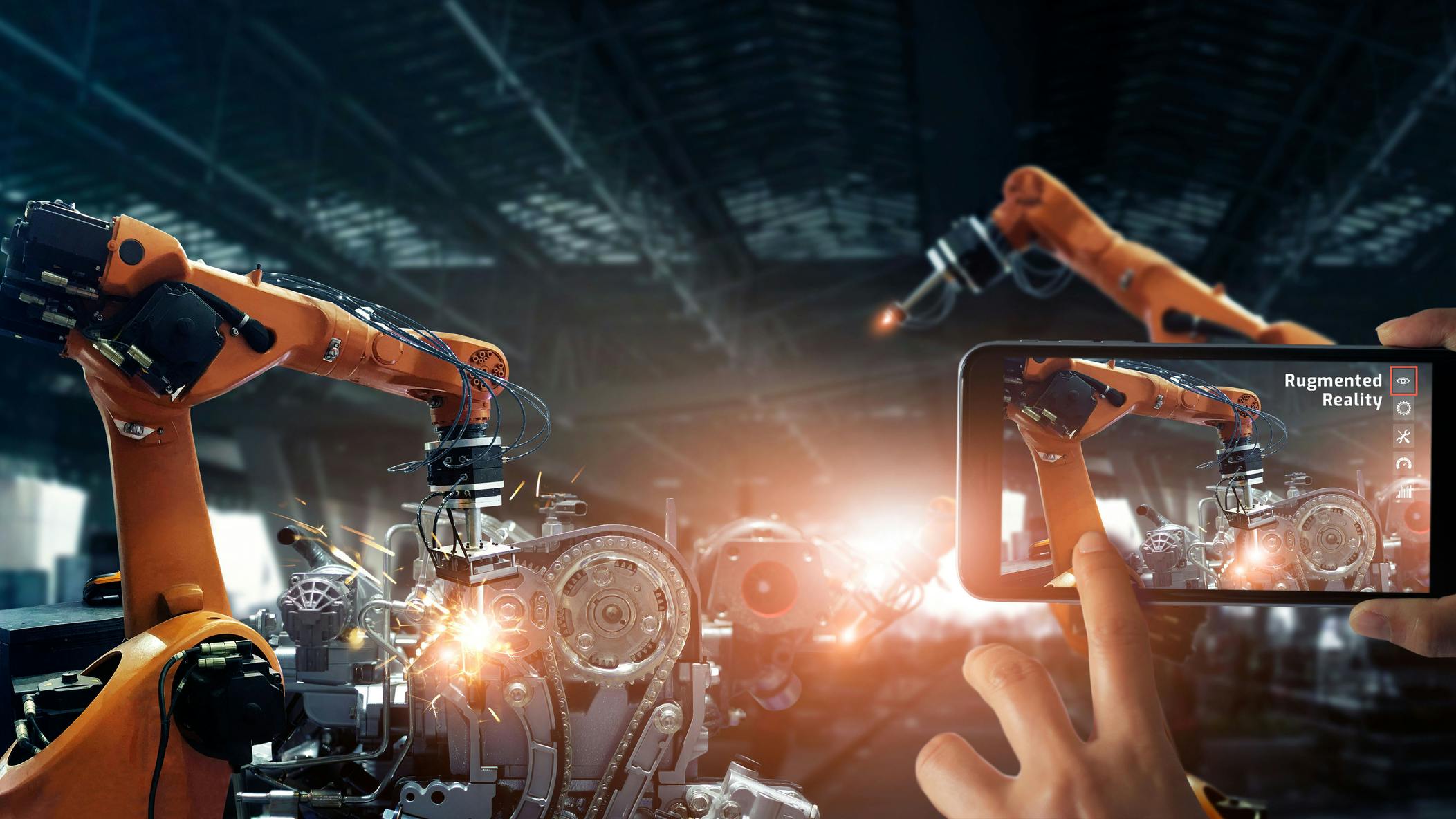
Now Interacting: Robotics and AI in Manufacturing
In a groundbreaking development for the manufacturing sector, artificial intelligence is set to serve as a unifying intelligence layer, effectively connecting robotics with a vast ecosystem of previously untapped data. This transformation is anticipated to revolutionize production processes, enhancing efficiency and innovation across the industry. The integration of AI into manufacturing is expected to occur in the near future, leveraging advancements made up to October 2023. By harnessing this wealth of data, manufacturers can optimize operations, reduce waste, and improve decision-making, ultimately leading to a more streamlined and responsive production environment. The shift towards AI-driven solutions underscores the industry's commitment to embracing technology to drive growth and competitiveness in an increasingly data-centric world.
Technology and IIoT / Robotics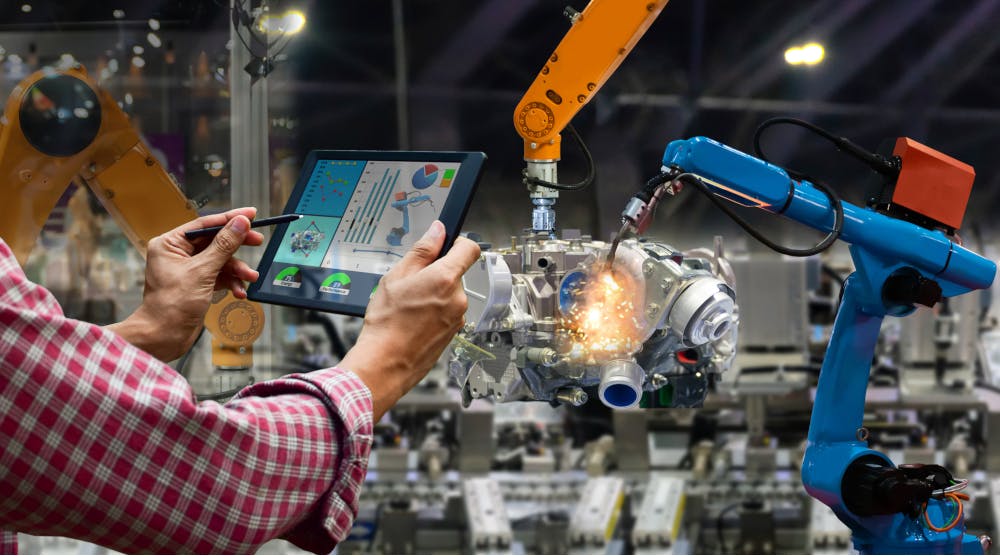
Agentic AI Could Make Robots Affordable for Small Businesses
At the Hannover Messe, Siemens unveiled innovative software designed to enhance automation and integration processes within industrial settings. This new technology aims to accelerate the return on investment (ROI) for businesses by streamlining operations and improving efficiency. The announcement, made during the prominent trade fair, underscores Siemens' commitment to advancing digital solutions in manufacturing. By leveraging this software, companies can expect to optimize their workflows and reduce operational costs, ultimately driving growth and competitiveness in the market.
Technology and IIoT / Digital Tools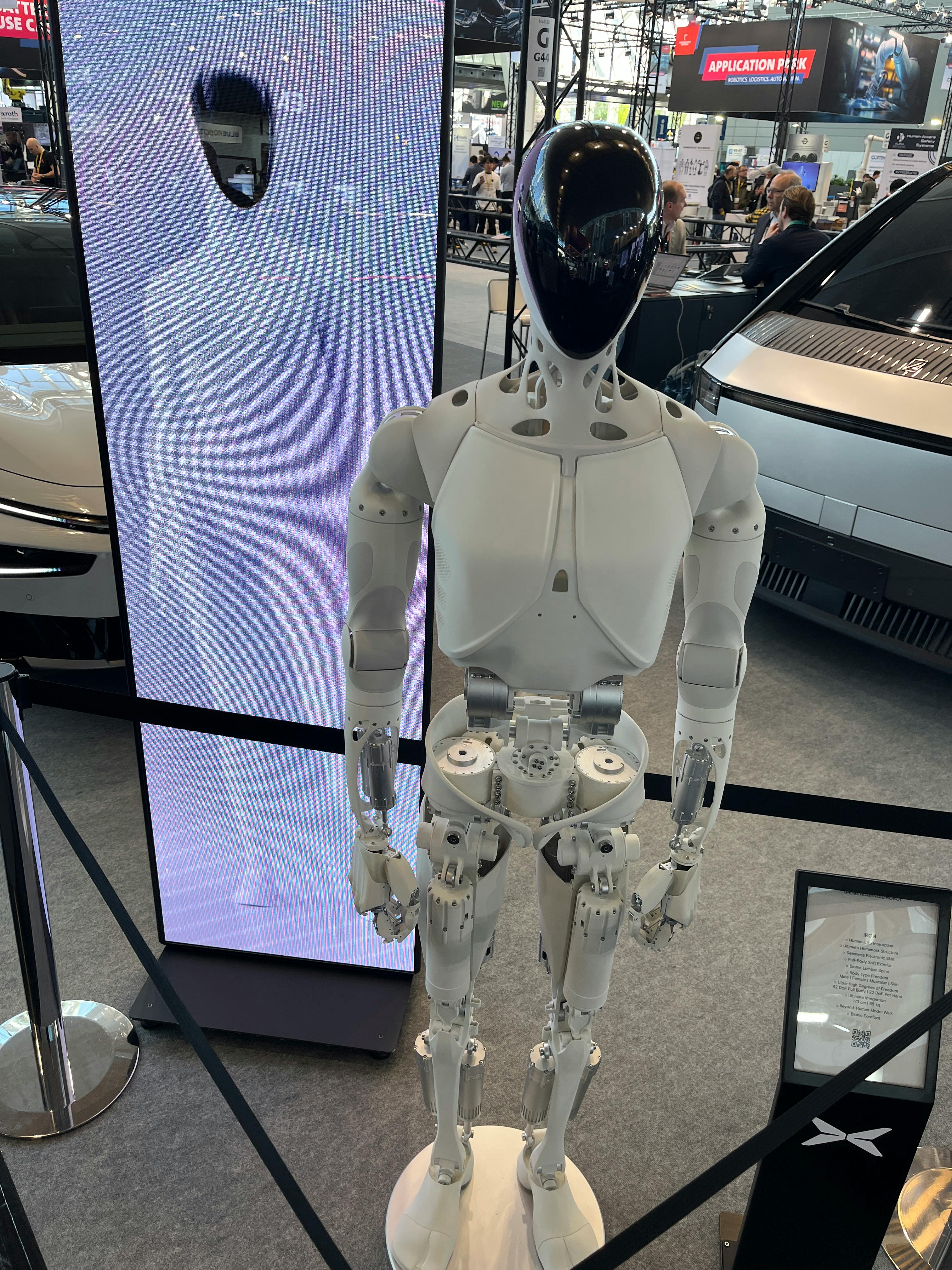
Meet the Humanoid Robots that May Replace Us All: Hannover Messe Edition
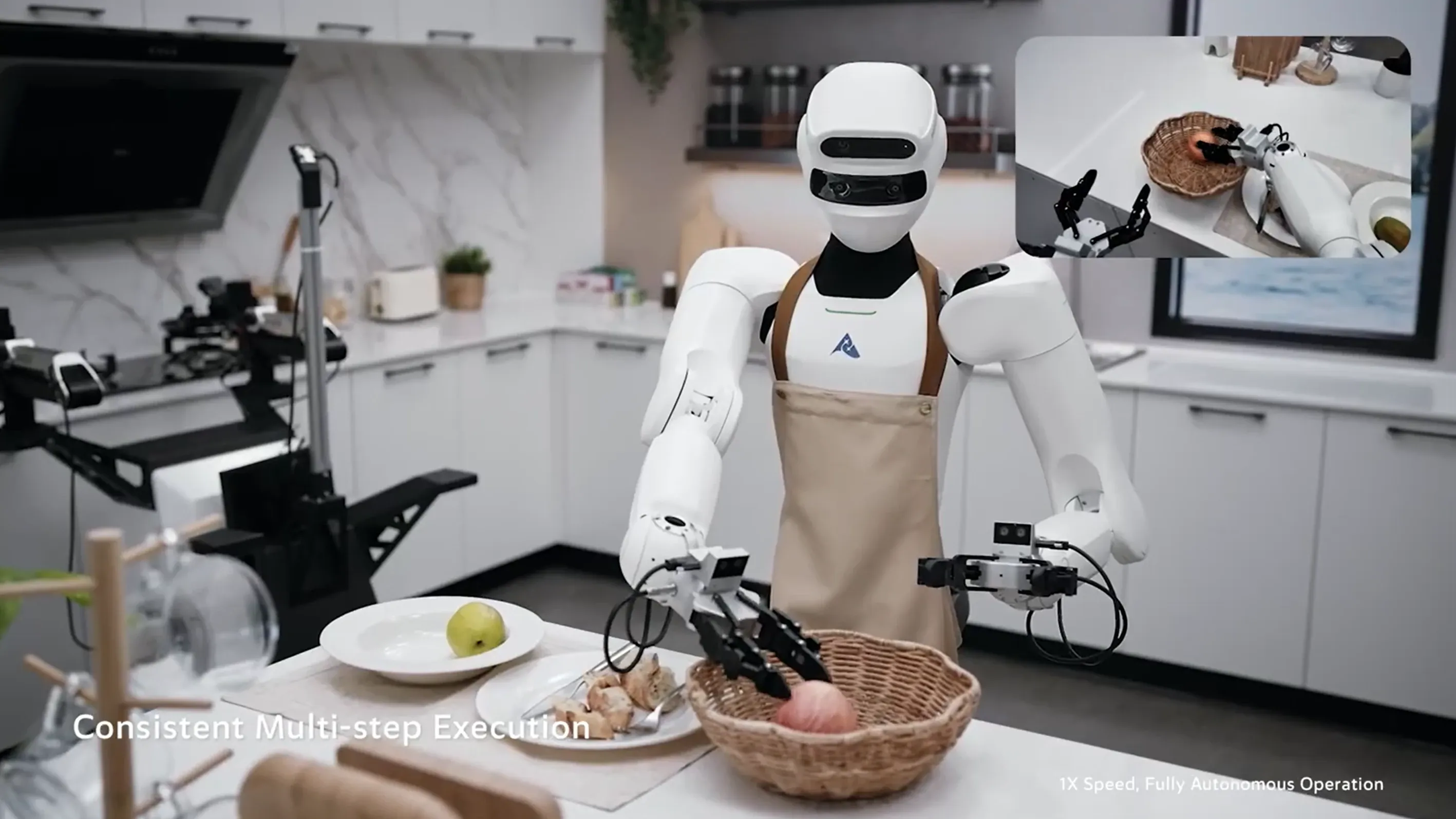
At a recent technology exhibition, various humanoid robots showcased their unique capabilities, sparking interest among attendees and industry experts alike. The event, held in October 2023, attracted a diverse audience eager to explore advancements in robotics. Among the standout exhibits was a humanoid robot that distinguished itself through its advanced artificial intelligence and interactive features, which allowed for more natural human-robot interactions. The motivation behind this innovation stems from the growing demand for robots that can assist in everyday tasks and enhance human experiences. Developers demonstrated how this particular robot could adapt to different environments and respond to user commands with remarkable accuracy, showcasing the potential for practical applications in sectors such as healthcare and customer service. As the exhibition unfolded, demonstrations highlighted the robot's ability to learn from its interactions, emphasizing the importance of machine learning in the evolution of humanoid robotics. This event not only illustrated the technological advancements in the field but also raised questions about the future of human-robot collaboration and the ethical implications of integrating such technology into daily life.
Technology and IIoT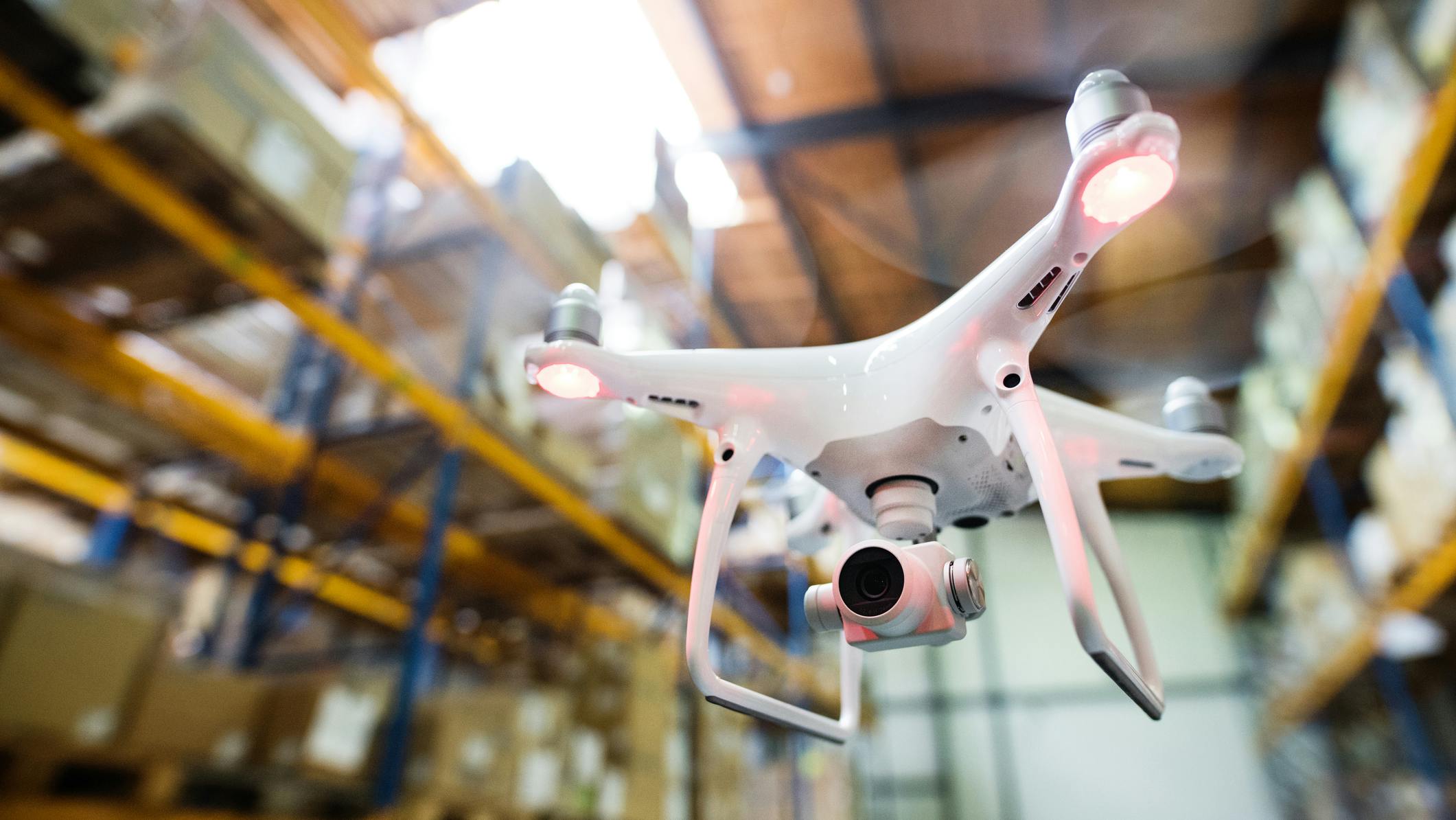
Drones Gain Altitude in Manufacturing Facilities (and Challenges Emerge)
As technology continues to advance, the landscape of cybersecurity is becoming increasingly complex, prompting a surge in concerns over data protection. Experts emphasize that the rapid evolution of digital tools and platforms is leading to heightened vulnerabilities, making it essential for organizations to adopt more sophisticated data integration strategies. This shift is particularly critical as businesses strive to safeguard sensitive information against a backdrop of rising cyber threats. The urgency for improved cybersecurity measures has never been more pronounced, with stakeholders across various sectors recognizing the need to enhance their defenses. As a result, companies are investing in advanced technologies and training to bolster their cybersecurity frameworks, ensuring they can effectively respond to emerging risks and protect their data assets.
Technology and IIoT / Emerging Technologies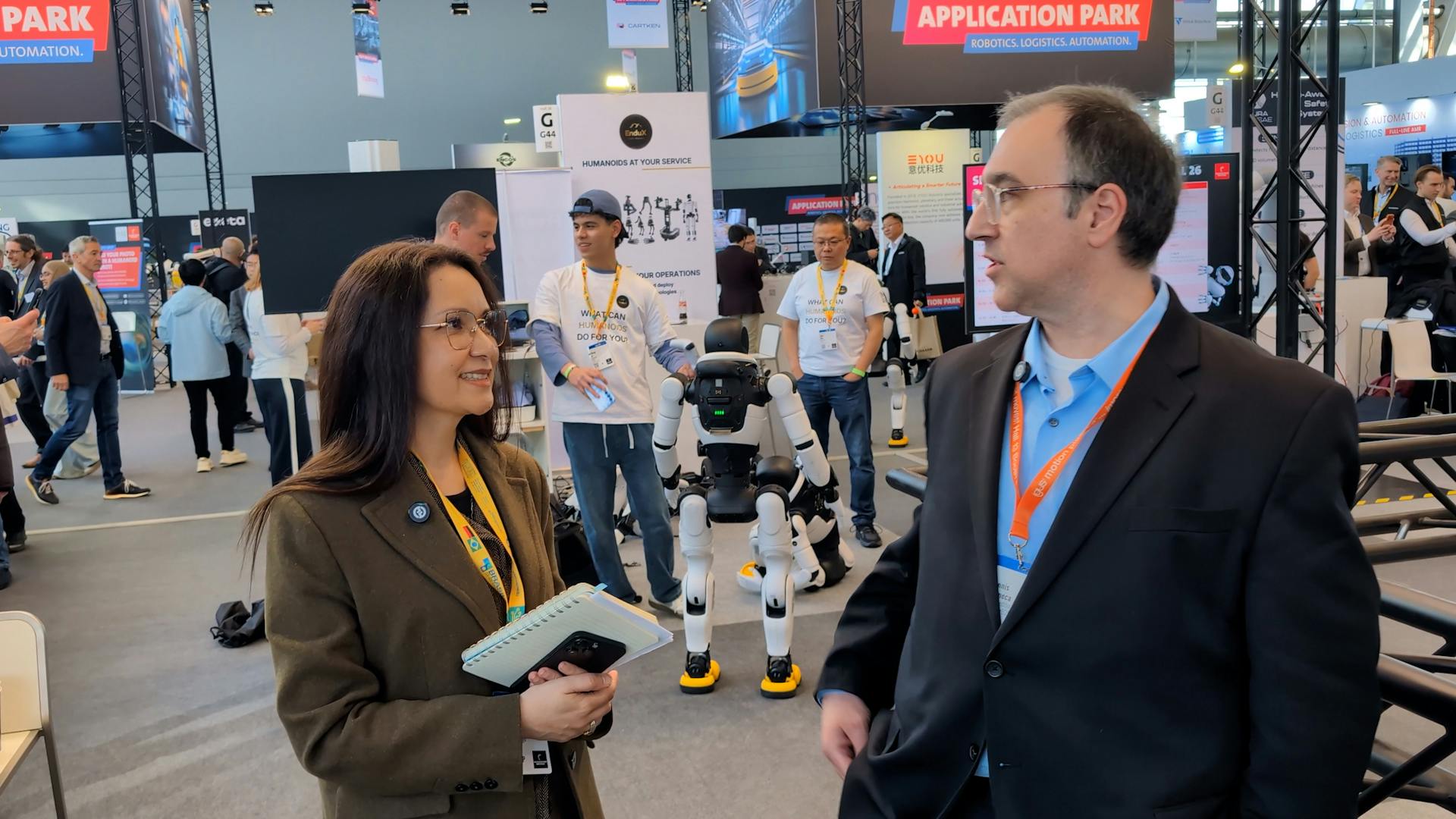
Humanoid Robots at Hannover Messe
At this year's automation fair, industry experts and attendees gathered to evaluate the latest innovations in technology, sparking debate over whether the standout innovations presented were practical solutions or merely fleeting trends. The event, held in October 2023, showcased a variety of advancements aimed at enhancing efficiency and productivity in various sectors. Participants expressed a mix of excitement and skepticism regarding the viability of these innovations, questioning their long-term applicability in real-world scenarios. The fair served as a platform for companies to demonstrate their cutting-edge technologies, with many hoping to attract investment and interest from potential clients. As the automation landscape continues to evolve, the discussions at the fair highlighted the importance of distinguishing between sustainable innovations and those that may lack substance. Attendees emphasized the need for thorough evaluation and testing to determine which technologies could genuinely transform industries and which might fade into obscurity. Overall, the automation fair not only showcased advancements but also fostered critical conversations about the future of technology in the workplace, urging stakeholders to consider the implications of adopting new solutions in a rapidly changing environment.
Technology and IIoT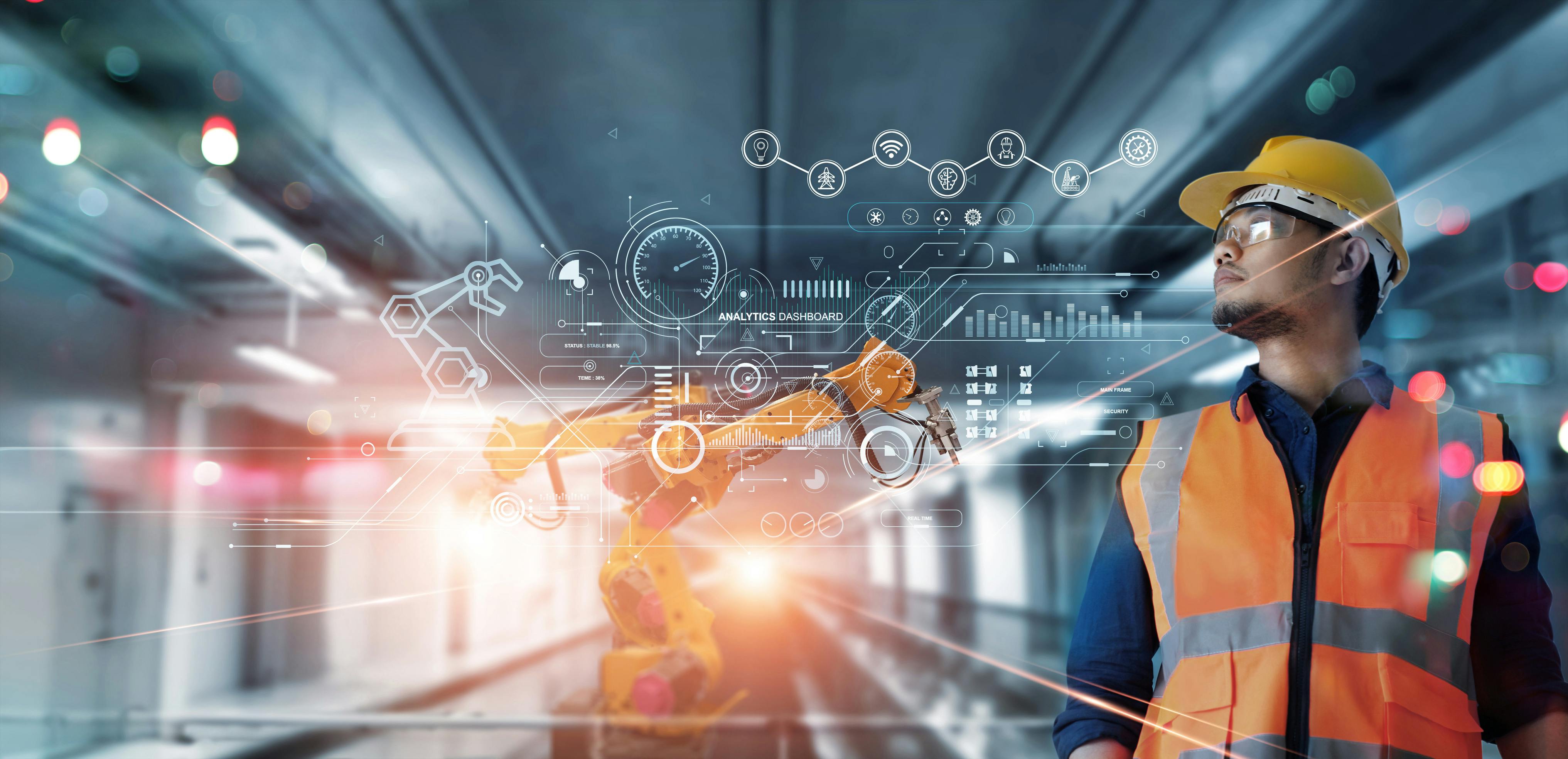
Turning Awareness Into Action With Agentic AI
In the evolving landscape of manufacturing, industry experts have identified three essential building blocks for effectively scaling AI agents across enterprises. As companies increasingly integrate artificial intelligence into their operations, these foundational elements are crucial for maximizing efficiency and productivity. The insights were shared in a recent industry report released in October 2023, highlighting the importance of strategic implementation in manufacturing settings. By focusing on these key components, organizations can better navigate the complexities of AI integration, ultimately driving innovation and competitiveness in the sector.
Technology and IIoT / Emerging Technologies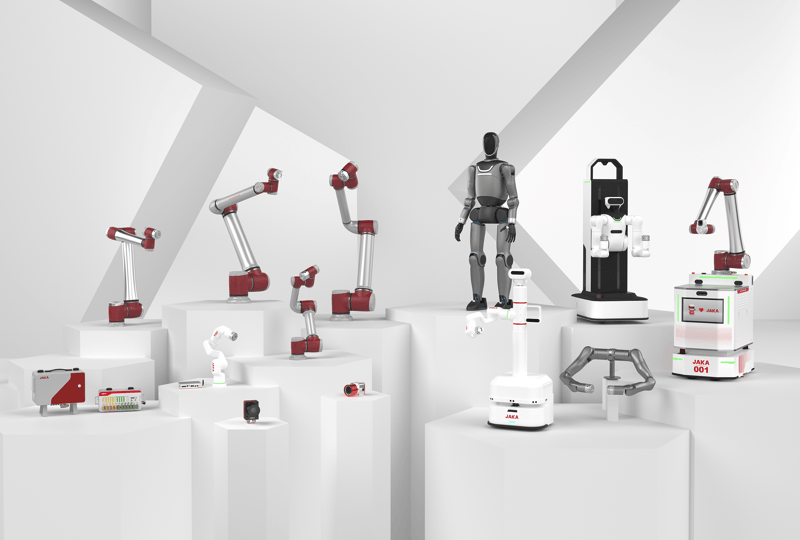
Beyond Cobots: Integrating Robotic Automation with AGVs and IIoT Systems
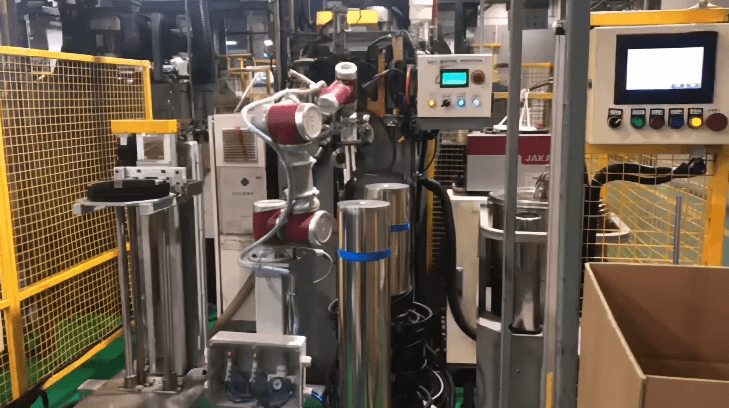
In recent years, manufacturing has experienced a significant transformation as companies shift from standalone automation to interconnected and flexible systems. JAKA, a leader in collaborative robot technology, has observed this evolution, where production environments are increasingly designed around coordinated robots, autonomous guided vehicles (AGVs), and Industrial Internet of Things (IIoT) platforms. This transition enables automation to adapt dynamically to real production conditions while ensuring safety and flexibility in workplaces that prioritize human interaction. Initially, collaborative robots were embraced for their ability to work safely alongside human operators, facilitating smoother automation processes. As their applications have matured, integrating these robots with AGVs and IIoT systems has become a logical progression. This integration allows for synchronized material handling and processing tasks, enhancing efficiency. IIoT connectivity further supports real-time data exchange, enabling predictive maintenance and improved process visibility, which is crucial for maintaining flexibility in production lines. AGVs play a pivotal role in extending automation beyond fixed workstations. When connected through IIoT infrastructure, these vehicles and robots can share crucial information, reducing idle time and manual interventions while enhancing workflow traceability. This coordination not only boosts operational efficiency but also increases transparency, allowing for continuous optimization and informed decision-making. To facilitate this integrated approach, JAKA has developed the Ai12, a collaborative robot designed for easy deployment through wireless teaching and graphical programming. This technology enhances safety and adaptability, allowing for seamless human-robot interaction. JAKA envisions a future where industrial robotic automation is not merely a collection of isolated machines but a cohesive system that evolves with production demands, fostering smarter and more responsive industrial environments.
How to Achieve Remote Monitoring and Diagnostics for Controllable Robot Systems
In the evolving landscape of smart manufacturing, the significance of collaborative robots is shifting from mere physical performance to the ability to be managed remotely. As production environments become increasingly decentralized, companies are prioritizing remote monitoring and diagnostics to oversee robot health, predict maintenance needs, and troubleshoot issues without on-site presence. To achieve effective remote management, a combination of advanced hardware sensors and cloud-based software is essential. Utilizing the Industrial Internet of Things (IIoT), data from robots—including motor temperature and power consumption—is streamed to centralized dashboards. Secure data transmission protocols like OPC UA and MQTT facilitate communication with Manufacturing Execution Systems, enabling the use of "Digital Twin" technology. This allows real-time mirroring of a robot's movements, triggering automated alerts for predictive maintenance to prevent costly downtimes. JAKA is at the forefront of this innovation, moving beyond traditional operations to create a connected ecosystem. Their "Smart, Simple, Small" philosophy ensures that managing JAKA systems is as user-friendly as mobile applications. With advanced wireless teaching and cloud management tools, users can monitor their fleet of robots globally from a single interface. JAKA's software suite enables remote diagnostics, providing real-time feedback on robot status, which is crucial for maintaining continuous production across various locations. The integration of AI-driven vision and sensing further enhances remote monitoring capabilities. By investing in JAKA, companies are securing a future-proof solution that ensures control and productivity, regardless of geographical constraints.
Robotics needs a service framework.
RSF defines a common language for robot service capability, lifecycle operations, certification pathways, and service-provider networks.