Industry Briefing
A single destination for timely, editor-curated robotics news from around the world.
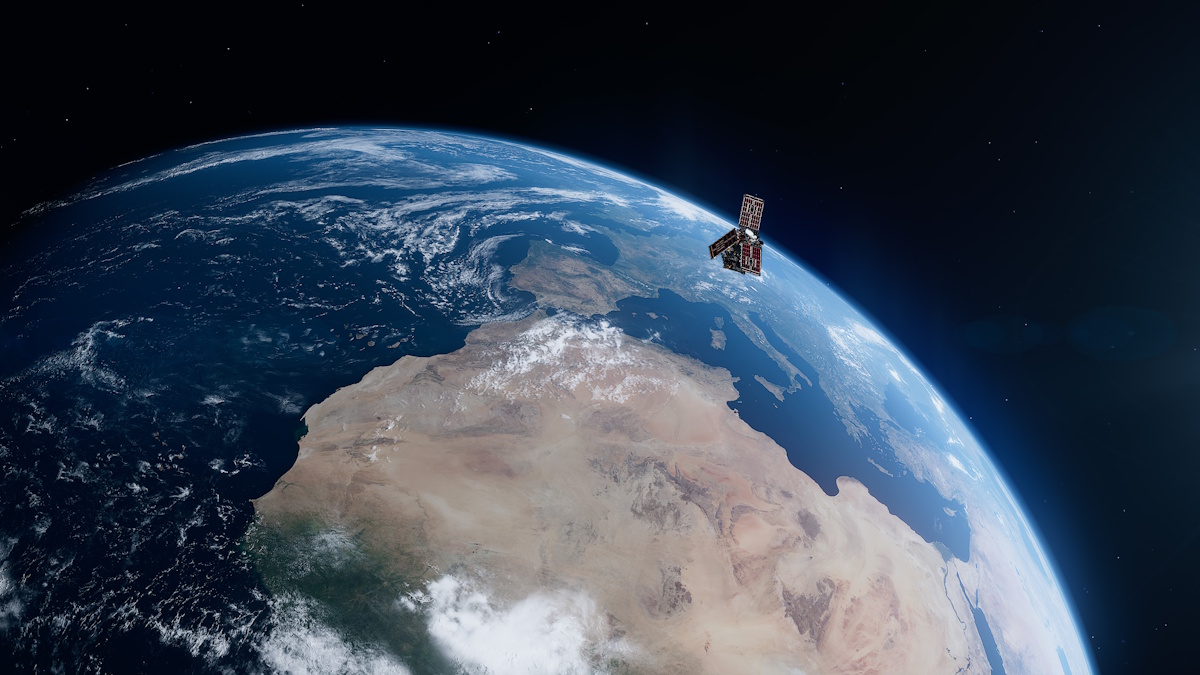
National Oceanography Centre joins UK–led HydroGNSS ‘New Space’ mission for Global Science
A new low-cost Earth Observation mission, developed with the assistance of the National Oceanography Centre (NOC), has successfully been launched into orbit. This mission aims to enhance the monitoring of environmental changes and provide valuable data for scientific research and policy-making. The launch took place recently, marking a significant advancement in affordable space technology. By utilizing innovative approaches and streamlined processes, the mission is designed to deliver high-quality observational data while minimizing costs. This initiative reflects a growing trend in the space industry towards more accessible and efficient satellite missions, ultimately contributing to better understanding and management of Earth's resources.
national oceanography centre (noc) hydrognss ‘new space’ mission for global science
Rocket Lab launches US Space Force mission with less than 17 hours' notice — a new record
Firefly Aerospace successfully launched the Victus Nox mission for the U.S. Space Force on the night of September 14, just 27 hours after receiving the launch order. This rapid response underscores the company's commitment to providing timely and efficient launch services for national defense purposes. The mission took place at a designated launch site, showcasing Firefly's capabilities in supporting military operations through advanced space technology. The swift execution of this launch reflects the growing emphasis on agility and responsiveness in the realm of space operations, particularly for defense initiatives.
Launches & Spacecraft Space Exploration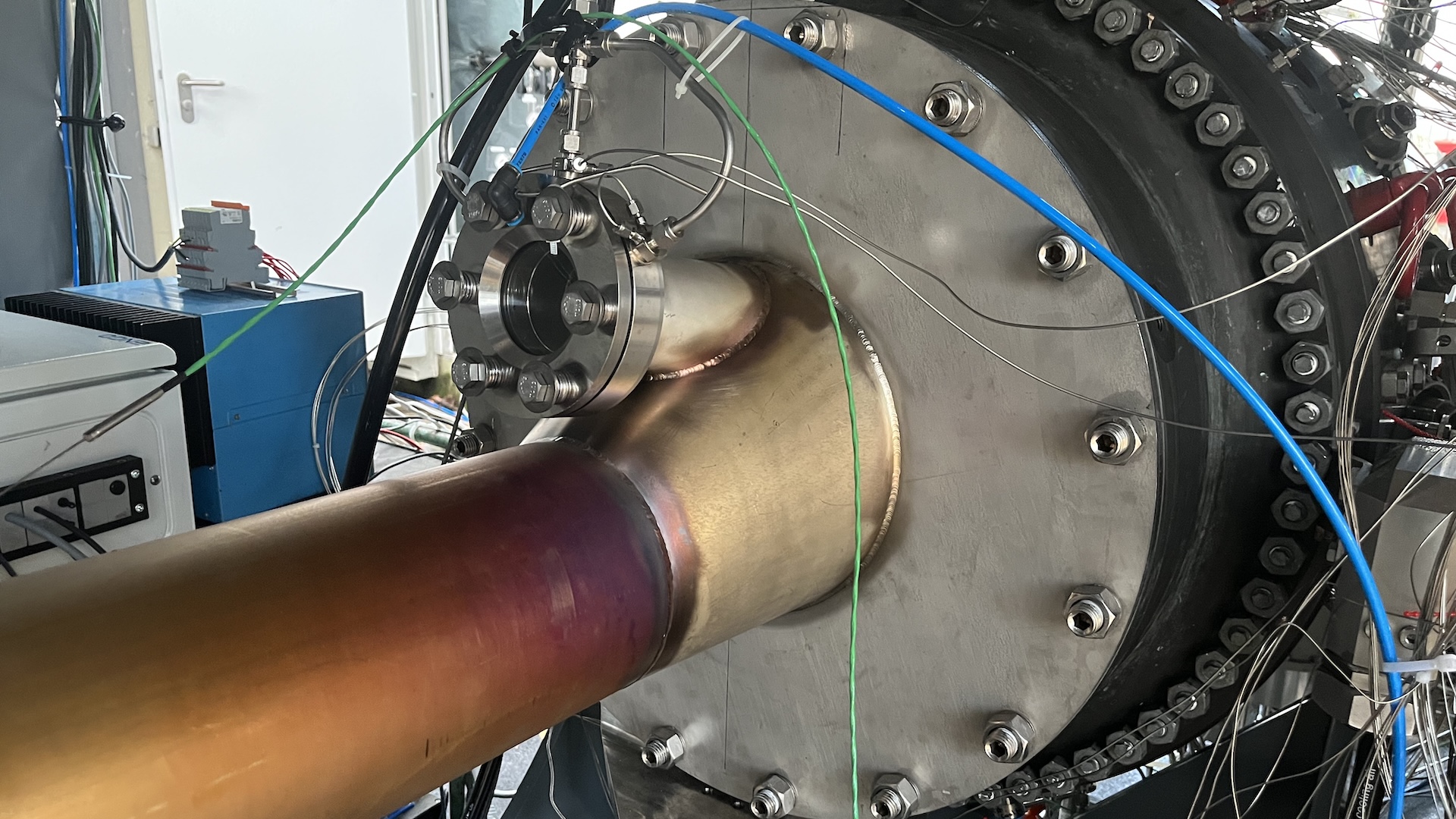
In a first, hydrogen engine restart for high-altitude conditions tested by GE Aerospace
GE Aerospace and its subsidiary Avio Aero have announced the successful completion of their first engine restart test, marking a significant milestone in their ongoing development efforts. This test took place recently at their facility in Italy, demonstrating the companies' commitment to advancing aerospace technology. The restart test is crucial as it aims to enhance engine performance and reliability, which are essential for meeting the growing demands of the aviation industry. By employing innovative techniques and rigorous testing protocols, GE Aerospace and Avio Aero are positioning themselves to lead in the competitive aerospace market. This achievement not only showcases their engineering capabilities but also underscores their dedication to ensuring safer and more efficient flight operations in the future.
Innovation
LandSpace Successfully Launches Improved Zhuque-2 Rocket, Marking Milestone in Chinese Commercial Space Race
On June 9, Chinese commercial aerospace company LandSpace successfully launched its upgraded Zhuque-2E Y6 rocket, marking a significant milestone in its efforts to develop reusable rocket technology. The launch took place as part of the company's ongoing Zhuque-3 program, which aims to enhance capabilities in the competitive space industry. During this mission, the rocket delivered two satellites into orbit, demonstrating LandSpace's growing expertise in satellite deployment and propulsion systems. This achievement not only showcases the company's advancements in aerospace technology but also positions it strategically in the rapidly evolving global space market.
Technology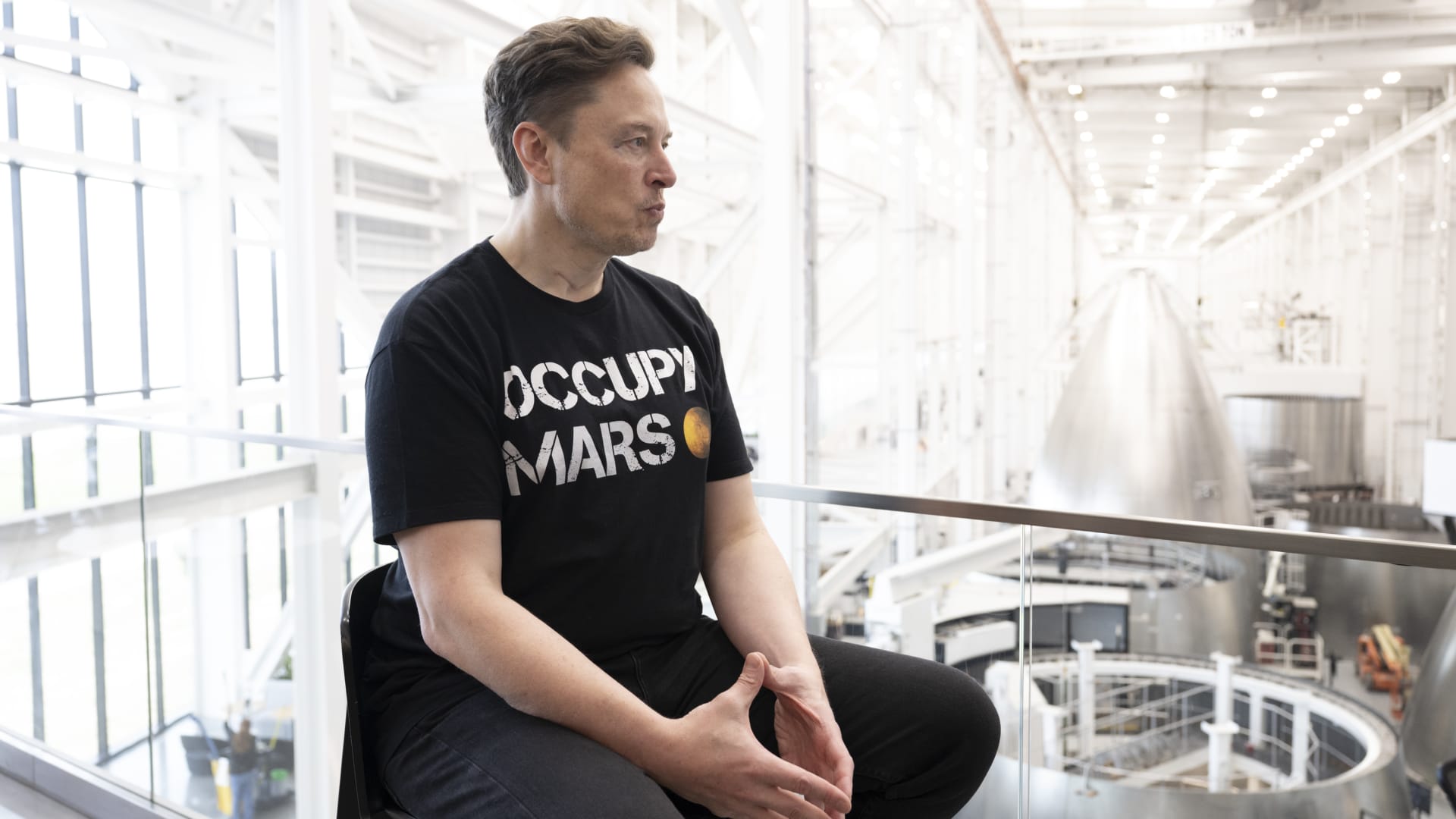
SpaceX skeptics have added reason for concern after Musk comments diverge from IPO filing
Elon Musk recently shared insights on X regarding SpaceX's partnership with Anthropic, revealing information that was not included in the company's initial public offering (IPO) prospectus. This announcement sheds light on the strategic collaboration between the two companies, highlighting the potential implications for advancements in artificial intelligence and aerospace technology. The timing of Musk's disclosure comes as SpaceX prepares for its upcoming IPO, aiming to attract investor interest by clarifying the significance of its relationship with Anthropic. This partnership is expected to enhance SpaceX's capabilities in AI, which is increasingly becoming a critical component in the aerospace sector. Musk's decision to provide these details on a social media platform underscores his approach to transparency and engagement with the public as he navigates the complexities of the IPO process.
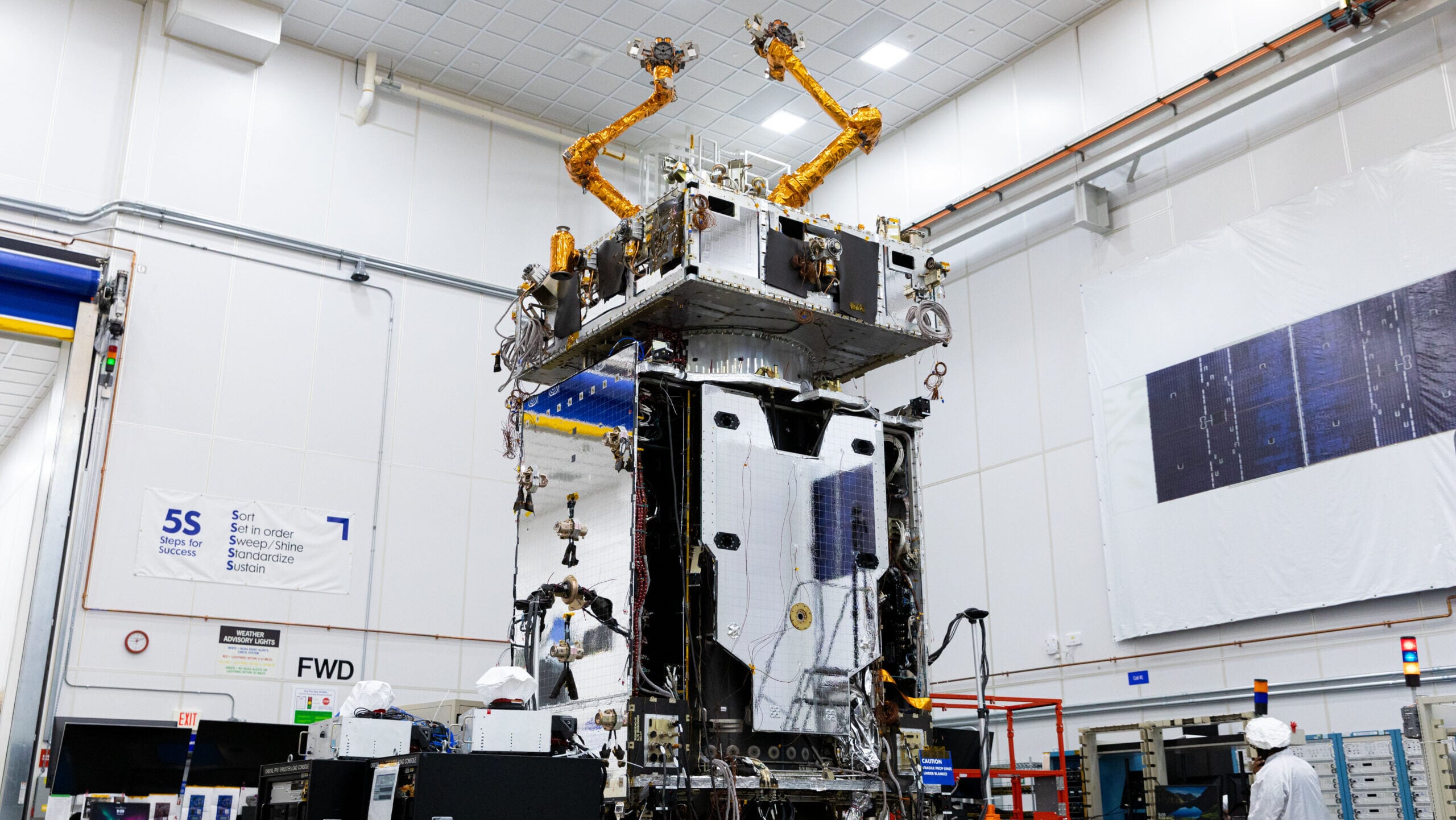
DARPA’s robotic servicing spacecraft to finally fly this summer
The Robotic Servicing of Geosynchronous Satellites mission, a collaboration between DARPA and Northrop Grumman, is set to establish the United States' first on-orbit servicing capability for satellites. This groundbreaking initiative aims to enhance satellite maintenance and repair, extending the operational lifespan of critical space assets. Company officials announced the mission's significance, highlighting its potential to revolutionize satellite operations and reduce costs associated with launching new satellites. The project is expected to take place in the coming months, marking a pivotal advancement in space technology and satellite management.
Space darpa Defense Advanced Research Projects Agency Naval Research Laboratory Northrop Grumman on-orbit refueling
GITAI Selected by U.S. Space Force for Space-Based Interceptor Program
GITAI has unveiled its latest innovation, a satellite platform equipped with a robotic arm designed for on-orbit operations. This development, which showcases GITAI's commitment to advancing space technology, aims to enhance the efficiency and capabilities of satellite missions. The announcement was made in October 2023, highlighting the company's ongoing efforts to revolutionize the way satellites are operated in space. By integrating robotic technology into satellite systems, GITAI seeks to address the growing demand for more versatile and autonomous operations in the increasingly crowded orbital environment. The platform is expected to facilitate a range of tasks, from maintenance to assembly, thereby reducing the need for human intervention and lowering mission costs. This breakthrough positions GITAI at the forefront of the aerospace industry, as it continues to push the boundaries of what is possible in space exploration and satellite management.
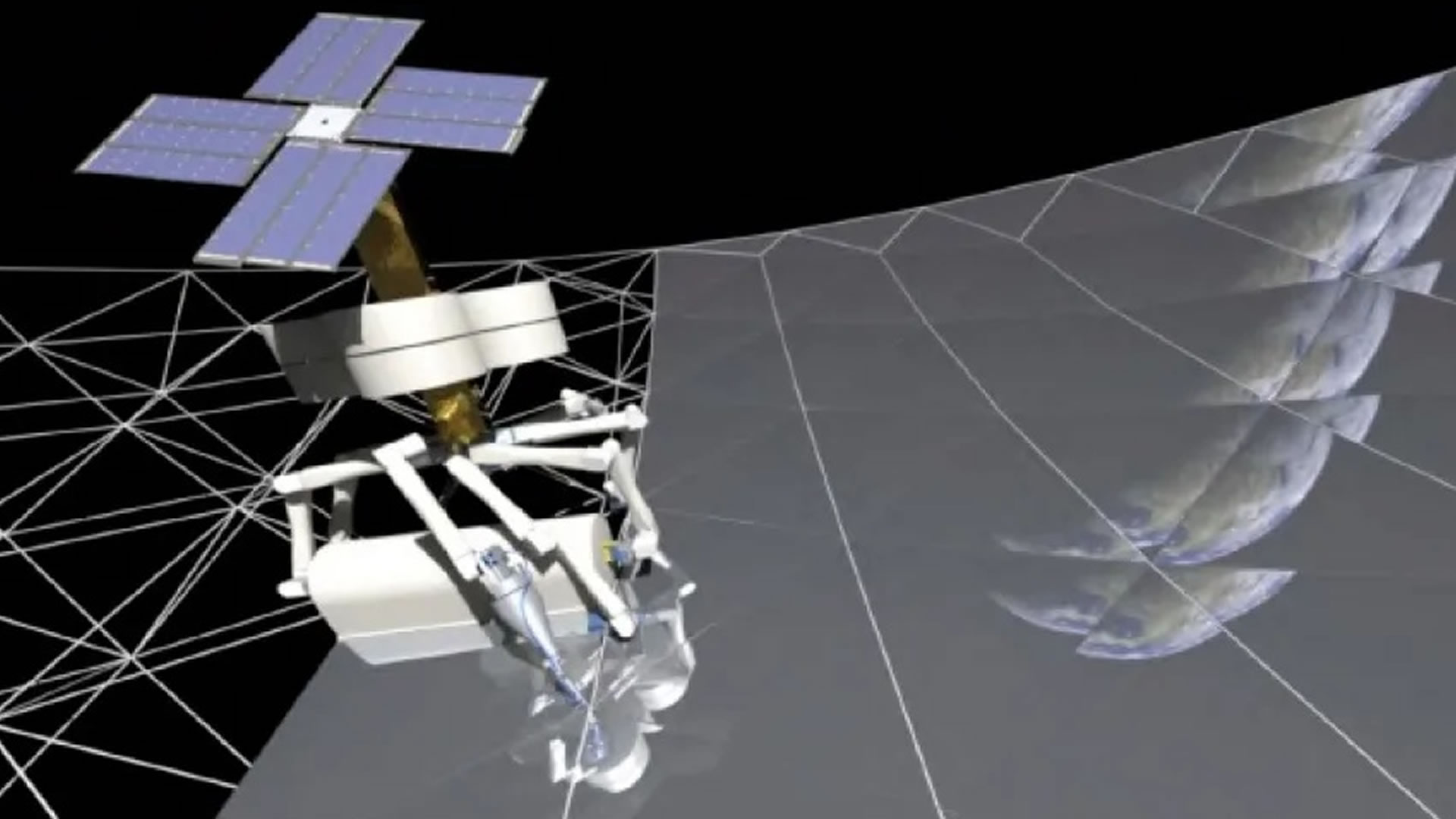
Space spider reborn: China revives NASA’s orbital construction robot dream
Chinese researchers are advancing their space technology by developing an autonomous orbital fabrication robot inspired by NASA's "SpiderFab." This initiative aims to enhance China's capabilities in space construction and manufacturing, reflecting the nation's growing ambitions in the aerospace sector. The project, which is currently in the development phase, seeks to create a robot that can autonomously assemble structures in orbit, potentially revolutionizing satellite and spacecraft production. By leveraging advanced robotics and fabrication techniques, the researchers hope to improve efficiency and reduce costs associated with space missions. This effort underscores China's commitment to becoming a leader in space exploration and technology, as it continues to invest in innovative solutions for future space endeavors.
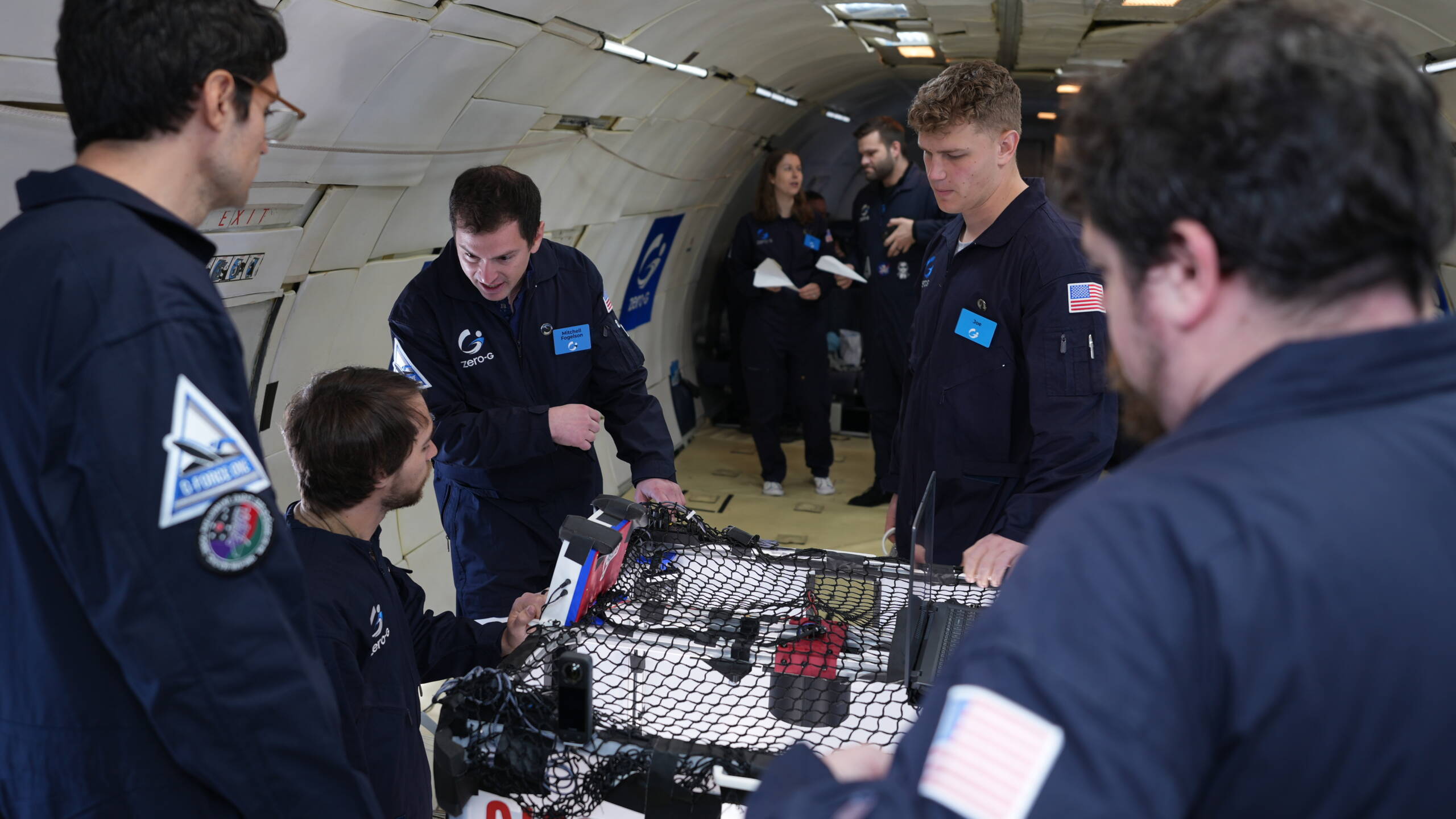
In Flight With NASA: CMU Tests Space Tech in Microgravity
Faculty and students from Carnegie Mellon University (CMU) recently had the rare opportunity to experience weightlessness while conducting critical research aboard a specially designed aircraft. This plane, which follows a unique flight path of steep climbs and dramatic dives, allowed members of the Robotics Exploration Lab within CMU's Robotics Institute to test their space technology in a microgravity environment. The tests were conducted during parabolic arcs, where the aircraft creates brief periods of weightlessness, simulating conditions that researchers might encounter in space. This initiative underscores CMU's commitment to advancing robotics and space exploration technologies.
Research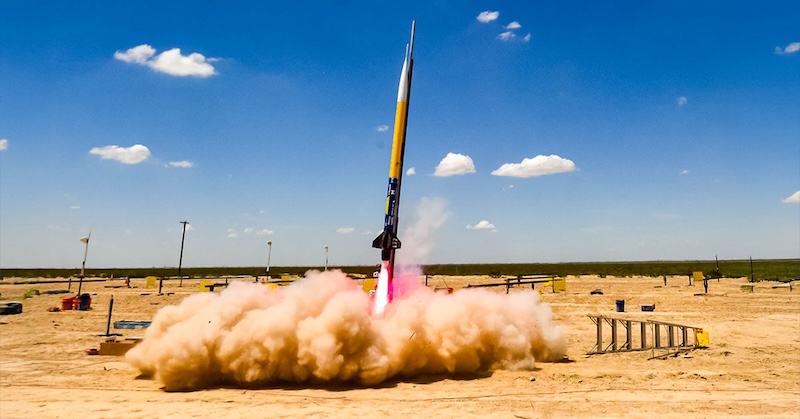
More than 2,000 students to compete in world’s largest rocket engineering competition
ProtoSpace Mfg, a leader in rapid manufacturing for sectors including aerospace and defense, has confirmed its role as the lead sponsor for the upcoming International Rocket Engineering Competition (IREC) 2026. This prestigious event is scheduled to take place from June 15 to June 20 at the Midland International Air & Space Port in Midland, Texas. Organized by the Experimental Sounding Rocket Association (ESRA), IREC is recognized globally as a premier platform for engineering innovation and competition among aspiring rocket engineers. ProtoSpace Mfg's sponsorship underscores its commitment to advancing aerospace technology and supporting educational initiatives in the field.
Engineering News Space aerospace careers aerospace engineering aerospace industry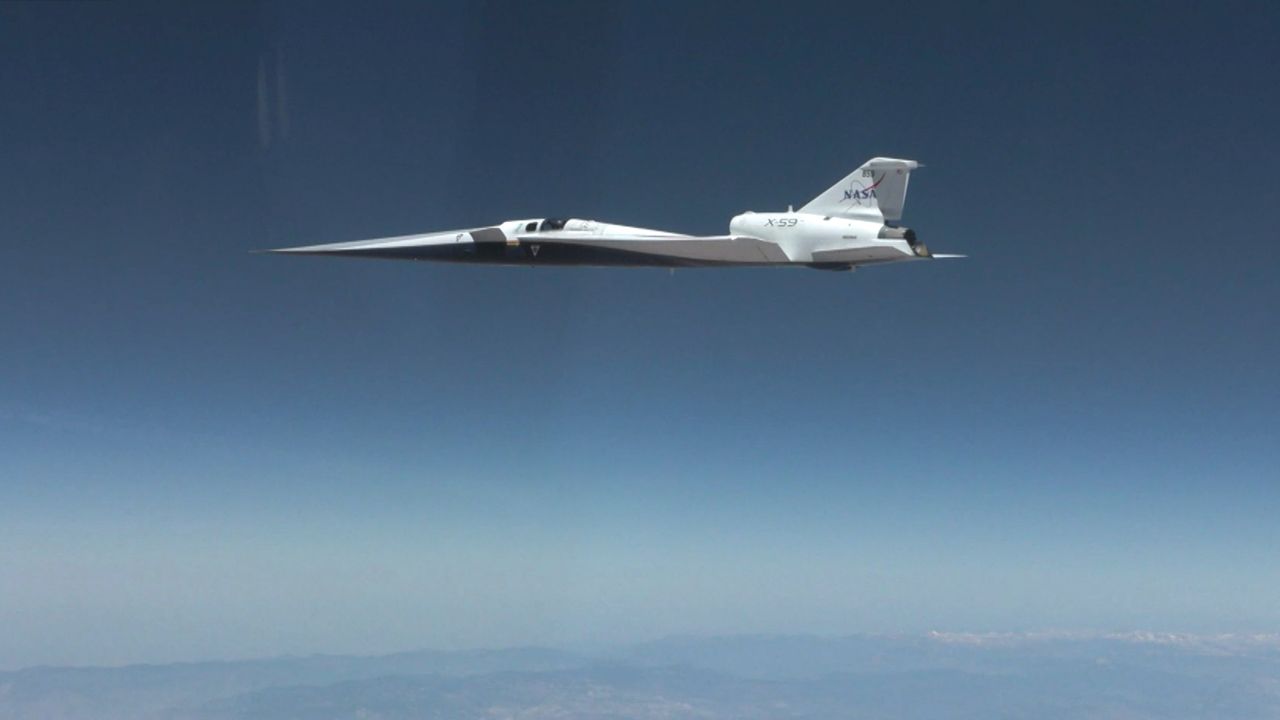
Going supersonic! NASA's X-59 jet breaks sound barrier for the 1st time
NASA's X-59 jet successfully broke the sound barrier for the first time on June 5, achieving a top speed of approximately Mach 1.1. This milestone marks a significant advancement in aerospace technology, as the X-59 is designed to explore the potential for quiet supersonic travel. The flight took place during a test mission aimed at gathering data on the aircraft's performance and the impact of supersonic flight on communities below. By developing the X-59, NASA aims to pave the way for future commercial supersonic flights that minimize noise pollution, addressing a major concern that has historically limited supersonic travel. The successful test flight demonstrates the effectiveness of the innovative design and engineering efforts behind the X-59 project.
Aerospace Technology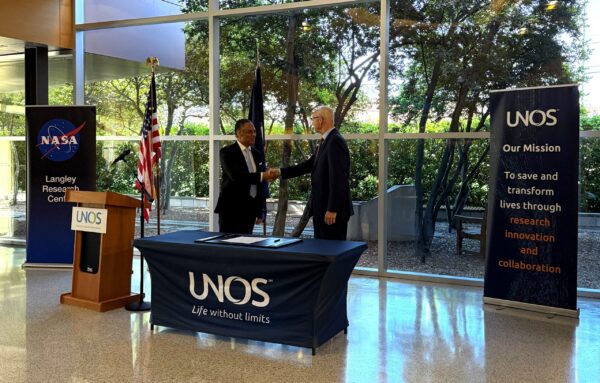
UNOS and NASA Partner to Study Drone Organ Transport
The United Network for Organ Sharing (UNOS) and NASA have formed a research partnership to investigate the impact of unmanned aerial vehicle (UAV) flights on organ viability and to explore how drone technology can enhance transplant logistics across the United States. The agreement was signed at UNOS' headquarters in Richmond, Virginia. This collaborative study aims to assess the potential benefits of using drones for organ transport, which could lead to improved efficiency and effectiveness in the transplantation process. By leveraging NASA's expertise in aerospace technology, the initiative seeks to address critical challenges in organ delivery, ultimately aiming to save more lives through timely transplants.
Advanced Air Mobility Delivery Medical News Research drone logistics
World’s largest cargo aircraft moves ahead with advanced flight control integration
Radia has announced the expansion of its engineering team dedicated to the development of the WindRunner cargo aircraft. This initiative, which involves collaboration with several aerospace companies, aims to enhance the aircraft's design and performance capabilities. The decision comes as part of Radia's strategy to strengthen its position in the competitive aerospace market. The expansion is expected to accelerate the project timeline, allowing for more efficient development processes. By leveraging the expertise of established aerospace firms, Radia seeks to innovate and improve the functionality of the WindRunner, which is designed to meet the growing demands of cargo transportation. This strategic move underscores Radia's commitment to advancing aerospace technology and responding to industry needs.
Innovation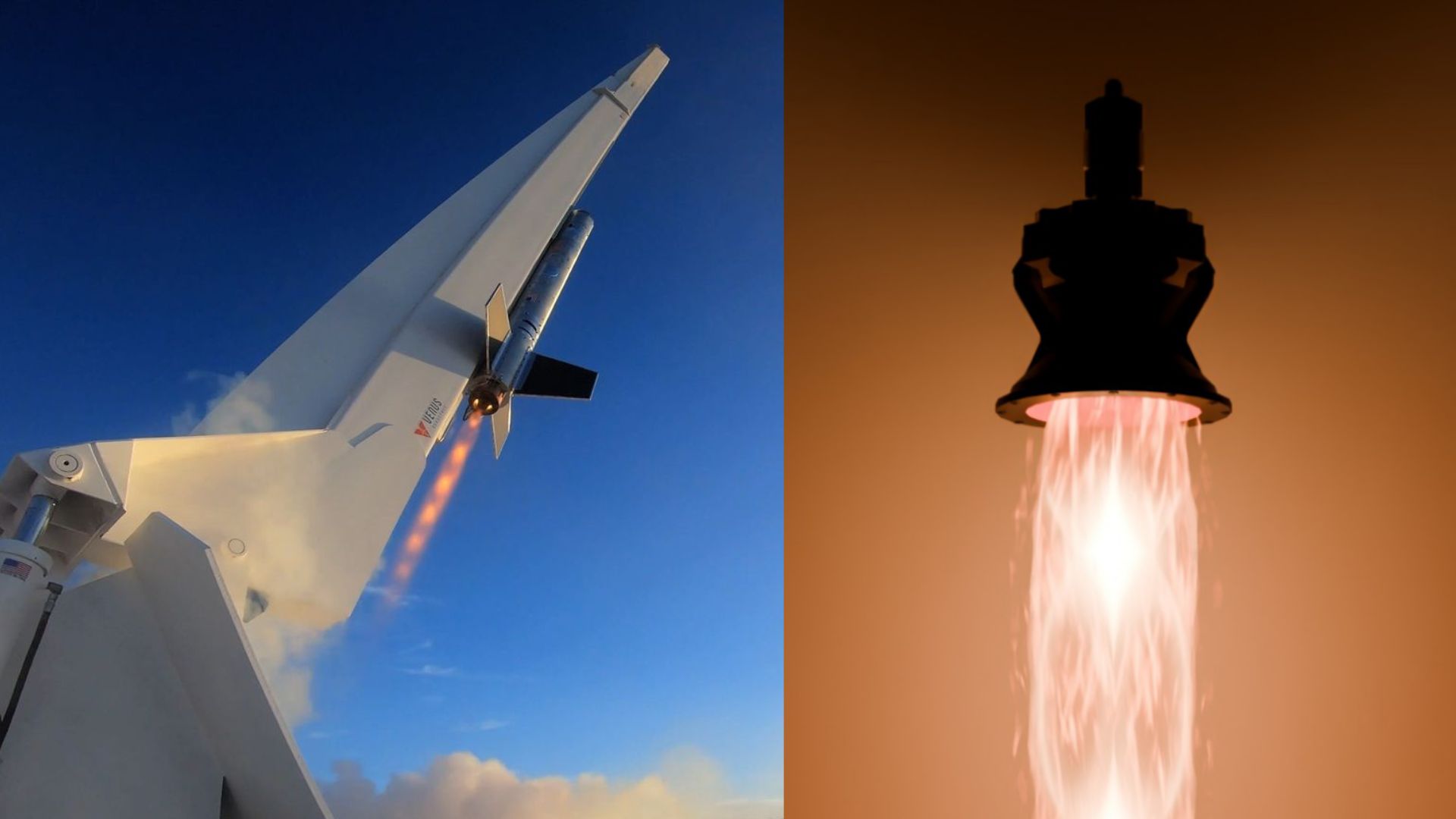
World’s first rotating detonation rocket engine lands $91M to scale production
Venus Aerospace, a Houston-based company, has successfully secured $91 million in Series B funding to enhance its production capabilities. This financial boost aims to accelerate the development of its innovative aerospace technology, which focuses on creating hypersonic vehicles designed for rapid travel. The funding round, which attracted significant investment from various venture capital firms, reflects growing confidence in the company's vision to revolutionize air travel. With this capital, Venus Aerospace plans to expand its workforce and increase production to meet the rising demand for advanced aerospace solutions. The investment comes at a time when the aerospace industry is increasingly looking towards sustainable and efficient travel options, positioning Venus Aerospace at the forefront of this emerging market.
Military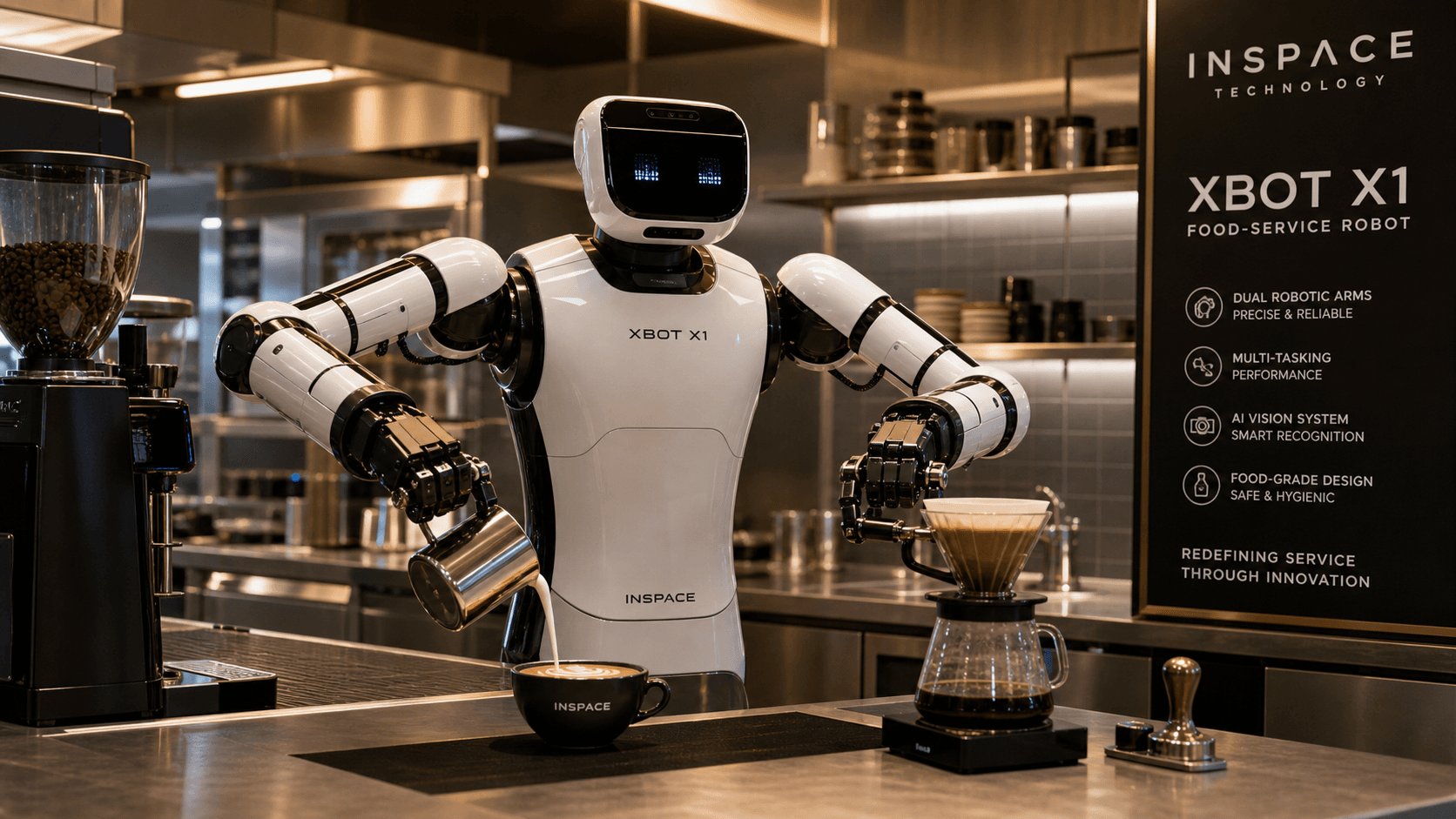
Ex-Xiaomi Executive Tang Mu Launches Food Service Humanoid Robot, Targets Year-End Production
InSpace Technology, a robotics company established by former Xiaomi executive Tang Mu, introduced three innovative food-service robots during a product launch event held on June 30. The unveiling took place in a bid to enhance efficiency in the food service industry, addressing the growing demand for automation in restaurants and catering services. These robots are designed to streamline operations, reduce labor costs, and improve customer service by delivering food and beverages directly to tables. The launch event showcased the robots' advanced features and capabilities, highlighting their potential to revolutionize the way food service is conducted.
Robotics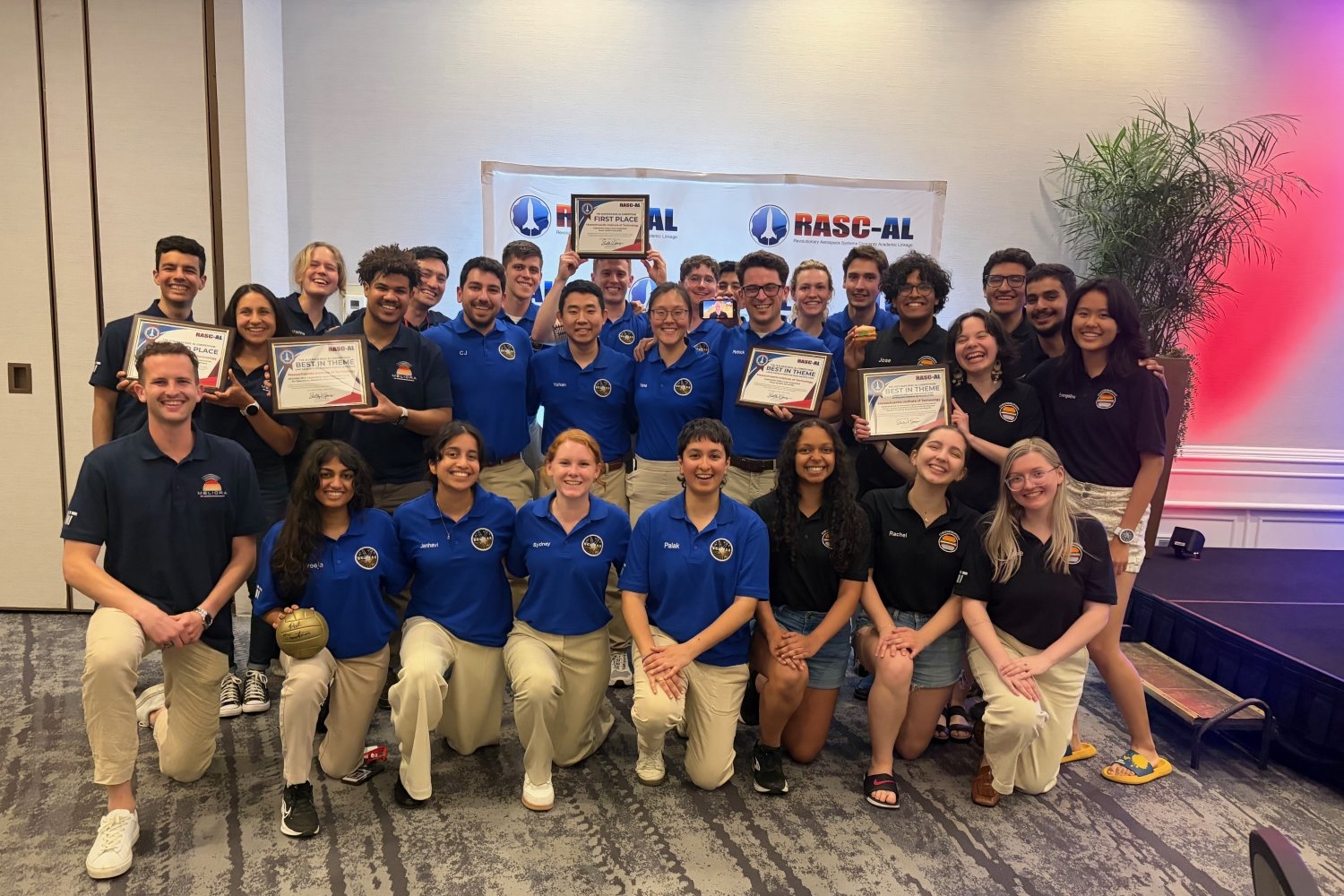
MIT student teams win top honors in NASA competition
Three teams from the Massachusetts Institute of Technology (MIT) achieved remarkable success in the 2026 NASA RASC-AL Competition, securing five prestigious awards for their innovative designs aimed at supporting lunar bases and future Mars missions. This competition, which focuses on developing critical technologies for space exploration, highlights the importance of advanced engineering and creative problem-solving in addressing the challenges of extraterrestrial habitats. The event took place recently, showcasing the efforts of students and faculty who are dedicated to pushing the boundaries of space science and exploration. The recognition of these teams underscores MIT's commitment to fostering cutting-edge research and development in aerospace technology, paving the way for future missions that could expand human presence beyond Earth.
School of Engineering MIT Sloan School of Management Aeronautical and astronautical engineering EAPS Electrical engineering and computer science (EECS) Nuclear science and engineering
Shape-shifting ‘Floaty’ drone uses updrafts for hovering with 90% less power use
A groundbreaking drone technology has emerged, designed to operate without the gravitational constraints faced by traditional multirotor drones. This innovative drone utilizes advanced engineering principles to achieve flight efficiency and stability, potentially revolutionizing aerial applications. Developed by a team of aerospace engineers, the drone aims to address limitations in current drone designs, such as battery life and maneuverability. Set to be unveiled at an upcoming aerospace technology conference in November 2023, the drone showcases a unique propulsion system that allows it to hover and navigate with unprecedented ease. The motivation behind this development stems from the increasing demand for more versatile and efficient drones in various sectors, including delivery services, surveillance, and environmental monitoring. By leveraging cutting-edge materials and design techniques, the engineers have created a prototype that promises to extend flight duration and enhance operational capabilities. As the industry anticipates its debut, experts are eager to explore the implications of this technology on future drone applications and its potential to reshape the landscape of aerial transport.
AI and Robotics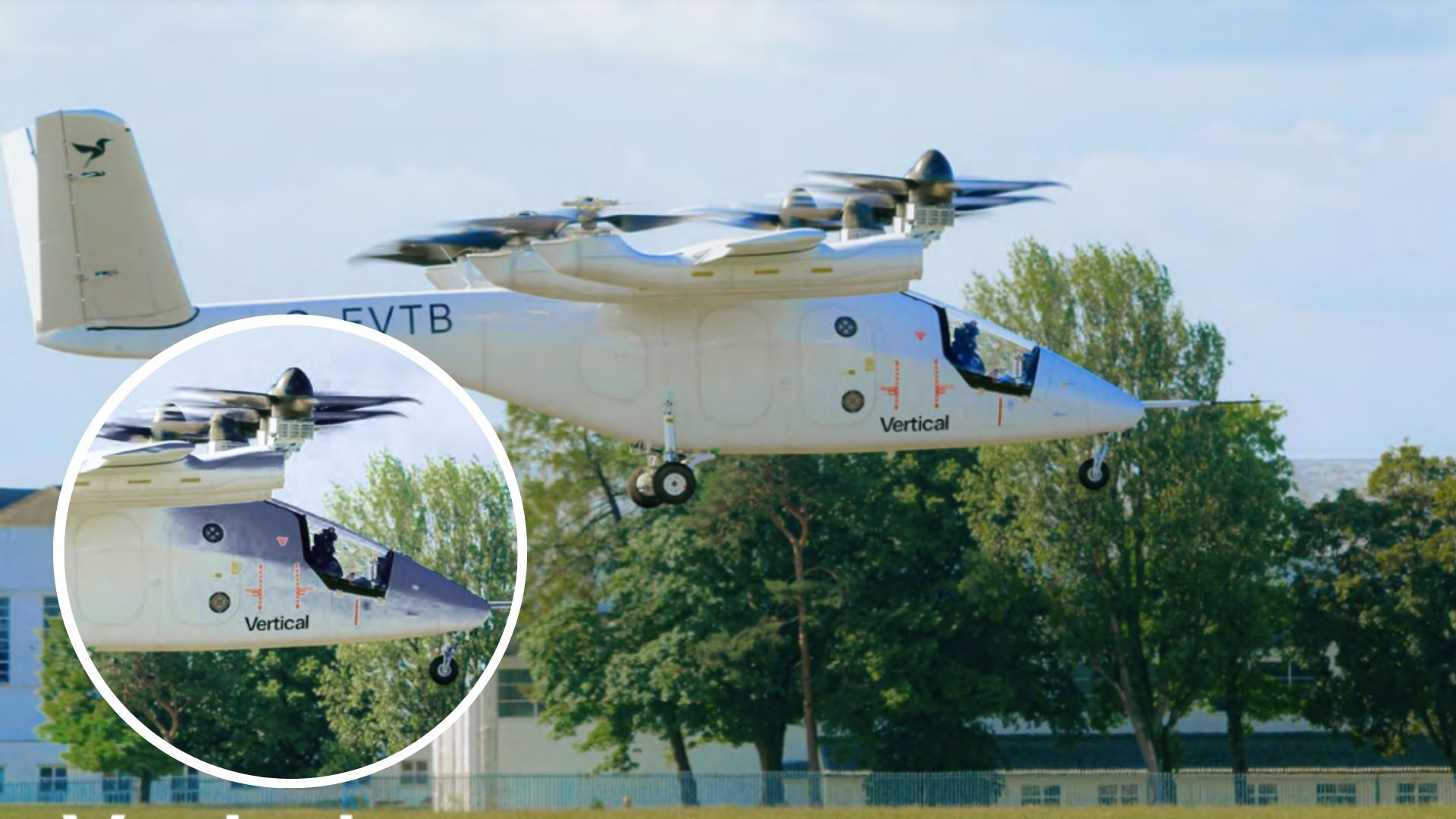
New plane prototype conducts maiden piloted flight, can transform hybrid-electric aircraft future
An aerospace and technology company has successfully completed the maiden piloted flight of its full-scale prototype, marking a significant milestone in its development efforts. The flight took place recently at the company's testing facility, showcasing advancements in aerospace technology and design. This achievement is part of the company's broader mission to innovate and enhance capabilities in the aerospace sector, driven by the growing demand for advanced aircraft solutions. The prototype's successful flight demonstrates the effectiveness of the engineering and design processes employed, paving the way for future developments and potential commercial applications. The company aims to leverage this success to attract investment and partnerships, furthering its goals in the competitive aerospace market.
Transportation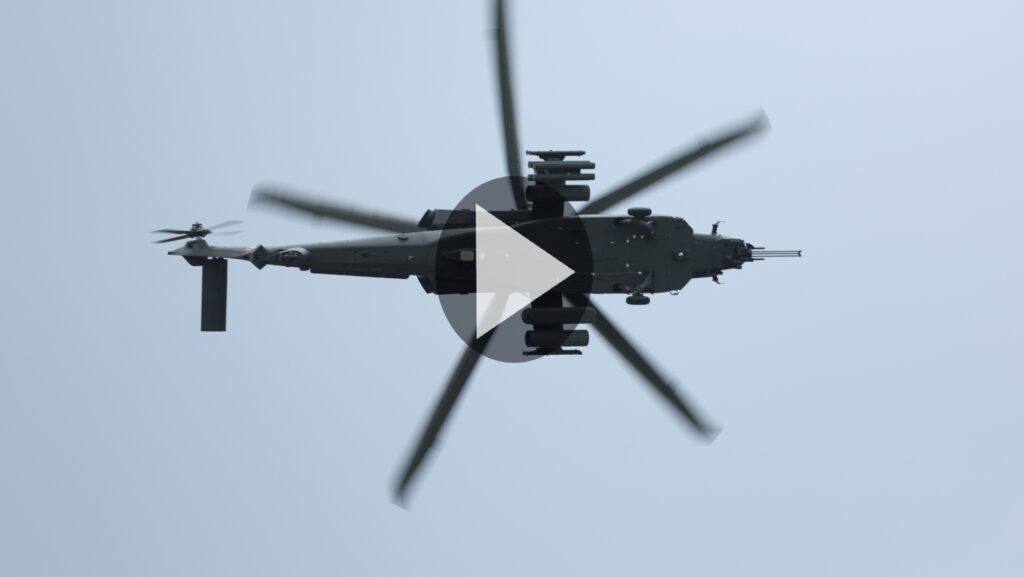
Talking Italian attack helos and skyrocketing air defense demand at the Berlin Air Show
On the second day of the German aerospace expo, Tim Martin and Elisabeth Gosselin-Malo from Breaking Defense reported on the latest developments and innovations showcased at the event. Taking place in Germany, the expo serves as a significant platform for industry leaders and stakeholders to gather and discuss advancements in aerospace technology. The event aims to foster collaboration and drive progress in the sector, highlighting the importance of innovation in addressing current and future challenges. Attendees are engaging in discussions and demonstrations that showcase cutting-edge technologies and solutions, reflecting the industry's commitment to enhancing safety, efficiency, and sustainability in aerospace operations.
Air Warfare Global Air Force CCA Europe Future Combat Air System FCAS SCAF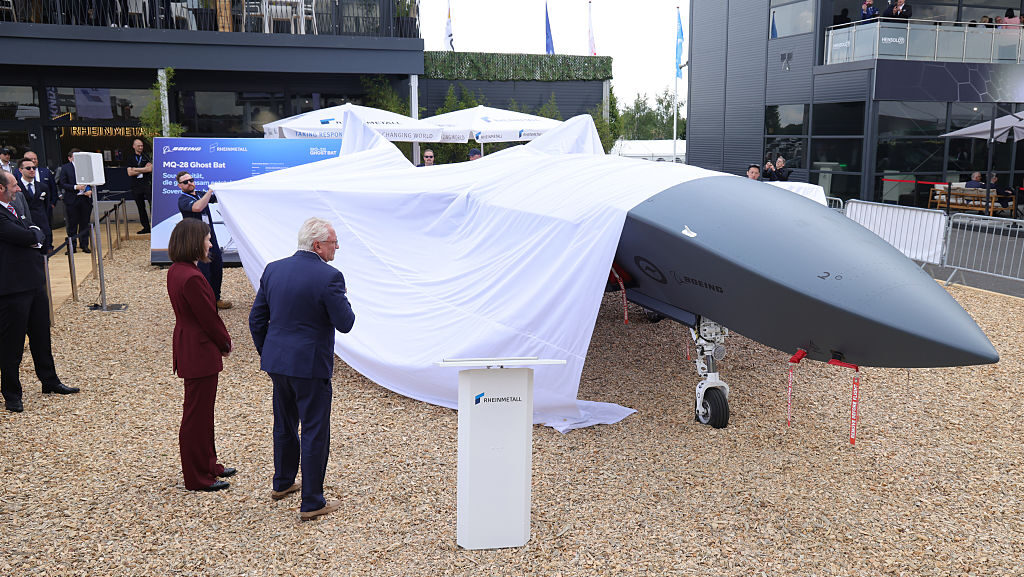
Drone wingmen face off at Berlin Air Show in race for German CCA
At a recent exhibition, representatives from CCA showcased several full-sized aircraft and models, highlighting the latest advancements in their technology. The event, which took place at a prominent venue, attracted industry professionals and aviation enthusiasts eager to learn more about CCA's innovations. Company officials engaged with attendees, discussing the features and capabilities of their aircraft, emphasizing the importance of staying at the forefront of the aviation sector. This initiative reflects CCA's commitment to advancing aerospace technology and fostering connections within the industry.
Air Warfare Global Air Force Airbus Berlin Air Show Boeing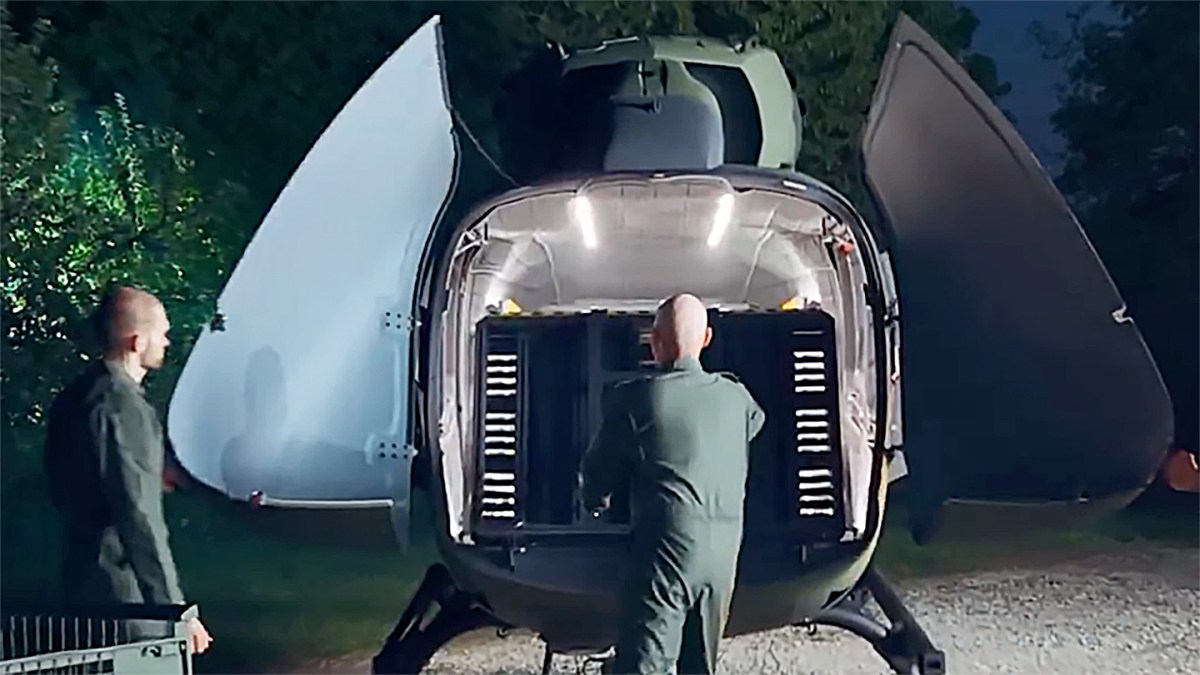
Airbus Unveils U145 Uncrewed Cargo Helicopter
Airbus has introduced the U145, an uncrewed version of one of Europe’s most successful helicopters, designed specifically for high-risk cargo missions. This innovative aircraft aims to enhance operational safety and efficiency by removing the need for a pilot in potentially dangerous environments. The unveiling of the U145 marks a significant advancement in aerospace technology, showcasing Airbus's commitment to developing cutting-edge solutions for the evolving demands of cargo transportation. The announcement comes as industries increasingly seek to leverage unmanned systems to mitigate risks and improve logistics capabilities.
Air Around The Globe Drones Europe Germany Helicopters
Taiwan unveils AI drone navigation system that flies through GPS jamming
Taiwan’s Aerospace Industrial Development Corporation (AIDC), a state-backed entity, has introduced an innovative AI-powered navigation system aimed at enhancing the capabilities of its aerospace technology. This announcement was made during a press conference held on October 15, 2023, in Taichung, Taiwan. The new system is designed to improve the safety and efficiency of aircraft operations, reflecting AIDC's commitment to advancing the nation’s aerospace industry amid growing global competition. By integrating artificial intelligence into navigation processes, AIDC aims to streamline flight operations and reduce the risk of human error. The development of this technology comes as part of Taiwan's broader strategy to bolster its defense capabilities and maintain technological sovereignty in the face of regional tensions.
US firm launches hypersonic coating that holds up to 800°F in extreme heat zones
Cambium, a U.S. aerospace defense company, has unveiled its latest innovation, the ApexShield 3000, a high-temperature coating engineered to enhance the durability and performance of aerospace components. This announcement was made during a press conference held on October 15, 2023, at the company's headquarters in Arlington, Virginia. The ApexShield 3000 is designed to withstand extreme temperatures, addressing the growing demand for advanced materials in the aerospace sector. By improving resistance to heat and wear, this coating aims to extend the lifespan of critical components, thereby increasing safety and efficiency in aerospace operations. The development of ApexShield 3000 reflects Cambium's commitment to advancing aerospace technology and meeting the evolving needs of the industry.
China’s new LLM-powered ‘AI brain’ automates satellite surveillance
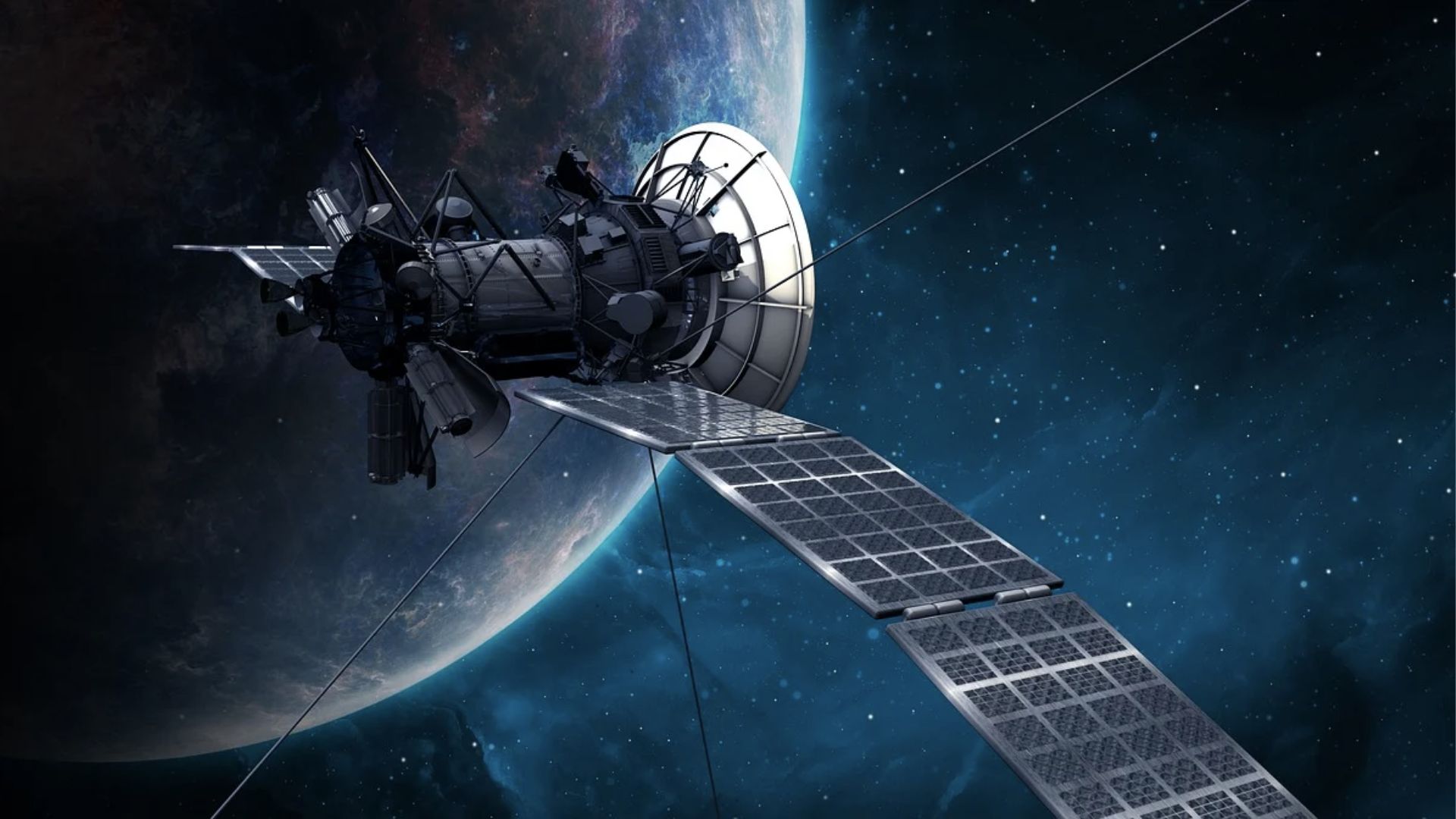
Chinese aerospace researchers have unveiled an innovative system that utilizes Large Language Models (LLMs) to enhance various aspects of aerospace engineering. This development was announced during a recent conference focused on advancements in aerospace technology, held in Beijing. The researchers aim to improve design processes, streamline communication, and facilitate problem-solving in the aerospace sector through the application of artificial intelligence. The motivation behind this initiative stems from the increasing complexity of aerospace projects, which demand efficient and effective solutions. By integrating LLMs, the researchers hope to harness the power of AI to analyze vast amounts of data and generate insights that can lead to more innovative designs and improved operational efficiency. The system operates by processing extensive datasets related to aerospace engineering, enabling it to assist engineers in generating design concepts, optimizing workflows, and predicting potential challenges. This approach not only aims to reduce the time and resources required for development but also seeks to foster collaboration among engineers by providing a common platform for communication. As the aerospace industry continues to evolve, the introduction of such advanced technologies is expected to play a crucial role in shaping the future of aerospace engineering, making it more adaptive and responsive to the challenges ahead.
DIU ups Hermeus contract for high-speed drone
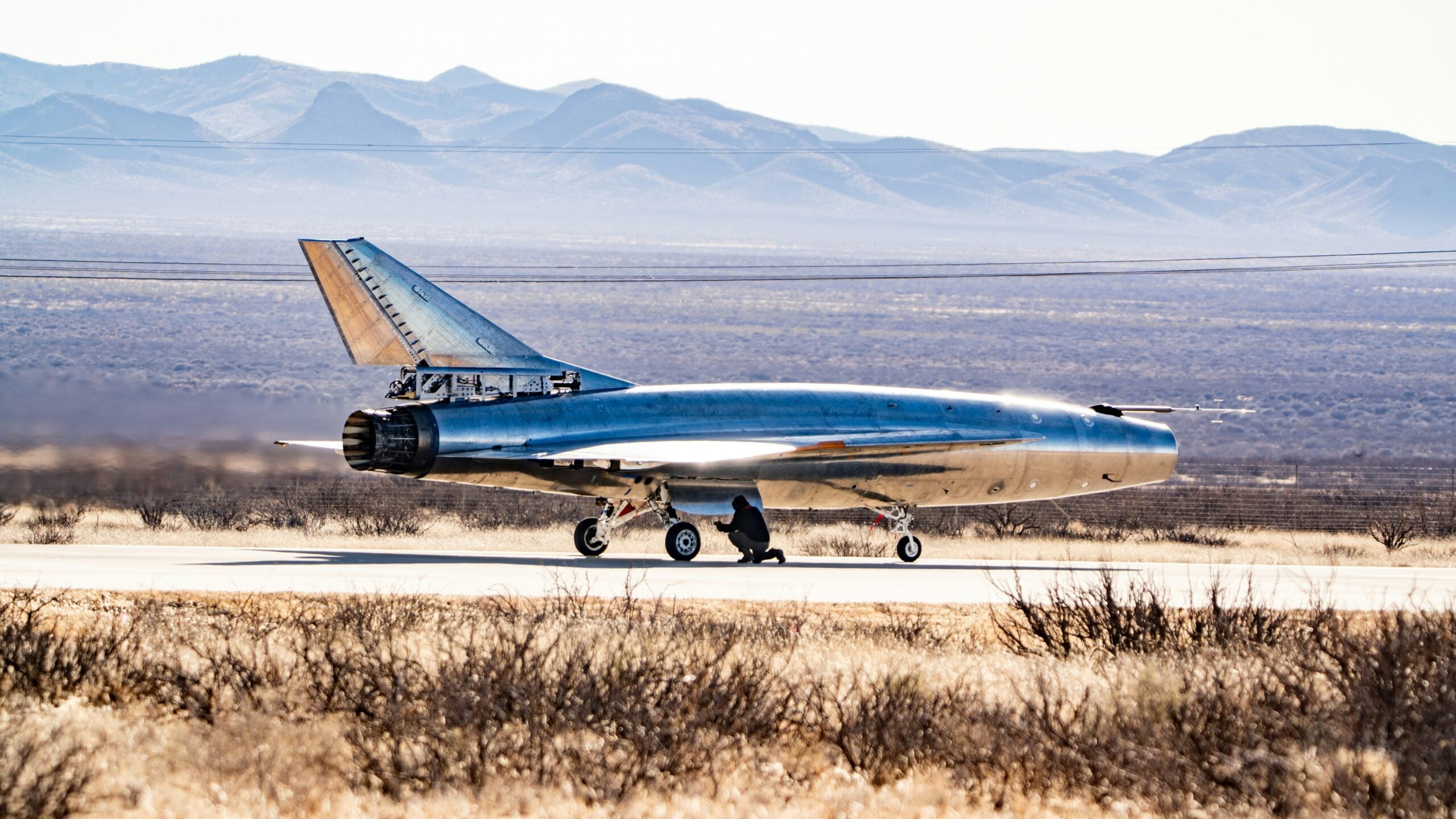
The Defense Innovation Unit has awarded a contract that increases the total ceiling to $219 million for Hermeus, a company focused on advanced aerospace technology. This funding will support the ongoing development of the Quarterhorse drone, which is designed to release payloads at speeds reaching Mach 3. CEO Zach Shore shared these details in an interview with Breaking Defense, highlighting the significance of this advancement in military and defense capabilities. The initiative aims to enhance rapid response and operational efficiency in defense applications.
Air Warfare Air Force collaborative combat aircraft Drones Hermeus Navy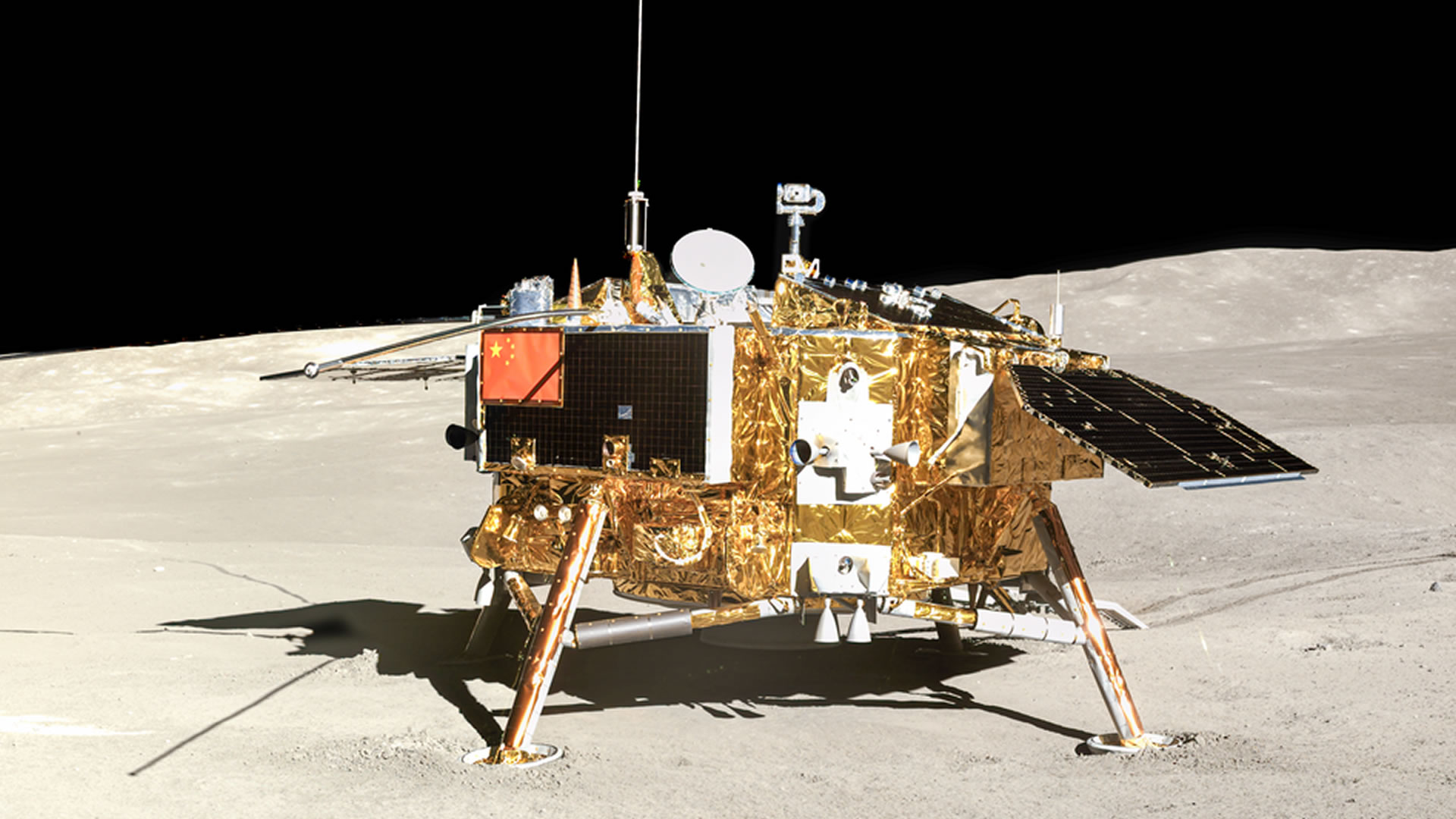
China unveils 220-pound robot ‘construction worker’ to use human tools on moon
China has unveiled plans for its upcoming Chang’e-8 mission, which will introduce an innovative robotic system designed to perform maintenance tasks on the lunar surface. This mission is set to take place in the near future, although specific dates have not been disclosed. The Chang’e-8 mission aims to enhance lunar exploration capabilities and support China's long-term goals for sustainable presence on the Moon. The introduction of the robotic “Moon mechanic” is expected to facilitate the construction of a lunar research station, showcasing advancements in space technology and robotics. This initiative reflects China's commitment to expanding its role in space exploration and developing infrastructure for future missions.
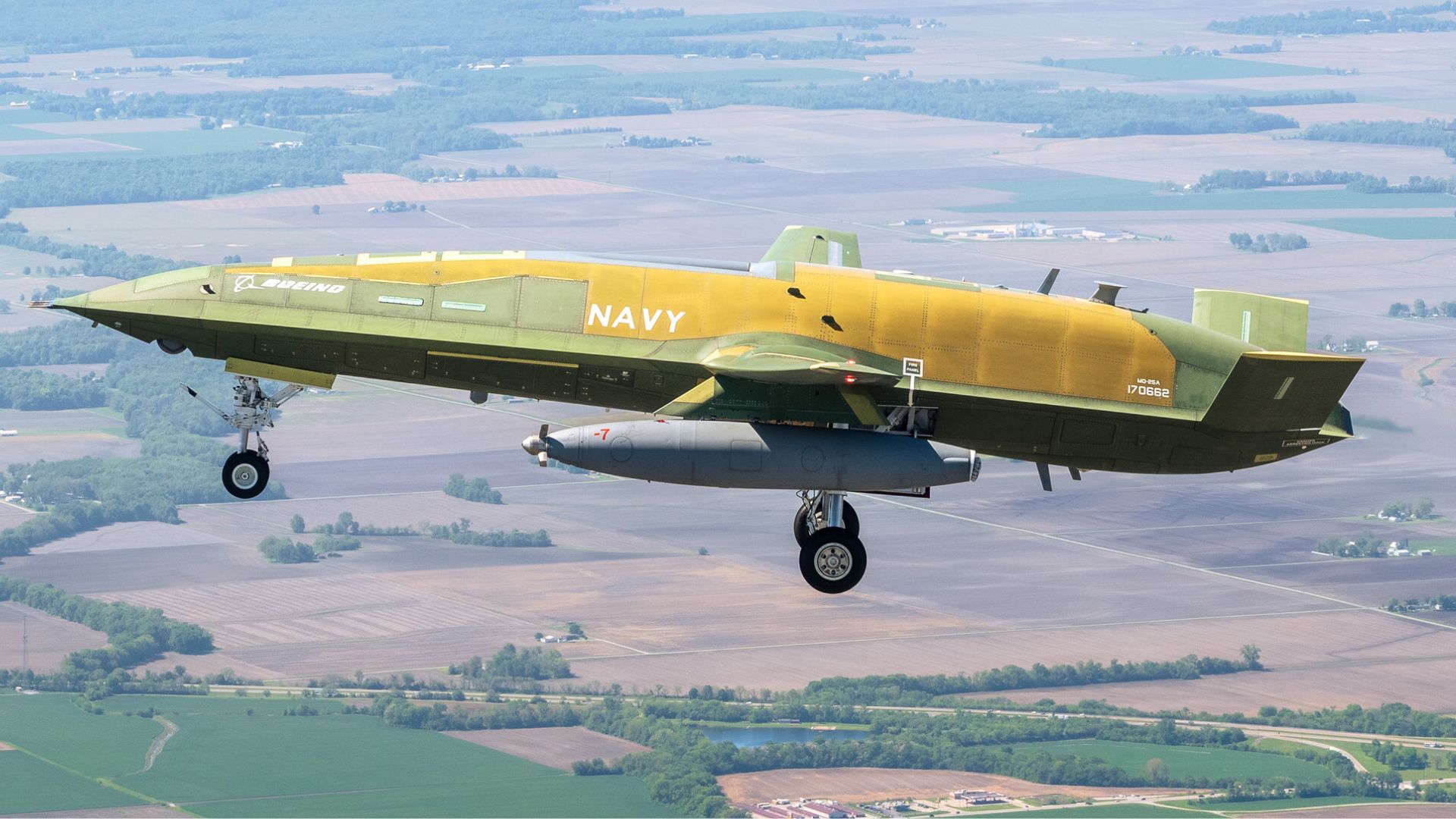
Video: US Navy tests MQ-25A refueling drone in first autonomous operational flight
Boeing and the U.S. Navy have advanced their efforts to integrate unmanned aircraft into military operations, marking a significant development in modern warfare technology. This collaboration was highlighted during a recent demonstration held at a naval base, where various unmanned systems showcased their capabilities in real-time scenarios. The event, which took place in October 2023, aimed to assess the effectiveness of these aircraft in enhancing operational efficiency and safety for naval forces. The integration of unmanned systems is driven by the Navy's need to improve reconnaissance, surveillance, and combat capabilities while reducing risks to personnel. By leveraging Boeing's expertise in aerospace technology, the Navy seeks to enhance its operational readiness and adaptability in increasingly complex combat environments. The demonstration illustrated how these unmanned aircraft can operate alongside manned missions, providing critical support and intelligence. As the military continues to explore innovative solutions, this partnership between Boeing and the U.S. Navy represents a pivotal step towards a future where unmanned systems play a central role in naval strategy and operations. The successful outcomes of this initiative could pave the way for broader adoption of unmanned technologies across various branches of the armed forces.
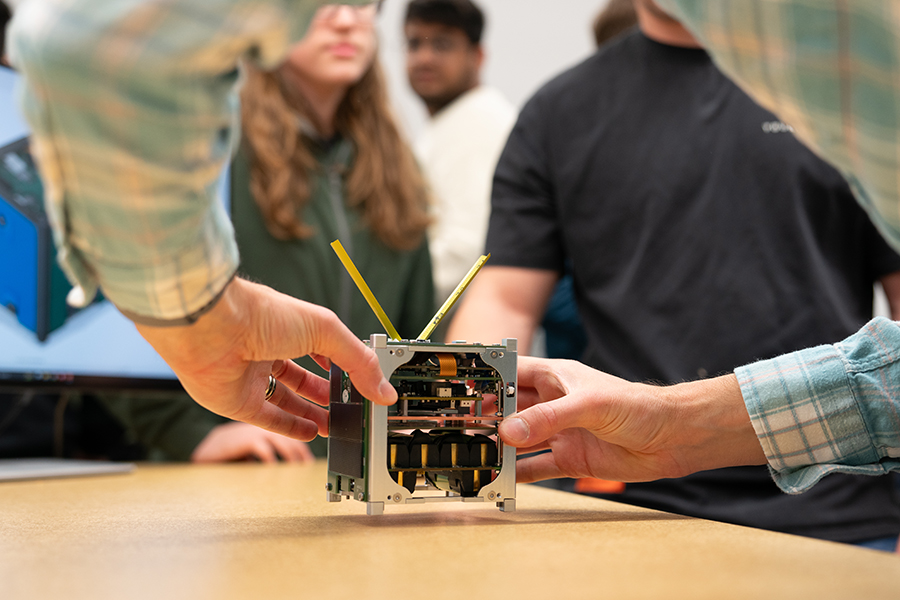
CMU Class Builds Satellite Bound for Earth’s Orbit
As spring unfolds on the Carnegie Mellon University campus, students are actively engaged in a hands-on project to build a satellite intended for Earth's orbit. Divided into specialized teams focusing on communications, guidance navigation and control (GNC), and vision, these students are collaborating to simulate the process of how a satellite collects and transmits usable images. Meanwhile, their peers on the avionics team are meticulously organizing rows of circuit boards, laying the groundwork for the satellite's electronic systems. This initiative not only enhances students' practical skills but also contributes to the university's ongoing commitment to advancing aerospace technology and education.
Uncategorized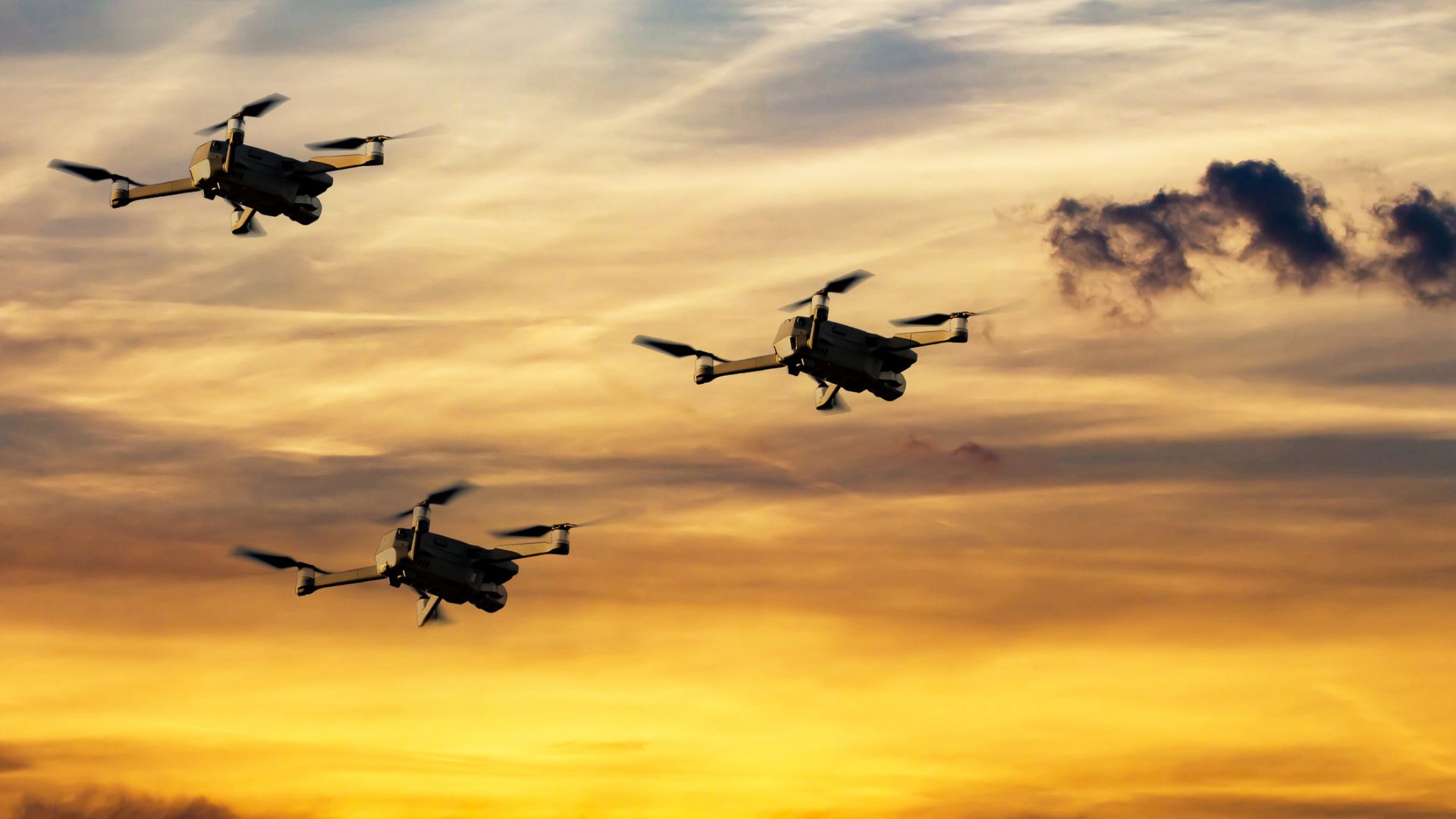
U.S. Army Partners with Auriga Space to Develop Electromagnetic Counter-Drone Technology
The U.S. Army has entered a three-year partnership with Auriga Space to develop electromagnetic (EM) counter-drone technology. This collaboration aims to create a high-speed defense system against enemy Unmanned Aerial Systems (UAS) using Auriga's innovative propulsion methods, which rely on electricity and magnetic levitation rather than traditional chemical propellants. This partnership is crucial as military forces face the economic challenge of countering inexpensive drones with costly missiles. Current air defense systems struggle to balance effectiveness and affordability, making the development of sustainable counter-drone solutions a top priority. Auriga's EM technology promises to provide a cost-effective alternative, enabling rapid and repeatable launches from a compact system. Looking ahead, both organizations will share expertise and data to refine the EM-based counter-drone technology for field deployment. The focus will be on overcoming the limitations of existing counter-drone methods, with the potential for a significant shift in military air defense strategies. No further timeline was disclosed at the time of publication.
Military
KULR Technology Group Chosen by Icarus Robotics for Space Station Robotic Platform
KULR Technology Group, Inc. has been selected by Icarus Robotics to provide its KULR ONE Space battery for the JOY autonomous free-flying robotic platform. This platform is set to be deployed on an upcoming mission to the International Space Station. The collaboration is significant as it highlights KULR's role in advancing energy systems for critical applications in space and robotics. The JOY platform represents a step forward in autonomous space robotics, showcasing the potential for innovative technologies in extraterrestrial environments. Looking ahead, the deployment of the JOY platform aboard the International Space Station will be a key milestone for both KULR and Icarus Robotics. No further timeline was disclosed at the time of publication.
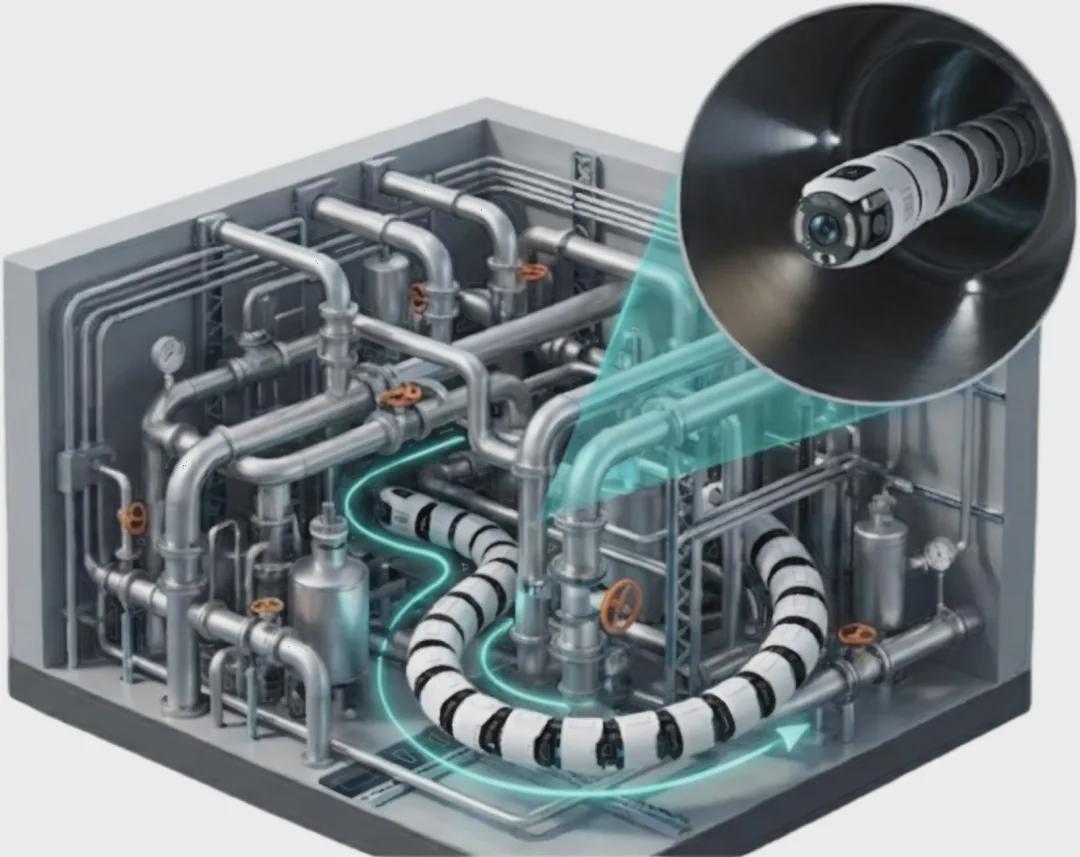
From Space to Ground: The Next Frontier for Flexible Robotic Arms
In March 2026, Tsinghua University's Shenzhen International Graduate School successfully launched the 'Yuxing-3' satellite, which features a groundbreaking flexible robotic arm capable of in-orbit fuel refueling. This innovative technology is designed to operate in extreme environments on Earth, addressing industrial challenges that traditional rigid robotic arms struggle to manage. The unique design of the arm enables precise maneuvers in confined spaces, making it particularly suitable for applications in critical sectors such as nuclear power, aerospace, and the chemical industry. The successful demonstration of this technology marks a significant advancement in robotics and could enhance operational efficiency in various high-stakes environments.
Flexible Robotics Space Technology Industrial Automation Robotic Arms Extreme Environment Operations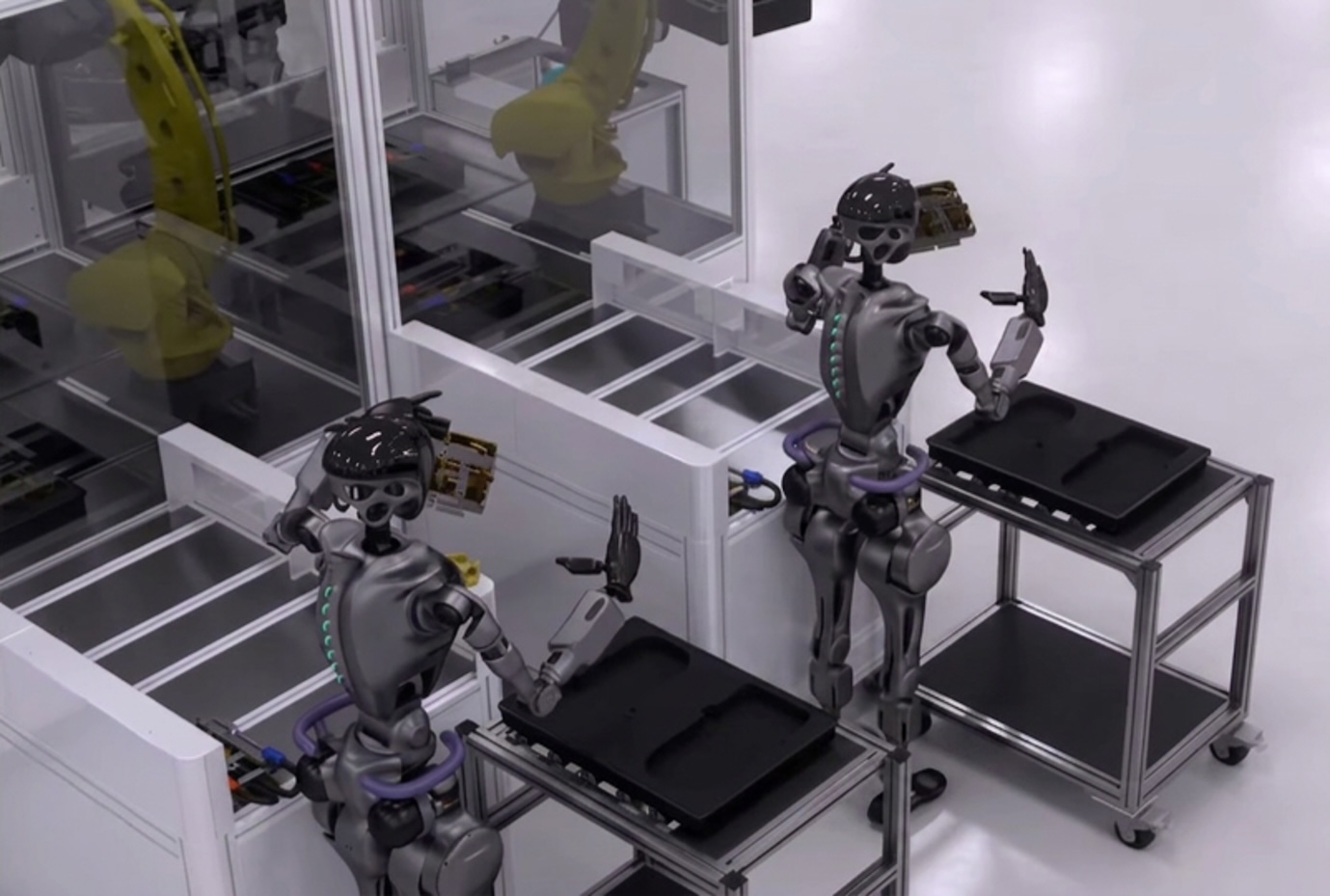
SpaceX Launches Starmind Project for 1 Million AI Satellites by 2028
SpaceX has officially named its orbital AI infrastructure project 'Starmind,' which aims to deploy a constellation of up to 1 million satellites. This initiative, confirmed by Elon Musk on June 22, 2026, will enable AI inference directly in space, utilizing solar energy rather than terrestrial power sources. The first satellite, designated AI1, was unveiled on June 8, 2026, and is designed to operate in sun-synchronous orbits. The significance of Starmind lies in its potential to overcome the limitations faced by ground-based data centers, such as land, power, and water constraints. By running AI computations in orbit, Starmind can provide a more efficient solution to the growing demand for AI computing power. The project leverages the existing Starlink infrastructure for data transmission, distinguishing its function from Starlink's internet relay capabilities. Looking ahead, SpaceX plans to begin hardware deployment with the AI1 satellite, while full-scale production and deployment of the satellite constellation are targeted for 2028. As of now, no Starmind satellites have been launched, and further engineering challenges remain to be addressed, particularly regarding the scalability of the satellite design.

SpaceX Unveils AI1 Satellite Specs for Starmind Constellation with Key Thermal Challenges
SpaceX has introduced the AI1 satellite, the inaugural component of its Starmind constellation, which stands 20 meters tall and has a wingspan of 70 meters. This orbital compute node is designed to deliver computing power equivalent to one NVIDIA GB300 server rack, utilizing a unique cooling system with deployable liquid radiators. The satellite's specifications were revealed during a presentation on June 8, 2026, ahead of SpaceX's IPO. The significance of the AI1 satellite lies in its role as a compute platform rather than a traditional satellite, focusing on running AI inference workloads. The satellite's cooling system, which is critical for its operation in the vacuum of space, is designed to reject heat through infrared radiation. However, independent engineers have raised concerns about the feasibility of the thermal and mass claims made by SpaceX, suggesting that the cooling requirements may exceed practical limits. Looking ahead, SpaceX plans to launch two AI1 prototypes in early 2027, with full-scale production expected to commence later that year at its Gigasat facility in Bastrop, Texas. The ongoing debate regarding the satellite's thermal management capabilities will be crucial to monitor as the project progresses, with no further timeline disclosed at the time of publication.
SpaceX's Starmind Faces Feasibility Challenges for 1 Million Satellite Deployment
On January 30, 2026, SpaceX submitted a request to the FCC to launch up to 1 million satellites as part of its Starmind orbital compute constellation. This ambitious plan is unprecedented, as the total number of satellites ever launched globally is in the low tens of thousands. The proposal seeks a waiver from standard deployment milestones, citing reliance on the Starship's full reusability for success. The significance of this request lies in the technical and logistical challenges it presents. Experts warn that low Earth orbit may not support the proposed number of active satellites without risking a debris cascade. SpaceX's own IPO prospectus acknowledges unresolved dependencies related to Starship's launch cadence and reusability, which are critical for the orbital AI compute strategy. Looking ahead, the timeline for achieving the necessary launch cadence and manufacturing capacity remains uncertain. SpaceX's Gigasat facility in Texas aims for volume production by late 2027, but this would require unprecedented output levels. No further timeline was disclosed at the time of publication, leaving the feasibility of the Starmind project in question.
SpaceX Proposes 1 Million AI Satellites to Address Ground Data Center Constraints
On January 30, 2026, SpaceX filed with the FCC to launch up to 1 million AI compute satellites, positioning orbital data centers as a solution to the increasing demand for AI computing power. Ground data centers are facing significant challenges, with energy consumption projected to reach approximately 1,050 TWh in 2026, making them the fifth-largest electricity consumer globally. The demand for new data center capacity is outpacing the growth of power generation infrastructure, leading to a critical bottleneck in the grid system. The significance of this initiative lies in the structural constraints faced by ground data centers, including power delivery limitations, high water consumption, and local opposition to new projects. The Uptime Institute's 2026 outlook identifies power as the primary constraint on data center growth, with capacity clearing prices in the PJM grid skyrocketing to $329.17/MW, driven by data center expansion. Additionally, cooling requirements are becoming increasingly unsustainable, with facilities consuming vast amounts of water, further complicating their operational viability. Looking ahead, SpaceX's orbital AI compute initiative aims to circumvent these challenges by leveraging the advantages of space, such as continuous solar power and minimal local opposition. The first AI prototypes are expected to launch in early 2027, with operational deployments planned for 2028. No further timeline was disclosed at the time of publication.

Starmind's Satellite Technology Achieves 880 Billion Liters in Annual Water Savings
Starmind has announced that its satellite technology can save approximately 880 billion liters of cooling water annually at full scale. This figure is equivalent to the annual household water use of around 6.5 million Americans. The technology operates by utilizing a closed-loop liquid cooling system that eliminates the need for water during its operational life, contrasting sharply with traditional ground data centers that consume vast amounts of water for cooling. The significance of this achievement lies in the growing water consumption crisis faced by data centers, particularly as AI expansion drives demand. In 2025, U.S. data centers consumed nearly one trillion liters of water, highlighting the urgent need for sustainable solutions. Starmind's approach not only addresses direct water usage but also avoids indirect water consumption associated with electricity generation, marking a substantial shift in how computing can be conducted in a resource-efficient manner. Looking ahead, Starmind's deployment strategy includes a projected buildout of 100 GW of orbital compute per year, which could displace an additional 735 billion liters of ground water demand annually. The first tranche of 10,000 satellites is already operational, offsetting approximately 8.8 billion liters of water per year. No further timeline was disclosed at the time of publication.

SpaceX's Starmind Project: Supplier Strategy and Chip Manufacturing Plans for 2026
SpaceX's Starmind project, aimed at deploying up to 1 million AI satellites, was filed with the FCC on January 30, 2026. The initiative is designed to minimize reliance on external suppliers, with CEO Elon Musk stating that current chip production capabilities only meet 2% of the projected needs. The first satellite, AI1, is set for prototype launches in early 2027, featuring a 70-meter wingspan and a modular payload system that allows for interchangeable chips from various suppliers. The significance of Starmind lies in its ambitious supply chain strategy, which seeks to transition from external hardware suppliers to a fully integrated Musk-owned facility by 2028. The Gigasat manufacturing site in Bastrop, Texas, is expected to be operational by the end of 2027, with plans for high-volume production of the D3 chip, specifically designed for space applications. This approach aims to consolidate chip manufacturing processes under the Terafab joint venture, which has an estimated initial investment of $55 billion. Looking ahead, the next milestone for Starmind is the launch of AI1 prototypes in early 2027, while the full-scale chip production at Terafab is projected to ramp up significantly thereafter. However, analysts express skepticism regarding the feasibility of achieving Musk's ambitious compute goals, which may require substantial investment and time to establish the necessary manufacturing capabilities.
SpaceX's Starship V3 Plans for 1 Million Starmind Satellites by 2030
SpaceX's Starship V3 is set to revolutionize satellite deployment, aiming to launch 1 million Starmind satellites by 2030. The spacecraft can carry over 100 tonnes to low Earth orbit (LEO), significantly more than the Falcon 9's capacity. As of May 2026, Starship has completed 12 flights, with the next mission scheduled for late July 2026, focusing on operational payloads including AI1 prototypes in early 2027. This ambitious plan is crucial for expanding orbital compute capacity, targeting an annual addition of 100 GW through a million tonnes of satellite hardware. SpaceX's strategy hinges on achieving a launch cadence of approximately 12,000 flights, equating to about three launches per day. The company has invested over $15 billion in the Starship program, with expectations to begin payload deliveries in the second half of 2026, starting with Starlink V3 satellites. Looking ahead, the successful deployment of the Starmind constellation will depend on Starship's ability to meet its cost targets of $10–20 million per flight. If achieved, this would make launching satellites more economical than building ground data centers. The next significant milestone will be the launch of AI1 prototypes in early 2027, with full-scale deployments commencing in 2028 from the new Gigasat factory in Texas.

SpaceX's Starmind Plans 1 Million AI Satellites Amid Collision Risks
SpaceX has announced its ambitious Starmind project, which aims to deploy 1 million AI satellites in orbits between 500 and 2,000 km. This initiative, confirmed by Elon Musk on June 23, 2026, follows a merger with xAI, valuing the combined entity at $1.25 trillion. The satellites will function as orbital data centers, processing AI workloads powered by solar arrays and linked by optical lasers. The significance of Starmind lies in its potential to add 100 gigawatts of AI compute capacity annually, contingent on the successful operation of the Starship launch system. However, the project raises concerns regarding space debris, as the current orbital environment is already congested, with a 20% increase in collision risk reported since 2024. The European Space Agency has highlighted that the density of debris in low Earth orbit is now comparable to that of active satellites, complicating the operational landscape for new entrants like Starmind. Looking ahead, the first operational orbital AI deployments are targeted for 2028, with test launches expected in early 2027. However, the project faces scrutiny regarding its impact on space debris, as even a 1% failure rate could significantly increase the number of uncontrollable objects in orbit, exacerbating existing risks. No further timeline was disclosed at the time of publication.

SpaceX's Starmind Targets AI Labs with $6.3 Billion Compute Contracts
SpaceX's Starmind is designed to provide wholesale AI compute services to businesses, particularly AI labs and cloud customers, rather than individual consumers. The service operates similarly to AWS, where users benefit from applications running on Starmind without direct subscriptions. The compute capacity of a single AI1 satellite is comparable to one NVIDIA GB300 rack, emphasizing its enterprise-grade capabilities. The significance of Starmind lies in its positioning as a potential fourth hyperscaler, joining the ranks of AWS, Microsoft Azure, and Google Cloud. The Reflection AI contract, valued at $150 million per month, exemplifies the enterprise-focused model, with total payments potentially reaching $6.3 billion through 2029. This contract highlights the growing demand for AI compute resources, particularly from AI-native startups and labs. Looking ahead, the focus will remain on securing additional enterprise contracts as Starmind expands its offerings. No consumer-facing products or subscriptions have been announced, and the current strategy is to cater to businesses with substantial AI workloads. No further timeline was disclosed at the time of publication.

SpaceX's $1.75 Trillion Valuation Driven by Starmind's Future Potential
Starmind is a pivotal element in SpaceX's estimated $1.75 trillion IPO valuation, despite currently generating no confirmed revenue. The stock price reflects optimistic projections regarding AI infrastructure growth, which Starmind has yet to substantiate. As of early July 2026, SpaceX's stock has decreased from its 52-week high of $225.64 to around $150, indicating market skepticism about future execution. The significance of Starmind lies in its potential to transform SpaceX's revenue model beyond traditional launch services. Goldman Sachs has shifted its focus from Starlink subscriber growth to the prospects of AI revenue, including orbital computing, as a cornerstone of SpaceX's long-term valuation. This marks a substantial change in how analysts view the company's growth trajectory, necessitating rates exceeding its historical 33% growth. Looking ahead, the credibility of Starmind as a growth narrative will be crucial for maintaining investor confidence. Analysts have noted a considerable divergence in price targets, reflecting uncertainty about the value of the Starmind and xAI initiatives. No further timeline was disclosed at the time of publication regarding specific milestones for these projects.

SpaceX IPO Provides Indirect Investment Opportunity in Starmind Project
Starmind does not have a standalone stock or ticker; investors can gain exposure through SpaceX (ticker: SPCX), which began trading on Nasdaq after its IPO on June 12, 2026. Starmind is integrated within SpaceX, contributing to the company's AI and space initiatives, and its performance directly influences SPCX shares. The significance of Starmind lies in its role as a division of SpaceX, which encompasses other projects like Starlink and Starship. As of early July 2026, SPCX shares are trading between $149 and $150, significantly lower than their 52-week high of $225.64. The project’s milestones, such as AI1 prototype updates, can impact SpaceX's stock performance, making it essential for investors to monitor these developments closely. Looking ahead, the early 2027 launch of AI1 prototype satellites is a critical milestone that could provide verifiable data affecting Starmind's valuation and, consequently, SPCX stock. No further timeline was disclosed at the time of publication, but the upcoming events will be pivotal for investors tracking the relationship between Starmind and SpaceX's stock performance.
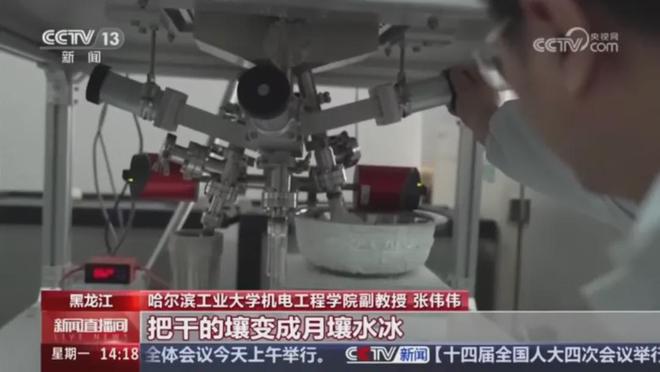
Harbin Institute of Technology Aids Lunar Water Search, China Aims for Global Leadership!
China's Chang'e 7 mission is set to explore the Moon's South Pole-Aitken Basin, with the goal of discovering water ice, a significant milestone that could position China as the first nation to identify water on the lunar surface. Scheduled for launch in the near future, this ambitious mission is supported by the Harbin Institute of Technology, which is contributing advanced technology and research to ensure its success. The exploration of this region is critical, as the presence of water ice could have profound implications for future lunar missions and the potential for human habitation on the Moon.
Lunar Exploration Space Technology Water Ice Detection Deep Space Missions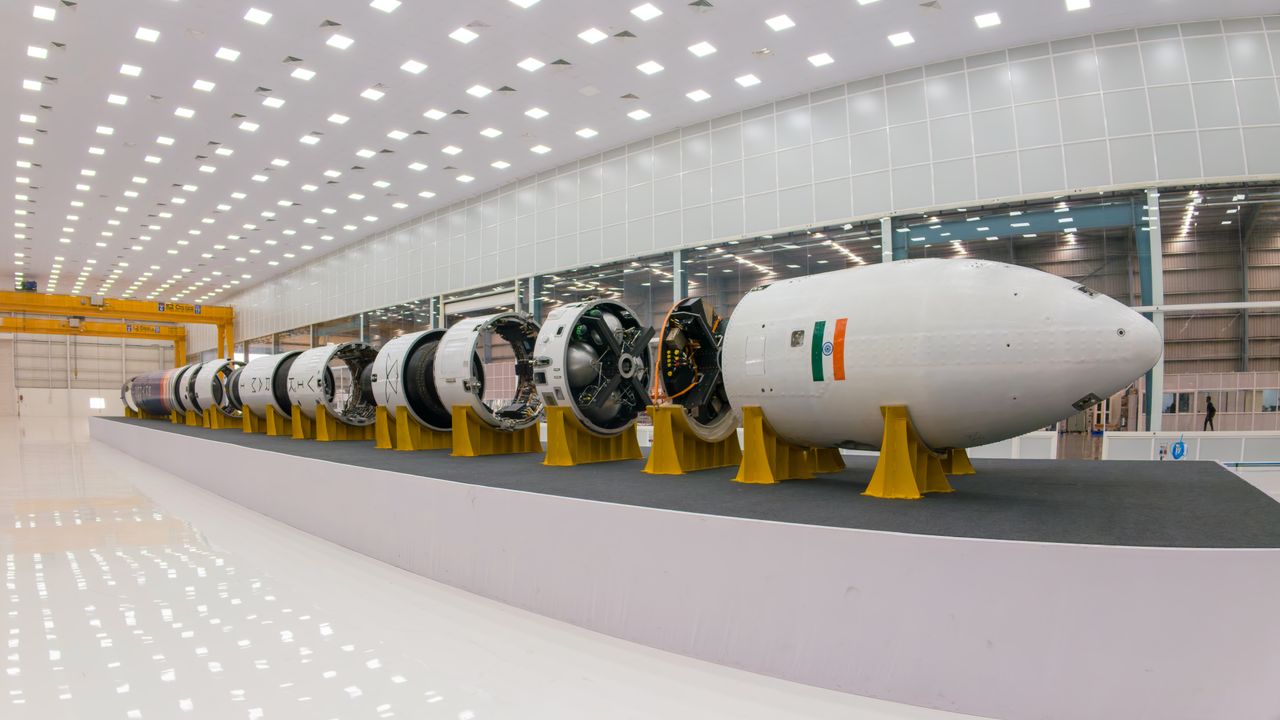
Skyroot Aerospace Prepares for Historic Vikram-1 Launch to Orbit Multiple Satellites
Skyroot Aerospace is on the verge of launching its first orbital rocket, Vikram-1, from the Satish Dhawan Space Centre, with a launch window from July 12 to August 4. The rocket features a unique liquid-fueled upper stage that allows for multiple satellite deployments during a single mission, marking a significant milestone for private spaceflight in India. The successful launch of Vikram-1, named Aagaman, would be a historic achievement as it would make Skyroot the first private Indian company to place satellites into orbit. The mission includes various payloads, such as Skyroot's SCOPE satellite and technology demonstrations from international partners, showcasing the company's capability to cater to specific orbital requirements for small satellites. Looking ahead, Skyroot aims to validate Vikram-1 through three development flights before commencing commercial operations. The company plans to scale production to one rocket per month, positioning itself in the market for dedicated satellite launches, akin to a 'cab' service for orbital missions, as stated by co-founder and CEO Pawan Kumar Chandana.
Launches & Spacecraft Space Exploration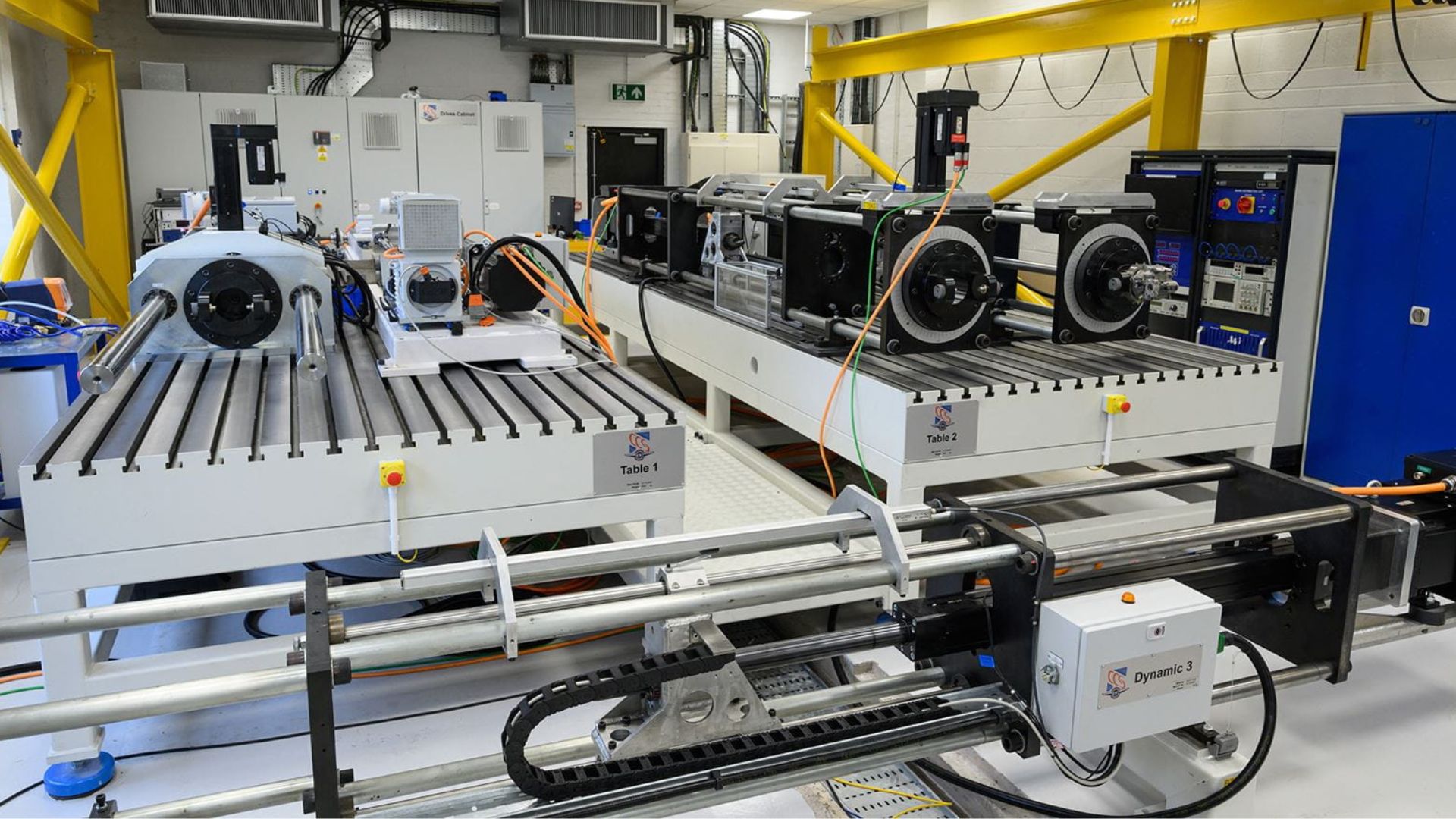
Collins Aerospace Launches U.K. Hub for Electric Thrust Reverser Development
Collins Aerospace has inaugurated a new engineering hub in Wolverhampton, U.K., aimed at accelerating the development of electric thrust reverser systems for next-gen aircraft. The Engineering Center of Excellence is now operational and features a modular test environment designed to simulate real-world conditions for evaluating aircraft components and systems, enhancing the design scalability for future applications. This initiative is significant as the aerospace industry shifts towards electric alternatives to hydraulic systems, which can reduce weight by 15% to 20% in nacelle actuation. The elecTRAS technology, which eliminates hydraulic interfaces, is expected to improve fuel efficiency and operational performance while simplifying maintenance. This aligns with the long-term electrification strategies of original equipment manufacturers (OEMs). Looking ahead, Collins Aerospace aims to streamline development by consolidating its elecTRAS systems engineering and nacelle actuation design teams at the new facility. The company’s technology is already in service on the Airbus A350 family, having logged over 15 million flight hours by 2025. No further timeline was disclosed at the time of publication.
Transportation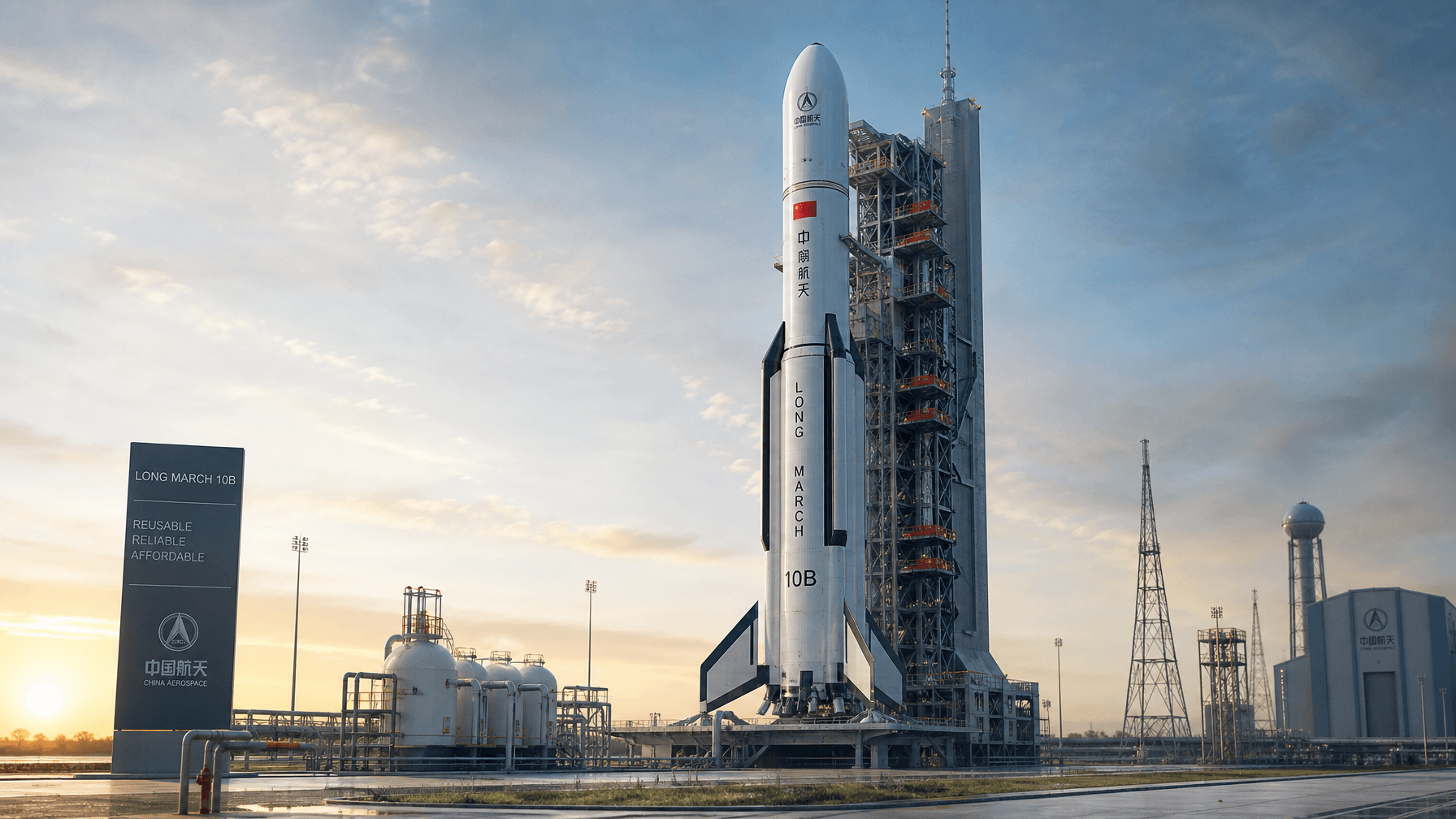
Long March 10B Achieves Successful Recovery, Boosting China's Commercial Space Efforts
China's Long March 10B rocket successfully completed its first flight recovery, marking a significant milestone in the country's commercial space sector. This achievement is expected to accelerate competition among companies like LandSpace and JianYuan, which are also aiming for reflight milestones by the end of 2023. The successful recovery of the Long March 10B is crucial as it demonstrates China's growing capabilities in reusable rocket technology, which is essential for reducing launch costs and increasing launch frequency. This development positions China as a formidable player in the global commercial space race, potentially attracting more investments and partnerships in the sector. Looking ahead, both LandSpace's Zhuque-3 and JianYuan's YX-1 are targeting their own reflight milestones within the same timeframe. No further timeline was disclosed at the time of publication, but the ongoing advancements suggest a rapidly evolving landscape in China's commercial space endeavors.
Technology
SpaceX's valuation exceeds $2.1 trillion; Musk's wealth is seven times Buffett's; FIFA labubu sales surge 30 times.
On June 12, 2026, SpaceX made headlines by completing its initial public offering (IPO) on the Nasdaq, marking the largest IPO in history with a valuation of $1.77 trillion. The stock opened at $150 and surged by over 30% during trading, closing at $160.99, which pushed the company's market capitalization to $2.1 trillion. This surge significantly increased CEO Elon Musk's net worth to approximately $1.05 trillion, making him the world's first billionaire with a net worth exceeding $1 trillion. The IPO's success reflects investor confidence in SpaceX's growth potential, particularly in light of its ambitious Terafab project. In a separate development, Kimi announced the launch of the world's first AI-native credit card, which allows users to convert their spending into AI computing power. This initiative, revealed on the same day, is a collaboration with a major state-owned bank and aims to innovate the financial landscape by integrating AI services into credit card benefits. Additionally, SK Hynix reported a fire incident at its facility in Cheongju, South Korea, which was the second fire this month. Fortunately, there were no injuries or gas leaks, and the situation was quickly controlled. These events highlight significant advancements in technology and finance while also addressing operational challenges faced by major companies.
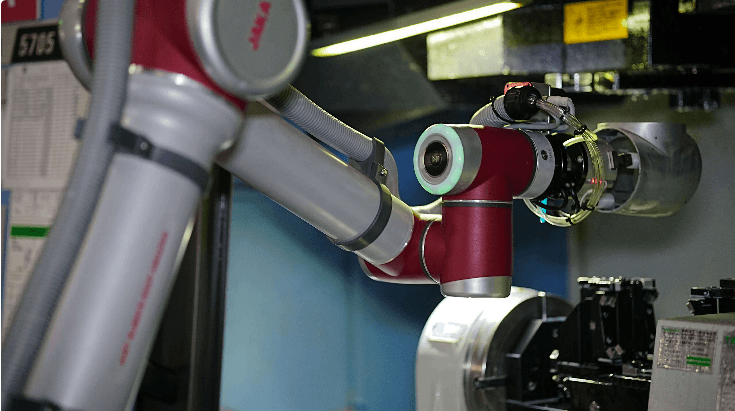
Advanced Robotics Technology in Collaborative Workspaces: Force Limiting and Sensing
In a significant advancement for manufacturing, JAKA is revolutionizing collaborative workspaces through the integration of advanced robotics technology. The company’s focus on industrial collaborative robots (cobots) allows for safe and efficient interaction between machines and human operators, essential in today’s fast-paced production environments. By employing force limiting and sensing capabilities, JAKA's robots can detect unexpected interactions and adjust their movements accordingly, enhancing workplace safety and productivity. The JAKA Pro5 model exemplifies this innovation, specifically designed for loading and unloading tasks. It minimizes reliance on manual labor while ensuring consistent quality through simple programming interfaces that enable rapid setup for various production line tasks. This flexibility allows teams to adapt the robots quickly, optimizing efficiency and precision in machine tending. JAKA recognizes that the successful adoption of robotics hinges on factors such as production complexity and workspace layout. Their cobots are engineered to address these challenges, providing scalable operations that accommodate delicate handling requirements and reduce product damage risks. By integrating these intelligent systems, JAKA not only improves operational standards but also frees up human resources for more strategic roles, fostering a collaborative environment that enhances overall productivity. As industries increasingly embrace advanced robotics, JAKA’s commitment to safety, adaptability, and efficiency positions it at the forefront of transforming manufacturing practices, ultimately driving sustainable productivity improvements.

Starmind's Orbital Compute vs. Terrestrial Data Centers: Analyzing Resource Advantages
Starmind's orbital compute technology presents a significant advantage over traditional ground-based data centers by eliminating constraints related to land, water, and grid permitting. While terrestrial data centers are currently cheaper and faster to construct, with U.S. data center spending reaching $85.3 billion in 2026, Starmind's approach focuses on addressing the growing resource limitations faced by hyperscale facilities. The significance of Starmind's technology lies in its ability to sidestep the increasing challenges of land and water usage. For instance, a 100 MW data center can consume approximately 530,000 gallons of water daily for cooling, while Starmind's AI1 utilizes deployable liquid radiators that require no water. This structural advantage could resonate with investors as the demand for AI computing continues to escalate, potentially leading to annual water withdrawals of up to 1.7 trillion gallons by 2027. Looking ahead, Starmind's next milestones include the launch of AI1 prototypes scheduled for early 2027. However, the technology's claims regarding cooling efficiency and operational reliability remain unverified until real flight data is available. As the industry evolves, the competition between orbital and terrestrial solutions will become increasingly relevant, particularly in the context of resource management and sustainability.

Tesla's Optimus Robots to Support Starmind Satellite Production, Not Maintenance
Tesla's Optimus robots will not be used to repair Starmind satellites in orbit, as confirmed by recent statements from Elon Musk. Instead, these robots are intended to assist in the construction and operation of the Terafab chip manufacturing facility in Texas. The AI1 satellites, designed to disintegrate upon reentry, highlight the company's swap-and-replace strategy rather than traditional maintenance practices. This approach is significant as it reflects a broader trend in satellite management, where mass-produced satellites are replaced rather than repaired. The economics of servicing missions are prohibitive, with the cost of launching a replacement satellite being significantly lower than conducting a repair mission. This model aligns with SpaceX's operational history, where rapid replacement of satellites is more efficient than attempting to maintain them in orbit. Looking ahead, the focus will remain on the production capabilities of the Gigasat factory, which is expected to support the continuous replacement of satellites. No further timeline was disclosed at the time of publication, but the demand for rapid satellite turnover suggests a robust future for Optimus robots in terrestrial manufacturing rather than in-space servicing.
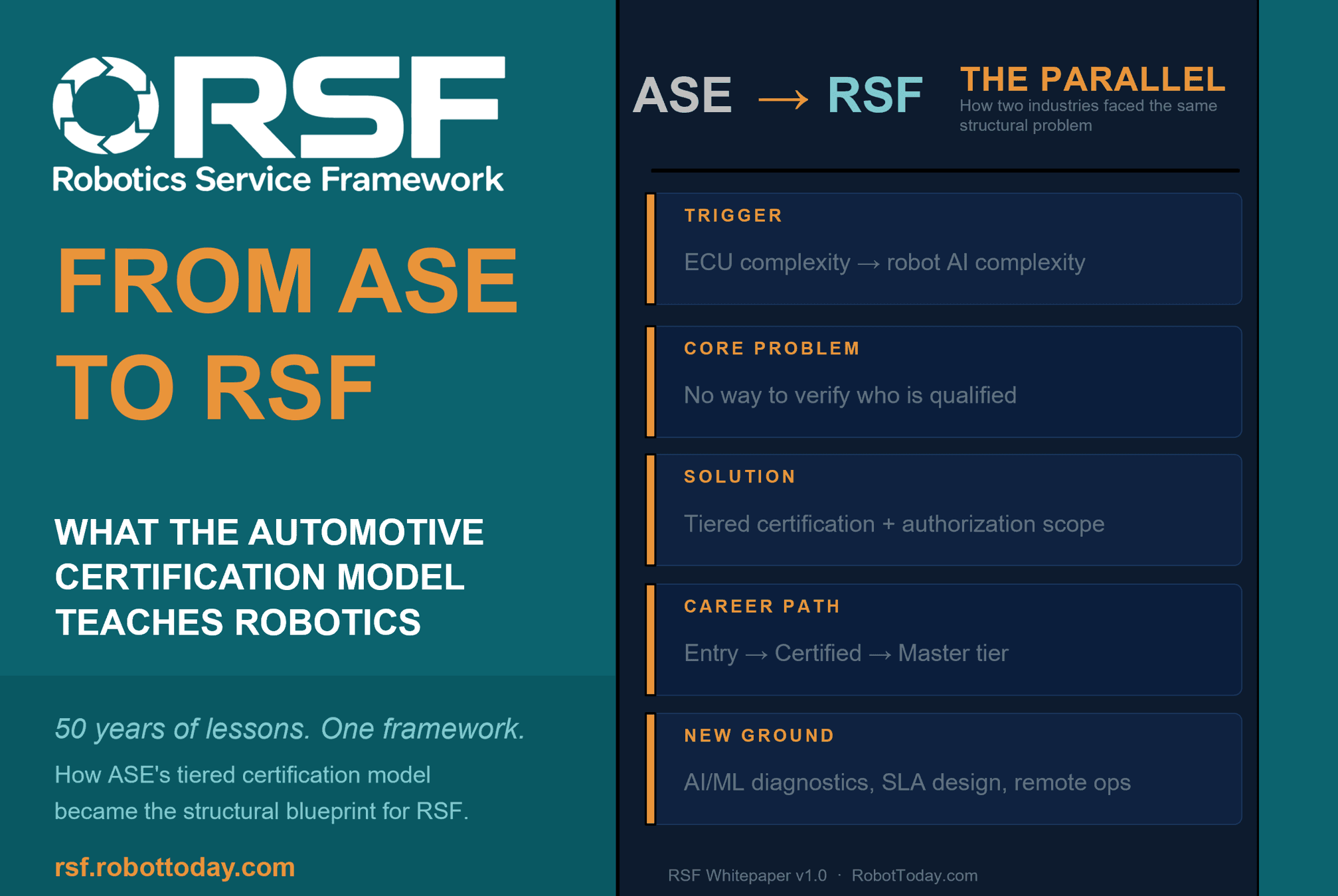
Robotics needs a service framework.
RSF defines a common language for robot service capability, lifecycle operations, certification pathways, and service-provider networks.