Industry Briefing
A single destination for timely, editor-curated robotics news from around the world.

INTRA-LOG Expo 2026 Expands with New Features in São Paulo
The INTRA-LOG Expo South America 2026 will be held from September 15-17 at Expo Center Norte in São Paulo, featuring expanded exhibition space and a broader program. This year's event has doubled its footprint, with 95% of the space sold, and is expected to attract over 400 brands and 8,000 visitors, reflecting the growing demand for intralogistics solutions. The significance of this expo lies in its focus on robotics, automation, and AI technologies that are becoming integral to logistics operations in Latin America. With at least 20% of exhibitors coming from outside Brazil, the event serves as a gateway for global technology providers to enter the regional market. The Robotics & Automation Summit will address the evolving role of these technologies in enhancing productivity and safety in logistics. Looking ahead, the expo will also introduce the INTRA-LOG Smart Solutions Honors to recognize innovative leaders in the field. Additionally, the concurrent Label & Pack Expo will showcase advancements in packaging and traceability technologies, further enriching the event's offerings. No further timeline was disclosed at the time of publication.
AMR and AGV Automated Packaging Automation Systems and Shuttles Components and Parts Conveying and Sortation Forklifts and Warehouse Vehicles
Interview with Meitu CEO Wu Xinhong: Creating AI products is an unpredictable game.
As of mid-June 2026, Meitu's founder and CEO, Wu Xinhong, has logged over 230,000 kilometers and nearly 300 hours of flight time, traversing continents from Asia to South America, including Brazil and Argentina. This extensive travel reflects Meitu's strategic expansion into international markets driven by its AI products, which have significantly boosted its user base and revenue. The company reported a revenue of 3.858 billion yuan and a net profit of 965 million yuan in 2025, marking a 64.7% year-on-year increase. AI-driven tools like Wink and Agent RoboNeo have gained immense popularity, particularly in Southeast Asia and Latin America, contributing to a resurgence in overseas monthly active users, which reached 100 million. To adapt to the AI era, Meitu has implemented organizational changes, establishing small innovation studios and providing substantial funding for AI projects. The company has also streamlined its product development process, aiming to reduce the time from concept to market launch to just one month. During the recent Meitu Imaging Festival, four new AI products were unveiled, including Picchi, an AI portrait retouching tool, which emerged from user behavior insights. Wu emphasizes the importance of rapid product development and market adaptability, stating that success often comes from exploring uncompetitive niches. As Meitu continues to focus on markets like Brazil and Mexico, it aims to leverage user feedback to identify new growth opportunities while maintaining a balance between innovation and profitability.

DroneDash and GEODNET Launch GEODASH Aerosystems to Bring Map-Free, AI-Driven Precision Spraying to Industrial Agriculture
A new joint venture has been established to focus on oil palm, sugarcane, and broad-acre agricultural operations across Southeast Asia, the United States, and South America. The initiative aims to enhance agricultural productivity and sustainability in these regions. Commercial deployment of the venture's projects is scheduled for the third quarter of 2026, marking a significant step forward in agricultural innovation and resource management. The collaboration seeks to leverage advanced technologies and sustainable practices to meet the growing demand for these crops while addressing environmental concerns.
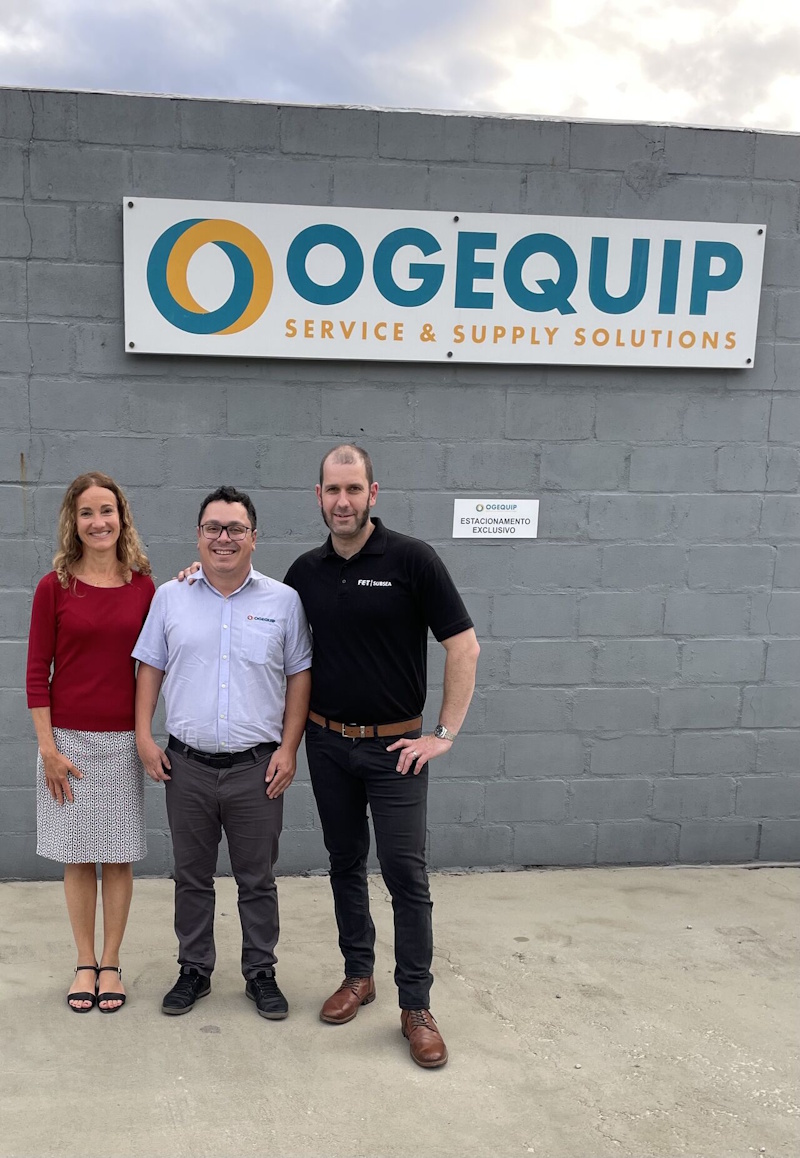
FET Reinforces Growth in Brazil with Partner Appointment
Forum Energy Technologies (FET) has announced a strategic partnership with OGEQUIP to enhance its subsea operations in Brazil, a move aimed at solidifying FET's presence in the South American market. This collaboration will see OGEQUIP tasked with driving business development for FET's Subsea Technologies product line, as well as providing essential technical and administrative support. The partnership reflects FET's commitment to expanding its influence in the region and responding to the growing demand for subsea solutions in Brazil.
fet growth brazil partnership
U.S. Navy Seeks Multi-Mission Vessel for Southern Command Maritime Operations
The U.S. Navy is actively pursuing a multi-mission maritime security vessel to support operations for the U.S. Southern Command (SOUTHCOM). This vessel is intended to launch, recover, and support both manned and unmanned air and surface platforms, enhancing maritime domain awareness and response capabilities. The need for such a vessel arises as U.S. forces combat drug trafficking in the Eastern Pacific and Southern Caribbean, with ongoing operations generating controversy regarding compliance with armed conflict rules. The Navy's request for information (RFI) highlights the urgency of acquiring a new ship as the current contract expires in 2028. The Navy's requirements specify a steel monohull or catamaran between 300 and 400 feet long, capable of a minimum sustained speed of 10 knots and a range of 9,600 nautical miles. Interested parties are encouraged to utilize existing platforms to meet these specifications. No further timeline was disclosed at the time of publication.
Sea Americas Around The Globe Navies News & Features South America
South Africa Has AI Leverage. Its Draft Policy Leaves It Unused
South Africa is positioned uniquely in the global landscape of artificial intelligence (AI) governance due to its substantial reserves of platinum-group metals, which are essential for semiconductor manufacturing. This strategic advantage, coupled with the country’s status as the largest data center market in Africa, places it at the center of a geopolitical contest between Chinese and American tech companies vying for influence over AI infrastructure on the continent. The urgency for South Africa to establish a robust AI policy has intensified following the withdrawal of a draft policy that failed to address critical governance issues. Minister of Communications and Digital Technologies Solly Malatsi's decision to withdraw the draft came after concerns were raised about inaccuracies within the document. In response, a new independent panel has been formed to revise the policy, led by experts from various institutions, although no timeline for completion has been established. As major investments from companies like Microsoft and Huawei are underway, South Africa faces a pivotal choice: to negotiate terms that ensure data sovereignty and technology transfer or to accept standard commercial terms that could lead to dependency on foreign infrastructure. The outcome of these negotiations will not only impact South Africa but could also set a precedent for AI governance across the African continent. Without a clear policy framework, the country risks losing its leverage in a rapidly evolving technological landscape.
Ai Artificial-intelligence Microsoft South-africa Huawei Ai-policy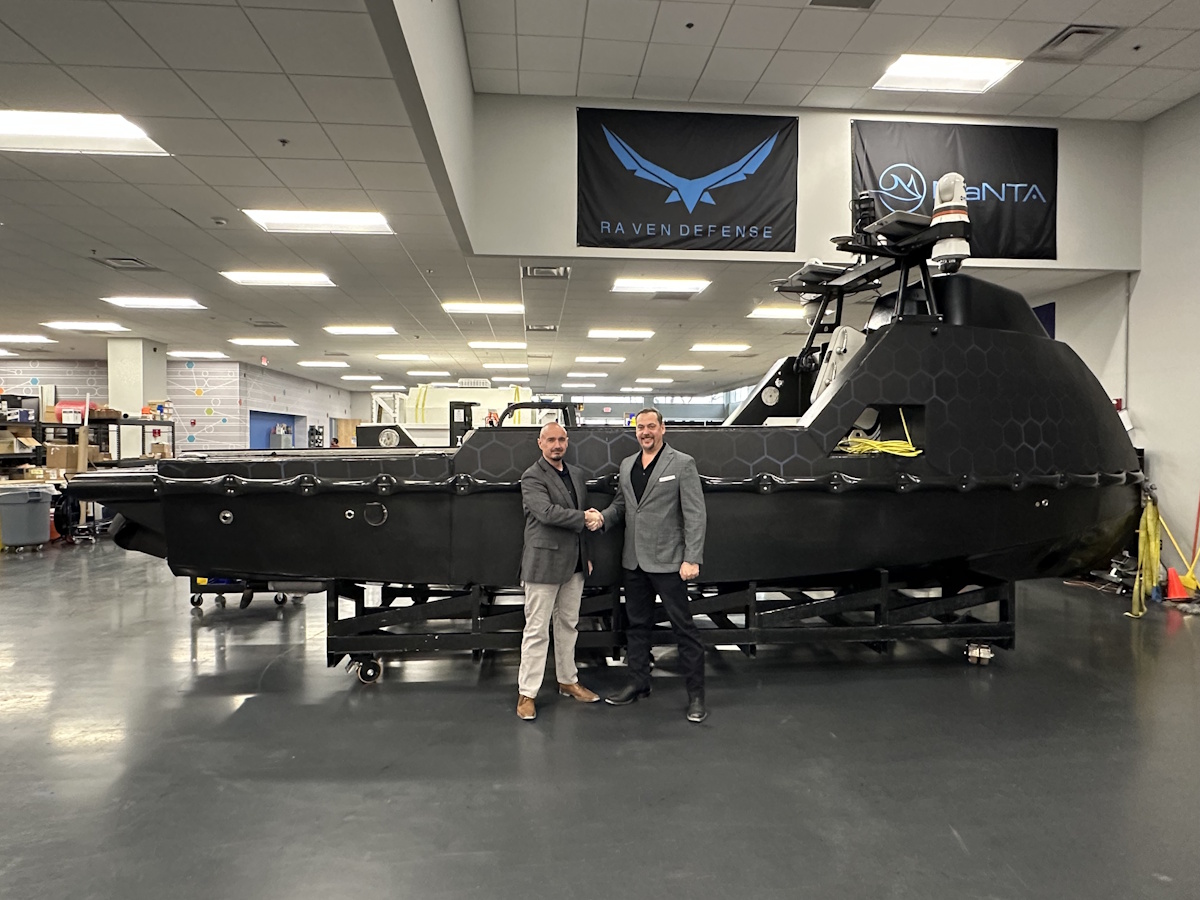
American Defense Companies Strike High-tech Gulf of America Security Partnership
Two prominent American defense companies, Janus Marine & Defense and Raven Defense Corporation, have announced a strategic partnership aimed at enhancing maritime security in the Caribbean and Gulf of America. This collaboration, which brings together Janus Marine, a marine autonomy specialist based in South Carolina, and Raven Defense, a contractor for the US Department of War located in New Mexico, focuses on developing a high-tech 'wall of steel' designed to bolster support for the US Navy, commercial shipping, and offshore operations. The agreement underscores the growing need for advanced defense solutions in response to evolving maritime threats and aims to leverage cutting-edge technology to ensure safer waters for both military and commercial activities.
janus marine & defense llc raven defense corporation ‘wall of steel’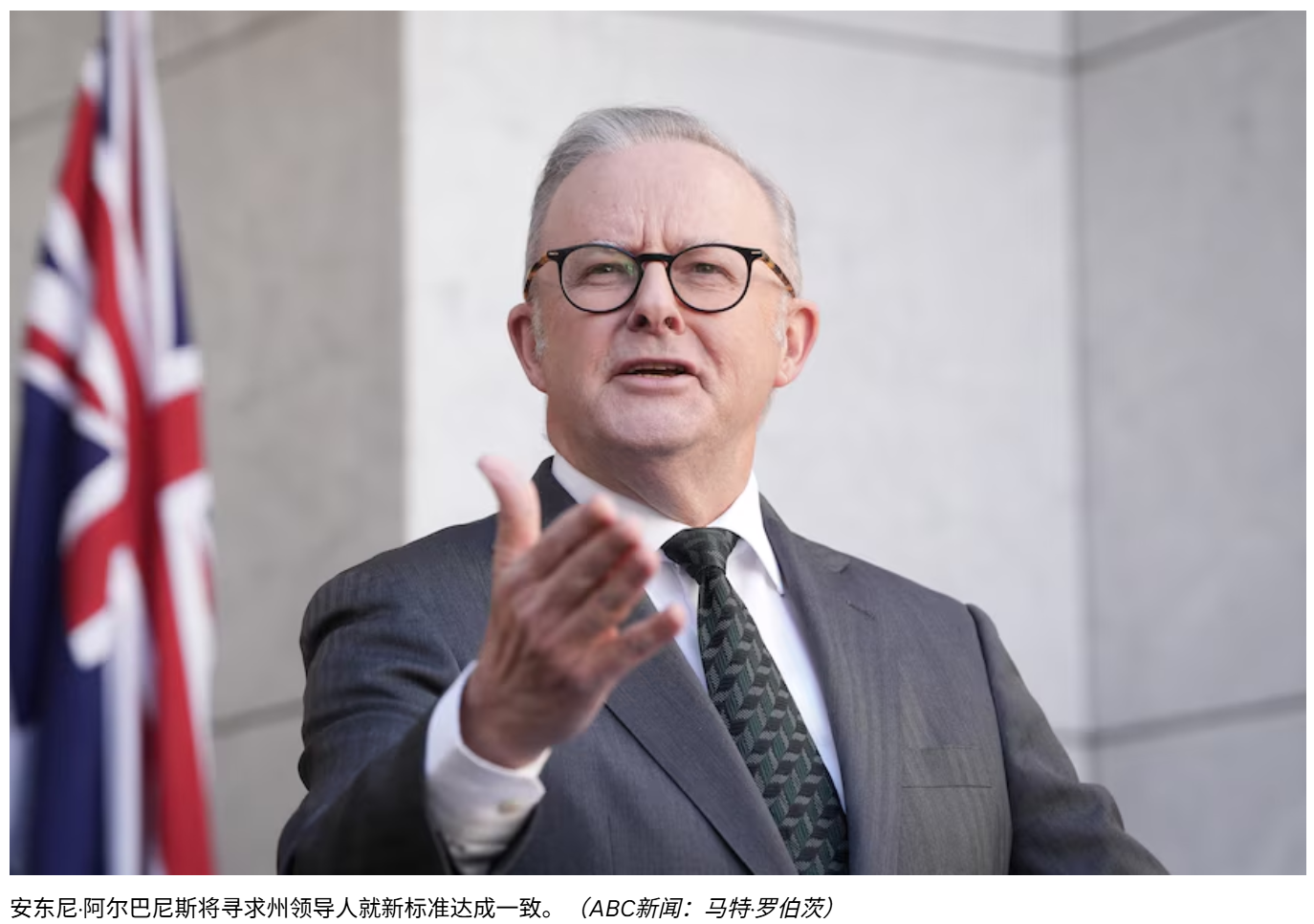
Humanoid Robots Begin to Enter Australia Amid Global Surge
As humanoid robots flood factories, warehouses, and hotels in China at a rate of 100,000 units annually, Australia remains hesitant at the starting line. Melbourne-based startup Andromeda is selling an AI robot named Abi to nursing homes worldwide, aiming to create empathetic companions that transform loneliness into joy. However, local robotics companies in Australia are scarce, while the global 'robot army' is rapidly approaching its borders. Last Friday, AgiBot, a leading humanoid robot company from China, held a launch event in Australia, showcasing robots performing the Nutbush dance. Priced between $40,000 and $50,000, these robots are already fulfilling tangible roles in China's manufacturing lines, warehouses, hotel receptions, and stores, with production reaching 100,000 units this year and continuing to grow. A striking comparison highlights that the current price of a humanoid robot is roughly equivalent to that of a slave in the late 18th century American South, raising ethical questions about the societal acceptance of such industrial consumer goods. Australian Prime Minister Albanese recently announced he would personally oversee the national AI strategy, with the establishment of an AI safety research institute, although pre-release testing is still under discussion. Meanwhile, global AI regulation shows signs of divergence, as China recently enacted regulations halting AI companion services. Australia is still exploring the extent to which humanoid robots should resemble humans, raising critical questions about whether these machines are tools for liberating productivity or a point for society to redefine 'value.'
Humanoid Robots AI Robotics Automation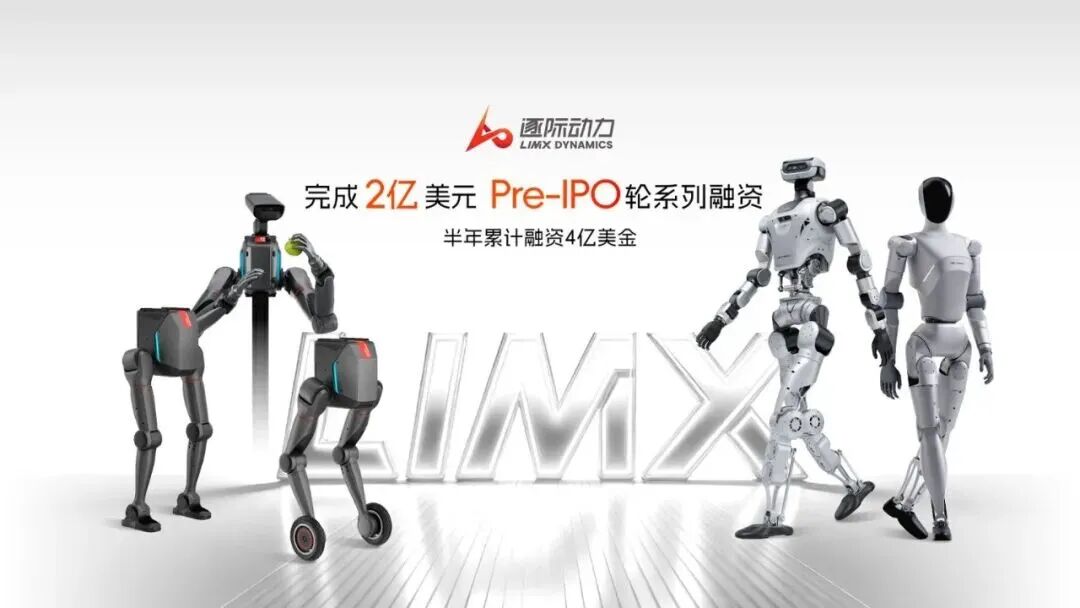
LimX Dynamics Raises $200 Million in Pre-IPO Funding, Achieves $15 Billion Valuation
On July 14, humanoid robotics company LimX Dynamics announced the completion of nearly $200 million in Pre-IPO funding, translating to approximately 1.36 billion RMB. The post-funding valuation reached 15 billion RMB, officially placing the company among unicorns valued over 10 billion. Over the past six months, the company has raised approximately 2.72 billion RMB in total funding. This funding round was backed by IDG Capital, leading AI hardware manufacturer Lens Technology, GGG Group, Redstone VC, Silicon Valley Huashan Capital, and Hefei Binhu Industrial Development Group, among others. Notably, nearly 70% of the funding came from overseas institutions in Europe, the Middle East, and North America. The participation of Lens Technology is strategically significant, as the production of humanoid robots requires a mature consumer electronics manufacturing system. Founded in 2022 by Professor Zhang Wei from Southern University of Science and Technology, LimX Dynamics has developed a comprehensive three-layer technology architecture. The company is currently advancing its IPO process for the Hong Kong stock market, with no revenue or delivery performance guarantees set in previous funding rounds. As of March 2026, LimX Dynamics aims to finalize its preparations for an IPO, leveraging its rapid funding momentum and a combination of global capital, local manufacturing leadership, and self-developed technology.
Humanoid Robots Pre-IPO Funding Robotics Technology AI Hardware Global Expansion
2026 Robotics Update: The Physical AI Ecosystem
A recent report from Seeking Alpha highlights significant developments in the investment landscape as of October 2023. Investors are increasingly focusing on emerging markets, driven by the potential for higher returns amid global economic uncertainties. Analysts suggest that geopolitical tensions and inflationary pressures in developed economies are prompting investors to diversify their portfolios. In this context, regions such as Southeast Asia and Latin America are gaining attention due to their robust growth prospects and favorable demographic trends. Financial experts emphasize the importance of thorough research and risk assessment when considering investments in these markets. As the year progresses, market analysts will continue to monitor these trends closely, providing insights into the evolving dynamics of global investment strategies.
ROBO NVDA NVDA:CA TER AMBA CGNX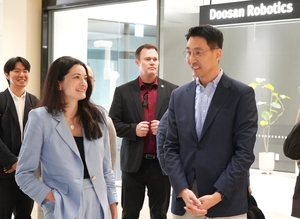
Nvidia CEO’s daughter visits Doosan as humanoid tie-up deepens
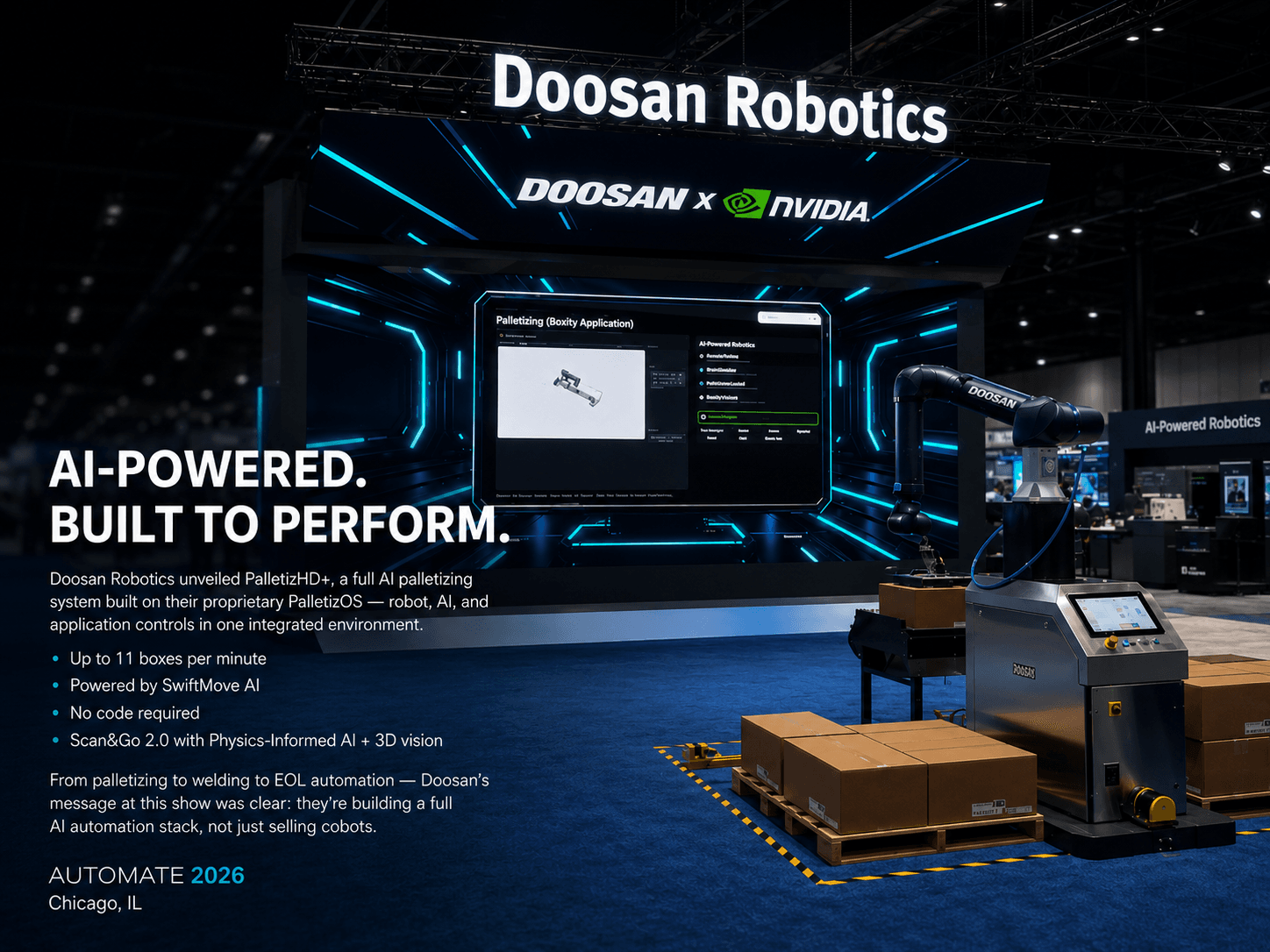
Madison Huang, senior director of product marketing at Nvidia, visited Doosan Robotics on Wednesday to enhance the collaboration between the South Korean firm and the American tech giant. The two companies aim to develop a robot execution platform and commercialize industrial humanoid robots by 2028. During her visit to Doosan Robotics' innovation center in Seongnam, Gyeonggi Province, Huang met with CEO Kim Min-pyo to discuss strategies for integrating their technologies. This partnership reflects a growing interest in advancing robotics and automation in various industries.
All News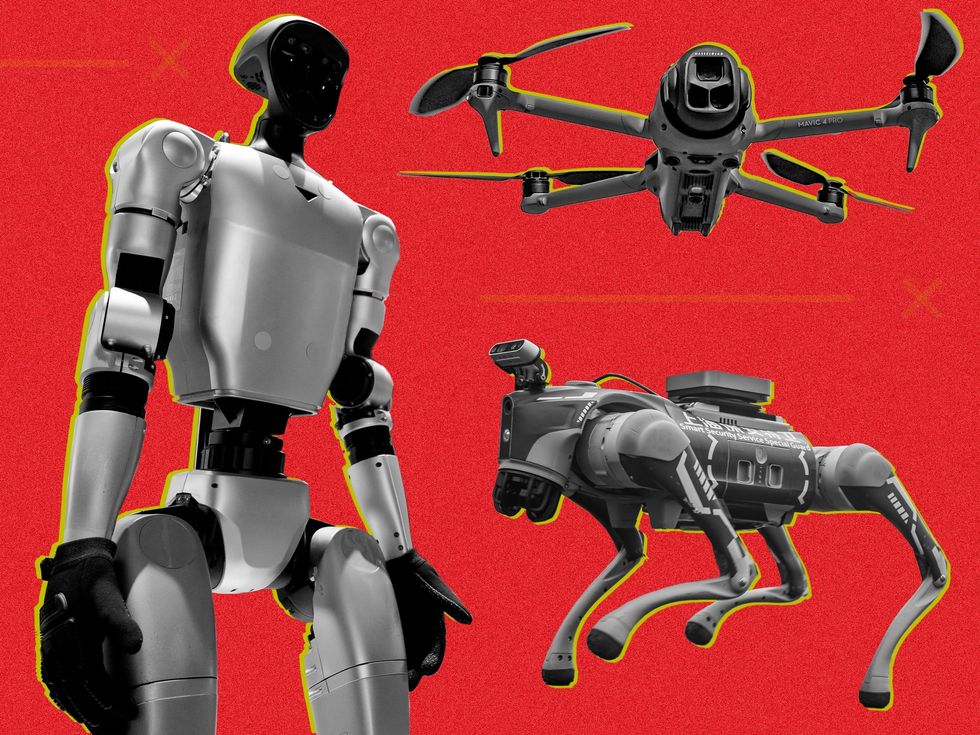
Proposed Chinese Robot Ban Is Latest U.S. Tech Sovereignty Move
A bipartisan initiative led by Senators Tom Cotton and Chuck Schumer, along with Representative Elise Stefanik, seeks to restrict the U.S. government's use of Chinese-made ground robots, including humanoids and drones. Introduced in March, the American Security Robotics Act aligns with recent actions by the Federal Communications Commission (FCC) to tighten regulations on foreign-made routers, marking a significant step in the ongoing decoupling of sensitive U.S. technology from China. This legislative push comes amid rising concerns over national security related to Chinese technology, as highlighted by sociologist Kyle Chan during his testimony before Congress. The proposed restrictions could benefit U.S. firms like Ghost Robotics, which are positioned to meet government demand for domestic ground robots. However, if the legislation extends to prohibit American manufacturers from sourcing Chinese components, it could hinder their ability to fulfill orders. The U.S. robotics industry currently faces challenges due to its nascent stage and reliance on foreign supply chains, particularly from countries like South Korea and Japan. The FCC's recent actions, including the addition of uncrewed aircraft systems to its import ban list, reflect a broader trend of bipartisan scrutiny of Chinese technology. While some industry experts welcome these security measures, they express concerns over the abrupt nature of policy changes, which lack comprehensive strategies and stakeholder engagement. As the U.S. navigates its techno-economic competition with China, the future of its robotics industry remains uncertain amid evolving regulatory landscapes.
Robots Robot-policy China Us-congress Trump-administration American-security-robotics-actRobotics needs a service framework.
RSF defines a common language for robot service capability, lifecycle operations, certification pathways, and service-provider networks.