Industry Briefing
A single destination for timely, editor-curated robotics news from around the world.
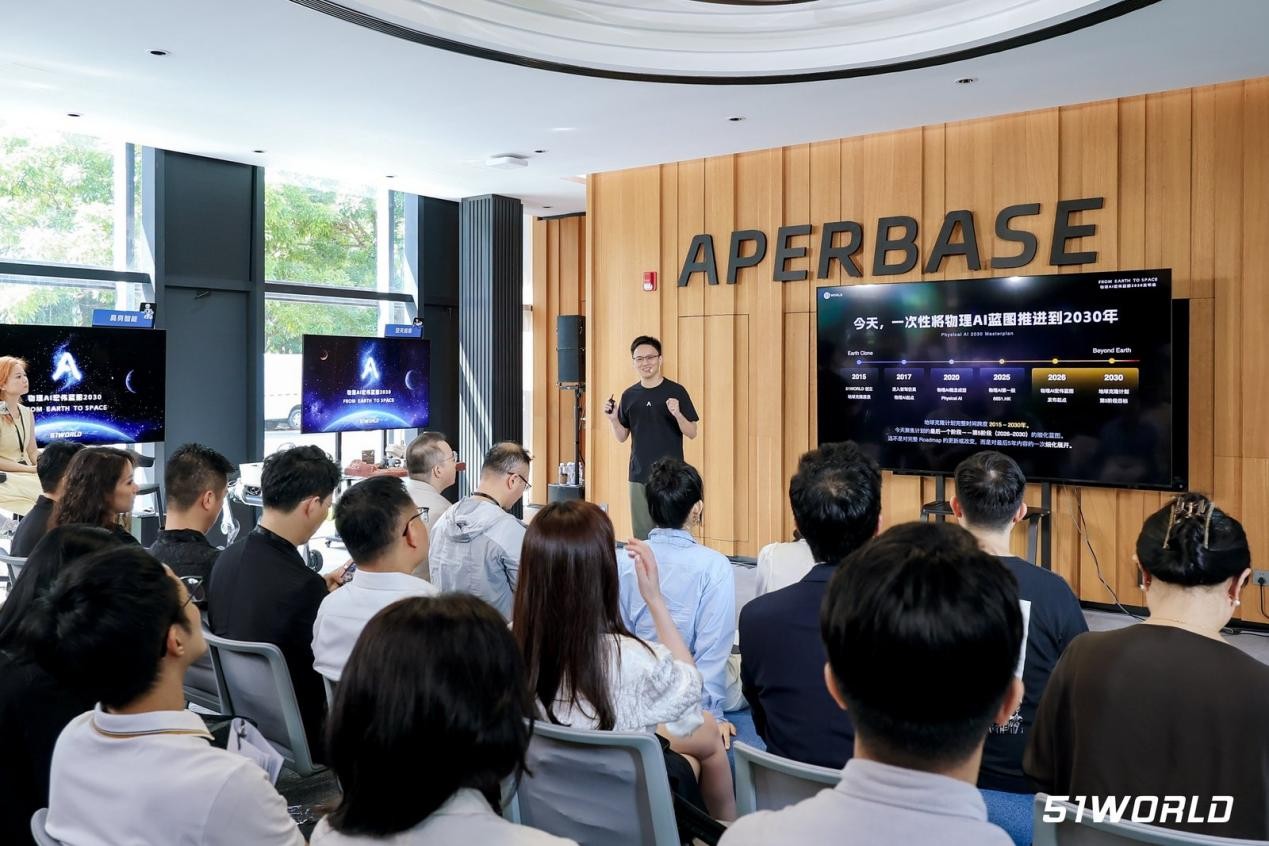
Wuyi Vision Reveals 2030 Physical AI Strategy, Targeting Industry Fundamentals
Wuyi Vision has unveiled its 2030 blueprint for physical AI, highlighting the significant funding of 93.5 billion yuan in the first half of 2026 for China's embodied intelligence sector. This figure marks a fivefold increase compared to the same period last year, indicating a booming investment landscape. The importance of this development lies in the challenges faced by the industry, particularly the critical need for high-quality data. With leading companies requiring approximately 1 million hours of quality data annually but only producing about 130,000 hours, a significant gap persists. This data scarcity hampers the training of models and the successful deployment of robots in real-world scenarios. Looking ahead, the industry must address these challenges to bridge the gap between investment enthusiasm and practical application. The ability to collect and utilize data effectively will determine which companies can capitalize on the growing market for physical AI. No further timeline was disclosed at the time of publication.
Physical AI Data Collection Investment Trends Simulation Technology
Algomatic Dynamics Secures $32.5M Funding to Launch AI-Powered Robotic Hand in Japan
Algomatic Dynamics has successfully raised $32.5 million from DMM.com in its inaugural funding round, aiming to launch an AI-driven multi-fingered robotic hand platform in Japan by the end of 2026. The startup, which began operations on September 9, focuses on developing technologies for motion-data collection, robot learning, and tactile robotic hands, among others. This funding is significant as it will enable Algomatic Dynamics to invest in essential hardware and computing resources, facilitating research and development in robotics and physical AI. The company's innovative approach aims to create versatile technology applicable across various robots and environments, addressing labor shortages in critical sectors such as manufacturing and healthcare. Looking ahead, Algomatic Dynamics plans to enhance its research and development efforts while collaborating with companies and research institutions to deploy its technology in both industrial and everyday settings. The launch of the AI multi-fingered hand platform is a key milestone to watch as it could revolutionize how robots interact with the physical world.
AI AI Funding & Investment Robotics Algomatic Dynamics DMM Group funding
Antioch Secures $32 Million in Series A Funding to Enhance Physical AI Simulation Platform
Antioch has successfully raised $32 million in Series A funding, led by Greylock, to advance its simulation platform tailored for robotics and autonomous systems. This funding will enable Antioch to enhance product development, hire additional engineering talent, and expand simulation capabilities across various physical AI applications, including drones and industrial automation. The significance of this funding lies in Antioch's innovative approach to high-fidelity simulations, which allows physical AI teams to build, test, and validate systems before deploying them in real-world scenarios. By calibrating simulations to customer hardware and leveraging cloud-scale processing, Antioch aims to overcome the limitations of existing simulation platforms, thereby accelerating the development cycle for autonomous systems. Looking ahead, Antioch is already collaborating with notable physical AI teams, including Amazon's Ring, and has established partnerships with Nvidia and cloud provider Nebius. The company, which previously raised $8.5 million in seed funding, is set to utilize this latest investment to further its mission of transforming physical AI testing and deployment through advanced simulation technologies. No further timeline was disclosed at the time of publication.
AI AI Funding & Investment Robotics A* Antioch Box Group
ZhiYuan Unveils AGILE 2.0: Transforming Robotic Vision and Motion Capabilities
ZhiYuan has launched the AGILE 2.0 model, known as the AGIBOT Generative Intelligent Locomotion Engine, enabling robots to perceive, plan, and move with human-like agility. The innovative short film 'Acrobat BOT' showcases the robot's ability to perform complex tasks, such as jumping through fire hoops and balancing on a ball, demonstrating the advanced capabilities of AGILE 2.0. This development is significant as it addresses the challenges of synchronizing visual perception and motor control in robotics. While previous models struggled with dynamic coordination, AGILE 2.0 integrates environmental observation, terrain understanding, and full-body motion control into a cohesive system, allowing for real-time planning and execution. Looking ahead, AGILE 2.0's advancements in visual perception and dynamic interaction mark a pivotal shift in humanoid robotics, enabling operations in unstructured environments. No further timeline was disclosed at the time of publication.
Robotic Vision Intelligent Locomotion AI Robotics Dynamic Motion Control
Momenta Leads $200 Million Series A Funding for GenRobot, an Emerging AI Company
GenRobot has announced the completion of its Series A funding round, led by Momenta, a physical AI company, with continued investment from existing shareholders. Founded just a year ago, GenRobot has raised over $200 million across seven funding rounds. The new capital will focus on building large-scale data infrastructure, upgrading its Data Foundation Model, and expanding global operations. This funding is significant as it highlights the growing importance of data-driven solutions in the robotics sector. GenRobot's approach bypasses traditional methods by using wearable devices to collect human behavior data, which is crucial for training AI models. The company aims to provide essential data and evaluation infrastructure for embodied intelligence, positioning itself as a key player in the market. Looking ahead, GenRobot's innovative solutions and its proprietary Gen DAS wearable device are expected to drive advancements in AI training methodologies. The company has already established a strong presence in the industry, with over a million hours of human skill data accumulated. No further timeline was disclosed at the time of publication.
Embodied Intelligence Data Infrastructure AI Training Wearable Technology
Legend Robot Showcases 3.3m Spraying Robot for Saudi Vision 2030 at Big 5 Saudi
Legend Robot, a leader in autonomous construction robotics, has introduced its 3.3m Putty & Latex Spraying Robot at the Big 5 Saudi event. This innovative technology is designed to meet the unique challenges of Middle Eastern job sites, particularly in relation to thermal resilience and compatibility with GCC materials. The significance of this development lies in its potential to enhance the efficiency and effectiveness of construction processes within the context of Saudi Vision 2030 gigaprojects. By addressing specific regional conditions, Legend Robot's solution aims to streamline operations and improve project outcomes in a rapidly evolving construction landscape. Looking ahead, industry stakeholders should monitor the adoption of Legend Robot's technology as it may play a crucial role in the successful execution of large-scale projects under Saudi Vision 2030. No further timeline was disclosed at the time of publication.

Apple Reduces Workforce by Over 200 in Siri and Vision Pro Divisions
Apple has announced a reduction of more than 200 jobs within its Siri and Vision Pro teams. This decision comes amid challenges in the market and a need to streamline operations. The significance of this workforce reduction lies in the context of Apple's recent performance, particularly with the Vision Pro headset, which IDC estimated saw shipments of only 45,000 units in the last quarter. This low sales figure raises concerns about the product's market acceptance and future viability. Looking ahead, industry observers will be monitoring how this job cut impacts Apple's innovation and development efforts in AI and augmented reality technologies. No further timeline was disclosed at the time of publication.
Artificial Intelligence News ai Apple layoffs Vision Pro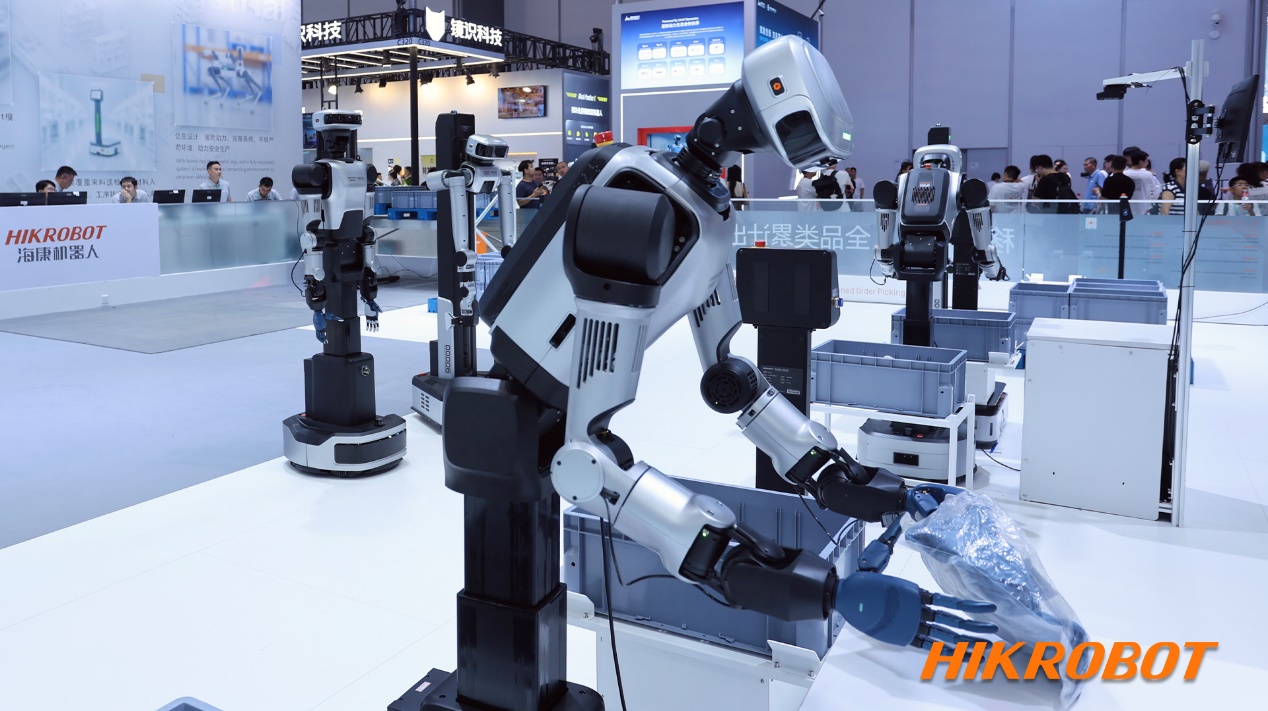
Hikvision Robotics Showcases Advanced Embodied Intelligence Solutions at WRC 2026
Hikvision Robotics has unveiled its latest advancements in embodied intelligence at the World Robot Conference 2026 in Beijing. The company presented three major scene solutions focusing on industrial logistics, commercial services, and intelligent patrolling, showcasing the integration of AI and robotics across various applications. This development is significant as Hikvision Robotics has established itself as a leader in mobile robotics, holding the top global market share with over 200,000 units produced. Their machine vision products have also seen substantial success, with over 10 million units shipped and a market share exceeding 50% in domestic industrial cameras. Looking ahead, Hikvision Robotics continues to emphasize the dual approach of deep technological development and practical application. No further timeline was disclosed at the time of publication.
Mobile Robots Industrial IoT Smart Logistics AI Machine Vision
SoftBank Group Corp. Invests $200 Million in Swiss Startup Gravis Robotics
SoftBank Group Corp. has made a significant investment of $200 million in Gravis Robotics, a Swiss startup specializing in autonomous software for construction machinery. This investment highlights the growing interest in automation technologies within the construction sector, as companies seek to enhance efficiency and reduce labor costs through innovative solutions. Looking ahead, industry stakeholders will be keen to observe how Gravis Robotics leverages this funding to advance its technology and expand its market presence. No further timeline was disclosed at the time of publication.

Demark Secures 420 Million Yuan Series C Funding for Humanoid Robot Skeleton Development
In August 2026, Demark (Zhejiang) Precision Technology Co., Ltd. announced the completion of 420 million yuan in Series C funding. This round was led by Fuyong Investment, with participation from Changxing Industrial Group, Nanhu Equity Fund, and others. The funds will primarily be used for research and development of key hardware for robots, capacity expansion, and market development. This funding is significant as it highlights the often-overlooked segment of structural component manufacturing within the robotics industry. Demark is not a typical robotics company; its past performance has been rooted in precision metal component processing for the semiconductor, photovoltaic, and wind power sectors. The company aims to leverage its proven precision manufacturing capabilities in these fields to address the challenges of producing high-precision, lightweight, and consistent structural components for humanoid robots. Looking ahead, Demark has established partnerships with leading robotics firms such as Yushu Technology and UBTECH, with expectations of doubling related shipments in the first half of 2026. The funding structure indicates a focus on enhancing physical production capacity, contrasting with the trend of investing in algorithms and cutting-edge technologies in the robotics sector.
Humanoid Robots Precision Manufacturing Semiconductor Industry Robotics Structural Components
Moove Raises $250 Million in Series C Funding, Achieves $2.1 Billion Valuation
Moove, a mobility company founded six years ago, has secured $250 million in Series C funding, reaching a valuation of $2.1 billion. The funding round was led by Abu Dhabi's Mubadala Investment Company, with participation from Woven Capital and Ion Pacific, among others. Moove aims to redefine the autonomous vehicle race by focusing on infrastructure rather than vehicle production or algorithm development. The company, which began in Lagos, Nigeria, initially provided financing services for ride-hailing drivers. Now, it operates one of the largest ride-hailing fleets globally, with approximately 42,000 vehicles across 29 cities in 13 countries, generating an annual recurring revenue of $420 million. The new funding will primarily support the development of 'Nests,' a robotic infrastructure for autonomous fleets, enabling continuous operations through charging, maintenance, and scheduling. Moove plans to expand its autonomous business team from around 150 to 500 employees by the end of the year, a growth of over 220%. As it partners with Waymo and operates in Phoenix and Miami, Moove is positioning itself as a critical player in the commercialization of autonomous driving, focusing on the necessary infrastructure that supports large-scale deployment.
Autonomous Driving Mobility Infrastructure Fleet Management Electric Vehicles
UK Government Initiates £20 Million Funding Competition for Agricultural Robotics Development
The UK government has introduced a £20 million funding competition aimed at enhancing the development of robots and automated technologies in agriculture. This initiative, announced by farming minister Stephen Morgan, seeks to assist farmers in boosting productivity and reducing reliance on seasonal labor. The funding is directed towards agri-tech businesses collaborating with researchers and farmers to create robotic systems for planting, monitoring, and harvesting crops. This funding competition is part of the government’s Farming Innovation Programme and follows a previous £53 million funding package, bringing the total funding for farming research and technology in 2023 to £123 million. The initiative aims to support the development of automation technologies that can alleviate labor shortages during peak harvest times. Fieldwork Robotics, known for its raspberry-picking robot, is one of the companies benefiting from prior government support to enhance its technology. Looking ahead, the competition is being executed in collaboration with Innovate UK, emphasizing the growing significance of robotics in agriculture. As stated by Chris Danks from Innovate UK, this initiative will facilitate the transition of innovative concepts into practical applications on farms, ultimately improving productivity and resilience in the agricultural sector. No further timeline was disclosed at the time of publication.
Agriculture News agricultural innovation agricultural robotics agricultural robots agricultural technology
Index Ventures Secures $2 Billion Across Three Funds Following Wiz Sale
Index Ventures has successfully raised $2 billion in capital through three funds, as announced on Friday. This includes $400 million for a new seed-focused fund, $900 million for a venture fund, and an additional $700 million added to a previously established $1.5 billion growth fund, raising its total capital to $3.5 billion. This fundraising effort comes two years after Index raised $2.3 billion across two funds, highlighting its consistent performance in the venture capital space. Notably, earlier this year, Index portfolio company Wiz was sold to Alphabet for $32 billion, with Index holding a significant 12% stake, valued at approximately $3.8 billion. This successful exit underscores Index's strategic investment approach. Looking ahead, Index Ventures continues to focus on promising sectors, including AI and robotics, with investments in companies like Physical Intelligence and Anthropic. No further timeline was disclosed at the time of publication.
Fundraising Venture In Brief Index Ventures wiz
HiDream.ai Raises $2.1 Billion in Series C Funding for Multimodal World Model Technology
On July 23, HiDream.ai announced the completion of a Series C funding round, raising 1.5 billion RMB, equivalent to approximately $2.1 billion. This funding was led by the Sichuan Revitalization Science and Technology Innovation Fund, ICBC Capital, and other notable investors. With this round, HiDream.ai has surpassed a total funding of 2.1 billion RMB, officially entering the unicorn status. The significance of this funding lies in the diverse capital structure, which includes national and local state-owned funds, banking capital, and leading industry players. This rare combination in the domestic AI sector underscores the long-term value and industrial potential of HiDream.ai's technology roadmap. The involvement of the Sichuan Revitalization Fund signals a maturation of the multimodal world model sector, while ICBC Capital's participation opens new avenues for bank-led investments in AI. Looking ahead, HiDream.ai's rapid growth can be attributed to its founder and CEO, Mei Tao, whose extensive background in visual AI and industry experience has shaped the company's innovative approach. No further timeline was disclosed at the time of publication.
Embodied Intelligence AI Technology Multimodal Models Robotics Training Investment in AI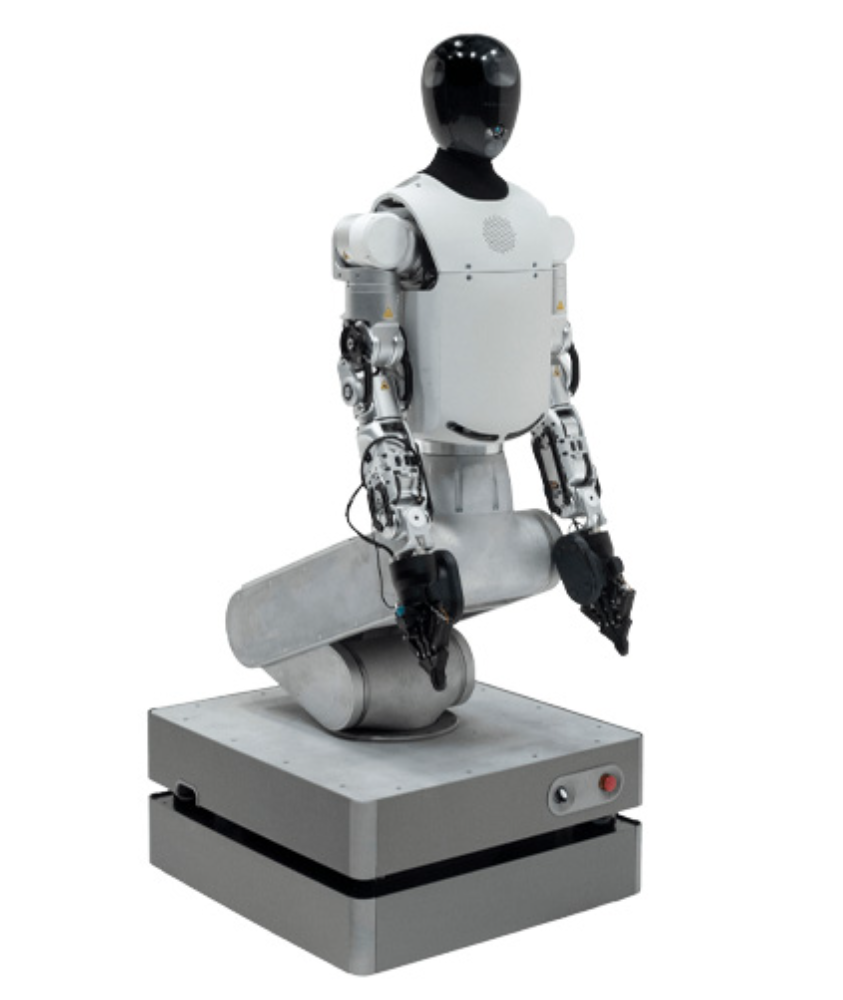
Humanoid Secures $152 Million in Series A Funding, Achieves $1.35 Billion Valuation
On July 21, Humanoid, based in London, announced the completion of $152 million in Series A funding, achieving a post-money valuation of $1.35 billion. This funding round, led by strategic investors including Schaeffler and Bosch, marks the largest Series A funding for a humanoid robotics company in Europe, bringing the total funding to $270 million. The significance of this funding lies in its strategic partnerships. Schaeffler and Bosch are not only financial backers but also strategic collaborators, with Bosch establishing a manufacturing partnership with Humanoid. This collaboration aims to leverage their industrial expertise and technological capabilities to advance humanoid robotics from vision to industrial reality. Looking ahead, Humanoid plans to utilize the funding to focus on developing the next generation of humanoid platforms and scaling production of wheeled humanoid robots, with a Beta version expected to launch in Q4 2026. The investment from major European industrial players signals a growing momentum in the humanoid robotics sector in Europe.
Humanoid Robots Robotics Funding AI Technology Industrial Automation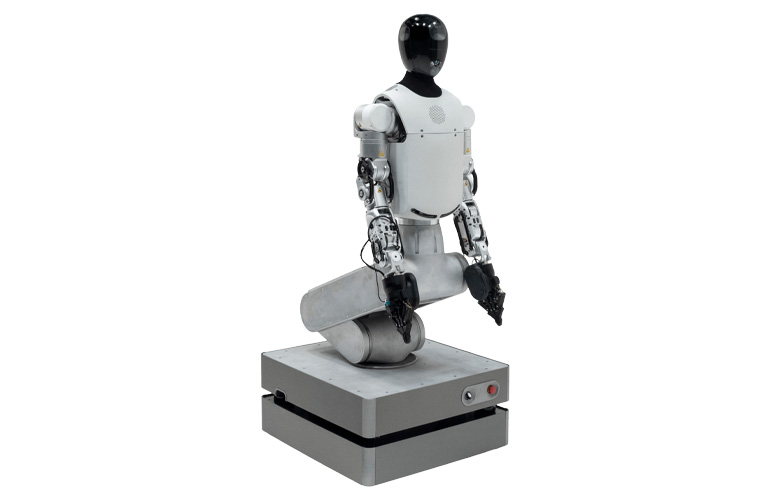
Humanoid Secures $152 Million in Series A Funding for Industrial Robotics Development
Humanoid, a London-based AI and robotics company, has successfully raised $152 million in Series A funding, achieving a post-money valuation of $1.35 billion. This funding increases the total amount raised to $270 million, enabling the company to offer early access to its HMND 01 Alpha Wheeled robot, a bimanual mobile manipulator powered by the KinetIQ AI framework. The significance of this funding lies in Humanoid's ambition to transform humanoid robots from innovative concepts into practical industrial tools. CEO Artem Sokolov emphasized the rapid progress made in just two years, highlighting partnerships with leading industrial firms and a strong project pipeline. The funding will accelerate development and deployment efforts, positioning Humanoid at the forefront of the evolving robotics landscape. Looking ahead, Humanoid plans to leverage this investment to enhance its technology and expand its customer base. The company is already working with early access customers and has established partnerships with industry leaders like Schaeffler AG and Robert Bosch GmbH, which will aid in manufacturing and strategic consulting. No further timeline was disclosed at the time of publication.
Artificial Intelligence Humanoids Investments Manufacturing Markets / Industries News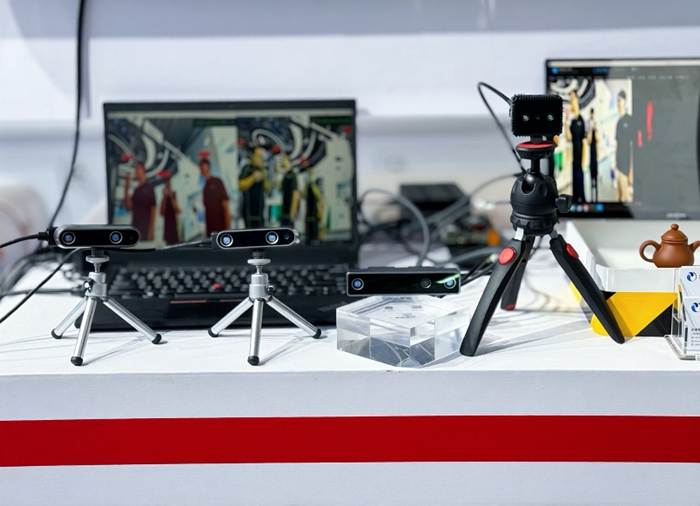
ChipMing Launches Advanced 3D Vision AI Modules at WAIC 2026 in Shanghai
On July 17, 2026, the World Artificial Intelligence Conference (WAIC) commenced in Shanghai, where ChipMing unveiled its series of 3D vision AI modules designed for embodied intelligence and physical AI scenarios. The modules demonstrated core functionalities such as pose estimation and instance segmentation using the self-developed spatial intelligent chip running YOLO26, alongside a 3D virtual safety zone application that integrates depth perception and AI recognition technologies. The significance of these modules lies in their ability to operate reliably in industrial environments, with a temperature range of -10℃ to 50℃. They support USB 3.0 and GMSL 2.0 protocols, ensuring high bandwidth and long-distance transmission capabilities. The built-in spatial intelligent chip allows for local processing of data, enhancing privacy and reliability by keeping sensitive information on-device, which is crucial for applications in security, healthcare, and industrial quality inspection. Looking ahead, the 3D virtual safety zone demo showcased at WAIC attracted considerable attention, highlighting the modules' capabilities in object classification and selective alarm systems. Users can choose from various module models based on specific use cases, ensuring ease of installation and strong feasibility for engineering applications. No further timeline was disclosed at the time of publication.
3D Vision AI Embodied Intelligence Industrial Automation AI Technology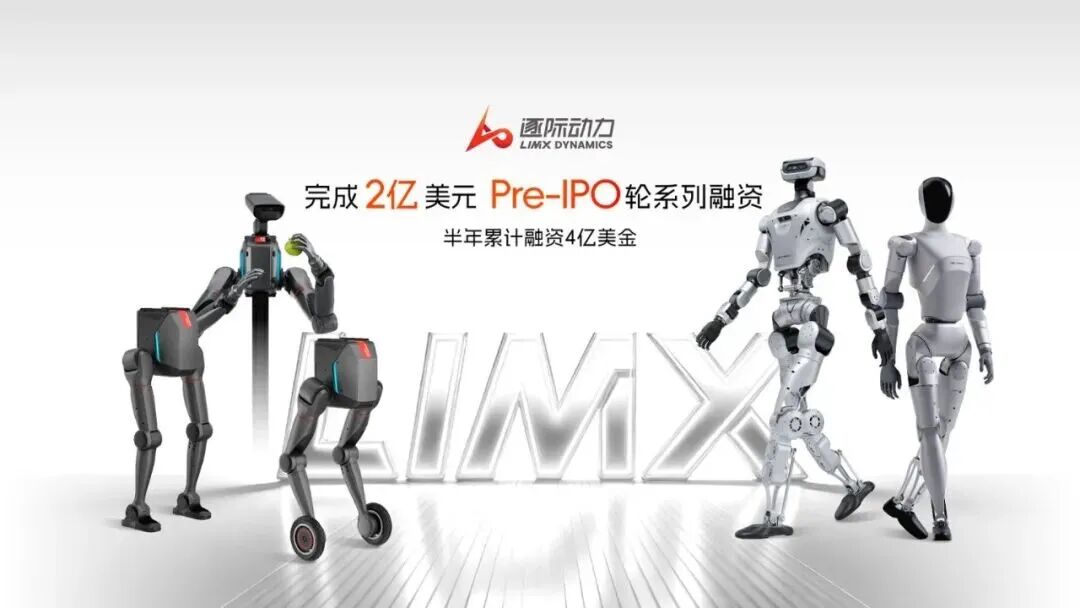
Zhuji Power Raises Nearly $200 Million in Pre-IPO Funding, Achieving $2.2 Billion Valuation
On July 14, Zhuji Power, a humanoid robotics company, announced the completion of its Pre-IPO funding round, raising nearly $200 million and achieving a post-funding valuation of approximately $2.2 billion. This marks a significant milestone as the company has raised a total of $400 million within six months, positioning itself among the top tier of humanoid robotics firms in China. The importance of this funding lies in Zhuji Power's shift from a technology narrative to a capital narrative, with plans for an IPO aimed at the Hong Kong market. The company offers a diverse product matrix, including the full-sized humanoid robot Oli, the interactive robot Luna, and the TRON 2 research platform, all priced competitively to penetrate various market segments. Looking ahead, Zhuji Power's next challenge will be to demonstrate its market presence by revealing the number of robots sold and customers served. This information will be crucial in determining whether the high valuation achieved during the Pre-IPO round is sustainable or merely a preliminary phase.
Humanoid Robots Pre-IPO Funding Robotics Technology AI Industrial Automation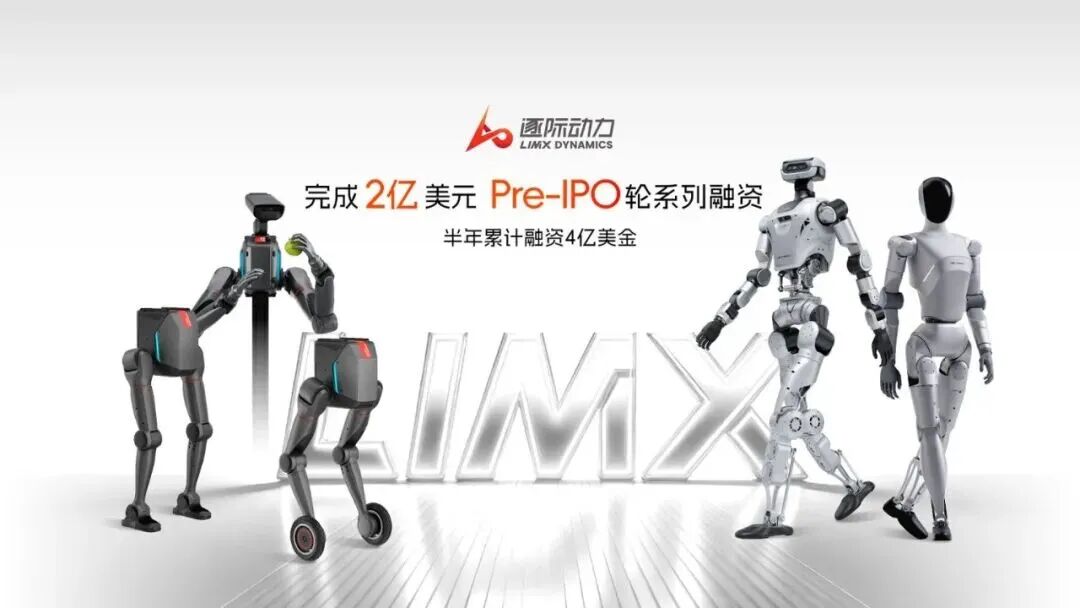
Zhuji Power Raises Nearly $200 Million in Pre-IPO Funding, Achieves $2.2 Billion Valuation
On July 14, Zhuji Power, a humanoid robotics company, announced the completion of its Pre-IPO funding round, raising nearly $200 million and achieving a post-funding valuation of approximately $2.2 billion. This marks a significant milestone as the company has secured a total of $400 million in funding over two rounds within six months, positioning itself among the top tier of humanoid robotics firms in China. The importance of this funding lies in Zhuji Power's strategic shift from a technology-focused narrative to a capital-driven approach, with plans for an IPO targeting Hong Kong. The company offers a diverse product lineup, including the full-sized humanoid robot Oli, priced at 158,000 yuan, aimed at industrial and research applications, and the interactive robot Luna, starting at 298,000 yuan, designed for commercial service scenarios. Looking ahead, Zhuji Power's next challenge will be to demonstrate its market impact by revealing sales figures and customer engagement. The company's ability to convert its extensive partnerships and technological advancements into tangible deployment data will be crucial in justifying its high valuation and ensuring a successful IPO process.
Humanoid Robots Pre-IPO Funding Robotics Technology Industrial Automation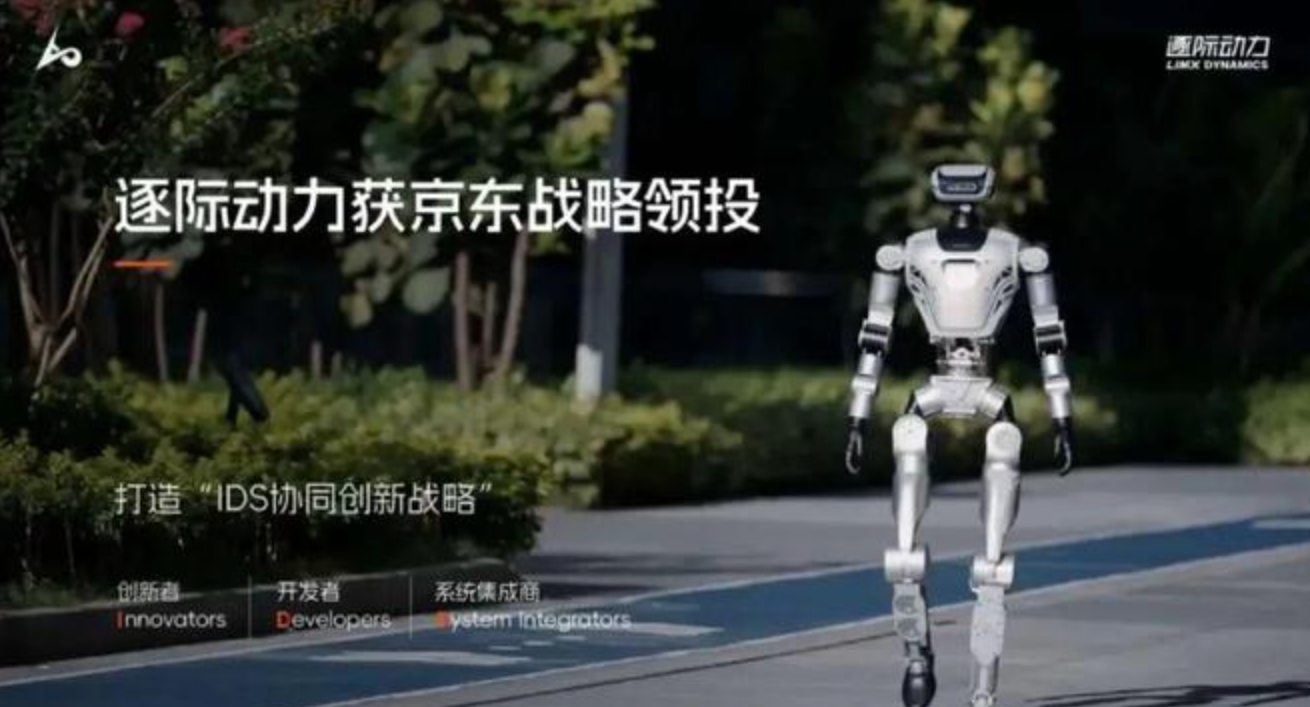
LimX Dynamics Raises $200 Million Pre-IPO Funding, Achieving $15 Billion Valuation
On July 14, LimX Dynamics, a humanoid robotics company based in Shenzhen, announced the completion of nearly $200 million in Pre-IPO funding, reaching a post-investment valuation of $15 billion. This funding round is part of a total of $400 million raised by the company over the past six months, indicating strong investor confidence in its long-term potential. The significance of this funding lies in LimX Dynamics' strategic positioning within the humanoid robotics sector, which is shifting focus from hardware to advanced AI capabilities. The company has initiated its IPO process for early 2026, following a shareholding restructuring completed in March. Notably, nearly 70% of the investment comes from overseas, highlighting the global interest in its innovative technology. Looking ahead, LimX Dynamics has launched several products, including the LimX Luna and LimX Oli humanoid robots, which have already received thousands of orders, with over half from international markets. The company aims to differentiate itself by focusing on commercial service applications rather than traditional manufacturing, aligning with its founder Zhang Wei's philosophy of prioritizing human service over production processes. No further timeline was disclosed at the time of publication.
Humanoid Robots Robotics Technology AI Pre-IPO Funding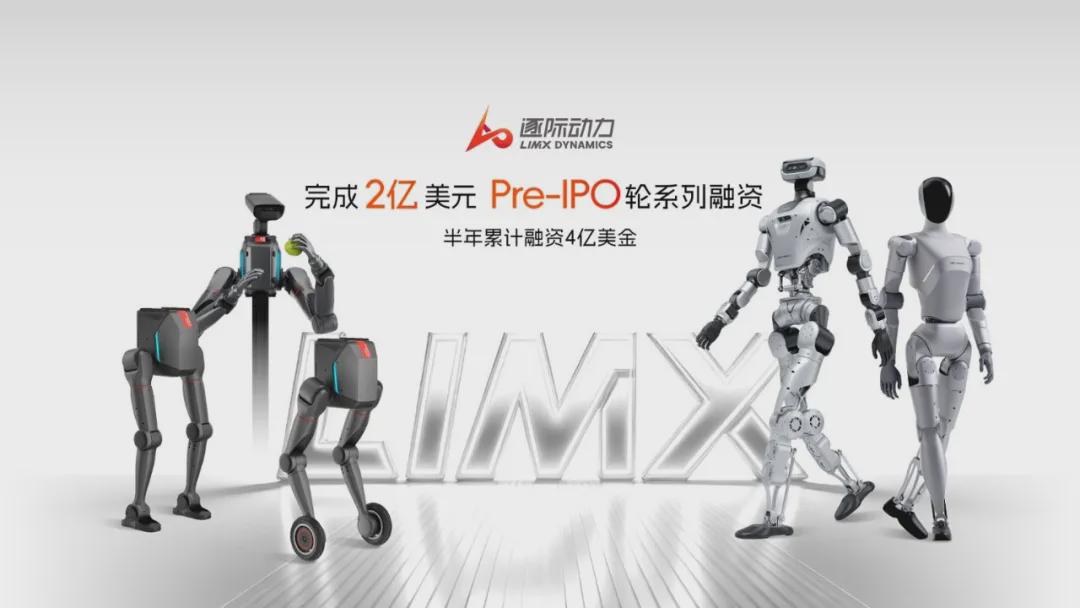
LimX Dynamics Raises $200 Million in Pre-IPO Funding, Achieves $21 Billion Valuation
LimX Dynamics, a humanoid robotics company, has successfully completed a Pre-IPO funding round, raising nearly $200 million and achieving a post-funding valuation of approximately $21 billion. This marks the company's first public valuation announcement, following a $200 million Series B round earlier this year, bringing the total funding raised in the past six months to $400 million. The significance of this funding lies in LimX Dynamics' rapid growth and its position as a leading player in the humanoid robotics sector. Founded in 2022 and headquartered in Shenzhen, the company has developed a comprehensive business model that integrates advanced humanoid robotics technology with global delivery capabilities. The diverse investor base, including prominent firms from China, Europe, and the Middle East, underscores the global confidence in LimX's technological roadmap and product capabilities. Looking ahead, LimX Dynamics is poised to continue its trajectory towards an IPO, with its Pre-IPO status indicating a shift in the industry towards established valuation frameworks. The company aims to transition from a technology-driven startup to a global leader in embodied intelligence, focusing on the integration of advanced motion control systems and humanoid robotics. No further timeline was disclosed at the time of publication.
Humanoid Robots Robotics Investment AI Technology Pre-IPO Funding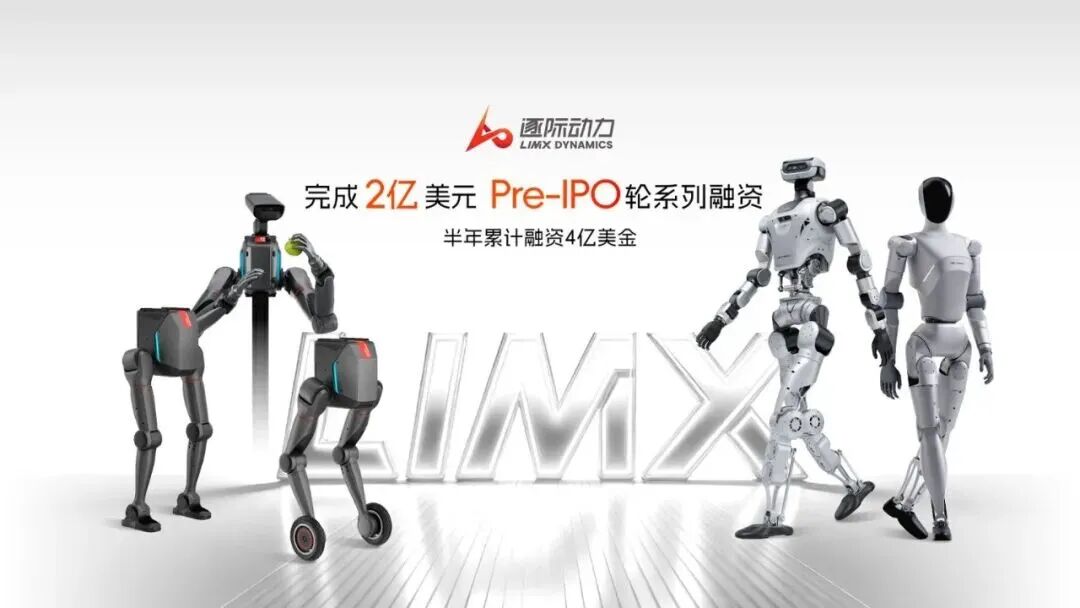
LimX Dynamics Raises $200 Million in Pre-IPO Funding, Achieves $15 Billion Valuation
On July 14, humanoid robotics company LimX Dynamics announced the completion of nearly $200 million in Pre-IPO funding, translating to approximately 1.36 billion RMB. The post-funding valuation reached 15 billion RMB, officially placing the company among unicorns valued over 10 billion. Over the past six months, the company has raised approximately 2.72 billion RMB in total funding. This funding round was backed by IDG Capital, leading AI hardware manufacturer Lens Technology, GGG Group, Redstone VC, Silicon Valley Huashan Capital, and Hefei Binhu Industrial Development Group, among others. Notably, nearly 70% of the funding came from overseas institutions in Europe, the Middle East, and North America. The participation of Lens Technology is strategically significant, as the production of humanoid robots requires a mature consumer electronics manufacturing system. Founded in 2022 by Professor Zhang Wei from Southern University of Science and Technology, LimX Dynamics has developed a comprehensive three-layer technology architecture. The company is currently advancing its IPO process for the Hong Kong stock market, with no revenue or delivery performance guarantees set in previous funding rounds. As of March 2026, LimX Dynamics aims to finalize its preparations for an IPO, leveraging its rapid funding momentum and a combination of global capital, local manufacturing leadership, and self-developed technology.
Humanoid Robots Pre-IPO Funding Robotics Technology AI Hardware Global Expansion
Free tickets for VISION 2026
Although the VISION 2026 event is still a few months away, scheduled to take place from October 6 to 8 in Stuttgart, ROBOTIK UND PRODUKTION is offering an opportunity for attendees to secure free admission tickets in advance. This initiative aims to encourage participation in the upcoming exhibition, which will showcase advancements in the fields of robotics and production technology.
Allgemein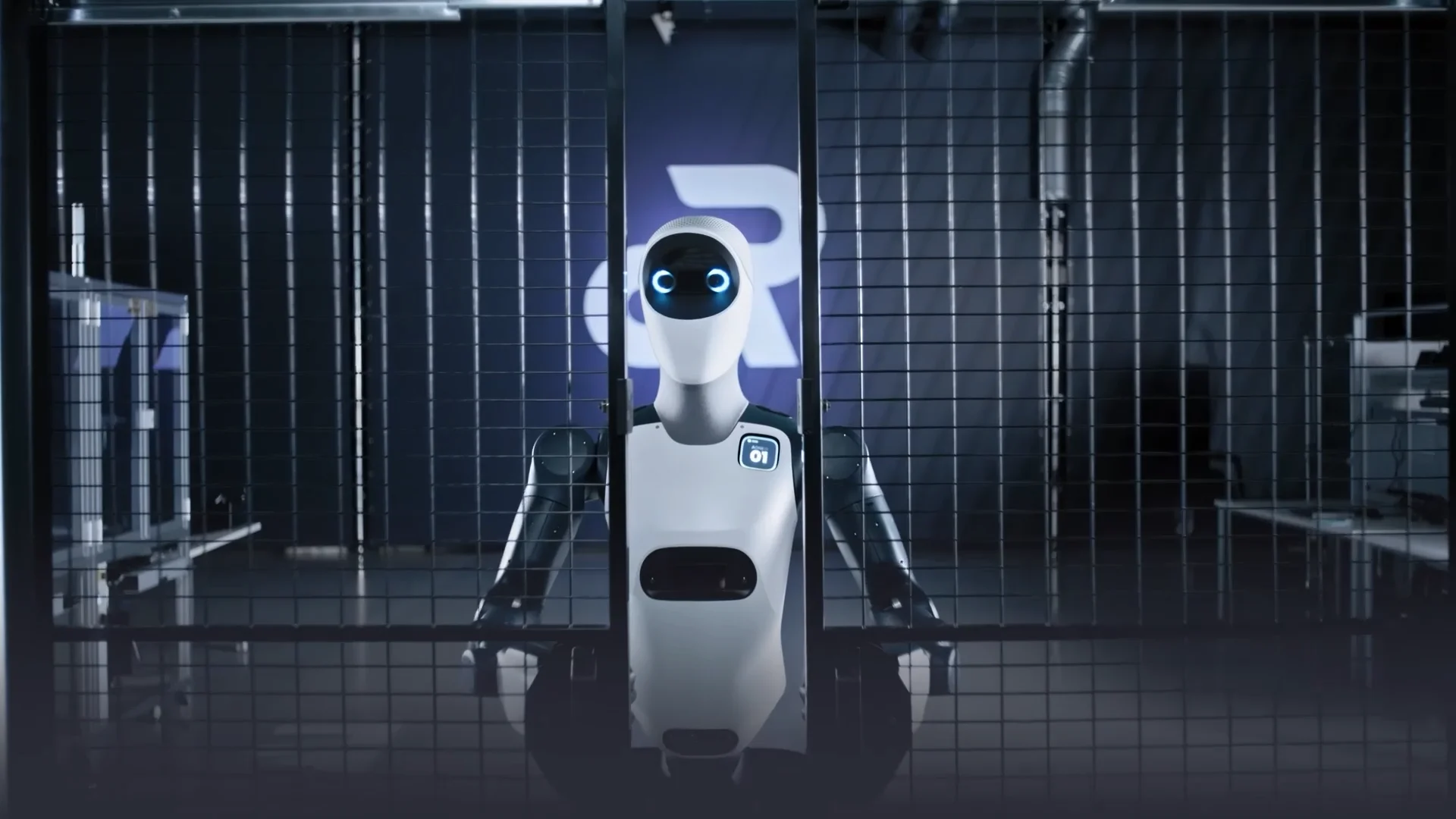
SoftBank Negotiates $800 Million Funding Round for Agile Robots
Agile Robots, a German industrial robotics startup, is in discussions to secure approximately $800 million in a new funding round, with SoftBank Group Corp. as a primary investor. Reports indicate that SoftBank is considering contributing over $300 million to this round, although both parties have declined to comment as negotiations are still in early stages. This potential funding is significant as it aligns with SoftBank's ongoing strategy to dominate the infrastructure layer of embodied artificial intelligence. Agile Robots, founded in 2018, has established a unique position by developing both intelligent software and physical hardware, including the Agile ONE humanoid platform designed for complex factory tasks. The company has also partnered with Google DeepMind to integrate advanced AI models into its operations. Looking ahead, the outcome of these funding discussions could further solidify Agile Robots' role in the robotics ecosystem, especially as it continues to expand its global presence with over 3,200 employees across Germany, China, and India. No further timeline was disclosed at the time of publication.
Europe Market softbank Agile Robots
Zipline Negotiates Approximately $1 Billion Funding Round at $20 Billion Valuation
Zipline is currently in discussions to secure about $1 billion in a new funding round, which would elevate its valuation to approximately $20 billion. This potential funding marks a significant increase, nearly tripling the company's previous valuation. The importance of this funding round lies in its potential to enhance Zipline's capabilities in drone delivery and logistics. With a valuation of $20 billion, the startup is positioned to expand its operations and technology, further solidifying its role in the logistics sector. Investors and industry observers should monitor the outcome of these funding discussions closely, as they could lead to substantial advancements in Zipline's service offerings. No further timeline was disclosed at the time of publication.
The Boring Company Achieves $23 Billion Valuation Amid New Funding Round in 2026
The Boring Company (TBC) has reached a valuation of approximately $23 billion following a recent funding round, significantly up from its 2022 valuation of $5.68 billion. This increase is attributed to TBC's operational progress and heightened interest in Musk-affiliated ventures after SpaceX's IPO. The funding round involved Middle Eastern investors, who were required to assist in recruiting employees or connecting with government officials as part of the investment conditions. This unique structure positions investors as business development partners, raising potential governance concerns regarding the introduction of officials to TBC contracts. Looking ahead, TBC's valuation reflects both its operational advancements and the speculative nature of private market investments in Musk's ventures. With ongoing projects in Nashville and Dubai, the company aims to replicate its Vegas Loop model in other cities, although its revenue streams remain limited at this stage. No further timeline was disclosed at the time of publication.
Tesla Energy Division Achieves $12.8 Billion Revenue with Record Battery Deployments in 2025
Tesla, Inc. reported that its energy division generated $12.8 billion in revenue in 2025, with a record deployment of 46.7 GWh of battery storage. This segment, which includes products like Megapack and Powerwall, is not a standalone stock but part of Tesla's overall operations. The significance of this growth is highlighted by the energy segment's contribution to Tesla's total revenue, increasing from 10% in 2024 to 13% in 2025. Despite a 10% decline in automotive revenue due to competition, the energy division's gross profit reached approximately $3.8 billion, showcasing a robust margin of 29.8%. Looking ahead, Tesla anticipates recognizing $4.96 billion in deferred revenues from energy projects in 2026, indicating strong forward visibility. The energy segment's performance is crucial as it was the only division to achieve both revenue growth and margin expansion in 2025, contributing nearly a quarter of Tesla's total gross profit for the year.
SpaceX Acquires xAI in Historic $250 Billion Merger, Launching SpaceXAI Division
On February 2, 2026, SpaceX completed the acquisition of xAI in an all-stock transaction valued at $250 billion, marking the largest merger in history. Following this merger, xAI ceased to exist as a standalone entity and is now part of SpaceXAI, which includes Grok, Colossus, and X. This merger is significant as it combines SpaceX's profitable segments with xAI's AI capabilities, creating a powerful entity valued at $1.25 trillion. The integration aims to leverage SpaceX's resources to enhance xAI's profitability and provide a public liquidity path for former xAI investors through SpaceX's IPO. Looking ahead, the focus will be on how the combined entity will develop its AI infrastructure capabilities, particularly through the Starmind orbital compute project. No further timeline was disclosed at the time of publication.

XDOF Engages in Series B Funding Talks at $1.2 Billion Valuation
XDOF, a startup specializing in real-world teleoperation data for training robots, is in advanced discussions for a Series B funding round, aiming for a valuation of approximately $1.2 billion. The funding is reportedly led by 8VC, following the company's rapid growth and annualized revenue nearing $50 million. The significance of this funding round lies in XDOF's role in addressing a critical bottleneck in robotics: the lack of large-scale real-world datasets. Co-founded by UC Berkeley researchers Philipp Wu and Fred Shentu, XDOF aims to provide outsourced data solutions for the robotics industry, similar to what Scale AI offers for AI applications. Looking ahead, XDOF is set to release what it claims is the largest collection of high-quality robot training data, known as ABC, in collaboration with UC Berkeley's AI Research lab. The startup is also planning to expand its workforce of data collectors globally, which will enhance its capabilities in generating essential training data for robots. No further timeline was disclosed at the time of publication.
AI Robotics Startups 8VC
Emerging 2D Flex Feeding Revolutionizes Industrial Part Picking with Simplified Vision Systems
The article discusses the advancements in 2D Flex feeding technology, which simplifies robotic vision for industrial part picking. Unlike traditional 3D bin picking, this new approach allows for quicker and more reliable implementations, making it accessible for a broader range of applications. This innovation is significant as it enhances the capabilities of industrial robots in manufacturing, reducing the complexity associated with advanced vision systems. Experts Nicholas Kern from SICK and Nick Barron from Feedall highlight the advantages of flex feeding over bowl feeding, showcasing early adopters who are already experiencing substantial benefits. Looking ahead, the future of feeding robots appears promising with the integration of smarter vision systems. As this technology continues to evolve, it will be essential to monitor its adoption and impact on manufacturing efficiency and productivity. No further timeline was disclosed at the time of publication.
Factory / Robotics
AgriFood Signals: Farmland LP Secures $126 Million for New Fund Amid Industry Developments
AgFunderNews highlights significant developments in agtech and foodtech, including Farmland LP's successful fundraising of $126 million for its third fund. This capital will support investments in sustainable agriculture and food production technologies, reflecting a growing interest in the sector. The importance of this funding is underscored by the increasing demand for innovative solutions in agriculture, particularly as the industry faces challenges related to sustainability and efficiency. Farmland LP's new fund aims to capitalize on these trends, positioning itself as a key player in the evolving agtech landscape. Looking ahead, stakeholders should monitor how Farmland LP deploys its new capital and the impact of other recent funding rounds, such as Sharpa's $670 million for robotics at Dairy Queen. No further timeline was disclosed at the time of publication.
Agtech FoodTech
Easy Aerial Secures $20 Million in Series B Funding for Global Expansion
Easy Aerial has successfully closed a $20 million Series B funding round aimed at enhancing its production capabilities and expanding its international operations. This funding will enable the US-based autonomous drone manufacturer to meet the increasing demand for defense-focused aerial intelligence systems, as governments worldwide ramp up spending on intelligence, surveillance, and reconnaissance (ISR) capabilities. The significance of this funding lies in its potential to bolster Easy Aerial's manufacturing capacity and support international defense programs. With backing from Insight Partners, Entrée Capital, and private US investors, the investment reflects a strong confidence in autonomous technologies for military and critical infrastructure applications. CEO Shahar Abuhazira emphasized that this funding is a crucial milestone in executing the company's long-term growth strategy. Looking ahead, Easy Aerial plans to scale its manufacturing and operational capabilities to address the growing demand for persistent aerial intelligence. The company is also expanding its production into Europe, positioning itself to serve a diverse range of defense, government, and commercial customers globally. No further timeline was disclosed at the time of publication.
News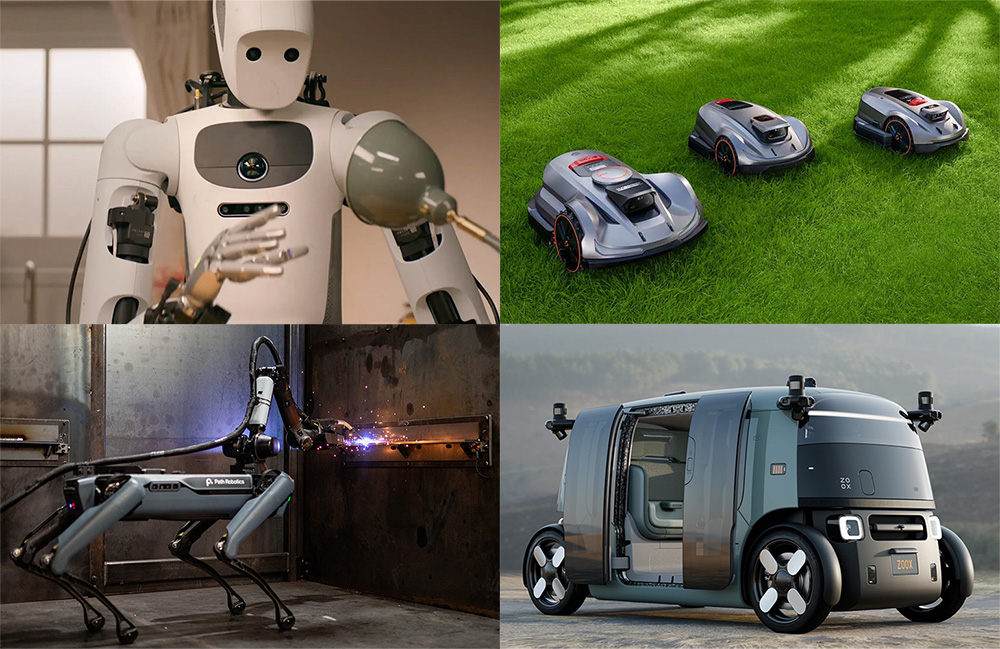
Top 10 Robotics Developments and Funding Highlights from August 2026
In August 2026, significant funding rounds and advancements in humanoid robotics captured attention across the industry. XPeng Motors' Dogotix unit raised over $900 million, achieving a post-transaction valuation exceeding $6.3 billion, marking a notable entry into humanoid robotics for the electric vehicle manufacturer. The construction sector is witnessing increased demand for automation, with SoftBank investing in Gravis Robotics' Series A round, which is touted as the largest in construction robotics history. Meanwhile, Reimagine Robotics is developing AI technology that allows robots to learn on the job, showcasing the potential for broader applications in various industries. Looking ahead, Unitree Robotics made a significant market debut, raising approximately $905 million in its IPO, while Zoox revealed its final design for a driverless robotaxi, signaling advancements in autonomous vehicle technology. No further timeline was disclosed at the time of publication.
Artificial Intelligence Artificial Intelligence / Cognition Automation Autonomous Mobile Robots (AMRs) Collaborative Robots Construction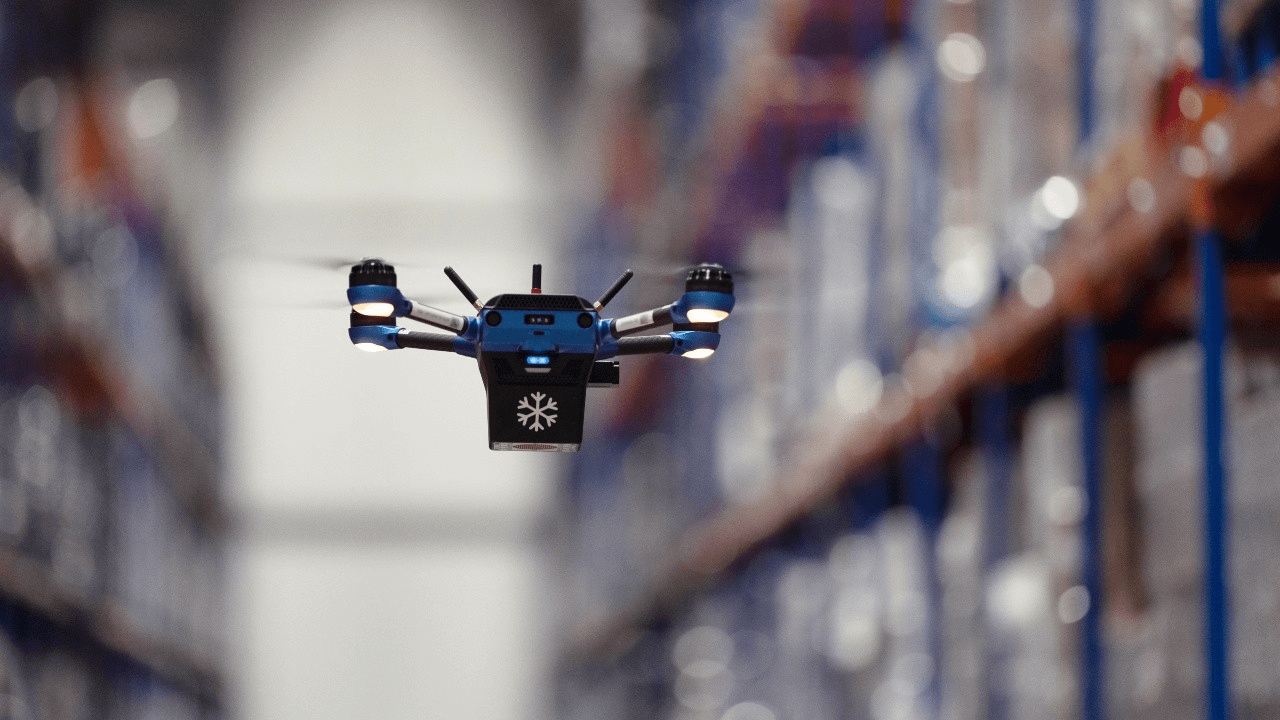
Corvus Robotics Appoints Co-Founder Mohammed Kabir as CEO and Secures $20 Million Funding
On August 25, 2026, Corvus Robotics appointed co-founder and Chief Technology Officer Mohammed Kabir as its new CEO, following Jackie Wu's transition to the board due to health reasons. Kabir has been integral to the company's technology and product development since its inception in 2017. This leadership change coincides with the most extensive product expansion in Corvus Robotics' history, including the launch of Corvus One for Cold Chain and Corvus Trident, an AI copilot for forklifts. The company has deployed over 300 warehouse inventory drones across North America, significantly enhancing operational efficiency for clients like Southern Glazer’s Wine & Spirits and Dermalogica. Looking ahead, Corvus Robotics aims to leverage its advanced drone technology to capture and analyze vast amounts of data within facilities. No further timeline was disclosed at the time of publication.
Business and Finance Drone News Drone News Feeds News aerospace news 2026 AIMS platform
Gravis Robotics Secures $200 Million from SoftBank for Autonomous Construction Technology
Gravis Robotics has received a significant $200 million investment from SoftBank, aimed at enhancing its construction technology. The startup focuses on retrofitting existing excavators and heavy machinery to incorporate autonomous and semi-autonomous capabilities, which are essential for modern infrastructure projects. This investment underscores SoftBank's confidence in the potential of physical AI, particularly in the automation of earth-moving equipment. Such advancements are crucial for improving efficiency in infrastructure development, including roads, quarries, and mines, where heavy machinery plays a vital role. Looking ahead, the industry will be watching how Gravis Robotics leverages this funding to further innovate in the construction sector. No further timeline was disclosed at the time of publication.
U.S. Army to Evaluate BLADE's Hunter WOLF Robotic Vehicle with 82nd Airborne Division
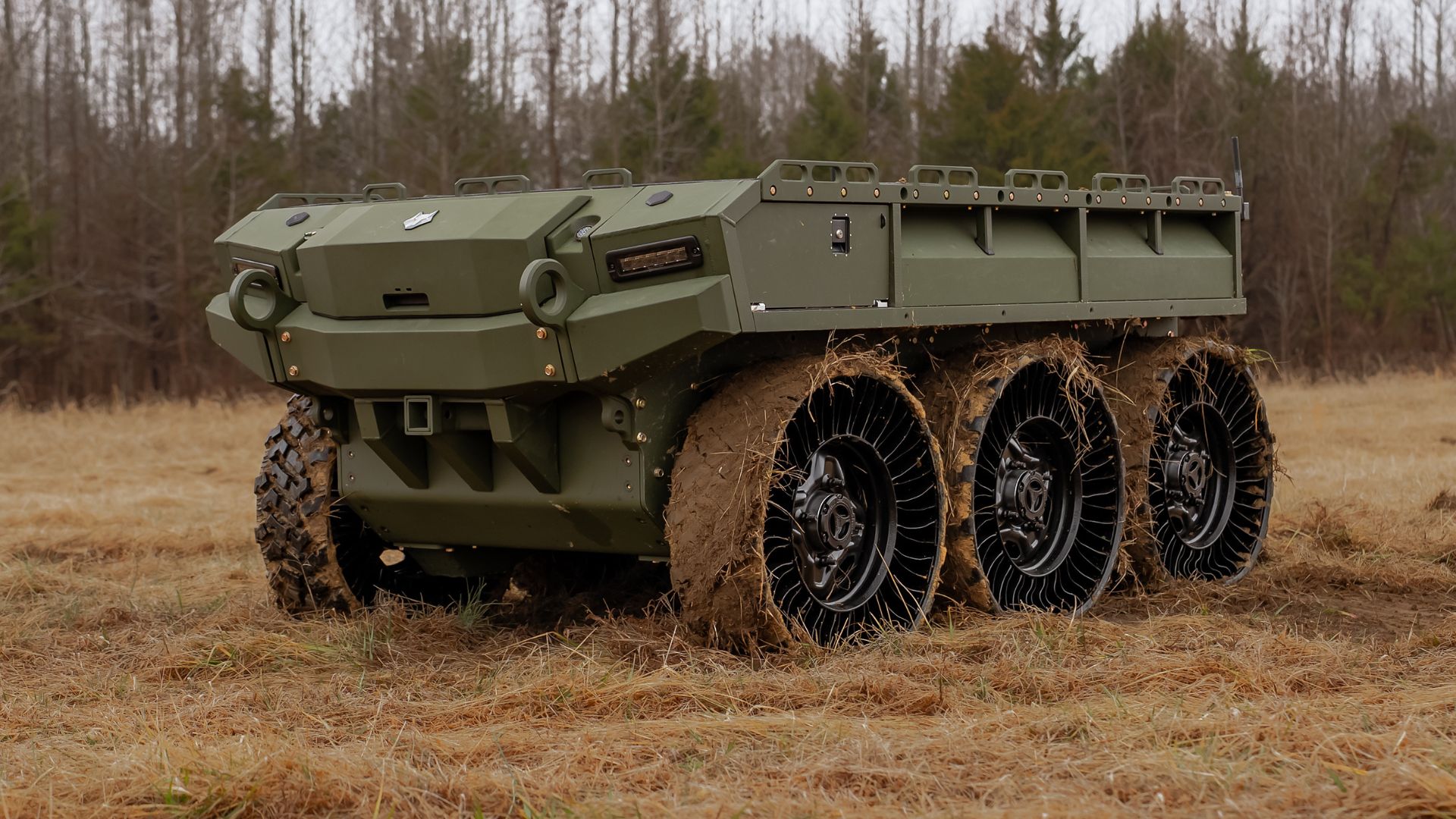
The U.S. Army is set to conduct field evaluations of BLADE's Hunter WOLF robotic vehicle with the 82nd Airborne Division on August 20 at Fort Polk, Louisiana. This unmanned ground vehicle is designed to assist in support tasks during military operations, boasting a payload capacity of 2,800 pounds to facilitate the movement of equipment and supplies. The significance of this evaluation lies in its potential to enhance operational efficiency for soldiers by reducing their physical burden during demanding missions. Hunter WOLF's capabilities, including casualty evacuation and mobile power support, allow troops to focus more on combat tasks rather than logistics, addressing the needs of light infantry units. Looking ahead, the evaluation will provide 82nd Airborne soldiers with hands-on experience, assessing the vehicle's adaptability in various mission scenarios. BLADE plans to configure Hunter WOLF for roles such as tactical communications and equipment transport, with the aim of validating its flexibility and effectiveness in real-world operations. No further timeline was disclosed at the time of publication.
AI and Robotics Military
Gravis Robotics Secures $200 Million from SoftBank for Autonomous Construction Innovation
Gravis Robotics has announced a significant investment of $200 million from SoftBank in its Series A funding round, marking a historic milestone in construction robotics. This funding aims to enhance the company's autonomous construction capabilities, addressing the industry's slow automation pace amid rising demands for infrastructure repairs and AI data center developments. The investment is crucial as Gravis Robotics seeks to revolutionize the construction sector, which has traditionally relied on mechanical hardware. With its Gravis Rack autonomous control kit, the Zurich-based company retrofits existing construction equipment, enabling it to operate in unpredictable jobsite conditions, thereby overcoming the challenges of traditional automation. Looking ahead, Gravis Robotics plans to leverage this funding to expand its workforce and deploy its technology across major job sites. The company emphasizes the importance of bridging the sim-to-real gap in construction, aiming to bring factory-floor precision to civil engineering tasks. No further timeline was disclosed at the time of publication.
Artificial Intelligence / Cognition Autonomous Mobile Robots (AMRs) Construction Controllers Investments News
Yiyou Technology Secures Over $28 Million in Series B Funding for Joint Technology
On August 13, Yiyou Technology, a leading integrated servo joint company in China, announced the completion of over 200 million yuan in Series B financing. This round saw participation from 12 institutions, including prominent investors such as Samsung Ventures and Guofang Venture Capital. This marks the third round of financing for Yiyou Technology this year, with total funding exceeding 500 million yuan. The significance of this funding lies in Yiyou Technology's innovative PHU-F joint module, which can detect torque changes as low as 0.01Nm at an 8kHz frequency. This technology enables robots to have a tactile sense, allowing them to perceive the force they exert. The company has established the world's first fully automated production line for robotic joints, with an annual capacity of 100,000 units, expandable to 300,000 units. Looking ahead, Yiyou Technology has secured over 1.5 million joint orders for 2026, a 15-fold increase compared to the total shipments in 2025. Their client list includes over 500 companies globally, extending their business reach to regions such as Japan, North America, and Southeast Asia. No further timeline was disclosed at the time of publication.
Robotic Joints Automation Technology Funding and Investment Industrial Robotics
Pragmatik Labs Launched by Former Qianwen Tech Head with $2.2 Million Funding
On August 12, Lin Junyang officially announced the launch of Pragmatik Labs via the X platform, revealing a funding round led by Gaorong Capital and Sequoia China. The angel round, completed on June 16, raised approximately $220 million, valuing the company at around $2 billion. Pragmatik Labs aims to develop foundational capabilities for next-generation agents that bridge the digital and physical worlds, focusing on 'world models and embodied intelligence.' The company has not yet released commercial products or generated market revenue, but its valuation reflects a shift in the AI investment landscape in China. Looking ahead, Pragmatik Labs will focus on two main business segments: digital agents for knowledge work and physical agents capable of interacting with real environments. No further timeline was disclosed at the time of publication.
AI Intelligent Agents Startup Funding Technology Innovation
WAIC 2026 Competition to Advance Embodied Intelligence in Real-World Applications
The World Artificial Intelligence Conference (WAIC) in Shanghai has launched a global initiative for the 2026 International Embodied Intelligence Skills Competition. This initiative, in collaboration with the Ministry of Industry and Information Technology and the State-owned Assets Supervision and Administration Commission, aims to address nine key scenarios including manufacturing, logistics, and emergency response. This competition seeks to bridge the gap between advanced AI technologies and practical applications in various industries. By inviting global teams to propose solutions for real-world challenges, the initiative emphasizes measurable and replicable tasks that can be tested in actual business environments. The focus is on identifying high-repetition tasks suitable for automation and enhancing service experiences in critical scenarios. Participants will engage in a competitive format where they can present solutions to real problems, effectively streamlining the traditional bidding process. The competition aims to foster innovation and collaboration, with the potential for significant advancements in embodied intelligence applications across multiple sectors. No further timeline was disclosed at the time of publication.
Embodied Intelligence AI Competitions Robotics Industrial Automation
Neros Secures $250 Million Funding to Advance Drone Production and Technology
Drone startup Neros has successfully raised $250 million in a funding round co-led by Sequoia, increasing its valuation to $2.5 billion. This investment will support Neros as it expands its offerings beyond strike drones to include autonomous systems and drone interceptors. The significance of this funding lies in Neros's ambition to establish a robust US supply chain for drone production, reducing reliance on China. CEO Soren Monroe-Anderson and Sequoia partner Shaun Maguire highlighted their goal of ramping up production capabilities, aiming to manufacture one million drones annually. Looking ahead, stakeholders should monitor Neros's progress in scaling production and the development of its autonomous systems. No further timeline was disclosed at the time of publication.

Neros Inc. Secures $250 Million Funding, Tripling Valuation to $2.5 Billion
Neros Inc. has successfully raised $250 million in a recent funding round, resulting in a tripled valuation of $2.5 billion. This significant financial boost is aimed at enhancing the startup's capabilities in drone development and production. The increased valuation reflects the growing demand from the US government for advanced defense technologies, particularly in the realm of drones. Neros Inc.'s focus on meeting this demand positions it strategically within the defense sector, which is increasingly reliant on innovative solutions. Looking ahead, industry observers will be keen to see how Neros Inc. utilizes this funding to expand its operations and product offerings. No further timeline was disclosed at the time of publication.

Magnendo Secures $32 Million from ARPA-H for Autonomous Stroke Treatment Robot Development
Magnendo, an MIT spinout, has received up to $32 million from ARPA-H to develop an autonomous system for treating ischemic strokes. This funding will support a five-year program focused on enhancing robotic navigation technology to improve the efficiency of mechanical thrombectomy procedures, which currently require specialized expertise and are limited to select hospitals. The initiative aims to address the challenges faced during stroke treatment, particularly for patients with large vessel occlusions. Magnendo's magnetic navigation technology is designed to facilitate easier navigation through complex vascular anatomy, potentially reducing the time it takes to restore blood flow, which is critical for patient outcomes. Looking ahead, the program seeks to integrate various technologies, including medical imaging and AI, to create a comprehensive platform for autonomous endovascular interventions. The ultimate goal is to make advanced stroke treatments more accessible across a broader range of healthcare facilities, thereby improving patient care and outcomes in stroke management.
AI and Robotics
HSG Participates in $297 Million Funding Round for Space Star Technology
HSG has joined a significant funding round of $297 million for Space Star Technology, a company that operates over 60 ground stations. This investment highlights the growing importance of satellite and rocket support services in the aerospace sector. The involvement of HSG in this funding round underscores the increasing demand for reliable ground station operations, as Space Star Technology has successfully served 684 satellites and rockets. This funding will likely enhance their capabilities and expand their service offerings in the competitive aerospace market. Looking ahead, industry stakeholders should monitor how this investment impacts Space Star Technology's operations and growth trajectory. No further timeline was disclosed at the time of publication.
News Startups aerospace China Funding Space Star Technology
Taoshi Intelligent Raises $21 Million to Advance Robot Gear Technology Innovations
Taoshi Intelligent Technology (Shenzhen) Co., Ltd. has successfully completed a Series A funding round of 140 million yuan (approximately $21 million), with investors including Qianhai Financial Holdings, Guangzhou State-owned Assets, Haichuan Juyi, and Hangzhou Zhongshan. This follows a significant Pre-A funding round in September 2025, marking another substantial financial achievement for the company in less than a year. The importance of this funding lies in the anticipated growth of humanoid robots and embodied intelligence, projected to begin large-scale commercialization in 2026. As the demand for core components, particularly precision reducers, remains critical, Taoshi Intelligent has developed a unique micro planetary gear system tailored for humanoid robotic hands, positioning itself as a leader in this niche market. Looking ahead, Taoshi Intelligent's innovative gear technology, which integrates reduction and orthogonal transmission, is set to enhance the performance of robotic applications. The company has made significant advancements in manufacturing processes and materials, overcoming traditional challenges associated with complex surface machining. No further timeline was disclosed at the time of publication.
Precision Reducers Humanoid Robots Robotics Technology Automation Micro Gear Systems
Yushutech's $42 Billion Valuation: Early Investors Back Wang Xingxing's Vision
On August 5, Yushutech, the first publicly listed bipedal robot company in China, initiated its preliminary inquiry for an IPO, aiming to raise approximately 4.202 billion yuan ($42 billion) by issuing 40.4464 million shares. The company completed its stock exchange review in just 73 days, setting a record for IPO speed this year. This rapid progression to the capital market is significant as it highlights the strong backing from major investors in China's hard tech sector, including early supporters who recognized the potential of Yushutech before it gained mainstream attention. The company's founder, Wang Xingxing, holds a 23.82% stake and controls 68.78% of the voting rights, showcasing a robust governance structure. Investors such as Sequoia China and other prominent venture capital firms have shown confidence in Yushutech's technology, which competes with international counterparts at a fraction of the cost. As the company prepares for its public offering, the focus will be on its ability to deliver on its ambitious growth plans and the ongoing interest from institutional investors.
Humanoid Robots Investment Robotics AI Startup Funding
July 2026 Sees $1 Billion in 18 Humanoid Robot Funding Deals
In July 2026, the investment landscape for humanoid robots shifted significantly, with 54 funding events in robotics and related fields, of which 18 were focused on humanoid robots and embodied intelligence, accounting for 38.3% of total funding. This surpasses investments in core components and medical robots combined, indicating a strong focus on this sector. The funding trends reveal that projects solely based on the 'humanoid' concept are struggling to secure investments. Capital is now directed towards three main areas: embodied intelligence brains, applications with clear use cases, and core components. Notably, early-stage projects received substantial funding, with over half of the 18 humanoid-related financing events involving early-stage companies, achieving record-high individual funding amounts. Investors are increasingly interested in companies with defined application scenarios. For instance, companies like Xingdong Era and LeXiang Technology have secured significant funding while emphasizing industrial and consumer applications. The funding landscape is also changing, with state-owned and industrial capital becoming the primary investors, reflecting a shift in policy focus towards practical applications in factories and homes. No further timeline was disclosed at the time of publication.
Humanoid Robots Embodied Intelligence Investment Trends Robotics Funding Core Components
Ant Group's Robbyant Seeks $222 Million in Initial Funding Round
Robbyant, the embodied artificial intelligence division of Ant Group, has initiated its search for external funding, targeting approximately $222 million in its first fundraising round. This marks the fourth unit of Ant Group to pursue capital-raising efforts, as reported by LatePost. The significance of this funding initiative lies in Robbyant's recent advancements, including the launch of its second generation of the LingBot AI foundation model family. The new models, such as LingBot-Vision and LingBot-Depth 2.0, enhance robotic systems' capabilities in processing visual data and navigating physical environments, which is crucial for the development of embodied AI. Looking ahead, Robbyant aims to complete a second funding round by the end of this year. The progress of this funding effort and the continued development of its AI models will be critical to watch as they could significantly impact the robotics and AI landscape in the coming months.
Key Robotics Developments and Funding Highlights from July 2026
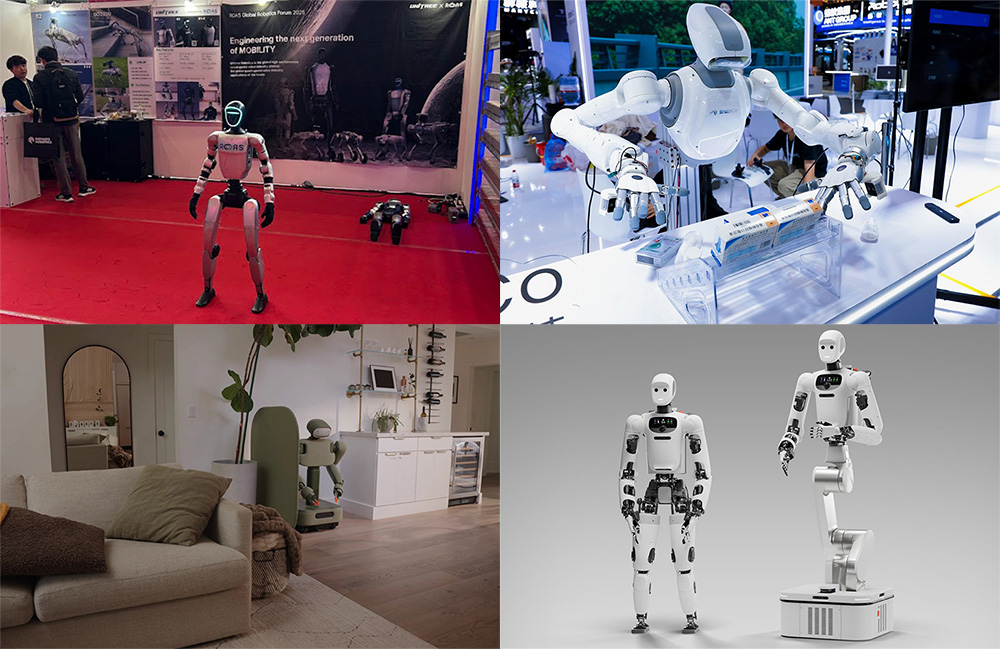
In July 2026, significant funding rounds and advancements in robot training captured attention in the robotics sector. AI² Robotics secured approximately $735 million, elevating its valuation to over $2.8 billion, positioning it as a leader in China's physical AI market. Meanwhile, the U.S. government announced new restrictions on importing certain foreign robots, citing national security concerns. The evolving landscape of robotics emphasizes the need for adaptability in robots, moving beyond simple task automation to addressing complex environments. Companies like Humanoid and Walden Robotics are pioneering advancements in robotic manipulation and continuous learning, respectively, showcasing the industry's shift towards physical AI and general-purpose robotics. Looking ahead, the introduction of innovative products such as Apptronik's Apollo 2 humanoid robot and Weave Robotics' Isaac 1 consumer robot highlights the ongoing competition in the market. As investment in robotics continues to grow, stakeholders should monitor regulatory changes and technological advancements that could reshape the industry landscape.
Artificial Intelligence Artificial Intelligence / Cognition Autonomous Mobile Robots (AMRs) Controllers Design / Development Financial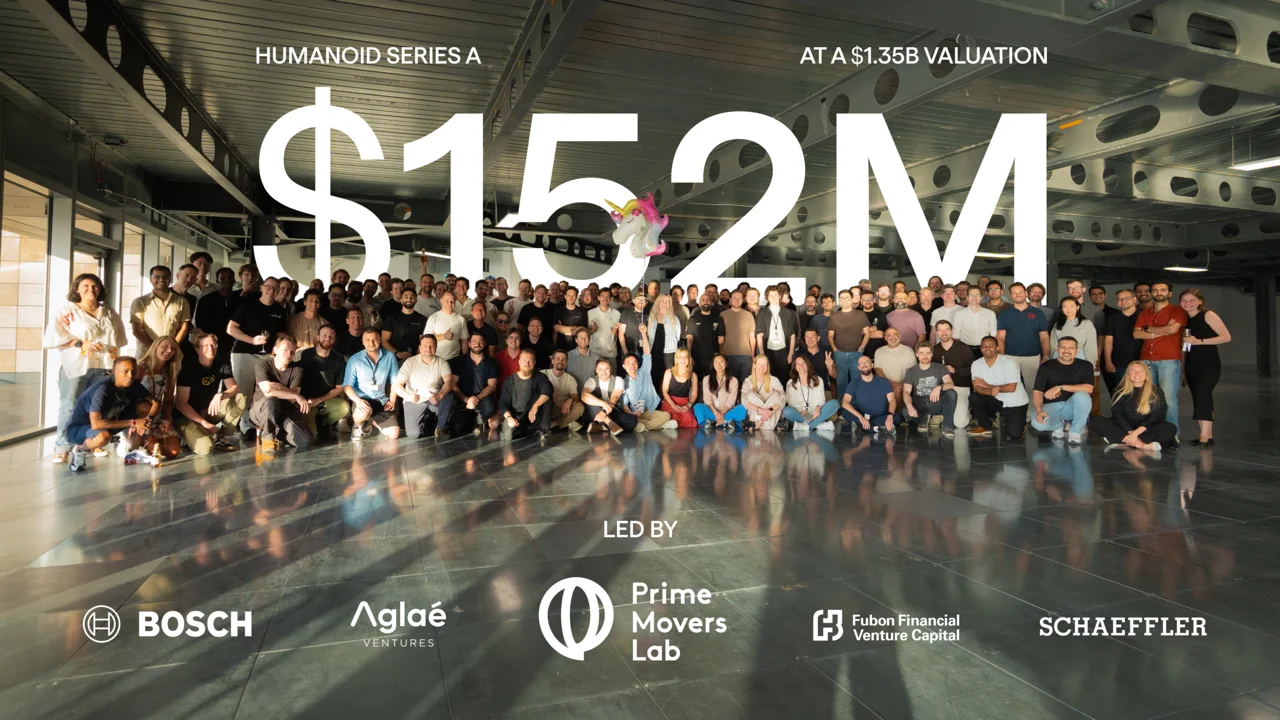
Humanoid Secures $152M in Series A Funding, Achieving $1.35B Valuation
UK-based robotics startup Humanoid has successfully raised $152 million in Series A financing, elevating its post-money valuation to $1.35 billion. This funding milestone positions Humanoid as Europe's first pure-play humanoid robotics startup to reach unicorn status, with significant backing from Prime Movers Lab and industrial giants Schaeffler and Bosch. The importance of this funding round extends beyond the valuation, as it includes strategic investments from two major European industrial players, enhancing operational partnerships. Schaeffler has committed to deploying a multi-thousand unit fleet of humanoids by 2032, while Bosch will assist in scaling production and refining hardware design, creating a robust feedback loop between development and deployment. Humanoid plans to utilize the $152 million to transition to Beta hardware, crucial for achieving long-term reliability and low Total Cost of Ownership in factory operations. The company's HMND 01 Alpha units have shown promising results in trials, and the shift to low-rate initial production will be a key test for the startup's market-ready approach.
Europe Market HMND-01 HumanoidRobotics needs a service framework.
RSF defines a common language for robot service capability, lifecycle operations, certification pathways, and service-provider networks.
Join the RobotToday community on LinkedIn
Daily robotics news, in-depth analysis, conference highlights, and discussions with professionals worldwide.