Industry Briefing
A single destination for timely, editor-curated robotics news from around the world.
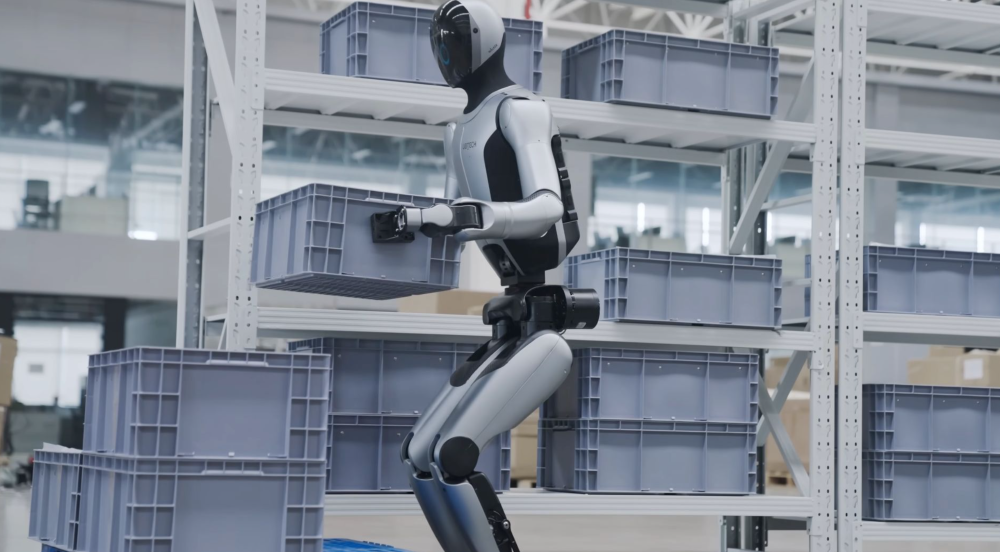
UBTECH Deploys Humanoid Robots at China-Vietnam Border to Enhance Smart Port Operations
UBTECH has introduced humanoid robots at the Dongxing port, located on the China-Vietnam border, to enhance customs operations for passenger management and cargo inspection. This initiative, backed by a $40 million contract, aims to reduce congestion in this heavily trafficked international passage. The Walker S2 robots are designed to offer multilingual assistance and monitor crowd density, thereby streamlining customs procedures. This technological advancement has sparked discussions regarding the limits of law enforcement authority as automation becomes more prevalent in public safety efforts.
Humanoid Robots Smart Ports Customs Automation AI Technology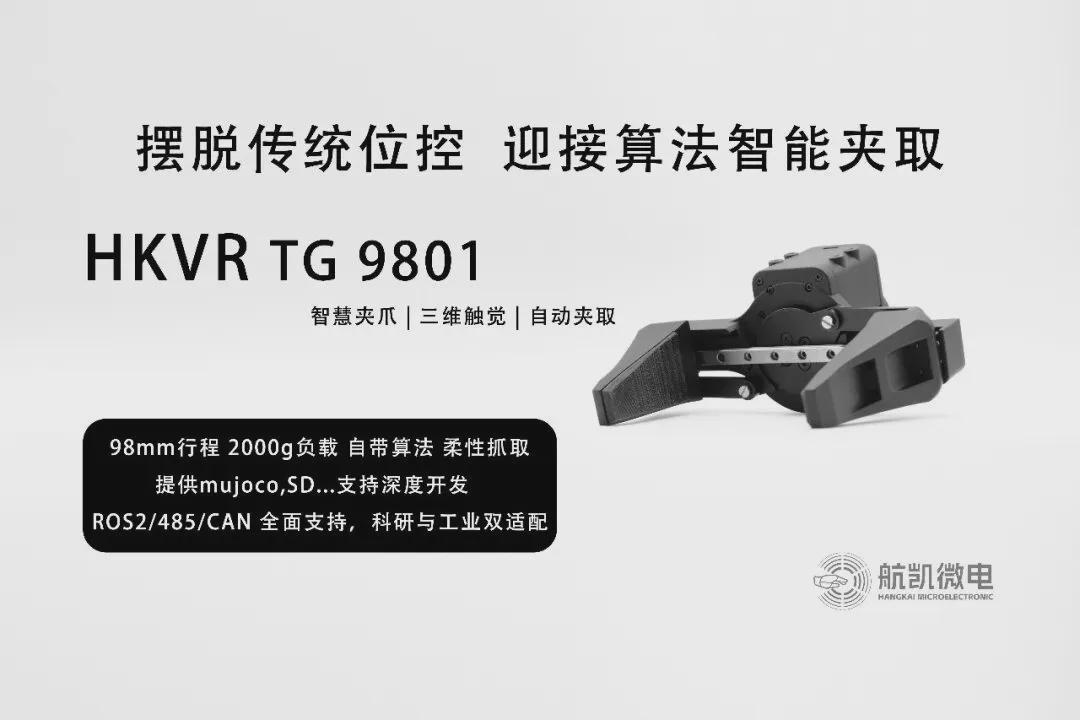
Hangkai Microelectronics TG 9801 Tactile Intelligent Gripper: No Programming Required for Smart Grabbing, Natively Supports ROS2/485/CAN, Versatile for All Scenarios
Suzhou Hangkai Microelectronics has introduced the HKVR TG 9801 tactile adaptive gripper, a cutting-edge solution designed to simplify automation and robotics applications. This innovative gripper eliminates the need for complex programming, allowing for flexible grasping of diverse materials and sizes. The device features native support for ROS2 and various industrial communication protocols, facilitating seamless integration and quick deployment in industrial settings. This advancement aims to enhance operational efficiency and adaptability in automation processes, catering to the growing demand for versatile robotic solutions in various sectors.
Tactile Grippers Robotics Integration Industrial Automation ROS2 Smart Manufacturing
Xiaomi launches crowdfunding for its first smart storage device
Xiaomi has officially entered the home data storage market with the launch of its first smart storage device, which began crowdfunding on the Xiaomi Youpin platform on Wednesday. This innovative device features a high-performance quad-core processor and offers an impressive storage capacity of up to 16TB. Designed to enhance user convenience, it supports automatic backups across multiple devices and allows for remote file access, catering to the growing demand for efficient and secure data management solutions.
News Feed
indie Launches Edge AI SoC to Power Smarter Perception Systems for Automotive and Humanoids
indie, an automotive solutions innovator based in Aliso Viejo, CA, has announced the launch of its next-generation edge AI system-on-chip (SoC), the iND881, designed to enhance smart camera technology for automotive and robotic applications. Unveiled on June 10, 2026, the iND881 integrates an AI compute engine with indie’s advanced low-latency multi-camera image signal processor (ISP), providing an efficient solution for developers. The iND881 is engineered for low power consumption and real-time responsiveness, featuring a Neural Processing Unit (NPU), a versatile Digital Signal Processor (DSP), and a quad-core ARM Cortex-A53 CPU. This architecture is tailored for demanding edge perception tasks, making it particularly beneficial for advanced driver assistance systems, including driver and occupant monitoring and smart mirrors with blind-spot detection. In addition to automotive applications, the iND881 supports robotics and physical AI automation, facilitating accurate sensing and navigation for autonomous mobile robots. The device's capabilities include multi-channel video compression, high-dynamic-range ISP, and compatibility with various sensor modalities such as infrared and LiDAR, ensuring robust performance in complex environments. The iND881 is ASIL-B compliant and automotive qualified, currently available for sampling. It will be showcased at the upcoming AutoSens and InCabin USA 2026 events. Fred Jarrar, indie's senior vice president, emphasized that the launch not only expands their product portfolio but also positions indie as a comprehensive solutions provider in the edge AI market.

Adata microSD Premier Extreme 256GB on sale for 8,289 yen, ideal for Switch 2 and smartphone storage expansion.
Amazon.co.jp is currently offering a time-limited sale on a new ultra-fast microSD card that supports the latest memory card standards. The 256GB model boasts impressive read speeds of up to 800MB per second and is available at a discounted price of 8,289 yen, reflecting a 23% reduction from its reference price. This promotion provides an opportunity for consumers to upgrade their storage solutions at a competitive price.

Tattu Launches 5.0 Smart Battery Platform as Heavy-Lift Drones Demand Faster Charging and Smarter Fleet Power Management
A new platform has been developed for 100kg-class agricultural and logistics unmanned aerial vehicles (UAVs), showcasing advanced technological features aimed at enhancing operational efficiency. This innovative system integrates high-discharge performance capabilities, enabling rapid energy release during flight. Additionally, it supports 6C fast charging, significantly reducing downtime for UAVs between missions. The platform also incorporates an intelligent Battery Management System (BMS) that optimizes battery performance and longevity, while providing access to lifecycle data for better maintenance and operational planning. This development is expected to revolutionize the agricultural and logistics sectors by improving the reliability and efficiency of UAV operations, ultimately contributing to increased productivity in these industries.
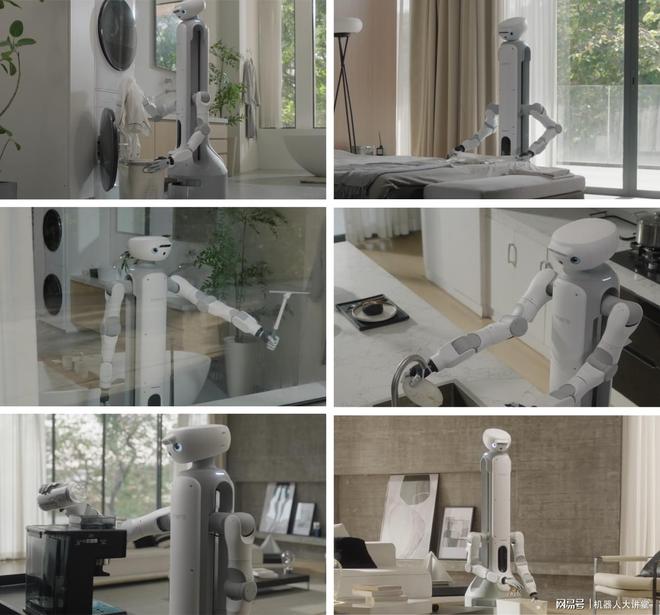
Woan Robotics Wins 45 Million Yuan Smart Data Infrastructure Project to Accelerate Real-World Data Loop Construction
Woan Robotics has announced a significant contract valued at around 45 million yuan for an AI ecological innovation community project in Shenzhen. This initiative aims to establish a robust data infrastructure that supports embodied intelligence, which will improve data collection and management across various real-life applications. The project is expected to enhance the integration of AI technologies into everyday scenarios, fostering innovation and efficiency in the region.
Embodied Intelligence Data Infrastructure Robotics AI Smart Home Solutions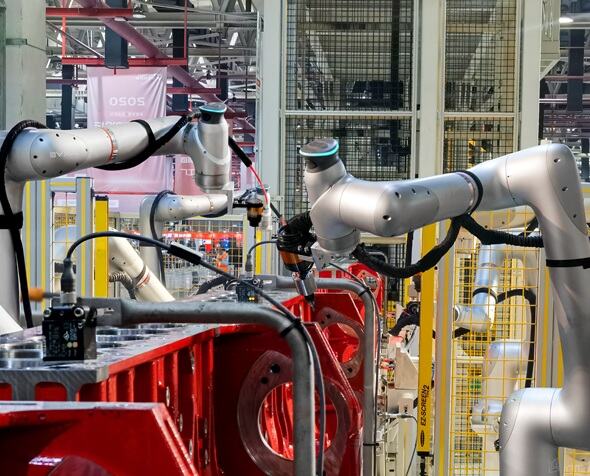
ROKAE Robots Empower Foton Cummins “Lights-Out Factory” with 24/7 Smart Production
ROKAE has successfully deployed over 100 robots across more than 30 different application scenarios, providing customized automation solutions that include machining, assembly, surface treatment, inspection, and dispensing. This significant implementation supports Foton Cummins’ lights-out factory, where these robots are integral to essential processes such as cylinder block machining, final assembly, and quality inspection. The initiative aims to enhance operational efficiency and productivity within the manufacturing environment, showcasing ROKAE's commitment to advancing industrial automation technologies.
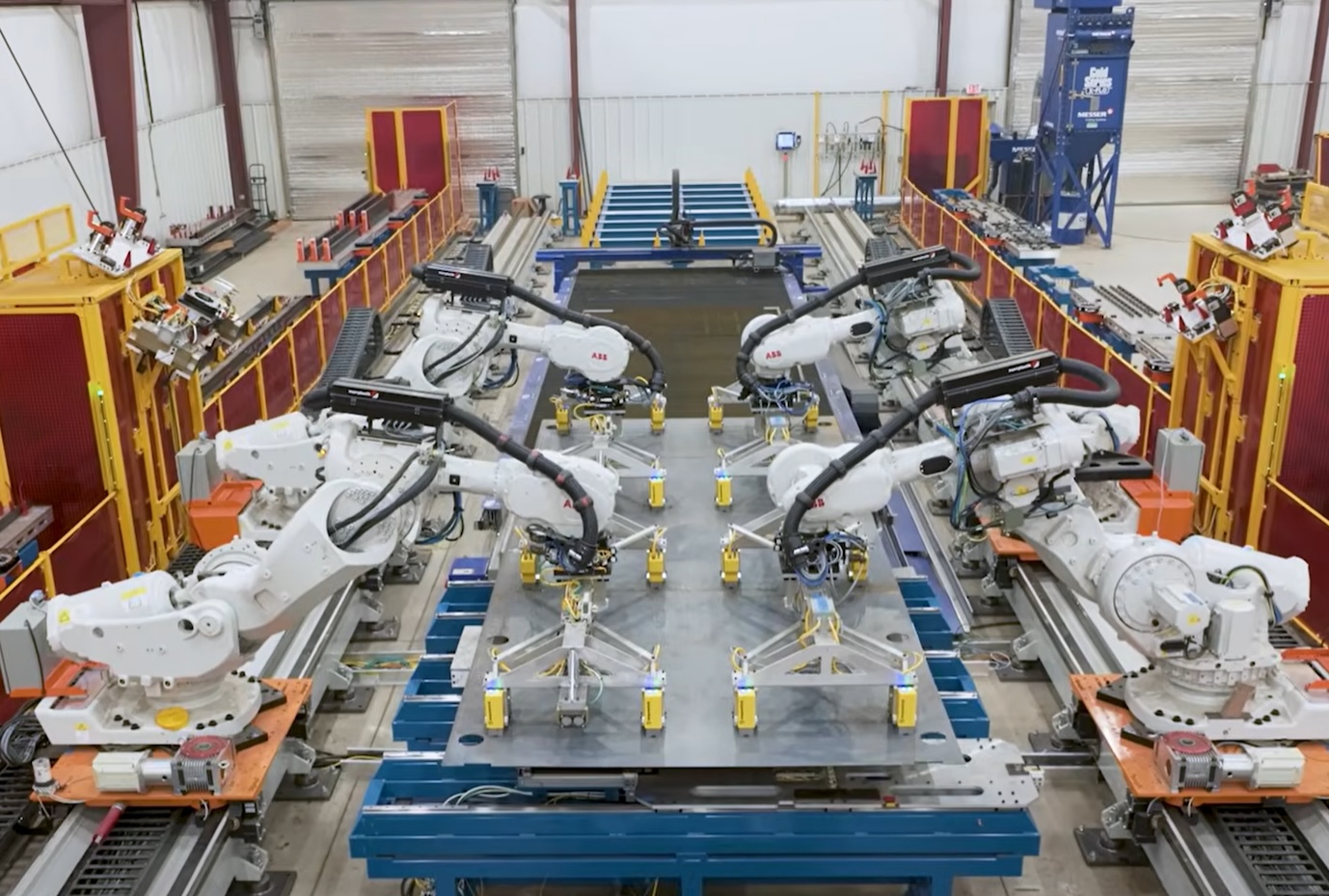
SCEKL 2025 CONCLUDES WITH STRONG OUTCOMES FOR ASEAN’S DIGITAL FUTURE
The Ministry of Digital in Malaysia hosted the Smart City Expo Kuala Lumpur (SCEKL 2025) from September 17 to 19 at the Kuala Lumpur Convention Center. This event gathered city leaders, policymakers, industry stakeholders, and innovators from across the ASEAN region to collaboratively develop digital strategies aimed at shaping the future of urban living. The expo highlighted Malaysia's dedication to a people-centric digital agenda, which aligns with its role as the ASEAN Chair for 2025 and supports the long-term vision of becoming an AI Nation by 2030.
News Asia smart city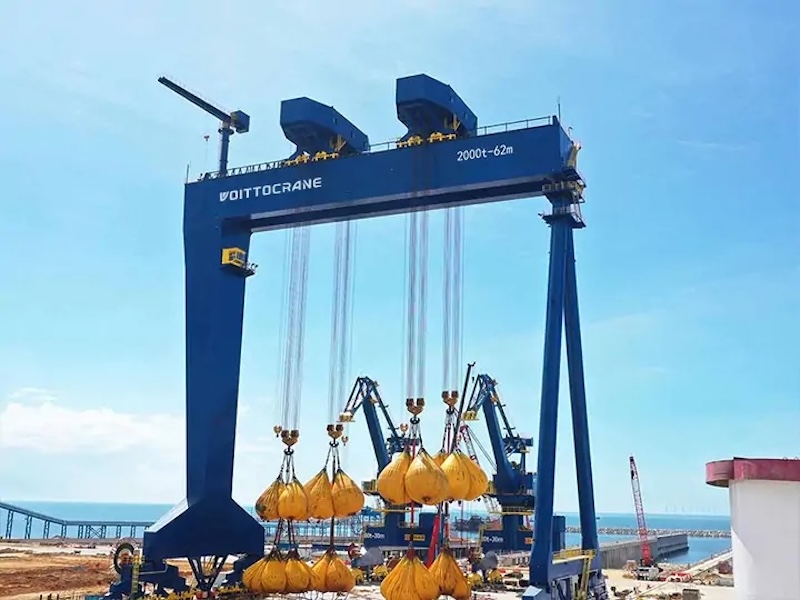
How Automated Container Gantry Cranes Are Reshaping Port Operations in 2026
In 2026, container gantry cranes, essential to global port logistics, are set to undergo significant transformation. This evolution is driven by advancements in automation and artificial intelligence, alongside increasing demands for reduced emissions in the shipping industry. As a result, these towering machines are transitioning from traditional mechanical roles to becoming intelligent, interconnected systems. This shift aims to enhance operational efficiency and sustainability in port operations, fundamentally redefining logistics practices worldwide. The integration of smart technologies is expected to improve the speed and accuracy of cargo handling, ultimately benefiting global trade.
Logistics Material handling ai automation automated container cranes automation news cargo handling
Forget the score, MWC Shanghai’s humanoid robot penalty shootout put embodied AI to the test
At the Mobile World Congress (MWC) Shanghai 2026, a fully autonomous humanoid robot penalty shootout emerged as the standout attraction, captivating over 10,000 spectators. The event took place over two days at the Shanghai New International Expo Centre, where eight Chinese teams specializing in embodied AI competed in nearly 100 rounds of intense matches. This innovative competition highlighted the advancements in robotics and artificial intelligence, drawing significant attention away from traditional smartphone launches and keynote speeches. The enthusiasm surrounding the event underscores the growing interest in AI technologies and their applications in entertainment and sports.
Heavy Hitters AI Content and entertainment Highlight News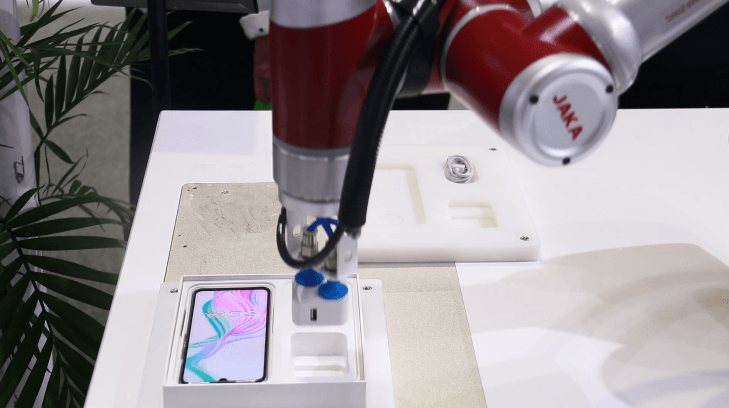
Which Company Makes Industrial Robots?
The global manufacturing sector is witnessing a significant transformation as it shifts from traditional high-speed automation to flexible collaborative systems. This change, driven by the emergence of "Industry 5.0," prioritizes human-machine synergy, allowing robots to operate safely alongside human workers. By 2026, the industrial robotics market has diversified, with companies adapting to the specific needs of production lines, moving beyond the dominance of the "Big Four" in heavy-duty manufacturing. Innovators in the field are now focusing on creating robots that are "Smart, Simple, Small," featuring intuitive graphical interfaces and wireless connectivity. This shift has enabled smaller enterprises to adopt automation technologies previously reserved for larger factories, resulting in increased productivity across various sectors, including electronics, food and beverage, and logistics. JAKA Robotics, a leader in this industrial revolution since 2014, emphasizes the concept of "embodied intelligence" in its robots. Their JAKA Zu series supports payloads up to 20kg with high precision, while the JAKA A series caters to delicate assembly lines with even greater accuracy. JAKA distinguishes itself with user-friendly innovations, such as mobile terminal APP control, which simplifies the automation process. The company’s commitment to providing safe and reliable robotic solutions positions it at the forefront of the evolving landscape of industrial innovation, paving the way for a new era in manufacturing.
How Does Someone Control a Robot Arm?
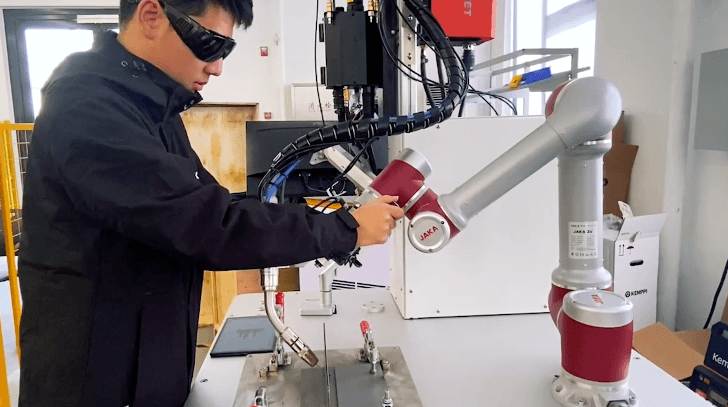
JAKA Robotics is revolutionizing the interaction between humans and industrial machinery by simplifying the control of robotic arms. Traditionally, operating these systems required extensive knowledge of complex coding and strict safety protocols. However, JAKA's innovative approach now enables operators with diverse technical skills to manage high-precision movements through user-friendly interfaces. The company has introduced several methods for controlling collaborative robots, including handheld teach pendants and tablet-based graphical user interfaces (GUIs) that allow users to create action sequences by dragging and dropping command blocks. One of the standout features is direct teaching, where operators can manually guide the robot arm to desired positions, which the system records in real-time, streamlining tasks like gluing and polishing. Additionally, advancements in IoT and wireless technology have made it possible for operators to control robotic arms remotely via smartphones or laptops, facilitating efficient management in smart factory settings. JAKA's Zu30 and AL series arms can be programmed using standard tablets, supporting a "Drag-and-Graphic Programming" feature that simplifies the control process. By prioritizing accessibility and flexibility, JAKA Robotics aims to eliminate the barriers of traditional automation, catering to everyone from small workshop owners to large manufacturers. The company also supports various programming languages and ROS integration for advanced users, combining safety features with intuitive control methods to foster a collaborative environment between humans and machines.
Top 5 Trends of the Industrial Cobot Industry in 2026
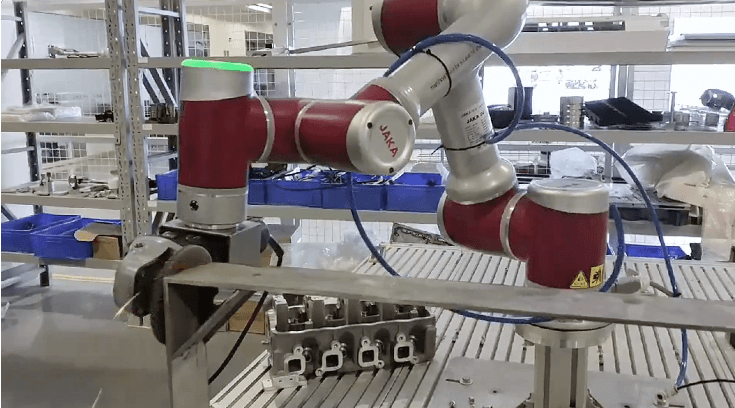
The industrial cobot sector is experiencing significant advancements, particularly in 2026, as manufacturers increasingly integrate collaborative robots into their operations. JAKA, a key player in this field, highlights several emerging trends that are shaping the future of robotics and automation. One major trend is the demand for adaptable automation systems. The JAKA Pro5 exemplifies this shift by being highly reprogrammable, allowing manufacturers to efficiently adjust to varying production needs while minimizing downtime and equipment costs. Safety remains paramount, with collaborative robots being deployed to replace human operators in hazardous environments. The JAKA Pro5 enhances workplace safety by performing tasks like polishing and grinding, thereby reducing the risk of accidents and ensuring a safer production environment. Another significant trend is the emphasis on precision and consistent quality. Industrial operators are increasingly relying on cobots to deliver reliable processing outcomes, with the JAKA Pro5 helping to lower defect rates and meet stringent quality standards. Moreover, the integration of smart manufacturing and Industry 4.0 technologies is influencing cobot deployment. The JAKA Pro5 connects seamlessly with production monitoring systems, providing real-time insights that optimize workflows and enhance operational efficiency. Finally, the applications of collaborative robots are expanding across various industries, including electronics, automotive, and food processing. The versatility of the JAKA Pro5 supports this trend, enabling it to perform complex tasks tailored to different production lines. As 2026 unfolds, these trends underscore the evolving role of collaborative robots in enhancing efficiency, safety, and quality within the robotics and automation industry, with JAKA committed to advancing solutions that align with these developments.
Winner of Beijing robot half-marathon smashes human world record by 6 minutes
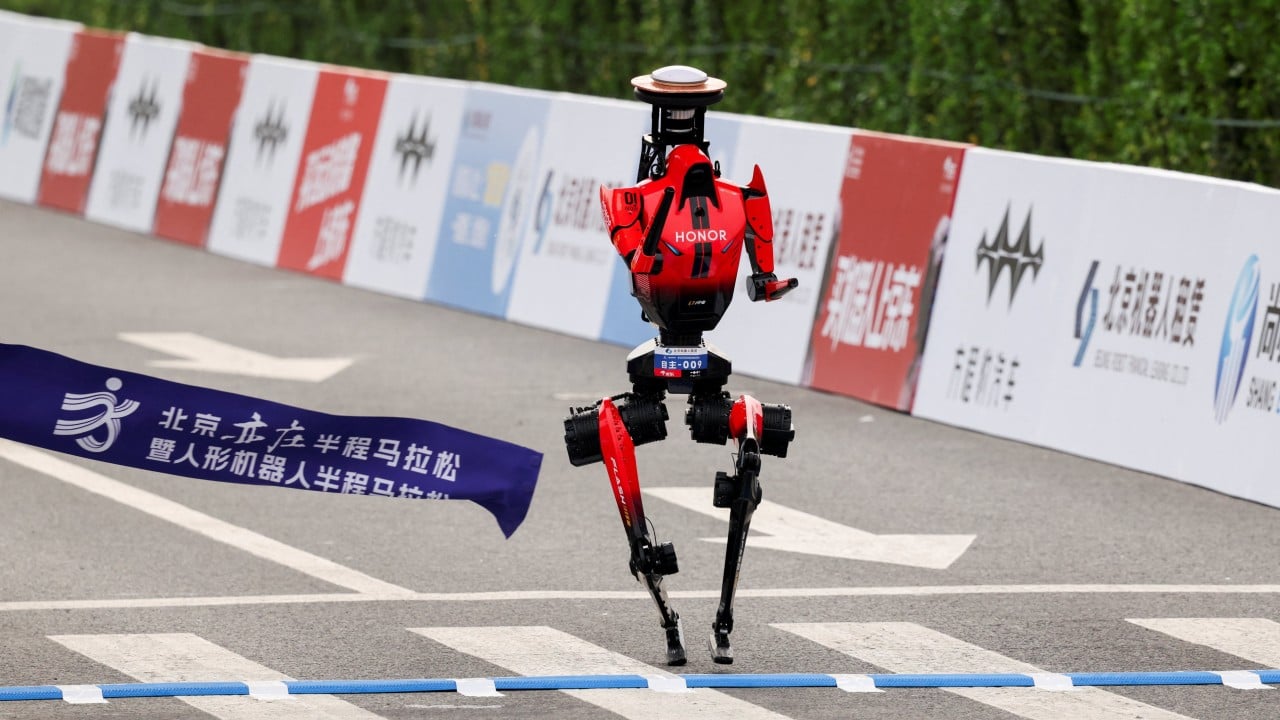
In a remarkable demonstration of technological advancement, a robot named Lightning won a half-marathon in Beijing on Sunday, setting a new record by finishing in 50 minutes and 26 seconds. This achievement surpasses the previous human world record of 57 minutes and 20 seconds, held by Ugandan runner Jacob Kiplimo, by over six minutes. Developed by Honor, a Chinese smartphone and gadget company that entered the robotics sector just last year, Lightning's performance highlights the rapid evolution of robotics and artificial intelligence. The event not only showcases the capabilities of modern technology but also raises questions about the future of competitive sports as machines increasingly outperform human athletes.
Beyond Cobots: Integrating Robotic Automation with AGVs and IIoT Systems
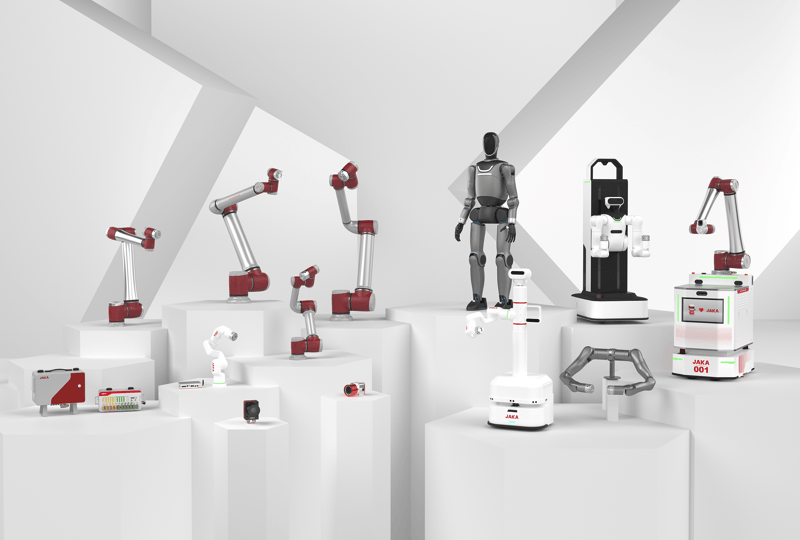
In recent years, manufacturing has experienced a significant transformation as companies shift from standalone automation to interconnected and flexible systems. JAKA, a leader in collaborative robot technology, has observed this evolution, where production environments are increasingly designed around coordinated robots, autonomous guided vehicles (AGVs), and Industrial Internet of Things (IIoT) platforms. This transition enables automation to adapt dynamically to real production conditions while ensuring safety and flexibility in workplaces that prioritize human interaction. Initially, collaborative robots were embraced for their ability to work safely alongside human operators, facilitating smoother automation processes. As their applications have matured, integrating these robots with AGVs and IIoT systems has become a logical progression. This integration allows for synchronized material handling and processing tasks, enhancing efficiency. IIoT connectivity further supports real-time data exchange, enabling predictive maintenance and improved process visibility, which is crucial for maintaining flexibility in production lines. AGVs play a pivotal role in extending automation beyond fixed workstations. When connected through IIoT infrastructure, these vehicles and robots can share crucial information, reducing idle time and manual interventions while enhancing workflow traceability. This coordination not only boosts operational efficiency but also increases transparency, allowing for continuous optimization and informed decision-making. To facilitate this integrated approach, JAKA has developed the Ai12, a collaborative robot designed for easy deployment through wireless teaching and graphical programming. This technology enhances safety and adaptability, allowing for seamless human-robot interaction. JAKA envisions a future where industrial robotic automation is not merely a collection of isolated machines but a cohesive system that evolves with production demands, fostering smarter and more responsive industrial environments.
JAKA Robotics: Driving Innovation as a Leading Robotics Company in APAC
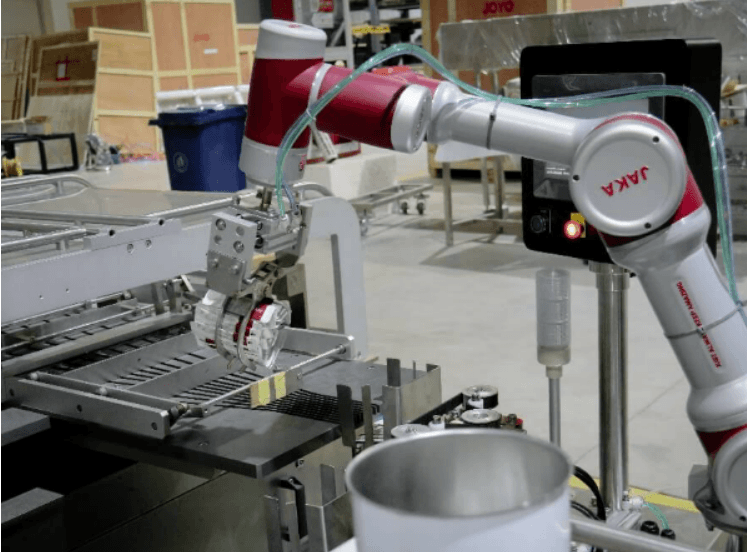
JAKA Robotics is making significant strides in the field of industrial automation, focusing on smart manufacturing solutions across the Asia-Pacific (APAC) region. The company specializes in collaborative robots that work safely alongside human operators, ensuring consistent performance in various applications such as electronics assembly, automotive component handling, and semiconductor processes. With a commitment to precision and stability, JAKA employs advanced control systems and intelligent software, achieving high repeatability levels essential for sensitive tasks like shaft assembly. Their robots are designed with low-noise circuitry and automated quality controls, enabling manufacturers to maintain efficiency and reduce errors during production. The Zu series of JAKA robots highlights the company's emphasis on flexible deployment, featuring compact designs that fit into confined workspaces. User-friendly programming tools allow even those without technical backgrounds to manage complex tasks, while safety features like collision protection and zero-drift calibration enhance human-robot collaboration. JAKA also prioritizes seamless system integration, offering communication interfaces compatible with manufacturing execution systems (MES), automated guided vehicles (AGVs), and vision modules. This adaptability supports more complex automation scenarios and allows non-specialized staff to operate sophisticated processes efficiently. As JAKA Robotics continues to innovate, it remains dedicated to enhancing productivity and operational resilience in the electronics, automotive, and semiconductor sectors, exemplifying how advanced automation solutions can transform modern manufacturing in the APAC region.
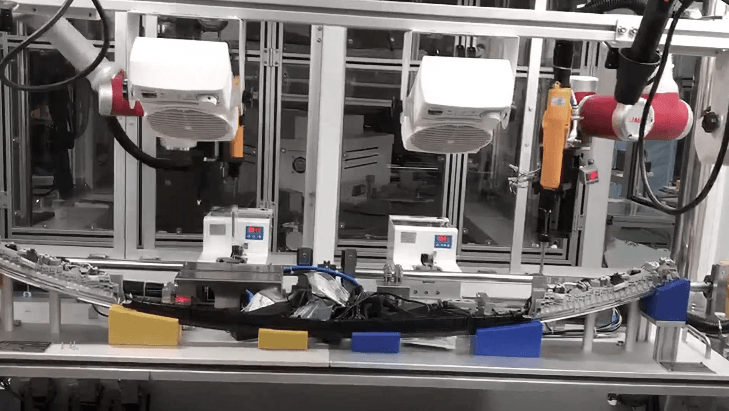
JAKA Zu Series vs. JAKA S Series: Which Cobot Suits Your Precision Needs Best?
JAKA, a leader in automation solutions for modern manufacturing, is showcasing its range of collaborative robots designed to enhance precision, flexibility, and safety in production environments. The JAKA Zu Series, particularly the Zu7 model, is tailored for high-precision tasks such as painting and packaging, effectively replacing manual labor while improving production rates and reducing material waste through its accurate control and repeatability. In contrast, the JAKA S Series focuses on smart control and safety, featuring advanced force-sensing and collision protection algorithms that enhance human-robot interaction. This series is designed for easy programming, allowing operators without coding experience to manage complex tasks, making it ideal for environments with limited space or frequently changing processes. Both series facilitate extensive system integration, connecting seamlessly with manufacturing execution systems (MES), automated guided vehicles (AGVs), and vision equipment. This integration supports a flexible manufacturing ecosystem, optimizing productivity and reducing deployment time. As clients evaluate their options, JAKA emphasizes the importance of selecting the right cobot based on specific operational needs. The Zu Series is recommended for high-volume, repetitive applications, while the S Series is better suited for adaptable operations requiring close collaboration with human workers. By understanding the unique strengths of each series, JAKA aims to help clients enhance their production efficiency and meet precision requirements in modern manufacturing.
Robotics needs a service framework.
RSF defines a common language for robot service capability, lifecycle operations, certification pathways, and service-provider networks.