Industry Briefing
A single destination for timely, editor-curated robotics news from around the world.

Affordable AI Sports Robot Raises $1.5 Million in One Day
The Aura sports robot, developed by PongBot, achieved remarkable success by raising over $1.5 million on Kickstarter within the first day of its campaign. Priced at $849, this innovative device functions as both a training partner and coach, equipped with advanced artificial intelligence capabilities. It offers customizable training programs and provides real-time feedback, positioning it as a competitive alternative to traditional sports training machines. The rapid funding reflects a growing interest in technology-driven solutions for athletic training and performance enhancement.
AI Sports Robots Training Technology Crowdfunding Smart Fitness Devices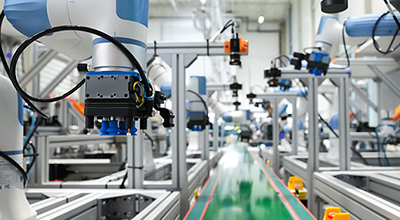
Dobot Cobots Power AI-Driven Smartphone Refurbishment at Breezy
Breezy, a leading company in smartphone refurbishment, is utilizing Dobot Nova Series collaborative robots (cobots) and MG400 robots to enhance its automation processes. This initiative aims to streamline operations and improve efficiency in the refurbishment of smartphones. The integration of these advanced robotic systems is part of Breezy's strategy to meet the growing demand for refurbished devices while maintaining high-quality standards. By automating various tasks within the refurbishment process, Breezy is not only reducing labor costs but also increasing productivity. This innovative approach positions the company at the forefront of the smartphone refurbishment industry, allowing it to respond swiftly to market needs and consumer preferences.
Dobot Breezy smartphone refurbishment AI automation Industry 5.0 collaborative robots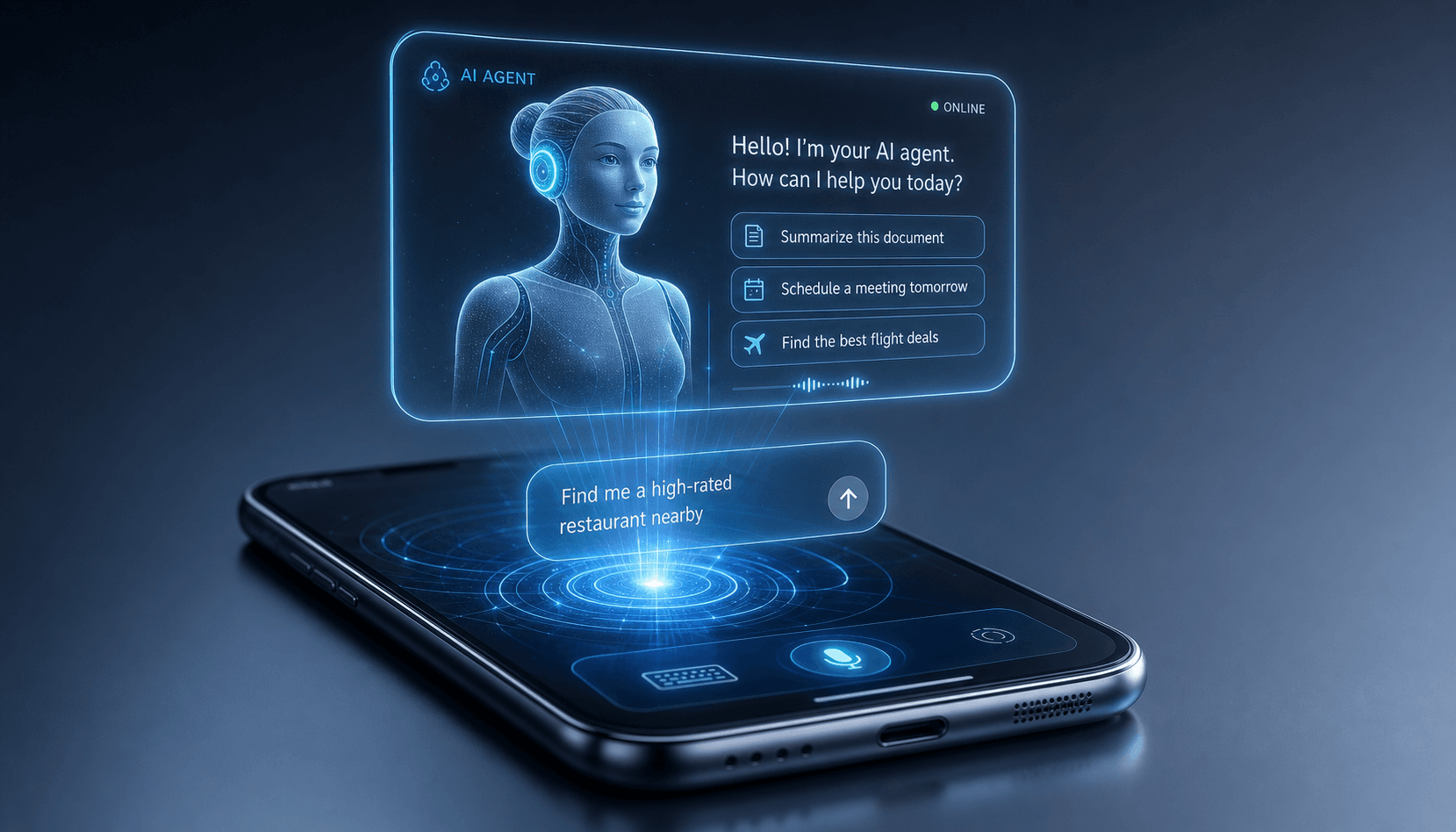
Nubia Launches First Native AI Agent Smartphone at WAIC 2026, Transforming User Interaction
Nubia has introduced the world's first smartphone featuring a native AI agent at the WAIC 2026. This innovation marks a significant shift from traditional AI features to autonomous systems capable of understanding, executing, and remembering user tasks across various applications. The introduction of this native AI agent smartphone is crucial as it represents a new era in mobile technology, where devices can function more intelligently and interactively. This advancement could redefine user experiences and expectations in the smartphone market, setting a new standard for future devices. Looking ahead, it will be important to monitor how Nubia's native AI agent smartphone performs in the market and whether other companies, such as ByteDance, will follow suit with similar innovations. No further timeline was disclosed at the time of publication.
Technology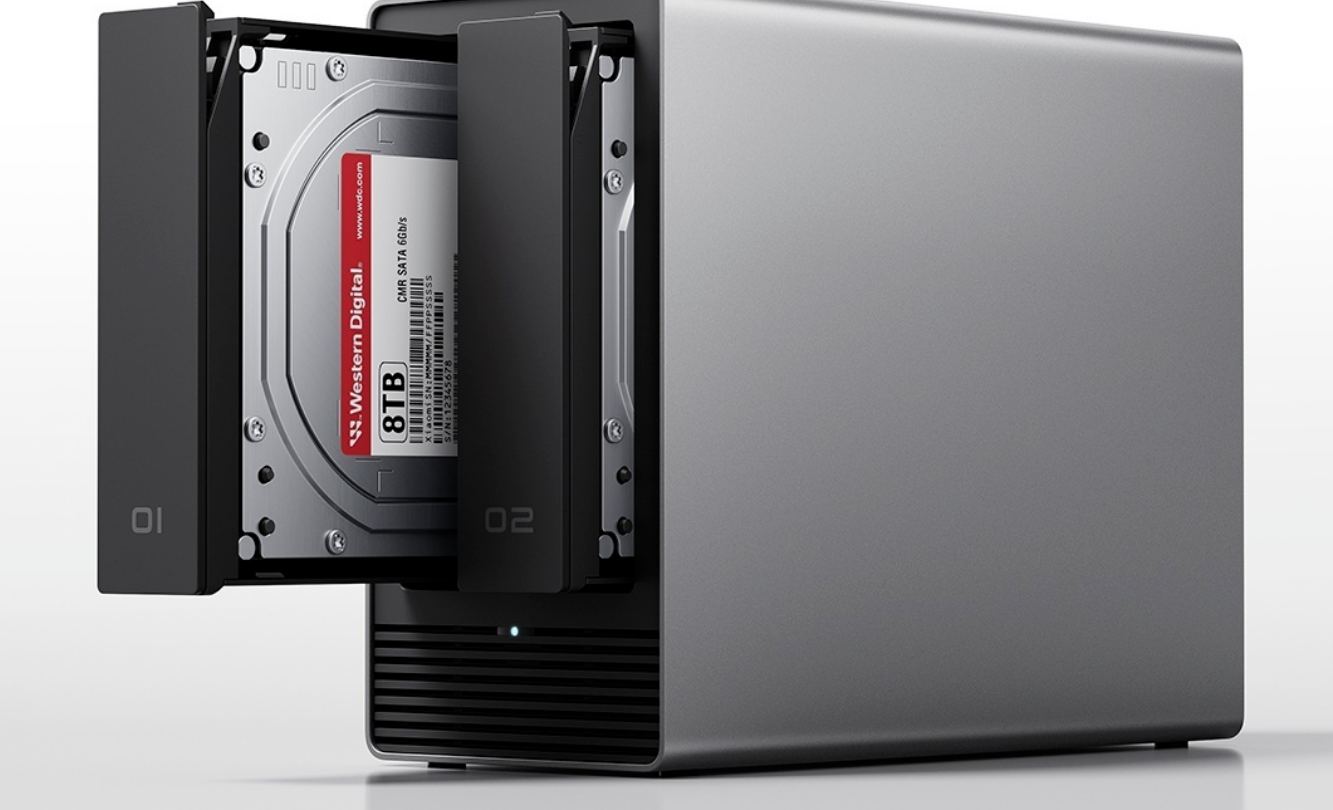
Xiaomi launches crowdfunding for its first smart storage device
Xiaomi has officially entered the home data storage market with the launch of its first smart storage device, which began crowdfunding on the Xiaomi Youpin platform on Wednesday. This innovative device features a high-performance quad-core processor and offers an impressive storage capacity of up to 16TB. Designed to enhance user convenience, it supports automatic backups across multiple devices and allows for remote file access, catering to the growing demand for efficient and secure data management solutions.
News Feed
Acti puts AI agents directly into your smartphone keyboard
Acti, a startup focused on innovative technology, is launching a new keyboard designed for iOS and Android devices that aims to integrate AI assistants into everyday smartphone use. This keyboard allows users to operate across various applications and create personalized AI-powered shortcuts through natural language commands. By enhancing user interaction with their devices, Acti seeks to revolutionize how individuals engage with technology, making AI assistance more accessible and intuitive. The product is set to be available soon, reflecting the growing trend of incorporating artificial intelligence into everyday tools to streamline tasks and improve efficiency.
AI Apps Startups TC acti agentic app
TUYA Partners with Zeroth on Smart Home Robots
Tuya Inc., a prominent player in the AI and IoT sector, has announced a strategic partnership with Zeroth on June 12, 2026, to enhance the capabilities of smart home robots. This collaboration aims to merge Tuya's advanced AI+IoT ecosystem with Zeroth's robotics expertise, creating intelligent household companions that can adapt to user needs. Traditionally, home service robots have functioned as isolated devices, limiting their integration with other smart home systems. The partnership seeks to overcome this challenge by enabling robots to serve as integrated hubs within connected homes, effectively managing various devices such as lighting, climate control, and security systems. Utilizing Tuya's proprietary Physical AI Engine (PAE), the robots will transform into proactive household managers, enhancing the overall smart living experience. This initiative reflects Tuya's commitment to delivering innovative solutions in the smart device market while addressing the growing demand for more sophisticated home automation.
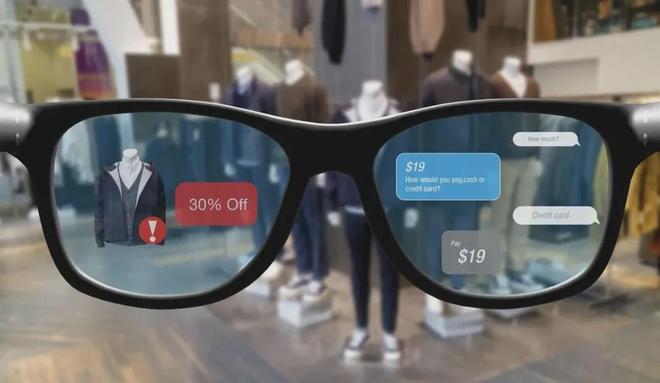
Brain-Computer Interfaces: The Next Cheating Tool After Smart Glasses?
As the 2026 college entrance exam in China draws near, authorities are increasingly concerned about the potential use of smart glasses as cheating devices. In response, several regions have issued warnings prohibiting the wearing or bringing of such technology into exam venues. This move underscores the ongoing challenges related to exam security in an era of rapidly advancing technology. Additionally, while brain-computer interfaces (BCIs) have not yet emerged as a practical tool for cheating, their development prompts significant ethical considerations regarding the intersection of technology and education.
Brain-Computer Interfaces Exam Security Educational Technology Cheating Prevention
Honor Robot Phone: A Smartphone That Literally Reaches Out and Takes Photos for You
At Qualcomm's annual Snapdragon Fans event held in Shenzhen on May 24, Honor introduced the Robot Phone, marking a significant innovation in smartphone technology. This device is recognized as the world's first smartphone equipped with a motorized arm that functions as an integrated gimbal, enhancing photography capabilities. Additionally, the Robot Phone features on-device embodied AI, enabling users to engage in autonomous photography and control smart home devices seamlessly. Honor's unveiling of this groundbreaking technology aims to redefine user interaction with smartphones, combining advanced photography and smart home integration in a single device.
Technology
Galileo Robotics Targets Smart Grid Transformation with Advanced Technology
Galileo Robotics is poised to significantly contribute to the transformation of China's smart grid by supplying 8,500 intelligent devices by the year 2026. These advanced robots are specifically engineered for power inspection and emergency response, with the goal of improving operational efficiency and safety within the energy sector. This initiative reflects a broader commitment to modernizing infrastructure and enhancing the reliability of energy services in China.
Smart Grid Technology Robotics Energy Automation Inspection Robots
The Awakening of Intelligent Homes: Matter Protocol and Proactive Smart Technology
The Matter protocol is revolutionizing smart home technology by transforming passive systems into proactive environments that intuitively cater to residents' needs. By facilitating seamless communication between devices from various brands, Matter significantly enhances the user experience, allowing for a more integrated and responsive home environment. This advancement eliminates the necessity for constant manual control, making smart homes more user-friendly and efficient. As the adoption of the Matter protocol grows, it is expected to redefine how individuals interact with their smart devices, ultimately leading to a more harmonious and automated living experience.
Smart Home Technology Matter Protocol Home Automation AI Integration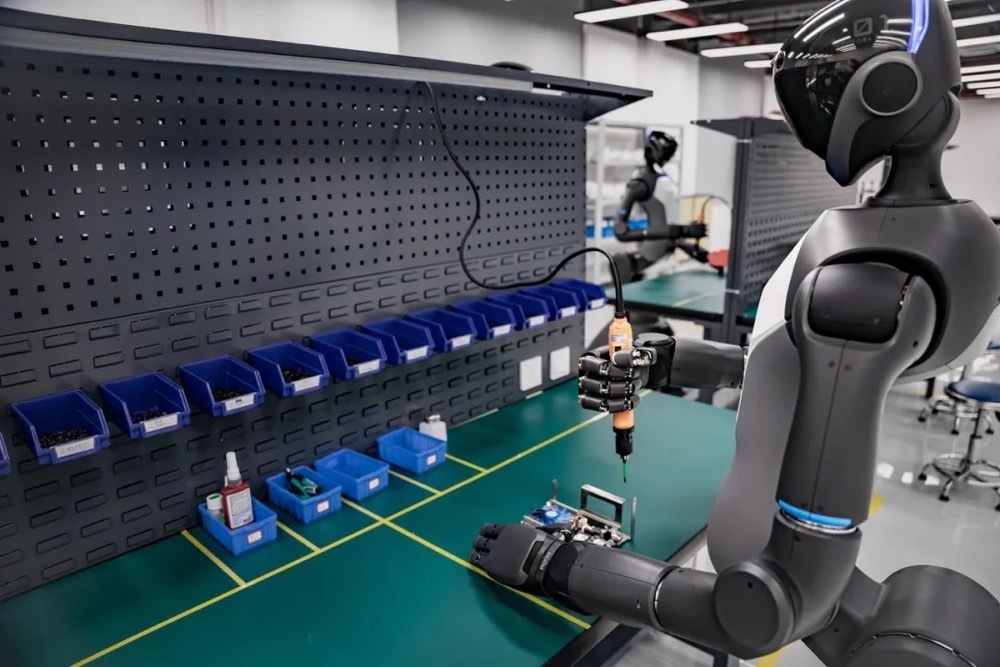
Oppo to launch first eSIM smartphone tonight, confirms Find X9 series with eSIM version
Oppo is set to launch its highly anticipated Find X9 series, the company's first flagship smartphone equipped with eSIM technology, during an event tonight. This new device is expected to feature the advanced Dimensity 9500 chipset and will support dual eSIM functionality, enabling users to connect two carrier numbers simultaneously and switch between networks with ease. Additionally, the eSIM capability allows for the sharing of a single phone number across two devices, enhancing user convenience and flexibility. The launch marks a significant step for Oppo in integrating cutting-edge technology into its smartphones, catering to the growing demand for versatile connectivity options among consumers.
News Feed
Roborock Releases Matter Protocol Update, Leading Smart Home Integration
Roborock has unveiled a major firmware update for its premium robot vacuum models, enhancing integration with the Matter protocol. This update, announced recently, allows users to control their devices seamlessly within Matter-supported ecosystems, significantly improving interoperability and user experience in smart home management. The initiative reflects Roborock's commitment to advancing smart home technology and providing users with more efficient and cohesive control over their devices.
Smart Home Robotics Firmware Update Matter Protocol Home Automation
Red Sift CEO Discusses AI's Role in Evolving Cyber Threats and Defense Strategies
In a recent episode of Lexicon, Rahul Powar, CEO of Red Sift, highlighted the transformative impact of artificial intelligence (AI) on cyberattacks. He referenced a recent AI-assisted cyber campaign targeting a Mexican water utility, emphasizing that AI is lowering the barrier for launching sophisticated attacks. This trend is expected to escalate over the next 18 months, posing significant challenges for organizations globally. Powar explained that AI democratizes advanced cyber capabilities, allowing less experienced attackers to leverage tools like large language models for reconnaissance and exploit development. This shift is making it easier for attackers to find vulnerabilities in systems, as they can automate processes that previously required extensive expertise. The imbalance in cybersecurity is growing, as defenders must protect numerous devices and applications while attackers only need to exploit one weakness. Despite the challenges, Powar noted that AI can also empower defenders by helping them identify vulnerabilities before they are exploited. The conversation underscored the dual-edged nature of AI in cybersecurity, with both attackers and defenders adapting to the evolving landscape. No further timeline was disclosed at the time of publication.
AI and Robotics Innovation
The Future of Physical AI Isn’t Smarter Robots, It’s Smarter Interfaces
Wetour Robotics is pioneering a new approach to human-machine interaction with its innovative concept of Spatial Intent Fusion, which aims to enhance how people communicate with connected devices. This initiative comes in response to the limitations of traditional input methods—screens, buttons, and voice commands—that often fail in dynamic environments where users' hands are occupied or speech is impractical. The company, which has made significant strides in the field of Physical AI over the past three years, emphasizes the need to integrate human intent into the computing loop as seamlessly as the robots already operate. By utilizing a portable intelligent hub called Orchestra, Wetour Robotics processes multiple streams of human-centered information—spatial position, visual context, and gestural intent—into real-time commands for various devices. Orchestra operates on the NVIDIA Jetson Orin Nano Super platform, ensuring low-latency performance without relying on cloud processing. The system includes advanced features such as pre-motion intent sensing, which allows it to anticipate user actions based on biosignal data. Wetour Robotics acknowledges ongoing challenges, such as maintaining signal stability during movement and integrating diverse device protocols. However, the company believes that treating the human body as an active participant in the computing network will not only improve individual user experiences but also provide valuable data for the development of future AI technologies. This initiative represents a significant step forward in bridging the gap between human and robotic capabilities, ultimately enhancing the broader Physical AI ecosystem.
Interfaces Physical-ai Robot-hardware Smarter-robots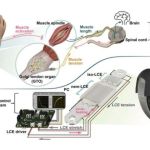
New smart artificial muscle could bring human-like feedback to humanoid robot
A team of researchers has successfully developed an advanced artificial muscle that closely replicates the functionality of biological muscle-tendon systems. This innovative technology was created to enhance the performance and versatility of robotic systems, potentially revolutionizing fields such as prosthetics and robotics. The breakthrough was achieved through a combination of materials science and engineering techniques, allowing the artificial muscle to exhibit remarkable strength and flexibility. The research was conducted at a prominent university and has garnered attention for its potential applications in creating more lifelike and responsive robotic limbs. By mimicking the natural movement and adaptability of human muscles, this development aims to improve the quality of life for individuals relying on prosthetic devices and to advance the capabilities of robotic systems in various industries.

Into the World of Robotics: Sheet Metal | The Innovative Journey of Smart Sheet Metal Manufacturing!
ESTUN, a company that has been active in the sheet metal sector since 1993, has established itself as a key player in the metal processing technology industry. With a focus on high-speed trains, aerospace, home appliances, and electronic devices, ESTUN has formed partnerships with domestic OEMs to enhance its offerings. Initially specializing in CNC systems, the company has expanded its capabilities over the years, adapting to the evolving demands of modern manufacturing. This strategic collaboration aims to improve efficiency and innovation in metal processing, reflecting the growing importance of this technology in various sectors of everyday life.
ESTUN AUTOMATION ROBOTICS SERVO SYSTEMS
Huawei rolls out HarmonyOS 6, ahead of next month’s Mate 80 launch
On Wednesday, Huawei introduced its latest operating system, HarmonyOS 6, during a press event. This new system will debut on the upcoming Mate 80 series, marking the company's first flagship smartphones to incorporate the updated software. The release focuses on providing a "smooth, intelligent, and secure" user experience, achieved through advanced integration of software and hardware. This strategic move aims to enhance the overall functionality and connectivity of Huawei devices, reinforcing the company's commitment to innovation in the competitive smartphone market.
Heavy Hitters E-commerce and New Retail Highlight News smartphone and devices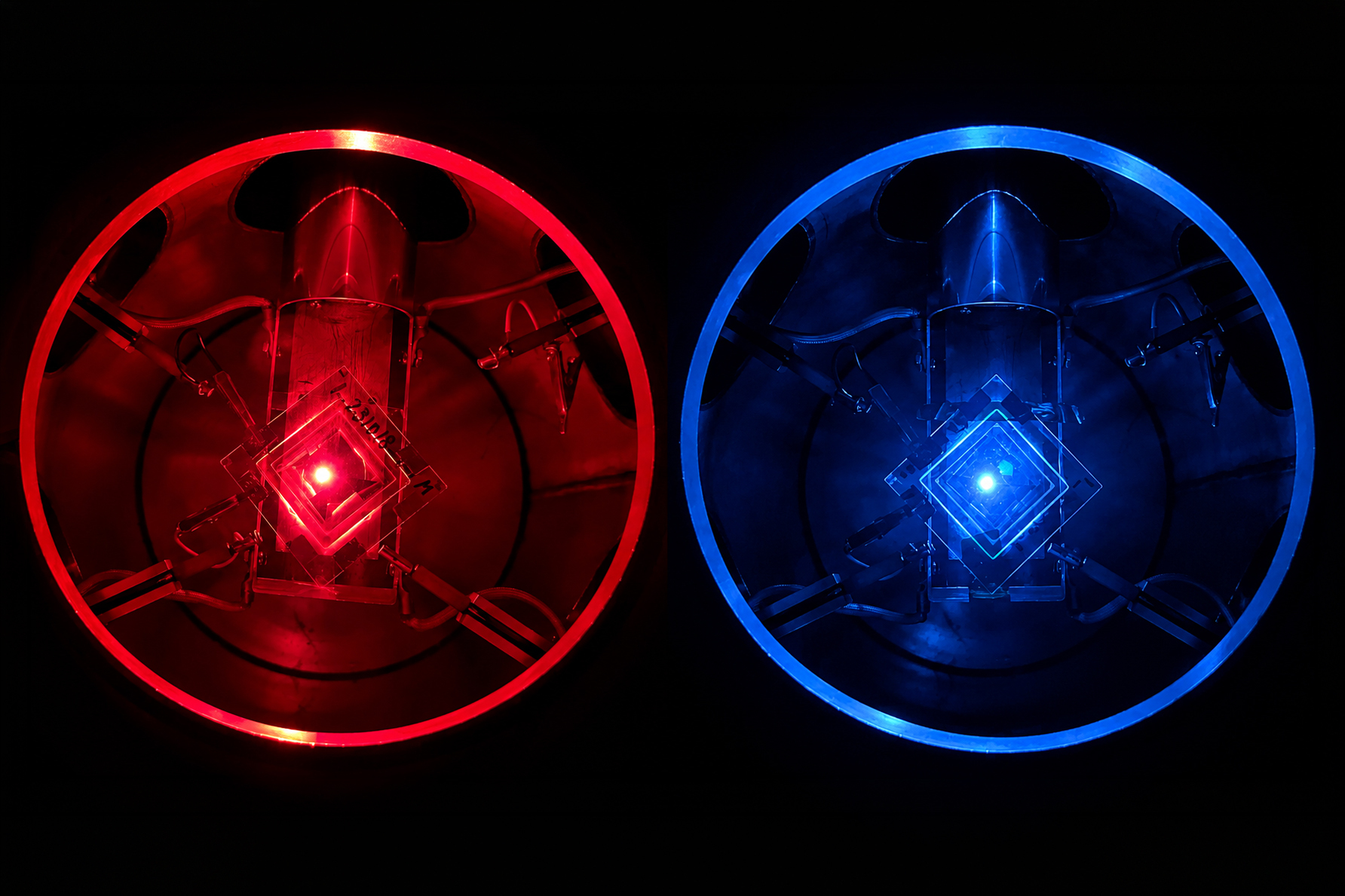
MIT and Samsung Enhance Quantum Dot LED Lifespan for Energy-Efficient Displays
MIT researchers, in collaboration with Samsung, have developed a method to improve the lifespan and efficiency of quantum dot LEDs (QD-LEDs) used in digital displays. By encapsulating QD-LEDs in an acrylate-based resin, the team achieved a remarkable 5,000-fold increase in lifespan, addressing previous limitations that hindered commercial applications. This advancement could significantly impact various devices, including TVs, smartphones, and medical imaging equipment. The significance of this research lies in its potential to transform digital display technology. Quantum dots, known for emitting pure colors, are already utilized in high-quality displays. The new encapsulation technique not only enhances the stability of QD-LEDs but also simplifies their manufacturing process, paving the way for broader adoption in consumer electronics. This could lead to displays that are not only brighter and more energy-efficient but also capable of producing a wider range of colors. Looking ahead, the insights gained from this study may facilitate further innovations in display technology. The researchers aim to address the challenges that have limited the commercialization of QD-LEDs, potentially revolutionizing how displays and ambient lighting are produced. No further timeline was disclosed at the time of publication.
Research Electronics Chemistry Materials science and engineering Nanoscience and nanotechnology Light
Top Computer Vision Development Company Options for 2026
Selecting the appropriate computer vision development company is crucial for ensuring compatibility with the specific environment in which the model will operate. This could range from camera system-on-chips (SoCs) and cloud-based software as a service (SaaS) products to medical devices and live video systems. Among the available options, SQUAD stands out as a robust choice for edge hardware and smart camera products. Meanwhile, Intellias and Softeq are recognized as strong contenders for embedded AI solutions. As the industry evolves, companies must carefully assess their needs to align with the right technology partner.
Components Computing Technology AI development artificial intelligence automation news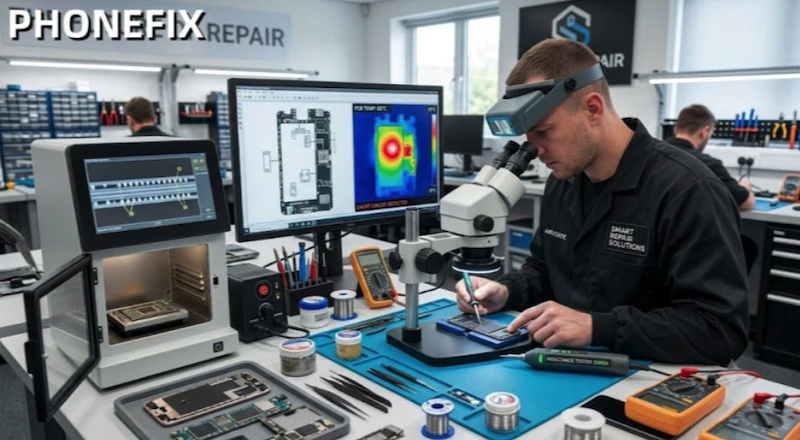
The Ultimate Bench Blueprint: Essential Phone Repair Tools for Beginners 2026
In 2026, the smartphone hardware landscape has undergone a significant transformation, making repairs far more complex than in previous years. Major manufacturers such as Apple, Samsung, and Google have developed flagship devices that resemble intricate puzzles, requiring advanced technical skills to disassemble. Unlike earlier models that allowed for simple component swaps using basic tools, today's smartphones are secured with specialized, microscopic screws and feature multi-layered logic boards, along with robust waterproof gaskets. This evolution in design reflects a growing emphasis on security and durability, posing challenges for consumers and repair technicians alike. As a result, the process of fixing a smartphone has shifted from straightforward DIY repairs to a more complicated endeavor, often necessitating professional assistance.
Engineering Industry automation news consumer electronics diagnostic tools DIYFIXTOOL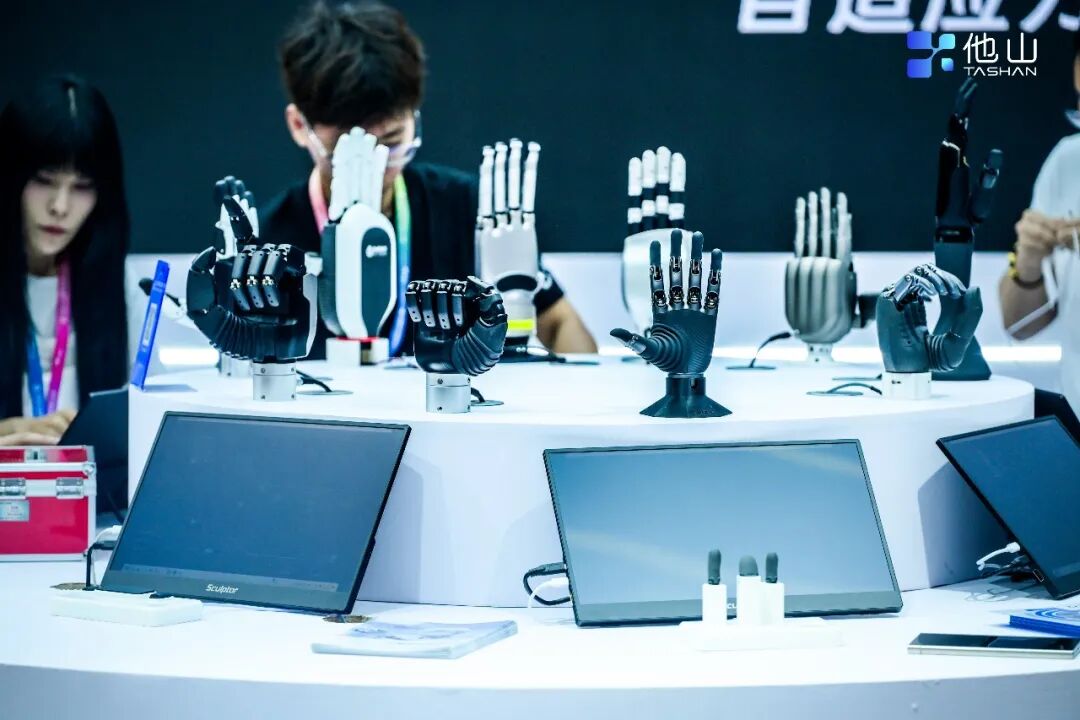
HeShan Technology Raises Hundreds of Millions in Series B Funding Amid Fourfold Order Growth
HeShan Technology, based in Beijing, has successfully completed a Series B funding round, raising hundreds of millions of yuan. The investment comes from a mix of industrial capital and specialized investment firms, including TaiPing Innovation and Junsheng Electronics. This funding marks the third financial boost for the company in six months, with plans for a Series C round already underway. HeShan reported that its total orders in the first half of the year reached four times that of the previous year, with monthly deliveries of tactile sensors stabilizing at tens of thousands. The significance of this funding round lies in the clear investment trends within the robotics sector. Investors like Junsheng Electronics and AUX are focusing on practical technologies that can integrate with existing production lines, moving away from speculative concepts. HeShan has established a comprehensive stack covering chips, sensors, and data simulation, addressing the growing demand for tactile perception in smart healthcare devices, especially as the aging population increases in China. Looking ahead, HeShan Technology's next milestone will be the advancement of its Series C funding efforts. The company is poised to leverage its tactile technology to enhance safety in elderly care scenarios, collaborating with industry partners. No further timeline was disclosed at the time of publication, but the strong order volume and delivery capabilities position HeShan as a leader in the tactile robotics market, addressing the industry's need for mature, scalable solutions.
Tactile Sensors Robotics Industrial Automation AI Technology
Small-AI Models Gain Traction Around the World
One morning in 2019, Adebayo Alonge was in a Cape Town hotel room, preparing to demonstrate his startup’s AI answer to a serious problem in African health care: counterfeit medication, which kills thousands of people across the continent every year.The RxScanner is a handheld spectrometer that scans a pill with infrared light, then sends the item’s molecular profile to an AI model equipped with a pharmaceutical database. In seconds, the AI identifies the medication from its molecular profile—or reports that it’s phony.Pharmacies were using the system in more than a dozen countries, including Ghana, Kenya, Myanmar, and Alonge’s native Nigeria. But that morning in South Africa, it didn’t work. “I was shocked,” Alonge says.The spectrometer connected to the AI model—but the data center was 14,000 kilometers away and bandwidth was limited. “Our server was in the United States, and just to get the result of a single scan was taking me over 5 minutes.”So Alonge immediately asked his engineers to shrink the AI model down to a smaller, low-power, unconnected version that could run entirely on his Android phone. They produced it 2 hours later, and that saved the demo.More importantly, the work birthed a new version of his device, which can authenticate a pill in places without broadband, computers, or even reliable electricity. It also turned Alonge into an advocate for this kind of “small AI.”Small AI for Global Health Care AccessSmall AI is a far cry from wealthy nations’ colossal large language models (LLMs), hyperscale data centers, multibillion-dollar investments, and debates about AI consciousness. But for millions of people around the world, the only AI that matters, and often the only kind available, is small. (According to a World Bank Report issued in November, only 0.7 percent of internet users in the world’s poorest countries have used ChatGPT, compared to a quarter of all internet users in the most developed nations.)“Most people are discussing AI from the LLM/generative side. But that needs a lot of computing power, electricity, massive data, and skilled people to manage it,” Ajay Banga, president of the World Bank, said last January at the World Economic Forum, in Davos. “Outside the developed world, other than maybe India and China, very few countries have that combination.”By contrast, small AI can deliver useful, even life-saving services to people in areas that have none of those things, Banga said. In India, where the government’s AI plans call for more development of small AI, many such systems are working for farmers.For example, a drone-based system developed by Bala Murugan and colleagues at the Vellore Institute of Technology, in India, takes photos of cashew plants and quickly identifies those with splotches that indicate disease. All the processing takes place on the drone itself, so there’s no need for a computer on-site, nor for a connection to a central server.Using small language models trained for a specific problem, and sometimes running on cheap, low-power devices, other small-AI implementations have been developed to identify ant infestations in a Uruguayan vineyard, detect the presence of malaria-carrying mosquitoes in a number of nations, and run electrocardiograms from an Arduino device in parts of Brazil that lack access to more complex equipment.“This is the most important area in AI nowadays,” says Marcelo José Rovai, a professor at the Institute of Engineering and Information Systems at the Federal University of Itajubá, in Brazil, who was involved in all three projects. “It’s growing very fast.”Low-Power, Small-AI Models on Devices Small AI models can run on a variety of low-power devices, including [from left to right] an Arduino Nano 33 BLE Sense, a Seeed Wio Terminal, and an Arduino Portenta.Moez AltayebFor Alonge, Rovai, and other advocates, small AI is not just “a promising trend,” as that November World Bank report calls it. It may be, in the long term, the form of AI that will touch the most lives and remain sustainable after some of the giant models become too costly for most users.“I think the future of AI is not like one giant model, at a center. I think it’s millions of small, precise models deployed at the edge, each one solving like a specific problem, a specific context,” Alonge says. This is partly because much of humanity—including people in parts of rich countries as well as the developing world—lives without access to cutting-edge frontier models. But, he says, it’s also because those models are not sustainable.“If someone is not subsidizing it, most people will not be able to afford those models. So those of us who are said to be small-AI developers are the ones who will have to build for the majority of the world,” Alonge says.There is no strict definition of “small AI,” but people often use the term for language models with at most a few billion parameters. (Compare that to cutting-edge models, which can include more than a trillion.) That’s small enough to run directly on a phone or a Raspberry Pi. That’s what allows these applications to run on devices without a connection to a data center and use only a few watts of power, often supplied by a battery or a solar panel.Despite their small footprint, these models aren’t fundamentally different technology from that of gigantic AI models, Rovai says. Many instances of small language models were created the same way the phone-based version of Alonge’s pharmaceuticals scanner was—by “pruning” large models, or removing the parameters that weren’t involved in the task. The result is a system that’s less capable generally but still very good at the specific job it was pruned for, Rovai says. A lighter version of RxAll’s RxScanner spectrometer sends its results to an AI model run locally on a phone to check that a drug’s molecular signature is genuine.RxAllOther small models are created by “distillation.” They are trained to mimic a large model, until their performance approaches that of their “teacher,” Rovai says. In other cases, a larger model’s precision is reduced, for example, so that a model run on 32-bit architecture can run on 8-bit designs. In situations where the machine learning application is being used to classify data or predict patterns (like an ant infestation), it’s trained from the beginning on a small device, not derived from a larger model at all. Running all these small, specialized systems is becoming easier, Rovai says, for two reasons.The first reason is that hardware is getting better and more capable while using less power, he says. This means more and more phones can run small AI—especially those equipped with neural processing units, which are specialized chips that handle AI tasks like facial recognition and changing the brightness, shadows, or contrast in a photo.In 2025, slightly more than a third of all smartphones shipped worldwide were capable of running generative AI, and that figure will reach 45 percent by the end of this year, according to the technology research firm Counterpoint. By the end of next year, slightly more than half of all smartphones will be able to run a small AI model.The second reason Rovai cites is the shrinking footprint of language models. Both Google DeepMind’s Gemma 4 (released in April) and Alibaba’s Qwen 3.5 are “fantastic” for small AI, Rovai says. Both models are “open weight,” meaning users can adjust the connections between parameters to suit their needs. This makes it easy, for example, “to take a lot of data from, say, the milk industry and retrain the model specifically on that,” Rovai says.Rovai illustrated these reasons on a Zoom call, using one of his most recent experiments. Holding up a device, he says, “This is the new Arduino UNO Q—a US $50 device with a Qualcomm chipset. I’m running a language model here, which collects data from sensors and analyzes that data to detect tiny pools of water where mosquitoes might be breeding. It takes 3 watts to run it.”Support for Small-AI DevelopmentConvinced that millions of people are already benefiting from these kinds of applications, the World Bank now actively promotes small AI with grants, mentorship programs, financing, technical advice, and models of government policies that are friendly for small-AI development. For example, in Rwanda, the World Bank is backing a government program to help low-income households get devices that can run AI.All that said, no one claims that large language models are going away entirely. To create a generative AI that can run on a phone or other small device requires the architectural insights, data processing, and results of a larger model, Rovai says. “We need the big models to create these smaller models.” And for all that small AI can benefit people without access to big AI, the technology can’t solve the larger problems of development and digital inequality, Alonge says. Implementing small AI won’t allow nations to escape the challenge of creating an ecosystem to support AI: reliable power, a supply chain that works, and an educational system that develops the talents needed to create AI tools.Though his drug-scanning system can run for days on a phone with no connection, “you still want to be able to enable periodic syncing for updates with new signatures for the medications and analytics,” Alonge says. “And even when you are using batteries, reliable power is important. That phone battery is not going to last forever.”In many parts of the world, the future of small AI isn’t assured, he says. “It works, and many places will eventually need to use it. The question is whether or not the political actors are wise enough to invest in infrastructure to support it long term.”
Small-language-models Artificial-intelligence Llms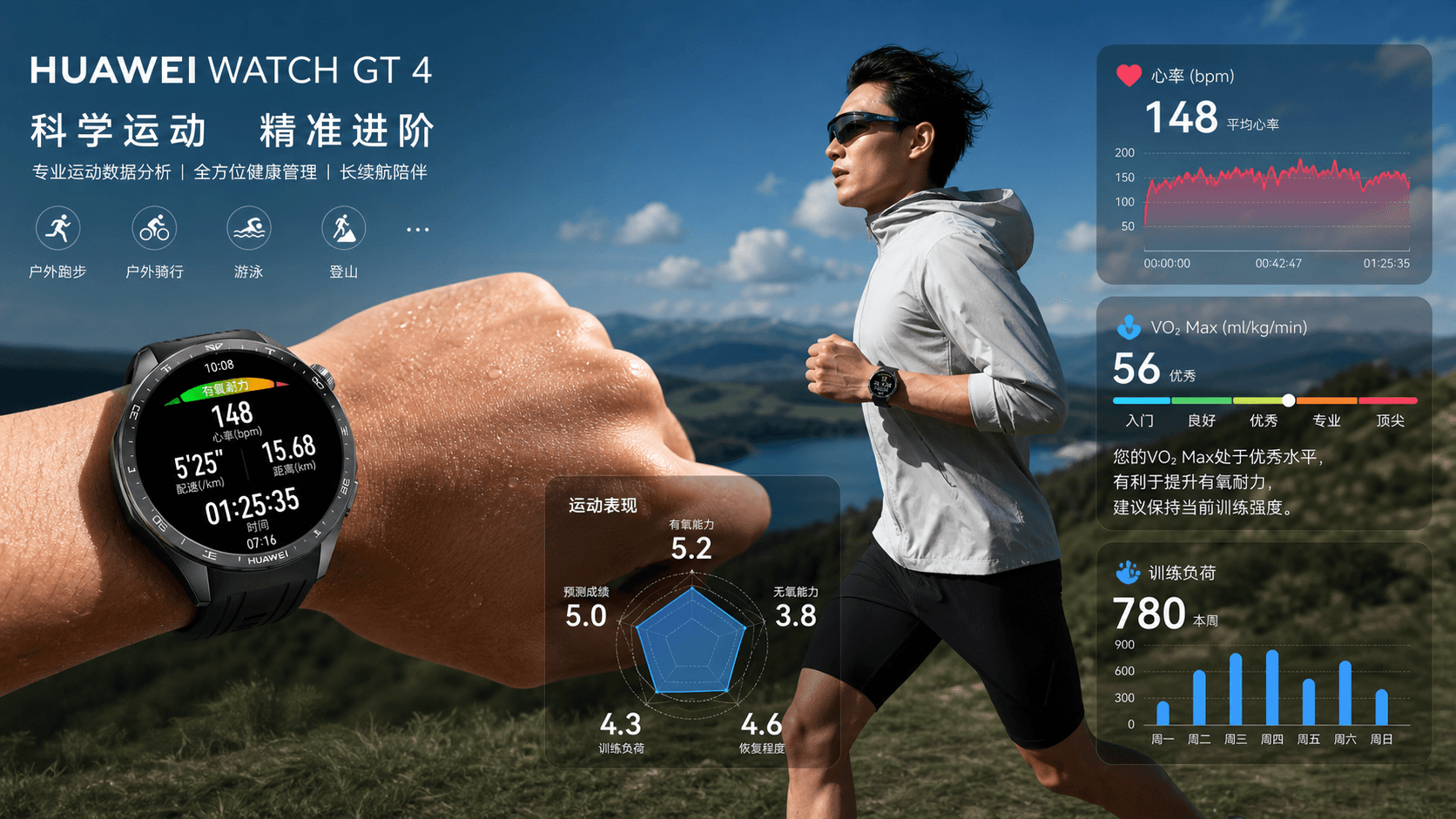
When Huawei's Sports Algorithm License Was Revoked: How a Five-Person Cross-Border Team Built a Replacement in 8 Months
In a significant technological advancement, Huawei has successfully rebuilt its wearable sports algorithm, which had been discontinued in 2020. A dedicated cross-border team of five engineers undertook the challenge, working diligently for eight months to develop the new TruSport system. This innovative platform is now integrated into millions of Huawei devices, enhancing their fitness tracking capabilities. The initiative was driven by the need to restore and improve Huawei's competitive edge in the wearable technology market, following the previous setback. The team's collaborative efforts and expertise have resulted in a robust system that promises to deliver superior performance for users seeking to monitor their athletic activities.
Industry Gadgets
Tencent launches Ubisoft-licensed Just Dance: Party on mobile platforms with AI body tracking
Tencent has officially released Just Dance: Party, a mobile rhythm game inspired by Ubisoft’s popular Just Dance franchise. The game is now available for download on iOS, Android, and HarmonyOS devices. Utilizing a proprietary AI-powered skeletal tracking algorithm, Just Dance: Party allows players to engage in full-body motion capture using only their smartphone's front-facing camera, removing the necessity for additional accessories like dance mats or motion controllers. This innovative approach aims to enhance accessibility and convenience for users, making it easier for fans to enjoy the dance experience anytime and anywhere.
News Feed
Liquid AI's smallest model yet LFM2.5-230M beats models 4X its size at data extraction, can run 'anywhere'
Liquid AI, a company founded by former MIT computer scientists, has unveiled its latest AI language model, LFM2.5-230M, which is designed for efficient data extraction and local deployment on devices such as smartphones and laptops. Released today, this 230-million-parameter model is noted for its ability to run on various hardware platforms, outperforming larger models like Alibaba's Qwen3.5 and Google's Gemma 3 in specific benchmarks. Targeting developers and engineers, LFM2.5-230M operates under a dual-use commercial license, allowing free access for individuals and companies with annual revenues below $10 million, while larger enterprises must secure a paid agreement. The model distinguishes itself by utilizing the LFM2 architecture, enabling high inference speeds with a minimal memory footprint, making it suitable for edge computing. Liquid AI's launch reflects a broader industry shift towards architectural efficiency rather than sheer parameter counts, as major AI firms focus on models with hundreds of billions of parameters. The LFM2.5-230M is specifically tailored for lightweight data extraction tasks, allowing businesses to automate processes without relying on costly cloud services. In practical applications, the model has been successfully deployed in a humanoid robot, demonstrating its capability to process complex commands efficiently. Available immediately on platforms like Hugging Face, LFM2.5-230M aims to revolutionize how enterprises manage data extraction, moving away from traditional, rigid systems to more adaptable AI-driven solutions.
Technology
Sunrun Surges 26% on 16-Gigawatt Virtual Power Plant Deal With Tesla and Renew Home
Sunrun's stock surged by 26% to $16.17 on June 24, 2026, following the announcement of a significant partnership with Tesla and Renew Home to create a 16-gigawatt virtual power plant. This collaboration aims to address the increasing electricity demand from data centers and artificial intelligence workloads, which Goldman Sachs projects will reach 66 gigawatts by 2027. The partnership will leverage dispatchable capacity from home battery systems and smart devices, positioning Sunrun as a key player in the energy market without the need for new infrastructure. The initiative is particularly relevant in Virginia, where the partners already have over 300 megawatts ready for deployment, expected to grow to at least 500 megawatts by 2030. Sunrun CEO Mary Powell emphasized the urgency of modernizing the grid to meet contemporary energy needs, while Tesla's Colby Hastings highlighted the existing resources in American homes as part of the solution. Despite the positive market reaction, Sunrun's stock remains down 11% year-to-date, raising questions about the sustainability of this rally. Investors are advised to monitor the company's ability to secure firm contracts with hyperscalers and the execution of their capacity plans in the coming months, as these factors will be crucial for the company's future performance.
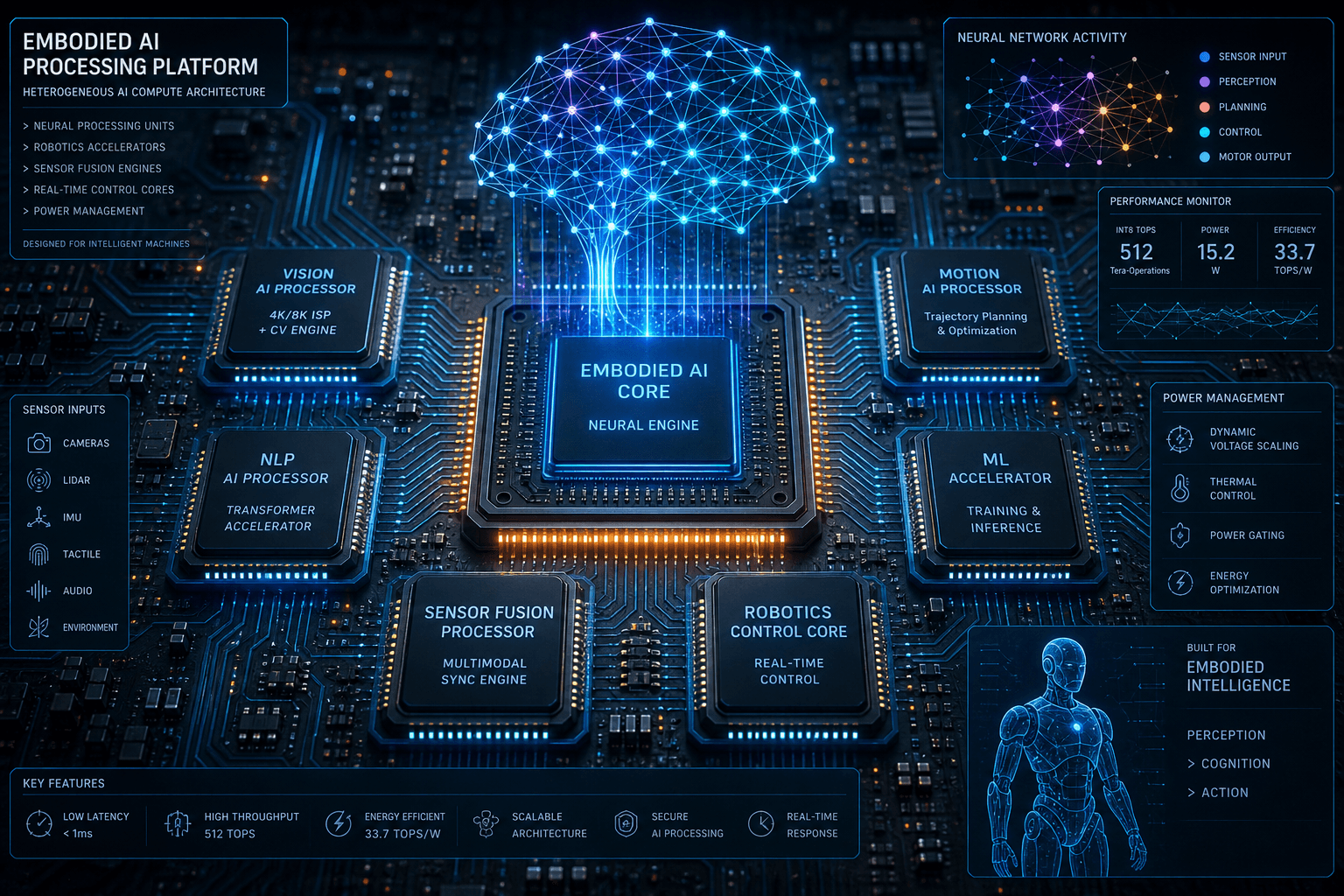
Embodied AI Chip Market Heats Up as Multiple Players Race for Dominance
The embodied AI chip market is experiencing rapid growth as various companies compete for leadership in this emerging sector. As of October 2023, advancements in artificial intelligence and robotics have fueled the demand for specialized chips that enhance machine learning capabilities and improve efficiency in automated systems. Major tech firms and startups alike are investing heavily in research and development to create innovative solutions that cater to diverse applications, from autonomous vehicles to smart home devices. This surge in competition is driven by the increasing need for more sophisticated AI technologies that can process data in real-time and adapt to changing environments. As players in the market strive to differentiate their products, collaborations and partnerships are becoming common strategies to accelerate development and gain a competitive edge. The race for dominance in the embodied AI chip market is expected to intensify, with significant implications for the future of technology and automation.
AI
This robotic self-driving toilet comes to you
At a recent expo in Shanghai dedicated to elderly care, assistive devices, and rehabilitation medicine, the Chinese company Yueban unveiled an innovative smart toilet that autonomously moves to its users. The Xiaoban toilet aims to enhance accessibility for individuals facing mobility challenges, particularly the elderly. This groundbreaking design addresses the needs of those with limited movement, offering a solution that promotes independence and comfort in personal hygiene. The introduction of the self-driving toilet reflects a growing trend in technology aimed at improving the quality of life for aging populations.
Gadgets News Tech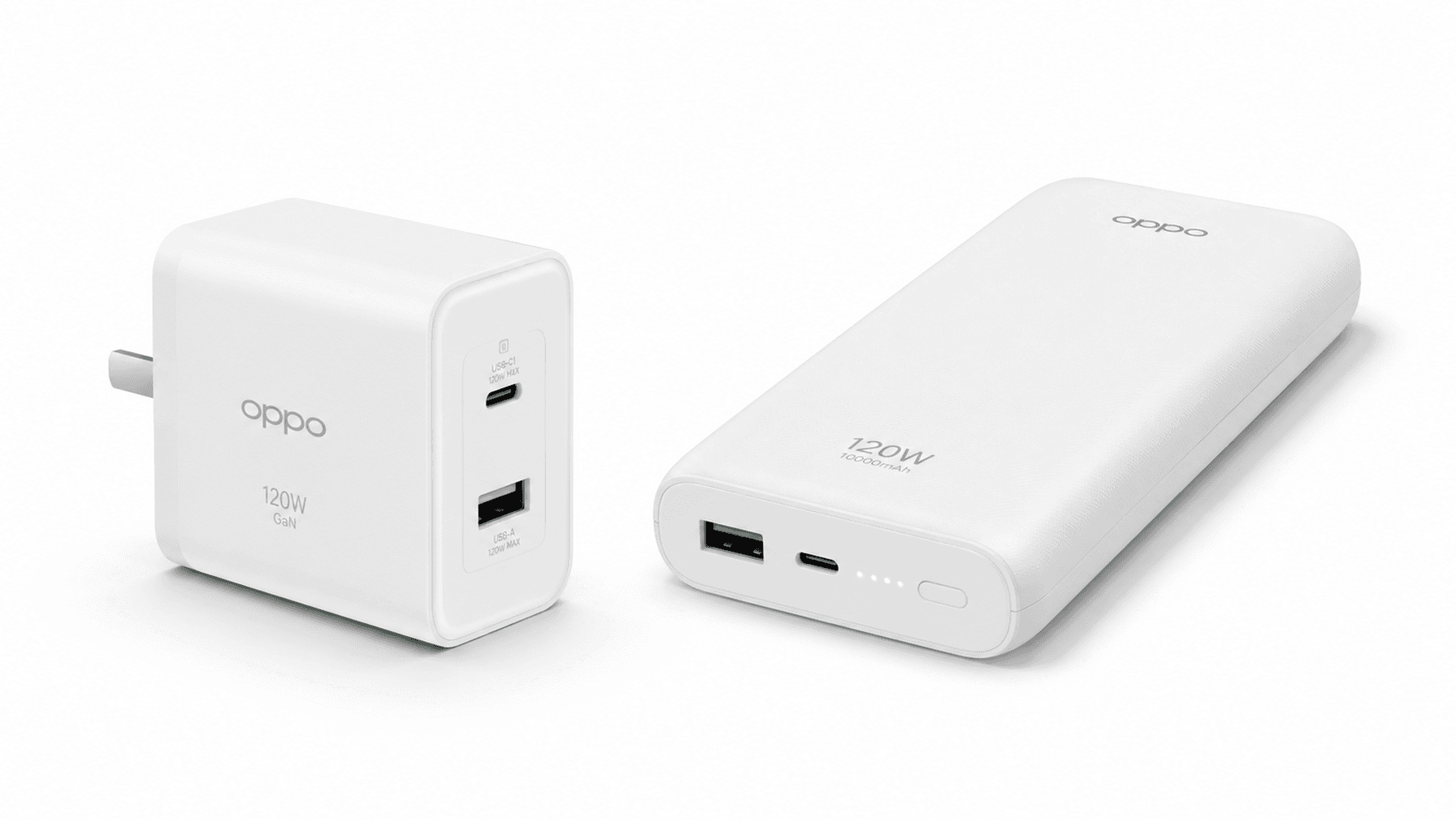
OPPO Expands Flash Charging Family with New 120W GaN Charger and Power Bank
OPPO has unveiled its latest innovations in fast charging technology with the launch of a 120W dual-port GaN charger and a SUPERVOOC 120W power bank. The announcement was made recently, highlighting the company's commitment to enhancing charging solutions for a variety of devices, including smartphones and laptops. The introduction of these products aims to meet the growing demand for efficient and versatile charging options in an increasingly mobile world. By utilizing advanced GaN technology, OPPO's new charger and power bank promise to deliver rapid charging capabilities, allowing users to power multiple devices simultaneously. This strategic move positions OPPO as a key player in the competitive market for high-speed charging solutions, catering to consumers who prioritize convenience and efficiency in their tech accessories.
Gadgets Industry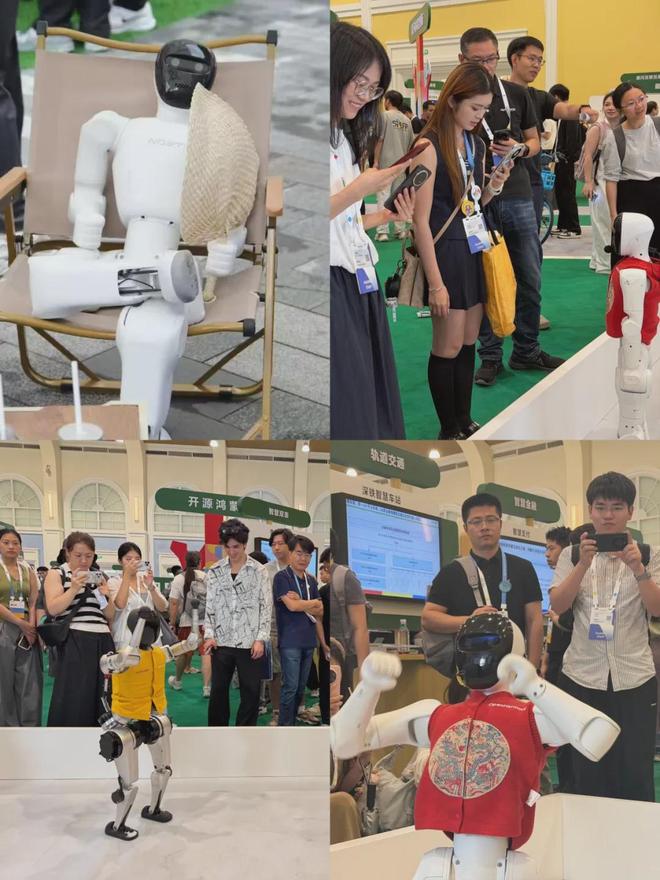
Songyan Power Unveils OpenHarmony Consumer Humanoid Robot at HDC2026
At the HDC2026 conference, Songyan Power unveiled its first consumer-grade humanoid robot, which operates on the OpenHarmony platform. This launch highlights significant advancements in technology integration and the development of a cohesive ecosystem. The company is focused on enhancing user experience by ensuring the robot can seamlessly connect with smart home devices and educational tools. Additionally, Songyan Power announced a new initiative titled '100 People, 100 Machines,' aimed at encouraging collaboration among developers within the industry. This initiative seeks to foster innovation and expand the capabilities of humanoid robots in everyday applications.
Humanoid Robots OpenHarmony AI Developer Ecosystem Smart Home Technology
China’s Xiaomi unveils robotic arm that enables remote, hands-free home EV charging
Xiaomi, the prominent Chinese technology company, recently unveiled its strategic vision for the future of smart home technology during a press event held in Beijing. This announcement, made on October 15, 2023, highlights the company's commitment to enhancing user experience through innovative products and seamless integration of smart devices. The initiative aims to address the growing demand for interconnected home environments, driven by an increase in remote work and digital lifestyles. By leveraging advancements in artificial intelligence and the Internet of Things, Xiaomi plans to create a more intuitive and responsive ecosystem that simplifies everyday tasks for consumers. During the event, executives showcased a range of new products designed to work harmoniously within this ecosystem, emphasizing the importance of user-friendly interfaces and energy efficiency. The company also outlined its plans for expanding partnerships with other tech firms to enhance compatibility and functionality across various platforms. Xiaomi's vision reflects a broader trend in the tech industry, where companies are increasingly focused on creating smart solutions that cater to the evolving needs of consumers. As the market for smart home devices continues to grow, Xiaomi's proactive approach positions it as a key player in shaping the future of home automation.
Energy
China’s UBTECH plans to send life-like humanoid robot companions in customer’s homes
Chinese robotics company UBTECH has introduced a new consumer-focused brand named UWORLD, alongside the launch of its innovative U1 robot. This announcement was made during a press event held on October 15, 2023, in Beijing, where company executives highlighted their commitment to advancing robotics technology for everyday use. The U1 robot is designed to enhance home automation and personal assistance, reflecting UBTECH's strategy to expand its market presence beyond industrial applications. By targeting consumers, UBTECH aims to meet the growing demand for smart home devices and improve the quality of life through advanced robotics. The U1 robot features user-friendly interfaces and connectivity options, making it accessible for a wide range of users. This launch marks a significant step for UBTECH as it seeks to establish itself as a leader in the consumer robotics sector.

TARS Brings Real-Life Embodied AI to ICRA 2026 Robotics Conference
TARS has unveiled its latest innovation, the DexHand, which promises to revolutionize hand-brain integration. The launch took place in October 2023, showcasing the device's advanced capabilities in enhancing human-computer interaction. This cutting-edge technology is designed to interpret hand signals and translate them into digital commands, aiming to improve efficiency in various fields, including robotics and virtual reality. The motivation behind the development of DexHand stems from the growing need for seamless communication between humans and machines, particularly as industries increasingly rely on automation and smart technologies. By utilizing sophisticated sensors and machine learning algorithms, the DexHand interprets a wide range of hand gestures, allowing users to control devices with precision and ease. The introduction of this device marks a significant step forward in the field of human-computer interaction, potentially transforming how users engage with technology in everyday tasks and specialized applications. As TARS continues to push the boundaries of innovation, the DexHand stands out as a pivotal advancement in bridging the gap between human intention and machine response.
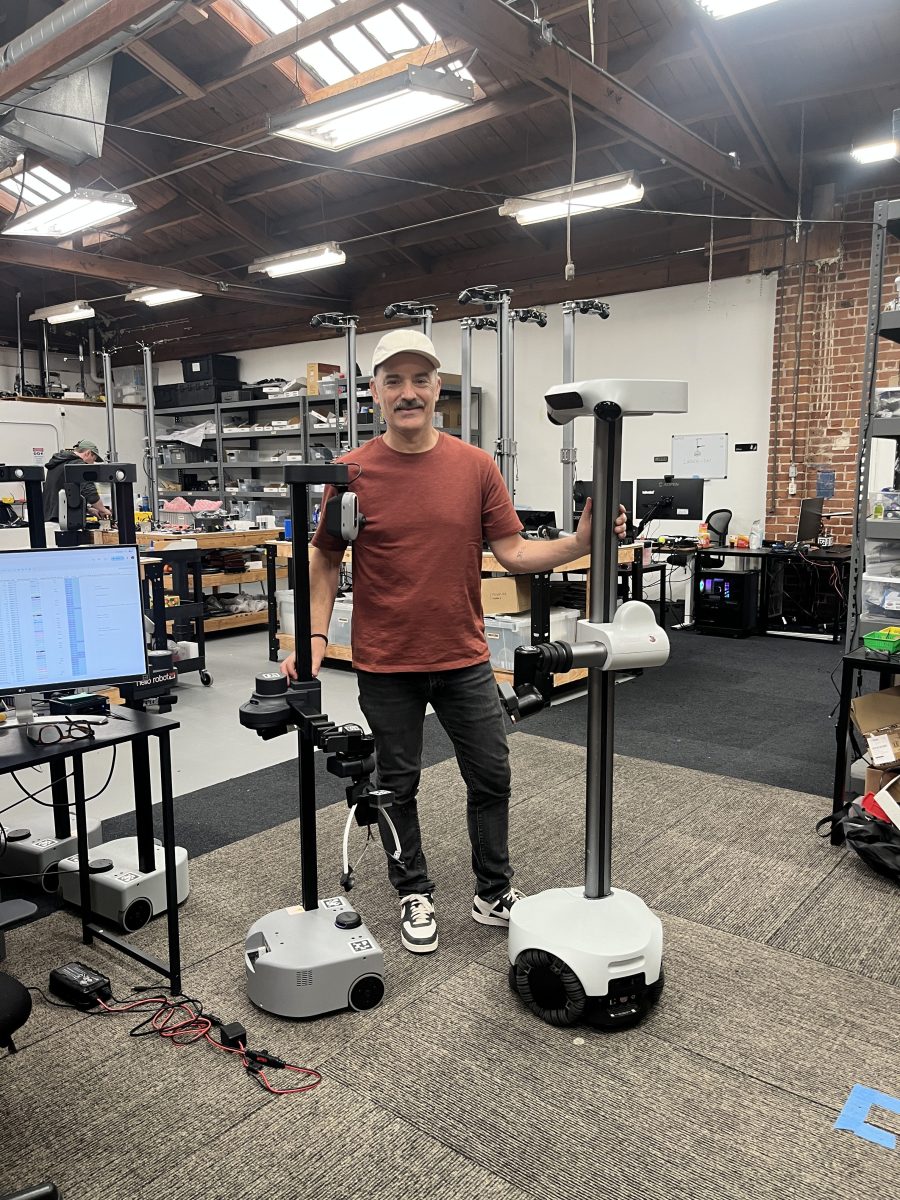
Is Silicon Valley ready to put robots in people’s homes? Hello Robot is.
A California-based startup has unveiled the fourth generation of its home assistance robot, Stretch. This latest model was introduced to the public in October 2023, showcasing advancements in technology aimed at enhancing household efficiency. The robot is designed to assist with various tasks around the home, reflecting the company's commitment to improving daily living through innovative automation solutions. The launch event highlighted the robot's upgraded features, which include improved mobility and enhanced user interaction capabilities, making it a more effective tool for homeowners. The development of Stretch is part of a broader trend in the tech industry, where companies are increasingly focusing on smart home devices to meet the growing demand for convenience and support in everyday life.
AI Robotics Startups Exclusive hello robot
Dual-mode magnetic elastomer moves on command, vanishes on demand
The growing field of soft robotics and smart electronic devices is creating a heightened demand for innovative materials capable of movement and adaptability while ensuring minimal environmental impact. As these advanced technologies are being developed for various applications, including healthcare, environmental monitoring, infrastructure inspection, and security, they are designed to function in areas that are often inaccessible to humans. This includes narrow pipes, sealed spaces, underground facilities, and hazardous environments. The push for these capabilities is driven by the need for efficient and sustainable solutions in challenging conditions, highlighting the importance of material science in the evolution of robotics and smart devices.
Robotics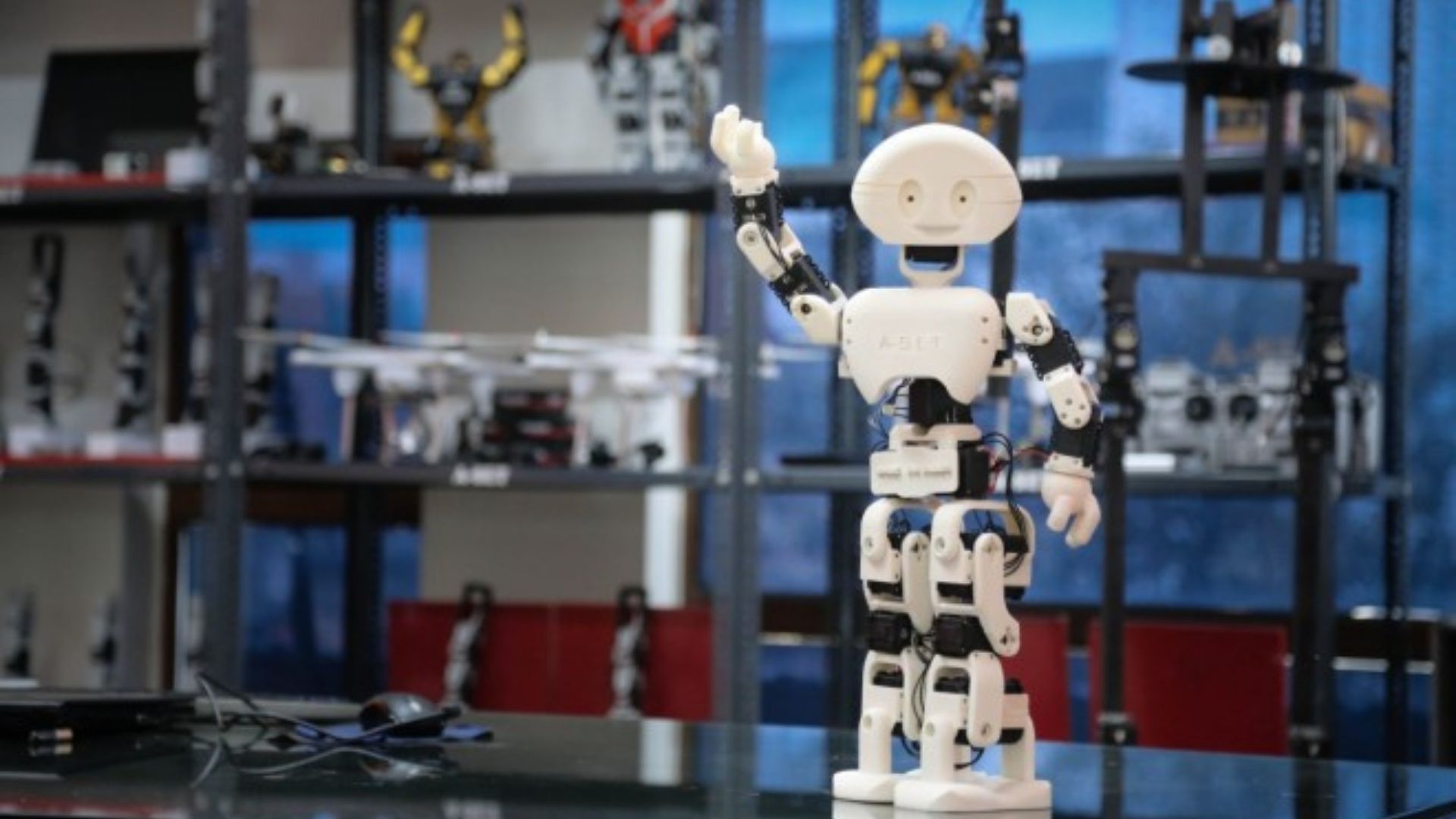
Chinese firm eyes 2027 home robot launch with Wuhan pilot and sub-$15K pricing
Chinese tech company GigaAI has launched what it claims to be the first commercial robotic butler, marking a significant advancement in home automation technology. The unveiling took place at a technology expo in Beijing on October 15, 2023. This innovative device aims to enhance everyday living by performing various household tasks, such as cleaning, cooking, and providing companionship, thereby addressing the growing demand for smart home solutions. The motivation behind GigaAI's development of the robotic butler stems from the increasing interest in automation and artificial intelligence among consumers, who seek convenience and efficiency in their daily routines. The company has integrated advanced AI algorithms and machine learning capabilities into the device, allowing it to adapt to individual household needs and preferences. During the launch event, GigaAI demonstrated the butler's functionalities, showcasing its ability to navigate complex home environments and interact with family members. The company plans to begin commercial sales in early 2024, with the goal of making this technology accessible to a broader audience. As the market for smart home devices continues to expand, GigaAI's robotic butler could potentially revolutionize the way people manage their households, setting a new standard in the industry.

Robots could learn to predict, plan navigation with new ‘bio-inspired’ framework
A recent study highlights the advanced capabilities of robot vacuums in home cleaning. Researchers observed that when placed in a living room, these devices effectively create detailed maps of their surroundings, allowing them to navigate and clean efficiently. This development comes as more households adopt smart home technology, seeking convenience and improved cleaning solutions. The study, conducted in various residential settings, demonstrates how robot vacuums utilize sensors and algorithms to optimize their cleaning paths. As the demand for automated home care increases, manufacturers are focusing on enhancing these technologies to meet consumer expectations for efficiency and thoroughness.
DJI is ending support for popular Osmo Mobile gimbals
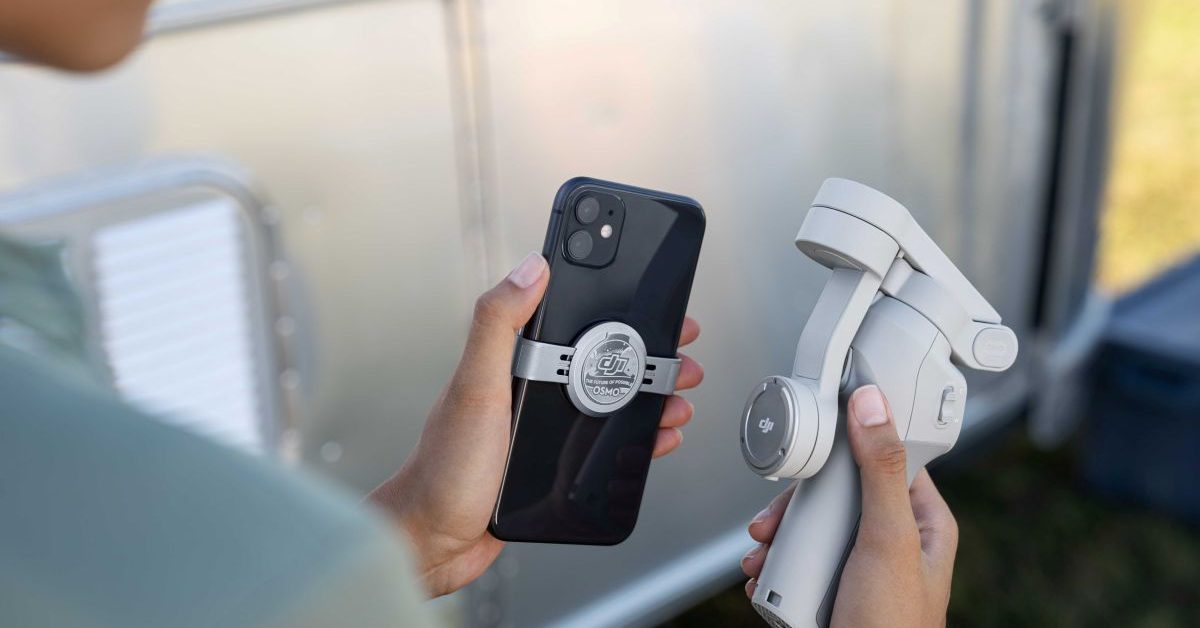
DJI has announced it will cease support for two of its widely used smartphone gimbals, the Osmo Mobile 3 and DJI OM 4. This decision affects users who rely on these devices for creating content on platforms such as TikTok, YouTube, and for personal video projects. The discontinuation of support signals a shift in DJI's focus, prompting users to consider alternatives for stabilizing their smartphone footage. As of now, those still utilizing these gimbals should be aware of the implications for their video production capabilities.
News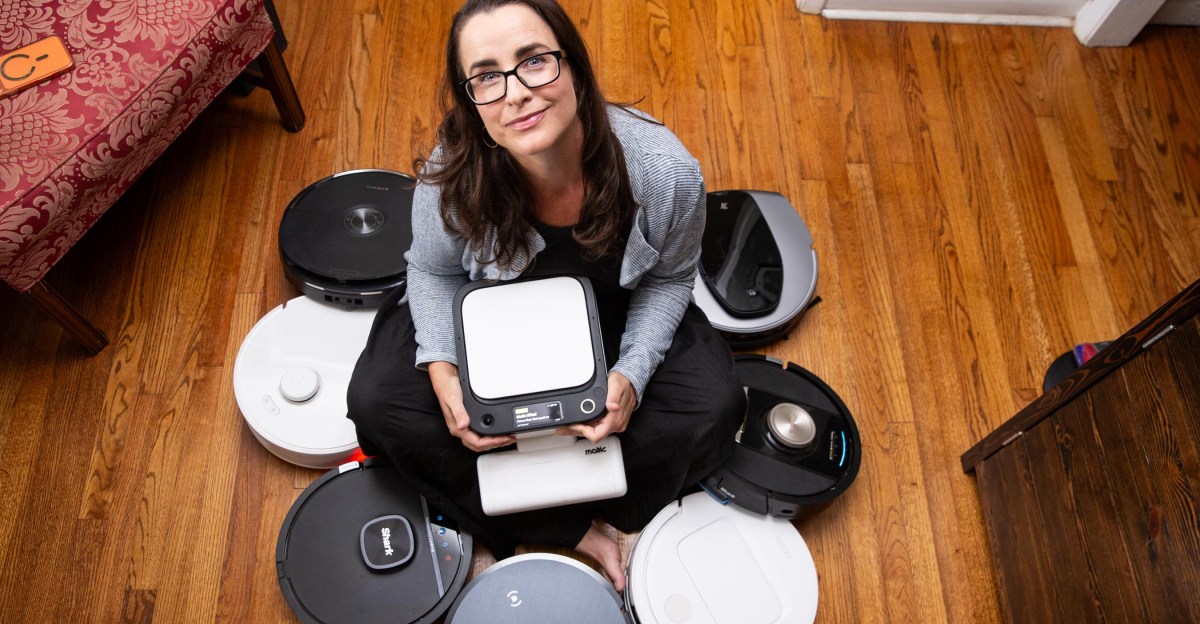
These are the robot vacuum-mops I recommend for every type of home
The decision to incorporate a robot vacuum-mop into one’s home is increasingly common, as these autonomous cleaning devices promise to simplify household chores. While their ability to navigate and clean floors can be seen as a significant advantage, users often face challenges, including potential damage to personal items such as rugs and electronics. Instances of these machines running over delicate objects or leaving behind messes, like smearing food on carpets, have raised concerns about their reliability and effectiveness. Despite these drawbacks, many homeowners find that the convenience of automated cleaning may outweigh the occasional mishaps, leading to a growing acceptance of these technologies in daily life. As the market for smart home devices expands, consumers are weighing the pros and cons of integrating such innovations into their routines.
Buying Guides Gadgets Robot Smart Home Tech Verge Shopping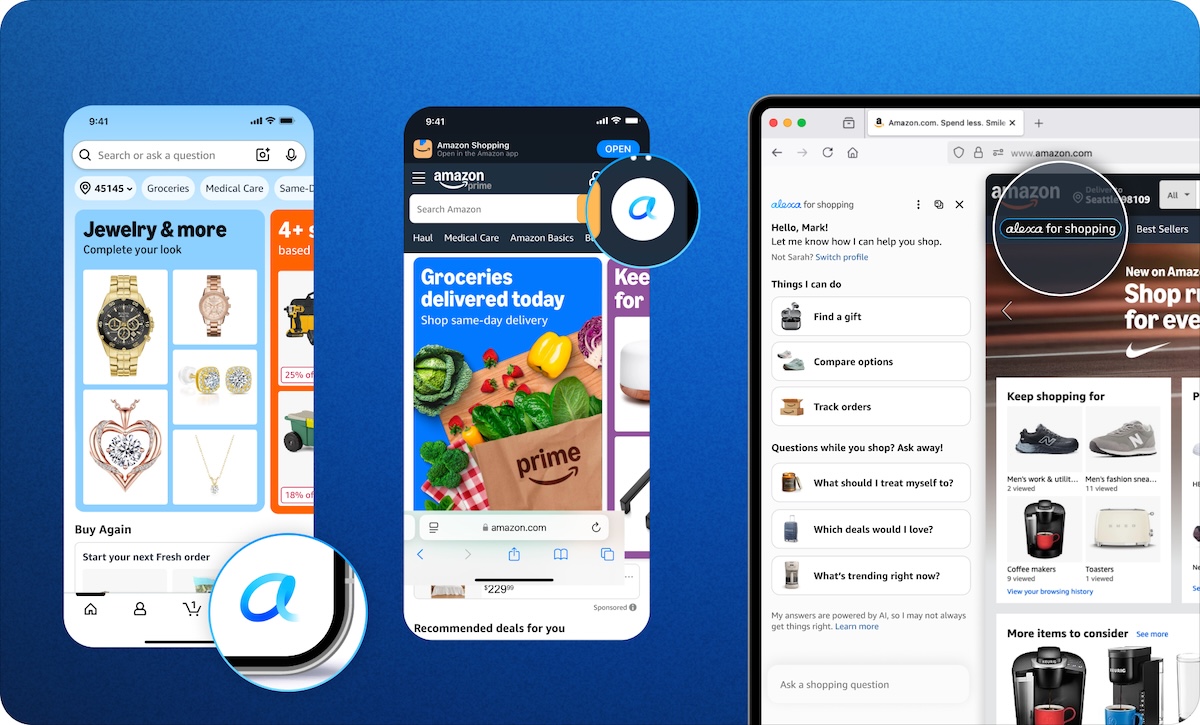
Amazon launches an AI shopping assistant for the search bar, powered by Alexa+
Amazon has launched Alexa for Shopping, a new feature designed to enhance the shopping experience through voice and touch capabilities. This service is accessible on mobile devices, desktop computers, and Echo Show smart displays, allowing users to receive personalized product recommendations and streamline their shopping process. By integrating with Amazon and various online retailers, Alexa for Shopping aims to automate and simplify the purchasing journey for consumers. The initiative reflects Amazon's ongoing commitment to leveraging advanced technology to improve customer engagement and satisfaction in the retail space.
AI Apps Commerce alexa plus Amazon Rufus
Google races to put Gemini at the center of Android before Apple’s AI reboot
Google is leveraging its latest Android rollout to establish Gemini as the central artificial intelligence layer across a range of devices, including smartphones, Chromebooks, laptops, and vehicles. This strategic move aims to enhance user experience by integrating advanced AI capabilities into everyday technology. The rollout, which began in October 2023, reflects Google's commitment to innovation and its vision of a seamlessly connected ecosystem. By embedding Gemini across multiple platforms, the tech giant seeks to streamline operations and improve functionality, making AI more accessible and beneficial for users in their daily lives.
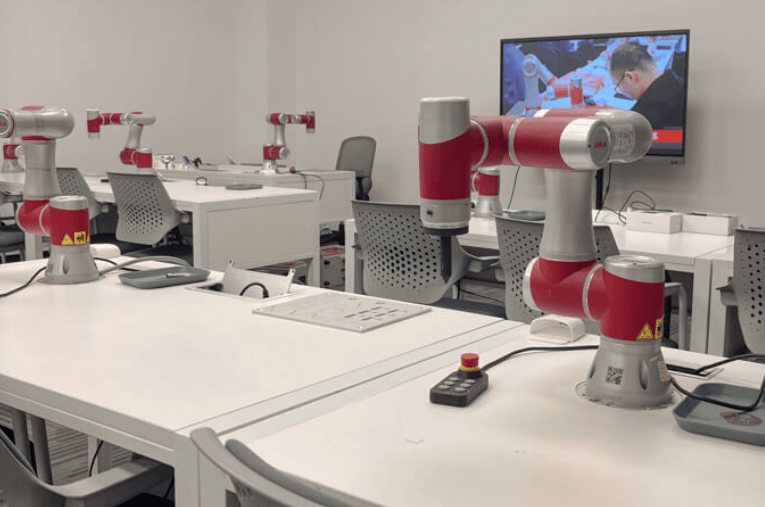
Choosing a Cobot China Partner: Focus on Software Ecosystem and Training
The manufacturing sector is increasingly embracing flexible automation, with collaborative robots, or "cobots," becoming vital assets in modern factories. In China, decision-makers prioritize not only the durability of cobots but also their software ecosystems and the quality of technical training provided. A robust software platform is crucial for seamless integration into existing digital workflows, while comprehensive training helps minimize the learning curve for employees. As part of the Industry 4.0 revolution, cobots are now integral components of larger data networks. When assessing cobots in China, software compatibility is essential for transforming a basic mechanical arm into a smart factory asset. Advanced software ecosystems facilitate multi-platform interaction, enabling operators to manage robots through various devices and supporting standard industrial protocols. The rise of the "low-code" and "no-code" movements has simplified programming, allowing non-specialists to quickly deploy tasks using user-friendly interfaces. This accessibility reduces dependence on costly external programmers and enables swift re-deployment across different production lines. Training is critical for maximizing the return on investment in automation. Manufacturers like JAKA Robotics emphasize professional training programs, offering tiered courses that range from basic operation to advanced programming. With the establishment of the JAKA Academy, the company provides standardized training to ensure that teams are equipped to handle both routine maintenance and complex tasks. JAKA Robotics combines cutting-edge hardware with an industry-leading software ecosystem, enabling remote interaction through the JAKA App. By integrating with "JAKA+" ecosystem partners, the company delivers comprehensive solutions that enhance operational efficiency and support the development of smart factories.

Quiz: Industrial Connectivity Trends
Recent developments in industrial networks are significantly transforming the landscape of manufacturing connectivity. As companies increasingly adopt advanced technologies, the integration of Internet of Things (IoT) devices and cloud computing is reshaping how manufacturers communicate and operate. This shift is particularly evident in the ongoing evolution of smart factories, which leverage real-time data to enhance efficiency and productivity. The changes are occurring across various sectors, with a notable emphasis on automation and data analytics. By October 2023, many manufacturers have begun to implement these technologies to streamline operations and reduce costs. The push for greater connectivity is driven by the need for improved supply chain management and the ability to respond swiftly to market demands. Experts highlight that the transition to more interconnected systems is not merely a trend but a necessary adaptation to remain competitive in a rapidly changing global market. Manufacturers are increasingly recognizing the importance of collaboration and data sharing among partners to optimize processes and innovate products. As this transformation continues, the implications for workforce dynamics and skill requirements are becoming apparent. Companies are investing in training programs to equip employees with the necessary skills to thrive in this new environment. The ongoing evolution of industrial networks is poised to redefine traditional manufacturing paradigms, fostering a more agile and responsive industry capable of meeting the challenges of the future.
Process / Communication
How ProAV Impacts Industrial Automation Networks
Recent advancements in deterministic Ethernet and time-sensitive networking standards are transforming industrial networks, enhancing both safety and speed. These developments are particularly significant as certification programs are now facilitating multi-vendor interoperability, allowing different systems and devices to work seamlessly together. This progress is crucial for industries that rely on real-time data transmission and require reliable communication between various components. By implementing these standards, companies can expect improved operational efficiency and reduced downtime, ultimately leading to more robust industrial environments. The push for these technologies reflects a growing demand for smarter, more connected industrial solutions that can adapt to the complexities of modern manufacturing and automation.
Factory / Communication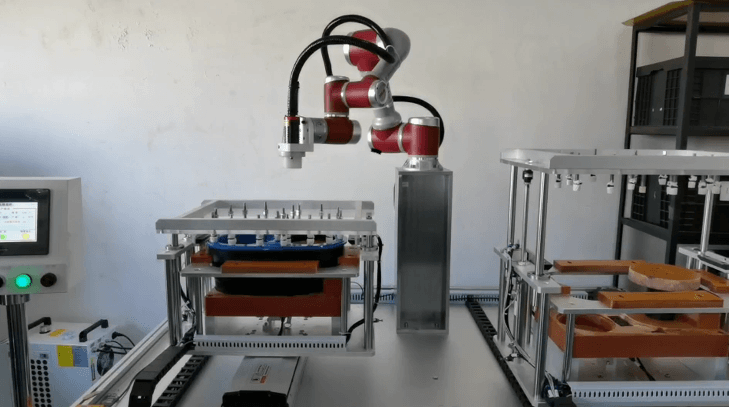
Key Features and Benefits of JAKA Collaborative Robots
In response to the evolving demands of the industrial sector, JAKA has introduced collaborative robots, or cobots, that prioritize agility over sheer power. As manufacturing cycles shorten and customization becomes essential, these robots offer a solution that minimizes downtime and enhances production efficiency. By eliminating the need for physical safety cages through advanced force-sensing technology, JAKA's cobots can be seamlessly integrated into existing workflows without requiring extensive changes to factory layouts. These robots can be deployed quickly, often becoming operational within a day, in stark contrast to traditional industrial robots that may take weeks to set up. They also improve workplace safety by taking on "Dirty, Dull, and Dangerous" tasks, allowing human workers to concentrate on more valuable roles such as quality control and process optimization. JAKA's approach to collaborative automation is encapsulated in their "Smart, Simple, Small" philosophy, which emphasizes user-friendly design and robust performance suitable for continuous industrial use. Notably, their cobots can be programmed and monitored via mobile devices, streamlining the setup process and eliminating the need for cumbersome equipment. With models like the JAKA Zu series offering payloads from 3kg to 20kg and the precision-focused JAKA A series achieving repeatability of ±0.02mm, the company aims to provide scalable solutions that deliver quick returns on investment. JAKA's commitment to innovation positions its cobots as essential tools for both small and large enterprises looking to enhance their manufacturing capabilities in the era of smart production.

Scientists built a memory chip that breaks the rules of miniaturization
Researchers have developed an innovative memory device that addresses the longstanding issues of overheating and battery drain in electronic devices. By significantly miniaturizing components and reengineering their structure, the team has successfully reduced energy loss, a breakthrough that was previously considered unattainable. This newly designed memory unit not only maintains functionality but actually improves as it decreases in size. The implications of this advancement are substantial, potentially leading to the creation of ultra-efficient smartphones, wearables, and artificial intelligence systems. This development marks a significant step forward in electronics, promising enhanced performance and sustainability in future technology.
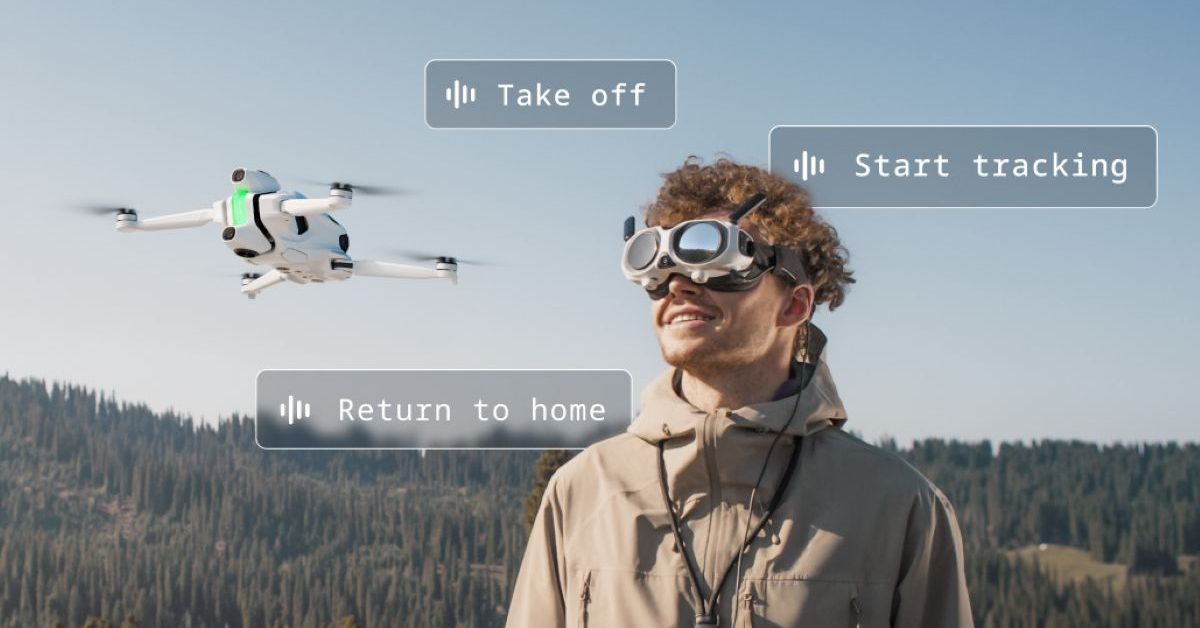
Antigravity A1 drone gets major upgrade with AI editing, Voice Control
Antigravity has announced a significant update to its drone technology with the release of the A1 update, which aims to transform the user experience from traditional piloting to a more intuitive interaction resembling giving directions to a smart assistant. This innovative approach is designed to make flying drones more accessible and user-friendly, appealing to both seasoned operators and newcomers alike. The update emphasizes ease of use, allowing users to focus on their objectives rather than the complexities of drone navigation. By leveraging advanced technology, Antigravity seeks to redefine how individuals engage with aerial devices, potentially expanding the market for drone applications in various sectors.
News
MIT engineers develop 3D-printed micro-robots that can be controlled by magnets
A team of engineers has successfully developed an innovative soft magnetic hydrogel that can be 3D-printed into intricate microscopic structures. This breakthrough, announced in October 2023, opens new avenues for applications in various fields, including biomedical engineering and robotics. The hydrogel's unique properties allow it to respond to magnetic fields, making it particularly useful for creating responsive materials and devices. By utilizing advanced 3D printing techniques, the engineers demonstrated the ability to fabricate complex shapes that were previously difficult to achieve with traditional materials. This advancement not only enhances the versatility of hydrogels but also paves the way for future research and development in smart materials.
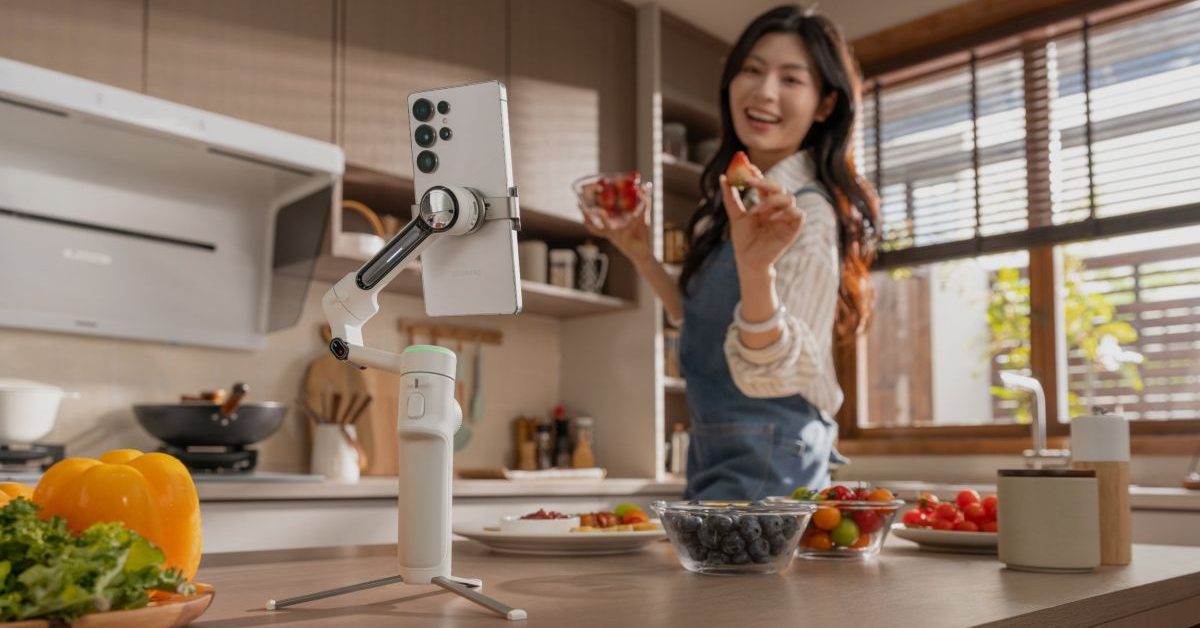
Insta360 just fixed Android’s biggest gimbal problem
Insta360 has launched a significant spring software update for its Flow 2 series gimbals, which includes the Insta360 Flow 2 and Flow 2 Pro models. This update, announced recently, enhances compatibility with both Android and iPhone devices, providing users with improved functionality. The new features include advanced creator tools designed to elevate the quality of smartphone footage, making it appear more professional. This update is expected to attract both amateur and professional filmmakers looking to enhance their mobile videography capabilities.
News
Tesla Optimus vs Your Privacy: What People Are Willing to Trade for Convenience (2026)
A recent survey reveals that while 79% of individuals express concern about their privacy, many have willingly shared personal information with smart devices such as Alexa, Google Maps, and Nest. The study, conducted in October 2023, highlights the paradox of consumer behavior regarding privacy and convenience. Participants were asked to evaluate various tasks performed by home robots, illustrating the extent to which they are willing to trade their privacy for the ease these technologies provide. The findings indicate a complex relationship between privacy concerns and the adoption of smart home technology, suggesting that convenience often outweighs apprehensions about data security.
Robotics needs a service framework.
RSF defines a common language for robot service capability, lifecycle operations, certification pathways, and service-provider networks.