Industry Briefing
A single destination for timely, editor-curated robotics news from around the world.

Roborock Becomes the World's No. 1 Smart Cleaning Robot Brand, According to IDC
Roborock has been recognized as the leading smart cleaning robot brand for 2025, capturing a significant 17.7% share of the global market and topping shipment figures worldwide. This achievement, announced recently, highlights the company's commitment to innovation and its diverse range of products. Roborock's success is particularly notable in major markets, including America, Europe, and Asia, where it has demonstrated robust performance. The brand's technological advancements and strategic expansion of its product lineup have played a crucial role in solidifying its position at the forefront of the smart cleaning industry.
Smart Cleaning Robots Robotics Industry Market Leadership AI Technology Household Appliances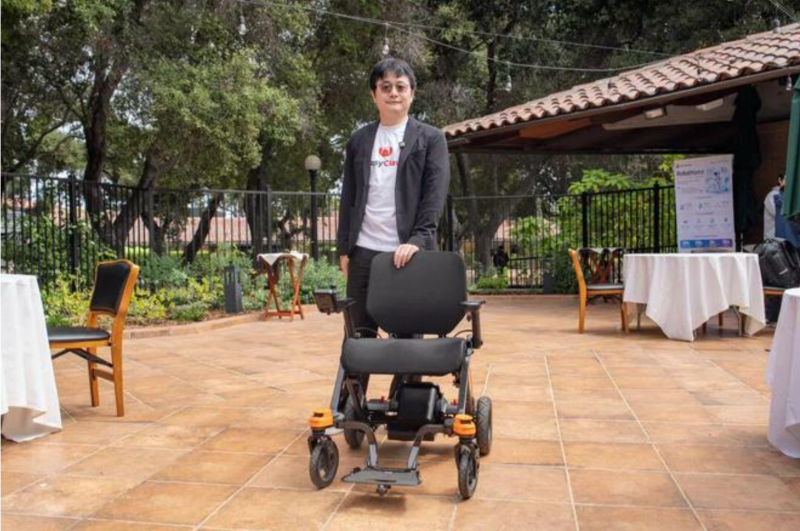
Smart Wheelchair Captivates Attention at Stanford AI Summit Over Humanoid Robots
At the Humanity & AGI Summit held at Stanford University, a smart wheelchair presented by Fu Sheng, Chairman of Cheetah Mobile, garnered significant attention, overshadowing humanoid robots. Attendees were drawn to the wheelchair's autonomous obstacle avoidance and user-friendly features, prompting many to experience it firsthand. The interest in the smart wheelchair highlights a critical shift in the robotics landscape, as Fu Sheng noted that humanoid robots are unlikely to achieve commercial scalability in the next five to ten years. He emphasized that the current limitations in software and hardware development hinder the practical application of humanoid robots, with most sales directed towards research institutions rather than commercial markets. Looking ahead, the focus on practical solutions like the smart wheelchair suggests a growing recognition that functionality is more important than form in robotics. As the industry continues to evolve, the demand for effective, user-centric products will likely shape future innovations, steering attention away from humanoid designs towards more practical applications.
Smart Wheelchairs Humanoid Robots AI Technology Robotics Assistive Devices
Roborock Unveils the H60 Hub Series: Debuting Smart Auto-Empty Docks for an Effortless Cleaning Experience
Roborock has introduced its latest H60 Hub Series, a line of advanced stick vacuums designed to enhance home cleaning efficiency. Launched recently, these vacuums are equipped with innovative auto-empty docks that streamline the cleaning process for users. The H60 series boasts powerful suction capabilities, extended battery life, and an impressive 99% bacterial removal rate, positioning it as a hygienic and convenient option for contemporary households. This new product aims to meet the growing demand for effective and user-friendly cleaning solutions in today's busy lifestyles.
home cleaning robotics vacuum technology smart home product launch
Transforming Smart Models into Productive Robots: The Journey of Self-Variables
Self-Variables has made significant strides in robotics by evolving from advanced models to practical applications, showcasing their self-developed technologies and engineering expertise. This transition, achieved through overcoming challenges in training, hardware development, and real-world implementation, has enabled the company to demonstrate its capabilities across various sectors, including home cleaning and logistics. The successful application of their robots has garnered substantial investment from industry leaders, highlighting the growing interest in their innovative solutions.
Robotics AI Automation Machine Learning
TUYA Partners with Zeroth on Smart Home Robots
Tuya Inc., a prominent player in the AI and IoT sector, has announced a strategic partnership with Zeroth on June 12, 2026, to enhance the capabilities of smart home robots. This collaboration aims to merge Tuya's advanced AI+IoT ecosystem with Zeroth's robotics expertise, creating intelligent household companions that can adapt to user needs. Traditionally, home service robots have functioned as isolated devices, limiting their integration with other smart home systems. The partnership seeks to overcome this challenge by enabling robots to serve as integrated hubs within connected homes, effectively managing various devices such as lighting, climate control, and security systems. Utilizing Tuya's proprietary Physical AI Engine (PAE), the robots will transform into proactive household managers, enhancing the overall smart living experience. This initiative reflects Tuya's commitment to delivering innovative solutions in the smart device market while addressing the growing demand for more sophisticated home automation.

Pudu Deploys 200 Cleaning Robots Across Swiss Supermarket Network
Swiss supermarket chain Denner has announced the deployment of 200 autonomous floor-cleaning robots throughout its store network, marking a significant expansion of its cleaning operations. This initiative follows a successful pilot program conducted in four stores in 2025, which demonstrated the effectiveness of the technology. The partnership with Chinese robot manufacturer Pudu Robotics and regional distributor Robobee has facilitated this rollout, aimed at enhancing operational efficiency and maintaining cleanliness in stores. The move reflects Denner's commitment to innovation and improving customer experience through advanced automation solutions.
AI AI Funding & Investment AI Use Cases Robotics Denner Pudu Robotics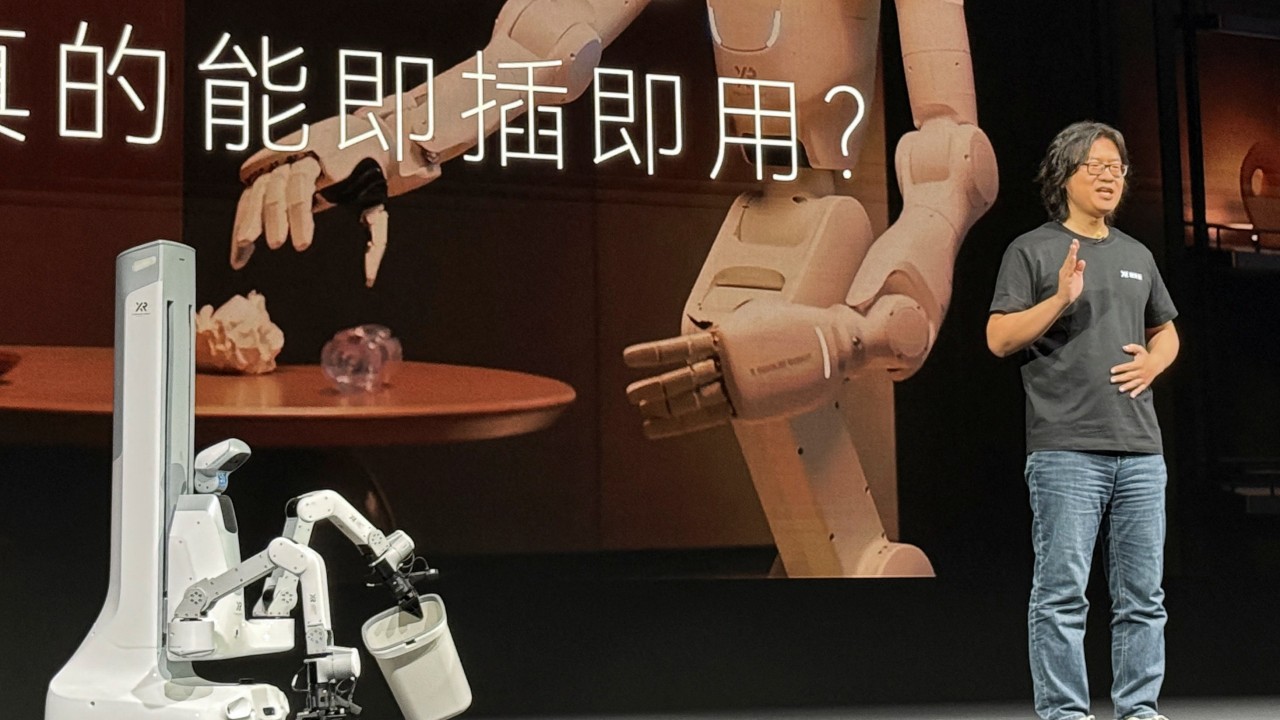
China’s robots step into real-world roles, from cleaning to directing traffic
In China, the integration of embodied artificial intelligence is transforming daily life as robots take on various roles, from household cleaning to traffic management and equipment repair in dangerous industrial environments. This shift is part of the country's broader initiative to enhance the use of AI in practical applications. A notable example is a cleaning service that debuted in March on 58.com, a popular Chinese classifieds platform, which combines human cleaners with robotic assistance to improve efficiency and effectiveness in domestic chores. As these technologies evolve, they are expected to play an increasingly significant role in both residential and industrial settings, reflecting China's commitment to advancing AI capabilities and enhancing productivity across multiple sectors.

iRobot Introduces Suite of Innovative ROOMBA® Floor Cleaning Robots
iRobot Corp., a prominent player in the consumer robotics industry, has unveiled a new range of Roomba® vacuums and innovative 2-in-1 vacuum and mop devices. This announcement was made today, showcasing the company's commitment to integrating advanced technology into household cleaning solutions. The new products are designed to enhance user convenience and efficiency, reflecting iRobot's ongoing efforts to lead in the smart home market. With these latest offerings, the company aims to meet the evolving needs of consumers seeking effective and automated cleaning solutions for their homes.

GS Caltex Completes $135 Million Overhaul at Yeosu Refinery Using Robots and AI
GS Caltex announced the completion of a 200 billion won ($135 million) turnaround at its Yeosu refinery, utilizing robots, artificial intelligence, and digital tools to enhance safety and operational efficiency. This large-scale maintenance operation involved halting production for intensive inspections and replacing aged components, laying the groundwork for safer and more efficient plant operations. The significance of this turnaround lies in GS Caltex's integration of digital and AI solutions, which are part of the company's broader digital transformation strategy. By digitalizing core operational systems, the refinery aims to improve workplace practices and boost overall competitiveness. The deployment of technologies like MOVision and tube-cleaning robots addresses specific operational challenges, such as locating electric motor-operated valves and enhancing thermal efficiency. Looking ahead, GS Caltex plans to continue innovating within the manufacturing sector by leveraging its DAX strategies. The company's commitment to integrating on-site expertise with advanced technologies is expected to further enhance efficiency and safety in future operations. No further timeline was disclosed at the time of publication.
All News
ROBOTS Secures Seed Funding for Integrated Control Platform Development with NTT Docomo and Incubate Fund
ROBOTS has announced the completion of a seed funding round through third-party allocation from Incubate Fund and NTT Docomo. The startup focuses on developing an integrated control platform for robots that become smarter through on-site operations. The funding will accelerate research and development of this platform and physical AI, particularly for implementation in the security sector. The significance of this development lies in addressing the severe labor shortages in the security industry, where high turnover rates and an aging workforce pose challenges. By integrating various robots and sensors into a cohesive system, ROBOTS aims to enhance operational efficiency and reduce the burden on security personnel. This approach allows for a flexible response to diverse on-site tasks, which is crucial given the unique demands of different environments. Looking ahead, ROBOTS plans to leverage insights gained from security applications to expand into other sectors such as equipment inspection and construction. CEO Koki Kawauchi emphasized the importance of robotics in addressing real-world challenges, aiming for a future where diverse robots work alongside humans seamlessly.
Impossible Metals to Launch Advanced Marine Robotics Hub for Deep-Sea Mineral Harvesting
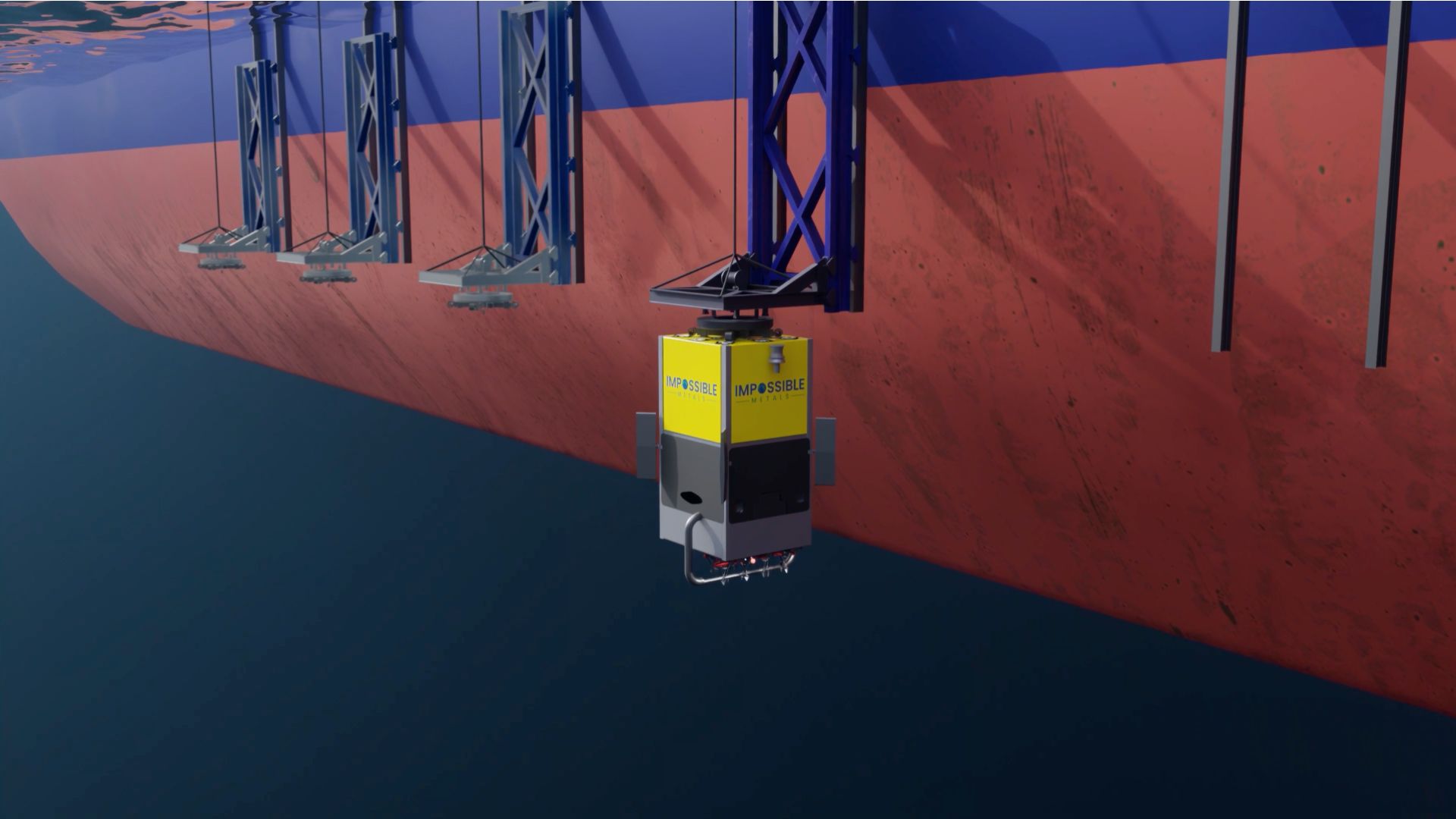
Impossible Metals, a US mining technology company, has announced plans to establish an Advanced Marine Robotics Hub in Pittsburgh, Pennsylvania. This facility will focus on developing autonomous marine systems for the deep-sea collection of critical minerals, creating over a dozen high-paying engineering and science jobs. The hub aims to enhance US capabilities in marine robotics and critical mineral technologies through collaboration with local universities and researchers. The significance of this initiative lies in its potential to redefine deep-sea mining practices. According to Mike Regan, Chief Growth Officer at Impossible Metals, the hub will enable swarms of autonomous robots to harvest critical minerals like nickel, cobalt, copper, and manganese with minimal environmental impact. This approach not only promises to produce the lowest-cost critical metals on Earth but also aims to strengthen the US supply chain and reduce reliance on foreign sources of essential materials. Looking ahead, the Advanced Marine Robotics Hub will serve as the primary research center for advancing the Eureka autonomous underwater platform and Smart Launch and Recovery Systems. The company plans to continue developing dual-use technologies that cater to both commercial and naval applications. No further timeline was disclosed at the time of publication.
AI and Robotics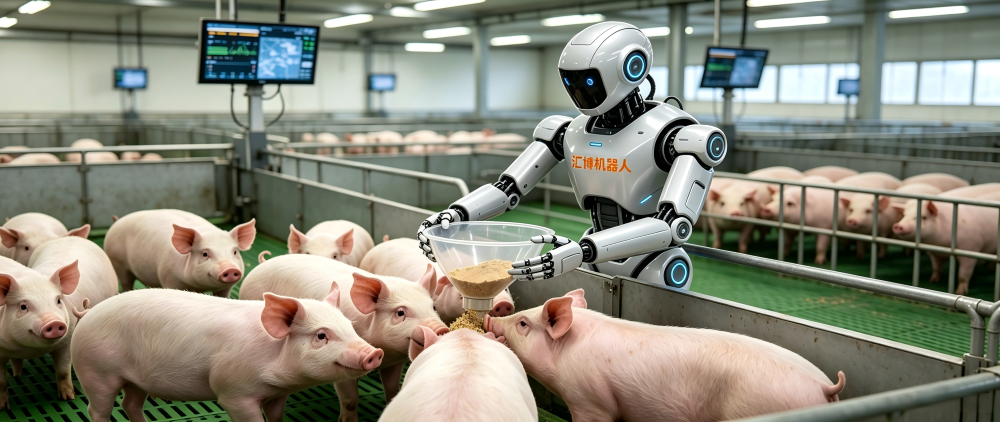
Jinke Smart Agriculture Reduces Robotics Investment from 650 Million to 60 Million Amid Market Challenges
On July 10, Jinke Smart Agriculture's stock surged, prompting speculation about its acquisition of Jiangsu Huibo Robotics. Initially, Jinke planned to invest 650 million yuan to gain control over Huibo, which specializes in humanoid robotics for pig farming. However, by late June, the investment was drastically reduced to 60 million yuan, raising concerns about the viability of the acquisition. This significant cut in investment reflects the broader challenges faced by Jinke, as its revenue is projected to decline by 18.26% in 2025, with a net profit drop of 78.59%. The domestic pig market struggles with prices below 12 yuan per kilogram, while production costs remain high. The shift towards robotics is seen as a potential solution to reduce labor costs and improve efficiency in pig farming. Looking ahead, the feasibility of the investment hinges on whether the robotics can operate effectively in the harsh conditions of pig farming. The debate continues on whether humanoid robots are necessary for the tasks at hand, as their design may offer advantages in precision and flexibility compared to traditional robotic forms. No further timeline was disclosed at the time of publication.
Humanoid Robots Agricultural Robotics Pig Farming AI Technology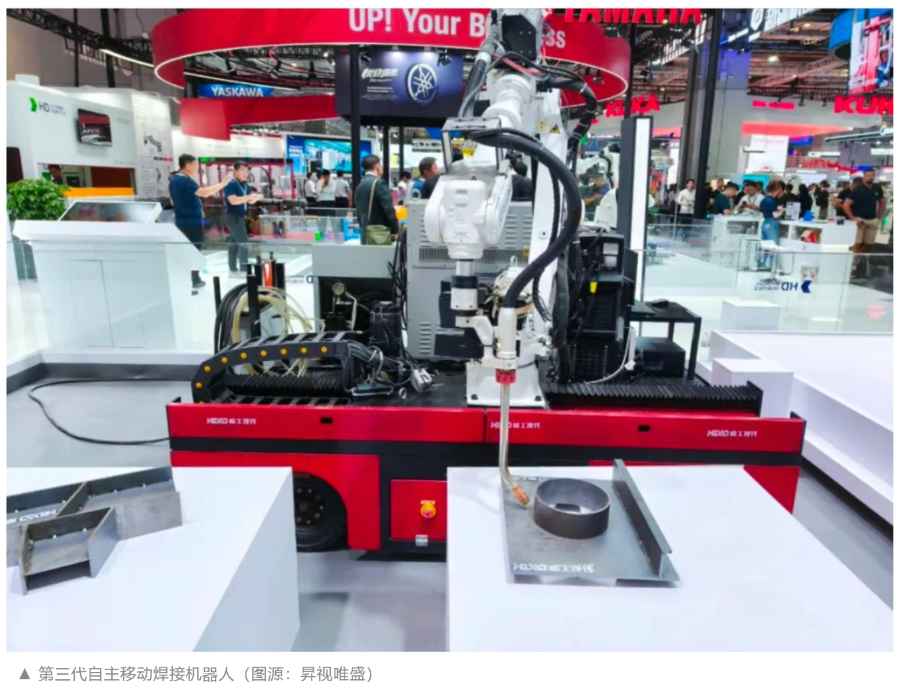
3Srobotics Secures Hundreds of Millions in Series B Funding for Smart Welding Solutions
3Srobotics, a company specializing in embodied intelligent robotics for industrial manufacturing, announced the completion of a Series B funding round on July 9, raising hundreds of millions. The round was led by Shanghai Semiconductor Investment and Jinqiao Fund, with participation from several venture capital firms. The funding aims to enhance their smart welding robotics capabilities and expand production capacity. The significance of this investment lies in addressing the critical shortage of skilled welders in China, where the average age of registered welders exceeds 45. With an estimated shortfall of millions of welding engineers by 2025, 3Srobotics' technology aims to improve welding quality, efficiency, and stability. The smart welding robot market is projected to reach hundreds of billions in the next decade, highlighting the urgent need for automation in this sector. Looking ahead, 3Srobotics plans to leverage its smart welding robots to introduce a range of industrial automation products, including grinding, cutting, assembly, and handling robots. The company aims to penetrate the entire manufacturing process, with a revenue target of several hundred million by 2026. No further timeline was disclosed at the time of publication.
Smart Welding Robots Industrial Automation AI Robotics Manufacturing Technology
We know how to build smarter robots. Now, we need to learn smarter ways to test them
Atharv Kolhar, a staff test automation engineer at Figure AI, emphasizes the urgent need for the robotics industry to adopt a scalable testing philosophy that evolves in tandem with advancements in autonomy. As the industry continues to innovate and develop smarter robots, Kolhar argues that it is equally important to establish more effective testing methodologies to ensure reliability and performance. His insights highlight a critical aspect of robotics development, suggesting that without a robust testing framework, the potential of autonomous systems may not be fully realized. This call for a shift in testing approaches comes at a time when the demand for advanced robotics solutions is rapidly increasing, underscoring the importance of integrating smarter testing strategies into the development process.
Artificial Intelligence Artificial Intelligence / Cognition Design / Development Humanoids News Robots / Platforms
Smart Robots: Transforming Elderly Care in China's Silver Economy
As China's aging population continues to increase, the demand for innovative solutions in elderly care is becoming more pressing. In response to this challenge, smart robots are gaining prominence as essential tools in transforming the sector. These advanced technologies are designed to alleviate labor shortages and improve the efficiency of care services. By assisting with daily activities, monitoring health, and offering emotional companionship, these robots are poised to revolutionize the elderly care industry. The integration of robotics into this field reflects a significant shift towards leveraging technology to meet the needs of an aging society.
Elderly Care Healthcare Robotics Smart Technology AI Solutions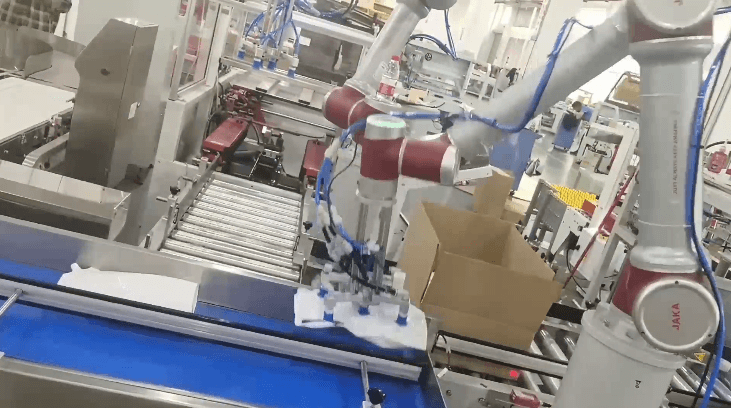
The Role of Collaborative Robots in the Future of Smart Factory Automation
As smart factories evolve, JAKA highlights a significant shift towards collaborative automation, where robots work alongside human operators rather than in isolation. This transition is driven by the need for flexible automation solutions that can adapt to changing production demands. Collaborative robots, designed for shared workspaces, assist in repetitive and precision-critical tasks, allowing manufacturers to respond swiftly to variations in product designs and smaller batch sizes without extensive reconfiguration of production lines. A notable example of this collaborative approach is the JAKA Zu7, engineered for automated screwdriving tasks that require high accuracy and stability. With adjustable torque settings tailored to specific product needs, the Zu7 ensures consistent assembly quality while integrating seamlessly into existing manufacturing processes. This capability enhances operational efficiency and quality control, reducing manual strain on workers. The integration of collaborative robots into broader automation systems is crucial for maintaining production rhythm and scalability. By combining human oversight with automated precision, these robots contribute to a balanced and sustainable production environment. JAKA envisions collaborative robot technology as essential for creating adaptable, people-centered automation systems that evolve with the manufacturing landscape, reinforcing the importance of collaboration in the future of smart factory automation.

"Rock a New Era": Roborock Revolutionizes Smart Home Cleaning at CES 2025 with robotic arm equipped Saros Z70
At CES 2025, Roborock introduced its latest advancement in home cleaning technology, the Saros Z70 robotic vacuum. This innovative device features the world's first foldable robotic arm, known as OmniGrip, which is designed to improve the efficiency and effectiveness of household cleaning tasks. The Saros series integrates cutting-edge artificial intelligence with enhanced cleaning capabilities, representing a significant advancement in the realm of smart home appliances. This launch underscores Roborock's commitment to pushing the boundaries of technology to meet the evolving needs of consumers seeking smarter and more efficient home solutions.
Robotics Smart Home AI Technology Home Appliances CES 2025
The Future of Physical AI Isn’t Smarter Robots, It’s Smarter Interfaces
Wetour Robotics is pioneering a new approach to human-machine interaction with its innovative concept of Spatial Intent Fusion, which aims to enhance how people communicate with connected devices. This initiative comes in response to the limitations of traditional input methods—screens, buttons, and voice commands—that often fail in dynamic environments where users' hands are occupied or speech is impractical. The company, which has made significant strides in the field of Physical AI over the past three years, emphasizes the need to integrate human intent into the computing loop as seamlessly as the robots already operate. By utilizing a portable intelligent hub called Orchestra, Wetour Robotics processes multiple streams of human-centered information—spatial position, visual context, and gestural intent—into real-time commands for various devices. Orchestra operates on the NVIDIA Jetson Orin Nano Super platform, ensuring low-latency performance without relying on cloud processing. The system includes advanced features such as pre-motion intent sensing, which allows it to anticipate user actions based on biosignal data. Wetour Robotics acknowledges ongoing challenges, such as maintaining signal stability during movement and integrating diverse device protocols. However, the company believes that treating the human body as an active participant in the computing network will not only improve individual user experiences but also provide valuable data for the development of future AI technologies. This initiative represents a significant step forward in bridging the gap between human and robotic capabilities, ultimately enhancing the broader Physical AI ecosystem.
Interfaces Physical-ai Robot-hardware Smarter-robots
Swiss Kemaro Pre-Closes $5M in Series B Round to Fund Expansion of Autonomous Industrial AI-Native Cleaning Robots
Swiss industrial robotics company Kemaro has successfully secured $5 million in an initial pre-closing of its Series B funding round, which aims to raise a total of $20 million. The pre-closing was spearheaded by Spicehaus Partner AG. The funds will be utilized to enhance sales operations, facilitate international expansion, and support the development of new products. Founded in [year], Kemaro is positioning itself for significant growth in the robotics sector.
AI AI Funding & Investment Robotics funding KEMARO robots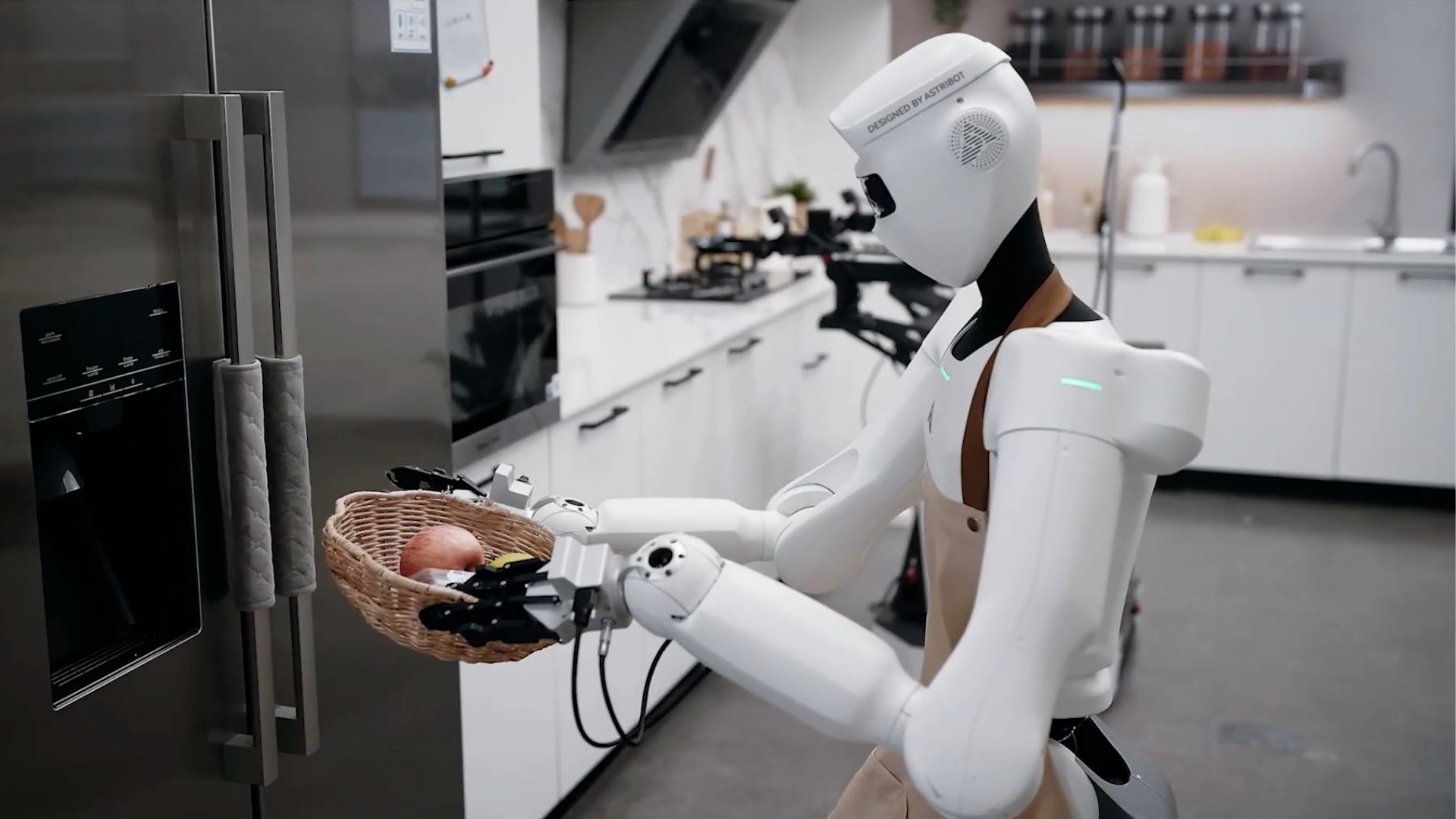
Robbyant Launches LingBot-VA 2.0, the First Embodied-Native AI Model for Robotics
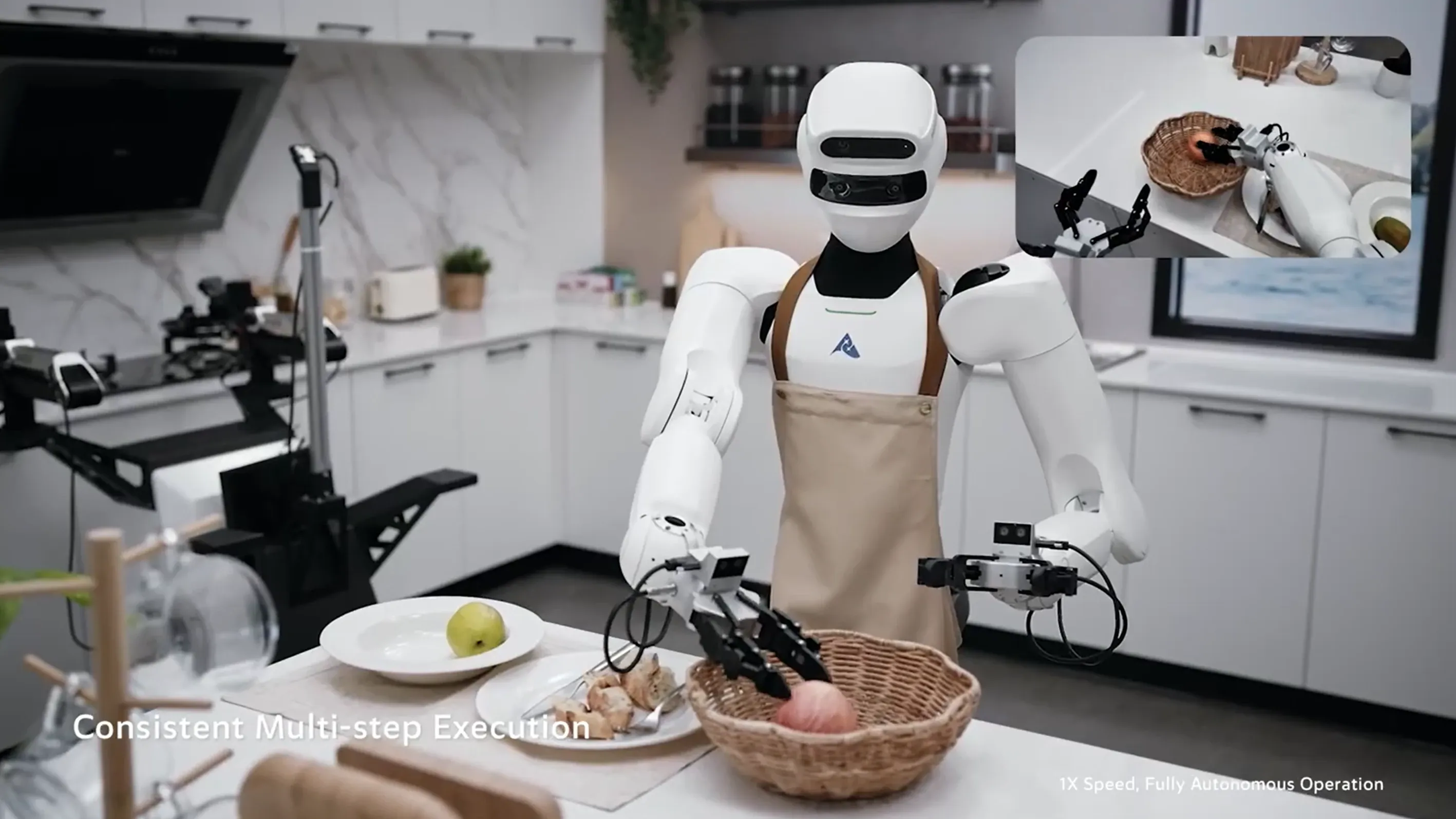
Robbyant, a company under China's Ant Group, has introduced LingBot-VA 2.0, touted as the first embodied-native video-action world model specifically designed for robotics. Unlike traditional models adapted from digital content, LingBot-VA 2.0 is built from the ground up for physical-world tasks, enhancing physical accuracy and execution efficiency through its autoregressive architecture. This innovation is significant as it marks a departure from conventional robotics models that often compromise real-world performance by relying on video generation systems. Robbyant's approach allows for better prediction of how robot actions affect their environment, thus improving generalization and operational effectiveness in real-world applications. Looking ahead, Robbyant's LingBot-VA 2.0 is expected to advance the capabilities of robots in various tasks, demonstrated through its performance in complex scenarios such as preparing breakfast and unpacking deliveries. No further timeline was disclosed at the time of publication.
AI and Robotics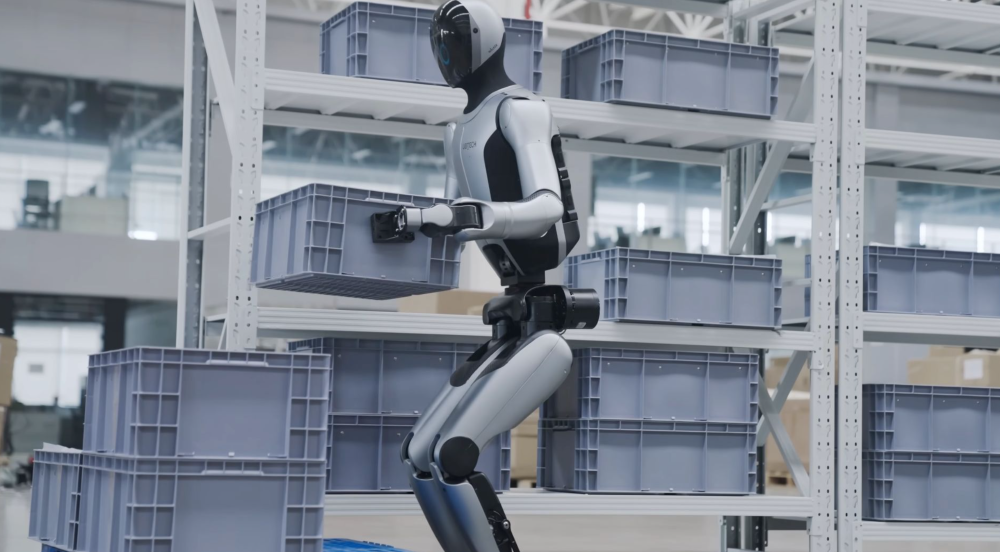
UBTECH Deploys Humanoid Robots at China-Vietnam Border to Enhance Smart Port Operations
UBTECH has introduced humanoid robots at the Dongxing port, located on the China-Vietnam border, to enhance customs operations for passenger management and cargo inspection. This initiative, backed by a $40 million contract, aims to reduce congestion in this heavily trafficked international passage. The Walker S2 robots are designed to offer multilingual assistance and monitor crowd density, thereby streamlining customs procedures. This technological advancement has sparked discussions regarding the limits of law enforcement authority as automation becomes more prevalent in public safety efforts.
Humanoid Robots Smart Ports Customs Automation AI Technology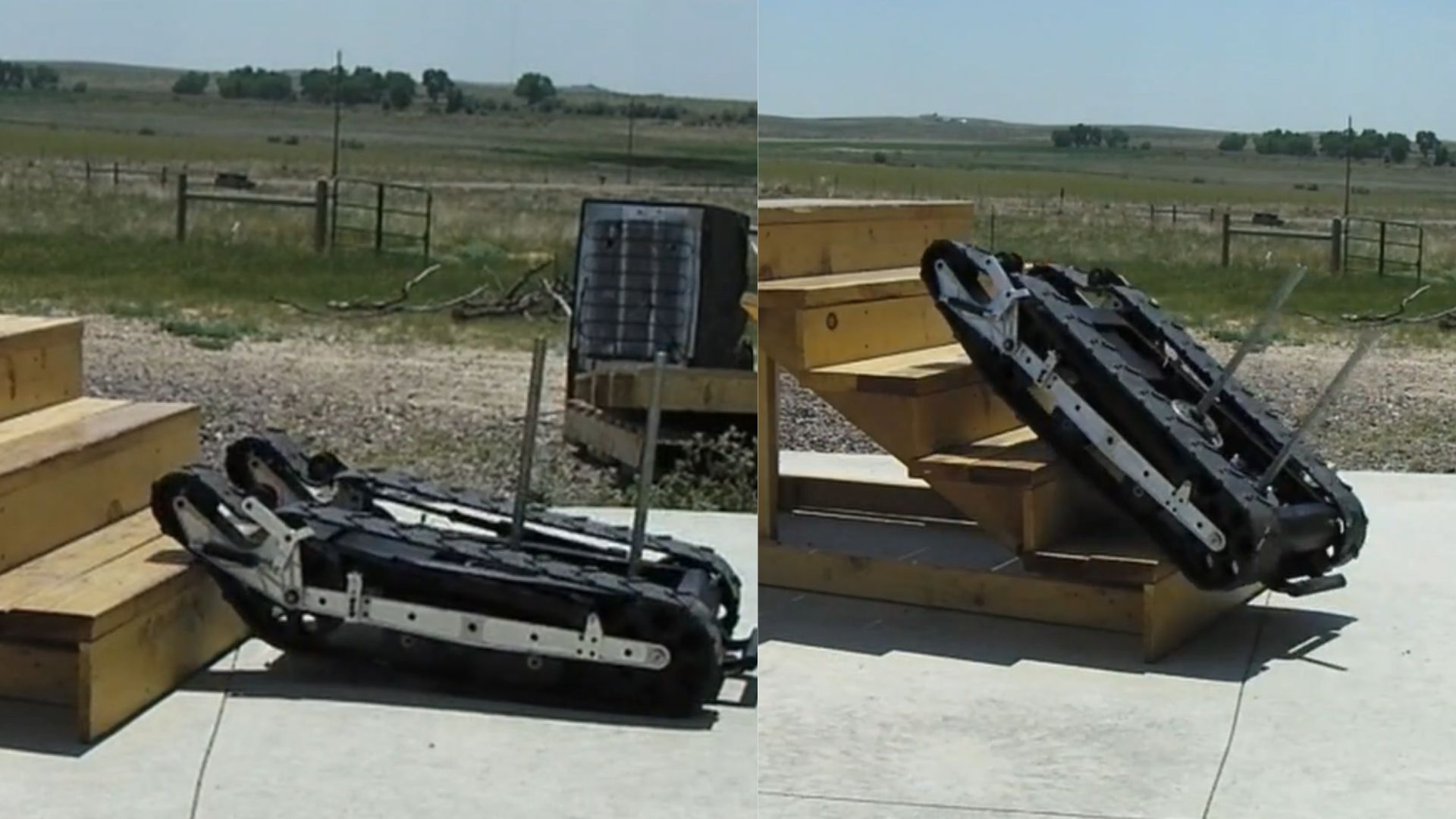
Robots learn to recover from dangerous stair falls using smart stabilising system
Researchers are addressing a significant safety issue faced by robots designed to navigate staircases, as their tendency to lose balance can lead to dangerous falls. This challenge has become increasingly relevant as the development of robotic technology progresses, particularly for applications in environments like homes and public spaces where stairs are common. The issue has been highlighted in recent studies, prompting engineers to explore innovative solutions to enhance the stability and reliability of these robots. By incorporating advanced sensors and algorithms, developers aim to improve the robots' ability to assess their surroundings and maintain balance while traversing stairs. The ongoing research is crucial for ensuring that robotic systems can operate safely and effectively in real-world scenarios, ultimately paving the way for broader adoption of robotics in everyday life.
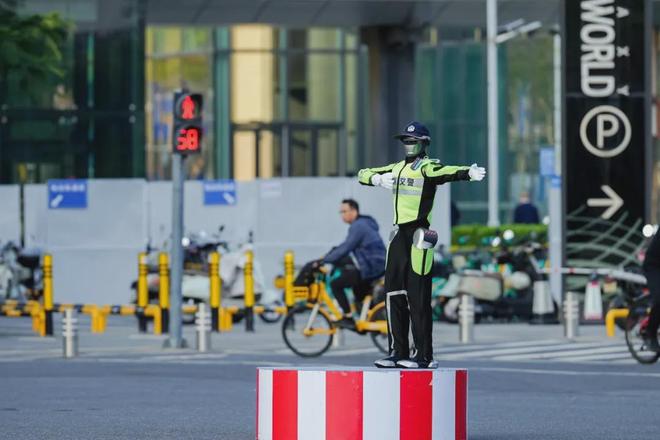
Smart Traffic Management Implementation: Humanoid Robots Become New Units for Active Governance at Intersections
As humanoid robots move from exhibition showcases to practical applications, companies are now deploying them in urban traffic management systems. These robots, designed to resemble traffic police, are capable of controlling traffic signals, identifying violations, and engaging with pedestrians. This initiative aims to tackle the pressing shortage of human traffic officers in cities, enhancing road safety and efficiency. By integrating advanced technology into everyday traffic scenarios, these robots are set to play a crucial role in modernizing urban infrastructure and improving the flow of city traffic.
Traffic Management Humanoid Robots Urban Automation AI Public Safety
HEAPGrasp: A faster, smarter way for robots to handle tricky objects
The manufacturing, logistics, and restaurant industries are rapidly embracing automation, particularly through the use of robots for various tasks. A significant application of this technology is in material handling, where robotic grippers are utilized to transport items such as automotive parts, logistics packages, food ingredients, and restaurant dishes. This shift not only alleviates the workload for human employees but also minimizes the risk of workplace accidents, enhancing overall safety. As companies seek to improve efficiency and reduce operational risks, the integration of robotics is becoming increasingly vital across these sectors.
Robotics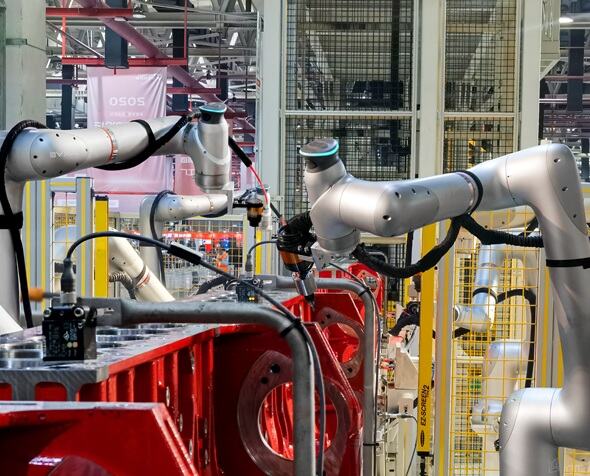
ROKAE Robots Empower Foton Cummins “Lights-Out Factory” with 24/7 Smart Production
ROKAE has successfully deployed over 100 robots across more than 30 different application scenarios, providing customized automation solutions that include machining, assembly, surface treatment, inspection, and dispensing. This significant implementation supports Foton Cummins’ lights-out factory, where these robots are integral to essential processes such as cylinder block machining, final assembly, and quality inspection. The initiative aims to enhance operational efficiency and productivity within the manufacturing environment, showcasing ROKAE's commitment to advancing industrial automation technologies.
VideoMimic: Humanoid Robots Learn Complex Skills by Watching Casual Smartphone Videos
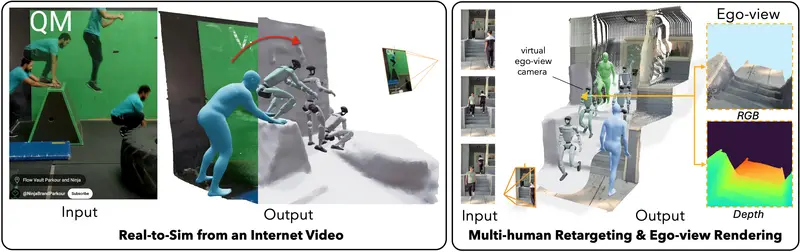
Researchers at UC Berkeley have introduced VideoMimic, an innovative system that allows humanoid robots to acquire context-aware skills, such as stair climbing and sitting, by learning from everyday videos. This breakthrough represents a significant advancement in robot training methodologies, potentially streamlining the process of teaching robots complex tasks. The development has garnered attention for its similarities to initiatives by tech giants like Tesla and NVIDIA, which are also exploring advanced machine learning techniques. By leveraging existing video content, VideoMimic offers a more accessible and efficient approach to robotic skill acquisition, marking a promising step forward in the field of robotics.
Optimus NVIDIA Tesla
This Ukrainian company is upgrading its battlefield robots like smartphones. Here's how it's chasing the edge in combat.
Ukrainian combat robot manufacturer DevDroid is actively engaged in continuous updates to its technology to remain competitive in the evolving landscape of warfare. The company recognizes the necessity of adapting its robotic systems to meet the demands of modern combat, ensuring that their innovations do not become outdated. This commitment to advancement is crucial as the nature of battlefield technology rapidly changes, driven by both strategic needs and technological advancements. By staying ahead of the curve, DevDroid aims to enhance the effectiveness of its robotic solutions, thereby maintaining its relevance in a highly dynamic military environment.
Military & Defense ukraine ground-robots russia
Roborock Launches F25 Series at CES 2025: Effortless Wet and Dry Cleaning
At CES 2025, Roborock introduced its latest F25 Series of wet-dry vacuum cleaners, showcasing cutting-edge cleaning technology designed for efficiency and convenience. The new models boast an impressive suction power of 20,000 Pa and feature self-cleaning rollers, enhancing their usability. With a remarkable 99.9% bacteria removal rate, the F25 Series aims to provide a thorough and hygienic cleaning experience. Additionally, the innovative JawScrapers™ technology ensures tangle-free operation, making these vacuums a practical choice for consumers seeking smart cleaning solutions.
Roborock CES 2025 smart home technology vacuum cleaners cleaning solutions
NVIDIA unveils full-stack platform for humanoid robots, robotaxis and smart factories
NVIDIA has introduced a comprehensive range of technologies designed to enhance the development of physical artificial intelligence. The announcement was made during a recent event, showcasing the company's commitment to advancing AI capabilities. This initiative aims to address the growing demand for more efficient and powerful AI systems across various industries. By leveraging its cutting-edge hardware and software solutions, NVIDIA seeks to empower developers and researchers to create innovative applications that can operate in real-world environments. The unveiling of these technologies marks a significant step forward in the integration of AI into everyday life, highlighting NVIDIA's role as a leader in the tech industry.

Robot Talk Episode 155 – Making aerial robots smarter, with Melissa Greeff
Claire recently engaged in a discussion with Melissa Greeff, an Assistant Professor in Electrical and Computer Engineering at Queen’s University, focusing on the advancements in autonomous navigation and learning for drones. Greeff, who heads the Robora Lab and is affiliated with the Ingenuity Labs Robotics and AI Institute, shared insights into her research, which emphasizes aerial robotics, vision-based navigation, and the importance of safe learning methodologies. This conversation highlights the growing significance of drone technology in various applications and the innovative approaches being developed to enhance their operational capabilities.

How fish muscles became blueprints for smarter underwater robots
Researchers at Peking University’s Intelligent Biomimetic Design Lab have unveiled a groundbreaking bio-signal framework that reveals the multifaceted roles of fish muscles beyond mere swimming. Led by Professor Xie Guangming from the School of Advanced Manufacturing and Robotics, the study involved twin brothers Waqar Hussain Afridi and Rahdar Hussain Afridi. Their research utilized electrical signals from fish muscles to reconstruct body postures, assess surrounding flow conditions, and apply biological principles to the development of robotic systems. Conducted recently, these findings pave the way for advancements in biological telemetry, locomotion research, and bio-inspired underwater robotics, highlighting the potential for innovative applications in these fields.
Robotics
Podcast: Building Smarter Robots: AI, Explainability & Real-World Impact
Oscar Mendez, the Head of AI and Data Science at Locus, recently discussed the transformative potential of a holistic approach to artificial intelligence in the realm of autonomous systems. In his analysis, Mendez emphasized that integrating various AI methodologies and data sources can lead to significant advancements in innovation. This perspective was shared during a recent industry conference focused on the future of technology, held in October 2023. Mendez's insights highlight the importance of collaboration across different AI disciplines to enhance the capabilities of autonomous systems, ultimately aiming to improve efficiency and effectiveness in various applications. By advocating for a comprehensive strategy, he aims to inspire industry leaders to rethink their approaches to AI development and implementation.
ROKAE Next-Generation Collaborative Welding Robots for a Smarter, More Flexible Welding Experience
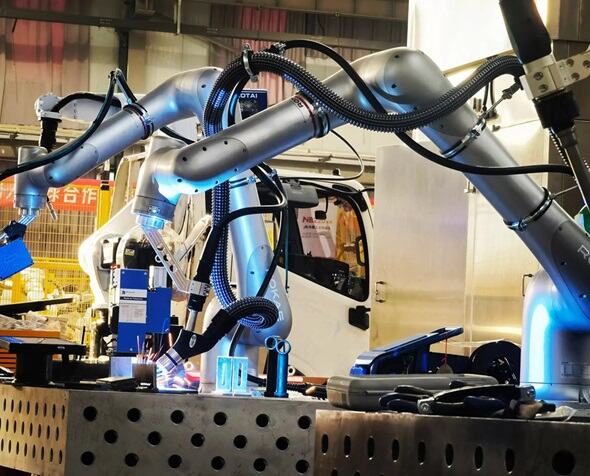
ROKAE is making significant strides in robotic welding technology, leveraging its comprehensive range of collaborative welding solutions known for their strong performance and adaptability. The company has successfully implemented its innovations across various sectors, including steel structures and shipbuilding, which has allowed it to gather extensive practical experience in the field. This advancement not only showcases ROKAE's commitment to enhancing industrial processes but also positions the company as a leader in the evolving landscape of automated welding solutions.
Dobot Cobots Power AI-Driven Smartphone Refurbishment at Breezy
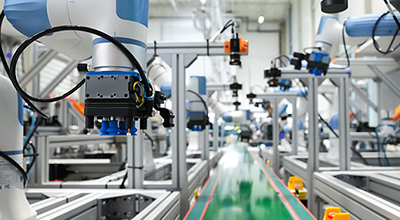
Breezy, a leading company in smartphone refurbishment, is utilizing Dobot Nova Series collaborative robots (cobots) and MG400 robots to enhance its automation processes. This initiative aims to streamline operations and improve efficiency in the refurbishment of smartphones. The integration of these advanced robotic systems is part of Breezy's strategy to meet the growing demand for refurbished devices while maintaining high-quality standards. By automating various tasks within the refurbishment process, Breezy is not only reducing labor costs but also increasing productivity. This innovative approach positions the company at the forefront of the smartphone refurbishment industry, allowing it to respond swiftly to market needs and consumer preferences.
Dobot Breezy smartphone refurbishment AI automation Industry 5.0 collaborative robots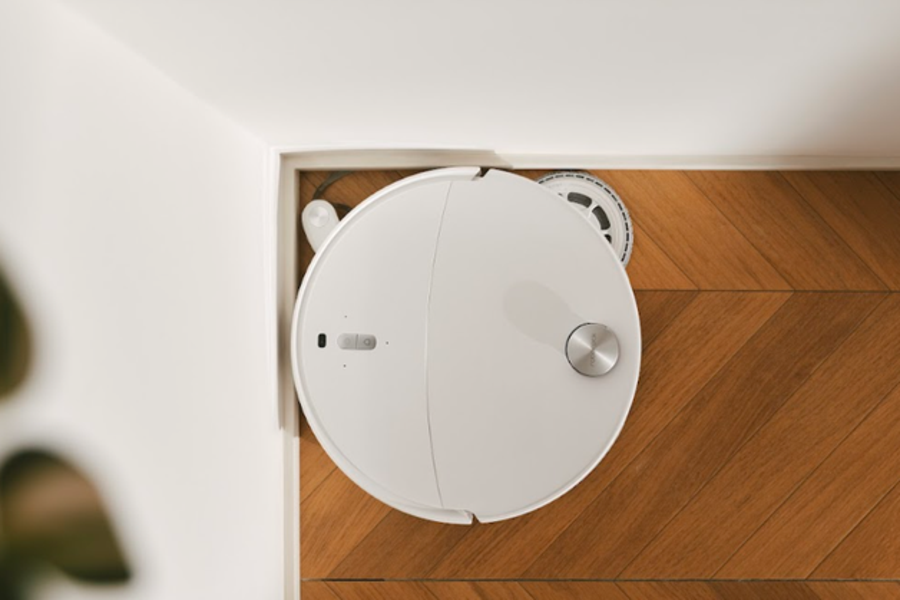
Roborock Launches Qrevo Curv 2 Pro: A Slim and Powerful Masterpiece of Intelligent Cleaning
Roborock has introduced its latest innovation, the Qrevo Curv 2 Pro, a state-of-the-art robot vacuum designed to enhance home cleaning efficiency. This new model boasts an impressive suction power of 25,000 Pa and features an ultra-slim design, allowing it to navigate tight spaces with ease. Launched recently, the Qrevo Curv 2 Pro is equipped with advanced mopping capabilities and utilizes AI-driven obstacle recognition technology, ensuring a thorough and intelligent cleaning experience tailored for modern households. The introduction of this vacuum reflects Roborock's commitment to integrating cutting-edge technology into everyday cleaning solutions, meeting the evolving needs of consumers seeking convenience and effectiveness in home maintenance.
robot vacuum home automation cleaning technology smart home robotics
Roborock F25 Ultra: A New Era of High-Temperature Wet & Dry Cleaning
Roborock has introduced the F25 Ultra, marking its entry into the handheld wet and dry vacuum market. This innovative device features steam and hot water cleaning modes, aimed at tackling tough stains and providing deep cleaning without the need for harsh chemicals. Equipped with advanced technologies such as VaporFlow and WaveFlow, the F25 Ultra not only promises superior cleaning performance but also incorporates self-maintenance capabilities. The launch of this product reflects Roborock's commitment to enhancing home cleaning solutions with effective and environmentally friendly options.
home cleaning robotics vacuum technology smart home innovation
Japan Pioneered Humanoid Robots—Can It Now Catch China?
“In the future, the relationship between humans and robots will deepen, and the distinction between them will probably disappear.” This prediction, from one of the attendees at the recent Humanoids Summit in Tokyo, might have been unremarkable had it not come directly from an android that was first introduced to the world 20 years ago. Geminoid HI-6 is the sixth-generation of a robot originally designed in 2006. The mechanical twin of Osaka University professor Hiroshi Ishiguro, Geminoid HI-6 is now equipped with a large language model trained on Ishiguro’s own writings and interviews. It has advanced conversational skills and can even have a chat with its creator, an eerie spectacle. But at the Humanoids Summit, Geminoid was one of the few humanoid robots from Japan, the country that pioneered the form factor.While the event in Tokyo only had about 40 robots on display, Chinese systems outnumbered Japanese by roughly three to one. Some Japanese robotics firms were even using Chinese robots in their own technology demonstrations, something that would have been unthinkable in the recent past—one Japanese engineer described the situation as “sad.” The conference was a stark reminder of how Japan has ceded its early lead in humanoid robot development to overseas competitors, and the challenge it now faces to secure a place in an ecosystem increasingly dominated by general-purpose robots powered by AI. Twenty-five years ago, Japan was turning out groundbreaking humanoids that were showstopping in their abilities, but they were not commercialized as practical machines in any meaningful way. Heavily influenced by science fiction and lacking practical applications, they were mostly expensive technology demonstrations that were eventually mothballed. What Japan retains, however, is robotics design and know-how, which it must leverage to be a key player in the rapidly evolving humanoid ecosystem. Learning to Walk—Then Standing StillTo anyone who has seen recent videos of Chinese humanoids doing kung-fu and synchronized acrobatics, as well as half-marathon races, China’s remarkable progress in the field is nothing new. At the Humanoids Summit, Toyota showed a video of its latest basketball-playing robot, and Honda exhibited its latest robot hand, but the full-scale humanoids on the floor were mostly Chinese–the kid-size K1 machines from Booster Robotics of Beijing were dancing to Michael Jackson tunes. The full-scale G1 humanoid from Unitree Robotics of Hangzhou was also doing demos. “You cannot sell these bipedal systems in Japan for safety and compliance reasons,” says Shuichi Nagao, a frequent visitor to China as CTO of Omakase Robotics, a division of Zeals, a Japanese humanoid robot developer. Omakase was exhibiting a G1 modified with an external PC controller, a dextrous hand, a suction-cup manipulator and a sensor “hat” with an extra speaker, mic and camera. “In China, the government is pushing humanoid development. They didn’t have an industry 20 years ago. The people pushing it are young, in their 20s and 30s. It’s a really different mentality out there,” says Nagao. “Big players in Japan are still looking for use cases for humanoids. In China, they’re already doing mass production and reducing the cost, so other countries can’t compete with them anymore.”Another Japanese company showing off G1 bots was summit sponsor GMO AI & Robotics, a subsidiary of Japanese internet company GMO. It’s using the robots in partnership with Japan Airlines to load and unload cargo containers at Tokyo’s Haneda airport. The cargo project is a trial—like many other humanoid experiments—but the fact that Chinese machines have penetrated so far into Japan’s ecosystem upends a long history. In 1973, scientists at Waseda University in Tokyo built WABOT-1, considered the first full-scale humanoid robot and capable of slow bipedal locomotion, grasping objects and simple communication. It inspired Honda’s groundbreaking Asimo humanoid, but it was never commercialized. Asimo was eventually retired in 2022, the year ChatGPT was released. Two years later, Unitree’s G1 went on sale for US $16,000. China’s High Torque Technology Co. showed off its Mini Pi biped, customized with an anime-inspired head, at Humanoids Summit in Tokyo. The regular version is priced at $3,500. Tim HornyakSupply and DemandJapan’s development of humanoids happened before practical applications or widespread demand were in place, but bad timing is only part of the story—Japan also has a history of developing technologies that might appeal to domestic consumers but not necessarily those overseas. For example, decades after they first appeared, its highly engineered, multifunction toilets have only recently found a following abroad. Japan’s humanoid prowess was partly built on the back of its legendary industrial automation, yet even that stronghold has eroded. Ani Kelkar, a partner from McKinsey & Company in Boston who produces analytical reports about the robotics industry, told the summit audience that while Japan occupied the top spot in the world in manufacturing robot density (the number of multipurpose industrial robots in operation per 10,000 employees) from at least 1994 to 2009, it then slipped to second in 2014, third in 2019 and fifth in 2024. In that year, South Korea was at the top of the leaderboard with a robot density of 1,220 compared to Japan’s 446. The International Federation of Robotics estimates China now has the most operational industrial robots in the world, with around 2 million total units, approximately 4.5 times more than Japan. “The annual installation numbers are impressive too: 54 percent of all robots installed worldwide in 2024 were deployed in China,” the IFR said in a release in April 2026. “I think the loss of Japanese leadership is more to do with the rise of China as a manufacturing powerhouse including for sectors that Japan had high export levels,” Kelkar said in an email interview. “The recovery has not yet happened as Japan ‘missed’ the rapid acceleration in AI for robotics and is now playing catchup.”How Japan Can Adapt Kelkar believes Japan has a US $100 billion opportunity in general-purpose robotics, which are machines that can perform a wide variety of tasks, and it cannot rely on the slower-growing industrial robot market, which is centered on factory machines that do one simple and predictable task like welding car parts. He points to a McKinsey white paper suggesting that while Japan has much of the hardware and technology experience needed to support general purpose robot development, it must change its strategy to capture more share in AI, software, data collection and robotics platforms.Tetsuya Ogata is a professor of engineering and director of the Institute for AI and Robotics at Waseda University, the birthplace of humanoids in Japan. He briefed the summit on how a nonprofit he chairs, the AI Robot Association (AIRoA), is working with Toyota and other members to develop foundational technologies for collaborative use. For instance, AIRoA has collected some 80,000 hours of data on remote operation of mobile manipulators, and Ogata believes it’s the largest dataset of its kind. Using the data, it built and verified Vision-Language-Action (VLA) models, and it has also started data collection for dual-arm mobile manipulation. In an interview, Ogata acknowledged Japan’s struggle to find its place in the changing landscape. “The world of AI is inherently a game of scale,” says Ogata. “Therefore, Japan’s absolute prerequisite is to secure a competitive baseline of scale—in data, computing resources, and talent. Beyond that, what I consider most critical is a mindset shift: rather than trying to hoard scale within a single nation or company, we must grow stronger by collaborating with a diverse ecosystem of domestic and international players.” Specifically, this means creating a ‘collaborative domain’ to address data—the single biggest bottleneck—through industry-wide cooperation rather than data-siloing. By collectively nurturing a pre-competitive, shared data infrastructure and foundation model, individual companies can then compete on top of it with their own applications. “By offering this open ‘data ecosystem’ to the world, we can engage global players and establish a ‘third pole’ alongside the US and China,” says Ogata. “I believe this is how Japan can reclaim its global presence.”In 1999, Japan introduced the world’s first mobile internet services platform. But being first didn’t turn Japan into a smartphone manufacturing or design center—it’s now merely a supplier of parts to other countries who are leading the smartphone industry. If Japan can avoid a repeat of that experience and successfully deregulate, diversity, and commercialize its original humanoid dreams, it stands a better chance of influencing the direction of the industry and reaping billions in value. As automobiles and electronics were pillars of Japan’s industrial strategy in the last century, Japan could make humanoid robots one of its key value generators in the 21st century, an approach that would not only deliver economic benefits but give Japan greater clout in how the industry will evolve. Just like Japanese cars, electronics, and even toilets, Japanese humanoids could stand for craftsmanship and reliability. It’s a legacy that Japan can’t afford to give up.
Japan Robotics Humanoids Humanoid-robots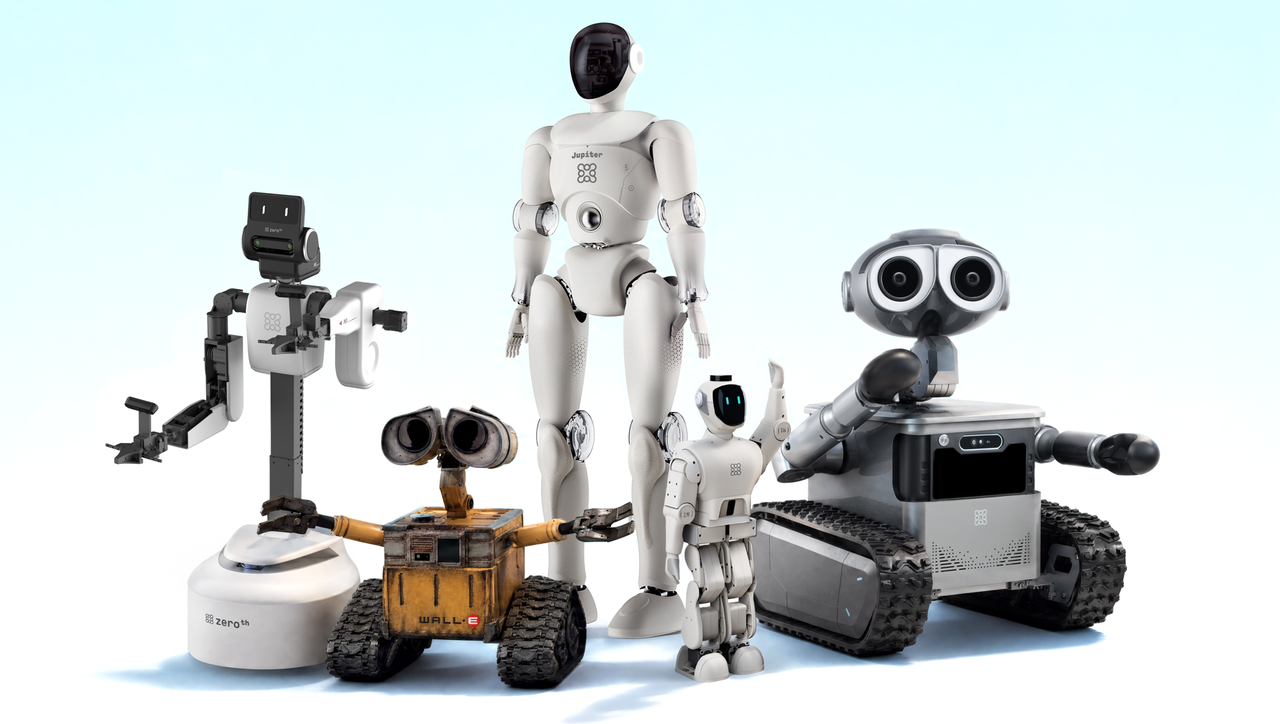
Ant Group Leads $70 Million Investment in Suzhou Lexiang Smart Technology for Home Robotics
Suzhou Lexiang Smart Technology has successfully raised nearly 500 million RMB in a Pre-A funding round, with Ant Group leading the investment. This funding will be utilized to enhance the company's home robotics brand, 'Zeroth'. The company has already received over 30,000 orders for its innovative humanoid robots, which are designed to facilitate family interaction and provide support. With this strong demand, Lexiang anticipates a remarkable 600% revenue growth by mid-2026, reflecting its commitment to advancing technology in the home robotics sector.
Home Robotics AI Technology Investment Smart Home Humanoid Robots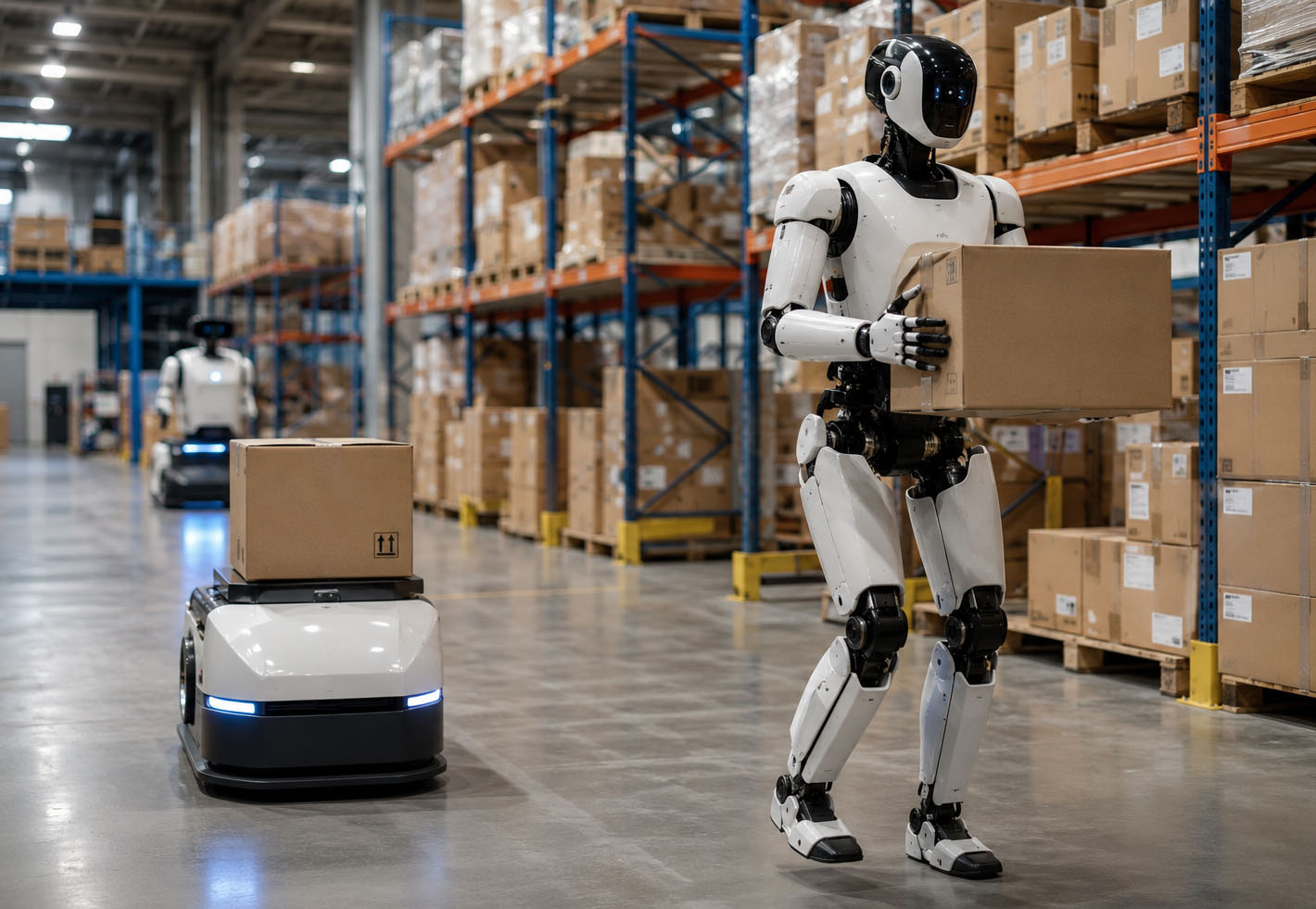
NVIDIA Halos for Robotics: A New Era for Industrial Robot Safety
Recent advancements in industrial robotics have marked a significant milestone in the integration of physical artificial intelligence. Over the past few years, the field has experienced unprecedented growth, evolving beyond mere data analysis and text generation. Now, AI technology is enabling machines to perceive their surroundings, make real-time decisions, and interact directly with their environment. This evolution is exemplified by NVIDIA's latest innovations, which are set to enhance the safety and functionality of industrial robots. As these developments unfold, the landscape of robotics is transforming, paving the way for smarter and more autonomous machines in various industries.
À la une IA Industrie Robotique automatisation industrielle. cobot industriel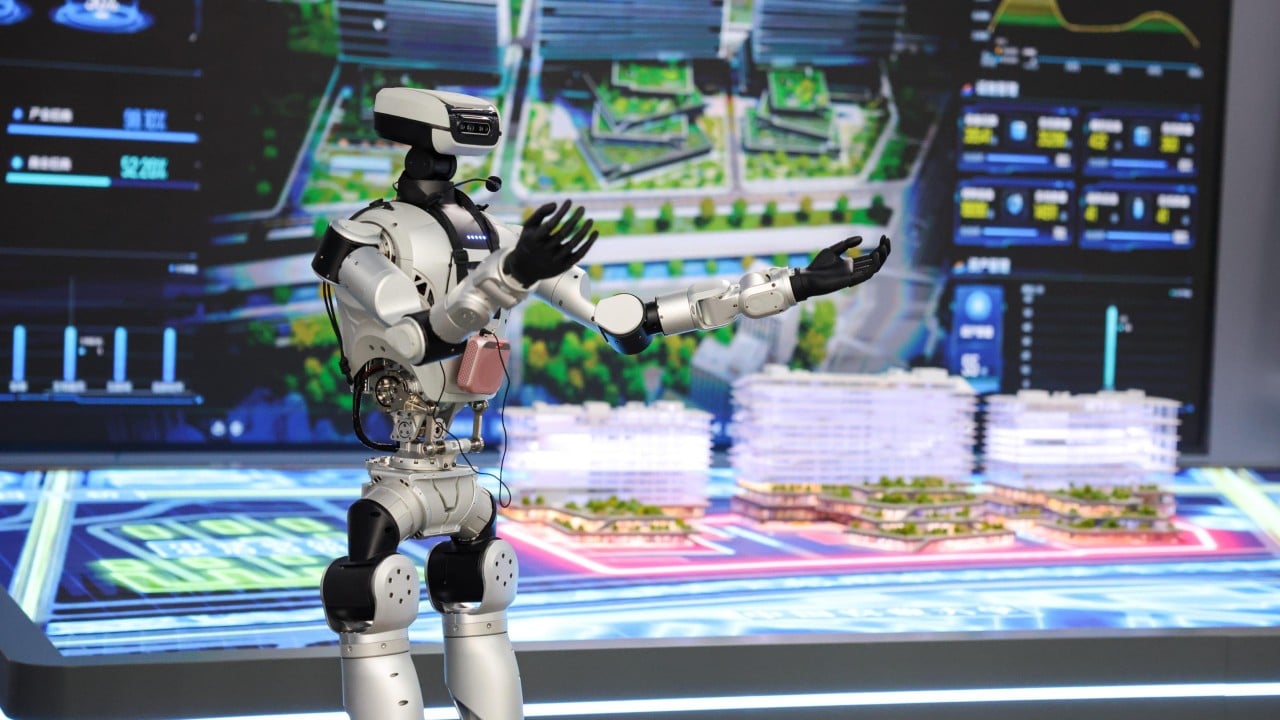
Rise of the robots: China releases plan aimed at increasing consumers’ AI options
Chinese authorities are set to enhance the integration of artificial intelligence (AI) into consumer markets, as outlined in a recent plan by the Ministry of Commerce alongside seven other ministries. This initiative, which includes 17 new measures, aims to stimulate consumption growth by incorporating AI into various sectors, including consumer goods, services, and retail. The strategy focuses on the development of smart products, the deployment of robots, and the establishment of supportive infrastructure and standards. By promoting the concept of "AI Plus Consumption," the government seeks to create innovative drivers for economic growth and improve the overall consumer experience.

Researchers Develop Method To Train Ag AI Robots with Virtual Tomatos
Researchers at Osaka Metropolitan University have introduced a groundbreaking method for creating synthetic training data aimed at enhancing agricultural AI systems. This innovative approach utilizes realistic virtual tomato farms, addressing a significant challenge in the development of autonomous harvesting robots. The findings of this study, published in the journal Smart Agricultural Technology, highlight the potential of virtual environments to effectively train AI models. By simulating diverse farming scenarios, the researchers aim to improve the efficiency and accuracy of AI systems in agricultural applications, ultimately paving the way for more advanced robotic solutions in the field.
AI AI Research & Advances Robotics agriculture AI autonomous harvesting robots Osaka Metropolitan University
Former Baidu VP Invests in Embodied Intelligence, Secures $6 Million Funding for Home Robots
Liyang Shenzhou Intelligent Technology has successfully secured over 40 million yuan in Series A funding to advance its development of home service robots. The funding comes in response to China's growing aging population and the increasing shortage of caregivers, prompting the company to focus on integrating robotic solutions into everyday household tasks, particularly in cleaning and elderly care. By prioritizing practical training in real-life environments, Liyang Shenzhou aims to improve the performance and effectiveness of its robots, addressing the pressing needs of families and caregivers across the nation.
Home Service Robots Elderly Care Embodied Intelligence AI Technology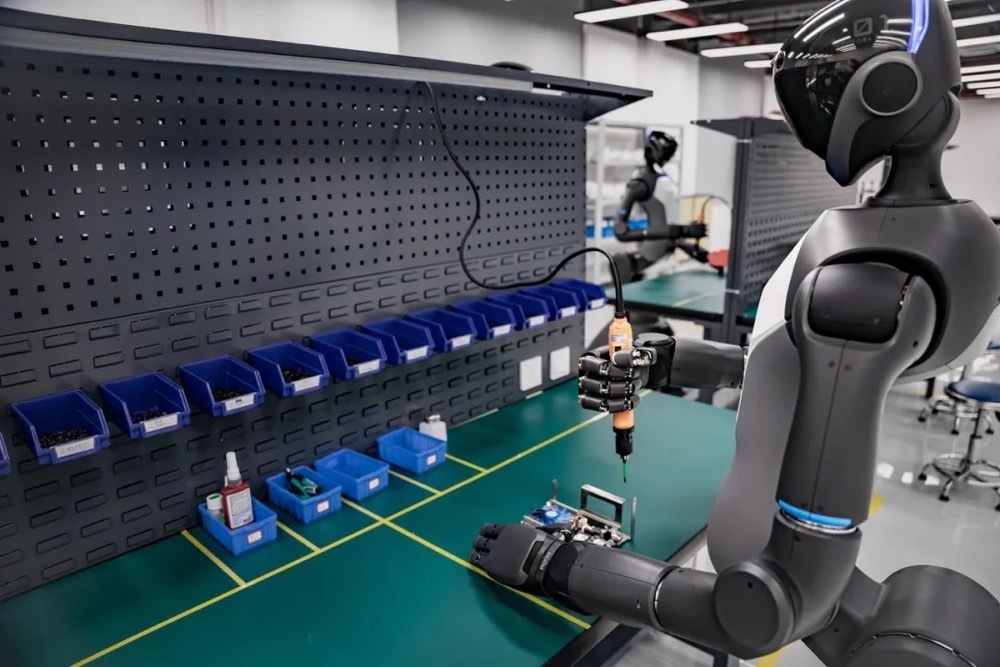
Dreame Launches 20+ Smart Home Products in San Francisco, Putting Its Robotic Arm Tech at the Center
Dreame Technology showcased its latest innovations at the DREAME NEXT event held in San Francisco, highlighting the evolution of its bionic robotic arm technology. Originally designed for robot vacuums, this technology has now expanded into a versatile platform that can enhance various household appliances, including range hoods and dishwashers. In addition to this development, the company introduced the modular AURORA NEX smartphone and a fully autonomous laundry robot, signaling a significant shift in its focus towards broader robotics applications beyond traditional floor cleaning. This event marks a pivotal moment for Dreame as it seeks to redefine the role of robotics in everyday household tasks.
Industry
MOVA evolves from cleaning appliances to a multi-scenario robotics portfolio
Founded in 2024, MOVA has emerged as a prominent Chinese brand specializing in smart home appliances that prioritize AI-driven intelligent living solutions. Initially launching with a range of cleaning devices, particularly robotic vacuum cleaners, the company has rapidly diversified its product offerings to include personal care and outdoor smart products across various categories. MOVA's growth is supported by a robust supply chain and advanced algorithm capabilities, enabling the brand to continuously innovate and improve its product lineup. As the demand for smart home technology rises, MOVA positions itself at the forefront of the industry, aiming to enhance everyday living through intelligent solutions.
On the Cusp Content and entertainment E-commerce and New Retail Highlight News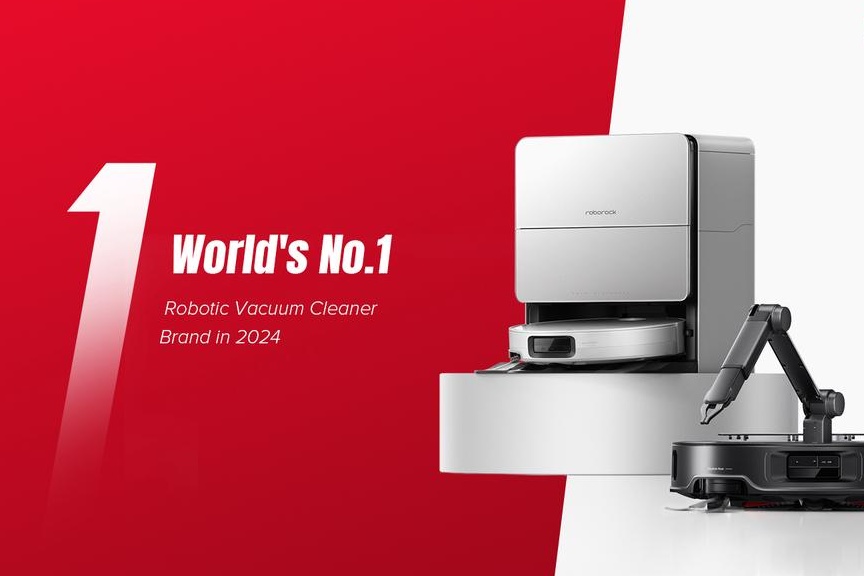
Roborock Becomes No.1 in Smart Home Vacuum Market Share Globally, According to IDC
Roborock has been recognized as the leading brand in the global smart home vacuum market, according to a recent report by IDC. This achievement underscores the company's expanding influence and commitment to innovation within the smart home technology sector. The report reflects Roborock's strategic advancements and the increasing demand for smart cleaning solutions, positioning the brand at the forefront of the industry as of October 2023.
Smart Home Vacuum Technology Market Share Roborock IDC
iRobot Launches Roomba® Max 705 Combo Robot + AutoWash™ Dock The Company's Most Advanced 2-in-1 Cleaning System
iRobot Corp. has unveiled its latest innovation, the Roomba Max 705 Combo, which features advanced heated mopping capabilities and an impressive suction power that is 175 times greater than previous models. This new robotic vacuum, announced on July 22, 2025, in Bedford, Massachusetts, also introduces a unique cover designed to protect carpets from water damage during the mopping process. The development aims to enhance home cleaning efficiency and address common concerns about wet messes on carpets, positioning the Roomba Max 705 Combo as a significant advancement in smart home technology.
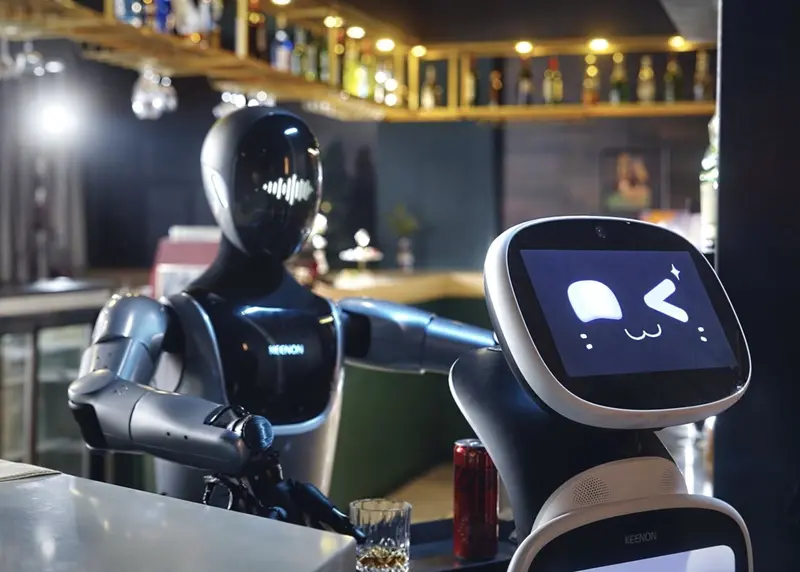
Video: KEENON Robotics Enters Humanoid Field with XMAN-R1, Expands Autonomous Cleaning Lineup
KEENON Robotics has introduced the XMAN-R1, its inaugural humanoid robot aimed at enhancing human interaction and collaboration with its existing line of commercial robots. This launch took place recently as part of the company's efforts to innovate within the service robotics sector. In addition to the XMAN-R1, KEENON also unveiled three new cleaning robots—KLEENBOT C20, C40, and C55—each designed to cater to various cleaning needs across different environments. This expansion of their product lineup underscores KEENON's commitment to providing a comprehensive range of automated solutions, enhancing efficiency and service capabilities in commercial settings.
Keenon XMAN-R1
Beijing issues first food operating license to AI robot company EncoSmart
This week, Beijing's Haidian District granted the city's inaugural food operating license to EncoSmart for its embodied AI robots, marking a significant advancement in the integration of AI technology within the food industry. The state media outlet People’s Daily reported that this license represents a pivotal moment for the application of advanced robotics in food service. EncoSmart intends to launch a pilot program utilizing these AI robots, which are designed to enhance efficiency and innovation in food operations. This development highlights the growing trend of incorporating artificial intelligence into various sectors, aiming to improve service delivery and operational capabilities.
News Feed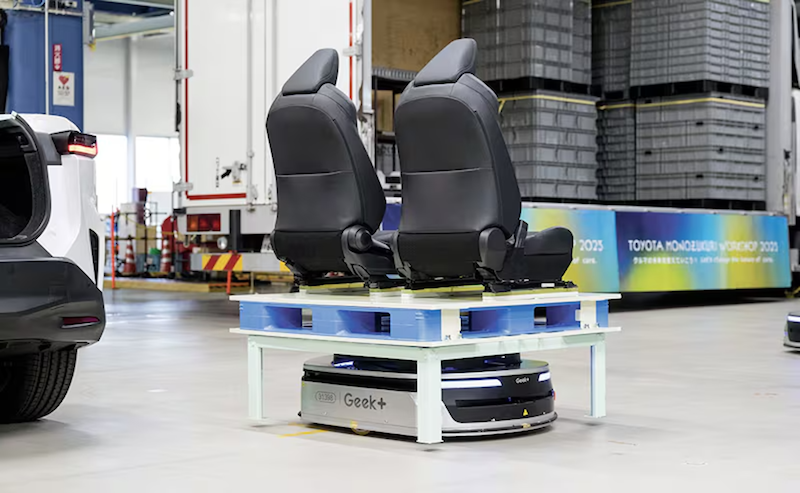
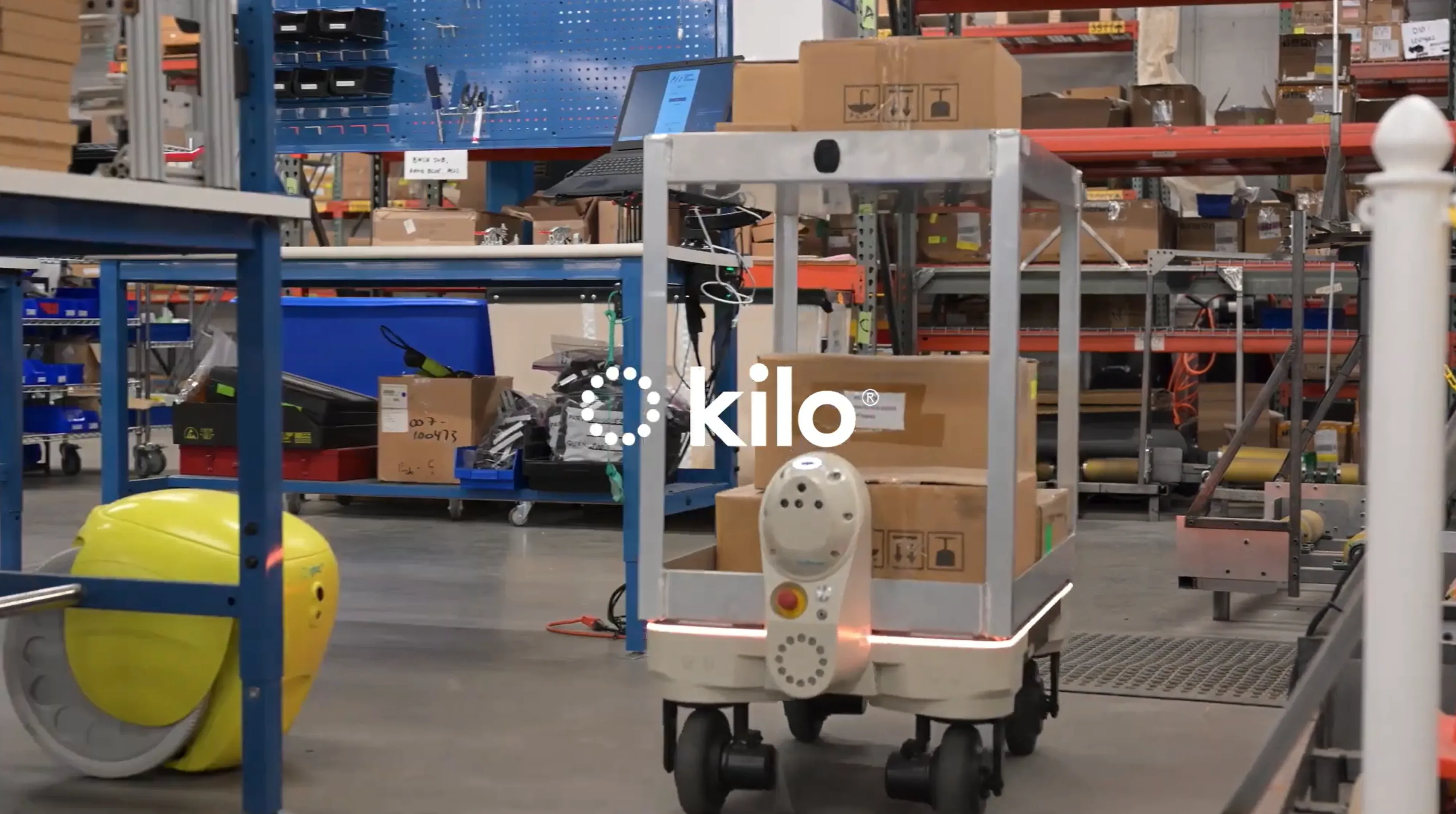
Geekplus intalls more than 400 autonomous mobile robots at multiple Toyota plants
Geekplus has initiated the deployment of moving-type Autonomous Mobile Robots (AMRs) at multiple Toyota Motor Corporation plants across Japan. This strategic move comes in response to labor shortages stemming from the country's declining population and evolving labor market dynamics. Currently, 436 Geekplus AMRs are actively operating within Toyota's manufacturing facilities, with each system managing around 200 units. The integration of these robots aims to enhance operational efficiency and address workforce challenges, reflecting a growing trend in automating production processes within the automotive industry.
News Warehouse robots amrs automation news autonomous mobile robots factory automation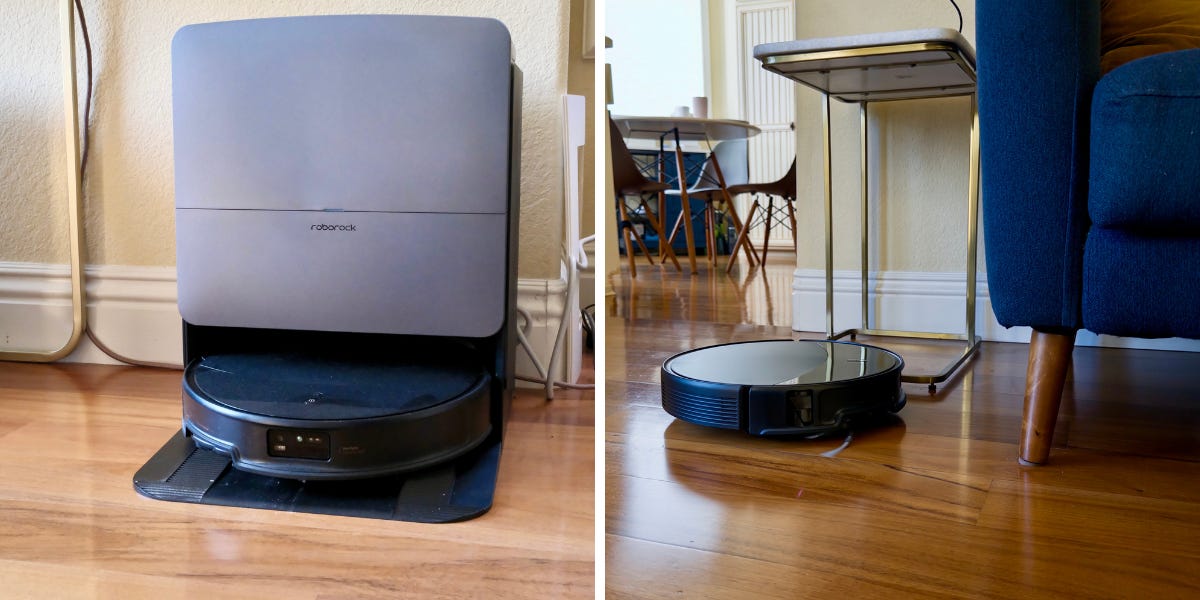
Roborock Saros 20 review: A smarter, more refined robot vacuum, but is it worth the upgrade?
The Roborock Saros 20, a new robotic vacuum, has been designed to navigate various surfaces by raising over three inches to effectively clear rugs and thresholds. However, recent testing has revealed that its cleaning performance does not consistently meet expectations given its price point. While the innovative height adjustment feature aims to enhance usability across different flooring types, users may find that the overall cleaning efficiency falls short of what is anticipated for a product in this price range.
Home (Reviews) Reviews ip-home cleaning insider-picks vacuum-cleanersRobotics needs a service framework.
RSF defines a common language for robot service capability, lifecycle operations, certification pathways, and service-provider networks.