Top News

Industry Briefing

A single destination for timely, editor-curated robotics news from around the world.
Starmind's Satellite Technology Achieves 880 Billion Liters in Annual Water Savings

Starmind's Satellite Technology Achieves 880 Billion Liters in Annual Water Savings

Starmind has announced that its satellite technology can save approximately 880 billion liters of cooling water annually at full scale. This figure is equivalent to the annual household water use of around 6.5 million Americans. The technology operates by utilizing a closed-loop liquid cooling system that eliminates the need for water during its operational life, contrasting sharply with traditional ground data centers that consume vast amounts of water for cooling. The significance of this achievement lies in the growing water consumption crisis faced by data centers, particularly as AI expansion drives demand. In 2025, U.S. data centers consumed nearly one trillion liters of water, highlighting the urgent need for sustainable solutions. Starmind's approach not only addresses direct water usage but also avoids indirect water consumption associated with electricity generation, marking a substantial shift in how computing can be conducted in a resource-efficient manner. Looking ahead, Starmind's deployment strategy includes a projected buildout of 100 GW of orbital compute per year, which could displace an additional 735 billion liters of ground water demand annually. The first tranche of 10,000 satellites is already operational, offsetting approximately 8.8 billion liters of water per year. No further timeline was disclosed at the time of publication.

33rd China International Power Equipment and Technology Exhibition to Take Place in December 2026

33rd China International Power Equipment and Technology Exhibition to Take Place in December 2026

The 33rd China International Power Equipment and Technology Exhibition (EP Exhibition) will be held from December 3 to 5, 2026, at the Shanghai New International Expo Center. This year's exhibition will feature a historic expansion, introducing a new 'Smart Electricity' pavilion focused on virtual power plants, industrial microgrids, and zero-carbon parks. This significant event is expected to attract over 2,200 top domestic and international power equipment and technology suppliers, including well-known companies such as ABB and Shanghai Electric Group. The exhibition aims to enhance international participation, providing a platform for global energy transition and showcasing China's advancements in the power industry. As the EP Exhibition marks its 40th anniversary in 2026, it will continue to promote collaboration across various sectors, including energy storage, hydrogen energy, and AI-powered solutions. The event is poised to be a high-profile gathering that highlights the integration of digital technologies and clean energy in the power sector. No further timeline was disclosed at the time of publication.

Power Equipment Energy Transition Smart Electricity Exhibitions Renewable Energy
RFID and Barcode Technology for Smarter Operations

RFID and Barcode Technology for Smarter Operations

Recent advancements in RFID and barcode technology are transforming business operations by enabling real-time asset and inventory tracking. These technologies enhance accuracy and speed in daily workflows, with barcodes facilitating quick scanning and RFID providing automated visibility on a larger scale. As a result, companies across various sectors—including manufacturing, healthcare, retail, and logistics—are experiencing reduced downtime and improved decision-making capabilities. This shift towards smarter operations is particularly evident in busy warehouses, where the integration of these technologies streamlines processes and enhances overall efficiency. The growing reliance on RFID and barcode systems underscores their critical role in optimizing business performance and adapting to the demands of modern supply chains.

Communications Internet Technology asset management asset tracking automation news
3Srobotics Secures Hundreds of Millions in Series B Funding for Smart Welding Solutions

3Srobotics Secures Hundreds of Millions in Series B Funding for Smart Welding Solutions

3Srobotics, a company specializing in embodied intelligent robotics for industrial manufacturing, announced the completion of a Series B funding round on July 9, raising hundreds of millions. The round was led by Shanghai Semiconductor Investment and Jinqiao Fund, with participation from several venture capital firms. The funding aims to enhance their smart welding robotics capabilities and expand production capacity. The significance of this investment lies in addressing the critical shortage of skilled welders in China, where the average age of registered welders exceeds 45. With an estimated shortfall of millions of welding engineers by 2025, 3Srobotics' technology aims to improve welding quality, efficiency, and stability. The smart welding robot market is projected to reach hundreds of billions in the next decade, highlighting the urgent need for automation in this sector. Looking ahead, 3Srobotics plans to leverage its smart welding robots to introduce a range of industrial automation products, including grinding, cutting, assembly, and handling robots. The company aims to penetrate the entire manufacturing process, with a revenue target of several hundred million by 2026. No further timeline was disclosed at the time of publication.

Smart Welding Robots Industrial Automation AI Robotics Manufacturing Technology
São Paulo Becomes First City to Implement Citywide Drone Detection as a Service Network

São Paulo Becomes First City to Implement Citywide Drone Detection as a Service Network

R2 Wireless and Ôguen Tecnologias have partnered to launch a managed drone detection service in São Paulo, Brazil, making it the first city to implement a municipal-scale Drone Detection as a Service (DDaaS) network. This initiative aims to address rising concerns over the use of drones by criminal organizations, offering a cost-effective alternative to traditional counter-drone systems. The DDaaS network will provide continuous monitoring of urban airspace through a subscription model, allowing public agencies and private organizations to access drone detection, geolocation, and real-time airspace awareness without the need for hardware purchases. R2 Wireless's technology operates at the physical RF layer, enabling it to detect and geolocate various types of drones, including modified and spoofed systems. As commercial drones evolve, the demand for adaptable counter-drone solutions grows. The partnership aims to support a wide range of users, including critical infrastructure operators and government sites, and reflects a broader trend towards service-based approaches in airspace security. No further timeline was disclosed at the time of publication.

Anti-drone technology C-UAS Drones in the News News ADaaS airspace monitoring
Klein Marine Systems Introduces MANTIS UUV with SmartArray Technology™ for Autonomous Underwater Missions

Klein Marine Systems Introduces MANTIS UUV with SmartArray Technology™ for Autonomous Underwater Missions

Klein Marine Systems, recognized as a global leader in advanced side scan sonar and underwater imaging technology, has unveiled its latest innovation, the MANTIS UUV. This integrated multi-channel side scan sonar system is specifically designed to enhance unmanned underwater vehicles by providing high-quality imaging and onboard processing capabilities. The announcement was made today, highlighting the company’s commitment to improving underwater exploration and data collection. The MANTIS UUV aims to streamline integration processes, making it a valuable tool for various applications in marine research and industry.

klein marine systems mantis uuv smartarray technology™ uuv auv
Yuanluo Technology Unveils First Autonomous Laboratory Utilizing Object-Centric Physics Model

Yuanluo Technology Unveils First Autonomous Laboratory Utilizing Object-Centric Physics Model

Yuanluo Technology has successfully launched the world's first autonomous laboratory on a national research platform, marking a significant advancement in embodied intelligence. The laboratory's robotic system can autonomously perform over 40 operations, including nucleic acid extraction and cytotoxicity testing, with a precision of less than one millimeter. This achievement demonstrates the robot's capability to execute complex, multi-step tasks continuously for over three hours, addressing challenges in throughput and consistency in biochemical research. This development is crucial as it signifies a shift from demonstration to practical application of embodied intelligence in the biochemical and material science sectors. The Object-centric Physics Native Model (OPN), developed by Yuanluo, enables the robot to understand and adapt to the dynamic conditions of a real laboratory environment. By integrating visual, tactile, and force feedback, the robot can make real-time adjustments, ensuring stable execution of intricate experimental workflows across multiple devices. Looking ahead, the successful implementation of this autonomous laboratory sets the stage for further advancements in research and development processes across various industries, including public health and advanced manufacturing. The next milestones will involve expanding the capabilities of the OPN model and integrating it into more complex industrial systems. No further timeline was disclosed at the time of publication.

Autonomous Laboratories Embodied Intelligence Biochemical Research Robotics AI
HeShan Technology Raises Hundreds of Millions in Series B Funding Amid Fourfold Order Growth

HeShan Technology Raises Hundreds of Millions in Series B Funding Amid Fourfold Order Growth

HeShan Technology, based in Beijing, has successfully completed a Series B funding round, raising hundreds of millions of yuan. The investment comes from a mix of industrial capital and specialized investment firms, including TaiPing Innovation and Junsheng Electronics. This funding marks the third financial boost for the company in six months, with plans for a Series C round already underway. HeShan reported that its total orders in the first half of the year reached four times that of the previous year, with monthly deliveries of tactile sensors stabilizing at tens of thousands. The significance of this funding round lies in the clear investment trends within the robotics sector. Investors like Junsheng Electronics and AUX are focusing on practical technologies that can integrate with existing production lines, moving away from speculative concepts. HeShan has established a comprehensive stack covering chips, sensors, and data simulation, addressing the growing demand for tactile perception in smart healthcare devices, especially as the aging population increases in China. Looking ahead, HeShan Technology's next milestone will be the advancement of its Series C funding efforts. The company is poised to leverage its tactile technology to enhance safety in elderly care scenarios, collaborating with industry partners. No further timeline was disclosed at the time of publication, but the strong order volume and delivery capabilities position HeShan as a leader in the tactile robotics market, addressing the industry's need for mature, scalable solutions.

Tactile Sensors Robotics Industrial Automation AI Technology
Ant Group Leads $70 Million Investment in Suzhou Lexiang Smart Technology for Home Robotics

Ant Group Leads $70 Million Investment in Suzhou Lexiang Smart Technology for Home Robotics

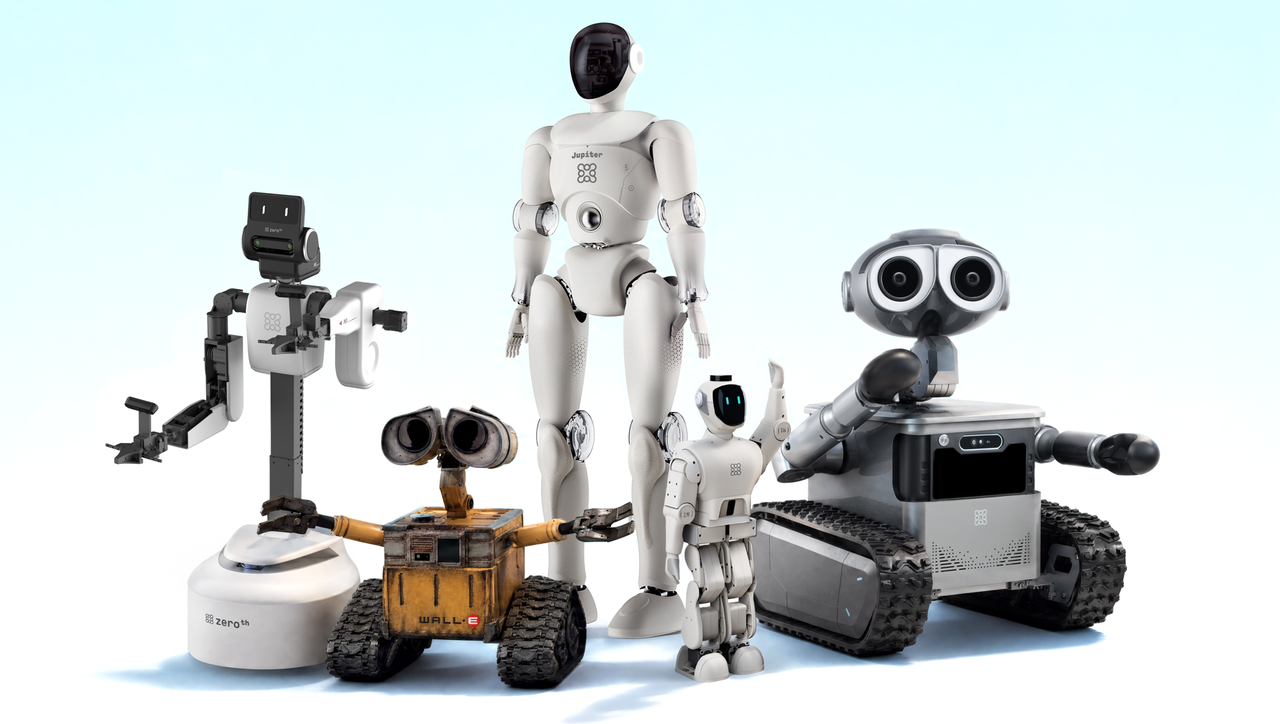
Suzhou Lexiang Smart Technology has successfully raised nearly 500 million RMB in a Pre-A funding round, with Ant Group leading the investment. This funding will be utilized to enhance the company's home robotics brand, 'Zeroth'. The company has already received over 30,000 orders for its innovative humanoid robots, which are designed to facilitate family interaction and provide support. With this strong demand, Lexiang anticipates a remarkable 600% revenue growth by mid-2026, reflecting its commitment to advancing technology in the home robotics sector.

Home Robotics AI Technology Investment Smart Home Humanoid Robots
Huaqin Technology and Zhengxing Innovation Reach Strategic Cooperation to Build an Industrial Physical Intelligence "Data Foundation and Smart Brain" Together.

Huaqin Technology and Zhengxing Innovation Reach Strategic Cooperation to Build an Industrial Physical Intelligence "Data Foundation and Smart Brain" Together.

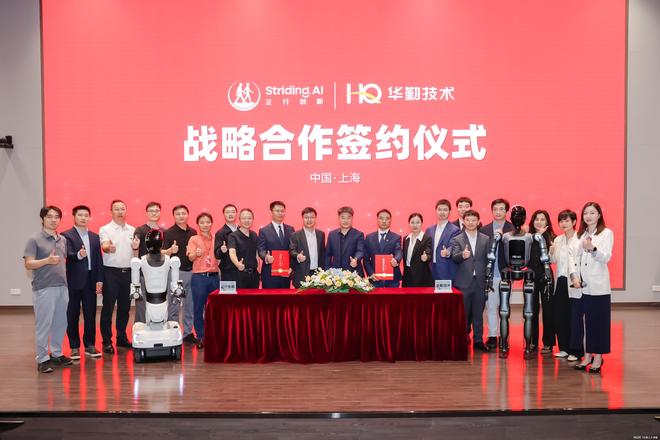
Huaqin Technology and Zhengxing Innovation have announced a strategic cooperation aimed at developing a comprehensive industrial physical intelligence framework, which they refer to as a "Data Foundation and Smart Brain." This partnership, revealed on October 10, 2023, is set to take place in China, where both companies will leverage their technological expertise to enhance data-driven decision-making processes within the industrial sector. The collaboration seeks to address the growing demand for advanced data analytics and intelligent systems, enabling businesses to optimize operations and improve efficiency. By integrating their resources and knowledge, Huaqin Technology and Zhengxing Innovation aim to create innovative solutions that will drive the future of industrial intelligence.

Robotics Automation AI
Deep Venture Capital Leads Pre-A Round for Intelligent Robotics Unicorn Potential, Finger Smart Technology Secures Funding

Deep Venture Capital Leads Pre-A Round for Intelligent Robotics Unicorn Potential, Finger Smart Technology Secures Funding

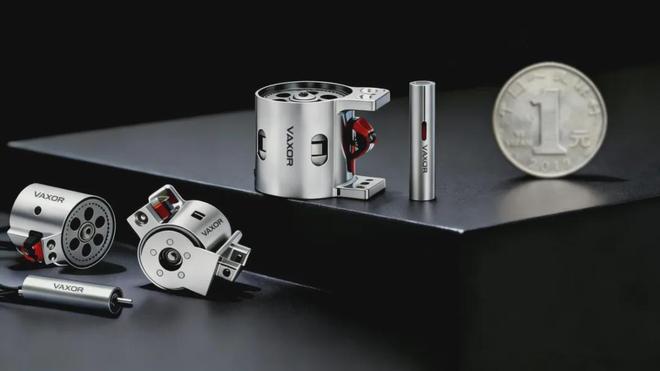
Suzhou Finger Smart Technology has successfully secured a multi-million dollar Pre-A round of financing, spearheaded by Deep Venture Capital. This funding will facilitate the mass production of the company's cutting-edge micro axial flux motors and bolster supply chain delivery for its major global clients. The innovative motor technology represents a significant advancement aimed at improving the performance of robotic end-effectors. With this development, Suzhou Finger Smart Technology is positioning itself as a frontrunner in the intelligent robotics industry.

Micro Motors Robotics Technology Supply Chain Management Investment Funding
China's First Robot Traffic Police Team Officially Launches in Hangzhou

China's First Robot Traffic Police Team Officially Launches in Hangzhou

On May 1st, the city of Hangzhou introduced China's inaugural fully operational robot traffic police team, comprising 15 advanced AI robots. These innovative robots are designed to manage traffic flow, offer directions, and assist pedestrians, marking a significant advancement in urban traffic management. The initiative aims to alleviate the workload of human officers, thereby improving efficiency and safety on the roads. This deployment reflects Hangzhou's commitment to integrating cutting-edge technology into public services, enhancing the overall experience for both drivers and pedestrians in the bustling metropolis.

Traffic Management AI Robots Urban Mobility Smart City Technology
The Awakening of Intelligent Homes: Matter Protocol and Proactive Smart Technology

The Awakening of Intelligent Homes: Matter Protocol and Proactive Smart Technology

The Matter protocol is revolutionizing smart home technology by transforming passive systems into proactive environments that intuitively cater to residents' needs. By facilitating seamless communication between devices from various brands, Matter significantly enhances the user experience, allowing for a more integrated and responsive home environment. This advancement eliminates the necessity for constant manual control, making smart homes more user-friendly and efficient. As the adoption of the Matter protocol grows, it is expected to redefine how individuals interact with their smart devices, ultimately leading to a more harmonious and automated living experience.

Smart Home Technology Matter Protocol Home Automation AI Integration
Robot Talk at the Smart City Robotics Competition

Robot Talk at the Smart City Robotics Competition

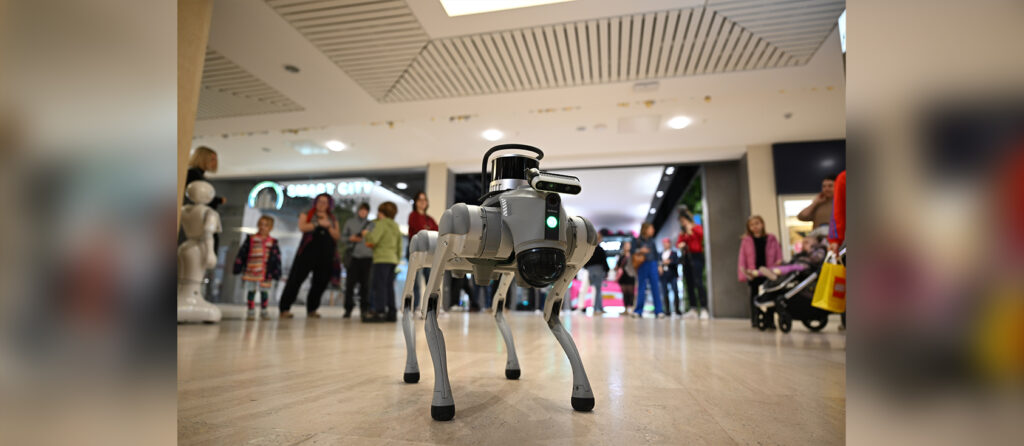
At the Smart City Robotics Competition held in Milton Keynes, Claire engaged in discussions with competitors, exhibitors, and attendees, highlighting the event's vibrant atmosphere and innovative spirit. This special episode was made possible through sponsorship from euRobotics, an international non-profit organization dedicated to enhancing robotics research, development, and innovation across Europe. The competition, which showcased cutting-edge technologies and solutions for urban challenges, served as a platform for collaboration and knowledge exchange among industry leaders and enthusiasts.

MIT Technology Review releases 2025 ’50 Smartest Companies’ list, recognizes Deepseek, Game Science and Unitree Robotics

MIT Technology Review releases 2025 ’50 Smartest Companies’ list, recognizes Deepseek, Game Science and Unitree Robotics

At the EmTech China 2025 Global Technology Summit held last Friday, MIT Technology Review announced its prestigious annual list of the “50 Smartest Companies.” Among the distinguished honorees were Deepseek, Game Science, and Unitree Robotics. Deepseek stood out for its remarkable achievement in algorithm optimization, demonstrating world-class model performance while maintaining low training costs, marking a significant advancement in resource efficiency within the tech industry. The summit highlighted these companies' innovative contributions to technology, underscoring the importance of efficiency and performance in the rapidly evolving landscape.

News Feed
SpaceX's Starmind Faces Feasibility Challenges for 1 Million Satellite Deployment

SpaceX's Starmind Faces Feasibility Challenges for 1 Million Satellite Deployment

On January 30, 2026, SpaceX submitted a request to the FCC to launch up to 1 million satellites as part of its Starmind orbital compute constellation. This ambitious plan is unprecedented, as the total number of satellites ever launched globally is in the low tens of thousands. The proposal seeks a waiver from standard deployment milestones, citing reliance on the Starship's full reusability for success. The significance of this request lies in the technical and logistical challenges it presents. Experts warn that low Earth orbit may not support the proposed number of active satellites without risking a debris cascade. SpaceX's own IPO prospectus acknowledges unresolved dependencies related to Starship's launch cadence and reusability, which are critical for the orbital AI compute strategy. Looking ahead, the timeline for achieving the necessary launch cadence and manufacturing capacity remains uncertain. SpaceX's Gigasat facility in Texas aims for volume production by late 2027, but this would require unprecedented output levels. No further timeline was disclosed at the time of publication, leaving the feasibility of the Starmind project in question.

SpaceX's Starship V3 Plans for 1 Million Starmind Satellites by 2030

SpaceX's Starship V3 Plans for 1 Million Starmind Satellites by 2030

SpaceX's Starship V3 is set to revolutionize satellite deployment, aiming to launch 1 million Starmind satellites by 2030. The spacecraft can carry over 100 tonnes to low Earth orbit (LEO), significantly more than the Falcon 9's capacity. As of May 2026, Starship has completed 12 flights, with the next mission scheduled for late July 2026, focusing on operational payloads including AI1 prototypes in early 2027. This ambitious plan is crucial for expanding orbital compute capacity, targeting an annual addition of 100 GW through a million tonnes of satellite hardware. SpaceX's strategy hinges on achieving a launch cadence of approximately 12,000 flights, equating to about three launches per day. The company has invested over $15 billion in the Starship program, with expectations to begin payload deliveries in the second half of 2026, starting with Starlink V3 satellites. Looking ahead, the successful deployment of the Starmind constellation will depend on Starship's ability to meet its cost targets of $10–20 million per flight. If achieved, this would make launching satellites more economical than building ground data centers. The next significant milestone will be the launch of AI1 prototypes in early 2027, with full-scale deployments commencing in 2028 from the new Gigasat factory in Texas.

SpaceX Proposes 1 Million AI Satellites to Address Ground Data Center Constraints

SpaceX Proposes 1 Million AI Satellites to Address Ground Data Center Constraints

On January 30, 2026, SpaceX filed with the FCC to launch up to 1 million AI compute satellites, positioning orbital data centers as a solution to the increasing demand for AI computing power. Ground data centers are facing significant challenges, with energy consumption projected to reach approximately 1,050 TWh in 2026, making them the fifth-largest electricity consumer globally. The demand for new data center capacity is outpacing the growth of power generation infrastructure, leading to a critical bottleneck in the grid system. The significance of this initiative lies in the structural constraints faced by ground data centers, including power delivery limitations, high water consumption, and local opposition to new projects. The Uptime Institute's 2026 outlook identifies power as the primary constraint on data center growth, with capacity clearing prices in the PJM grid skyrocketing to $329.17/MW, driven by data center expansion. Additionally, cooling requirements are becoming increasingly unsustainable, with facilities consuming vast amounts of water, further complicating their operational viability. Looking ahead, SpaceX's orbital AI compute initiative aims to circumvent these challenges by leveraging the advantages of space, such as continuous solar power and minimal local opposition. The first AI prototypes are expected to launch in early 2027, with operational deployments planned for 2028. No further timeline was disclosed at the time of publication.

Starmind's Orbital Compute vs. Terrestrial Data Centers: Analyzing Resource Advantages

Starmind's Orbital Compute vs. Terrestrial Data Centers: Analyzing Resource Advantages

Starmind's orbital compute technology presents a significant advantage over traditional ground-based data centers by eliminating constraints related to land, water, and grid permitting. While terrestrial data centers are currently cheaper and faster to construct, with U.S. data center spending reaching $85.3 billion in 2026, Starmind's approach focuses on addressing the growing resource limitations faced by hyperscale facilities. The significance of Starmind's technology lies in its ability to sidestep the increasing challenges of land and water usage. For instance, a 100 MW data center can consume approximately 530,000 gallons of water daily for cooling, while Starmind's AI1 utilizes deployable liquid radiators that require no water. This structural advantage could resonate with investors as the demand for AI computing continues to escalate, potentially leading to annual water withdrawals of up to 1.7 trillion gallons by 2027. Looking ahead, Starmind's next milestones include the launch of AI1 prototypes scheduled for early 2027. However, the technology's claims regarding cooling efficiency and operational reliability remain unverified until real flight data is available. As the industry evolves, the competition between orbital and terrestrial solutions will become increasingly relevant, particularly in the context of resource management and sustainability.

Taiwan Excellence Pavilion Brings Edge AI, Robotics and Smart Manufacturing Technology to Automate 2026

Taiwan Excellence Pavilion Brings Edge AI, Robotics and Smart Manufacturing Technology to Automate 2026

Twenty-three Taiwanese companies recently presented their innovative industrial technologies aimed at enhancing real-time automation and connectivity within U.S. manufacturing. This showcase took place as part of a broader initiative to strengthen collaboration between Taiwan and the United States in the manufacturing sector. The event highlighted advancements in automation tools and connected systems designed to improve efficiency and productivity in manufacturing processes. By demonstrating these technologies, the Taiwanese firms aim to address the growing demand for smarter manufacturing solutions in the U.S. market, driven by the need for increased competitiveness and operational efficiency. The presentation underscored the importance of international partnerships in fostering technological advancements and meeting the evolving needs of the manufacturing industry.

Galileo Robotics Targets Smart Grid Transformation with Advanced Technology

Galileo Robotics Targets Smart Grid Transformation with Advanced Technology

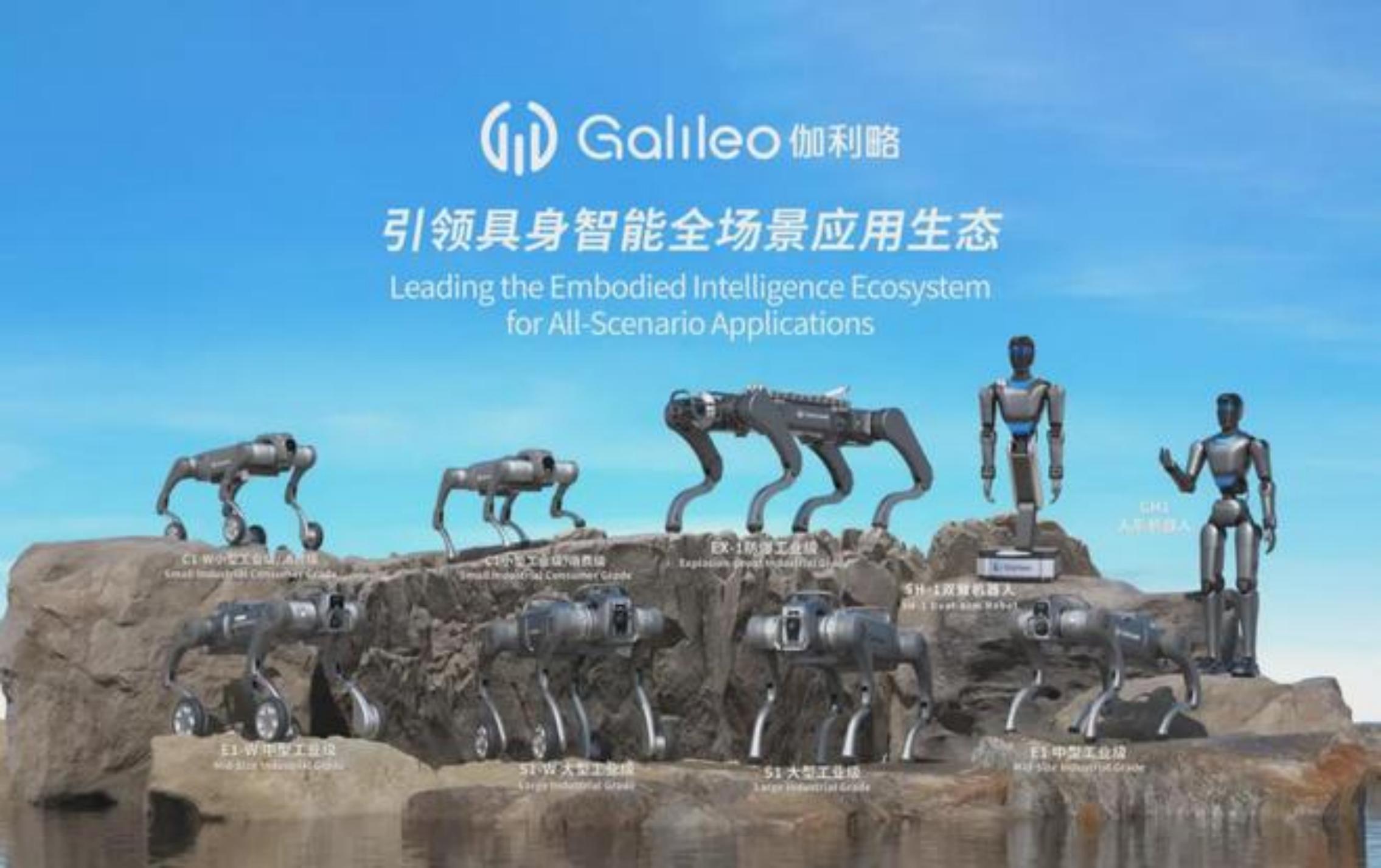
Galileo Robotics is poised to significantly contribute to the transformation of China's smart grid by supplying 8,500 intelligent devices by the year 2026. These advanced robots are specifically engineered for power inspection and emergency response, with the goal of improving operational efficiency and safety within the energy sector. This initiative reflects a broader commitment to modernizing infrastructure and enhancing the reliability of energy services in China.

Smart Grid Technology Robotics Energy Automation Inspection Robots
The Future of VFFS Technology in High-Speed Packaging Operations

The Future of VFFS Technology in High-Speed Packaging Operations

The packaging industry is experiencing significant changes as manufacturers respond to increasing consumer demands and shorter production timelines. This transformation is marked by a growing reliance on smarter, faster, and more efficient packaging solutions. Central to this evolution is Vertical Form Fill Seal (VFFS) technology, which has emerged as a crucial tool in contemporary packaging facilities. As companies across various sectors adopt this innovative system, they aim to enhance productivity and meet the dynamic needs of the market. The shift towards VFFS technology reflects a broader trend in the industry, where efficiency and adaptability are becoming paramount in the face of evolving consumer expectations.

Engineering Technology artificial intelligence automation news industrial automation industry 4.0
Japan promotes Osaka as a gateway for robotics and technology investment

Japan promotes Osaka as a gateway for robotics and technology investment

Japan is intensifying its campaign to draw foreign technology firms and investors to Osaka, aiming to establish the city as a viable entry point to the Japanese market and a center for innovation in key industries, including robotics, artificial intelligence, semiconductors, and advanced manufacturing. This initiative, spearheaded by the Japan External Trade Organization (JETRO), seeks to leverage Osaka's strategic location and existing infrastructure to foster a vibrant tech ecosystem. By promoting the city as an attractive destination for international businesses, Japan hopes to enhance its competitive edge in the global technology landscape. The push comes as part of broader economic strategies to stimulate growth and diversify the country's industrial base, particularly in response to increasing global competition in technology sectors.

Business Economy Features advanced manufacturing ai startups artificial intelligence
A2Z Drone Delivery Joins Kazakhstan’s Alatau City Urban Air Mobility Project

A2Z Drone Delivery Joins Kazakhstan’s Alatau City Urban Air Mobility Project

A2Z Drone Delivery, a drone manufacturer based in Torrance, California, has announced a partnership with Alatau Advance Air Group Ltd. to develop next-generation drone infrastructure at the newly established UAM Test Center Eurasia in Kazakhstan. The collaboration, revealed on May 26, 2026, aims to enhance urban air mobility in Alatau City. This initiative reflects a growing commitment to advancing drone technology and its applications in urban environments, positioning both companies at the forefront of the emerging air mobility sector.

Advanced Air Mobility Delivery Drone News Drone News Feeds News Smart Cities
ABB Introduces Flexley Stack F712 AI-Powered Forklift with Visual SLAM Technology

ABB Introduces Flexley Stack F712 AI-Powered Forklift with Visual SLAM Technology

On July 8, ABB Robotics launched the Flexley Stack F712, an AI-driven autonomous forklift utilizing visual SLAM technology. This product completes ABB's lineup of autonomous mobile robots (AMRs), which now includes forklifts, tuggers, and transport vehicles. The F712 can handle various load types, with a maximum capacity of 2000 kg and a lifting height of 8.5 meters, achieving a top speed of 1.7 meters per second under full load. The significance of the F712 lies in its advanced navigation capabilities, which eliminate the need for traditional infrastructure like reflective markers or magnetic strips. With a positioning accuracy of ±10 mm, the F712 can autonomously navigate complex warehouse environments. It integrates seamlessly with the AMR Studio software, allowing for rapid deployment and fleet coordination, reducing debugging time by 20% compared to traditional systems. Looking ahead, the F712 is designed to support various internal logistics tasks, including warehousing and production line operations, and is compliant with the latest ISO and ANSI safety standards. No further timeline was disclosed at the time of publication, but the F712 represents a significant step towards more autonomous and capable robotic solutions in smart manufacturing environments.

Autonomous Forklifts AI Robotics Warehouse Automation Visual SLAM Logistics Technology
3D-sensing technology could improve self-driving cars and robotic surgery

3D-sensing technology could improve self-driving cars and robotic surgery

Researchers at the University of Arizona have made significant strides in 3D-sensing technology, which could revolutionize how autonomous vehicles navigate complex urban environments. This breakthrough was announced recently, showcasing the potential to enhance safety and efficiency in city driving. The team developed an advanced system that utilizes sophisticated algorithms and sensors to interpret real-time data from the surrounding environment, enabling vehicles to better understand and respond to dynamic conditions on busy streets. By improving the accuracy of spatial awareness, this technology aims to reduce accidents and improve traffic flow, addressing the growing challenges of urban mobility. The research highlights the university's commitment to innovation in transportation technology, with implications that could extend beyond self-driving cars to various applications in robotics and smart city infrastructure.

Beijing issues first food operating license to AI robot company EncoSmart

Beijing issues first food operating license to AI robot company EncoSmart

This week, Beijing's Haidian District granted the city's inaugural food operating license to EncoSmart for its embodied AI robots, marking a significant advancement in the integration of AI technology within the food industry. The state media outlet People’s Daily reported that this license represents a pivotal moment for the application of advanced robotics in food service. EncoSmart intends to launch a pilot program utilizing these AI robots, which are designed to enhance efficiency and innovation in food operations. This development highlights the growing trend of incorporating artificial intelligence into various sectors, aiming to improve service delivery and operational capabilities.

News Feed
University of Plymouth Launches £1.2 Million Multi-Robot Demonstration at Smart Sound Connect

University of Plymouth Launches £1.2 Million Multi-Robot Demonstration at Smart Sound Connect

The University of Plymouth has successfully completed a significant underwater trials demonstration at the Smart Sound Connect Subsurface (SSCS) project, showcasing multi-marine robotic platforms. This event featured collaboration among ACUA Ocean, ecoSUB Robotics, Seaber, and Sonardyne, highlighting the capabilities of the £1.2 million initiative aimed at enhancing marine autonomy and ocean sensing in the UK. The demonstration attracted stakeholders from various sectors, emphasizing the project's role in advancing technology in marine environments. The SSCS project enhances the existing Smart Sound Plymouth testbed by integrating a seabed node array for precise positioning and communication, alongside intelligent sensors. This infrastructure supports advanced testing capabilities for autonomous vehicles, reinforcing Plymouth's status as a leading hub for marine autonomy. The successful demonstration underscores the importance of collaborative efforts in developing ocean observing technologies that can provide actionable intelligence for climate resilience and preparedness. Looking ahead, the SSCS project aims to further develop ocean observing technologies that can transform prototypes into reliable data streams. No further timeline was disclosed at the time of publication, but the ongoing collaboration is expected to drive innovation and strengthen industry partnerships in marine autonomy and sensing technologies.

Marine Research ACUA Ocean automation autonomous underwater vehicles auv
Smart Materials and the Rise of Ornithopters: on this episode of the Drone Radio Show!

Smart Materials and the Rise of Ornithopters: on this episode of the Drone Radio Show!

Dr. Onur Bilgen, an Associate Professor at Rutgers University’s Department of Mechanical and Aerospace Engineering, recently discussed the future of flapping wing drones on the Drone Radio Show. In the episode, he highlighted the significance of smart materials in the design of next-generation aircraft and explored how bioinspired engineering could drive innovation in unmanned aviation. This conversation sheds light on the potential advancements in drone technology and the integration of nature-inspired designs, emphasizing the evolving landscape of aerial robotics.

DL Exclusive Drone News Drone News Feeds Drones in the News News Podcast
SEKIKAIJI to Introduce SMD Trencher and Advanced Cable-Tracker Technology to Japanese Offshore Wind Market

SEKIKAIJI to Introduce SMD Trencher and Advanced Cable-Tracker Technology to Japanese Offshore Wind Market

SEKIKAIJI Industry, a submarine cable installation specialist based in Japan, has enhanced its operational capabilities by acquiring advanced trenching equipment from the subsea technology and services provider, SMD. This strategic investment aims to improve the efficiency and effectiveness of underwater cable installations, addressing the growing demand for reliable subsea infrastructure. The acquisition reflects SEKIKAIJI's commitment to maintaining its competitive edge in the industry and meeting the evolving needs of its clients. The new equipment is expected to streamline the installation process, allowing for quicker project turnaround times and increased operational capacity.

sekikaiji smd trencher advanced cable-tracker technology offshore wind market
AMX Launches HuRoC to Advance Social Implementation of Humanoid Robots in Ota City

AMX Launches HuRoC to Advance Social Implementation of Humanoid Robots in Ota City

AMX Corporation has established the HuRoC (Human-Robot Commons) co-creation platform aimed at exploring and creating a future where humans and robots coexist. Based in Ota City, Tokyo, HuRoC will focus on the social implementation of humanoid robots and the validation of use cases. An expo titled 'HuRoC EXPO 2026' is scheduled for July 17 at the Ota City Industrial Plaza PiO. The initiative is significant as it addresses the pressing question of how humanoid robots can be utilized in society, a topic that remains under-discussed globally. HuRoC aims to create a concrete vision for the future of humanoid robots, emphasizing their social integration rather than just the technology itself. The platform will facilitate collaboration among robot manufacturers, AI researchers, and testing environments to generate valuable AI training data through practical demonstrations. Looking ahead, HuRoC plans to incorporate additive manufacturing techniques to produce humanoid robots, thereby enhancing the manufacturing capabilities in Ota City. The expo will feature discussions on the future of humanoid robots, agricultural automation, and collaborative efforts among various stakeholders, including startups and universities. No further timeline was disclosed at the time of publication.

ByteDance Investigates Autonomous Driving Technology for Unmanned Logistics Solutions

ByteDance Investigates Autonomous Driving Technology for Unmanned Logistics Solutions

ByteDance is currently investigating autonomous driving technology aimed at unmanned logistics, as reported by Chinese media. This initiative is being developed by the world model team within Seed, ByteDance's AI research unit, and is linked to Volcengine’s automotive industry line. The significance of this exploration lies in ByteDance's commitment to advancing large model research, which includes initial forays into physical AI. However, the company has clarified that it does not intend to establish a smart driving business, indicating a focus on research rather than commercial deployment. Looking ahead, it will be important to monitor ByteDance's developments in this area, particularly how their research may influence the logistics sector. No further timeline was disclosed at the time of publication.

News Feed
Nubia Launches First Native AI Agent Smartphone at WAIC 2026, Transforming User Interaction

Nubia Launches First Native AI Agent Smartphone at WAIC 2026, Transforming User Interaction

Nubia has introduced the world's first smartphone featuring a native AI agent at the WAIC 2026. This innovation marks a significant shift from traditional AI features to autonomous systems capable of understanding, executing, and remembering user tasks across various applications. The introduction of this native AI agent smartphone is crucial as it represents a new era in mobile technology, where devices can function more intelligently and interactively. This advancement could redefine user experiences and expectations in the smartphone market, setting a new standard for future devices. Looking ahead, it will be important to monitor how Nubia's native AI agent smartphone performs in the market and whether other companies, such as ByteDance, will follow suit with similar innovations. No further timeline was disclosed at the time of publication.

Technology
Northwestern Polytechnical University Develops 400x Stronger Electric-Activated Adhesive Material

Northwestern Polytechnical University Develops 400x Stronger Electric-Activated Adhesive Material

Northwestern Polytechnical University has unveiled a new smart adhesive material that exhibits a grip strength increase of 400 times when electrically activated. This innovative material can hold up to 10-pound dumbbells and has potential applications in various fields, including chip manufacturing, soft robotics, and precision assembly. The development was announced recently, highlighting significant advancements in material science. The significance of this breakthrough lies in its potential to enhance manufacturing processes and robotics applications. The electric-activated grip could lead to more efficient assembly lines and improved functionality in soft robotics, where traditional adhesives may fall short. This technology could revolutionize how components are held together in delicate operations, providing a reliable solution for industries that require precision and strength. Looking ahead, the next steps for this technology involve further testing and potential commercialization. No further timeline was disclosed at the time of publication, but the implications of this research could lead to significant advancements in various sectors, making it a development to watch closely in the coming months.

Technology
Ruiwei Technology Becomes First Visual Embodied Intelligence Company on Hong Kong Stock Exchange

Ruiwei Technology Becomes First Visual Embodied Intelligence Company on Hong Kong Stock Exchange

On July 8, 2026, Ruiwei Technology (07656.HK) officially listed on the Hong Kong Stock Exchange, closing at HKD 21 per share, with a market capitalization of approximately HKD 6.411 billion. This marks the first company to enter the market under the Hong Kong Stock Exchange's Chapter 18C specialized technology rules, positioning itself as a leader in 'visual embodied intelligence.' Ruiwei's revenue from its smart civil aviation business reached CNY 172 million by the end of 2025, accounting for 38.9% of total revenue. The company is rapidly diversifying, with smart commercial and smart safe driving segments contributing 34.9% and 26.2% of revenue, respectively. However, the embodied intelligence robotics segment was not disclosed as a separate revenue stream in the prospectus. Looking ahead, Ruiwei aims to leverage its decade-long expertise in 3D spatial perception from airport facial recognition systems to expand into embodied intelligence robotics. The company plans to use over 50% of its IPO proceeds, approximately HKD 5.29 billion, for research and development in visual large models, embodied technology, and commercial robot hardware, targeting significant overseas revenue growth within 3 to 5 years.

Visual Intelligence Facial Recognition Robotics AI Technology
Hippo Harvest Secures $30 Million Series C to Expand Robotic Greenhouse Operations in California

Hippo Harvest Secures $30 Million Series C to Expand Robotic Greenhouse Operations in California

Hippo Harvest has successfully closed a $30 million Series C funding round, led by Cox Farms, the largest greenhouse operator in North America. This funding will facilitate the expansion of Hippo Harvest's operations with a new 30-acre facility in Hollister, California, which is currently undergoing permitting. The company specializes in producing USDA-certified organic greens using robotics and machine learning technologies, aiming to scale its production capabilities significantly. The significance of this funding lies in Hippo Harvest's commitment to enhancing its robotic growing systems, which will increase its growing capacity from one acre to a much larger scale. This expansion is expected to accelerate the commercialization of indoor-grown spinach, tapping into the growing demand for organic produce. The integration of advanced technology in their greenhouses positions Hippo Harvest to meet retail buyers' needs more effectively. Looking ahead, Hippo Harvest is poised to make substantial advancements in the indoor agriculture sector. The timeline for the completion of the new facility and the rollout of the next-generation growing system remains undisclosed, but the company is focused on leveraging this investment to enhance its market presence and operational efficiency in the coming years.

Smart mobility company becomes top electric motorcycle brand in Indonesia after raising millions from CATL fund.

Smart mobility company becomes top electric motorcycle brand in Indonesia after raising millions from CATL fund.

OMOWAY, a smart two-wheeler mobility company, has successfully completed both Series A and A+ funding rounds, each raising tens of millions of dollars. The A+ round was led by Lochpine Capital, a fund backed by CATL, while Monolith led the A round with participation from CICC Capital and existing investor ZhenFund. Founded less than two years ago, OMOWAY has attracted a strong roster of investors, including Sequoia, ZhenFund, and various funds from the new energy sector. With significant financial backing and industry resources, OMOWAY is accelerating the commercialization of its products globally. In June, the company launched its flagship product, the OMO-X, with its first delivery in Indonesia, where it quickly became the top-selling electric motorcycle in the country during its first month. OMOWAY aims to disrupt the traditional motorcycle market, which has long been dominated by Japanese fuel brands, by addressing common industry challenges such as the high premium on advanced smart products and the lack of technological appeal in affordable options. The OMO-X features advanced technology, including a digital key, automatic side stand, remote control capabilities, and a large 10.25-inch interactive display, significantly enhancing user experience. The OMO-X Smart model focuses on intelligent mobility, while the OMO-X Balance is the world's first mass-produced self-balancing motorcycle, utilizing gyroscopic technology to improve stability. OMOWAY is also developing a reinforcement learning model for real-world driving conditions and has implemented a 360° panoramic vision system for enhanced safety. With a proprietary technology framework that integrates AI and robotics, OMOWAY is expanding its dealer network in Indonesia and plans to enter markets in Thailand, Singapore, and Europe, aiming to evolve transportation into intelligent partnerships for various applications.

Xiaomi launches crowdfunding for its first smart storage device

Xiaomi launches crowdfunding for its first smart storage device

Xiaomi has officially entered the home data storage market with the launch of its first smart storage device, which began crowdfunding on the Xiaomi Youpin platform on Wednesday. This innovative device features a high-performance quad-core processor and offers an impressive storage capacity of up to 16TB. Designed to enhance user convenience, it supports automatic backups across multiple devices and allows for remote file access, catering to the growing demand for efficient and secure data management solutions.

News Feed
Acti puts AI agents directly into your smartphone keyboard

Acti puts AI agents directly into your smartphone keyboard

Acti, a startup focused on innovative technology, is launching a new keyboard designed for iOS and Android devices that aims to integrate AI assistants into everyday smartphone use. This keyboard allows users to operate across various applications and create personalized AI-powered shortcuts through natural language commands. By enhancing user interaction with their devices, Acti seeks to revolutionize how individuals engage with technology, making AI assistance more accessible and intuitive. The product is set to be available soon, reflecting the growing trend of incorporating artificial intelligence into everyday tools to streamline tasks and improve efficiency.

AI Apps Startups TC acti agentic app
"Stealing the Spotlight from the Smartphone Launch! Behind CyberOne's One-Handed Photography, Xiaomi's Robot Claims 'Dual Champion'"

"Stealing the Spotlight from the Smartphone Launch! Behind CyberOne's One-Handed Photography, Xiaomi's Robot Claims 'Dual Champion'"

Xiaomi has made headlines with its latest innovation, CyberOne, a robot that boasts advanced one-handed photography capabilities. This announcement coincided with the launch of the company's new smartphone, showcasing the tech giant's commitment to pushing the boundaries of robotics and mobile technology. The event took place recently in Beijing, where Xiaomi unveiled its dual champion, highlighting the robot's unique features that set it apart in the competitive landscape of artificial intelligence and consumer electronics. The introduction of CyberOne aims to enhance user experience by integrating sophisticated photography functions into a robotic platform, catering to the growing demand for innovative tech solutions. By leveraging cutting-edge technology, Xiaomi seeks to capture the attention of both consumers and industry experts, positioning itself as a leader in the rapidly evolving market. The launch event not only emphasized CyberOne's capabilities but also served as a strategic move to shift focus from the smartphone launch, demonstrating Xiaomi's ambition to diversify its product offerings and engage with a broader audience. As the company continues to explore the intersection of robotics and everyday technology, the implications of CyberOne's introduction could reshape consumer expectations and inspire future developments in the field.

Robotics Automation AI
Smarter Automation with Industrial PCs and HMIs

Smarter Automation with Industrial PCs and HMIs

In a recent episode of the Automation World podcast, host Chris McNamara engaged with Chris Barber, product marketing manager at Phoenix Contact, to explore the evolving landscape of industrial automation. The discussion, which aired on June 24, 2026, delved into the transition towards web-based Human-Machine Interfaces (HMIs), industrial PCs, edge computing, and software-defined control systems. Barber highlighted Phoenix Contact’s innovative PLCnext approach, which integrates traditional operational technology (OT) programming with IT-friendly tools, aiming to simplify integration, enhance real-time processing, and bridge the gap between IT and OT. Barber provided a practical example from the water-wastewater sector, illustrating how edge PCs can significantly improve local alarm handling and data reliability. The conversation also touched on Phoenix Contact’s strengths in hardware and customer support, as well as emerging trends such as cloud-edge convergence and the development of smarter, connected systems that facilitate easier deployment. This insightful dialogue underscores the ongoing advancements in automation technology and its implications for various industries.

Sponsored
Sumitomo Corporation and Kyoto City find winning strategy for AI use, resolving the Copilot cost-effectiveness issue.

Sumitomo Corporation and Kyoto City find winning strategy for AI use, resolving the Copilot cost-effectiveness issue.

As the effectiveness of generative AI comes under scrutiny, Sumitomo Corporation has independently verified Microsoft’s projected cost savings associated with the technology. This evaluation highlights the potential benefits of generative AI, particularly through its applications in Kyoto City. By examining these case studies, the analysis aims to uncover successful strategies for investing in generative AI, shedding light on its practical implications and future prospects.

Six battery storage projects bring 23 MW capacity and $90M savings to Massachusetts

Six battery storage projects bring 23 MW capacity and $90M savings to Massachusetts

Lightshift Energy has announced plans to expand its operations in Massachusetts by adding six new battery energy storage projects. This initiative aims to enhance the state's energy infrastructure and support the growing demand for renewable energy solutions. The projects are set to be developed over the coming months, with specific locations yet to be disclosed. The expansion is part of Lightshift Energy's broader strategy to contribute to the transition towards cleaner energy sources and to help stabilize the power grid. By incorporating advanced battery technology, the company seeks to improve energy storage capacity, allowing for better management of energy supply and demand. This move aligns with Massachusetts' commitment to increasing renewable energy usage and reducing carbon emissions.

Energy
World’s first smart squid-fishing robot that mimics humans begins sea trials in China

World’s first smart squid-fishing robot that mimics humans begins sea trials in China

A groundbreaking robotic system has been developed in China, touted as the world's first intelligent robotic solution designed for various applications. This innovative technology aims to enhance efficiency and precision across multiple sectors, including manufacturing and healthcare. The system was unveiled at a technology expo in Beijing on October 15, 2023, where industry leaders and experts gathered to witness its capabilities. The motivation behind this development stems from the increasing demand for automation and smart technology in response to labor shortages and the need for improved productivity. By integrating advanced artificial intelligence and machine learning algorithms, the robotic system can adapt to different tasks and environments, making it a versatile tool for businesses looking to streamline operations. Demonstrations at the expo showcased the robot's ability to perform complex tasks with minimal human intervention, highlighting its potential to revolutionize traditional workflows. As industries continue to embrace automation, this robotic system represents a significant step forward in the quest for intelligent solutions that can meet the challenges of modern production and service demands.

Innovation
NIO enhances smart driving education; Ren Shaoqing states innovation will reshape competition.

NIO enhances smart driving education; Ren Shaoqing states innovation will reshape competition.

On June 18, NIO announced the rollout of its latest world model software across multiple vehicle platforms, including eight NT2.0 models, four NT2.5 models, and six NT3.0 models. This update allows NIO to run the same complex autonomous driving code on different generations of chips, addressing a common industry challenge where software updates were often limited to the latest hardware, leaving older vehicle owners at a disadvantage. The initiative stems from a long-term effort by NIO's team, led by Ren Shaoqing, who began exploring solutions in 2020. NIO developed an AI infrastructure that bridges gaps between different chip architectures, enhancing vehicle processing speeds with an AI compiler and automating deployment processes with AI agents. This innovation has significantly reduced deployment times from days to just a couple of hours. NIO's approach includes running the latest models in a "shadow mode" on production vehicles to gather valuable data without interfering with user driving. This data is used to train smarter models, creating a feedback loop that enhances the software's performance. The company has reported a substantial increase in its autonomous driving capabilities, attributing this to a shift in understanding the development cycle of physical AI. As the industry evolves, NIO has restructured its autonomous driving team to focus on foundational research and innovation, positioning itself to leverage advancements in large model technology and closed-loop reinforcement learning. The company aims to enhance its competitive edge by continuously improving its algorithms and data systems, ultimately striving for a more robust autonomous driving experience.

China’s new welding robot cuts 70mm steel, boasts 30-ton capacity, 20-year life

China’s new welding robot cuts 70mm steel, boasts 30-ton capacity, 20-year life

China has successfully launched its first domestically developed AI-driven marine welding system at a smart manufacturing facility. This significant advancement in technology was unveiled recently, marking a milestone in the country's efforts to enhance its manufacturing capabilities. The introduction of this innovative system is aimed at improving efficiency and precision in marine construction, addressing the growing demand for advanced manufacturing solutions in the maritime industry. By integrating artificial intelligence into the welding process, the system is expected to streamline operations, reduce labor costs, and minimize human error. This development reflects China's commitment to leading in smart manufacturing technologies and showcases its ability to produce cutting-edge solutions that can compete on a global scale.

AI and Robotics
indie Launches Edge AI SoC to Power Smarter Perception Systems for Automotive and Humanoids

indie Launches Edge AI SoC to Power Smarter Perception Systems for Automotive and Humanoids

indie, an automotive solutions innovator based in Aliso Viejo, CA, has announced the launch of its next-generation edge AI system-on-chip (SoC), the iND881, designed to enhance smart camera technology for automotive and robotic applications. Unveiled on June 10, 2026, the iND881 integrates an AI compute engine with indie’s advanced low-latency multi-camera image signal processor (ISP), providing an efficient solution for developers. The iND881 is engineered for low power consumption and real-time responsiveness, featuring a Neural Processing Unit (NPU), a versatile Digital Signal Processor (DSP), and a quad-core ARM Cortex-A53 CPU. This architecture is tailored for demanding edge perception tasks, making it particularly beneficial for advanced driver assistance systems, including driver and occupant monitoring and smart mirrors with blind-spot detection. In addition to automotive applications, the iND881 supports robotics and physical AI automation, facilitating accurate sensing and navigation for autonomous mobile robots. The device's capabilities include multi-channel video compression, high-dynamic-range ISP, and compatibility with various sensor modalities such as infrared and LiDAR, ensuring robust performance in complex environments. The iND881 is ASIL-B compliant and automotive qualified, currently available for sampling. It will be showcased at the upcoming AutoSens and InCabin USA 2026 events. Fred Jarrar, indie's senior vice president, emphasized that the launch not only expands their product portfolio but also positions indie as a comprehensive solutions provider in the edge AI market.

Industry 4.0: putting a spotlight on the connector technology shaping the future

Industry 4.0: putting a spotlight on the connector technology shaping the future

The rapid advancement of Industry 4.0, the Internet of Things (IoT), and intelligent automation is significantly transforming the industrial landscape, impacting various sectors including defense, drone technology, and space connectivity. This evolution is driven by the increasing demand for efficiency and connectivity in industrial operations. As companies seek to leverage these technologies, they are integrating smart systems that enhance productivity and streamline processes. The shift is evident as industries adopt automated solutions to optimize their operations, reduce costs, and improve overall performance. The ongoing developments in these areas are expected to reshape the future of industrial practices, fostering innovation and competitiveness on a global scale.

Partner Content
Brain-Computer Interfaces: The Next Cheating Tool After Smart Glasses?

Brain-Computer Interfaces: The Next Cheating Tool After Smart Glasses?

As the 2026 college entrance exam in China draws near, authorities are increasingly concerned about the potential use of smart glasses as cheating devices. In response, several regions have issued warnings prohibiting the wearing or bringing of such technology into exam venues. This move underscores the ongoing challenges related to exam security in an era of rapidly advancing technology. Additionally, while brain-computer interfaces (BCIs) have not yet emerged as a practical tool for cheating, their development prompts significant ethical considerations regarding the intersection of technology and education.

Brain-Computer Interfaces Exam Security Educational Technology Cheating Prevention
NVIDIA Research Unlocks Advanced Grasping, Smarter Autonomous Driving and Agent Training at Scale

NVIDIA Research Unlocks Advanced Grasping, Smarter Autonomous Driving and Agent Training at Scale

Researchers are exploring advancements in robotics, focusing on the versatility of robot grippers and the safety of autonomous vehicle systems. The study highlights that the true utility of a robot gripper lies not only in its ability to grasp a single object but also in its capacity to adapt and handle various unfamiliar items consecutively. Similarly, the effectiveness of autonomous vehicles is assessed not just on their reasoning capabilities but on their overall safety in diverse driving conditions. This research, conducted by a team of engineers and computer scientists, aims to enhance the functionality of robotic systems and improve public trust in autonomous technology. The findings, which are expected to influence future designs and applications, were presented at a technology conference in early October 2023. By integrating advanced algorithms and machine learning techniques, the team is developing systems that can learn from experience, thereby increasing their efficiency and reliability in real-world scenarios.

RobotToday Initiative

Robotics needs a service framework.

RSF defines a common language for robot service capability, lifecycle operations, certification pathways, and service-provider networks.