Industry Briefing
A single destination for timely, editor-curated robotics news from around the world.

ByteDance Explores Physical AI, Indicating a Shift Beyond Traditional Models
ByteDance has clarified its position regarding autonomous driving, stating it will not pursue smart driving. However, this clarification signals a significant shift as the company explores Physical AI. Unlike traditional AI, which learns from vast text data, Physical AI understands physical laws and causality, enabling it to predict physical states rather than merely generating text. The emergence of Physical AI is expected to peak around 2026 due to three key turning points: the spillover effects of large model technologies, breakthroughs in simulation technology that overcome data limitations, and a significant decrease in hardware costs. These advancements are paving the way for applications in autonomous driving, which has already seen large-scale commercialization in various sectors, outpacing humanoid robots still in demonstration phases. Industrial Physical AI is poised to revolutionize productivity through applications like predictive maintenance and quality inspection. While specialized robots are being deployed in logistics and inspection, the widespread implementation of general-purpose humanoid robots may take another 5 to 10 years. The competition in Physical AI has begun, marking a transformative shift as AI evolves from merely processing information to reshaping the world.
Physical AI Autonomous Driving Industrial Automation Simulation Technology
Genesis World 1.0 Launches: Infrastructure to Reduce Robot Evaluation Costs to Zero
Genesis AI has revolutionized simulation technology by prioritizing rapid iteration over sheer data volume in the evaluation of robot models. The company has achieved an impressive 89% real-world relevance in its simulations, which allows for extensive validation within virtual environments. This advancement significantly reduces the reliance on physical hardware and associated costs. The innovative infrastructure developed by Genesis AI is designed to facilitate continuous development in the robotics sector, transforming the evaluation process and improving overall efficiency.
Robot Evaluation Simulation Technology Robotics Infrastructure AI Development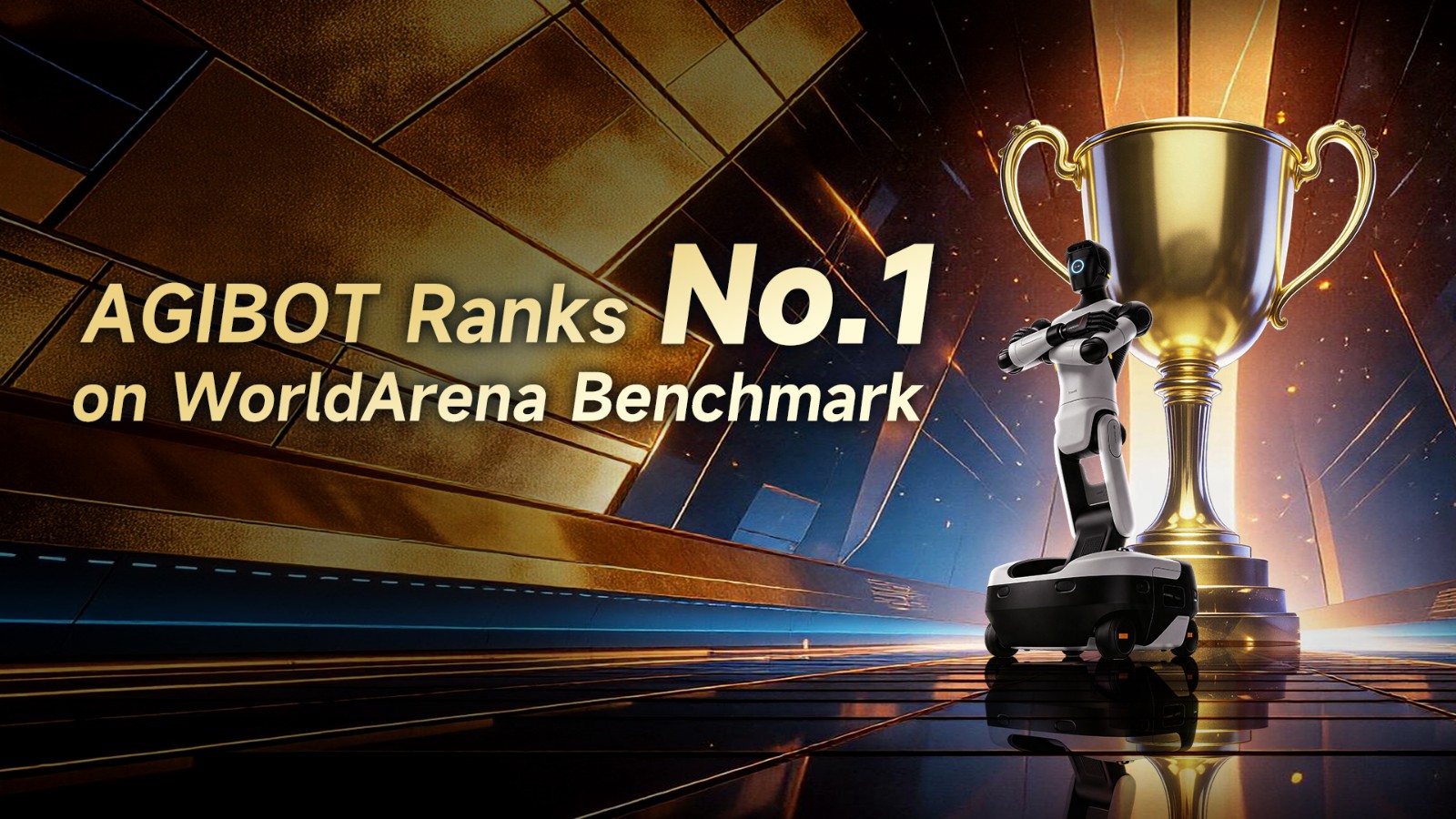
AGIBOT’s Genie Envisioner
AGIBOT's Genie Envisioner-Sim 2.0 has secured the top position on the WorldArena Track 1 leaderboard, highlighting its cutting-edge capabilities in embodied artificial intelligence. This innovative model marks a significant leap in world simulation technology, facilitating the efficient testing and refinement of robotic policies prior to their deployment in real-world scenarios. The advancements offered by Genie Envisioner-Sim 2.0 are expected to greatly enhance the adaptability and intelligence of humanoid robots, ultimately improving their performance in dynamic environments.
Embodied AI World Models Humanoid Robotics Simulation Technology Artificial Intelligence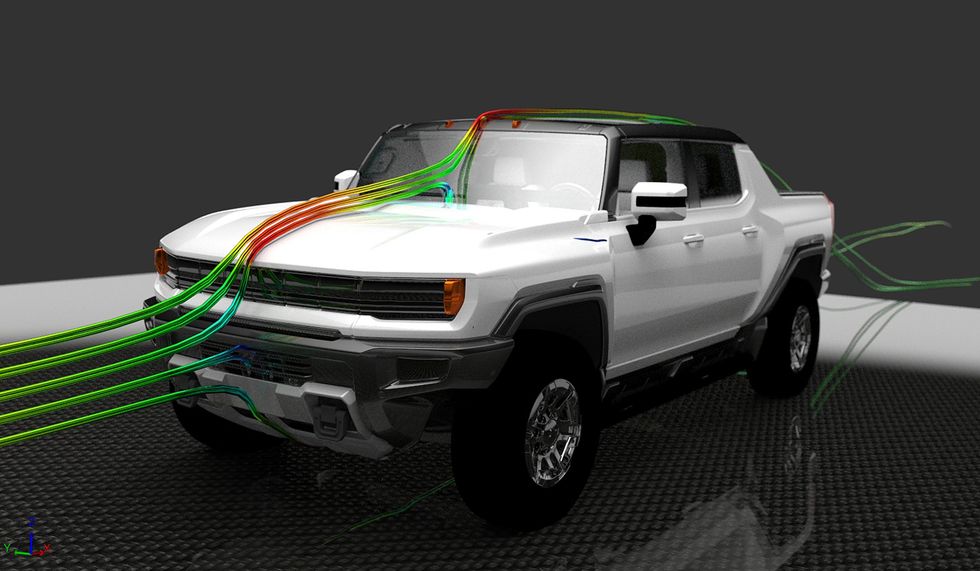
General Motors Is Cutting Its Development Cycles in Half
General Motors is accelerating its vehicle development process to compete with fast-paced Chinese automakers like BYD, which can bring electric vehicles (EVs) to market in under two years. This initiative, led by Sterling Anderson, GM’s chief product officer and former Tesla executive, aims to leverage artificial intelligence (AI) and simulation technology to significantly reduce design and production timelines. In a recent video call, Anderson and Jason Fischer, GM’s executive director of virtual integration engineering, outlined how AI is reshaping automotive design. Traditionally, the development process involved lengthy empirical testing and siloed engineering efforts. However, GM's new approach integrates multiple functions into a single virtual tool, allowing engineers to simulate design changes in minutes rather than hours. This method has already halved the development time for the electric GMC Hummer, which went from concept to showroom in just two years. GM is applying these advanced techniques across various projects, including self-driving cars and NASA's lunar rover, enhancing their ability to simulate real-world conditions and improve vehicle performance before physical prototypes are built. By running thousands of simulations, GM can identify and address potential issues early in the design process, ultimately leading to more refined vehicles. This innovative strategy positions GM to keep pace with the rapidly evolving automotive landscape and meet consumer demands for faster, more efficient vehicle production.
Gm Simulations Engineering-design General-motors Physics-simulations Automotive-engineering
Digital twins, software maturity and other automation trends
Manufacturers are increasingly adopting AI-powered simulation technology and advanced robotics software, which are becoming more powerful and cost-effective. This shift is occurring as companies seek to enhance efficiency and productivity in their operations. The trend has gained momentum in recent months, reflecting a broader industry move towards automation and smart manufacturing solutions. By integrating these technologies, manufacturers aim to streamline processes, reduce costs, and improve overall performance. As a result, the landscape of manufacturing is evolving, with businesses leveraging innovative tools to remain competitive in a rapidly changing market.
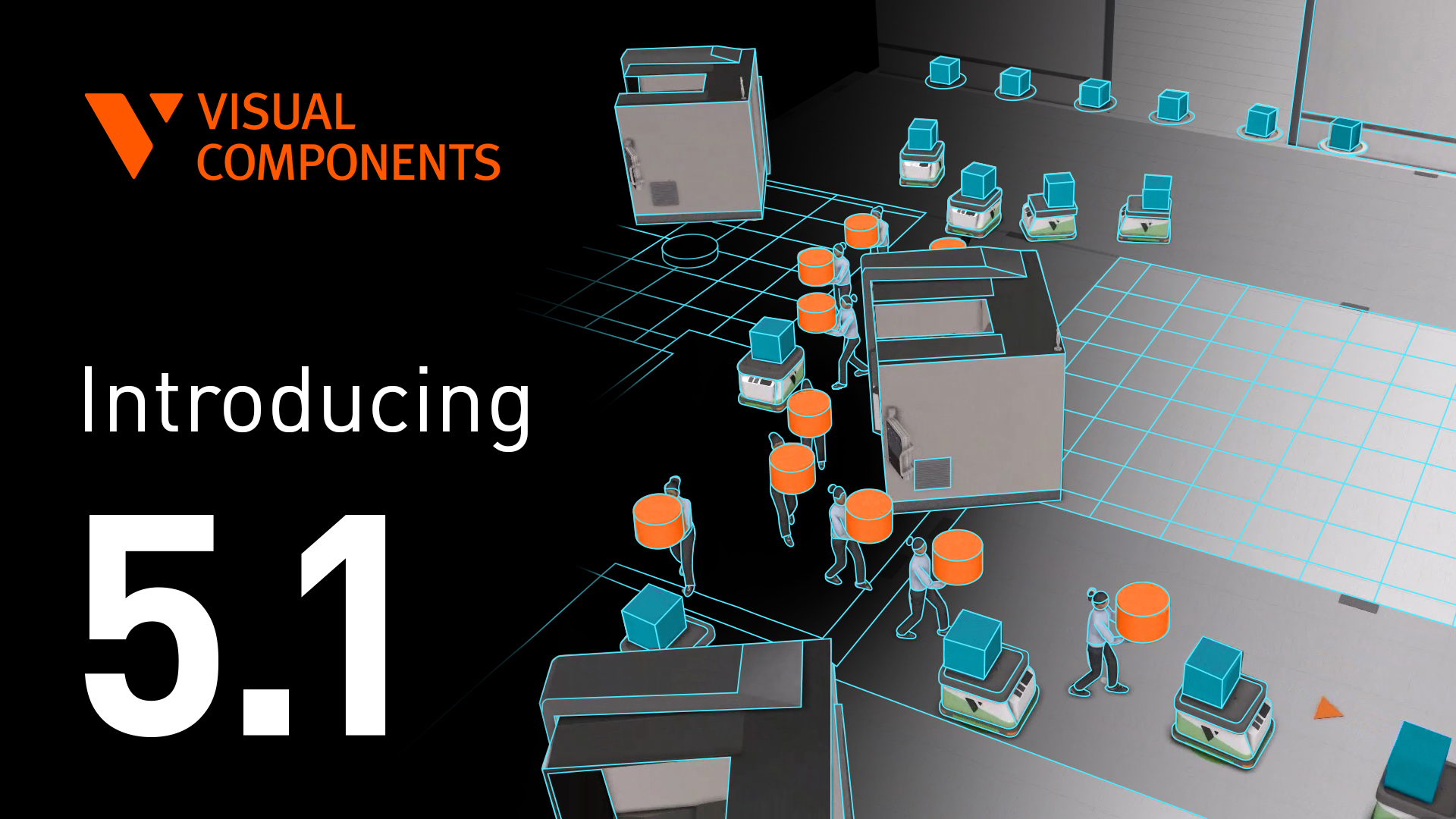
Visual Components launches version 5.1 to enable manufacturers to simulate and validate large-scale autonomous robot operations before deployment
A recent software release has empowered manufacturers to simulate hundreds of Autonomous Mobile Robots (AMRs) and Automated Guided Vehicles (AGVs) with enhanced dynamic collision avoidance capabilities. This update significantly boosts performance, achieving speeds up to ten times faster than previous versions. The integration of updated PhysX technology further enhances the realism of physics simulations, providing a more accurate representation of real-world scenarios. This advancement is expected to streamline operations in various manufacturing environments, allowing for more efficient planning and deployment of robotic systems. The release, which reflects the latest developments in simulation technology, aims to meet the growing demand for automation in the manufacturing sector.
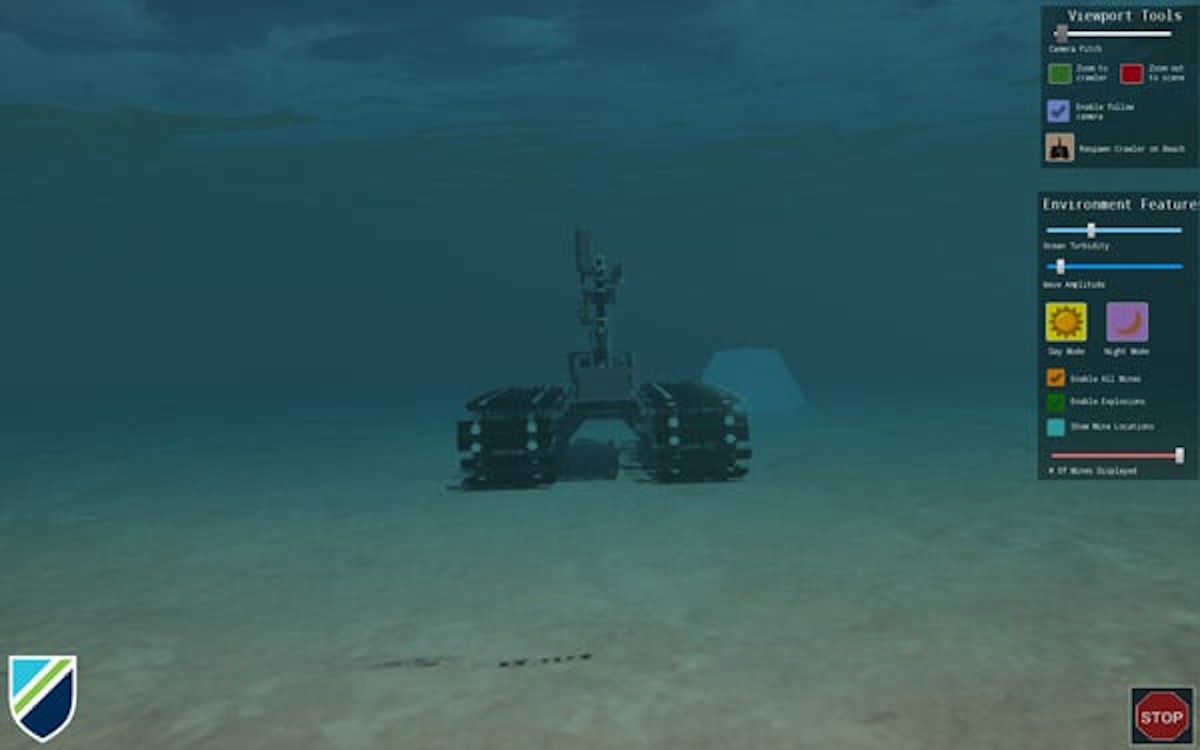
Greensea IQ Launches Bayonet AUGV Operator Training Simulator
Greensea IQ, a prominent player in subsea robotics and autonomous systems, has unveiled a new simulator aimed at enhancing the training of operators for its Bayonet Autonomous Underwater Ground Vehicles (AUGVs). The launch, announced today, provides a platform for users to learn, practice, and refine their operational skills in a controlled environment. This initiative reflects Greensea IQ's commitment to improving safety and efficiency in underwater operations, addressing the growing demand for skilled operators in the subsea industry. By utilizing advanced simulation technology, the company aims to equip users with the necessary expertise to effectively manage AUGVs, ultimately advancing the capabilities of subsea exploration and operations.
greensea iq bayonet autonomous underwater ground vehicles (augvs) augv operator training simulator
PaleBlue Delivers ROV Simulator for the French Navy
PaleBlue, a prominent Norwegian firm specializing in advanced simulation technology, has successfully supplied a state-of-the-art Remotely Operated Vehicle (ROV) training simulator to the French Navy. This innovative simulator is designed to enhance the training experience for naval personnel, enabling them to engage in realistic scenarios that include critical rescue operations and the management of various ROV types, from work-class to smaller models. The delivery marks a significant advancement in the French Navy's training capabilities, allowing for improved preparedness in complex maritime environments.
paleblue rov simulator french navy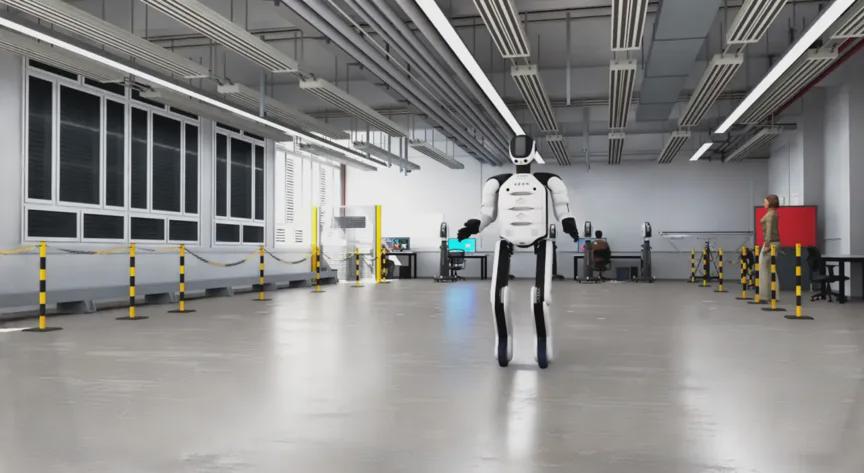
NVIDIA and DeepMind Lead Robotics Simulation Debate with New Industrial Applications
The field of embodied intelligence is witnessing a fierce debate over the best approach to training robots for industrial applications. One faction advocates for simulation-based training, leveraging structured environments to generate synthetic data, while the opposing view emphasizes the necessity of real-world data to handle complex physical interactions and unpredictable scenarios. Key players include NVIDIA, DeepMind, and Intrinsic, each with unique strategies and technologies. NVIDIA's Omniverse platform and Isaac Sim engine exemplify the simulation approach, enabling comprehensive digital twins of factories for training and optimization. Their collaboration with BMW on a digital twin project in Hungary showcases the potential of synthetic data in logistics and robotic movements. However, challenges remain in achieving the necessary fidelity for force control and physical interactions, prompting NVIDIA to seek partnerships with companies like Hexagon Robotics. Conversely, DeepMind's use of the MuJoCo physics engine has demonstrated that pure simulation can achieve industrial-grade precision in specific tasks, such as sorting with known rigid models. Yet, this method's effectiveness is limited to scenarios with minimal contact and force control. Intrinsic aims to transform simulation into a comprehensive development tool for industrial robots, focusing on lowering barriers for small manufacturers. The ongoing challenge of the SIM2REAL gap remains a critical factor in the success of these approaches.
Robotics Industrial Automation Simulation Technology AI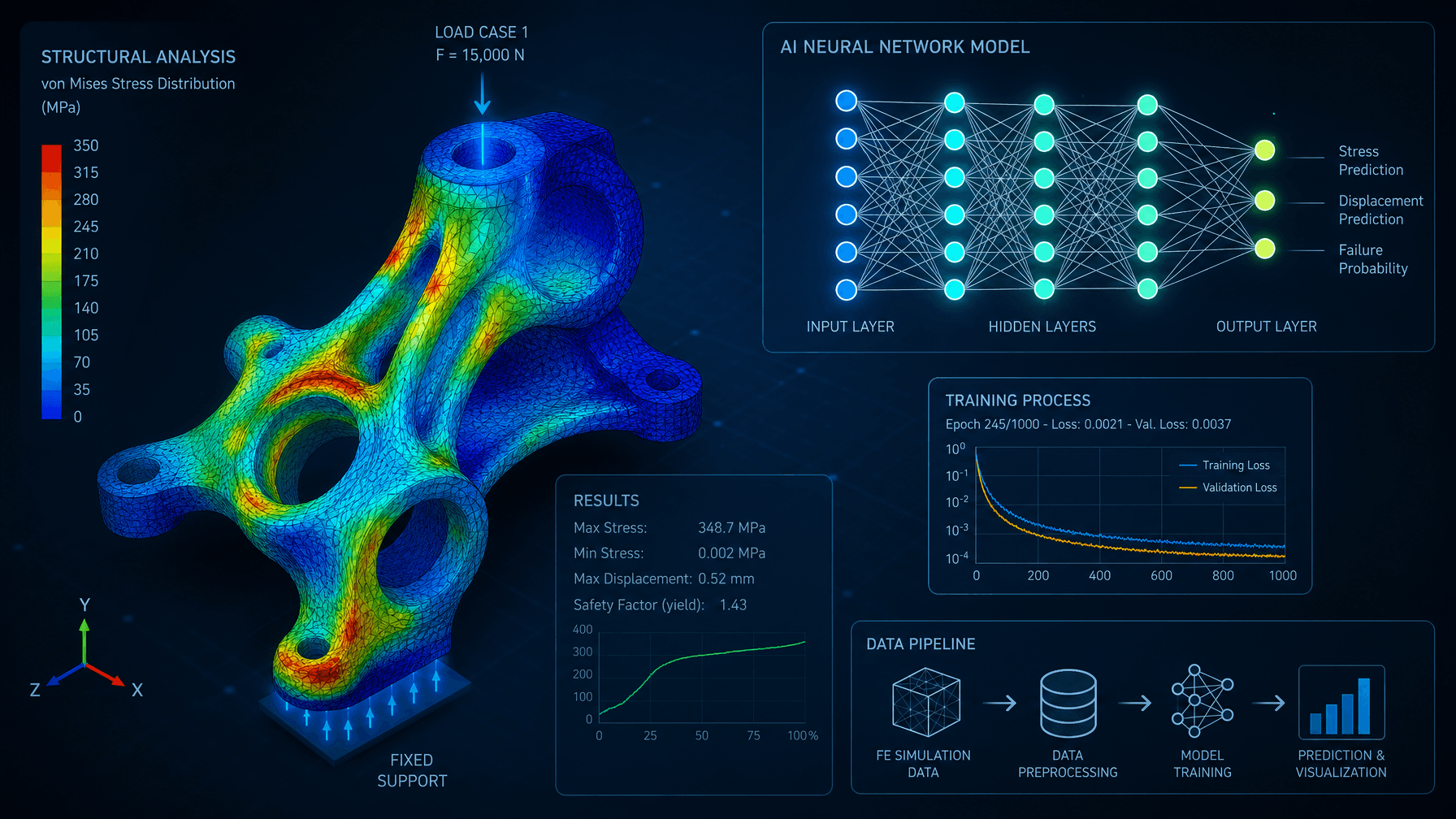
Jiying Technology Launches First Zero-Shot Generalizable Physics Model for Engineering Simulations
Jiying Technology has unveiled its Jiying 2.0 physics foundation model, which is capable of zero-shot generalization across various geometries, materials, and boundary conditions. This model represents a significant advancement in physics AI, particularly for engineering simulations, and was announced in October 2023. The introduction of the Jiying 2.0 model is crucial as it allows engineers to simulate complex physical scenarios without the need for extensive retraining on specific datasets. This capability can enhance efficiency and reduce the time required for simulations, making it a valuable tool in engineering design and analysis. Looking ahead, industry professionals will be keen to observe how the adoption of the Jiying 2.0 model influences engineering practices and simulation accuracy. No further timeline was disclosed at the time of publication regarding additional features or updates to the model.
Technology
HeShan Technology Raises Hundreds of Millions in Series B Funding Amid Fourfold Order Growth
HeShan Technology, based in Beijing, has successfully completed a Series B funding round, raising hundreds of millions of yuan. The investment comes from a mix of industrial capital and specialized investment firms, including TaiPing Innovation and Junsheng Electronics. This funding marks the third financial boost for the company in six months, with plans for a Series C round already underway. HeShan reported that its total orders in the first half of the year reached four times that of the previous year, with monthly deliveries of tactile sensors stabilizing at tens of thousands. The significance of this funding round lies in the clear investment trends within the robotics sector. Investors like Junsheng Electronics and AUX are focusing on practical technologies that can integrate with existing production lines, moving away from speculative concepts. HeShan has established a comprehensive stack covering chips, sensors, and data simulation, addressing the growing demand for tactile perception in smart healthcare devices, especially as the aging population increases in China. Looking ahead, HeShan Technology's next milestone will be the advancement of its Series C funding efforts. The company is poised to leverage its tactile technology to enhance safety in elderly care scenarios, collaborating with industry partners. No further timeline was disclosed at the time of publication, but the strong order volume and delivery capabilities position HeShan as a leader in the tactile robotics market, addressing the industry's need for mature, scalable solutions.
Tactile Sensors Robotics Industrial Automation AI Technology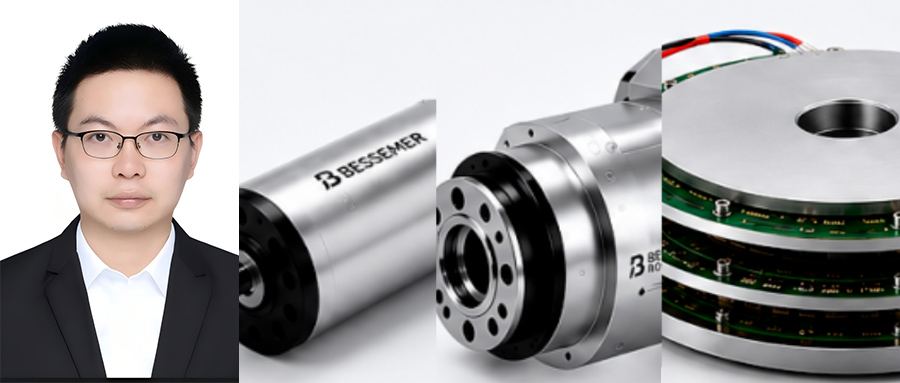
Bessemer Technology Secures Angel Funding for Motor Innovations in Robotics
Bessemer (Shanghai) Technology, founded by Assistant Professor Zhu Wenjun from Xi'an Jiaotong-Liverpool University, has successfully raised millions in angel funding from the Pudong AI Seed Fund. Established in 2025 with a registered capital of 2 million yuan, the company holds two patents and aims to optimize motor technology and establish mass production lines with the new funding. This funding is significant as it marks a shift in investment focus towards core components like joint motors, which have been underdeveloped in China. While many domestic motor technologies remain in the experimental phase, Bessemer is building a complete chain from electromagnetic simulation to standardized hardware, addressing the gap between laboratory innovations and industrial production. Looking ahead, Bessemer's product line includes the E series and S series motors, designed for humanoid robots and medical devices, which could disrupt the market by offering lighter, more efficient alternatives to traditional motors. No further timeline was disclosed at the time of publication for upcoming product launches or additional funding rounds.
Motor Technology Robotics Angel Investment High-Tech Startups
The Shift in Physical AI: Qunke Technology Develops a Simulation Data Production Line
Qunke Technology has introduced a pioneering solution to tackle the pressing shortage of high-quality 3D training data, which is vital for the advancement of the physical AI industry. As leading companies in embodied intelligence shift their focus from model architecture to data infrastructure, Qunke's innovative simulation data production line aims to fill this gap. The company’s efforts have been recognized at the European Conference on Computer Vision (ECCV), where three of its groundbreaking research papers were accepted. These contributions are expected to set new benchmarks in the fields of spatial intelligence and data synthesis, further propelling the development of AI technologies.
Embodied Intelligence Simulation Data 3D Training Data AI Benchmarking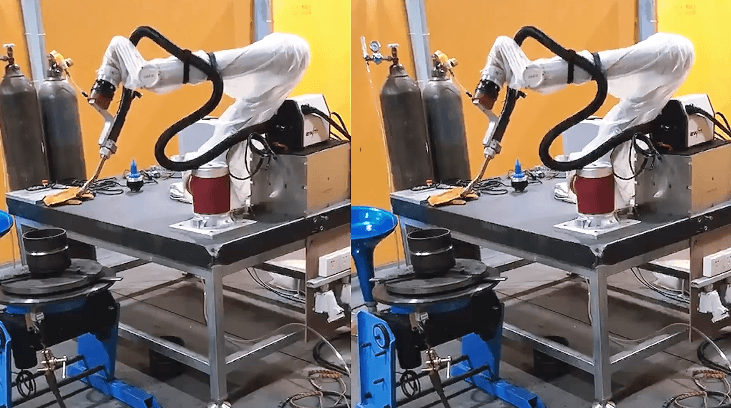
The Future of Welding Cobot Technology: AI Path Planning and Simulation
The welding industry is experiencing a significant digital transformation in response to a global shortage of skilled welders and an increasing demand for high-precision manufacturing. This shift is marked by the introduction of collaborative robots, or welding cobots, which are evolving from traditional automated tools into intelligent partners capable of executing complex welding tasks. These advancements allow small-to-medium enterprises to achieve high-quality welding standards with reduced setup times. Key innovations include AI-driven path planning and vision integration, which address the challenges posed by variability in workpieces. By employing technologies such as "Through-the-Arc" sensing and laser vision systems, these cobots can analyze seams in real-time and adjust their movements to compensate for any misalignments. Additionally, "Lead-through" programming enables human welders to guide the robotic arm, which the AI then refines into a precise trajectory. The use of simulation and digital twin technology further enhances the welding process. Engineers can create virtual models of welding cells to optimize operations without interrupting production. This capability allows for the prediction of thermal effects and minimizes heat distortion, significantly reducing the time required to deploy welding cobots from days to hours. At the forefront of this innovation is JAKA, which is integrating these intelligent features into its collaborative platforms. Their welding cobots, equipped with advanced sensors and motion control, are designed for various welding applications. JAKA also offers a user-friendly software package that simplifies complex path planning, enabling operators to monitor and adjust weld parameters remotely, thereby enhancing craftsmanship while ensuring precision.
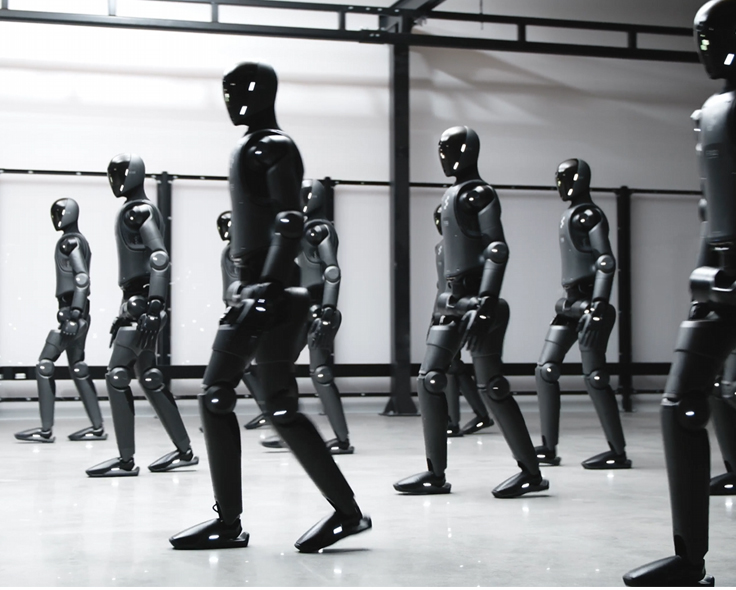
Natural Humanoid Walk Using Reinforcement Learning
Researchers have developed an innovative neural network designed for humanoid locomotion, utilizing reinforcement learning to enable robots to walk in a manner akin to humans. This breakthrough was achieved through advanced high-fidelity simulations, which not only improve the robots' walking capabilities but also facilitate a seamless transition from simulated environments to real-world applications. The technology promises to significantly enhance the efficiency and scalability of humanoid robotics, making it a pivotal advancement in the field. The development is expected to impact various sectors, including robotics and automation, by providing more adaptable and capable humanoid robots.
Reinforcement Learning Humanoid Robotics Simulation Technology AI Development Robotics Engineering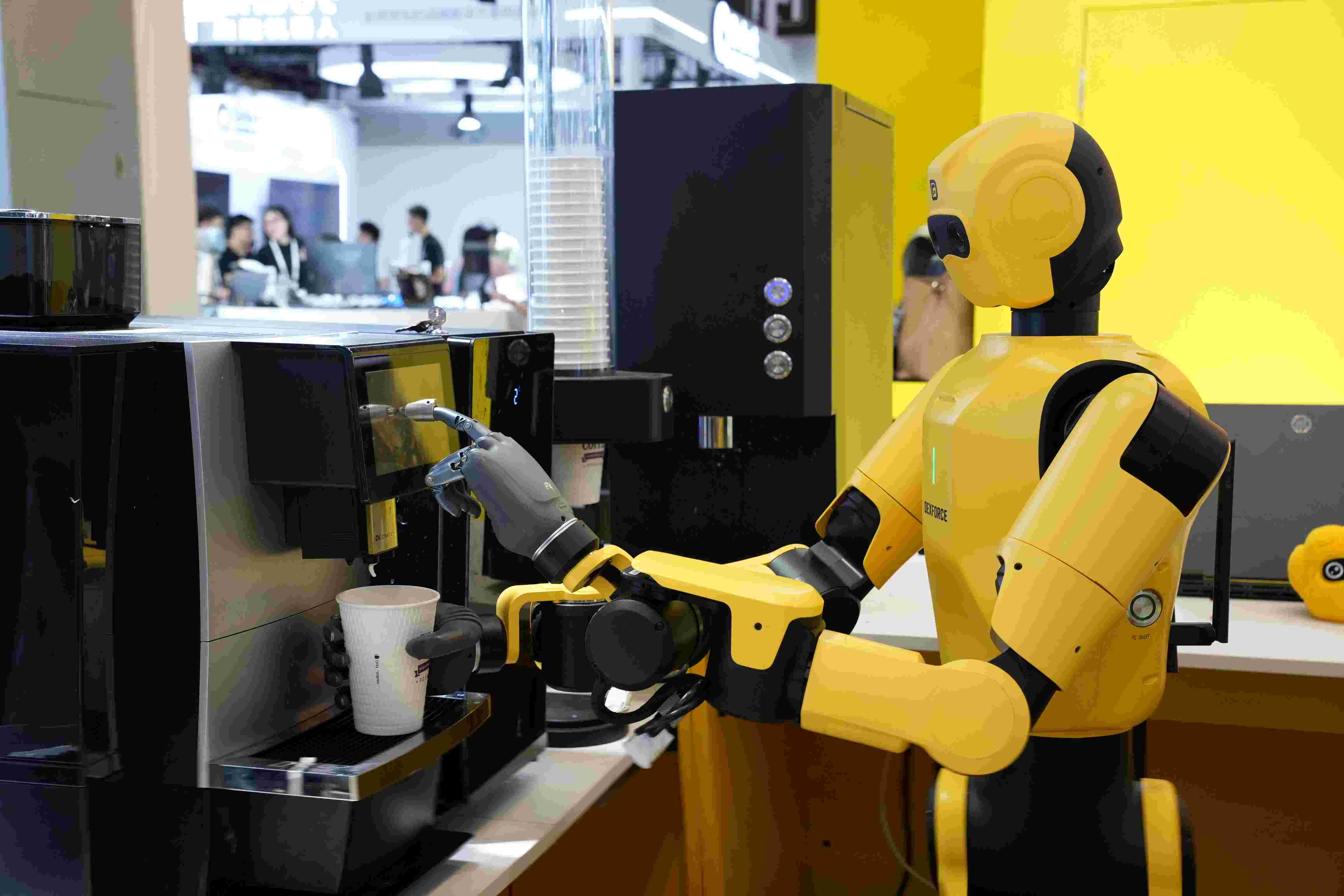
Exploring China's Equivalent of NVIDIA at WAIC: Advancements in Robotics
At this year's WAIC, the spotlight in the robotics exhibition was on humanoid robots capable of complex movements, such as walking, dancing, and conversing. However, the real challenge lies in how these robots handle unpredictable real-world scenarios, such as identifying and scanning barcodes from randomly placed products. This capability is crucial for robots to transition from theoretical demonstrations to practical applications. The significance of these advancements is profound, as they reflect a shift in the robotics industry from rigid programming to adaptive learning. Robots must now operate in dynamic environments, requiring them to understand physical laws and continuously learn from their experiences. This evolution indicates a competitive transition where the focus is not just on the robots themselves but on the infrastructure that enables ongoing learning and adaptation. Looking ahead, the industry is poised for a transformation similar to that seen in AI, where NVIDIA played a pivotal role. The next phase of robotics will depend on establishing foundational systems that allow robots to learn from real-world data and simulations. As companies like Kuawei develop datasets and simulation engines, they aim to become the driving force behind the physical AI era, ensuring that robots can evolve and adapt effectively in various environments.
Humanoid Robots AI Infrastructure Robotics Learning Data Collection Simulation Technology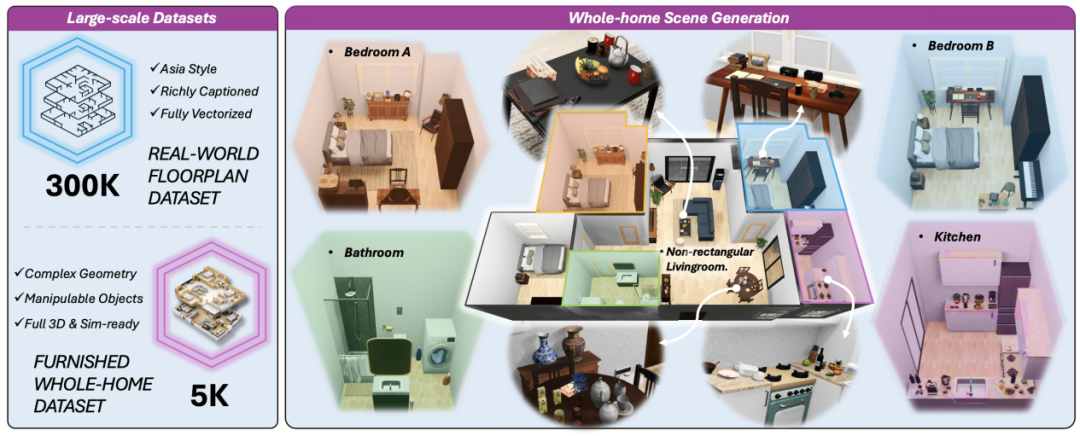
Daxiao Robotics Releases Open Source 3D Dataset for Chinese Home Designs, Challenging Figure AI
Daxiao Robotics, in partnership with the Chinese University of Hong Kong and Shenzhen He Tao College, has unveiled the world's first extensive 3D dataset specifically designed for Chinese households. This groundbreaking resource includes 300,000 authentic floor plans and 5,000 interactive simulation scenes, marking a significant advancement in the field of robotics. Launched recently, the dataset aims to improve the training of robots for various household tasks, thereby contributing to the evolution of embodied AI within the Chinese market. By providing this comprehensive data, the collaboration seeks to enhance the capabilities of robots in domestic environments, ultimately fostering innovation in the sector.
3D Data Sets Embodied AI Home Robotics Simulation Technology
Genie Envisioner-Sim 2.0 Tops WorldArena: How Robots Evolve in Virtual Worlds
On May 29, the Genie Envisioner-Sim 2.0 (GE 2.0) secured the top ranking in the WorldArena Track 1, highlighting its advanced perception and action response abilities. This cutting-edge world model enables robots to learn and adapt within a simulated environment, effectively minimizing the costs associated with real-world trial and error. The recent advancements in action-conditioned modeling and interactive simulation mark a significant breakthrough in robotic training and operational efficiency, positioning GE 2.0 as a leader in the field.
Robotics Simulation Technology AI Machine Learning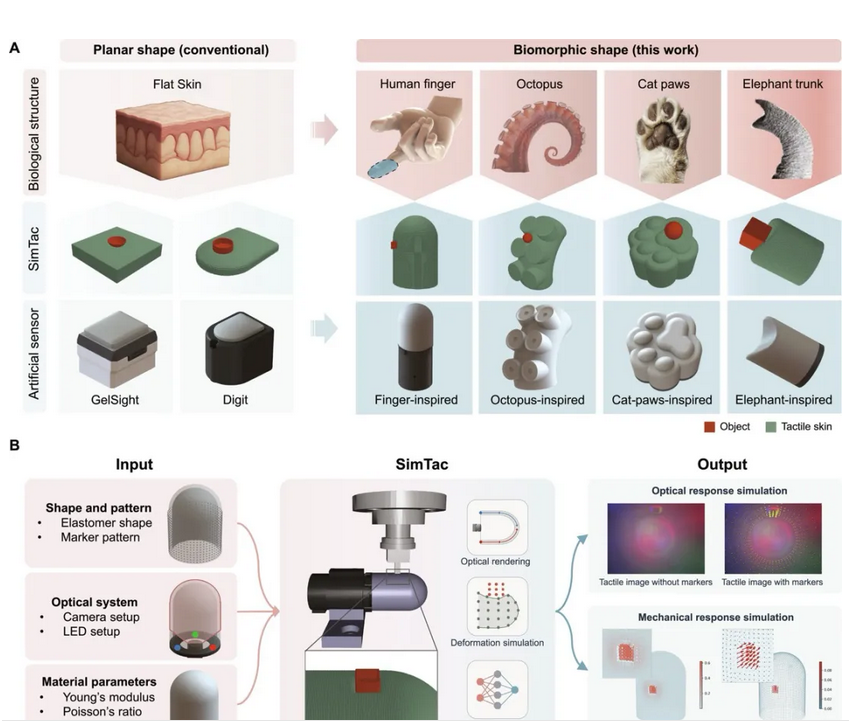
SimTac: A Tactile Sensor Simulator That Shortens Biomimetic Robot Design Cycles
A collaborative team from King's College London and various institutions has unveiled SimTac, an innovative simulation platform designed to revolutionize the development of robotic tactile systems. This groundbreaking tool allows researchers and engineers to create tactile sensors in any biomimetic shape, facilitating virtual testing of tactile responses. By streamlining the design and training processes, SimTac significantly reduces the time required to develop these advanced robotic systems. The platform aims to enhance the efficiency and effectiveness of tactile sensor design, ultimately advancing the field of robotics.
Tactile Sensors Robotics Simulation Technology Biomimicry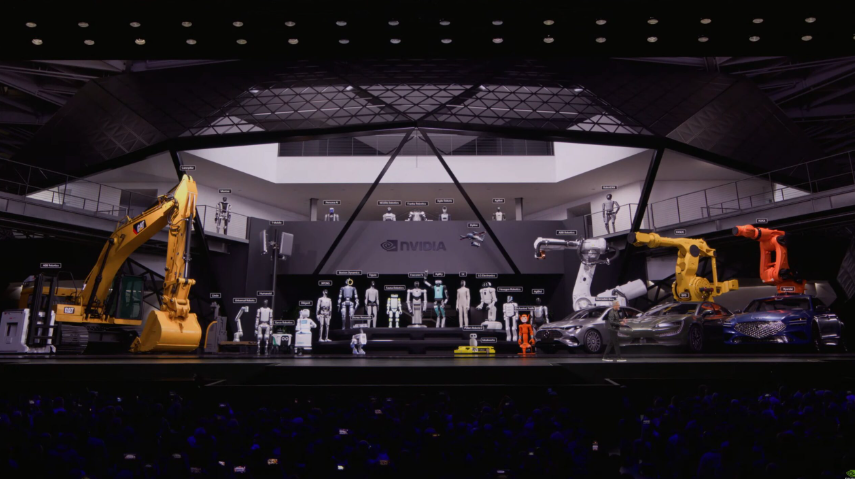
GTC 2026: NVIDIA Aims to Transform Robotics Data Challenges into Computational Solutions
At the GTC 2026 conference, NVIDIA unveiled its latest innovation in robotics, the Olaf robot, highlighting its commitment to 'Physical AI'. This initiative seeks to revolutionize the way data is collected for robotic development by shifting from costly real-world data acquisition to the use of simulation and synthetic data generation. By leveraging these advanced techniques, NVIDIA aims to enhance the creation of intelligent robots that can be applied across multiple industries, thereby streamlining processes and reducing expenses associated with traditional data collection methods.
Robotics Artificial Intelligence Simulation Technology Industrial Automation
NVIDIA Showcases Six Major Robotics Trends at GTC 2026
At the GTC 2026 conference, NVIDIA showcased groundbreaking developments in robotics, emphasizing six pivotal trends influenced by their innovative 'Physical AI' concept. The company is working alongside industry leaders to improve robotic capabilities through advanced simulation techniques, data generation, and strategic partnerships. This collaborative effort is set to revolutionize the field, enabling the creation of smarter and more adaptable robots that can better meet the demands of various applications.
Robotics AI Simulation Technology Industrial Automation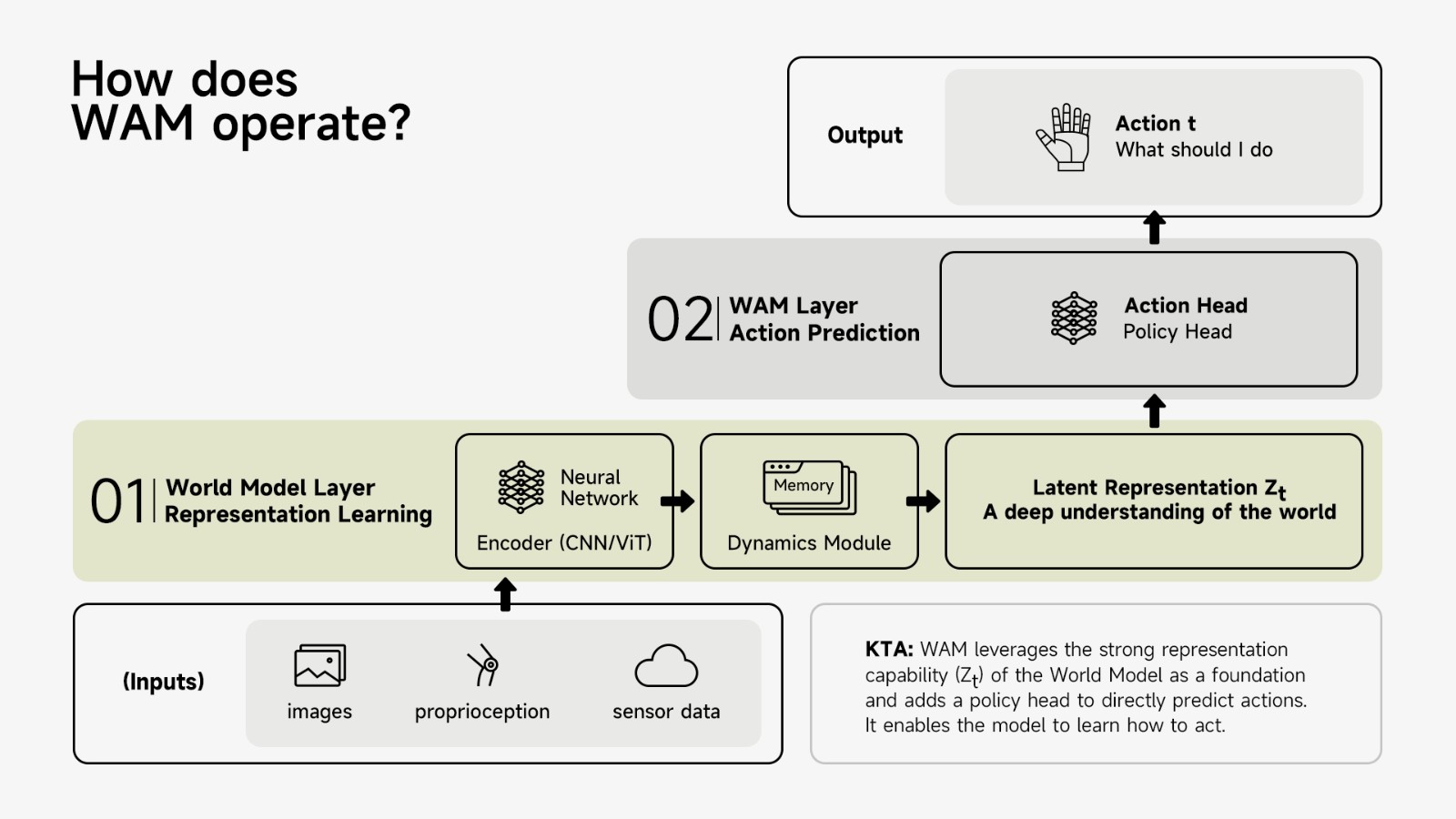
AGIBOT Unveils Genie Envisioner 2.0, Advancing World Models into Scalable “World Simulators” for Embodied AI
AGIBOT has unveiled its latest innovation, Genie Envisioner 2.0, a significant advancement in embodied artificial intelligence. This new platform transforms traditional world models into scalable and interactive simulators, enabling robots to learn and optimize their performance within environments generated by these models. The launch, which took place recently, signifies a pivotal shift from merely understanding the world to actively engaging with it, enhancing the robots' training capabilities and facilitating real-time interactions. This development aims to improve the efficiency and effectiveness of robotic learning processes, positioning AGIBOT at the forefront of AI technology.
Embodied AI World Models Robotics Simulation Technology Artificial Intelligence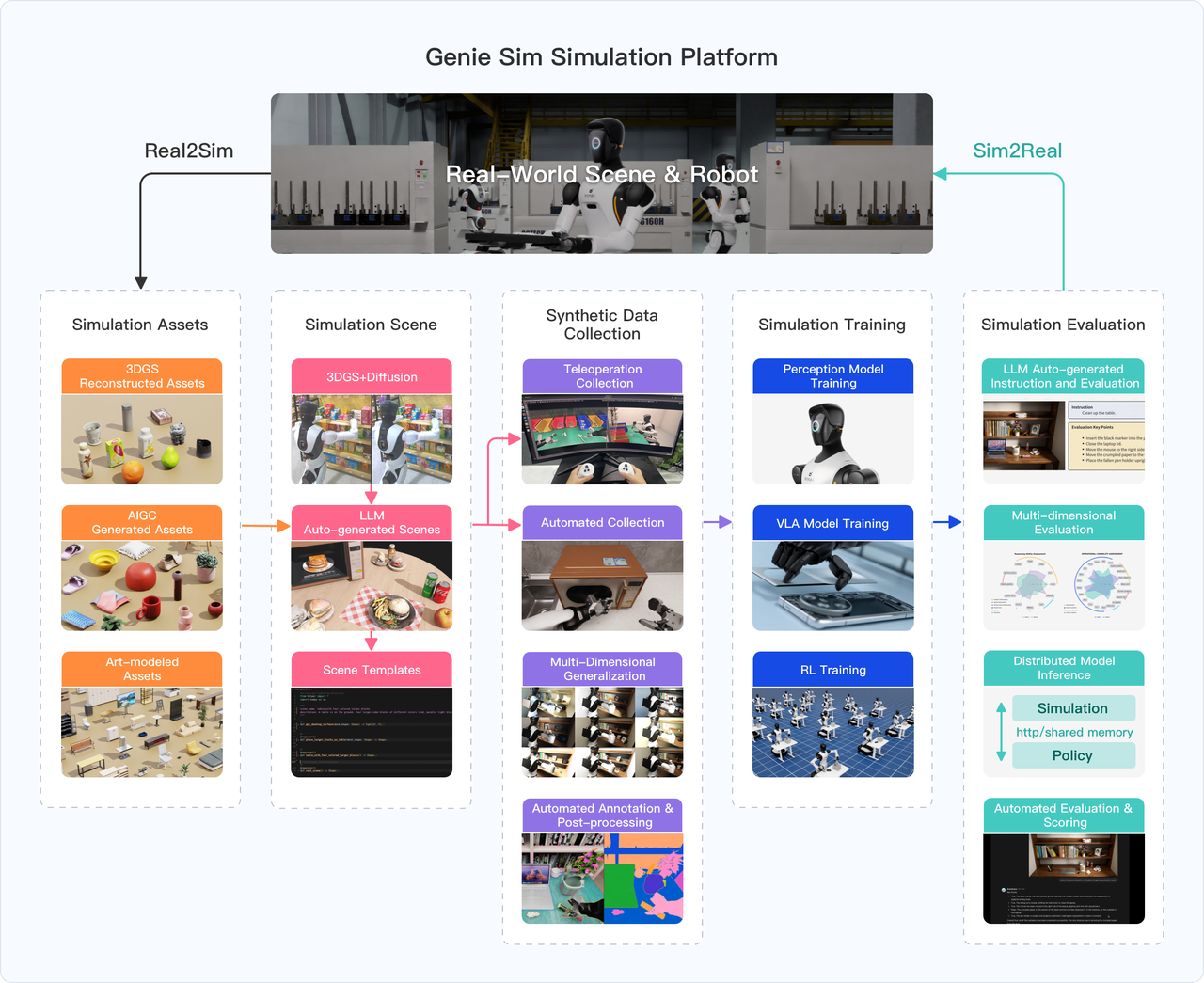
AGIBOT Unveils Genie Sim 3.0 at CES 2026, the First Open
At CES 2026, AGIBOT unveiled Genie Sim 3.0, marking the introduction of the first open-source simulation platform designed to merge real-world robotic operations with cutting-edge features such as LLM-driven scene generation and a robust evaluation system. This innovative platform seeks to expedite the advancement of embodied intelligence by offering a high-fidelity simulation environment, complemented by the largest open-source dataset available in the industry. By minimizing the dependency on physical hardware, Genie Sim 3.0 aims to enhance the efficiency and effectiveness of robotic development, paving the way for more sophisticated and capable robotic systems.
Robotics Artificial Intelligence Simulation Technology Open Source Embodied Intelligence
WIRobotics Begins Building a Physical AI Development Ecosystem: The First Technology Release Features the ALLEX Simulation Model
ALLEX Technologies has announced plans to sequentially release additional core technologies aimed at enhancing the development of Physical AI. This initiative is set to expand the Physical AI development ecosystem, facilitating high-fidelity Sim-to-Real validation processes. The company aims to create an open environment that supports researchers and robotics developers in their quest to innovate within the field. By fostering collaboration and providing advanced tools, ALLEX Technologies seeks to drive advancements in Physical AI, making it more accessible and effective for various applications.
RoboChallenge Unites Top 18 Players to Create the World's Largest Embodied Intelligence Testing Arena
RoboChallenge, recognized as the world's first large-scale platform dedicated to assessing embodied intelligence, has recently broadened its ecosystem by partnering with eight prominent companies. This strategic expansion is designed to create standardized testing environments that will facilitate the rapid implementation of embodied intelligence technologies across multiple industries. By fostering collaboration among industry leaders, RoboChallenge aims to enhance the practical applications of these advanced technologies, ultimately driving innovation and efficiency in various sectors.
Embodied Intelligence Robotics Testing AI Benchmarking Simulation Technology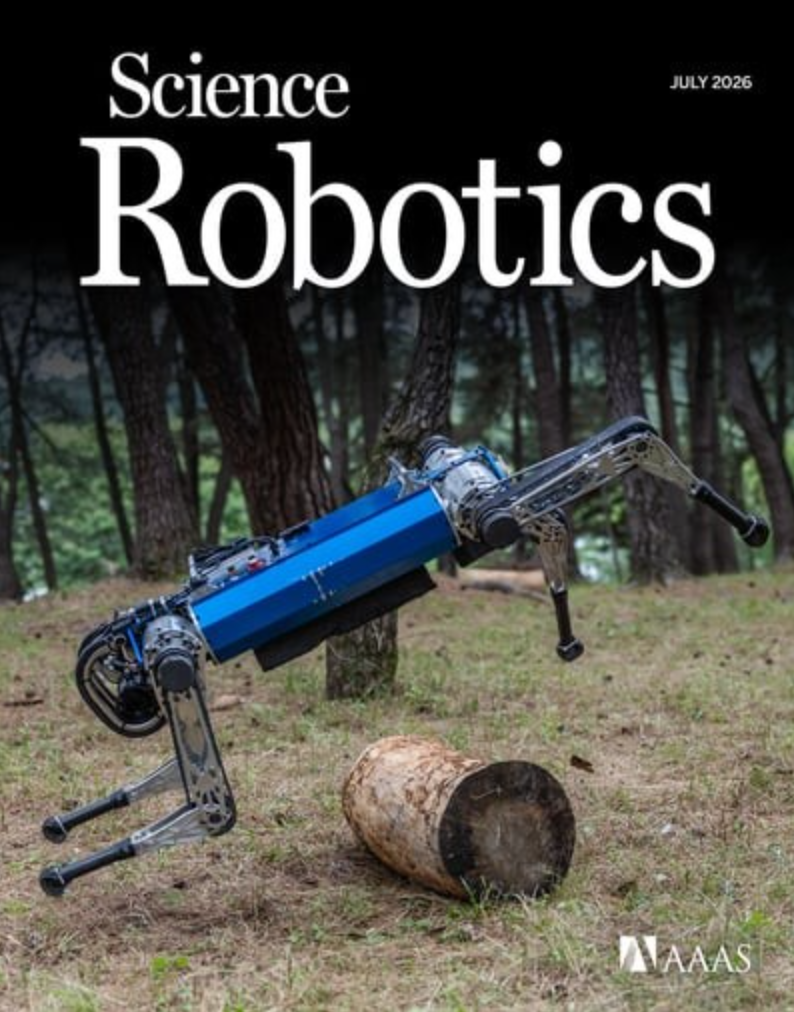
KAIST Unveils Advanced Four-Legged Robot with Autonomous Navigation Technology
KAIST's mechanical engineering team, led by Professor Park Hai-won, announced a breakthrough in robotic technology on July 16. They developed a four-legged robot capable of autonomously selecting and switching between various gaits in real-time, enabling it to navigate complex outdoor environments with speed and stability. This innovation is significant as it integrates a new control architecture called APT-RL (Action Pre-training Reinforcement Learning based on Transformers), which allows the robot to learn movement through computer simulations rather than traditional motion capture. The robot, named KAIST HOUND, demonstrated its capabilities by traversing diverse terrains, achieving peak speeds of 6 meters per second, faster than an average cyclist. Future developments to watch include the potential applications of this technology in disaster response, defense tasks, and industrial inspections. The research was published in the July issue of the journal Science Robotics, highlighting its importance in advancing the field of robotic control and physical AI.
Four-Legged Robots Robotics Technology AI Autonomous Navigation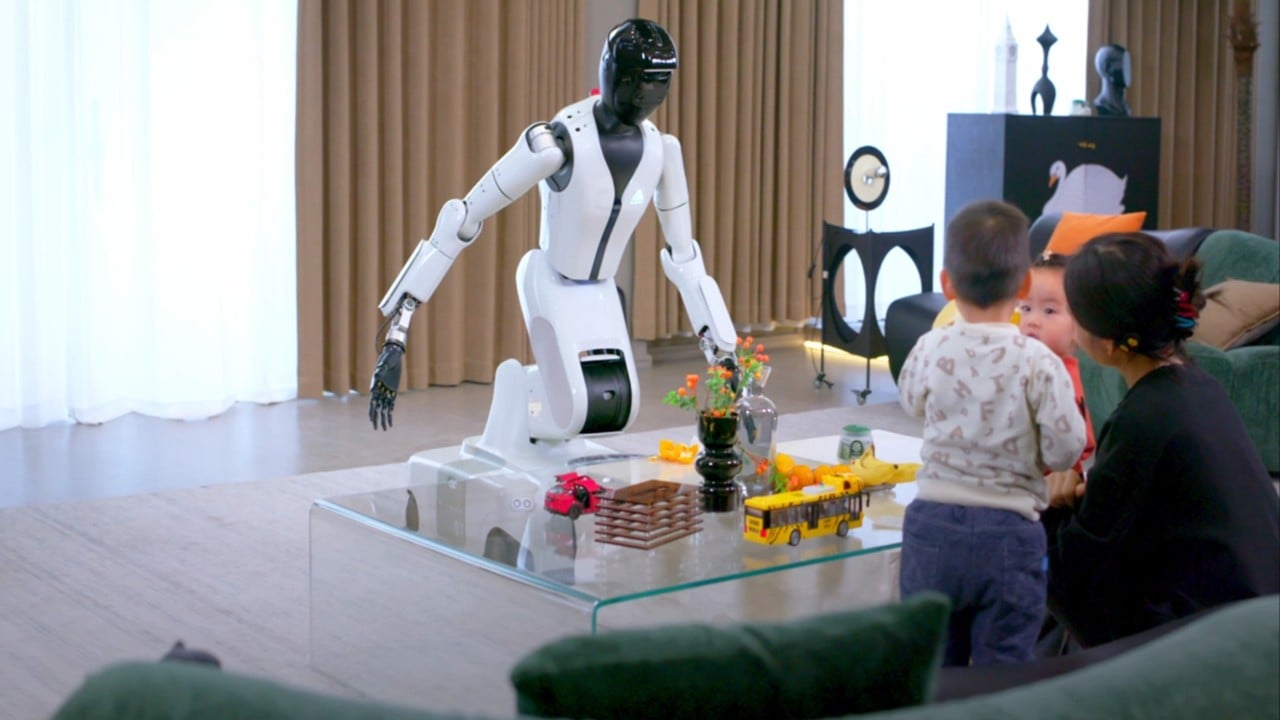
Chinese Companies Explore World Models for AI Simulation of Environments
Artificial intelligence is evolving with a focus on 'world models,' which simulate environmental responses to actions. This shift is gaining traction among Chinese companies, expanding the application of these models beyond traditional physics and robotics. The technology is still developing, with no clear consensus on its final form, indicating a significant area of exploration for AI advancements. The significance of world models lies in their potential to enhance AI's predictive capabilities, allowing systems to anticipate changes in both physical and digital environments. This could lead to improved decision-making processes across various sectors, as companies leverage these models to better understand and interact with their surroundings. The growing interest from major tech firms highlights the competitive landscape surrounding this emerging technology. Looking ahead, the development of world models is expected to progress, although specific timelines for advancements or implementations remain undisclosed. As the industry continues to explore this frontier, stakeholders should monitor the evolution of standards and applications that will shape the future of AI simulation technologies.
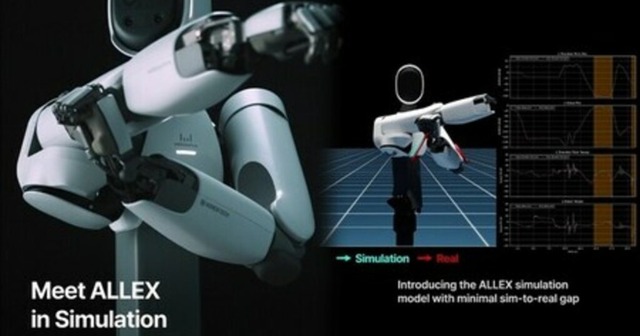
South Korea's WIRobotics unveils simulation model of humanoid "ALLEX," marking a step towards building a physical AI ecosystem.
South Korean robotics company WIRobotics has unveiled a simulation model of its humanoid robot, ALLEX, on June 29, 2026. This announcement coincides with the company's broader initiative to establish a technological roadmap aimed at developing a physical AI ecosystem. By sharing this simulation model, WIRobotics aims to foster innovation and collaboration within the robotics industry, positioning itself as a leader in the advancement of humanoid robotics technology.

Eclipse Automation launches RealitySync simulation platform
Eclipse Automation has unveiled its innovative RealitySync platform, designed to enable manufacturers to visualize and interact with their future factories before construction begins. This launch, announced recently, aims to enhance the planning and design processes for manufacturing facilities by providing a comprehensive simulation experience. By utilizing advanced technology, RealitySync allows companies to identify potential challenges and optimize workflows, ultimately streamlining the transition from concept to reality. This initiative reflects Eclipse's commitment to advancing manufacturing efficiency and innovation in the industry.
Artificial Intelligence Artificial Intelligence / Cognition Automation Design / Development Markets / Industries News
Moore Threads and Guangyun Intelligence Partner to Build Domestic Physical AI Foundation with Sovereign Compute and Simulation
Moore Threads and Guangyun Intelligence have announced a strategic partnership aimed at developing a high-confidence synthetic data solution tailored for embodied artificial intelligence. This collaboration will leverage Moore Threads' advanced domestic GPU computing capabilities alongside Guangyun's proprietary simulation platform. The initiative is expected to enhance the effectiveness and reliability of AI systems by providing robust synthetic data, which is crucial for training and improving AI models. The partnership marks a significant step in the evolution of AI technology, reflecting the growing importance of synthetic data in the field.
AI
JUPITER supercomputer breaks world record with 50-qubit quantum simulation
In a groundbreaking achievement, scientists in Germany have successfully simulated a 50-qubit quantum computer, marking the first time this has been accomplished. This significant milestone was made possible through the use of Europe’s advanced exascale supercomputer, JUPITER. The simulation surpasses the previous record of 48 qubits, showcasing the remarkable capabilities of next-generation supercomputers. This development not only demonstrates the progress in quantum computing research but also emphasizes the potential of supercomputing technology in tackling complex computational problems.
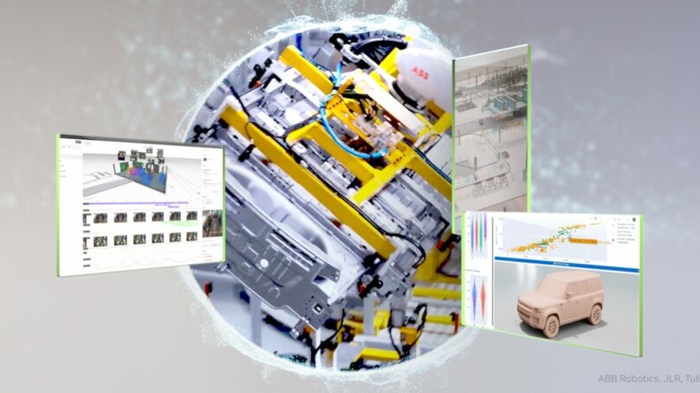
Into the Omniverse: Manufacturing’s Simulation-First Era Has Arrived
In a significant shift for the manufacturing industry, experts are challenging the long-standing reliance on real-world testing as the sole reliable method for product validation. Traditionally, the design-build-test cycle has been anchored in the belief that only through physical testing can products be adequately assessed for performance and safety. However, with advancements in technology and data analytics, industry leaders are advocating for a more integrated approach that incorporates virtual simulations and predictive modeling. This evolution aims to enhance efficiency, reduce costs, and accelerate the development process. As manufacturers increasingly adopt these innovative methodologies, the landscape of product testing is poised for transformation, potentially leading to safer and more reliable products reaching the market faster than ever before. This paradigm shift is gaining momentum as companies seek to adapt to the demands of a rapidly changing market and consumer expectations.
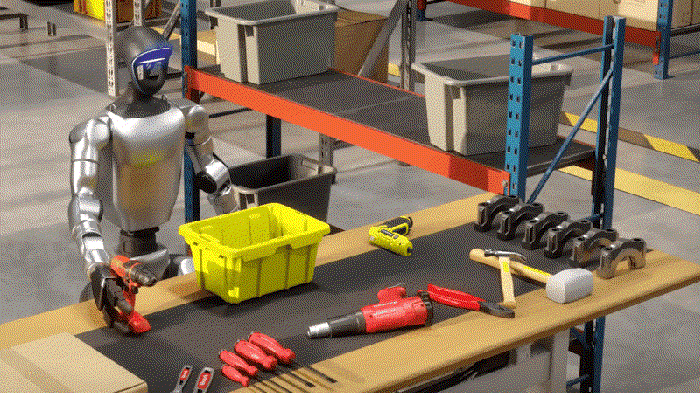
From Simulation to Production: How to Build Robots With AI
NVIDIA has unveiled its latest open models and frameworks designed to enhance cloud-to-robot workflows by integrating simulation, robot learning, and embedded computing. This development, announced in October 2023, aims to streamline the processes involved in robotics, making it easier for developers to create and deploy robotic systems. By leveraging advanced simulation techniques and machine learning, NVIDIA's new offerings are expected to significantly improve the efficiency and effectiveness of robotic applications across various industries. The initiative reflects NVIDIA's commitment to advancing robotics technology and supporting the growing demand for intelligent automation solutions.
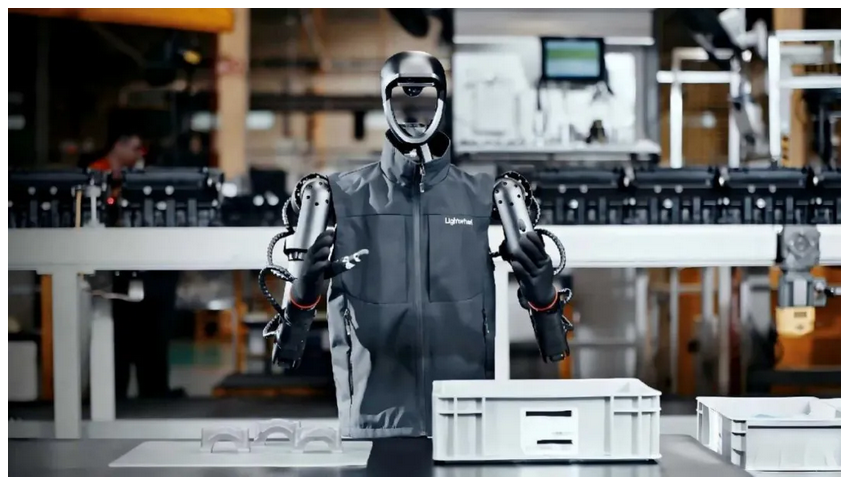
Funding of 1 Billion Yuan! Former NVIDIA Simulation Head Launches Startup, Creating the World's First Embodied Data Unicorn
Guanglun Intelligent Technology has achieved a significant milestone by securing 1 billion yuan in funding, marking its status as the first unicorn in the embodied data sector. This funding will support the company's efforts in advancing its innovative physical simulation engine and comprehensive model evaluation system. These technologies are designed to enhance the capabilities of humanoid robots, pushing the boundaries of what is possible in robotics through sophisticated data analysis and simulation techniques. The investment underscores the growing interest and potential in the field of embodied data, positioning Guanglun at the forefront of this emerging industry.
Embodied Intelligence Physical Simulation AI Data Infrastructure Robot Development
DAS‐SLAM: A Novel Visual‐Inertial SLAM System in Dynamic Environments Integrating Object Detection Network and Scene Flow Technology
A recent study published in the Journal of Field Robotics explores the advancements in robotic technology and its applications in various fields. Researchers from leading universities conducted the study to assess how these innovations can enhance efficiency and safety in industries such as agriculture, construction, and disaster response. The findings, released in early October 2023, highlight the potential of autonomous robots to perform tasks that are hazardous for humans, thereby reducing risks and improving productivity. The research team utilized a combination of field tests and simulations to evaluate the performance of different robotic systems in real-world scenarios. Their work emphasizes the importance of integrating artificial intelligence and machine learning to enable robots to adapt to dynamic environments. As industries increasingly seek automation solutions, this study provides valuable insights into the future of robotics and its role in transforming traditional practices. The motivation behind this research stems from the growing demand for innovative technologies that can address labor shortages and enhance operational capabilities. By showcasing successful implementations of robotic systems, the study aims to encourage further investment and development in this rapidly evolving field. The implications of these findings could lead to significant changes in how industries approach tasks that require precision and safety, ultimately paving the way for a more automated future.
RESEARCH ARTICLE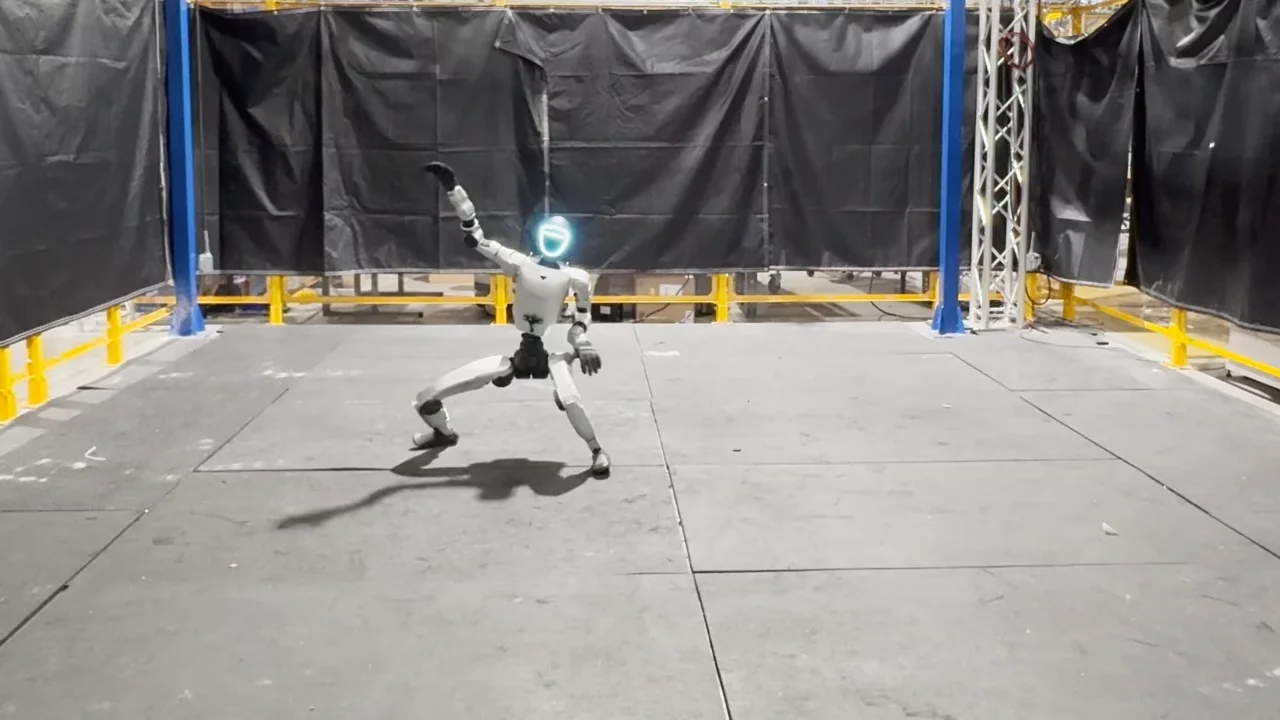
Amazon FAR Open Sources Holosoma to Unify Humanoid Simulation and Training
The Frontier AI & Robotics team has unveiled a comprehensive "full-stack" framework aimed at connecting various simulation environments with real-world applications. This innovative development, announced recently, seeks to enhance the integration of artificial intelligence and robotics by providing a standardized approach for transitioning from simulated scenarios to practical deployment. The initiative is driven by the growing need for seamless interoperability between diverse systems, which is essential for advancing technology in fields such as autonomous vehicles and industrial automation. By facilitating smoother transitions and reducing the complexities involved in these processes, the framework is expected to accelerate advancements in AI and robotics, ultimately leading to more efficient and effective real-world solutions.
US Research Amazon embodied-ai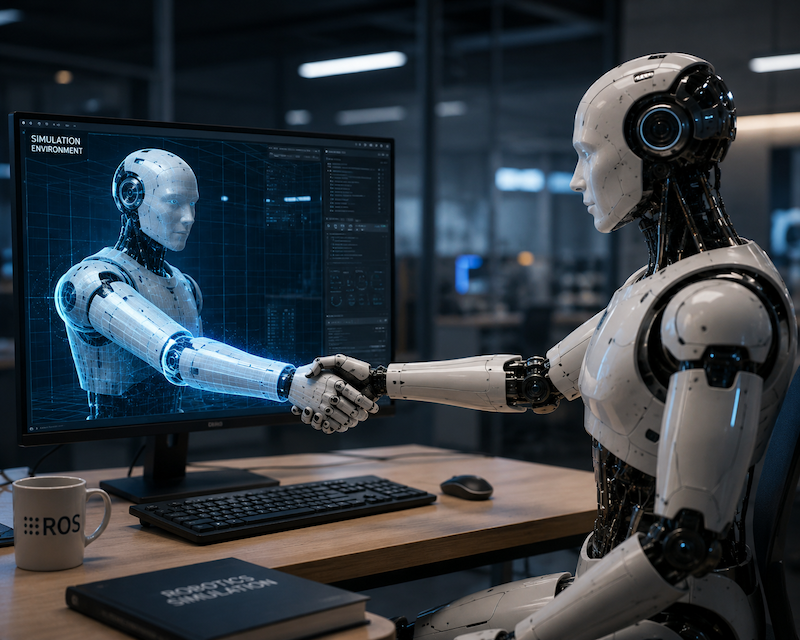
Simulation tools in the ROS ecosystem: Testing and validating robots virtually
In a significant advancement for robotics, researchers are increasingly relying on virtual environments to develop and refine robots before they are deployed in the real world. This trend allows robots, such as those used in warehouses, autonomous vehicles, and humanoid designs, to undergo extensive training and testing in simulated settings. By utilizing these virtual platforms, developers can enhance the robots' navigation and operational skills without the risks and costs associated with real-world trials. This approach not only accelerates the development process but also improves the overall safety and efficiency of robotic systems. As the technology evolves, the reliance on virtual training is expected to grow, paving the way for more sophisticated and capable robots in various industries.
Computing Features Robot simulation Software automation news Autonomous robots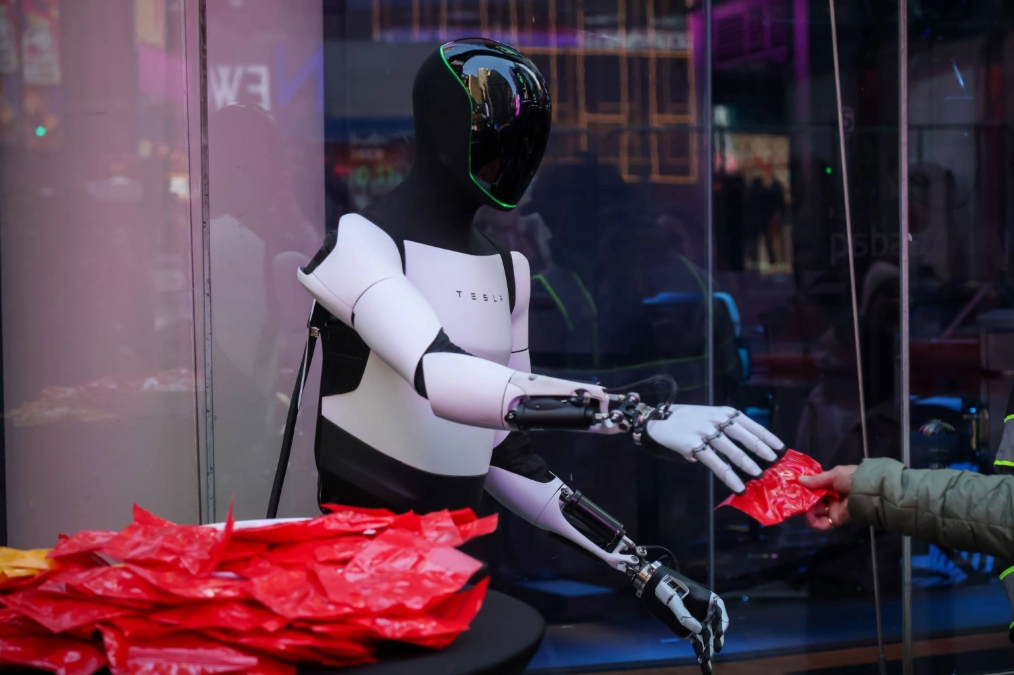
China's Robots Learning Human Skills Through Real-World Simulations
In a discreet industrial park in suburban Beijing, a humanoid robot is meticulously stacking bags of chips on a shelf. Nearby, workers are filming their actions of folding sheets and handling cushions, which will serve as 'textbooks' for the robots. China is undertaking a significant initiative to transition robots from laboratories to simulated environments like supermarkets, factories, and homes to learn human skills, and the scale of this 'internship' is rapidly expanding. This initiative is crucial as robots need to understand the physical world's rules, such as how to hold an egg without breaking it or catch a cup of water before it slips off a tray. Unlike the U.S., which relies on data purchasing and low-cost data collection in countries like India and Vietnam, China has established at least 64 data collection and training centers nationwide, with over 20 more under construction. At the Beijing Humanoid Robot Innovation Center, more than 120 robots are being trained across 30 scenarios in six major sectors, forming a comprehensive 'robot training network' across the country. As hardware advancements continue, Chinese robotics companies are focusing on enhancing their AI capabilities. Yushu Technology is preparing for an IPO, pledging nearly half of its $610 million fundraising to AI model development. By mid-2026, funding in China's embodied intelligence sector has already exceeded 90 billion yuan, five times that of the previous year. With plans to deploy over 1,000 humanoid robots in factories this year and more than 10,000 by 2027, China is leveraging its organizational capabilities to collect data at scale, positioning itself advantageously in the race towards general intelligence.
Humanoid Robots AI Robotics Training Data Collection Automation
How Physical AI Is Closing the Gap Between Simulation and the Shop Floor
A new generation of systems is emerging that not only simulates the physical world but also engages in real-time reasoning and actions. This advancement is driven by a sophisticated spatial computing stack that integrates foundation models, AI-generated software, and high-fidelity 3D sensing technologies. These systems aim to enhance interactions with the environment, providing more intuitive and responsive experiences. The development is part of a broader trend in technology aimed at creating smarter, more adaptive solutions across various industries, including gaming, robotics, and virtual reality. As these innovations continue to evolve, they promise to transform how users interact with digital and physical spaces, paving the way for more immersive and effective applications.

NVIDIA Research Advances Robotics From Simulation to the Real World
At the International Conference on Robotics and Automation (ICRA), NVIDIA Research showcased advancements in robotics that signal a significant shift towards achieving reliable embodied autonomy in real-world applications. This transition marks a departure from traditional controlled demonstrations and scripted automation, emphasizing the need for robots to operate effectively in unpredictable environments. The event, held recently, highlighted eight innovative projects that illustrate how robotics can adapt and function autonomously outside of laboratory settings. This evolution is driven by the increasing demand for robots to perform complex tasks in diverse scenarios, enhancing their utility across various industries. By leveraging cutting-edge technology and research, NVIDIA aims to pave the way for a future where robots can seamlessly integrate into everyday life, improving efficiency and productivity.
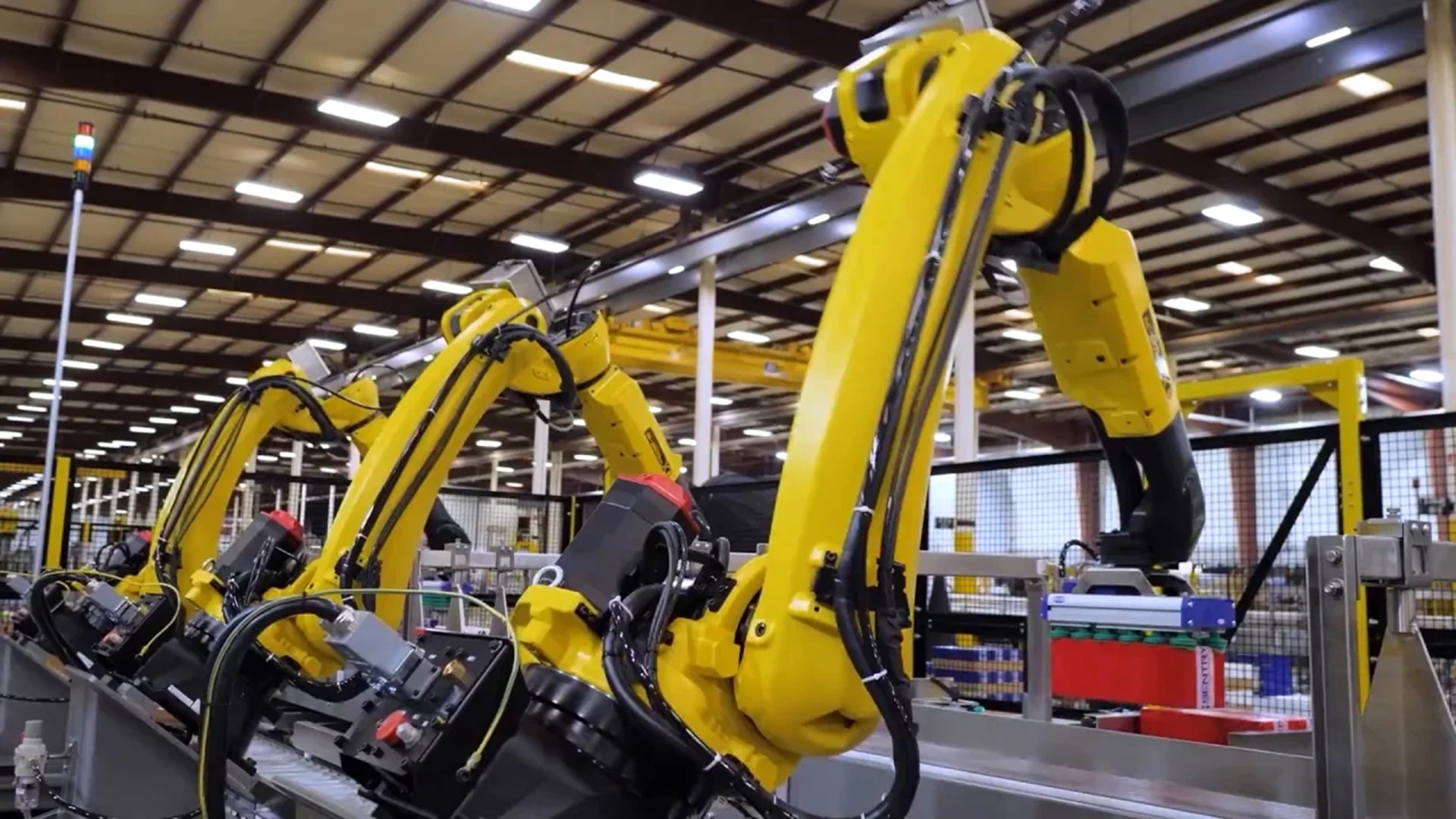
FANUC and NVIDIA build robots that act identically in simulation and reality
Japanese robotics company FANUC has announced an expansion of its partnership with NVIDIA to develop advanced factory robots. This collaboration aims to integrate NVIDIA's artificial intelligence technology into FANUC's robotics systems, enhancing automation capabilities in manufacturing. The announcement was made on October 10, 2023, during a technology conference in Tokyo. The partnership is driven by the increasing demand for smarter and more efficient manufacturing solutions, as industries seek to improve productivity and reduce operational costs. By leveraging NVIDIA's expertise in AI and machine learning, FANUC intends to create robots that can adapt to various tasks and environments, ultimately transforming the landscape of factory automation. The integration process will involve combining FANUC's robotics hardware with NVIDIA's AI software, enabling real-time data processing and decision-making. This innovative approach is expected to lead to significant advancements in the efficiency and versatility of factory robots, positioning both companies at the forefront of the rapidly evolving automation market.
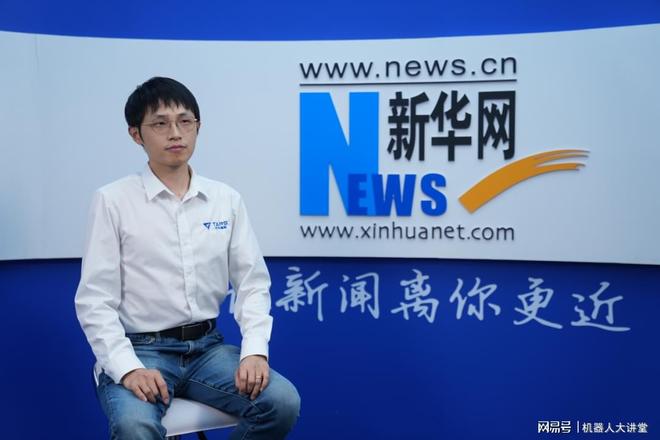
Interview with Ding Wenchao of Itstone: No VLA, No Simulation, No Remote Control - Itstone's Embodied Brain Has No Plan B
Itstone made headlines at AWE 2026 with the unveiling of its A1 robot, which set a Guinness World Record for sub-millimeter flexible wiring assembly. The company, recognized for tackling complex challenges in robotics, showcased its latest innovation, AWE 3.0, an advanced embodied AI model designed to perform effectively in real-world industrial environments. Unlike previous models, AWE 3.0 operates independently without the need for remote operation data, marking a significant advancement in autonomous robotics. This debut not only highlights Itstone's commitment to pushing the boundaries of technology but also positions the A1 robot as a leading solution in the field of industrial automation.
Embodied Intelligence Industrial Automation Robotics AI Technology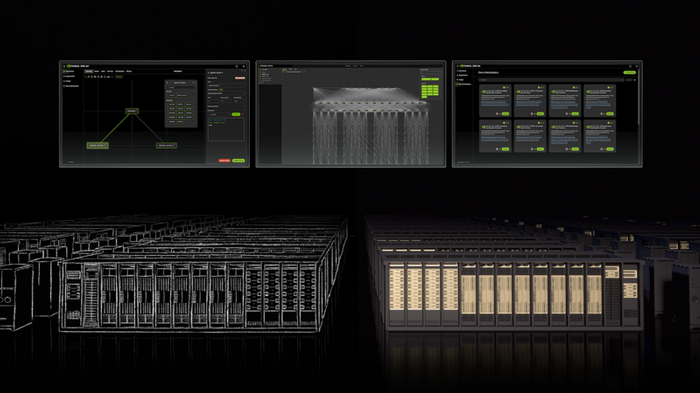
NVIDIA DSX Air Boosts Time to Token With Accelerated Simulation for AI Factories
At the GTC 2026 conference in San Jose, NVIDIA founder and CEO Jensen Huang showcased the rapid advancements in artificial intelligence technology, particularly the establishment of AI factories that significantly reduce deployment time from months to mere days. This innovation is seen as a catalyst for the next industrial revolution, highlighting the growing importance of AI in manufacturing and production processes. The event underscored the potential of AI to transform industries by streamlining operations and enhancing efficiency, paving the way for a new era of technological development.

Waymo Leverages Genie 3 to Launch "Waymo World Model" for Hyper-Realistic Simulation
Waymo has introduced its latest innovation, the World Model, which utilizes Google DeepMind’s advanced Genie 3 technology. This new model is designed to simulate rare and complex driving scenarios, often referred to as "long-tail" cases, marking a significant advancement in the development of generative world models within the field of physical AI. The announcement highlights Waymo's commitment to enhancing the safety and reliability of autonomous driving systems by addressing edge cases that traditional models may overlook. This development comes as the company seeks to maintain its competitive edge in the rapidly evolving landscape of artificial intelligence and self-driving technology.
DeepMind World-Models Google Waymo google-deepmind
Why Electric Vehicle NVH Testing Demands a Different Approach than ICE Validation
In a recent development within the automotive industry, transmission engineers have encountered unexpected challenges when testing new electric vehicle (EV) drivetrains on test benches originally designed for internal combustion engine (ICE) components. During these tests, while the data appears to be accurate, engineers have noted an unusual high-pitched whine at 3,200 rpm, indicating a harmonic issue not accounted for in initial simulations. This phenomenon raises concerns about the compatibility of existing testing equipment with the unique characteristics of EV drivetrains. The findings highlight the need for updated testing protocols and equipment that can adequately address the distinct sound signatures and performance metrics of electric vehicles. As the industry shifts towards electrification, understanding and resolving these discrepancies will be crucial for ensuring the reliability and efficiency of EV technology.
Engineering Technology automation news automotive automation automotive engineering automotive R&D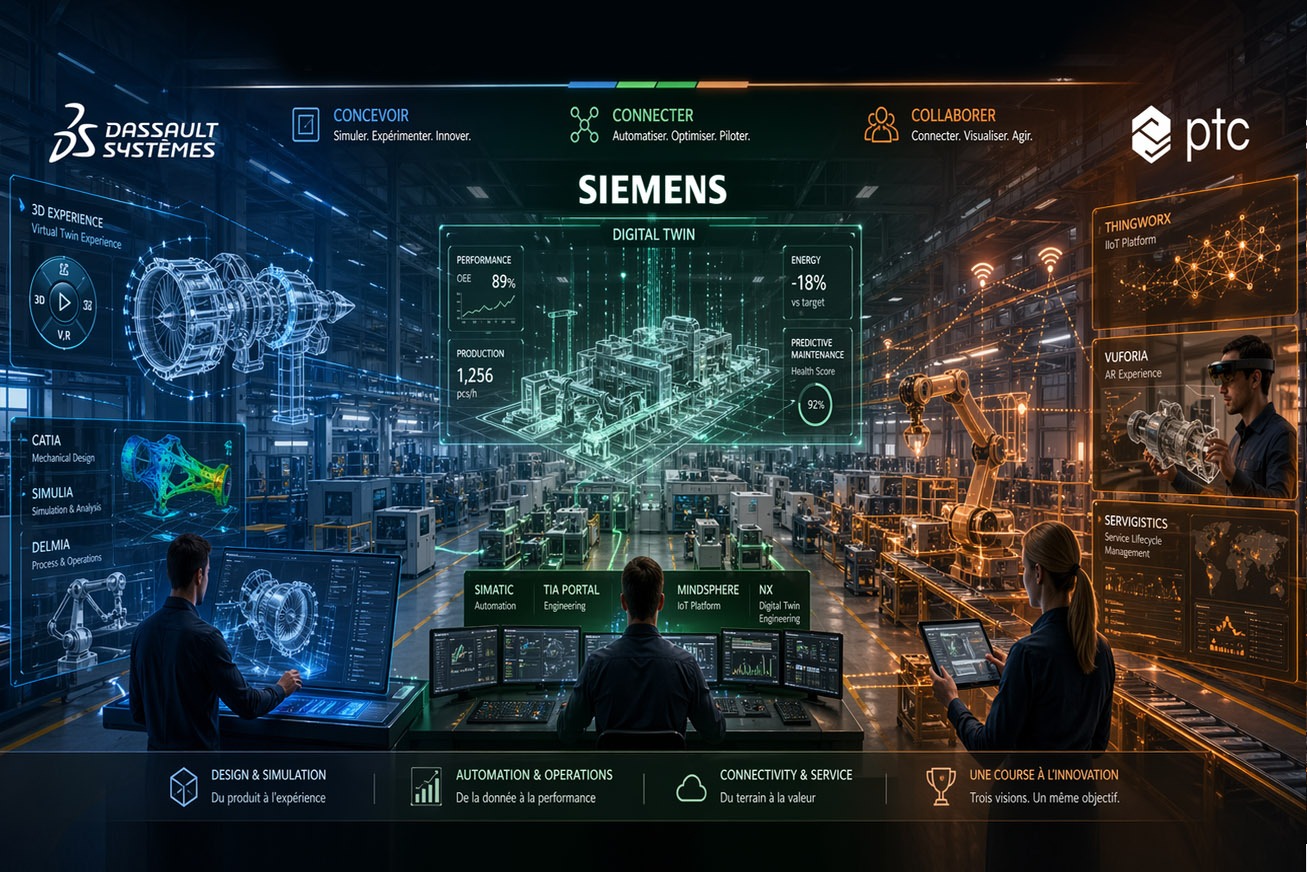
Dassault Systèmes vs Siemens vs PTC : qui gagne la bataille du digital twin ?
The digital twin technology is emerging as a cornerstone of the future industry, aiming to create accurate virtual representations of products, processes, or entire systems. This innovation enables real-time simulation, optimization, and prediction of behaviors. In this competitive landscape, three major players—Dassault Systèmes, Siemens, and PTC—are leading the charge in the battle for dominance in the digital twin market. The ongoing rivalry among these companies highlights the strategic importance of digital twins in enhancing operational efficiency and driving technological advancement. The article originally appeared in Robot Magazine, exploring the competitive dynamics shaping this transformative field.
À la une Actualités IA Industriel Robotique automatisation industrielle.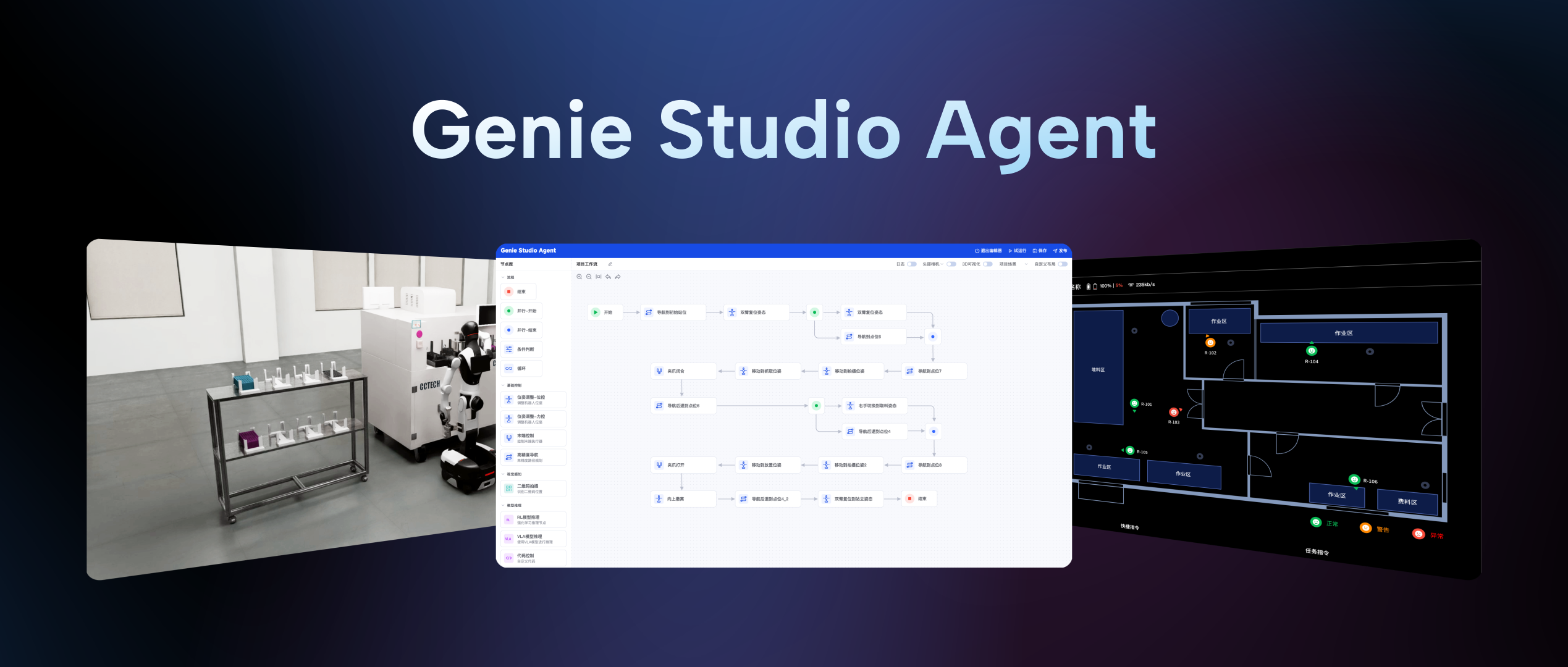
AGIBOT Launches Genie Studio Agent to Enable Scalable Robot Deployment
AGIBOT has introduced Genie Studio Agent, a zero-code platform aimed at simplifying and scaling the deployment of robots. Launched recently, this innovative tool enables users without programming skills to design intricate workflows using a user-friendly visual interface. The platform addresses the complexities associated with deploying robots in real-world scenarios by offering a robust software infrastructure that encompasses simulation features, reinforcement learning for ongoing optimization, and proactive management tools. This initiative is part of AGIBOT's commitment to making robotic technology more accessible and efficient for a broader range of users.
robotics AI automation software development technology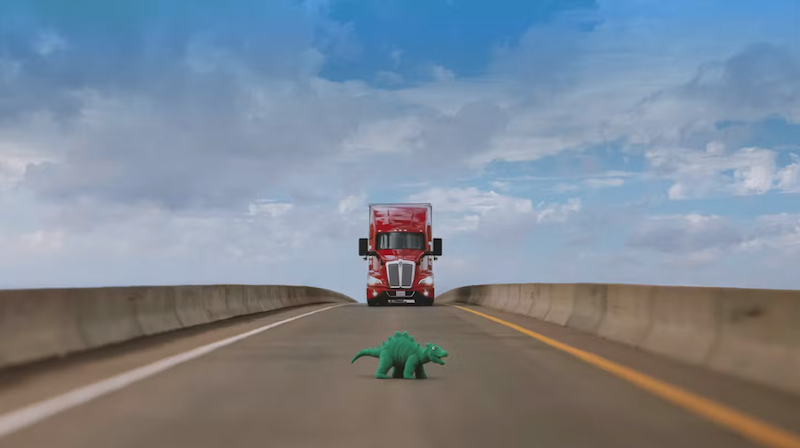
How Kodiak uses AI and probabilistic risk assessment to measure autonomous trucking safety
Recent advancements in artificial intelligence are significantly accelerating the development of autonomous driving technology, allowing engineers to innovate at an unprecedented pace. However, the critical challenge remains ensuring that these advancements are paired with robust safety measures. Industry experts emphasize that achieving depth and rigor in safety protocols does not necessarily depend on having the largest budgets or the most extensive vehicle fleets. Instead, the focus is shifting towards extracting precise insights from data to enhance safety standards. As the industry moves forward, the integration of rigorous safety assessments with cutting-edge technology will be essential for the successful deployment of autonomous vehicles on public roads.
Autonomous Vehicles Computing Features Software ai safety automation news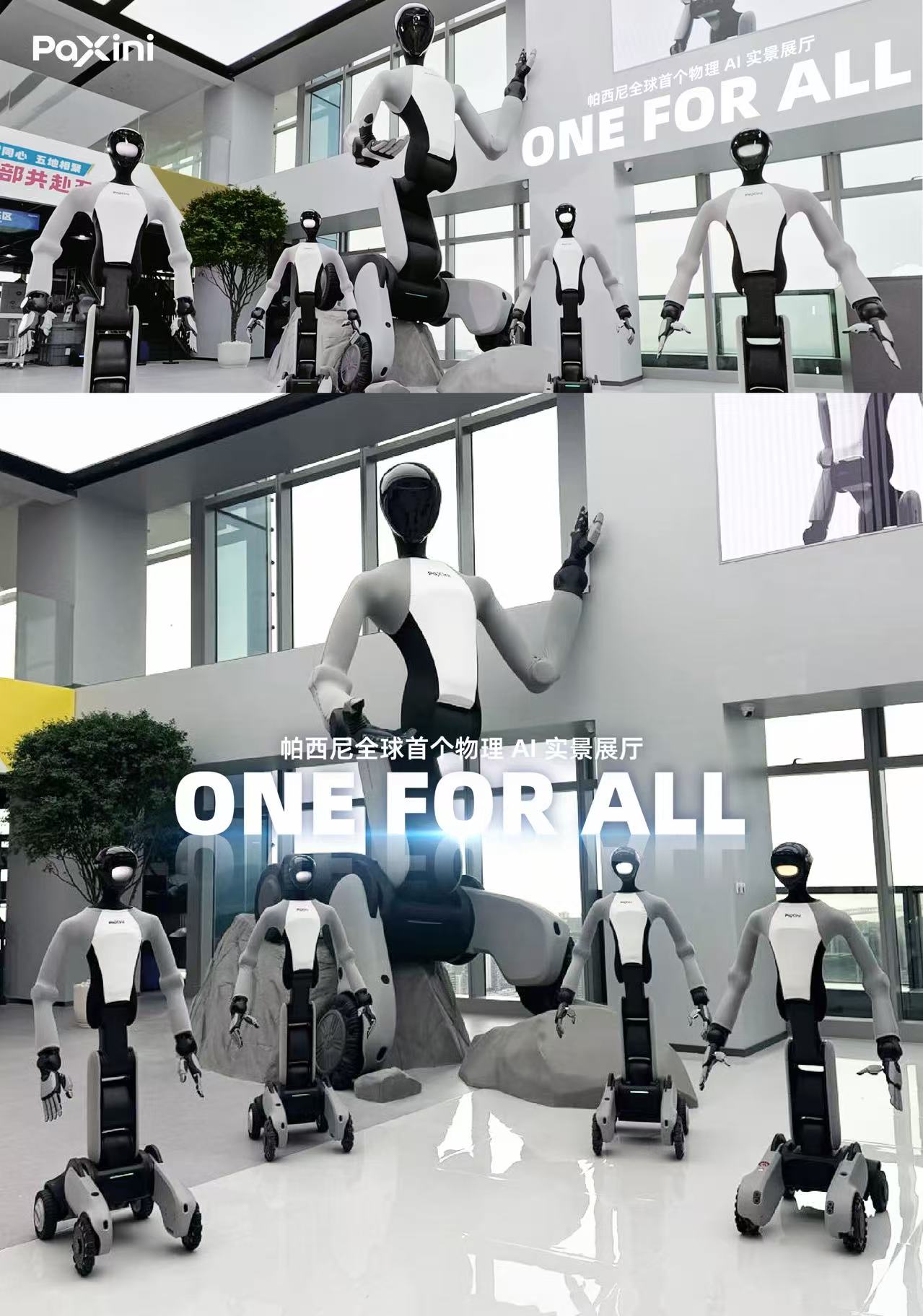
PaXini Unveils Its First Physical AI Experience Hall 'ONE FOR ALL' Globally
On July 15, PaXini launched its first physical AI experience hall, 'ONE FOR ALL', marking a significant milestone in robotics. This venue showcases the evolution of tactile sensing technology and features a nearly 3,000 square meter space dedicated to immersive human-robot interaction. The hall serves as a flagship platform for PaXini's full-stack embodied perception ecosystem, allowing visitors to engage with advanced technologies like the Feelix high-fidelity physical contact simulation platform and the TORA series humanoid robots. This initiative represents a transformative leap in the robotics industry, emphasizing the importance of tactile feedback in enhancing robotic capabilities. Looking ahead, the 'ONE FOR ALL' hall is positioned as a pioneering space for exploring the boundaries of embodied intelligence. As the physical AI landscape evolves, this venue will play a crucial role in demonstrating the practical applications of embodied perception and human-robot collaboration. No further timeline was disclosed at the time of publication.
Physical AI Tactile Sensing Technology Human-Robot Interaction Embodied Intelligence
KUKA Introduces LBR iisy on iiQKA.OS2 for Scalable Automation Solutions
KUKA has launched the LBR iisy, a collaborative robot designed for diverse applications in both industrial and hybrid environments. This robot combines industrial strength with user-friendly features, including integrated sensors and smooth hand-guiding, enhancing operational efficiency. The significance of the LBR iisy lies in its ability to adapt to evolving production needs, offering flexibility through its integration with iiQKA.OS2. This platform allows users to access simulation and virtual commissioning via iiQWorks.Sim, leveraging KUKA's established technology packages. Looking ahead, the LBR iisy is positioned to meet the demands of various collaborative workspaces and industrial settings. No further timeline was disclosed at the time of publication.
Robotics needs a service framework.
RSF defines a common language for robot service capability, lifecycle operations, certification pathways, and service-provider networks.