Industry Briefing
A single destination for timely, editor-curated robotics news from around the world.

MassRobotics announces the winners of 2026 Robotics Medal and Rising Star awards
Allison Okamura and Ayoung Kim have been recognized with prestigious awards from MassRobotics, receiving the 2026 Robotics Medal and the Rising Star Medal, respectively. These accolades celebrate the achievements of women in the field of robotics, highlighting their significant contributions and inspiring future generations. The announcement was made recently, underscoring the growing recognition of female innovators in a traditionally male-dominated industry. The awards aim to promote diversity and encourage more women to pursue careers in robotics, reflecting a broader commitment to inclusivity within the technology sector.
Academia / Research Artificial Intelligence Artificial Intelligence / Cognition Design / Development Events Healthcare Robotics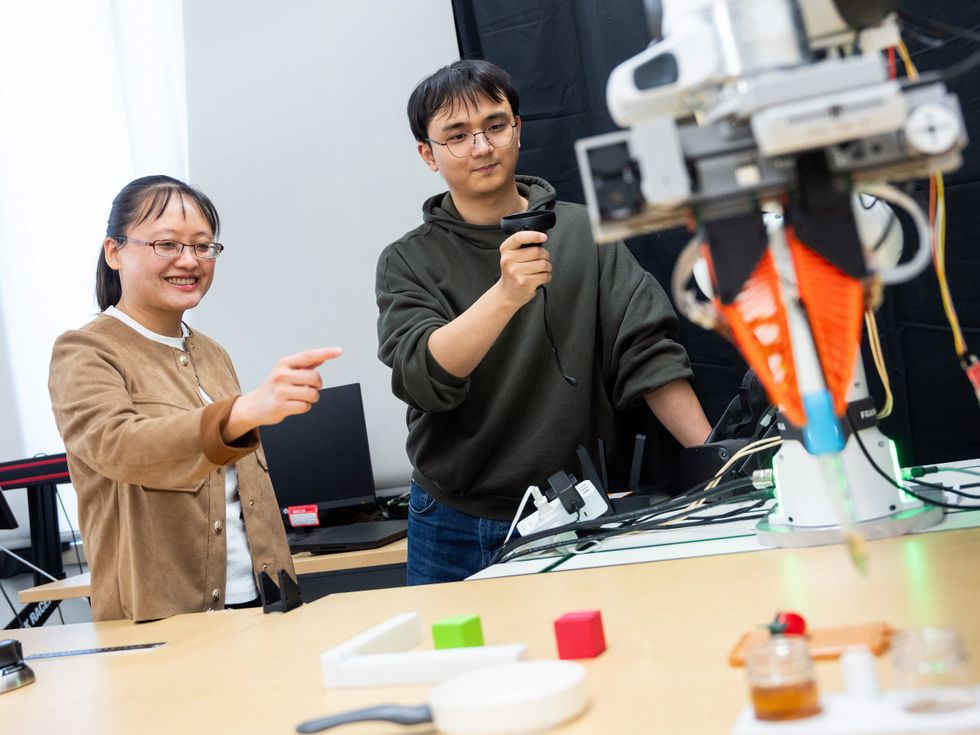
Award-Winning Researcher Trains Robots to Make Educated Guesses
Yen-Ling Kuo, an assistant professor of computer science at the University of Virginia, has been recognized for her significant contributions to robotics and automation. Last year, she received the IEEE Robotics and Automation Society’s inaugural Outstanding Women in Robotics and Automation Early Career Contribution Award for her paper, “Diff-DAgger: Uncertainty Estimation with Diffusion Policy for Robotic Manipulation.” This innovative research introduces a method that enhances robots' ability to identify and manage uncertainty during unfamiliar tasks, thereby reducing the need for human supervision and increasing task completion rates. Kuo’s journey began in Taiwan, where her fascination with science and technology was sparked by early exposure to programming and computer logic. After earning her degrees from National Taiwan University and MIT, she gained practical experience at Google, where she contributed to AI-driven shopping technologies. This experience motivated her to pursue a Ph.D. to deepen her understanding of neural networks. Her current research focuses on developing computational models that enable robots to interpret both explicit data and subtle social cues, aiming to replicate human-like reasoning in machines. Kuo's work has garnered attention from the National Science Foundation, which awarded her a five-year Career Award to support her research on human-robot interactions. As robotics and autonomous vehicles become more prevalent, Kuo envisions creating robots that can seamlessly integrate into social environments, enhancing human-robot collaboration.
Ieee-member-news Robots Artificial-intelligence Ieee-robotics-and-automation-soc Careers Type-ti
LG to build Korea's first humanoid 'data factory' to train robots
LG Electronics is transforming its research and development campus in the Yangjae district of southern Seoul into South Korea's first "data factory" dedicated to humanoid robots, according to industry sources. This initiative, announced on Friday, aims to utilize hundreds of CLOiD machines that will perform everyday tasks to generate essential real-world data. As the development of humanoid robots increasingly hinges on data rather than hardware, this facility seeks to address the growing challenge of acquiring the necessary information for effective robot training. By creating a controlled environment where robots can learn from repetitive tasks, LG Electronics is positioning itself at the forefront of the competitive humanoid robotics sector.
All News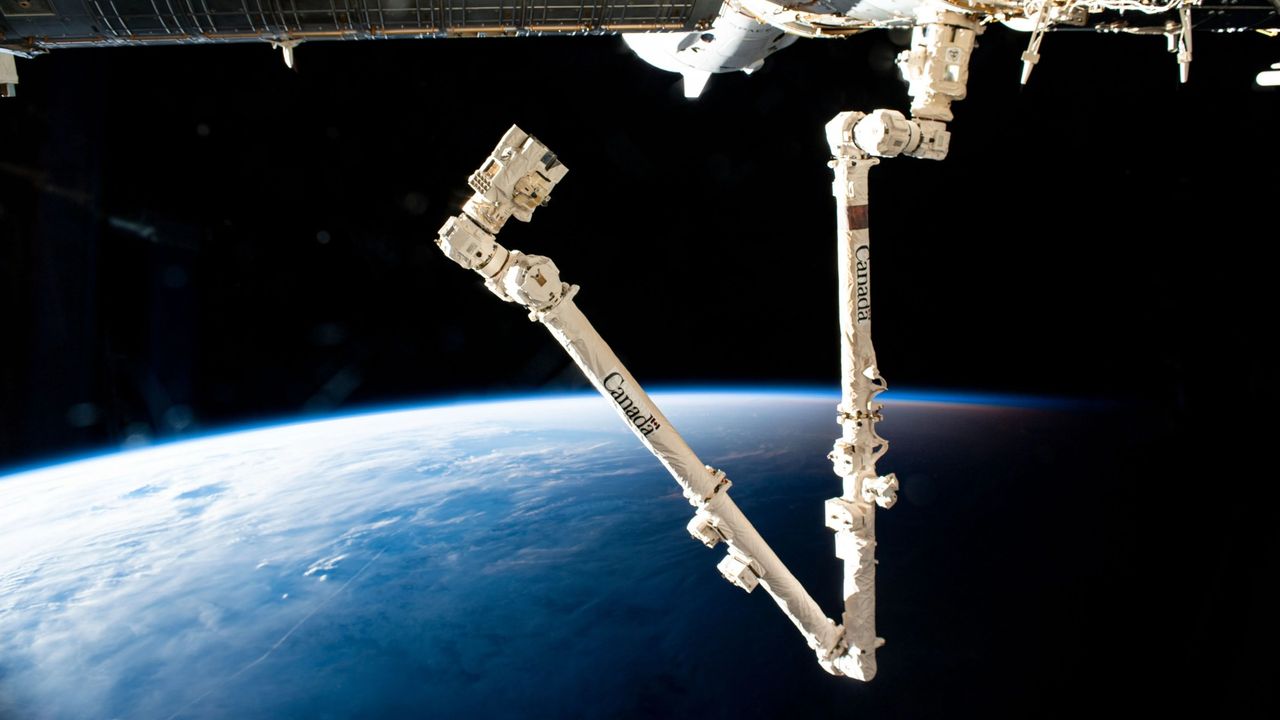
The critical robot arm on the ISS isn't working properly, but NASA has a plan to fix it
In May, a section of the Canadarm2 robotic arm on the International Space Station (ISS) sustained damage, prompting the need for repairs by astronauts. The repairs are scheduled to take place no earlier than June 30. Fortunately, a spare part is already available on the station, which will facilitate the repair process. The incident highlights the ongoing maintenance challenges faced by the ISS as it continues to support various scientific missions in low Earth orbit.
International Space Station Space Exploration Missions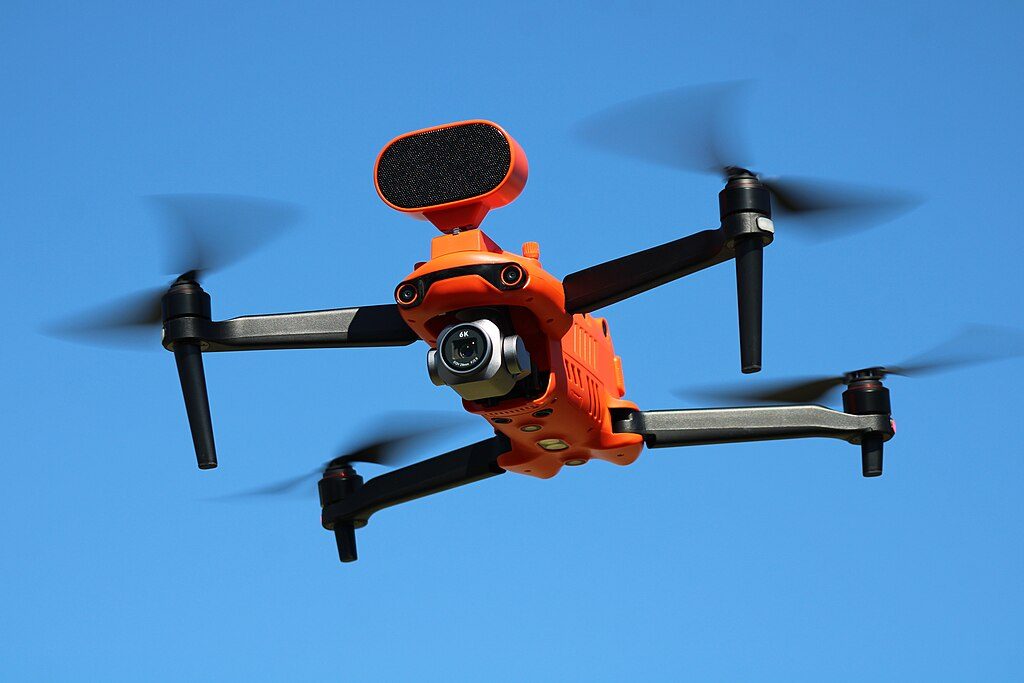
Proposed Patent Bill Could Have Major Implications for Drone Industry Intellectual Property
A newly introduced bill in Congress, the Prohibiting Adversarial Patents Act of 2026 (PAPA), aims to address concerns over certain foreign technology companies by making specific patents unenforceable while retaining ownership rights. Sponsored by Rep. Scott Fitzgerald (R-WI), the legislation seeks to expand U.S. scrutiny into the realm of intellectual property rights, particularly impacting the drone industry. The bill reflects growing apprehension regarding the influence of foreign entities on American innovation and aims to safeguard domestic technological advancements. If passed, PAPA could significantly alter the landscape of patent enforcement, particularly for companies operating within the drone sector.
Drone Manufacturing Drone News Drone News Feeds Drones in the News News US Government
Seattle Stadium “No-Drone Zone” During FIFA Matches
Federal officials have issued a warning to drone operators to refrain from flying their devices near Lumen Field, which will temporarily be referred to as Seattle Stadium, as it prepares to host six matches for the FIFA World Cup 2026 over the coming weeks. The advisory aims to ensure the safety and security of the event, emphasizing the importance of maintaining a clear airspace during this high-profile international tournament. Authorities are particularly concerned about recreational drone use, which could pose risks to both players and spectators. The no-drone zone is part of broader efforts to manage air traffic and protect the integrity of the matches.
Drone News Drone News Feeds News Public Safety safety and security World Cup
Harriet having it all
Harriet Latham Robinson, a distinguished molecular biologist and alumna of Boston University, has made significant contributions to her field while also nurturing personal relationships and pursuing adventurous experiences. Throughout her career, which spans several decades, Robinson has engaged in groundbreaking research that has influenced the understanding of molecular biology, earning her recognition both in the United States and internationally, including in Moscow. Her journey reflects a unique blend of professional dedication and a commitment to maintaining a rich personal life, showcasing how one can thrive in a demanding scientific career while also valuing family and friendships. Robinson's story serves as an inspiration to many in the scientific community, illustrating the balance between work and personal fulfillment.
Profile Alumni/ae Biology Cancer Vaccines History of science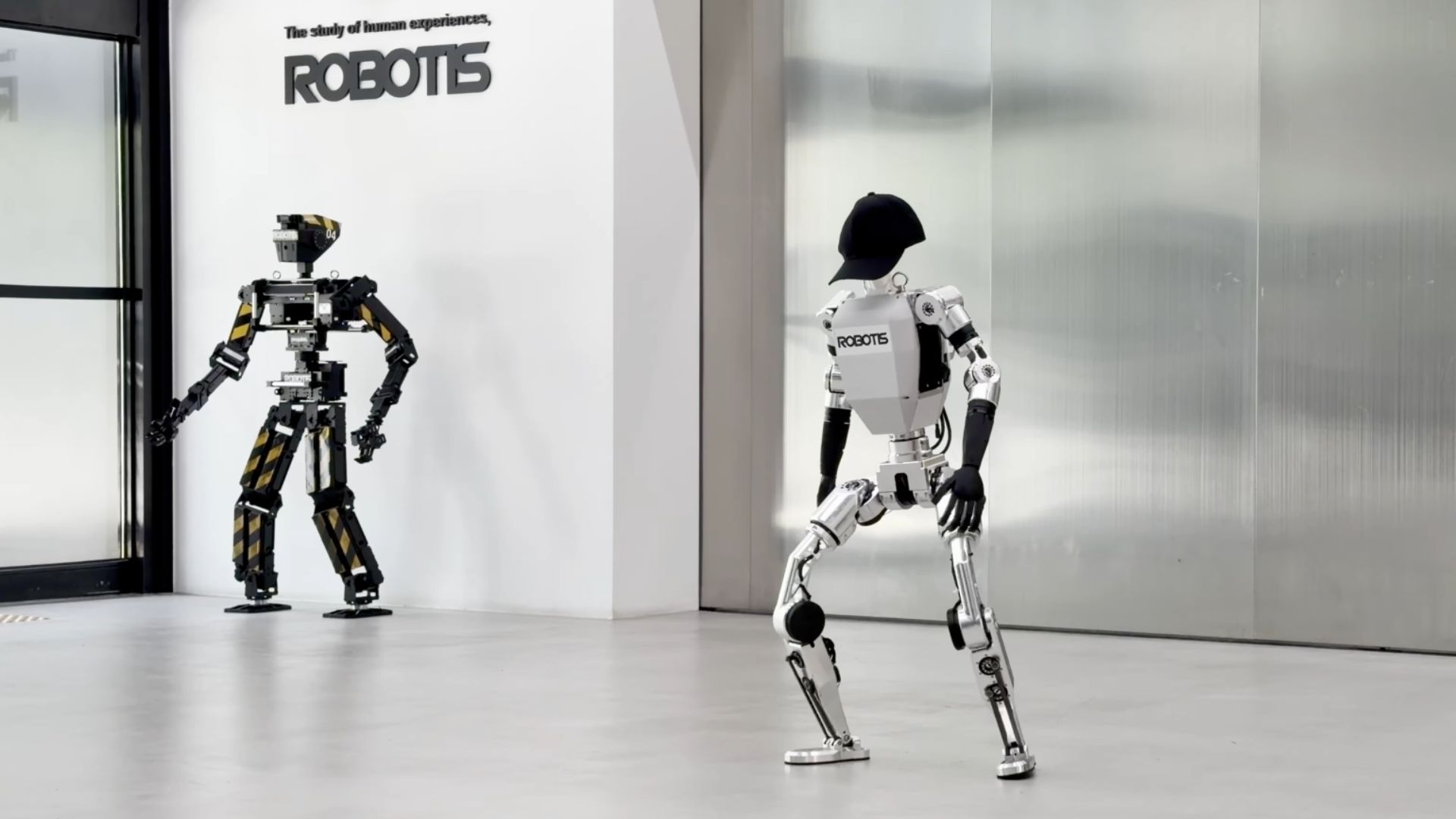
Watch: Korean humanoid robot performs viral K-POP dance, learns by watching videos
A South Korean company has made significant strides in humanoid robotics, recently unveiling a sophisticated humanoid capable of learning complex motions. This development comes amid China's prominent presence in the field of robotics, highlighting the competitive landscape of technological innovation. The demonstration took place at a technology expo in Seoul, where industry leaders gathered to witness advancements in artificial intelligence and robotics. The motivation behind this innovation is to enhance the capabilities of humanoid robots, making them more adaptable and efficient in various tasks. The company achieved this breakthrough by integrating advanced machine learning algorithms, allowing the robot to observe and replicate movements, thereby improving its functionality in real-world applications. This event marks a pivotal moment for South Korea in the global robotics arena, positioning the nation as a key player in the evolution of humanoid technology.
AI and Robotics
Israel’s Elbit Systems, Germany’s Diehl Defence team on SkyStriker pitch for Berlin
Elbit Systems has announced a significant partnership with Diehl to enhance Germany's defense capabilities through local manufacturing and assembly of advanced defense systems. This collaboration aims to bolster the development of sovereign defense capabilities and strengthen the German defense industry. The deal reflects a strategic move to ensure that Germany can independently produce critical defense technologies, thereby enhancing national security. The initiative is expected to create jobs and foster innovation within the local defense sector, marking a pivotal step in Germany's commitment to increasing its defense capabilities.
Air Warfare Air Force Business & Industry Diehl Drones Elbit
Harbinger Announces Unmanned Hybrid-Electric Military Vehicle Platform
Harbinger has introduced a new unmanned hybrid-electric military vehicle platform, marking a significant advancement in defense technology. This initiative is part of the company's newly established business unit, Harbinger Praesidia, which aims to collaborate with government clients and defense contractors. The launch is further bolstered by a strategic investment from In-Q-Tel (IQT), a nonprofit organization that invests in technologies to enhance U.S. national security and support allied governments. This partnership underscores the growing interest in innovative military solutions and the importance of private sector involvement in national defense efforts.
AI AI Funding & Investment AI Use Cases Robotics Defense Harbinger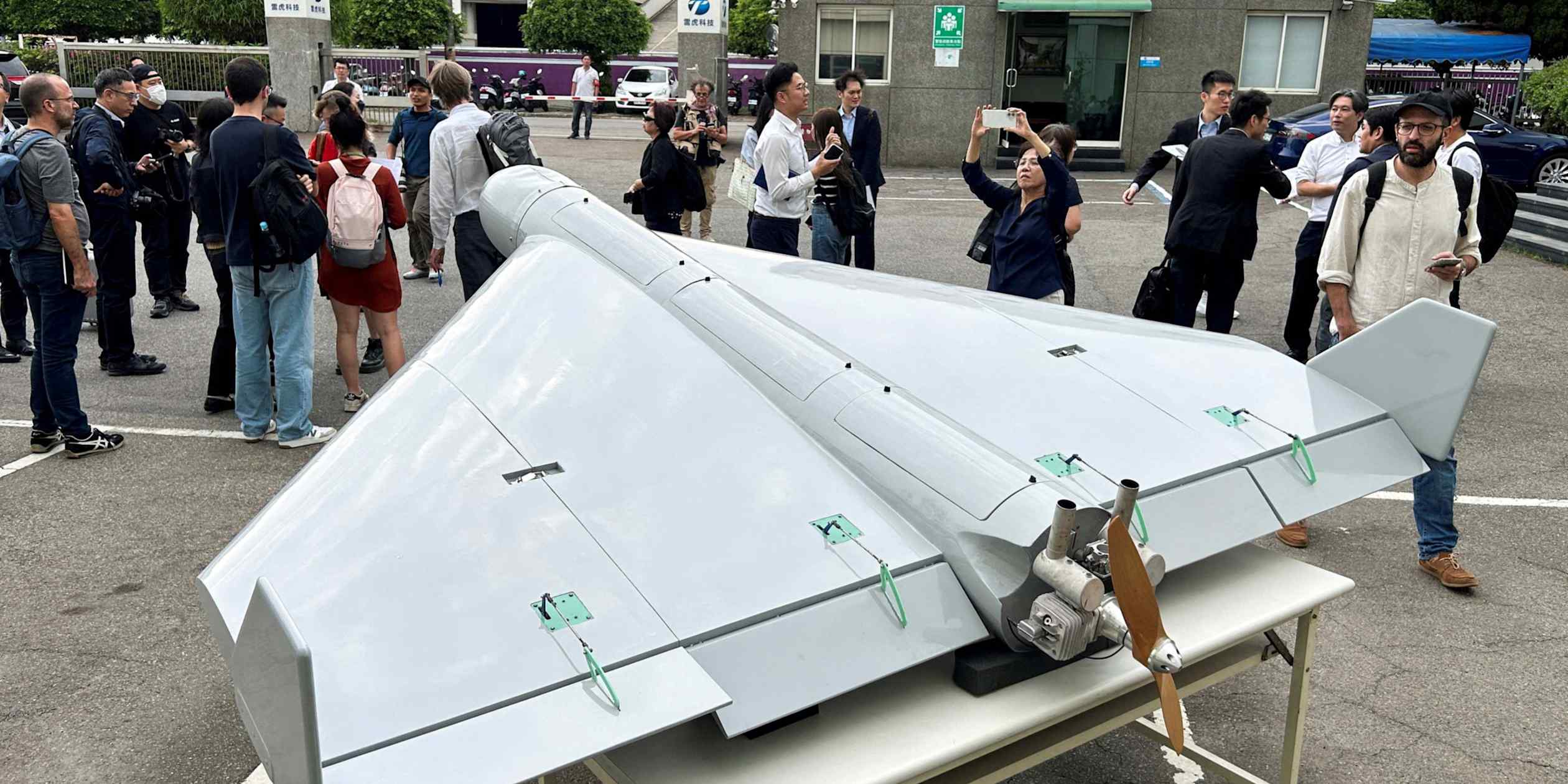
Drones hover at center of Taiwan's defense debate
In Taiwan, the ongoing debate over the role of drones in national defense has intensified, highlighting significant divisions between the ruling Democratic Progressive Party (DPP) and the opposition Kuomintang (KMT). This discord threatens to impede the development of the country's drone industry, which is critical for enhancing military capabilities amid rising tensions with China. The discussion gained momentum during a media tour on April 21, 2026, in Taichung, where the Thunder Tiger Group showcased its Papa Delta drone. As Taiwan grapples with budget cuts affecting defense spending, concerns about the future of its drone program have emerged, prompting scrutiny of the KMT's stance on defense cuts. The political landscape remains fraught, with the KMT's leadership planning a trip to the United States, further complicating the dialogue surrounding Taiwan's defense strategy. The situation underscores the urgency for Taiwan to bolster its military technology in response to external pressures, particularly from China, while navigating internal political challenges.

Samsung office raided over alleged insider trading tied to takeover of robotics firm
Prosecutors conducted a search-and-seizure operation at Samsung Electronics Co.'s headquarters in Suwon, south of Seoul, on Thursday. This action stems from allegations that employees of a local robotics company profited unfairly by using insider information during its acquisition by the tech giant. The Seoul Southern District Prosecutors Office is leading the investigation, which has already seen financial authorities refer 16 individuals for scrutiny, including the head of the robotics firm. The inquiry aims to uncover potential misconduct related to the acquisition process and ensure accountability within the involved parties.
All News
SASC’s $1.14T defense policy bill creates combatant command for drones
Members of the Senate Armed Services Committee (SASC) approved a significant piece of legislation on Wednesday, advancing the bill with an 18-9 vote. This decision reflects the committee's ongoing efforts to address critical defense issues and enhance military readiness. The approval comes amid increasing concerns about national security and the need for updated military policies. The committee's action is a crucial step in the legislative process, paving the way for further discussions and potential amendments before the bill is presented to the full Senate for consideration.
Air Warfare Congress Land Warfare Naval Warfare Pentagon 2027 NDAA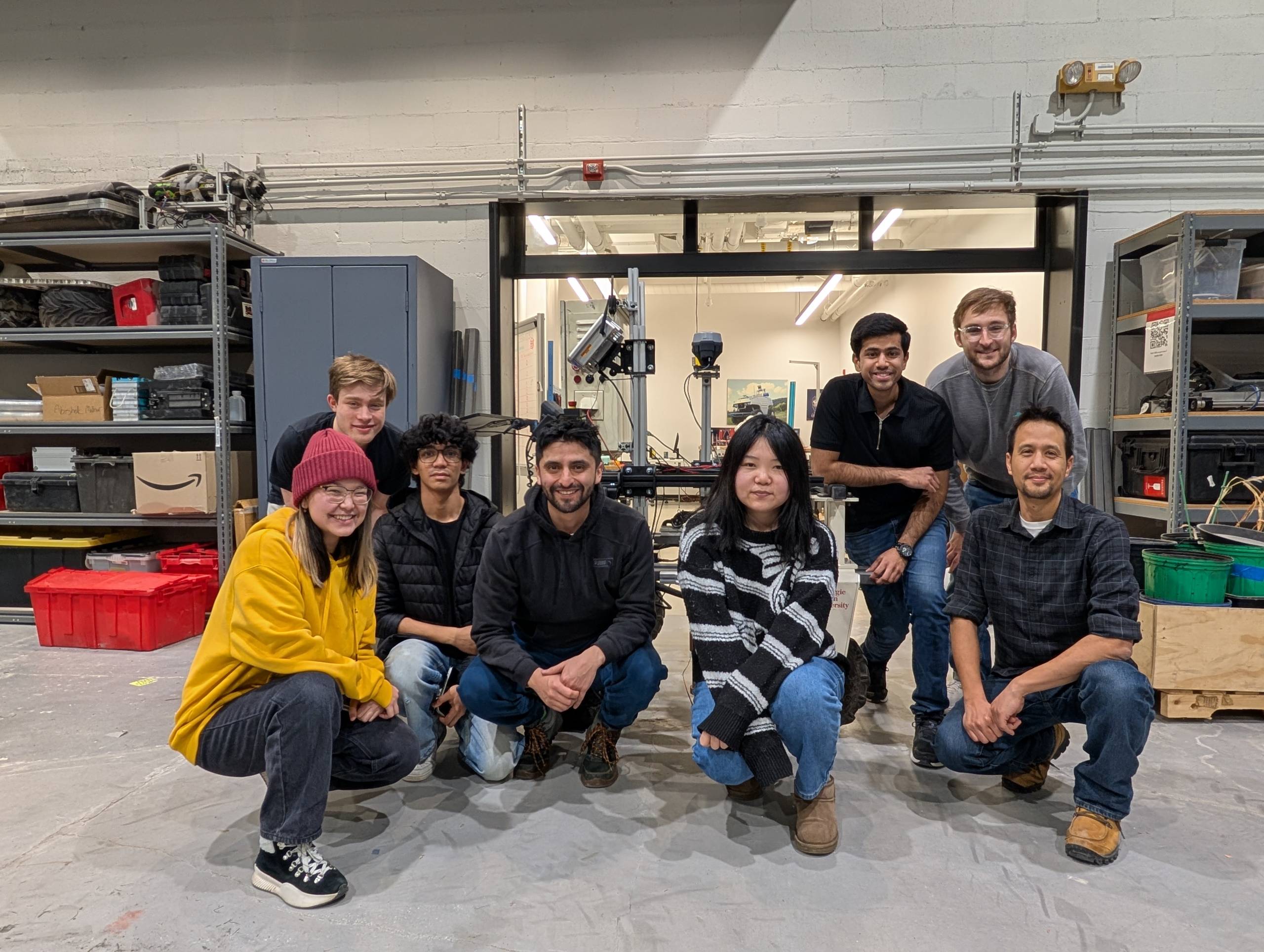
Carnegie Mellon Team Helps Farmers Fight Crop Disease With Robots
A team of students from Carnegie Mellon University's Robotics Institute has developed an innovative robotic solution to combat fire blight, a destructive disease that threatens orchards by killing branches and entire trees, leading to significant economic losses for farmers. This project, known as the Fire Blighters, aims to assist growers in detecting the disease earlier and minimizing its spread. The team's efforts have recently garnered national recognition, highlighting the potential of robotics in agricultural disease management.
Announcements Awards
MBDA showcases hybrid high-energy laser, interceptor counter-drone system
The European missile manufacturer has announced plans for a new hybrid defense platform aimed at countering the increasing threat posed by small, fast, and low-cost unmanned aerial vehicles (UAVs). This innovative system is expected to be operational in Germany by the end of the decade. The initiative reflects a strategic response to evolving aerial threats, highlighting the need for advanced defense solutions in modern warfare. The development of this platform underscores the commitment to enhancing national security and adapting to the changing landscape of military challenges in Europe.
Air Warfare Global Air Force Drones Europe ILA Berlin 2026
DNV joins DCSA+ Container Shipping Data Exchange
The Defense Counterintelligence and Security Agency (DCSA) has announced a new collaboration aimed at enhancing interoperability and facilitating seamless data exchange among various stakeholders in the defense sector. This initiative focuses on the development and implementation of shared industry standards, which are expected to streamline communication and improve operational efficiency. The partnership underscores the importance of standardized practices in ensuring that different entities can effectively share and utilize data, ultimately strengthening national security efforts. The collaboration is set to take place in the coming months, with stakeholders from across the industry participating in the process to establish these crucial standards.
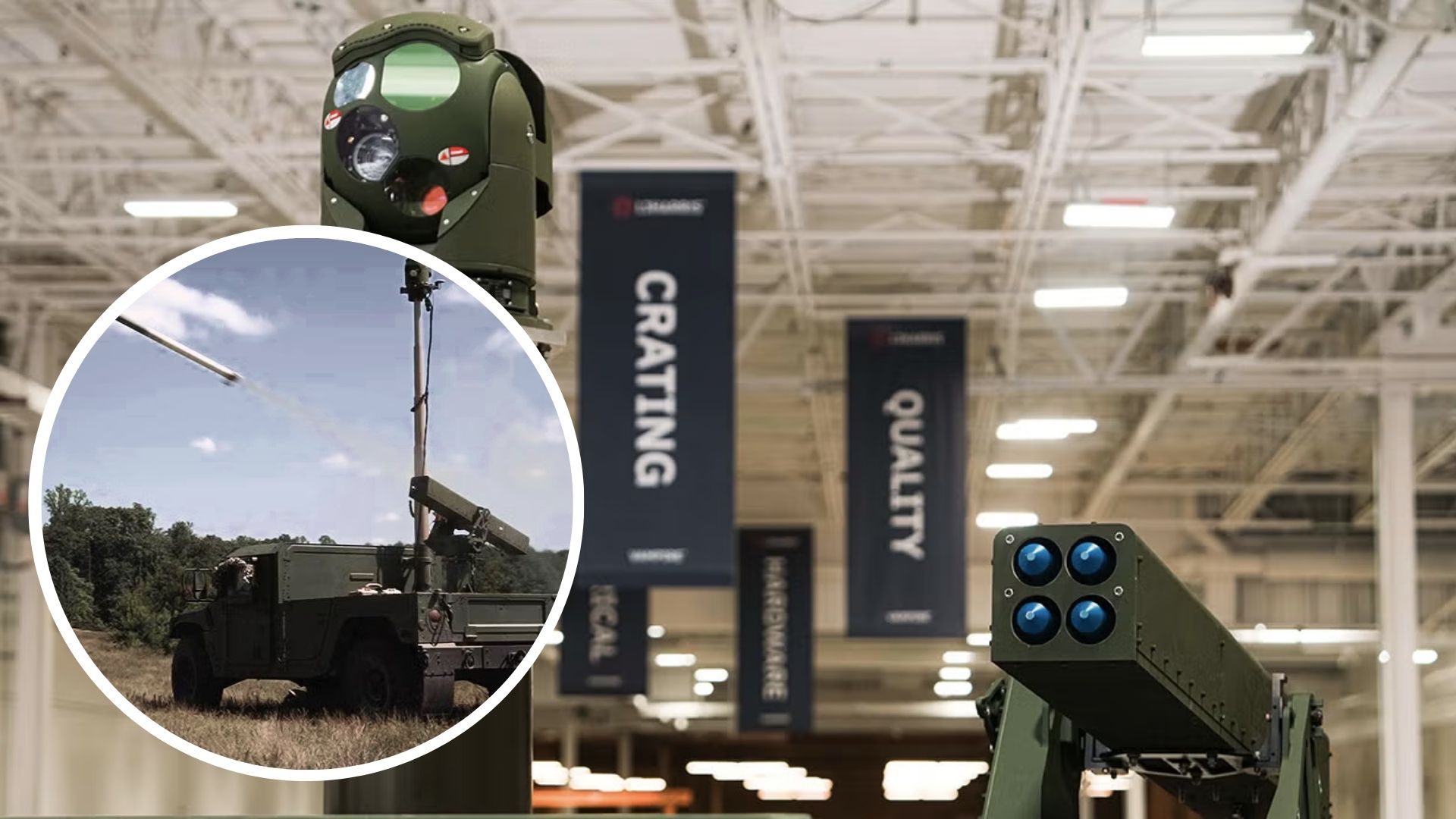
US Army to deploy VAMPIRE drone hunter with proven 350,000 hours of battlefield use
A new counter-drone system is being developed to bolster the defense capabilities of the United States against increasing drone threats. This initiative comes in response to the growing concerns over the use of unmanned aerial vehicles by adversaries, which have been employed in various conflicts and security breaches. The system is expected to be deployed in military bases and critical infrastructure locations across the country, enhancing the protection of both personnel and assets. The U.S. Department of Defense is spearheading this project, collaborating with leading technology firms to integrate advanced detection and neutralization technologies. The system aims to identify and intercept hostile drones before they can cause harm. Testing of the new technology is scheduled to begin in early 2024, with full operational capability anticipated by the end of the year. This proactive measure reflects the U.S. military's commitment to adapting to modern warfare challenges and ensuring national security. As drone technology continues to evolve, the implementation of this counter-drone system is seen as a crucial step in maintaining strategic advantages and safeguarding against potential threats.
Military
Can Pepper the robot be a good playmate?
Researchers at the Norwegian University of Science and Technology (NTNU) recently conducted a controlled laboratory experiment to explore the dynamics of playing physical games with a humanoid robot named Pepper. The study aimed to understand how interactions with a robot that mimics human behavior and appearance influence gameplay experiences. By engaging participants in various physical games against Pepper, the researchers sought to assess both the emotional and cognitive responses elicited by the robot's presence. This investigation is part of a broader effort to enhance human-robot interaction, particularly in social and recreational contexts. The findings could have implications for the development of more effective robots in various fields, including education and therapy, by fostering a better understanding of how humans relate to robotic counterparts.
Consumer & Gadgets
More than 2,000 students to compete in world’s largest rocket engineering competition
ProtoSpace Mfg, a leader in rapid manufacturing for sectors including aerospace and defense, has confirmed its role as the lead sponsor for the upcoming International Rocket Engineering Competition (IREC) 2026. This prestigious event is scheduled to take place from June 15 to June 20 at the Midland International Air & Space Port in Midland, Texas. Organized by the Experimental Sounding Rocket Association (ESRA), IREC is recognized globally as a premier platform for engineering innovation and competition among aspiring rocket engineers. ProtoSpace Mfg's sponsorship underscores its commitment to advancing aerospace technology and supporting educational initiatives in the field.
Engineering News Space aerospace careers aerospace engineering aerospace industry
vivo Robotics Team Wins ICRA 2026 AGIBOT World Challenge Reasoning to Action Track
At the ICRA 2026 conference, vivo showcased its advanced robotics capabilities by achieving top performance in two global challenges. This event, held in a prominent international venue, highlighted the company's commitment to innovation and the practical application of its technologies in real-world scenarios. By excelling in these competitions, vivo aims to demonstrate the robustness and versatility of its robotics solutions, reinforcing its position as a leader in the industry. The successful outcomes of these challenges serve to validate the effectiveness of vivo's research and development efforts, further motivating the company to push the boundaries of robotics technology.

Dassault Aviation: European Fighter Jet Fails, But The Fighter Dream Lives On
Dassault Aviation remains a strong investment option despite the recent collapse of the Future Combat Air System (FCAS) sixth-generation fighter jet program, attributed to industrial tensions between France and Germany. Analyst Dhierin Bechai projects a potential upside of 16% to a target price of $401.34, with a more optimistic scenario suggesting a 26% increase, fueled by an anticipated 15% annual sales growth and improving EBITDA margins through 2028. The company's solid net cash position and variable free cash flow provide it with the flexibility to pursue operational strategies, including modest stock buybacks and potential dividend increases, even amid fluctuating contract timelines. As European defense firms face increasing pressure to enhance their capabilities in response to Russian threats and a perceived U.S. withdrawal, the cancellation of the FCAS program underscores the urgent need for innovation and strategic partnerships. Dassault's existing fighter jet initiatives, including the Rafale and nEUROn programs, position the company favorably for future national projects or selective collaborations. The analysis emphasizes the importance of navigating the evolving defense landscape, suggesting that investors may benefit from insights provided by specialized forums like The Aerospace Forum, which focuses on investment opportunities in the aerospace and defense sectors.
DUAVF SAFRF ISMAY EADSF EADSY ISMAF
StoreClaw Aims to Unify AI-Powered Cross-Border E-Commerce Operations Across Amazon, Shopify, and TikTok Shop
StoreClaw, an emerging AI startup, has recently garnered significant attention by achieving the top ranking on Product Hunt. The company is focused on revolutionizing the cross-border e-commerce landscape by offering a comprehensive multi-channel AI platform designed to replace the currently fragmented tools available to businesses. This innovative solution aims to streamline operations for e-commerce companies looking to expand their reach internationally. By leveraging advanced artificial intelligence technology, StoreClaw seeks to enhance efficiency and simplify the complexities associated with global online sales. The startup's launch comes at a time when the demand for integrated e-commerce solutions is on the rise, as businesses increasingly look for ways to optimize their operations in a competitive market.
Technology
ROKAE Robotics Takes Two Capek Awards at China International Robotics Summit
ROKAE Robotics made a significant impact at the 16th China International Robotics Summit and the 12th Capek Award Ceremony held in Wuhu, where the company was recognized with two prestigious awards. The event, which celebrates advancements in robotics, saw ROKAE honored with the Annual Outstanding Brand Award and the Annual Technology Innovation Product Award for its advancements in humanoid robots. This recognition underscores ROKAE's commitment to innovation and excellence in the robotics industry, highlighting its role in shaping the future of technology.

LIO‐RRTNav for Cattle Yard Inspection Robots: Prior Map Aided Relocalization and Goal‐Oriented, Smooth RRT Path Planning
A recent study published in the Journal of Field Robotics highlights advancements in autonomous robotic systems designed for agricultural applications. Researchers from a leading university conducted the study to address the growing need for efficient farming solutions amid increasing global food demands. The research, which took place over the past year, focused on developing robots capable of performing tasks such as planting, weeding, and harvesting with minimal human intervention. The team utilized cutting-edge technologies, including machine learning and computer vision, to enhance the robots' ability to navigate complex agricultural environments. By integrating these technologies, the robots can adapt to varying crop conditions and optimize their performance. The findings indicate that these autonomous systems could significantly reduce labor costs and improve productivity in the agricultural sector. The study's implications are particularly relevant as farmers face challenges related to labor shortages and the need for sustainable practices. By demonstrating the effectiveness of robotic solutions, the researchers aim to encourage wider adoption of automation in farming, ultimately contributing to food security and sustainability efforts worldwide. The research underscores the potential for robotics to transform traditional agricultural practices, paving the way for a more efficient and resilient food production system.
RESEARCH ARTICLE
Pathak Receives 2026 PAMI Young Researcher Award
Deepak Pathak, a Raj Reddy Associate Professor of Robotics at Carnegie Mellon University’s Robotics Institute, has been honored with the 2026 Pattern Analysis and Machine Intelligence (PAMI) Young Researcher Award. This prestigious accolade was presented during the IEEE Conference on Computer Vision and Pattern Recognition (CVPR), a leading event in the field. The award is one of the highest recognitions for early-career researchers in computer vision, acknowledging Pathak's significant contributions to the discipline. The recognition not only highlights his innovative work but also underscores the importance of fostering new talent in advancing technology and research in robotics and computer vision.
Announcements Awards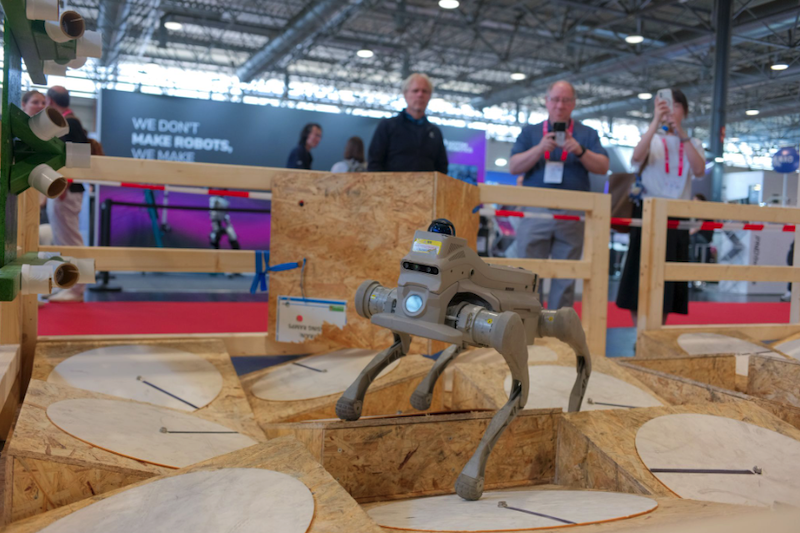
GENISOM AI steps into the global robotics spotlight at ICRA 2026 with real-world-ready robots
GENISOM AI showcased its advancements in embodied artificial intelligence at the International Conference on Robotics and Automation (ICRA) 2026, held from June 2 to June 4. With a track record of producing and delivering over 10,000 robots for various industrial and infrastructure applications worldwide, the company emphasized its commitment to transitioning AI from theoretical research to practical implementation. During the conference, GENISOM AI introduced its latest models, the GENISOM M1 and GENISOM L1, highlighting their capabilities and real-world applications. This debut marks a significant step in the evolution of robotics, illustrating the company's vision of integrating AI into everyday operations.
Artificial Intelligence Robotics automation news autonomous inspection embodied ai GENISOM AI
World’s first: Rider-Bot sets record as first bike robot to perform unassisted front flip
In a groundbreaking development for robotics, researchers at the University of California have unveiled a bicycle-riding robot that has successfully completed the world's first unassisted ride. This remarkable feat took place on October 15, 2023, in a controlled environment at the university's robotics lab. The team aimed to demonstrate advancements in autonomous mobility and artificial intelligence, showcasing the robot's ability to balance, steer, and navigate without human intervention. The robot, equipped with sophisticated sensors and algorithms, mimics human cycling techniques, allowing it to adapt to varying terrains and obstacles. This achievement not only highlights the potential for robotics in everyday applications but also paves the way for future innovations in autonomous transportation. Researchers believe that this technology could eventually lead to safer and more efficient modes of travel, addressing challenges in urban mobility and logistics. The successful demonstration marks a significant milestone in the quest for fully autonomous machines capable of performing complex tasks in real-world environments.
AI and Robotics
Researchers Develop Method To Train Ag AI Robots with Virtual Tomatos
Researchers at Osaka Metropolitan University have introduced a groundbreaking method for creating synthetic training data aimed at enhancing agricultural AI systems. This innovative approach utilizes realistic virtual tomato farms, addressing a significant challenge in the development of autonomous harvesting robots. The findings of this study, published in the journal Smart Agricultural Technology, highlight the potential of virtual environments to effectively train AI models. By simulating diverse farming scenarios, the researchers aim to improve the efficiency and accuracy of AI systems in agricultural applications, ultimately paving the way for more advanced robotic solutions in the field.
AI AI Research & Advances Robotics agriculture AI autonomous harvesting robots Osaka Metropolitan University
Tsinghua-Harvard Team's Acorn Robot Develops 'Zero-Data' Robot That Learns Through Instinct, Not Training Data
A team of researchers educated at Tsinghua University and Harvard has developed an innovative robot capable of learning physical manipulation without any prior training data. This groundbreaking technology relies solely on tactile sensors and an instinct-driven trial and error approach to tackle complex tasks, such as picking up a flat credit card. The project highlights a significant advancement in robotics, showcasing the potential for machines to adapt and learn in real-time, which could revolutionize various applications in automation and artificial intelligence.
Robotics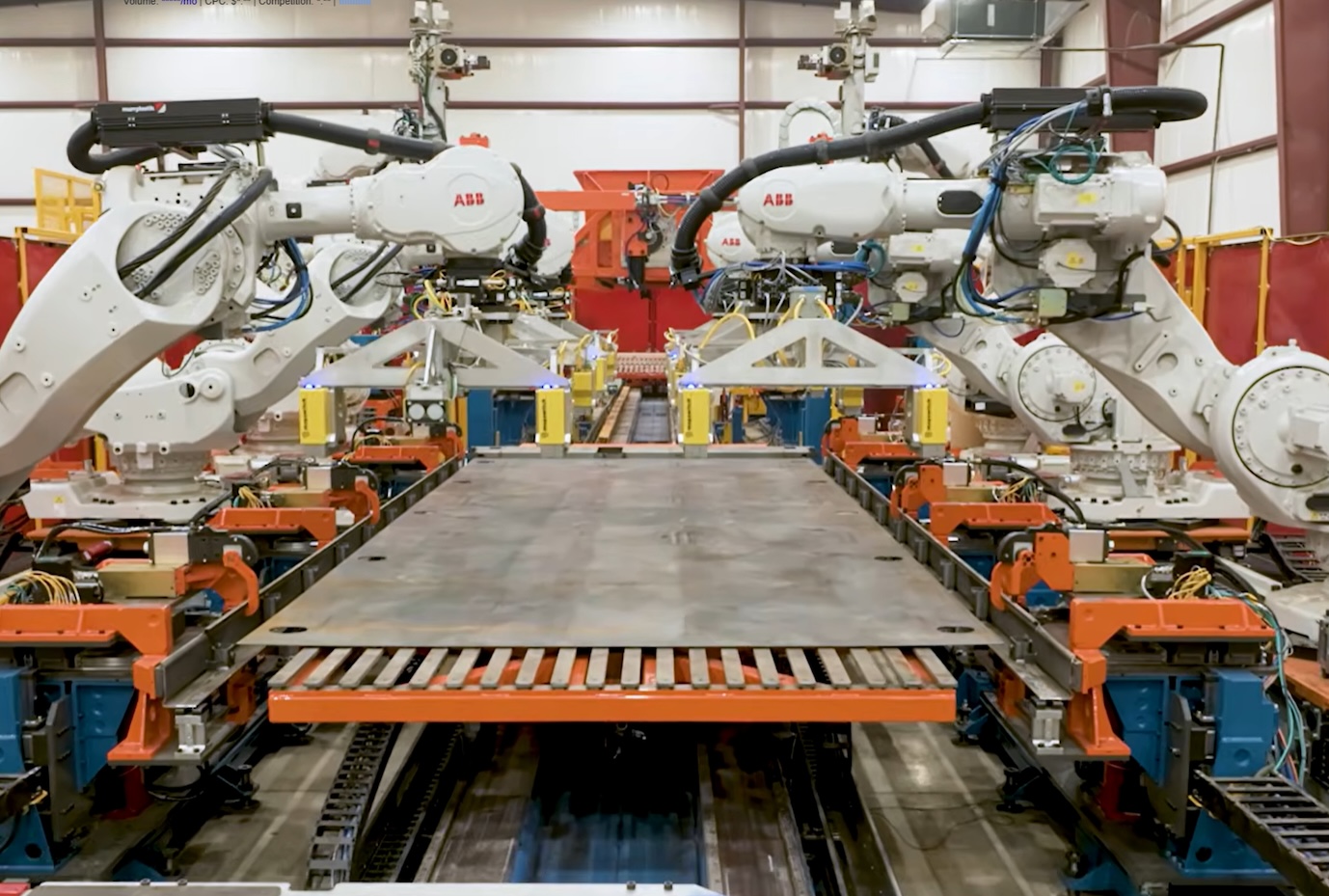
From ball to rover: Transformable palm-sized rover SORA-Q for autonomous lunar exploration
In June 2026, a groundbreaking study published in Science Robotics highlights advancements in robotic technology, showcasing innovative designs and applications that could revolutionize various industries. Researchers from leading institutions collaborated to develop these robots, which are engineered to enhance efficiency and safety in sectors such as manufacturing, healthcare, and logistics. The study emphasizes the integration of artificial intelligence and machine learning, enabling robots to adapt to complex environments and perform tasks with greater precision. This research is particularly timely as industries seek to recover and innovate following disruptions caused by global events in previous years. The findings were presented at an international robotics conference held in Tokyo, where experts gathered to discuss the future of automation and its implications for the workforce. The motivation behind this research stems from the increasing demand for automation solutions that can address labor shortages and improve productivity. By employing advanced algorithms and sensor technologies, the robots demonstrated their ability to collaborate with human workers, paving the way for safer and more efficient workplace environments. This study not only marks a significant milestone in robotic development but also sets the stage for further exploration into the ethical and economic impacts of widespread robotic integration in society.
Research Article
Chinese Humanoid Robots Take the Internet by Storm as Overseas Influencers
Unitree Robotics' G1 humanoid robots have gained international attention, becoming viral sensations across various countries. A Buddhist monk in South Korea has showcased the robot's capabilities, while a counselor in Japan has integrated it into therapeutic practices. In Poland, the G1 has captured the public's interest as a street celebrity, entertaining and engaging with passersby. Meanwhile, in the United States, a controversial influencer has sparked debate by using the robot in provocative social media content. This diverse range of applications highlights the G1's versatility and the growing fascination with robotics in everyday life. The robots' rapid rise to fame reflects a broader trend of increasing acceptance and curiosity about artificial intelligence and humanoid technology in different cultural contexts.
HumanoidRobotics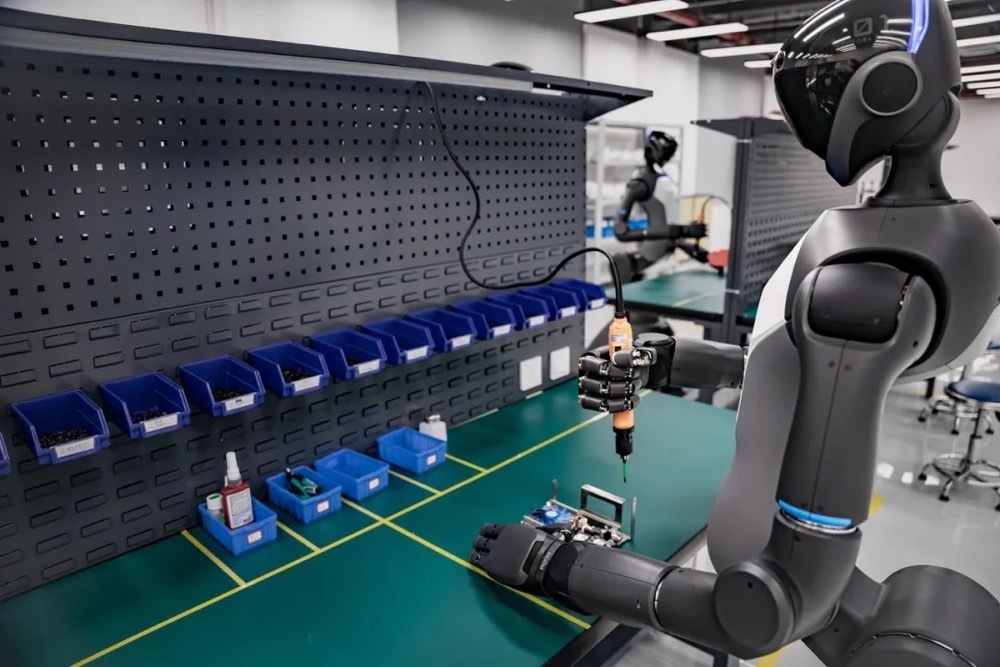
Automated Lawn Maintenance: An Agronomic and Operational Review of Turf Health, Biodiversity, and Field Performance
A recent study published in the Journal of Field Robotics highlights advancements in autonomous robotic systems designed for agricultural applications. Researchers from a leading university conducted the study to explore how these robots can enhance efficiency in farming practices. The research was carried out over the summer of 2023 at various agricultural sites across the Midwest. The motivation behind this initiative stems from the increasing demand for sustainable farming solutions that can address labor shortages and improve crop yields. By integrating advanced sensors and machine learning algorithms, the robots are capable of performing tasks such as planting, monitoring crop health, and harvesting with minimal human intervention. The study involved extensive field tests, where the robots demonstrated their ability to navigate complex terrains and adapt to changing environmental conditions. Results showed a significant increase in productivity compared to traditional farming methods, suggesting that the implementation of these technologies could revolutionize the agricultural sector. As the agricultural industry faces challenges related to climate change and population growth, this research underscores the potential of robotics to provide innovative solutions that promote sustainability and efficiency in food production. The findings are expected to pave the way for further developments in agricultural robotics, ultimately benefiting farmers and consumers alike.
SURVEY ARTICLE
A Question of Strategic Defense: The China Challenge in Latin America
Latin American companies are increasingly facing challenges related to their connections with Chinese capital, as these links may lead to complications in various areas. This shift comes in light of growing geopolitical tensions and economic scrutiny, prompting businesses to reassess their financial partnerships. The situation has become particularly pressing as firms navigate the complexities of international trade and investment, especially amid evolving regulatory environments. Companies are urged to adopt a more cautious approach, recognizing that their affiliations with Chinese investors could impact their operations, reputation, and compliance with local and international laws. As these dynamics unfold, businesses in the region must strategically evaluate their ties to Chinese capital to mitigate potential risks and ensure sustainable growth.
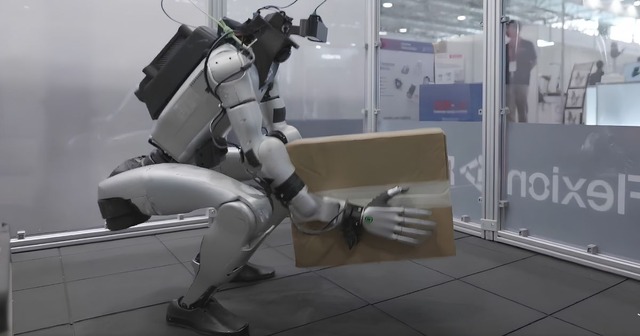
Flexion Robotics demonstrates fully autonomous humanoid with over 95% success rate in 300 trials at ICRA 2026.
Flexion Robotics announced on its official X account that it conducted a fully autonomous demonstration using humanoid robots at the International Conference on Robotics and Automation (ICRA 2026) from June 9 to June 11, 2026. The three-day event showcased the company's advancements in robotics technology, highlighting their commitment to innovation in the field. The demonstration aimed to illustrate the capabilities of humanoid robots in performing complex tasks autonomously, reflecting the growing interest and investment in robotics solutions across various industries.

CISA gives US federal agencies three days to fix a VPN bug under attack by a ransomware gang
Check Point has reported that a group of hackers successfully infiltrated numerous organizations by taking advantage of a vulnerability in a VPN feature found in several of its products utilized by government entities. This breach highlights significant security concerns, as the affected organizations rely on these VPNs for secure communications. The incident raises alarms about the potential for sensitive data exposure and the implications for national security. The exploitation of this bug underscores the importance of regular software updates and vigilance in cybersecurity practices among organizations that depend on such technology.
Security CISA cybersecurity In Brief zero-day
Robots learn to anticipate chaos, but still fail to read a decidedly human signal
Researchers at Cornell University are exploring the integration of artificial intelligence into robotics to enhance social intelligence, enabling robots to interpret facial expressions, anticipate human needs, and interact effectively within societal contexts. In a recent study, the team evaluated vision language models (VLMs)—AI systems capable of processing and generating both visual and linguistic data. The research focused on assessing these models' ability to predict outcomes in tense scenarios depicted in short videos, such as a toddler precariously carrying an overflowing mug of coffee. This investigation aims to advance the development of robots that can better understand and respond to human emotions and behaviors, ultimately improving their functionality in everyday environments.
Robotics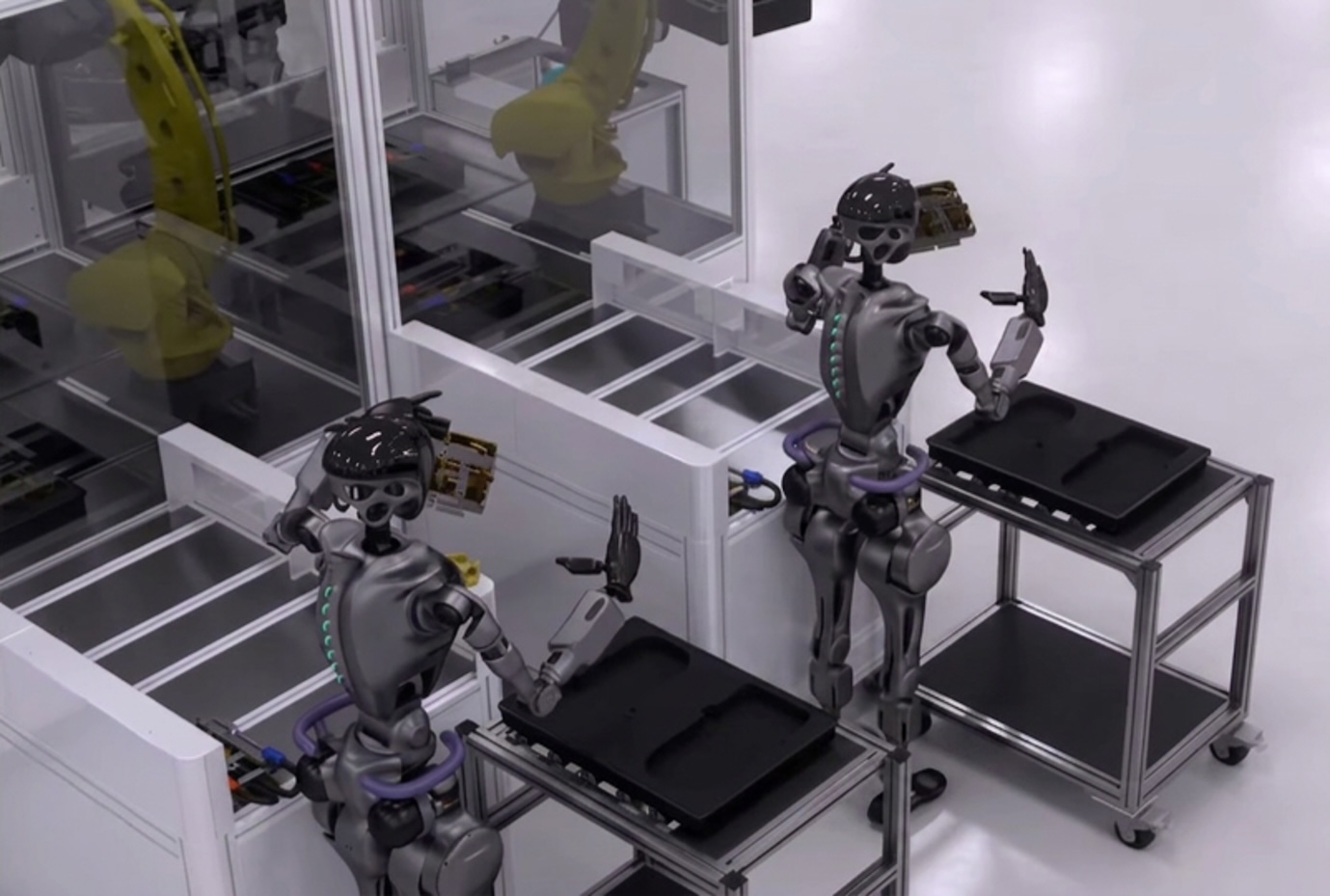
Palladyne AI gains US rights to IAI’s HARPY, HAROP, Mini HARPY systems
Palladyne AI, a US-based technology firm, has entered into a strategic partnership with Israel Aerospace Industries (IAI) to enhance military capabilities. Under this agreement, Palladyne AI will take on the responsibility of manufacturing, integrating, and marketing IAI’s loitering munition systems specifically for the US Department of War. This collaboration aims to bolster the US military's arsenal with advanced precision weaponry, reflecting a growing trend of international cooperation in defense technology. The partnership is expected to leverage Palladyne AI's expertise in artificial intelligence and IAI's established reputation in aerospace and defense, thereby enhancing operational effectiveness for US forces.
News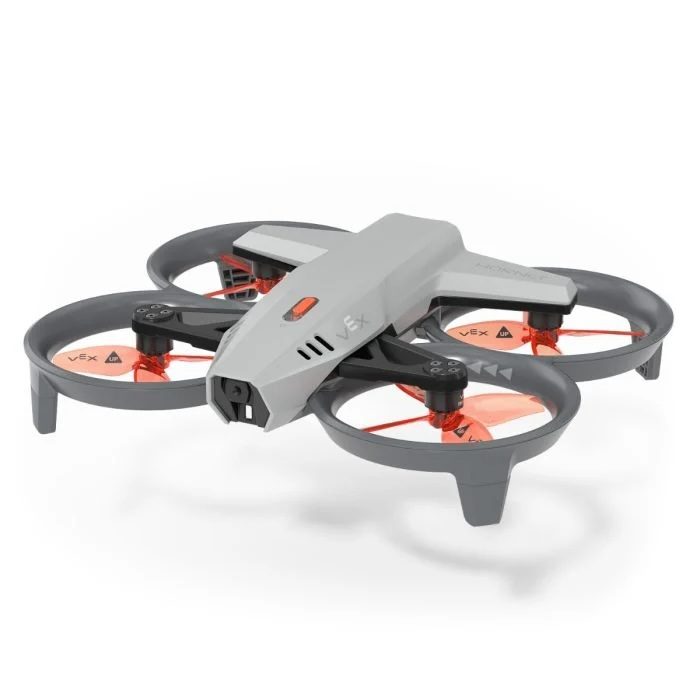
FCC Expands Drone Exemptions as Product-by-Product Security Review Takes Shape
The Federal Communications Commission (FCC) has granted conditional approval for the VEX AIR uncrewed aircraft system (UAS) through December 2026, marking a significant step in the ongoing evaluation of individual drone products outside the broader Covered List restrictions. This decision reflects the FCC's commitment to a more nuanced security review process, allowing for the addition of specific drone models that have undergone thorough scrutiny. As federal agencies continue to assess various UAS, VEX AIR joins a growing list of exempted products, highlighting the evolving landscape of drone regulation and the emphasis on safety and compliance in the industry.
Applications Blue UAS Drone News Drone News Feeds Education News
Effort to establish a National Commission on Robotics advances in Congress
As discussions progress in Congress regarding the establishment of a National Commission on Robotics, industry leaders are advocating for a more cohesive national policy on robotics. The push for this commission reflects a growing recognition of the need for a unified approach to address the challenges and opportunities presented by advancements in robotics technology. Stakeholders emphasize that a coordinated policy framework is essential to foster innovation, ensure safety, and maintain competitiveness in the global market. The ongoing deliberations highlight the importance of aligning various interests within the robotics sector to effectively navigate the complexities of this rapidly evolving field.
Business Resources China Defense / Security Industrial Robots Manufacturing News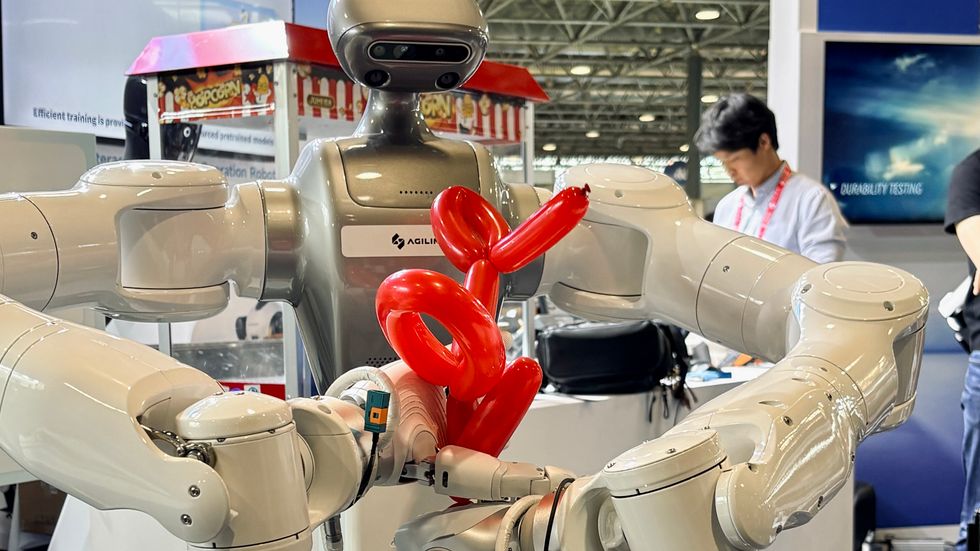
Beyond Dexterity: Why Contact May Define the Next Era of Robotics
At the 2026 IEEE International Conference on Robotics (ICRA) in Vienna, AGILINK showcased a captivating demonstration of robotic dexterity by creating a balloon dog, which drew significant attention from attendees. This seemingly playful task is recognized in the robotics community as a complex manipulation challenge due to the balloon's lightweight and highly deformable nature. The demonstration highlighted the intricate balance between motion and contact intelligence, essential for successful robotic manipulation. AGILINK's approach involved mapping the actions of professional balloon artists to robotic hands, allowing the robot to learn both successful manipulation sequences and recovery strategies during failures. This dual focus on motion and contact intelligence is crucial, as maintaining stable interaction with the balloon is as important as executing the correct sequence of actions. In conjunction with the balloon dog demonstration, AGILINK introduced the OmniHand 3 Ultra-M, a dexterous robotic hand designed to enhance contact intelligence through advanced sensing and faster response capabilities. The hand features 20 active degrees of freedom and a direct-drive architecture, enabling precise force regulation and tactile sensing across its surface. The significance of these advancements extends beyond balloon animals, addressing broader challenges in robotics related to unstable and deformable interactions, such as delicate assembly and household tasks. As robotics research increasingly prioritizes interaction dynamics, AGILINK's innovations may pave the way for more effective manipulation in unpredictable real-world environments.
Humanoid-robots Physical-ai Dexterous-hands Direct-drive-actuation Robotic-manipulation Reinforcement-learning
New HySIL lens design makes high-resolution 3D brain and cancer imaging widely accessible
A team from Columbia University has unveiled a groundbreaking microscopy technology that promises to significantly enhance three-dimensional imaging capabilities. This innovative approach, announced in October 2023, aims to improve the visualization of biological structures at unprecedented resolutions. The development is driven by the need for more detailed imaging techniques in various scientific fields, including biology and materials science. By utilizing advanced optical methods, the researchers have created a system that allows for clearer and more accurate representations of complex samples. This advancement could lead to major breakthroughs in understanding cellular processes and developing new materials, ultimately transforming research methodologies across multiple disciplines.
The FCC’s ‘safe’ drone list just got longer
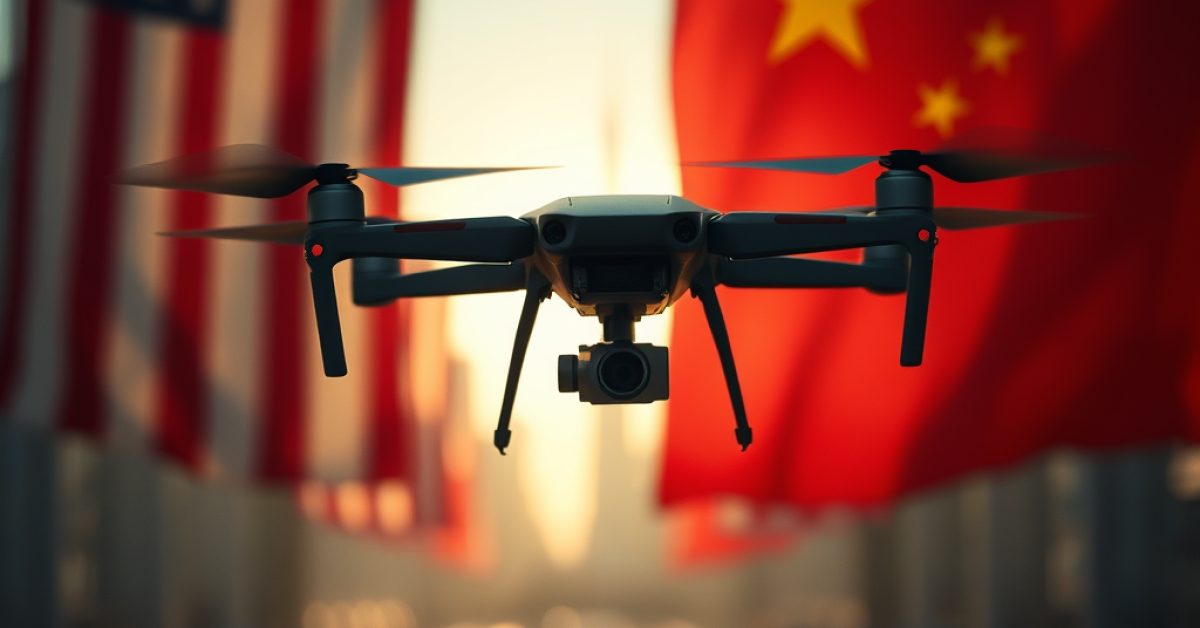
The Federal Communications Commission (FCC) has recently categorized nearly all foreign-produced drones as part of its national security “Covered List,” raising concerns among drone pilots about the future of the industry. However, contrary to initial fears, new developments suggest that the situation may not be as dire as anticipated. As the drone market adapts to these regulatory changes, industry stakeholders are exploring innovative solutions to navigate the restrictions and continue operating effectively. This evolving landscape highlights the resilience of the drone sector and its ability to respond to regulatory challenges while seeking opportunities for growth and collaboration.
News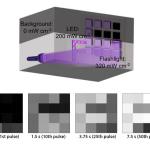
US engineers make ‘artificial eyes’ to improve vision in robots, self-driving cars
Researchers at Penn State University have developed an innovative device inspired by the human eye, aimed at enhancing the vision capabilities of self-driving cars. This groundbreaking technology was unveiled recently as part of ongoing efforts to improve the safety and reliability of autonomous vehicles. The device mimics the eye's ability to adapt to varying light conditions, which is crucial for navigating complex environments. The motivation behind this advancement stems from the challenges faced by self-driving cars in low-light situations, where traditional sensors often struggle to provide accurate data. By integrating this eye-inspired technology, the researchers hope to significantly reduce the risk of accidents and improve the overall performance of autonomous systems. This development is part of a broader initiative to advance automotive technology and ensure that self-driving cars can operate effectively in diverse conditions. The research team utilized a combination of advanced materials and optical engineering to create a device that can dynamically adjust its sensitivity, much like the human eye does when transitioning from bright to dim environments. As the automotive industry continues to push towards fully autonomous vehicles, innovations like this are essential for addressing safety concerns and building public trust in self-driving technology. The research findings are expected to contribute to future advancements in vehicle design and functionality, paving the way for safer roads.

"BioGeometry" secures hundreds of millions in strategic funding to create a "microscopic world model" in life sciences.
AI-native biotechnology company BaiAo Geometry has successfully secured several hundred million yuan in strategic financing, with investments led by the Shanghai Biomedical Innovation Transformation Fund, Guoke Investment, Dacheng Wisdom, and Xinglian Capital, alongside follow-on investments from GaoRong Capital and the Index AI Industry Innovation Fund. The funds will primarily support the ongoing development of their life sciences micro-world model, GeoFlow, and the advancement of their proprietary drug pipeline. Artificial intelligence is rapidly evolving along two main trajectories: digital AI, represented by large language and multimodal models, and physical AI, exemplified by autonomous vehicles and humanoid robots. Life AI is emerging as a promising frontier, a sentiment echoed by leading global investors and scientists. BaiAo Geometry's GeoFlow model, launched in 2024, aims to understand and design molecular interactions at an atomic level, enabling the creation of novel molecules that have never existed in nature. The company has iterated GeoFlow multiple times, achieving significant advancements in protein structure prediction and de novo design capabilities. By applying Test-Time Scaling technology, BaiAo Geometry enhances the success rate of protein designs without the need for extensive retraining. This innovation allows for the rapid generation and optimization of high-affinity binding molecules, significantly reducing the time and cost associated with traditional drug discovery processes. BaiAo Geometry has established over 20 business development collaborations with domestic and international pharmaceutical companies, focusing on high-specificity antibody design and vaccine development. The company is currently working on the next iteration of GeoFlow, which aims to expand modeling from individual molecules to entire molecular systems, further revolutionizing drug development in the biotechnology sector.

'China Can Make Special Contributions in the Next Decade,' Says Former UN Official on AI and Robotics
Sam Daws, a former United Nations official, engaged in an in-depth discussion at Renmin University, focusing on China's significant advancements in humanoid robotics and embodied artificial intelligence. The dialogue also explored the concept of digital sovereignty for the Global South and emphasized the importance of trilateral cooperation in establishing robotics standards. Daws highlighted the need for collaboration among nations to navigate the complexities of technological development and ensure equitable access to digital innovations. The event, which took place recently, underscored China's pivotal role in shaping the future of robotics and AI on a global scale.
AI
Eating fried potatoes three times a week increases diabetes risk by 20%, study finds.
Researchers from Harvard University and the University of Cambridge have conducted a study examining the impact of potato consumption and cooking methods on the risk of developing type 2 diabetes. The findings will be published in the British Medical Journal (The BMJ) in September 2025. This research draws on data from three cohort studies conducted in the United States, alongside a meta-analysis of prospective cohorts, to assess how different levels of potato intake may influence diabetes risk. The motivation behind this study stems from the increasing prevalence of type 2 diabetes and the need to understand dietary factors that could mitigate this health issue. By analyzing various preparation methods and consumption patterns, the researchers aim to provide insights that could inform dietary guidelines and public health recommendations.
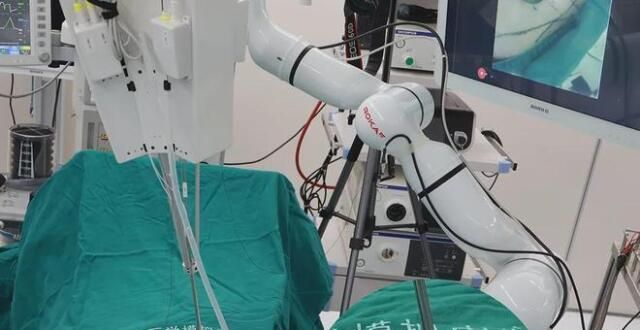
West China Hospital Develops MicroSpine: A 2mm Robotic Arm System for Minimally Invasive Spinal Surgery
Researchers at Sichuan University West China Hospital have developed a groundbreaking MicroSpine surgical robot, which utilizes three 2mm robotic arms housed within an 8mm sheath. This innovative technology has successfully demonstrated 100% accuracy in achieving posterior spinal target access during preclinical testing. The advancement aims to enhance precision in spinal surgeries, potentially improving patient outcomes and reducing recovery times. The development of this robotic system marks a significant step forward in minimally invasive surgical techniques, showcasing the hospital's commitment to advancing medical technology and improving surgical practices.
Technology
UMass Amherst Researchers Developing AI Architecture That Uses a Fraction of the Energy Required by Today’s AI Systems
Researchers at the University of Massachusetts Amherst have unveiled a groundbreaking artificial intelligence architecture aimed at significantly lowering the energy consumption of advanced AI systems while maintaining their learning capabilities. This innovative approach, inspired by brain function, was developed with funding from the U.S. National Science Foundation and the Air Force Office of Scientific Research. By mimicking the efficiency of the human brain, the new architecture seeks to address the growing energy demands associated with AI technologies, which have raised concerns regarding sustainability and environmental impact. The research, which highlights the potential for more eco-friendly AI solutions, could pave the way for advancements in various fields reliant on artificial intelligence, ultimately promoting a more sustainable future for technology.
AI AI Research & Advances Robotics architecture energy consumption Research
Chinese entrepreneur's e-truck startup Windrose faces unpaid wage claims
Windrose, an electric truck startup founded by a Chinese entrepreneur, is struggling to meet its ambitious goals in the U.S. market. As of June 9, 2026, the company faces claims from former employees alleging unpaid wages amounting to hundreds of thousands of dollars. Despite the challenges, including difficulties in establishing a foothold in the competitive U.S. landscape, the founder acknowledges past mistakes but remains committed to pushing forward. The situation highlights the hurdles faced by international startups attempting to penetrate the American electric vehicle sector, as Windrose seeks to navigate these obstacles while striving for success.
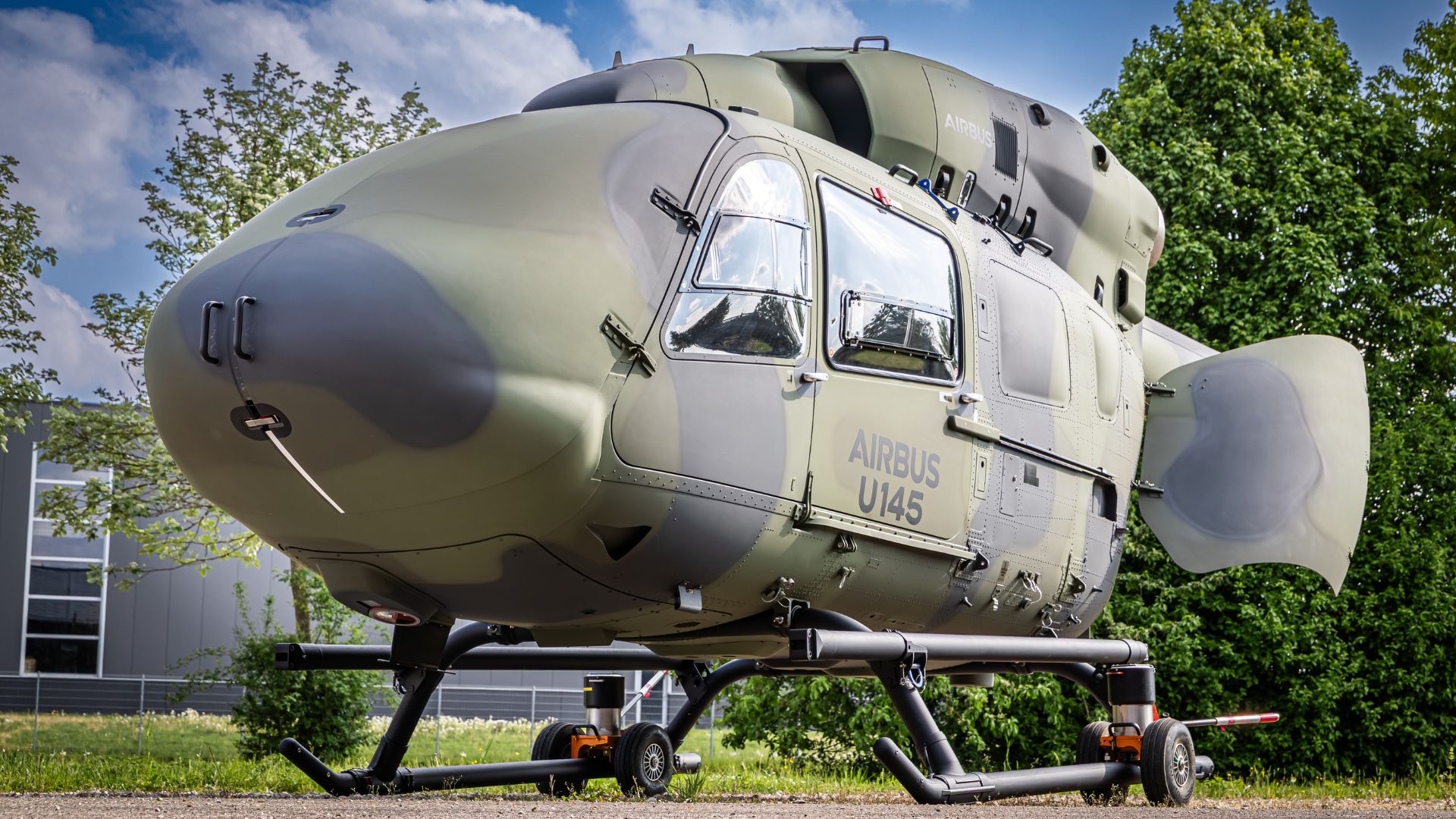
Airbus debuts U145 autonomous helicopter drone with no cockpit for military missions
Airbus Helicopters has unveiled a new autonomous aircraft derived from its widely-used H145 platform, marking a significant advancement in aviation technology. The announcement was made during the International Paris Air Show, which took place from June 19 to June 25, 2023. This innovative aircraft aims to enhance operational efficiency and safety in various sectors, including medical transport, search and rescue, and logistics. The motivation behind this development stems from the growing demand for unmanned aerial vehicles that can perform complex missions with minimal human intervention. By leveraging advanced automation and artificial intelligence, Airbus Helicopters seeks to address challenges in urban air mobility and improve response times in critical situations. The aircraft is designed to operate in diverse environments, showcasing its versatility and potential for integration into existing air traffic systems. Through rigorous testing and collaboration with regulatory bodies, Airbus aims to ensure that the new autonomous H145 meets safety standards and can be deployed effectively in real-world scenarios. This initiative reflects Airbus Helicopters' commitment to innovation and its vision for the future of aviation, where autonomous systems play a crucial role in enhancing air transport capabilities.