Industry Briefing
A single destination for timely, editor-curated robotics news from around the world.
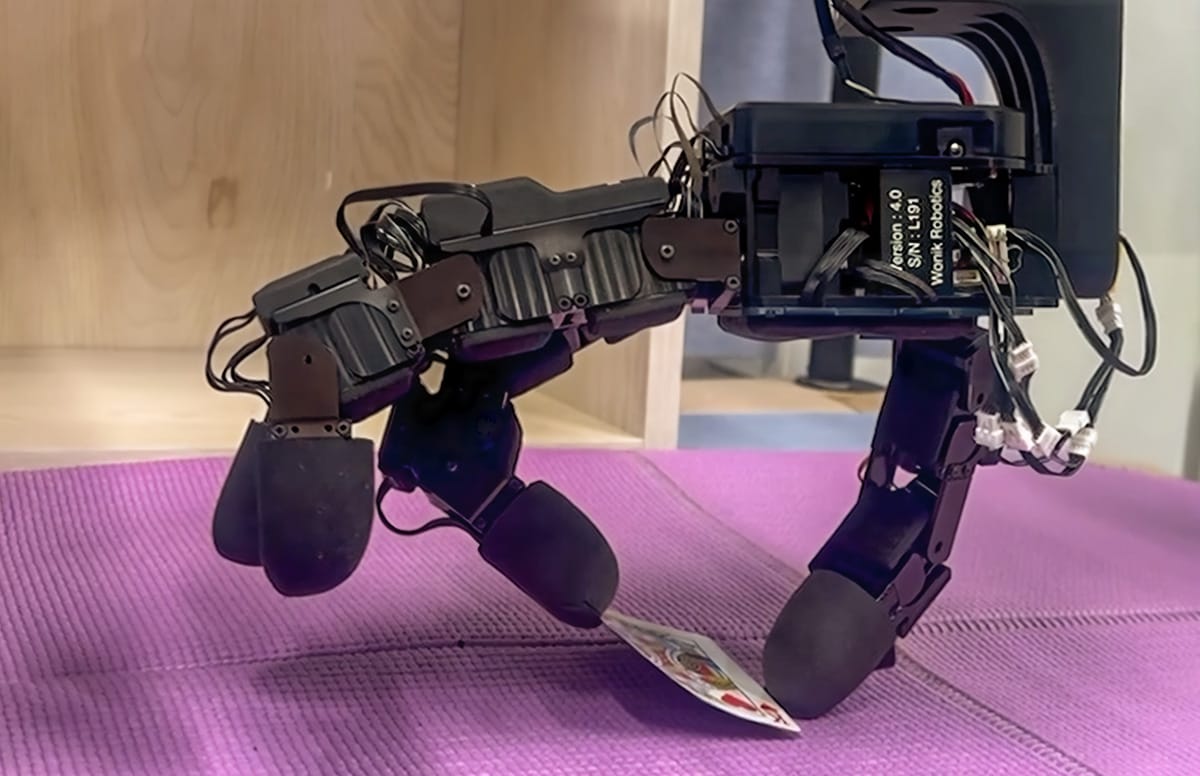
XELA Robotics to show tactile sensing at the 2026 Robotics Summit & Expo
XELA Robotics is set to showcase its advancements in tactile sensing technology at the upcoming Robotics Summit & Expo in 2026. The company will present its enhanced magnetic interference compensation system and the innovative uSkin integrated within the Universal Manipulation Interface. This demonstration aims to highlight the potential of these technologies in improving robotic interactions and functionality. The Robotics Summit & Expo serves as a key platform for industry leaders to share breakthroughs and foster collaboration in the field of robotics.
End Effectors / Grippers Events Grippers Human Robot Interaction / Haptics News Sensors / Sensing Systems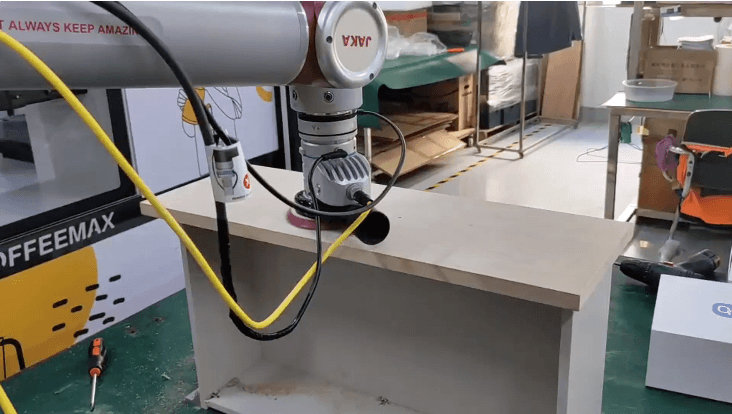
Understanding Automation Robotics Technology: From Sensors to Control Systems (JAKA CAB V3)
JAKA, a leader in automation robotics technology, has unveiled its advanced polishing robot, powered by the innovative CAB V3 controller, designed to enhance the precision and consistency of metal component finishing. This cutting-edge system, which integrates sophisticated sensing and control mechanisms, addresses the challenges faced by skilled artisans in achieving flawless surfaces. The CAB V3 controller serves as the brain of the robot, translating high-resolution sensor data into precise motion commands. Equipped with advanced proprioceptive sensors and force control technology, the polishing robot can adapt to subtle variations in part geometry, ensuring optimal tool orientation and pressure during operation. This real-time feedback loop allows the robot to maintain high standards of quality while compensating for any deviations. JAKA's design philosophy emphasizes the seamless integration of sensing, computation, and mechanical action, enabling the polishing robot to operate smoothly without vibrations that could damage surfaces. The CAB V3 also supports connectivity with external vision systems and factory networks, enhancing flexibility in mixed-production environments. By leveraging this advanced automation technology, manufacturers can achieve unprecedented levels of consistency and quality in their finishing tasks, transforming the traditional polishing process into a highly efficient and repeatable operation.

Interview with Digid’s Nils Könne and Christian Kreil: Nanoscale sensors could help solve robotics’ tactile sensing challenge
The swift advancement of artificial intelligence and robotics is drawing significant attention to software and powerful processors, particularly large language models. However, experts emphasize that for robots to function effectively in real-world settings, they require a fundamental capability: advanced environmental sensing and understanding. This necessity is driving increased interest and investment in cutting-edge sensing technologies, as researchers and developers seek to enhance robots' interaction with their surroundings. The push for these innovations is becoming more pronounced as industries recognize the potential of robots to perform complex tasks in various environments, highlighting the importance of integrating sophisticated sensory systems into robotic designs.
Features Science Sensors Technology AI infrastructure automation news
The Rise of Force Sensing Technology in China's Robotics Industry
Recent trends in the robotics industry indicate a shift from mere mobility to operational intelligence, particularly in humanoid robots. Companies are now focusing on practical applications such as tool handling and assembly, highlighting the importance of force sensing technology. As robots engage in physical tasks, understanding the force exerted becomes crucial for effective operation. This transition underscores the growing significance of six-dimensional force sensors, which are evolving from optional components in industrial robots to essential infrastructure for next-generation intelligent robots. The recent funding rounds exceeding 100 million yuan reflect a broader interest from both traditional investors and state-owned enterprises, signaling a pivotal moment in the industry's development. Looking ahead, the demand for comprehensive sensing, control, and manufacturing infrastructure will likely increase as the humanoid robotics sector matures. The complexity of enabling robots to perform sustained tasks, such as assembly and material handling, will challenge developers to innovate beyond flashy capabilities and focus on the intricate details that drive commercialization.
Humanoid Robots Force Sensing Technology Industrial Automation Robotics Innovation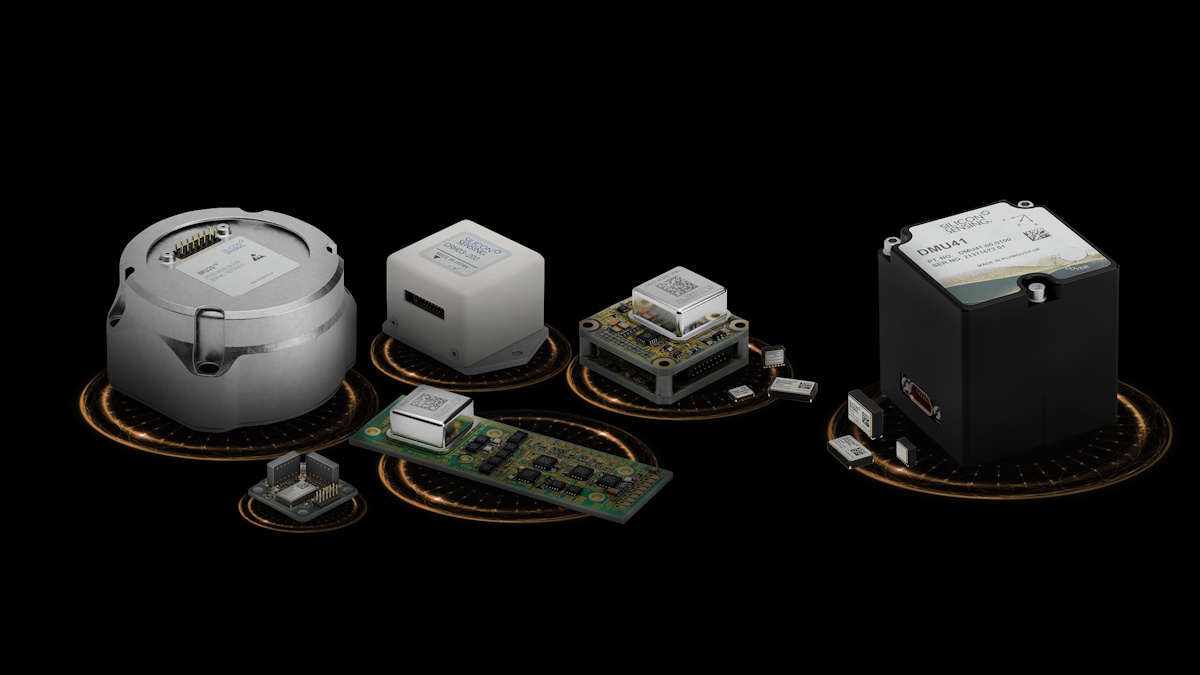
Bizmile has been Appointed as the Exclusive Distributor of Silicon Sensing Systems Products in South Korea
Bizmile has solidified its position in Korea's aerospace and defense sectors by partnering with various international component manufacturers. The latest development in this expansion is the addition of Silicon Sensing to its roster of clients. This agreement marks a significant milestone as it extends Silicon Sensing’s distribution network from 20 companies across 14 countries to include its inaugural representative in Asia and the Pacific Rim. The collaboration aims to enhance market reach and facilitate the introduction of advanced aerospace technologies in the region.
bizmile distributor silicon sensing systems
Developing a Framework for Tactile-Based Proximity Sensing of Buried Objects in Granular Media
A new framework has been proposed for tactile-based proximity sensing of buried objects using granular media jamming. This method aims to enhance the detection capabilities of robotic systems in challenging environments where traditional sensing methods may fail. The significance of this framework lies in its potential applications in search and rescue operations, archaeological explorations, and environmental monitoring. By improving the ability to sense buried objects, it can lead to more efficient and effective operations in various fields. Future developments will focus on refining the technology and testing its effectiveness in real-world scenarios. No further timeline was disclosed at the time of publication.
RESEARCH ARTICLE
Why robots still struggle to see the real world
Orbbec co-founder emphasizes that enhancing machine perception for practical applications necessitates more than advancements in artificial intelligence; it also demands the use of accurately calibrated sensors. This insight highlights the ongoing challenges robots face in effectively interpreting their environments. The discussion sheds light on the complexities involved in developing reliable robotic vision systems, which are crucial for their successful deployment in real-world scenarios. The commentary reflects the current state of technology as of October 2023, underscoring the need for a multi-faceted approach to improve robotic capabilities.
Artificial Intelligence Artificial Intelligence / Cognition Autonomous Mobile Robots (AMRs) Cameras / Imaging / Vision Healthcare Robotics Logistics
Innovative Breakthroughs in Robot Force Sensors by Xinghui Sensing
Xinghui Sensing, a new player in the six-dimensional force sensor market, is positioning itself to cater to the growing needs of humanoid robots by developing innovative, compact, and high-precision sensors. Co-founder Shen Xinxing emphasized the industry's increasing demand for advanced technology to enhance performance in robotic applications, addressing gaps that have yet to be filled. The company's efforts come at a time when the robotics sector is rapidly evolving, necessitating cutting-edge solutions to improve functionality and efficiency. By focusing on these unmet needs, Xinghui Sensing aims to establish itself as a key contributor to the future of robotics technology.
Force Sensors Humanoid Robots Robotics Technology Sensor Innovation
Ouster releases REV8 OS sensor family with native-color lidar
Ouster has announced the launch of its new Rev8 OS sensor family, which features the industry's first native color lidar technology. This innovative lineup includes the OS1 Max, which boasts double the range and resolution compared to its predecessor, the Rev7. The introduction of these advanced sensors marks a significant advancement in lidar capabilities, aimed at enhancing various applications in robotics and autonomous vehicles. Ouster's commitment to pushing the boundaries of sensor technology is evident in this latest release, which promises to improve performance and accuracy in real-world scenarios.
Automotive Cameras / Imaging / Vision Mobility / Navigation News Self-Driving Vehicles Sensors / Sensing Systems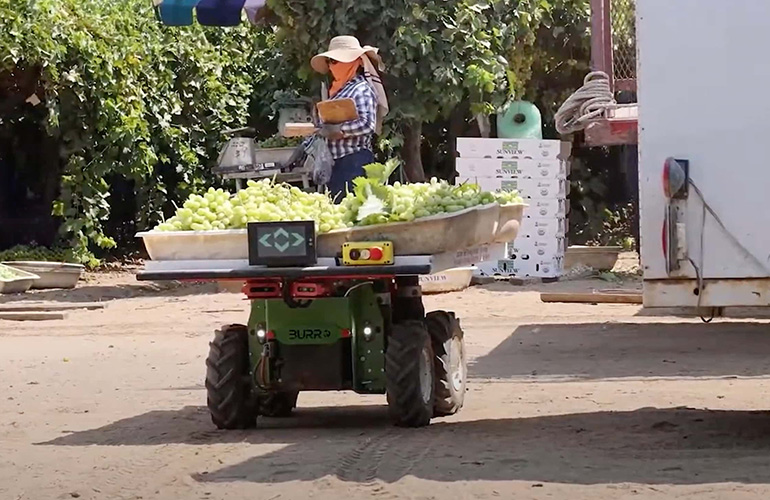
Burro AI Develops Robots for Unpredictable Outdoor Agricultural Environments
Burro AI has focused on creating robots capable of operating in unpredictable outdoor agricultural settings without fixed infrastructure. Unlike many robotics companies that optimize for controlled environments, Burro faced the challenge of real-world deployment from the outset, learning to adapt to environmental variability and user dependency on their systems. The significance of this approach lies in the understanding that agricultural workers have zero tolerance for unreliability. As customers begin to depend on autonomous systems, their expectations shift rapidly from novelty to necessity, demanding high reliability that lab environments often cannot replicate. Looking ahead, Burro AI's commitment to addressing real-world challenges in outdoor conditions will be crucial. The company recognizes that successful robots must be engineered to handle diverse environmental factors, which requires continuous learning and adaptation rather than reliance on simulation models. No further timeline was disclosed at the time of publication.
Agriculture Autonomous Mobile Robots (AMRs) Construction Industrial Robots Logistics Mobility / Navigation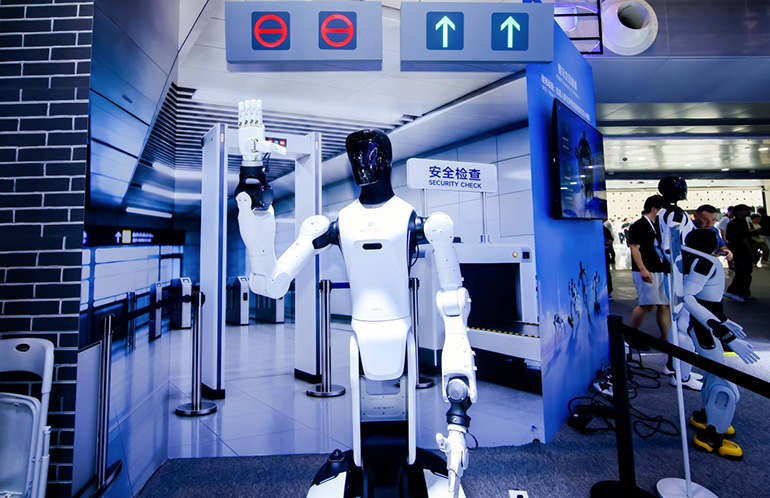
AGIBOT Launches Four New Embodied AI Products at WAIC 2026
AGIBOT unveiled four new embodied AI products at the World Artificial Intelligence Conference (WAIC) 2026, expanding its portfolio with humanoid platforms, industrial robots, and dexterous manipulation systems. The new offerings include the AGIBOT A3 Ultra, G2 Max, and OmniHand 3 Ultra-M, designed to address the challenges of reliable manufacturing and integration in real-world environments. The significance of these launches lies in AGIBOT's commitment to moving beyond mere demonstrations of robotic capabilities. Co-founder Peng Zhihui emphasized the importance of consistent performance in operational settings, highlighting the company's focus on delivering practical value at scale. AGIBOT's recent production milestone of 15,000 robots underscores its rapid growth and ambition in the robotics sector. Looking ahead, AGIBOT aims to further develop its “Three Intelligences in One” architecture, which integrates locomotion, interaction, and manipulation. The company is also set to showcase its products and capabilities at its exhibition space in Shanghai, with a focus on commercial, service, and educational applications. No further timeline was disclosed at the time of publication.
Arms / Manipulators Artificial Intelligence Artificial Intelligence / Cognition Autonomous Mobile Robots (AMRs) Cameras / Imaging / Vision China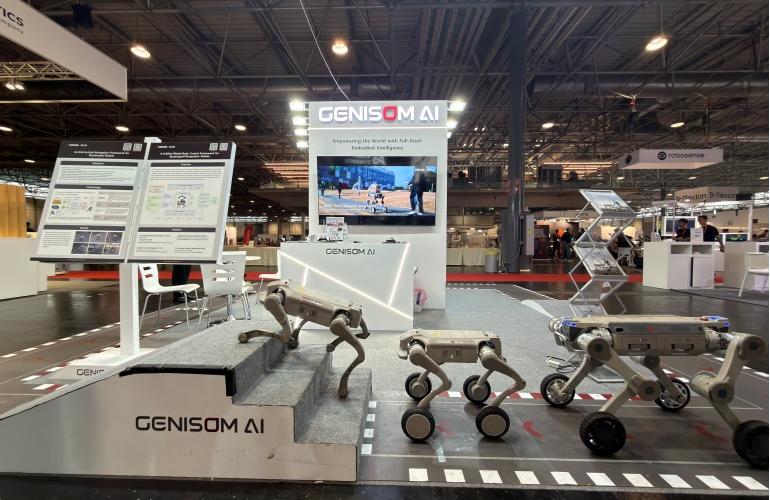
GENISOM AI debuts deployable robotics platforms at ICRA 2026
At the International Conference on Robotics and Automation (ICRA) 2026, GENISOM AI showcased its innovative deployable robotics platforms, marking its presence as a significant player in the robotics industry. Although the company may have been unfamiliar to many attendees, it is not a fledgling startup but rather an established entity with advanced technology ready for practical application. The event, held in May 2026, provided a platform for GENISOM AI to demonstrate its cutting-edge solutions, aimed at enhancing operational efficiency in various sectors. By unveiling these robotics platforms, the company seeks to address the growing demand for automation and intelligent systems in an increasingly competitive market. Through live demonstrations and presentations, GENISOM AI illustrated how its technology can be integrated into existing workflows, showcasing its potential to revolutionize industries reliant on robotics.
Actuators / Motors / Servos Artificial Intelligence Controllers Development Tools / SDKs / Libraries Mobility / Navigation News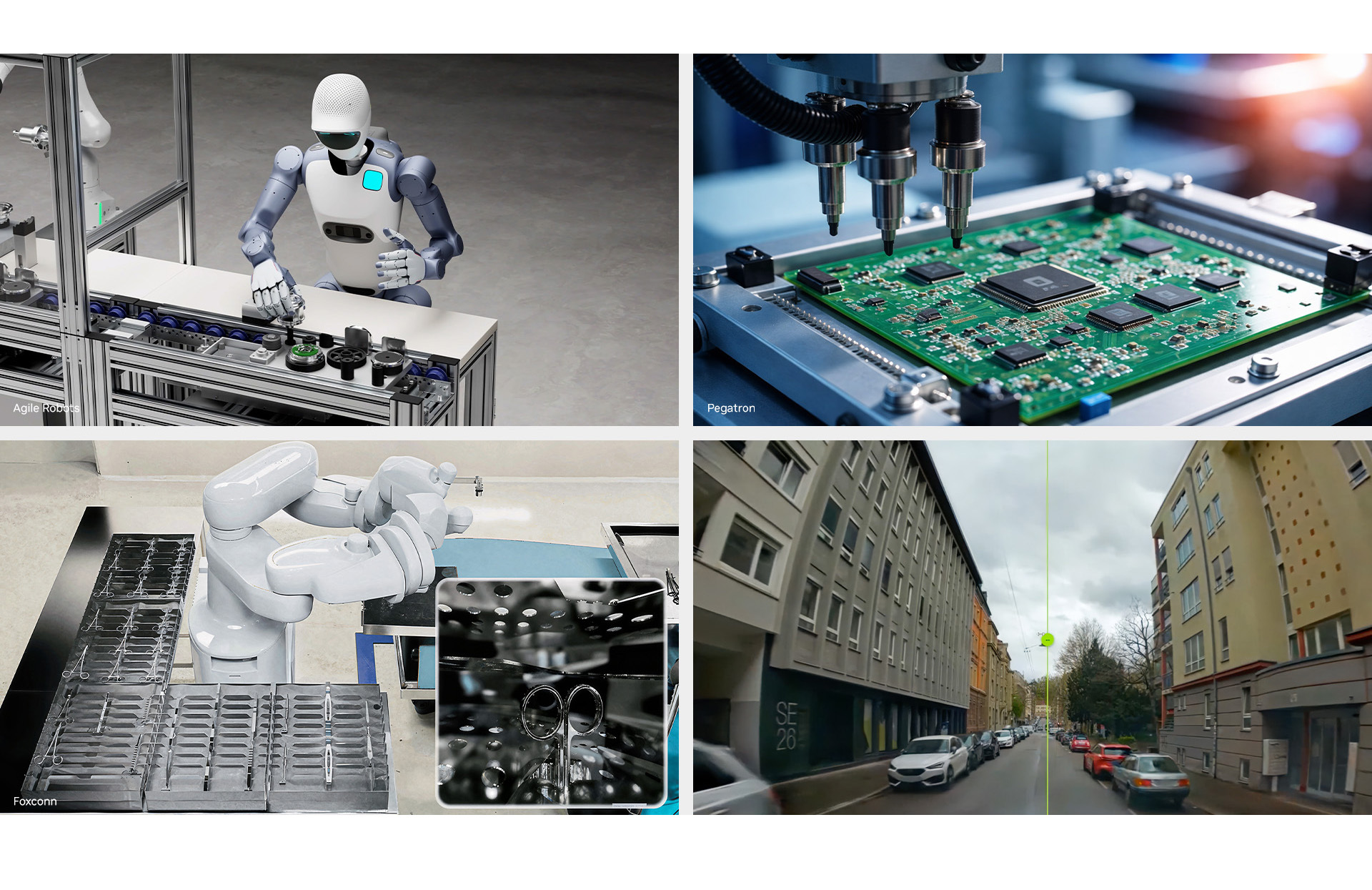
NVIDIA releases new and updated tools for physical AI developers
NVIDIA has unveiled a suite of open-source tools and skills designed for developers working with physical AI agents, alongside the introduction of the Isaac GR00T humanoid reference robot. This announcement, aimed at enhancing the capabilities of AI in real-world applications, reflects NVIDIA's commitment to advancing robotics and AI technology. The release is part of the company's ongoing efforts to foster innovation within the AI community, providing developers with the resources necessary to create more sophisticated and capable physical AI systems. The tools and the humanoid robot were made available recently, signaling a significant step forward in the integration of AI into practical robotics.
Artificial Intelligence Artificial Intelligence / Cognition Automotive Autonomous Mobile Robots (AMRs) Development Tools / SDKs / Libraries Healthcare Robotics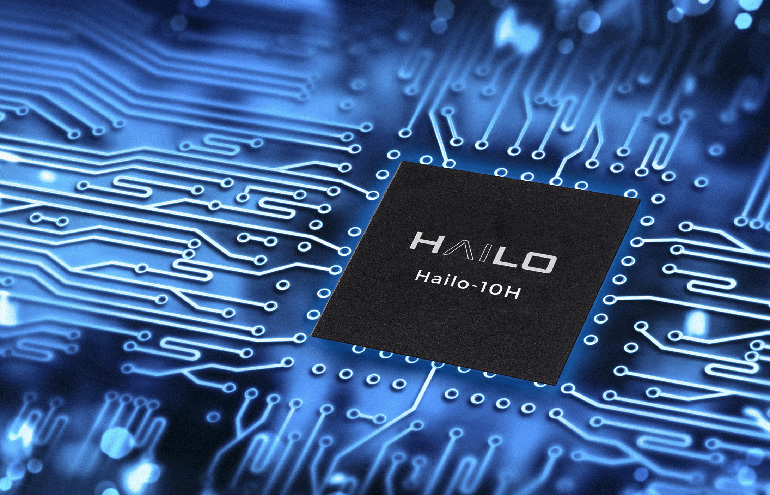
The future of physical AI isn’t humanoid; it’s task-specific and cost-efficient
In a recent discussion, the vice president of physical AI at Hailo emphasized the emerging trend of artificial intelligence operating locally on specialized machines tailored for specific real-world tasks. This shift marks a departure from the traditional humanoid AI models, focusing instead on efficiency and cost-effectiveness. The insights were shared in a post on The Robot Report, highlighting the potential for these task-specific AI systems to revolutionize various industries by enhancing performance and reducing operational costs. As the technology evolves, the emphasis on localized processing is expected to drive innovation and improve the integration of AI into everyday applications.
Artificial Intelligence Artificial Intelligence / Cognition Cameras / Imaging / Vision Humanoids News Opinion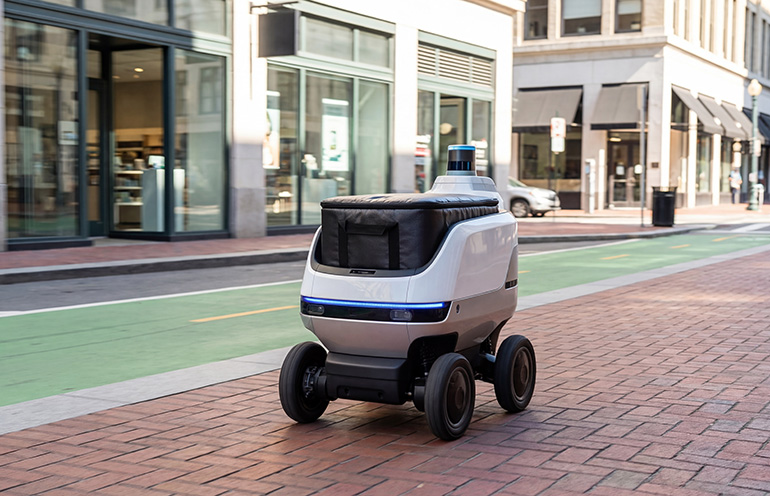
How agentic AI can enable general-purpose robotic navigation
Researchers are exploring the capabilities of agentic AI to enhance robotic navigation by integrating perception, simultaneous localization and mapping (SLAM), reasoning, and planning. This innovative approach aims to improve the performance of robots operating in dynamic environments. The findings were discussed in a recent article published by The Robot Report, highlighting the potential of agentic AI to transform how robots navigate and interact with their surroundings. By leveraging advanced algorithms and technologies, this method seeks to address the challenges faced by robots in real-world scenarios, ultimately paving the way for more versatile and efficient robotic systems.
Artificial Intelligence Artificial Intelligence / Cognition Autonomous Mobile Robots (AMRs) Cameras / Imaging / Vision Mobility / Navigation Motion Control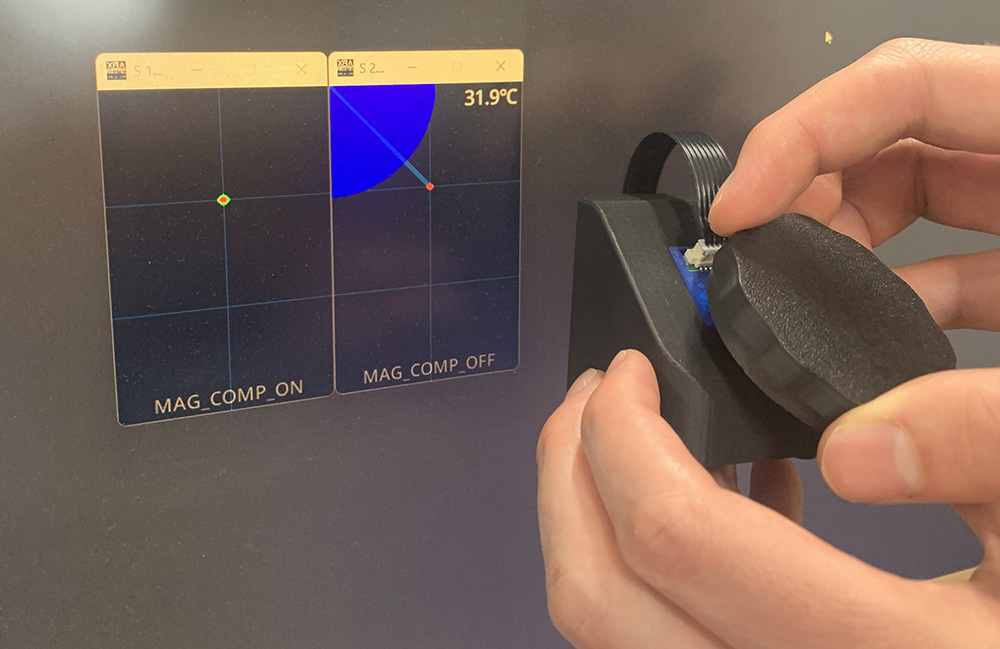
XELA Robotics adds enhancements to uSkin sensor family ahead of Robotics Summit
XELA Robotics is set to unveil its latest advancements in sensor technology at the upcoming Robotics Summit & Expo, scheduled for May 2026 in Boston. The company has enhanced its uSkin sensor family, showcasing innovations aimed at improving robotic sensory capabilities. This development reflects XELA Robotics' commitment to advancing the field of robotics and enhancing the functionality of robotic systems. The expo will provide a platform for industry leaders to explore cutting-edge technologies and their applications in various sectors.
Controllers Events Human Robot Interaction / Haptics Networking / Connectivity News Sensors / Sensing Systems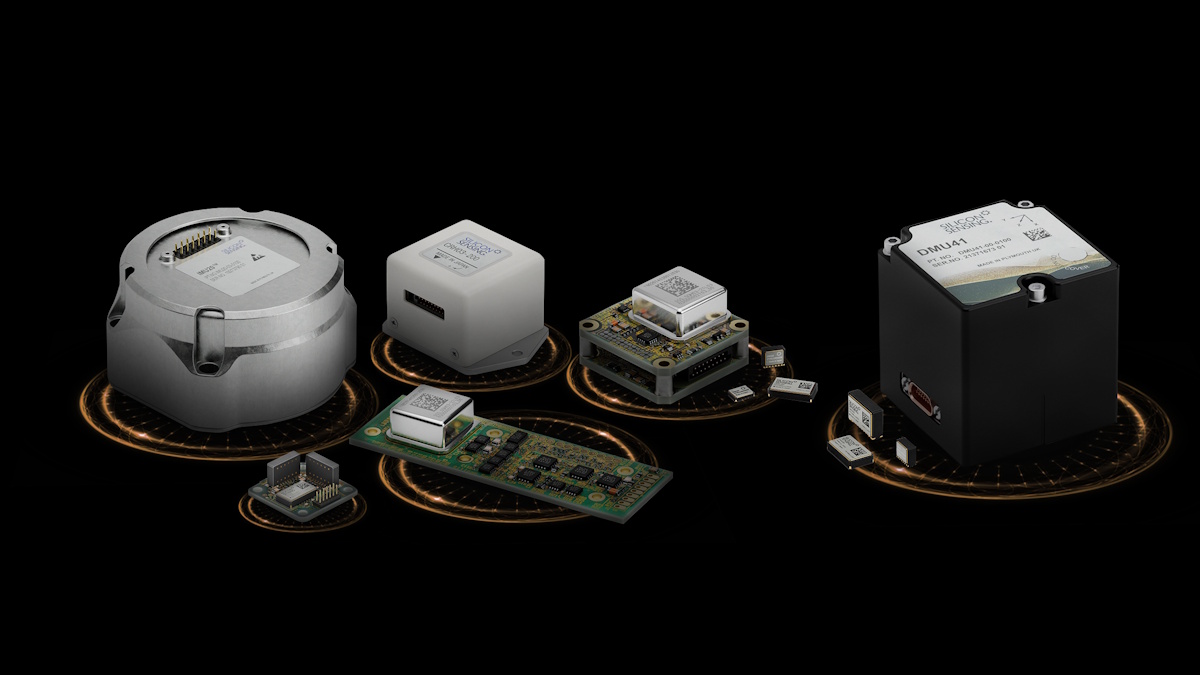
Silicon Sensing Produced its 30 Millionth Inertial Sensor
Silicon Sensing Systems Ltd has reached a significant milestone by producing its 30 millionth inertial sensor. Established in 1999, the company has become a key player in the global market, supplying advanced inertial sensors and systems across various sectors, including robotics, industrial production, marine, aerospace, defense, transport, and space. The company's innovative approach centers on high-performance gyroscopes, accelerometers, inertial measurement units (IMUs), and combi-sensors, all leveraging its proprietary micro electro-mechanical systems (MEMS) technology. These products are designed to outperform traditional systems, such as fiber optic gyros (FOG) and dynamically tuned gyros (DTG), by offering superior performance in a more compact and robust form. This achievement underscores Silicon Sensing's commitment to advancing sensor technology and meeting the evolving demands of diverse industries worldwide.
silicon sensing systems production milestone inertial sensor micro electro-mechanical systems (mems) gyros inertial nvigation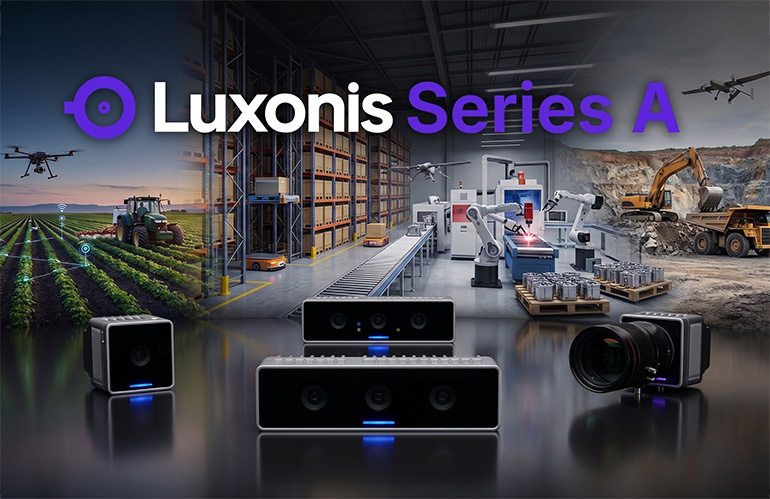
Luxonis closes Series A round to scale physical AI perception layer
Luxonis has announced its plans to increase production of its OAK camera and enhance its platform to better support robotics and industrial automation. This initiative follows the successful closure of its Series A funding round, which aims to bolster the company's capabilities in developing a physical AI perception layer. The funding will enable Luxonis to refine its technology and expand its market presence in the rapidly evolving field of AI and automation.
Agriculture Artificial Intelligence Cameras / Imaging / Vision Defense / Security Industrial Robots Logistics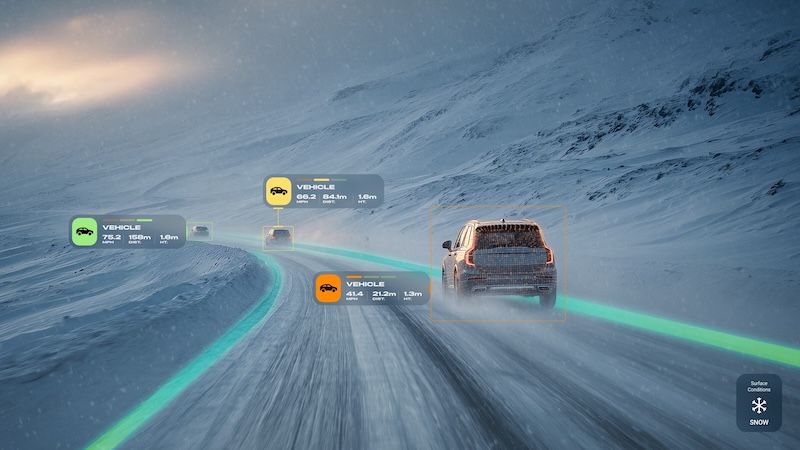
Teradar enters paid evaluation program with German automaker for terahertz vehicle sensing technology
Teradar, a company specializing in terahertz (THz) vision technology, has initiated a paid technical evaluation program with a leading German automotive manufacturer. This collaboration aims to assess Teradar's innovative sensing technology for potential integration into advanced driver assistance systems (ADAS) and autonomous driving platforms. The evaluation will specifically target challenging scenarios where traditional sensing technologies, including cameras, radar, and lidar, may face limitations. By exploring the capabilities of THz technology, both Teradar and the automotive manufacturer seek to enhance the safety and efficiency of future automotive systems.
Components Design Engineering adas advanced driver assistance systems automation news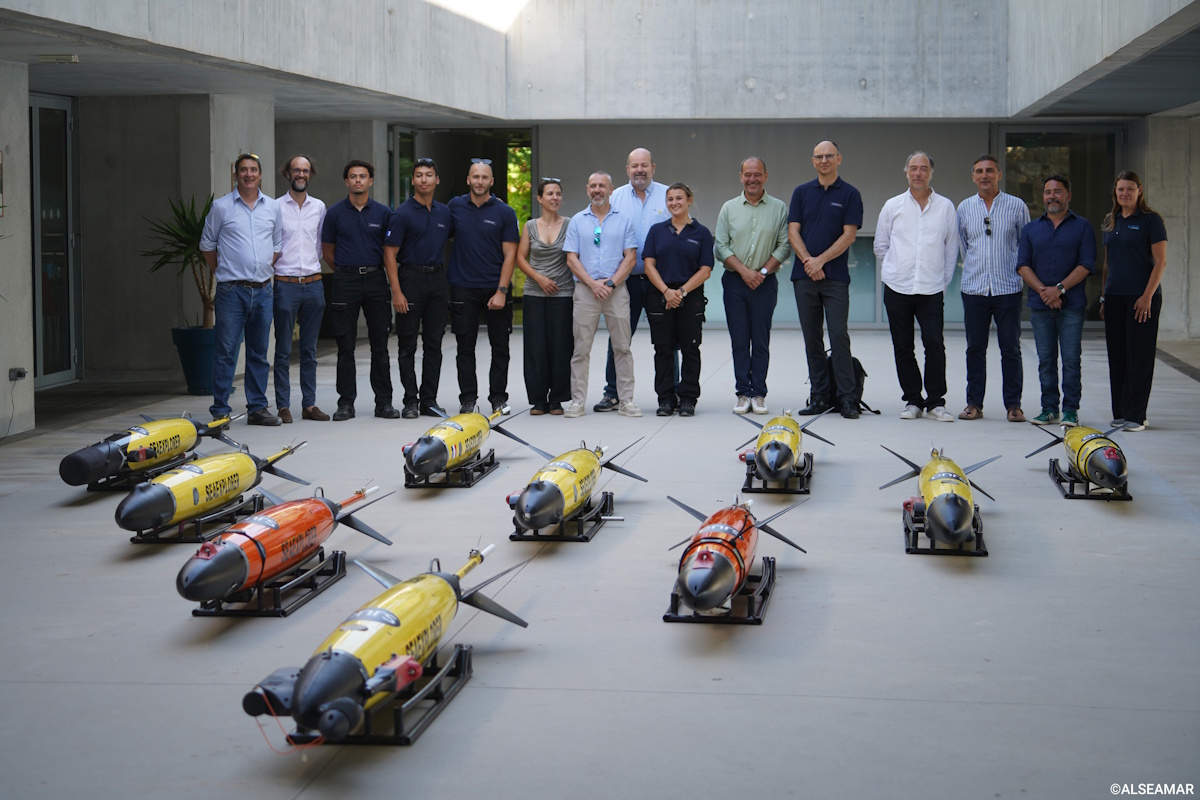
CNRS Deploys Ten SEAEXPLORER Autonomous Gliders for Mediterranean Ecosystem Research
In mid-June 2026, the CNRS deployed ten SEAEXPLORER autonomous underwater gliders in the Ligurian Sea as part of Mission 6 under France's 2030 funding plan. This initiative aims to create a comprehensive environmental data atlas for the northwestern Mediterranean, focusing on the impacts of human activities on marine ecosystems. The gliders will operate for one month, diving to depths of 1,000 meters and equipped with sensors to monitor underwater noise and ocean currents. The deployment is significant as it represents a strategic effort by the French government to enhance industrial competitiveness and develop next-generation technologies for deep-sea exploration. By utilizing coordinated fleets of autonomous gliders and advanced sensing technologies, researchers aim to better understand the dynamics of marine ecosystems and the effects of climate change, maritime traffic, and ocean acidification. This innovative approach will facilitate the study of plankton distribution and biodiversity through methods such as environmental DNA monitoring. Looking ahead, the next phases of Mission 6 will involve additional deployments in the Gulf of Lion in 2028 to test new sensors, followed by operations in French Polynesia between 2028 and 2029. These efforts will further expand the capabilities of autonomous underwater vehicles in marine research, with no further timeline disclosed at the time of publication.
autonomous gliders cnrs exploration mediterranean marine ecosystems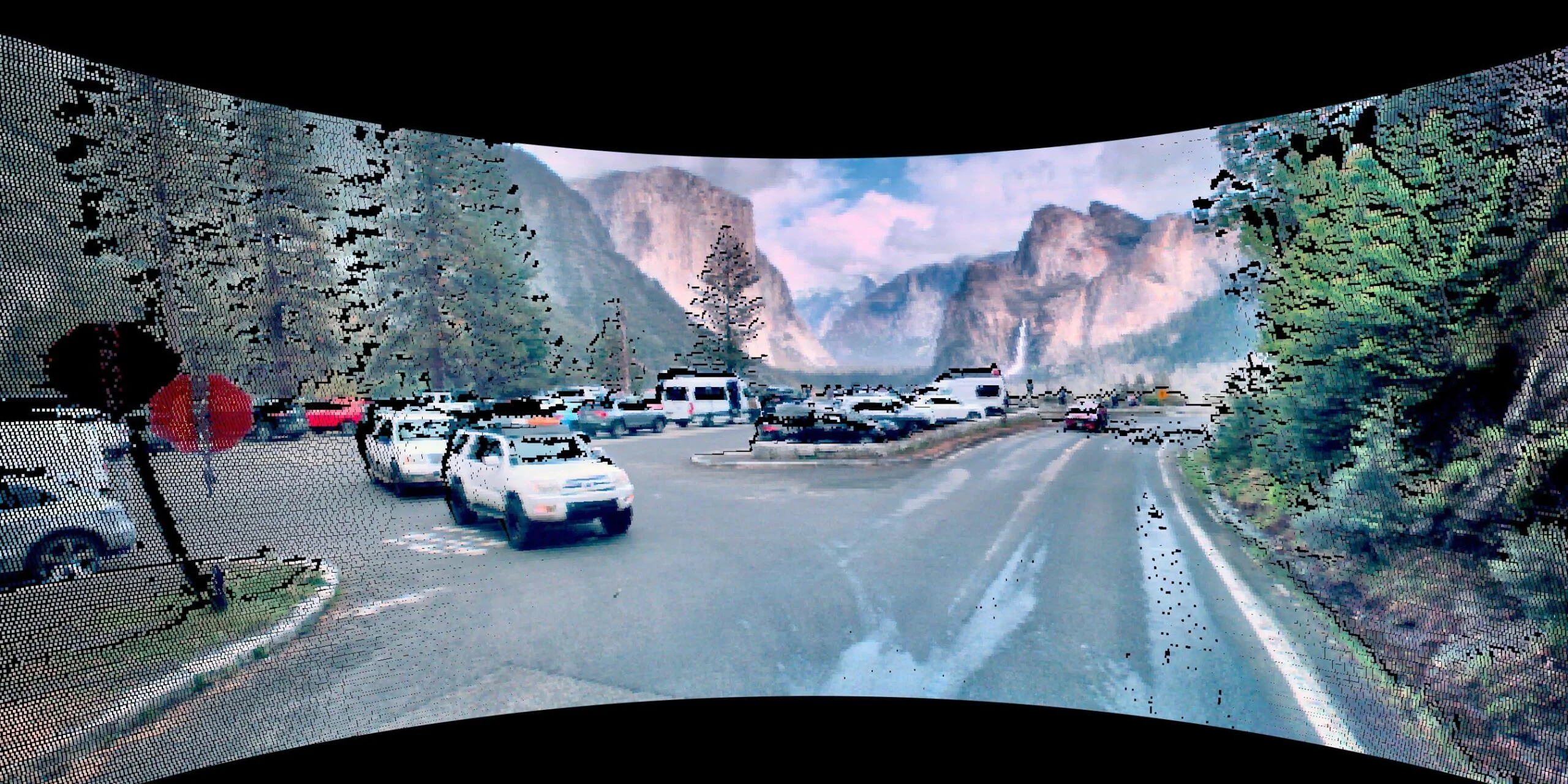
Ouster Releases Family of ‘Native Color Lidar’ Sensors for Robotics, Autonomous Vehicles
Ouster has launched a groundbreaking series of digital lidar sensors, the Rev8 family, which the company claims to be the world's first native color lidar platform. This innovative technology is designed for applications in robotics, autonomous vehicles, and industrial AI systems. The announcement was made recently, showcasing the sensors' capabilities powered by Ouster's advanced L4 Silicon architecture, which enhances their range and performance. This development marks a significant advancement in lidar technology, aiming to meet the growing demand for high-quality sensing solutions in various industries.
AI AI Use Cases Robotics autonomous driving industrial AI LiDAR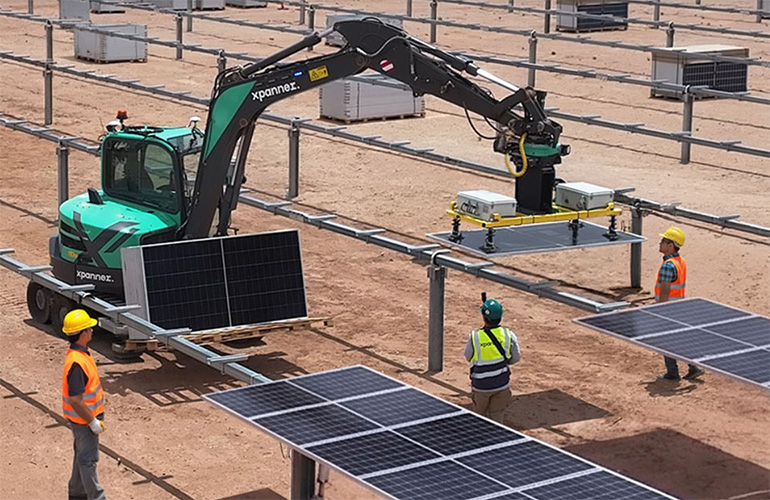
Xpanner Launches X1 Panel Lift to Automate Solar Panel Installation Processes
Xpanner Global has introduced the X1 Panel Lift system, aimed at alleviating the skilled labor shortage in the solar industry. This innovative platform, previously used for solar pile-driving, now facilitates automated lifting and replacement of solar panels using excavators. By automating repetitive material handling tasks, the X1 Panel Lift allows installation crews to focus on more critical activities such as aligning and fastening panels. The significance of the X1 Panel Lift lies in its potential to transform solar installation workflows, which have traditionally relied on large teams and complex setups. Henri Lee, co-founder and CEO of Xpanner, emphasized that this solution simplifies operations, enabling any operator to manage the system from day one. The introduction of this technology could lead to increased efficiency and reduced labor costs in utility-scale solar projects. Looking ahead, Xpanner plans to enhance the X1 Panel Lift's capabilities through software updates, allowing for the automation of additional workflows without necessitating new equipment purchases. No further timeline was disclosed at the time of publication.
Arms / Manipulators Artificial Intelligence Construction Energy / Solar / Renewables News Safety & Security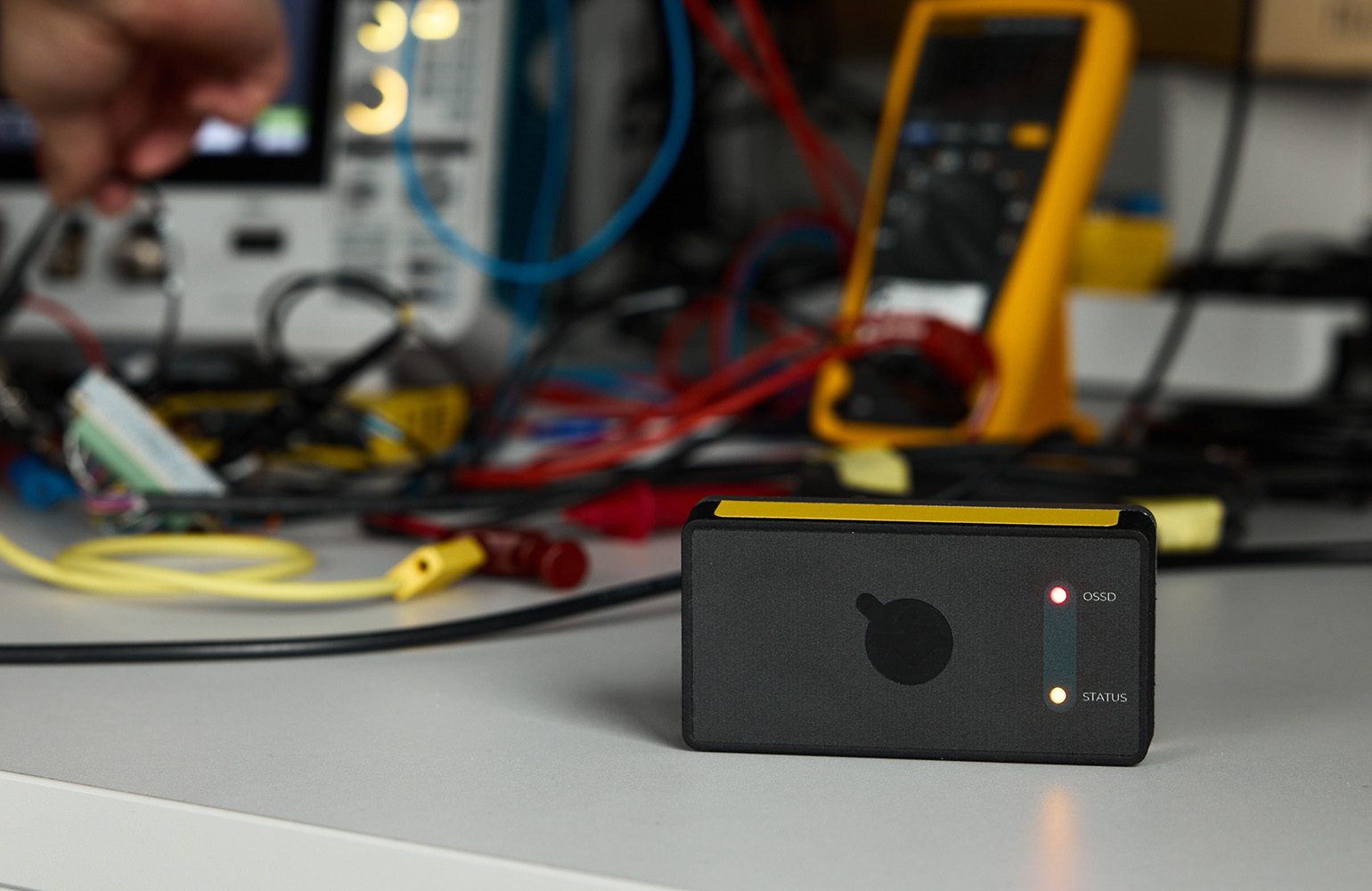
Sonair ADAR One 3D ultrasonic sensor is now safety-certified
Sonair has announced that its ADAR One 3D ultrasonic sensor has received safety certification as a human detection sensor, meeting the IEC 61496 standard for electrosensitive protection devices. This certification underscores the sensor's reliability and effectiveness in ensuring safety in various applications. The assessment reflects Sonair's commitment to adhering to international safety standards, enhancing the credibility of its technology in the market. The announcement marks a significant milestone for the company, as it aims to expand the use of its advanced sensor technology in diverse sectors.
Artificial Intelligence Artificial Intelligence / Cognition Design / Development Logistics Manufacturing Mobility / Navigation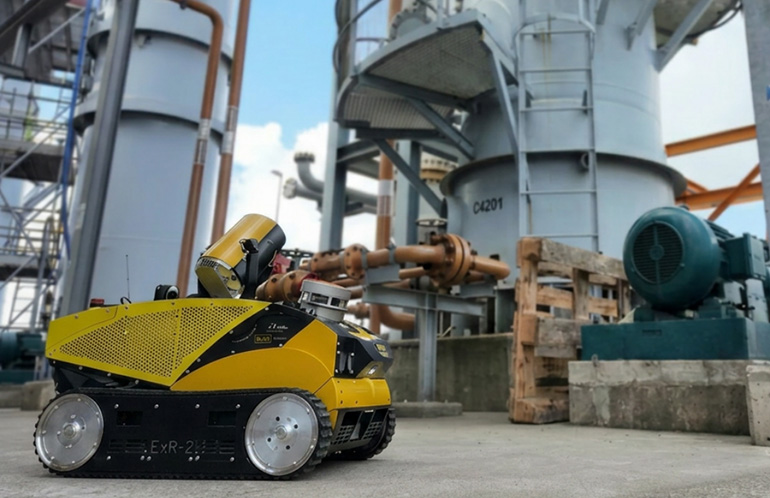
ExRobotics launches UL-certified inspection robot for hazardous environments
ExRobotics has announced that its ExR-2.5 inspection robot has received certification for safe operations in explosive environments across North America. This certification allows the robot to be deployed in hazardous settings, enhancing safety and efficiency in inspections where traditional methods may pose risks. The launch of the UL-certified ExR-2.5 marks a significant advancement in robotics technology, aimed at addressing the challenges faced in environments that are potentially dangerous for human operators.
Autonomous Mobile Robots (AMRs) Cameras / Imaging / Vision Mobility / Navigation News Oil and Gas Safety & Security
Why physical AI 2.0 needs a reality check
A columnist emphasizes the importance of physical state recovery in the development of physical AI, arguing that while vision and language capabilities are crucial, enabling robots to effectively interact with their environment is essential for the next generation of AI technology. The commentary highlights the need for a realistic assessment of these advancements, suggesting that without addressing the physical aspects of AI, progress may be hindered. This perspective was shared in a recent article on The Robot Report, underscoring the ongoing discourse surrounding the evolution of robotics and artificial intelligence.
Artificial Intelligence Artificial Intelligence / Cognition Autonomous Mobile Robots (AMRs) Cameras / Imaging / Vision Humanoids Mobility / Navigation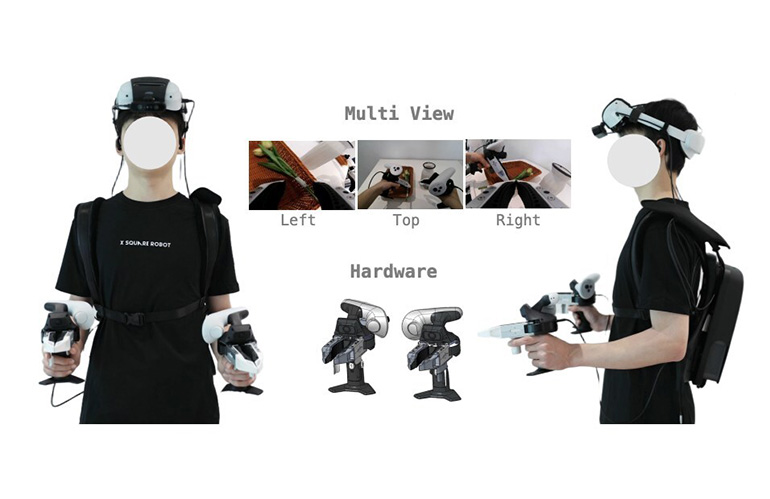
Inside XRZero-G0, a new 2,000-hour open dataset for robotics research
X Square Robot has announced the open-sourcing of XRZero-G0, a groundbreaking framework designed to significantly decrease the amount of real-robot training data needed by as much as 20 times. This initiative aims to enhance robotics research by providing a comprehensive dataset that spans 2,000 hours of robotic training scenarios. The release of XRZero-G0 is expected to facilitate advancements in the field, enabling researchers and developers to optimize their algorithms and improve robotic performance without the extensive data collection traditionally required. This innovative approach is part of X Square Robot's commitment to fostering collaboration and progress within the robotics community.
Academia / Research Artificial Intelligence Artificial Intelligence / Cognition Development Tools / SDKs / Libraries News Research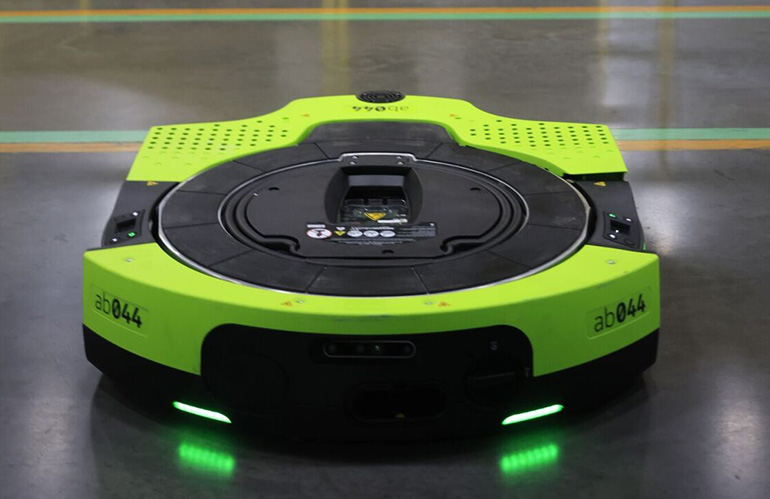
Proteus gets natural-language ability as Amazon expands European robot deployments
Amazon has announced its plans to deploy the mobile robot Proteus, along with two other robots, STARK and Vulcan, across Europe. This initiative aims to enhance operational efficiency within its facilities. Notably, Proteus will feature natural-language processing capabilities, allowing it to operate without the need for special commands. The deployment is part of Amazon's broader strategy to integrate advanced robotics into its logistics and fulfillment processes, reflecting the company's commitment to innovation in automation. The timeline for this rollout has not been specified, but it underscores Amazon's ongoing investment in technology to streamline operations and improve productivity in its European market.
6-Axis Arms / Manipulators Artificial Intelligence / Cognition Autonomous Mobile Robots (AMRs) Collaborative Robots Human Robot Interaction / Haptics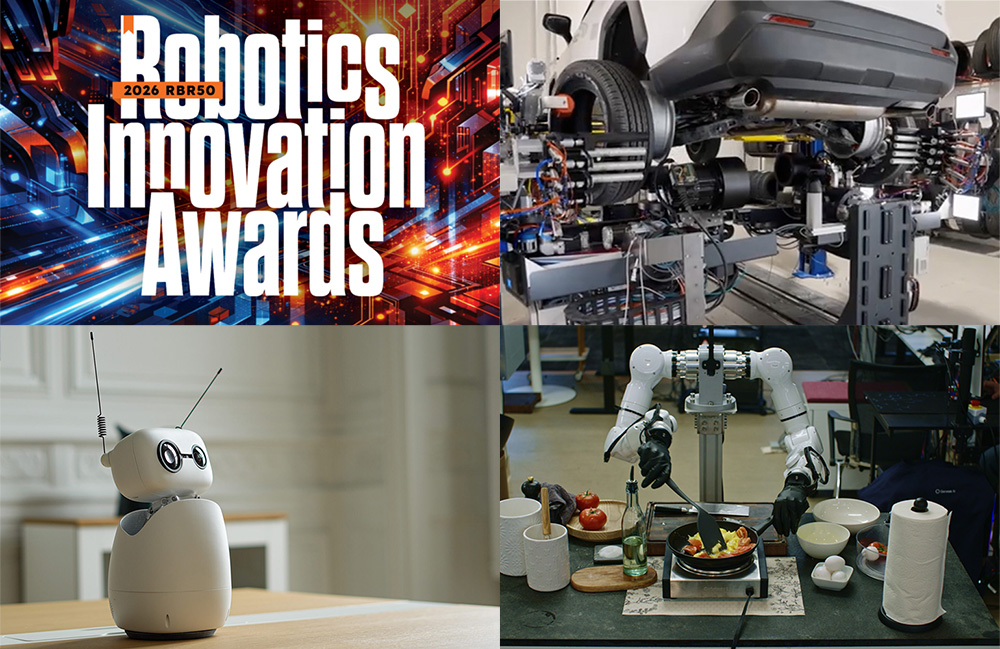
Top 10 robotics stories from May 2026
In May 2026, the robotics industry experienced a surge of activity, culminating in the Robotics Summit & Expo held in Boston. This prominent event showcased the latest advancements and innovations in robotics, attracting industry leaders, researchers, and enthusiasts from around the globe. The summit served as a platform for discussions on emerging technologies, trends, and the future of robotics, highlighting the sector's rapid evolution and its increasing impact on various industries. The event's timing coincided with a series of significant developments in robotics, making it a focal point for news coverage and analysis. As the industry continues to grow, the Robotics Summit & Expo underscored the importance of collaboration and knowledge sharing among stakeholders to drive future advancements.
Artificial Intelligence Artificial Intelligence / Cognition Automation Automotive Autonomous Mobile Robots (AMRs) Cameras / Imaging / Vision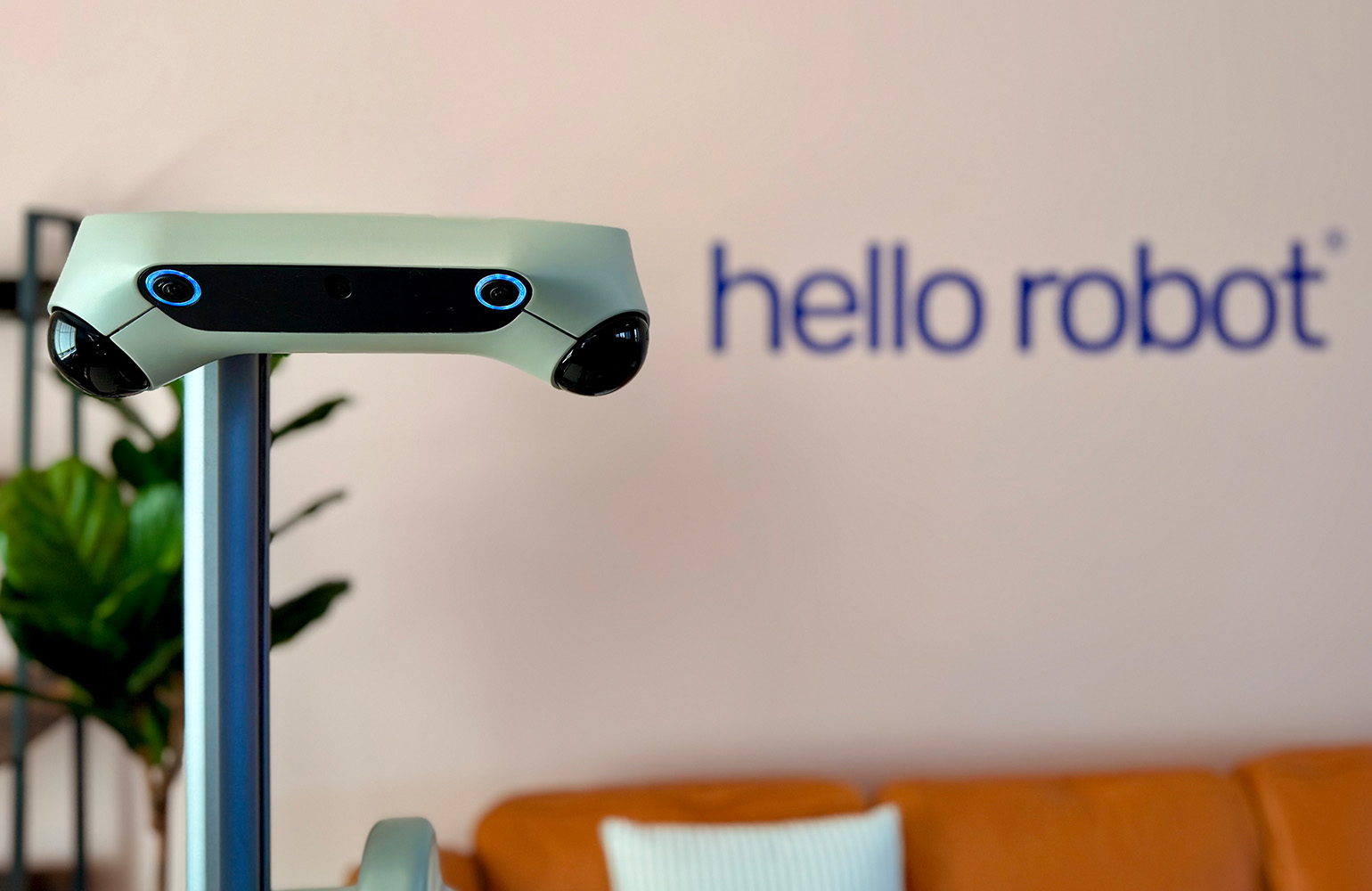
Hello Robot’s latest Stretch 4 is bigger, faster, and stronger than previous versions
Hello Robot has unveiled its latest model, the Stretch 4, which boasts enhanced capabilities compared to its predecessors. This new assistive robot is designed to be bigger, faster, and stronger, while still prioritizing flexibility and safety in its operations. The announcement highlights the company's commitment to advancing robotic technology to better serve various applications. The Stretch 4 aims to improve efficiency and effectiveness in tasks that require assistance, marking a significant step forward in the field of robotics.
Artificial Intelligence Artificial Intelligence / Cognition Cameras / Imaging / Vision Design / Development Development Tools / SDKs / Libraries Grippers
Project CETI deploys autonomous underwater gliders to better observe sperm whales
Project CETI has introduced an innovative underwater glider designed to enhance the monitoring of sperm whales, significantly extending the duration of observation compared to previous techniques. This advancement aims to improve the understanding of whale behavior and ecology, contributing to conservation efforts. The deployment of the autonomous glider marks a pivotal step in marine research, allowing scientists to gather more comprehensive data on these majestic creatures. The initiative reflects Project CETI's commitment to leveraging technology for wildlife observation and protection, ultimately fostering a deeper connection between humans and marine life.
Academia / Research Artificial Intelligence Artificial Intelligence / Cognition Design / Development Maritime Markets / Industries
Silicon Sensing and Kongsberg Discovery Join Forces with Disruptive Ambitions
Silicon Sensing Systems Ltd and Kongsberg Discovery AS have announced a partnership aimed at advancing next-generation MEMS-based gyro technology. This collaboration, which seeks to innovate and potentially disrupt current market solutions, was formalized through a cooperation agreement. The initiative reflects both companies' commitment to enhancing precision and performance in gyroscopic applications, positioning them at the forefront of technological development in the field. The agreement highlights the growing importance of MEMS (Micro-Electro-Mechanical Systems) technology in various industries, including aerospace and automotive, where accurate motion sensing is critical.
silicon sensing kongsberg discovery ins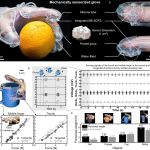
New Soft Mechanical Force Sensor Enables Instant Touch Detection in Robotics
Researchers from the National University of Singapore have developed a soft mechanical force sensor, named ME-SOFS, which allows robots to detect touch and respond instantly without electronics. This innovation transforms applied force into fluid flow, activating soft robotic actuators and creating a fully mechanical sensing-to-action process. The ME-SOFS sensor, made entirely from flexible materials, eliminates the need for traditional electronic sensors, reducing complexity and potential failure points. Its design is particularly beneficial for soft robots operating in extreme environments, such as underwater or inside the human body, where electronic systems may fail. Future applications of the ME-SOFS sensor include integration into soft robotic systems, such as a glove that measures grasping forces and a haptic pad for touch feedback. This technology could significantly enhance prosthetics and human-machine interfaces. No further timeline was disclosed at the time of publication.
AI and Robotics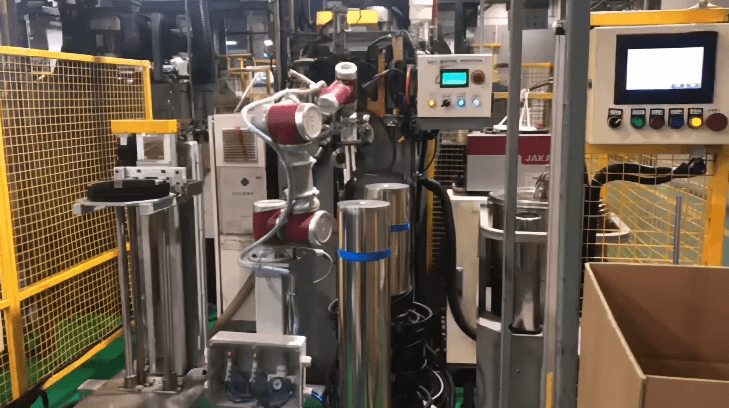
How to Achieve Remote Monitoring and Diagnostics for Controllable Robot Systems
In the evolving landscape of smart manufacturing, the significance of collaborative robots is shifting from mere physical performance to the ability to be managed remotely. As production environments become increasingly decentralized, companies are prioritizing remote monitoring and diagnostics to oversee robot health, predict maintenance needs, and troubleshoot issues without on-site presence. To achieve effective remote management, a combination of advanced hardware sensors and cloud-based software is essential. Utilizing the Industrial Internet of Things (IIoT), data from robots—including motor temperature and power consumption—is streamed to centralized dashboards. Secure data transmission protocols like OPC UA and MQTT facilitate communication with Manufacturing Execution Systems, enabling the use of "Digital Twin" technology. This allows real-time mirroring of a robot's movements, triggering automated alerts for predictive maintenance to prevent costly downtimes. JAKA is at the forefront of this innovation, moving beyond traditional operations to create a connected ecosystem. Their "Smart, Simple, Small" philosophy ensures that managing JAKA systems is as user-friendly as mobile applications. With advanced wireless teaching and cloud management tools, users can monitor their fleet of robots globally from a single interface. JAKA's software suite enables remote diagnostics, providing real-time feedback on robot status, which is crucial for maintaining continuous production across various locations. The integration of AI-driven vision and sensing further enhances remote monitoring capabilities. By investing in JAKA, companies are securing a future-proof solution that ensures control and productivity, regardless of geographical constraints.
Sony Semiconductor Solutions and TSMC Plan Partnership to Develop Image Sensors for Physical AI
Sony Semiconductor Solutions and Taiwan Semiconductor Manufacturing Company (TSMC) have announced a strategic partnership aimed at developing and manufacturing next-generation image sensors. This collaboration, which was formalized through a non-binding memorandum of understanding, is set to explore future applications in sectors such as robotics, automotive systems, and physical AI. The partnership reflects both companies' commitment to advancing technology in these rapidly evolving fields.
AI AI Funding & Investment Robotics image sensors Japan Physical AI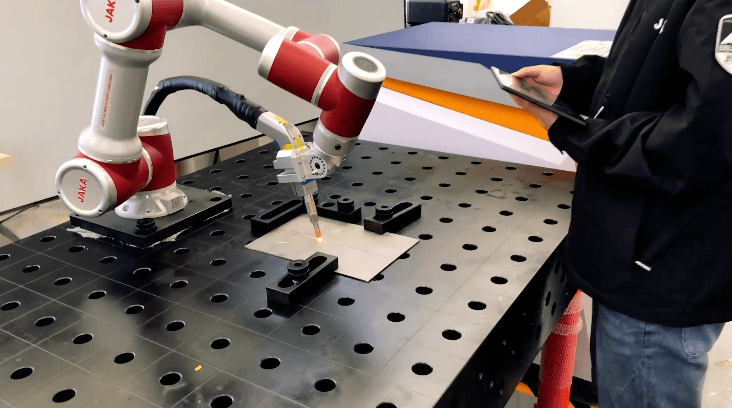
Integrating Force/Torque Sensors into the Flange of an Articulated Robot Arm
In the evolving field of automation, the integration of force/torque (F/T) sensors into robotic systems has become essential for enhancing precision and safety in industrial applications. Traditional robots, which operate on pre-programmed coordinates, are now being outpaced by articulated robots equipped with these advanced sensors. By embedding the sensors directly into the mounting flange—where the robot arm connects to its tool—manufacturers can achieve unprecedented levels of responsiveness to physical resistance in real-time. These 6-axis F/T sensors measure both linear forces and rotational torques, allowing for accurate data collection at the point of contact. This capability is particularly crucial in tasks such as delicate component insertion and high-precision screwdriving, where even minor deviations in force can lead to damage. Additionally, the integration of these sensors enhances the robot's operational intelligence, enabling features like active gravity compensation and improved collision detection, which contribute to a safer collaborative environment for human operators. JAKA has taken significant strides in this area with its S series robots, which feature built-in high-accuracy force sensors that eliminate the need for bulky external attachments. This design not only preserves the robot's agility but also enhances its sensitivity, facilitating smoother operation during complex tasks in sectors like electronics and industrial welding. With an accuracy of 1% FS and a distinguishability of 0.1N, JAKA's technology allows for real-time force monitoring and simplifies the debugging process, ultimately leading to more efficient and reliable production lines.
Development of Dual‐Functional Flexible Ultrasonic Sensor Array of Proximity Sensing and Material Recognition for Safety Control of Robot
The Journal of Field Robotics has recently published an article in its EarlyView section, highlighting advancements in robotic technology. Researchers from various institutions have collaborated to explore innovative applications of robotics in field environments. The study, released in October 2023, emphasizes the growing importance of robotics in enhancing efficiency and safety in agriculture, disaster response, and environmental monitoring. The motivation behind this research stems from the increasing need for automation in sectors that face labor shortages and require precise data collection. By integrating advanced sensors and artificial intelligence, the team aims to develop robots capable of performing complex tasks autonomously. This approach not only aims to reduce human intervention but also to improve the accuracy and speed of operations in challenging environments. The findings indicate that these robotic systems can significantly enhance productivity while minimizing risks associated with hazardous conditions. The researchers conducted extensive field tests to validate their designs, demonstrating the robots' capabilities in real-world scenarios. This work represents a significant step forward in the field of robotics, showcasing the potential for these technologies to transform various industries and address pressing global challenges.
RESEARCH ARTICLE
GoZTASP: A Zero-Trust Platform for Governing Autonomous Systems at Mission Scale
ZTASP, a cutting-edge assurance and governance platform for autonomous systems, has made significant advancements in ensuring the safety and integrity of operations in real-world environments. This platform integrates various technologies, including drones, robots, sensors, and human operators, into a cohesive zero-trust architecture. Utilizing Secure Runtime Assurance (SRTA) and Secure Spatio-Temporal Reasoning (SSTR), ZTASP continuously monitors system integrity and enforces safety protocols, allowing for resilient operations even in challenging conditions. Recently, ZTASP has achieved operational validation at Technology Readiness Level (TRL) 7, demonstrating its effectiveness in mission-critical scenarios. Key components, such as the Saluki secure flight controllers, have reached TRL 8 and are now actively deployed in customer systems. Originally designed for high-stakes missions, the platform's assurance capabilities are increasingly applicable across various sectors, including healthcare, transportation, and critical infrastructure. This evolution reflects a growing recognition of the need for robust safety measures in diverse operational domains.
Autonomous-systems Drones Sensors Transportation Type-whitepaper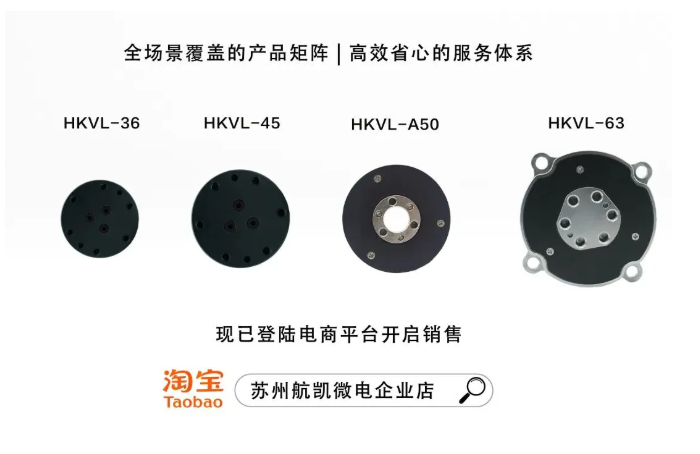
300% FS Safe Overload and 0.01N Resolution: Launch of HKVL Series Six-Dimensional Force Sensors by Hangkai Microelectronics
Hangkai Microelectronics has introduced its latest innovation, the HKVL series six-dimensional force sensors, aimed at enhancing robotic force control. The sensors have undergone rigorous testing, showcasing remarkable performance in extreme overload scenarios and micro-force detection. This advancement promises to significantly improve reliability and accuracy in various industrial automation and robotics applications. The launch of these sensors marks a pivotal step in the company's commitment to advancing technology in the field, addressing the growing demand for precision in automated systems.
Force Sensors Robotics Industrial Automation Precision Control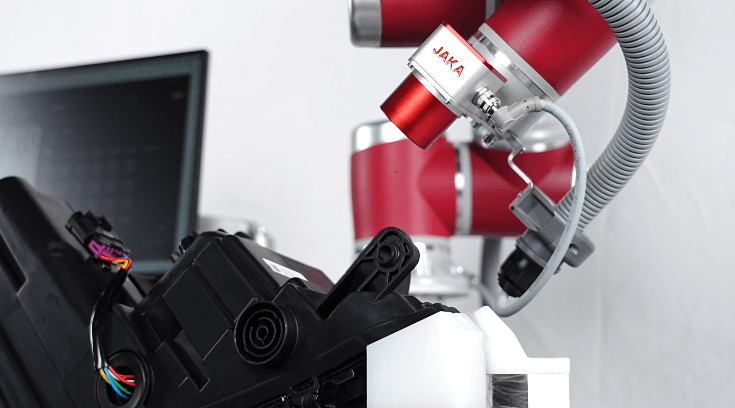
The Science Behind Cobot Force Sensing and Collision Detection
JAKA, a leader in collaborative robotics, is advancing the integration of force sensing and collision detection technologies to enhance safety and efficiency on production floors. As the demand for collaborative robots grows, understanding these systems becomes crucial for their effective deployment. Force sensing enables robots to perceive real-time physical interactions by continuously monitoring joint-level data such as torque and motion. This capability allows robots to differentiate between normal operational loads and unexpected contact, facilitating smoother transitions and reducing stress on both machinery and operators during tasks like assembly and inspection. Complementing this, collision detection translates abnormal force patterns into immediate responses, allowing robots to adjust their speed or halt operations when necessary. This continuous feedback loop fosters safe interactions between robots and human workers without the need for physical barriers, accommodating dynamic work environments. JAKA's compact cobot design, exemplified by the JAKA Zu3, integrates these technologies into a lightweight system suitable for precision tasks in confined spaces. With a payload capacity of 3 kg and a reach of 626 mm, the Zu3 is engineered for seamless human-robot collaboration, ensuring that existing workflows remain undisturbed. By embedding advanced sensing and control mechanisms into their robotics framework, JAKA aims to promote reliable collaboration in real-world production settings, where safety, precision, and adaptability are paramount.
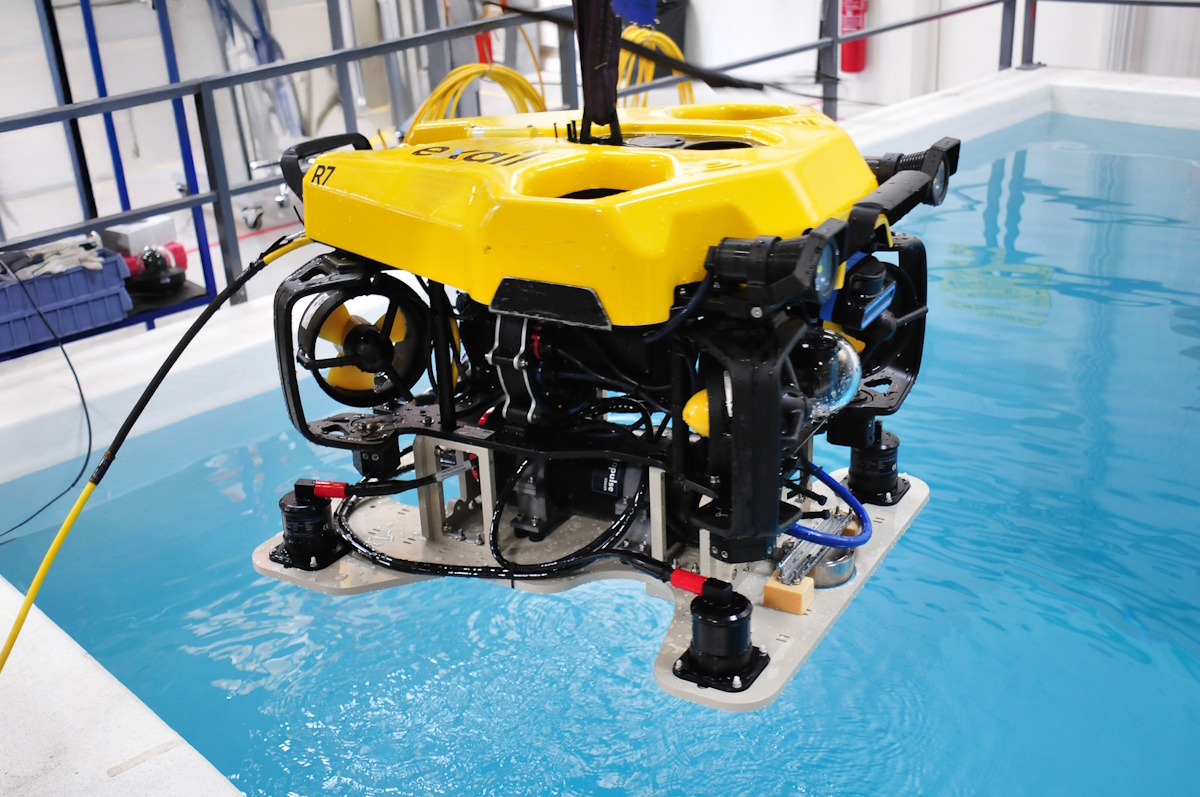
Exail Integrates Elwave’s Electromagnetic Sensing Technology Into R7 ROVs
Exail, a prominent player in maritime robotics, has partnered with Elwave to enhance its R7 Remotely Operated Vehicles (ROVs) with advanced electromagnetic sensing technology. This collaboration involves the integration of Elwave’s Tetrapulse sensors, which utilize the cutting-edge CEDAR (Controlled Electric Detection And Ranging) technology. The deployment of these sensors will occur across multiple R7 ROVs, although the identity of the client benefiting from this enhancement remains undisclosed. This strategic move aims to bolster the capabilities of Exail’s ROVs, ensuring they remain at the forefront of maritime exploration and operations.
exail elwave electromagnetic sensing technology r7 rov
Spry Technocon and Partners Form Alliance for Unmanned Mine Countermeasure Solutions for Indian Navy
Spry Technocon Private Limited has formed a strategic partnership with Teledyne Marine, Klein Marine Systems, and VideoRay to develop advanced Unmanned Mine Countermeasure (MCM) Systems for the Indian Navy. This collaboration aims to leverage cutting-edge underwater sensing and imaging technologies alongside indigenous engineering capabilities to create a comprehensive MCM Suite. The partnership is significant as it aligns with India's Aatmanirbhar Bharat and Make in India initiatives, promoting self-reliance in defense technologies. By integrating advanced Autonomous Underwater Vehicles, high-resolution sonar systems, and remotely operated vehicles, the alliance seeks to enhance the Indian Navy's capabilities in mine warfare. Looking ahead, the focus will be on establishing a sustainable ecosystem for next-generation mine warfare technologies in India. No further timeline was disclosed at the time of publication.
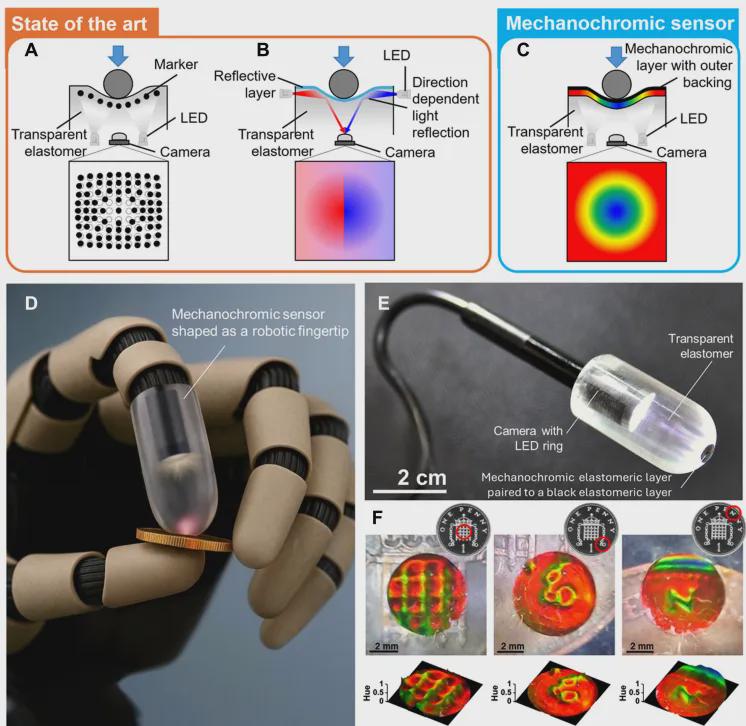
New Tactile Sensors Achieve High Resolution Without Deep Learning
Researchers from Queen Mary University of London and the University of Florence have unveiled a groundbreaking mechanochromic film measuring just 16 microns in thickness, designed to enhance tactile sensing capabilities in robots. This innovative sensor operates without the need for deep learning, directly translating mechanical strain into color changes. As a result, it generates real-time pressure maps with an impressive spatial resolution of around 100 microns. This advancement significantly boosts the dexterity of robotic systems, enabling them to interact more effectively with their environments. The development marks a notable step forward in robotics, potentially transforming how machines perceive and respond to tactile stimuli.
Tactile Sensors Robotics Mechanochromic Materials Pressure Mapping
The Role of RF Connectors in Robotic Vision, Sensor Communication, and Automated Inspection Systems
Recent advancements in robotic vision and automated inspection have highlighted the limitations of software solutions in addressing physical challenges. While fast GPUs, sophisticated models, and user-friendly dashboards are often celebrated as technological triumphs, they falter when confronted with the realities of a compromised physical signal path. For instance, a camera's ability to process images is hindered by a noisy clock, and sensors struggle to deliver accurate readings when interfaces become loose after repeated vibrations. This underscores the importance of considering the physical environment in the development and implementation of automated systems, as reliance solely on software capabilities may lead to significant operational failures.
Design Engineering Technology automated inspection automation news factory automation
indie Launches Edge AI SoC to Power Smarter Perception Systems for Automotive and Humanoids
indie, an automotive solutions innovator based in Aliso Viejo, CA, has announced the launch of its next-generation edge AI system-on-chip (SoC), the iND881, designed to enhance smart camera technology for automotive and robotic applications. Unveiled on June 10, 2026, the iND881 integrates an AI compute engine with indie’s advanced low-latency multi-camera image signal processor (ISP), providing an efficient solution for developers. The iND881 is engineered for low power consumption and real-time responsiveness, featuring a Neural Processing Unit (NPU), a versatile Digital Signal Processor (DSP), and a quad-core ARM Cortex-A53 CPU. This architecture is tailored for demanding edge perception tasks, making it particularly beneficial for advanced driver assistance systems, including driver and occupant monitoring and smart mirrors with blind-spot detection. In addition to automotive applications, the iND881 supports robotics and physical AI automation, facilitating accurate sensing and navigation for autonomous mobile robots. The device's capabilities include multi-channel video compression, high-dynamic-range ISP, and compatibility with various sensor modalities such as infrared and LiDAR, ensuring robust performance in complex environments. The iND881 is ASIL-B compliant and automotive qualified, currently available for sampling. It will be showcased at the upcoming AutoSens and InCabin USA 2026 events. Fred Jarrar, indie's senior vice president, emphasized that the launch not only expands their product portfolio but also positions indie as a comprehensive solutions provider in the edge AI market.

Robots move beyond mapped worlds with advanced lidar sensing
A lidar technology company has partnered with a robotics AI developer to enhance the capabilities of autonomous systems. This collaboration, announced recently, aims to integrate advanced lidar sensing with cutting-edge artificial intelligence to improve navigation and object recognition in various applications, including autonomous vehicles and drones. The partnership is expected to leverage the strengths of both companies, combining precise environmental mapping with intelligent decision-making algorithms. This initiative comes in response to the growing demand for more reliable and efficient autonomous solutions in industries such as transportation and logistics. The companies plan to begin testing their integrated systems in the coming months, with the goal of launching a prototype by early next year.
3D-sensing technology could improve self-driving cars and robotic surgery
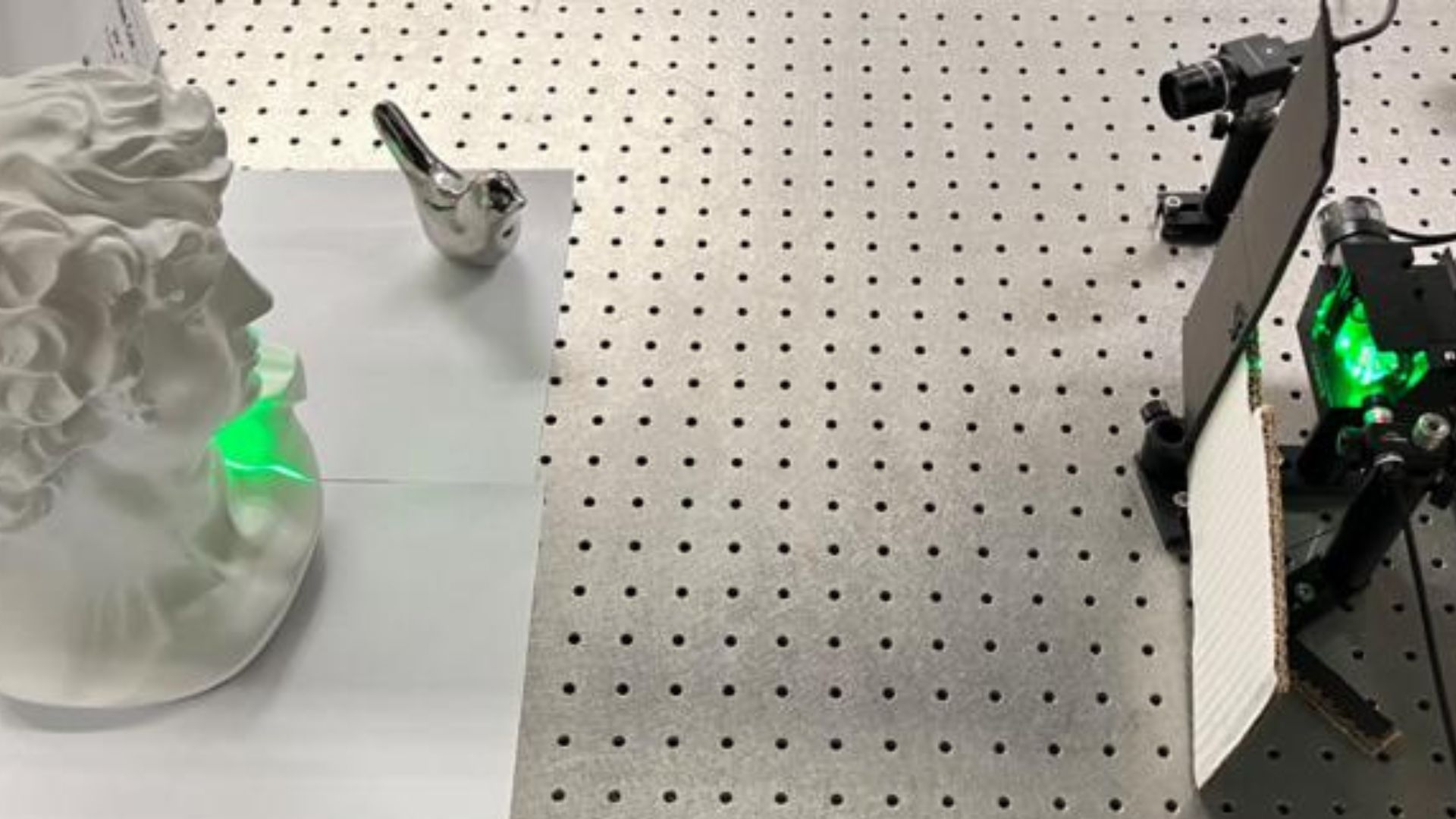
Researchers at the University of Arizona have made significant strides in 3D-sensing technology, which could revolutionize how autonomous vehicles navigate complex urban environments. This breakthrough was announced recently, showcasing the potential to enhance safety and efficiency in city driving. The team developed an advanced system that utilizes sophisticated algorithms and sensors to interpret real-time data from the surrounding environment, enabling vehicles to better understand and respond to dynamic conditions on busy streets. By improving the accuracy of spatial awareness, this technology aims to reduce accidents and improve traffic flow, addressing the growing challenges of urban mobility. The research highlights the university's commitment to innovation in transportation technology, with implications that could extend beyond self-driving cars to various applications in robotics and smart city infrastructure.

Innovative Robot Tactile Sensing: A Team from USTC Uses Liquid Metal to Replace Dense Sensor Arrays
A research team at the University of Science and Technology of China has unveiled a revolutionary tactile sensing platform named CLiMETS. This innovative technology employs a single piece of liquid metal to effectively detect touch and pressure, streamlining the sensing process by removing the necessity for intricate sensor arrays. The development, announced recently, promises to significantly enhance sensitivity and durability in tactile sensing applications. This advancement is expected to facilitate the integration of more sophisticated robotic systems, marking a notable step forward in the field of robotics and sensory technology.
Tactile Sensing Liquid Metal Technology Robotics Soft Robotics
Robot Vision Systems: 3 Ways Robots See the World | Boston Dynamics
Modern robot vision systems are increasingly utilizing advanced technologies such as visual cameras, 3D lidar scans, and various sensors to enhance their ability to interpret, navigate, and interact with their surroundings. These developments are part of a broader trend in robotics aimed at improving automation and efficiency across multiple industries. As of October 2023, the integration of these sophisticated systems is revolutionizing how robots perceive and respond to their environment, enabling them to perform complex tasks with greater accuracy and reliability. This advancement is driven by the need for more intelligent and adaptable robotic solutions in sectors ranging from manufacturing to healthcare, where precise navigation and interaction with dynamic environments are crucial. The ongoing research and implementation of these technologies signify a significant leap forward in the field of robotics, paving the way for more autonomous and capable machines.

The Evolution of Autonomous Systems for Planetary Cave Exploration: A Review
A recent study published in the Journal of Field Robotics highlights advancements in autonomous robotic systems designed for agricultural applications. Researchers from various institutions collaborated to develop innovative technologies aimed at improving efficiency in farming practices. The study, released in early October 2023, emphasizes the growing need for sustainable agricultural solutions in response to increasing global food demands and environmental challenges. The team conducted extensive field tests to evaluate the performance of these robotic systems in real-world farming environments. By integrating advanced sensors and artificial intelligence, the robots are capable of performing tasks such as planting, harvesting, and monitoring crop health with minimal human intervention. This approach not only aims to enhance productivity but also seeks to reduce the environmental impact of traditional farming methods. The motivation behind this research stems from the urgent need to address food security while minimizing resource usage. As climate change and population growth continue to strain agricultural resources, the development of autonomous robots presents a promising solution to meet future demands. Overall, the findings underscore the potential of robotics in transforming the agricultural sector, paving the way for more sustainable and efficient farming practices in the years to come.
SURVEY ARTICLE
Paxini Unveils Three Tactile Sensors in One Month, Reinforcing Its Position as a Global Leader in Embodied Perception
In April, Paxini unveiled its upgraded SLIM series tactile sensor, featuring cutting-edge technology with a remarkable thickness of only 1mm and a density of 400 effective sensing points per square centimeter. This launch, which includes two additional sensors, underscores Paxini's dedication to rapid innovation and its mission to redefine standards in the field of embodied intelligence. The release demonstrates the company's commitment to advancing sensor technology, positioning itself as a leader in the industry.
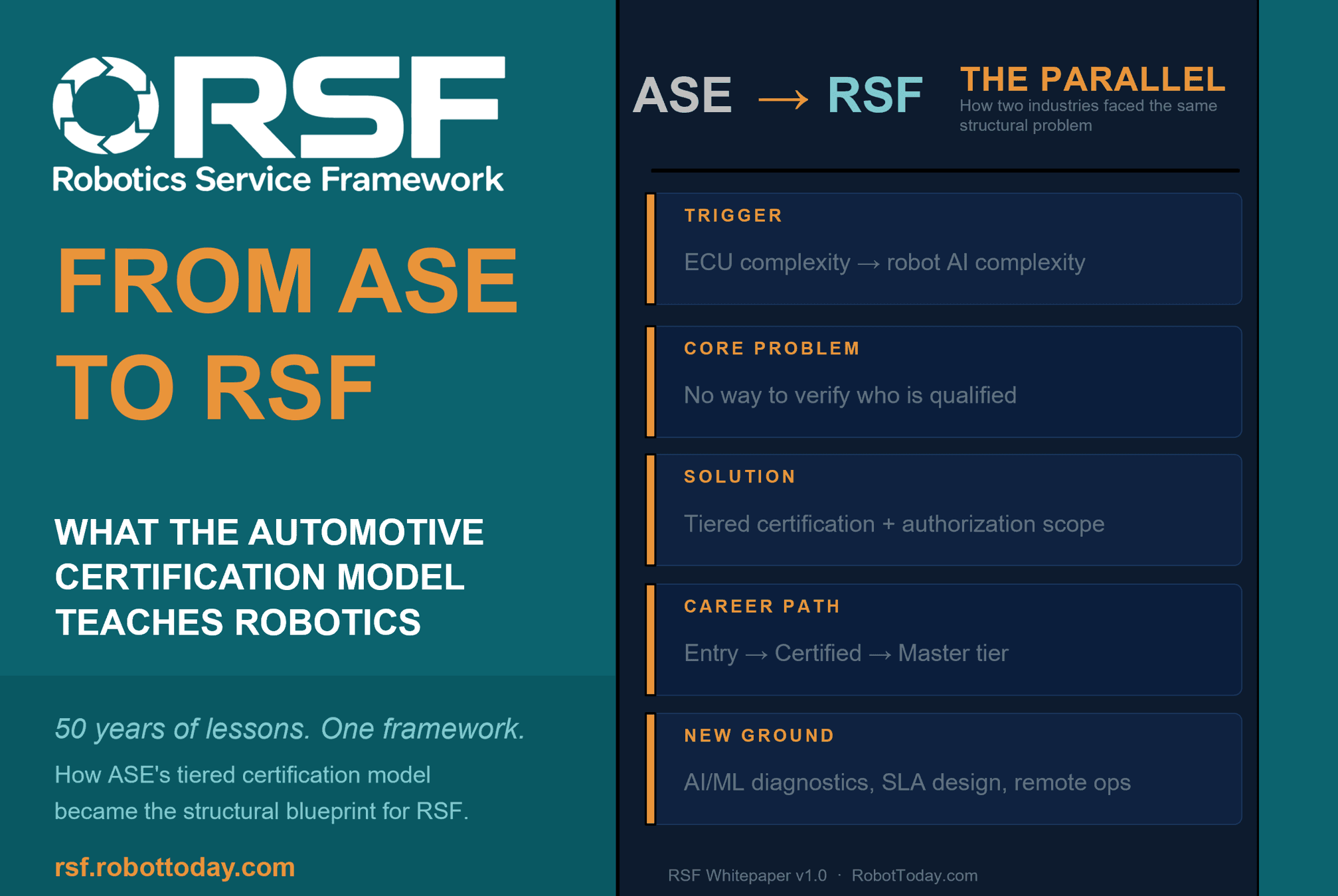
Tactile Sensors Embodied Intelligence Robotics Technology Sensor TechnologyRobotics needs a service framework.
RSF defines a common language for robot service capability, lifecycle operations, certification pathways, and service-provider networks.