Industry Briefing
A single destination for timely, editor-curated robotics news from around the world.

MassRobotics Announces Sponsorship for RoboBoston 2026 and Career Fair for Robotics & AI
MassRobotics has opened sponsorship opportunities for RoboBoston 2026, scheduled for September 26, 2026, at Boston's Seaport. This event marks the 9th Annual Robot Block Party, showcasing over 50 robotics companies, universities, and student teams. Attendees will engage with innovators and experience interactive exhibits and demonstrations. The significance of RoboBoston lies in its role as the largest robotics celebration in the region, highlighting Boston's position as a global leader in robotics and AI innovation. The event aims to foster connections between industry professionals and the public, encouraging interest in robotics and technology among attendees of all ages. Looking ahead, companies interested in participating as sponsors or hiring at the Robotics & AI Technical Career Fair should prepare for the event. No further timeline was disclosed at the time of publication.
NASA and Rice University Launch Open-Source Simulator for Space Robotics Research
Rice University and NASA have introduced the iMETRO Dynamic Simulation, the first open-source platform for developing robots for spacecraft and habitats. Unveiled at the 2026 IEEE International Conference on Robotics and Automation in Vienna, this simulator creates a digital twin of NASA's iMETRO facility, enabling global researchers to test intravehicular robotic systems in a virtual setting. This platform is significant as it broadens access to advanced space robotics research, facilitating innovation for future human space missions. It focuses on robot manipulators that assist with maintenance and logistics tasks, which are crucial for reducing astronaut workloads during extended missions. The simulator features an eight-degree-of-freedom robotic manipulator model and supports ROS 2 and MuJoCo, enhancing usability and compatibility for developers. Looking ahead, the iMETRO Dynamic Simulation aims to maximize astronaut productivity by automating routine tasks, allowing crew members to focus on scientific exploration. The research team successfully demonstrated the simulator's capabilities by transferring a robotic application from simulation to the physical facility in under a day. No further timeline was disclosed at the time of publication.
AI and Robotics
SpaceX IPO Provides Indirect Investment Opportunity in Starmind Project
Starmind does not have a standalone stock or ticker; investors can gain exposure through SpaceX (ticker: SPCX), which began trading on Nasdaq after its IPO on June 12, 2026. Starmind is integrated within SpaceX, contributing to the company's AI and space initiatives, and its performance directly influences SPCX shares. The significance of Starmind lies in its role as a division of SpaceX, which encompasses other projects like Starlink and Starship. As of early July 2026, SPCX shares are trading between $149 and $150, significantly lower than their 52-week high of $225.64. The project’s milestones, such as AI1 prototype updates, can impact SpaceX's stock performance, making it essential for investors to monitor these developments closely. Looking ahead, the early 2027 launch of AI1 prototype satellites is a critical milestone that could provide verifiable data affecting Starmind's valuation and, consequently, SPCX stock. No further timeline was disclosed at the time of publication, but the upcoming events will be pivotal for investors tracking the relationship between Starmind and SpaceX's stock performance.
SpaceX's Starship V3 Plans for 1 Million Starmind Satellites by 2030
SpaceX's Starship V3 is set to revolutionize satellite deployment, aiming to launch 1 million Starmind satellites by 2030. The spacecraft can carry over 100 tonnes to low Earth orbit (LEO), significantly more than the Falcon 9's capacity. As of May 2026, Starship has completed 12 flights, with the next mission scheduled for late July 2026, focusing on operational payloads including AI1 prototypes in early 2027. This ambitious plan is crucial for expanding orbital compute capacity, targeting an annual addition of 100 GW through a million tonnes of satellite hardware. SpaceX's strategy hinges on achieving a launch cadence of approximately 12,000 flights, equating to about three launches per day. The company has invested over $15 billion in the Starship program, with expectations to begin payload deliveries in the second half of 2026, starting with Starlink V3 satellites. Looking ahead, the successful deployment of the Starmind constellation will depend on Starship's ability to meet its cost targets of $10–20 million per flight. If achieved, this would make launching satellites more economical than building ground data centers. The next significant milestone will be the launch of AI1 prototypes in early 2027, with full-scale deployments commencing in 2028 from the new Gigasat factory in Texas.

SpaceX's Starmind Project: Supplier Strategy and Chip Manufacturing Plans for 2026
SpaceX's Starmind project, aimed at deploying up to 1 million AI satellites, was filed with the FCC on January 30, 2026. The initiative is designed to minimize reliance on external suppliers, with CEO Elon Musk stating that current chip production capabilities only meet 2% of the projected needs. The first satellite, AI1, is set for prototype launches in early 2027, featuring a 70-meter wingspan and a modular payload system that allows for interchangeable chips from various suppliers. The significance of Starmind lies in its ambitious supply chain strategy, which seeks to transition from external hardware suppliers to a fully integrated Musk-owned facility by 2028. The Gigasat manufacturing site in Bastrop, Texas, is expected to be operational by the end of 2027, with plans for high-volume production of the D3 chip, specifically designed for space applications. This approach aims to consolidate chip manufacturing processes under the Terafab joint venture, which has an estimated initial investment of $55 billion. Looking ahead, the next milestone for Starmind is the launch of AI1 prototypes in early 2027, while the full-scale chip production at Terafab is projected to ramp up significantly thereafter. However, analysts express skepticism regarding the feasibility of achieving Musk's ambitious compute goals, which may require substantial investment and time to establish the necessary manufacturing capabilities.

SpaceX Unveils AI1 Satellite Specs for Starmind Constellation with Key Thermal Challenges
SpaceX has introduced the AI1 satellite, the inaugural component of its Starmind constellation, which stands 20 meters tall and has a wingspan of 70 meters. This orbital compute node is designed to deliver computing power equivalent to one NVIDIA GB300 server rack, utilizing a unique cooling system with deployable liquid radiators. The satellite's specifications were revealed during a presentation on June 8, 2026, ahead of SpaceX's IPO. The significance of the AI1 satellite lies in its role as a compute platform rather than a traditional satellite, focusing on running AI inference workloads. The satellite's cooling system, which is critical for its operation in the vacuum of space, is designed to reject heat through infrared radiation. However, independent engineers have raised concerns about the feasibility of the thermal and mass claims made by SpaceX, suggesting that the cooling requirements may exceed practical limits. Looking ahead, SpaceX plans to launch two AI1 prototypes in early 2027, with full-scale production expected to commence later that year at its Gigasat facility in Bastrop, Texas. The ongoing debate regarding the satellite's thermal management capabilities will be crucial to monitor as the project progresses, with no further timeline disclosed at the time of publication.

Terradepth to Showcase Enhanced Absolute Ocean Capabilities at Sea-Air-Space 2025
Terradepth, a frontrunner in autonomous subsea technology and ocean data intelligence, is set to showcase its latest innovations to the Absolute Ocean platform at the Sea-Air-Space 2025 exposition, a leading event in maritime defense. Scheduled for this year, the unveiling will highlight significant enhancements, including advanced analytics, real-time collaboration tools, and improved change detection capabilities. These upgrades aim to provide defense professionals with a cutting-edge subsea intelligence solution, enhancing their operational effectiveness in maritime environments.
terradepth absolute ocean sea-air-space 2025
Public Safety Drone Review June 2, 2026: Michelle Duquette of 3 MAD Air on the Future of Integrated Airspace
On June 2, 2026, at 3 PM EST, DRONELIFE and DRONERESPONDERS will host the latest edition of the Public Safety Drone Review, a free webcast aimed at discussing advancements in drone technology for public safety. The event will feature insights from DRONELIFE Editor in Chief Miriam McNabb, DRONERESPONDERS Director Charles Werner, and aviation expert Mike O’Shea. A key highlight will be a presentation by Michelle Duquette of 3 MAD Air, who will explore the future of integrated airspace and its implications for public safety operations. This monthly series aims to educate and inform stakeholders about the evolving role of drones in enhancing safety and efficiency in various sectors. Interested participants can register for the webcast through the provided link.
Drone News Feeds News Podcast Public Safety Selected – Safety and Security 3 MAD Air
BilibiliWorld 2026 is China's first overseas ticketed ACG event; 17 measures to promote AI in consumer development; Kuaizhou-11 rocket successfully
Didi Autonomous Driving showcased its advancements in self-driving technology at the MOVE 2026 conference held in London on June 17-18. The company highlighted its achievement of L4-level core technology and the delivery of its new Robotaxi model, R2, developed in collaboration with GAC Aion, which is currently undergoing road tests in cities like Guangzhou and Beijing. Since launching all-weather passenger testing in select areas last year, Didi has maintained a safe and stable operational performance. On June 18, Cainiao's Vice President Bi Jianghua announced plans to deploy four large-scale climbing robot warehouses globally within the next four months, following successful trials during the 618 shopping festival. This initiative aims to enhance the efficiency of e-commerce supply chains. DingTalk's new CEO, Chen Yusen, communicated organizational changes in a company-wide letter, establishing a core platform business department and integrating various teams to streamline operations. The State Administration for Market Regulation is overseeing an antitrust compliance rectification for Huolala, mandating the cessation of practices that unreasonably lower freight prices and enforcing fair pricing algorithms. The company is expected to refund 1.2 billion yuan to drivers and reduce its commission rates. Additionally, Cao Cao Mobility announced its RoboX strategy at the International Automotive and Supply Chain Expo in Hong Kong on June 18, planning to deploy 100,000 Robovans by 2030 to enhance logistics networks. BilibiliWorld 2026 will be the first comprehensive ACG exhibition in China to offer overseas ticket sales, with tickets available globally starting June 20, for the event scheduled from July 10-12 in Shanghai. KKR has committed $1.4 billion to expand Altavair's commercial aircraft leasing portfolio, while Manifold AI has secured nearly 1 billion yuan in Pre-A funding. In economic news, Goldman Sachs suggests the Federal Reserve may need to implement consecutive rate hikes in September if inflation remains high. Meanwhile, Hong Kong plans to launch five-year government bond futures on August 3, 2026. The Ministry of Commerce has introduced 17 measures to promote the integration of artificial intelligence into consumer markets.

NASA Astronaut Captures Stunning Glacial Flow in the Himalayas from Space
NASA astronaut Jessica Meir captured a remarkable image of glaciers flowing down the northern slopes of the Himalayas from the International Space Station. This breathtaking view highlights the vastness of the mountain range, which separates Nepal from China's Tibetan Plateau and features over 110 peaks exceeding 24,000 feet in elevation. The Himalayas, spanning five countries and approximately 1,500 miles wide, provide a unique perspective on glacial movement that is not visible from the ground. This imagery underscores the significance of space in enhancing our understanding of climate change, particularly as rising temperatures impact glacial dynamics and sea levels. Researchers can utilize this data to better comprehend how glaciers melt and move, which is crucial for preparing to protect our planet and its ecosystems. No further timeline was disclosed at the time of publication.
Earth Astronomy Solar System
MIT and EPFL Develop Flapping Robot for Seamless Water-Air Transition with Advanced Wing Design
Researchers from MIT and EPFL have created a flapping robot capable of transitioning between water and air without legs. Weighing approximately 250 grams, the robot features a streamlined body, two flexible wings, and a controllable tail. It can flap its wings at frequencies of up to 6 Hz underwater and 5.2 to 11 Hz in the air, mimicking the behavior of diving birds, as detailed in a recent Science publication. This innovation is significant as it addresses the complex physical challenges of transitioning from water to air, a feat that most diving birds achieve with the aid of their legs. The robot's flexible wings reduce drag and allow for a higher flapping frequency underwater compared to rigid wings. This design not only enhances its swimming efficiency but also aligns with biological observations of diving birds, providing insights into their locomotion strategies. Looking ahead, the research team is exploring optimal wing configurations and has tested various sizes and stiffnesses. Future experiments will focus on the robot's ability to transition from water to air solely through wing flapping, a critical milestone that could reveal more about the mechanics of avian flight and inspire advancements in robotic design. No further timeline was disclosed at the time of publication.
Flapping Robots Aerial Robotics Aquatic Robotics Bio-inspired Engineering
SpaceX's $1.75 Trillion Valuation Driven by Starmind's Future Potential
Starmind is a pivotal element in SpaceX's estimated $1.75 trillion IPO valuation, despite currently generating no confirmed revenue. The stock price reflects optimistic projections regarding AI infrastructure growth, which Starmind has yet to substantiate. As of early July 2026, SpaceX's stock has decreased from its 52-week high of $225.64 to around $150, indicating market skepticism about future execution. The significance of Starmind lies in its potential to transform SpaceX's revenue model beyond traditional launch services. Goldman Sachs has shifted its focus from Starlink subscriber growth to the prospects of AI revenue, including orbital computing, as a cornerstone of SpaceX's long-term valuation. This marks a substantial change in how analysts view the company's growth trajectory, necessitating rates exceeding its historical 33% growth. Looking ahead, the credibility of Starmind as a growth narrative will be crucial for maintaining investor confidence. Analysts have noted a considerable divergence in price targets, reflecting uncertainty about the value of the Starmind and xAI initiatives. No further timeline was disclosed at the time of publication regarding specific milestones for these projects.

SpaceX's Starmind Plans 1 Million AI Satellites Amid Collision Risks
SpaceX has announced its ambitious Starmind project, which aims to deploy 1 million AI satellites in orbits between 500 and 2,000 km. This initiative, confirmed by Elon Musk on June 23, 2026, follows a merger with xAI, valuing the combined entity at $1.25 trillion. The satellites will function as orbital data centers, processing AI workloads powered by solar arrays and linked by optical lasers. The significance of Starmind lies in its potential to add 100 gigawatts of AI compute capacity annually, contingent on the successful operation of the Starship launch system. However, the project raises concerns regarding space debris, as the current orbital environment is already congested, with a 20% increase in collision risk reported since 2024. The European Space Agency has highlighted that the density of debris in low Earth orbit is now comparable to that of active satellites, complicating the operational landscape for new entrants like Starmind. Looking ahead, the first operational orbital AI deployments are targeted for 2028, with test launches expected in early 2027. However, the project faces scrutiny regarding its impact on space debris, as even a 1% failure rate could significantly increase the number of uncontrollable objects in orbit, exacerbating existing risks. No further timeline was disclosed at the time of publication.
SpaceX Proposes 1 Million AI Satellites to Address Ground Data Center Constraints
On January 30, 2026, SpaceX filed with the FCC to launch up to 1 million AI compute satellites, positioning orbital data centers as a solution to the increasing demand for AI computing power. Ground data centers are facing significant challenges, with energy consumption projected to reach approximately 1,050 TWh in 2026, making them the fifth-largest electricity consumer globally. The demand for new data center capacity is outpacing the growth of power generation infrastructure, leading to a critical bottleneck in the grid system. The significance of this initiative lies in the structural constraints faced by ground data centers, including power delivery limitations, high water consumption, and local opposition to new projects. The Uptime Institute's 2026 outlook identifies power as the primary constraint on data center growth, with capacity clearing prices in the PJM grid skyrocketing to $329.17/MW, driven by data center expansion. Additionally, cooling requirements are becoming increasingly unsustainable, with facilities consuming vast amounts of water, further complicating their operational viability. Looking ahead, SpaceX's orbital AI compute initiative aims to circumvent these challenges by leveraging the advantages of space, such as continuous solar power and minimal local opposition. The first AI prototypes are expected to launch in early 2027, with operational deployments planned for 2028. No further timeline was disclosed at the time of publication.
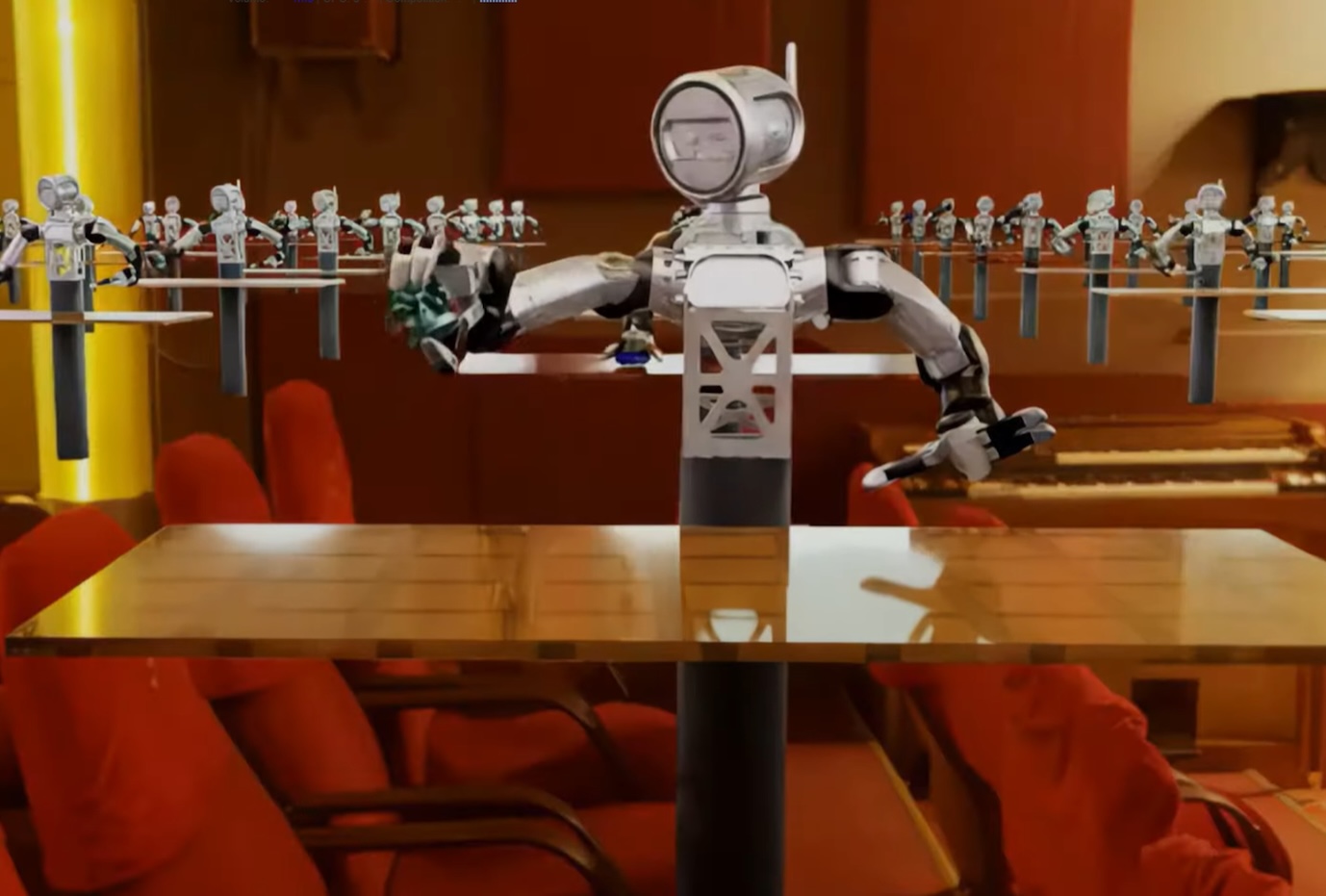
SpaceX's Starmind Faces Feasibility Challenges for 1 Million Satellite Deployment
On January 30, 2026, SpaceX submitted a request to the FCC to launch up to 1 million satellites as part of its Starmind orbital compute constellation. This ambitious plan is unprecedented, as the total number of satellites ever launched globally is in the low tens of thousands. The proposal seeks a waiver from standard deployment milestones, citing reliance on the Starship's full reusability for success. The significance of this request lies in the technical and logistical challenges it presents. Experts warn that low Earth orbit may not support the proposed number of active satellites without risking a debris cascade. SpaceX's own IPO prospectus acknowledges unresolved dependencies related to Starship's launch cadence and reusability, which are critical for the orbital AI compute strategy. Looking ahead, the timeline for achieving the necessary launch cadence and manufacturing capacity remains uncertain. SpaceX's Gigasat facility in Texas aims for volume production by late 2027, but this would require unprecedented output levels. No further timeline was disclosed at the time of publication, leaving the feasibility of the Starmind project in question.
SpaceX Launches Starmind Project for 1 Million AI Satellites by 2028
SpaceX has officially named its orbital AI infrastructure project 'Starmind,' which aims to deploy a constellation of up to 1 million satellites. This initiative, confirmed by Elon Musk on June 22, 2026, will enable AI inference directly in space, utilizing solar energy rather than terrestrial power sources. The first satellite, designated AI1, was unveiled on June 8, 2026, and is designed to operate in sun-synchronous orbits. The significance of Starmind lies in its potential to overcome the limitations faced by ground-based data centers, such as land, power, and water constraints. By running AI computations in orbit, Starmind can provide a more efficient solution to the growing demand for AI computing power. The project leverages the existing Starlink infrastructure for data transmission, distinguishing its function from Starlink's internet relay capabilities. Looking ahead, SpaceX plans to begin hardware deployment with the AI1 satellite, while full-scale production and deployment of the satellite constellation are targeted for 2028. As of now, no Starmind satellites have been launched, and further engineering challenges remain to be addressed, particularly regarding the scalability of the satellite design.

Roundtable: Those who stand against the wind, seeking answers across the sea | 36Kr WAVES 2026 New Wave
In 2026, the WAVES conference, organized by 36Kr and AnYun, took place in Panyu, Guangzhou, focusing on the theme "This Summer." The event gathered top investors, industry leaders, and emerging entrepreneurs over two days to discuss the evolution of AI and hard technology, which are shifting from niche areas to mainstream consensus. The conference featured 14 in-depth roundtable discussions and numerous independent speeches that explored the underlying logic of key sectors such as AI, hard technology, overseas expansion, and healthcare. Key speakers included Peng Xiaoqiu, editor-in-chief of 36Kr, Zhang Hanliang from DBS Bank, Tao Yangfeng from Zero One Capital, Guo Bin from Paradise Silicon Valley, and Liu Bingbin, CEO of Zendure. They shared insights on the changing landscape of entrepreneurship, particularly the transition from manufacturing advantages to brand and engineering advantages in the past decade. Discussions highlighted the importance of understanding market demands and the risks associated with overseas expansion, emphasizing that successful ventures require a deep understanding of both domestic and international markets. The conference underscored the necessity for entrepreneurs to be aware of their capabilities and the potential pitfalls of blindly pursuing global opportunities. As the landscape of international business continues to evolve, the insights shared at WAVES 2026 aim to guide entrepreneurs in navigating the complexities of global markets.

GMO Internet Group to Exhibit as Platinum Sponsor at Japan Drone 2026, Aiming to Address Airport Labor Shortages with Humanoids.
GMO Internet Group will participate as a Platinum Sponsor at Japan's largest drone and eVTOL international exhibition, "Japan Drone / Next Generation Air Mobility EXPO 2026," scheduled to take place from June 3 to June 5, 2026, at Makuhari Messe. This event aims to showcase advancements in drone technology and air mobility solutions, reflecting the growing interest and investment in the sector. By taking on a leading sponsorship role, GMO Internet Group underscores its commitment to innovation and its strategic focus on the future of transportation.
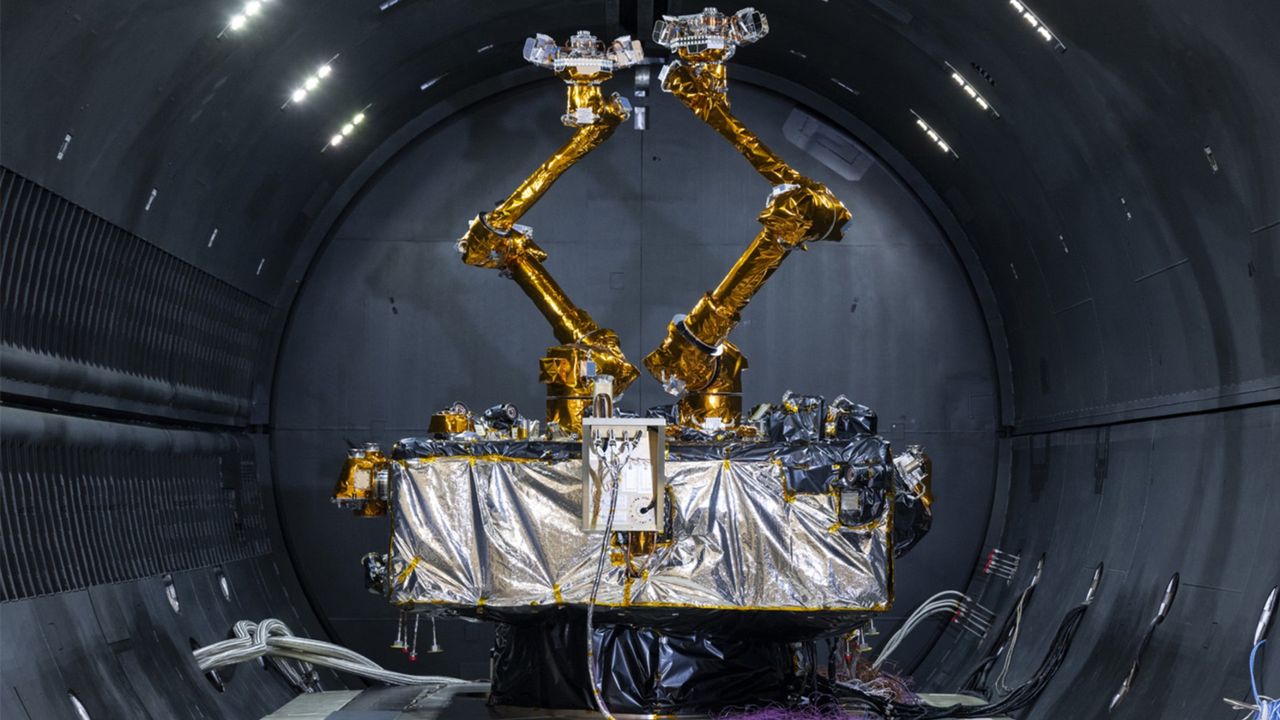
DARPA readies robotic deep-space repair satellite for 2026 launch
The Defense Advanced Research Projects Agency (DARPA) is set to launch a mission this summer to extend the operational lifespan of geosynchronous satellites beyond their typical expiration dates. This initiative aims to address the growing need for sustainable satellite operations in space, allowing for continued functionality and service without the immediate need for replacement. By testing innovative technologies and methods, DARPA seeks to enhance the longevity of these critical assets, which play a vital role in communication, weather monitoring, and national security. The upcoming mission represents a significant step towards ensuring that satellites can remain in service for years longer than previously anticipated.
Satellites Space Exploration
Project ULTRA Aims to Normalize Drone Operations in Shared Airspace
At the AUVSI XPONENTIAL 2026 conference in Detroit, officials from the Federal Aviation Administration (FAA), the Department of Defense (DoD), and various industry partners announced a collaborative initiative aimed at normalizing drone operations within the National Airspace System (NAS). This effort, referred to as Project ULTRA, seeks to develop scalable systems for unmanned aircraft systems (UAS), logistics, and counter-UAS coordination. The initiative is part of a broader strategy to enhance the integration of drones into shared airspace, addressing both operational efficiency and safety concerns. By leveraging the Grand Forks test environment, stakeholders are working to establish protocols and technologies that will facilitate the seamless coexistence of drones and traditional aircraft, ultimately promoting innovation in the aviation sector.
BVLOS DL Exclusive Drone News Drone News Feeds FAA News
Commercial UAV Expo Launches DRONERESPONDERS Course with FIFA Airspace Security Insights
The Commercial UAV Expo has introduced a two-day DRONERESPONDERS Program Management Course, coinciding with the 2026 DRONERESPONDERS Public Safety Summit. Scheduled for September 1-3, 2026, at Caesars Forum in Las Vegas, the course aims to provide insights from the FIFA World Cup airspace security operations, where over 600 drones were seized across 11 U.S. host cities since the tournament began on June 11. This initiative is significant as it highlights the challenges and lessons learned from managing airspace security during high-profile events like the World Cup. Federal agencies reported detecting more than 1,000 drones near venues, emphasizing the need for effective public safety airspace management. The insights gained will also inform preparations for the upcoming 2028 Summer Olympics in Los Angeles, supported by a $250 million FEMA grant for counter-UAS measures. Looking ahead, the program will feature panels on various topics relevant to public safety agencies, including UAS operations and interagency collaboration. No further timeline was disclosed at the time of publication regarding additional sessions or future developments in the program's curriculum.
Drone News Drone News Feeds Expos and Drone Shows News 2028 LA Olympics AAM
Tesla's Optimus Robots to Support Starmind Satellite Production, Not Maintenance
Tesla's Optimus robots will not be used to repair Starmind satellites in orbit, as confirmed by recent statements from Elon Musk. Instead, these robots are intended to assist in the construction and operation of the Terafab chip manufacturing facility in Texas. The AI1 satellites, designed to disintegrate upon reentry, highlight the company's swap-and-replace strategy rather than traditional maintenance practices. This approach is significant as it reflects a broader trend in satellite management, where mass-produced satellites are replaced rather than repaired. The economics of servicing missions are prohibitive, with the cost of launching a replacement satellite being significantly lower than conducting a repair mission. This model aligns with SpaceX's operational history, where rapid replacement of satellites is more efficient than attempting to maintain them in orbit. Looking ahead, the focus will remain on the production capabilities of the Gigasat factory, which is expected to support the continuous replacement of satellites. No further timeline was disclosed at the time of publication, but the demand for rapid satellite turnover suggests a robust future for Optimus robots in terrestrial manufacturing rather than in-space servicing.

SpaceX set to go public; Musk may become world's first trillionaire; Bill Gates testifies on Epstein case.
SpaceX is set to make its debut on the Nasdaq on June 12, 2023, under the ticker symbol SPCX, with an initial public offering (IPO) that aims to raise $75 billion by issuing 555.6 million shares at a price of $135 each. This IPO is projected to surpass the previous record set by Saudi Aramco in 2019, which raised $29.4 billion. If underwriters exercise their option to purchase additional shares, the total funds raised could reach approximately $86 billion. With this valuation, CEO Elon Musk is on track to become the world's first trillionaire, thanks to his significant stake in Tesla and other assets. In other news, Alibaba announced a leadership change at DingTalk, appointing 1992-born tech entrepreneur Chen Yusen as the new CEO, making him the youngest division head at Alibaba. Meanwhile, former Microsoft co-founder Bill Gates testified before Congress on June 10, addressing his past relationship with Jeffrey Epstein and denying any involvement in illegal activities. OpenAI is reportedly considering a significant price reduction for its products to compete with rival Anthropic, while the European Central Bank raised interest rates by 25 basis points in response to rising inflation pressures. Additionally, the market for World Cup betting has surged, with transaction volumes exceeding $2 billion, indicating a potential record-breaking event.

SpaceX's Starmind Targets AI Labs with $6.3 Billion Compute Contracts
SpaceX's Starmind is designed to provide wholesale AI compute services to businesses, particularly AI labs and cloud customers, rather than individual consumers. The service operates similarly to AWS, where users benefit from applications running on Starmind without direct subscriptions. The compute capacity of a single AI1 satellite is comparable to one NVIDIA GB300 rack, emphasizing its enterprise-grade capabilities. The significance of Starmind lies in its positioning as a potential fourth hyperscaler, joining the ranks of AWS, Microsoft Azure, and Google Cloud. The Reflection AI contract, valued at $150 million per month, exemplifies the enterprise-focused model, with total payments potentially reaching $6.3 billion through 2029. This contract highlights the growing demand for AI compute resources, particularly from AI-native startups and labs. Looking ahead, the focus will remain on securing additional enterprise contracts as Starmind expands its offerings. No consumer-facing products or subscriptions have been announced, and the current strategy is to cater to businesses with substantial AI workloads. No further timeline was disclosed at the time of publication.
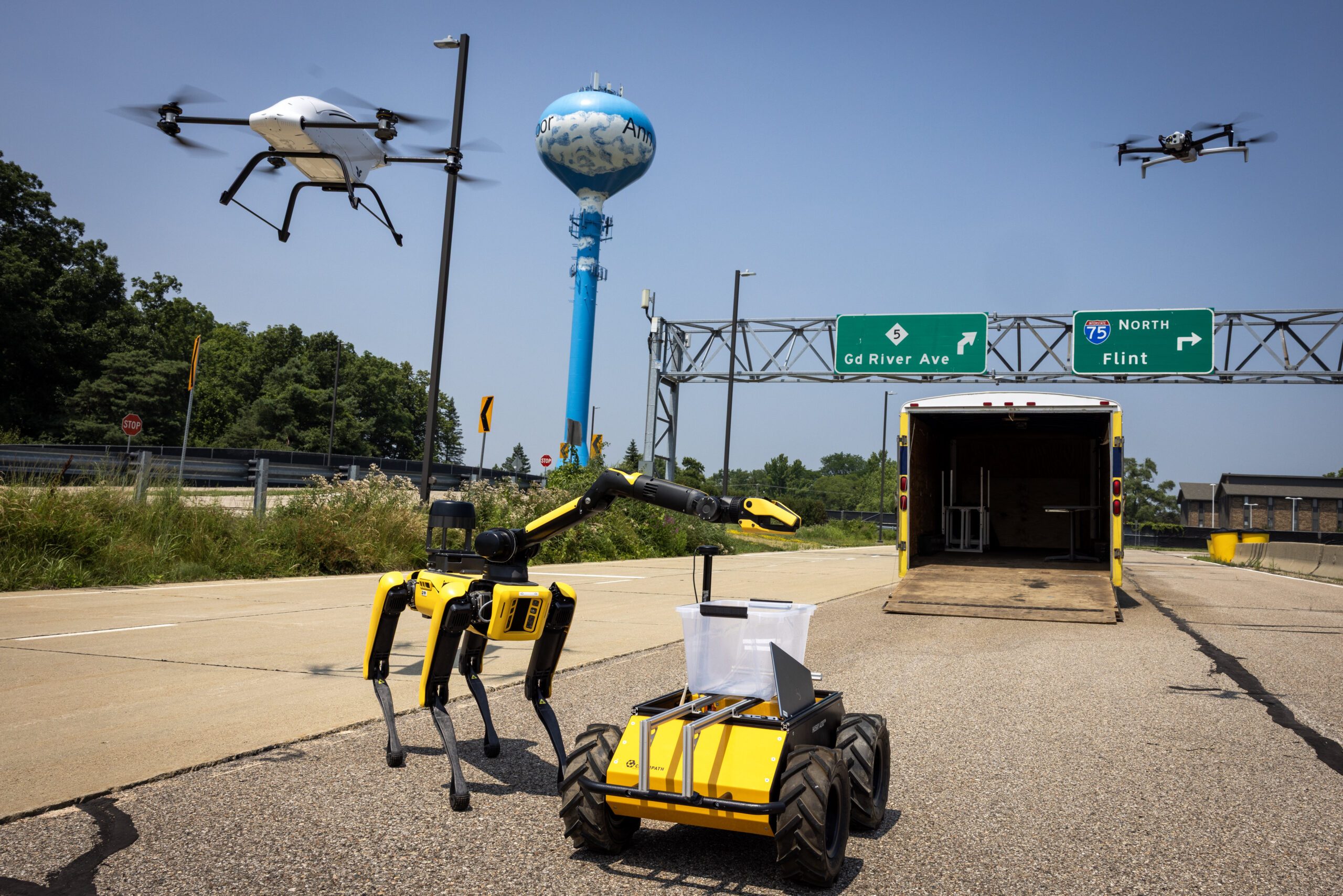
Michigan’s Bet on the Low Altitude Economy: How M Air Connects Aerospace Innovation and Detroit Manufacturing
At XPONENTIAL 2026, leaders from the University of Michigan presented a forward-looking vision aimed at establishing the state as a key player in the low altitude economy, particularly in the realms of drones and advanced air mobility (AAM). This initiative seeks to leverage Michigan's aerospace innovations alongside Detroit's robust industrial manufacturing capabilities. The discussion highlighted the potential for Michigan to become a central hub for these emerging technologies, emphasizing the synergy between cutting-edge aerospace developments and the region's manufacturing expertise.
Advanced Air Mobility Aerospace Applications Autonomous DL Exclusive Drone Manufacturing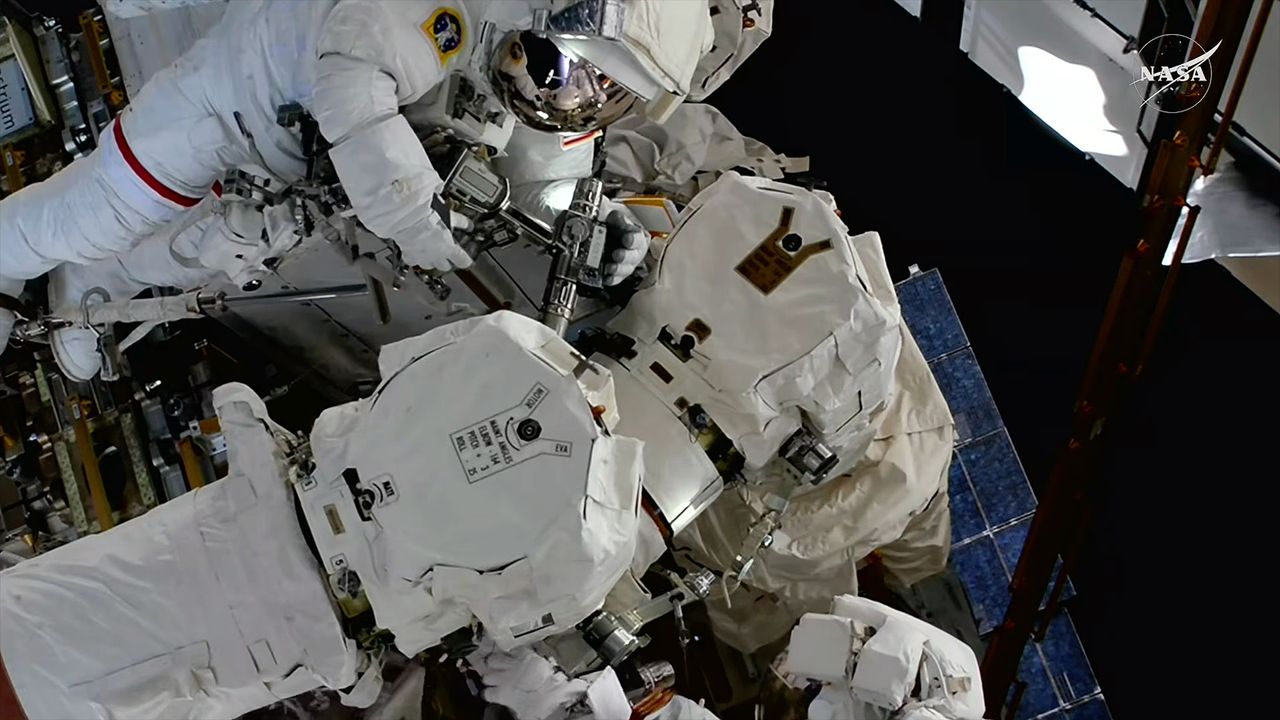
‘Just in time for Canada Day’: Spacewalking astronauts repair space station’s huge Canadarm2
On June 30, 2026, Expedition 74 flight engineers Chris Williams and Jessica Meir successfully completed a seven-hour spacewalk at the International Space Station. The mission involved replacing a wrist joint on the Canadarm2 robot arm, a critical component used for various tasks, including satellite deployment and maintenance of the space station. This repair was essential to ensure the continued functionality of the robotic arm, which plays a vital role in supporting operations and research aboard the ISS. The spacewalk exemplified the ongoing commitment to maintaining and enhancing the capabilities of the station, highlighting the importance of human ingenuity in the challenging environment of space.
International Space Station Space Exploration Missions
FAA Modernizes Airspace Management as Demand Grows Across Aviation Sectors
The Federal Aviation Administration (FAA) has partnered with Air Space Intelligence (ASI) to enhance the management of the National Airspace System (NAS) amid increasing demand from airlines, cargo operators, and new aviation sectors. This modernization initiative, announced in June 2026, aims to address the complexities of airspace management as the aviation industry continues to evolve. By leveraging advanced technologies and data analytics, the FAA seeks to improve efficiency and safety within the NAS, ensuring it can accommodate the growing needs of various aviation stakeholders.
Drone News Drone News Feeds FAA News Selected - FAA and Regulations AAM
Not one-drone-fits-all: Admirals stress unmanned systems tailored to the mission
At the Sea-Air-Space conference, Rear Admiral Douglas Sasse emphasized the challenges of adapting military capabilities from regions like EUCOM and CENTCOM to the Pacific. He highlighted that while certain strategies may be effective in Europe and the Middle East, the vast distances in the Pacific present unique obstacles that require tailored approaches. Sasse's remarks underscore the importance of understanding regional dynamics in military planning and operations, particularly as the U.S. navigates its strategic posture in the increasingly complex Pacific theater.
Naval Warfare Networks & Digital Warfare Adm. Derek Trinque Adm. Douglas Sasse AI & Autonomy cyber security
Starmind's Satellite Technology Achieves 880 Billion Liters in Annual Water Savings
Starmind has announced that its satellite technology can save approximately 880 billion liters of cooling water annually at full scale. This figure is equivalent to the annual household water use of around 6.5 million Americans. The technology operates by utilizing a closed-loop liquid cooling system that eliminates the need for water during its operational life, contrasting sharply with traditional ground data centers that consume vast amounts of water for cooling. The significance of this achievement lies in the growing water consumption crisis faced by data centers, particularly as AI expansion drives demand. In 2025, U.S. data centers consumed nearly one trillion liters of water, highlighting the urgent need for sustainable solutions. Starmind's approach not only addresses direct water usage but also avoids indirect water consumption associated with electricity generation, marking a substantial shift in how computing can be conducted in a resource-efficient manner. Looking ahead, Starmind's deployment strategy includes a projected buildout of 100 GW of orbital compute per year, which could displace an additional 735 billion liters of ground water demand annually. The first tranche of 10,000 satellites is already operational, offsetting approximately 8.8 billion liters of water per year. No further timeline was disclosed at the time of publication.
FAA and DoD Are Building the Rules for Drones Operating Near Sensitive Airspace
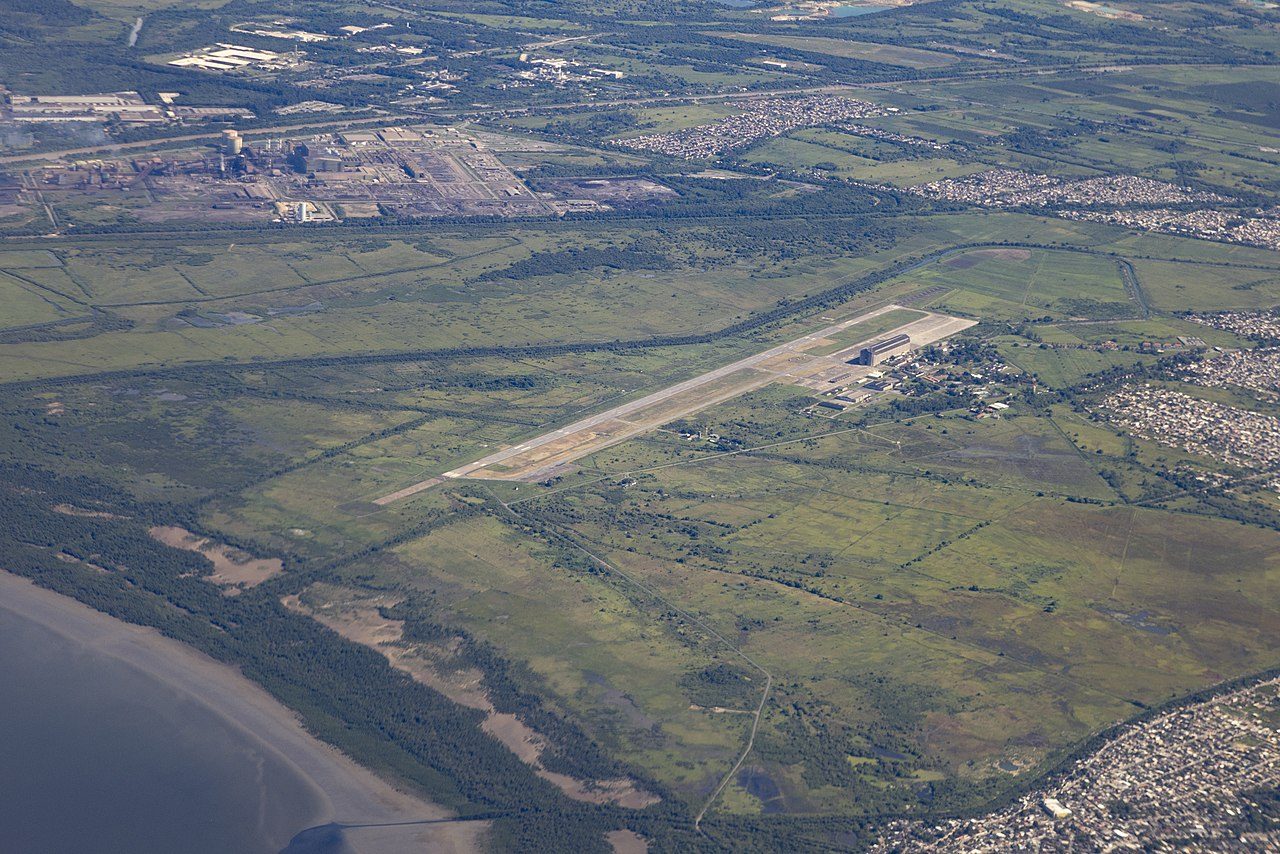
The Federal Aviation Administration (FAA) and the Department of Defense (DoD) are collaborating to address the challenges posed by the increasing presence of drones near airports and military installations. During a recent panel at the XPONENTIAL conference, officials from both agencies discussed the need for effective traffic management and airspace security measures as drone operations expand in proximity to critical infrastructure. This cooperation aims to develop regulations that ensure the safe integration of authorized drones into shared airspace, reflecting the growing demand for drone technology while prioritizing safety and security. The initiative underscores the importance of harmonizing civil and military interests in managing airspace effectively.
Anti-drone technology C-UAS DL Exclusive Drone News Drone News Feeds drone security
Cellula Robotics to Showcase Long-Range Subsea Autonomy at Oceanology International 2026
Cellula Robotics Ltd. has announced its participation in Oceanology International 2026, scheduled for March 10-12, 2026, at ExCeL London. The company will be located at Stand C601, where it plans to provide valuable insights into long-range subsea autonomy and deployment readiness. The exhibition will focus on the practical aspects of endurance, repeatable workflows, and support models relevant to defense, offshore survey, and environmental applications. This initiative aims to showcase Cellula's expertise and innovations in subsea technology to industry professionals and stakeholders.
cellula robotics showcase long-range subsea autonomy oceanology international 2026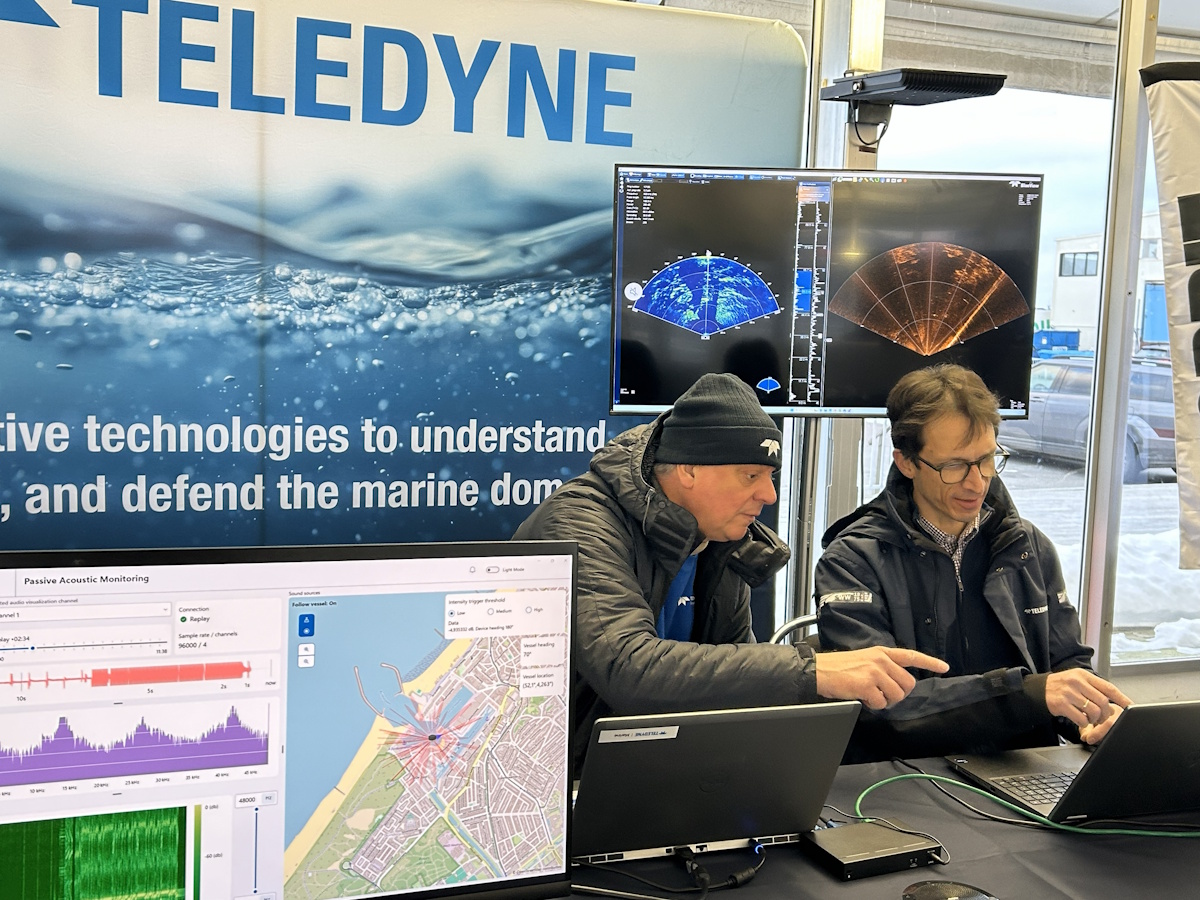
Teledyne Marine Puts Cutting-Edge Sonar to the Test at SeaSEC Harbour Challenge Ahead of Navy Tech 2026
Teledyne Marine showcased its cutting-edge sonar technology during the SeaSEC Harbour Protection Challenge Day held on February 2 in Gothenburg, Sweden. This live exercise focused on identifying and monitoring underwater threats in port environments, providing a practical demonstration of the company's capabilities. The event served as a precursor to Teledyne Marine's upcoming participation in the Navy Tech & Seabed Defence 2026, scheduled for February 3-5, 2026, where the company will exhibit its innovations and present two expert speaker sessions. This initiative underscores Teledyne Marine's commitment to enhancing maritime security through advanced technological solutions.
teledyne marine sonar seasec harbour challenge navy tech 2026
SubSea Craft Announces Penny Mordaunt as New Chair of the Board
SubSea Craft, a British advanced maritime technology company, has appointed the Rt Hon Penny Mordaunt as its new Chair. Mordaunt, who previously served as Secretary of State for Defence and Leader of the House of Commons, brings a wealth of experience to the role. This strategic decision, announced recently, aims to leverage her expertise in defense and government to enhance the company’s leadership and innovation in maritime technology. The appointment reflects SubSea Craft's commitment to advancing its position in the industry and navigating future challenges effectively.
subsea craft penny mordaunt chair of the board
Prox Industries, a physical AI company from the University of Tokyo, ranks 2nd in ICRA 2026 VLA competition.
Prox Industries, a physical AI startup developed by researchers at the University of Tokyo's Matsuo Lab, has announced that it secured second place in a competition held during the ICRA 2026 Workshop titled "From Data to Decisions: VLA Pipelines for Real Robots." The event, organized by the AI Robot Association (AIRoA), featured 36 competing teams. This achievement highlights Prox Industries' innovative contributions to the field of robotics and artificial intelligence.

SpaceX falls below IPO closing price, losing $400 billion; UK PM Starmer resigns; SK Hynix surpasses Samsung in market value.
On June 22, UK Prime Minister Keir Starmer announced his resignation from the leadership of the Labour Party, stating he would continue to serve as Prime Minister until a successor is chosen. Starmer acknowledged the party's concerns about his ability to lead them into the next election and accepted the feedback he received. In South Korea, semiconductor giant SK Hynix surpassed Samsung Electronics in market capitalization for the first time in 25 years, with a total value of approximately 207.97 trillion won, outpacing Samsung by about 18.85 trillion won. This shift marks a significant change in the Korean stock market, where Samsung had held the top position since 1999. Meanwhile, Samsung Electronics has rolled out ChatGPT and Codex to all its employees in South Korea, aiming to enhance AI adoption within the company. This deployment is one of OpenAI's largest enterprise-level initiatives to date, covering various operational areas including research and development, manufacturing, and marketing. In the United States, SpaceX's stock has seen a significant decline, dropping 16% and falling below its initial public offering price. The company is now planning to issue bonds to raise at least $20 billion to repay a transitional loan and support general corporate purposes. Lastly, former U.S. Federal Reserve Chairman Alan Greenspan passed away at the age of 100, leaving behind a legacy of significant influence on U.S. economic policy during his tenure from 1987 to 2006.

Aerospace equipment company, with a team experienced in major aircraft assembly, secures millions in funding.
Dalian Kunda Automation Co., a company specializing in intelligent assembly equipment for large aircraft, has successfully completed a Series A funding round, raising tens of millions of yuan. The investment was led by Taizhou Yongxin Rongyan Venture Capital Partnership, with Dagan Capital serving as the exclusive financial advisor. The funds will primarily be allocated for the development of a new generation of intelligent assembly systems, expansion of core product capacity, and to supplement working capital. Founded in 2016, Dalian Kunda focuses on providing automation solutions for heavy manufacturing sectors, particularly in aerospace. The company offers a range of products, including high-precision mobile docking platforms and composite mobile robots, catering to major manufacturers and research institutions in aviation, aerospace, and engine sectors. Dalian Kunda has developed advanced technologies to meet the stringent demands of aerospace assembly, including high-precision docking and assembly techniques. Its products, capable of handling loads from 2 to 200 tons, integrate laser SLAM, visual navigation, and autonomous scheduling systems for efficient operation in large-scale manufacturing environments. The company has reported a revenue of approximately 80 million yuan for the latest fiscal year, marking a 49% increase. With a strong focus on research and development, Dalian Kunda holds over 60 patents and collaborates with Dalian University of Technology on precision assembly algorithms. Investors are optimistic about Dalian Kunda's potential, citing the rapid growth of the domestic aerospace market and the company’s established expertise in flexible production solutions. The firm aims to expand its presence in the civil aviation sector and explore opportunities in low-altitude economic initiatives, particularly in the development of large unmanned cargo aircraft.

SpaceX's valuation exceeds $2.1 trillion; Musk's wealth is seven times Buffett's; FIFA labubu sales surge 30 times.
On June 12, 2026, SpaceX made headlines by completing its initial public offering (IPO) on the Nasdaq, marking the largest IPO in history with a valuation of $1.77 trillion. The stock opened at $150 and surged by over 30% during trading, closing at $160.99, which pushed the company's market capitalization to $2.1 trillion. This surge significantly increased CEO Elon Musk's net worth to approximately $1.05 trillion, making him the world's first billionaire with a net worth exceeding $1 trillion. The IPO's success reflects investor confidence in SpaceX's growth potential, particularly in light of its ambitious Terafab project. In a separate development, Kimi announced the launch of the world's first AI-native credit card, which allows users to convert their spending into AI computing power. This initiative, revealed on the same day, is a collaboration with a major state-owned bank and aims to innovate the financial landscape by integrating AI services into credit card benefits. Additionally, SK Hynix reported a fire incident at its facility in Cheongju, South Korea, which was the second fire this month. Fortunately, there were no injuries or gas leaks, and the situation was quickly controlled. These events highlight significant advancements in technology and finance while also addressing operational challenges faced by major companies.

AIRoA collects 80,000 hours of robot operation data through industry-academia collaboration for physical AI infrastructure.
The AI Robot Association (AIRoA) released a YouTube video on May 29, 2026, showcasing a groundbreaking initiative titled "A Massive Collaborative Physical AI Data Initiative." The video highlights the ongoing operations of robots across various universities and research institutions, illustrating the accumulation of a global data infrastructure. This initiative aims to enhance the development of artificial intelligence by creating a comprehensive database that supports collaborative research and innovation in robotics. Through this project, AIRoA seeks to foster advancements in AI technology and improve its applications in real-world scenarios.
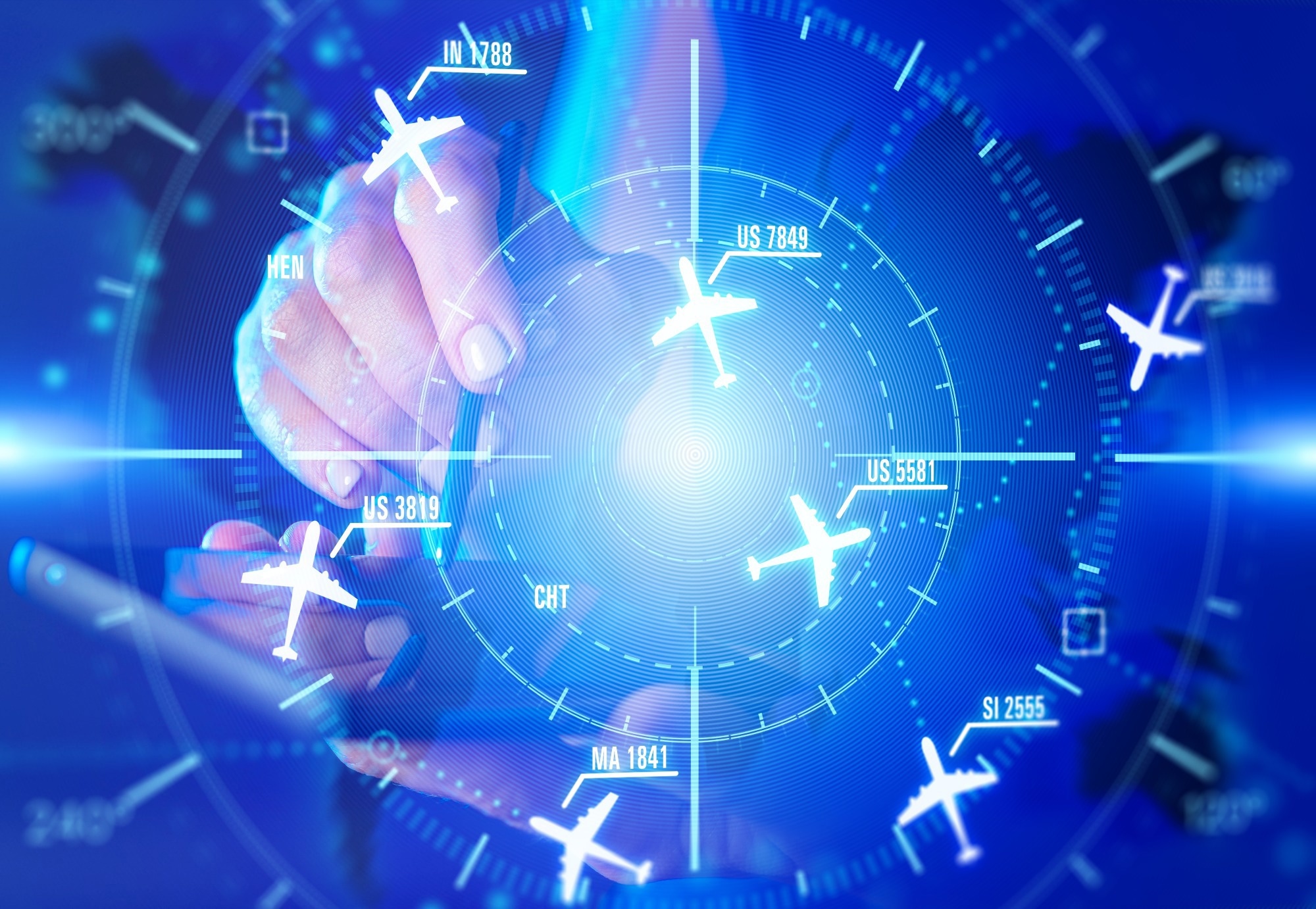
Airspace Management Systems Help Prioritize Emergency Drones
NASA is advancing its airspace management initiatives to enhance public safety for drones, particularly in response to the increasing challenges posed by congested urban environments. As urban areas become more populated and the use of drones expands, the agency is focusing on innovative solutions to ensure safe and efficient air traffic management. This initiative aims to address the complexities of integrating drones into existing airspace systems, thereby reducing the risk of accidents and improving overall safety for both drone operators and the public. Through research and development, NASA is exploring new technologies and strategies that will facilitate the seamless operation of drones in crowded cityscapes, ultimately paving the way for a safer and more organized airspace.
CES 2026: world’s first wheel-legged robot vacuum designed to tackle stairs and multi-level homes
At CES 2026, Roborock introduced the G-Rover, a groundbreaking concept device that is being hailed as the world's first wheel-legged robot vacuum capable of navigating stairs and multi-level homes. This innovative prototype features a unique dual wheel-leg architecture, allowing each leg to lift independently and adjust its height for optimal maneuverability. Enhanced by advanced AI algorithms and 3D spatial perception technology, the G-Rover is designed to efficiently clean various surfaces and adapt to complex environments. The unveiling of this device highlights Roborock's commitment to pushing the boundaries of home automation and robotics, aiming to provide consumers with a versatile cleaning solution for modern living spaces.
News Feed CES 2026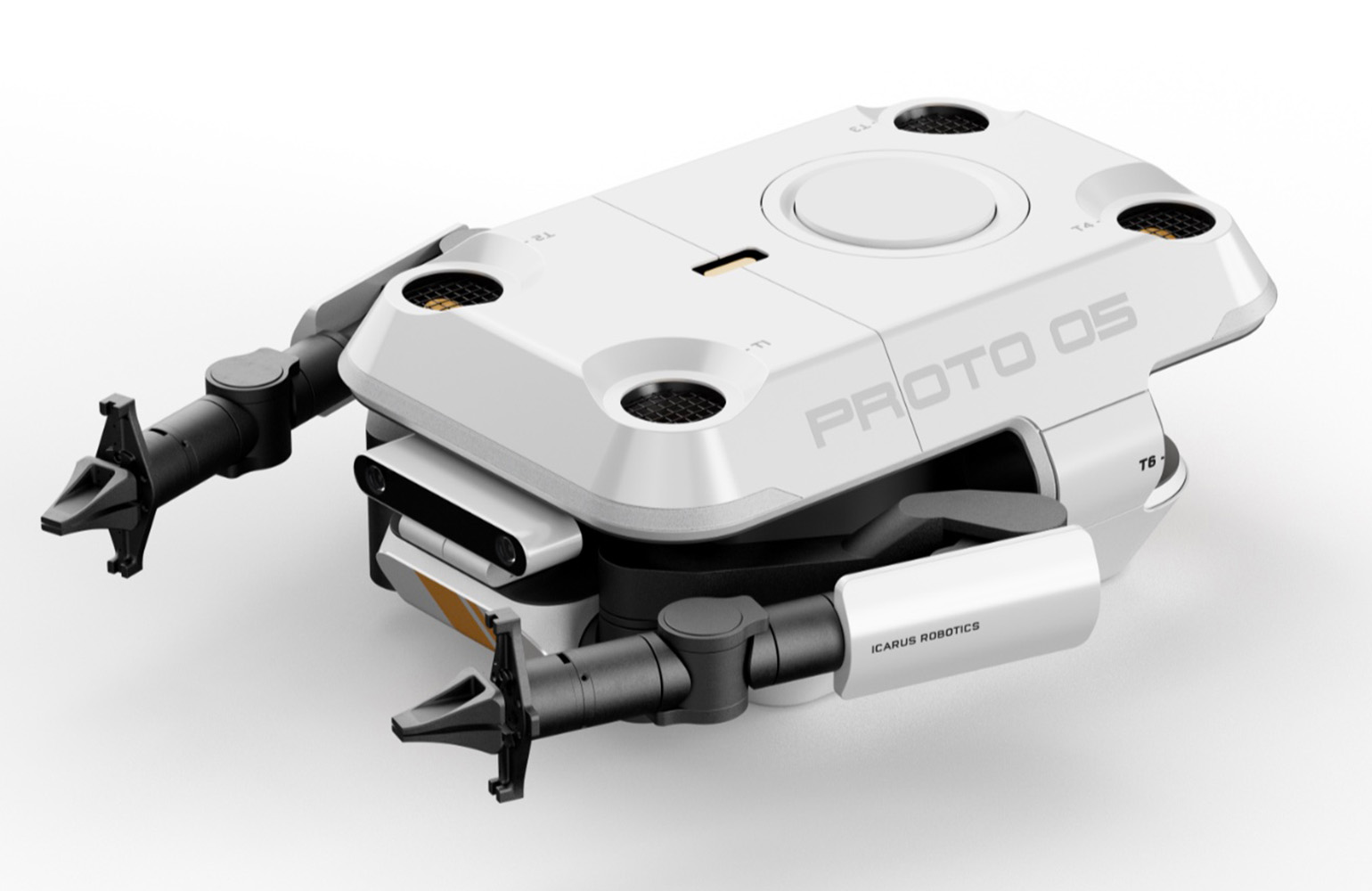
Icarus Robotics Selects KULR Technology for JOY Space Robot's Power System
Icarus Robotics has announced KULR Technology Group as the battery supplier for its autonomous free-flying robot, JOY, which is set to launch to the International Space Station (ISS) in early 2027. KULR will provide its KULR ONE Space (K1S) battery systems, engineered to NASA safety standards, ensuring reliable operation aboard the ISS. The partnership is significant as KULR’s battery technology has already been validated during the Artemis II lunar mission, which enhances the approval process with NASA. Icarus co-founder Ethan Barajas emphasized the importance of flight heritage in the space sector, stating that proven components expedite the approval process, crucial for a startup like Icarus. Looking ahead, JOY, powered by embodied AI, aims to assist astronauts with routine tasks and infrastructure maintenance, allowing them to concentrate on more critical research objectives. No further timeline was disclosed at the time of publication.
Aerospace Batteries / Power Supplies Markets / Industries News Technologies Icarus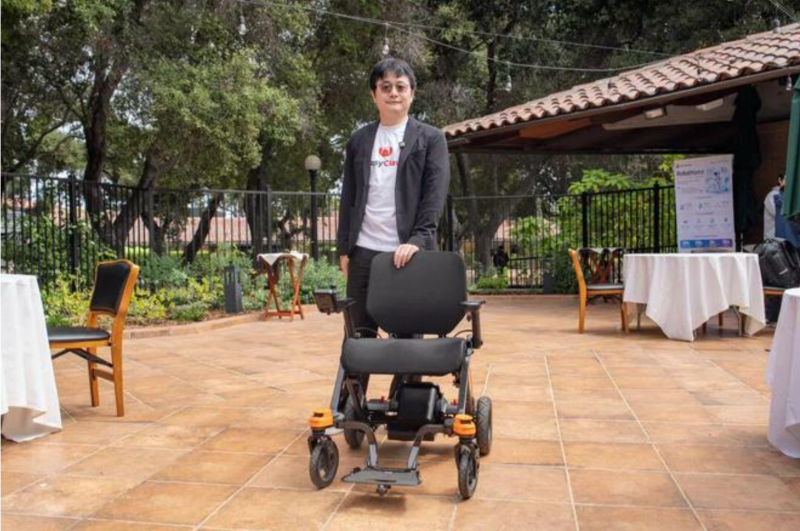
Smart Wheelchair Captivates Attention at Stanford AI Summit Over Humanoid Robots
At the Humanity & AGI Summit held at Stanford University, a smart wheelchair presented by Fu Sheng, Chairman of Cheetah Mobile, garnered significant attention, overshadowing humanoid robots. Attendees were drawn to the wheelchair's autonomous obstacle avoidance and user-friendly features, prompting many to experience it firsthand. The interest in the smart wheelchair highlights a critical shift in the robotics landscape, as Fu Sheng noted that humanoid robots are unlikely to achieve commercial scalability in the next five to ten years. He emphasized that the current limitations in software and hardware development hinder the practical application of humanoid robots, with most sales directed towards research institutions rather than commercial markets. Looking ahead, the focus on practical solutions like the smart wheelchair suggests a growing recognition that functionality is more important than form in robotics. As the industry continues to evolve, the demand for effective, user-centric products will likely shape future innovations, steering attention away from humanoid designs towards more practical applications.
Smart Wheelchairs Humanoid Robots AI Technology Robotics Assistive Devices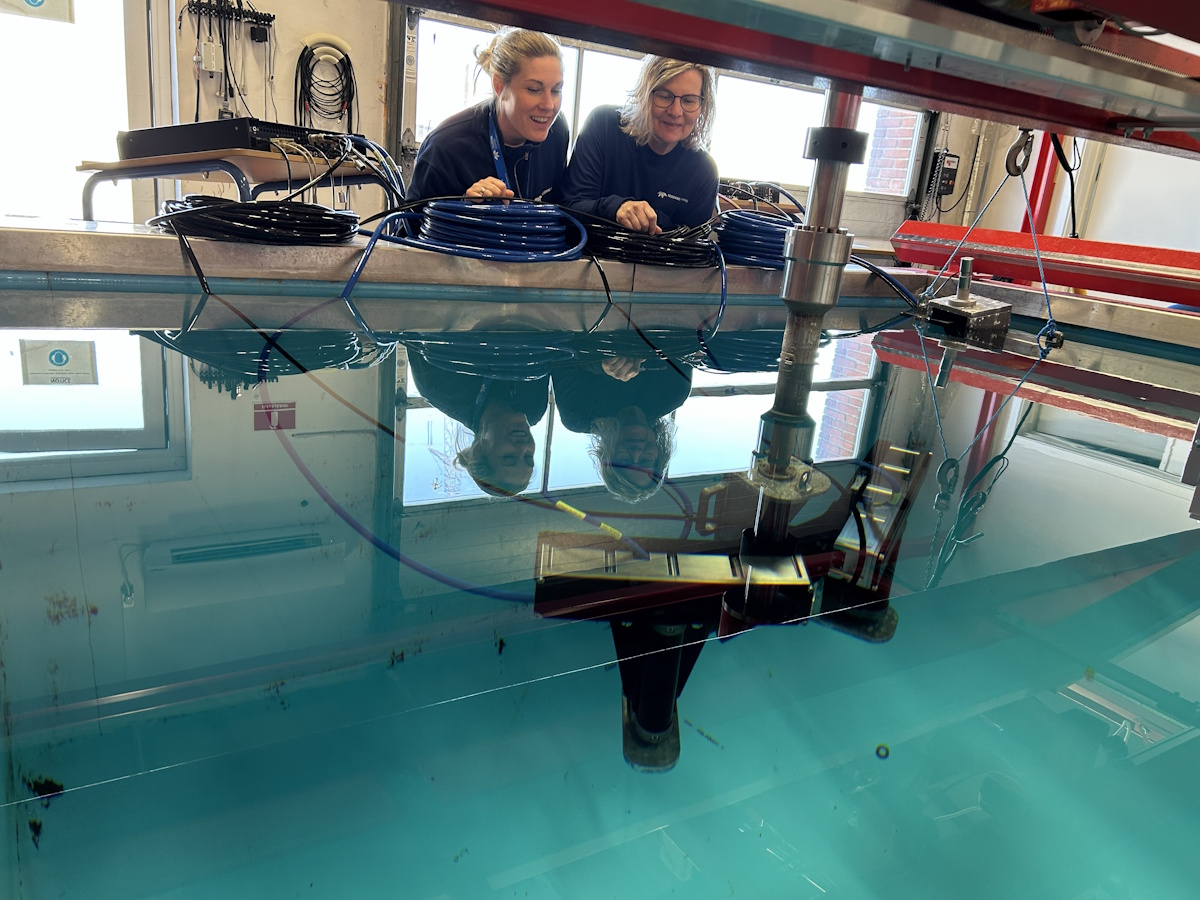
David Evans and Associates Acquires SeaBat T51-R Integrated Dual Head System
Teledyne Marine has announced that David Evans and Associates (DEA) has received the SeaBat T51-R Integrated Dual Head (IDH) system, marking a significant milestone in early adoption following its launch at Oi2026. This acquisition highlights the growing interest in the SeaBat T51 series within the US market. The long-standing relationship between DEA and Teledyne RESON spans over three decades, with DEA being an early adopter of Teledyne's multibeam systems for shallow water bathymetry. The SeaBat T51-R IDH system is expected to enhance DEA's capabilities in various applications, including coastal inspections and habitat mapping, by providing improved data density and resolution. Looking ahead, DEA's deployment of the SeaBat T51-R IDH system is anticipated to significantly improve survey efficiency and data quality. No further timeline was disclosed at the time of publication.
teledyne marine david evans and associates (dea) consulting seabat t51-r integrated dual head (idh)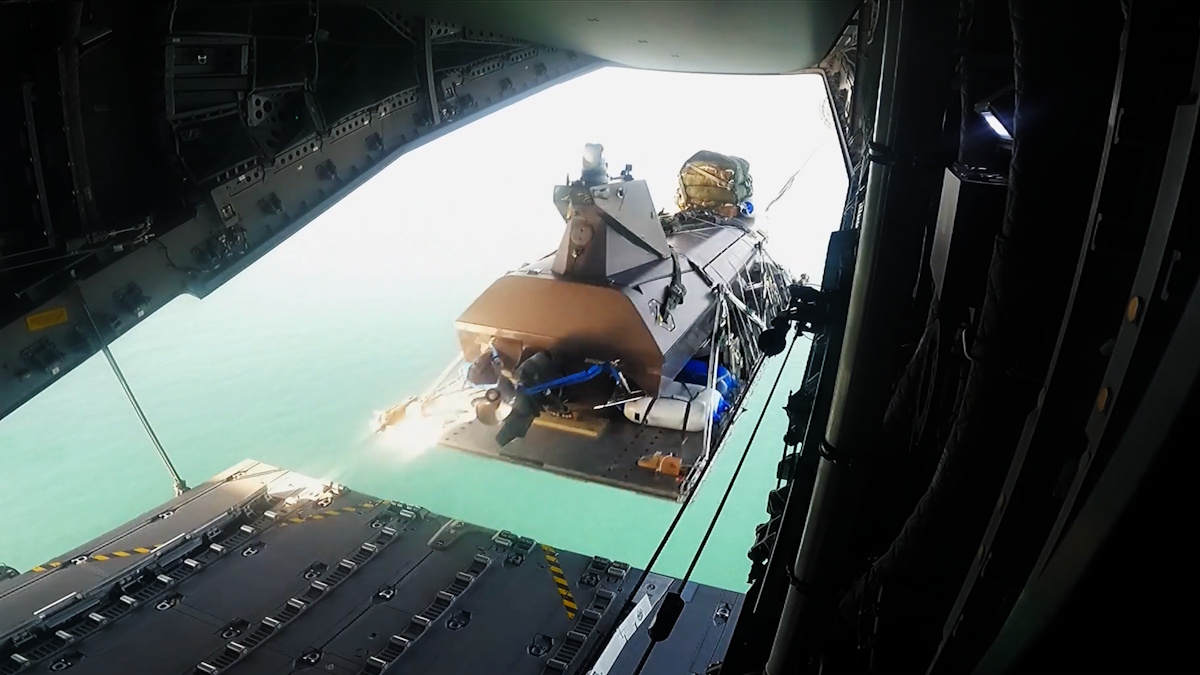
Kraken and Capewell Achieve First USV Airdrop from A400M Aircraft
Kraken Technology Group and Capewell, in collaboration with the Royal Navy, have successfully executed the world's first airdrop of an uncrewed surface vessel (USV) from an A400M military transport aircraft. This milestone was achieved during trials where the K3 SCOUT USV was deployed from 1,300 feet into waters with Sea State 4 conditions, demonstrating a new capability for rapid insertion of maritime vessels into challenging environments. The significance of this achievement lies in its potential to enhance military operations by allowing for quick deployment of high-performance USVs in contested areas. The trials utilized Kraken's K3 SCOUT airdrop kit and Capewell's Universal Maritime Craft Aerial Delivery System (UMCADS), showcasing a new IN-Release system that ensures reliable load disconnect across various applications, thereby improving operational flexibility and response times. Looking ahead, Kraken and Capewell plan to further develop their partnership to enhance operational capabilities with their modular platforms. No further timeline was disclosed at the time of publication, but the successful completion of four live airdrops in six days indicates a strong foundation for future advancements in USV deployment strategies.
usv airdrop kraken technology group capewell royal navy project beehive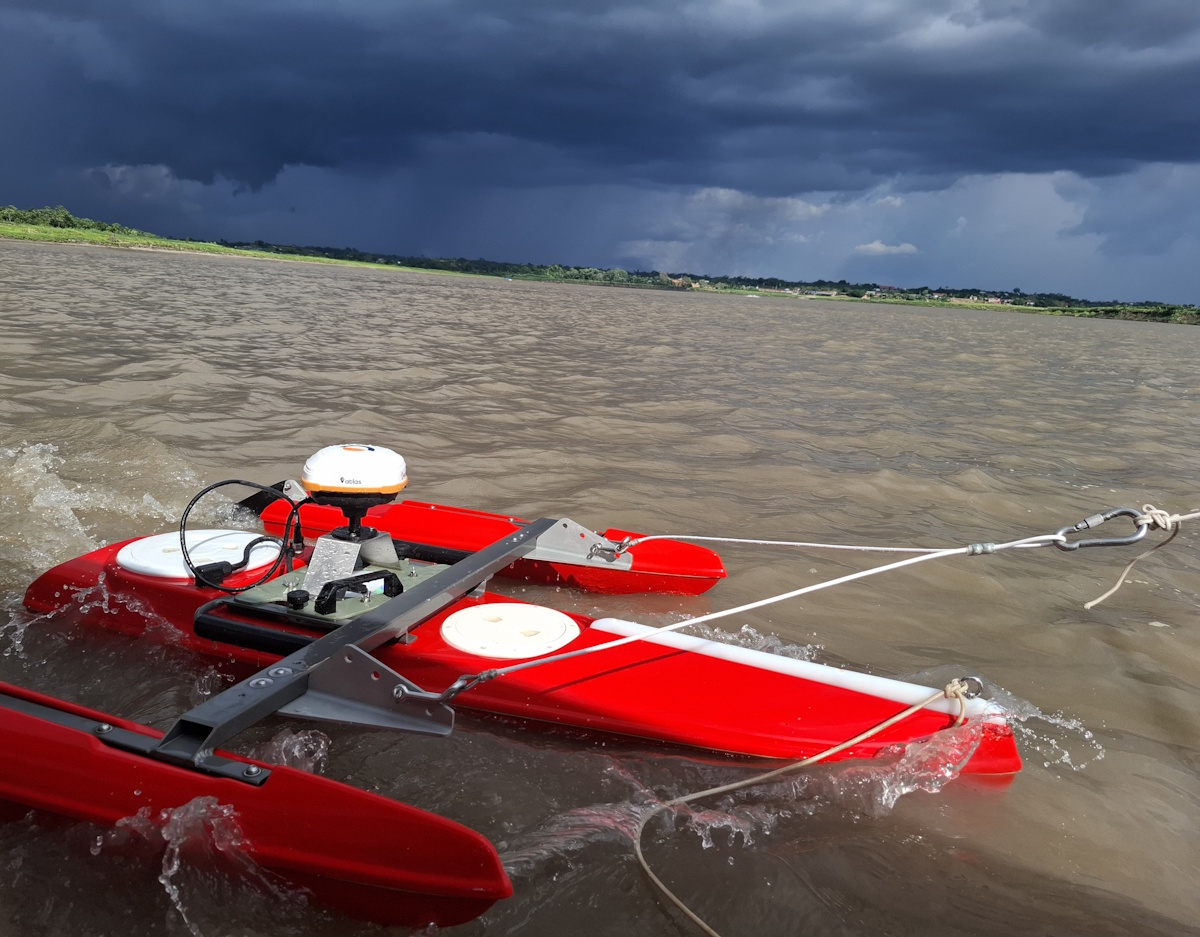
Teledyne Marine Announces 2026 Global Photo & Data Contest with Cash Prizes
Teledyne Marine has officially launched its 2026 Photo & Data Contest, inviting global participants to submit images and datasets captured using its technologies. The contest runs from July 1 to October 15, 2026, with winners determined through public voting and expert judging. Categories include Voters' Choice, Best Data, Adversity, Moment of Zen, and Underwater, with prizes such as a HERO13 Black camera and KODAK PIXPRO cameras for jury-selected winners. This annual competition aims to celebrate the innovative projects and expertise within the marine community, encouraging the use of Teledyne Marine products in various environments. The contest not only highlights the technical capabilities of Teledyne's equipment but also fosters community engagement through social media sharing. Participants must secure at least five public votes for their entries to qualify for expert evaluation, which will weigh technical quality and storytelling equally. Winners will be announced in October 2026 via a press release and social media channels. Teledyne Marine's Senior Vice President, William Egan, expressed excitement about this year's submissions, reflecting on the previous year's diverse entries that showcased the challenges and achievements in marine research. No further timeline was disclosed at the time of publication.
teledyne marine global photo & data contest 2026
E/V Nautilus Embarks on Two Expeditions to Explore Mariana Deep-Sea Regions
The Ocean Exploration Trust's Exploration Vessel (E/V) Nautilus has set sail for two expeditions to explore the deep sea around the Mariana Islands. These expeditions, taking place from June to August 2026, will utilize the vessel's remotely operated vehicle (ROV) and telepresence systems, alongside Woods Hole Oceanographic Institution's autonomous underwater vehicle (AUV) Sentry, to investigate previously unsurveyed areas. These missions are significant as they aim to enhance understanding of abyssal plain habitats and ancient seamounts east of the Mariana Trench, a region known for its tectonic activity and unique geological features. The expeditions are supported by NOAA Ocean Exploration and the Bureau of Ocean Energy Management, highlighting the collaborative effort to advance oceanographic research and fill knowledge gaps in this critical area. Looking ahead, the E/V Nautilus will focus on characterizing deep ocean habitats and biodiversity, as well as geological formations, including marine critical minerals. The outcomes of these expeditions are expected to contribute to both US and international scientific priorities, addressing the need for comprehensive data on the largely unexplored deep-sea environments around the Mariana Islands.
e/v nautilus marianas deep-sea exploration ocean exploration trust
Drones of the Berlin Air Show, plus a window into Europe’s space ambitions
This week, ILA Berlin 2026 featured a comprehensive overview of small unmanned systems and various space-launch options. The event highlighted advancements in technology and innovation within the aerospace sector, attracting industry professionals and enthusiasts alike. Attendees had the opportunity to explore cutting-edge developments that could shape the future of unmanned aerial vehicles and space exploration. The showcase aimed to foster collaboration and knowledge sharing among experts, emphasizing the growing importance of these technologies in both commercial and defense applications. As the aerospace industry continues to evolve, events like ILA Berlin serve as crucial platforms for unveiling new capabilities and discussing the implications of these advancements.
Air Warfare Space Air Force Berlin Air Show Break Out Video Drones
Counter-Drone Partnership Sends Ouster Shares Higher as Investors Focus on Airspace Security
Ouster, a lidar manufacturer, experienced a significant surge in its stock prices last week following the announcement of a strategic partnership with German counter-UAS firm ARGUS Interception. This collaboration underscores the increasing demand for technologies that enhance drone detection, tracking, and interception capabilities. The positive market reaction highlights a growing investor interest in airspace security solutions, reflecting a broader trend in the industry as concerns over drone-related threats continue to rise.
Anti-drone technology Applications C-UAS Defense Drone News Drone News Feeds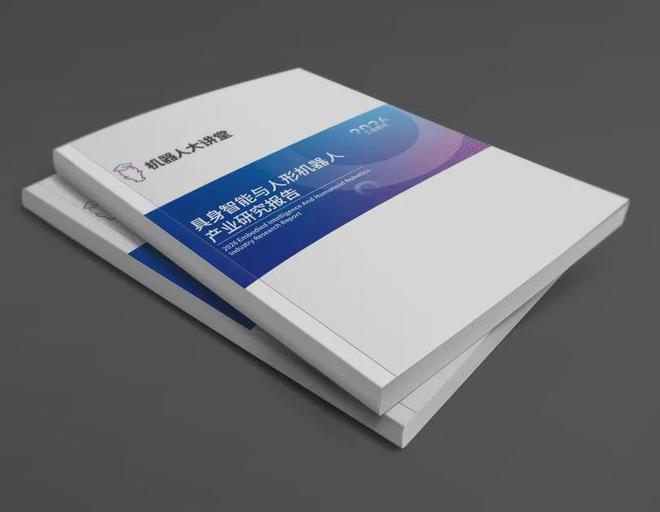
Invitation to Contribute to the 2026 Research Report on Embodied Intelligence and Humanoid Robotics Industry
The 2026 Research Report on Embodied Intelligence and Humanoid Robotics is now inviting contributions from industry stakeholders. Set to be released in April 2026 during a prominent conference in Beijing, the report will focus on analyzing current industry trends, highlighting collaborative innovations, and aiding in policy-making efforts. This initiative seeks to gather insights and expertise from various players in the field to create a comprehensive overview of advancements in humanoid robotics and embodied intelligence.
Embodied Intelligence Humanoid Robotics Industry Research Technology Collaboration
CMU Researchers Develop AI System to Help Prevent Airport Collisions
Researchers at Carnegie Mellon University have developed an innovative AI system called World2Rules, aimed at enhancing aircraft safety by analyzing patterns of risky behavior in real airport operations and incident data. This system, which operates alongside existing prediction technologies, simplifies its warnings to ensure they are easily understood by airport personnel. The initiative responds to the critical need for improved safety measures in managing airport traffic, where even minor errors can result in serious incidents. By leveraging advanced data analysis, World2Rules seeks to significantly reduce the risk of collisions at airports, contributing to safer skies for both passengers and crew.
ResearchRobotics needs a service framework.
RSF defines a common language for robot service capability, lifecycle operations, certification pathways, and service-provider networks.