Industry Briefing
A single destination for timely, editor-curated robotics news from around the world.
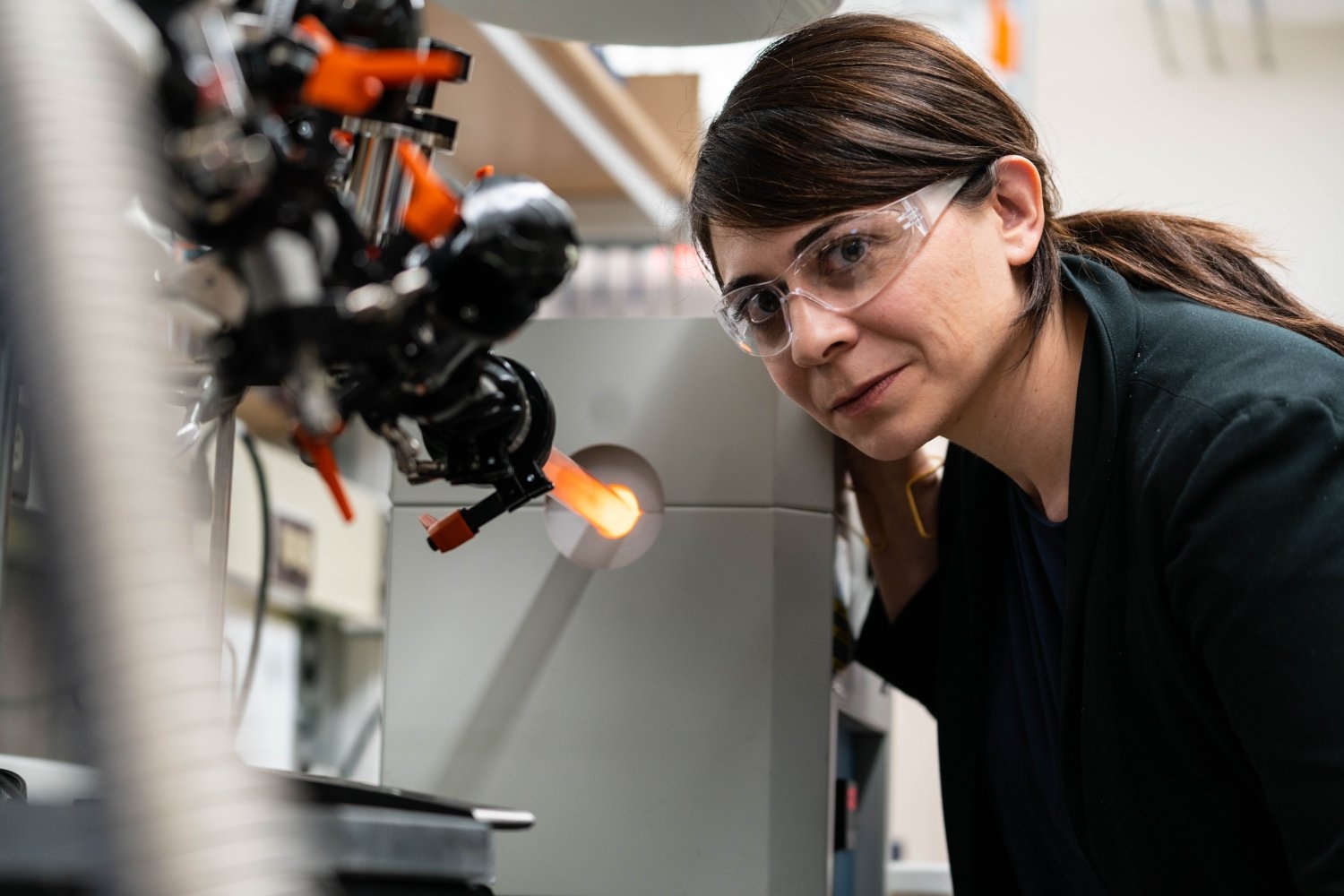
Desirée Plata appointed associate dean of engineering
A faculty member from the Department of Civil and Environmental Engineering has been appointed to spearhead research and entrepreneurial initiatives within the School of Engineering. This new role aims to enhance innovation and collaboration among faculty and students, fostering a dynamic environment for cutting-edge research. The initiative is part of the school's broader strategy to strengthen its position in engineering education and research. By leveraging their expertise, the faculty member will work to integrate academic research with practical applications, encouraging entrepreneurial ventures that can lead to real-world solutions. This appointment is expected to take effect immediately, with plans for various projects and collaborations already in the pipeline.
Leadership Administration Faculty Woods Hole Cleaner industry Environment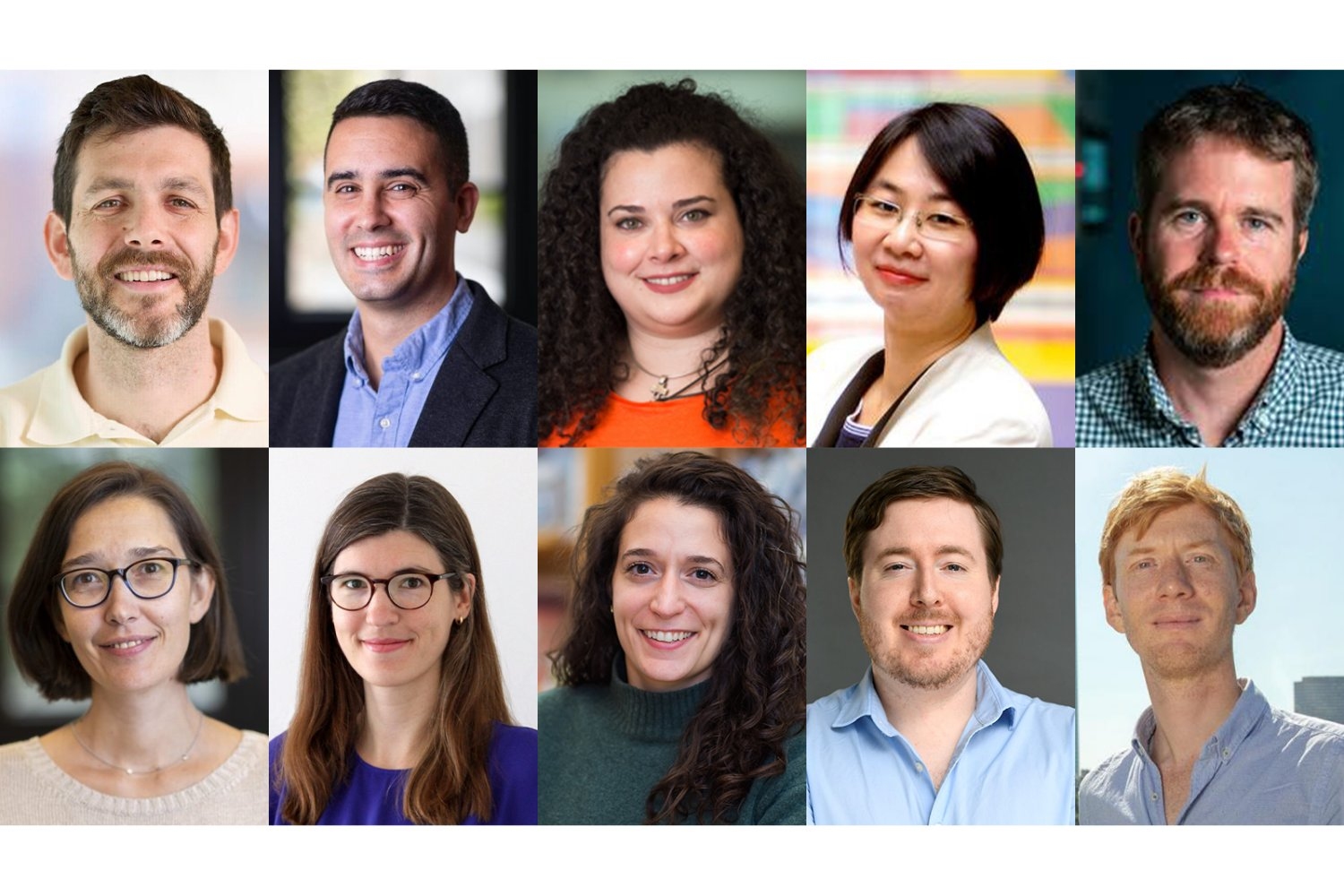
The tenured engineers of 2026
Ten faculty members at the Massachusetts Institute of Technology (MIT) have been awarded tenure, marking a significant milestone in their academic careers. This decision, announced recently, affects five different units within the School of Engineering, highlighting the institution's commitment to fostering academic excellence and innovation. The tenure grants are intended to recognize the contributions and potential of these faculty members, who have demonstrated exceptional research and teaching capabilities. By securing tenure, these educators will gain increased job security and the opportunity to pursue long-term projects that can further advance their fields. This announcement underscores MIT's ongoing efforts to support its faculty and enhance its educational environment.
Awards, honors and fellowships Faculty Aeronautical and astronautical engineering Civil and environmental engineering Electrical engineering and computer science (EECS) Mechanical engineering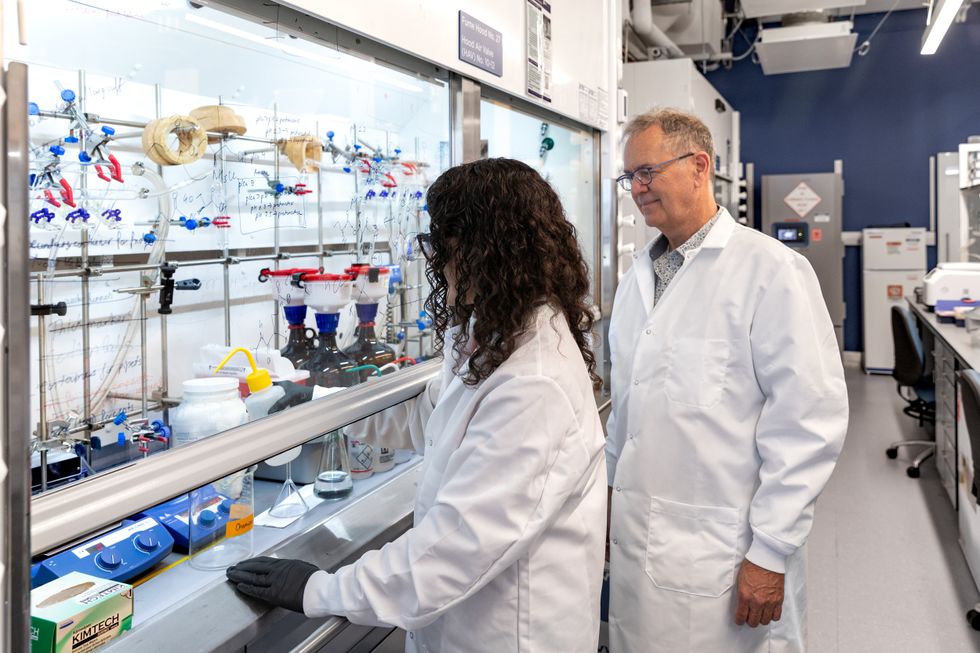
Engineering Collisions: How NYU Is Remaking Health Research
New York University (NYU) is revolutionizing academic research through its newly established Institute for Engineering Health, which focuses on addressing disease states rather than adhering to traditional academic disciplines. This innovative approach encourages collaboration among experts in various fields, including immunology, engineering, and artificial intelligence, to tackle specific health challenges, such as allergic asthma. Under the leadership of Jeffrey Hubbell, NYU's vice president for bioengineering strategy, the institute has already seen promising outcomes, such as the development of a startup that creates devices for detecting airborne pathogens and navigation technology for visually impaired subway riders. Hubbell advocates for a shift from a conventional drug-inhibition model to one that promotes beneficial biological pathways, necessitating a new breed of researchers who possess interdisciplinary skills. To foster this environment, NYU is constructing a science and technology hub in Manhattan, designed to facilitate collaboration among diverse disciplines. This initiative aligns with the university's strategy of organizing around "grand challenges" rather than traditional academic silos, as emphasized by Juan de Pablo, the executive dean of the Tandon School of Engineering. The institute also emphasizes a proactive approach to translating research into practical applications, conducting "translational exercises" to map potential pathways from discovery to deployment. This comprehensive strategy aims to accelerate innovation in science and technology, positioning NYU as a leader in addressing complex health issues through collaborative, cross-disciplinary research.
Type-sponsored Nyu-tandon Health Clinical-trials Data-science Nyu
Robots can now 'see' touch thanks to a new color-changing tactile sensor
Engineers at Queen Mary University of London have developed an innovative color-changing tactile sensor that enables robots to perceive their environment through both sight and touch in real-time. The groundbreaking invention, led by postdoctoral researcher Giacomo Sasso from the School of Engineering and Materials Science, utilizes a unique mechanism that converts invisible forces into vibrant color patterns. This technology allows for the immediate generation of high-resolution maps detailing contact, strain, and pressure, significantly enhancing robotic interaction with their surroundings. The advancement promises to improve the capabilities of robots in various applications, from manufacturing to healthcare, by providing them with a more nuanced understanding of their physical interactions.
Robotics
Robot learns to play music by ear, opening new possibilities in medicine and therapy
Researchers at the USC Viterbi School of Engineering have unveiled an innovative robotic hand capable of learning and reproducing melodies. This advanced technology can listen to a tune just once and, after a brief two-minute period of self-directed practice on a keyboard, accurately play it back without the need for sheet music or preprogrammed instructions. The development highlights significant progress in the field of robotics and artificial intelligence, showcasing the potential for machines to learn and adapt in ways similar to humans. This breakthrough could pave the way for more sophisticated applications in music and other areas requiring fine motor skills and auditory recognition.
Robotics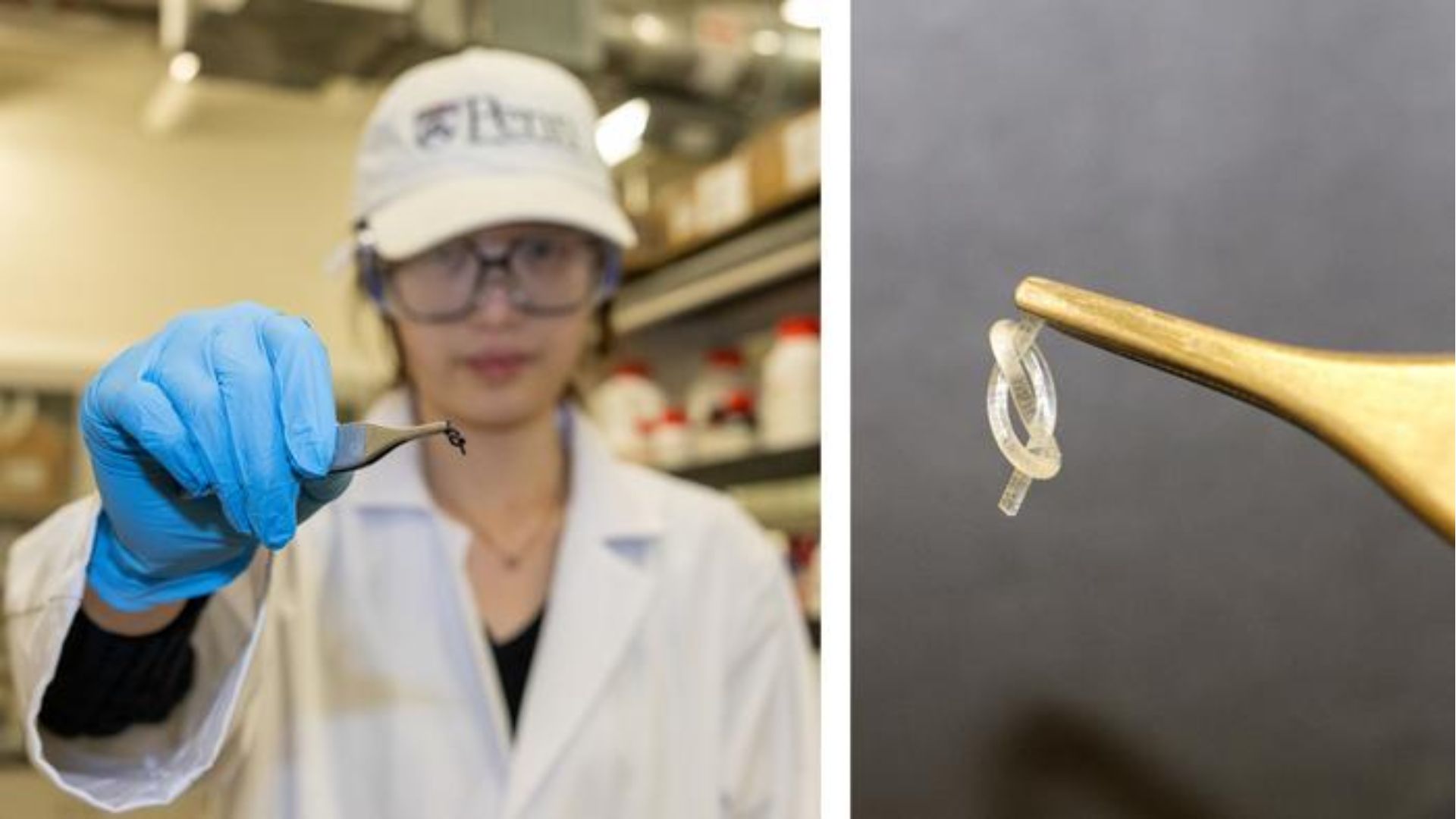
US’ heat-activated knot robots leap hundreds of times their height without electronics
Researchers at the University of Pennsylvania's School of Engineering have developed an innovative heat-activated robot using a common nuisance: a knotted string. This groundbreaking project, unveiled recently, showcases the potential of transforming everyday materials into advanced robotic systems. The team aimed to explore new avenues in robotics by harnessing the unique properties of strings that can change shape and function when exposed to heat. By strategically manipulating the knots and applying thermal energy, the researchers were able to create a robot capable of performing various tasks, demonstrating versatility and efficiency. This advancement not only highlights the ingenuity of the engineering team but also opens up new possibilities for the application of soft robotics in diverse fields, including medicine and manufacturing. The research reflects a growing trend in the engineering community to utilize unconventional materials for innovative solutions, emphasizing the importance of creativity in technological development.
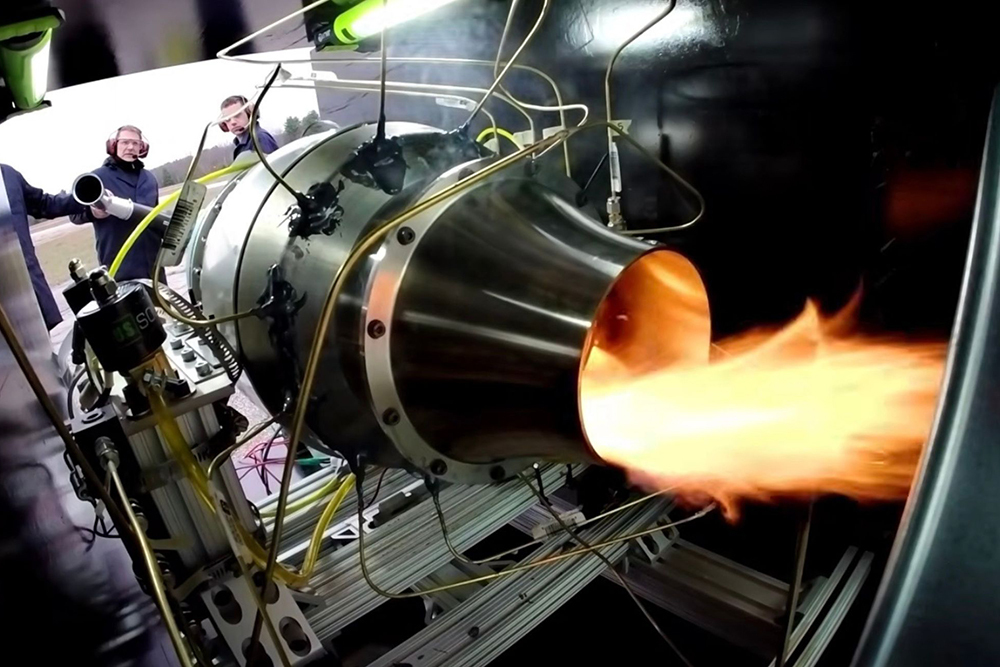
MIT's JARVIS Challenge Explores AI's Role in Jet Engine Engineering
The JARVIS Challenge, held at MIT, investigated the potential of AI in designing and building jet engines. Over four weeks, undergraduate teams utilized AI tools to create a small gas turbine engine, aiming for a thrust of 50-100 pounds. Professor Zolti Spakovszky emphasized that while AI can enhance hardware engineering, human engineering judgment remains crucial. This initiative is significant as it highlights the evolving relationship between AI and engineering, particularly in safety-critical domains. With support from MIT Lincoln Laboratory and corporate sponsors like Safran and Voyager Technologies, students had unprecedented access to AI resources, fostering an environment of innovation and exploration. Looking ahead, the challenge showcased the importance of integrating AI into engineering workflows. As students learned to navigate AI's capabilities and limitations, it raises questions about the future of engineering education and the skills required in a rapidly changing technological landscape. No further timeline was disclosed at the time of publication.
Classes and programs Contests and academic competitions Students Undergraduate STEM education Artificial intelligence
LA High School Students Engage with Real Robotics at Faraday Future Headquarters This Summer
A group of K-12 students in Los Angeles has been hands-on with real humanoid robots and industrial-grade robotic dogs at Faraday Future's headquarters this summer. On July 15, Faraday Future announced that its EAI Robotics Summer Camp, in collaboration with the Lynwood and El Segundo school districts, has entered its second week, alongside a partnership with Triple I, a full-cycle education organization in the U.S. The summer camp is notable for using actual robotics equipment rather than toy kits or computer simulators. Students have worked with Faraday Future's own robots, including the Navi, an educational four-legged robot priced under $2,000, the industrial-grade Aegis, and the humanoid robot Master. The camp employs a five-day progressive learning structure, culminating in students programming and debugging real hardware. Participants have transformed from beginners to capable of autonomous system demonstrations within just one week. Faraday Future's Co-CEO Chen Zhe emphasized the importance of immersive engineering experiences for students and how their feedback aids product iteration and course design. He believes education will be a key application area for scaling consumer robotics in its early stages, as Faraday Future aims to bridge classroom learning with practical experience and home education.
Robotics Education Hands-on Learning Consumer Robotics Programming STEM
Diana Grass Explores Body Communication Through Soft Bioelectronic Devices
Diana Grass, a PhD candidate in the Harvard-MIT Program in Health Sciences and Technology, is developing soft bioelectronic devices to study physiological signals that facilitate communication between the brain and body. Her journey from studying philology and education to neuroscience was sparked by her experiences as a medical interpreter, where she observed the interactions between physicians and patients with neurological disorders. Grass's work aims to bridge the gap in understanding how the body communicates continuously, despite the reliance on isolated biological snapshots in current medical practices. Her research emphasizes the interconnectedness of the nervous system with the immune system and other peripheral organs, highlighting the importance of these interactions in maintaining physiological balance. As she pursues her PhD in medical engineering and medical physics, Grass is part of the Bioelectronics Group at MIT, where she collaborates on innovative projects that could revolutionize our understanding of health and disease. No further timeline was disclosed at the time of publication.
Profile Students Graduate, postdoctoral Materials science and engineering Medicine Electronics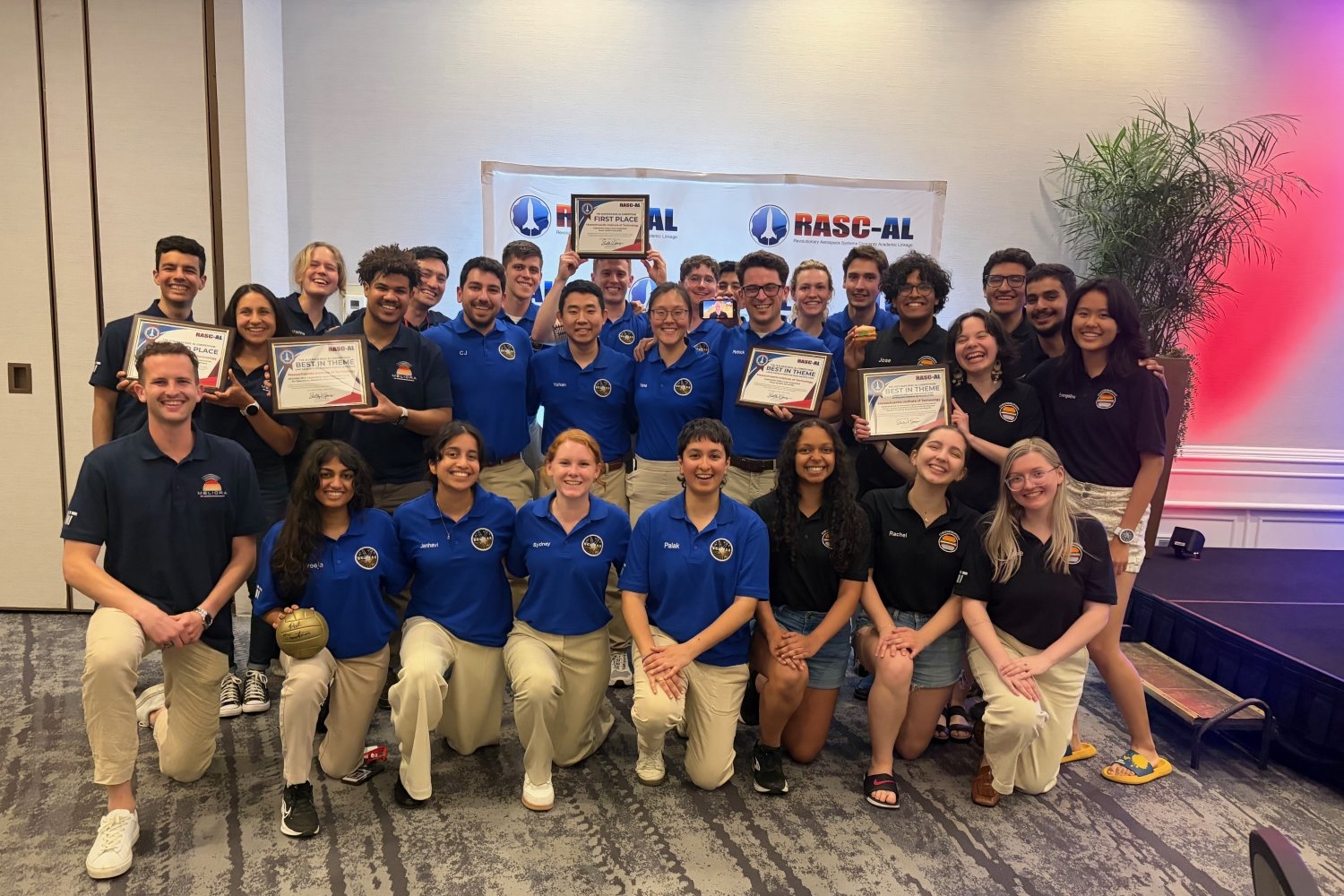
MIT student teams win top honors in NASA competition
Three teams from the Massachusetts Institute of Technology (MIT) achieved remarkable success in the 2026 NASA RASC-AL Competition, securing five prestigious awards for their innovative designs aimed at supporting lunar bases and future Mars missions. This competition, which focuses on developing critical technologies for space exploration, highlights the importance of advanced engineering and creative problem-solving in addressing the challenges of extraterrestrial habitats. The event took place recently, showcasing the efforts of students and faculty who are dedicated to pushing the boundaries of space science and exploration. The recognition of these teams underscores MIT's commitment to fostering cutting-edge research and development in aerospace technology, paving the way for future missions that could expand human presence beyond Earth.
School of Engineering MIT Sloan School of Management Aeronautical and astronautical engineering EAPS Electrical engineering and computer science (EECS) Nuclear science and engineering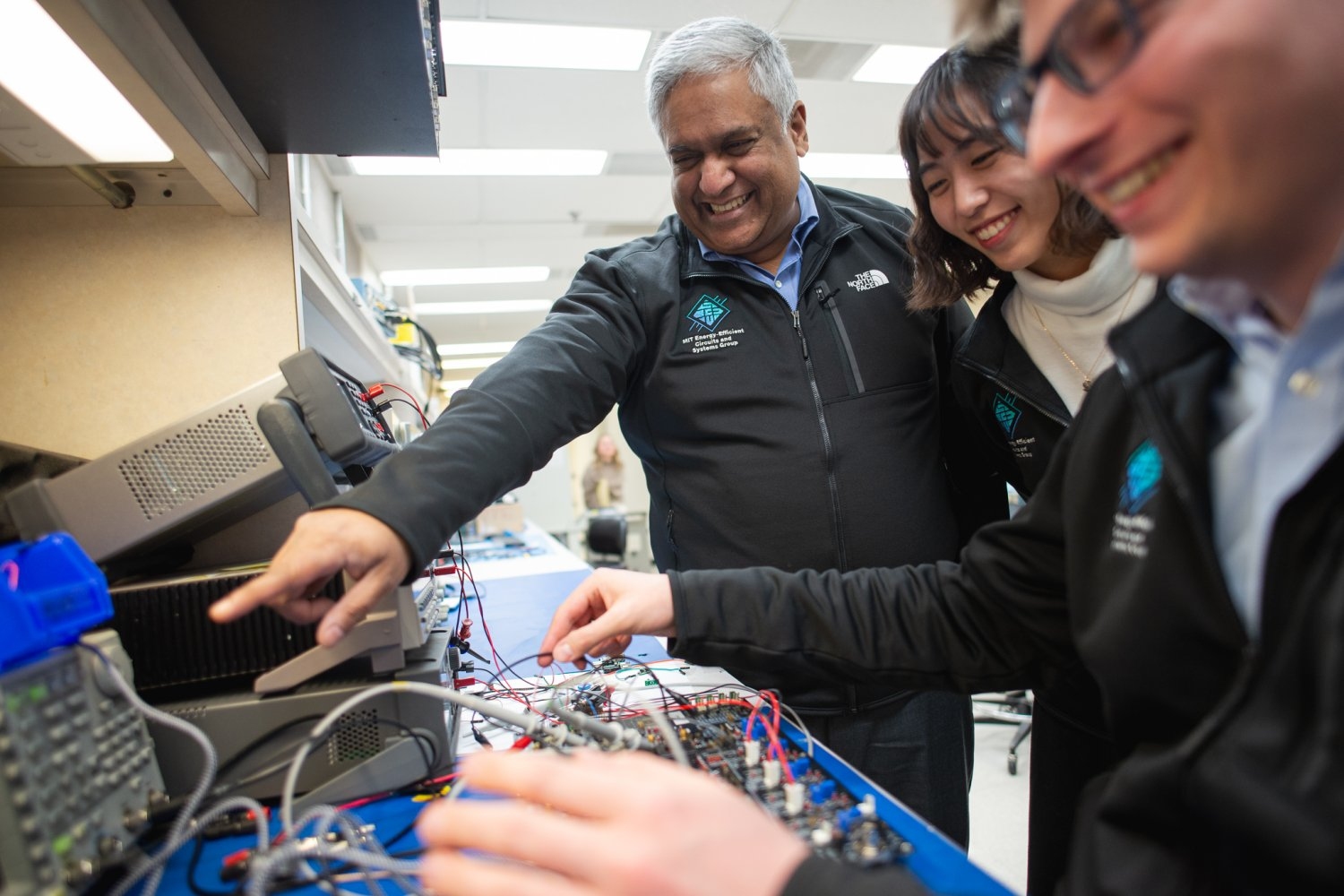
Care in the midst of pressure
Anantha P. Chandrakasan, a prominent figure in the field of electrical engineering, is making significant strides in redefining mentorship by emphasizing the importance of presence and perspective. His commitment to caring for students and young professionals is evident in his approach, which prioritizes meaningful interactions and guidance. Chandrakasan's efforts aim to foster a supportive environment that encourages personal and professional growth. By actively engaging with mentees and sharing his insights, he seeks to inspire the next generation of leaders in technology and engineering. His initiatives reflect a broader movement within academia to enhance mentorship practices, ensuring that they are not only informative but also deeply impactful.
School of Engineering Electrical engineering and computer science (EECS) Microsystems Technology Laboratories Awards, honors and fellowships Community Mentoring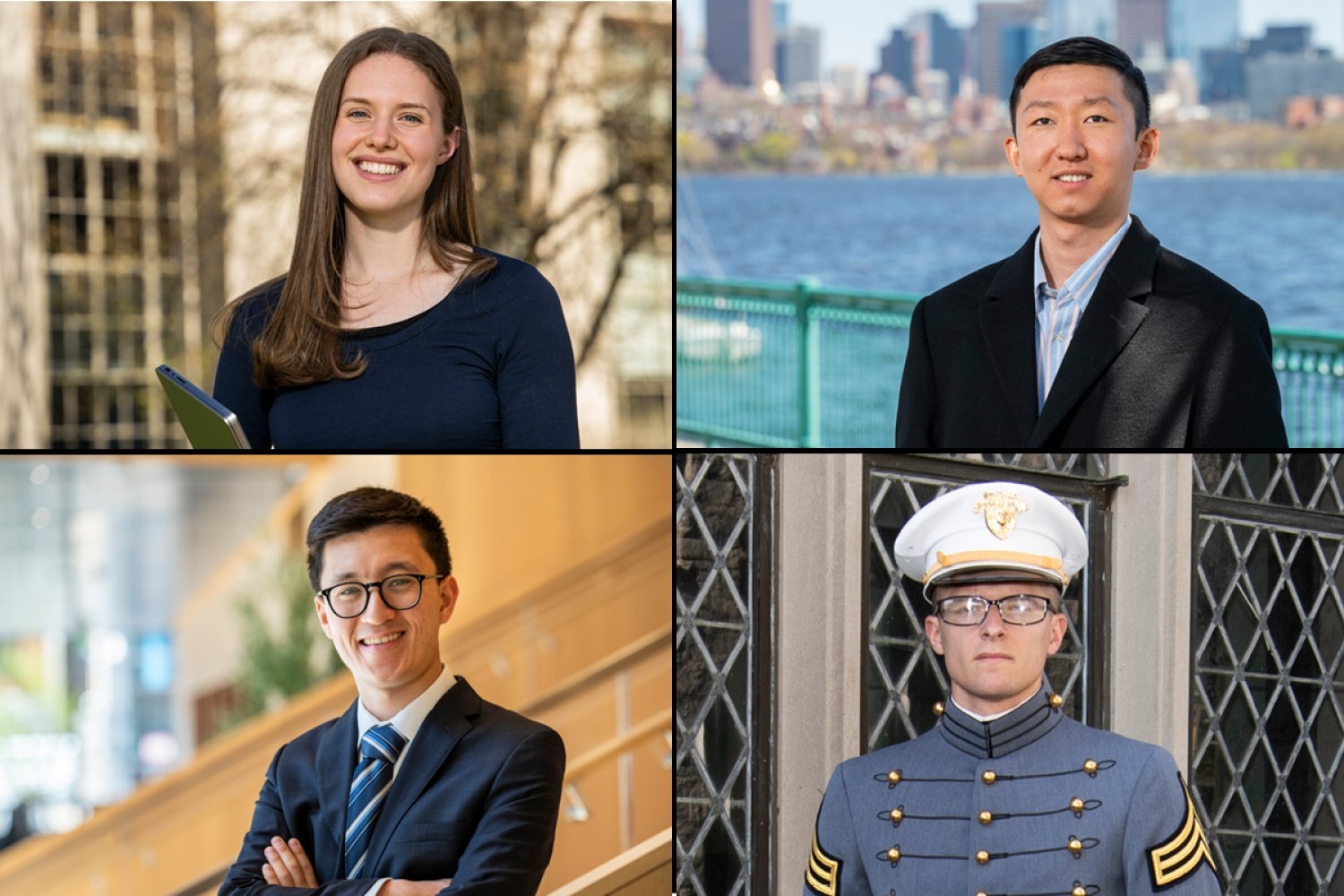
MIT affiliates win 2026 Hertz Foundation Fellowships
A new fellowship program has been launched to support doctoral students in applied sciences, engineering, and mathematics who are dedicated to addressing critical challenges in science and technology. This initiative aims to recognize and empower emerging researchers who are developing innovative solutions to pressing issues. The program is designed to enhance the educational and research opportunities for these students, providing them with the resources necessary to advance their work. By fostering a new generation of scientists and engineers, the fellowship seeks to contribute to the advancement of knowledge and technology, ultimately benefiting society as a whole. The initiative is expected to play a significant role in shaping the future of scientific research and technological development.
Awards, honors and fellowships Students Graduate, postdoctoral Alumni/ae Chemistry Mechanical engineering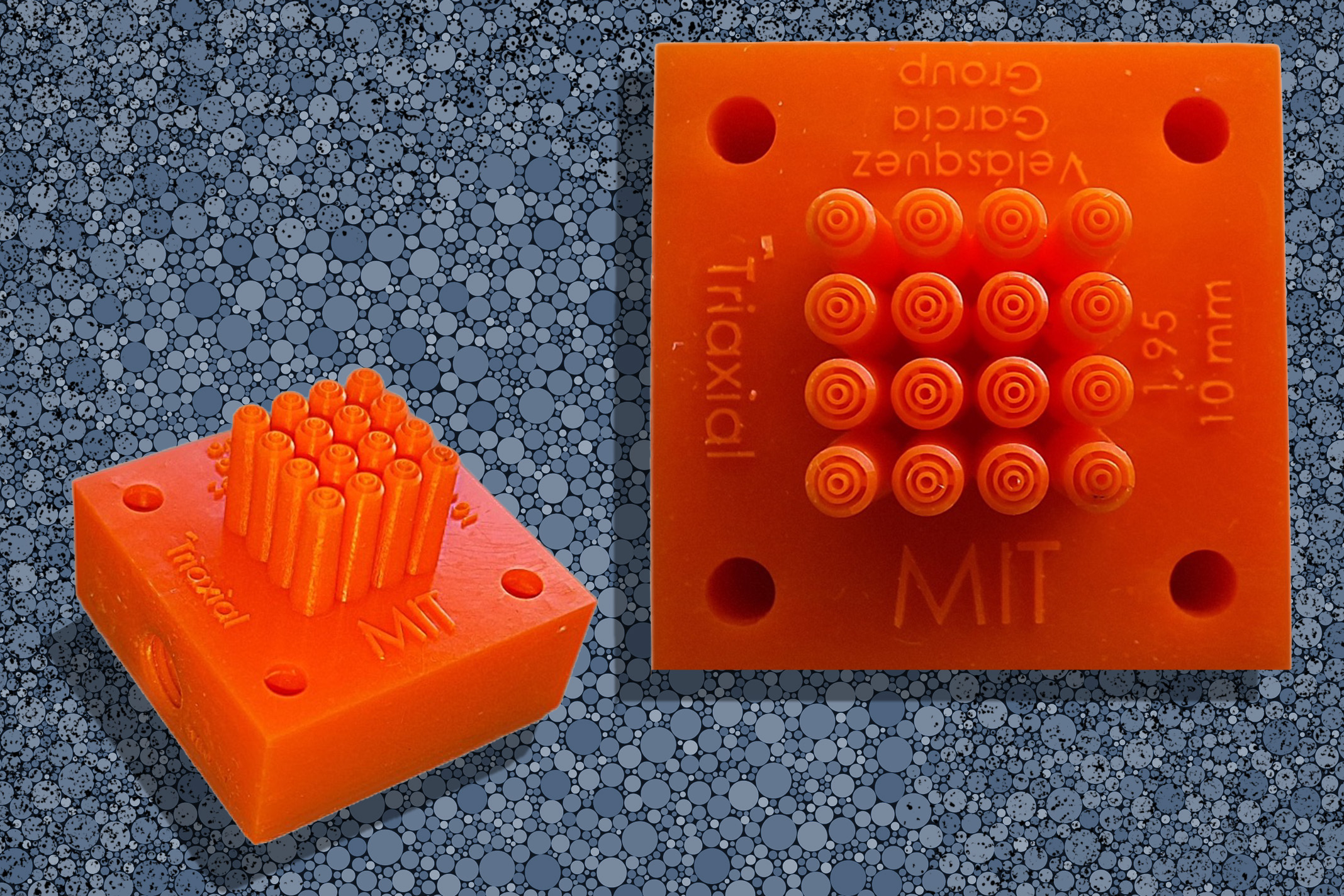
3D-printed devices could streamline the production of drug-delivery microparticles
A new development in particle production technology has emerged, utilizing cost-effective devices that can be constructed in just a few hours. These innovative devices employ electrospray emitter technology to efficiently generate three-layered particles on a large scale. This advancement is poised to enhance manufacturing processes across various industries by providing a faster and more economical method of particle creation. The introduction of these devices marks a significant step forward in the field, potentially leading to improved applications in pharmaceuticals, materials science, and other sectors that rely on precise particle engineering.
Research 3-D printing Additive manufacturing Electronics Medical devices Drug delivery
Ambassadors of STEM
A newly established student club at the Massachusetts Institute of Technology (MIT) is dedicated to supporting K-12 students through hands-on STEM education. This initiative, spearheaded by alumni of the FIRST Robotics program, seeks to leverage their experiences and expertise to inspire younger students in the fields of science, technology, engineering, and mathematics. The club aims to create engaging learning opportunities that foster creativity and problem-solving skills among participants. By organizing workshops, mentorship programs, and robotics competitions, the group hopes to enhance educational enrichment and ignite a passion for STEM in the next generation. The club's formation reflects a growing commitment within the MIT community to address educational disparities and promote STEM literacy among youth.
Clubs and activities STEM education Students Undergraduate Robotics Mechanical engineering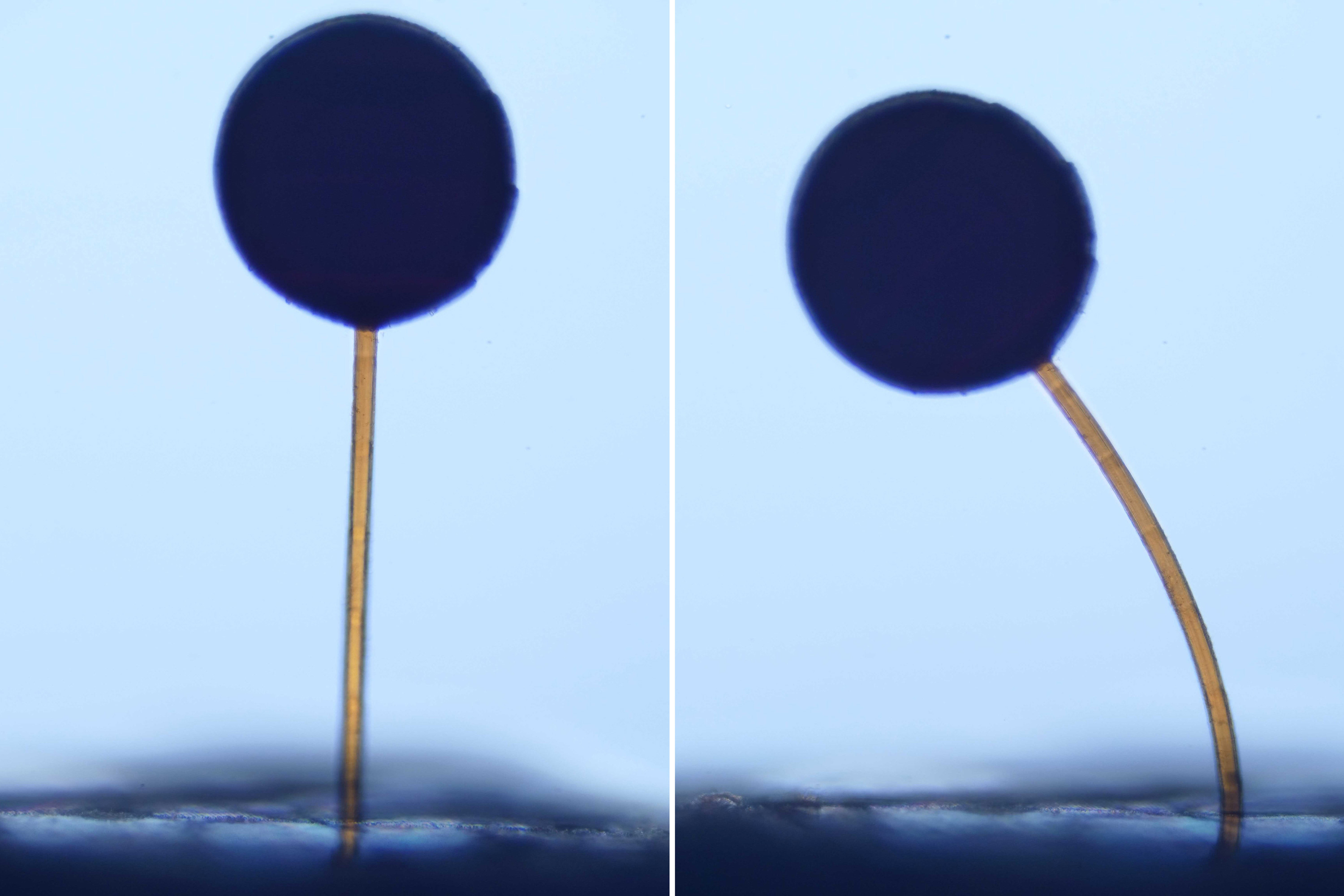
With a swipe of a magnet, microscopic “magno-bots” perform complex maneuvers
Researchers at the Massachusetts Institute of Technology (MIT) have developed an innovative fabrication technique capable of creating soft, microscopic structures featuring magnetically activated moving components. This breakthrough, announced in October 2023, aims to enhance the functionality of soft robotics and other applications that require precise movement at a small scale. By leveraging magnetic fields, the researchers enable these tiny structures to perform complex tasks, which could revolutionize fields such as medical devices and environmental sensing. The technique involves a novel approach to material design and assembly, allowing for greater control over the movement and behavior of the structures. This advancement not only showcases the potential of soft materials in engineering but also opens new avenues for research in robotics and automation.
Research Robotics 3-D printing Magnets Materials science and engineering Mechanical engineering
Light-activated gel could impact wearables, soft robotics, and more
Researchers at the Massachusetts Institute of Technology (MIT) have made significant strides in the field of ionotronics, a burgeoning area of study focused on the transfer of data through ions. This innovative approach aims to create a seamless interface between electronic devices and biological tissues, potentially revolutionizing how data is communicated within and between living organisms. The advancements were reported recently, highlighting the ongoing efforts to enhance the integration of technology with biological systems. By harnessing the unique properties of ions, the team at MIT is exploring new pathways for data transmission that could lead to breakthroughs in medical devices and bioengineering. This work underscores the importance of interdisciplinary research in bridging the gap between traditional electronics and the complexities of biological functions.
Research Robotics Light Materials science and engineering Wearables Materials Research Laboratory
Emery Brown, Daniel Hastings, and Douglas Lauffenburger Receive MIT's Institute Professor Title
Emery Brown, Daniel Hastings, and Douglas Lauffenburger have been appointed as Institute Professors at MIT, the institution's highest faculty honor. This announcement, made by MIT's leadership, brings the total number of Institute Professors to 12, alongside 10 Emeriti. The appointments took effect on July 1. The significance of these appointments lies in the recognition of their contributions to their respective fields. Emery Brown, a physician and neuroscientist, has made notable advancements in understanding how anesthesia affects the brain, particularly through his research on the human circadian clock and the effects of anesthetic drugs on brain oscillations. His work has implications for both neuroscience and clinical practices. Looking ahead, the impact of Brown's research on anesthesia and brain function will be crucial for future studies in neuroscience and medical applications. No further timeline was disclosed at the time of publication.
Faculty Awards, honors and fellowships Aeronautical and astronautical engineering Biological engineering Brain and cognitive sciences Health sciences and technology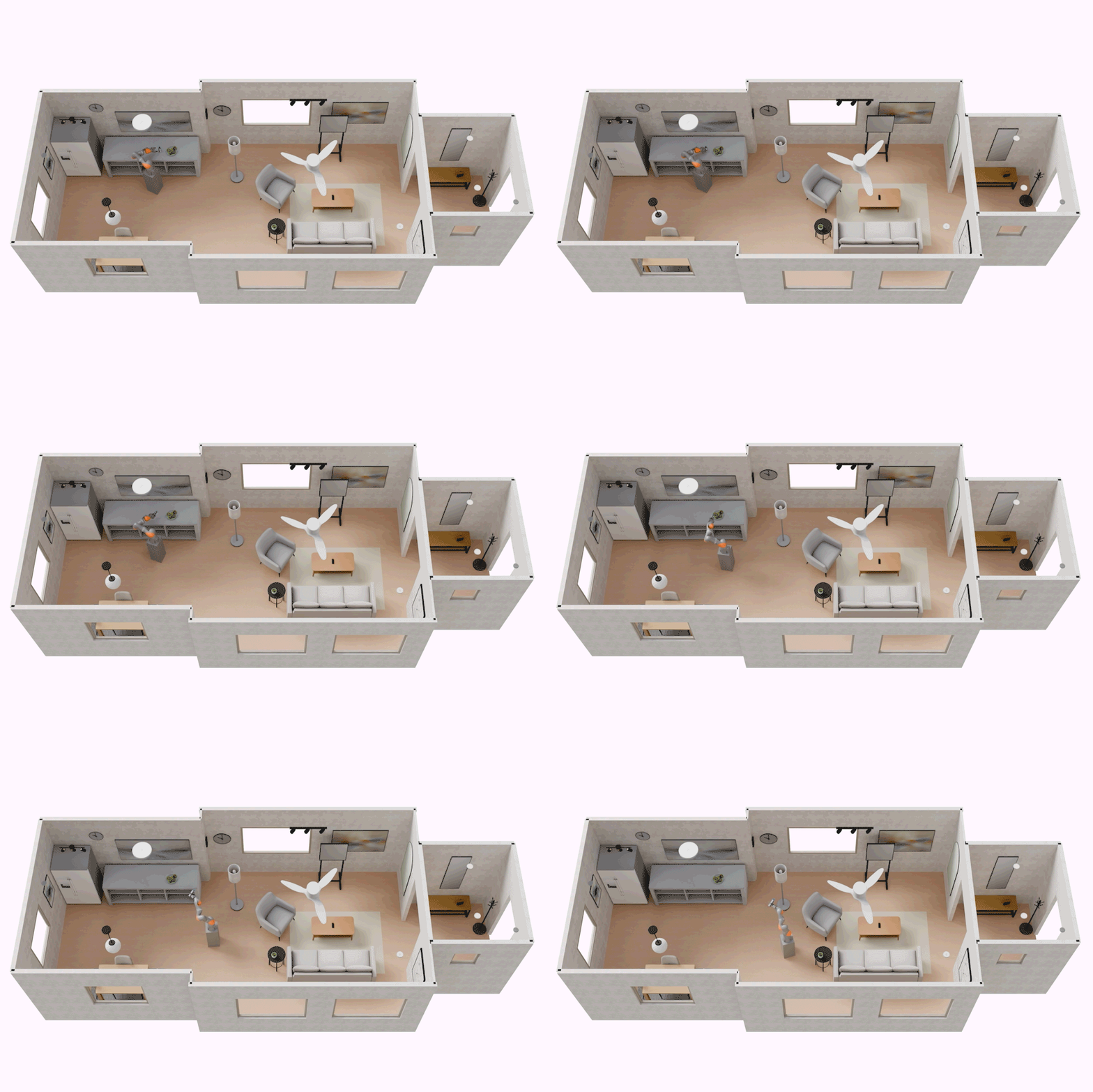
MIT and Toyota Develop SceneSmith to Enhance Robot Training with AI-Generated Environments
MIT and the Toyota Research Institute have introduced SceneSmith, a system that utilizes AI agents to create realistic 3D environments for robot training. This innovation addresses the significant challenge of generating diverse simulation content, which is crucial for teaching robots various tasks in a cost-effective manner. The SceneSmith system employs three AI agents, leveraging the advanced vision-language model GPT-5.2, to design intricate indoor scenes. These environments, featuring up to six times more objects than previous methods, allow robots to practice skills in a rich virtual playground, ultimately reducing the need for extensive real-world testing. As the research progresses, the effectiveness of these AI-generated environments will be closely monitored. The team has already demonstrated that robots can successfully navigate and perform tasks in these virtual settings, indicating a promising future for robotic training methodologies. No further timeline was disclosed at the time of publication.
Research Robotics Artificial intelligence Simulation Computer science and technology Machine learning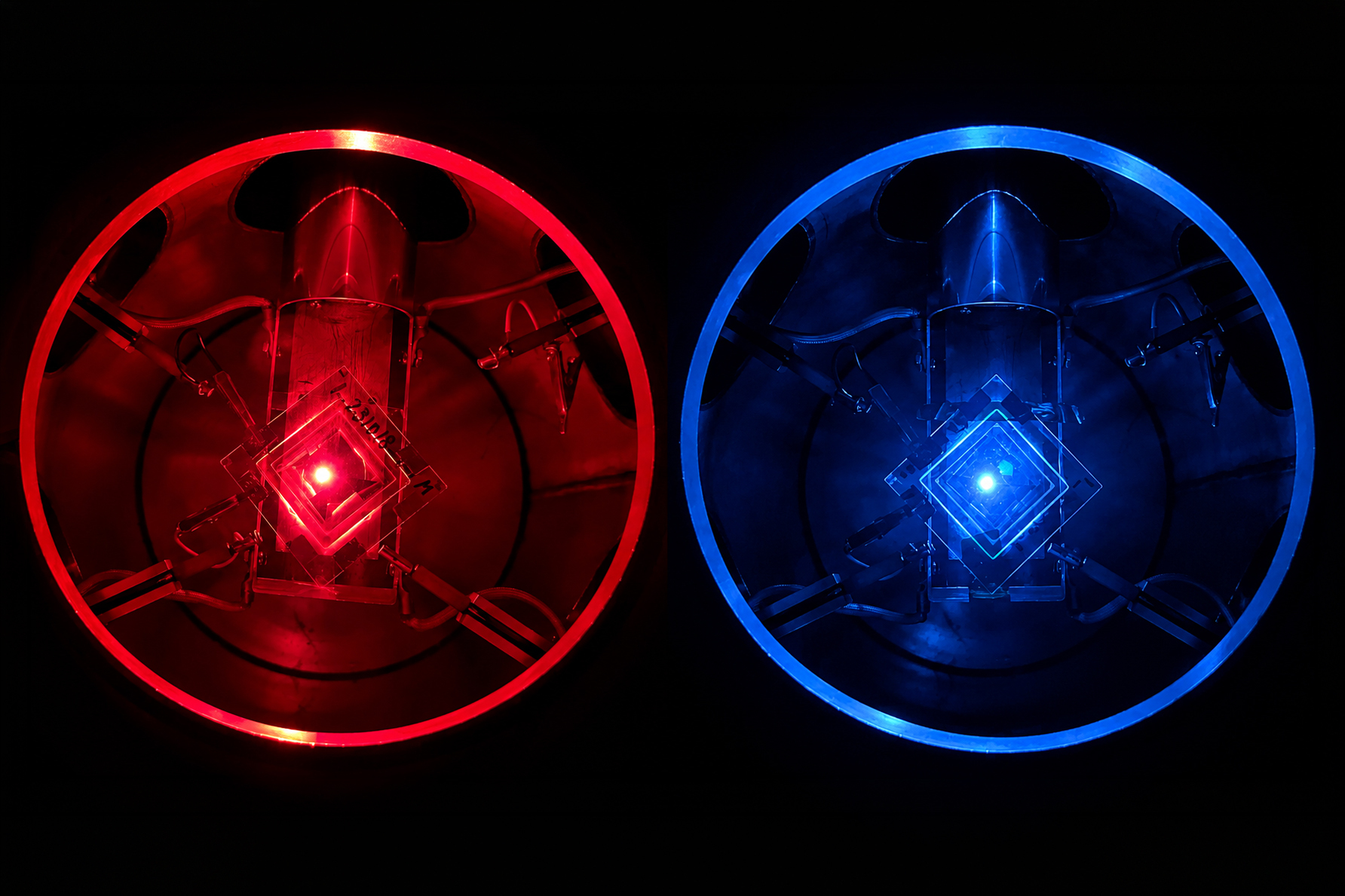
MIT and Samsung Enhance Quantum Dot LED Lifespan for Energy-Efficient Displays
MIT researchers, in collaboration with Samsung, have developed a method to improve the lifespan and efficiency of quantum dot LEDs (QD-LEDs) used in digital displays. By encapsulating QD-LEDs in an acrylate-based resin, the team achieved a remarkable 5,000-fold increase in lifespan, addressing previous limitations that hindered commercial applications. This advancement could significantly impact various devices, including TVs, smartphones, and medical imaging equipment. The significance of this research lies in its potential to transform digital display technology. Quantum dots, known for emitting pure colors, are already utilized in high-quality displays. The new encapsulation technique not only enhances the stability of QD-LEDs but also simplifies their manufacturing process, paving the way for broader adoption in consumer electronics. This could lead to displays that are not only brighter and more energy-efficient but also capable of producing a wider range of colors. Looking ahead, the insights gained from this study may facilitate further innovations in display technology. The researchers aim to address the challenges that have limited the commercialization of QD-LEDs, potentially revolutionizing how displays and ambient lighting are produced. No further timeline was disclosed at the time of publication.
Research Electronics Chemistry Materials science and engineering Nanoscience and nanotechnology Light
MIT and EPFL Develop Flapping Robot for Aerial and Aquatic Exploration
Engineers from MIT and EPFL have created a flapping-wing aerial-aquatic vehicle (FAAV) that weighs under 300 grams. This robot can swim underwater and transition to flight, mimicking the behavior of diving birds. The research, published in Science, showcases the robot's ability to adapt its mechanics for both mediums, which differ significantly in density and resistance. The significance of this development lies in its potential applications in oceanography and environmental monitoring. The FAAV can access areas that are typically hazardous for traditional vessels, allowing scientists to collect data from locations such as icebergs or marine habitats. This innovation could reduce operational costs and enhance data collection efficiency in marine research. Looking ahead, the research team aims to refine the FAAV's design and functionality. Future experiments will likely focus on optimizing the robot's performance in various aquatic environments. No further timeline was disclosed at the time of publication.
Bioinspiration Drones Mechanical engineering Oceanography and ocean engineering Research Robotics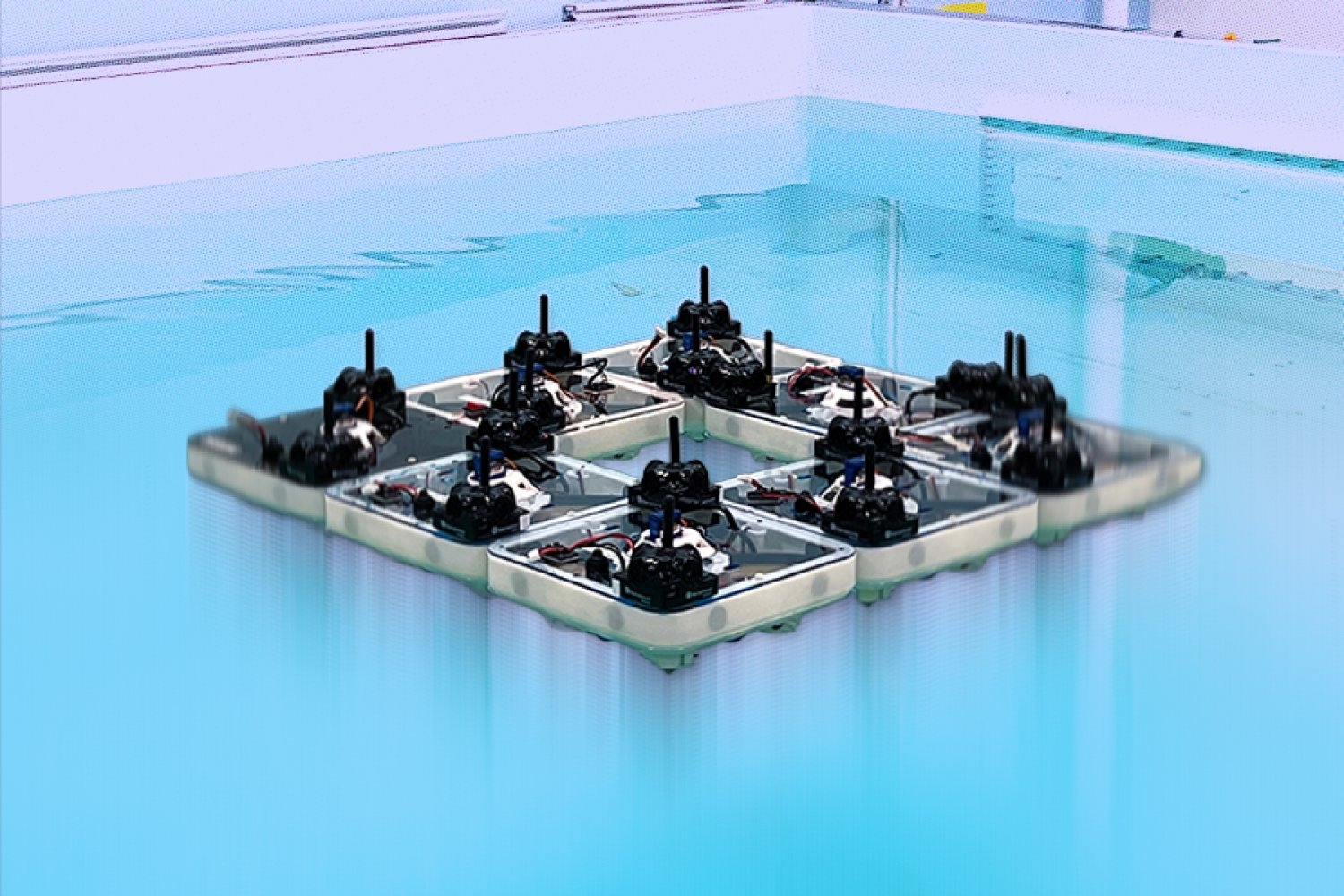
MIT's FloatForm Swarm Robots Create Adaptive Floating Structures for Urban Spaces
MIT researchers have developed FloatForm, a swarm of small robotic boats that autonomously assemble into larger floating structures. Each robot, measuring 21 centimeters square, is equipped with thrusters, sensors, and magnetic latches, allowing them to form bridges, platforms, and other structures with minimal human input. This innovative system aims to transform urban waterfronts into dynamic, programmable spaces, enhancing public infrastructure and emergency response capabilities. The significance of FloatForm lies in its potential to revolutionize how urban areas utilize water surfaces. By mimicking the self-organizing behavior of fire ants, the robots can adaptively create and reconfigure structures on demand, addressing challenges such as traffic alleviation during emergencies or creating temporary public spaces. This modular approach to floating infrastructure could lead to more livable cities by expanding usable public space onto underutilized water areas. Looking ahead, the research team plans to explore further applications of FloatForm in urban environments, with no specific timeline disclosed for future developments. The project builds on previous work with full-size autonomous vessels in Amsterdam, indicating a growing interest in leveraging water for urban mobility and public space expansion. The open-access findings were published in Nature Communications, highlighting the collaborative efforts of MIT's Computer Science and Artificial Intelligence Laboratory and the Senseable City Lab.
Research Robotics Autonomous vehicles Artificial intelligence Computer science and technology Machine learning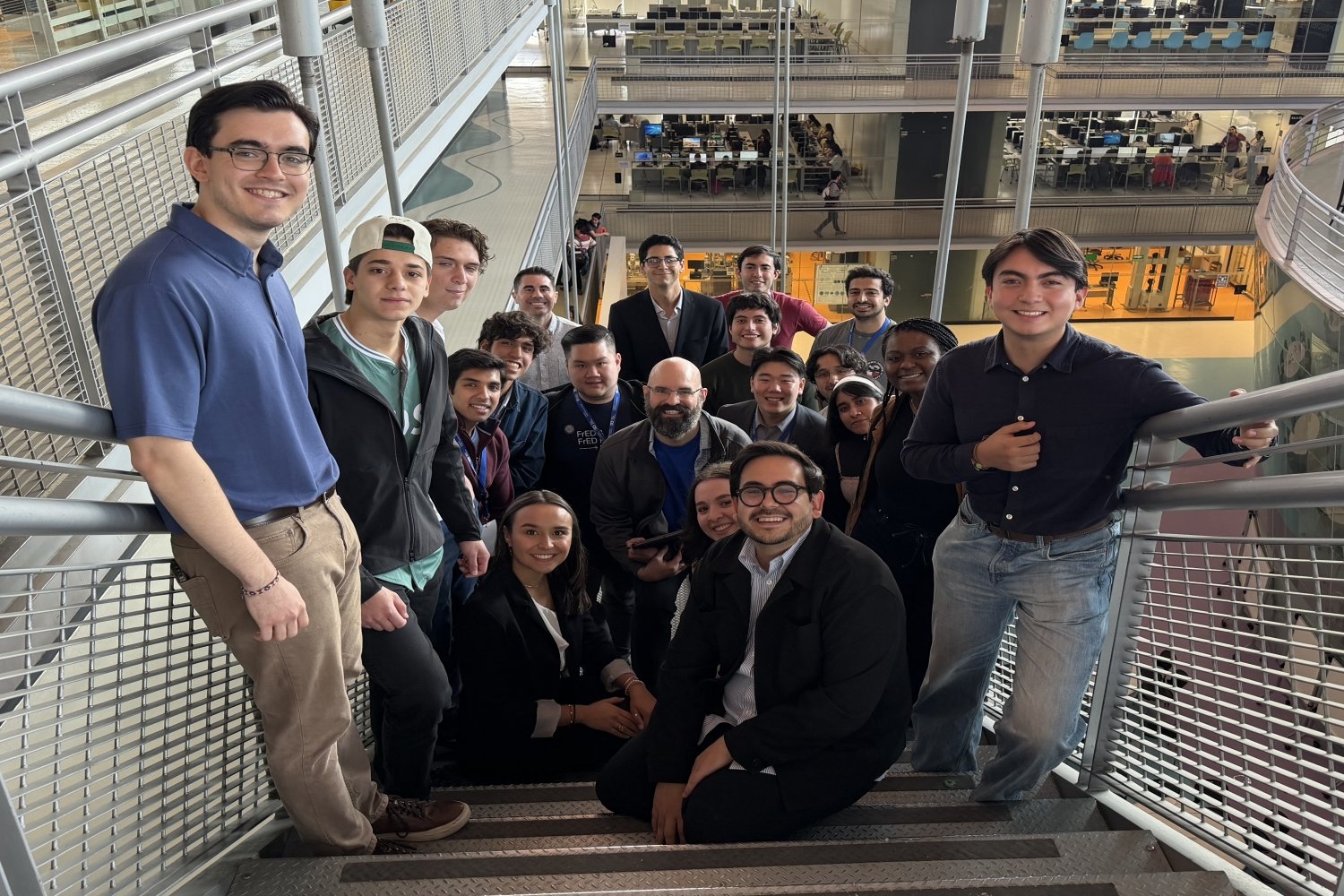
MIT-designed educational factory embraces modern manufacturing
The Massachusetts Institute of Technology (MIT) and Tecnológico de Monterrey (Tec de Monterrey) have announced plans to broaden the FrED (Frugal and Inclusive Education) curriculum to universities throughout Mexico. This initiative aims to enhance educational opportunities and promote innovative teaching methods in response to the growing demand for accessible and inclusive education. The collaboration is set to roll out in early 2024, with the goal of equipping students with practical skills and knowledge that address local challenges. By leveraging MIT's expertise in technology and Tec de Monterrey's strong presence in the region, the program seeks to foster a new generation of leaders capable of driving social change. The expansion is part of a larger effort to improve educational equity and empower students from diverse backgrounds, ultimately contributing to the development of a more inclusive society.
Classes and programs International initiatives 3-D printing Automation Collaboration Manufacturing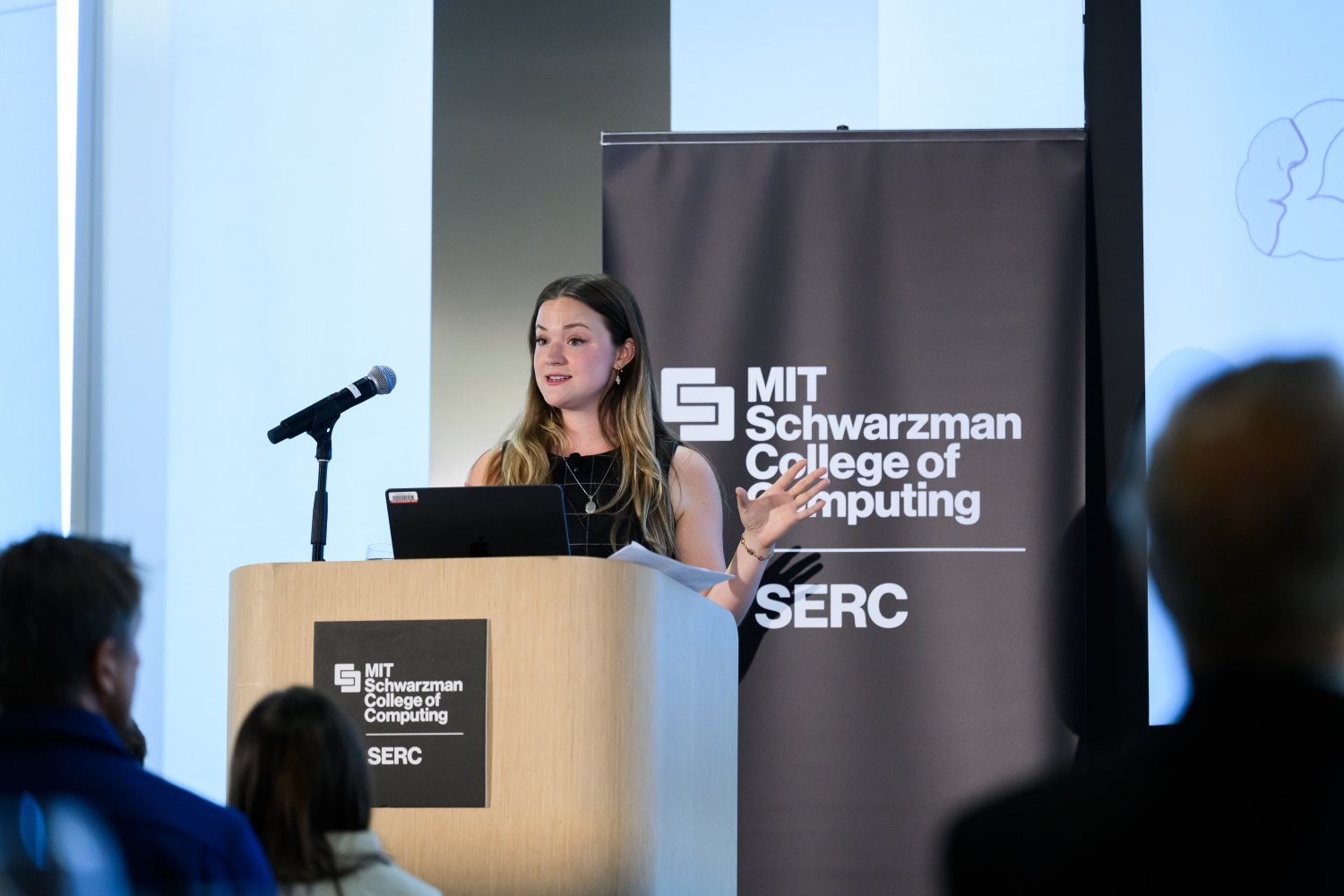
Toward a future that preserves benefits of neurotechnology for all
PhD student Rachel Sava, winner of the Envisioning the Future of Computing Prize, explores transformative improvements and dystopian risks of neural technology.
Contests and academic competitions Awards, honors and fellowships Students Artificial intelligence Ethics Law
LLMs help robots understand vague instructions and focus on key details
Researchers at MIT have developed an innovative approach to enhance the efficiency of robots in performing chores in various environments, including homes and factories. This new method employs a dual-language model system: the first model is designed to interpret and clarify user instructions, while the second model focuses on filtering out irrelevant information that may hinder task execution. This advancement aims to improve the interaction between humans and robots, making it easier for machines to understand and carry out complex tasks effectively. The initiative reflects MIT's commitment to advancing robotics technology and its potential applications in everyday life.
School of Engineering MIT Schwarzman College of Computing Aeronautical and astronautical engineering Electrical engineering and computer science (EECS) Computer Science and Artificial Intelligence Laboratory (CSAIL) Computer science and technology
Exploring the societal impacts of AI
At the recent AI and Society Forum, prominent researchers from the Massachusetts Institute of Technology (MIT) engaged in an in-depth discussion regarding the impact of artificial intelligence on employment and democratic processes. The forum, held in October 2023, served as a platform for experts to address pressing concerns about how AI technologies are reshaping job markets and influencing political systems. The motivation behind this dialogue stems from the rapid advancements in AI and the need to understand their broader societal implications. Researchers presented findings and insights on the potential benefits and challenges posed by AI, emphasizing the importance of developing strategies to mitigate risks while harnessing the technology's capabilities. Through collaborative discussions, the forum aimed to foster a greater understanding of AI's role in shaping the future of work and governance.
Special events and guest speakers Artificial intelligence Technology and society Computer science and technology Economics Democracy
New chip could help tiny robots traverse complex environments
A team of researchers has developed an innovative method for creating 3D maps to enhance navigation systems, utilizing a combination of an efficient algorithm and specialized hardware. This advancement, which was announced in October 2023, aims to significantly reduce the memory and power requirements typically associated with 3D mapping technologies. By streamlining the mapping process, the researchers hope to improve the efficiency and accessibility of navigation tools, making them more practical for a variety of applications, including autonomous vehicles and mobile devices. The integration of dedicated hardware with the algorithm allows for rapid map generation, which could lead to faster and more reliable navigation solutions in real-world scenarios.
Research Computer science and technology Algorithms Artificial intelligence Machine learning Robotics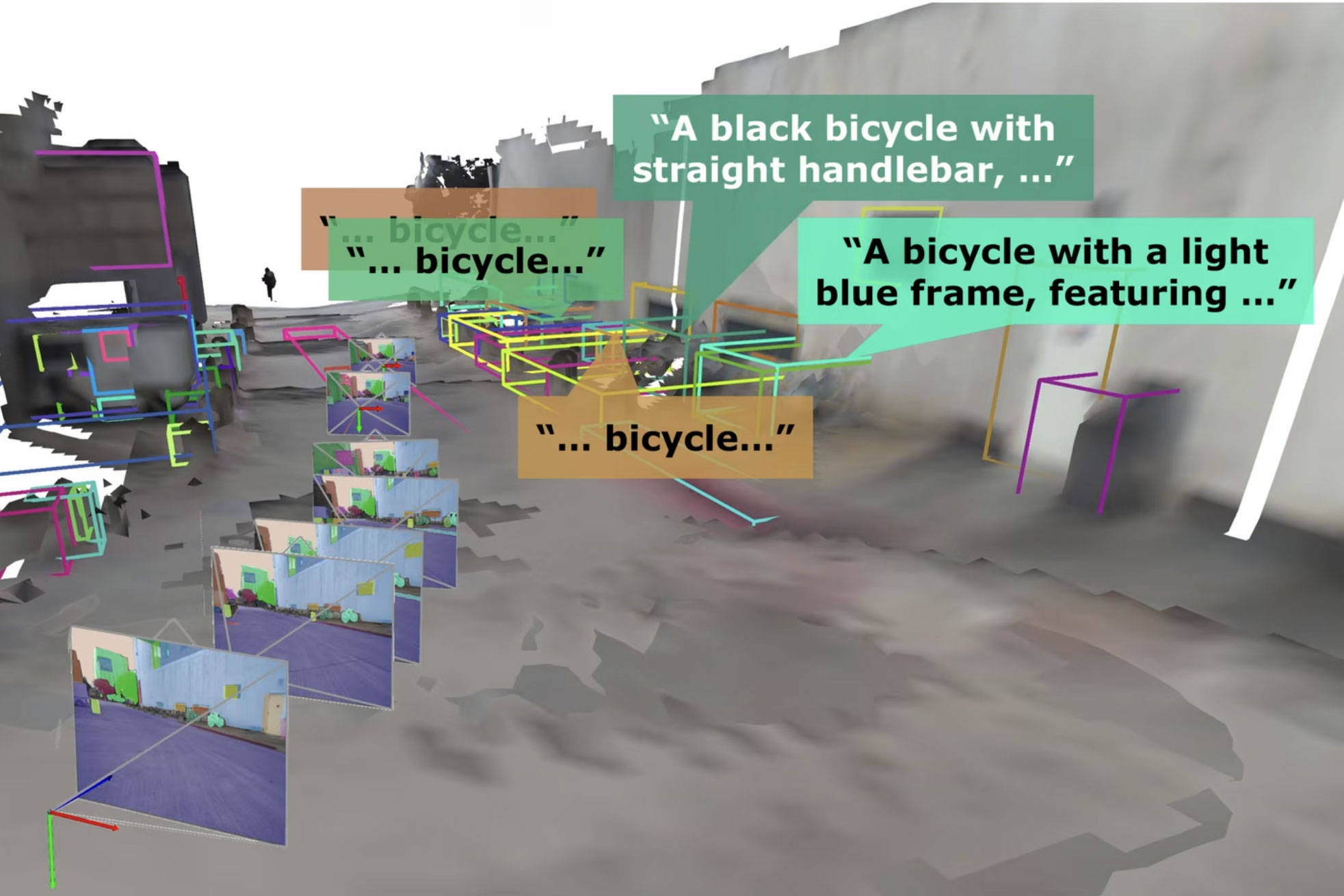
Could AI tell you where you left your keys?
Researchers have developed an innovative spatial memory system designed for robots, enabling them to effectively capture and retain detailed information about objects encountered during environmental exploration. This advancement, which leverages cutting-edge technology, aims to enhance the robots' ability to navigate and interact with their surroundings more intelligently. The system was introduced in a study published in October 2023, showcasing its potential to improve robotic perception and memory capabilities. By integrating sophisticated algorithms, the robots can now better recognize and remember various objects, ultimately leading to more autonomous and efficient operations in diverse settings. This breakthrough is expected to have significant implications for fields such as robotics, artificial intelligence, and automation, as it allows for more nuanced interactions between machines and their environments.
Research Computer science and technology Algorithms Artificial intelligence Machine learning Robotics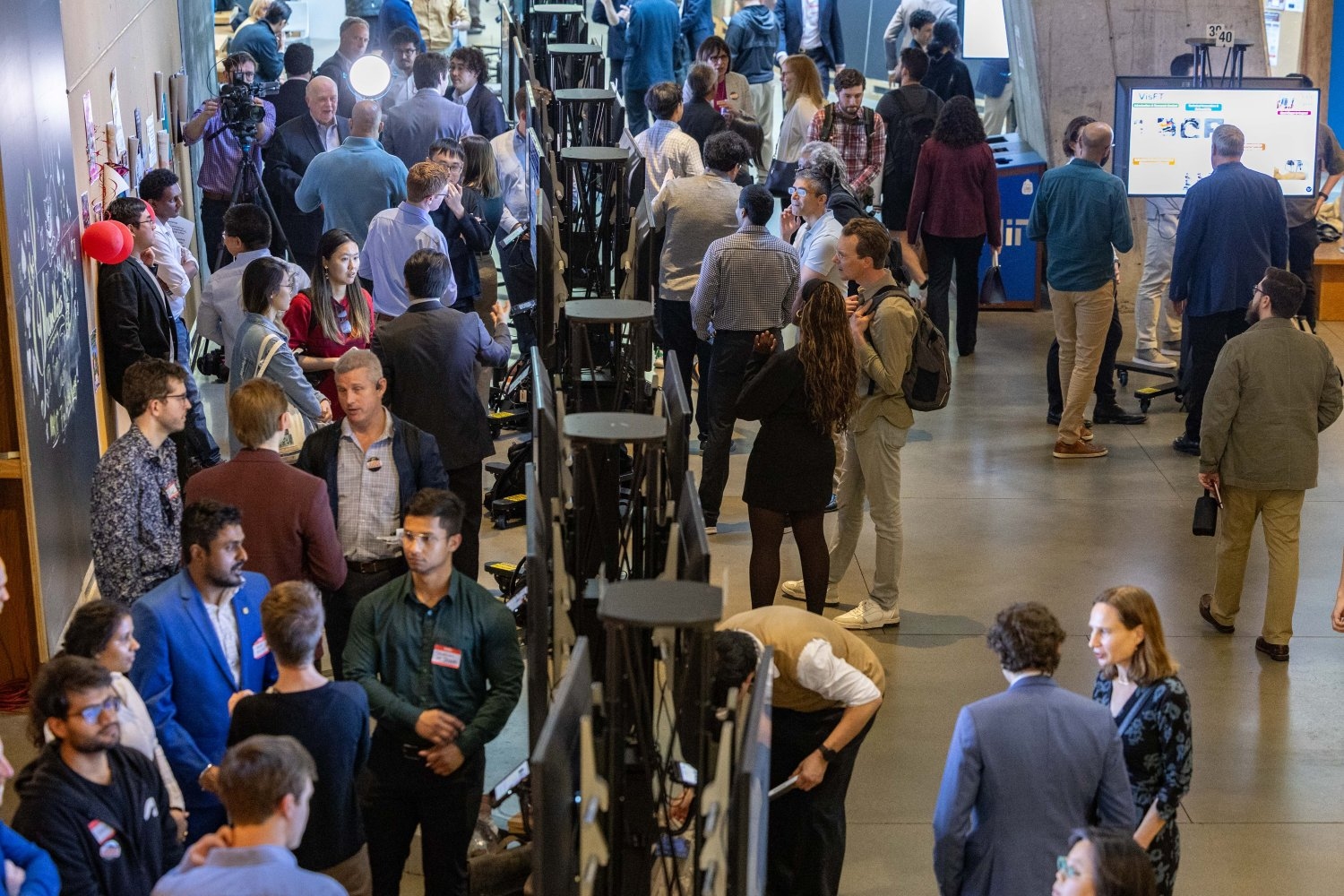
MIT’s Initiative for New Manufacturing builds momentum
In its inaugural year, the Innovative Manufacturing Network (INM) has made significant strides in advancing new manufacturing technologies. The organization has focused on three key areas: research, workforce development, and industry engagement. By fostering collaboration among various stakeholders, INM aims to accelerate the adoption and practical application of these technologies in the manufacturing sector. The initiative is driven by the need to enhance efficiency and competitiveness within the industry, responding to the growing demand for innovation and modernization. Through targeted programs and partnerships, INM is positioning itself as a catalyst for change, ensuring that the latest advancements are effectively integrated into real-world manufacturing processes.
Special events and guest speakers Classes and programs Industry Collaboration Mechanical engineering Manufacturing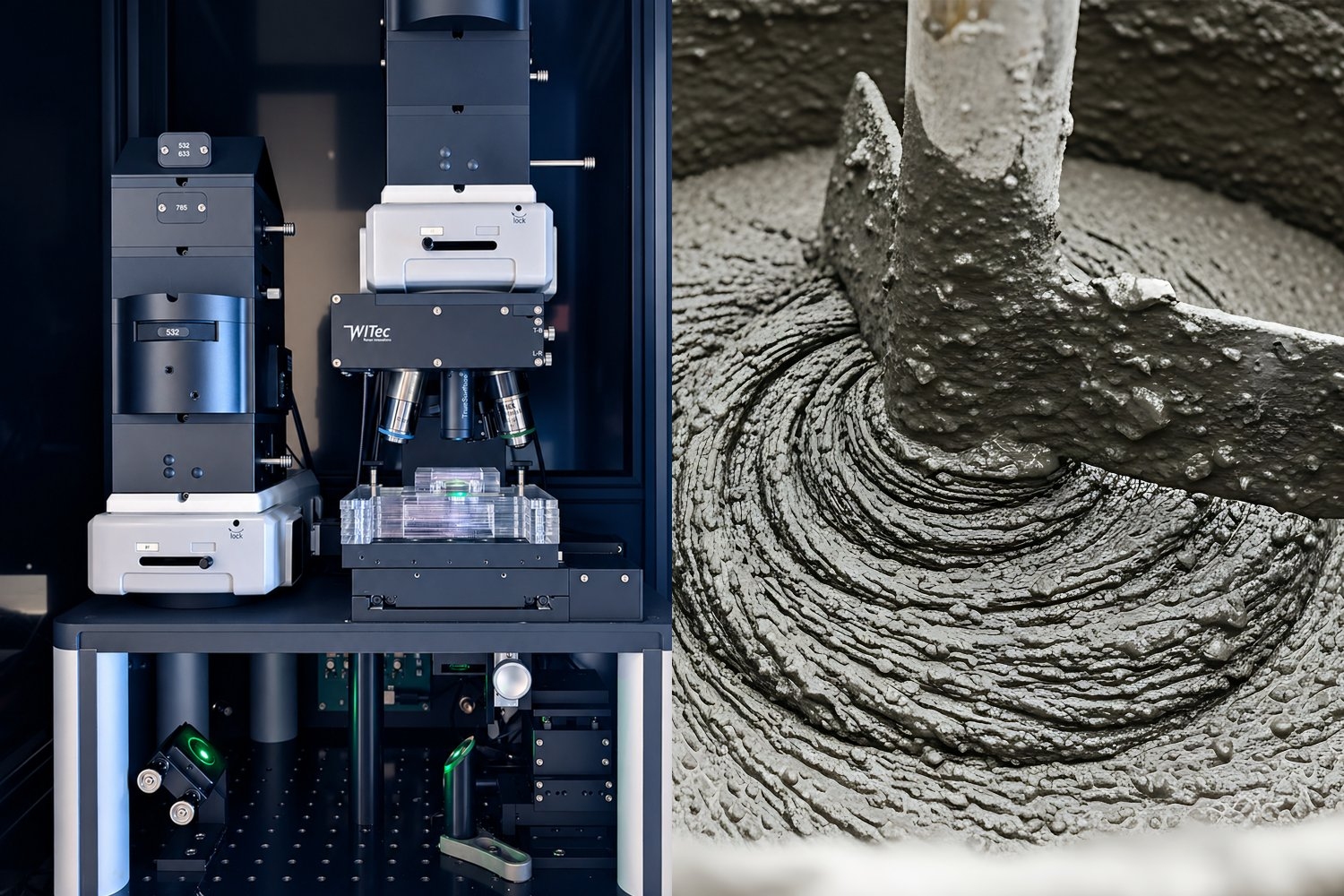
A shot of carbon dioxide rewires how cement sets
Recent research has unveiled the chemical sequence initiated by the injection of carbon dioxide (CO₂) into cement paste, marking a significant advancement in materials science. Conducted by a team of scientists, this study successfully captured a transient intermediate reaction for the first time through the application of real-time Raman spectroscopy. The findings, published in a leading scientific journal, aim to enhance the understanding of cement chemistry and its potential for carbon capture, which is increasingly important in the context of climate change and sustainable construction practices. By elucidating the mechanisms at play during CO₂ injection, the researchers hope to pave the way for more effective strategies in reducing greenhouse gas emissions associated with cement production.
Research Concrete Carbon dioxide Civil and environmental engineering Concrete Sustainability Hub School of Engineering
New imaging system sees through murky waters
A groundbreaking technology known as “Sonar-MASt3R” has been developed to enhance underwater mapping capabilities by integrating sonar and visual data. This innovative system is capable of producing real-time 3D maps, significantly improving navigation and exploration in challenging environments, including cloudy water conditions. The technology was unveiled in October 2023, showcasing its potential to revolutionize marine research and underwater operations. By combining different data sources, Sonar-MASt3R addresses the limitations of traditional mapping methods, offering clearer and more accurate representations of underwater landscapes. This advancement is expected to benefit various sectors, including environmental monitoring, maritime safety, and underwater archaeology, by providing researchers and professionals with reliable tools for better decision-making in aquatic environments.
Research Robotics Computer vision Imaging Sensors Oceanography and ocean engineering
Improving the performance of high-power electronics
Researchers have discovered that applying a thin layer of diamond can significantly enhance the speed and energy efficiency of next-generation wireless devices. This innovative approach addresses the challenge of excessive heat generated during device operation, which has been a limiting factor in the performance of modern technology. The findings, which emerged from ongoing studies in advanced materials science, highlight the potential for diamond to serve as an effective thermal management solution. This breakthrough could pave the way for faster and more efficient wireless communication, ultimately benefiting consumers and industries reliant on high-performance devices.
Research Computer chips Electronics Carbon materials Nanoscience and nanotechnology Mobile devices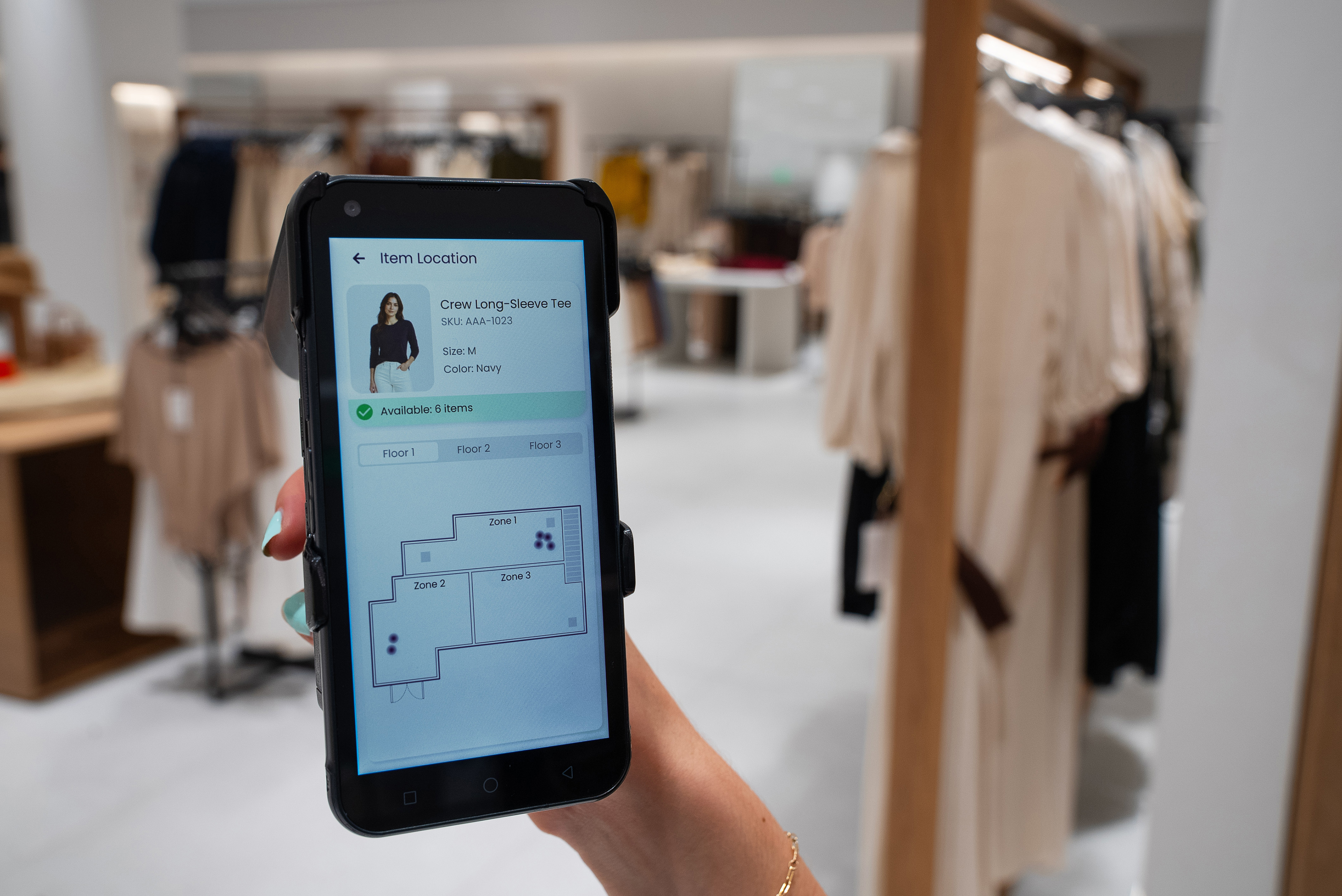
Startup helps retailers track their products in real-time
Cartesian, a technology company, has developed an innovative system for locating objects, leveraging technology originally invented at the Massachusetts Institute of Technology (MIT). This cutting-edge system has the potential to revolutionize various industries, including manufacturing, logistics, and robotics. By enhancing the accuracy and efficiency of object tracking, Cartesian aims to streamline operations and improve productivity across these sectors. The technology, which was first conceptualized at MIT, is now being adapted for practical applications in real-world settings. As industries increasingly rely on automation and precise tracking systems, Cartesian's advancements could play a crucial role in shaping the future of operational efficiency.
Research Startups Innovation and Entrepreneurship (I&E) Electrical engineering and computer science (EECS) Machine learning Wireless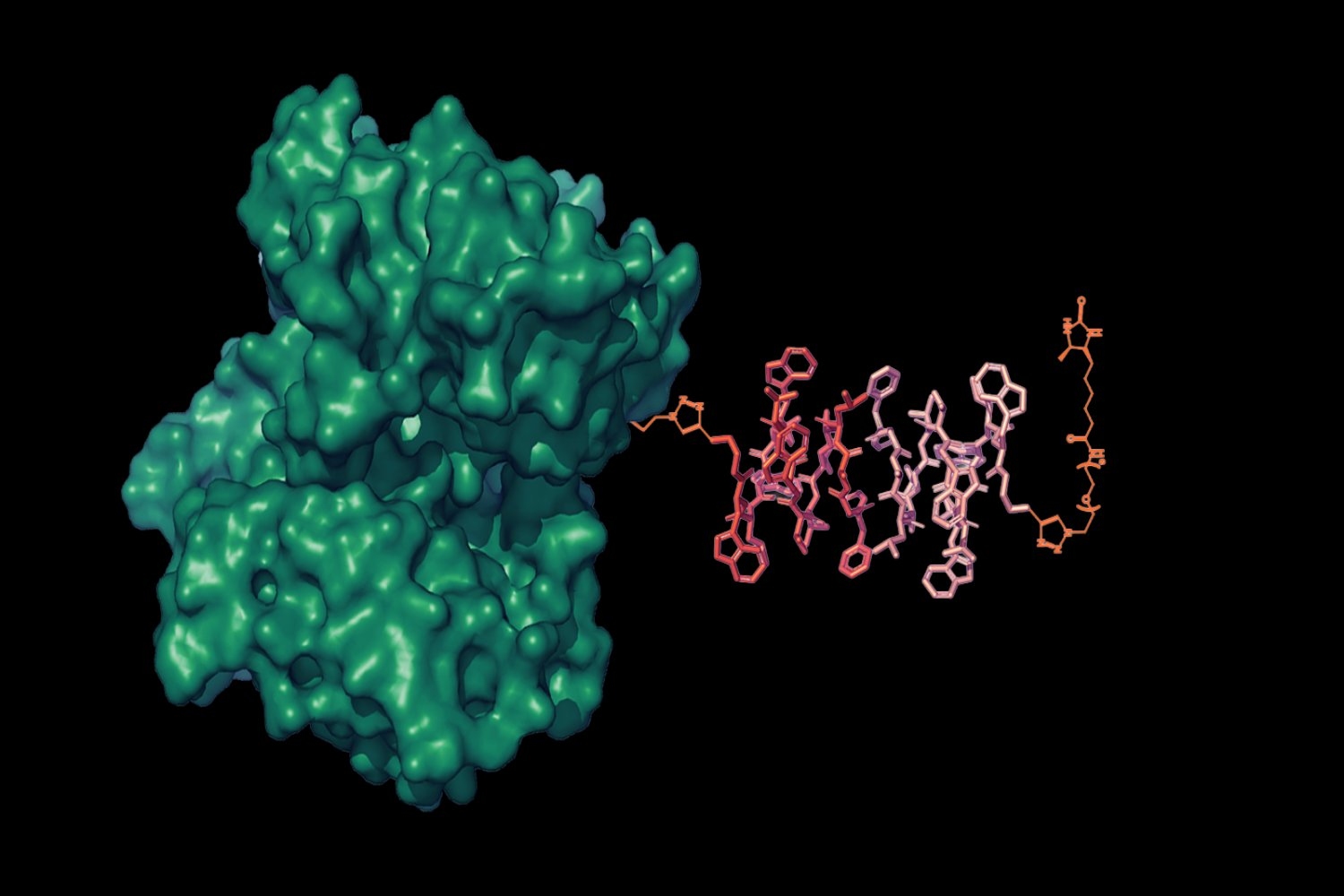
Brighter MRI signals
Researchers at MIT have developed advanced MRI sensors capable of sensitively detecting target molecules within the brain and body. This breakthrough, announced in October 2023, aims to enhance medical imaging techniques, potentially leading to earlier diagnosis and better monitoring of various health conditions. The innovative sensors utilize cutting-edge technology to improve the accuracy and efficiency of molecular detection, which is crucial for understanding complex biological processes and developing targeted therapies. By refining the imaging process, the team hopes to provide healthcare professionals with more precise tools for patient care, ultimately improving treatment outcomes.
Research Imaging Biological engineering Brain and cognitive sciences Magnetic resonance imaging (MRI) Sensors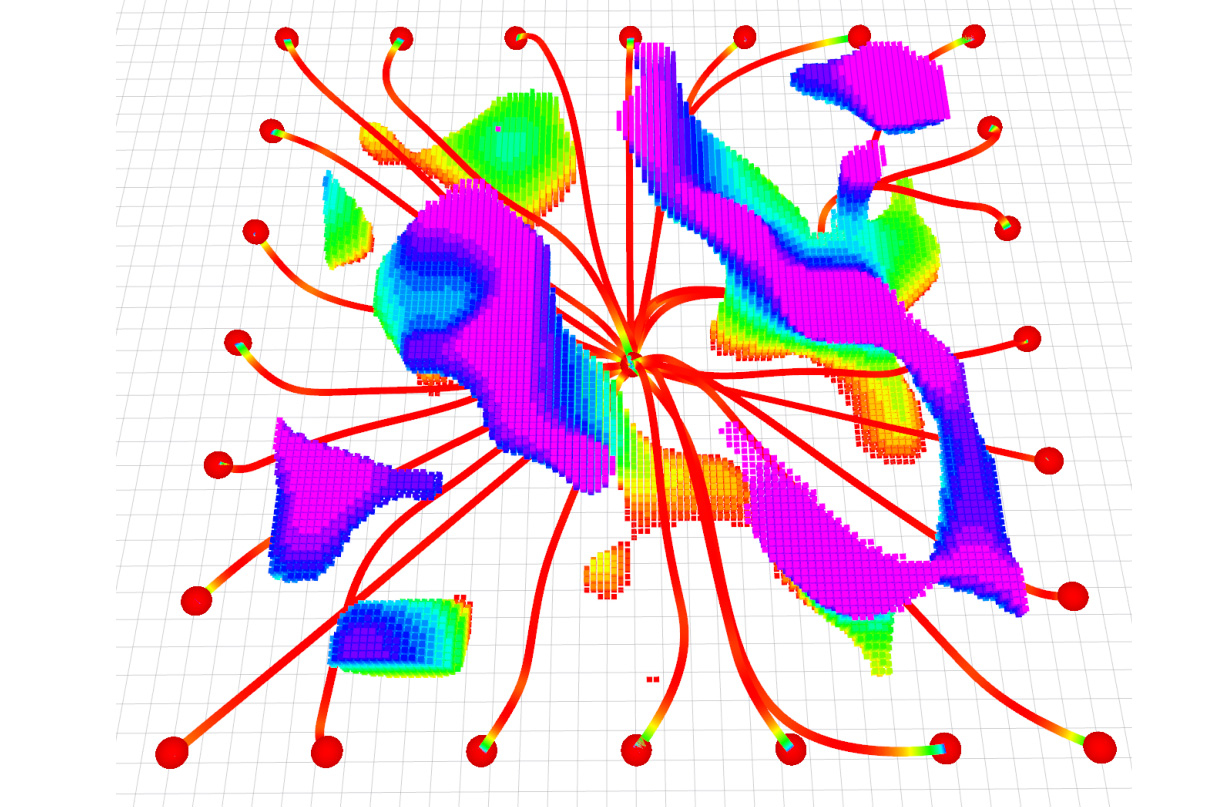
New research enables a robot to chart a better course
A new open-source system called “MIGHTY” has been developed to enhance efficiency in disaster recovery and parcel delivery by creating optimized travel routes. This innovative technology generates smooth path plans that significantly reduce travel time while effectively navigating around obstacles. The system aims to address the challenges faced during emergencies and improve logistics operations. By leveraging advanced algorithms, MIGHTY is designed to facilitate quicker responses in critical situations, ultimately aiming to save lives and resources. The initiative is expected to be particularly beneficial in areas prone to natural disasters, where timely assistance is crucial.
Research Computer science and technology Algorithms Drones Robotics Autonomous vehicles
Two from MIT named 2026 Knight-Hennessy Scholars
A prestigious fellowship has been established to support graduate studies at Stanford University, aiming to provide financial assistance to talented students pursuing advanced degrees. This initiative, announced recently, seeks to enhance educational opportunities for individuals from diverse backgrounds. By alleviating the financial burden associated with graduate education, the fellowship encourages a broader range of applicants to consider Stanford as their academic destination. The program is designed to foster innovation and research by attracting top-tier candidates who can contribute significantly to their fields of study. As the fellowship opens for applications in the upcoming academic year, it is expected to draw interest from prospective students worldwide, further solidifying Stanford's reputation as a leading institution for higher education.
Awards, honors and fellowships Students Graduate, postdoctoral Alumni/ae Economics Electrical engineering and computer science (EECS)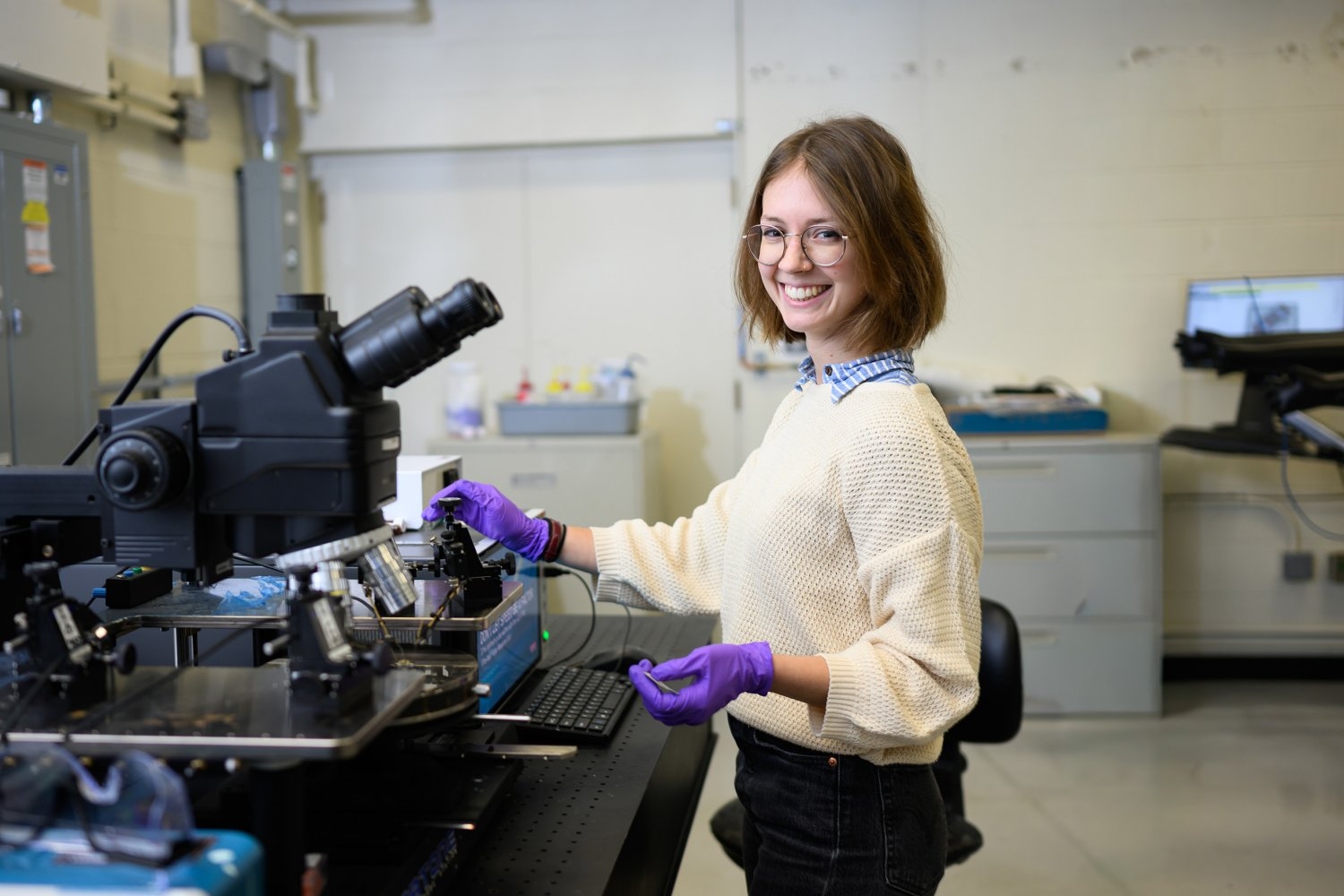
Solving hard problems in soft electronics
Camille Cunin, a PhD candidate from the class of 2026, is pioneering advancements in biomedical technology by developing innovative stretchable devices that enhance signal amplification. This groundbreaking work aims to address the limitations of traditional rigid circuitry, making these new devices more adaptable for practical applications in healthcare. Cunin's research, which is ongoing, seeks to improve the integration of technology in medical settings, potentially leading to better patient outcomes. By focusing on the creation of flexible circuitry, Cunin is contributing to a significant shift in how biomedical devices can be utilized in real-world scenarios, ultimately enhancing their functionality and effectiveness in monitoring and treating various health conditions.
School of Engineering DMSE Neuroscience Biomedical engineering Electronics Wearables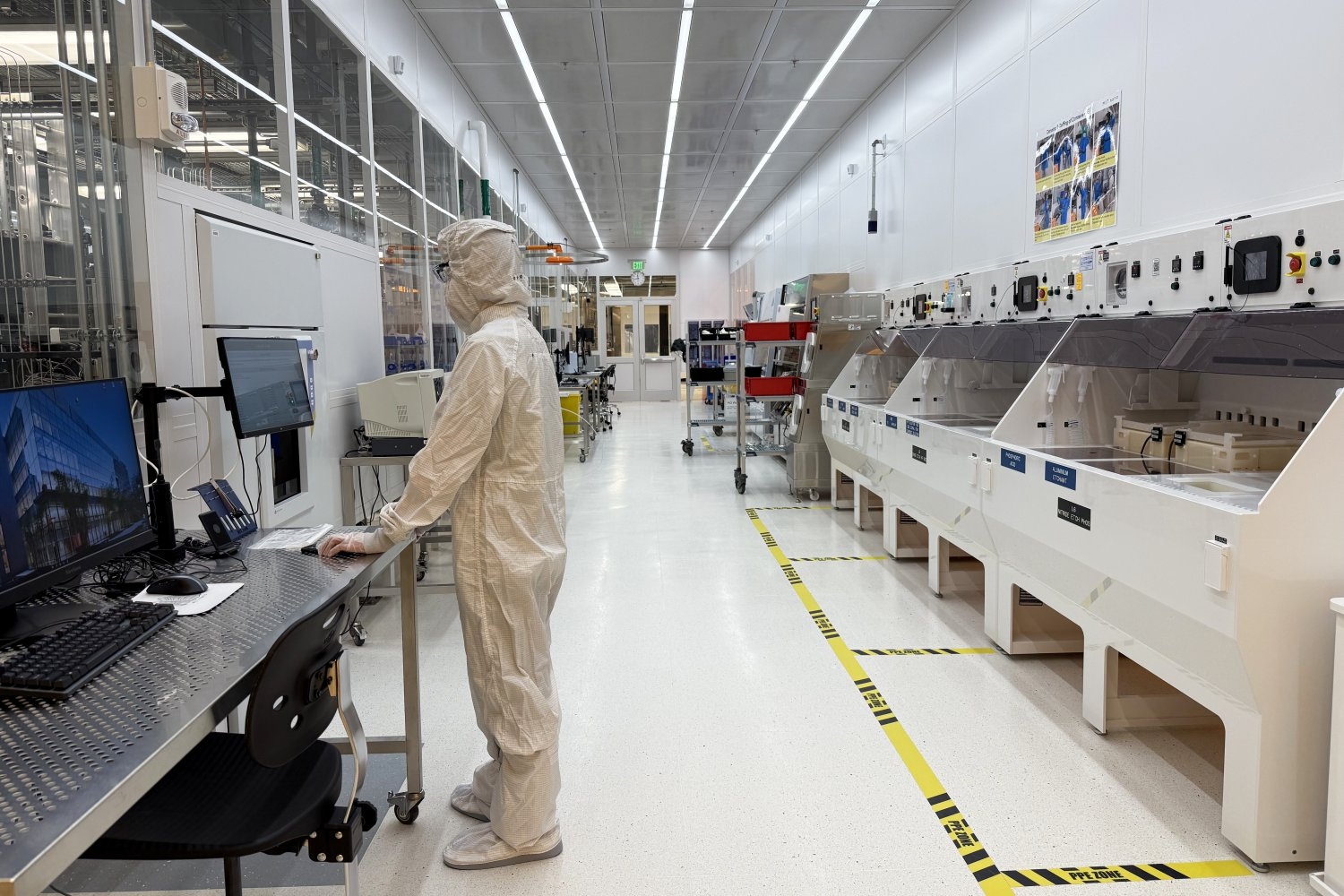
Powering 160,000 hours of discovery at MIT.nano
The NanoFab Equipment Management and Operations (NEMO) system has been introduced to enhance the management of shared facilities, focusing on tool training, reservations, and lab communications. This innovative platform aims to streamline operations for users, ensuring efficient access to equipment and resources. The system is designed to support collaborative research environments by providing a centralized hub for managing various aspects of facility usage. With the implementation of NEMO, users can expect improved coordination and communication within the lab, ultimately fostering a more productive research atmosphere. The rollout of this system is expected to significantly benefit researchers and technicians alike, facilitating a smoother workflow and better resource allocation.
Facilities Research Open source Collaboration Software Nanoscience and nanotechnology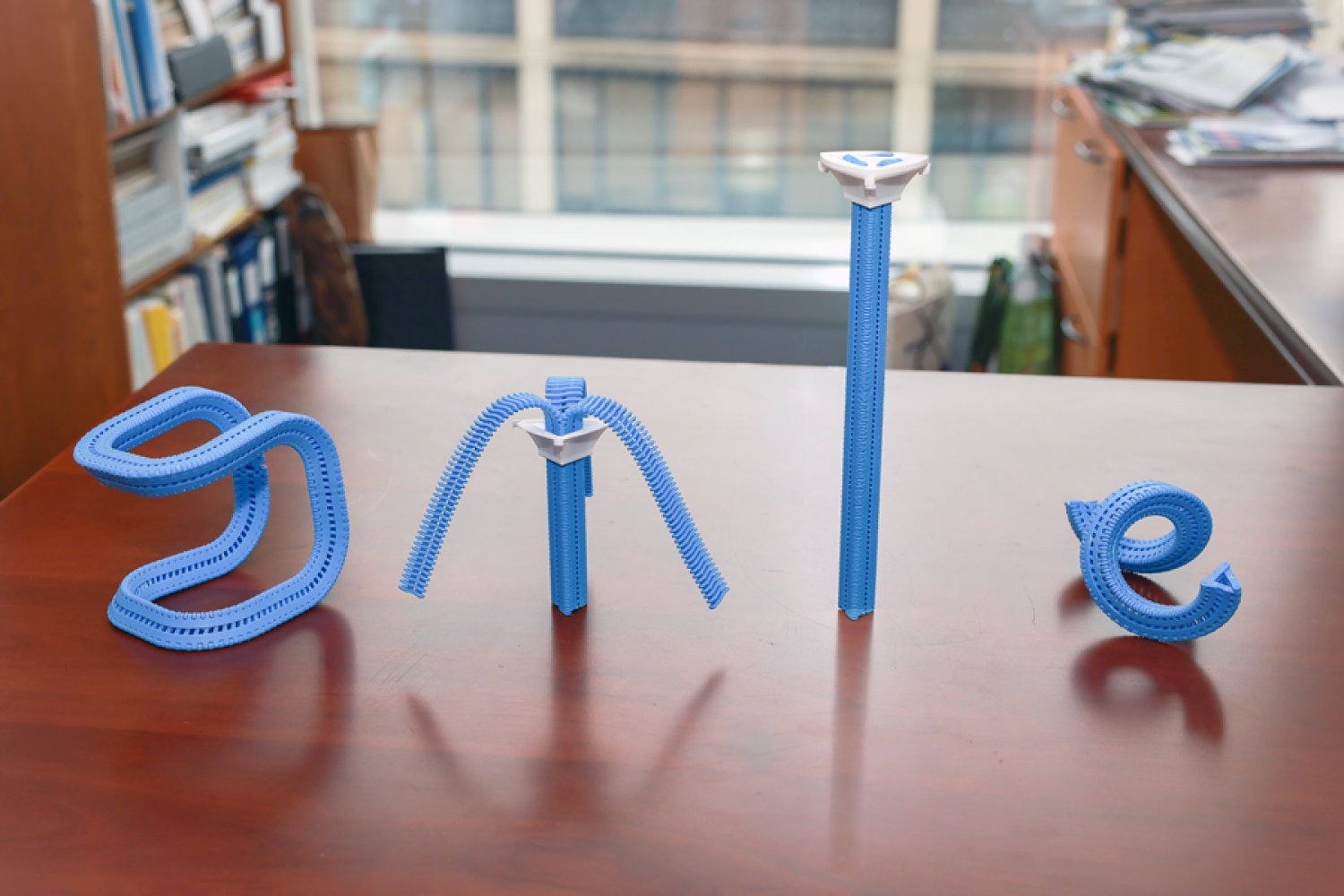
It took 40 years for technology to catch up to this zipper design
MIT Professor Bill Freeman has introduced an innovative fastener known as the "Y-zipper," which is designed to transform gear, robots, and art with ease. This three-sided fastener allows users to snap items into shape at the push of a button, significantly enhancing convenience and functionality. The concept draws inspiration from an old patent held by Freeman, showcasing the potential for advancements in design and technology. The development of the Y-zipper reflects a growing interest in creating user-friendly solutions that streamline the assembly and manipulation of various objects. As this technology gains attention, it could pave the way for new applications across multiple industries.
Research Invention Design Robotics 3-D printing Wearables
Six from MIT awarded 2026 Paul and Daisy Soros Fellowships for New Americans
A new fellowship has been established to recognize and support the contributions of immigrants to American society by providing $90,000 in funding for graduate studies. This initiative aims to highlight the vital role that immigrants play in various sectors and to encourage further academic pursuits among this demographic. The fellowship will be available to eligible candidates starting in the upcoming academic year, with applications opening next month. By investing in the education of immigrant students, the program seeks to foster a more inclusive and diverse academic environment, ultimately benefiting the broader community. The funding will assist recipients in covering tuition and related expenses, enabling them to focus on their studies and future contributions to society.
Awards, honors and fellowships Students Graduate, postdoctoral Alumni/ae Immigration Biology
Tackling the housing shortage with robotic microfactories
Reframe Systems, a company co-founded by Vikas Enti, an alumnus of the SM class of 2020, is revolutionizing the construction industry with its innovative approach to building modular homes. The company has developed microfactories that streamline the construction process, significantly lowering both carbon emissions and costs associated with home building. By utilizing advanced manufacturing techniques, Reframe Systems aims to address the growing demand for sustainable housing solutions. This initiative not only promotes environmental responsibility but also seeks to make homeownership more accessible to a wider audience. The company is poised to make a substantial impact on the housing market, particularly as concerns about climate change and housing affordability continue to rise.
Startups Alumni/ae Construction Housing Systems design Sustainability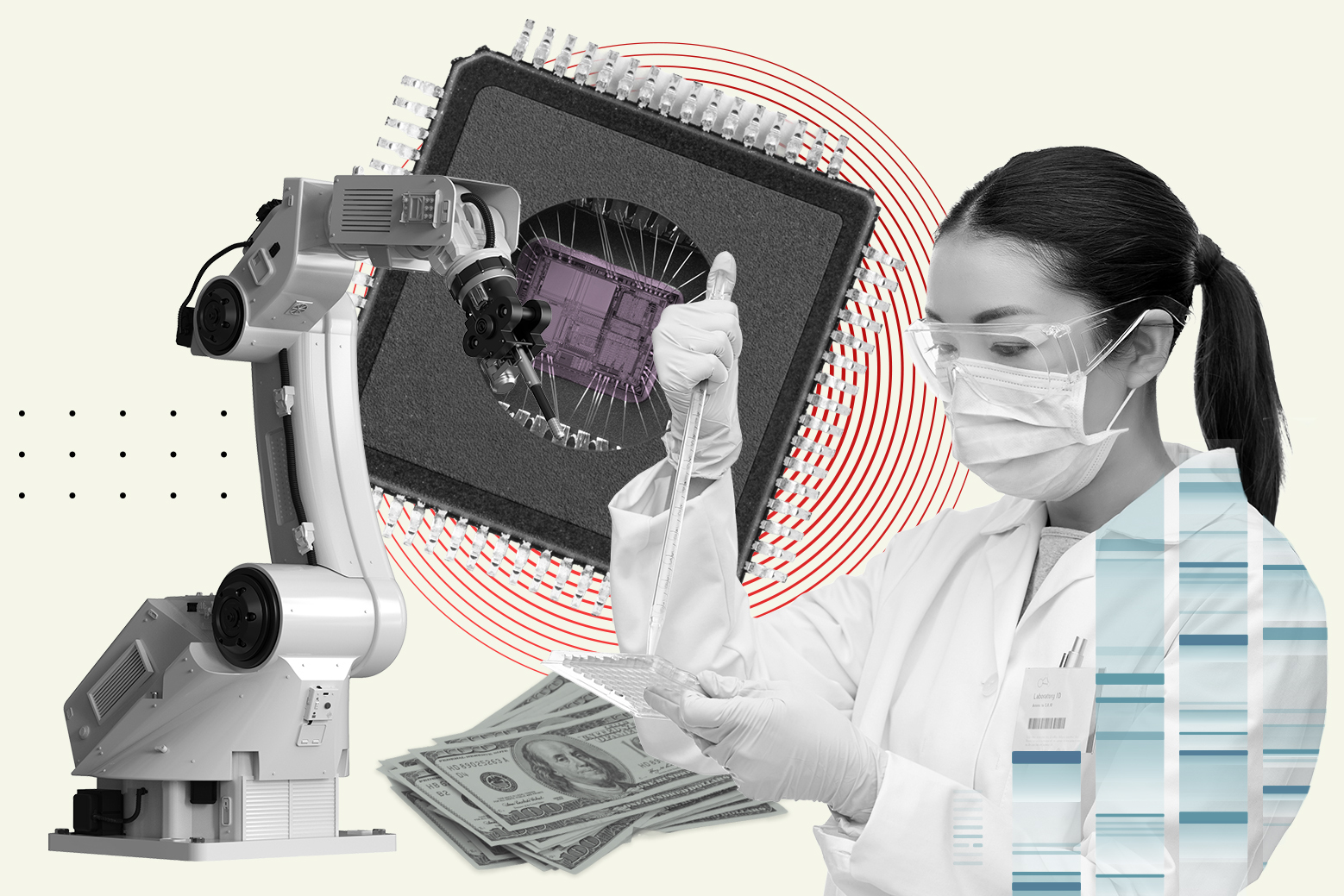
How to expand the US economy
MIT faculty are exploring critical areas of innovation in their latest initiative, “Priority Technologies,” aimed at enhancing American prosperity and security for the present and future. The program, which focuses on identifying and developing technologies that can significantly impact the nation’s economic and strategic landscape, seeks to address pressing challenges and opportunities in various sectors. By fostering collaboration among researchers, industry leaders, and policymakers, the initiative aims to create a roadmap for technological advancements that will benefit the country in the coming decades. This effort underscores the importance of proactive engagement in technology development to ensure that the United States remains competitive and secure in an increasingly complex global environment.
Books and authors Faculty Innovation and Entrepreneurship (I&E) Technology and society Technology and policy Bioengineering and biotechnology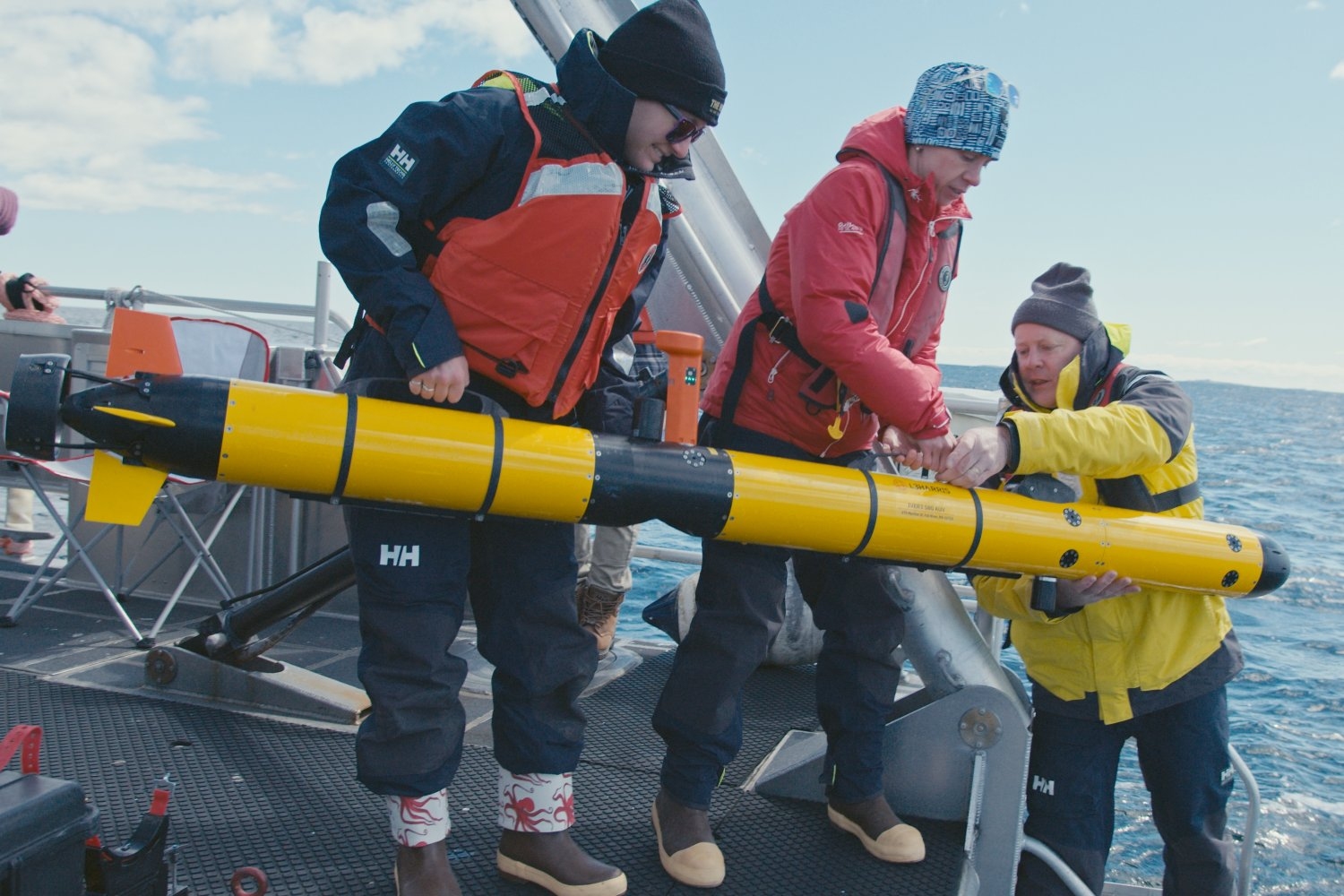
Human-machine teaming dives underwater
A team of researchers is advancing the capabilities of collaboration between divers and autonomous underwater vehicles (AUVs) for maritime missions. This initiative, which began in late 2023, aims to enhance operational efficiency and safety in underwater exploration and tasks. The research is taking place at a leading marine technology institute, where experts are focused on creating innovative hardware and sophisticated algorithms that facilitate seamless communication and coordination between human divers and AUVs. The motivation behind this development stems from the increasing complexity of underwater missions, which require precise teamwork to navigate challenging environments and accomplish objectives effectively. By integrating advanced technology, the researchers hope to improve the overall effectiveness of maritime operations, making them safer and more efficient for both divers and AUVs alike.
Research Sensors Lincoln Laboratory Oceanography and ocean engineering Robotics Computer science and technology
Beacon Biosignals is mapping the brain during sleep
Jake Donoghue, a PhD graduate from MIT, and former MIT researcher Jarrett Revels have launched a company focused on developing an AI-driven platform aimed at diagnosing and treating diseases. This innovative initiative seeks to leverage advanced artificial intelligence technologies to enhance medical decision-making and improve patient outcomes. The platform is currently in development, with the founders drawing on their extensive research backgrounds to create a solution that addresses critical challenges in healthcare. By integrating AI into the diagnostic process, the company aims to streamline the identification of diseases and facilitate more effective treatment plans. The project reflects a growing trend in the medical field, where technology is increasingly being utilized to augment traditional healthcare practices.
Startups Alumni/ae Alzheimer's Parkinson's Disease Neuroscience
US firm to deploy humanoid robot teaching assistant in New York schools
Schools across the United States are preparing to integrate humanoid robots into classrooms as part of an innovative educational initiative aimed at enhancing learning experiences. This initiative is set to roll out in early 2024, with various districts collaborating with technology companies to develop and implement these advanced teaching aids. The introduction of humanoid robots is motivated by the desire to engage students in new and interactive ways, fostering interest in subjects such as science, technology, engineering, and mathematics (STEM). Educators believe that these robots can provide personalized learning support, assist in teaching complex concepts, and promote collaboration among students. The deployment process will involve training teachers on how to effectively incorporate the robots into their lesson plans, ensuring that they complement traditional teaching methods rather than replace them. Pilot programs will be conducted in select schools to assess the impact of these robots on student engagement and learning outcomes before a wider rollout. As schools embrace this technological advancement, the initiative reflects a growing trend in education to leverage artificial intelligence and robotics to prepare students for a rapidly evolving workforce. The integration of humanoid robots is expected to not only enhance educational experiences but also spark discussions about the future of technology in society.
AI and Robotics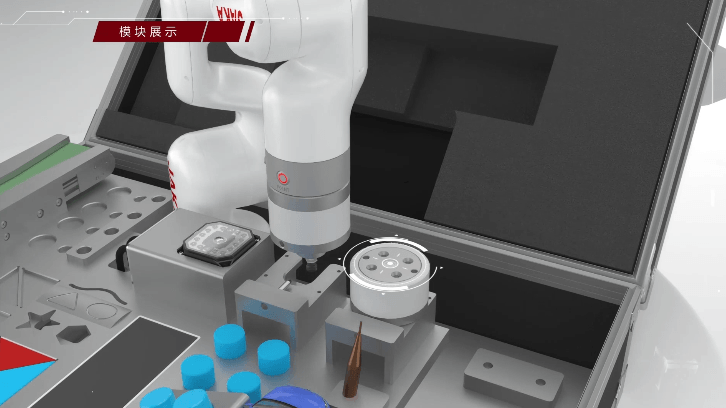
Educational Robotic Arm in Action: Case Studies in High School Robotics Clubs
In recent years, high school robotics clubs have increasingly adopted educational robotic arms, such as the JAKA MiniCobo, to enhance student learning through hands-on experience with automation and programming. This versatile tool allows students to engage in various tasks, including sorting and assembly, while minimizing direct contact with potentially hazardous equipment, thereby creating a safer learning environment. The JAKA MiniCobo has become a central resource in several robotics clubs, where students have successfully programmed the arm to identify and separate components during projects. This adaptability enables students to explore multiple programming approaches and fosters collaboration as they work in teams to troubleshoot and refine their coding solutions. Educators have noted that the use of this robotic arm not only improves accuracy and efficiency but also teaches essential skills in workflow optimization and precision control, crucial for careers in engineering and STEM fields. Furthermore, the integration of the JAKA MiniCobo into extracurricular activities has significantly boosted student engagement. Students benefit from immediate feedback on their programming efforts and enjoy the creative freedom to design new tasks, simulating real-world industrial processes. This hands-on approach cultivates curiosity and confidence in technology, ultimately preparing students for future innovations. Overall, the incorporation of educational robotic arms like the JAKA MiniCobo in high school settings exemplifies the transformative potential of automation in education, equipping students with valuable skills while promoting a safe and engaging learning atmosphere.
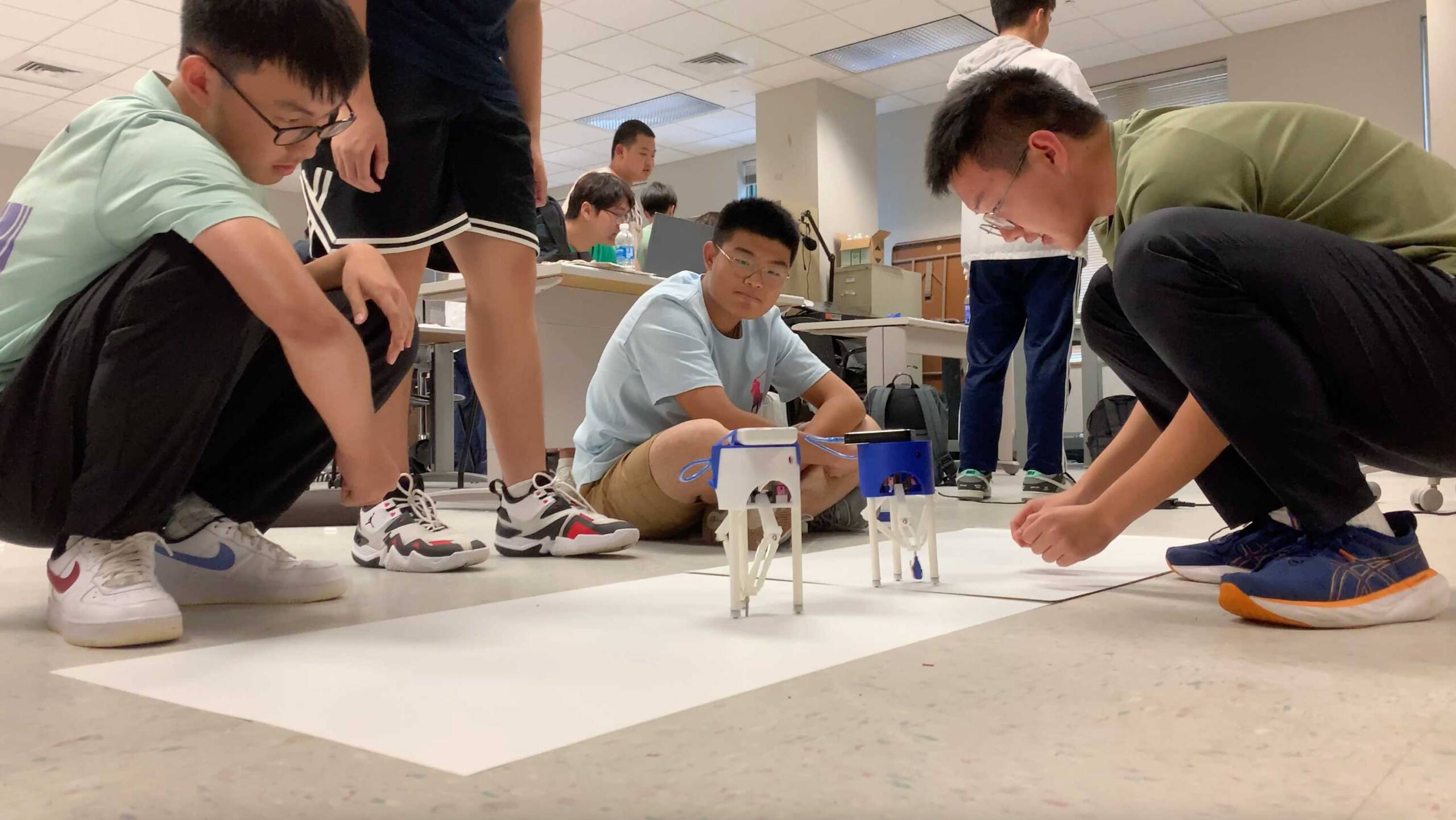
High Schoolers Bring Robots to Life at CMU Feiyue Program
Twenty high school students engaged in hands-on robotics activities in a classroom at Carnegie Mellon University, where they were preparing for the upcoming Feiyue Robotics Program showcase. As they worked in small groups, students experimented with tri-legged robots, attempting to make them walk. Laughter filled the room as some robots toppled over after their initial steps, highlighting the challenges and excitement of the learning process. This event aims to foster interest in robotics and provide students with practical experience in programming and engineering, showcasing their efforts and creativity at the upcoming showcase.
Uncategorized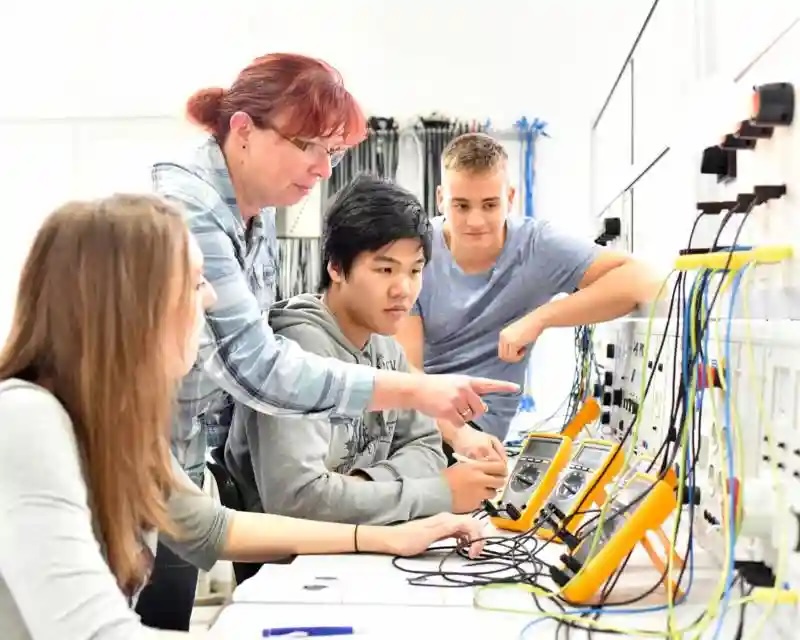
Automation is Hiring Faster Than Schools Can Graduate Engineers
Automation has become a critical component in various industries, including manufacturing, logistics, energy, and research, as companies increasingly implement robots and intelligent systems to enhance efficiency. This shift is occurring at an unprecedented pace, creating a pressing demand for skilled engineers capable of designing, maintaining, and improving these technologies. However, the rapid deployment of automation presents a significant challenge: the supply of qualified professionals is struggling to keep up with the growing need. As organizations strive to integrate advanced automation into their operations, the gap between the availability of skilled workers and the requirements of modern technology continues to widen, complicating efforts to fully realize the potential of automation in the workforce.
Engineering automation careers automation engineers automation news engineering jobs engineering skills shortage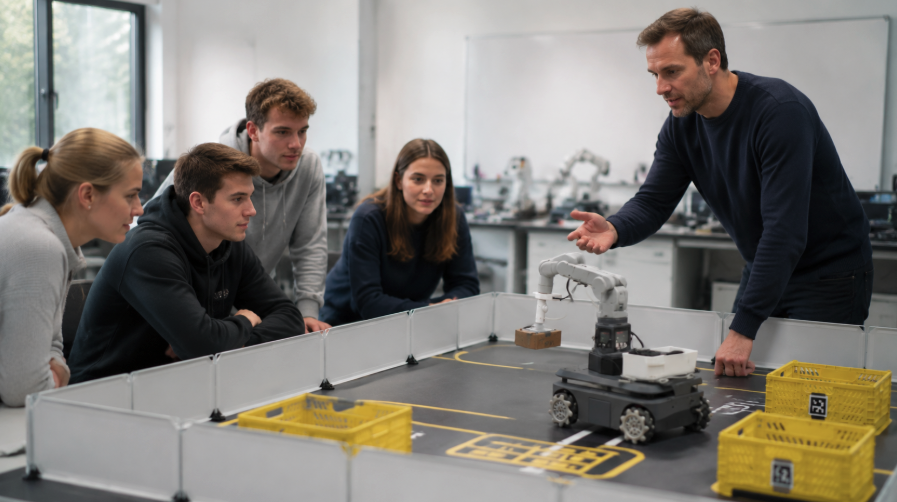
Empowering STEM Education and Research in the Americas: Elephant Robotics Introduces Integrated Educational Robotics Solutions
In recent years, STEM education has seen significant growth, fueled by a rising demand for practical engineering skills, artificial intelligence literacy, and interdisciplinary innovation. Despite this progress, schools, universities, and research laboratories continue to face challenges in creating effective robotics environments. Educators often struggle to integrate various components such as robotic arms, mobile platforms, sensors, and open-source software from multiple sources, complicating the development of comprehensive robotics programs. This ongoing issue highlights the need for streamlined solutions that can enhance the teaching and learning of robotics in educational settings.
Design Research Robotics AI education americas automation news
Aoyi Technology Showcases Innovative Products at WAIC 2026 Addressing Real-World Needs
On July 17, 2026, the World Artificial Intelligence Conference (WAIC) opened in Shanghai, attended by President Xi Jinping, who emphasized the importance of global AI cooperation. Aoyi Technology presented its full range of self-developed hardware, including the CeRelax EEG headset, gForce Ultra EMG wristband, and lower limb rehabilitation exoskeleton, focusing on practical applications in real environments. The showcased products aim to address specific pain points in various scenarios, such as the lower limb exoskeleton, which assists users in walking without the need for muscle signal collection. The gForce Ultra wristband captures minute muscle contractions to aid rehabilitation and optimize robotic operations, while the CeRelax headset bridges the gap between high-end research and consumer needs in brain health. Looking ahead, Aoyi Technology's Vice President Zhang Qi highlighted the industry's shift towards functional product development. The company plans to extend its capabilities into the education sector with a new matrix of embodied intelligence educational products designed for vocational schools, aiming to cultivate practical engineering talent. No further timeline was disclosed at the time of publication.
Brain-Machine Interfaces Wearable Technology Rehabilitation Robotics Educational Technology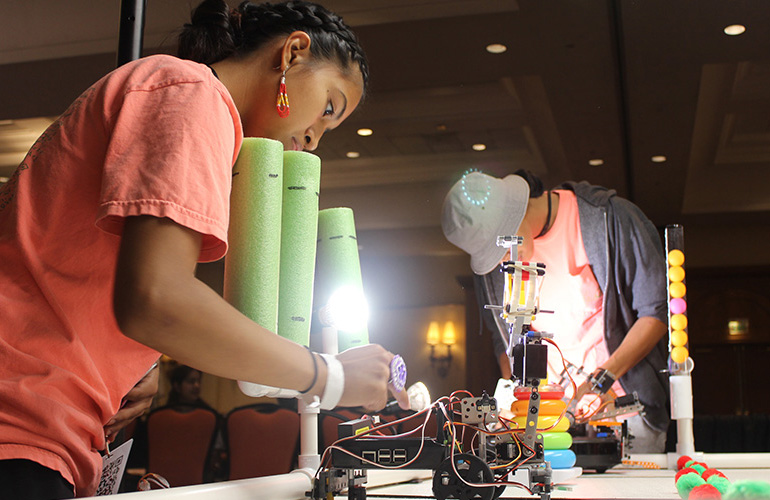
KISS Institute Launches BotBall to Enhance STEM Education with Student-Led Robotics
The KISS Institute for Practical Robotics (KIPR) has introduced BotBall, a robotics program designed to foster creativity and critical thinking among students. This initiative emphasizes student-led engineering, allowing participants from elementary to high school to engage in hands-on learning using a standardized kit. The program ensures a level playing field by providing all teams with the same materials, promoting accountability and project management skills without adult intervention during competitions. BotBall challenges traditional educational models by integrating real programming languages like C and Python into its curriculum, demonstrating that students can handle complex coding at an early age. The Junior Botball Challenge (JBC) further innovates by allowing up to five students to collaborate on a single robot, shifting the focus from competition to inquiry-driven problem solving. This approach encourages teamwork and a deeper understanding of both mechanics and software among participants. As the school year approaches, KIPR is expected to release more details about the upcoming competition schedule. The BotBall program represents a significant shift in STEM education, moving away from conventional roles and fostering a new generation of students who are well-versed in both engineering and programming disciplines. No further timeline was disclosed at the time of publication.
Autonomous Mobile Robots (AMRs) Educational News competition education workforceRobotics needs a service framework.
RSF defines a common language for robot service capability, lifecycle operations, certification pathways, and service-provider networks.