Industry Briefing

A single destination for timely, editor-curated robotics news from around the world.
HelloFresh Expand Temperature-Controlled SKU Capacity

HelloFresh Expand Temperature-Controlled SKU Capacity

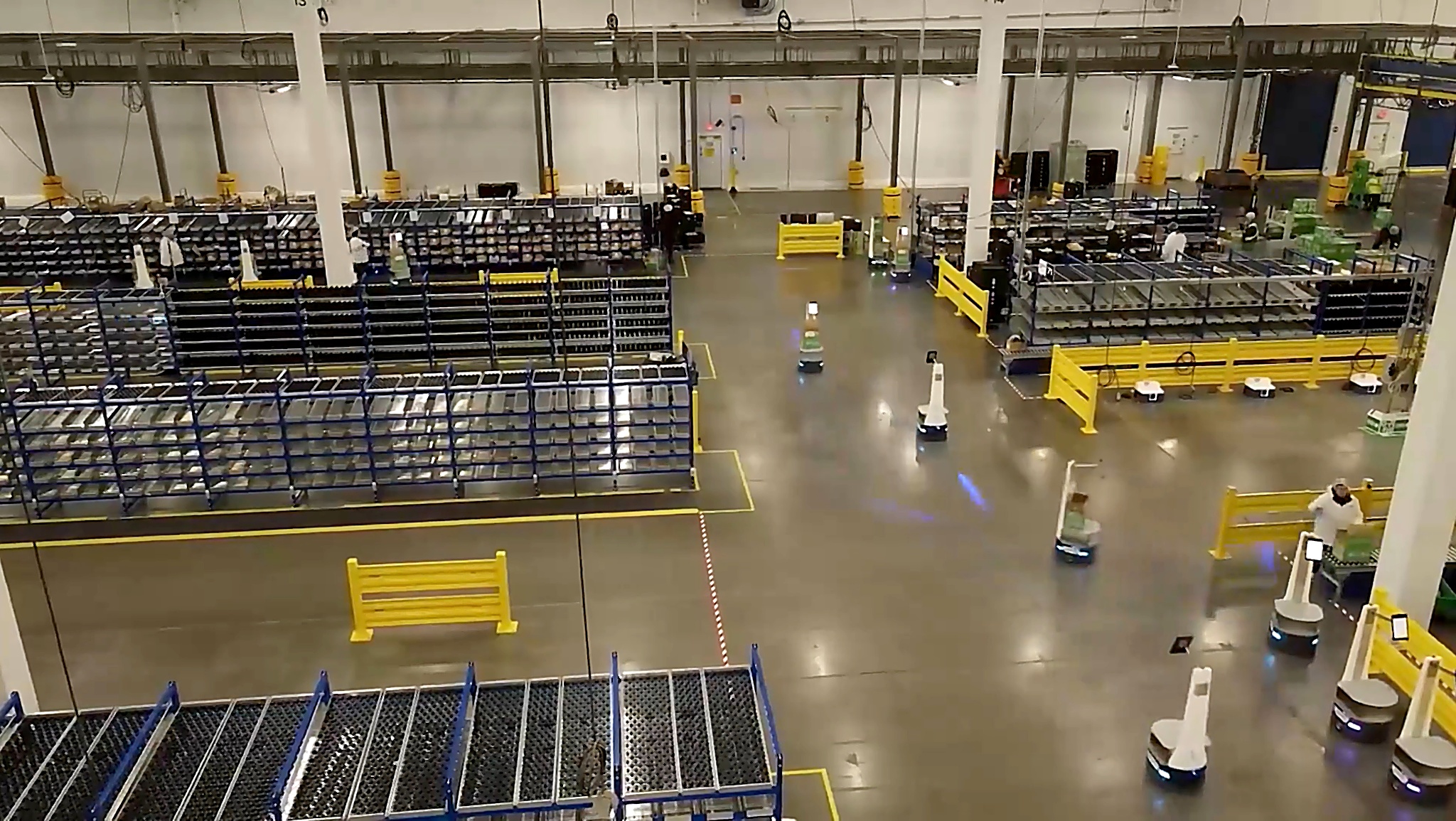
Locus Robotics has unveiled a cold-storage hardware modification that significantly enhances HelloFresh's chilled fulfillment capabilities. This upgrade allows the leading meal kit company to increase its temperature-controlled stock-keeping units (SKUs) from 100 to 500, marking a fivefold expansion. The enhancement is expected to provide greater meal variety and open new revenue streams across HelloFresh's diverse brand portfolio, including its Factor brand. The deployment of 13 Locus robots was integral to this expansion, showcasing the innovative collaboration between the two companies.

AMR and AGV Automation Systems and Shuttles Cold Chain Logistics eFulfilment Materials Handling Robotic Picking

Locus Robotics Helps HelloFresh Expand Temperature-Controlled SKU Capacity 5X Across Growing Brand Portfolio

Locus Robotics Helps HelloFresh Expand Temperature-Controlled SKU Capacity 5X Across Growing Brand Portfolio

HelloFresh has announced the implementation of a customized Locus Origin deployment aimed at enhancing its refrigerated operations and expanding its product variety. This strategic move, which is part of the company's ongoing efforts to automate processes across its various brands, was unveiled in October 2023. The deployment is expected to streamline logistics and improve efficiency in the handling of perishable goods, allowing HelloFresh to offer a broader selection of meal kits to its customers. By leveraging advanced automation technology, the company aims to meet the growing demand for diverse and fresh meal options while maintaining high standards of quality and service.
Plus Automation achieves unmanned transport between floors in multi-story warehouses by automating AMR and elevators.

Plus Automation achieves unmanned transport between floors in multi-story warehouses by automating AMR and elevators.

Plus Automation Co., Ltd. has implemented a new automated system at ASKUL's East Japan Distribution Center, known as ASKUL Kanto DC. The company introduced a pallet transport autonomous mobile robot (AMR) equipped with advanced 3D sensing technology, designated as the LUC-L1500V, along with an on-load detection camera. This initiative aims to enhance operational efficiency and streamline logistics processes within the distribution center. The deployment of this technology marks a significant step towards modernizing warehouse operations, reflecting the growing trend of automation in the logistics sector.

Locus Array expands picking ability with Nexera Robotics’ NeuraGrasp

Locus Array expands picking ability with Nexera Robotics’ NeuraGrasp

Nexera Robotics has announced that its adaptive NeuraGrasp technology will enhance the picking capabilities of the Locus Array mobile manipulator, allowing it to handle a significantly larger variety of e-commerce stock-keeping units (SKUs). This development aims to improve efficiency in warehouse operations, addressing the growing demand for automation in the e-commerce sector. The integration of NeuraGrasp with the Locus Array is set to streamline the picking process, ultimately supporting businesses in meeting customer needs more effectively.

Autonomous Mobile Robots (AMRs) End Effectors / Grippers Grippers Logistics Mergers & Acquisitions News
Locus Robotics Acquires Nexera Robotics, Advancing a Patented Breakthrough in Mobile Manipulation

Locus Robotics Acquires Nexera Robotics, Advancing a Patented Breakthrough in Mobile Manipulation

Locus Robotics has announced its acquisition of Vancouver-based Nexera Robotics, a move aimed at enhancing its capabilities in mobile manipulation. The acquisition, revealed on May 19, 2026, will integrate Nexera's patented NeuraGrasp™ technology into Locus's existing AI platform, significantly expanding the range of SKUs that the Locus Array can autonomously handle. This advancement is expected to open new categories and improve efficiency in warehouse operations, addressing challenges that have historically limited robotic picking capabilities. Rick Faulk, CEO of Locus Robotics, emphasized the importance of AI-driven mobile manipulation for the future of warehouse robotics, stating that the ability to efficiently grasp a wide variety of inventory is crucial for creating value in the coming decade. The NeuraGrasp™ technology combines AI intelligence, sensory inputs, and computer vision, allowing a single gripper to adapt to various item characteristics, thereby enhancing reliability in real-world warehouse conditions. The acquisition follows the successful launch of Locus Array at MODEX 2026, where it garnered significant market interest and recognition as a top innovation. With Nexera now wholly owned by Locus Robotics, the integration of NeuraGrasp™ is expected to accelerate the company's growth and broaden its market reach, positioning it at the forefront of the autonomous fulfillment industry.

Cobot Palletizing vs. Traditional Palletizers: Speed, Footprint, and Cost Analysis

Cobot Palletizing vs. Traditional Palletizers: Speed, Footprint, and Cost Analysis

The palletizing process at the end of production lines is undergoing a significant transformation as manufacturers evaluate the shift from traditional palletizers to collaborative robot (cobot) systems. This change is driven by the need for greater flexibility and efficiency in supply chain operations. Traditional palletizers, known for their high-speed capabilities and suitability for single-SKU production, dominate high-output environments like food and beverage processing. However, cobots, equipped with 6-axis robotic arms, offer a more adaptable solution, particularly for facilities handling diverse product mixes. The transition is taking place as manufacturers seek to optimize space and reduce costs. Traditional systems require extensive floor space and safety barriers, often leading to operational bottlenecks. In contrast, cobots can operate safely alongside human workers, fitting into tighter spaces and allowing for more efficient warehouse layouts. Cost considerations also play a crucial role in this shift. While traditional palletizers may have similar initial costs, their total cost of ownership is significantly higher due to installation and maintenance expenses. Cobots, like those developed by JAKA, provide a more economical option, with easier installation and lower energy consumption. JAKA's Zu series exemplifies this innovation, offering advanced palletizing solutions that enhance productivity while minimizing product damage. As the industry adapts to these technological advancements, the choice between traditional and cobot palletizing systems will ultimately hinge on manufacturers' specific needs for speed, space, and cost efficiency.

5 Reasons Why Palletizing Robots Are Essential for Warehouse Throughput

5 Reasons Why Palletizing Robots Are Essential for Warehouse Throughput

In response to the growing demands of global supply chains for faster delivery and higher volume, companies are increasingly turning to automated palletizing solutions. Traditional manual stacking methods, which are labor-intensive and prone to errors, are becoming inadequate. The shift towards high-performance industrial robot arms, such as the JAKA Zu 20, is now seen as essential for maintaining competitiveness in logistics. This transition, which is taking place across various facilities, aims to enhance warehouse throughput by ensuring consistent speed and reliability. Automated systems can operate continuously without fatigue, significantly increasing the number of pallets processed daily. Additionally, by reducing the physical strain on workers, these robots help minimize musculoskeletal injuries, lower insurance costs, and allow human employees to focus on more complex tasks. The precision offered by automated palletizing systems is crucial for maintaining product integrity during transit, as they utilize advanced sensors to ensure accurate stacking. Furthermore, modern robots are designed to optimize floor space, allowing for efficient use of warehouse layouts. They also provide rapid adaptability to changing inventory needs, accommodating a wider variety of Stock Keeping Units (SKUs) with ease. JAKA's solutions exemplify this trend, offering user-friendly setups and safety features that promote human-machine collaboration. With a quick return on investment, often within six to twelve months, these innovations are revolutionizing logistics and setting new standards for warehouse efficiency.

AWD and SWD drive solutions for AMRs

AWD and SWD drive solutions for AMRs

In response to increasing challenges such as labor shortages, efficiency demands, and the complexities of managing a diverse range of stock-keeping units (SKUs), companies are advancing their development of semi-automated and fully automated solutions aimed at improving workplace ergonomics. This trend has gained momentum as businesses seek innovative ways to enhance productivity while addressing the physical well-being of their workforce. The push for automation is particularly significant in industries where manual labor is prevalent, as it not only streamlines operations but also mitigates the risk of workplace injuries. As of October 2023, the integration of these technologies is seen as a crucial step in adapting to the evolving landscape of labor and operational efficiency.

Cobots: Best Practices for Food and Beverage Packaging

Cobots: Best Practices for Food and Beverage Packaging

JAKA, a leader in robotics and manufacturing, is addressing the challenges of hygiene and flexibility in food and beverage packaging through innovative collaborative robot technology. As the demand for efficient and adaptable production processes grows, JAKA has developed robotic arms designed to withstand rigorous cleaning protocols, featuring an IP54 waterproof and dustproof rating. This design ensures that hygiene standards are met without compromising functionality. The company emphasizes user-friendly operation, allowing packaging line technicians to easily reprogram robots for quick adjustments between multiple product SKUs. JAKA’s intuitive graphical programming interface enables rapid mold changes and adaptations to various package sizes, significantly reducing downtime and making advanced robotics accessible to a wider range of team members. In high-speed production environments, precision is critical. JAKA’s robotic arms are equipped with high-precision hardware and adaptive control algorithms to maintain consistent accuracy throughout long production runs. This capability ensures that every package is handled correctly, preserving product quality and line efficiency. By focusing on hygiene, ease of use, and precision, JAKA aims to integrate collaborative robots seamlessly into packaging processes, enhancing both quality and flexibility on the production floor. The company’s commitment to addressing the unique demands of the food and beverage sector positions it as a key player in advancing robotics and manufacturing solutions.

Scientists reveal a tiny brain chip that streams thoughts in real time

Scientists reveal a tiny brain chip that streams thoughts in real time

Researchers have developed BISC, an ultra-thin neural implant designed to establish a high-bandwidth wireless connection between the brain and computers. This innovative device features a compact single-chip design that incorporates tens of thousands of electrodes, enabling it to support sophisticated AI models for decoding movement, perception, and intent. Initial clinical trials have demonstrated that BISC can be safely inserted through a small opening in the skull, where it remains stable while capturing intricate neural activity. This groundbreaking technology holds the potential to revolutionize treatments for conditions such as epilepsy, paralysis, and blindness, offering new hope for patients facing these challenges.

Geekplus unveils new Robot Arm Picking Station, ushering in an era of fully unmanned warehouses

Geekplus unveils new Robot Arm Picking Station, ushering in an era of fully unmanned warehouses

Geekplus has introduced its Robot Arm Picking Station, a groundbreaking development in warehouse automation that represents the industry's first fully unmanned picking solution. This innovative technology aims to significantly improve operational efficiency and adaptability within warehouses, allowing for the management of a wide range of stock-keeping units (SKUs). The Robot Arm Picking Station is designed to integrate smoothly with existing workflows, facilitating a more intelligent and streamlined process in warehouse operations. This launch underscores Geekplus's commitment to advancing automation technology and enhancing the capabilities of modern logistics.

Warehouse Automation Robotics Logistics E-commerce Supply Chain Management
Ex-Safety Head Sues Figure AI, Alleging Retaliation Over "Skull-Fracturing" Robot Risks

Ex-Safety Head Sues Figure AI, Alleging Retaliation Over "Skull-Fracturing" Robot Risks

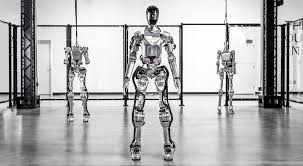
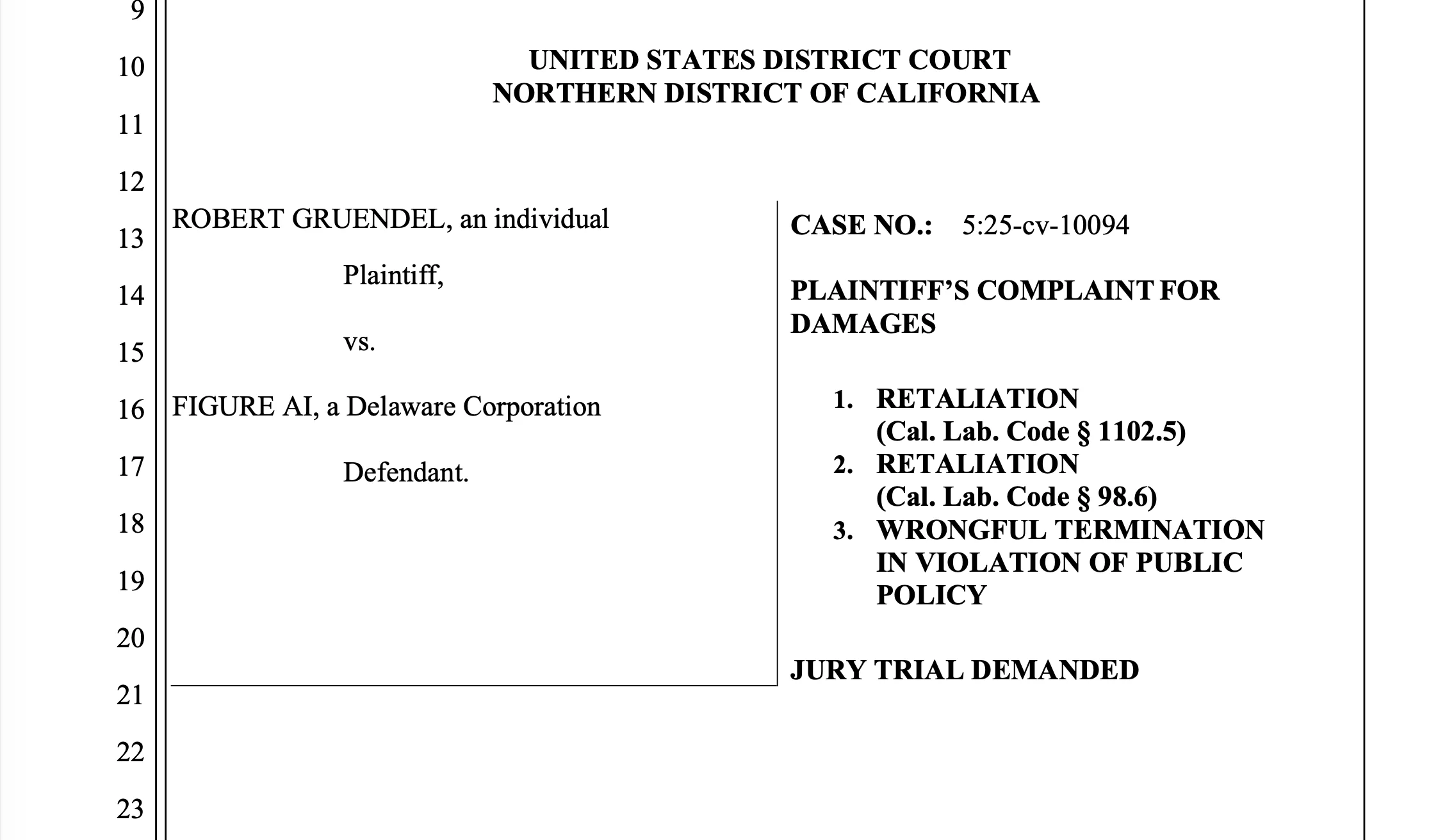
Rob Gruendel, the former safety lead at Figure, has filed a lawsuit against the robotics startup, claiming he was terminated for raising concerns about the potential dangers of the company's robots. Gruendel asserts that he warned management that the robots were powerful enough to cause fatal injuries, a revelation that poses significant challenges to Figure's ambitious plans to expand its presence in the home robotics market. The lawsuit highlights the tension between innovation and safety in the rapidly evolving field of robotics, as Figure seeks to navigate the complexities of deploying advanced technology in everyday environments.

Figure Figure-03 safety standards
Taobao Instant Commerce to launch ‘Taobao Convenience Store’ chain

Taobao Instant Commerce to launch ‘Taobao Convenience Store’ chain

Alibaba's quick commerce unit, Taobao Instant Commerce, is preparing to introduce a new retail brand named "Taobao Convenience Store," as reported by LatePost. This initiative aims to enhance the shopping experience by providing a wide range of products, with the stores set to operate 24 hours a day. Customers will have access to approximately 10,000 stock-keeping units (SKUs) across various categories, including groceries, snacks, alcohol, electronics, baby products, and beauty items. This selection is expected to be roughly three times larger than what is currently available in traditional convenience stores. The launch reflects Alibaba's strategy to expand its footprint in the fast-growing quick commerce sector, catering to the increasing demand for convenient and accessible shopping options.

News Feed
Hai Robotics Marks Major Milestone with Groundbreaking Deployment of HaiPick Climb in Europe

Hai Robotics Marks Major Milestone with Groundbreaking Deployment of HaiPick Climb in Europe

Hai Robotics has announced the successful deployment of its HaiPick Climb system at a prominent e-commerce logistics hub in Poland, representing the first implementation of this technology in Europe. This advanced solution has optimized storage for more than 15,000 stock-keeping units (SKUs) and has quadrupled fulfillment speed while achieving over 99% accuracy in order picking. The deployment is expected to significantly boost operational efficiency and scalability for the e-commerce leader, demonstrating the potential of robotics in enhancing logistics operations.

Warehouse Automation E-commerce Logistics Supply Chain Management Robotics
Hai Robotics Marks Major Milestone with Groundbreaking Deployment of HaiPick Climb in Europe

Hai Robotics Marks Major Milestone with Groundbreaking Deployment of HaiPick Climb in Europe

Hai Robotics has announced the successful deployment of its HaiPick Climb system at a prominent e-commerce logistics hub in Poland, representing the first implementation of this technology in Europe. This advanced system has optimized storage for more than 15,000 stock-keeping units (SKUs) and has quadrupled fulfillment speed while achieving over 99% accuracy in order picking. The deployment is expected to significantly enhance operational efficiency and scalability for the e-commerce company, addressing the growing demands of the market.

Warehouse Automation E-commerce Logistics Supply Chain Management Robotics Inventory Management
RobotToday Initiative

Robotics needs a service framework.

RSF defines a common language for robot service capability, lifecycle operations, certification pathways, and service-provider networks.