Industry Briefing
A single destination for timely, editor-curated robotics news from around the world.
Renesas Electronics Opens Physical AI and Robotics Lab in Beijing, China
Renesas Electronics has officially launched its Physical AI & Robotics Lab in Beijing, China. This new facility is designed to allow customers to demonstrate, validate, and collaboratively develop next-generation robotic systems. The establishment of this lab is significant as it serves as a central hub for executing Renesas' physical AI strategy, facilitating the transition from proof-of-concept to deployment of advanced robotic solutions. This initiative underscores Renesas' commitment to innovation in the semiconductor industry. Looking ahead, the lab is expected to play a crucial role in advancing the development of robotics and AI technologies. No further timeline was disclosed at the time of publication.
Electronics News Research Robotics artificial intelligence beijing
Renesas Electronics Joins Autoware Foundation to Enhance Autonomous Driving on R-Car Chips
Renesas Electronics has joined the Autoware Foundation to integrate the open-source autonomous driving stack of Autoware onto its R-Car system-on-chips. Announced on September 1, this integration aims to provide pre-configured solutions ranging from Level 2 driver assistance to Level 4 robotaxis. This partnership combines Autoware's automated driving software with Renesas' R-Car automotive processors and RoX software platform. Manufacturers and suppliers can adapt models, train them on their own data, and deploy the stack on hardware architectures already intended for production vehicles. Autoware outlines a progressive trajectory for its technology, which is crucial for industries as it can reduce the number of architectures to maintain between prototypes and products. The next steps include the release of reference configurations, test results, and automotive partners. While the integration aims to simplify the integration complexity and provide an alternative to fully proprietary solutions, no specific vehicle models, production timelines, or committed robotaxi fleets were disclosed at the time of publication.
Robots
The Role of Embodied Intelligence in Enhancing Disaster Response Systems
This summer, natural disasters in regions such as Tibet, Shanxi, Guangxi, and Chongqing highlighted the limitations of traditional rescue methods, which primarily rely on drones and excavators. While embodied intelligence technologies, including quadrupedal and snake-like robots, are beginning to enter emergency systems, their full potential in real-world disaster scenarios remains largely untapped. The challenges of integrating these technologies into rescue operations include technical gaps, data management, costs, and standards. The need for advanced robotic solutions is underscored by the dangers faced by human rescuers in hazardous environments. For instance, landslides and toxic gas leaks pose significant risks, with over 60% of rescue personnel injuries occurring during high-risk reconnaissance phases. Traditional remote-controlled robots have limited capabilities, often restricted to simple tasks, which hampers their effectiveness in dynamic rescue situations. Recent advancements in embodied intelligence have led to the development of autonomous rescue robots capable of real-time decision-making and multi-tasking. The Ministry of Emergency Management and the Ministry of Industry and Information Technology have called for accelerated development of emergency robotics. Notable innovations include the X20 firefighting reconnaissance robot, which can navigate collapsed structures and relay critical data, and the B2 industrial quadrupedal robot, designed for supply delivery in hard-to-reach areas. The evolution of these technologies is set to enhance the efficiency and safety of disaster response efforts.
Disaster Response Embodied Intelligence Robotics Emergency Management Rescue Technology
Thales and Kelly Hills Unveil BVLOS Drone Network for Kansas Agriculture
Thales and Kelly Hills Unmanned Systems have announced a partnership to deploy a beyond visual line of sight (BVLOS) drone network in Kansas, aimed at enhancing agricultural operations such as crop spraying, scouting, fertilizing, and seeding. This initiative follows the successful model of Thales’s Vantis deployment in North Dakota, which has set a precedent for integrating uncrewed aircraft systems into national airspace. The Kansas Department of Agriculture will collaborate with the two companies to implement this network, leveraging Thales’s TopSky air traffic control automation platform, which currently manages about 40 percent of global airspace. The partnership aims to improve precision, productivity, and sustainability in farming while adhering to FAA regulatory standards for airspace integration. Looking ahead, the program is designed for scalability, with potential applications extending beyond Kansas to other agricultural operations across the U.S. The focus on detect-and-avoid systems will enhance safety for people and property, while precision application techniques promise to reduce environmental impact and increase efficiency in farming practices. No further timeline was disclosed at the time of publication.
Agriculture BVLOS Drone News Drone News Feeds Farming Drones News
Renesas Launches Robotics Lab in Beijing for AI Development and Collaboration
Renesas has inaugurated a new robotics lab in Beijing aimed at enabling customers to demonstrate and validate next-generation robotic systems. This facility is part of Renesas' broader initiative to enhance its physical AI capabilities. The establishment of this lab is significant as it allows for collaborative development between Renesas and its clients, fostering innovation in robotic technologies. By providing a space for hands-on experimentation, Renesas aims to accelerate the deployment of advanced robotics solutions in various applications. Looking ahead, stakeholders should monitor how this lab influences the development of robotic systems and the potential partnerships that may arise. No further timeline was disclosed at the time of publication.
Artificial Intelligence News Robotics China Physical AI Renesas Electronics
Cyborg Cockroaches Developed as Potential Rescue Robots for Disaster Relief
Researchers have created cyborg cockroaches, named Paraborgs, designed to assist in delivering emergency medical care to individuals trapped in hazardous environments such as collapsed buildings. These insects are equipped with miniature electronics that enable remote monitoring and interaction, enhancing their role from mere search tools to potential rescue platforms. The significance of this technology lies in its ability to combine the natural navigation skills of cockroaches with lightweight electronics, allowing them to traverse difficult terrains while keeping critical medical decisions under human control. The Paraborgs can be fitted with either cameras or auto-injection devices, achieving a 95 percent success rate in close-range injections during proof-of-concept experiments. Looking ahead, researchers aim to deploy swarms of these specialized cyborg insects, each with distinct roles such as locating survivors or transporting medical supplies. While the current results are promising, further development and field testing are necessary before this innovative approach can be utilized in real emergency situations.
AI and Robotics
Renesas Opens Physical AI & Robotics Lab in Beijing to Boost Robotics Development
Renesas Electronics Corporation has officially launched its Physical AI & Robotics Lab in Beijing, China. This new facility is designed to support customers in demonstrating, validating, and co-developing next-generation robotic systems. The establishment of this lab is significant as it will serve as a central hub for executing Renesas' physical AI strategy, facilitating the transition from proof-of-concept to large-scale deployment of advanced robotics solutions. Looking ahead, the lab is expected to play a crucial role in advancing robotics innovation and physical AI applications. No further timeline was disclosed at the time of publication.

ISASecure Partners with NSA to Launch HCSA Certification for Critical OT Components
The International Society of Automation has announced that ISASecure is collaborating with the NSA to create a new certification scheme for operational technology components. This initiative aims to enhance the security of commercial components used in National Security Systems, addressing the critical need for robust cybersecurity measures. The certification scheme, known as High Criticality Component Security Assurance (HCSA), is designed to bolster confidence in the security of OT systems. It builds upon the existing Component Security Assurance certification and aligns with the ISA 62443 standard, which outlines specific cybersecurity requirements for operational technology components. As the HCSA scheme progresses, it will serve as an approved certification mechanism for evaluating OT OEM components for inclusion on the NSA's National Security Systems OT Product Compliant List. No further timeline was disclosed at the time of publication.
Process / Cybersecurity
Why Contractors in Saskatchewan Favor Steel Structures for Commercial Projects
Contractors in Saskatchewan are increasingly opting for steel structures in their commercial projects due to the challenges posed by harsh weather conditions. These metal buildings offer the durability and flexibility needed to maintain project schedules and meet client expectations, especially during severe seasonal climate changes. The preference for steel buildings is significant as they provide reliable strength, which is crucial for contractors facing heavy snowfall and strong prairie winds. This reliability not only enhances contractor confidence but also fosters positive reputations among property owners, who appreciate the protection these structures offer for their assets. Looking ahead, the trend towards steel structures is expected to continue as contractors seek to streamline construction phases and improve project organization. The use of prefabricated components is likely to remain a key factor in reducing site confusion and enhancing workflow efficiency, ultimately benefiting both contractors and clients alike. No further timeline was disclosed at the time of publication.
Construction Design Engineering Materials agricultural buildings building materials
Satyress Unveils Threehalfves Robot for Challenging Disaster Response Scenarios
Satyress, a California-based startup, has introduced the Threehalfves robot, a two-meter tall remote-controlled centaur robot designed for disaster sites. This innovative robot features a humanoid upper body and a four-legged base, providing enhanced stability on rugged terrain compared to bipedal robots. Its modular limbs can quickly attach tools like chainsaws and drills, eliminating the need for custom equipment. The significance of the Threehalfves lies in its potential to operate in hazardous environments where human rescue teams must wait for conditions to stabilize. With remote control capabilities, operators can command the robot from a safe distance. The robot's design allows for easy transport, as two units can fit side by side in a standard pickup truck bed, making it accessible for emergency personnel. While the Threehalfves robot represents a step forward in disaster response technology, Satyress has not disclosed pricing or commercial delivery dates, nor whether it meets stringent industrial safety standards for emergency services in the U.S. and Europe. The true test for this robot will be its performance in real disaster scenarios, where safety and effectiveness are paramount.
Disaster Response Robotics Remote Operation Emergency Services
FlyGuys and TerraFort Revolutionize Disaster Damage Assessments from Months to Days
FlyGuys and TerraFort have successfully partnered to enhance disaster damage assessments using drone technology and AI. Following Super Typhoon Sinlaku, which struck the Northern Mariana Islands, the companies completed a large-scale assessment in just 10 days, significantly faster than traditional methods that typically take one to two months. This collaboration is crucial as it allows relief organizations and government agencies to initiate recovery efforts much sooner. The partnership leverages FlyGuys' network of over 20,000 drone pilots and TerraFort's AI platform to analyze aerial imagery, providing FEMA-ready damage assessments that are vital for emergency management and recovery. Looking ahead, the companies have developed a more integrated workflow that streamlines the process of selecting drone pilots and automating damage assessments. This innovation is expected to further enhance the speed and efficiency of disaster response efforts, demonstrating the potential of combining aerial data collection with AI technology in emergency situations.
AI Applications Disaster Response Drone News Drone News Feeds Insurance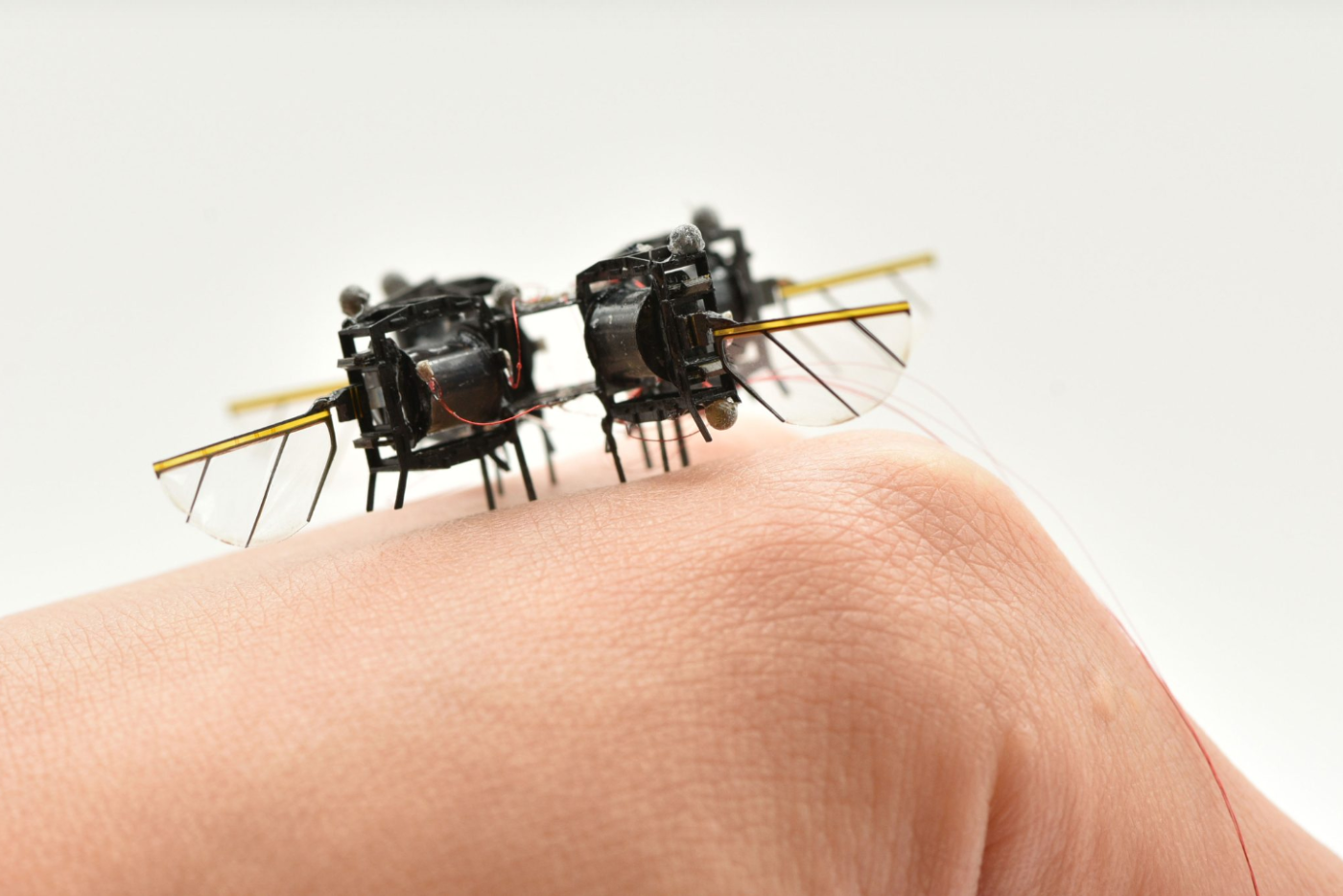
MIT Unveils Insect-Scale Flying Robot for Disaster Rescue Missions
Researchers at the Massachusetts Institute of Technology (MIT) have developed a flying robot that weighs less than a paperclip and is the size of a cassette tape, capable of navigating through tight spaces in disaster scenarios. Published on July 21 in 'Science Advances', this micro flying robot achieves insect-level speed, acceleration, and maneuverability, including continuous flips and sharp turns. The significance of this development lies in its advanced artificial intelligence control system, which enables the robot to perform complex flight maneuvers in real-time despite its lightweight design. The new control system has improved the robot's flight speed by 447% and acceleration by 255%, allowing it to execute ten consecutive backflips in just 11 seconds with minimal deviation. Looking ahead, the research team aims to integrate lightweight cameras and sensors into the robot, enabling it to autonomously navigate through real-world debris and tight spaces. This bionic flight behavior will enhance its ability to locate survivors in disaster situations, potentially transforming rescue operations from traditional probing methods to direct visual assessments.
Micro Flying Robots Disaster Rescue Technology AI Control Systems Robotics Autonomous Navigation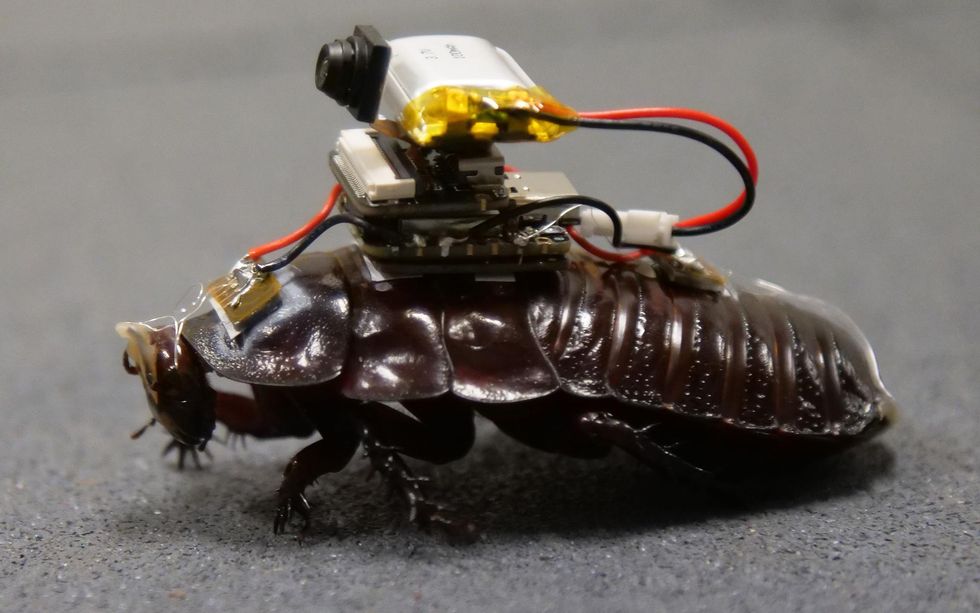
University of Queensland Develops Paraborgs: Cyborg Cockroaches for Disaster Relief
Researchers at the University of Queensland have developed a prototype paramedic cyborg, known as the Paraborg, which utilizes giant cockroaches to deliver aid in disaster scenarios. These cyborgs can navigate complex terrains and inject medications, potentially reaching victims trapped under rubble. The significance of this innovation lies in its ability to leverage the natural mobility of insects, addressing challenges in robotics by using living creatures equipped with electronic interfaces. This approach could enhance search-and-rescue operations, providing timely assistance to those in need. Looking ahead, the researchers aim to improve the autonomy and communication of the Paraborgs, ensuring they can operate effectively in chaotic environments. Future developments will focus on enhancing their capabilities to navigate and assist in real disaster situations, although the technology is not yet ready for practical deployment.
Robotics Insects Disaster-robots Cybernetics
Japan's Robotics Roadmap Highlights Disaster Response and Aging Workforce Solutions
Japan's robotics strategies emphasize disaster response and addressing an aging workforce. With a significant portion of its population over 65, robotics is seen as essential for maintaining economic stability and enhancing labor sectors like healthcare. The country's proactive approach to robotics development is driven by its vulnerability to natural disasters and a declining workforce. Japan's investment in intelligent machines aims to improve disaster response and mitigate risks to human workers, especially in light of past events like the Fukushima disaster. Looking ahead, Japan's initiatives include the Society 5.0 vision for super-smart cities and Moonshot Programs targeting advanced robotics solutions. These efforts reflect Japan's commitment to leveraging robotics for societal challenges, with no further timeline disclosed at the time of publication.

Karlsruhe Institute of Technology Develops Robotic System for Disassembling Broken Machines
Researchers at the Karlsruhe Institute of Technology (KIT) have developed a robotic disassembly system capable of predicting defects in broken robots and safely dismantling them. This innovative system utilizes a predictive algorithm and robotic manipulators to assess and disassemble malfunctioning devices, ensuring the protection of valuable components during the process. The significance of this development lies in its potential to support a circular economy by enabling the recycling and rebuilding of robotic systems. With over 4 million industrial robots currently in use worldwide, and projections indicating this number could exceed 16 million by 2030, the need for efficient disassembly and recycling methods is becoming increasingly critical as these machines inevitably break down. Looking ahead, the KIT team envisions scaling their system to incorporate multiple robotic arms, each equipped with specialized tools for various disassembly tasks. This could lead to fully automated processes for repairing electronic devices, making it more cost-effective to repair rather than replace broken parts, thereby enhancing sustainability in manufacturing.
Robotics Recycling Industrial-robot Icra Recycling-robots
Japanese Engineers Analyze China's YuShu G1 Humanoid Robot, Acknowledge Technological Advancements
On July 23, Japanese media Nikkei xTECH released a video documenting engineers disassembling China's YuShu G1 humanoid robot. The team examined various components, including the joint modules and battery system, revealing insights into China's rapid advancements in robotics. Japanese engineers noted the smoothness of the screws, highlighting the precision in manufacturing that is often overlooked. The G1 features a 9000mAh quick-release smart battery, providing high output power in a compact size, which impressed the engineers. They also analyzed the ankle joint structure, noting its ability to mimic human movement and adapt to different terrains, showcasing a high level of engineering excellence. The disassembly led to a significant conclusion: Japan's robotics industry faces challenges in closing the gap with China's advancements in humanoid robotics. Data from the International Federation of Robotics indicates that in 2024, China will account for 54% of new industrial robot installations globally. This stark contrast in manufacturing efficiency and technological capability raises questions about Japan's ability to compete in the humanoid robotics sector in the near future. No further timeline was disclosed at the time of publication.
Humanoid Robots Robotics Technology Industrial Automation Battery Systems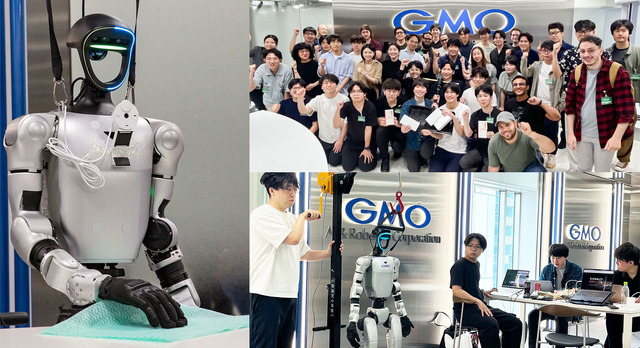
Humanoid Hack Tokyo 2: Disaster Rescue Robot Wins in Physical AI Competition
The 'Humanoid Hack Tokyo 2' event took place from July 11 to 12 at the GMO Humanoid Lab in Shibuya, Tokyo, showcasing humanoid robots in practical applications. Participants developed new robot applications using the Unitree G1 humanoid and technologies like Vision-Language-Action and Physical AI. This event is significant as it highlights the rapid growth of the humanoid development community in Japan, with around 230 participants competing, compared to over 100 in the inaugural event. The winning team focused on addressing challenges in disaster response, creating a system that allows robots to enter hazardous areas to locate and communicate with victims. Looking ahead, the success of this event may inspire further innovations in humanoid robotics for disaster relief. The winning team's approach emphasizes the potential of humanoids to not only search for victims but also assist in rescue operations, indicating a shift towards more comprehensive support in emergency situations. No further timeline was disclosed at the time of publication.

From Pepper's Disastrous Defeat to SoftBank's Mass Production Launch: Masayoshi Son's Third Bet on Robots?
Masayoshi Son, the CEO of SoftBank, is making a significant move in the robotics industry as the company prepares to launch mass production of its latest robotic technology. This initiative comes on the heels of SoftBank's previous setbacks, including the disappointing performance of the Pepper robot, which failed to meet market expectations. The decision to invest in mass production reflects Son's ongoing commitment to the robotics sector, despite past challenges. The announcement was made during a press conference held in Tokyo, where Son outlined his vision for the future of robotics and the potential applications of the new technology. He emphasized the importance of innovation and adaptability in a rapidly changing market, suggesting that SoftBank aims to leverage its expertise to regain its foothold in the industry. The push for mass production is driven by the growing demand for automation and robotics in various sectors, including healthcare, manufacturing, and customer service. SoftBank's strategy involves not only enhancing the capabilities of its robots but also ensuring they are accessible and affordable for businesses of all sizes. As SoftBank embarks on this new chapter, industry analysts are closely monitoring the company's progress, considering both the potential rewards and the risks associated with its ambitious plans. The outcome of this venture could redefine SoftBank's position in the robotics market and influence the future of automation technology globally.
Robotics Automation AI
Three-armed Sashimi-Bot learns to slice and serve fish like a pro
A new three-armed robot has been developed to assist with the challenging task of cutting fish into bite-sized pieces, addressing a significant hurdle in culinary robotics. Unlike traditional robots that excel at handling rigid objects, this innovative machine is designed to manage the complexities of slippery and shape-shifting materials like fish. The robot's advanced capabilities allow it to adapt to the changing form of the fish during both handling and slicing, making it a valuable tool for chefs and home cooks alike. This breakthrough in robotic technology aims to enhance efficiency and precision in food preparation, reflecting ongoing advancements in automation within the culinary industry.
Robotics
SASC’s $1.14T defense policy bill creates combatant command for drones
Members of the Senate Armed Services Committee (SASC) approved a significant piece of legislation on Wednesday, advancing the bill with an 18-9 vote. This decision reflects the committee's ongoing efforts to address critical defense issues and enhance military readiness. The approval comes amid increasing concerns about national security and the need for updated military policies. The committee's action is a crucial step in the legislative process, paving the way for further discussions and potential amendments before the bill is presented to the full Senate for consideration.
Air Warfare Congress Land Warfare Naval Warfare Pentagon 2027 NDAA
As Disaster Risks Grow, WingXpand and Verizon Explore New Tools for Emergency Response
WingXpand, a St. Louis-based company, has announced a collaboration with Verizon Frontline and emergency response teams to investigate innovative tools aimed at enhancing disaster assessment and community resilience. This initiative comes in response to the increasing frequency of severe weather events impacting communities across the United States. By leveraging drone and autonomous aircraft technologies, the partnership seeks to improve emergency response capabilities and support affected areas more effectively. The exploration of these advanced tools is part of a broader effort to address the growing risks associated with natural disasters.
Applications Disaster Response Drone News Drone News Feeds Drones in the News emergency response
MIIT and SASAC Launch 2026 Humanoid Robot Real-Scene Training Initiative
China's Ministry of Industry and Information Technology (MIIT) and the State-owned Assets Supervision and Administration Commission (SASAC) have announced a comprehensive action plan aimed at deploying humanoid robots across various sectors by 2026. This initiative seeks to implement thousands of humanoid robots in real-world industrial, service, and specialized applications, with a focus on over 100 high-value scenarios. The plan underscores China's commitment to advancing its robotics industry and enhancing automation in key areas, reflecting a strategic move to boost productivity and innovation in the face of evolving market demands. The deployment strategy will involve collaboration between government bodies and private enterprises to ensure effective integration of these technologies into existing workflows.
HumanoidRobotics
Robotic Assistance in Natural Disasters and Human-Caused Crises
The Synergise research and development consortium is conducting its first integrated system field test to evaluate new technological solutions, including robots, drones, sensors, localization systems, wearables, and communication platforms. This test is taking place at a training ground in Botkyrka, Sweden, where the consortium aims to assess the effectiveness of these technologies in realistic operational environments. The initiative is driven by the need to enhance response capabilities for natural disasters and human-made crises, showcasing how advanced technology can aid in emergency situations.
Allgemein Newsarchiv Servicerobotik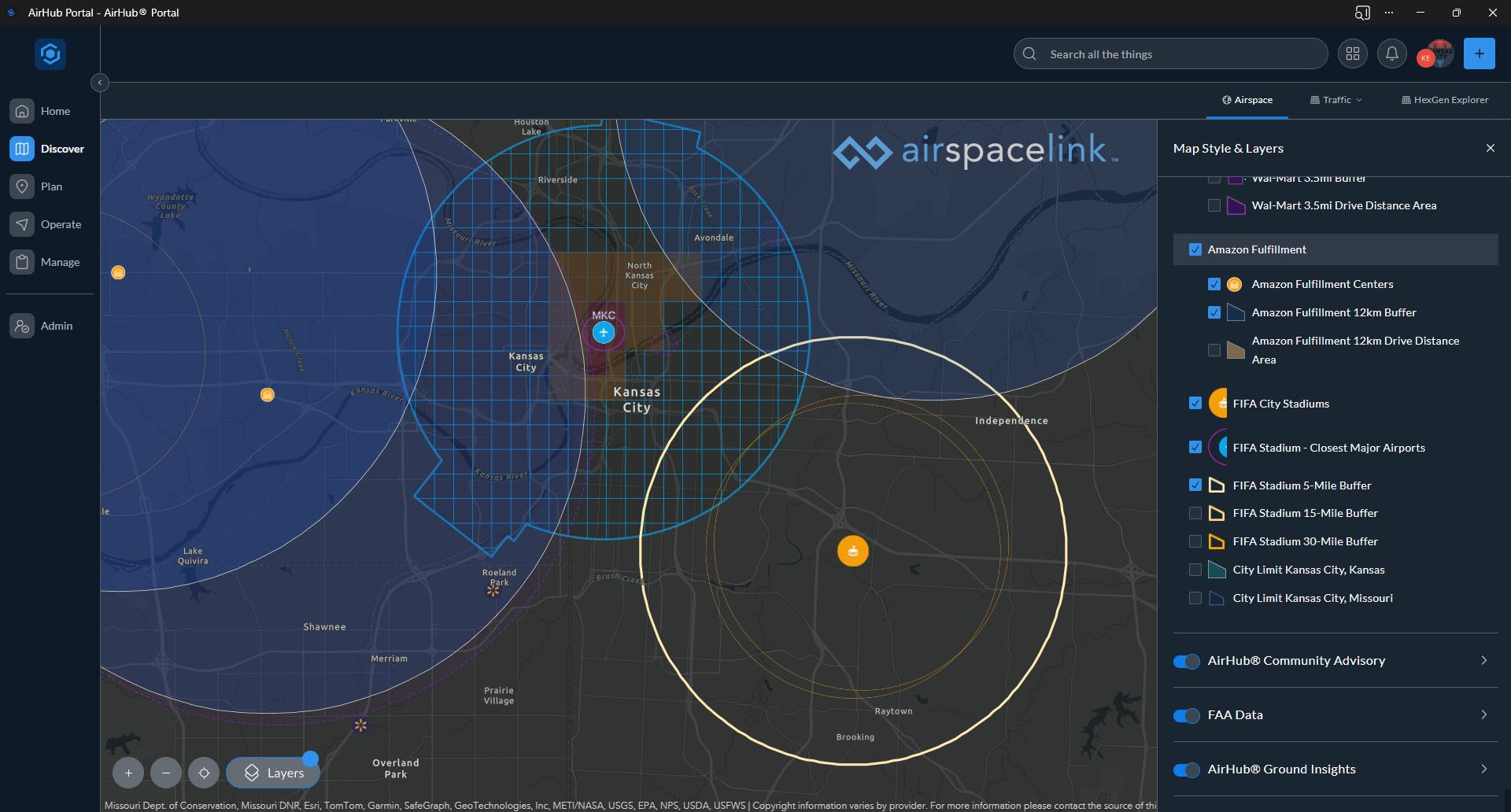
Kansas City Builds a World Cup-Era Drone Defense Network
Kansas City, Missouri, has taken a significant step in enhancing public safety by implementing a shared drone coordination and counter-unmanned aerial systems (UAS) platform. This initiative, spearheaded by Airspace Link in collaboration with regional public safety agencies, aims to bolster security during the FIFA World Cup and improve future urban drone operations. The deployment marks Kansas City as one of the first regions in the United States to adopt such an integrated system, reflecting a proactive approach to managing drone traffic and mitigating potential threats. The platform is designed to facilitate coordinated responses to drone-related incidents, ensuring a safer environment for large-scale events and everyday urban activities.
C-UAS defense Drone News Drone News Feeds News UTM
Scaling Battery Disassembly: Why the Real Challenge Is Not Automation
The rise of the circular economy is presenting unique challenges and opportunities for automation, particularly in the field of electric vehicle (EV) battery disassembly. As of October 2023, this sector faces significant hurdles due to the lack of stable geometries, consistent designs, and reliable data, which are typically found in traditional industrial settings. The need for effective automation solutions in this area is driven by the increasing demand for sustainable practices and the efficient recycling of EV batteries. As companies strive to adapt to these new requirements, innovative technologies and methodologies are being explored to streamline the disassembly process, ensuring that valuable materials can be recovered and reused.

Ford’s EV Pivot Was Disastrous. Now It’s Trying to Compete with Tesla on Energy Storage.
A significant event unfolded recently as local authorities in Springfield announced a new initiative aimed at improving community safety. This program, set to launch next month, will focus on increasing police presence in high-crime areas and enhancing neighborhood watch efforts. The decision comes in response to rising concerns among residents regarding safety and crime rates in the city. City officials, including the mayor and police chief, emphasized the importance of collaboration between law enforcement and the community to foster a safer environment. The initiative will involve regular community meetings to gather input and address residents' concerns, ensuring that the program is tailored to the specific needs of each neighborhood. Funding for the initiative has been secured through a combination of city budget allocations and state grants, demonstrating a commitment to prioritizing public safety. The program aims not only to reduce crime but also to build trust between the police and the community, encouraging residents to take an active role in their own safety. As the launch date approaches, officials are optimistic that this proactive approach will lead to a noticeable decline in crime rates and an overall improvement in community relations. The initiative represents a significant step forward in addressing the pressing safety issues faced by Springfield residents.

Boeing plans $1B investment in Kansas facilities
Boeing is enhancing its operations at the Spirit AeroSystems fuselage plants in Wichita as part of its strategy to increase monthly production of the 737 Max from 42 to 47 aircraft this summer. This integration effort aims to streamline manufacturing processes and meet rising demand for the popular aircraft model. The move comes as the aviation industry continues to recover from the impacts of the pandemic, prompting manufacturers to boost output to satisfy customer orders. Boeing's focus on improving efficiency and production capabilities at its Wichita facilities reflects its commitment to scaling operations in response to market needs.

Tesla: Disastrous Robotaxi Checkup
In a recent development, investors are closely monitoring the stock market as companies report their quarterly earnings. This wave of earnings announcements, which began in early October 2023, is taking place across various sectors, including technology, healthcare, and consumer goods. Analysts are particularly focused on how these results will reflect the broader economic conditions and consumer spending trends. The earnings reports are crucial for investors as they provide insights into company performance and future growth potential. Many firms are expected to face challenges due to inflationary pressures and supply chain disruptions, which could impact their profitability. As a result, market participants are assessing whether companies can meet or exceed expectations set by analysts. The earnings season is anticipated to continue through the end of the month, with major corporations scheduled to release their results. Investors are employing various strategies to navigate the volatility, including diversifying their portfolios and closely following market indicators. Overall, the outcome of this earnings season will play a significant role in shaping market sentiment and influencing investment decisions as stakeholders seek to understand the economic landscape moving forward.
TSLA TSLA:CA Stone Fox Capital
The Shifting Paradigms of Disaster Robotics Three Decades of Research
A recent study published in the Journal of Field Robotics highlights advancements in robotic technology aimed at improving agricultural efficiency. Researchers from a leading university conducted experiments over the past year, focusing on the integration of autonomous robots in crop monitoring and management. The trials took place in various agricultural settings across the Midwest, where the team sought to address the growing challenges of labor shortages and the need for sustainable farming practices. The motivation behind this research stems from the increasing demand for food production and the necessity to optimize resource use in agriculture. By employing cutting-edge robotics, the researchers aimed to demonstrate how these machines can enhance precision in tasks such as planting, watering, and pest control. The study involved deploying multiple robotic prototypes equipped with advanced sensors and AI algorithms to gather data and perform tasks autonomously. Results from the trials indicate that the use of these robots not only improved operational efficiency but also reduced the environmental impact of farming activities. The findings suggest that integrating robotics into agricultural practices could be a viable solution to meet the demands of a growing population while promoting sustainable farming methods. As the agricultural sector continues to evolve, this research paves the way for further innovations in the use of robotics to support food production and resource management.
RESEARCH ARTICLE
Kongsberg Discovery launches HISAS2020 as standalone solution, setting a new standard in ultra-high-resolution underwater imaging
Kongsberg Discovery has launched the HISAS2020 synthetic aperture sonar, making one of the world’s most advanced underwater imaging technologies accessible to the market. This innovative sonar system is designed to enhance underwater exploration and mapping capabilities, providing users with high-resolution imagery that can significantly improve marine research, resource management, and environmental monitoring. The launch, which took place today, aims to meet the growing demand for sophisticated underwater imaging solutions across various sectors, including defense, oil and gas, and scientific research. By leveraging cutting-edge technology, Kongsberg Discovery seeks to empower organizations with the tools necessary for more effective underwater analysis and decision-making.
kongsberg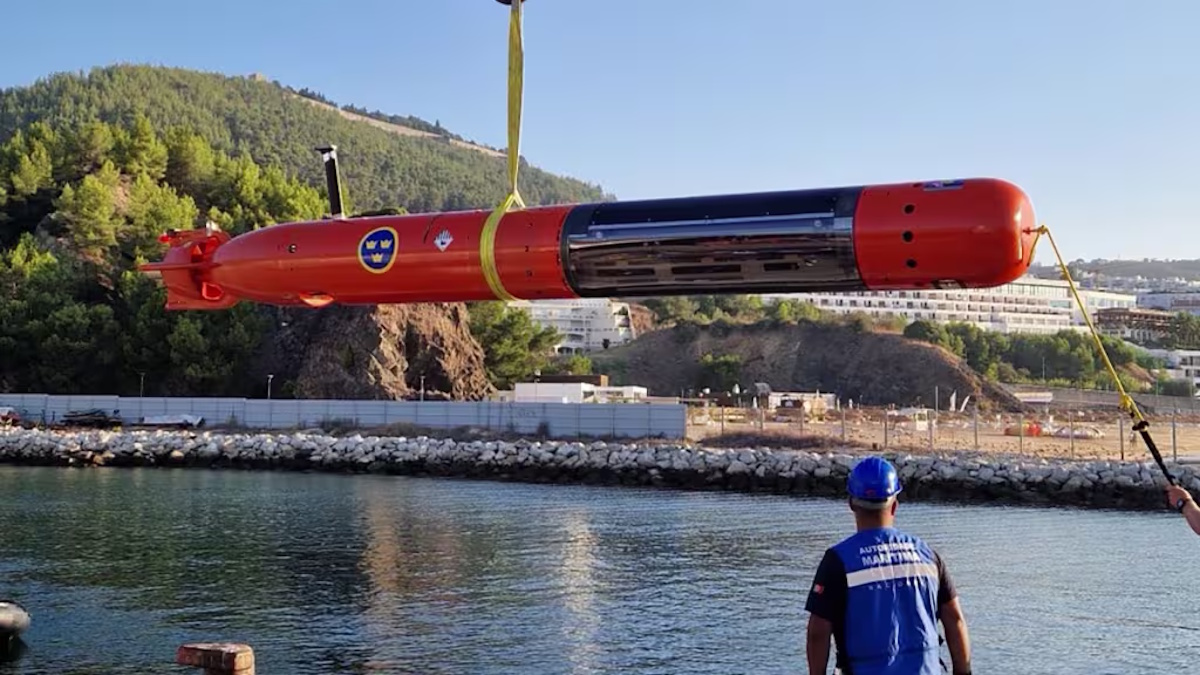
Klein Marine Systems Signs Development Agreement With SAAB to Provide Synthetic Aperture Sonar (SAS) Technology
Klein Marine Systems, a prominent player in sonar technology, has secured a contract to supply Synthetic Aperture Sonar (SAS) hardware to Saab Kockums AB, based in Linköping, Sweden. This partnership underscores Klein's commitment to advancing maritime surveillance and reconnaissance capabilities. The agreement highlights the growing demand for sophisticated sonar systems in defense applications, as both companies aim to enhance underwater operational efficiency. The collaboration is expected to leverage Klein's cutting-edge technology to support Saab's ongoing projects, reflecting a strategic alignment in the defense sector.
klein marine systems development agreement saab synthetic aperture sonar (sas) technology
Tencent invests 1.16 billion euros in Ubisoft’s new subsidiary, managing major IPs like Assassin’s Creed
Last Friday, Ubisoft, the French gaming giant, revealed plans to create a new subsidiary dedicated to developing core gaming titles in collaboration with Tencent, a leading Chinese game publisher. This strategic partnership, valued at approximately 1.16 billion euros (about $1.25 billion), will allow Tencent to acquire a 25% stake in the subsidiary, which is projected to have a total worth of around 4 billion euros. The move aims to leverage Tencent's extensive market reach and expertise in the gaming industry, enhancing Ubisoft's presence in the rapidly growing Asian market.
Heavy Hitters Content and entertainment E-commerce and New Retail Gaming Highlight NewsRobotics needs a service framework.
RSF defines a common language for robot service capability, lifecycle operations, certification pathways, and service-provider networks.
Join the RobotToday community on LinkedIn
Daily robotics news, in-depth analysis, conference highlights, and discussions with professionals worldwide.