Industry Briefing
A single destination for timely, editor-curated robotics news from around the world.

ABB Robotics and PSYONIC Use Human-Generated Data to Advance Robotic Dexterity
ABB Robotics has partnered with California-based bionics company PSYONIC to enhance robotic dexterity and grasping capabilities by utilizing human-generated data from prosthetic use. Announced on June 16, 2026, this collaboration aims to address the significant challenge of replicating human-like dexterity in industrial robotics, which is essential for the development of Autonomous Versatile Robotics (AVR™). By integrating the PSYONIC Ability Hand with ABB's GoFa™ collaborative robot, the two companies will explore how real-world manipulation data can train robots to perform delicate tasks that are typically difficult to automate. This initiative is expected to reduce engineering time by up to 30% and improve productivity, flexibility, and workplace safety across various industries, including automotive, aerospace, packaging, logistics, and life sciences. Marc Segura, President of ABB Robotics, emphasized the importance of bridging the gap between human and robotic dexterity to enable robots to learn and interact with their environments more intuitively. Dr. Aadeel Akhtar, Founder and CEO of PSYONIC, highlighted that the collaboration will leverage high-fidelity data on movement and grip force to enhance robotic performance in complex tasks. The GoFa™ robot will provide the precision necessary for industrial applications, ensuring consistent execution of intricate movements, which is crucial for handling fragile or irregular objects. This partnership represents a significant step towards advancing physical AI in robotics, allowing for more effective collaboration between humans and machines.

ETH Zurich's Proprioceptive Transformer Enhances Robotic Dexterity Without Visual Cues
Researchers at ETH Zurich have unveiled a groundbreaking Proprioceptive Transformer (PT) system that significantly enhances the capabilities of tendon-driven robotic hands. This innovative technology allows the robotic hand to execute complex manipulation tasks using only proprioceptive feedback, achieving performance levels that are three times superior to conventional methods that depend on visual input. The development addresses longstanding challenges in robotic dexterity by removing the need for external sensors, thereby enabling more efficient and precise control of robotic movements. This advancement could pave the way for more sophisticated applications in robotics, enhancing the functionality and versatility of robotic systems in various fields.
Robotic Manipulation Proprioception Soft Robotics AI Machine Learning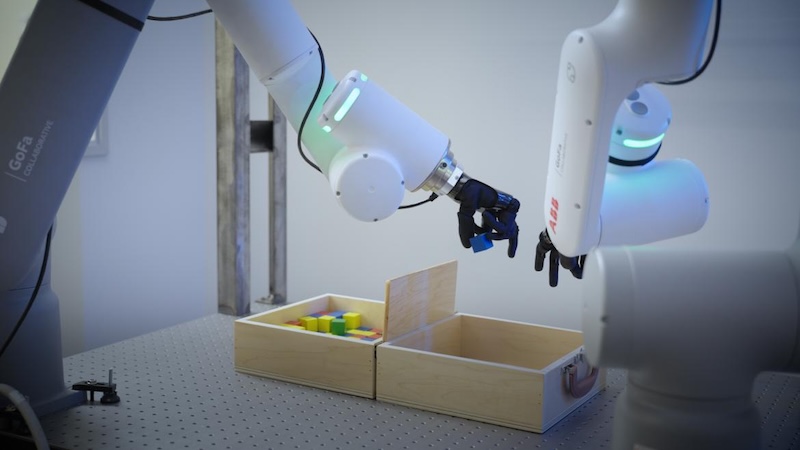
ABB Robotics and Psyonic use human-generated data to advance robotic dexterity
ABB Robotics is partnering with California-based bionics firm Psyonic to enhance robotic gripping and dexterity, addressing a significant challenge in the industry. This collaboration aims to leverage real-world manipulation data derived from human prosthetic use, which could lead to a reduction in engineering time by as much as 30%. The initiative involves integrating the Psyonic Ability Hand with ABB's GoFa robotic arm, creating a more efficient and adaptable solution for various applications. This innovative approach seeks to improve the functionality of robotic systems, making them more effective in handling tasks that require precision and flexibility.
Components Design Engineering abb robotics ai robotics automation news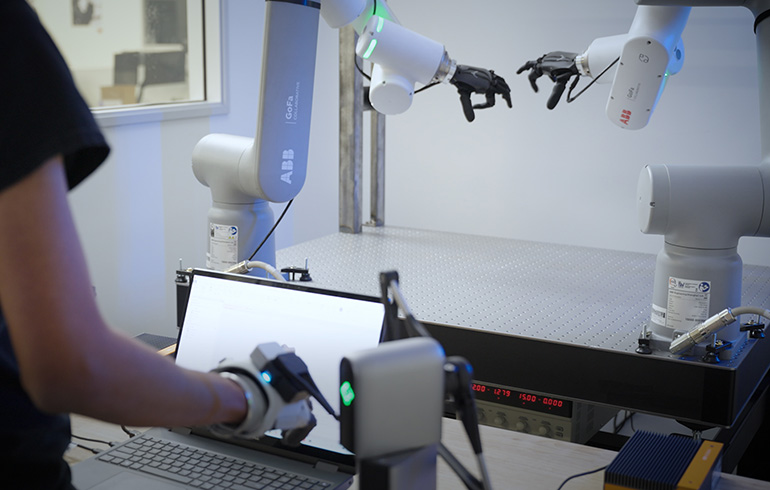
PSYONIC partners with ABB Robotics to apply human touch to robot dexterity
PSYONIC has announced a collaboration with ABB Robotics to enhance robotic dexterity by integrating its Ability Hand prosthetic with ABB's GoFa collaborative robot arm. This partnership aims to leverage data collected from prosthetic users to improve the robot's grasping capabilities, effectively mimicking human touch. The initiative underscores the growing intersection of robotics and prosthetics, with the goal of creating more intuitive and responsive robotic systems. The collaboration reflects a commitment to advancing technology that not only aids individuals with disabilities but also enhances the functionality of robotic devices in various applications.
Arms / Manipulators Artificial Intelligence Automotive Cobot Arms Collaborative Robots End Effectors / Grippers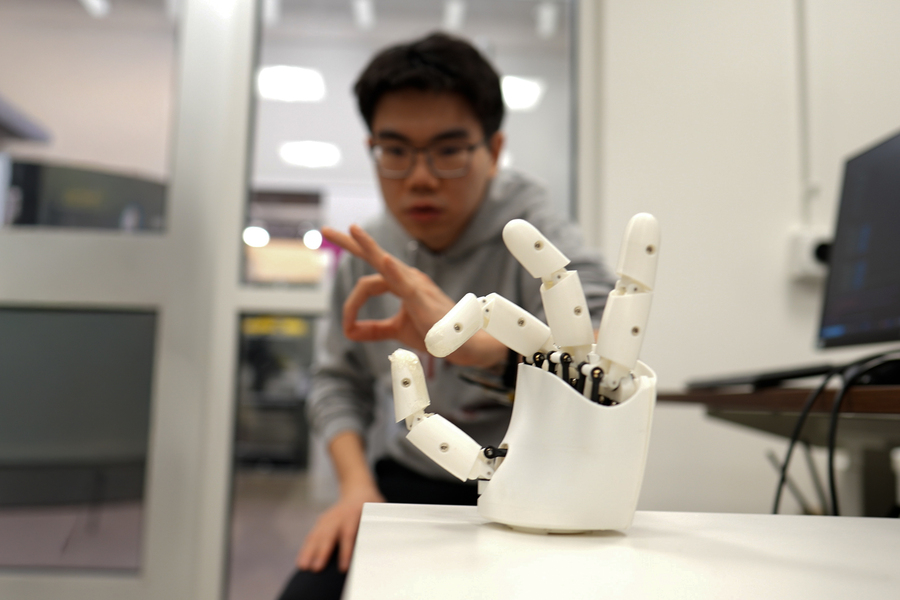
MIT Engineers Develop Ultrasound Wristband for Real-Time Robotic Hand Control
MIT engineers have created an innovative ultrasound wristband that allows wearers to control a robotic hand through their own movements. This wristband captures real-time images of the wrist's muscles and tendons, translating them into the positions of the fingers and palm using an AI algorithm. Demonstrations have shown that users can wirelessly manipulate a robotic hand to perform tasks like playing the piano or shooting a basketball. This technology is significant as it offers a new method for hand tracking in robotics and virtual reality, potentially replacing traditional techniques that rely on cameras or sensor-laden gloves. The wristband's ability to gather diverse hand motion data could lead to advancements in training humanoid robots for dexterous tasks, including surgical procedures. Xuanhe Zhao, a professor at MIT, emphasizes the immediate impact this work could have on both virtual environments and robotic dexterity. Looking ahead, the research team aims to expand their dataset of hand motions by collecting data from users with varying hand sizes and gestures. This could enhance the capabilities of humanoid robots and improve interactions in virtual settings. No further timeline was disclosed at the time of publication.
Beyond Dexterity: Why Contact May Define the Next Era of Robotics
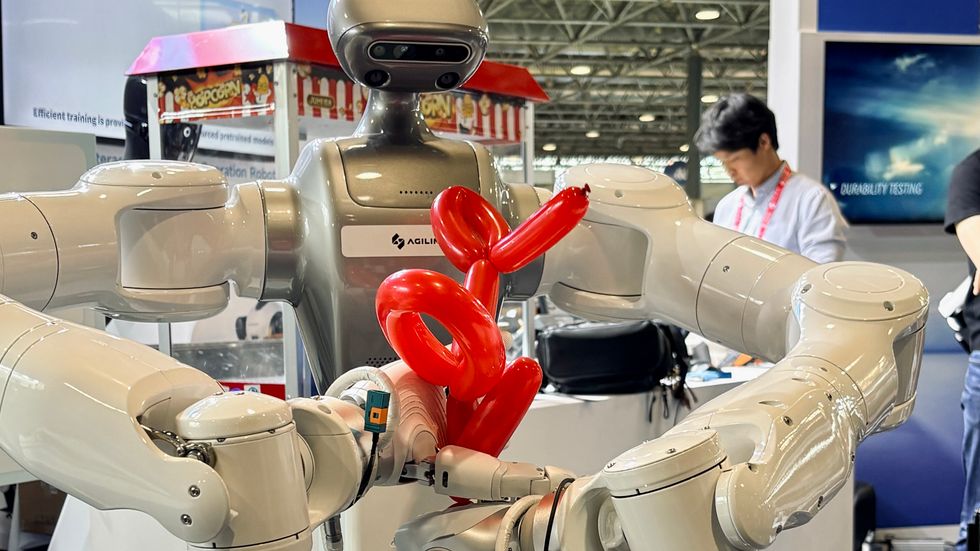
At the 2026 IEEE International Conference on Robotics (ICRA) in Vienna, AGILINK showcased a captivating demonstration of robotic dexterity by creating a balloon dog, which drew significant attention from attendees. This seemingly playful task is recognized in the robotics community as a complex manipulation challenge due to the balloon's lightweight and highly deformable nature. The demonstration highlighted the intricate balance between motion and contact intelligence, essential for successful robotic manipulation. AGILINK's approach involved mapping the actions of professional balloon artists to robotic hands, allowing the robot to learn both successful manipulation sequences and recovery strategies during failures. This dual focus on motion and contact intelligence is crucial, as maintaining stable interaction with the balloon is as important as executing the correct sequence of actions. In conjunction with the balloon dog demonstration, AGILINK introduced the OmniHand 3 Ultra-M, a dexterous robotic hand designed to enhance contact intelligence through advanced sensing and faster response capabilities. The hand features 20 active degrees of freedom and a direct-drive architecture, enabling precise force regulation and tactile sensing across its surface. The significance of these advancements extends beyond balloon animals, addressing broader challenges in robotics related to unstable and deformable interactions, such as delicate assembly and household tasks. As robotics research increasingly prioritizes interaction dynamics, AGILINK's innovations may pave the way for more effective manipulation in unpredictable real-world environments.
Humanoid-robots Physical-ai Dexterous-hands Direct-drive-actuation Robotic-manipulation Reinforcement-learning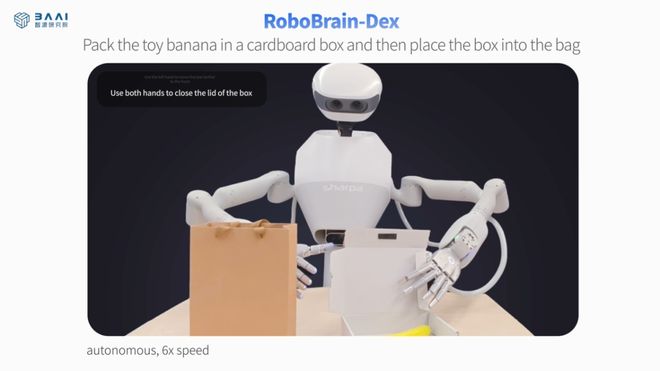
RoboBrain-Dex: Solving the Challenges of Embodied Intelligent Dexterous Manipulation through Human First-Person Perspective Operation Videos
RoboBrain-Dex has unveiled a groundbreaking pre-training paradigm designed to improve robotic dexterity by utilizing extensive collections of human first-person operation videos. This innovative method aims to streamline the learning process for robots, significantly cutting down on both time and costs associated with training. By enabling robots to swiftly grasp complex human operational logic, this approach opens up new possibilities for their application in various high-value industries. The introduction of RoboBrain-Dex marks a significant advancement in the field of robotics, promising to enhance the efficiency and effectiveness of robots in real-world tasks.
Robotic Dexterity AI Training Human-Robot Interaction Embodied Intelligence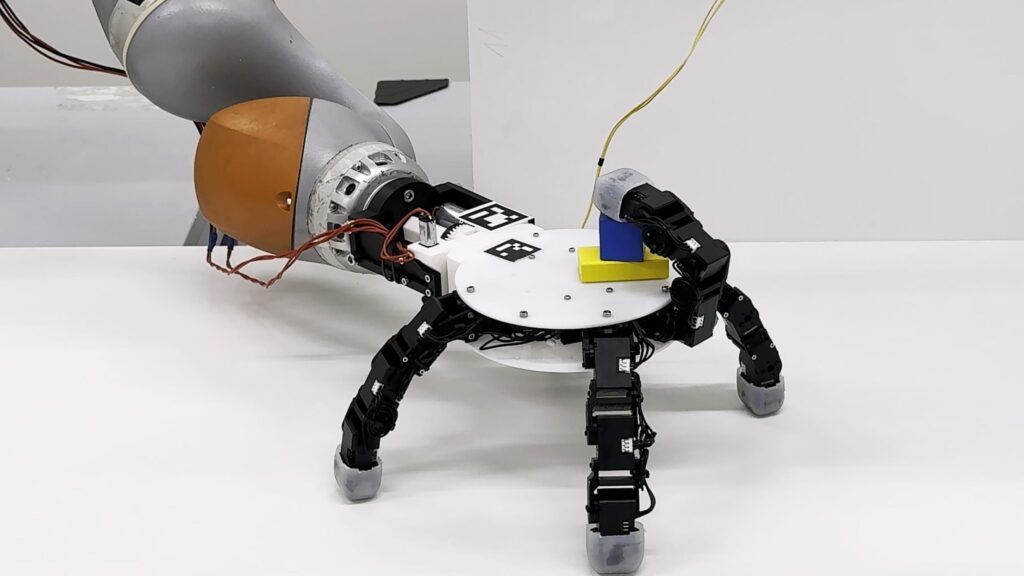
Reversible, detachable robotic hand redefines dexterity
Researchers at the École Polytechnique Fédérale de Lausanne (EPFL) are exploring the limitations of human hand design to enhance robotic dexterity. In a study led by Celia Luterbacher, the team highlights that while human hands, with their opposable thumbs and intricate joint structures, are often viewed as the epitome of dexterity, they are not the most efficient design. The research, conducted in 2025, aims to identify the evolutionary constraints that have shaped human hands over time and to apply these insights to develop more advanced robotic hands. By analyzing the mechanics and functionality of human hands, the researchers hope to create robotic systems that can perform tasks with greater precision and adaptability. This innovative approach could significantly impact fields such as robotics, prosthetics, and automation, ultimately leading to more effective and versatile robotic applications.
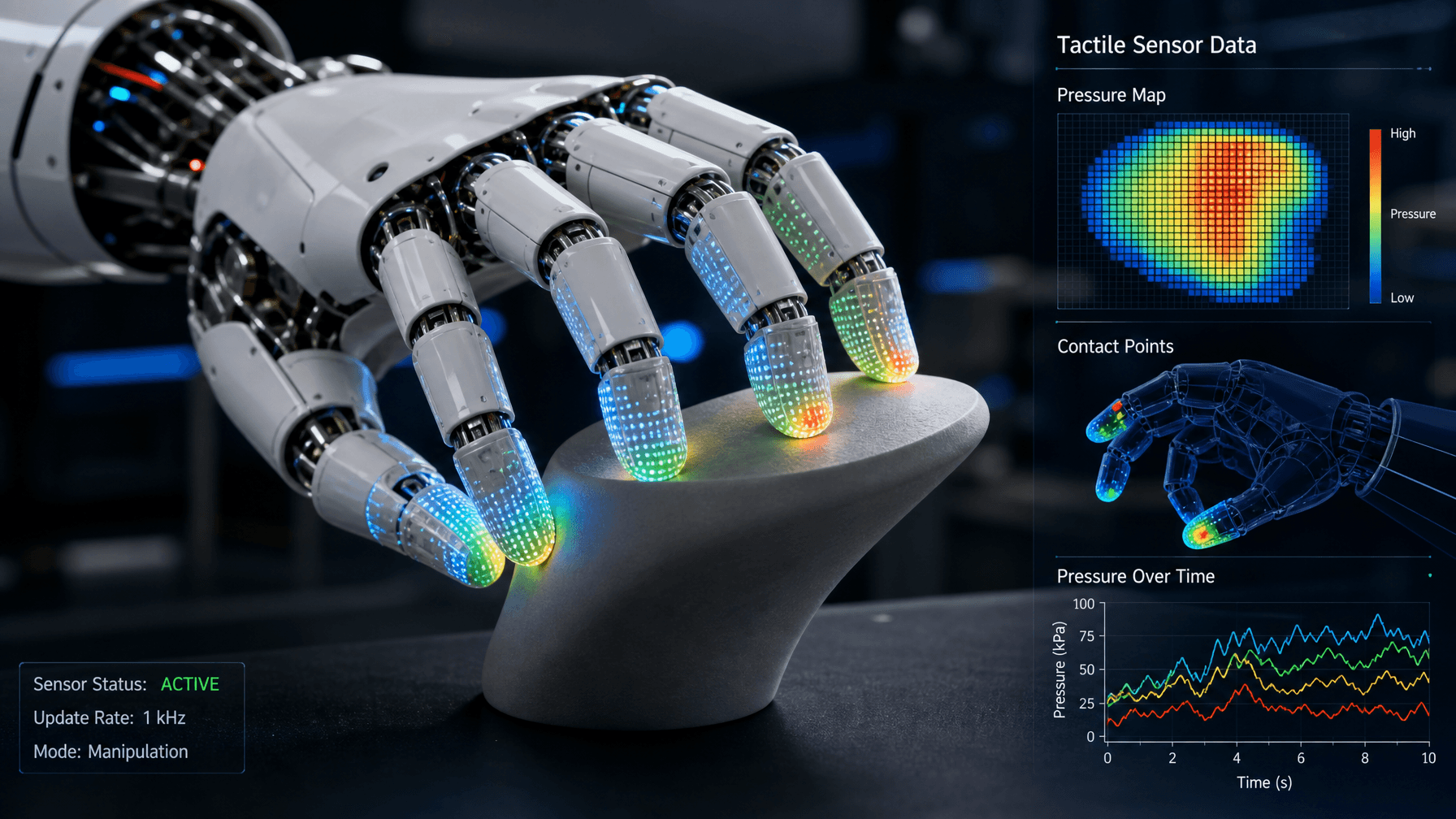
PHANES AI Launches TouchWorld Tactile Model for Enhanced Robot Dexterity
PHANES AI, established by 28-year-old Yang Shuo from HIT, has introduced TouchWorld, a tactile foundation model designed to enhance robotic manipulation capabilities. This model enables robots to perform precise physical tasks by incorporating a sense of touch, marking a significant advancement in robotic dexterity and interaction with their environment. The introduction of TouchWorld is significant as it allows robots to predict and react to tactile stimuli, which is crucial for applications requiring fine motor skills. This development could lead to improved performance in various sectors, including manufacturing and healthcare, where dexterous manipulation is essential for tasks such as assembly or surgical procedures. Looking ahead, the impact of TouchWorld on the robotics industry will be closely monitored, particularly regarding its adoption in real-world applications. No further timeline was disclosed at the time of publication, but the potential for this technology to transform robotic capabilities is substantial.
Technology
Octopus-inspired robotic arm uses distributed tactile sensors for adaptive grip
Engineers have successfully created a robotic arm inspired by the sensory capabilities of the octopus. This innovative development aims to enhance robotic dexterity and adaptability in various applications, including medical procedures and complex manufacturing tasks. The project, which has been in the works for several years, showcases the potential of biomimicry in advancing technology. Researchers conducted extensive studies on the octopus's unique nervous system and flexible limbs to replicate its remarkable ability to manipulate objects with precision. The robotic arm is designed to mimic these characteristics, allowing for greater flexibility and sensitivity compared to traditional robotic systems. This breakthrough, unveiled at a technology conference earlier this month, represents a significant step forward in robotics, potentially transforming how machines interact with their environment and perform intricate tasks.
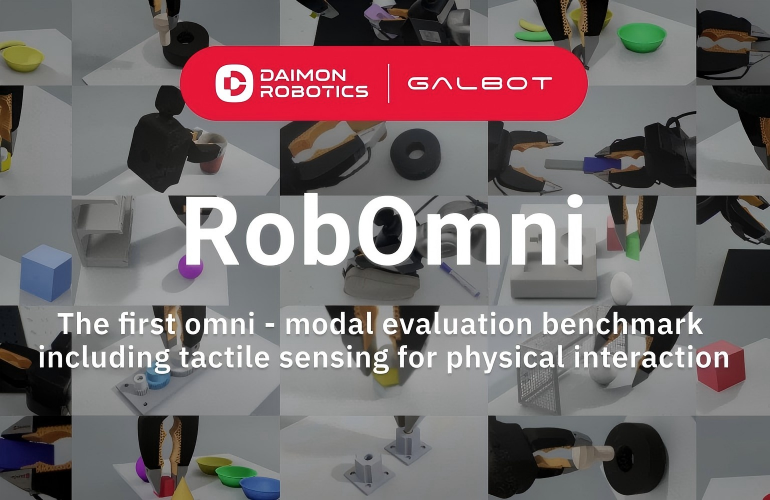
Daimon Robotics and Galbot jointly launches RobOmni for benchmarking tactile perception and dexterous manipulation
Daimon Robotics and Galbot have announced the launch of RobOmni, a new platform designed to benchmark tactile perception and dexterous manipulation in the field of embodied AI. This development marks a significant shift from traditional vision-centric approaches to a more comprehensive understanding of physical interactions. The collaboration aims to enhance the capabilities of robots in performing complex tasks that require fine motor skills and sensitivity to touch. The launch event took place recently, highlighting the growing importance of tactile feedback in robotics and its applications across various industries. By integrating advanced tactile sensing technologies, RobOmni is set to provide researchers and developers with the tools needed to push the boundaries of robotic dexterity and perception.
Sponsored Content
Consistency, not complexity, is the key to teaching robots dexterity, new research suggests
Researchers in the field of robotics are making significant strides in teaching robots to manipulate objects with humanlike dexterity, a challenge that has persisted for years. This endeavor involves enabling robots to perform complex tasks such as rotating objects in-hand and coordinating multiple arms to handle bulky items. These tasks demand constant adjustments in grip, contact, and motion, which have proven difficult to program effectively and to demonstrate through human teleoperation. The advancements in this area are crucial for improving the functionality and versatility of robotic systems, potentially transforming industries that rely on precise manipulation, such as manufacturing and healthcare. As of October 2023, ongoing research continues to explore innovative methods to enhance robotic dexterity, paving the way for more sophisticated applications in the future.
Robotics
XELA Robotics to Unveil New Major Tactile Sensor Capabilities at Automate 2026
Researchers have successfully developed advanced robotic fingertips equipped with sensitive nails, enabling precise grasping of extremely thin objects. This innovative technology, which was unveiled recently, features a universal manipulation interface that enhances the robot's ability to interact with various items. Additionally, the system includes improved magnetic interference compensation, allowing for more reliable handling of fragile objects. The advancements aim to address challenges in robotic dexterity and manipulation, making these robotic fingertips suitable for a range of applications, from delicate assembly tasks to intricate surgical procedures. This breakthrough represents a significant step forward in robotics, potentially transforming industries that require high precision and care in handling lightweight and fragile materials.
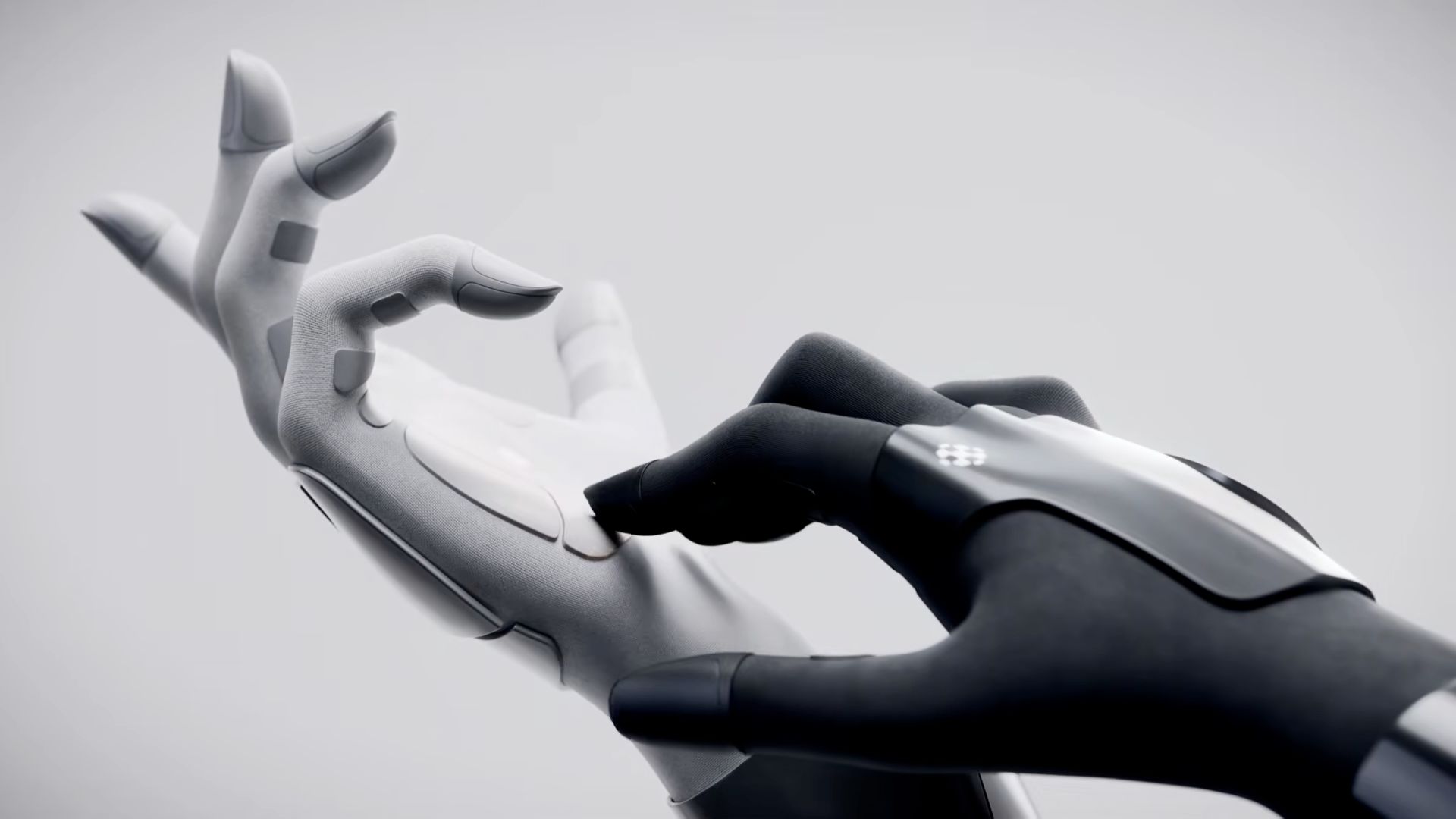
China’s new robotic hand combines hybrid actuation for smarter robot manipulation
Chinese robotics company Xynova has introduced its second-generation dexterous hand, designed to enhance the capabilities of humanoid robots. The unveiling took place recently, showcasing advancements in robotic technology that aim to improve the dexterity and functionality of robots in various applications. This innovation is part of Xynova's ongoing commitment to push the boundaries of robotics, addressing the growing demand for more sophisticated and versatile robots in industries such as manufacturing, healthcare, and service. The new hand features improved grip strength and precision, enabling robots to perform complex tasks with greater ease. By advancing robotic dexterity, Xynova seeks to facilitate the integration of humanoid robots into everyday environments, ultimately enhancing human-robot collaboration.
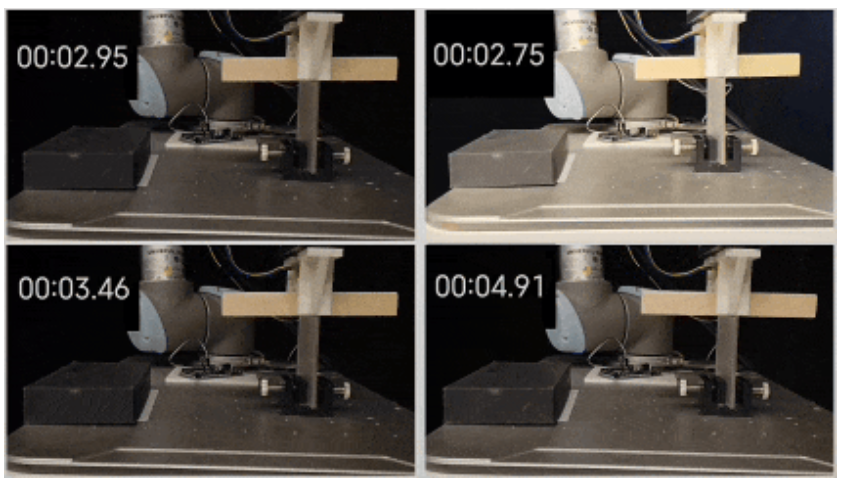
Breakthrough in Robotics: Robots Equipped with 'Fingertips' Outperform Humans in Balance Beam Challenge
A team of researchers from Hong Kong City University and Southern University of Science and Technology has unveiled an innovative tactile sensor named TAP, which allows robots to detect both the direction and magnitude of force. In a recent experiment involving a balance beam challenge, robots equipped with this technology completed tasks in just 2.4 seconds, achieving an impressive success rate of 81.5%. This performance not only highlights the advanced capabilities of the TAP sensor but also demonstrates a significant improvement over human participants in similar tasks. The development of TAP aims to enhance robotic dexterity and functionality, paving the way for more sophisticated applications in various fields.
Robotics Tactile Sensors AI Automation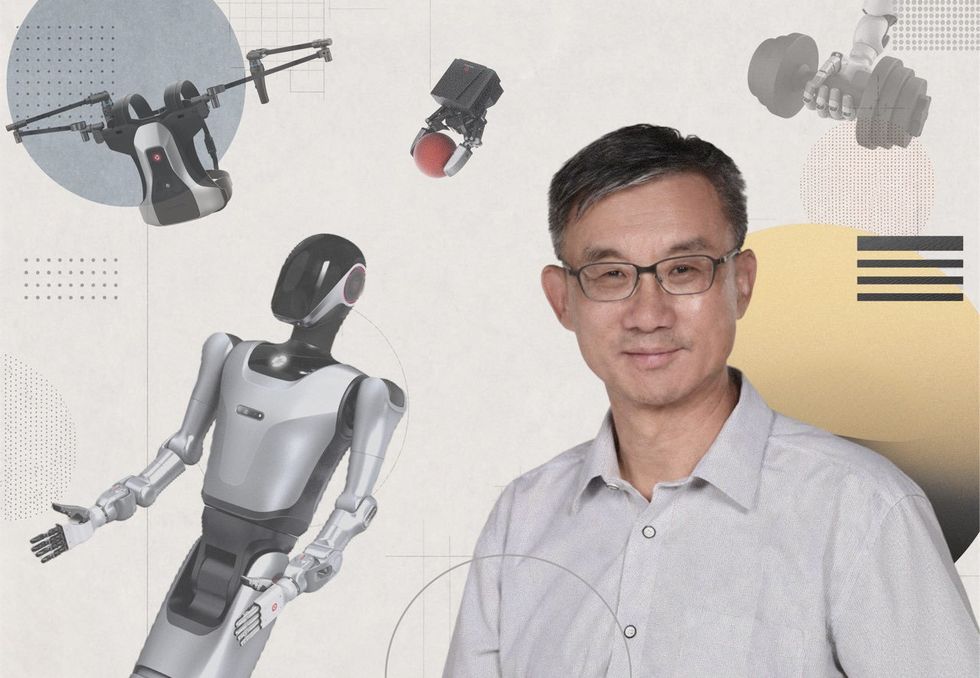
DAIMON Robotics Wants to Give Robot Hands a Sense of Touch
In April 2023, DAIMON Robotics, a Hong Kong-based company, launched Daimon-Infinity, touted as the world's largest omni-modal robotic dataset for physical AI. This extensive dataset, which includes high-resolution tactile sensing data from over 80 real-world scenarios and 2,000 human skills, aims to enhance robot manipulation capabilities across various tasks, from household chores to industrial assembly lines. The initiative is backed by collaborations with prominent partners, including Google DeepMind, Northwestern University, and the National University of Singapore. Prof. Michael Yu Wang, co-founder and chief scientist of DAIMON, emphasized the importance of tactile feedback in improving robotic dexterity, advocating for a shift from the traditional Vision-Language-Action (VLA) model to a more integrated Vision-Tactile-Language-Action (VTLA) framework. This transition is crucial for enabling robots to perform complex manipulation tasks effectively, especially in environments where visual data alone is insufficient. Recognizing a significant data gap in the robotics industry, DAIMON has committed to open-sourcing 10,000 hours of its dataset to support broader research and development efforts. The company aims to accelerate the deployment of embodied AI by providing high-quality tactile data, which is essential for training robots to interact with their surroundings more naturally and effectively. As the robotics landscape evolves, DAIMON's innovative approach positions it as a key player in advancing the capabilities of humanoid robots in real-world applications.
Type-sponsored Factory-robots Tactile-sensing Ai-models Embodied-intelligence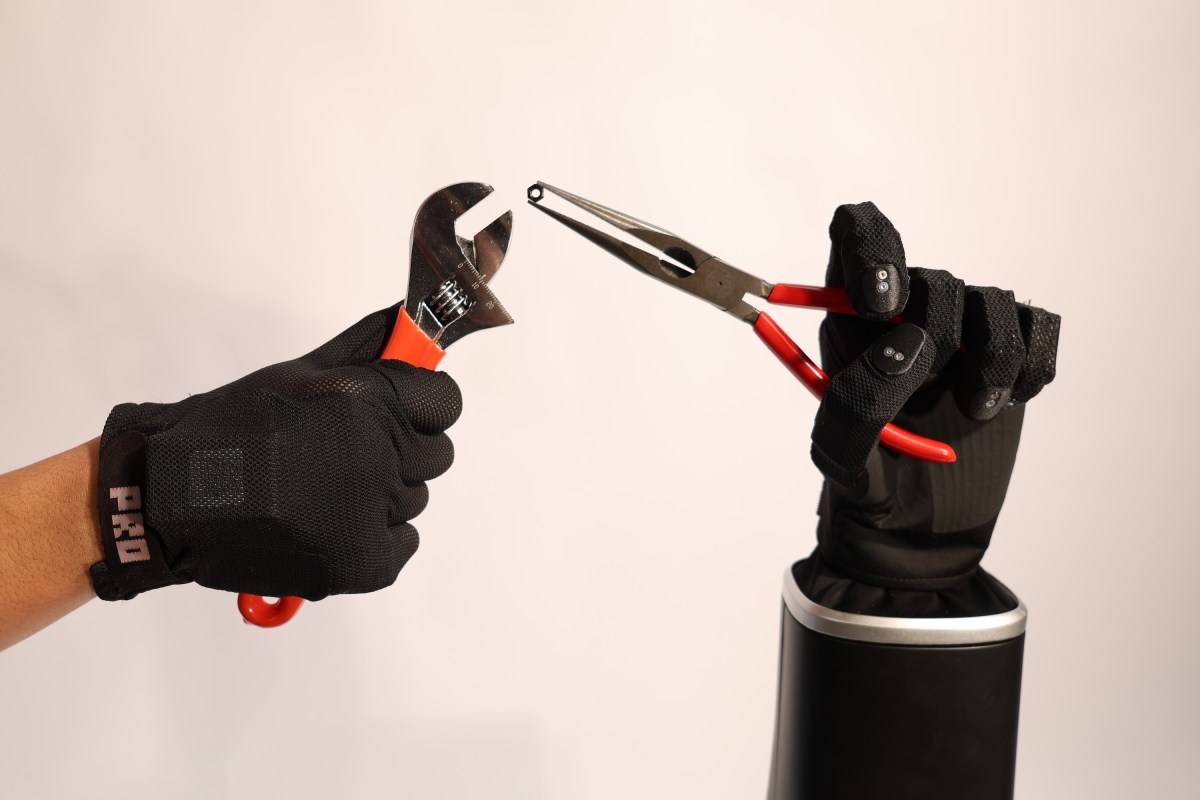
Robot hand company settles Tesla trade secret suit and announces $11M raise
Proception, a startup focused on advancing robotics, is innovating in the field of training data collection to address the complex challenges associated with robotic hand functionality. Established with the aim of enhancing robotic dexterity, the company is developing methods to gather and analyze data that will improve the performance of robotic hands. This initiative comes in response to the growing demand for more sophisticated and capable robotic systems in various industries. By leveraging cutting-edge technology and research, Proception aims to overcome the limitations currently faced in robotic manipulation, ultimately contributing to the evolution of robotics as a whole. The startup's efforts are expected to play a significant role in shaping the future of automation and robotics, particularly in applications requiring intricate hand movements.
AI Robotics Exclusive proception robotics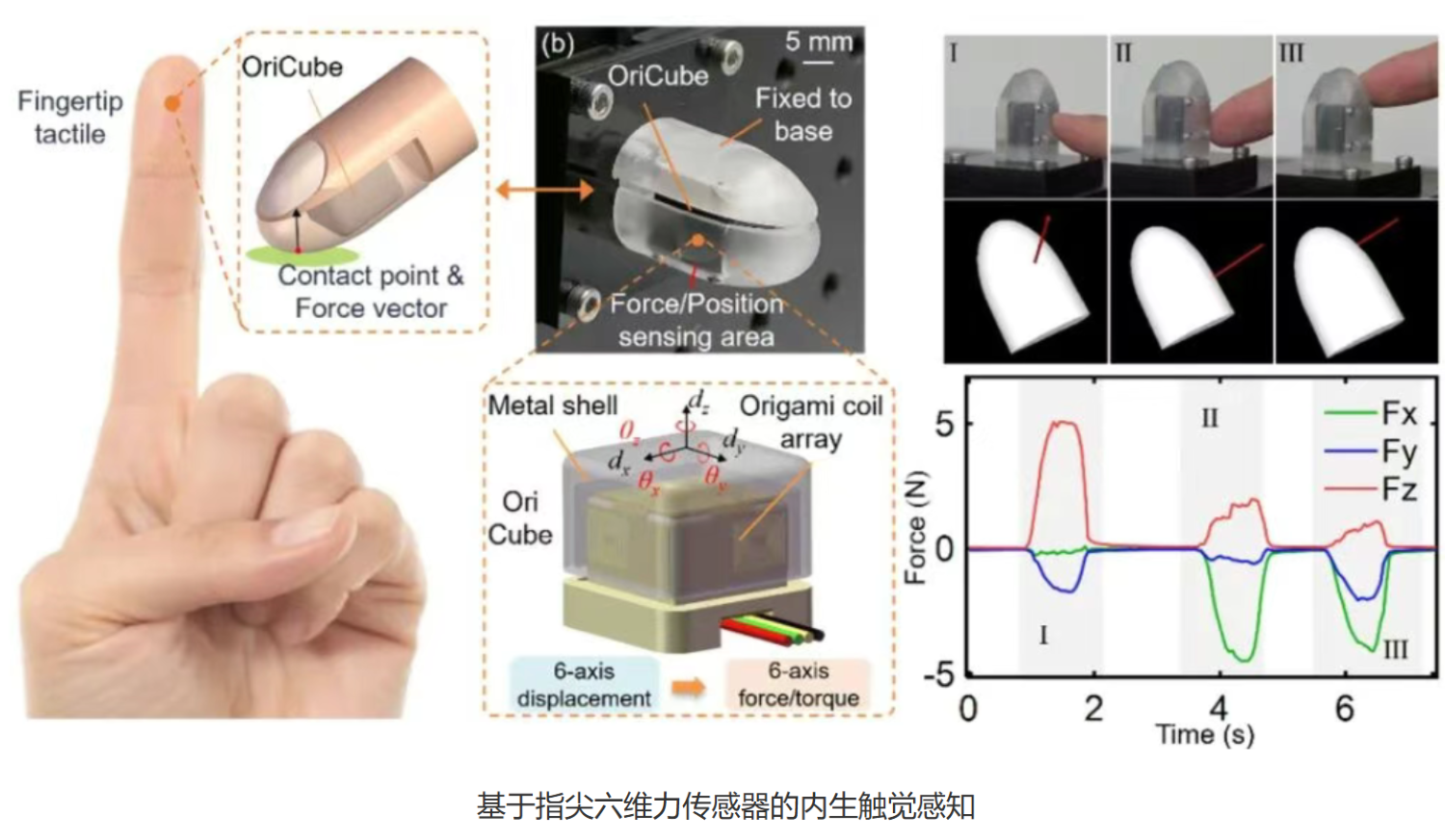
Chinese University Develops OriCube Sensor to Enhance Robot Tactile Sensitivity
Researchers from the University of Science and Technology of China have developed the OriCube, a compact six-dimensional force/moment sensor that mimics human fingertip sensitivity. Measuring just 14×14×12 mm and weighing 4 grams, it achieves a remarkable resolution of 3 millinewtons within a 23-newton range, allowing it to detect even the lightest touch, such as a feather. This innovation is significant as it addresses the limitations of current robotic tactile solutions, which often rely on electronic skin or array sensors that face challenges like complex wiring and data processing. By embedding the OriCube directly into the fingertips of robotic hands, the sensor captures minute force changes and calculates precise contact points and force vectors, offering a new approach to tactile perception in robotics. The OriCube has demonstrated low power consumption of 45 milliwatts, minimal crosstalk, and high measurement accuracy. Its ability to sense both delicate touches and withstand impacts positions it as a robust solution for enhancing robotic dexterity in uncertain environments. No further timeline was disclosed at the time of publication.
Robotics Tactile Sensors Force Sensing Artificial Intelligence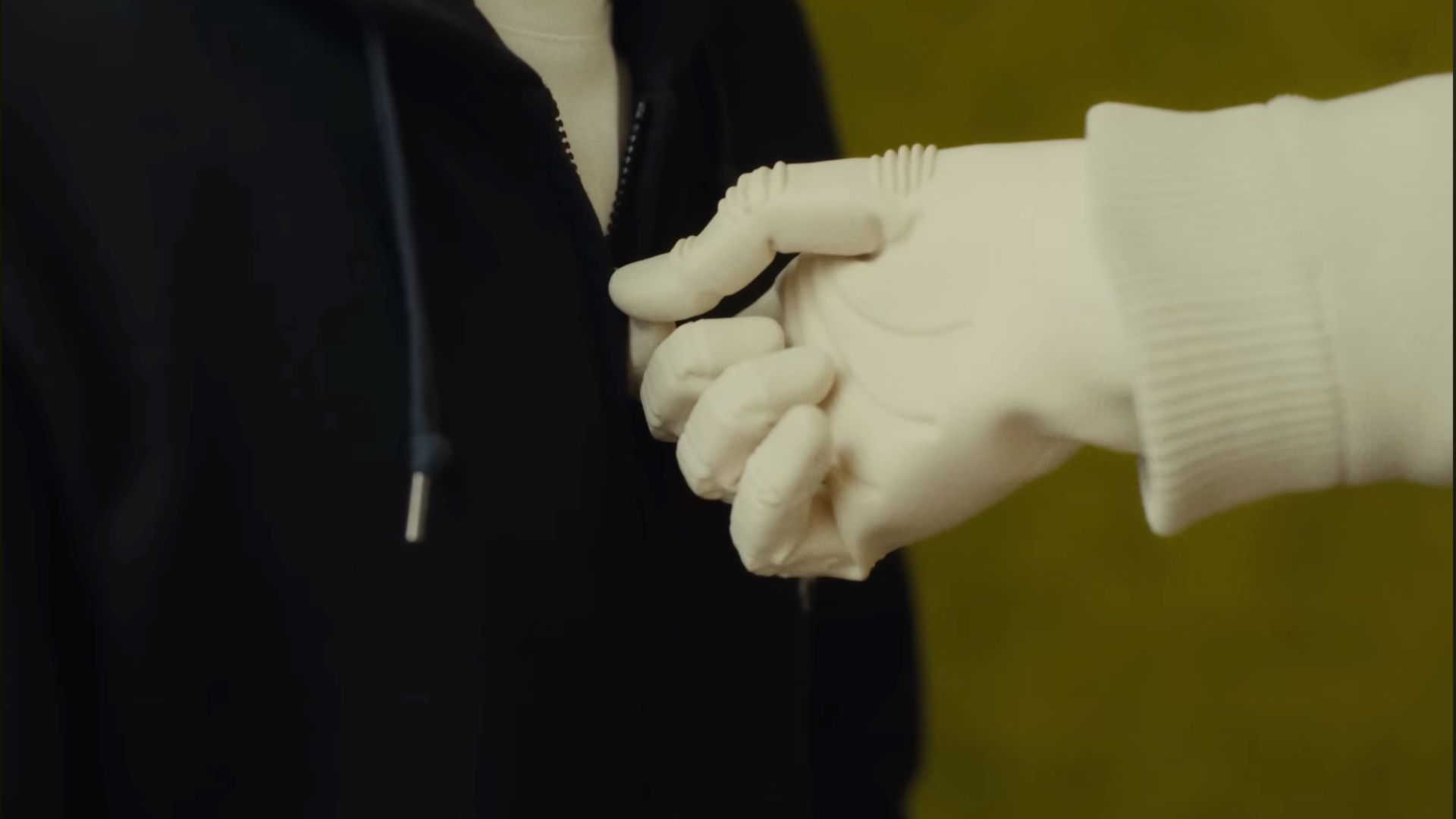
1X Enhances NEO Humanoid Robot with Advanced 25-DOF Hands for Versatile Tasks
Norwegian robotics firm 1X has introduced new 25-degree-of-freedom (DOF) tendon-driven hands for its NEO humanoid robot, marking a significant advancement in robotic dexterity. These hands feature 22 actuated joints across the fingers and palm, along with three at the wrist, enabling NEO to perform tasks such as assembling LEGO models and catching balls with precision and strength. The redesigned hands allow for force sensing and durability, overcoming previous hardware limitations in robotic manipulation. With a unique tendon-drive system and low gear ratios, the hands can detect contact forces and provide continuous proprioception, enhancing the robot's ability to manipulate objects safely and effectively. The hands' human-like joint distribution, particularly the opposable thumb, facilitates a wide range of fine manipulation tasks, making NEO suitable for various household applications. 1X has commenced mass production of the NEO robot at its new California facility, aiming to commercialize home robots for daily assistance. The company emphasizes the hands' combination of precision, strength, and safety features, including IP68 waterproofing and self-cleaning capabilities. No further timeline was disclosed at the time of publication.
AI and Robotics
Rough demos unlock precise robot actions, with up to fourfold real-world gains
Advancements in robotics are leading to the development of highly dexterous robots that are becoming integral to both daily life and industrial applications. These robots are capable of performing intricate tasks, such as assembling small components for smartphones and aiding surgeons during operations. However, the traditional method of training these robots to replicate delicate human movements has been labor-intensive and costly, requiring extensive data collection at precise time intervals. This challenge has prompted researchers to seek more efficient training methods to enhance the capabilities of robotic systems, ultimately aiming to reduce the time and financial burden associated with their development. As the demand for precision in various sectors grows, the evolution of robotic dexterity is expected to play a crucial role in improving efficiency and effectiveness across multiple fields.
Robotics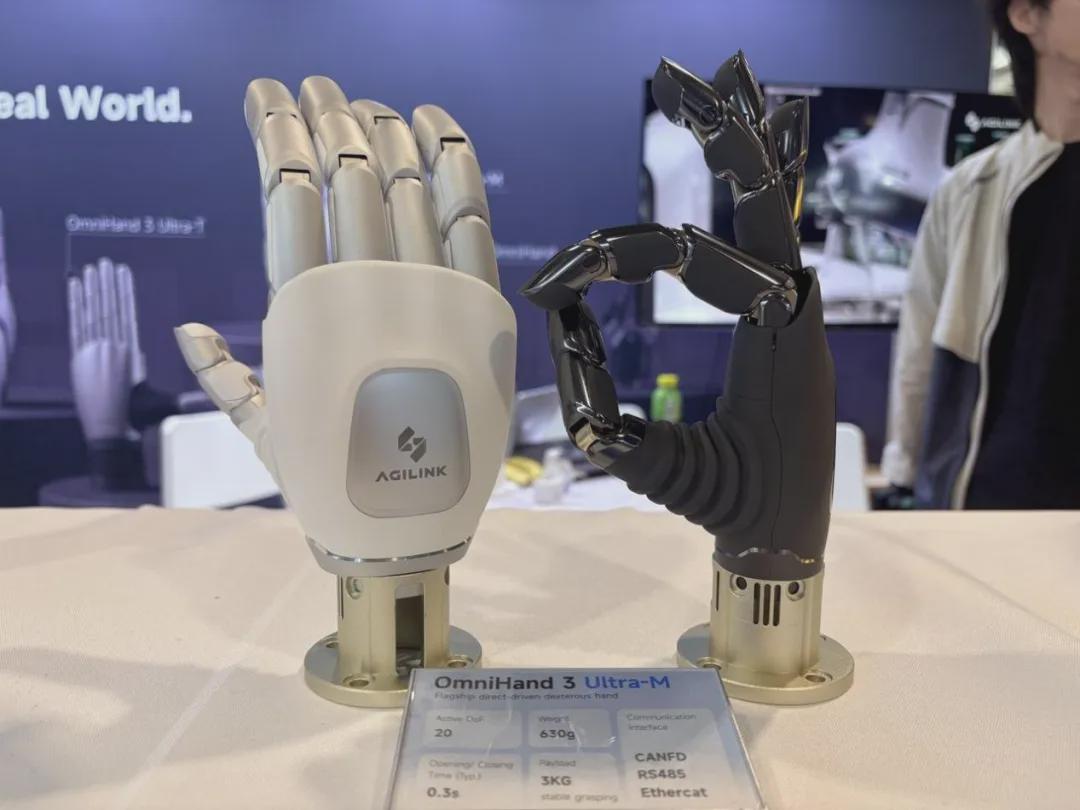
Why Capital is Intensely Investing in AGILINK? The Answer Lies Beyond Just Dexterous Hands
AGILINK, a company specializing in dexterous manipulation, has reached unicorn status in a remarkable five-month timeframe, completing four funding rounds and achieving a valuation exceeding $1 billion. This rapid ascent in the embodied intelligence sector underscores the confidence of both financial and strategic investors in AGILINK's innovative approach, which combines hardware and software to improve robotic dexterity and intelligence. The swift success highlights a growing interest in advancements in robotics and automation, as the company positions itself at the forefront of technological development in this field.
Dexterous Manipulation Embodied Intelligence Robotics Technology Investment Trends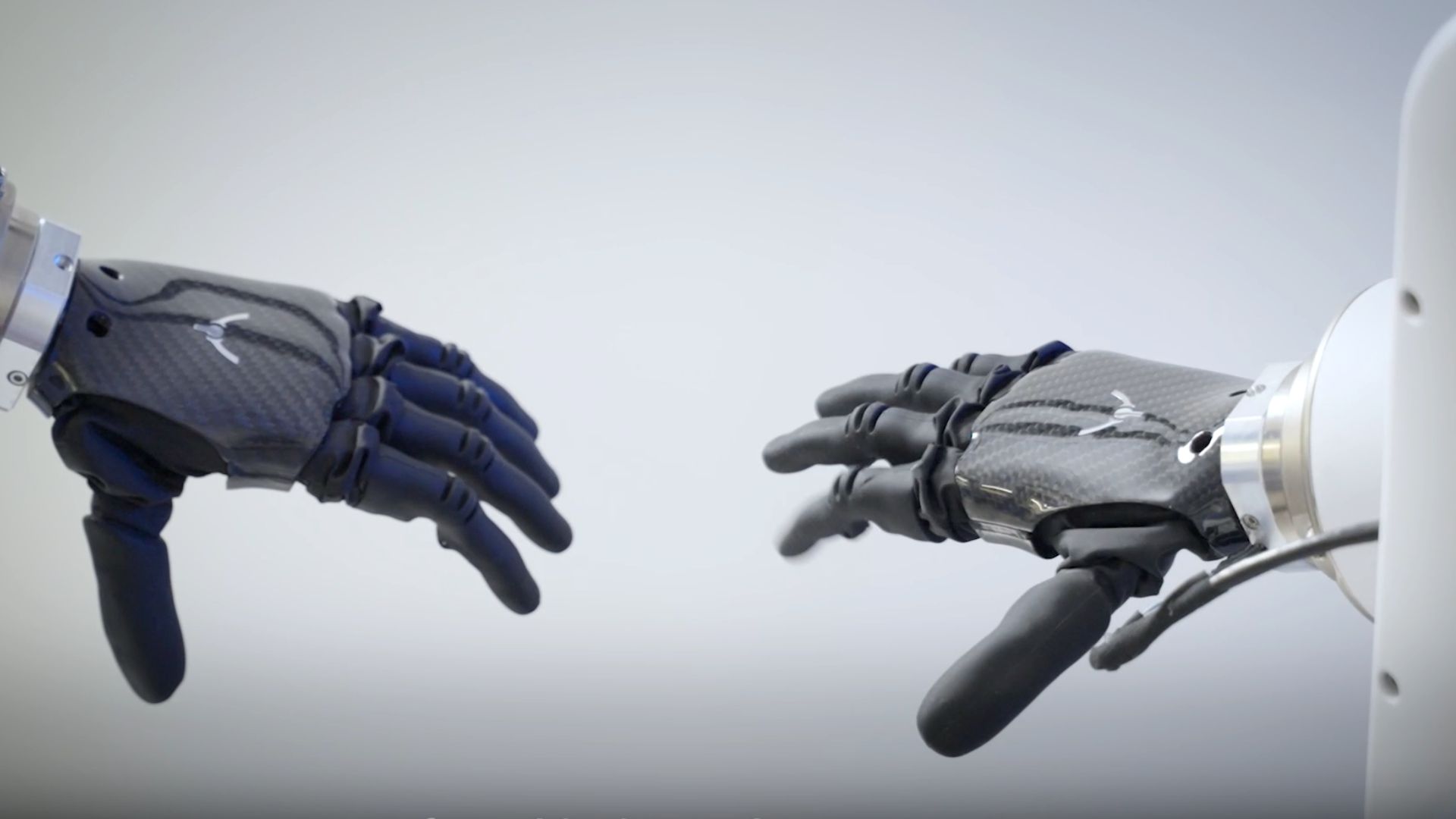
Prosthetic hands’ data helps robots get finer control for precise manipulation
ABB Robotics has announced a collaboration with California-based bionic company PSYONIC to enhance the development of more dexterous robotic systems. This partnership aims to leverage PSYONIC's expertise in bionic technology to create advanced robotic solutions that can perform intricate tasks with greater precision and adaptability. The initiative is part of ABB's ongoing commitment to innovation in robotics, seeking to address the growing demand for versatile robotic applications across various industries. The collaboration was officially unveiled in October 2023, marking a significant step forward in the integration of bionic technology into robotic systems. By combining their strengths, both companies hope to push the boundaries of what is possible in robotic dexterity, ultimately improving efficiency and productivity in sectors such as manufacturing, healthcare, and beyond.
AI and Robotics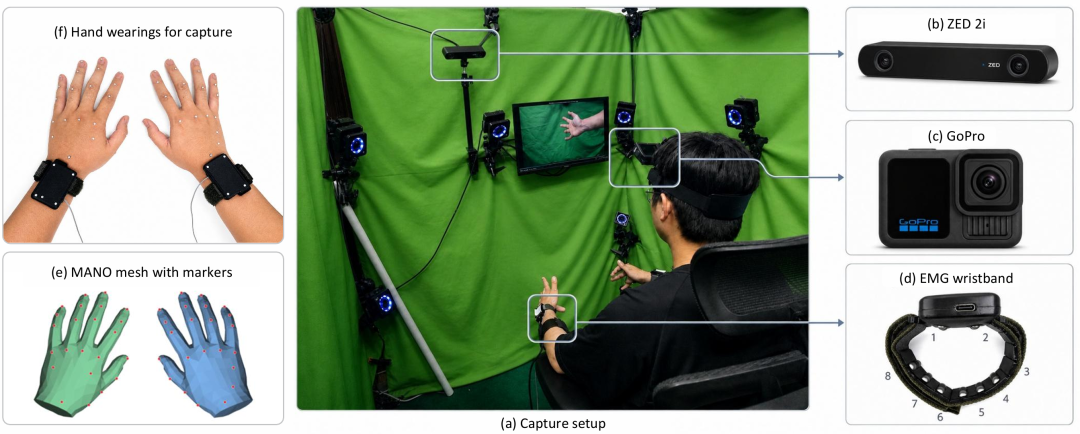
Tsinghua University and Shouyi Technology Launch EgoEMG Dataset for Hand Pose Estimation
Researchers from Tsinghua University and Shouyi Technology have unveiled the EgoEMG dataset, marking a significant advancement in the field of hand pose estimation. This innovative dataset is the first of its kind to publicly integrate electromyography (EMG), visual, depth, and motion data, providing a comprehensive resource for studying hand movements. Released in October 2023, the dataset aims to enhance embodied intelligence by offering precise data on hand operations. Its development is expected to facilitate progress in robotic dexterity through multimodal learning techniques, ultimately bridging existing gaps in the understanding of human-like manipulation in robotics.
Hand Pose Estimation EMG Technology Multimodal Data Robotics Artificial Intelligence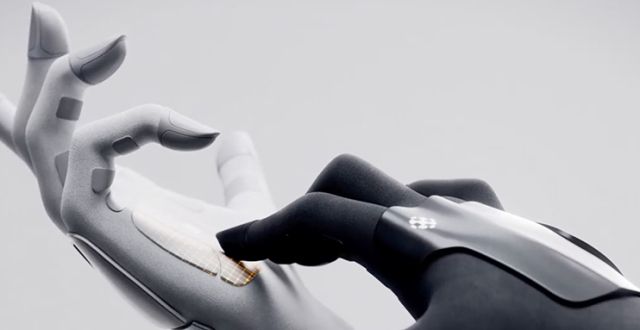
Xynova Unveils Hybrid-Driven Gen-2 Dexterous Hand for Humanoid Robots
Xynova has unveiled its second-generation hybrid-driven dexterous hand, aimed at enhancing the manipulation capabilities of humanoid robots to perform real-world tasks with human-like intelligence. This innovative technology represents a significant advancement in robotics, allowing for more precise and adaptable interactions with various objects and environments. The release, which took place in October 2023, underscores Xynova's commitment to pushing the boundaries of robotic dexterity and intelligence. By integrating advanced engineering and artificial intelligence, the company seeks to address the growing demand for robots that can seamlessly integrate into everyday life and work alongside humans.
HumanoidRobotics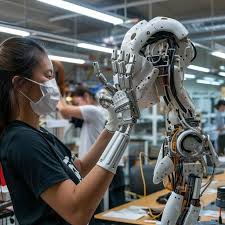
SynapX Launches SYNData: Multimodal Data Collection System for Embodied AI Era
SynapX has introduced SYNData, an innovative multimodal data collection system designed to enhance dexterous manipulation capabilities. Launched recently, this system integrates ego vision, electromyography (EMG) signals, and data from exoskeleton gloves, facilitating the scalable collection of human manipulation data essential for advancing robot learning. The development aims to improve the interaction between humans and robots, ultimately contributing to more sophisticated robotic applications in various fields. By harnessing diverse data sources, SYNData promises to provide valuable insights that can drive the evolution of robotic dexterity and functionality.
Robotics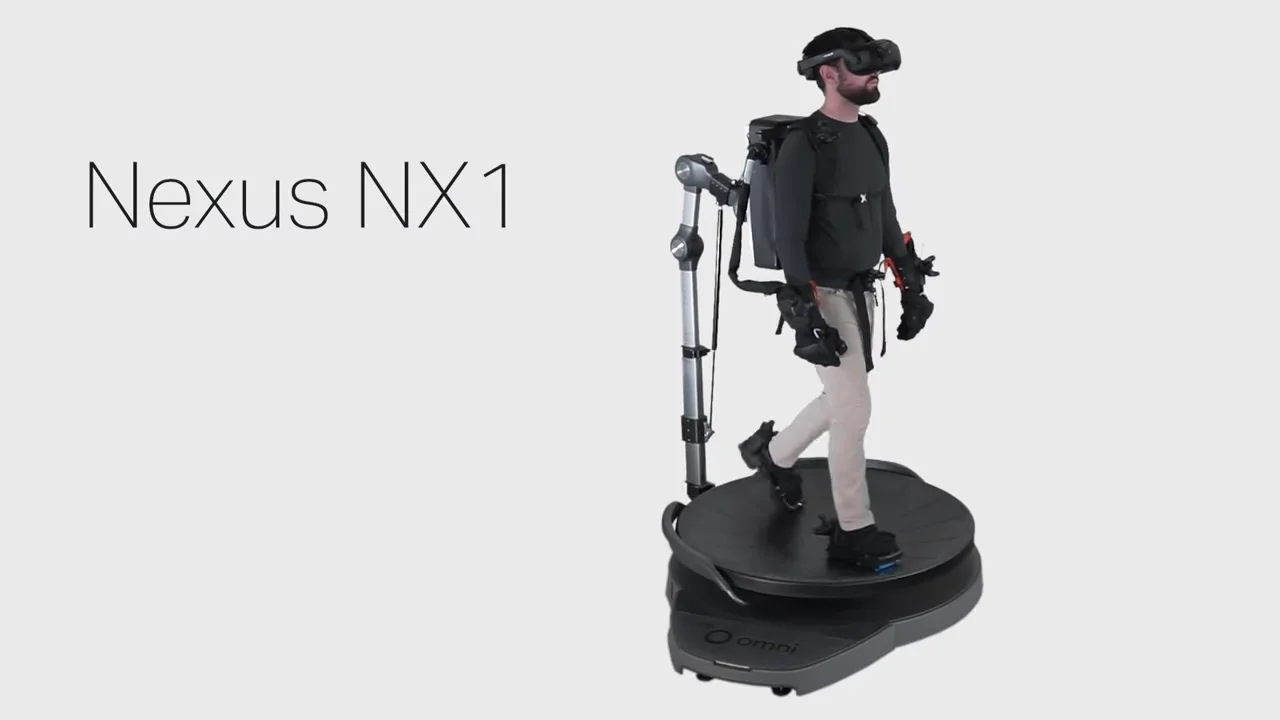
1HMX Enters the Humanoid Data Race with a High-Fidelity Teleoperation Rig
A new training system, the Nexus NX1, has been launched, combining HaptX gloves and Virtuix treadmills to create a comprehensive solution aimed at enhancing robotic dexterity training. This innovative system is designed to provide realistic haptic feedback, which developers believe is crucial for improving the skills necessary for operating robots effectively. The Nexus NX1 is positioned as a "turnkey" solution, simplifying the training process for users. The introduction of this system comes as the demand for advanced training tools in robotics continues to grow, reflecting the industry's push towards more immersive and effective learning experiences.
teleoperation 1HMX
The Dexterity Debate: Roboticists Clash Over the Future of Humanoid Hands-On Work
Renowned roboticist Rodney Brooks has raised concerns about the future of humanoid robots, asserting that their inability to achieve true dexterity is primarily due to insufficient touch sensing capabilities. This assertion has ignited a debate within the robotics community, as other experts argue that even with limited dexterity, these robots can still provide significant value and functionality. The discussion highlights differing perspectives on the potential and direction of humanoid robotics, emphasizing the need for advancements in sensory technology to enhance robot performance. As the industry evolves, the implications of these contrasting views will shape the development of future robotic systems.
humanoid-robots Dexterity AI automation robotics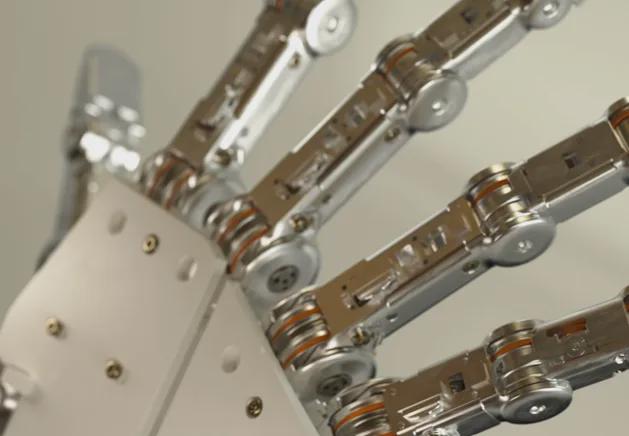
1X Launches Neo Robotic Hand Featuring 25 Degrees of Freedom and Force Transparency
On July 9, 2026, 1X, a unicorn supported by OpenAI, unveiled the Neo robotic hand designed for humanoid robots. This advanced hand boasts 25 degrees of freedom, enabling it to perform a wide range of human-like tasks, such as delicately picking grapes without crushing them and lifting weights up to 20 pounds. The innovative design incorporates a tendon-driven system that enhances dexterity and responsiveness. The significance of the Neo robotic hand lies in its unique 'Force Transparency' technology, which allows for bidirectional communication between the hand and its environment. Unlike traditional robotic hands that operate with high gear ratios, the Neo hand utilizes a low gear ratio of approximately 5:1 to 15:1, enabling it to provide real-time feedback on applied forces. This design not only enhances the hand's functionality but also improves the training of AI models by providing rich physical interaction data. Looking ahead, while the Neo hand addresses fundamental perception challenges, real-world complexities remain a concern. The hand must operate effectively in various domestic environments, where it may encounter grease, sauces, or dust. Ensuring safety during interactions with children and maintaining functionality in challenging conditions will be critical for the widespread adoption of this technology. No further timeline was disclosed at the time of publication.
Robotic Hands Humanoid Robots AI Tactile Sensors Robotics Technology
Kawasaki Robotics and Dexterity Expand Collaboration to Scale Physical AI for Warehouse Logistics
Kawasaki Robotics has unveiled the RL030N, an advanced 8 DoF (degrees of freedom) robot arm platform that integrates cutting-edge industrial robot engineering with Dexterity's Mech hardware and Foresight World Model technology. This innovative platform aims to enhance automation capabilities across various industries by providing greater flexibility and precision in robotic tasks. The announcement was made during a recent technology expo held in Tokyo, showcasing the latest advancements in robotics and automation. By combining expertise from multiple sectors, the RL030N is designed to meet the growing demand for sophisticated robotic solutions that can adapt to complex environments and tasks. The collaboration between these industry leaders highlights a commitment to pushing the boundaries of what robotic systems can achieve, ultimately aiming to improve efficiency and productivity in manufacturing and other applications.
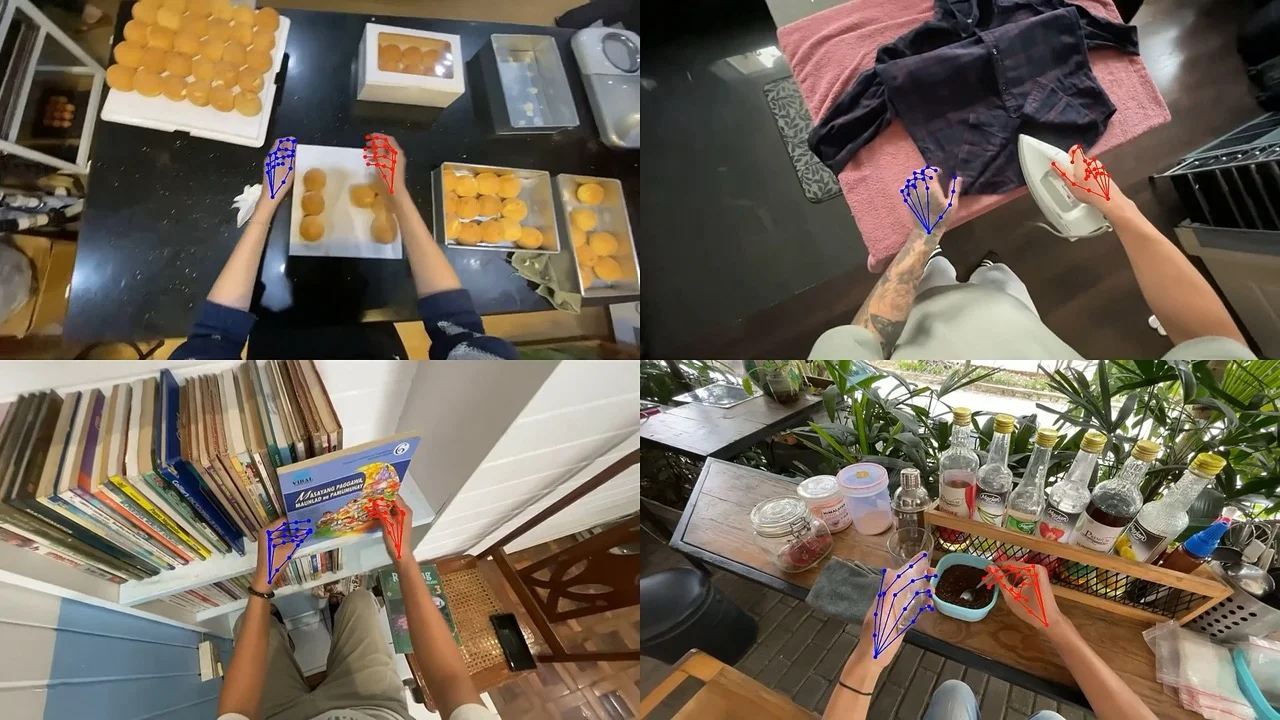
The Human Scale: NVIDIA’s EgoScale Unlocks High-Dexterity Robotics via 20,000 Hours of Human Video
NVIDIA researchers have introduced EgoScale, an innovative framework designed to enhance robotic capabilities in complex manipulation tasks. This development utilizes an extensive dataset comprising 20,854 hours of egocentric human activity, allowing robots to learn intricate skills with minimal reliance on direct robot-in-the-loop data. The announcement was made recently, showcasing how EgoScale can significantly improve the efficiency and effectiveness of robotic training processes. By harnessing this vast dataset, the framework aims to bridge the gap between human-like dexterity and robotic performance, ultimately advancing the field of robotics and its applications in various industries.
NVIDIA SharpaWave open-source Research Sharpa Robotics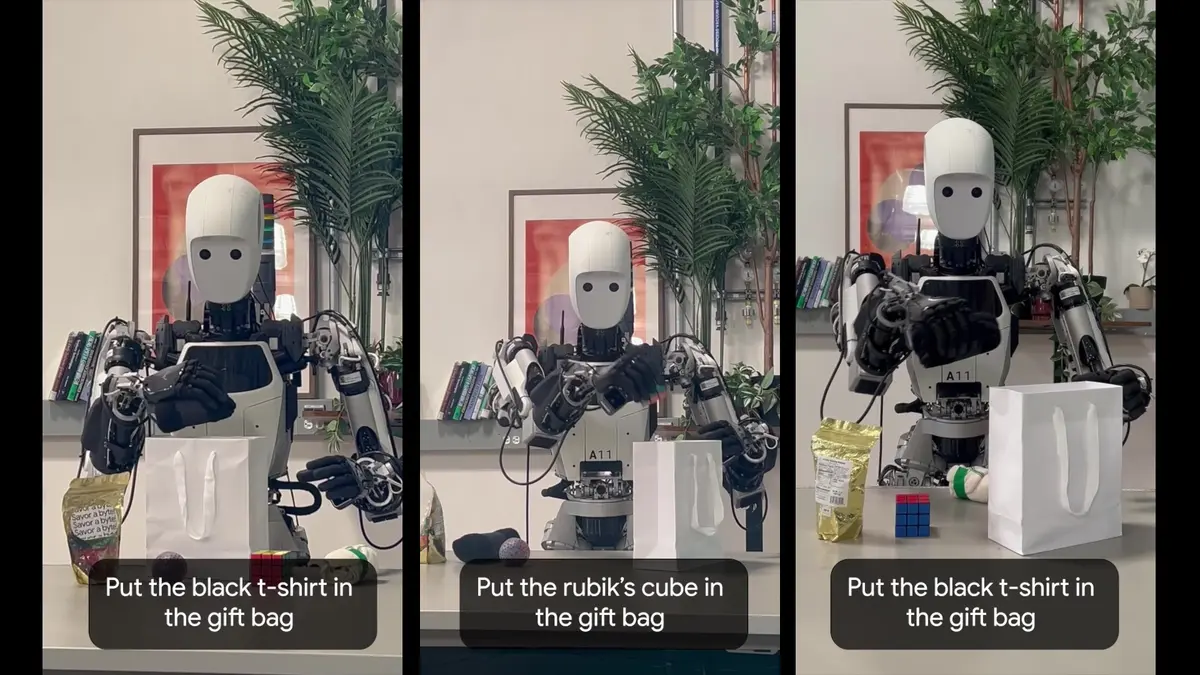
Google DeepMind Unveils On-Device Gemini Robotics, Pushing AI Closer to Autonomous Dexterity
Google DeepMind has introduced Gemini Robotics On-Device, a cutting-edge vision-language-action model that operates directly on robotic hardware. This innovative technology is designed to enhance the performance of autonomous robots by minimizing latency and increasing robustness across diverse environments. By enabling advanced dexterous manipulation, Gemini Robotics On-Device aims to equip a new generation of robots with the ability to quickly adapt to various tasks. The launch marks a significant step forward in the development of more efficient and capable robotic systems, reflecting DeepMind's commitment to pushing the boundaries of artificial intelligence in practical applications.
vla Apollo AI Humanoids Apptronik google-deepmind
BeingBeyond Unveils Being-M0.7: A Revolutionary Humanoid Robot for Mobility and Dexterity
On July 15, BeingBeyond officially launched the Being-M0.7, the world's first full-body mobile operation implicit world action model (Latent WAM). This model enables robots not only to 'see' the world but also to 'understand' how it operates, facilitating full-body movements and dexterous actions. It connects visual perception with physical interaction, allowing robots to exhibit human-like coordination. The significance of Being-M0.7 lies in its ability to learn from over 10,000 hours of human first-person video pre-training, enabling it to predict physical changes based on implicit visual and motion information. Before executing commands, the model learns three core capabilities: visual context understanding, future state prediction, and implicit representation of humanoid kinematics. This foundational understanding precedes its ability to control movements. Looking ahead, BeingBeyond's advancements in implicit world action models are noteworthy. The Being-M0.7 expands the capabilities of previous models, transitioning from desktop dexterous tasks to full-body mobile operations. Future demonstrations will likely showcase the robot's understanding of physical interactions and its ability to perform complex tasks autonomously, marking a significant step in humanoid robotics development.
Humanoid Robots Robotic Mobility AI Machine Learning
Interview with Yoshike: Honda's robotic research continues with a new multi-fingered hand surpassing human dexterity.
Honda Research Institute showcased its latest multi-fingered robotic hand at the Humanoids Summit Tokyo 2026, held in Takanawa, Tokyo. This event highlighted the ongoing evolution of Honda's humanoid robotics, continuing the legacy of its renowned ASIMO robot. The demonstration aimed to illustrate Honda's commitment to advancing robotics technology and exploring future possibilities in human-robot interaction. The innovative design of the robotic hand is expected to enhance the functionality and versatility of humanoid robots, marking a significant step in the company's research and development efforts.
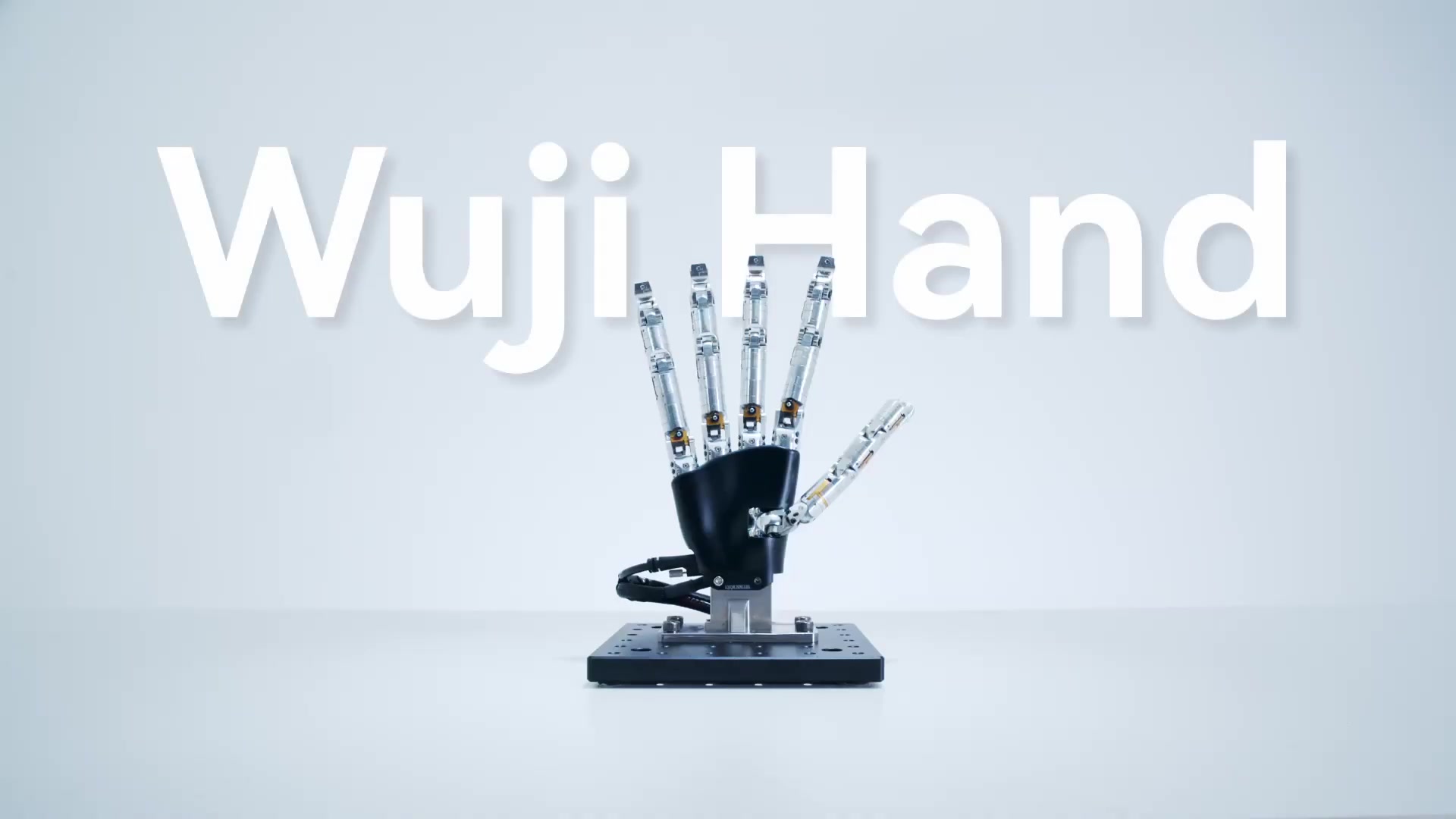
Wuji Tech Reveals High-Dexterity Robotic Hand for Humanoid Applications
Wuji Tech, a technology company based in Shenzhen, has introduced its first-generation robotic hand, which features a lightweight design and 20 degrees of freedom. This innovative manipulator is specifically engineered for humanoid robots, aiming to deliver high performance while remaining cost-effective. The launch of this advanced robotic hand marks a significant advancement in robotics technology, catering to the growing demand for more versatile and efficient robotic solutions.
Dexterity hand Wuji Tech
Kirisense wins funding to develop robotic fingertips that can sense touch and slip
Kirisense, a UK robotics startup, has received funding from the Henry Royce Institute to advance its development of tactile sensing technology aimed at enhancing robots' sense of touch to more closely resemble that of humans. This initiative, part of the Henry Royce Institute’s Industrial Collaboration Programme, is being executed in collaboration with the University of Sheffield. The project will concentrate on creating robotic fingertips that can provide a more nuanced and sensitive interaction with their environment, potentially revolutionizing the field of robotics by improving the dexterity and functionality of robotic systems.
News Sensors advanced automation advanced materials artificial intelligence automation news
Why you should combine robot dexterity with mechanical positioning for complex assembly operations
Experts in robotics are increasingly emphasizing the significance of mechanical positioning in enhancing machine mobility, range, and speed. This recognition comes as industries seek to improve efficiency in complex assembly operations. The integration of robot dexterity with advanced mechanical positioning techniques is seen as a crucial step towards achieving more effective and precise automation solutions. By optimizing these elements, manufacturers can streamline their processes, reduce errors, and ultimately boost productivity. The insights were shared in a recent article on The Robot Report, highlighting the growing trend of combining these technologies to meet the demands of modern manufacturing environments.
Arms / Manipulators Assembly Industrial Robots Manufacturing Markets / Industries Motion Control
RLWRLD and Nvidia launch DexBench to standardize humanoid robot dexterity
RLWRLD, a company specializing in physical AI, has partnered with Nvidia to establish new industry standards for humanoid robot artificial intelligence. This initiative, announced recently, aims to enhance the capabilities of humanoid robots through three key components. The first is DexBench, a universal benchmark designed to assess dexterity performance in robotic systems. The second component focuses on creating a standardized data framework for training robots in dexterous manipulation. Lastly, the collaboration will ensure deep integration with Nvidia's open-source platforms, Isaac Lab and Isaac Lab-Arena, facilitating advanced development and testing of robotic technologies. This initiative is set to advance the field of robotics by providing essential tools and standards for evaluating and improving robot dexterity and functionality.
Computing Software automation news DexBench dexterous manipulation embodied ai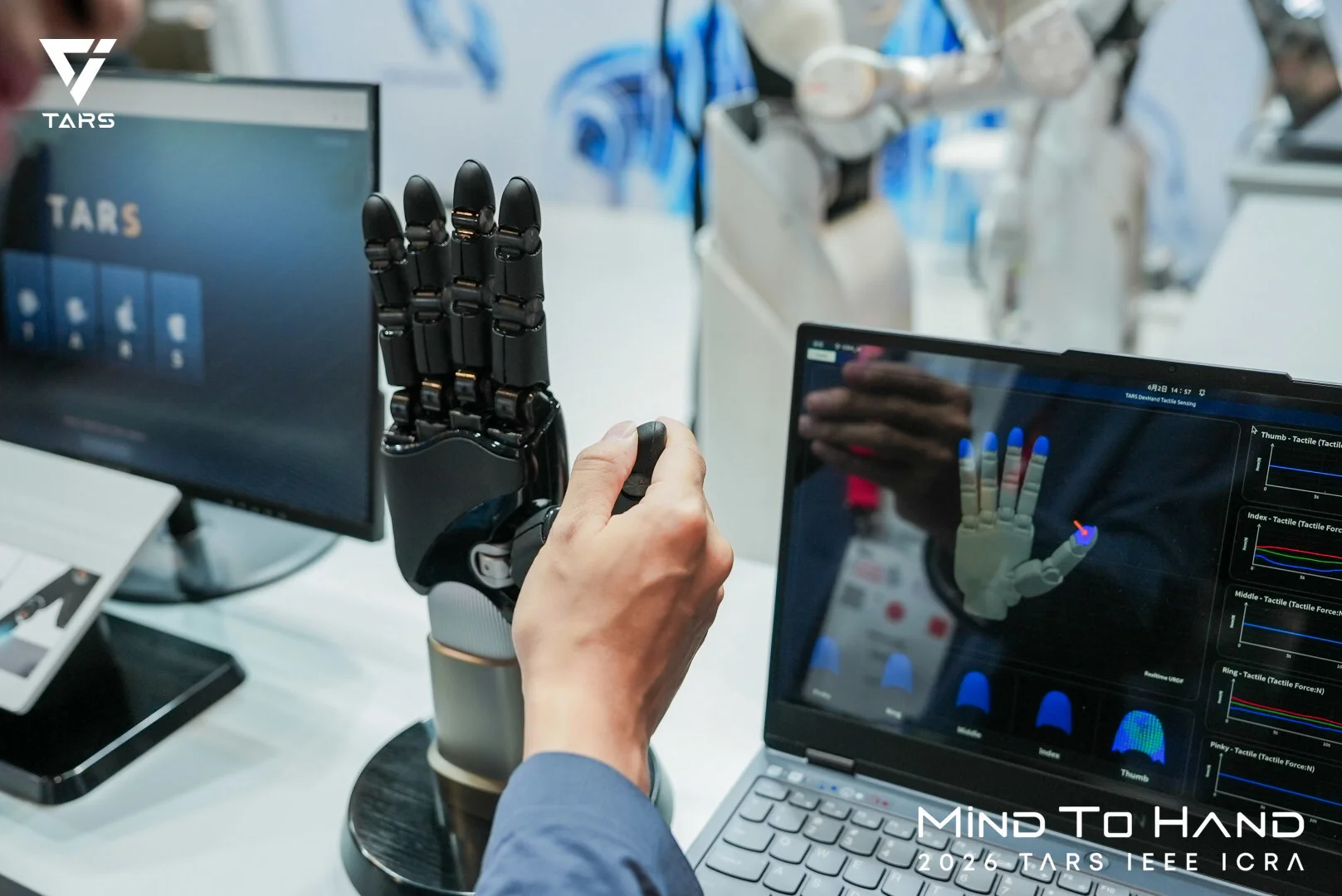
China’s TARS Debuts Humanoid Robotic ‘DexHand’
TARS, a Chinese humanoid robotics company, has unveiled its latest innovation, the DexHand robotic hand, during a demonstration at the ICRA 2026 conference held in Vienna last week. This advanced system aims to closely mimic the structure and movement of the human hand, showcasing its capabilities through real-time sign-language gestures and mirror-control interactions. The demonstration highlighted the platform's dexterity, emphasizing TARS's commitment to advancing human-robot interaction and enhancing the functionality of robotic systems.
AI AI Use Cases Robotics Uncategorized China DexHand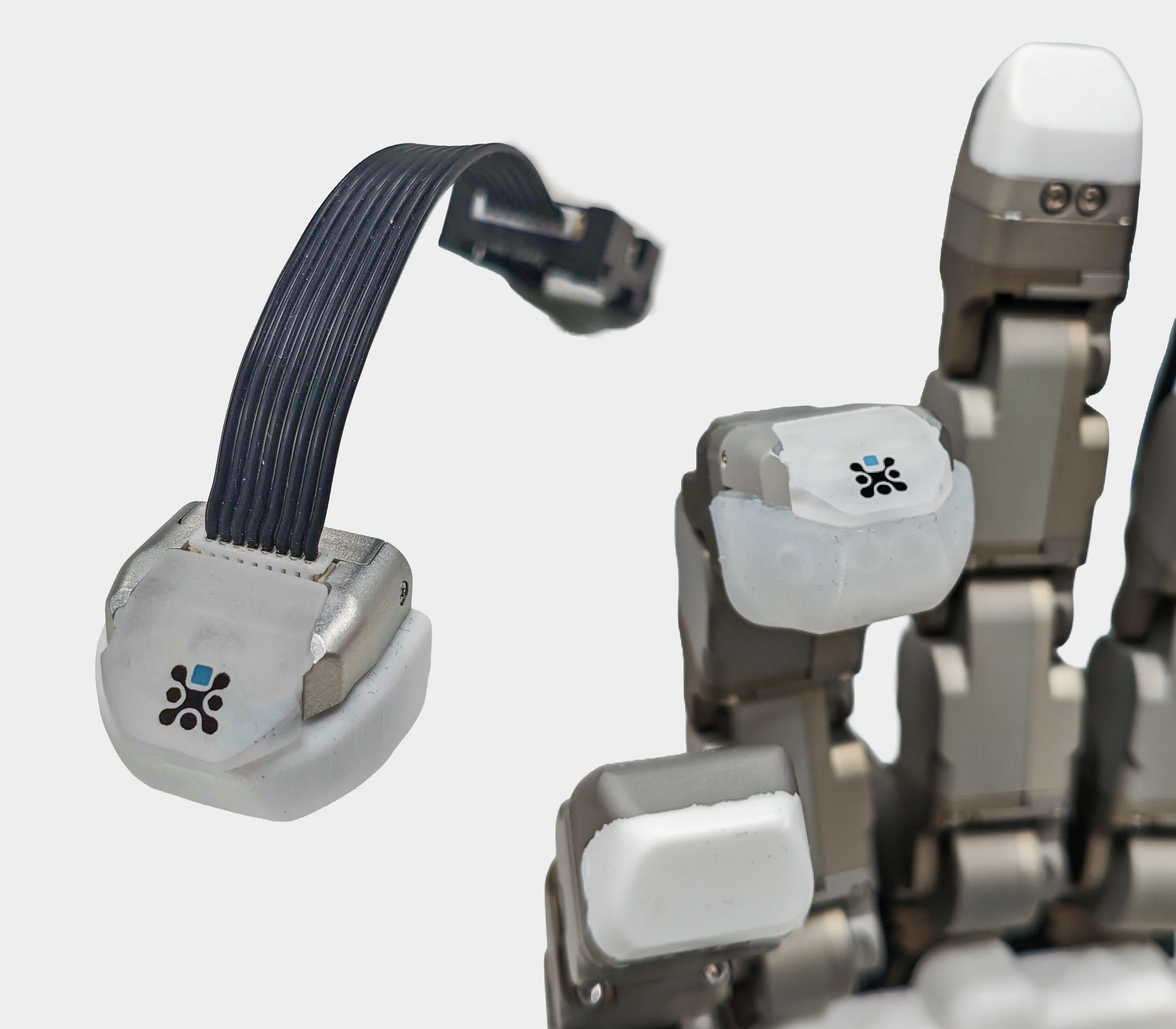
Giving the Robot Fingerprints: XELA Robotics Shrinks Sensors for Tesollo Hand Integration
Waseda University has announced a significant advancement in tactile sensor technology, unveiling a roadmap for the development of higher-density sensors. This innovation is set to enhance the capabilities of the Tesollo DG-5F hand, a robotic device designed for improved dexterity and sensitivity. The announcement, made in October 2023, highlights the university's commitment to pushing the boundaries of robotics and sensor integration. By increasing the density of tactile sensors, researchers aim to provide more nuanced feedback, which is crucial for applications in robotics, prosthetics, and human-computer interaction. This integration is expected to lead to more responsive and adaptable robotic hands, ultimately improving user experience and functionality in various fields.
hand xela-robotics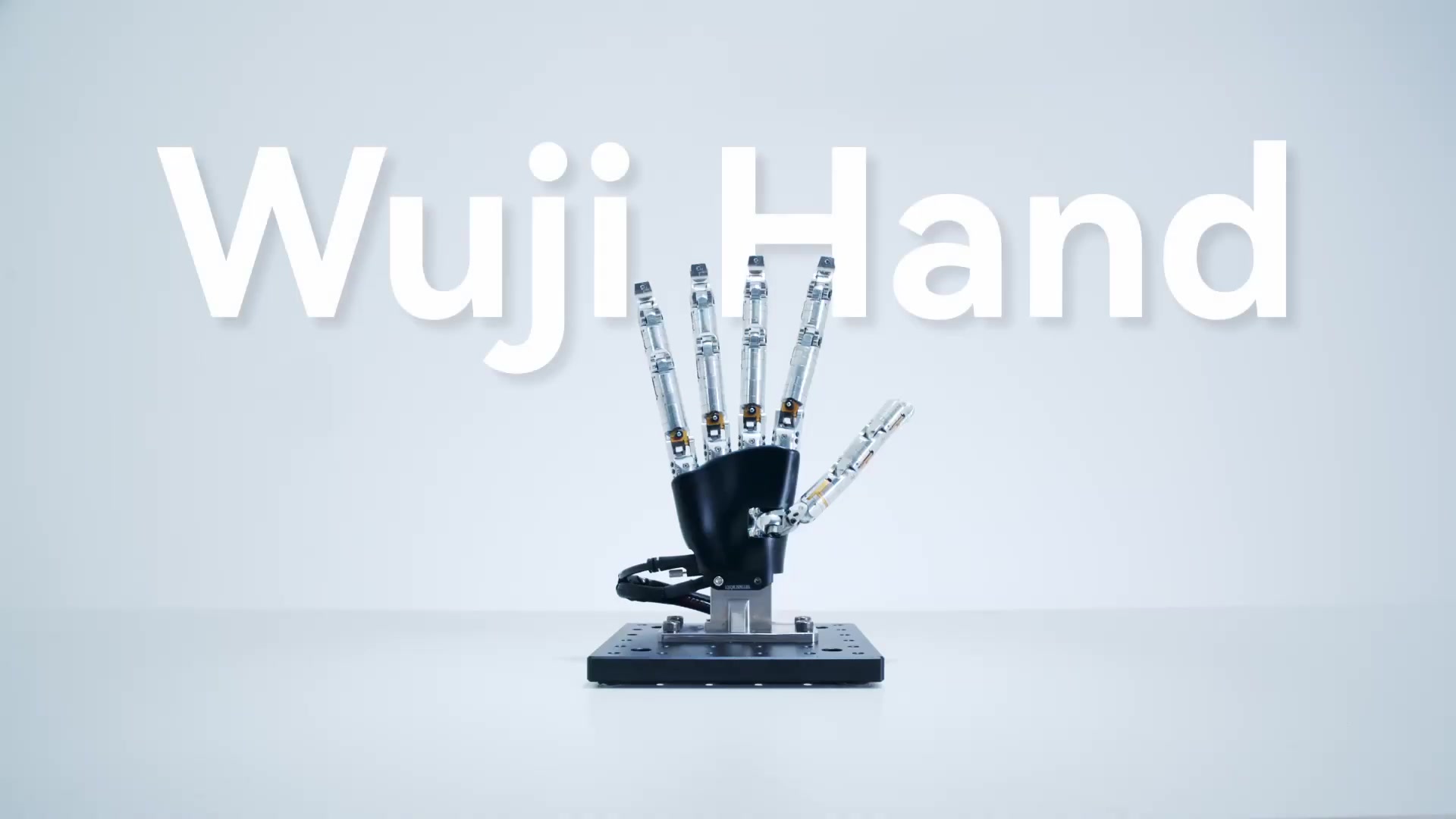
Experts Weigh In on Wuji Tech’s Robotic Hand: A “Remarkably Robust” Direct-Drive Contender
Humanoid robotics expert Scott Walter and hand surgeon Gustav Andersson have commended the innovative 20-degree-of-freedom (20-DOF) robotic hand developed by China's Wuji Tech. Their analysis highlights the device's direct-drive actuation, which represents a significant advancement over traditional tendon-based systems. This breakthrough is seen as a critical step in bridging the gap between simulated environments and real-world applications in robotics. The evaluation underscores the potential of this technology to enhance the functionality and dexterity of robotic hands, paving the way for more effective integration into various fields, including medical applications and rehabilitation.
actuation Dexterity humanoid robotics robotic hand Wuji Tech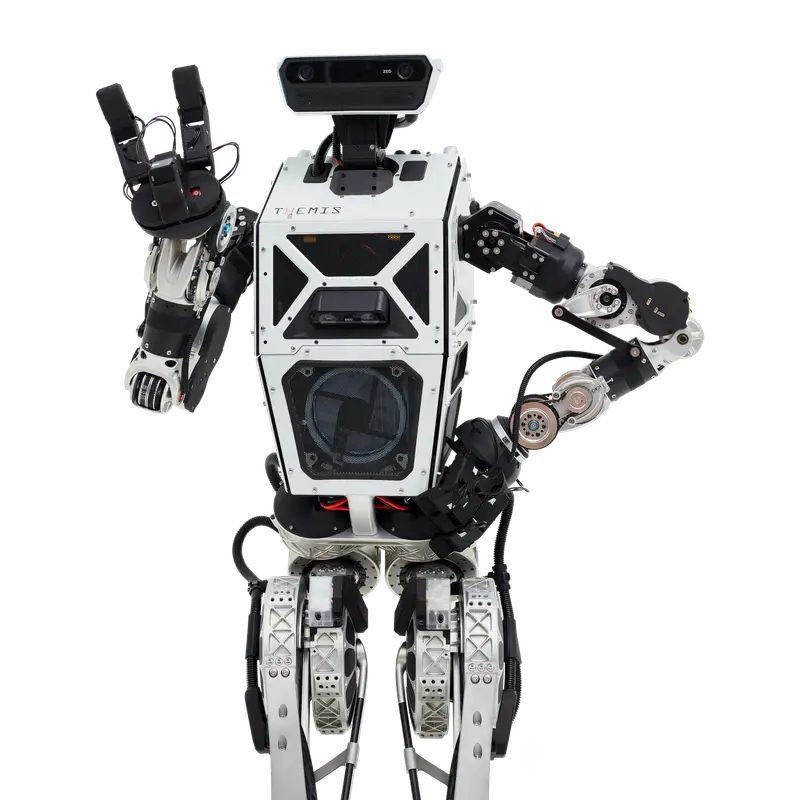
Westwood Robotics Details Agile THEMIS V2 Humanoid with Advanced Manipulation
Westwood Robotics has unveiled its latest humanoid robot, the THEMIS V2, designed to operate in challenging work environments. Standing at 1.6 meters tall, the robot boasts 40 degrees of freedom (DoF) and is equipped with proprietary BEAR actuators that enable agile and compliant movements. The upgraded model features enhanced 6-DoF arms and 7-DoF hands, allowing for greater dexterity and functionality. Incorporating advanced artificial intelligence processing and stereo vision capabilities, THEMIS V2 is engineered to perform complex tasks efficiently. Additionally, the robot is designed with hot-swappable batteries, ensuring minimal downtime during operation. This innovative technology aims to meet the increasing demand for versatile robotic solutions in various industries, highlighting Westwood Robotics' commitment to pushing the boundaries of robotic capabilities.
themis-v2 westwood-robotics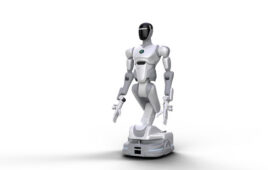
Advancements in Humanoid Robotics Driven by Power Management Solutions
The latest episode of Designing the Future highlights the significant progress in humanoid robotics, driven by advancements in speed, mobility, and dexterity. As these technologies evolve, the role of power management becomes increasingly critical, particularly in the context of battery and fuel cell usage. Engineers face challenges in converting energy from onboard sources to effectively power mechatronics and logic systems. This focus on power management is essential for the realization of humanoid robots that can perform a wide range of tasks, fulfilling the long-held promise of general-purpose machines. The conversation between Jim Anderton and John Quinlan from Murata Power Solutions underscores the importance of efficient power solutions in enhancing robotic performance. As the industry continues to innovate, the interplay between power systems and robotic capabilities will shape future developments. Looking ahead, the demand for compact and efficient power products will likely grow as humanoid robots become more prevalent in various sectors, including industrial and medical markets. No further timeline was disclosed at the time of publication.
Humanoids
Three Key Challenges Hindering the Development of Advanced Humanoid Robots
The development of humanoid robots, akin to C-3PO, faces significant challenges in reliability, dexterity, and data management. While advancements in AI have improved reasoning capabilities, the physical aspects of robotics remain problematic. Current robots excel in specific tasks but struggle with complex manipulations that require high precision and reliability. These challenges are critical as they impact the deployment of robots in various sectors, including healthcare and manufacturing. For instance, surgical robots like the da Vinci system demonstrate the gap between theoretical intelligence and practical application, where reliability is paramount. The need for robots to perform consistently across millions of cycles is essential for their acceptance in sensitive environments. Looking ahead, the industry must focus on overcoming these bottlenecks to enable broader adoption of humanoid robots. The reliance on a combination of real and synthetic data for training highlights the ongoing need for innovative solutions. No further timeline was disclosed at the time of publication.
Factory / Robotics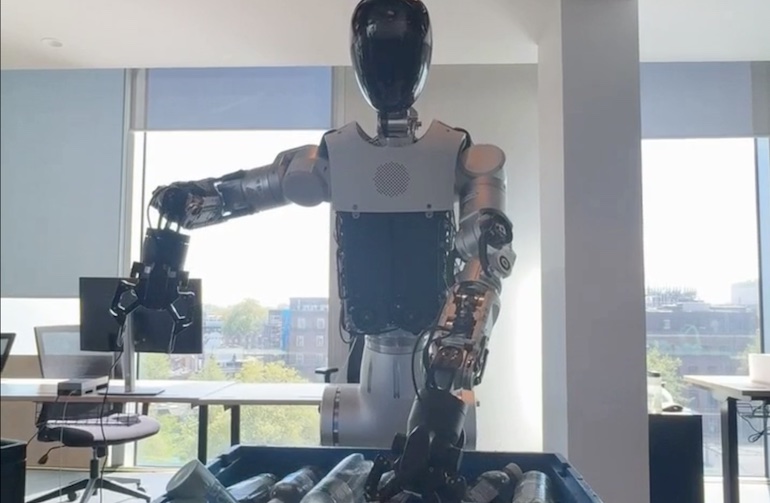
Humanoid says KinetIQ Ascend reinforcement learning approaches human-level dexterity
Humanoid has announced that its KinetIQ Ascend technology achieves an impressive 99.9% manipulation reliability, capable of performing industrial tasks at human speed and even surpassing it. This breakthrough is attributed to advanced reinforcement learning techniques that enable robots to exhibit human-level dexterity. The development marks a significant advancement in robotics, potentially transforming efficiency in various industrial applications.
Artificial Intelligence Artificial Intelligence / Cognition Humanoids News dexterous manipulation humanoid
Productive Robotics Equips Manufacturers With Zero Programming End-To-End Automation At IMTS
Productive Robotics, based in Santa Barbara, California, is set to showcase its innovative end-to-end automation solutions at the International Manufacturing Technology Show (IMTS) 2026, taking place on July 1. The company will exhibit at two booths, highlighting its 7-axis OB7 collaborative robots, which require no programming and offer a plug-and-play setup. This technology aims to address acute labor shortages, rising costs, and global competition faced by manufacturers. In Booth #339186, the focus will be on automating metal removal processes, while Booth #237138 will emphasize abrasive machining, sawing, and gear production. Zac Bogart, president of Productive Robotics, emphasized the importance of CNC machining for U.S. manufacturers, particularly in defense, aerospace, and automotive sectors, as well as for reshoring efforts to stabilize supply chains. The demonstrations will include automated vision inspection systems, MIG welding, and laser welding applications, showcasing the versatility of the company's robots. With their unique 7-axis design, these collaborative robots offer enhanced dexterity, allowing them to perform a wide range of tasks without the need for workspace redesign. The user-friendly interface enables operators with no robotics experience to quickly teach the robots tasks, significantly boosting productivity and safety in various manufacturing environments. For more information, visit Productive Robotics' website.

Mantis Robotics Extends Potential of Physical AI with New Dual-Arm Fenceless Robot for Industrial and Retail Automation
Mantis Robotics has introduced its latest innovation, the MR-X dual-arm robot, at Automate 2026 in Chicago, showcasing advancements in physical AI for industrial and retail automation. This high-performance robot, capable of lifting up to 70 lbs and operating at speeds of 10.6 m/s, is designed to function without safety fences, allowing for flexible deployment in complex environments. The MR-X is inspired by human biomechanics, enabling it to perform demanding tasks that require both strength and dexterity. Its patented SafetyCore platform provides continuous awareness of its surroundings, allowing the robot to autonomously react to nearby humans without interrupting its operations. This feature eliminates the need for traditional safety infrastructure, enhancing efficiency while maintaining safety standards. Mantis Robotics aims to revolutionize automation with the MR-X, which builds on the success of its predecessor, the MR-1, known for its certified fenceless operation. CEO Gerry Vannuffelen emphasized that the MR-X is not just another humanoid robot, but a first-in-class dual-arm system that surpasses both collaborative robots and humanoids in speed and safety. Visitors to Booth 1261 in the South Hall at Automate 2026 can witness the MR-X's capabilities firsthand, interact with the MR-1, and explore the technology that enables rapid deployment without disruption. Mantis Robotics invites attendees to schedule personalized walkthroughs and learn about priority access for early customers.

Kawasaki Robotics Unveils Dexterous Physical AI Robot Platform, Advanced Automation Technologies at Automate 2026
Kawasaki Robotics introduced its latest advancements in automation technology at Automate 2026, held in Chicago on June 17, 2026. The company showcased the new RL030N robot platform, which features eight degrees of freedom specifically designed for Physical AI applications, alongside its patented Pulseboard inspection technology. These innovations highlight Kawasaki's commitment to enhancing industrial automation through the integration of robotics, artificial intelligence, and machine learning. The RL030N robot stands out as the industry's first 8-axis platform, enabling high-speed motion and enhanced dexterity for complex tasks in dynamic environments. This robot is engineered to support AI-driven applications that require adaptive motion and obstacle avoidance, setting it apart from traditional industrial robots optimized for repetitive tasks. Additionally, Kawasaki demonstrated the Pulseboard technology in a robotic weld inspection system developed with Fives DyAG. This system significantly improves inspection efficiency by synchronizing image acquisition with the robot's movements, allowing for up to ten times faster weld inspections without compromising accuracy. Seiji Amazawa, President of Kawasaki Robotics, emphasized the importance of these technologies in shaping the future of automation, stating that they are designed to support emerging Physical AI applications while maintaining the reliability that manufacturers expect. The event marks a pivotal moment for Kawasaki Robotics as it continues to lead in intelligent automation solutions.

Elephant trunk skin reveals design that could reshape soft robotics
Researchers from Zurich University have conducted a study on the unique properties of an elephant's trunk, which is known for its strength and dexterity. The team, led by Lucia Beccai, examined the skin of the trunk to gain insights that could inform the development of advanced soft robotics. This investigation was made possible by the acquisition of a trunk from an adult Asian elephant, which had died of natural causes at the Zurich Zoo in 2020. The study aims to explore how the trunk's muscular and boneless structure allows for both heavy lifting and delicate movements, potentially leading to innovations in robotic design that mimic these capabilities.
Robotics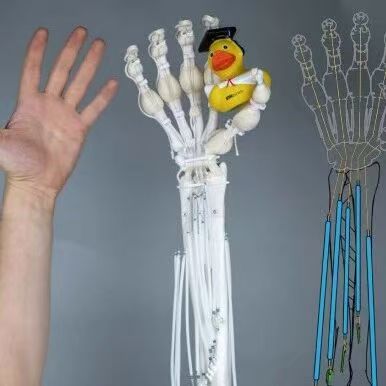
ETH Zurich's Breakthrough: Highly Biomimetic Pneumatic Muscle Robotic Hand Replicating Human Anatomy
Researchers from ETH Zurich have unveiled a groundbreaking robotic hand that mimics human anatomy, utilizing advanced 3D printing techniques and 22 independently controlled pneumatic artificial muscles. This innovative development, which was announced recently, aims to significantly improve dexterity and adaptability in robotic applications. The design is rooted in detailed human anatomical data, allowing the robotic hand to perform a wide range of tasks with precision. The project is poised to advance the fields of prosthetics and enhance collaboration between humans and robots, addressing the growing need for more versatile and functional robotic systems in various sectors.
Soft Robotics Pneumatic Actuators 3D Printing Prosthetics Biomimicry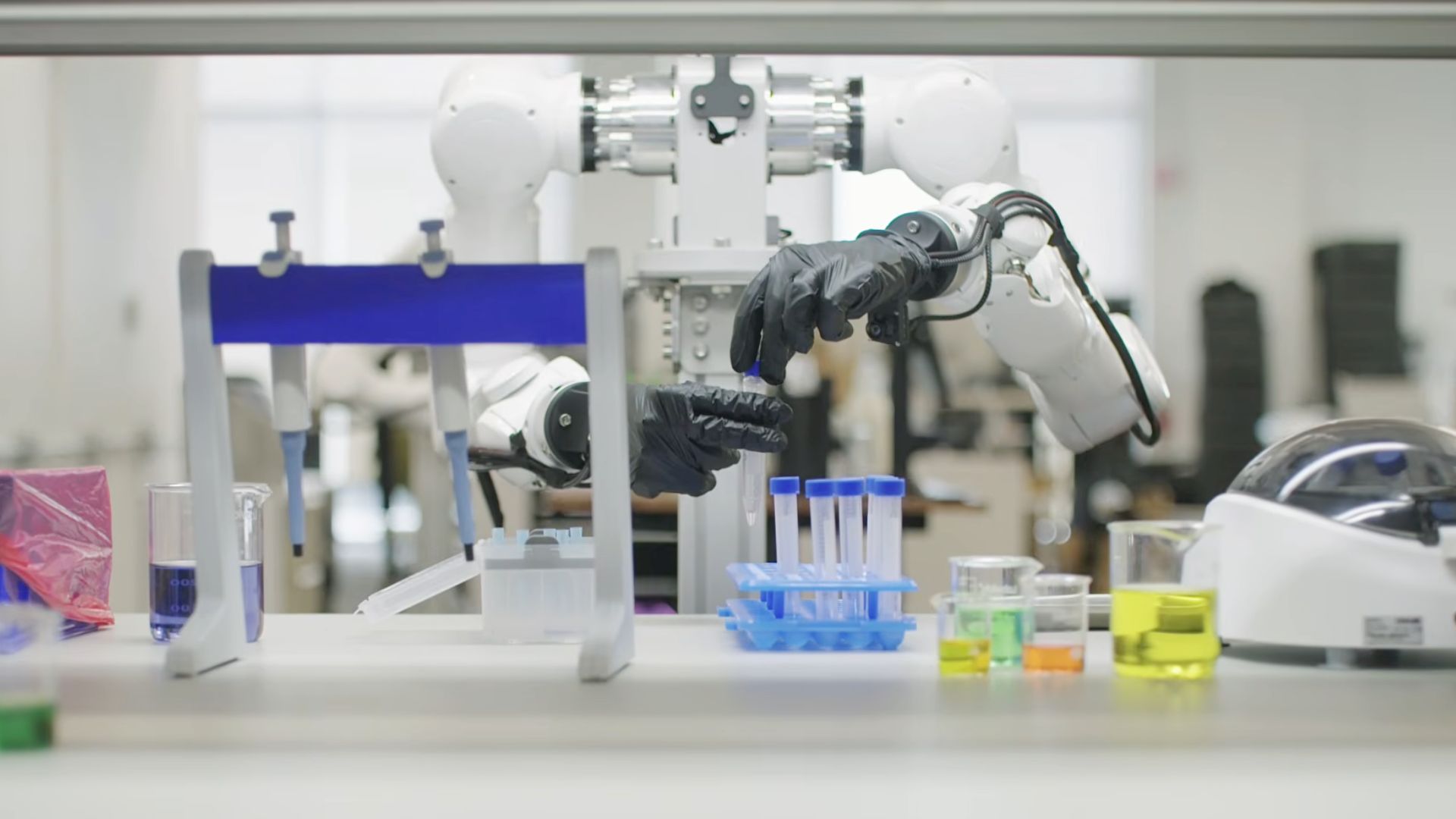
Video: Genesis’ smart robotic brain enables human-level manipulation and scalable training
Genesis AI has introduced GENE-26.5, an advanced robotic brain aimed at enabling robots to achieve human-level physical capabilities. The announcement was made during a technology conference held in San Francisco on October 15, 2023. This innovative development is part of Genesis AI's ongoing efforts to enhance robotic functionality and adaptability in various environments. By integrating sophisticated algorithms and machine learning techniques, GENE-26.5 is designed to improve robots' dexterity and decision-making processes, potentially transforming industries such as manufacturing, healthcare, and logistics. The launch of GENE-26.5 reflects the company's commitment to pushing the boundaries of artificial intelligence and robotics, paving the way for more intuitive and efficient machines that can work alongside humans.
Robotics needs a service framework.
RSF defines a common language for robot service capability, lifecycle operations, certification pathways, and service-provider networks.