Industry Briefing
A single destination for timely, editor-curated robotics news from around the world.
X Square Robot Develops Integrated Stack for General-Purpose Robotics
X Square Robot, a Chinese company focused on embodied AI, is pioneering an integrated stack for general-purpose robots. This stack combines data learning, a world model for predicting physical changes, and an action model that integrates perception, planning, reasoning, and decision-making. The company emphasizes the importance of quality interaction data over sheer quantity, utilizing its Universal Manipulation Interface (UMI) to enhance data collection. The significance of X Square Robot's approach lies in its potential to unify various aspects of robotic intelligence, addressing the fragmented nature of current systems. By prioritizing interaction quality and establishing a closed inspection loop for data validation, the company aims to create a more effective learning environment for robots. This method not only reduces costs but also enhances the reliability of the training data, which is crucial for developing general-purpose robots capable of performing diverse tasks. Looking ahead, X Square Robot's WALL-WM world model represents a shift towards event-based action prediction, allowing for more coherent and context-aware robotic behavior. As the company continues to refine its models and data collection methods, the broader robotics community will be watching for independent validation of its results and the potential implications for the future of general-purpose robotics.
Home-robots Type-sponsored Large-language-models Embodied-intelligence Ai-robots Robot-learning
Advancements in Embodied Intelligence: Robots Learning Through Experience
A robot in a warehouse near Austin has fallen for the 4,000th time without assistance, showcasing the progress of embodied intelligence. This technology allows machines to physically interact with the world, fundamentally changing how they learn. Instead of merely processing information, these robots learn through experience, such as understanding gravity by knocking over objects. Embodied intelligence is gradually integrating into daily life, with humanoid robots working on assembly lines and assisting police in Hangzhou. In Malaysia, the Prime Minister introduced an AI digital twin to handle citizen inquiries autonomously. However, in Europe, there is growing concern about job displacement, with unions negotiating wage structures in anticipation of humanoid robot deployment. The societal divide is evident: while Asian countries view robots as helpful assistants, Europeans express fears of job loss. The future of embodied intelligence will depend on societal acceptance, highlighting a complex relationship between technology and human values. No further timeline was disclosed at the time of publication.
Embodied Intelligence Robotics AI Technology Human-Robot Interaction
UK startup Humanoid launches reinforcement learning system to improve robot manipulation
UK-based robotics and AI company Humanoid has introduced KinetIQ Ascend, the company’s reinforcement learning approach designed to reach 99.9 percent manipulation reliability at human speed and beyond. KinetIQ Ascend builds on the previously announced KinetIQ platform with trial-and-error learning, helping the company’s robots improve directly on industrial tasks. The new system was tested on several […]
Computing Humanoids News artificial intelligence automation embodied ai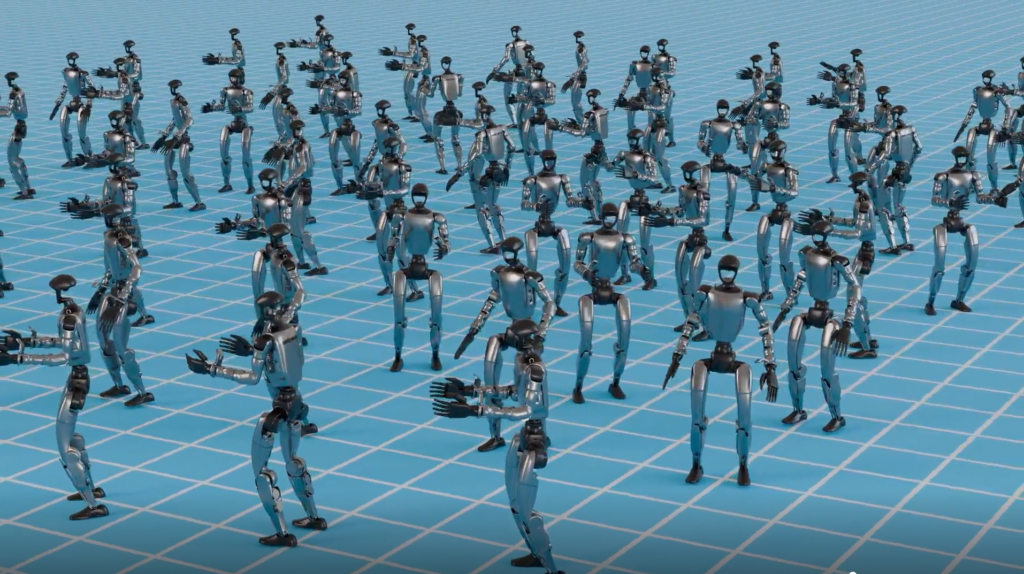
SoftServe Introduces Virtual Gyms for Enhanced Robotics Training and Deployment
SoftServe has highlighted the importance of 'virtual gyms' for robotics teams, emphasizing their role in preparing robots for dynamic environments. These high-fidelity simulation environments allow robots to train, fail, and recover safely before real-world deployment, addressing the challenges posed by unpredictable operational conditions. The global robotics market is projected to grow at a 19.6% CAGR from 2026 to 2036, underscoring the need for effective training solutions like virtual gyms to enhance robotic autonomy and performance. The shift from programmed automation to physical AI necessitates that robots adapt to constantly changing environments, which traditional training methods struggle to accommodate. Virtual gyms integrate technologies such as digital twins, reinforcement learning, and sensor modeling to provide a comprehensive training platform. This approach mitigates the risks and costs associated with real-world trials, enabling teams to generate valuable training data in a controlled setting, thus improving deployment success rates. Looking ahead, the adoption of virtual gyms is expected to become a standard practice in robotics development, as they offer a solution to the simulation-to-reality gap. No further timeline was disclosed at the time of publication, but the increasing complexity of robotic tasks suggests that the demand for such training environments will continue to rise as the industry evolves.
Artificial Intelligence Artificial Intelligence / Cognition Autonomous Mobile Robots (AMRs) Development Tools / SDKs / Libraries Industrial Robots Logistics
Hippo Harvest Secures $30 Million Series C to Expand Robotic Greenhouse Operations in California
Hippo Harvest has successfully closed a $30 million Series C funding round, led by Cox Farms, the largest greenhouse operator in North America. This funding will facilitate the expansion of Hippo Harvest's operations with a new 30-acre facility in Hollister, California, which is currently undergoing permitting. The company specializes in producing USDA-certified organic greens using robotics and machine learning technologies, aiming to scale its production capabilities significantly. The significance of this funding lies in Hippo Harvest's commitment to enhancing its robotic growing systems, which will increase its growing capacity from one acre to a much larger scale. This expansion is expected to accelerate the commercialization of indoor-grown spinach, tapping into the growing demand for organic produce. The integration of advanced technology in their greenhouses positions Hippo Harvest to meet retail buyers' needs more effectively. Looking ahead, Hippo Harvest is poised to make substantial advancements in the indoor agriculture sector. The timeline for the completion of the new facility and the rollout of the next-generation growing system remains undisclosed, but the company is focused on leveraging this investment to enhance its market presence and operational efficiency in the coming years.
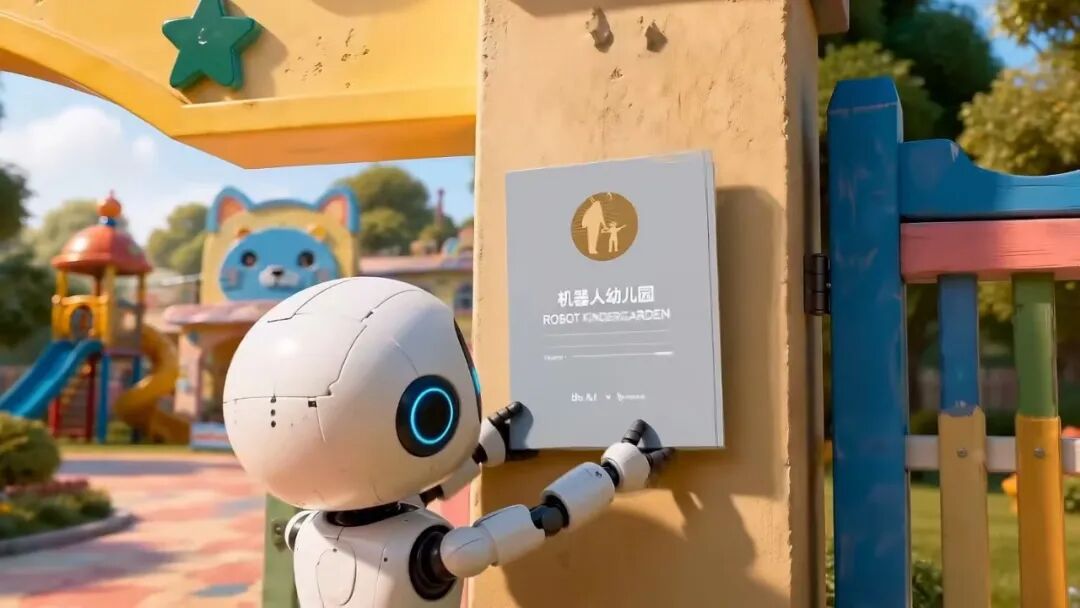
Sutton partners with Tianshan Technology to launch "Robot Kindergarten," using tactile perception to enable robots' self-learning abilities in the real world.
Sutton has announced a collaboration with Tianshan Technology to introduce "Robot Kindergarten," an innovative initiative aimed at enhancing robots' self-learning capabilities through tactile perception. This partnership seeks to bridge the gap between artificial intelligence and real-world applications by allowing robots to learn from their interactions with the environment. The launch of Robot Kindergarten is set to take place in the coming months, with the aim of revolutionizing how robots adapt and respond to various stimuli. By leveraging advanced sensory technology, the project aspires to create more autonomous and intelligent robotic systems, ultimately paving the way for broader applications in industries such as education, healthcare, and manufacturing.
Robotics Automation AI
China: Pudu unveils semi-humanoid learning robot built to transform factory automation
Chinese robotics company Pudu has introduced a next-generation industrial semi-humanoid robot aimed at enhancing manufacturing processes. The unveiling took place at a technology expo in Shanghai on October 15, 2023. This innovative robot is designed to improve efficiency and productivity in factories, addressing the growing demand for automation in the manufacturing sector. Pudu's latest development incorporates advanced AI and machine learning capabilities, allowing the robot to adapt to various tasks and environments seamlessly. By leveraging cutting-edge technology, the company aims to support manufacturers in overcoming labor shortages and increasing operational efficiency. The introduction of this semi-humanoid robot marks a significant step forward in the integration of robotics within industrial settings, reflecting Pudu's commitment to leading the way in automation solutions.
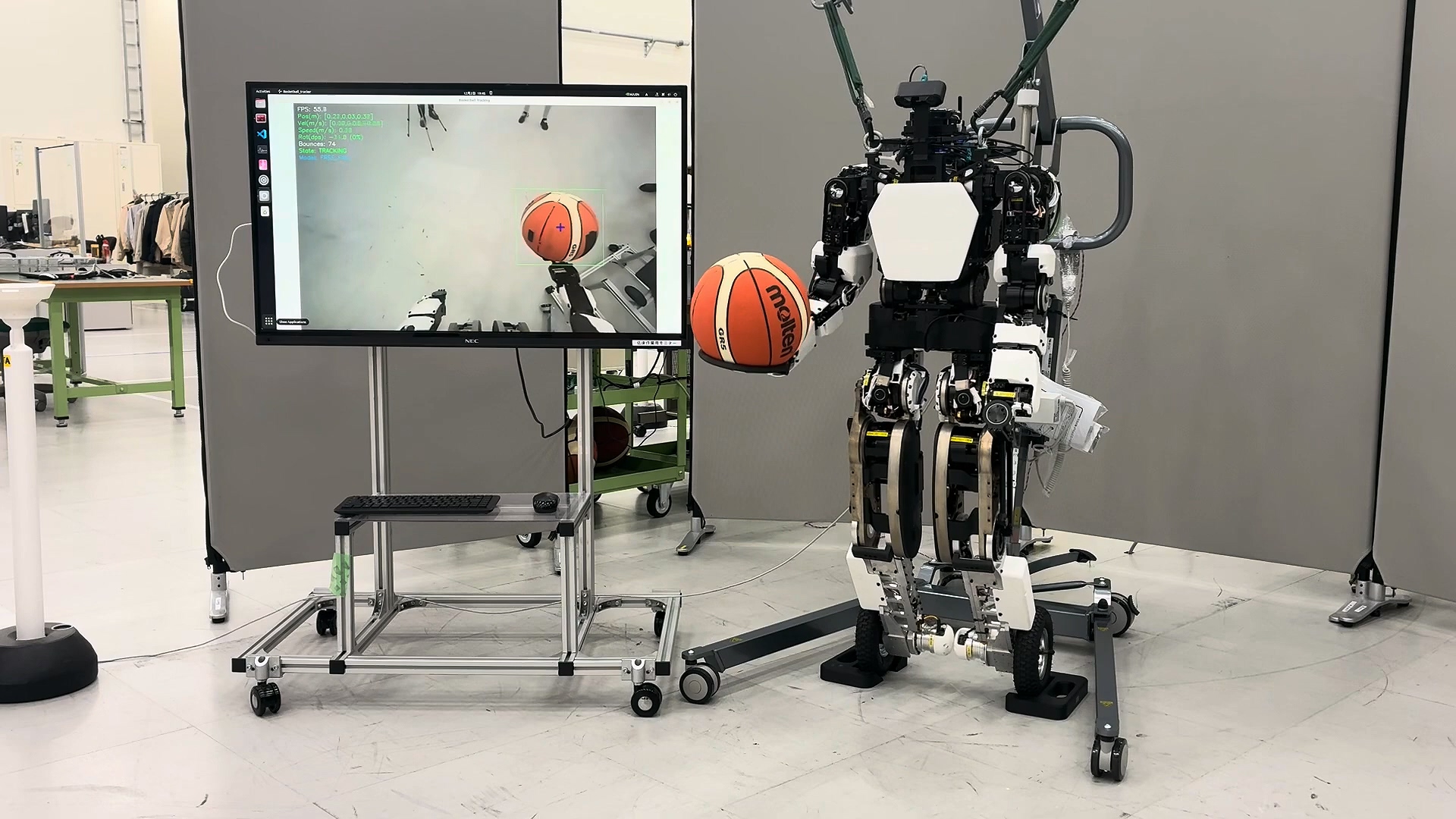
Toyota's CUE Robot Advances: Learning to Walk and Dribble with Reinforcement Learning and Sim2Real
Toyota's CUE humanoid robot is advancing its capabilities through a novel approach that integrates reinforcement learning with Sim2Real techniques. This development focuses on improving the robot's walking and dribbling abilities, effectively narrowing the divide between simulated environments and real-world functionality. By employing this innovative method, Toyota aims to enhance the practical applications of robotics, showcasing the potential for more sophisticated interactions in various settings.
Humanoid Robots Reinforcement Learning Sim2Real AI Robotics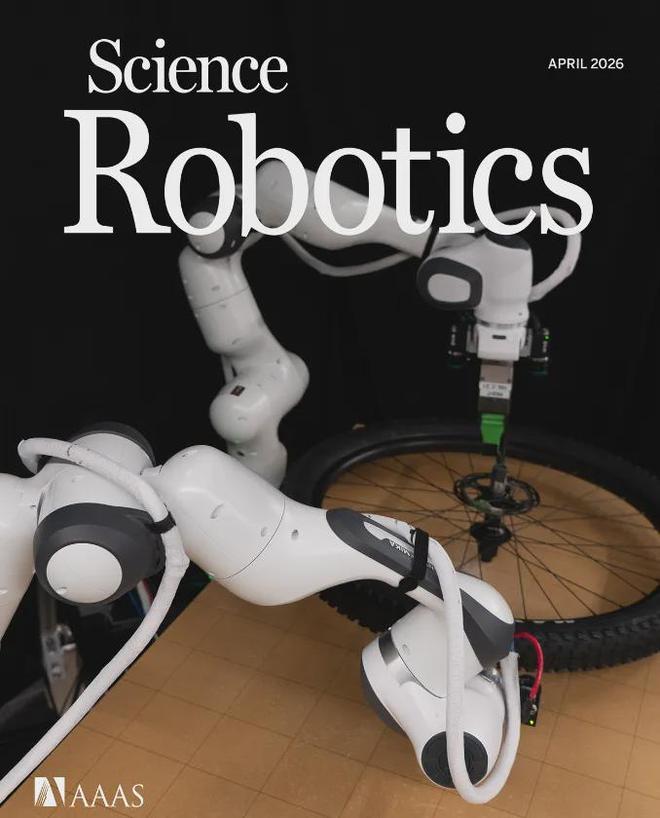
Latest Cover of Sci Robot: Toyota Research Institute and Others Release Groundbreaking Findings, Enhancing Robot Learning Efficiency by 5 Times with 1700 Hours of Data!
A research team at the Toyota Research Institute has made a significant breakthrough in robotics by showcasing the capabilities of Large Behavior Models (LBMs). Their findings indicate that LBMs can enhance learning efficiency for new tasks by five times. This research, which analyzed 1,700 hours of robot demonstration data, provides valuable insights that could advance the development of general-purpose robots. The study highlights the potential for LBMs to revolutionize how robots learn and adapt, paving the way for more versatile and efficient robotic systems in various applications.
Robotics Artificial Intelligence Machine Learning Automation
Argonne Researchers to Develop Learning-Based Robots as Step Toward a Scientific Assistant
Researchers are exploring the potential of robots that can not only conduct experiments but also learn and adapt alongside human scientists. This initiative aims to develop advanced robotic systems capable of functioning in real laboratory settings, allowing them to respond to dynamic conditions and collaborate effectively with their human counterparts. By integrating machine learning and artificial intelligence, these robots could enhance scientific research, increasing efficiency and innovation in various fields. The project is currently in its developmental stages, with ongoing studies focused on refining the robots' capabilities to ensure they can seamlessly integrate into existing scientific workflows. As this technology evolves, it holds the promise of transforming the landscape of scientific inquiry and experimentation.
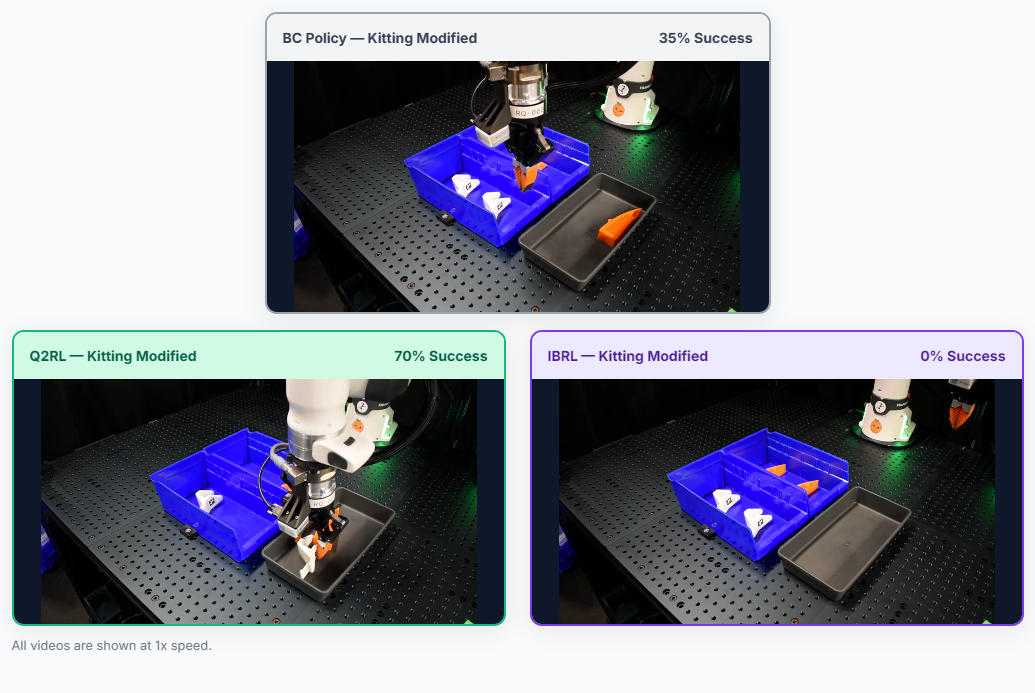
Can Robots Trained Through Behavior Cloning Evolve Themselves in Two Hours Using Reinforcement Learning?
Researchers have identified significant limitations in behavior cloning (BC) methods used in robotics, prompting the development of a new approach known as Q2RL. This innovative technique integrates BC with reinforcement learning (RL) to enhance the performance of robots. By leveraging hidden knowledge embedded in BC strategies, Q2RL seeks to improve the efficiency of learning processes while simultaneously lowering the costs tied to data collection and the need for retraining. This advancement represents a crucial step forward in optimizing robotic capabilities, addressing the challenges faced by traditional BC methods.
Reinforcement Learning Behavior Cloning Robotics AI Machine Learning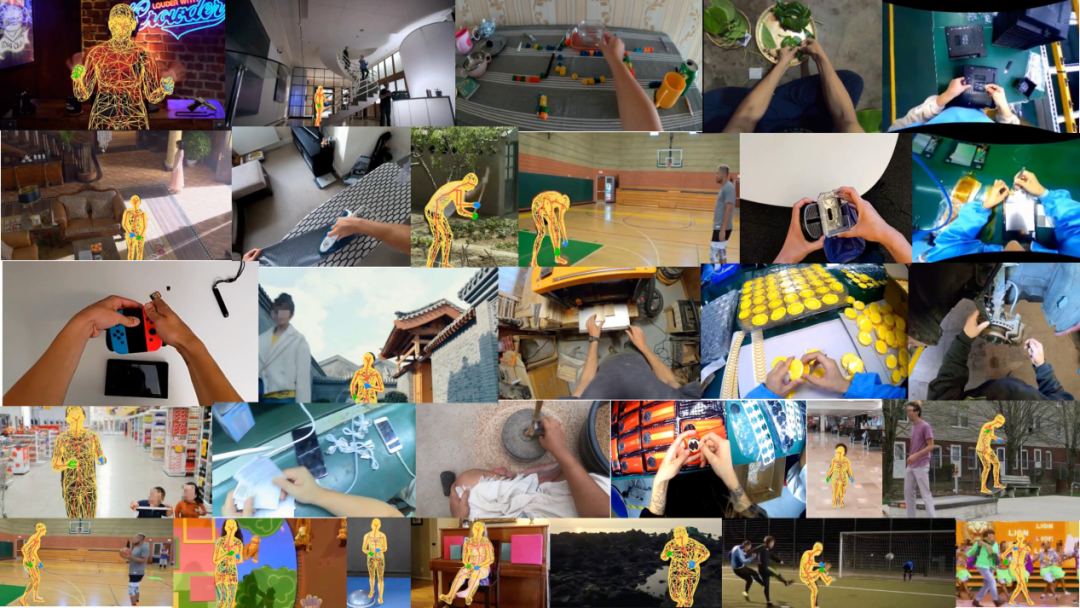
How One Million Hours of Human Video Became a 'Textbook' for Robot Learning
A research team at Peking University has unveiled the HumanNet dataset, a comprehensive collection of one million hours of human-centered videos aimed at advancing robot training in physical tasks. Released in October 2023, this extensive dataset offers a wealth of diverse perspectives and detailed annotations, enhancing the learning capabilities of robots. The initiative seeks to improve the interaction between robots and humans by providing a rich resource that reflects real-world scenarios, ultimately fostering more effective and adaptable robotic systems.
Robot Learning Human-Centered Data AI Training Computer Vision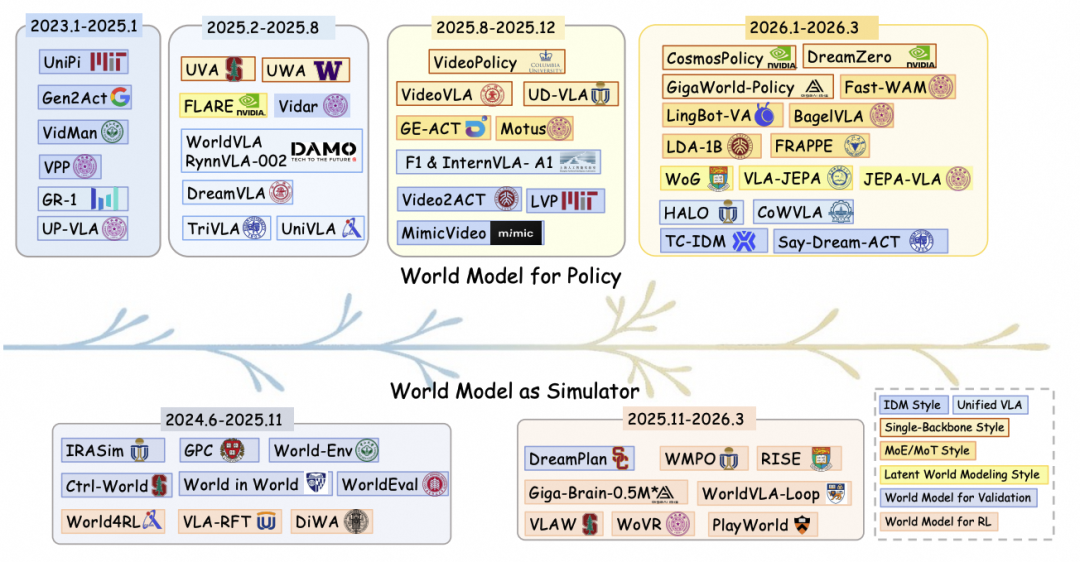
Comprehensive Survey on World Models for Robot Learning Published by NTU, Berkeley, Stanford, and ETH
A recent collaborative study conducted by prominent research institutions examines the advancement of world models in robotics, highlighting their significance in allowing robots to forecast and simulate actions prior to execution. The paper reviews different paradigms for merging world models with robotic strategies, illustrating how these models serve a dual purpose as both predictive tools and learning environments. This exploration is crucial for enhancing the capabilities of robots, enabling them to operate more effectively in complex scenarios. The findings contribute to the ongoing discourse on improving robotic intelligence and adaptability, paving the way for more sophisticated applications in various fields.
Robot Learning World Models Machine Learning Robotics AI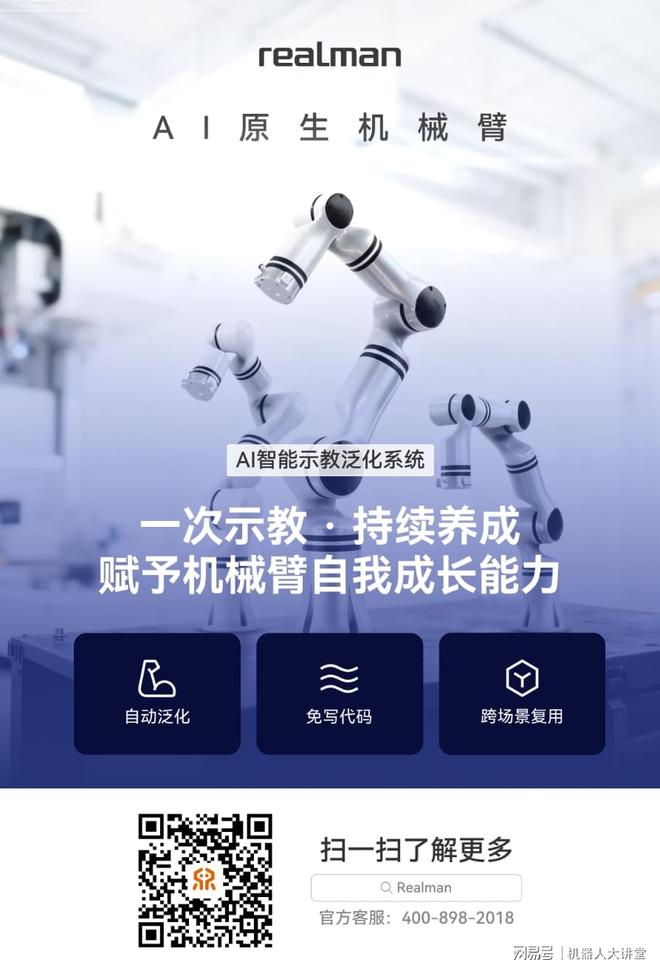
Empowering Robotic Arms with Self-Learning Capabilities: RealMan Launches AI Intelligent Teaching Generalization System
RealMan has introduced its groundbreaking AI Intelligent Teaching Generalization System, which empowers robotic arms to learn independently by observing human demonstrations. This innovative technology, unveiled recently, promises to drastically cut down the time required for task deployment while facilitating ongoing skill enhancement. By transforming robotic arms into versatile production partners, RealMan aims to revolutionize automation in various industries. The system's ability to adapt and evolve through continuous learning positions it as a significant advancement in the field of robotics, potentially reshaping workflows and increasing efficiency in production environments.
Robotic Arms AI Technology Automation Machine Learning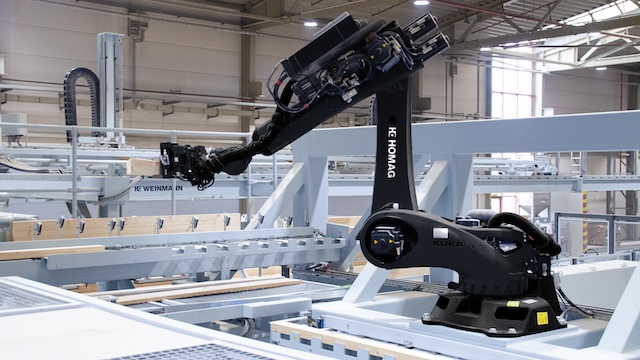
Xpeng’s humanoid robot IRON falls at debut, CEO calls it part of learning process
Xpeng Motors CEO He Xiaopeng addressed concerns following the debut of the company's humanoid robot, IRON, which stumbled during its first public demonstration at a shopping mall in Shenzhen. The incident occurred yesterday and has sparked discussions about the challenges of developing advanced robotics. In a social media post, He compared the robot's fall to the process of children learning to walk, emphasizing that such setbacks are a normal part of technological advancement. He reassured the public that these experiences are essential for progress in robotics and innovation.
News Feed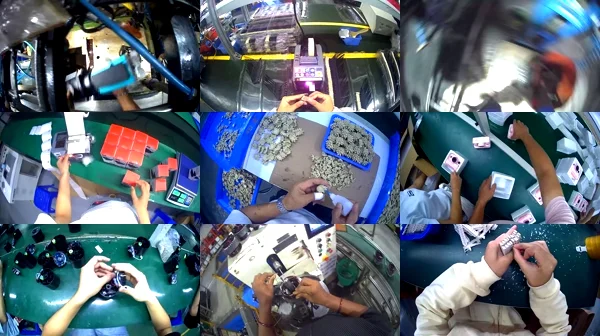
Build AI Open-Sources 10,000 Hours of Factory-Worker Video to Scale Robot Learning
A robotics startup has unveiled Egocentric-10K, which it claims to be the largest egocentric video dataset ever created. This extensive collection was gathered exclusively from real factory environments and aims to address the challenges associated with the "physical AI bottleneck" by utilizing human-generated data. The release of this dataset marks a significant advancement in the field of robotics and artificial intelligence, providing researchers and developers with valuable resources to enhance machine learning algorithms and improve AI performance in physical tasks.
Build AI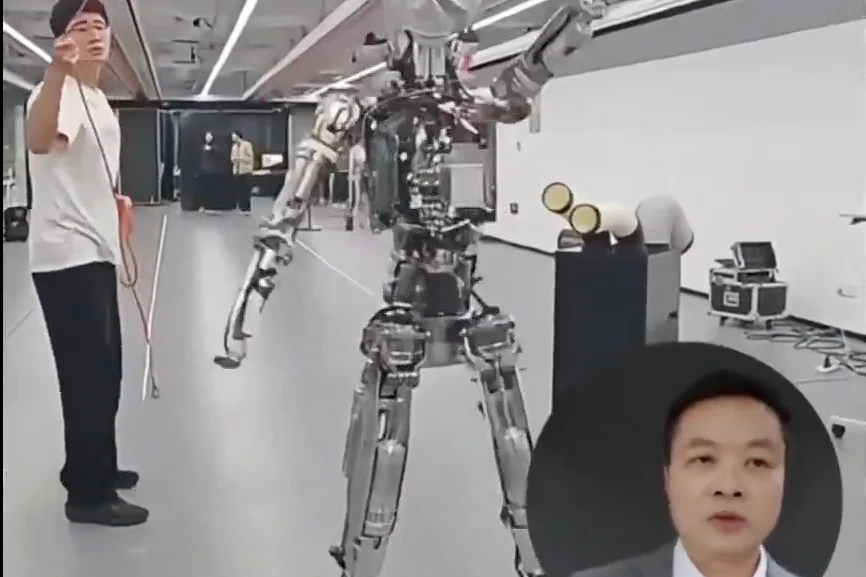
Xpeng Demos 'Iron' Robot Dancing, Credits 'Human-Like Spine' and New AI for Rapid Learning
Xpeng CEO He Xiaopeng recently unveiled a video showcasing a bare-metal 'Iron' robot performing a dance routine, a demonstration that has reignited discussions following the company's AI Day. He attributes the robot's fluid, human-like movements to an innovative 'human-like spine' design, coupled with an advanced AI model capable of learning intricate motions from human data in a mere two hours. This development highlights Xpeng's commitment to pushing the boundaries of robotics and artificial intelligence, aiming to enhance the capabilities of their robotic systems.
XPeng IRON
Robot Talk Episode 130 – Robots learning from humans, with Chad Jenkins
Claire recently engaged in a conversation with Odest Chadwicke Jenkins, a prominent Professor of Robotics and Electrical Engineering at the University of Michigan, to explore the evolving role of robots in everyday life. Jenkins, whose research focuses on enabling robots to learn from human demonstrations, discussed the potential for these machines to enhance our daily activities. The dialogue highlighted the significance of integrating human-like learning processes into robotic systems, aiming to create more intuitive and helpful technologies. This exchange took place as part of ongoing efforts to bridge the gap between human interaction and robotic assistance, emphasizing the importance of collaboration between humans and machines in shaping the future of robotics.
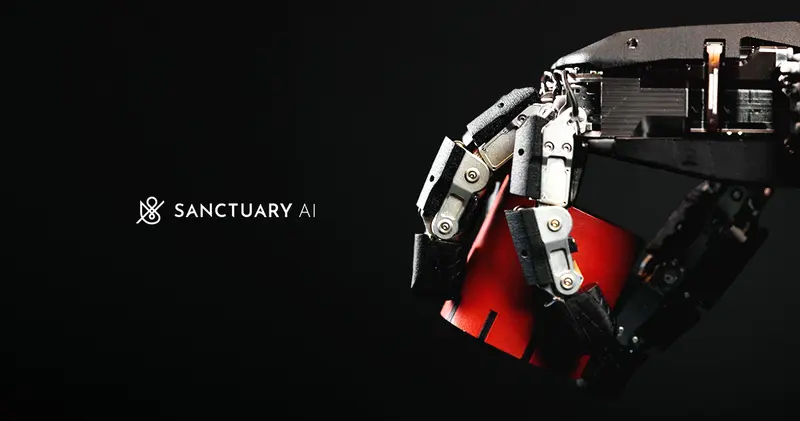
Sanctuary AI Touts Reinforcement Learning Success for Dexterous Robot Hand Manipulation
Sanctuary AI has showcased its advanced robotic hand, featuring hydraulically actuated five fingers, successfully executing in-hand object reorientation. This demonstration took place recently, highlighting the company's innovative approach to robotics. The robotic hand utilized a reinforcement learning policy that was initially trained in a simulated environment, achieving a notable sim-to-real transfer even when subjected to an unexpected load of 500 grams. Sanctuary AI credits this accomplishment to its proprietary reinforcement learning techniques and the sophisticated design of its high-degree-of-freedom hand hardware, marking a significant milestone in the development of robotic manipulation capabilities.
phoenix sanctuary-ai
MIT and Toyota Develop SceneSmith to Enhance Robot Training with AI-Generated Environments
MIT and the Toyota Research Institute have introduced SceneSmith, a system that utilizes AI agents to create realistic 3D environments for robot training. This innovation addresses the significant challenge of generating diverse simulation content, which is crucial for teaching robots various tasks in a cost-effective manner. The SceneSmith system employs three AI agents, leveraging the advanced vision-language model GPT-5.2, to design intricate indoor scenes. These environments, featuring up to six times more objects than previous methods, allow robots to practice skills in a rich virtual playground, ultimately reducing the need for extensive real-world testing. As the research progresses, the effectiveness of these AI-generated environments will be closely monitored. The team has already demonstrated that robots can successfully navigate and perform tasks in these virtual settings, indicating a promising future for robotic training methodologies. No further timeline was disclosed at the time of publication.
Research Robotics Artificial intelligence Simulation Computer science and technology Machine learning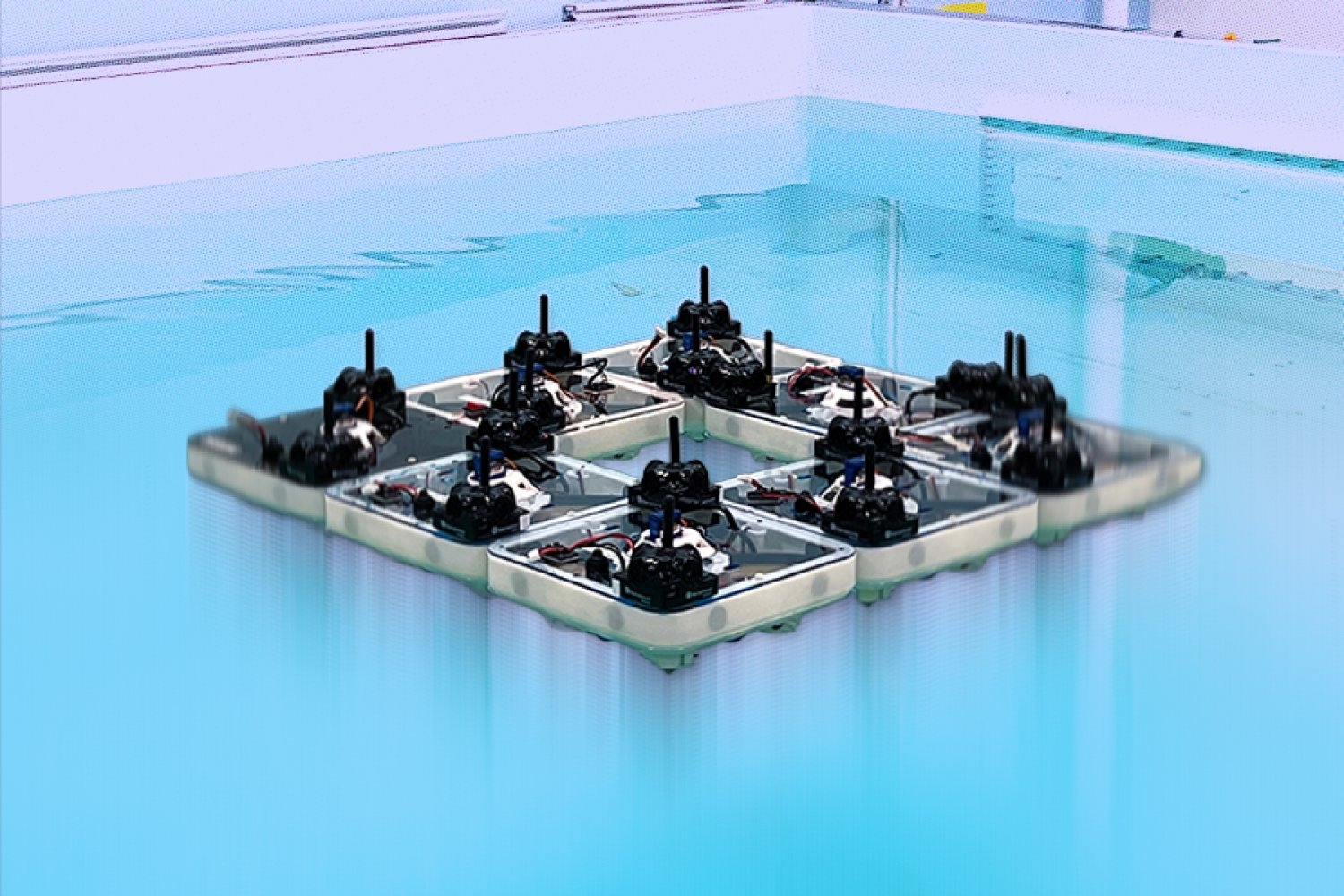
MIT's FloatForm Swarm Robots Create Adaptive Floating Structures for Urban Spaces
MIT researchers have developed FloatForm, a swarm of small robotic boats that autonomously assemble into larger floating structures. Each robot, measuring 21 centimeters square, is equipped with thrusters, sensors, and magnetic latches, allowing them to form bridges, platforms, and other structures with minimal human input. This innovative system aims to transform urban waterfronts into dynamic, programmable spaces, enhancing public infrastructure and emergency response capabilities. The significance of FloatForm lies in its potential to revolutionize how urban areas utilize water surfaces. By mimicking the self-organizing behavior of fire ants, the robots can adaptively create and reconfigure structures on demand, addressing challenges such as traffic alleviation during emergencies or creating temporary public spaces. This modular approach to floating infrastructure could lead to more livable cities by expanding usable public space onto underutilized water areas. Looking ahead, the research team plans to explore further applications of FloatForm in urban environments, with no specific timeline disclosed for future developments. The project builds on previous work with full-size autonomous vessels in Amsterdam, indicating a growing interest in leveraging water for urban mobility and public space expansion. The open-access findings were published in Nature Communications, highlighting the collaborative efforts of MIT's Computer Science and Artificial Intelligence Laboratory and the Senseable City Lab.
Research Robotics Autonomous vehicles Artificial intelligence Computer science and technology Machine learning
Coaching for Robots
Researchers emphasize that adaptable robots, capable of learning from their environments, require more than just data, artificial intelligence tools, and algorithms. Effective interaction with users is crucial for these robots to function optimally. This insight highlights the importance of direct communication between robots and their operators, suggesting that user engagement plays a vital role in enhancing robotic performance. The discussion around this topic was featured in a recent article on ROBOTIK UND PRODUKTION, underscoring the evolving relationship between humans and technology in the field of robotics.
Allgemein Cobots & MRK Newsarchiv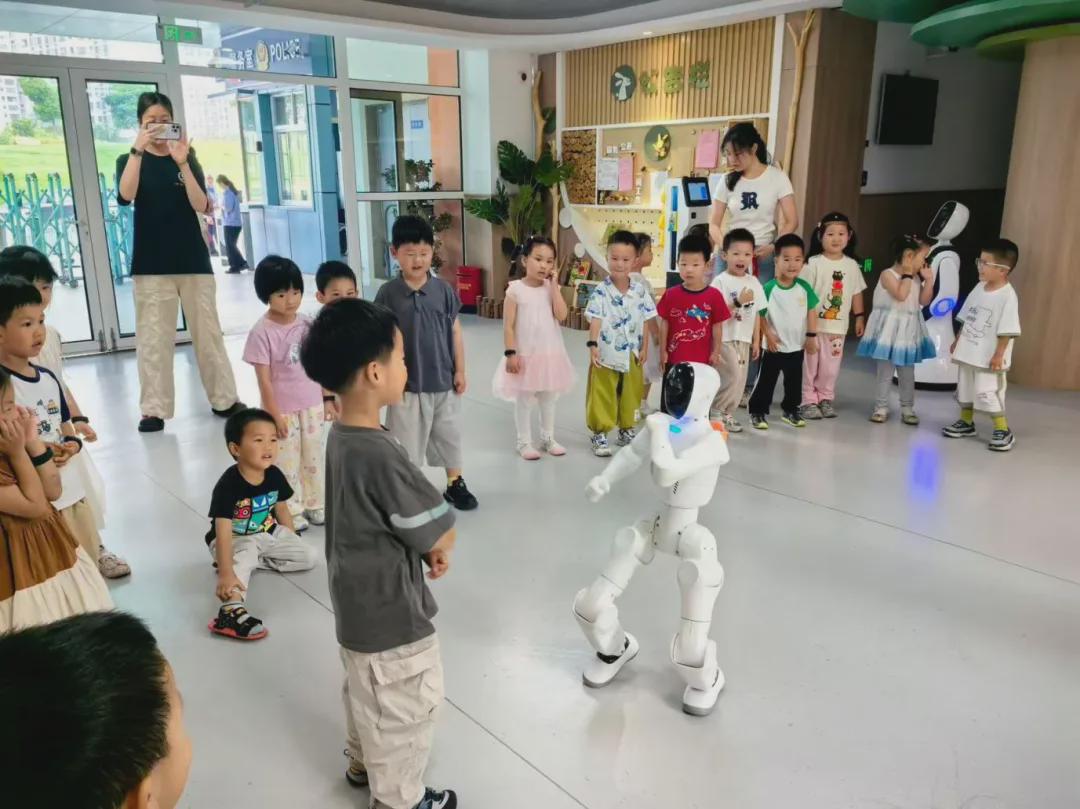
Integrating Education and Family: Songyan Power's Humanoid Robots Enhance K12 Learning
Songyan Power is making significant strides in the K12 education sector by integrating humanoid robots into learning environments. The company is partnering with educational institutions and family-oriented brands to develop a comprehensive ecosystem designed to foster children's growth through innovative educational experiences. This initiative, which emphasizes the emotional connection and interactive capabilities of humanoid robots, aims to enhance student engagement and promote a more dynamic learning atmosphere. By leveraging technology in this way, Songyan Power seeks to redefine traditional educational methods and support the evolving needs of young learners.
Humanoid Robots K12 Education AI in Education Robotics EdTech
Scientists show predictable training can outperform complex robot learning data
Researchers are making significant strides in developing robots capable of manipulating objects with human-like dexterity, a challenge that has long posed difficulties in the field of robotics. This advancement is crucial as it could enhance the ability of robots to perform complex tasks in various settings, including homes, hospitals, and manufacturing plants. The ongoing work, which has gained momentum in recent months, is taking place in laboratories across the globe, where teams are experimenting with advanced algorithms and machine learning techniques. The motivation behind this research stems from the increasing demand for robots that can assist in everyday tasks, improve efficiency in industrial processes, and provide support in healthcare environments. By mimicking the intricate movements of the human hand, researchers aim to create robots that can handle delicate objects and perform tasks that require precision and adaptability. To achieve this, scientists are employing a combination of innovative hardware designs and sophisticated software programming. They are utilizing sensors and artificial intelligence to enable robots to learn from their interactions with various objects, refining their skills over time. This iterative learning process is essential for developing robots that can operate effectively in unpredictable environments. As the field progresses, the implications of these advancements could revolutionize how robots are integrated into daily life, making them more versatile and capable of performing a wider range of functions. The ongoing research highlights the potential for robots to not only assist but also enhance human capabilities in numerous domains.
A Critical Review of Reinforcement Learning Algorithms for Mobile Robot Path Planning
The Journal of Field Robotics has published an early view article highlighting recent advancements in robotic technology. Researchers from various institutions have collaborated to explore innovative applications of robotics in diverse fields, including agriculture, healthcare, and disaster response. The findings, released in October 2023, underscore the growing importance of robotics in enhancing efficiency and safety across these sectors. The study emphasizes the integration of artificial intelligence and machine learning to improve the functionality and adaptability of robotic systems. By leveraging these technologies, the researchers aim to address complex challenges faced in real-world scenarios, such as precision farming and emergency management. This publication is part of an ongoing effort to disseminate cutting-edge research that can inform future developments in robotics. The collaborative nature of the research showcases a commitment to interdisciplinary approaches, fostering innovation that can lead to significant societal benefits. As the field continues to evolve, the implications of these advancements are expected to resonate across various industries, driving further investment and interest in robotic solutions.
SURVEY ARTICLE
Tactile learning loop: How human touch data teaches robots to handle eggs
Engineers have observed significant advancements in industrial robotics, particularly in the areas of automated welding and pallet stacking. Over the years, these machines have demonstrated remarkable precision and efficiency, transforming manufacturing processes. The ongoing development in robotics technology has been driven by the need for increased productivity and cost-effectiveness in various industries. As companies seek to enhance their operational capabilities, the integration of sophisticated robotic systems has become essential. This evolution in automation is not only streamlining production lines but also addressing labor shortages and improving workplace safety. The continuous innovation in this field suggests a promising future for industrial robots, as they become increasingly capable of handling complex tasks with minimal human intervention.
AI and Robotics
Prox Industries accelerates physical AI research with dual-arm UR3e collaborative robots using VLA and reinforcement learning.
Prox Industries has announced its collaboration with Universal Robots (UR) to enhance the development of physical AI through the utilization of UR's "Physical AI Development Support Program." The initiative will focus on accelerating research and development of physical AI by employing a dual-arm robotic configuration using two UR3e collaborative robots. This partnership aims to leverage advanced robotics technology to innovate in the field of AI, reflecting Prox Industries' commitment to advancing automation solutions.
Deep Learning Based Dirt Detection and Cleanliness Evaluation in Autonomous Indian Domestic Concrete Water Tank Cleaning Robot
A recent study published in the Journal of Field Robotics highlights advancements in autonomous robotic navigation. Researchers from a leading robotics institute conducted experiments to enhance the efficiency of robots in complex environments. The study, released in early October 2023, focuses on the integration of advanced algorithms that allow robots to better interpret their surroundings and make real-time decisions. The research was carried out in various challenging terrains, including urban settings and natural landscapes, to test the robots' adaptability. The motivation behind this work stems from the growing demand for autonomous systems in sectors such as agriculture, search and rescue, and urban planning. By improving navigation capabilities, the researchers aim to facilitate the deployment of robots in scenarios where human intervention is limited or dangerous. Through a series of simulations and field tests, the team demonstrated that the new algorithms significantly reduced the time taken for robots to complete tasks while increasing their accuracy in obstacle avoidance. This breakthrough could lead to more reliable and efficient robotic systems, paving the way for wider applications in everyday life. The findings underscore the potential of robotics to transform various industries by enhancing operational efficiency and safety.
RESEARCH ARTICLE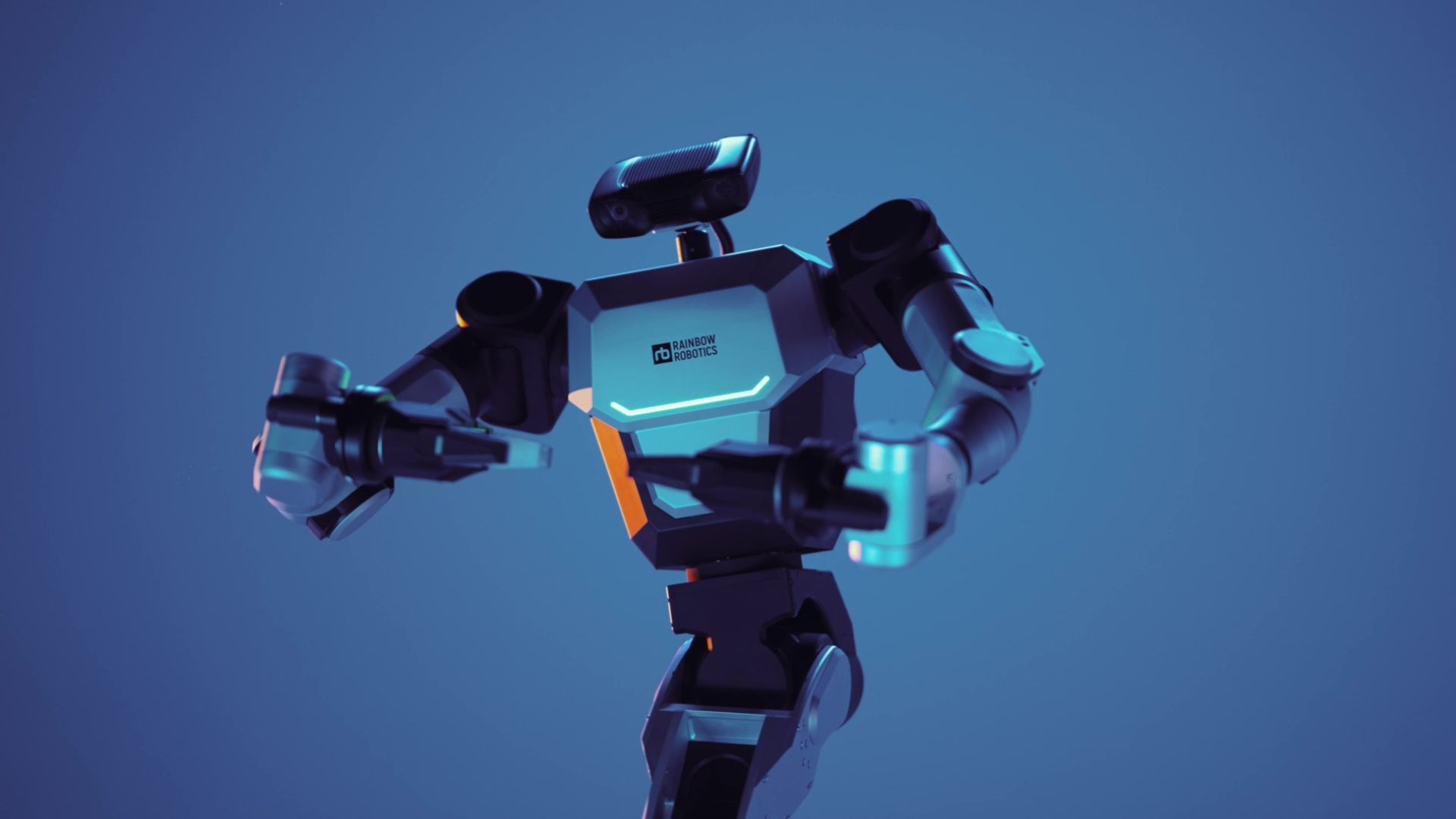
Samsung-backed 7 DOF robot is learning to work inside a giant e-commerce warehouse
A mobile robot created by Rainbow Robotics, a company under Samsung's control, has commenced testing operations within Coupang's facilities. This initiative, which began recently, aims to enhance the efficiency of logistics and delivery processes in the rapidly growing e-commerce sector. The collaboration between Rainbow Robotics and Coupang reflects a broader trend of integrating advanced robotics into supply chain management, driven by the increasing demand for faster and more reliable delivery services. The testing phase will assess the robot's capabilities in navigating the complex environments of Coupang's warehouses, potentially paving the way for wider adoption of robotic solutions in the industry.
AI and Robotics
LimX Dynamics unveils Luna humanoid robot with AI dance learning
On Monday, LimX Dynamics introduced the LimX Luna humanoid robot, which is priced at RMB 298,000 (approximately $41,000). The robot, measuring 160 centimeters in height, boasts 27 degrees of freedom, allowing for a wide range of movements. It is equipped with the company’s second-generation SYS 0 motion control engine, enhancing its performance. Additionally, the LimX Luna features improved cooling systems and extended battery life, enabling it to support multimodal interactions. This launch marks a significant advancement in humanoid robotics, reflecting LimX Dynamics' commitment to innovation in the field.
News Feed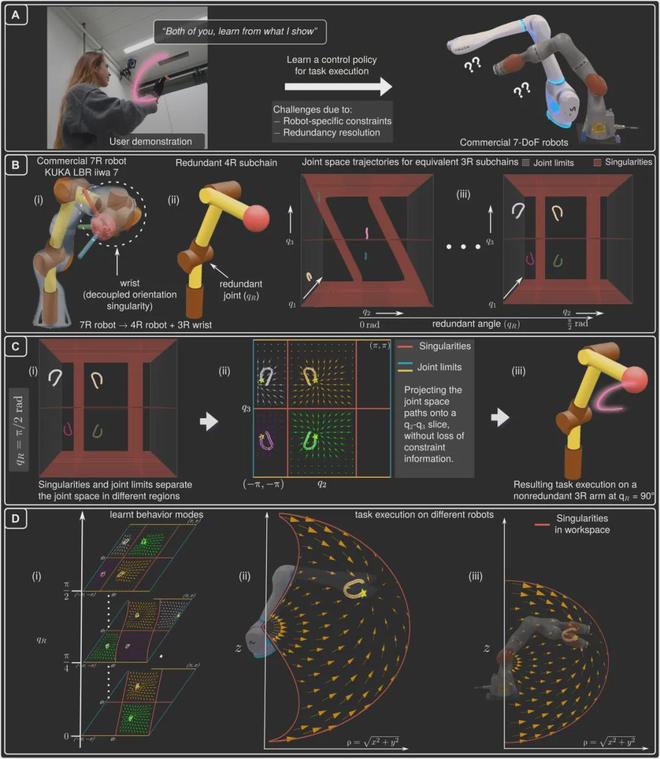
Why Switching Robots Requires Relearning Skills: A Breakthrough in Kinematic Intelligence
A recent study published in 'Science Robotics' has made significant strides in the field of robotics by tackling the challenge of skill transfer among different robotic systems. Researchers have introduced a concept known as 'kinematic intelligence,' which allows robots to comprehend their own physical structures. This advancement enables skills acquired by one robot to be effectively applied to others without the necessity for retraining. This breakthrough could revolutionize the way robots are programmed and utilized across various applications, enhancing their adaptability and efficiency in diverse environments.
Kinematic Intelligence Robot Skill Transfer Machine Learning Robotics Engineering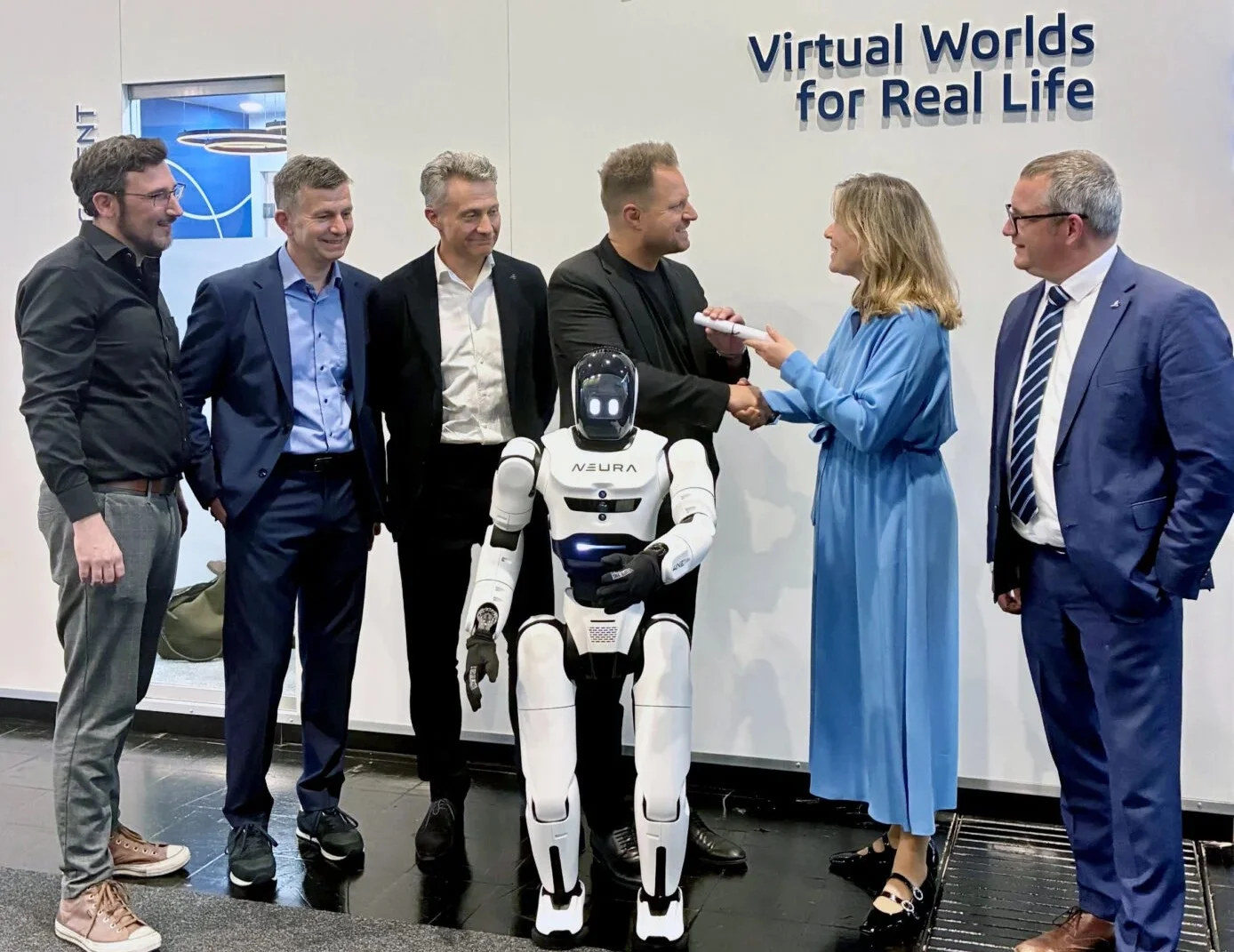
Neura Robotics and Dassault Systèmes Partner to Scale Physical AI Through Virtual Twins and Real World Learning
Neura Robotics has announced a partnership with Dassault Systèmes aimed at enhancing the training and deployment of robots. This collaboration integrates Neura's robotics platform with Dassault's 3DEXPERIENCE virtual twin platform, establishing a closed-loop system that allows robots to learn in simulated environments before operating in real-world settings. The initiative, which was revealed recently, seeks to facilitate continuous improvement of robotic systems by bridging the gap between virtual training and physical application. This innovative approach is expected to advance the efficiency and effectiveness of robotic operations across various industries.
AI AI Use Cases Robotics Dassault Systèmes Europe France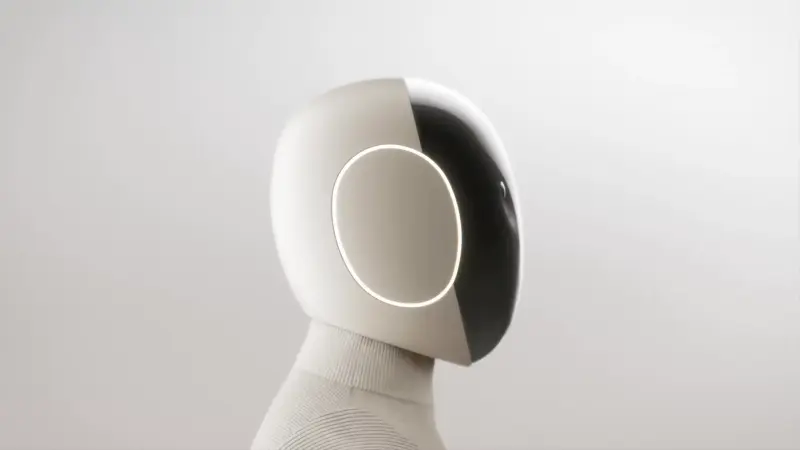
1X Technologies Details Humanoid Robot NEO's Path to Domestic Life, Emphasizing Real-World Learning and Safety
In a recent episode of the NVIDIA AI Podcast, Bernt Børnich, CEO of 1X Technologies, unveiled insights about the company's humanoid robot, NEO. Designed to learn and operate safely in human environments, NEO aims to assist with household chores and facilitate collaborative development with early adopters. The consumer launch is scheduled for 2025, following earlier announcements regarding home pilot programs. Børnich emphasized his broader vision for integrating humanoid assistance into daily life, highlighting the potential for these robots to enhance productivity and support human activities.
NVIDIA 1X-technologies machine learning AI NEO
X Square Robot Open-Sources XRZero-G0 to Scale Robot Learning with Interfaces, Data Quality and Ratios
A new framework named XRZero-G0 has been introduced to enhance the quality of data collection and training for embodied artificial intelligence, eliminating the need for robotic assistance. This innovative approach aims to streamline the process of gathering high-quality data, which is crucial for developing advanced AI systems. The framework was unveiled in October 2023, reflecting ongoing advancements in AI technology and data collection methodologies. By focusing on robot-free data collection, XRZero-G0 seeks to address challenges related to the dependency on physical robots, thereby making the training of AI more efficient and accessible. The initiative is expected to significantly impact the field of AI research and development, potentially leading to more robust and versatile AI applications across various industries.

Robots with different bodies can now share skills: What intention-based learning changes
A multi-institutional team, featuring Chongjie Zhang, an associate professor of computer science and engineering at Washington University in St. Louis, has developed an innovative method that allows robots to learn from one another despite differences in their designs. This advancement comes amid the growing use of robots across various sectors, including manufacturing, agriculture, and healthcare. The research addresses a critical challenge in robotics: enabling teams of robots to collaborate effectively and achieve shared goals. By leveraging this new approach, robots can better understand and replicate the intentions demonstrated by their peers, enhancing their operational efficiency and adaptability. This breakthrough could significantly impact the future of robotic applications, fostering more cohesive and intelligent robotic systems.
Robotics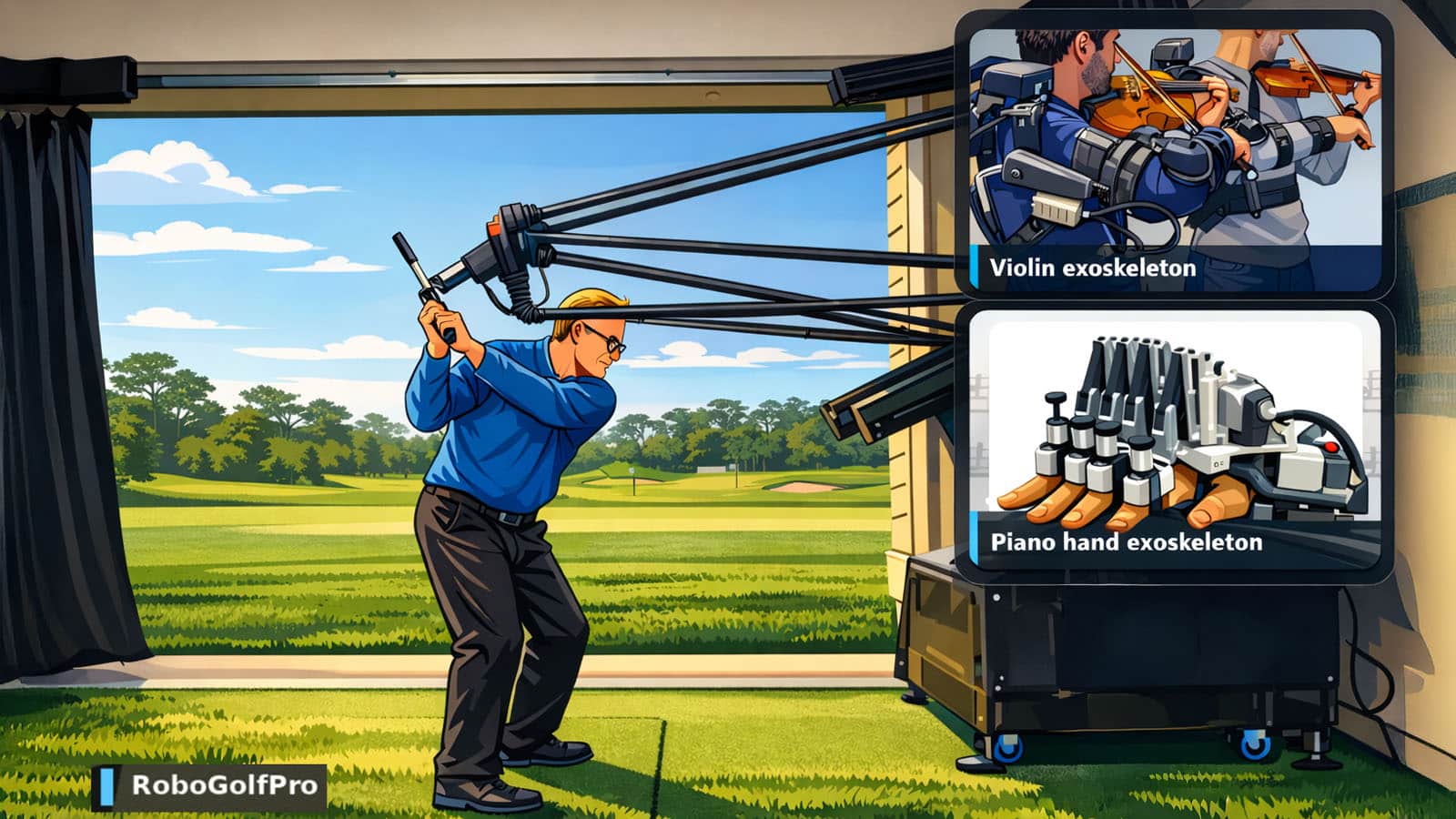
When the Robot Becomes the Teacher: Exoskeletons, Haptic Guidance, and the Future of Learning Movement
Recent discussions surrounding exoskeleton technology have predominantly centered on its applications in rehabilitation, industry, and defense, often overlooking its potential in education. Experts argue that this perspective may underestimate the transformative role exoskeletons could play in training environments. As the demand for innovative learning methods increases, the integration of exoskeletons and haptic guidance systems could revolutionize how movement and physical skills are taught. This shift in focus highlights the need for educational institutions to explore the benefits of these technologies, potentially enhancing the learning experience and improving outcomes for students. The exploration of exoskeletons in education represents a significant opportunity to redefine traditional teaching methods and foster a new generation of learners equipped with advanced skills.
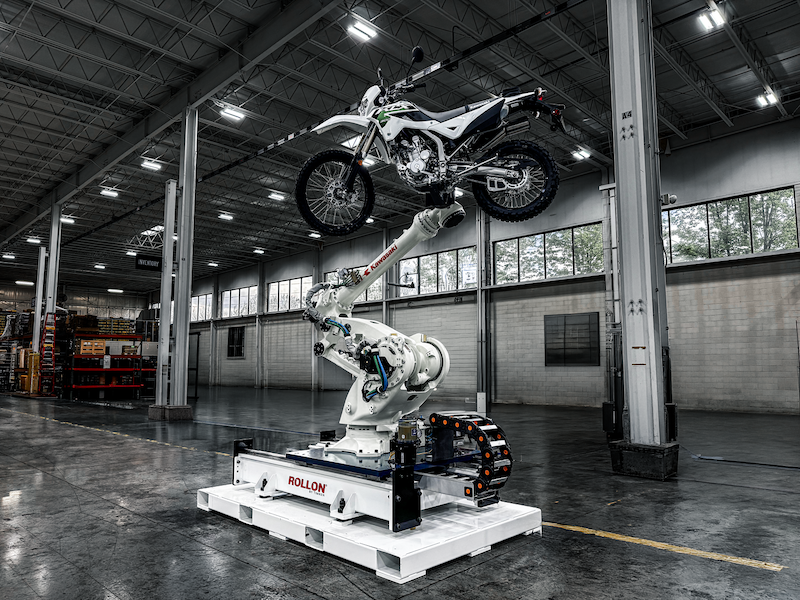
Kawasaki Robotics showcases 8-axis Physical AI robot and intelligent automation technologies at Automate 2026
Kawasaki Robotics unveiled its latest advancements in automation technology at the Automate 2026 trade show held in Chicago. The event, which took place recently, highlighted the transformative impact of robotics, artificial intelligence, machine learning, vision systems, and real-time control on industrial automation. A key feature of the showcase was the introduction of the new “RL030N” robot platform, which boasts eight degrees of freedom and is specifically designed for Physical AI applications. This innovation reflects Kawasaki Robotics' commitment to pushing the boundaries of automation and enhancing operational efficiency across various industries.
Industrial robots News Robotics 8-axis robot Automate 2026 BA013L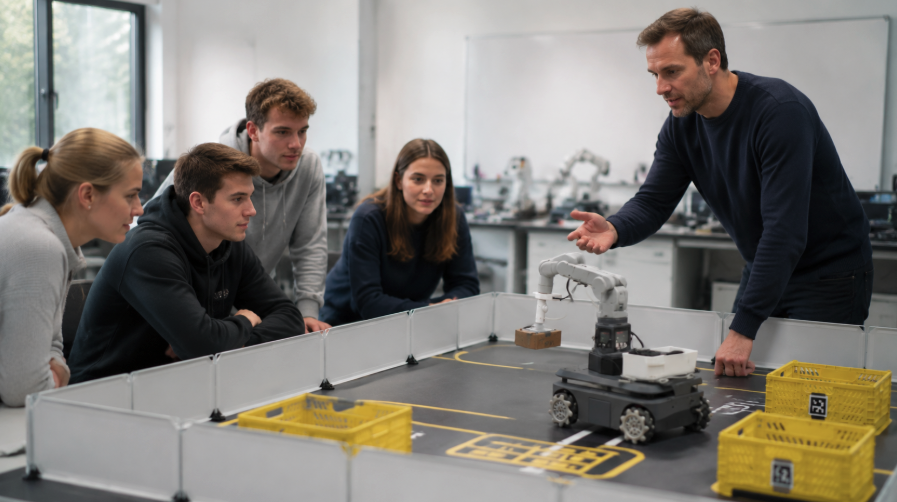
Empowering STEM Education and Research in the Americas: Elephant Robotics Introduces Integrated Educational Robotics Solutions
In recent years, STEM education has seen significant growth, fueled by a rising demand for practical engineering skills, artificial intelligence literacy, and interdisciplinary innovation. Despite this progress, schools, universities, and research laboratories continue to face challenges in creating effective robotics environments. Educators often struggle to integrate various components such as robotic arms, mobile platforms, sensors, and open-source software from multiple sources, complicating the development of comprehensive robotics programs. This ongoing issue highlights the need for streamlined solutions that can enhance the teaching and learning of robotics in educational settings.
Design Research Robotics AI education americas automation news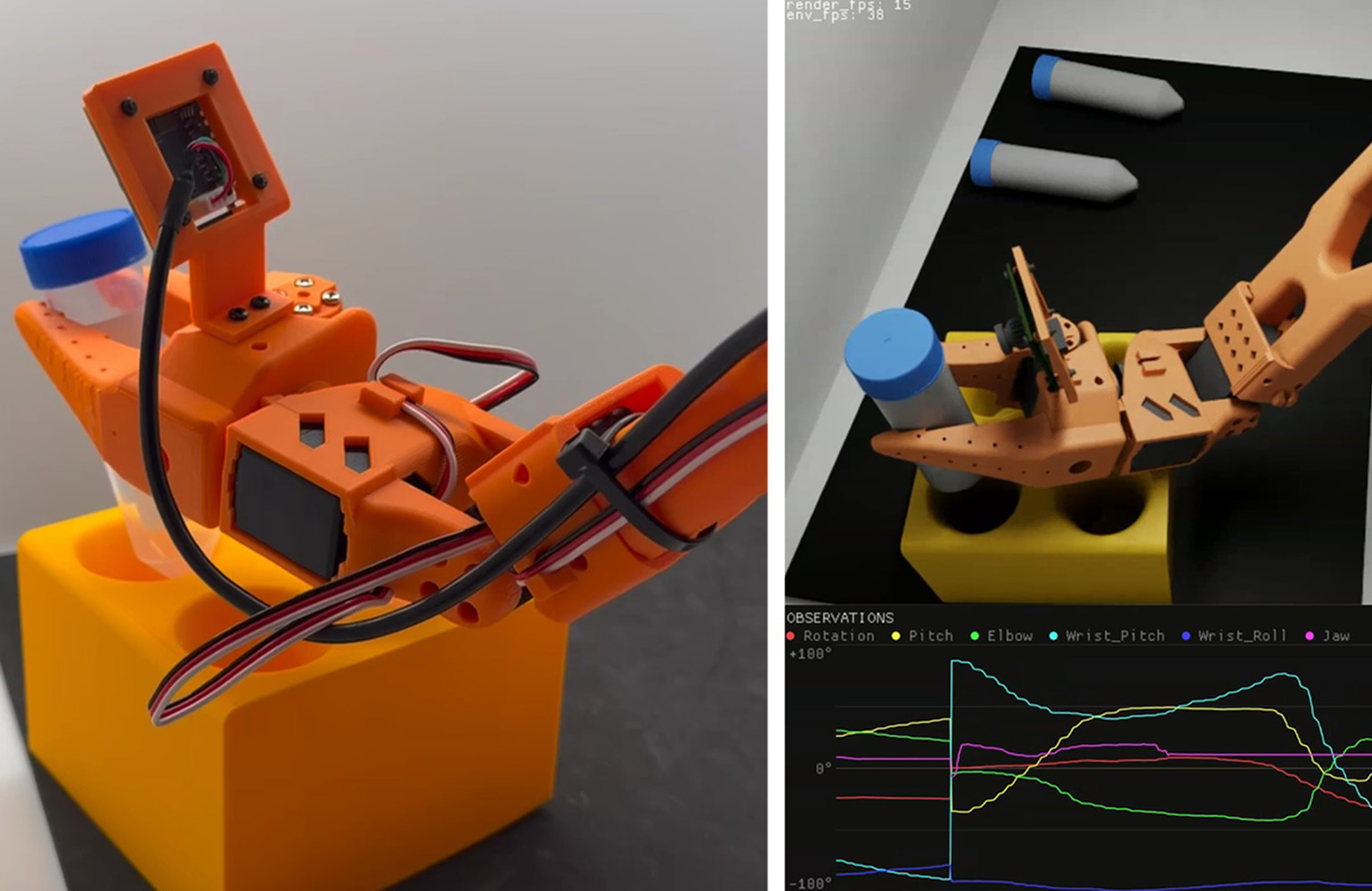
NVIDIA and Hugging Face bring new models and frameworks to LeRobot
Hugging Face has announced an update to its open-source robotics library, LeRobot, which is designed for training, running, and sharing robot datasets, models, policies, and workflows. This development comes in collaboration with NVIDIA, which is contributing new models and frameworks to enhance the capabilities of LeRobot. The partnership aims to streamline the process of robotics development and foster innovation in the field. This initiative is part of a broader effort to advance artificial intelligence and machine learning applications in robotics, making it easier for developers and researchers to access and utilize sophisticated tools. The announcement was made public recently, highlighting the growing synergy between AI and robotics as industries seek to leverage these technologies for improved automation and efficiency.
Artificial Intelligence Artificial Intelligence / Cognition Design / Development Development Tools / SDKs / Libraries Humanoids News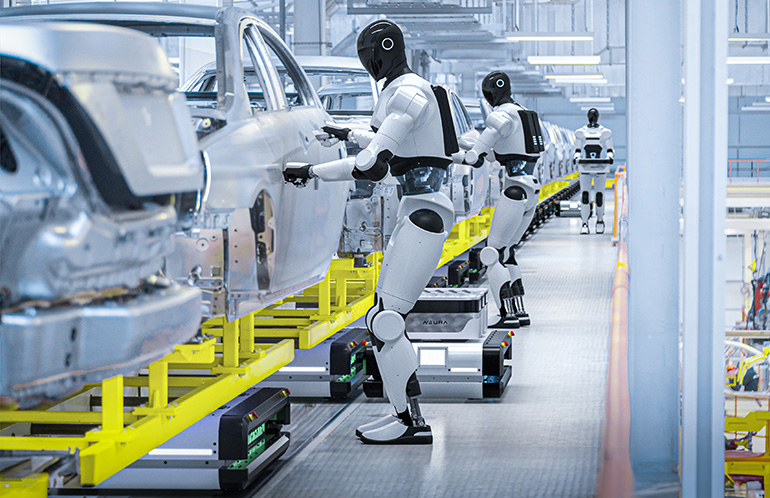
NEURA Robotics to raise up to $1.4B in Series C funding for physical AI
NEURA Robotics is set to enhance its capabilities in robot learning and increase the global production of humanoid robots and other systems. The company aims to raise up to $1.4 billion through a Series C funding round, which will support its ambitious expansion plans. This funding initiative reflects NEURA Robotics' commitment to advancing physical artificial intelligence and solidifying its position in the robotics market. The announcement comes as the demand for innovative robotic solutions continues to grow, prompting the company to seek substantial investment to fuel its development and production efforts.
Artificial Intelligence Artificial Intelligence / Cognition Autonomous Mobile Robots (AMRs) Collaborative Robots Development Tools / SDKs / Libraries Humanoids
Want to hire for your robotics startup? The autonomous vehicle industry is ripe for picking.
Veterans from the autonomous vehicle industry have established a new robotics company, highlighting the significant overlap in skills between the two fields. These industry pioneers shared insights with Business Insider, emphasizing that the expertise gained in developing autonomous vehicles is highly applicable to robotics. Their experience in data analysis, machine learning, and system integration equips them to tackle the challenges faced in the robotics sector. As the demand for advanced robotics solutions continues to grow, these founders aim to leverage their backgrounds to innovate and drive progress in this emerging market. The transition reflects a broader trend of professionals seeking to apply their technical skills across different technology domains, particularly as industries converge and evolve.
Transportation robotaxi robotics hiring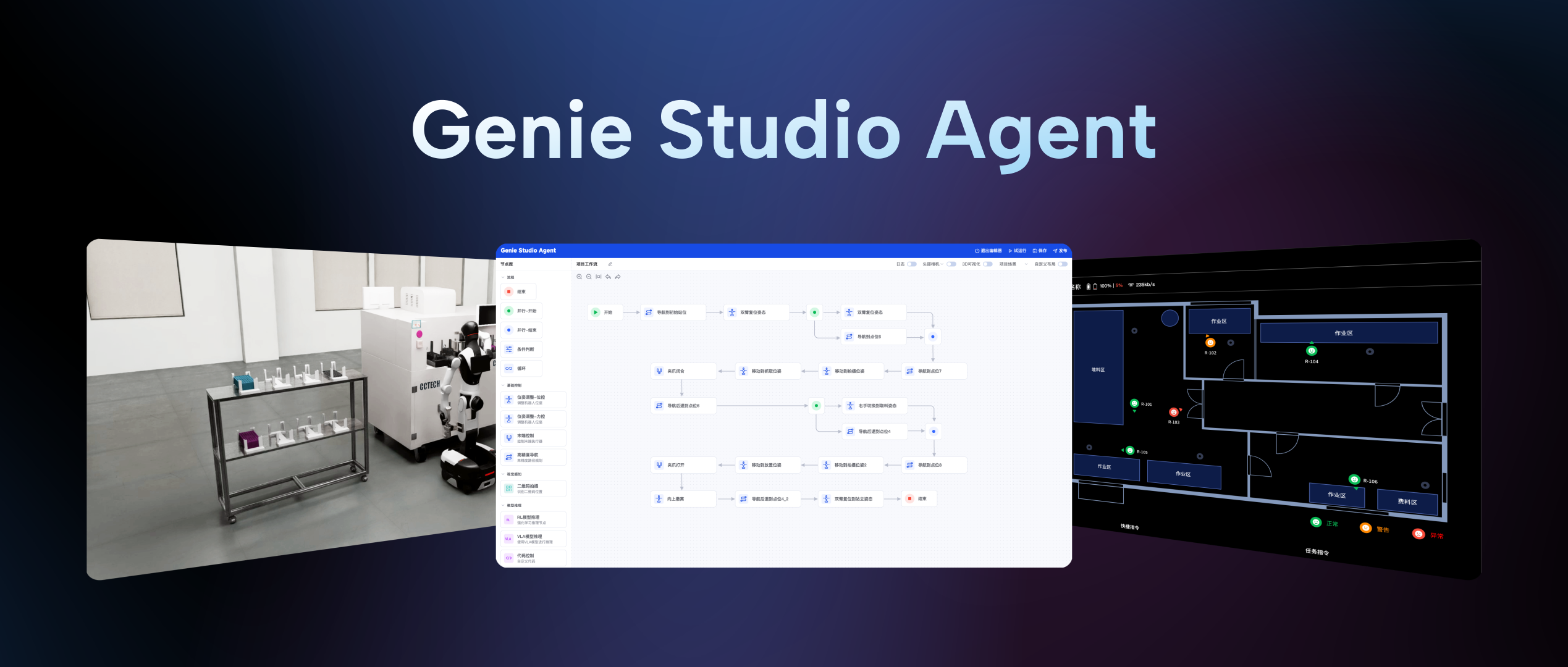
AGIBOT Launches Genie Studio Agent to Enable Scalable Robot Deployment
AGIBOT has introduced Genie Studio Agent, a zero-code platform aimed at simplifying and scaling the deployment of robots. Launched recently, this innovative tool enables users without programming skills to design intricate workflows using a user-friendly visual interface. The platform addresses the complexities associated with deploying robots in real-world scenarios by offering a robust software infrastructure that encompasses simulation features, reinforcement learning for ongoing optimization, and proactive management tools. This initiative is part of AGIBOT's commitment to making robotic technology more accessible and efficient for a broader range of users.
robotics AI automation software development technology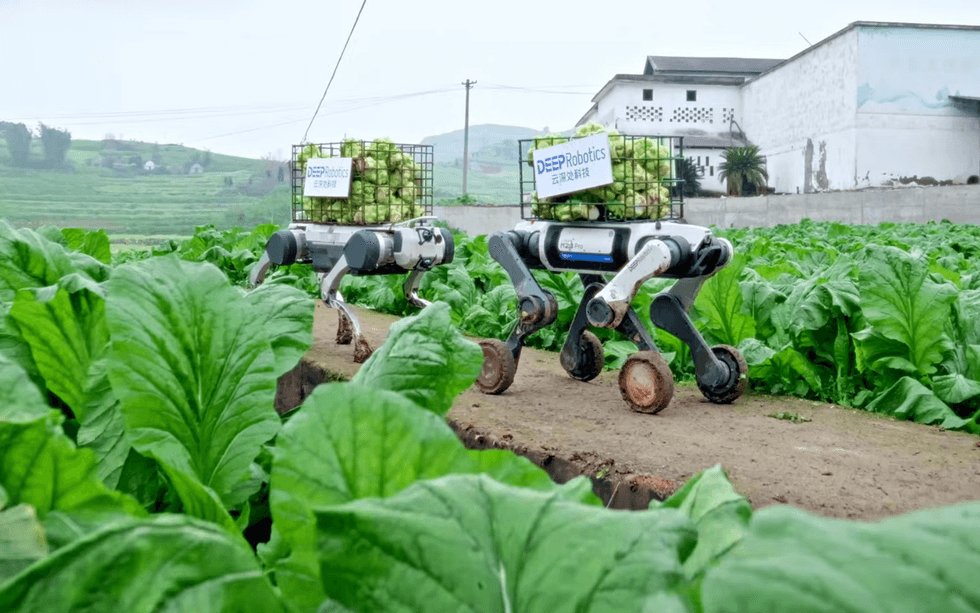
Video Friday: Robot Dogs Haul Produce From the Field
IEEE Spectrum's weekly feature, Video Friday, showcases a variety of innovative robotics videos and highlights upcoming robotics events, including the International Conference on Robotics and Automation (ICRA) scheduled for June 1-5, 2026, in Vienna. This week’s selection includes demonstrations of the Lynx M20 robots, which are designed to address the logistical challenges of transporting harvested crops in mountainous regions. Research from a collaboration between the Max Planck Institute for Intelligent Systems, the University of Michigan, and Cornell University reveals that magnetic microrobot swarms can manipulate larger objects without direct contact, showcasing their potential for complex tasks such as assembly and movement of small items. Meanwhile, Georgia Tech is investigating how bipedal robots can recover from balance loss in unpredictable environments, aiming to enhance their functionality in real-world applications. In a separate initiative, Carnegie Mellon University's TartanAUV team is refining their autonomous underwater vehicle, Osprey, in preparation for the annual RoboSub competition. Additionally, advancements in tilt-rotor aerial robots are being explored to improve control and maneuverability through reinforcement learning techniques. The feature also includes educational tools like the Astorino robot, designed for teaching robotics in schools, and discussions on the need for more realistic datasets for autonomous driving. Overall, the content reflects the ongoing evolution and application of robotics across various fields, emphasizing both technical advancements and educational initiatives.
Humanoid-robots Video-friday Swarm-robotics Quadruped-robots Farm-robots Bipedal-robots
Video Friday: Humanoid Robots Celebrate Spring
In the latest edition of Video Friday, IEEE Spectrum robotics highlights significant advancements in robotics and upcoming events. Among the featured developments, NASA's Perseverance rover has gained the ability to autonomously determine its location on Mars using a new technology called Mars global localization, which enhances its exploration capabilities. The rover utilizes an algorithm that compares panoramic images with orbital terrain maps, achieving location accuracy within 10 inches. Additionally, various robotics projects are showcased, including the progress of the Shiva robot in strawberry picking and the Corvus One for Cold Chain, designed to operate in extreme cold environments. The video series also includes insights into the rapid development of humanoid robots by the U.K.-based company Humanoid, which aims to create reliable and safe robots in increasingly shorter timeframes. Experts from institutions like Microsoft and Carnegie Mellon University discuss the future of human-robot collaboration and the challenges of scaling robot learning. As billions of dollars are invested in robotics, the potential for general-purpose humanoid robots appears closer than ever, promising to revolutionize interactions in both physical and digital realms. The weekly calendar of upcoming robotics events, including ICRA 2026 in Vienna, is also available for enthusiasts and professionals in the field.
Humanoid-robots Video-friday Agility-robotics Perseverance-rover Insect-robots Industrial-robotics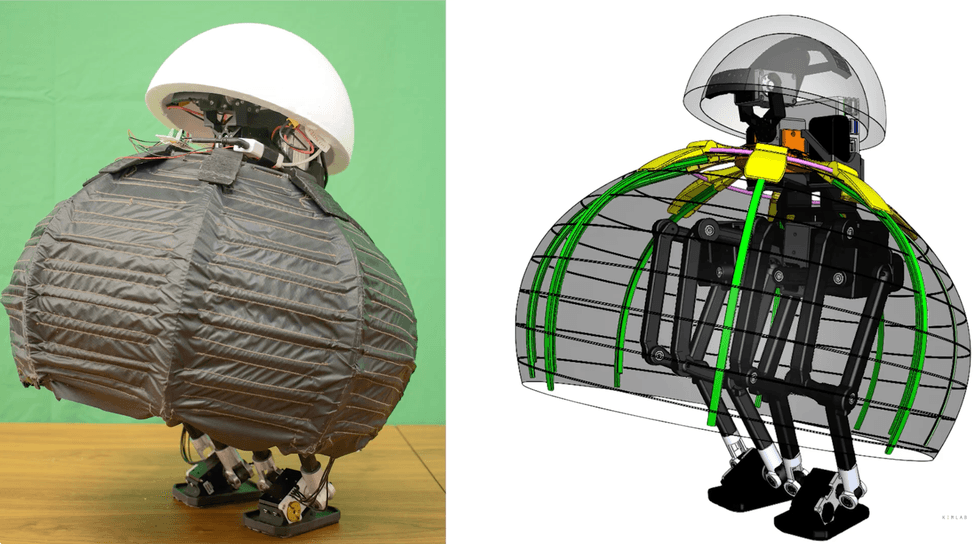
Video Friday: Bipedal Robot Stops Itself From Falling
IEEE Spectrum robotics has released its latest edition of Video Friday, showcasing a variety of innovative robotics videos and announcing upcoming events in the field. Among the highlights is the Robotic Autonomy in Complex Environments with Resiliency (RACER) program, which is nearing completion after extensive collaboration with the U.S. Army and Marine Corps. This program is expected to leave a lasting impact on military operations and stimulate private-sector investment in autonomous technologies. Notable advancements include the introduction of COSA, a cognitive operating system that enhances humanoid robots' capabilities for high-level cognition and motion control. Meanwhile, the 1X World Model has made significant strides in robot learning, allowing its NEO model to perform tasks autonomously based on voice or text prompts, even for unfamiliar objects. In assistive technology, the GuideData Dataset has been launched to improve interactions between guide dog trainers and visually impaired individuals, aiming to enhance mobility and safety. Additionally, Fourier's Care-Bot prototype is gaining attention for its interactive features at CES 2026. In environmental monitoring, ETH Zurich has developed an autonomous quadruped robot for volcanic gas measurements, successfully tested on Mount Etna. Humanoid robots have also made progress in industrial logistics, completing proof-of-concept testing at Siemens's factory in Erlangen. Columbia Engineers have created a robot capable of learning facial lip motions for speech and singing through observational learning, marking a significant milestone in robotics. Lastly, DEEP Robotics showcased its quadruped robots' capabilities in complex firefighting scenarios, while Synapticon introduced its POSITRON platform to enhance safety in humanoid robots for real-world applications.
Robotics Video-friday Bipedal-robots Humanoid-robots Quadruped-robots Industrial-robots
Crowdfunder Success Prepares Ocean Robotics Game for Launch
A team of scientists has launched an innovative tabletop game aimed at educating players about marine robotics and technology, following the success of their recent crowdfunding campaign. This initiative seeks to make learning about complex scientific concepts accessible and engaging for both homes and classrooms. By combining entertainment with education, the creators hope to inspire a new generation of young minds to explore the field of marine science and robotics. The game is designed to facilitate hands-on learning experiences, encouraging players to interact with the technology in a fun and interactive way. With the backing of enthusiastic supporters from the crowdfunding platform, the project is set to reach a wider audience, promoting awareness and interest in marine technology.
crowdfunding ocean robotics game launch scottish association for marine science (sams)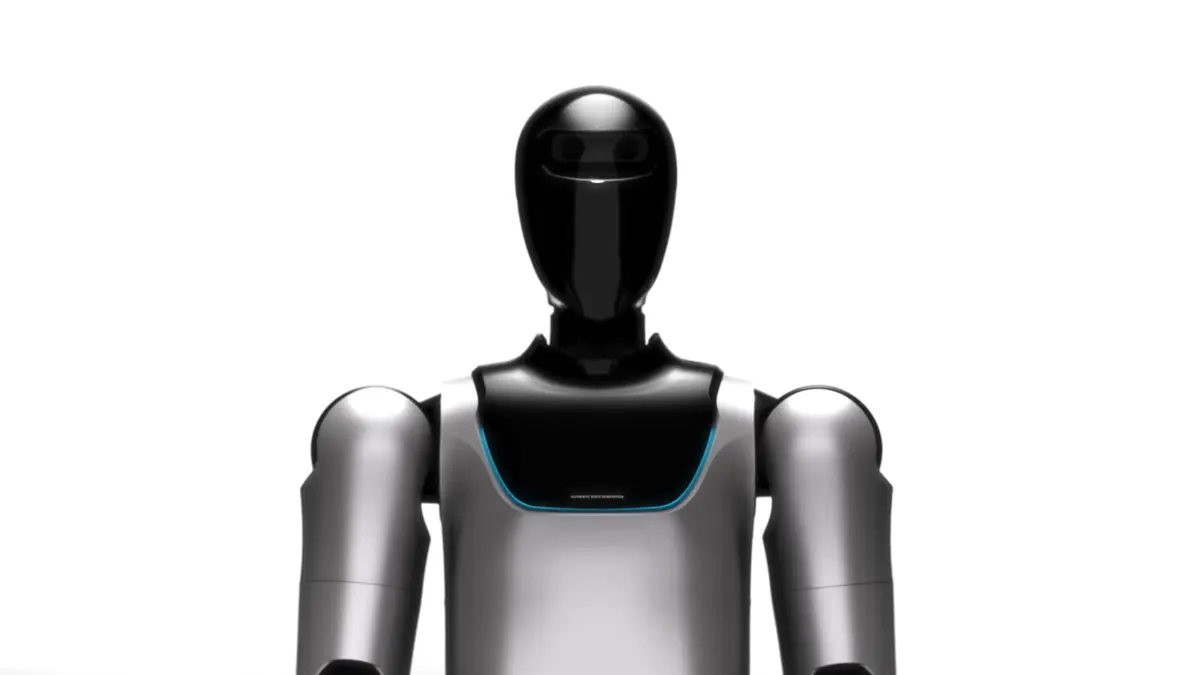
South Korea Challenges US and China with 'KAPEX' Humanoid Robot
LG Electronics, in collaboration with the Korea Institute of Science and Technology (KIST), has introduced KAPEX, a cutting-edge humanoid robot capable of learning and adapting to real-world environments. This launch represents a significant advancement in the competition for 'physical AI' on a global scale. The unveiling took place recently, highlighting the growing interest and investment in robotics and artificial intelligence technologies. By developing KAPEX, LG aims to position itself as a leader in the rapidly evolving field of humanoid robotics, responding to the increasing demand for intelligent machines that can interact seamlessly with humans and their surroundings.
kapex robot-software kist k-humanoid-alliance lg-electronics humanoid-robot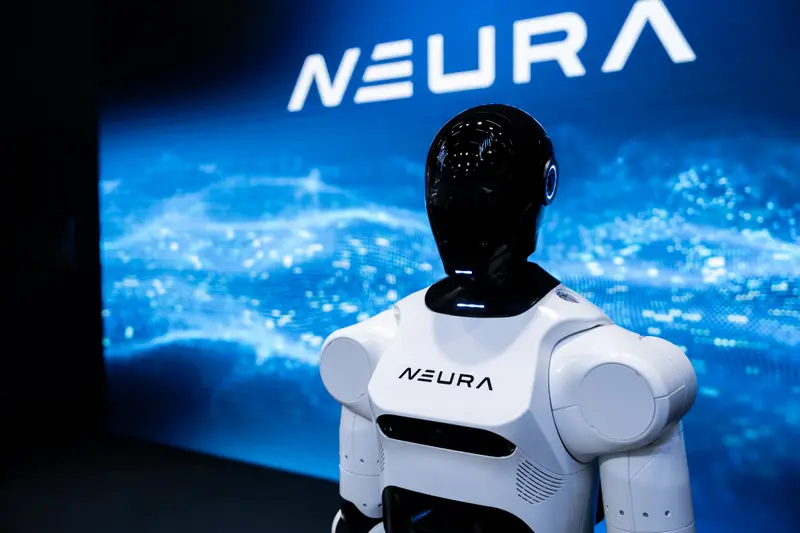
NEURA Robotics Unleashes Next-Gen Humanoids and Cognitive Ecosystem at Automatica 2025
At Automatica 2025, NEURA Robotics introduced its third-generation 4NE-1 humanoid robot, engineered for safe collaboration with humans. The event also marked the debut of the MiPA cognitive service robot. This launch emphasizes the growth of the Neuraverse, an AI-driven ecosystem designed to democratize robotics by facilitating shared learning and offering an "app-store" for robot skills. NEURA Robotics aims to make cognitive robotics accessible to the mass market, reflecting its commitment to innovation in the field.
Automatica 2025 4NE-1 humanoid-robots Cognitive Robotics Neura Robotics AI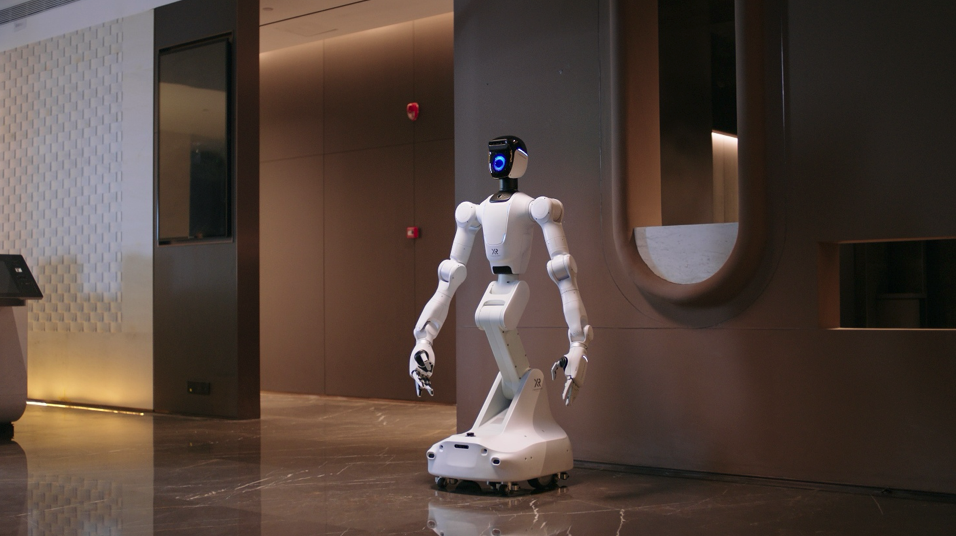
X Square Robot builds a full-stack approach to embodied AI and general-purpose robotics
The robotics industry is undergoing a transformation due to the swift advancement of embodied artificial intelligence, prompting companies to innovate machines that can tackle diverse real-world tasks instead of being limited to single functions. Notably, Shenzhen-based X Square Robot has emerged as a key player in this competitive landscape, successfully completing four consecutive financing rounds. This funding achievement underscores the growing interest and investment in versatile robotic technologies, as firms strive to enhance their capabilities and meet the increasing demand for intelligent automation solutions.
Business Features Robotics artificial intelligence Artixon china robotics
Opinion: The AI infrastructure risk robotics leaders can’t afford to ignore
The robotics industry is experiencing a significant transformation, marked by advancements in autonomous mobile robots that are now navigating warehouses with enhanced precision and intelligence. As of October 2023, industrial robots are evolving to become smarter and more adaptable, while AI-powered vision systems are revolutionizing sectors such as manufacturing, logistics, and defense. This surge in technological capabilities is driven by the increasing demand for efficiency and automation across various industries, highlighting the critical role of innovation in shaping the future of robotics.
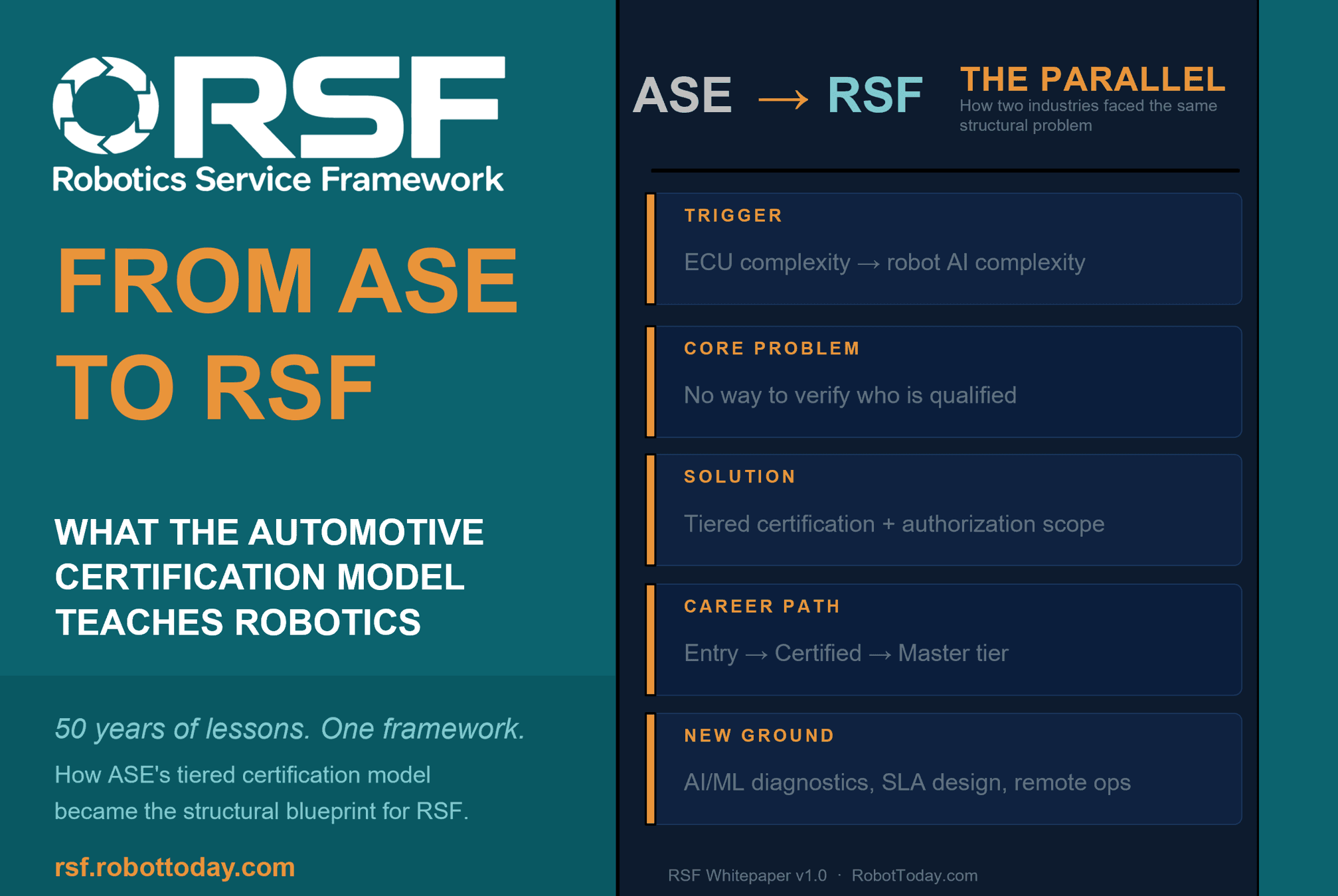
Aircraft Artificial Intelligence Engineering Features AI deployment AI infrastructureRobotics needs a service framework.
RSF defines a common language for robot service capability, lifecycle operations, certification pathways, and service-provider networks.