Industry Briefing
A single destination for timely, editor-curated robotics news from around the world.
CUHK Introduces Innovative Single-Tendon Continuum Robots for Enhanced Motion Control
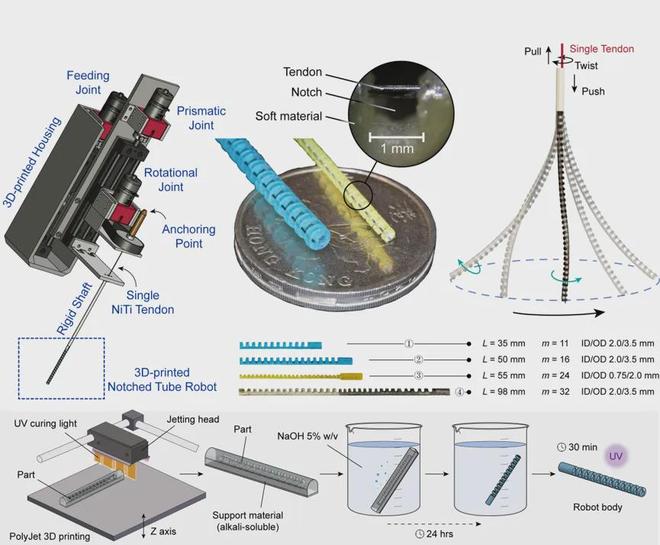
The Chinese University of Hong Kong (CUHK) has developed a groundbreaking single-tendon-driven continuum robot, addressing the longstanding challenges in minimally invasive medical applications. This innovative design utilizes a single eccentrically arranged tendon to achieve near omnidirectional motion control, significantly simplifying the actuator and transmission system while maintaining a compact size. This advancement is crucial as traditional tendon-driven continuum robots (TDCRs) rely on multiple tendons for three-dimensional motion, leading to increased complexity and limitations in miniaturization. The new paradigm proposed by CUHK's research team not only enhances spatial manipulation capabilities but also improves force transmission efficiency, paving the way for next-generation minimally invasive surgical robots. Looking ahead, the research, published in Nature Communications, offers a new design and technological pathway for continuum robots, inspired by the flexible movement observed in biological systems. No further timeline was disclosed at the time of publication.
Continuum Robots Medical Robotics Robotic Motion Control Tendon-Driven Robotics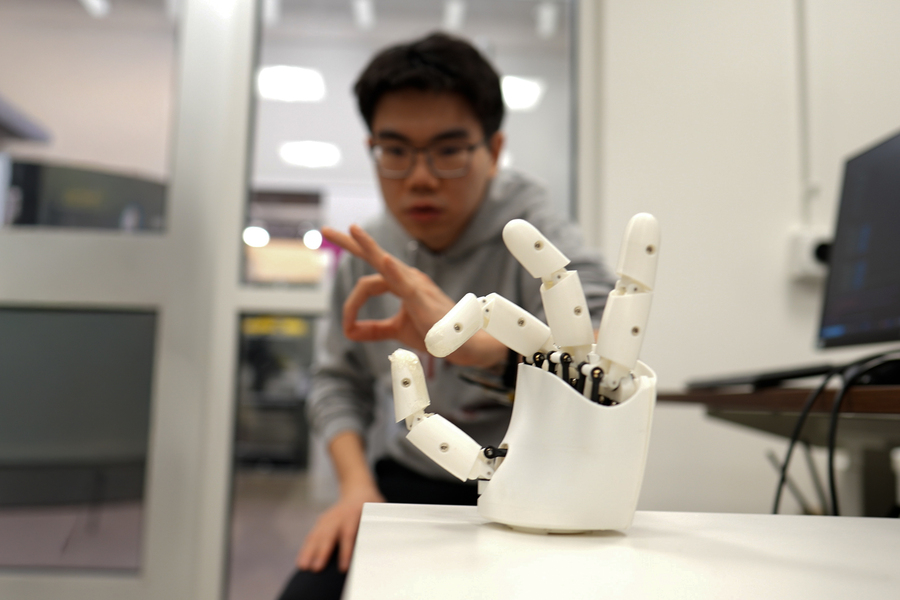
MIT Engineers Develop Ultrasound Wristband for Real-Time Robotic Hand Control
MIT engineers have created an innovative ultrasound wristband that allows wearers to control a robotic hand through their own movements. This wristband captures real-time images of the wrist's muscles and tendons, translating them into the positions of the fingers and palm using an AI algorithm. Demonstrations have shown that users can wirelessly manipulate a robotic hand to perform tasks like playing the piano or shooting a basketball. This technology is significant as it offers a new method for hand tracking in robotics and virtual reality, potentially replacing traditional techniques that rely on cameras or sensor-laden gloves. The wristband's ability to gather diverse hand motion data could lead to advancements in training humanoid robots for dexterous tasks, including surgical procedures. Xuanhe Zhao, a professor at MIT, emphasizes the immediate impact this work could have on both virtual environments and robotic dexterity. Looking ahead, the research team aims to expand their dataset of hand motions by collecting data from users with varying hand sizes and gestures. This could enhance the capabilities of humanoid robots and improve interactions in virtual settings. No further timeline was disclosed at the time of publication.

Tombot's AI-Driven Robotic Dog Receives Over 23,000 Preorders for Senior Emotional Support
Tombot, a robotics company based in Los Angeles, has announced the completion of a $7 million Series A3 funding round led by Caduceus Capital Partners and Wavemaker 360. This brings the company's total funding to over $13 million, with more than 23,000 preorders for Jennie, an AI-driven robotic Labrador puppy, already secured before product delivery. The significance of Jennie lies in its potential to address the growing issue of loneliness among seniors, particularly those suffering from dementia and mild cognitive impairment. With over 300 million individuals globally affected by these conditions, Tombot aims to provide a medical-grade emotional support device that requires no feeding, walking, or maintenance, thus offering a viable companionship option for the elderly. Looking ahead, Tombot's focus will be on continuous updates to Jennie's behavior and voice commands through an accompanying mobile app. The response from investors and the market indicates a serious consideration of robotic companions as a solution to the pressing challenges of aging populations and caregiver shortages. No further timeline was disclosed at the time of publication.
Emotional Support Robots Elderly Care Technology AI Companions Robotics
In-Depth Analysis of Adsorption and Locomotion Codesign for Wall-Climbing Robots
The Journal of Field Robotics has published a comprehensive review focusing on the adsorption-locomotion codesign of wall-climbing robots. This review highlights the intricate relationship between the robots' ability to adhere to surfaces and their locomotion capabilities, which are crucial for performing complex operations on various surfaces. Understanding the codesign of these robots is essential as it directly impacts their efficiency and effectiveness in real-world applications. The review emphasizes the importance of optimizing both adsorption and locomotion to enhance the performance of wall-climbing robots, which are increasingly being utilized in fields such as inspection, maintenance, and exploration. Looking ahead, researchers and developers in the robotics field should pay close attention to advancements in adsorption technologies and locomotion strategies. Continued innovation in these areas could lead to significant improvements in the functionality and versatility of wall-climbing robots. No further timeline was disclosed at the time of publication.
SURVEY ARTICLE
Control Method Developed for Heavy-Duty Hexapod Robot Navigating Border Terrains Using Simplified Model
A new control method has been developed for a heavy-duty hexapod robot designed to walk on border terrains, as reported in the Journal of Field Robotics. This method utilizes a simplified model to enhance the robot's navigation capabilities in challenging environments. The significance of this development lies in its potential applications in various sectors, including military and disaster response, where navigating difficult terrains is crucial. The heavy-duty hexapod robot's ability to traverse border terrains effectively could improve operational efficiency and safety in these scenarios. Looking ahead, the implications of this control method could lead to further advancements in robotic mobility and control systems. No further timeline was disclosed at the time of publication.
RESEARCH ARTICLE
Agile Multiskill Locomotion Techniques for Quadrupedal Robots in Natural Environments
A recent study published in Science Robotics explores advanced locomotion techniques for quadrupedal robots designed for outdoor environments. The research focuses on developing agile and perceptive multiskill locomotion capabilities that enable these robots to navigate complex terrains effectively. This advancement is significant as it enhances the operational versatility of quadrupedal robots, making them more suitable for various applications in challenging environments. By improving their ability to adapt to different terrains, these robots can be utilized in fields such as search and rescue, environmental monitoring, and exploration. Looking ahead, the implications of this research could lead to further innovations in robotic mobility and autonomy. No further timeline was disclosed at the time of publication.
Research Article
Regal Rexnord to bring its motion control portfolio to the Robotics Summit
Regal Rexnord is set to showcase its advanced motion control portfolio at the upcoming Robotics Summit. The event will highlight how the company’s unified motion ecosystem enhances the design of modern robotic systems. This demonstration aims to illustrate the innovative solutions Regal Rexnord offers to meet the evolving needs of the robotics industry. The Robotics Summit serves as a platform for industry leaders to exchange ideas and explore the latest technological advancements, making it an ideal venue for Regal Rexnord to present its capabilities.
Events Motion Control News Robot Components Kollmorgen portescap
Introducing the New Slim Hollow Shaft Encoder for Compact Robotics and Motion Control Applications
The IH520 Series has been introduced as a slim incremental hollow shaft encoder, specifically engineered to deliver accurate motion feedback for compact robotics and motion control applications. This innovative device is particularly suited for environments with restricted space and the need for continuous operation. Key features include a low axial profile, flange mounting, and a hollow shaft design, all of which facilitate straightforward installation. The development of the IH520 Series addresses the growing demand for efficient and reliable motion control solutions in modern robotics.
Robotics as Part of Machine Control
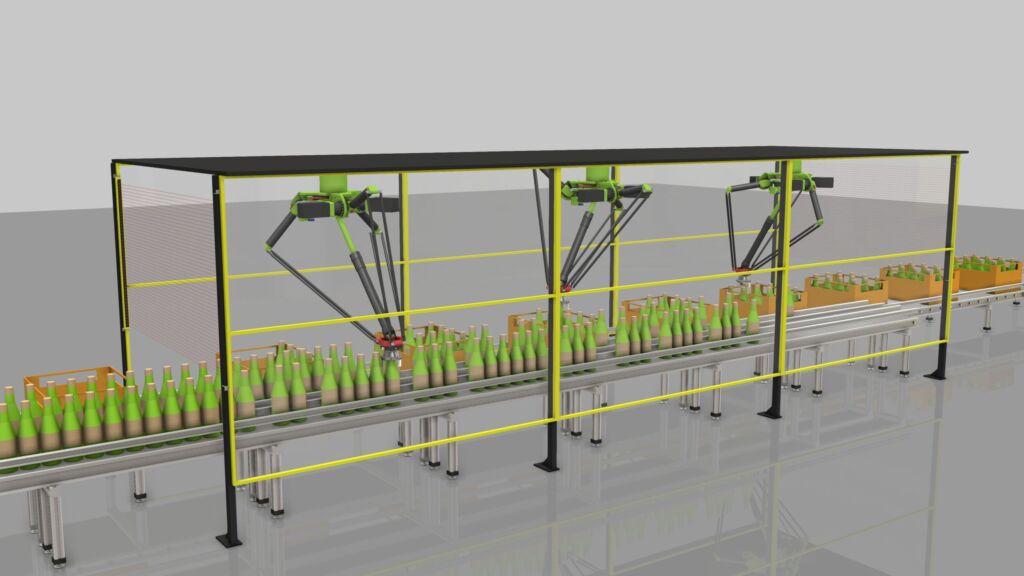
As the demands for modern packaging lines continue to rise, with increased throughput, greater variety, and heightened flexibility becoming essential, the use of robotics is gaining traction in the end-of-line sector. To efficiently meet these evolving requirements, new automation approaches are integrating robotics directly into machine control systems. One such solution is KeMotion from Keba Industrial Automation, which combines robotics and machine automation on the Kemro X platform. This advancement reflects the industry's shift towards more sophisticated and adaptable manufacturing processes, aimed at enhancing productivity and operational efficiency.
Allgemein Lebensmittel & Verpackung Lösungen
Allient to demonstrate advanced motion control systems at 2026 Robotics Summit & Expo
Allient is set to showcase its advanced motion and control technologies at the Robotics Summit & Expo taking place this week in Boston. The company aims to highlight its innovative systems, which are designed to enhance robotic applications and improve operational efficiency. This exhibition represents an opportunity for Allient to engage with industry professionals and demonstrate the capabilities of its latest developments in motion control. The event serves as a platform for networking and collaboration within the robotics sector, emphasizing the importance of technological advancements in driving the future of automation.
Actuators / Motors / Servos Controllers Events Motion Control News allient
Güdel to showcase advanced grinding with vertical and horizontal motion at Automate 2026.
Güdel has introduced innovative advancements in heavy-duty robotic grinding applications by enhancing its TMV and TMF systems with two additional degrees of freedom. This development allows for more versatile grinding capabilities, enabling robots to perform tasks with both vertical and horizontal motion. The new features will be showcased at the upcoming Automate 2026 event, highlighting the company's commitment to pushing the boundaries of robotic technology in industrial settings. This enhancement aims to improve efficiency and precision in grinding processes, addressing the growing demand for advanced automation solutions in manufacturing.
Automotive Energy / Solar / Renewables Events Machine Tool & Material Removal Motion Control News
Robot-assisted measurement cells to enhance control processes.
Méca-Précis has implemented a robotic measurement cell to enhance the efficiency of its testing processes. This innovation aims to streamline quality control and improve overall operational effectiveness. The introduction of this advanced technology reflects the company's commitment to integrating automation in its production line, ultimately leading to more reliable and precise measurements. The move is part of a broader trend in the industry, where companies are increasingly adopting robotics to optimize their workflows and maintain competitive advantages.
Allgemein Lösungen Robot Vision & Inspection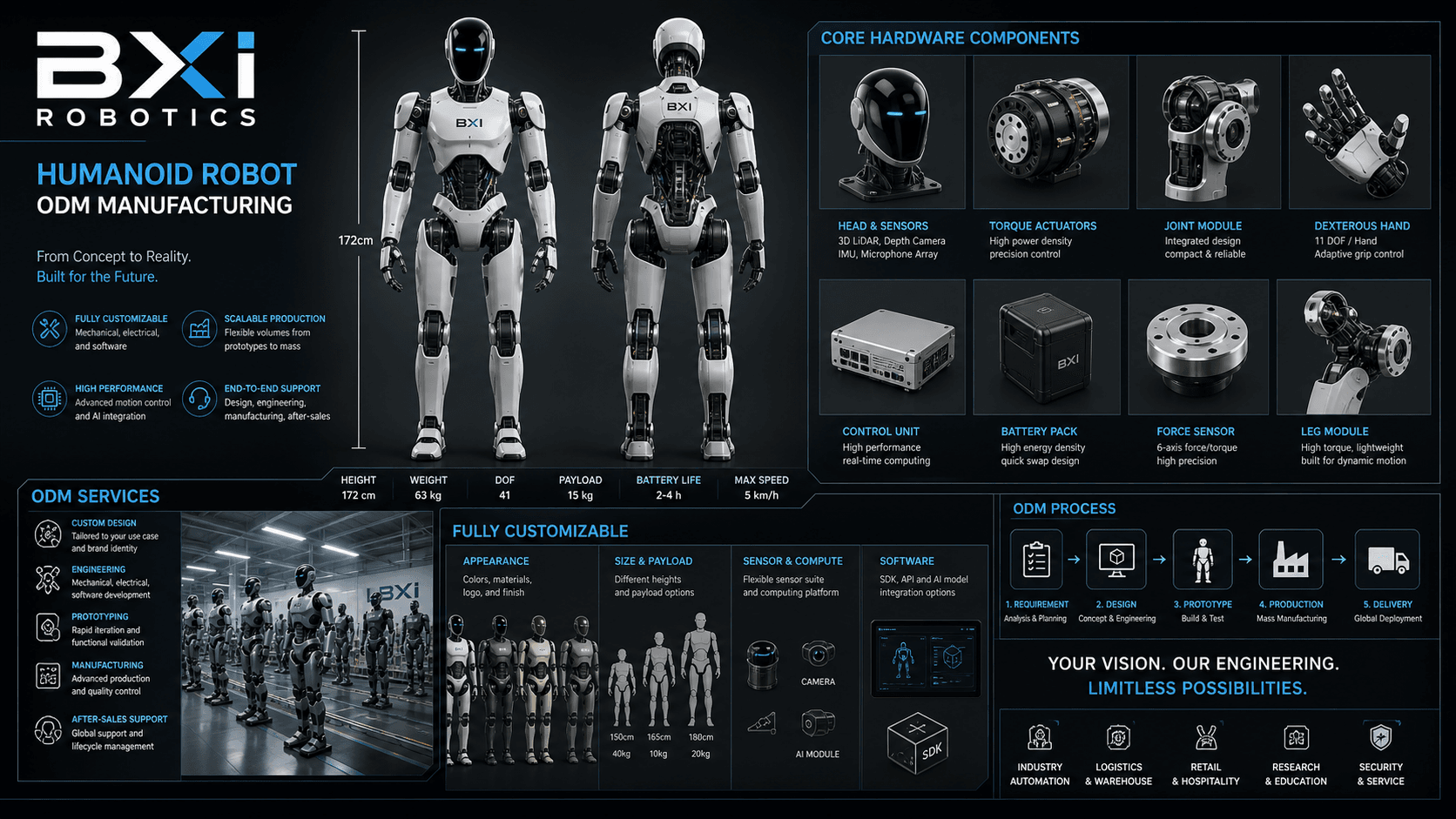
BXI Robotics Secures Funding for Full-Stack Humanoid Robot Solutions
BXI Robotics has successfully raised funding from Suochen Technology, following support from Feirongda. This funding will enhance BXI's capabilities in providing full-stack original design manufacturing (ODM) solutions for humanoid robots, which include self-developed motors, controls, and algorithms that have been verified for marathon-level reliability. The significance of this funding lies in BXI Robotics' commitment to advancing humanoid robotics technology. By securing financial backing, the company can further develop its comprehensive solutions, which are crucial for the growing demand in the robotics sector. The integration of reliable motors and algorithms positions BXI as a competitive player in the market. Looking ahead, industry observers should monitor BXI Robotics' progress in deploying its humanoid robot solutions and any potential partnerships that may arise as a result of this funding. No further timeline was disclosed at the time of publication.
Startups
ROBOTS Secures Seed Funding for Integrated Control Platform Development with NTT Docomo and Incubate Fund
ROBOTS has announced the completion of a seed funding round through third-party allocation from Incubate Fund and NTT Docomo. The startup focuses on developing an integrated control platform for robots that become smarter through on-site operations. The funding will accelerate research and development of this platform and physical AI, particularly for implementation in the security sector. The significance of this development lies in addressing the severe labor shortages in the security industry, where high turnover rates and an aging workforce pose challenges. By integrating various robots and sensors into a cohesive system, ROBOTS aims to enhance operational efficiency and reduce the burden on security personnel. This approach allows for a flexible response to diverse on-site tasks, which is crucial given the unique demands of different environments. Looking ahead, ROBOTS plans to leverage insights gained from security applications to expand into other sectors such as equipment inspection and construction. CEO Koki Kawauchi emphasized the importance of robotics in addressing real-world challenges, aiming for a future where diverse robots work alongside humans seamlessly.
Booster Robotics Launches Booster T2 Humanoid Robot with NVIDIA Thor Computing Power
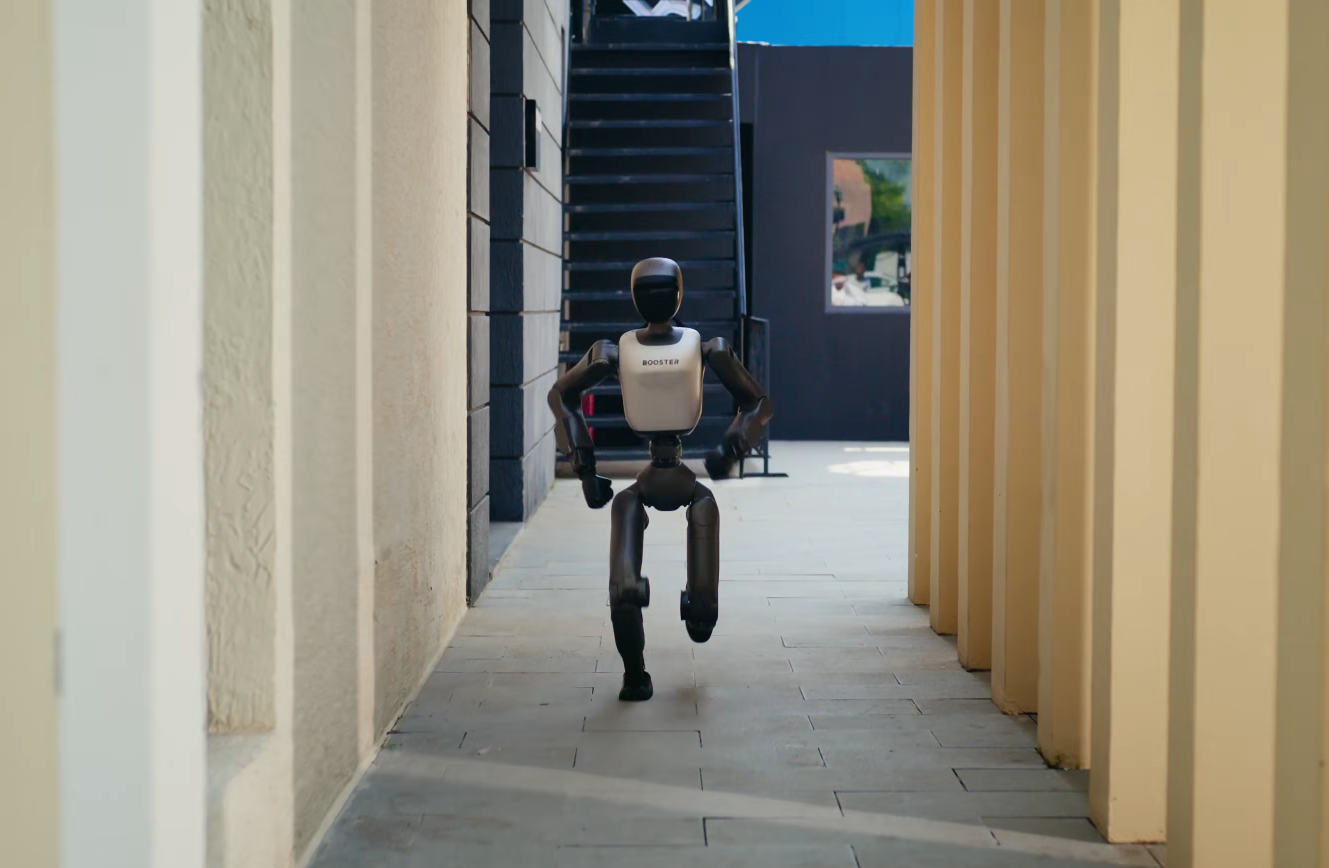
Booster Robotics has introduced the Booster T2, a humanoid robot platform aimed at real-world applications and embodied AI research. The T2 Pro version utilizes NVIDIA’s Thor chip, delivering up to 2,070 TFLOPS for real-time perception and control. The robot is designed for tasks requiring mobility and manipulation, showcasing advanced capabilities such as walking, dynamic balance, and athletic movements. The significance of the Booster T2 lies in its integration of cutting-edge technology and open development. With features like whole-body coordination and onboard AI computing, it supports a wide range of applications in robotics. The introduction of Booster Studio, an open software platform, further enhances its utility by allowing developers to simulate and deploy AI models effectively. Looking ahead, the Booster T2 is positioned to advance research in embodied AI and robotics. Its robust design, including 31 degrees of freedom and multiple hardware configurations, makes it suitable for various manipulation tasks. No further timeline was disclosed at the time of publication.
AI and Robotics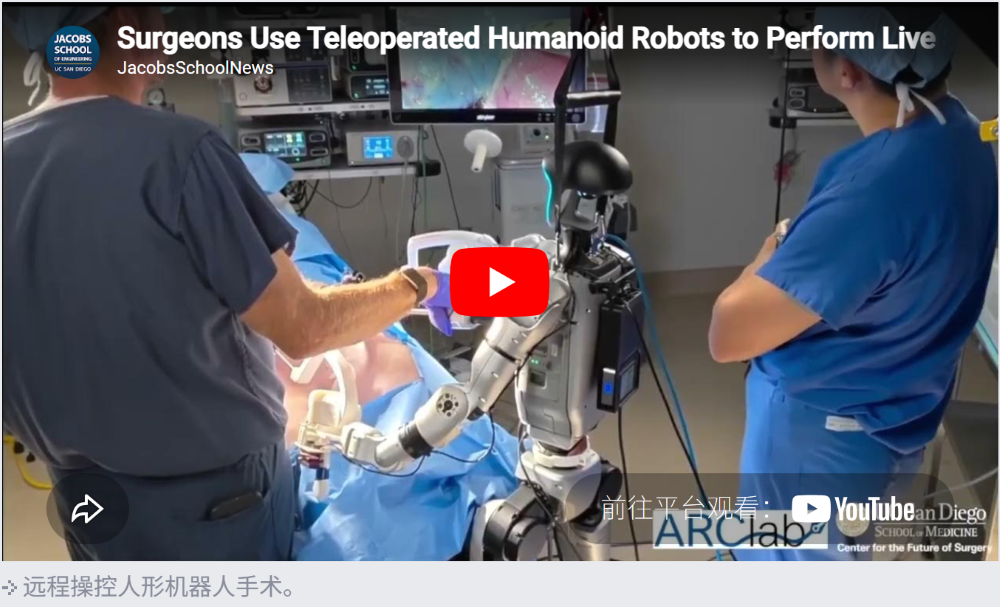
Humanoid Robot H1 Completes First Live Gallbladder Surgery Under Surgeon Control
In July 2026, a humanoid robot successfully performed the world's first live gallbladder surgery on a pig under the control of a surgeon. This groundbreaking procedure, documented by Nature and featured on the front page of the New York Post, has sparked significant discussions in the tech community about the implications of humanoid robots in surgical settings, particularly regarding remote control and AI capabilities. The significance of this achievement lies in its potential to disrupt the surgical robotics market, which has been dominated by the Da Vinci surgical system for nearly two decades. The Da Vinci system, known for its high costs exceeding $2 million, relies on specialized robotic arms and instruments. In contrast, the humanoid robot's design allows it to utilize standard surgical tools, which could lead to reduced costs and increased accessibility for hospitals. Looking ahead, the successful completion of this surgery marks a pivotal moment for humanoid robots in healthcare. While regulatory hurdles and clinical validation processes remain, the experiment demonstrates that humanoid robots can perform complex surgical tasks. The next challenge will be determining when the costs associated with these robots can be lowered enough for broader adoption by hospitals beyond top-tier institutions. No further timeline was disclosed at the time of publication.
Humanoid Robots Surgical Robotics AI in Healthcare Remote Surgery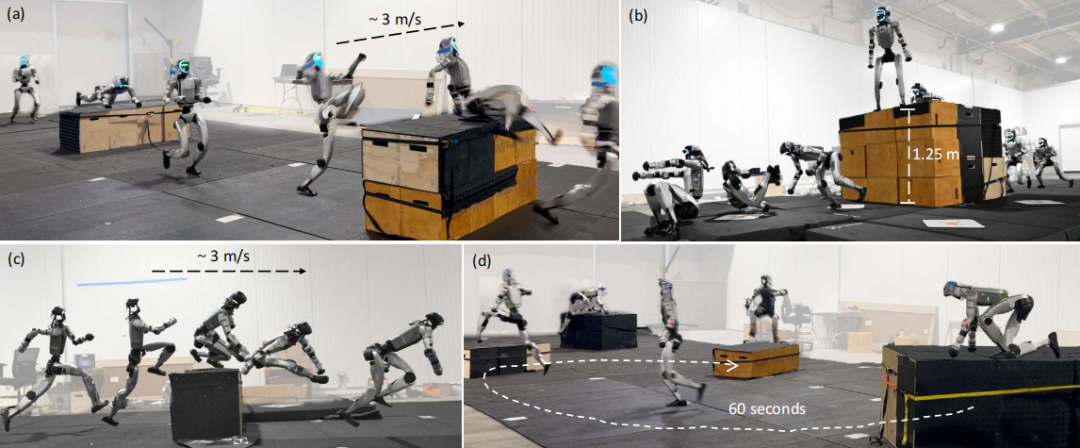
Maoning Praises! Yushu G1 Achieves 3m/s Parkour Speed! Humanoid Robot Successfully Overcomes Dynamic Obstacles at Human Level for the First Time!
The Yushu G1 humanoid robot has achieved remarkable advancements in dynamic parkour, reaching speeds of 3.41 meters per second and successfully navigating obstacles such as a 1.25-meter wall. This innovative development is the result of a collaborative effort among researchers from prominent universities, who employed cutting-edge motion matching techniques to significantly improve the robot's agility and overall performance. The progress marks a notable milestone in robotics, showcasing the potential for humanoid machines to perform complex physical tasks with increased efficiency and precision.
Humanoid Robots Robot Motion Control Dynamic Obstacle Navigation AI Technology
Design and Motion Control of a Propeller–Leg Hybrid Multimodal Underwater Adhesion Robot
The Journal of Field Robotics has published an early view article that explores advancements in robotic technology and its applications in various fields. This publication, released in October 2023, highlights the innovative research conducted by a team of engineers and scientists aiming to enhance the efficiency and capabilities of robotic systems. The study focuses on the integration of artificial intelligence and machine learning to improve navigation and decision-making processes in autonomous robots. Researchers conducted extensive field tests to evaluate the performance of these systems in real-world environments, demonstrating significant improvements over previous models. The findings are expected to impact industries such as agriculture, manufacturing, and disaster response, where robotic assistance can lead to increased productivity and safety. This research underscores the growing importance of robotics in addressing complex challenges and advancing technological solutions across multiple sectors.
RESEARCH ARTICLE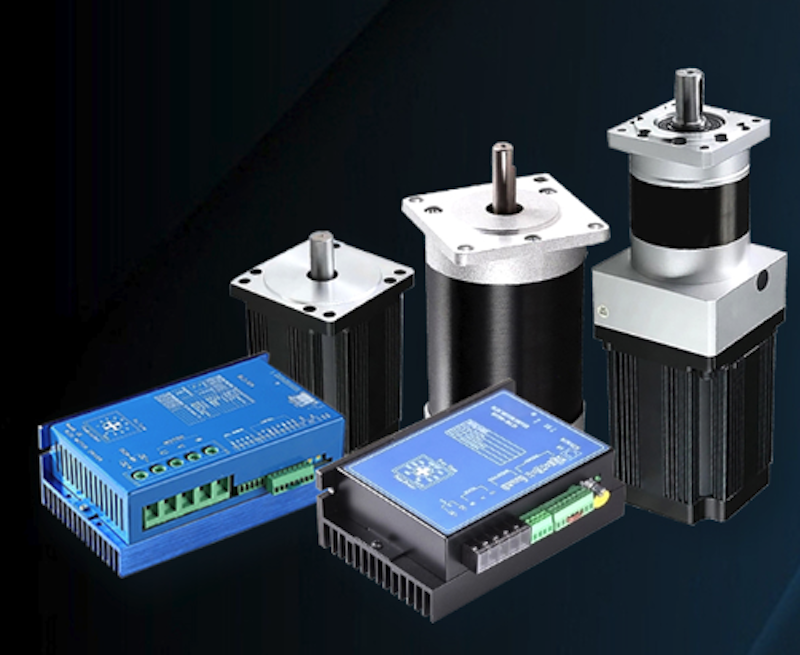
How Motor Controllers Influence Robot Accuracy and Energy Efficiency
As the robotics sector rapidly evolves, industries including manufacturing, healthcare, logistics, and agriculture are increasingly reliant on advanced motion control technologies. This surge in demand is largely driven by the need for precise and energy-efficient solutions to enhance operational efficiency. Central to many of these modern robotic systems are Brushless DC (BLDC) motors, which are celebrated for their high efficiency, reliability, and extended lifespan. However, the optimal performance of these motors is contingent upon effective control strategies and integration within robotic frameworks. As companies seek to leverage the advantages of BLDC motors, ongoing innovations in motion control technology are expected to further enhance the capabilities of robotic systems across various sectors.
Components Engineering amrs autonomous mobile robots BLDC motor controllers BLDC motors
Mouser Electronics launches "Rise of the Robots" series on the fusion of sensing, AI, and control technologies.
Mouser Electronics has unveiled the latest installment of its technology series, "Empowering Innovation Together" (EIT), titled "Rise of the Robots." This new episode explores the advancements in robotics and their impact on various industries. The release aims to highlight the growing significance of robotics in enhancing efficiency and productivity across sectors. By showcasing innovative technologies and expert insights, Mouser seeks to inform and inspire its audience about the future of automation. The series continues to serve as a platform for discussing cutting-edge developments in technology, reinforcing Mouser's commitment to fostering innovation in the electronics industry.
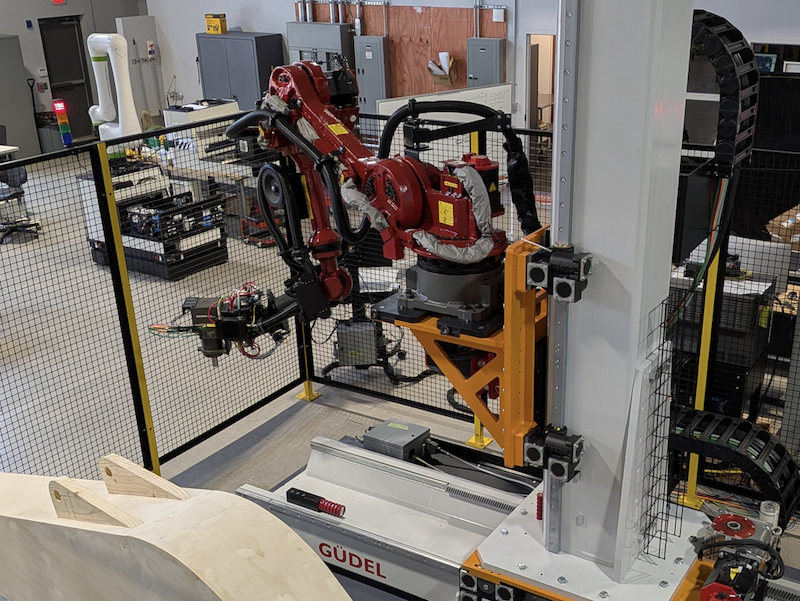
Güdel enhances robotic grinding capabilities with integrated vertical and horizontal movement.
The automation of grinding and surface finishing for large fabricated parts is gaining attention as a solution to the challenges posed by traditional methods, which are often characterized as dull, dirty, and dangerous. However, the implementation of robotic systems in this area presents significant hurdles, including the need for multiple robots and intricate part repositioning. These factors contribute to increased costs and longer cycle times, while also introducing new variations into the manufacturing process. As industries seek to enhance efficiency and safety, the push for automation in grinding applications continues to evolve, highlighting the need for innovative solutions to streamline operations and reduce overhead.
Engineering Events Automate 2026 automation news factory automation fanuc
Hydromea Unveils D-FIN™: A Cutting-Edge ESC Motor Controller for Robotic Vehicles
Hydromea, a leader in underwater robotics and wireless communication, has unveiled its latest innovation, the D-FIN™ Electronic Speed Controller (ESC) Motor Controller. This advanced device is designed to enhance the performance of brushless permanent magnet DC (BLDC) motors and thrusters, offering exceptional efficiency, compact design, and precision. The launch reflects Hydromea's commitment to advancing underwater technology, catering to the growing demand for high-performance solutions in marine applications. The D-FIN™ ESC is expected to significantly improve operational capabilities for various underwater robotics, paving the way for more effective exploration and research in aquatic environments.
hydromea d-fin™ esc motor controller robotic vehicles
Phoxter to showcase AI inspection, AMR, and warehouse control systems at Robot Technology Japan 2026.
Phoxter Co., Ltd. will showcase its innovations at the upcoming "Robot Technology Japan 2026" exhibition, scheduled to take place from June 11 to June 13, 2026, at the Aichi Sky Expo. This event aims to highlight advancements in robotics technology and foster collaboration within the industry. By participating, Phoxter seeks to demonstrate its commitment to driving innovation and engaging with potential partners and customers in the rapidly evolving robotics sector.

Video: This $42k humanoid robot from China blends real-time motion, vision, and smart control
Chinese robotics company LimX Dynamics has unveiled a full-size humanoid robot aimed at enhancing automation across various industries. The launch took place on October 15, 2023, at a technology expo in Shanghai, where the company showcased its latest advancements in robotics. This innovative robot is designed to perform tasks traditionally handled by humans, thereby increasing efficiency and productivity in workplaces. LimX Dynamics believes that the integration of such robots can significantly reduce labor costs and address workforce shortages in sectors like manufacturing and logistics. The development process involved extensive research and collaboration with industry experts to ensure the robot's capabilities meet the demands of modern enterprises.

Allient Inc. to Demonstrate Advanced Motion Solutions at Robotics Summit & Expo 2026
Allient Inc., a global leader in specialty motion, controls, and power solutions, will showcase its advanced motion technologies at the Robotics Summit & Expo 2026 on May 27-28 at the Boston Convention and Exhibition Center in Massachusetts. The company aims to highlight its innovative solutions for robotics and automation applications, demonstrating its capabilities through live and static displays at Booth #222. Attendees can expect to see a range of products, including the Pyxmos™ drive operating a frameless motor, custom integrated motors, and various frameless motor assemblies designed for specific applications. Allient’s offerings also feature high-performance motors such as the Electroflux Series and the Megaflux™ torque motors, which are engineered for demanding robotic environments. Robert Mastromattei, Chief Commercial Officer & Group President at Allient, emphasized that the event will showcase the precision and performance required in advanced robotics systems, underscoring the company's commitment to delivering high-value solutions across multiple industries. For more details on Allient's participation and other upcoming events, interested parties can visit their official website.

China's First GaN Magnetic Encoding Chip for Humanoid Robot Joints Released, Setting a New Benchmark for High-Precision Motion Control
China Semiconductor has unveiled its first domestically produced GaN magnetic encoding sensor designed specifically for humanoid robot joints. This groundbreaking chip, introduced recently, promises enhanced performance in extreme conditions, effectively tackling significant industry challenges such as overheating and precision issues. By providing a solution to these critical problems, the new sensor paves the way for the advancement of high-performance robotic joints, marking a significant step forward in robotics technology.
Humanoid Robots Motion Control GaN Technology Robotics Sensors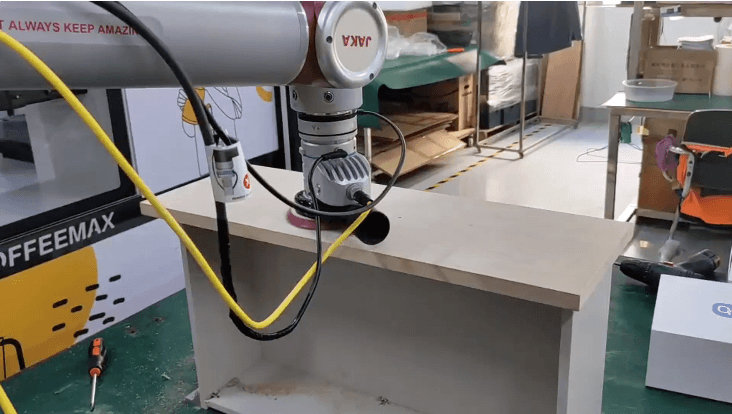
Understanding Automation Robotics Technology: From Sensors to Control Systems (JAKA CAB V3)
JAKA, a leader in automation robotics technology, has unveiled its advanced polishing robot, powered by the innovative CAB V3 controller, designed to enhance the precision and consistency of metal component finishing. This cutting-edge system, which integrates sophisticated sensing and control mechanisms, addresses the challenges faced by skilled artisans in achieving flawless surfaces. The CAB V3 controller serves as the brain of the robot, translating high-resolution sensor data into precise motion commands. Equipped with advanced proprioceptive sensors and force control technology, the polishing robot can adapt to subtle variations in part geometry, ensuring optimal tool orientation and pressure during operation. This real-time feedback loop allows the robot to maintain high standards of quality while compensating for any deviations. JAKA's design philosophy emphasizes the seamless integration of sensing, computation, and mechanical action, enabling the polishing robot to operate smoothly without vibrations that could damage surfaces. The CAB V3 also supports connectivity with external vision systems and factory networks, enhancing flexibility in mixed-production environments. By leveraging this advanced automation technology, manufacturers can achieve unprecedented levels of consistency and quality in their finishing tasks, transforming the traditional polishing process into a highly efficient and repeatable operation.
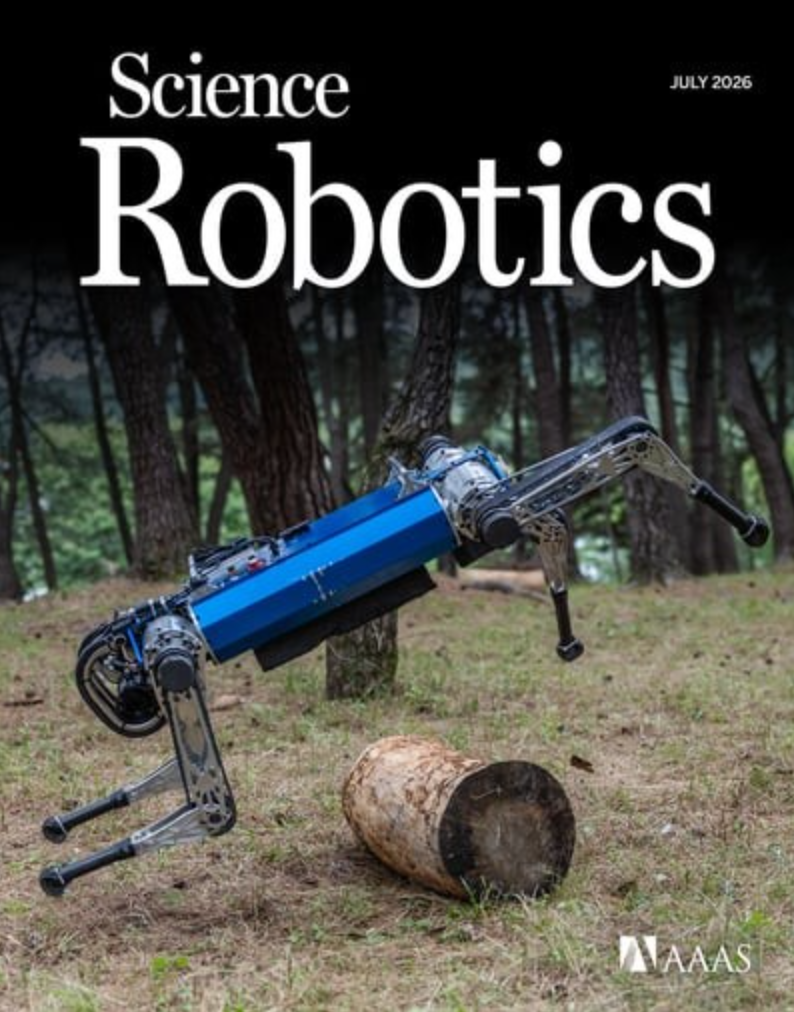
KAIST Unveils Advanced Four-Legged Robot with Autonomous Navigation Technology
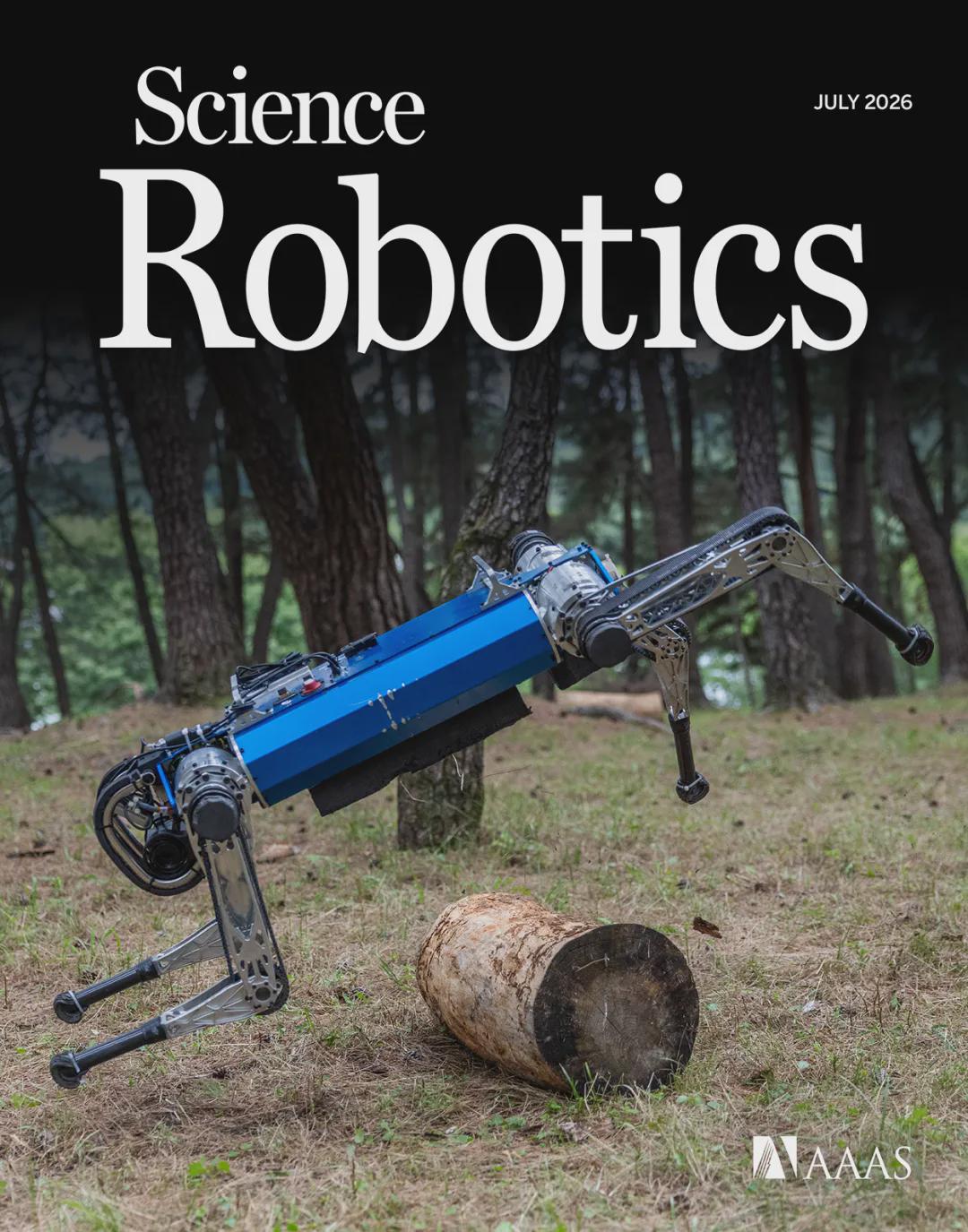
KAIST's mechanical engineering team, led by Professor Park Hai-won, announced a breakthrough in robotic technology on July 16. They developed a four-legged robot capable of autonomously selecting and switching between various gaits in real-time, enabling it to navigate complex outdoor environments with speed and stability. This innovation is significant as it integrates a new control architecture called APT-RL (Action Pre-training Reinforcement Learning based on Transformers), which allows the robot to learn movement through computer simulations rather than traditional motion capture. The robot, named KAIST HOUND, demonstrated its capabilities by traversing diverse terrains, achieving peak speeds of 6 meters per second, faster than an average cyclist. Future developments to watch include the potential applications of this technology in disaster response, defense tasks, and industrial inspections. The research was published in the July issue of the journal Science Robotics, highlighting its importance in advancing the field of robotic control and physical AI.
Four-Legged Robots Robotics Technology AI Autonomous Navigation
MIT and EPFL Develop Flapping Robot for Seamless Water-Air Transition with Advanced Wing Design
Researchers from MIT and EPFL have created a flapping robot capable of transitioning between water and air without legs. Weighing approximately 250 grams, the robot features a streamlined body, two flexible wings, and a controllable tail. It can flap its wings at frequencies of up to 6 Hz underwater and 5.2 to 11 Hz in the air, mimicking the behavior of diving birds, as detailed in a recent Science publication. This innovation is significant as it addresses the complex physical challenges of transitioning from water to air, a feat that most diving birds achieve with the aid of their legs. The robot's flexible wings reduce drag and allow for a higher flapping frequency underwater compared to rigid wings. This design not only enhances its swimming efficiency but also aligns with biological observations of diving birds, providing insights into their locomotion strategies. Looking ahead, the research team is exploring optimal wing configurations and has tested various sizes and stiffnesses. Future experiments will focus on the robot's ability to transition from water to air solely through wing flapping, a critical milestone that could reveal more about the mechanics of avian flight and inspire advancements in robotic design. No further timeline was disclosed at the time of publication.
Flapping Robots Aerial Robotics Aquatic Robotics Bio-inspired Engineering
Harmonic Drive Advances Surgical Robotics Supply With Innovative LPA 20 Compact Actuator Control Component
Harmonic Drive has unveiled its latest innovation, the LPA 20 integrated servo actuator, enhancing its reputation as a leading supplier of motion control components for surgical robotics. This new actuator is designed to provide exceptional precision and a compact form factor, addressing significant challenges faced by original equipment manufacturers (OEMs) in the medical field. The launch underscores Harmonic Drive's commitment to advancing technology in surgical applications, ensuring that OEMs can meet the growing demands for efficiency and reliability in robotic systems.
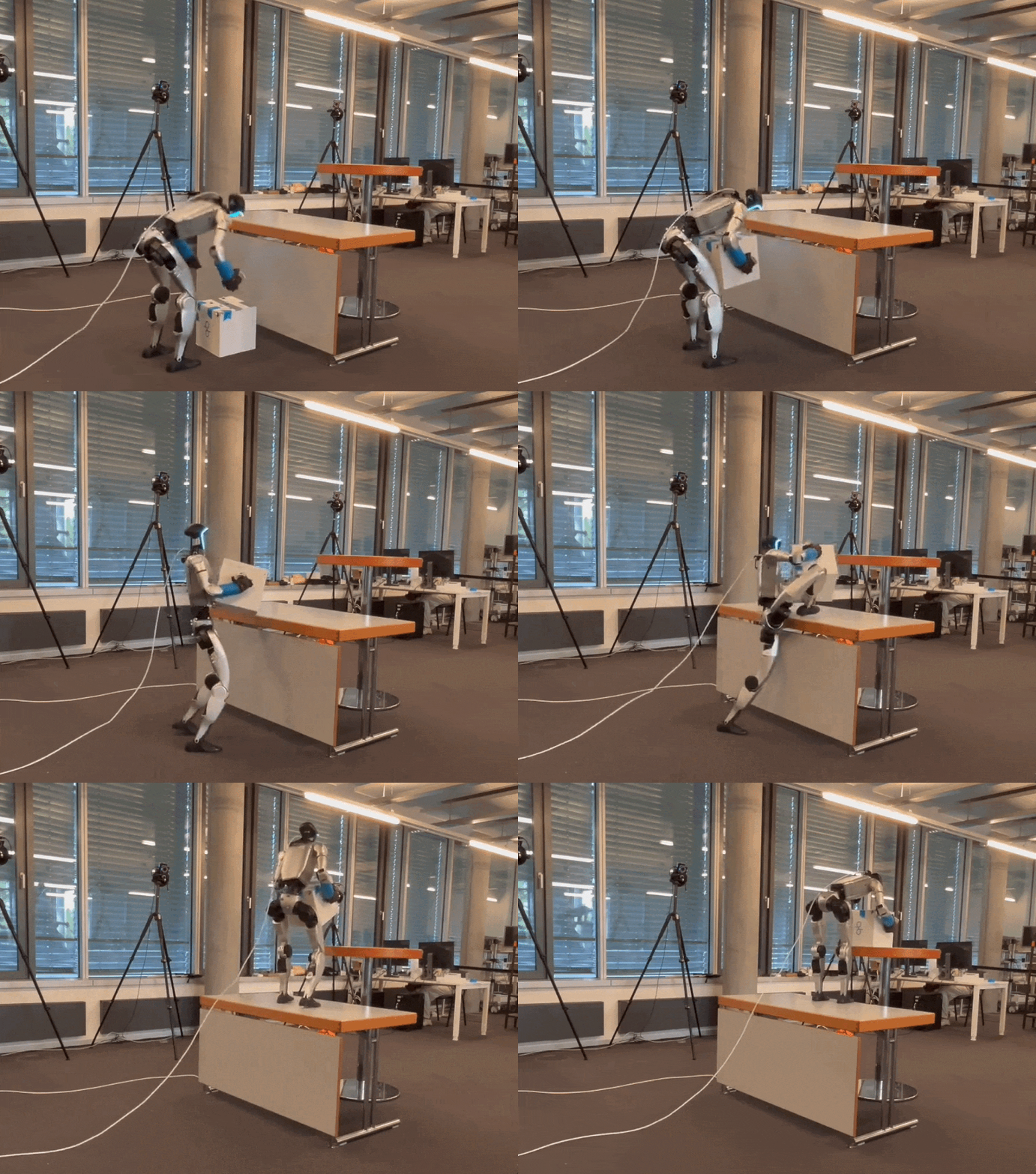
Video Friday: Robotic Motion Discovery Reveals Unusual Behaviors
IEEE Spectrum robotics has released its latest edition of Video Friday, showcasing an array of innovative robotics videos and announcing upcoming events in the field. Notable events include RSS 2026 in Sydney from July 13-17, the Summer School on Multi-Robot Systems in Prague from July 29 to August 4, and Actuate 2026 in San Francisco on August 18-19. Among the featured videos is MotionDisco, a framework that autonomously discovers complex humanoid loco-manipulation motions, highlighting the challenges of coordinating fluid movements across multiple joints. Additionally, the Human Support Robot (HSR) from Toyota is demonstrated in real home environments, assisting residents with daily tasks, showcasing the potential for robots to become long-term companions. Other highlights include the MIDAS Hand, an open-source robotic hand designed for manipulation and research, and a novel flight maneuver by a bipedal robot that showcases advanced aerial control. The European Space Agency shares a timelapse of Dextre, a robotic handyman, efficiently unloading equipment in space, while ROBOTIS introduces AI Sapiens, which learns humanoid motions using just a smartphone camera. In a collaborative effort, LUMOS Robotics has launched Project EDGE, inviting global innovators to explore humanoid robotics, while Sphero emphasizes its educational products designed to nurture computational thinking from early childhood through high school. These developments illustrate the rapid advancements and collaborative spirit within the robotics community.
Humanoid-robots Video-friday Quadruped-robots Robot-videos Home-robots Dexterity
GigaDevice Explains Why EtherCAT is Essential for Robot Joint Control
GigaDevice recently conducted a web seminar titled "Secure Robotics in Motion," focusing on the advancements in robot control systems. The event highlighted the company's commitment to enhancing security measures within robotic technology, addressing the growing concerns surrounding safety and reliability in automated systems. Industry experts shared insights on the latest developments and future trends in robotics, emphasizing the importance of secure communication protocols and robust control mechanisms. The seminar aimed to educate participants on best practices for implementing secure robotics solutions, fostering a deeper understanding of the challenges and opportunities in this rapidly evolving field. The session attracted a diverse audience, including engineers, developers, and technology enthusiasts, eager to learn about the integration of security in robotic applications.
Robotics
BridgeDP Robotics Launches Comprehensive Motion Data Factory
BridgeDP Robotics has unveiled its new 'Comprehensive Motion Data Factory,' a facility designed to tackle the existing data gap in motion control. This launch, which took place recently, aims to facilitate the collection of high-quality motion data on a large scale. By establishing a closed-loop system that encompasses data design, collection, processing, training, and feedback, the initiative is crucial for the advancement of the company's universal motion control platform. The facility is expected to enhance the capabilities of motion control technologies, ultimately contributing to more sophisticated applications in various industries.
Motion Control Data Collection Robotics Artificial Intelligence Data Infrastructure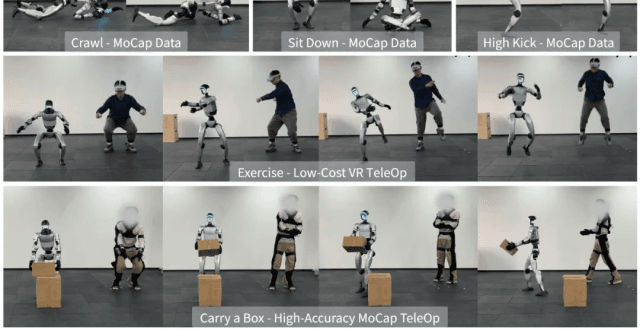
Horizon Robotics Open-Sources HoloMotion-1: 4B Robot Cerebellum Model Running 300FPS on Device
Horizon Robotics has unveiled its latest innovation, HoloMotion-1, a sophisticated robot cerebellum model featuring 4 billion parameters. This advanced technology enables real-time inference at an impressive rate of 300 frames per second on edge devices, significantly enhancing the control capabilities of whole-body humanoid robots. The launch, which took place recently, represents a substantial advancement in robotics, aiming to improve the functionality and responsiveness of humanoid robots in various applications. By leveraging this cutting-edge model, Horizon Robotics seeks to push the boundaries of robotic intelligence and performance, paving the way for more versatile and efficient robotic systems in the future.
AI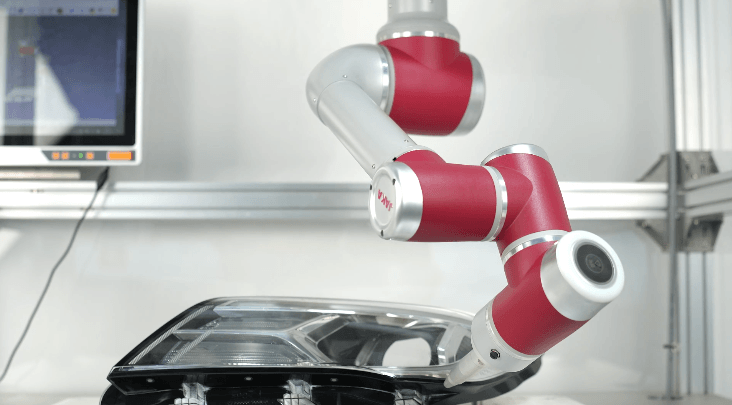
How to Choose the Right Programmable Robotic Arm Software and Control Interface
JAKA, a leader in robotic automation, emphasizes the importance of selecting appropriate software and control interfaces for programmable robotic arms to enhance production efficiency. The company advocates for a thorough understanding of task complexity, operator experience, and the need for process consistency when deploying these systems. For applications such as dispensing and gluing, JAKA highlights the necessity of stable motion paths and precise flow control over complex programming functions. The company prioritizes user-friendly software that supports graphical programming and drag-and-drop logic, enabling operators to optimize processes without extensive programming expertise. This flexibility is crucial for adapting to changes in production layouts or product designs, allowing for adjustments in dispensing paths and speeds without complete reprogramming. JAKA's Zu3 gluing solution exemplifies their approach, offering easy deployment and relocation while ensuring smooth motion control and accurate timing, which are vital for product quality and material efficiency. The control interface allows for rapid adjustments to dispensing parameters, facilitating fine-tuning without halting production. In conclusion, JAKA advises manufacturers to align their software choices with both immediate tasks and long-term production goals. By focusing on usability, motion control clarity, and application-specific design, JAKA aims to support a seamless transition from manual to automated processes, ensuring control, consistency, and adaptability in continuous manufacturing environments.
The Importance of Low Latency in Controllable Robot Communication Systems
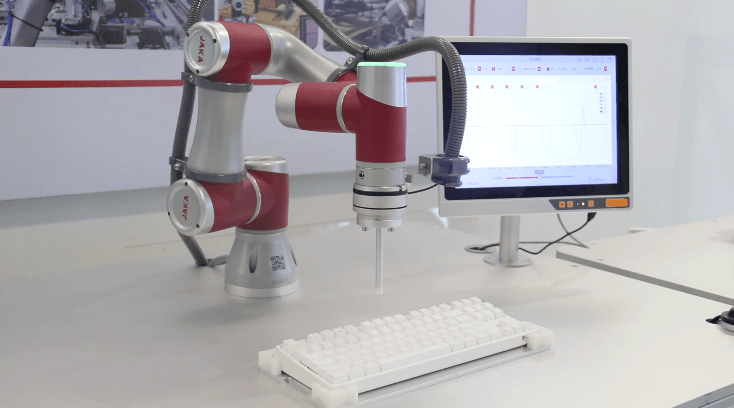
In the evolving landscape of modern manufacturing, JAKA emphasizes the critical role of low-latency communication in enhancing the reliability of controllable robots. As production lines demand greater flexibility and responsiveness, the speed at which robots receive and execute commands directly influences their motion accuracy, coordination, and safety. This focus on efficient communication is particularly vital as collaborative robots increasingly work alongside human operators, necessitating predictable response times for seamless interaction. JAKA's approach integrates communication architecture into the core design of their systems, ensuring that control signals and sensor feedback travel with minimal delay. This real-time responsiveness is essential for adaptive assembly tasks, where precise timing is crucial to maintain smooth operations and prevent misalignment. The company’s JAKA Ai3 system exemplifies this philosophy, featuring lightweight design and capabilities for quick task transitions, which are essential in small-batch and multi-variety production environments. By prioritizing low latency, JAKA aims to support flexible workflows and enhance productivity, allowing robots to adapt swiftly to changing conditions without extensive recalibration. The strategic emphasis on communication speed not only aligns technical performance with real-world manufacturing demands but also positions JAKA's controllable robots as effective solutions for diverse applications in compact and dynamic workspaces. As the industry continues to evolve, JAKA remains committed to developing systems that leverage efficient communication to ensure reliable performance in modern production settings.
Challenges in Reducing Costs of Agricultural Robots Like the Andela Weeder
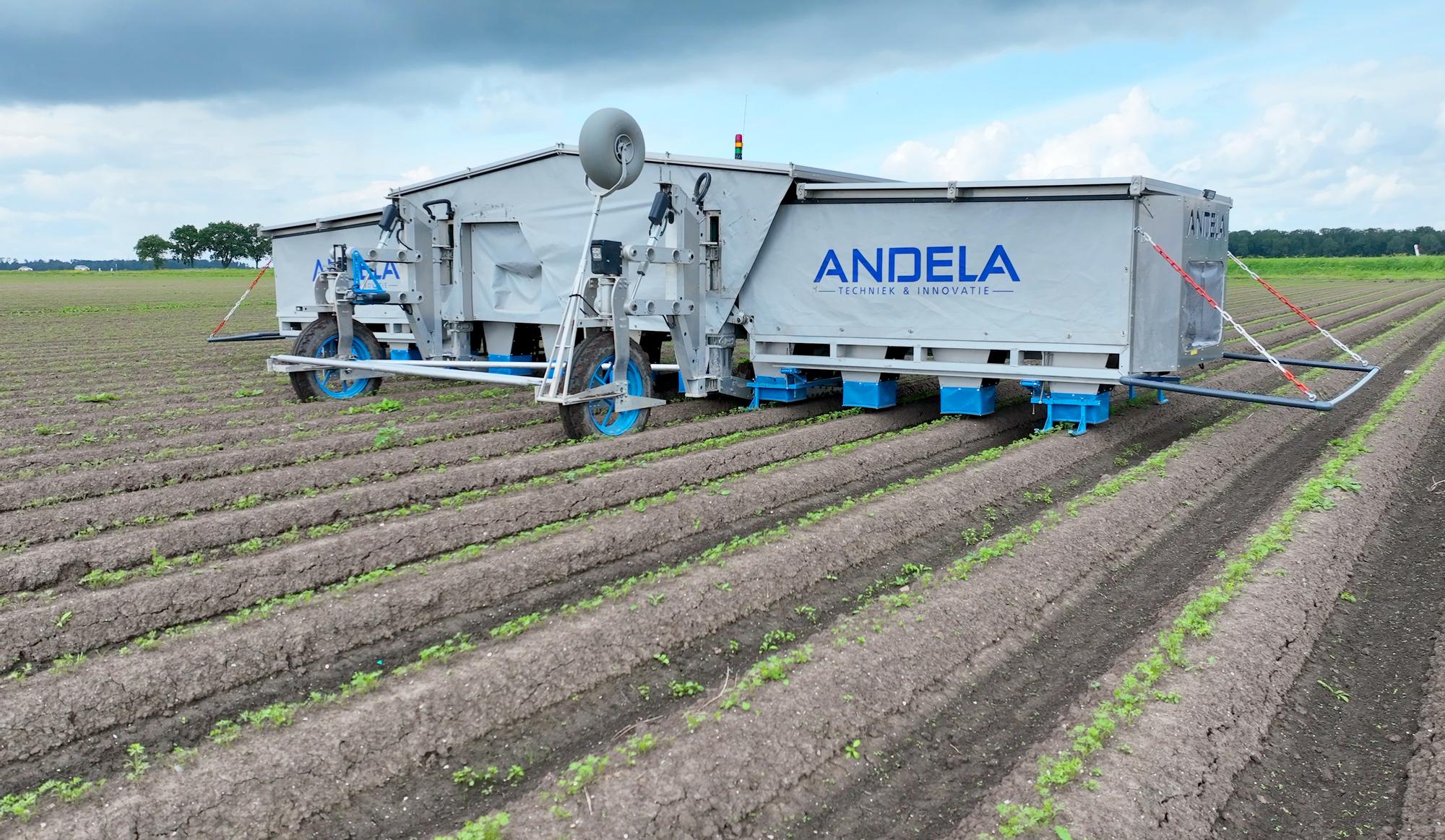
The Andela Robot Weeder is priced at approximately €800,000 (US$961,000), raising questions about the factors influencing its cost. Unlike traditional machinery, the price of agricultural robots is increasingly determined by the economic value they provide rather than manufacturing costs. This shift in perspective complicates the business case for growers, as the value derived from labor replacement and efficiency gains becomes paramount. As labor shortages and restrictions on herbicides grow, the competition landscape for agricultural robots may change significantly. Robots may not need to compete solely on price against traditional methods like chemical weed control. Instead, they could emerge as essential tools, altering the pricing dynamics in the market. While advancements in technology will likely enhance the performance of agricultural robots, this does not guarantee a decrease in their prices. The value proposition for farmers will focus more on the economic benefits rather than the cost of production, making the future of pricing in this sector uncertain. No further timeline was disclosed at the time of publication.
Crop solutions autonomous farm farm management mechanical weeder robotics weed control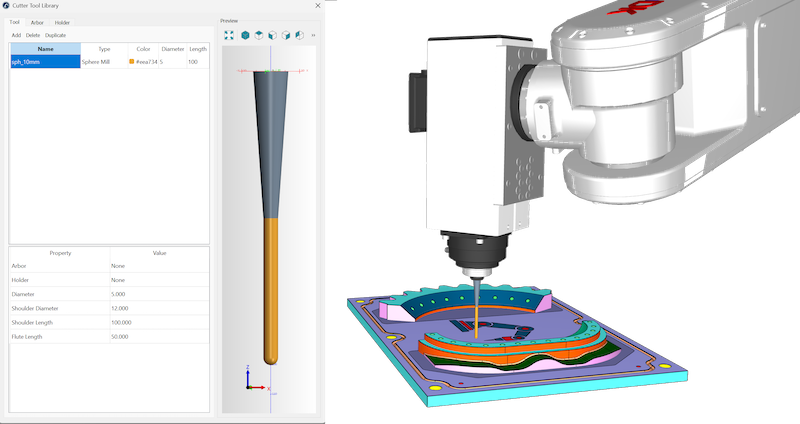
RoboDK Launches CAM Software to Reduce Robotic Machining Deployment Time by 40%
RoboDK has introduced its new CAM software, enabling robotic machining programs to be generated directly from CAD files. This innovation, showcased at the Automate Show, promises to reduce deployment time by up to 40%, allowing users to create toolpaths and collision-free motions without manual coding. The software aims to simplify the robotic machining process for manufacturers and integrators, even those lacking programming expertise. The significance of RoboDK CAM lies in its potential to overcome the traditional complexities associated with robot programming, which have hindered the adoption of robotic machining. By automating the generation of machining programs from CAD designs, RoboDK CAM facilitates rapid integration into production environments, thereby reducing costs and enhancing efficiency. CEO Albert Nubiola emphasized that this approach transforms CAD into the starting point for automation, making deployments faster and more consistent. Looking ahead, RoboDK's recent software update, Version 6.0, enhances performance and simulation capabilities, including support for over 1,400 robot models. The next milestone for RoboDK will be to further expand its software's capabilities and user accessibility. No further timeline was disclosed at the time of publication.
News Robot simulation Software Automate 2026 CAD-to-robot CAM software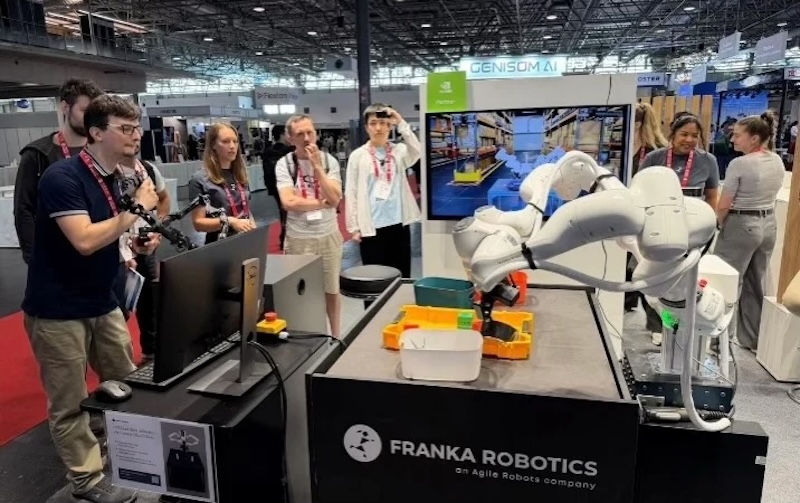
Agile Robots showcases force-control technology, humanoids, and physical AI at Robot Technology Japan event
Agile Robots is making a significant impact at Robot Technology Japan (RTJ) 2026, where the Munich-based company is showcasing its extensive range of industrial robotics, embodied AI, and humanoid technologies. The event, taking place in Nagoya, serves as a platform for Agile Robots to highlight its latest innovations, including advanced force-control systems, collaborative robots, and AI-driven automation solutions. This presentation underscores the company's commitment to expanding its presence in the global automation market, reflecting the growing demand for sophisticated robotic technologies in various industries.
Events Industrial robots News Agile ONE agile robots automation news
Virginia Tech researchers control soft robotics with ‘AI’s cousin’: ‘Reservoir computing’
Researchers at Virginia Tech are advancing the field of soft robotics, which utilizes flexible, muscle-like materials to create machines capable of bending and stretching in ways that surpass traditional rigid robots. This innovative technology enables applications such as harvesting ripe tomatoes and navigating complex search-and-rescue environments. However, the inherent flexibility of these robots presents significant challenges in control and precision. The team at Virginia Tech is focused on addressing these control difficulties to enhance the functionality and reliability of soft robotics, aiming to unlock their full potential in various practical applications.
Computing Features Robotics Science agricultural robotics ai robotics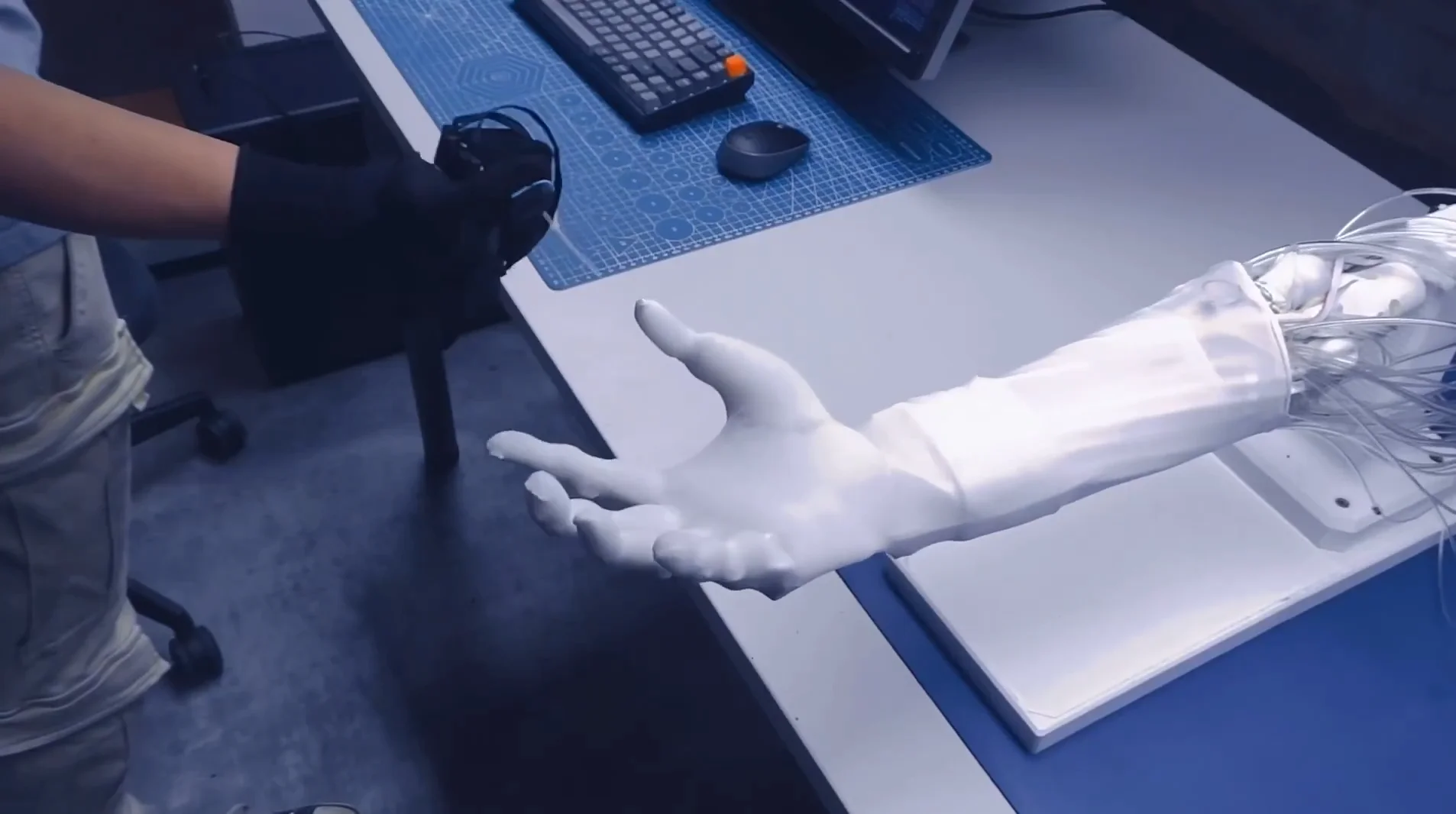
Clone Robotics Demos Startlingly Fast Robotic Hand, Touts Neural Controller
Clone Robotics has released a new video showcasing its advanced 27-degree-of-freedom (DoF) biomimetic hand, which accurately mimics human movements with remarkable speed. This demonstration highlights the company's innovative "neural joint controller," a significant development in their ongoing Clone Alpha project. The video serves as a tangible update on the project's progress, emphasizing the potential applications of this technology in fields such as robotics and prosthetics. By integrating sophisticated control systems, Clone Robotics aims to enhance the functionality and responsiveness of robotic hands, paving the way for more lifelike interactions in various environments.
clone robotics Europe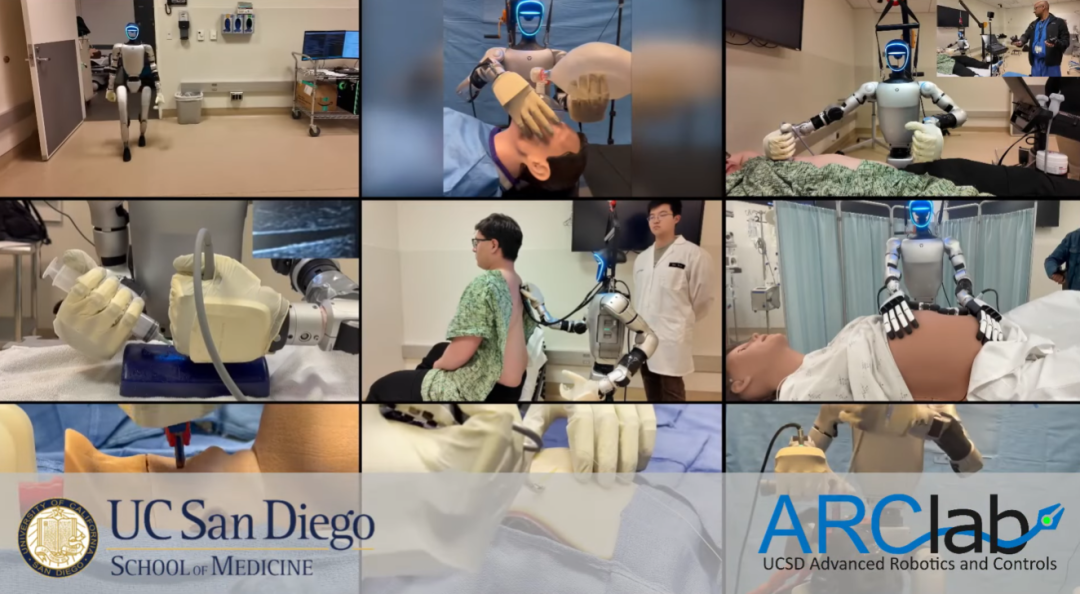
Humanoid Robots Excel in Medical Procedures Ahead of Nature Publication
A humanoid robot developed by the Advanced Robotics and Controls Lab at UC San Diego has successfully performed various medical procedures, including the first-ever live minimally invasive surgery, as reported in Nature. This robot, named Yush, demonstrated capabilities in physical examinations, emergency interventions, and fine-needle surgeries, showcasing its potential in clinical settings. The significance of this development lies in the robot's ability to replicate core human medical operations, which could revolutionize healthcare delivery. The lab's focus on humanoid robots aims to create systems that can autonomously operate in hospital environments, utilizing multi-fingered and multi-armed tools to perform a wide range of tasks without the need for specialized equipment. Looking ahead, the lab is exploring the challenges of maintaining stability while the humanoid robot is in motion, which is crucial for its effectiveness in real-world medical scenarios. The ongoing research indicates that humanoid robots could eventually handle nearly all medical tasks independently, enhancing operational efficiency in healthcare facilities. No further timeline was disclosed at the time of publication.
Humanoid Robots Surgical Robotics Medical Automation AI in Healthcare
BeingBeyond Unveils Being-M0.7: A Revolutionary Humanoid Robot for Mobility and Dexterity
On July 15, BeingBeyond officially launched the Being-M0.7, the world's first full-body mobile operation implicit world action model (Latent WAM). This model enables robots not only to 'see' the world but also to 'understand' how it operates, facilitating full-body movements and dexterous actions. It connects visual perception with physical interaction, allowing robots to exhibit human-like coordination. The significance of Being-M0.7 lies in its ability to learn from over 10,000 hours of human first-person video pre-training, enabling it to predict physical changes based on implicit visual and motion information. Before executing commands, the model learns three core capabilities: visual context understanding, future state prediction, and implicit representation of humanoid kinematics. This foundational understanding precedes its ability to control movements. Looking ahead, BeingBeyond's advancements in implicit world action models are noteworthy. The Being-M0.7 expands the capabilities of previous models, transitioning from desktop dexterous tasks to full-body mobile operations. Future demonstrations will likely showcase the robot's understanding of physical interactions and its ability to perform complex tasks autonomously, marking a significant step in humanoid robotics development.
Humanoid Robots Robotic Mobility AI Machine Learning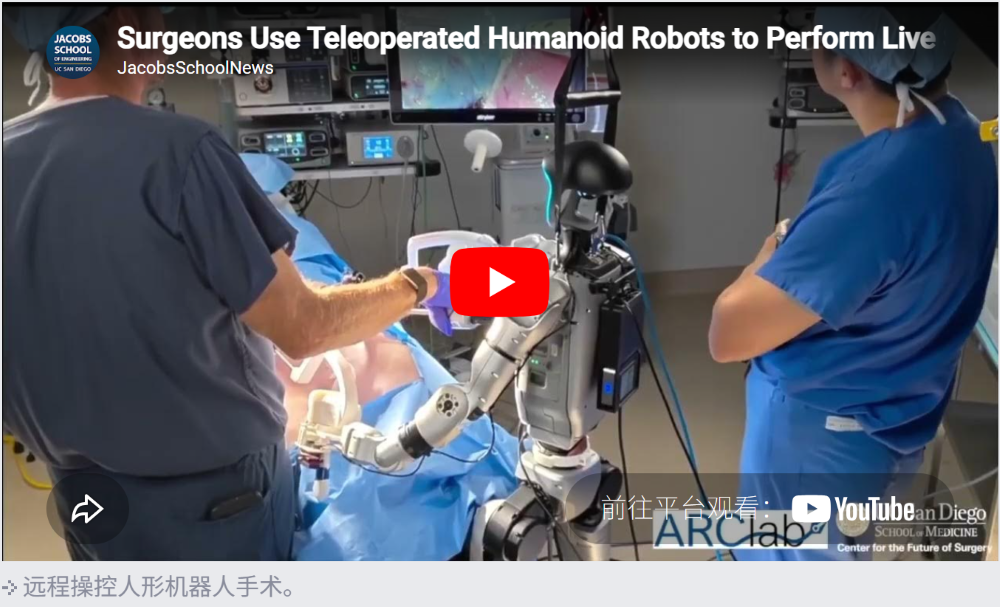
Westlake Robotics Raises Over 100 Million Yuan to Enhance Dual-Pretraining Technology
Westlake Robotics completed a funding round exceeding 100 million yuan in June 2026, backed by Henan Investment Group's Huirong Fund. This marks the company's third financing round in five months, with total disclosed funding reaching several hundred million yuan. The funding is aimed at advancing their unique dual-pretraining technology, which combines a general brain and a humanoid small brain for improved robotic performance. The significance of this funding lies in Westlake Robotics' differentiated technical approach, utilizing a dual-pretraining model that integrates VLA and world model fusion. Their General Action Expert (GAE) model addresses common issues in humanoid robots, such as stiffness and imbalance, by enabling real-time interpretation of human motion intent. This capability allows a single operator to control multiple Westlake o1 robots simultaneously, reducing deployment and labor costs in applications like logistics inspection and data collection. Looking ahead, Westlake Robotics plans to use the latest funding to further develop their unified embodied large model and accelerate deployment with industrial clients. The company, founded by academic researchers from Westlake University, is positioned to leverage its strong academic background to bridge the gap between laboratory demonstrations and real-world applications. No further timeline was disclosed at the time of publication.
Robotics Embodied Intelligence Automation Logistics AI
Unitree Announces CMG 2026 Humanoid Robot Combat Competition with Global Reactions
Unitree has released a promotional video for the CMG 2026 Humanoid Robot Combat Competition, scheduled for July 9, 2026. The video showcases advanced humanoid robots engaging in combat with humans, highlighting their physical capabilities and martial arts techniques. The announcement has generated significant global interest, with many viewers expressing excitement about the potential for real-life robot combat akin to the film 'Real Steel.' The significance of this event lies in its exploration of human-AI co-evolution through competitive robotics. Viewers have praised the initiative for pushing technological boundaries, with some noting that testing robots against humans is the ultimate validation of their capabilities. Additionally, there is a call for matches where skilled fighters remotely control robots, reflecting a desire for greater recognition of Unitree's technological prowess in the field. Looking ahead, the competition is expected to spark further discussions on the implications of teaching combat skills to robots, with some comments drawing parallels to science fiction narratives like 'Terminator.' No further timeline was disclosed at the time of publication, but the event promises to be a focal point for advancements in humanoid robotics and AI technology in the coming years.
Jake Laser Transforms Unitree Robot Dog into Wheelchair for Father’s Mobility
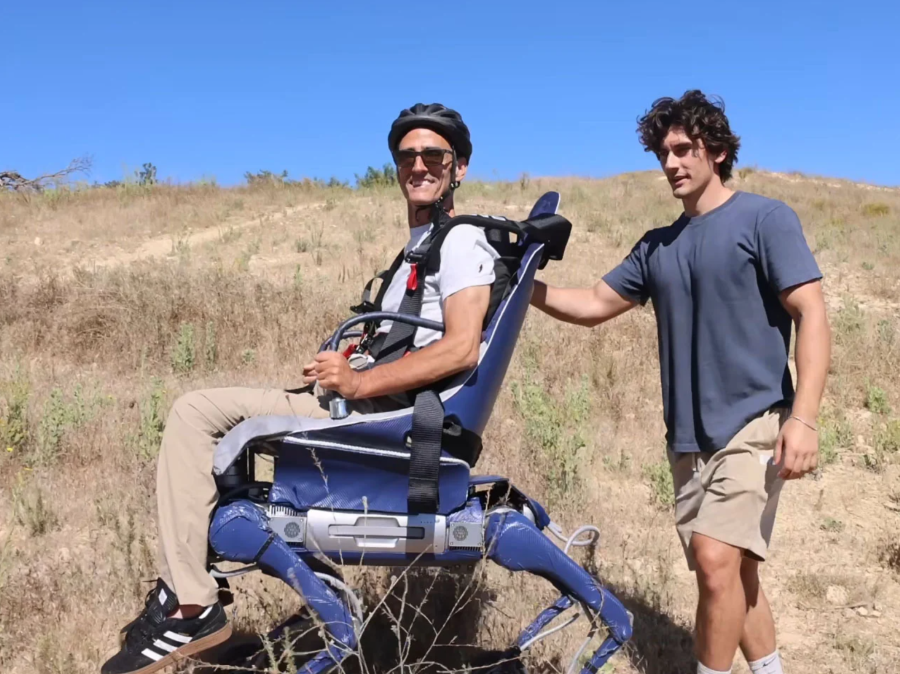
Jake Laser has ingeniously modified a Unitree industrial robot dog into a wheelchair for his father, who has been affected by multiple sclerosis for over 20 years. This innovative device features a hybrid wheeled and walking design, allowing it to navigate various terrains, including stairs and rocky paths, providing newfound mobility for Jake's father. The significance of this transformation lies in its technical ingenuity and emotional impact. By integrating a racing-style seat and recalibrating the robot's software to accommodate his father's weight, Jake ensured that the robot could maintain balance and stability. The project not only enhances mobility but also restores a sense of independence and pride for his father, who can now control the robot using a wireless joystick. Looking ahead, Jake's creation marks a notable advancement in assistive technology, blending robotics with personal mobility solutions. No further timeline was disclosed at the time of publication, but the successful testing of the robot on challenging terrains indicates potential for broader applications in mobility aids for individuals with disabilities.
Assistive Technology Robotics Mobility Solutions Innovation
Quiz: All About AI-Driven Motion Control
Industry experts are increasingly exploring the integration of artificial intelligence (AI) to enhance motion control systems. This trend has gained momentum as companies seek to improve efficiency and precision in various applications, ranging from robotics to manufacturing. Recent discussions among specialists highlight the transformative potential of AI in optimizing motion control processes, particularly in automating complex tasks and improving responsiveness to dynamic environments. As businesses face growing demands for innovation and adaptability, the adoption of AI-driven motion control solutions is seen as a critical step forward. Experts emphasize that leveraging AI can lead to significant advancements in performance, allowing systems to learn from data and make real-time adjustments. This capability not only streamlines operations but also reduces the likelihood of errors, thereby increasing overall productivity. The conversations surrounding this topic have intensified in recent months, with industry conferences and workshops providing platforms for sharing insights and best practices. As companies continue to invest in AI technologies, the motion control sector is poised for a significant evolution, driven by the need for smarter, more efficient systems that can keep pace with the rapid advancements in technology.
Factory / Motion
Robotic collective flows like matter, adapting without centralized control
Engineers at Cornell University have introduced an innovative robotic collective known as the Cross-Link Collective, which operates with a unique approach that mimics the behavior of natural materials. This system, unveiled recently, comprises numerous small robots that, while individually limited in mobility, can work together to achieve coordinated and sustained motion. The development aims to enhance adaptability in robotics, allowing these machines to reshape and respond to their environment without the need for centralized control. This breakthrough could pave the way for more versatile applications in various fields, including manufacturing, search and rescue operations, and environmental monitoring.
Robotics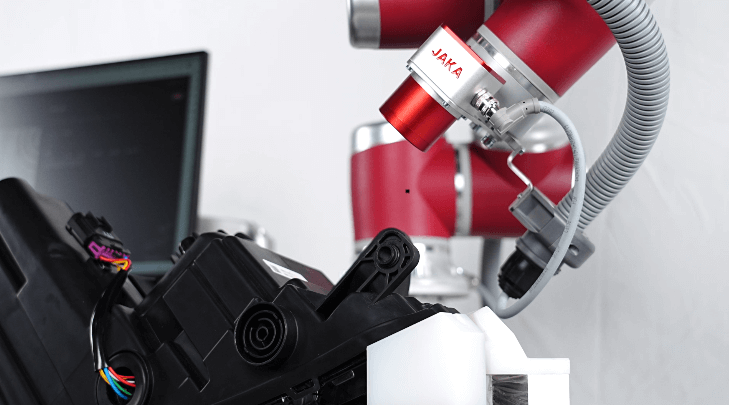
Comparing Cloud-Based and Edge Computing for Robotic Automation Control
JAKA, a leader in collaborative robotic solutions, emphasizes the importance of control system architecture in industrial automation, particularly the choice between cloud-based and edge computing. This decision significantly influences a system's capabilities, response times, and reliability. The company highlights that there is no one-size-fits-all solution; rather, the optimal setup depends on the specific demands of each task. The key distinction between the two computing paradigms lies in data processing locations. Cloud computing centralizes data in remote servers, providing analytical power and scalability for tasks like predictive maintenance and fleet management. In contrast, edge computing processes data locally, reducing latency crucial for real-time operations, especially in safety-sensitive environments where collaborative robots operate alongside humans. JAKA advocates for a hybrid approach that combines both paradigms. Their collaborative robots utilize edge computing for real-time motion control and immediate sensor responses, ensuring high precision and safety. Simultaneously, these robots can stream operational data to the cloud for broader analysis, allowing for continuous improvement without compromising immediate performance. The choice between cloud and edge computing should be based on application specifics. Tasks requiring ultra-low latency favor edge computing, while cloud resources excel in complex data aggregation and non-time-critical processes. JAKA's systems, like the Zu series, are designed for easy integration into either architecture, enabling manufacturers to tailor their setups for optimal performance. Ultimately, JAKA aims to create resilient and intelligent robotic systems that balance real-time autonomy with long-term intelligence, addressing the evolving needs of modern manufacturing.
KAIST's HOUND Robot Reaches 6m/s Speed Using 2D Data for Advanced Parkour Skills
KAIST and Korea University researchers have developed the KAIST HOUND robot, achieving a peak speed of 6m/s while autonomously navigating complex terrains. This advancement showcases the robot's ability to seamlessly switch gaits, such as trotting and bounding, based on environmental conditions without external support. The significance of this achievement lies in the innovative APT-RL framework, which utilizes a simplified 2D dynamics model to generate extensive motion data. This approach allows the robot to learn and adapt its movements in real-world 3D environments, overcoming traditional limitations of motion capture and reinforcement learning strategies. Looking ahead, the research team has demonstrated the robot's capability to handle various scenarios, including jumping and maintaining balance under challenging conditions. Future developments may focus on enhancing the perception system to support high-speed operations, as the current sensing technology has limitations in effective range.
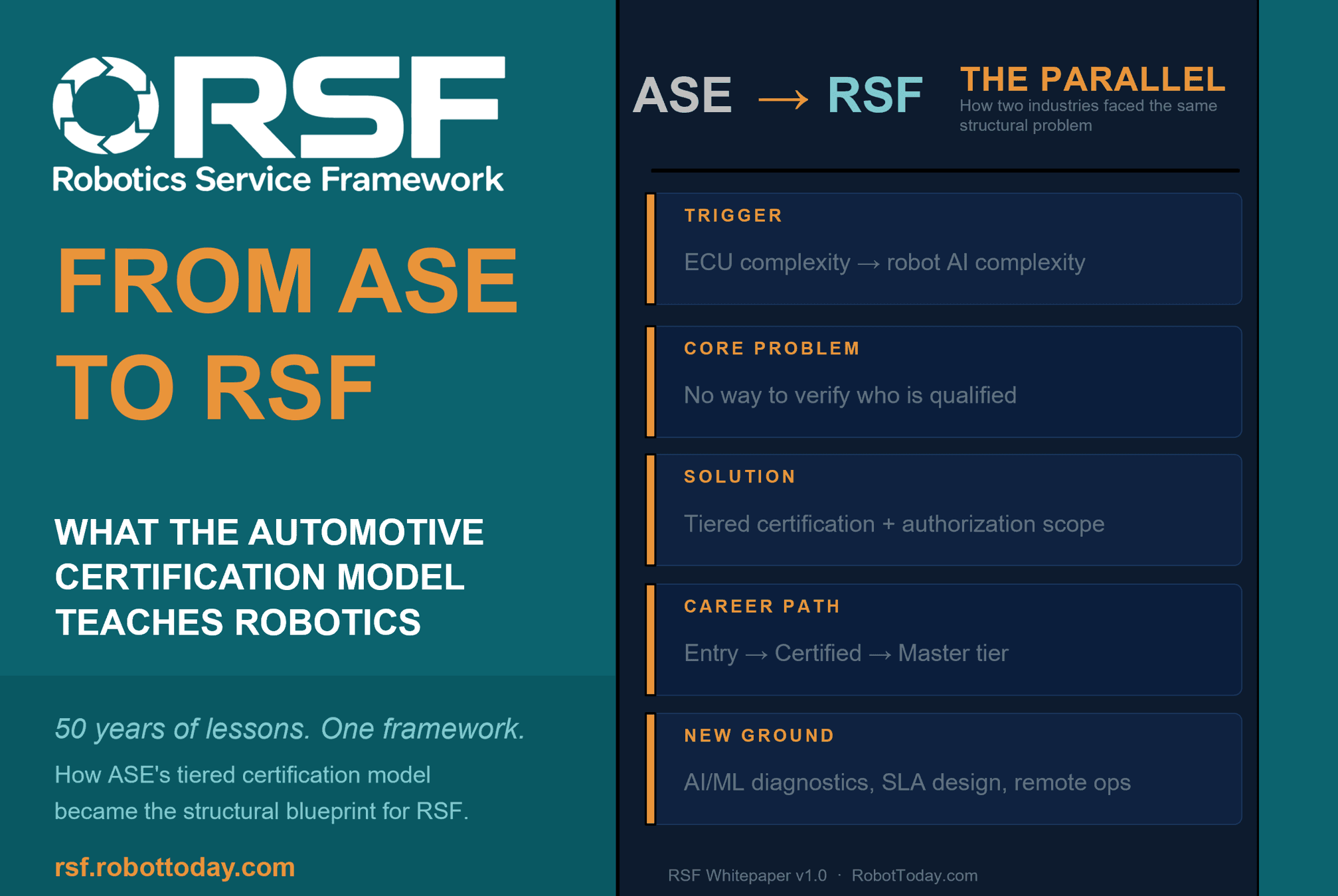
Quadrupedal Robots Robotics Research Reinforcement Learning AI Autonomous SystemsRobotics needs a service framework.
RSF defines a common language for robot service capability, lifecycle operations, certification pathways, and service-provider networks.