Industry Briefing
A single destination for timely, editor-curated robotics news from around the world.

Robots Creating Robots: Innovative Collaboration with $72 and Two Velcro Strips
Researchers at Cornell University have unveiled an innovative system named Cross-Link Collective, which enables small robot modules to work together without the need for direct communication. Each module, weighing only 25 grams, is capable of connecting with others and transforming into different shapes, allowing for enhanced navigation around obstacles and adaptability to various environments. This pioneering research underscores the potential of physical interactions in fostering emergent behaviors within robotic systems, marking a significant advancement in collaborative robotics.
Collective Robotics Modular Robots Robotic Collaboration Emergent Behavior Artificial Intelligence
Bomen Technology's IPO Launches in Yizhuang, Marking Fourth Robot Listing by Li Zexiang
Bomen Technology (Beijing) Co., Ltd. has recently passed the listing hearing on the Hong Kong Stock Exchange, with CITIC Securities (Hong Kong) as the exclusive sponsor. The company's core business focuses on direct drive modules in robotic joints, projecting a shipment of over 8.5 million units by 2025, capturing a 61.1% market share in China's consumer robot direct drive module sector. It is the first and only company globally to exceed 5 million units shipped. The significance of this IPO lies in Bomen's innovative approach to robotics, which eliminates traditional gearboxes to enhance performance and responsiveness. Founded by Zhang Di, a protégé of Professor Li Zexiang, Bomen has demonstrated the engineering feasibility of direct drive solutions, resulting in modules that are half the size of conventional designs, with doubled lifespan and reduced noise. This advancement is crucial for the consumer robotics market, where space and efficiency are paramount. Looking ahead, Bomen Technology aims to continue its rapid growth trajectory, having completed 12 funding rounds since 2020, raising nearly 650 million yuan with a post-investment valuation of approximately 3.2 billion yuan. If successful, Bomen will become the fourth company in Li Zexiang's network to go public, following three previous IPOs in the robotics sector.
Consumer Robotics Direct-Drive Technology Robot Modules IPO Automation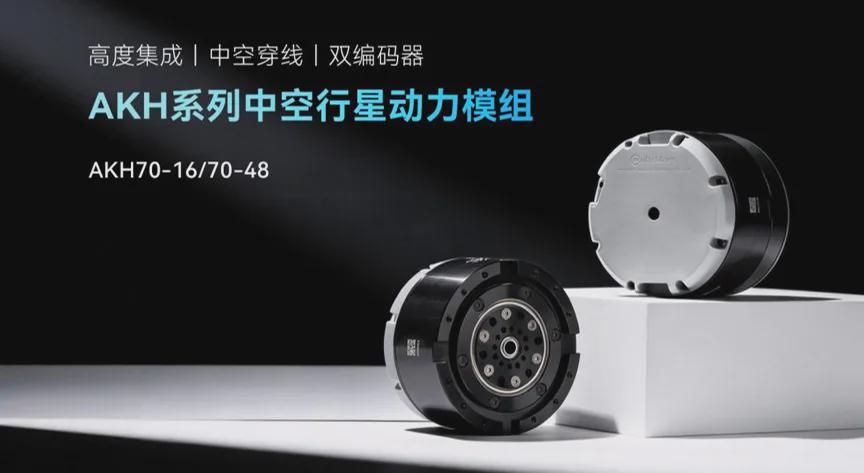
CubeMars Launches New Hollow Planetary Power Modules for Humanoid Robot Joints
In 2026, humanoid robots are approaching a critical point for industrial application. CubeMars has launched two specialized hollow planetary power modules, AKH70-16 and AKH70-48, which are crucial for enhancing flexibility and load capacity in robotic joints. These modules integrate brushless motors, planetary gear reducers, encoders, and driver boards, addressing common wiring issues with a 7mm hollow structure. The AKH70-16 focuses on lightweight applications, featuring a peak torque of 85Nm and a compact design, making it suitable for joints like the neck and elbow. In contrast, the AKH70-48 emphasizes high torque and stability, with a peak torque of 222Nm, ideal for heavy-load joints such as hips and knees. Both modules share advanced technologies, including dual encoder feedback and multi-mode control, which improve precision and operational efficiency. As the humanoid robot industry transitions from prototype development to commercial production, CubeMars's ability to control the entire manufacturing process positions it as a key player. The company’s self-developed capabilities ensure stable delivery and quality, addressing the challenges faced by robotic enterprises in scaling production and meeting market demands. No further timeline was disclosed at the time of publication.
Humanoid Robots Robotic Joints Power Modules Automation Technology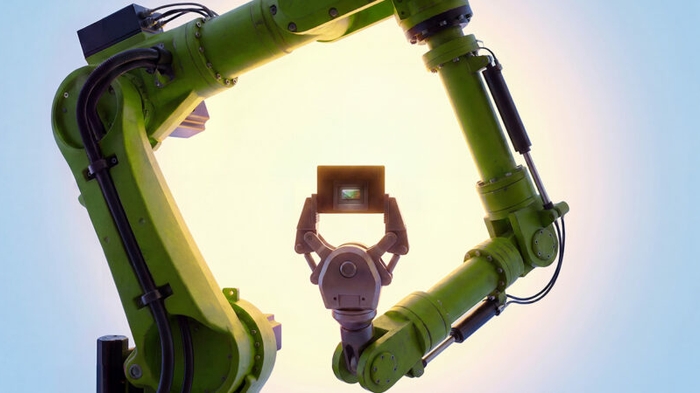
NVIDIA Launches Jetson Thor Modules to Enhance Robotics and Edge AI Applications
NVIDIA has unveiled the T3000 and T2000 modules based on the Thor architecture, designed to meet the growing demand for compact AI supercomputers in robotics and edge AI. These modules enable mass-market deployment of advanced humanoid and robotic systems, with notable adoption from leading companies such as Amazon Robotics and Boston Dynamics. The introduction of the Jetson T3000 and T2000 modules is significant as they provide high-performance AI compute capabilities in a smaller form factor, achieving up to 865 FP4 teraflops for the T3000. This advancement allows developers to optimize their systems while reducing costs, particularly in light of rising memory prices. The T2000 serves as an entry point for a wider range of edge AI applications, further expanding NVIDIA's scalable edge AI platform. Looking ahead, the new Jetson modules are expected to facilitate faster deployment and lower system costs across various industries. Companies like UBTech and Agile Robots have already reported substantial memory savings, indicating a trend towards more efficient development processes in robotics. No further timeline was disclosed at the time of publication.
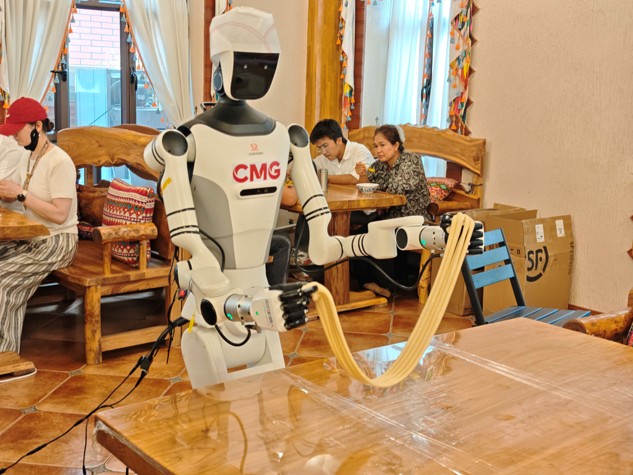
RealBOT Robot Excels in Culinary Tasks as a 'Xinjiang Chef
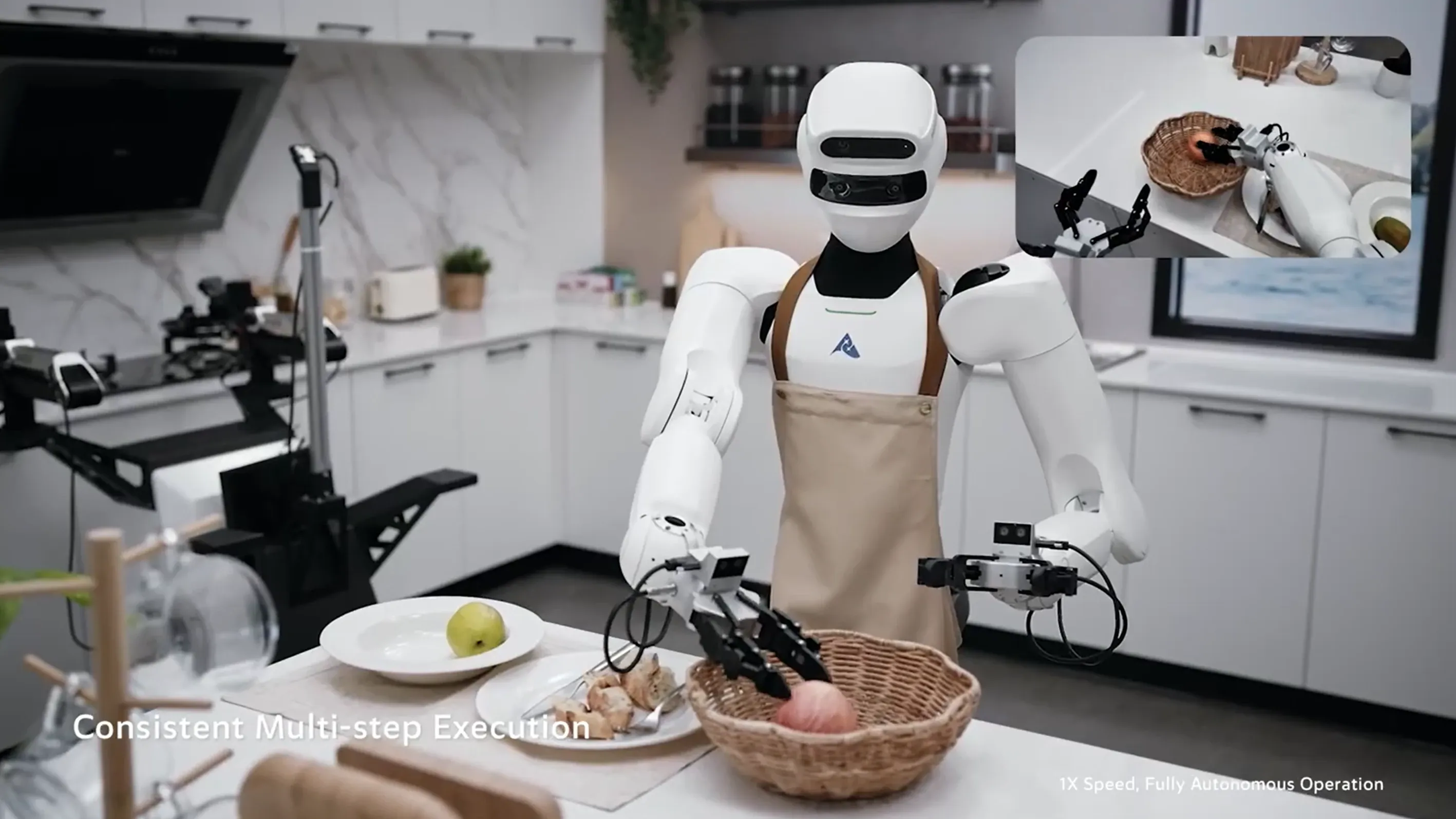
On July 15, 2026, the World Humanoid Robot Sports Championship's domestic third stop launched simultaneously in Yining, Xinjiang, and Sai Lake, Bozhou. RealBOT, a wheeled humanoid robot by Ruierman, previously provided logistical support at the 2026 Chinese Dragon Boat Race in Bazhong, Sichuan. In this event, the robot transitioned from a service role to that of a 'Xinjiang chef' in a real kitchen environment, successfully completing intricate tasks such as noodle pulling, meat skewering, grilling, and vegetable cutting. This demonstration is significant as it showcases the robot's ability to adapt to unpredictable physical variables in real-world scenarios, aligning with Ruierman's philosophy that robots must be deployed in authentic environments to truly understand and perform tasks. The challenges faced by the robot, including precise force control and real-time tactile feedback, highlight the advanced capabilities of Ruierman's technology, including a mechanical arm with ±0.05mm repeatability and millisecond-level force feedback. Looking ahead, the successful execution of these culinary tasks emphasizes the importance of robust hardware and data capabilities in robotics. No further timeline was disclosed at the time of publication, but the ongoing development of integrated joint modules and high operational reliability positions Ruierman to address industry challenges related to traditional robots' limitations in various environments.
Humanoid Robots Culinary Robotics AI Automation Technology
TECO Debuts High-Payload Commercial UAV Powertrain Systems and Robotic Joint Modules in North America Expanding into North America's UAV and Robotics Markets
TECO is making significant strides in the burgeoning commercial UAV and intelligent robotics sectors. By utilizing the localized service capabilities of its Texas-based subsidiary, TECO-Westinghouse, the company is able to offer customers a complete range of solutions, from initial development to after-sales support. This strategic expansion reflects TECO's commitment to meeting the increasing demand for advanced technology in these rapidly evolving markets.

Disney's Olaf Robot: The Core Power Behind Its Agile Movements Comes from This Company's Joint Modules
At the NVIDIA GTC 2026 conference, Disney unveiled its innovative Olaf robot, which features advanced physical AI capabilities and a distinctive design powered by high-performance motors from Unitree. This collaboration emphasizes the synergy between cutting-edge hardware and sophisticated algorithms, showcasing the potential of robotics in practical applications. The demonstration marks a significant step forward in the field, illustrating how such technology can enhance interactive experiences and redefine the possibilities of robotic functionality in various sectors.
Physical AI Robotics Joint Modules High-Performance Motors Disney Technology
How Thermal Imaging Modules Are Transforming Industrial Robots for Safer 24/7 Operations
The integration of a high-performance Thermal Imaging Module represents a significant engineering advancement aimed at addressing critical challenges in industrial automation. This strategic upgrade not only enhances sensor capabilities but also mitigates issues such as unexpected downtime, fire hazards, and environmental constraints. By implementing this technology, industries can improve operational efficiency and safety, ultimately leading to more reliable production processes. The move comes as companies seek innovative solutions to enhance their systems and reduce risks associated with traditional monitoring methods.
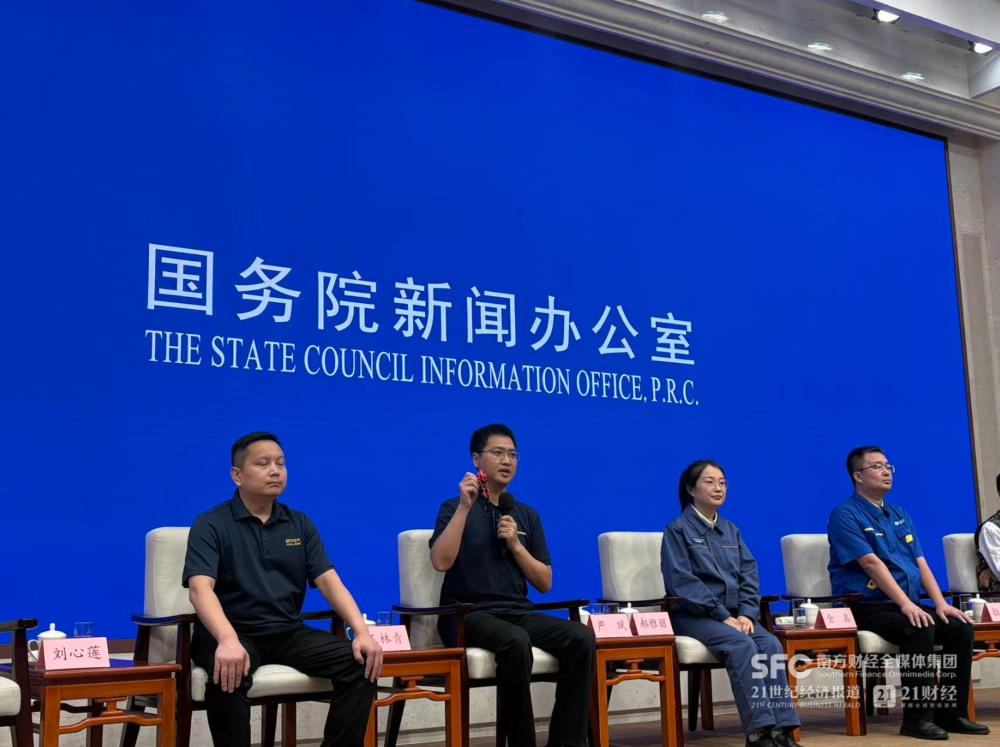
Robot 'Lightning' Breaks Half Marathon Record at State Council Press Conference
At a recent press conference, the Honor 'Lightning' robot achieved a remarkable feat by completing a half marathon in just 50 minutes and 26 seconds, setting a new benchmark that surpasses human records. Developed by Honor's engineering team, this advanced humanoid robot incorporates cutting-edge technology, including self-developed joint modules and a sophisticated liquid cooling system. The team's accomplishment highlights significant advancements in humanoid robotics and reflects their commitment to exploring practical applications across various sectors. This milestone marks a crucial moment in the evolution of robot technology, showcasing the potential for future innovations.
Humanoid Robots AI Robotics Innovation Marathon Technology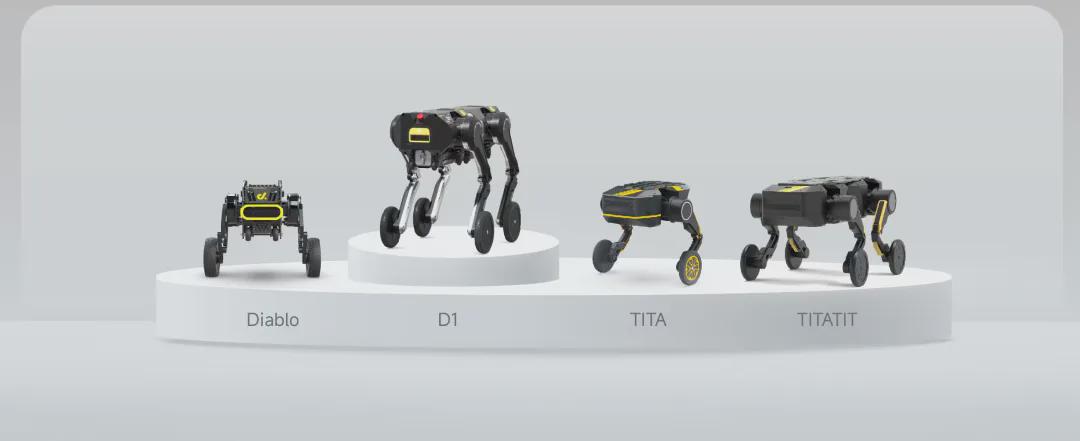
Benmo Technology Passes Hong Kong Stock Exchange Listing Hearing, Establishes Three Core Robotics Technologies
Benmo Technology, a robotics company established in 2020, has successfully cleared the listing hearing at the Hong Kong Stock Exchange. The firm specializes in direct-drive technology and has developed three key innovations: robotic power modules, wheeled robots, and modular assembly systems. These advancements are designed to improve performance and adaptability across a range of applications. With the robotics market showing significant growth potential, Benmo plans to capitalize on its technological expertise to enhance its market presence and increase revenue.
Robotics Technology Direct-Drive Systems Wheeled Robots Modular Robotics Market Growth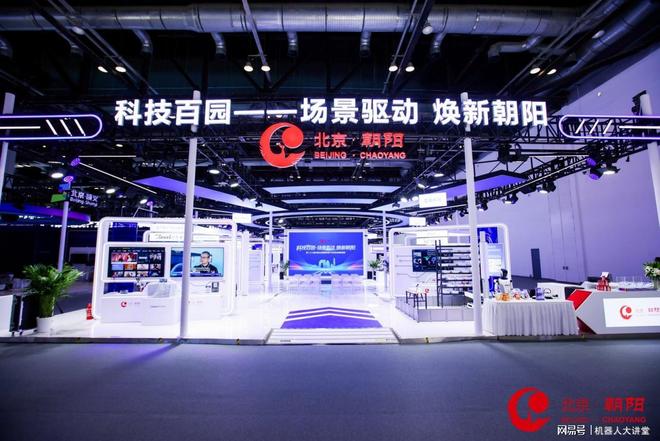
Weihan Power Showcases at the 28th Beijing International Science and Technology Industry Expo, Supporting the 'True Work' Robot Ecosystem
At the 28th Beijing International Science and Technology Industry Expo, Weihan Power showcased its latest innovations in integrated joint modules and advanced robotic applications. The event, held recently in Beijing, highlighted the company's commitment to delivering high-density power solutions designed to enhance the reliability and performance of robotic technologies. By demonstrating these advancements, Weihan Power aims to promote scalable robotic applications across diverse industries, positioning itself as a leader in the evolving tech landscape.
Robotic Technology Joint Modules Automation Solutions AI Robotics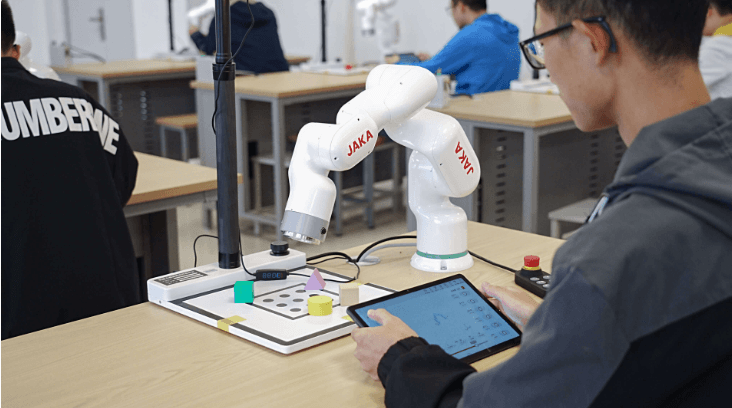
The Reasons Why JAKA Robotics is the Preferred Robotic Arm Supplier for Education
As the manufacturing sector embraces Industry 4.0, the need for robotics-ready talent has surged, prompting educational institutions to enhance their curricula with advanced hands-on laboratories. JAKA Robotics has emerged as a leading supplier for universities and vocational centers, offering collaborative robots, or cobots, that transform classroom experiences. Educators face the challenge of selecting robotic arm suppliers that balance technical sophistication with student safety and usability. JAKA's cobots stand out due to their intuitive programming features, which allow students of varying skill levels to engage with robotics without extensive training. The graphic programming and "drag teaching" capabilities enable beginners to learn kinematics and path planning without the frustration of complex coding. Safety remains a primary concern in educational settings, and JAKA addresses this with advanced collision detection technology. This feature allows their robots to halt immediately upon contact, fostering a secure environment for human-robot interaction. Moreover, JAKA's versatile application modules cater to a wide range of academic disciplines, from mechanical engineering to computer science, providing adaptable workstations for various projects. Their compact, desktop-level cobots deliver industrial-grade performance while fitting into limited classroom spaces. JAKA is committed to equipping the next generation of innovators with cutting-edge tools, exemplified by their "Plug and Play" systems like the lightweight JAKA MiniCobo. With a focus on accessibility and professional-grade reliability, JAKA Robotics aims to simplify the educational journey for students and educators alike, ensuring they are prepared for the demands of the evolving industry.
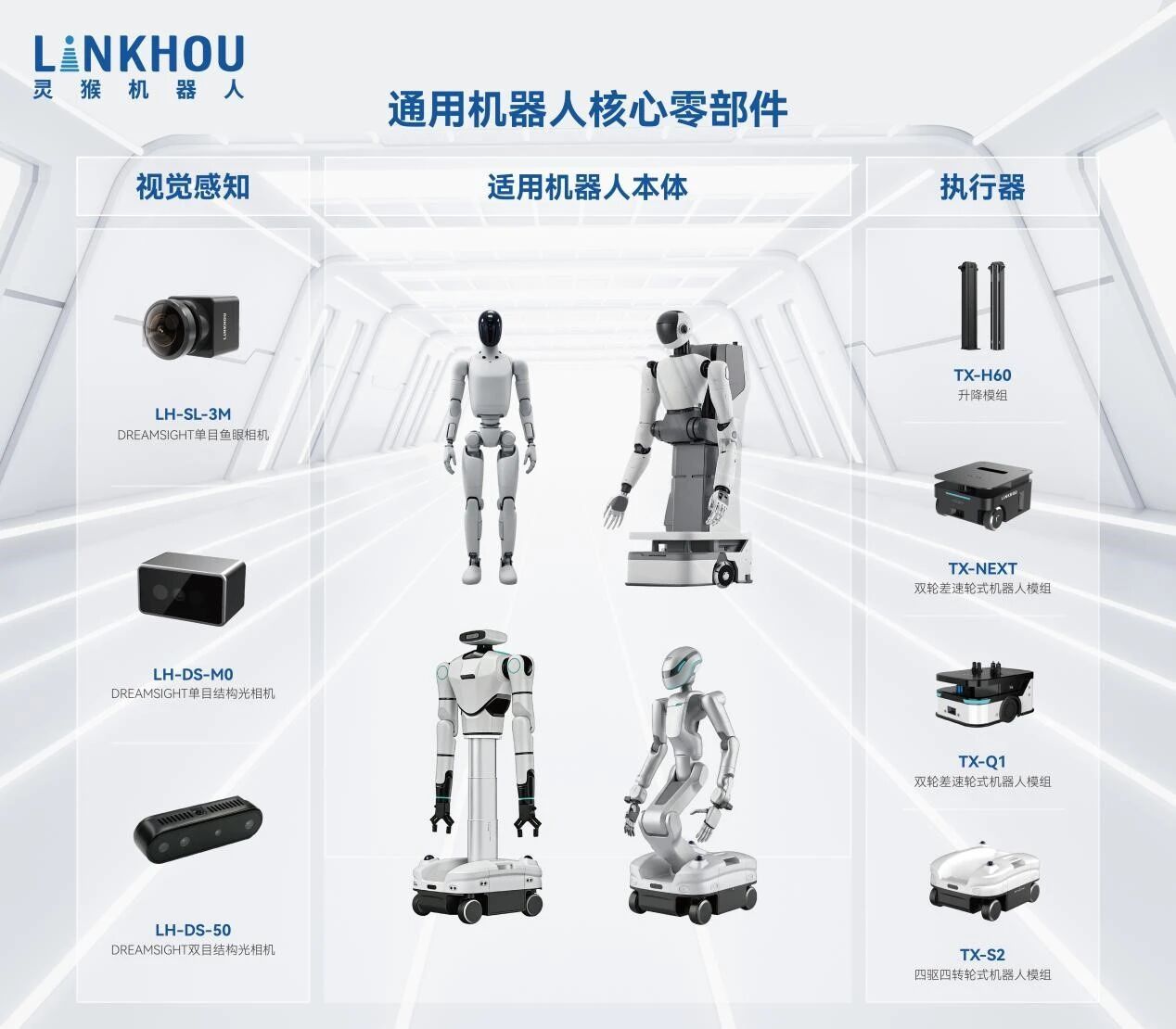
Linkhou Raises USD Tens of Millions to Expand Robotics Components Production
Linkhou, a company based in Suzhou, has successfully secured hundreds of millions of yuan in a Series B+ funding round, which was led by the China Internet Investment Fund. This significant investment aims to enhance the production capabilities of the company's essential components for embodied AI robots, specifically focusing on vision modules and mobile chassis. The funding will enable Linkhou to scale its operations and meet the growing demand for advanced robotics technology.
News
XELA Robotics Deepens U.S. Market Commitment with Plug and Play Investment and New Sensor Capabilities to be Introduced at the Robotics Summit and Expo in Boston
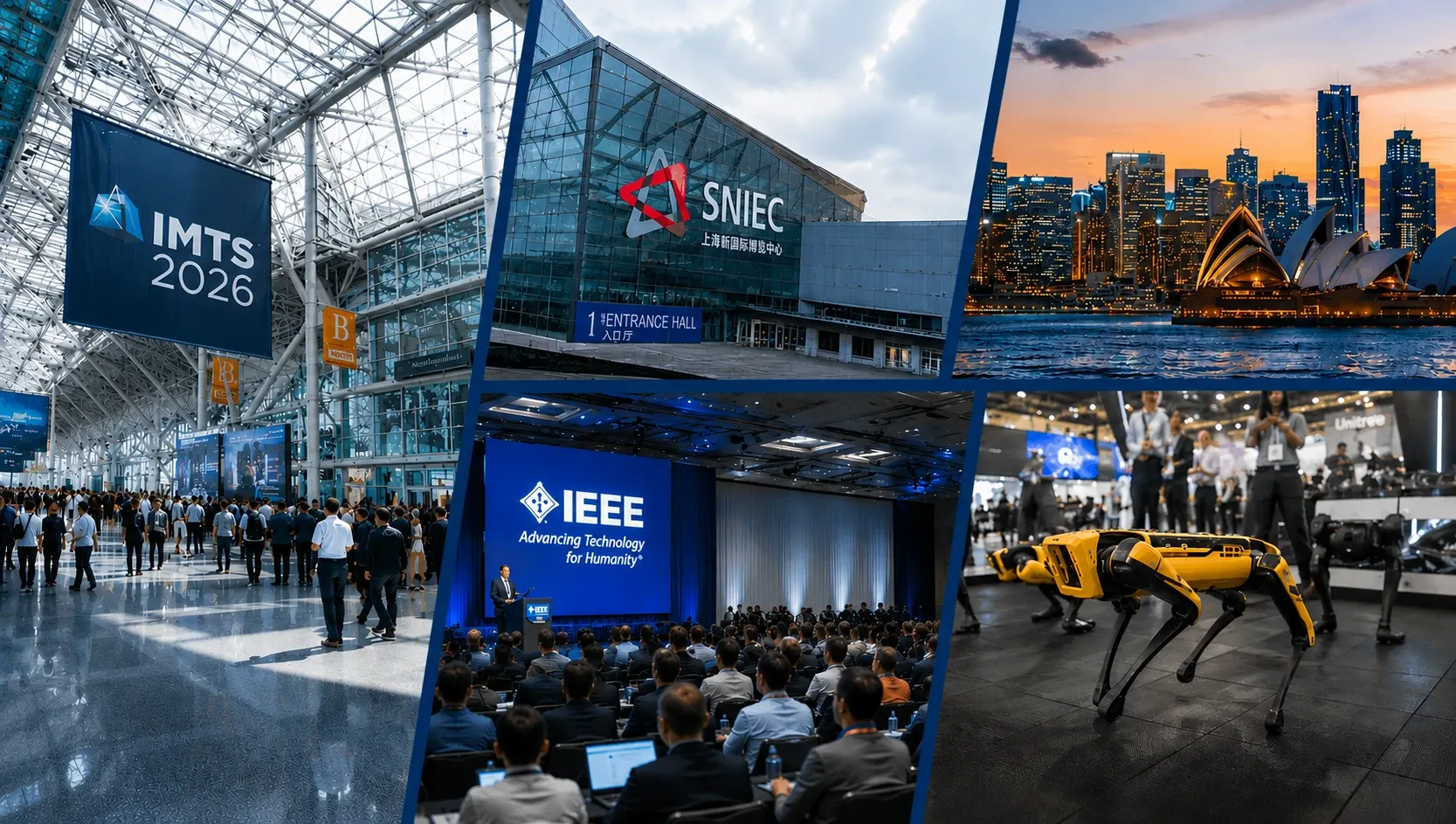
XELA Robotics is intensifying its commitment to the U.S. market with the introduction of two significant enhancements to its uSkin® sensor family, designed in response to feedback from its expanding American customer base. The announcement coincides with a strategic investment from Plug and Play, a leading innovation platform based in Silicon Valley, and the company's participation in the Robotics Summit & Expo in Boston on May 27-28, 2026. The first enhancement involves magnetic interference compensation, which effectively eliminates complex magnetic interference, crucial for handling metals in industrial settings. The second improvement introduces CAN FD (Controller Area Network Flexible Data-Rate), a high-speed communication protocol that allows for more sensor modules to operate simultaneously without compromising data transfer rates. These advancements aim to enhance the performance of robotic applications, providing faster and more reliable measurements. Alexander Schmitz, CEO of XELA Robotics, emphasized the importance of the U.S. market and stated that these enhancements directly address customer needs. The new sensors will be available for immediate ordering, with initial deliveries scheduled for May 2026, while the magnetic interference compensation feature is expected to launch in the third quarter of the year. XELA Robotics will showcase these innovations at the upcoming Robotics Summit & Expo and ICRA 2026 in Vienna, Austria, from June 1-5.
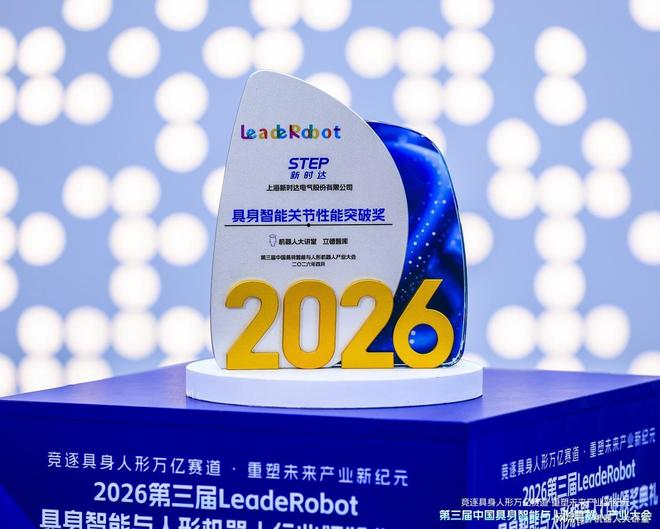
Technological Breakthrough! New Times Achieves Authority Recognition for Humanoid Joint Modules, Illuminating Key Link in Embodied Intelligence Mass Production
New Times has achieved a significant milestone by winning the 'Embodied Intelligence Joint Performance Breakthrough Award' for its cutting-edge humanoid robot joint modules. This recognition highlights a major advancement in China's humanoid robot industry, showcasing the company's innovative solutions to longstanding challenges related to weight, torque, and precision in robotic design. The development of these high-performance joint modules is expected to facilitate scalable applications across various industrial sectors, enhancing the functionality and efficiency of humanoid robots.
Humanoid Robots Joint Modules Embodied Intelligence Industrial Automation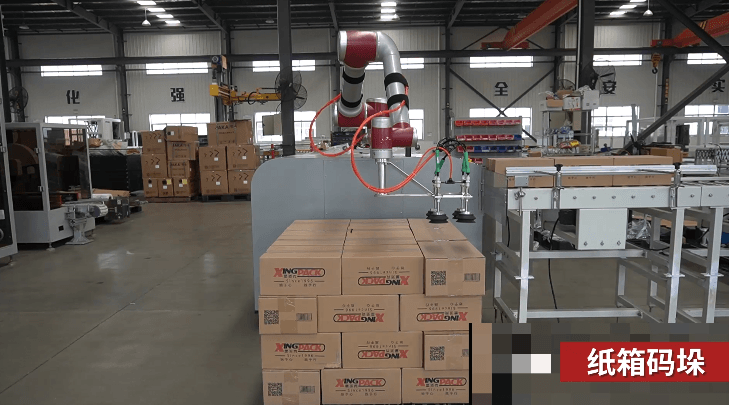
Global Market Outlook for Palletizing Robot Arms in New Energy Logistics
JAKA is closely monitoring the rapid expansion of the new energy logistics sector, particularly the growing demand for palletizing robot arms. This surge is driven by the need for sustainable and efficient logistics solutions that can lower labor costs, enhance operational safety, and improve throughput. The company is focusing on adaptable, high-performance robotic solutions, such as the JAKA Zu30, which can handle payloads up to 30 kg with remarkable precision, making it ideal for tasks like palletizing battery modules and assembling energy storage components. The Zu30 is designed for efficiency and precision, featuring IP65 protection for operation in challenging environments. Its compact design allows for collaborative automation, making it suitable for restricted spaces while seamlessly integrating into existing production lines. This flexibility enables logistics providers to scale their automation strategies in response to evolving market demands without significant infrastructure redesigns. Market trends indicate that the adoption of industrial welding robots and palletizing systems is influenced by factors such as energy storage growth and regulatory standards. Companies are increasingly recognizing the benefits of robotic automation, which not only reduces labor-intensive tasks but also enhances safety and consistency in material handling. JAKA is committed to refining its robotic solutions in line with these trends, offering guidance on system selection and workflow optimization. As the global market for palletizing robot arms in new energy logistics is set for significant growth, JAKA aims to deliver innovative solutions that support diverse logistics operations, ultimately contributing to the transformation of automated processes in this evolving sector.
Ruiliman Showcases at FAIR plus 2026: Strengthening the 'True Working' Robotics Ecosystem with Reliable Hardware and Mass Delivery Capabilities
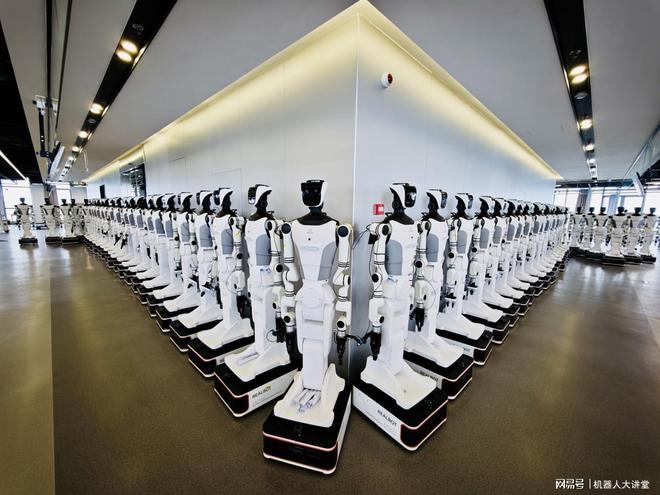
At the FAIR plus 2026 event, Ruiliman unveiled its cutting-edge robotics capabilities, announcing plans to achieve a production capacity exceeding 1 million integrated joint modules by the year 2026. The company underscored the significance of fostering a collaborative ecosystem to facilitate the widespread implementation of robotics across multiple industries. This initiative aims to enhance efficiency and innovation, positioning Ruiliman as a leader in the evolving robotics landscape.
Robotics Manufacturing Automation Ecosystem Development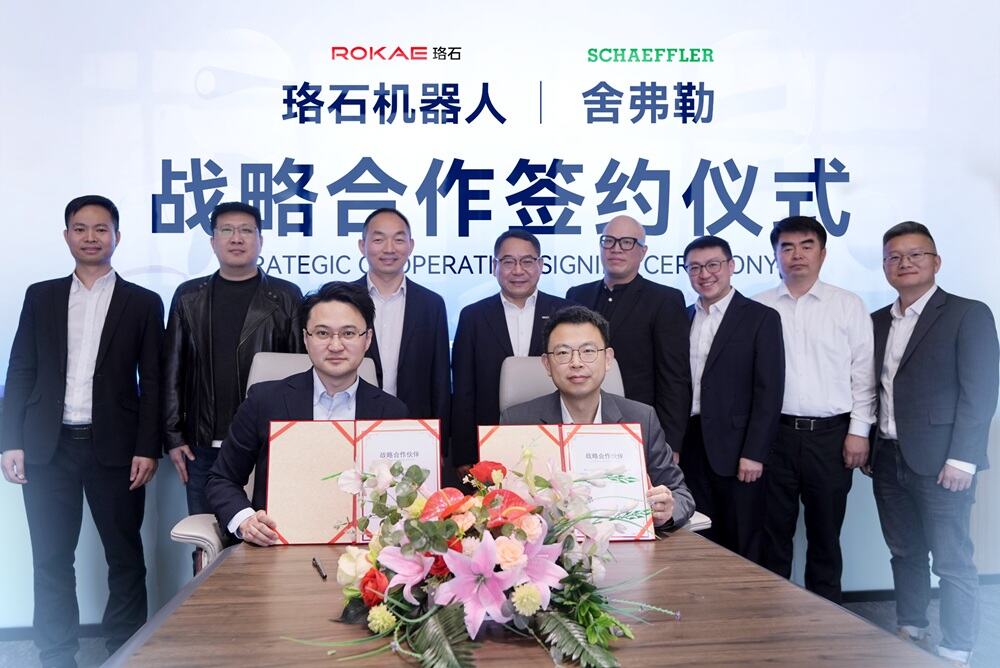
ROKAE Robotics and Schaeffler Sign Strategic Partnership
ROKAE Robotics and Schaeffler have entered into a strategic cooperation agreement aimed at developing integrated joint modules for humanoid robots. This partnership, announced recently, will leverage Schaeffler's precision manufacturing capabilities alongside ROKAE's comprehensive robotics technology platform. The collaboration encompasses the co-development of essential components, supply chain integration, and industrial deployment, reflecting both companies' commitment to advancing robotics technology. This initiative is expected to enhance the functionality and efficiency of humanoid robots, addressing the growing demand for advanced automation solutions in various industries.

LuoStone Robotics and Schaeffler Forge Strategic Partnership to Build a New Ecosystem for Embodied Intelligence Industry
LuoStone Robotics has entered into a strategic cooperation agreement with Schaeffler to advance the development and application of humanoid robots. This partnership, announced recently, seeks to combine the technological expertise and resources of both companies, with a particular emphasis on core components such as joint modules. The collaboration aims to expedite the commercialization of embodied intelligence, reflecting a growing interest in the integration of robotics into various sectors. By leveraging each other's strengths, LuoStone Robotics and Schaeffler are positioning themselves to lead in the rapidly evolving field of humanoid robotics.
Humanoid Robots Embodied Intelligence Robotics Technology Industrial Automation
Tesla Optimus Modules: What Can You Add? (2026)
A recent analysis highlights advancements in robotics technology, focusing on the integration of built-in hardware layers, planned end-effectors, and software modules. This evaluation, conducted by industry experts, emphasizes the role of artificial intelligence in enhancing robotic capabilities. The findings, released in October 2023, underscore the importance of these innovations in improving efficiency and functionality within various sectors. By comparing current industry standards, the report illustrates how these technological upgrades can lead to significant improvements in performance and adaptability. The ongoing evolution of robotics is driven by the need for more sophisticated and versatile machines that can meet the demands of modern industries.

What It Takes to Make Humanoid Robots Move Like Humans: The Engineering Behind Joints, Hands, and Precision Control
Recent advancements in humanoid robotics have highlighted a significant shift in design and manufacturing practices. Engineers and researchers are increasingly moving away from traditional discrete component assembly methods, opting instead for integrated joint modules. These innovative units combine motors, gearboxes, sensors, and drive electronics into compact systems, streamlining the production process and enhancing the functionality of humanoid robots. This transition is driven by the need for more efficient and versatile robotic systems capable of performing complex tasks in various environments. As this trend continues to evolve, it is expected to accelerate the development of more sophisticated humanoid robots, paving the way for broader applications in industries such as healthcare, manufacturing, and service sectors. The integration of these components not only simplifies assembly but also improves the overall performance and reliability of robotic systems, making them more adaptable to real-world challenges.
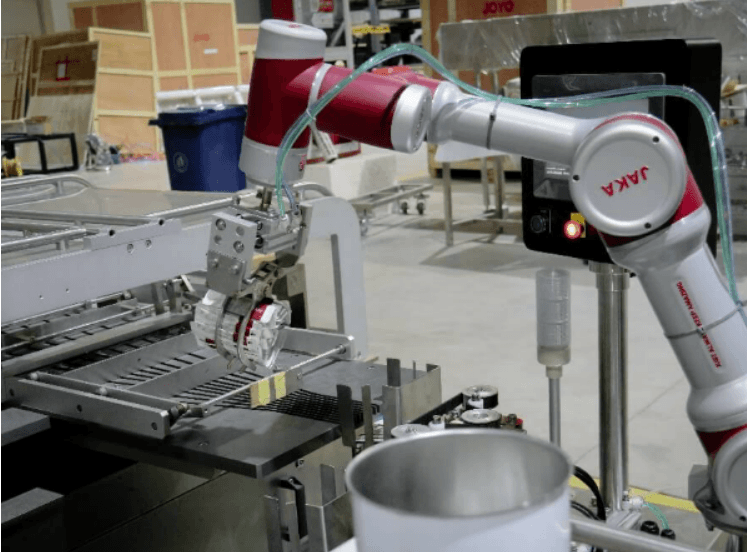
JAKA Robotics: Driving Innovation as a Leading Robotics Company in APAC
JAKA Robotics is making significant strides in the field of industrial automation, focusing on smart manufacturing solutions across the Asia-Pacific (APAC) region. The company specializes in collaborative robots that work safely alongside human operators, ensuring consistent performance in various applications such as electronics assembly, automotive component handling, and semiconductor processes. With a commitment to precision and stability, JAKA employs advanced control systems and intelligent software, achieving high repeatability levels essential for sensitive tasks like shaft assembly. Their robots are designed with low-noise circuitry and automated quality controls, enabling manufacturers to maintain efficiency and reduce errors during production. The Zu series of JAKA robots highlights the company's emphasis on flexible deployment, featuring compact designs that fit into confined workspaces. User-friendly programming tools allow even those without technical backgrounds to manage complex tasks, while safety features like collision protection and zero-drift calibration enhance human-robot collaboration. JAKA also prioritizes seamless system integration, offering communication interfaces compatible with manufacturing execution systems (MES), automated guided vehicles (AGVs), and vision modules. This adaptability supports more complex automation scenarios and allows non-specialized staff to operate sophisticated processes efficiently. As JAKA Robotics continues to innovate, it remains dedicated to enhancing productivity and operational resilience in the electronics, automotive, and semiconductor sectors, exemplifying how advanced automation solutions can transform modern manufacturing in the APAC region.

Fourier Intelligence unveils the “Care-bot” GR-3, its first full-sized companion humanoid robot
On Wednesday, Chinese robotics company Fourier Intelligence unveiled its inaugural full-sized humanoid robot, the “Care-bot” GR-3, designed for interactive companionship. The robot, which stands 165 cm tall and weighs 71 kg, boasts 55 degrees of body freedom, allowing for a wide range of movements. The GR-3 is equipped with a comprehensive sensory interaction system that combines auditory, visual, and tactile modules, enhancing its ability to engage with users. This launch marks a significant step in the development of robots aimed at providing companionship, reflecting the growing interest in robotics for personal and social applications.
News Feed
Terrain Classification for Planetary Rovers Using Wireless In‐Wheel Sensor Modules and Machine Learning
In May 2026, researchers published a significant study in the Journal of Field Robotics, focusing on advancements in robotic technology. The study highlights innovative developments in autonomous navigation systems, which have the potential to enhance the efficiency and safety of robotic operations in various environments. Conducted by a team of experts in robotics and artificial intelligence, the research aims to address the challenges faced by robots in dynamic and unpredictable settings. The findings were based on extensive field tests conducted in diverse locations, including urban areas and remote terrains, showcasing the robots' adaptability and reliability. The motivation behind this research stems from the increasing demand for autonomous systems in industries such as agriculture, logistics, and disaster response, where precision and real-time decision-making are crucial. By employing advanced algorithms and machine learning techniques, the researchers demonstrated how these robots can effectively navigate complex environments while avoiding obstacles and optimizing their routes. This breakthrough not only promises to improve operational capabilities but also aims to reduce human intervention, thereby enhancing safety and efficiency in various applications. The study's implications are far-reaching, potentially transforming the landscape of robotic applications and paving the way for more sophisticated autonomous systems in the future.
RESEARCH ARTICLE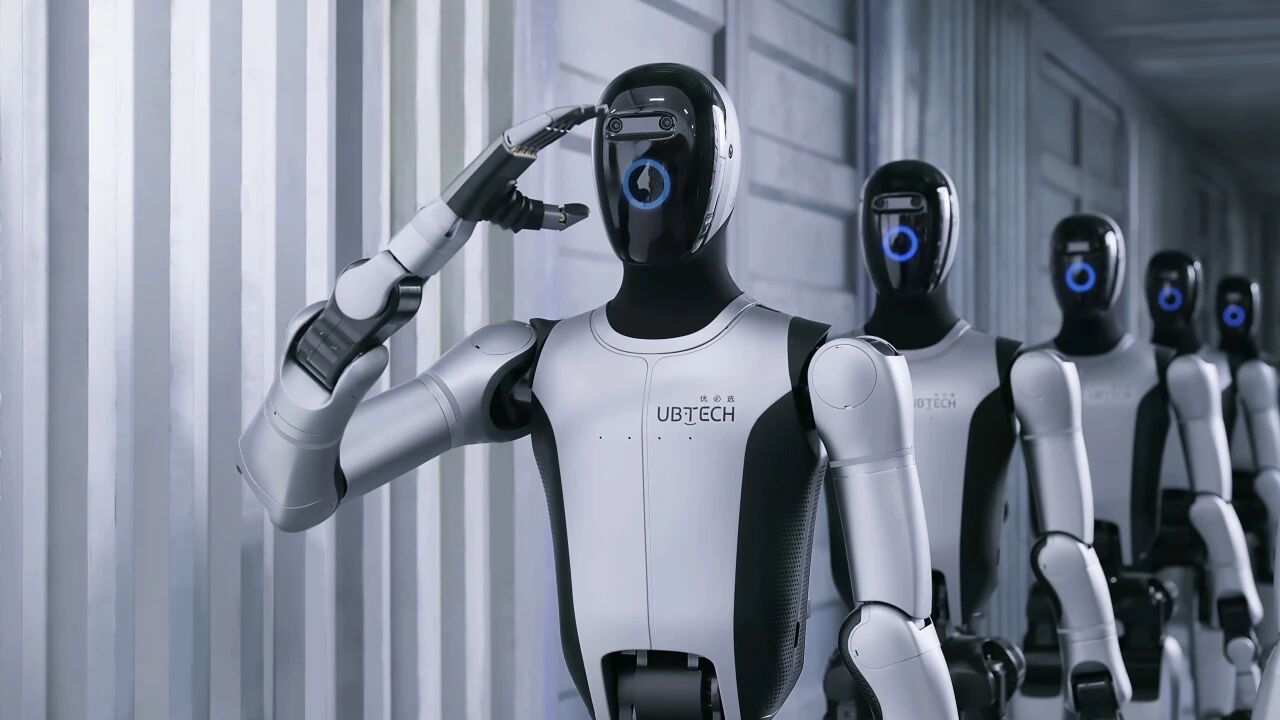
UBTECH Advances China's First Industry Standard for Collaborative Intelligent Systems by 2026
Recently, China's Ministry of Industry and Information Technology approved the development of the first industry standard for collaborative intelligent systems, led by UBTECH Robotics. The standard, titled 'Control Interface Specifications for Embodied Collective Intelligent Systems in Industrial Applications,' aims to address interoperability issues among multi-robot systems in industrial settings, marking a significant step in standardization. This initiative is crucial as industrial production shifts from single-robot operations to collaborative multi-robot systems. The lack of unified protocols and control interfaces has hindered the scalability of collective intelligence technologies. The new standard will provide clear guidelines for task allocation, fault reporting, and security interactions, facilitating better integration of diverse robotic systems in smart factories and logistics. Looking ahead, UBTECH is also collaborating with the China Electronics Standardization Institute to develop a reference architecture for collective intelligent systems. This comprehensive framework will define key terminologies and functional modules, further solidifying the foundation for collective intelligence standards in China. No further timeline was disclosed at the time of publication.
Humanoid Robots Industrial Automation AI Standards Collective Intelligence Robotics
Qianzhibo Secures A+++ Funding Round Led by Hillhouse Capital
Qianzhibo has successfully secured funding in its A+++ round, led by Hillhouse Capital. The company, known for its innovative joint modules designed for humanoid robots, has reached significant production milestones and is on track to deliver over 100,000 units by 2025. This funding will bolster Qianzhibo's efforts to enhance the stability and reliability of its products, positioning it as a crucial player in the expanding humanoid robotics market.
Joint Modules Humanoid Robots Robotics Supply Chain Automation Technology
Cobot China Safety Standards: Meeting ISO and CE Requirements
In the rapidly evolving manufacturing sector, JAKA Robotics is emphasizing the importance of safety and compliance with Cobot China standards. The company, which specializes in collaborative robotics, is committed to meeting stringent ISO and CE requirements to enhance operational efficiency while ensuring workforce protection. JAKA's robotics systems are equipped with advanced safety mechanisms, including intelligent control algorithms and collision prevention features, which allow for real-time adjustments to potential hazards. This design ensures compliance with both international and domestic safety regulations, minimizing the risk of injury in complex environments. To maintain high precision and reliability, JAKA employs high-resolution encoders and adaptive servo control, achieving accuracy levels of 0.2 mm. Their lightweight collaborative robots, such as the Zu series and MiniCobo, are engineered for safe interaction with human operators, supported by integrated monitoring systems that uphold safety parameters. Recognizing the need for adaptability in modern manufacturing, JAKA's solutions seamlessly integrate with manufacturing execution systems (MES), automated guided vehicles (AGVs), and vision modules. This flexibility allows operators to engage with cobots safely without requiring extensive technical training. JAKA's commitment to adhering to Cobot China safety standards reflects its dedication to responsible innovation, ensuring that its collaborative robots operate effectively across various industrial environments. By prioritizing safety, JAKA aims to support both industrial growth and the well-being of the workforce.

Daoyuan Technology Partners with Galaxy General to Empower Embodied Intelligence with Automotive-Grade IMU
Daoyuan Technology has announced a strategic partnership with Galaxy General Robotics to develop automotive-grade Inertial Measurement Unit (IMU) modules. This collaboration is set to enhance the precision of speed and posture information in embodied intelligent robots. By integrating advanced IMU technology, the partnership aims to significantly improve balance control and navigation capabilities, particularly in complex dynamic environments. The initiative reflects both companies' commitment to advancing robotics technology and addressing the growing demand for more sophisticated robotic systems in various applications.
IMU Technology Embodied Intelligence Robotics Automotive Solutions
The Coming Drone-War Inflection in Ukraine
In late December 2025, Yaroslav Azhnyuk, a Kyiv-born engineer and co-founder of the tech company Petcube, expressed concerns about the future of warfare, envisioning a landscape dominated by autonomous drones and AI-controlled military technology. Following Russia's invasion of Ukraine in February 2022, Azhnyuk shifted his focus from consumer tech to military applications, founding two companies, The Fourth Law and Odd Systems, to enhance drone capabilities for Ukrainian forces. By 2023, Ukrainian troops had begun utilizing consumer drones for surveillance and combat, leading to a significant evolution in warfare tactics. Azhnyuk's companies have developed autonomy modules that allow drones to navigate independently, increasing strike success rates significantly. This innovation is crucial as Ukraine faces a technologically superior adversary in Russia, which has also advanced its drone capabilities, including the use of Iranian-designed Shahed drones. As both sides continue to innovate, the conflict is shaping a new era of warfare characterized by autonomous systems capable of operating without direct human control. Analysts predict that the shift from human-operated drones to autonomous swarms could drastically change the dynamics of military engagements, raising concerns about the implications for global security. Azhnyuk warns that the West, particularly Europe and the U.S., risks falling behind in this technological arms race, emphasizing the need for rapid advancements in defense technologies to ensure security in the coming years.
Military-robots Military-drones Drone-war Shahed-drones Ai-agentsRobotics needs a service framework.
RSF defines a common language for robot service capability, lifecycle operations, certification pathways, and service-provider networks.