Industry Briefing
A single destination for timely, editor-curated robotics news from around the world.

Kazakhstan Police Utilizes Robotic Dogs for Patrol at Nomad Alemi Festival
During the Nomad Alemi cultural festival in Ulan District, Kazakhstan, police deployed robotic dogs for actual patrol duties. This marks the first time robotic systems have been used for maintaining public order at a large event in the region. The robotic dogs can autonomously patrol designated areas, conduct continuous video surveillance, perform video analysis, and recognize faces, relaying real-time information back to the operations control center. The deployment of robotic dogs is significant as it addresses the challenge of limited police presence at large events while needing to monitor numerous points. These robots can cover areas not reachable by fixed cameras and can navigate through crowds, enhancing public safety. The East Kazakhstan police emphasized that these robotic systems are now part of the region's digital security framework, moving from trial and demonstration to regular operational use. Looking ahead, the capabilities of facial recognition integrated into the robotic dogs raise important questions regarding data retention, comparison permissions, and error handling. While the current deployment is limited in scale and focused on controlled environments, it provides a sample for observing the role of robotic dogs in public safety. Future developments will reveal whether this model expands to routine street patrols and how the data collected will integrate into broader security networks.
Robotic Dogs Public Safety Surveillance Technology Law Enforcement AI
The Rapid Evolution of Robotic Dogs Outpaces Traditional Pet Breeds by 2026
By 2026, the number of robotic dogs showcased at technology exhibitions is expected to surpass that of traditional dog breeds like Golden Retrievers and Corgis. This rapid diversification of quadrupedal robots is outpacing the evolution of most dog breeds, with various forms emerging from a common technological base, including wheels, saddles, and even drone landing pads. At this year's World Robot Conference (WRC), a small AI-controlled robotic dog named Kaimisi became an unexpected hit, despite not having a dedicated exhibition space. This palm-sized robot, priced between 200 to 280 yuan, can run, flip, and interact with people, reportedly selling over a thousand units daily, a remarkable achievement among exhibitors. Its affordability compared to other robots priced in the tens of thousands makes it an attractive option for consumers. The success of Kaimisi highlights a critical shift in quadrupedal robots from demonstration models to consumer products. With a compact design, low price, and engaging features, these robots appeal to a broader audience. Meanwhile, established companies like Yushun and Yundongchu are also making strides in the market, offering products ranging from inexpensive toys to high-end industrial platforms, showcasing the versatility of quadrupedal designs in various market segments.
Robotic Dogs AI Technology Consumer Robotics Automation
China Plans to Use Robot Dogs for Research at 2035 Moon Station
China is preparing to send robot dogs to the Moon as part of its International Lunar Research Station (ILRS) initiative, aiming for completion by 2035. These quadruped robots are envisioned to assist astronauts in research and emotional support, enhancing the human experience in space. The integration of new communication and navigation systems is crucial for this ambitious project, as reported by South China Morning Post. The robot dogs will not only patrol the lunar research station but also aid astronauts in scientific tasks, showcasing a unique partnership between humans and machines in extraterrestrial environments. Looking ahead, the deployment of robot dogs could revolutionize lunar exploration, with their capabilities extending to autonomous operations. As China progresses towards its 2035 goal, the role of these robotic companions in space will be pivotal in ensuring safety and efficiency in lunar research activities. No further timeline was disclosed at the time of publication.
AI and Robotics
U.S. Government Prohibits Import of Foreign-Made Humanoids and Robot Dogs Over Security Concerns
The Trump administration has enacted a ban on the import of new foreign-made humanoid robots, robot dogs, and power inverters, citing significant national security risks. This decision primarily impacts imports from China, which dominates the global market share in these technologies. The U.S. Federal Communications Commission (FCC) announced the ban, expressing concerns that foreign-made devices could be exploited for surveillance or cyberattacks by foreign governments. Exceptions may be granted if a device is deemed safe for U.S. national security. The ongoing tensions between the U.S. and China, particularly regarding cybersecurity and data theft, underscore the importance of this ban. Looking ahead, the implications of this ban could affect future technological collaborations and trade relations between the U.S. and China. No further timeline was disclosed at the time of publication.
Robotics Security cybersecurity Trump Administration
Quadruped Robot Competition Opens for Participants to Showcase Specialized Applications
A new competition has been announced, inviting participants to demonstrate the capabilities of quadruped robots in specialized scenarios. This event is designed to challenge the limits of robotic applications and encourage innovation within the industry. The significance of this competition lies in its potential to advance the development of robotic technologies, particularly in specialized applications. By showcasing the unique abilities of robotic dogs, the event aims to inspire new ideas and solutions in the field of robotics. Looking ahead, participants will have the opportunity to present their innovations, which could lead to breakthroughs in various applications. No further timeline was disclosed at the time of publication.
Quadruped Robots Robotics Competition Specialized Applications Innovation in Robotics
Chinese Billionaire Wang Xingxing's Wealth Grows Amid US Restrictions on Robot Models
Wang Xingxing, a millennial billionaire, is experiencing a significant increase in his wealth, driven by his involvement in China's AI sector. Despite facing restrictions from the US government that prevent his company from introducing new robot models in the American market, his financial success continues to rise. This situation highlights the resilience of China's tech entrepreneurs in the face of international challenges. The ongoing growth of Wang's fortune underscores the importance of the AI industry in China, particularly as the country aims to become a global leader in artificial intelligence. The restrictions imposed by Washington may limit market access, but they have not hindered the overall expansion of Wang's business ventures within China. This scenario reflects broader trends in the tech landscape, where domestic markets can still thrive despite external pressures. Looking ahead, it will be crucial to monitor how Wang Xingxing navigates these challenges and whether his company can adapt to the changing regulatory environment. No further timeline was disclosed at the time of publication.

DEEP Robotics Expands Use of Quadruped and Wheeled Robots in Emergency Response Operations
Chinese startup DEEP Robotics is enhancing firefighting and emergency response capabilities with its X30 quadruped and Lynx M20 wheeled-legged robots. These robots are designed to enter hazardous environments first, gathering real-time data on conditions and relaying it to command teams, thereby keeping human responders safe during initial assessments. The deployment of these robots is significant as they can monitor dangerous situations such as fires, chemical leaks, and collapsed structures without putting human lives at risk. The X30 quadruped is equipped with advanced sensors and can also assist in firefighting efforts, transporting equipment, and maintaining communication links in challenging environments. Looking ahead, DEEP Robotics aims to further integrate its robotic systems into emergency response protocols, enhancing the efficiency and safety of rescue operations. No further timeline was disclosed at the time of publication.
AI and Robotics
Mila Team Develops $2,000 Open-Source Robot Dog as Alternative to $50,000 Guide Dogs
A team from Mila and École Polytechnique de Montréal has developed an open-source robot dog named Milo, which costs approximately $2,000. This innovative solution addresses the high costs and long wait times associated with traditional guide dogs, which can exceed $50,000 and require 2-4 years for matching. Milo is designed to operate both indoors and outdoors without needing prior environmental scans or external computing power. It can navigate obstacles and recognize nearby individuals, making it a collaborative tool for visually impaired users. This robot dog integrates advanced technologies, including an NVIDIA Jetson Orin Nano for processing, and features a flexible handle that allows users to adjust their relative position to the robot. The development of Milo represents a significant advancement in assistive technology, providing a more affordable and accessible option for those in need of guide dogs. As the technology evolves, it will be important to monitor its adoption and effectiveness in real-world scenarios. No further timeline was disclosed at the time of publication.
Robot Guide Dogs Assistive Technology AI Navigation Open-Source Robotics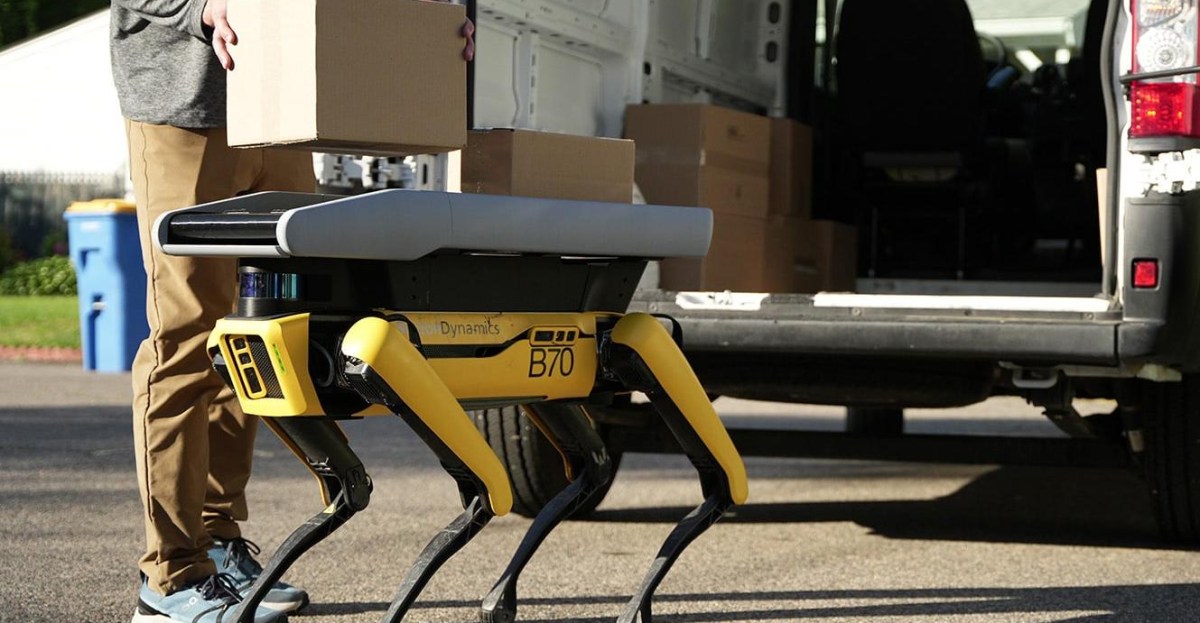
Boston Dynamics Tests Spot Robot for Last-Mile Delivery Solutions
Boston Dynamics is exploring the use of its Spot robot for package deliveries, equipped with a new conveyor belt accessory. This innovation aims to autonomously transport packages from vehicles to customers' doorsteps, potentially easing the workload of delivery drivers. The initiative is significant as it addresses the challenges of last-mile delivery, where human navigational skills are often required to overcome obstacles like stairs and cluttered pathways. Boston Dynamics is currently in discussions with major logistics companies to transition from demonstrations to a full pilot project. Looking ahead, the company believes Spot's ability to navigate uneven terrain will enhance its effectiveness in suburban environments. This could not only alleviate physical strain on delivery drivers but also increase their efficiency, allowing them to handle more packages. No further timeline was disclosed at the time of publication.
Gadgets News Robot Tech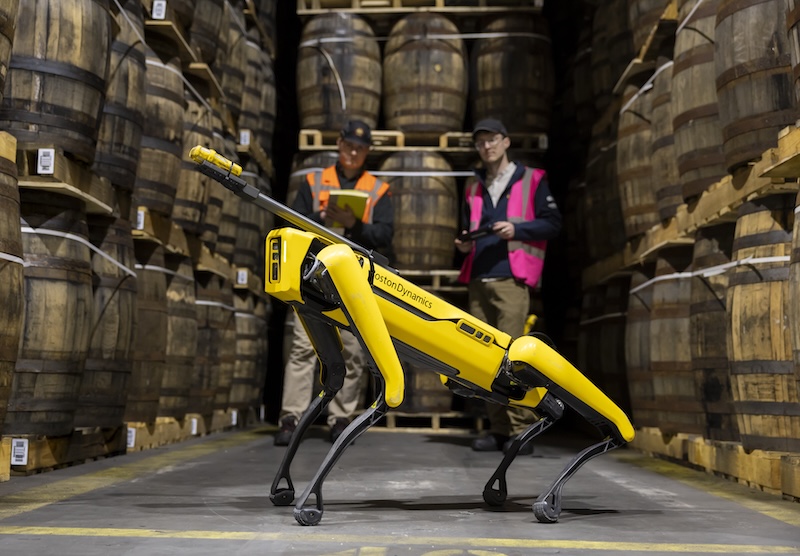
Opinion: Why robot dogs are leading the pack in factory floor efficiency
By Andrew Hamilton, head of the Digital Process Manufacturing Centre (DPMC) at the National Manufacturing Institute Scotland (NMIS) Manufacturing facilities today are sprawling, interconnected environments where equipment operates continuously and processes stretch across large physical footprints. From factory floors and plant rooms to service corridors and external assets, engineering teams need clear visibility across areas […]
Features Industry Autonomous robots boston dynamics spot digital manufacturing factory inspections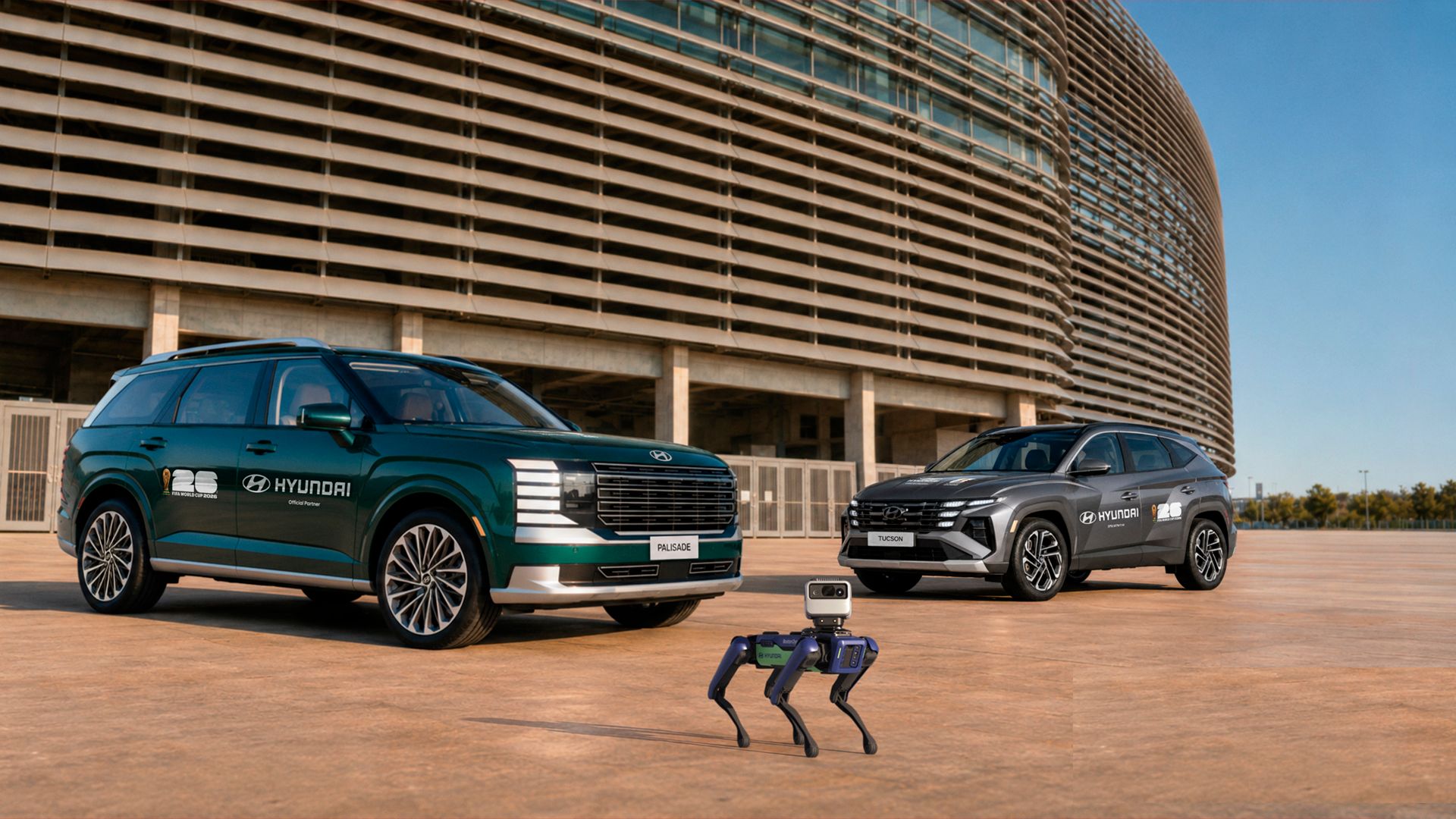
FIFA World Cup 2026 gets Hyundai robot dogs for venue security patrols
As the 2026 FIFA World Cup approaches, Hyundai Motor Company has unveiled its latest marketing campaign aimed at enhancing fan engagement during the tournament. The initiative, which was announced in early October 2023, will leverage innovative technology and interactive experiences to connect soccer enthusiasts across North America. Hyundai's campaign is designed to capitalize on the excitement surrounding the World Cup, which is set to take place in the United States, Canada, and Mexico. The automotive giant aims to strengthen its brand presence and foster a deeper connection with fans by integrating digital platforms and live events into its promotional strategy. Through a series of interactive activations, Hyundai plans to provide fans with unique opportunities to participate in the World Cup experience, including virtual reality experiences and social media engagements. This approach not only highlights Hyundai's commitment to the sport but also aligns with its broader marketing objectives of reaching a diverse audience and enhancing customer loyalty. By embracing the global appeal of soccer, Hyundai seeks to position itself as a key player in the automotive market while celebrating the spirit of the World Cup. The campaign reflects the company's dedication to innovation and community engagement, aiming to create memorable moments for fans during this prestigious sporting event.
AI and Robotics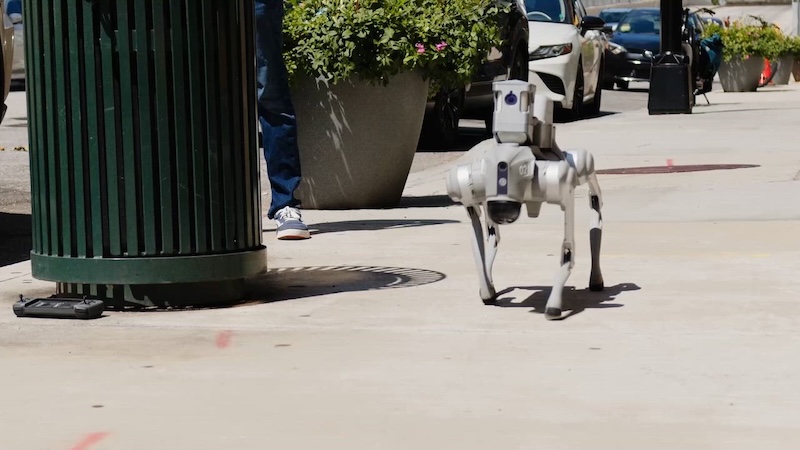
Robot dogs help police catch car break-in suspects at Atlanta apartment complex
In a notable advancement for law enforcement technology, robotic security dogs were utilized in Atlanta to assist in apprehending two suspects involved in a vehicle break-in. This incident, reported by Atlanta News First, highlights the growing trend of integrating robotic systems into security operations across industrial and commercial sectors. The deployment of these robotic canines underscores the rapid evolution of technology in real-world applications, showcasing their potential to enhance public safety and support traditional policing methods. As security measures continue to advance, the use of such innovative tools may become increasingly common in urban environments.
Infrastructure News affordable housing security ai robotics AI security artificial intelligence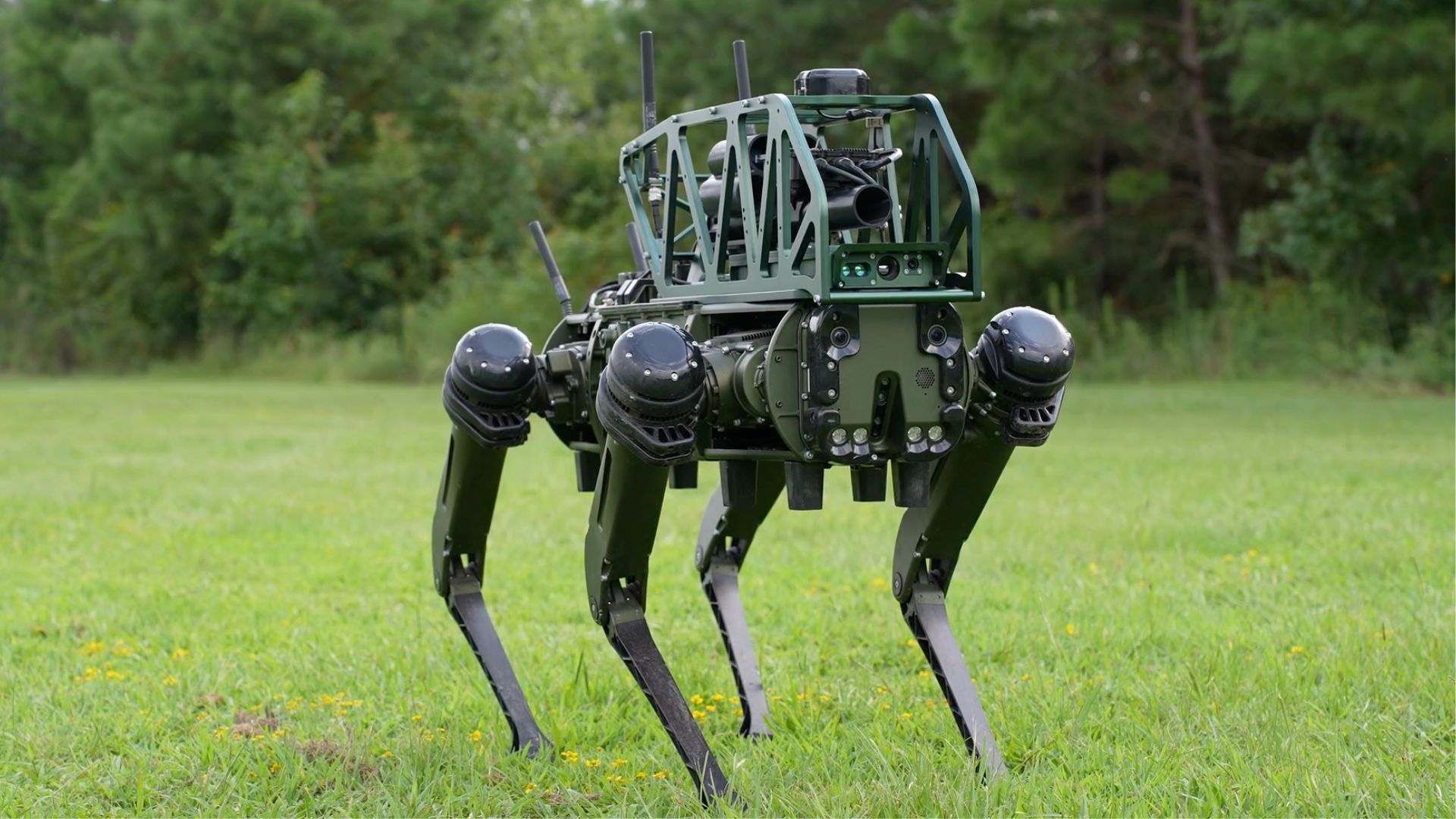
Robot dogs with shotguns, grenade launchers head to US urban warfare trials
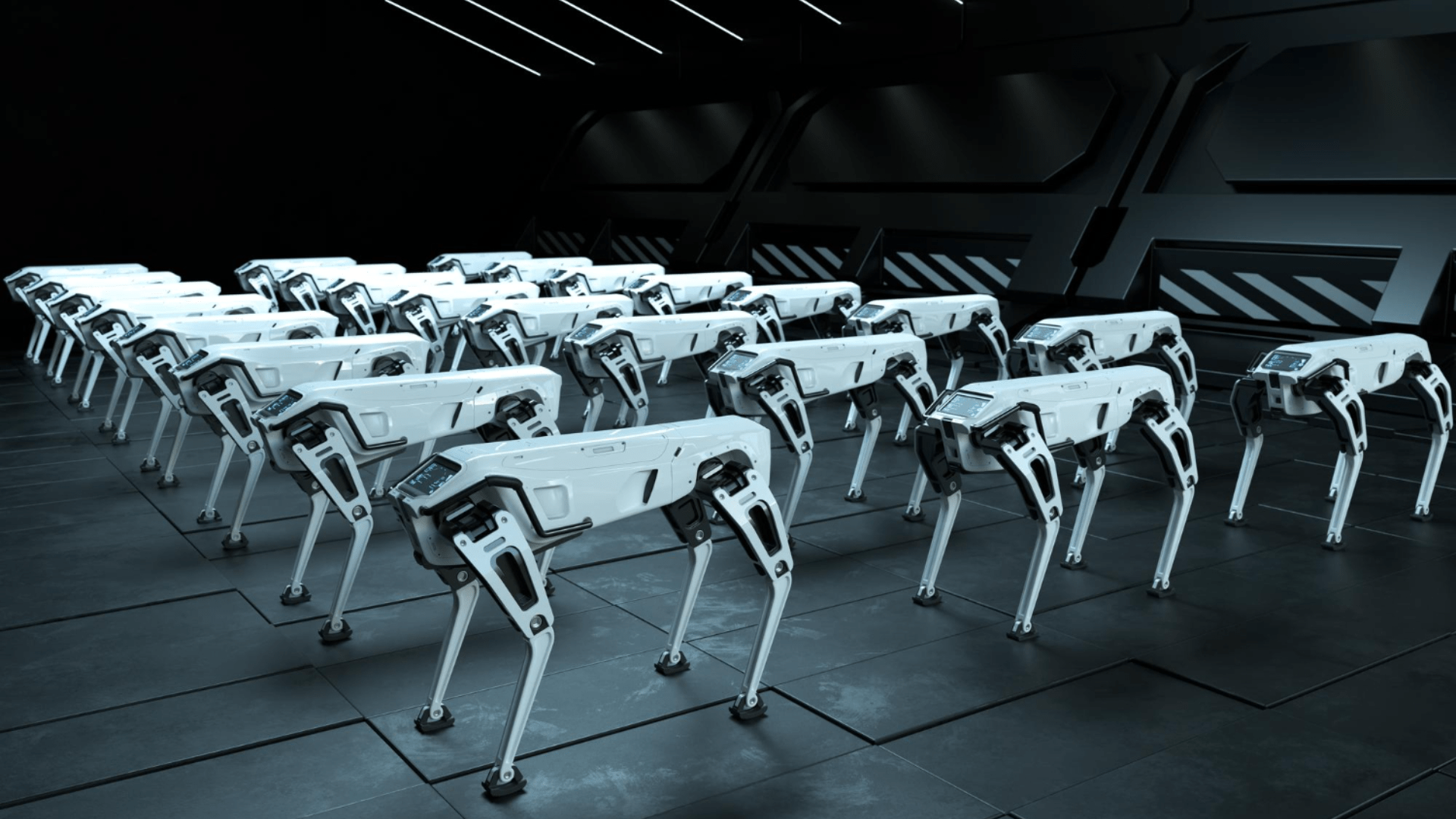
The United States has contracted an Australian defense company to supply advanced robotic dogs and modular systems designed for military applications. This agreement, announced recently, aims to enhance the capabilities of the U.S. armed forces by integrating cutting-edge technology into their operations. The initiative is part of a broader strategy to modernize defense assets and improve operational efficiency. The robotic systems are expected to assist in various tasks, potentially reducing risks to personnel and increasing mission effectiveness. The collaboration underscores the growing partnership between the U.S. and Australia in defense innovation, reflecting a commitment to leveraging advanced technology in military operations.
China showcases submarine-launched anti-mine vehicles, robotic combat dogs at defense expo
A new generation of autonomous underwater drones has been developed to detect and neutralize naval mines, marking a significant advancement in maritime security technology. This innovation was unveiled at a recent defense technology conference held in Washington, D.C., where experts gathered to discuss the future of naval warfare. The drones are designed to enhance safety for naval operations by providing a reliable solution to the persistent threat of underwater mines, which pose risks to both military and commercial vessels. The motivation behind this technological breakthrough stems from the increasing need for efficient and effective mine countermeasures in response to evolving maritime threats. By employing advanced sensors and artificial intelligence, these drones can autonomously navigate and identify mines, significantly reducing the risk to human divers and traditional mine-clearing vessels. The development process involved collaboration between defense contractors and military research organizations, leveraging cutting-edge technology to improve operational capabilities. As naval forces worldwide seek to modernize their fleets, this innovation is expected to play a crucial role in enhancing maritime security and ensuring safe passage in contested waters.
DJI-Backed Robotics Company 'Xuanji Power' Secures Hundreds of Millions in Financing, Attracting Industry Funds for 'Heavy-Duty Robot Dogs'
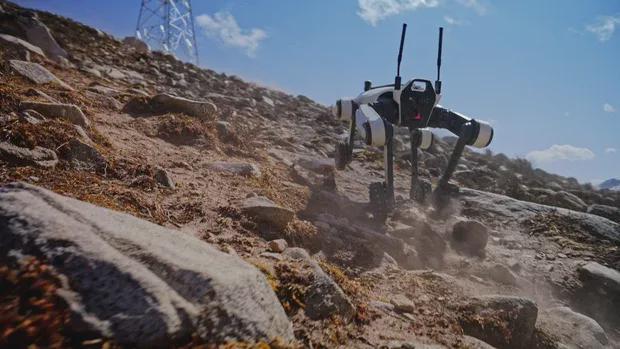
Xuanji Power, a robotics company specializing in intelligent platforms and core components, has successfully secured hundreds of millions in Pre-A funding. This significant investment aims to bolster the company's product development and mass production capabilities, particularly for its advanced heavy-duty robot dog, the Hypertron T01. The robot is poised for widespread deployment across various industries, enhancing operational efficiency and automation. The funding will enable Xuanji Power to accelerate its innovation and meet the growing demand for robotic solutions in diverse sectors.
Robotics Heavy-Duty Robots AI Manufacturing Automation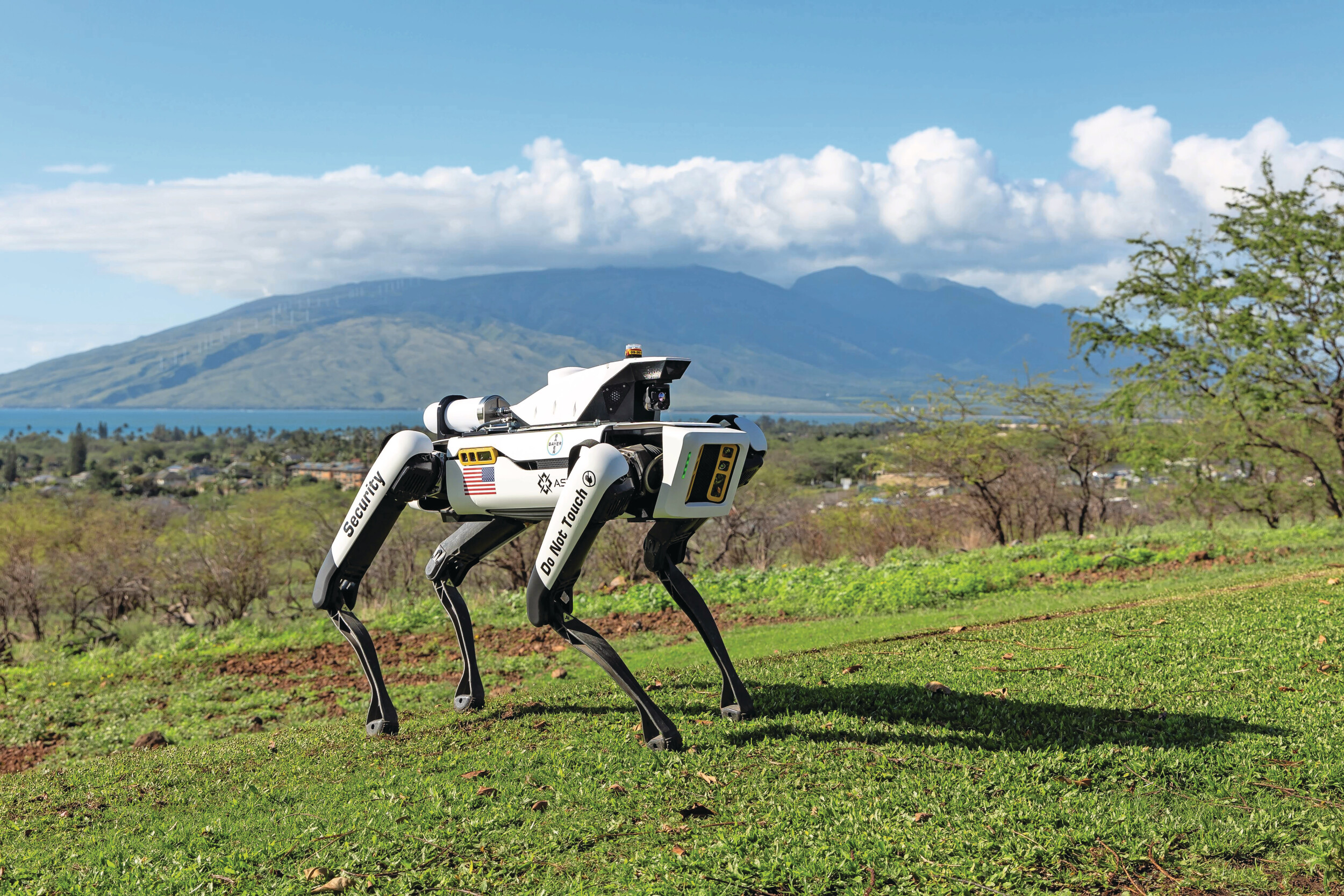
Arable farms switch to robotic dogs to guard valuable corn crops
In Hawaii, high-tech robotic dogs are being deployed to patrol corn farms, offering a cost-effective solution for security and monitoring. These advanced machines are designed to safeguard valuable crops while significantly reducing staffing expenses for farmers. By providing real-time information on potential security breaches, the robotic dogs enhance the overall efficiency of farm operations. This innovative approach not only protects agricultural investments but also represents a growing trend in the use of technology to address labor shortages in the farming sector.
Smart farming ai crop protection drones robotic harvesting security
Unitree Files for $580M IPO: Humanoid Sales Surpass Robot Dogs as Profits Soar
Unitree Robotics has announced its intention to list on the Shanghai STAR Market, marking a significant milestone for the company. This move comes alongside a report of a substantial increase in profitability, positioning Unitree as a frontrunner in the humanoid robotics sector. The company projects to lead global shipments of humanoid robots by 2025, reflecting its ambitious growth strategy and innovation in the field. This filing is part of a broader trend of tech companies seeking to capitalize on the growing demand for advanced robotics solutions in various industries.
Unitree Robotics Market China IPO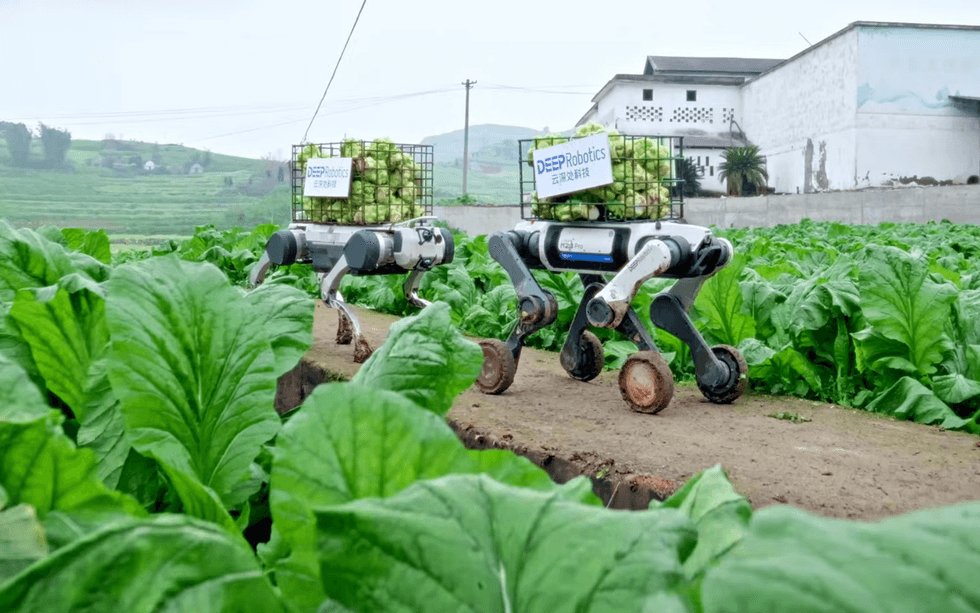
Video Friday: Robot Dogs Haul Produce From the Field
IEEE Spectrum's weekly feature, Video Friday, showcases a variety of innovative robotics videos and highlights upcoming robotics events, including the International Conference on Robotics and Automation (ICRA) scheduled for June 1-5, 2026, in Vienna. This week’s selection includes demonstrations of the Lynx M20 robots, which are designed to address the logistical challenges of transporting harvested crops in mountainous regions. Research from a collaboration between the Max Planck Institute for Intelligent Systems, the University of Michigan, and Cornell University reveals that magnetic microrobot swarms can manipulate larger objects without direct contact, showcasing their potential for complex tasks such as assembly and movement of small items. Meanwhile, Georgia Tech is investigating how bipedal robots can recover from balance loss in unpredictable environments, aiming to enhance their functionality in real-world applications. In a separate initiative, Carnegie Mellon University's TartanAUV team is refining their autonomous underwater vehicle, Osprey, in preparation for the annual RoboSub competition. Additionally, advancements in tilt-rotor aerial robots are being explored to improve control and maneuverability through reinforcement learning techniques. The feature also includes educational tools like the Astorino robot, designed for teaching robotics in schools, and discussions on the need for more realistic datasets for autonomous driving. Overall, the content reflects the ongoing evolution and application of robotics across various fields, emphasizing both technical advancements and educational initiatives.
Humanoid-robots Video-friday Swarm-robotics Quadruped-robots Farm-robots Bipedal-robotsRobotics needs a service framework.
RSF defines a common language for robot service capability, lifecycle operations, certification pathways, and service-provider networks.
Join the RobotToday community on LinkedIn
Daily robotics news, in-depth analysis, conference highlights, and discussions with professionals worldwide.