Industry Briefing
A single destination for timely, editor-curated robotics news from around the world.
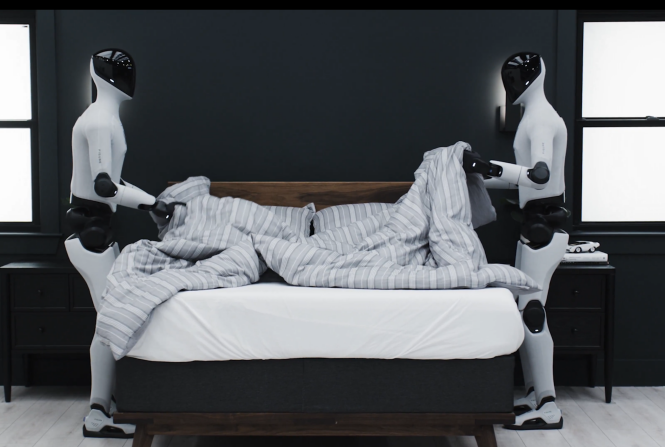
Two Robots Team Up for Life: The World's First Multi-Robot Collaboration Using a Single Neural Network
Figure AI has made a significant advancement in robotics by demonstrating the successful collaboration of two humanoid robots, equipped with the innovative Helix-02 system, to clean a bedroom in under two minutes. This event, which took place recently, represents a milestone in the field of robotics as it is the first instance of multi-robot cooperation utilizing a single neural network. The robots showcased remarkable autonomy and interaction, operating effectively without the need for central control. This breakthrough highlights the potential for enhanced efficiency in robotic tasks and paves the way for future developments in autonomous systems.
Humanoid Robots Robot Collaboration AI Automation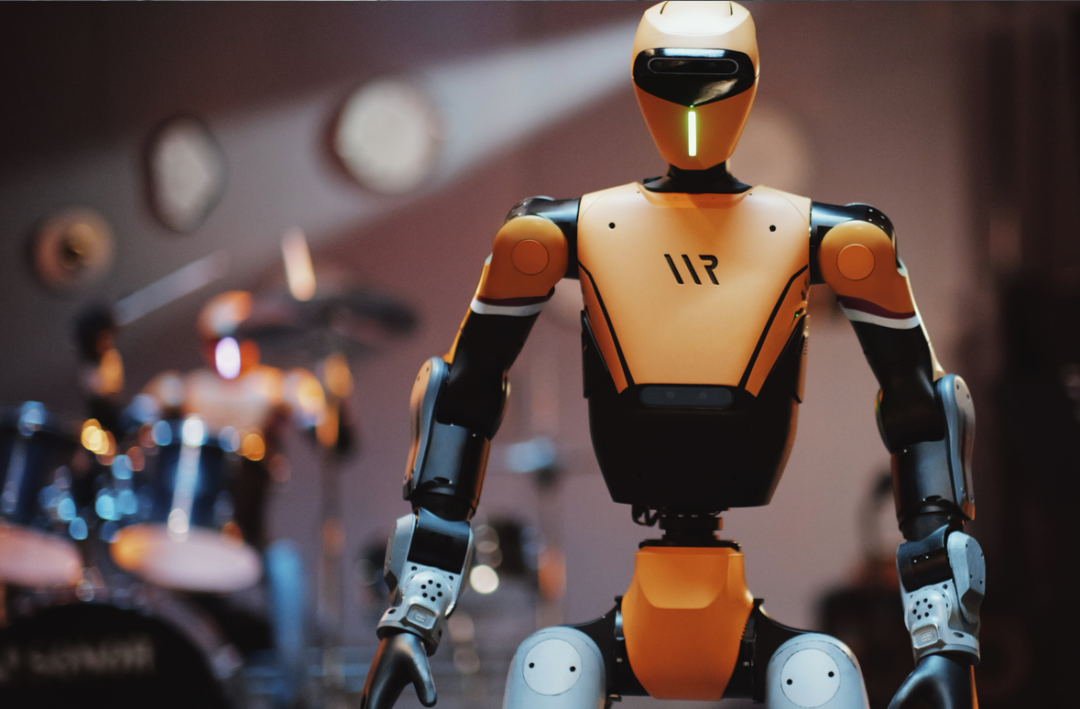
Hangzhou's West Lake Robotics Unveils 'Titan O1', Ushering in the Era of Human-Robot Collaboration
On March 23, West Lake Robotics unveiled its latest humanoid robot, the 'Titan O1', at a launch event that showcased its groundbreaking capabilities. The Titan O1 is equipped with an innovative GAE system, which enables real-time imitation and adaptability, allowing the robot to execute complex tasks without the need for extensive programming. This development represents a significant leap forward in the field of humanoid robotics, highlighting the company's commitment to advancing technology that enhances robotic functionality and versatility. The launch is expected to attract interest from various sectors, including manufacturing, healthcare, and service industries, as the Titan O1 demonstrates the potential for robots to integrate more seamlessly into everyday tasks.
Humanoid Robots AI Robotics Innovation Human-Robot Collaboration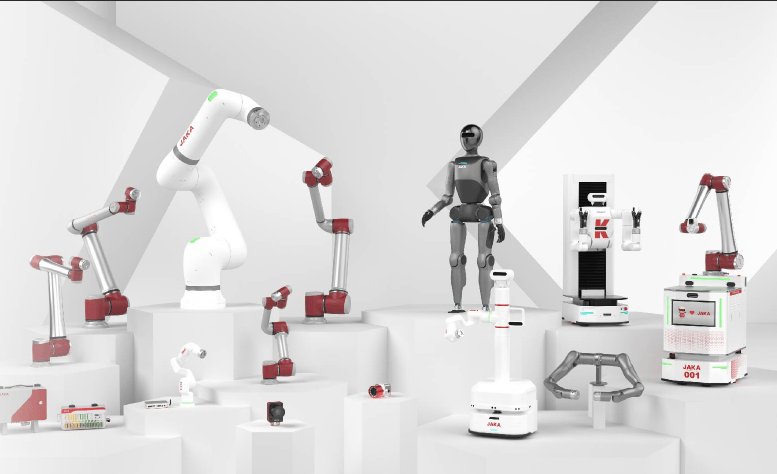
The Future of Industrial Robot Arms: AI and Human-Robot Collaboration
As industrial manufacturing evolves, flexibility and collaboration are becoming as crucial as efficiency, particularly in the role of industrial robot arms. JAKA is at the forefront of this transition, leveraging artificial intelligence to enable robots to work safely and intuitively alongside human operators. This shift, observed in real-time production environments, is driven by the need for adaptive systems that can handle frequent product changes and varying batch sizes without compromising on quality. AI technology enhances the capabilities of industrial robot arms, allowing them to interpret their surroundings and perform tasks consistently. With advancements in vision systems, force feedback, and adaptive control, these robots can manage variations in components without the need for constant reprogramming. JAKA's AI-based motion planning ensures accuracy even with slight differences in part shapes or positions, making these systems particularly effective in assembly scenarios. The collaborative approach redefines the deployment of industrial robots, moving them from isolated operations to working alongside humans on the production floor. JAKA's Zu3 model exemplifies this balance, performing repetitive and precision-intensive tasks while allowing human operators to focus on more complex decision-making roles. Its lightweight design facilitates quick redeployment, making it ideal for small-batch, diverse production needs. Looking forward, JAKA envisions a future where industrial robot arms are seamlessly integrated with human expertise, fostering resilience and responsiveness in manufacturing. This collaborative model not only enhances productivity but also supports sustainable growth by adapting to real-world production challenges.

Human-Robot Collaboration: How Modern Workplaces Can Be Designed for Safety, Productivity, and Employee Wellbeing
The industrial robotics market, valued at $85 billion, is transforming production floors by eliminating physical barriers between humans and machines. This shift allows for a collaborative environment where workers and robotics operate side by side. As millions of industrial robots are deployed globally, effective management of this transition is crucial. It necessitates a comprehensive understanding of spatial geometry, workforce psychology, and adherence to functional safety standards to ensure a seamless integration of technology into the workplace. This evolution in manufacturing aims to enhance efficiency and productivity while prioritizing safety and worker well-being.
Engineering Robotics automation news automation strategy cobots collaborative automation
Robot safety is now 3D: Sonair unveils world's first safety-certified 3D ultrasonic sensor for human-robot collaboration
The ADAR One sensor has achieved certification for SIL2 and PL d applications, confirming its compliance with the European machine directive. This certification enables the sensor to be utilized for the safe detection of humans and objects in various industrial settings. The development reflects a growing emphasis on safety standards in machinery, ensuring that operators can work in environments where the risk of accidents is minimized. The certification process involved rigorous testing to meet the stringent requirements set forth by European regulations, marking a significant advancement in sensor technology for safety applications.

Robots Take Center Stage at Boao Forum, But Humans Retain Control
During this year's Boao Forum, a sub-forum dedicated to the role of robots in society ignited conversations about the future of human-robot collaboration. Experts gathered to discuss the implications of advancing technology, underscoring the necessity of human oversight and the establishment of ethical boundaries as artificial intelligence continues to evolve. The discussions highlighted the urgent need for responsible governance of AI to ensure that technological advancements benefit humanity while mitigating potential risks.
Humanoid Robots AI Governance Human-Robot Collaboration Ethical AI Automation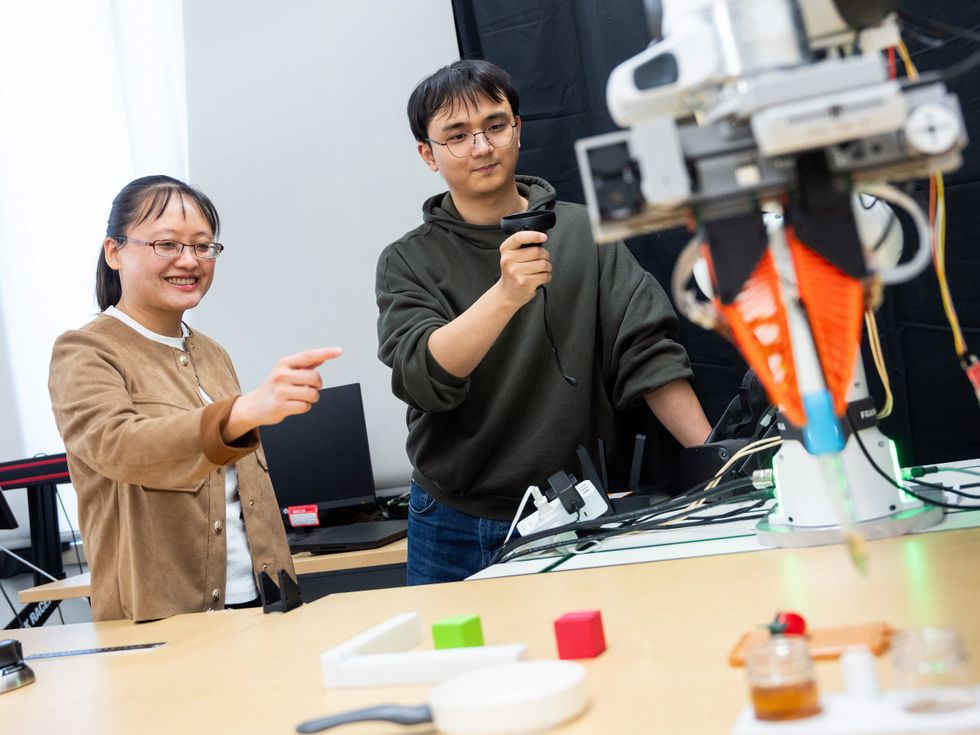
Award-Winning Researcher Trains Robots to Make Educated Guesses
Yen-Ling Kuo, an assistant professor of computer science at the University of Virginia, has been recognized for her significant contributions to robotics and automation. Last year, she received the IEEE Robotics and Automation Society’s inaugural Outstanding Women in Robotics and Automation Early Career Contribution Award for her paper, “Diff-DAgger: Uncertainty Estimation with Diffusion Policy for Robotic Manipulation.” This innovative research introduces a method that enhances robots' ability to identify and manage uncertainty during unfamiliar tasks, thereby reducing the need for human supervision and increasing task completion rates. Kuo’s journey began in Taiwan, where her fascination with science and technology was sparked by early exposure to programming and computer logic. After earning her degrees from National Taiwan University and MIT, she gained practical experience at Google, where she contributed to AI-driven shopping technologies. This experience motivated her to pursue a Ph.D. to deepen her understanding of neural networks. Her current research focuses on developing computational models that enable robots to interpret both explicit data and subtle social cues, aiming to replicate human-like reasoning in machines. Kuo's work has garnered attention from the National Science Foundation, which awarded her a five-year Career Award to support her research on human-robot interactions. As robotics and autonomous vehicles become more prevalent, Kuo envisions creating robots that can seamlessly integrate into social environments, enhancing human-robot collaboration.
Ieee-member-news Robots Artificial-intelligence Ieee-robotics-and-automation-soc Careers Type-ti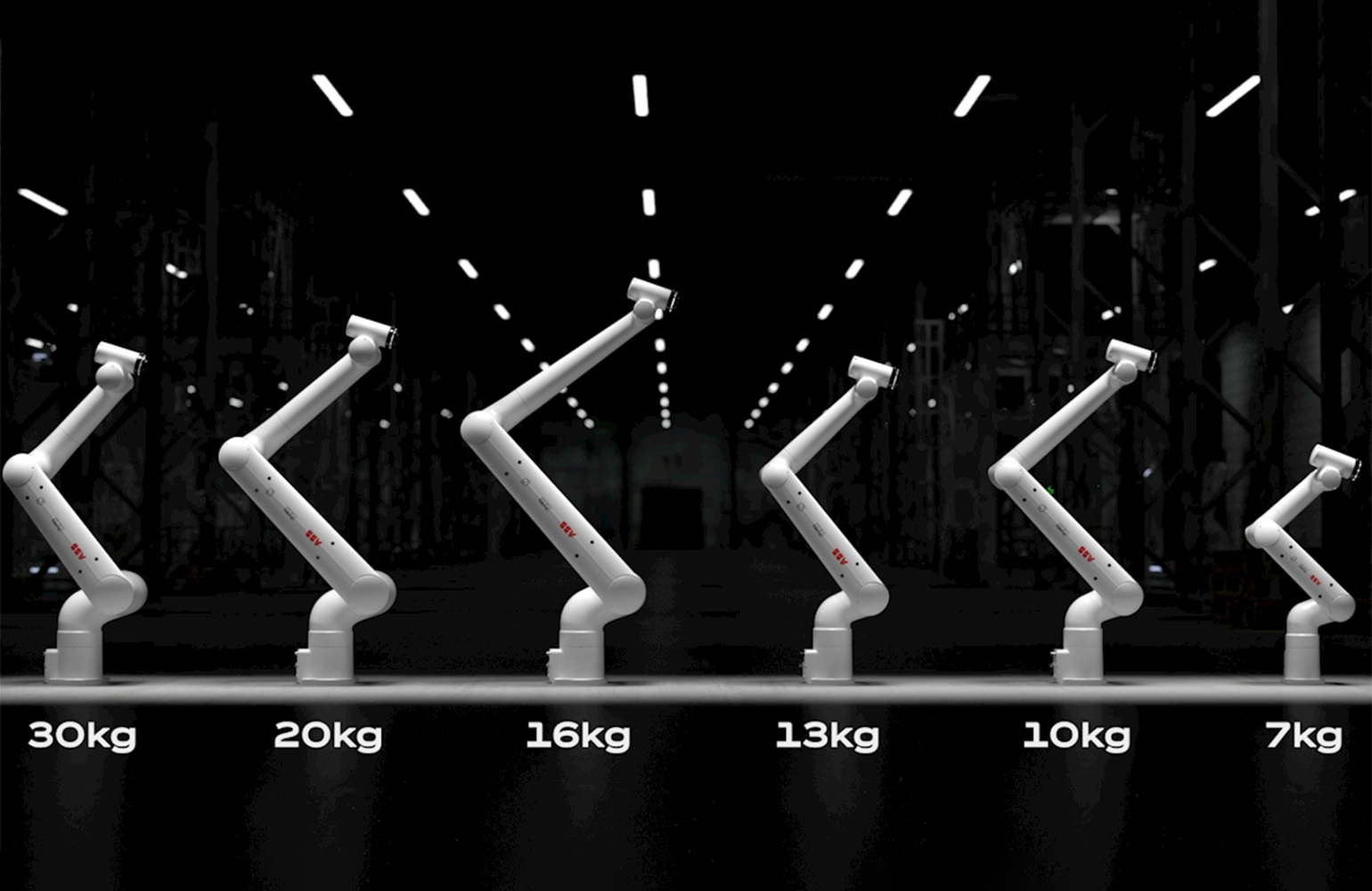
ABB Robotics launches PoWa cobot family targeting industrial tasks
ABB Robotics has introduced its new PoWa family of collaborative robots (cobots), aiming to fill a significant gap in the market between traditional cobots. This launch addresses the growing demand for automation in industrial tasks, providing enhanced capabilities for various applications. The PoWa series is designed to improve efficiency and productivity in manufacturing environments, responding to the evolving needs of the industry. By leveraging advanced technology, ABB Robotics seeks to offer solutions that facilitate seamless human-robot collaboration, ultimately driving innovation in the sector.
Arms / Manipulators Collaborative Robots News Robots / Platforms Technologies abb robotics
Video Friday: Humanoid Robots Celebrate Spring
In the latest edition of Video Friday, IEEE Spectrum robotics highlights significant advancements in robotics and upcoming events. Among the featured developments, NASA's Perseverance rover has gained the ability to autonomously determine its location on Mars using a new technology called Mars global localization, which enhances its exploration capabilities. The rover utilizes an algorithm that compares panoramic images with orbital terrain maps, achieving location accuracy within 10 inches. Additionally, various robotics projects are showcased, including the progress of the Shiva robot in strawberry picking and the Corvus One for Cold Chain, designed to operate in extreme cold environments. The video series also includes insights into the rapid development of humanoid robots by the U.K.-based company Humanoid, which aims to create reliable and safe robots in increasingly shorter timeframes. Experts from institutions like Microsoft and Carnegie Mellon University discuss the future of human-robot collaboration and the challenges of scaling robot learning. As billions of dollars are invested in robotics, the potential for general-purpose humanoid robots appears closer than ever, promising to revolutionize interactions in both physical and digital realms. The weekly calendar of upcoming robotics events, including ICRA 2026 in Vienna, is also available for enthusiasts and professionals in the field.
Humanoid-robots Video-friday Agility-robotics Perseverance-rover Insect-robots Industrial-robotics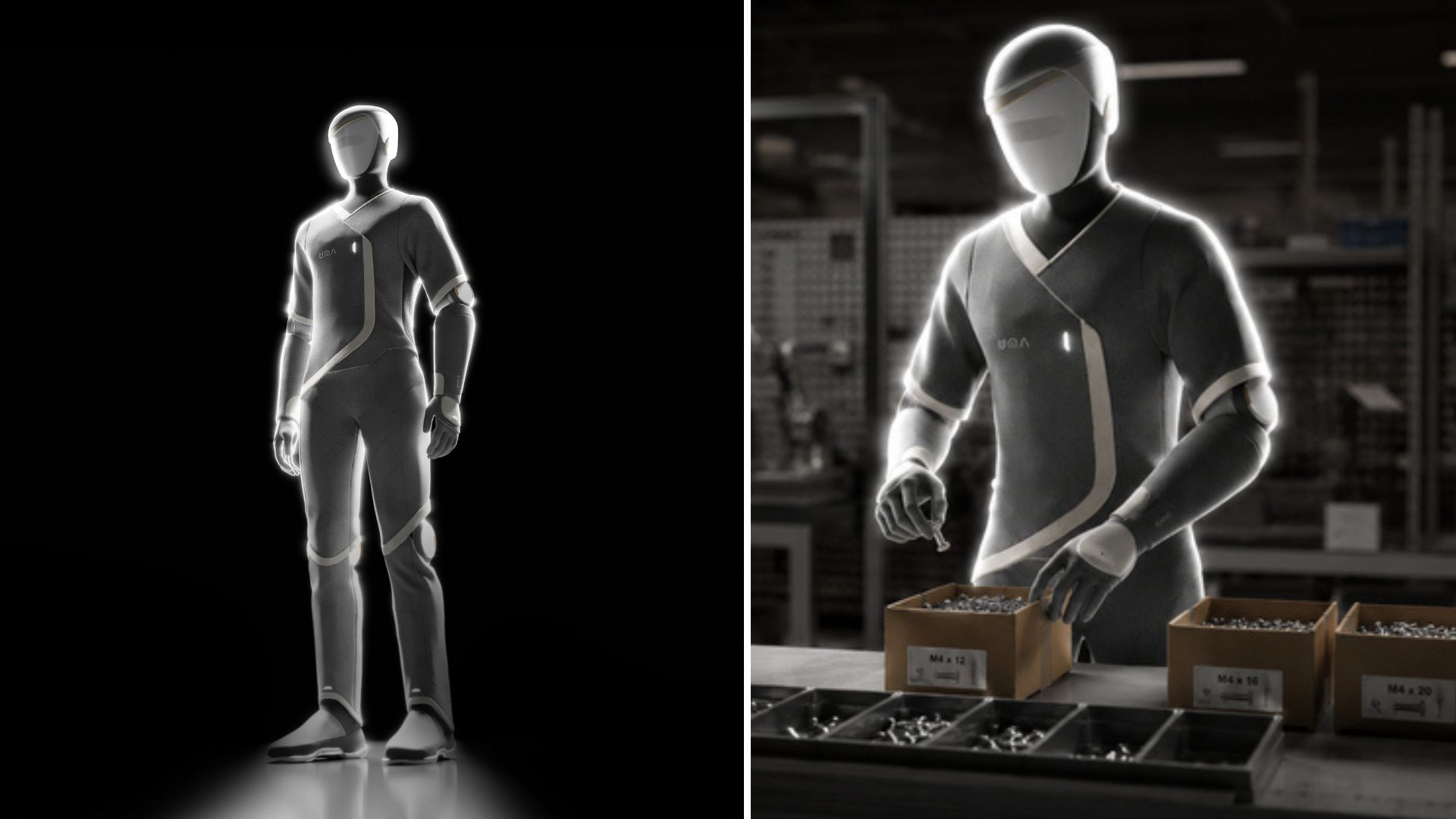
French firm’s new industrial humanoid robot learns faster through human demonstrations
French robotics company UMA has introduced the design of its inaugural AI-powered humanoid robot at a recent technology expo in Paris. The unveiling, which took place on October 15, 2023, marks a significant milestone for the company as it aims to revolutionize the robotics industry. The humanoid robot is designed to assist in various sectors, including healthcare, education, and customer service, addressing the growing demand for intelligent automation solutions. UMA's innovative approach combines advanced artificial intelligence with a human-like form, allowing the robot to interact more naturally with users. The company plans to conduct further testing and development over the next year, with the goal of launching the robot commercially by late 2024. This initiative reflects UMA's commitment to pushing the boundaries of technology and enhancing human-robot collaboration in everyday tasks.
AI and Robotics
AGIBOT to Launch Global Livestream of Humanoid Robots Operating on a Real Factory Production Line
AGIBOT is set to host a six-day global livestream event from June 23 to June 28, featuring humanoid robots in action on a real factory production line at Longcheer Technology's facility in Nanchang. The event aims to showcase the practical applications of embodied artificial intelligence in the realm of intelligent manufacturing. Viewers will witness demonstrations of multi-robot coordination and human-robot collaboration, providing insights into how these technologies can enhance production efficiency and workflow in a live setting. This initiative underscores the growing importance of robotics and AI in modern manufacturing processes.
Humanoid Robots Embodied AI Manufacturing Live Streaming Industrial Automation
AI robot cleaners leave the lab for China's living rooms
In Beijing, cleaner Lin Meiqiong experienced a significant change in her daily routine when she was assigned to work alongside a new robotic colleague. This tall, wheeled robot, equipped with advanced AI technology, is designed to assist with cleaning tasks, making Lin's job more efficient. The introduction of this innovative technology aims to enhance productivity and streamline operations in urban environments. By integrating AI into the workforce, the initiative seeks to address labor shortages and improve service quality in the city. Lin's positive experience highlights the potential benefits of human-robot collaboration in the cleaning industry.
Robotics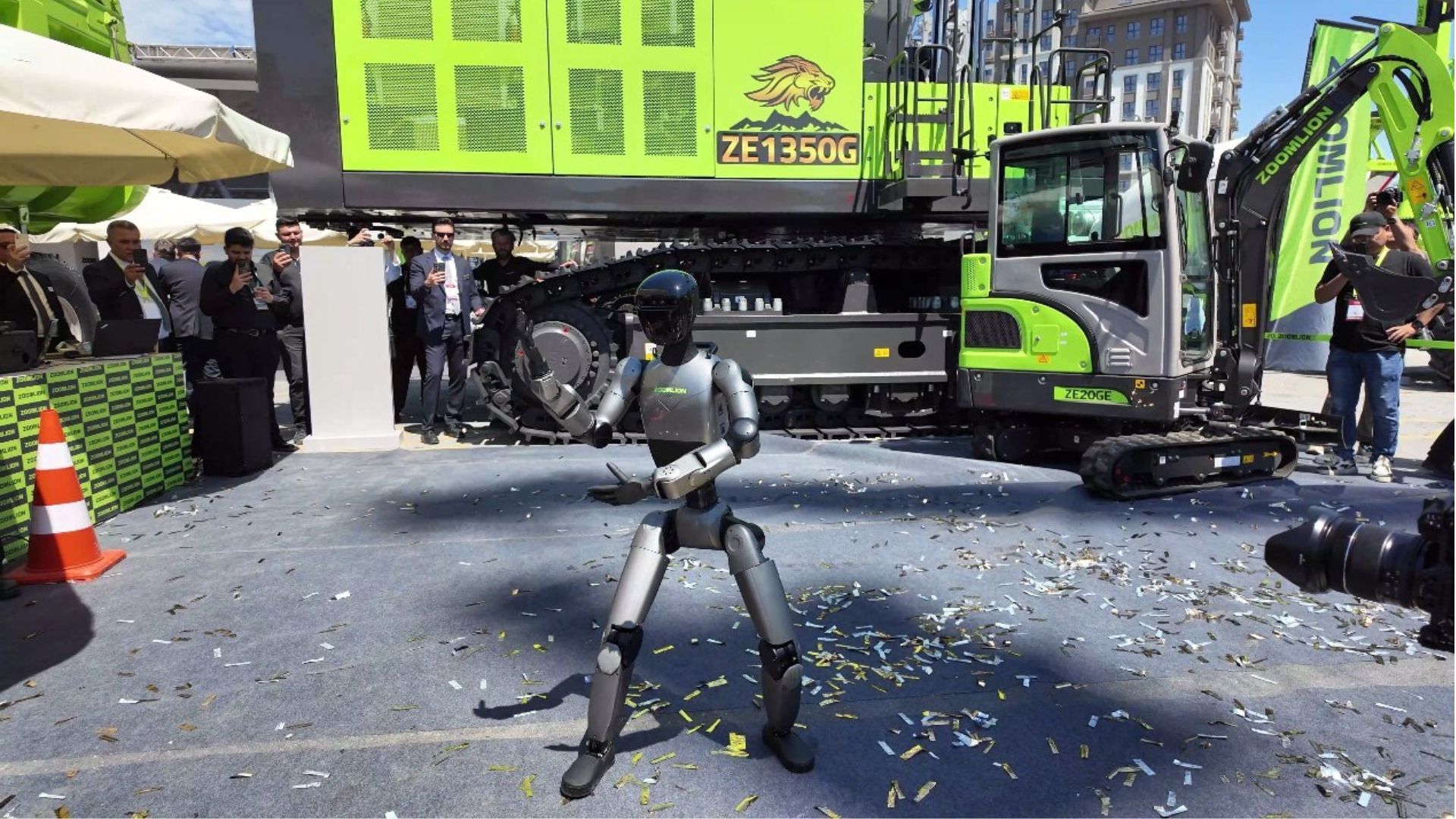
China’s Z01 humanoid robot masters Tai Chi moves with human-like balance and control
A new humanoid robot from China has emerged as a highlight at a prominent technology exhibition held in Shanghai this week. The robot, designed to mimic human movements and interactions, showcases advanced artificial intelligence capabilities that have captivated attendees and industry experts alike. This development reflects China's growing investment in robotics and AI technology, aiming to position itself as a leader in the global tech landscape. Demonstrations of the robot's abilities, including its capacity for conversation and physical tasks, have sparked discussions about the future of automation and human-robot collaboration. The exhibition serves as a platform for innovation, drawing significant attention to the potential applications of such technology in various sectors, including healthcare, education, and entertainment. As interest in robotics continues to rise, this humanoid robot stands as a testament to the rapid advancements being made in the field.
AI and Robotics
Sensory Robotics Launches UL-Certified 3D Virtual Robot Safety System
Cincinnati-based safety startup has introduced its innovative SR-1 system, designed for seamless collaboration between humans and robots, at the Automate 2026 event in Chicago. This debut highlights the company's commitment to enhancing workplace safety and efficiency through advanced technology. The SR-1 aims to eliminate traditional fencing barriers, allowing for more fluid interaction between human workers and robotic systems. By showcasing this cutting-edge solution at a prominent industry event, the startup seeks to address growing concerns about safety in automated environments and promote the integration of robotics in various sectors. The introduction of the SR-1 reflects the ongoing evolution of automation and the importance of ensuring safe human-robot collaboration in the future of work.
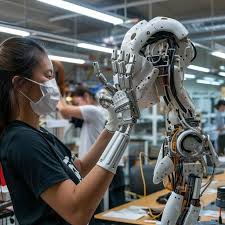
A minimally invasive robotic spinal surgical system for anterior lumbar nerve decompression
In May 2026, a groundbreaking study published in Science Robotics highlights the advancements in robotic technology aimed at enhancing human-robot collaboration. Researchers from leading universities and tech companies gathered to explore innovative methods for integrating robots into various industries, including manufacturing and healthcare. The study reveals that the increasing complexity of tasks in these sectors necessitates a more sophisticated approach to robotics, emphasizing the need for machines that can adapt to dynamic environments and work alongside human counterparts effectively. The research team conducted extensive experiments to develop algorithms that enable robots to learn from their interactions with humans, improving their efficiency and safety. This initiative is driven by the growing demand for automation and the potential for robots to alleviate labor shortages while increasing productivity. By focusing on collaborative robots, or cobots, the researchers aim to create systems that not only perform tasks but also understand and respond to human cues, fostering a more intuitive working relationship. The findings are expected to pave the way for the next generation of robotic systems that can seamlessly integrate into the workforce, ultimately transforming how industries operate and enhancing overall productivity. As the field of robotics continues to evolve, this research marks a significant step towards realizing the full potential of human-robot collaboration.
Research Article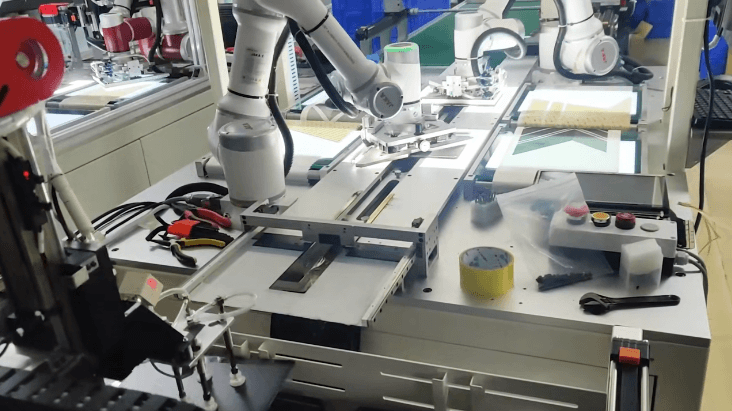
Collaborative Robot Arm vs. Traditional Arm: Safety, Speed, and Footprint
Manufacturers are increasingly weighing the benefits of collaborative robots (cobots) against traditional industrial 6-axis robot arms as they seek to automate production processes. This evaluation often hinges on which option offers a quicker return on investment. While traditional robots have dominated heavy manufacturing due to their high-speed capabilities, cobots present a more flexible and safer alternative, designed for close human-robot collaboration. The key distinction lies in safety measures. Traditional robots require extensive safety infrastructure, including cages and barriers, to protect workers from high-speed operations. In contrast, cobots, such as the JAKA Zu series, feature integrated sensors that allow them to stop immediately upon detecting an obstruction, enabling a workspace free of physical barriers. Speed is another critical factor. Traditional robots excel in mass production due to their ability to operate continuously at high speeds, while cobots prioritize safety, often running at slower speeds when humans are present. However, cobots can enhance efficiency and reduce downtime, making them suitable for high-mix applications where rapid setup is essential. Additionally, the physical footprint of robotic systems plays a significant role in decision-making. Traditional robots require substantial space due to safety cages, complicating integration into existing production lines. Conversely, cobots have a minimal footprint, allowing them to be mounted on workbenches or mobile carts, making automation feasible in tighter spaces. The JAKA Zu5 exemplifies this balance of performance and safety, offering industrial-grade capabilities in a compact design. With features like wireless programming and high precision, the JAKA Zu series aims to eliminate barriers to automation, providing manufacturers with adaptable solutions that enhance both efficiency and worker safety.
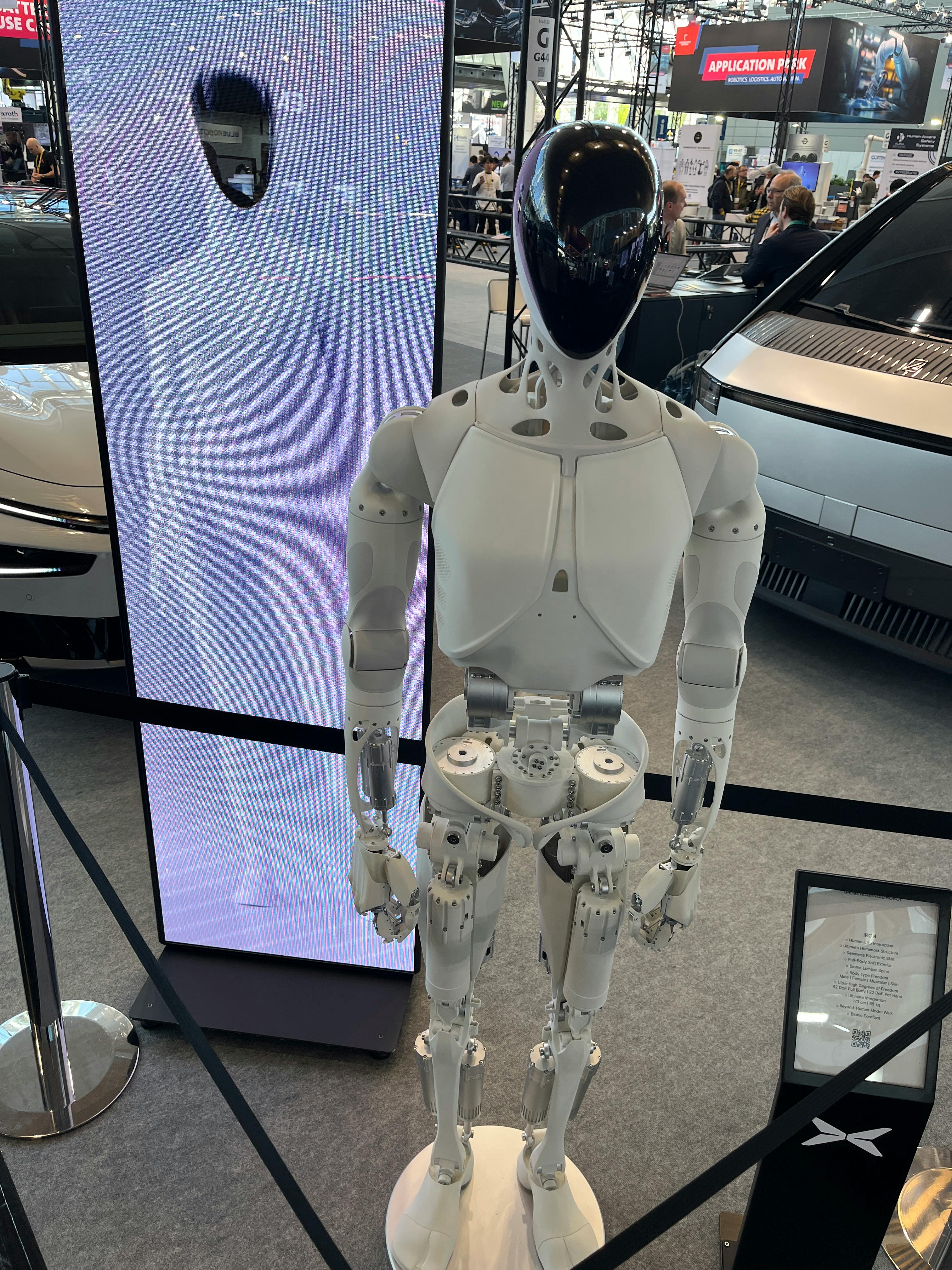
Meet the Humanoid Robots that May Replace Us All: Hannover Messe Edition
At a recent technology exhibition, various humanoid robots showcased their unique capabilities, sparking interest among attendees and industry experts alike. The event, held in October 2023, attracted a diverse audience eager to explore advancements in robotics. Among the standout exhibits was a humanoid robot that distinguished itself through its advanced artificial intelligence and interactive features, which allowed for more natural human-robot interactions. The motivation behind this innovation stems from the growing demand for robots that can assist in everyday tasks and enhance human experiences. Developers demonstrated how this particular robot could adapt to different environments and respond to user commands with remarkable accuracy, showcasing the potential for practical applications in sectors such as healthcare and customer service. As the exhibition unfolded, demonstrations highlighted the robot's ability to learn from its interactions, emphasizing the importance of machine learning in the evolution of humanoid robotics. This event not only illustrated the technological advancements in the field but also raised questions about the future of human-robot collaboration and the ethical implications of integrating such technology into daily life.
Technology and IIoT
Hello Robot Unveils Stretch 4: A Simply Useful Robot that Puts People First
Hello Robot has launched Stretch 4, a new open-source robotics platform aimed at enhancing the integration of robots into everyday life. Announced on May 12, 2026, in Martinez, California, Stretch 4 is priced at $29,950 and is designed for researchers and developers working on Physical AI applications. The robot focuses on safe, intuitive human-robot interaction, making it suitable for assisting individuals with mobility impairments. Co-founder and CEO Aaron Edsinger emphasized that Stretch 4 is built to operate alongside people, featuring a compact and lightweight design that prioritizes user safety. The robot is equipped with advanced sensors, including 3D LiDAR and high-resolution cameras, enabling it to navigate complex environments and perform tasks like fetching drinks or closing blinds through a mobile app. The development of Stretch 4 reflects Hello Robot's commitment to creating robots that enhance the quality of life for various users, including children and older adults. By addressing the challenges of human-robot collaboration, the company aims to pave the way for robots to become a familiar presence in homes and workplaces. Charlie Kemp, CTO and co-founder, highlighted that the redesign of Stretch 4 was informed by customer feedback, resulting in a versatile platform that supports a wide range of applications.
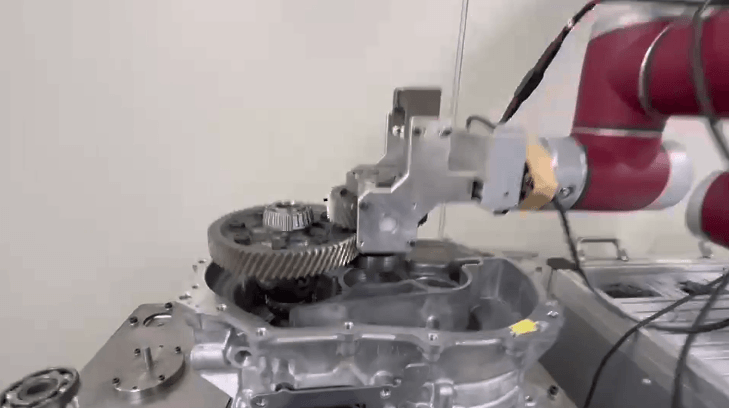
3 Key Certifications to Look for When Vetting a Robot
In the competitive landscape of automation, JAKA Robotics is setting a high standard for the production of collaborative robots through its state-of-the-art robotic arm factory. This facility, which adheres to rigorous international certifications, ensures that every robot produced meets stringent quality, safety, and environmental benchmarks. The factory's ISO 9001 certification underscores its commitment to quality management, guaranteeing that each robot is manufactured with consistent precision and reliability. This certification also establishes a framework for addressing technical issues through documented processes, fostering a culture of continuous improvement. Additionally, JAKA's compliance with ISO 10218-1 highlights its focus on safety, as this certification outlines essential requirements for industrial robots operating in shared workspaces. By rigorously testing safety features, JAKA ensures that its robots can work alongside human operators without posing risks. Furthermore, the factory's ISO 14001 certification reflects JAKA's dedication to sustainable manufacturing practices. This certification confirms that the company actively works to minimize its environmental impact, aligning its operations with global environmental, social, and governance (ESG) goals. As the automation industry evolves, JAKA Robotics emphasizes the importance of safety and compliance, integrating advanced design principles and precise engineering to deliver high-performance robots. With a focus on accuracy and user-friendly interaction, JAKA's collaborative robots, including the Zu series and MiniCobo, are engineered to meet the demands of sectors such as semiconductor, electronics, and automotive, ensuring safe and efficient human-robot collaboration.
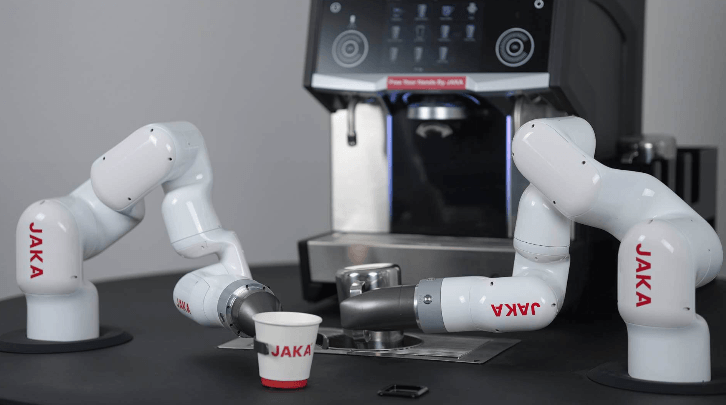
Essential Safety Tips for Operating a 6-Axis Desktop Robot Arm Alongside Humans
JAKA, a leader in robotics, is enhancing safety in human-robot collaboration with its JAKA MiniCobo, a 6-axis desktop robot arm designed for modern production lines. The company emphasizes the importance of safety protocols when deploying these robots in environments shared with human operators. By assessing workspaces to identify risk zones and establishing clear boundaries, JAKA aims to minimize hazards associated with the robot's movements. To ensure safe operation, JAKA implements detailed training protocols for personnel, educating them on robot behavior and emergency procedures. The MiniCobo’s adaptive assembly system allows for high-precision adjustments, accommodating variations in workpieces while maintaining safety. Equipped with built-in safety features such as collision detection, the robot halts operations when obstacles are detected, further protecting human workers. JAKA's commitment to safety is evident in its approach, which combines effective workspace planning, strict operational guidelines, and the intelligent use of safety technology. By integrating these elements, the company promotes a secure environment where productivity and human safety coexist, showcasing the potential for efficient collaboration between humans and robots in the workplace.

Realman Showcases at CHREC 2026, Empowering Every 'Working' Robot with a Practical Approach
At the 2026 China Humanoid Robot Ecosystem Conference, Realman Intelligent unveiled its latest advancements in robotic technology, showcasing innovative solutions designed for practical applications such as tea brewing and drink retrieval. The company underscored the significance of dependable hardware and the potential for effective human-robot collaboration to enhance the functionality and efficiency of these robots. This event highlights the growing interest in integrating robotics into everyday tasks, reflecting a broader trend towards automation in various sectors.
Humanoid Robots Robotics Technology Remote Operation AI Automation
How Lean Manufacturing Principles Drive Efficiency at a Robotic Arm Factory
At JAKA, a leading manufacturer of collaborative robots, the implementation of lean manufacturing principles is transforming their robot arm production process. By focusing on waste reduction and streamlined workflows, the company aims to enhance efficiency without adding complexity. This approach is integral to their long-term development strategy, which spans design, assembly, testing, and delivery. The factory employs lean practices to optimize material flow and workstation layouts, minimizing unnecessary movements and wait times. This meticulous refinement not only ensures consistent build quality but also shortens internal production cycles, which is crucial for meeting the diverse needs of industries such as electronics and automotive. Flexibility is a key aspect of modern automation, and JAKA's modular production planning allows for adjustments in configurations without disrupting overall workflow. This adaptability is essential for producing robots that cater to various payloads and installation environments. By balancing customization with production consistency, JAKA can efficiently respond to specific project requirements. Moreover, integrating quality checks at each production stage enhances system reliability and reduces the need for rework, ensuring that the robotic arms meet stringent functional and safety standards. This commitment to lean manufacturing supports JAKA's goal of fostering safe human-robot collaboration and delivering reliable performance in demanding industrial settings. Overall, JAKA views lean manufacturing as a continuous discipline that underpins their commitment to sustainable efficiency, enabling them to meet evolving automation demands while maintaining transparent and effective manufacturing operations.
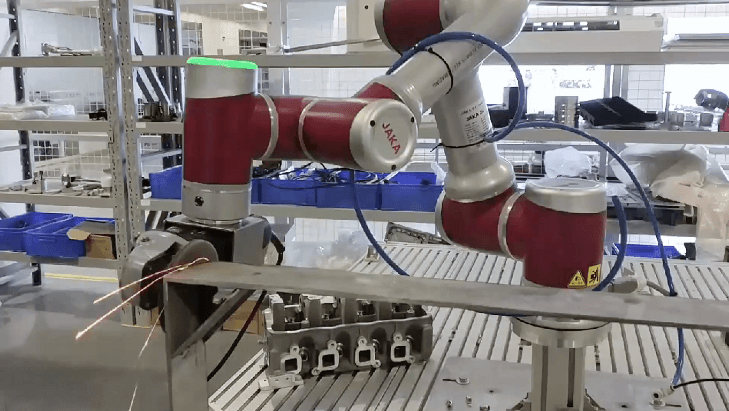
Collaborative Robots in Manufacturing Case Study: Achieving Near-Zero Defects in Finishing
A manufacturing company has successfully integrated collaborative robots, specifically the JAKA S12, into its production workflow to enhance finishing processes. This implementation, which began recently, aims to reduce errors and improve quality in polishing operations, a critical area where uniformity is essential. The JAKA S12 features advanced capabilities such as zero installation and configuration, along with a built-in force sensor that allows for real-time adjustments in pressure and trajectory during polishing tasks. By automating these processes, the company has achieved near-zero defect rates, even amidst complex production demands and varying product designs. This technology not only optimizes workflow but also fosters effective human-robot collaboration, enabling operators to program intricate movements through user-friendly interfaces. As a result, workers can focus on high-value tasks while minimizing physical strain and errors associated with repetitive polishing. The company’s experience highlights the significant benefits of integrating robotics into manufacturing, demonstrating that such innovations can enhance precision and consistency in finishing applications. By maintaining high-quality standards and adapting quickly to production changes, the company underscores the potential of collaborative automation to transform modern manufacturing environments without compromising workforce involvement.
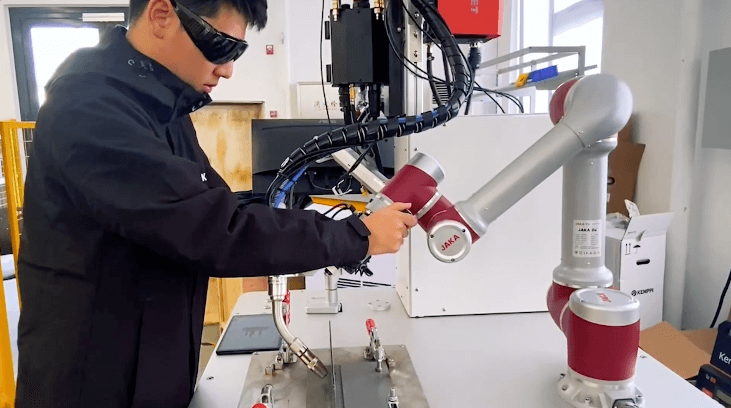
Top 5 Trends of the Industrial Robotics Solutions Industry in 2026 (Focus on AI & Cloud)
The automation sector is witnessing significant advancements, particularly in industrial robotics, as companies like JAKA adapt to evolving demands for flexibility, intelligence, and connectivity. As the industry heads toward 2026, five key trends are shaping the future of robotic solutions. Manufacturers are increasingly focusing on adaptive and accessible automation, enabling easier deployment and reconfiguration of sophisticated systems. JAKA is leading this shift with user-friendly interfaces that allow shop-floor personnel to quickly set up industrial welding robots, minimizing downtime and skill barriers. Another trend is the growth of cloud-connected system management, which facilitates centralized monitoring and data analytics across multiple robotic arms. This connectivity allows manufacturers to optimize maintenance and streamline operations, particularly in welding applications where real-time tracking of consumable usage is crucial. Artificial intelligence is also playing a pivotal role, moving beyond vision inspection to enhance real-time process control. JAKA's AI-enhanced welding robots can make instantaneous adjustments, improving efficiency and reducing rework by compensating for material variations. The expansion of human-robot collaboration is evident as collaborative robots (cobots) become smarter and more integrated into workflows. JAKA's cobots assist operators in welding tasks, allowing humans to focus on quality inspection and decision-making, thereby boosting productivity. Lastly, the integration of digital twin technology is gaining traction, enabling manufacturers to simulate robotic processes without disrupting production. JAKA's compatibility with simulation platforms allows for pre-validation of welding paths, reducing debugging time and accelerating return on investment. These trends underscore a shift toward more connected and intelligent automation, with JAKA committed to developing user-centric solutions that meet the demands of the smart factory era.
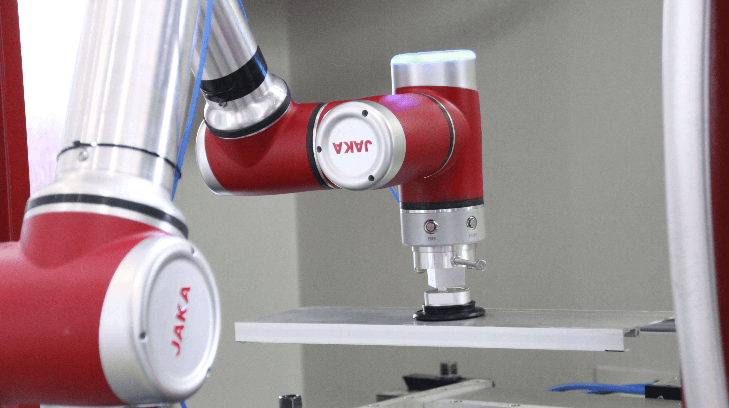
5 Signs You Need to Upgrade Your Current 6-Axis Robot Arm to a Cobot
As manufacturing demands evolve, companies operating older 6-axis robot arms are facing significant challenges that hinder efficiency and flexibility. JAKA, a leader in collaborative robotics, highlights key indicators that suggest a transition to modern cobots is necessary. Facilities struggling with frequent product changeovers often find traditional robots dedicated to single tasks, resulting in costly downtime during reprogramming. JAKA's cobots offer intuitive graphical programming and quick adjustments, reducing changeover times from hours to minutes. Space constraints also pose a problem, as conventional robots require extensive safety cages, limiting automation in crowded workcells. JAKA's compact designs, equipped with built-in safety features, allow for seamless integration into existing production lines without the need for extensive modifications. Moreover, reliance on specialized programmers can create bottlenecks, delaying operations and increasing costs. JAKA's user-friendly robotic arms empower line workers to manage tasks directly, promoting a more responsive and scalable automation process. For applications requiring delicate precision, traditional robots may lack the sensitivity needed for tasks like assembly of fragile materials. JAKA's advanced control technology ensures high accuracy and gentle handling, catering to these refined requirements. Finally, the push for closer human-robot collaboration is evident, as traditional robots are often incompatible with environments where humans and machines work side by side. JAKA cobots are designed for safe interaction, featuring rounded designs and real-time monitoring systems that enhance workflow efficiency. Recognizing these challenges underscores the need for an upgrade to JAKA's collaborative robots, which promise to enhance productivity and innovation in modern manufacturing settings.
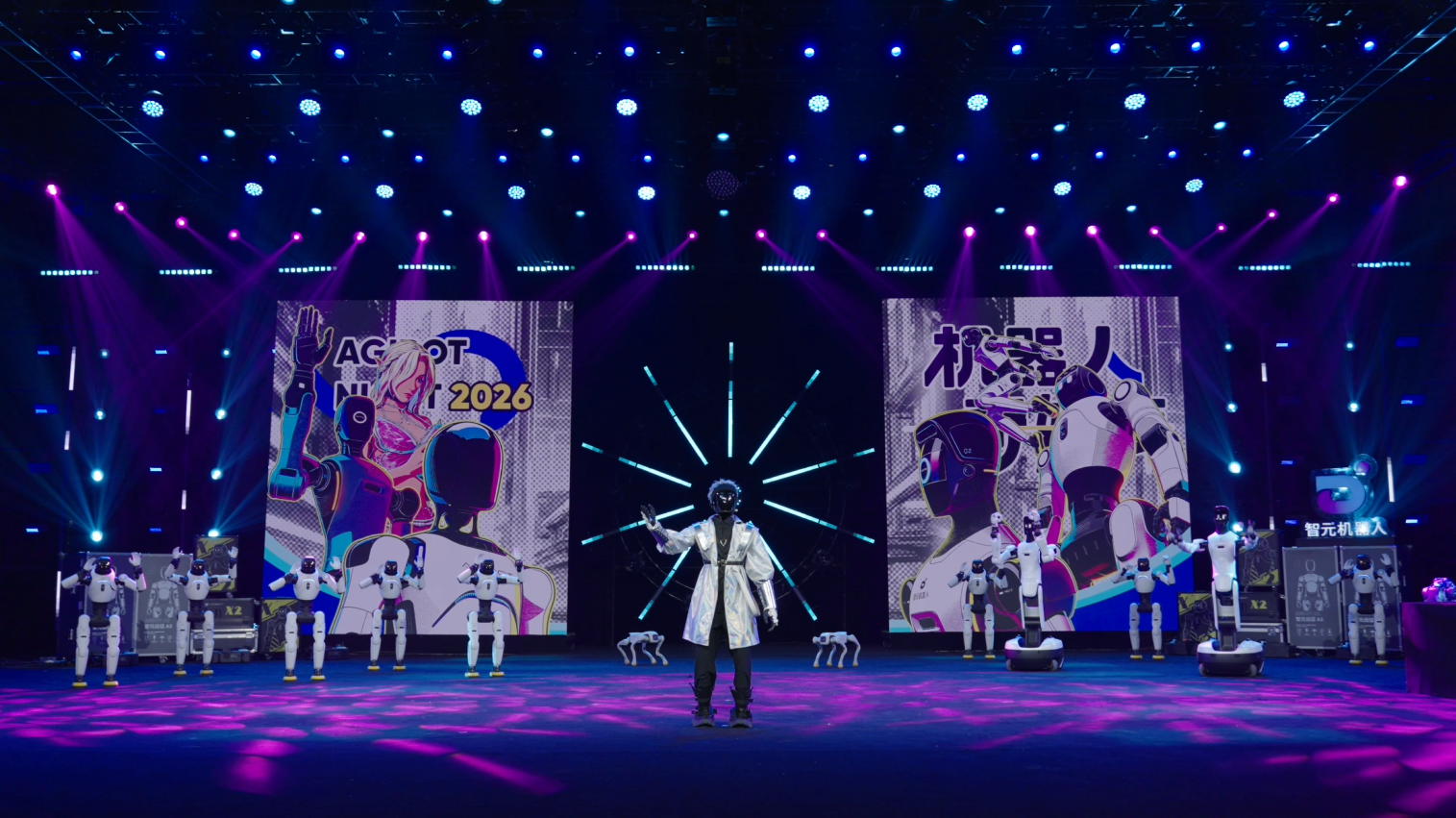
AGIBOT Hosts “AGIBOT NIGHT,” a Robot
AGIBOT recently held an innovative event titled 'AGIBOT NIGHT,' a live gala that showcased humanoid robots as the main performers. The event, which took place to celebrate advancements in humanoid robotics, featured robots demonstrating their skills in dance, magic, and comedy. This milestone event underscores the growing potential for robots to participate in cultural settings and highlights the progress AGIBOT has made in enhancing the stability and coordination of various robotic platforms. By blending entertainment with technology, AGIBOT aims to foster greater human-robot collaboration and engagement.
Humanoid Robotics Live Performances Cultural Integration Robotics Technology Human-Robot Interaction
Robot Talk Episode 141 – Our relationship with robot swarms, with Razanne Abu-Aisheh
Claire recently engaged in a discussion with Razanne Abu-Aisheh, a Senior Research Associate at the University of Bristol, regarding public perceptions of interacting with robot swarms. Abu-Aisheh, who is affiliated with the Centre for Sociodigital Futures, is conducting research that delves into the dynamics of human interaction with collective robotic behaviors. The conversation highlighted the growing interest in understanding how these advanced technologies can influence social interactions and the implications for future human-robot collaborations. This dialogue reflects a broader trend in academia and industry, as researchers seek to navigate the complexities of integrating robotic systems into everyday life, particularly in terms of user acceptance and emotional responses.

Exploring physical AI: Linkerbot works on giving robots human-like hands to act in the real world
Linkerbot, a robotics company, is advancing the integration of artificial intelligence into the physical realm by developing robotic hands that mimic human dexterity. This initiative comes as AI technology continues to evolve, moving beyond digital applications to interact with the real world. The company's focus on creating hands that can perform tasks with human-like precision aims to enhance the functionality of robots in various industries. NVIDIA CEO Jensen Huang has highlighted the significance of such innovations, emphasizing the potential for these advancements to revolutionize how machines operate in everyday environments. As Linkerbot pushes the boundaries of robotics, the implications for automation and human-robot collaboration are becoming increasingly profound.
On the Cusp AI Highlight News Robotics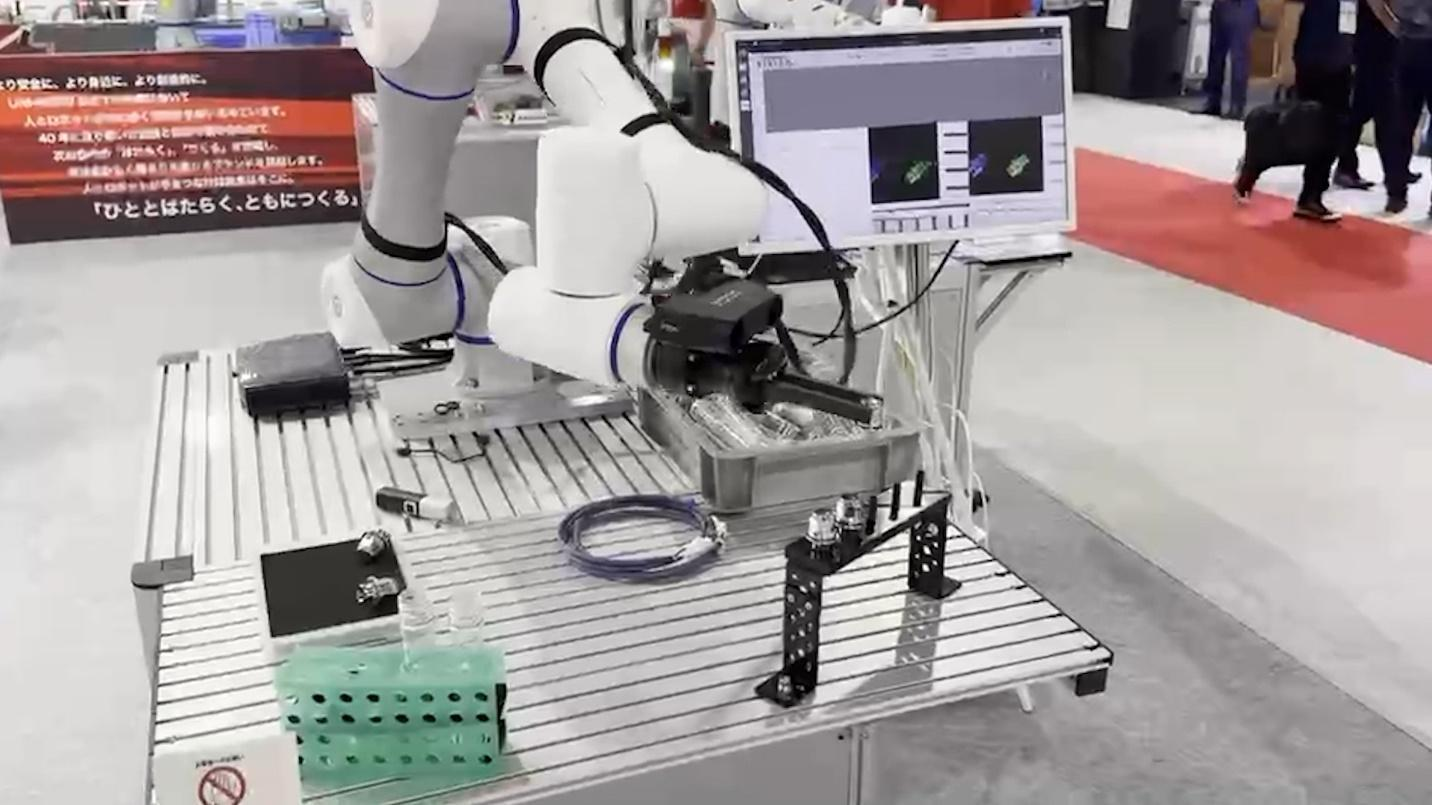
Collaborative Robots (Cobots) in Manufacturing: The Future of Human-Robot Teams
A recent exploration into the future of manufacturing highlights the potential of human-robot collaboration, focusing on how human workers can effectively partner with collaborative robots. As industries evolve, the integration of these advanced technologies aims to enhance productivity and efficiency on the factory floor. This shift is particularly relevant in light of ongoing labor shortages and the need for increased output in a competitive market. The study emphasizes that by 2024, many manufacturing sectors are expected to adopt these collaborative robots, which are designed to work alongside humans safely and efficiently. This partnership not only aims to alleviate the physical demands on workers but also to leverage the precision and speed of robots in repetitive tasks. The motivation behind this trend is driven by the need for innovation in manufacturing processes, as companies seek to remain competitive while addressing workforce challenges. By implementing collaborative robots, businesses can optimize operations, reduce costs, and improve overall product quality. The research indicates that successful integration will require training for human workers to effectively interact with these robots, ensuring a seamless workflow. As this technology continues to advance, the future of human-robot teams in manufacturing appears promising, potentially transforming the landscape of the industry and redefining the roles of human workers.
Dobot Breezy smartphone refurbishment AI automation Industry 5.0 collaborative robots
Exoskeleton and robotic arm reduce factory lifting strain by up to 65%
Researchers at the Technical University of Munich (TUM), led by Professor Lorenzo Masia, have developed a groundbreaking solution to enhance collaboration between factory workers and robotic arms. This innovation allows workers equipped with exoskeletons to operate alongside robots more closely and safely, addressing the challenges of human-robot interaction in manufacturing environments. The advancement aims to alleviate physical strain on workers while simultaneously improving production efficiency. As factories increasingly integrate robotic assistance, this development represents a significant step toward achieving seamless human-robot collaboration.
Business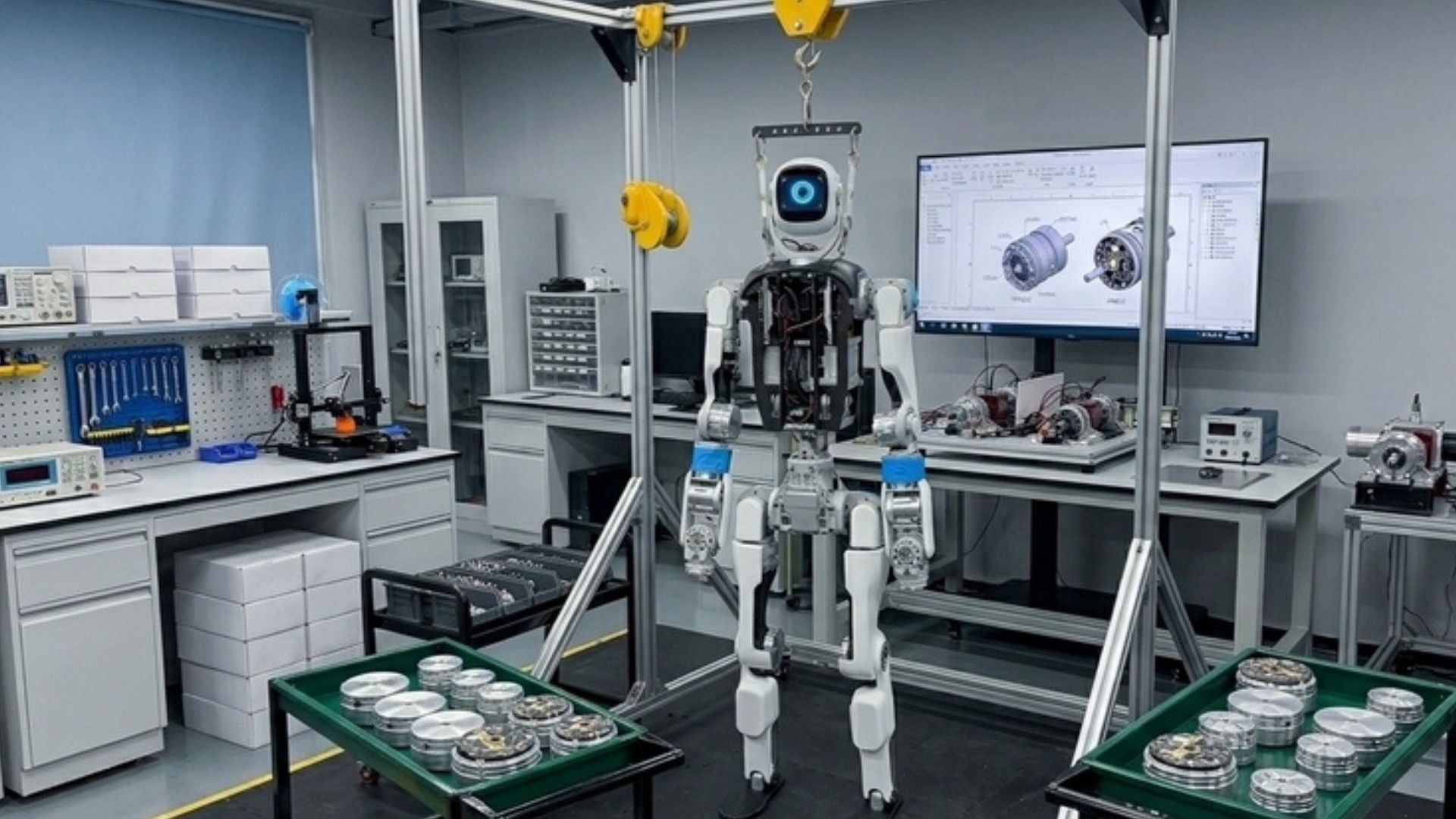
Taiwan’s new ‘intelligent’ humanoid robot combines sensing and adaptive interaction
A Taiwanese company has introduced its first humanoid robot designed to engage in physical interactions with humans. This groundbreaking development was announced during a technology expo held in Taipei on October 15, 2023. The robot, which features advanced artificial intelligence and motion capabilities, aims to enhance human-robot collaboration in various sectors, including healthcare and customer service. The motivation behind this innovation is to address the growing demand for automation and assistance in daily tasks, particularly in environments where human interaction is essential. By utilizing sophisticated sensors and machine learning algorithms, the robot can understand and respond to human gestures and commands, making it a versatile tool for both personal and professional use. The unveiling of this humanoid robot marks a significant milestone in Taiwan's robotics industry, showcasing the nation's commitment to technological advancement and innovation.
AI and Robotics
Finding the best ways for humans and robots to work together requires 'swarm' thinking
As the landscape of warehouse work evolves, experts are exploring the most effective methods for human-robot collaboration. With advancements in automation and robotics, the integration of these technologies into the workforce is becoming increasingly prevalent. The discussion centers around optimizing the interaction between human workers and robots to enhance productivity and safety in warehouse environments. This exploration is particularly relevant as companies seek to adapt to changing demands and improve operational efficiency. The focus on collaboration strategies aims to ensure that both humans and robots can work together seamlessly, leveraging each other's strengths to meet the challenges of modern logistics.
Business
The Moon needs robots
In May 2026, a groundbreaking study published in Science Robotics highlights advancements in robotic technology aimed at enhancing human-robot collaboration in various industries. Researchers from leading universities and tech companies conducted extensive experiments to develop robots capable of adapting to dynamic work environments, thereby improving efficiency and safety in tasks ranging from manufacturing to healthcare. The study reveals that these advanced robots utilize artificial intelligence and machine learning algorithms to learn from their surroundings and make real-time decisions. This innovation is particularly significant as it addresses the growing demand for automation in response to labor shortages and the need for increased productivity in the wake of global economic challenges. The research team conducted trials in diverse settings, including factories and hospitals, demonstrating the robots' ability to work alongside human operators without compromising safety. The findings suggest that integrating these robots into the workforce could lead to substantial improvements in operational workflows and reduce the risk of workplace accidents. By showcasing the potential of these technologies, the study aims to encourage further investment in robotic systems that can seamlessly collaborate with humans, ultimately transforming the landscape of various sectors. As industries continue to evolve, the insights from this research could pave the way for a new era of enhanced human-robot interaction, fostering innovation and growth in the global economy.
Focus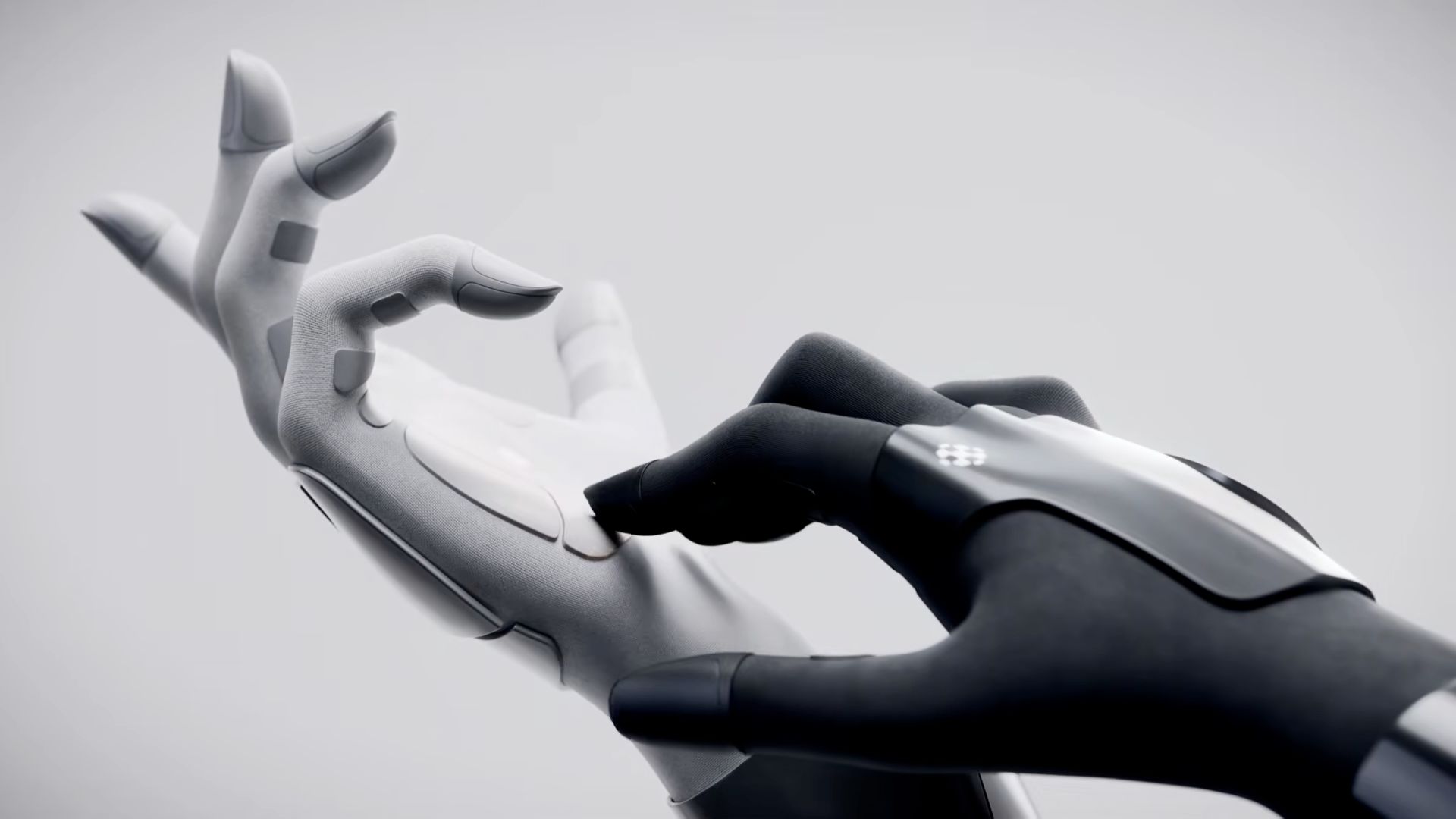
China’s new robotic hand combines hybrid actuation for smarter robot manipulation
Chinese robotics company Xynova has introduced its second-generation dexterous hand, designed to enhance the capabilities of humanoid robots. The unveiling took place recently, showcasing advancements in robotic technology that aim to improve the dexterity and functionality of robots in various applications. This innovation is part of Xynova's ongoing commitment to push the boundaries of robotics, addressing the growing demand for more sophisticated and versatile robots in industries such as manufacturing, healthcare, and service. The new hand features improved grip strength and precision, enabling robots to perform complex tasks with greater ease. By advancing robotic dexterity, Xynova seeks to facilitate the integration of humanoid robots into everyday environments, ultimately enhancing human-robot collaboration.
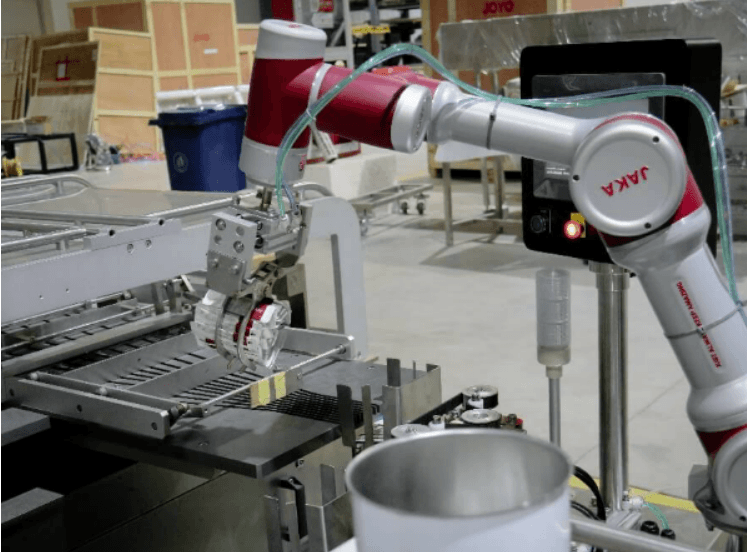
JAKA Robotics: Driving Innovation as a Leading Robotics Company in APAC
JAKA Robotics is making significant strides in the field of industrial automation, focusing on smart manufacturing solutions across the Asia-Pacific (APAC) region. The company specializes in collaborative robots that work safely alongside human operators, ensuring consistent performance in various applications such as electronics assembly, automotive component handling, and semiconductor processes. With a commitment to precision and stability, JAKA employs advanced control systems and intelligent software, achieving high repeatability levels essential for sensitive tasks like shaft assembly. Their robots are designed with low-noise circuitry and automated quality controls, enabling manufacturers to maintain efficiency and reduce errors during production. The Zu series of JAKA robots highlights the company's emphasis on flexible deployment, featuring compact designs that fit into confined workspaces. User-friendly programming tools allow even those without technical backgrounds to manage complex tasks, while safety features like collision protection and zero-drift calibration enhance human-robot collaboration. JAKA also prioritizes seamless system integration, offering communication interfaces compatible with manufacturing execution systems (MES), automated guided vehicles (AGVs), and vision modules. This adaptability supports more complex automation scenarios and allows non-specialized staff to operate sophisticated processes efficiently. As JAKA Robotics continues to innovate, it remains dedicated to enhancing productivity and operational resilience in the electronics, automotive, and semiconductor sectors, exemplifying how advanced automation solutions can transform modern manufacturing in the APAC region.
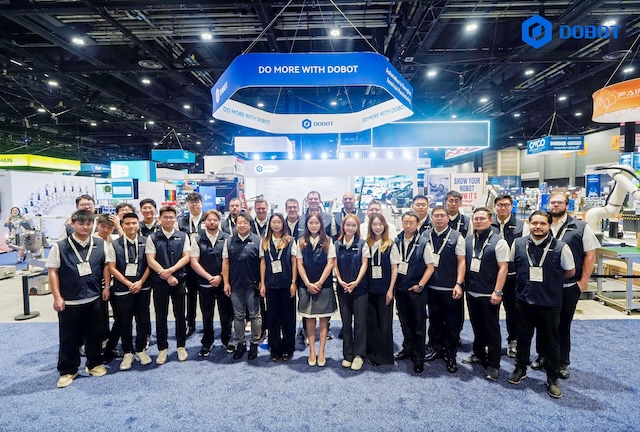
DOBOT Unveils Intelligent Automation Solutions at Automate 2026 to Enhance American Manufacturing
DOBOT showcased its latest intelligent automation solutions at Automate 2026, emphasizing the theme 'DO MORE WITH DOBOT.' The company highlighted how its collaborative robots and AI-powered technologies can enhance efficiency and flexibility in American manufacturing. Key demonstrations included solutions for various industries such as automotive and food & beverage, showcasing the integration of robotics in real-world applications. The significance of DOBOT's presentation lies in its commitment to strengthening American manufacturing through advanced automation. By demonstrating a comprehensive portfolio of application-driven solutions, DOBOT illustrated the potential of intelligent robotics to address industrial challenges and accelerate the transition to smart manufacturing. The showcased technologies aim to improve production processes across sectors, enhancing overall operational efficiency. Looking ahead, DOBOT's focus on integrated automation ecosystems and collaborative robotics indicates a trend towards more accessible and scalable solutions for manufacturers. The company's innovations, including humanoid robots and advanced programming capabilities, suggest a future where human-robot collaboration becomes increasingly seamless. No further timeline was disclosed at the time of publication.
DOBOT Automate 2026 collaborative robots industrial automation automation solutions humanoid robot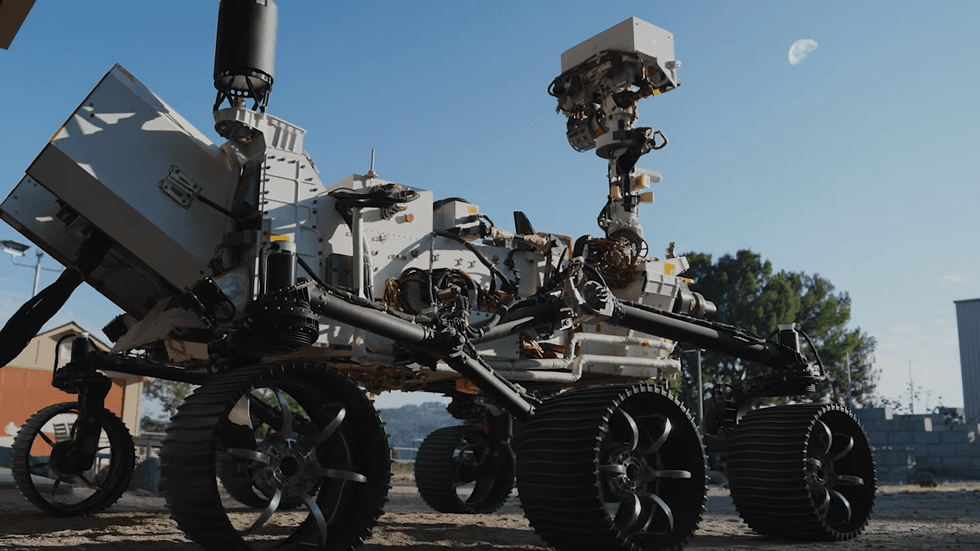
Video Friday: An Earthbound Mars Rover for the Moon
IEEE Spectrum robotics has released its latest edition of Video Friday, showcasing a variety of innovative robotics videos and announcing upcoming events in the field. Notable events include the RSS 2026 conference in Sydney from July 13-17, the Summer School on Multi-Robot Systems in Prague from July 29 to August 4, and IROS 2026 in Pittsburgh from September 27 to October 1. Among the featured projects is NASA's proposed PROMISE mission, which aims to send an advanced, nuclear-powered rover to the Moon's South Pole as part of its Moon Base initiative. This mission will utilize technology from the Curiosity and Perseverance Mars rovers, showcasing the adaptability of existing space exploration technology. In other developments, Weave Robotics is set to launch its home robot, Isaac 1, this fall, offering basic task autonomy for $500 per month. Meanwhile, UBTech Robotics has introduced a humanoid robot with lifelike features and emotional AI, reflecting a growing trend of integrating robots into domestic settings. Additionally, Carnegie Mellon’s Dr. Sebastian Scherer emphasizes the importance of developing robots capable of performing tasks in unpredictable environments, aiming to make them more functional and tool-like. The ongoing advancements in robotics, including soft, floating robots designed for social interaction and innovative applications like spatial audio technology from Georgia Tech, highlight the industry's commitment to enhancing human-robot collaboration and everyday life.
Video-friday Home-robots Rovers Humanoids
Learning flight navigation like a honey bee
In June 2026, a groundbreaking study published in Science Robotics highlights significant advancements in robotic technology aimed at enhancing human-robot collaboration. Researchers from leading universities and tech companies have developed a new generation of robots equipped with advanced artificial intelligence, enabling them to perform complex tasks alongside human workers more efficiently. This initiative is driven by the increasing demand for automation in various industries, particularly in manufacturing and healthcare, where precision and reliability are paramount. The study outlines how these robots can adapt to dynamic environments, learn from human interactions, and improve their performance over time, thereby reducing the risk of workplace accidents and increasing productivity. The research team conducted extensive field tests in factories and hospitals to evaluate the robots' capabilities in real-world scenarios. The results demonstrated a marked improvement in task execution speed and accuracy when robots and humans worked in tandem, showcasing the potential for these technologies to transform traditional workflows. As industries continue to evolve, the implications of this research could lead to a new era of collaboration between humans and machines, addressing labor shortages and enhancing operational efficiency. The findings underscore the importance of ongoing innovation in robotics, paving the way for future developments that could redefine the nature of work across various sectors.
Editors' Choice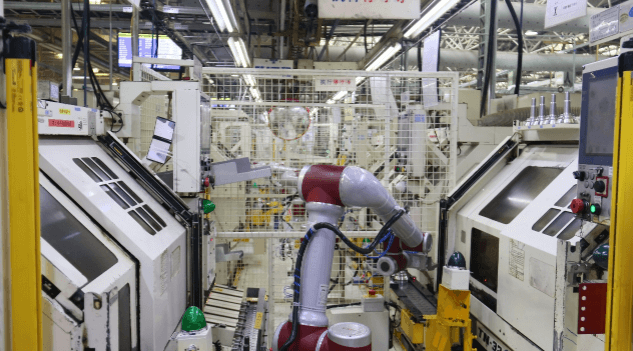
协作机器人在汽车零部件加工场景的“硬核”应用
Collaborative robots are increasingly being adopted in the automotive parts manufacturing sector due to their high precision, consistency, flexibility, and safety. Jieka Robotics has emerged as a key player, offering advanced solutions that enhance production efficiency and reduce costs. Their robots, known for their robustness, precision of ±0.02mm, and rapid deployment capabilities, are extensively utilized in critical processes such as transmission systems, chassis, headlights, engines, and seats. The need for collaborative robots arises from the challenges faced in traditional automation, which often involves high costs and long implementation cycles, especially in environments requiring frequent product changes and small batch sizes. Jieka's robots address these issues by providing a compact design that fits into tight production spaces and ensuring safe human-robot collaboration. Notably, Jieka has partnered with Toyota, supplying hundreds of robots to the Tianjin factory, where they have significantly improved efficiency by reducing cycle times to 8-10 seconds and minimizing defect rates to below 0.3%. Their solutions have also been recognized in the automotive industry, with successful implementations in automated processes for headlight manufacturing and flexible production lines for chassis components. With a focus on high-quality production, Jieka Robotics continues to expand its presence in the automotive sector, offering standardized and customized automation solutions that facilitate digital and intelligent upgrades for manufacturers. Their commitment to precision, safety, and efficiency positions them as a leading choice for automotive parts processing.
Improved Ivy Algorithm for an Enhanced Fractional Order Proportional‐Integral‐Derivative Controller: Applications From Winding Tension Control to Hybrid System
In May 2026, the Journal of Field Robotics published a comprehensive study examining advancements in robotic technologies and their applications in various fields. The research, featured in Volume 43, Issue 3, spans pages 1375 to 1414 and highlights the increasing integration of robotics in sectors such as agriculture, healthcare, and manufacturing. The study aims to address the growing demand for automation and efficiency in these industries, driven by the need for improved productivity and cost-effectiveness. Researchers from leading institutions collaborated to analyze the latest innovations in robotic systems, including autonomous vehicles, drones, and robotic arms, showcasing their potential to revolutionize traditional practices. Through a series of case studies and experimental results, the authors detail how these technologies are being implemented in real-world scenarios, demonstrating significant improvements in operational efficiency and safety. The findings underscore the importance of continued investment in robotic research and development to meet future challenges and enhance human-robot collaboration. This publication serves as a vital resource for industry professionals, policymakers, and academics, providing insights into the current state of robotics and its future trajectory. As the field continues to evolve, the study emphasizes the necessity of adapting to technological advancements to harness the full potential of robotics across various sectors.
RESEARCH ARTICLE
Steinfeld Receives 2026 Test of Time Award
At the 2026 ACM/IEEE International Conference on Human-Robot Interaction held in Edinburgh, Aaron Steinfeld, leading a team from Carnegie Mellon University, was honored with the inaugural Test of Time Award. This prestigious accolade recognizes significant contributions to the field of human-robot interaction, highlighting the enduring impact of their work. The award ceremony took place during the conference, which serves as a platform for researchers and practitioners to exchange ideas and advancements in robotics. Steinfeld's team was acknowledged for their innovative research that has stood the test of time, underscoring the importance of their findings in shaping the future of human-robot collaboration.
Awards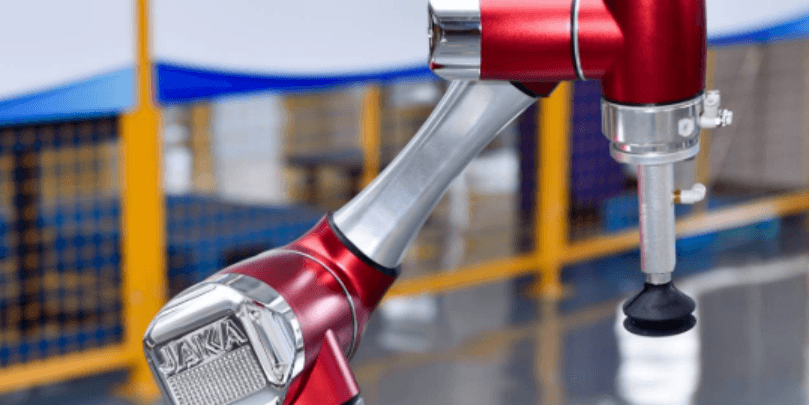
How JAKA Meets Customization and OEM Needs in Modern Manufacturing
JAKA, a leading provider of robotics solutions, is revolutionizing automation in various industries by offering tailored robot arm systems designed to enhance production efficiency. The company emphasizes the importance of customization, working closely with clients to assess their unique assembly lines, inspection processes, and material handling tasks. By focusing on specific requirements such as payload, precision, and working radius, JAKA ensures that its robotics solutions meet operational expectations across sectors including electronics, automotive, and semiconductor manufacturing. The company’s modular design approach allows for rapid adaptation to new product lines, enabling clients to modify robot paths and tooling with minimal downtime. JAKA's user-friendly programming interfaces facilitate efficient updates and reconfigurations, helping manufacturers maintain continuous production while exploring new processes. Moreover, JAKA integrates advanced safety features into its robotics systems, such as force-sensing and collision detection, to support safe human-robot collaboration. This intelligent control system enhances precision and responsiveness, allowing clients to introduce new tasks without extensive reprogramming. With ongoing investments in research and development, JAKA is committed to evolving its solutions to meet the dynamic needs of the manufacturing landscape, ensuring that clients can optimize throughput, reduce errors, and maintain high-quality production standards.
The Science Behind Cobot Force Sensing and Collision Detection
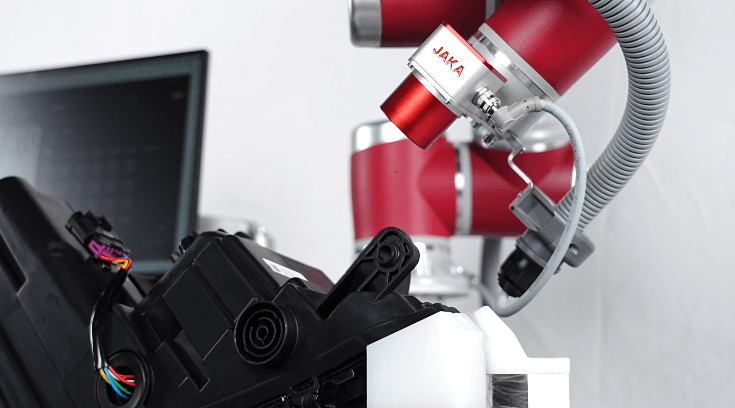
JAKA, a leader in collaborative robotics, is advancing the integration of force sensing and collision detection technologies to enhance safety and efficiency on production floors. As the demand for collaborative robots grows, understanding these systems becomes crucial for their effective deployment. Force sensing enables robots to perceive real-time physical interactions by continuously monitoring joint-level data such as torque and motion. This capability allows robots to differentiate between normal operational loads and unexpected contact, facilitating smoother transitions and reducing stress on both machinery and operators during tasks like assembly and inspection. Complementing this, collision detection translates abnormal force patterns into immediate responses, allowing robots to adjust their speed or halt operations when necessary. This continuous feedback loop fosters safe interactions between robots and human workers without the need for physical barriers, accommodating dynamic work environments. JAKA's compact cobot design, exemplified by the JAKA Zu3, integrates these technologies into a lightweight system suitable for precision tasks in confined spaces. With a payload capacity of 3 kg and a reach of 626 mm, the Zu3 is engineered for seamless human-robot collaboration, ensuring that existing workflows remain undisturbed. By embedding advanced sensing and control mechanisms into their robotics framework, JAKA aims to promote reliable collaboration in real-world production settings, where safety, precision, and adaptability are paramount.
Small Cobot Integration: Powering Flexible Assembly Lines for Automotive Suppliers
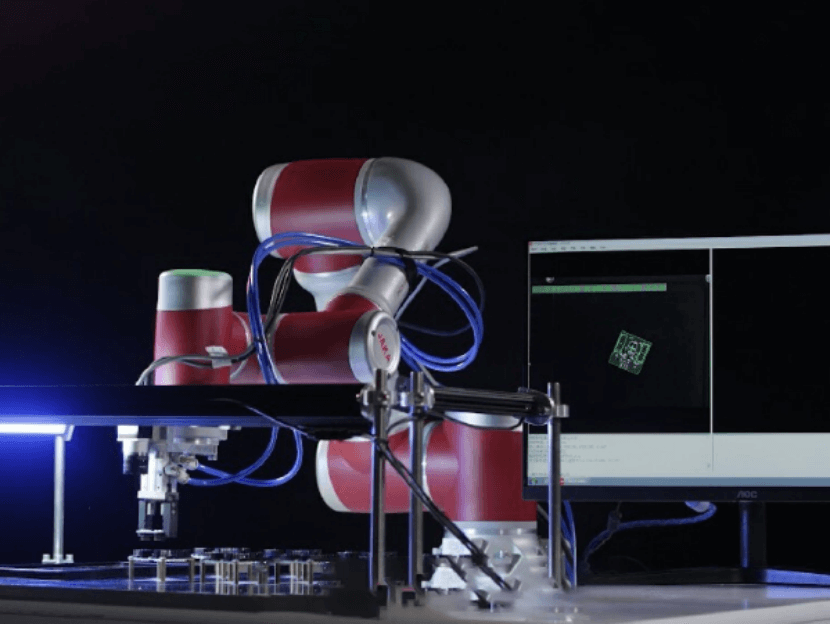
Automotive suppliers are increasingly under pressure to deliver precise and customizable assembly processes, particularly with the industry's shift towards electric vehicles. In response, JAKA has introduced a mini robot arm designed to enhance flexibility in production environments. This compact cobot can be integrated into existing assembly lines without the need for extensive reconfiguration, making it an efficient solution for maximizing space in densely packed factory settings. The JAKA MiniCobo's lightweight design allows it to be mounted on various surfaces, such as tabletops or mobile carts, preserving valuable production area while delivering superior performance. Its intuitive programming features enable rapid changeovers between different part assemblies, allowing technicians to easily reprogram tasks without complex coding. This capability transforms what was once a time-consuming process into a quick adjustment, minimizing downtime. Additionally, the JAKA mini robot arm is engineered for safe collaboration with human workers, making it suitable for tasks that require both precision and human oversight, such as delicate electronics installation. With integrated safety mechanisms, the cobot can perform repetitive tasks alongside human operators, enhancing overall efficiency and ergonomics on the assembly line. By adopting JAKA's small cobot technology, automotive suppliers can address critical challenges related to space constraints, model variability, and the need for safe human-robot collaboration. This strategic integration positions them for long-term competitiveness in a rapidly evolving industry.
Key Features and Benefits of 6-Axis Cobot Arms (Reach, Payload, Safety)
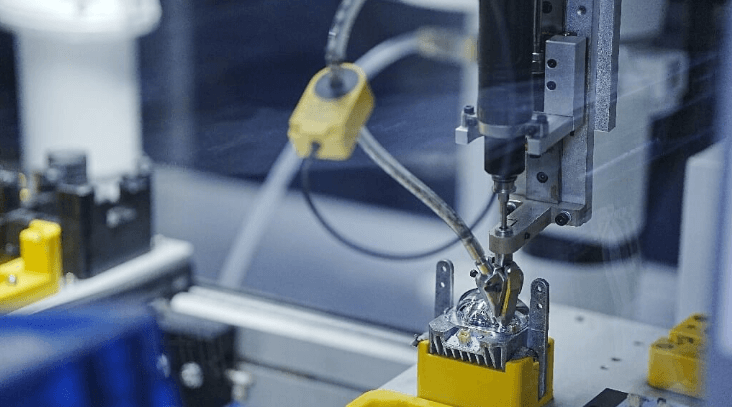
In response to the evolving demands of modern manufacturing, JAKA has developed a versatile 6 axis collaborative robot arm designed to enhance production processes. These robotic units, known as cobots, feature an articulated design that mimics human arm movement, allowing them to navigate tight spaces and perform tasks such as assembly and inspection with precision. JAKA's Zu series exemplifies this design philosophy, offering a substantial working radius while maintaining a compact footprint, making them suitable for dense production environments. The robots are engineered to manage significant payloads while ensuring movement accuracy, thanks to advanced precision control technology. This capability enables them to handle tasks requiring fine movements, such as detailed inspections, without compromising quality. A key advantage of JAKA's cobots is their integrated safety features, which allow them to operate alongside human workers without the need for extensive external safeguards. These safety mechanisms include force and speed monitoring, collision detection, and a design that minimizes risks, facilitating direct human-robot collaboration. By optimizing reach, payload management, and safety, JAKA's 6 axis robot arms are positioned as reliable and adaptable solutions for repetitive or ergonomically challenging tasks within dynamic manufacturing environments. The company emphasizes that their collaborative robots are designed to seamlessly integrate into operational teams from the moment of installation, enhancing productivity and efficiency in modern manufacturing settings.
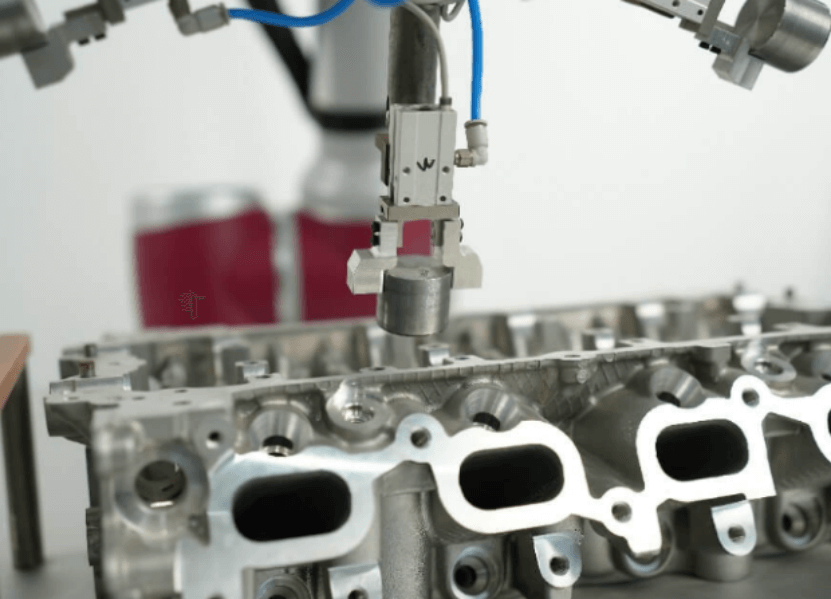
Key Features and Benefits of 6 Axis Cobot Arms (Reach, Payload, Safety)
JAKA, a leader in automation solutions, has unveiled its latest 6-axis collaborative robot arm designed to enhance flexibility and accessibility in modern manufacturing. This innovative robot arm, which allows for seamless interaction with human operators, combines dexterity with advanced safety features, making it suitable for a variety of applications. The robot's operational reach is a key feature, allowing it to service multiple machines or large workspaces effectively, while its compact design is ideal for confined areas. JAKA emphasizes the importance of balancing reach, precision, and footprint in its engineering process to optimize workspace design. Additionally, the payload capacity of the robot arm is crucial for maintaining performance integrity. JAKA's models are rated to handle a range of weights, ensuring they can manage everything from delicate electronic components to heavier mechanical assemblies without compromising accuracy or durability. Safety is a core design principle for JAKA, with the robot arm equipped with force-limited joints and other advanced safety systems that facilitate safe human-robot collaboration. These features enable the robot to operate in shared workspaces without the need for traditional safety cages, promoting more efficient teamwork. By integrating these essential attributes, JAKA aims to provide businesses with adaptable automation solutions that enhance productivity while ensuring a secure working environment. The company’s commitment to developing versatile and user-friendly collaborative robots positions it as a key player in the future of manufacturing automation.
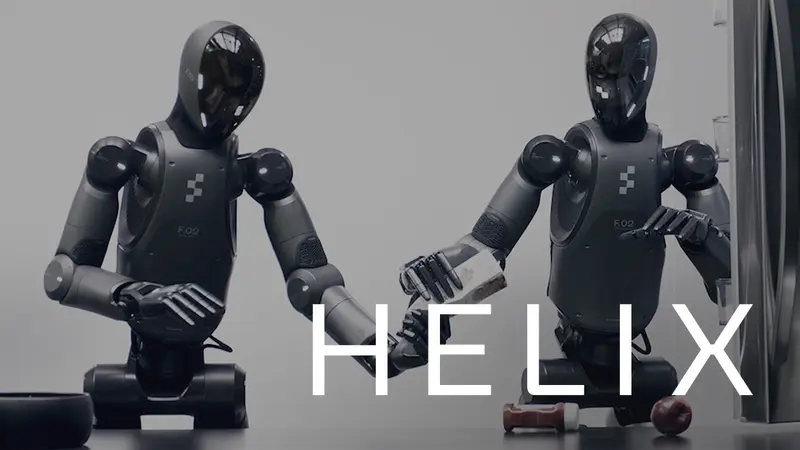
Figure AI Reorganizes to Boost Humanoid Learning with 'Helix' AI Model
Brett Adcock, CEO of Figure AI, has unveiled a significant reorganization within the company, merging three teams into a single entity named Helix. This strategic move, announced recently, is intended to enhance the development of AI technologies for Figure AI's humanoid robots. The newly formed Helix group will focus on advancing the Vision-Language-Action model, also referred to as Helix, which is designed to facilitate generalist control, enable multi-robot collaboration, and improve versatile object manipulation. This initiative reflects Figure AI's commitment to innovation and efficiency in the rapidly evolving field of robotics.
Figure helix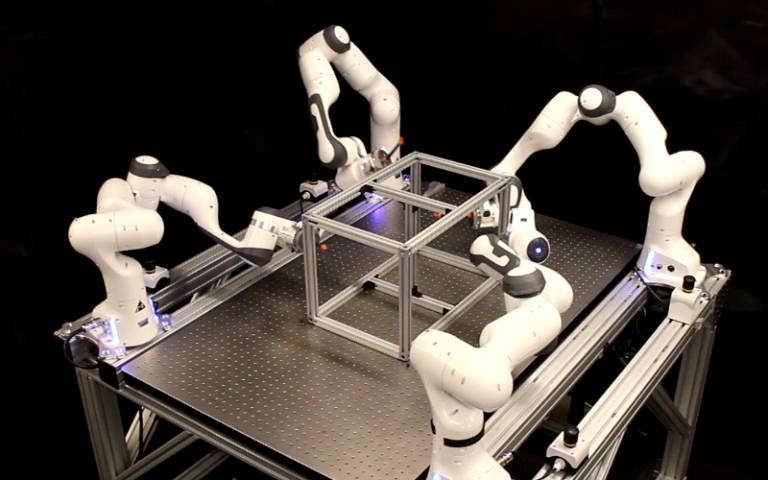
“Humanoids will soon replace most human workers”: A debate
In May 2026, a groundbreaking study published in Science Robotics highlights significant advancements in autonomous robotic systems. Researchers from leading technology institutes have developed a new generation of robots capable of performing complex tasks in unpredictable environments. This innovation aims to enhance efficiency in various sectors, including manufacturing, healthcare, and disaster response. The study reveals that these robots utilize advanced artificial intelligence algorithms, allowing them to adapt to changing conditions and make real-time decisions. This capability is particularly crucial for applications in emergency situations, where human intervention may be limited or dangerous. The research team conducted extensive field tests in diverse settings, demonstrating the robots' ability to navigate obstacles and collaborate with human operators effectively. The findings suggest that the integration of such robotic systems could revolutionize industries by improving productivity and safety. The motivation behind this development stems from the increasing demand for automation and the need for reliable solutions in challenging environments. As industries continue to seek ways to optimize operations and reduce human risk, these autonomous robots represent a significant step forward in robotics technology. Overall, the study underscores the potential of robotics to transform various fields, paving the way for future innovations that could further enhance human-robot collaboration.
Viewpoint
From 'Single Machine Intelligence' to 'Collective Intelligence': ZhiYuan's Embodied Brain Empowers Cross-Entity Multi-Robot Collaborative Dining
At the recent Zhongguancun Forum, ZhiYuan showcased its groundbreaking multi-robot dining service, marking a significant step in the application of embodied intelligence technology outside laboratory environments. This innovative system leverages advanced RoboBrain 2.0 and RoboOS 2.0 platforms to facilitate enhanced collaboration among diverse robotic units. By addressing integration challenges, the technology aims to improve operational efficiency in real-world settings, demonstrating the potential of robotics in everyday service industries. The initiative reflects a growing trend towards the practical implementation of robotics, driven by the need for more efficient and effective solutions in hospitality and dining services.
Embodied Intelligence Multi-Robot Collaboration AI Technology Robotics Smart Dining Solutions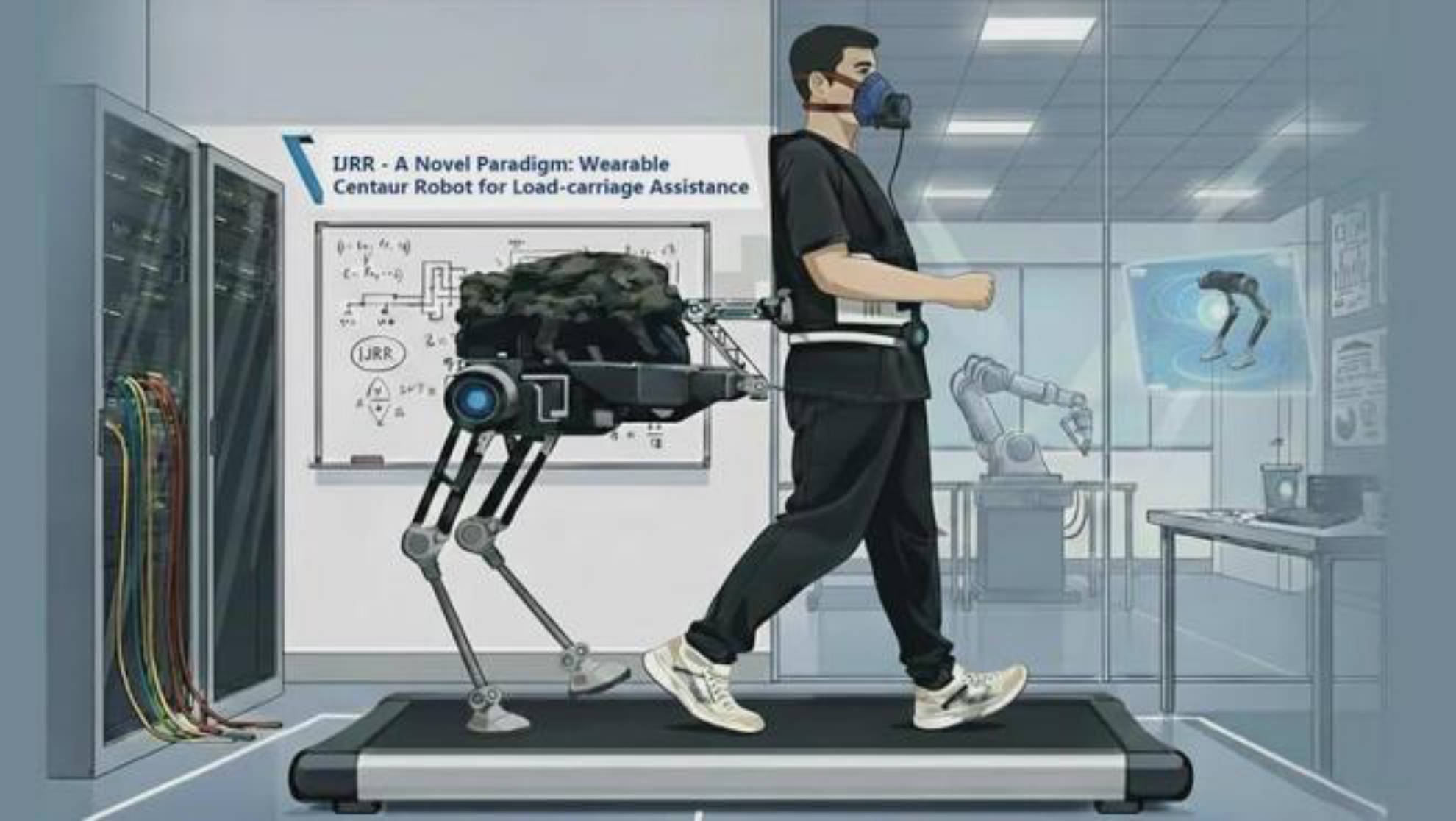
Breakthrough! Chinese Scientists Create 'Centaur' Robot Capable of Carrying 20kg Effortlessly, Featured in IJRR
A team of researchers from China has unveiled a groundbreaking 'Centaur' robot, designed to function as an independent mechanical limb that enables individuals to carry heavy loads with ease. This innovative technology, which enhances mobility and alleviates physical strain, represents a significant leap forward in the field of wearable load-bearing devices. The development aims to improve the quality of life for users by reducing the physical burden associated with lifting and transporting heavy items. The Centaur robot showcases advanced engineering and design, reflecting the ongoing efforts to integrate robotics into everyday human activities.
Wearable Robotics Load-Bearing Technology Robotics Research Exoskeletons Human-Robot CollaborationRobotics needs a service framework.
RSF defines a common language for robot service capability, lifecycle operations, certification pathways, and service-provider networks.