

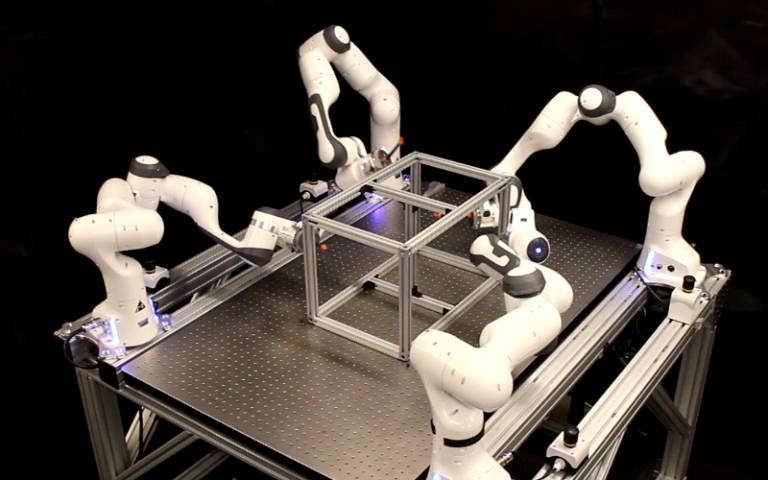
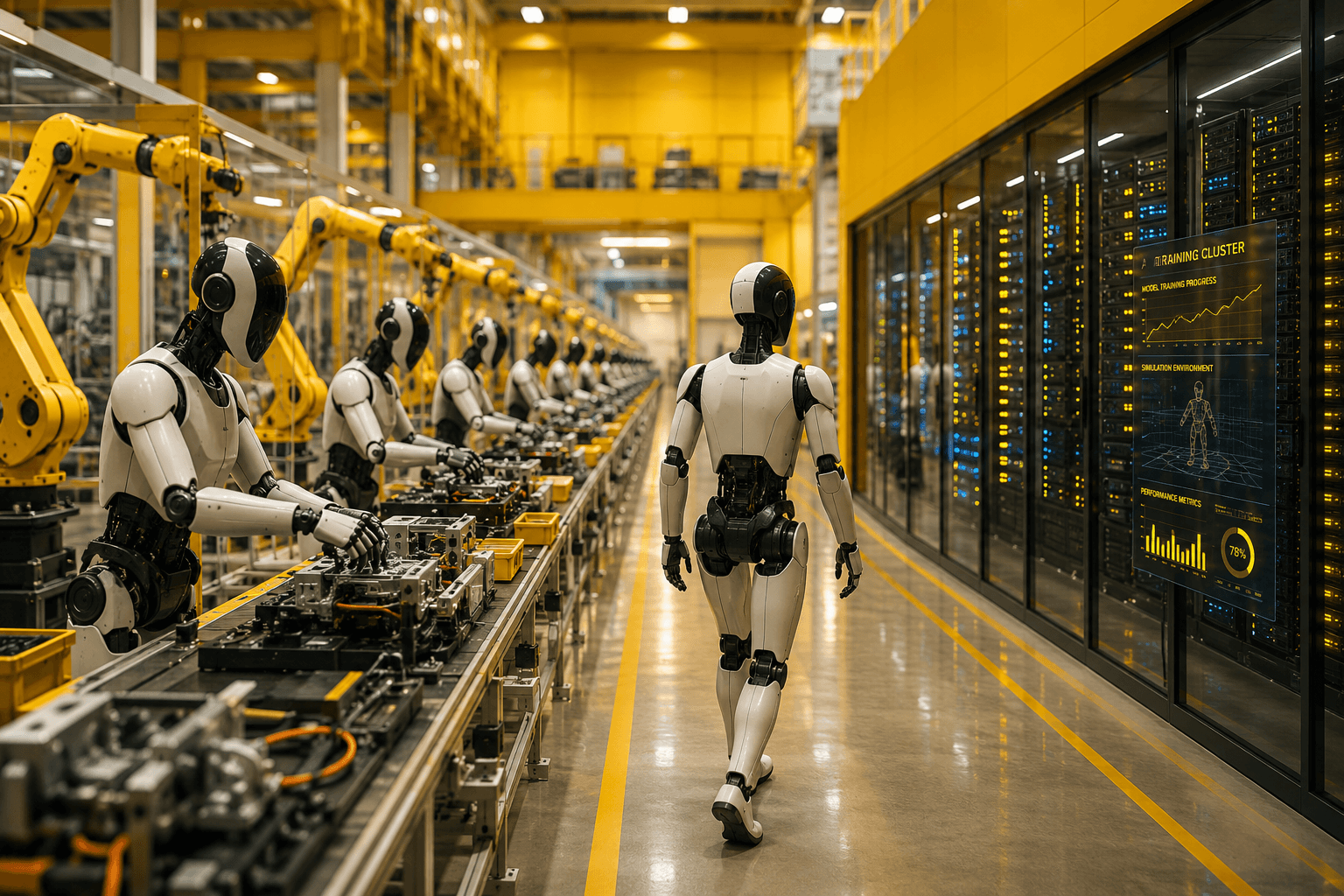
In May 2026, a groundbreaking study published in Science Robotics highlights significant advancements in autonomous robotic systems. Researchers from leading technology institutes have developed a new generation of robots capable of performing complex tasks in unpredictable environments. This innovation aims to enhance efficiency in various sectors, including manufacturing, healthcare, and disaster response.
The study reveals that these robots utilize advanced artificial intelligence algorithms, allowing them to adapt to changing conditions and make real-time decisions. This capability is particularly crucial for applications in emergency situations, where human intervention may be limited or dangerous.
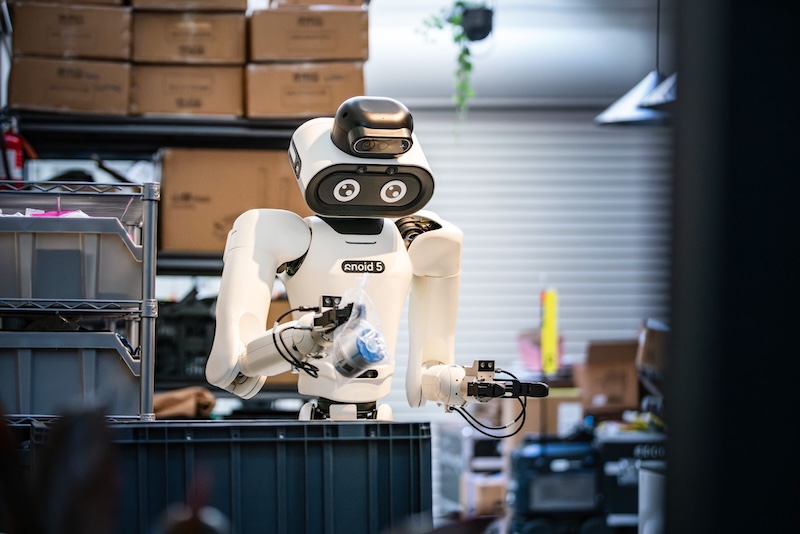
The research team conducted extensive field tests in diverse settings, demonstrating the robots' ability to navigate obstacles and collaborate with human operators effectively. The findings suggest that the integration of such robotic systems could revolutionize industries by improving productivity and safety.
The motivation behind this development stems from the increasing demand for automation and the need for reliable solutions in challenging environments. As industries continue to seek ways to optimize operations and reduce human risk, these autonomous robots represent a significant step forward in robotics technology.
Overall, the study underscores the potential of robotics to transform various fields, paving the way for future innovations that could further enhance human-robot collaboration.



























Leave a comment