

Industry Briefing
A single destination for timely, editor-curated robotics news from around the world.
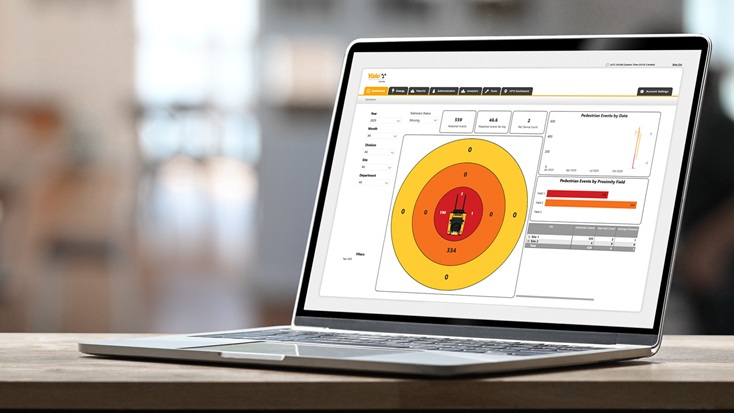
Integrated Technology Enhances Warehouse Equipment Operations and Decision-Making
Recent advancements in integrated technology are transforming warehouse operations by providing comprehensive visibility into equipment performance and workflows. As supply chains evolve and customer demands increase, warehouse leaders are prioritizing the integration of various technologies, such as the Yale Reliant™ Pedestrian Awareness Camera and the Yale Vision Pedestrian Detection Events Dashboard, to enhance operational intelligence. This shift towards connected solutions allows managers to move beyond isolated data points and gain a holistic understanding of how equipment, personnel, and processes interact throughout the day. By leveraging integrated systems, warehouses can identify patterns, streamline workflows, and make informed decisions that improve efficiency and responsiveness. Looking ahead, the trend of embracing integrated technologies is expected to continue, as organizations recognize the importance of connected ecosystems over standalone solutions. No further timeline was disclosed at the time of publication.
Materials Handling
Flying Lion Introduces Remote Staffing Service for Continuous DFR Operations
Flying Lion has unveiled a Remote Staffing Service aimed at assisting public safety and security organizations in operating Drone as First Responder (DFR) programs continuously. This service, announced at the National Real Time Crime Center Association conference in Phoenix, integrates remote pilots with Flying Lion’s proprietary pilot management software, enabling agencies to fill staffing gaps or launch new programs without altering existing technology. The significance of this service lies in its ability to provide agencies with flexible staffing solutions, allowing them to maintain 24/7 DFR operations. Barry Brennan, Founder and President of Flying Lion, emphasized that the service is not restricted to any specific drone or software platform, which enhances operational flexibility. The remote pilots can operate from an agency’s Real-Time Crime Center or Security Operations Center, ensuring critical aerial support is available promptly when needed. Looking ahead, the Remote Staffing Service can facilitate cross-jurisdictional and multi-agency operations, which is crucial as agencies expand their DFR programs. The service can be utilized for scheduled or on-demand staffing, thereby helping organizations manage their resources effectively. No further timeline was disclosed at the time of publication.
Applications DFR dispatch Drone News Drone News Feeds Featured – Safety and Security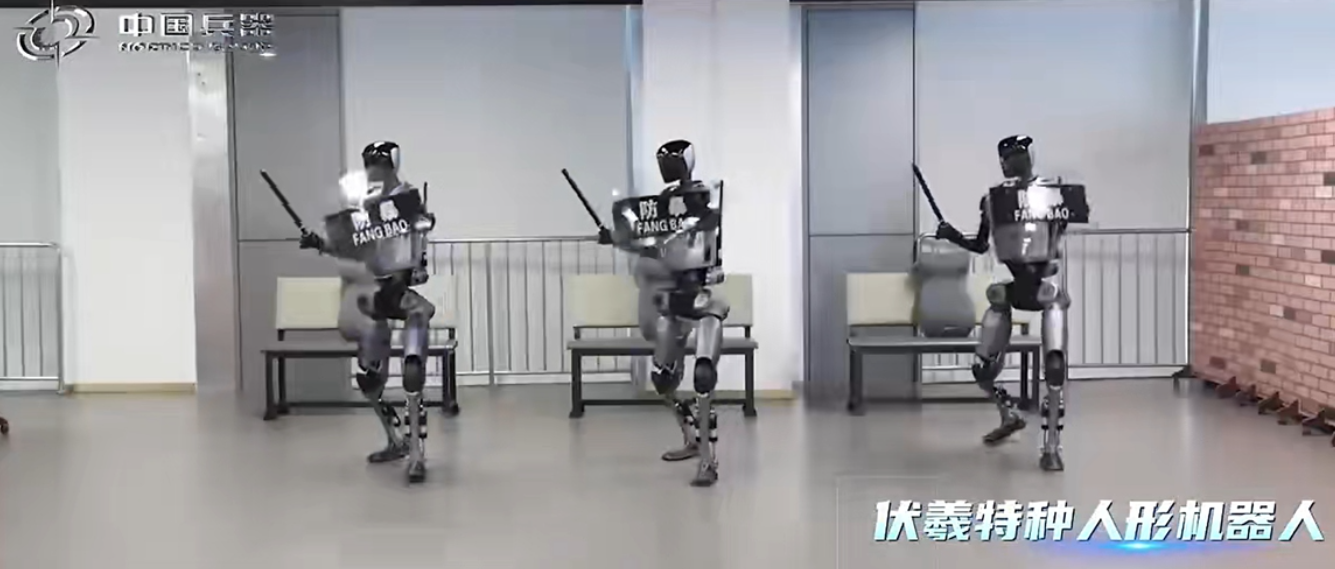
NORINCO Launches Fuxi Humanoid Robot for Remote Operations in Dangerous Environments
On August 19, NORINCO unveiled its full-size humanoid robot, Fuxi, at the 2026 World Robot Conference in Beijing. This robot is designed for remote human control in hazardous areas, utilizing a system that allows operators to replicate their movements in real-time. Fuxi aims to operate in environments where humans cannot or should not go, such as nuclear disaster sites or areas under enemy fire. The significance of Fuxi lies in its advanced capabilities for reconnaissance, intelligent patrolling, and operations in dangerous zones. It can identify personnel and issue alerts, and multiple Fuxi robots can work collaboratively. During the conference, Fuxi demonstrated its ability to perform urban patrols at night, showcasing its practical capabilities in multi-robot management and response. Fuxi is built using entirely domestically developed technology, focusing on human-robot perception and coordination. This development marks a significant step for China in military and special operations robotics, distinguishing itself from consumer and industrial robots. No further timeline was disclosed at the time of publication.
Humanoid Robots Remote Operation Technology Military Robotics Hazardous Environment Robotics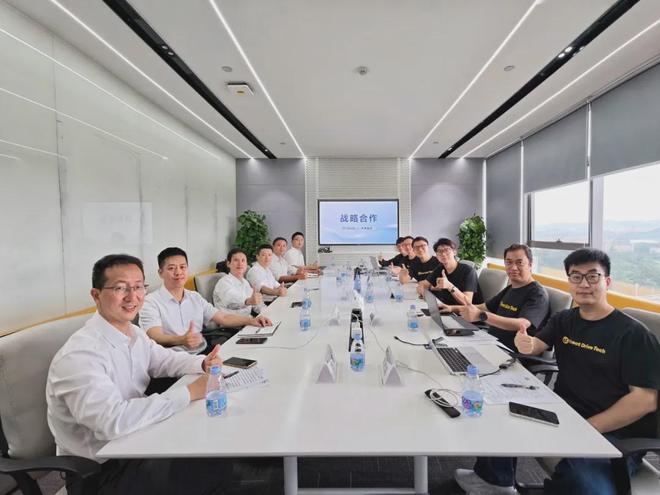
China Rare Earth Group Partners with Benmo Technology to Boost Direct Drive Power Modules in Robotics
China Rare Earth Group Innovation Technology Co., Ltd. has entered into a strategic cooperation with Benmo Technology. This partnership aims to enhance the industrialization of direct drive power modules specifically tailored for the robotics sector. The collaboration is significant as it seeks to leverage the strengths of both companies to advance technology in the robotics industry. Direct drive power modules are crucial for improving the efficiency and performance of robotic systems, making this partnership a vital step in meeting growing market demands. Looking ahead, stakeholders should monitor the developments from this partnership, as it could lead to innovations that enhance the capabilities of robotics applications. No further timeline was disclosed at the time of publication.
Robotics Automation AI
TechNode Group Signs MOU to Expand Technology Cooperation in Central Asia
On September 8, 2026, TechNode Group signed a Memorandum of Understanding (MOU) with The Tech and Khan Tengri Innovation Hub (KTIH) in Astana, Kazakhstan. This agreement aims to foster media, innovation, and cross-border technology cooperation, enhancing TechNode's presence in Central Asia. The partnership is significant as it seeks to bridge technology and innovation networks between Central Asia, China, and Southeast Asia. By leveraging their combined media capabilities and industry networks, the organizations will facilitate connections for Chinese tech companies and local entrepreneurs, promoting regional market exploration and innovation. Looking ahead, the collaboration will focus on content partnerships, industry events, and investment dialogues to strengthen business ties between the regions. No further timeline was disclosed at the time of publication.
News
Dronetag Integrates Remote ID into Airwise Platform for Enhanced Drone Operations
Dronetag and Airwise Solutions have formed a strategic partnership to integrate Dronetag's Remote ID infrastructure into Airwise's airwiseOS platform. This collaboration aims to provide a comprehensive view of low-altitude airspace, enhancing the safety and management of Beyond Visual Line of Sight (BVLOS) operations for various enterprise users, including public safety agencies and critical infrastructure operators. The integration allows operators to access real-time Remote ID data alongside telemetry and sensor inputs within a single dashboard, streamlining the monitoring process. This unified operational environment is particularly beneficial as drone fleets expand and more autonomous missions are conducted, enabling faster decision-making and improved coordination among teams. The integration is now available for Airwise customers using Dronetag transmitters or receivers. Dronetag, which operates the largest commercial drone detection network globally, aims to extend its Remote ID ecosystem into enterprise mission management, while Airwise seeks to support the next generation of autonomous aviation through a unified operational platform.
News
Transitive Robotics Expands Remote Teleop to Control Robotic Arms via Internet
Transitive Robotics has extended its Remote Teleop tool to enable remote control of robotic arms over the Internet. The new version 0.20 introduces virtual reality controllers and mouse gesture commands while maintaining existing WebRTC video and stop mechanisms for mobile robots. This advancement allows for remote operation beyond just wheeled bases. This development is significant as it enhances the capabilities of robotic systems, particularly with the integration of small SO-101 arms used within the LeRobot ecosystem. The official technical page indicates that the software can simultaneously control a mobile robot and a manipulator, providing a more versatile solution for remote operations. Looking ahead, the implications of this update include potential applications in remote assistance, demonstration collection for training, manual recovery after failures, and supervision of isolated machines. However, the accuracy and performance of the system under unstable network conditions remain to be evaluated. No further timeline was disclosed at the time of publication.
Robots
Flying Lion Launches Remote Staffing Service for Public Safety Drone Operations
California-based Flying Lion has introduced a Remote Staffing Service aimed at assisting public safety agencies and security organizations in maintaining 24/7 drone operations. This service combines their pilot management software with a network of trained remote pilots, addressing the staffing challenges faced by agencies running Drone as First Responder (DFR) programs. The significance of this service lies in its ability to provide immediate aerial support during emergencies, enhancing situational assessment for responders. As DFR programs gain traction across the U.S., the need for qualified pilots available around the clock has become a pressing issue for many agencies. Flying Lion's offering allows organizations to scale staffing based on demand without the need for extensive in-house pilot training. Looking ahead, Flying Lion's platform-agnostic service could facilitate the integration of drone operations for agencies with existing fleets. The company emphasizes that their experienced remote pilots can support various hardware and software combinations, potentially transforming how agencies approach 24/7 DFR and security operations. No further timeline was disclosed at the time of publication.
News
Starmind's Satellite Technology Achieves 880 Billion Liters in Annual Water Savings
Starmind has announced that its satellite technology can save approximately 880 billion liters of cooling water annually at full scale. This figure is equivalent to the annual household water use of around 6.5 million Americans. The technology operates by utilizing a closed-loop liquid cooling system that eliminates the need for water during its operational life, contrasting sharply with traditional ground data centers that consume vast amounts of water for cooling. The significance of this achievement lies in the growing water consumption crisis faced by data centers, particularly as AI expansion drives demand. In 2025, U.S. data centers consumed nearly one trillion liters of water, highlighting the urgent need for sustainable solutions. Starmind's approach not only addresses direct water usage but also avoids indirect water consumption associated with electricity generation, marking a substantial shift in how computing can be conducted in a resource-efficient manner. Looking ahead, Starmind's deployment strategy includes a projected buildout of 100 GW of orbital compute per year, which could displace an additional 735 billion liters of ground water demand annually. The first tranche of 10,000 satellites is already operational, offsetting approximately 8.8 billion liters of water per year. No further timeline was disclosed at the time of publication.

SpaceX's Starmind Plans 1 Million AI Satellites Amid Collision Risks
SpaceX has announced its ambitious Starmind project, which aims to deploy 1 million AI satellites in orbits between 500 and 2,000 km. This initiative, confirmed by Elon Musk on June 23, 2026, follows a merger with xAI, valuing the combined entity at $1.25 trillion. The satellites will function as orbital data centers, processing AI workloads powered by solar arrays and linked by optical lasers. The significance of Starmind lies in its potential to add 100 gigawatts of AI compute capacity annually, contingent on the successful operation of the Starship launch system. However, the project raises concerns regarding space debris, as the current orbital environment is already congested, with a 20% increase in collision risk reported since 2024. The European Space Agency has highlighted that the density of debris in low Earth orbit is now comparable to that of active satellites, complicating the operational landscape for new entrants like Starmind. Looking ahead, the first operational orbital AI deployments are targeted for 2028, with test launches expected in early 2027. However, the project faces scrutiny regarding its impact on space debris, as even a 1% failure rate could significantly increase the number of uncontrollable objects in orbit, exacerbating existing risks. No further timeline was disclosed at the time of publication.

Corvus Robotics Enhances Cold Chain Operations with Corvus One Drone Technology
Corvus Robotics has developed the Corvus One drone specifically for cold chain environments, addressing challenges like thermal management and visibility in extreme conditions. This innovation allows for automated inventory counting in freezers, significantly improving safety and efficiency for warehouse operators. The introduction of the Corvus One drone is crucial as it mitigates the risks associated with manual inventory tasks in cold environments, where worker safety is a concern. By utilizing advanced vision systems and onboard decision-making, the drone can operate autonomously, adapting to changes in the environment without the need for GPS or additional markers. Looking ahead, the focus will be on the continued deployment of Corvus One in various cold chain settings, with an emphasis on enhancing operational efficiency and accuracy. The system's ability to identify inventory discrepancies has already proven valuable, revealing over $2.1 million in discrepancies at a national foodservice distributor site within six months.

ISA and OTCC Collaborate to Enhance Operational Technology Cybersecurity Standards
The International Society of Automation (ISA) and the Operational Technology Cybersecurity Coalition (OTCC) have formed a partnership aimed at bolstering operational technology (OT) cybersecurity across critical infrastructure. They signed a Memorandum of Understanding to collaborate on initiatives that raise awareness of OT cybersecurity risks and solutions, while also facilitating technical engagement between their members. This partnership is significant as it seeks to promote the implementation and recognition of foundational cybersecurity standards, particularly ISA/IEC 62443. Claire Fallon, CEO of ISA, emphasized the need for sustained collaboration and practical guidance to protect critical infrastructure, highlighting the importance of this partnership in advancing key OT cybersecurity practices. Looking ahead, the OTCC has recently published a position paper advocating for a unified OT cybersecurity standard, recommending ISA/IEC 62443 as the global benchmark. This initiative aims to streamline compliance by reducing the burden of adhering to multiple sector-specific standards. No further timeline was disclosed at the time of publication.
Factory / Cybersecurity
Hippo Harvest Secures $30 Million Series C to Expand Robotic Greenhouse Operations in California
Hippo Harvest has successfully closed a $30 million Series C funding round, led by Cox Farms, the largest greenhouse operator in North America. This funding will facilitate the expansion of Hippo Harvest's operations with a new 30-acre facility in Hollister, California, which is currently undergoing permitting. The company specializes in producing USDA-certified organic greens using robotics and machine learning technologies, aiming to scale its production capabilities significantly. The significance of this funding lies in Hippo Harvest's commitment to enhancing its robotic growing systems, which will increase its growing capacity from one acre to a much larger scale. This expansion is expected to accelerate the commercialization of indoor-grown spinach, tapping into the growing demand for organic produce. The integration of advanced technology in their greenhouses positions Hippo Harvest to meet retail buyers' needs more effectively. Looking ahead, Hippo Harvest is poised to make substantial advancements in the indoor agriculture sector. The timeline for the completion of the new facility and the rollout of the next-generation growing system remains undisclosed, but the company is focused on leveraging this investment to enhance its market presence and operational efficiency in the coming years.
SpaceX Proposes 1 Million AI Satellites to Address Ground Data Center Constraints
On January 30, 2026, SpaceX filed with the FCC to launch up to 1 million AI compute satellites, positioning orbital data centers as a solution to the increasing demand for AI computing power. Ground data centers are facing significant challenges, with energy consumption projected to reach approximately 1,050 TWh in 2026, making them the fifth-largest electricity consumer globally. The demand for new data center capacity is outpacing the growth of power generation infrastructure, leading to a critical bottleneck in the grid system. The significance of this initiative lies in the structural constraints faced by ground data centers, including power delivery limitations, high water consumption, and local opposition to new projects. The Uptime Institute's 2026 outlook identifies power as the primary constraint on data center growth, with capacity clearing prices in the PJM grid skyrocketing to $329.17/MW, driven by data center expansion. Additionally, cooling requirements are becoming increasingly unsustainable, with facilities consuming vast amounts of water, further complicating their operational viability. Looking ahead, SpaceX's orbital AI compute initiative aims to circumvent these challenges by leveraging the advantages of space, such as continuous solar power and minimal local opposition. The first AI prototypes are expected to launch in early 2027, with operational deployments planned for 2028. No further timeline was disclosed at the time of publication.

SpaceX's Starmind Project: Supplier Strategy and Chip Manufacturing Plans for 2026
SpaceX's Starmind project, aimed at deploying up to 1 million AI satellites, was filed with the FCC on January 30, 2026. The initiative is designed to minimize reliance on external suppliers, with CEO Elon Musk stating that current chip production capabilities only meet 2% of the projected needs. The first satellite, AI1, is set for prototype launches in early 2027, featuring a 70-meter wingspan and a modular payload system that allows for interchangeable chips from various suppliers. The significance of Starmind lies in its ambitious supply chain strategy, which seeks to transition from external hardware suppliers to a fully integrated Musk-owned facility by 2028. The Gigasat manufacturing site in Bastrop, Texas, is expected to be operational by the end of 2027, with plans for high-volume production of the D3 chip, specifically designed for space applications. This approach aims to consolidate chip manufacturing processes under the Terafab joint venture, which has an estimated initial investment of $55 billion. Looking ahead, the next milestone for Starmind is the launch of AI1 prototypes in early 2027, while the full-scale chip production at Terafab is projected to ramp up significantly thereafter. However, analysts express skepticism regarding the feasibility of achieving Musk's ambitious compute goals, which may require substantial investment and time to establish the necessary manufacturing capabilities.

ACCESS reveals experimental results on remote robot control and local-like operations using VLA model and IOWN APN.
ACCESS has announced the successful execution of remote robot control experiments utilizing the Vision-Language-Action (VLA) model. Conducted recently, these experiments demonstrated that by leveraging a high-quality communication network, the responsiveness and operational quality of robot control in remote environments can closely match that of local settings for certain tasks. This advancement highlights the potential for improved remote robotic applications, driven by enhanced communication technologies.

Huaqin Technology and Zhengxing Innovation Reach Strategic Cooperation to Build an Industrial Physical Intelligence "Data Foundation and Smart Brain" Together.
Huaqin Technology and Zhengxing Innovation have announced a strategic cooperation aimed at developing a comprehensive industrial physical intelligence framework, which they refer to as a "Data Foundation and Smart Brain." This partnership, revealed on October 10, 2023, is set to take place in China, where both companies will leverage their technological expertise to enhance data-driven decision-making processes within the industrial sector. The collaboration seeks to address the growing demand for advanced data analytics and intelligent systems, enabling businesses to optimize operations and improve efficiency. By integrating their resources and knowledge, Huaqin Technology and Zhengxing Innovation aim to create innovative solutions that will drive the future of industrial intelligence.
Robotics Automation AI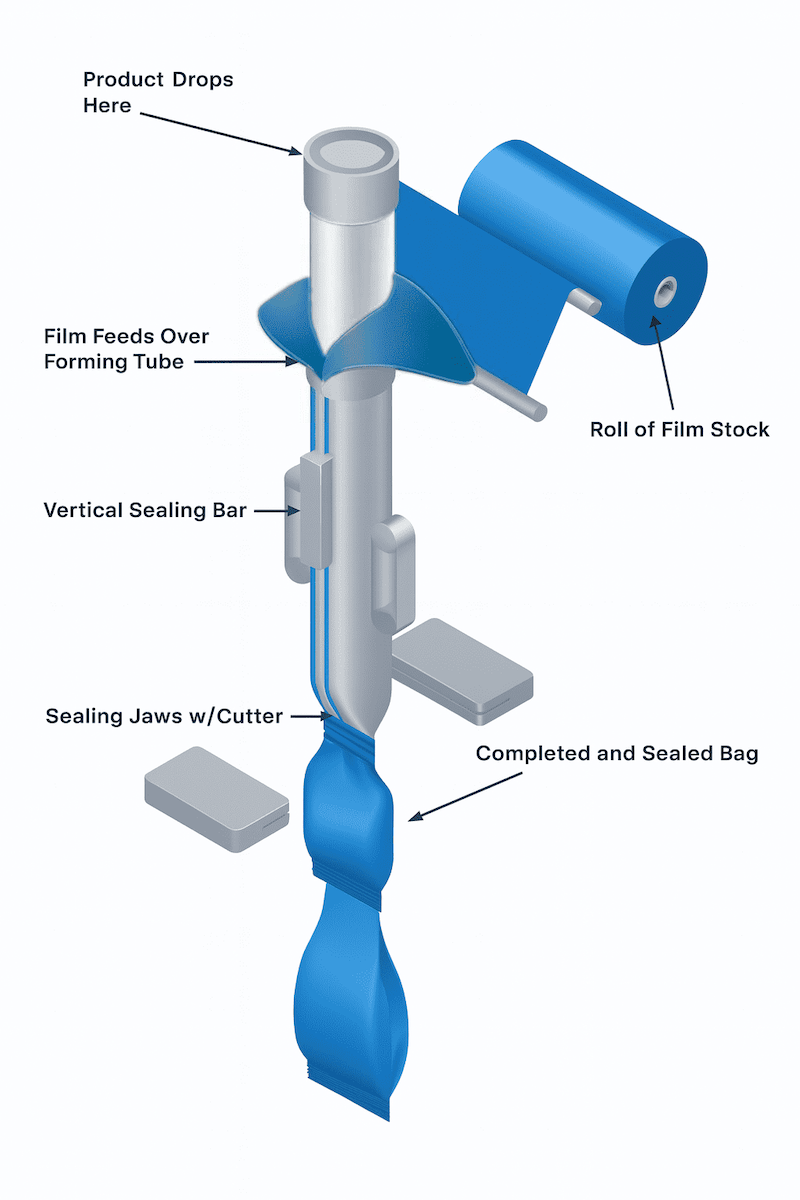
The Future of VFFS Technology in High-Speed Packaging Operations
The packaging industry is experiencing significant changes as manufacturers respond to increasing consumer demands and shorter production timelines. This transformation is marked by a growing reliance on smarter, faster, and more efficient packaging solutions. Central to this evolution is Vertical Form Fill Seal (VFFS) technology, which has emerged as a crucial tool in contemporary packaging facilities. As companies across various sectors adopt this innovative system, they aim to enhance productivity and meet the dynamic needs of the market. The shift towards VFFS technology reflects a broader trend in the industry, where efficiency and adaptability are becoming paramount in the face of evolving consumer expectations.
Engineering Technology artificial intelligence automation news industrial automation industry 4.0
RFID and Barcode Technology for Smarter Operations
Recent advancements in RFID and barcode technology are transforming business operations by enabling real-time asset and inventory tracking. These technologies enhance accuracy and speed in daily workflows, with barcodes facilitating quick scanning and RFID providing automated visibility on a larger scale. As a result, companies across various sectors—including manufacturing, healthcare, retail, and logistics—are experiencing reduced downtime and improved decision-making capabilities. This shift towards smarter operations is particularly evident in busy warehouses, where the integration of these technologies streamlines processes and enhances overall efficiency. The growing reliance on RFID and barcode systems underscores their critical role in optimizing business performance and adapting to the demands of modern supply chains.
Communications Internet Technology asset management asset tracking automation news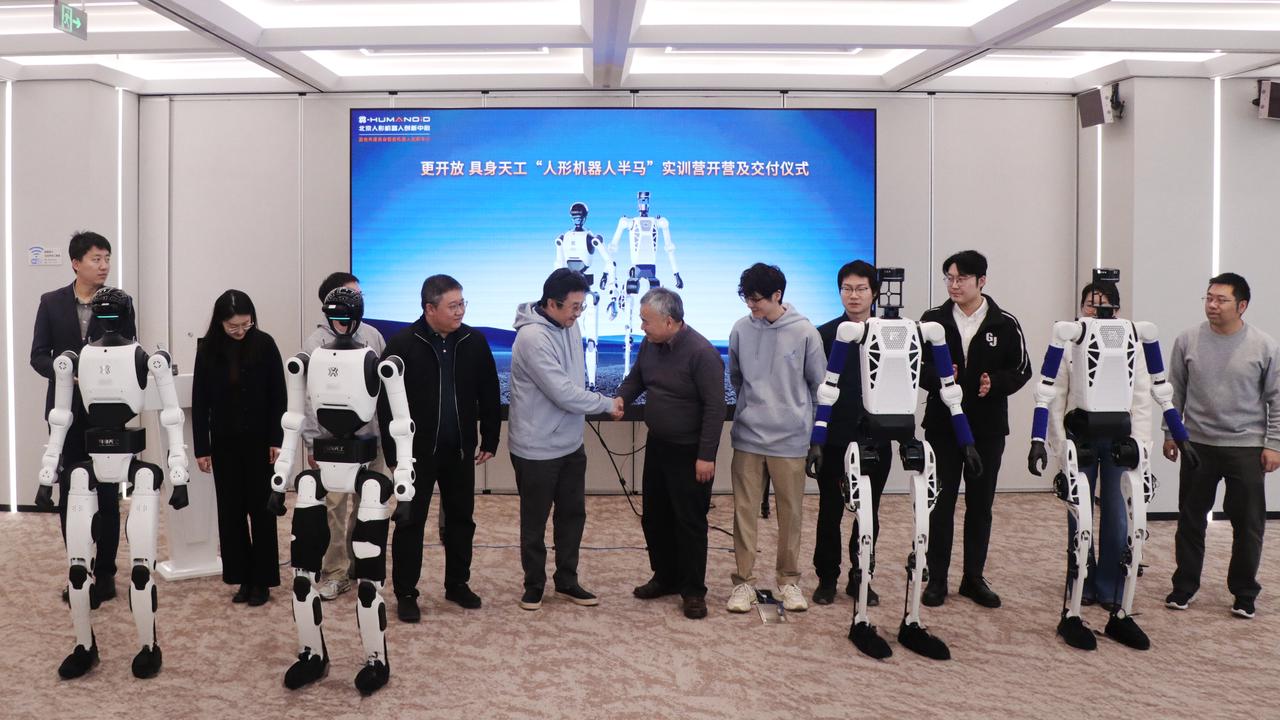
Beijing Humanoid Holds Robot Half Marathon Cooperation Delivery Ceremony to Explore the Limits of Embodied Intelligent Technology with Open Source Ecology
The Beijing Humanoid Robot Innovation Center, designated as China's "national team" for embodied intelligent robots, is spearheading advancements in core technologies and developing an independent industrial ecosystem. Since its establishment, the center has focused on aligning with national strategies to enhance China's global competitiveness. Recently, it inaugurated a data and training base for embodied intelligent robots, marking a pivotal step beyond physical capabilities. This initiative aims to position China as a leader in data strategy within the emerging field of embodied intelligence. The center is set to provide extensive, high-quality data infrastructure essential for the industry, while also leading the creation of China's first standards for data collection in this domain. By offering specialized services and generating valuable data, the center is poised to facilitate the integration of humanoid robots into various sectors and households. This effort is expected to accelerate the development of new productive forces and foster technological self-reliance in China. As the landscape of artificial intelligence evolves from "perceptual intelligence" to "embodied intelligence," the demand for high-quality data becomes increasingly critical to drive innovation and growth in the sector.
Robotics Automation AI
Remote Launch and Recovery of ROV in Operational Use with DeepOcean
Evotec has introduced Evotec CORE™ Remote, an innovative solution designed to automate the launch and recovery of remotely operated vehicles (ROVs) from shore. This advancement streamlines operations, allowing these processes to be conducted as a single, cohesive automated task. The launch of this technology marks a significant step forward in enhancing the efficiency and safety of marine operations, particularly in challenging environments. By enabling remote handling of ROVs, Evotec aims to reduce the need for extensive on-site personnel and equipment, ultimately lowering operational costs and minimizing risks associated with traditional methods. This development is expected to have a profound impact on industries reliant on underwater exploration and monitoring, providing a more effective means of conducting marine activities.
remote launch and recovery (rlars) rov deepocean evotec core™
Oceaneering Completes First Onshore‑Piloted Remote ROV Operation on an Offshore Rig in Brazil
Oceaneering International, Inc. has successfully tested its onshore remote operations center (OROC) capabilities through its Subsea Robotics segment and Brazilian subsidiary, Marine Production Systems do Brasil LTDA (MPS). The operation involved piloting a remotely operated vehicle (ROV) from the OROC in Macaé, Brazil, to support Petrobras’s offshore drilling activities. This significant advancement in remote operations was conducted recently, showcasing Oceaneering's commitment to enhancing operational efficiency and safety in subsea environments.
oceaneering onshore‑piloted remote rov operation offshore rig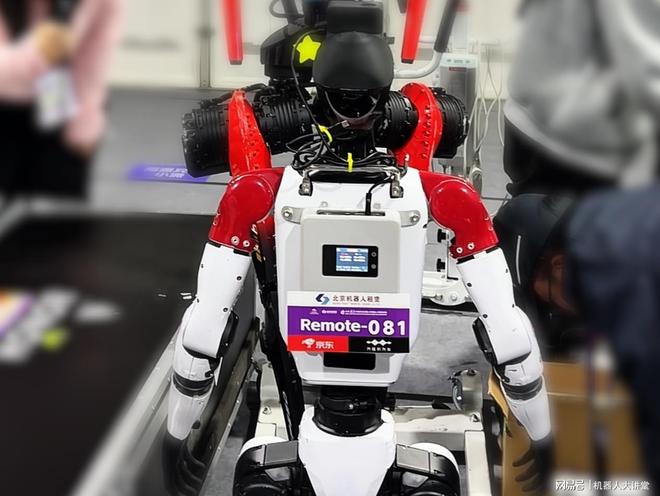
Marathon Limits Tested! How Feikuo Technology's 'Beyond Visual Range Remote Control System' Enables Robot Journalists to Live Stream While Running
The 2026 Beijing Yizhuang Half Marathon is set to showcase an innovative 'human-robot running' event, featuring 12,000 human participants alongside more than 300 humanoid robots. Scheduled to take place in Yizhuang, Beijing, this unique race aims to blend technology with athleticism, highlighting advancements in robotics and their integration into sports. Feikuo Technology will debut the world's first media live-streaming robot at the event, which employs cutting-edge remote control technology to deliver real-time race coverage and conduct interviews with participants. This initiative not only enhances the spectator experience but also demonstrates the potential of robotics in media and event broadcasting. The marathon is expected to attract significant attention, emphasizing the growing intersection of technology and traditional sports, and showcasing how innovation can enhance public engagement in athletic events.
Humanoid Robots Remote Control Technology Live Streaming Marathon Events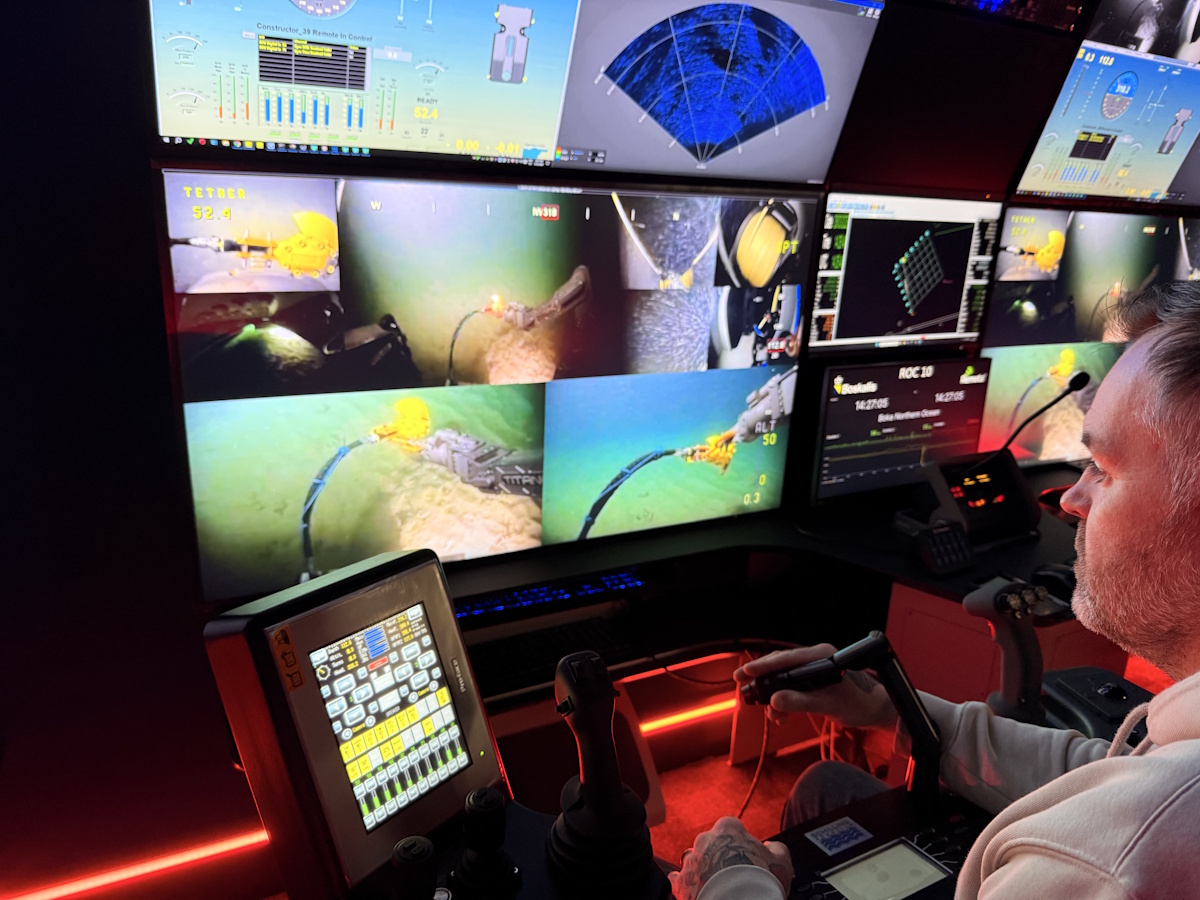
Boskalis Marks First Successful ROV Deployment from its New Remote Operations Center in Aberdeen
Boskalis has successfully completed the inaugural deployment of remotely operated vehicles (ROVs) from its newly established Remote Operations Center (ROC) in Aberdeen. This achievement follows an extensive 18-month development program and a significant investment of £40 million dedicated to enhancing ROV technology and the ROC itself. The milestone underscores Boskalis' commitment to innovation, safety, and the advancement of sustainable offshore solutions.
boskalis rov deployment remote operations center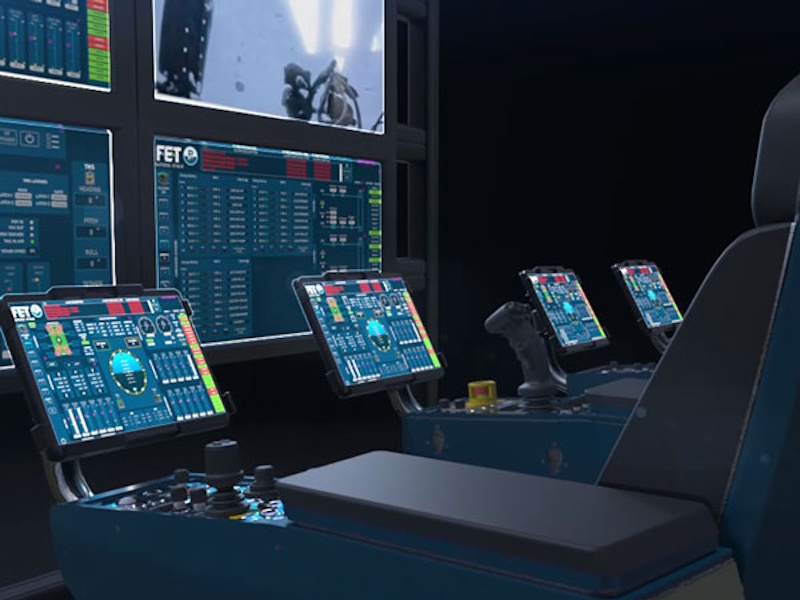
FET Sets New Standard for Subsea Operations with Ice® Unity Remote-Connect
Forum Energy Technologies (FET), a prominent provider of remotely operated vehicles (ROVs), has introduced an innovative remote control station designed to enhance operational safety and flexibility for its clients. This new technology allows users to control ROV systems from virtually any location, significantly improving the efficiency and effectiveness of underwater operations. The announcement was made recently, highlighting FET's commitment to advancing remote operation capabilities in the energy sector. By enabling remote control, FET aims to reduce risks associated with on-site operations while providing clients with greater convenience and control over their underwater tasks. This development is expected to transform how companies engage with ROV technology, making it safer and more accessible than ever before.
fet ice® unity remote-connect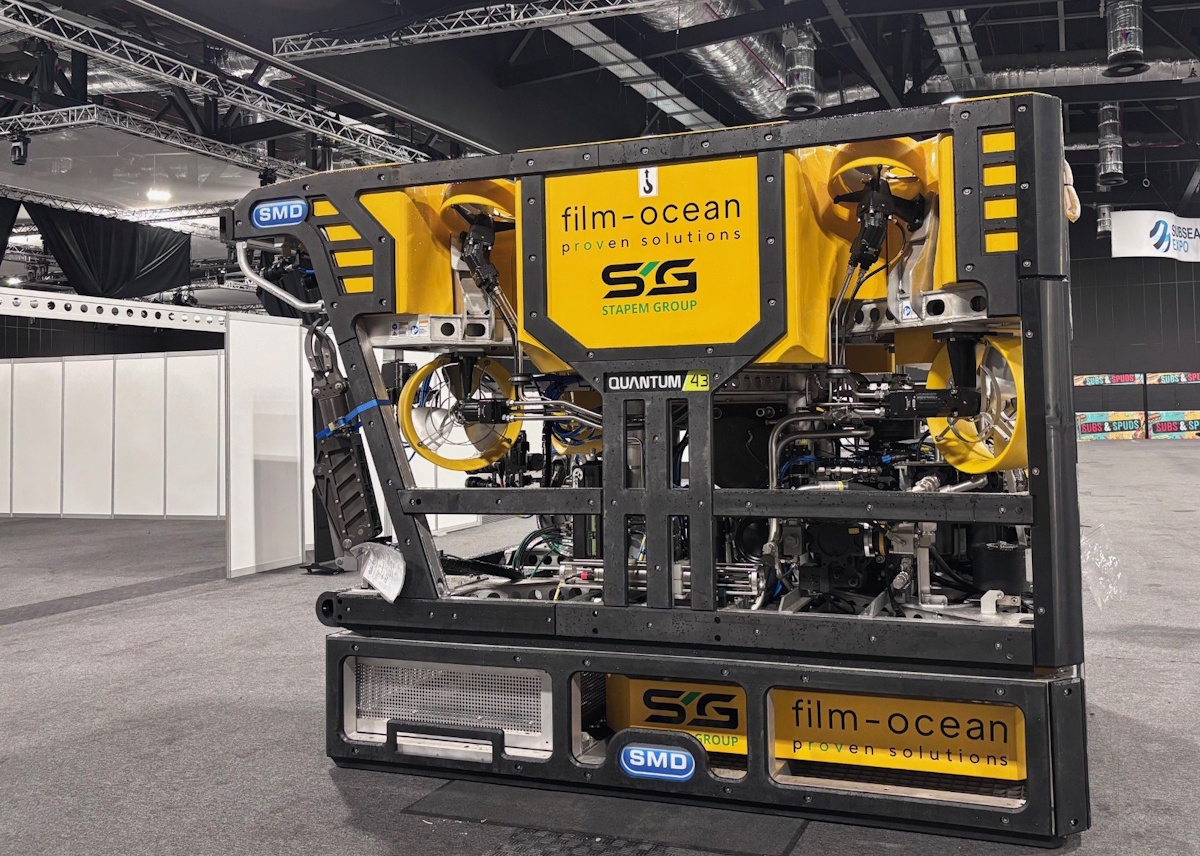
Film-Ocean Showcases New Work Class ROV and Remote Operations Centre at Subsea Expo 2026
Film-Ocean, a leading global subsea services provider and a member of the Stapem Group, is set to unveil its latest Work Class Remotely Operated Vehicle (WROV) and demonstrate its advanced Remote Operations Centre (ROC) at the upcoming Subsea Expo 2026. The event will be held on February 4 and 5, 2026. This showcase aims to highlight the company's innovative technologies and capabilities in subsea operations, reflecting its commitment to enhancing efficiency and safety in the industry. By presenting these cutting-edge solutions, Film-Ocean seeks to engage with industry professionals and stakeholders, emphasizing its role in advancing subsea service offerings.
subsea expo
SIASUN (Singapore) Wins Technology Innovation Award CEO Zhao Chen Discusses a New Blueprint for ASEAN Cooperation
On December 16, Singapore hosted the 6th China-Singapore Economic and Trade Cooperation Forum, which aimed to strengthen bilateral economic ties. The event featured notable participation from Cao Zhongming, the Chinese Ambassador to Singapore, who delivered a keynote address emphasizing the importance of collaboration between the two nations. The forum served as a platform for discussing trade opportunities and investment prospects, reflecting both countries' commitment to enhancing their economic partnership. This gathering comes at a time when both China and Singapore are looking to navigate the complexities of the global economy and foster mutual growth through increased cooperation.
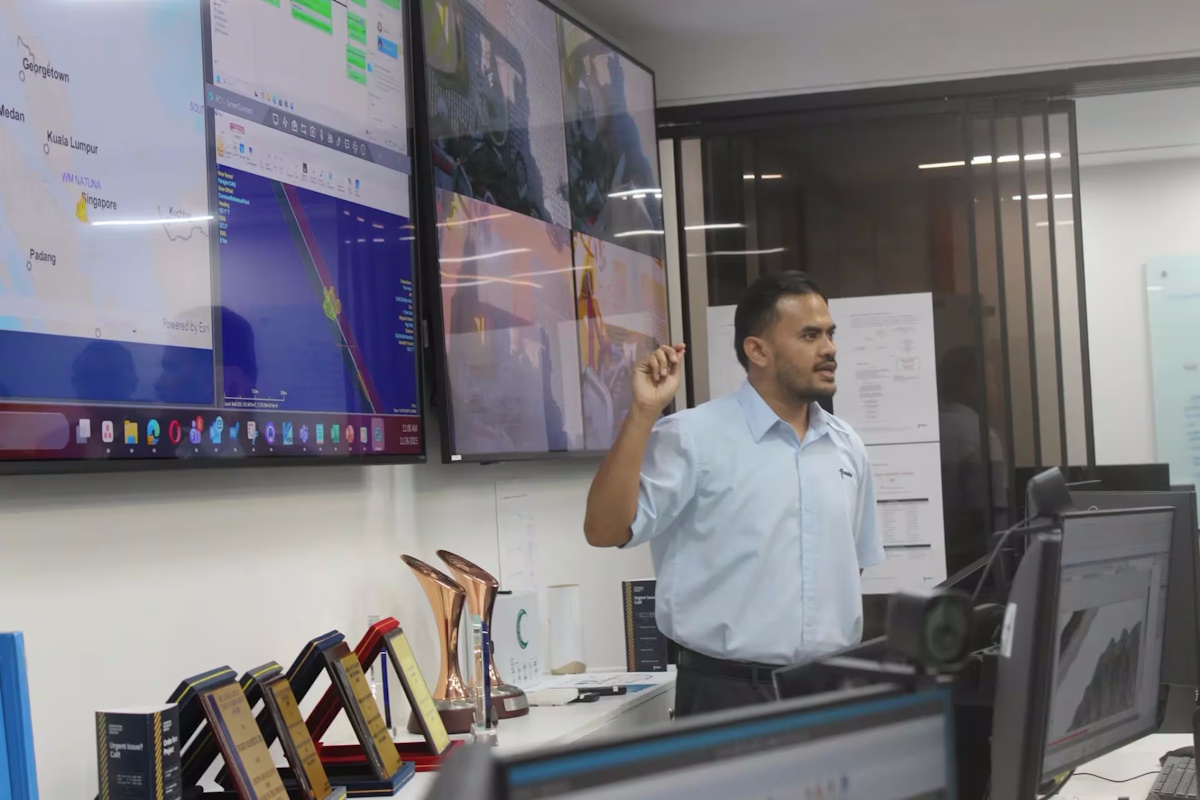
Fugro Launches New Remote Operations Centre in Kuala Lumpur
Fugro is enhancing its offshore operations in the region by opening a Remote Operations Centre (ROC) in Kuala Lumpur. This new communications hub will enable Fugro's experts to remotely manage offshore survey operations, thereby improving safety, efficiency, and sustainability in project execution. The establishment of the ROC reflects Fugro's commitment to leveraging technology for better operational outcomes in the offshore sector.
fugro remote operations centreRobotics needs a service framework.
RSF defines a common language for robot service capability, lifecycle operations, certification pathways, and service-provider networks.
Join the RobotToday community on LinkedIn
Daily robotics news, in-depth analysis, conference highlights, and discussions with professionals worldwide.







