Industry Briefing
A single destination for timely, editor-curated robotics news from around the world.

Raytheon and Composite Energy Technologies Showcase HADALUS Unmanned Undersea Vehicle Capabilities
Raytheon, a business unit of RTX, and Composite Energy Technologies (CET) have successfully demonstrated the HADALUS unmanned undersea vehicle (UUV) during a U.S. Navy exercise. This event showcased the UUV's undersea launch capabilities, marking a significant advancement in integrated unmanned undersea operations. The demonstration is crucial as it highlights the potential for a single UUV to perform multiple functions, including detection, reacquisition, and engagement, within a single mission. Jen Gauthier from Raytheon emphasized that this development is part of a broader strategy to deliver autonomous undersea capabilities that are less detectable than surface platforms. HADALUS, measuring 34 feet with over 2,000 nautical miles of endurance, is designed to be cost-effective, with production costs significantly lower than comparable vehicles. The rapid development from concept to prototype in under 18 months illustrates the agility of the undersea industrial base, according to CET's CEO Chase Hogoboom. No further timeline was disclosed at the time of publication.
rtx raytheon composite energy technology demo uuv
Raytheon and CET Showcase HADALUS Underwater Launch Capability After 18 Months of Development
Raytheon and Composite Energy Technologies (CET) have successfully demonstrated the underwater launch capability of the HADALUS unmanned undersea vehicle (UUV) during a recent U.S. Navy exercise. This marks a significant milestone as it is the first time the Navy has observed this integrated capability in action beneath the ocean surface. The successful demonstration is crucial as it could enhance the U.S. Navy's operational flexibility with long-endurance autonomous underwater vehicles. The HADALUS can now conduct missions that integrate sensing, target reacquisition, and engagement, all while submerged, which presents unique engineering challenges compared to surface-launched systems. Looking ahead, the HADALUS's design allows for extended underwater operations without the need for a surface ship, aligning with the U.S. defense strategy towards distributed unmanned systems. No further timeline was disclosed at the time of publication.
Military
Army Seeks Counter-Drone Missile Under $150K Compatible with Raytheon Coyote Launcher
The U.S. Army has initiated a search for a counter-drone missile, referred to as the Next Generation C-sUAS Missile, with a budget cap of $150,000. This missile is required to be compatible with Raytheon's Coyote launcher, as specified in the Request for Information (RFI). This initiative is significant as it highlights the Army's ongoing efforts to enhance its capabilities in countering unmanned aerial systems (UAS). The integration with Raytheon's Coyote launcher suggests a focus on leveraging existing technologies to improve operational efficiency and effectiveness against drone threats. Looking ahead, the Army's search for this missile indicates a growing emphasis on developing advanced defense systems to address the evolving challenges posed by drones. No further timeline was disclosed at the time of publication.
Land Warfare Army counter drone Counter UAS cUAS coyote Drones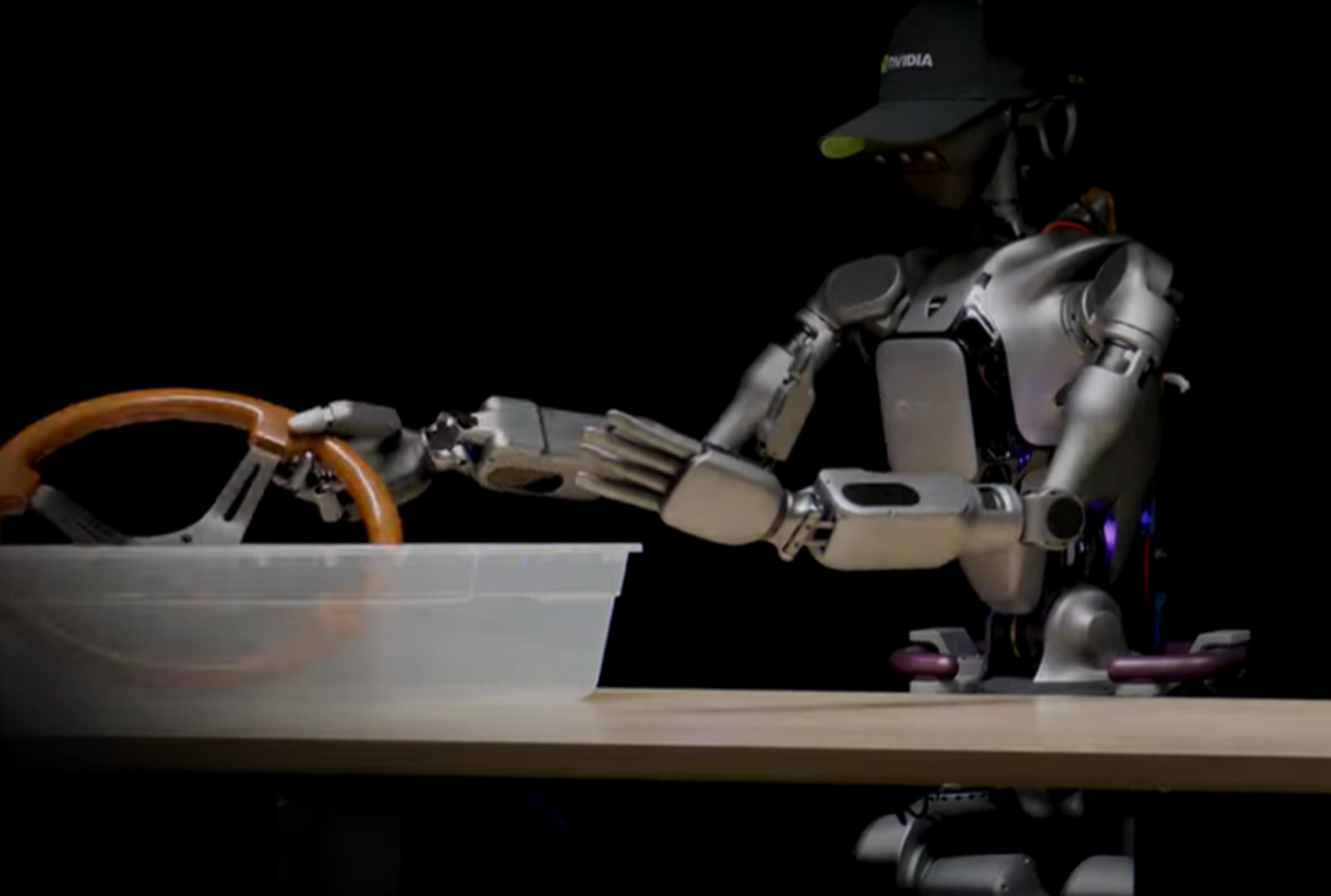
Raytheon, Nato to pursue European suppliers for AMRAAM components
Raytheon, an RTX business, said that it is collaborating with the US government and multiple Nato member states to expand production capacity for the advanced medium-range air-to-air missile (AMRAAM) in Europe.
News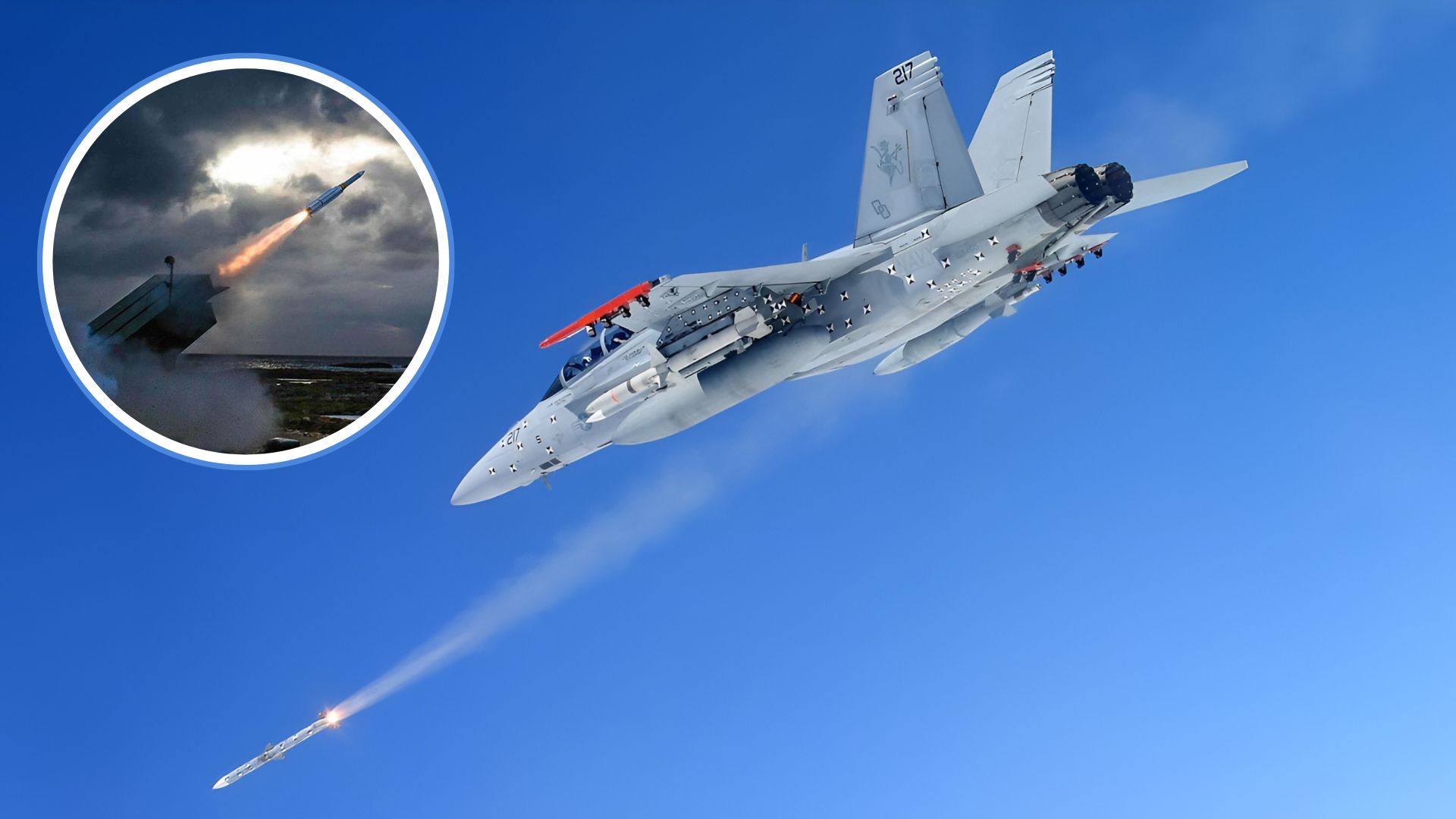
Raytheon expands Mach 4 AMRAAM missile network to co-develop parts with NATO partners
Raytheon plans to expand production of its AIM-120 AMRAAM missile through a new multinational effort...
MilitaryRobotics needs a service framework.
RSF defines a common language for robot service capability, lifecycle operations, certification pathways, and service-provider networks.
Join the RobotToday community on LinkedIn
Daily robotics news, in-depth analysis, conference highlights, and discussions with professionals worldwide.