

Industry Briefing
A single destination for timely, editor-curated robotics news from around the world.

Five Companies Expanding Rare Earth Processing Capacity in the U.S.
Rare earth elements are crucial for various technologies, including electric vehicles and military systems. To establish a reliable U.S. supply chain, companies must navigate the complex processes of mining, refining, and manufacturing. Five companies—Tactical Resources, USA Rare Earth, MP Materials, Energy Fuels, and NioCorp Developments—are actively working on different segments of this supply chain. Tactical Resources is advancing its Peak Project in Texas, focusing on rare earth-enriched materials with significant concentrations of heavy rare earth elements. The company plans to conduct further metallurgical testing and engineering work by September 2026. Meanwhile, USA Rare Earth is implementing a mine-to-magnet strategy, with its Round Top deposit in West Texas and a new manufacturing facility in South Carolina expected to produce 4,000 metric tons of rare earth oxides annually by the end of 2026. MP Materials operates the Mountain Pass mine in California and is expanding its operations to include metal and magnet manufacturing in Texas. As these companies progress, the U.S. aims to enhance its rare earth processing capabilities, which are currently limited compared to global competitors. No further timeline was disclosed at the time of publication.
Innovation
Paxini Begins A-Share Listing Process with Innovative Sensor-Equipped Gloves for Data Collection
Paxini Artificial Intelligence Technology Co., Ltd. has initiated the A-share listing process by submitting a report to the Beijing Regulatory Bureau of the China Securities Regulatory Commission. On September 15, Paxini signed a counseling agreement with Guotai Junan Securities. The company, based in Haidian District, Beijing, has a registered capital of 14.233 million yuan. Paxini differentiates itself in the data collection field by utilizing sensor-equipped gloves worn by humans, as opposed to the conventional method of using remote-controlled robots. This approach allows for the collection of authentic human operation data, capturing the nuanced control of human hand movements, which is more efficient for training robots in dexterous tasks. The gloves are filled with tactile sensors that record touch information during operations, which can enhance robotic manipulation capabilities. Founded in 2021 in Shenzhen, Paxini focuses on developing various tactile sensors. With over 4 billion yuan in cumulative financing and a valuation exceeding 10 billion yuan, the company is positioned to meet IPO scrutiny requirements due to its innovative product offerings and ongoing revenue generation. No further timeline was disclosed at the time of publication.
Tactile Sensors Robotics Data Collection AI Technology
PaXini Initiates IPO Process Following Milestone of 1 Million Tactile Chip Shipments
PaXini has announced the commencement of its initial public offering (IPO) process. This decision comes on the heels of the company surpassing a significant milestone of over 1 million shipments of its tactile chips. The achievement of shipping more than 1 million tactile chips underscores PaXini's growing influence in the robotics sensor market. This milestone not only reflects the company's production capabilities but also highlights the increasing demand for advanced tactile sensing technologies in various applications. Looking ahead, industry observers will be keen to see how PaXini's IPO unfolds and whether it will attract significant investment interest. No further timeline was disclosed at the time of publication.
News Robotics Startups China IPO PaXini
Process Tempo Unveils Jupiter 6.0 for Streamlining Enterprise Workflows in AI Economy
Process Tempo has announced the general availability of Jupiter 6.0, its latest low-code application development platform. This new release is designed to facilitate the transition of enterprise workflows from AI experimentation to active operations, enabling organizations to leverage AI more effectively. The significance of Jupiter 6.0 lies in its ability to empower organizations with tools that allow for faster application design, connection, and visualization without the need for coding. This advancement is crucial as businesses increasingly seek to integrate AI into their operations and enhance productivity. Looking ahead, it will be important to monitor how organizations adopt Jupiter 6.0 and the impact it has on their operational efficiency. No further timeline was disclosed at the time of publication.

KBC Launches Petro SIM 7.7 for Enhanced Process Simulation with AI/ML Hybrid Modeling
KBC, a Yokogawa company, has introduced Petro SIM 7.7, a cutting-edge process simulation and digital twin platform tailored for engineers and safety specialists in the refining and petrochemical sectors. This platform merges AI/ML-enabled hybrid modeling with first-principles simulation, facilitating informed decision-making while managing digital twins across various energy systems. The significance of Petro SIM 7.7 lies in its ability to combine engineering physics with machine learning, providing a trusted simulation environment for process engineers. Philippa Hayward, product manager for Petro-SIM, emphasized the need for accessible hybrid models to tackle complex challenges without requiring specialized data science skills. Looking ahead, KBC aims to enhance operational decision-making and monitoring across refinery and petrochemical value chains through Petro SIM 7.7 and its associated application, KBC Acuity Process Twin Pro. No further timeline was disclosed at the time of publication.
Factory / Digital Transformation
Challenges in Automation Projects: When Processes Overshadow Outcomes
An automation project faced significant challenges when a client's lack of an internal team led to a missed GMP package in the original quote. Despite the completion of site acceptance testing, a critical liquid integrity issue remained unaddressed, highlighting the disconnect between process adherence and project outcomes. This situation illustrates the risk of prioritizing procedural compliance over achieving the intended results, particularly in GMP life sciences, where quality processes are essential. The importance of quality processes in automation projects cannot be overstated, as they ensure consistency and minimize gaps. However, as teams become more specialized, they may lose sight of the project's original goals, focusing instead on narrow metrics that do not contribute to the overall success. This shift can lead to a scenario where the project supports the process rather than the other way around, ultimately compromising the desired outcomes. Moving forward, it is crucial for project teams to maintain a holistic view of their objectives and ensure accountability for the final results. This includes recognizing when established procedures may no longer align with practical realities and being willing to adapt. No further timeline was disclosed at the time of publication.
Process / Digital Transformation
U.S. Robotics Market in Packaging and Processing Expected to Nearly Double by 2031
A new report from PMMI indicates that the U.S. robotics market for packaging and processing is set to nearly double by 2031. The report highlights that mobile robots will be a significant driver of this growth as end users increasingly focus on enhancing productivity, reducing costs, and improving quality. This growth is crucial as it reflects the evolving landscape of packaging and processing operations, where robotics technology plays a pivotal role. The findings underscore the importance of adopting advanced technologies to meet the demands of modern manufacturing and supply chain efficiency. Looking ahead, the PACK EXPO International 2026 will serve as a vital platform for showcasing robotics technology in action. No further timeline was disclosed at the time of publication.

Understanding the Failures of Process Safety Management Programs Despite OSHA Compliance
In 2005, an explosion at BP’s Texas City refinery resulted in 15 fatalities and over 170 injuries, highlighting critical failures in Process Safety Management (PSM) systems. Despite many organizations implementing PSM programs, incidents continue to occur, such as a refinery explosion in Port Arthur, Texas in March 2026. The effectiveness of PSM relies on the integration and maintenance of its 14 elements, which often become disconnected over time due to prioritization of short-term operational demands. The disconnect between documented practices and actual operations can lead to significant risks, as procedures may not reflect current conditions. Additionally, incident investigations often focus on outcomes rather than underlying causes, which can perpetuate the same risks. Contractor management further complicates PSM effectiveness, as misalignments between contractor safety programs and facility requirements can introduce additional hazards. To maintain an effective PSM program, organizations must ensure ongoing alignment with current operations and proactively address gaps. Regular compliance audits and structured reviews are essential for identifying issues and prioritizing corrective actions. Without this level of oversight, even comprehensive PSM programs can drift out of alignment, leading to increased risk of major incidents.
Factory / Safety
QC Ware Integrates IBM’s 156-Qubit Processor with GPUs for Molecular Chemistry Calculations
QC Ware, a quantum computing software company based in California, has successfully integrated conventional computing with IBM's 156-qubit Heron superconducting quantum processor. This collaboration aimed to calculate the electrostatic interaction energy of nitric oxide reductase, a complex metalloenzyme, showcasing the potential of combining classical and quantum computing in a unified workflow. The significance of this demonstration lies in its ability to enhance molecular property calculations, which are crucial for applications in drug discovery, catalysis, and materials science. By utilizing both GPU-accelerated molecular modeling and quantum measurements, QC Ware illustrates how quantum hardware can complement existing computational chemistry workflows rather than replace them entirely. Looking ahead, QC Ware's approach indicates a shift towards hybrid workflows that leverage the strengths of both quantum and classical systems. While the demonstration is not yet a fully integrated product capability, it sets the stage for future advancements in computational chemistry, allowing researchers to tackle complex problems more efficiently and effectively.
Science
AgiBot Initiates IPO Process in Hong Kong for Humanoid Robot Development
AgiBot, a Chinese humanoid robot manufacturer, has begun the initial steps for an IPO in Hong Kong. This development follows previous reports indicating that the Shanghai-based company had engaged banks and was preparing for its public listing. The significance of this IPO lies in AgiBot's focus on creating humanoid robots and embodied AI systems tailored for both industrial and commercial sectors. Founded in 2023, the company aims to enhance its market presence and attract investment to further its innovative projects. Looking ahead, industry observers will be keen to monitor the progress of AgiBot's IPO and its potential impact on the robotics sector. No further timeline was disclosed at the time of publication.
News Feed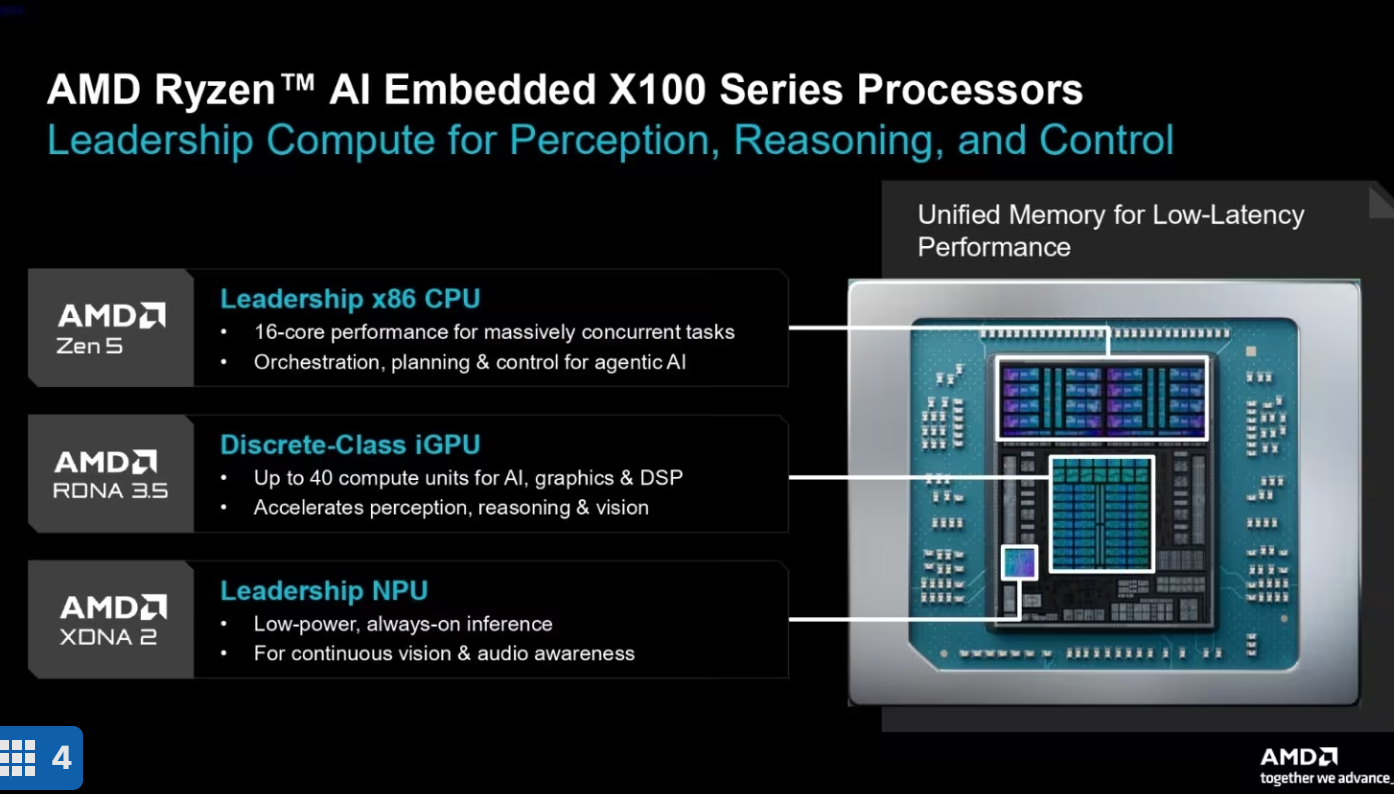
AMD Launches Advanced 16-Core Zen 5 Processor for Robotics and AI Applications
On July 23, AMD unveiled the Ryzen AI Embedded X100 series processors at the Advancing AI 2026 conference, designed specifically for physical AI and autonomous robotics. This system-on-chip integrates a 16-core Zen 5 CPU, a 40-unit RDNA 3.5 GPU, and an XDNA 2 NPU, enhancing the capabilities of robotic 'brains' for perception, reasoning, and decision-making. The X100 series significantly boosts performance metrics, achieving up to 2.1 times higher multi-threaded CPU performance compared to Intel's Core Ultra series, and 3.4 times better real-time performance than NVIDIA's Jetson Thor. The unified memory architecture allows for shared memory among CPU, GPU, and NPU, enabling over 8000 control decisions per second with latency under 100 milliseconds, bringing robotic response times closer to human instinct. The X100 series includes six SKUs, with industrial-grade reliability for continuous operation over ten years. AMD's Kria AI solutions will leverage this technology, supporting a wide range of applications from humanoid robots to industrial automation. Samples are currently being provided to customers, with mass production expected in Q4 2026.
Robotics AI Processors Embedded Systems Autonomous Robots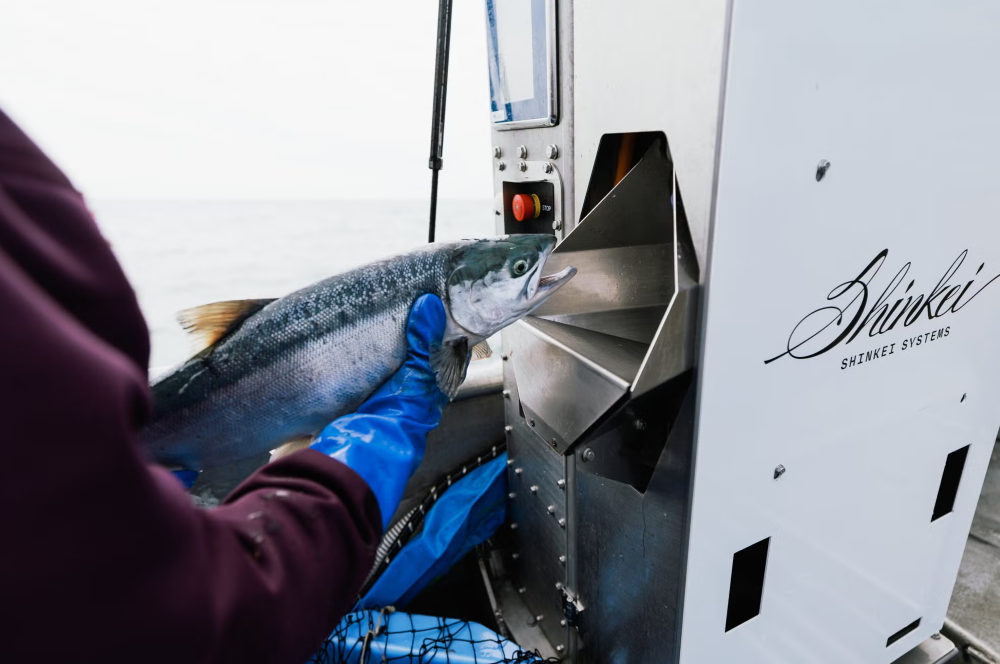
Shinkei Systems Introduces AI Robotics for Enhanced Fresh Fish Processing
Shinkei Systems, based in California, has developed a robotic solution for fish processing on fishing boats. Utilizing computer vision, the robot identifies fish species and performs precise slaughter within six seconds, adhering to the Japanese 'ike jime' technique to maintain meat quality. This innovation addresses the issue of stress hormones affecting fish taste during capture. The significance of this technology lies in its potential to improve the quality of seafood while providing fishermen with a stable supply of premium products. Shinkei offers its robots to Alaskan fishermen for free, purchasing their catch at above-market prices, and markets the fish under the 'Seremoni' brand. The company plans to introduce a new harvesting robot designed for small fishing vessels in the Cook Inlet by 2026. Currently, over 40 Michelin-starred restaurants across the U.S. are using Shinkei's technology, with retail chains like Wegmans and FreshDirect also stocking their products. Shinkei recently secured $22 million in Series A funding to expand its operations, including a new processing center in Tacoma, aiming to make high-quality seafood more accessible while preventing overfishing.
Robotic Processing AI Technology Seafood Industry Sustainable Fishing
Selecting Effective Process Optimization Tools: Methods, Techniques, and Technologies
Organizations often face challenges not due to a lack of process optimization tools, but from selecting them without first identifying improvement needs. For instance, a team may invest in workflow software when the core issue is an unclear process, or apply Lean techniques to problems stemming from uncontrolled variation. Understanding the categories of process optimization tools—improvement methodologies, analytical techniques, and software—is crucial. Effective optimization starts with defining the problem and establishing a measurable baseline before integrating the right methods and technologies. Tools like Lean and Six Sigma are frameworks rather than standalone applications, and their effectiveness relies on proper implementation. Looking ahead, organizations should focus on aligning their optimization tools with specific performance issues and data availability. The combination of methods and technologies should aim to enhance outcomes without creating unacceptable trade-offs. No universal list of optimal tools exists, as the right choices depend on the unique context of each organization.
Computing Engineering Industry Software artificial intelligence bpm
Cambridge Researchers Investigate Soil as an Intelligent System for New Technologies
Researchers at the Bio-Inspired Robotics Laboratory at Cambridge are examining the behavior of soil as an intelligent system. Their study focuses on the soil's structure, chemistry, and the biological networks of microbes and fungi. This research aims to inspire advancements in bio-inspired computing, precision agriculture, and environmental sensing. The significance of this research lies in its potential to reshape our understanding of soil and its capabilities. By recognizing soil as a complex system that can process information, the team hopes to develop innovative technologies that could enhance agricultural practices and environmental monitoring. This perspective could lead to more sustainable approaches in various sectors. Looking ahead, the ongoing research may yield new insights into the applications of soil intelligence in technology. As the team continues to explore the interactions within soil ecosystems, it will be important to watch for developments that could influence bio-inspired computing and precision agriculture. No further timeline was disclosed at the time of publication.
Robotics
MAB Automates Vertical CNC Machining Process with Robots and Machine Vision Software
MAB Möbel, a Swiss furniture manufacturer, has automated its vertical CNC machining process using robots. This advancement is facilitated by machine vision software that connects the robots with the CNC machine. The development of this approach was essential to achieve the automation of the manufacturing process. The significance of this automation lies in its potential to enhance efficiency and precision in furniture production. By integrating machine vision technology, MAB Möbel can improve the accuracy of machining operations, which is crucial for maintaining high-quality standards in the competitive furniture industry. Looking ahead, it will be important to monitor how MAB Möbel continues to leverage this technology to optimize its manufacturing processes. No further timeline was disclosed at the time of publication.
Allgemein Anwendungen & Lösungen Holzbearbeitung Robot Vision & Inspection
Ema Secures $77 Million Funding to Automate Corporate Processes with AI Technology
Ema, a startup specializing in AI-driven automation for HR, IT, and finance, has successfully raised $77 million in a Series B funding round. This investment, led by Creaegis, along with contributions from existing investors like Accel and Prosus, elevates Ema's total funding to $140 million and significantly increases its valuation since its last round in 2024. The significance of this funding lies in Ema's ambition to disrupt traditional enterprise software and IT services by deploying its innovative 'AI employees' technology. This approach allows businesses to automate multi-step processes across existing applications, potentially reducing reliance on conventional software products, including SaaS offerings. Looking ahead, Ema is positioned to expand its market presence, having already secured over 50 enterprise deals and more than 1 million active users. With a remarkable 50-fold revenue growth over the past two years and a net dollar retention rate of around 180%, the startup is set to continue its trajectory in the competitive landscape of enterprise automation.
Enterprise Startups AI Accel section 32 AI agents
Hygon Information Technology Launches Hygon 1000 Series CPUs for Robotics and Edge AI
Hygon Information Technology has introduced a new line of central processing units (CPUs) aimed at robotics and industrial edge devices. This launch marks the company's strategic move beyond its traditional focus on cloud computing, tapping into the burgeoning market for physical artificial intelligence solutions. The Hygon 1000 series processors are specifically designed for integration into industrial automation systems, including robotics and factory controllers. By enabling local computing and graphics processing, these CPUs aim to enhance the efficiency and performance of embedded devices in various applications. As the demand for edge AI continues to rise, Hygon's entry into this sector is significant. Industry stakeholders should monitor the adoption of the Hygon 1000 series and its impact on the robotics and automation landscape. No further timeline was disclosed at the time of publication.
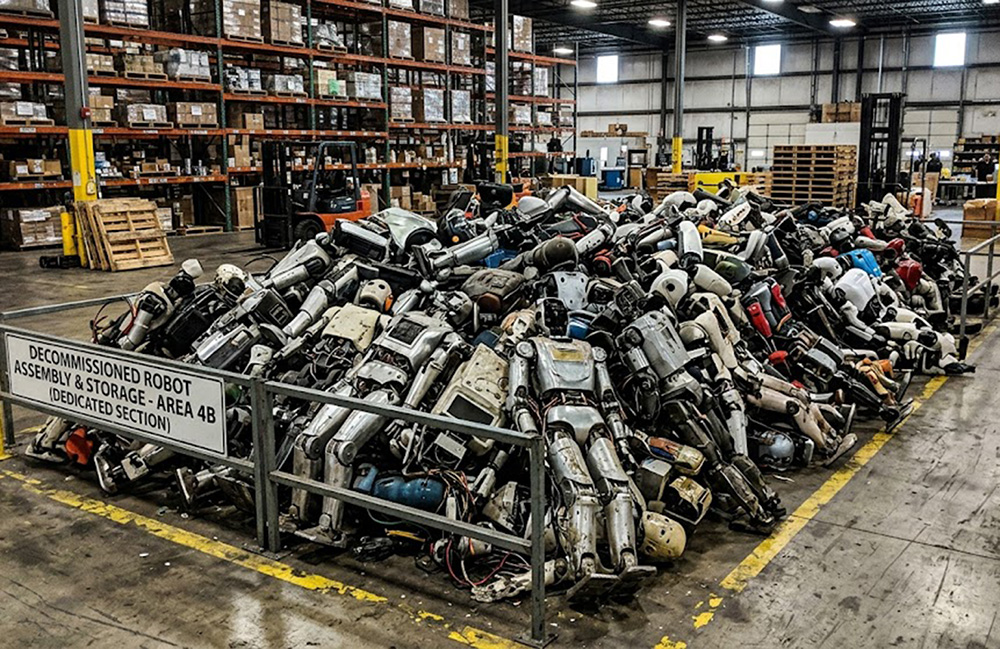
Challenges in Recycling Humanoid Robots: A Complex Decommissioning Process
The mass production of humanoid robots is accelerating, yet the question of their end-of-life management remains largely unanswered. Decommissioning these robots involves intricate procedures due to their complex architecture, which consists of 200 to 500 major sub-components across four interconnected systems. This complexity raises significant concerns regarding data security, hazardous materials, and structural integrity. Proper recycling of humanoid robots is crucial as they contain sensitive data that could lead to corporate espionage if not securely handled. Additionally, the disposal of lithium-ion batteries poses risks of thermal runaway, while hydraulic components can become dangerous projectiles if not properly discharged. The economic viability of salvaging parts like servo motors is overshadowed by the potential risks involved in their reuse. Moreover, humanoid robots contain a substantial amount of rare-earth neodymium magnets, which complicate recycling efforts. Traditional methods of bulk crushing can contaminate these valuable materials, necessitating skilled technicians for safe extraction. As the industry evolves, the need for effective recycling strategies will become increasingly important to mitigate risks and recover valuable resources.
Actuators / Motors / Servos Batteries / Power Supplies Cameras / Imaging / Vision Humanoids Microprocessors / SoC Motion Control
X-energy Advances 6-Gigawatt SMR Fleet in the UK Regulatory Review Process
X-energy, an American reactor designer, has made significant progress in exporting its advanced small modular reactor (SMR) technology to the UK. The company has entered the UK’s regulatory review process for its Xe-100 system, which is now part of the Generic Design Assessment. This step is crucial for assessing reactor designs before they can be licensed and constructed. The Xe-100 reactor is a high-temperature gas-cooled system that utilizes TRISO-X particle fuel, known for its safety and ability to withstand extreme heat. Each unit can generate 80 megawatts of electricity or provide 200 megawatts of thermal heat. X-energy aims to deploy a fleet capable of delivering up to 6 gigawatts of power across the UK, enhancing the applications of nuclear technology in various sectors. Looking ahead, the UK review process is expected to take about three years, with regulators from both the UK and the US collaborating on safety assessments. X-energy is also preparing for its first commercial installation in the US alongside Dow Inc., while expanding its fuel-manufacturing capabilities in Tennessee to support its growing operations.
Energy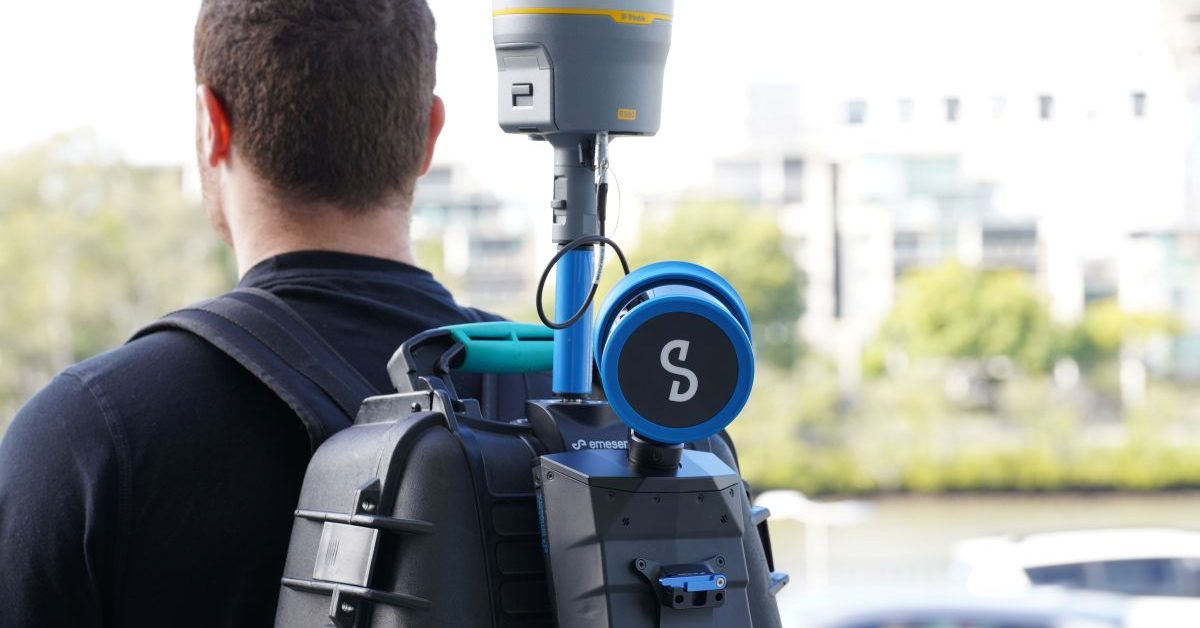
Emesent Integrates GX1 and Hovermap STX Scanners with Trimble for Streamlined Data Processing
Emesent has announced that its mobile SLAM scanners, the GX1 and Hovermap STX, can now directly send point cloud data into Trimble Connect and Trimble Business Center. This integration, revealed at Intergeo 2026 in Munich, aims to simplify the workflow from field scanning to construction deliverables. The significance of this development lies in its potential to enhance interoperability for US surveyors, engineers, and construction teams. By allowing point cloud data to transition smoothly into established project workflows, Emesent's technology can reduce the complexity typically associated with mobile LiDAR applications. Looking ahead, the integration will be showcased at Intergeo 2026 until September 17, highlighting the capabilities of the GX1 and Hovermap STX scanners. No further timeline was disclosed at the time of publication.
News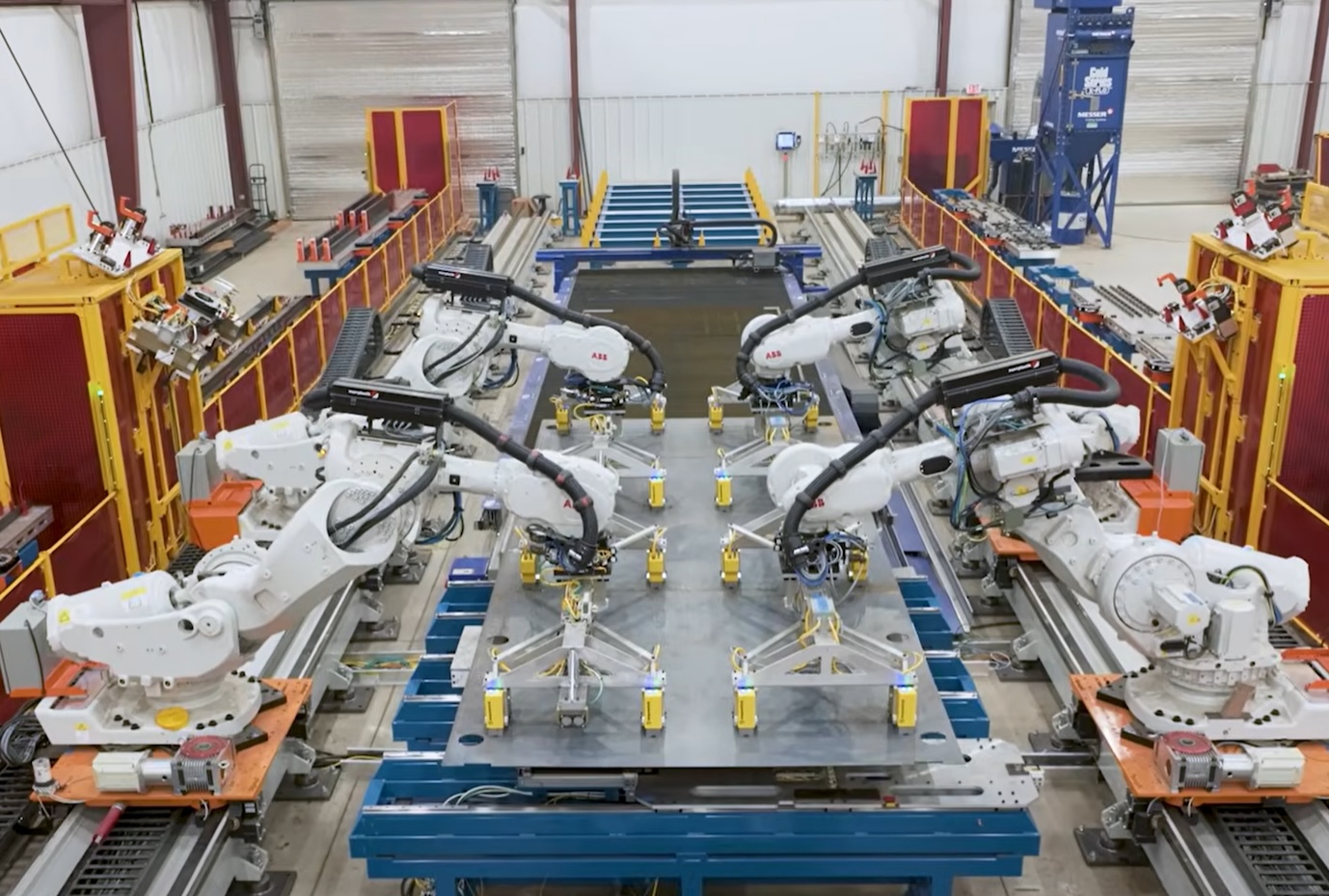
Exploring the Importance of Laser Marking in Automated Manufacturing Processes
Manufacturing is increasingly embracing automation and connectivity, necessitating efficient processes that align with automated production lines. A significant advancement in this area is the shift towards laser marking for product identification. Unlike traditional labeling or engraving, laser marking provides a permanent solution for marking components, enhancing durability and traceability. The transition to laser marking is crucial as it meets the demands of modern manufacturing, where speed and precision are paramount. This technology not only improves the efficiency of production lines but also ensures that products are easily identifiable throughout their lifecycle. As manufacturers seek to optimize their operations, laser marking stands out as a reliable method for maintaining quality and compliance. Looking ahead, the adoption of laser marking technology is expected to grow as more manufacturers recognize its benefits. Companies will likely continue to invest in this technology to enhance their production capabilities. No further timeline was disclosed at the time of publication.
Design Engineering Manufacturing automated manufacturing digital manufacturing factory automation
Schmalz Showcases Automated Gripping Systems for Sheet Metal Processing
Schmalz presented its portfolio of automated gripping systems for sheet metal processing at EuroBlech in Hannover. This event highlights the company's commitment to advancing automation in the metalworking sector. The introduction of these gripping systems is significant as they enhance efficiency and precision in sheet metal handling, crucial for manufacturers aiming to optimize production processes. Schmalz's innovations are expected to meet the growing demand for automation solutions in the industry. Looking ahead, industry professionals should monitor the adoption of these technologies and their impact on manufacturing workflows. No further timeline was disclosed at the time of publication.
Allgemein Greifer & Werkzeuge Metallbearbeitung & Schweißen Robotik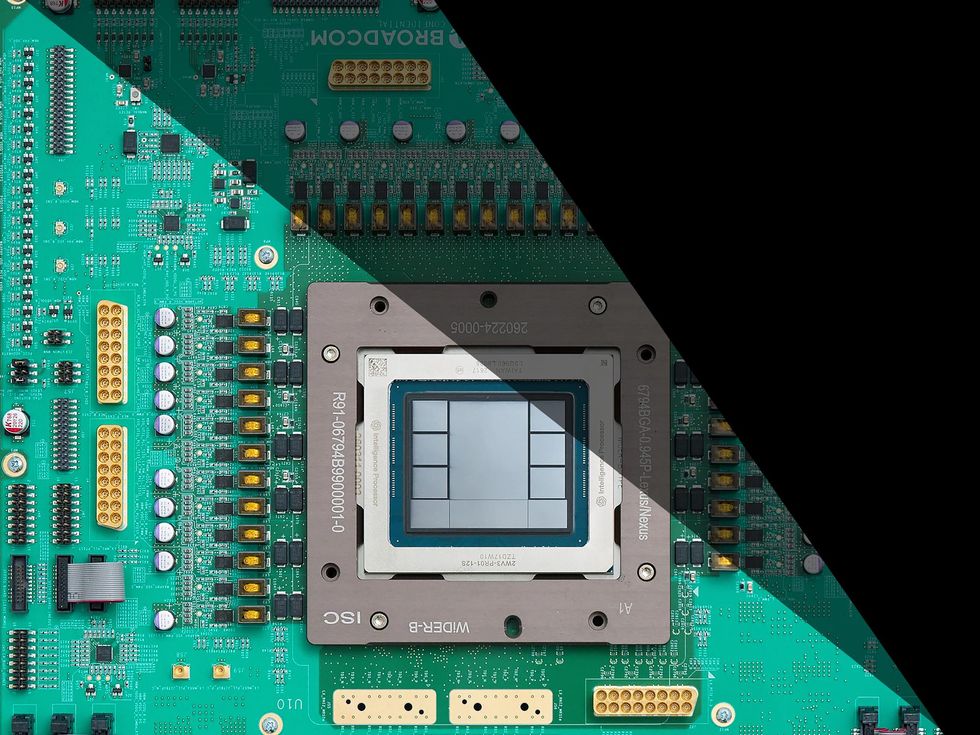
OpenAI Launches Jalapeño Chip, Leveraging LLMs for Accelerated Design Process
On August 25, OpenAI introduced Jalapeño, its first AI accelerator chip, achieving up to 13.4 petaflops of 4-bit compute and accessing 232 gigabytes of advanced memory at 15.4 terabytes per second. Jalapeño reportedly reduces end-to-end latency by up to 3.6 times compared to Nvidia's GB300 while consuming less power. The significance of Jalapeño lies not only in its performance metrics but also in the innovative design process, which was expedited using OpenAI's large language models (LLMs). The chip's development timeline spanned under 20 months, with only nine months from the first RTL code to tapeout, showcasing the potential of LLMs in chip design. Looking ahead, OpenAI's collaboration with Broadcom and the integration of LLMs into chip design tools could lead to even faster development timelines. As LLM capabilities improve, the industry may witness a transformation in how chips are designed and manufactured, with OpenAI at the forefront of this evolution.
Openai Llms Chip-design
Intact Regenerative Launches First Legume Processing Plant in Baule with €75 Million Investment
Intact Regenerative, a startup focused on sustainable practices, inaugurated its first plant for processing legumes into flour and alcohol on May 29 in Baule, Loiret. This facility represents a significant investment of €75 million and marks a milestone in the company's journey since its inception four years ago. The establishment of this plant is crucial as it aligns with the growing demand for sustainable food sources and innovative processing methods. By focusing on legumes, Intact Regenerative aims to contribute to a lower carbon footprint in food production, which is increasingly important in today's environmentally conscious market. Looking ahead, stakeholders will be keen to observe how this facility impacts the local economy and the broader food industry. No further timeline was disclosed at the time of publication.
Produits alimentaires
Addressing Workflow Gaps in Automation Projects for Improved Efficiency
In manufacturing plants, workflows often diverge between documented procedures and actual practices on the floor. This discrepancy leads to automation projects stalling, as the systems implemented follow the documented version, while undocumented exceptions continue to operate as usual. For instance, a scheduling or pricing call may rely on a single trusted individual, with no formal documentation outlining the approval process. The significance of addressing these gaps cannot be overstated. When automation is applied without considering these exceptions, they simply shift to informal channels like email or spreadsheets, creating new bypasses that undermine the intended efficiency. To mitigate this issue, it is crucial to identify and document these exceptions before scoping automation projects. To effectively capture these gaps, conducting a tabletop walkthrough can be beneficial. By having an employee unfamiliar with the workflow explain the process step by step, it becomes easier to identify points of confusion or undocumented approvals. These insights should be incorporated into the requirements document to ensure that automation is aligned with the actual workflow, thereby enhancing operational efficiency.
Process / Digital Transformation
AI Tools Transform Code Review Processes for Engineers Amidst Growing AI-Generated Code
AI coding tools are rapidly generating extensive code, prompting companies to rethink their review processes. While AI can enhance productivity, it also introduces risks such as security vulnerabilities and errors that may not surface until after deployment. A survey by Sonar revealed that 42% of code added to shared codebases comes from AI, yet 96% of developers remain skeptical about its reliability. Investors are recognizing the potential in addressing these challenges, as evidenced by CodeRabbit's recent $143 million funding round. The startup claims to conduct over 2 million code reviews weekly for major clients like Nvidia and BMW Group. This shift in code review dynamics raises questions about the future of software engineering, particularly for entry-level engineers who may have less hands-on coding experience. As AI-generated code volume increases, companies like Synthesia and Amazon are employing specialized AI agents to streamline the review process. These agents help identify issues before human review, but the reliance on AI also raises concerns about the quality and trustworthiness of the generated code. No further timeline was disclosed at the time of publication.
Coding Artificial-intelligence Vibe-coding Software-engineers
MVTec MERLIC Enhances Quality Assurance in Assembly Processes
MVTec's integrated machine vision software, MERLIC, has been introduced to improve quality assurance during assembly processes. The software provides production workers with all necessary information for component assembly, ensuring that each step is verified and documented for quality control. This development is significant as it streamlines the assembly process, reducing errors and enhancing overall product quality. By verifying each assembly step and documenting the process, MVTec MERLIC helps manufacturers maintain high standards and improve operational efficiency. Looking ahead, the impact of MVTec MERLIC on assembly line productivity and quality assurance will be crucial to monitor. No further timeline was disclosed at the time of publication.

Rice University Develops Technique to Stabilize Diamond During Thermal Processing for Aerospace Applications
Researchers at Rice University have developed a new manufacturing technique that stabilizes diamond during thermal processing at low pressures, resulting in a durable composite material. This advancement, detailed in Materials Today, demonstrates how combining powder materials can overcome previous manufacturing challenges, particularly in creating tougher materials for aerospace and defense applications. The significance of this research lies in its ability to transform diamond into graphite in millionths of a second under hypersonic projectile strikes, a rapid phase change that absorbs kinetic energy. Abhijit Biswas, the study's first author, noted that the resulting composite is nearly nonmachinable and tough, making it suitable for extreme conditions faced in various technologies. Looking ahead, the team utilized spark plasma sintering to create a composite where diamond grains are embedded within a cubic boron nitride structure, offering a practical method for large-scale production of diamond-based parts. Future studies may focus on further evaluating the mechanical limits of this composite and its potential applications in high-performance environments. No further timeline was disclosed at the time of publication.
Innovation
Lattice Semiconductor's Karl Wachswender Discusses Edge AI and FPGA Innovations
Lattice Semiconductor, founded in 1983 and based in Oregon, is advancing technology for the robotics stack, focusing on low-power field programmable gate arrays (FPGAs). These FPGAs are crucial for applications in industrial robots and autonomous mobile robots, enabling real-time control and power efficiency while supporting complex workloads like sensor fusion and motor control. The significance of Lattice's work lies in its contribution to the evolving landscape of robotics, where edge processing is becoming essential. As robots increasingly rely on onboard processing rather than cloud solutions, the flexibility of FPGAs allows for adaptability post-deployment, ensuring machines remain relevant as requirements change. Looking ahead, the discussion highlights the growing semiconductor opportunities in sectors such as humanoid robotics, industrial automation, and healthcare. As intelligent machines become more prevalent, the need for robust security measures, starting at the hardware level, is emphasized, with FPGAs potentially serving as a hardware root of trust.
Computing Features Manufacturing Technology autonomous mobile robots cybersecurity
Molex Invests in CAEPlus to Enhance Active Liquid Cooling for Data Centers
Molex, a global leader in electronics, is investing in CAEPlus to develop BoundaryCool, an active liquid cooling platform aimed at managing heat from advanced AI and high-performance computing systems. This investment is crucial as data centers face challenges from rising processor temperatures, necessitating innovative cooling solutions. The BoundaryCool system actively removes heat from GPUs, CPUs, and TPUs, offering a significant improvement over traditional passive cooling methods. By integrating with existing data center infrastructure, it allows for upgrades without the need for complete facility overhauls. This aligns with Molex's strategy to enhance thermal management in response to the growing demand for efficient cooling in high-density computing environments. Looking ahead, the collaboration between Molex and CAEPlus is set to advance the commercialization of BoundaryCool, with Molex providing engineering expertise to support the development. As the need for effective thermal management intensifies, this partnership is poised to play a vital role in meeting the cooling demands of next-generation computing technologies. No further timeline was disclosed at the time of publication.
AI and Robotics
AI and Self-Driving Labs to Transform Semiconductor Materials Discovery Process
The semiconductor industry is facing significant challenges as it approaches physical limits in material performance, particularly as linewidths shrink below 2 nanometers. Traditional methods of discovering new semiconductor materials are outdated, often taking 10 to 20 years to bring a new material from the lab to market. This slow pace is due to the linear approach of hypothesis formation, synthesis, and characterization, which does not keep up with the complex requirements of modern materials. The need for new materials is critical for advancing device and chip architectures, especially as conventional materials like copper are becoming inadequate. Innovations such as hafnium oxide (HfO2) have previously enabled breakthroughs, but the current methods for material discovery have not evolved. Robotics and automation present a solution to these bottlenecks, offering the potential to accelerate the discovery process significantly. As the industry continues to evolve, companies that embrace automation in materials discovery will likely gain a competitive edge. The reluctance of some firms to adopt these technologies could result in them falling behind as first movers capitalize on the efficiencies and innovations that AI and self-driving labs can provide. No further timeline was disclosed at the time of publication.
Autonomous Vehicles Computing Materials advanced materials ai artificial intelligence
AMD Launches X100 Series Processors for Humanoid Robot Brain Development
In late July, AMD unveiled its X100 series processors at the Advancing AI conference in Santa Clara, marking a significant entry into the humanoid robot brain market. This initiative aims to leverage AMD's expertise in real-time control and sensor integration, competing against NVIDIA's established Jetson ecosystem. The introduction of the X100 series, which includes the Kria AI SOM module and Spartan UltraScale+ FPGA, is crucial as it addresses the industry's need for integrated solutions that combine processing power with low latency. AMD's strategy focuses on providing a unified memory architecture and industrial-grade reliability, which are essential for applications in robotics and automation. Looking ahead, AMD's X100 series is expected to face stiff competition from NVIDIA, which currently dominates the humanoid robot brain market. However, AMD's unique offering of integrated solutions may attract industrial clients seeking reliable and long-term partnerships. No further timeline was disclosed at the time of publication.
Humanoid Robots AI Processors Industrial Automation FPGA Technology
Exploring the Importance of Building Agility in Manufacturing Processes
In a recent Automation World podcast, Sarah Groden from Rittal discussed the pressing challenges faced by modern manufacturers, including shifting customer demands, supply chain disruptions, labor shortages, and the need for faster production timelines. Groden emphasized that maintaining competitiveness requires more than just quick reactions; it necessitates embedding agility into engineering and manufacturing processes from the outset. The conversation highlighted the importance of integrating digital engineering, standardized infrastructure, and cohesive workflows to foster agility at every stage of production. By adopting these strategies, manufacturers can better adapt to the evolving market landscape and enhance their operational efficiency. Listeners should pay attention to how manufacturers implement these agile practices moving forward. As the industry continues to face various challenges, the ability to pivot and respond effectively will be crucial for long-term success. No further timeline was disclosed at the time of publication.
Sponsored
Huawei Introduces 798-Gram MateBook Pro S Featuring Kirin XE90 Processor
Huawei has unveiled the MateBook Pro S, a lightweight laptop weighing 798 grams and powered by the Kirin XE90 PC processor, with a starting price of RMB7,999. This device features a 14.2-inch flexible OLED display, offering a 3.1K resolution and a 120Hz refresh rate, catering to users seeking high-quality visuals. The launch of the MateBook Pro S is significant as it showcases Huawei's commitment to innovation in the laptop market, particularly with its proprietary Kirin XE90 processor. The device also runs on HarmonyOS, enhancing its integration with Huawei's ecosystem, which includes cross-device capabilities and AI assistant features. Looking ahead, the higher-end versions of the MateBook Pro S, priced at RMB10,299 and RMB14,999, will likely attract consumers interested in advanced privacy and collector features. No further timeline was disclosed at the time of publication.
News Feed
Lantronix and Swarmer Develop New Edge-Computing Platform for Military Drones
U.S. defense technology firms Lantronix and Swarmer are collaborating to create a compact computing platform that enhances small military drones' onboard processing power by four times. This new system integrates Lantronix’s Open-Q 6490CS System-on-Module with Swarmer’s autonomy software, aiming to improve autonomous operations for Group 1 unmanned aircraft systems. The significance of this development lies in its potential to enable small, cost-effective drones to perform complex tasks such as visual navigation, automated target recognition, and object tracking without relying on cloud computing. This capability is particularly crucial for military operations in environments with disrupted GPS signals and electronic warfare, as highlighted by the ongoing needs of Ukraine and allied forces. Looking ahead, the collaboration aims for a production commitment exceeding 10 years, ensuring the platform's adaptability for future defense programs. No further timeline was disclosed at the time of publication.
Military
Sapphire Technology Introduces EDGE+ Apex Robotics Platform Powered by AMD Ryzen AI Processors
Sapphire Technology has launched the EDGE+ Apex System-on-Module (SOM) and Carrier Robotics Platform, which is powered by AMD Ryzen AI Embedded X100 Series processors. This production-ready hardware platform is designed to enhance the development and deployment of physical AI in autonomous robotics, showcased at AMD Advancing AI 2026 in San Francisco. The EDGE+ Apex platform is engineered for rugged, always-on robotics applications, featuring a COM-HPC module with up to 128GB of LPDDR5x memory. It combines CPU, GPU, and NPU acceleration to support real-time perception and autonomous decision-making, making it suitable for demanding edge AI deployments. Sumit Shah from AMD emphasized that this platform unifies AI and industrial reliability, enabling the next generation of autonomous systems. Developers can leverage an open software ecosystem with familiar AI frameworks while utilizing AMD ROCm and Ryzen AI software. Paul Smith from Sapphire noted that the EDGE+ Apex aims to provide a complete foundation for robotics builders, facilitating a faster transition from prototype to production in challenging environments. No further timeline was disclosed at the time of publication.
Computing Robotics ai at the edge amd amd ryzen ai embedded x100 amd ultrascale+
ZhiYuan Robotics Initiates IPO Process with Valuation Target of HKD 40 Billion
ZhiYuan Robotics has confirmed the initiation of its IPO process in Hong Kong, aiming for a valuation between HKD 40 billion and HKD 50 billion. This marks a significant shift from its previous denial of having clear plans for a Hong Kong listing just a year ago. The company is poised to enter a phase where its financials will be scrutinized by the market. The importance of this IPO lies in ZhiYuan's rapid growth trajectory, with projected revenues soaring from HKD 300,000 in 2023 to over HKD 10.5 billion by 2025. Despite this growth, the company acknowledges ongoing losses, with a significant portion of its R&D budget directed towards advanced technologies. Investors will be looking closely at the feasibility of ZhiYuan's large-scale deployment strategy as it prepares for its market debut. Looking ahead, ZhiYuan's performance post-IPO will have implications for the entire industry, potentially reshaping valuation standards. Key factors such as the presence of long-term sovereign funds in the cornerstone subscription list and the company's market performance on its first trading day will be critical in determining the future of other companies in the sector. No further timeline was disclosed at the time of publication.
Humanoid Robots IPO Robotics Industry AI Market Valuation
Yokogawa's OpreX Open Automation SI Kit Achieves OPC UA Certification for Interoperability
Yokogawa Electric Corporation has announced that its OpreX Open Automation SI Kit has received certification for compliance with the OPC Unified Architecture profile of the Open Process Automation Standard. This marks a significant milestone as it is the first certification of its kind in the process industry. The certification, granted by the OPC Foundation, validates that release 1.02.10 of the OpreX Open Automation SI Kit meets the OPC UA client/server communication profile defined in the O-PAS standard. This achievement ensures that systems utilizing the Open Automation SI Kit can facilitate standard communication and data exchange, promoting interoperability between components from Yokogawa and other vendors. Looking ahead, Yokogawa's involvement in the Open Process Automation Forum (OPAF) positions it well for future developments in open process automation. The company has engaged in various demonstration projects with major oil companies, highlighting its commitment to advancing flexible and scalable process control architectures. No further timeline was disclosed at the time of publication.
Factory / Communication
BAUHAUS Collaborates with XYZ Robotics to Streamline Goods Receiving Automation
XYZ Robotics has launched an automation solution for goods receiving at BAUHAUS's central warehouse in Krefeld. This system utilizes the RockyOne and RockyOne SE robots to automate the entire workflow from container unloading to palletizing, enhancing operational efficiency. This partnership is significant as it allows BAUHAUS to improve operational consistency and optimize workforce allocation. By automating the goods receiving process, the team can redirect their efforts towards more meaningful tasks, thereby increasing overall productivity. Looking ahead, the implementation of this automation solution may set a precedent for other companies in the retail and logistics sectors. No further timeline was disclosed at the time of publication.

China Meteorological Administration Conducts First Full 3D Typhoon Observation Using Drone Swarm
The China Meteorological Administration has successfully utilized a bee colony drone swarm to conduct the first full-process three-dimensional observation of a typhoon. This coordinated array of unmanned aerial vehicles (UAVs) was deployed to gather critical data on temperature, humidity, wind, and turbulence during the typhoon's landfall. This achievement is significant as it enhances the understanding of typhoon dynamics and improves forecasting accuracy. By capturing data from multiple altitudes simultaneously, the drone swarm provides a comprehensive view of the typhoon's behavior, which is essential for disaster preparedness and response efforts. Looking ahead, the implications of this technology could lead to advancements in meteorological research and operational forecasting. No further timeline was disclosed at the time of publication.
Technology
Renault Group Automates Spare Parts Operations with Exotec's Skypod Robots
Renault Group has partnered with Exotec to enhance its spare parts operations across warehouses in France. The integration of Exotec's Skypod robots has reduced order processing time from two hours to just 15 minutes, significantly improving efficiency and customer satisfaction. This transformation is crucial as Renault previously faced challenges in managing the delivery and distribution of replacement vehicle parts in Europe. The new system consolidates over 80% of French business into a single warehouse, allowing for next-day delivery of parts ordered by 5:30 PM, which has resulted in a customer service satisfaction rate exceeding 99.7%. Looking ahead, Renault Group aims to further expand its partnership with Exotec, with plans to deploy 89 Skypod robots in Germany. This marks a significant step as it will be Renault's first automated warehouse in the country, indicating a broader strategy to enhance operational efficiency and meet growing demand in the automotive sector.
Automation Systems and Shuttles eFulfilment Materials Handling Robotic Picking Exotec Renault
Xpanner Launches X1 Panel Lift to Automate Solar Panel Installation Processes
Xpanner Global has introduced the X1 Panel Lift system, aimed at alleviating the skilled labor shortage in the solar industry. This innovative platform, previously used for solar pile-driving, now facilitates automated lifting and replacement of solar panels using excavators. By automating repetitive material handling tasks, the X1 Panel Lift allows installation crews to focus on more critical activities such as aligning and fastening panels. The significance of the X1 Panel Lift lies in its potential to transform solar installation workflows, which have traditionally relied on large teams and complex setups. Henri Lee, co-founder and CEO of Xpanner, emphasized that this solution simplifies operations, enabling any operator to manage the system from day one. The introduction of this technology could lead to increased efficiency and reduced labor costs in utility-scale solar projects. Looking ahead, Xpanner plans to enhance the X1 Panel Lift's capabilities through software updates, allowing for the automation of additional workflows without necessitating new equipment purchases. No further timeline was disclosed at the time of publication.
Arms / Manipulators Artificial Intelligence Construction Energy / Solar / Renewables News Safety & Security
DJI Simplifies BVLOS Drone Approval Process for European Operators
DJI has completed a SAIL III declaration of compliance package for its DJI Dock 3 and Matrice 4D drone series, facilitating regulatory approvals for drone operators in Europe. This package provides manufacturer-backed technical evidence that can be included in Specific Operations Risk Assessment (SORA) applications, potentially easing the approval process for advanced drone operations. The significance of this development lies in its potential to streamline the regulatory landscape for commercial drone operators in Europe. SAIL III, categorized as medium-risk under EASA’s SORA framework, encompasses various commercial drone missions that extend beyond standard operations, such as automated BVLOS inspections and perimeter security. By offering a compliance package, DJI alleviates the burden on operators to generate extensive technical documentation for each safety objective. Looking ahead, operators can leverage DJI's completed engineering work to enhance their SORA applications, focusing on operational aspects rather than technical arguments about aircraft design. This initiative marks a pivotal step in making BVLOS operations more accessible, although it does not guarantee approval from aviation authorities. No further timeline was disclosed at the time of publication.
News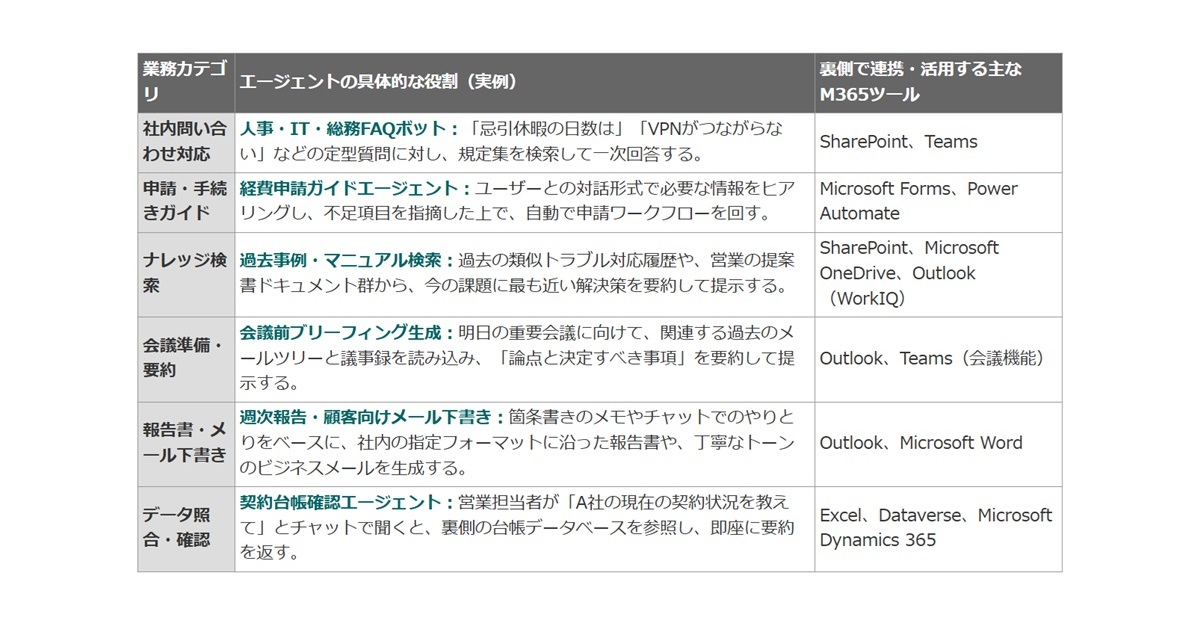
Key Strategies for Successful Implementation of Microsoft Copilot Studio in Business Processes
The successful implementation of Microsoft Copilot Studio hinges on the careful selection of business processes. Identifying suitable tasks for AI application is crucial, as it can determine 90% of the project's success. This article outlines the characteristics of tasks that are unsuitable for AI and emphasizes the importance of strategic decision-making in the initial stages. Understanding the right processes to automate can prevent common pitfalls, such as selecting tasks with unclear KPIs or those that require high levels of human judgment. The article provides a framework for selecting appropriate tasks and highlights the need for clear initial design to ensure that AI agents are effectively integrated into business operations. Looking ahead, organizations should focus on refining their approach to task selection and initial design to enhance the effectiveness of AI agents. No further timeline was disclosed at the time of publication.

SpaceX's Starmind Project: Supplier Strategy and Chip Manufacturing Plans for 2026
SpaceX's Starmind project, aimed at deploying up to 1 million AI satellites, was filed with the FCC on January 30, 2026. The initiative is designed to minimize reliance on external suppliers, with CEO Elon Musk stating that current chip production capabilities only meet 2% of the projected needs. The first satellite, AI1, is set for prototype launches in early 2027, featuring a 70-meter wingspan and a modular payload system that allows for interchangeable chips from various suppliers. The significance of Starmind lies in its ambitious supply chain strategy, which seeks to transition from external hardware suppliers to a fully integrated Musk-owned facility by 2028. The Gigasat manufacturing site in Bastrop, Texas, is expected to be operational by the end of 2027, with plans for high-volume production of the D3 chip, specifically designed for space applications. This approach aims to consolidate chip manufacturing processes under the Terafab joint venture, which has an estimated initial investment of $55 billion. Looking ahead, the next milestone for Starmind is the launch of AI1 prototypes in early 2027, while the full-scale chip production at Terafab is projected to ramp up significantly thereafter. However, analysts express skepticism regarding the feasibility of achieving Musk's ambitious compute goals, which may require substantial investment and time to establish the necessary manufacturing capabilities.
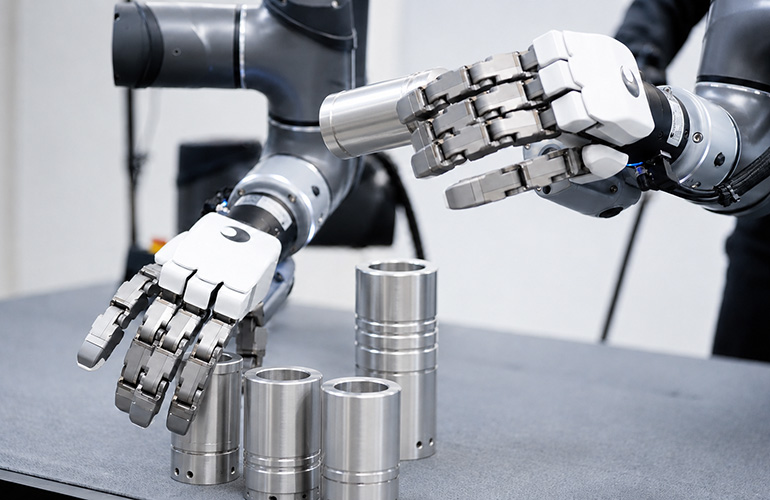
Tesollo initiates IPO process while developing humanoid hands
Tesollo, a South Korean robotic hand specialist, has officially begun preparations for its initial public offering. The post Tesollo initiates IPO process while developing humanoid hands appeared first on The Robot Report.
Actuators / Motors / Servos End Effectors / Grippers Grippers Human Robot Interaction / Haptics Humanoids Investments
VeriSilicon Introduces CPP2000 Camera Post-Processing IP for Embodied Robotics and Mobile Vision Applications
Researchers have made significant advancements in improving image quality and visual perception for moving-camera systems. This development, which emerged from ongoing studies in the field of computer vision, aims to enhance the performance of various applications, including autonomous vehicles and drone technology. The breakthrough was announced in October 2023, following extensive testing and refinement of algorithms designed to process and interpret visual data more effectively. The motivation behind this innovation stems from the increasing reliance on moving-camera systems in everyday technology and the need for clearer, more accurate imagery in dynamic environments. By employing advanced machine learning techniques, the researchers have created a system that can better handle motion blur and varying lighting conditions, ultimately leading to more reliable visual outputs. The process involved rigorous experimentation with different data sets, allowing the team to fine-tune their algorithms for optimal performance. As a result, this enhancement is expected to significantly improve the safety and efficiency of systems that rely on real-time visual data, paving the way for broader applications in industries such as transportation, surveillance, and entertainment. This breakthrough not only represents a step forward in technology but also highlights the ongoing commitment to innovation in the realm of visual perception and image processing.

Why Automating the Diagnostics Lab Won’t Rescue a Weak Validation Process
Lab automation is increasingly being recognized for its significant business advantages, particularly in the context of rising test volumes that have put pressure on laboratory staff. The integration of robotic sample handling, automated liquid handlers, and comprehensive specimen tracking systems has proven to enhance throughput, reduce manual errors, and alleviate the strain on a workforce facing growing demands. As of October 2023, the technology has matured, and its benefits have become evident, leading to a rapid acceleration in adoption across various laboratories. This transition marks a pivotal move beyond experimental applications, positioning lab automation as a crucial component in modern laboratory operations.
Business Health Science AI in diagnostics analytical validation assay development
Robotic Process Automation in 2026: A Buyer’s Guide for Procurement Teams
Over the past decade, the landscape of Robotic Process Automation (RPA) has evolved significantly. Initially characterized by basic screen-scraping bots that mimicked human interactions with legacy desktop applications, the technology has now advanced to include both attended and unattended bots. These modern bots are capable of managing user interface tasks within various enterprise systems such as ERP and CRM platforms, as well as billing tools that organizations are reluctant to phase out. As of October 2023, RPA has shifted towards an API-first approach, enabling more sophisticated orchestration that directly integrates with cloud services at various integration points. This transformation reflects the growing demand for automation solutions that enhance efficiency and streamline operations across industries. The shift not only highlights the technological advancements in RPA but also underscores the necessity for businesses to adapt to changing digital landscapes in order to remain competitive.
Automation Business Digital Automation ai agents automation anywhere automation news
How to File a DBA Online: Requirements, Costs, and Registration Process
In a competitive business landscape, establishing a strong brand presence is crucial for success. Many entrepreneurs are utilizing a "Doing Business As" (DBA) name to differentiate their brand from their legal business name. This strategy allows them to create a distinct identity without the need to form a new legal entity. The process of filing for a DBA can often be completed online, making it accessible for business owners seeking to enhance their market visibility and attract customers. By adopting a DBA, businesses can better align their branding with their target audience, ultimately fostering growth and recognition in their respective industries.
Business Economy automation news business branding business compliance business formationRobotics needs a service framework.
RSF defines a common language for robot service capability, lifecycle operations, certification pathways, and service-provider networks.
Join the RobotToday community on LinkedIn
Daily robotics news, in-depth analysis, conference highlights, and discussions with professionals worldwide.







