Industry Briefing
A single destination for timely, editor-curated robotics news from around the world.
NVIDIA and Hugging Face Enhance LeRobot with New AI Models and Frameworks
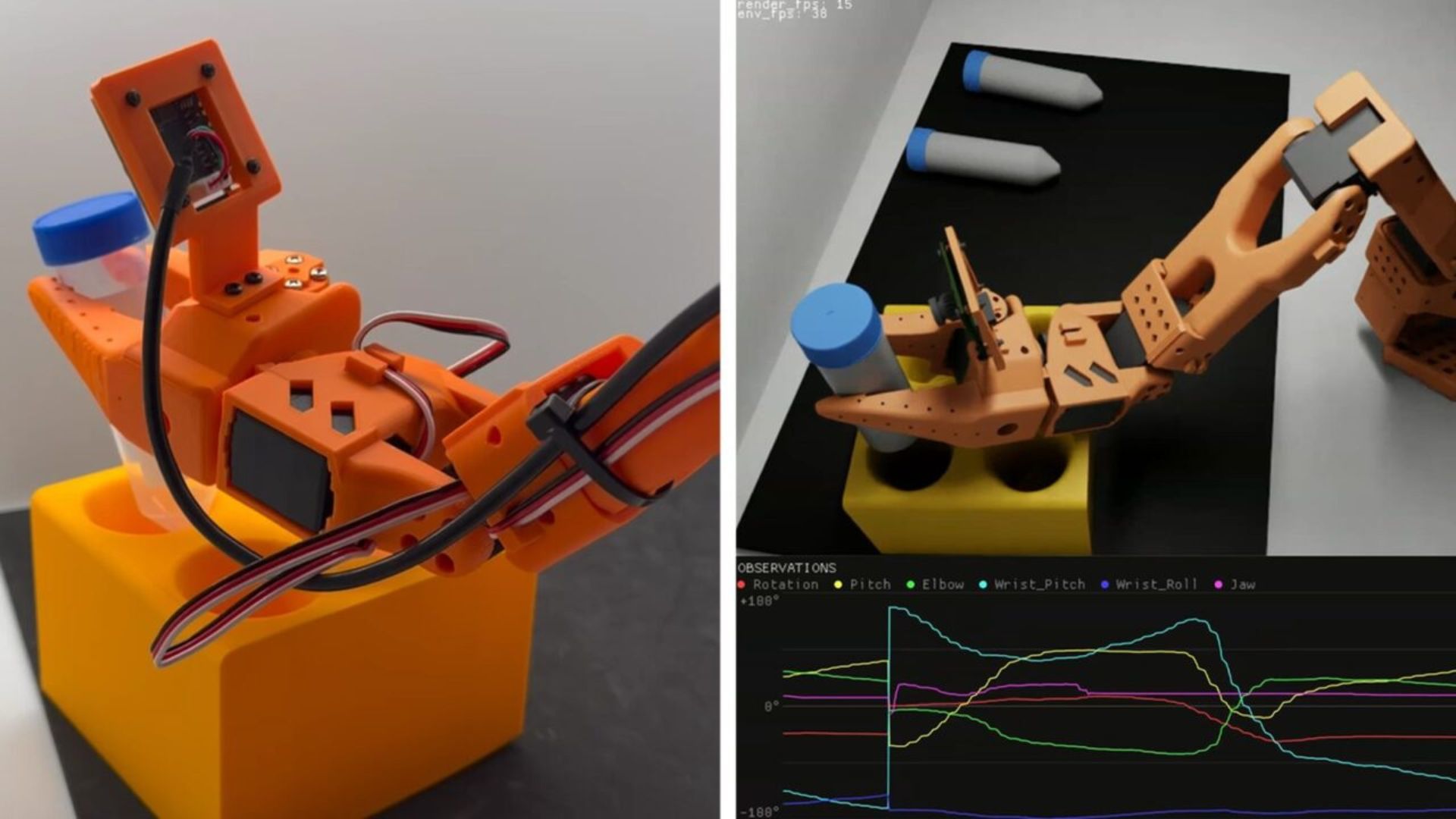
NVIDIA has expanded its collaboration with Hugging Face to enhance the LeRobot open-source robotics platform with new AI models and frameworks. This integration includes the NVIDIA Isaac GR00T 1.7 vision-language-action model and the Isaac Teleop framework, aimed at streamlining robot development. The partnership seeks to make advanced robotics tools more accessible to developers and researchers, with plans to incorporate NVIDIA Cosmos 3 in the future. This collaboration is significant as it addresses the fragmented nature of robotics development by providing standardized workflows for data collection, model training, and robot deployment. The introduction of the Isaac Teleop framework allows for high-quality training data collection through human demonstrations, which can be shared within the LeRobot ecosystem. By lowering barriers to entry, NVIDIA and Hugging Face aim to foster broader collaboration in the robotics community. Looking ahead, NVIDIA plans to integrate the Cosmos 3 model into LeRobot, which will generate synthetic robotics data and assist in policy development. The collaboration builds on existing resources, including a dataset with over 350,000 robot trajectories and 57 million grasp examples. No further timeline was disclosed at the time of publication.
AI and Robotics
Policy Support and Mass Production Drive Humanoid Robot ETF as the Sector Enters a Critical Phase
China's humanoid robotics sector is transitioning from policy development to mass production, marking a significant shift in the industry. In response to this evolution, the Guozheng Robot Industry Index ETF has been introduced, providing investors with targeted exposure to the core supply chain of this burgeoning market. This move comes as the demand for advanced robotics continues to grow, driven by technological advancements and increasing applications across various sectors. The ETF aims to capitalize on the momentum of the industry, allowing stakeholders to invest in the future of robotics as China positions itself as a leader in this field.
Industry Robotics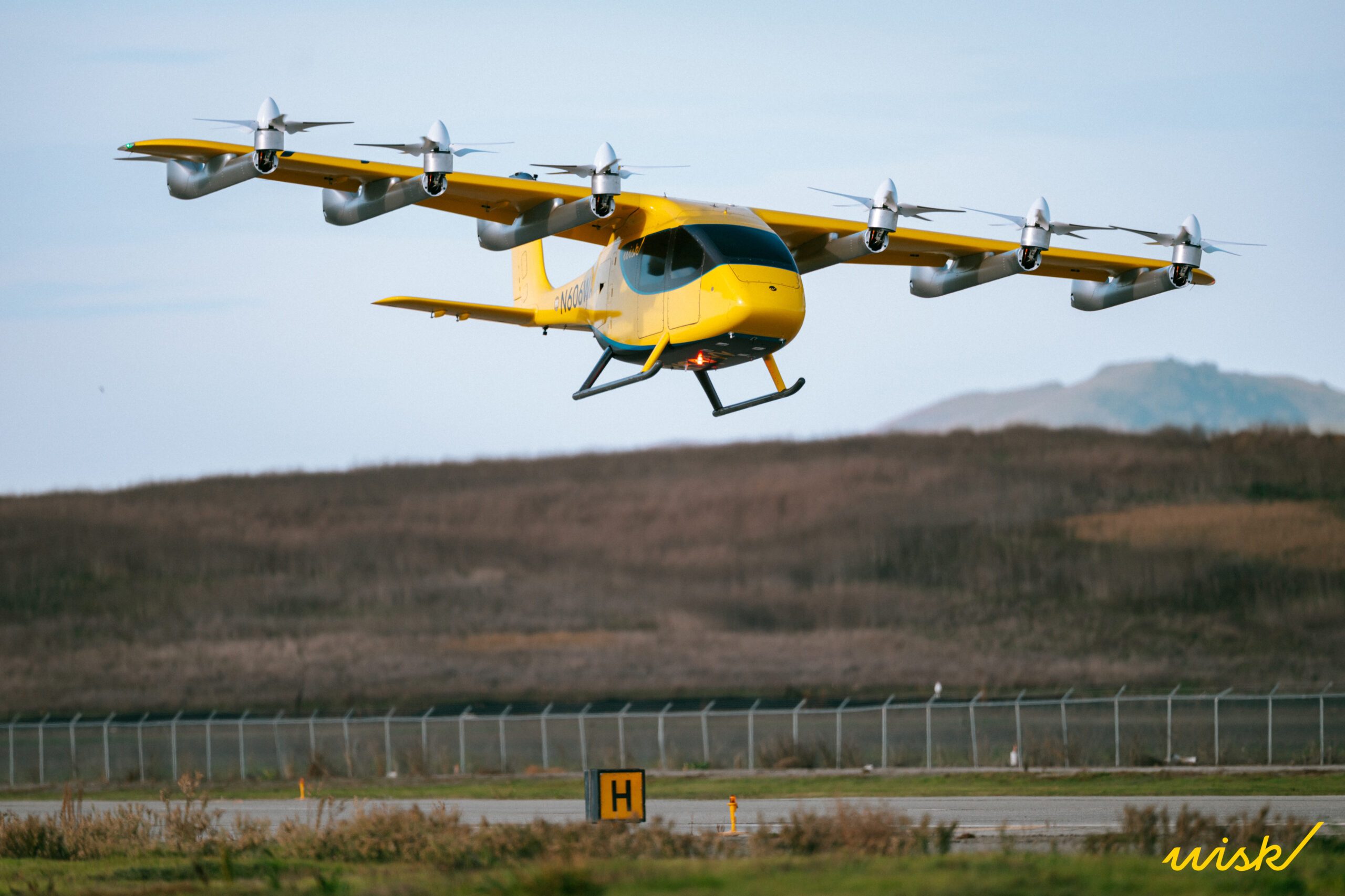
FAA Moves from Planning to Building for Advanced Air Mobility
The Federal Aviation Administration (FAA) has commenced construction on a new research facility aimed at advancing the integration of advanced air mobility (AAM) into the National Airspace System (NAS). This initiative, which began this week, marks a significant transition from policy development to operational readiness for next-generation vertical flight aircraft. The facility will focus on studying the safe operation of these aircraft alongside existing air traffic, reflecting the FAA's commitment to enhancing air transportation capabilities. This move is part of a broader strategy to ensure that emerging aviation technologies can be effectively and safely incorporated into the national airspace.
Air Taxi Applications Drone News Drone News Feeds eVTOL FAA
Overview of China's Brain-Computer Interface Policies: A Clear Roadmap
China is making significant strides in the development and commercialization of brain-computer interface (BCI) technology, as outlined in a recent analysis of the country's evolving policies. The article details the strategic phases of BCI policy, which encompass foundational research, ethical guidelines, and various industry applications. This comprehensive approach reflects China's ambition to lead in this cutting-edge field. By establishing a robust framework for BCI development, the nation aims to harness the potential of this technology for both scientific advancement and practical use. As the global landscape of BCI continues to evolve, China's proactive stance positions it as a key player in shaping the future of this innovative sector.
Brain-Computer Interfaces Neuroscience Medical Technology AI Policy Development
DJI implements mandatory 9 pm off-duty policy to tackle excessive overtime culture
DJI's new policy mandating employees to leave the office by 9 PM has ignited significant discussion on the Chinese social media platform Weibo. Implemented on February 27, this directive includes measures such as forcibly turning off office lights in Shanghai to ensure compliance. The decision comes in response to prior criticisms regarding the company's culture of excessive overtime, where core research and development teams frequently worked past 11 PM. The policy aims to address concerns about employee well-being and work-life balance, reflecting a shift in the company's approach to labor practices amidst ongoing scrutiny.
Heavy Hitters Content and entertainment E-commerce and New Retail Highlight News
RAPTOR: A foundation policy for quadrotor control
In May 2026, a groundbreaking study published in Science Robotics highlights advancements in robotic technology that could revolutionize various industries. Researchers from leading universities and tech companies collaborated to develop a new generation of robots capable of performing complex tasks with enhanced precision and efficiency. This innovation aims to address labor shortages and improve productivity in sectors such as manufacturing, healthcare, and logistics. The study showcases robots equipped with advanced artificial intelligence and machine learning algorithms, enabling them to adapt to dynamic environments and learn from their experiences. The research team conducted extensive testing in real-world scenarios to demonstrate the robots' capabilities, revealing significant improvements in operational speed and accuracy compared to previous models. The motivation behind this development stems from the increasing demand for automation in response to global economic challenges and the need for more efficient workflows. By integrating these sophisticated robots into various industries, the researchers believe they can not only alleviate workforce pressures but also enhance safety and reduce operational costs. As industries continue to evolve, the findings from this study could pave the way for widespread adoption of robotic solutions, ultimately transforming how businesses operate and interact with technology. The implications of this research extend beyond mere automation, suggesting a future where humans and robots work collaboratively to achieve greater outcomes.
Research Article
Import AI 446: Nuclear LLMs; China's big AI benchmark; measurement and AI policy
As artificial intelligence continues to evolve, questions arise about the potential for AIs to experience emotions such as jealousy. Researchers in the field of AI and cognitive science are exploring the implications of advanced machine learning systems, particularly those trained on vast datasets, to understand whether these systems could develop complex emotional responses similar to humans. This inquiry has gained traction in recent months, with discussions intensifying around the ethical and philosophical ramifications of AI emotions. The investigation into AI jealousy is particularly relevant as developers strive to create more sophisticated and autonomous systems. Experts argue that while current AI lacks the capacity for genuine emotions, the rapid advancements in technology could lead to scenarios where AIs exhibit behaviors that mimic jealousy, particularly in competitive environments or when they perceive threats to their operational efficiency. This exploration is taking place in various research institutions and tech companies worldwide, with findings expected to influence future AI design and implementation. The motivation behind this research stems from a desire to ensure that as AI systems become more integrated into daily life, they do not inadvertently develop harmful behaviors or biases. By understanding the potential for emotional responses in AIs, researchers aim to create guidelines that promote ethical AI development and usage. As the conversation around AI emotions evolves, it raises critical questions about the nature of intelligence and the ethical considerations of creating machines that could potentially experience feelings akin to jealousy.

Imagination as Policy: 1X Director Daniel Ho on Leveraging the World Model Flywheel
In a recent episode of the Robo Papers podcast, Daniel Ho, the Director of Evaluations at 1X, discussed the innovative use of video generation technology in robotics. He highlighted how this advancement enables humanoid robots to execute tasks without the need for extensive, robot-specific training data, a process known as zero-shot learning. This development, which leverages the concept of "imagination" in machines, marks a significant step forward in the field of robotics, potentially transforming how robots are trained and utilized across various applications. The conversation sheds light on the future of humanoid capabilities and the implications of integrating advanced AI techniques in robotic systems.
1X-technologies US World-Models embodied-ai
How to expand the US economy
MIT faculty are exploring critical areas of innovation in their latest initiative, “Priority Technologies,” aimed at enhancing American prosperity and security for the present and future. The program, which focuses on identifying and developing technologies that can significantly impact the nation’s economic and strategic landscape, seeks to address pressing challenges and opportunities in various sectors. By fostering collaboration among researchers, industry leaders, and policymakers, the initiative aims to create a roadmap for technological advancements that will benefit the country in the coming decades. This effort underscores the importance of proactive engagement in technology development to ensure that the United States remains competitive and secure in an increasingly complex global environment.
Books and authors Faculty Innovation and Entrepreneurship (I&E) Technology and society Technology and policy Bioengineering and biotechnology
Uber and Waymo Face Tensions as Robotaxi Partnerships Shift in Major Cities
The recent end of the Uber-Waymo partnership in Phoenix marks a significant shift in the robotaxi landscape, with both companies still maintaining services in Atlanta and Austin. The future of these agreements remains uncertain, as tensions rise between Uber executives and Waymo, suggesting potential conflicts in policy and market access as partnerships dissolve. This development is crucial as the National Highway Traffic Safety Administration (NHTSA) has issued a directive emphasizing the need for autonomous vehicles to effectively respond to emergency situations. Waymo, which operates the largest robotaxi fleet in the U.S., has faced scrutiny for its interactions with first responders, raising concerns about operational safety and regulatory compliance. Looking ahead, the NHTSA has called for solutions from AV developers by the end of the month, indicating a potential shift in regulatory oversight. Additionally, Rivian's recent capital raise of $1.32 billion and the introduction of its R2 SUV could signal a competitive shift in the EV market, as the company aims to deliver between 65,000 and 70,000 vehicles by 2026.
Transportation Elon Musk Uber Waymo Rivian robotaxi
Trump drops restrictions on Anthropic’s Mythos and Fable models
The Trump administration's inconsistent strategy regarding artificial intelligence (AI) policy has created uncertainty for companies within the industry concerning the regulations that will dictate future model releases. As businesses navigate this unclear landscape, they are left grappling with the implications of potential guidelines and standards that may emerge. This lack of clarity has raised concerns about the ability of companies to innovate and compete effectively in a rapidly evolving technological environment. The situation underscores the need for a more cohesive and predictable framework for AI governance, which many stakeholders believe is essential for fostering growth and ensuring responsible development in the sector.
AI Government & Policy Anthropic fable Mythos Trump Administration
UN enforces global safety rules for fully autonomous vehicles, effective January 2027
Major automotive markets worldwide have united to establish a unified set of regulations aimed at enhancing safety and environmental standards in the industry. This collaborative effort, announced recently, involves key players from regions including North America, Europe, and Asia, who recognize the need for a cohesive framework to address the challenges posed by climate change and technological advancements in vehicle manufacturing. The initiative was unveiled during an international automotive summit held in Tokyo, where industry leaders and policymakers gathered to discuss the future of transportation. The decision to create a standardized set of rules stems from the increasing complexity of regulations across different markets, which has led to confusion and inefficiencies for manufacturers and consumers alike. By harmonizing these regulations, stakeholders aim to streamline compliance processes, reduce costs, and promote innovation in electric and autonomous vehicles. The new framework is expected to facilitate smoother trade and enhance consumer confidence in vehicle safety and environmental impact. The collaborative approach signifies a shift towards greater cooperation among nations, reflecting a shared commitment to sustainable development and the advancement of the automotive sector. As the industry evolves, this initiative is seen as a crucial step in ensuring that all markets can adapt to future challenges while maintaining high standards for safety and environmental protection.
AI and Robotics Transportation
SpaceX falls below IPO closing price, losing $400 billion; UK PM Starmer resigns; SK Hynix surpasses Samsung in market value.
On June 22, UK Prime Minister Keir Starmer announced his resignation from the leadership of the Labour Party, stating he would continue to serve as Prime Minister until a successor is chosen. Starmer acknowledged the party's concerns about his ability to lead them into the next election and accepted the feedback he received. In South Korea, semiconductor giant SK Hynix surpassed Samsung Electronics in market capitalization for the first time in 25 years, with a total value of approximately 207.97 trillion won, outpacing Samsung by about 18.85 trillion won. This shift marks a significant change in the Korean stock market, where Samsung had held the top position since 1999. Meanwhile, Samsung Electronics has rolled out ChatGPT and Codex to all its employees in South Korea, aiming to enhance AI adoption within the company. This deployment is one of OpenAI's largest enterprise-level initiatives to date, covering various operational areas including research and development, manufacturing, and marketing. In the United States, SpaceX's stock has seen a significant decline, dropping 16% and falling below its initial public offering price. The company is now planning to issue bonds to raise at least $20 billion to repay a transitional loan and support general corporate purposes. Lastly, former U.S. Federal Reserve Chairman Alan Greenspan passed away at the age of 100, leaving behind a legacy of significant influence on U.S. economic policy during his tenure from 1987 to 2006.

"Fable 5 halted after three days: Satya Nadella discusses AI dependency risks amid US government intervention."
Anthropic's latest AI model, Claude Fable 5, faced an abrupt halt in user access just three days after its release due to an emergency directive from the U.S. government. This swift action raises concerns regarding autonomous cyber attacks, prompting scrutiny of the model's capabilities and implications. Additionally, Microsoft has restricted the use of Claude Fable 5 internally, citing issues related to its Zero Data Retention (ZDR) policy. The timeline of events surrounding these developments highlights the growing apprehension over AI technologies and their potential risks in cybersecurity.

The Price of a Kilowatt-Hour Is Quietly Deciding Where AI Data Centers Are Built
Zhejiang Province has introduced a new time-of-use electricity pricing policy that is significantly influencing the strategic decisions regarding the placement of AI computing centers and energy storage investments throughout China. This initiative aims to optimize energy consumption by encouraging usage during off-peak hours, thereby reducing costs for both consumers and businesses. As a result, companies are reevaluating their operational locations to take advantage of lower electricity rates, which could lead to a shift in the development of technology infrastructure within the region. The policy reflects a broader trend in the energy sector, where cost differentials are becoming a critical factor in investment decisions, particularly in the rapidly growing fields of artificial intelligence and energy storage. By incentivizing off-peak energy use, Zhejiang is positioning itself as a competitive hub for technology and innovation, potentially reshaping the landscape of energy consumption and technological development across the country.
Industry Energy
Bike robot lands first unassisted front flip thanks to Ph.D. student
A groundbreaking achievement in robotics has been made by the Robotics and AI Institute (RAI) in Cambridge, Massachusetts, where a bicycle robot, referred to as an ultra-mobility vehicle (UMV), has successfully executed an unassisted acrobatic front flip. This innovative robot, capable of reaching heights of up to 3 feet (0.9 meters), can also jump from the floor onto a platform. The remarkable capabilities of the UMV were significantly enhanced by a control policy developed by a Ph.D. student from Georgia Tech, showcasing the collaborative efforts in advancing robotic technology. This milestone not only demonstrates the potential of robotics in performing complex maneuvers but also highlights the ongoing research and development in the field of artificial intelligence and mobility solutions.
Robotics
White House AI Adviser Sriram Krishnan to Leave Trump Administration at End of June
Sriram Krishnan, the senior policy adviser for artificial intelligence at the White House, will leave his position at the end of June after 18 months of contributing to the development of U.S. AI policy within the Trump administration. Krishnan, who has an extensive background in the tech industry as a former product leader at major companies including Microsoft, Twitter, Facebook, and Snap, has also served as a partner at the venture capital firm Andreessen Horowitz. His departure marks a significant transition in the administration’s approach to AI, as he has played a pivotal role in shaping the nation's strategies and regulations in this rapidly evolving field.
AI AI Funding & Investment AI Policy & Regulation Sriram Krishnan
OpenAI partners with US govt for bio-weapons detection and threat preparedness
OpenAI has unveiled a new biodefense initiative that leverages its advanced AI model, GPT-Rosalind, designed for specialized frontier reasoning. This initiative aims to enhance the understanding and response to biological threats, reflecting a growing concern over global health security. The launch took place in October 2023, as part of OpenAI's commitment to applying cutting-edge technology to address pressing societal challenges. By utilizing GPT-Rosalind, researchers and policymakers will be able to analyze complex biological data more effectively, facilitating informed decision-making in biodefense strategies. This development underscores the importance of integrating artificial intelligence into public health efforts, particularly in an era marked by increasing biological risks.

New app lets anyone operate a robot from their phone
Researchers at Georgia Tech have developed groundbreaking technology that enables individuals without any computing experience to remotely control robots using a smartphone from virtually anywhere in the world. This innovation is poised to transform the landscape of robotic operation and accessibility. Additionally, it will significantly enhance the scale of policy training data collection, which is crucial for advancing robotic capabilities in response to increasing production demands. The development is expected to facilitate broader engagement with robotics, making it more user-friendly and efficient for various applications.
Consumer & Gadgets
Nvidia, Unitree and Sharpa unite to design humanoid robot that can perform ‘real work’
Nvidia has announced a collaboration with Unitree Robotics, a leading Chinese robotics company, and Singapore-based Sharpa, a manufacturer of robotic hands, to introduce a new humanoid robot reference design aimed at fostering innovation in the global humanoid robotics sector. CEO Jensen Huang revealed the initiative on Monday, highlighting the design, named H2+ or Isaac GR00T, which is intended to enhance industry-wide research in humanoid robotics. This new reference design will facilitate a more efficient development process for developers by streamlining essential workflows, including data collection, policy training, and real-world application testing. The partnership underscores Nvidia's commitment to advancing robotics technology and supporting developers in creating more sophisticated humanoid robots.
Robotic suit simulates weightlessness on Earth to improve astronaut motor skills
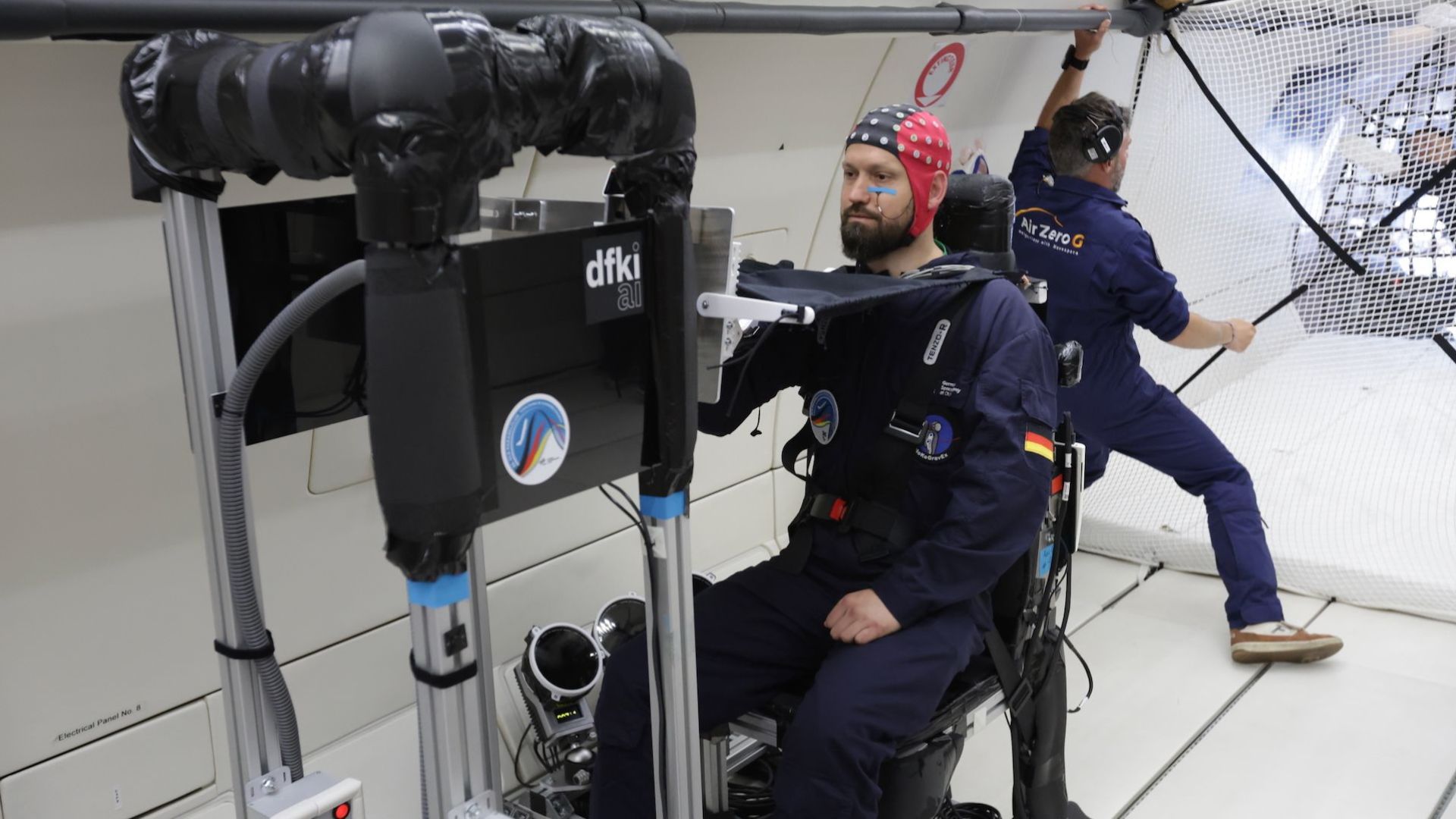
Researchers from the German Research Center for Artificial Intelligence (DFKI) and the University of Duisburg-Essen have unveiled a groundbreaking study that explores the potential of artificial intelligence in enhancing urban planning. This research, published on October 15, 2023, aims to address the growing challenges of urbanization by integrating AI technologies into city development strategies. The study focuses on how AI can analyze vast amounts of data related to traffic patterns, environmental impacts, and population growth to create more efficient and sustainable urban environments. By employing advanced algorithms, the researchers demonstrate that AI can predict future urban needs and optimize resource allocation, ultimately leading to improved quality of life for residents. The motivation behind this initiative stems from the increasing pressure on cities worldwide to adapt to rapid population growth and climate change. As urban areas expand, traditional planning methods often fall short, necessitating innovative solutions that AI can provide. Through a series of simulations and case studies, the researchers illustrate the practical applications of their findings, showcasing how AI-driven insights can inform decision-making processes for city planners and policymakers. This collaborative effort highlights the importance of interdisciplinary approaches in tackling complex urban issues, paving the way for smarter, more resilient cities in the future.
How the US, allies and adversaries see the future of drone wingmen
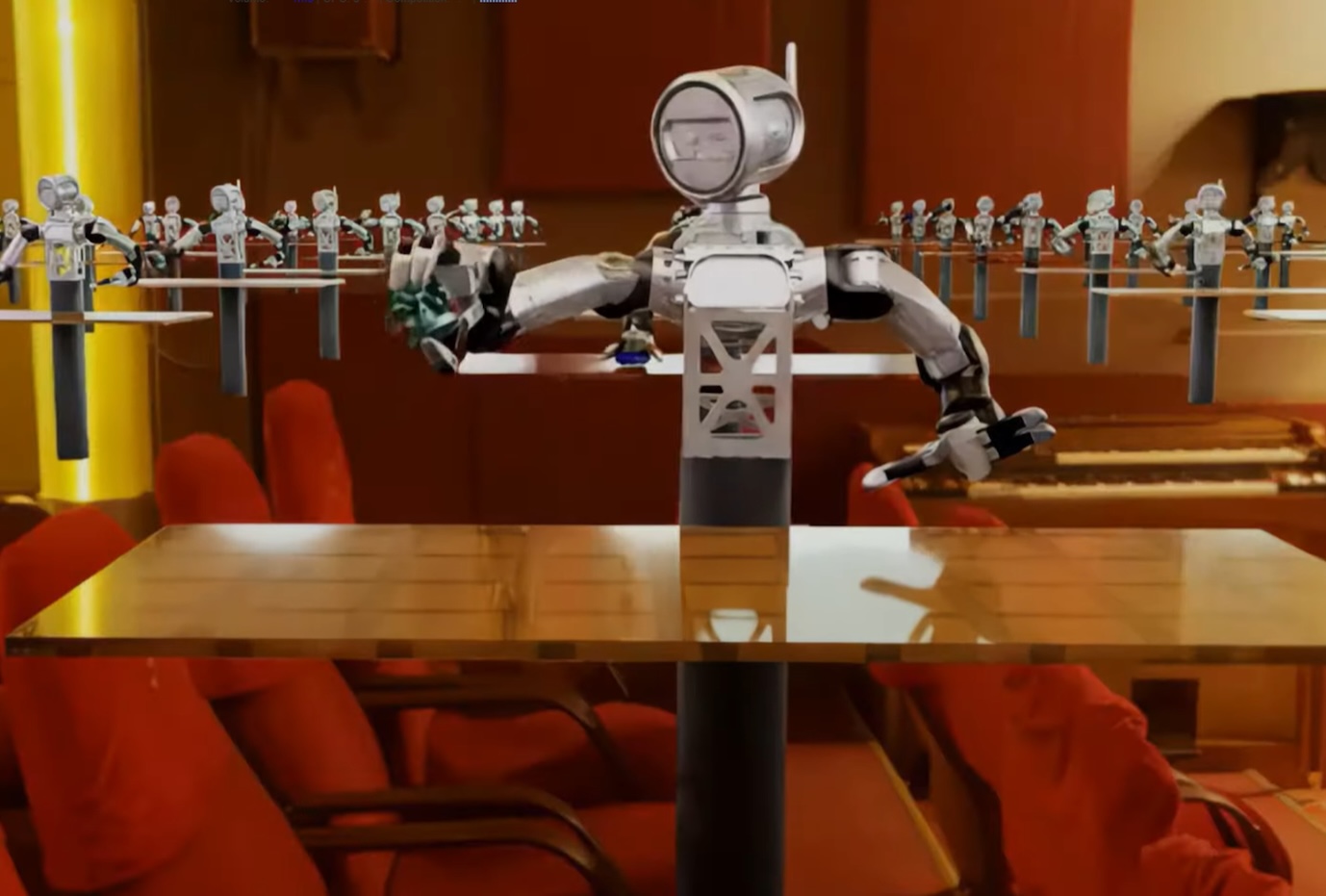
The third installment of a video series examining manned-unmanned teaming highlights the evolution of this concept within the US defense industry and its adoption by military forces worldwide. The video explores the advancements in technology and strategic thinking that have shaped the integration of manned and unmanned systems, emphasizing the collaborative potential these partnerships offer in modern warfare. Released in October 2023, the series aims to inform military professionals and policymakers about the ongoing developments and implications of this innovative approach to defense operations. By showcasing various case studies and expert insights, the video underscores the necessity of adapting to new technologies to enhance operational effectiveness and maintain a competitive edge in global military engagements.
Air Warfare Naval Warfare Pentagon Air Force Asia collaborative combat aircraft
Innovative Soft Material‐Assisted Robot Grasping Devices: From Design Concept to Fabrication and Application Scenarios
In June 2026, the Journal of Field Robotics published a comprehensive study examining the advancements in robotic technologies and their applications in various fields. The research highlights significant developments in autonomous navigation, sensor integration, and machine learning, showcasing how these innovations are transforming industries such as agriculture, healthcare, and logistics. The study, conducted by a team of leading researchers in robotics, aims to address the growing need for efficient and reliable robotic systems in response to increasing demands for automation and precision in operations. By analyzing recent case studies and experimental results, the authors provide insights into the effectiveness of these technologies in real-world scenarios. The findings suggest that as robotic systems become more sophisticated, they can enhance productivity and safety while reducing operational costs. The research emphasizes the importance of continued investment in robotics research and development to keep pace with technological advancements and meet future challenges. This publication serves as a critical resource for industry professionals, policymakers, and academics interested in the future of robotics and its potential to reshape various sectors.
SURVEY ARTICLE
Deep Learning‐Driven Steering Angle Prediction and Scene Understanding via Harmonic Carpet Weaver Optimization
In June 2026, the Journal of Field Robotics published a comprehensive study examining advancements in robotic technologies and their applications in various fields. This research highlights the contributions of leading experts in robotics, who analyzed the latest innovations and their potential to enhance efficiency and safety in sectors such as agriculture, manufacturing, and disaster response. The study emphasizes the growing importance of integrating artificial intelligence and machine learning into robotic systems to improve their adaptability and functionality. Researchers conducted extensive field tests to evaluate the performance of these robots in real-world scenarios, demonstrating their effectiveness in tasks ranging from precision farming to search and rescue operations. The motivation behind this research stems from the increasing demand for automation and the need for more reliable and intelligent robotic solutions to address complex challenges faced by industries today. By providing empirical data and insights, the study aims to inform policymakers, industry leaders, and researchers about the transformative potential of robotics. As the field continues to evolve, the findings presented in this publication are expected to influence future developments and investments in robotic technologies, ultimately shaping the landscape of automation in the coming years.
RESEARCH ARTICLE
Navy splits major information warfare post across three new directorates
In a significant development, the U.S. military is implementing a new policy that mirrors a decision made by the Air Force nearly two years ago. This initiative aims to enhance operational efficiency and address evolving challenges within the armed forces. The announcement, made recently, underscores the military's commitment to adapting its strategies in response to changing global dynamics. By adopting this approach, the military seeks to streamline processes and improve readiness across various branches. The decision reflects a broader trend within the defense sector to modernize and optimize resources in light of contemporary security threats.
Naval Warfare Networks & Digital Warfare cyber security information warfare Navy networks
Eight tech giants deploy autonomous fleets across Singapore’s large-scale public test bed
Singapore is actively establishing itself as a global center for "physical AI," focusing on the development and deployment of robots and autonomous systems. This initiative is part of the country's broader strategy to enhance its technological landscape and drive economic growth. The government has been investing in research and development, fostering partnerships between academia and industry, and creating supportive regulatory frameworks to attract both local and international companies in the AI sector. The push for physical AI comes in response to the increasing demand for automation in various industries, including manufacturing, logistics, and healthcare. By 2025, Singapore aims to have a significant number of AI-driven solutions integrated into its economy, enhancing productivity and efficiency. The city-state's strategic location and advanced infrastructure further bolster its appeal as a destination for AI innovation. As part of this initiative, Singapore is hosting conferences and workshops to showcase advancements in robotics and autonomous technologies, encouraging collaboration among tech firms, researchers, and policymakers. This concerted effort not only aims to position Singapore as a leader in the AI field but also to address challenges such as labor shortages and the need for increased operational efficiency across sectors.
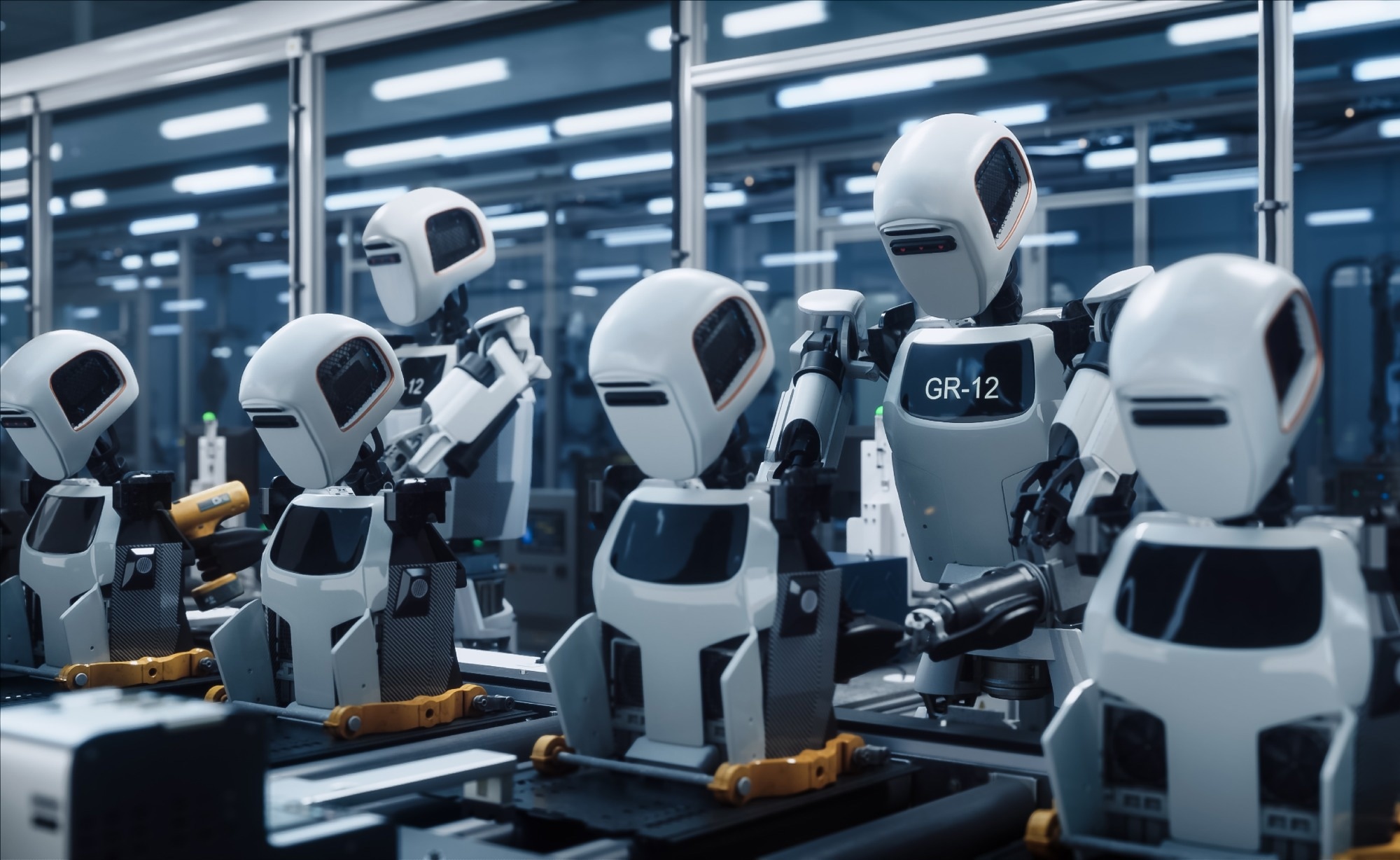
Material Demand Shapes Robot and Drone Manufacturing
Recent research has highlighted the supply risks associated with critical materials necessary for the development of autonomous machines. Conducted by a team of experts in materials science, the study emphasizes the urgent need for sustainable solutions to ensure the continued growth of this emerging technology sector. The findings, released in October 2023, reveal that reliance on certain materials poses significant challenges, potentially hindering innovation and production. To address these concerns, the researchers propose a multifaceted approach that includes innovative techniques for material sourcing and enhanced recycling processes. By focusing on sustainability, the study aims to mitigate supply chain vulnerabilities and promote responsible consumption of resources. The implications of this research are particularly relevant for manufacturers and policymakers in the autonomous technology industry, as they seek to balance the demand for advanced materials with environmental considerations. As the industry evolves, the integration of these strategies could play a crucial role in fostering resilience and ensuring the long-term viability of autonomous machines. The research serves as a call to action for stakeholders to prioritize sustainable practices in material management, ultimately paving the way for a more secure and environmentally friendly future in technology development.

Import AI 456: RSI and economic growth; radical optionality for AI regulation; and a neural computer
As discussions around the implications of superintelligence continue to evolve, experts are calling for the establishment of comprehensive legal frameworks to govern its development and deployment. This dialogue gained momentum in October 2023, as researchers and policymakers convened at an international conference focused on artificial intelligence ethics in San Francisco. The urgency for regulation stems from concerns about the potential risks associated with superintelligent systems, which could surpass human intelligence and decision-making capabilities. Advocates argue that without clear legal guidelines, the unchecked advancement of such technologies could lead to unintended consequences, including ethical dilemmas and safety hazards. To address these challenges, participants at the conference proposed a series of recommendations aimed at ensuring responsible innovation. These include the creation of regulatory bodies tasked with overseeing AI development, the establishment of ethical standards for AI applications, and the implementation of safety protocols to mitigate risks. The discussions highlighted the need for collaboration between technologists, ethicists, and lawmakers to craft effective policies that balance innovation with public safety. As the field of artificial intelligence continues to progress rapidly, the call for proactive legal measures reflects a growing recognition of the profound impact superintelligence could have on society.

Here’s what’s at risk if the Pentagon’s $350B reconciliation gambit fails
Congress is preparing to introduce a second reconciliation bill that includes funding for immigration enforcement. This development comes as lawmakers continue to navigate the complexities of budgetary allocations. While the immigration funding appears to be moving forward, the prospects for future reconciliation funds dedicated to defense remain uncertain. The timing of this legislative effort highlights ongoing debates about national priorities and resource distribution. As Congress seeks to balance various funding needs, the outcome will significantly impact both immigration policy and defense spending in the upcoming fiscal discussions.
Congress Pentagon Defense Budget 2027 Drones F-35 Golden Dome
Pentagon ramps AI oversight with Microsoft, Google models before public deployment
The U.S. government is intensifying regulations on advanced artificial intelligence technologies, responding to growing concerns over their potential risks and ethical implications. This initiative, announced recently, aims to establish a framework that ensures the responsible development and deployment of AI systems. The new measures are part of a broader effort to address issues such as privacy, security, and bias in AI applications. The regulations are expected to be implemented in the coming months, with the Biden administration emphasizing the need for collaboration between federal agencies, industry leaders, and academic institutions. By fostering a transparent and accountable AI ecosystem, officials hope to mitigate risks while promoting innovation. The move reflects a proactive stance in the face of rapid advancements in AI, as policymakers seek to balance technological progress with public safety and ethical standards. As the global landscape for AI continues to evolve, the U.S. aims to position itself as a leader in responsible AI governance, setting a precedent that could influence international standards and practices.

Elsight’s Halo Makes the Blue UAS List: What That Means for Allied Suppliers
The U.S. Department of War’s Defense Contract Management Agency (DCMA) has officially added Elsight’s Halo connectivity platform to its Blue UAS List, reflecting an increasing emphasis on secure communications within U.S. drone policy. This designation signifies a significant shift in the government's approach to evaluating and procuring drone technologies, underscoring the importance of secure communication systems in military operations. The inclusion of Halo not only enhances the credibility of Elsight’s technology but also sets a precedent for allied suppliers in the drone industry. As the U.S. continues to prioritize secure and reliable communication in its defense strategies, this development could influence future procurement decisions and partnerships in the sector.
Applications Blue UAS BVLOS DCMA Defense Drone News
For autonomous robots, not all rules are equal
As autonomous robots increasingly assume responsibilities across various sectors, they encounter complex ethical dilemmas similar to those faced by humans, particularly in situations where rules conflict. This evolution is evident in the transition from traditional driving tasks to the operation of flying drones, highlighting the growing reliance on technology in everyday life. The advancements in artificial intelligence and robotics have prompted discussions among experts and policymakers about the implications of these technologies, especially regarding decision-making processes in critical situations. The ongoing development of autonomous systems raises questions about accountability and the ethical frameworks needed to guide their actions. As these technologies become more integrated into society, understanding how they navigate moral conflicts will be essential for ensuring safety and compliance with societal norms.
Robotics
SoftBank is creating a robotics company that builds data centers — and already eyeing a $100B IPO
Recent developments in the field of artificial intelligence and robotics highlight a reciprocal relationship between these technologies and infrastructure development. As industries increasingly rely on AI and robotics to enhance efficiency and productivity, the need for robust infrastructure becomes paramount. This interdependence was underscored at a recent conference held in San Francisco, where experts gathered to discuss the future of technology and its implications for urban planning and construction. The event, which took place in early November 2023, showcased innovative projects that utilize AI and robotics to streamline the construction process. Speakers emphasized that while advanced technologies can significantly improve infrastructure projects, the existing frameworks must also evolve to support these innovations. This dual requirement is driven by the growing demand for smart cities and sustainable development, prompting stakeholders to rethink traditional construction methods. Participants explored various strategies to integrate AI and robotics into infrastructure projects, demonstrating how these tools can optimize resource allocation, reduce waste, and enhance safety on construction sites. The discussions revealed a consensus that investment in both technology and infrastructure is essential for future growth and resilience in urban environments. As cities continue to expand and face challenges such as climate change and population growth, the collaboration between AI, robotics, and infrastructure development is expected to play a crucial role in shaping the cities of tomorrow. The insights gained from this conference are likely to influence policy decisions and investment strategies in the coming years.
AI robots Softbank
Tesla to create 1,000 new jobs in Germany, responding to Model Y demand
In a recent development, a significant event unfolded in the tech industry as major companies gathered for the annual Global Technology Summit held in San Francisco on October 15, 2023. Industry leaders, including CEOs from top firms, convened to discuss the future of artificial intelligence and its implications for various sectors. The summit aimed to address growing concerns about the ethical use of AI and to foster collaboration among tech giants. The motivation behind this gathering stemmed from the increasing scrutiny surrounding AI technologies, particularly regarding privacy, security, and job displacement. Participants engaged in panel discussions and workshops, sharing insights on best practices and innovative solutions to navigate these challenges. The event featured keynote speeches from prominent figures, including government officials and renowned researchers, who emphasized the need for regulatory frameworks to ensure responsible AI development. Networking opportunities allowed attendees to forge partnerships and explore potential collaborations that could shape the future of technology. As the summit concluded, participants expressed optimism about the potential of AI to drive positive change, while also acknowledging the importance of addressing the associated risks. The discussions at the Global Technology Summit are expected to influence policy decisions and industry standards in the coming months, marking a pivotal moment in the ongoing dialogue about technology's role in society.
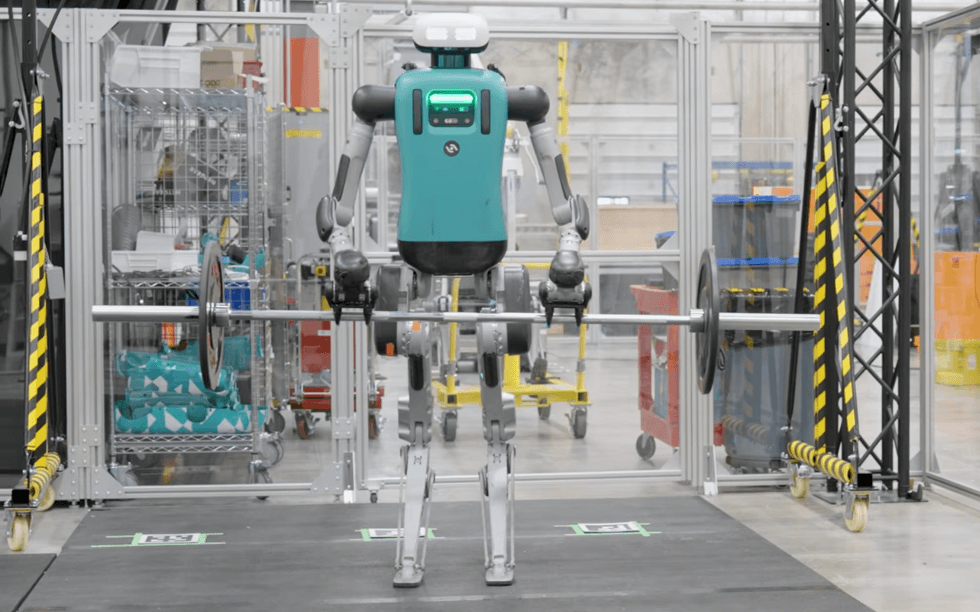
Video Friday: Digit Learns to Deadlift
IEEE Spectrum robotics has released its latest edition of "Video Friday," showcasing a selection of innovative robotics videos and announcing upcoming events in the field. The events include the International Conference on Robotics and Automation (ICRA) scheduled for June 1-5, 2026, in Vienna, the Robotics Science and Systems (RSS) conference from July 13-17, 2026, and a Summer School on Multi-Robot Systems taking place from July 29 to August 4, 2026, in Prague. Among the featured videos, researchers are training the robot Digit to perform a deadlift with a 65-pound object, emphasizing the importance of whole-body coordination and resilience in its actuators. This training allows for the development of a policy that enables Digit to execute a dynamically balanced lift in real-world scenarios. Additionally, Gatlin Robotics has introduced its first commercial showcasing robots in action as part of its Robot-as-a-Service (RaaS) contract. Dexterity highlights the expressive potential of motion intelligence in robotics, while Harvard researchers present a swarm of simple antlike robots capable of constructing and dismantling structures through adaptive group behavior. Lastly, a project from Michigan Robotics demonstrates a microcombustion actuator that rapidly inflates to launch colorful water droplets, challenging conventional notions about the capabilities of soft actuators. These advancements reflect the ongoing evolution and application of robotics technology across various domains.
Industrial-robots Humanoid-robots Video-friday Swarm-robotics Dancing-robot Bipedal-robots
Cuba Warns US Attack ‘Possible’ as Pentagon Stays Mum on Military Prospects
US officials have dismissed Cuba's recent warning regarding escalating tensions, indicating that there will be no change in the military posture of the United States. This stance raises questions about how Washington might react should the situation deteriorate further. The ongoing diplomatic standoff highlights the complexities of US-Cuba relations, particularly in light of recent developments that have heightened concerns on both sides. While officials have not elaborated on potential responses, the lack of engagement with Cuba's warning suggests a cautious approach as the US navigates its foreign policy in the region.

Video Friday: This Floor Lamp Will Do Your Chores
IEEE Spectrum robotics has released its weekly roundup of notable robotics videos, along with a calendar of upcoming events in the field. Key events include the International Conference on Robotics and Automation (ICRA) scheduled for June 1-5, 2026, in Vienna, and the Robotics Science and Systems (RSS) conference from July 13-17, 2026, in Sydney. Among the highlights is Lume, a sculptural floor lamp that reportedly can perform household chores such as making beds and folding laundry, though skepticism surrounds its capabilities due to the presentation of its functionality in promotional materials. Additionally, researchers from MIT Media Lab and Politecnico di Bari have introduced Electrofluidic Fiber Muscles, a new type of artificial muscle that is soft and flexible, utilizing electric fields to operate silently without external pumps. Another innovation is GEN-1, a general-purpose AI model that significantly improves success rates in physical tasks and enhances speed, marking a step towards achieving generalist intelligence in robotics. The report also discusses advancements in legged manipulators, which face challenges in interacting with diverse articulated objects, and highlights the development of Tether, a system for autonomous interactive play that enhances policy learning through efficient data generation. As the robotics community continues to innovate, these developments signal exciting possibilities for the future of robotics applications.
Home-robots Video-friday Artificial-muscle Agricultural-robots Robot-ai Quadruped-robots
Improved Ivy Algorithm for an Enhanced Fractional Order Proportional‐Integral‐Derivative Controller: Applications From Winding Tension Control to Hybrid System
In May 2026, the Journal of Field Robotics published a comprehensive study examining advancements in robotic technologies and their applications in various fields. The research, featured in Volume 43, Issue 3, spans pages 1375 to 1414 and highlights the increasing integration of robotics in sectors such as agriculture, healthcare, and manufacturing. The study aims to address the growing demand for automation and efficiency in these industries, driven by the need for improved productivity and cost-effectiveness. Researchers from leading institutions collaborated to analyze the latest innovations in robotic systems, including autonomous vehicles, drones, and robotic arms, showcasing their potential to revolutionize traditional practices. Through a series of case studies and experimental results, the authors detail how these technologies are being implemented in real-world scenarios, demonstrating significant improvements in operational efficiency and safety. The findings underscore the importance of continued investment in robotic research and development to meet future challenges and enhance human-robot collaboration. This publication serves as a vital resource for industry professionals, policymakers, and academics, providing insights into the current state of robotics and its future trajectory. As the field continues to evolve, the study emphasizes the necessity of adapting to technological advancements to harness the full potential of robotics across various sectors.
RESEARCH ARTICLE
ImportAI 449: LLMs training other LLMs; 72B distributed training run; computer vision is harder than generative text
As artificial intelligence continues to evolve, experts are raising concerns about its potential to disrupt political systems globally. A recent discussion among political analysts and technologists highlighted the possibility of an unprecedented political interregnum driven by AI advancements. This conversation gained momentum in October 2023, as various stakeholders, including policymakers and industry leaders, began to assess the implications of AI on governance and societal structures. The rapid integration of AI technologies into everyday life is prompting fears that traditional political frameworks may struggle to adapt, leading to instability and uncertainty. Analysts argue that the increasing reliance on AI for decision-making processes could undermine democratic institutions, as algorithms may not reflect the complexities of human values and ethics. In response to these concerns, experts are advocating for proactive measures to ensure that AI development aligns with democratic principles. They emphasize the need for transparent regulations and ethical guidelines to mitigate potential risks associated with AI's influence on political landscapes. The discourse around AI's role in shaping future governance is expected to intensify as the technology continues to advance, prompting a reevaluation of how societies govern themselves in an increasingly automated world. As the debate unfolds, the urgency for a collaborative approach among technologists, policymakers, and civil society becomes clear, aiming to harness the benefits of AI while safeguarding democratic integrity and social cohesion.

Nekton’s Oliver Steeds OBE Honoured on Dynamic Opening Day at Oceanology International
Oliver Steeds OBE, a leading figure in ocean exploration and marine technology, was honored during the opening keynote of Oceanology International (Oi26), which commenced its largest edition to date. The event, held on a dynamic first day, emphasized the critical importance of the ocean as a pressing frontier in contemporary environmental discussions. Steeds highlighted the urgent need for innovation and collaboration in marine exploration to address the challenges facing ocean ecosystems. The conference gathered industry leaders, researchers, and policymakers to share insights and advancements, aiming to foster a collective effort in marine conservation and technology development.
oceanology international
Import AI 448: AI R&D; Bytedance's CUDA-writing agent; on-device satellite AI
As the conflict in Ukraine continues to evolve, experts are raising questions about the potential for artificial intelligence (AI) to play a significant role in future warfare. The ongoing war, characterized by extensive drone usage, is being viewed as a precursor to what could be the first major AI-driven conflict. Analysts suggest that advancements in AI technology could soon transform military strategies and operations, leading to a new era of warfare. The discussion comes amid increasing investments in AI by various nations, as they seek to enhance their military capabilities. With the rapid development of autonomous systems and machine learning algorithms, the integration of AI into combat scenarios is becoming more plausible. This shift raises concerns about the ethical implications and the potential for unintended consequences in warfare. As military leaders and policymakers assess the lessons learned from the Ukraine conflict, they are also contemplating how AI could change the dynamics of future battles. The urgency to address these developments is underscored by the need for international regulations to govern the use of AI in military applications. The ongoing discourse highlights the importance of preparing for a future where AI could fundamentally alter the landscape of global conflict.
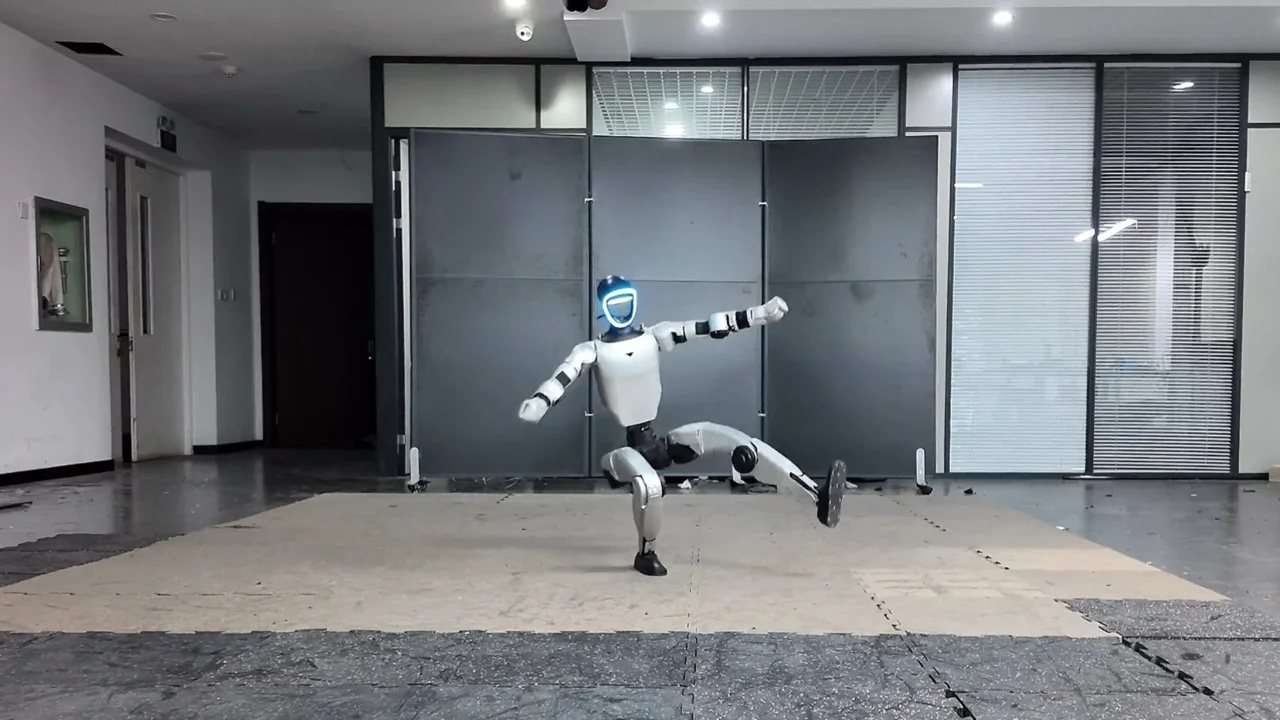
Beyond the Gala: OmniXtreme Breaks the Generality Barrier for Humanoid Agility
A collaborative effort between BIGAI and Unitree has led to the development of OmniXtreme, an innovative unified control policy designed for humanoid robots. This groundbreaking technology allows these robots to execute a wide range of extreme movements, including backflips and breakdancing, without requiring extensive task-specific adjustments. The unveiling of OmniXtreme marks a significant advancement in robotics, showcasing the potential for more versatile and adaptable robotic performances. The announcement comes as the field of robotics continues to evolve, pushing the boundaries of what machines can achieve in terms of agility and movement.
Unitree Robotics Research China embodied-ai
OECD’s Claire Jolly to Reveal Critical Priorities for a Sustainable Future Ocean Economy in Keynote Speech at Oi26
Claire Jolly, the Lead of the Ocean Economy programme at the OECD, is set to address Oceanology International 2026, where she will emphasize the urgent need for enhanced global collaboration to harness the potential of a sustainable ocean economy. Scheduled for the event, Jolly will unveil insights from a significant new biennial report titled "The Ocean Economy at A Glance," which aims to guide policymakers in addressing the challenges posed by ongoing global forces affecting ocean health. This initiative underscores the OECD's commitment to fostering sustainable practices in ocean management and economic development.
oecd
Import AI 445: Timing superintelligence; AIs solve frontier math proofs; a new ML research benchmark
As discussions surrounding the future of artificial intelligence intensify, experts are speculating that 2026 could be a critical year for decision-making regarding the singularity. This pivotal moment is anticipated to occur as advancements in AI technology continue to accelerate, raising questions about its implications for society. The year is expected to see significant developments in AI research and policy, with stakeholders from various sectors—including technology companies, government agencies, and academic institutions—coming together to address the ethical and practical challenges posed by rapid AI evolution. The urgency of these discussions is driven by the potential for AI to fundamentally alter industries, economies, and daily life. As the global community prepares for this transformative period, the outcomes of these deliberations could shape the trajectory of AI and its integration into society for decades to come.
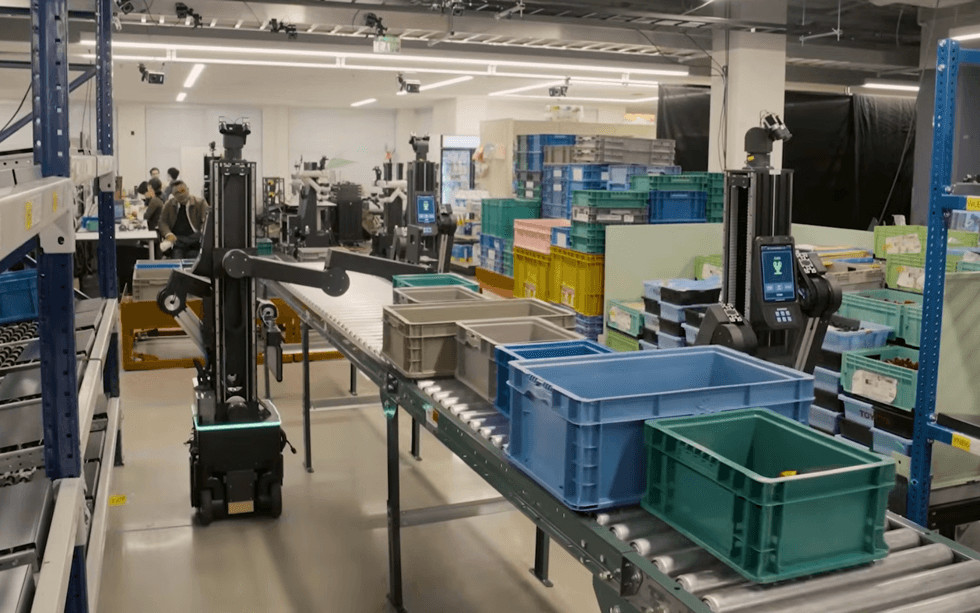
Video Friday: Autonomous Robots Learn By Doing in This Factory
In a recent edition of Video Friday, IEEE Spectrum robotics showcased a variety of innovative robotics projects and developments. Notably, scientists at the Toyota Research Institute are collaborating with Toyota Manufacturing to implement autonomous robots on factory floors, enhancing production efficiency. Zipline shared insights into their drone delivery system, detailing the challenges faced and lessons learned in its development. Humanoid introduced KinetIQ, an AI framework designed for the orchestration of humanoid robot fleets, which integrates task allocation and execution through advanced cognitive layers. Meanwhile, researchers at VISTEC unveiled a decentralized adaptive resilient neural control system (DARCON) that enables legged robots to autonomously adapt to limb loss, ensuring mission success despite mechanical failures. NASA's Jet Propulsion Lab presented an animation of the Perseverance rover's drive along the Jezero Crater, captured on December 10, 2025, showcasing the rover's navigation capabilities. Additionally, Unitree's humanoid robot G1 made its mark on the snowfields of Altay, demonstrating its adaptability in extreme conditions. The Norwegian University of Science & Technology introduced a hierarchical 3D scene graph to enhance autonomous agents' understanding of their environments. Other highlights included the HoLoArm quadrotor, which features compliant arms for improved stability, and SkyDreamer, a pioneering vision-based autonomous-drone racing policy. The event also featured demonstrations of dexterous object manipulation by the AI Worker robot and advancements in swarm robotics for architectural applications.
Video-friday Autonomous-robots Humanoid-robots Industrial-robots Robot-ai Perseverance-rover
Import AI 442: Winners and losers in the AI economy; math proof automation; and industrialization of cyber espionage
A recent debate among AI researchers has emerged regarding the nature of superintelligence, with experts divided on whether it represents a sudden phase change or a gradual evolution in artificial intelligence capabilities. This discussion gained momentum during a conference held in San Francisco in early October 2023, where leading figures in the field gathered to share insights and predictions about the future of AI. Proponents of the phase change theory argue that superintelligence will manifest abruptly, resulting from a breakthrough in AI development that could dramatically surpass human cognitive abilities. They warn that such a sudden leap could pose significant risks if not properly managed. Conversely, those advocating for the gradual shift perspective believe that advancements in AI will unfold incrementally, allowing society to adapt and implement necessary safeguards over time. The motivation behind this debate stems from the increasing integration of AI technologies into various sectors, raising concerns about ethical implications, safety, and the potential for unintended consequences. As AI systems become more sophisticated, understanding the trajectory of their development is crucial for policymakers, researchers, and the public. This ongoing discourse highlights the need for comprehensive strategies to address the challenges posed by advanced AI, regardless of whether its evolution is abrupt or gradual. As the conversation continues, experts emphasize the importance of collaboration across disciplines to ensure that the benefits of superintelligence can be harnessed while minimizing risks.
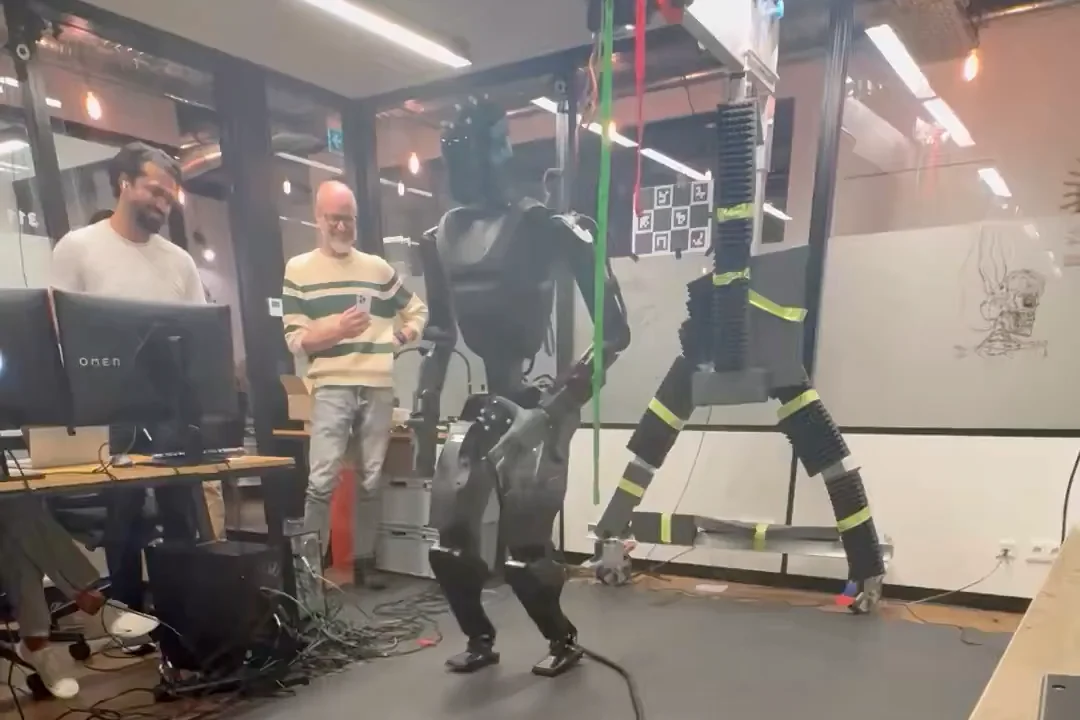
Foundation’s 20-Minute Uncut Walking Video Is Deliberately Unimpressive
In a recent announcement, CEO Sankaet Pathak showcased a 20-minute, unedited video demonstrating the walking capabilities of the Phantom humanoid robot. Although the robot's gait appears basic, Pathak emphasized that the significant advancement lies in the underlying AI policy, based on DVBF technology. This innovative approach eliminates the need for manual tuning during deployment, marking a notable step forward in robotic development. The video was released to highlight the potential of the technology, which aims to simplify the integration of AI in robotics.
phantom foundation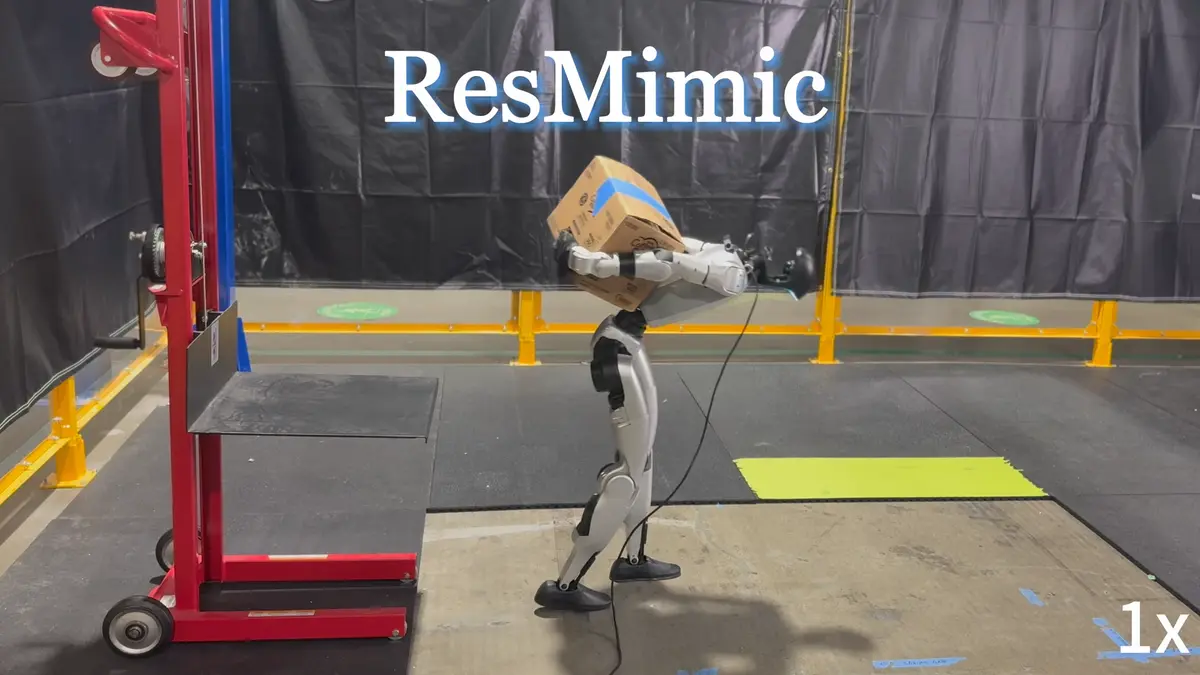
Amazon's ResMimic Teaches Humanoids to Handle Objects by Adding Precision to General Motion
Amazon has unveiled its latest robotics initiative, ResMimic, which aims to enhance the capabilities of humanoid robots in performing complex loco-manipulation tasks. This innovative project employs a two-stage residual learning framework that allows for the efficient teaching of these skills. By refining a general motion policy with specific corrections tailored to individual tasks, the system empowers a Unitree G1 robot to adeptly manage heavy and irregular objects with remarkable precision. This development is part of Amazon's ongoing efforts to advance robotics technology and improve automation processes in various applications.
reinforcement-learning Unitree Robotics AI Amazon robotics
Humanoid Robotics Momentum: London and Shanghai Host Major Industry Summits Concurrently
On May 29-30, 2025, two significant robotics events are set to occur concurrently in London and Shanghai, marking a pivotal moment in the humanoid robotics sector. The Humanoids Summit in London will convene industry leaders to discuss mass production and investment strategies, aiming to drive economic growth and innovation in robotics. Meanwhile, the Embodied Intelligence Developer Conference in Shanghai will emphasize the importance of policy support, talent development, and practical applications, reflecting China's commitment to advancing humanoid robotics. This dual event highlights a global push towards accelerating advancements in humanoid technology, showcasing the diverse approaches taken by different regions to foster growth in this rapidly evolving field.
Unitree Robotics Neura Robotics kepler-robotics pollen-robotics AGIBOT hugging-face
AgiBot and Physical Intelligence Form Partnership for Advanced Embodied AI
Chinese robotics firm AgiBot has announced a partnership with US-based embodied AI specialist Physical Intelligence (Pi), co-founded by renowned researchers Sergey Levine and Chelsea Finn. This collaboration aims to advance the capabilities of robotics, particularly in executing complex tasks. As part of this initiative, AgiBot has appointed Dr. Luo Jianlan, a Berkeley alumnus, as Chief Scientist to spearhead a new research center dedicated to this endeavor. The partnership's initial results have showcased a significant breakthrough, with a single AI policy successfully enabling a robot to perform various tasks, including the intricate action of tying a scarf. This development highlights the potential for enhanced versatility in robotic applications, driven by cutting-edge AI technology.
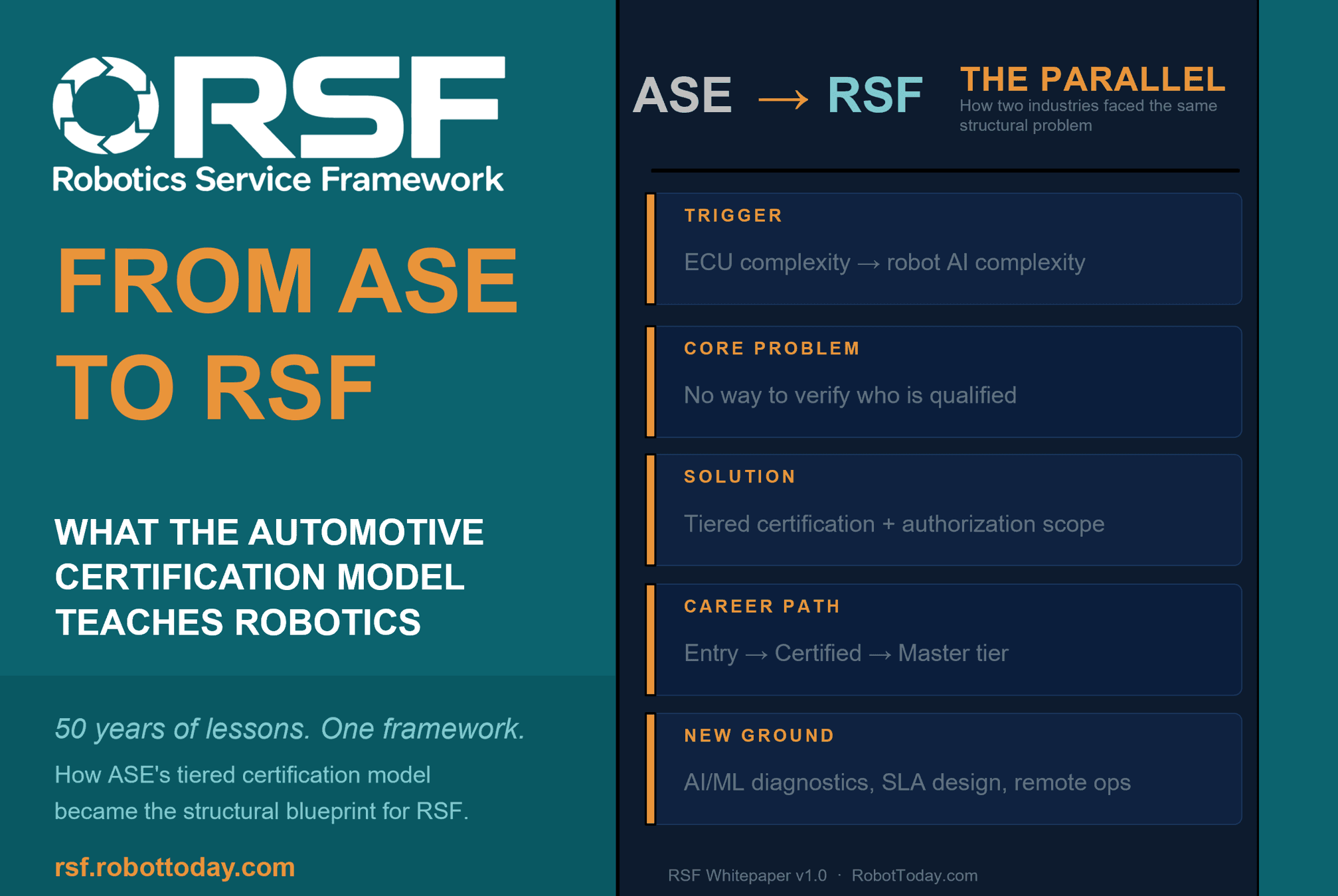
Physical Intelligence AGIBOTRobotics needs a service framework.
RSF defines a common language for robot service capability, lifecycle operations, certification pathways, and service-provider networks.