Industry Briefing
A single destination for timely, editor-curated robotics news from around the world.
Mouser Electronics launches "Rise of the Robots" series on the fusion of sensing, AI, and control technologies.
Mouser Electronics has unveiled the latest installment of its technology series, "Empowering Innovation Together" (EIT), titled "Rise of the Robots." This new episode explores the advancements in robotics and their impact on various industries. The release aims to highlight the growing significance of robotics in enhancing efficiency and productivity across sectors. By showcasing innovative technologies and expert insights, Mouser seeks to inform and inspire its audience about the future of automation. The series continues to serve as a platform for discussing cutting-edge developments in technology, reinforcing Mouser's commitment to fostering innovation in the electronics industry.
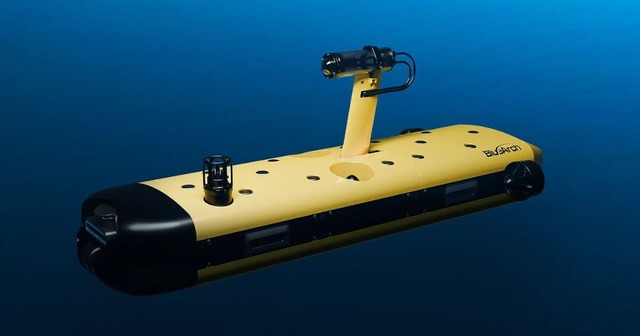
BlueArch develops and sells "HATTORI Neo," a compact autonomous underwater vehicle with edge AI.
BlueArch Corporation has been established to develop and manufacture domestically produced autonomous underwater vehicles (AUVs) and underwater robots (UUVs). This initiative aims to enhance Japan's capabilities in underwater exploration and technology, responding to the growing demand for advanced marine solutions. The company focuses on leveraging innovative engineering and technology to create efficient and reliable underwater systems. The establishment of BlueArch marks a significant step in the country's efforts to strengthen its maritime industry and promote research and development in underwater robotics.

Kawasaki Heavy Industries opens Physical AI Center in San Jose, California, with a congratulatory message from NVIDIA's Jensen Huang.
Kawasaki Heavy Industries, Ltd. announced the opening of its Kawasaki Physical AI Center, scheduled for June 15, 2026. To mark this occasion, the company released a video message from NVIDIA's CEO, Jensen Huang, on YouTube. The establishment of the center aims to enhance research and development in artificial intelligence and robotics, reflecting Kawasaki's commitment to innovation in these fields. The collaboration with NVIDIA underscores the importance of integrating advanced AI technologies into Kawasaki's operations, positioning the company at the forefront of technological advancements in the industry.

Atlas moves closer to real-world autonomy, KB says
Hyundai Motor Group is rapidly advancing its humanoid robot initiatives, particularly as Boston Dynamics' Atlas robot approaches the necessary level of autonomy for industrial use. A report published on Monday by KB Securities analyst Kang Sung-jin highlights that recent footage from Boston Dynamics, a subsidiary of Hyundai based in the United States, indicates substantial progress in the development of "general intelligence" for humanoid robots. This capability allows robots to adapt to various tasks and environments, marking a significant step towards their practical application in industries.
All News
'Dark factory' pioneer Xiangrui Zeng to speak at FAMS 2026
Xiangrui Zeng, a prominent Chinese authority in AI-driven autonomous manufacturing and robotics, is set to deliver a keynote address at the Future AI Mobility Summit 2026, scheduled for later this month in Seoul. The organizing committee announced his participation on Monday. As a professor at the School of Mechanical Science and Engineering at Huazhong University of Science and Technology, Zeng has earned recognition for his pioneering contributions to smart manufacturing and autonomous systems. During the summit, he will present his insights on the future of embodied AI and the development of fully autonomous factories, highlighting the potential advancements in the industry.
All News
Interview with Wang Zhongyuan: VLA will survive, but world models are the future.
In recent months, the concept of "World Model" has gained significant traction within the AI and robotics sectors, driven by underlying industry anxieties. As AI technology has rapidly evolved over the past two years, limitations in embodied intelligence have become apparent, revealing that while robots can recognize objects, they struggle to understand physical interactions and causal relationships. The World Model aims to bridge this gap by enabling robots to learn the laws of the physical world. At the forefront of this exploration is Wang Zhongyuan, the director of the Beijing Academy of Artificial Intelligence, who identifies four distinct paths in the development of World Models. These include language-centered models, pixel-centered models, 3D structure-centered models, and visual representation-centered models. The Beijing Academy is pioneering a fifth approach that integrates language and visual data into a unified latent space representation, allowing for more complex interactions and predictions. Wang emphasizes that the World Model's potential lies in its ability to enhance embodied intelligence, enabling robots to understand and predict physical interactions over time. He envisions a future where World Models serve as the foundational brain for robots, capable of complex reasoning and decision-making in real-world scenarios. However, he cautions that achieving this goal will require significant advancements in data collection and model training, with a timeline of three to five years anticipated for substantial progress. As the field continues to evolve, the competition will focus on the ability to create models that accurately reflect the complexities of the physical world.

The Price of a Kilowatt-Hour Is Quietly Deciding Where AI Data Centers Are Built
Zhejiang Province has introduced a new time-of-use electricity pricing policy that is significantly influencing the strategic decisions regarding the placement of AI computing centers and energy storage investments throughout China. This initiative aims to optimize energy consumption by encouraging usage during off-peak hours, thereby reducing costs for both consumers and businesses. As a result, companies are reevaluating their operational locations to take advantage of lower electricity rates, which could lead to a shift in the development of technology infrastructure within the region. The policy reflects a broader trend in the energy sector, where cost differentials are becoming a critical factor in investment decisions, particularly in the rapidly growing fields of artificial intelligence and energy storage. By incentivizing off-peak energy use, Zhejiang is positioning itself as a competitive hub for technology and innovation, potentially reshaping the landscape of energy consumption and technological development across the country.
Industry Energy
MassRobotics honors Stanford’s Allison Okamura and Seoul National University’s Ayoung Kim with 2026 robotics medals
At the recent IEEE ICRA conference held in Vienna, MassRobotics, a leading organization in robotics innovation, unveiled the recipients of its 2026 Robotics Medal and Rising Star awards. This prestigious Robotics Medal is notable for being the first major accolade dedicated to honoring the significant contributions of female researchers in the field of robotics worldwide. The awards aim to highlight and celebrate the achievements of women who are making impactful strides in robotics development, thereby promoting diversity and inclusion within the industry.
Features Industry Allison Okamura amazon robotics automation news autonomous systems
US scientists’ new electron microscopy tech delivers 10,000x magnification compared to light microscopy
A team of researchers in the United States has developed a groundbreaking technology aimed at enhancing the performance of electron devices. This innovation, unveiled recently, promises to significantly improve the efficiency and capabilities of various electronic components. The research, conducted at a prominent university, addresses the growing demand for faster and more efficient electronic systems in an increasingly digital world. By leveraging advanced materials and innovative engineering techniques, the team has successfully created a method that optimizes electron flow, potentially revolutionizing the electronics industry. This development comes at a crucial time as industries seek to meet the challenges posed by modern technological demands, including the need for better energy efficiency and higher processing speeds. The researchers are now looking to collaborate with industry partners to further refine the technology and explore its applications in commercial products.
Innovation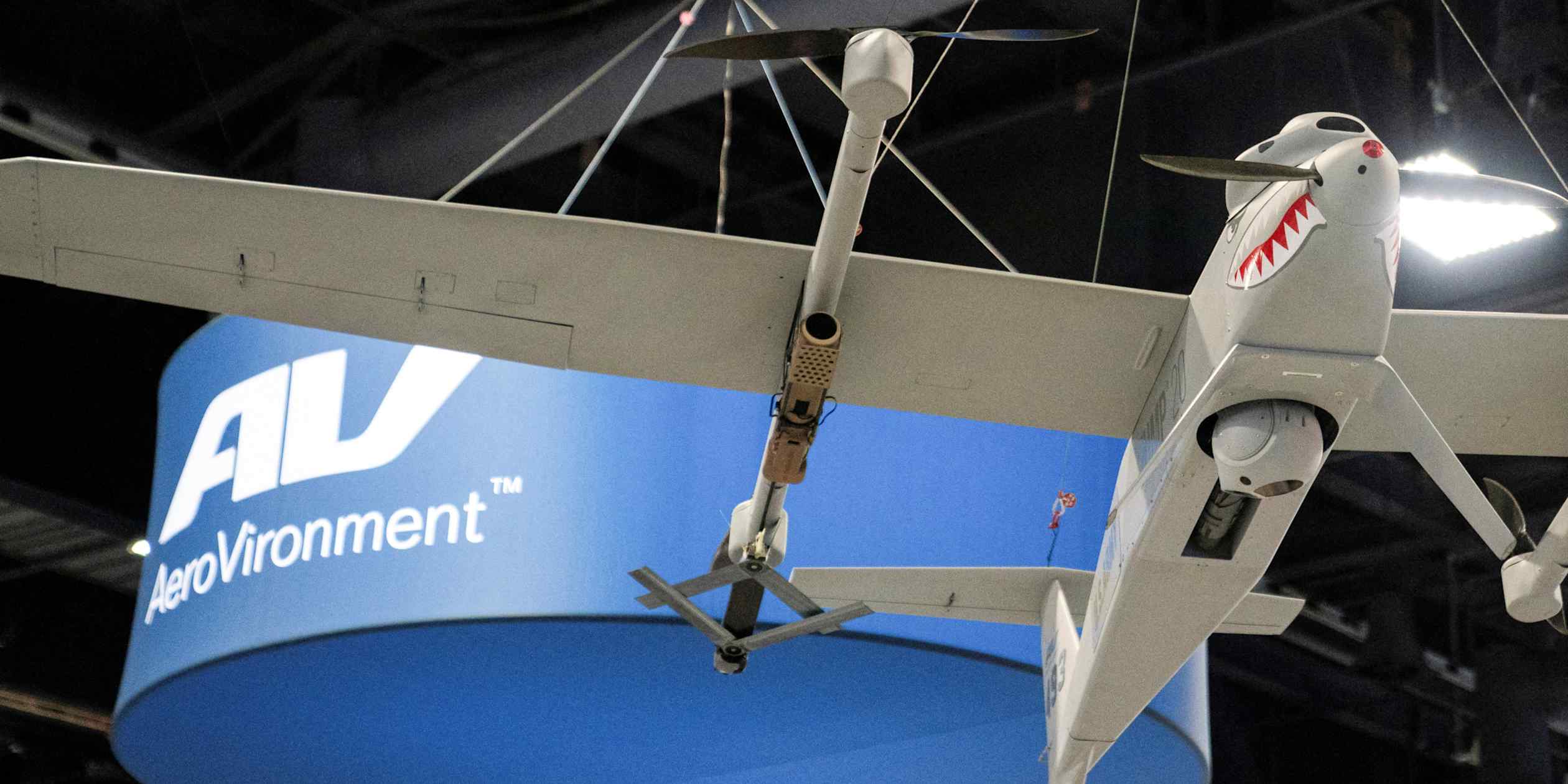
US attack drone maker taps into Taiwan controller demand
AeroVironment, a U.S. defense technology company known for its drones utilized in Ukraine, has announced a partnership with Taipei-based Ubiqconn to support Taiwan's development of an aerial defense system called T-Dome. This collaboration aims to enhance Taiwan's drone capabilities amid rising tensions in the region. The announcement was made on June 15, 2026, during AeroVironment's efforts to establish a foothold in the Taiwanese market, capitalizing on the growing demand for drone technology in the area. The partnership signifies AeroVironment's commitment to bolstering Taiwan's defense initiatives and addressing the evolving security landscape in East Asia.
Could humanoid robots go from the lab to the factory floor?
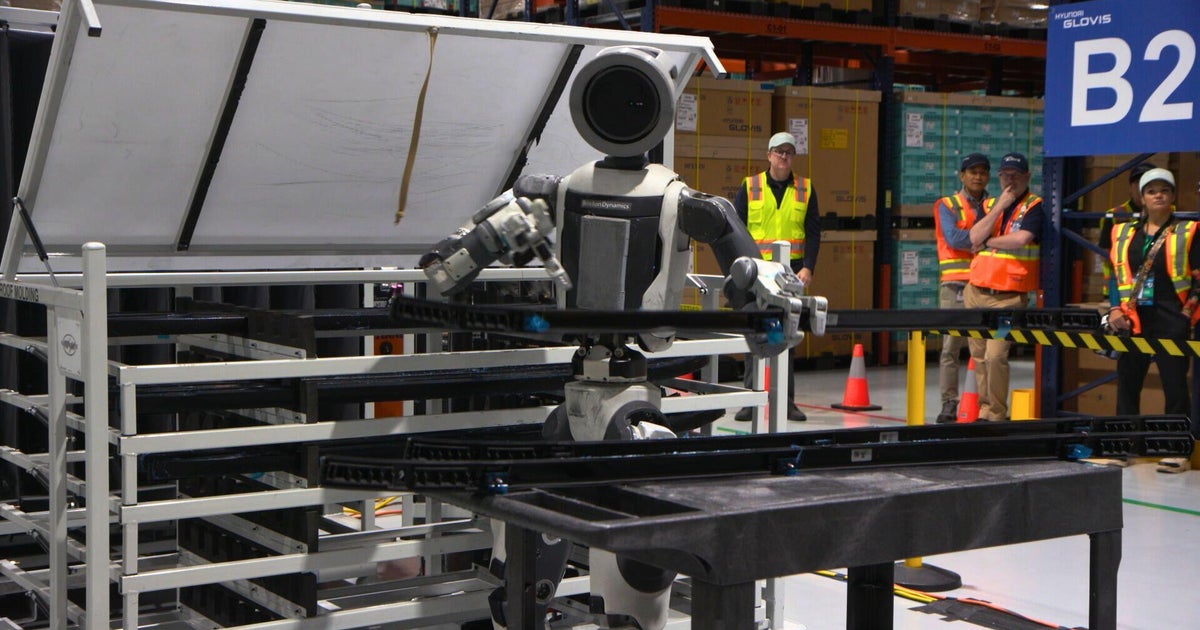
Engineers and computer scientists are advancing the development of AI-powered humanoid robots, with Boston Dynamics recently showcasing its Atlas robot in a demonstration for 60 Minutes. The event highlighted Atlas's ability to learn and perform tasks within a Hyundai factory setting. This initiative aims to enhance automation in manufacturing processes, reflecting a growing trend towards integrating robotics in various industries. By leveraging artificial intelligence, these robots are designed to mimic human actions, potentially improving efficiency and productivity in factory operations. The collaboration between Boston Dynamics and Hyundai underscores the increasing importance of robotics in modern manufacturing, as companies seek innovative solutions to meet evolving production demands.

Deep learning co-design helps scientists project 28-layer 3D images without crosstalk
Engineering researchers at the University of California, Los Angeles (UCLA) have unveiled a groundbreaking three-dimensional printing technology that significantly enhances the production of complex structures. This innovative method, introduced in October 2023, aims to revolutionize various industries by allowing for the rapid and precise fabrication of intricate designs that were previously difficult or impossible to achieve. The researchers' motivation stems from the growing demand for more efficient manufacturing processes that can produce high-quality components while minimizing waste and time. By leveraging advanced materials and techniques, the team has demonstrated that their new approach can streamline production workflows and reduce costs, making it an attractive option for sectors such as aerospace, automotive, and biomedical engineering. This development not only showcases the potential of 3D printing technology but also emphasizes UCLA's commitment to leading research in engineering and technology. The researchers plan to further refine their technique and explore its applications across various fields, aiming to set new standards in manufacturing efficiency and innovation.
Science
AI Grew Four Wheels in 2026: How AIVA Is Redefining the Automobile as an Embodied Intelligence Entity
Saidou Technology, a Chinese startup, has unveiled AIVA, an innovative AI-defined vehicle brand that prioritizes artificial intelligence over traditional hardware components. This launch represents a significant shift in the automotive industry, moving away from conventional development practices. By focusing on AI integration, Saidou aims to redefine how vehicles are designed and function, potentially transforming user experiences and operational efficiencies. The introduction of AIVA comes at a time when the automotive sector is increasingly embracing advanced technologies to meet evolving consumer demands and environmental challenges.
News
NVIDIA Corporation (NVDA) Partners with Nebius to Support AI Robotics Startup in Europe
NVIDIA Corporation has announced a strategic partnership with Nebius to bolster the development of robotics startups across Europe. On June 9, the two companies reaffirmed their collaboration aimed at creating a cloud platform specifically for robotics and physical artificial intelligence. As part of this initiative, Nebius has launched the Physical AI Living Lab, which will provide UK and European robotics startups with access to NVIDIA's advanced development tools and Nebius AI's cloud infrastructure. This six-month program is designed to help early-stage robotics firms overcome challenges related to large-scale simulation, synthetic data, and accelerated computing resources. Startups participating in the program will utilize NVIDIA technologies, including OSMO for workload orchestration and Cosmos World Foundation models. The goal of the Physical AI Living Lab is to connect UK robotics innovation with market-ready physical AI solutions by offering affordable cloud-scale training. NVIDIA, a leading provider of specialized computer chips and a key player in the global AI revolution, continues to expand its influence beyond gaming graphics into comprehensive infrastructure for artificial intelligence.
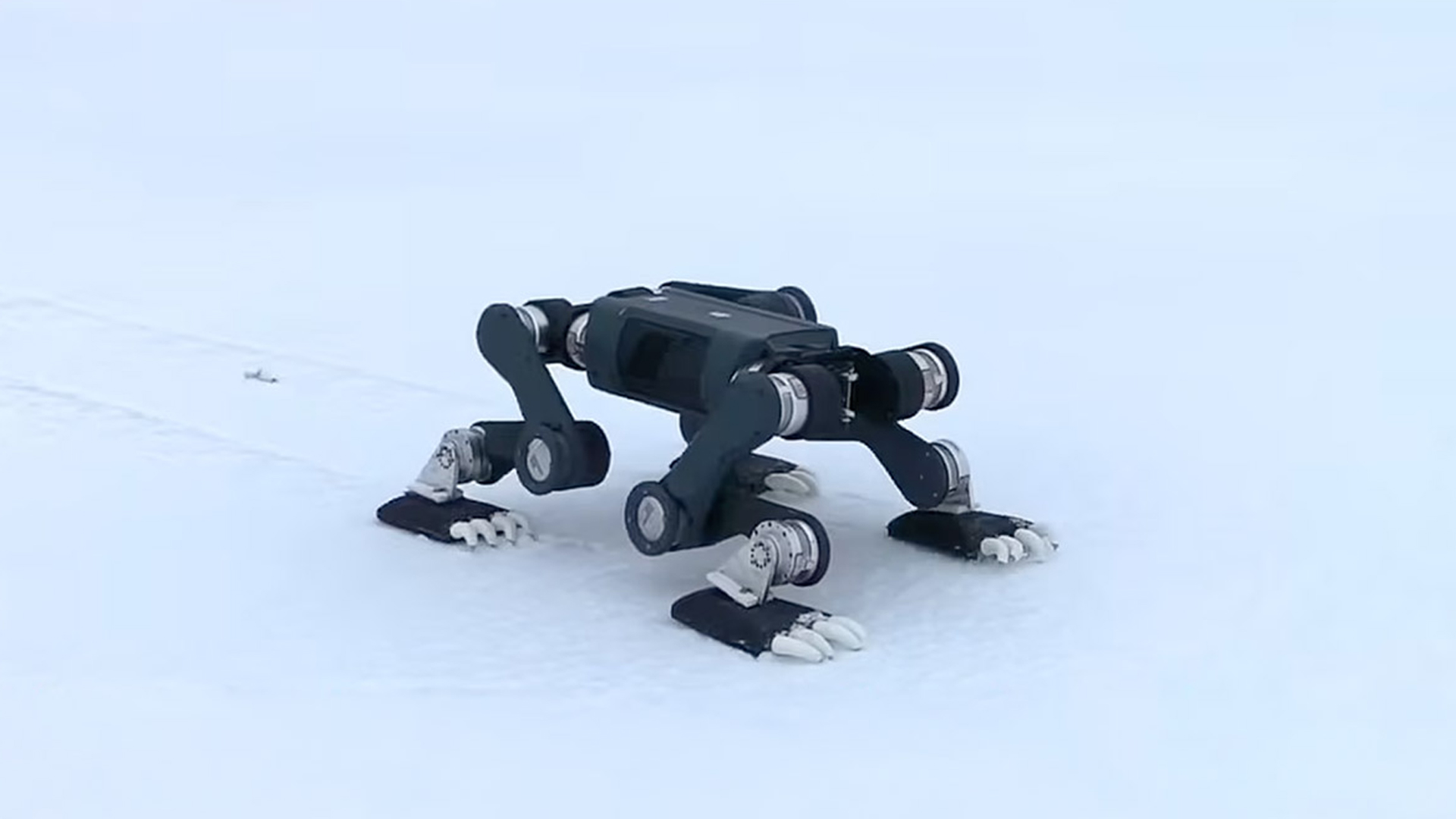
First-ever: Four-legged robot dog successfully walks across treacherous Arctic ice floes
The Arctic, long regarded as one of the most perilous regions on the planet, is facing unprecedented challenges due to climate change and increased human activity. Recent studies reveal that rising temperatures are accelerating ice melt, leading to more accessible shipping routes and resource extraction opportunities. This shift, occurring over the past few years, has prompted nations to stake claims in the region, intensifying geopolitical tensions. In response to these developments, various governments and environmental organizations are advocating for stronger regulations to protect the fragile Arctic ecosystem. The urgency of the situation has led to international discussions aimed at establishing guidelines for sustainable practices in the area. As countries scramble to assert their interests, the potential for conflict looms, raising concerns about the environmental impact and the rights of Indigenous communities. The situation is further complicated by the ongoing effects of global warming, which are expected to exacerbate the challenges faced by the Arctic. Scientists warn that without immediate action, the consequences could be dire, not only for the region but for the entire planet. As the world watches, the Arctic stands at a crossroads, where the balance between economic opportunity and environmental preservation hangs in the balance.
Culture Innovation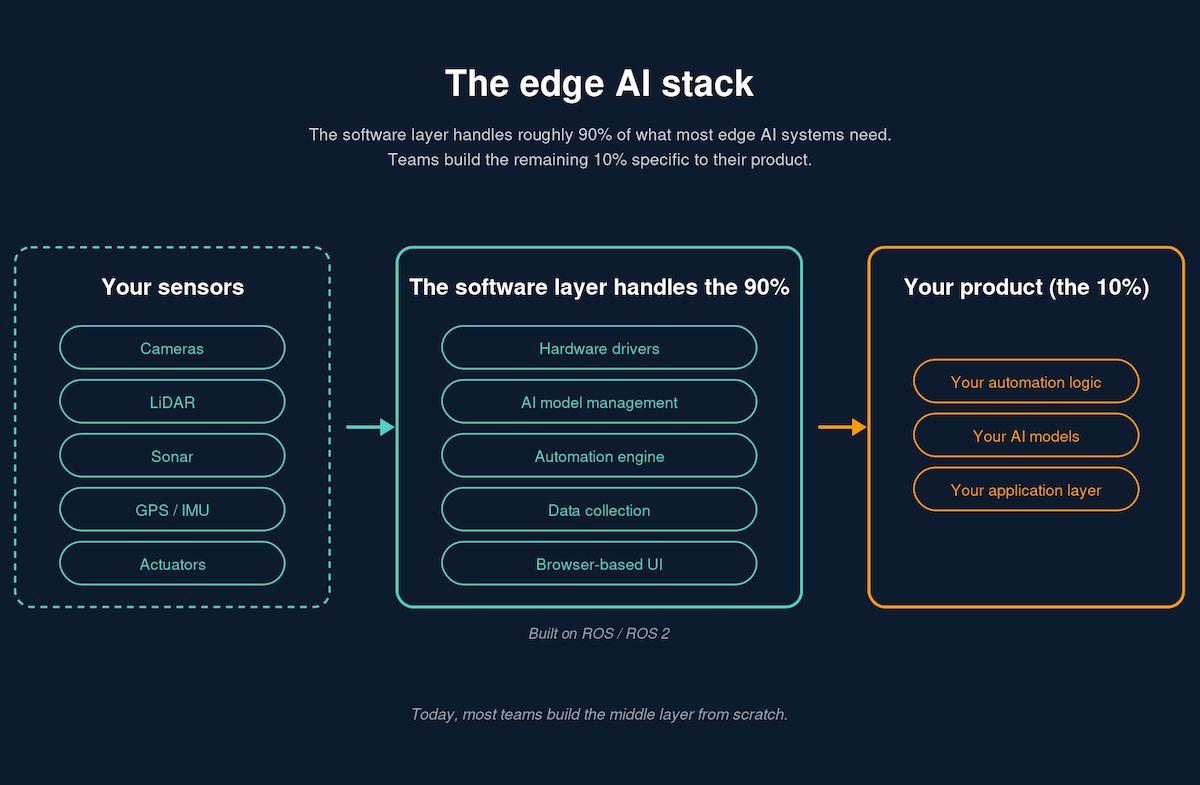
Windows for robots: Edge AI expands usability
A significant shift in accessibility for robotics is underway, reminiscent of the transformation brought by Windows for personal computers. Edge AI technology is enabling a broader range of users, beyond just engineers and computer scientists, to engage with and utilize robotic systems. This development is poised to democratize robotics, making it more user-friendly and accessible to individuals with varying levels of technical expertise. As Edge AI continues to evolve, it is expected to enhance the usability of robots across various sectors, fostering innovation and expanding the potential applications of robotic technology. This trend marks a pivotal moment in the integration of advanced technology into everyday use, potentially revolutionizing industries and everyday tasks.
Artificial Intelligence Controllers Maritime Microprocessors / SoC News Opinion
Solid-state battery cell hits 465 Wh/kg density, targets aerospace and defense applications
European battery startup SOLiTHOR has successfully produced its first 10 Ah demonstration cell, showcasing a significant advancement in battery technology. This milestone was achieved recently at their facility in Europe, where the company aims to enhance energy storage solutions. The development of this demonstration cell is part of SOLiTHOR's broader mission to address the growing demand for efficient and sustainable battery systems, particularly in the context of the electric vehicle market and renewable energy storage. By utilizing innovative manufacturing processes and cutting-edge materials, SOLiTHOR is positioning itself as a key player in the competitive battery industry, striving to contribute to a greener future.
Energy
Magic Atom's debut of the VLA K02 model at the conference
On June 13, the 12th China (Shanghai) International Technology Import and Export Fair (CSITF) concluded in Shanghai. During the event, MagicLab showcased its comprehensive technology matrix and publicly unveiled two major technological achievements for the first time in the domestic market: the self-developed Magic-VLA K02 large model and the Magic-Mix world model. This presentation highlights MagicLab's commitment to innovation and its role in advancing technological development in China.
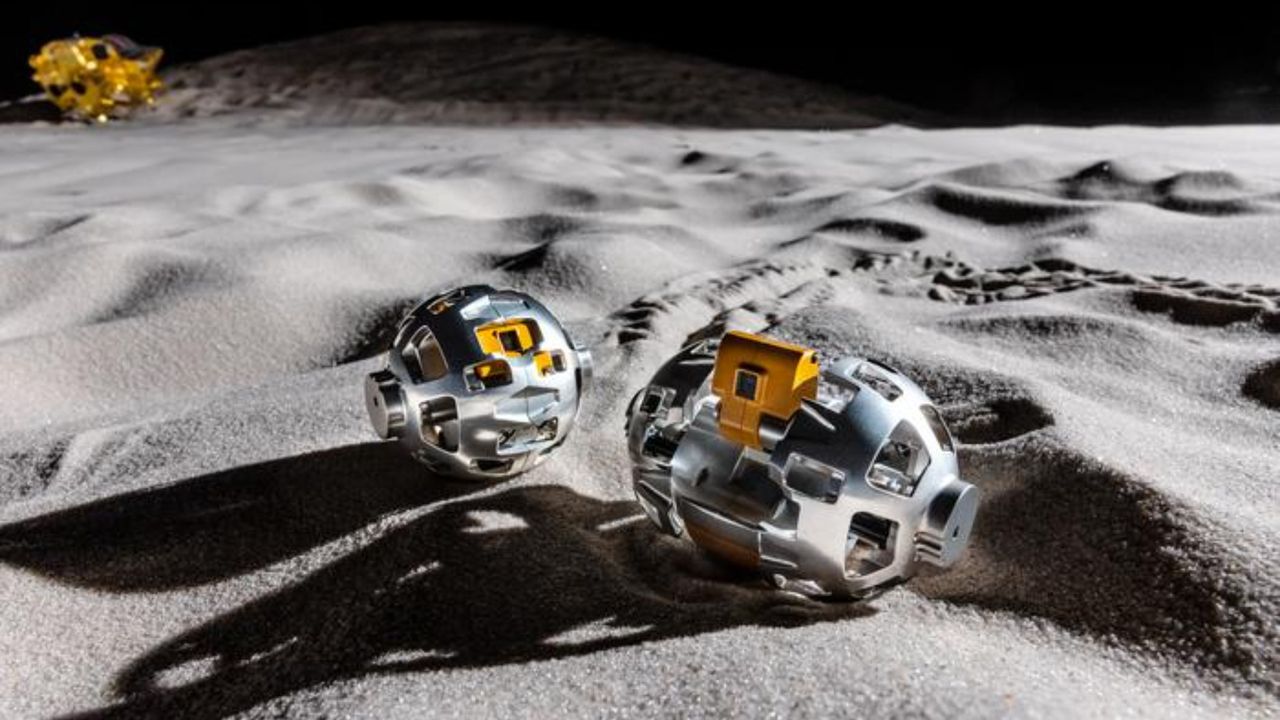
How Japanese scientists sent a real-life Transformer to the moon
In 2024, a groundbreaking autonomous rolling rover demonstrated its innovative design by transforming from a sphere into a robot during a successful exploration of the moon's surface. This mission marks a significant advancement in lunar exploration technology, showcasing the rover's ability to navigate diverse terrains effectively. The development of such versatile rovers aims to enhance our understanding of the moon's environment and potentially pave the way for future manned missions. The exploration was conducted as part of ongoing efforts to gather data that could inform scientific research and exploration strategies.
The moon Astronomy Solar System
SORA-Q: Baseball-sized shape-shifting rover that saved Japan’s SLIM moon mission
A groundbreaking development in robotics has emerged from Japan, where researchers have created a microscopic, shape-shifting robot inspired by children's toys. This innovative technology successfully demonstrated its potential by aiding in the preservation of Japan's rich historical narrative. The robot, which can alter its form and function, was unveiled during a recent scientific conference held in Tokyo. The motivation behind this invention lies in the desire to enhance preservation techniques for cultural artifacts and historical sites, making them more accessible and engaging for future generations. By utilizing advanced materials and engineering principles, the team was able to design a robot that can navigate intricate environments and perform delicate tasks, showcasing its versatility and effectiveness. This achievement not only highlights the intersection of technology and cultural heritage but also opens new avenues for research and application in the field of robotics.
Space
SpaceX's valuation exceeds $2.1 trillion; Musk's wealth is seven times Buffett's; FIFA labubu sales surge 30 times.
On June 12, 2026, SpaceX made headlines by completing its initial public offering (IPO) on the Nasdaq, marking the largest IPO in history with a valuation of $1.77 trillion. The stock opened at $150 and surged by over 30% during trading, closing at $160.99, which pushed the company's market capitalization to $2.1 trillion. This surge significantly increased CEO Elon Musk's net worth to approximately $1.05 trillion, making him the world's first billionaire with a net worth exceeding $1 trillion. The IPO's success reflects investor confidence in SpaceX's growth potential, particularly in light of its ambitious Terafab project. In a separate development, Kimi announced the launch of the world's first AI-native credit card, which allows users to convert their spending into AI computing power. This initiative, revealed on the same day, is a collaboration with a major state-owned bank and aims to innovate the financial landscape by integrating AI services into credit card benefits. Additionally, SK Hynix reported a fire incident at its facility in Cheongju, South Korea, which was the second fire this month. Fortunately, there were no injuries or gas leaks, and the situation was quickly controlled. These events highlight significant advancements in technology and finance while also addressing operational challenges faced by major companies.
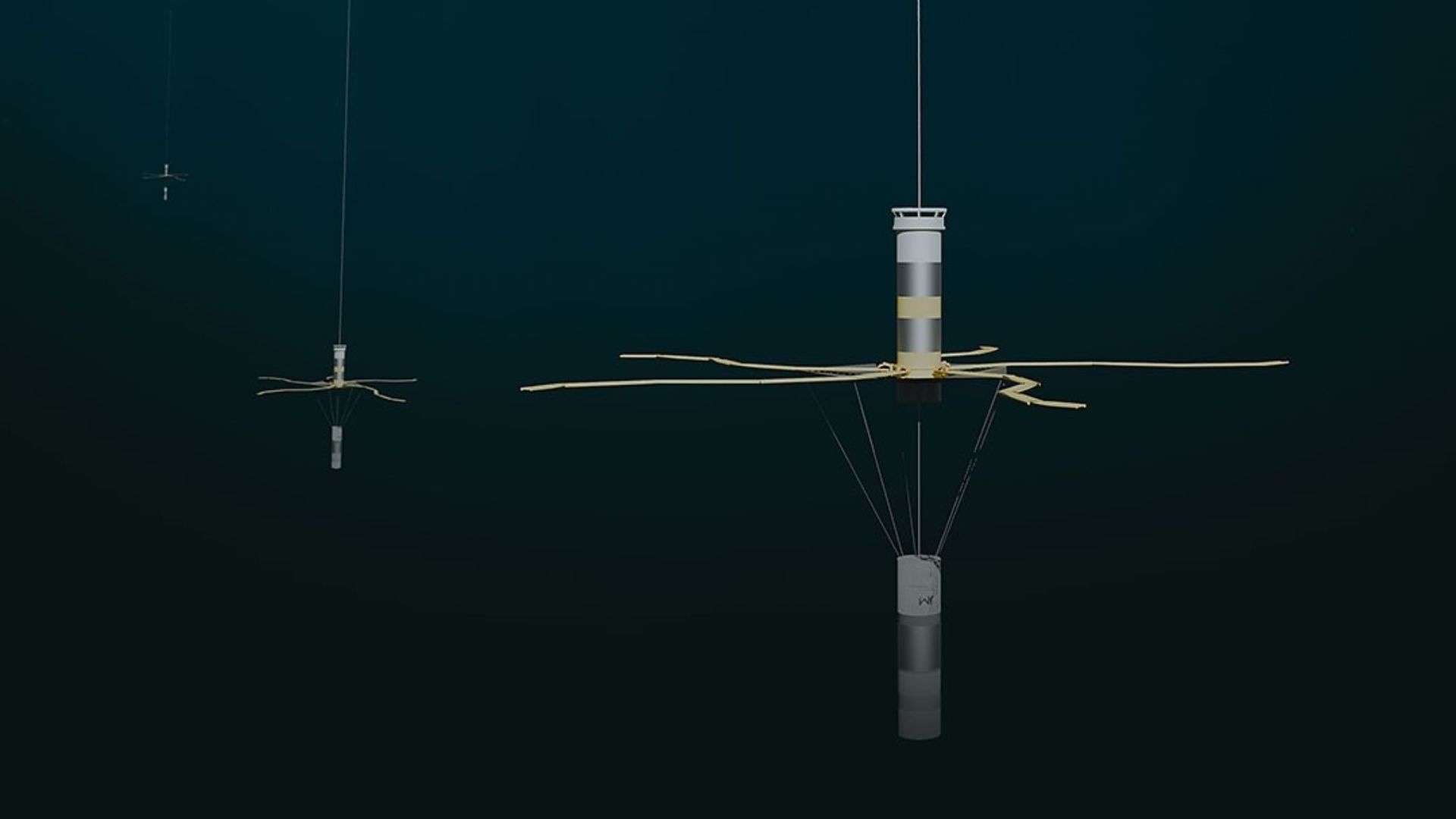
UK trials compact G-size sonobuoy built for autonomous drones hunting submarines
Ultra Maritime has successfully conducted the inaugural in-water deployment trial of its advanced Multistatic Active Receive system. This significant milestone took place recently, marking a key step in the development of the technology designed to enhance maritime surveillance and detection capabilities. The trial was held in a controlled marine environment, allowing the team to assess the system's performance and reliability in real-world conditions. The motivation behind this initiative is to improve the effectiveness of maritime operations, particularly in detecting underwater threats and monitoring marine activities. By utilizing innovative technology and methodologies, Ultra Maritime aims to set a new standard in maritime security solutions. The successful trial demonstrates the potential of the Multistatic Active Receive system to revolutionize the industry and address growing concerns over maritime safety and security.
Military
MassRobotics announces the winners of 2026 Robotics Medal and Rising Star awards
Allison Okamura and Ayoung Kim have been recognized with prestigious awards from MassRobotics, receiving the 2026 Robotics Medal and the Rising Star Medal, respectively. These accolades celebrate the achievements of women in the field of robotics, highlighting their significant contributions and inspiring future generations. The announcement was made recently, underscoring the growing recognition of female innovators in a traditionally male-dominated industry. The awards aim to promote diversity and encourage more women to pursue careers in robotics, reflecting a broader commitment to inclusivity within the technology sector.
Academia / Research Artificial Intelligence Artificial Intelligence / Cognition Design / Development Events Healthcare Robotics
Robotics Summit panel explores the state of humanoid robot design
At the Robotics Summit & Expo, industry experts gathered to discuss advancements in humanoid robotics, focusing on the potential to reach a price point of $20,000 for these technologies in the near future. The panel highlighted current design innovations and the challenges that remain in making humanoid robots more accessible. This event, held today, served as a platform for sharing insights on the future of robotics and its implications for various sectors. The discussions underscored the growing interest in humanoid robots and the ongoing efforts to enhance their affordability and functionality.
Actuators / Motors / Servos Arms / Manipulators Artificial Intelligence Cameras / Imaging / Vision Design / Development Events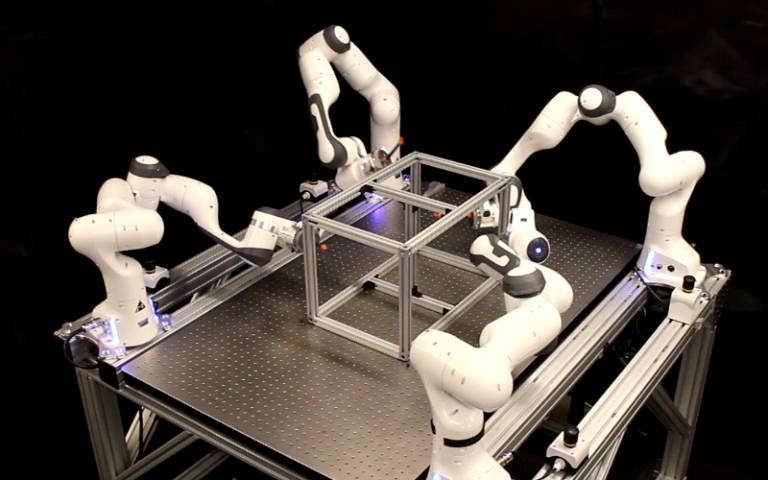
Tiny drones making a buzz at the Berlin Air Show
The Breaking Defense team concluded their coverage of the Berlin Air Show, which showcased the latest advancements in aviation and defense technology. The event took place over several days, drawing industry professionals, military representatives, and enthusiasts from around the globe to Berlin. This year's show highlighted innovations in aerospace, emphasizing the importance of collaboration between nations in defense strategies. Attendees engaged in discussions about emerging technologies and their implications for future military operations. The team's comprehensive reporting provided insights into key developments and trends observed during the event, underscoring the significance of the Berlin Air Show as a pivotal platform for the defense sector.
Air Warfare Global Air Force CCA Drones Europe
Gatik to bring autonomous freight to PepsiCo’s North American supply chain
PepsiCo has announced a partnership with Gatik to enhance its North American supply chain by integrating autonomous freight solutions. This collaboration aims to optimize PepsiCo's regional transportation networks, which facilitate the daily movement of products between various sites. By leveraging Gatik's technology, the beverage and snack giant seeks to improve efficiency and reduce operational costs in its logistics operations. The initiative reflects a growing trend in the industry to adopt automation in supply chain management, driven by the need for faster and more reliable delivery systems.
Artificial Intelligence Artificial Intelligence / Cognition Automotive Design / Development Food / Beverage Logistics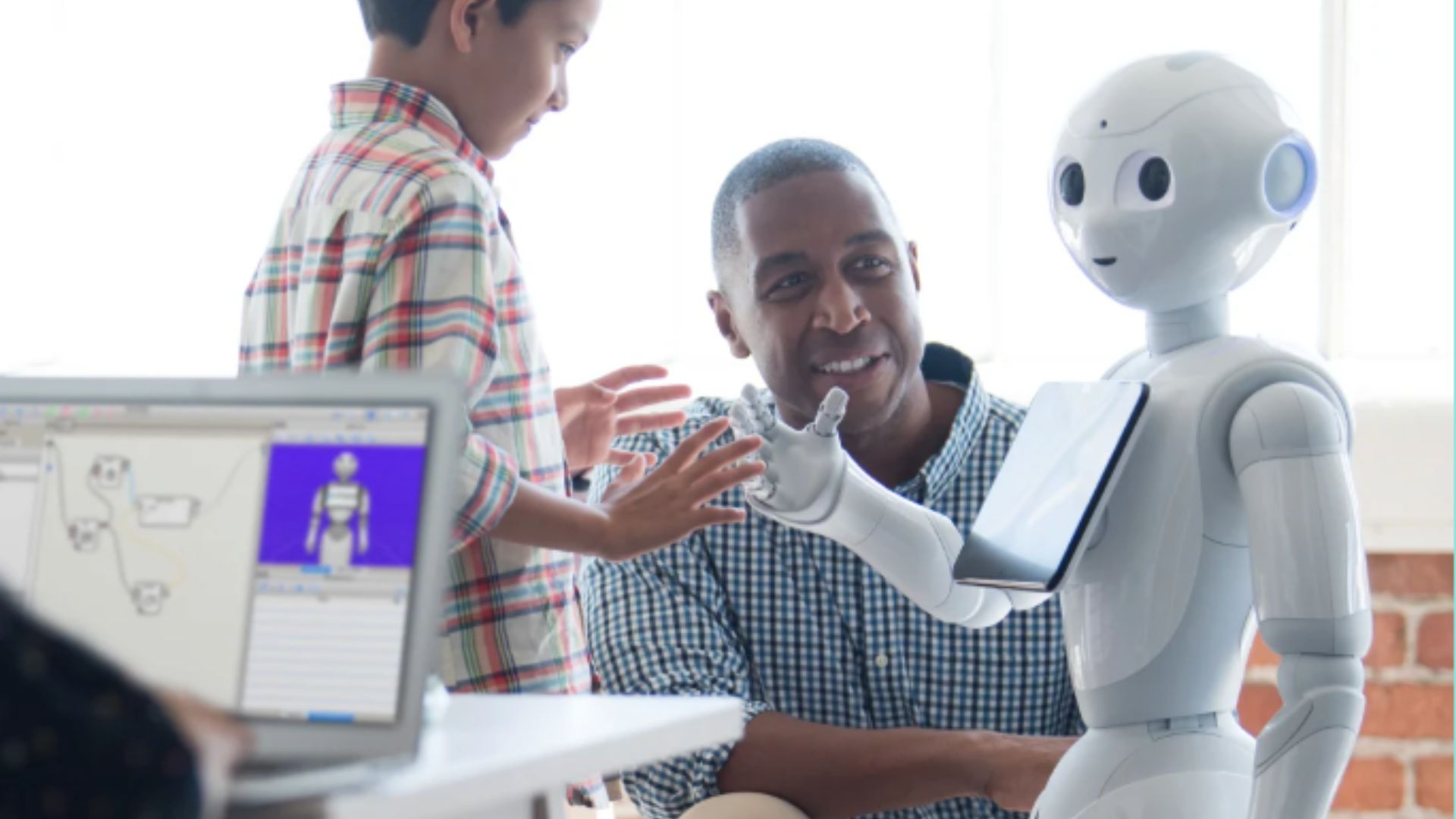
New research shows robot ‘personality’ in games hinges on timing and turn-taking
Recent research indicates that humanoid robots have the potential to serve as effective playmates for humans, particularly in enhancing social interaction and engagement among children. Conducted by a team of robotics experts, the study highlights the robots' ability to adapt to children's preferences and behaviors, fostering a more interactive play environment. The findings were published in a peer-reviewed journal earlier this month, following extensive trials in various settings, including schools and homes. The motivation behind this research stems from the growing interest in integrating technology into childhood development, aiming to address socialization challenges faced by some children. By employing advanced artificial intelligence, these robots can learn and respond to individual needs, making them more appealing companions for play. The study's authors emphasize the importance of ensuring that these interactions are safe and beneficial, advocating for guidelines on the ethical use of robots in children's lives. As the field of robotics continues to evolve, the implications of this research could significantly impact educational practices and child development strategies, offering new avenues for fostering creativity and social skills among young users.
AI and Robotics
Video Friday: Robotic Motion Discovery Reveals Unusual Behaviors
IEEE Spectrum robotics has released its latest edition of Video Friday, showcasing an array of innovative robotics videos and announcing upcoming events in the field. Notable events include RSS 2026 in Sydney from July 13-17, the Summer School on Multi-Robot Systems in Prague from July 29 to August 4, and Actuate 2026 in San Francisco on August 18-19. Among the featured videos is MotionDisco, a framework that autonomously discovers complex humanoid loco-manipulation motions, highlighting the challenges of coordinating fluid movements across multiple joints. Additionally, the Human Support Robot (HSR) from Toyota is demonstrated in real home environments, assisting residents with daily tasks, showcasing the potential for robots to become long-term companions. Other highlights include the MIDAS Hand, an open-source robotic hand designed for manipulation and research, and a novel flight maneuver by a bipedal robot that showcases advanced aerial control. The European Space Agency shares a timelapse of Dextre, a robotic handyman, efficiently unloading equipment in space, while ROBOTIS introduces AI Sapiens, which learns humanoid motions using just a smartphone camera. In a collaborative effort, LUMOS Robotics has launched Project EDGE, inviting global innovators to explore humanoid robotics, while Sphero emphasizes its educational products designed to nurture computational thinking from early childhood through high school. These developments illustrate the rapid advancements and collaborative spirit within the robotics community.
Humanoid-robots Video-friday Quadruped-robots Robot-videos Home-robots Dexterity
SpaceX, Anthropic, and OpenAI’s hot IPO summer
The initial public offering (IPO) market is experiencing a resurgence, marked by a shift in leadership from the previously dominant FAANG companies to a new group referred to as MANGOS. This emerging cohort includes Meta (or Microsoft, depending on interpretations), Anthropic, Nvidia, Google, OpenAI, and SpaceX. Notably, half of these companies are preparing to enter public markets simultaneously, presenting a significant challenge for investors as they navigate valuation assessments and market dynamics. This development signals a pivotal moment in the tech sector, as these firms seek to capitalize on renewed investor interest and reshape the landscape of public offerings.
AI Fundraising ai infrastructure Anthropic Apple WWDC ChatGPT
OCCAR taps EUROSAM to develop multi-layer SAMP/T NG system
The Organisation for Joint Armament Cooperation (OCCAR), which represents France, has awarded a significant contract to Eurosam for the development of an advanced multi-layered version of the SAMP/T NG surface-to-air missile system, incorporating ASTER and VL MICA technologies. This contract marks a strategic move to enhance France's air defense capabilities amid growing security concerns in the region. The collaboration aims to bolster the effectiveness of the missile system, ensuring a robust defense against various aerial threats. The project is expected to advance the technological landscape of France's military assets, reflecting a commitment to modernizing defense systems in response to evolving challenges.
News
5 Federal Drone Policies Flying Under the Radar This Summer
Several federal initiatives are set to influence the drone industry in the coming months, particularly as attention remains on Chinese drone restrictions and supply chain policies. Key developments include airspace restrictions related to the World Cup and new regulations for critical infrastructure. The long-anticipated Beyond Visual Line of Sight (BVLOS) rule is also a focal point for industry stakeholders. These initiatives, while not widely publicized, are progressing and could significantly impact the operational landscape for drones. As the summer unfolds, the drone industry is closely monitoring these changes, which may reshape regulations and operational capabilities in the near future.
DL Exclusive Drone News Drone News Feeds Drones in the News FAA Feature 1
Drone Industry Insights Launches the 9th Edition of the Global Drone Survey — The World’s Largest Annual Industry Survey for the Drone Market
Drone Industry Insights (DII), a prominent research and intelligence provider in the global drone market, has launched the 9th edition of its Global Drone Survey. This initiative, which is recognized as the largest annual data-collection effort for the drone industry, invites participation from a diverse range of stakeholders, including manufacturers, operators, investors, associations, regulators, and service providers. The survey aims to gather comprehensive insights into the evolving landscape of the drone market, facilitating informed decision-making and strategic planning among industry participants. By engaging a wide array of contributors, DII seeks to enhance understanding of market trends and challenges, ultimately supporting the growth and development of the drone ecosystem.
Drone News Drone News Feeds Droneii News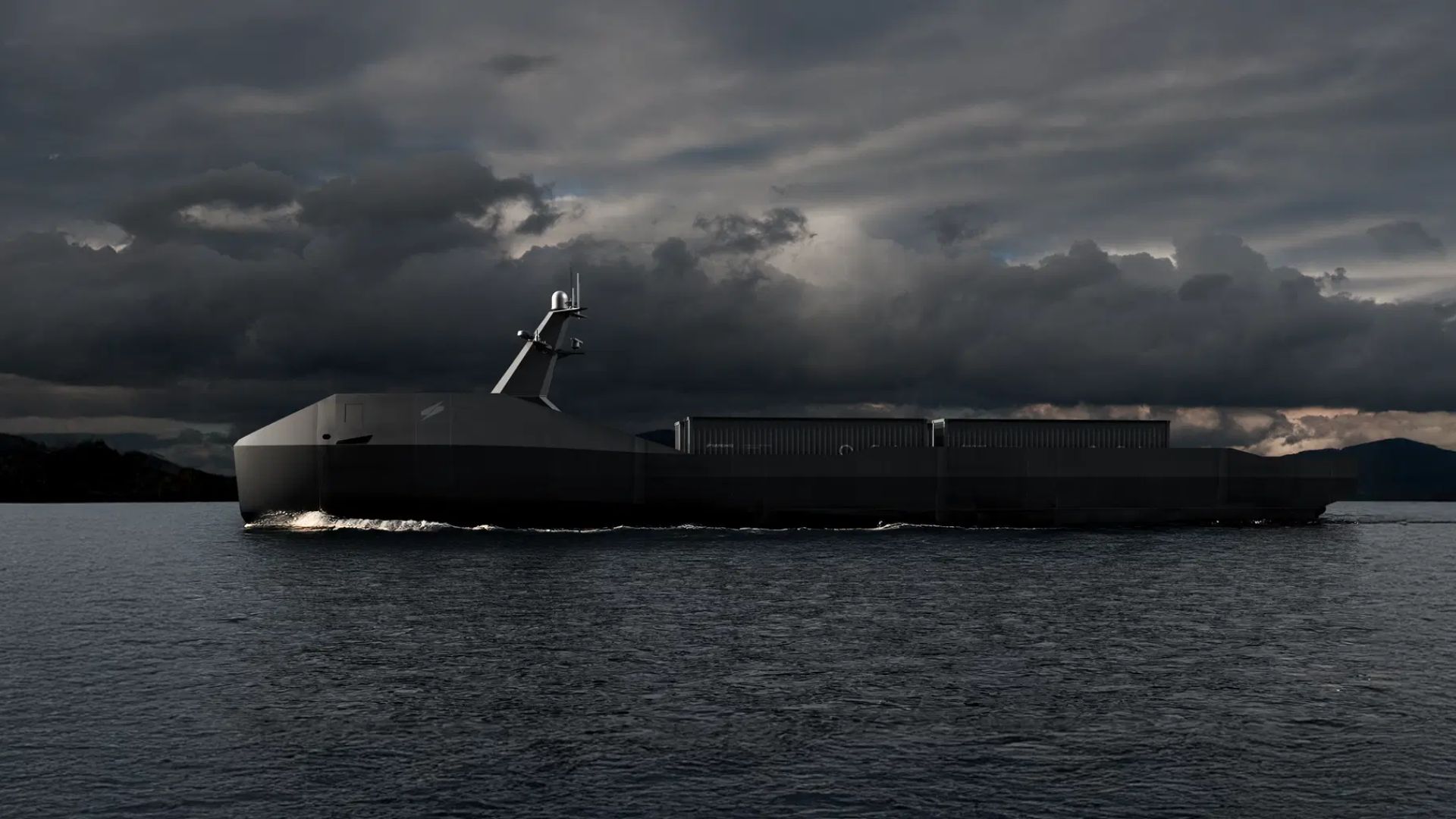
US’ new 180-foot drone ship could launch hypersonic missiles, demo set for 2027
Saronic and Castelion, two prominent defense technology firms, have unveiled their intention to merge efforts in developing an autonomous warship. This strategic collaboration aims to enhance maritime security capabilities and address emerging threats in naval warfare. The announcement was made on October 15, 2023, during a defense technology conference held in Athens, Greece. The motivation behind this partnership stems from the increasing demand for advanced naval solutions that can operate independently in complex environments. By pooling their expertise and resources, Saronic and Castelion seek to accelerate the innovation process and deliver cutting-edge technology to military clients worldwide. The proposed autonomous warship is expected to incorporate advanced artificial intelligence and machine learning systems, enabling it to perform a variety of missions, including reconnaissance, surveillance, and combat operations, without direct human intervention. This development reflects a broader trend in the defense industry towards automation and smart technologies, aimed at enhancing operational efficiency and reducing risks to personnel. As the defense sector continues to evolve, the collaboration between Saronic and Castelion positions them at the forefront of the autonomous naval warfare market, potentially reshaping the future of maritime defense strategies.
Military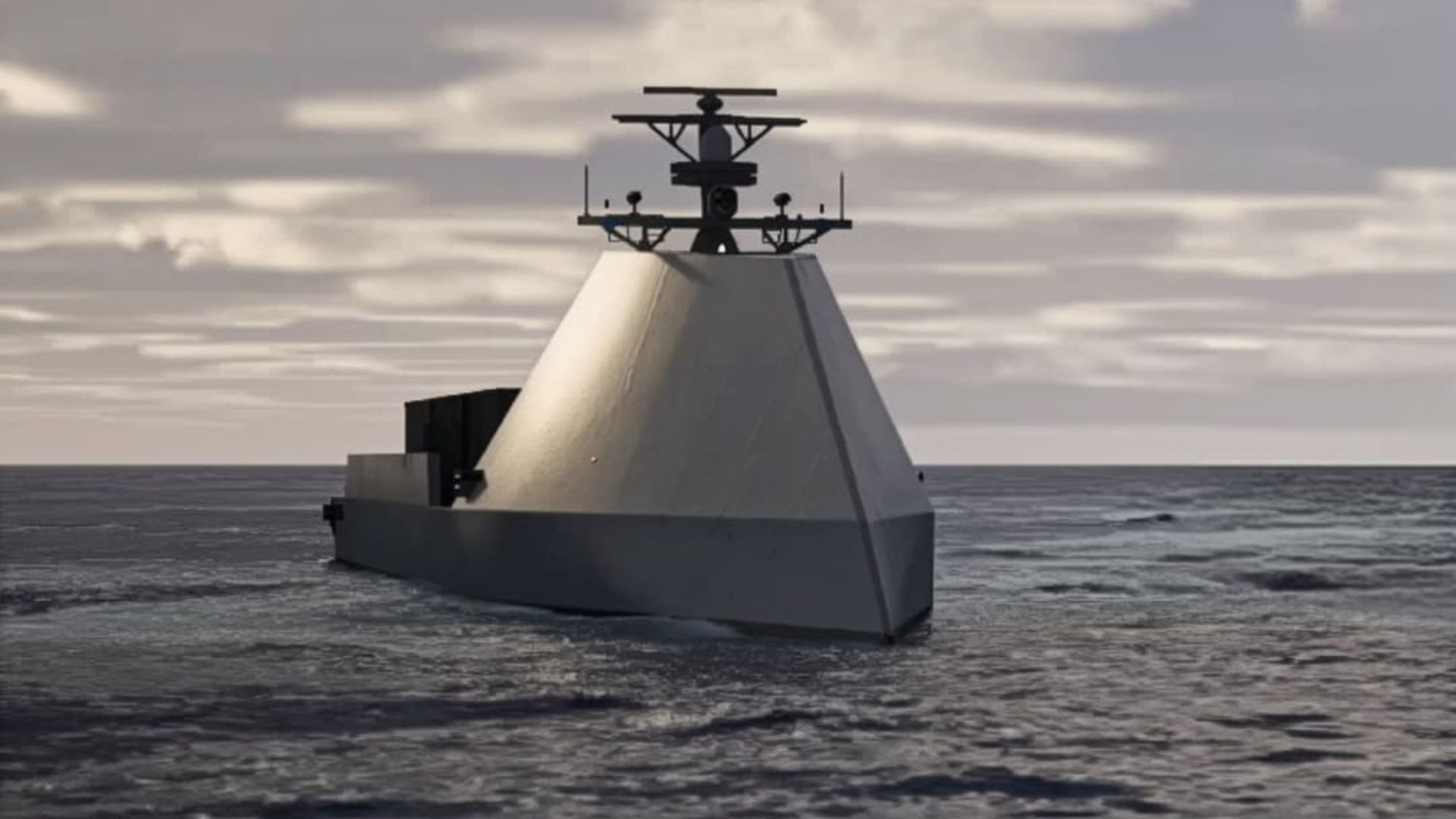
US Navy drone ship gets its own production line to speed up fleet deliveries
Bayou Metals, a key manufacturing partner of defense shipbuilder Huntington Ingalls Industries (HII), has announced the establishment of a new facility aimed at enhancing its production capabilities. This development, which took place in early October 2023, is located in the Gulf Coast region, a strategic area for defense manufacturing. The decision to expand comes in response to increasing demand for advanced materials and components necessary for military vessels. By investing in this new facility, Bayou Metals aims to streamline its operations and improve efficiency, ultimately supporting HII's commitment to delivering high-quality defense products. The facility is expected to create numerous jobs and contribute to the local economy, while also reinforcing the supply chain for the defense sector.
Military
LG to build Korea's first humanoid 'data factory' to train robots
LG Electronics is transforming its research and development campus in the Yangjae district of southern Seoul into South Korea's first "data factory" dedicated to humanoid robots, according to industry sources. This initiative, announced on Friday, aims to utilize hundreds of CLOiD machines that will perform everyday tasks to generate essential real-world data. As the development of humanoid robots increasingly hinges on data rather than hardware, this facility seeks to address the growing challenge of acquiring the necessary information for effective robot training. By creating a controlled environment where robots can learn from repetitive tasks, LG Electronics is positioning itself at the forefront of the competitive humanoid robotics sector.
All News
The Role of RF Connectors in Robotic Vision, Sensor Communication, and Automated Inspection Systems
Recent advancements in robotic vision and automated inspection have highlighted the limitations of software solutions in addressing physical challenges. While fast GPUs, sophisticated models, and user-friendly dashboards are often celebrated as technological triumphs, they falter when confronted with the realities of a compromised physical signal path. For instance, a camera's ability to process images is hindered by a noisy clock, and sensors struggle to deliver accurate readings when interfaces become loose after repeated vibrations. This underscores the importance of considering the physical environment in the development and implementation of automated systems, as reliance solely on software capabilities may lead to significant operational failures.
Design Engineering Technology automated inspection automation news factory automation
Why Choose Solana for Blockchain App Development?
Solana, a next-generation decentralized blockchain, is gaining traction in the realm of blockchain app development due to its scalability and advanced technological features. Launched in 2017, Solana offers a secure and decentralized infrastructure capable of supporting numerous nodes while maintaining high performance levels. Its growing popularity is attributed to its ability to handle complex applications efficiently, making it an attractive choice for developers seeking a robust platform for innovative projects. As the demand for scalable blockchain solutions increases, Solana's unique capabilities position it as a leading contender in the competitive landscape of blockchain technology.
Business Computing Software automation news blockchain development blockchain technology
‘The threat is there’: Germany to pair P-8s with MQ-9 drones to keep an eye on Russian subs
The German Naval Aviation Command is set to introduce the MQ-9B, marking the first unmanned system in its operational fleet. Capt. Broder Nielsen, the command's head, emphasized the importance of a gradual integration process, stating that personnel will work closely with the aircraft as they adapt to its capabilities. This initiative reflects Germany's commitment to enhancing its naval aviation capabilities with advanced technology. The timeline for the full operational rollout remains under development, but the focus on a step-by-step approach aims to ensure effective training and operational readiness for the crew.
Global Naval Warfare Boeing Europe General Atomics Aeronautical Systems Germany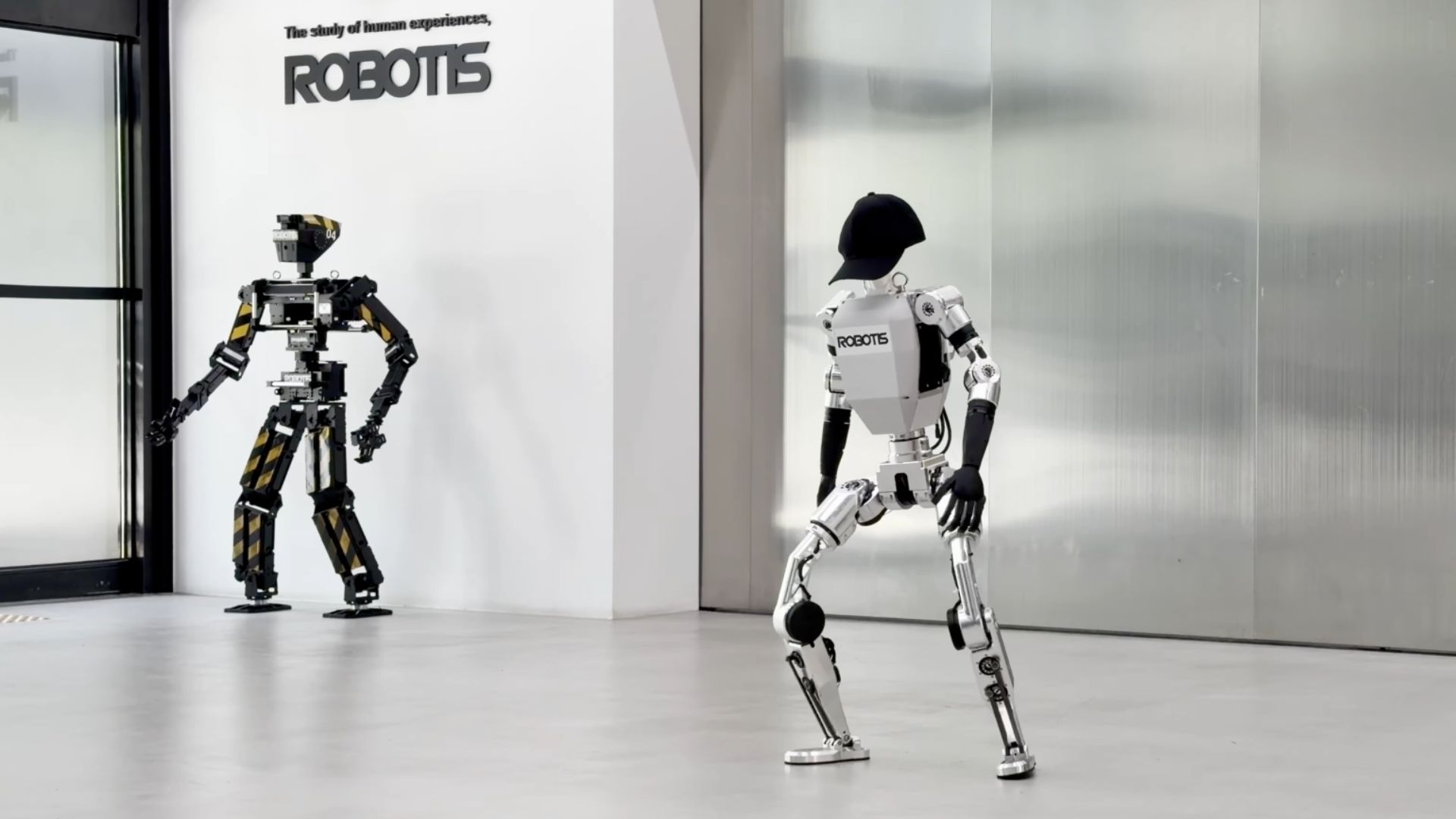
Watch: Korean humanoid robot performs viral K-POP dance, learns by watching videos
A South Korean company has made significant strides in humanoid robotics, recently unveiling a sophisticated humanoid capable of learning complex motions. This development comes amid China's prominent presence in the field of robotics, highlighting the competitive landscape of technological innovation. The demonstration took place at a technology expo in Seoul, where industry leaders gathered to witness advancements in artificial intelligence and robotics. The motivation behind this innovation is to enhance the capabilities of humanoid robots, making them more adaptable and efficient in various tasks. The company achieved this breakthrough by integrating advanced machine learning algorithms, allowing the robot to observe and replicate movements, thereby improving its functionality in real-world applications. This event marks a pivotal moment for South Korea in the global robotics arena, positioning the nation as a key player in the evolution of humanoid technology.
AI and Robotics
Leonardo in ‘advanced’ talks to expand Italian Army’s AW249 combat helicopter fleet
The Italian Army is exploring advanced applications for its AH-249 helicopter, with plans to utilize the aircraft for high-speed, low-level flights to penetrate deep into enemy territory. Marco Marinoni, the head of the AH-249 acquisition program, highlighted this strategic capability as a key feature of the platform. This development reflects the Army's commitment to enhancing its operational effectiveness in modern warfare scenarios. The initiative aims to bolster Italy's defense capabilities and ensure readiness in increasingly complex combat environments.
Air Warfare Global Aerovironment Air Force AW-249 Drones
Israel’s Elbit Systems, Germany’s Diehl Defence team on SkyStriker pitch for Berlin
Elbit Systems has announced a significant partnership with Diehl to enhance Germany's defense capabilities through local manufacturing and assembly of advanced defense systems. This collaboration aims to bolster the development of sovereign defense capabilities and strengthen the German defense industry. The deal reflects a strategic move to ensure that Germany can independently produce critical defense technologies, thereby enhancing national security. The initiative is expected to create jobs and foster innovation within the local defense sector, marking a pivotal step in Germany's commitment to increasing its defense capabilities.
Air Warfare Air Force Business & Industry Diehl Drones Elbit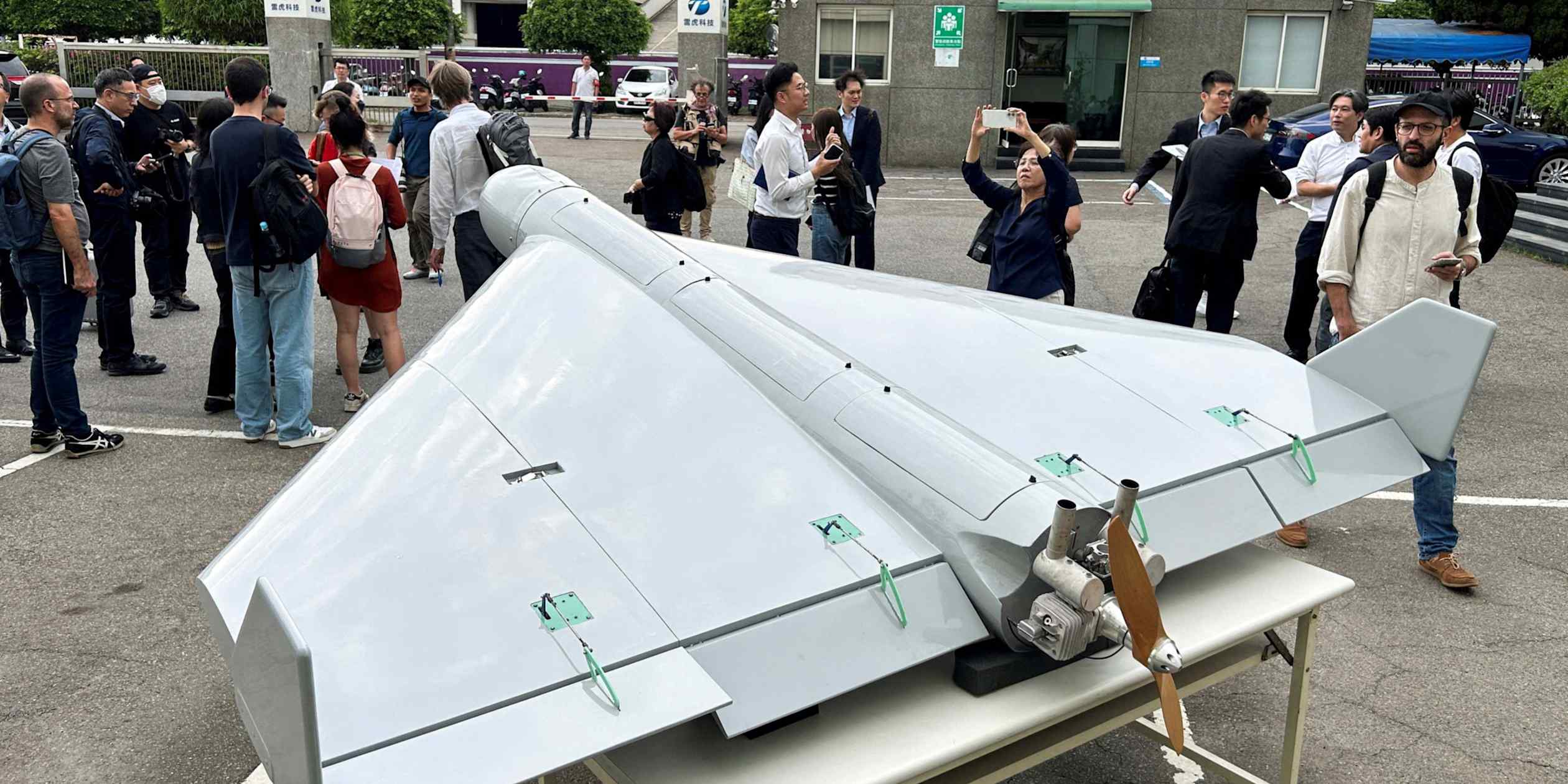
Drones hover at center of Taiwan's defense debate
In Taiwan, the ongoing debate over the role of drones in national defense has intensified, highlighting significant divisions between the ruling Democratic Progressive Party (DPP) and the opposition Kuomintang (KMT). This discord threatens to impede the development of the country's drone industry, which is critical for enhancing military capabilities amid rising tensions with China. The discussion gained momentum during a media tour on April 21, 2026, in Taichung, where the Thunder Tiger Group showcased its Papa Delta drone. As Taiwan grapples with budget cuts affecting defense spending, concerns about the future of its drone program have emerged, prompting scrutiny of the KMT's stance on defense cuts. The political landscape remains fraught, with the KMT's leadership planning a trip to the United States, further complicating the dialogue surrounding Taiwan's defense strategy. The situation underscores the urgency for Taiwan to bolster its military technology in response to external pressures, particularly from China, while navigating internal political challenges.

NVIDIA Blackwell Leads on First Agentic AI Infrastructure Benchmark
Artificial Analysis has launched AgentPerf, the industry's first benchmark for agentic AI, aimed at providing developers, enterprises, and infrastructure providers with a standardized method to evaluate and compare various systems designed for agentic AI capabilities. The initial results have highlighted NVIDIA's Blackwell as a leading performer in this emerging field. This development comes as the demand for advanced AI systems continues to grow, prompting the need for reliable metrics to assess their effectiveness and efficiency. By establishing a clear framework for comparison, AgentPerf seeks to facilitate informed decision-making among stakeholders in the AI sector.

Robot hand uses touch and vision to harvest ripe fruit with near-100% accuracy
A team of researchers has created an innovative soft robotic gripper designed to assess the ripeness of fruit and facilitate harvesting. This development, which emerged from ongoing advancements in agricultural technology, aims to address the challenges faced by farmers in determining the optimal time for fruit picking. The gripper, equipped with advanced sensors, can gently handle delicate produce without causing damage, ensuring that only ripe fruits are collected. The project, which began in early 2023, took place at a leading agricultural research facility. The motivation behind this invention stems from the increasing demand for efficient and sustainable farming practices, as well as the need to reduce labor costs and improve the quality of harvested fruits. By automating the inspection and harvesting process, the researchers hope to enhance productivity and minimize waste in the agricultural sector. The robotic gripper operates through a combination of tactile sensing and machine learning algorithms, allowing it to analyze the texture and firmness of the fruit in real-time. This technology not only promises to streamline the harvesting process but also aims to improve the overall quality of produce reaching consumers. As the agricultural industry continues to evolve, innovations like this soft robotic gripper represent a significant step forward in the quest for smarter, more efficient farming solutions.
AI and Robotics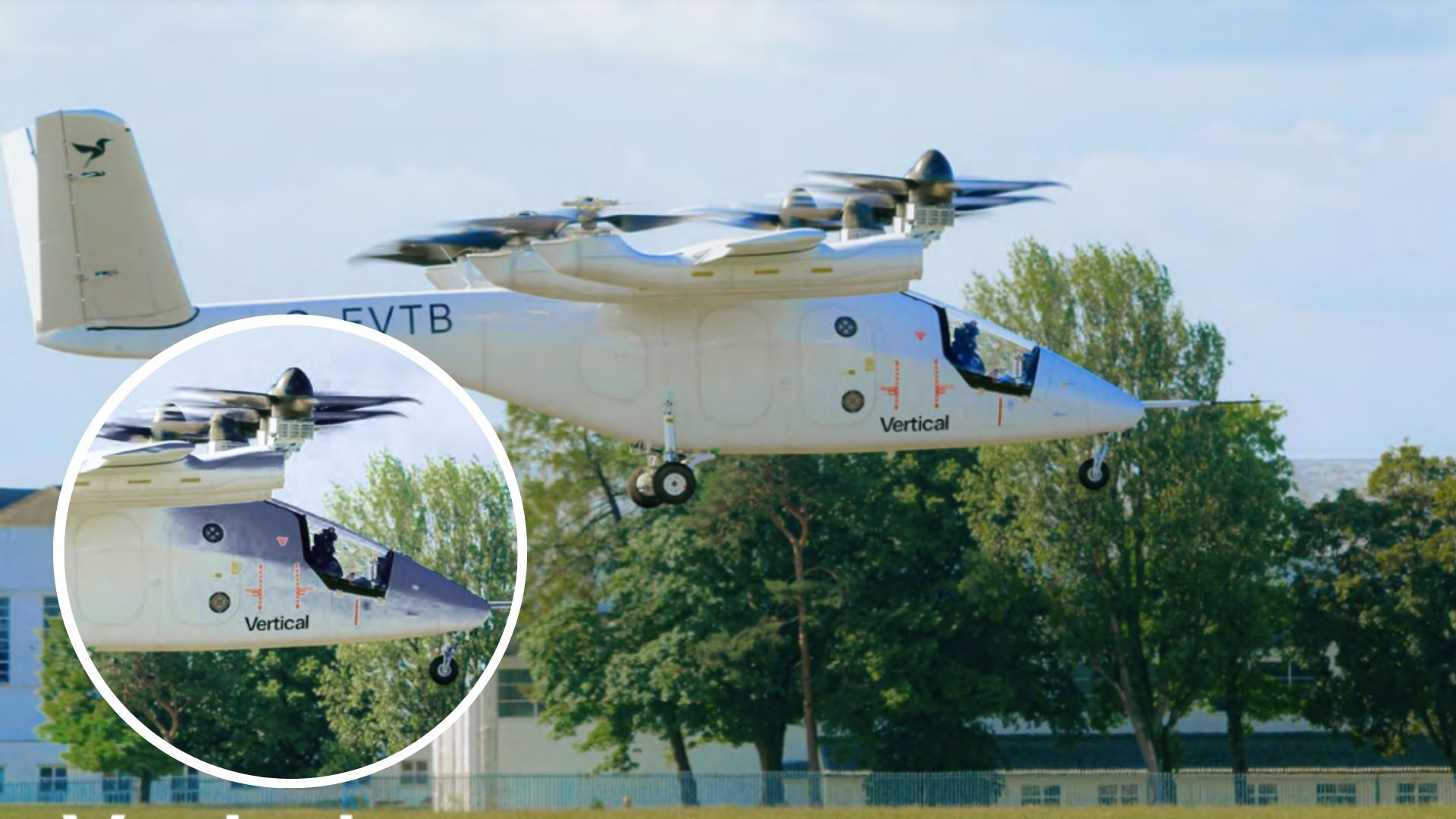
New plane prototype conducts maiden piloted flight, can transform hybrid-electric aircraft future
An aerospace and technology company has successfully completed the maiden piloted flight of its full-scale prototype, marking a significant milestone in its development efforts. The flight took place recently at the company's testing facility, showcasing advancements in aerospace technology and design. This achievement is part of the company's broader mission to innovate and enhance capabilities in the aerospace sector, driven by the growing demand for advanced aircraft solutions. The prototype's successful flight demonstrates the effectiveness of the engineering and design processes employed, paving the way for future developments and potential commercial applications. The company aims to leverage this success to attract investment and partnerships, furthering its goals in the competitive aerospace market.
Transportation
Krypton Evening News: Token prices drop to a few dollars; OpenAI may significantly reduce product prices; discounted train tickets for
Christian Stein has been appointed as the new CEO of Renault Group Spain, effective July 1, succeeding Josep María Recasens, who is leaving the company for new career opportunities. Stein will also continue in his role as Chief Communications Officer and report to Renault Group CEO François Provost. In a significant shift, General Motors is considering abandoning the use of lithium iron phosphate (LFP) batteries for electric vehicles, despite plans to produce them by the end of 2027 at a joint factory in Tennessee. This decision comes as the company reassesses its battery technology strategy amidst a competitive market. Global prediction markets Polymarket and Kalshi have reported that contracts for the upcoming World Cup champion have surpassed $2 billion, potentially setting a new record for single-event prediction market transactions. In the tech sector, OpenAI is contemplating substantial price reductions for its products to compete with rival Anthropic, as rising costs for AI services have become a concern for executives. Meanwhile, J&T Express has responded to an investigation by China's State Post Bureau, emphasizing its commitment to cooperate fully and improve safety management practices in light of the inquiry. AliExpress, Alibaba's cross-border e-commerce platform, has launched official local delivery services in five countries, including the U.S. and Spain, aiming to enhance logistics efficiency for merchants. In product news, Insta360 has unveiled the Luna Ultra, the world's first 8K dual-camera gimbal, which sold out shortly after its launch on June 10. Lastly, Neura Robotics, a German robotics firm, has secured $1.4 billion in funding to accelerate its development of a leading physical AI platform, with backing from major investors like Amazon and NVIDIA.
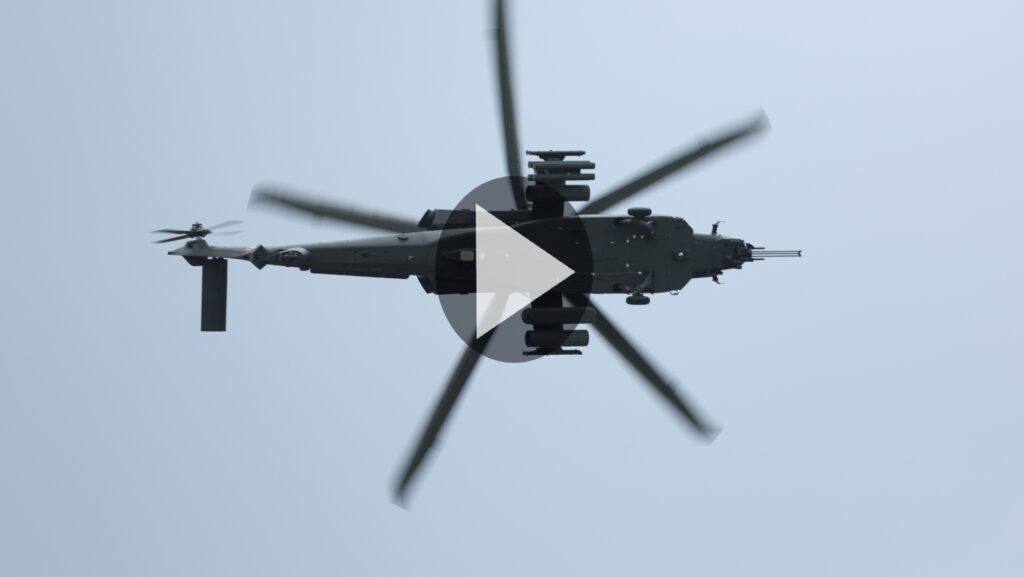
Talking Italian attack helos and skyrocketing air defense demand at the Berlin Air Show
On the second day of the German aerospace expo, Tim Martin and Elisabeth Gosselin-Malo from Breaking Defense reported on the latest developments and innovations showcased at the event. Taking place in Germany, the expo serves as a significant platform for industry leaders and stakeholders to gather and discuss advancements in aerospace technology. The event aims to foster collaboration and drive progress in the sector, highlighting the importance of innovation in addressing current and future challenges. Attendees are engaging in discussions and demonstrations that showcase cutting-edge technologies and solutions, reflecting the industry's commitment to enhancing safety, efficiency, and sustainability in aerospace operations.
Air Warfare Global Air Force CCA Europe Future Combat Air System FCAS SCAF
NASA robotic tech demonstration will advance prototype gamma-ray detectors
NASA has announced the development of a new gamma-ray sensor named AstroPix, which will be utilized in a robotic arm demonstration during the agency's Fly Foundational Robots mission. This mission is scheduled for launch in late 2027. The introduction of AstroPix aims to enhance the capabilities of robotic systems in space exploration, particularly in detecting and analyzing gamma-ray emissions. By integrating this advanced technology, NASA seeks to improve the understanding of cosmic phenomena and contribute to future scientific discoveries beyond Earth. The demonstration will showcase the sensor's functionality and effectiveness in a space environment, marking a significant step forward in robotic exploration.
Robotics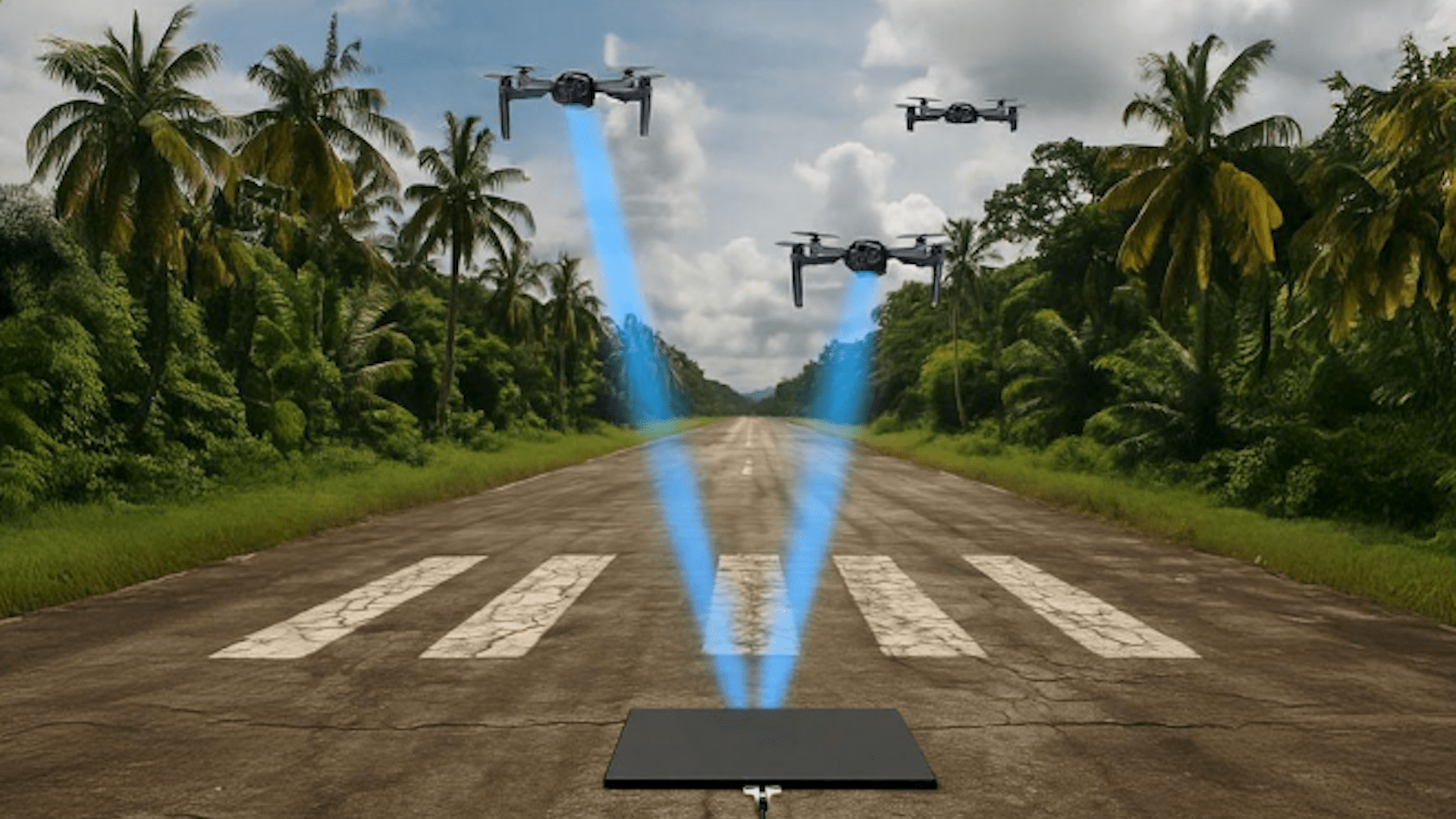
Next-gen wireless drone swarm stays airborne 24/7, never needs to land
US companies Reach Power and Gambit have unveiled that their collaborative initiative, the SWARM project, has secured funding. This financial backing aims to advance the development of innovative technologies in the renewable energy sector. The announcement was made on October 15, 2023, highlighting the growing interest and investment in sustainable energy solutions. The SWARM project is designed to enhance energy efficiency and promote the integration of renewable resources into existing power grids. By leveraging cutting-edge technology and strategic partnerships, Reach Power and Gambit intend to address the increasing demand for clean energy alternatives. This initiative reflects a broader trend in the industry, as companies seek to align with global sustainability goals and reduce carbon footprints.
Innovation
UAE’s EDGE Group launches European arm out of Paris
EDGE Europe has announced the establishment of two key sites in France, with a head office located in Chaillot, central Paris, and a manufacturing facility in Bordeaux. The Paris office will primarily focus on government interactions and investment opportunities, while the Bordeaux site will be dedicated to the design, integration, and development of various platforms. This strategic move aims to enhance the company's operational capabilities and strengthen its presence in the European market. The decision reflects EDGE Europe's commitment to expanding its footprint and fostering collaboration with local governments and industries.
Global Business & Industry EDGE Group Europe EUROSATORY 2026 france