Industry Briefing
A single destination for timely, editor-curated robotics news from around the world.

1X Unveils NEO Robot Hand with Unmatched Precision for Household Tasks
1X has introduced the NEO robot hand, showcasing its ability to perform intricate tasks with remarkable precision. The hand features 25 degrees of freedom and utilizes a tendon-driven structure, mimicking human muscle and tendon systems, allowing for smooth and natural movements. The NEO hand can perform tasks such as separating grapes, twisting light bulbs, and pulling zippers, demonstrating capabilities that closely resemble human dexterity. The significance of the NEO robot hand lies in its potential applications as a household assistant, capable of performing chores, caring for the elderly, and aiding in rehabilitation. Its design incorporates numerous sensors that enable it to not only grasp objects but also assess how to grip them without causing damage. This advancement marks a critical step towards creating robots that can seamlessly integrate into daily life. Looking ahead, the NEO hand's uncanny resemblance to human hands raises questions about the 'uncanny valley' effect, where human-like robots elicit discomfort. As 1X aims to position the NEO as a versatile home assistant, the balance between functionality and human likeness will be crucial in its acceptance. No further timeline was disclosed at the time of publication.
Robotics Dexterous Manipulation AI Technology Human-Robot Interaction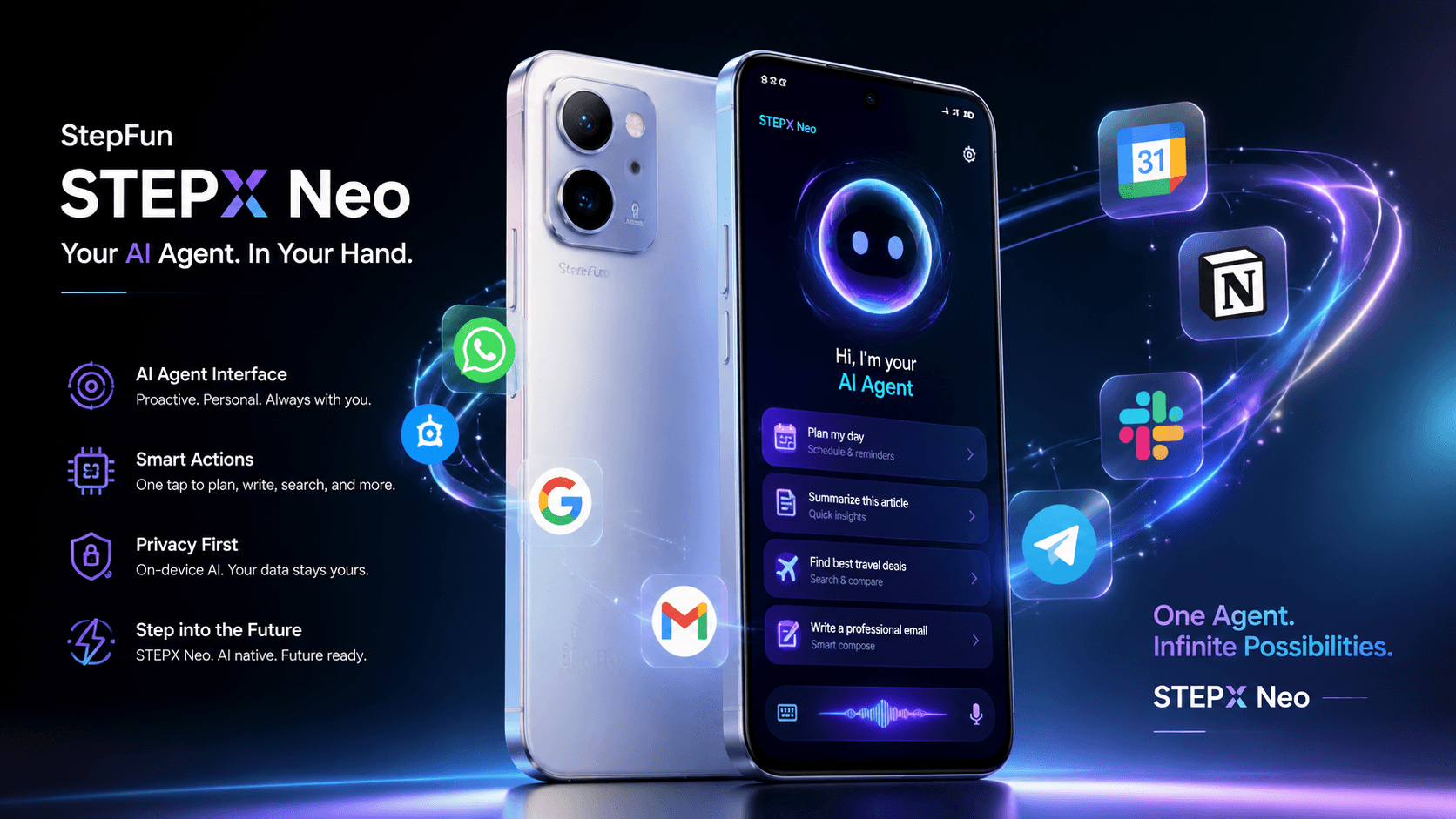
StepFun Launches STEPX Neo: An AI Agent Phone with Cross-App Integration
StepFun, a Shanghai-based AI unicorn, has introduced the STEPX Neo, an innovative phone equipped with the agent-native Step AOS and Amoo agent. This device integrates over 10 major platforms, including Alipay, Meituan, Didi, and Baidu, enabling autonomous task execution across applications. The launch of STEPX Neo is significant as it represents a leap forward in mobile technology, allowing users to perform tasks seamlessly across multiple applications without manual intervention. By leveraging the capabilities of various platforms, the STEPX Neo aims to enhance user experience and efficiency in daily tasks. Looking ahead, the impact of STEPX Neo on the market will be worth monitoring, particularly in how it influences user adoption of AI-driven mobile solutions. No further timeline was disclosed at the time of publication.
Technology
1X Enhances NEO Humanoid Robot with Advanced 25-DOF Hands for Versatile Tasks
Norwegian robotics firm 1X has introduced new 25-degree-of-freedom (DOF) tendon-driven hands for its NEO humanoid robot, marking a significant advancement in robotic dexterity. These hands feature 22 actuated joints across the fingers and palm, along with three at the wrist, enabling NEO to perform tasks such as assembling LEGO models and catching balls with precision and strength. The redesigned hands allow for force sensing and durability, overcoming previous hardware limitations in robotic manipulation. With a unique tendon-drive system and low gear ratios, the hands can detect contact forces and provide continuous proprioception, enhancing the robot's ability to manipulate objects safely and effectively. The hands' human-like joint distribution, particularly the opposable thumb, facilitates a wide range of fine manipulation tasks, making NEO suitable for various household applications. 1X has commenced mass production of the NEO robot at its new California facility, aiming to commercialize home robots for daily assistance. The company emphasizes the hands' combination of precision, strength, and safety features, including IP68 waterproofing and self-cleaning capabilities. No further timeline was disclosed at the time of publication.
AI and Robotics
Strategic Partnership: Infineon and VinRobotics
Infineon Technologies and VinRobotics have signed a memorandum of understanding to collaborate on the development of humanoid robots. This strategic partnership aims to leverage both companies' expertise in semiconductor technology and robotics to advance the capabilities and applications of humanoid robotics. The announcement marks a significant step in the growing field of robotics, reflecting the increasing demand for innovative solutions in automation and human-robot interaction. The collaboration is expected to enhance the design and functionality of humanoid robots, potentially transforming various industries by integrating advanced technologies.
Allgemein Humanoide Robotik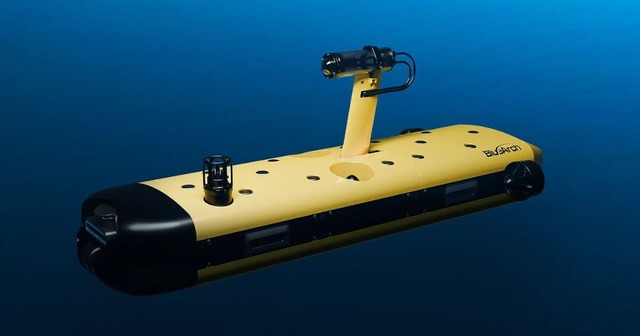
BlueArch develops and sells "HATTORI Neo," a compact autonomous underwater vehicle with edge AI.
BlueArch Corporation has been established to develop and manufacture domestically produced autonomous underwater vehicles (AUVs) and underwater robots (UUVs). This initiative aims to enhance Japan's capabilities in underwater exploration and technology, responding to the growing demand for advanced marine solutions. The company focuses on leveraging innovative engineering and technology to create efficient and reliable underwater systems. The establishment of BlueArch marks a significant step in the country's efforts to strengthen its maritime industry and promote research and development in underwater robotics.

1X Says It Has Capacity to Build 10K of its Humanoid Household Robot Neo Annually
Humanoid robotics company 1X has revealed its ability to manufacture up to 10,000 units of its household Neo robot each year. This announcement follows the overwhelming demand for the Neo, which sold out its entire first-year production within just five days of opening preorders last October. The rapid sellout highlights the growing interest in home robotics and positions 1X as a key player in this emerging market. The company aims to meet the high demand by ramping up production capabilities, ensuring that consumers can access the innovative technology in the near future.
AI AI Use Cases Robotics California household robot humanoid robotics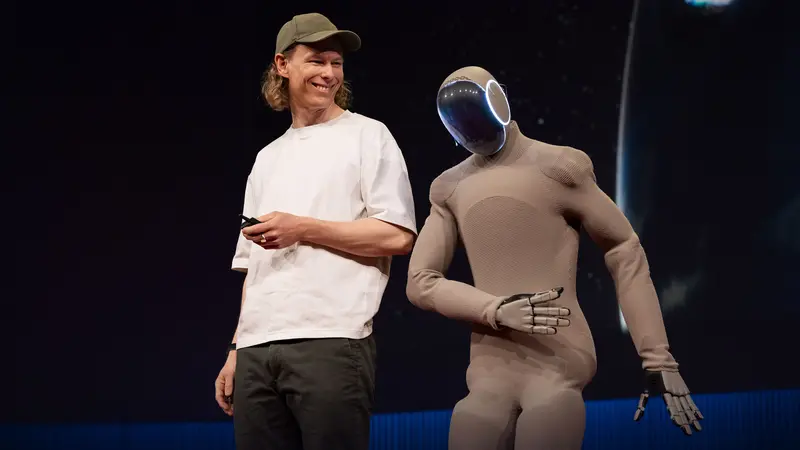
Humanoid Robots Are Here – Bernt Børnich and NEO holds a TED Talk
In a compelling TED Talk, Bernt Børnich, CEO of 1X, delves into the transformative potential of humanoid robots, particularly focusing on a model named NEO. He posits that these advanced machines could revolutionize the workforce by making labor as plentiful and accessible as energy. This shift, he argues, would liberate individuals to concentrate on more meaningful pursuits beyond traditional work. Børnich's insights, shared during the event, challenge the audience to reconsider the implications of robotics on human identity and societal structure. The discussion highlights the intersection of technology and humanity, raising questions about the future of work and the essence of what it means to be human in an increasingly automated world.
1X-technologies Neo Gamma NEO Bernt Børnich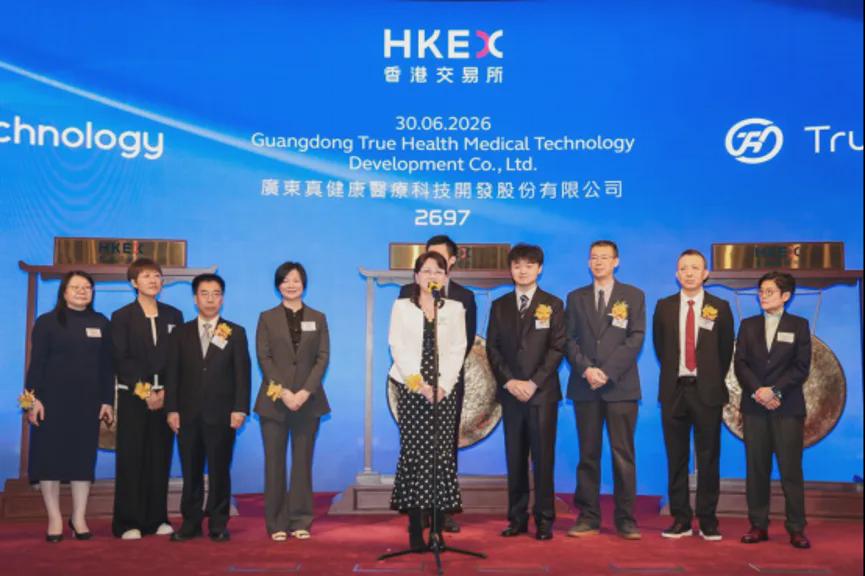
Market Value Exceeds 10 Billion: First Percutaneous Surgery Robot Listed on HKEX
Guangdong Zhenjiankang Medical Technology Co., Ltd. made its debut on the Hong Kong Stock Exchange, marking a significant milestone as the first company specializing in percutaneous surgery robots. On its first day of trading, the company's stock skyrocketed by 216.96%, propelling its market capitalization to HKD 14.259 billion. Zhenjiankang's focus on advanced percutaneous and ablation surgery technologies has positioned it as a leader in the Chinese market, underscoring its impressive revenue growth driven by innovative products and strong clinical validation.
Percutaneous Surgery Robots Medical Robotics Healthcare Technology Market Growth Innovation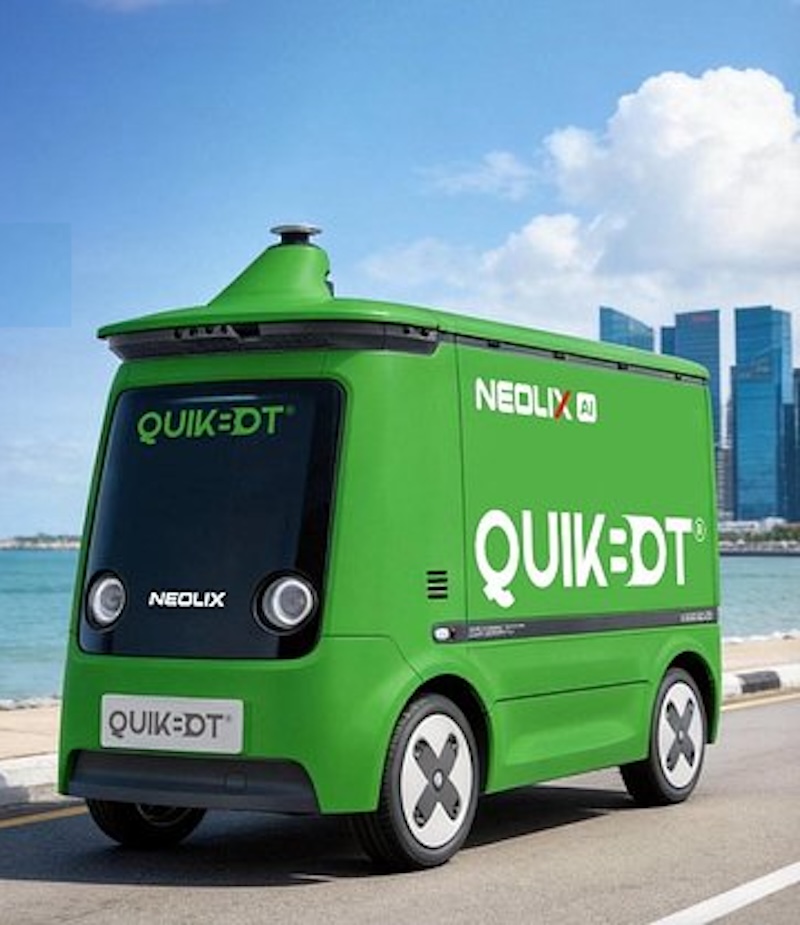
Neolix partners with QuikBot to develop autonomous delivery network
Neolix, a developer specializing in Level 4 autonomous logistics vehicles, has formed a strategic partnership with Singapore's QuikBot Technologies to create a comprehensive autonomous delivery solution. This collaboration aims to facilitate deliveries across public roads, building interiors, and directly to doorsteps. The partnership will support Neolix's pilot deployment in Singapore and assist in meeting compliance requirements, while also enhancing the autonomous delivery capabilities of both companies throughout the Asia-Pacific region.
Autonomous Vehicles Logistics News ai robotics automation news autonomous delivery
Oceaneering Upgrades Ocean Intervention II Vessel for Simultaneous Autonomous Survey Missions
Oceaneering International, Inc. has announced an upgrade to its Subsea Robotics segment, enhancing the capabilities of the Ocean Intervention II (OI2), an oceanographic research vessel owned by the company. This upgrade enables the vessel to conduct simultaneous autonomous survey operations, significantly improving efficiency in underwater research. The announcement was made today, highlighting Oceaneering's commitment to advancing marine technology and research capabilities. The enhancements are expected to facilitate more comprehensive data collection and analysis in various oceanographic studies, positioning Oceaneering as a leader in the field of subsea exploration.
oceaneering upgrade ocean intervention ii vessel simultaneous autonomous survey missions
Greensea IQ Announces Neotek as Exclusive Representative for France and Belgium
Greensea IQ, a prominent player in autonomous robotic systems for maritime and defense sectors, has entered into an exclusive representation agreement with Neotek, a reputable marine technology provider based in Lorient, France. This partnership will enable Neotek to represent Greensea IQ’s Bayonet line of surf-zone autonomous vehicles, along with its IQNS navigation and situational awareness systems, in the markets of France and Belgium. The collaboration aims to enhance the distribution and visibility of Greensea IQ's innovative technologies in these regions, further solidifying its presence in the European maritime industry.
greensea iq neotek exclusive representative france belgium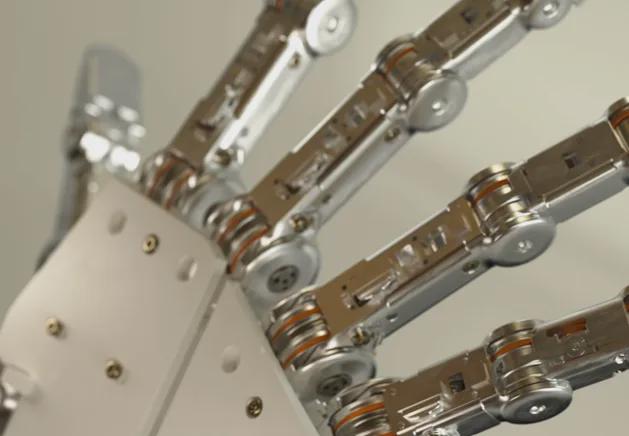
1X Launches Neo Robotic Hand Featuring 25 Degrees of Freedom and Force Transparency
On July 9, 2026, 1X, a unicorn supported by OpenAI, unveiled the Neo robotic hand designed for humanoid robots. This advanced hand boasts 25 degrees of freedom, enabling it to perform a wide range of human-like tasks, such as delicately picking grapes without crushing them and lifting weights up to 20 pounds. The innovative design incorporates a tendon-driven system that enhances dexterity and responsiveness. The significance of the Neo robotic hand lies in its unique 'Force Transparency' technology, which allows for bidirectional communication between the hand and its environment. Unlike traditional robotic hands that operate with high gear ratios, the Neo hand utilizes a low gear ratio of approximately 5:1 to 15:1, enabling it to provide real-time feedback on applied forces. This design not only enhances the hand's functionality but also improves the training of AI models by providing rich physical interaction data. Looking ahead, while the Neo hand addresses fundamental perception challenges, real-world complexities remain a concern. The hand must operate effectively in various domestic environments, where it may encounter grease, sauces, or dust. Ensuring safety during interactions with children and maintaining functionality in challenging conditions will be critical for the widespread adoption of this technology. No further timeline was disclosed at the time of publication.
Robotic Hands Humanoid Robots AI Tactile Sensors Robotics Technology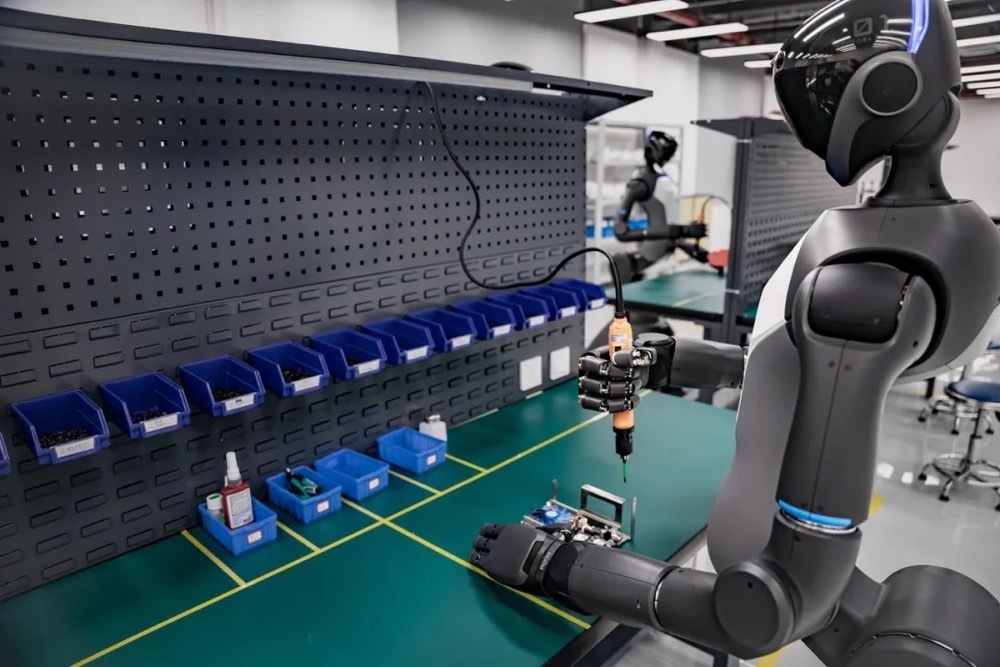
Tesla Optimus vs Unitree G1, 1X NEO & Digit: 2026 Comparison
In a comprehensive comparison of advanced robotics, Tesla's Optimus is pitted against Unitree's G1, 1X NEO, and Agility's Digit, showcasing their specifications, pricing, and availability as of 2026. This analysis highlights the key features and functionalities of each model, providing potential buyers with essential information to make informed decisions. The comparison comes at a time when interest in robotic technology is surging, driven by advancements in automation and artificial intelligence. As consumers and businesses alike seek to integrate robotics into their operations, understanding the differences between these models is crucial. The evaluation not only outlines the technical capabilities of each robot but also addresses their market readiness, allowing interested parties to assess which options are currently available for purchase.

Artificial skin enables robots to simultaneously sense temperature and pressure like humans
A research team from Seoul National University, headed by Professor Seung Hwan Ko, has made significant advancements in artificial skin technology that allows robots to detect both temperature and pressure simultaneously, mimicking the sensory capabilities of human skin. This breakthrough, announced recently, aims to enhance the interaction between robots and their environments, potentially leading to more sophisticated applications in fields such as healthcare, manufacturing, and service industries. By integrating advanced sensors and materials, the team has developed a system that not only improves robotic sensitivity but also paves the way for more intuitive human-robot interactions. The research highlights the ongoing efforts to bridge the gap between human and robotic capabilities, with the ultimate goal of creating machines that can operate safely and effectively alongside people.
Robotics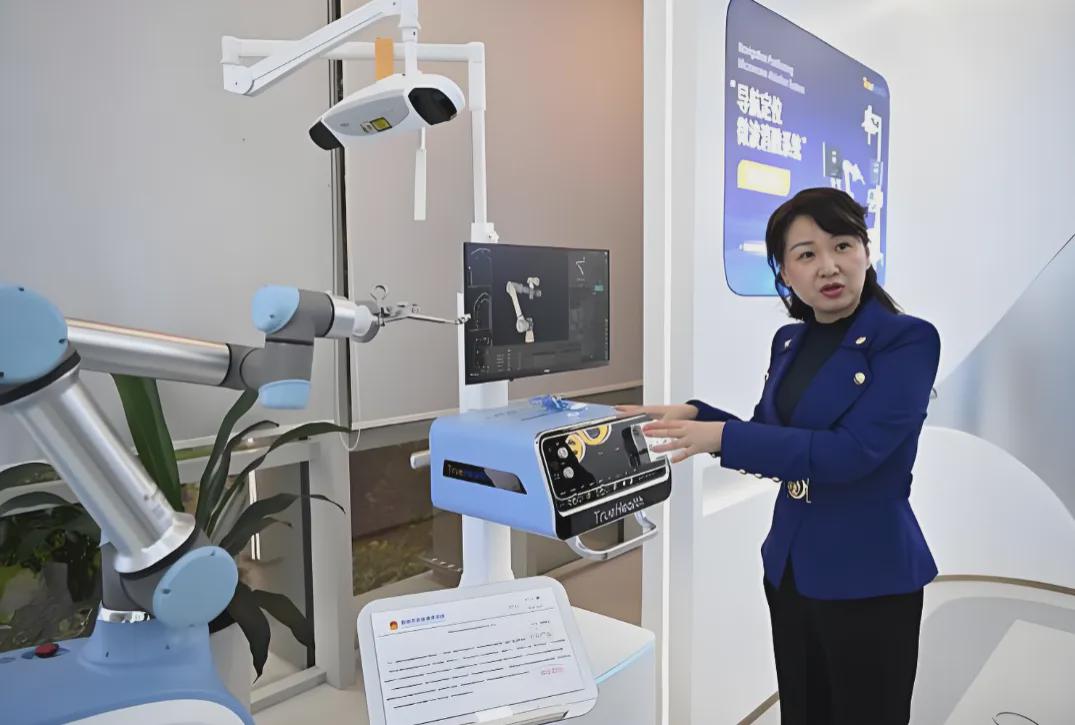
China's First Publicly Listed Percutaneous Surgery Robot Company Emerges
Zhenjiankang Medical Technology Co., Ltd. is preparing to launch its initial public offering (IPO) in Hong Kong, where it plans to offer more than 3.5 million shares. The company, which focuses on the development and commercialization of percutaneous surgery robots, has established a significant presence in the Chinese market. With robust financial performance and a well-defined business strategy, Zhenjiankang seeks to utilize its innovative technology to improve surgical efficiency and broaden its range of products in the rapidly expanding medical robotics sector.
Surgical Robots Medical Technology Healthcare Innovation Robotics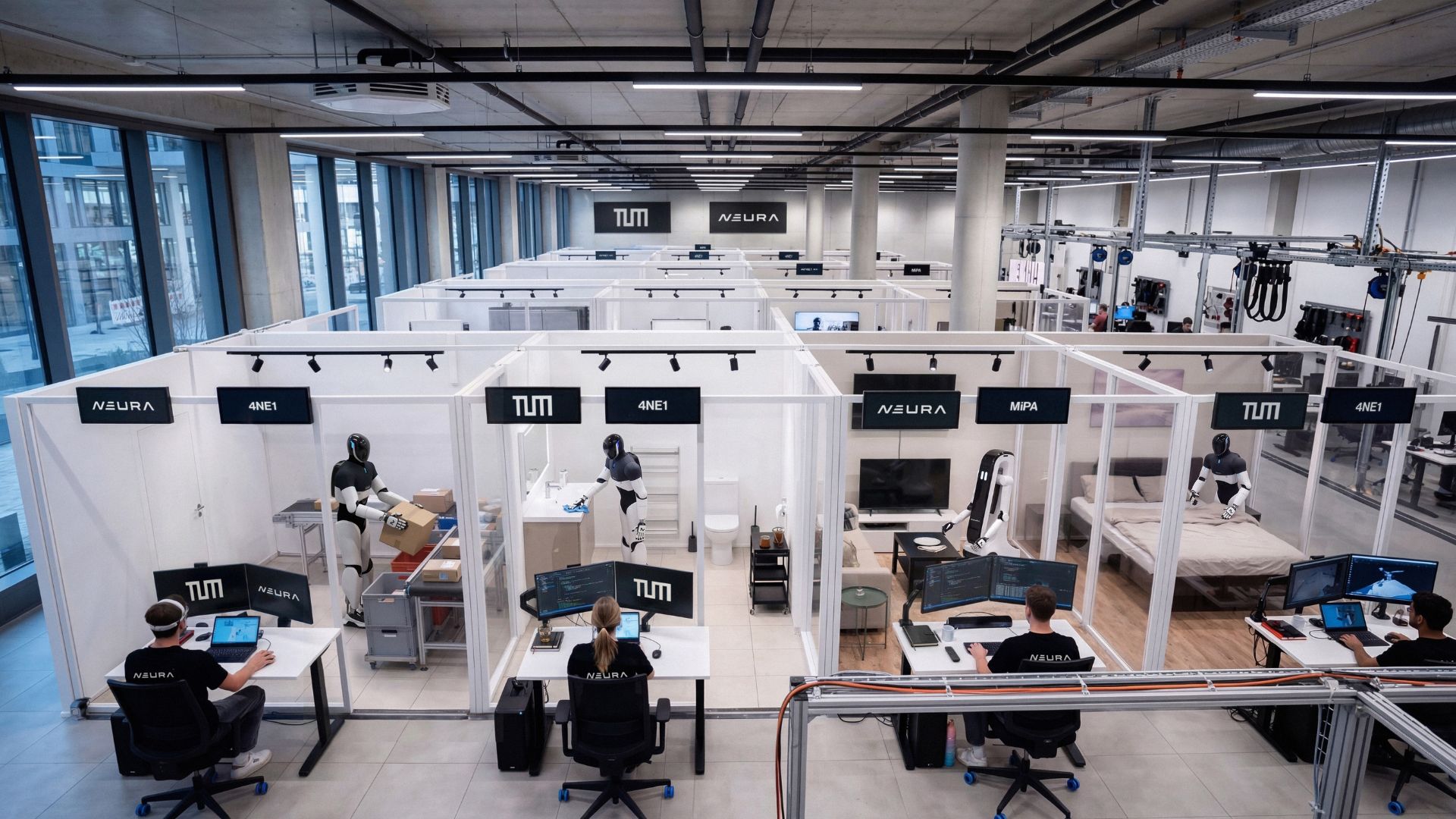
China: First heterogeneous humanoid robot training facility to open in Shanghai
China is preparing to unveil its inaugural heterogeneous humanoid robot training facility in Shanghai, marking a significant advancement in robotics and artificial intelligence. This initiative is part of the country's broader strategy to enhance its technological capabilities and foster innovation in the field of robotics. The facility is expected to open its doors later this year, providing a dedicated space for the development and training of humanoid robots that can interact with humans in diverse environments. By investing in this cutting-edge facility, China aims to position itself as a leader in the global robotics industry, addressing both domestic needs and international market demands. The training programs will focus on equipping robots with advanced skills, enabling them to perform complex tasks and improve their functionality in various sectors, including healthcare, manufacturing, and service industries.
1X Technologies Launches Neo Factory in California: Annual Production Capacity of 10,000 NEO Robots, Set to Increase to 100,000 in a Year
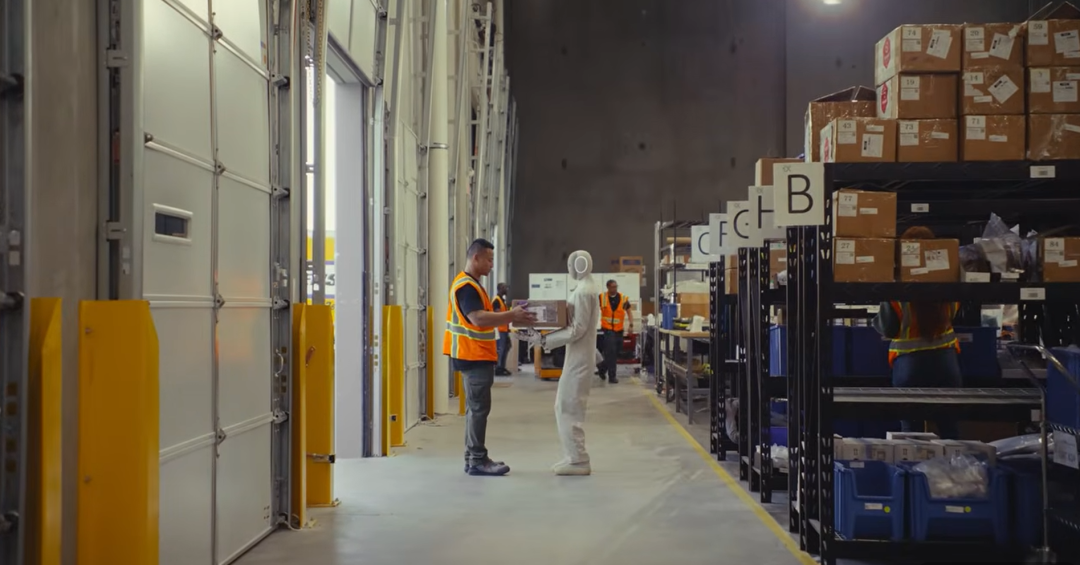
1X Technologies has inaugurated its Neo Factory in Hayward, California, establishing the first vertically integrated, high-volume humanoid robot manufacturing facility in the United States. The factory is set to produce 10,000 NEO robots each year, with ambitious plans to increase production to 100,000 units by the end of 2027. This initiative reflects the company's commitment to advancing robotics technology and meeting the growing demand for humanoid robots in various sectors.
Humanoid Robots Robot Manufacturing AI Technology Vertical Integration
Infineon Startup Challenge 2026 puts humanoid robotics in the spotlight
Infineon is uniting emerging deep-tech companies globally to foster innovation in humanoid robotics, emphasizing advancements in hardware and system solutions, including sensors and motor control. This initiative aims to provide startups with access to cutting-edge technologies, expert guidance, business coaching, and a network of industry partners and investors. Applications for participation in this program are open until May 27, 2026, offering a significant opportunity for young companies to enhance their capabilities and drive progress in the robotics sector.

1X begins production of NEO humanoids in California facility
1X has commenced full-scale production of its NEO humanoid robots at its facility in California, marking a significant advancement in vertically integrated robot manufacturing within the United States. This initiative aims to enhance the domestic production capabilities of humanoid robotics, reflecting the company's commitment to innovation and technological development in the field. The launch of the NEO factory is expected to contribute to the growing demand for humanoid robots across various sectors, as 1X seeks to establish itself as a leader in this emerging market.
Humanoids News 1x 1X Technologies Nvidia
The Robot in the Box: 1X Teases NEO Delivery Logistics as Humanoid Production War Heats Up
1X Technologies is set to unveil significant details about the delivery process for its $20,000 NEO humanoid robot, following a substantial increase in manufacturing efforts by Figure. The announcement comes as the company prepares to bring its innovative product to consumers, highlighting the logistical strategies that will ensure timely and efficient delivery. This reveal is anticipated to provide insights into how 1X Technologies plans to meet consumer demand and navigate the complexities of distributing advanced robotics. The timing of this announcement aligns with the growing interest in humanoid technology and its potential applications in various sectors.
1X-technologies US NEO Bernt Børnich
This DJI Neo 2 update makes selfie drone even better for travel
DJI has recently enhanced its compact Neo 2 drone with a significant firmware update, making it an appealing option for beginner drone enthusiasts. This update introduces new features that enhance the drone's functionality and usability, capturing the interest of creators looking for accessible aerial photography solutions. As the drone market continues to evolve, the Neo 2 stands out for its user-friendly design and innovative capabilities, positioning itself as a noteworthy choice for those new to drone flying. The update, which was rolled out in October 2023, aims to improve the overall user experience and expand the creative possibilities for users.
News
StepUp NEO: Advancing Field-Oriented Passive Exoskeleton Design
Workers in various industries face significant risks to their musculoskeletal health due to repetitive bending, lifting, prolonged standing, and heavy material handling. These activities contribute to injuries, diminished productivity, and increased turnover rates among the workforce. In response to these challenges, advancements in automation and innovative designs are being explored to mitigate these issues. One notable development is the StepUp NEO, a field-oriented passive exoskeleton designed to alleviate the physical strain on workers. This initiative aims to enhance worker safety and efficiency by providing support during demanding tasks. As industries continue to evolve, the integration of such technologies is crucial for promoting a healthier and more sustainable workforce.

1X Unveils 1XWM: The Video-to-Action "Brain" That Lets NEO Imagine Its Chores
1X Technologies has successfully evolved its World Model from a mere simulation tool into an advanced generative "cognitive core." This innovative development enables the NEO humanoid to undertake a variety of new tasks, such as steaming shirts and operating toilet seats, by first visualizing these actions. This transition marks a significant advancement in robotics, showcasing the potential for humanoid robots to perform complex and practical tasks in everyday settings. The enhancement of the World Model is expected to broaden the capabilities of NEO, making it a more versatile assistant in both domestic and commercial environments.
1X-technologies embodied-ai NEO Bernt Børnich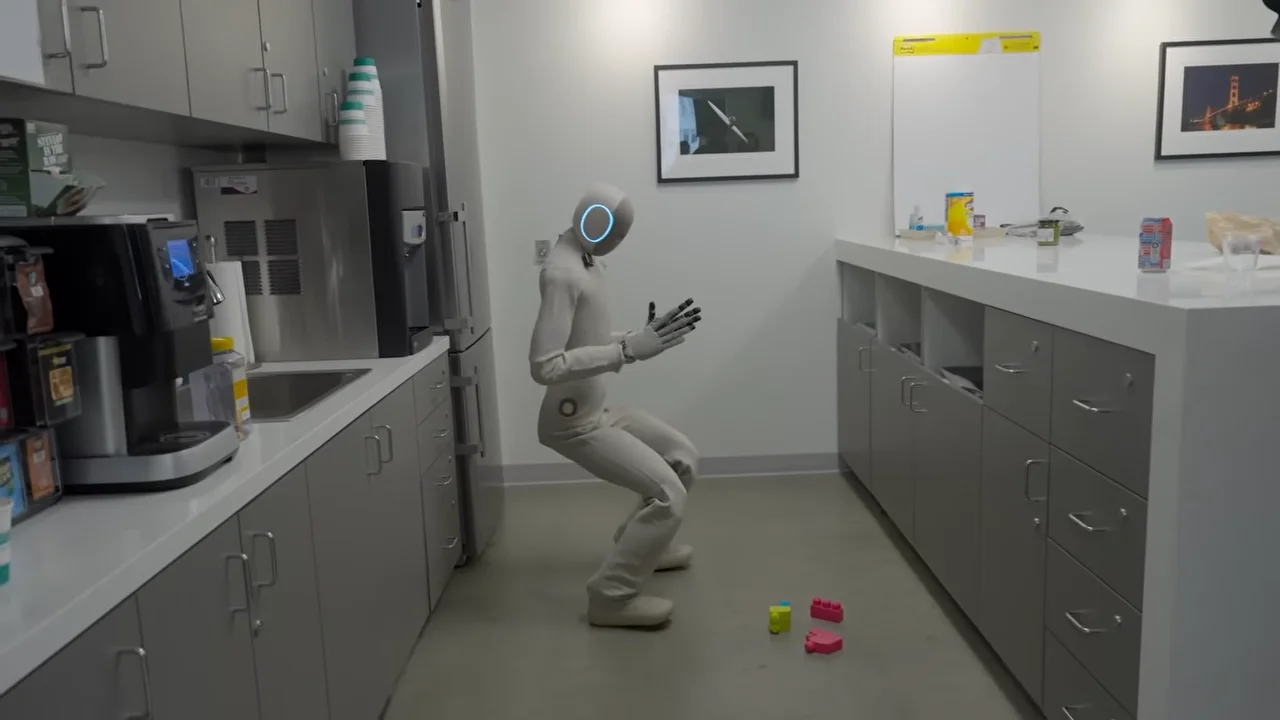
1X CEO Details NEO's 'Two Modes' and Defends Teleoperation as 'More Secure' than a Cleaner
In a recent interview, Bernt Børnich, CEO of 1X, defended the company's NEO robot, emphasizing its human-in-the-loop model and drawing comparisons to industry leaders such as Waymo and ChatGPT. Børnich explained that the NEO operates in "two modes," highlighting its adaptability and responsiveness. He also introduced new privacy controls designed to enhance user security and trust in the technology. Looking ahead, Børnich expressed optimism about achieving full autonomy for the NEO by 2027, outlining a strategic timeline for the robot's development and deployment. This vision reflects 1X's commitment to advancing robotics while addressing concerns about privacy and operational efficiency.
1X-technologies NEO
DJI launches Neo 2, its lightest follow-me drone with omnidirectional obstacle avoidance
DJI has introduced the Neo 2, a lightweight follow-me drone weighing just 151 grams, aimed at users seeking a personal aerial photographer. This innovative drone features full omnidirectional obstacle avoidance, gesture control, and smart selfie capabilities, enabling effortless palm takeoff and automatic subject tracking for everyday photography. The Neo 2 is equipped with a 1/2-inch 12 MP CMOS sensor, enhancing its ability to capture high-quality images while in flight. The launch of this drone reflects DJI's commitment to making aerial photography accessible and user-friendly for a broader audience.
News Feed
1X's NEO Launch Splits Tech World, Sparking Heated Debate on Autonomy and ''Selling the Dream''
The recent pre-order launch of the $20,000 NEO humanoid robot has sparked significant online interest, capturing the attention of both enthusiasts and skeptics within the technology sector. Scheduled for release soon, the robot's innovative design features a transparent, human-in-the-loop strategy that has garnered praise from supporters who believe it represents a major advancement in robotics. However, the initiative has also faced criticism from various industry leaders, including rival CEOs, who describe the project as an incomplete "hype reel." This division within the tech community highlights the ongoing debate over the future of humanoid robotics and the balance between innovation and practicality. As the pre-order phase progresses, the reactions from both sides will likely shape the discourse surrounding the NEO robot's eventual impact on the market.
1X-technologies teleoperation Figure MKBHD NEO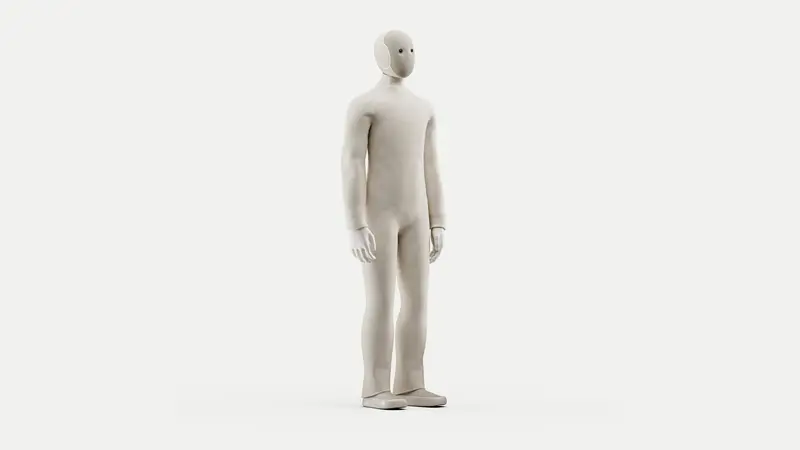
1X Details NEO's 'Human-in-the-Loop' Strategy and Hardware as $20,000 Pre-Orders Go Live
1X has opened pre-orders for its $20,000 NEO robot, marking a significant step in the company's strategy to enhance its artificial intelligence capabilities. The initiative, aimed at early adopters, involves utilizing a human-piloted "Expert Mode" that allows users to help train the robot's AI system. This approach fosters a collaborative relationship between humans and technology, described by the company as a "social contract." The NEO robot features a lightweight, tendon-driven body, designed to facilitate agility and responsiveness. By engaging early users in the training process, 1X aims to refine the robot's functionality and adaptability in real-world scenarios.
1X-technologies teleoperation NEO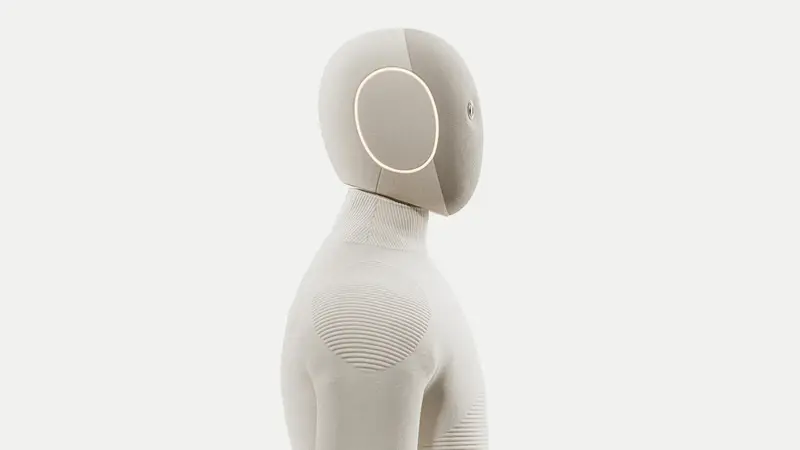
1X Opens Pre-Orders for NEO Humanoid Robot at $20,000, Pivoting from R&D to Product
1X has officially launched its NEO humanoid robot for pre-order, marking a significant step in consumer robotics. Priced at $20,000 or available for a monthly payment of $499, the announcement comes after days of speculation about the product's release. This initiative is part of 1X's broader strategy to implement a "human-in-the-loop" model, which aims to enhance the training of its artificial intelligence by integrating it into real-world home environments. The pre-order option allows consumers to be among the first to experience this innovative technology, reflecting the growing interest in humanoid robots for everyday use.
1X-technologies AI product-launch humanoid-robot NEO robotics
DJI Neo 2 drone reportedly priced from $229
DJI is set to launch its new Neo 2 drone on October 30, with pricing starting at $229 for the base model and $449 for the Fly More Combo, as reported by DroneXL and leaker Jasper Ellens. The drone, which weighs 135 grams, features a 1/1.3-inch CMOS sensor capable of recording 4K video at 60 frames per second with 10-bit color depth. This release aims to enhance DJI's product lineup in the competitive drone market, appealing to both amateur and professional users seeking advanced video capabilities in a lightweight design.
News Feed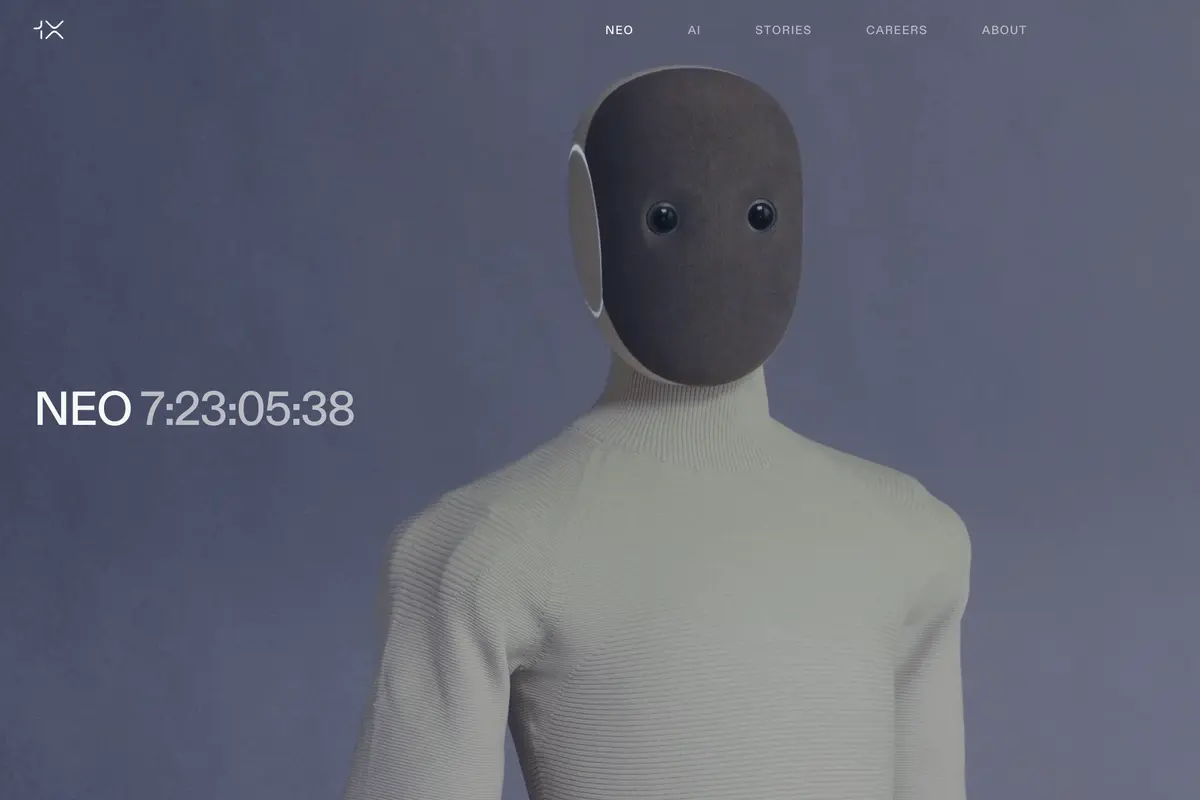
1X Teases Major NEO Humanoid Announcement for October 28
Robotics company 1X has generated buzz with the release of a teaser video hinting at a major announcement scheduled for October 28. This development has led to widespread speculation regarding the next steps in the company's initiative to integrate NEO humanoid robots into residential settings. The timing of the announcement aligns with the growing interest in home automation and robotics, suggesting that 1X may be poised to unveil new features or capabilities for its humanoid models. As the date approaches, industry experts and consumers alike are eager to see how 1X plans to advance its vision of bringing humanoid technology into everyday life.
1X-technologies NEO
IShowSpeed's Chaotic Live Stream at 1X Offers an Unfiltered Look at NEO Humanoid Robots
In a late-night event at 1X's headquarters in Palo Alto, online streamer IShowSpeed showcased the capabilities of the NEO Gamma humanoid robots during a live, unscripted demonstration. This rare public appearance highlighted the company's advanced teleoperation technology, allowing viewers to witness the robots in action. The event not only entertained fans but also served to promote 1X's innovative developments in robotics, emphasizing the growing intersection of technology and entertainment.
1X-technologies teleoperation NEO IShowSpeed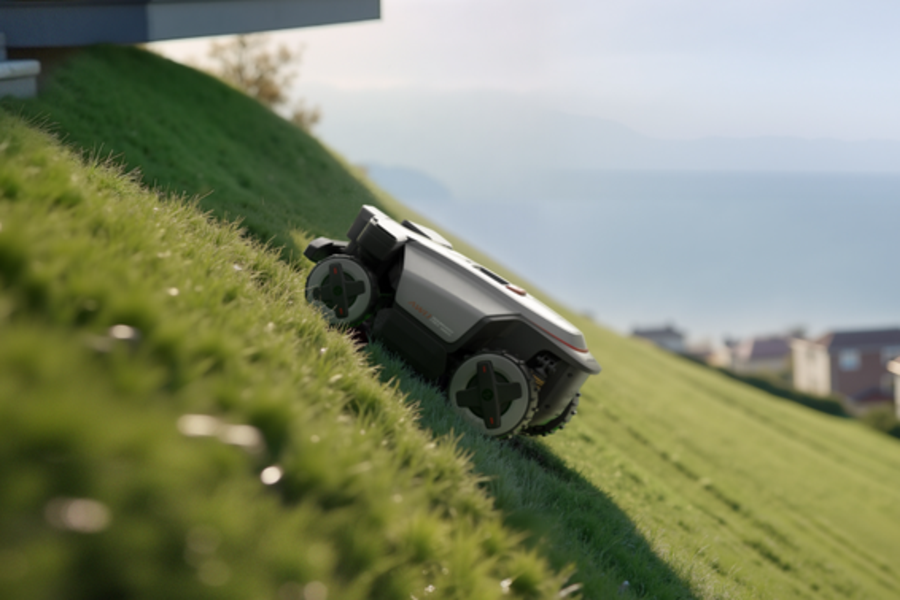
Roborock Expands Outdoor Portfolio with Next-Generation RockMow and RockNeo Series of lawnmowers for Every Lawn and Every Challenge
Roborock has introduced its latest innovation in lawn care with the launch of the RockMow and RockNeo Series of robotic lawnmowers. These advanced models feature AI-powered navigation and customizable options, allowing users to tailor their mowing experience to meet the specific needs of their lawns. Designed to handle a variety of terrains and challenges, the new lineup promises efficient mowing solutions suitable for lawns of all sizes. This release reflects Roborock's commitment to enhancing outdoor maintenance through technology, making lawn care more accessible and effective for homeowners.
Robotics Lawn Care Artificial Intelligence Home Automation Smart Technology
Roborock is “Rocking Life, Inside and Out" at IFA 2025 with first launch of RockMow and RockNeo lawnmower series
At IFA 2025, Roborock unveiled its latest advancements in cleaning technology, introducing the RockMow and RockNeo robotic lawnmowers, as well as the Qrevo Curv 2 Pro vacuum and F25 Ultra wet-dry cleaner. This launch underscores Roborock's commitment to innovation in both indoor and outdoor cleaning solutions. The event, held in Berlin, highlights the company's ongoing leadership in the robotic vacuum market, which has been bolstered by significant revenue growth. The introduction of these new products reflects Roborock's strategy to enhance consumer convenience and efficiency in home maintenance.
Robotics Home Appliances Smart Technology Lawn Care Vacuum Cleaners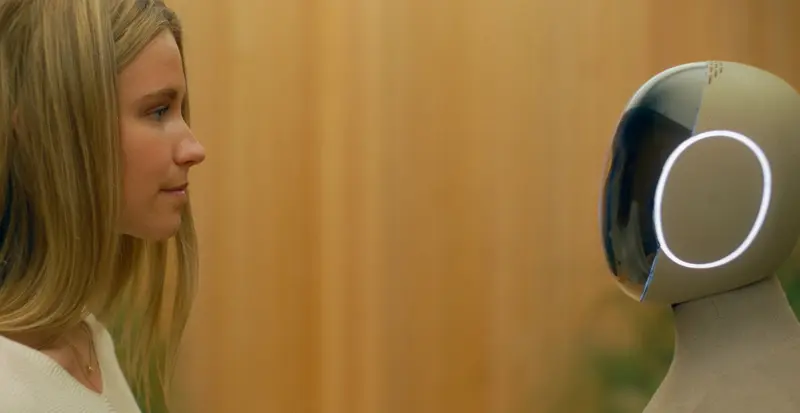
1X Reveals the RL Core That Gives Its NEO Humanoid Fluid, Whole-Body Mobility
Robotics firm 1X has revealed the advanced reinforcement learning system that drives the movement of its NEO humanoid, following the introduction of its Redwood AI brain. This innovative unified controller allows the robot to perform a variety of human-like actions, including walking, running, and climbing stairs, utilizing only stereo vision for navigation. The announcement highlights 1X's commitment to enhancing robotic mobility and intelligence, showcasing the potential for humanoid robots to interact more naturally within human environments.
reinforcement-learning 1X-technologies Redwood humanoid-robots locomotion robotics-ai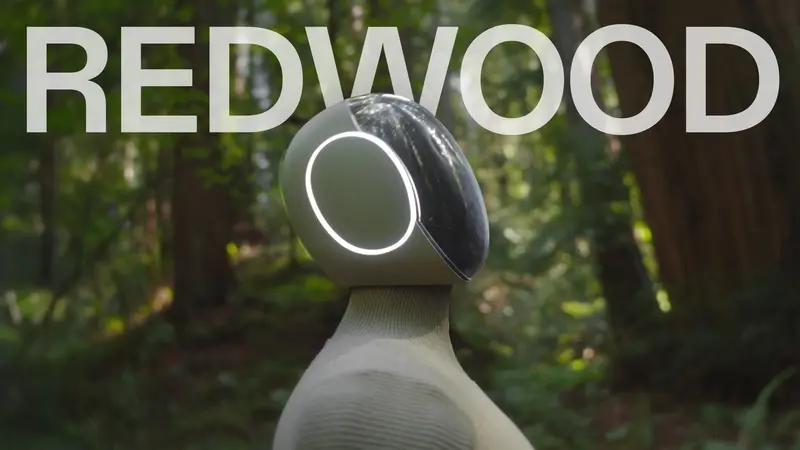
1X Unveils Redwood AI: A Unified, Onboard Brain for Its NEO Humanoid Robots
Robotics firm 1X has officially unveiled its latest advancement, the Redwood AI model, specifically designed for its NEO humanoid robots. This announcement comes after days of anticipation and speculation within the tech community. The Redwood system operates entirely onboard the robots, allowing for seamless integration of locomotion and manipulation into a unified network. Its innovative design enables the robots to learn from both successful and unsuccessful tasks encountered in real-world home environments. This development aims to enhance the functionality and adaptability of humanoid robots, positioning 1X at the forefront of robotic technology as it seeks to improve everyday interactions in domestic settings.
1X-technologies Redwood humanoid-robots embodied-ai robotics-ai NEO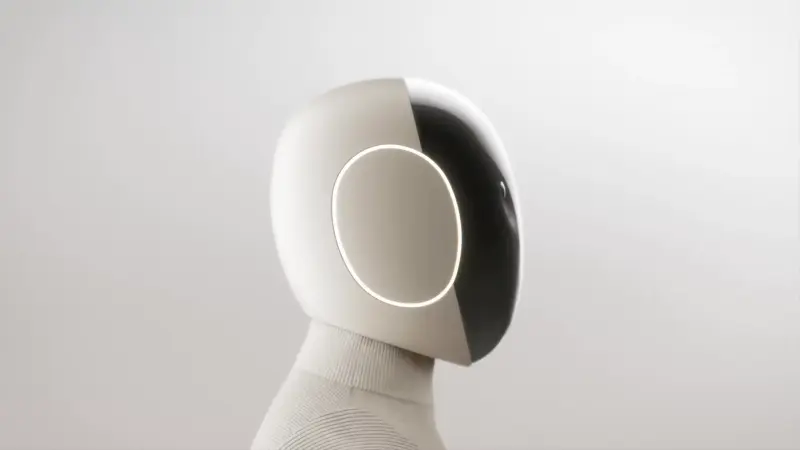
1X Technologies Details Humanoid Robot NEO's Path to Domestic Life, Emphasizing Real-World Learning and Safety
In a recent episode of the NVIDIA AI Podcast, Bernt Børnich, CEO of 1X Technologies, unveiled insights about the company's humanoid robot, NEO. Designed to learn and operate safely in human environments, NEO aims to assist with household chores and facilitate collaborative development with early adopters. The consumer launch is scheduled for 2025, following earlier announcements regarding home pilot programs. Børnich emphasized his broader vision for integrating humanoid assistance into daily life, highlighting the potential for these robots to enhance productivity and support human activities.
NVIDIA 1X-technologies machine learning AI NEO
Teradyne and Infineon Announce Strategic Partnership to Advance Power Testing
Teradyne, a leading provider of automation equipment, has announced its acquisition of Infineon Technologies' automated test equipment technology along with its associated development team. This strategic move, aimed at enhancing Teradyne's capabilities in the semiconductor testing market, was revealed on [insert date of announcement]. The acquisition will take place in North Reading, Massachusetts, where Teradyne is headquartered. The decision to acquire this technology stems from Teradyne's commitment to expanding its portfolio and improving its testing solutions, which are critical for ensuring the reliability and performance of semiconductor devices. By integrating Infineon’s advanced testing technology and expertise, Teradyne aims to strengthen its competitive position in the industry. The acquisition process is expected to be completed in the coming months, allowing Teradyne to leverage the new technology and team to drive innovation and meet the growing demands of the semiconductor market. This move reflects Teradyne's ongoing strategy to invest in cutting-edge technologies that enhance operational efficiency and product quality.
Can Heterogeneous Robots Share Skills? Collaborative Breakthrough by Peking University, Tsinghua University, and Others in IAIL Framework Published in Science Robotics
A collaborative research team from leading universities has introduced the IAIL framework, a groundbreaking system that allows diverse robots to autonomously comprehend and perform tasks without the need for prior programming or human input. This innovative framework emphasizes intention alignment over mere action replication, which markedly improves coordination among multiple robots. The development, announced in October 2023, aims to revolutionize the way robots interact and collaborate in various environments, paving the way for more efficient and effective robotic applications across multiple sectors.
Heterogeneous Robots Robot Collaboration AI Frameworks Robotics Research
A Review on Search and Rescue Robots in Complex Scenarios: Key Technologies of Simultaneous Localisation and Mapping
A recent study published in the Journal of Field Robotics highlights the advancements in autonomous robotic systems designed for agricultural applications. Researchers from various institutions collaborated to explore innovative technologies that enhance efficiency and sustainability in farming practices. The findings, released in early October 2023, emphasize the growing need for automation in agriculture to address labor shortages and improve crop yields. The research team conducted extensive field tests to evaluate the performance of these robotic systems in real-world farming scenarios. By integrating artificial intelligence and machine learning, the robots demonstrated the ability to perform tasks such as planting, monitoring, and harvesting with remarkable precision. This technological progress aims to support farmers in overcoming challenges posed by climate change and increasing food demand. The study underscores the importance of developing reliable and cost-effective robotic solutions that can be easily adopted by farmers. As the agricultural sector faces mounting pressures, the implementation of these advanced technologies could significantly transform traditional farming methods, leading to more sustainable practices and enhanced productivity.
SURVEY ARTICLE
BM3D‐Based Optical Flow Tracking for Enhanced Visual Simultaneous Localization and Mapping Systems in Mobile Robotics
The Journal of Field Robotics has recently published an early view article highlighting advancements in robotic technology. This publication, released in October 2023, showcases innovative research that aims to enhance the capabilities of field robots in various applications, including agriculture, search and rescue, and environmental monitoring. The research is driven by the growing need for automation and efficiency in these sectors, as well as the increasing complexity of tasks that robots are expected to perform. The findings suggest that integrating advanced algorithms and machine learning techniques can significantly improve the performance and adaptability of robotic systems in real-world scenarios. This research not only contributes to the academic field but also has practical implications for industries looking to leverage robotics for improved operational efficiency and safety.
RESEARCH ARTICLE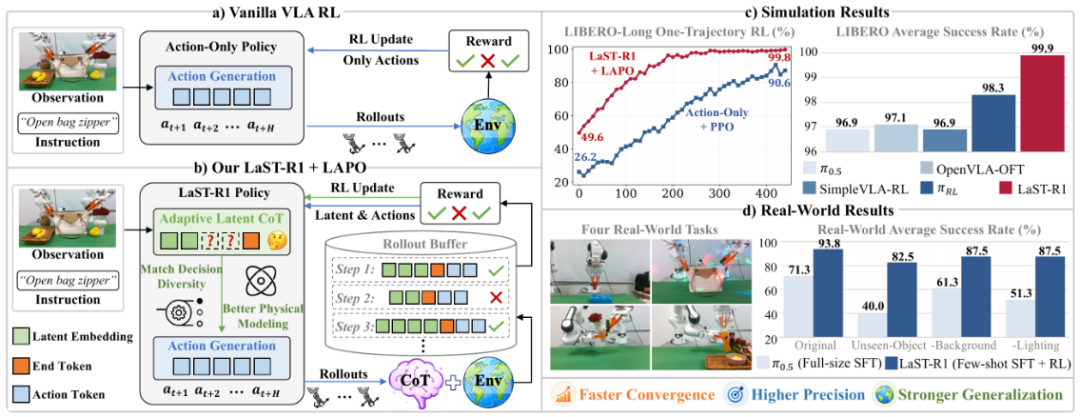
Peking University Team Proposes LaST-R1 Framework, Enabling Robots to 'Think and Act' Simultaneously!
Researchers from Peking University and the Chinese University of Hong Kong have unveiled the LaST-R1 framework, a groundbreaking integration of latent reasoning into reinforcement learning. This development, announced recently, aims to enhance the decision-making capabilities of robots by enabling them to not only execute actions but also comprehend and adapt to various physical states. The framework is designed to improve robots' performance in real-world scenarios, addressing the limitations of traditional reinforcement learning methods. By incorporating latent reasoning, the LaST-R1 framework represents a significant advancement in the field of robotics, potentially leading to more intelligent and responsive machines.
Reinforcement Learning Robot Perception AI Frameworks Physical Reasoning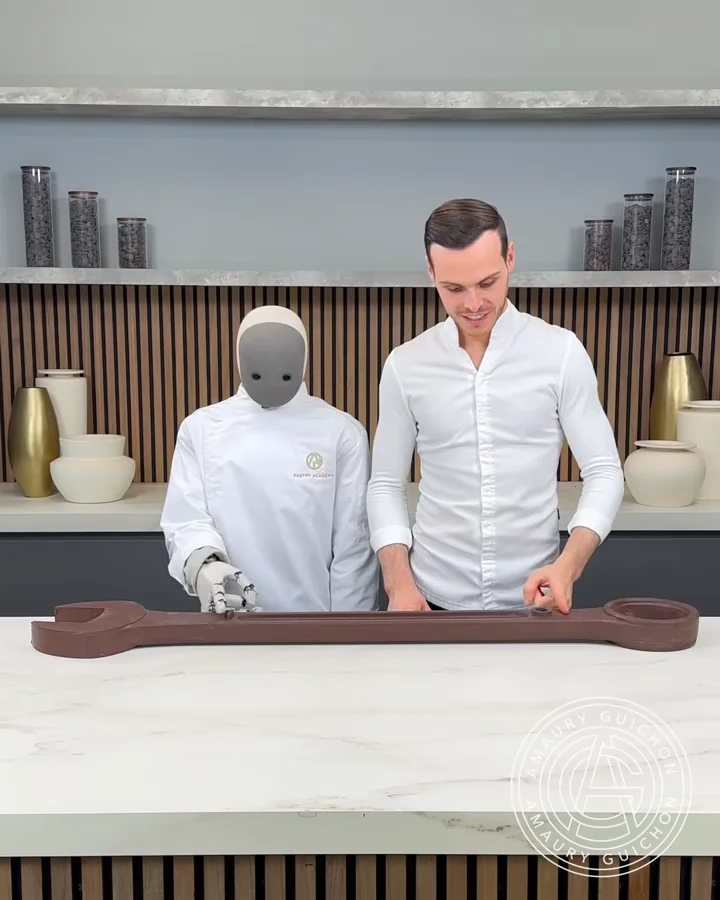
Watch: 1X NEO and Star Chef Amaury Guichon Collaborate on a Surprising ''Tech'' Cake
A recent viral video features 1X's humanoid robot collaborating with a celebrated pastry chef, highlighting the robot's impressive dexterity and potential for teamwork in a culinary setting. The video, which has garnered significant attention online, demonstrates the innovative capabilities of robotics in the kitchen, showcasing how technology can enhance culinary arts. This collaboration not only illustrates the advancements in robotic design but also raises questions about the future of automation in food preparation. The partnership aims to inspire chefs and technologists alike, emphasizing the benefits of integrating robotics into traditional cooking practices.
1X-technologies NEO
Indian tech tycoon bets $30M of his own money to build AI alternative to Microsoft Office
Bhavin Turakhia has launched Neo, his fifth entrepreneurial venture, which aims to compete with established giants like Microsoft Office and Google Apps in the enterprise software market. This new platform leverages artificial intelligence to enhance productivity and streamline workflows for businesses. The announcement comes as companies increasingly seek innovative solutions to improve efficiency and collaboration in a rapidly evolving digital landscape. With Neo, Turakhia is positioning himself to disrupt the status quo and offer a compelling alternative to existing office software solutions.
AI Enterprise Startups Bhavin Turakhia microsoft office neo
SEAVORIAN Group Announces the Acquisition of MAPPEM Geophysics to Consolidate its Expertise in Underwater Detection Technologies
The SEAVORIAN group, along with its subsidiaries RTSYS and NEOTEK, has announced the acquisition of MAPPEM Geophysics, a French firm renowned for its expertise in marine and underwater geophysical studies and services. This strategic move, revealed recently, aims to enhance SEAVORIAN's capabilities in the geophysical sector and expand its service offerings. The acquisition reflects SEAVORIAN's commitment to strengthening its position in the market and leveraging MAPPEM's specialized knowledge to meet growing demands in marine geophysical research. The integration of MAPPEM's advanced technologies and skilled workforce is expected to facilitate innovative solutions and improve operational efficiencies in underwater exploration and analysis.
seavorian group acquisition mappem geophysics underwater detection technologies rtsys neotek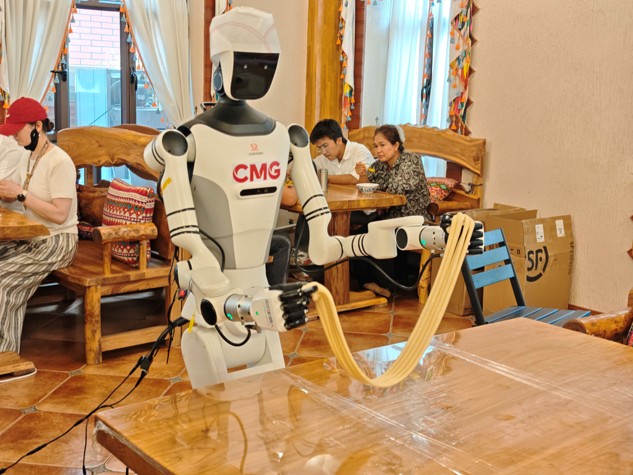
RealBOT Robot Excels in Culinary Tasks as a 'Xinjiang Chef
On July 15, 2026, the World Humanoid Robot Sports Championship's domestic third stop launched simultaneously in Yining, Xinjiang, and Sai Lake, Bozhou. RealBOT, a wheeled humanoid robot by Ruierman, previously provided logistical support at the 2026 Chinese Dragon Boat Race in Bazhong, Sichuan. In this event, the robot transitioned from a service role to that of a 'Xinjiang chef' in a real kitchen environment, successfully completing intricate tasks such as noodle pulling, meat skewering, grilling, and vegetable cutting. This demonstration is significant as it showcases the robot's ability to adapt to unpredictable physical variables in real-world scenarios, aligning with Ruierman's philosophy that robots must be deployed in authentic environments to truly understand and perform tasks. The challenges faced by the robot, including precise force control and real-time tactile feedback, highlight the advanced capabilities of Ruierman's technology, including a mechanical arm with ±0.05mm repeatability and millisecond-level force feedback. Looking ahead, the successful execution of these culinary tasks emphasizes the importance of robust hardware and data capabilities in robotics. No further timeline was disclosed at the time of publication, but the ongoing development of integrated joint modules and high operational reliability positions Ruierman to address industry challenges related to traditional robots' limitations in various environments.
Humanoid Robots Culinary Robotics AI Automation Technology
Tesseract Ventures Selected for Pentagon's Autonomous Drone Delivery System Prototype Program
Tesseract Ventures, a Kansas City-based robotics and drone company, has been chosen by the Defense Innovation Unit (DIU) to participate in a prototype program aimed at enhancing the U.S. military's use of autonomous drones. This initiative, known as the Containerized Autonomous Drone Delivery System (CADDS), focuses on deploying unmanned aerial systems in challenging environments with limited infrastructure. The CADDS project represents a significant advancement for Tesseract Ventures, as it seeks to transition from single-operator drone control to a system where one individual can manage multiple drones simultaneously. This approach aims to improve operational efficiency and reduce the personnel required for drone missions, aligning with the Pentagon's goal of utilizing unmanned systems more extensively in military operations. Looking ahead, Tesseract Ventures will demonstrate its NOMAD modular autonomous platform as part of the prototype project. This platform is designed to facilitate the deployment, launch, recovery, and management of multiple drones from transportable containers. No further timeline was disclosed at the time of publication.
Military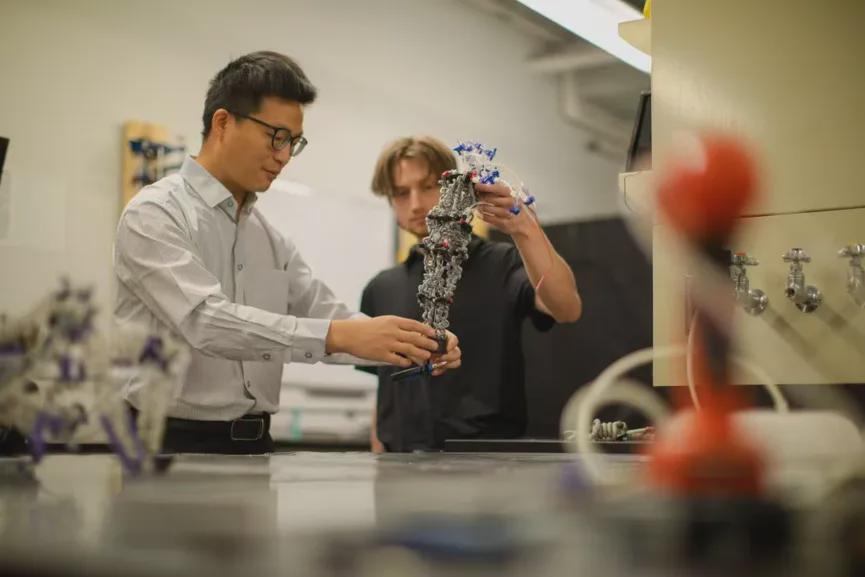
Arizona State University Develops Innovative HARP Artificial Muscle for Versatile Applications
A research team led by Professor Sun Jiefeng at Arizona State University has developed a new artificial muscle structure known as HARP (Helical Anisotropic Reinforced Actuator). Unlike traditional artificial muscles that compromise on performance, HARP offers modularity and flexibility, allowing for adjustments in materials and design parameters to meet various application needs. This innovation is significant as it addresses the limitations of existing artificial muscles, which often excel in specific scenarios but struggle to meet multiple requirements simultaneously. HARP achieves an impressive power density of 1.93 kW/kg, a contraction rate of up to 75%, and the ability to lift weights up to 100 times its own weight, making it suitable for diverse and complex applications. Looking ahead, the HARP's modular design allows for customization and optimization of its components, enhancing its adaptability in extreme environments. The research team demonstrated HARP's durability in wear resistance tests, showcasing its potential for reliable operation in harsh industrial settings. No further timeline was disclosed at the time of publication.
Artificial Muscles Robotics Modular Design Self-Healing Materials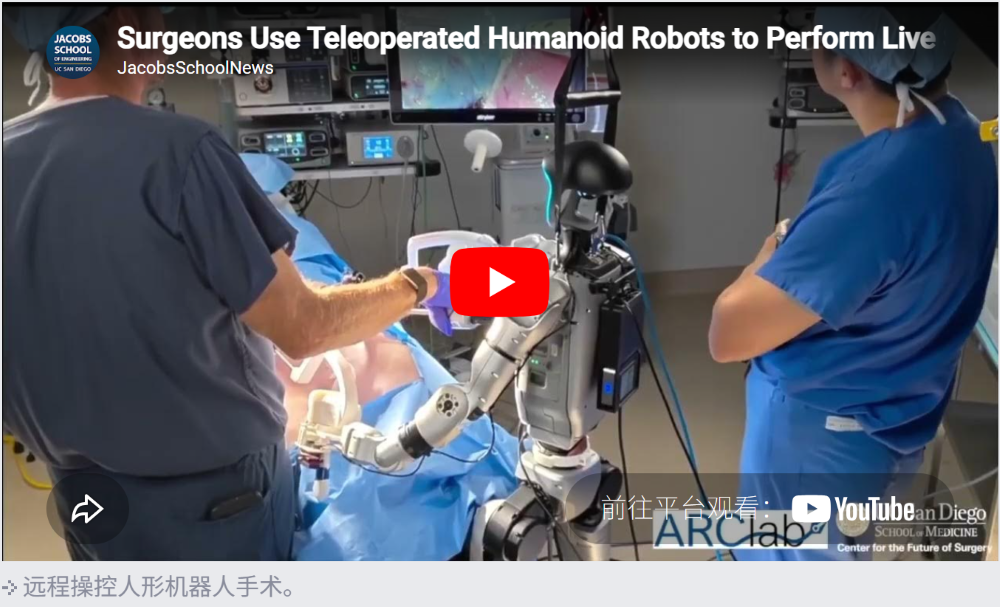
Westlake Robotics Raises Over 100 Million Yuan to Enhance Dual-Pretraining Technology
Westlake Robotics completed a funding round exceeding 100 million yuan in June 2026, backed by Henan Investment Group's Huirong Fund. This marks the company's third financing round in five months, with total disclosed funding reaching several hundred million yuan. The funding is aimed at advancing their unique dual-pretraining technology, which combines a general brain and a humanoid small brain for improved robotic performance. The significance of this funding lies in Westlake Robotics' differentiated technical approach, utilizing a dual-pretraining model that integrates VLA and world model fusion. Their General Action Expert (GAE) model addresses common issues in humanoid robots, such as stiffness and imbalance, by enabling real-time interpretation of human motion intent. This capability allows a single operator to control multiple Westlake o1 robots simultaneously, reducing deployment and labor costs in applications like logistics inspection and data collection. Looking ahead, Westlake Robotics plans to use the latest funding to further develop their unified embodied large model and accelerate deployment with industrial clients. The company, founded by academic researchers from Westlake University, is positioned to leverage its strong academic background to bridge the gap between laboratory demonstrations and real-world applications. No further timeline was disclosed at the time of publication.
Robotics Embodied Intelligence Automation Logistics AI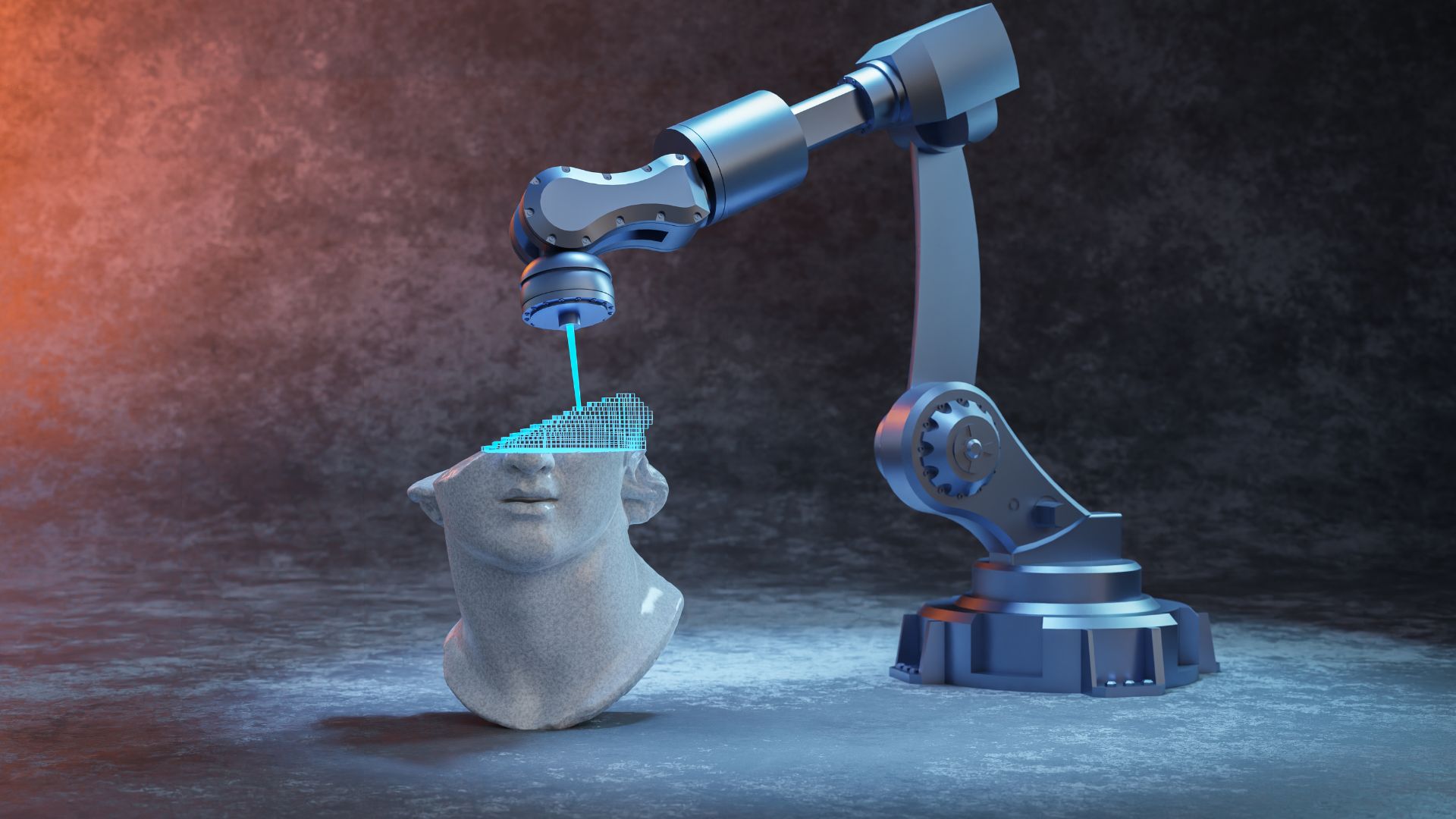
University of Utah Develops Fast Holographic 3D Printing for Seamless Microstructures
Researchers at the University of Utah have introduced a novel 3D printing technique that creates solid microstructures in approximately 20 seconds using a single laser exposure. This method eliminates the weak seams typical of traditional layer-by-layer printing, enhancing the strength and reliability of microscale devices. The innovative process employs a nanoscale mask to reshape laser light into a holographic pattern, allowing for the simultaneous hardening of the printing material, which significantly reduces manufacturing time compared to existing laser-based techniques. The significance of this development lies in its potential applications in microfluidic devices and advanced manufacturing. By curing entire structures in one exposure, the new method addresses the common issue of microscopic seams that can compromise the integrity of printed parts. The researchers demonstrated the ability to produce multiple parts continuously, akin to a conveyor-belt process, which could revolutionize the production of complex microscale components. Looking ahead, the research team aims to extend this technology to achieve true three-dimensional printing while maintaining the speed and accuracy of the current method. No further timeline was disclosed at the time of publication, but the implications for industries requiring precise microscale channels are substantial, suggesting a promising future for this innovative approach.
Innovation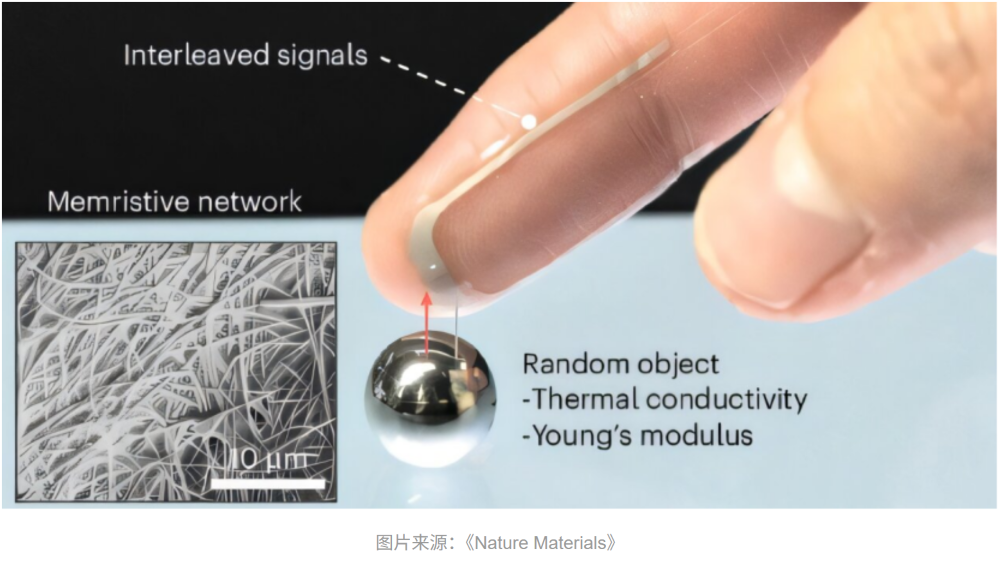
Seoul University Introduces Single-Layer Artificial Skin for Enhanced Robotic Sensory Perception
On July 10, a research team led by Professor Seung Hwan Ko at Seoul University published a significant study in Nature Materials, unveiling a novel single-layer artificial skin. This innovative material allows robots to simultaneously sense temperature and pressure, mimicking human sensory capabilities. The design utilizes a silver-core-copper oxide shell nanowire network, enabling rapid switching between temperature and mechanical sensing modes at a frequency of 16 Hz. The development is crucial as it addresses the limitations of existing artificial skin technologies, which typically rely on multiple stacked sensors, resulting in complex structures and slower response times. The new sensor demonstrates remarkable response speeds, with mechanical stimuli detected in microseconds and thermal stimuli in milliseconds. When combined with AI models, the sensor's accuracy in object recognition improved from 65% to 95% by integrating signals from both sensing modes, showcasing its potential for real-world applications. Looking ahead, the research team has created a multi-array platform that can measure temperature and pressure distribution with spatial resolution comparable to human skin. This technology not only serves as a fingertip sensor but also has the potential to evolve into a comprehensive artificial skin system for robots. The team emphasizes that this advancement is a key enabling technology for physical AI systems, allowing machines to perceive and interact with their environment more effectively. No further timeline was disclosed at the time of publication.
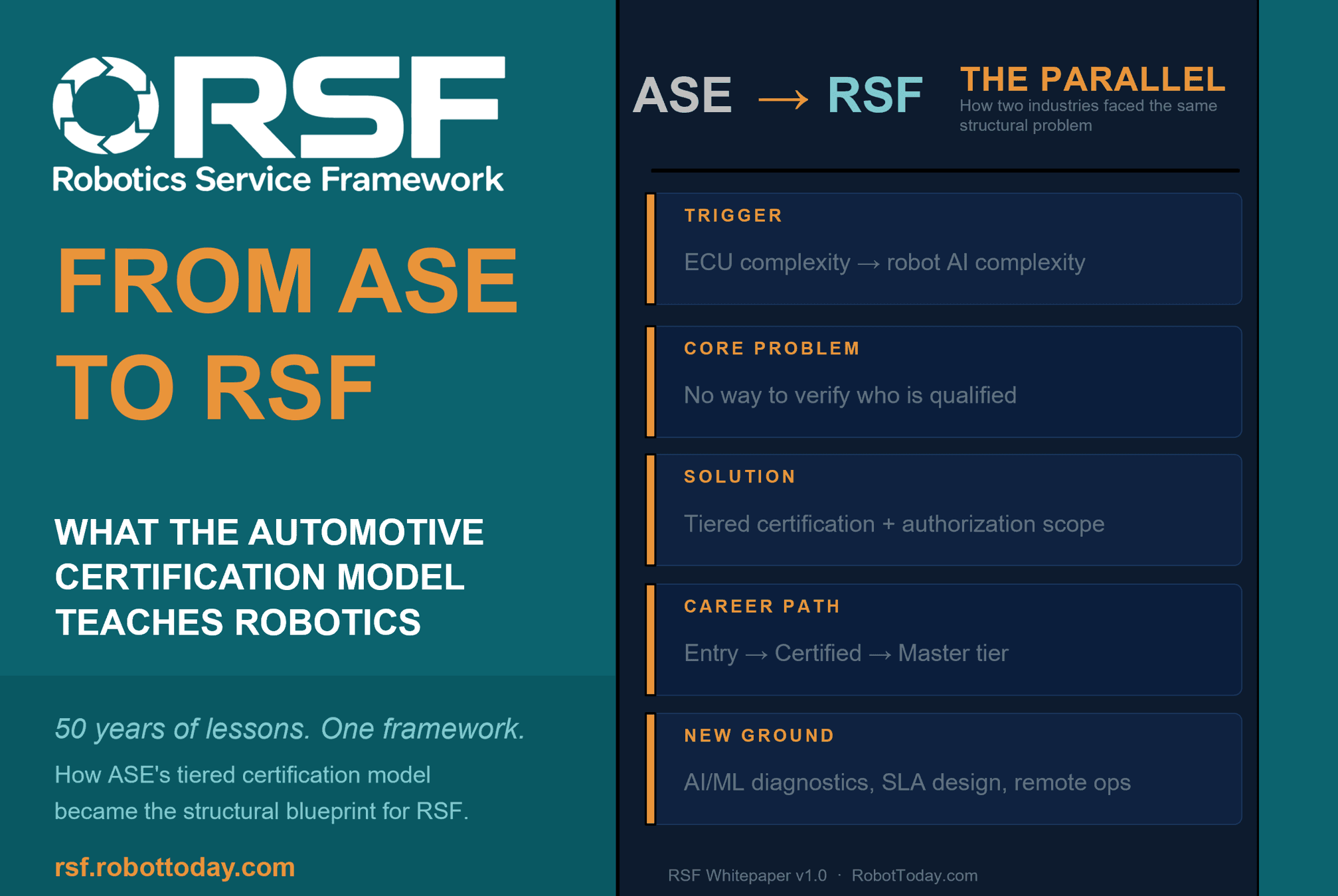
Artificial Skin Robotics Sensor Technology AI Human-Robot InteractionRobotics needs a service framework.
RSF defines a common language for robot service capability, lifecycle operations, certification pathways, and service-provider networks.