Industry Briefing
A single destination for timely, editor-curated robotics news from around the world.
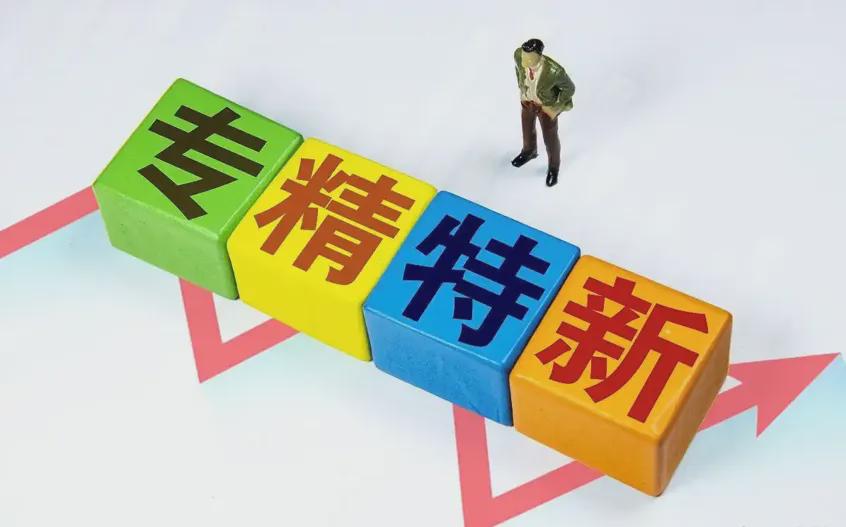
Importance of Professional Guidance in National-Level 'Little Giant' Applications
In recent years, the application policies for national-level specialized 'Little Giant' enterprises have been continuously optimized, with increasingly stringent review criteria focusing on the relevance of intellectual property, R&D cost compliance, and the logical integrity of application materials. Companies relying solely on basic metrics are finding it increasingly difficult to pass reviews. The significance of this trend lies in the realization that many enterprises, despite having strong technical capabilities, struggle with self-prepared applications due to a lack of understanding of the latest policy details and review standards. This often results in poorly written materials and missed opportunities for valuable qualifications, ultimately extending the cultivation cycle for these companies. Looking ahead, it is crucial for enterprises to consider professional assistance to navigate the complexities of the application process. The establishment of specialized platforms that offer comprehensive support can help identify and present core advantages effectively, thereby increasing the chances of successful qualification for national-level recognition.
National-Level Certification Application Process Professional Services Innovation Technology Development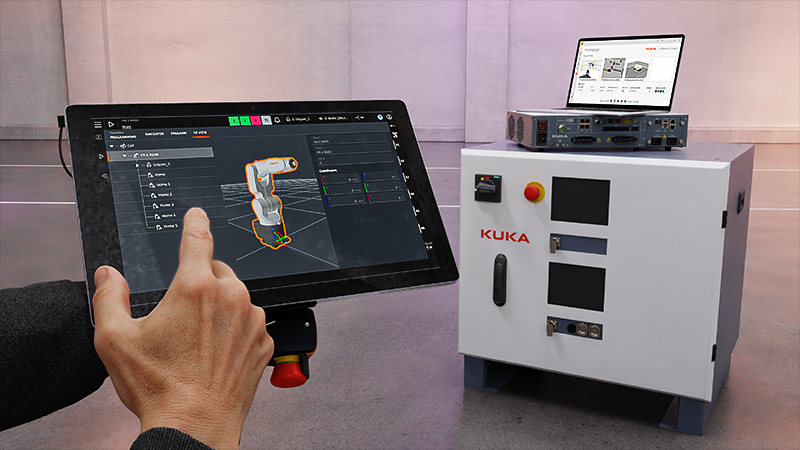
KUKA Achieves Security Level 2 Certification for iiQKA.OS2 and KR C5 Controller
KUKA has achieved Security Level 2 certification for its iiQKA.OS2 operating system and KR C5 controller platform, in accordance with IEC 62443-4-2. This certification signifies that KUKA's robotic systems are equipped to handle the increasing demands for security in digitalized production environments. The importance of this certification lies in its alignment with the growing need for security and regulatory compliance as production processes become more digital and connected. KUKA's compliance with Regulation (EU) 2024/2847 Cyber Resilience and EN ISO 10218-1:2025 positions it as a leader in secure automation solutions. Looking ahead, KUKA's certification sets a benchmark for the robotics industry, emphasizing the necessity of robust security measures in automation. No further timeline was disclosed at the time of publication.
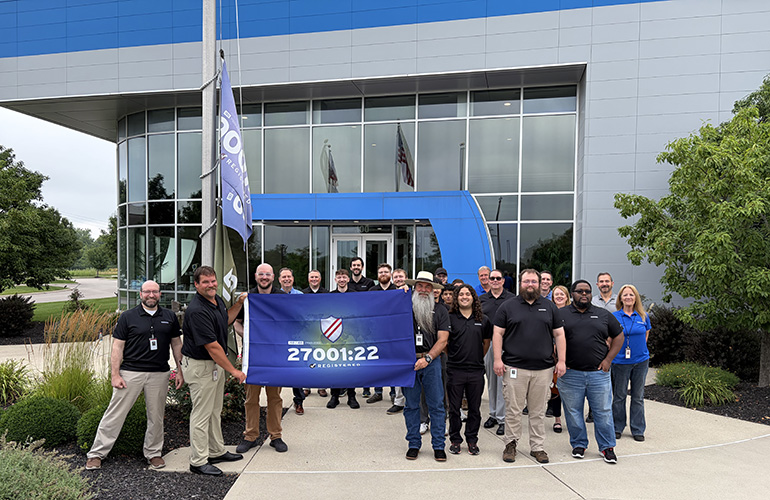
Yaskawa America Achieves ISO/IEC 27001:2022 Information Security Certification
Yaskawa America Inc. has received independent certification to the ISO/IEC 27001:2022 standard, demonstrating its commitment to customer information protection. This certification reflects the company's dedication to implementing internationally recognized information security management practices, crucial as manufacturers increasingly adopt connected automation and intelligent robotics. The significance of this certification lies in its assurance to customers that Yaskawa's information management adheres to global best practices. David Troeter, vice president of Yaskawa Support Services, emphasized that achieving ISO 27001 certification reinforces the trust customers place in Yaskawa Motoman, especially in a landscape where information security is vital for reliable automation solutions. Looking ahead, Yaskawa plans to continue investing in technologies and processes that enhance secure automation. The certification, resulting from a rigorous independent audit by EAGLE Certification Group, positions Yaskawa as a leader in information security management within the robotics industry, supporting compliance with stringent supplier security requirements.
Collaborative Robots Industrial Robots Manufacturing News Regulatory & Compliance Safety & Security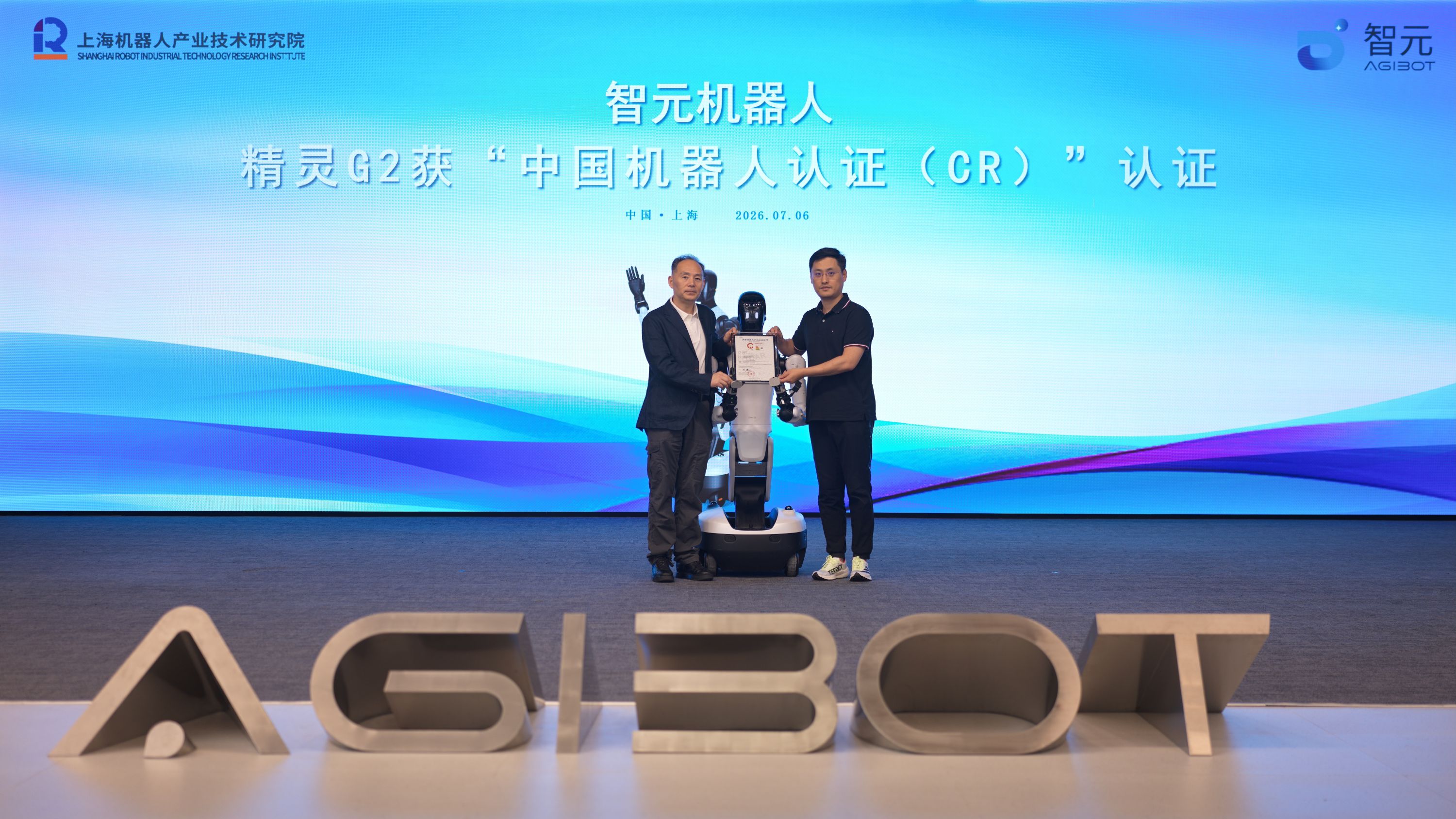
Genie G2 Achieves Key Certifications in China, EU, and USA for Global Market Access
The Genie G2, an interactive embodied robot developed by Zhiyuan, has successfully obtained multiple authoritative product certifications in China, the EU, and the USA. This achievement signifies that the Genie G2 meets top global safety and quality standards, establishing a solid compliance foundation for the brand's global commercial strategy and opening pathways for international market entry. This certification is significant as it positions Zhiyuan as the only company in the industry to have its entire product line certified to the highest international safety standards across all scenarios. The Genie G2's certifications cover essential dimensions such as electrical safety, mechanical safety, functional safety, cybersecurity, and data privacy protection, demonstrating its robust compliance capabilities and adaptability for global markets. Looking ahead, the successful certification of the Genie G2 supports its deployment in key manufacturing sectors, including 3C electronics and automotive components. The robot has undergone rigorous testing in real industrial environments, confirming its operational safety and stability. No further timeline was disclosed at the time of publication regarding future deployments or expansions in the global market.
Interactive Robots Safety Certifications Global Market Expansion Robotics Technology
Outracing a National Level Model Racing Car Champion: A Hybrid Model‐Based Data‐Driven Approach
A recent study published in the Journal of Field Robotics highlights advancements in autonomous robotic systems designed for agricultural applications. Conducted by a team of researchers from various universities, the study was released in early October 2023. The research focuses on the development of robots capable of performing tasks such as planting, harvesting, and monitoring crops with minimal human intervention. The motivation behind this innovation stems from the increasing demand for efficient agricultural practices to address food security challenges and labor shortages in the farming sector. By utilizing advanced sensors and artificial intelligence, these robots can navigate complex terrains and adapt to varying environmental conditions, enhancing productivity and sustainability in agriculture. The researchers conducted extensive field trials to validate the robots' effectiveness, demonstrating their ability to operate autonomously while maintaining high levels of accuracy and efficiency. The findings suggest that integrating these robotic systems into farming operations could significantly reduce labor costs and improve crop yields, paving the way for a more sustainable future in agriculture.
RESEARCH ARTICLE
Why Faao Robotics Secured National-Level Capital After 5 Rounds of Financing in 6 Years
Faao Robotics has announced the successful completion of its Series C financing round, which was led by a national investment fund. This achievement underscores the increasing recognition of the company's innovative business model within the collaborative robotics sector. With a strategic emphasis on cost control and manufacturing efficiency, Faao Robotics is positioning itself to capture significant market share both domestically and internationally. The funding will enable the company to enhance its operations and expand its reach in a rapidly evolving industry.
Collaborative Robots Investment Automation Technology Manufacturing Innovation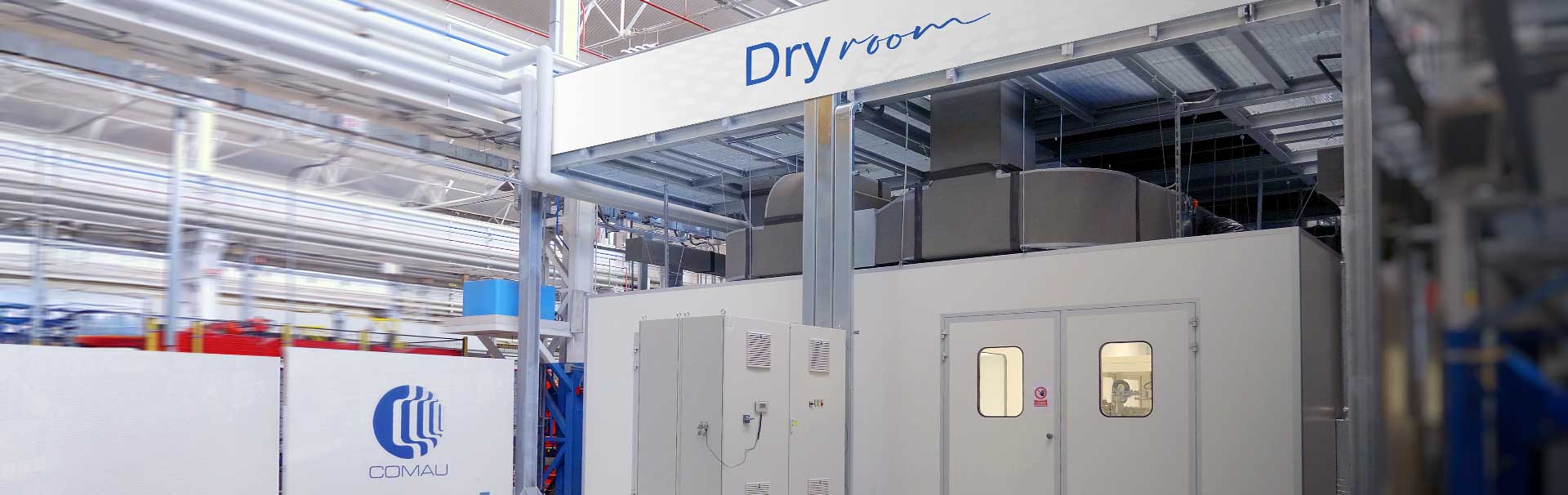
Comau has built an in-house dry room to develop cell manufacturing solutions at an international level
Comau has unveiled a new 500-square-meter dry room designed specifically for the development and validation of production processes for lithium-ion and solid-state batteries. This facility, which aims to enhance the efficiency and effectiveness of battery manufacturing, is part of the company's ongoing commitment to advancing battery technology. The dry room will enable researchers and engineers to conduct critical tests and refine production methods in a controlled environment, ensuring higher quality and performance of the batteries. This initiative is particularly timely as the demand for advanced battery solutions continues to rise, driven by the growing electric vehicle market and the need for sustainable energy storage options. The facility is located at Comau's headquarters, where it will play a crucial role in supporting the company's innovation efforts in the rapidly evolving energy sector.

Indonesia grants world-first overseas certification validation to AutoFlight eVTOL
AutoFlight's V2000CG CarryAll has achieved a significant milestone by receiving a Validated Type Certificate (VTC) in Indonesia, marking it as the first electric vertical takeoff and landing (eVTOL) aircraft to obtain such certification outside of its home country. This certification, formally issued by Indonesia's Directorate General of Civil Aviation (DGCA), verifies that the V2000CG meets the airworthiness standards set by both the Civil Aviation Administration of China (CAAC) and the Indonesian aviation authority. This development underscores the growing international recognition and compliance of innovative aviation technologies, paving the way for broader acceptance and integration of eVTOL aircraft in global airspace.
Aircraft News advanced air mobility air cargo autoflight automation news
Zipline Expands Drone Delivery Services with New Leadership in Austin and Cleveland
Zipline is intensifying its drone delivery efforts in the U.S. by launching services in Austin and Cleveland, supported by new executives from Tesla, Waymo, and Uber. This strategic move comes as demand for Zipline's delivery platform surges, with a 13-fold increase in businesses utilizing the app in the first half of 2026. The significance of this expansion lies in Zipline's milestone of over 2.5 million commercial deliveries globally, with 70% of flights occurring in the U.S. The upcoming launch of a home prescription delivery service in partnership with Cleveland Clinic marks a pivotal moment for healthcare logistics, with plans to broaden the service to include lab samples and medical supplies. Looking ahead, Zipline's entry into Austin will allow customers to order food and retail products with rapid delivery times. The company is experiencing swift growth, with notable partnerships from national chains like Chipotle and Little Caesars. No further timeline was disclosed at the time of publication.
News
Honeywell International Inc. (HON): One of The Best Robotics Stocks to Buy Poised for Manufacturing Automation Opportunities
Honeywell International Inc. has emerged as a leading contender in the robotics sector, particularly in the realm of manufacturing automation. On June 9, 2026, the company introduced Experion Cognition, an AI-enabled control system aimed at enhancing autonomous operations. This innovative platform leverages Honeywell's extensive experience in process automation and incorporates advanced AI models to address anomalies in control room settings, thereby optimizing production efficiency. Experion Cognition is designed to seamlessly integrate into existing control room environments, enabling operators—regardless of their experience level—to manage plant operations effectively. By automating situation management, the platform addresses the ongoing industrial workforce shortage, allowing less experienced personnel to operate complex systems with greater ease. The system's AI features, including an Operations Assistant, can generate predictions within a span of 5 to 10 minutes. Dr. Hasan Karam, Chief Operating Officer of Borouge International, highlighted that this new solution establishes a benchmark for efficiency and innovation, paving the way for the first AI-autonomous operations within the petrochemical industry. As a global technology and manufacturing conglomerate, Honeywell specializes in automation, aerospace systems, and energy transition, providing essential hardware, software, and services that enhance the safety and sustainability of various industries. While investment in Honeywell carries inherent risks, analysts believe that its advancements in AI technology position it favorably for future growth.
3 Key Certifications to Look for When Vetting a Robot
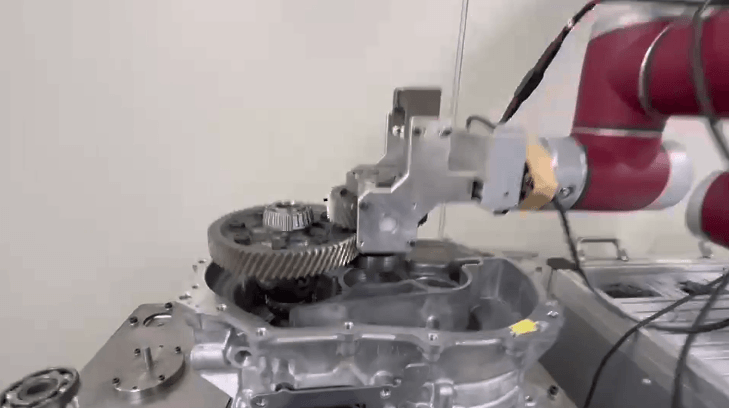
In the competitive landscape of automation, JAKA Robotics is setting a high standard for the production of collaborative robots through its state-of-the-art robotic arm factory. This facility, which adheres to rigorous international certifications, ensures that every robot produced meets stringent quality, safety, and environmental benchmarks. The factory's ISO 9001 certification underscores its commitment to quality management, guaranteeing that each robot is manufactured with consistent precision and reliability. This certification also establishes a framework for addressing technical issues through documented processes, fostering a culture of continuous improvement. Additionally, JAKA's compliance with ISO 10218-1 highlights its focus on safety, as this certification outlines essential requirements for industrial robots operating in shared workspaces. By rigorously testing safety features, JAKA ensures that its robots can work alongside human operators without posing risks. Furthermore, the factory's ISO 14001 certification reflects JAKA's dedication to sustainable manufacturing practices. This certification confirms that the company actively works to minimize its environmental impact, aligning its operations with global environmental, social, and governance (ESG) goals. As the automation industry evolves, JAKA Robotics emphasizes the importance of safety and compliance, integrating advanced design principles and precise engineering to deliver high-performance robots. With a focus on accuracy and user-friendly interaction, JAKA's collaborative robots, including the Zu series and MiniCobo, are engineered to meet the demands of sectors such as semiconductor, electronics, and automotive, ensuring safe and efficient human-robot collaboration.

Shopify: The Price Level I Plan To Load Up At
Shopify Inc. has reported a significant revenue increase, achieving over 30% growth for the fourth consecutive quarter, with a 34% rise in revenue for Q1 FY26. Despite these strong fundamentals and the positive impact of AI-driven initiatives like Sidekick and Catalog, which are enhancing traffic and conversions, the company’s stock has declined by 32% year-to-date. This downturn is attributed to cautious guidance for Q2 and concerns over margin compression. Analysts remain optimistic, maintaining a “buy” rating due to Shopify's attractive risk-reward profile and the potential for a 37% upside. The company continues to see momentum in international markets, offline sales, and B2B segments, reinforcing its growth narrative.
SHOP SHOP:CA Amrita Roy
SGS awards DOBOT robotics ISO 10218 cybersecurity certification
The CR 30H Series has successfully met international standards for secure-by-design robotics, enhancing its suitability for high-end industrial manufacturing applications. This verification not only underscores the series' compliance with global security expectations but also positions it favorably for access to international markets. The achievement reflects a commitment to advancing technology that prioritizes safety and reliability in industrial settings, paving the way for broader adoption in various sectors.
Reliable Robotics Pursues FAA Certification for Network-Agnostic UAS Datalink System
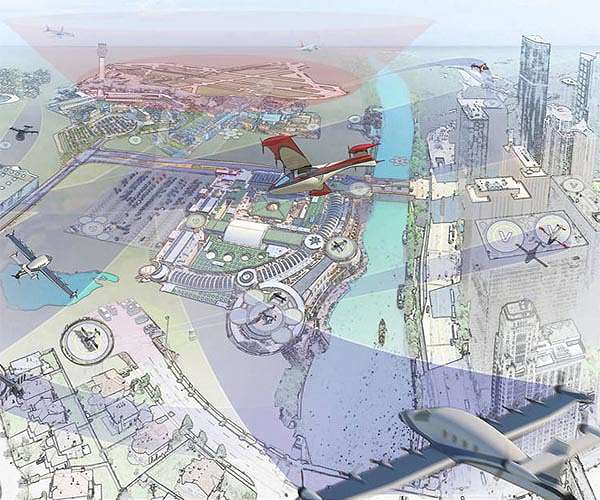
Reliable Robotics, based in Mountain View, California, is making significant strides in enhancing the certifiability of its safety-critical command-and-control datalink system for uncrewed aircraft. On May 4, 2026, the company announced its efforts to demonstrate the capability of remotely piloted aircraft to operate safely within the National Airspace System and existing airport infrastructure. This initiative involves collaboration with industry partners, adherence to established standards, and active flight testing. The advancements aim to ensure that these aircraft can be integrated into commercial airspace, ultimately enhancing the safety and efficiency of air travel.
Taking humanoid soccer to the next level: An interview with RoboCup trustee Alessandra Rossi
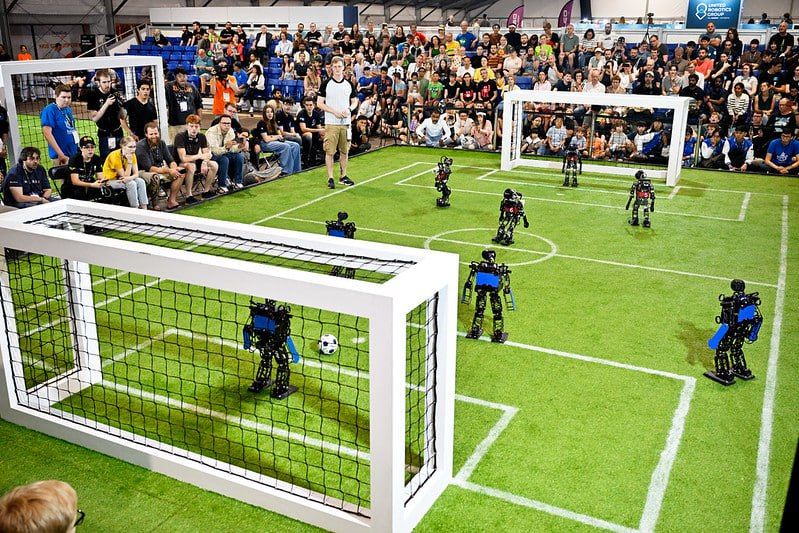
RoboCup, an international robotics competition, aims to foster advancements in robotics and artificial intelligence through its diverse challenges. Established with the ambitious goal of having a team of fully autonomous humanoid robots defeat the reigning FIFA World Cup champion by the year 2050, the initiative serves as a platform for researchers and developers to push the boundaries of technology. The competition, which includes various leagues, encourages innovation and collaboration among participants, driving progress in the field. As teams prepare for upcoming events, the focus remains on overcoming technical challenges and achieving milestones that will ultimately contribute to the realization of this futuristic vision.

Stringent Certification Proves High-Specification Surveys No Longer Require Large-Footprint Operations
Terradepth, a company specializing in seabed information, has successfully conducted an IHO S-44 Special Order survey utilizing an autonomous underwater vehicle (AUV). This accomplishment, achieved recently, adheres to one of the highest international standards for hydrographic accuracy, showcasing the capabilities of advanced AUV technology. By employing this innovative approach, Terradepth has illustrated that high-precision surveys can be carried out without the need for expensive and extensive operations, potentially transforming the future of hydrographic surveying.
terradepth survey
Carbonix and CASA Certify First SAIL III Drone in Australia
Carbonix says it is the first company in Australia to receive SAIL III certification for a drone, clearing a path to scalable long-range BVLOS operations. Sydney-based autonomous aviation company Carbonix has become the first company in Australia to achieve Safety Assurance Integrity Level (SAIL) III drone certification, according to the company. Carbonix says the milestone, […] The post Carbonix and CASA Certify First SAIL III Drone in Australia appeared first on DRONELIFE.
Drone News Drone News Feeds Mapping News aerial surveying Australian drone industry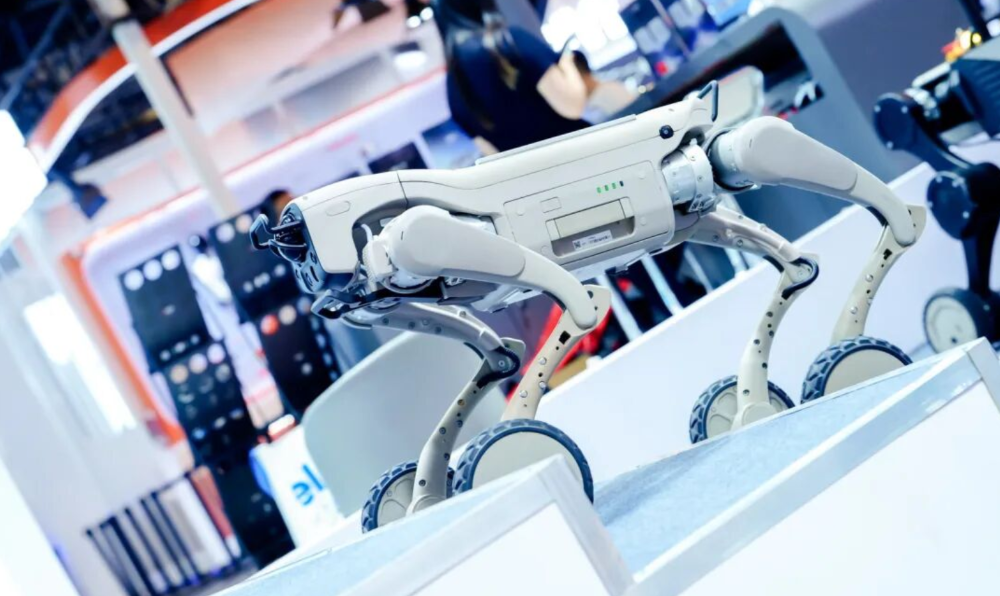
Genisom AI Showcases Comprehensive Robotics Solutions at WAIC 2026
Genisom AI made a significant impact at the 2026 World Artificial Intelligence Conference by unveiling a complete product matrix, including industry-grade quadruped robots, bomb-proof special robots, humanoid robots, and simulation training platforms. The company reported a cumulative production of over 15,000 units by June 2026, with a monthly production exceeding 5,000 units in June alone. This achievement highlights Genisom AI's ability to address critical questions in industrialization, focusing on mass production, speed, and stability. The quadruped robot, Steel Coin L2, integrates advanced navigation and autonomous following technologies, offering users a reliable productivity tool at lower costs and shorter deployment times. The bomb-proof inspection robot, Lead Ball SP1, is designed for hazardous environments, providing automated inspection solutions with high-level explosion-proof certifications. Looking ahead, Genisom AI's humanoid robot, Silver Wing NE01, signifies the company's expansion into bipedal robotics, demonstrating reliability in extreme tests. The MATRiX 2.0 simulation platform aims to bridge the gap between virtual training and real-world applications. With over 300 ecosystem partners, Genisom AI is building a comprehensive end-to-end chain from core components to full product deployment, marking a significant milestone in China's industrialization efforts.
Quadrupedal Robots Humanoid Robots Industrial Automation AI Robotics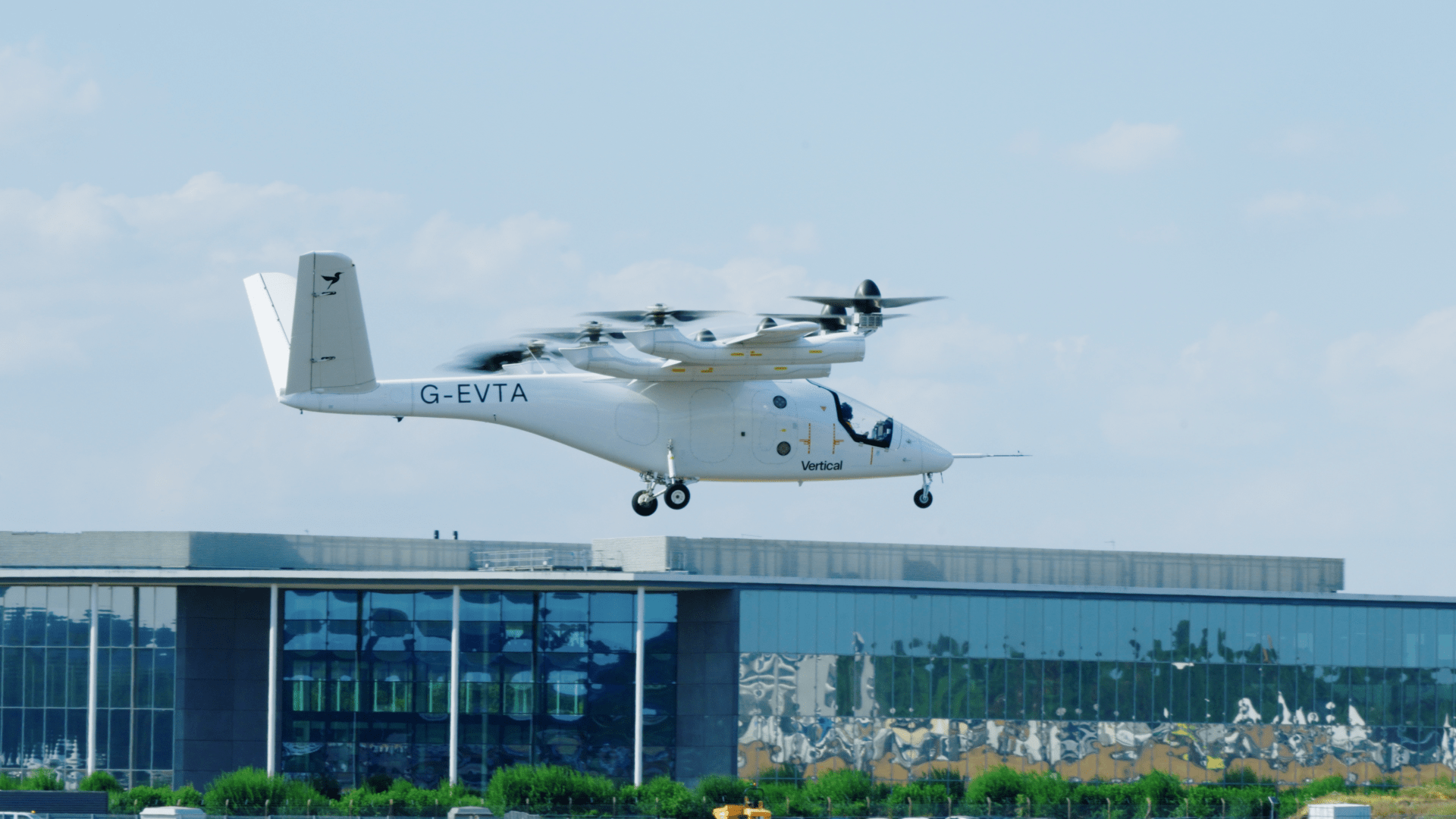
Vertical Aerospace to Showcase First Public eVTOL Flight Demonstrations at Farnborough Airshow
British aerospace company Vertical Aerospace is preparing to conduct its inaugural public electric vertical take-off and landing (eVTOL) flight demonstrations at the Farnborough International Airshow. This event marks a significant milestone in the company's journey toward certification and the launch of commercial electric aircraft services. The demonstrations are crucial as Vertical Aerospace has recently unveiled its Valo aircraft and completed successful piloted transition flights. The company has also strengthened its financial position and expanded its global technology partnerships, all while advancing its certification program. CEO Stuart Simpson emphasized that these milestones are vital for reducing risk and enhancing the company's competitive stance in the electric aerospace sector. Looking ahead, Vertical Aerospace aims to complete its Critical Design Review by the end of 2026, which will establish the certifiable design baseline for its aircraft. The company plans to bring its early production aircraft assembly facility online in Q3 2026 and begin hybrid-electric flight testing in the first half of 2027. No further timeline was disclosed at the time of publication.
Transportation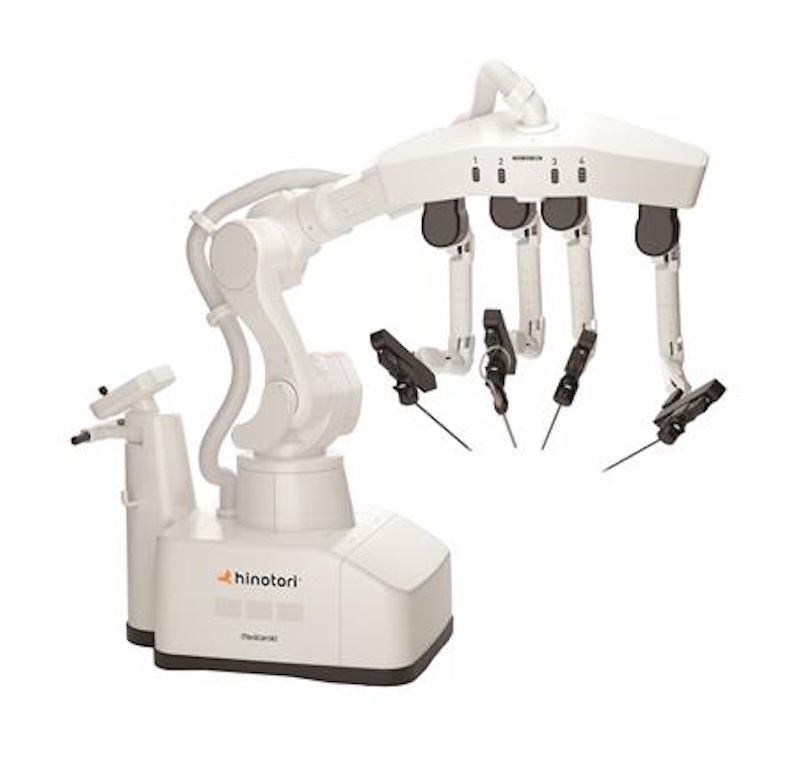
Medicaroid Achieves CE Marking for hinotori Surgical Robot System in Europe
Medicaroid has obtained CE marking for its hinotori Surgical Robot System under the EU's Medical Device Regulation, allowing it to market the system across EU member states and select non-EU countries. This approval is a crucial part of Medicaroid's strategy to expand internationally beyond Japan and the Asia-Pacific region. The hinotori Surgical Robot System was initially approved for manufacture and sale in Japan in 2020 and has since gained regulatory approvals in Singapore, Malaysia, and Vietnam. The recent CE marking enables Medicaroid to enter the European, Middle Eastern, and African markets, which is vital for the company's growth and the global adoption of medical robotics. Looking ahead, Medicaroid aims to leverage its new certification to enhance its presence in the EMEA region. The company established Medicaroid Europe GmbH in Germany in 2020 to facilitate its commercial operations. No further timeline was disclosed at the time of publication.
Health News automation CE marking europe healthcare robotics
NASA Astronaut Captures Stunning Glacial Flow in the Himalayas from Space
NASA astronaut Jessica Meir captured a remarkable image of glaciers flowing down the northern slopes of the Himalayas from the International Space Station. This breathtaking view highlights the vastness of the mountain range, which separates Nepal from China's Tibetan Plateau and features over 110 peaks exceeding 24,000 feet in elevation. The Himalayas, spanning five countries and approximately 1,500 miles wide, provide a unique perspective on glacial movement that is not visible from the ground. This imagery underscores the significance of space in enhancing our understanding of climate change, particularly as rising temperatures impact glacial dynamics and sea levels. Researchers can utilize this data to better comprehend how glaciers melt and move, which is crucial for preparing to protect our planet and its ecosystems. No further timeline was disclosed at the time of publication.
Earth Astronomy Solar System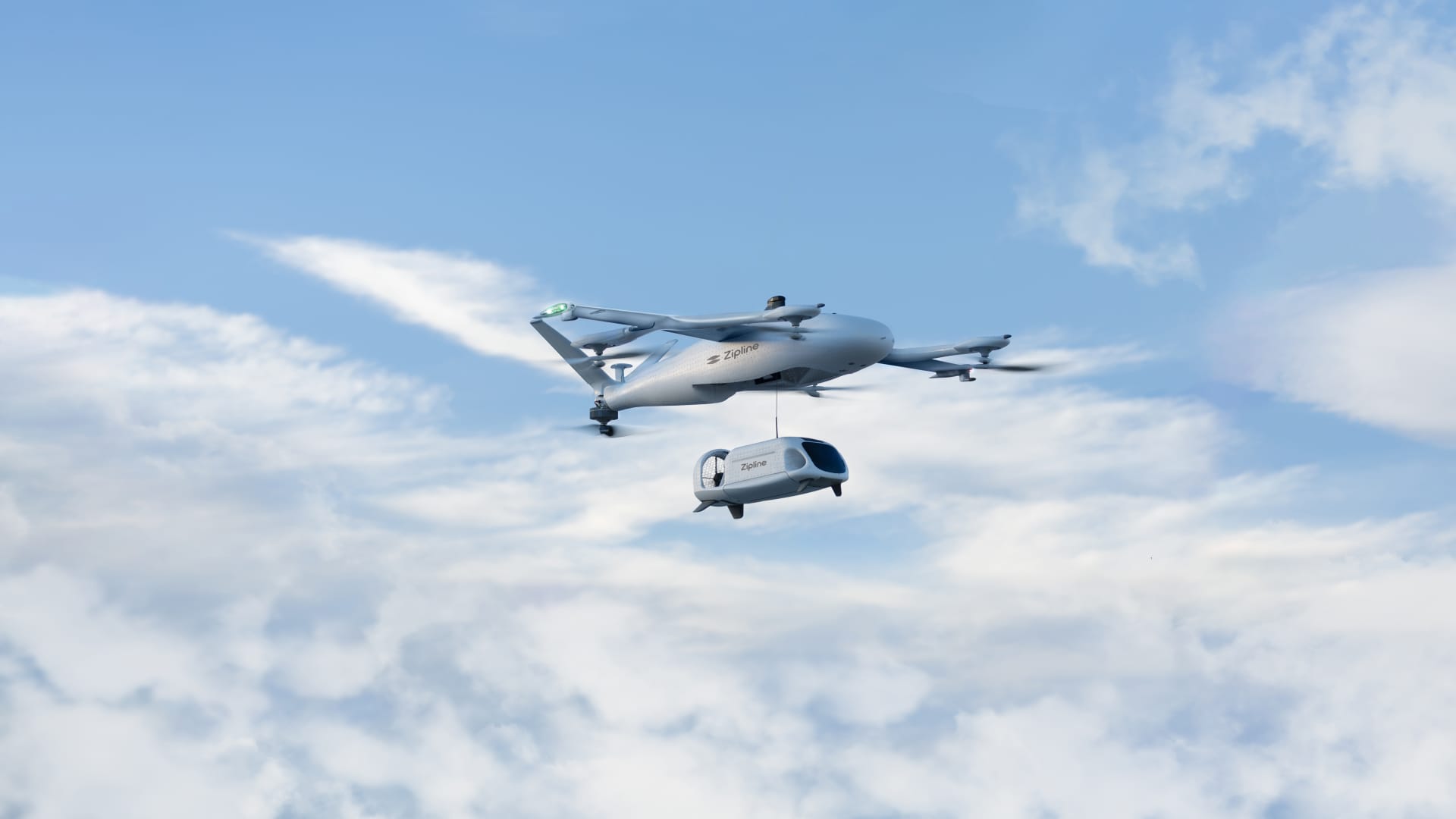
Zipline Expands Drone Delivery Operations with New Executives from Tesla, Uber, and Waymo
Zipline is enhancing its drone delivery services in the U.S. by hiring former executives from Tesla, Uber, and Waymo to support its expansion. The company has achieved over 2.5 million commercial deliveries and is currently making one delivery every 20 seconds. With a factory capable of producing 24,000 drones annually, Zipline anticipates a 15-fold growth in its U.S. operations this year. This strategic hiring is significant as it positions Zipline to scale its services in both domestic and international markets, moving beyond its initial focus on medical deliveries in Africa. The addition of experienced leaders from major tech companies is expected to streamline operations and enhance Zipline's competitive edge against rivals like Alphabet's Wing. Looking ahead, Zipline plans to launch operations in Austin, Houston, and Cleveland, with expectations of entering many more U.S. metros and new international markets by 2027. The company's innovative approach aims to revolutionize delivery logistics, making it as seamless as possible for customers.
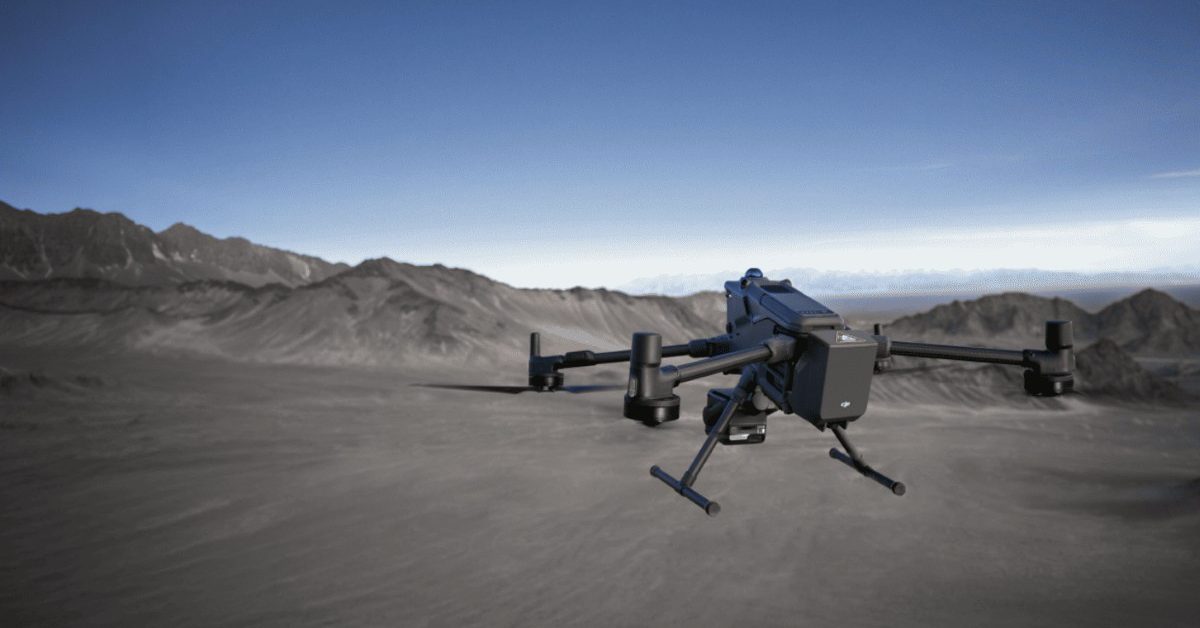
DJI Launches AP100 Parachute for Enhanced Safety of Matrice 400 Drone
DJI has unveiled the AP100 Parachute, a new safety accessory for its Matrice 400 enterprise drone, aimed at protecting the aircraft during emergencies. This parachute system, weighing approximately 935 grams, helps mitigate the impact of in-flight failures by safely lowering the drone to the ground, thus safeguarding valuable payloads and minimizing risks to people and property below. The introduction of the AP100 is significant as it allows the Matrice 400 to comply with safety regulations set by the European Union Aviation Safety Agency and the UK Civil Aviation Authority. This feature is particularly beneficial for organizations operating internationally, as it enhances operational safety and meets specific classification requirements for various missions, including beyond visual line of sight operations. Looking ahead, operators interested in C6 or UK6 certification for STS-02 missions will need to acquire the DJI Matrice 400 (C6) Worry-Free Plus Combo, which includes the AP100. No further timeline was disclosed at the time of publication.
News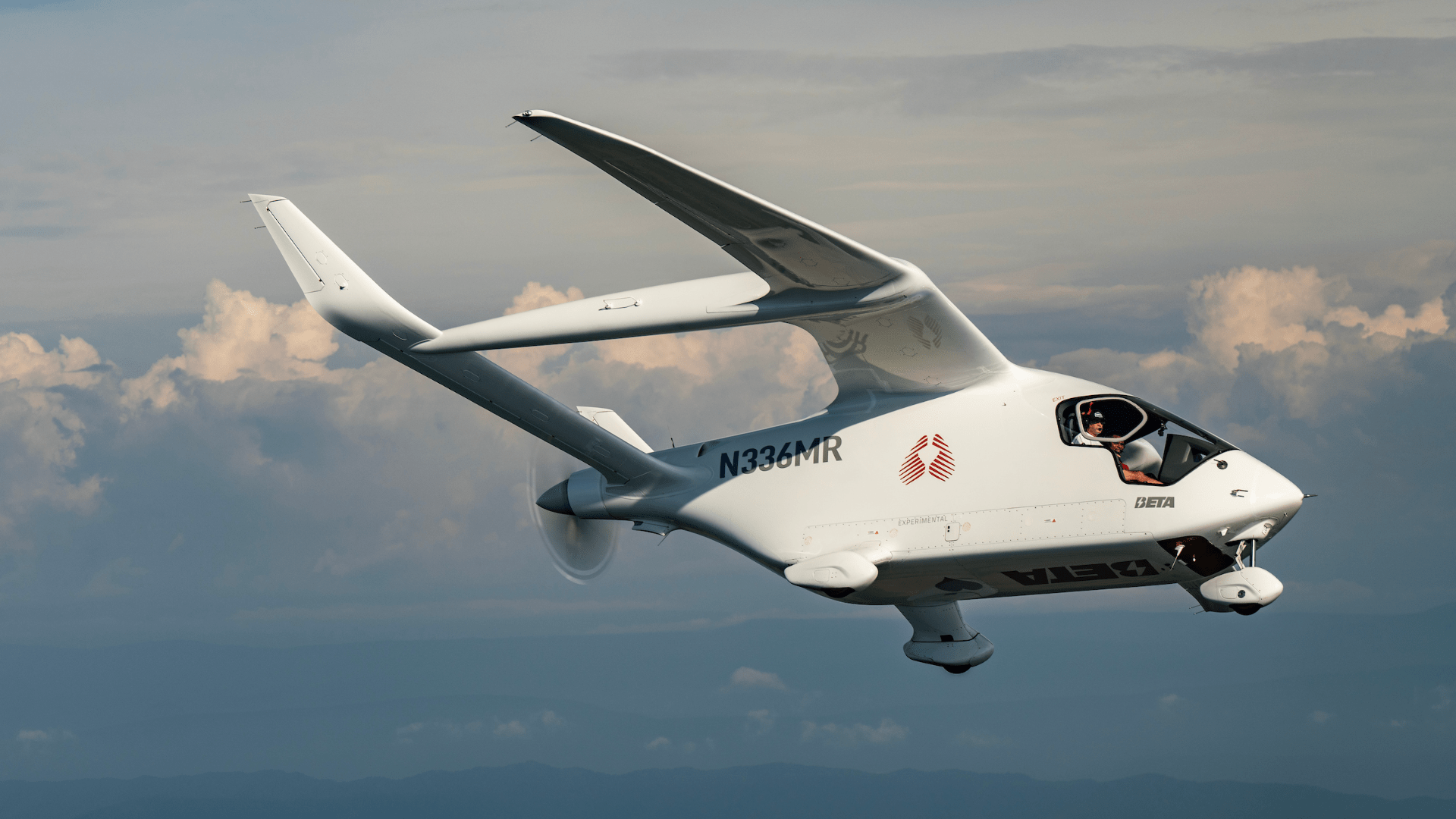
BETA Technologies Completes Multistate Electric Aircraft Flights for Medical Logistics
BETA Technologies has successfully conducted a series of electric aircraft flights spanning Virginia and Maryland, as part of the FAA’s eVTOL Integration Pilot Program. The flights covered approximately 275 nautical miles, connecting airports in Blacksburg and Charlottesville, Virginia, to Frederick and Baltimore County, Maryland. This achievement marks a significant milestone in evaluating advanced air mobility within existing airspace systems. The significance of these flights lies in their potential to enhance medical logistics, particularly in organ delivery operations. BETA Technologies is collaborating with United Therapeutics to develop electric aircraft systems that aim to make organ transportation more affordable and sustainable. The partnership has already led to advancements in aircraft design, autonomous flight technologies, and charging infrastructure, with over 160,000 nautical miles of flight testing completed to date. Looking ahead, the eVTOL Integration Pilot Program will continue to provide valuable data to inform future certification rules and operational standards for advanced air mobility. The Pennsylvania Department of Transportation, leading the Multistate Collaborative eIPP National Integration Complex, is working with multiple states and industry stakeholders to further develop and test these innovative aviation technologies. No further timeline was disclosed at the time of publication.
Transportation
Ant Group Launches LingBot-VA 2.0 with Advanced Spatial Awareness and Vision Models
On July 10, Ant Group introduced LingBot-VA 2.0, the first embodied native action model in the industry. This release marks the culmination of their full-stack 2.0 model series, featuring advancements in spatial perception and real-time interaction. The launch has generated significant buzz across international platforms like Reddit and Hugging Face, indicating a strong interest in their technology. The significance of LingBot-VA 2.0 lies in its comprehensive technology stack, which includes LingBot-Depth 2.0 and LingBot-Vision. LingBot-Depth 2.0 enhances depth perception with a training dataset expanded from 3 million to 150 million, achieving top scores in 12 out of 16 benchmarks. Meanwhile, LingBot-Vision introduces a novel pre-training target, improving depth estimation accuracy despite using a smaller dataset compared to competitors. Looking ahead, the next steps for Ant Group involve further collaboration with industry partners, as LingBot-Depth 2.0 has already received professional certification from Orbbec. The company is also focusing on integrating their models into the industry, with no further timeline disclosed at the time of publication for upcoming releases or partnerships.
Robotics AI Machine Learning Computer Vision
FCC Proposes New Rules for Drone Sales Transparency and Component Restrictions
The Federal Communications Commission (FCC) has proposed new regulations aimed at enhancing transparency in online drone sales. Under the proposed rules, e-commerce platforms like Amazon would be required to display FCC certification IDs for wireless devices, including drones and their components. This initiative is part of a broader effort to ensure that consumers can verify the authorization status of electronic devices before purchase, addressing a significant loophole in current regulations. The significance of this proposal lies in its potential impact on the drone market and consumer safety. By mandating the display of FCC IDs, the FCC aims to prevent unauthorized electronic equipment from entering the U.S. market, thereby protecting consumers and ensuring compliance with national security standards. The proposal also seeks to close a loophole that allows products containing restricted components to be sold if they are integrated into devices by other manufacturers, which could compromise device integrity. Looking ahead, the FCC's proposal marks a critical step in regulating the drone industry and enhancing consumer protection. The agency has been working on this initiative since 2021, with the latest proposal expanding restrictions to nearly all logic-bearing hardware components. No further timeline was disclosed at the time of publication for when these rules might take effect or how they will be implemented across online marketplaces.
News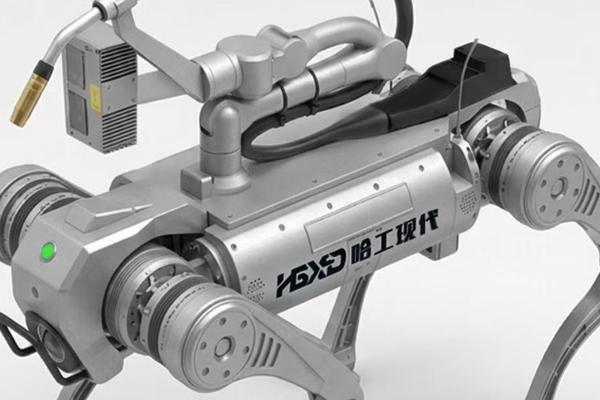
"Shengshi Weisheng secures hundreds of millions in Series B funding for its smart welding brain model."
3Srobotics, a company specializing in embodied intelligent robots for industrial manufacturing, has successfully raised several hundred million yuan in its Series B funding round. The investment was led by Shanghai Semiconductor Investment and Jinqiao Fund, with participation from Zero One Venture Capital, New Ding Capital, Zhongguan Dinghua, and existing shareholder Weiguang Venture Capital. The funds will be utilized to upgrade their intelligent welding systems, expand manufacturing capacity, and enhance their research and development and market service teams, aiming to accelerate the nationwide deployment of their products across various industries. Founded in 2020, 3Srobotics received national high-tech enterprise certification in 2023 and was recognized as a specialized and innovative small enterprise in Shanghai in 2024. This funding round marks a significant step in the company’s growth, leveraging its proprietary "intelligent brain and motor control system" to advance the development of scalable industrial-grade intelligent robots, particularly in the welding sector. The company focuses on addressing the growing labor shortage in welding, a critical process in industrial production that faces high risks and technical demands. With an aging workforce and a projected shortfall of millions of welding engineers by 2025, 3Srobotics aims to fill this gap with its AI-driven robots that can autonomously adapt to complex welding tasks, significantly improving efficiency and quality. 3Srobotics plans to expand its product offerings beyond welding to include grinding, cutting, assembly, and logistics, striving to create a comprehensive ecosystem of intelligent industrial robots that can transform manufacturing processes.
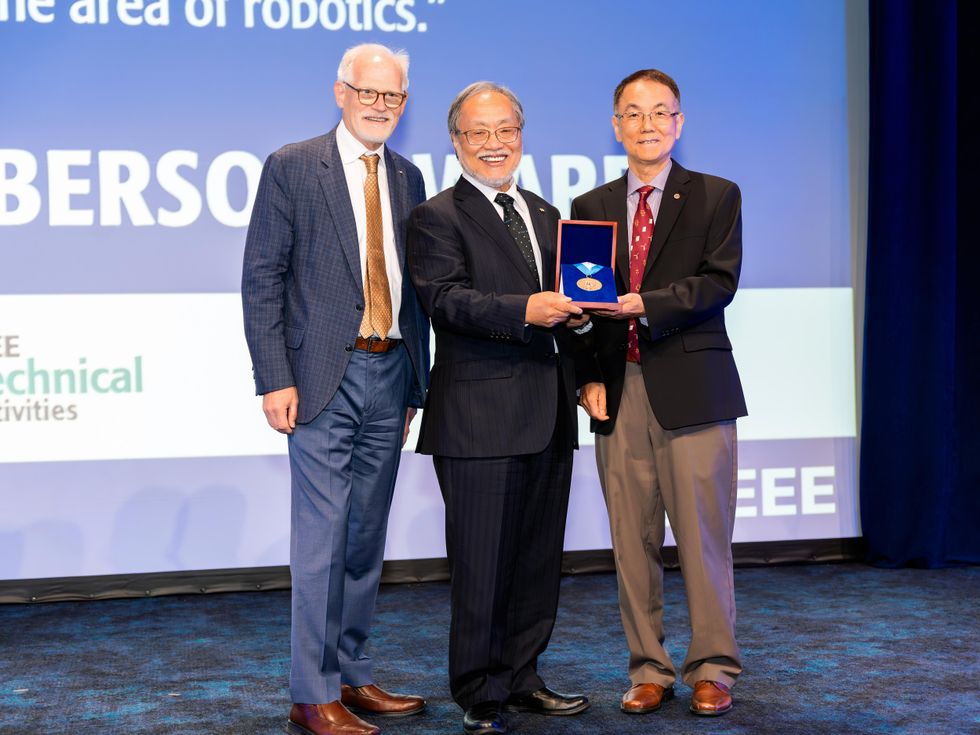
IEEE Honors Robotics Pioneer Toshio Fukuda
Toshio Fukuda has been blazing trails for most of his career. He is considered to be one of the most prolific scholars in robotics, writing more than 2,000 research papers and authoring several books on the field. He’s an influential figure thanks to his pioneering work developing biomedical robotic systems, industrial robots, micro-nano robotics, mechatronics, and AI-driven automation.Fukuda launched one of the first robotics conferences, the IEEE/RSJ International Conference on Intelligent Robots and Systems (IROS). It is still popular almost 40 years later.Toshio FukudaEmployerEgypt-Japan University of Science and Technology, in Alexandria TitleProfessor and vice president of research Member gradeLife Fellow Alma matersWaseda University, in Tokyo; University of Tokyo An IEEE Life Fellow, he is a professor emeritus in the department of micro-nano systems engineering and a visiting professor at Nagoya University, in Japan, where he taught for nearly 25 years. Currently, he is a vice president of research at the Egypt-Japan University of Science and Technology, in Alexandria, Egypt.Within IEEE, Fukuda has held top volunteer positions including the organization’s highest office: He served as IEEE president in 2020, becoming the first person of Asian descent to hold the role.He’s a former program director of Japan’s Moonshot program, which by 2050 intends to develop advanced AI robots.Born in Japan, Fukuda has been recognized by the country for his contributions to science with two of its highest awards: the Medal of Honor with a purple ribbon in 2015 and the Order of the Sacred Treasure in 2022.IEEE honored him with this year’s Richard M. Emberson Award for “distinguished service advancing the technical objectives of IEEE, especially in the area of robotics.” The IEEE Board-level award is sponsored by the IEEE Technical Activities Board. Fukuda received the award on 24 April at a ceremony in New York City.As a former IEEE president who has served as a master of ceremonies at several of the organization’s major award events, Fukuda noted that he is more accustomed to bestowing awards than receiving them.“It’s very interesting to be on the receiving end,” he says.The journey into robotics researchAs a teenager, Fukuda spent his summer breaks teaching himself how to build things including transistor radios and steam engines.“It was very nice to have a hands-on hobby and make these kinds of things myself,” he says. His experimentation led him to study engineering.He earned a bachelor’s degree in engineering in 1971 from Waseda University, in Tokyo. He says one of his professors there—Ichiro Kato, regarded as the father of Japanese robotics research—was a good mentor who made a positive impact.Fukuda’s research interests were robotics and mechatronics, a field that combines robotics, electronics, computer science, and control systems.He went on to earn a master’s degree and a doctorate in science from the University of Tokyo, in 1971 and 1977. During those years, he also attended Yale, where he conducted research on advanced control theory in 1973.He reflects fondly on his time at Yale: “It was a very nice environment and a kind of free-thinking atmosphere. It motivated me to study more.”“IEEE doesn’t care who you are, what you do, what country you are from, or whether you are male or female. IEEE accepts people who have energy and passion.”While at Yale, Fukuda served as an assistant to his advisor—which led him to consider a career in academia, he says, because he enjoyed the freedom that research work afforded him.But he realized that such freedom comes with a price. University researchers are expected to raise the money that funds their work. He compares researchers to small-business owners who have to bring in money to keep their enterprise afloat.That realization led him to select robotics as his field because he intended to develop technologies useful to industry, he says.After earning his doctorate, he returned to Japan in 1977 to work as a research scientist at the government’s Mechanical Engineering Laboratory, later renamed the National Institute of Advanced Industrial Science and Technology, in Tsukuba.“There was a lot of research going on at the lab, including practical robotics and theory,” he says.He left Japan in 1979 to become a visiting research fellow at the University of Stuttgart, in Germany. During his year there, he studied systems, software problems, and related topics.He returned to Japan and was hired as an associate professor of mechanical engineering at the Tokyo University of Science. He conducted research into practical uses for robots by visiting industrial plants. He decided to develop robots that inspect industrial equipment such as those used in assembly plants, oil refineries, and power stations—places that “can be hostile environments for humans,” he says.His work drew interest from chemical, oil, and utility companies.“I got a lot of money from them for this very practical application, which funded my research,” he says, laughing.Developing popular robotic systemsFukuda grew tired of making those robots, he says, so he switched to creating ones for scientific applications. He developed many techniques, but he probably is best known for his modular, cellular robotic systems (CEBOTs), which he introduced in 1985.He has described how CEBOTs work in numerous papers published in the IEEE Xplore Digital Library.The CEBOT system is composed of a number of autonomous robotic cells that stick together like interlocking Lego plastic bricks, he says.Each cell is a fundamental modular unit that has a function. When a simple task is given, the system can analyze it and generate the structure of the cellular manipulator. The cells connect to and detach from each other through connection mechanisms and cooperate mutually, creating complex structures and configurations.“You start developing from the component-wise to the cell-wise to a small functional unit—and then you come up with clusters that make bigger systems. We can make a society of robot beings like that,” he explained in his oral history published on the Engineering and Technology History Wiki. “It’s a distributed robotic system, a self-organized robotic system, and also an evolutionary robotic system.“It’s also a fault-tolerant robot system because if something is wrong, you just remove those things and make a new one. You keep the system working. That’s a great thing.”Today CEBOTs are used for a variety of tasks such as delivering medication in hospitals, assisting with planting crops, and transporting products in distribution centers. Check out IEEE Spectrum’s Robots Guide for news from the world of robotics.In 1989 Fukuda joined Nagoya University as a professor of mechanical engineering and micro-nano systems engineering. During his 24-year career there, he was director of the university’s Center for Micro-Nano Mechatronics. He developed a long list of technologies at the university, including many for medical applications. He also conducted groundbreaking research into intelligent robotic systems and micro- and nano-robotics.Another technology he is known for is brachiation robots, which he helped develop in 1988. He calls them monkey robots because they’re based on the pendulum-like movement of monkeys swinging from tree to tree. The gravity-based locomotion enables continuous movement.Brachiation robots now are inspecting high-voltage transmission towers and bridges, searching damaged buildings for survivors, and performing maintenance on pipelines and cables.Fukuda retired from the university in 2013 and was named professor emeritus.He didn’t stay retired for long, though. He next held a teaching appointment at Meijo University, in Nagoya, until he left in 2022 to join the Egypt-Japan University.A prominent volunteerHe joined IEEE in 1980 at the encouragement of one of his research advisors, Professor Fumio Harashima, now an IEEE Life Fellow. After attending conferences and reading the organization’s publications, Fukuda says, he looked forward to becoming more involved.“I wanted to know how to organize a conference and how to edit a paper for one of its Transactions,” he says. “I wanted to know what was going on from inside the organization, not just the outside.”In 1988 he was the founding chair and organizer of IROS, in Tokyo. The conference had 330 attendees that year, and was supported by Harashima. Today it is one of the largest and most prestigious conferences on the topic, attracting more than 9,000 people annually. Out of 120,000 conferences, it was the only conference in the Nature Index database for this year, Fukuda says.In 1996 he and other members launched IEEE Transactions on Mechatronics.He was the founding president of the IEEE Nanotechnology Council, which was established in 2002. He is considered a pioneer in nanotechnology research, particularly regarding how it relates to robotics.Over the years, he has held numerous volunteer positions on IEEE editorial boards and committees.He was the 1998–1999 president of the IEEE Robotics and Automation Society, becoming the first non-U.S. member to hold the title.He was director of IEEE Division X (2001–2002 and 2017–2018), which covers intelligent systems, biological engineering, robotics, control systems, and photonic technologies. He served as the 2013–2014 director of IEEE Region 10 (Asia-Pacific).As the 2020 IEEE president, Fukuda saw the organization through the early part of the COVID-19 pandemic. Because of travel restrictions, he realized IEEE should change how it offered its in-person services, specifically educational programs. He encouraged IEEE Educational Activities to develop an online learning platform. The IEEE Learning Network started with just three courses and now offers nearly 2,000 courses, webinars, and learning materials.An award-winning memberThe Emberson Award joins a slew of other recognitions Fukuda has received from IEEE. They include several from the IEEE Robotics and Automation Society: a 2004 Pioneer Award, a 2009 Saridis Leadership Award, and the 2011 Harashima Award for Innovative Technologies. He is also a recipient of the Board-level 2010 IEEE Robotics and Automation Technical Field Award.He says he feels strongly that IEEE should be a diverse organization that is welcoming to all. As IEEE president, he led efforts to devise a diversity, equity, and inclusion program. Several policies, procedures, and bylaws were revised to give members a safe, inclusive place for discourse.“It’s important for IEEE to make everyone feel comfortable,” he says. “DEI programs are important. All people should be equal. IEEE doesn’t care who you are, what you do, what country you are from, or whether you are male or female. IEEE accepts people who have energy and passion.“It accepted me, from the Far East. That’s why I like it.”You can learn more about Fukuda and his career from the oral history conducted by the IEEE History Center.
Robotics Robots Ieee-member-news Type-ti Ieee-awards Toshio-fukuda
Japan Pioneered Humanoid Robots—Can It Now Catch China?
“In the future, the relationship between humans and robots will deepen, and the distinction between them will probably disappear.” This prediction, from one of the attendees at the recent Humanoids Summit in Tokyo, might have been unremarkable had it not come directly from an android that was first introduced to the world 20 years ago. Geminoid HI-6 is the sixth-generation of a robot originally designed in 2006. The mechanical twin of Osaka University professor Hiroshi Ishiguro, Geminoid HI-6 is now equipped with a large language model trained on Ishiguro’s own writings and interviews. It has advanced conversational skills and can even have a chat with its creator, an eerie spectacle. But at the Humanoids Summit, Geminoid was one of the few humanoid robots from Japan, the country that pioneered the form factor.While the event in Tokyo only had about 40 robots on display, Chinese systems outnumbered Japanese by roughly three to one. Some Japanese robotics firms were even using Chinese robots in their own technology demonstrations, something that would have been unthinkable in the recent past—one Japanese engineer described the situation as “sad.” The conference was a stark reminder of how Japan has ceded its early lead in humanoid robot development to overseas competitors, and the challenge it now faces to secure a place in an ecosystem increasingly dominated by general-purpose robots powered by AI. Twenty-five years ago, Japan was turning out groundbreaking humanoids that were showstopping in their abilities, but they were not commercialized as practical machines in any meaningful way. Heavily influenced by science fiction and lacking practical applications, they were mostly expensive technology demonstrations that were eventually mothballed. What Japan retains, however, is robotics design and know-how, which it must leverage to be a key player in the rapidly evolving humanoid ecosystem. Learning to Walk—Then Standing StillTo anyone who has seen recent videos of Chinese humanoids doing kung-fu and synchronized acrobatics, as well as half-marathon races, China’s remarkable progress in the field is nothing new. At the Humanoids Summit, Toyota showed a video of its latest basketball-playing robot, and Honda exhibited its latest robot hand, but the full-scale humanoids on the floor were mostly Chinese–the kid-size K1 machines from Booster Robotics of Beijing were dancing to Michael Jackson tunes. The full-scale G1 humanoid from Unitree Robotics of Hangzhou was also doing demos. “You cannot sell these bipedal systems in Japan for safety and compliance reasons,” says Shuichi Nagao, a frequent visitor to China as CTO of Omakase Robotics, a division of Zeals, a Japanese humanoid robot developer. Omakase was exhibiting a G1 modified with an external PC controller, a dextrous hand, a suction-cup manipulator and a sensor “hat” with an extra speaker, mic and camera. “In China, the government is pushing humanoid development. They didn’t have an industry 20 years ago. The people pushing it are young, in their 20s and 30s. It’s a really different mentality out there,” says Nagao. “Big players in Japan are still looking for use cases for humanoids. In China, they’re already doing mass production and reducing the cost, so other countries can’t compete with them anymore.”Another Japanese company showing off G1 bots was summit sponsor GMO AI & Robotics, a subsidiary of Japanese internet company GMO. It’s using the robots in partnership with Japan Airlines to load and unload cargo containers at Tokyo’s Haneda airport. The cargo project is a trial—like many other humanoid experiments—but the fact that Chinese machines have penetrated so far into Japan’s ecosystem upends a long history. In 1973, scientists at Waseda University in Tokyo built WABOT-1, considered the first full-scale humanoid robot and capable of slow bipedal locomotion, grasping objects and simple communication. It inspired Honda’s groundbreaking Asimo humanoid, but it was never commercialized. Asimo was eventually retired in 2022, the year ChatGPT was released. Two years later, Unitree’s G1 went on sale for US $16,000. China’s High Torque Technology Co. showed off its Mini Pi biped, customized with an anime-inspired head, at Humanoids Summit in Tokyo. The regular version is priced at $3,500. Tim HornyakSupply and DemandJapan’s development of humanoids happened before practical applications or widespread demand were in place, but bad timing is only part of the story—Japan also has a history of developing technologies that might appeal to domestic consumers but not necessarily those overseas. For example, decades after they first appeared, its highly engineered, multifunction toilets have only recently found a following abroad. Japan’s humanoid prowess was partly built on the back of its legendary industrial automation, yet even that stronghold has eroded. Ani Kelkar, a partner from McKinsey & Company in Boston who produces analytical reports about the robotics industry, told the summit audience that while Japan occupied the top spot in the world in manufacturing robot density (the number of multipurpose industrial robots in operation per 10,000 employees) from at least 1994 to 2009, it then slipped to second in 2014, third in 2019 and fifth in 2024. In that year, South Korea was at the top of the leaderboard with a robot density of 1,220 compared to Japan’s 446. The International Federation of Robotics estimates China now has the most operational industrial robots in the world, with around 2 million total units, approximately 4.5 times more than Japan. “The annual installation numbers are impressive too: 54 percent of all robots installed worldwide in 2024 were deployed in China,” the IFR said in a release in April 2026. “I think the loss of Japanese leadership is more to do with the rise of China as a manufacturing powerhouse including for sectors that Japan had high export levels,” Kelkar said in an email interview. “The recovery has not yet happened as Japan ‘missed’ the rapid acceleration in AI for robotics and is now playing catchup.”How Japan Can Adapt Kelkar believes Japan has a US $100 billion opportunity in general-purpose robotics, which are machines that can perform a wide variety of tasks, and it cannot rely on the slower-growing industrial robot market, which is centered on factory machines that do one simple and predictable task like welding car parts. He points to a McKinsey white paper suggesting that while Japan has much of the hardware and technology experience needed to support general purpose robot development, it must change its strategy to capture more share in AI, software, data collection and robotics platforms.Tetsuya Ogata is a professor of engineering and director of the Institute for AI and Robotics at Waseda University, the birthplace of humanoids in Japan. He briefed the summit on how a nonprofit he chairs, the AI Robot Association (AIRoA), is working with Toyota and other members to develop foundational technologies for collaborative use. For instance, AIRoA has collected some 80,000 hours of data on remote operation of mobile manipulators, and Ogata believes it’s the largest dataset of its kind. Using the data, it built and verified Vision-Language-Action (VLA) models, and it has also started data collection for dual-arm mobile manipulation. In an interview, Ogata acknowledged Japan’s struggle to find its place in the changing landscape. “The world of AI is inherently a game of scale,” says Ogata. “Therefore, Japan’s absolute prerequisite is to secure a competitive baseline of scale—in data, computing resources, and talent. Beyond that, what I consider most critical is a mindset shift: rather than trying to hoard scale within a single nation or company, we must grow stronger by collaborating with a diverse ecosystem of domestic and international players.” Specifically, this means creating a ‘collaborative domain’ to address data—the single biggest bottleneck—through industry-wide cooperation rather than data-siloing. By collectively nurturing a pre-competitive, shared data infrastructure and foundation model, individual companies can then compete on top of it with their own applications. “By offering this open ‘data ecosystem’ to the world, we can engage global players and establish a ‘third pole’ alongside the US and China,” says Ogata. “I believe this is how Japan can reclaim its global presence.”In 1999, Japan introduced the world’s first mobile internet services platform. But being first didn’t turn Japan into a smartphone manufacturing or design center—it’s now merely a supplier of parts to other countries who are leading the smartphone industry. If Japan can avoid a repeat of that experience and successfully deregulate, diversity, and commercialize its original humanoid dreams, it stands a better chance of influencing the direction of the industry and reaping billions in value. As automobiles and electronics were pillars of Japan’s industrial strategy in the last century, Japan could make humanoid robots one of its key value generators in the 21st century, an approach that would not only deliver economic benefits but give Japan greater clout in how the industry will evolve. Just like Japanese cars, electronics, and even toilets, Japanese humanoids could stand for craftsmanship and reliability. It’s a legacy that Japan can’t afford to give up.
Japan Robotics Humanoids Humanoid-robots
Sonair ADAR One 3D ultrasonic sensor is now safety-certified
Sonair has announced that its ADAR One 3D ultrasonic sensor has received safety certification as a human detection sensor, meeting the IEC 61496 standard for electrosensitive protection devices. This certification underscores the sensor's reliability and effectiveness in ensuring safety in various applications. The assessment reflects Sonair's commitment to adhering to international safety standards, enhancing the credibility of its technology in the market. The announcement marks a significant milestone for the company, as it aims to expand the use of its advanced sensor technology in diverse sectors.
Artificial Intelligence Artificial Intelligence / Cognition Design / Development Logistics Manufacturing Mobility / Navigation
Beijing Mayor Inspects Development of Embodied Intelligence Robotics Industry
Beijing's Mayor Yin Yong visited Star Era Technology Company to evaluate advancements in the embodied intelligence robotics sector. During his visit, he underscored the necessity of merging technological innovation with industrial expansion, focusing on improving the capabilities of general-purpose robots and broadening their applications, particularly in logistics. This initiative aims to bolster collaboration between academic institutions and the industry, ultimately fostering the growth of Beijing's robotics sector on an international level.
Embodied Intelligence Robotics Industry General-Purpose Robots Technology Innovation
BilibiliWorld 2026 is China's first overseas ticketed ACG event; 17 measures to promote AI in consumer development; Kuaizhou-11 rocket successfully
Didi Autonomous Driving showcased its advancements in self-driving technology at the MOVE 2026 conference held in London on June 17-18. The company highlighted its achievement of L4-level core technology and the delivery of its new Robotaxi model, R2, developed in collaboration with GAC Aion, which is currently undergoing road tests in cities like Guangzhou and Beijing. Since launching all-weather passenger testing in select areas last year, Didi has maintained a safe and stable operational performance. On June 18, Cainiao's Vice President Bi Jianghua announced plans to deploy four large-scale climbing robot warehouses globally within the next four months, following successful trials during the 618 shopping festival. This initiative aims to enhance the efficiency of e-commerce supply chains. DingTalk's new CEO, Chen Yusen, communicated organizational changes in a company-wide letter, establishing a core platform business department and integrating various teams to streamline operations. The State Administration for Market Regulation is overseeing an antitrust compliance rectification for Huolala, mandating the cessation of practices that unreasonably lower freight prices and enforcing fair pricing algorithms. The company is expected to refund 1.2 billion yuan to drivers and reduce its commission rates. Additionally, Cao Cao Mobility announced its RoboX strategy at the International Automotive and Supply Chain Expo in Hong Kong on June 18, planning to deploy 100,000 Robovans by 2030 to enhance logistics networks. BilibiliWorld 2026 will be the first comprehensive ACG exhibition in China to offer overseas ticket sales, with tickets available globally starting June 20, for the event scheduled from July 10-12 in Shanghai. KKR has committed $1.4 billion to expand Altavair's commercial aircraft leasing portfolio, while Manifold AI has secured nearly 1 billion yuan in Pre-A funding. In economic news, Goldman Sachs suggests the Federal Reserve may need to implement consecutive rate hikes in September if inflation remains high. Meanwhile, Hong Kong plans to launch five-year government bond futures on August 3, 2026. The Ministry of Commerce has introduced 17 measures to promote the integration of artificial intelligence into consumer markets.

Official Announcement: 2026 ROBOTAC to be Held in Beijing Tongzhou
The 2026 National College Student Robotics Competition, known as ROBOTAC, is set to be held in Beijing's Tongzhou District, a venue chosen to showcase the region's advancements in technology and its dedication to national strategic initiatives. Scheduled for next year, the competition seeks to merge high-level robotics contests with local industry, promoting collaboration between leading universities and the robotics sector. This initiative not only aims to enhance the practical skills of students but also to provide them with hands-on experience in emerging technologies, thereby fostering innovation and growth within the field.
Robotics Competition Technological Innovation AI Education Industry Collaboration
Schneider Electric Announces its U.S. Facilities are NEMA Certified
A company has achieved certification for its supply chain facilities under the NEMA Make it American domestic-content certification program. This certification underscores the company's commitment to promoting American-made products and supporting domestic manufacturing. By adhering to the standards set forth by the National Electrical Manufacturers Association (NEMA), the company aims to enhance its credibility and appeal to consumers who prioritize domestic sourcing. This initiative reflects a broader trend in the industry, as businesses increasingly recognize the importance of local production in fostering economic growth and sustainability. The certification process involved rigorous assessments to ensure compliance with the program's criteria, demonstrating the company's dedication to quality and transparency in its supply chain operations.
Factory / Digital Transformation
"BioGeometry" secures hundreds of millions in strategic funding to create a "microscopic world model" in life sciences.
AI-native biotechnology company BaiAo Geometry has successfully secured several hundred million yuan in strategic financing, with investments led by the Shanghai Biomedical Innovation Transformation Fund, Guoke Investment, Dacheng Wisdom, and Xinglian Capital, alongside follow-on investments from GaoRong Capital and the Index AI Industry Innovation Fund. The funds will primarily support the ongoing development of their life sciences micro-world model, GeoFlow, and the advancement of their proprietary drug pipeline. Artificial intelligence is rapidly evolving along two main trajectories: digital AI, represented by large language and multimodal models, and physical AI, exemplified by autonomous vehicles and humanoid robots. Life AI is emerging as a promising frontier, a sentiment echoed by leading global investors and scientists. BaiAo Geometry's GeoFlow model, launched in 2024, aims to understand and design molecular interactions at an atomic level, enabling the creation of novel molecules that have never existed in nature. The company has iterated GeoFlow multiple times, achieving significant advancements in protein structure prediction and de novo design capabilities. By applying Test-Time Scaling technology, BaiAo Geometry enhances the success rate of protein designs without the need for extensive retraining. This innovation allows for the rapid generation and optimization of high-affinity binding molecules, significantly reducing the time and cost associated with traditional drug discovery processes. BaiAo Geometry has established over 20 business development collaborations with domestic and international pharmaceutical companies, focusing on high-specificity antibody design and vaccine development. The company is currently working on the next iteration of GeoFlow, which aims to expand modeling from individual molecules to entire molecular systems, further revolutionizing drug development in the biotechnology sector.

36Kr Exclusive: Four Key Propositions for ByteDance's AI by 2026
ByteDance is setting ambitious goals for its AI initiatives in 2026, focusing on four key areas. The company aims to enhance world model training, targeting performance levels comparable to Google's leading model, Genie 3, by the end of the year. Additionally, ByteDance plans to maintain its leadership in video models while exploring new avenues like dynamic generation. The company is also committed to strengthening its coding capabilities, emphasizing the importance of data feedback and evaluation to improve agent performance, particularly in office applications. Despite recent advancements, including the launch of Seed 2.0 and Seedance 2.0, ByteDance faces challenges in the world model arena, having entered the field later than competitors. The company established a research group in 2025 to explore visual-language-action models and has since set a clear goal for world model development. However, internal assessments indicate that performance still lags behind global standards by approximately 10%. In parallel, ByteDance is accelerating the commercialization of its Doubao platform, which has seen a surge in daily active users, reaching 200 million. The company plans to introduce paid features and enhance its offerings for professional users, particularly in sectors like finance and law. Doubao's strategy includes differentiating itself in the crowded AI tools market and expanding its presence internationally, with a focus on small language markets. As ByteDance navigates these challenges, it aims to leverage its engineering expertise and data resources to emerge as a leader in the evolving AI landscape.
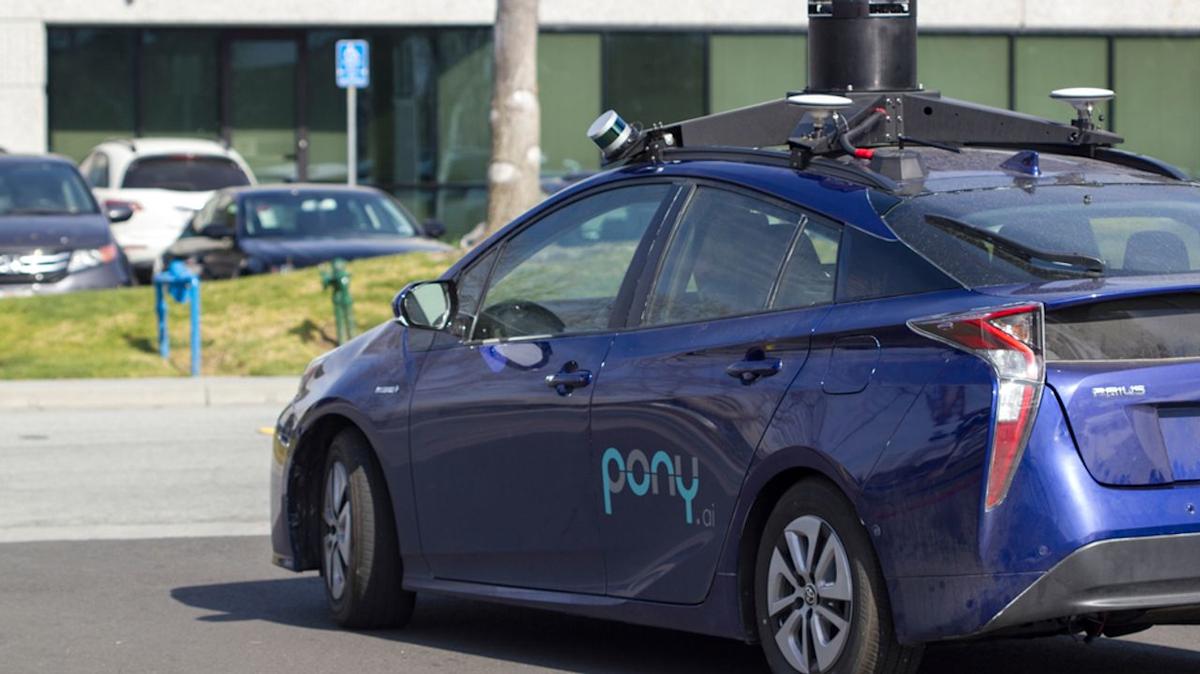
Pony.ai tops Q1 forecasts, lifts Robotaxi revenue outlook and fleet targets
Pony.ai, the autonomous driving company, exceeded first-quarter 2026 expectations, reporting a revenue of $34.3 million, a 145% increase from $14 million a year prior, and surpassing analyst estimates of $22.6 million. Despite posting a loss of $0.09 per share, better than the anticipated $0.12 loss, the company's performance was bolstered by significant growth in its Robotaxi services, which saw a staggering 395.4% year-over-year revenue increase to $8.6 million. This surge was attributed to higher fare activity and the introduction of its Gen-7 fleet, alongside a successful joint deployment model. Pony.ai also raised its full-year Robotaxi revenue forecast, now projecting growth of over 3.5 times the 2025 level, an increase from the previous target of three times. Additionally, the company aims to expand its Robotaxi fleet to over 3,500 vehicles by year-end, up from 3,000. The first quarter of 2026 showed a notable rise in user demand, with registered users tripling year-over-year and fleet expansion exceeding 1,700 units. The company has also begun international operations, launching Robotaxi services in Croatia in collaboration with local partners. CEO James Peng emphasized the company's commitment to safe and reliable Robotaxi services and the sustainable development of the autonomous driving industry. Following the announcement, Pony.ai's shares rose approximately 1% to around $9.
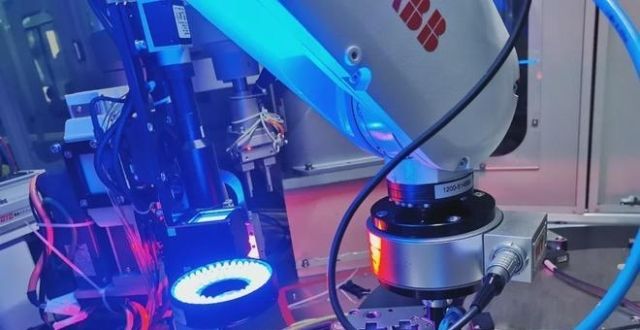
UniStrong Instruments: 15 Years Supplying ABB, Now Racing to Global Robot Sensor Dominance
UniStrong Instruments, a long-standing supplier to ABB for 15 years, has recently achieved UL certification, enhancing its competitive edge in the global robot force-torque sensor market. This certification comes at a crucial time as the company seeks to establish a stronger presence against international competitors in the rapidly evolving industrial manufacturing sector. With this strategic move, UniStrong aims to leverage its established relationship with ABB and its newly acquired certification to expand its market reach and innovate within the industry.
Robotics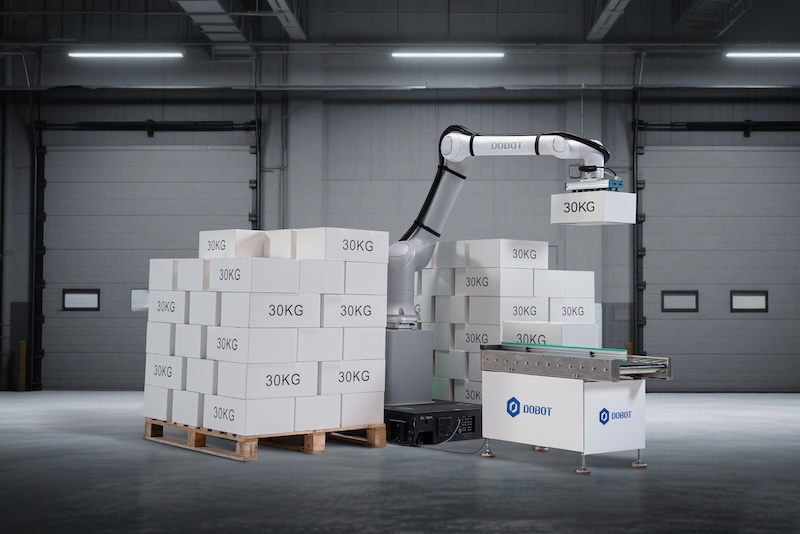
DOBOT CR 30H Series Achieves SGS-Verified Compliance with ISO 10218-1:2025 Cybersecurity Requirements
In February 2026, DOBOT, a prominent robotics manufacturer based in Shenzhen, China, announced that its CR 30H Series collaborative robots have met the cybersecurity compliance standards outlined in ISO 10218-1:2025. This achievement follows an independent verification process conducted by SGS, a leading inspection and certification company. The compliance with this latest international safety standard for industrial robots underscores DOBOT's commitment to ensuring the security and reliability of its technology in an increasingly digital landscape.
DOBOT CR 30H Series SGS ISO 10218-1:2025 cybersecurity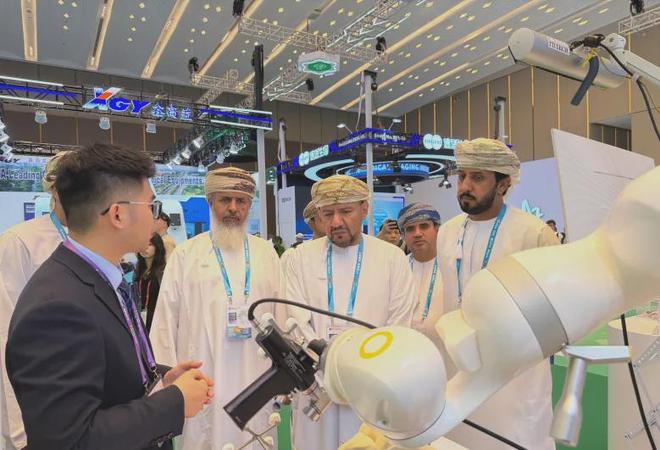
Shenzhen's Fully Autonomous Orthopedic Surgery Robot Captivates Global Buyers at Canton Fair
At the 139th Canton Fair, Yuanhua Intelligent Technology unveiled its innovative orthopedic surgery robots, drawing interest from representatives of over 30 countries. The robots, which have received EU MDR certification, exemplify cutting-edge technology and promise enhanced precision and reliability in surgical procedures. This development signifies a major advancement in medical innovation, highlighting Shenzhen's growing influence in the healthcare technology sector. The event, held recently, provided a platform for international collaboration and showcased the potential of these robotic systems in transforming orthopedic surgery.
Orthopedic Robots Medical Technology Surgical Robotics Healthcare Innovation
Everything You Need to Know About Collaborative Robot Safety Standards (ISO 10218)
As industries increasingly adopt collaborative robots, the regulatory landscape surrounding advanced robotics is adapting, particularly through the updated ISO 10218 standard for industrial robot safety. This international guideline, crucial for businesses utilizing collaborative robots, emphasizes the importance of compliance not just for legal reasons but as a strategic measure to ensure operational efficiency and worker safety. The ISO 10218 standard is divided into two parts: the first outlines safety requirements for robot manufacturers regarding the design and construction of robotic arms and controllers, while the second focuses on system integration, detailing safety protocols for the entire robot application, including workspace and human interaction. Key collaborative operation methods include Safety-rated Monitored Stop, Hand Guiding, Speed and Separation Monitoring, and Power and Force Limiting. Recent updates to the standard, effective in 2025, shift the focus toward a holistic risk assessment of the robot application, considering various factors such as arm speed and workpiece shape. JAKA Solutions is at the forefront of this evolution, ensuring that its robotic systems not only meet but exceed ISO 10218-1:2025 requirements. Their JAKA S series features advanced safety measures, including a safety-rated "skin" for enhanced environmental awareness, allowing seamless transitions between operational modes. By integrating JAKA technology, manufacturers can streamline compliance with CE and UKCA marking, supported by an intuitive interface for setting safety performance levels tailored to specific risk assessments. This innovation positions JAKA collaborative robots as reliable partners in enhancing production capabilities while prioritizing safety.
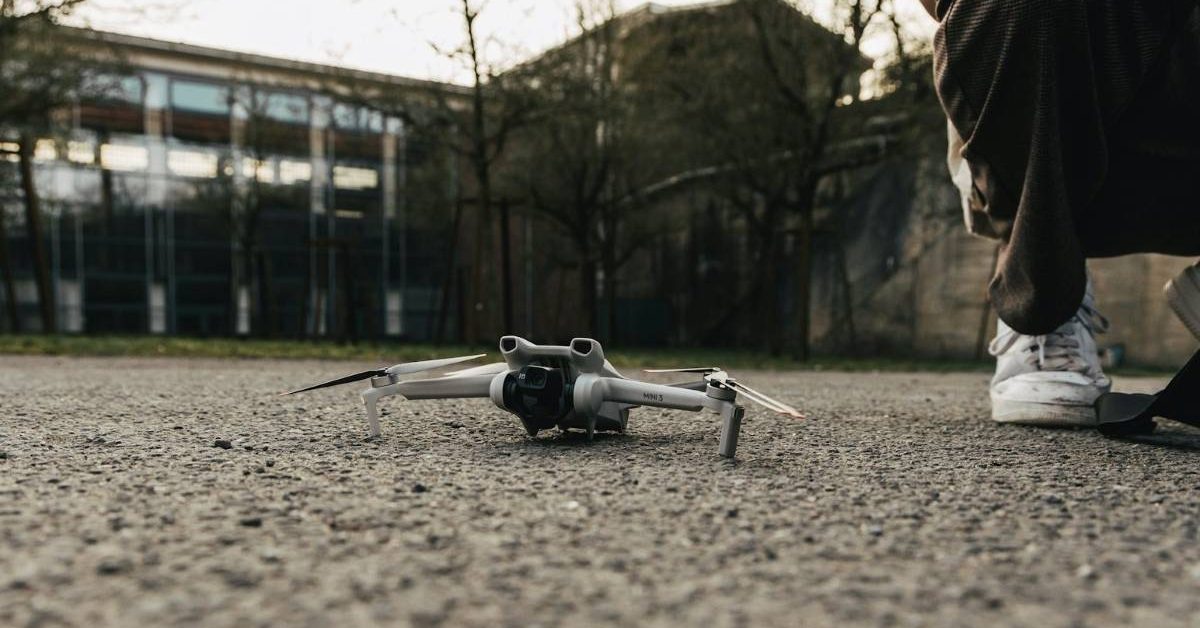
DJI Lito drones aren’t coming to US, buy these instead
DJI has unveiled its new Lito drone series, aimed at budget-conscious consumers, featuring modern enhancements such as 4K cameras, obstacle sensing technology, and user-friendly designs. However, these models will not be available in the United States due to ongoing uncertainties surrounding FCC regulations, which have hindered future DJI product launches in the country. As a result, US consumers are left waiting while international markets gain access to these entry-level drones. Despite the disappointment, American shoppers are benefiting from significant discounts on existing DJI models, with prices slashed by 30% or more.
News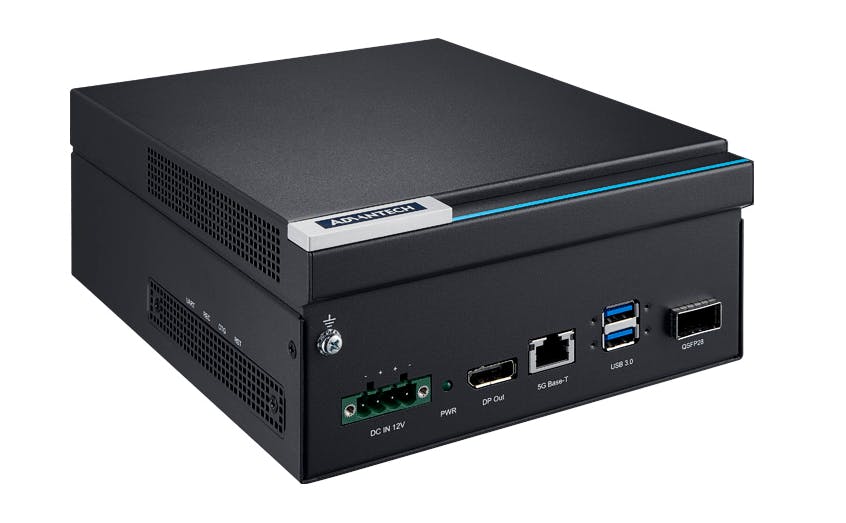
Advantech Releases Edge AI Inference System
Nvidia and Fort Robotics have announced a collaboration aimed at enhancing the performance of robotic and autonomous mobile robot applications. This partnership focuses on ensuring that these technologies operate with deterministic performance and meet Safety Integrity Level (SIL) certification standards. The initiative underscores the growing importance of safety and reliability in the rapidly evolving field of robotics, as industries increasingly integrate autonomous systems into their operations. By leveraging Nvidia's advanced computing capabilities alongside Fort Robotics' expertise in safety protocols, the two companies aim to set new benchmarks for performance and safety in robotic applications.
Factory / Control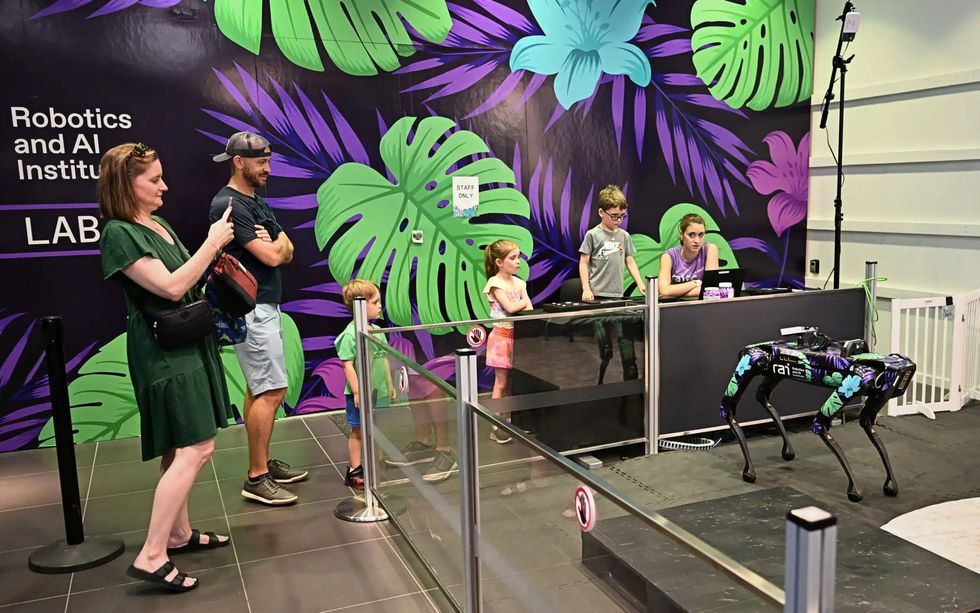
What Happened When We Set Up a Robotics Lab in a Mall
In summer 2025, the RAI Institute launched a free pop-up robot experience at the CambridgeSide mall, aimed at enhancing public understanding and comfort with robotics. This initiative came in response to a growing divide between sensational media portrayals of robots and the public's lack of direct experience with them. The event featured a museum showcasing historical and modern robots, alongside an interactive driving arena where visitors could control the Spot quadruped robot using a specially designed adaptive controller. Over approximately 10,000 visitors, 10 percent participated in surveys before and after their driving experience. Results indicated a significant increase in comfort levels across various contexts, particularly in outdoor and domestic scenarios, where initial skepticism was highest. Many participants reported feelings of excitement and happiness after interacting with the robot, with a notable shift in their perceptions of robots as potential companions rather than mere labor replacements. The findings suggest that hands-on experiences can effectively alter public attitudes towards robots, fostering acceptance in environments where ambivalence is prevalent. The RAI Institute plans to continue exploring these interactions to further understand their impact on societal attitudes towards robotics. This research was presented at the 2026 ACM/IEEE International Conference on Human-Robot Interaction in Edinburgh, Scotland.
Boston-dynamics Legged-robots Spot-robot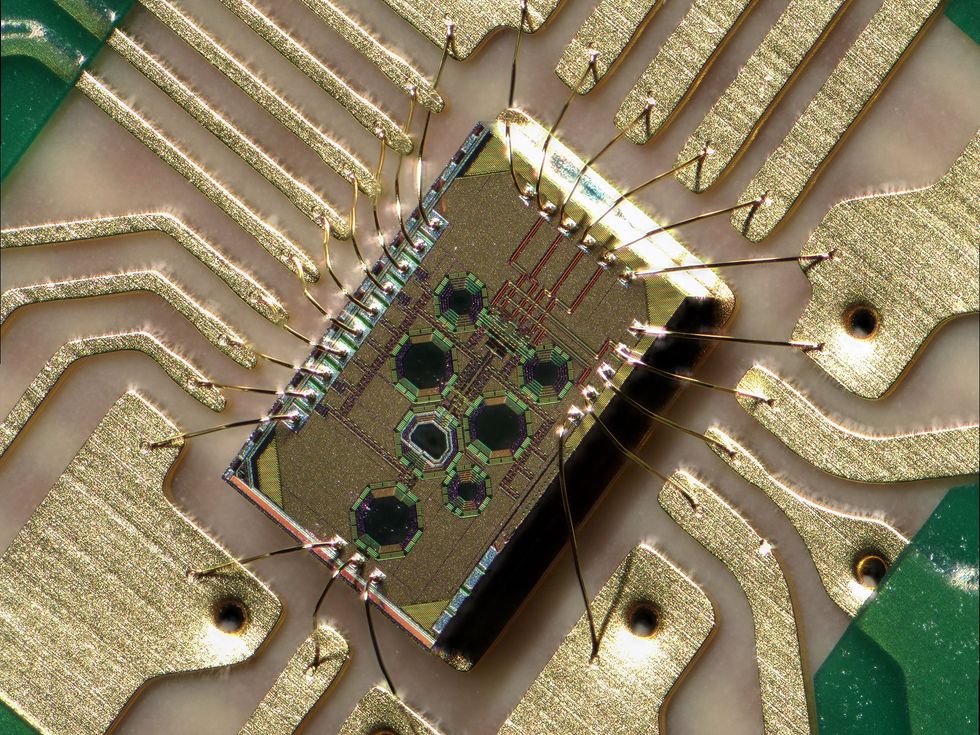
Wi-Fi That Can Withstand a Nuclear Reactor
Researchers at the Institute of Science Tokyo have developed a robust Wi-Fi receiver capable of functioning within the extreme conditions of a nuclear reactor, a breakthrough presented by graduate student Yasuto Narukiyo at the IEEE International Solid-State Circuits Conference in San Francisco this February. The receiver can withstand radiation doses of up to 500 kilograys, significantly exceeding the tolerance levels of typical electronics used in space. This innovation aims to enhance wireless communication for robots tasked with decommissioning nuclear reactors, a process that has become increasingly vital since the Fukushima Daiichi disaster in 2011. Currently, many robotic systems rely on cumbersome LAN cables, which can complicate operations in hazardous environments. With over 200 reactors expected to reach the end of their operational lives in the next two decades, the need for effective decommissioning solutions is pressing. To achieve radiation hardening, Narukiyo and his team modified the receiver's components, reduced the number of transistors, and adjusted their design to minimize vulnerability to radiation damage. They focused on optimizing the performance of PMOS and NMOS transistors, leading to a receiver that maintained comparable performance to standard Wi-Fi devices even after exposure to high radiation levels. Looking ahead, Narukiyo plans to enhance the receiver's capabilities and develop a transmitter for two-way communication, which presents additional challenges due to the high current requirements for Wi-Fi signal generation. The team is also investigating alternative semiconductor materials, such as diamond, to improve the transmitter's resilience.
Wi-fi Nuclear-reactors Isscc Decommissioning Industrial-robots Radiation-hardening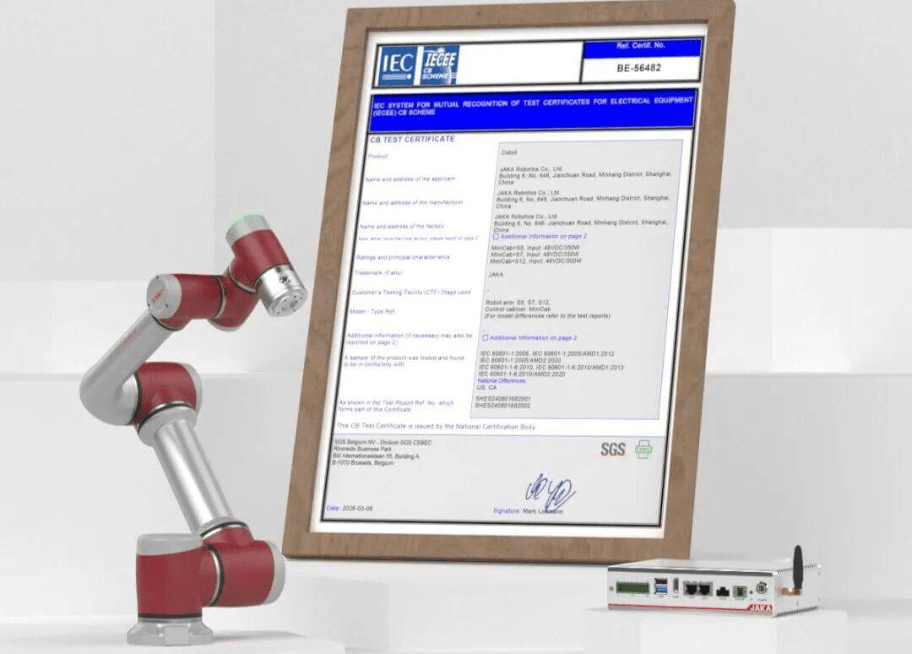
权威认证加持!节卡机器人拿下 IEC 60601医疗安规认证,加速医疗领域智能变革
JAKA Robotics has recently achieved IEC 60601 medical safety certification for its S-series robots (S5/S7/S12) and MiniCab control cabinet. This certification, awarded by SGS, confirms that JAKA's products meet the stringent safety standards for medical electrical equipment set by the International Electrotechnical Commission. This milestone not only enhances the safety and reliability of JAKA's robots but also positions them as compliant, safe collaborative solutions for medical environments, paving the way for the company to expand its presence in the global healthcare market and support the high-quality development of medical automation. The IEC 60601-1 standard is recognized as a core guideline in medical device safety, imposing stricter requirements compared to the standards typically followed by industrial robots. The certification process involved rigorous testing for electrical safety, ensuring that even in the event of a single component failure, patient and operator safety would be maintained. For instance, the certified robots do not interfere with sensitive medical equipment in operating rooms and can function safely in complex electromagnetic environments. JAKA's robots have already been successfully integrated into various medical applications, demonstrating their reliability. In one instance, at Mindray's production facility, JAKA robots have automated key processes, increasing production efficiency significantly. Furthermore, in clinical settings, the robots assist in non-invasive treatments and dental surgeries, enhancing precision and reducing the workload on medical staff. The IEC 60601 certification opens up broader opportunities for JAKA Robotics in medical applications, with plans to expand into surgical navigation, radiation therapy, and rehabilitation, ultimately contributing to a more intelligent and efficient healthcare future.
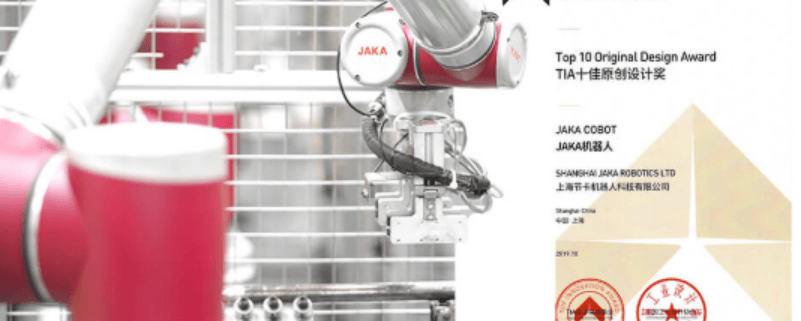
Cobot China Safety Standards: Meeting ISO and CE Requirements
In the rapidly evolving manufacturing sector, JAKA Robotics is emphasizing the importance of safety and compliance with Cobot China standards. The company, which specializes in collaborative robotics, is committed to meeting stringent ISO and CE requirements to enhance operational efficiency while ensuring workforce protection. JAKA's robotics systems are equipped with advanced safety mechanisms, including intelligent control algorithms and collision prevention features, which allow for real-time adjustments to potential hazards. This design ensures compliance with both international and domestic safety regulations, minimizing the risk of injury in complex environments. To maintain high precision and reliability, JAKA employs high-resolution encoders and adaptive servo control, achieving accuracy levels of 0.2 mm. Their lightweight collaborative robots, such as the Zu series and MiniCobo, are engineered for safe interaction with human operators, supported by integrated monitoring systems that uphold safety parameters. Recognizing the need for adaptability in modern manufacturing, JAKA's solutions seamlessly integrate with manufacturing execution systems (MES), automated guided vehicles (AGVs), and vision modules. This flexibility allows operators to engage with cobots safely without requiring extensive technical training. JAKA's commitment to adhering to Cobot China safety standards reflects its dedication to responsible innovation, ensuring that its collaborative robots operate effectively across various industrial environments. By prioritizing safety, JAKA aims to support both industrial growth and the well-being of the workforce.
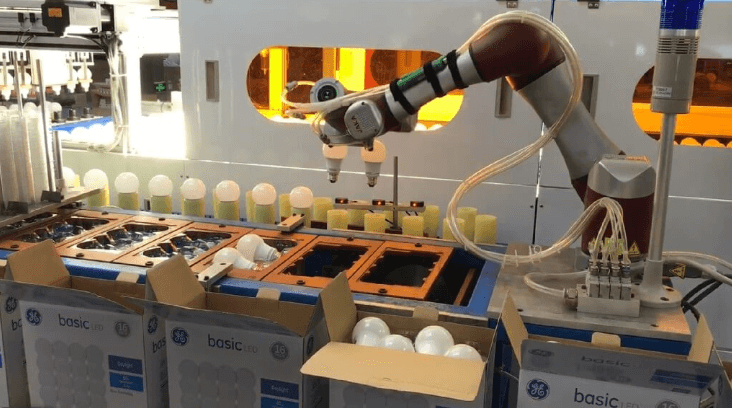
How to Find a Reliable Industrial Cobot Supplier with a Global Service Network?
JAKA, a leading provider of industrial cobots, emphasizes the critical importance of a robust global service network in ensuring operational security and scalability for businesses integrating automation technology. The company argues that a supplier's ability to deliver consistent, localized support is essential for maximizing productivity and return on investment over the long term. To assess a supplier's capabilities, JAKA advises companies to look beyond mere office locations and evaluate the technical certifications of regional engineers, as well as the availability of essential spare parts. A reliable partner should offer standardized service level agreements that can be implemented globally, transforming support promises into actionable processes that minimize downtime during maintenance or urgent interventions. Moreover, JAKA highlights the necessity of comprehensive lifecycle support, which includes providing extensive technical documentation, regular software updates, and structured training programs for engineers and operators. This approach aims to build internal competency, enabling teams to handle routine programming and troubleshooting effectively. Integration expertise is also crucial, as a dependable supplier should demonstrate a successful track record in applying their technology within diverse manufacturing environments. JAKA encourages potential partners to present case studies that address specific challenges, ensuring that the integration phase is managed collaboratively to meet precise technical and output requirements. In summary, JAKA underscores that selecting a supplier involves evaluating both the technical performance of industrial cobots and the strength of their support infrastructure, ultimately fostering sustainable operational growth in complex industrial automation.

AI’s climate impact is much smaller than many feared
Recent research has revealed that artificial intelligence (AI), often perceived as detrimental to the environment, may not be as harmful as previously thought. Conducted by a team analyzing U.S. economic data and AI application across various sectors, the study found that while AI does consume a notable amount of energy at a local level, its overall impact on national and global energy consumption is minimal. Furthermore, the findings suggest that AI could play a pivotal role in advancing green technologies, potentially aiding efforts to combat climate change rather than obstructing them. This research challenges the prevailing narrative surrounding AI's environmental footprint and highlights its potential benefits in promoting sustainable practices.

Key to Managing Legacy Munitions in the Baltic Sea - Expedition AL628 Investigates Suspected Sites in German and Danish Waters
The Baltic Sea, long known to be contaminated with remnants of munitions from past conflicts, is the focus of ongoing research aimed at identifying the locations and conditions of these underwater hazards. Three major initiatives at the national, Baltic Sea, and European levels are currently underway to enhance understanding and develop technologies for the safe identification of submerged munitions. The GEOMAR Helmholtz Centre for Ocean Research Kiel is actively participating in these efforts through a series of expeditions. The first of these missions has commenced aboard the research vessel ALKOR, which is testing and refining advanced mapping and analysis techniques. This initial expedition is concentrating on specific areas within German and Danish waters, particularly around the Flensburg Fjord/Lille Belt, west of Bornholm, and the Bay of Lübeck. The goal of these projects is to consolidate existing knowledge and improve safety measures regarding the munitions that pose environmental and navigational risks in the Baltic Sea.
Robotics needs a service framework.
RSF defines a common language for robot service capability, lifecycle operations, certification pathways, and service-provider networks.